Salads Recipes
213 recipes. Page 6 of 9
Salads are light, healthy dishes built around fresh vegetables and fruits. From classic Caesar and Greek salads to Korean-style tofu salads and grain bowls, the range is broad. The dressing makes all the difference - and homemade versions are fresher and free of additives.
Korean Soybean Sprout Cold Salad
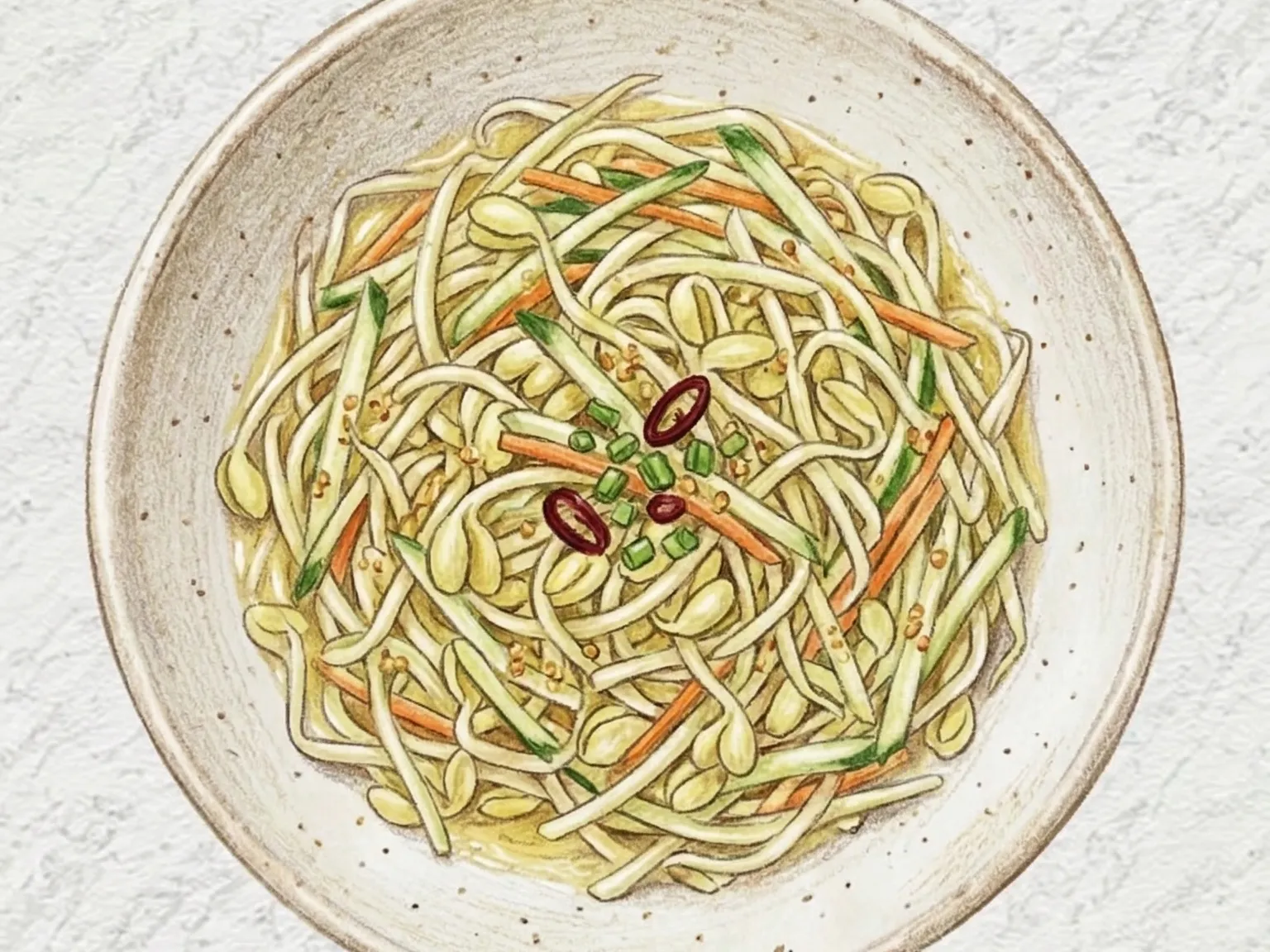
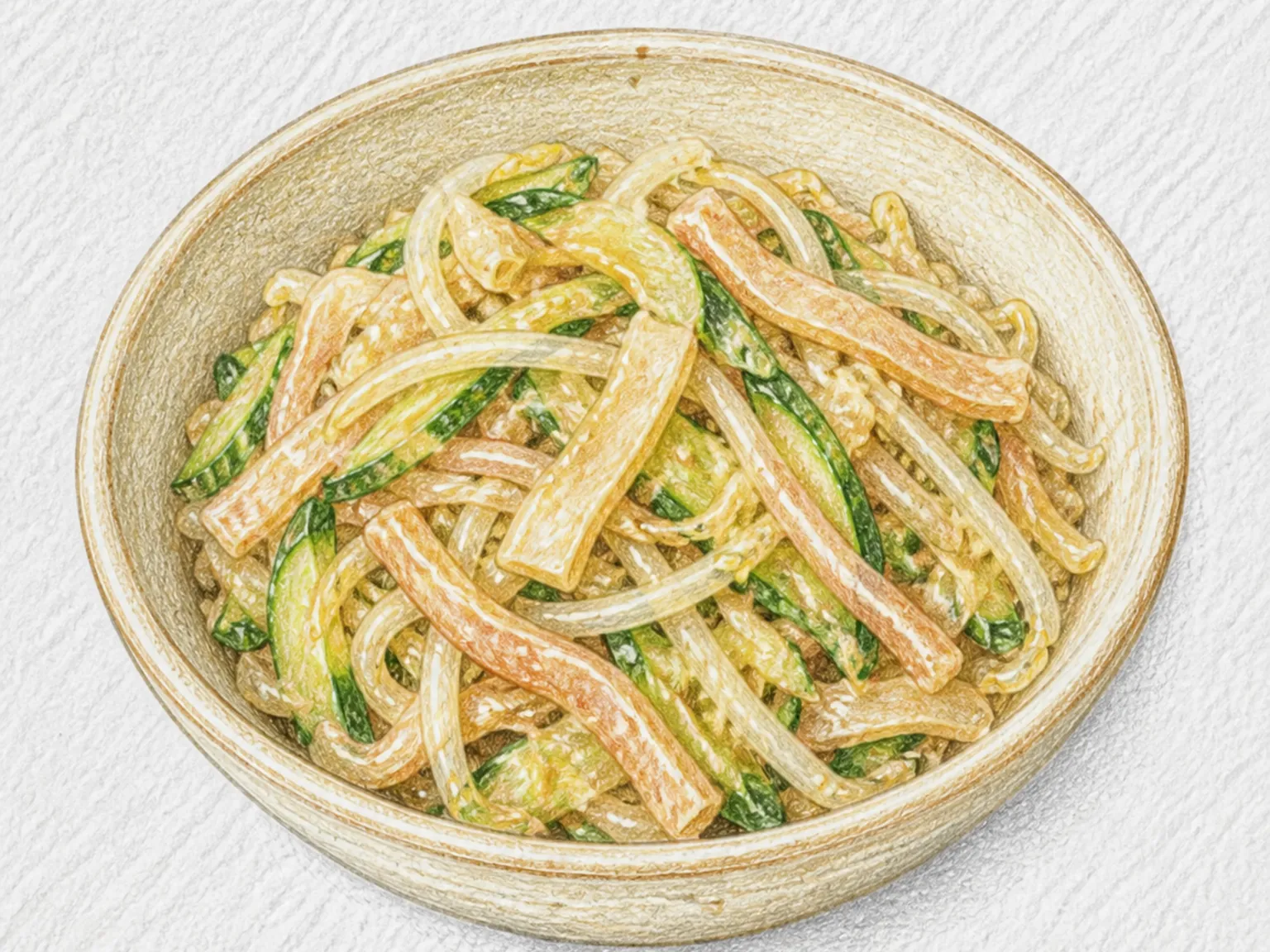
Kongnamul-naengchae is a chilled Korean salad of boiled soybean sprouts and vegetables tossed in mustard dressing - conceptually distinct from regular kongnamul-muchim because it is designed to be served cold. The mustard sauce defines the dish: mustard powder (or tube mustard) mixed with vinegar, sugar, and salt creates a sharp, nose-tingling heat alongside a sweet-sour brightness. Prepared mustard needs five to ten minutes of resting after hydration for the allyl isothiocyanate compound to fully develop its pungency. Julienned cucumber and carrot release moisture, so they should be briefly salted or patted dry to prevent diluting the sauce. Chilling for at least ten minutes before serving maximizes the refreshing effect, and cold temperatures actually sharpen the mustard's bite. This banchan excels as a palate cleanser alongside fatty main dishes like samgyeopsal or bulgogi.
Kurumi Gobo with Edamame Paste
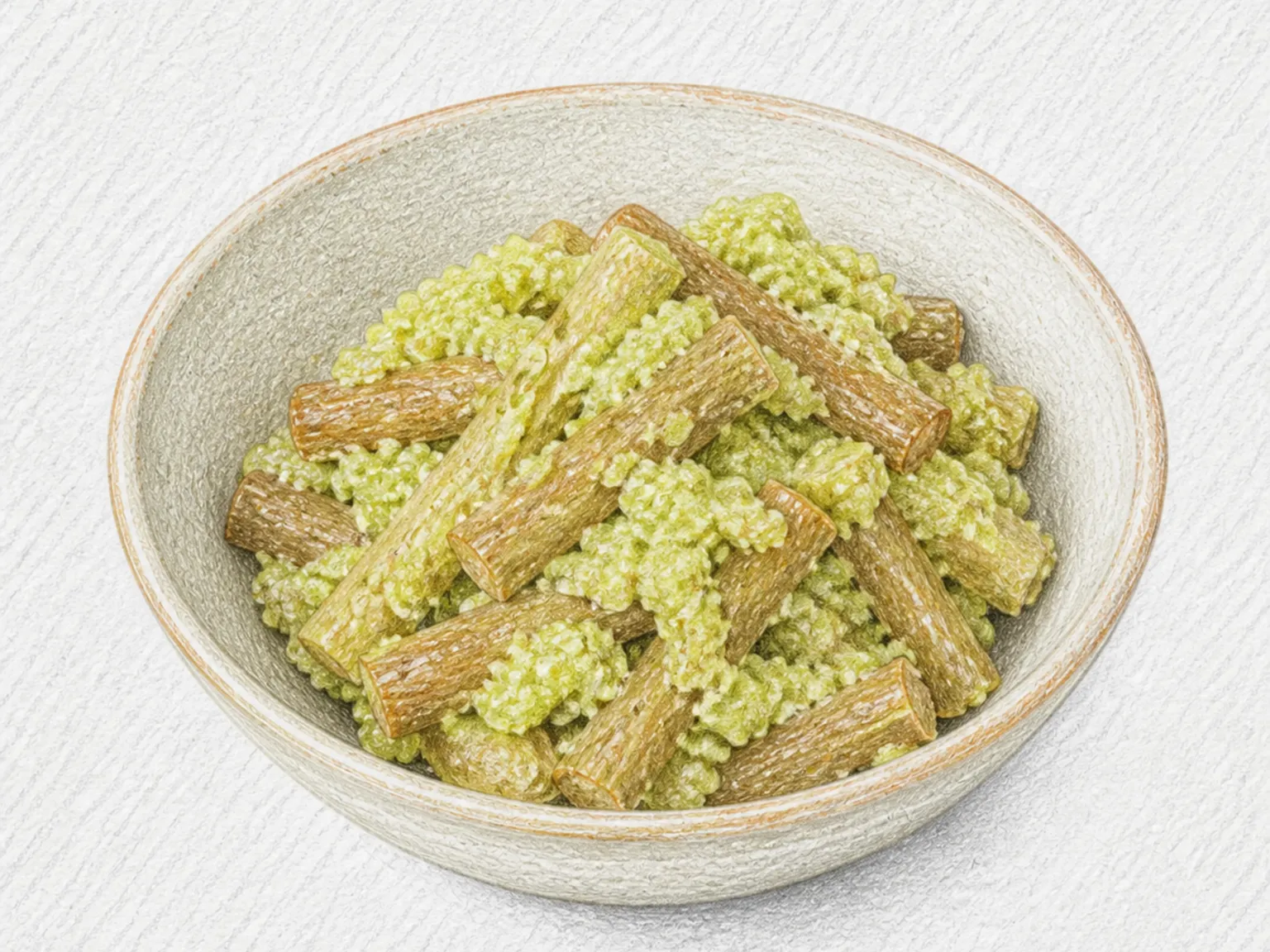
Kurumi gobo is a local dish from Shigaraki in Koka City, Shiga. Burdock is simmered in lightly salted water, while edamame is cooked until soft, peeled of its thin inner skins, and ground with sugar and salt into a thick paste. The 3cm burdock pieces are coated generously so the smooth bean paste meets the root's firm bite. The dish has long been offered and shared with saba sushi at the autumn festival of Sansho Shrine in Kamiasamiya, also called the Gombo or Burdock Festival. Families still prepare it when the festival returns each autumn, preserving its specific edamame dressing method.
Laphet Thoke (Burmese s signature salad)
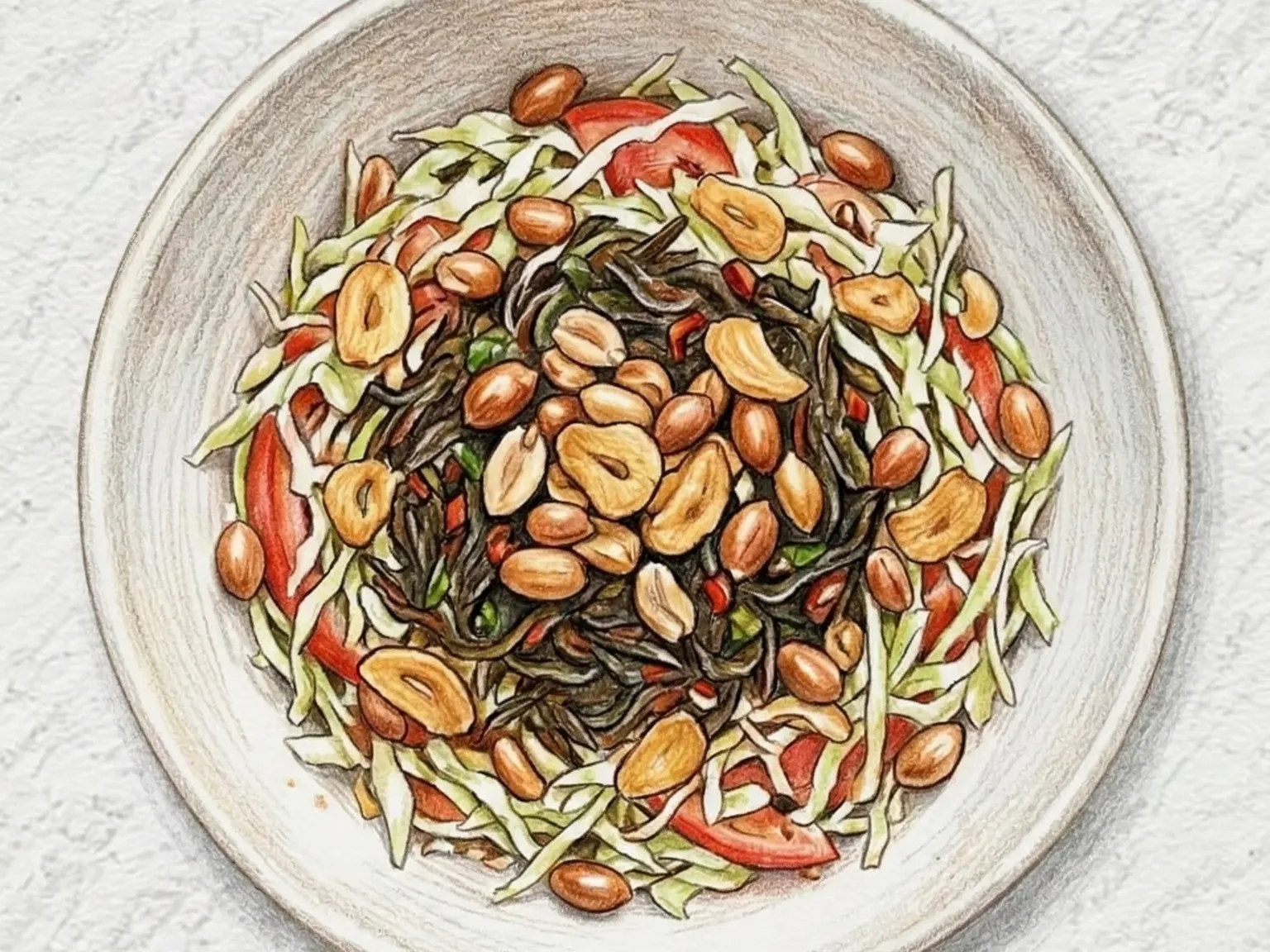
Laphet thoke is Myanmar's signature salad, built entirely around fermented tea leaves whose tannic bitterness and concentrated umami form the flavor foundation from which everything else is assembled. The leaves undergo a long fermentation that softens their rawness, coaxing out a layered sourness and complex savory depth that explains why laphet holds a ceremonial significance in Burmese food culture beyond its role as an everyday dish. Shredded cabbage provides a neutral, crunchy base, while chopped tomato adds juicy acidity that lightens the tea leaves' intensity and keeps the salad from feeling heavy. Roasted peanuts contribute a nutty richness, and fried garlic chips deliver a salty, crispy element that introduces textural contrast in every bite. The essential technique is dressing the tea leaves first with lime juice, sesame oil, and chili flakes, allowing the seasoning to soak fully into the leaves before the vegetables and nuts are folded in, so the bold flavors distribute evenly throughout the bowl rather than pooling at the bottom.
Larb Gai (Thai Isan Minced Chicken Herb Salad with Lime)
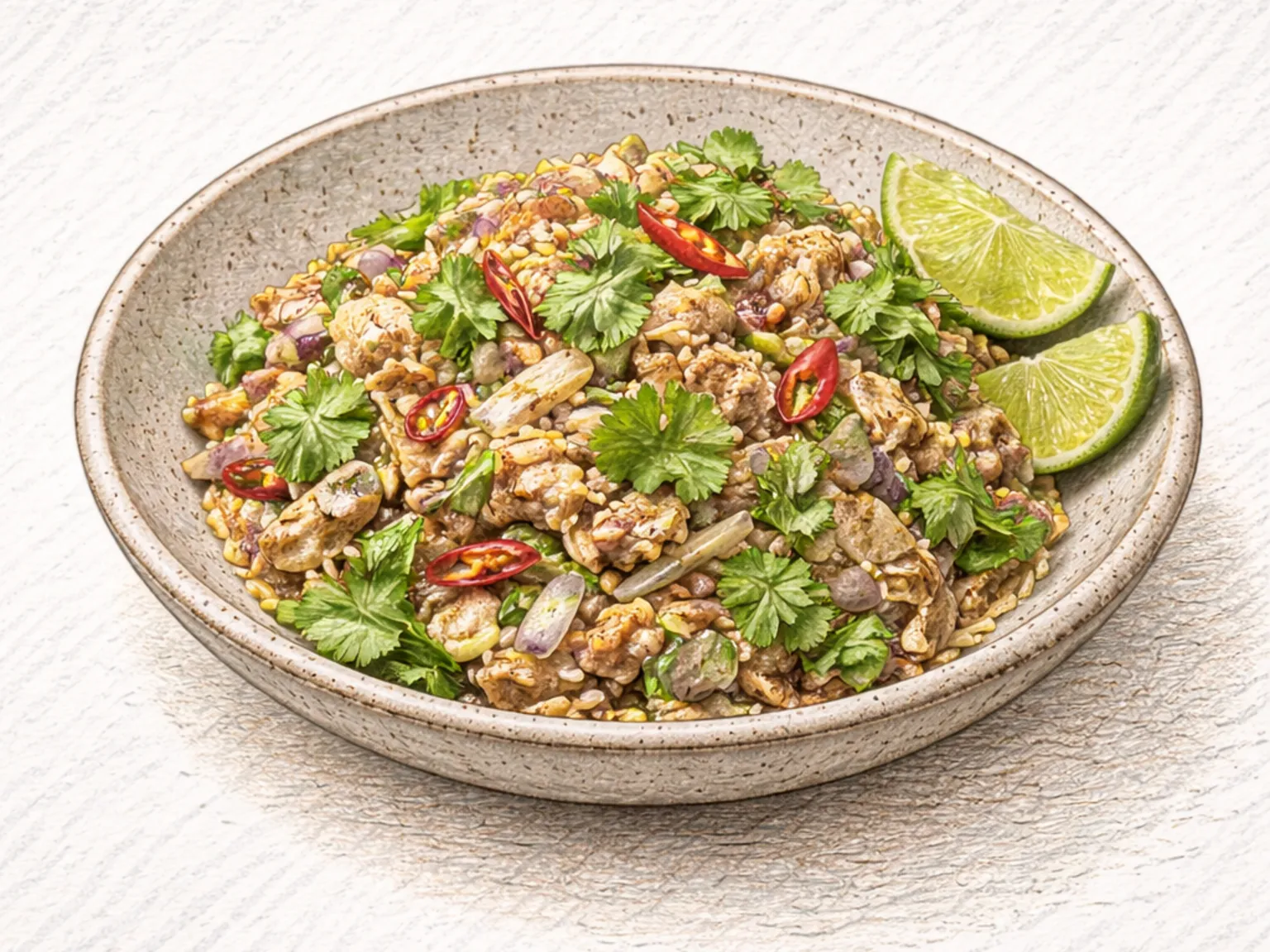
Larb Gai is a traditional herb salad from the Isan region of northeastern Thailand, featuring minced chicken as its base. The preparation starts by cooking ground chicken with a small amount of water until it is no longer pink, ensuring the meat remains tender and crumbly. Once removed from the heat, the warm chicken is seasoned with lime juice, fish sauce, sugar, and chili flakes. Adding the lime juice off the heat preserves its natural acidity and bright aroma. Thinly sliced shallots and toasted rice powder are then folded into the mixture. The toasted rice powder acts as a binding agent that absorbs the juices while providing a distinct nutty crunch. Fresh mint leaves are tossed in at the very end to prevent them from darkening. The salad is served alongside sticky rice, lettuce, or cabbage cups.
Thai Larb Gai
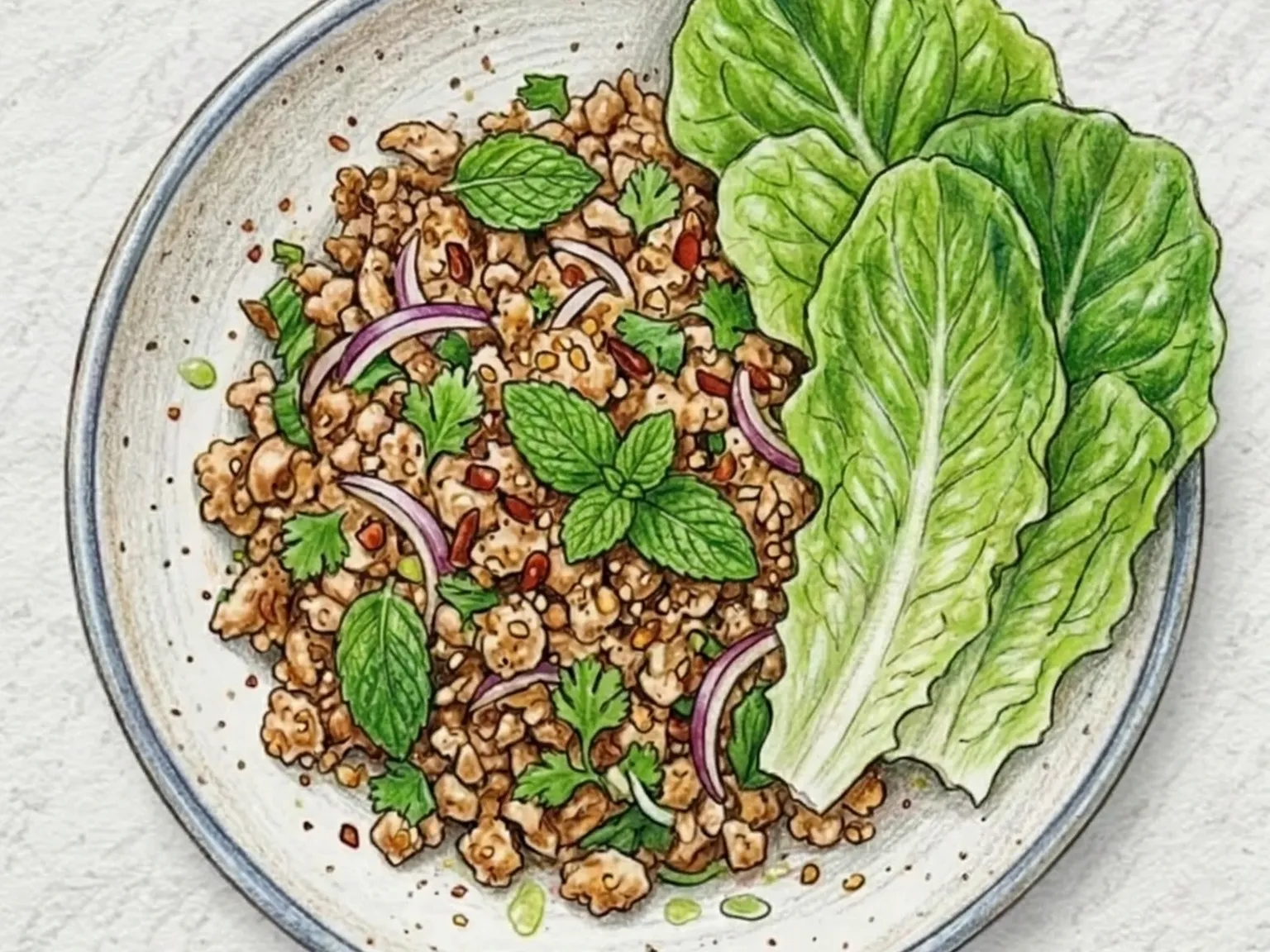
Larb gai is a traditional salad preparation originating from the Isan region of Thailand that uses ground chicken as its primary protein component. During the cooking process, the minced meat is simmered with a small volume of water to ensure that it remains soft and retains its natural moisture throughout the preparation. The chicken is then seasoned using a combination of fish sauce and the juice squeezed from fresh limes. A specific ingredient that gives this dish its unique character is khao khua, which is rice that has been dry-toasted and subsequently processed into a coarse powder. To create this, plain white rice is heated in a dry pan without the addition of any oil until the grains develop a golden brown color and release a toasted aroma. When this ground rice is added to the salad, it introduces a nutty and slightly smoky flavor profile that distinguishes larb from other types of minced meat preparations found in the region. The dish also incorporates thin slices of raw red onion, which provide a sharp flavor and a crisp texture. Additionally, fresh mint leaves are mixed in to provide a cooling herbal quality that balances the savory notes of the seasoned chicken. After the salad has been placed on a plate, the amount of lime juice can be adjusted according to individual preferences for acidity. The standard method for consuming larb gai involves placing a portion of the mixture into a fresh, crisp lettuce leaf, which provides an extra layer of crunch while helping to moderate the intensity of the spices.
Lauki Raita (Indian Bottle Gourd Yogurt)
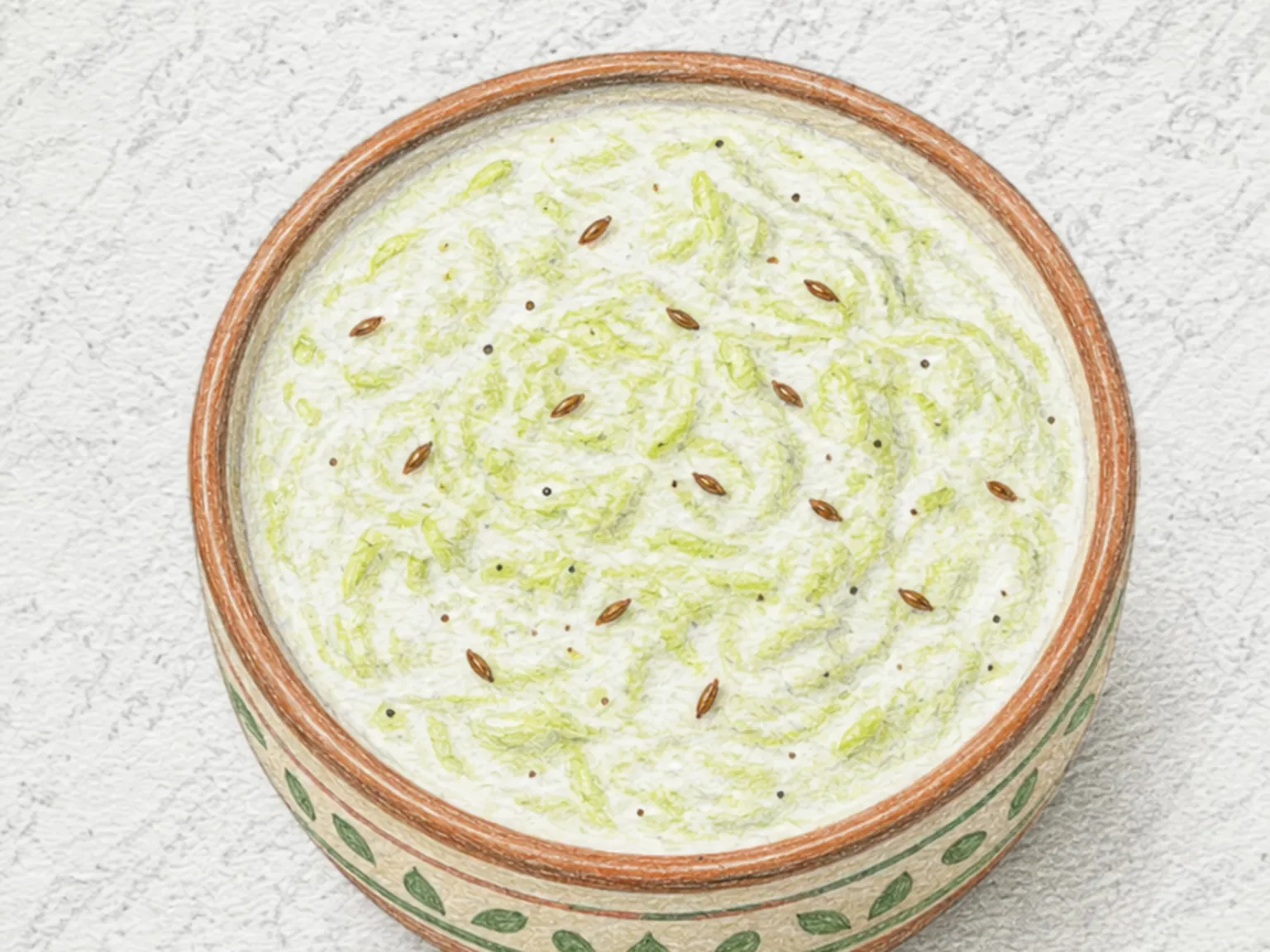
Lauki raita is a chilled Indian accompaniment made from coarsely grated bottle gourd, plain yogurt, roasted cumin powder, black salt, chili powder, mint, and coriander. Peel and grate the gourd, then boil it only until it becomes tender; extended cooking can turn the shreds into a soft mass that disappears into the yogurt. Cool the cooked gourd under cold water and press it in a sieve with a spoon. The aim is to remove free water without squeezing the vegetable completely dry. Too much retained liquid makes the raita thin and allows the spices to settle, while a little moisture helps the strands disperse through the yogurt. Whisk the plain yogurt on its own until smooth before adding the drained gourd, roasted cumin, and black salt. This order avoids pockets of thick yogurt and gives the seasoning an even base. Chop the mint and coriander near serving time and scatter them over the bowl with only a pinch of chili powder, preserving their fresh aroma and giving the pale mixture a clear finishing accent. Refrigerate the raita until thoroughly cold. Its mild gourd, tangy yogurt, toasted cumin, and herbal top notes provide a cooling contrast beside a spiced curry, and the spoonable consistency also makes it useful as a dip for flatbread. Stir once before serving if any liquid has collected around the edge.
Lentil Kale Salad
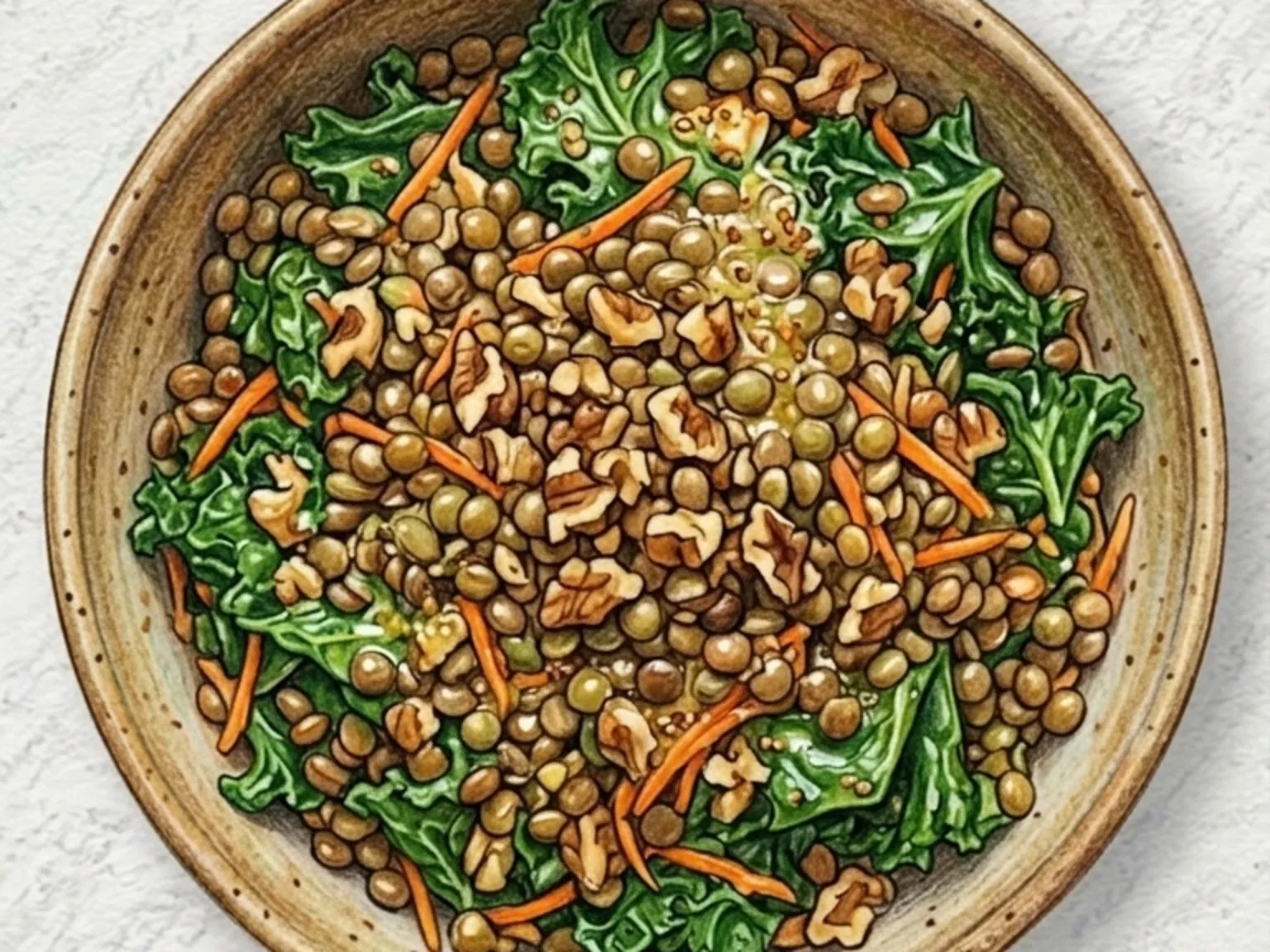
Lentil kale salad pairs the tender yet distinctly grainy bite of cooked green lentils with sturdy kale leaves, resulting in a bowl that satisfies like a full meal rather than a side salad. The vinaigrette of Dijon mustard, lemon juice, and olive oil does two things at once -- it brightens the kale's natural bitterness into something lively and it acts as the marinade that softens the leaves during the massage step. Massaging the kale by hand for about a minute before dressing it is the step that transforms the texture from tough and fibrous into something genuinely pleasant to chew, and it also opens up the leaf surface so the dressing clings rather than sliding off. Lentils benefit from careful timing: twenty to twenty-five minutes of simmering leaves them cooked through with a slight resistance at the center, and overcooking past that point turns them mushy and strips the salad of its textural contrast. Julienned carrot adds natural sweetness and a pop of color that keeps the bowl from looking uniformly green. Roughly chopped walnuts contribute a rich crunch and healthy fat that rounds out the nutritional profile. A shaving of Parmesan or a handful of roasted chickpeas makes a straightforward addition when more substance or complexity is wanted.
Lotus Root Crab Yuja Salad
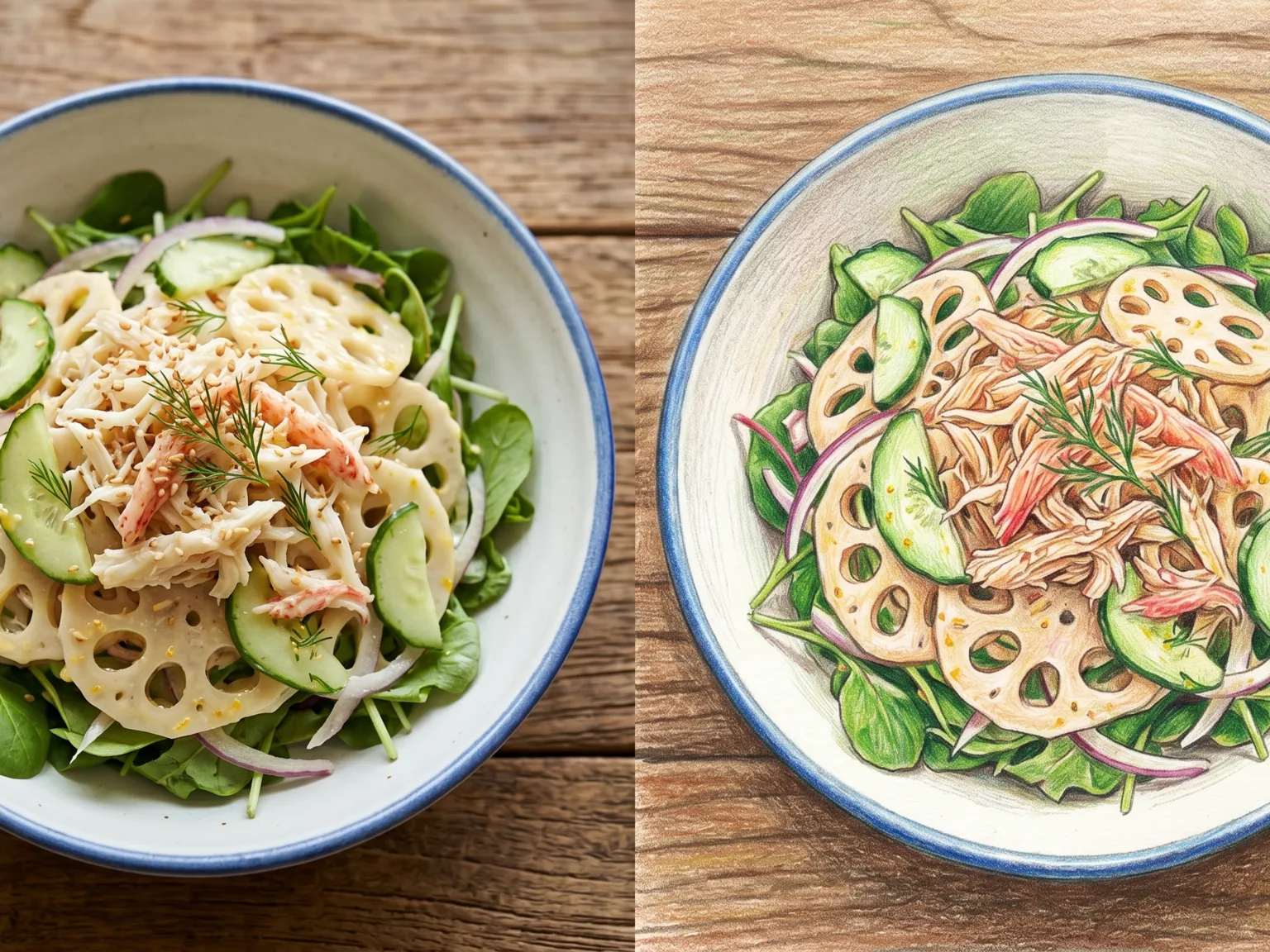
Thinly sliced lotus root, blanched until just crisp-tender, provides the structural crunch at the center of this salad, while gently separated crab meat drapes a delicate sweetness and umami over each bite. The yuja mayo dressing - yuja marmalade folded into mayonnaise with lemon juice - delivers citrus fragrance and creamy richness simultaneously. Half-moon cucumber slices and thin red onion add contrasting crunch, and a bed of mixed baby greens brings color and freshness to the plate. Keeping the blanching time under four minutes is critical; even a minute longer turns the lotus root soft and robs it of its signature snap.
Lotus Root Persimmon Salad
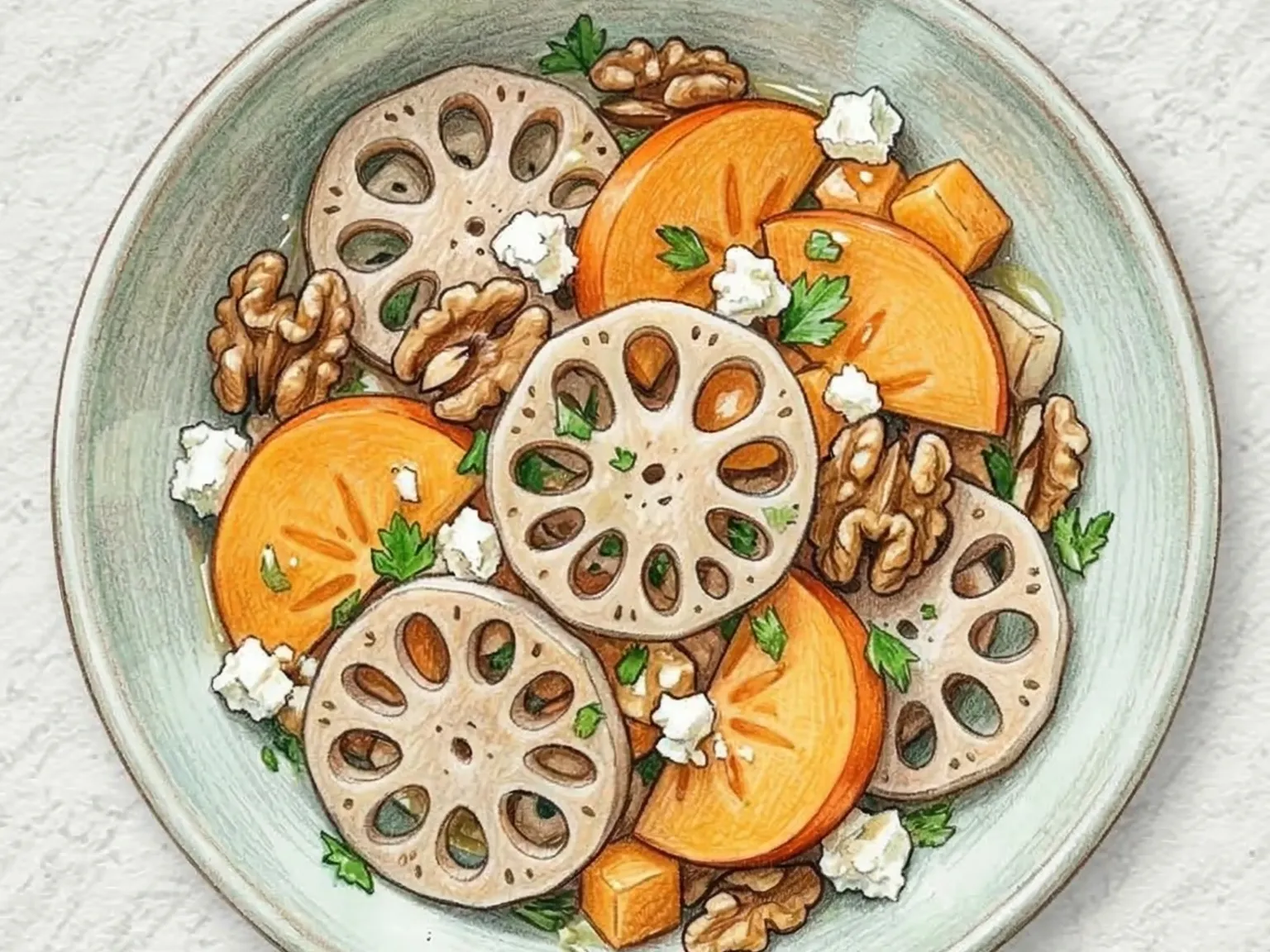
This salad combines blanched lotus root and sliced sweet persimmon to reflect seasonal autumn produce. The lotus root provides a clean and crisp texture that contrasts with the natural sweetness found in the fruit slices. A dressing composed of olive oil, honey, and fresh lemon juice is used to coat the ingredients without masking their individual flavors. Crumbled feta cheese provides a salty and tangy dairy element that balances the sugar content of the persimmon. Toasted walnuts, which are prepared by heating them briefly in a dry pan, contribute earthy fats and a crunchy texture that differs from the softer fruit. The salad is assembled on a base of baby greens to provide a layer of color. Dividing the dressing into two separate additions during the mixing process ensures that the seasoning is distributed evenly across all components. While the recipe typically uses firm persimmons, ripe soft persimmons known as hongsi can be used as an alternative. This variation produces a salad with a sweeter profile and a much softer, more yielding consistency.
Moroccan Green Bean Salad
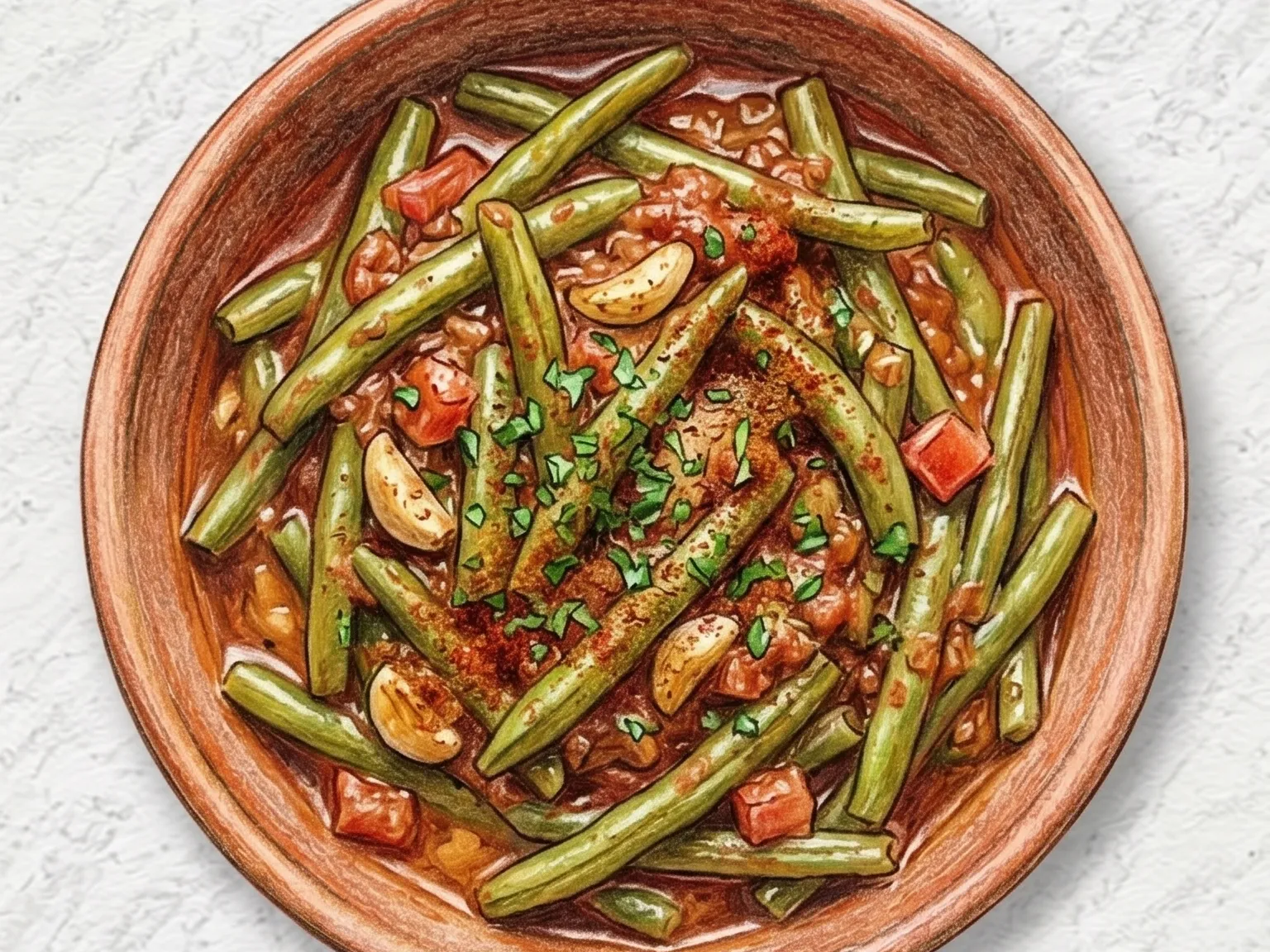
Loubia is a Moroccan warm salad where green beans are cooked down with crushed tomato, garlic, and spices until the sauce coats each bean thoroughly. Paprika and cumin layer smoky warmth and an earthy depth over the tomato's natural acidity, while garlic sauteed slowly at low heat releases a mellow sweetness that carries through the entire dish. A squeeze of fresh lemon juice at the end cuts through the richness and lifts the finish. If the tomatoes release a large amount of liquid, a brief blast of high heat will reduce the sauce back to a clinging consistency. The flavors develop noticeably after an overnight rest in the refrigerator, as the spices have time to penetrate the beans and the tomato sauce thickens further. This makes loubia an especially practical dish for preparing a day ahead.
Mediterranean Chickpea Salad
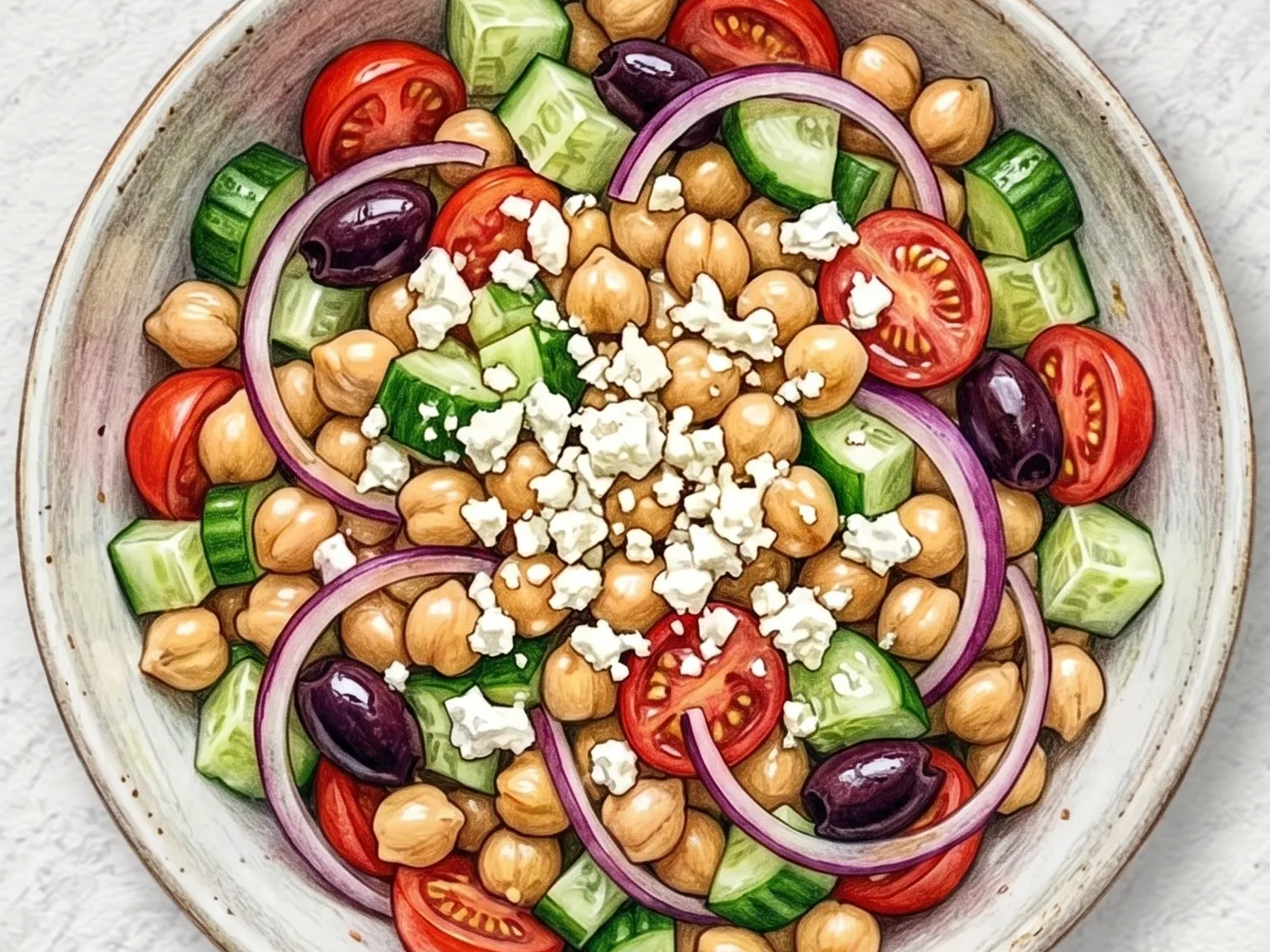
This Mediterranean salad centers on cooked chickpeas for their starchy, satisfying chew, surrounded by diced cucumber, halved cherry tomatoes, black olives, and thinly sliced red onion. A stripped-down vinaigrette of red wine vinegar and olive oil keeps the dressing from overpowering any single ingredient, and crumbled feta added at the end provides a salty, creamy contrast that pulls the whole bowl together. The red onion should soak in cold water for five minutes before going in so its sharpness softens and it blends smoothly with the milder components. No heat is needed anywhere in the preparation, and the whole salad takes about twelve minutes to assemble. A twenty-minute rest in the refrigerator allows the vinaigrette to distribute evenly and deepens the overall flavor. Pita bread for dipping or grilled chicken laid across the top turns this easily into a full meal.
Mediterranean White Bean Salad
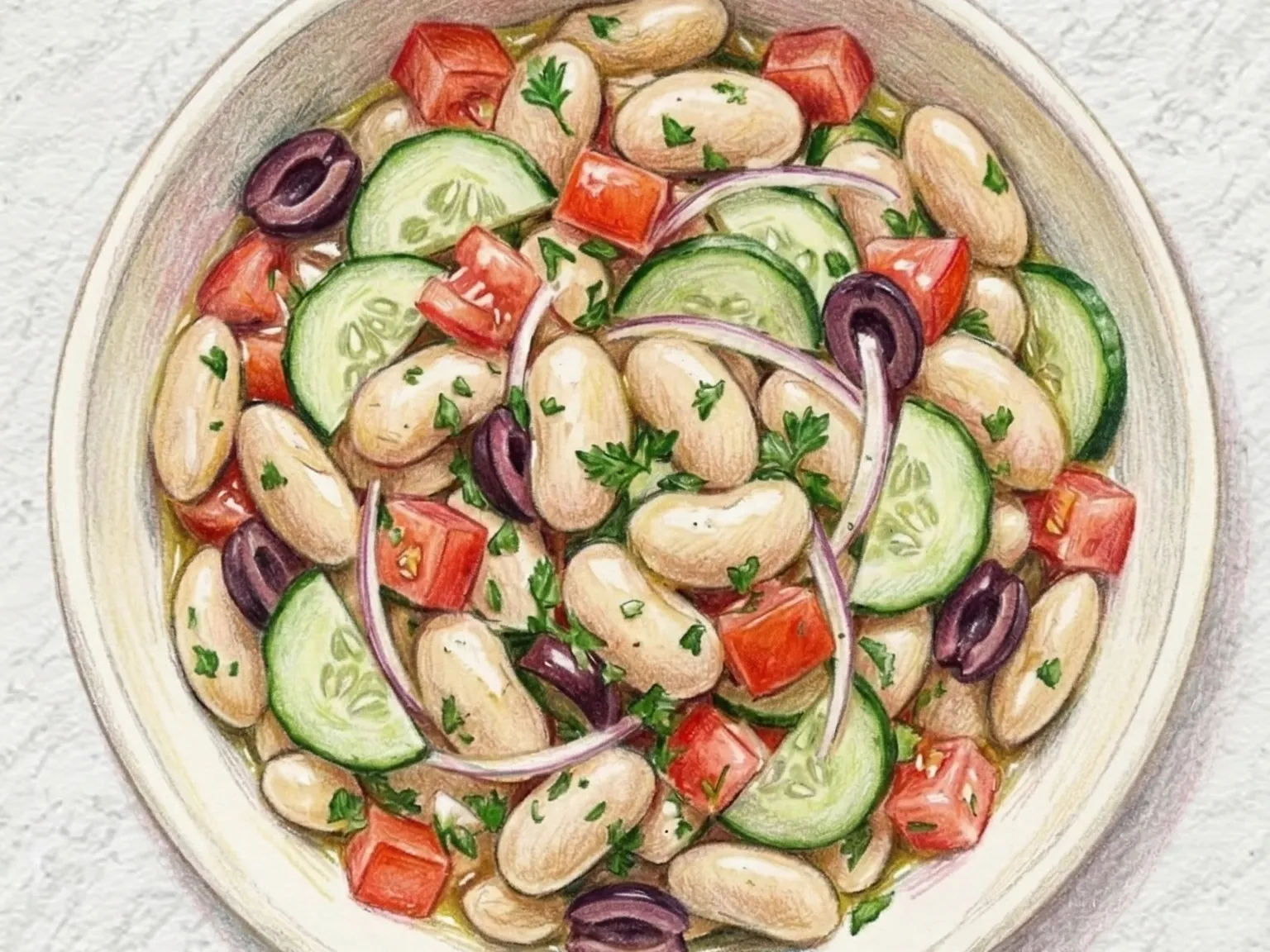
White beans anchor this salad with a soft, slightly mealy texture that makes the dish genuinely satisfying without relying on meat or grains. Diced cucumber and tomato bring moisture and fresh acidity to the mild legume base, while black olives add a briny, savory depth that pairs naturally with the simple lemon-and-olive-oil dressing. Finely chopped parsley brightens the bowl with herbal fragrance, and red onion is sliced thin enough that only a whisper of its sharpness remains, leaving room for everything else to come through. The entire salad requires no cooking and comes together in under fifteen minutes. Letting it rest for twenty to thirty minutes before serving allows the dressing to work into the beans and noticeably rounds out the flavor. Choosing an olive variety with dense, firm flesh like Kalamata adds a satisfying chew to every forkful, and a small spoon of Dijon mustard whisked into the dressing smooths the acidity into something rounder.
Millet Herb Salad
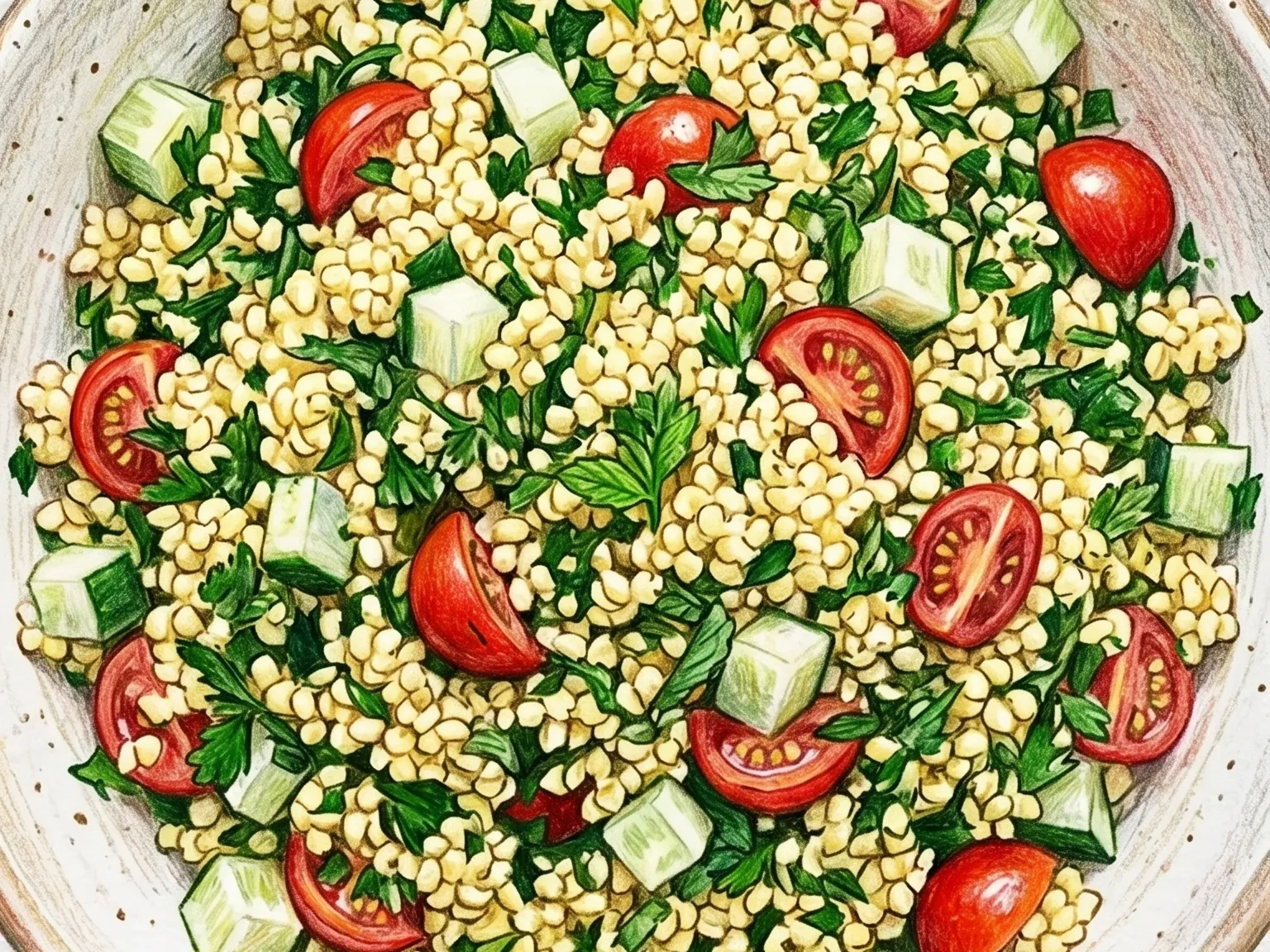
Millet herb salad is a grain salad built around cooked millet tossed generously with finely chopped flat-leaf parsley and fresh mint, dressed simply with lemon juice and olive oil. The millet is simmered until each grain is tender and separate, then spread to cool completely before anything else is added. Mixing warm millet with the herbs wilts them immediately and turns the texture of the finished salad dense and gluey rather than light and distinct. Once cooled, the grains fluff easily with a fork and provide a neutral, faintly earthy base that carries the herb flavor without competing with it. Diced cucumber and halved cherry tomatoes add moisture, color, and a contrasting freshness against the denser grain. The dressing is intentionally minimal, just enough lemon juice to keep the herbs bright and enough olive oil to coat without saturating. Parsley stems should be removed before chopping since the fibrous texture distributes unevenly, and mint should be measured with restraint as it can dominate quickly. Adding the dressing immediately before serving prevents the millet from absorbing too much liquid and clumping. The salad travels and holds well at room temperature, making it a practical choice for packed lunches and outdoor meals. Prepared the day before and refrigerated, the grain absorbs the dressing overnight and the flavors integrate more evenly.
Mimiga Sashimi with Peanut Vinegar
Mimiga sashimi is an everyday Okinawan dressed dish, not raw pork. Commercially cooked, sliced pork ear is rubbed with salt, briefly blanched, and kneaded in cold water to remove excess salt and fat before it is mixed with cucumber and bean sprouts in a dressing of peanut butter, white miso, vinegar, sugar, and salt. In this name, sashimi refers to a dressed preparation rather than uncooked meat. Cartilage in the ear supplies a firm, crisp bite comparable to jellyfish, while the vegetables keep the dish light. Prepared mimiga is sold in Okinawan supermarkets and markets, making the dish practical for home meals, institutional lunches, classes, and events.
Water Parsley & Beef Salad
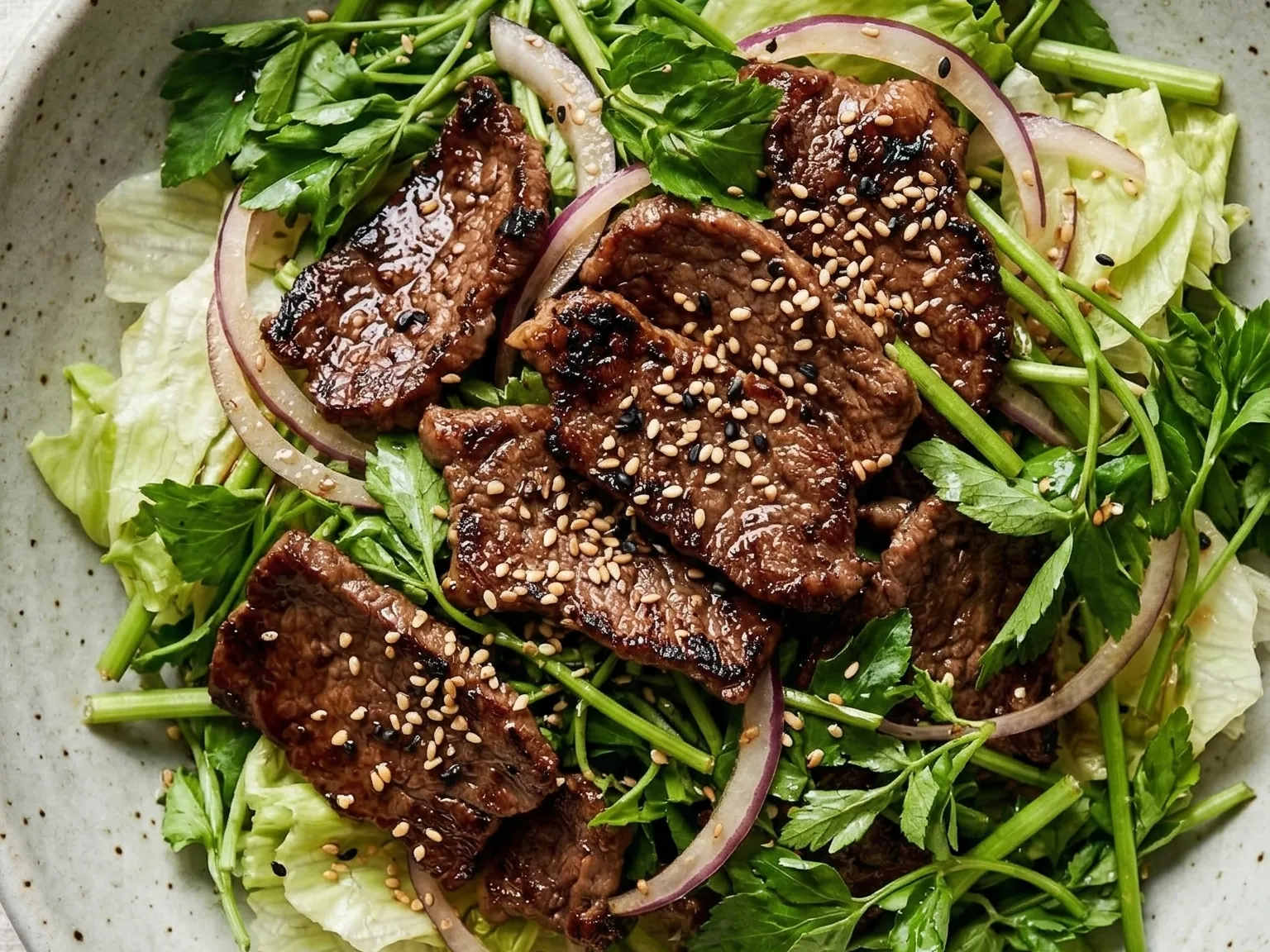
Beef marinated in soy sauce and pear juice is seared over high heat just long enough to develop a caramelized, deeply savory crust on the outside while the interior stays moist and tender. The cooked bulgogi is laid over a bed of fragrant minari and crisp lettuce, so each forkful carries both the warm, rich meat and the cool, crunchy vegetables. Thinly sliced red onion soaked in cold water to tame its bite then scattered through the bowl melds smoothly with the sweet-savory marinade coating the beef. A light toss of the remaining sesame oil from the pan coats the greens with a round, nutty aroma, and toasted sesame seeds sprinkled generously over the top complete the plate. Minari wilts quickly and loses its herbal fragrance once it is dressed, so it should only be combined with the other ingredients moments before the dish reaches the table. The warm meat against the cold greens creates a temperature contrast that makes each bite more dynamic. A spoonful of ssamjang dressing or a splash of yuzu vinegar can shift the flavor profile when variety is wanted.
Water Parsley Shrimp Salad
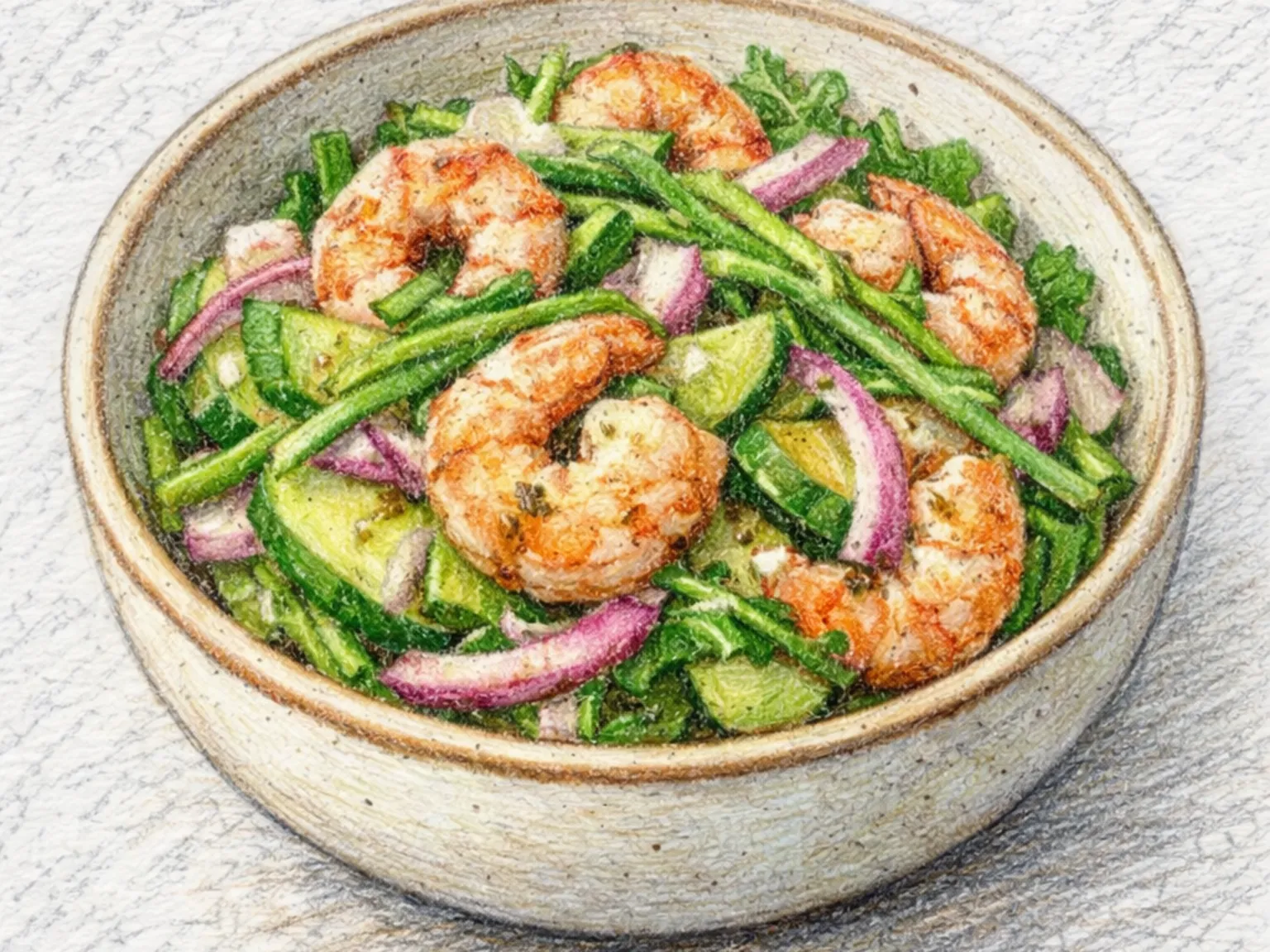
This Korean salad combines pan-seared shrimp with water parsley (minari) in a doenjang yogurt dressing that brings Korean fermented soybean paste together with plain yogurt in a lighter, creamier form than the paste alone. The shrimp are cooked just until opaque and springy - overcooking at this stage toughens them and diminishes their clean sweetness, which is the primary flavor note in the dish. Thinly sliced cucumber adds cool moisture and a fresh crunch throughout, and red onion soaked in cold water for at least ten minutes loses its raw harshness while keeping a pleasant mild sharpness. The dressing ratio technique matters: coating all the ingredients with two-thirds of the dressing first establishes a baseline seasoning, then tasting and adjusting with the remaining third ensures every component is evenly flavored without oversalting. Doenjang varies in salt intensity by brand and age, so tasting the dressing before assembling and balancing with extra yogurt or lemon juice prevents the final dish from being too salty. Sesame seeds scattered on top contribute a nutty finish that ties the Korean pantry elements together.
Seaweed Stem and Apple Mustard Salad
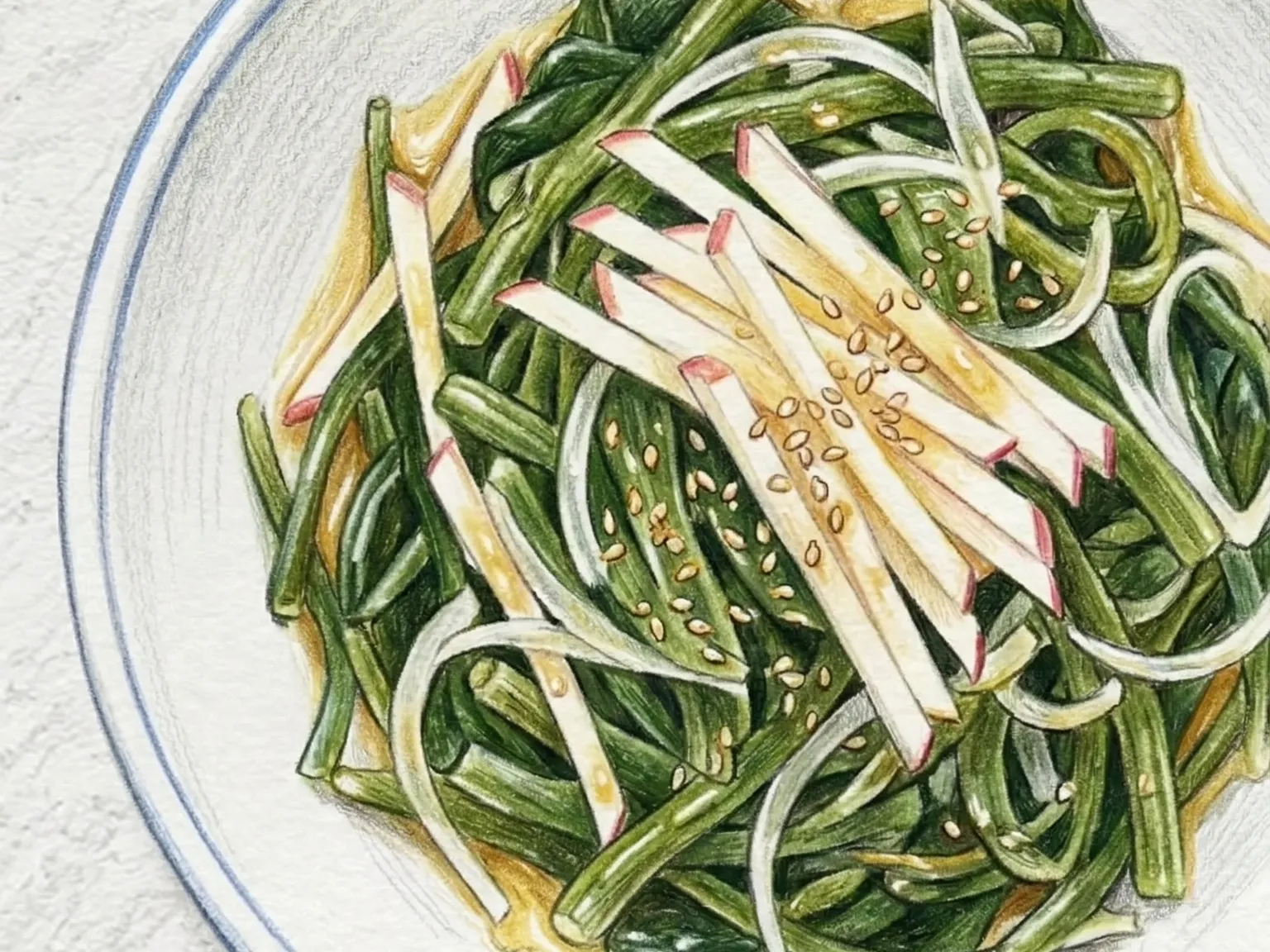
Salted seaweed stems are soaked to remove excess brine, then blanched briefly to achieve a firm, slightly chewy bite that defines this Korean salad's texture. Julienned apple adds crisp sweetness that contrasts with the seaweed's oceanic mineral flavor. Thinly sliced onion, soaked to mellow its sting, contributes a subtle sharpness. The dressing mixes Korean mustard paste with vinegar and oligosaccharide syrup - the mustard delivers a sharp nasal heat, while the syrup smooths the vinegar's acidity into something rounder. Tossing the apple with lemon juice first prevents browning, and a three-minute rest after dressing lets the flavors meld without overdressing the delicate stems.
Moroccan Carrot Chickpea Salad
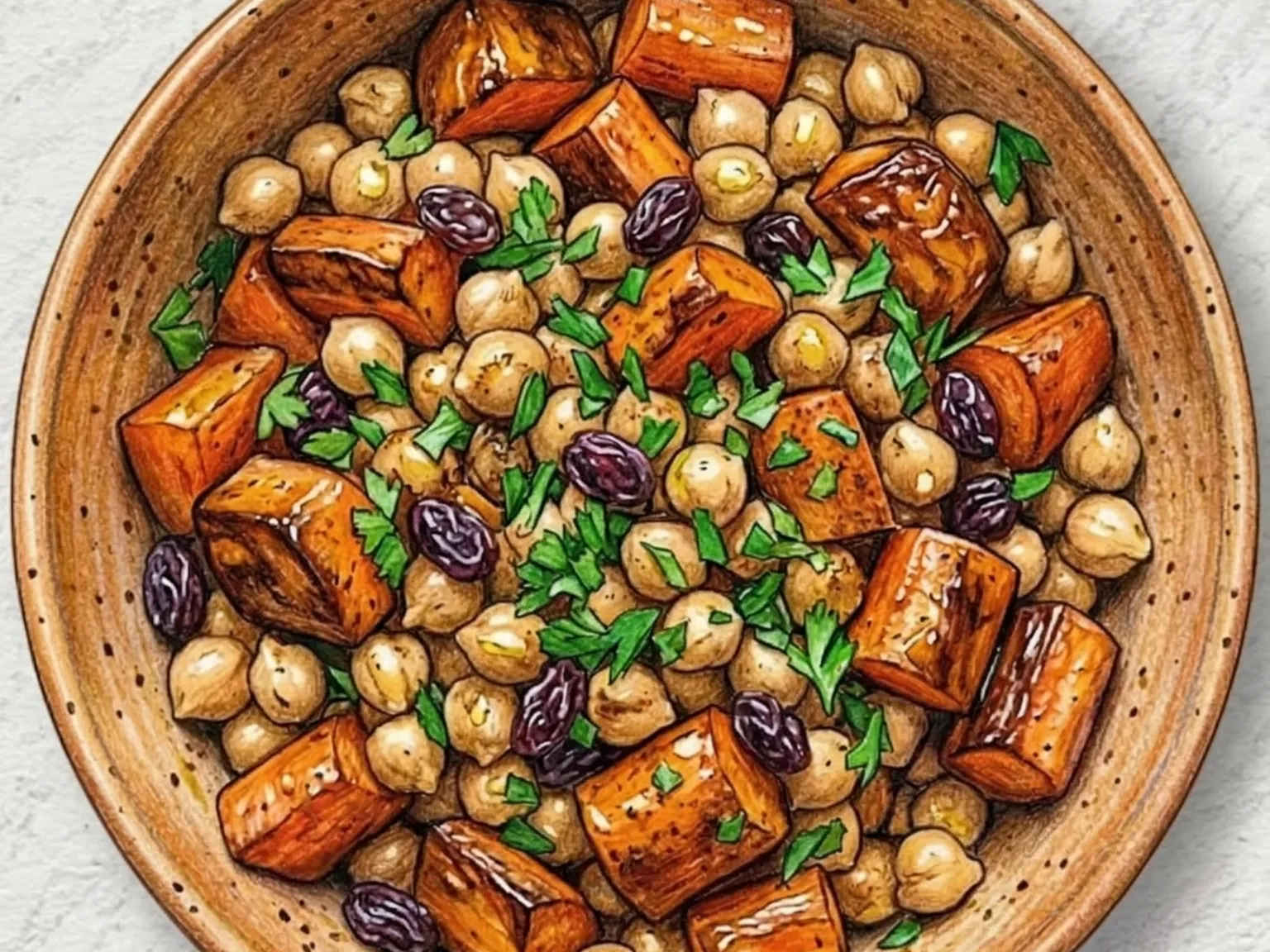
Carrots are roasted with cumin and paprika until the edges caramelize while the centers stay tender and sweet. Cooked chickpeas add enough protein to make the salad substantial on its own. A lean dressing of lemon juice and olive oil tempers the warm spice notes with bright acidity, while raisins tucked throughout provide pockets of fruity sweetness. Chopped parsley lifts the bowl with fresh herbal contrast. The sweet-savory balance characteristic of Moroccan cooking makes this versatile alongside bread, rice, or grilled meat.
Korean Spicy Radish Salad
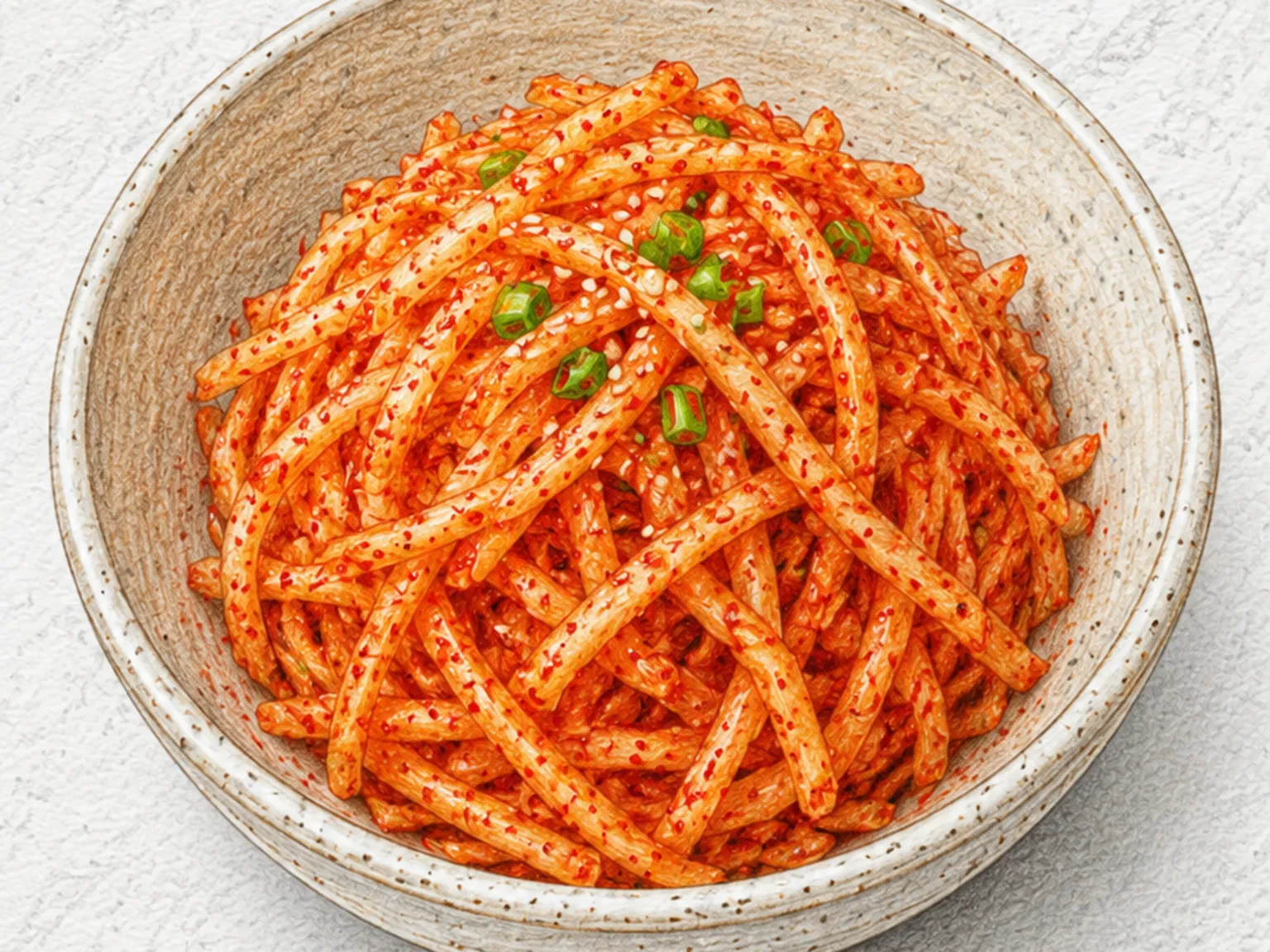
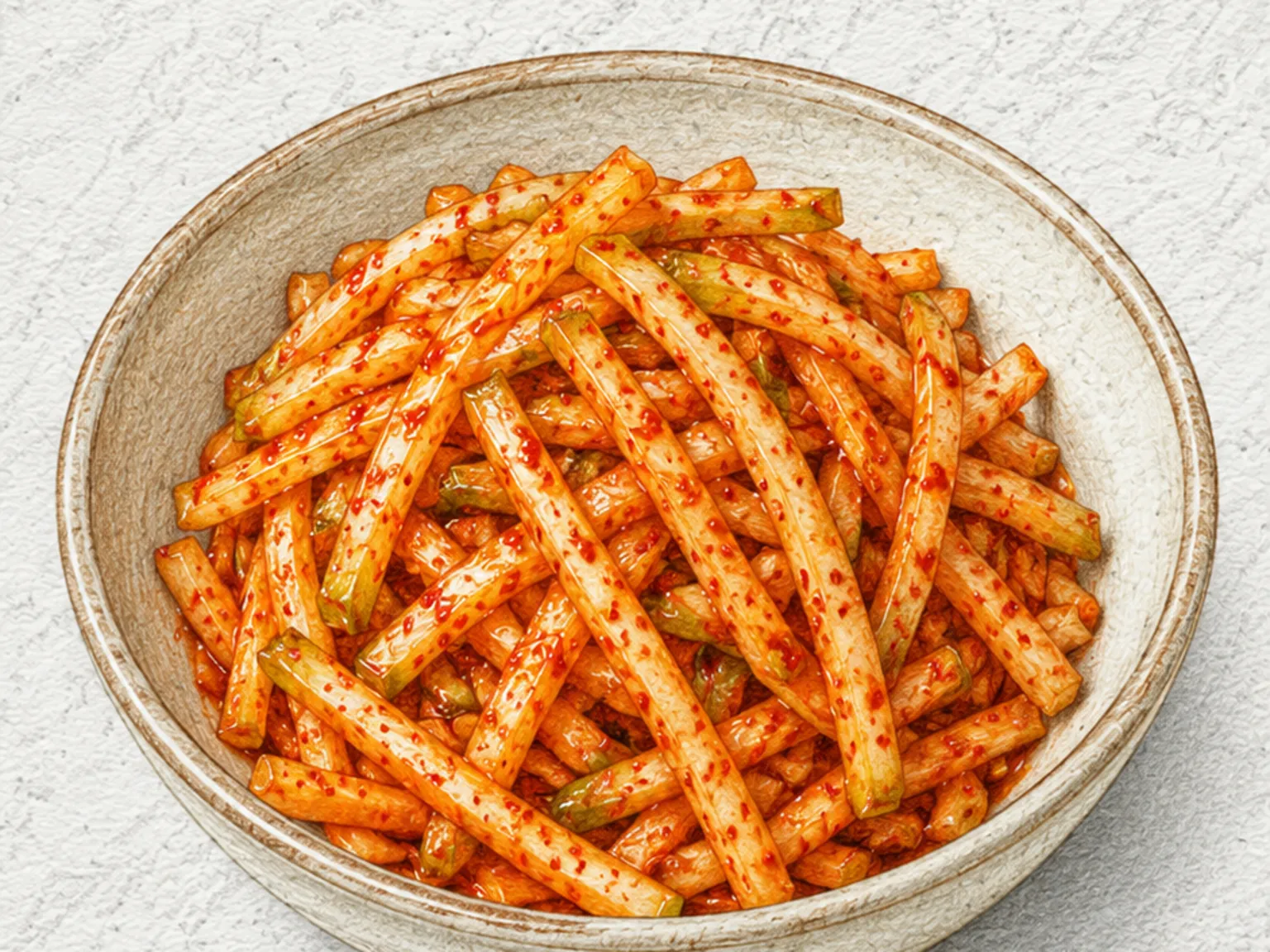
Mu-saengchae is a raw Korean radish salad dressed in gochugaru, vinegar, fish sauce, and sugar that sets itself apart from kimchi by skipping fermentation entirely and going straight to the table. The radish is julienned into fine, five-centimeter-long strips because a thinner cut allows the dressing to coat every surface evenly; cutting too thick leaves the raw radish's sharp pungency exposed and untempered. A ten-minute salting with coarse salt is the pivotal step that collapses the cell walls partially, drawing out excess moisture and priming the strips to absorb the dressing rather than dilute it. The finished sauce combines gochugaru, anchovy fish sauce, vinegar, sugar, minced garlic, and sesame oil into a dressing where the fish sauce lays down a concentrated umami backbone over the radish's clean, neutral flavor while the vinegar slows further moisture release to preserve crunchiness across the full serving period. Eaten fresh, the texture is at its maximum snap; left in the refrigerator overnight, the strips soften into a lightly pickled state that is equally good in its own way. Served beside fatty dishes such as samgyeopsal or braised short ribs, mu-saengchae clears and resets the palate between bites of rich meat, and it pairs without friction alongside virtually any protein-centered side.
Multigrain Salad
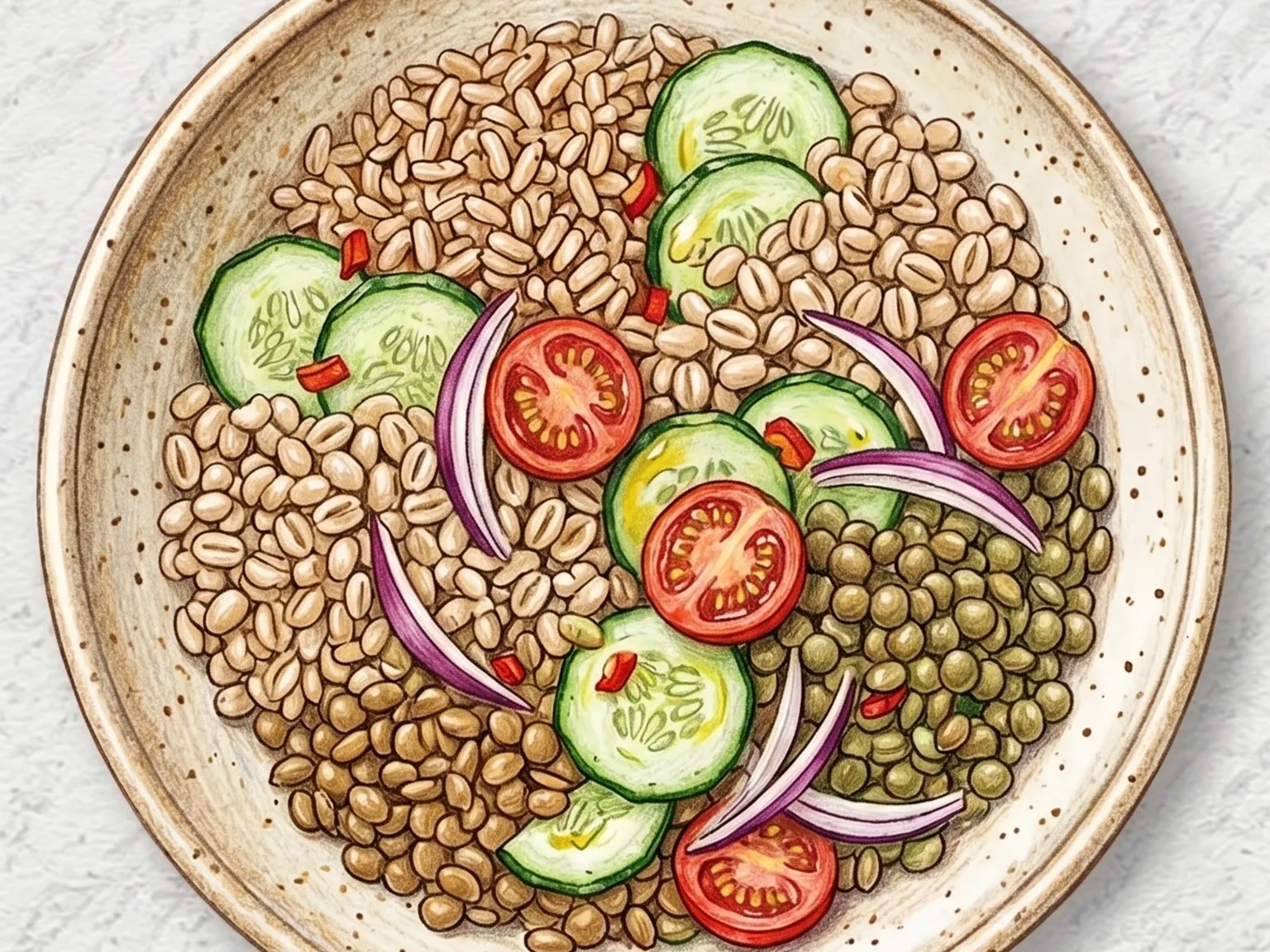
Brown rice, barley, and lentils are each boiled separately and cooled before being combined, so that every grain contributes its own distinct size and texture to the finished bowl. The brown rice stays chewy, the barley holds a thick bite, and the lentils offer a soft give that rounds out the contrast. Julienned cucumber and red onion introduce crunch and a mild sharpness that keep the heavier grains from feeling dense. Halved cherry tomatoes release juice as a natural supplement to the dressing, and a mixture of perilla oil and apple cider vinegar ties the bowl together with nuttiness and clean acidity. Adding sliced red chili or diced bell pepper extends the color and sweetness without changing the character of the dish. It holds well at room temperature, which makes it practical for meal prep and packed lunches. The combination of dietary fiber and plant protein means a moderate portion keeps hunger at bay for several hours.
Spicy Vinegared Octopus Muchim
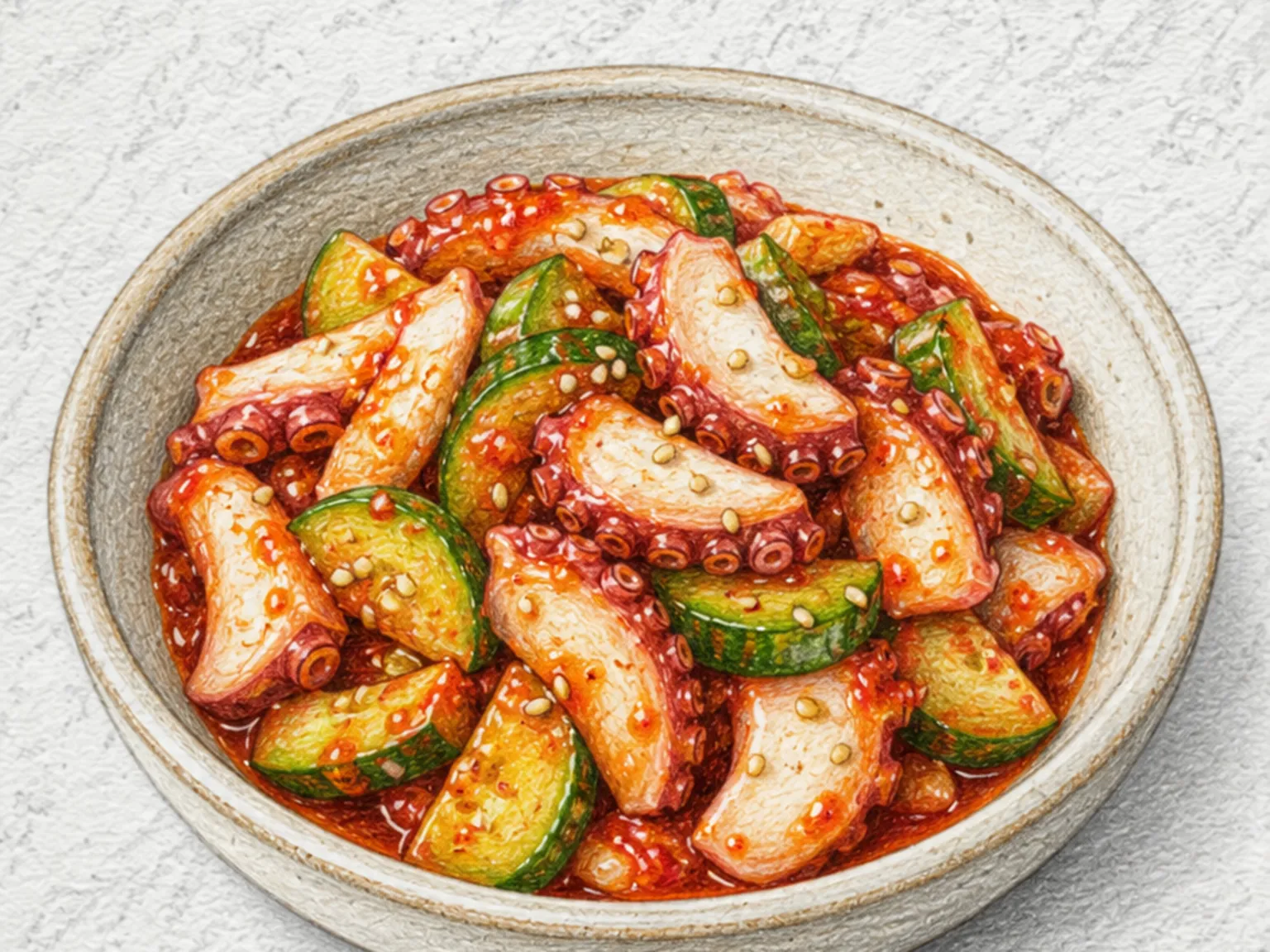
Muneo cho-muchim combines thinly sliced cooked octopus with cucumber, onion, and water dropwort, tossing everything in a gochujang-vinegar dressing only when it is ready to be served. Rinse 200 g cooked octopus briefly under cold water rather than soaking it, then dry the surface thoroughly with paper towels. Hold the knife at an angle and cut broad, thin bite-size slices, shortening the firm fibers so the octopus is easier to chew. Halve 100 g cucumber lengthwise and slice it diagonally. To reduce the water it releases later, salt the slices for 5 minutes and squeeze them dry before mixing. Cut 50 g onion into fine strips. Remove untidy leaves and tough ends from 30 g water dropwort and cut the stems into 4 cm lengths. In a small bowl, combine 2 tablespoons gochujang, 2 tablespoons vinegar, 1 tablespoon sugar, and 1/2 tablespoon minced garlic. Stir until no dense lump of paste or undissolved sugar remains, producing a dressing that will coat in a thin, even layer. Place the octopus, cucumber, onion, and water dropwort in a wide bowl, but keep the dressing separate until serving time. Add it immediately before the dish goes to the table and fold from the bottom only a few times with your fingertips or a spatula. Prolonged mixing draws liquid from the vegetables and dilutes the coating on the octopus. Transfer at once to a plate and scatter 1 teaspoon toasted sesame seeds evenly over the surface. Arrange the components loosely so a serving can include octopus and vegetables together, and do not hold the dressed mixture for an extended period.
Mushroom Spinach Warm Salad
Button mushrooms are seared over high heat for a deep caramelized crust, then spinach is added just long enough to barely wilt in the residual heat of the pan. Garlic bloomed in olive oil at the start ensures the entire pan is fragrant before the other ingredients are added. Once the mushrooms go in, leaving them untouched for one to two minutes is the critical step: stirring immediately causes them to steam and release water, which prevents browning and dilutes the flavor. Balsamic vinegar deglazed in at the end lifts the pan with a balance of sweetness and acidity, and grated parmesan melts into the warm greens for a salty, nutty finish. The salad should be eaten immediately: the spinach holds its vivid green and the mushrooms retain their firm, springy bite only while everything is hot. The entire dish comes together in under ten minutes, making it a reliable choice for a quick weeknight side or a no-effort addition to a wine table.
Pollock Roe Potato Crisp Salad
Potato slices are baked or pan-fried until golden and crisp, then topped with briny salted pollock roe for salt and umami in each bite. Greek yogurt mixed with mayonnaise creates a creamy base that softens the roe's intense seasoning. Romaine and cucumber provide fresh crunch contrasting with the crispy potato and popping roe granules. Lemon juice cuts through the richness, and shredded roasted seaweed deepens the seafood aroma - making this as enjoyable as a drinking snack as it is a side dish.
Chilled Mustard Pork Trotters
Naengchae jokbal is a Busan-style cold dish of chilled pork trotter, salted jellyfish, and finely cut vegetables served with a sharp mustard-vinegar sauce. Soak 150 g salted jellyfish in cold water until its heavy salinity has been removed. Taste a small piece to check, then blanch it very briefly in boiling water and transfer it immediately to cold water so the texture firms instead of continuing to cook. Drain it thoroughly in a sieve; retained water would dilute the dressing. Cut 100 g cucumber and 50 g carrot into fine strips of a length that can be picked up with the pork. Slice 500 g chilled cooked pork trotter into thin bite-size pieces, keeping some skin and meat together in each slice where possible. Combine 20 g hot mustard, 45 ml vinegar, 30 g sugar, 15 g minced garlic, and 15 ml soy sauce in a bowl. Stir until no mustard or sugar lumps remain and refrigerate the sauce so it is as cold as the other components. Arrange the cucumber, carrot, jellyfish, and pork in separate sections around a wide serving plate. This makes it easier to confirm that the jellyfish is drained and that the vegetables remain crisp before dressing. If the dish will be eaten immediately, pour the chilled mustard sauce evenly over the plate and toss lightly. Do not mix it far in advance, because salt and vinegar draw water from the vegetables and thin the sauce. The dressing may also be served on the side so each portion can be combined just before it is eaten, keeping the springy jellyfish, firm pork skin, and fresh vegetables distinct.
About Salads
Seasonal produce provides the best flavor and nutrition. Whether you are looking for a full meal replacement or a vivid side dish, these salad recipes offer balanced, straightforward options.