Rice Easy
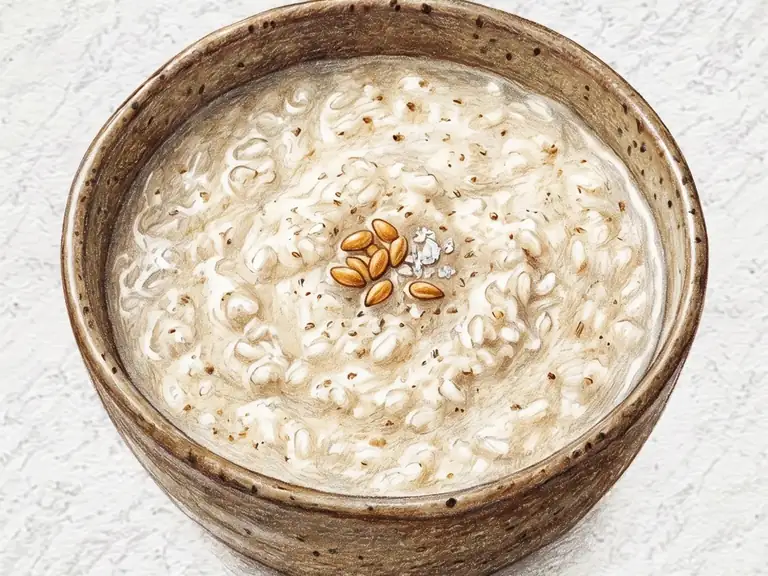
Perilla Seed Porridge
Perilla seeds are blended with water and strained before joining the pot, which gives the porridge a smooth, nutty body with no gritty hulls.
Prep 10min Cook 30min 2 servings
1910 Korean recipes. Page 30 of 80. Compare ingredients and cooking times. Perilla Seed Porridge, Korean Bellflower Root & Beef Stir-fry.
Perilla seeds are blended with water and strained before joining the pot, which gives the porridge a smooth, nutty body with no gritty hulls.
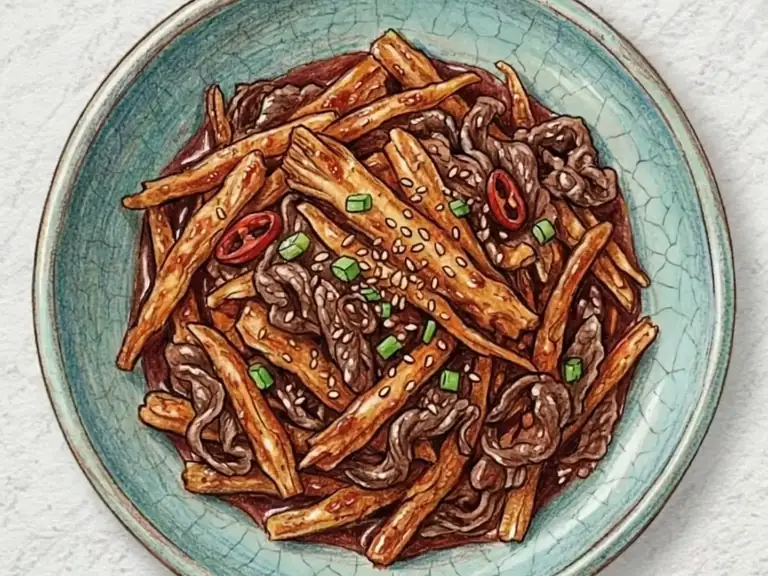
Deodeok root and thin bulgogi beef share one sweet-spicy gochujang sauce, but not at the same moment. Two thirds of it marinates the beef for just 10 minutes, short enough that the meat does not turn too salty, and the rest goes straight onto the deodeok later in the pan. The root is pounded lightly to loosen its fibers, yet left thick enough to hold together when tossed.
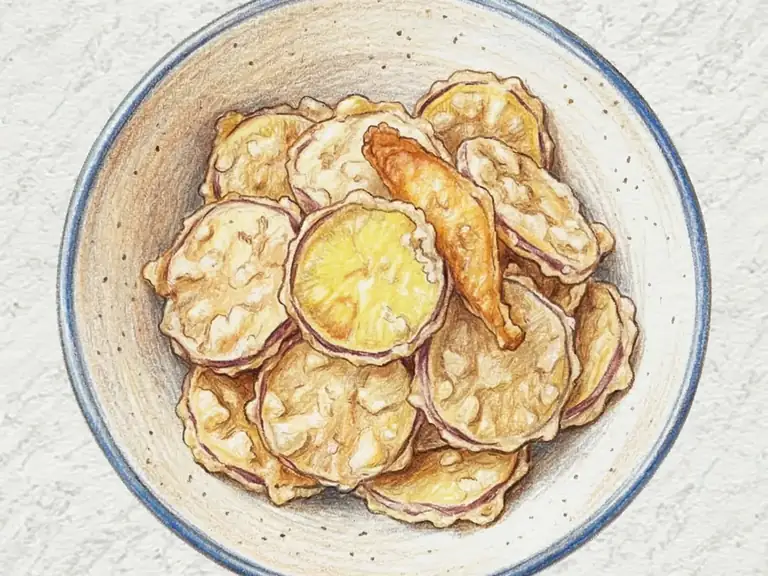
This is the sweet potato fritter Korean snack shops serve alongside tteokbokki. The sweet potato is sliced evenly to about 0.5 cm. If even one thick round sneaks in, it is still hard inside when its coating turns golden. A little salt goes on once they come out of the oil.
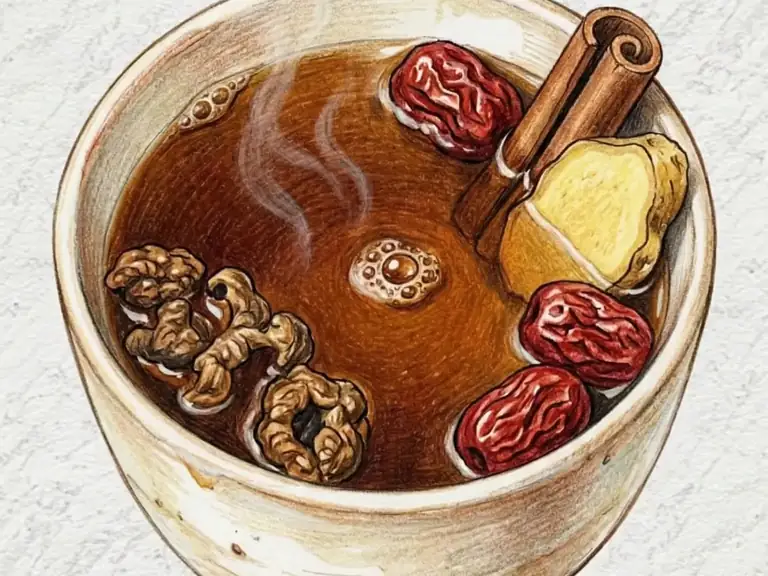
Raw, the fruit of the oriental raisin tree is small, knobbly, astringent and rather flat. Twenty-five minutes over low heat with jujubes, ginger and a cinnamon stick turns the water deep brown and gives it an earthy, faintly sweet aroma. The pot then rests, covered and off the heat, for five minutes before straining.
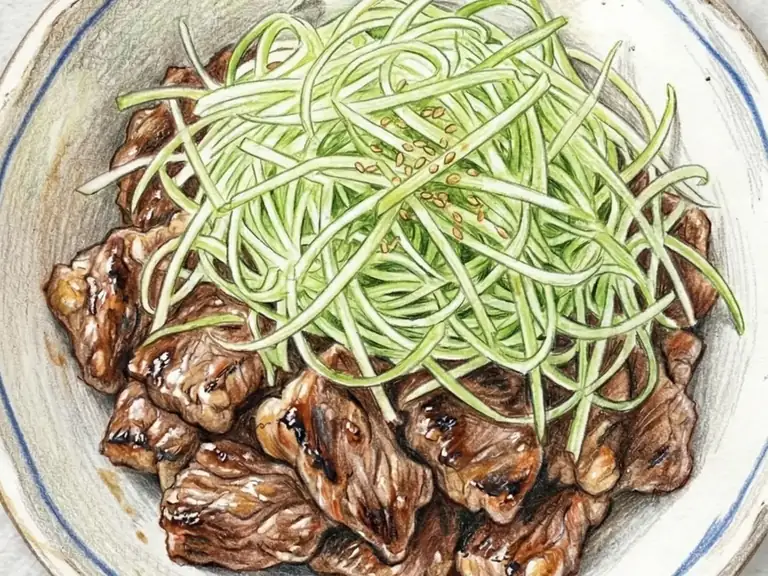
Soy-marinated short rib meat, seared over high heat, comes topped with a pile of green onion shreds that have been soaking in cold water. Each pick of the chopsticks takes hot meat and cold, crisp onion together.
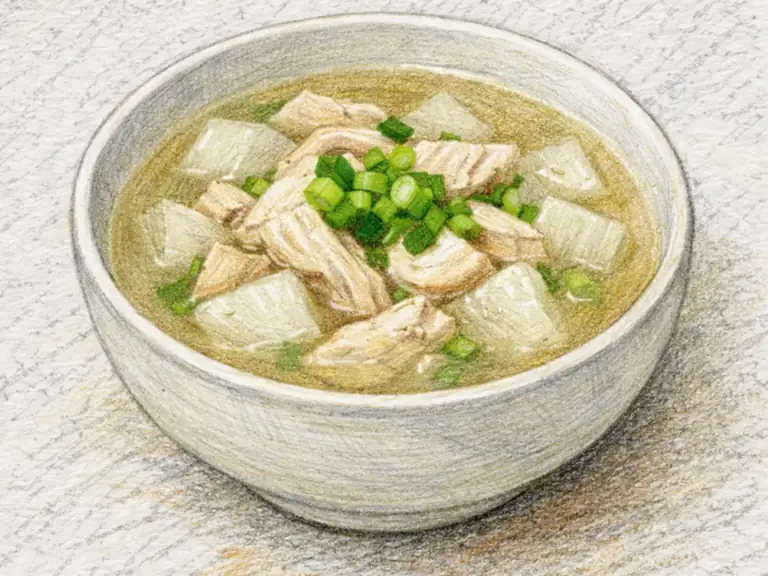
Bite-size chicken thigh gets a one-minute blanch in boiling water before the soup proper begins, and the broth stays clear despite the meat. The radish is sliced thin and flat, turning translucent in ten minutes, and the seasoning is soup soy sauce and salt, with no chili.
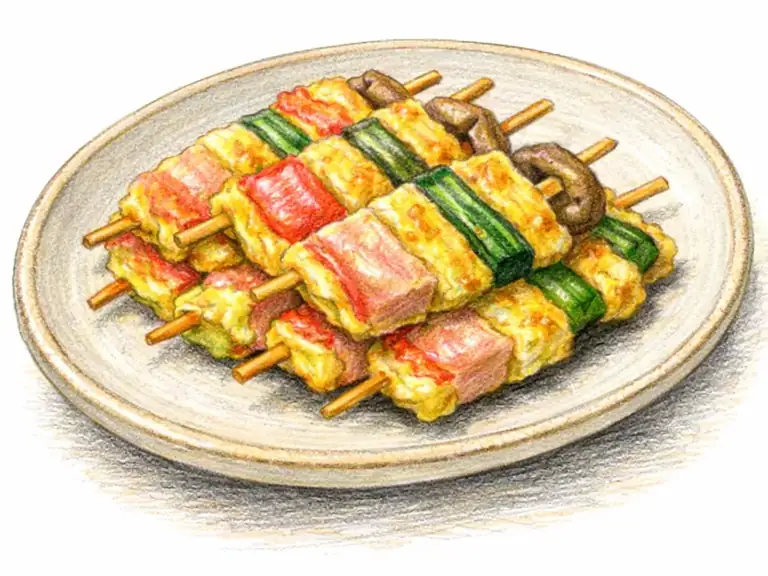
Ham, imitation crab, king oyster mushroom and scallion, all cut to the same length and threaded in turn, make up kkochi-jeon, a regular on ancestral rite and holiday tables. One bite brings the salt of the ham, the spring of the crab stick, the firm grain of the mushroom and the scallion's green smell all at once.
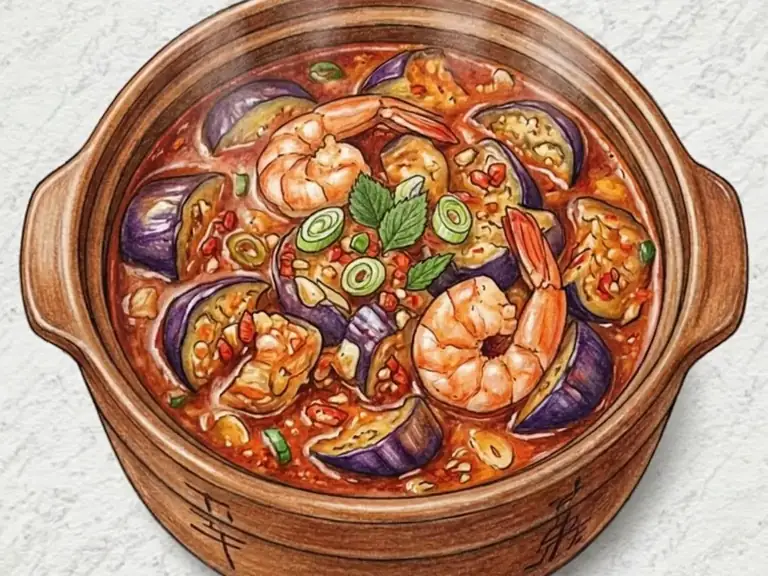
Eggplant cut into wide bias slices drinks up the gochujang broth and releases a mouthful of spicy liquid with each bite. The chili paste and flakes need only about 30 seconds over low heat and scorch if left longer.
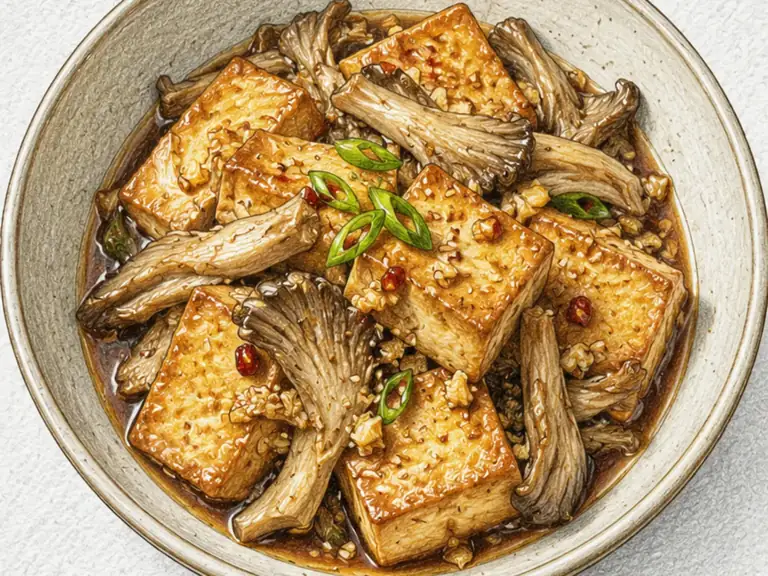
The oyster mushrooms are torn by hand into thick strips along the grain, and they stay chewy even after the braise. The sauce starts from plain water rather than stock; the mushrooms give it all the savoriness it needs.
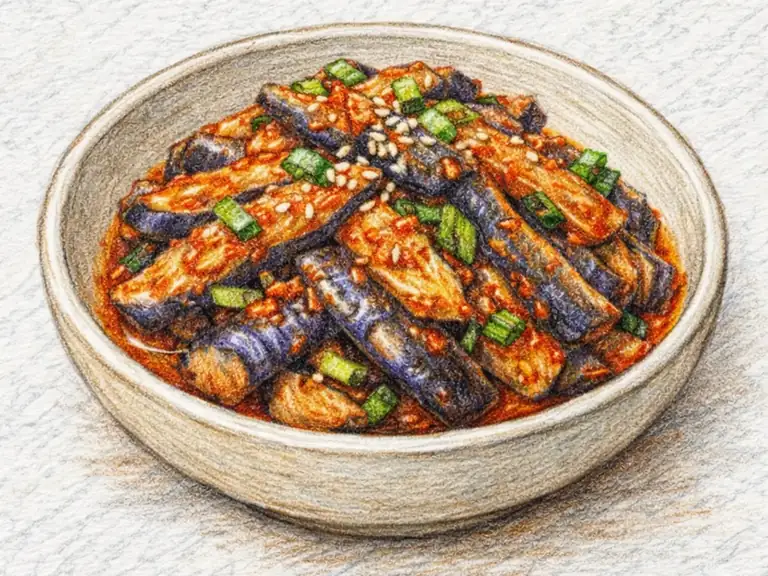
Tearing steamed eggplant by hand along its grain, instead of slicing it, leaves ragged surfaces that pull the chili, garlic and fish sauce dressing deep between the fibers. There is no fermentation, so it is eaten the day it is made, ideally in summer when eggplant is in season and a quick extra side dish is needed. Spooned over cold rice and mixed, it becomes a simple meal on its own, with soft eggplant and spicy dressing coating every grain.
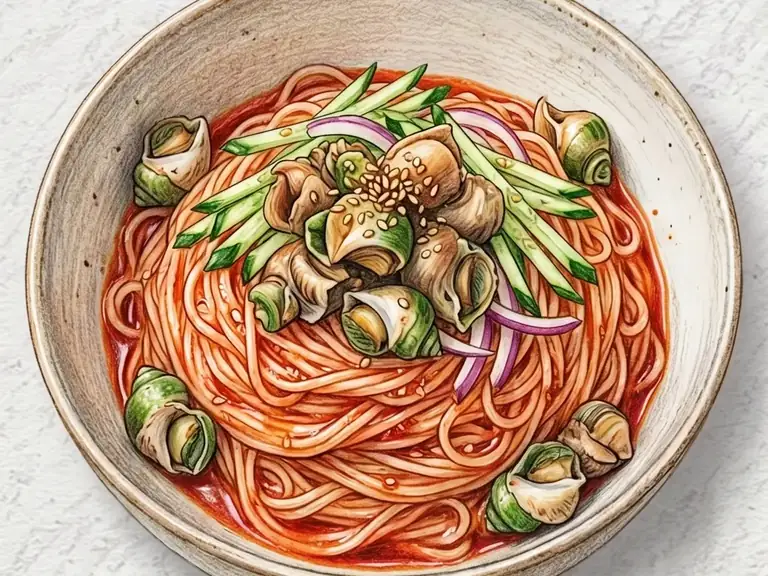
Chewy canned whelk, slippery somyeon and crisp cucumber and onion all meet in one spicy-sour gochujang dressing, a classic drinking snack in Korea. A spoonful of the canning liquid stirred into the sauce deepens its savory base, while a quick rinse of the whelk itself tames the salt. Ice-cold water right after boiling keeps the noodles firm and bouncy once the dressing goes on.
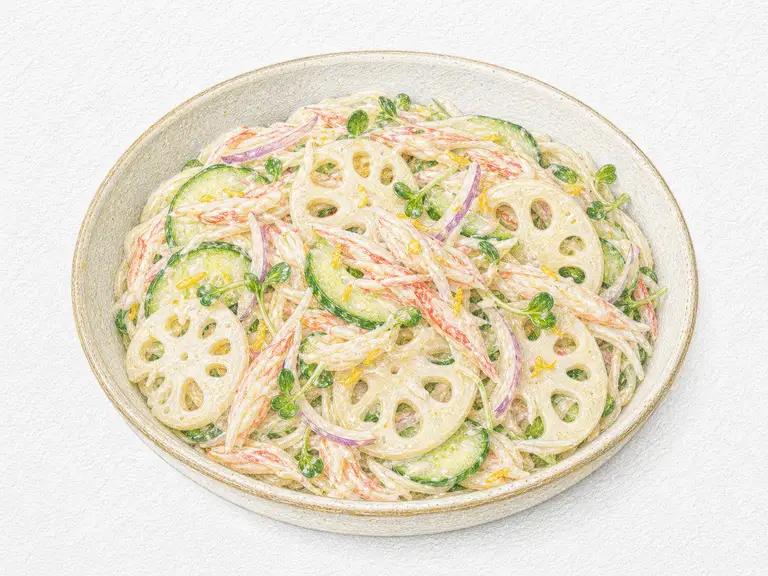
Crisp blanched lotus root and chunky crab sit together in a yuja mayonnaise, two textures that stay distinct when each is handled gently. Yuja marmalade, made from a fragrant Korean citron, brings sweetness and a floral citrus note that lighten the mayonnaise, and a little lemon juice sharpens it further. Thin red onion spends a moment in cold water first so its bite does not drown out the yuja. The salad is piled onto baby greens and served cold.
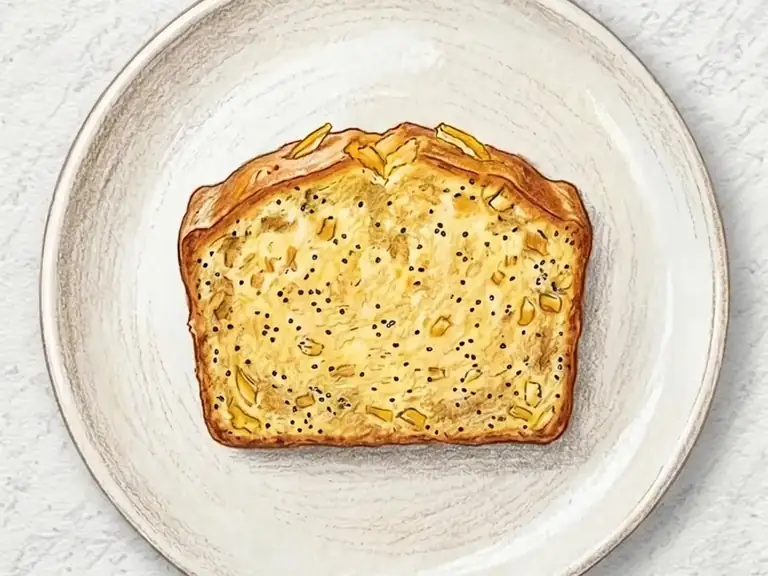
This loaf starts the pound-cake way, with butter and sugar creamed first, before yuja preserve and poppy seeds go into the batter. Sliced once fully cool, each piece shows the tiny dark seeds dotted all through it.
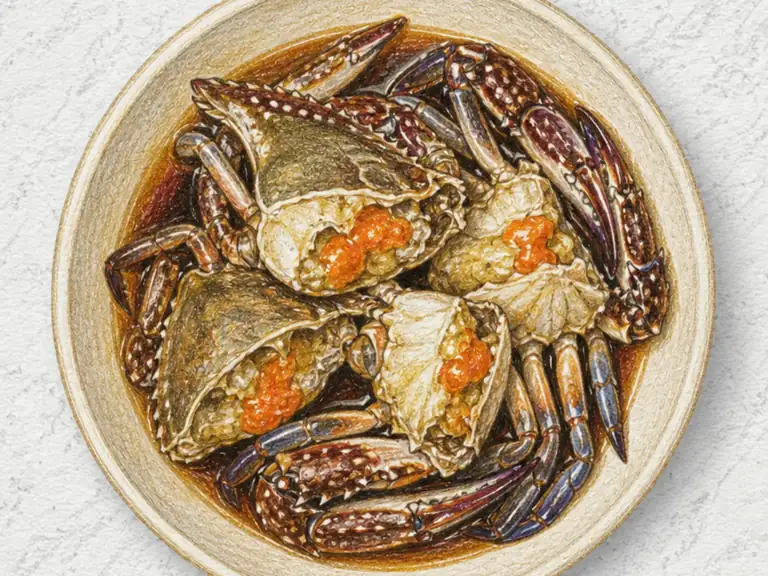
Soy sauce does not cook the crab in ganjang gejang, which is why only crab sold for raw consumption belongs in this Korean soy-marinated dish. The brine, simmered with apple, ginger, whole garlic, and scallion, has to be chilled to 4°C or below all the way through before it is poured over the crabs; warm liquid changes the texture of the raw meat.
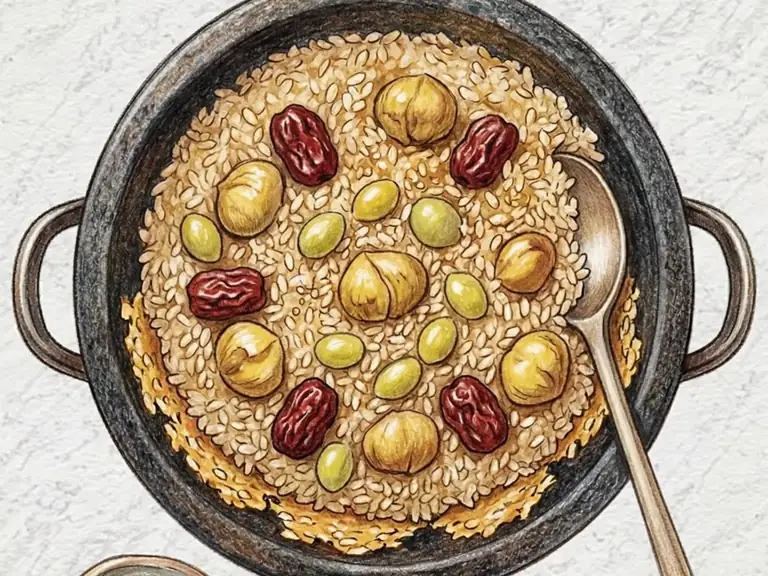
A heavy stone pot holds heat evenly, so the rice cooks glossy and plump while a toasted crust forms on the bottom. After the rice is gone, hot water poured over the crust makes sungnyung, a toasty rice-crust tea.
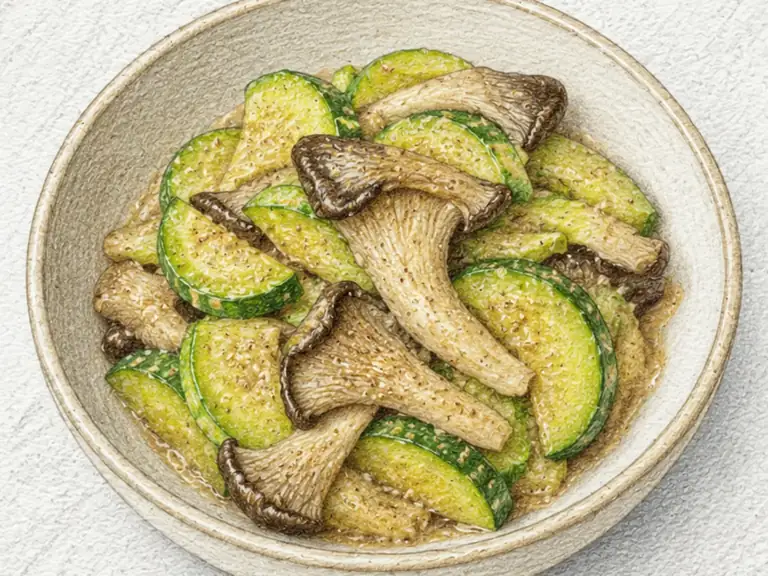
Ground perilla seeds are whisked into water ahead of time, and that perilla water goes in once the Korean zucchini (aehobak) and oyster mushrooms start releasing their juices. Stirred for a few minutes, it thickens until it stops running and simply coats the vegetables. Soup soy sauce does the seasoning.
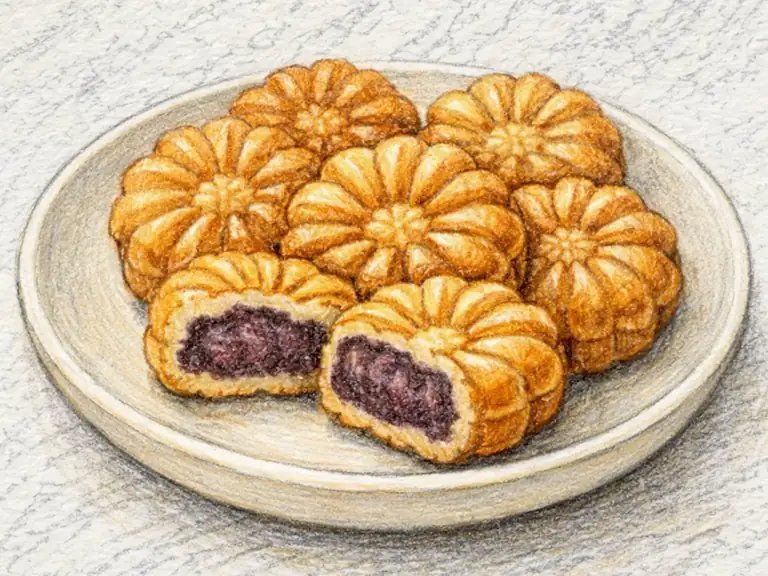
Baked in a chrysanthemum-shaped mold, the shell comes out with raised petal ridges. It is a winter street snack like bungeoppang, but milk, egg and butter in the batter make it taste more of bread, with a smaller share of red bean paste. Vendors now also fill them with custard cream, chocolate or sweet potato paste.
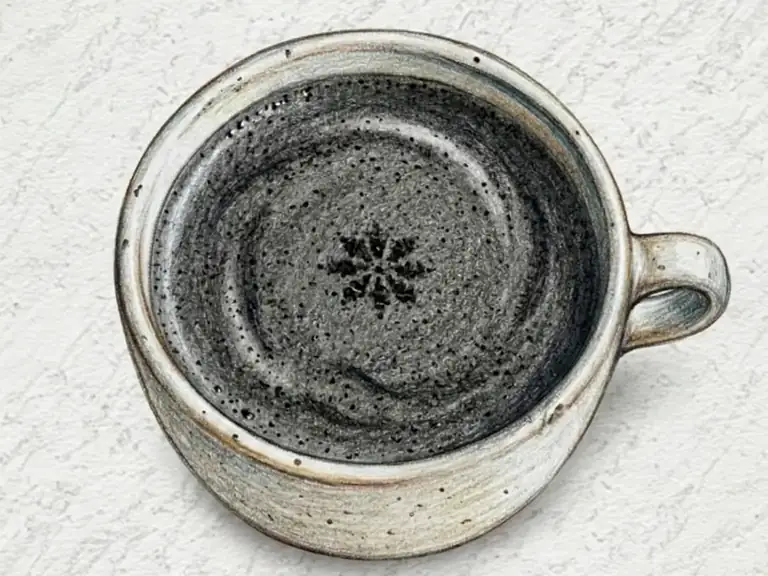
Roasted black sesame, ground fine and warmed in milk, gives a nutty, coffee-free latte whose texture depends on the grind. The blender runs only in short bursts, because a long run makes the seeds release oil and clump.
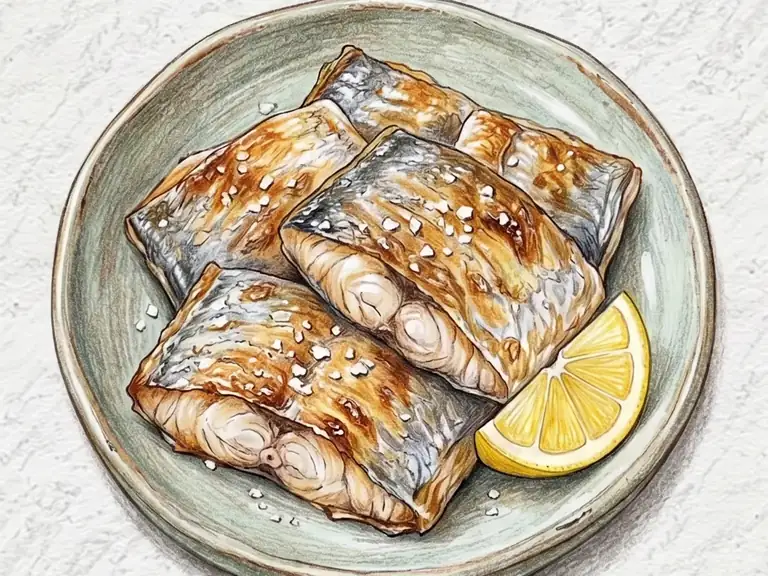
With thin skin and soft flesh, a piece of beltfish flipped while still stuck to the pan tears apart. Waiting until the edges brown and the steak releases on its own, then sliding a wide spatula underneath, keeps each piece whole.
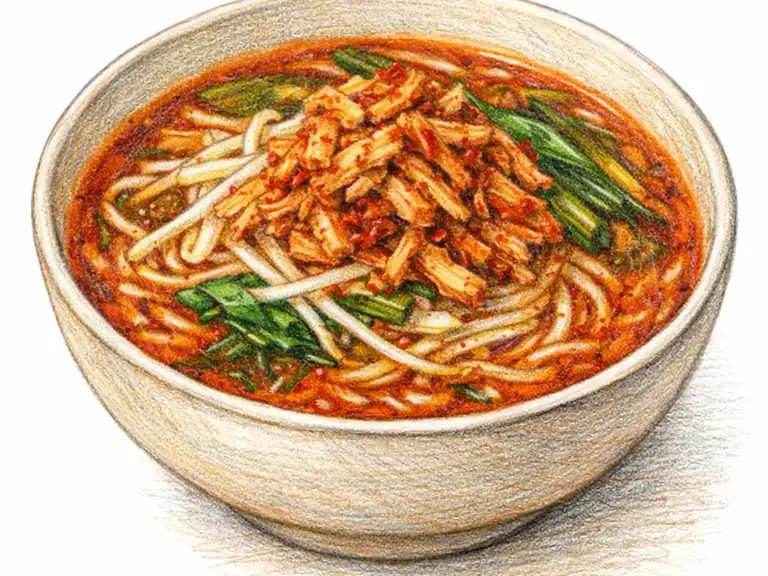
A whole chicken is simmered, its cooking water kept as the stock, and the meat shredded and tossed in chili oil with bracken and bean sprouts before going back in. It is yukgaejang, the spicy beef soup, built from a single chicken, so the broth and everything in it come from one pot.
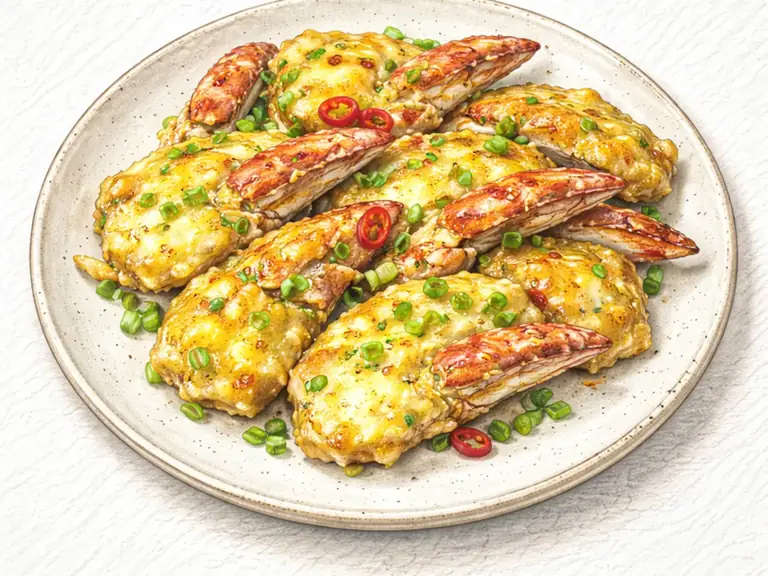
The flower crab is not picked; it is halved shell and all, floured, dipped in egg and fried, and you end up eating it the way you would any crab, holding the shell and pulling the meat out. Before frying, minced ginger is rubbed into the gaps between meat and shell and left for a short while to tame the fishy smell and season the thick meat inside.
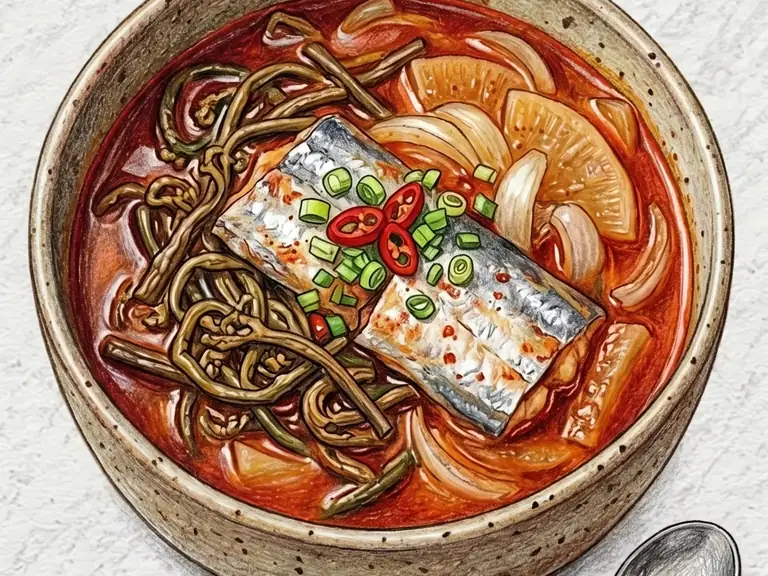
Boiled bracken goes in first and the hairtail pieces are laid over it without overlapping. The fish is never turned; spooning broth over it keeps the flesh from breaking. Only a shallow layer of broth is left at the end.
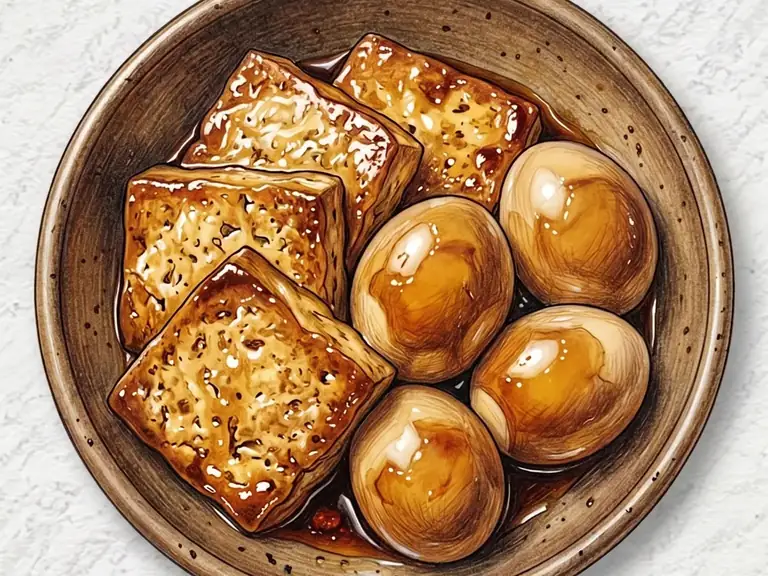
A few shallow cuts in each boiled egg let the soy sauce get past the slick white, which turns brown in the pot. The tofu and eggs keep for about five days in the fridge, and they are better after a day or two, once the seasoning has gone deeper.
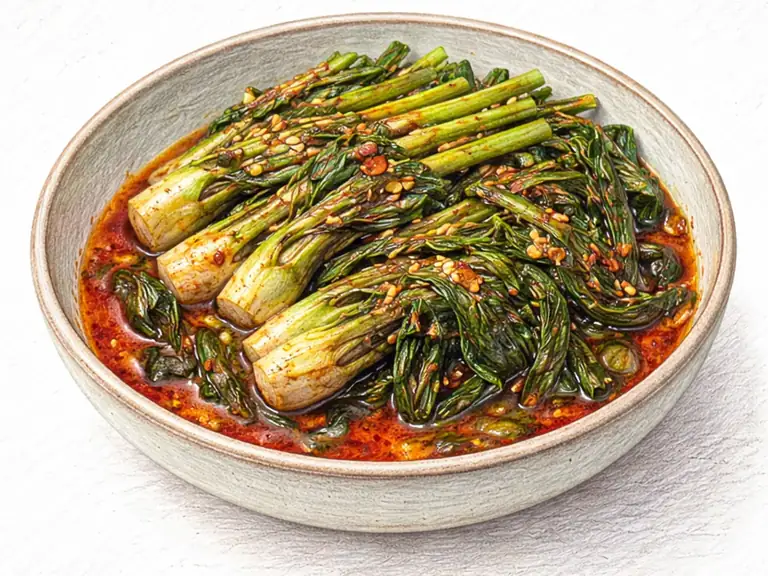
Mustard greens (gat) carry a nose-tingling mustard bite that is harshest right after mixing and settles over 2 to 3 days of ripening into something rounder and tangier. This style comes from the southern Jeolla region and has a much sharper kick than napa cabbage kimchi.