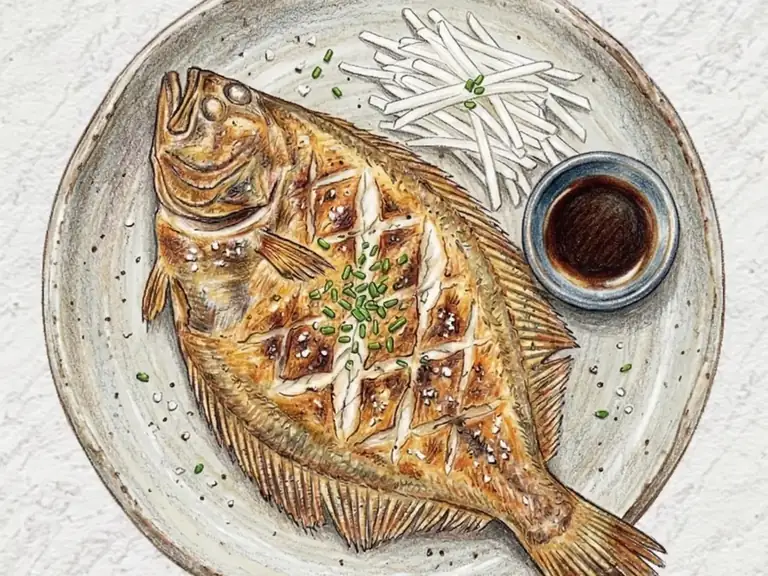
Korean Grilled Flounder (Salted Whole Flatfish Pan-Fry)
Flounder is thin-fleshed and mild, so salt and rice wine are all the seasoning it gets. The surface has to be patted completely dry before it goes into the pan, or the skin will not crisp.
1910 Korean recipes. Page 29 of 80. Compare ingredients and cooking times. Korean Grilled Flounder (Salted Whole Flatfish Pan-Fry).
Flounder is thin-fleshed and mild, so salt and rice wine are all the seasoning it gets. The surface has to be patted completely dry before it goes into the pan, or the skin will not crisp.
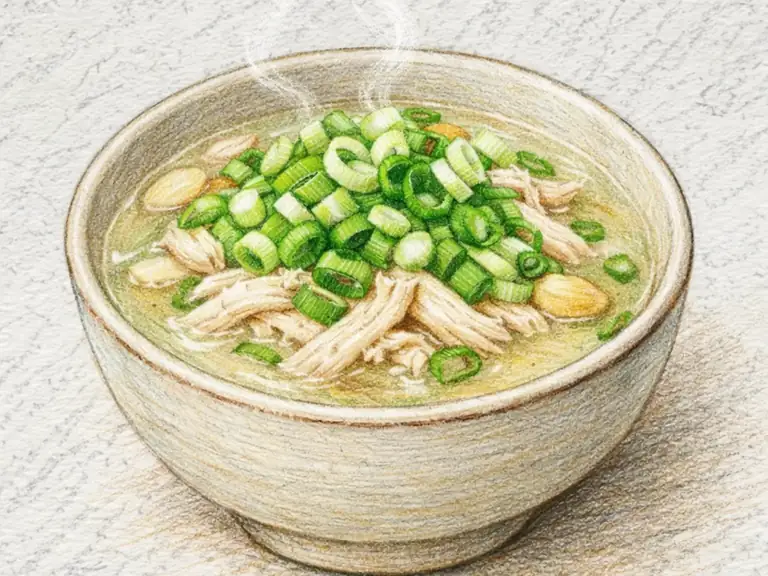
After the whole chicken has simmered for fifty minutes, the meat comes off and the bones go back in alone for another fifteen, releasing gelatin that gives the clear broth a gentle body. Unlike samgyetang, it has no ginseng or glutinous rice, only onion, garlic and ginger, so the taste is mostly chicken.
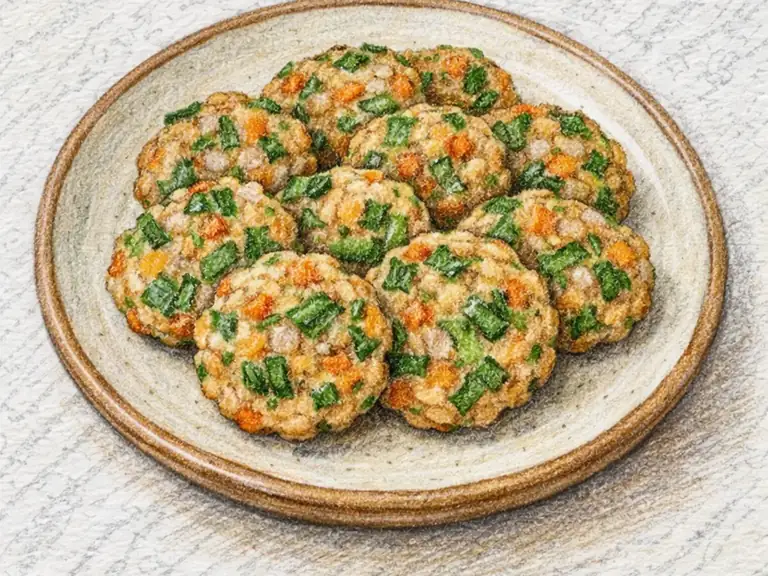
Tuna batter, mixed with chopped onion and carrot, is spread thin on single perilla leaves, and each leaf works as a base plate that keeps the patty in one piece when it is flipped.
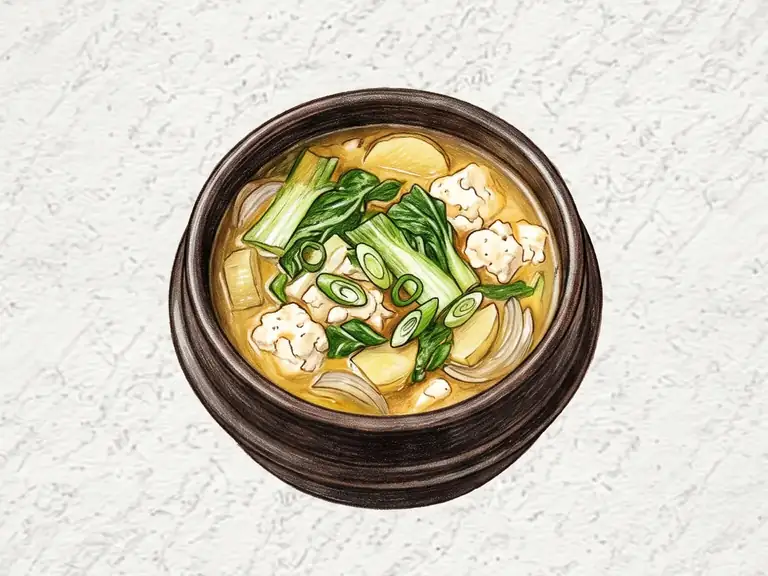
The soft tofu slowly comes apart in the broth until the whole pot is silky, with crisp bits of young cabbage stem in between. Only a touch of gochujang goes into the doenjang, so it tastes savory more than spicy.
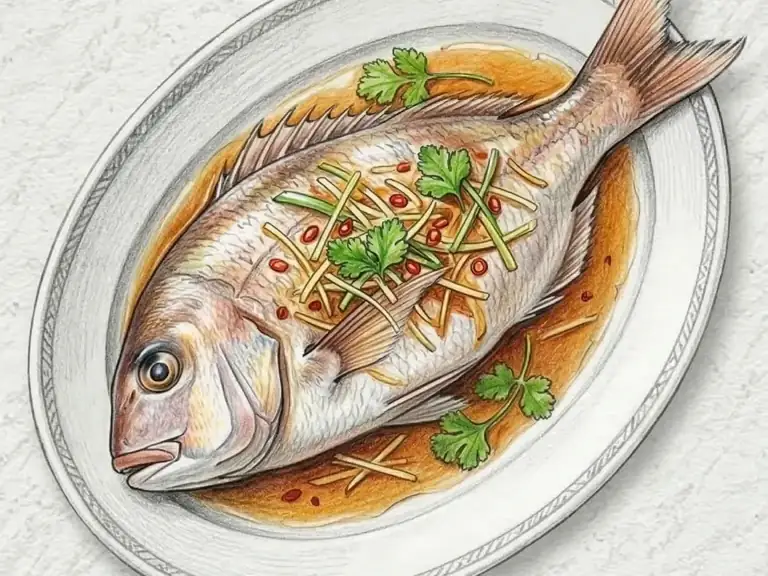
The sea bream is steamed whole and goes to the table that way, which is why the dish turns up at holiday meals and when guests come. Soy sauce never touches the fish before steaming; it is heated, mixed with the juices that collect on the plate, and spooned over at the end.
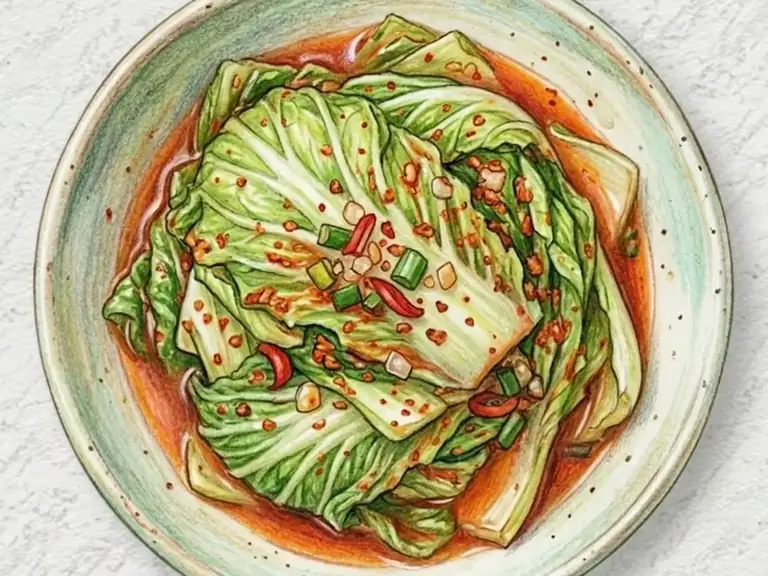
Young spring napa cabbage (eolgari) soaks up seasoning quickly through its thin leaves and tender stems and turns pleasantly sour by the next day. That speed cuts both ways: 20 to 30 minutes of salting is plenty, and longer turns the stems tough. The stems are a better signal than the clock: the cabbage is turned once midway, and salting stops as soon as they bend slightly. Salted shrimp and fish sauce fill in savory depth that a short ferment would otherwise lack, while glutinous rice paste helps the chili seasoning cling to every leaf. Koreans make this lighter kimchi in spring, when aged winter kimchi starts to feel heavy.
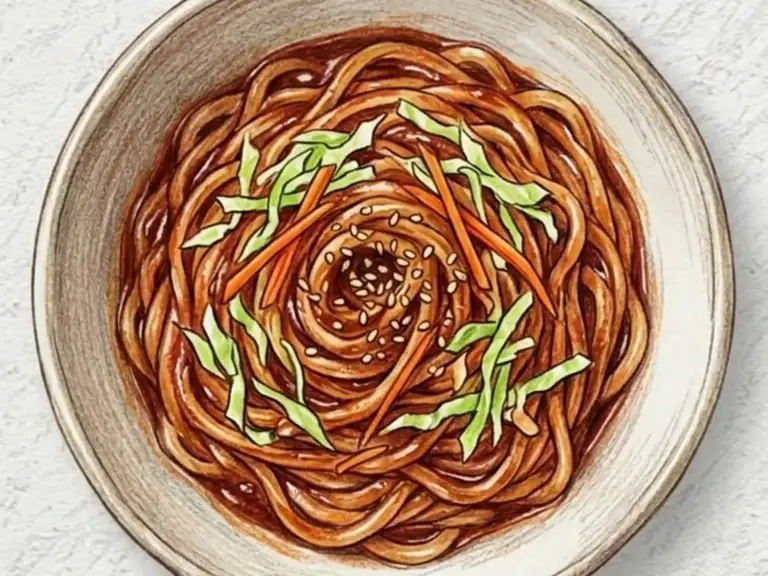
Thick udon wears a coat of red gochujang dressing in this cold cup, with raw shredded cabbage and carrot adding crunch against the soft noodles. Oligosaccharide syrup gives the sauce enough body to cling to slippery udon, and vinegar keeps the heat bright rather than heavy. The frozen udon is blanched for just 1 minute so the thick strands keep their spring. Cabbage and carrot are pressed dry with a paper towel first to keep their water from thinning the dressing. Portioned into cups, it is easy to carry and eat by hand, though it tastes best served cold right away before the noodles swell.
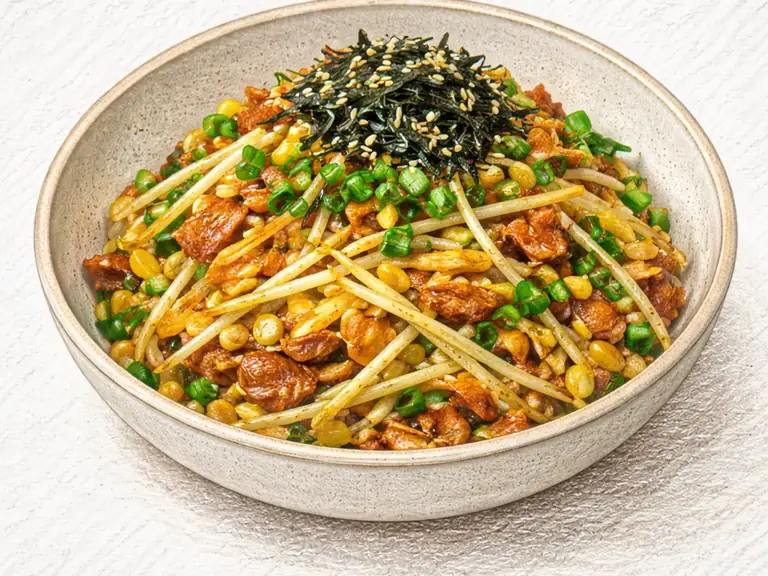
Cooked bulgur is mixed into a Korean bean sprout side dish, so the crunch of the sprouts comes between plump grains. The dressing is the usual namul one of soy, sesame oil and garlic with a little apple vinegar added, and seaweed flakes go on just before eating.
The layers in this scone come from stopping before the butter is fully rubbed in, leaving pea-sized bits in the flour. Those bits melt in the oven and push the sides apart, so a good scone splits by hand into visible layers. Yuja preserve (yuja-cheong), yuja zest and minced ginger go into the dough.
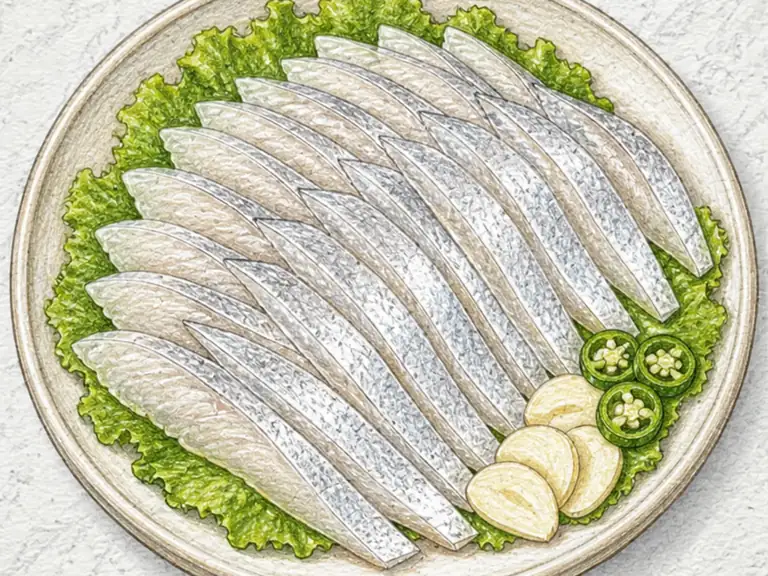
Hairtail is sliced thin, about 0.3 cm, and eaten wrapped in lettuce with raw garlic, green chili, and ssamjang or chojang. The silvery coating on the skin does not need to be scraped off.
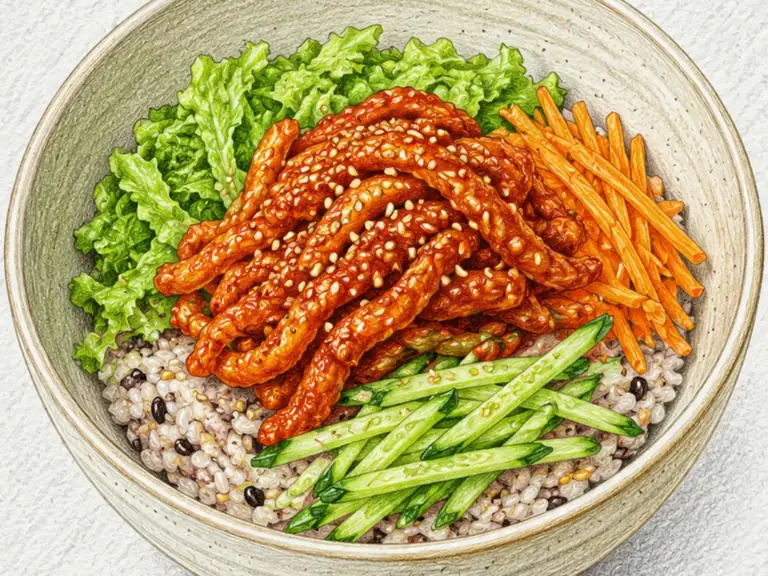
Stir-fried deodeok root sits beside raw cucumber, carrot, and lettuce, so each bite mixes a cooked, gochujang-coated root with cool, crisp vegetables. Most of the sauce goes into the pan with the deodeok; the rest is added when the bowl is mixed.
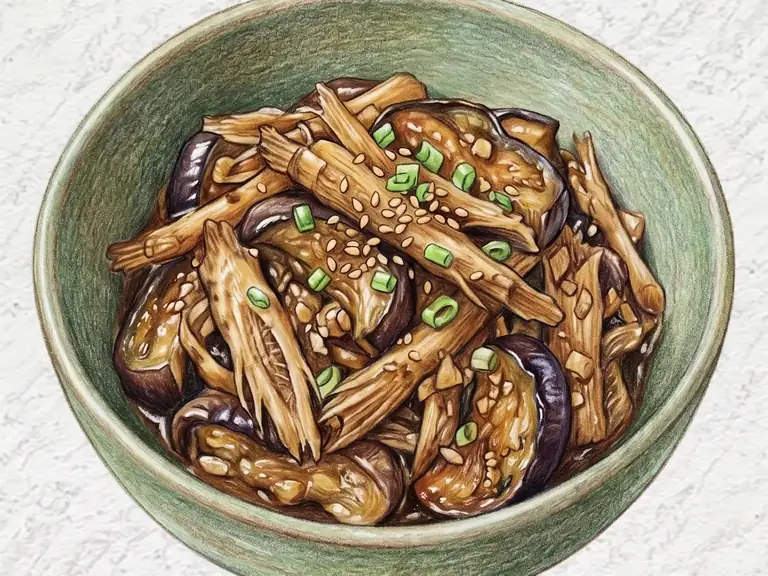
The deodeok, a fibrous mountain root, goes into the pan ahead of the eggplant and onion, because eggplant cooks far faster. Its earthy bitterness is toned down beforehand with a short soak in salted water.
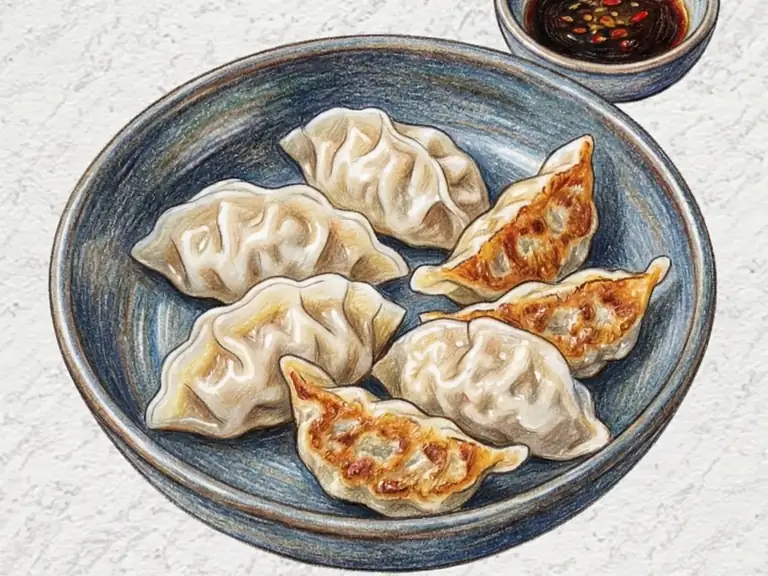
The filling uses both pork and beef, with wrung-out tofu, chopped onion and green onion, all kneaded in one direction only. Any water left in the tofu or vegetables loosens the filling and pools inside the wrappers as they steam.
Of the two Jeju hallabong, one is peeled down to bare segments and the other is juiced. Sugar and lemon juice are dissolved into the juice for the syrup, and a few segments pressed lightly in each glass release bursts of juice as you drink.
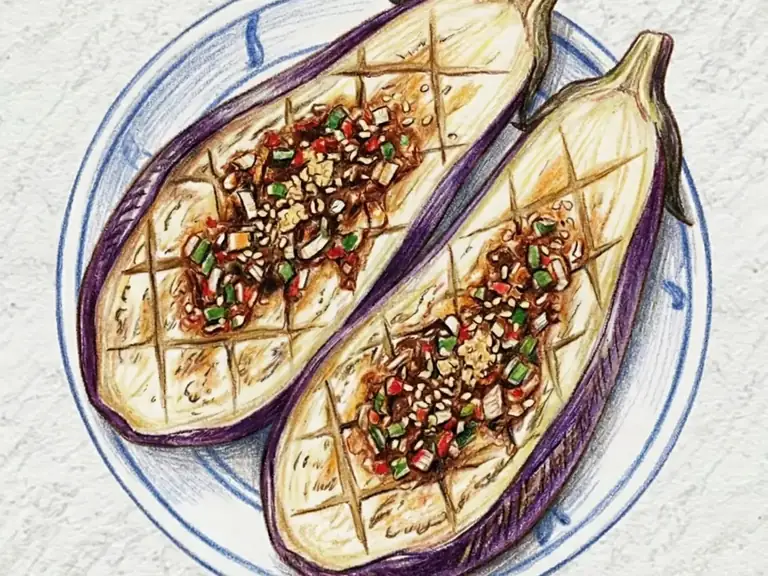
Halved and scored in a grid, the eggplant cooks cut side down under a lid, and the trapped steam turns the inside creamy while the skin keeps a little bite. The soy and garlic sauce is spooned into the cuts while the eggplant is still hot.
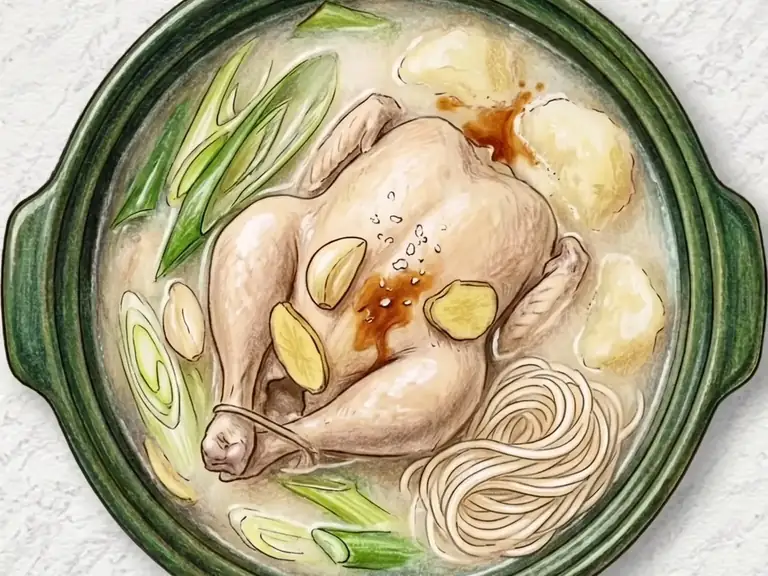
Dak hanmari means one whole chicken, and it arrives that way: uncut, simmered with potatoes, still in its pot, to be snipped apart with scissors at the table. Once the chicken is gone, knife-cut noodles go into the broth the potatoes have turned cloudy, and that is the end of the meal.
Each perilla leaf is folded around a thin layer of beef and tofu, and a bite goes through the egg coating to the leaf's aroma before it reaches the meat. Packing in more filling would bury that aroma under the beef, which is why it is spread thin, right to the edges of the leaf.
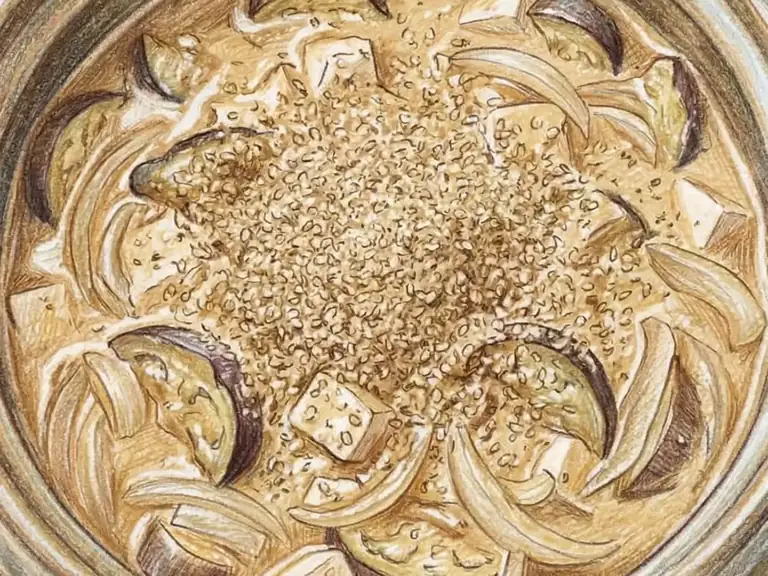
There is no meat, just eggplant, tofu and perilla seed powder, but the broth is anchovy-kelp stock; for a vegetarian pot, change the stock first. The eggplant simmers for about six minutes until soft enough to collapse, while the tofu, cut small at 1.5 cm, stays firm.
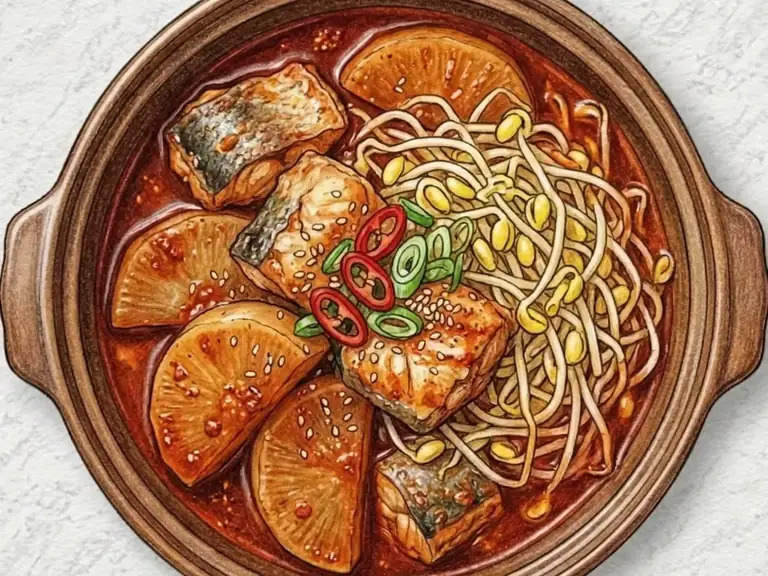
This cold-weather braise calls for frozen pollock on purpose, not fresh. Freezing and thawing firms up the flesh and leaves it slightly spongy, and the pieces hold together through a long simmer in the spicy broth.
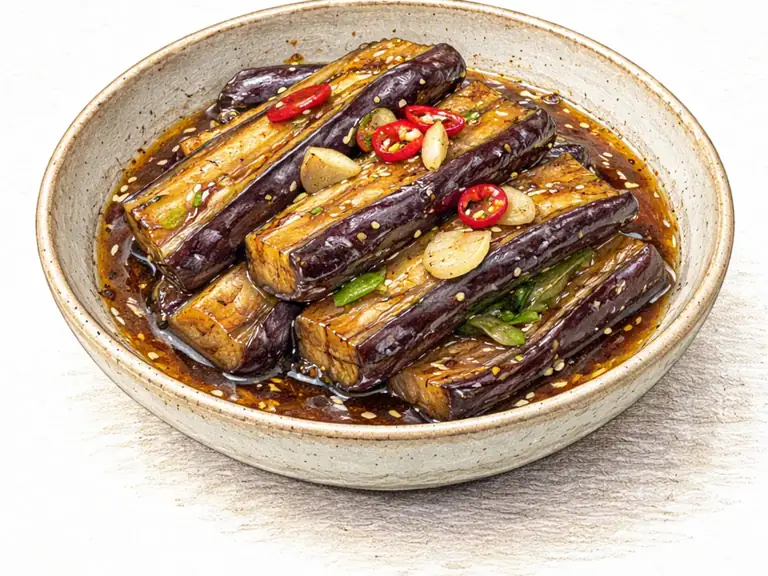
Cold, soft eggplant soaked in a sweet-sour soy brine, with garlic and a little hot chili running through it, makes a chilled side dish rather than a long-keeping preserve. The eggplant is cut into thick lengthwise quarters because its tender flesh collapses easily, and thick pieces still hold their shape after blanching. Absorbing the brine takes a full day of chilling, too long for same-day cooking, and the jar stays refrigerated rather than on the shelf.
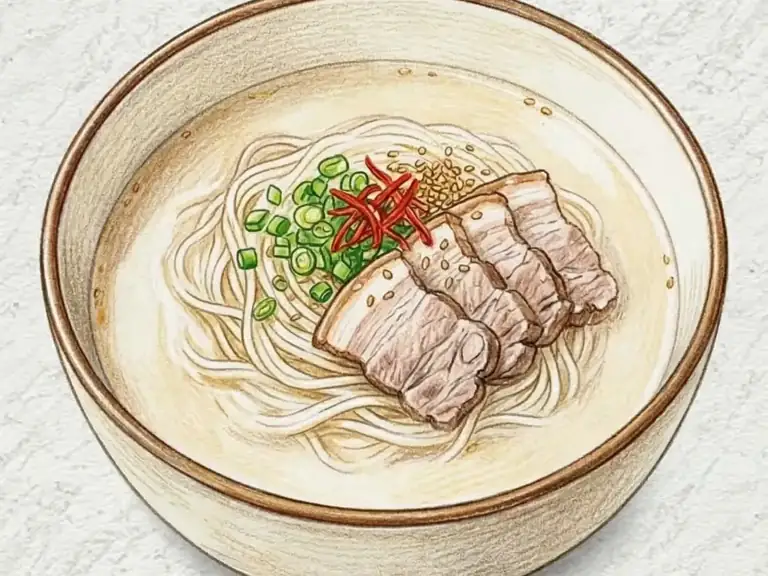
Jeju-style pork noodle soup usually means a dense, milky bone stock; this version simmers 500 g of pork bones for at least an hour and aims for a lighter, relatively clear broth instead. Soaking and blanching the bones first, plus a spoonful of doenjang in the pot, keeps porky off-notes down.
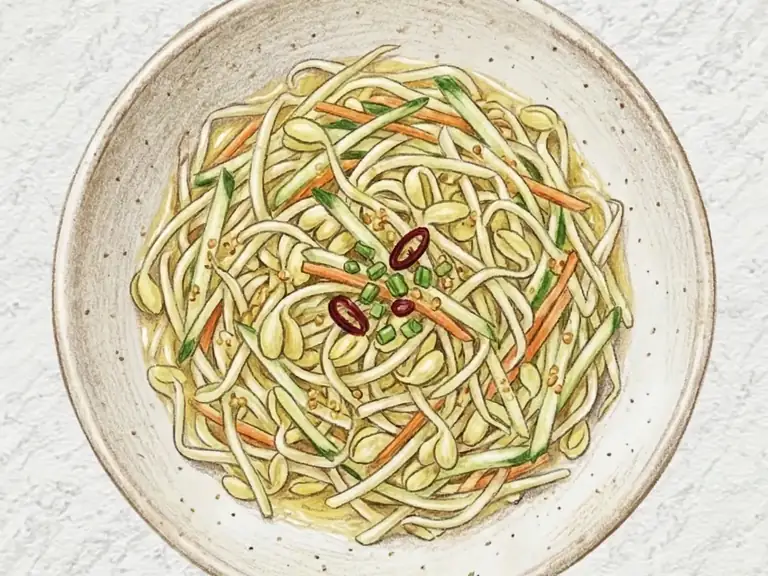
A mustard dressing gives these sprouts a nose-tingling heat, softened by the sweet tartness of vinegar and sugar. Mustard mixed ahead of time develops a sharper pungency. Unlike the usual seasoned bean sprouts, this one is always served cold, and the chill makes both the mustard and the crunch more pronounced. Overcooked sprouts go soft and lose the snap the dish depends on. Because cucumber and carrot carry a lot of water, the cucumber is salted and pressed first to keep the sauce from going thin. Set beside fatty mains like samgyeopsal or bulgogi, it clears the palate.
Browning the butter first gives these madeleines a nutty base, with yuja-cheong (yuja marmalade) and lemon juice adding a sharp citrus note on top. Any big pieces of peel in the marmalade are chopped small so every mold gets its share.
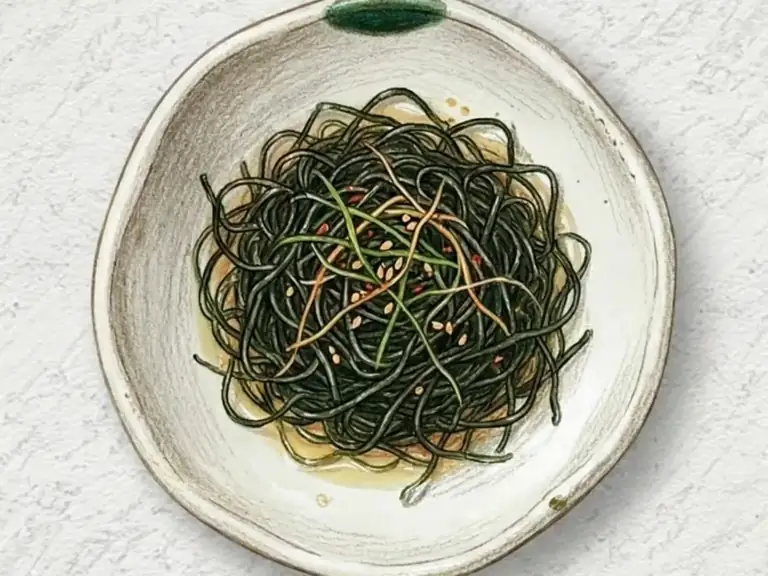
Thin, green gamtae seaweed is harvested in winter along Korea's southwest coast, including Garorim Bay near Seosan. This recipe uses plain dried gamtae, not fresh fronds or the kind seasoned with oil and salt. Because it softens fast once it meets liquid, the seaweed is torn into large pieces, the soy and vinegar dressing is scattered widely, and the mixing is a lift rather than a press, done right before eating.