Browse by cuisine

Korean Recipes

1880 Korean recipes. Page 56 of 79. Compare ingredients and cooking times. Korean Soy Braised Chicken with Glass Noodles, Korean Salted Pollock Roe Jeotgal.

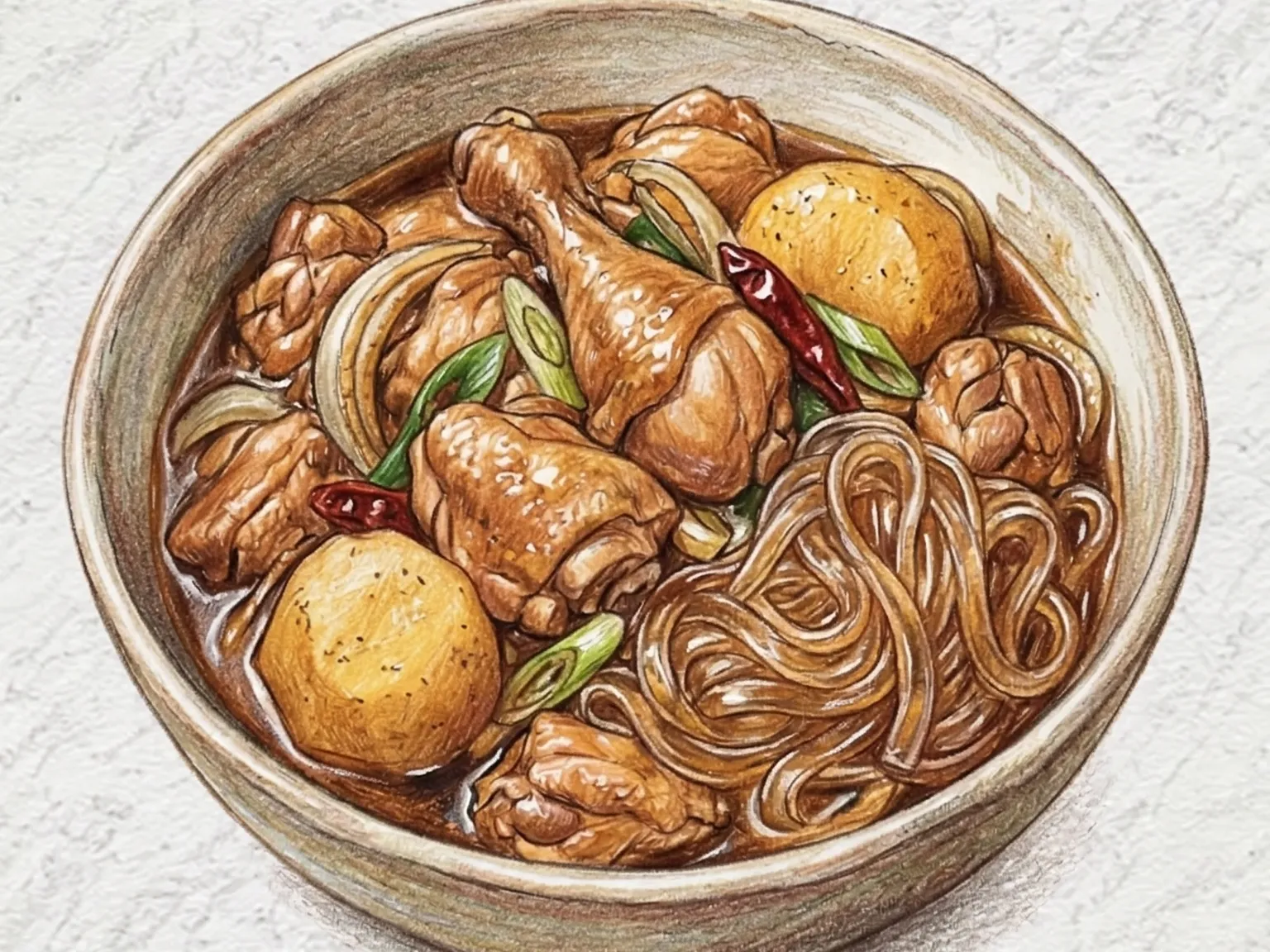
Korean Soy Braised Chicken with Glass Noodles
Steamed Medium

Korean Soy Braised Chicken with Glass Noodles

As the soy-based liquid reduces, glass noodles (dangmyeon) soak it up and turn chewy, while big chunks of potato go fluffy and take on the salty-sweet sauce. The dish traces back to the chicken shops of the old market in Andong, North Gyeongsang Province. Timing the noodles is the key move: added too early they drink all the liquid and go limp, so they only join once the potatoes are about half done. With no chili in the pot, the flavor is pure soy, sugar and garlic, and the glossy sauce is made for spooning over rice.

Prep 20min Cook 40min 4 servings

Korean Salted Pollock Roe Jeotgal
Kimchi Hard

Korean Salted Pollock Roe Jeotgal

Pollock roe sacs tear easily, and every stage of this jeotgal, from rinsing to coating, comes down to handling them lightly enough to keep the membranes whole. A 30-minute salt cure with a piece of kelp firms the surface before rice wine and a thin red coat of chili flakes, garlic, and sugar go on. During the cold cure the eggs tighten and pop when bitten, with the chili warmth staying behind the salty sea flavor. Slices of it go on hot rice.

Prep 30min 0 4 servings
Clear Korean Rice Wine (Traditional Fermented Yakju)
Drinks Hard

Clear Korean Rice Wine (Traditional Fermented Yakju)

Steamed glutinous rice and nuruk, a traditional Korean fermentation starter, ferment in a shady spot for more than a week until clear wine rises to the top. Unlike makgeolli, which is strained with the solids, only that top layer is gently drawn off, so yakju comes out a transparent gold. During fermentation it gets one stir a day with a sanitized paddle. The drawn-off wine is bottled, rested in the fridge for two days, and poured cold into small cups.

Prep 25min Cook 35min 4 servings
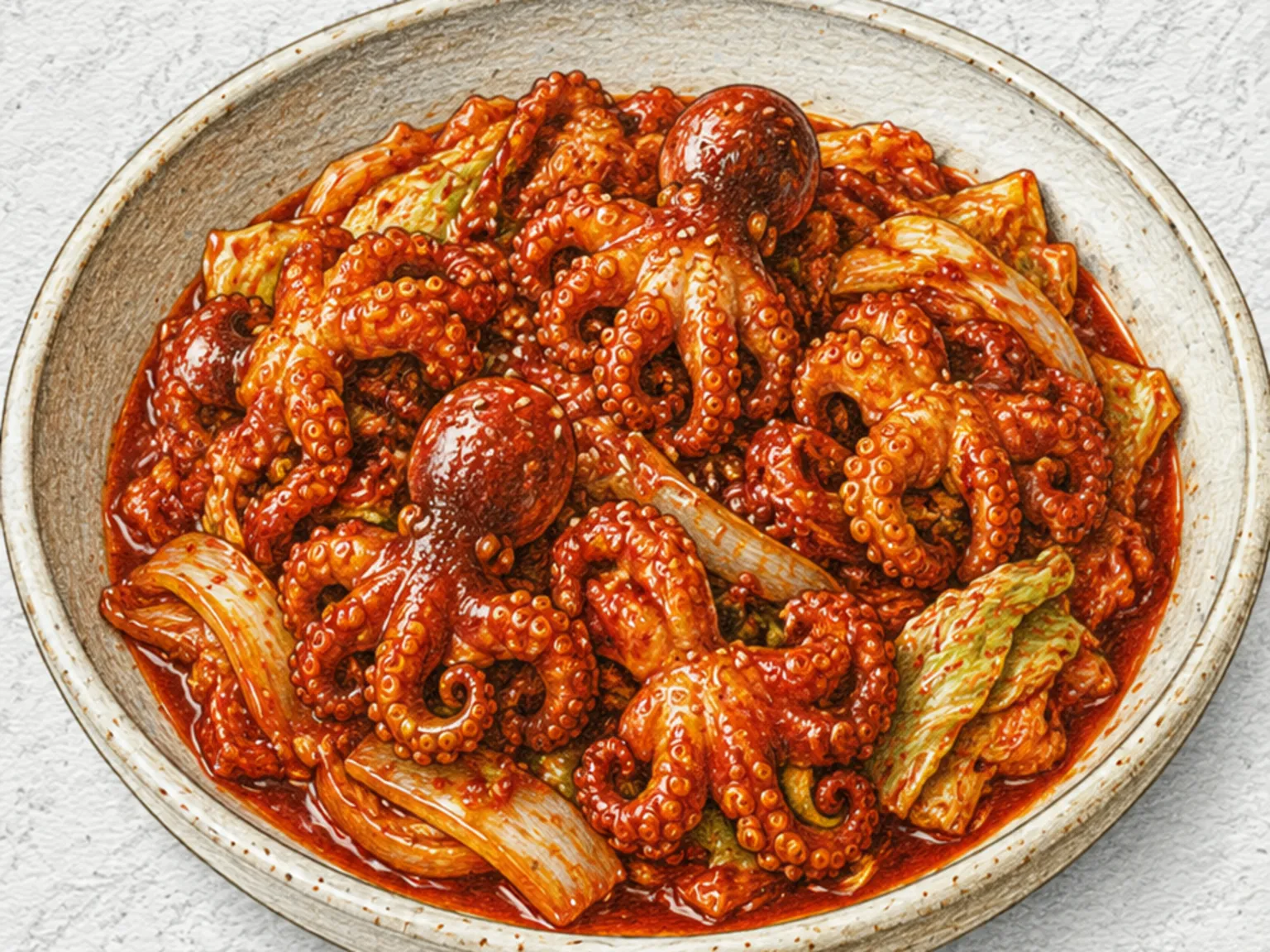
Korean Spicy Steamed Baby Octopus
Steamed Medium

Korean Spicy Steamed Baby Octopus

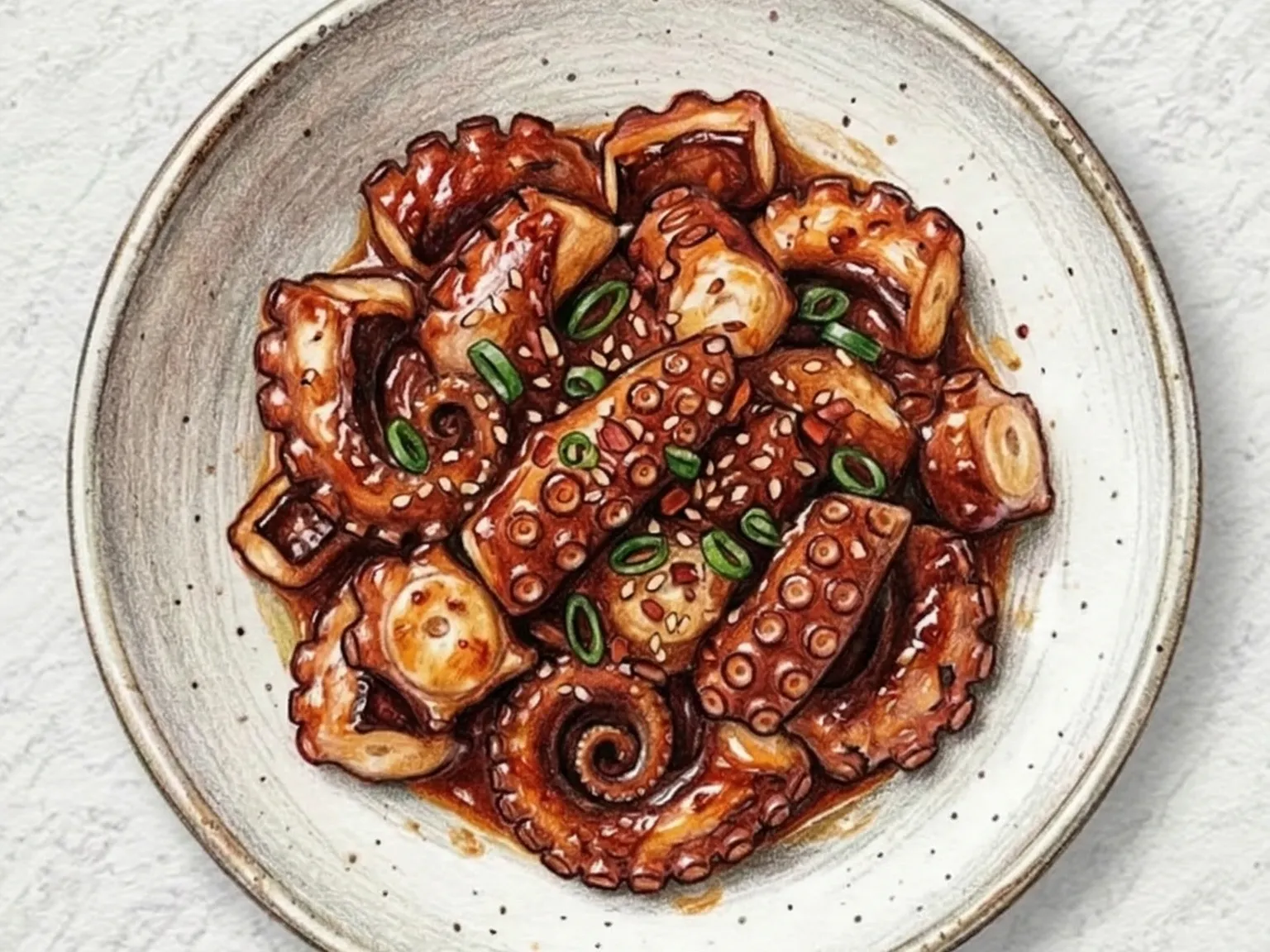
Baby octopus, at its best in spring, spends only a short time in a gochujang and gochugaru marinade before steaming on a bed of cabbage and onion. Ten minutes is enough to coat the pieces before they start giving up water. As the vegetables soften, their juices mix with the marinade into a small pool of spicy sauce at the bottom. The cabbage keeps the octopus off the steamer and takes the edge off the heat. The steamer should be at a full boil before the octopus is added, and the lid stays shut so the steam stays strong. The window between springy and rubbery is narrow, and the moment the pieces curl up plump is the moment to stop.

Prep 20min Cook 15min 2 servings
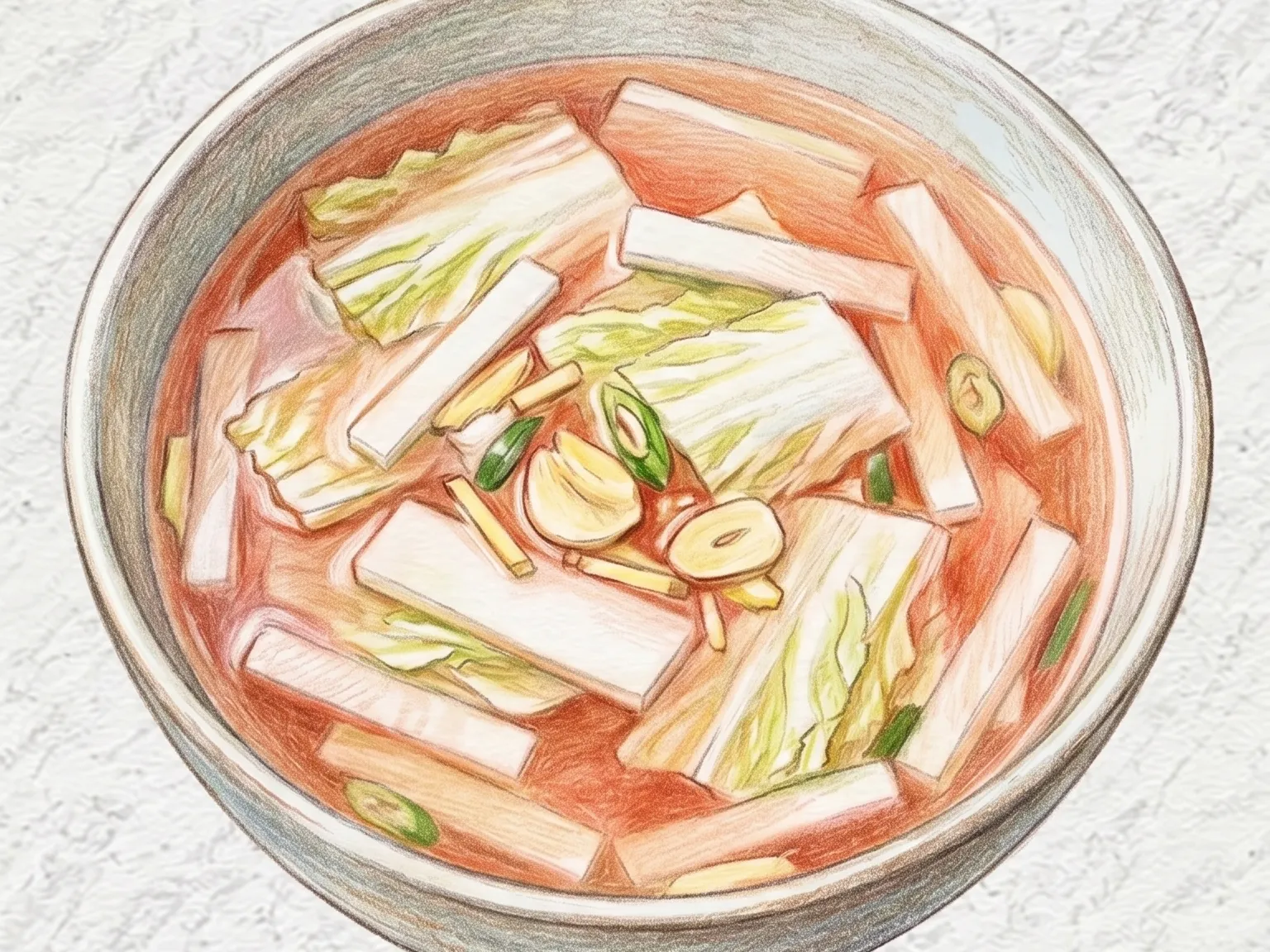
Korean Water Kimchi (Chilled Radish Broth Kimchi)
Kimchi Easy

Korean Water Kimchi (Chilled Radish Broth Kimchi)

The broth, not the vegetables, carries this water kimchi: it is meant to be spooned up and sipped cold. Gochugaru is steeped in a cheesecloth bundle so the water turns clear red without powder clouding it. Radish and napa cabbage are sliced into thin flat squares and salted only briefly, so they keep some crunch in the liquid. A day at room temperature brings a gentle tang, and a few more days in the fridge round it out. A spoonful next to spicy dishes cools the mouth, and in summer it drinks almost like naengmyeon broth.

Prep 20min 0 4 servings
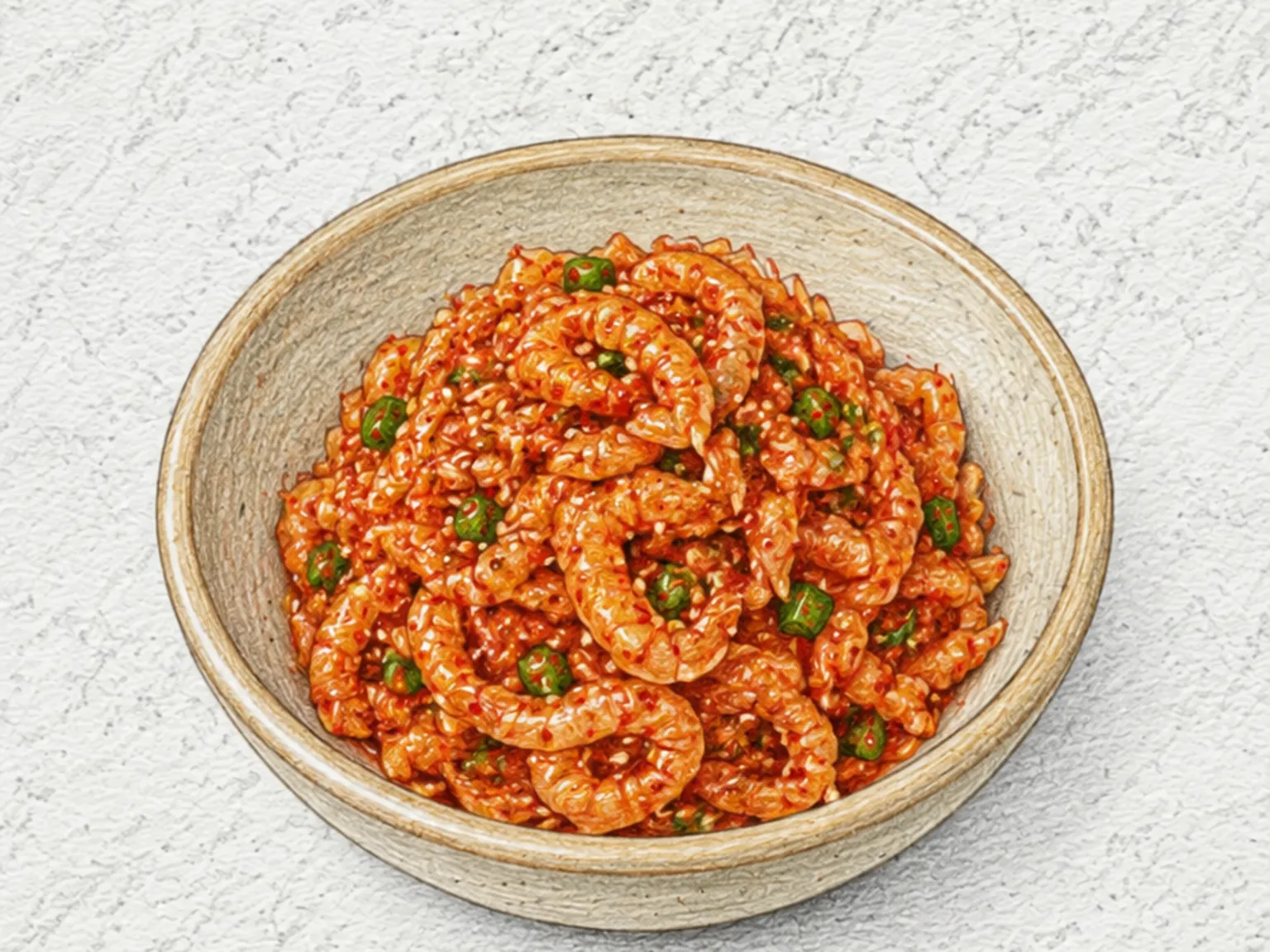
Saeujeot Muchim
Side dishes Easy

Saeujeot Muchim

Saeujeot, tiny salted shrimp, supplies every bit of salt in this side dish; the chili flakes, garlic, scallion, and sesame oil only round it out into something eaten a little at a time from a small bowl. Jars vary a lot in how much brine they hold, and too much liquid leaves the seasoning sliding around in a puddle. Coloring the shrimp with chili flakes first, then folding the rest in from the bottom up, keeps the little shrimp whole instead of mashed.

⚡ 20-Minute Recipes 🏠 Everyday
Prep 5min 0 2 servings
Korean Steamed Clams
Steamed Easy

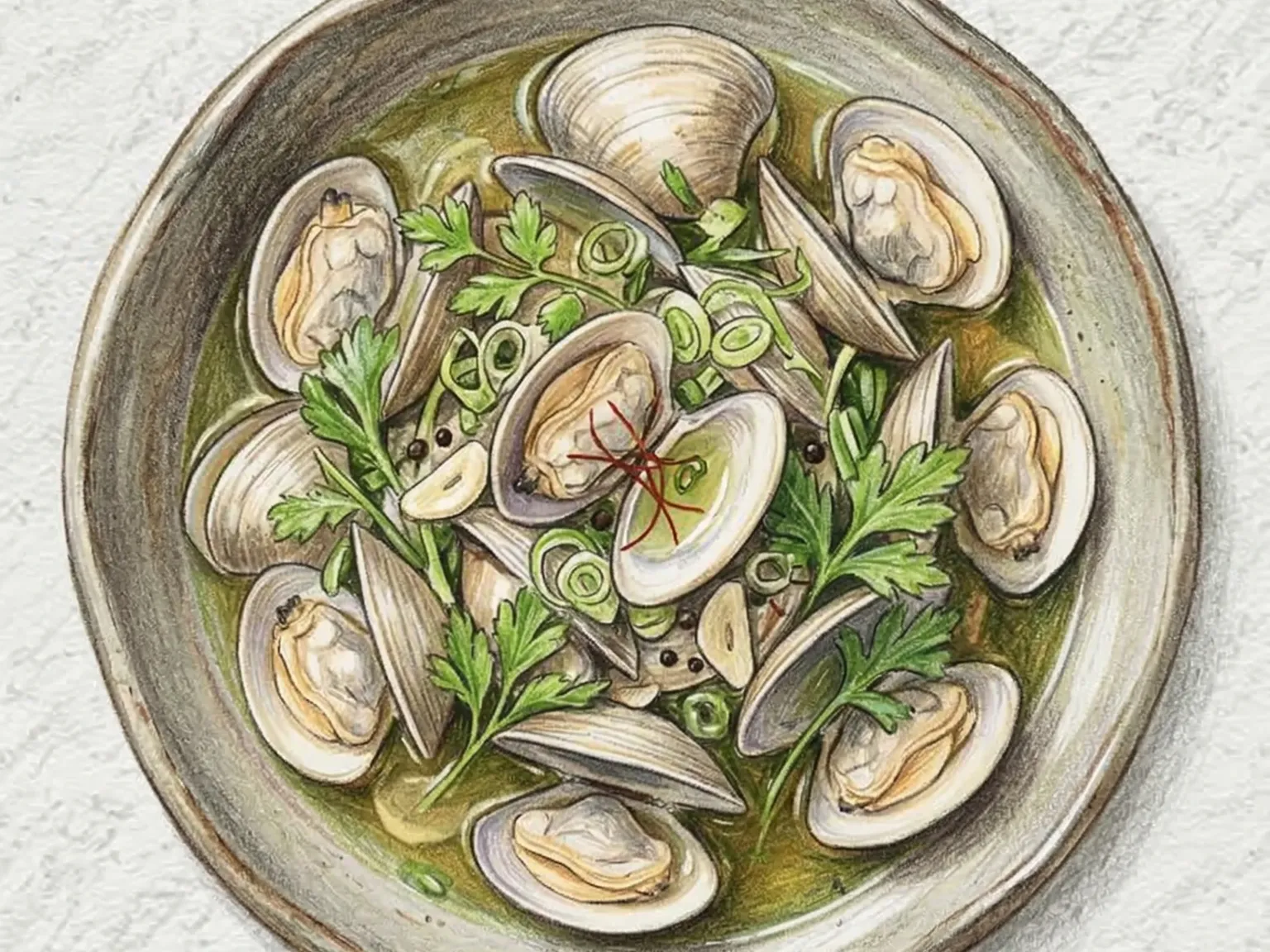
Korean Steamed Clams

Whole garlic cloves and rice wine come to a boil before a mix of clams is added, giving the broth they release a slow, mellow garlic note. With the clams bringing their own salt, the measured salt is stirred in only after tasting, a little at a time. Green onion and cheongyang chili steam for just half a minute at the end to perfume the broth; any longer and the clam meat shrinks and toughens. Purging the clams in salted water beforehand matters as much as the cooking, because any sand ends up in the bowl. Clams that stay shut are thrown out, and the leftover broth makes a base for noodles or porridge.

Prep 25min Cook 15min 4 servings