Korean Spicy Duck Stir-fry
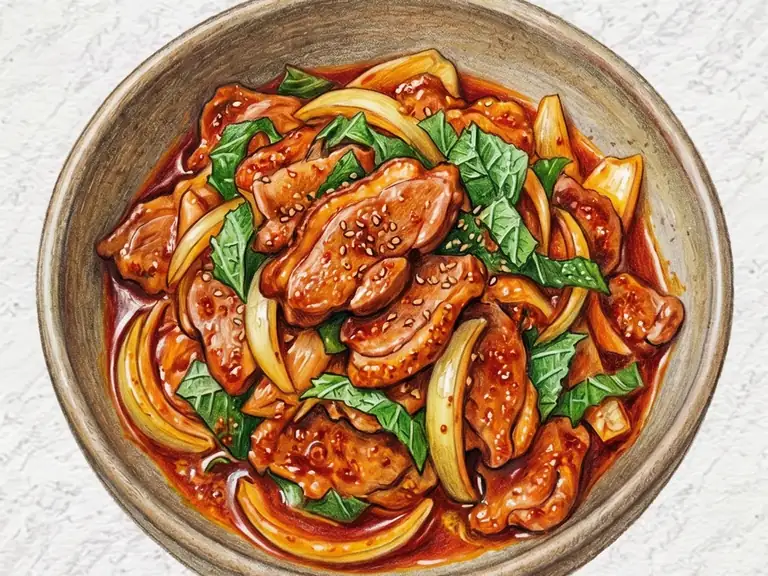
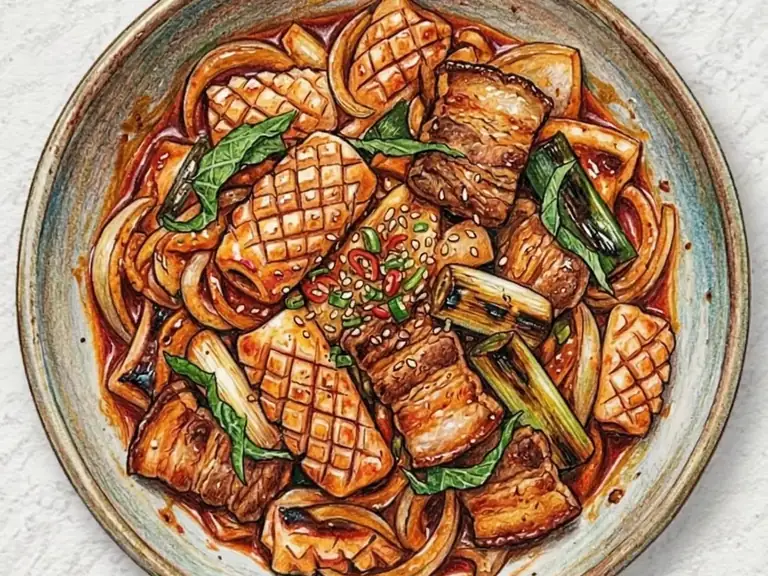
Jumulleok means meat kneaded by hand with its marinade, but thin duck slices tear if squeezed, so here the gochujang sauce is folded through them gently. Perilla leaves add their scent to the spicy coating.
1910 Korean recipes. Page 72 of 80. Compare ingredients and cooking times. Korean Spicy Duck Stir-fry, Korean Beef Tripe Hot Pot.
Jumulleok means meat kneaded by hand with its marinade, but thin duck slices tear if squeezed, so here the gochujang sauce is folded through them gently. Perilla leaves add their scent to the spicy coating.
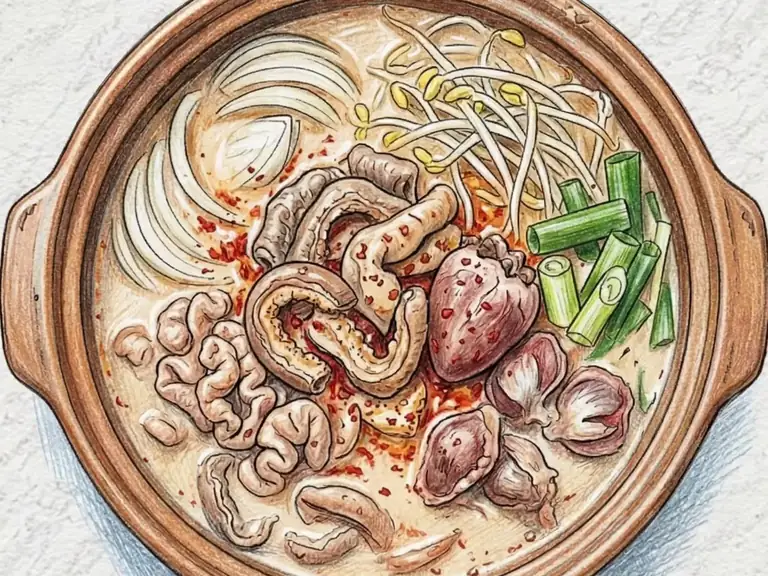
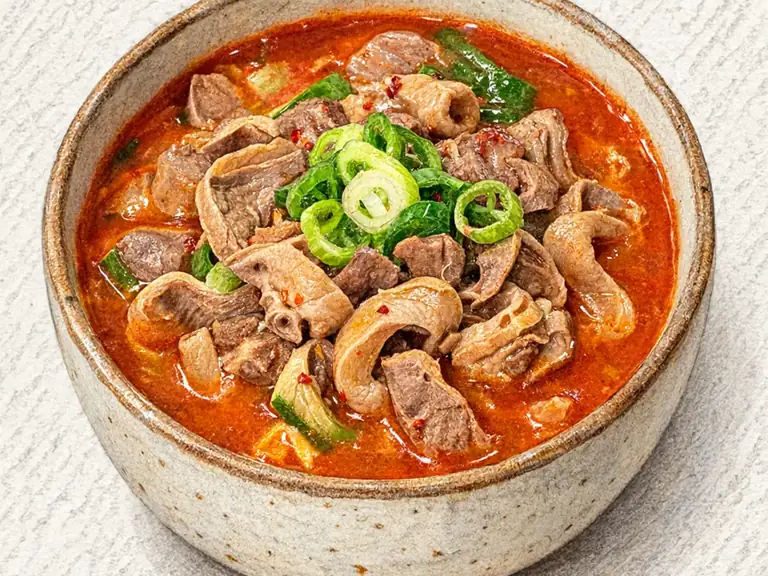
Several beef offal cuts with very different chews, such as small intestine and omasum, go into one pot of milky bone broth. Chili flakes and garlic make it spicy, and half a spoonful of doenjang mixed into the seasoning paste tamps down any remaining offal smell. It is a hot pot for the drinking table, alongside soju.
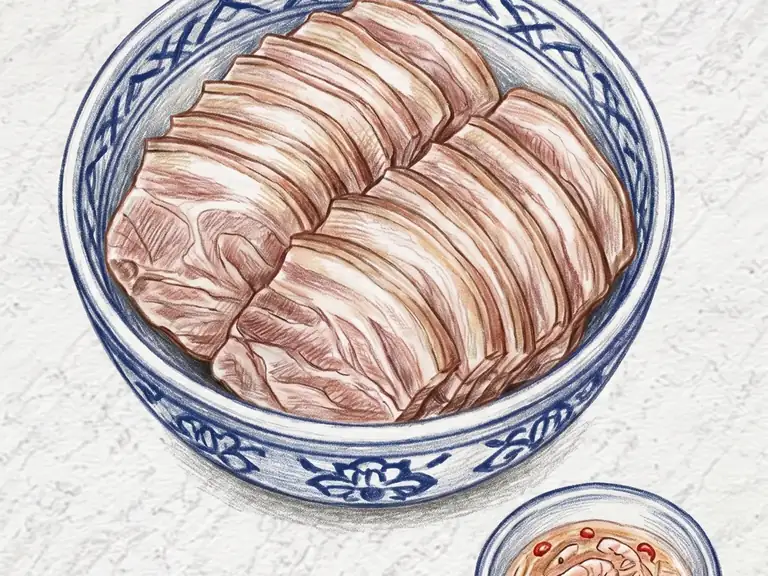
Served cold and thinly sliced, pyeonyuk has a firmer, cleaner bite than warm boiled pork. Pork shank simmers with ginger, garlic, and whole peppercorns to take away any gamey smell, then gets rolled tightly in plastic wrap while still warm and chilled for at least 2 hours so it holds a neat shape. Slices are dipped in salted fermented shrimp, a classic starter for holiday tables and guests.
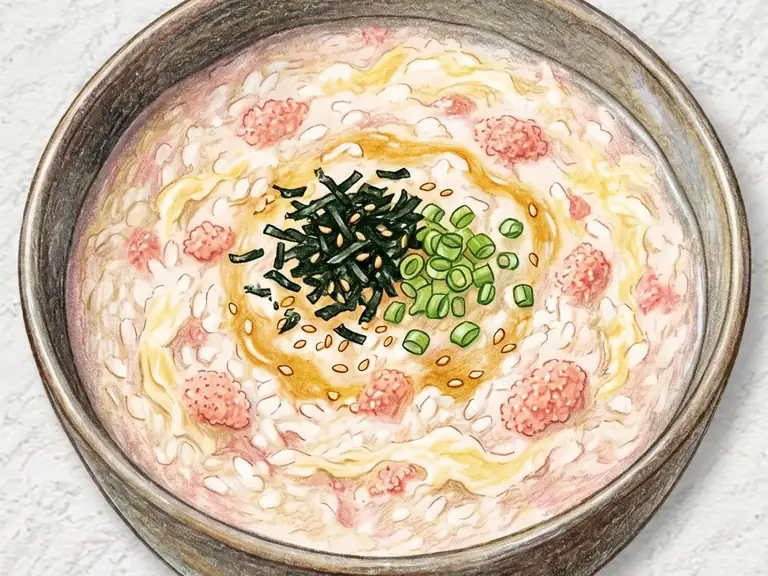
Because it starts from cooked rice simmered in anchovy stock rather than raw grains, this porridge comes together much faster. The pollock roe breaks apart into the broth, tinting it pink and spreading its salty, savory flavor through the pot. Eggs poured into a rolling boil seize into rough clumps, but drizzled in at a gentle simmer they set into soft curds.
Osam takes its name from the first syllables of squid (ojingeo) and pork belly (samgyeopsal). The pork belly is cooked first until plenty of fat has rendered, and the squid and gochujang sauce go into that fat, so no extra oil is needed.
Most of the work in this spicy beef offal soup happens before cooking: the mixed tripe is scrubbed with salt and flour into every fold, then soaked in cold water to draw out blood and odor. After a quick blanch the first water is thrown out, and a 50-minute simmer in fresh water softens the thick pieces while building the stock.
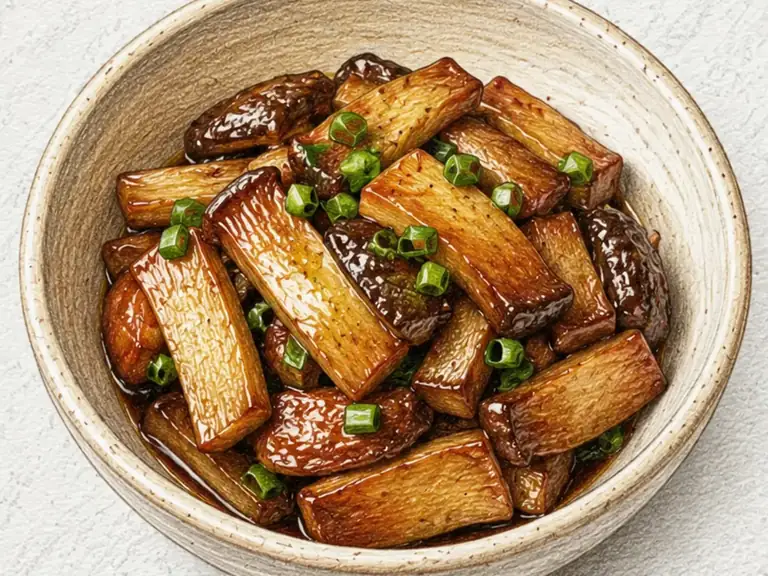
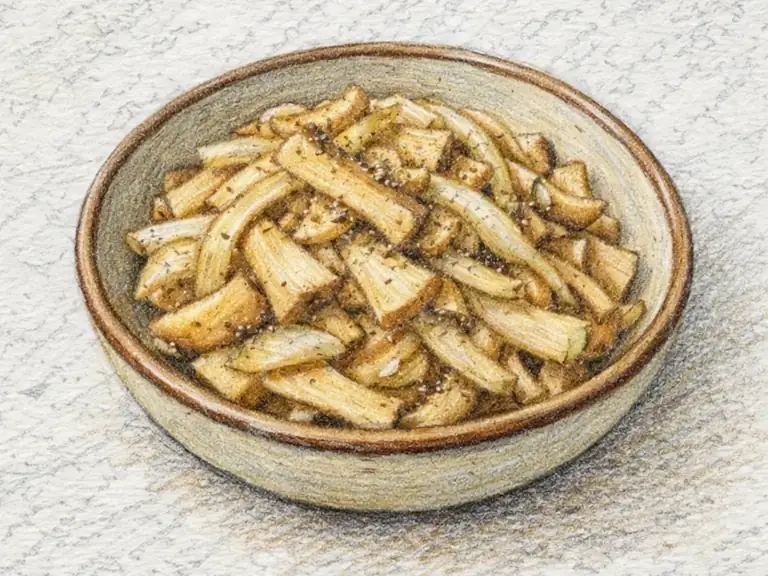
Searing king oyster mushrooms until browned before adding any sauce gives this banchan two textures: a chewy, golden cut face and a juicy center. Spread in a single layer, they lose the water they release, which would otherwise thin the glaze and keep it from turning glossy. Mix the sauce beforehand and keep it beside the pan so it can be poured straight in before the mushrooms scorch. The soy and oligosaccharide syrup glaze cooks only briefly, and the heat goes off before it turns too strong, letting residual heat bring up the shine. Finished with green onion and sesame oil, it is best warm and keeps well as a make-ahead side.
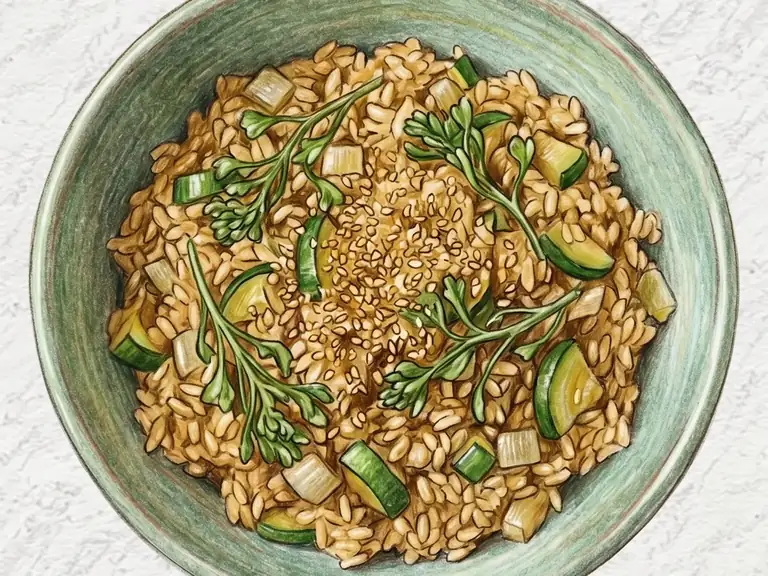
Naengi (shepherd's purse, a spring green) is spread over doenjang-seasoned rice to steam, and when the lid comes off its earthy spring scent rushes out. The doenjang is first fried in perilla oil with zucchini and onion, so every grain picks up its savory depth.
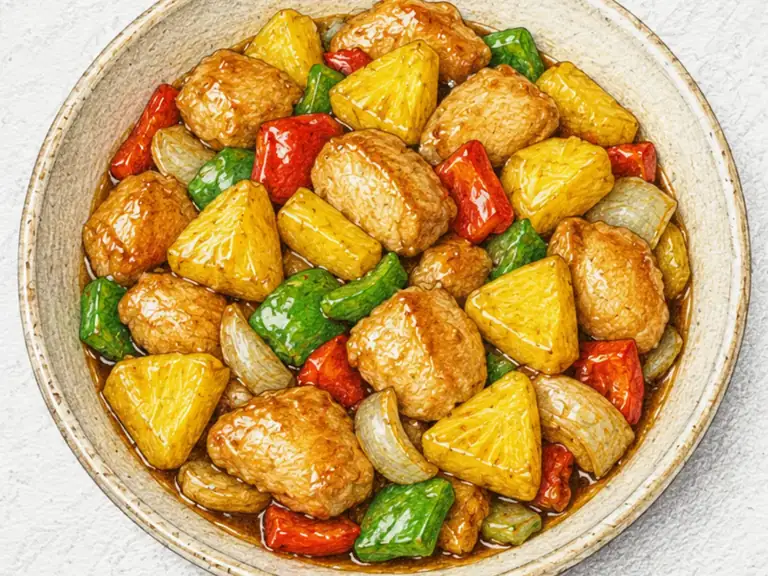
Chicken in a thin starch coat gets its gloss from a soy, vinegar and sugar sauce. The pineapple goes in just before the sauce and needs only a minute, until its edges look faintly translucent. Canned pineapple works too, drained lightly first.
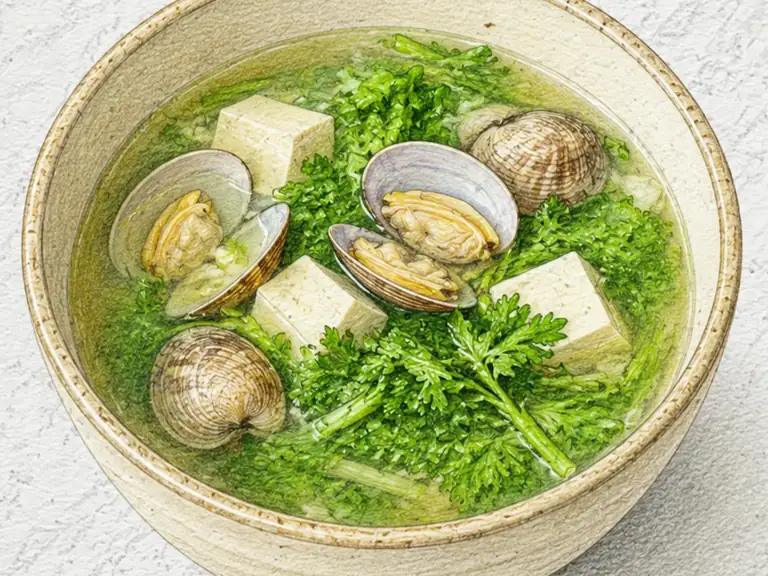
Clams and shepherd's purse both tend to carry grit. Purge the clams well in salted water and rub the dirt from between the naengi roots by hand, or the clear broth ends up with sand in every spoonful.
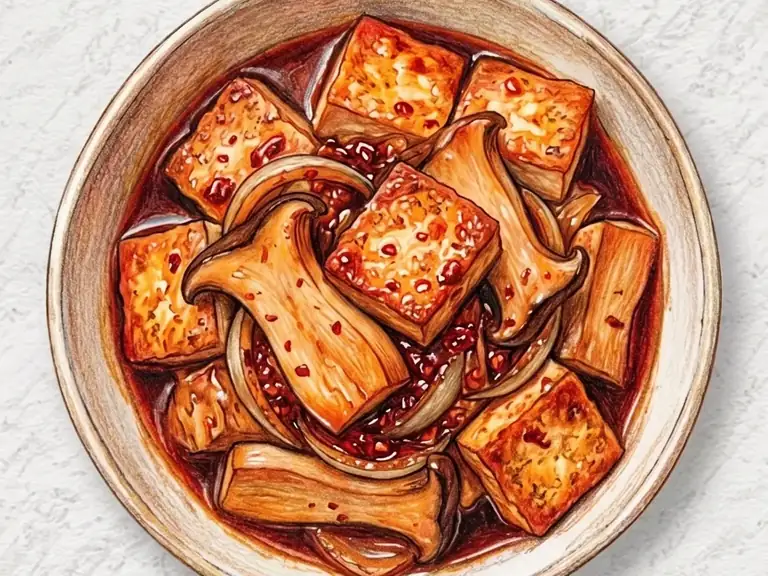
Pan-fried tofu and thick-cut king oyster mushrooms share the same spicy soy and gochujang sauce but feel completely different to bite: one soft, the other springy. Browning the tofu slowly over low heat until the edges firm up gives the sauce a surface to cling to.
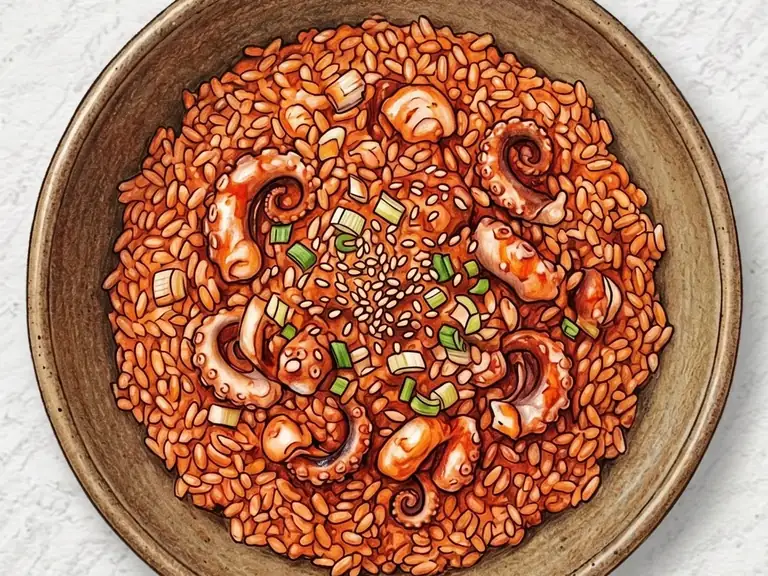
The octopus gets two minutes over high heat, and the rice goes in as soon as it starts to curl. That leaves no time to mix sauce in the pan; it is stirred smooth before the burner is lit. For less heat, the chili flakes are dropped and gochujang used alone.
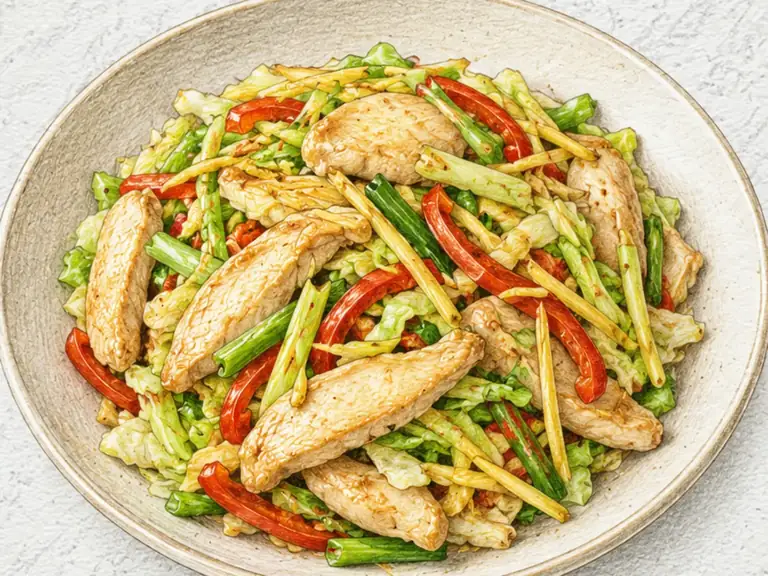
A generous amount of finely shredded ginger gives mild chicken breast a sharp, warming smell. The cabbage and bell pepper are not cooked for long, so they still crunch.
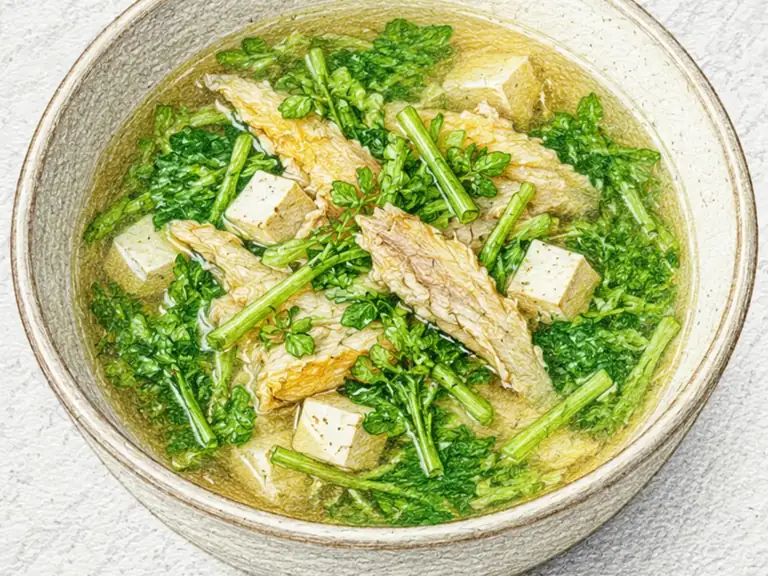
Dried pollack, a winter pantry staple, meets the first shepherd's purse dug up in spring. The pollack strips are not soaked, only rinsed of dust and toasted in sesame oil, because a long soak would leave their savoriness behind in the water.
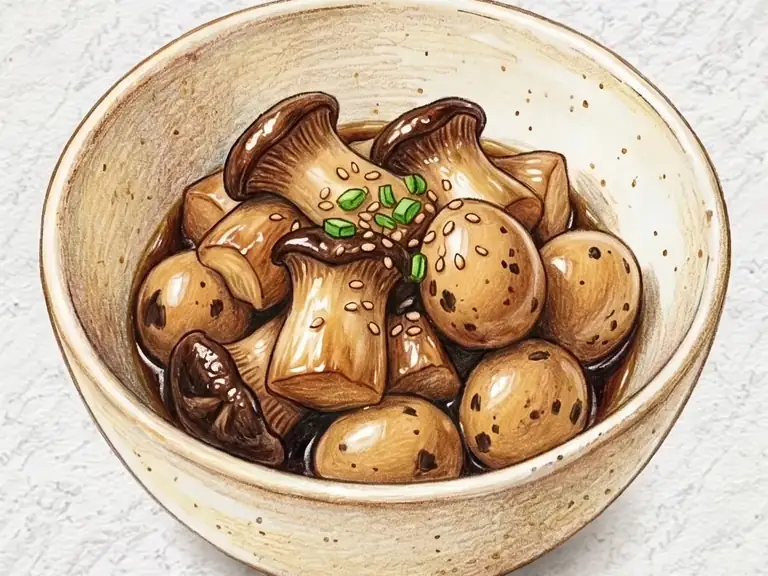
King oyster mushrooms soak up the soy broth and turn light brown, giving this quail egg braise a meaty chew alongside the soft eggs. The mushrooms braise first until they wilt and soak up plenty of seasoning, while the eggs join later and never simmer long enough to toughen. Mushrooms sliced at least 1 cm thick hold on to that chew. With no chili at all, just garlic and black pepper, it stays mild, and a spoonful of syrup at the end adds shine and rounds off the saltiness. Stored in the fridge with its remaining broth, both mushrooms and eggs stay moist, which makes it an easy side to portion into packed lunches.
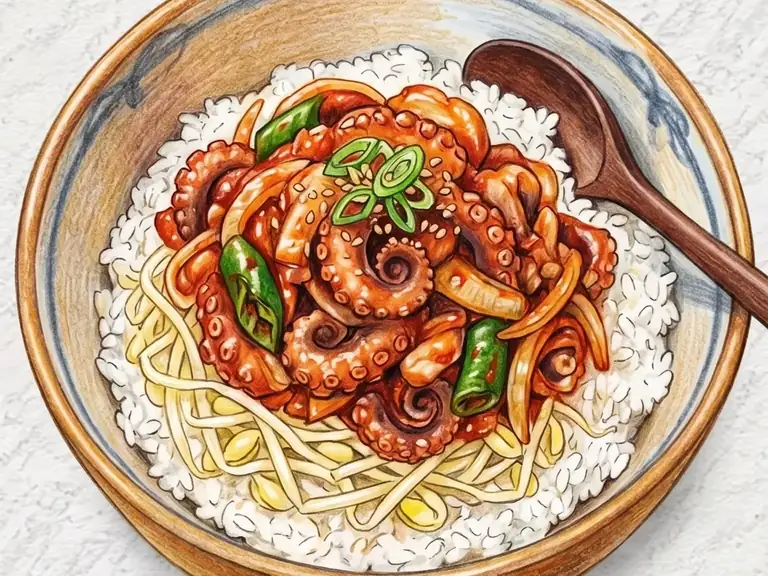
Two cheongyang chilies and a tablespoon of chili flakes make this properly hot. The octopus is tipped over the rice with all the loose sauce left in the pan, and bean sprouts can go down on the rice first for a crunchy layer underneath.
Because the pan runs on high heat, perilla oil is not used alone but mixed in equal parts with neutral oil. The king oyster mushrooms are cut lengthwise into long strips that keep their grain, and ground perilla seed goes in over low heat for the last minute to thicken the little bit of soy broth.
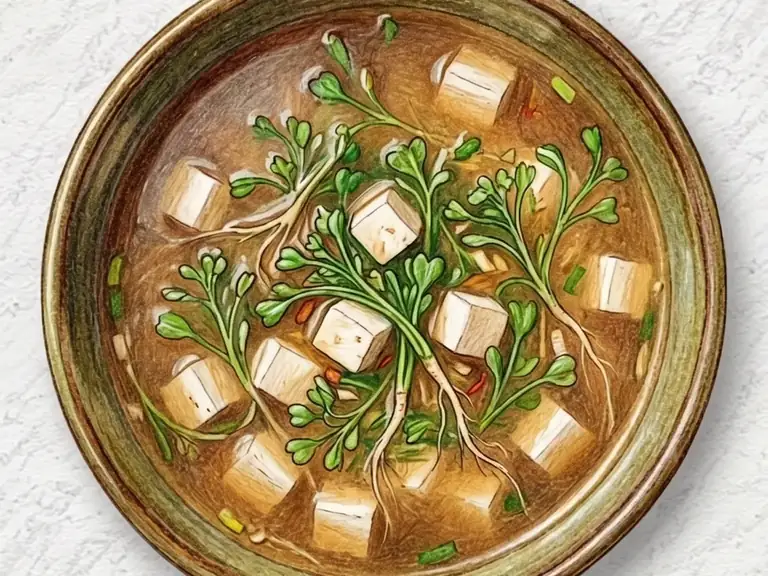
The roots of shepherd's purse carry an earthy, mineral smell and the leaves a mild bitterness. Cutting both and mixing them evenly before cooking spreads each flavor through the pot. Pressing the doenjang through a sieve keeps the anchovy stock clear while still giving it fermented depth.
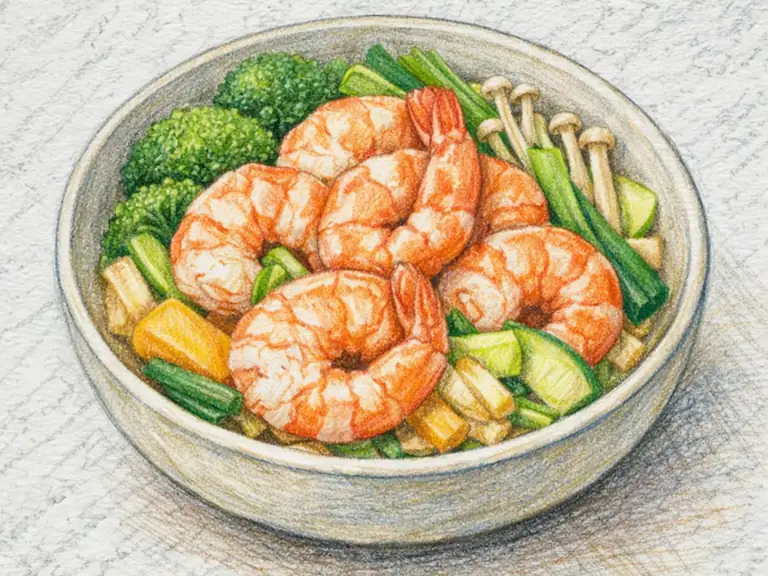
The shrimp steam on a bed of onion, green onion, and garlic, and the rising vapor carries those aromas in between the shells. Apart from a splash of rice wine and a squeeze of lemon there is no seasoning, which puts the shrimp's own sweetness at the center. The steaming stops within 8-9 minutes, before overcooking can shrink the flesh and make it stiff.
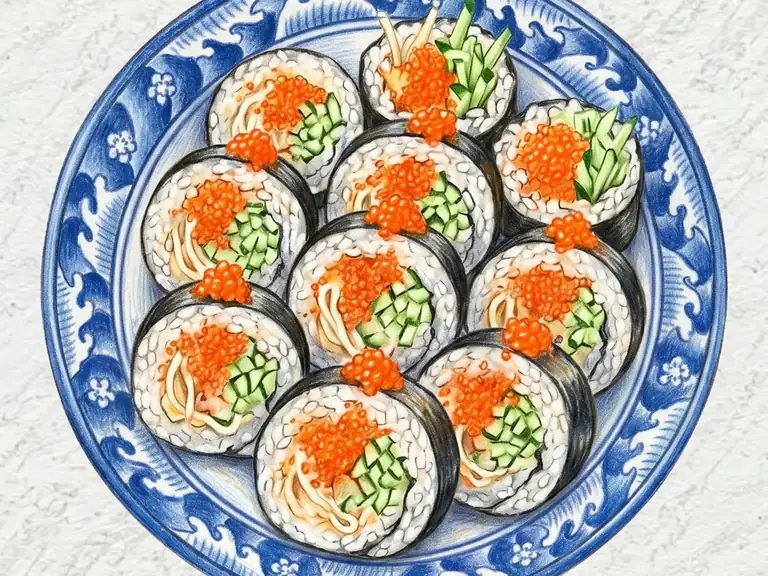
The flying fish roe stays in the fridge until the moment of rolling; once it warms up, the skins slacken and the eggs stop popping. Inside there is only a thin line of mayonnaise and cucumber, and a little more roe goes on the cut faces.
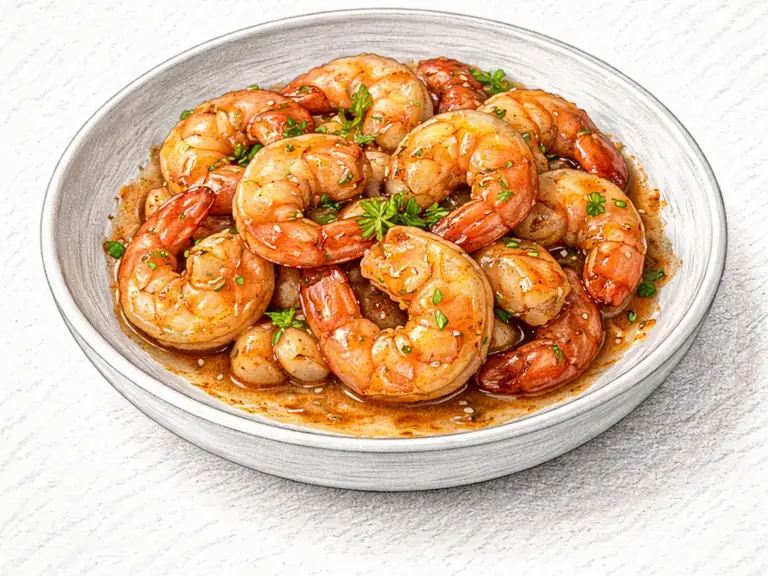
Garlic cooked in butter, then soy sauce and sugar bubbling down, leave the shrimp with a sweet-salty shine. Shrimp shrink and toughen soon after they are cooked through, and the soy and sugar are mixed ahead to go in the moment the shrimp are done.
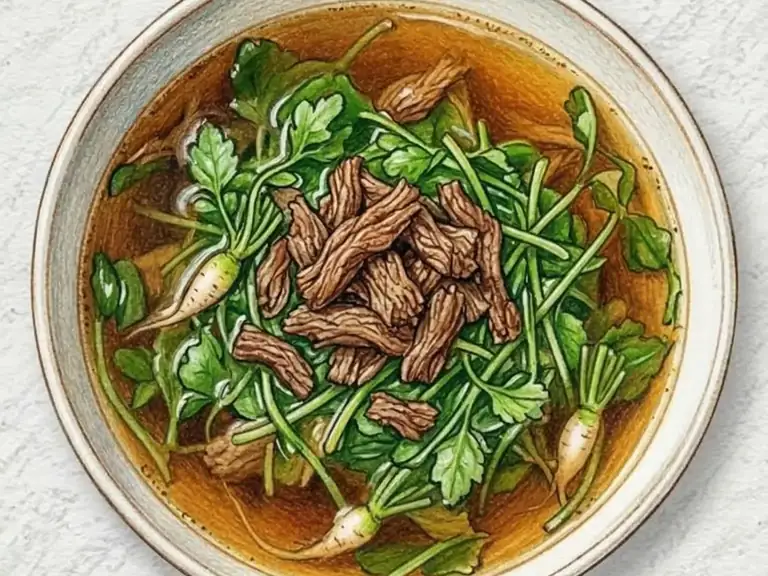
There is a spoonful of doenjang, but only as a base seasoning, and this tastes more like a clear beef soup made with brisket browned in sesame oil than a doenjang soup. Spring shepherd's purse brings an earthy green scent into the meaty broth.
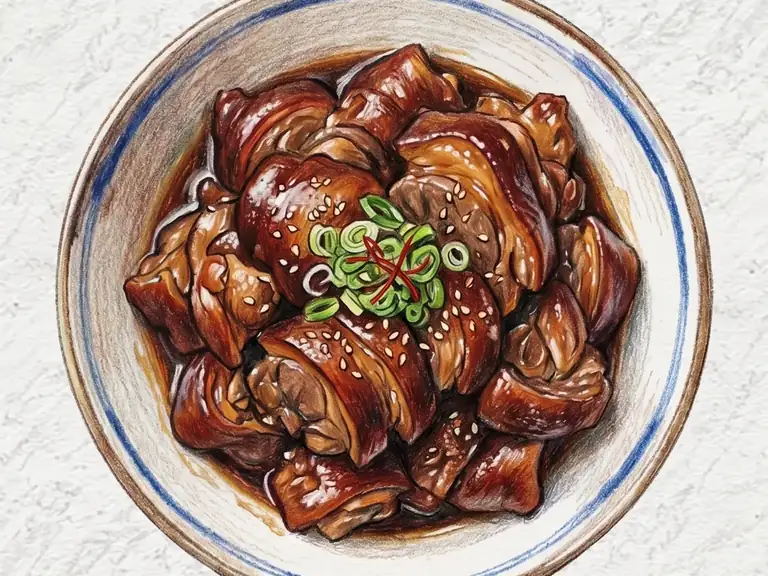
Store-bought boneless jokbal, Korean braised pig's trotters that are already cooked, gets a second short simmer in a soy, sugar, and ginger glaze, turning it into a warm, glossy dish in well under an hour. As it cools, the gelatin-rich skin sets with the glaze into a pleasantly chewy texture, which makes leftovers worth eating cold.
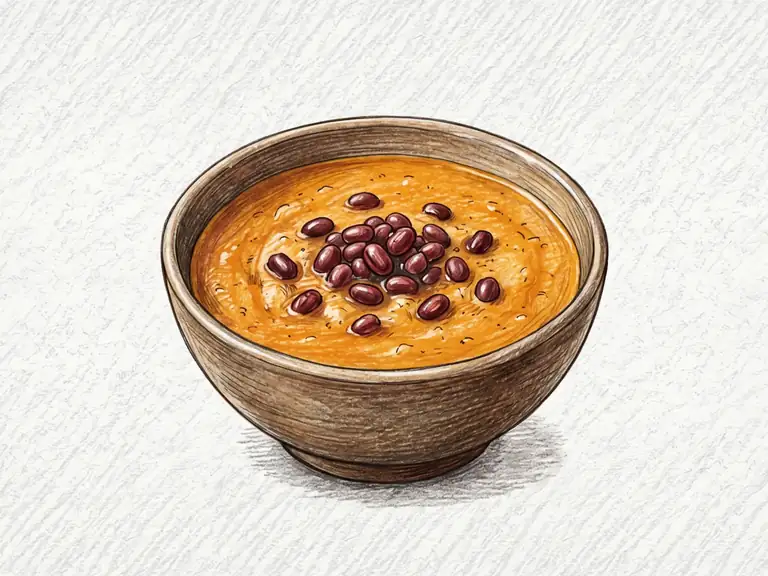
Unlike kabocha porridge, where the squash is steamed and blended, this porridge starts by boiling chunks of mature Korean pumpkin in water until no pieces remain, and the cooking liquid becomes the base. Neulgeun hobak is watery and only mildly sweet, so glutinous rice flour sets the thickness and sugar supplies the sweetness. Season with sugar at the very end, after the beans go in; the beans mute the sweetness, and seasoning earlier means correcting it twice. Dissolve the rice flour in water and strain it, or raw lumps will hide in the pot. Dried red beans take far longer than the pumpkin, so they go on the stove first, or use ready-cooked beans and skip that stage.