Korean Beef Bean Sprout Soup
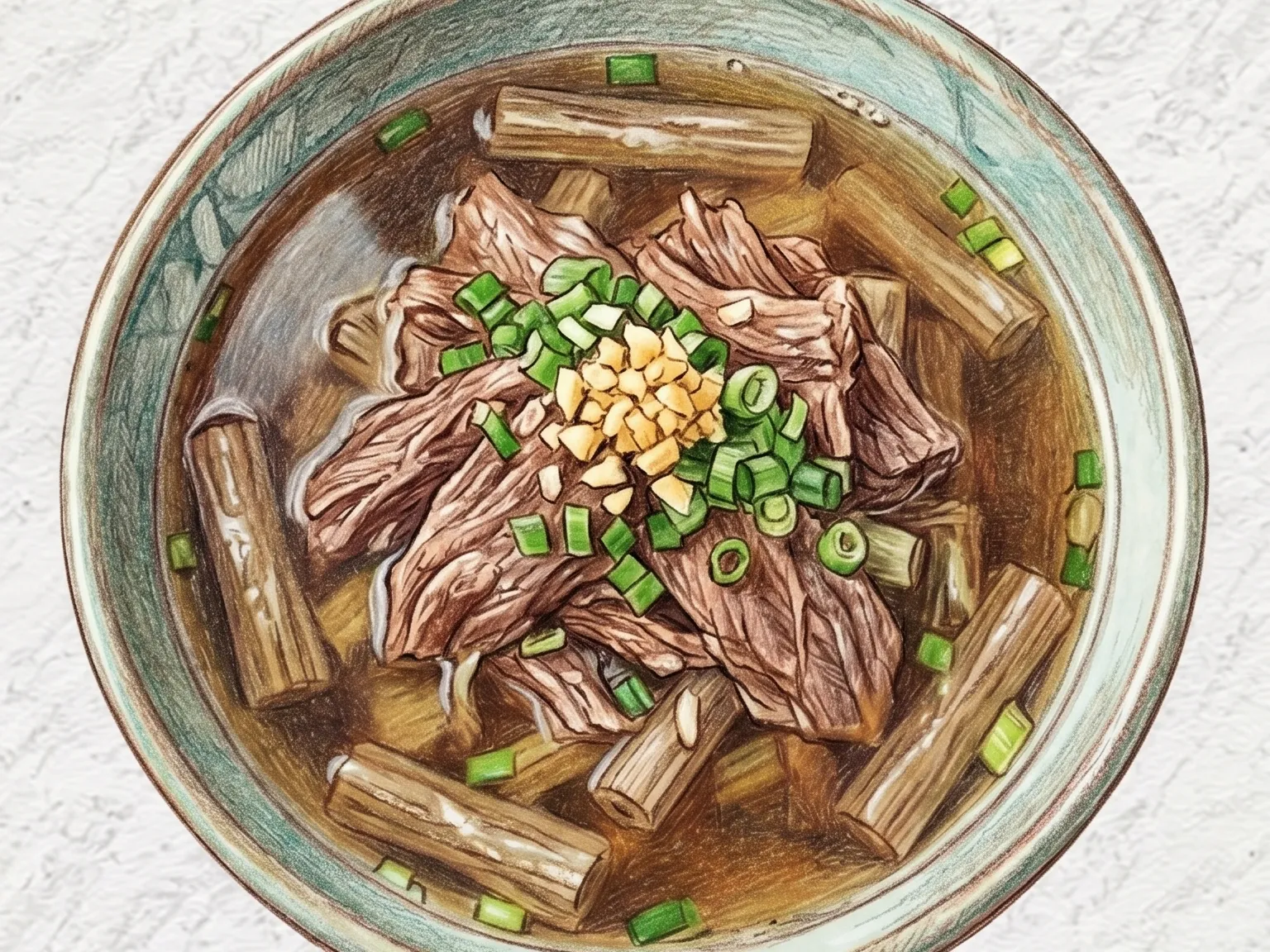
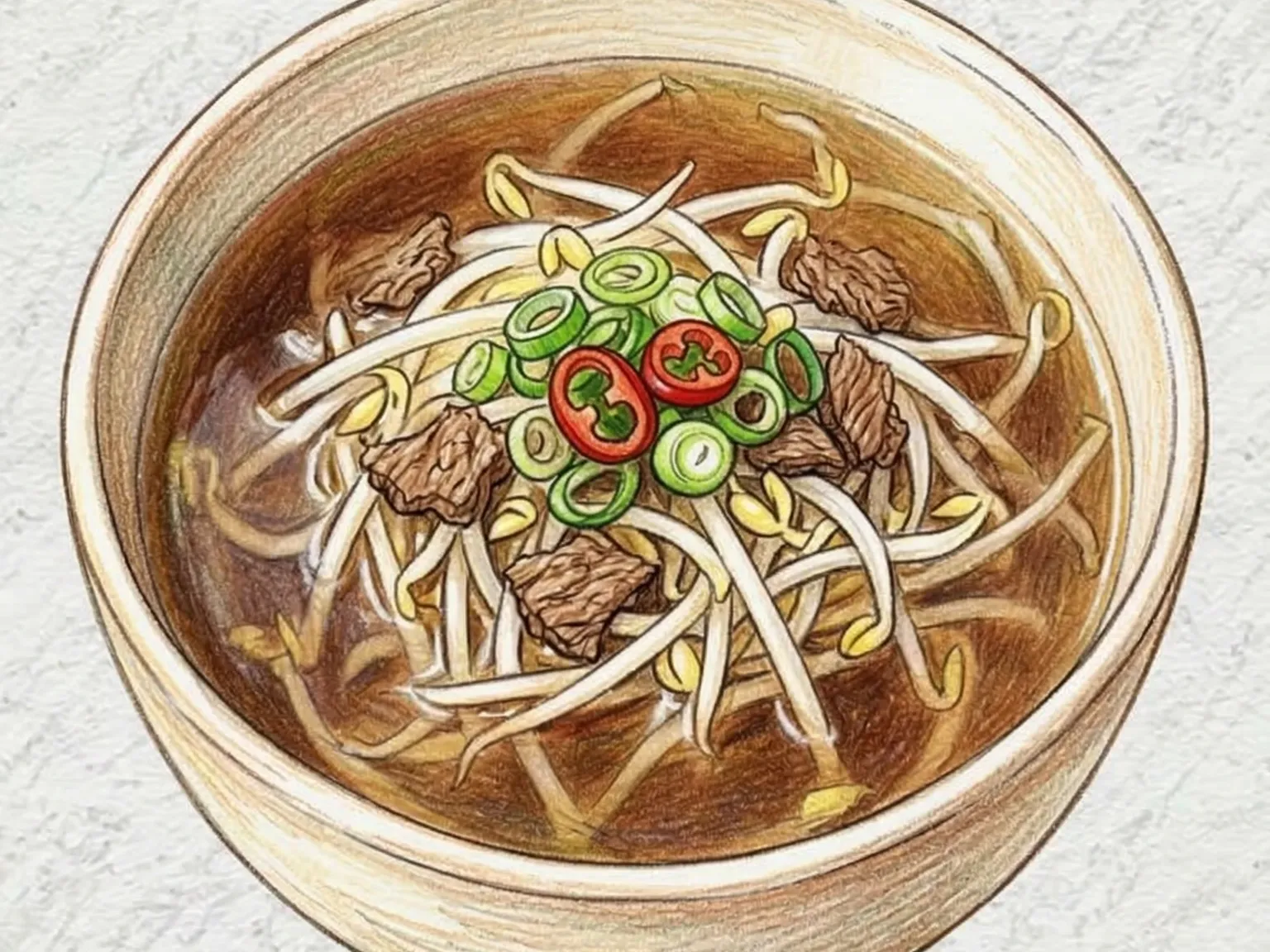
The broth starts from brisket browned in sesame oil, yet the sprouts keep it from feeling heavy. Cooked too long, mung bean sprouts give off a raw smell. The heat goes off while their heads still snap.
1880 Korean recipes. Page 77 of 79. Compare ingredients and cooking times. Korean Beef Bean Sprout Soup, Korean Steamed Lotus Root.
The broth starts from brisket browned in sesame oil, yet the sprouts keep it from feeling heavy. Cooked too long, mung bean sprouts give off a raw smell. The heat goes off while their heads still snap.
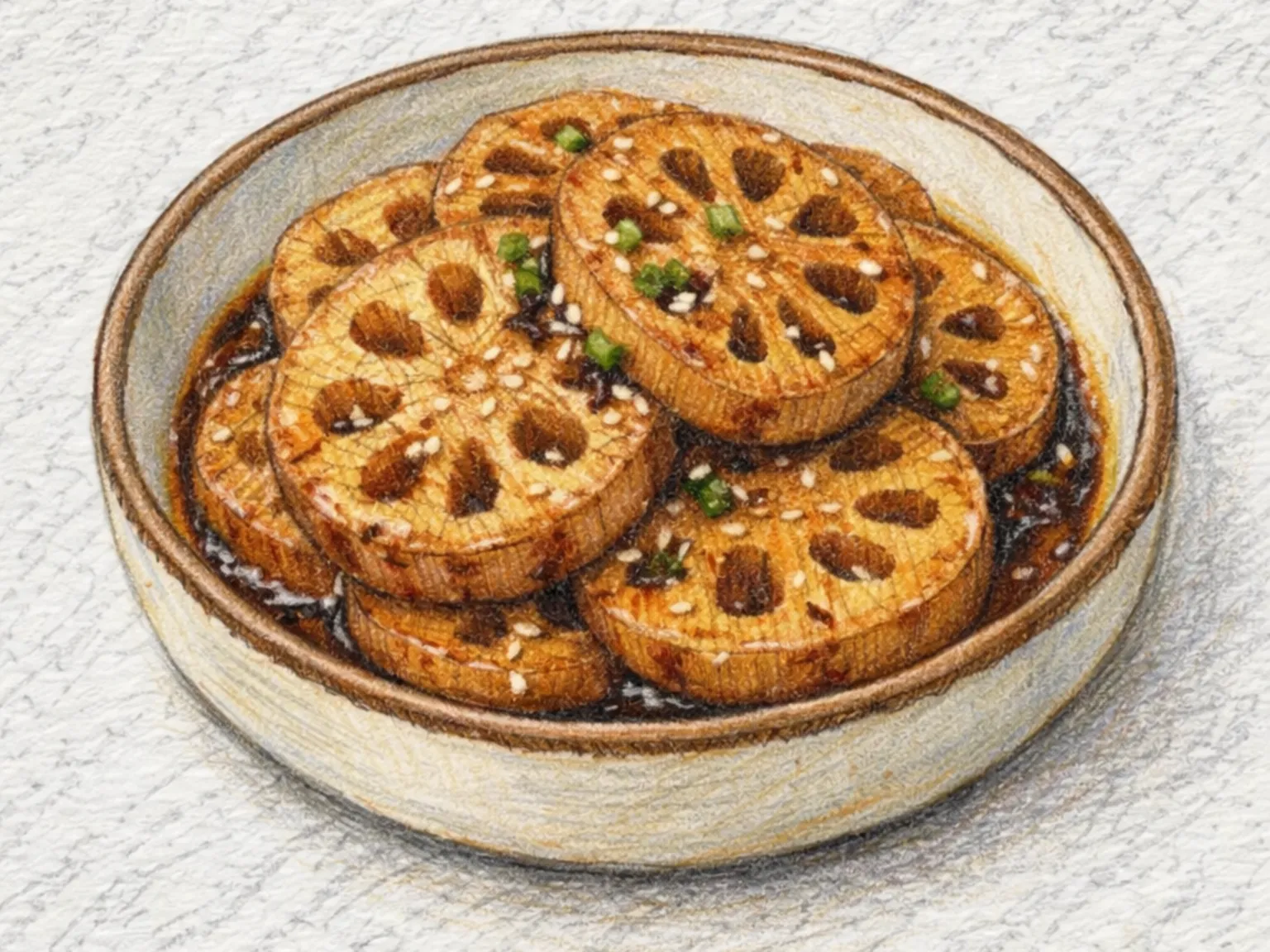
Slices cut a full 1cm thick and cooked covered over low heat give this lotus root dish a chunkier bite than thin soy-glazed versions, with a core that stays crunchy. A soak in vinegared water right after slicing keeps the cut faces from browning. Jocheong, a Korean grain syrup, sweetens the soy instead of sugar and leaves a mellow malty note along with the gloss.
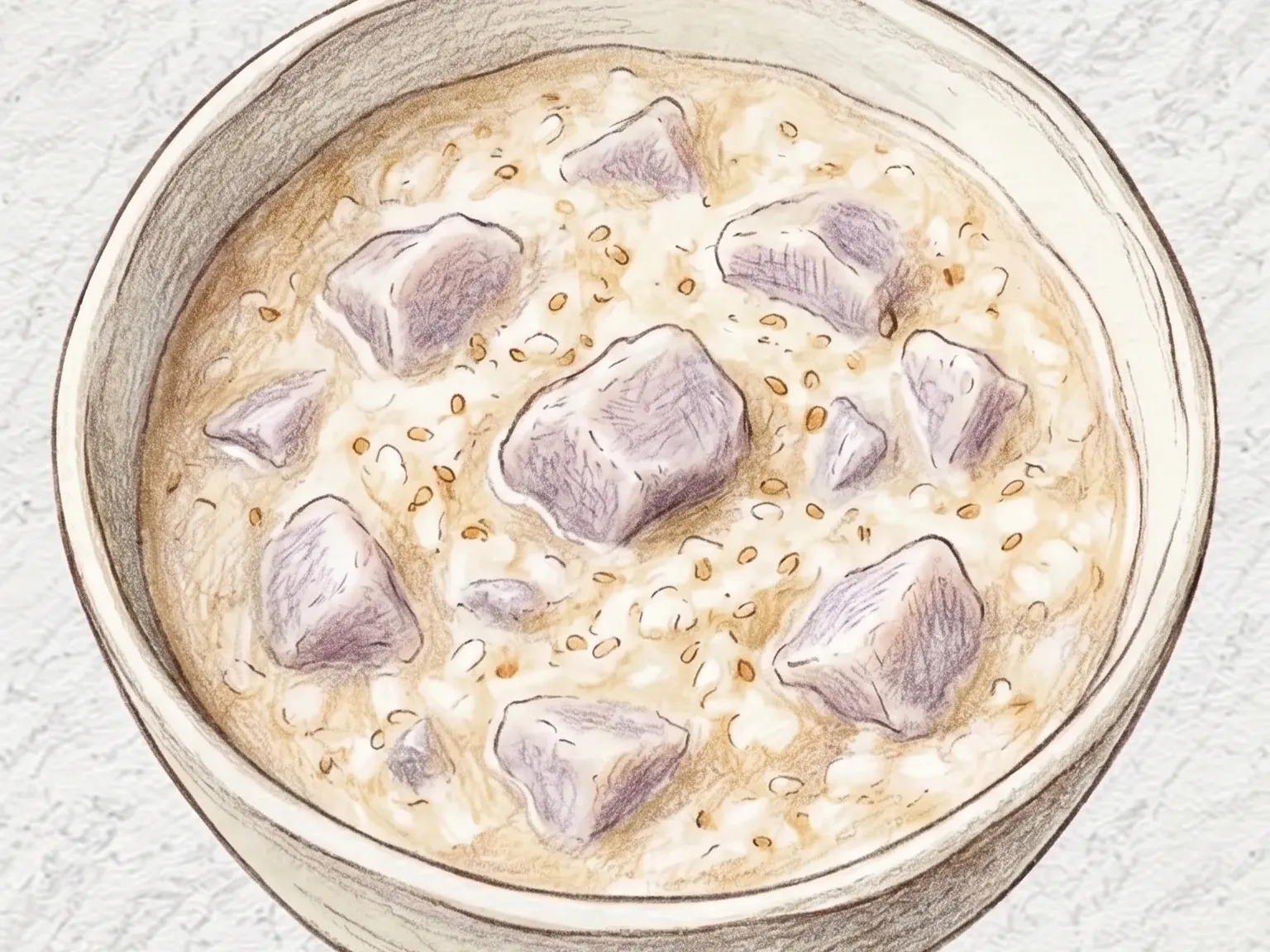
Taro goes in just as the rice grains start to swell, so part of it melts into the porridge and thickens it while the rest stays in soft, fluffy cubes. The rice is toasted in perilla oil at the start, which puts a nutty note under the taro's earthiness. Soup soy sauce and salt season it lightly, and chopped green onion goes on top.
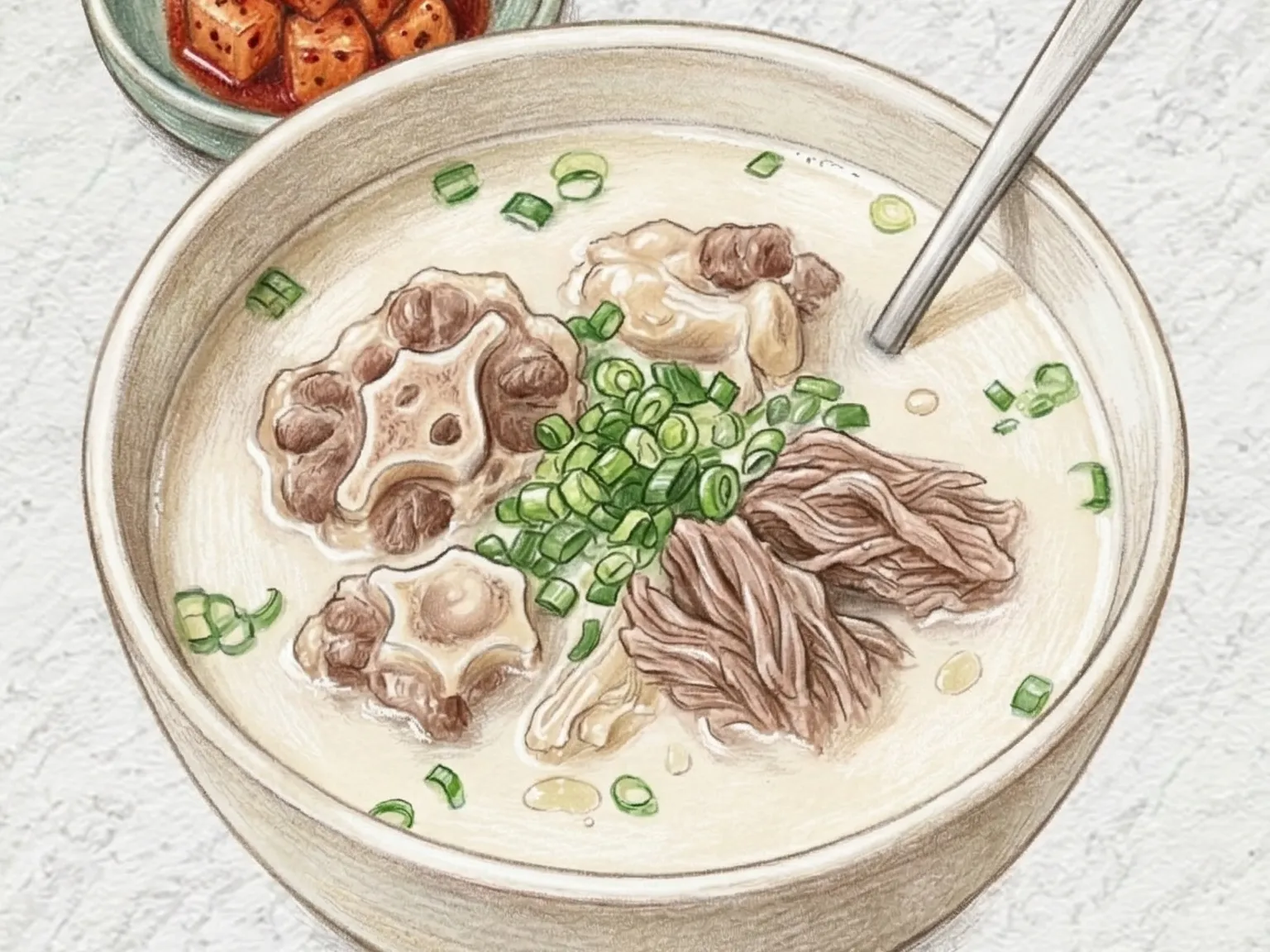
The oxtail soaks in cold water for an hour, gets a quick blanch, and then simmers over low heat for three hours. Left to cool overnight, the broth sets a layer of fat on top that lifts off easily, and the soup is lighter for it. Kkakdugi, cubed radish kimchi, goes on the table with it.
Lotus root keeps a crisp, almost snappy bite even after braising, which sets it apart from soft soy-braised potatoes or burdock. Once the holes in each round have soaked up the soy sauce and the slices turn a translucent brown, a spoonful of syrup over high heat gives them a quick, glossy finish.
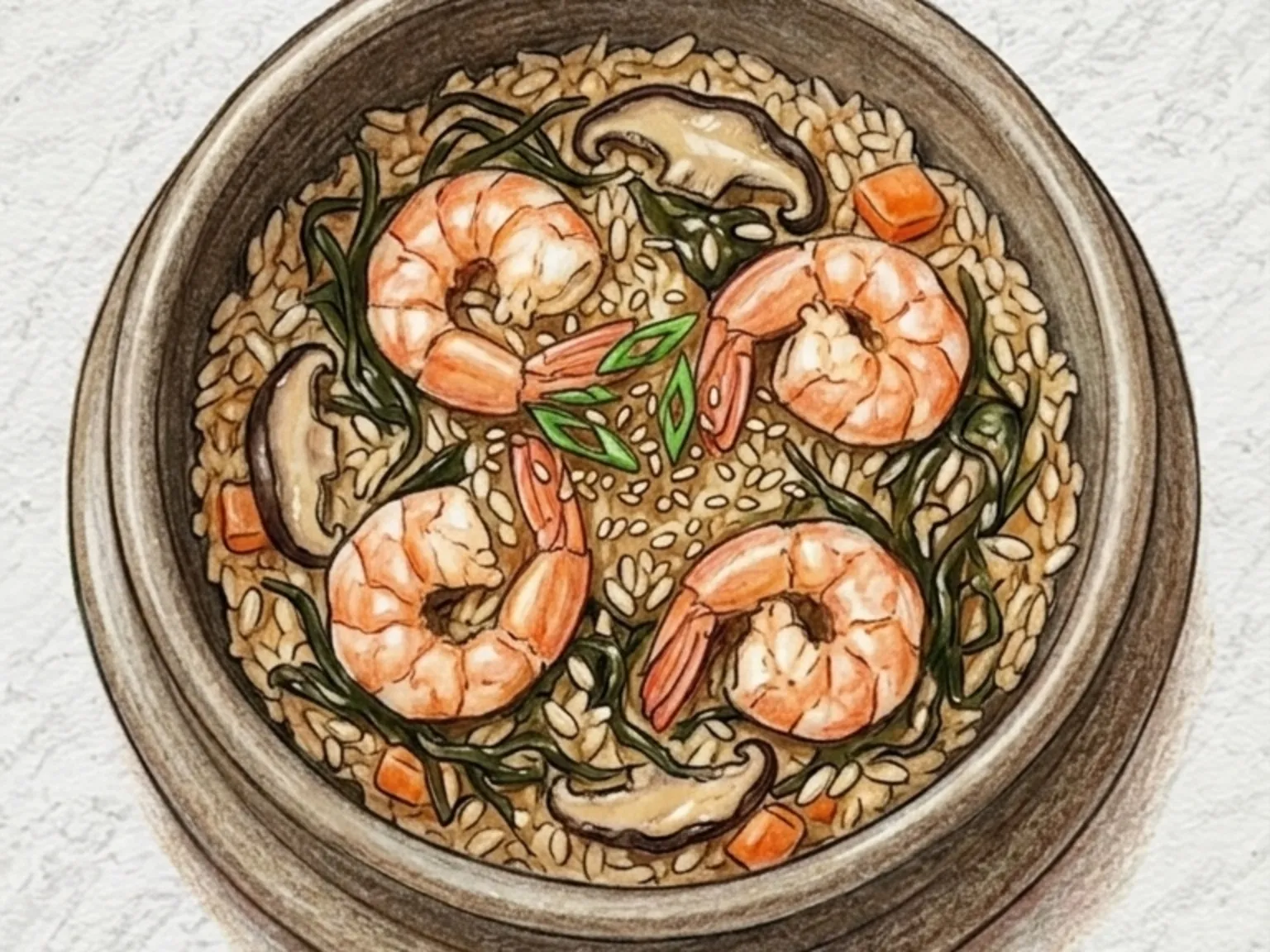
The soaked hijiki is rinsed twice in cold water to cut its saltiness and any off smell, then sauteed in sesame oil with shiitake and carrot before the rice goes in. As the pot cooks, the deep sea flavor of the hijiki gets into the rice, and shrimp seasoned with soup soy sauce and garlic sit on top. For a crust on the bottom, turn the heat up a little for the last minute.
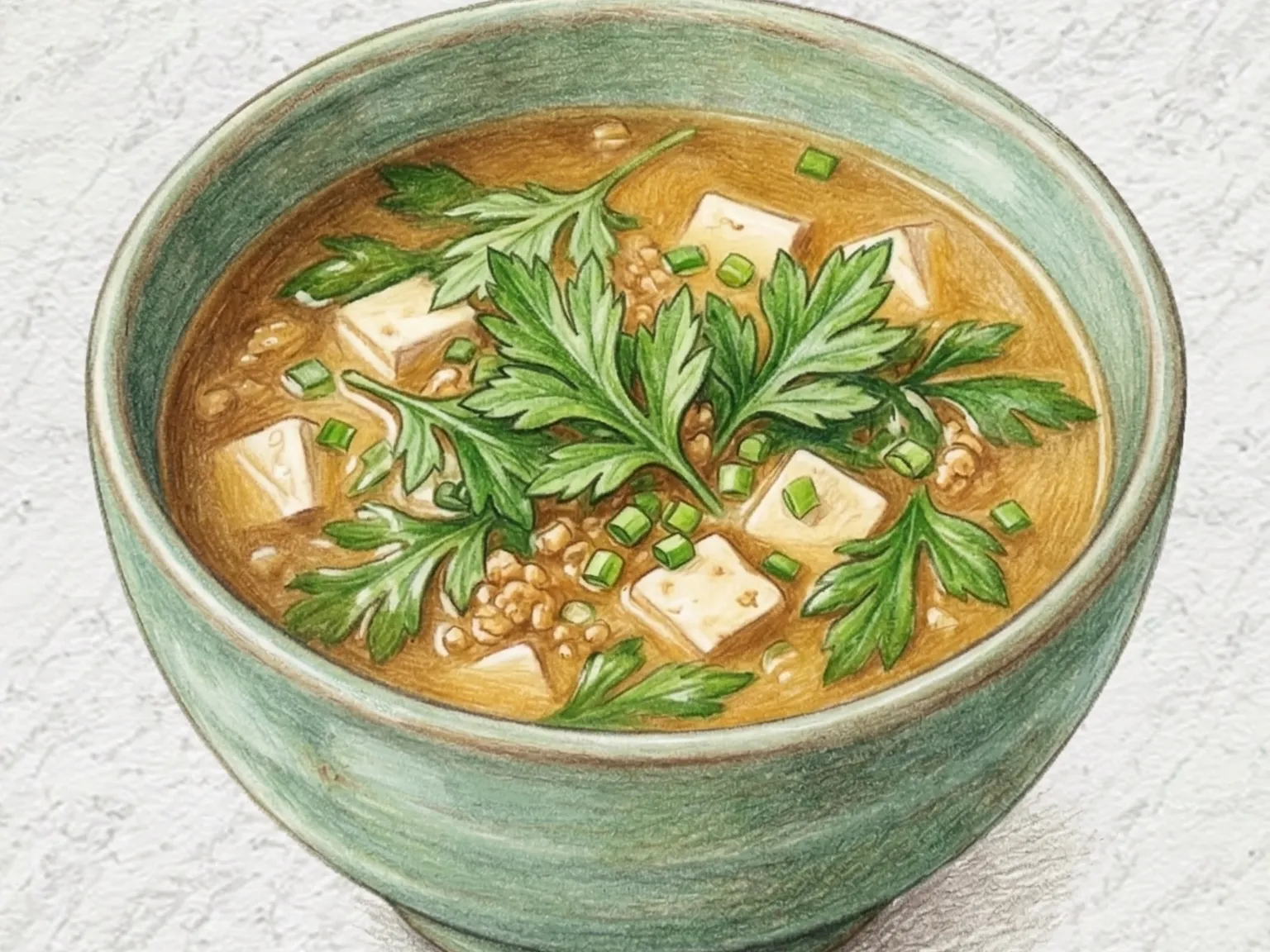
Young mugwort gives a doenjang broth a fresh, green spring aroma, but that aroma fades quickly with heat. The clam meat is cooked through first, so the leaves can be added last over low heat and ladled out the moment they wilt to a bright green.
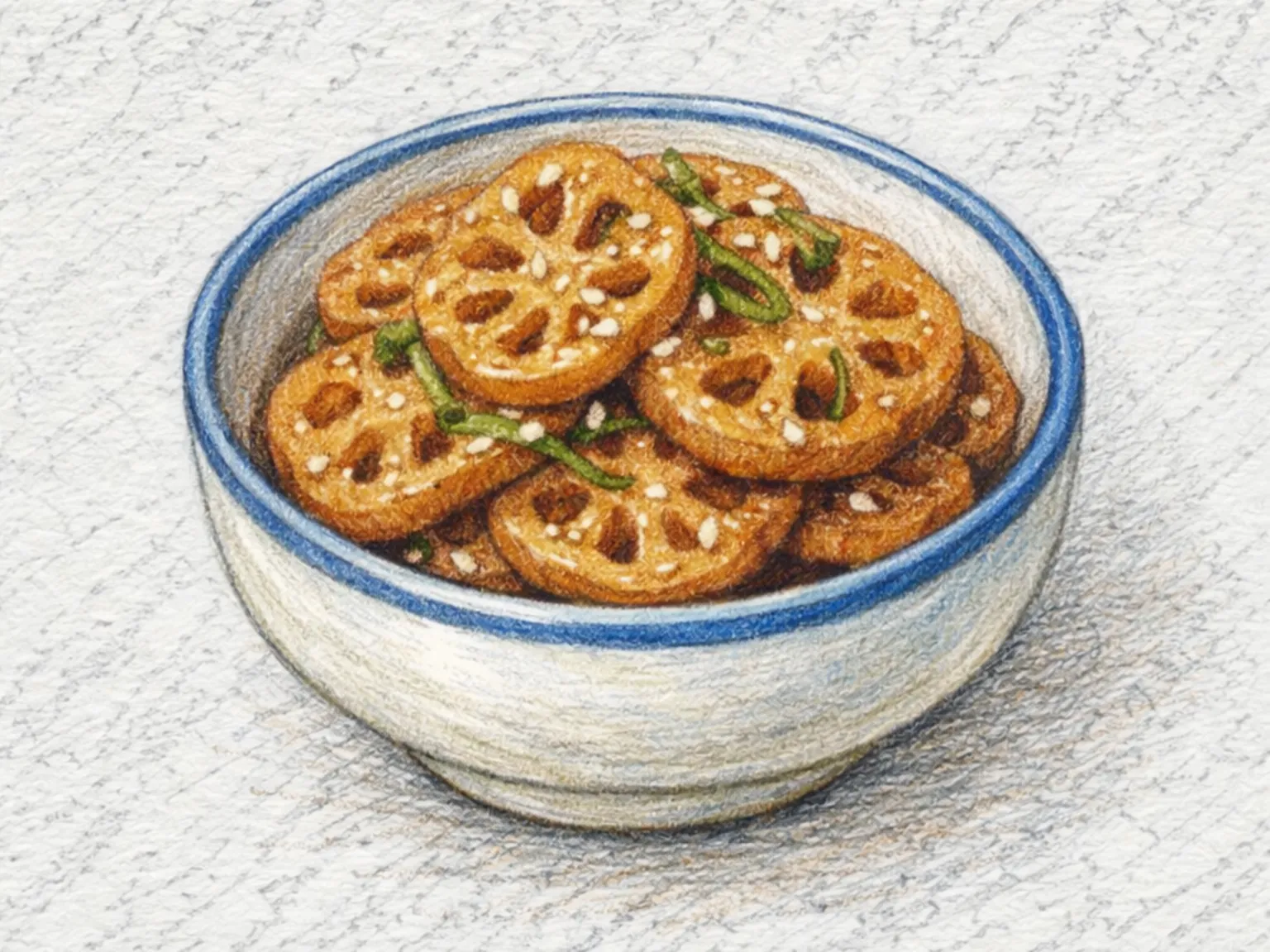
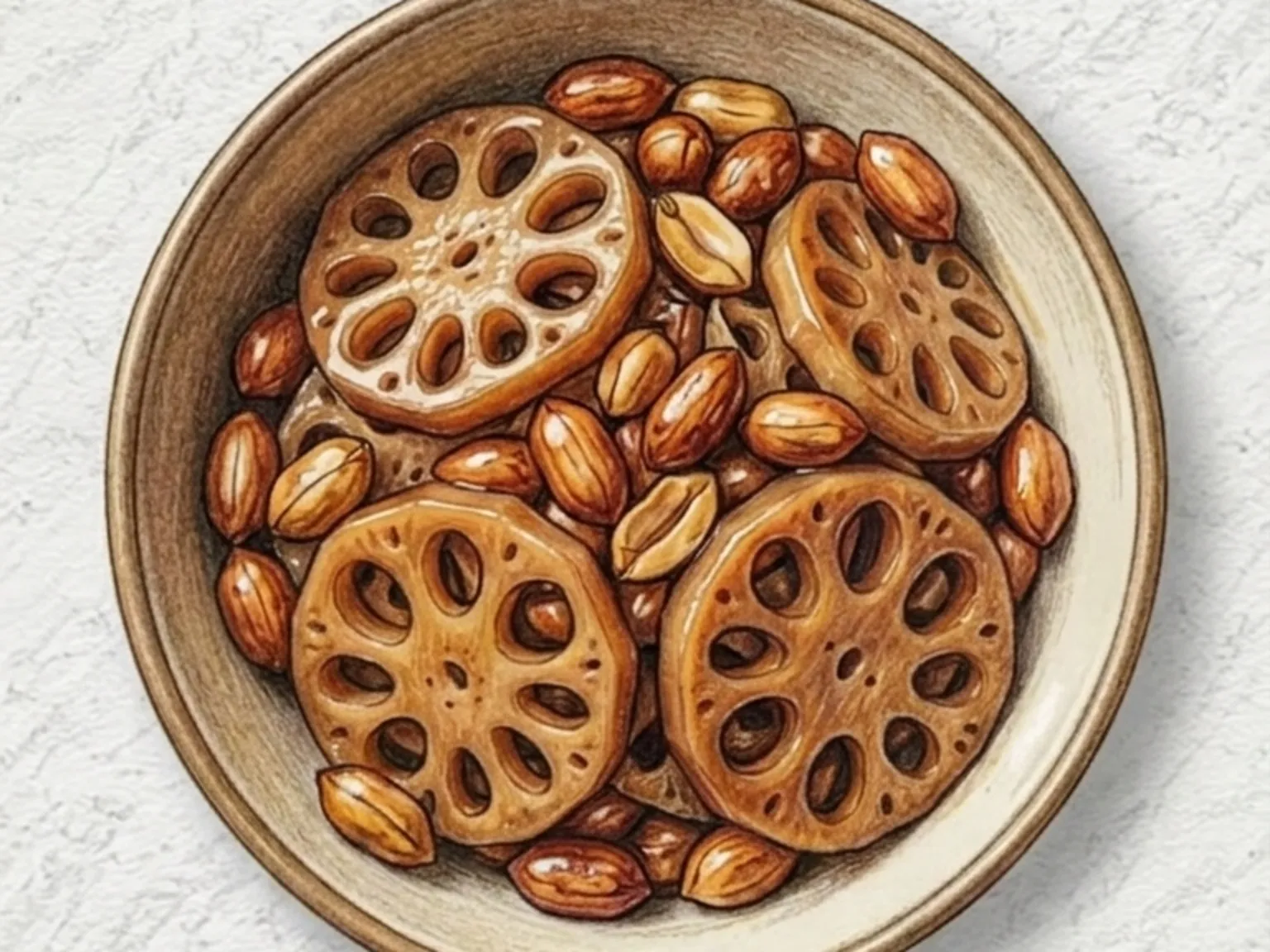
Lotus root braised in soy sauce gets a handful of raw peanuts in the same pot, so the crisp slices come with soft, mealy peanuts in between. It is kept in the fridge and eaten cold, and the jocheong (Korean rice syrup) added at the end keeps it glossy even then.
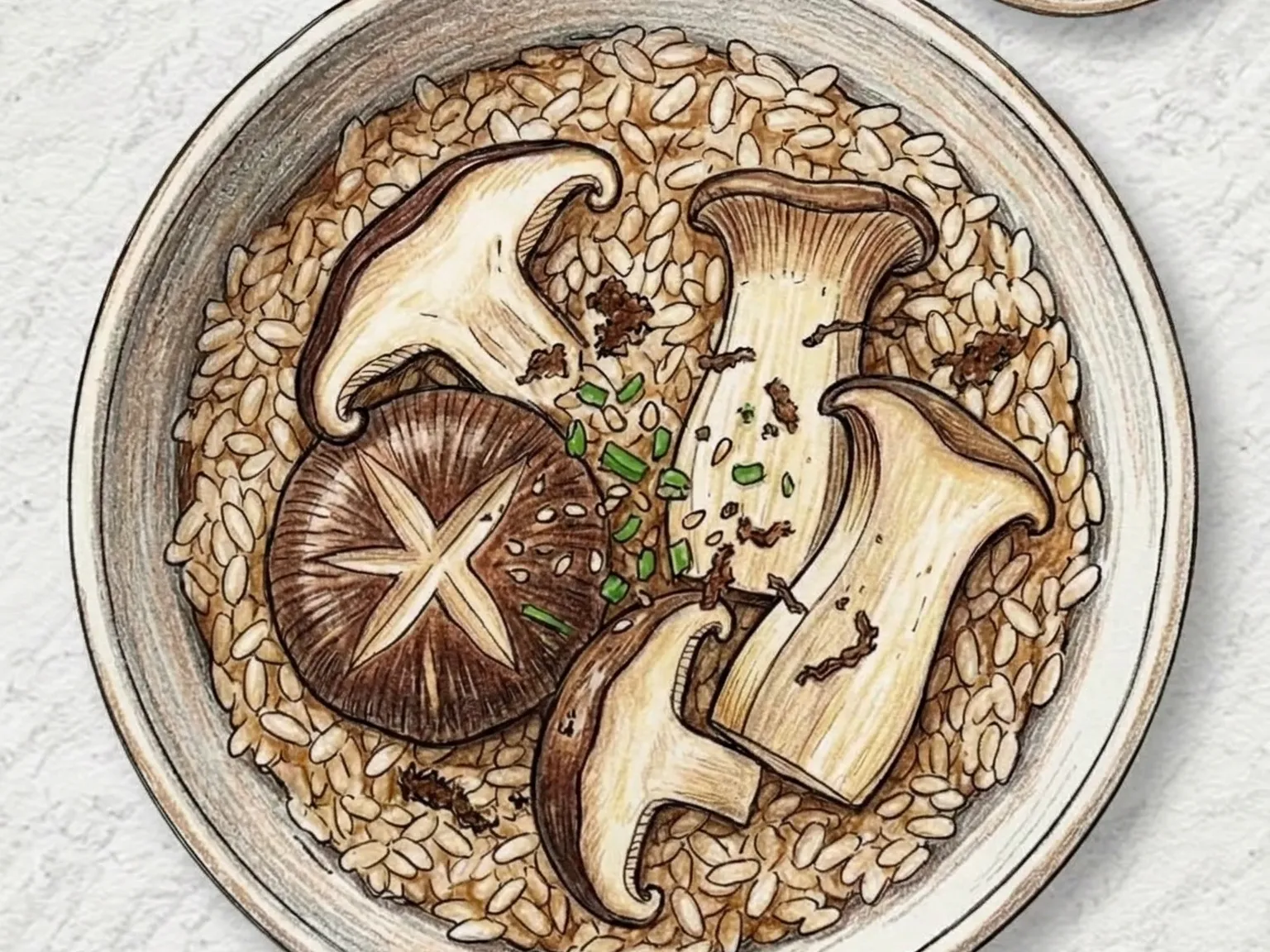
The truffle oil goes on only after the rice has finished resting. Heat drives off its aroma, so it never cooks in the pot. The rice itself is cooked in vegetable stock with shiitake, king oyster mushroom and onion that were first sauteed in butter, and the king oyster is cut thick enough to give a real bite.
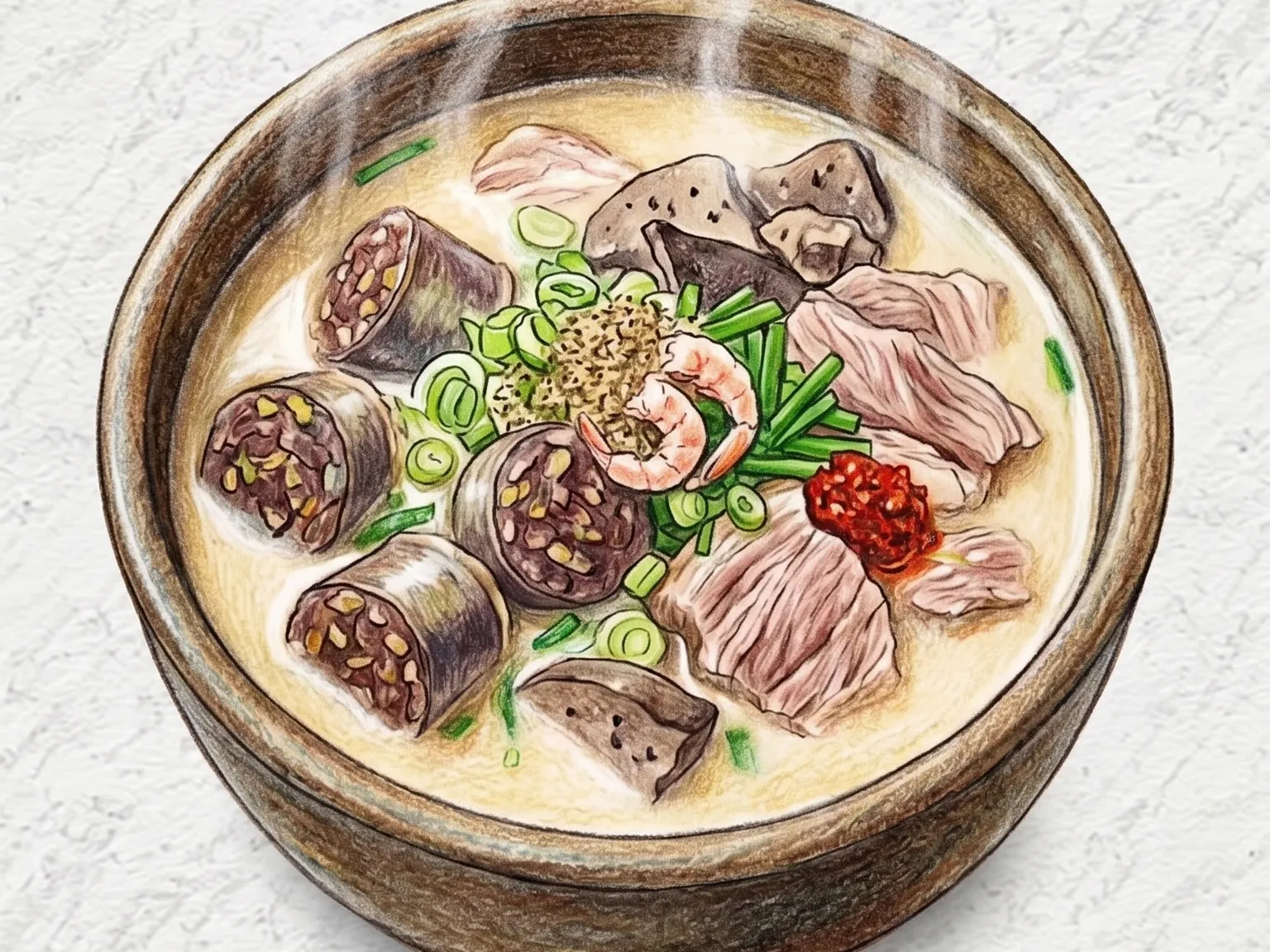
Salted shrimp and chili flakes stay out of the pot and go on the table, and each person sets the salt and heat. The boiled pork goes into the bone broth first to flavor it; the sundae follows and only warms through over low heat, which keeps the casings from splitting.
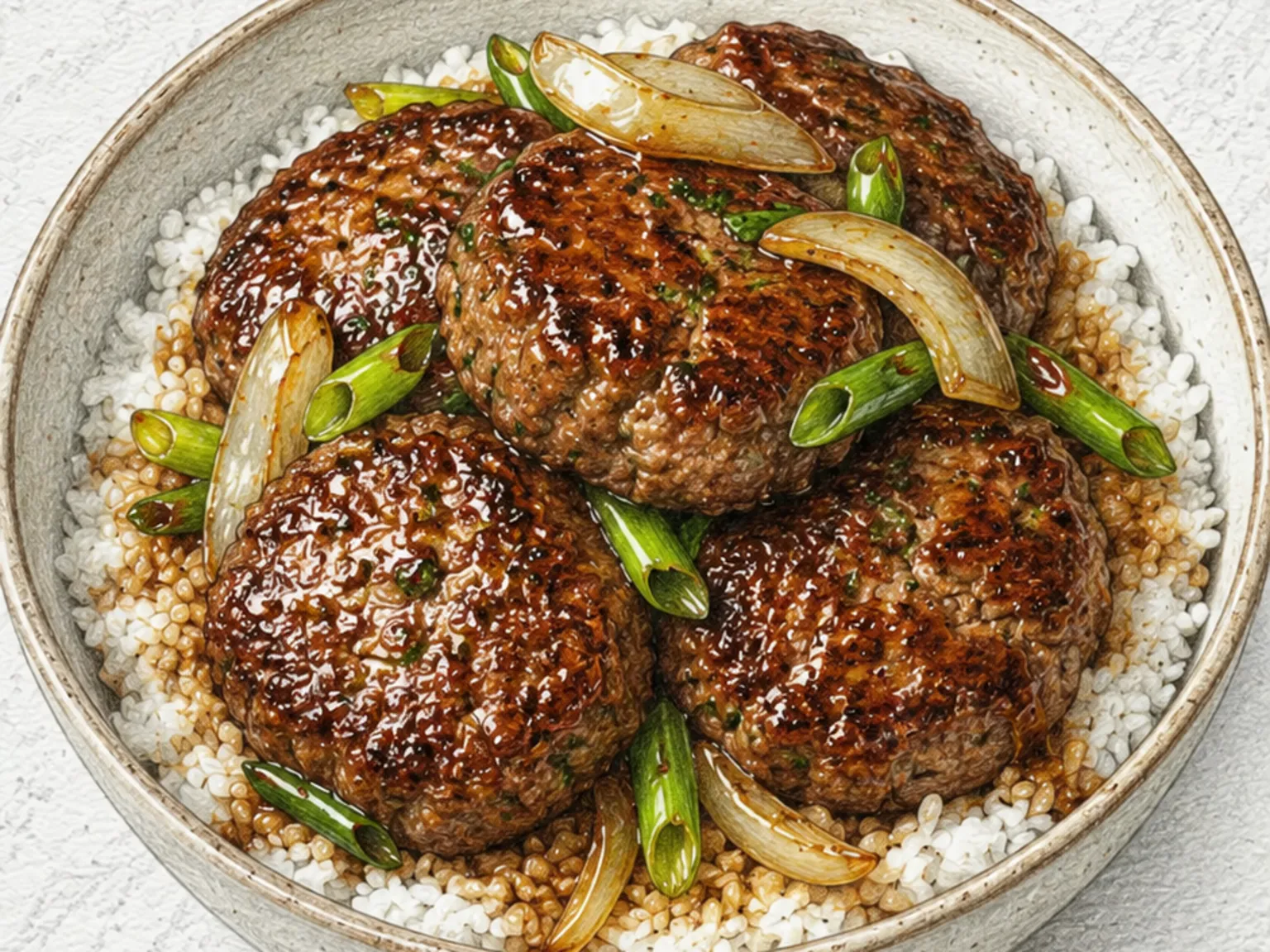
Grilled tteokgalbi, Korean short rib patties, are cut into bites and returned to the pan with onion in a soy and syrup sauce just long enough to turn glossy. The heat goes off while a little sauce still pools in the pan, and that goes over the rice too. A soft fried egg sits on top, its yolk broken and mixed through.
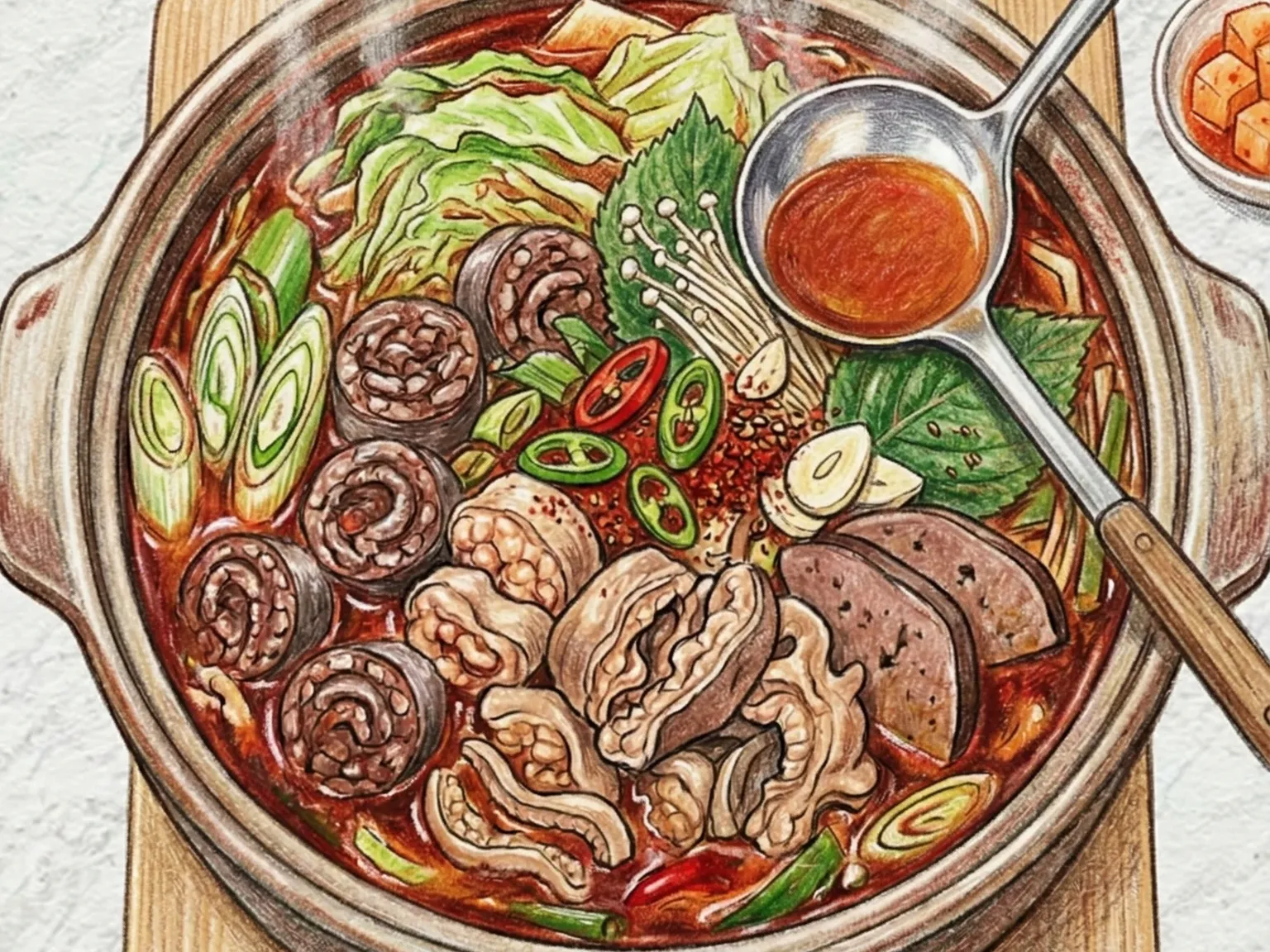
Half a spoonful of doenjang in the chili paste keeps the heat from turning sharp. The sundae sits on cabbage and onion and simmers at the table; the broth grows stronger as it reduces, and the flame comes down as you eat, with the perilla leaves added last.
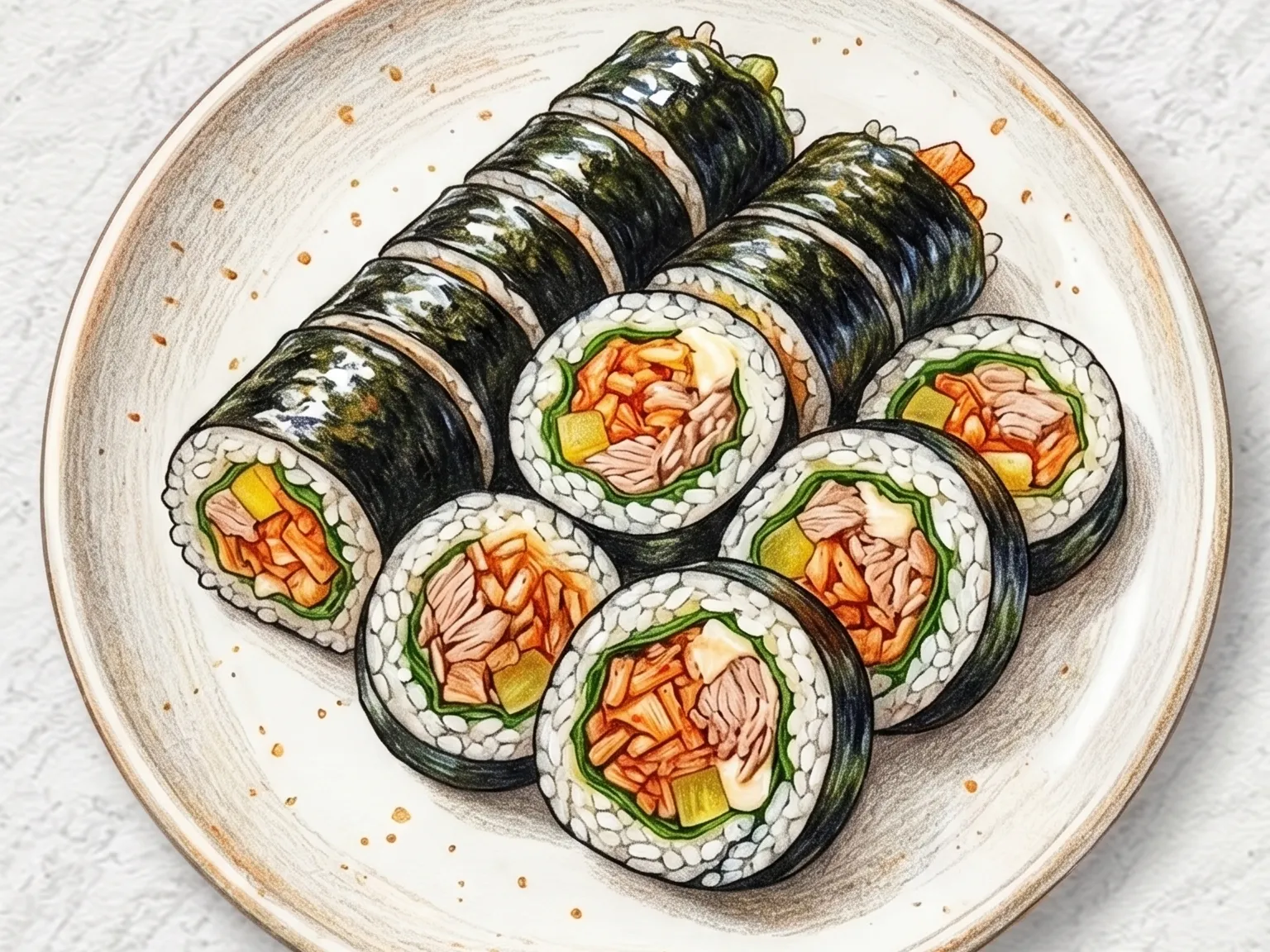
Stir-fried kimchi is mixed into the tuna mayo, so each bite starts rich and creamy and finishes sour and bright. A layer of perilla leaves between the rice and the filling shows up as a green ring when the roll is sliced.
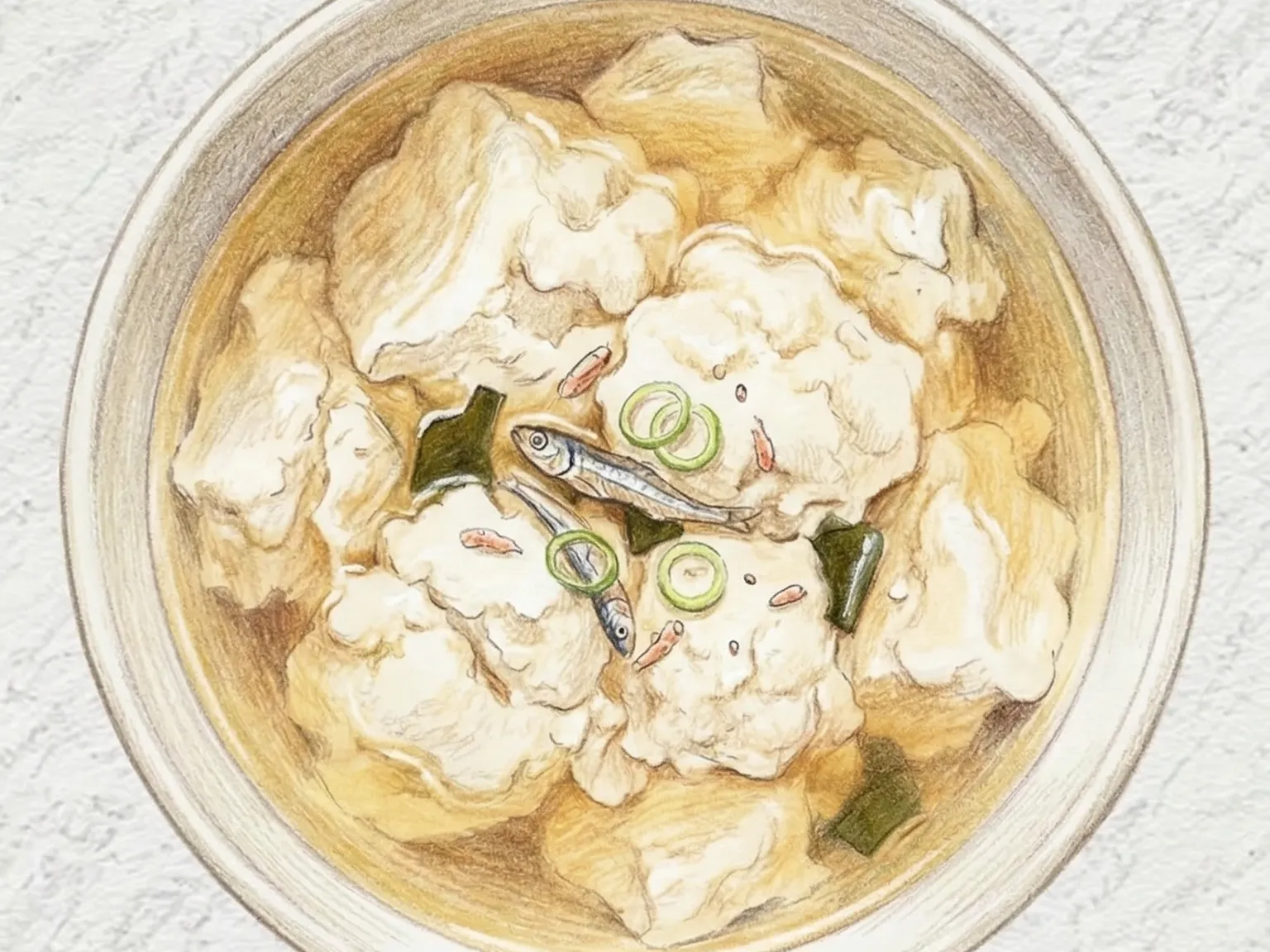
The same soft tofu as in sundubu-jjigae goes in here, but with no chili flakes or chili paste the broth stays clear. Big spoonfuls of tofu are slipped in and left unstirred, and the heating stops once they tremble on a spoon.
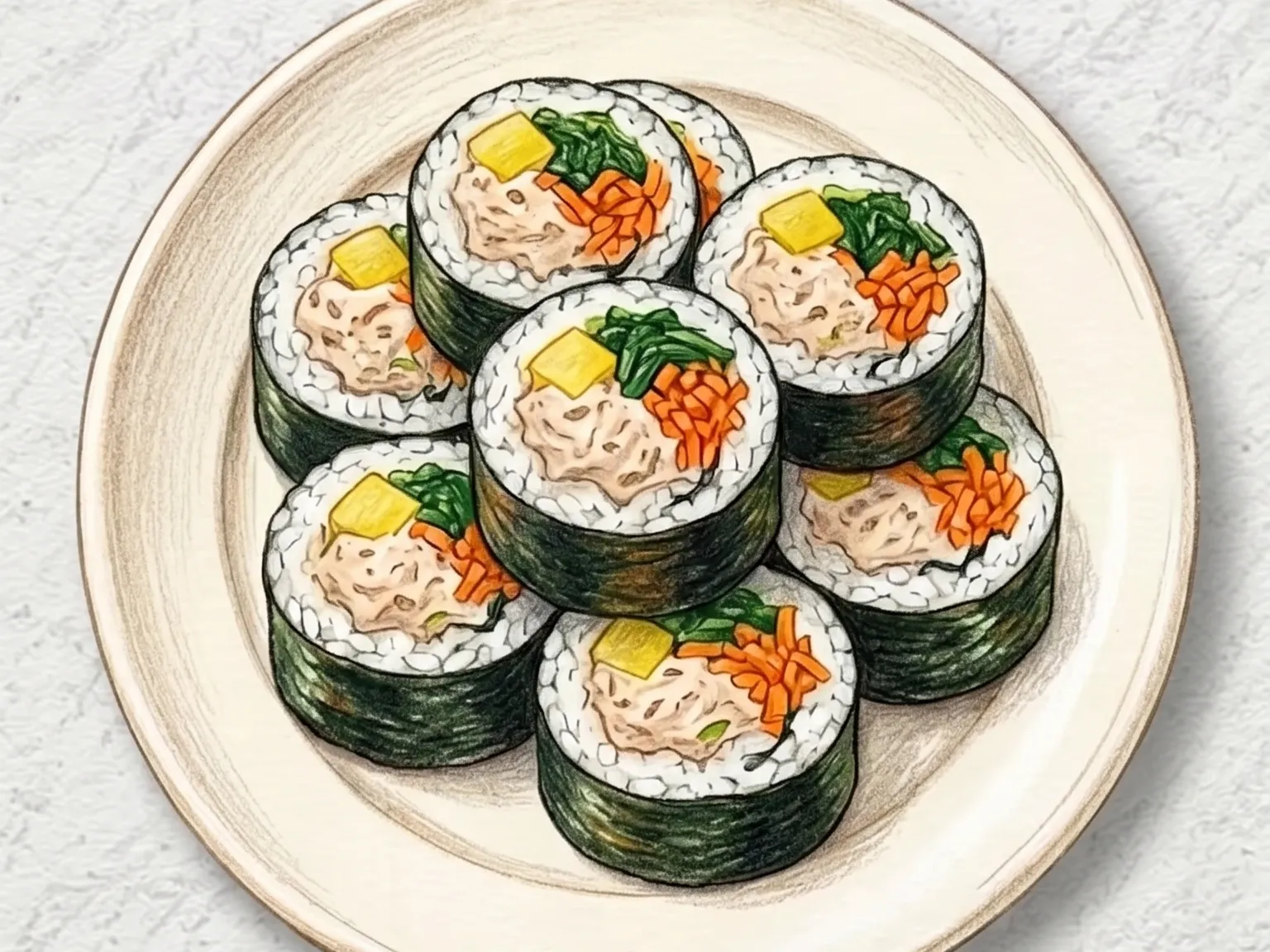
Cutting each seaweed sheet in half makes rolls small enough to fit tuna mayo, pickled radish, carrot and spinach into a single bite. With only half a sheet to close around everything, the rice is spread thin and the fillings kept in a narrow line down the middle.
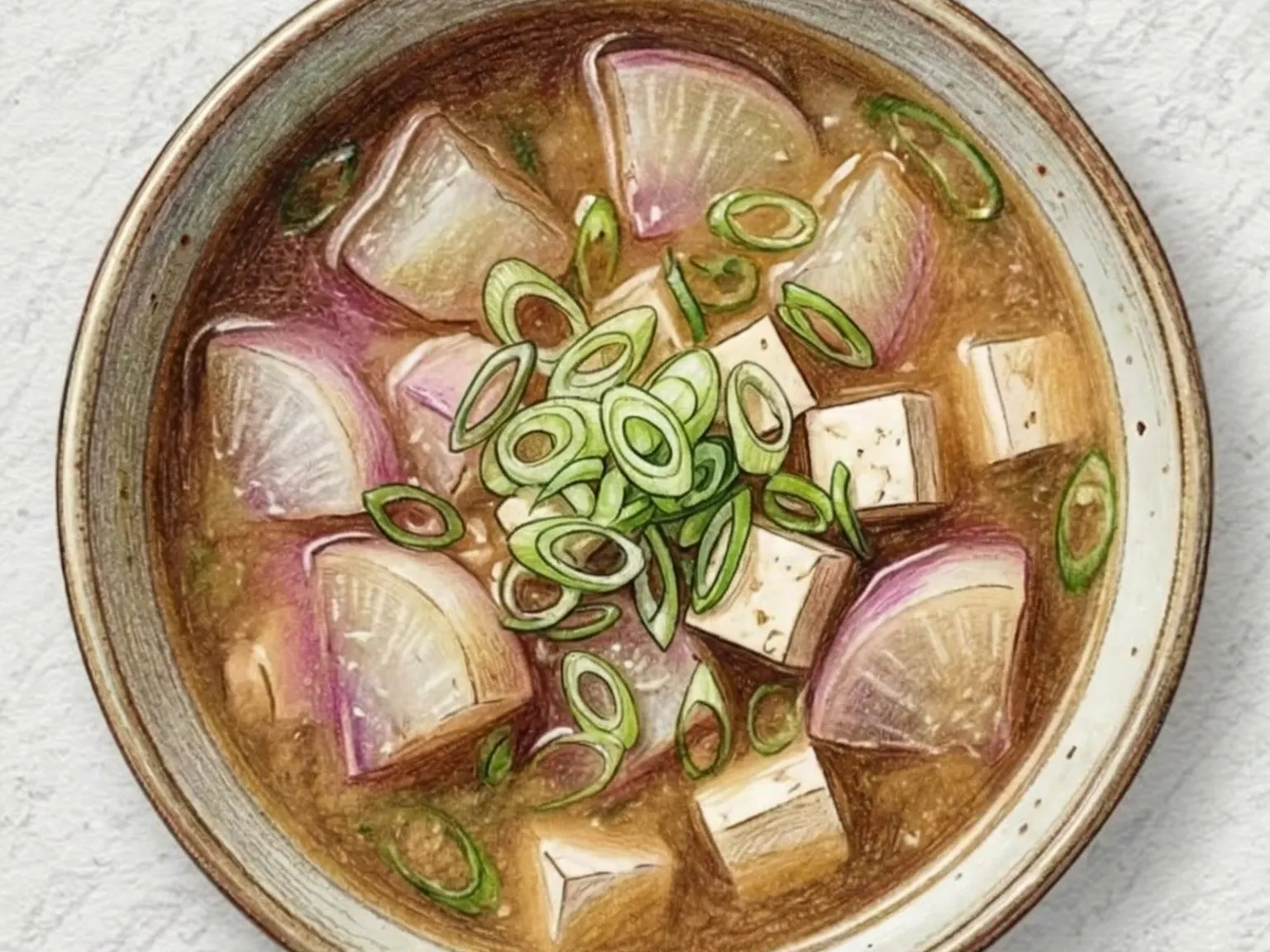
Leaving a little of the purple skin on the turnip gives the doenjang broth a soft tint. Turnip is more delicately sweet than Korean radish, with a faint peppery edge, and the soup tastes different from a radish version because of it. Turnips are in season from autumn into early winter.
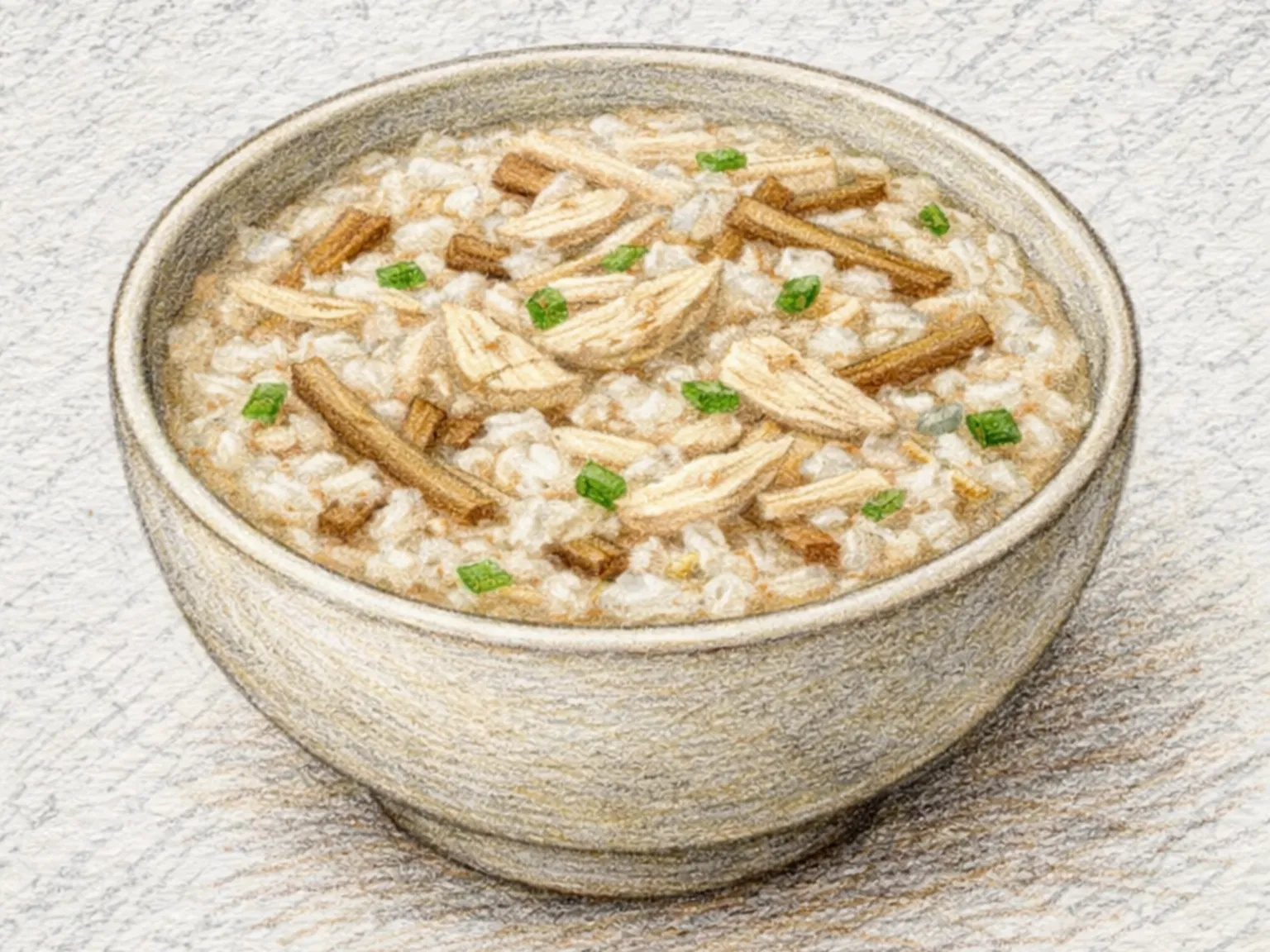
Thin strips of burdock root, soaked briefly in vinegar water, are sauteed with onion in sesame oil before the soaked rice, carrot and chicken stock go in. The burdock's earthy aroma and faint crunch are what an ordinary chicken porridge does not have. The chicken tenderloin is added after the rice has broken down and cooks only briefly.
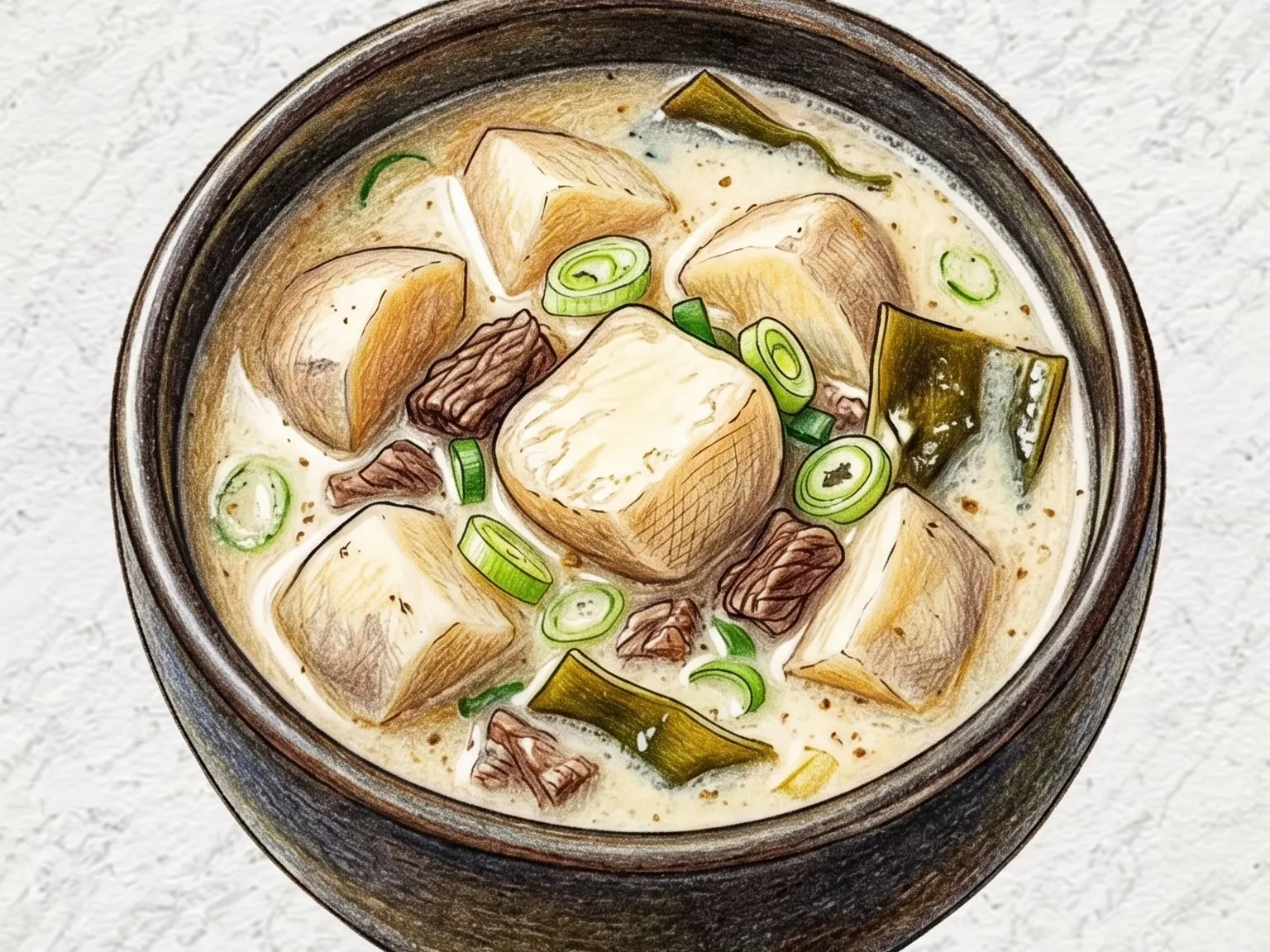
Taro comes into season around Chuseok, the Korean harvest holiday, and this soup often appears on the holiday table. Cooked taro has a finer grain than potato: it crumbles softly yet keeps a slight stickiness, and ground perilla seeds turn the broth milky and nutty. The taro is parboiled in its skin and then rubbed in salted water to wash off the slippery coating, which keeps the soup from turning cloudy or gluey.
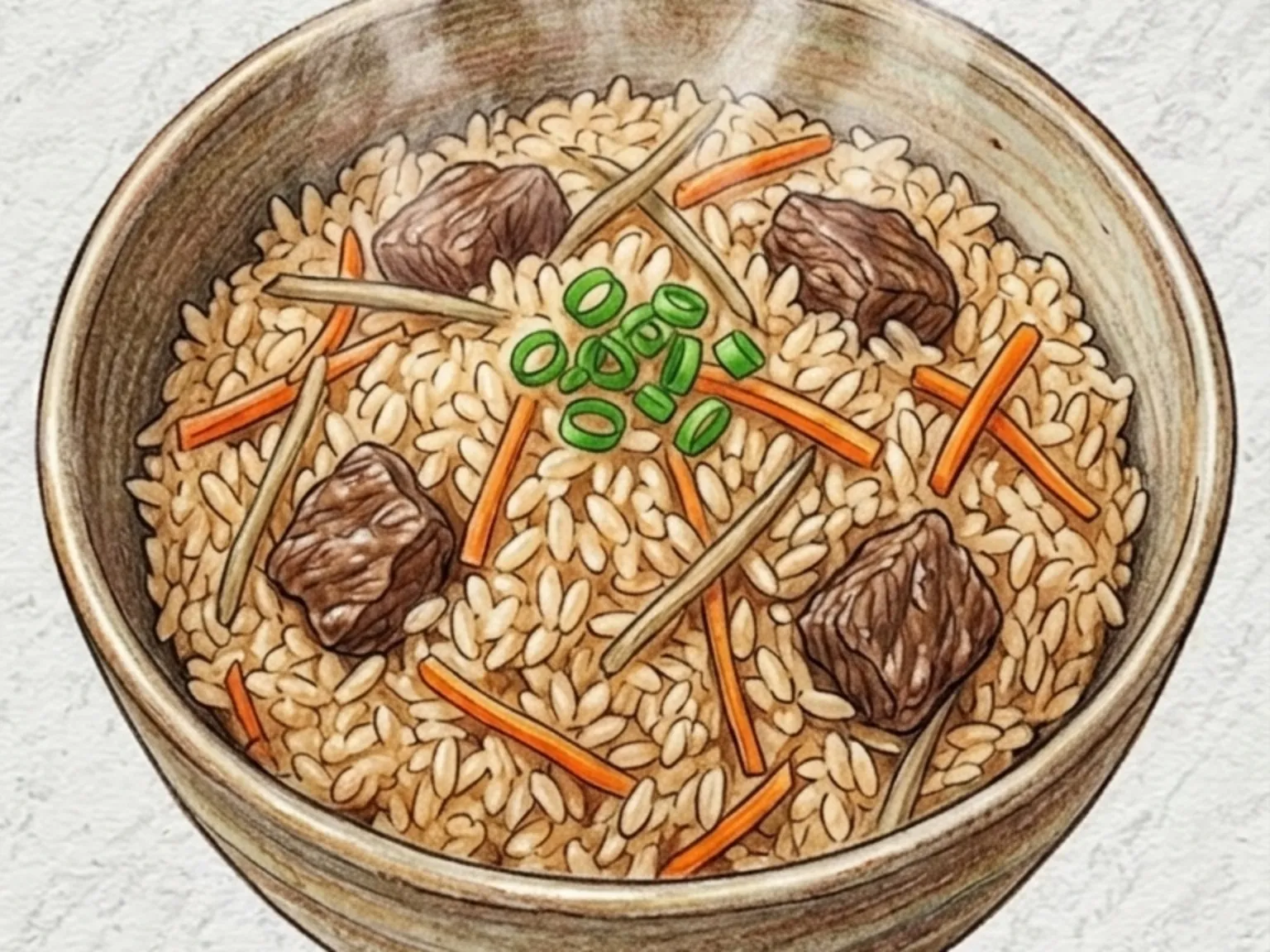
Strips of beef round marinate in soy sauce and cooking wine for 10 minutes, get stir-fried with burdock and carrot, and then the soaked rice is toasted in the same pot before the water goes in. The marinade carries over into the rice, so no sauce is served on the side. The burdock, soaked briefly in vinegar water first, still has its crunch after cooking.
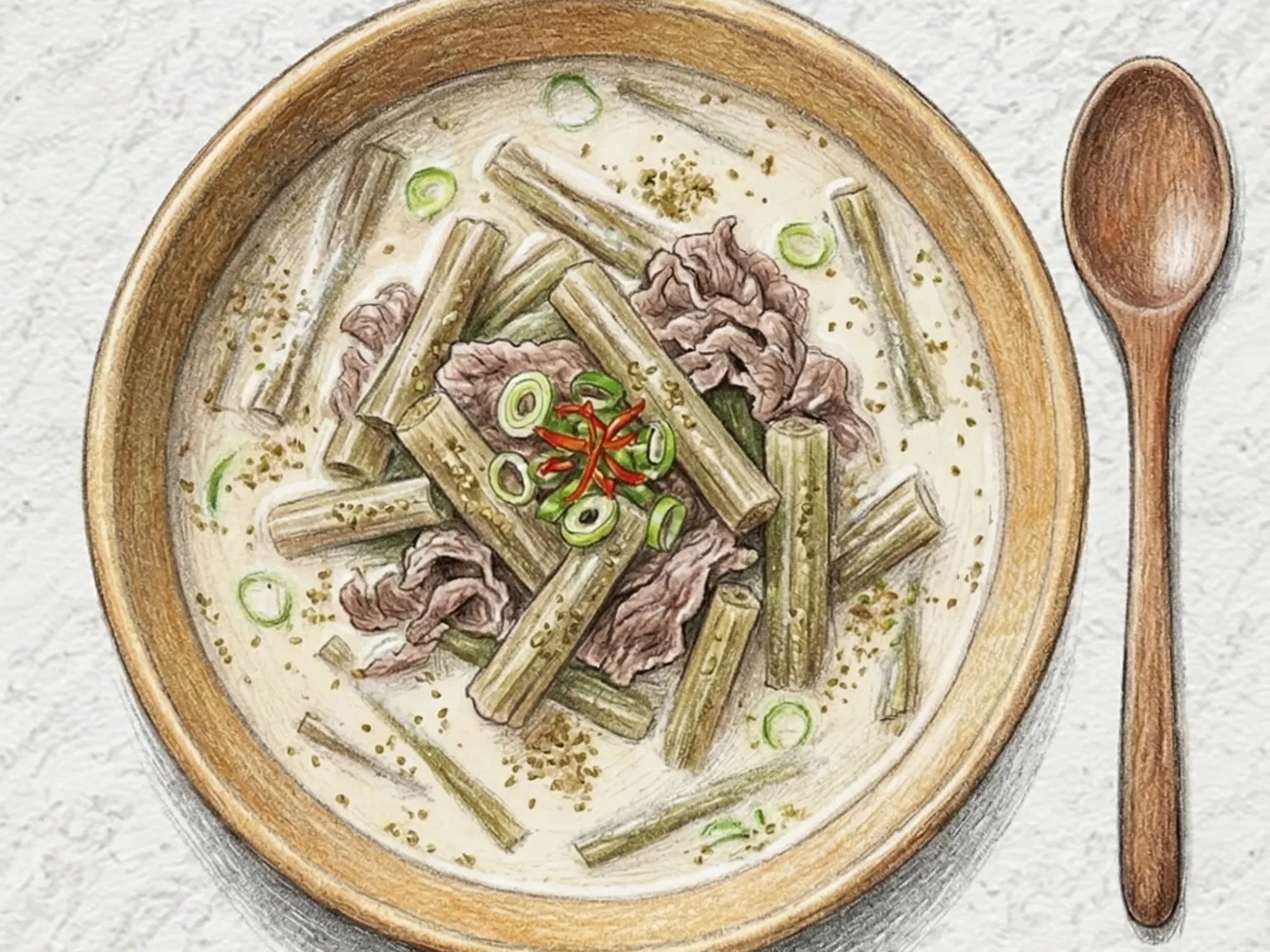
Taro stems, the stalks of the taro plant, soak up broth like a sponge but keep a firm, springy chew. A generous amount of ground perilla seed, added in stages, makes the soup pale and thick, and when rice goes into the bowl the broth seeps between the grains.
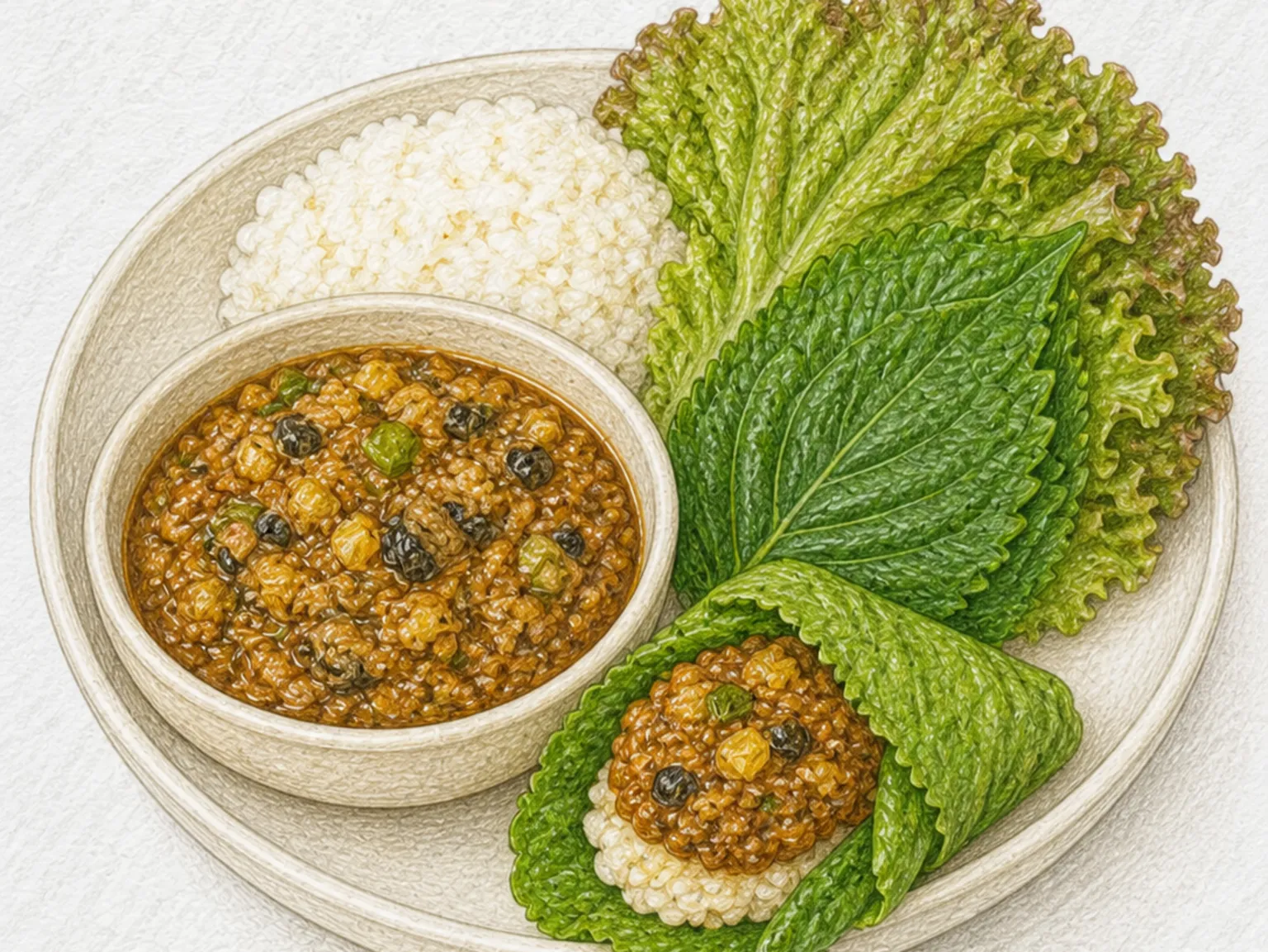
Apple snails, diced zucchini, onion, and crumbled tofu are simmered with doenjang and gochujang into a chunky paste, then folded with warm rice into lettuce and perilla leaves. Unlike ureong doenjang jjigae, a soupy stew with the same snails, this version is reduced until a spoonful holds its shape for about five seconds and nothing drips from the leaf.
Only two spoonfuls of ground perilla go in, and even with taro stems in the pot this stays close to a clear soup rather than a thick perilla stew. The stems are peeled of their tough outer fibers and the thick ones split by hand, so the chew never turns stringy.
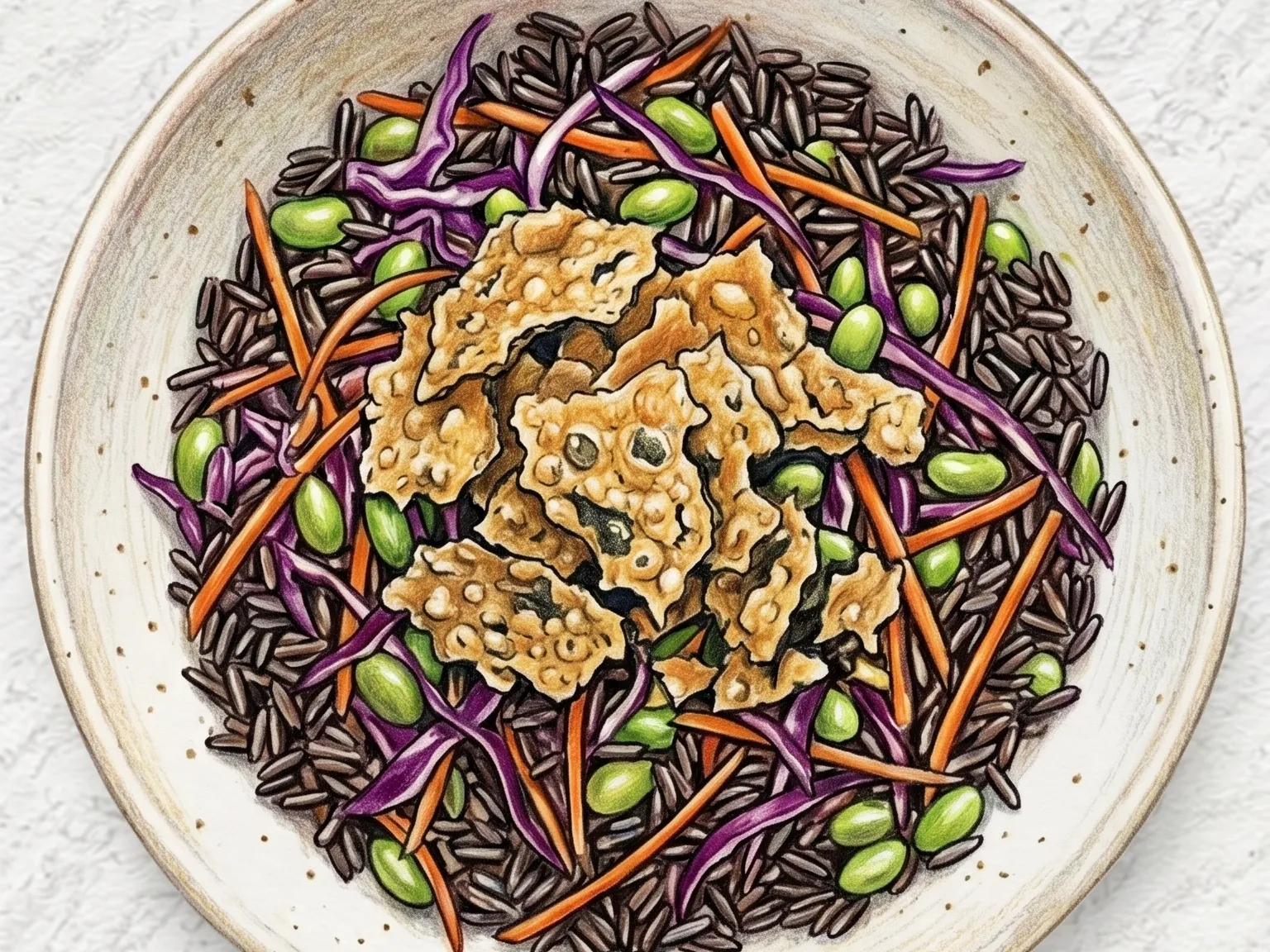
Chewy wild rice is tossed with red cabbage, carrot and edamame in a soy and brown rice vinegar dressing, with seaweed chips on top. The chips go soft as soon as the dressing touches them, so they are added on the plate right before eating.
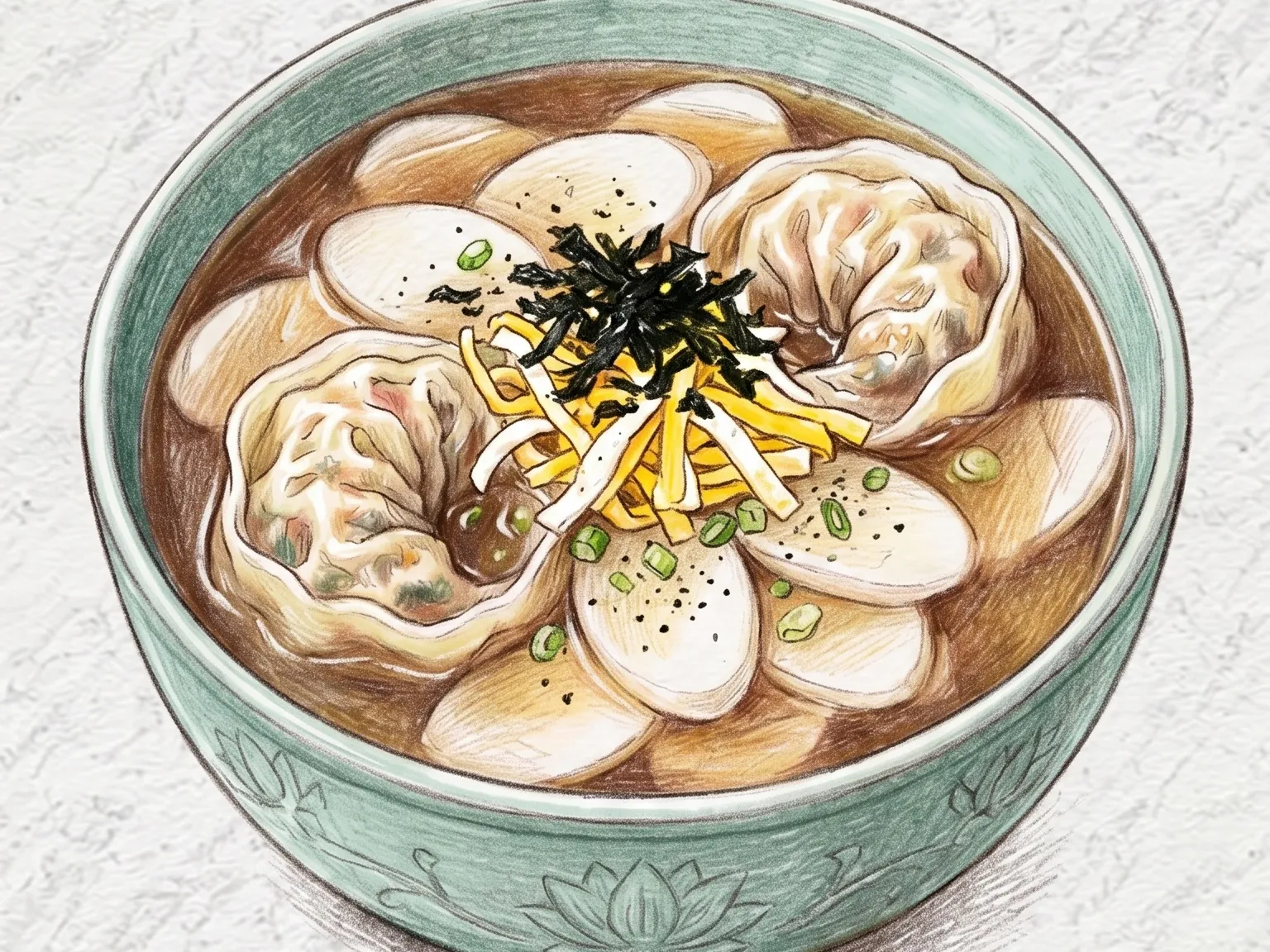
Adding dumplings to rice cake soup stretches one pot to feed more people, and starch from the wrappers thickens the bone broth slightly.