Charim

2686 Korean & World Recipes

2686+ Korean recipes, clean and organized. Ingredients to instructions, all at a glance.

Recipes with cucumber

24 recipes

Buy cucumber
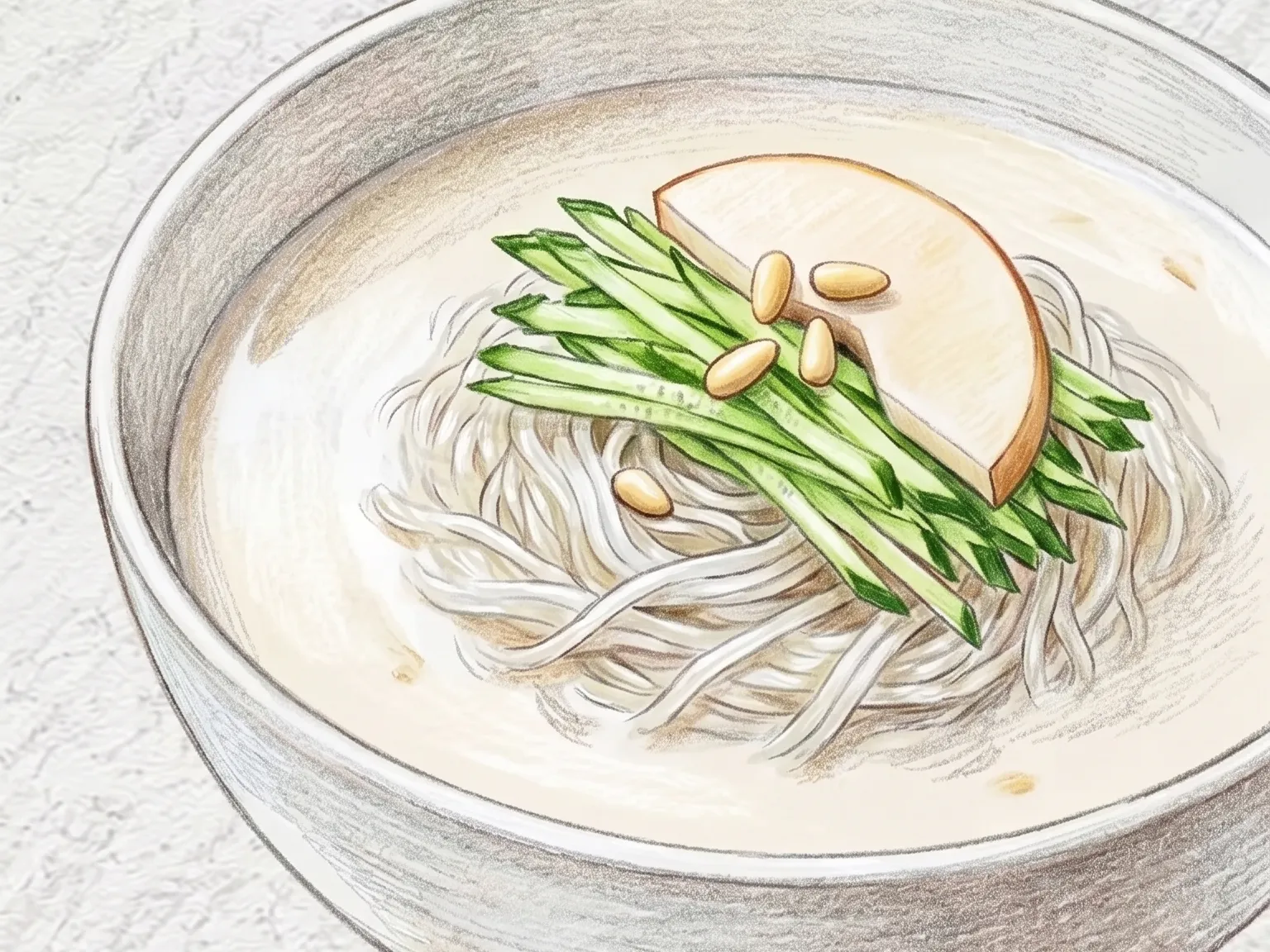
Korean Cold Perilla Oil Buckwheat Noodles
NoodlesEasy

Korean Cold Perilla Oil Buckwheat Noodles

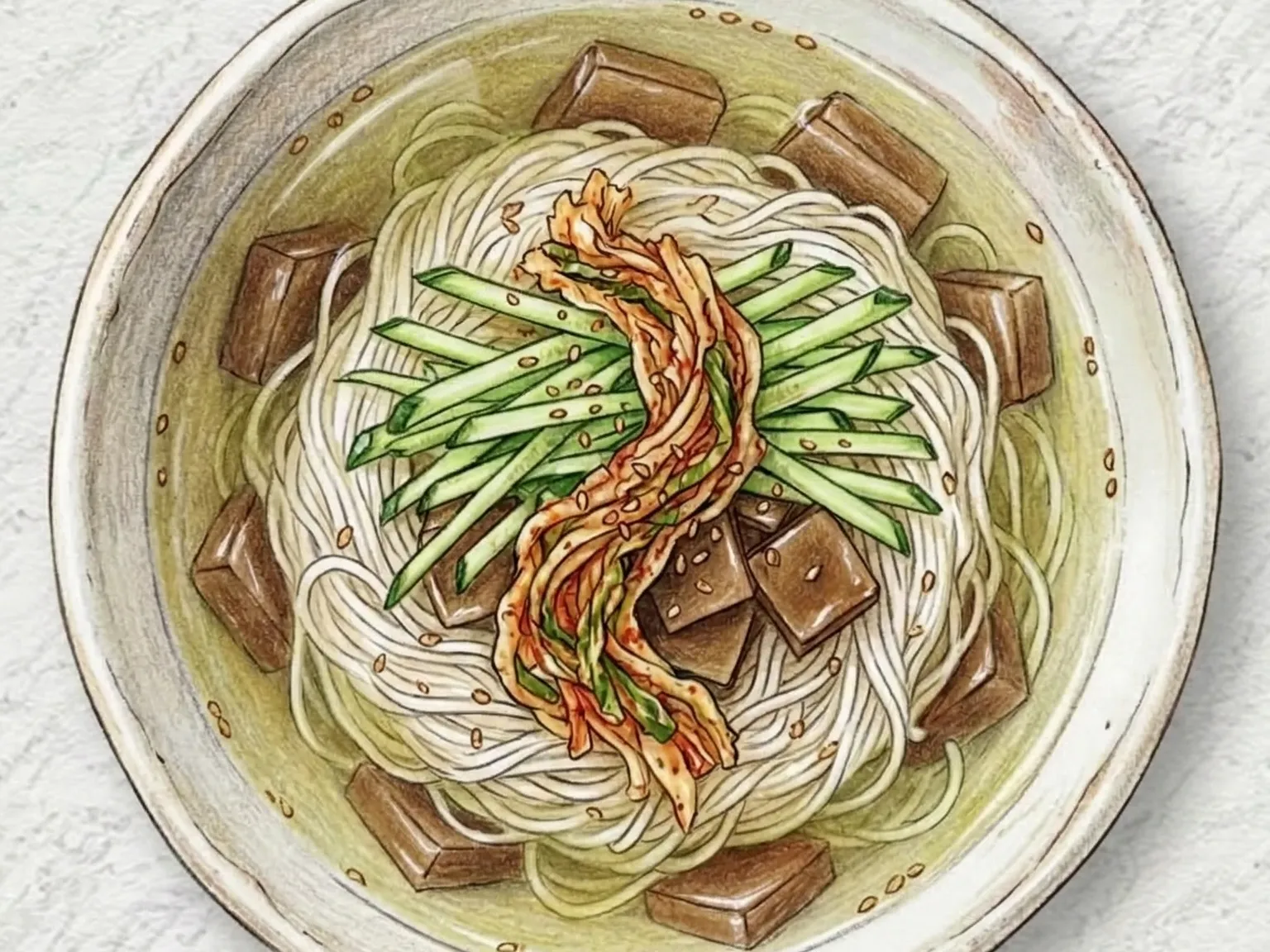
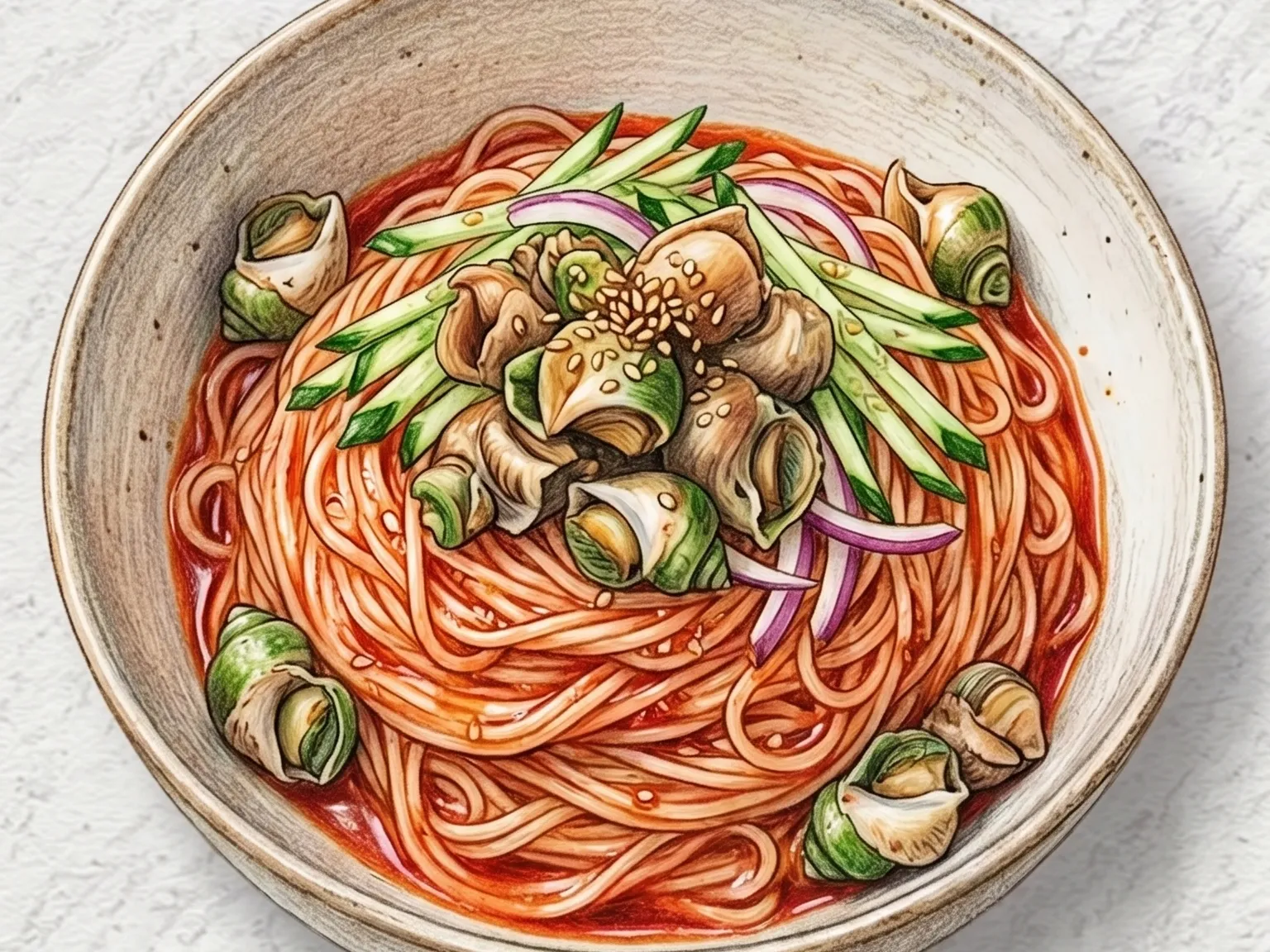
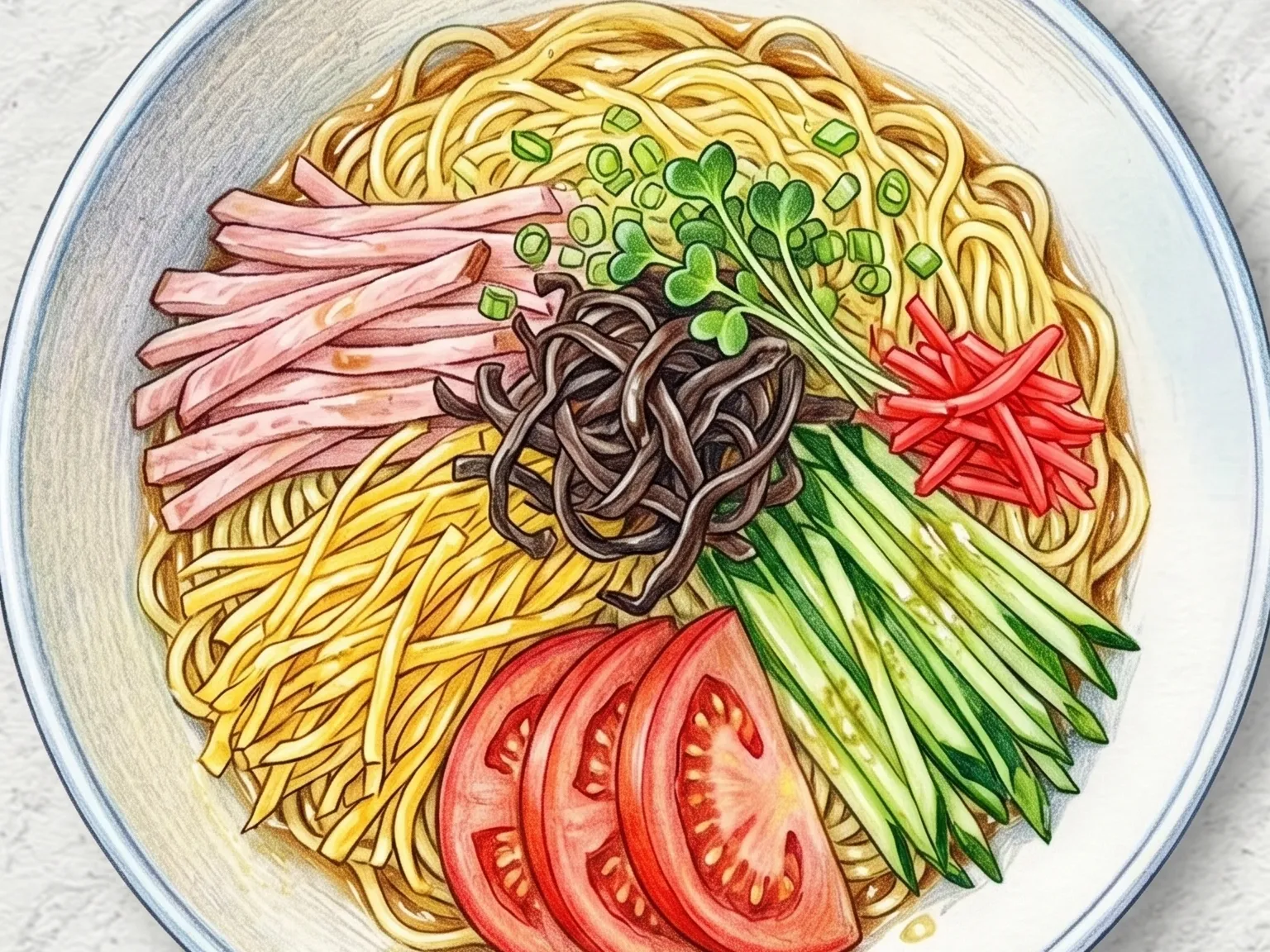
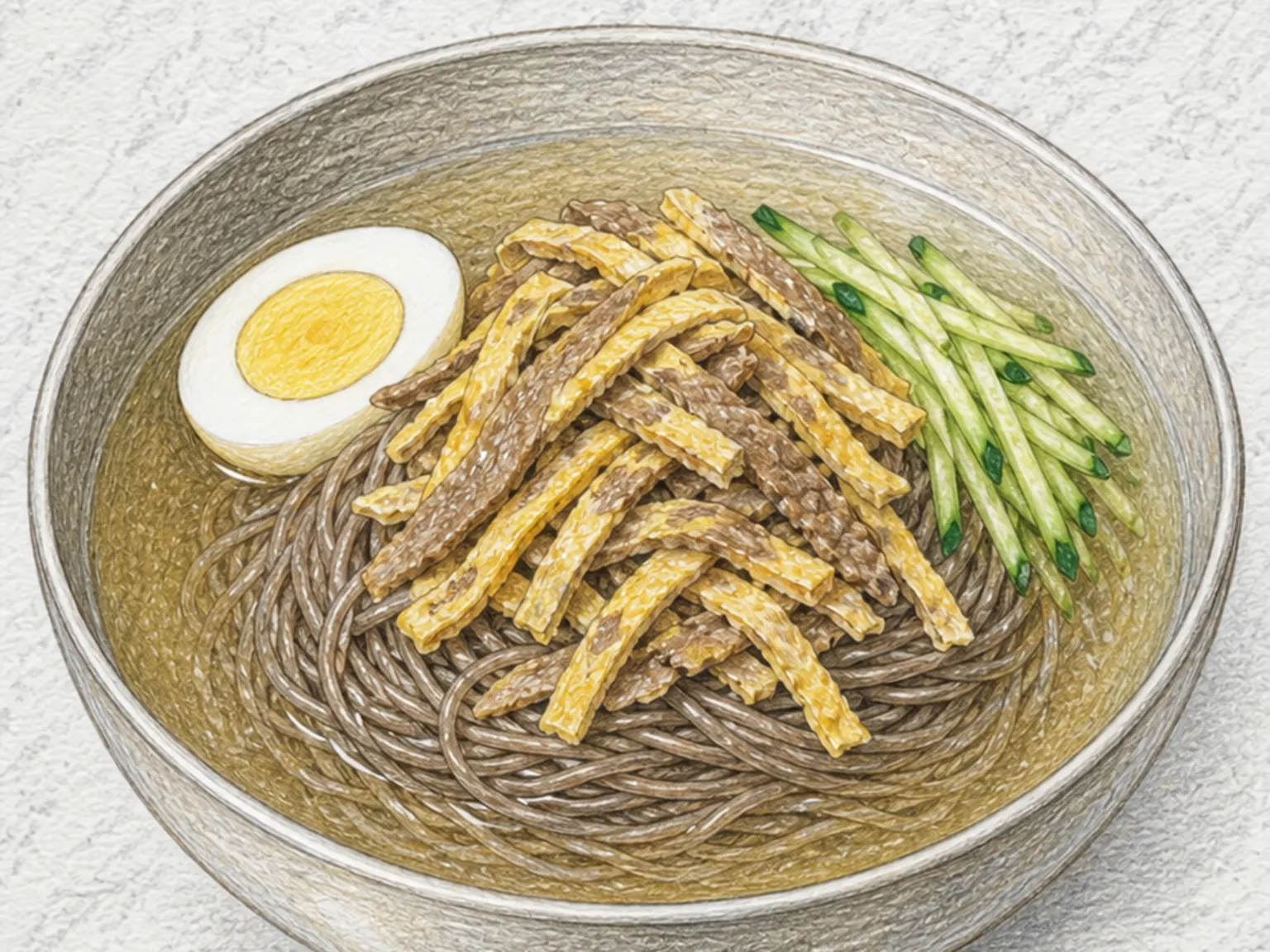
Naeng deulgireum memilmyeon is a Korean cold noodle dish where chilled buckwheat noodles are dressed with perilla oil, soy sauce, vinegar, and allulose syrup. The noodles are boiled for four to five minutes, rinsed multiple times in cold water, then briefly plunged into ice water to remove surface starch and firm up their texture. Thorough draining is essential so the dressing stays concentrated on the noodles rather than pooling at the bottom. Perilla oil provides a bold, nutty fragrance that pairs naturally with the earthy buckwheat, while soy sauce and vinegar add salt and acidity in balance. Thinly julienned cucumber contributes moisture and crunch, and roasted seaweed flakes with toasted sesame seeds bring oceanic and nutty finishing notes.

🌙 Late Night Quick
Prep 12minCook 8min2 servings
Edamame Avocado Salad
SaladsEasy

Edamame Avocado Salad

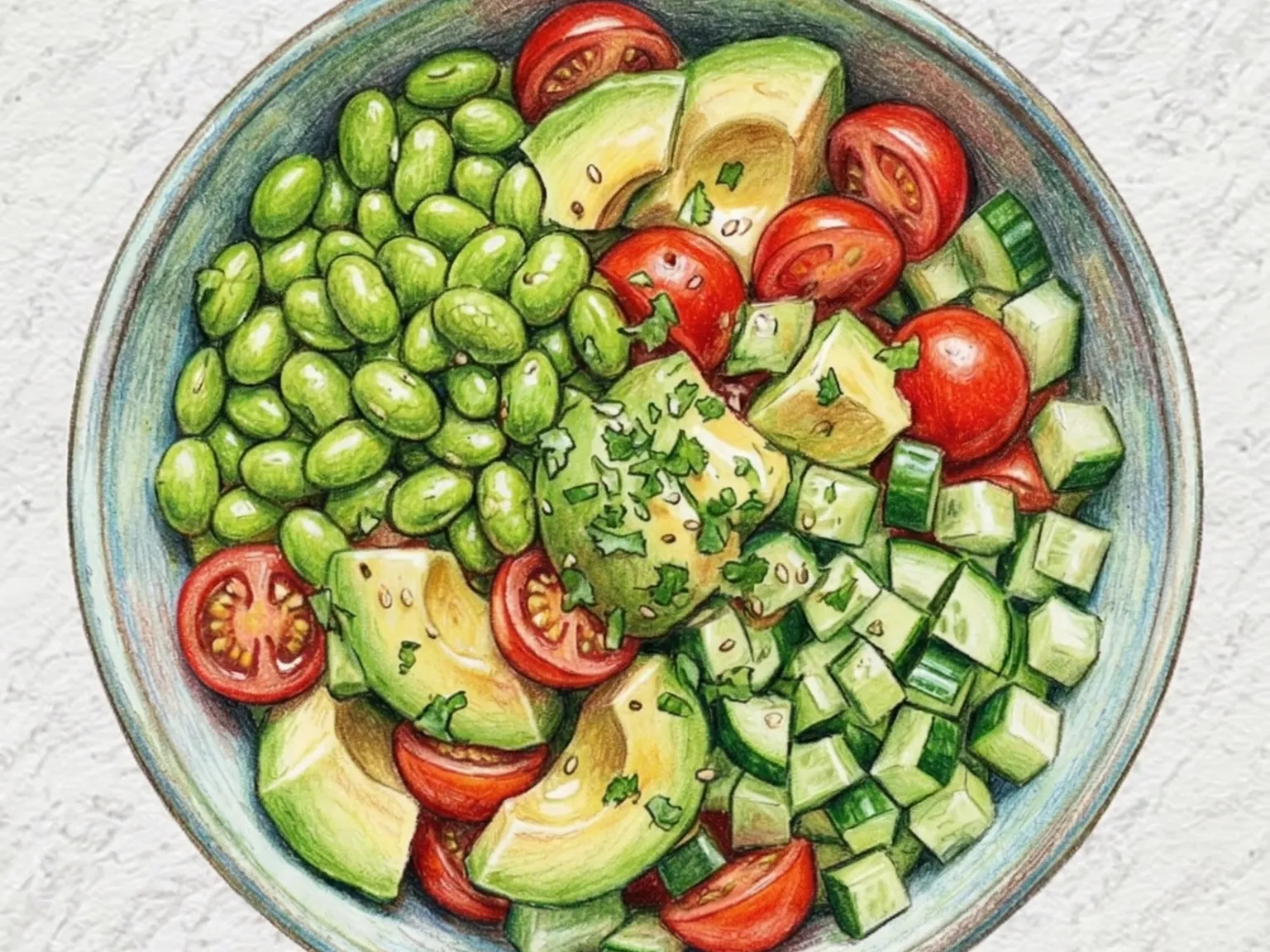
Edamame avocado salad brings together two ingredients with contrasting textures: shelled edamame, which snaps with a firm, slightly starchy bite, and ripe avocado cut into generous chunks that are smooth and buttery. The dressing is a soy-lime combination with a small pour of sesame oil - the lime cuts through the fat in the avocado, the soy adds umami depth, and the sesame oil contributes a roasted, nutty backdrop that pulls the Asian flavor profile together. Thin-sliced cucumber and halved cherry tomatoes fill out the bowl with crunch and bright acidity, keeping the whole thing fresh rather than heavy. Beyond boiling the edamame, no cooking is required: the avocado goes in raw, the dressing is whisked together in under a minute, and the whole salad is assembled cold. Total time from start to table is under 15 minutes, making it a practical option for quick lunches or side dishes.

🥗 Light & Healthy Quick
Prep 12minCook 5min2 servings
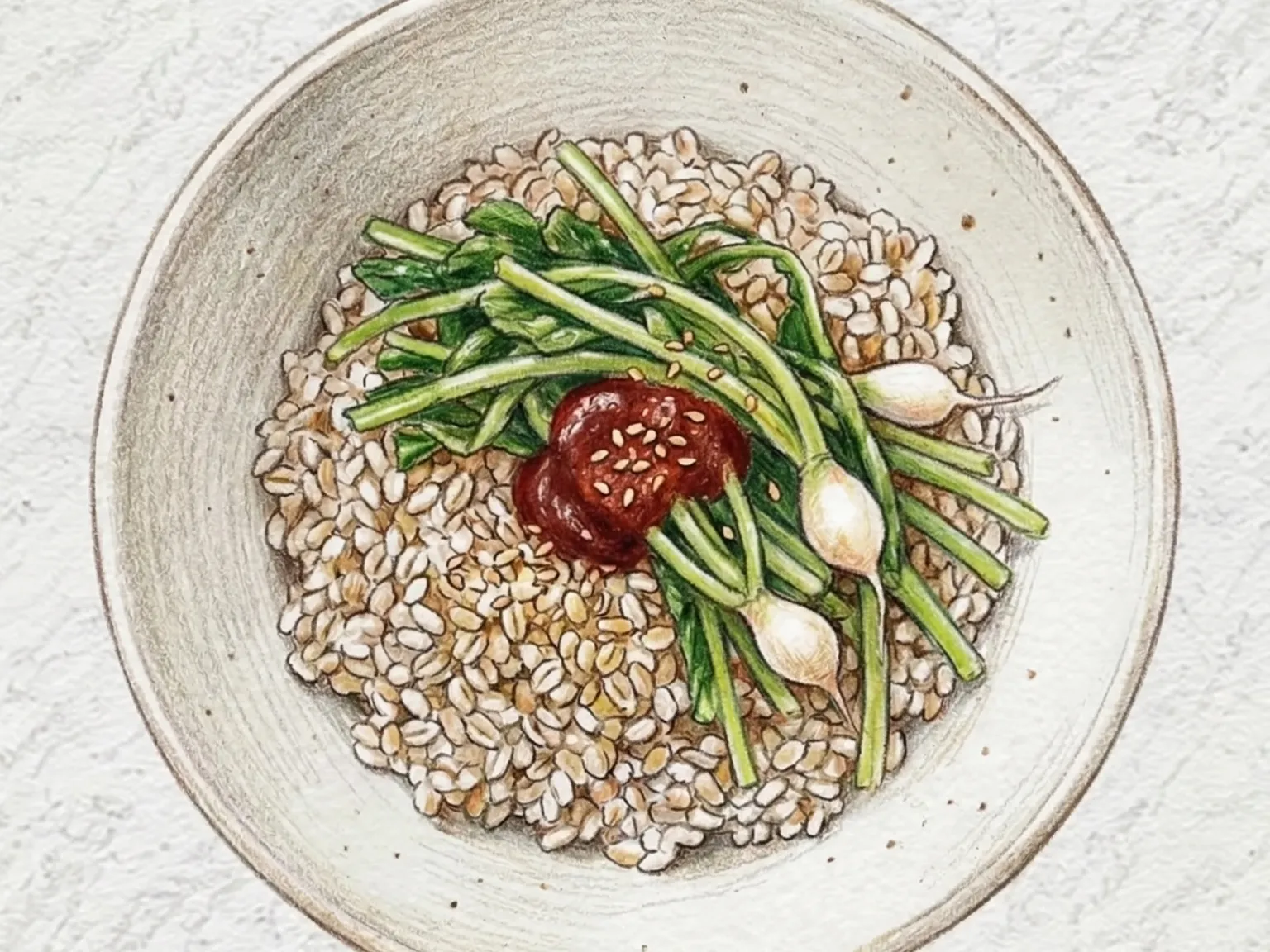
Korean Ssukgat Perilla Bibim Somyeon
NoodlesEasy

Korean Ssukgat Perilla Bibim Somyeon

Ground perilla seeds create a nutty foundation for this cold noodle dish, while crown daisy leaves contribute a distinctive herbal bitterness. Thin somyeon noodles serve as the base, tossed in a savory dressing made from soy sauce and freshly ground perilla seeds. Julienned cucumber adds a crisp texture and freshness that contrasts with the soft strands. Preparing the noodles involves boiling and rinsing them multiple times in cold water to build elasticity and remove surface starch. Ensuring the noodles are dry prevents the sauce from thinning out during mixing. Using seeds that are toasted and ground just before serving heightens the aromatic quality of the bowl. The entire preparation takes approximately twenty-five minutes, making it an efficient option for warm weather. It lacks the heat typically associated with spicy noodles, making it approachable for newcomers. Adding chili oil provides a spicy kick for variety, or the dressing can be paired with buckwheat noodles instead. Any remaining sauce functions effectively as a topping for tofu or fresh garden salads.

🥗 Light & Healthy
Prep 15minCook 10min2 servings
Falafel Salad Bowl
SaladsMedium

Falafel Salad Bowl

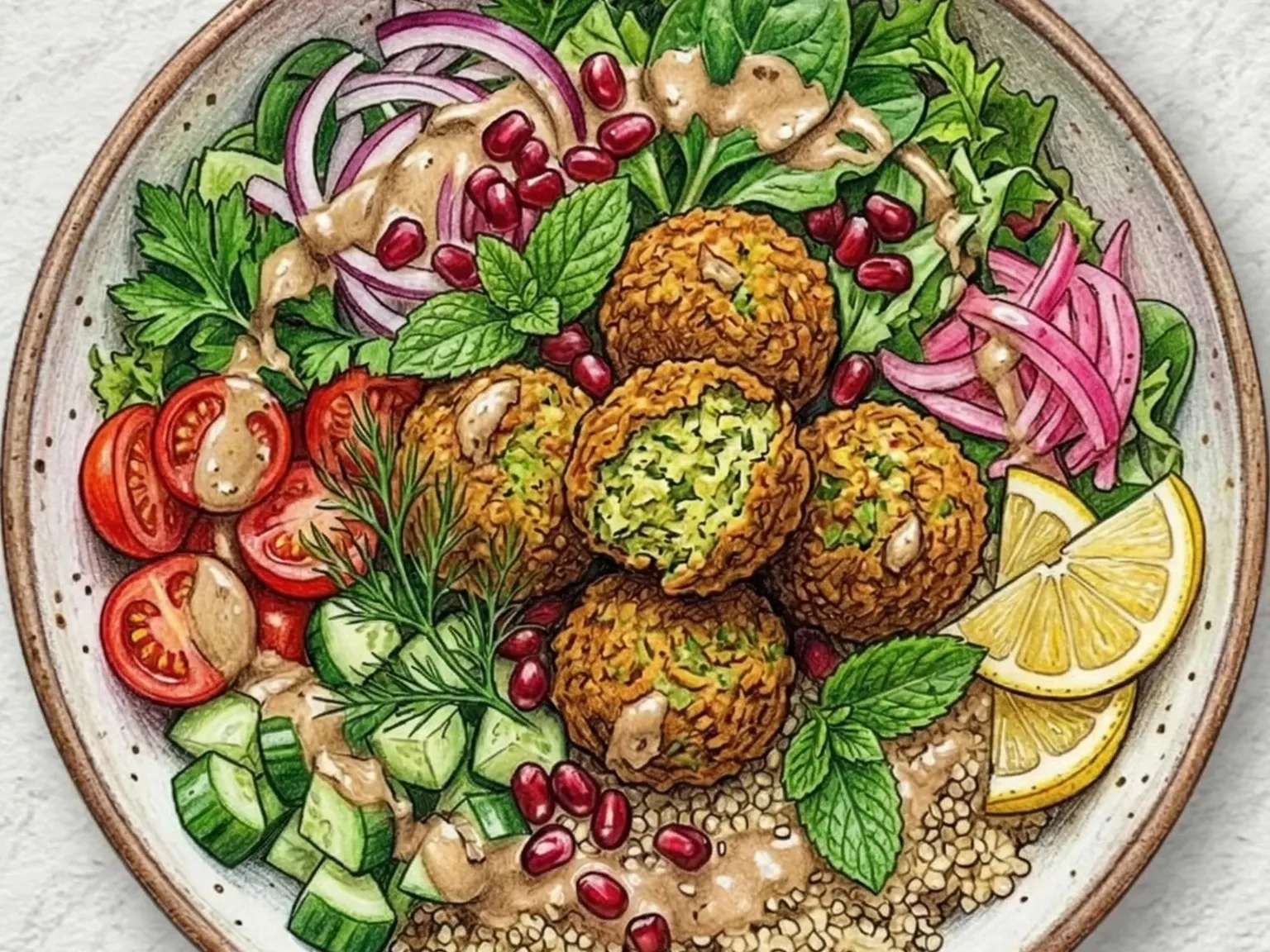
A falafel salad bowl arranges crisp, herb-packed chickpea fritters over a bed of mixed greens or grains alongside chopped cucumber, tomato, red onion, and pickled vegetables. The falafel are made from soaked raw chickpeas blended with parsley, cilantro, cumin, and garlic, then fried or baked until the exterior turns deeply golden while the interior stays bright green and moist. A generous drizzle of tahini dressing ties the bowl together with its nutty, slightly bitter sesame character, and a squeeze of fresh lemon lifts the entire dish. Adding cooked quinoa, bulgur, or couscous underneath turns it into a filling one-bowl meal. Each bite moves between crispy falafel, crunchy raw vegetables, and creamy dressing, so no two forkfuls feel the same. Originating across the Middle East, falafel has become an internationally recognized symbol of plant-based cooking, and this bowl format balances protein and fiber in a well-rounded single serving.

🥗 Light & Healthy
Prep 20minCook 15min2 servings
Korean Young Radish Cold Noodles
NoodlesEasy

Korean Young Radish Cold Noodles

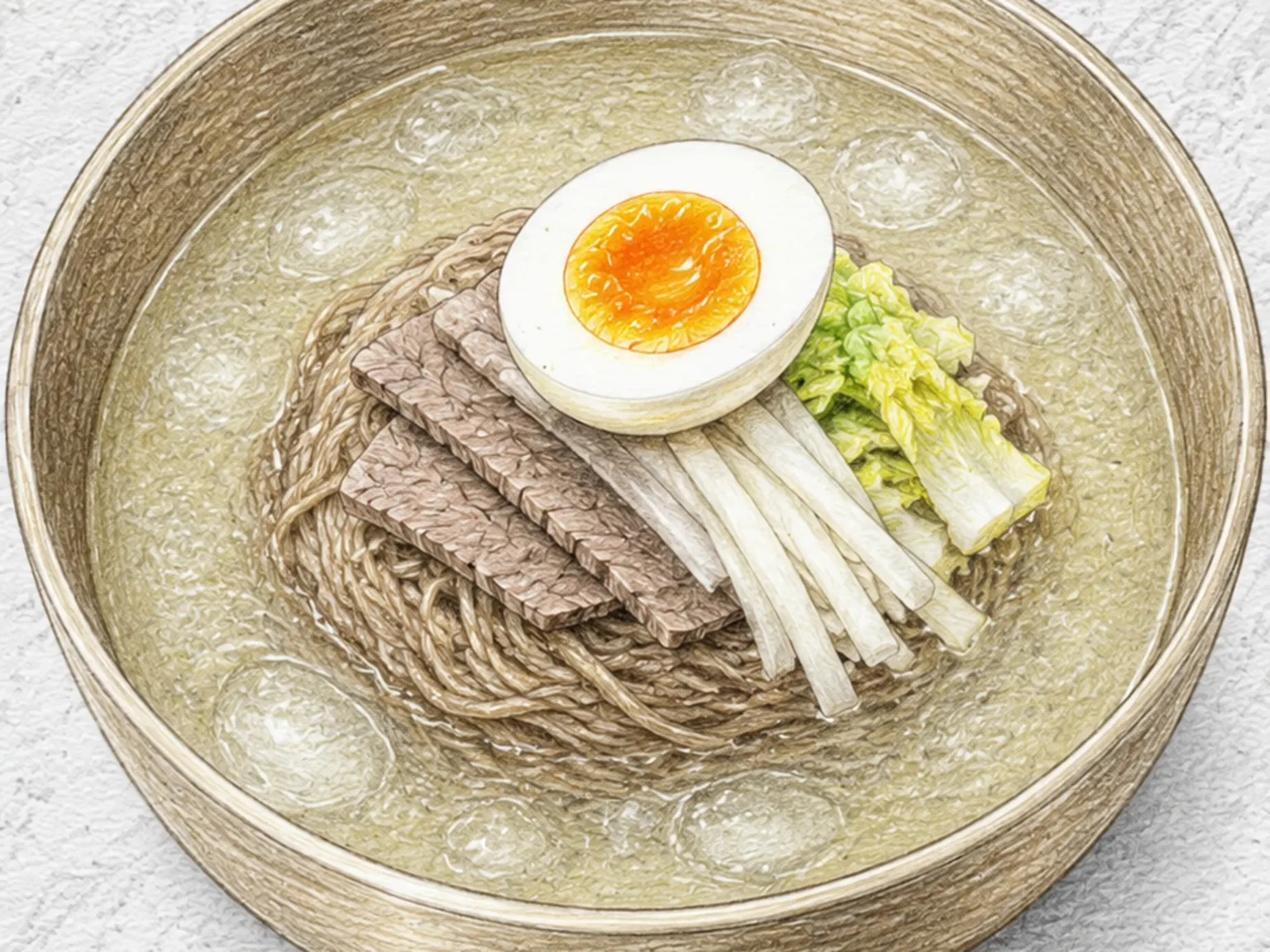
Yeolmu mul guksu is a Korean cold noodle soup where the broth comes directly from yeolmu kimchi liquid mixed with cold water or light stock. The fermented, tangy kimchi brine serves as the soup base, eliminating the need for separate seasoning. Chilled somyeon noodles sit in the broth, topped with crunchy yeolmu kimchi pieces and often a few ice cubes. A halved boiled egg and sesame seeds are standard garnishes. The dish takes about 25 minutes to prepare and is straightforward as long as yeolmu kimchi is available.

🏠 Everyday
Prep 15minCook 10min2 servings
Fattoush Salad (Crispy Pita & Sumac Veggie Salad)
SaladsEasy

Fattoush Salad (Crispy Pita & Sumac Veggie Salad)

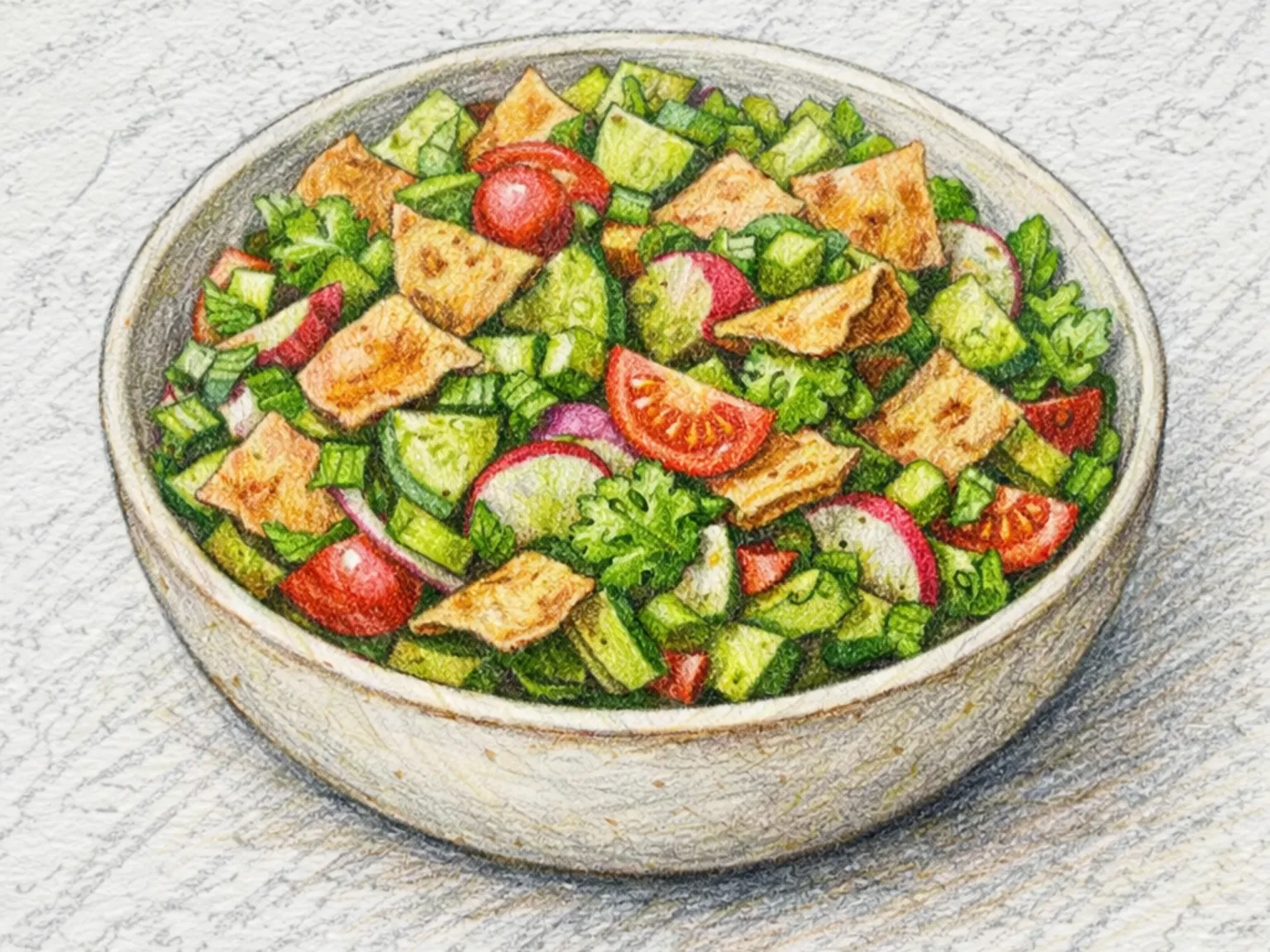
Fattoush is a Levantine bread salad in which crisped pita chips are as important as the vegetables surrounding them, providing a textural anchor that elevates the dish beyond a simple green salad. Tomatoes, cucumber, radishes, and romaine are cut into generous pieces and tossed with a dressing of lemon juice, olive oil, and ground sumac. Sumac brings a flavor that resists easy comparison - a tart, fruity sourness distinct from lemon and unrelated to vinegar - and its reddish hue stains the dressing a deep rose color that coats every surface. Added to lemon juice, sumac creates a layered acidity with more dimension than either ingredient alone. Pita chips must be added immediately before serving and eaten without delay, because the juicy vegetables and dressing begin softening them within minutes. The ideal bite captures both the residual crunch at the center of the chip and the moistened, flavor-soaked edge. Fresh mint and flat-leaf parsley contribute a clean herbal brightness that lifts the heavier elements of the dressing. Pomegranate seeds scattered over the top add bursts of sweet-tart juice and a jewel-like visual contrast that is characteristic of Levantine presentation.

🥗 Light & Healthy
Prep 15minCook 8min2 servings
Korean Yuja Chicken Cold Somyeon
NoodlesMedium

Korean Yuja Chicken Cold Somyeon

Yuja chicken naeng somyeon is a Korean cold noodle dish served in a clear chicken-radish broth brightened with yuja (citron) syrup. The broth is chilled before serving, and its combination of mild chicken flavor and floral citrus aroma sets it apart from other cold noodle soups. Shredded poached chicken breast is placed on top of the cold somyeon along with cucumber or cherry tomatoes. The broth is deliberately kept lean, with no heavy oils. If the broth is prepared in advance, the final assembly takes under 30 minutes.

🎉 Special Occasion
Prep 30minCook 20min4 servings
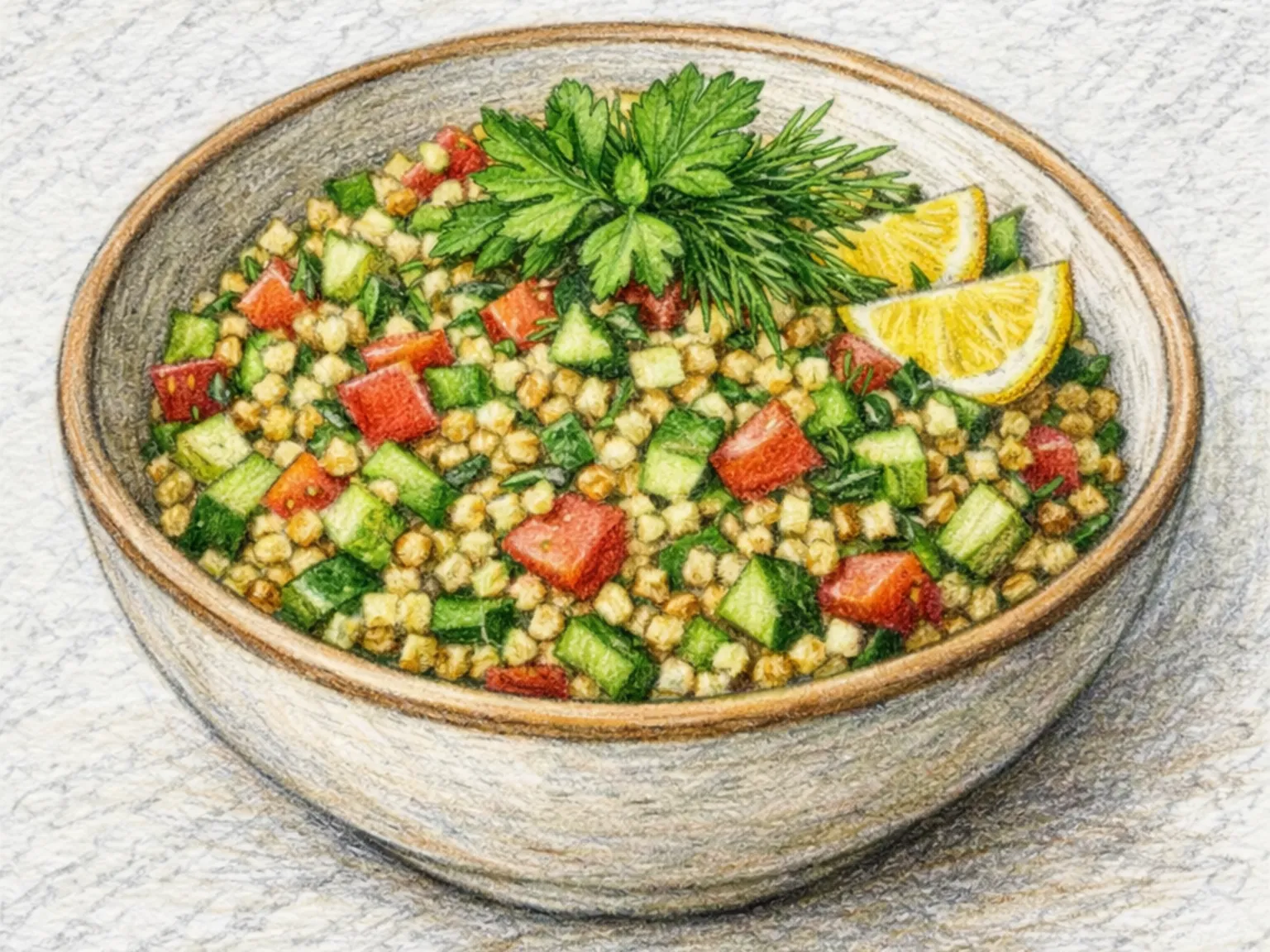
Freekeh Herb Salad (Smoky Roasted Wheat & Fresh Herbs)
SaladsMedium

Freekeh Herb Salad (Smoky Roasted Wheat & Fresh Herbs)

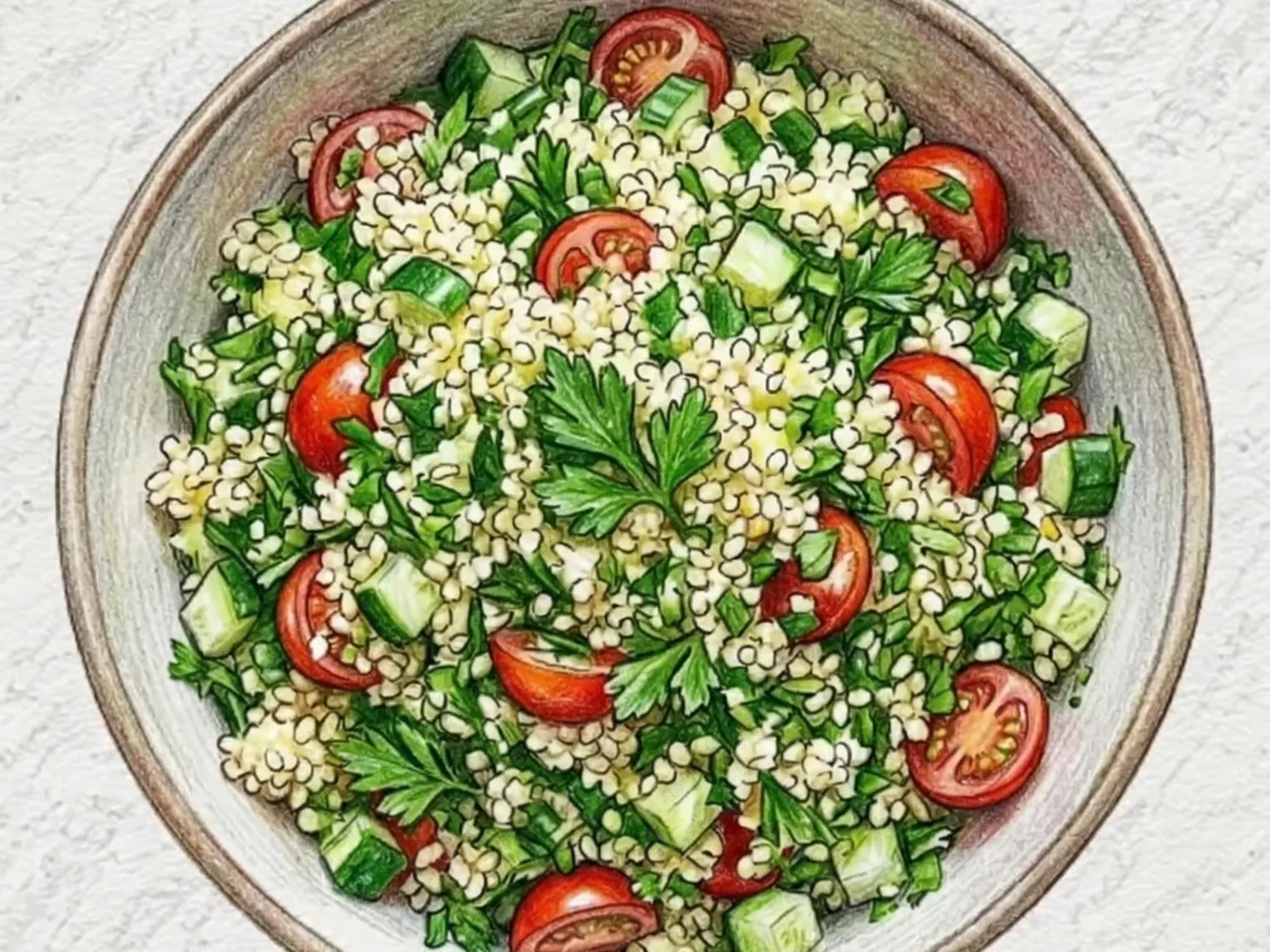
Freekeh is an ancient Middle Eastern grain produced by harvesting wheat while the grain is still immature and green, then roasting the harvested stalks over an open fire. The outer chaff burns away while the moist interior of each grain survives the flame, and it is this controlled scorching that gives freekeh its defining characteristic: a pronounced smoky aroma layered over the nutty, grassy quality of young wheat. When boiled, the grains hold their shape and retain a firm chew that standard wheat varieties lose after cooking, making freekeh particularly suited to salads that must hold up at room temperature. In this preparation, the cooked grain is combined with generous quantities of fresh parsley, mint, and dill, whose cool, bright flavors complement rather than compete with the smoke. A dressing of fresh lemon juice and extra-virgin olive oil is enough to bring the bowl together, as the grain itself provides sufficient depth without a complex sauce. Diced cucumber and halved cherry tomatoes add moisture and acidity, and crumbled feta cheese contributes salt and a creamy richness that ties the components into a coherent whole. The salad benefits from resting for at least an hour before serving, as the dressing absorbs into the grain and the herb and grain flavors gradually merge.

🥗 Light & Healthy
Prep 14minCook 20min2 servings
Korean Chilled Udon with Yuzu Soy Sauce
NoodlesEasy

Korean Chilled Udon with Yuzu Soy Sauce

Yuja ganjang naeng udon is a chilled udon dish dressed in a sauce made from yuja (citron) syrup, soy sauce, and tsuyu. The sauce balances bright citrus fragrance with salty depth, and the tsuyu rounds out the umami. Frozen udon noodles are boiled and rinsed in cold water, which keeps them firm and allows the sauce to coat evenly. Bonito flakes, shredded nori, and sesame seeds are common toppings. The entire recipe takes about 19 minutes and requires no advanced technique.

🌙 Late Night Quick
Prep 10minCook 9min2 servings
Gochujang Chickpea Crunch Salad
SaladsMedium

Gochujang Chickpea Crunch Salad

Gochujang chickpea crunch salad is a Korean-American fusion salad built around chickpeas roasted at 200 degrees Celsius for twenty minutes until the exterior becomes dry and crisp. The chickpeas must be patted completely dry before roasting and spread in a single layer on the pan so that steam can escape freely rather than trapping moisture against the surface. Allowing them to cool fully before they are dressed is equally important, because residual heat accelerates softening once the dressing makes contact. The base is hand-massaged kale from which the tough center ribs have been removed. Pressing and squeezing the leaves for at least one minute breaks down the fibrous cell walls, mellows the bitterness, and opens the surface so the dressing can penetrate rather than simply coat the outside. Shredded red cabbage and julienned carrot add color and additional crunch, while half-moon cucumber slices contribute a cooling note. The dressing combines gochujang with soy sauce, maple syrup, rice vinegar, and sesame oil, layering fermented heat against a sweet and tart backbone that amplifies both the bitterness and the natural sweetness present in the vegetables. The contrast between the crunchy, nutty chickpeas and the yielding greens is what gives this salad its textural character, making each forkful different from the last.

🥗 Light & Healthy
Prep 15minCook 22min4 servings
Korean Spicy Noodles with Beef Pancake
NoodlesMedium

Korean Spicy Noodles with Beef Pancake

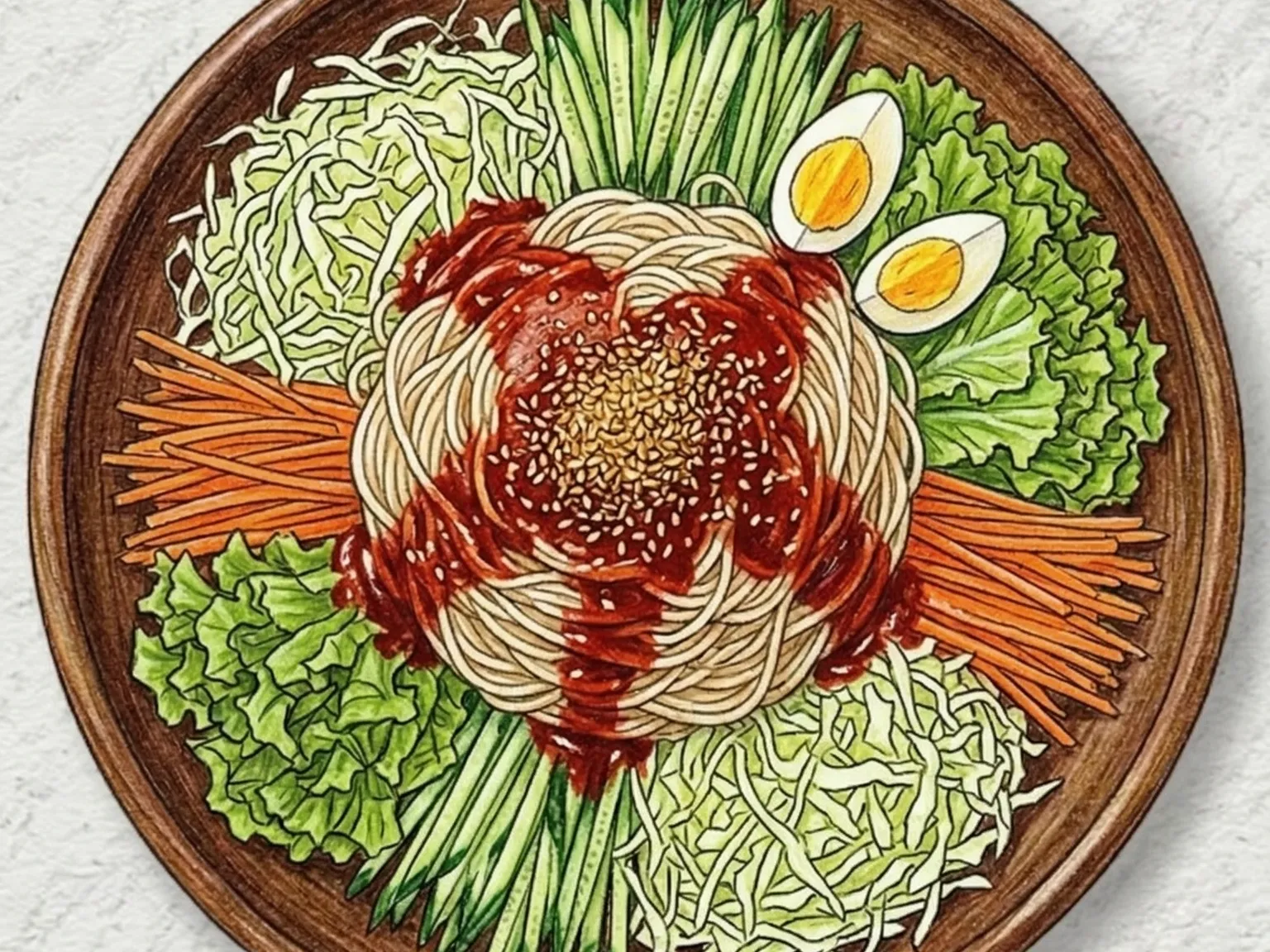
Yukjeon bibim guksu pairs pan-fried beef pancakes with spicy-tangy dressed wheat noodles. Thin slices of lean beef round are patted dry, dusted with flour, dipped in beaten egg, and fried until golden on both sides. Removing moisture before coating is what gives the yukjeon its crisp exterior and keeps the egg layer from sliding off. The dressing combines gochujang, soy sauce, vinegar, sugar, and sesame oil into a sauce that balances heat with sweet-sour brightness. Somyeon noodles are boiled and rinsed multiple times in cold water to wash off excess starch, which keeps them springy and helps the dressing cling evenly. Shredded cucumber and lettuce add freshness and crunch against the warm, savory beef.

🍺 Bar Snacks
Prep 20minCook 15min2 servings
Grapefruit Shiso Shrimp Salad
SaladsMedium

Grapefruit Shiso Shrimp Salad

Grapefruit shiso shrimp salad brings together ice-chilled blanched shrimp, membrane-free grapefruit segments, shredded shiso leaves, and thinly sliced cucumber and radish, all tossed in a yuja marmalade dressing. Blanching the shrimp for exactly two minutes and transferring them immediately to ice water locks in a firm, springy texture by contracting the protein rapidly while preventing the rubbery toughness that comes from overcooking. Removing all of the white pith from the grapefruit eliminates bitterness and leaves only the clean, tart juice of the flesh. Cutting the segments free from the membrane also makes the pieces easier to eat in a single bite. The dressing is built from yuja marmalade, rice vinegar, olive oil, and pepper, and the yuzu's floral acidity layers on top of the grapefruit to create a pronounced citrus profile that is bright but not harsh. The mint-like herbal quality of shiso leaves neutralizes any trace of fishiness from the shrimp and ties the Japanese-influenced flavor framework together. The crisp bite of cucumber and radish contrasts with the softness of the shrimp and grapefruit segments. Serving the salad well chilled is necessary to keep every texture and fragrance sharp and distinct rather than muted.

🥗 Light & Healthy🎉 Special Occasion
Prep 20minCook 5min2 servings
Zhajiangmian (Chinese Black Bean Paste Noodles with Ground Pork)
NoodlesMedium

Zhajiangmian (Chinese Black Bean Paste Noodles with Ground Pork)

Zhajiangmian is a Chinese noodle dish built on a thick sauce of ground pork and onion stir-fried with chunjang, a fermented black bean paste. The paste must be fried thoroughly in oil to draw out its roasted, savory character and eliminate the raw bitterness it carries before cooking. Adding soy sauce and sugar, then simmering on low heat for five minutes, concentrates the sauce into a glossy, dark coating. Fresh wheat noodles are boiled, briefly rinsed, and drained so the sauce clings without being diluted. Julienned cucumber served on top provides a crisp, cool contrast that balances the dense, salty depth of the bean paste.

🏠 Everyday🌙 Late Night
Prep 20minCook 20min2 servings
Grilled King Oyster and Perilla Salad
SaladsEasy

Grilled King Oyster and Perilla Salad

Grilled king oyster and perilla salad dry-sears thick-sliced king oyster mushrooms in an oil-free pan until golden, then tosses them with chiffonaded perilla leaves, bite-sized lettuce, and cucumber in a perilla oil and soy dressing. Cutting the mushrooms into 0.8 cm planks and spacing them apart in the pan is critical: overcrowding traps steam and turns a sear into a braise, losing the golden crust and chewy interior. Patting the mushroom surfaces dry with a paper towel before placing them in the pan helps the Maillard reaction start faster and produces a more even color without the sputtering caused by surface moisture. The dressing blends perilla oil, soy sauce, lemon juice, and oligosaccharide syrup, pairing the deep nuttiness of perilla oil with a light citrus acidity that supports the mushroom's umami. Grinding extra sesame seeds into the dressing amplifies the nutty character, and a small pinch of gochugaru adds a mild heat that lingers at the back of the palate. Perilla leaves lose their fragrance quickly once dressed, so the salad should be served immediately after tossing.

🥗 Light & Healthy
Prep 15minCook 12min2 servings
Grilled Mackerel Perilla Salad
SaladsMedium

Grilled Mackerel Perilla Salad

Grilled mackerel perilla salad starts by salting mackerel fillets for five minutes, then patting them completely dry before setting them skin-side down in a hot pan. The drying step draws surface moisture out of the fish so the skin crisps sharply in the pan rather than steaming, and the brief salt also damps down the mackerel's characteristic fishiness. Four minutes skin-side down followed by two minutes on the flesh side leaves the exterior with a firm, golden crust while the interior stays moist and just cooked through. Once off the heat the fish is broken into irregular pieces and scattered over a bed of romaine, thinly sliced perilla leaves, cucumber batons, and radish sprouts. A dressing of soy sauce, yuzu marmalade, and sesame oil brings the whole dish together: the aromatic acidity of yuzu cuts cleanly through the oily richness of mackerel in a way that a plain rice vinegar dressing cannot. Cutting perilla into thin ribbons rather than tearing it distributes the herb's peppery, anise-like fragrance evenly across every forkful so no bite is without it. The contrast of warm fish against cold vegetables and crisp greens makes each serving feel alive rather than flat.

🥗 Light & Healthy
Prep 15minCook 10min2 servings
Herbed Orzo Salad
SaladsEasy

Herbed Orzo Salad

Herbed orzo salad cooks rice-shaped orzo pasta to al dente in salted water, cools it, then tosses it with diced cucumber, halved cherry tomatoes, chopped parsley and mint, and crumbled feta cheese in a lemon and olive oil dressing. Pulling the orzo from the water one minute before the package time is essential - the pasta continues to cook as it sits and absorbs dressing, so even slight overcooking results in a mushy texture by the time the salad is served. A small amount of olive oil stirred into the drained orzo while still warm prevents the pieces from clumping into a mass. The two-ingredient dressing of lemon juice and olive oil is deliberately bare, designed to let the bright herbal aroma of the parsley and mint come forward while cutting through the starchy weight of the pasta. Crumbling feta by hand rather than slicing it scatters uneven pockets of salty, creamy fat throughout the salad, so the flavor shifts slightly from one forkful to the next. The salad holds its texture and flavor when stored cold, making it well suited for packed lunches and advance preparation several hours ahead of serving.

🥗 Light & Healthy
Prep 12minCook 10min2 servings
Chilled Wakame Seaweed Salad
SaladsEasy

Chilled Wakame Seaweed Salad

Hiyashi wakame is a chilled Japanese seaweed salad in which dried wakame is rehydrated in cold water, blanched for exactly twenty seconds, then rinsed in cold water and squeezed firmly dry before being tossed with salt-wilted cucumber slices in a soy-vinegar dressing. The twenty-second blanch is the most technically precise step in the recipe: less time leaves the wakame insufficiently tender, while more than twenty seconds tips it toward rubbery toughness or mushiness depending on how long it continues on the heat. Wakame blanched for exactly this duration holds a smooth, springy texture that takes the dressing evenly across its surface. The dressing combines soy sauce, rice vinegar, sugar, and sesame oil into a balance of salty umami and sharp acidity that amplifies the seaweed's natural oceanic fragrance rather than competing with it. Salting the cucumber for five minutes and pressing out the liquid before adding it is a non-optional step; skipping it causes the cucumber's released water to dilute the dressing and wash out its flavor. A generous finish of toasted sesame seeds adds a warm, nutty aroma that sits as a counterpoint over the cold, clean textures of the wakame and cucumber.

🥗 Light & Healthy🍱 Lunchbox
Prep 15minCook 2min2 servings
Kachumber Salad (Indian Kachumber salad)
SaladsEasy

Kachumber Salad (Indian Kachumber salad)

Kachumber salad finely dices cucumber, tomato, and red onion, then tosses them with chopped cilantro, lime juice, ground cumin, chaat masala, and salt in a quick Indian raw vegetable preparation. Removing some of the seeds from the cucumber and tomato limits excess moisture so the dressing stays concentrated rather than watery. Soaking the diced red onion in cold water for three minutes draws out its harsh sharpness, letting it blend more smoothly with the other ingredients. Ground cumin lays down a warm, earthy undertone, and chaat masala layers a tangy, salty complexity over the lime acidity, lifting a simple combination of vegetables into something distinctly Indian. Chopping cilantro stems together with the leaves releases more of the herb's aromatic oils than leaves alone provide. Letting the dressed salad rest for about fifteen minutes before serving allows the flavors to meld so the final result is noticeably more cohesive.

🥗 Light & Healthy Quick
Prep 12min2 servings
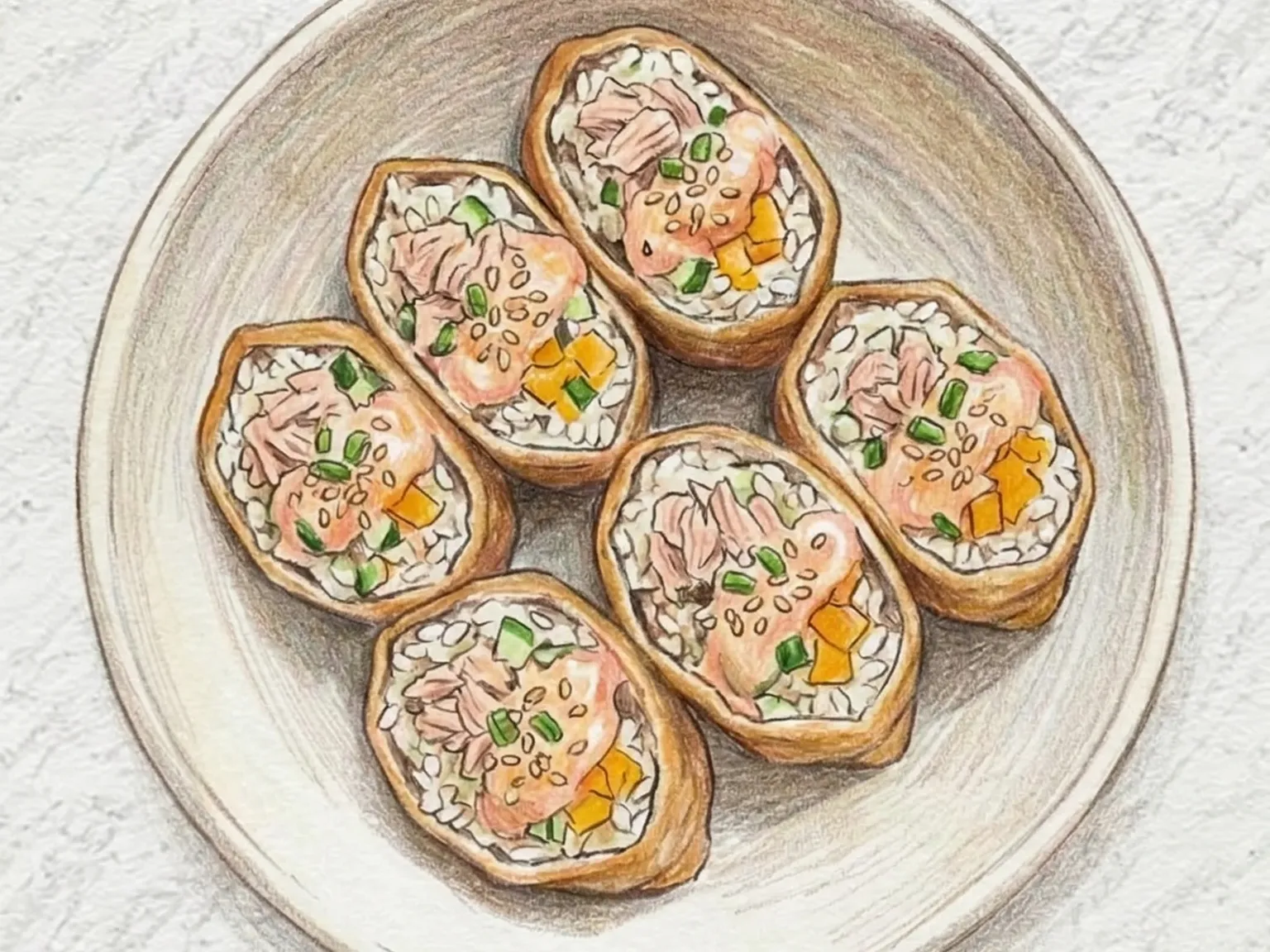
Korean Poke Bowl Salad
SaladsMedium

Korean Poke Bowl Salad

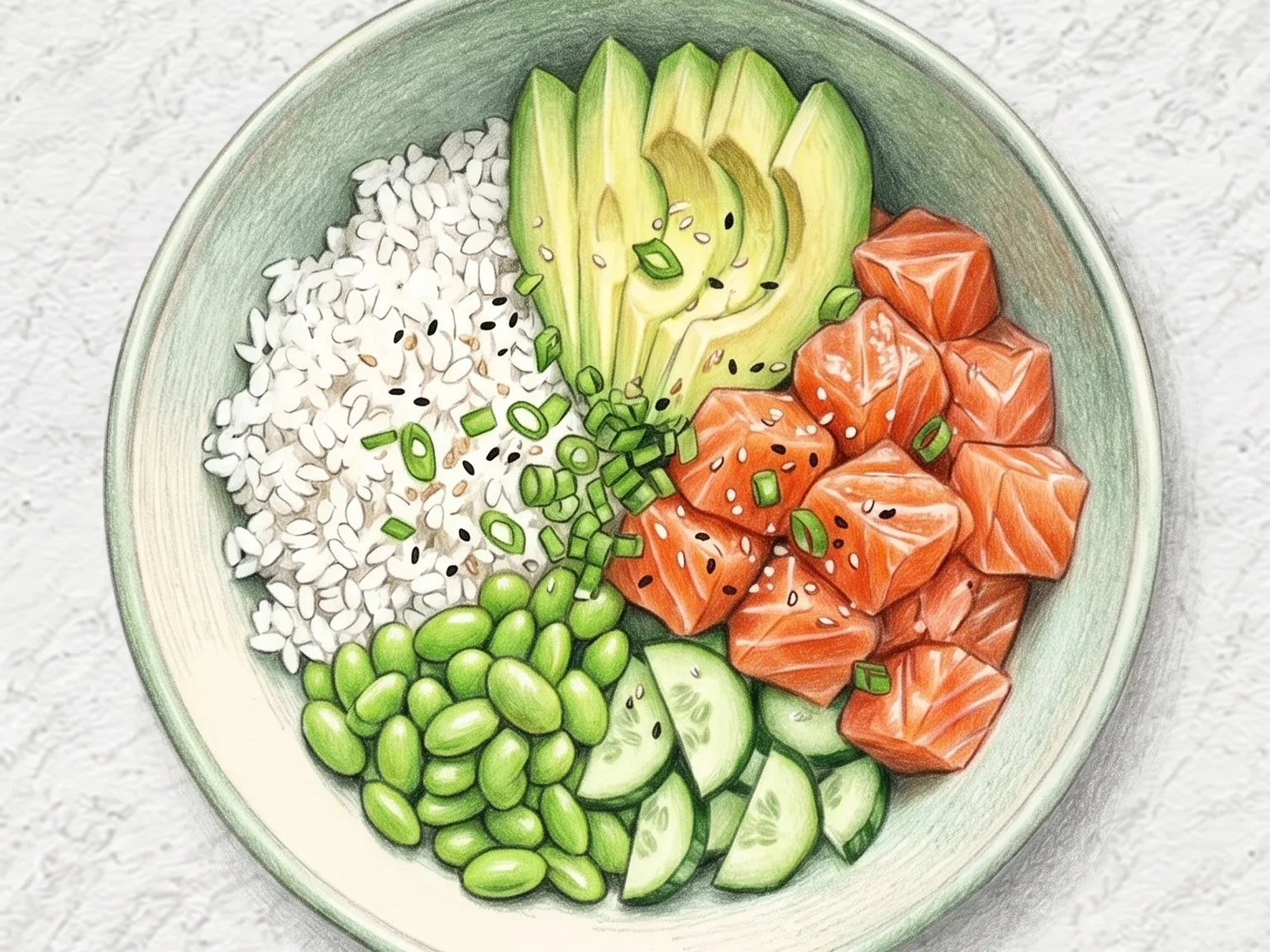
Sashimi-grade tuna is cut into 1.5-centimeter cubes and kept well chilled before being arranged over brown rice in a Korean-inflected poke bowl. A sauce of soy sauce, sesame oil, and gochujang coats the tuna's clean, fatty flesh with the spicy and nutty character that defines Korean seasoning. Avocado provides a creamy, lush texture that envelops the lean fish, while seaweed salad contributes a slippery, chewy marine layer with a pronounced oceanic aroma. Thinly sliced cucumber adds a cool, crisp contrast, creating textural variety across every spoonful. Brown rice serves as the dense, slightly nutty foundation that anchors the toppings and transforms the bowl into a complete meal containing protein, healthy fats, and complex carbohydrates in a single serving. Salmon or flounder can substitute for tuna without changing the method, and adjusting the amount of gochujang in the sauce lets you dial the heat to your preferred level.

🥗 Light & Healthy🏠 Everyday
Prep 20min2 servings
Mediterranean White Bean Salad
SaladsEasy

Mediterranean White Bean Salad

White beans anchor this salad with a soft, slightly mealy texture that makes the dish genuinely satisfying without relying on meat or grains. Diced cucumber and tomato bring moisture and fresh acidity to the mild legume base, while black olives add a briny, savory depth that pairs naturally with the simple lemon-and-olive-oil dressing. Finely chopped parsley brightens the bowl with herbal fragrance, and red onion is sliced thin enough that only a whisper of its sharpness remains, leaving room for everything else to come through. The entire salad requires no cooking and comes together in under fifteen minutes. Letting it rest for twenty to thirty minutes before serving allows the dressing to work into the beans and noticeably rounds out the flavor. Choosing an olive variety with dense, firm flesh like Kalamata adds a satisfying chew to every forkful, and a small spoon of Dijon mustard whisked into the dressing smooths the acidity into something rounder.

🥗 Light & Healthy Quick
Prep 15min2 servings
Water Parsley Shrimp Salad
SaladsEasy

Water Parsley Shrimp Salad

This Korean salad combines pan-seared shrimp with water parsley (minari) in a doenjang yogurt dressing that brings Korean fermented soybean paste together with plain yogurt in a lighter, creamier form than the paste alone. The shrimp are cooked just until opaque and springy - overcooking at this stage toughens them and diminishes their clean sweetness, which is the primary flavor note in the dish. Thinly sliced cucumber adds cool moisture and a fresh crunch throughout, and red onion soaked in cold water for at least ten minutes loses its raw harshness while keeping a pleasant mild sharpness. The dressing ratio technique matters: coating all the ingredients with two-thirds of the dressing first establishes a baseline seasoning, then tasting and adjusting with the remaining third ensures every component is evenly flavored without oversalting. Doenjang varies in salt intensity by brand and age, so tasting the dressing before assembling and balancing with extra yogurt or lemon juice prevents the final dish from being too salty. Sesame seeds scattered on top contribute a nutty finish that ties the Korean pantry elements together.

🥗 Light & Healthy
Prep 18minCook 7min2 servings
Pollock Roe Potato Crisp Salad
SaladsMedium

Pollock Roe Potato Crisp Salad

Potato slices are baked or pan-fried until golden and crisp, then topped with briny salted pollock roe for salt and umami in each bite. Greek yogurt mixed with mayonnaise creates a creamy base that softens the roe's intense seasoning. Romaine and cucumber provide fresh crunch contrasting with the crispy potato and popping roe granules. Lemon juice cuts through the richness, and shredded roasted seaweed deepens the seafood aroma - making this as enjoyable as a drinking snack as it is a side dish.

🥗 Light & Healthy
Prep 18minCook 20min2 servings
Squid and Cucumber Chojang Salad
SaladsMedium

Squid and Cucumber Chojang Salad

Squid is blanched briefly for a chewy yet tender texture without any fishy taste. Diagonally sliced cucumber adds juicy crunch, while shredded red cabbage brings vivid purple color. Chojang - gochujang, vinegar, and plum extract - delivers a sweet, spicy, and sour punch that accents the mild seafood. Sesame oil, minced garlic, and a sprinkle of sesame seeds complete the classic Korean seafood salad profile, best served chilled in summer as a refreshing standalone meal.

🥗 Light & Healthy Quick
Prep 16minCook 4min2 servings
Squid Naengi Chojang Salad
SaladsMedium

Squid Naengi Chojang Salad

Preparing squid for a seasonal salad involves a quick blanching process in boiling water for less than thirty seconds. This precise timing keeps the seafood tender and prevents it from turning rubbery or tough. Shepherd's purse, or naengi, contributes an earthy aroma characteristic of early spring that complements the oceanic profile of the squid. Crisp lettuce and fresh cucumber provide a crunchy texture that contrasts with the soft seafood pieces. The dressing relies on a combination of gochujang, rice vinegar, and oligosaccharide syrup to create a spicy, tangy, and mildly sweet foundation for the ingredients. To finish the sauce, sesame oil contributes a nutty scent while minced garlic adds a sharp, aromatic quality that integrates the different components. Careful cleaning of the naengi to remove soil and fine roots is necessary before briefly blanching it in salted water to eliminate bitterness and preserve its fragrance. Serving this dish cold during the early spring months highlights the specific seasonal qualities of the ingredients. For variations, scallops or shrimp can replace the squid, as they both pair well with the spicy dressing. Similarly, spring cabbage or wild chives can substitute for the shepherd's purse to maintain the seasonal character of the salad.

🥗 Light & Healthy
Prep 20minCook 4min2 servings