Buckwheat Avocado Salad
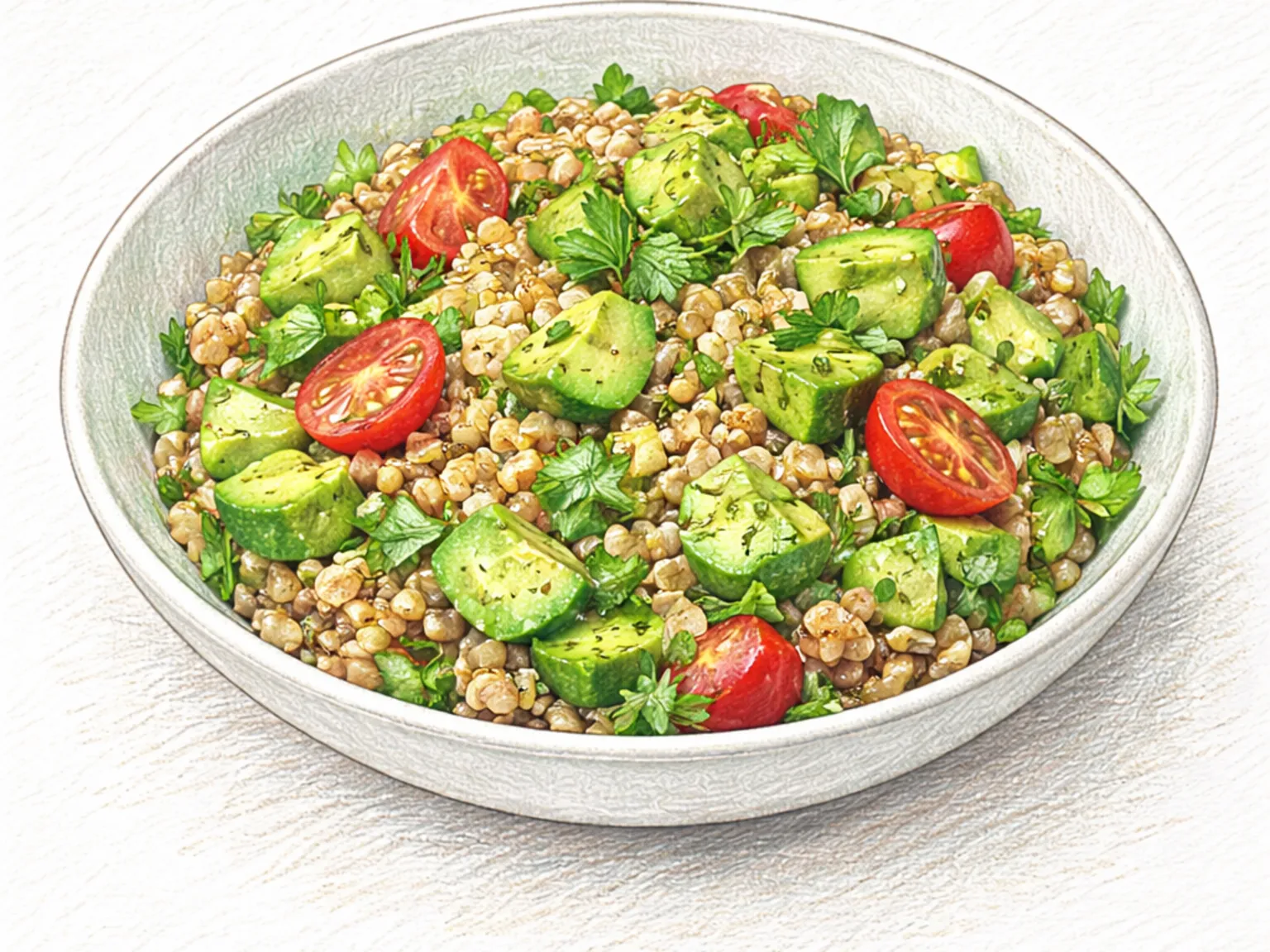
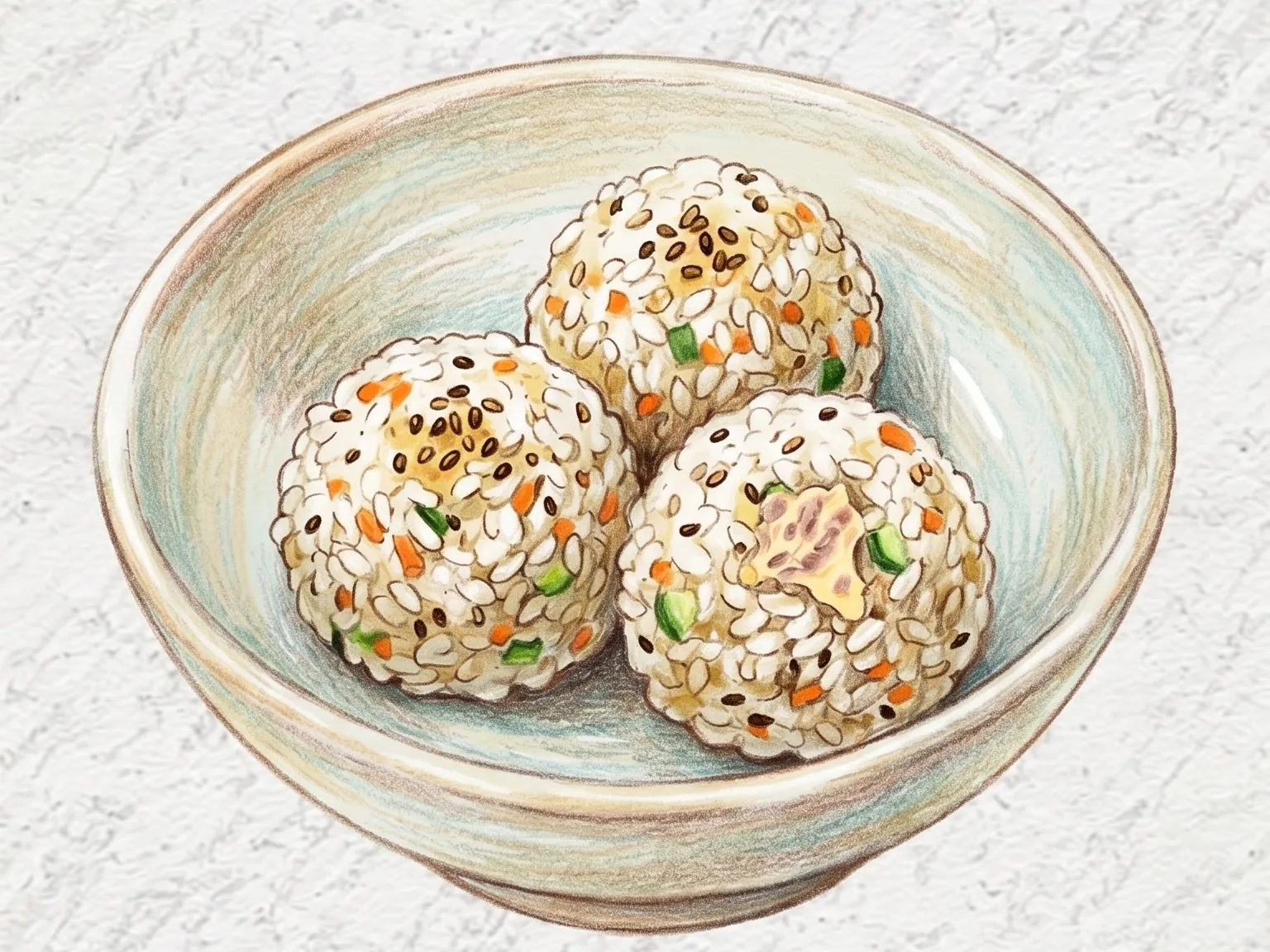
Buckwheat groats are cooked until chewy, rinsed in cold water, and tossed with ripe avocado, cherry tomatoes, cucumber, and fresh dill in a lemon-olive oil dressing. The buckwheat's earthy, faintly bitter grain character pairs with the avocado's smooth fat, each compensating for the other's shortcoming. Lemon juice's sharp acidity lifts the heavy grain base, while dill's cool, anise-edged fragrance reduces the overall weight that grain salads can carry. Cucumber introduces a crisp, watery contrast that varies the texture within a single bowl. High in dietary fiber and genuinely filling, this Eastern European-inspired salad holds up as a standalone light meal. The dressing quantity and herb selection can be adjusted without changing the basic structure of the dish.

Peking Duck
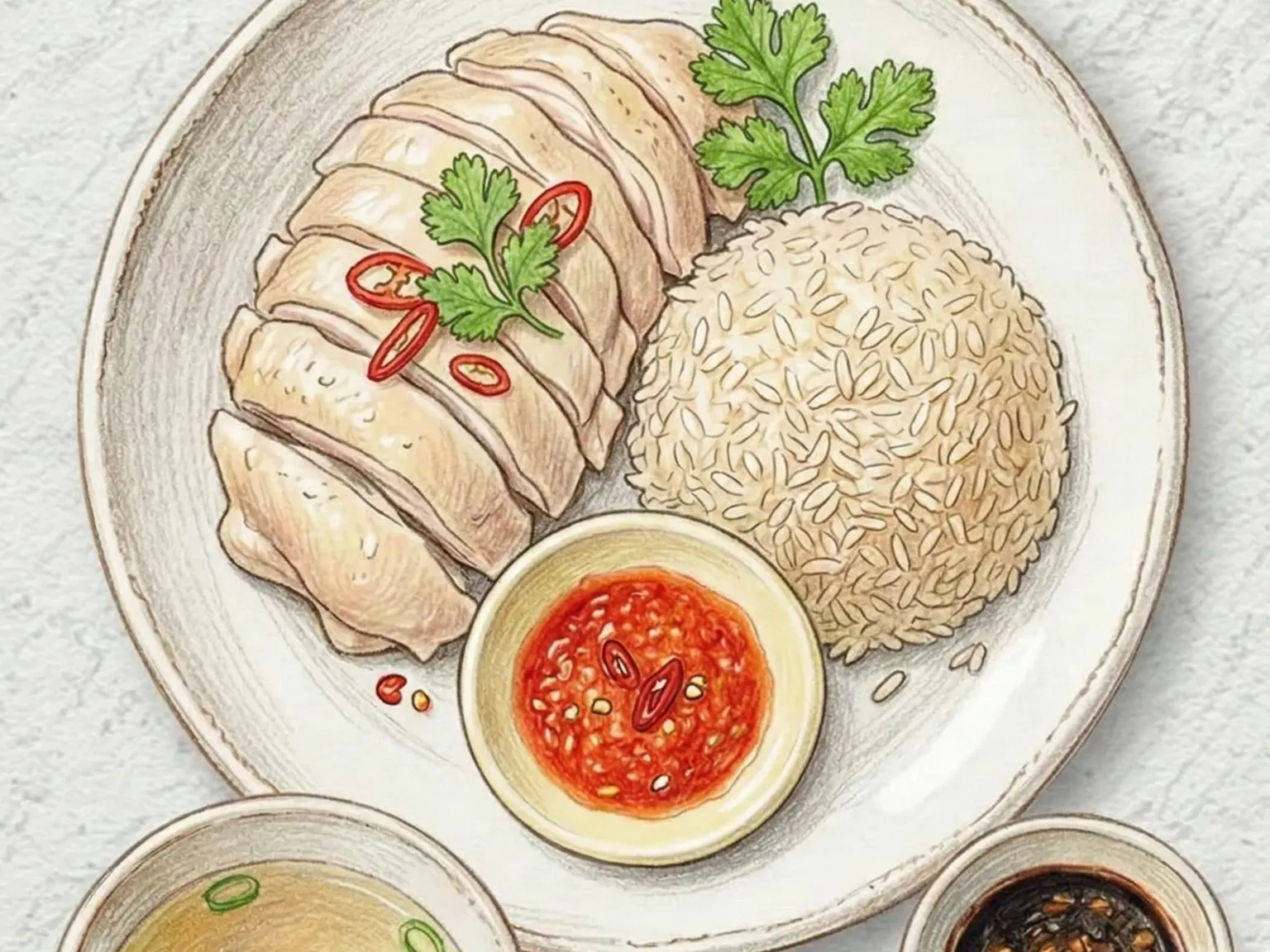
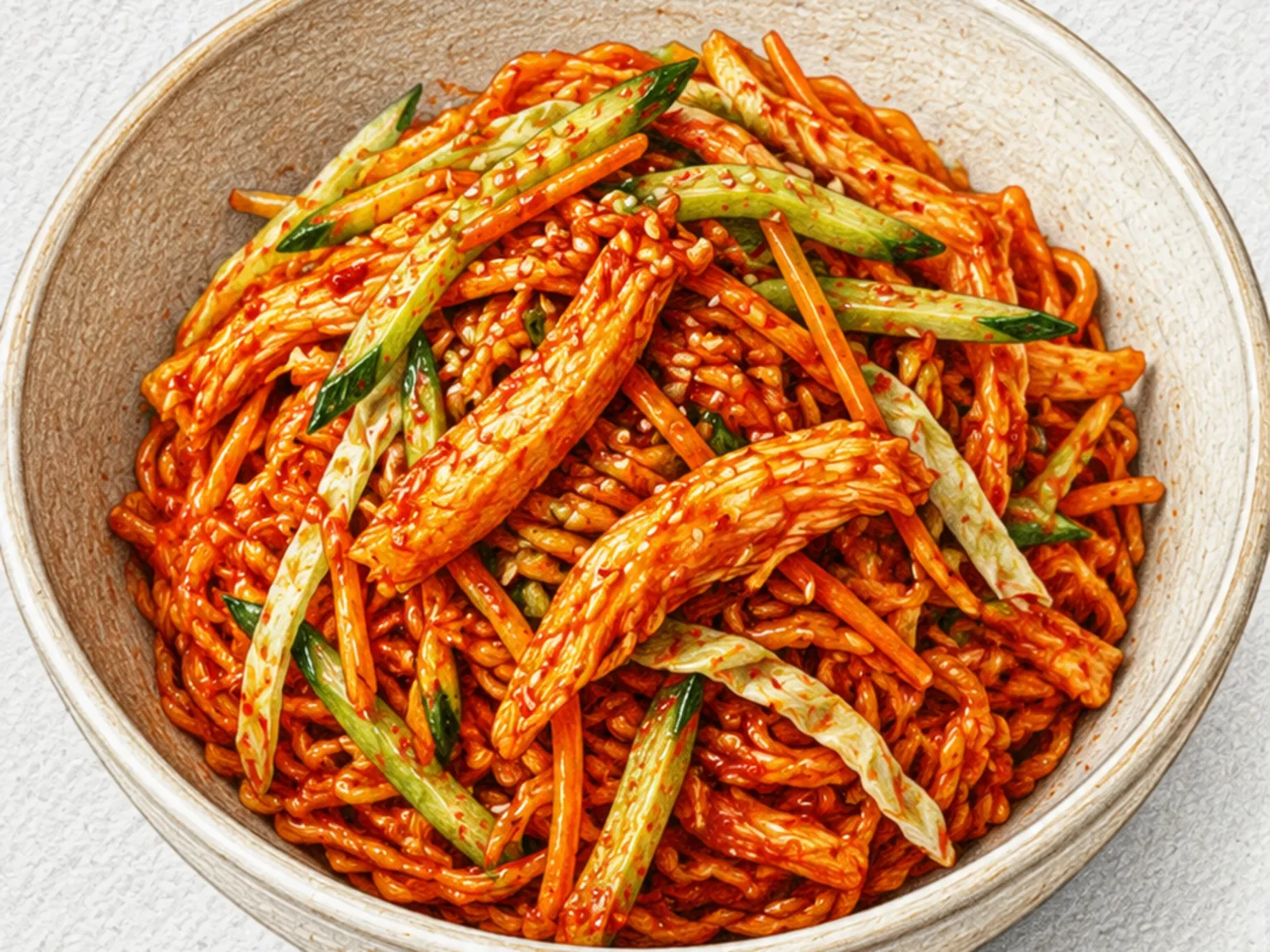
Peking duck is a centuries-old Chinese banquet dish refined in the imperial kitchens of Beijing. A whole duck is air-dried to tighten the skin, then roasted at high heat until the exterior shatters like glass while the fat beneath renders almost entirely away. The skin is the centerpiece: a lacquered sheet of crunch that carries a faint sweetness from the maltose glaze applied before roasting. Traditionally, a skilled carver slices the skin and meat tableside into thin pieces. Diners place a few slices onto a paper-thin wheat pancake, add julienned scallion and cucumber, streak on hoisin sauce, then roll everything into a tight parcel. Each bite layers crisp skin, supple meat, raw vegetable crunch, and the fermented sweetness of the sauce into a single mouthful.

Korean Tofu and Bell Pepper Salad
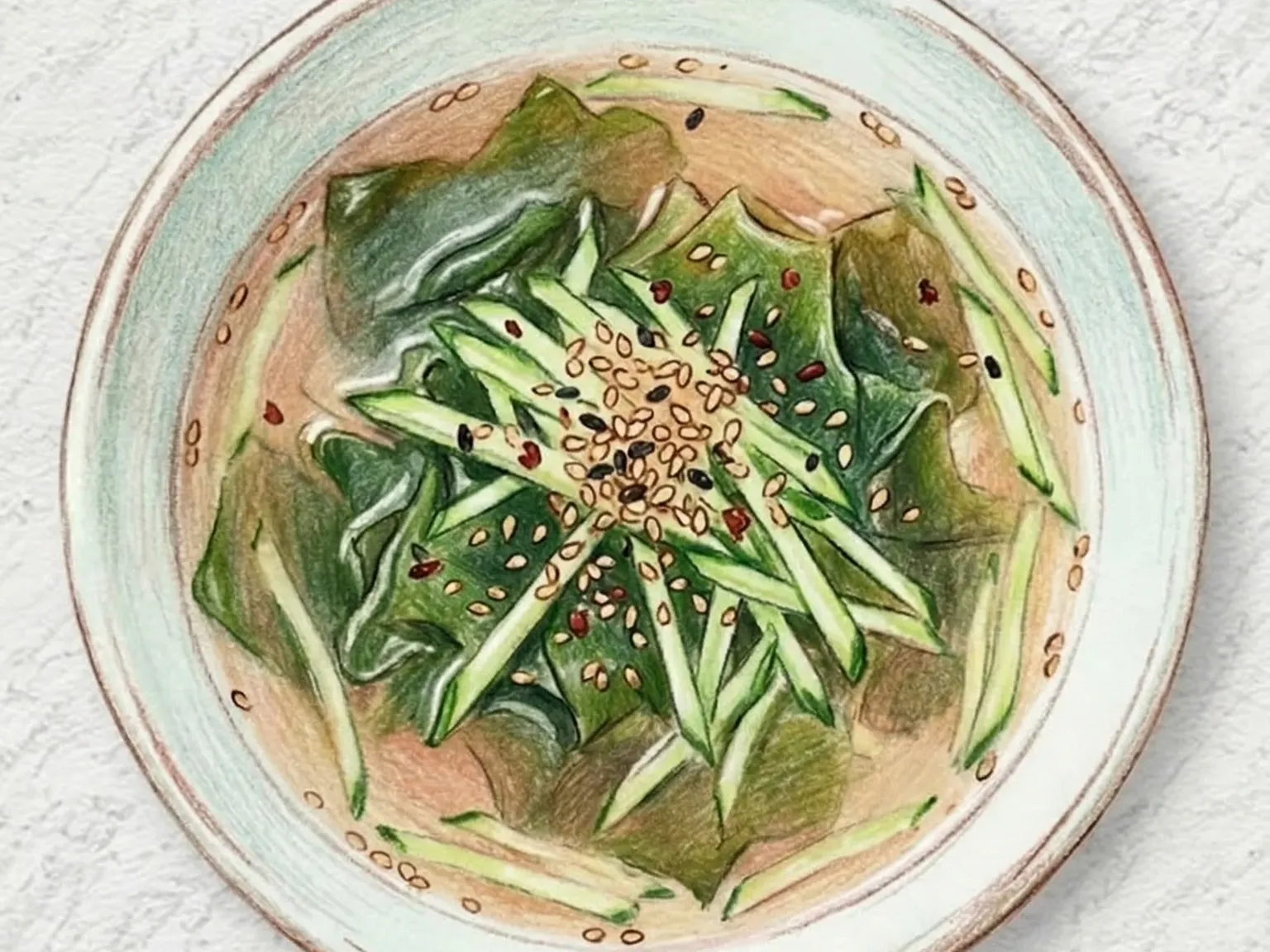
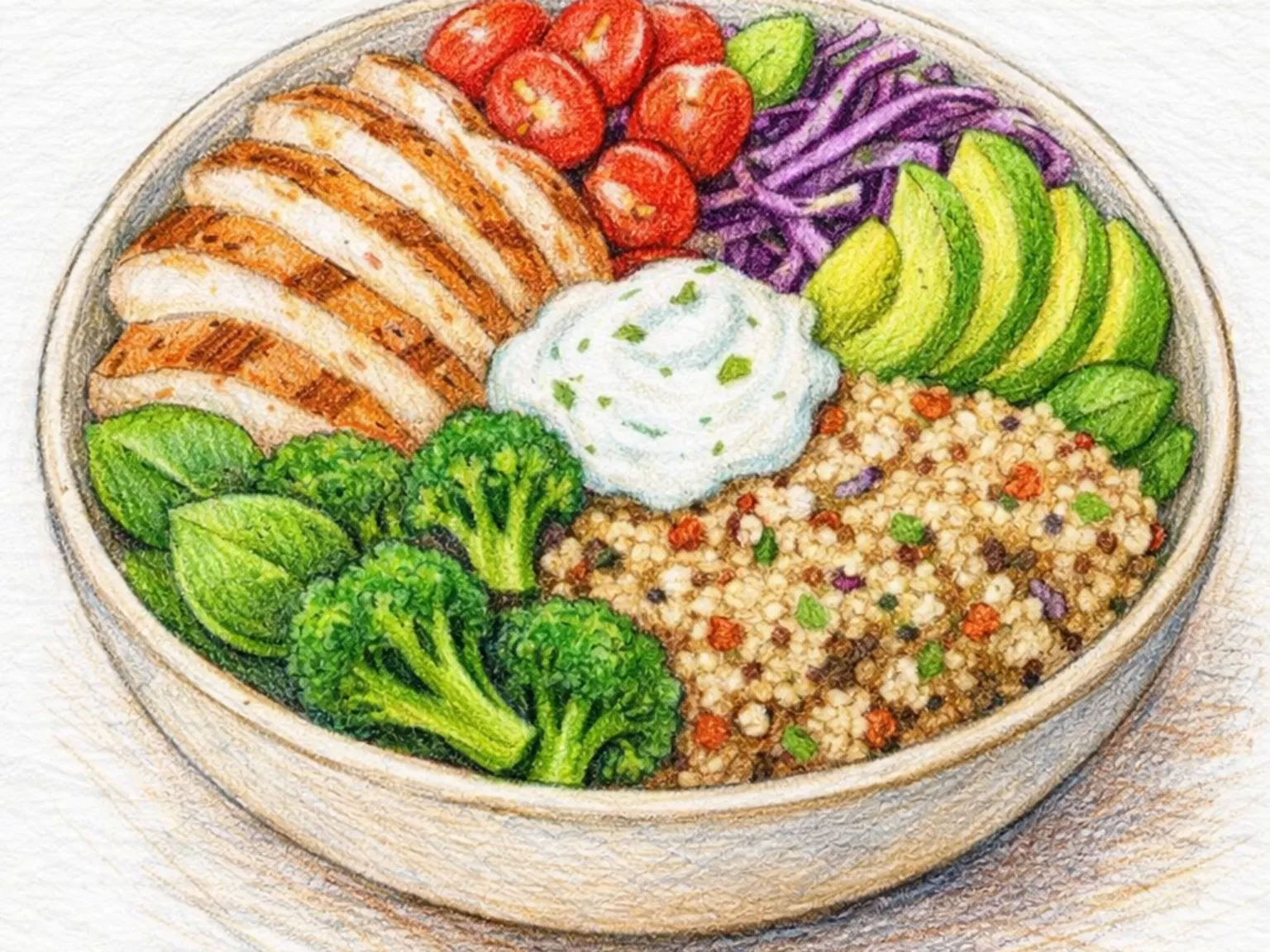
Paprika-dubu-muchim combines 300 grams of blanched firm tofu, crumbled coarsely by hand, with julienned red and yellow bell peppers, cucumber, and onion in a soy-vinegar dressing. Blanching the tofu for just one minute removes any raw bean flavor while preserving a soft, creamy texture that contrasts with the crisp, sweet snap of the peppers. The onion is soaked in cold water for three minutes to tame its bite before joining the bowl. Sesame oil and minced garlic round out the dressing, adding depth without heaviness. Chilling the finished dish for 10 minutes before serving sharpens the vegetable flavors and makes the tofu firmer to the bite.

Cold Sesame Noodles
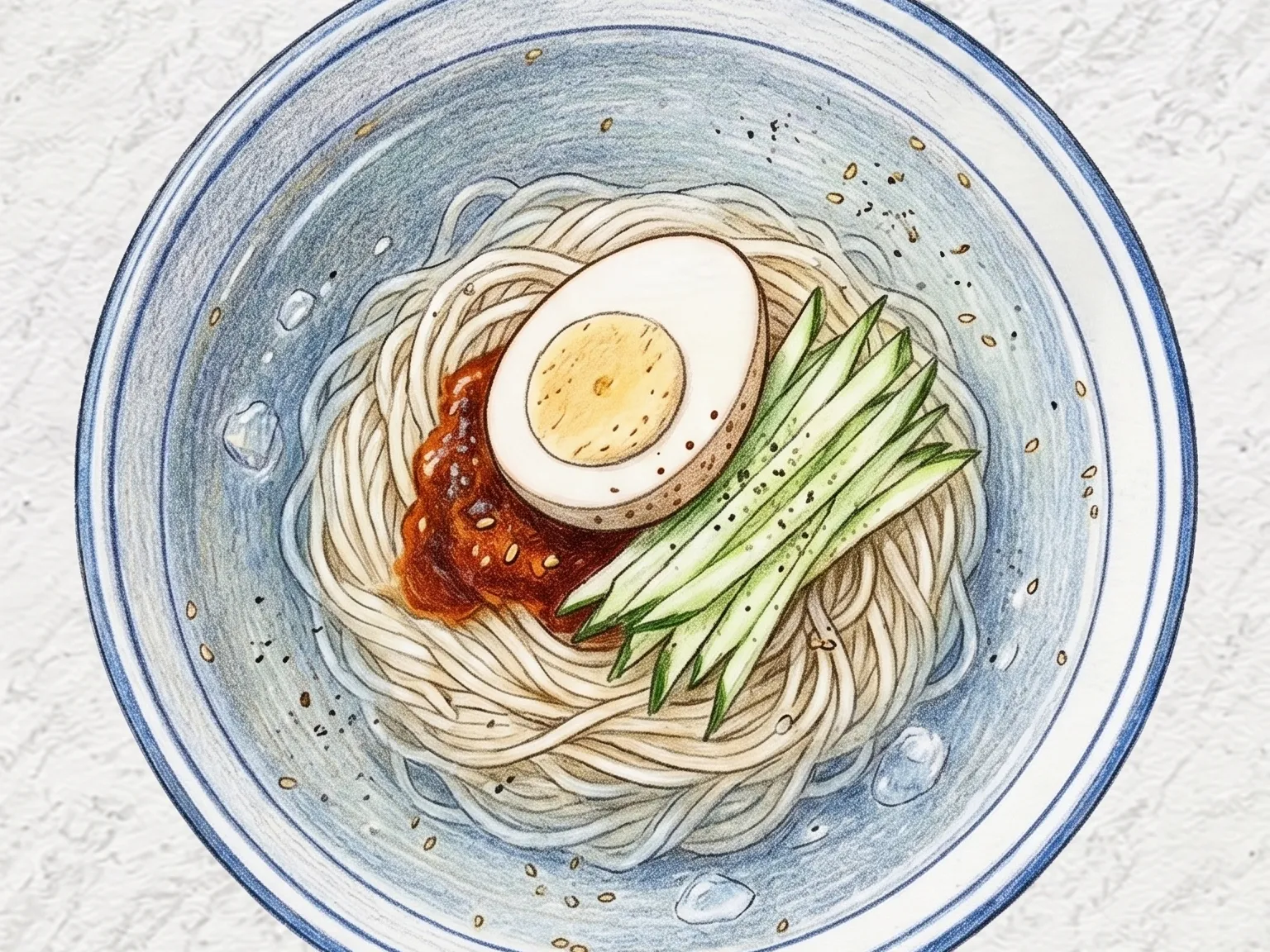
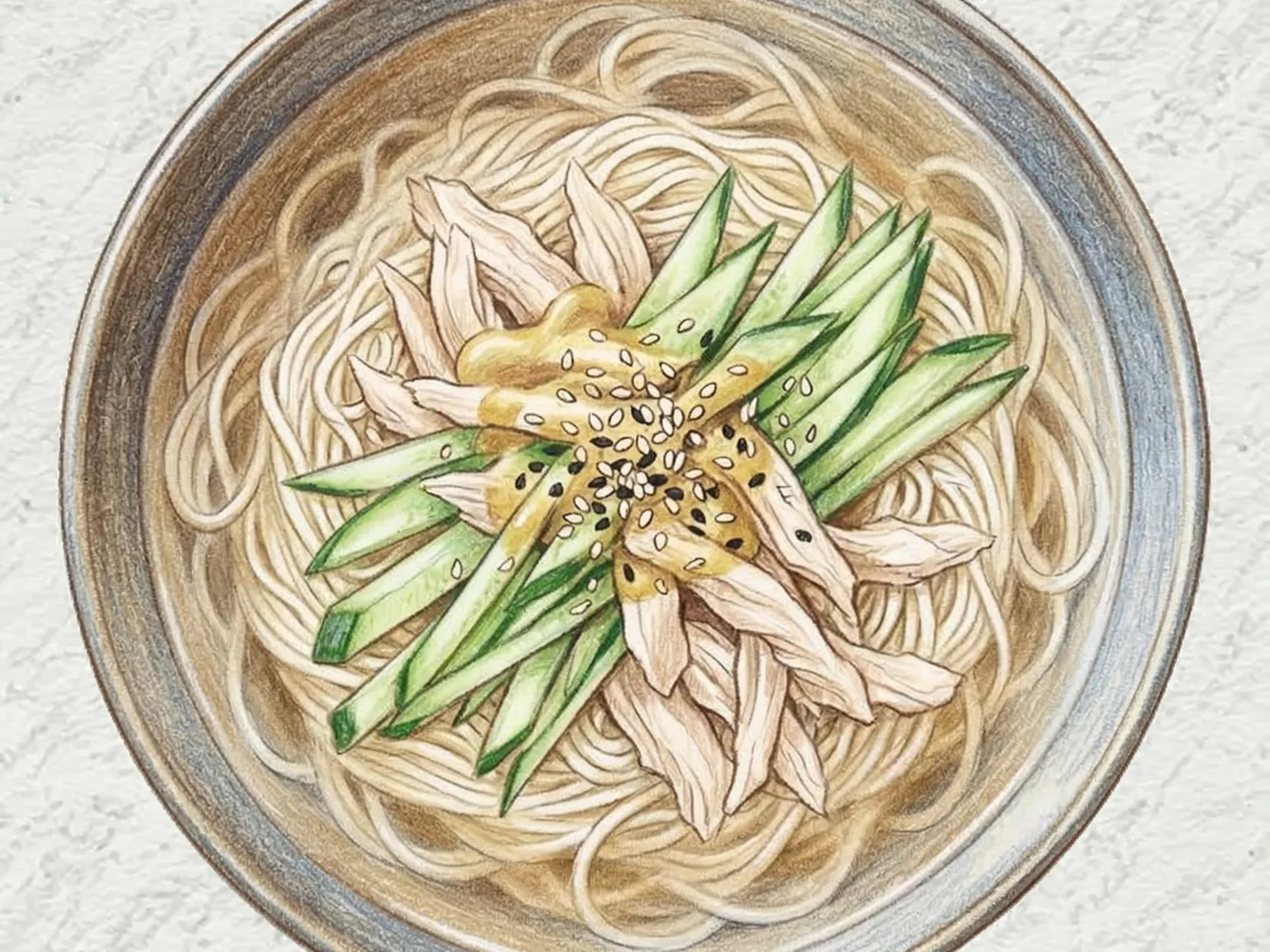
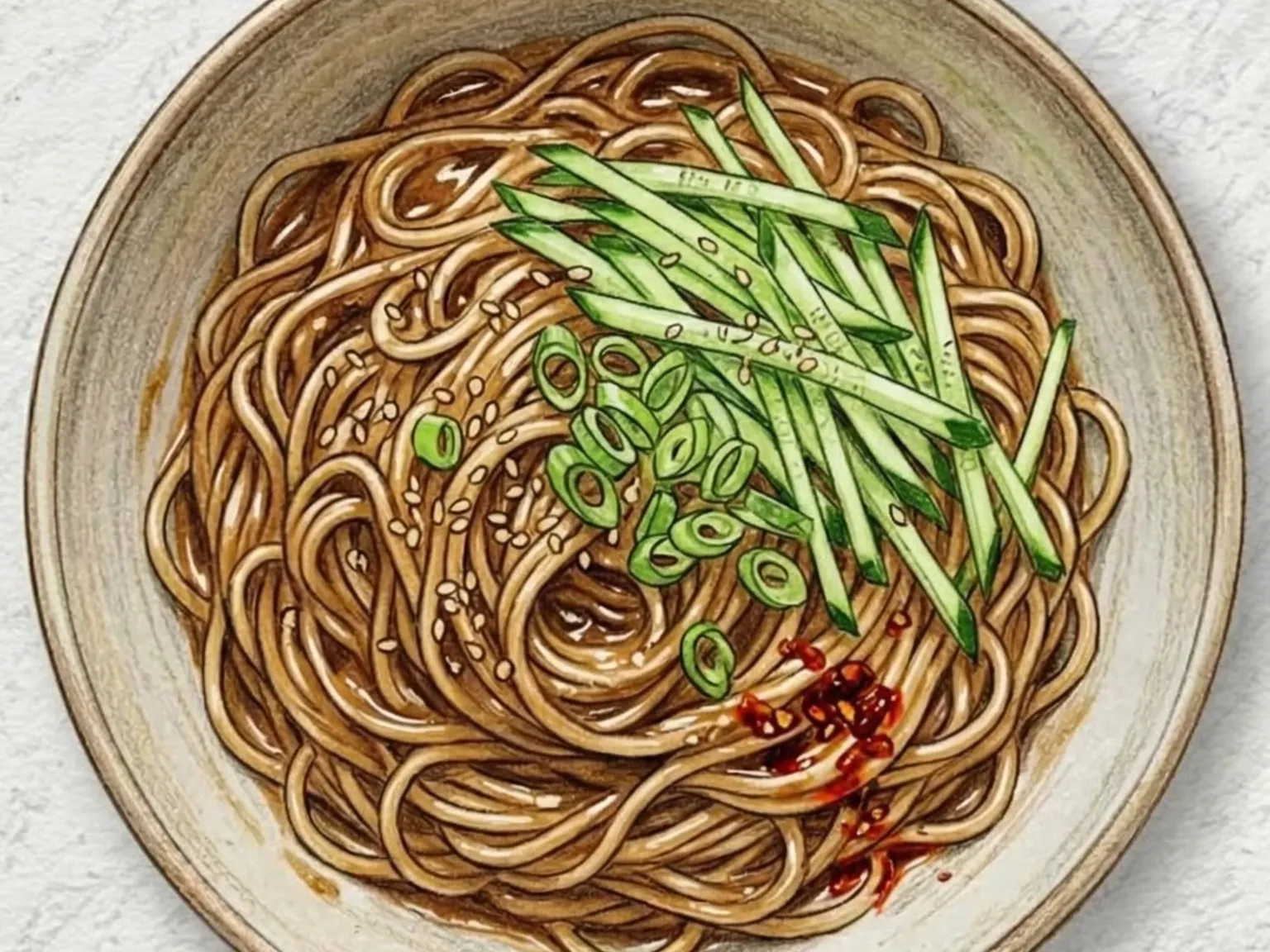
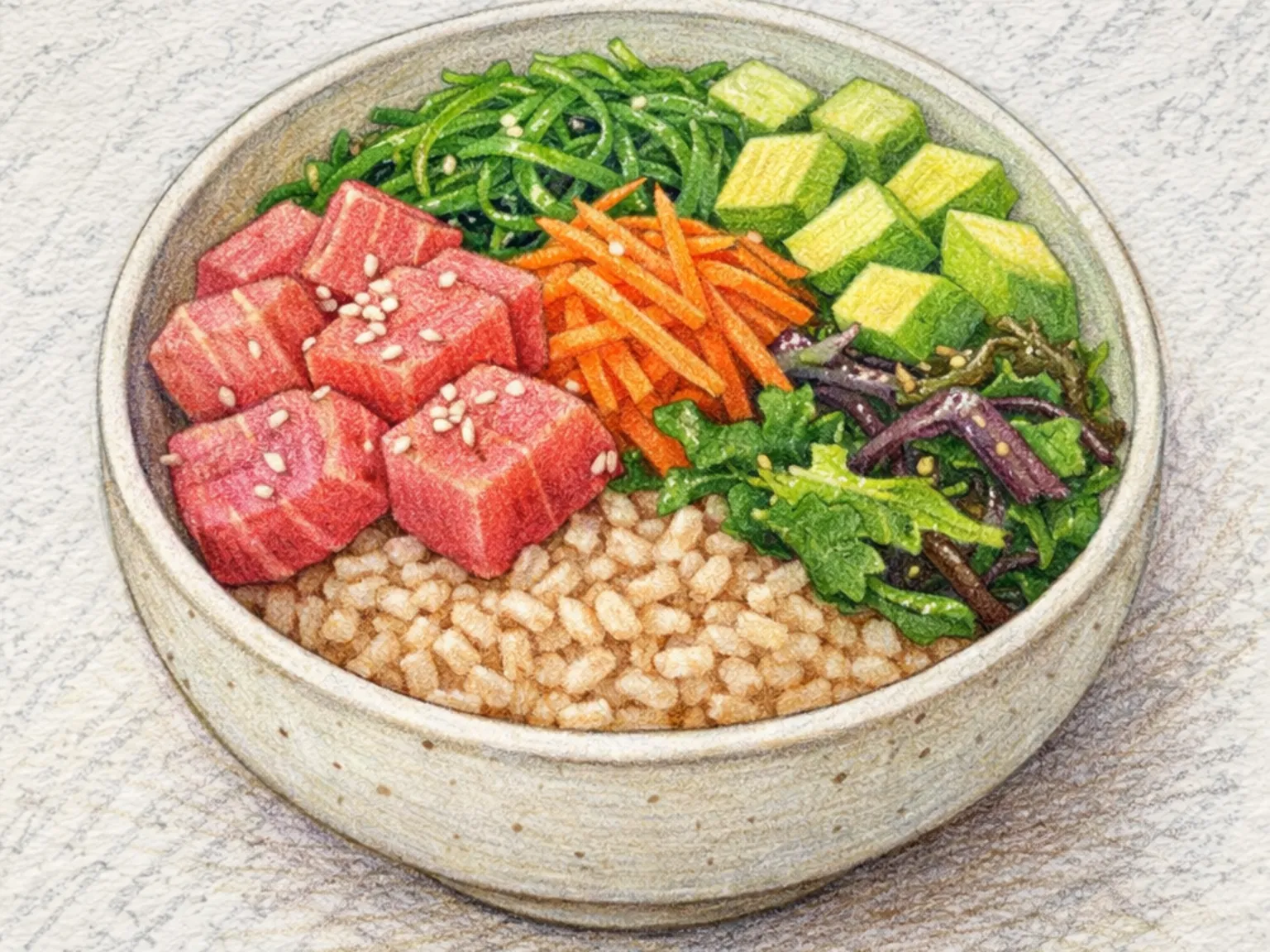
Cold sesame noodles are a fixture of Chinese-American cooking: chilled wheat noodles coated in a thick, nutty sauce that layers sweet, salty, sour, and savory flavors in a single bowl. The sauce is built from Chinese sesame paste or tahini blended with peanut butter, soy sauce, rice vinegar, and sesame oil until the mixture becomes a smooth, glossy emulsion. After boiling, the noodles are rinsed under cold running water to stop cooking and firm the texture, then tossed with a small amount of sesame oil to prevent clumping and add sheen. Julienned cucumber and sliced scallion provide freshness and crunch that cut through the dense sauce. Chili flakes or a spoonful of chili oil can be added for heat. Preparing the sauce in advance and refrigerating it means the entire dish can come together in the time it takes to boil a pot of noodles, making it a practical choice on hot summer days. Any leftover sauce works well as a salad dressing.

Buckwheat Noodle Salad
Thoroughly rinsing boiled soba noodles in cold water removes the starchy film that forms on the surface during cooking. This specific step prevents the noodles from clumping together and ensures the dressing coats each strand evenly. Rinsing multiple times produces a firm and elastic texture, highlighting the characteristic coarse bite of the buckwheat. The sauce relies on a base of tsuyu combined with rice vinegar to provide a sharp acidity that cleanses the palate after every bite. This combination avoids the heavy residue often found in oil-based dressings. Shredded lettuce and sliced cucumber add a crisp, watery element to the bowl, while the addition of red cabbage provides a purple visual contrast against the brown noodles. A final topping of roasted seaweed strips adds a toasted ocean scent to the dish. For a complete meal, adding chicken breast or a boiled egg provides additional protein. The dressing remains stable when prepared in advance and stored in the refrigerator, allowing for quick assembly when the vegetables and noodles are ready.

Beijing Zhajiangmian (Northern Chinese Fermented Bean Paste Noodles)
Beijing zhajiangmian is the northern Chinese ancestor of Korean jajangmyeon, though the two have diverged significantly in flavor and presentation. The sauce is built from ground pork stir-fried with huangjiang, a fermented soybean paste darker and saltier than miso, until the fat separates and the paste turns glossy. Thick hand-pulled or machine-cut wheat noodles form the base, and an array of raw garnishes - julienned cucumber, radish sprouts, bean sprouts, and shredded scallion - are arranged neatly on top. The dish is meant to be tossed vigorously at the table so the sauce coats every strand. The contrast between the warm, intensely savory paste and the cool, crisp vegetables defines the eating experience. In summer, the noodles are often rinsed in cold water before serving.

Korean Acorn Jelly Salad with Sesame Soy Sauce
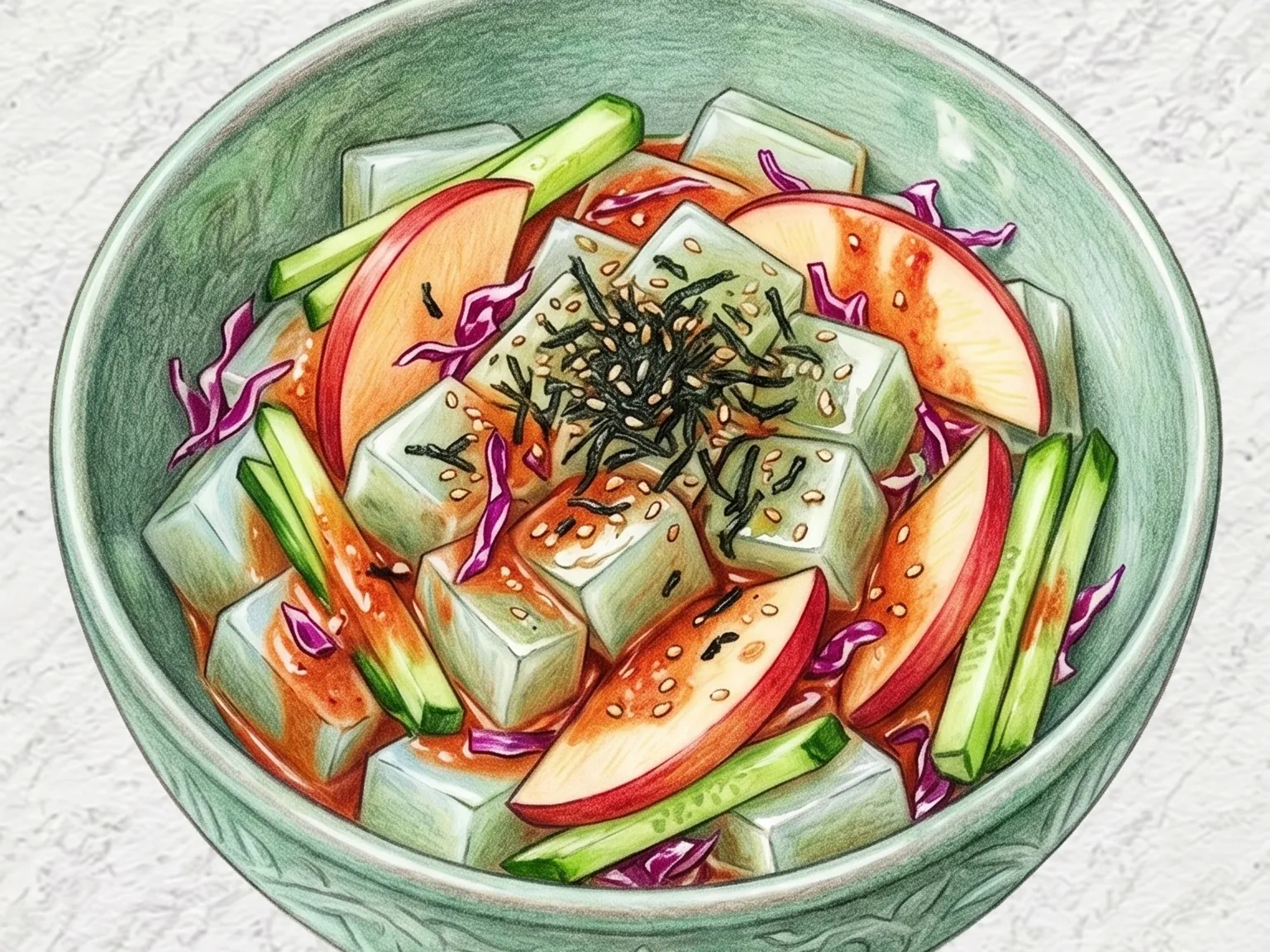
Sesame-dotorimuk-muchim is an acorn jelly salad that begins by slicing 400 grams of dotorimuk into 1-centimeter-thick pieces and blanching them for 20 seconds to firm up the surface and make the jelly more resilient to tossing. Julienned cucumber and thinly sliced onion - soaked briefly in cold water to remove sharpness - join the jelly in a bowl. The dressing of soy sauce, vinegar, red pepper flakes, and sesame oil brings a sharp, tangy bite that contrasts with the neutral mildness of the acorn jelly. Generous sesame seeds are scattered on top, and the dish rests for five minutes before serving so the dressing can seep into the jelly's porous surface. The result is a light, refreshing banchan with a range of textures from springy to crisp.

Korean Dongchimi Buckwheat Noodles
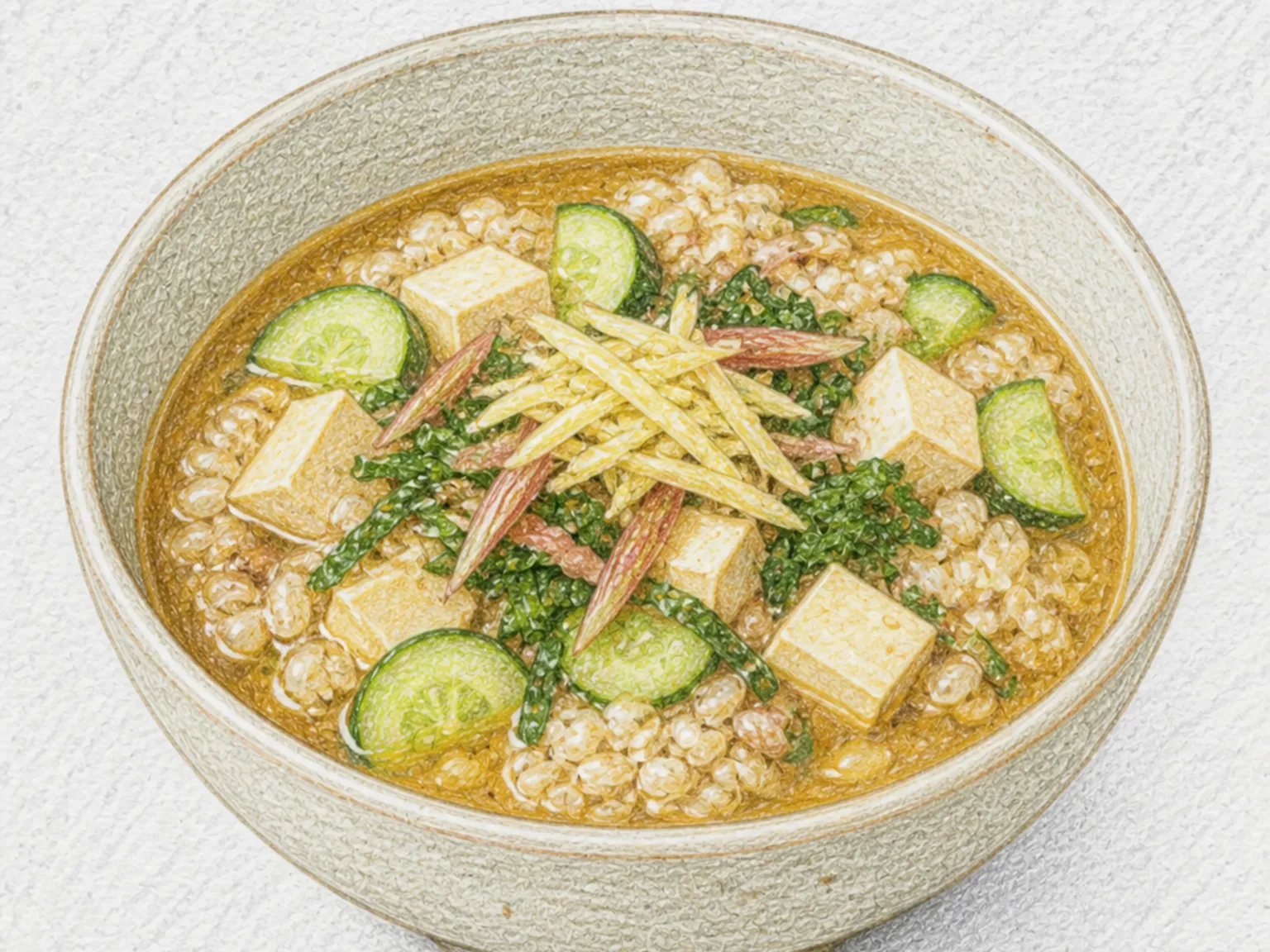
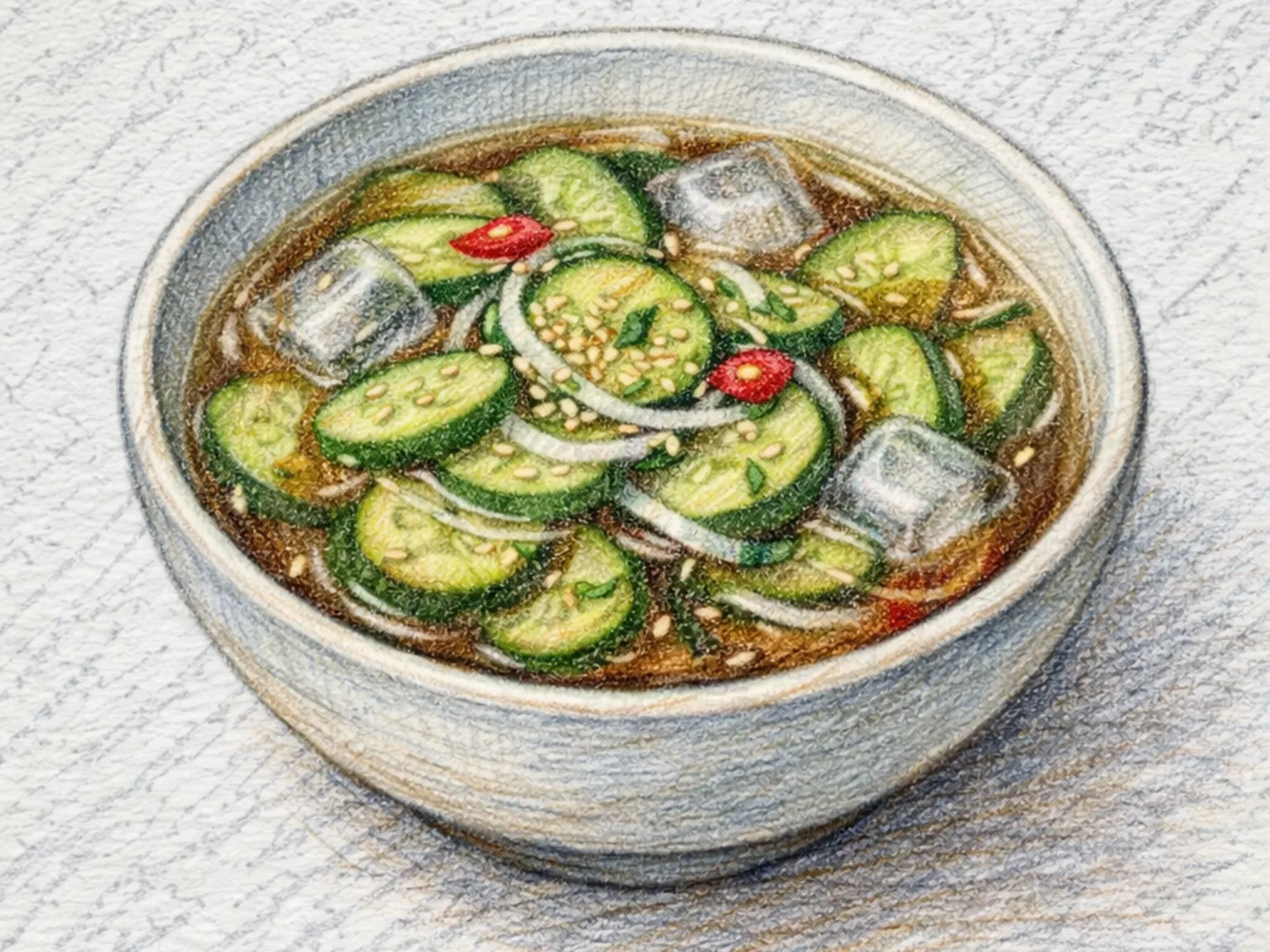
Dongchimi makguksu is a Gangwon-do cold noodle dish of buckwheat noodles in the broth of well-fermented dongchimi, a white water kimchi of salted radish. The broth is strained clean and chilled in the freezer until a thin layer of ice crystals forms on the surface, which sharpens the tangy, lactic acidity to its fullest. Buckwheat noodles are rinsed thoroughly in cold water after cooking to strip away all surface starch, keeping the broth clear and clean around each strand. Julienned Korean pear contributes fruit sweetness and a juicy texture against the chewy noodles. Korean mustard, stirred in at the table, delivers a sharp nasal heat that punctuates each cold sip. The bowl contains no fat at all, making it one of the lighter noodle dishes in Korean cuisine and a natural palate-cleanser after rich, oily meat such as samgyeopsal or suyuk.

Korean Melon Cucumber Perilla Salad
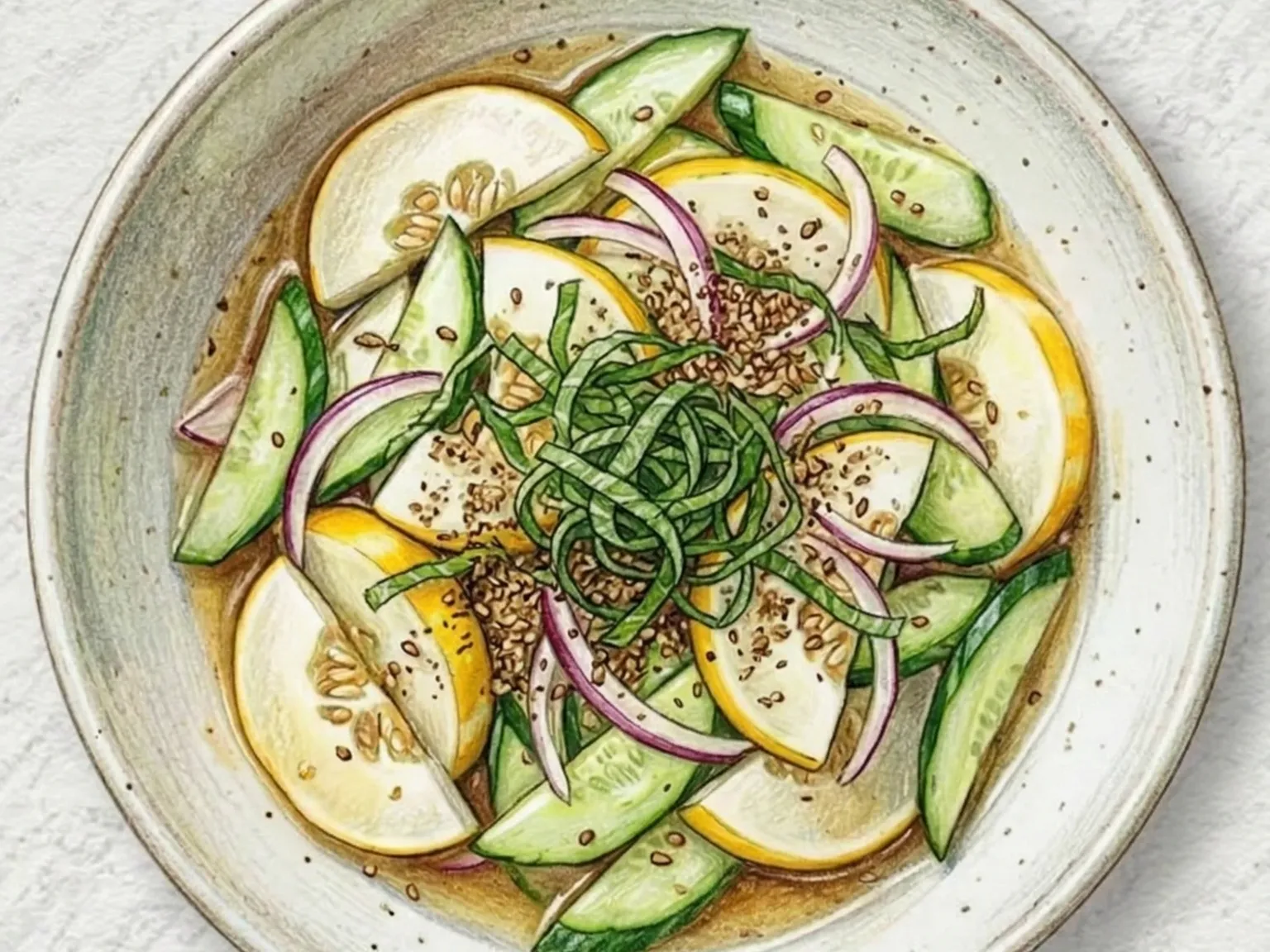
Korean melon, cucumber, and perilla seed salad uses chamae and cucumber as the main ingredients of a refreshing summer side dish. Chamae is cut into half-moons to expose the pale, sweet flesh, and cucumber is sliced on the diagonal to maximize surface area for the dressing to cling to. Red onion goes into cold water for five minutes before being added to the bowl, which draws out the sharpness while leaving the crunch. Perilla leaves are stacked, rolled tightly, and chiffonaded so their intense fragrance distributes evenly rather than concentrating in one spot. The dressing is ground perilla seed, lemon juice, olive oil, and honey. Adding the ground perilla seed just before serving preserves its toasted, nutty aroma, which fades quickly once it comes into contact with wet ingredients. After ten minutes in the refrigerator, the natural juice released from the chamae blends with the dressing into a light, pooled sauce at the bottom of the bowl. Lemon acidity and the nuttiness of perilla seed draw out the melon's clean sweetness without masking it. The salad works as a standalone side or alongside grilled meat to cut through the fat.

Korean Konjac Noodle Salad
Silgonyak-chae-muchim tosses 250 grams of blanched konjac noodles with julienned cucumber, carrot, and onion in a gochujang-based dressing spiked with vinegar, sugar, soy sauce, and garlic. Blanching the noodles for two minutes removes their faint alkaline smell and softens their rubbery chew to a pleasant springiness. The vegetables provide crisp contrast - cucumber adds a cool snap, carrot a mild sweetness, and onion a sharp bite. The dressing clings to the translucent noodles, turning them a vivid reddish hue. At only 95 calories per serving, this banchan relies on texture and bold seasoning rather than fat for its appeal. Chilling for 10 minutes before serving firms up the noodles and intensifies the tangy-spicy flavor profile.

Korean Acorn Jelly Somyeon
Dotorimuk chae somyeon is a chilled Korean noodle dish that combines boiled somyeon and sliced acorn jelly in cold dongchimi radish water kimchi broth. The acorn jelly has a soft, slippery texture that contrasts with the fine, springy strands of the wheat noodles, and the fermented tang of the dongchimi broth wraps everything in a clean, refreshing acidity. Julienned cucumber adds crunch and a cool freshness, while a piece of kimchi contributes a spicy-savory accent. Refrigerating the acorn jelly or briefly soaking it in ice water beforehand keeps it firmer so it holds its shape when tossed with the noodles. A light drizzle of sesame oil and a scatter of sesame seeds bring a nutty warmth that plays well against the cold broth, making this a genuinely appetite-reviving meal for hot summer days.

Charred Corn Bulgur Gochujang Salad
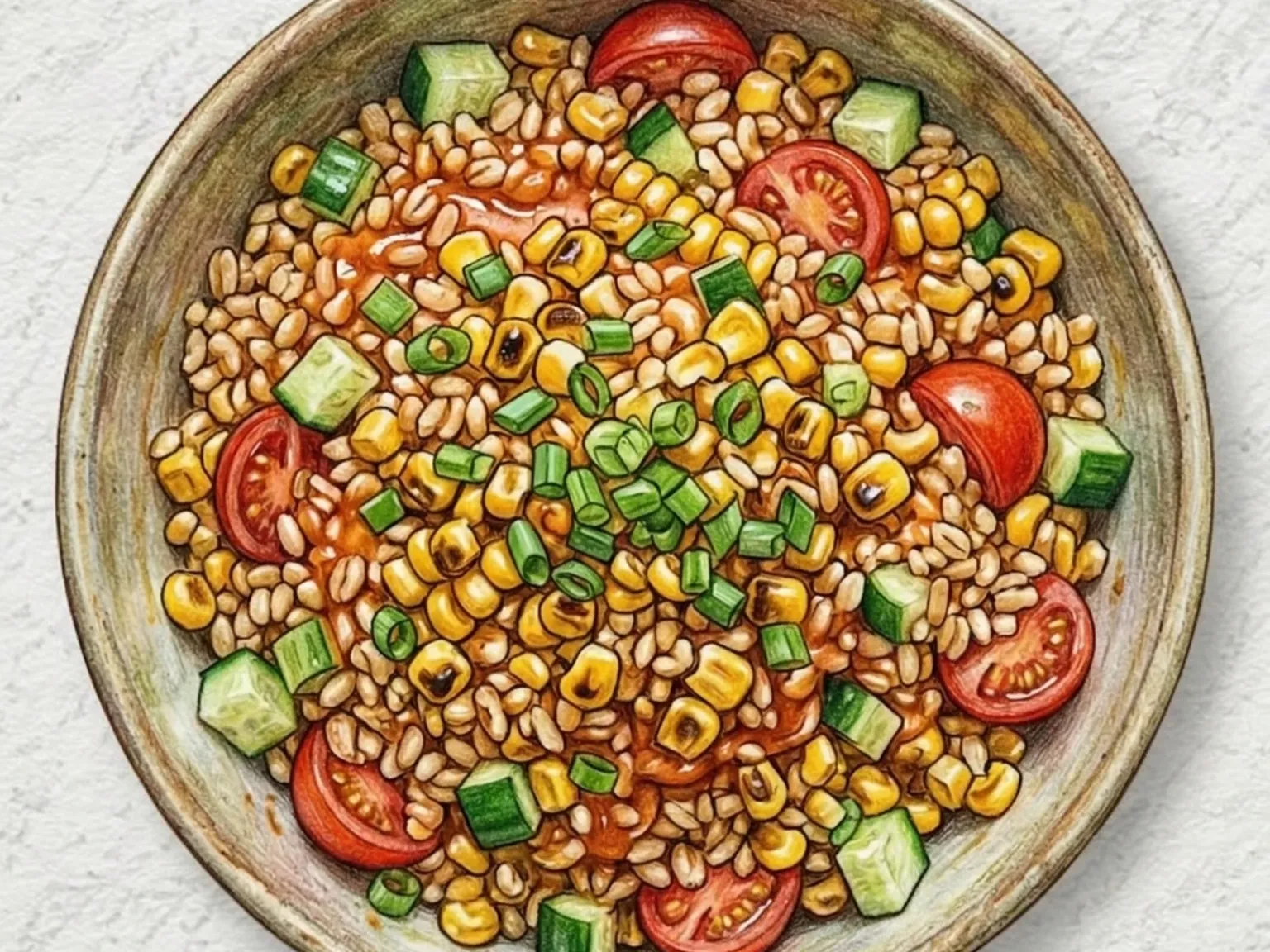
Charred corn bulgur gochujang salad dry-chars corn kernels in a hot pan for three minutes to caramelize their natural sugars, then combines them with bulgur wheat cooked for eight minutes to a chewy, al dente finish. A smooth dressing of gochujang, olive oil, apple cider vinegar, and maple syrup coats the grains in spicy-sweet Korean flavor, and diced cucumber with halved cherry tomatoes provides moisture and bright acidity. Pulling the bulgur while still slightly firm prevents it from turning mushy, and resting the assembled salad for 10 minutes at room temperature allows the grains to absorb the dressing fully, deepening the flavor. Thinly sliced scallions add a mild onion note at the end. The whole salad comes together in about 30 minutes, making it practical as a weekday lunch or a light standalone meal.

Korean Raw Fish Cold Noodles
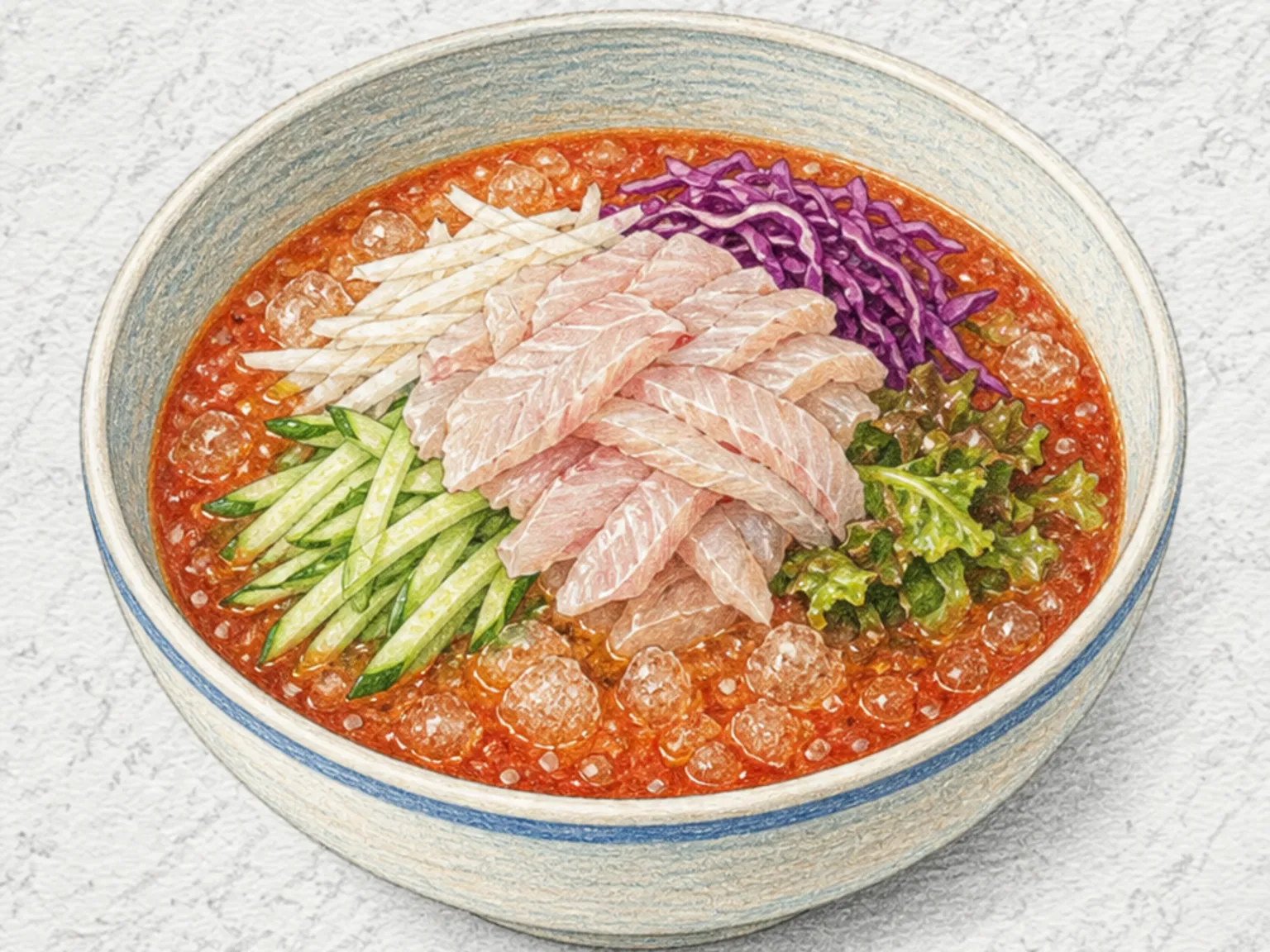
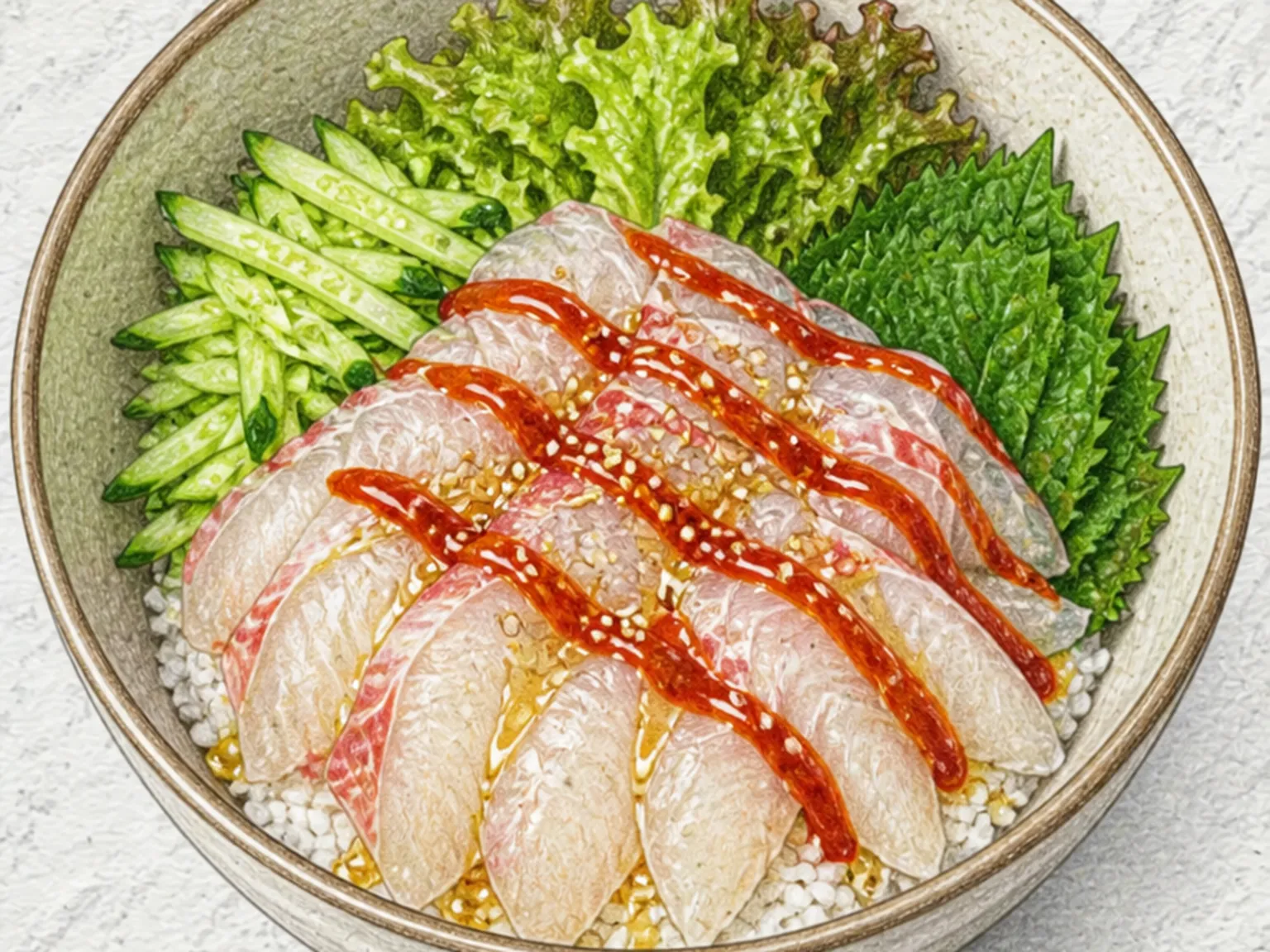
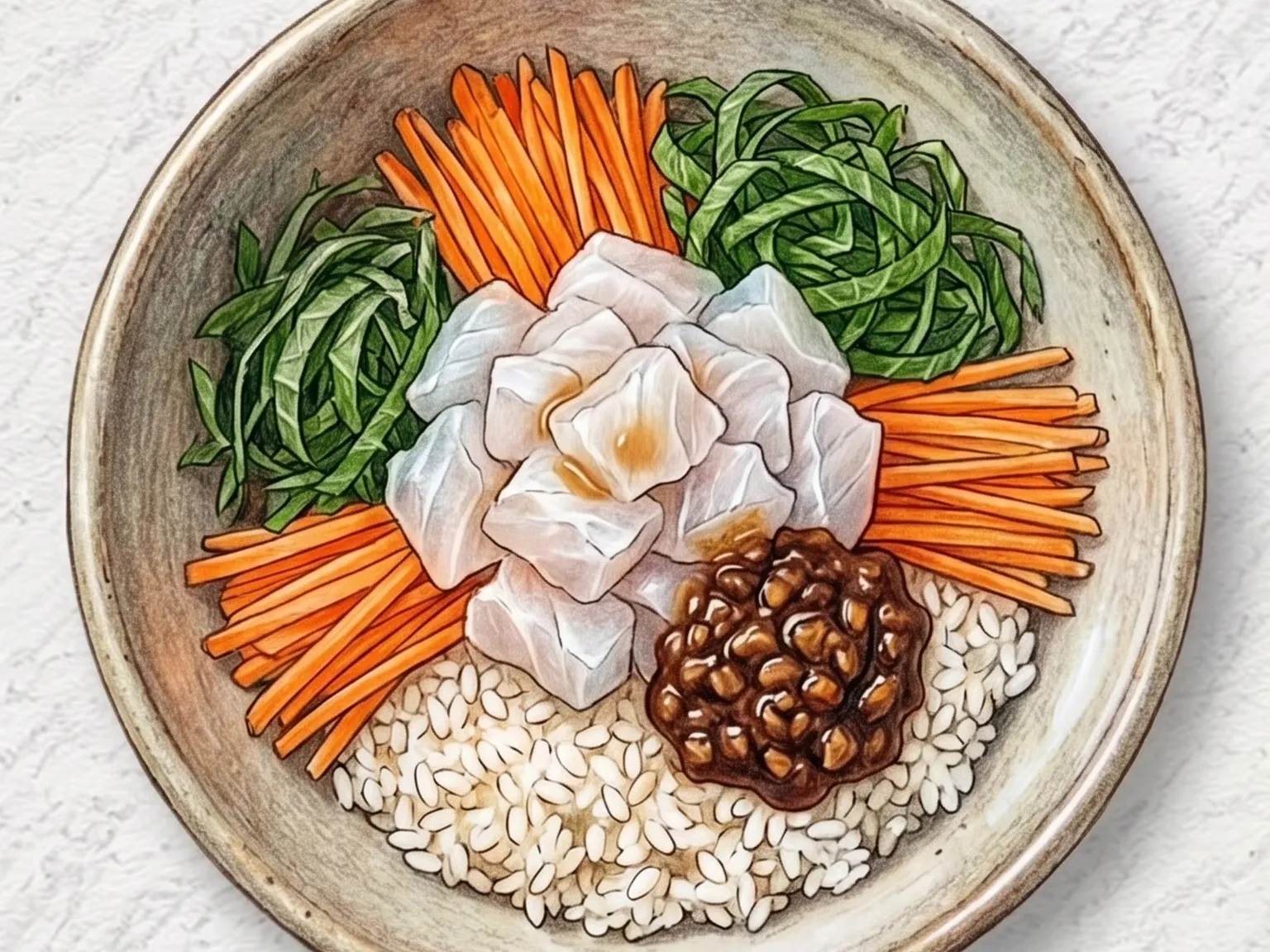
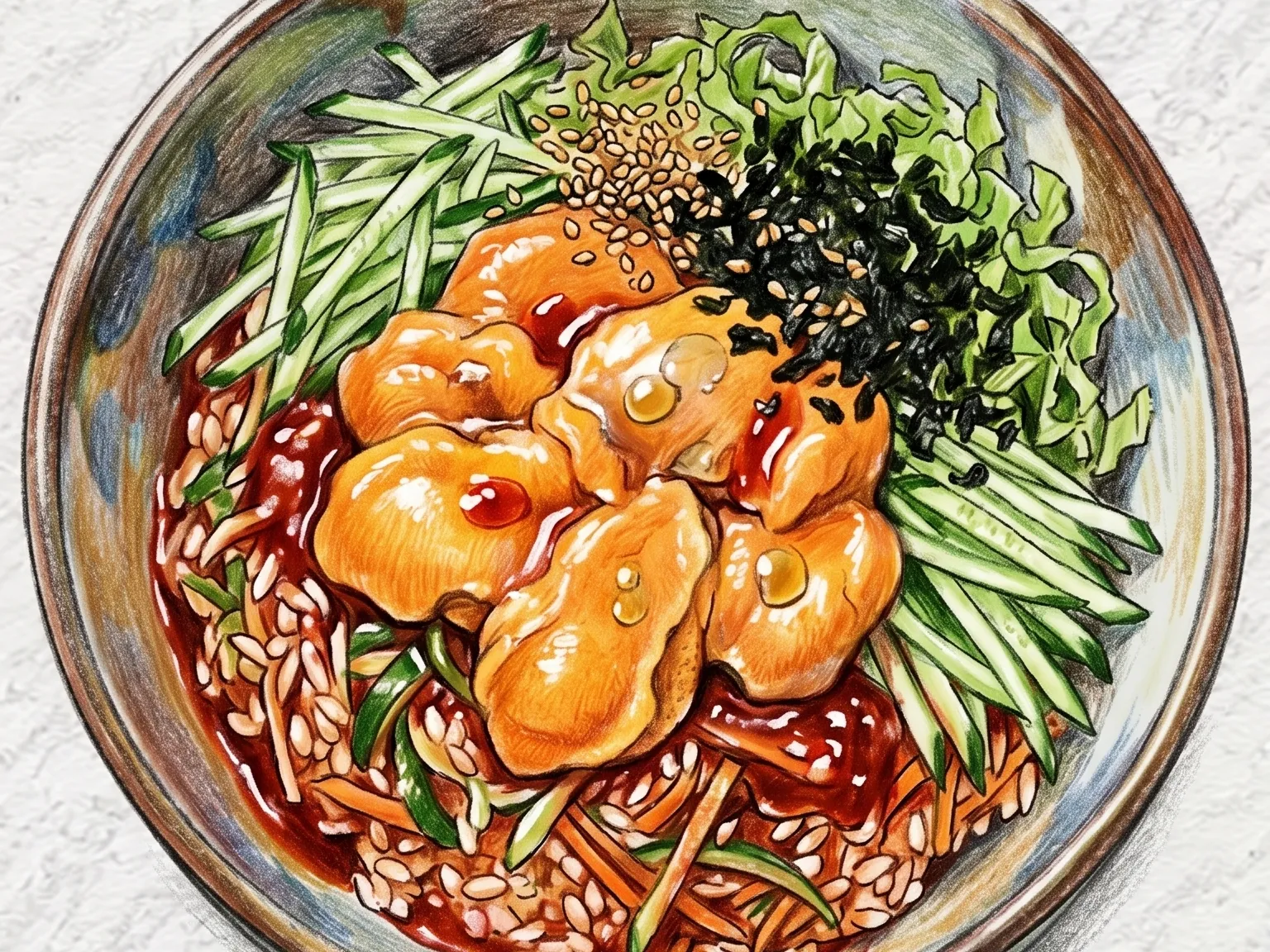
Hoe naengmyeon places slices of fresh white fish sashimi over chewy cold buckwheat noodles and brings everything together with a spicy-sweet sauce. The gochujang-based dressing is built with generous amounts of vinegar and sugar, so the heat arrives alongside a sharp tang that complements the mild, springy texture of the fish rather than overpowering it. The fish should be sliced thin and evenly so that it distributes throughout the noodles when mixed. Shredded cucumber and radish contribute a cool crunch that contrasts with the silky sashimi and the dense chewiness of the noodles beneath. A halved soft-boiled egg and a scattering of sesame seeds finish the bowl. The dish is meant to be mixed vigorously so that every strand of noodle, piece of fish, and strip of vegetable is coated in the vivid red sauce, though eating it piece by piece before mixing lets you taste each component separately. The dish traces its roots to the cold noodle culture of the Sokcho and Hamhung regions in Gangwon Province and is now a popular summer specialty at naengmyeon restaurants and raw fish eateries across the country.

Chicken Avocado Salad
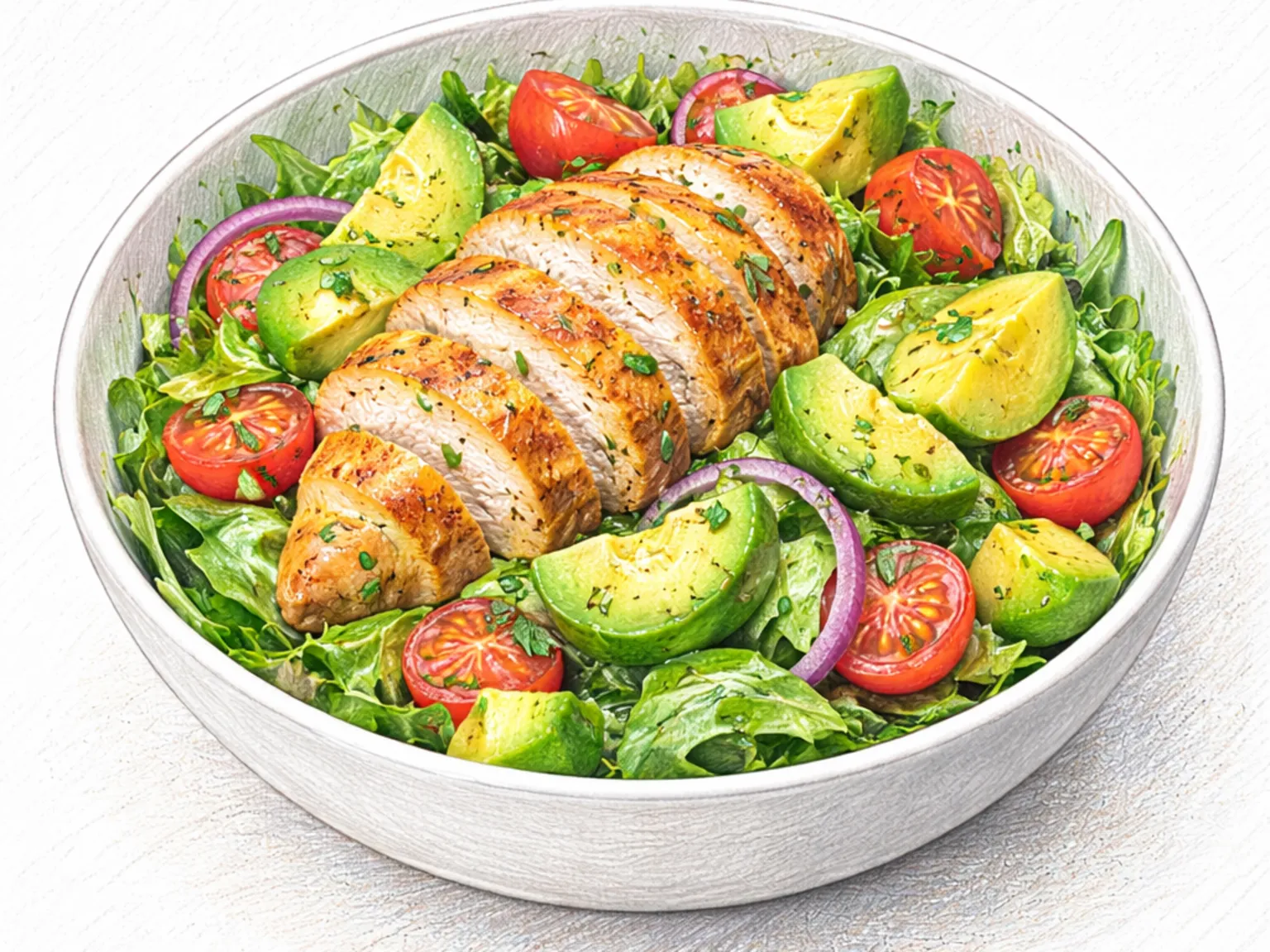
Chicken avocado salad is a high-protein main dish salad that pairs pan-cooked chicken breast with ripe avocado over romaine lettuce, dressed in a simple lime and olive oil vinaigrette. The chicken must rest and cool completely before slicing so the juices redistribute inward rather than running out onto the cutting board, keeping the meat moist rather than dry. Avocado is sliced just before serving to maintain its creamy texture and prevent the surface from browning. Romaine provides a crunchy base that contrasts with the soft avocado, cucumber adds clean hydration, and cherry tomatoes contribute sharp acidity that prevents the bowl from feeling heavy or greasy. The dressing is deliberately minimal - just lime juice and olive oil - but the citrus acidity cuts through the avocado fat cleanly, creating a bright finish that keeps the overall plate feeling light despite the substantial protein content. The result is a salad that satisfies as a full meal without the denseness of cooked grains or hot dishes.

Korean Spicy Platter Noodles
Jaengban-guksu is a large-platter noodle dish where boiled somyeon and a generous pile of fresh, crunchy vegetables are tossed together in a spicy-tangy dressing. Shredded cabbage, julienned cucumber, matchstick carrot, and torn lettuce each contribute distinct textures that contrast with the tender noodles, while the dressing - gochujang blended with vinegar, sugar, and soy sauce - fires through sweet, sour, and spicy notes in quick succession. Sesame oil and toasted sesame seeds weave a nutty warmth through the dish that softens the dressing's sharpness without dulling it. After boiling, the somyeon should be rinsed thoroughly in cold water to wash off excess starch; this step allows the dressing to coat each strand evenly and prevents the noodles from clumping on the tray. Using more vegetables than seems necessary is actually recommended, since they distribute the dressing as the noodles are tossed and add contrast in every forkful. The dish is traditionally served on a single wide tray for communal mixing at the table, making it a natural fit for gatherings and outdoor outings.

Chicken Quinoa Power Salad
Chicken quinoa power salad brings together pan-seared chicken breast, quinoa simmered for 12 minutes then cooled, romaine lettuce, cucumber, and bell pepper in a single bowl built for a complete, balanced meal. Resting the chicken for three minutes after searing gives the juices time to redistribute inward so every slice stays moist rather than losing liquid at the cut surface. Rinsing the quinoa before cooking removes saponins that leave a bitter residue even after boiling. A dressing of Greek yogurt, lemon juice, and olive oil provides creamy tartness at a low calorie count, and the fermented tang of the yogurt complements the raw vegetables without overpowering them. Bell pepper's natural sweetness adds color and brightness alongside the lean chicken, and the combination of textures - crisp lettuce, tender grain, firm seared meat - makes each forkful more satisfying than its ingredients suggest individually.

Korean Spicy Chewy Noodles
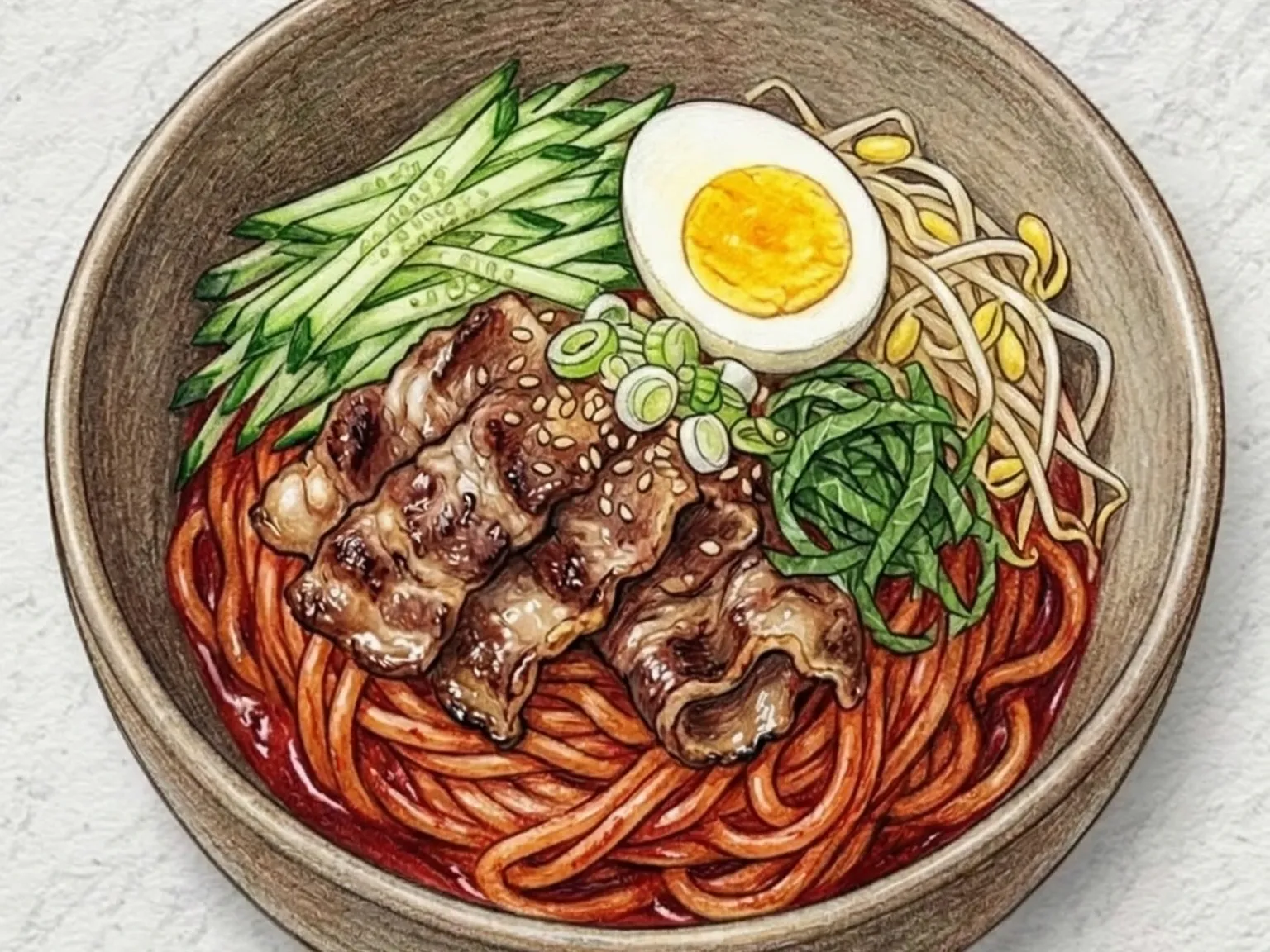
Jjolmyeon is a Korean cold noodle dish built around unusually thick, springy wheat noodles that were accidentally invented at an Incheon noodle factory in the 1970s. The noodles are boiled, rinsed in ice water to firm up their chewy texture, then dressed in a sweet-sour-spicy sauce made from gochujang, vinegar, sugar, soy sauce, and sesame oil. Shredded cabbage and julienned cucumber are chilled separately and piled on top, giving each bite a crisp contrast to the bold sauce. A halved boiled egg adds a creamy counterpoint to the heat. The dish is served cold and eaten after thorough mixing, making it a go-to summer meal and late-night snack across Korea.

Chwinamul Apple Doenjang Salad
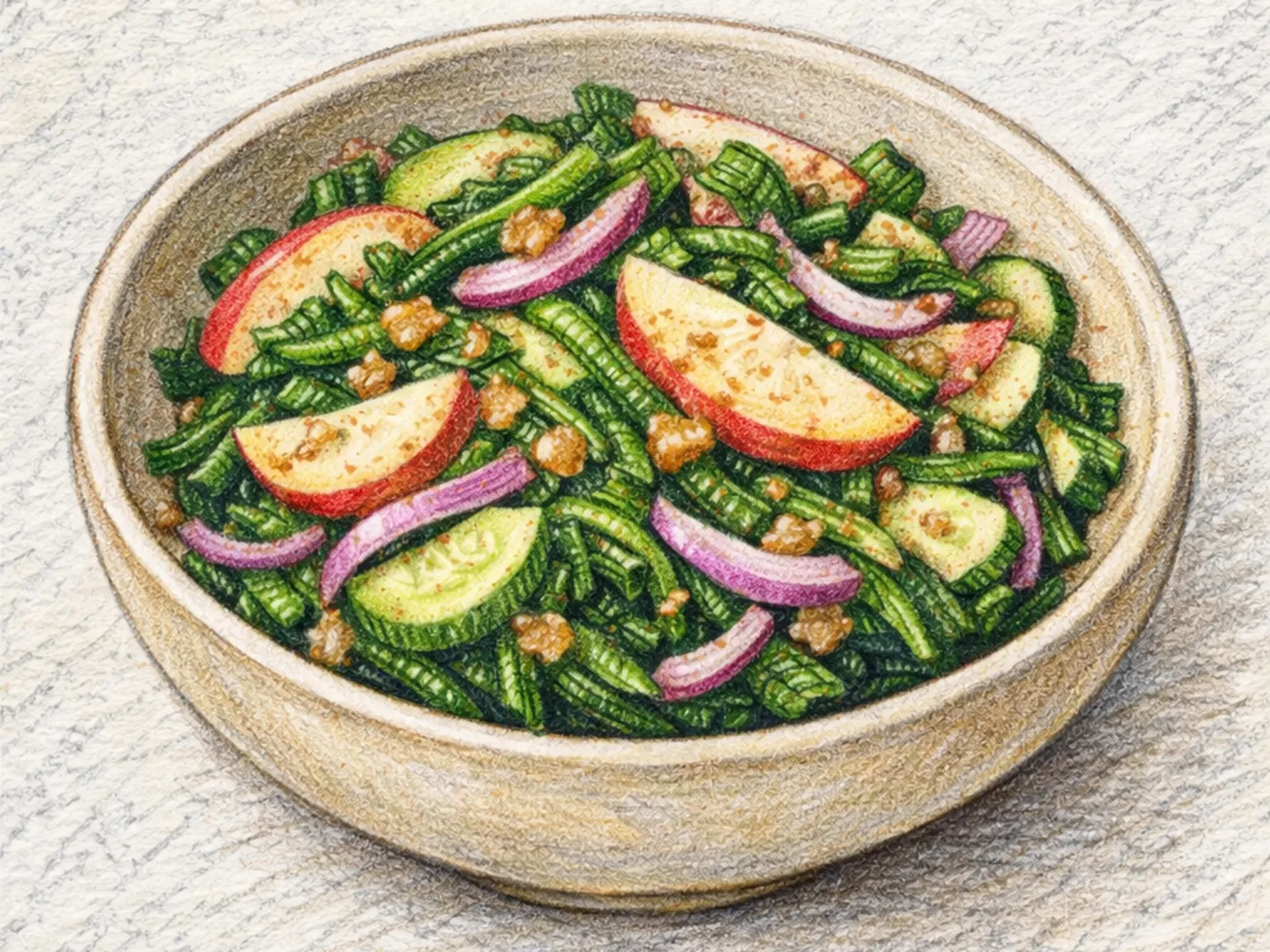
Chwinamul (aster scaber) is blanched briefly to preserve its herbal, slightly bitter character, then combined with thin-sliced apple and cucumber for crisp sweetness. The dressing is built on doenjang -- Korean fermented soybean paste -- which contributes a depth of savory umami uncommon in typical salad dressings, and a few drops of perilla oil add a nutty, lingering aftertaste. Red onion provides a sharp, pungent edge that keeps the salad from feeling heavy. Blanching time is critical: more than thirty seconds in boiling water strips both the fragrance and the green color, so the chwinamul should be transferred immediately to ice water to stop cooking. When made with freshly harvested spring chwinamul, the herbal aroma comes through at full intensity, and the doenjang dressing makes it a natural fit alongside other dishes on a Korean table.

Korean Buckwheat Mixed Noodles
Memil makguksu is a Gangwon-do regional dish where nutty buckwheat noodles are mixed with a soy sauce, vinegar, and gochugaru dressing that balances sweet, sour, and spicy notes. Buckwheat noodles have low gluten content and break apart easily when overcooked, so precise timing is essential during boiling. Rinsing several times in cold water removes surface starch and prevents clumping. Chopped kimchi brings fermented tang and a crunchy bite, while julienned cucumber adds freshness and a crisp contrast. A touch of sesame oil gives the dressing a glossy richness, and extra vinegar can be added at the table to sharpen the acidity to individual preference.

Couscous Herb Salad
Couscous is hydrated in hot water for five minutes until each grain separates and fluffs up, then mixed with a generous quantity of flat-leaf parsley, diced cucumber, and halved cherry tomatoes. The dressing is intentionally sparse - lemon juice, olive oil, salt, and pepper - letting the grain absorb the citrus brightness without competing flavors getting in the way. Because herbs make up a significant portion of the volume, this reads more like a tabbouleh than a heavy grain salad, with a clean freshness that makes it easy to eat in large portions. Couscous holds its texture at room temperature better than most grains, meaning the salad does not go soggy in a packed lunch container or on a picnic spread. Adding fresh mint, a handful of chopped cilantro, or a pinch of lemon zest shifts the flavor toward something sharper and more aromatic, while crumbled feta adds a salty, creamy contrast that transforms it into a more substantial dish.

Korean Cold Buckwheat Noodles
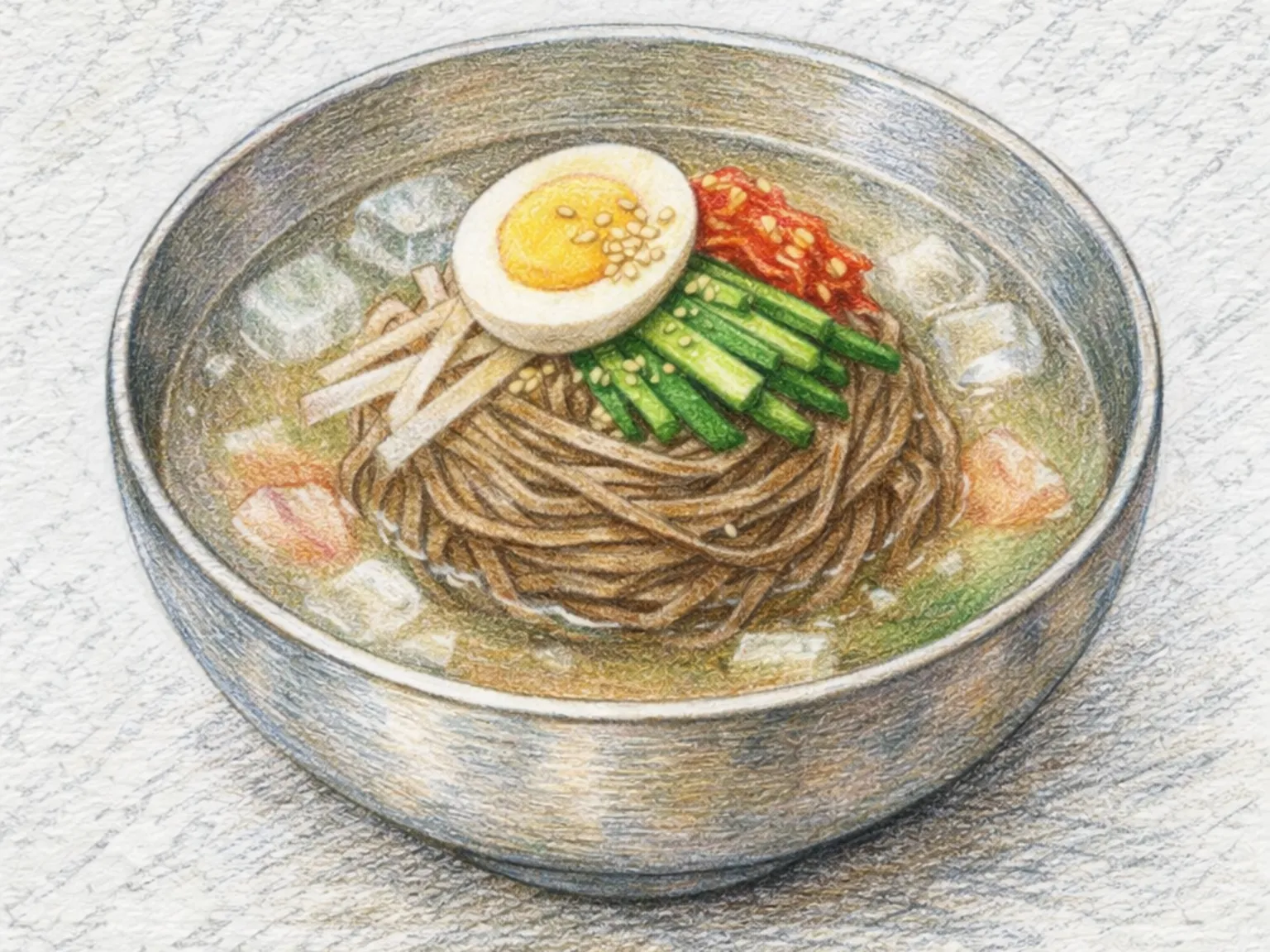
Mul naengmyeon is a Korean cold noodle dish in which firm buckwheat noodles are served in a clear broth chilled to a near-slushy, half-frozen state. Placing the broth in the freezer for about an hour until thin ice crystals form at the surface maximizes the cold shock on the first sip, which is central to the dish's appeal. The noodles are boiled briefly and then rubbed under cold running water to strip away excess buckwheat starch and its distinct raw odor, with a final rinse in ice water to firm the strands and restore their spring. Julienned cucumber and thinly sliced pickled radish add recurring crunch that offsets the smooth, icy broth, while a halved hard-boiled egg provides a rich, creamy yolk that anchors the otherwise lean liquid. Vinegar stirred in at the table sharpens the overall flavor with bright, clean acidity, and Korean mustard dissolved in a small spoonful of broth adds a penetrating sinus heat that cuts through the cold. The dish traces its origins to Pyongyang-style cold noodles, but regional variations using beef, chicken, or dongchimi radish kimchi broth as the base produce noticeably different flavor profiles, all bound by the same insistence on extreme coldness and a long, chewy noodle.

Dotori-Muk Vegetable Salad (Acorn Jelly Salad)
Dotori-muk (acorn jelly) is cut into bite-sized blocks and served with fresh lettuce, cucumber, and perilla leaves in this Korean salad. The jelly's smooth, firm texture creates a distinct contrast against the crunchy vegetables, while scallion lifts the overall aroma. A seasoning sauce of soy sauce, vinegar, gochugaru, and sesame oil gives the mild-flavored jelly a salty-tangy kick. Acorn jelly is notably low in calories and high in dietary fiber, and the tannins from acorn starch are traditionally believed to support digestion. The sesame oil and gochugaru in the dressing add a glossy richness and depth that transforms the otherwise neutral jelly into a cohesive, satisfying dish. Served chilled during summer, it works equally well as a light banchan when appetite runs low or as a refreshing standalone bowl.

Korean Myeongi Jangajji Bibim Udon (Wild Garlic Pickle Udon)
Myeongi jangajji bibim udon is a Korean mixed noodle dish where springy udon noodles are tossed with sliced soy-pickled wild garlic, gochujang sauce, canned tuna, and julienned cucumber. The pickle brine is used in place of plain vinegar in the dressing, which introduces a fermented depth that regular acidity cannot replicate. Squeezing excess moisture from the pickled leaves before slicing ensures they distribute evenly among the noodles. Drained tuna adds protein and a savory richness, while the cucumber brings a crisp, watery crunch that counterbalances the salty pickles and spicy gochujang. Draining the udon thoroughly after cooking is essential so the sauce stays concentrated and coats each strand.

Tofu Salad (Pan-Seared Tofu on Fresh Greens)
Dubu salad is made by pressing firm tofu to remove excess moisture, then pan-searing it until the outside turns golden and crisp while the inside stays soft and tender. The seared tofu is placed over a bed of baby greens, sliced cucumber, and cherry tomatoes. Wrapping the tofu in two layers of paper towels and setting a weight on top for twenty to thirty minutes draws out enough water so the surface browns properly in the pan without steaming. A dressing of soy sauce, sesame oil, lemon juice, and olive oil moves easily between Korean and Western flavor profiles. The salad is high in plant protein and low in fat, making it a practical and satisfying option when a light, clean-tasting meal is the goal.