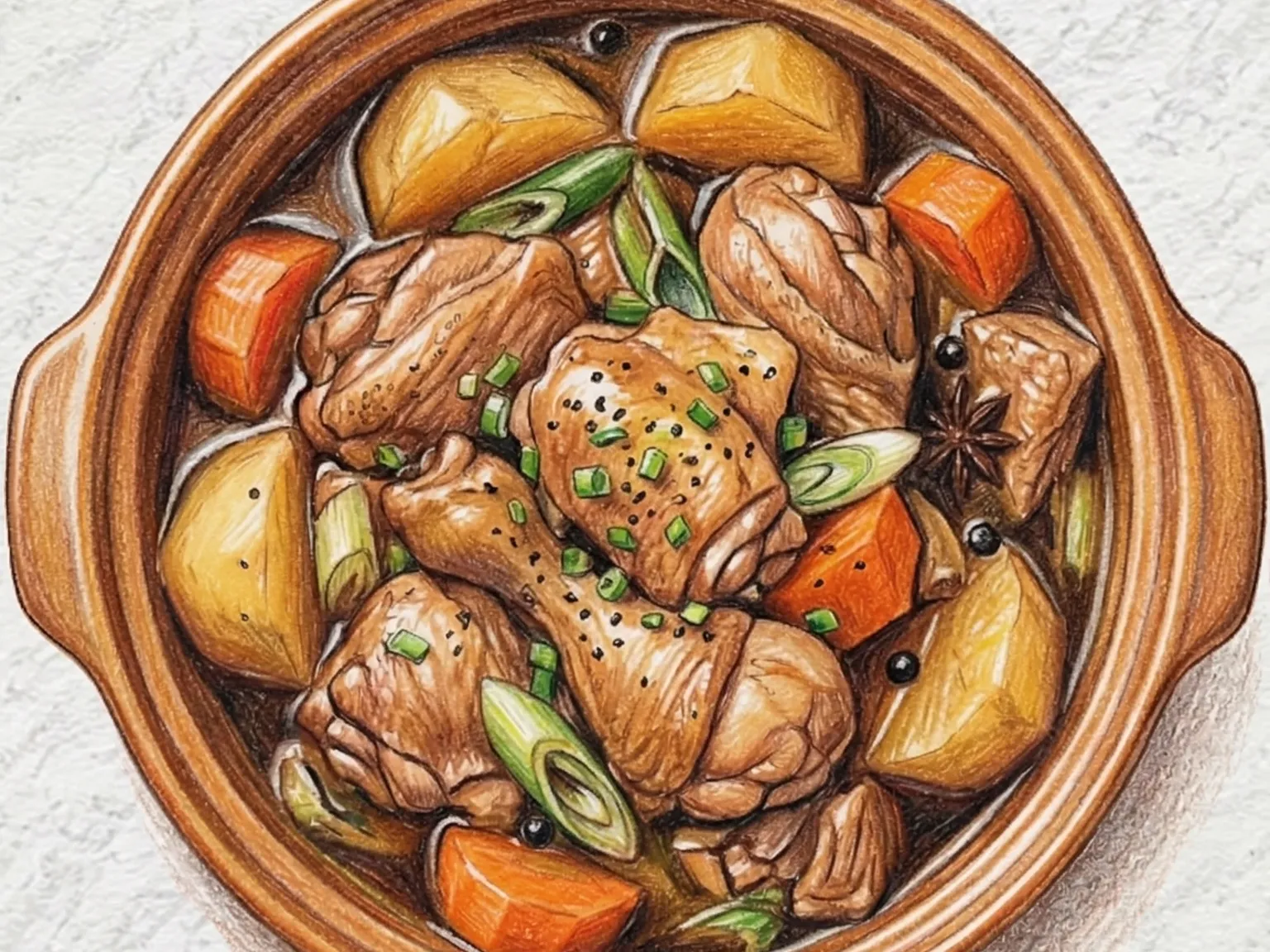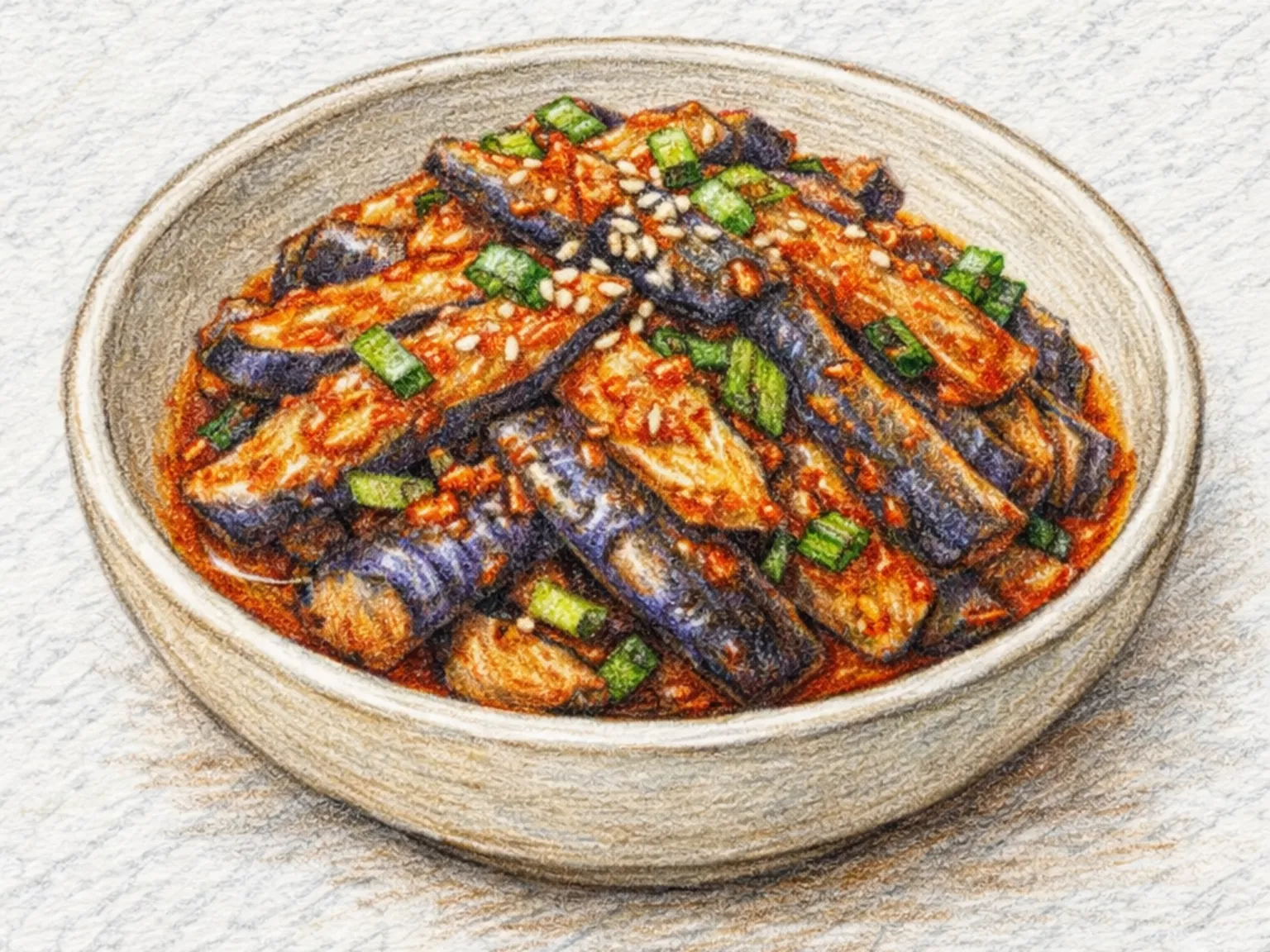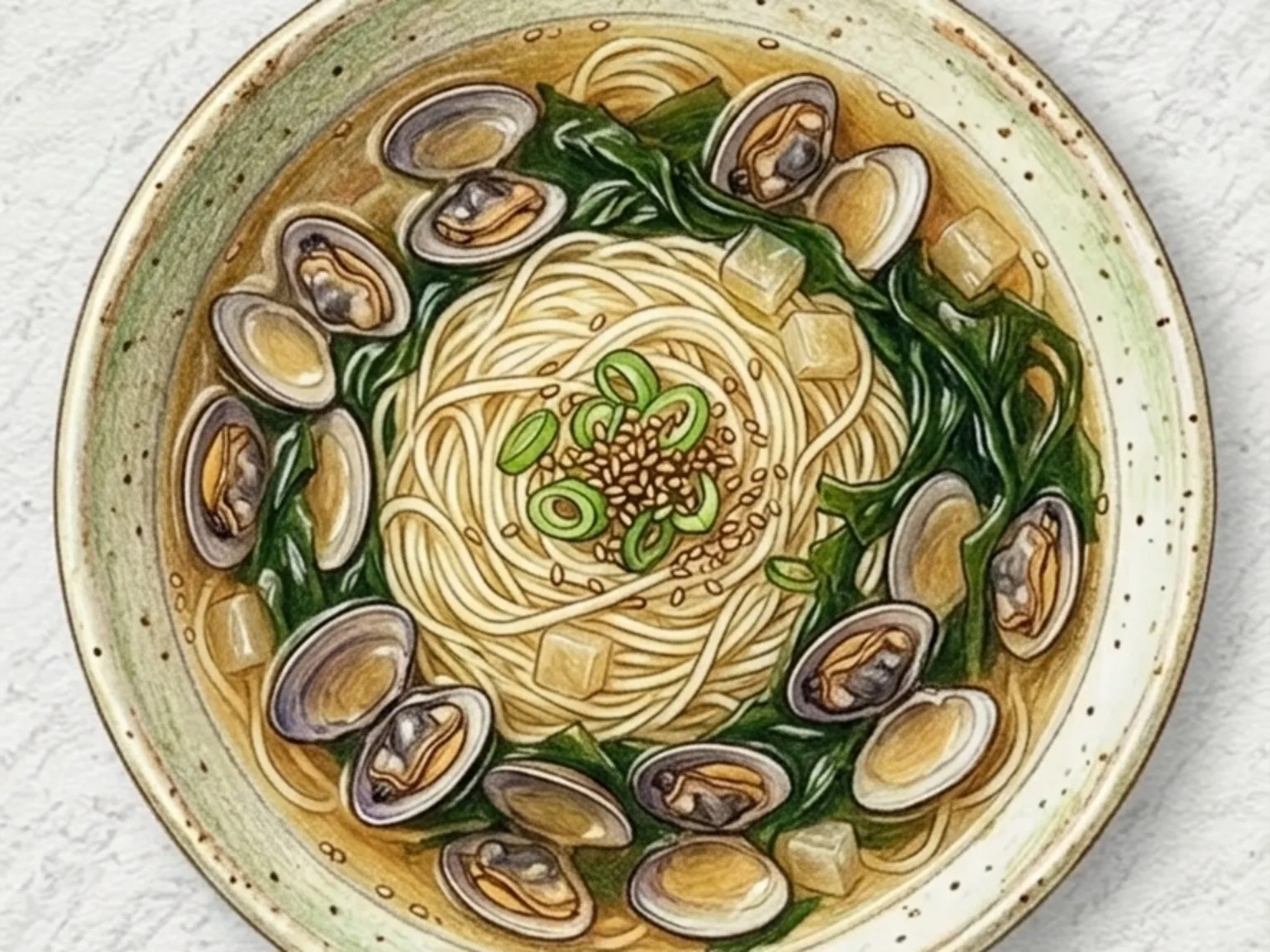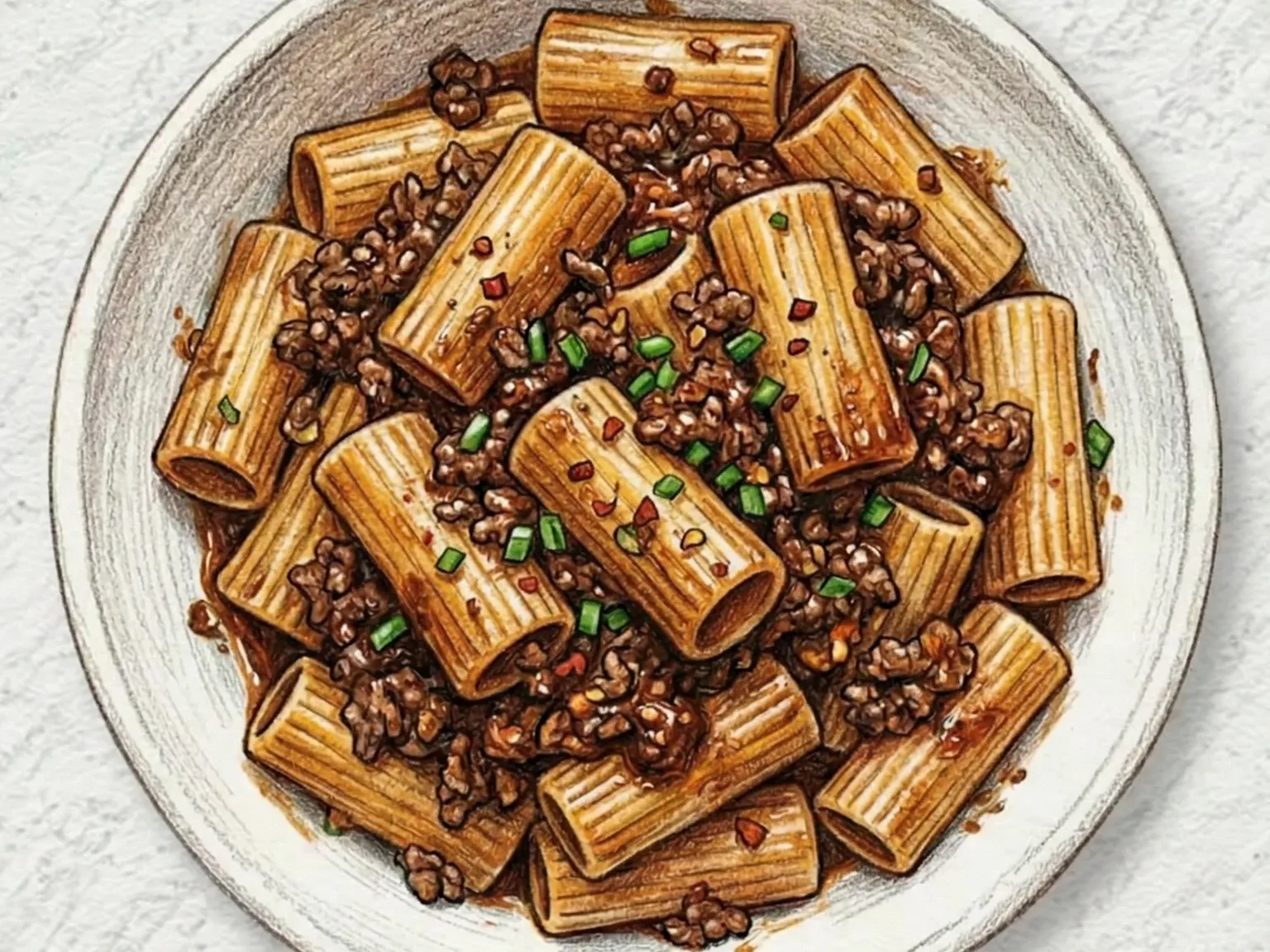
Red Lentil Soup
Red lentil soup is a Middle Eastern and Mediterranean staple made by simmering red lentils with cumin, turmeric, and vegetable stock until the lentils dissolve into a silky, golden broth. Onion and garlic are sauteed in olive oil, then the ground spices are toasted briefly to bloom their earthy, warm aromatics into the fat, which flavors the entire pot. Red lentils require no soaking - they go straight into the stock and break down within twenty to twenty-five minutes, their skins splitting apart to create a naturally creamy texture without the need for blending. A generous squeeze of lemon juice at the end is essential, cutting through the heaviness of the spices with a bright, clean acidity. A final drizzle of olive oil over each bowl adds a layer of richness that deepens every spoonful.

Soybean Paste Stew with Clams
Doenjang jjigae with clams is one of the most frequently made stews in Korean households, built on the combination of fermented soybean paste's deep, earthy flavor and the clean briny umami of manila clams. The clams are purged of sand before being added to a pot of doenjang-laced broth, where they open and release their salty, seawater-flavored liquor directly into the soup. The result transforms the base from something merely savory into something distinctly oceanic and complex. Zucchini softens in the bubbling broth and contributes a natural sweetness as it breaks down, while blocks of soft tofu act as sponges, soaking up the seasoned liquid and releasing it in a burst of hot, flavorful broth when bitten into. Sliced cheongyang chili peppers are added to interrupt the heaviness of the fermented paste and sharpen the overall flavor. The stew is typically served in an earthenware pot while still bubbling, alongside rice. Many Koreans ladle the broth directly over their bowl of rice. The recipe adapts to any season: assembled with leftover summer vegetables from the refrigerator for a lighter version, or cooked piping hot in a stone pot through winter.

Korean Tofu with Spicy Soy Dressing
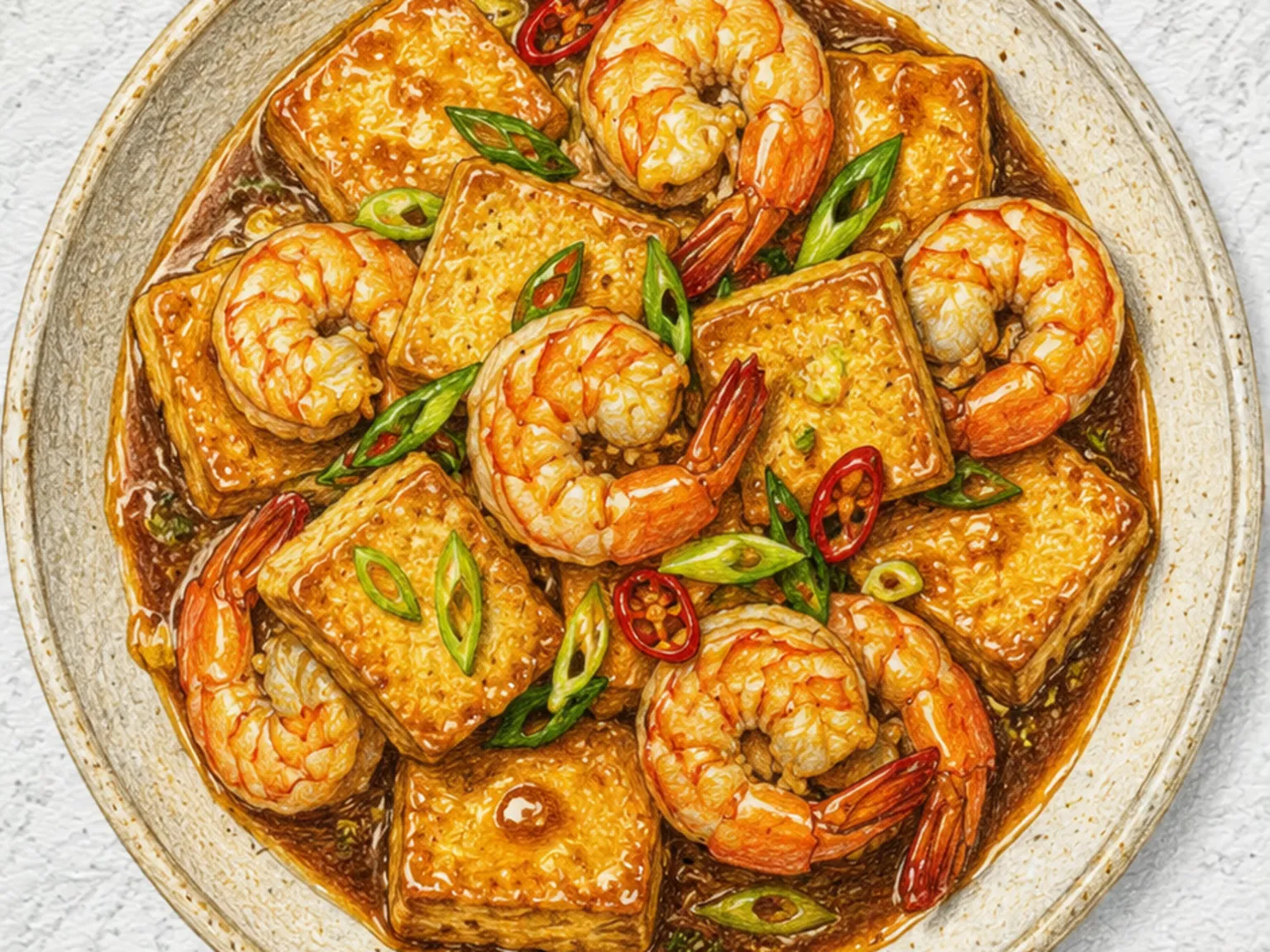
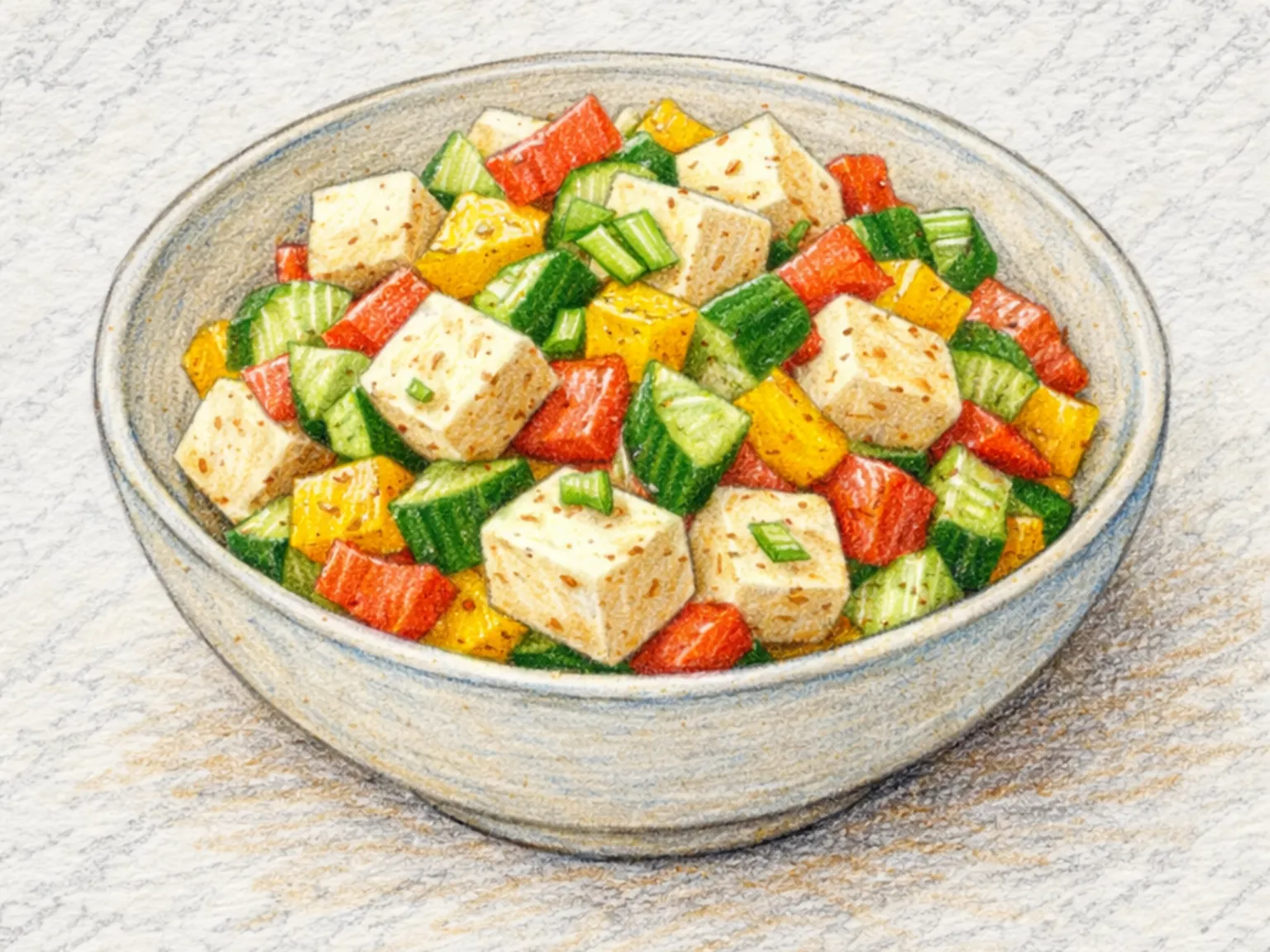
Dubu cheongyang ganjang muchim is a pan-fried tofu banchan that takes the classic dubu buchim in a sharper direction by centering the dressing on cheongyang chili, the hottest pepper in everyday Korean cooking. The most important part of the technique is getting a proper mahogany crust on the tofu. The pan must be hot before the tofu goes in, and the heat must stay high throughout. Too low a flame causes the tofu to steam in its own released moisture rather than sear, resulting in a soft surface with no textural contrast. When seared correctly, the outer layer becomes a firm, slightly chewy barrier while the interior stays silken and creamy. The dressing is raw and uncooked: soy sauce, minced cheongyang chili, scallion, garlic, and sesame oil combined without heat. It is poured over the tofu while the tofu is still steaming hot, which causes the raw garlic and chili to bloom slightly in the residual heat and release their full aromatic sharpness. Cheongyang pepper heat is clean and immediate rather than slow-building - it registers on the tongue quickly and fades without lingering the way dried gochugaru does. The dish is a natural pairing for mild, smooth soups like miyeok-guk, where the chili's sharpness provides a sharp counterpoint to the gentle seaweed broth. It also works alongside plain steamed rice as a standalone side.

Korean Spinach Soybean Paste Porridge
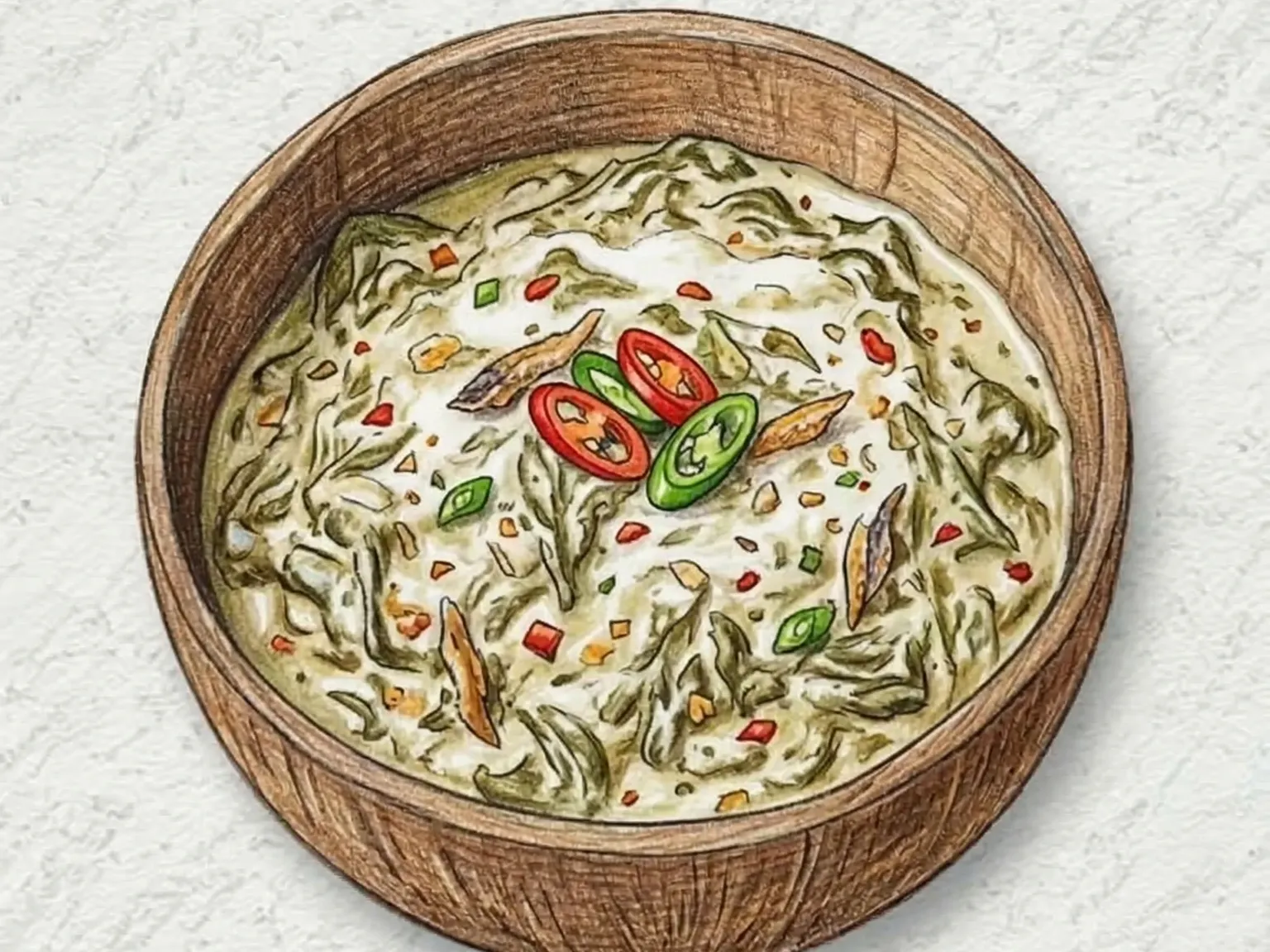
Sigeumchi doenjang-juk is a Korean porridge built on the deep, fermented savoriness of doenjang and the clean, mild green flavor of finely chopped spinach. Soaked rice is toasted in sesame oil first, which coats each grain with a nutty warmth before anchovy stock is poured in. Doenjang and minced garlic are stirred in early in the cooking process, giving the porridge time to develop a rich, rounded base flavor as the grains slowly break down into a thick, spoonable consistency. Spinach goes in at the very end and stays in the heat for no longer than thirty seconds, which is exactly enough time for the leaves to wilt while keeping their bright color and delicate grassy aroma intact. The fermented paste wraps around the slight bitterness naturally present in raw spinach, smoothing it out so the finished bowl tastes clean rather than sharp. This is a porridge that works as a restorative meal when the body needs something gentle, and it doubles just as well as a light, warming breakfast that does not demand much from the stomach in the morning.

Korean Doenjang Braised Tofu
Doenjang-dubu-jorim is a braised tofu banchan in which tofu slices are simmered in a broth of fermented soybean paste, water, and aromatics until the liquid reduces and the seasoning permeates the tofu throughout. Doenjang is a Korean fermented soybean paste with a deeply savory, earthy character distinct from Japanese miso, and its slow penetration into the porous interior of the tofu produces a richness that simple soy-seasoned tofu does not achieve. Zucchini and onion are added to the same pot, and their natural sweetness tempers the salt of the paste, giving the final braise a more balanced flavor. The tofu is braised until its surface firms slightly, which helps it hold its shape while the interior stays soft and fully seasoned. Any remaining braising liquid is well-seasoned and pairs naturally with a bowl of rice. It is an economical banchan that requires minimal preparation and stores in the refrigerator for several days.

Korean Gwangeo Yuja Ganjang Gui (Yuja Soy Grilled Flounder)
Gwangeo yuja-ganjang-gui is a Korean grilled flounder dish where fillets are brushed with a glaze of soy sauce, yuzu marmalade, minced garlic, and ginger juice, left to marinate for ten minutes, then cooked in olive oil over medium heat for three minutes per side. The yuzu marmalade introduces a bright citrus acidity that sits cleanly on top of the soy sauce depth, building a layered flavor profile over the neutral, clean-tasting flesh of the flounder. The two elements do not compete: the soy provides the savory foundation and the yuzu supplies the brightness that keeps the dish from feeling heavy or monotonous. Brushing the remaining glaze over the fish during a final two to three minutes on low heat is what creates the glossy, lacquered sheen on the surface, caramelizing slightly as the sugars in the yuzu marmalade concentrate and reduce against the hot pan. Lemon zest and thinly sliced green onion scattered over the finished fish add a final layer of fragrance that lifts the dish just before serving. Flounder is a delicate fish with thin fillets that break easily if handled carelessly, so flipping the fish only once with a wide spatula in a single, confident motion is the technique that keeps the flesh intact and the presentation clean. The combination of fermented soy and citrus suits the mild white fish without masking its natural flavor.

Korean Potato Perilla Seed Soup
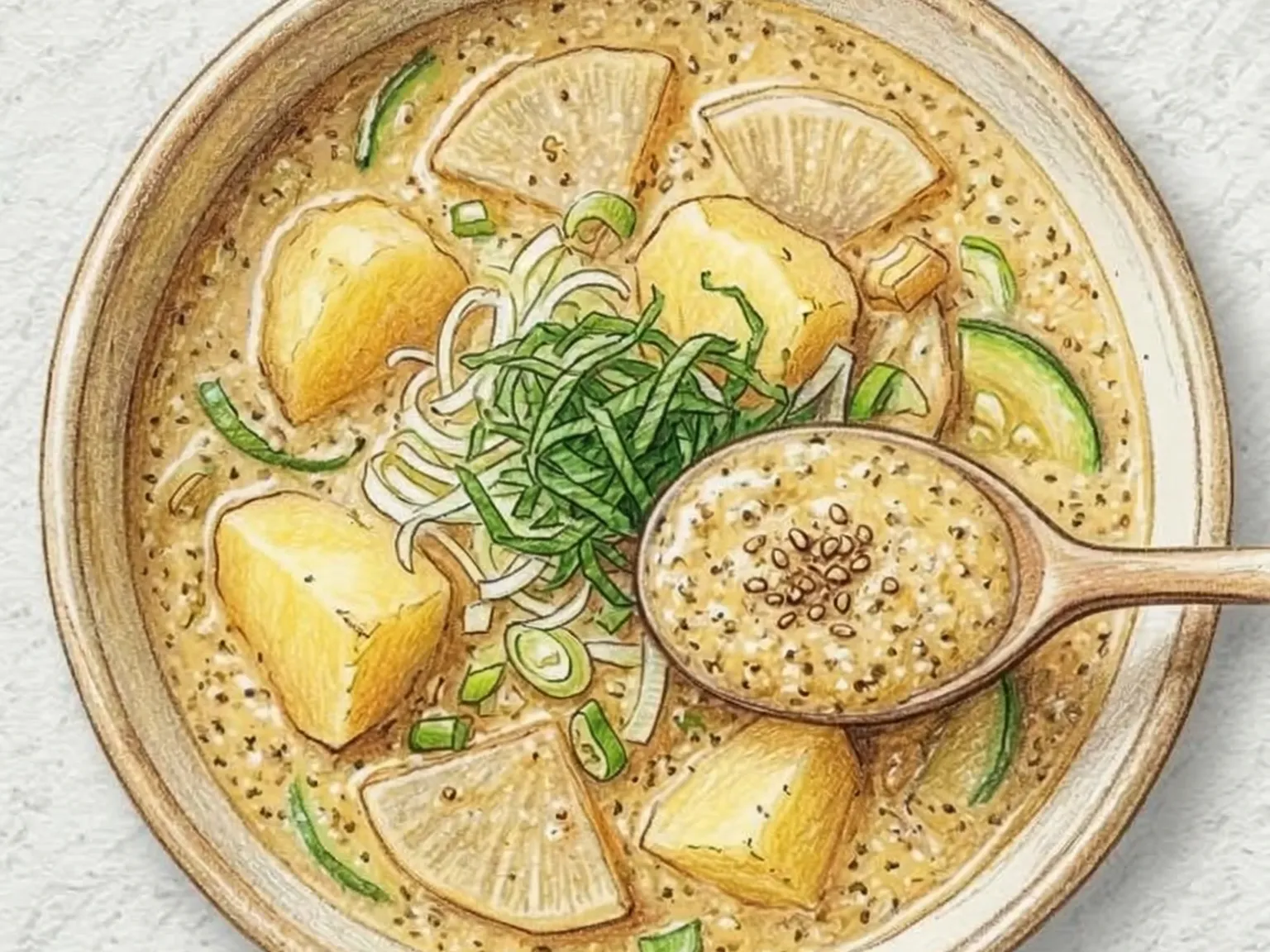
Gamja-deulkkae-guk is a Korean home soup of potatoes and ground perilla seed simmered in anchovy stock. The potatoes go in first and cook until they begin to fall apart, releasing their starch into the liquid and giving the broth a natural, gentle thickness. Ground perilla seed is stirred in toward the end of cooking, turning the clear stock opaque and white and filling the pot with a toasty, earthy fragrance that is distinctive to perilla. The flavor sits in its own space: it has none of the fermented depth of doenjang soup and none of the oceanic quality of miyeok-guk, but the perilla leaves a long, nutty finish that builds with each spoonful rather than fading immediately. Soup soy sauce brings the seasoning together, and onion and green onion laid in at the start provide a background sweetness that keeps the broth from tasting flat. The texture is thick and warming without being heavy or greasy. This is a soup that rarely appears on restaurant menus but comes up frequently on home dinner tables during the cold months, the kind of everyday dish that fits naturally into a simple meal.

Korean Frozen Pollack Stew
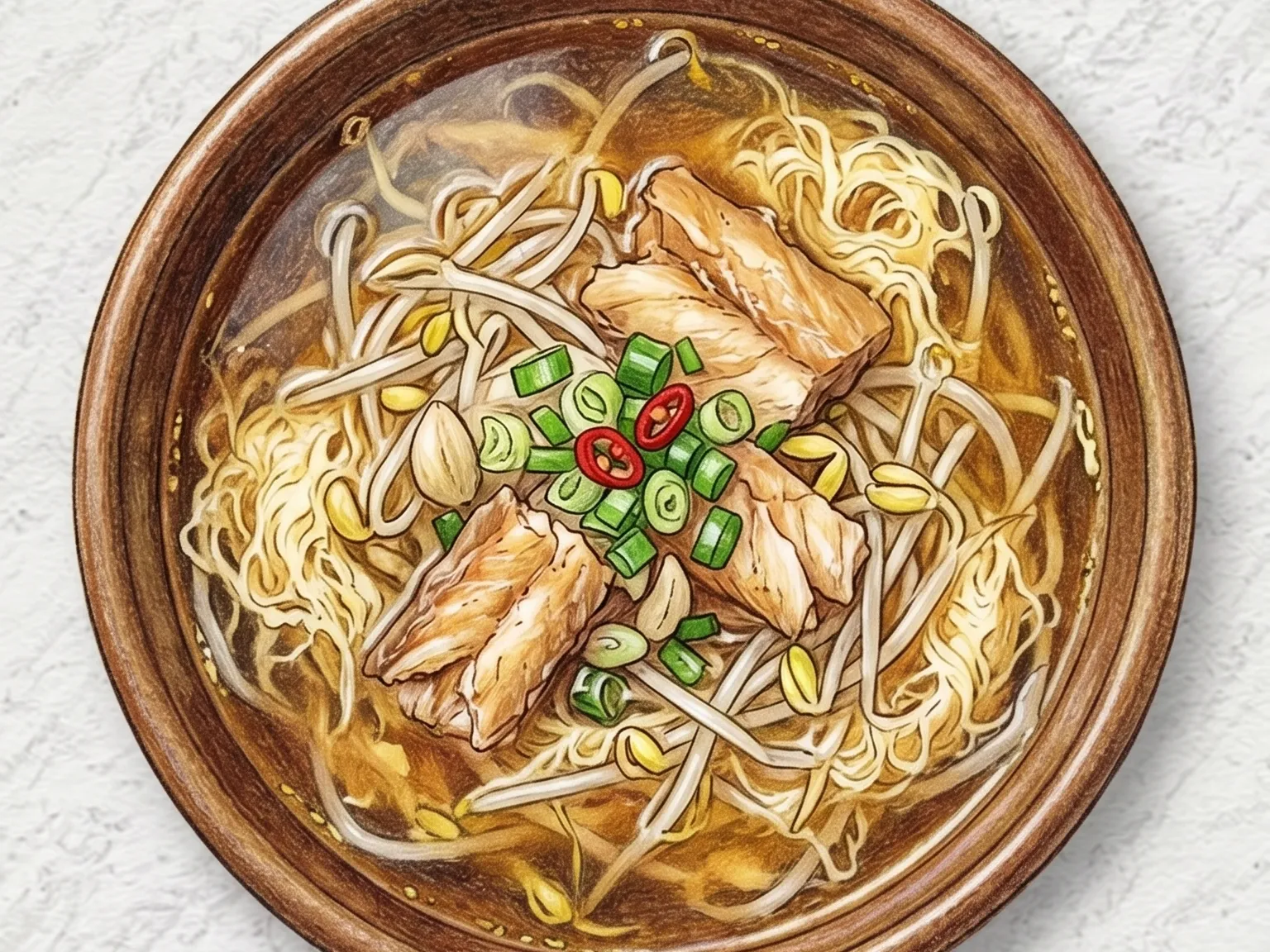
Dongtae jjigae is a spicy Korean stew built around whole frozen pollack, which separates into flaky, delicate pieces as it cooks through. Korean radish brings a clean, sweet undertone to the broth, while tofu and zucchini fill out each bowl with mild, soft contrasts to the fish. Gochugaru combined with a spoonful of doenjang creates a broth that is at once spicy, salty, and deeply savory rather than sharp in a single direction. Generous amounts of green onion and Cheongyang chili are added toward the end to cut through any fishiness and keep the heat clear and warming.

Korean Soy Steamed Potatoes
Gamja-jjim is a Korean braised potato banchan made by simmering potato pieces in a sauce of soy sauce, sugar, and minced garlic until the liquid reduces to a thick, glossy glaze. As the sauce concentrates, it coats every cut surface of the potato with a lacquered sheen while the seasoning penetrates through to the center, so the flavor is consistent from the outside in. The sugar caramelizes slightly during the final minutes of reduction, adding a faint toffee-like sweetness to the soy's deeper, saltier notes. Minced garlic breaks down in the heat and melds into the sauce, providing an umami backbone that rounds out the simpler flavors. Finishing with sesame oil and a generous scatter of sliced chives introduces a toasted, nutty aroma and a fresh herbal brightness. The potato itself holds its shape but is cooked through to a fluffy, yielding interior beneath the sticky exterior. Simple to make and requiring few ingredients, it is the kind of side dish that disappears from the table without much fanfare, pairing effortlessly with a bowl of rice.

Korean Pepper Leaf Kimchi
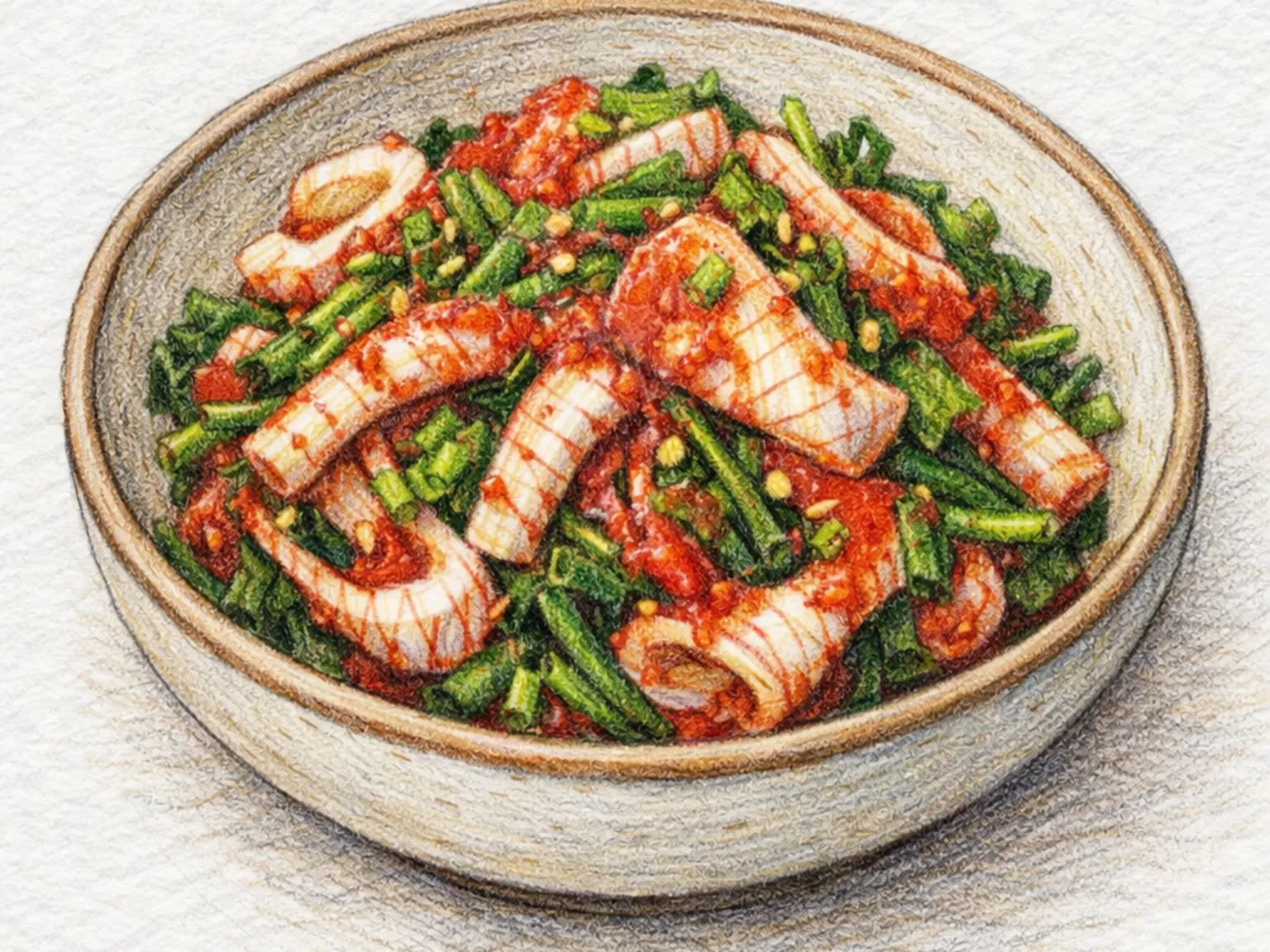
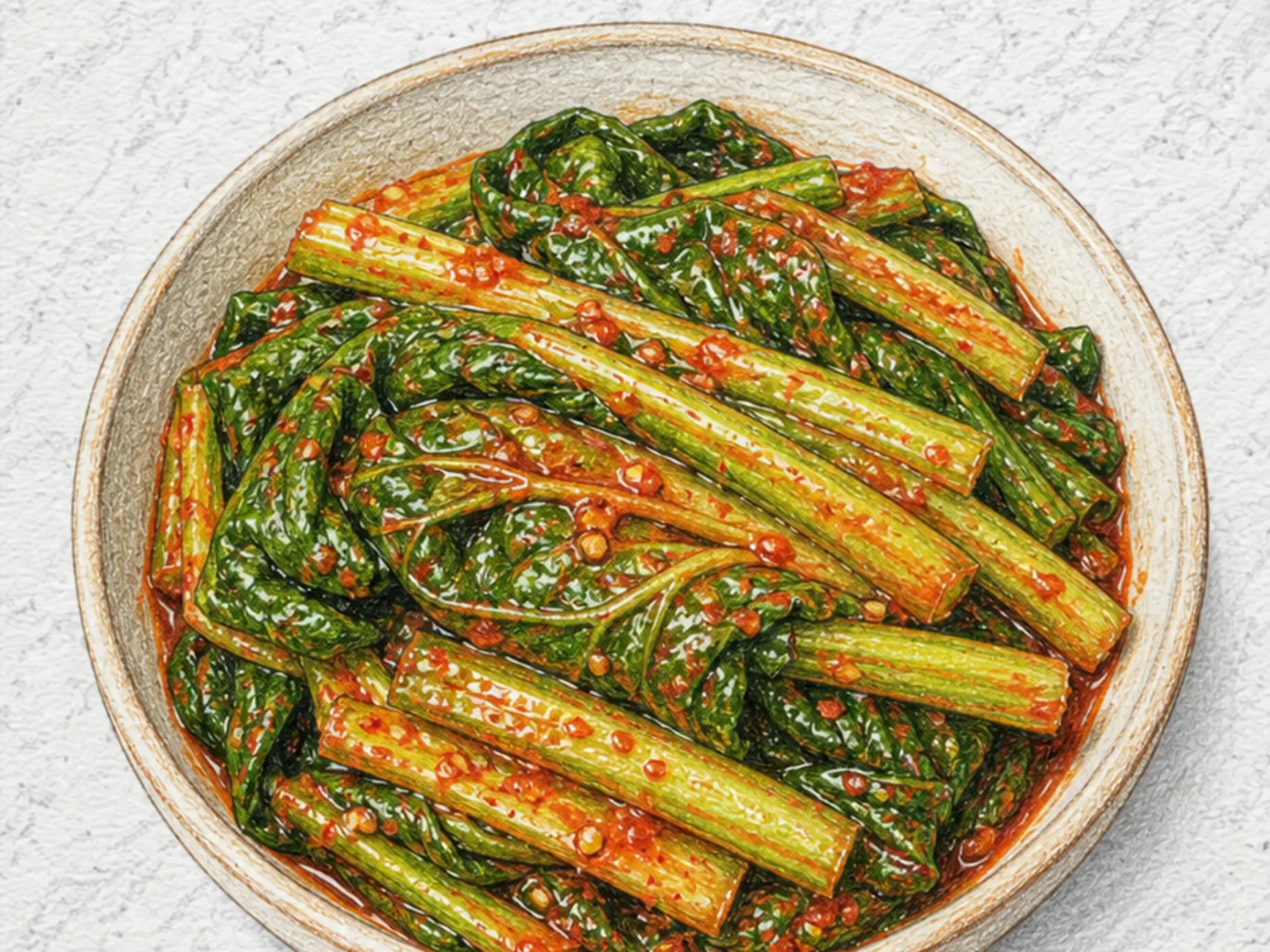
Gochuip kimchi is a seasonal Korean kimchi made from pepper leaves, prepared during late spring to summer when the leaves are available. Blanching is the essential first step. Fresh pepper leaves contain compounds that produce a raw bitterness, and simply seasoning them without pre-cooking leaves an unpleasant edge. A brief blanch of about 30 seconds collapses the cell structure, removing bitterness while dramatically reducing the volume of the leaves. The softened leaves also accept the seasoning more evenly across their surfaces. Glutinous rice paste added to the gochugaru, anchovy fish sauce, and garlic mixture thickens the coating so it adheres uniformly to each leaf and supports lactic acid fermentation even within the short one-day curing window. The herbaceous quality in pepper leaves survives fermentation, remaining as an undercurrent beneath the spicy coating and producing a green, herb-like character that distinguishes this kimchi from napa cabbage or young radish varieties.

Lanzhou Beef Noodles (Clear Spiced Beef Shank Soup Noodles)
Lanzhou beef noodles are a clear-broth noodle soup originating from Lanzhou in China's Gansu province. Beef shank is soaked in cold water for thirty minutes to draw out blood, blanched, then simmered for two hours with star anise, a cinnamon stick, ginger, and garlic. Diligent skimming during the early stages of simmering is what keeps the broth transparent despite its long cooking time. Daikon radish is added to the strained broth and simmered until translucent, and the seasoning is kept to soy sauce and salt. The cooked beef is sliced thin and arranged over noodles in the bowl, with green onion, cilantro, and a drizzle of chili oil on top. Traditional versions use hand-pulled noodles stretched to order, but store-bought Chinese wheat noodles work as a practical substitute at home. The long cook time yields a broth that is clear yet deeply savory, which is the defining quality of this noodle.

Roasted Pumpkin Alfredo Fettuccine
This pasta dish incorporates a smooth purée of kabocha squash roasted until the edges reach a caramelized state at 200 degrees Celsius. The roasting process concentrates the natural starches, providing a thick body to the sauce without additional thickening agents. Onions and garlic sautéed in butter form the aromatic base, which is then blended with the squash and heavy cream for a uniform texture. Grated Parmigiano-Reggiano introduces a salty, nutty profile, while a small measure of ground nutmeg provides a warm complexity that balances the sweetness of the squash. The wide ribbons of fettuccine are chosen specifically to hold the heavy sauce effectively. For improved efficiency, the squash can be prepared a day in advance and stored in the refrigerator. Using a ladle of starchy pasta water during the blending stage allows for precise control over the final consistency. To finish the plate, sage leaves fried in brown butter offer a bitter herbal contrast to the squash. White pepper adds a subtle heat while preserving the bright orange color of the sauce. Butternut squash serves as a functional substitute if kabocha is unavailable.

Meatball Sub
Meatball sub starts by mixing ground beef with breadcrumbs, egg, and minced garlic, shaping the mixture into balls, and browning them in olive oil on all sides. The browned meatballs then simmer in tomato sauce on low heat for about 12 minutes until cooked through. Avoiding overmixing the meat mixture is critical - working it too much tightens the protein strands and produces dense, tough meatballs rather than tender ones. The sauce should be kept slightly thick so it does not immediately soak into the bread and turn it soggy. Warming the sub rolls before filling helps them absorb some sauce while still holding their shape. Mozzarella melted on top under a broiler or with a kitchen torch binds the meatballs and sauce together in every bite.

Drunken Noodles
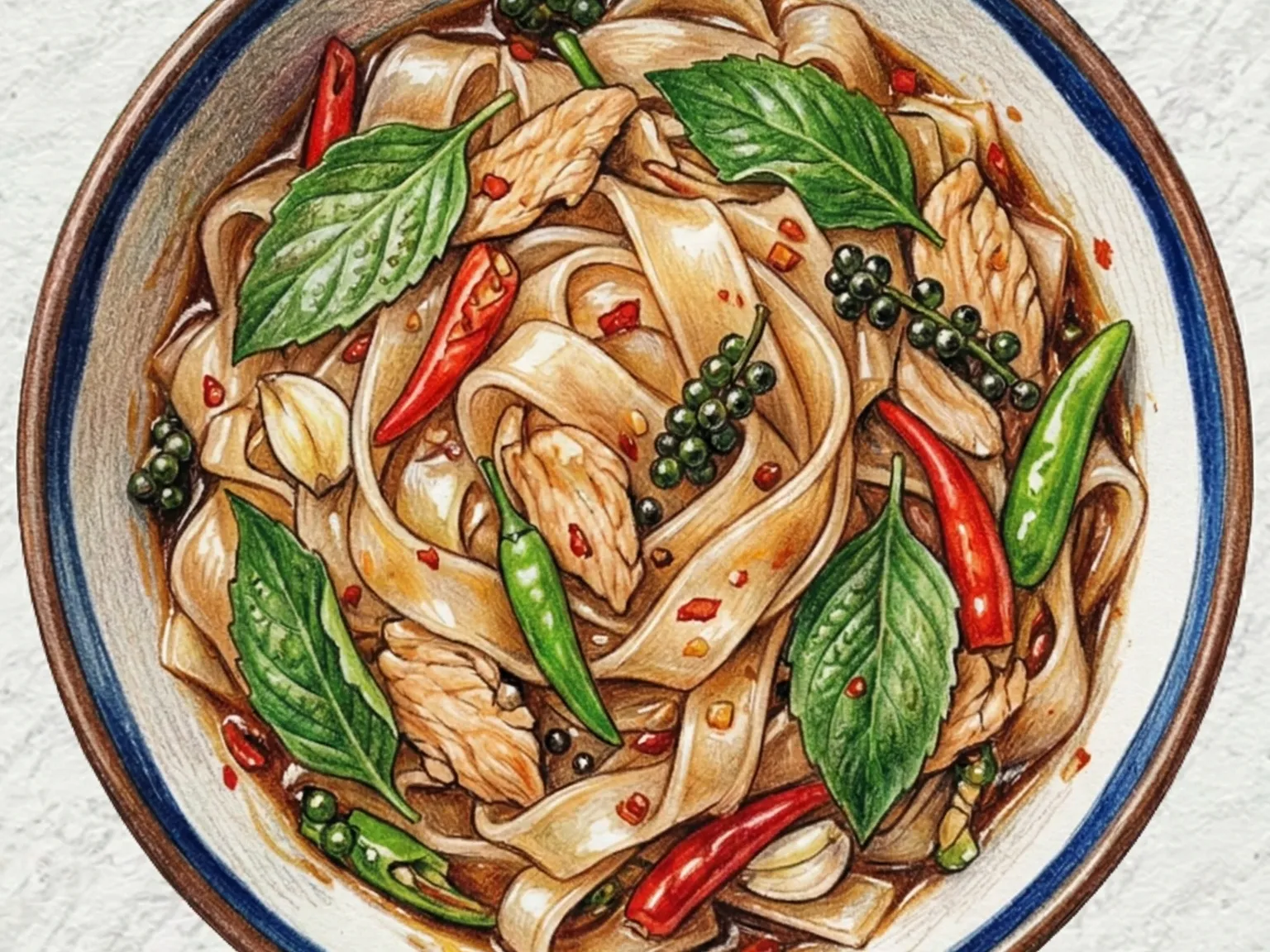
Pad kee mao, known outside Thailand as drunken noodles, is a stir-fried rice noodle dish from central Thailand whose name has two competing origin stories: one holds that it was street food eaten late at night to accompany drinking, the other that the ferocious chili heat leaves the eater feeling intoxicated. Wide rice noodles called sen yai are tossed in a screaming-hot wok with fresh chilies, crushed garlic, and protein, and the defining technique is leaving the noodles undisturbed long enough to char slightly where they press against the metal surface, generating a smoky, wok-seared flavor that no other cooking method replicates. Thai holy basil, known as krapao, is a fundamentally different ingredient from Italian basil: it carries a peppery, clove-adjacent sharpness and a faint natural heat, and when it hits a hot wok the volatile oils bloom instantly into the air around the pan. A dark sauce of oyster sauce, soy sauce, fish sauce, and sugar stains the noodles a deep mahogany-brown while building a flavor profile that stacks salt, sweetness, and fermented umami in every strand. In Thailand the dish is made with seafood, pork, or chicken, and a crispy fried egg cooked in a generous pool of oil until the edges lacquer and crunch is placed on top. The yolk is broken and stirred through the noodles at the table, coating everything in a rich, golden layer that softens the heat and ties the dish together. No rice is needed when the noodles already carry this much.

Korean Braised Tofu in Spicy Sauce
Dubu-jorim is one of the most reliably prepared tofu dishes in Korean home cooking, made from ingredients that are almost always on hand, yet the sequence of steps makes a significant difference to the result. Before the tofu ever touches the braising sauce, it must be fried in a dry pan until each face develops a thin, golden crust. That crust serves two purposes simultaneously: it keeps the tofu slabs intact as the sauce reduces around them, and it acts as a permeable layer through which the seasoning gradually penetrates toward the center during braising. The sauce - soy sauce, gochugaru, minced garlic, sugar, and water - simmers around the tofu for eight to ten minutes until it has reduced by roughly half and thickened into a glossy, spicy-sweet glaze that coats the exterior in a dark, caramelized layer. The finished tofu has three distinct zones in every slice: the outermost layer where the sauce has caramelized and taken on a slightly chewy quality, a middle band where the seasoning has fully soaked in, and a white, creamy center that provides a bland, soft contrast to the intensely flavored exterior. All three zones are present in a single bite, which is what makes this dish more texturally interesting than a standard braise. Korean home cooks typically double the recipe and refrigerate half for weekday meals, where the flavors deepen further after a night in the cold.

Korean Dried Radish Greens Chicken Porridge
This porridge combines shredded poached chicken breast with siraegi (dried radish greens) and rice for a clean, protein-rich bowl. The siraegi lends a grounding earthiness to the porridge base, while the hand-torn chicken provides a fibrous, lean texture in every spoonful. Rice is first stir-fried in sesame oil to add a nutty layer before water is poured in and everything simmers slowly until the grains dissolve into a thick, smooth consistency. Scallion and garlic build aromatic depth, and a splash of light soy sauce ties the flavors together without heaviness. Low in fat and easy to digest, this is a restorative meal that feels light on the stomach while still delivering substance and warmth.

Korean Spicy Pork Duruchigi
Duruchigi is a Korean spicy pork stir-fry made by flash-cooking sliced pork shoulder with onions and scallions in a gochujang-based sauce over high heat. Pork shoulder has a balanced ratio of fat to lean meat, which prevents it from drying out even at the high temperatures required for a proper stir-fry. The intense heat chars the edges of the meat slightly and introduces a smoky wok flavor that deepens the dish beyond what the seasoning alone provides. Gochujang contributes fermented chili heat and a savory, slightly sweet undertone, while added sugar reinforces that sweetness, and scallions provide a sharp, clean finish in the back of the palate. Cooking the onion first to soften before adding the meat controls the amount of liquid released and keeps the sauce from becoming watery. Duruchigi works as a straightforward rice side dish, wrapped in lettuce leaves, or as the protein base for fried rice with the leftovers. It ranks among the most dependable everyday pork dishes in Korean restaurants and home kitchens, and also sees regular use as a late-night snack or drinking table side.

Korean Seafood with Doenjang Sauce Grill
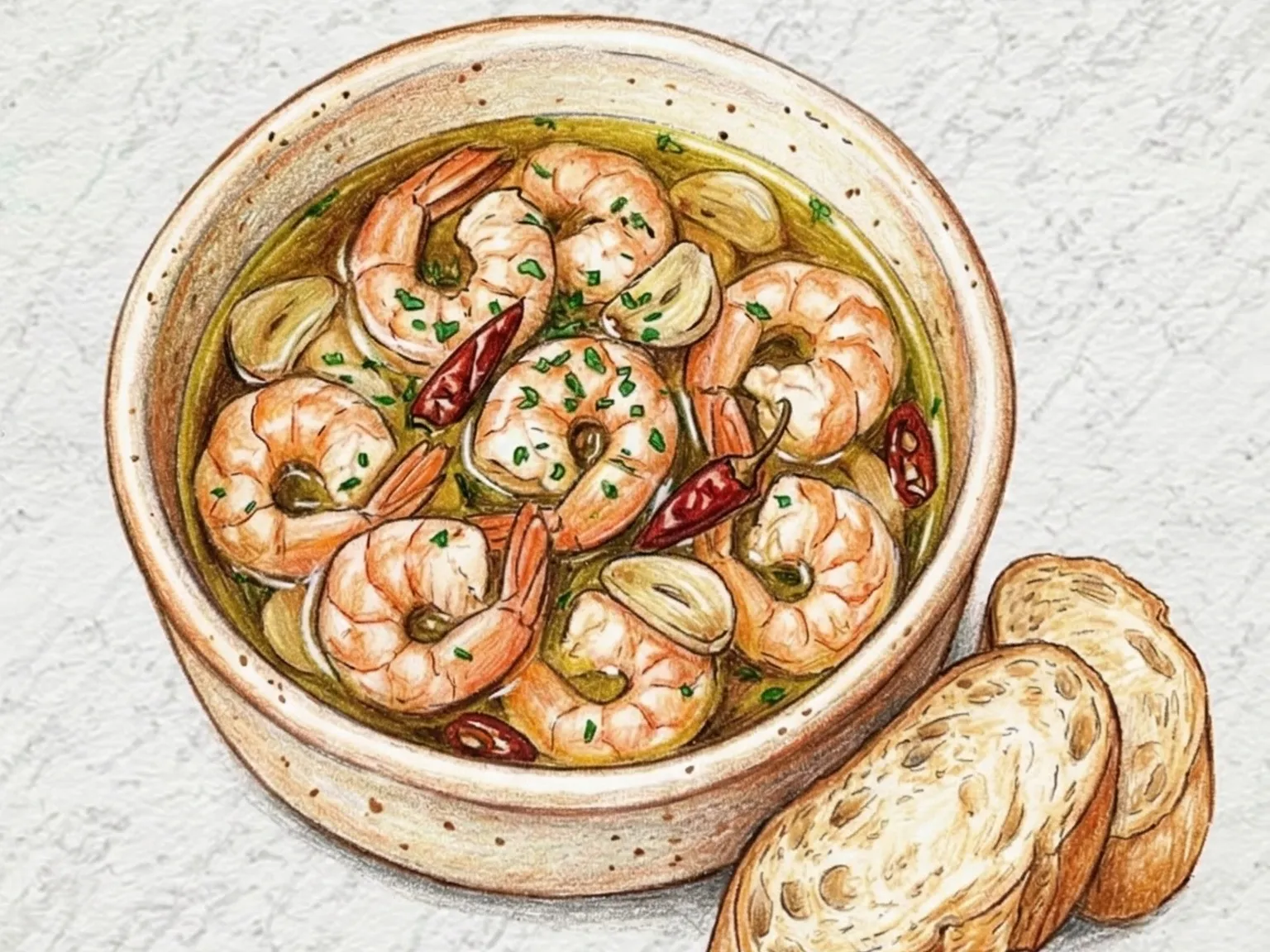
Haemul doenjang-gui is a Korean grilled seafood dish in which shrimp and squid are brushed with a paste of doenjang, a measured amount of gochujang, minced garlic, sesame oil, and sugar before being grilled or pan-fried until the coating caramelizes. The fermented soybean paste contributes a deep, earthy umami that layers over the natural brine of the seafood, producing a complexity that neither ingredient could achieve alone. The gochujang serves as a supporting element rather than a dominant one, providing a quiet background heat that amplifies the doenjang without overpowering it. Sugar in the paste is non-negotiable: without it, the protein-dense doenjang scorches on the grill before caramelization can develop. The dish is finished when the sauce darkens to a mahogany brown and releases a nutty, fragrant aroma; hold the heat too long past that point and a bitter char begins to overtake the flavor. It functions well as a side dish with rice or as a grilled snack alongside drinks.

Gamja Jogae-guk (Potato Manila Clam Soup)
Gamja jogae guk is a clear Korean soup that brings together the briny, umami-rich depth of manila clams and the gentle softness of potato in a light, unpretentious broth. The clams are purged of sand first, then added to a pot with potato cut into thin, flat slabs and sliced onion. As the clams open, they release a natural shellfish liquor that seasons the water without any additional stock, giving the broth a quiet but genuine depth. The potato slices cook down gradually, releasing a slight starchiness into the liquid that softens the broth's texture compared to a pure seafood soup. The moment the clams open is the cue to lower the heat, since leaving them in a boiling pot turns the flesh rubbery. Soup soy sauce adjusts the salt level without darkening the clear broth, and sliced green onion scattered over the top at the end adds a clean, grassy note. Despite having only a handful of ingredients and taking fewer than twenty minutes from start to finish, the pairing of clam and potato builds a layered, refreshing flavor that makes this one of the more satisfying simple soups in everyday Korean cooking.

Korean Tofu Hot Pot (Tofu & Beef Kelp Broth Pot)
Dubu jeongol is a Korean hot pot centered on tofu and beef simmered in kelp broth at the table. Shiitake mushrooms contribute a deep savory note, while napa cabbage and green onion add freshness and textural variety. The broth is seasoned with soup soy sauce, keeping it light and clear enough to let each ingredient's flavor come through without becoming heavy. Thin-sliced or ground beef works equally well; marinating it briefly in soy sauce and minced garlic before adding it to the pot layers the broth with additional depth. Pan-frying the tofu slices lightly in oil before placing them in the jeongol prevents them from breaking apart during the long simmer and gives each piece a slightly firmer exterior. Traditionally served bubbling directly on the table, this is a communal dish meant to be eaten at a relaxed pace, with diners adding broth and pieces to their own bowls throughout the meal.

Korean Braised Skate Wing with Radish
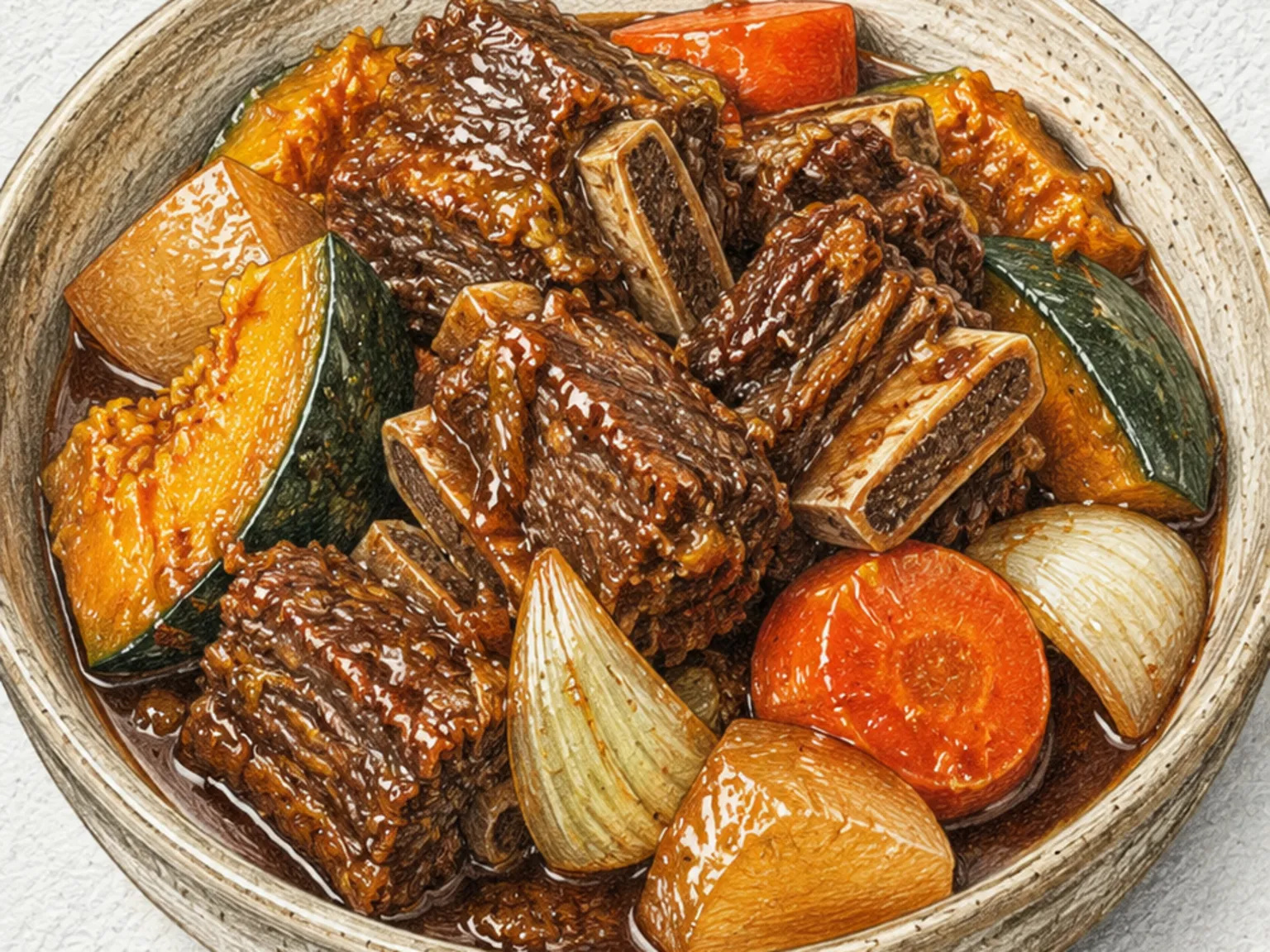
Gaori jjim is a Korean braised skate dish, slow-cooked with radish in a bold sauce of gochugaru and soy sauce. Skate has a texture unlike most fish: its flesh is lean and mild, but the cartilaginous fibers throughout give it a distinctly chewy, springy quality that absorbs the braising sauce deeply during a long, slow cook. Radish pieces nestle in the pot alongside the fish, soaking up the spiced liquid until they turn sweet-savory and tender all the way through. Mirim and minced garlic work together to suppress the sharper marine smell that skate can carry, and the result is a clean, bold flavor without any fishiness. Green onion scattered over the top adds color and a fresh note at the finish, and the remaining braising sauce spooned over rice is one of the best parts of the dish.

Korean Sweet Potato Stem Kimchi
Goguma julgi kimchi is made from sweet potato stems, prepared by carefully peeling their tough, stringy outer skin to expose the elastic inner fiber, blanching briefly, then seasoning with gochugaru, anchovy fish sauce, minced garlic, and glutinous rice paste before being left to ferment. Once stripped of the outer skin, the stems retain only their springy, chewy core, which gives every bite a bouncy, almost springy resistance that sets this kimchi apart from leafy varieties. As the fermentation progresses, the seasoning works its way deep into the fibrous channels of each stem, building a well-balanced spicy-salty flavor throughout. Scallions bring a fresh herbal note, and onion rounds the sharp edges of the chili seasoning with natural sweetness. The peeling is time-consuming, but the distinctive texture rewards the effort. Made in peak summer when sweet potato stems are freshest, this kimchi is considered a seasonal treat.

Chinese Lo Mein
Lo mein is a Chinese noodle dish where boiled noodles are tossed gently with vegetables, protein, and a soy-based sauce, resulting in a soft, glossy finish that sets it apart from the crisper chow mein. The sauce - soy sauce, oyster sauce, and a small amount of sugar - is premixed so it coats evenly during the brief time in the pan. Shrimp is seared first until half-cooked, then broccoli and carrot are stir-fried just until they lose their raw crunch. The warm, drained noodles go in last, and everything is tossed together until the sauce is absorbed and the noodles gleam. The key is restraint: lo mein should stay moist and supple, not charred or dry. The protein can be swapped freely - chicken, beef, or tofu all work with the same sauce and technique.

Sesame Soy Eggplant Tomato Penne
Sesame soy eggplant tomato penne is a Korean-Italian fusion pasta that combines salt-sweated eggplant with fresh diced tomato, soy sauce, and penne for a meat-free dish with genuine depth. Salting the eggplant and allowing it to rest for at least fifteen minutes draws out both water and any residual bitterness, so the flesh cooks down softer and more concentrated when sauteed in olive oil. Once the eggplant has absorbed the oil fully, it behaves like a sponge for the surrounding sauce, pulling flavor into each dense, yielding piece. Soy sauce brings a fermented, savory quality that layers directly on top of tomato's own natural glutamates, creating a double-umami effect that gives the sauce a richness typically associated with meat-based preparations. Sesame oil is added off the heat at the very end to preserve its raw, toasted fragrance - cooking it destroys the volatile compounds that make it distinctive. Toasted sesame seeds scattered over the finished pasta provide a nutty crunch that contrasts the soft eggplant. Fresh basil introduces a herbal brightness at the finish, and the base of onion and garlic cooked at the start gives the sauce its aromatic foundation.