Charim

2686 Korean & World Recipes

2686+ Korean recipes, clean and organized. Ingredients to instructions, all at a glance.

Recipes with garlic

24 recipes

Buy garlic
Gazpacho
WesternEasy

Gazpacho

The secret to an authentic gazpacho lies in the interaction between stale bread and fresh garden vegetables. While tomatoes, cucumbers, and red bell peppers form the base, the addition of water-soaked bread creates a thick, velvety consistency that distinguishes this Andalusian specialty from a simple puree. Blending these ingredients with red onion, garlic, extra virgin olive oil, and red wine vinegar produces a smooth texture where the oil emulsifies the vegetable juices and the vinegar sharpens the natural sugars of the tomatoes. Patience is required after the blending is complete; the soup must rest in the refrigerator for at least two hours to allow the flavors to settle and integrate, a process that does not occur effectively at room temperature. Serving requires a final touch of drizzled olive oil and a handful of finely diced vegetables to create a crisp contrast against the liquid base. For the most refined results, passing the mixture through a fine-mesh sieve ensures a silky finish. Using fully ripened summer tomatoes provides the ideal acidity levels, and storing the leftovers in the fridge for a day or two often leads to a more developed profile.

🥗 Light & Healthy🎉 Special Occasion
Prep 20min4 servings
Com Tam Suon Nuong (Broken Rice with Grilled Pork)
AsianMedium

Com Tam Suon Nuong (Broken Rice with Grilled Pork)

Com tam translates literally as broken rice, named after the fractured grains left over from milling that were once too damaged to sell and eaten only by those who could afford nothing better. In Ho Chi Minh City, what began as subsistence food became a morning institution. The smaller, porous grains cook drier than whole rice and absorb sauces and meat juices more efficiently, turning an unwanted byproduct into a texture worth seeking out. Suon nuong, the charcoal-grilled pork chop, is the centerpiece. The meat soaks for at least an hour in a marinade of lemongrass, garlic, fish sauce, and sugar before hitting the coals. Under direct heat, the marinade caramelizes against the bone, building a sticky, slightly charred crust that carries both sweetness and smoke. The assembled plate puts the grilled chop over broken rice, topped with shredded egg crepe, pickled daikon and carrot, and a generous pour of nuoc mam pha, the sweet-salty-sour dipping sauce made from fish sauce, lime, sugar, and fresh chili. Across the city, com tam stalls open before dawn and the morning ritual of pulling a motorbike over to eat a quick plate at a sidewalk table is part of the daily rhythm of the place.

🎉 Special Occasion
Prep 25minCook 20min2 servings
Korean Stir-fried Balloon Flower Root
Side dishesMedium

Korean Stir-fried Balloon Flower Root

Doraji -- balloon flower root -- has been cultivated in Korea for centuries, valued in cooking and herbal medicine alike. The raw root carries a pronounced bitterness from saponins, so it must be shredded into thin strips, rubbed vigorously with salt, left for ten minutes, then rinsed twice in cold water. The salt scrub draws out the saponins while preserving the root's firm, snappy bite. A base of green onion goes into the pan first to build a fragrant oil, then the prepared doraji stir-fries for two minutes before gochujang, soy sauce, and oligosaccharide syrup go in for another three minutes. The heat is raised at the end to drive off moisture, so the sauce tightens and clings to each strip rather than pooling in the pan. The result is a glossy, sweet-spicy banchan with a distinctly chewy pull.

🏠 Everyday🍱 Lunchbox
Prep 20minCook 10min2 servings
Korean Shrimp Porridge (Creamy Rice Porridge with Shrimp Broth)
RiceEasy

Korean Shrimp Porridge (Creamy Rice Porridge with Shrimp Broth)

Saeu-juk is a Korean shrimp porridge that simmers rice with shell-on shrimp to draw out a gentle oceanic broth. The heads and shells are cooked down to build a flavorful stock, while the shrimp meat is minced and stirred in separately so each spoonful carries bursts of umami. Diced zucchini and carrot add mild sweetness that balances the seafood character. Soaked rice is first toasted in sesame oil before the liquid goes in, which gives the finished porridge a nuttier base and slightly thicker consistency. The result is a light, nourishing bowl with a clean finish - commonly served as a gentle breakfast or a recovery meal, where the warmth and mild flavor are as important as the nutrition.

🏠 Everyday
Prep 15minCook 30min2 servings
Korean Pork & Wild Chive Stir-fry
Stir-fryEasy

Korean Pork & Wild Chive Stir-fry

Dallae-dwaejigogi-bokkeum is a Korean springtime stir-fry of pork shoulder tossed in a gochujang and chili flake sauce, then topped generously with raw wild chives. The wild chives release a sharp, garlicky bite that cuts through the rich, spicy pork - stimulating while staying fresh rather than heavy. Onions caramelize lightly during cooking, adding natural sweetness that rounds out the heat and prevents the chili paste from turning one-dimensionally harsh. The dish must be cooked quickly over high heat to preserve the volatile aromatic compounds in the chives; extended cooking kills the fragrance that makes dallae worth using in the first place. Either pork shoulder or belly works well here, and the chives should be added at the very end rather than marinated or cooked through - they contribute perfume, not substance. The window for dallae in Korea is short, typically a few weeks in early spring, which makes this a seasonal dish eaten with some urgency while the ingredient is at its best.

🏠 Everyday🍱 Lunchbox
Prep 15minCook 12min2 servings
Korean Gochujang Grilled Pork Ribs
GrilledHard

Korean Gochujang Grilled Pork Ribs

Gochujang dwaeji-galbi-gui is a Korean grilled pork rib dish that starts by soaking the ribs in cold water for thirty minutes to remove blood, followed by at least one hour in a marinade of gochujang, soy sauce, sugar, Asian pear juice, garlic, sesame oil, cooking wine, and black pepper. The pear juice works on two levels: its natural enzymes break down the muscle fibers to tenderize the meat, and its fructose provides a clean sweetness that tempers the fermented heat of gochujang. Because the marinade carries a high concentration of sugar, it catches and burns quickly on a hot surface. Each side is grilled four to five minutes over medium heat before the flame is reduced to finish the interior without incinerating the glaze. After cooking, resting the ribs for three minutes off the heat allows the juices to redistribute inward, so that when the pieces are sliced, every cut reveals a moist, tender interior beneath the deeply caramelized, glossy crust that is the hallmark of the dish.

🎉 Special Occasion
Prep 30minCook 25min4 servings
Galbitang (Clear Korean Beef Short Rib Soup)
SoupsMedium

Galbitang (Clear Korean Beef Short Rib Soup)

Galbitang is a clear Korean soup built from long-simmered beef short ribs, extracting a deep, clean beef flavor without the milky opacity of seolleongtang or gomtang. Before cooking, the ribs are soaked in cold water for one to two hours to draw out blood, which is what allows the finished broth to stay clear and free of off-flavors. The radish goes in from the beginning, slowly releasing a gentle sweetness as it absorbs the surrounding broth and becomes fully saturated with beef flavor. The ribs need time - the measure of doneness is the meat sliding cleanly off the bone with minimal pressure from chopsticks. Unlike bone-based broths that turn white from emulsified collagen and fat, galbitang remains translucent because the fat from the rib meat dissolves more gently, leaving a subtle richness rather than heaviness. Seasoning is deliberately restrained, using only salt and white pepper at the table so nothing interferes with the honest taste of the beef. Garnishes of sliced egg crepe and green onion add color and a fresh note. The soup is served year-round in Korean restaurants, always arriving steaming hot alongside a bowl of plain rice.

🏠 Everyday🎉 Special Occasion
Prep 60minCook 120min4 servings
Korean Perilla Radish Greens Shrimp Stew
StewsMedium

Korean Perilla Radish Greens Shrimp Stew

Deulkkae mucheong saeu jjigae is a hearty stew made with radish greens, medium shrimp, and four tablespoons of perilla seed powder stirred into an anchovy-kelp stock base. Radish greens rather than dried sigeumchi give the stew a tender but substantive chew, and they absorb the savory broth well during cooking. Doenjang and soup soy sauce season the stock without overpowering the perilla, which contributes a deep, earthy nuttiness that defines the broth's character. As the shrimp cook, they release a clean briny sweetness that adds another layer of savory depth. Blanching and rinsing the radish greens before adding them removes any bitter edge and keeps the broth clear. The result is a sturdy, old-fashioned home-style stew with a well-rounded, deeply satisfying flavor.

🏠 Everyday
Prep 20minCook 30min4 servings
Korean Braised Hairtail Fish
SteamedMedium

Korean Braised Hairtail Fish

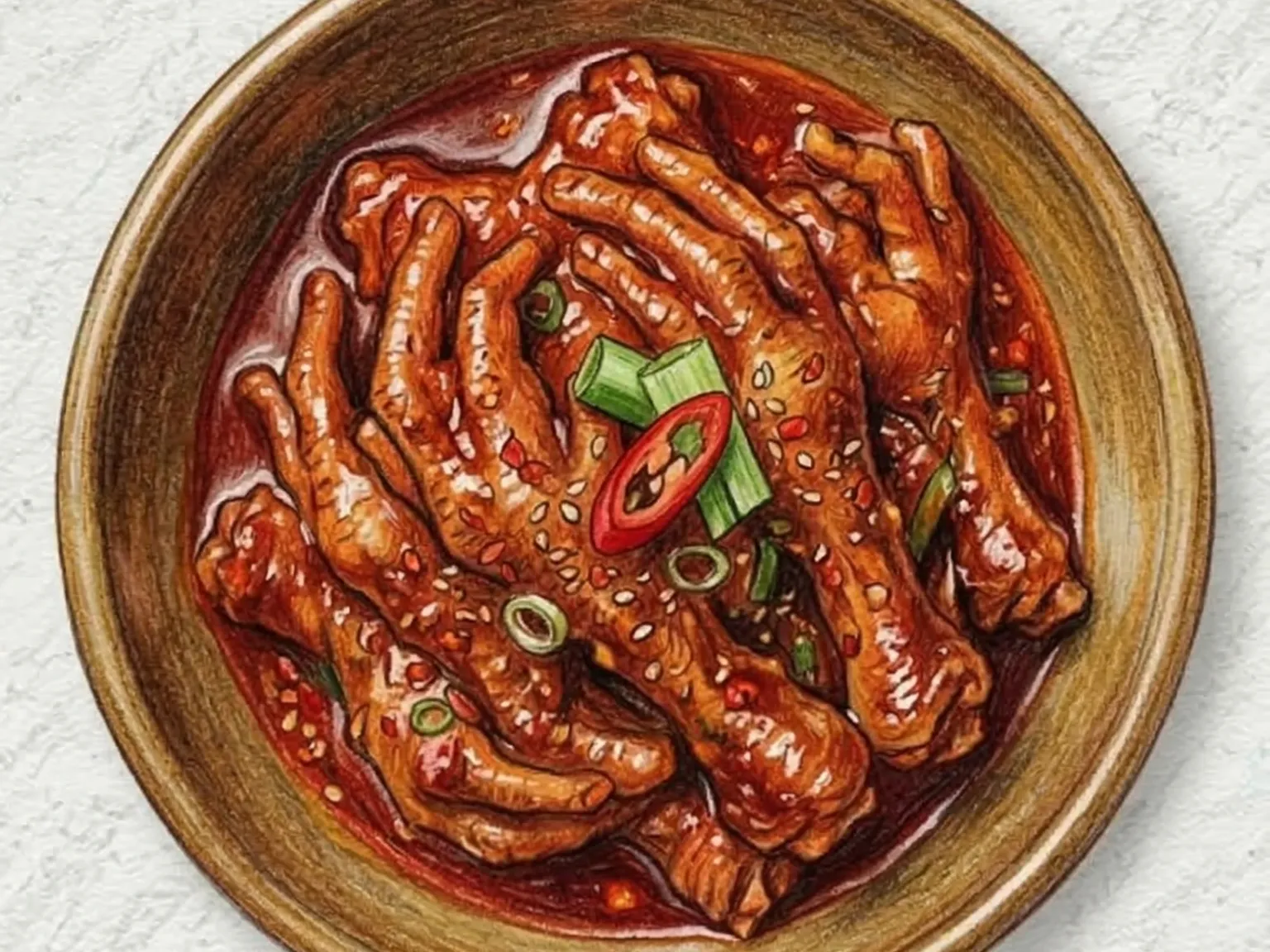
Galchi-jjim is a Korean braised hairtail fish dish where sliced hairtail and Korean radish are simmered together in a seasoned broth of gochugaru, soy sauce, garlic, and ginger until the liquid reduces to a concentrated glaze. The fish has a rich, oily white flesh that drinks in the bold seasoning while staying tender and intact. Ginger juice is added specifically to neutralize the oceanic smell that hairtail can carry, keeping the finished dish clean and approachable. The radish cooks down in the braising liquid, becoming deeply seasoned throughout as it absorbs the spiced sauce. The remaining sauce is intentionally left in small quantity so it can be spooned directly over steamed rice, which is considered the most satisfying way to eat this dish. It is a staple Korean fish preparation that appears on home dinner tables across the year.

🏠 Everyday🎉 Special Occasion
Prep 18minCook 30min2 servings
Korean Soy-Pickled Green Chili Peppers
KimchiEasy

Korean Soy-Pickled Green Chili Peppers

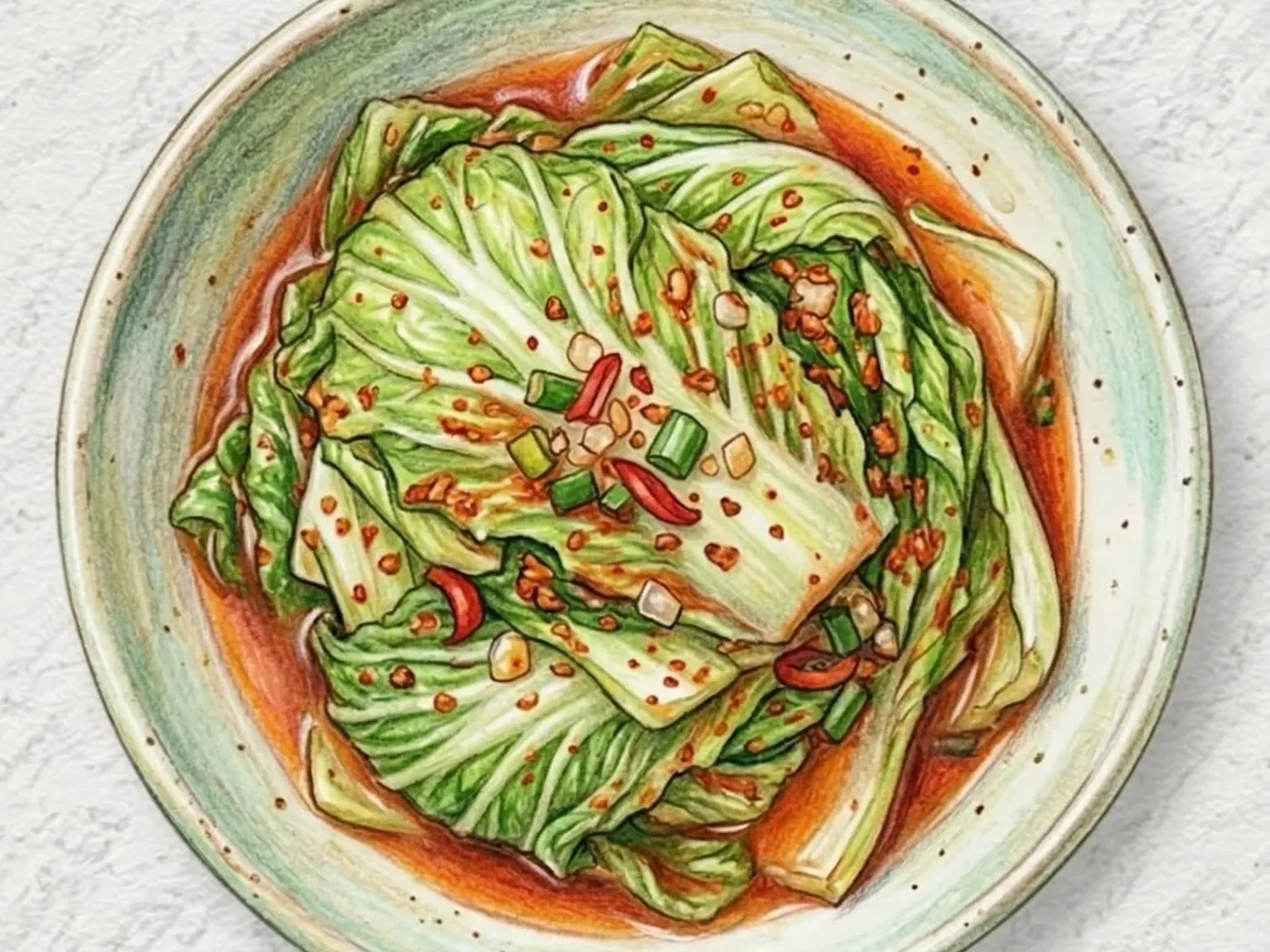
Gochu soy jangajji is a traditional Korean pickle made by packing whole green chili peppers tightly into a glass jar, then pouring a freshly boiled brine of soy sauce, rice vinegar, sugar, and water directly over them while still steaming hot. The heat from the brine lightly cooks the outer skin of each pepper, nudging the raw sharpness down by one level while the flesh inside stays firm and crisp, so every bite delivers a clean hit of soy saltiness alongside the chili's lingering heat. Sliced onion tucked into the jar contributes a gentle background sweetness that balances the brine, and whole garlic cloves build an additional aromatic layer that deepens over the days of pickling. On the second day after packing, the brine is drained off, brought back to a full boil, and poured over the peppers again - this second-boil method eliminates residual bacteria and extends refrigerator life to a full month, making it a practical staple that can be made once and served throughout the week.

🍱 Lunchbox
Prep 15minCook 8min4 servings
Kimchi Bean Sprout Miso Ramen
NoodlesEasy

Kimchi Bean Sprout Miso Ramen

Kimchi kongnamul miso ramen layers three distinct flavors in one bowl: the deep tang of sauteed aged kimchi, the earthy umami of miso paste, and the clean crunch of bean sprouts. Garlic and kimchi are first stir-fried in sesame oil to mellow the kimchi's raw sourness, then chicken stock is added and brought to a boil. Bean sprouts go in and cook for just three minutes to keep their snap. Miso is dissolved separately and stirred in on low heat - boiling it aggressively would strip away its complex fermented aroma. Fresh ramen noodles are cooked in a separate pot, drained, and placed in the bowl before the broth is poured over. A halved soft-boiled egg on top rounds out the bowl with its creamy yolk.

🏠 Everyday🌙 Late Night
Prep 10minCook 18min2 servings
Perilla Pesto Chicken Penne
PastaMedium

Perilla Pesto Chicken Penne

Perilla pesto chicken penne uses Korean perilla leaves and walnuts blended with olive oil into a thick, aromatic pesto that coats penne and thinly sliced seared chicken breast. Perilla leaves carry a grassy, slightly bitter fragrance with a faint sesame-like undertone that sets them entirely apart from basil - closer in character to shiso, but with a more pronounced herbal edge. Walnuts add a creamy, substantial body to the pesto and leave a lingering nuttiness after each bite. The chicken breast is seared in olive oil until golden on the outside, then sliced thin so it distributes evenly through the pasta rather than sitting in one heavy portion. Parmesan contributes salt and umami to bind the sauce, and fresh lemon juice cuts through the richness of the oil with enough acidity to keep each forkful from feeling heavy. Penne's hollow tube shape catches pesto inside as well as out, so every bite carries full flavor even when sauce coverage on the surface looks minimal.

🎉 Special Occasion
Prep 20minCook 25min4 servings
Gnocchi alla Sorrentina (Tomato Mozzarella Baked Gnocchi)
WesternMedium

Gnocchi alla Sorrentina (Tomato Mozzarella Baked Gnocchi)

Gnocchi alla Sorrentina is a southern Italian baked pasta dish from the Sorrento coast where soft potato gnocchi are tossed in tomato sauce, blanketed with torn mozzarella and grated Parmesan, then baked until the cheese melts and bubbles. Garlic is gently coaxed in olive oil before the tomato sauce goes in and simmers, drawing the garlic's mellow sweetness throughout the base. Gnocchi are boiled only until they float and then immediately drained to preserve their characteristic pillowy chew, before being folded into the sauce with half the basil and transferred to a baking dish. Eight minutes at 220 degrees Celsius transforms the cheese into a molten, pulling layer that unites the bright tomato acidity and the salty richness of the two cheeses into a single flavor. The remaining fresh basil scattered across the top at the end adds a fragrant lift that anchors the dish to its coastal Italian origins.

🎉 Special Occasion🧒 Kid-Friendly
Prep 20minCook 20min2 servings
Dal Makhani (Creamy Buttered Lentils)
AsianMedium

Dal Makhani (Creamy Buttered Lentils)

Dal makhani is Punjab's most celebrated lentil dish and now a fixture on restaurant menus across India and internationally. The name makhani, meaning buttery, signals its defining characteristic: a richness built from butter and cream that elevates humble lentils into something deeply satisfying. Whole black lentils (urad dal) and kidney beans (rajma) soak overnight, then pressure-cook before simmering for several hours in a base of tomato, garlic, ginger, and Kashmiri chili. During this slow cooking, the lentils gradually break down and release their starch into the liquid, creating a naturally creamy consistency even before a knob of butter and a pour of fresh cream are stirred in at the end to produce the dish's signature silky texture. Traditionally, dal makhani was left to simmer overnight beside the dying embers of a tandoor oven, absorbing smoky heat through the long hours before being served the next day. Served with naan or basmati rice, it is an indispensable dish at Indian wedding banquets and a comfort food that transcends class, equally at home in a roadside dhaba and a fine-dining restaurant.

🎉 Special Occasion
Prep 8minCook 180min4 servings
Korean Pan-Fried Tofu with Seasoned Soy Sauce
Side dishesEasy

Korean Pan-Fried Tofu with Seasoned Soy Sauce

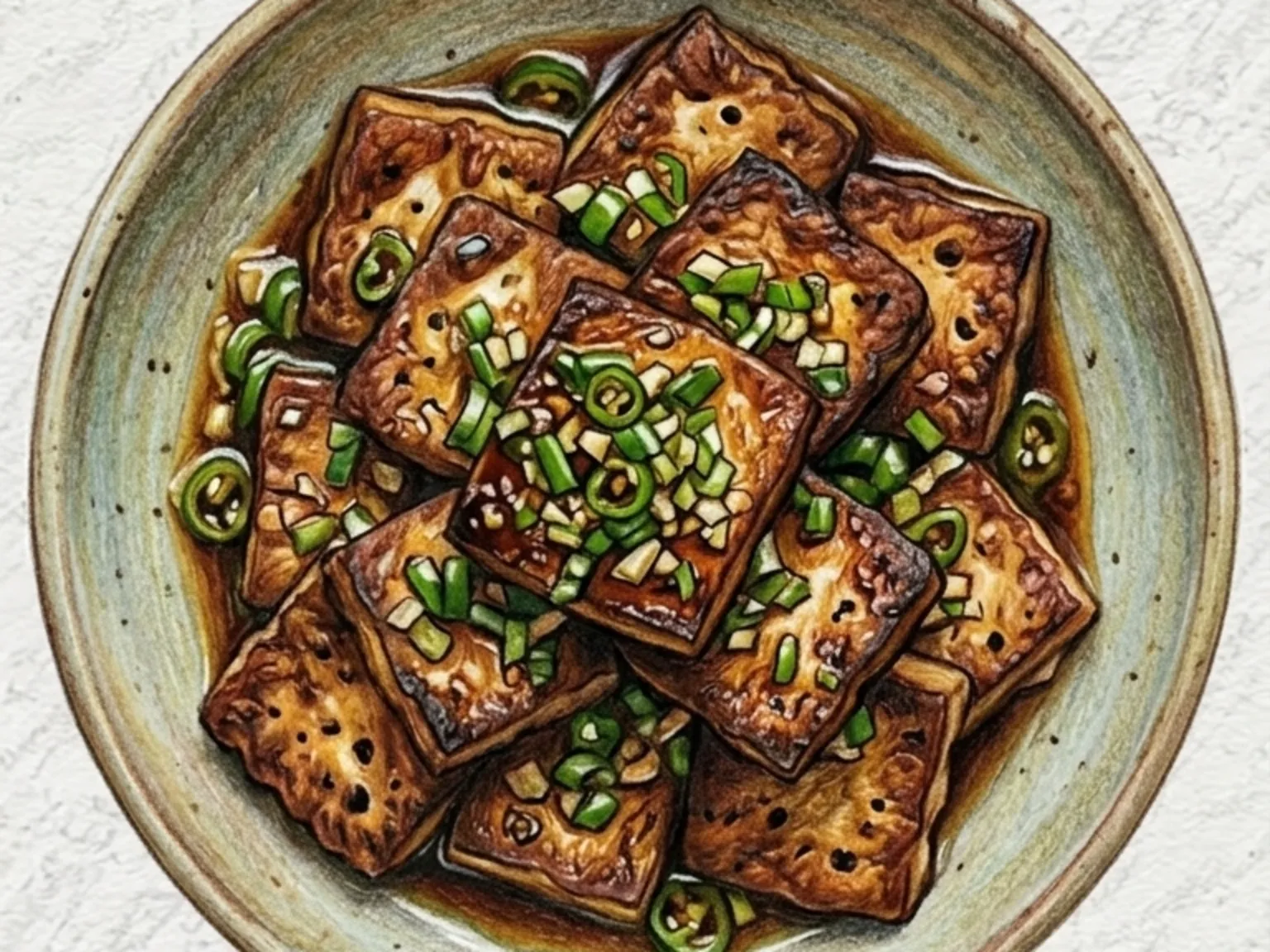
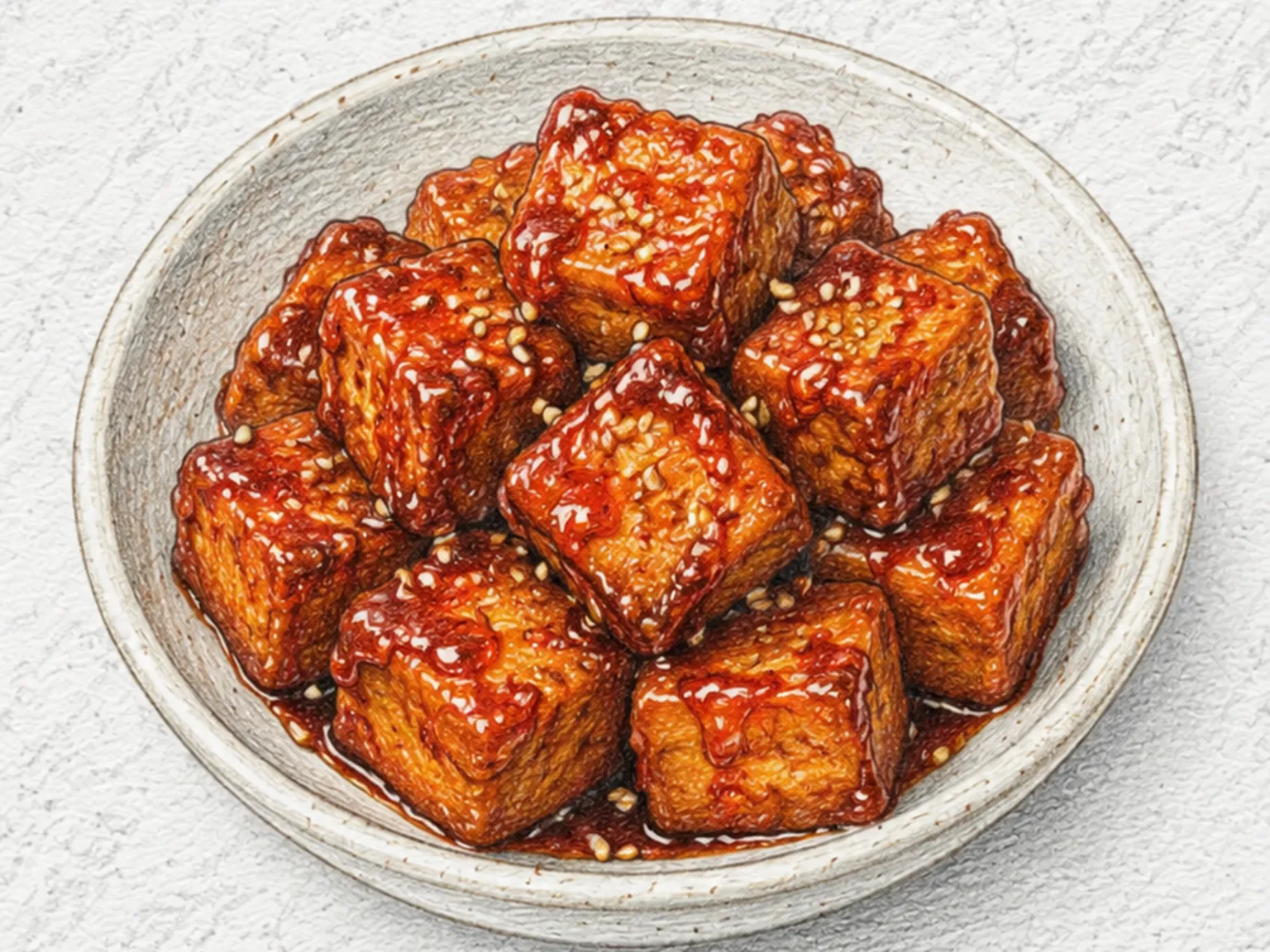
Dubu buchim yangnyeom is one of the most common Korean home banchan, a dish that appears on the table because the technique is straightforward and the ingredients are always in the kitchen. Firm tofu is cut into thick slices, salted lightly to pull moisture from the surface, then pan-fried in a minimal amount of oil until both faces develop a golden, crackling crust while the interior stays soft and warm. The yangnyeom jang, the seasoned sauce, is assembled directly at the stove: soy sauce, gochugaru, chopped scallion, garlic, and sesame oil stirred together, then spooned over the hot tofu the moment it comes out of the pan. The residual heat of the tofu gently wilts the raw scallion and opens the sesame oil, releasing its fragrance into the sauce without any additional cooking. The ratio of ingredients in the sauce varies from household to household, with some reducing the gochugaru and adding toasted sesame seeds, and others adding cheongyang chili for extra heat. In Korean temple cuisine, this preparation has served for centuries as the primary protein source in meat-free meals.

🏠 Everyday🍱 Lunchbox
Prep 10minCook 12min2 servings
Korean Mountain Herb Bibimbap
RiceEasy

Korean Mountain Herb Bibimbap

Sanchae bibimbap arranges individually seasoned mountain vegetables including fernbrake, bellflower root, and chwi-namul over a bowl of rice, then brings everything together at the table with a spoonful of gochujang. Each wild green is treated separately to preserve its distinct character. Fernbrake is stir-fried in sesame oil and soy sauce until tender and lightly caramelized. Bellflower root is salted, kneaded vigorously, and rinsed to remove its characteristic bitterness before being left with a clean crunch. Chwi-namul, the young leaves of Korean mountain aster, is blanched for just a few seconds to soften it while locking in its herbal, slightly resinous fragrance. Julienned carrot or radish kimchi adds bright color contrast across the bowl. A second drizzle of sesame oil when mixing helps the greens coat evenly and carries the nutty aroma through every bite. The spicy, subtly sweet gochujang ties the earthy, grassy, and faintly bitter notes of the individual namul into one cohesive, energizing bowl. The dish traces its roots to Korean mountain temple cuisine, where foraged seasonal greens combined with plain rice formed the foundation of a simple but nourishing plant-based meal.

🏠 Everyday
Prep 20minCook 15min2 servings
Korean Bellflower Root & Beef Stir-fry
Stir-fryMedium

Korean Bellflower Root & Beef Stir-fry

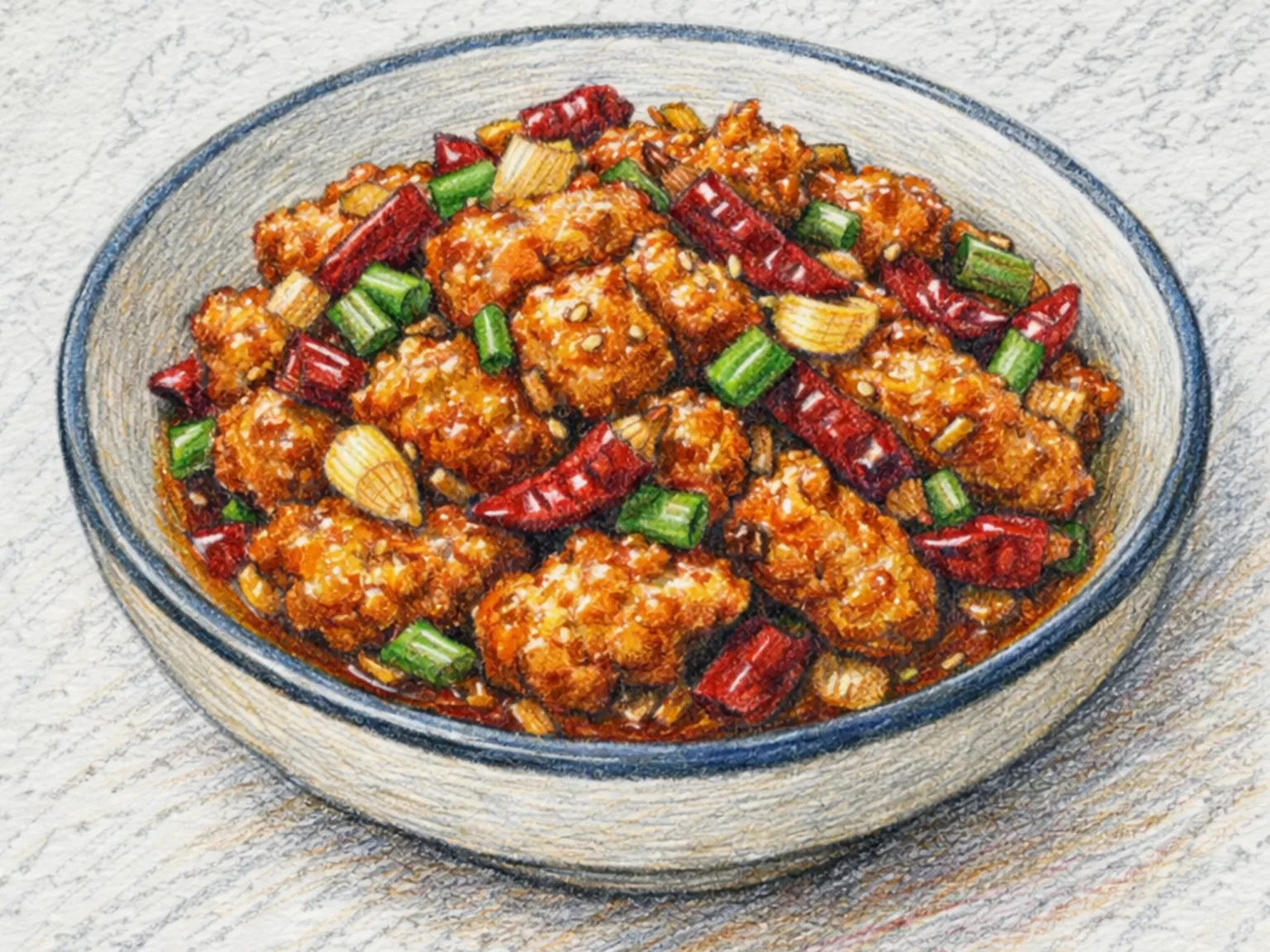
Deodeok-sogogi-gochujang-bokkeum is a Korean stir-fried side dish of pounded bellflower root and thinly sliced bulgogi-cut beef cooked together in a bold gochujang sauce. Beating the root with a mallet breaks up its dense fibers, increases its surface area, and allows the spicy paste to penetrate deeply, resulting in a texture that is simultaneously crisp and chewy after cooking. The fermented heat of gochujang and the saltiness of soy sauce work together to amplify the meaty richness of the beef, and the thick sauce binds the root and meat into a cohesive whole. Adding sesame oil and toasted sesame seeds at the end layers in a nutty, aromatic finish. Deodeok's faint natural bitterness and herbal fragrance survive the cooking process and create a complexity that distinguishes this dish from standard gochujang stir-fries. It is a boldly flavored side dish that pairs insistently with plain steamed rice.

🏠 Everyday🌙 Late Night
Prep 20minCook 12min2 servings
Korean Spicy Marinated Mackerel Grill
GrilledMedium

Korean Spicy Marinated Mackerel Grill

Godeungeo yangnyeom-gui is Korean spicy marinated mackerel, made by coating thick fish pieces in a paste of gochujang, soy sauce, sugar, minced garlic, ginger juice, and sesame oil, resting them for thirty minutes or longer, then grilling over medium heat with repeated turning. The mackerel's subcutaneous fat melts as the fish cooks, feeding the caramelization of the sugars in the marinade and forming a glossy, deep-red crust across the skin and flesh. Ginger juice pulls double duty: it neutralizes the raw fishy odor and introduces a subtle freshness that sits beneath the fermented heat of the gochujang. Because the fat content is high, a strong flame causes the marinade to scorch quickly, so steady medium heat and patient turning are essential for an even char. A wedge of lemon served alongside cuts through the rendered fat and sharpens the overall flavor.

🍺 Bar Snacks
Prep 30minCook 15min2 servings
Korean Short Rib and Octopus Soup
SoupsHard

Korean Short Rib and Octopus Soup

Galnak-tang is a Korean restorative soup that combines beef short ribs and fresh octopus in the same pot, producing a broth that carries two distinct umami registers simultaneously. The ribs are simmered first until tender and the initial cooking water is discarded along with the rendered fat, leaving a cleaner base for the second round of simmering. Radish goes in early alongside the ribs, gently sweetening the broth while absorbing some of the beefy richness so that the seafood flavor added later can come through more clearly. Octopus is added only at the end and needs no more than two to three minutes in the hot broth. Any longer and the texture turns rubbery, losing the springy bite that makes octopus worth eating. As the octopus cooks, its juices release into the soup and merge with the beef stock, blending the fatty depth of braised meat with the clean, mineral brightness of the sea. A small amount of gochugaru added near the end gives the broth a mild heat that cuts through the richness without overwhelming either protein. In Korean food culture, this soup belongs to the category of stamina dishes called boyangsik, traditionally sought out during the three hottest days of summer, after illness, or the morning following a night of drinking.

🏠 Everyday🎉 Special Occasion
Prep 30minCook 80min4 servings
Korean Soybean Paste Stew
StewsEasy

Korean Soybean Paste Stew

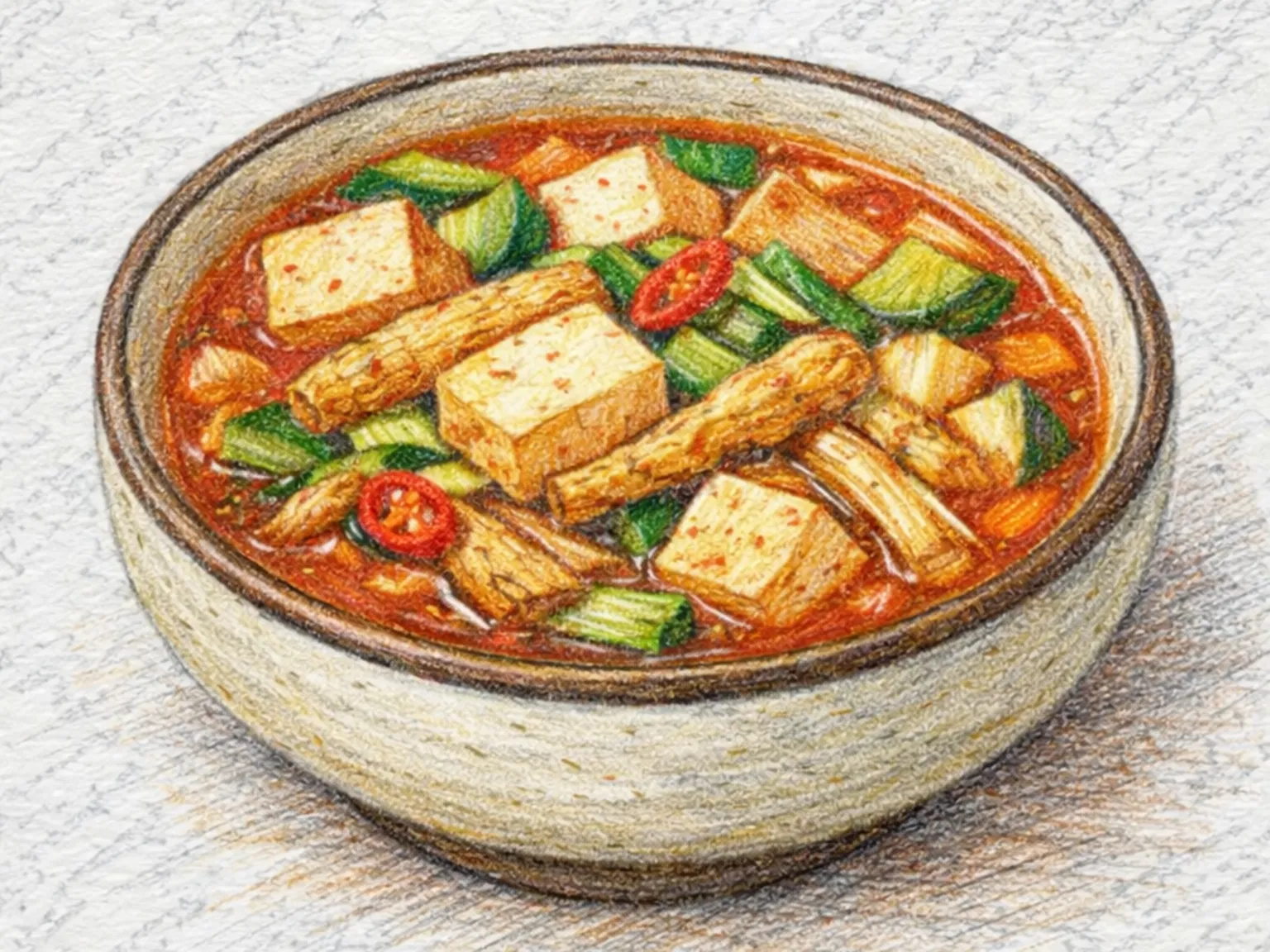
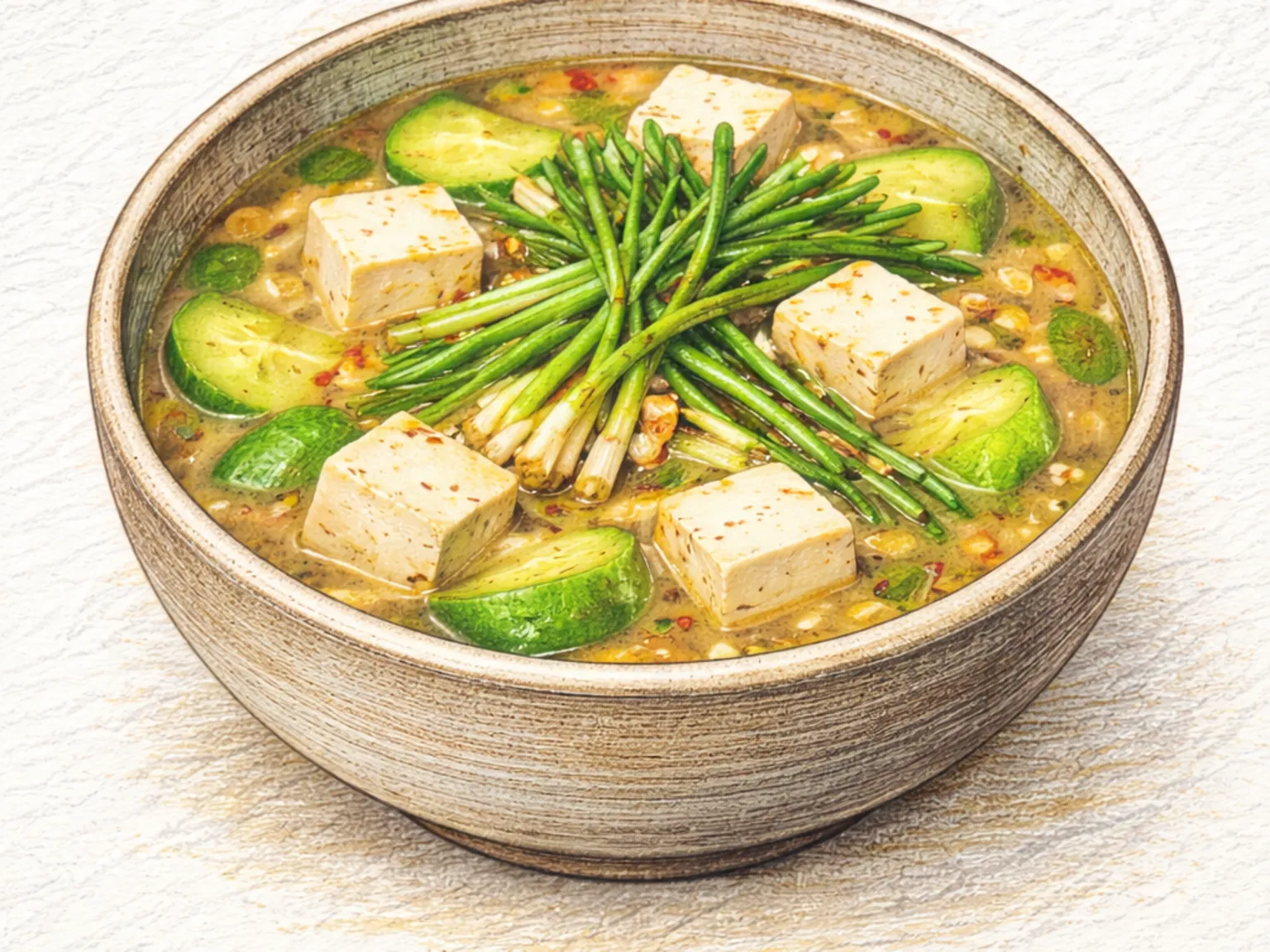
Doenjang jjigae is one of the most iconic stews in Korean home cooking. Fermented soybean paste is dissolved into a simple broth and simmered with tofu, potato, zucchini, and onion until everything comes together. Garlic adds aromatic warmth, and a Cheongyang chili sharpens the earthy base with a clean kick. The vegetables and tofu absorb the salty, savory broth as they cook, deepening the overall flavor. This is the everyday stew that anchors a Korean meal, pairing effortlessly with rice and any combination of banchan.

🏠 Everyday
Prep 15minCook 25min4 servings
Korean Braised Potato and Fish Cake
SteamedEasy

Korean Braised Potato and Fish Cake

Gamja eomuk jorim is a Korean home-style braised side dish of potato chunks and fish cake sheets, simmered together in a sauce of soy sauce and oligosaccharide syrup. The starchy potato cubes slowly absorb the seasoning as they cook, turning soft and floury in texture while carrying the full depth of the soy glaze. Fish cake sheets provide a springy, chewy counterpoint that holds its shape throughout braising. Minced garlic is stirred in early to mellow into the sauce, and a finishing drizzle of sesame oil adds a roasted, nutty fragrance that ties the dish together. The recipe requires minimal preparation and cooks in under twenty minutes, making it a practical choice for weekday meals. It is one of the most frequently packed Korean lunchbox items and a staple side dish on everyday home tables.

🏠 Everyday🍱 Lunchbox
Prep 10minCook 25min2 servings
Korean Pepper Leaf Soy Pickle
KimchiEasy

Korean Pepper Leaf Soy Pickle

Gochuip jangajji is a Korean soy pickle made from pepper leaves, a summer byproduct of chili cultivation, washed and submerged in a boiled brine of soy sauce, vinegar, and sugar. Unlike the chili fruit, pepper leaves carry almost no heat. What they bring instead is a grassy, mildly bitter fragrance that blends naturally with the savory and sour notes of the brine. Boiling the pickling liquid first and letting it cool before pouring it over the leaves preserves some of their texture while ensuring even seasoning throughout. Garlic and cheongyang chili contribute a sharp, pungent edge to the liquid, and the thin leaves absorb the brine fully within a single day. Over time, the pickling liquid penetrates deeper and the umami grows more pronounced. Laying one leaf over rice and folding it into a small parcel combines the roles of banchan and ssam in a single, compact bite.

🍱 Lunchbox
Prep 15minCook 12min4 servings
Korean Warm Noodles with Kimchi Dumplings
NoodlesEasy

Korean Warm Noodles with Kimchi Dumplings

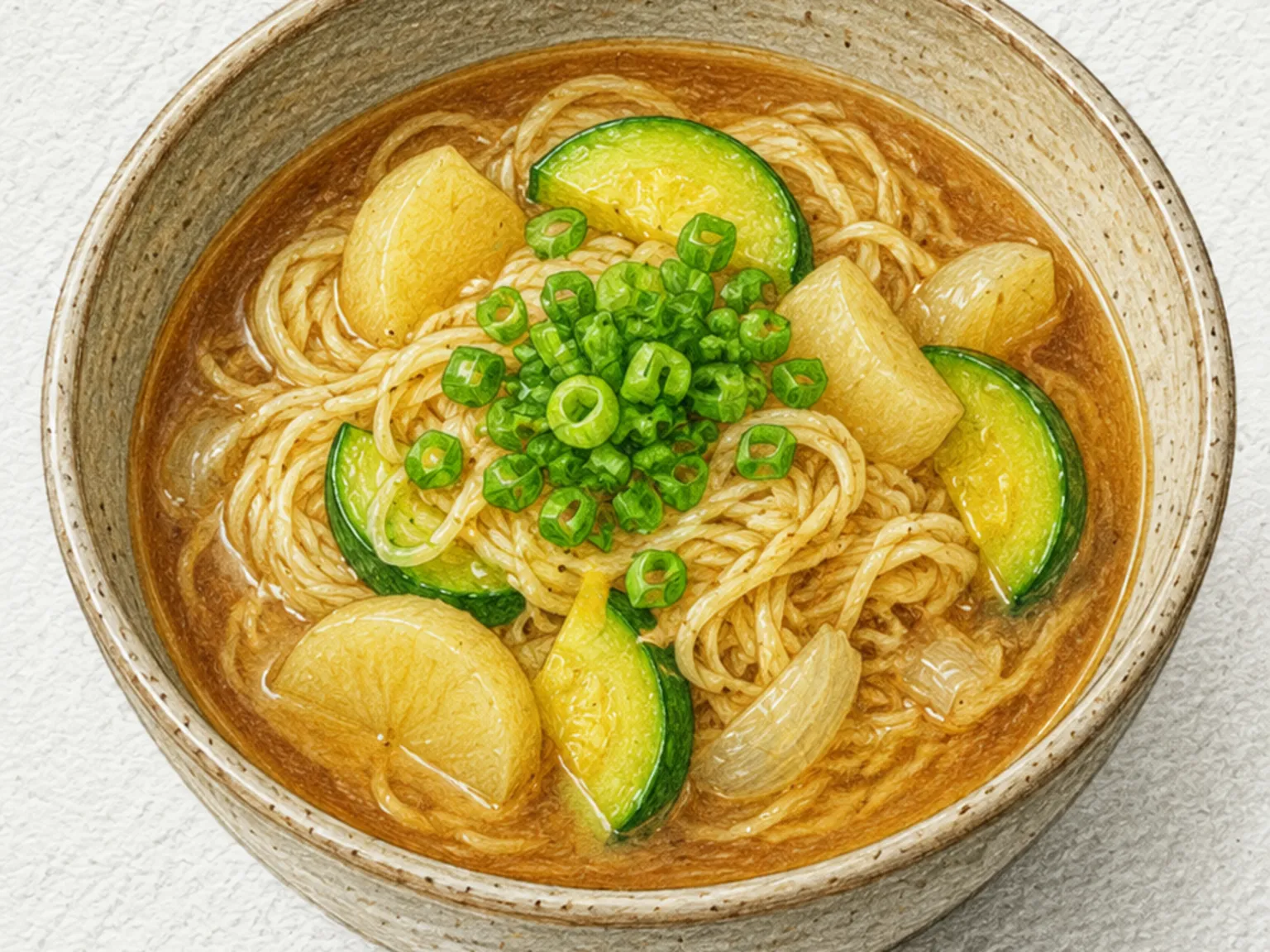
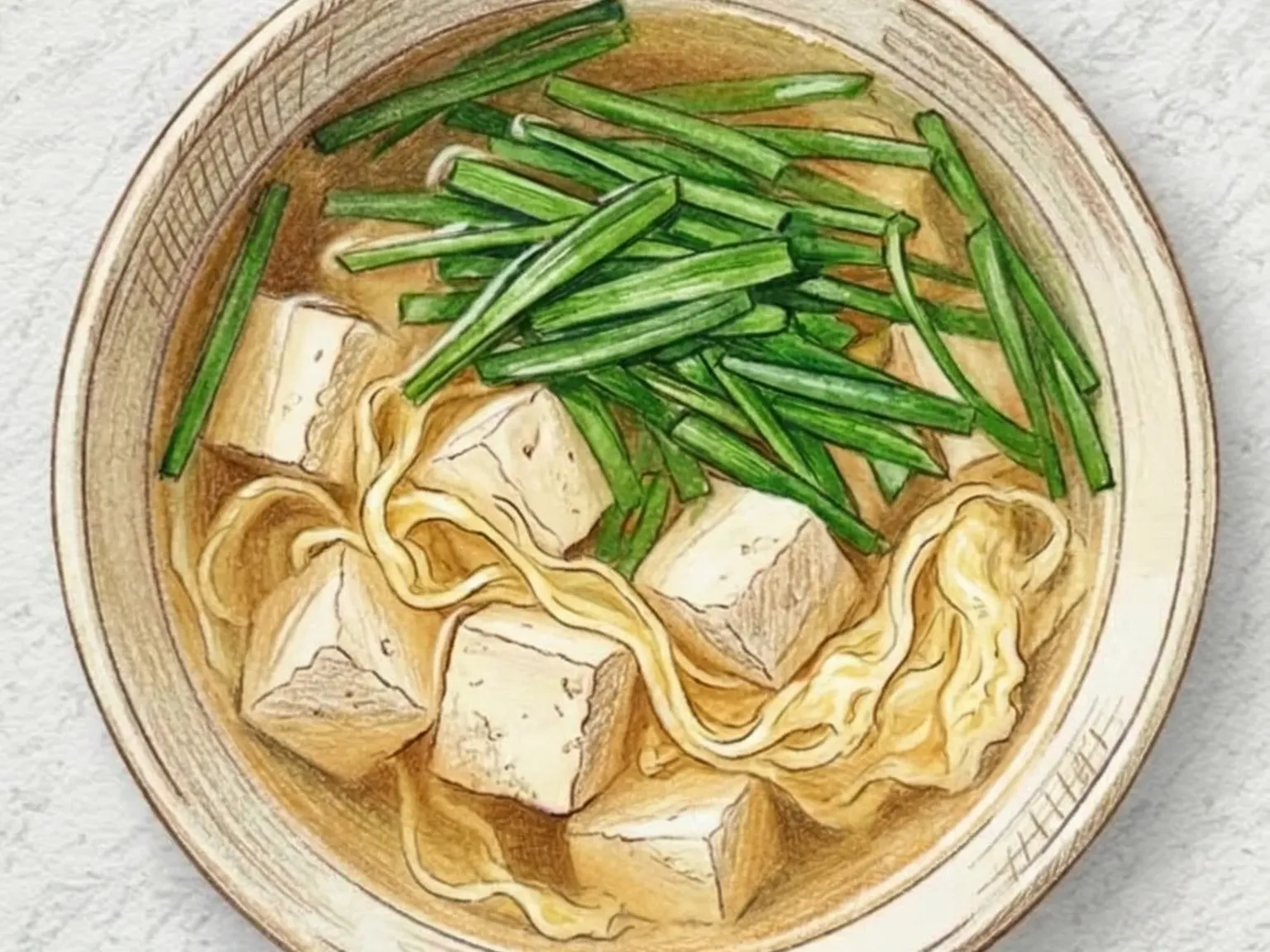
Kimchi mandu onmyeon is a Korean warm noodle dish that combines kimchi dumplings simmered in anchovy-kelp stock with thin wheat noodles served in the hot broth. The filling of kimchi and pork inside each dumpling gradually releases savory depth into the clean dashi as the dumplings cook, building a broth that feels substantive without requiring heavy seasoning. Soup soy sauce and minced garlic are the only seasoning additions, keeping the overall flavor clear and well-defined. Thin wheat noodles are boiled separately and rinsed under cold water before serving, which prevents the cooking starch from clouding the broth and keeps the noodles smooth and springy in texture rather than swollen and soft. Julienned zucchini added to the broth and a thin stream of beaten egg swirled in just before serving add color and textural variety to the finished bowl. Since the sodium content of kimchi dumplings varies considerably by brand, soup soy sauce should be added in small increments at the end rather than all at once. Overcooking the dumplings causes the wrapper to loosen and the broth to cloud, so once the dumplings float to the surface the noodles should go in and the dish brought together quickly. Gochugaru or sliced cheongyang chili transforms the bowl into a spicier version, and a drop of sesame oil stirred in just before eating rounds out the nuttiness of the broth. Equally suited as a late-night solo meal or a warming bowl on a cold day.

🏠 Everyday
Prep 10minCook 18min2 servings
Porcini Truffle Mushroom Tagliatelle
PastaHard

Porcini Truffle Mushroom Tagliatelle

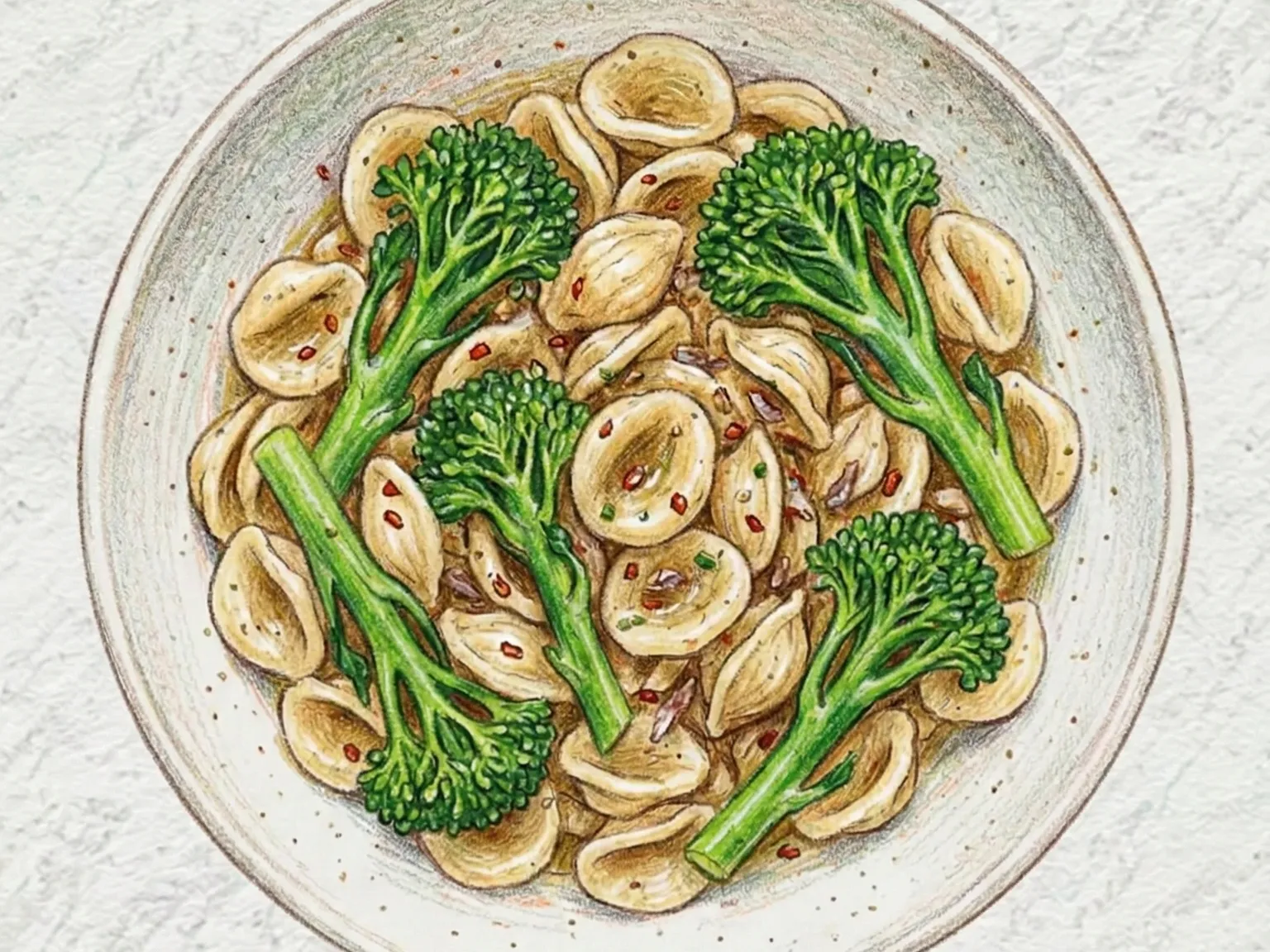
Porcini truffle mushroom tagliatelle relies on the liquid left over from rehydrating dried porcini as the flavor engine of the entire dish. Soaking dried porcini for thirty minutes or more produces a deep brown, intensely earthy liquid that carries far more umami than any fresh mushroom can alone. Shallots and garlic are cooked slowly in butter and olive oil until soft, then white wine is added to deglaze the pan and lift the savory residue from the bottom. Rehydrated porcini and a selection of fresh mixed mushrooms go in next, followed by the strained soaking liquid, and the sauce is simmered down until concentrated and thick. Truffle paste is stirred in only after the pan is removed from heat - adding it while still on the flame burns off the volatile compounds responsible for its aroma. Grated Parmigiano-Reggiano and flat-leaf parsley are folded through at the end. Wide tagliatelle ribbons are the ideal carrier: their surface area and chewy structure hold the dense sauce without falling apart.

🎉 Special Occasion
Prep 20minCook 25min4 servings