Korean Sogogi Jangjorim (Soy-Braised Beef)
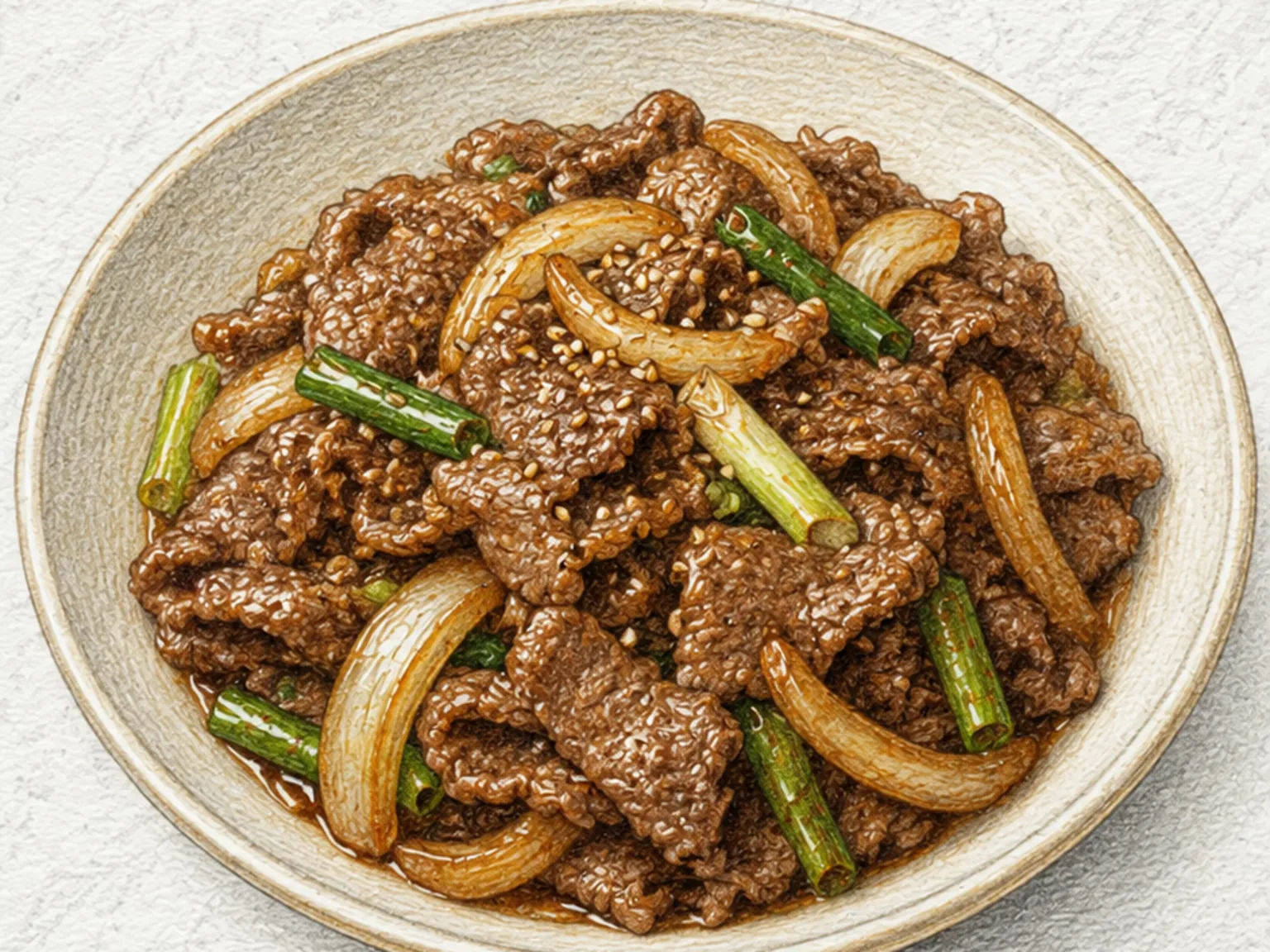
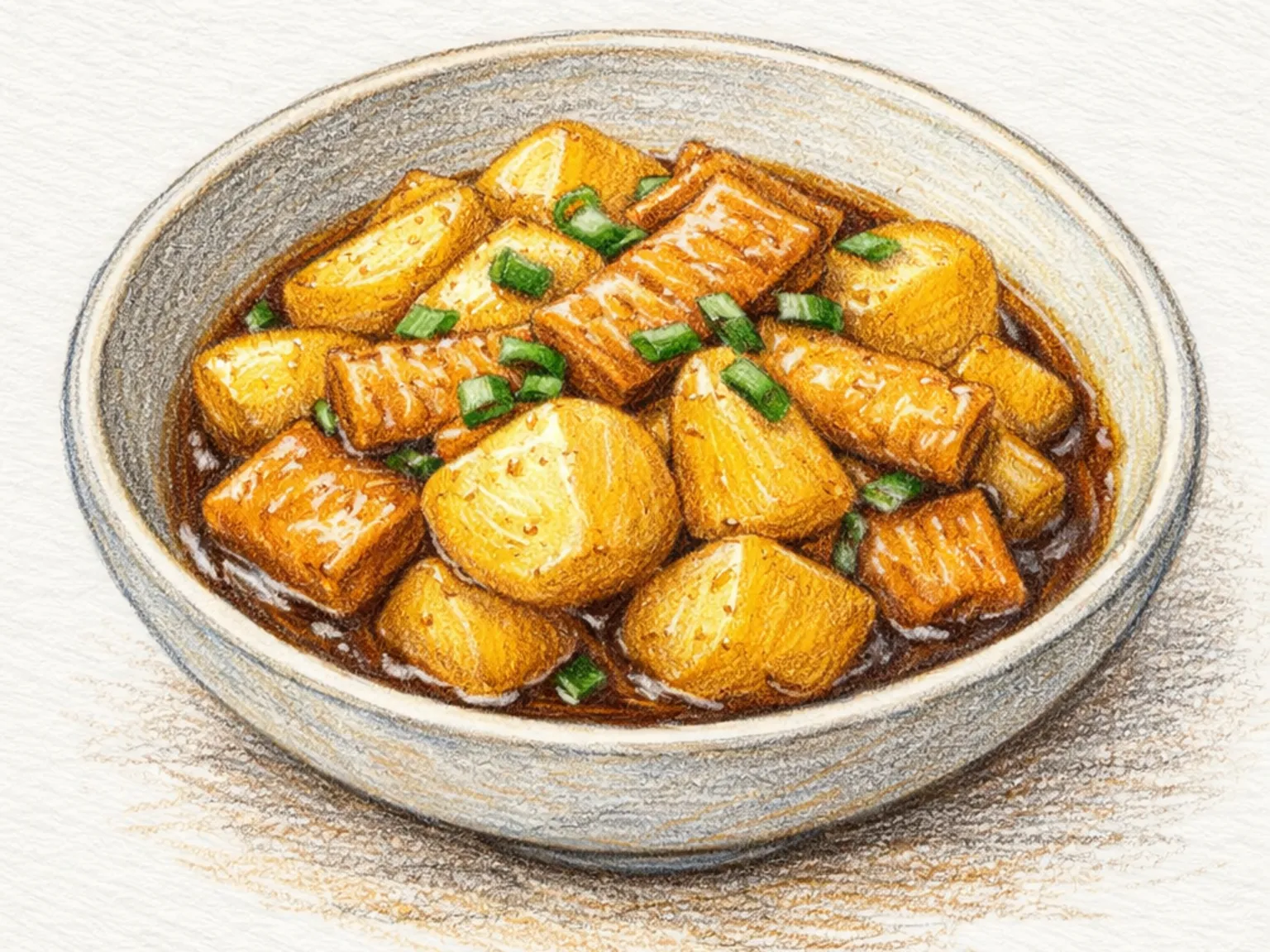
Sogogi jangjorim is one of Korea's essential make-ahead side dishes, made by boiling lean beef round until thoroughly tender, shredding it cleanly along the grain, and braising the shreds with quail eggs in soy sauce, sugar, and garlic. Using the beef cooking broth as the braising base means every spoonful of the liquid carries concentrated, bone-deep meat flavor that plain water could not produce. The quail eggs take on a deep amber-brown color as they simmer, absorbing the soy seasoning all the way through to the yolk rather than just on the surface. Cooling the pot completely before refrigerating is not merely a storage step but a flavor step: both the meat and the eggs continue to draw in seasoning as the temperature drops, resulting in a more uniform taste throughout. Once fully chilled, the braising liquid partially solidifies into a savory coating around each piece of beef and every egg, helping the dish maintain its intensity for days. Refrigerated, this banchan keeps well over a week, making it a staple of Korean weekly meal preparation. The shredded beef tucks easily between grains of rice, and the firm bite of the quail eggs provides a satisfying textural contrast that makes it impossible to stop at just a few bites.

Korean Young Radish Water Kimchi
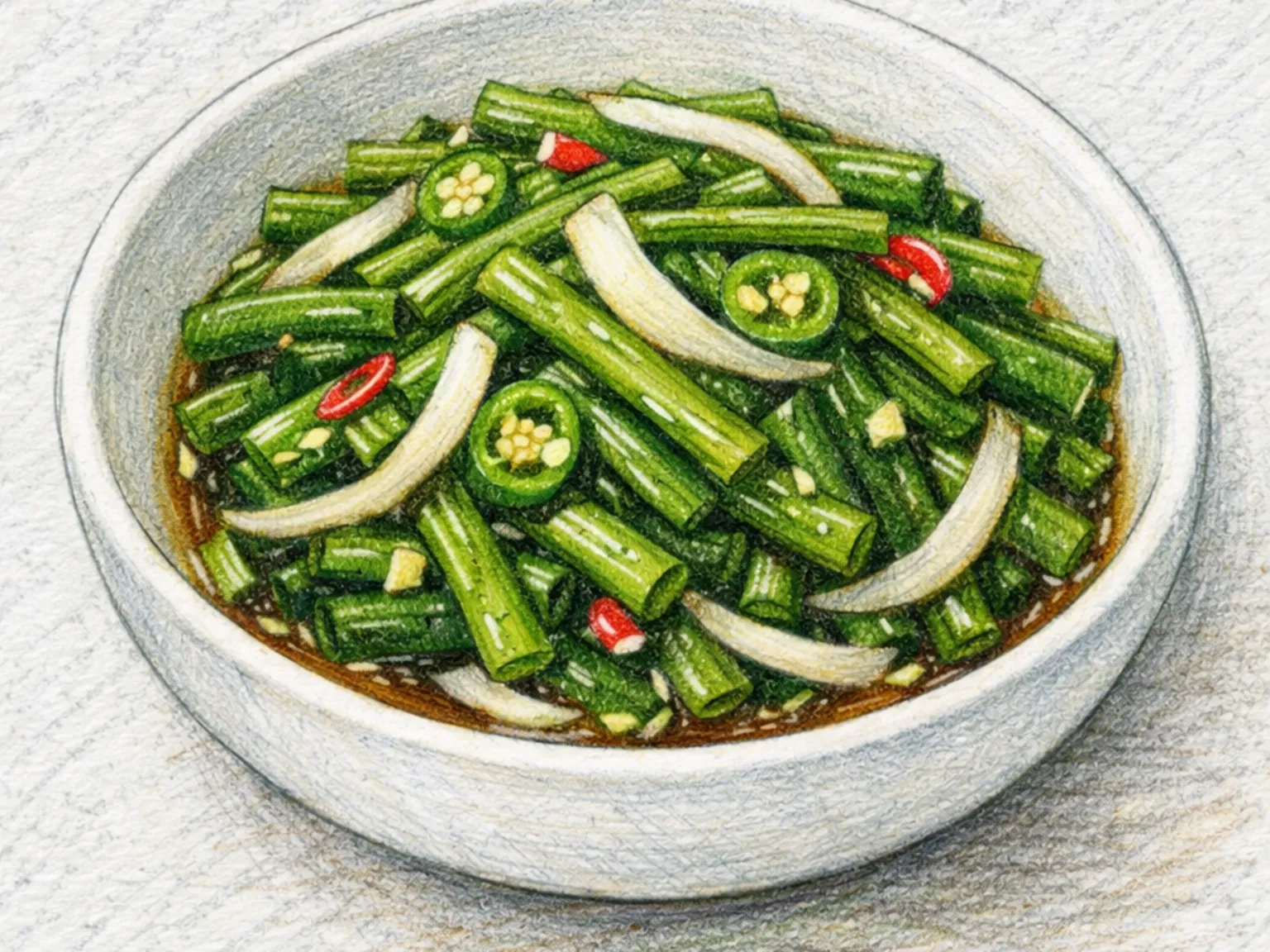
Yeolmu mul-kimchi is a water kimchi in which young radish greens are salted to reduce their raw grassy sharpness, then submerged in a clear, aromatic brine infused with sliced radish, scallions, garlic, and ginger. The garlic and ginger are wrapped in cloth and squeezed rather than added directly to the liquid, which keeps the brine transparent and clean-tasting rather than murky. Plum syrup blended into the brine provides a measured sweetness and contributes to a lively acidity as fermentation develops. Leaving the jar at room temperature for eight hours and then refrigerating for another twelve allows the brine to become gently effervescent and pleasantly tart without turning sour. The finished liquid doubles as a broth for cold noodles in summer or can be ladled over cooked rice for a refreshing light meal. Filtered cold water makes a noticeable difference in the cleanliness of the final flavor, and keeping close watch on the salting time prevents the greens from softening past their ideal crisp texture.

Soto Betawi (Jakarta Creamy Coconut Milk Beef Soup)
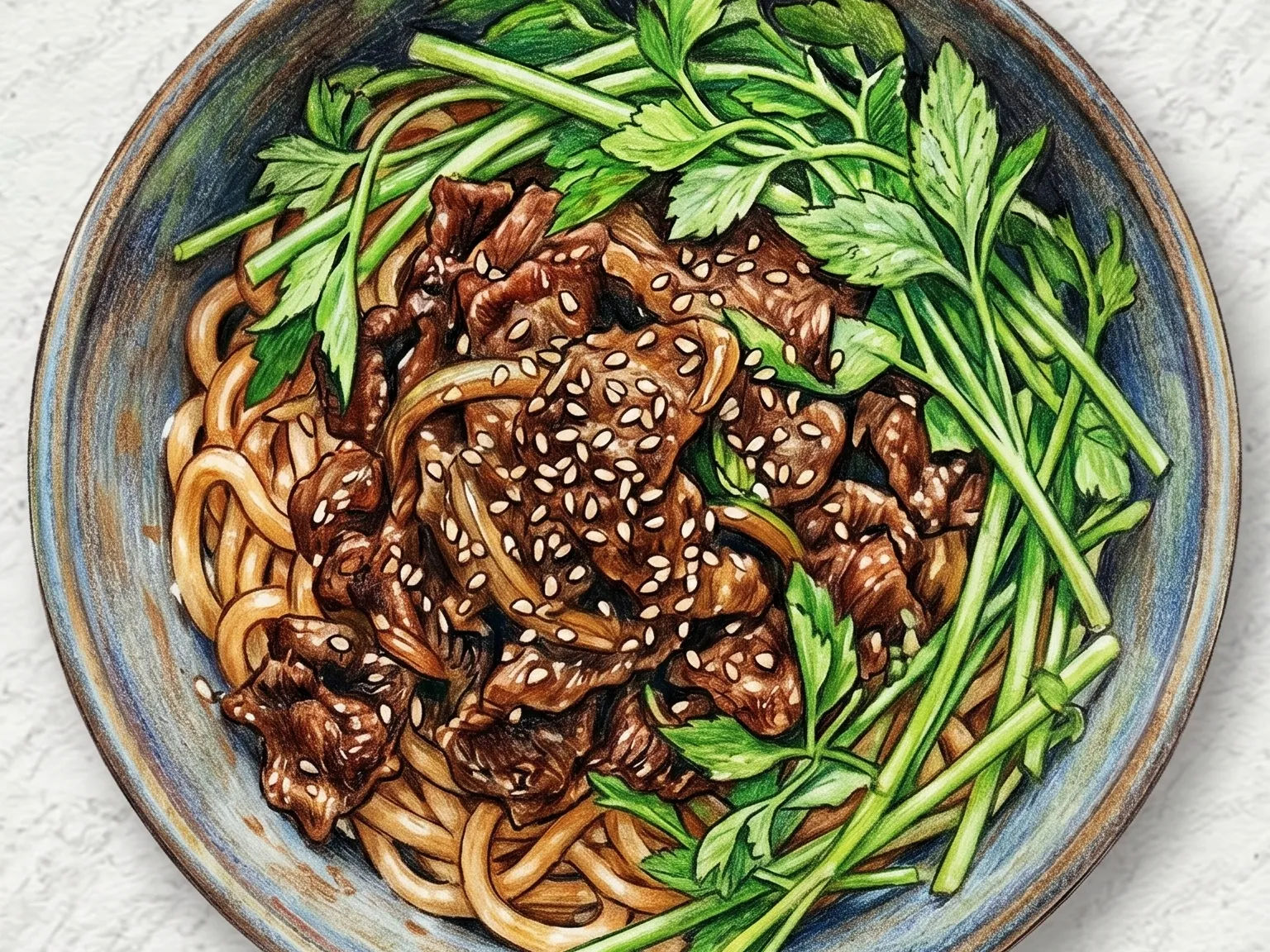
Soto Betawi is a Jakarta-born beef soup distinguished by its creamy, coconut-enriched broth and a layered spice profile. The aromatics begin with a paste of onion, garlic, and ginger, bloomed in oil alongside ground coriander and a cinnamon stick to build a warm, complex base. Beef brisket simmers in this fragrant liquid for forty minutes or more until it yields to the touch, its collagen enriching the stock. Coconut milk and fish sauce are stirred in toward the end, transforming the broth into something rich and velvety while rounding off the sharper spice edges. The finished soup is neither thin nor heavy-it sits in a satisfying middle ground, substantial enough to serve as a main course with steamed rice or crusty bread on the side. Soto Betawi is a point of pride for Jakarta's Betawi community and a fixture of the city's street-food landscape.

Korean Seasoned Bean Sprouts
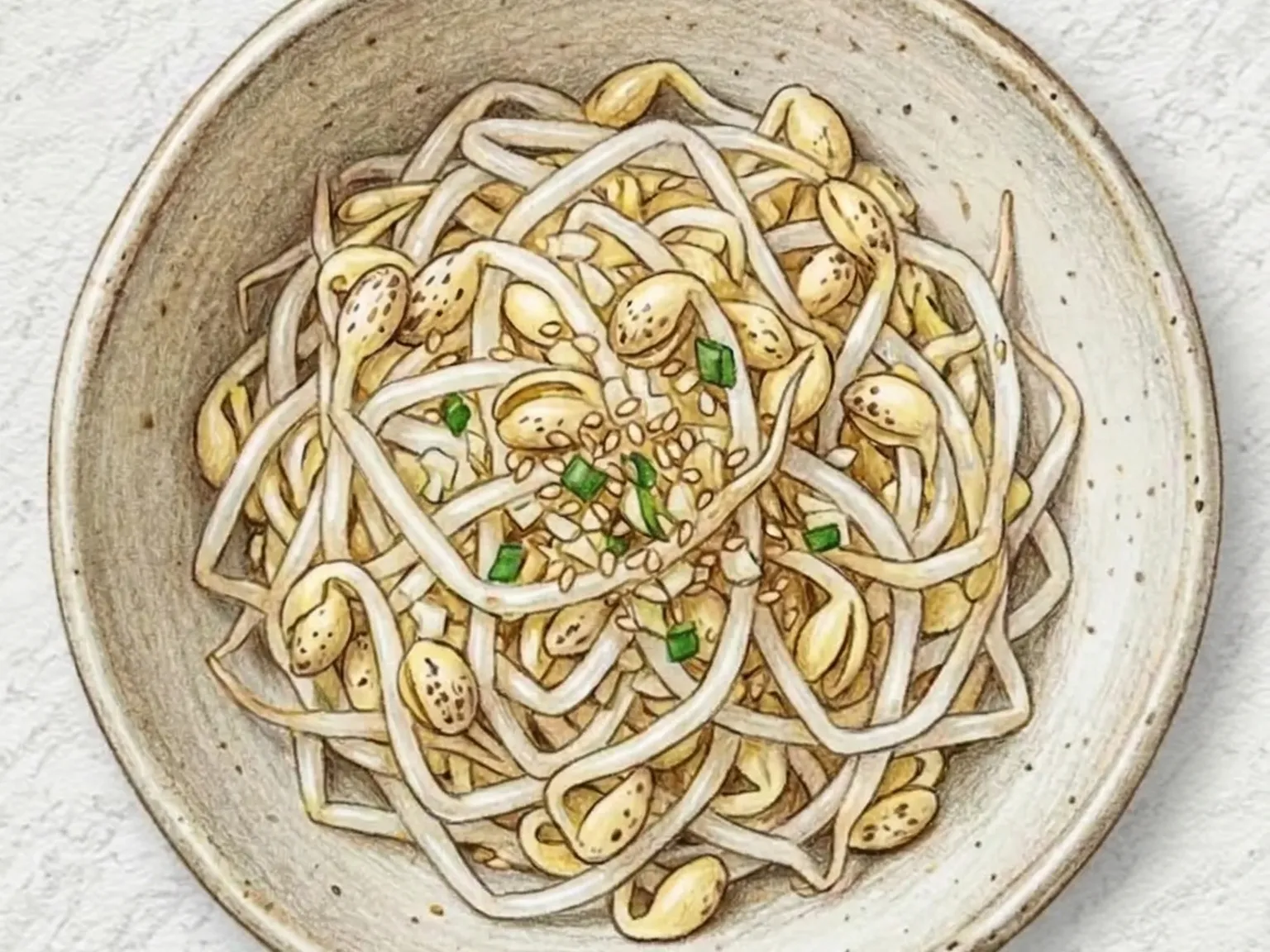
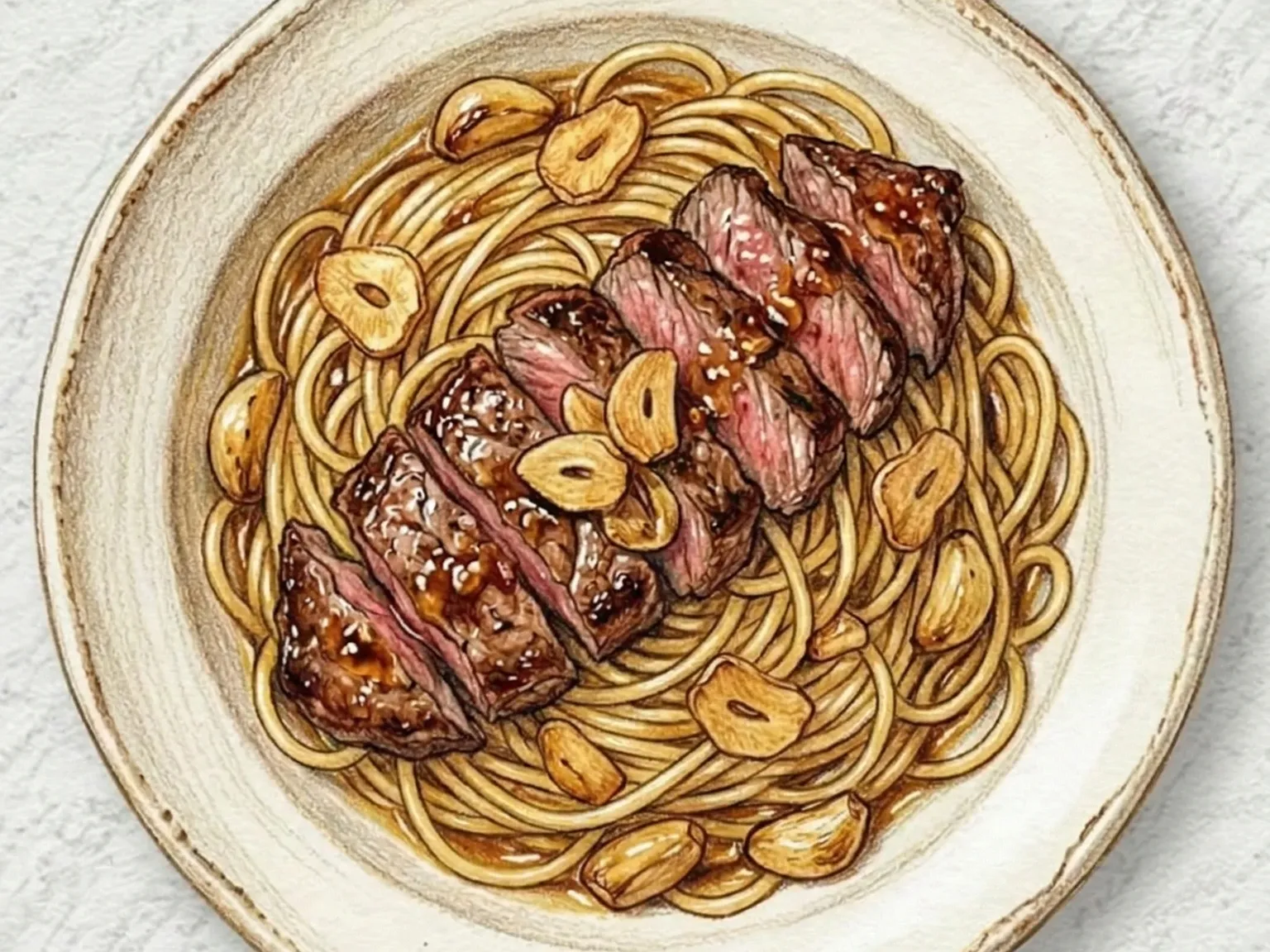
Kongnamul-muchim is arguably the most frequently served banchan on Korean family tables, boiled soybean sprouts dressed simply with sesame oil, garlic, and salt. The famous never-open-the-lid rule during cooking has a clear biochemical basis: the lipoxygenase enzyme in soybeans activates during the early stages of heating and produces the raw-bean off-odor that makes poorly cooked sprouts unpleasant. Keeping the lid firmly sealed maintains a full rolling boil at 100 degrees Celsius, which rapidly deactivates the enzyme before it can do much damage. Three minutes of covered boiling is the standard. A cold water rinse immediately after cooking halts carryover heat, preserving the crisp stem texture that defines a well-made batch, and thorough hand-squeezing prevents the dressing from becoming diluted and watery. Adding gochugaru creates the spicy red version; leaving it out yields the white baek-kongnamul variant. This namul is one of the mandatory components of bibimbap and is particularly associated with Jeonju, where kongnamul-gukbap and bibimbap together define the city's culinary identity around the same ingredient. Nail the cooking time, the rinse temperature, and the squeeze, and the result is consistent every single time.

Korean Shepherd's Purse Tofu Stir-fry
Naengi-dubu-bokkeum is a spring-seasonal Korean stir-fry that pairs shepherd's purse - a wild herb with a distinctive earthy bitterness - with cubed firm tofu in perilla oil and soy sauce. The tofu is pan-seared until golden to build a crust, then set aside while onion and garlic cook in the same pan before soy sauces go in. The tofu returns along with the cleaned, trimmed shepherd's purse, which needs only two minutes of gentle tossing to wilt without losing its herbal bite. A final drizzle of perilla oil and a pinch of toasted sesame seeds layer nuttiness over the herb's green, slightly bitter fragrance.

Korean Soy-Garlic Grilled Chicken Legs
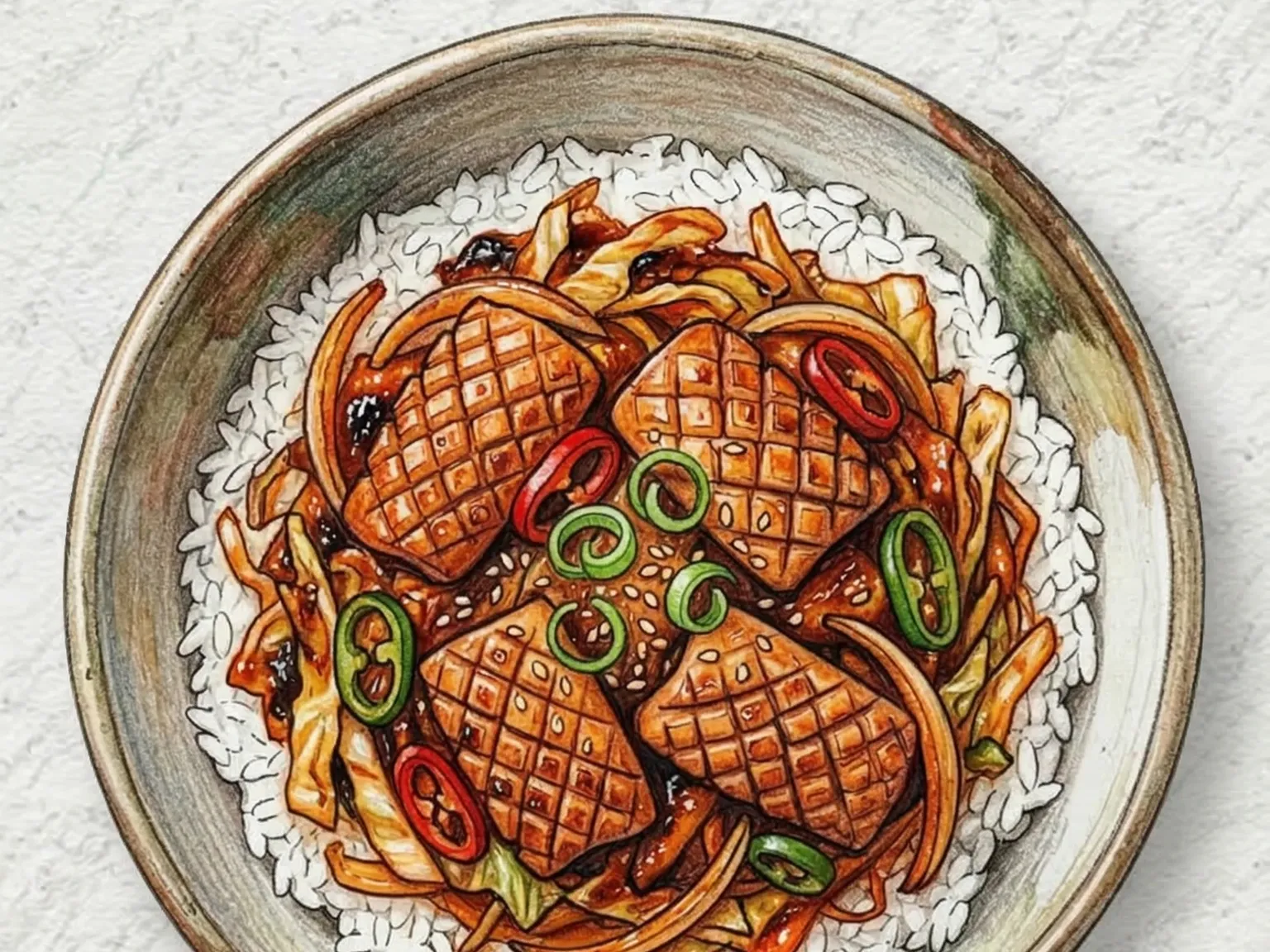
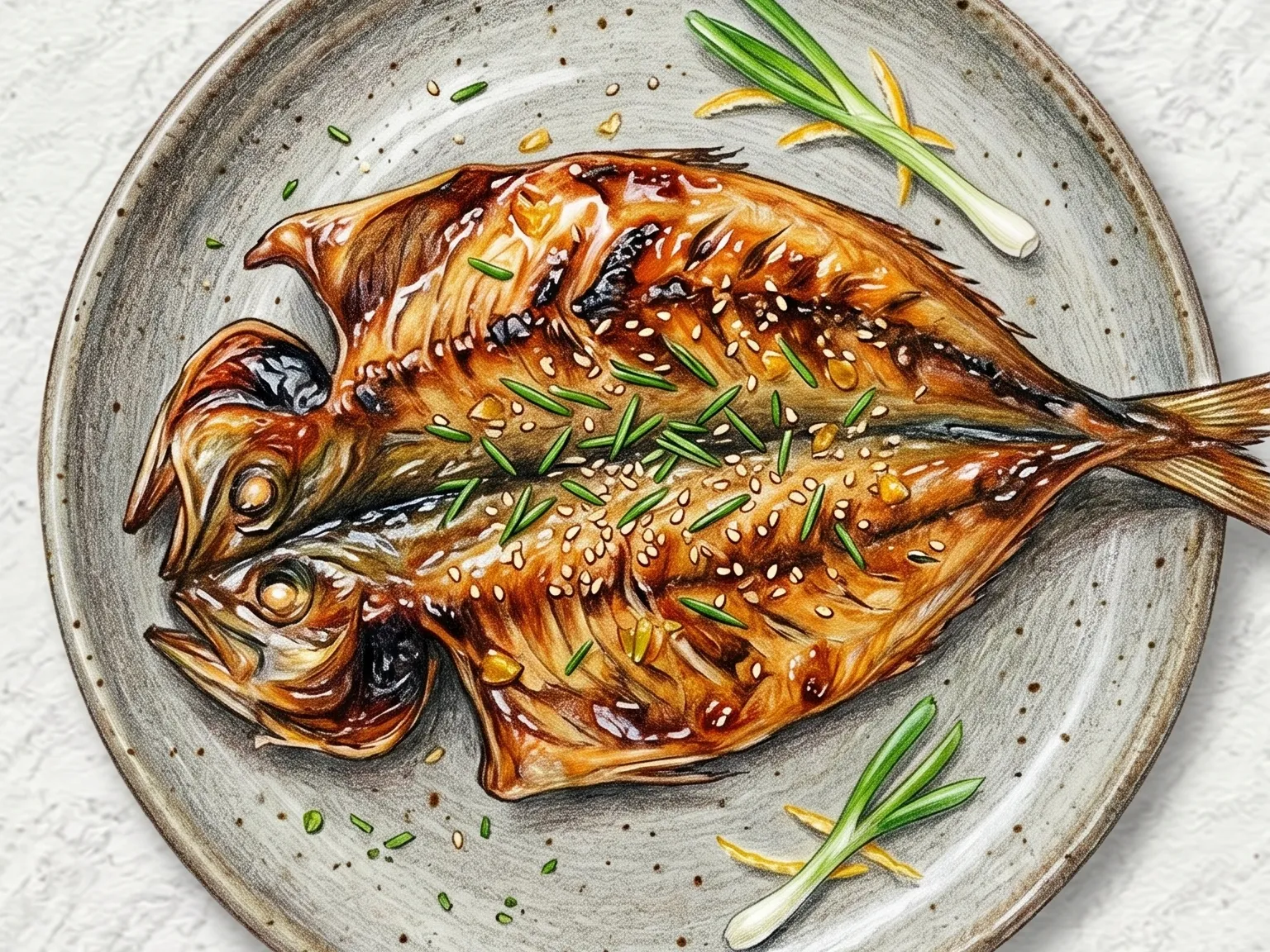
Chicken leg meat is scored at the thickest points for even cooking, then marinated in soy sauce, oligosaccharide syrup, minced garlic, cooking wine, sesame oil, and black pepper. Starting skin-side down in a covered pan for ten minutes, then flipping for another eight to ten minutes, the skin renders its fat and crisps up while the interior cooks through. A final brush of the remaining marinade reduces into a dark, glossy glaze that carries concentrated garlic and soy flavor. Finished with a sprinkle of sesame seeds, this dish yields four generous servings as a main course alongside rice.

Korean Shepherd's Purse Beef Soup
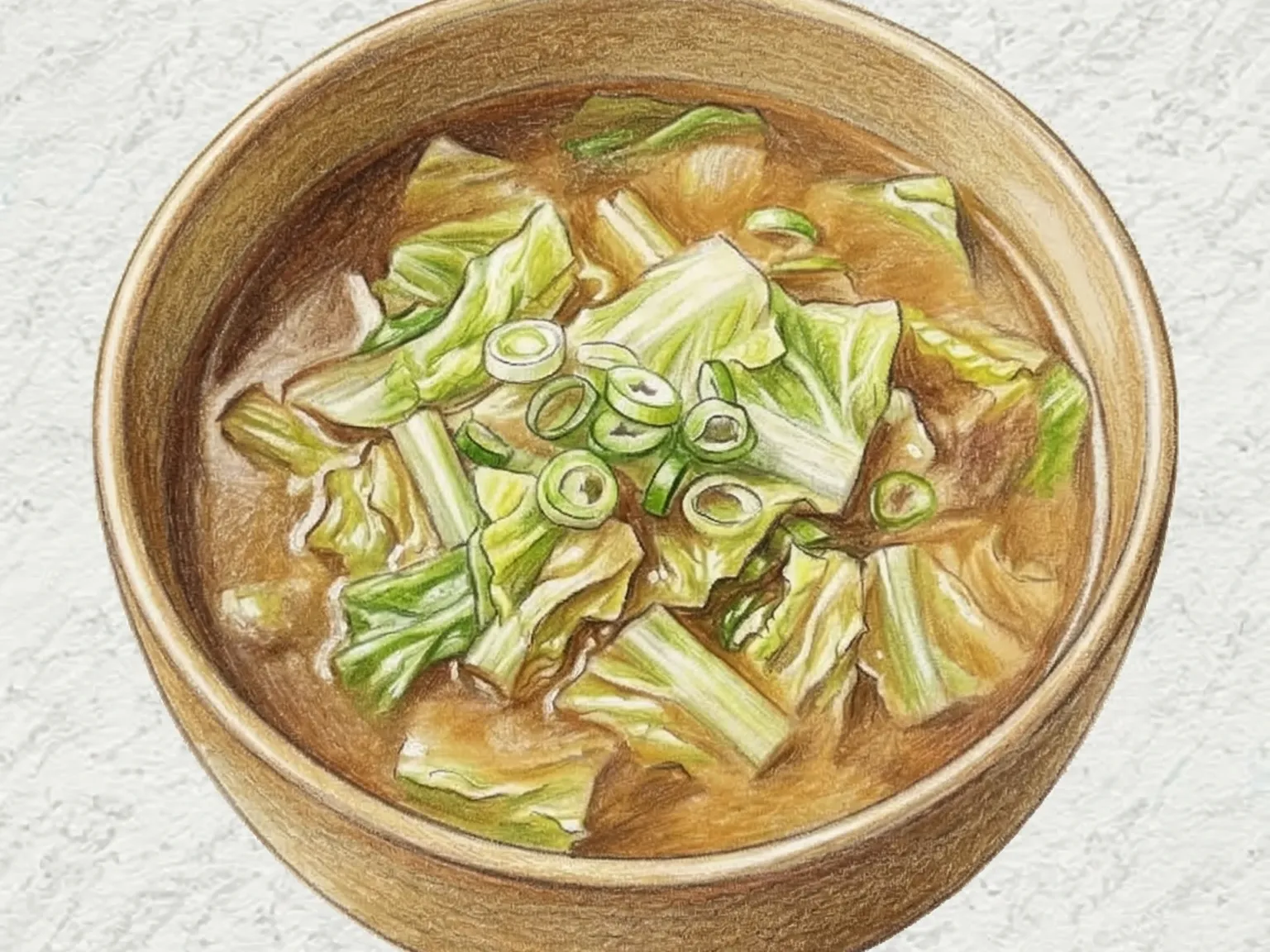
Naengi-soegogi-guk brings together sesame-oil-seared beef and shepherd's purse in a clear, deeply flavored broth. Thinly sliced brisket is stir-fried in sesame oil first, building a savory, aromatic base before water and a small amount of doenjang are added. The soup simmers until the beef releases its full flavor into the broth, then soup soy sauce and garlic round out the seasoning. Shepherd's purse goes in near the end and cooks for just five minutes so its characteristic earthy bitterness and wild green scent stay vivid rather than cooking out. The result is a bowl that feels both substantial and distinctly seasonal, with rich beef broth anchoring the delicate, slightly bitter quality of the spring herb. Adding the herb too early dulls its aroma, so timing is the most critical step in the preparation.

Korean Dried Radish Greens & Clam Soybean Stew
This stew pairs rehydrated dried radish greens with fresh clams in a broth of rice-rinse water seasoned with doenjang and a measured amount of gochujang. The radish greens go into perilla oil first, sauteing until their nutty aroma blooms fully before the clams are added. As the clams open, they release a clean, briny liquid that merges with the fermented soybean paste to form a layered, deeply savory base. Korean radish and onion contribute background sweetness, while green onion and garlic anchor the aromatic profile with a sharp edge. The rice-rinse water introduces a gentle body to the broth, giving it a slightly thickened, silky texture that coats each spoonful. The doenjang works its way into the fibrous radish greens during cooking, so each bite carries the full weight of the seasoning. This is the kind of stew that makes plain rice disappear from the bowl without effort.

Korean Braised Beef and Radish
Sogogi mu jorim is a Korean braised beef and radish dish where brisket and thick-cut Korean radish are slowly simmered in soy sauce with garlic, ginger, and a touch of sugar. Boiling the beef first and skimming the foam produces a clean broth base for braising. The radish goes in later so it cooks until semi-translucent, absorbing the beef-enriched liquid and developing a natural sweetness that balances the soy. Green onion added at the end contributes a fresh note. Cutting the radish thick is important so it holds its shape through the braise, and resting the dish overnight before reheating deepens the flavor noticeably.

Korean Lotus Root Kimchi (Crunchy Spiced Root Kimchi)
Starting with sliced lotus root boiled in vinegar water helps remove bitterness while keeping the vegetable pale and crisp. The seasoning combines gochugaru, minced garlic, and anchovy fish sauce with the addition of fresh pear juice. This pear juice provides natural sugars and necessary moisture so the chili paste coats each slice evenly without becoming dry or clumping. Even after the fermentation process begins, the lotus root maintains its signature firm and crunchy texture. Sliced scallions are tossed in to add a fresh aromatic quality that balances the spicy garlic paste. One full day of refrigeration allows the flavors to settle into the flesh before serving. Because the seasoning gets trapped inside the characteristic holes of the root, the paste should remain thick rather than watery to ensure consistent flavor. When left to ferment for a few more days, the developing acidity helps cut through the richness of grilled meats or fried dishes. A light addition of sesame oil and toasted sesame seeds at the end brings a toasted scent to every bite.

Suan Cai Yu (Sichuan Pickled Mustard Greens Fish Stew)
Suan cai yu is a Sichuan fish stew that draws its defining character from pickled mustard greens-fermented vegetables whose sharp acidity provides the tangy backbone of the dish. The cooking starts with chili oil, garlic, ginger, and dried chilies sizzled together to create a pungent, aromatic base. The rinsed pickled greens go in next, their sour bite mellowing slightly as they simmer in stock for ten minutes, releasing a complex fermented depth into the broth. Thin slices of white fish, lightly dusted with starch to protect their delicate texture, are added at the very end and cooked for only a few minutes so they remain silky and intact. The finished bowl is a study in contrasts: the broth is simultaneously sour from the pickled greens, spicy from the chili oil, and savory from the stock, while the fish offers a clean, mild counterpoint. It is a deeply satisfying dish that showcases Sichuan cuisine's mastery of bold, layered flavors.

Korean Pickled Garlic (Soy-Vinegar Aged Whole Cloves)
Maneul-jangajji is whole garlic cloves pickled in a soy-vinegar brine, a traditional Korean preserved banchan that sits near-permanently in the kimchi refrigerator alongside kimjang kimchi. The customary practice is to make it during the June fresh garlic harvest and eat it throughout the year, replenishing the supply annually. After three or more months submerged in the brine, every trace of the raw garlic's sharp, pungent bite disappears, leaving behind a clove that has become almost translucent, with a jelly-firm texture and a clean salty-sweet flavor with no heat at all. The baseline ratio for the brine is two parts soy sauce to one part vinegar. Increasing the vinegar beyond that ratio tips the flavor too far toward sourness, making the pickles difficult to eat alongside rice as a general banchan. The brine must be brought to a full boil and cooled completely before it is poured over the garlic - never hot, which would partially cook the cloves. Repeating the cycle of draining the brine, reboiling it, cooling it, and returning it to the jar every three days for three complete cycles significantly extends shelf life and builds a more layered depth of flavor than a single pouring achieves. Skipping this process results in a noticeably flatter pickle. After three days at room temperature to initiate fermentation, the jar moves to the refrigerator, where the lower temperature slows the process and preserves the characteristic crunch for months. The finished pickles are eaten one clove at a time alongside grilled pork belly or short ribs, where their acidity cuts through the fat. Minced finely and stirred into fried rice, they contribute a concentrated umami that is difficult to replicate with raw garlic.

Korean Spicy Stir-fried Octopus
Nakji-bokkeum is a fiery Korean stir-fry of small octopus (nakji) coated in a sauce of gochujang, gochugaru, soy sauce, sugar, and garlic, tossed with bean sprouts, onion, carrot, and scallion. Bean sprouts line the bottom of the pan, releasing moisture to prevent sticking while adding crunch. The vegetables and half the sauce go on next, then the octopus on top, covered and steamed on medium heat for three minutes before a final high-heat stir-fry sears everything for two minutes. Speed is critical - octopus toughens with prolonged cooking - and the dish is often mixed with boiled thin wheat noodles for a heartier meal.

Korean Grilled Bellflower Root
Bellflower root is shredded lengthwise, soaked in salted water, and blanched for one minute to draw out its characteristic bitterness without eliminating it entirely. A ten-minute soak in a sauce of gochujang, gochugaru, soy sauce, oligosaccharide syrup, garlic, and sesame oil seasons the root before it hits a medium-heat pan for three to four minutes per side. The result has a crisp, crunchy bite - distinct from any other vegetable - with a red-glazed surface that carries moderate heat. Open-flame grilling adds a smoky dimension that pairs well with the spicy coating, and sesame seeds provide a finishing touch.

Naju Gomtang (Naju Clear Brisket Beef Soup)
Naju-gomtang is a traditional beef soup from Naju in Korea's South Jeolla Province, distinguished by its clear broth and its reliance entirely on lean cuts rather than bones or offal. While Seoul-style gomtang often includes bone marrow and internal organs for a richer, cloudier result, Naju gomtang uses only brisket and shank, producing a broth that looks light but carries a deep, clean beef flavor. The entire technique depends on low, patient heat. A hard boil clouds the liquid, so the pot must stay at a gentle simmer for at least two hours, with foam skimmed off as it rises. This extended cooking draws collagen from the connective tissue into the broth, giving it a coating quality that lingers on the palate despite the clear appearance. The meat is lifted out, shredded along the grain or sliced thin, then returned to the strained broth. Seasoning is intentionally minimal, just soup soy sauce and salt, because the point is to let the flavor of long-simmered beef stand on its own. Sliced green onion and white pepper are added at the table just before eating, the traditional finishing touch.

Korean Beef Mushroom Stew
Soegogi-beoseot-jjigae is a Korean stew featuring thinly sliced beef with oyster mushrooms and shiitake mushrooms in a beef stock base. The beef stays tender throughout the cooking time because it is cut thin, and the two varieties of mushrooms contribute layered umami that deepens the broth considerably. Firm tofu absorbs the surrounding liquid and takes on the flavors of the stew while adding protein and body to the pot. Onion and green onion provide sweetness and fragrance that round out the savory base. The stew is seasoned simply with soup soy sauce and garlic, which keeps the natural flavors of beef and mushroom prominent. Tearing oyster mushrooms by hand along their grain allows the broth to penetrate the fibers better than cutting, and removing the tough stems from shiitake mushrooms before adding them keeps the broth clean and free of bitterness.

Vietnamese Braised Pork and Eggs
Thit kho trung is a Vietnamese home-style braise of pork and hard-boiled eggs simmered low and slow in coconut water, fish sauce, and a caramel base for nearly an hour. Sugar is cooked in the pot until it reaches a deep amber caramel before the pork is added, coating the meat in a dark, slightly bitter glaze that underpins the entire flavor of the dish. Coconut water contributes a gentle tropical sweetness and keeps the meat from drying out through the long simmer in a way that plain water cannot. The eggs, peeled and added from the start, absorb the braising liquid through the full cooking time and turn brown all the way to the yolk, taking on the complete range of salty-sweet seasoning. Spoon the sauce over steamed rice and the combination delivers the characteristic Vietnamese balance of fermented fish depth, caramel bitterness, and coconut softness all at once. Pork shoulder or pork belly with skin attached works best for this recipe because the collagen in the connective tissue melts into the braising liquid during the long cook, giving the sauce a glossy, slightly viscous body that clings to the rice.

Sesame Spicy Tantanmen (Chinese Creamy Sesame Chili Oil Noodle Soup)
Tantanmen is a noodle soup of Chinese origin that is defined by the combination of a creamy sesame-based broth and the sharp heat of chili oil. This pairing creates a bowl of noodles that features nutty, spicy, and savory characteristics all at once. The preparation of the broth starts with a base of chicken stock. To this base, sesame paste is added and whisked thoroughly until it has fully dissolved into the liquid. The result of this process is a thick, tan-colored soup base that emits a prominent fragrance of roasted nuts. The meat topping for the dish is prepared separately by frying ground pork with minced garlic and fresh ginger. During this cooking process, doubanjiang, which is a paste made from fermented chili beans, is stirred into the pork to add saltiness and depth. The meat is cooked until it is well-browned and has a crumbly consistency, after which it is spooned over the noodles to provide a rich component to the final assembly. To balance the density of the broth, bok choy is blanched and added to the bowl, offering a crisp and vegetal element that provides a contrast to the liquid. Just before serving, a final drizzle of chili oil is applied to the surface of the soup, where it gathers in small pools and releases its aroma with the heat. The noodles are generally cooked until they are just short of being fully done, which allows them to maintain a firm and chewy texture while they remain submerged in the hot liquid. Each individual ingredient, from the sesame and chili to the fermented beans and pork, contributes its own specific layer of flavor. As these different elements gradually merge together in the bowl, the taste of the soup continues to develop and change while the meal is consumed slowly.

Korean Stir-fried Butterbur Stems
Meowi-namul-bokkeum stir-fries boiled butterbur stems in perilla oil, adding a cooking step that distinguishes it from the cold-dressed muchim version. While the muchim blanches and seasons immediately without further heat, the bokkeum takes the boiled stems into a pan with soup soy sauce and water for five minutes or more, driving the seasoning deep into the plant fibers. This additional cooking time also volatilizes more of the butterbur's bitter compounds, producing a milder flavor compared to the cold preparation. Perilla oil, though more prone to oxidation than sesame oil, is the traditional choice because its earthy, grassy aroma harmonizes with the herb's character in a way sesame oil cannot. Adding perilla seed powder in the last minute causes its starch to partially gelatinize, giving the sauce a thicker consistency, but leaving it on the heat too long makes the dish chalky and heavy. Timing this final step precisely is what separates a well-made version from an overcooked one. This banchan appears on spring mountain-village tables alongside gondeure-namul and chwinamul as part of the seasonal wild greens spread that marks the transition out of winter.

Korean Oi Dubu Bokkeum (Cucumber Tofu Stir-fry)
Oi-dubu-bokkeum stir-fries half-moon cucumber slices and cubed firm tofu with soup soy sauce, garlic, and a light touch of Korean chili flakes. The tofu is pan-fried to golden first to prevent crumbling, then set aside while garlic and onion build flavor in the same pan. Cucumber goes in for just 90 seconds - long enough to warm through but short enough to stay crisp and juicy. The tofu returns for a final toss with sesame oil, creating a dish defined by the contrast between cool, crunchy cucumber and warm, soft tofu under a clean soy-based seasoning.

Korean Grilled Beef Plate Rib
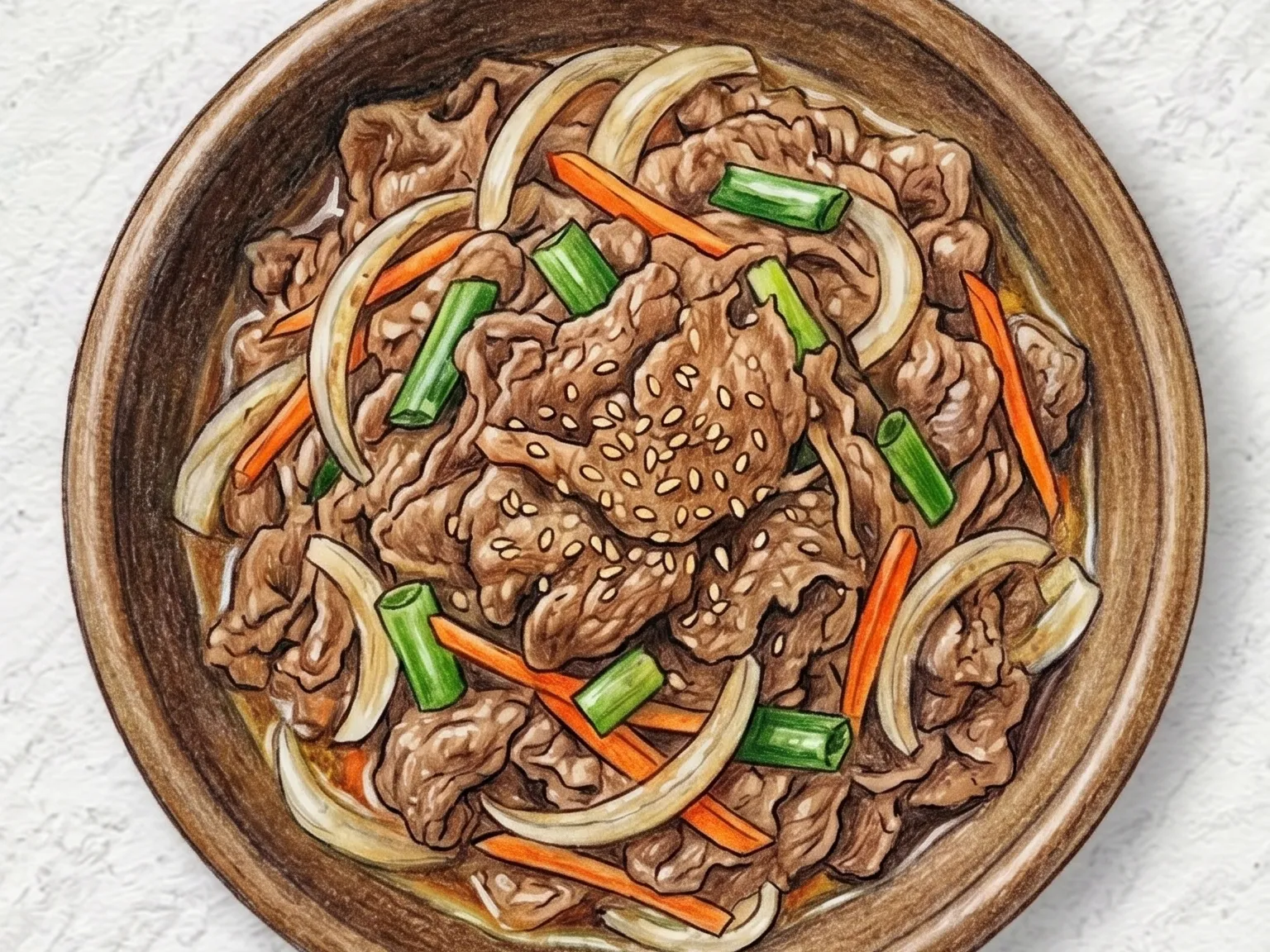
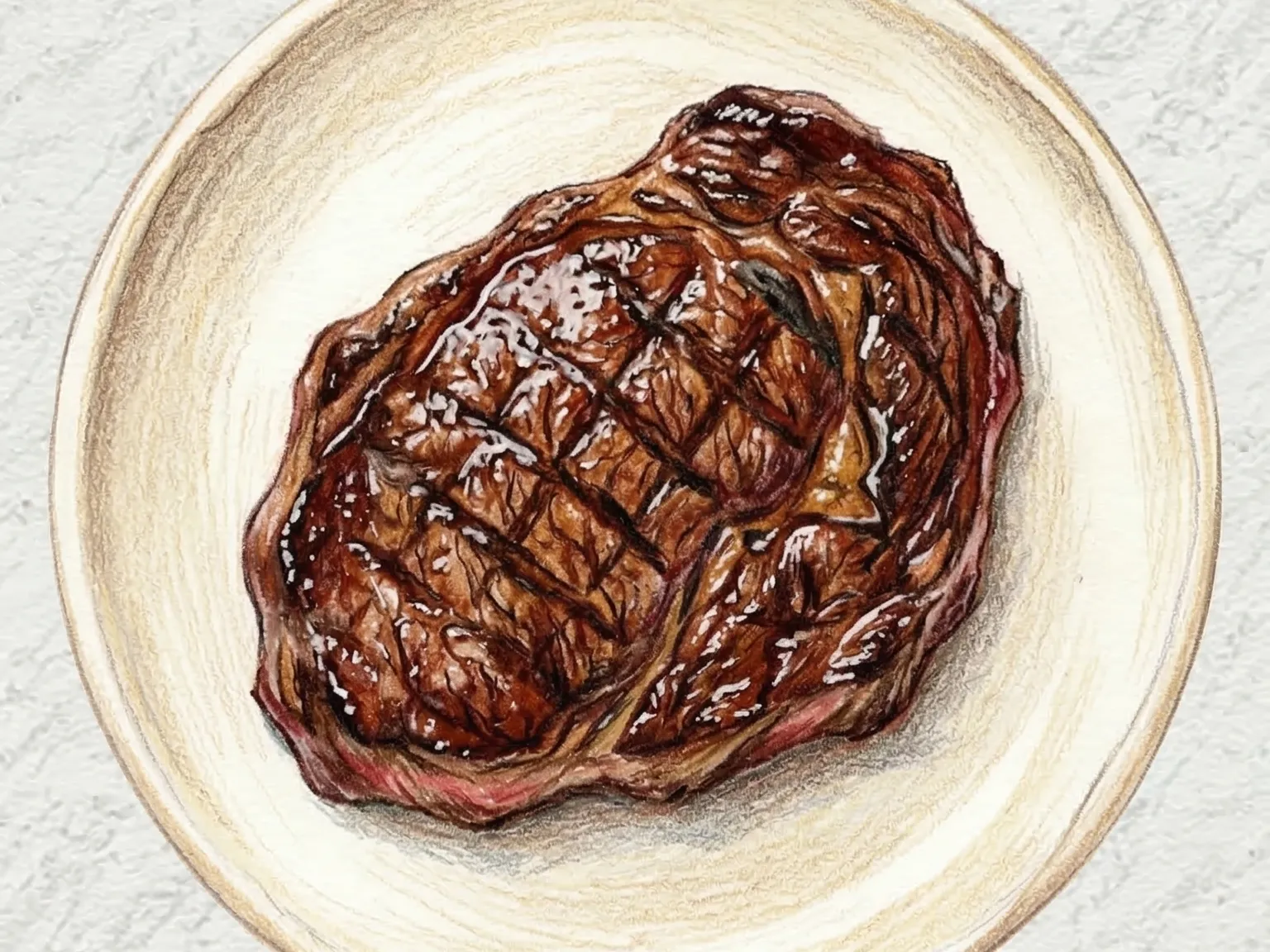
Beef plate rib - a thick, fatty slab attached to the rib bone - delivers a more intense beef flavor than standard short ribs when grilled. After soaking in cold water to draw out blood, the scored meat marinates for at least thirty minutes in soy sauce, Korean pear juice, cooking wine, minced garlic, sesame oil, black pepper, and green onion. The marinade seeps into the score marks, seasoning the meat to its core. Grilled four to five minutes per side on medium-high heat and glazed with remaining marinade, the surface darkens to a lacquered finish. The meat near the bone has a pronounced chew, while fat-laced sections melt on the tongue with lingering umami.

Korean Chicken and Neungi Mushroom Soup
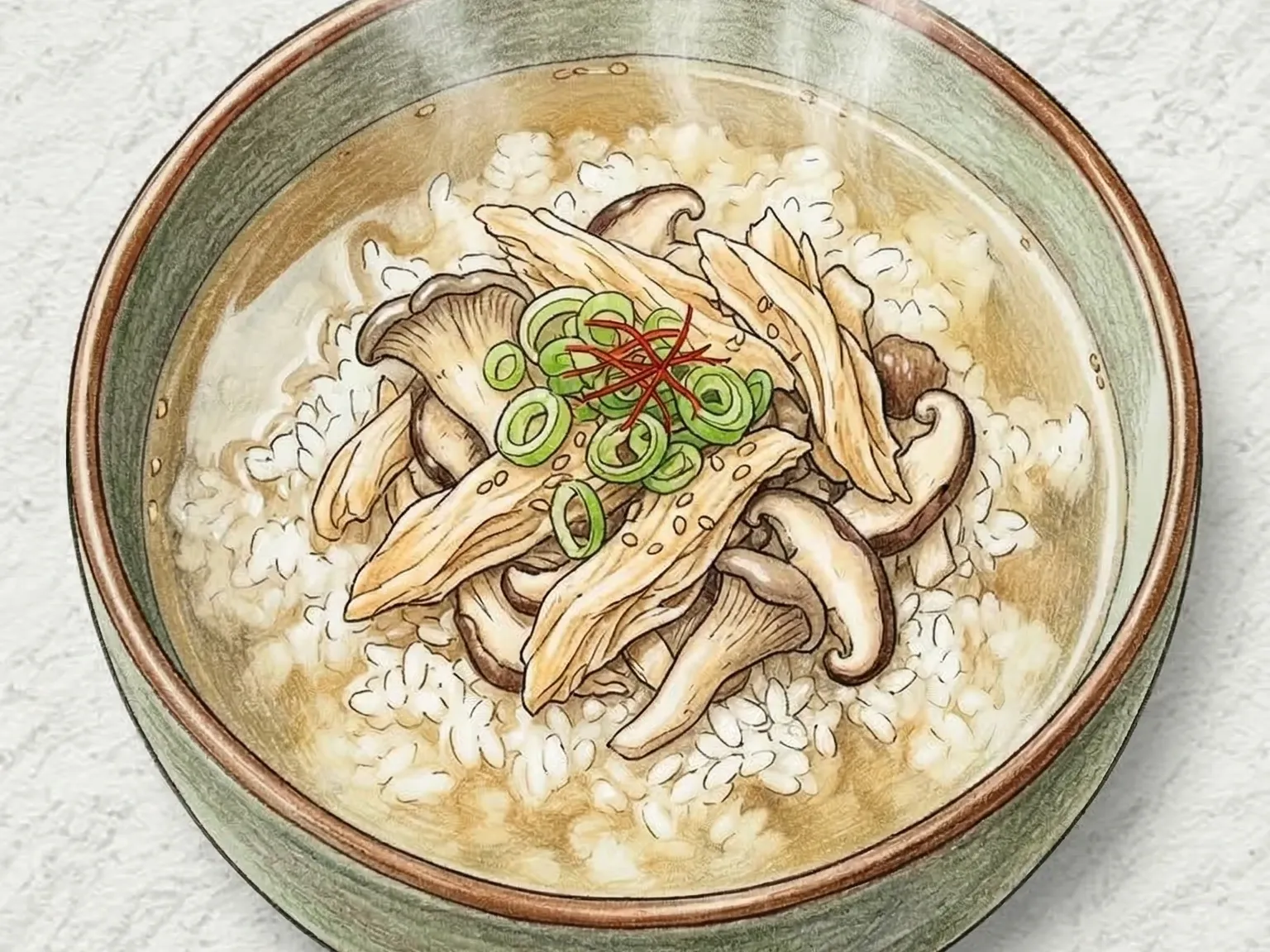
Neungi-dak-gomtang is a Korean chicken soup elevated by neungi mushrooms, a wild variety prized for their intense, almost truffle-like fragrance. The chicken is blanched first to remove impurities, then simmered for fifty minutes with onion, garlic, and ginger to build a clear, rich stock. After straining, the torn chicken meat is returned to the pot along with the neungi mushrooms, which steep in the hot broth for fifteen minutes - long enough to release their deep, earthy perfume without losing its complexity. The mushroom's aroma permeates the entire liquid, transforming an already satisfying chicken soup into something far more layered and aromatic. Seasoning is kept to soup soy sauce and salt, ensuring nothing competes with the interplay between poultry richness and mushroom fragrance. In Korea, this soup is considered both nourishing and luxurious, often served during autumn when neungi mushrooms are freshly foraged.

Korean Beef Doenjang Jjigae
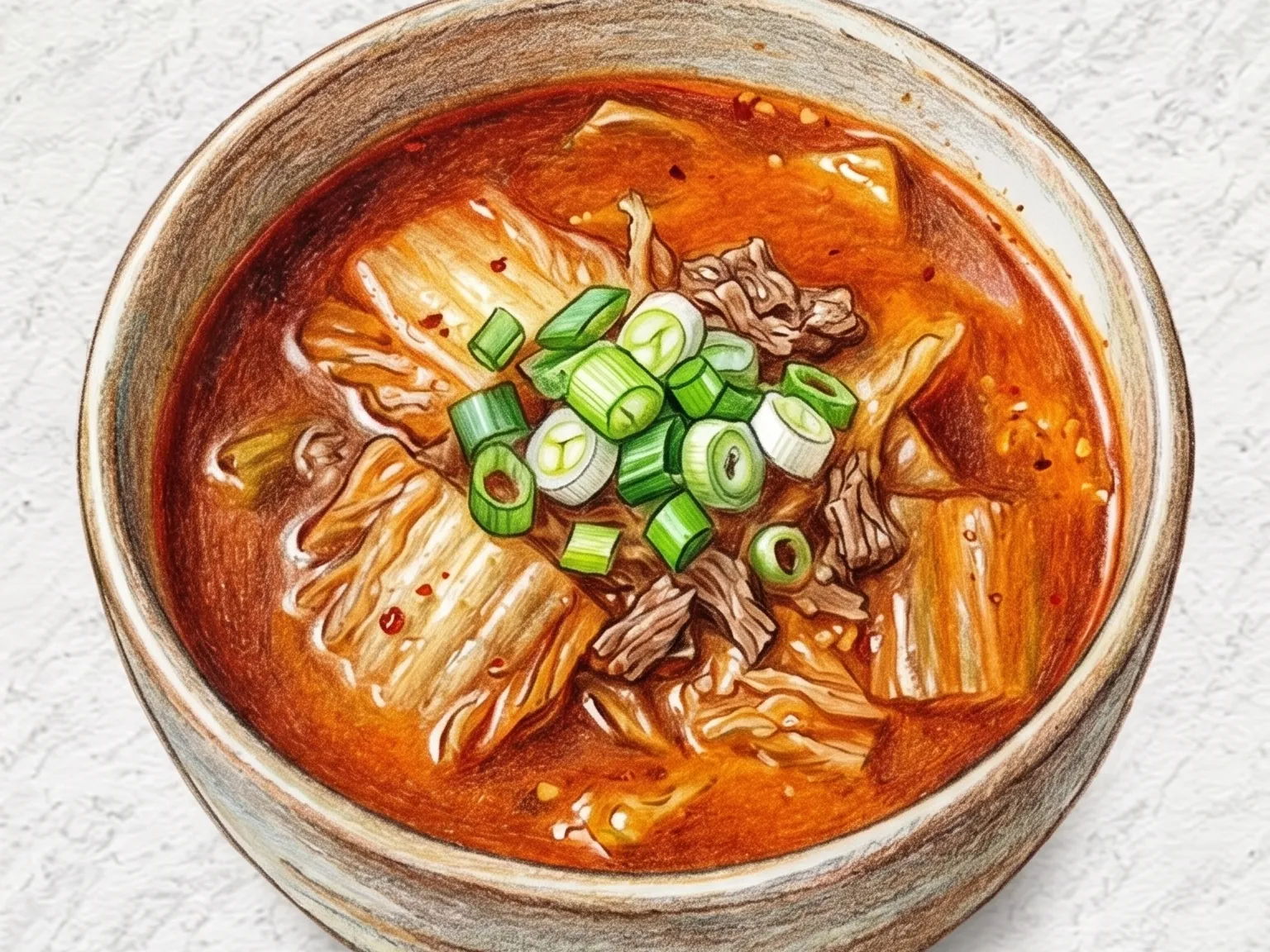
Soegogi doenjang jjigae is a foundational Korean home-cooked stew, made with beef brisket and fermented soybean paste as the foundation, filled out with potato, zucchini, tofu, and onion, and simmered in the starchy water left from rinsing rice. The brisket rewards long cooking by releasing its fibers and pushing a rich, distinctly beefy flavor into the broth, and the mild starch from the rice water softens that richness so it blends smoothly with the fermented depth of the doenjang. As the stew simmers, potato breaks down partially at the edges, thickening the liquid and giving it body without the need for any additional starch. Green onion and minced garlic anchor the aroma and keep the flavor from going flat. Adding the doenjang in stages and tasting between additions rather than putting it all in at once is the reliable method for hitting the right depth without oversalting. Paired with freshly cooked rice, this is a stew that fits into the daily rotation without ever feeling repetitive.

Korean Taro Stem Perilla Steam
Torandae deulkkae jjim is a rustic Korean dish of boiled taro stems braised with soup soy sauce and ground perilla seeds. The stems are first stir-fried in perilla oil to drive off any lingering sharpness, then simmered covered until their fibers soften and absorb the seasoning. Ground perilla added near the end thickens the liquid into a creamy consistency and fills the dish with a roasted, nutty aroma. Green onion provides a fresh finish. Though fully plant-based and made from simple pantry staples, the combination of perilla and soy produces an earthy depth that makes a satisfying accompaniment to a bowl of rice.