Charim

2686 Korean & World Recipes

2686+ Korean recipes, clean and organized. Ingredients to instructions, all at a glance.

Recipes with garlic

24 recipes

Buy garlic
Korean Soy Sauce Bulgogi (Soy-Pear Marinated Thinly Sliced Beef)
Stir-fryEasy

Korean Soy Sauce Bulgogi (Soy-Pear Marinated Thinly Sliced Beef)

Ganjang bulgogi is one of Korea's most enduring home-cooked main dishes, built around thinly sliced beef marinated in soy sauce, pear juice, sugar, garlic, and sesame oil. Pear juice acts as a natural tenderizer while adding a subtle sweetness that offsets the salt-forward depth of the soy. Onion, carrot, and green onion are stir-fried together with the beef over high heat, developing caramelized edges while keeping the center moist. Slicing the beef thin is essential: the short cooking time only penetrates marinade fully into thin cuts, and the pan must be properly preheated before the meat goes in to seal the juices. The soy-based seasoning is milder and less assertive than gochujang-marinated bulgogi, making it broadly appealing across ages and a consistent presence on both everyday dinner tables and guest menus.

🏠 Everyday🎉 Special Occasion
Prep 18minCook 10min4 servings
Korean Monkfish Soup (Spicy Southern Coastal Fish Broth)
SoupsMedium

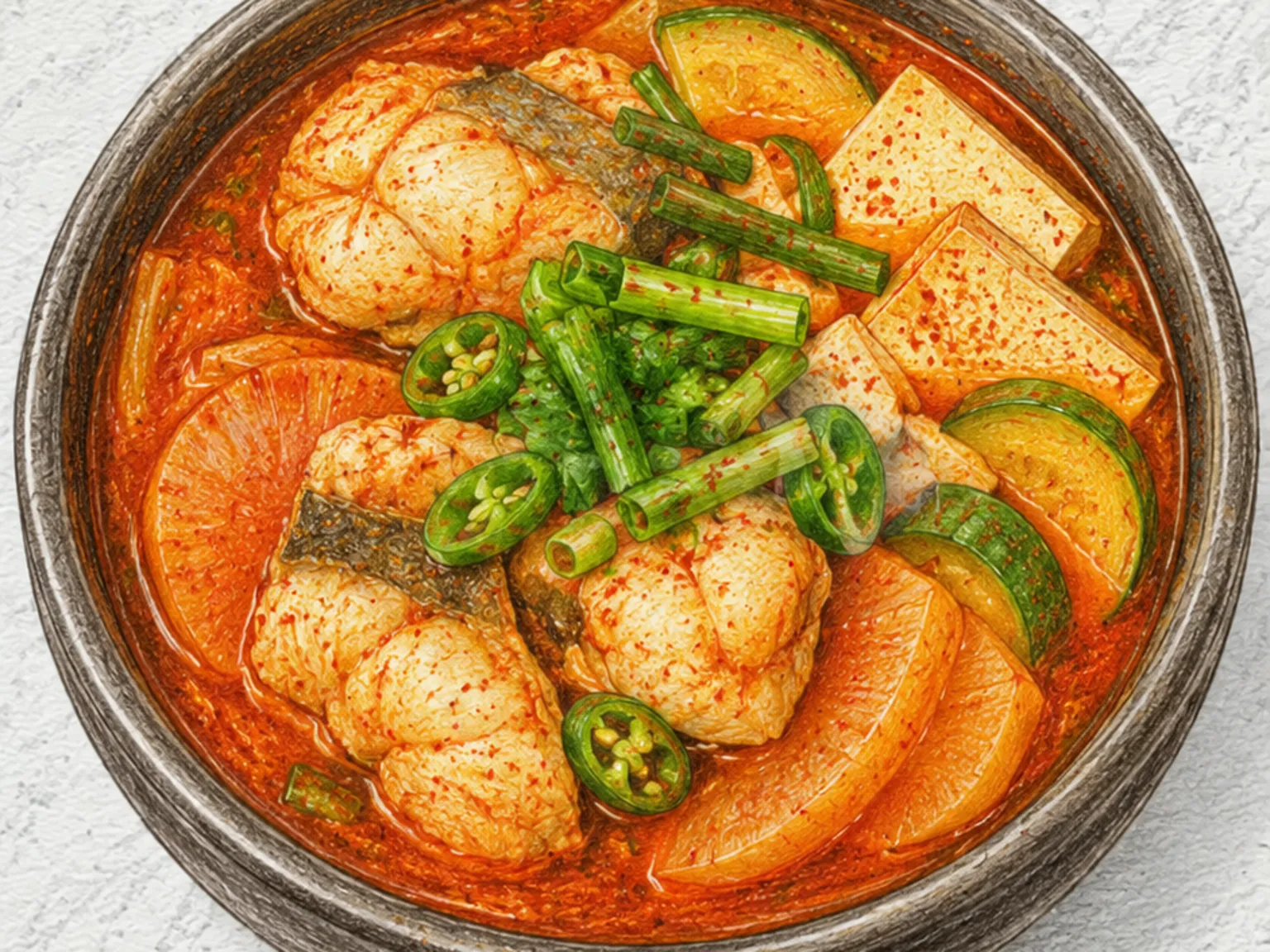
Korean Monkfish Soup (Spicy Southern Coastal Fish Broth)

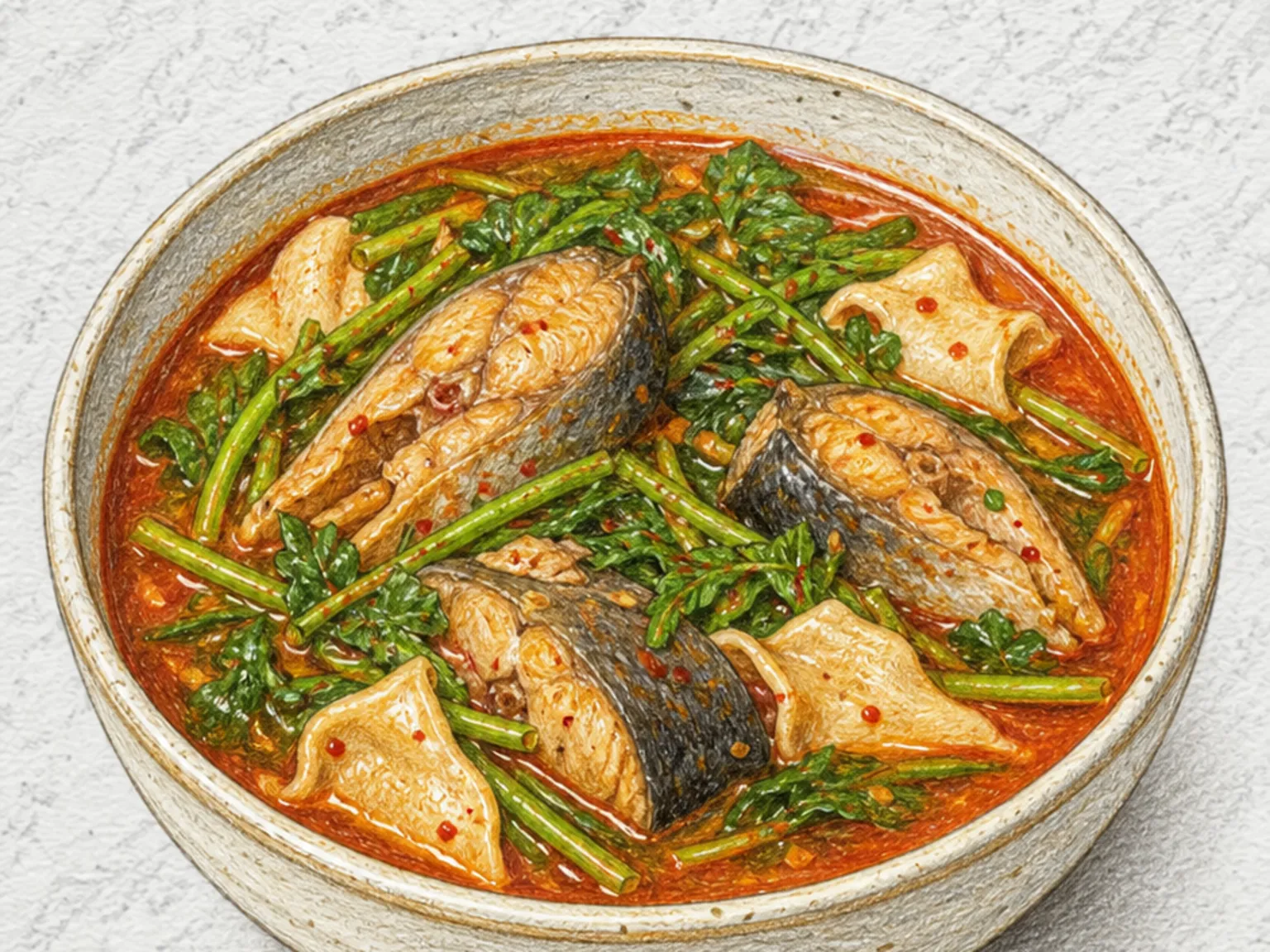
Agwi-tang is the soup form of Korea's monkfish repertoire, originating along the fishing villages of the southern coast where the fish - known as agwi or agu depending on dialect - is caught and sold fresh daily. Where braised preparations like agwi-jjim build intensity through reduction and heavy sauce, the tang prioritizes the broth. Anchovy stock is the base; radish simmers in it for eight minutes to release its sweetness before the monkfish enters. As the fish cooks gently over medium heat, its collagen dissolves into the liquid and gives it body. The monkfish flesh itself is mild and gelatinous, a texture unlike most white fish. Bean sprouts go in at the end to contribute crunch against the soft fish. Sliced green onion and a hit of gochugaru cloud the broth red and add spice. In coastal towns this was morning food - hangover soup served steaming at predawn markets to fishermen and dock workers before the day started.

🏠 Everyday
Prep 25minCook 35min2 servings
Korean Seasoned Radish Greens
Side dishesMedium

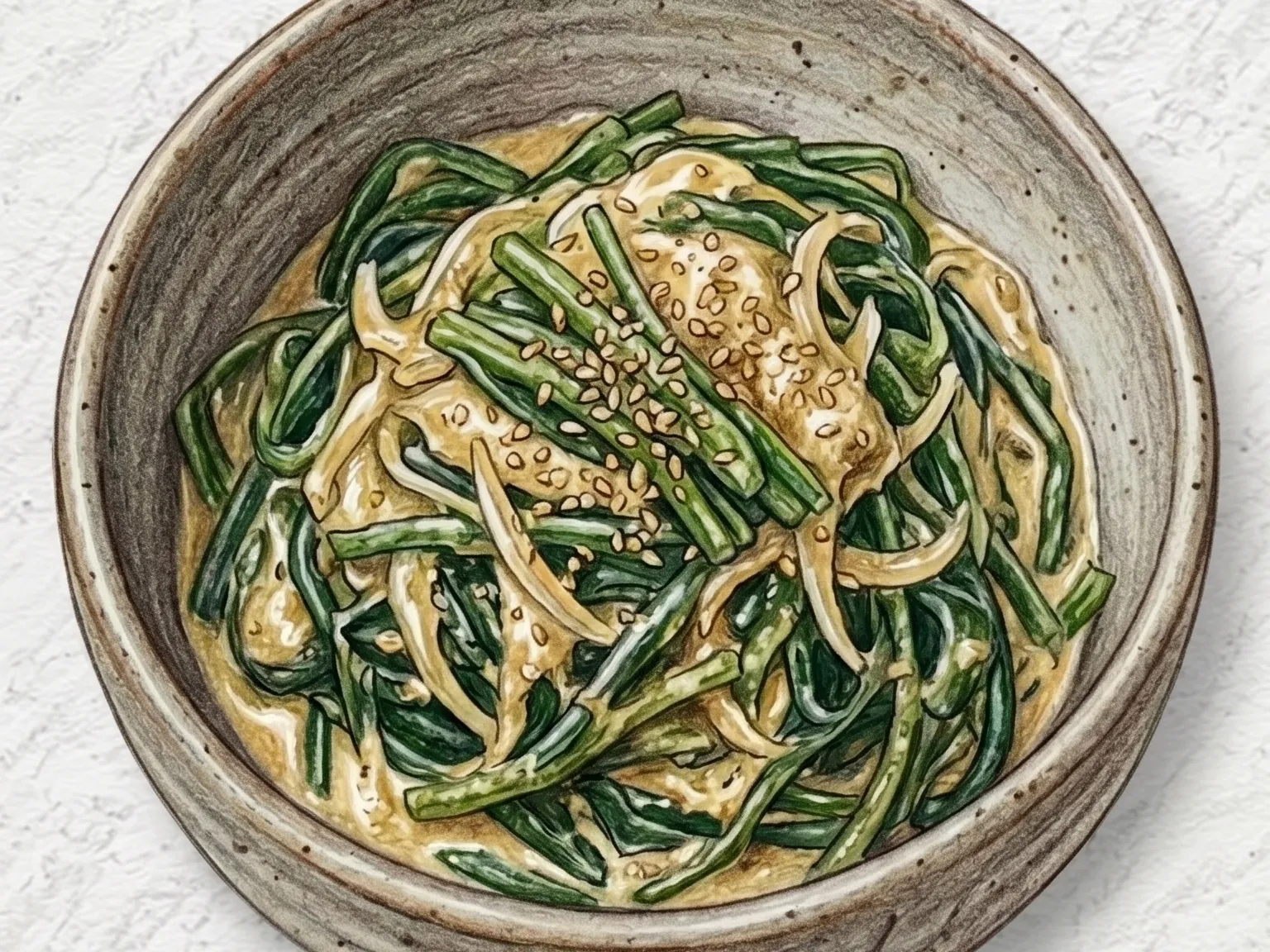
Korean Seasoned Radish Greens

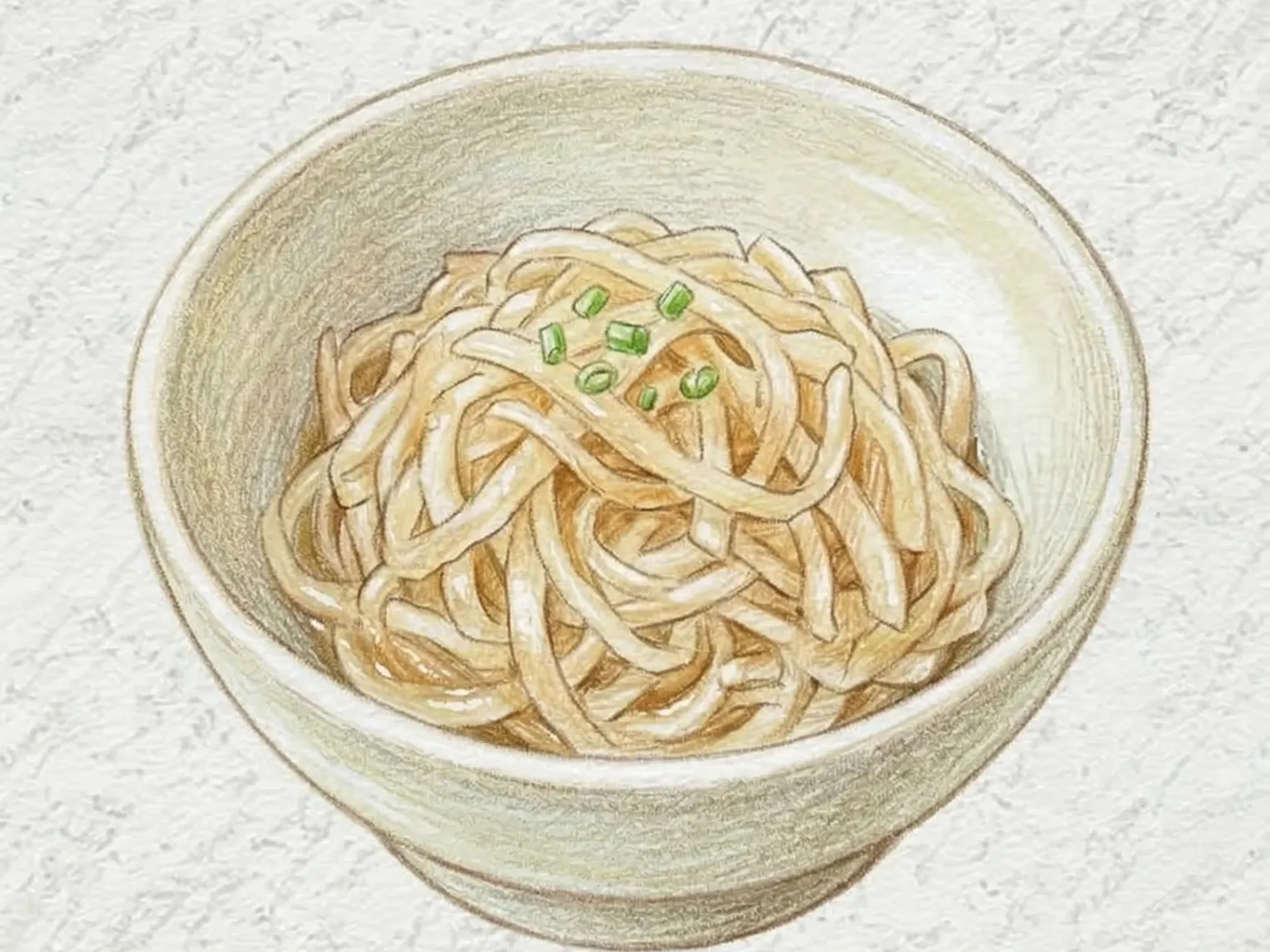
Mucheong-namul is a Korean banchan made from the leafy stems attached to daikon radish, blanched and dressed with doenjang and perilla oil. Unlike fully dried siraegi, fresh or semi-dried mucheong retains a grassy vitality that carries through to the finished dish. Radish greens emerge as a byproduct of the autumn kimjang harvest, when whole radishes are pulled from the ground, and rural Korean kitchens have long turned these tops into namul or hung them to dry for winter. Fresh mucheong requires at least five minutes of boiling to break down its tough stem fibers so they soften properly. A thorough rinse in cold water follows, washing away the bitter, astringent edge that develops during cooking. Seasoning with doenjang and soup soy sauce layers the fermented paste's earthy depth over the greens' faintly bitter, grassy character, creating a contrast that makes each bite more interesting than either ingredient alone. Perilla oil is preferred over sesame because its lighter, quieter fragrance complements the greens' natural flavor rather than overpowering it. Stirring in ground perilla seeds at the end thickens the dressing and wraps each strand of mucheong in a nutty coating, producing a noticeably deeper-flavored version than mucheong-namul made without them. A hearty, clean-tasting winter banchan tied to the rhythm of the radish harvest.

🏠 Everyday🍱 Lunchbox
Prep 20minCook 15min4 servings
Korean Spicy Bellflower Root Chewy Noodles
NoodlesMedium

Korean Spicy Bellflower Root Chewy Noodles

Deodeok gochujang jjolmyeon is a spicy noodle dish that pairs the aromatic bitterness of bellflower root with gochujang-dressed chewy jjolmyeon noodles. Lightly pounding the peeled deodeok against a cutting board loosens its fibrous texture, releasing its distinctive herbal scent and making each piece more receptive to seasoning. A brief salt cure draws out moisture and dials down the bitterness, allowing the sauce to penetrate more effectively into the root. The sauce blends gochujang with vinegar and oligosaccharide syrup, balancing heat with a clean tangy edge and gentle sweetness that complements the root's inherent character without masking it. Julienned cabbage, carrot, and cucumber supply a crisp, refreshing layer between the dense noodles and the fibrous deodeok. All ingredients should be combined just before eating to preserve the crunch of the vegetables.

🥗 Light & Healthy
Prep 18minCook 8min2 servings
Steamed Pork Ribs with Black Bean Sauce
SteamedMedium

Steamed Pork Ribs with Black Bean Sauce

Douchi paigu is a Chinese-style steamed pork rib dish where the ribs are marinated in fermented black beans, soy sauce, garlic, and Shaoxing wine, then coated with starch before going into the steamer. The fermented black beans carry a salty, complex savory depth that penetrates the meat throughout the marinating period. The starch coating forms a thin seal over the surface, locking in moisture so each piece stays tender rather than drying out under steam. Maintaining high heat throughout steaming is important - steady, vigorous steam circulates evenly and cooks the ribs through without drying them. Sesame oil is added just before serving to preserve its fragrance. Because the ribs are steamed rather than fried, the dish has a clean, light quality while still carrying the bold flavor of the fermented beans. Douchi paigu is one of the most recognized items on a dim sum menu.

🍺 Bar Snacks🎉 Special Occasion
Prep 25minCook 20min3 servings
Korean Garlic Scape Anchovy Braise
SteamedEasy

Korean Garlic Scape Anchovy Braise

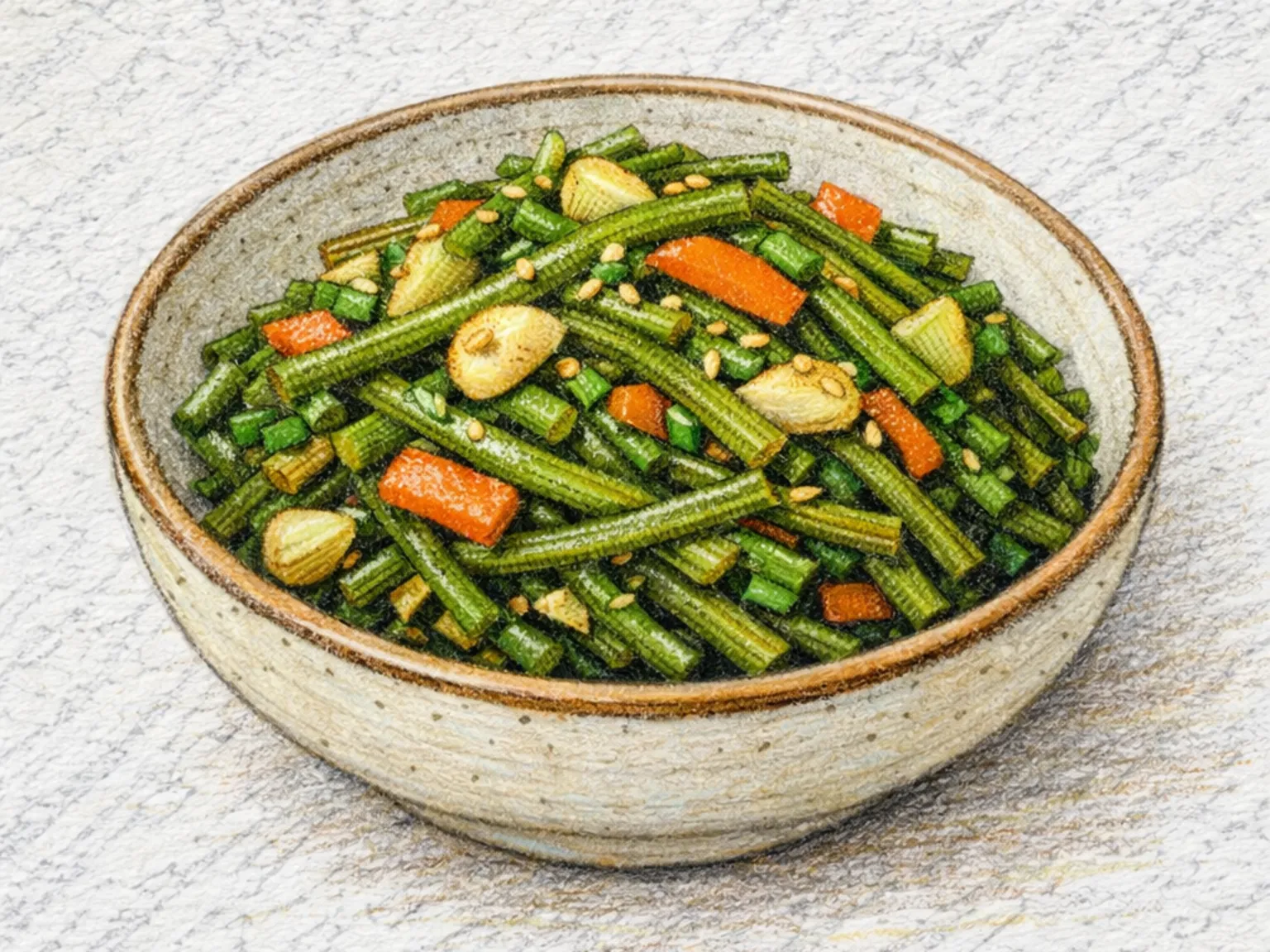
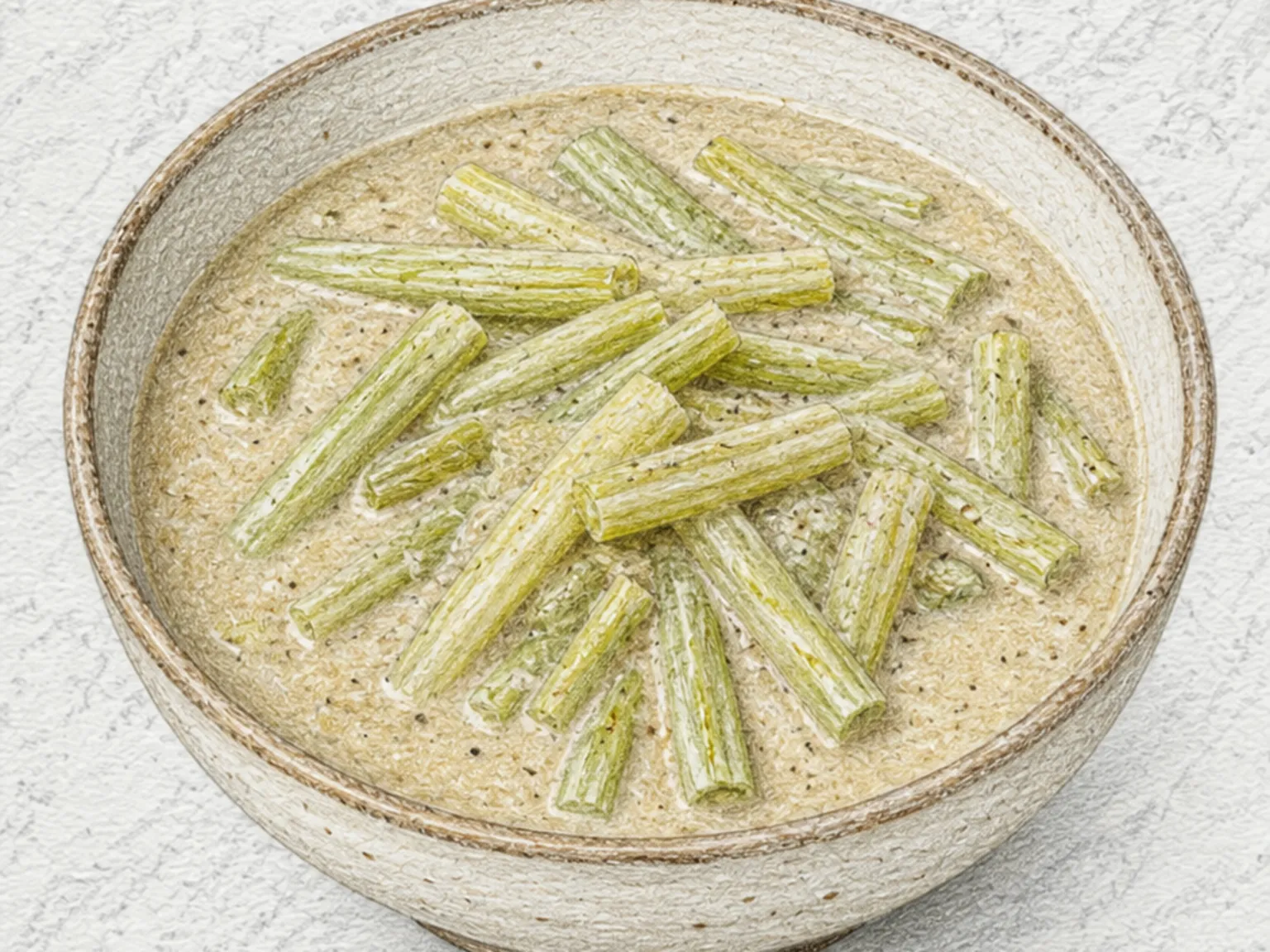
Maneuljjong-myeolchi-jorim is a Korean pantry side dish of garlic scapes and small dried anchovies glazed in soy sauce, oligosaccharide syrup, and sesame oil. The anchovies are coated evenly as the seasoning heats around them, building a sweet-salty shell that deepens into nuttiness with each bite. Garlic scapes are cut into short pieces and stir-fried directly in the sauce without blanching, which keeps them snappy rather than soft. Oligosaccharide syrup holds its shine and moisture longer than plain sugar, and sesame oil is added only at the very end to preserve its aroma. The finished dish keeps for well over a week under refrigeration, making it a reliable weekly batch cook. It travels well in lunchboxes, and spooned over hot white rice the glaze soaks into the grains and brings the whole bowl together.

🏠 Everyday🎉 Special Occasion
Prep 15minCook 18min4 servings
Hobeop-guk (Korean Zucchini Shrimp Soup)
SoupsEasy

Hobeop-guk (Korean Zucchini Shrimp Soup)

Hobak-guk is a mild, clear Korean soup built around thinly sliced half-moon zucchini. Small shrimp go in with the zucchini, infusing the broth with a gentle seafood sweetness that supports rather than overpowers the vegetable's own delicate flavor. The seasoning is deliberately restrained - soup soy sauce and minced garlic only - so the zucchini's natural softness and subtle sweetness define the bowl. As the slices simmer, they turn translucent and tender while still holding their shape on a spoon. The entire soup comes together in about fifteen minutes, making it one of the fastest and most low-effort side soups in the Korean home kitchen. A handful of sliced green onion stirred in at the end brings a bright herbal finish to an otherwise quiet, comforting bowl.

🏠 Everyday
Prep 10minCook 15min4 servings
Cassoulet (French White Bean and Pork Stew)
WesternHard

Cassoulet (French White Bean and Pork Stew)

Cassoulet is a slow-cooked stew from the Languedoc region of southwestern France, combining white beans, pork shoulder, and sausage in chicken stock over a minimum of two hours. As the beans absorb broth during the long simmer, they gradually release their starch into the liquid. This natural thickening is what produces the stew's characteristic dense, coating texture without any added roux or flour. Collagen from the pork shoulder breaks down completely over the extended cooking time and dissolves into the broth, adding body, while the fat from the sausages emulsifies into the stew rather than pooling on the surface. Thyme manages the richness of the meats, and tomato paste provides acidity and structural depth. Preparing cassoulet a day in advance and allowing it to rest overnight lets the beans and meat exchange flavors fully, producing a noticeably deeper result than the freshly made version. This is a dish that requires time as an ingredient. Served in cold weather with a thick slice of crusty bread, a single bowl constitutes a complete meal.

🎉 Special Occasion
Prep 25minCook 150min4 servings
Korean Soy Glazed Beef Rice Bowl
RiceEasy

Korean Soy Glazed Beef Rice Bowl

Sogogi deopbap tops steamed rice with thin-sliced beef and onions cooked in a sweet-soy glaze, served with just enough sauce to soak into the grains. The beef is marinated briefly in a mixture of dark soy sauce, sugar, and minced garlic, which caramelizes quickly in a hot pan. Onion slices cook alongside the beef, their natural sweetness balancing the salty-sweet sauce as they soften. Sesame oil added toward the end leaves a nutty aftertaste that lingers. The key is keeping a small pool of sauce in the pan rather than reducing it completely - that glossy liquid seeps into the rice and makes each spoonful flavorful without needing additional seasoning. A generous crack of black pepper at the end adds a sharp finish.

🏠 Everyday
Prep 15minCook 12min2 servings
Korean Steamed Beef Mille-Feuille Cabbage
SteamedMedium

Korean Steamed Beef Mille-Feuille Cabbage

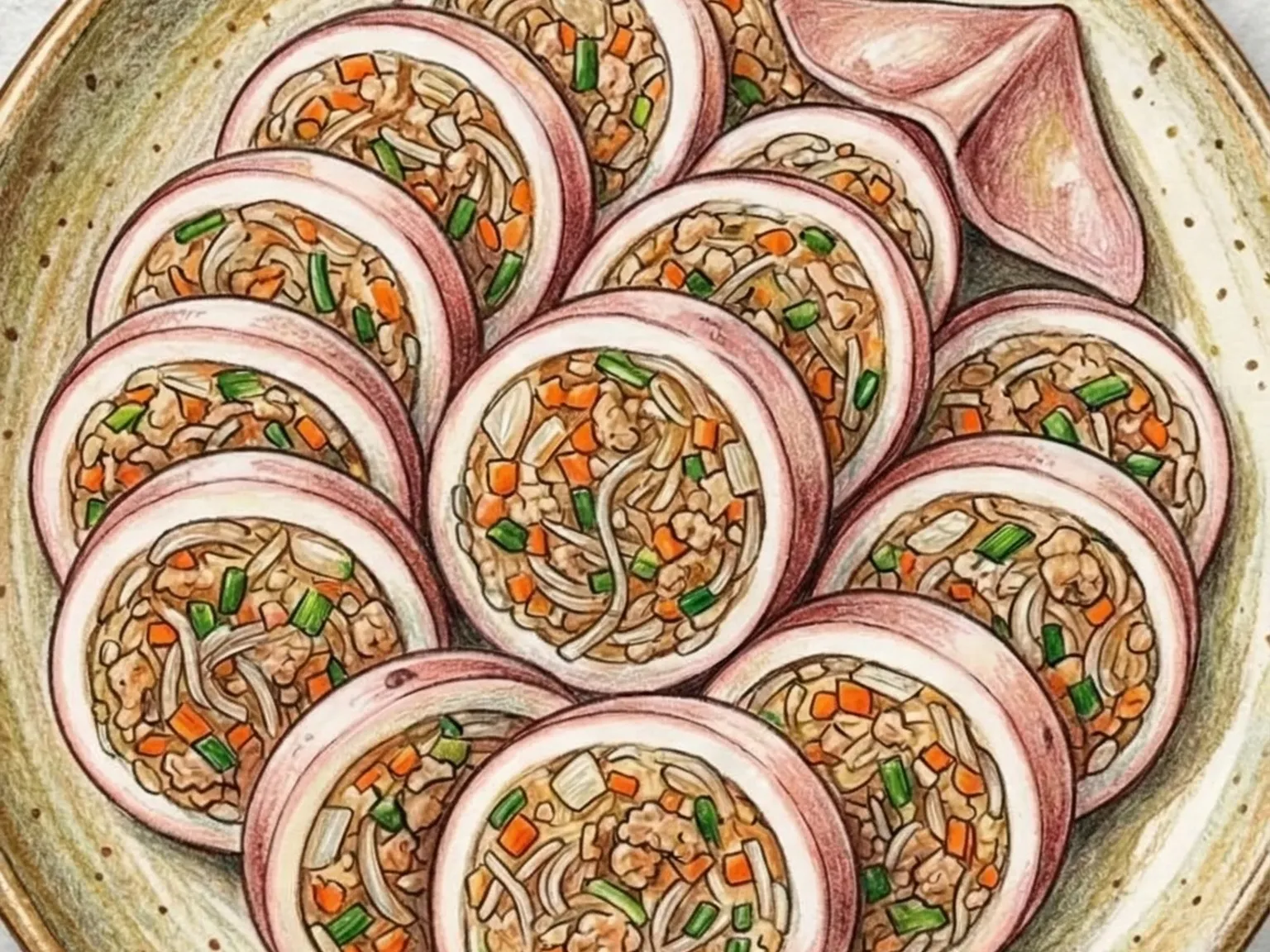
Usamgyeop millefeuille jjim is a Korean steamed dish where thin-sliced beef belly and napa cabbage leaves are stacked in alternating layers, then braised in a soy sauce, cooking wine, and garlic seasoning. Moisture from the cabbage mingles with the rendered beef fat to create a clean yet rich broth, and each layer delivers an alternating hit of meat and vegetable flavor. Soy sauce adds subtle salinity, and black pepper sharpens the finish. The layered cross-section revealed when the lid comes off makes this an visually striking main course suited for entertaining.

🎉 Special Occasion
Prep 25minCook 25min4 servings
Ropa Vieja (Cuban Shredded Beef in Tomato Sauce)
WesternMedium

Ropa Vieja (Cuban Shredded Beef in Tomato Sauce)

Ropa vieja is a traditional Cuban dish in which beef chuck is boiled whole until tender enough to shred with forks, then simmered in a sauce of sauteed onion, bell pepper, crushed tomatoes, and paprika powder. The name means 'old clothes' in Spanish, a reference to the shredded meat's resemblance to torn fabric. Cooking the beef long enough is essential - undercooked chuck resists shredding and turns out tough and stringy. Simmering the shredded meat in the tomato-pepper sauce for twenty-five minutes drives the savory, slightly smoky flavor deep between the fibers. Served over rice or alongside bread, the sauce absorbs into the starch for a satisfying, complete meal.

🎉 Special Occasion
Prep 20minCook 100min4 servings
Korean Seasoned Rapeseed Greens
Side dishesEasy

Korean Seasoned Rapeseed Greens

Young rapeseed greens are blanched for just 40 seconds in salted water, then squeezed dry and tossed with doenjang, minced garlic, green onion, sesame oil, and ground sesame. The brief blanching preserves the stems' gentle snap, and the fermented soybean paste brings an earthy depth that pairs naturally with the greens' mild grassy flavor. Squeezing out excess water before seasoning keeps the dressing concentrated on each piece rather than pooling at the bottom. From prep to plate, this banchan takes under fifteen minutes.

🏠 Everyday🍱 Lunchbox
Prep 8minCook 3min4 servings
Korean Stir-Fried Garlic Scapes
Side dishesEasy

Korean Stir-Fried Garlic Scapes

Maneuljjong-bokkeum is stir-fried garlic scapes, the curling flower stalks cut from garlic plants before they bloom, seasoned with soy sauce and oligosaccharide syrup. Where garlic bulbs deliver a sharp, nose-clearing bite, scapes carry a gentler, almost sweet garlic flavor that works even for people who find raw garlic too aggressive. Cutting the scapes into 4 to 5 cm lengths and blanching them for thirty seconds loosens the fibrous outer skin while preserving the snap inside. Skipping the blanch and going directly to the pan produces an uneven result: the outside turns tough and leathery before the inside has cooked through. Blanched scapes go into a lightly oiled pan over high heat for one minute, then soy sauce, oligosaccharide, minced garlic, and a pinch of gochugaru are added and the whole thing stir-fries for another two minutes. The syrup and soy sauce build a sweet-salty glaze that clings to every piece, and sesame oil is stirred in only after the heat is off to protect its fragrance from burning off. Made once, this banchan keeps refrigerated for five days or more, making it one of the most practical side dishes to prepare on a weekend and draw from throughout the week. Spring through early summer is peak garlic scape season, when the stalks are at their most tender.

🏠 Everyday🍱 Lunchbox
Prep 10minCook 6min4 servings
Korean Dried Pollock & Water Parsley Soup
SoupsEasy

Korean Dried Pollock & Water Parsley Soup

This soup begins with dried pollock strips - stir-fried in sesame oil until golden and deeply fragrant - then simmered in water to draw out a clear, nutty broth that carries the unmistakable aroma of toasted sesame and cured fish. Water dropwort goes in at the very end, contributing a fresh green lift that counterbalances the richness of the pollock. A beaten egg is swirled into the simmering liquid, forming delicate ribbons that soften the broth's texture. Radish slices, added early, sweeten the stock gently in the background. The seasoning stays simple: soup soy sauce, garlic, and salt if needed, keeping the flavor profile clean and digestible. In Korea, this style of pollock soup is regarded as one of the best remedies for a hangover because the amino acids in dried pollock and the hydrating broth are believed to support liver recovery. Morning vendors near traditional markets sell bowls of it to customers who arrive before the sun is fully up. The addition of minari elevates what is already a restorative soup into something that smells and tastes distinctly of spring.

🥗 Light & Healthy🏠 Everyday
Prep 15minCook 25min4 servings
Korean Taro Soup (Autumn Taro in Nutty Perilla Seed Broth)
SoupsMedium

Korean Taro Soup (Autumn Taro in Nutty Perilla Seed Broth)

Toran-guk is an autumn soup centered on taro root, which is first parboiled to remove its slippery mucilage, then simmered in a broth thickened with ground perilla seeds. The taro pieces cook to a texture that falls somewhere between potato and chestnut - they crumble softly on the tongue yet retain a subtle stickiness that gives each bite a gentle cling. Ground perilla dissolves into the liquid and turns it opaque and creamy, layering a nutty richness over the taro's mild, earthy flavor. Beef is often added for depth, its rendered fat and juices rounding out the broth, while an anchovy-kelp base underneath sharpens the umami. The soup is closely associated with Chuseok, the Korean harvest festival, when taro is freshly dug and at its peak sweetness. Cooking the taro just long enough to soften without disintegrating is the key challenge - underdone pieces are chalky and irritate the throat, while overcooked ones dissolve into the broth and lose their identity. Served hot with steamed rice, toran-guk is one of those seasonal dishes that Koreans anticipate all year and miss the moment autumn ends.

🏠 Everyday
Prep 20minCook 35min2 servings
Korean Beef Japchae (Soy-Marinated Beef Glass Noodle Stir-Fry)
NoodlesMedium

Korean Beef Japchae (Soy-Marinated Beef Glass Noodle Stir-Fry)

Sogogi japchae is a Korean stir-fried noodle dish made with sweet potato glass noodles, soy-marinated beef strips, and an assortment of individually prepared vegetables. Spinach is blanched, carrots and onions are julienned and stir-fried separately, and each component is combined at the end to preserve its distinct color and texture. The noodles are soaked rather than fully boiled, then finished in the pan so they stay chewy instead of mushy. Soy sauce, sugar, and sesame oil form the seasoning base, giving the dish its characteristic sweet-savory balance.

🎉 Special Occasion
Prep 25minCook 20min4 servings
Korean Sweet Spicy Pollock Floss Stir-fry
Side dishesEasy

Korean Sweet Spicy Pollock Floss Stir-fry

Myeongyeopchae-bokkeum stir-fries finely shredded dried pollock floss in gochujang and oligosaccharide syrup until each fiber strand is evenly coated and moist. Myeongyeopchae is thinner and softer-fibered than hwangtaechae, the wider dried pollock strips, arriving in a dense cotton-like bundle that must be loosened strand by strand before cooking. Running your fingers along the grain separates the fibers cleanly, allowing the seasoning to penetrate evenly and preventing the finished banchan from clumping together in the mouth. A dry toast of thirty seconds in an oil-free pan drives off residual moisture and coaxes out a toasted fish aroma before gochujang, gochugaru, oligosaccharide syrup, soy sauce, and minced garlic go in over the lowest heat for a rapid coating. The fine fibers absorb the sauce almost immediately and turn pliant and glistening, but heat held too long draws the moisture back out, leaving them tough and stiff, so the entire stir-fry must be completed within two minutes. A finishing drizzle of sesame oil and a scatter of sesame seeds deepen the nutty aroma. The resulting banchan occupies a middle ground between the chewier, more aggressively seasoned hwangtaechae-muchim and the bolder jinmichae-bokkeum, its mild sweet-spicy profile approachable enough for children. The relatively dry finish means the seasoning does not bleed into adjacent items in a lunchbox, and stored in an airtight container in the refrigerator the flavor holds well for up to five days.

🏠 Everyday🧒 Kid-Friendly
Prep 5minCook 7min4 servings
Korean Shepherd's Purse Doenjang Pot Rice
RiceMedium

Korean Shepherd's Purse Doenjang Pot Rice

This spring pot rice infuses each grain with the deep, earthy flavor of doenjang dissolved in kelp stock. Naengi, or shepherd's purse, contributes a gentle herbal bitterness that offsets the fermented saltiness, while zucchini and onion bring natural sweetness for balance. Vegetables are first sauteed in perilla oil for fragrance, then doenjang and soaked rice join the pot for a slow cook. Naengi goes in after the pot starts boiling to protect its delicate aroma, and ground sesame seeds finish the dish with a final nutty layer.

🏠 Everyday
Prep 15minCook 24min2 servings
Korean Beuraussel Kong Dwaeji Bokkeum (Brussels Sprout Pork Stir-fry)
Stir-fryMedium

Korean Beuraussel Kong Dwaeji Bokkeum (Brussels Sprout Pork Stir-fry)

Pork shoulder is marinated in gochujang and soy sauce, then stir-fried with halved Brussels sprouts over high heat in this Korean-fusion dish. The gochujang absorbs into the meat during resting, building a spicy-sweet umami base, while oligosaccharide syrup caramelizes into a thin glaze under the heat of the pan. Brussels sprouts must be placed cut-side down and left undisturbed until the flat surface browns; that Maillard reaction converts their raw bitterness into a toasted, near-nutty quality that complements the pork. A splash of vinegar added at the very end cuts through the rendered fat and residual sweetness, sharpening the finish. Scattered sliced red chili provides visual contrast of red against green while delivering an additional layer of fresh heat. The same marinade works equally well with mushrooms or firm tofu added to the pan, making it easy to extend the dish into a more vegetable-forward meal.

🏠 Everyday🍱 Lunchbox
Prep 18minCook 11min4 servings
Spinach Artichoke Dip
WesternEasy

Spinach Artichoke Dip

Spinach artichoke dip combines blanched and thoroughly squeezed spinach with chopped artichoke hearts, cream cheese, sour cream, grated Parmesan, and shredded mozzarella, then bakes in a 190-degree oven for eighteen to twenty minutes until the surface turns golden and the edges bubble. Squeezing every drop of water from the blanched spinach is the most important prep step - leftover moisture makes the dip runny and prevents it from clinging to chips or bread. Cream cheese provides the smooth, spreadable base; sour cream adds a slight tang that keeps the richness from feeling flat; Parmesan contributes salty, aged depth; and mozzarella melts into stretchy strands that give each scoop visual and textural appeal. The dip is best served immediately out of the oven while still bubbling, alongside sliced baguette or tortilla chips.

🎉 Special Occasion
Prep 10minCook 20min4 servings
Korean Shrimp Seaweed Soup
SoupsEasy

Korean Shrimp Seaweed Soup

Saeu-miyeok-guk is a Korean seaweed soup made with shrimp rather than the more common beef, producing a lighter, ocean-forward bowl that carries a distinct marine clarity. The preparation begins by sauteing rehydrated seaweed and minced garlic together in sesame oil, a step that reduces any raw seaweed smell and builds a warm, nutty base before liquid is added. Shrimp are added to the pan and cooked just until they begin to turn pink, at which point their natural sweetness transfers into the seasoned oil. Water is poured in and the soup simmers on medium-low heat for twelve minutes, long enough for the mineral richness of the seaweed and the delicate shellfish umami to merge into a unified, clean-tasting broth. Soup soy sauce and salt provide the final seasoning without muddying the clarity of the stock. The textural interplay between the slippery, tender seaweed and the firm, bouncy shrimp makes each spoonful more satisfying than either ingredient would be on its own, and the overall lightness of the broth makes it a natural choice as a restorative meal or a birthday soup when a beef-heavy version feels too rich.

🏠 Everyday
Prep 15minCook 20min2 servings
Korean Soy Garlic Dakgangjeong
Street foodMedium

Korean Soy Garlic Dakgangjeong

Soy-garlic dakgangjeong is Korean fried chicken made from boneless thigh pieces coated in potato starch and fried twice before being tossed in a soy-garlic glaze. The first fry runs at 170 degrees Celsius for five minutes to cook the meat through to the center. The second fry raises the temperature to 190 degrees and runs for two minutes to push residual moisture out of the crust and harden the surface. Both fries are necessary to achieve a crust firm enough to stay crisp under the wet glaze. Using only potato starch rather than a wheat-starch blend produces a thinner, more transparent coating that crisps harder and absorbs less oil. The sauce is reduced for no more than thirty seconds to one minute so the saltiness does not concentrate excessively. Vinegar is a key component: it cuts through the grease and leaves the palate clean after each bite. The fried chicken must go into the sauce while it is still loose, then be tossed over high heat quickly so the coating never has time to steam and soften. Sesame seeds scattered on top add a nutty fragrance and a textural contrast against the lacquered surface.

🌙 Late Night
Prep 20minCook 25min4 servings
Korean Tteok Kkochi Yangnyeom Gui (Grilled Rice Cake Skewers)
GrilledEasy

Korean Tteok Kkochi Yangnyeom Gui (Grilled Rice Cake Skewers)

Cylinder rice cakes are threaded onto skewers, lightly brushed with oil, and rolled on a grill pan over medium heat for six to seven minutes until the exterior turns golden. A sauce of gochujang, ketchup, oligosaccharide syrup, soy sauce, and minced garlic is applied in two rounds, building a glossy red glaze that clings to the surface. The outer layer develops a slight crispness while the inside remains stretchy and dense - that textural duality is the hallmark of this dish. A light dusting of cheese powder turns it into a kid-friendly snack, and it stands as one of the most iconic items in Korean street-food culture.

🍺 Bar Snacks🧒 Kid-Friendly
Prep 15minCook 14min4 servings
Korean Seasoned Bellflower Root
Side dishesMedium

Korean Seasoned Bellflower Root

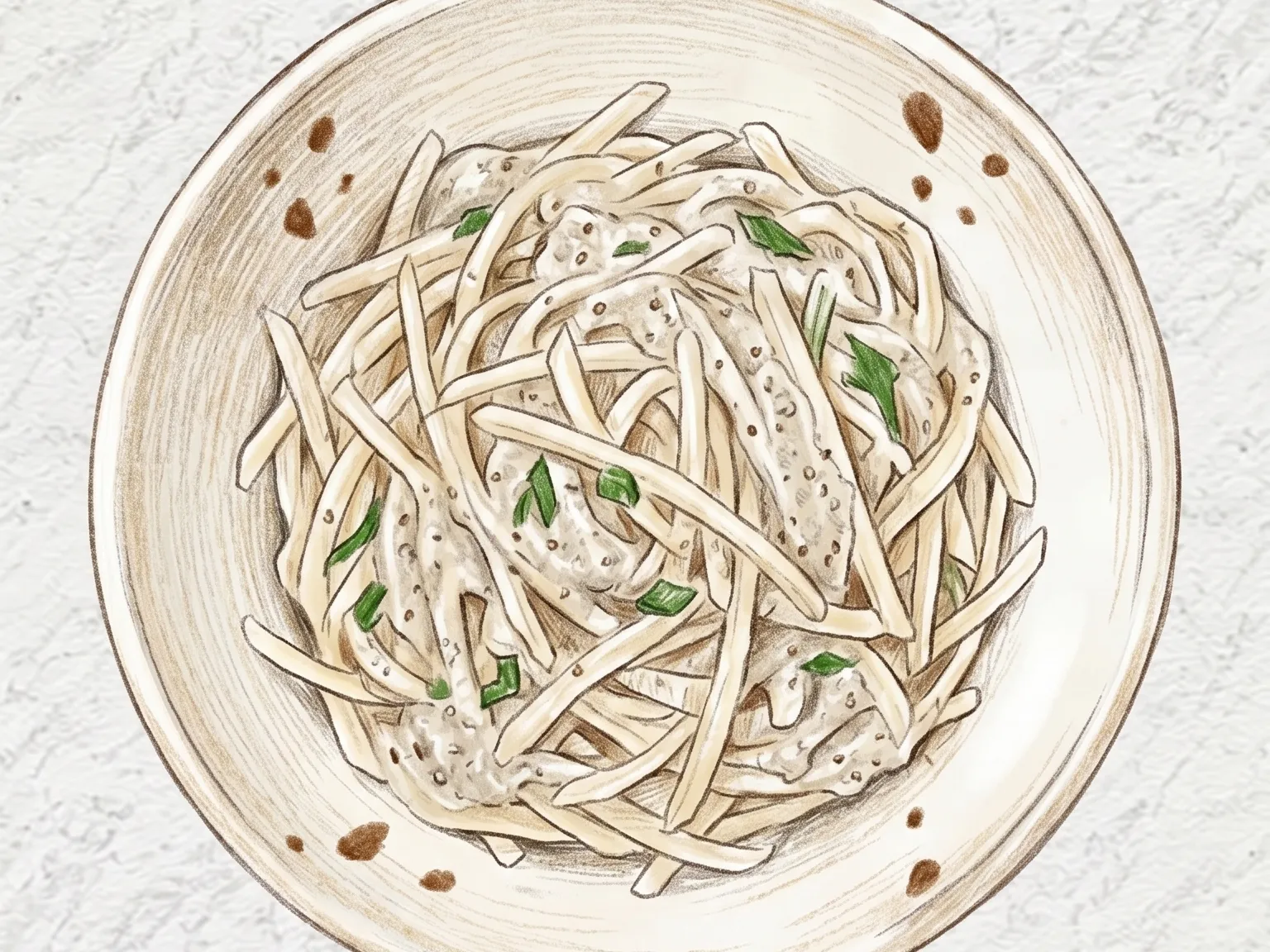
Doraji -- balloon flower root -- has been used in Korean cooking since the Goryeo dynasty, valued as both a medicinal herb and a staple namul ingredient. Unlike doraji-bokkeum, which stir-fries the root with gochujang and heat, this cold muchim preserves the characteristic firm, snappy crunch that makes doraji distinctive. The roots are shredded along the grain into thin strips, then vigorously rubbed with salt to draw out the saponins responsible for their sharp bitterness, and rinsed multiple times until the water runs clear. A seasoning of gochujang, vinegar, sugar, and sesame oil works into each fibrous strand, layering sweet, sour, and spicy notes over the residual earthiness of the root. This banchan appears on both Chuseok and Seollal holiday tables as one of the five-color namul, where the white of the doraji root represents the metal element in the five-phase system. Because the root holds its crunch well, this dish can be prepared ahead of time without losing texture, making it a practical choice for large gatherings.

🏠 Everyday🎉 Special Occasion
Prep 30minCook 5min4 servings