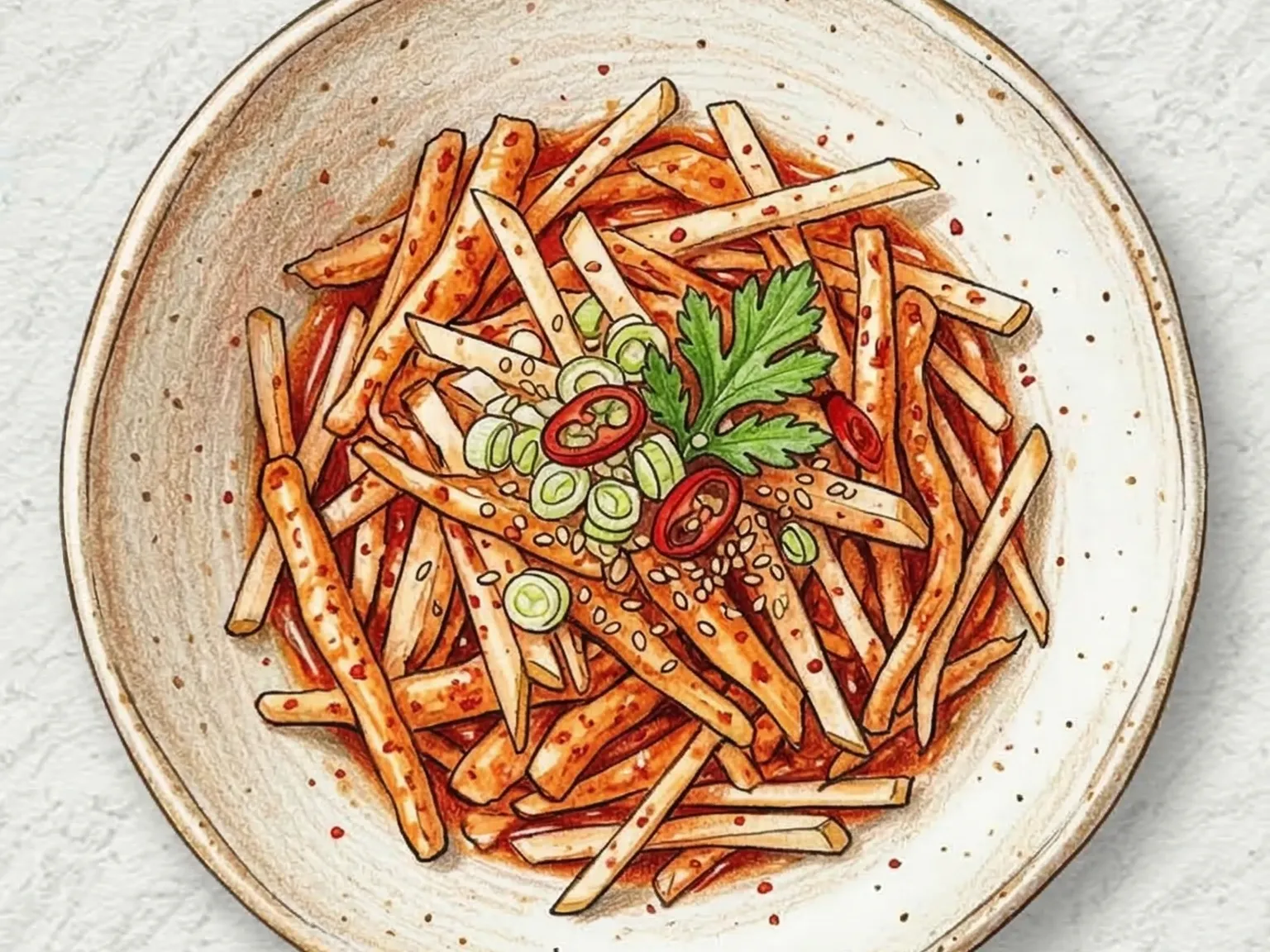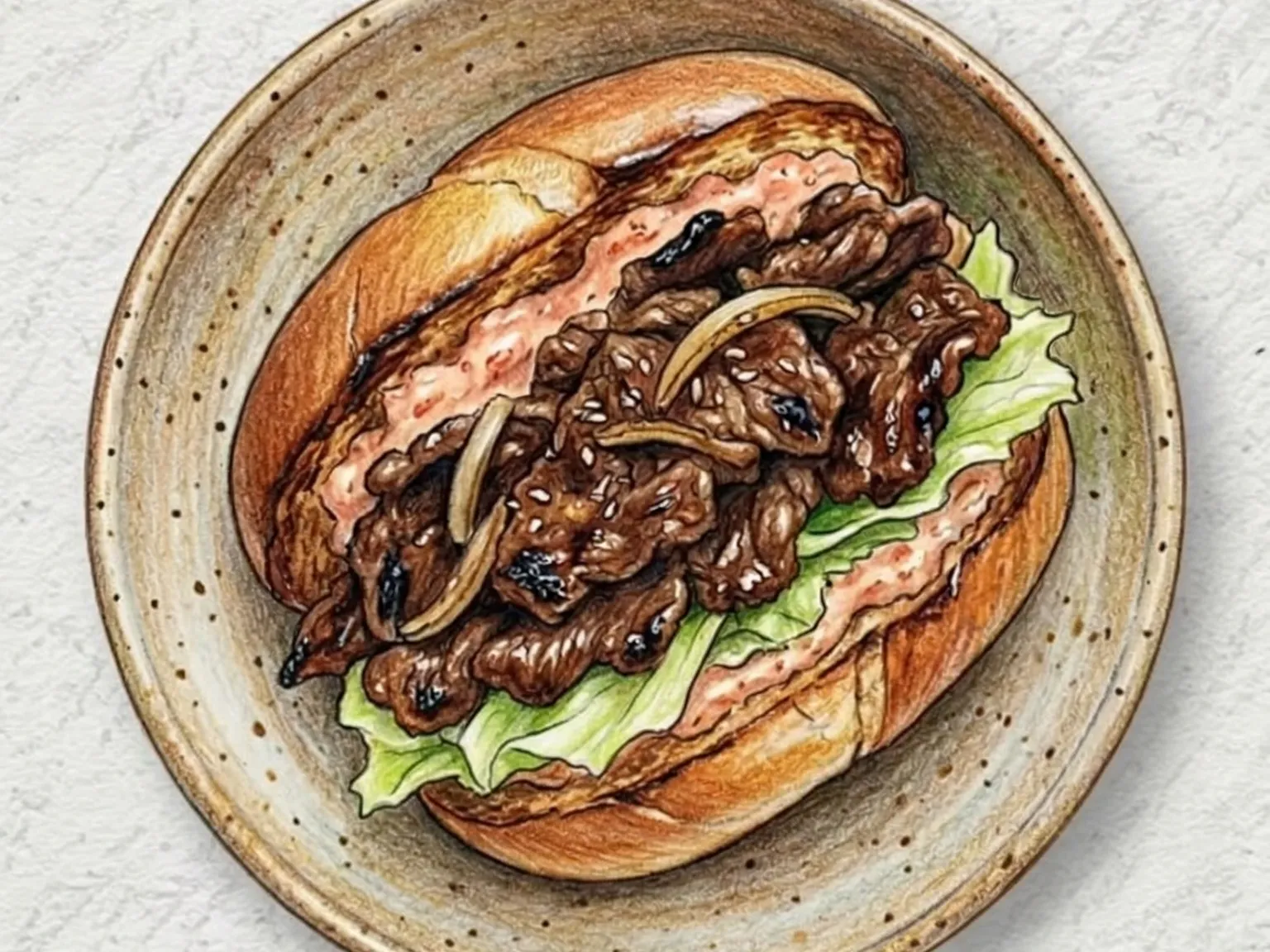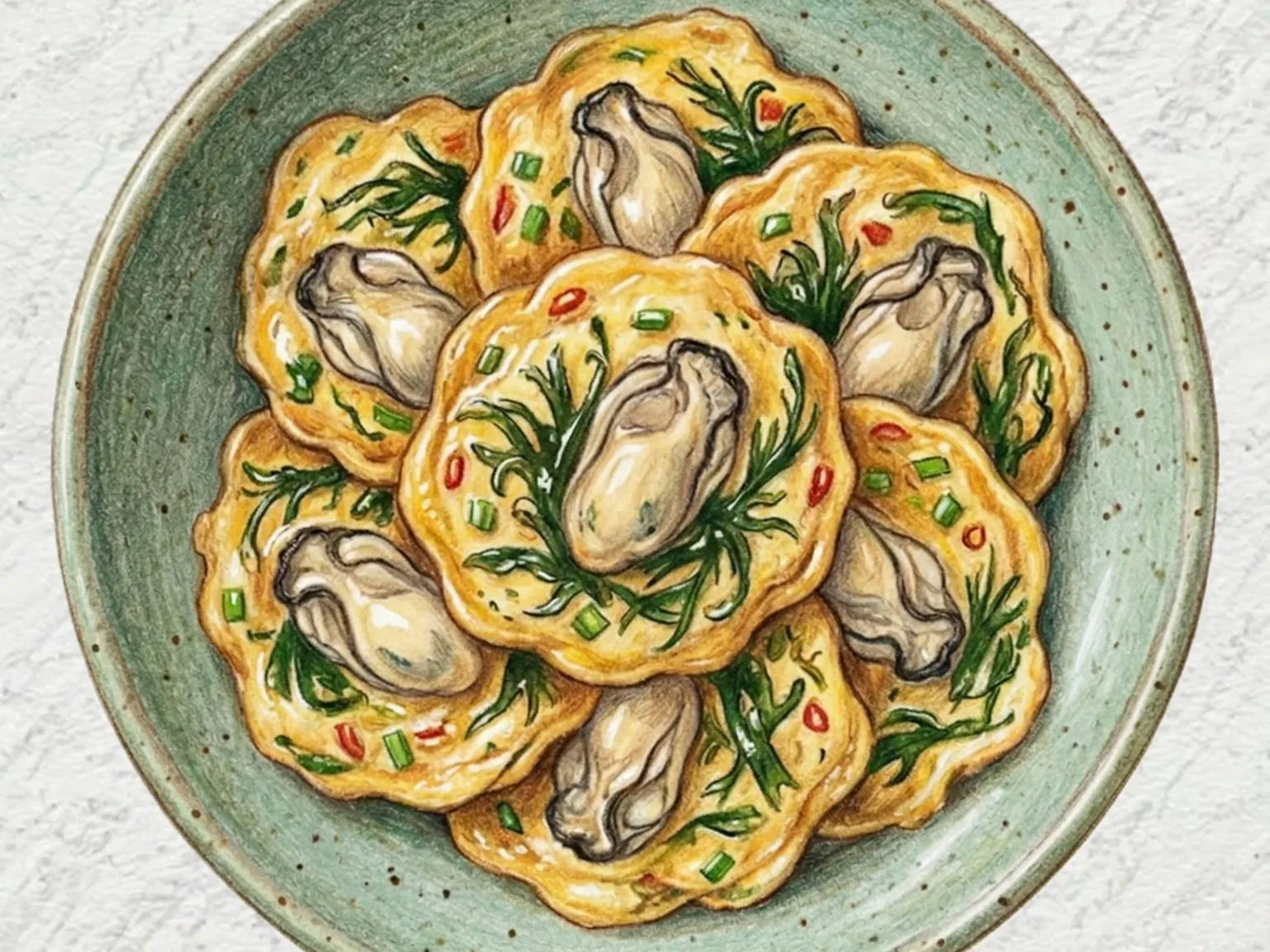
Korean Mushroom Bulgogi Jeongol
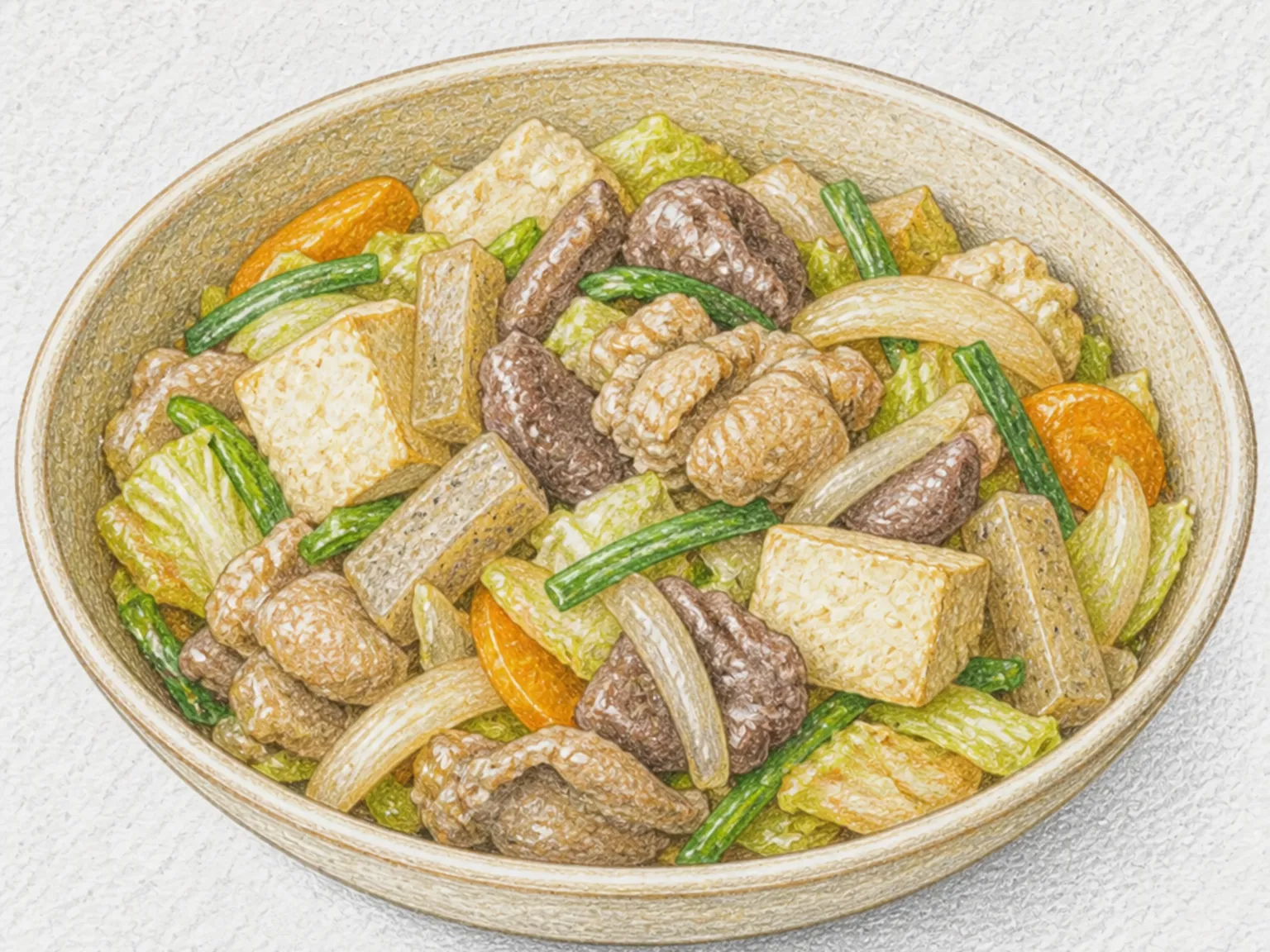
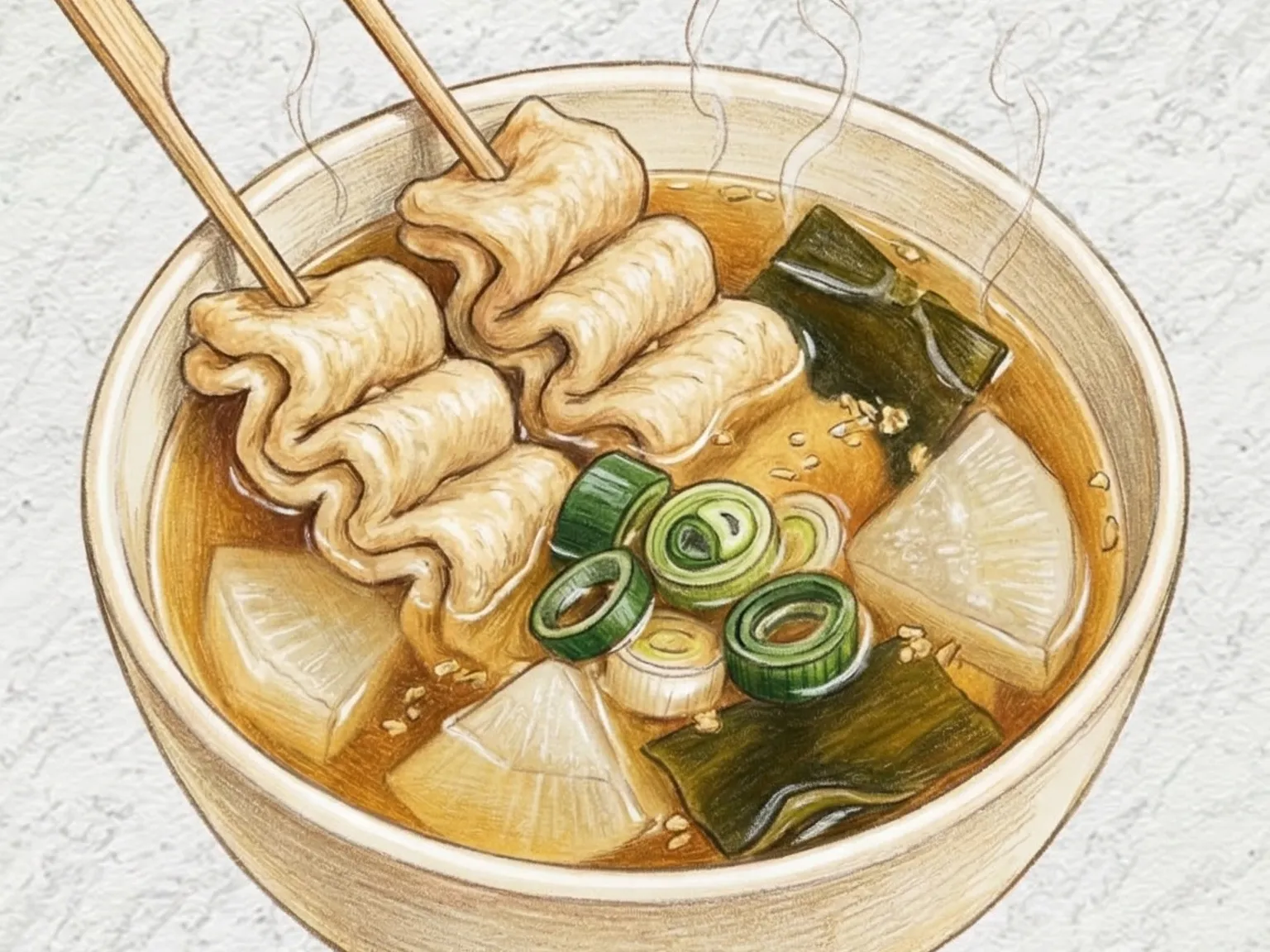
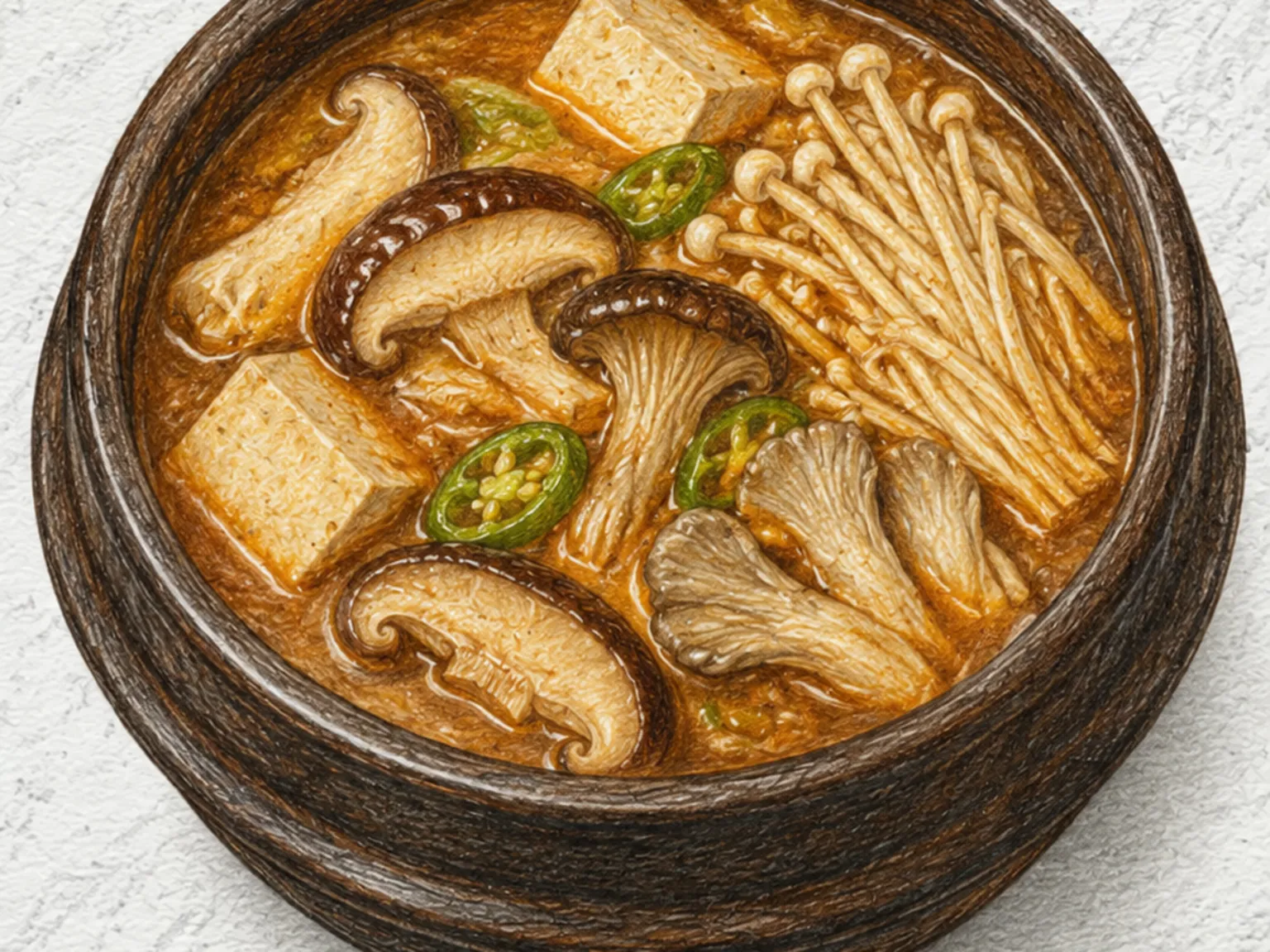
Soy sauce-marinated beef and a mix of shiitake and enoki mushrooms simmer together in a generous broth, with the beef's umami and the shiitake's deep, earthy scent building into the stock as the jeongol cooks. Sweet potato noodles absorb that concentrated broth, picking up its full flavor in every chewy strand. Onion's natural sweetness moderates the saltiness of the soy-based stock, and the garlic-infused liquid makes the dish work equally well as a rice accompaniment or a drinking table side. The jeongol is typically left on a portable burner at the table and eaten continuously as it cooks.

Korean Spicy Braised Pufferfish
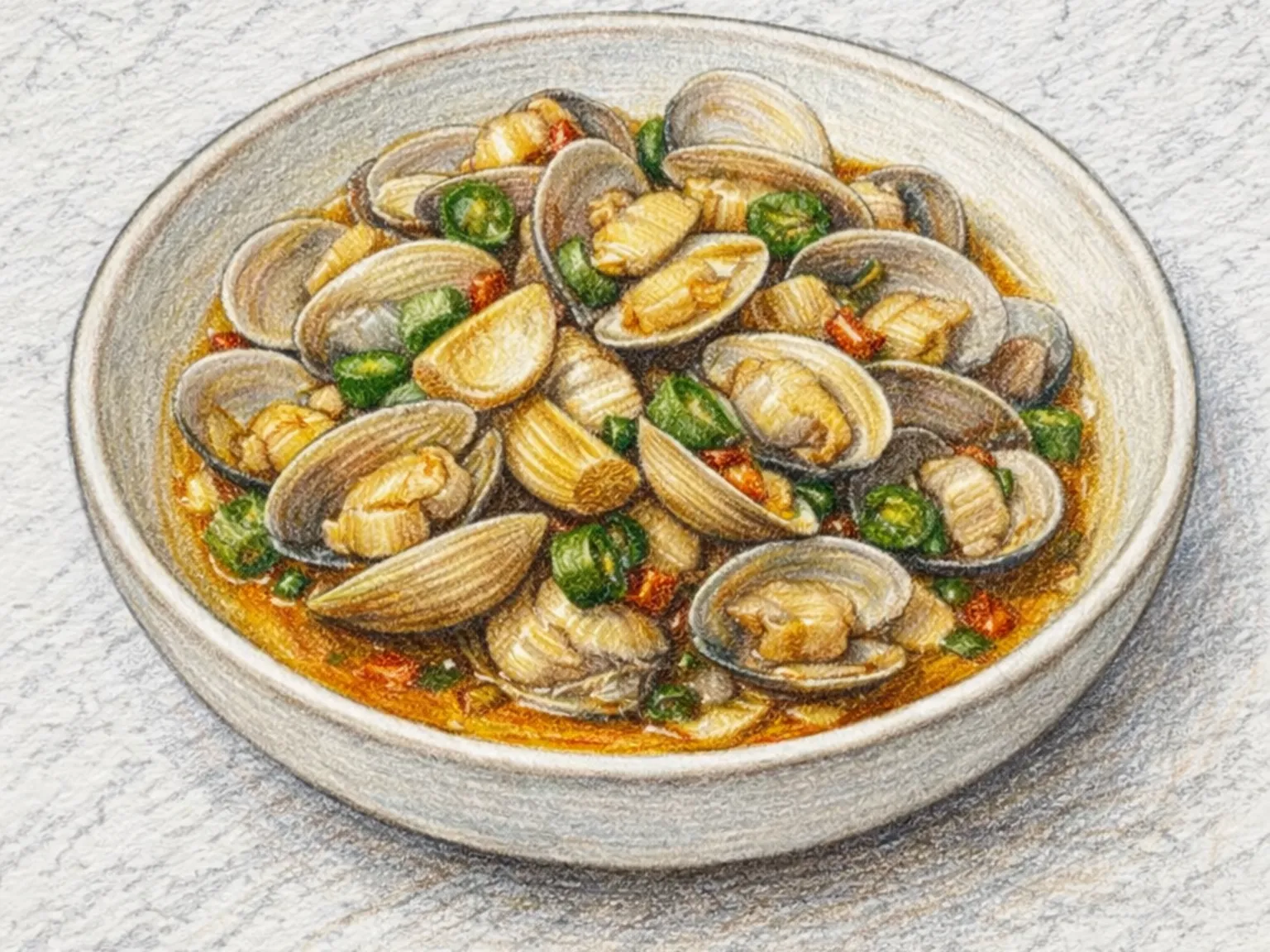
Cleaned pufferfish fillets are steamed with bean sprouts and water dropwort under a spicy sauce built from gochugaru and gochujang. Pufferfish meat is very low in fat, giving it a lean, firm texture that holds together under bold seasoning rather than falling apart. Bean sprouts add a crisp, watery contrast to the dense chili paste, and water dropwort brings a distinctly herbal, slightly peppery fragrance that lifts the dish. Soy sauce and minced garlic round out the seasoning, adding depth without shifting the profile away from the chili-forward base. Pufferfish preparations are a regional specialty of Korea's coastal areas, where the fish is abundant and handled with particular care.

Korean Beoseot Kimchi (Mushroom Kimchi)
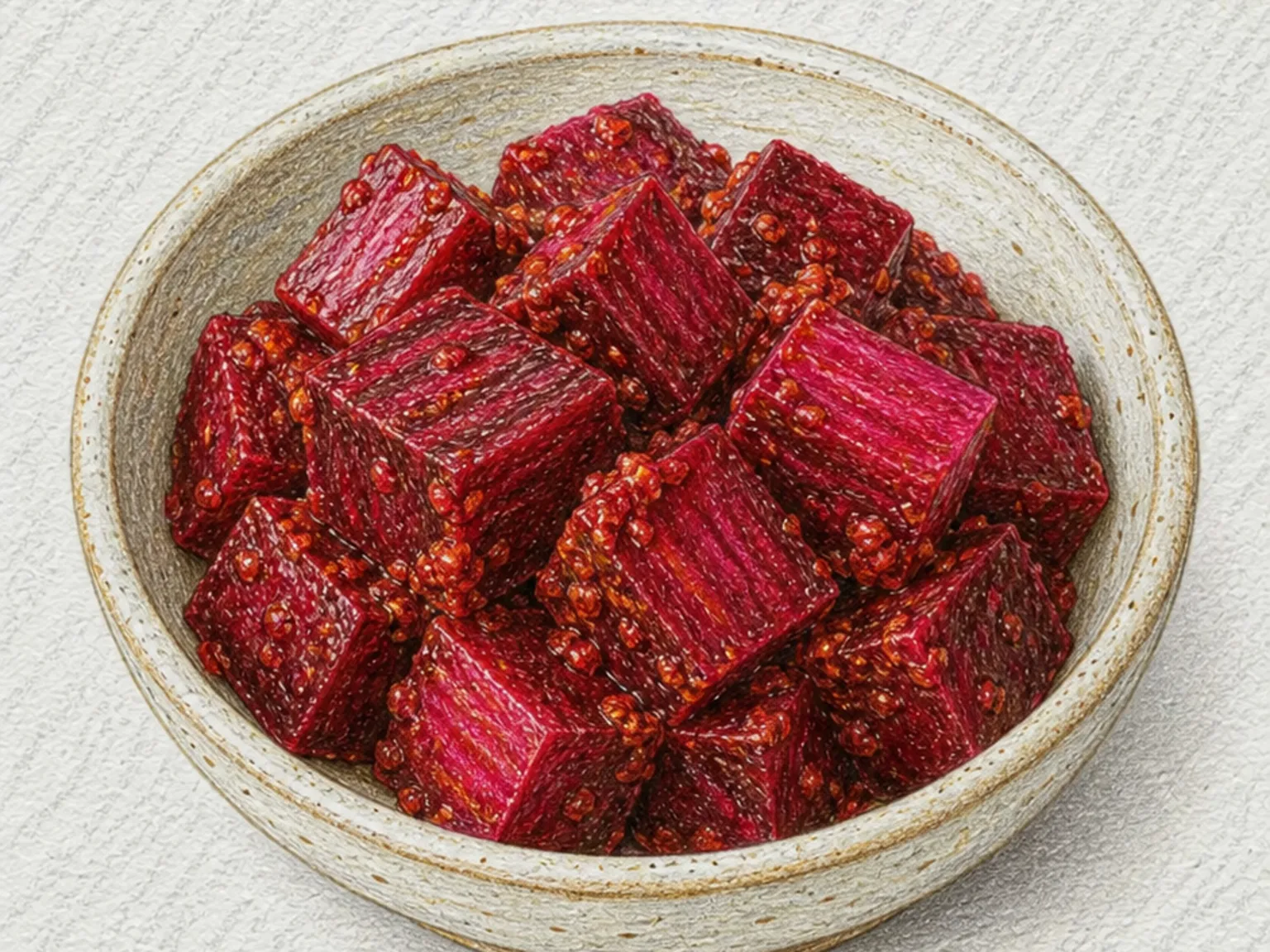
Blanching oyster and shiitake mushrooms before mixing them with gochugaru and fish sauce creates a side dish that bypasses the long fermentation usually associated with Korean kimchi. This boiling process removes the sharp raw scent of the mushrooms and softens their structure so the seasoning coats every surface evenly. Tearing the oyster mushrooms by hand along their natural grain allows the spicy and salty sauce to penetrate deeply while maintaining a natural bite. The thick caps of the shiitake mushrooms provide a firm, chewy element that lasts throughout the meal. Using fish sauce introduces a concentrated saltiness and a fermented profile that distinguishes this from basic seasoned vegetables. Fresh garlic chives contribute a clean, grassy aroma that balances the heavier spices. Since it does not require aging, this preparation is ready to eat immediately and reaches its peak flavor on the day it is made. Swapping chives for scallions provides a more delicate scent, and adding king oyster or enoki mushrooms introduces different physical textures. Including finely chopped squid or octopus transforms the dish into a seafood version with flavors from the ocean. Because mushrooms release water and lose their firm texture after a few days in the refrigerator, preparing small batches for immediate consumption ensures the highest quality.

Beef Brisket Perilla Cream Fettuccine
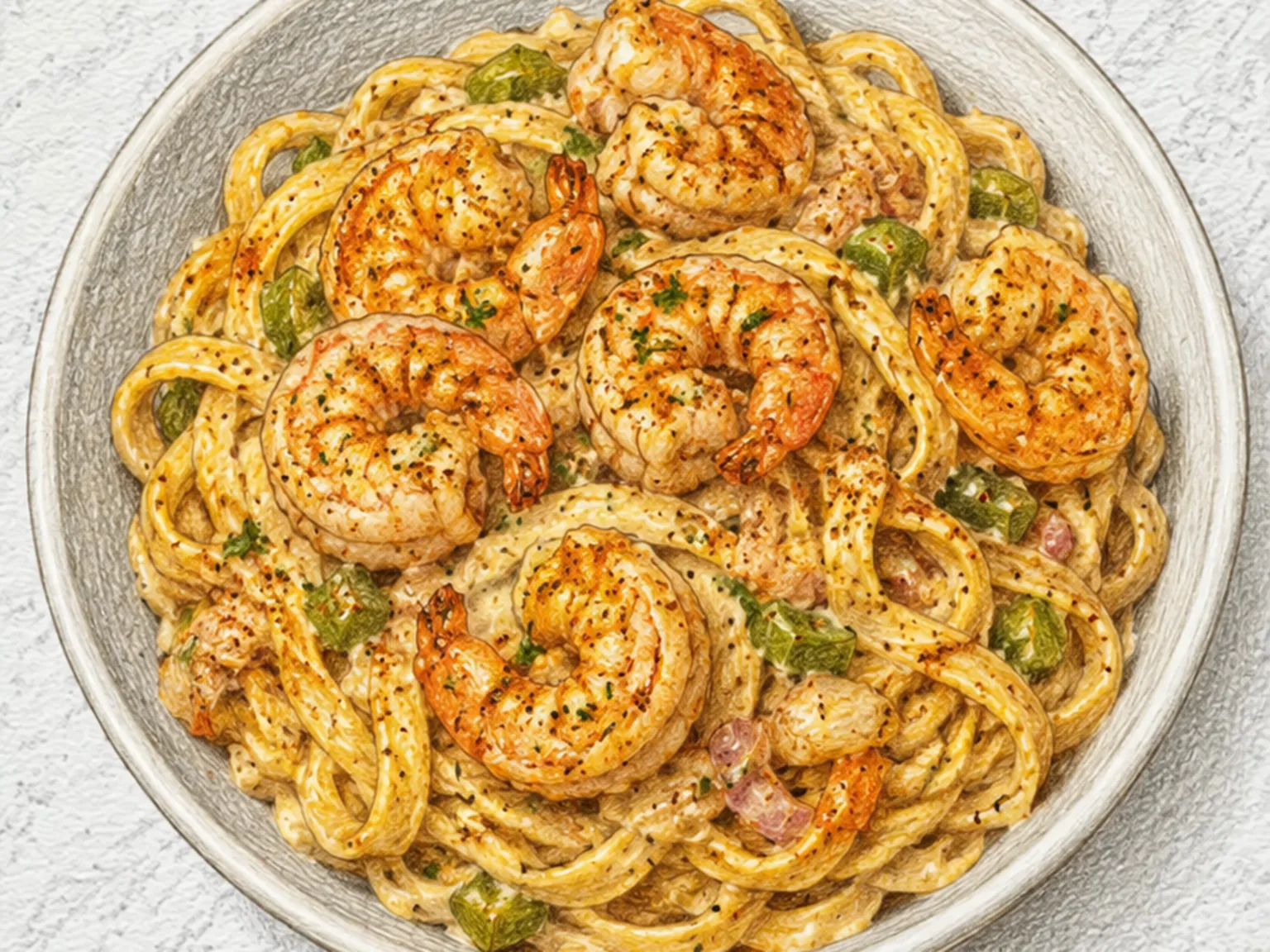
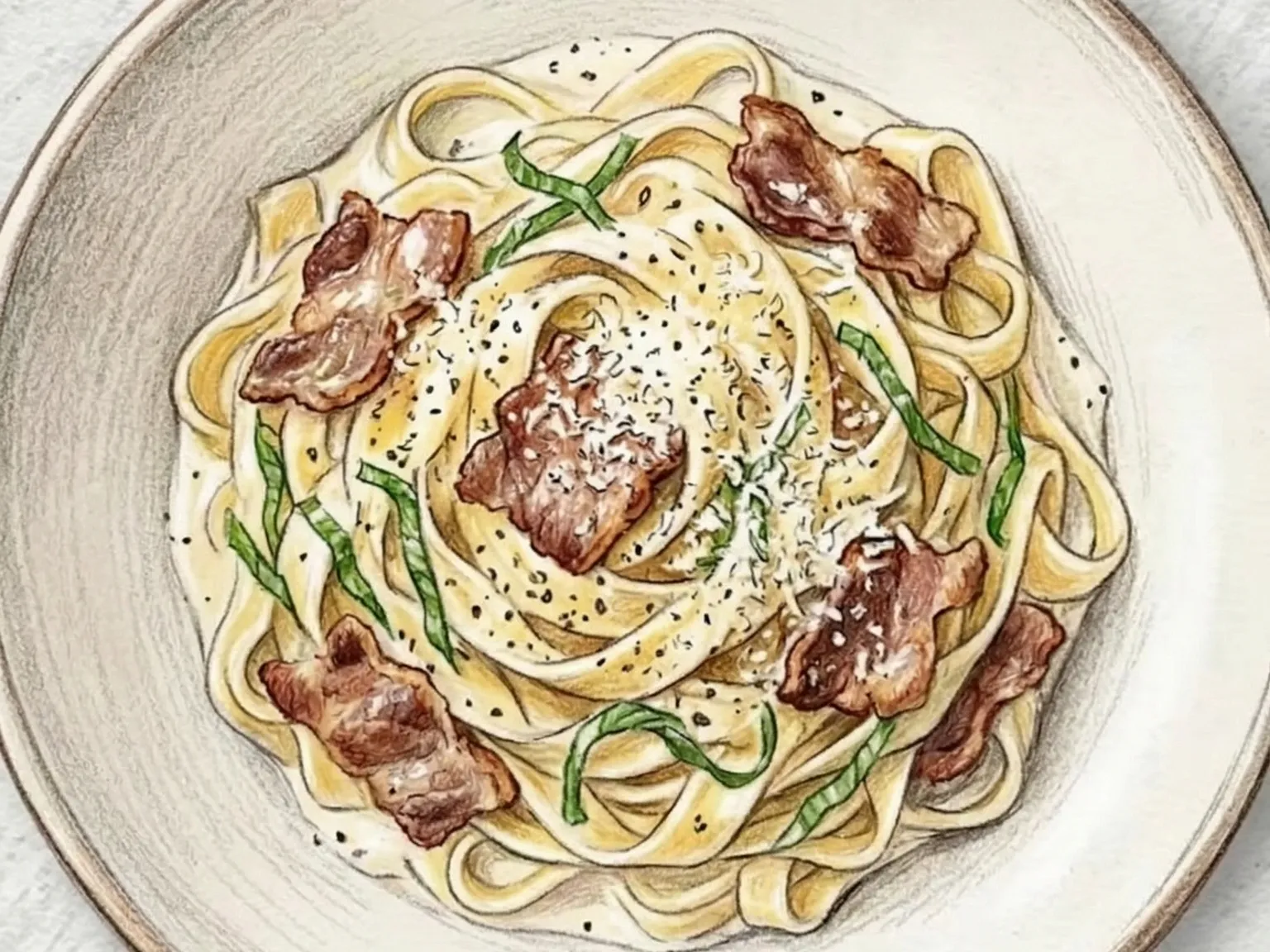
Chadol perilla cream fettuccine pairs Italian cream sauce with thinly sliced Korean beef brisket and the resinous fragrance of perilla leaves. The brisket is seared in a dry, hot pan without added oil, since its own fat content is sufficient and extra oil prevents proper caramelization on the edges. After searing and draining the rendered fat, the crisped brisket is folded back into a sauce of heavy cream and milk so its savory depth permeates every drop. Perilla leaves must be added only when the heat is turned off, because their volatile aromatic oils evaporate quickly; adding them too early leaves only a faint bitterness. The perilla's herbal note lifts the heaviness of the cream and introduces a register absent from any European herb. Fettuccine's broad, flat surface catches sauce generously, ensuring each bite is fully coated without the sauce pooling at the bottom of the bowl. Grated Parmigiano-Reggiano adds sharpness and salt, while cracked black pepper gives a punctuating finish. The dish works because the rich fat of the brisket and the clean herbal top note of perilla occupy different flavor registers and strengthen rather than compete with each other.

Chogochujang Kkotge Cold Capellini (Spicy-Sour Crab Angel Hair)
Chogochujang crab cold capellini is a chilled pasta dressed with chogochujang, a Korean condiment made by blending gochujang with rice vinegar and sugar until the paste becomes a pourable, sweet-tart, spicy dressing. The sauce layers capsaicin heat beneath an acidic brightness that makes it exceptionally well-suited to cold noodles, cutting through any residual starchiness and keeping each strand distinct. Blue crab meat contributes a delicate natural sweetness and a salinity that anchors the entire dish, while julienned cucumber adds crisp, water-rich crunch that lightens the overall texture. Capellini is among the finest pasta shapes available, measuring roughly 0.9mm in diameter, which means it overcooks almost instantly and must be shocked in ice water the moment it finishes boiling to halt cooking and preserve its springy elasticity. At room temperature, the strands begin to clump within minutes, so keeping them submerged in ice water until just before plating is the standard approach. Fresh tomato adds a burst of cool acidity that tempers the dense chogochujang dressing and prevents the dish from feeling heavy, making this a well-balanced warm-weather plate.

Mushroom Spinach Warm Salad
Button mushrooms are seared over high heat for a deep caramelized crust, then spinach is added just long enough to barely wilt in the residual heat of the pan. Garlic bloomed in olive oil at the start ensures the entire pan is fragrant before the other ingredients are added. Once the mushrooms go in, leaving them untouched for one to two minutes is the critical step: stirring immediately causes them to steam and release water, which prevents browning and dilutes the flavor. Balsamic vinegar deglazed in at the end lifts the pan with a balance of sweetness and acidity, and grated parmesan melts into the warm greens for a salty, nutty finish. The salad should be eaten immediately: the spinach holds its vivid green and the mushrooms retain their firm, springy bite only while everything is hot. The entire dish comes together in under ten minutes, making it a reliable choice for a quick weeknight side or a no-effort addition to a wine table.

Bouillabaisse (Provencal Saffron Seafood Stew)
Bouillabaisse is a Provencal seafood stew that originated with Marseille fishermen cooking whatever catch remained unsold, distinguished above all by saffron's golden color and subtle floral aroma carried through the broth. Fennel and tomatoes are sauteed in olive oil first to build a fragrant base, then saffron-steeped fish stock is added and brought to a simmer. Firm-fleshed fish such as monkfish or sea bass go in first, with shrimp and mussels added last to protect their texture - overcooked shellfish turns rubbery and loses all elasticity. The broth builds complexity from the successive contributions of each seafood type, with every variety releasing its own distinct character of ocean flavor into the pot. Prolonged simmering concentrates the broth intensely, so once the fish is added, maintaining high heat and finishing quickly is the key to a broth that is rich but still clear and clean. Traditionally, grilled baguette spread with garlicky rouille is dipped into the broth alongside the seafood.

Baingan Bharta (Punjabi Flame-Roasted Smoky Eggplant Mash)
Baingan bharta begins in Punjab, where whole eggplants are held directly over an open flame until the skin chars completely black and the interior collapses into a smoky, yielding pulp. That charring is not incidental but constitutive: the campfire depth it creates cannot be replicated in an oven or air fryer because the contact with live flame drives pyrolysis compounds deep into the flesh. Once the blackened skin is peeled away, the pulp is roughly mashed and then cooked down with onion, tomato, green chili, and ginger over high heat until every trace of moisture has burned off. The aggressive heat softens the sharp edges of the aromatics while pressing them into the eggplant, and the result is layered rather than uniform. Texture is deliberately coarse: the mash should retain visible chunks and pockets of charred skin that punctuate each bite with a pleasantly bitter contrast. This roughness reflects the dish's origin in the farmhouse kitchens of rural Punjab, where eggplants were pulled straight from clay pots over wood fires. The traditional winter pairing with makki ki roti remains the most honest frame for what the dish is.

Korean Broccoli Doenjang Salad
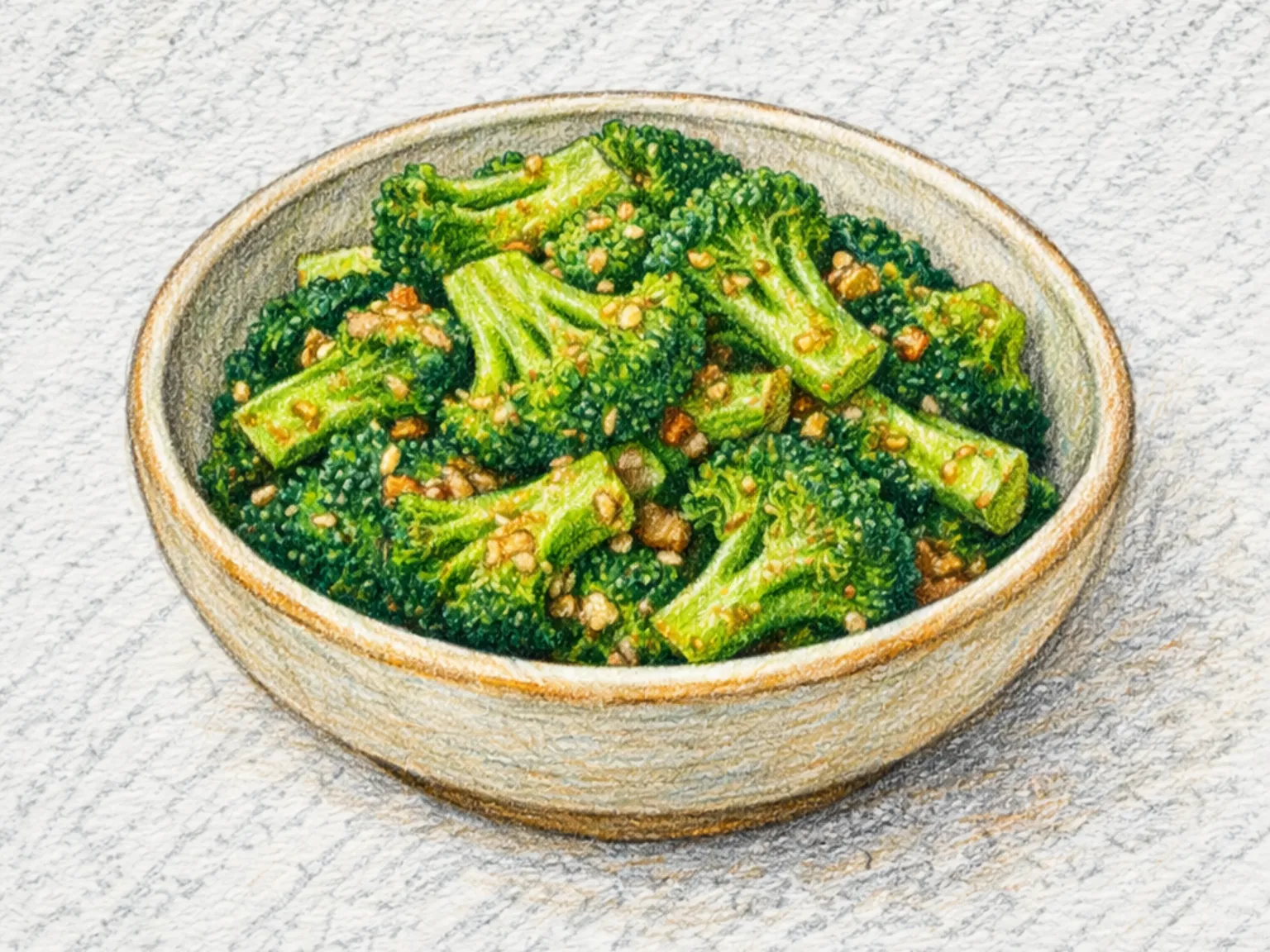
Blanched broccoli tossed in doenjang dressing is a modern Korean banchan that pairs Western ingredients with traditional fermented seasoning. Florets and thinly sliced stems blanch for ninety seconds in salted boiling water, then shock in cold water to lock in vivid green color and a firm, crisp bite. The dressing is built from doenjang stirred with rice vinegar and oligosaccharide syrup, combining fermented salt depth, acidity, and a gentle natural sweetness that lifts rather than masks the vegetable's mild bitterness. Using the stems alongside the florets eliminates waste and adds textural variety to each bite. Ready in under ten minutes and holds well refrigerated for two days.

Korean Danhobak Haemul Juk (Kabocha Seafood Porridge)
Danhobak haemul juk is a traditional Korean rice porridge that uses kabocha squash, shrimp, and squid as its primary ingredients. The foundation of the dish begins with short grain rice that has been soaked in water until it becomes opaque. This rice is then lightly toasted in a pot with a small amount of toasted sesame oil. This initial sauteing process is functional, as the oil forms a thin layer around each grain. This fat coating prevents the rice from disintegrating too quickly during the boiling process and provides a subtle, toasted depth of flavor to the entire dish. Once the rice is prepared, it is simmered in a stock made from either dried anchovies or dried kelp. Diced pieces of kabocha squash are added to the liquid early in the cooking process. As the rice and squash cook together, the squash eventually becomes tender enough to yield under light pressure. At this point, a spoon is used to press several pieces of the squash against the interior wall of the cooking pot, mashing them into a fine pulp. This pulp dissolves into the liquid, providing a natural thickening agent for the porridge and introducing a mild sweetness that intensifies during the simmering period. The seafood components, consisting of cleaned shrimp and sliced squid, are introduced to the pot only during the final minutes of cooking. They are heated just until their proteins set and their flesh becomes firm. This specific timing is necessary to ensure the seafood retains a snappy and tender texture, avoiding the rubbery consistency that results from excessive heat exposure. The inherent salinity of the shrimp and squid provides a direct contrast to the sweetness of the kabocha squash, creating a complex flavor profile. The only seasoning used for this porridge is salt, which is added to taste. This minimalist approach allows the natural flavors of the squash and seafood to remain prominent. From a nutritional perspective, the dish is balanced through the combination of protein from the aquatic ingredients and the high beta-carotene content found in the squash.

Korean Sea Breeze Herb Shrimp Stir-fry
Bangpungnamul saeu bokkeum is a Korean stir-fry that pairs coastal hogfennel, a pungent spring herb, with medium-sized shrimp over sustained high heat. The shrimp are first splashed with cooking wine to eliminate off-flavors, then seared in oil and removed from the pan. Minced garlic is sweated in the residual oil before the hogfennel and sliced red chili are added and tossed rapidly - the herb loses its characteristic bitterness quickly if it lingers on heat. Soy sauce and sesame oil go in next for seasoning, and the shrimp are returned for a final toss to integrate everything without overcooking the proteins. The herb's slightly bitter, aromatic edge contrasts with the natural sweetness of the shrimp to produce a balanced flavor that needs no additional sauce. From start to finish the dish takes under nine minutes, and its low calorie count makes it a practical light banchan alongside rice.

Korean Garlic Parmesan Croffle
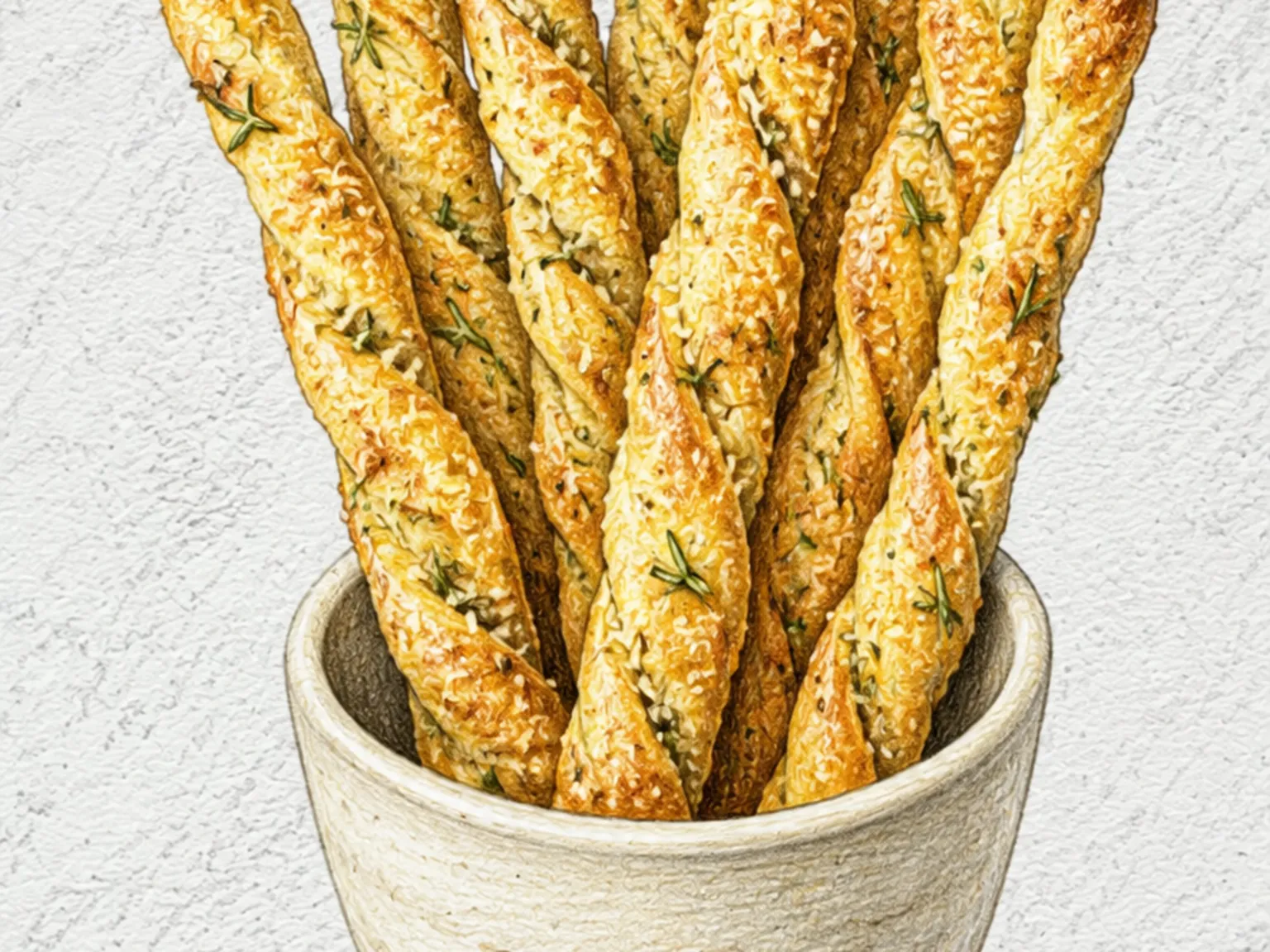
Garlic parmesan croffle presses fully thawed frozen croissant dough in a waffle iron to create a crispy, grid-marked pastry, then finishes it with garlic butter and grated parmesan. Complete thawing is non-negotiable -- the laminated layers of croissant dough need to be soft and pliable so they separate and crisp individually under pressure. Cold dough compresses into a dense, flat slab with none of the characteristic flakiness. Garlic butter made from melted butter, minced garlic, salt, and fresh parsley is brushed generously over the hot croffle so the fat seeps into the spaces between layers, while grated parmesan clings to the surface and adds a salty, savory finish. A final drizzle of honey creates the sweet-salty contrast that defines this particular variation and has made it a staple item at Korean cafes. The same technique works with any croissant dough, and the garlic-cheese combination can be adjusted freely to suit individual taste.

Korean Garlic-Grilled Octopus
Muneo-garlic-gui is a Korean seafood drinking snack made by slicing pre-boiled octopus into bite-size pieces, seasoning them with salt, pepper, and red chili flakes, then searing them hard in olive oil with minced garlic over high heat. The garlic goes in first at low heat to bloom slowly in the oil, then the flame is raised and the octopus is added so the exterior chars rapidly while the interior stays springy and resilient. The olive oil coats the surface at high temperature and locks in moisture, producing a scorched crust outside and a genuinely tender bite within. A squeeze of fresh lemon juice at the finish cuts through the oil and brings the natural brininess of the octopus into sharp relief. The octopus should go straight to the table after cooking, as the texture toughens quickly, and thorough pan preheating is essential to getting the sear right.

Korean Daegu Doenjang Gui (Doenjang-Grilled Cod)
Daegu doenjang gui is a Korean grilled cod dish where fillets are coated with a paste of doenjang, minced garlic, and sesame oil, then cooked until the paste forms a thin, concentrated crust over the fish. Cod is mild-flavored white fish that accepts the deep, fermented soybean character of doenjang without conflict -- the seasoning defines the fish rather than overpowering it. As the paste dries slightly against the heat, a dark crust seals the surface while the flesh underneath stays moist and flakes cleanly. Controlling the amount of doenjang is critical because the paste can easily oversalt the delicate fish if applied too heavily. Serving with sliced green onion or perilla leaves provides a fresh, herbal counterpoint to the earthy, savory paste.

Korean Spring Cabbage Soybean Paste Soup
Bomdong doenjang-guk is a seasonal Korean home soup made by simmering spring cabbage and doenjang in rice-rinsing water, which adds a subtle starchy body to the broth and softens the saltiness of the paste. The thicker cabbage stems go in first to soften properly while retaining some bite, and the tender leaves are added at the end to hold their natural sweetness and color. Tofu, a pinch of red chili flakes, and green onion round out the bowl with depth and mild heat. A drop of sesame oil just before serving adds a nutty finishing aroma. Spring cabbage has a high water content and turns mushy quickly, so the leaves should be added less than two minutes before turning off the heat.

Korean Perilla Mushroom Hot Pot
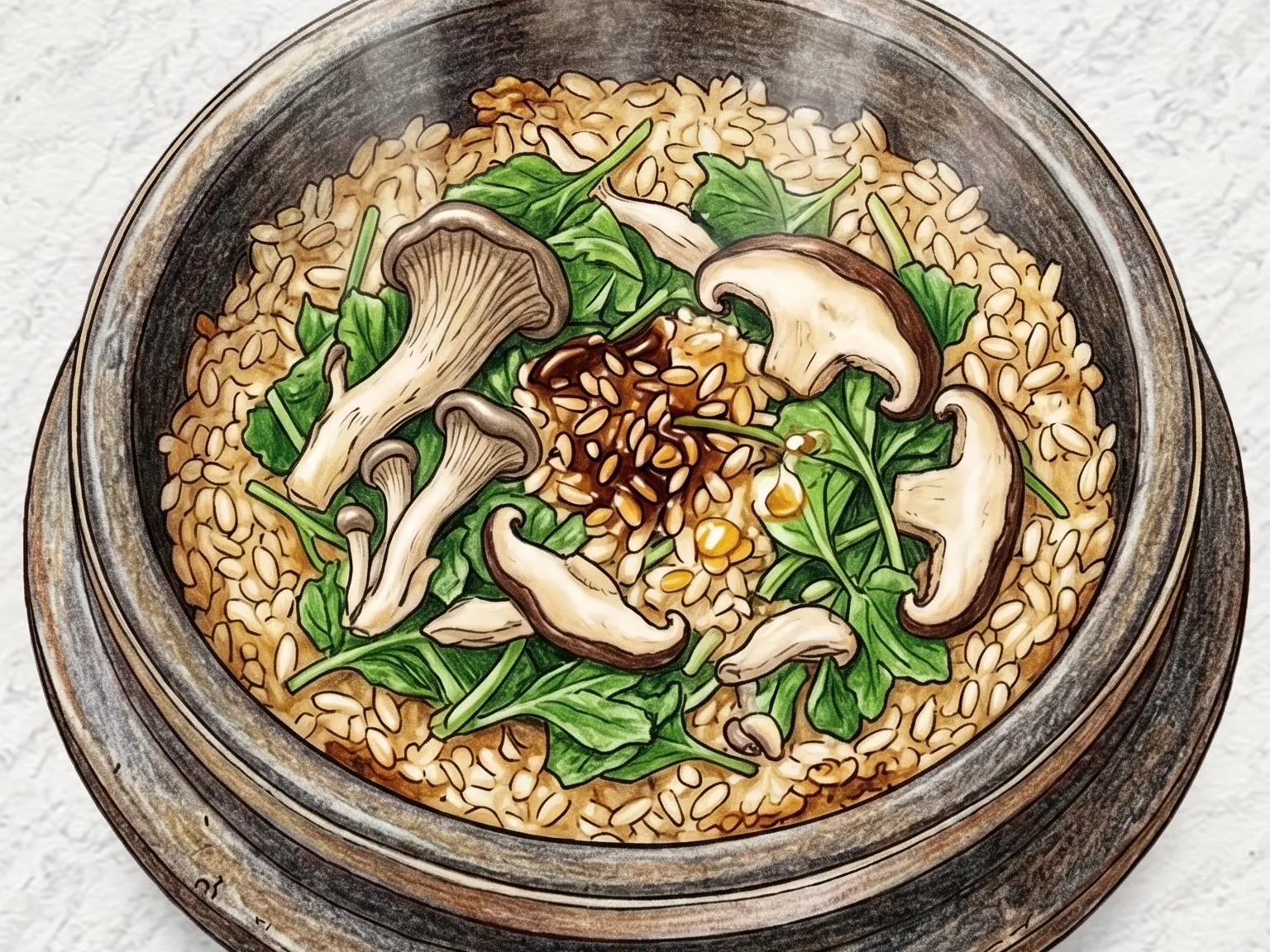
Deulkkae beoseot jeongol is a vegetable hot pot centered on three types of mushrooms - shiitake, oyster, and enoki - along with tofu and bok choy simmered in a light vegetable stock. Ground perilla seeds are stirred directly into the broth, releasing a nutty aroma and building a gentle thickness that coats each mushroom and leaf with every spoonful. The pot is seasoned with soup soy sauce and garlic for a clean, grounded flavor that lets the mushrooms carry the dish without competing additions. Substantial enough to satisfy without any meat.

Cá Kho Tộ (Vietnamese Caramelized Braised Fish in Clay Pot)
Ca kho to is a southern Vietnamese home-style braised fish dish made with catfish or white fish simmered in a sauce of caramelized sugar, fish sauce, and coconut water. The process begins by cooking sugar until it reaches a deep amber caramel, which coats the fish in a rich, dark glaze and forms the flavor backbone of the whole dish. Fish sauce adds a sharp, concentrated saltiness and umami that defines the sauce's character. Shallots and garlic build the aromatic base, while black pepper leaves a warm, spicy finish that cuts through the richness of the caramel. Coconut water lightens and perfumes the braising liquid with a mild tropical sweetness distinct from plain sugar. Covering the pot and simmering over low heat allows the fish to absorb the seasoning deeply and the sauce to reduce to a glossy, lacquer-like coating. Unlike Korean braised fish, which often centers on chili heat, this dish balances caramel and black pepper as its primary flavors and is traditionally served over plain steamed rice.

Korean Amaranth Greens Pickles
Bireumnamul jangajji is a soy-vinegar pickle of amaranth greens made by submerging the tender leaves in a boiled brine of soy sauce, vinegar, and sugar with cheongyang chili and garlic. The soft leaves absorb the pickling liquid within a day, taking on a balanced sweet-salty flavor that makes them ready to eat as banchan. Vinegar neutralizes the grassy raw taste of the greens, and the chili and garlic deliver a sharp, spicy finish that builds at the back of the palate. The flavor deepens noticeably from the second day onward, so chilling the jar longer intensifies the pickle. Refrigerated, this keeps well for two to three weeks, making it a practical way to preserve in-season amaranth greens through the summer.

Cold Sesame Noodles
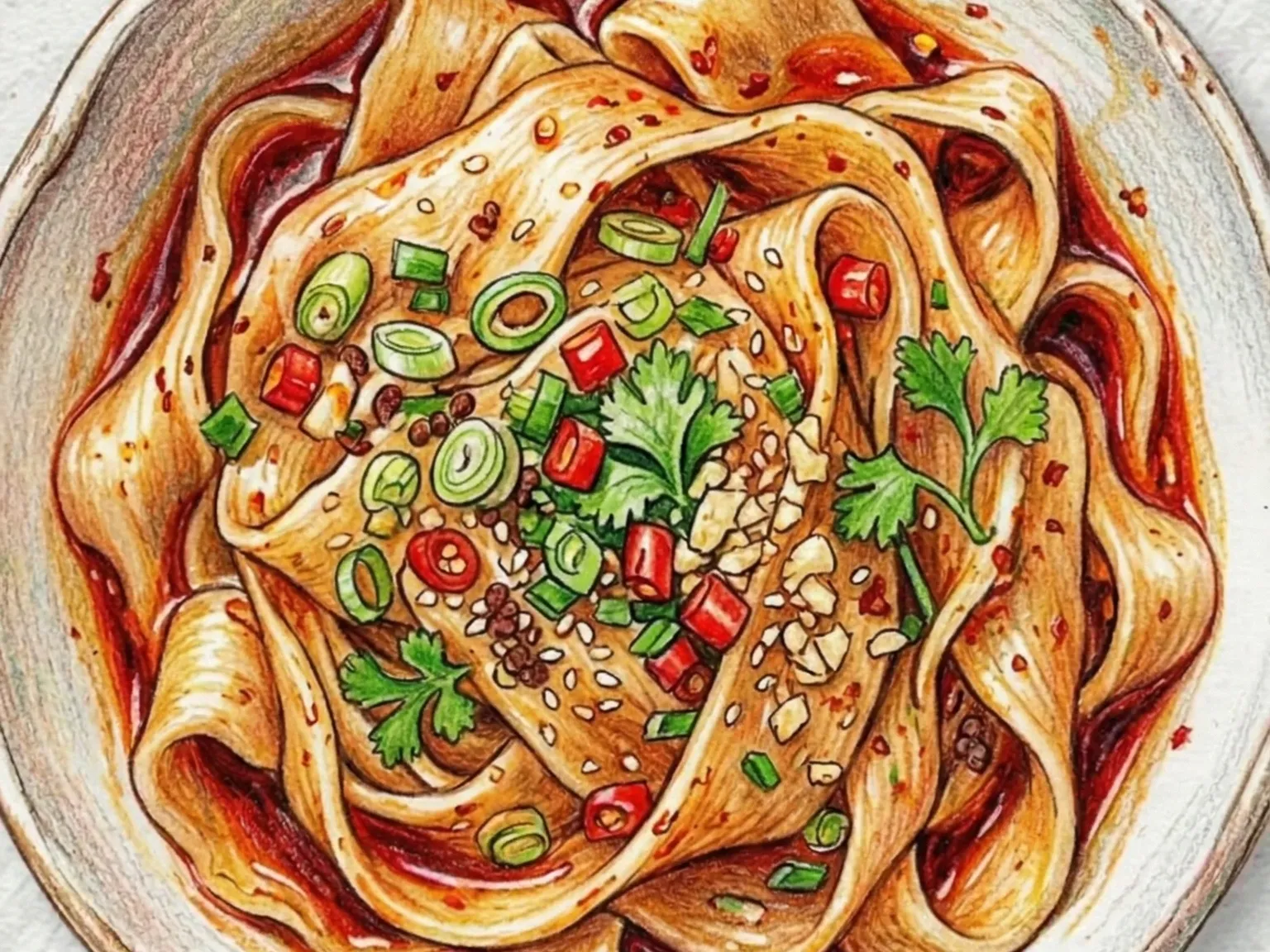
Cold sesame noodles are a fixture of Chinese-American cooking: chilled wheat noodles coated in a thick, nutty sauce that layers sweet, salty, sour, and savory flavors in a single bowl. The sauce is built from Chinese sesame paste or tahini blended with peanut butter, soy sauce, rice vinegar, and sesame oil until the mixture becomes a smooth, glossy emulsion. After boiling, the noodles are rinsed under cold running water to stop cooking and firm the texture, then tossed with a small amount of sesame oil to prevent clumping and add sheen. Julienned cucumber and sliced scallion provide freshness and crunch that cut through the dense sauce. Chili flakes or a spoonful of chili oil can be added for heat. Preparing the sauce in advance and refrigerating it means the entire dish can come together in the time it takes to boil a pot of noodles, making it a practical choice on hot summer days. Any leftover sauce works well as a salad dressing.

Chunjang Beef Ragu Tagliatelle
Chunjang beef ragu tagliatelle combines a slow-cooked ground beef ragu with Korean black bean paste and tomato passata, tossed through wide tagliatelle ribbons. Chunjang is a fermented black soybean paste that, when fried in oil first, releases a deep roasted umami and loses its raw bitterness before joining the tomato base. Browning the ground beef hard over high heat before adding liquids develops a Maillard crust that intensifies the meatiness of the finished sauce. The sauce then simmers on low heat until it reduces into a thick, glossy coating. Wide tagliatelle catches the dense ragu across its broad surface, ensuring each forkful carries both the tomato-chunjang depth and chunks of seasoned beef.

Naengi Beef Salad (Shepherd's purse)
Fresh naengi - shepherd's purse - is blanched to mellow its earthy bite while keeping the fragrance intact. Beef sirloin is sliced thin and seared quickly so the surface chars lightly and the center stays moist. Julienned Korean pear bridges the beef's richness and the naengi's mild bitterness with clean sweetness. A dressing of soy sauce, vinegar, sesame oil, and plum extract balances salty, sour, and subtly sweet, while red onion and toasted sesame seeds finish with sharpness and nutty crunch.

Bruschetta
Bruschetta is an Italian appetizer built on baguette slices cut 1.5 cm thick, brushed with olive oil, and toasted until fully crisp in the oven or over a grill. While the bread is still hot, a cut garlic clove is rubbed across the surface so the steam and heat pull its sharp aroma directly into the bread. The topping starts with ripe tomatoes: seeds removed, diced small, then left to macerate in olive oil, salt, and balsamic vinegar for fifteen minutes. That resting time draws out excess liquid and concentrates the tomato's natural acidity and sweetness. The essential contrast of the dish is temperature and texture - hot, crunchy bread against cool, wet topping - and it only works if the topping goes on immediately before eating. Left assembled even five minutes, the juices soak in and the bread softens past recovery. Torn basil, not chiffonade, releases more fragrance. Ciabatta works as a substitute when baguette is unavailable.

Beef Rendang (Indonesian Dry Coconut Braised Beef Curry)
Rendang originated among the Minangkabau people of West Sumatra as a preservation method: cooking meat in coconut milk and spices until all moisture is driven out, allowing it to keep for days without refrigeration in tropical heat. The process begins with a rempah paste of shallots, garlic, ginger, galangal, turmeric, and lemongrass pounded in a mortar, then fried in coconut oil until the raw sharpness cooks off. Beef chunks go into coconut milk and braise for two to three hours as the liquid reduces in stages - first a loose curry, then a thick sauce, and finally a dry phase where the coconut oil separates and essentially fries the meat inside its own spice crust. The finished pieces are dark brown, nearly black at the edges, carrying concentrated layers of chili heat, galangal warmth, and deep sweetness from the caramelized coconut solids. UNESCO recognized rendang as part of Minangkabau intangible cultural heritage, and the dish ranks consistently among the world's most celebrated preparations.

Korean Seasoned Garlic Chives
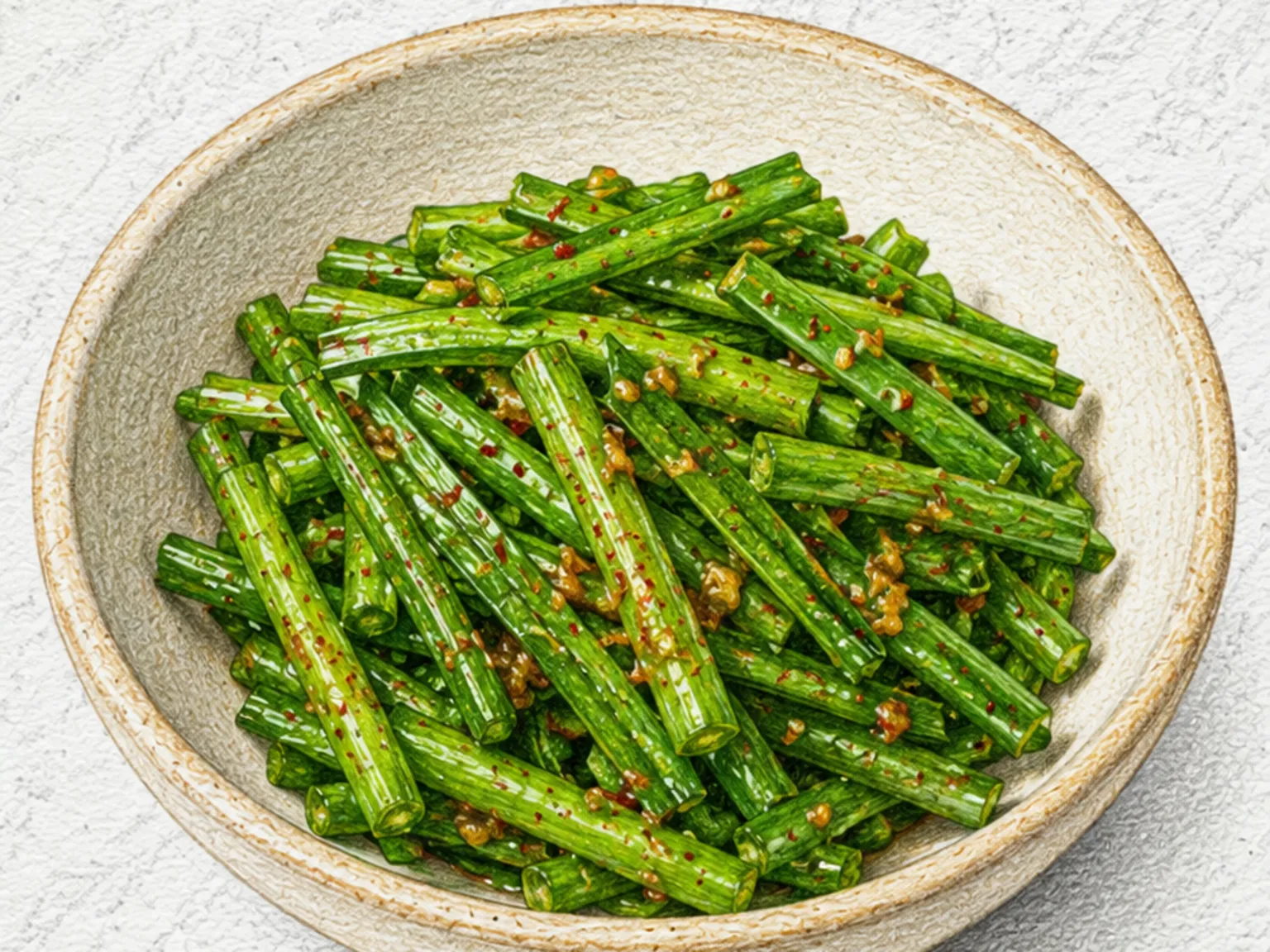
Buchu muchim differs from buchu kimchi in that it uses soy sauce and vinegar instead of fish sauce, which produces a sharper, more acidic result with none of the fermented depth. Raw chives are cut to five centimeters and tossed by hand for no longer than twenty seconds -- exceeding that time bruises the chives and draws out liquid, turning the texture limp. Gochugaru adds color and a moderate level of heat, while the ratio of vinegar to sugar creates a clean sweet-sour dressing that plays against the chive pungency. Sesame oil and whole sesame seeds go in last to preserve their aroma. Eat the same day it is made; once refrigerated overnight the chives wilt and lose their characteristic snap. Served alongside grilled pork belly or ribs, the acidity cuts through the fat and refreshes the palate between bites.