Charim

2686 Korean & World Recipes

2686+ Korean recipes, clean and organized. Ingredients to instructions, all at a glance.

Recipes with garlic

24 recipes

Buy garlic
Ayam Gulai (Indonesian Spiced Coconut Chicken Curry)
AsianMedium

Ayam Gulai (Indonesian Spiced Coconut Chicken Curry)

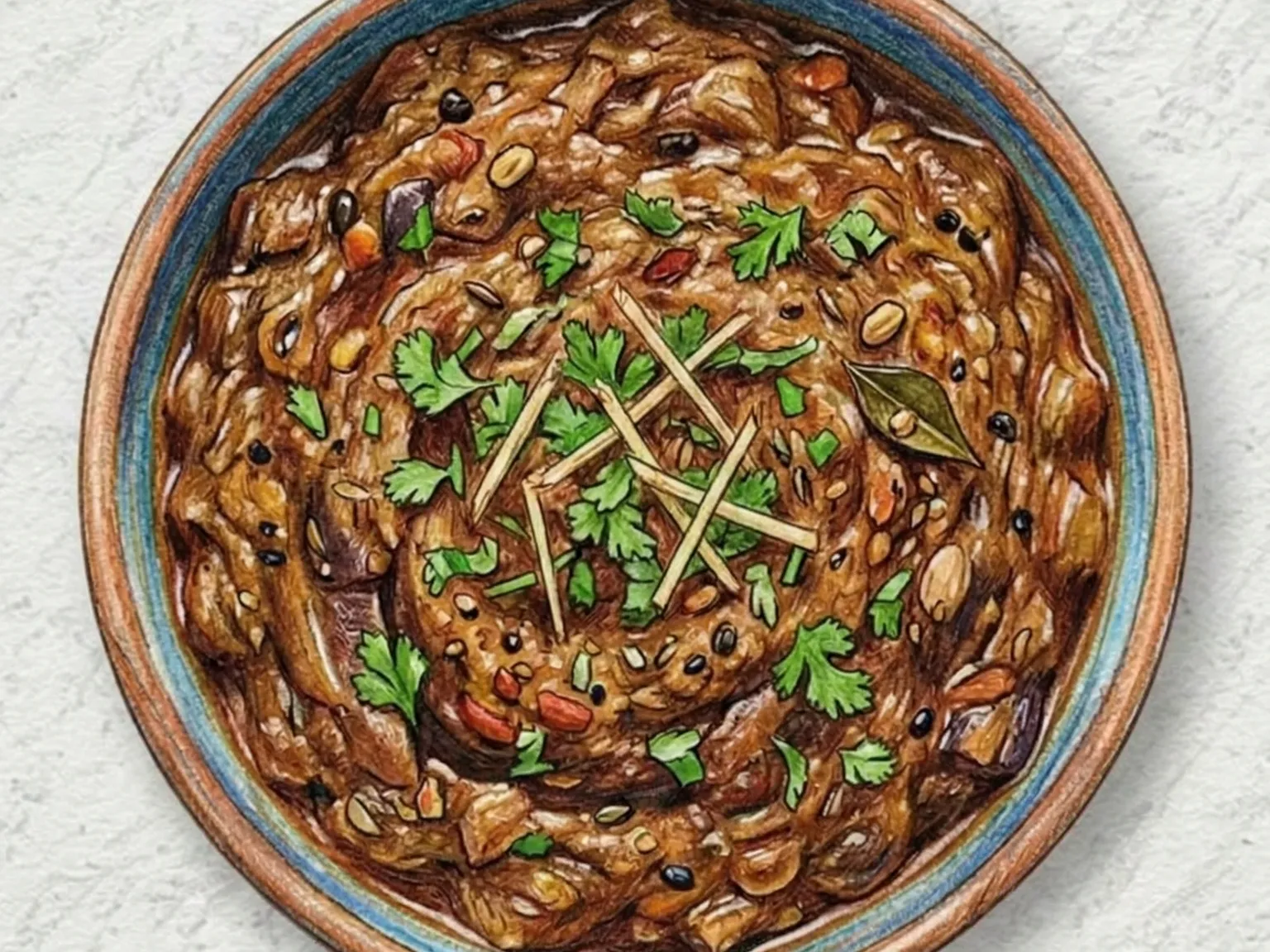
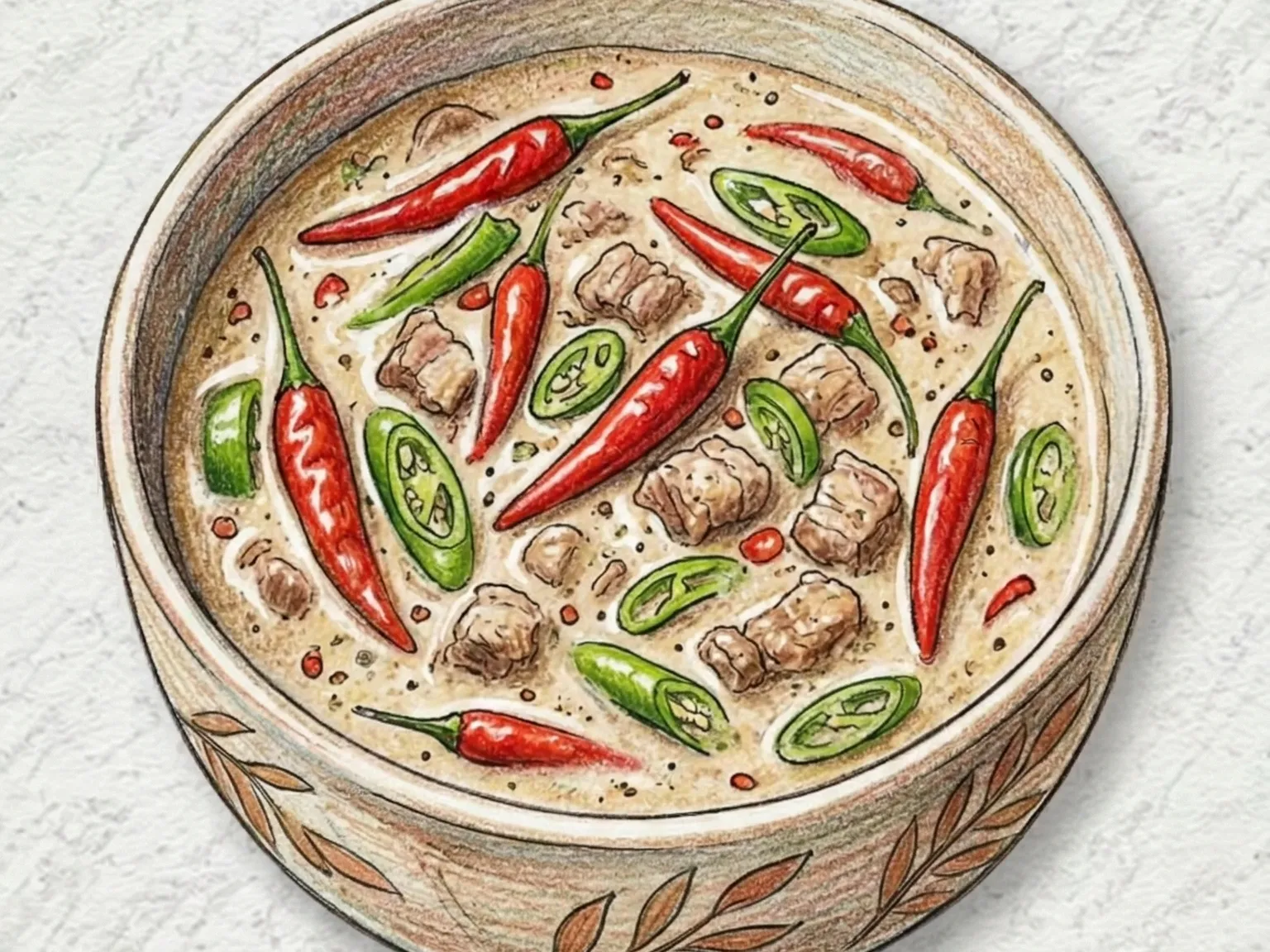
Traditional Indonesian cuisine from West Sumatra relies heavily on the complex application of spices and coconut milk. Ayam gulai serves as a primary example of this Minangkabau tradition. The process starts by grinding shallots, garlic, ginger, galangal, turmeric, and candlenuts into a wet paste called rempah. This mixture requires continuous stirring over low heat until the oil visibly separates from the solids. This separation indicates that the moisture has completely evaporated, allowing the aromatic compounds to develop fully. Skipping this step results in a sauce with an unpleasant raw texture. Once the base is ready, chicken pieces are braised in the spiced coconut liquid for at least thirty minutes. This duration ensures the meat becomes tender enough to fall off the bone while the sauce reduces to a bright yellow consistency that clings to the poultry. Turmeric and galangal establish an earthy base, while kaffir lime leaves contribute a sharp citrus scent to offset the heavy coconut milk. The natural fats in the coconut serve to carry these different aromatics across the palate, creating a long-lasting aftertaste. In a traditional Padang establishment, servers place numerous small plates on the table before any specific order is made. This service style reflects the local hospitality of the region. Diners are charged only for the dishes they touch, a practice that remains a defining element of the dining experience alongside the technical preparation of the curry itself.

🎉 Special Occasion
Prep 20minCook 40min4 servings
Korean Beef & Shiitake Japchae
Side dishesMedium

Korean Beef & Shiitake Japchae

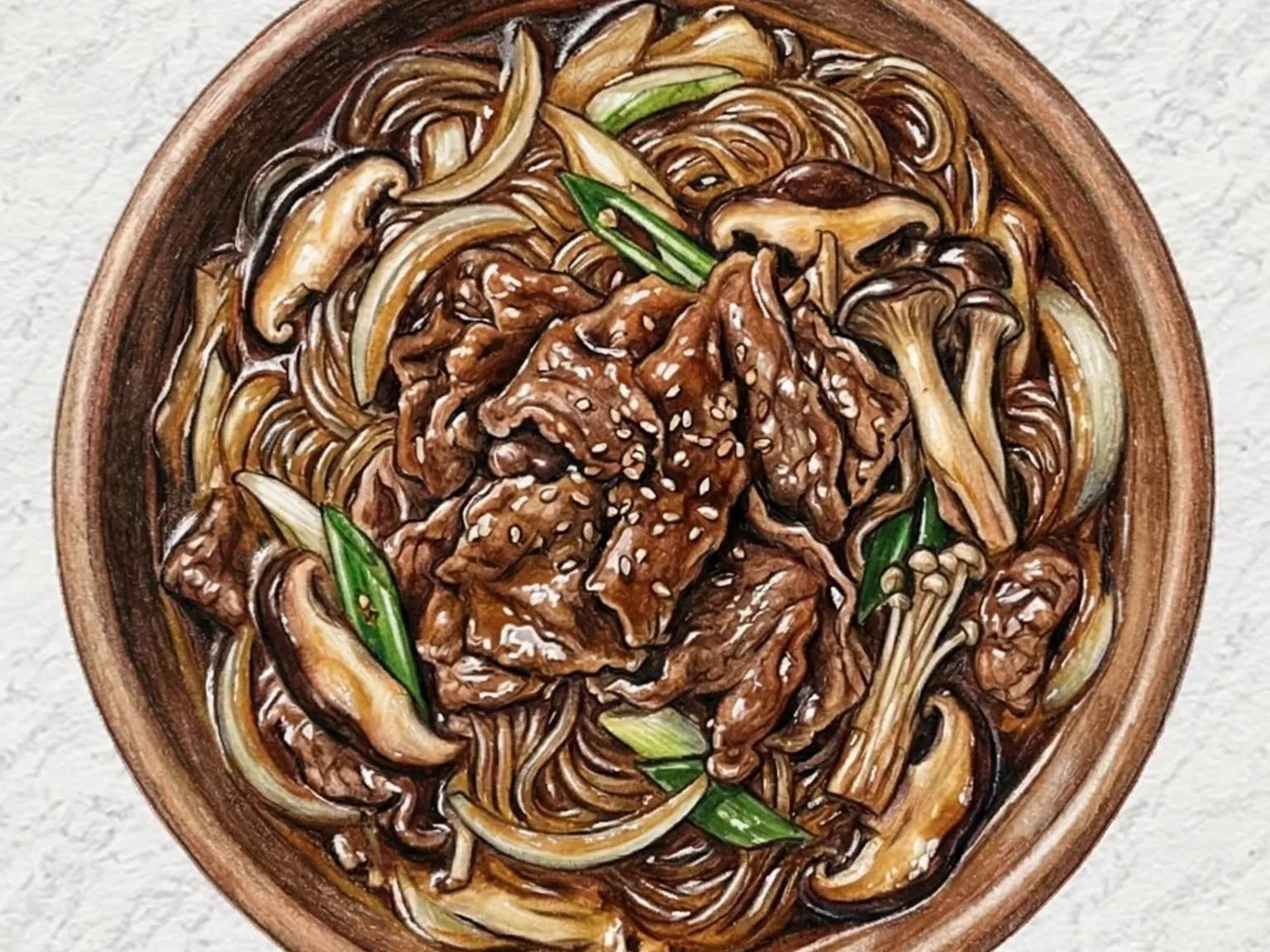
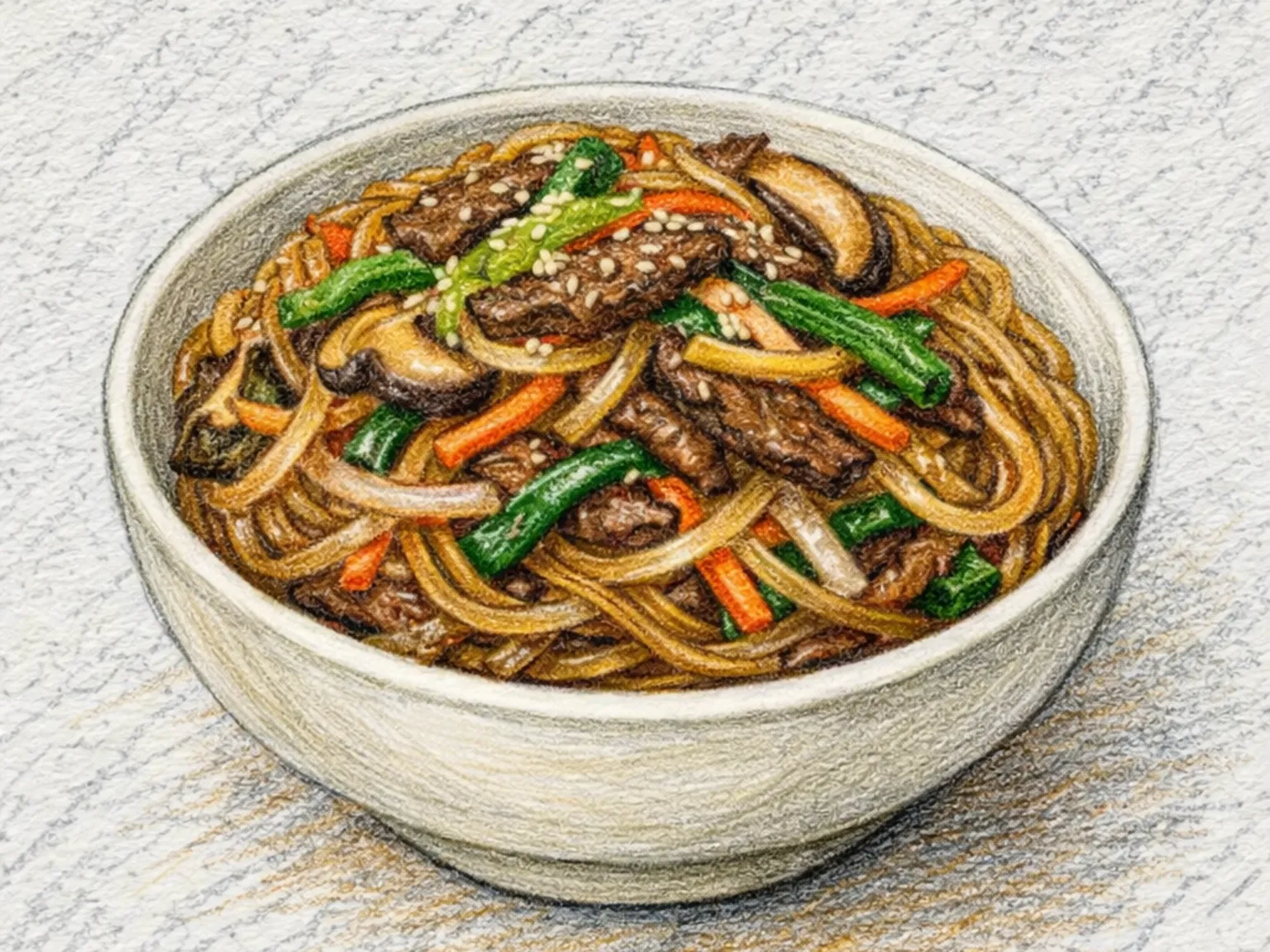
Japchae originated as a Joseon royal court dish of stir-fried vegetables before sweet potato glass noodles were added to create the form recognized today. This version pairs glass noodles with soy-marinated beef and sliced shiitake mushrooms. Each component cooks separately: beef and mushrooms stir-fried with garlic, spinach blanched and squeezed dry, carrots and onions sauteed until just tender. A final toss with sesame oil brings everything together. The noodles should be translucent and springy, carrying a sweet-salty soy glaze into each forkful. A standard presence on every Korean holiday table at Chuseok, Seollal, and birthday celebrations alike.

🏠 Everyday🎉 Special Occasion
Prep 20minCook 18min4 servings
Korean Chicken Rice Porridge
RiceEasy

Korean Chicken Rice Porridge

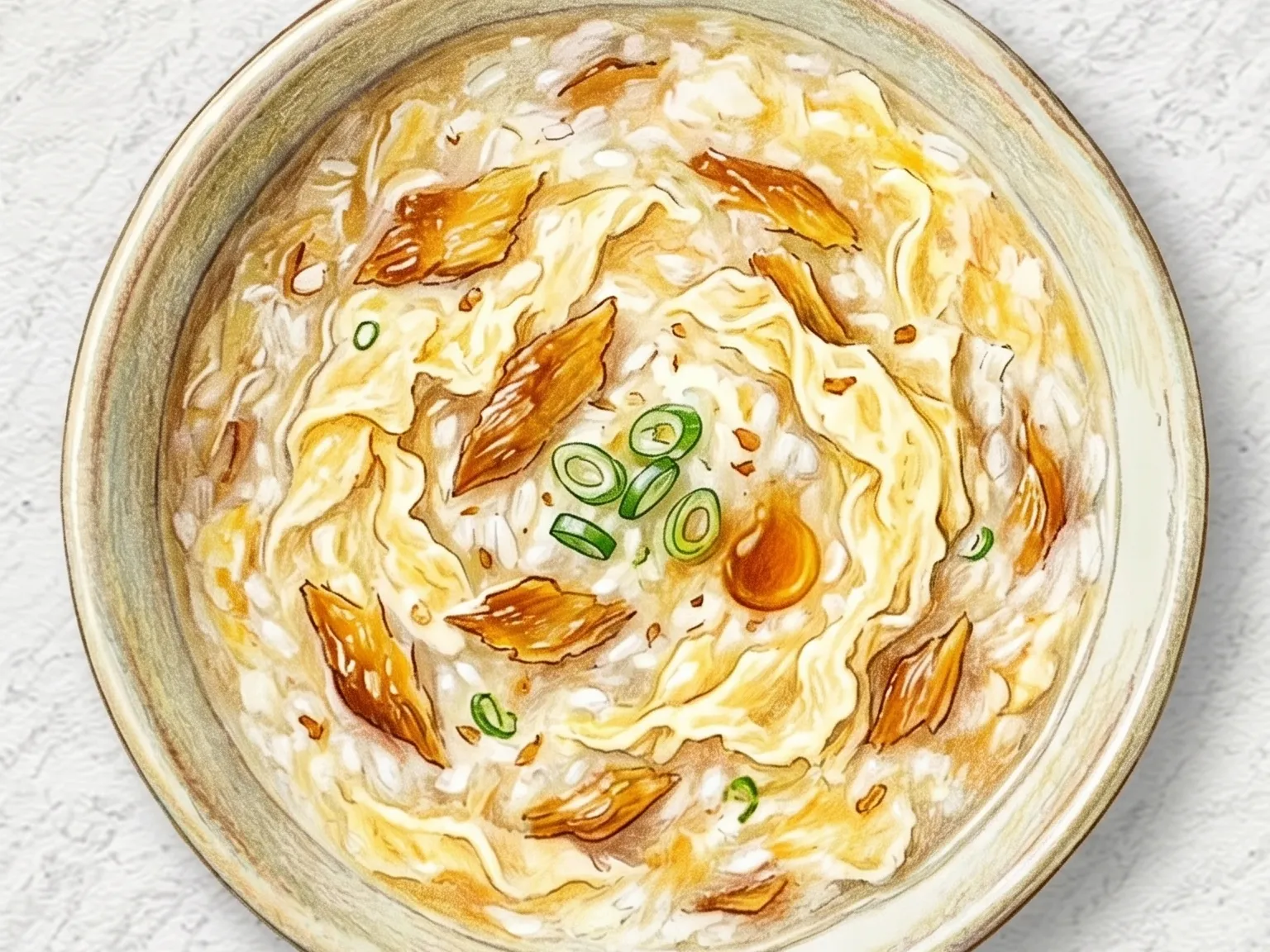
Dakjuk is a Korean chicken rice porridge built from a straightforward foundation: a whole chicken breast poached in water until tender, then shredded along the grain and returned to the broth with soaked short-grain rice. The rice and minced garlic are first sauteed briefly in sesame oil so each grain takes on a faint nuttiness before the stock is added, which carries through into the finished porridge. As the rice simmers and slowly breaks down over twenty-five or more minutes of regular stirring, it releases starch that thickens the liquid into a smooth, flowing consistency without turning gluey. The chicken adds lean protein without weighing the dish down, and the garlic mellows from sharp to a quiet warmth. Sliced green onion scattered on top provides a fresh, grassy contrast to the mild, savory base. Dakjuk has been a household staple in Korea for generations, reached for when the body needs recovery, when the stomach asks for something gentle, or when a warm and undemanding breakfast is simply the right start to the morning.

🏠 Everyday
Prep 20minCook 45min2 servings
Korean Napa Cabbage Shrimp Stir-fry
Stir-fryEasy

Korean Napa Cabbage Shrimp Stir-fry

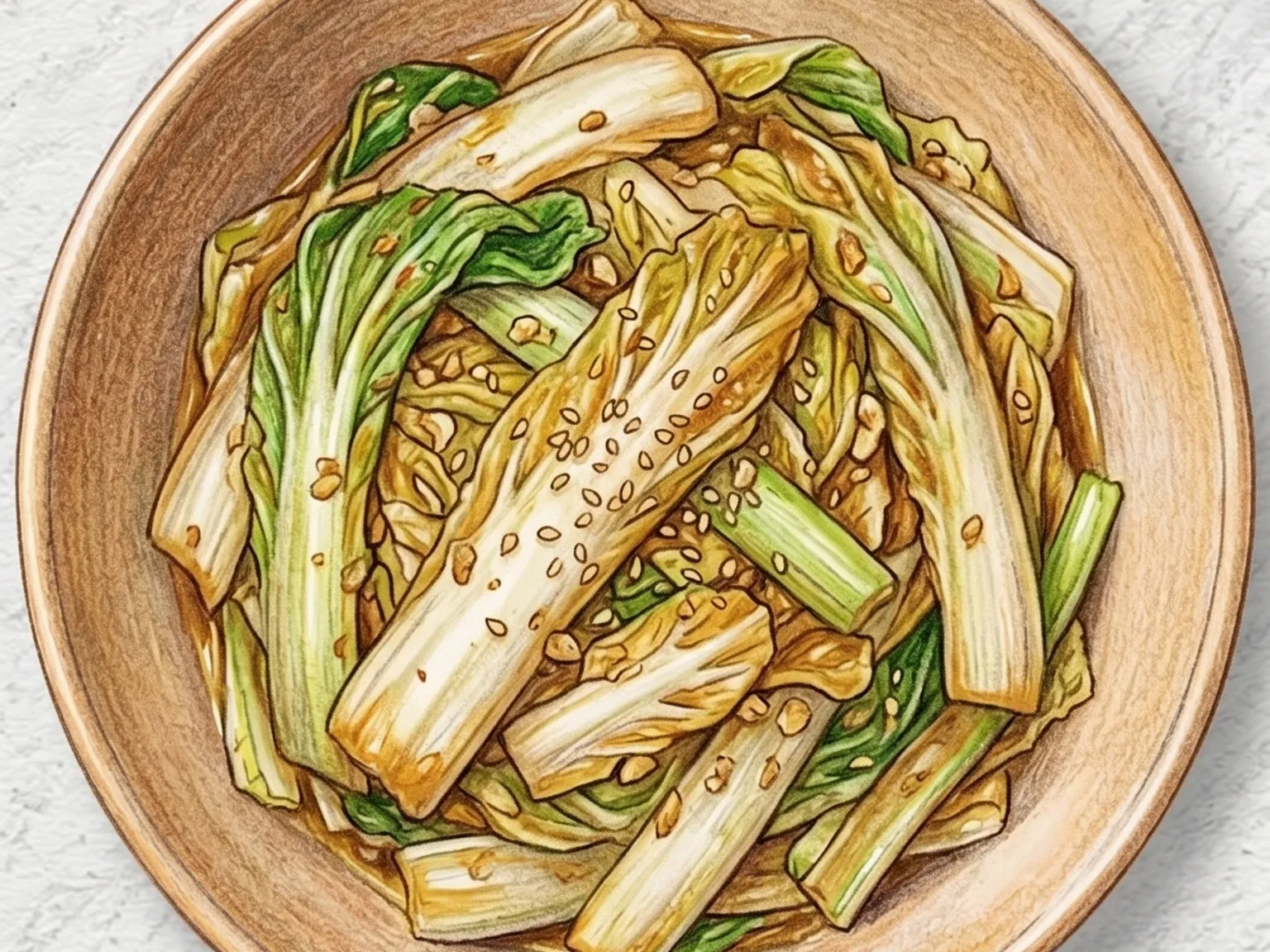
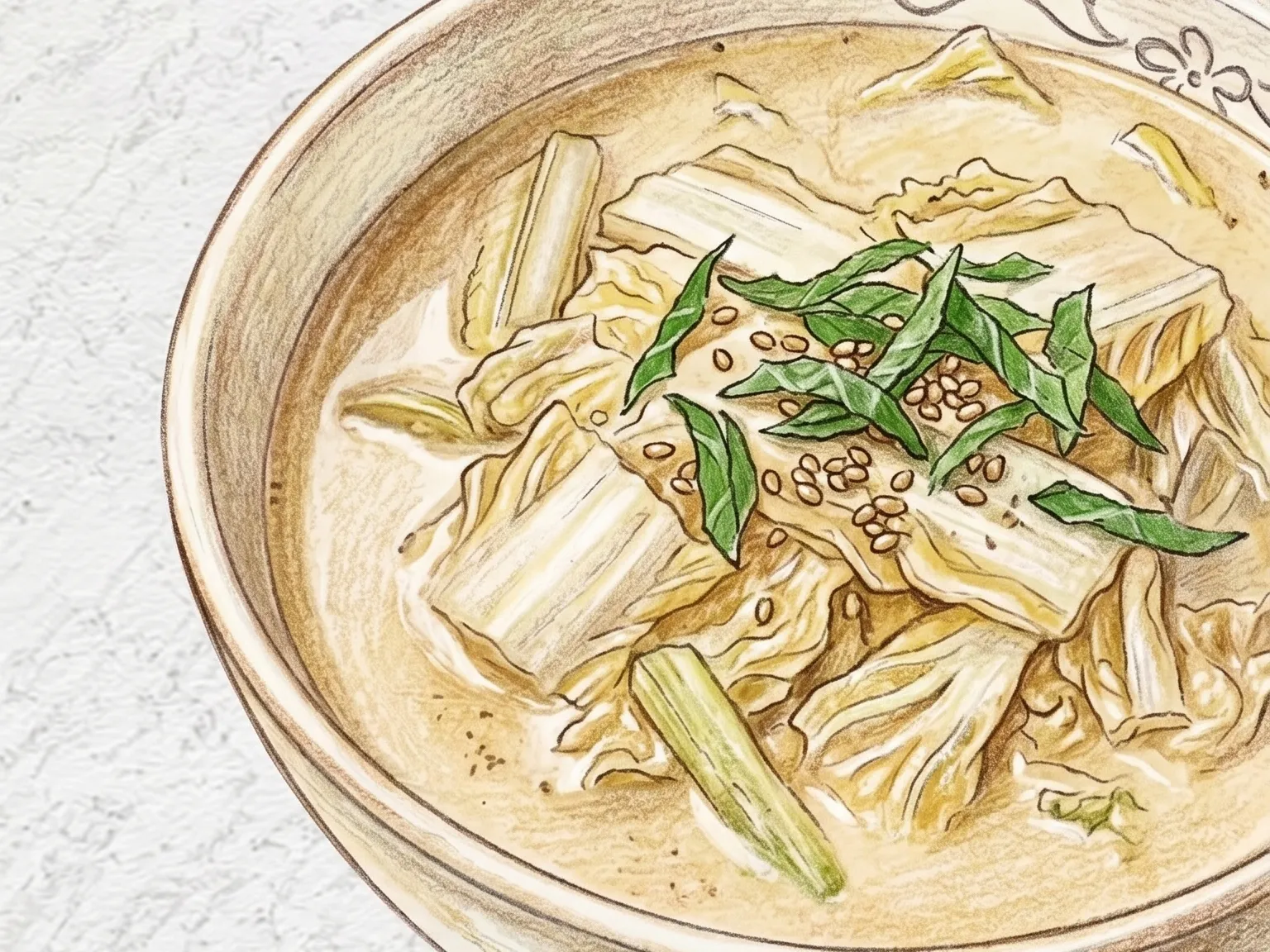
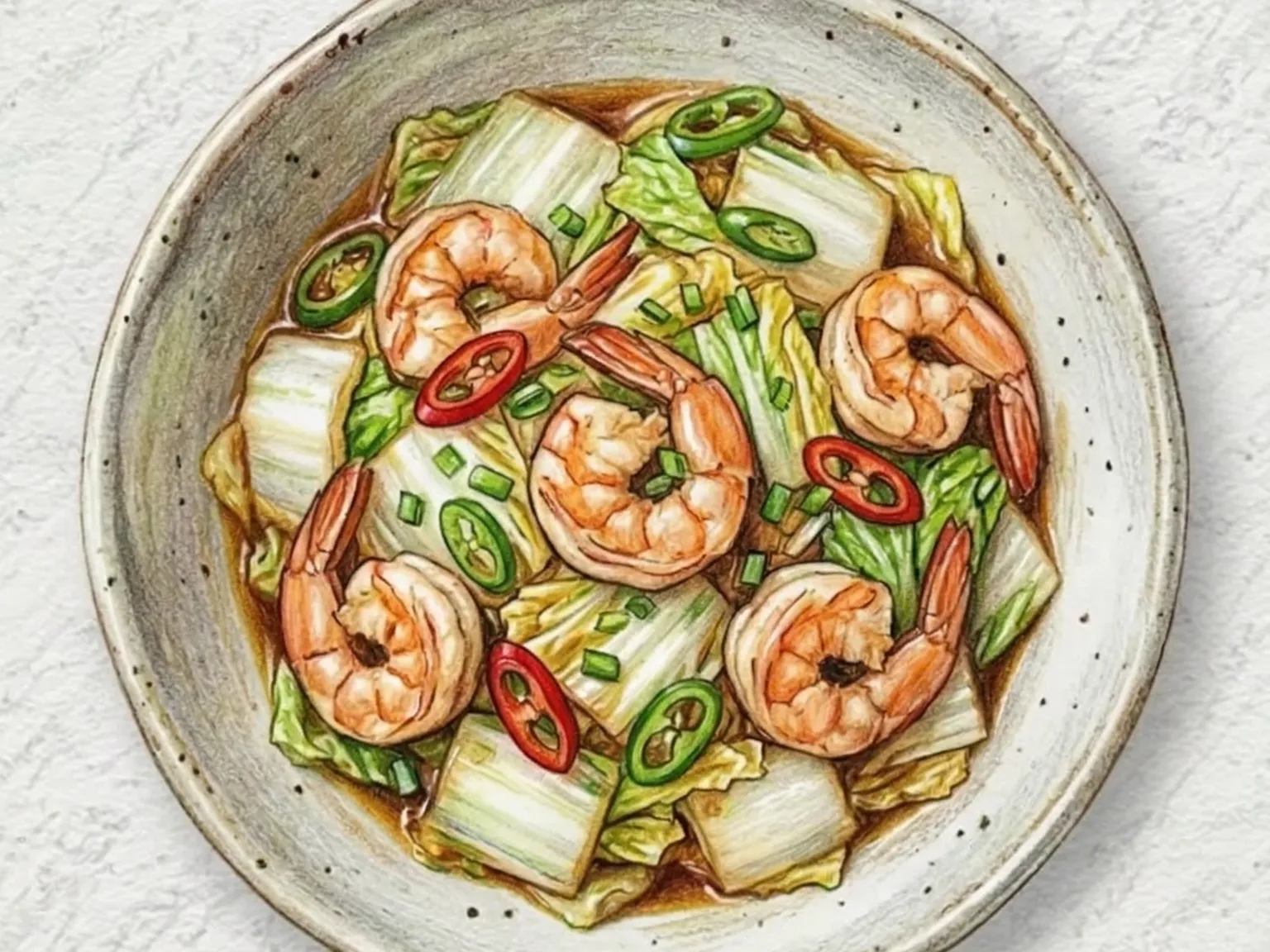
Baechu saeu bokkeum is a Korean stir-fry of napa cabbage and medium shrimp seasoned with soy sauce and fish sauce. The shrimp are deveined and scored along the back so they curl attractively and absorb seasoning more readily. They go into a hot oiled pan first for thirty seconds to sear the surface, then are removed while the cabbage stems are stir-fried until slightly wilted. Soy sauce, fish sauce, and minced garlic are added along with the cabbage leaves, and the shrimp return to the pan for a final thirty-second toss so everything seasons evenly. Sliced cheongyang chili and scallion go in last for a hit of heat and freshness. The entire stir-fry stays under three to four minutes of active cooking, which preserves the crunch of the cabbage stems and the firm bite of the shrimp. The combination of soy sauce and fish sauce provides a layered saltiness that brings out the natural sweetness of both the cabbage and the shrimp.

🏠 Everyday🍱 Lunchbox
Prep 14minCook 8min2 servings
Korean Skewered Fish Cake Soup
Street foodEasy

Korean Skewered Fish Cake Soup

Eomuk-kkochi starts with flat fish cake sheets folded into zigzag shapes on skewers, which then simmer in a clear broth made from Korean radish, kelp, and green onion. The broth draws umami from the radish and kelp and transfers that depth into the fish cakes as they cook. The fish cakes soften from their original firm bounce as they absorb the broth, while the liquid itself thickens slightly from the starch the eomuk releases. Serving a dipping sauce of soy or gochujang alongside each skewer adds another dimension of flavor at the table. This is one of Korea's most iconic winter street foods, served at pojangmacha stalls where the hot broth gets ladled into paper cups for sipping between bites.

🧒 Kid-Friendly
Prep 10minCook 20min2 servings
Korean Egg Drop Soup for Anju
DrinksEasy

Korean Egg Drop Soup for Anju

Gyeran-tang is a light Korean egg drop soup seasoned with soup soy sauce and minced garlic in a clear broth. Beaten eggs are poured in a thin stream along chopsticks held just above the surface of the boiling liquid, breaking the flow into fine threads that set almost instantly into soft, silky ribbons. The garlic contributes a quiet background savoriness without dominating, and a pinch of black pepper adds a dry, peppery warmth that offsets the mildness of the egg. Sliced green onion scattered on top just before serving releases a fresh, grassy fragrance as it meets the steam. The soup comes together in under fifteen minutes and requires no special ingredients, making it a practical choice for breakfast or as a gentle restorative when a plain, comforting bowl is needed.

🍺 Bar Snacks Quick
Prep 5minCook 10min2 servings
Korean Gochujang-Grilled Butterfish
GrilledEasy

Korean Gochujang-Grilled Butterfish

Byeongeo gochujang-gui is a Korean spicy grilled butterfish where fillets are brushed with a paste of gochujang, soy sauce, plum syrup, minced garlic, and red pepper flakes, then pan-fried over medium heat. Butterfish has an exceptionally fine, soft flesh that absorbs the marinade readily, and the plum syrup's fruity acidity offsets the fermented heat of gochujang so the finish stays clean. The glaze must be applied in thin, repeated layers during cooking; a single thick coat causes the sugars to scorch before the fish cooks through. Each side needs roughly three to four minutes over medium heat, and a wide spatula prevents the delicate flesh from breaking when flipped. A light squeeze of lemon at the end adds brightness that prevents any lingering oiliness and sharpens the overall flavor.

🍺 Bar Snacks🍱 Lunchbox
Prep 15minCook 12min2 servings
Korean Clam and Water Parsley Soup
SoupsMedium

Korean Clam and Water Parsley Soup

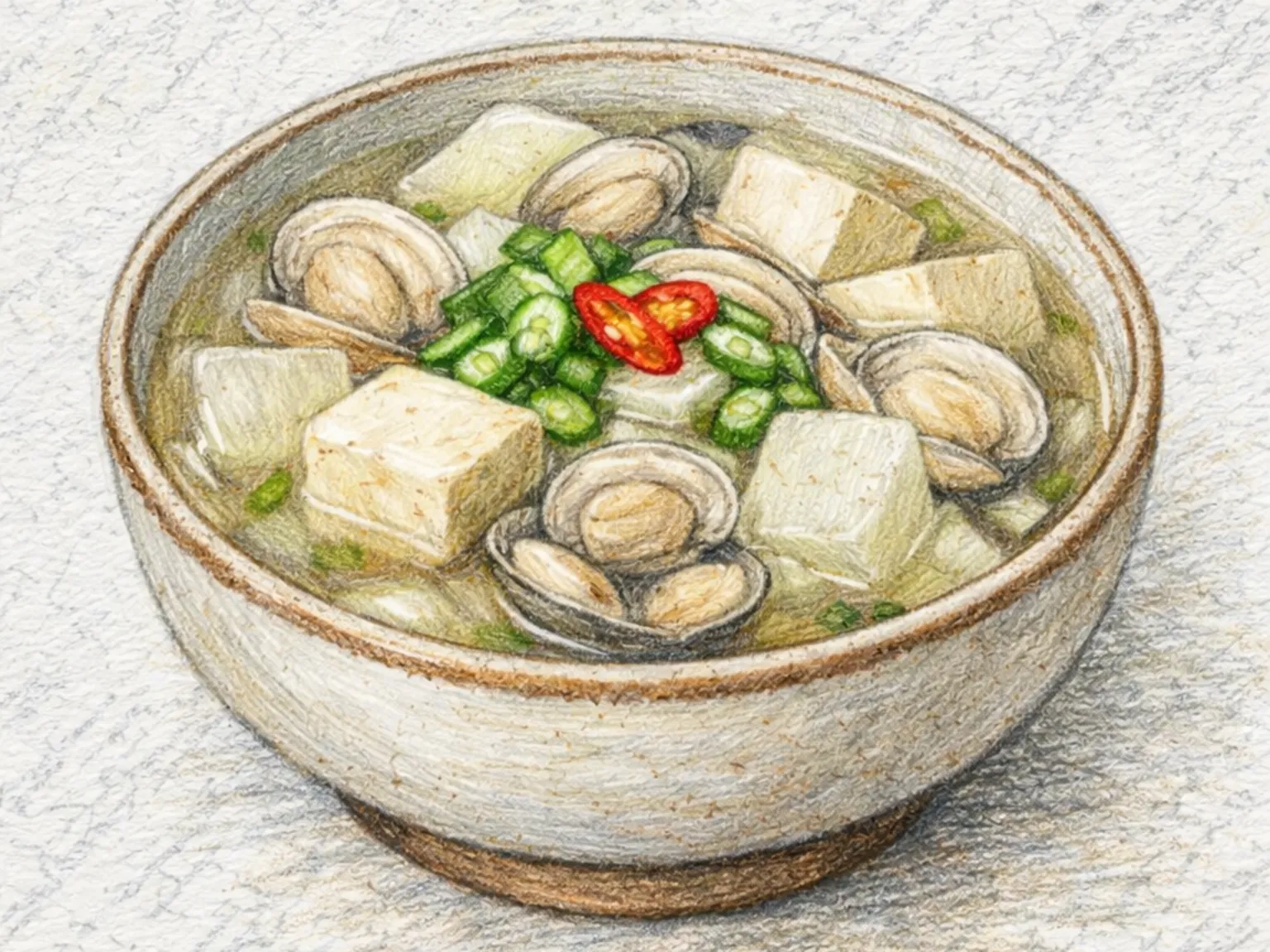
Bajirak minari tang is a clear Korean soup that pairs the marine umami of manila clams with the distinctive herbaceous character of minari, the water parsley native to Korean marshes and riverbanks. Starting the clams in cold water and raising the heat gradually is essential for this soup: the slow temperature increase coaxes maximum flavor from the shells into the liquid rather than seizing them shut before their juices release. Once the clams open, a splash of rice wine goes in to drive off any trace of fishiness, and the broth is seasoned simply with soup soy sauce and minced garlic, keeping the profile clean and uncluttered. Minari demands a two-stage addition that is non-negotiable: the thicker stems go into the pot three minutes before the soup is done to soften slightly while retaining their satisfying crunch, and the more delicate leaves enter in the final minute just before heat is turned off to preserve their vivid green color and the sharp, grassy fragrance that makes minari unmistakable. Adding the leaves any earlier causes them to lose that fragrance entirely and yellow to a dull, unappetizing shade, making this timing the single most important technique in the recipe. Diagonally sliced red chili floating in the clear liquid adds visual brightness to the pale broth without altering its flavor significantly. The interplay between the clams' salty, oceanic depth and minari's cool, herbal distinctiveness is a study in contrast: each component amplifies the other, and together they build a broth of surprising complexity and depth without any anchovy, kelp, or prepared stock of any kind.

🏠 Everyday
Prep 25minCook 15min4 servings
Korean Dried Radish Greens Pancake
PancakesEasy

Korean Dried Radish Greens Pancake

Boiled dried radish greens are combined with doenjang and pan-fried into a dense, rustic jeon with deep fermented character. The fibrous texture of the radish greens gives the pancake a satisfying chew, and the soybean paste saturates the batter so thoroughly that no dipping sauce is necessary. Buckwheat flour adds an earthy coarseness that suits the greens well. Cheongyang chili provides a spicy accent throughout. Minced garlic benefits from a brief saute in oil before being mixed into the batter-the raw edge cooks off and the garlic's savory depth integrates fully into the finished pancake. Cooking over low heat lets the inside set without burning the outside, producing a crisp surface and a tender, flavorful center.

🍺 Bar Snacks
Prep 18minCook 10min2 servings
Korean Bajirak Miyeok Jjigae (Clam Seaweed Stew)
StewsEasy

Korean Bajirak Miyeok Jjigae (Clam Seaweed Stew)

Bajirak miyeok jjigae is a Korean stew combining manila clams and soaked seaweed, layering shellfish umami with the mineral depth of sea vegetables. Clams start in cold water with radish, which adds a cool sweetness to the broth that balances the clams' natural saltiness as the temperature climbs. Once the shells open, rice wine removes any briny off-notes, and the stew is seasoned with soup soy sauce and minced garlic. The seaweed, soaked and cut into bite-sized pieces, must enter the pot only in the last five minutes; longer cooking turns it tough and unpleasantly slippery. Diagonally sliced scallion added at the end releases a fresh aroma across the surface of the stew. The iodine-rich character of the seaweed and the briny depth of the clams belong to the same marine category yet occupy different flavor registers, producing a broth with compound depth. Any clams that remain closed after cooking must be removed to prevent grit from contaminating the finished stew.

🏠 Everyday
Prep 18minCook 16min2 servings
Korean Steamed Mixed Mushrooms
SteamedEasy

Korean Steamed Mixed Mushrooms

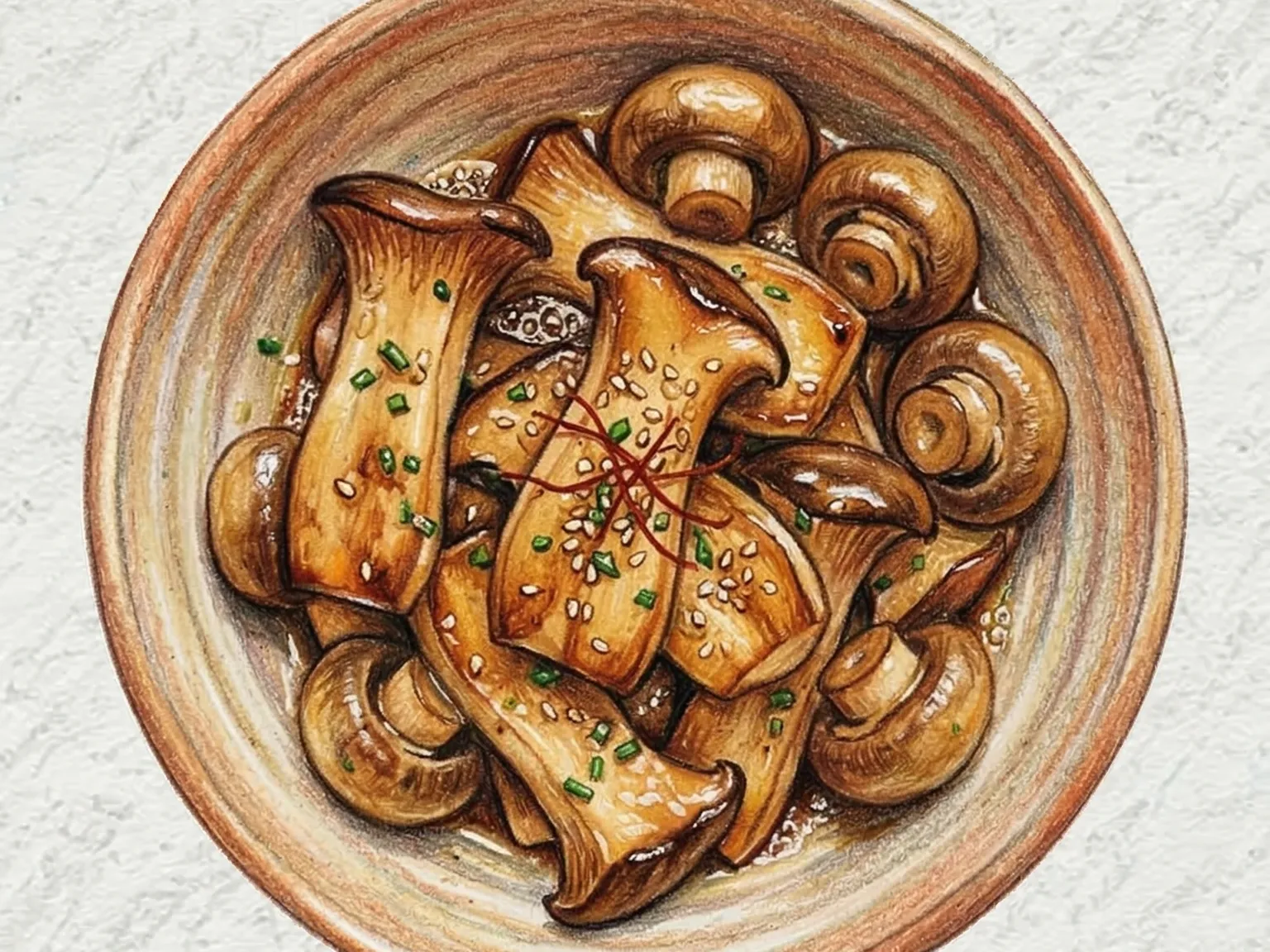
Three types of mushrooms - oyster, shiitake, and enoki - are steamed in a soy sauce and garlic seasoning. Oyster mushrooms should be torn by hand along the grain so the rough surface absorbs the seasoning, and shiitake caps should be sliced thick after removing the stems to preserve their dense bite even after steaming. Enoki are trimmed at the base and loosened before going in. Sesame oil is added immediately after steaming, before the mushroom moisture evaporates, so the nutty aroma coats the surface properly. Because the three varieties have different densities and thicknesses, steaming time should stay within ten minutes to prevent the enoki from going limp.

🥗 Light & Healthy🍱 Lunchbox
Prep 12minCook 12min2 servings
Korean Mushroom Jangajji (Shiitake Oyster Soy Pickle)
KimchiEasy

Korean Mushroom Jangajji (Shiitake Oyster Soy Pickle)

Beoseot jangajji is a Korean fermented mushroom side dish produced by briefly blanching shiitake and king oyster mushrooms, then submerging them in a soy sauce, vinegar, and sugar brine that has been brought to a boil and cooled. The shiitake brings a thick, meaty chew that firms further as it absorbs the pickling liquid, while the king oyster stays springy and dense, so a single batch of this jangajji provides two distinct textures from one marinade. Soy sauce supplies a deep umami foundation and vinegar cuts through with its sharp acidity, creating a balance that tastes substantial and complete without any meat or added stock. The ratio of vinegar to soy sauce can be adjusted to preference: more vinegar produces a brighter, more assertive pickle, while reducing it brings out the soy sauce's savory depth. Stored in the refrigerator, beoseot jangajji keeps well for over a week, making it one of the more practical banchan to prepare in advance and draw from throughout the week.

🏠 Everyday🍱 Lunchbox
Prep 20minCook 10min4 servings
Korean Warm Brisket Parsley Noodles
NoodlesMedium

Korean Warm Brisket Parsley Noodles

Thin somyeon noodles rest in a warm broth seasoned only with gukganjang, topped with sliced brisket and fresh minari. When the brisket meets the hot broth, the fat melts out and adds a mild, savory depth to the liquid, while the minari's clean, herbal bite cuts through any richness and keeps the aftertaste light. The noodles are fine enough to carry broth with every slurp without becoming heavy. Seasoning with gukganjang alone keeps the flavor profile transparent, letting the character of each ingredient register separately rather than blending into a heavy sauce. Blanching the brisket briefly in plain boiling water before adding it to the broth is an optional step that reduces excess fat and produces an even cleaner soup. Crown daisy or fried tofu pouches can be added to vary the texture and taste. On a cool day, this understated noodle soup provides lasting warmth without the weight of a richer broth.

🏠 Everyday
Prep 15minCook 18min2 servings
Chili Garlic Pork Belly Arrabbiata Penne
PastaMedium

Chili Garlic Pork Belly Arrabbiata Penne

Chili garlic pork belly arrabbiata penne builds its flavor entirely from the fat rendered out of slowly crisped pork belly. Cooking the belly over medium-low heat until the surface is crackling and golden draws out the fat gradually, infusing it with a deep, savory richness that becomes the sauce's foundation. Minced garlic goes into the rendered fat next, followed by crushed tomatoes that reduce into a concentrated, spicy sauce. The tomato's natural acidity cuts through the fat's weight, preventing the sauce from turning heavy. A small ladle of starchy pasta water added before tossing emulsifies everything into a glossy coating. Penne's hollow tubes and ridged exterior capture the sauce both inside and out, so every bite delivers the smoky pork fat, tangy tomato, and chili heat simultaneously. Finishing with the reserved crispy pork pieces scattered on top adds a textural contrast between the sauce-soaked pasta and the crunchy meat.

🍺 Bar Snacks🎉 Special Occasion
Prep 18minCook 25min4 servings
Water Parsley & Beef Salad
SaladsMedium

Water Parsley & Beef Salad

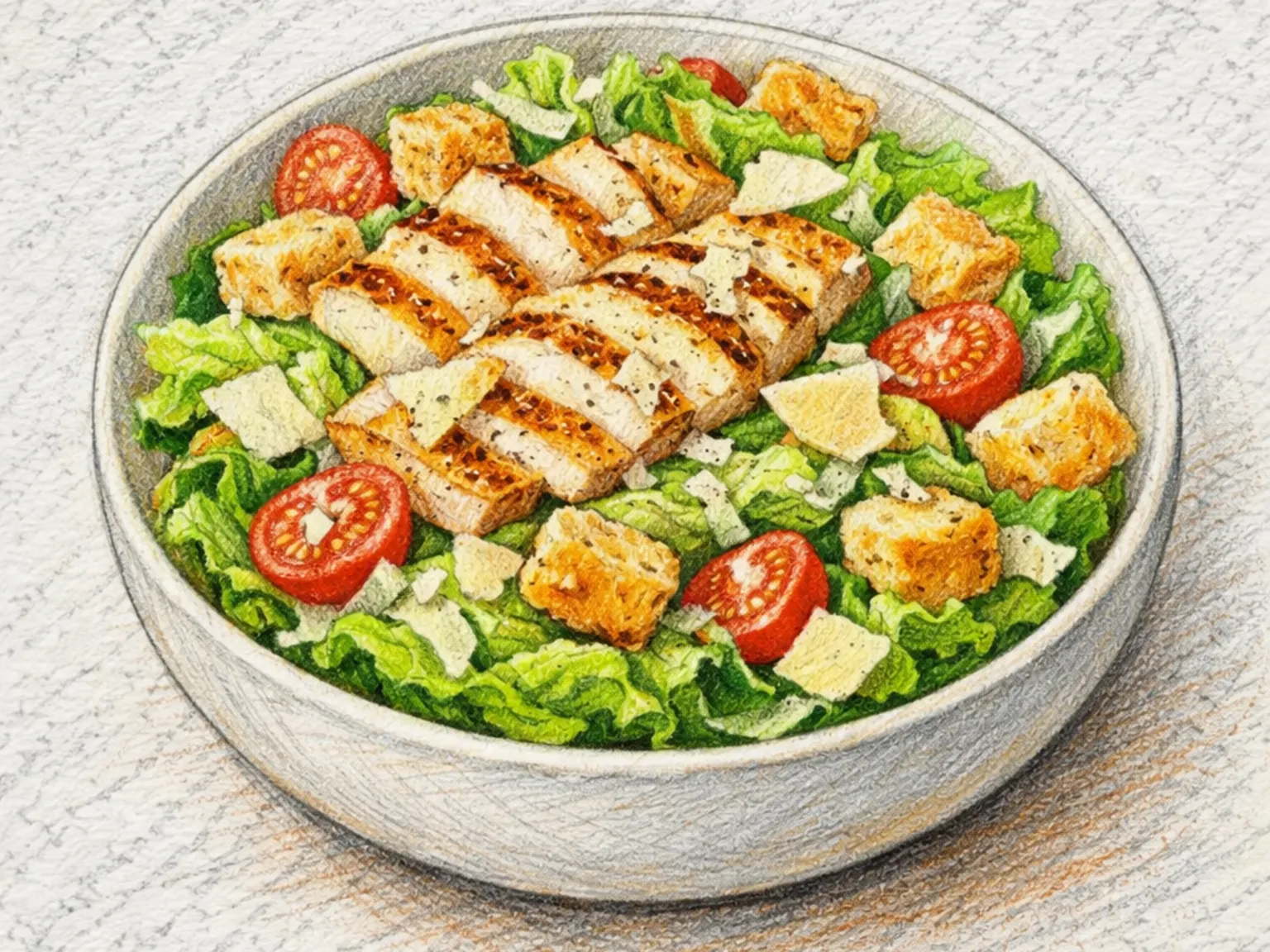
Beef marinated in soy sauce and pear juice is seared over high heat just long enough to develop a caramelized, deeply savory crust on the outside while the interior stays moist and tender. The cooked bulgogi is laid over a bed of fragrant minari and crisp lettuce, so each forkful carries both the warm, rich meat and the cool, crunchy vegetables. Thinly sliced red onion soaked in cold water to tame its bite then scattered through the bowl melds smoothly with the sweet-savory marinade coating the beef. A light toss of the remaining sesame oil from the pan coats the greens with a round, nutty aroma, and toasted sesame seeds sprinkled generously over the top complete the plate. Minari wilts quickly and loses its herbal fragrance once it is dressed, so it should only be combined with the other ingredients moments before the dish reaches the table. The warm meat against the cold greens creates a temperature contrast that makes each bite more dynamic. A spoonful of ssamjang dressing or a splash of yuzu vinegar can shift the flavor profile when variety is wanted.

🥗 Light & Healthy
Prep 20minCook 10min2 servings
Beef Wellington
WesternHard

Beef Wellington

Beef Wellington wraps a whole seared beef tenderloin in a layer of mushroom duxelles and prosciutto, then encases everything in puff pastry before baking. The initial sear builds a Maillard-crusted surface on the beef, and the duxelles acts as a moisture barrier between the meat and the pastry, absorbing rendered juices so the dough does not go soggy during baking. In the oven, the pastry puffs into hundreds of golden, flaky layers while the tenderloin inside cooks evenly to a pink medium-rare center. Slicing through the finished roll reveals a clean cross-section of bronze pastry, dark mushroom layer, and rosy beef - the visual reward for careful assembly. The tightly packed sequence of textures, from shatteringly crisp pastry to the soft mushroom filling to the tender beef, makes every cut through the roll deliver a different bite. A red wine reduction served alongside completes the dish for a formal occasion.

🎉 Special Occasion
Prep 60minCook 45min4 servings
Ayam Penyet (Javanese Smashed Fried Chicken with Sambal)
AsianMedium

Ayam Penyet (Javanese Smashed Fried Chicken with Sambal)

Ayam penyet means smashed chicken in Javanese and describes an East Javanese street dish in which the chicken is deliberately crushed with a pestle after frying. The process begins by braising the bird in turmeric and galangal-scented water until fully cooked through, then deep-frying until the skin blisters, darkens to mahogany, and turns properly crisp. The final press against a stone mortar cracks the skin open to expose the moist interior and creates irregular ridges and cavities across the surface that the sambal fills and clings to. That sambal - pounded fresh from bird eye chilies, shallots, tomato, and shrimp paste - is the defining element of the dish, delivering a ferocious heat alongside the deep, funky salinity of fermented shrimp paste. The two flavors hit at the same time and neither yields to the other. Served on a banana leaf with steamed rice, fried tofu, and raw vegetables, the full plate comes together the way street-stall food in Java typically does: quickly assembled, intensely seasoned, and eaten without ceremony.

🎉 Special Occasion
Prep 20minCook 25min2 servings
Korean Mushroom Japchae (Shiitake Glass Noodle Stir-Fry)
Side dishesMedium

Korean Mushroom Japchae (Shiitake Glass Noodle Stir-Fry)

Beoseot japchae replaces beef with shiitake mushrooms as the primary source of savory depth, making it a staple of Buddhist temple cuisine and vegetarian tables alike. Sweet potato noodles are soaked and boiled, then rinsed in cold water immediately to lock in a firm, springy texture. Shiitake, spinach, carrot, and onion are each cooked separately - their moisture levels and heat tolerances differ enough that combining them prematurely flattens every component. Soy sauce, sugar, minced garlic, and sesame oil bring the noodles and vegetables together, and the finished dish rests for ten minutes so the seasoning penetrates the noodles evenly. The result is a japchae where the mushroom carries genuine umami weight without any meat.

🏠 Everyday🎉 Special Occasion
Prep 20minCook 15min4 servings
Korean Wild Chive Soy Butter Rice
RiceEasy

Korean Wild Chive Soy Butter Rice

Dallae ganjang butter bap is a Korean one-bowl meal that comes together in under ten minutes by folding melted butter, soy sauce, and wild chives into warm rice. The butter coats each grain with richness, soy sauce provides a salty backbone, and the wild chives, called dallae, deliver a sharp, garlicky bite that lifts the bowl out of plainness. A raw egg yolk placed on top breaks into a golden sauce when stirred in, binding the ingredients into a velvety mixture. The chives are best in spring when their pungency is at its peak, and they need only twenty seconds in the buttered pan to release their aroma before the heat drives it off. With just a handful of pantry staples, this dish fills the gap on evenings when the refrigerator offers little else. Green onion or garlic chives can substitute for dallae, but the particular sharpness of wild chives is unique and worth seeking out when spring is in season.

🏠 Everyday Quick
Prep 10minCook 8min2 servings
Korean Clam Stir-Fry (Manila Clams with Butter, Garlic and Chili)
Stir-fryEasy

Korean Clam Stir-Fry (Manila Clams with Butter, Garlic and Chili)

Bajirak bokkeum is a Korean clam stir-fry where purged manila clams are cooked quickly over high heat with butter, garlic, and cheongyang chili. Thorough purging in salted water beforehand removes all sand and prevents grit from appearing in the finished dish. Rice wine goes in first with the lid closed, so the alcohol steam helps the clams open rapidly while eliminating any lingering briny or muddy off-notes. Once the shells open, butter is added and emulsifies naturally with the released clam juices, building a salty, savory sauce without any additional effort or thickening agent. Generous sliced garlic infuses the butter sauce with depth as it cooks, and the cheongyang chili introduces a bright, sharp heat that prevents the richness from becoming too heavy. A small measure of soy sauce adjusts the final seasoning, though it must be kept minimal because the clams already contribute their own pronounced salinity. Scallion is tossed in at the very end for a clean, herbal finish before the pan comes off the heat. Total cooking time must stay within three to four minutes: beyond that window, the clam meat contracts, toughens, and loses its tender, juicy texture entirely. The sauce left in the pan after eating is intensely concentrated with shellfish flavor and pairs exceptionally well with crusty bread for soaking up every last drop. The dish works equally as a drinking snack alongside beer or as a side with steamed rice, and frozen manila clams produce reliably good results when fresh ones are unavailable.

🏠 Everyday🌙 Late Night
Prep 15minCook 10min2 servings
Korean Galbi Tteokbokki (Soy-Braised Pork Rib Rice Cake Stir-Fry)
Street foodMedium

Korean Galbi Tteokbokki (Soy-Braised Pork Rib Rice Cake Stir-Fry)

Galbi tteokbokki marinates boneless pork ribs in soy sauce, sugar, mirin, garlic, and sesame oil for fifteen minutes before the dish comes together in a single pan. The ribs go in first over high heat, searing until the surface caramelizes and the rendered fat begins to collect in the pan. Water and rice cakes are added next, and the mixture simmers on medium until the sauce reduces into a concentrated glaze that coats each tteok thoroughly. No gochujang enters the recipe at any point - the flavor profile is entirely soy-and-sugar sweet-salty, made deeper by the pork's own fat and juices as they cook down. The finished dish shows a visible sheen on both the rice cakes and the meat, with green onion and sesame seeds scattered over the top.

🍺 Bar Snacks🧒 Kid-Friendly
Prep 20minCook 30min2 servings
Korean Grilled Dried Pollack
DrinksEasy

Korean Grilled Dried Pollack

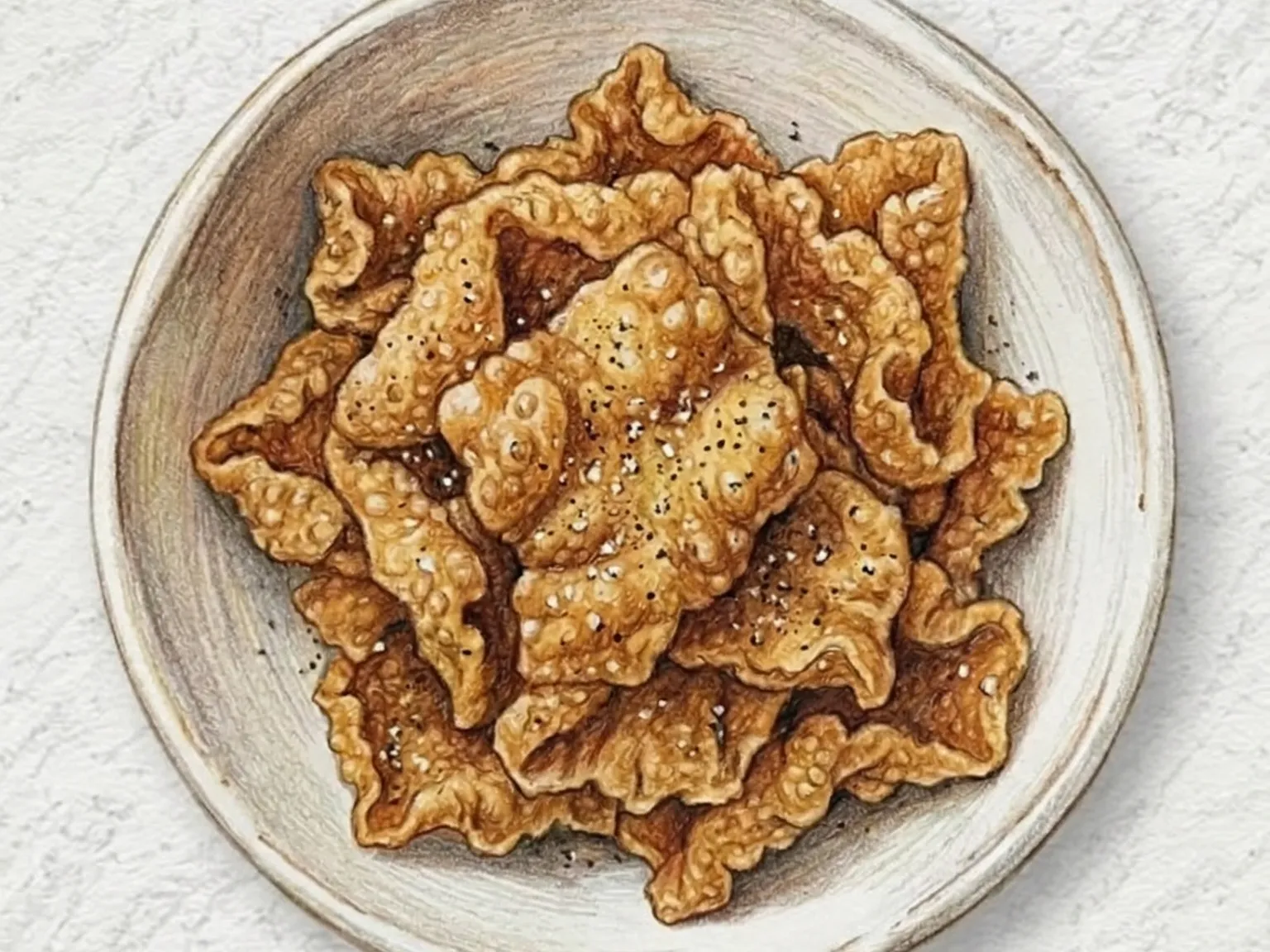
Hwangtae-po-gui is a grilled dried pollack snack prepared by brushing seasoning paste onto semi-dried hwangtae fillets and cooking them over medium-low heat. Hwangtae is pollack that has been freeze-dried repeatedly through winter cycles, a process that puffs up the flesh and gives it a softer grain and chewier texture than ordinary dried fish. A paste of gochujang, soy sauce, and oligosaccharide syrup is spread on both sides and grilled slowly so the sugars caramelize into a glossy, sticky coating. Minced garlic, sesame oil, and sesame seeds add roasted richness, and each torn piece delivers alternating salty and sweet notes. Cooking over high heat is a common mistake that chars the surface while leaving the interior hard and dry, so maintaining a low, patient heat is what allows the seasoning to penetrate fully and the fillet to stay moist. The finished snack pairs well with makgeolli or soju, and dipping torn pieces into mayonnaise is a widely practiced variation that softens the saltiness with a creamy counterpoint.

🍺 Bar Snacks Quick
Prep 10minCook 8min2 servings
Korean Chili Soy Grilled Tofu
GrilledEasy

Korean Chili Soy Grilled Tofu

Chili-tofu-gui is a Korean pan-grilled tofu dish where firm tofu slices are browned on both sides, then glazed with a sauce of soy sauce, minced hot green chili, garlic, sesame oil, and sugar. Pressing moisture out of the tofu before cooking is essential for achieving a clean, golden-brown sear without oil spattering across the pan. Once the sauce is added, a brief simmer on low heat coats each slice in a glossy layer where the soy's saltiness, the sugar's sweetness, and the chili's sharp heat play against the tofu's neutral base. The dish works equally well as a weeknight side dish or as a quick drinking snack. Adding one tablespoon of water when simmering the sauce prevents it from reducing too sharply and ensures each slice is evenly coated rather than over-salted. A scattering of sesame seeds at the end is optional but recommended.

🍺 Bar Snacks🍱 Lunchbox
Prep 12minCook 12min2 servings
Korean Clear Puffer Fish Soup
SoupsMedium

Korean Clear Puffer Fish Soup

Cleaned puffer fish simmers with Korean radish and water dropwort in a clear, lightly seasoned broth. The radish goes in first to build a sweet base, and the puffer fish cooks for ten minutes, releasing a clean, delicate umami into the stock. Water dropwort added at the very end provides a fresh herbal lift that keeps the broth bright. Only professionally prepared, food-safe puffer fish must be used. The dish is high in protein and low in fat, and it has a long-standing reputation as a restorative after drinking.

🏠 Everyday
Prep 20minCook 30min2 servings