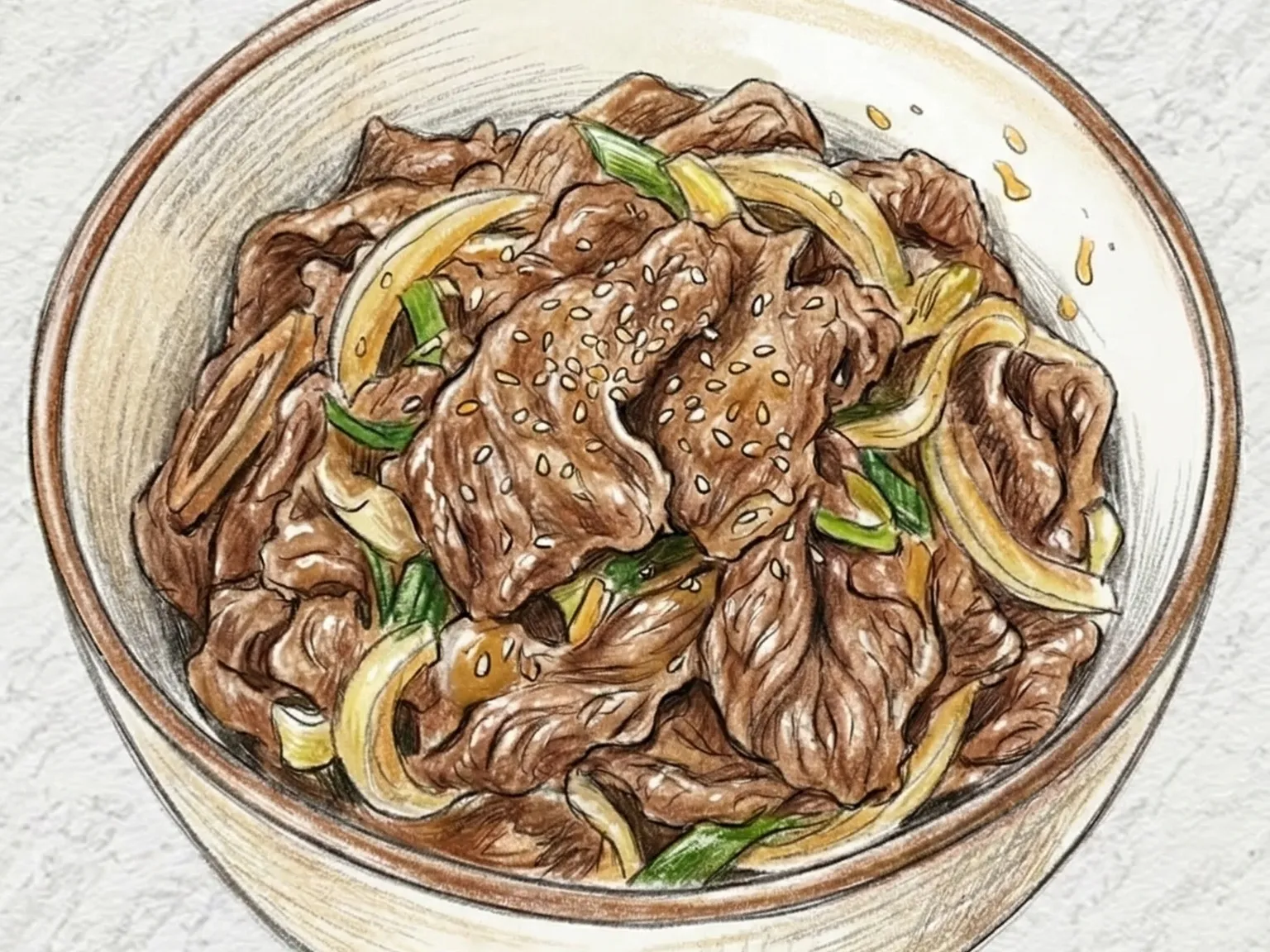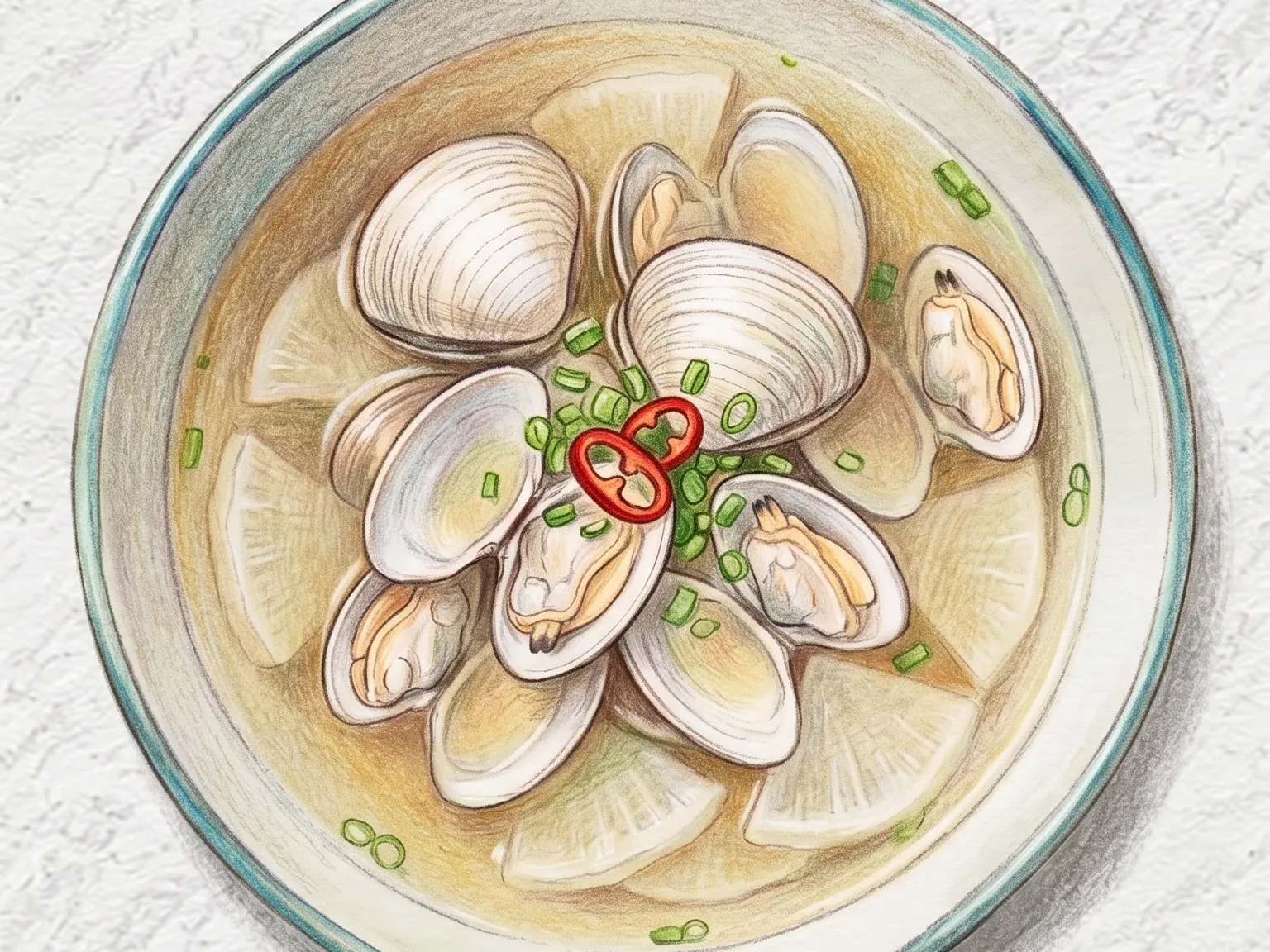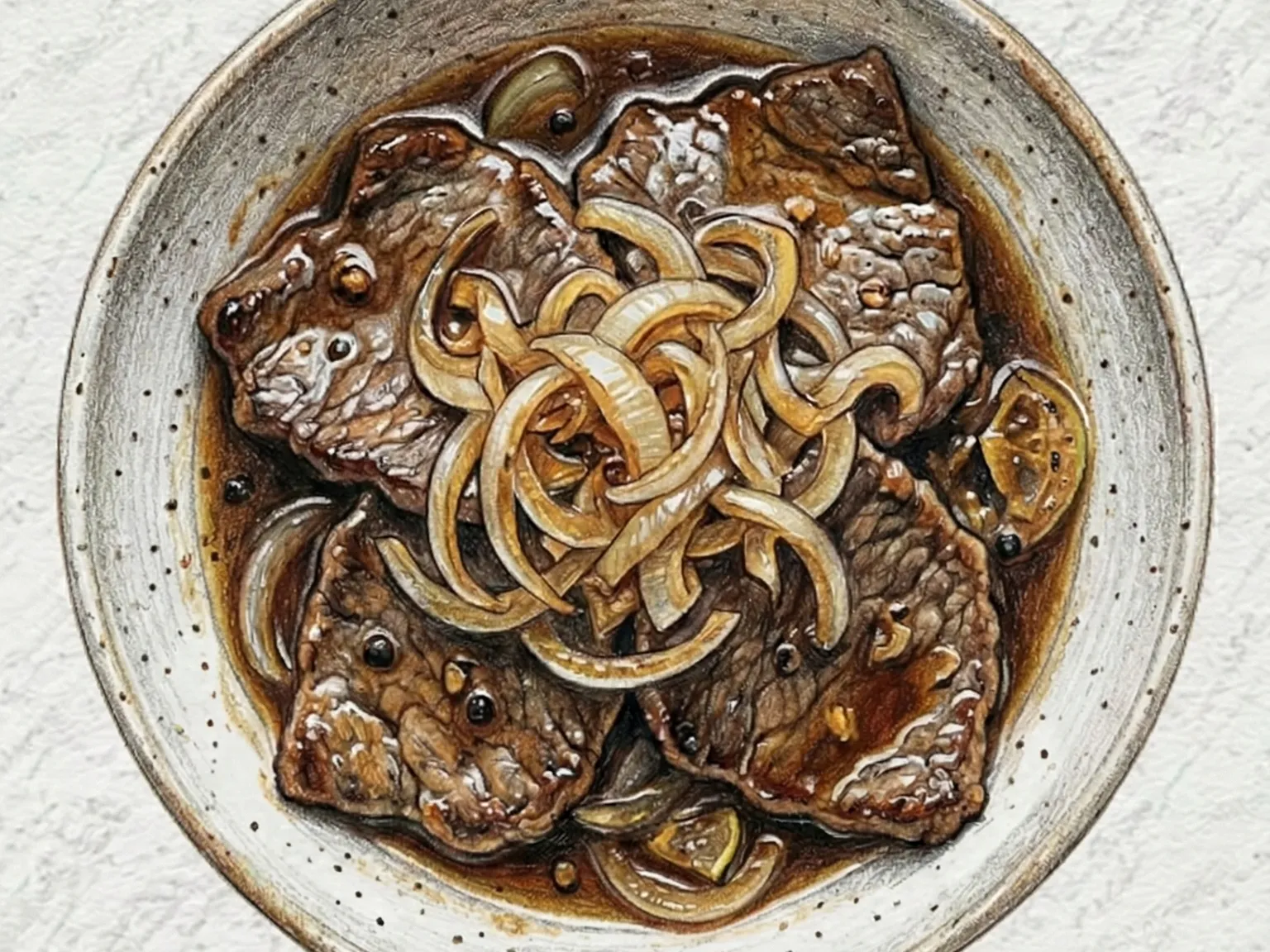
Korean Dureup Pot Rice (Spring Angelica Shoot Pot Rice)
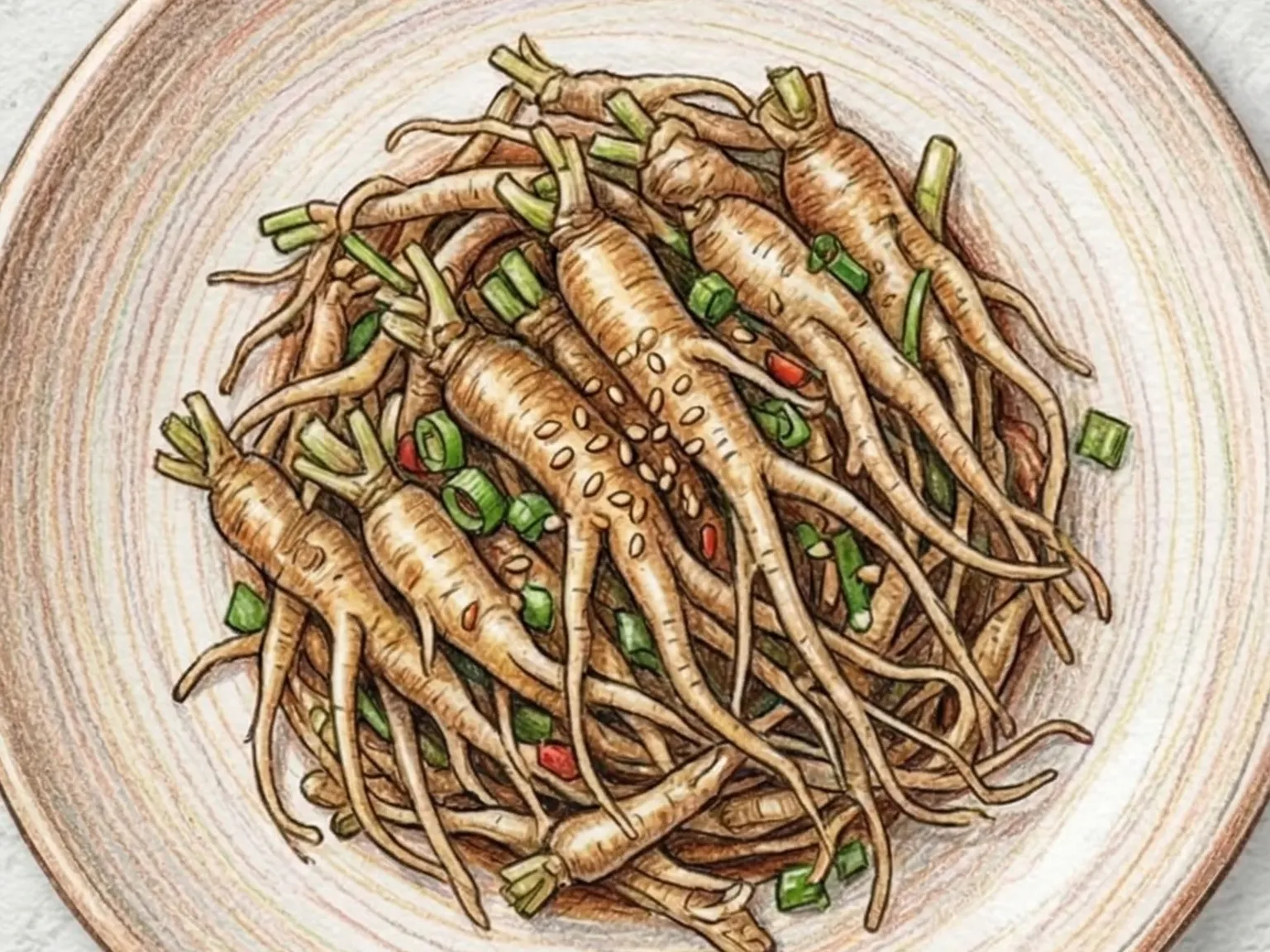
Durup sotbap is a Korean spring pot rice centered on dureup, the young shoots of the Aralia elata tree that appear for only a few weeks between late March and late April. During this narrow season, the shoots carry a pleasantly bitter, faintly woodsy flavor that is unlike any other vegetable used in Korean cooking, and sotbap is one of the most direct ways to taste that character. The rice cooks in kelp stock rather than plain water, giving every grain a subtle umami base, with soup soy sauce and garlic seasoning from within the pot. Blanching the dureup requires restraint: twenty to thirty seconds in boiling water is enough to soften the fibrous ends and mellow the sharpness slightly, while keeping the bright green color intact and the slender stems with just enough resistance. Blanching longer dulls both the color and the flavor. The shoots are placed over the nearly finished rice just before the pot rests with its lid sealed for ten minutes. During that resting period the steam carries the herbal fragrance of the dureup into every grain of rice. The lid must not be opened during this time, as releasing the steam interrupts even cooking. Served with a soy-sesame dipping sauce mixed through the rice, the nuttiness of the oil wraps around the bitterness of the shoots, and the combination captures something specifically tied to early spring in the Korean mountains.

Korean Stir-fried Mushrooms
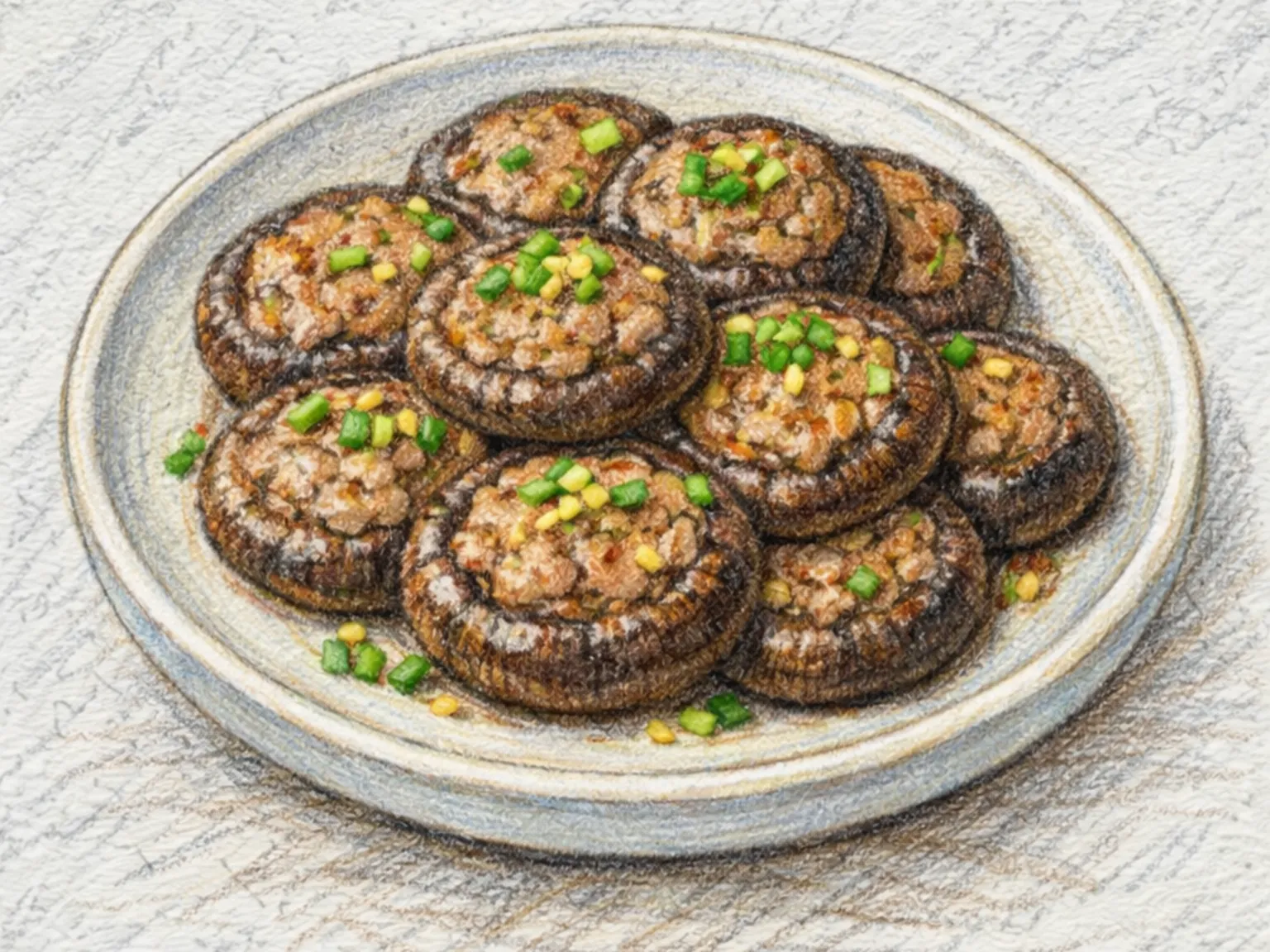
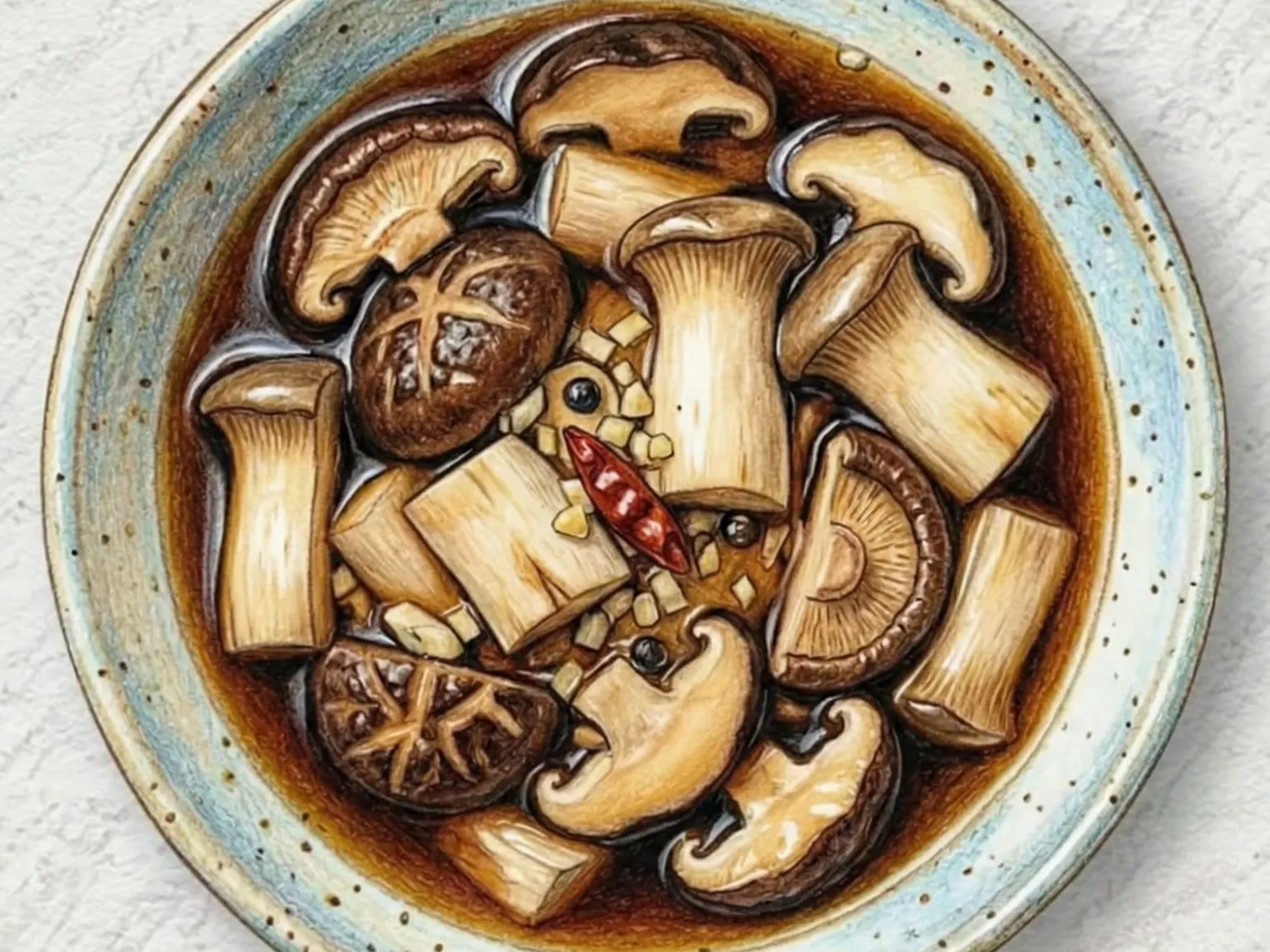
Oyster mushrooms and shiitake are stir-fried over high heat until their moisture evaporates and their natural umami concentrates into each bite. Wiping the mushrooms with a damp cloth instead of rinsing under water is not a minor detail: washing introduces excess moisture that lowers pan temperature the moment the mushrooms hit the surface, which causes them to steam rather than sear. The pan must stay hot enough that the mushrooms develop light golden edges through the Maillard reaction, and that narrow window is when the deepest nutty flavor emerges. Water-logged mushrooms never reach it. Soy sauce supplies the salinity, and black pepper adds a sharp accent without obscuring the mushrooms' own flavor. Sesame oil is added after the heat is turned off to preserve its volatile fragrance; adding it while the pan is still hot burns off the aromatic compounds before they have a chance to coat the mushrooms. A handful of sliced green onion tossed in at the end brings color and a sharp, fresh bite against the earthy backdrop. At roughly 120 calories per serving, this side dish fits comfortably into any calorie-conscious meal plan while delivering plant-based protein and dietary fiber in a form that actually tastes worth eating.

Korean Oil Tteokbokki (Dry-Stir-Fried Rice Cakes in Chili Soy Glaze)
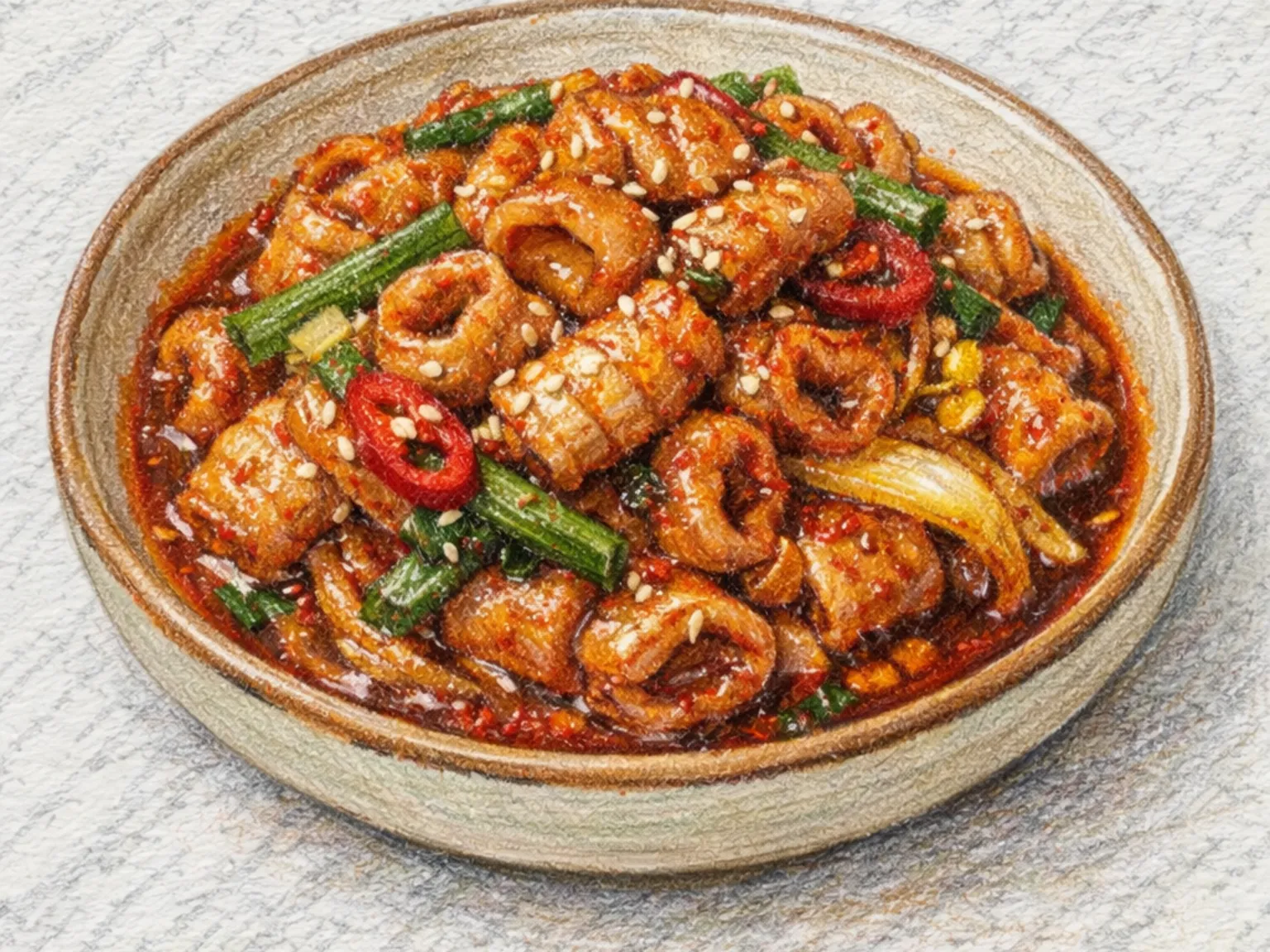
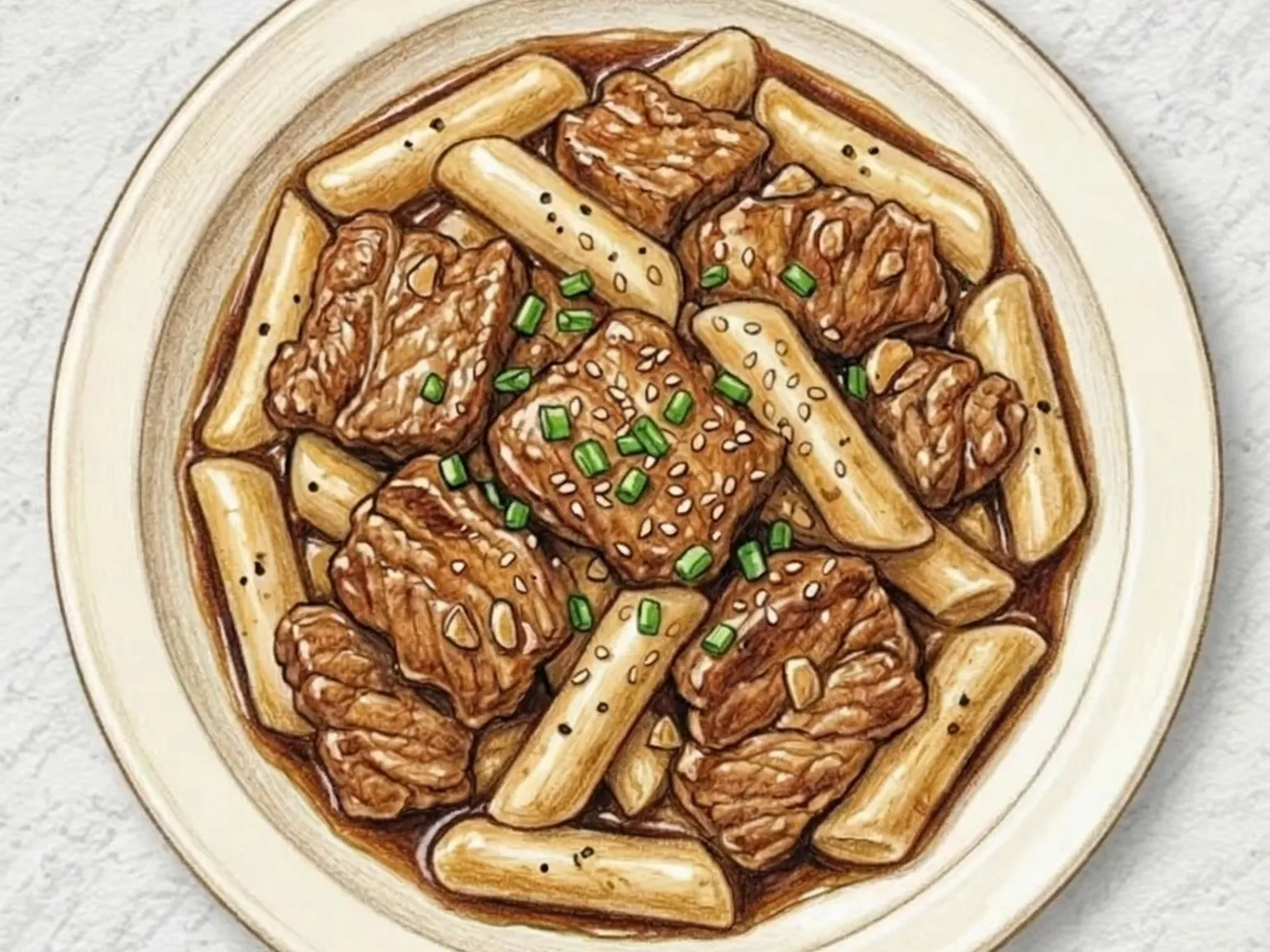
Gireum-tteokbokki is a dry-style tteokbokki where rice cakes are stir-fried in oil and coated with a concentrated paste of gochugaru, soy sauce, sugar, and garlic - no broth involved. Blooming the chili flakes briefly in oil draws out their nutty, toasted aroma rather than raw heat, and the soy sauce and sugar build layered sweetness and umami on top of that base. Without liquid, the seasoning clings tightly to each rice cake's surface. The key technique is restraint with stirring: letting each rice cake sit undisturbed long enough to develop a lightly crisped exterior while the inside stays chewy creates a dual texture that broth-based versions cannot replicate. Green onion and sesame seeds added at the end provide fresh fragrance and textural contrast against the rich coating. The seasoning should be applied generously so the flavors penetrate past the surface rather than sitting only on the outside. Believed to have originated in school-front snack shops in 1970s and 1980s Seoul, gireum-tteokbokki is milder than gochujang versions and accessible to those who find the spicier style too intense.

Korean Butter-Grilled Squid Beaks
Ojingeo-ip-butter-gui is a Korean bar snack made by searing squid beaks in melted butter with minced garlic over high heat. Thoroughly patting the squid beaks dry with paper towels before they hit the pan is a non-negotiable step: any residual moisture causes violent splattering and prevents the butter from forming a direct, fragrant crust on the surface. Three minutes of rapid stir-frying over high heat keeps the texture springy and chewy rather than tough and rubbery, which is the line squid crosses the moment heat is applied too long. Adding soy sauce and cooking wine creates a savory glaze as the liquid rapidly evaporates and concentrates against the hot surface. A finish of red chili flakes and cracked black pepper introduces a clean, warm heat that lingers behind the buttery garlic aroma, rounding out every bite. The dish comes together in under five minutes, which makes it one of the most practical snacks to serve alongside drinks.

Korean Salt-Grilled King Prawns
Daeha-sogeum-gui is a Korean salt-grilled king prawn preparation where whole shell-on prawns are placed directly on a bed of coarse sea salt and cooked over indirect heat. The salt draws out surface moisture while conducting steady, even heat beneath the shells, so the prawns essentially steam inside their own carapace and keep their flesh springy rather than contracted. Scoring the back with kitchen scissors and removing the intestinal tract before cooking eliminates any off-note from the gut, leaving only the clean, natural sweetness of the prawn. The precise moment to pull them from the heat is when the shells turn a solid bright orange, as any longer drives off the moisture that keeps the flesh tender. A squeeze of fresh lemon adds acidity that sharpens the natural umami without masking it, and the dish works well with no additional seasoning at all.

Korean Chive Clam Soup (Briny Clam Broth with Garlic Chives)
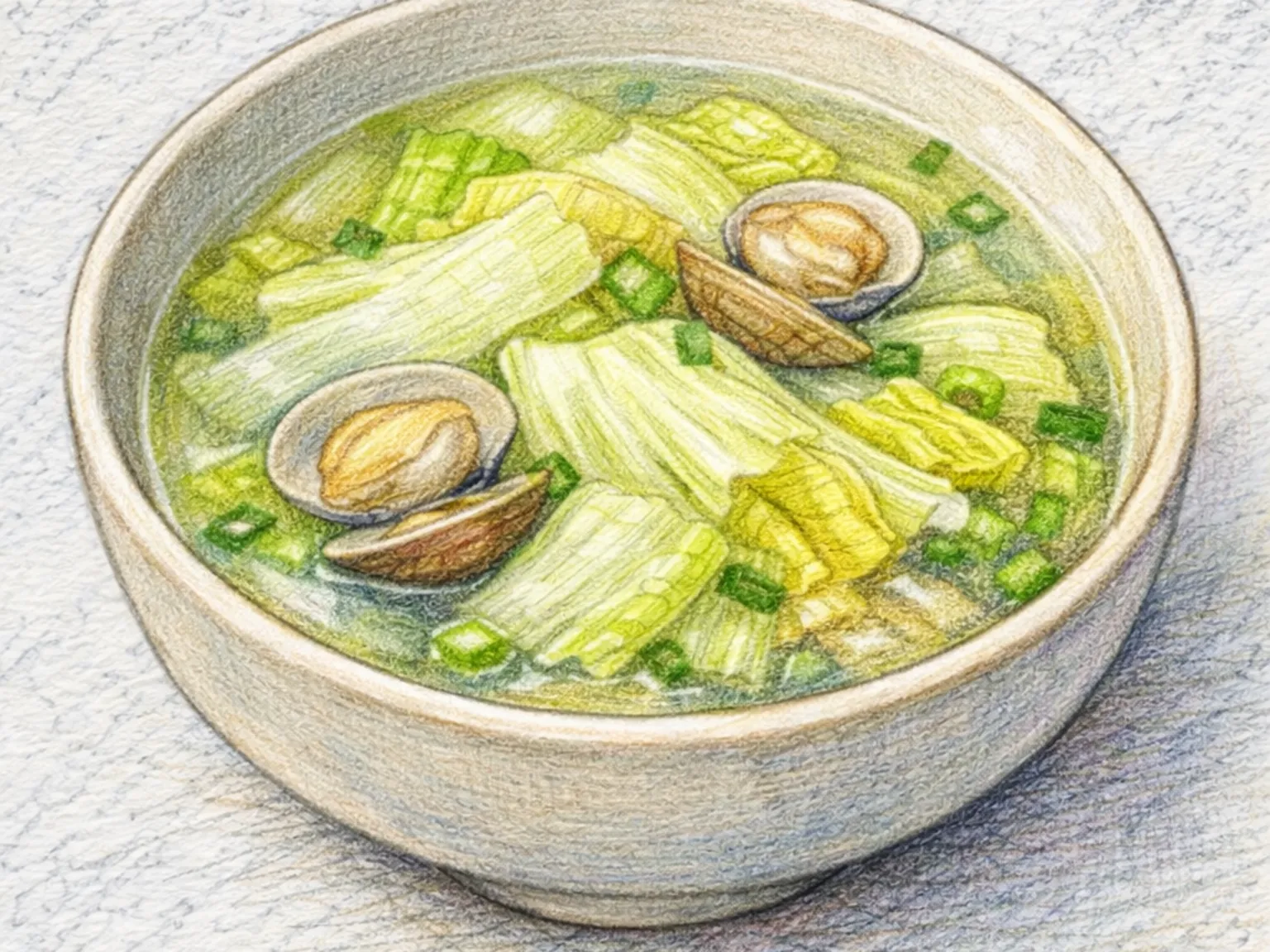
Purged clams cook with Korean radish to produce a refreshing, clean broth, then garlic chives and cheongyang chili go in near the end for fragrance and heat. Simmering the radish alone for five minutes first establishes a mild sweetness in the base that balances the natural salinity of the clam liquor. The chives are added only after the heat is cut, preserving their vivid color and grassy scent. Any clam that does not open during cooking is removed before serving. Because the clam broth itself carries substantial umami, seasoning should be kept light with just a pinch of salt or a small measure of gukganjang.

Korean Beoseot Jjigae (Mushroom Stew)
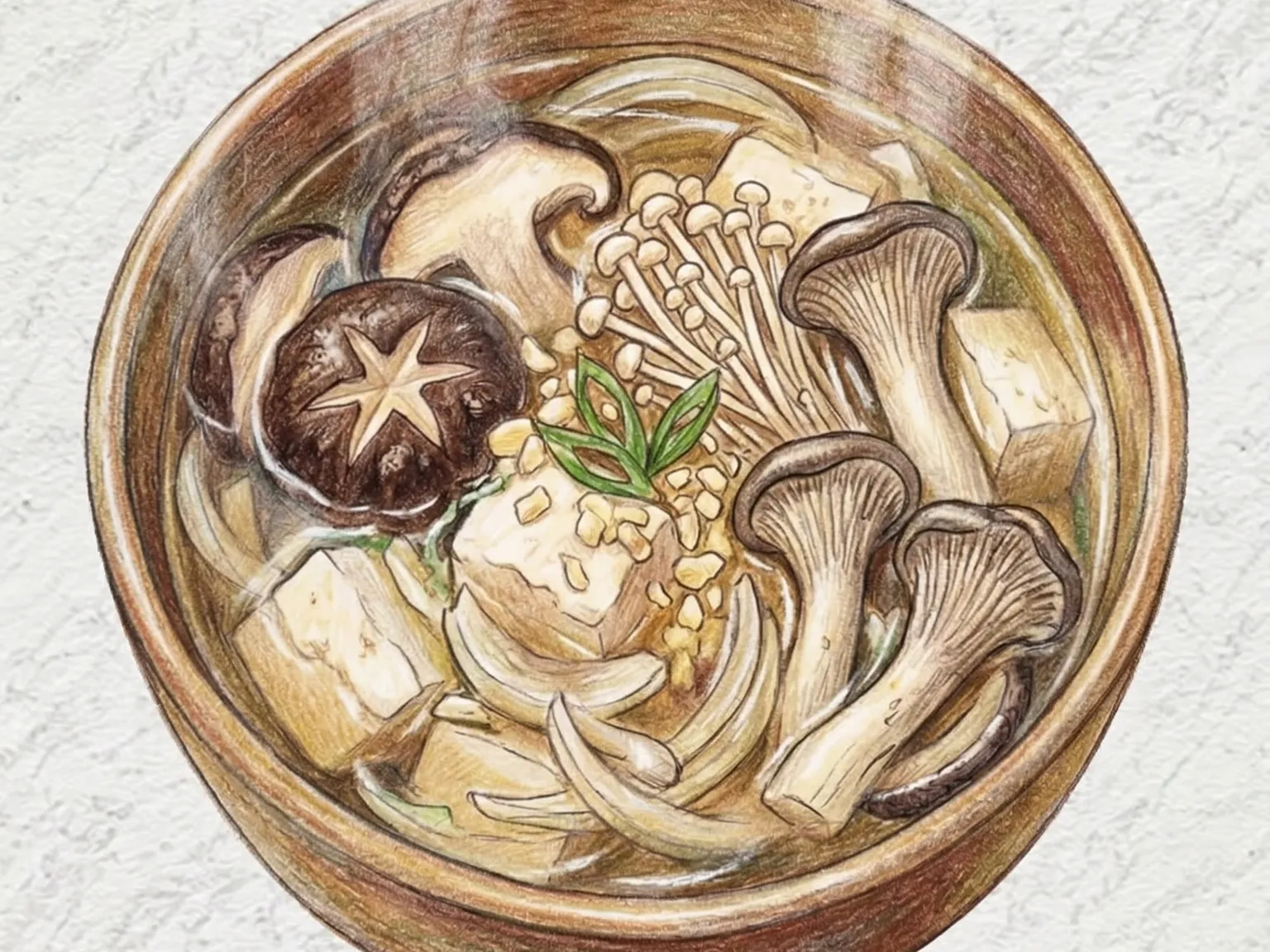
Oyster, shiitake, and enoki mushrooms are simmered in kelp-infused water for a light, clean stew. Soup soy sauce and minced garlic season the broth without overwhelming the mushrooms' own flavor. Tofu and sliced onion add body and gentle sweetness. Because the three mushroom varieties differ in texture and intensity, each spoonful offers a different combination. The broth is completely oil-free, making this a warming and easy-to-digest meal.

Korean Steamed Beef Brisket and Bean Sprouts
Thin-sliced marbled beef brisket is layered over bean sprouts and steamed with a dressing of soy sauce, minced garlic, sugar, and sesame oil. As the brisket cooks, the fat renders and drips down onto the sprouts, coating them with beefy richness that no separate sauce could replicate. The bean sprouts hold their crunch under the steam, and sliced onion and chive soften into the mix, adding mild sweetness and fragrance. Lightly sweetened soy sauce keeps the seasoning clean rather than heavy. The dish has a short ingredient list and a fast cook time, but the quality of the brisket - specifically how well it renders - determines the outcome.

Korean Stuffed Bossam Kimchi
Bo-kimchi is a premium Korean stuffed kimchi where brined napa cabbage leaves are wrapped around a filling of julienned radish, water dropwort, chestnuts, jujubes, shrimp, and pine nuts, then tied into bundles and left to ferment. Each ingredient in the stuffing develops its own flavor during fermentation, building a complex, layered taste enclosed in a single neat package. Shrimp and pine nuts contribute richness and a roasted note, while chestnuts and jujubes add subtle sweetness that lifts this well above everyday kimchi. Originating in the Gaeseong region and tracing its lineage through Goryeo-era court cuisine, it is a kimchi reserved for holidays and formal occasions.

Korean Chicken Janchi Guksu
Korean janchi guksu topped with poached chicken breast. Thin wheat noodles are placed in a clear anchovy-kelp broth and finished with generous shreds of chicken that has been simmered and pulled apart along the grain. The chicken adds lean protein that makes each bowl more substantial than the classic version while keeping the broth light and clean. Julienned zucchini, crumbled dried seaweed, and thin egg-crepe strips add color and textural variety, and a small dish of soy-based seasoning sauce on the side lets diners adjust the saltiness to their preference. The noodles are boiled separately and rinsed in cold water to lock in their springiness before being placed in the hot broth just before serving, so they stay firm rather than turning soft. Because the recipe scales up without difficulty, it is a reliable choice for celebratory gatherings and large groups where a warm noodle dish is needed.

Dakgalbi Cream Rigatoni (Korean Spicy Chicken Gochujang Cream Pasta)
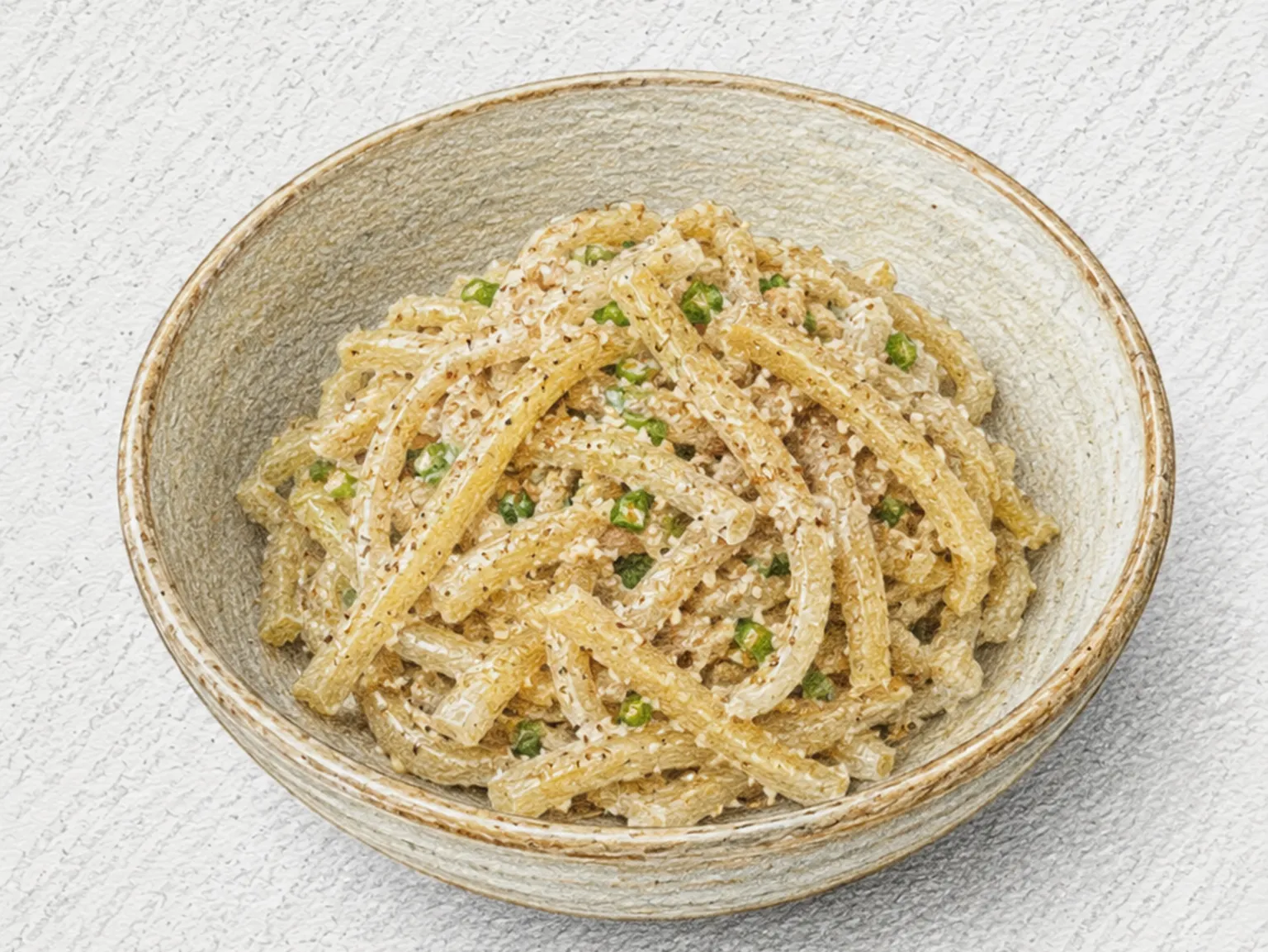
Dakgalbi cream rigatoni is a Korean-Italian fusion pasta that starts by marinating boneless chicken thighs in a sauce of gochujang, soy sauce, gochugaru, and sugar for at least twenty minutes, then stir-frying them at high heat with cabbage and sweet potato to build the bold, sweet-spicy flavor profile of traditional dakgalbi before finishing with heavy cream. The marinating step is not optional: the spiced paste needs time to penetrate the meat rather than staying on the surface, and the longer the chicken soaks, the more intensely savory it becomes when it hits the pan. Cooking over high heat drives the moisture out of the cabbage quickly, concentrating its natural sweetness and keeping the texture from turning watery. Sweet potato should either be pre-cooked or sliced thin enough to cook through during the stir-fry stage without holding the process up. Once the heavy cream is poured over and the heat is reduced to low, the red marinade and cream emulsify together without breaking, producing a thick, blush-pink sauce that coats everything in the pan. Rigatoni's short, wide hollow tubes are the ideal pasta shape for this preparation: the dense cream sauce fills the interior of each tube completely, so every bite delivers both the bold heat of the dakgalbi and the smooth richness of the cream together.

Squid and Cucumber Chojang Salad
Squid is blanched briefly for a chewy yet tender texture without any fishy taste. Diagonally sliced cucumber adds juicy crunch, while shredded red cabbage brings vivid purple color. Chojang - gochujang, vinegar, and plum extract - delivers a sweet, spicy, and sour punch that accents the mild seafood. Sesame oil, minced garlic, and a sprinkle of sesame seeds complete the classic Korean seafood salad profile, best served chilled in summer as a refreshing standalone meal.

Caesar Salad
Caesar salad is built on romaine lettuce torn into rough, generous pieces and tossed in a dressing made from mayonnaise, lemon juice, garlic, and anchovy. The anchovy does not taste fishy in the finished dressing; it dissolves into the fat of the mayonnaise and functions as a deep umami foundation that keeps the salad interesting beyond its creamy surface. Lemon juice cuts through the richness of the mayo base, so the dressing coats the lettuce heavily without feeling cloying. Croutons are cubed bread toasted in olive oil until the outside turns crisp and golden but the inside stays slightly soft and chewy, giving them enough structure to absorb dressing without going immediately soggy. Wide, thin shavings of Parmesan add a dry, salty intensity that contrasts with the watery crunch of the romaine. With a short ingredient list, the quality of the dressing balance and the texture of the croutons determine the final outcome.

Biang Biang Mian (Xi'an Hand-Pulled Belt Noodles with Chili Oil)
Biang biang mian takes its name from the sound the dough makes when the cook slaps it against the counter to stretch it into wide, belt-like ribbons, a technique practiced in Xi'an and across Shaanxi Province for centuries. The dough is made from high-gluten flour and rested for at least thirty minutes to an hour until fully pliable; insufficient resting causes the noodles to tear during the pulling stage. Once rested, the dough is pulled by hand into strips as wide as a belt and as long as an arm, with an uneven thickness that creates varying chew across a single strand. The cooked noodles are dressed with a topping of minced garlic, chili flakes, Sichuan peppercorn powder, and chopped scallion, then smoking-hot rapeseed oil is poured directly at the table. The sizzle activates the aromatics and blooms the chili into a fragrant rust-colored oil that coats each strand. Soy sauce and black vinegar are stirred through to add a salty-sour backbone that anchors the richness of the chili oil. The character for biang, written in one of the most complex Chinese characters with over fifty strokes, is said to encode the sounds of the kitchen: slapping dough, sizzling oil, and the satisfied sighs of eaters. No standard digital font includes the character, and it must be written by hand. The dish belongs to the category of belt noodles found across Shaanxi and is considered one of the province's most representative street foods, eaten at breakfast, lunch, or as a late-night meal.

Korean Braised Dried Pollack
Dried pollack - bugeo - is traditionally hung on racks in Gangwon-do's frigid mountain air through freeze-thaw cycles all winter. The strips rehydrate in cold water, then braise in soy sauce, gochujang, sugar, and garlic. As liquid reduces, the pollack's spongy texture absorbs the sweet-salty-spicy sauce deeply, taking on a layered seasoning throughout. Finished with sesame oil, bugeo jorim tastes better after a day and keeps nearly a week - a classic fridge banchan.

Korean Bulgogi Deopbap (Pork Rice Bowl)
Dwaeji-bulgogi-ssukgat-deopbap is a Korean rice bowl of gochujang-marinated pork stir-fried with onion over high heat, mounded over steamed rice and finished at the last moment with crown daisy greens. The marinade builds from gochujang, chili flakes, soy sauce, sugar, and minced garlic into a sauce that is simultaneously spicy, sweet, and deeply savory. A small amount of pear or kiwi juice added to the marinade tenderizes the pork shoulder before cooking. High heat over a short cooking time is essential for developing a browned crust on the meat, which produces a roasted, smoky depth that low-and-slow cooking cannot replicate. Pork shoulder carries enough intramuscular fat that once it renders under heat, it mingles with the sauce and soaks down into the rice below, creating a rich, glossy base at the bottom of the bowl. The crown daisy -- ssukgat -- goes in during the last thirty seconds before the heat is cut. The timing window is narrow: add it too early and the aromatic oils cook off, leaving only bitterness; add it with the heat already off and the fragrance stays locked inside the leaves. At the right moment, heat releases ssukgat's distinctive chrysanthemum-family herbaceousness, a green, almost medicinal brightness that cuts cleanly through the heaviness of the pork and sauce. The finished bowl is complete without side dishes.

Korean Mushroom Perilla Seed Stir-Fry
Three varieties of mushroom, shiitake, enoki, and oyster, are stir-fried over high heat until their moisture fully evaporates, then dusted with ground perilla seed that releases a surge of nutty fragrance the moment it contacts the hot surface. Each mushroom contributes a distinct texture to a single dish: shiitake offers firm, satisfying chew when torn along the grain; enoki provides delicate, threadlike strands; and oyster adds thick, meaty bites that hold their shape through the heat. The perilla seed powder must be added only in the final minute of cooking because its aromatic oils are volatile: longer exposure turns them acrid rather than nutty, and the window between perfectly toasted and burned is narrow. Soy sauce and a pinch of salt adjust the seasoning without masking the mushrooms, and a finishing drizzle of sesame oil rounds everything off with a gentle, fat-carried richness. At around 90 calories per serving, this side dish works as an everyday component of any meal without adding weight, and the unsaturated fatty acids in perilla seeds add nutritional substance well beyond what a side this light might suggest. Tearing shiitake along its natural grain accelerates moisture release during cooking, and pulling enoki apart by hand before adding it to the pan prevents the strands from clumping.

Korean Gochujang Honey Dakgangjeong
Gochujang honey dakgangjeong starts with bite-sized boneless chicken thigh pieces coated in potato starch and double-fried, first at 170 degrees Celsius and then at 180 degrees, before being tossed in a glaze of gochujang, honey, soy sauce, and garlic. The two-stage frying builds a rigid starch shell that stays crunchy even after the sauce is applied, while the natural fat in thigh meat keeps the interior juicy throughout the process. Gochujang's fermented heat contrasts directly with honey's thick sweetness, and soy sauce anchors the salt level so neither sweetness nor spice dominates. Garlic sharpens the aroma of the sauce, and sesame seeds scattered at the end add a finishing layer of nuttiness. The sauce must be reduced quickly on high heat, under one minute, to achieve a glossy coat without burning. The chicken should be sauced and eaten immediately after frying for the maximum contrast between the crackling crust and the tender, glazed interior.

Korean Grilled Chicken Skewers
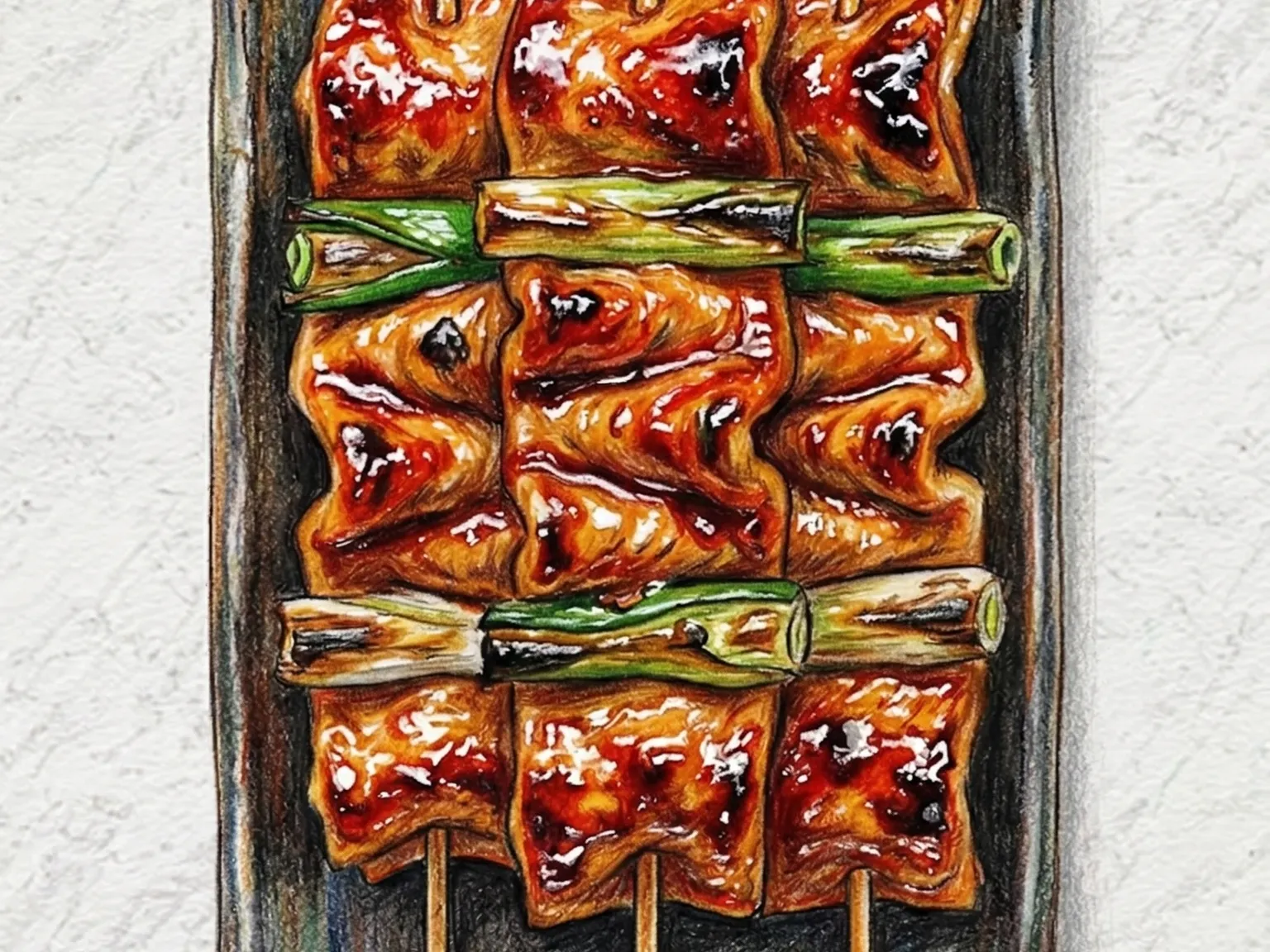
Dak-kkochi-gui is a Korean grilled chicken skewer built on the flavors of street-stall cooking, made by threading bite-sized chicken breast or thigh onto bamboo sticks and painting them with a sauce of gochujang, soy sauce, honey, and minced garlic. Thigh meat is the better choice because its higher fat content keeps each piece juicy over direct heat, while breast will dry out quickly. Applying the glaze in two or three separate coats rather than all at once builds a thick, sticky, caramelized surface. Cutting the chicken into uniform cubes ensures even cooking, and alternating pieces with slices of green onion or bell pepper adds moisture and prevents the meat from tightening up. Turning the skewers frequently over medium heat keeps the sugars in the sauce from scorching while the surface develops an even, deep char. The same result comes out well in an air fryer at 200 degrees Celsius for twelve to fourteen minutes. Gochujang's fermented heat against the sweetness of honey and the smell of searing meat is the unmistakable signature of Korean pojangmacha.

Korean Garlic Chive Egg Soup
This simple home-style soup combines garlic chives, egg, and tofu in a light broth seasoned with soup soy sauce and garlic. Tofu cubes go in first to warm through for two minutes, then beaten egg is poured in a slow, circular stream and left undisturbed for thirty seconds to form silky ribbons. Chives and sesame oil are added in the final half-minute so their aroma stays vivid in the finished bowl. Because the ingredient list is short, cutting the tofu into even cubes and managing the heat carefully are what separate a polished result from a cloudy one. Pouring the egg too forcefully or stirring immediately breaks up the ribbons and muddies the broth.

Korean Soy Pulp Stew (Okara with Aged Kimchi and Pork)
Biji jjigae is a Korean stew built around soy pulp - the dense, grainy byproduct of tofu making - cooked together with well-fermented aged kimchi and pork. The soy pulp dissolves gradually into the cooking liquid, giving the broth a thick, porridge-like body and a mild nuttiness. Salted fermented shrimp adds a concentrated umami punch, and perilla oil contributes a roasted, savory fragrance. The deep tang of old kimchi and the rendered fat from the pork slowly permeate the soy pulp as the pot simmers, producing a heavy, richly flavored stew. Soy pulp is high in protein and dietary fiber, making the finished dish both filling and nutritious. Starting over high heat and reducing to a low simmer for at least twenty minutes allows the pork to cook through fully and the stew to thicken and deepen.

Korean Dak Ganjang Jorim (Soy Braised Chicken)
Dak ganjang-jorim is chicken thigh braised with potato in a soy sauce glaze enriched with oligosaccharide syrup, garlic, and ginger juice. As the thighs simmer, the soy base works its way between the muscle fibers, leaving the meat deeply seasoned with a glossy brown finish. Potato chunks break down slightly at the edges and soak up the braising liquid, turning starchy and satisfying. A single cheongyang chili added to the pot gives a mild, lingering kick that keeps the sweet-salty profile from becoming one-note. Patting the chicken thighs thoroughly dry before searing them in the pan builds a Maillard-browned surface that adds another layer of savory depth, and removing the lid for the final five minutes lets the sauce reduce into a thick, clingy glaze.

Korean Chamnamul Kimchi (Pimpinella Kimchi)
Chamnamul kimchi is a spring kimchi made by salting chamnamul greens for just ten minutes to wilt them slightly, then dressing with gochugaru, anchovy fish sauce, and salted shrimp without rinsing. Skipping the rinse allows the residual salt to convert into umami during fermentation rather than being washed away, deepening the overall flavor. Pureed Korean pear and onion blended with sweet rice paste form the seasoning base, contributing a natural sweetness that rounds off the sharp edges of the chili heat. After three hours of initial fermentation at room temperature followed by refrigeration, the kimchi reaches its best balance within one to two days, when the grassy herbal aroma of chamnamul aligns with the fermented depth of the fish sauce. Because chamnamul has a high moisture content, fermentation moves quickly, and the kimchi softens past its peak if left too long. Best consumed within three to four days for optimal texture and fragrance.

Korean Chicken Knife-Cut Noodle Soup
A whole chicken is simmered with green onion, garlic, and ginger until the broth turns opaque, deeply savory, and rich with collagen, then hand-cut wheat noodles are cooked directly in that liquid. Boiling the noodles in the broth rather than separately is the defining technique: the starch they release naturally thickens the soup into a silky, coating consistency, and the noodles themselves absorb the concentrated chicken flavor at every surface. Shredded chicken, pulled apart along the grain, goes on top just before serving. Potato and zucchini are added during the final minutes for their gentle sweetness and soft texture. A generous amount of ground black pepper stirred in or sprinkled on top sharpens the chicken aroma and adds a mild warmth that the broth on its own does not carry. Unlike ramyeon or rice noodle dishes, dak-kalguksu has no complex seasoning beyond salt, pepper, and the depth built from the chicken itself, making it one of the most comforting and straightforward noodle soups in Korean home cooking.