Charim

2686 Korean & World Recipes

2686+ Korean recipes, clean and organized. Ingredients to instructions, all at a glance.

Recipes with korean chili flakes

24 recipes

Buy korean chili flakes
Korean Octopus Soft Tofu Stew
StewsEasy

Korean Octopus Soft Tofu Stew

Nakji-sundubu-jjigae is a Korean stew that pairs silky soft tofu with small octopus in a deeply spiced anchovy broth. The broth is built from anchovy and kelp stock seasoned with gochugaru, which gives it a bright red color and a layered heat that comes from the fermented pepper rather than raw chili alone. Soft tofu is dropped in large, undisturbed spoonfuls so it holds together during cooking instead of crumbling into the broth. The octopus is cut into manageable pieces and added last, once the broth is at a full boil, and should be cooked for no more than 90 to 120 seconds before the heat is cut. Octopus contracts and toughens quickly when overcooked, so adding it after every other ingredient is ready is essential for keeping it springy and tender. A cracked egg is dropped in at the end and the lid is closed for 30 seconds, which lets the yolk set partially before it dissolves into the broth, adding richness and a gentle smoothness to the heat. The contrast between the yielding, almost liquid texture of sundubu and the firm chew of the octopus is what defines the experience of the dish, with the spiced broth pulling both elements together. Serving in a stone pot keeps the stew at eating temperature through the entire meal.

🍺 Bar Snacks🏠 Everyday
Prep 10minCook 15min2 servings
Korean Cabbage Kimchi (Crunchy Green Cabbage Kimchi)
KimchiEasy

Korean Cabbage Kimchi (Crunchy Green Cabbage Kimchi)

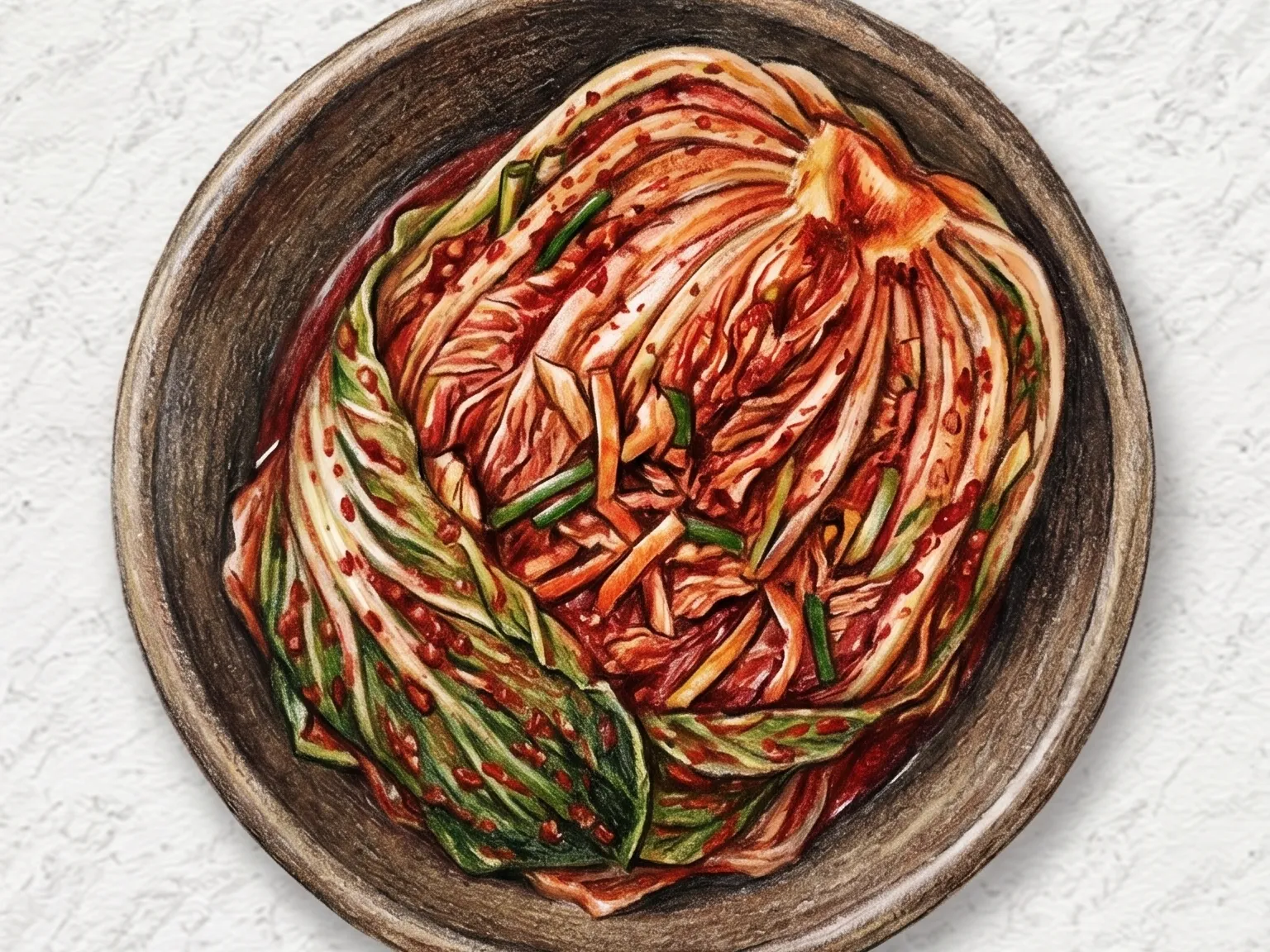
Yangbaechu kimchi is a Korean cabbage kimchi made by salting green cabbage and tossing it with chili flakes, fish sauce, and minced garlic. The thicker leaves and lower moisture content of green cabbage compared to napa cabbage result in a noticeably crunchier texture that persists through fermentation. The natural sweetness of cabbage softens the heat from the chili seasoning, while carrot and scallion pieces add color and freshness. Six hours of fermentation at room temperature followed by refrigeration lets the tanginess develop gradually. It serves as a lighter alternative when traditional napa kimchi feels too heavy.

🏠 Everyday🍱 Lunchbox
Prep 30minCook 10min4 servings
Korean Scorched Rice Seafood Stew
StewsMedium

Korean Scorched Rice Seafood Stew

Nurungji haemul jjigae is a seafood stew built around scorched rice, anchovy-kelp stock, squid, shrimp, and clams. The nurungji starts out as a hard, dried slab and enters the broth intact. As the stew heats and the seafood begins to release its juices, the scorched rice gradually softens and expands, thickening the broth and contributing a toasty, nutty quality that plain rice or noodles cannot replicate. Squid holds its springy texture best when not overcooked, so it goes in later. Shrimp turns opaque and firm in a matter of minutes. Clams are added while still closed and are done when the shells open and the meat loosens from its hinge. The combined liquid from all three seafood forms a broth that is briny, sweet, and clean in the way that multiple shellfish together often produce. Zucchini and onion add mild sweetness and soften the overall character of the stew. Gochugaru brings moderate heat and the red color typical of many Korean jjigae. The stew reaches its best texture when the nurungji has fully softened at the edges but still retains some chew at the center. At that point the broth is thick and the flavors are fully integrated. Served in a single bowl with the nurungji, seafood, and vegetables together, it functions as a complete meal without needing additional rice.

🏠 Everyday🎉 Special Occasion
Prep 18minCook 20min4 servings
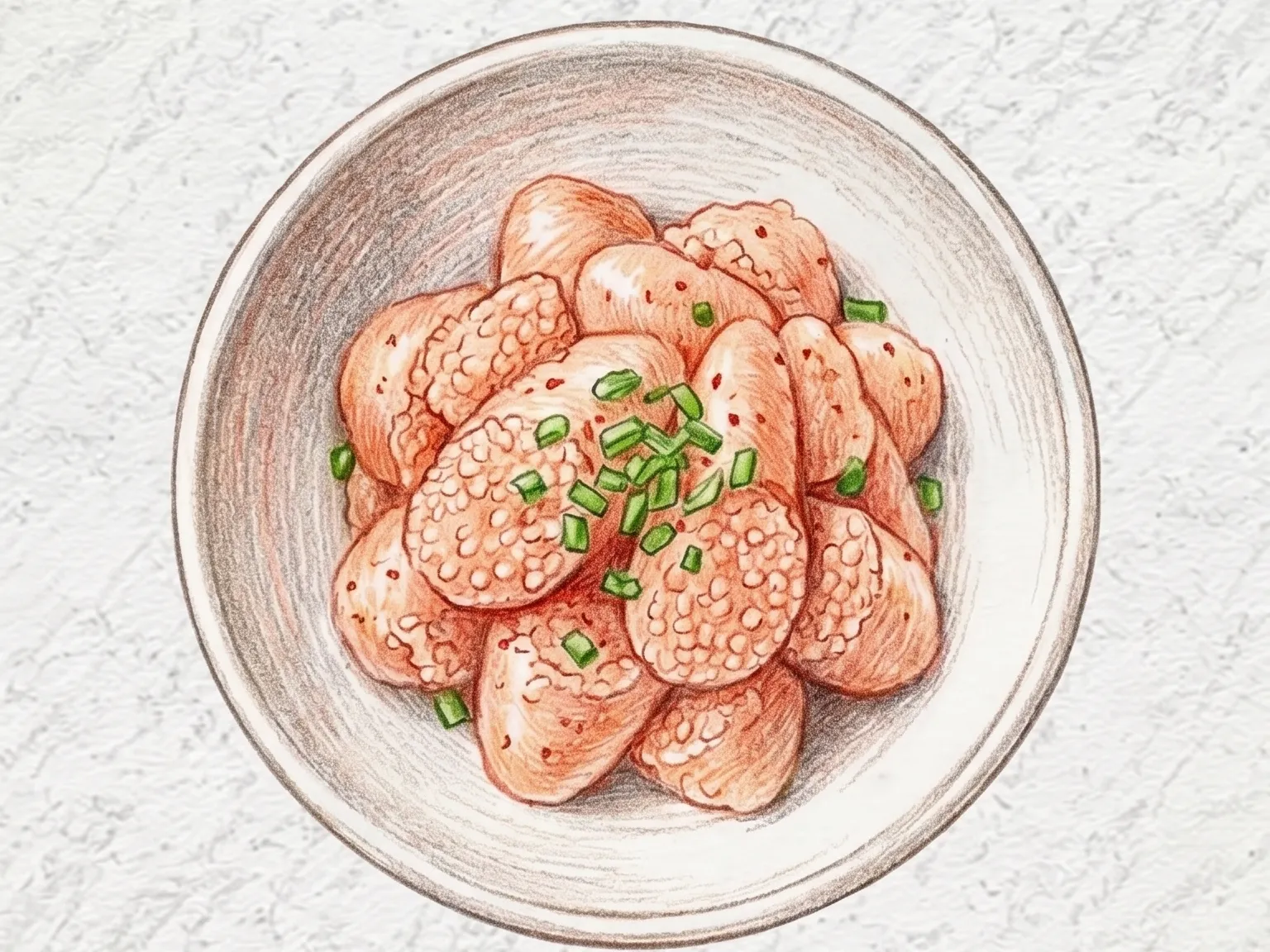
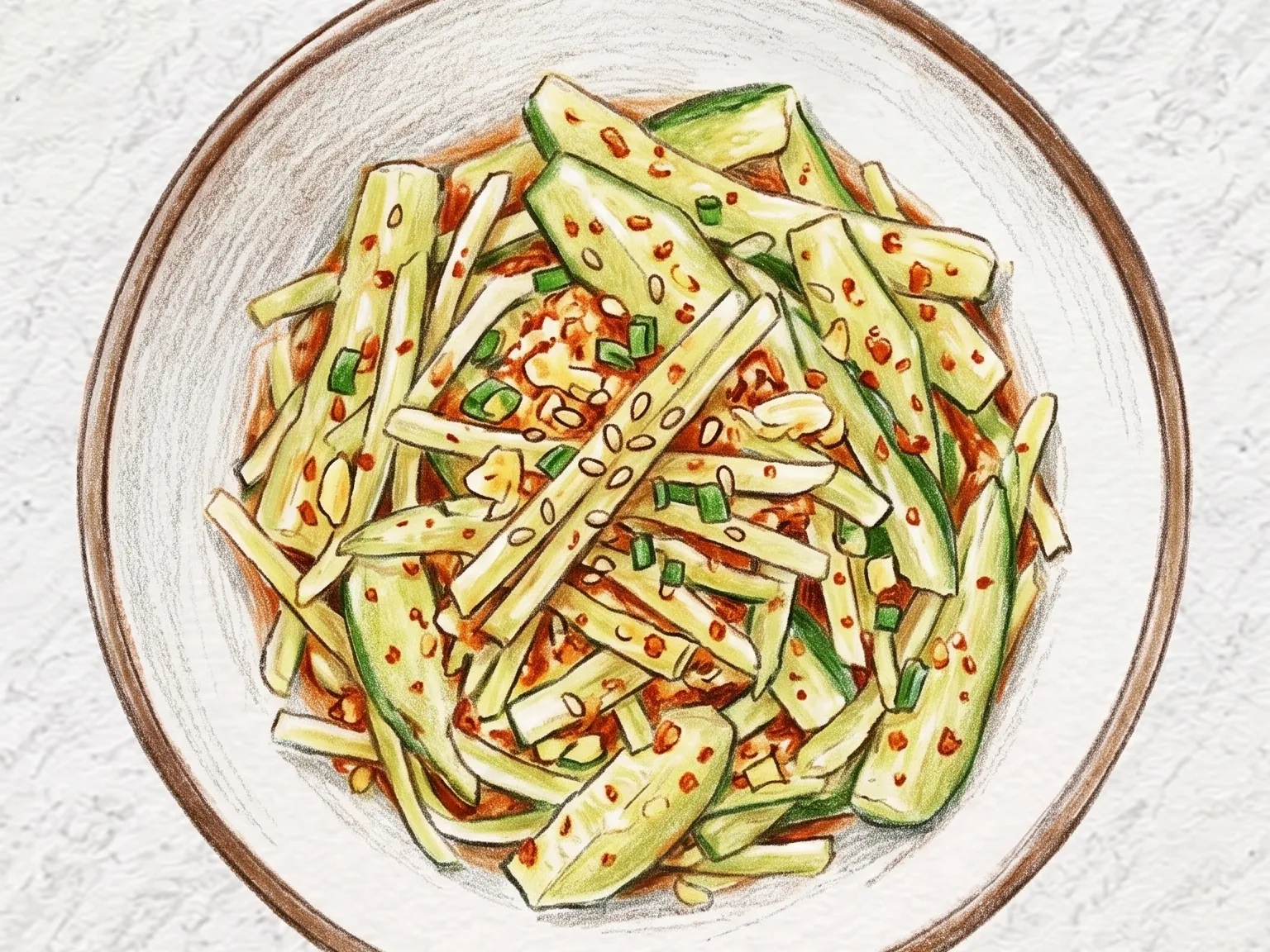
Korean Lotus Root Kimchi (Crunchy Spiced Root Kimchi)
KimchiMedium

Korean Lotus Root Kimchi (Crunchy Spiced Root Kimchi)

Starting with sliced lotus root boiled in vinegar water helps remove bitterness while keeping the vegetable pale and crisp. The seasoning combines gochugaru, minced garlic, and anchovy fish sauce with the addition of fresh pear juice. This pear juice provides natural sugars and necessary moisture so the chili paste coats each slice evenly without becoming dry or clumping. Even after the fermentation process begins, the lotus root maintains its signature firm and crunchy texture. Sliced scallions are tossed in to add a fresh aromatic quality that balances the spicy garlic paste. One full day of refrigeration allows the flavors to settle into the flesh before serving. Because the seasoning gets trapped inside the characteristic holes of the root, the paste should remain thick rather than watery to ensure consistent flavor. When left to ferment for a few more days, the developing acidity helps cut through the richness of grilled meats or fried dishes. A light addition of sesame oil and toasted sesame seeds at the end brings a toasted scent to every bite.

🥗 Light & Healthy🍱 Lunchbox
Prep 35minCook 2min4 servings
Korean Pork Kimchi Stew (Fermented Kimchi & Pork Shoulder)
StewsEasy

Korean Pork Kimchi Stew (Fermented Kimchi & Pork Shoulder)

Pork kimchi jjigae is one of the most beloved home-cooked Korean stews, built on aged kimchi and pork shoulder. The marbled fat from the pork shoulder melts into the broth, balancing the kimchi's sharp acidity with richness. Tofu and onion bulk up the pot, while soup soy sauce and chili flakes season the liquid. The riper and more sour the kimchi, the better this stew tastes - it is the ideal use for old kimchi.

🏠 Everyday
Prep 12minCook 25min2 servings
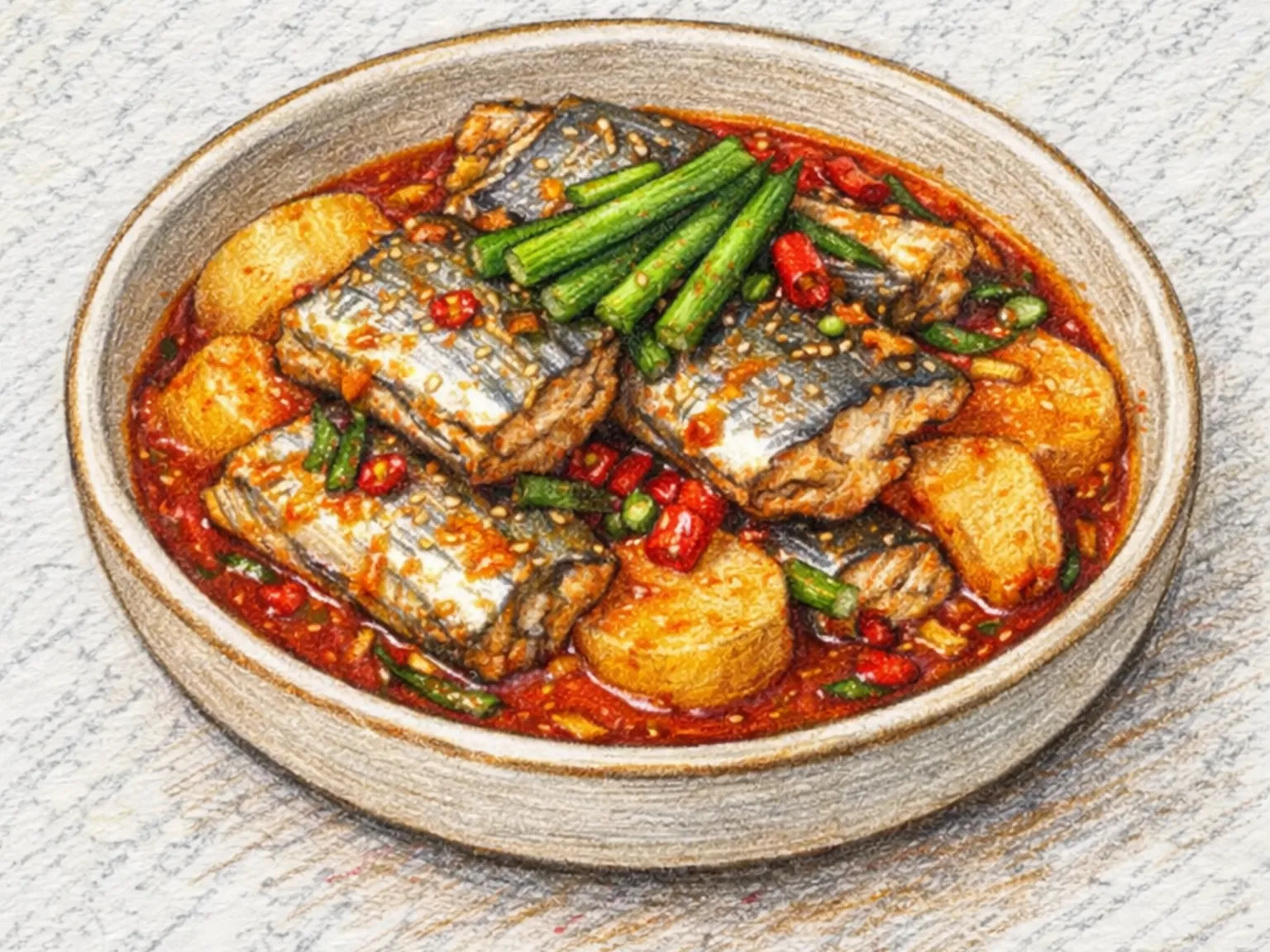
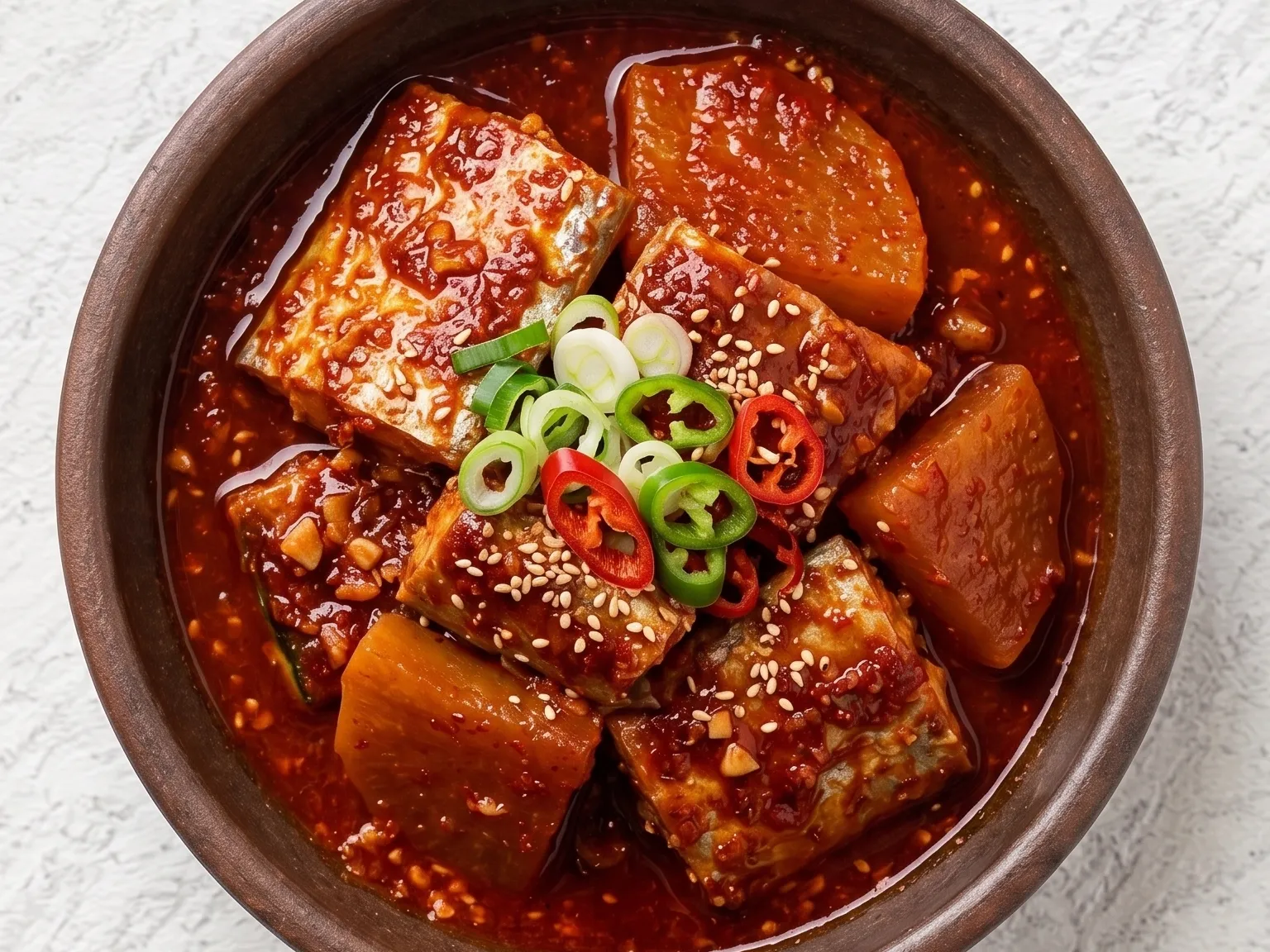
Korean Spicy Fish Stew (Mackerel in Chili-Radish Broth)
StewsMedium

Korean Spicy Fish Stew (Mackerel in Chili-Radish Broth)

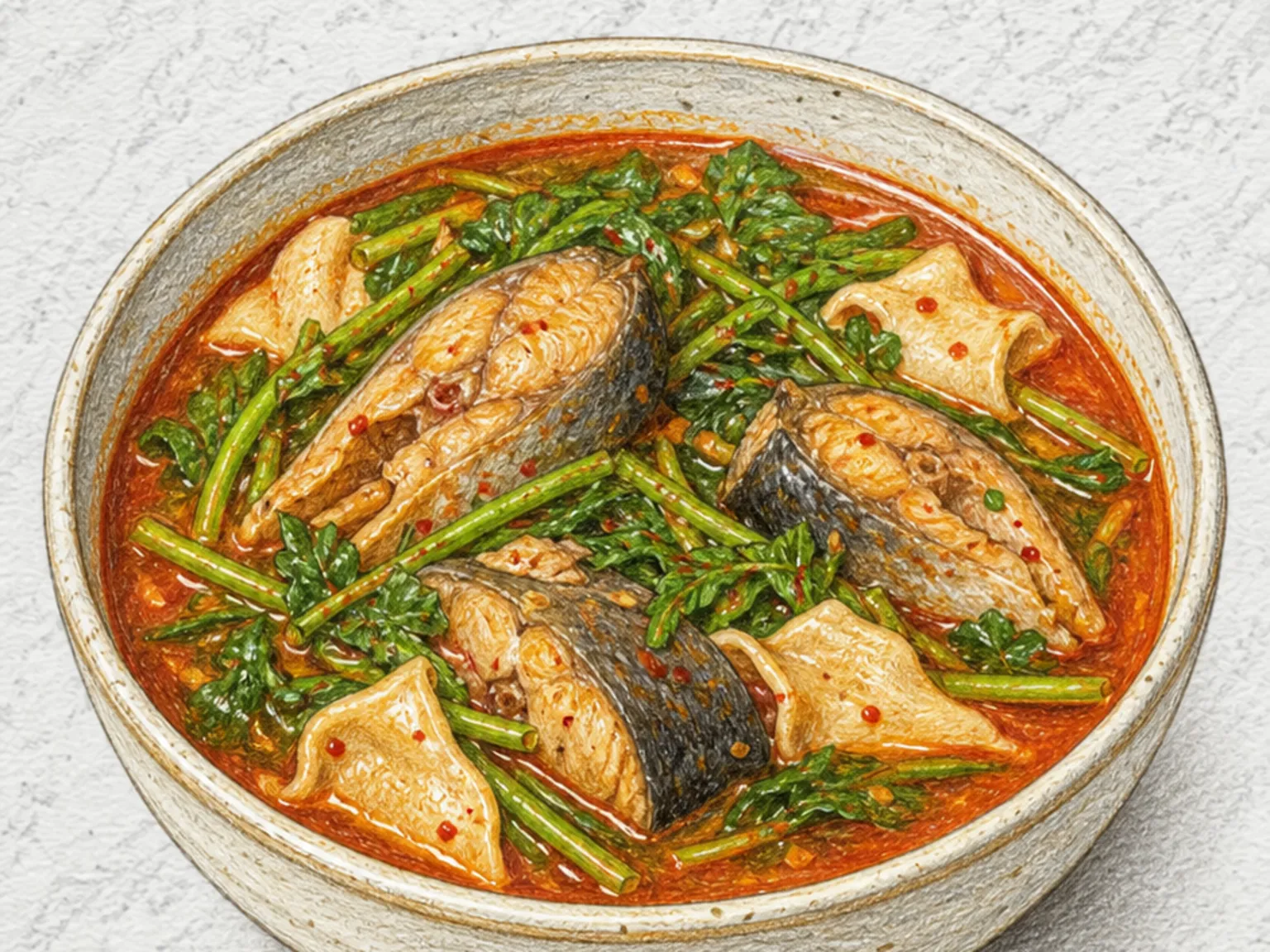
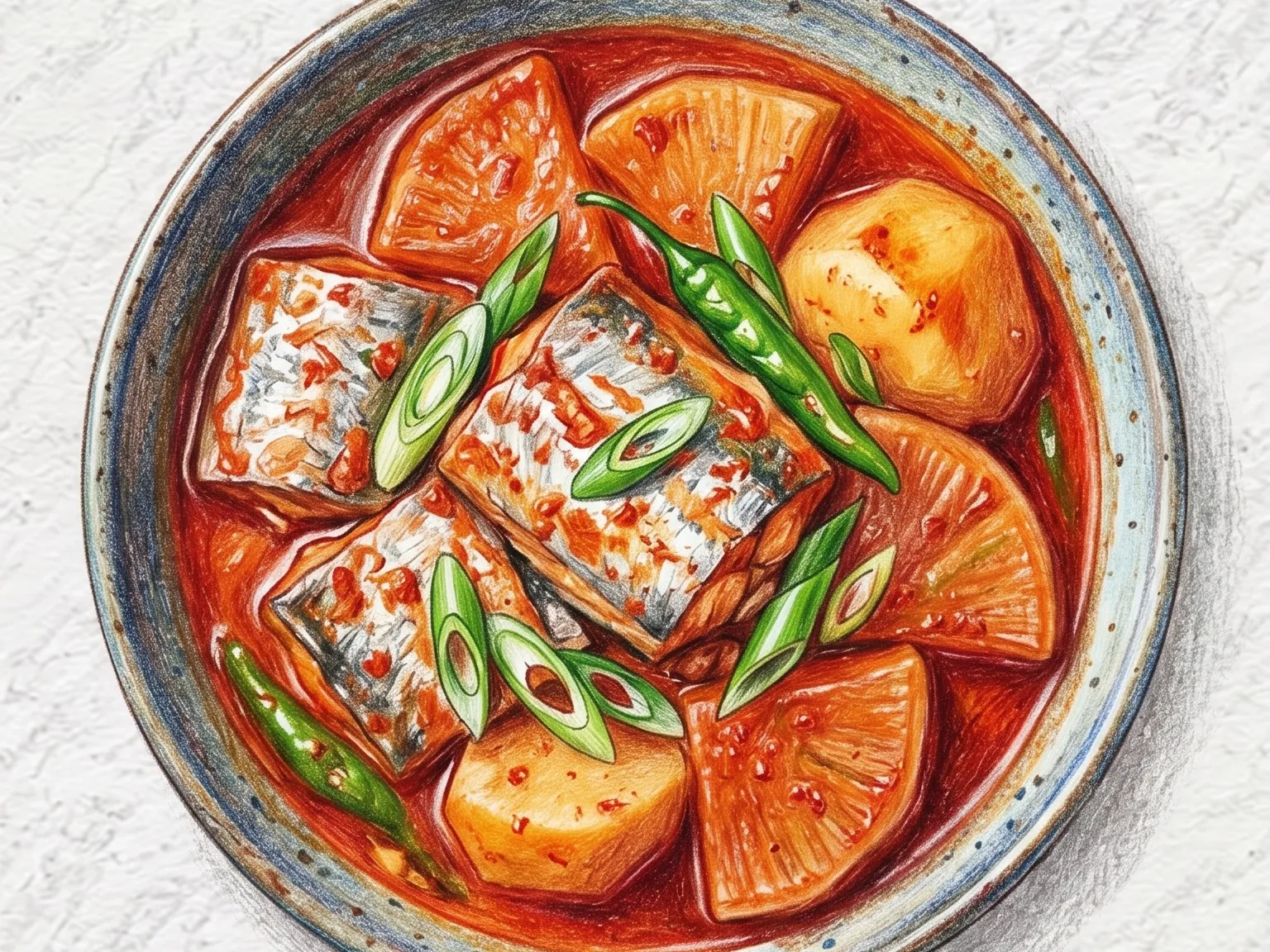
Saengseon jjigae is a spicy Korean fish stew made with mackerel or beltfish cut into chunks, simmered alongside daikon radish and zucchini. Gochujang, gochugaru, soy sauce, and garlic build a bold, peppery broth in an anchovy stock base. The radish neutralizes any fishiness while adding natural sweetness to the soup. Picking the flaky fish off the bone and eating it with spoonfuls of the fiery broth over rice is the traditional way to enjoy it.

🏠 Everyday
Prep 15minCook 20min2 servings
Korean Soybean Sprout Stew
StewsEasy

Korean Soybean Sprout Stew

Soybean sprout jjigae is a spicy home-style stew built around kongnamul, with tofu and pork adding substance to a broth seasoned with gochugaru and soup soy sauce. The sprouts release their own clean, slightly sweet liquid as they cook, and that natural base broth combines with the heat of the chili flakes to produce the sharp, refreshing character the dish is best known for. A critical technique rule applies to the sprouts: once the lid is placed, it should not be lifted during cooking. If the lid is removed and steam escapes, the sprouts develop an unpleasant grassy smell that cannot be reversed. If the lid is accidentally opened, the only correction is to leave it off and continue cooking without it until the end. Tofu absorbs the broth and provides a soft contrast to the crunchy sprouts, while the pork contributes fat and savory depth that enriches the broth. Green onion and minced garlic add aroma, and cracking a beaten egg into the pot as the broth comes to a full boil creates soft egg pieces throughout. The whole dish comes together in under twenty minutes from start to finish, making it a practical weeknight soup.

🏠 Everyday
Prep 10minCook 15min2 servings
Korean Spicy Beef Tripe Hot Pot
StewsHard

Korean Spicy Beef Tripe Hot Pot

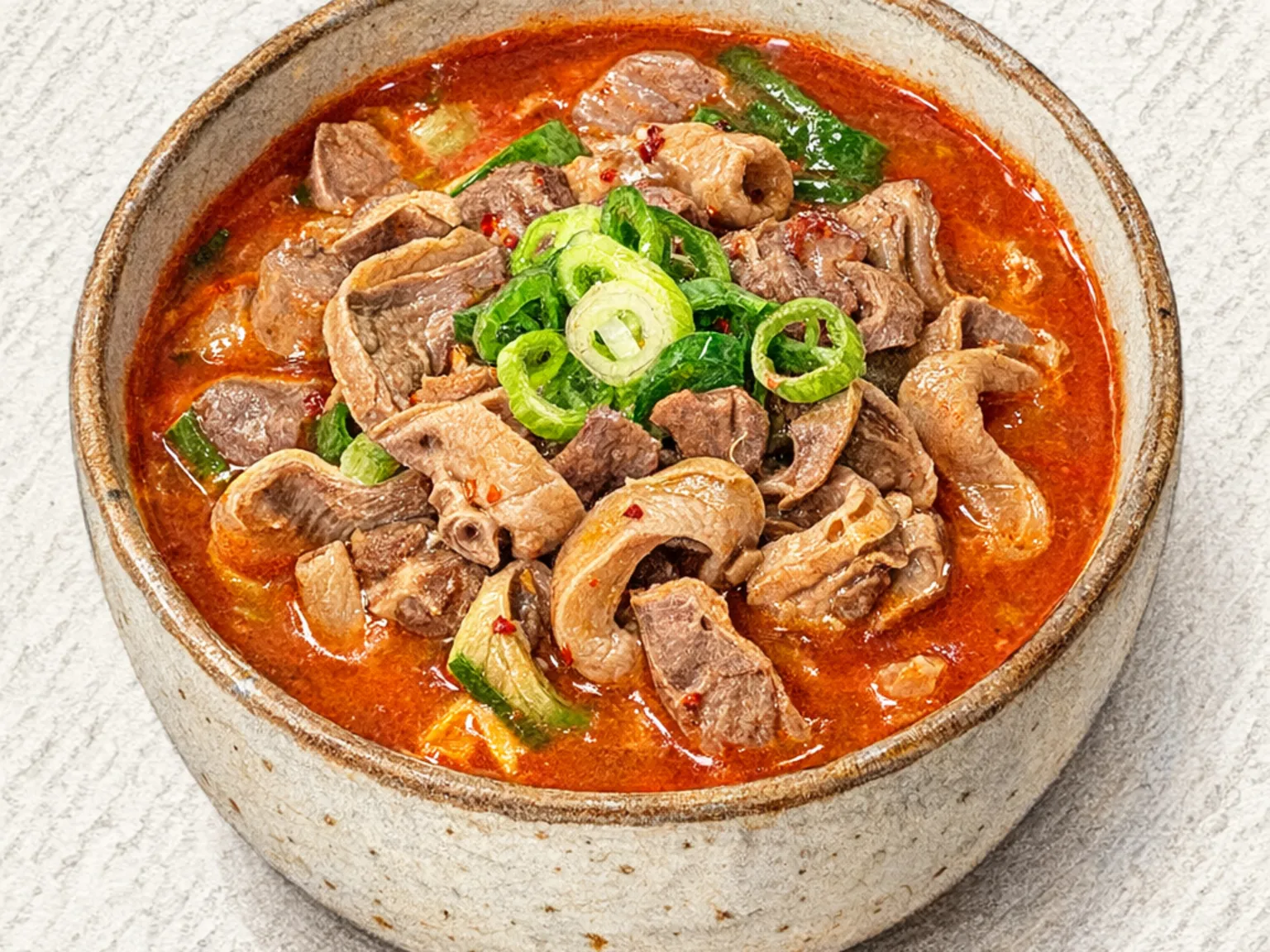
This fiery hot pot simmers beef tripe in a beef bone stock seasoned with Korean chili flakes and gochujang. The tripe offers its signature chewy, springy texture that stands up well to the bold spice. Cabbage and oyster mushrooms soften in the broth, adding balance, while perilla leaves bring an herbal fragrance. A generous amount of green onion keeps the broth refreshing despite its heat. The beef bone stock base gives the entire dish a full-bodied richness.

🍺 Bar Snacks🎉 Special Occasion
Prep 30minCook 30min4 servings
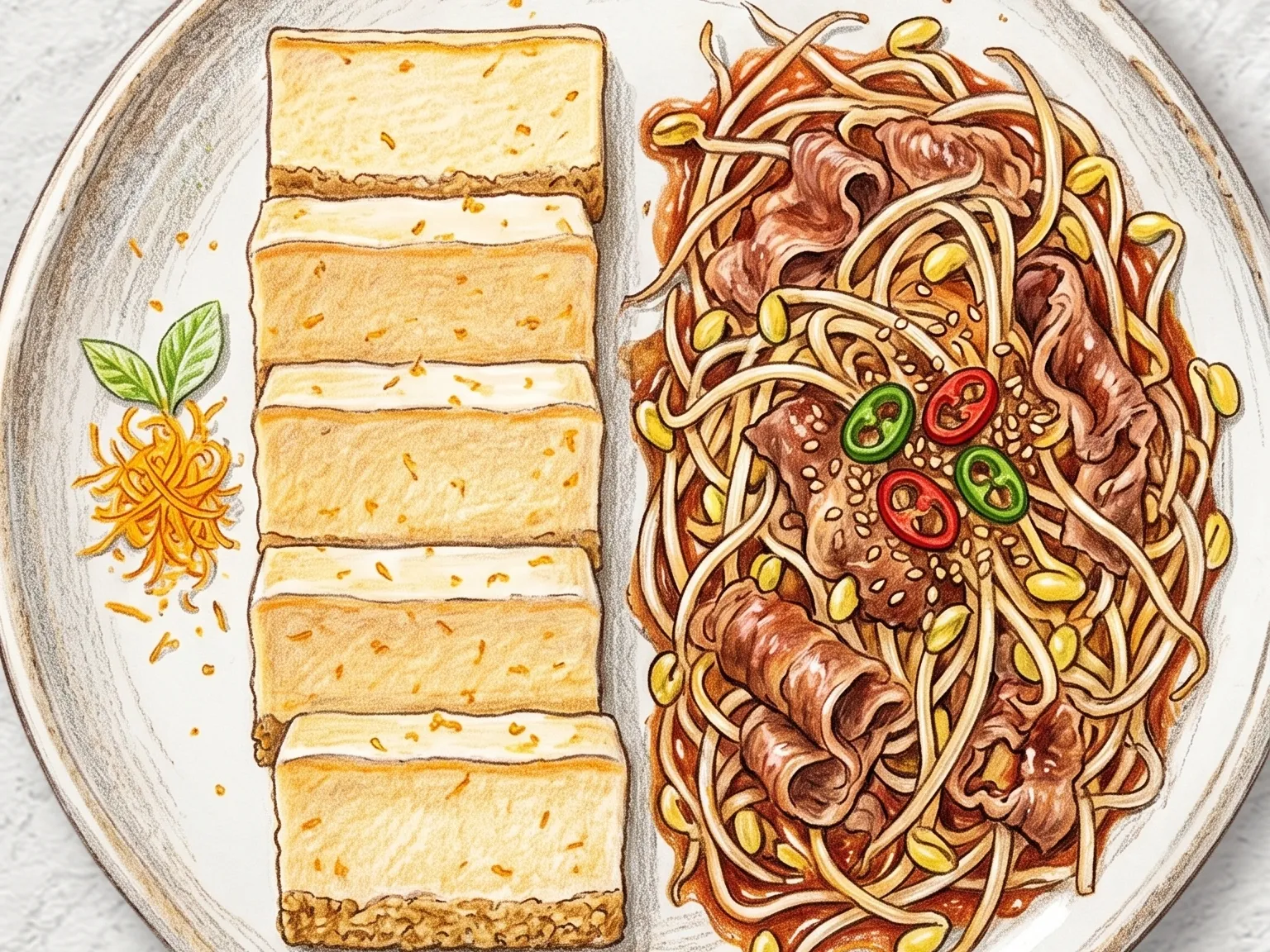
Korean Beef & Mung Bean Sprout Stew
StewsMedium

Korean Beef & Mung Bean Sprout Stew

Sukju soegogi jjigae is a spicy, clean-finishing Korean stew made by simmering beef brisket and mung bean sprouts together in a gochugaru-seasoned broth. The brisket is soaked in cold water to draw out blood before being briefly boiled and skimmed, which keeps the broth clear and free of off-flavors as it simmers. As the brisket slowly cooks through, it releases a deep, meaty base that forms the backbone of the stew's flavor, seasoned with chili flakes and soup soy sauce for a spicy, savory kick. Korean radish cooked alongside the meat counteracts any heaviness in the broth and contributes a clean, refreshing note to the finish, while oyster mushrooms add a layer of chewy umami. Mung bean sprouts go in last and should cook for no more than two minutes to preserve their snap; prolonged heat softens them completely and removes the textural contrast that defines the dish. Ladled over a bowl of steamed rice, the spicy broth seeps into every grain and turns the whole combination into a satisfying single-bowl meal.

🏠 Everyday
Prep 15minCook 25min4 servings
Korean Blood Sausage Hot Pot
StewsMedium

Korean Blood Sausage Hot Pot

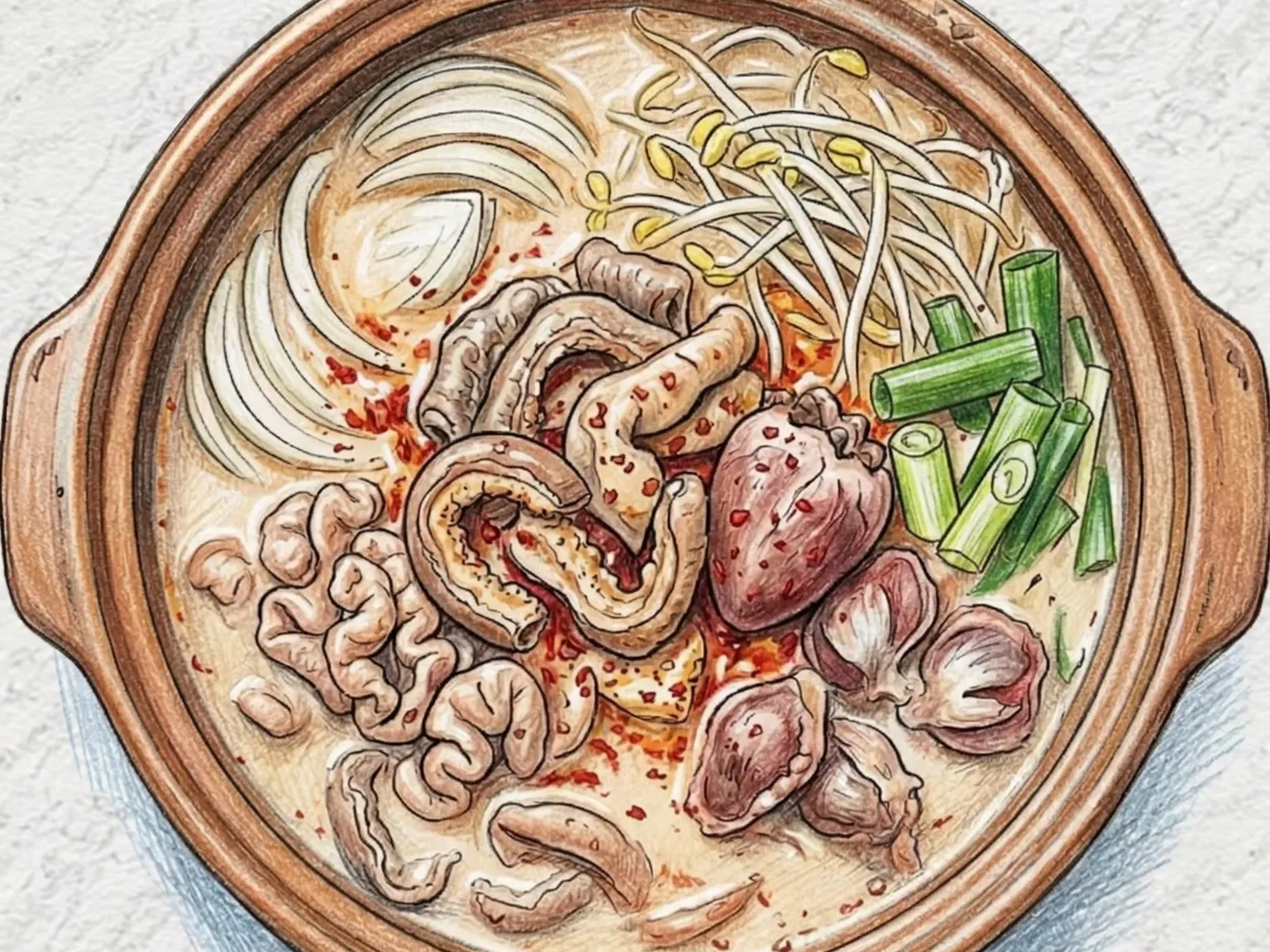
Sundae-jeongol is a spicy Korean hot pot built around blood sausage, cooked together with cabbage, perilla leaves, and onion in a gochugaru-seasoned beef bone broth. The collagen-rich broth from ox bones forms the body of the soup, and combining gochugaru with a spoonful of doenjang transforms the base into something both fiery and deeply savory. The sundae heats through fully in the simmering broth, its filling of glass noodles and coagulated blood absorbing the liquid and becoming pleasantly dense and chewy. Doenjang softens the raw sharpness of the chili and adds fermented complexity that bare gochugaru cannot provide alone. Cabbage slowly releases its sweetness into the broth as it cooks down, while perilla leaves should be added just before serving to preserve their herbal aroma. The broth concentrates and deepens the longer the pot simmers, making it a dish that rewards eating slowly over time. A filling and convivial pot suited for cold-weather gatherings around a shared table.

🍺 Bar Snacks
Prep 25minCook 25min4 servings
Korean Silken Tofu Seafood Stew
StewsEasy

Korean Silken Tofu Seafood Stew

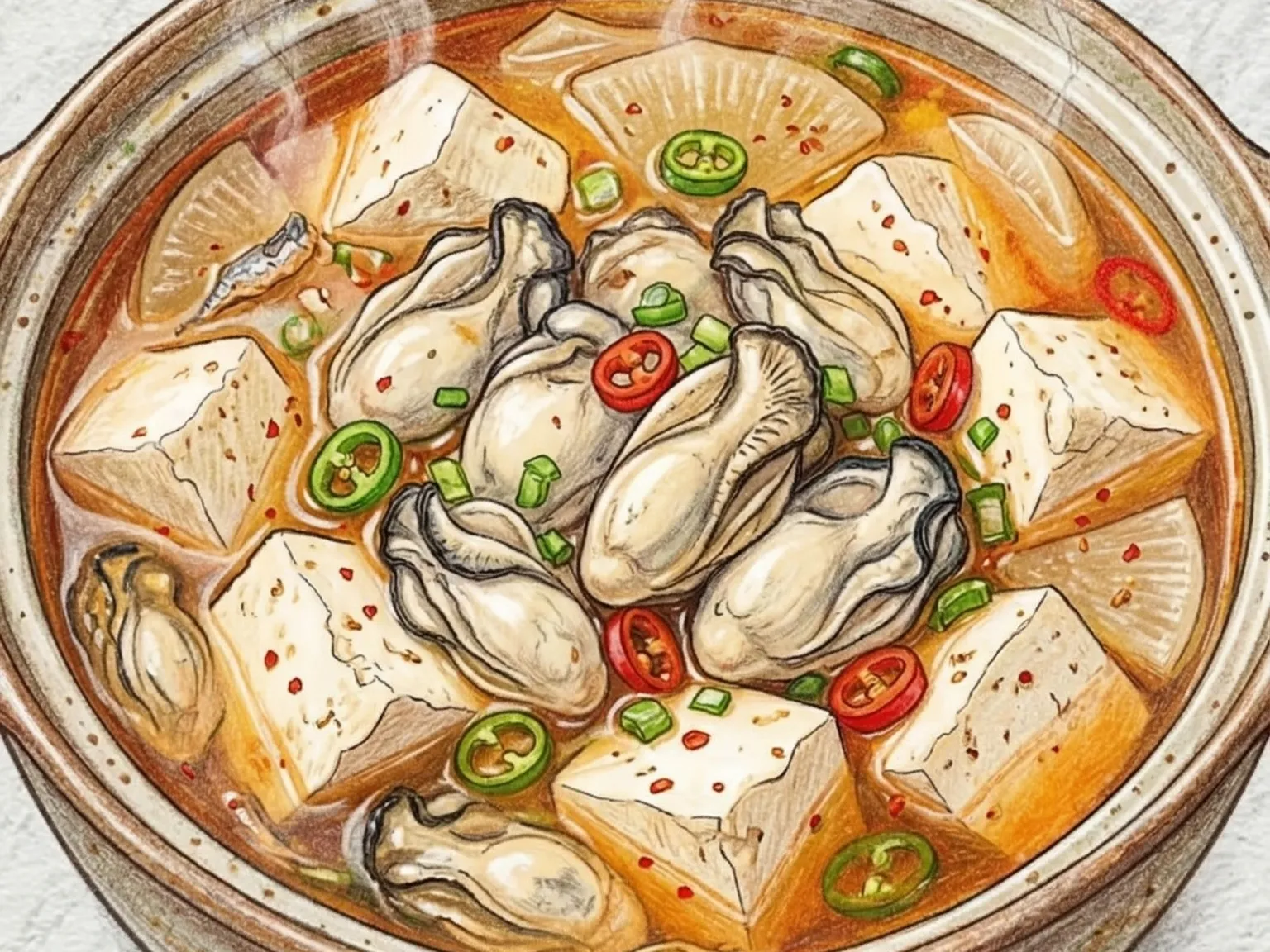
Sundubu haemul jjigae is a seafood soft tofu stew that combines silken tofu with shrimp and Manila clams in an anchovy stock seasoned with gochujang and Korean chili flakes. The aromatics are stir-fried in sesame oil first to build a deeper base before the stock is added. As the shrimp and clams cook through, they release their own briny juices into the spicy broth and push the umami noticeably higher. An egg cracked in at the end binds gently with the silken tofu, adding richness and a slight body to the broth. Deveining the shrimp and removing the back intestine keeps the flavor clean, and soaking the clams in lightly salted water beforehand purges any sand that would otherwise cloud the stock.

🏠 Everyday
Prep 15minCook 15min2 servings
Korean Soft Tofu Stew (Silken Tofu in Spicy Clam Broth)
StewsEasy

Korean Soft Tofu Stew (Silken Tofu in Spicy Clam Broth)

Sundubu-jjigae is one of Korea's most recognizable stews, built around silken soft tofu simmered in a fiery broth with clams, ground pork, and gochugaru. The process starts by frying sesame oil, chili flakes, and garlic together until the fat turns red and fragrant, which becomes the flavor foundation of the entire pot. Stock is poured in and brought to a hard boil, then two eggs are cracked directly onto the surface of the stew and left to set into a soft, barely-cooked yolk. Clams bring a clean oceanic salinity to the broth while the pork provides a meatier, rounder depth, and the two work together to create a layered complexity that neither delivers alone. The stew is served still boiling in an earthenware pot because the clay retains heat far longer than metal, keeping every spoonful scalding from first to last. A scoop of rice stirred into the leftover broth absorbs the spicy, savory liquid completely.

🏠 Everyday
Prep 10minCook 20min2 servings
Korean Tomato Beef Rib Stew
StewsMedium

Korean Tomato Beef Rib Stew

This fusion-style stew pairs beef short ribs with ripe tomatoes in a broth seasoned with gochujang and gochugaru. The ribs are simmered until the broth is deeply infused with beefy richness, and the tomatoes break down to add natural acidity and sweetness. Potato chunks cook until fluffy, lending substance, while onion rounds out the broth's sweetness. The combination of soy sauce and chili paste with tomato's brightness creates a flavor that feels both novel and familiar.

🏠 Everyday
Prep 25minCook 45min4 servings
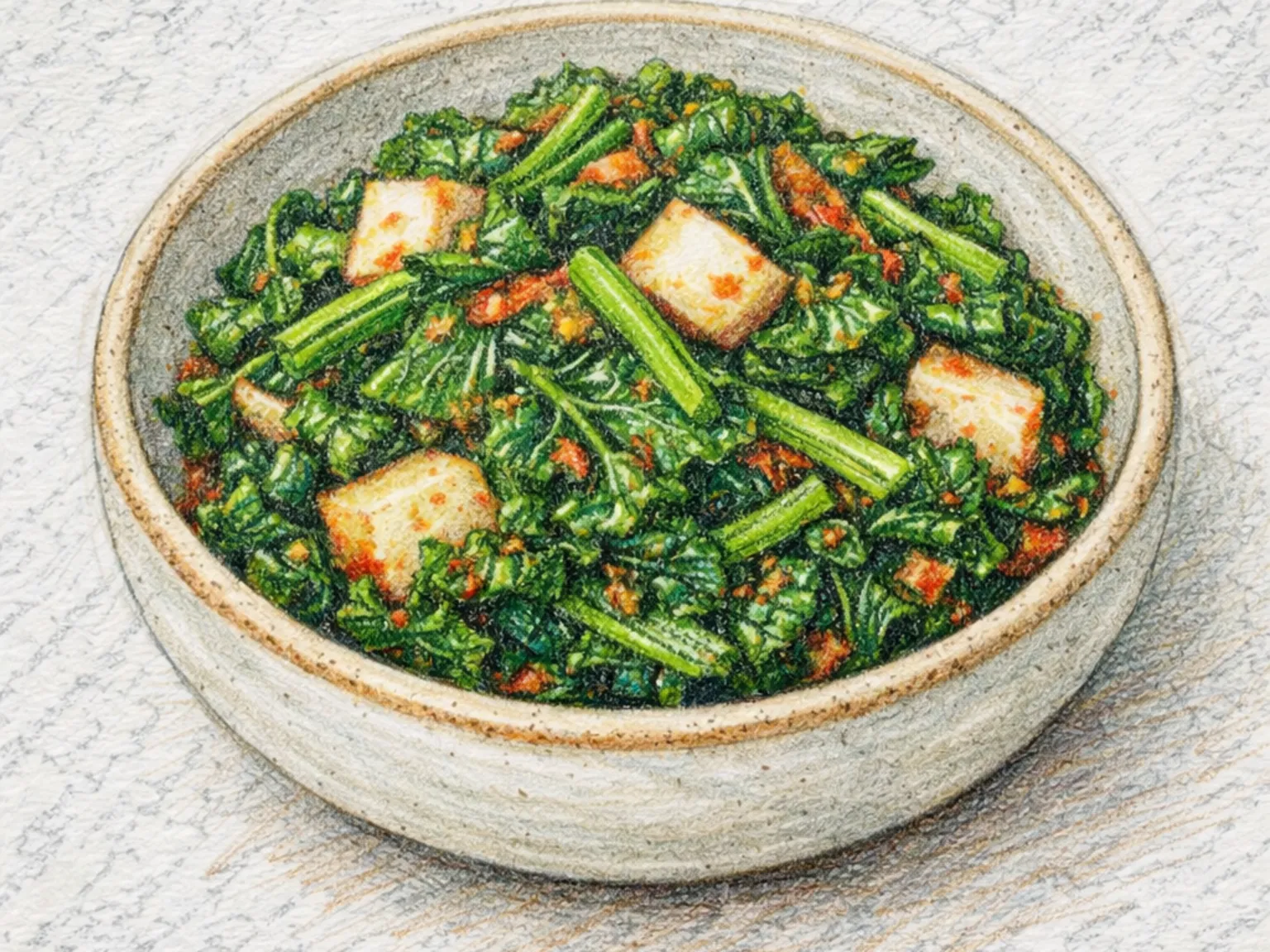
Korean Taro Stem Stew (Perilla-Thickened Soybean Broth)
StewsMedium

Korean Taro Stem Stew (Perilla-Thickened Soybean Broth)

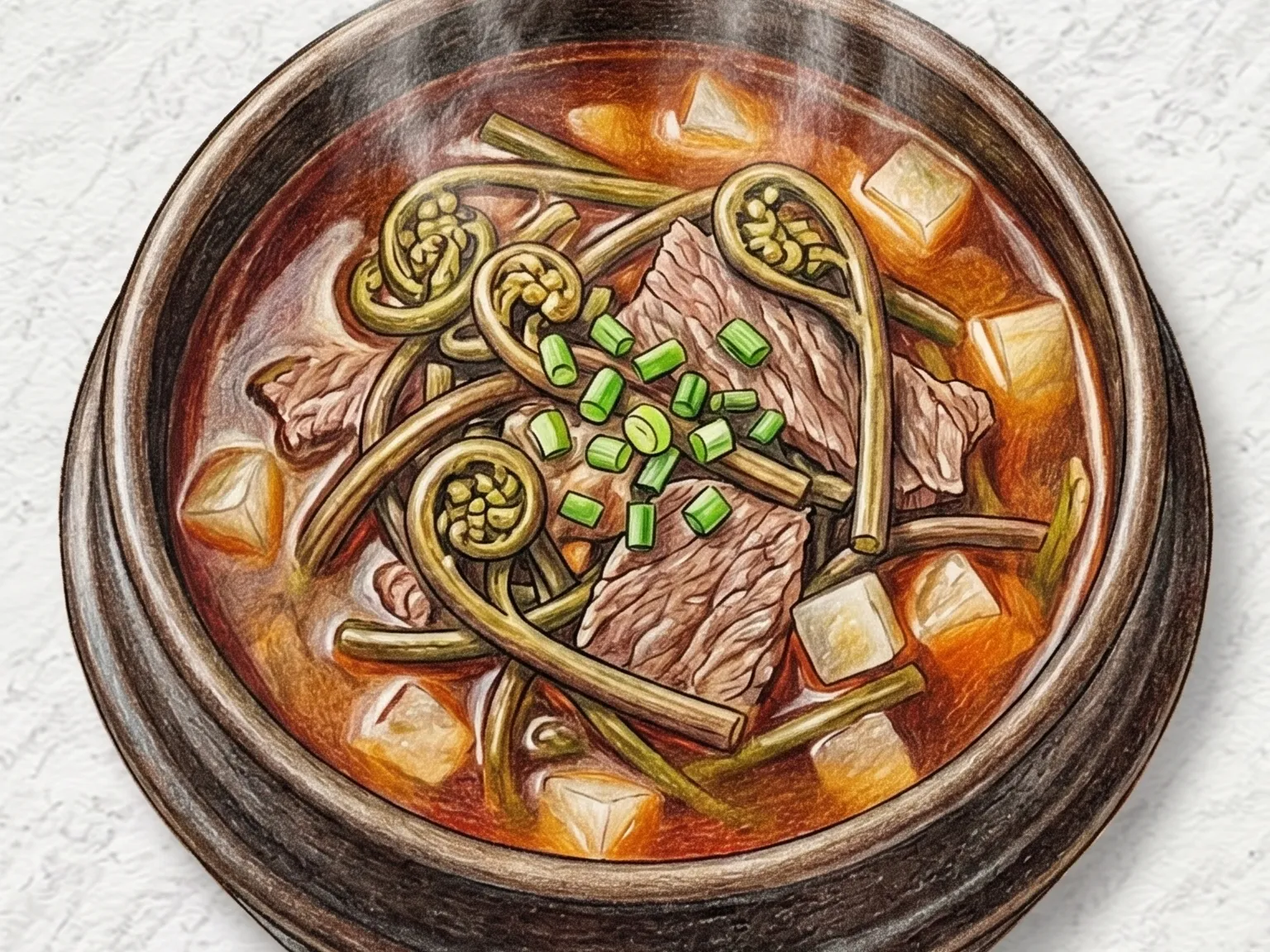
This stew features boiled taro stems simmered in a broth thickened with perilla seed powder and doenjang soybean paste. Beef soup meat adds depth while gochugaru provides a mild heat that balances the nutty richness of the broth. The taro stems contribute a soft, slightly chewy texture that absorbs the savory flavors of the soup soy sauce and garlic. It is a traditional Korean autumn dish that highlights seasonal taro stems at their best.

🏠 Everyday
Prep 30minCook 28min4 servings
Korean Beef Cabbage Leaf Stew
StewsMedium

Korean Beef Cabbage Leaf Stew

Beef brisket and blanched napa outer leaves are slow-simmered with doenjang in this hearty Korean stew. The brisket renders a rich, meaty broth that permeates every strand of the fibrous ugeoji leaves. Gochugaru and perilla oil contribute mild heat and nutty undertones, while soup soy sauce refines the seasoning. Green onion and garlic brighten the deep, long-cooked flavors, making this a nourishing stew built on a foundation of quality beef stock.

🏠 Everyday
Prep 20minCook 35min4 servings
Korean Uijeongbu-Style Budae Jjigae
StewsMedium

Korean Uijeongbu-Style Budae Jjigae

Uijeongbu-style budae-jjigae is a spicy communal stew that combines luncheon meat, cocktail sausages, well-fermented kimchi, and baked beans in an anchovy broth seasoned with gochujang and gochugaru. The fermented kimchi is a key flavoring element here, contributing acidity and deep umami that balance out the salt-heavy processed meats. Tofu and onion mellow the aggressive flavors by absorbing into the broth and adding softness. A block of instant noodles is added at the end to soak up the heavily seasoned liquid. Uijeongbu, a city north of Seoul, is recognized as the origin of this dish, where it developed near a US military base after the Korean War and took on its distinctly hybrid character from the military surplus ingredients available at the time.

🍺 Bar Snacks🏠 Everyday
Prep 20minCook 25min2 servings
Korean Beef Brisket & Bean Sprout Chili Stew
StewsEasy

Korean Beef Brisket & Bean Sprout Chili Stew

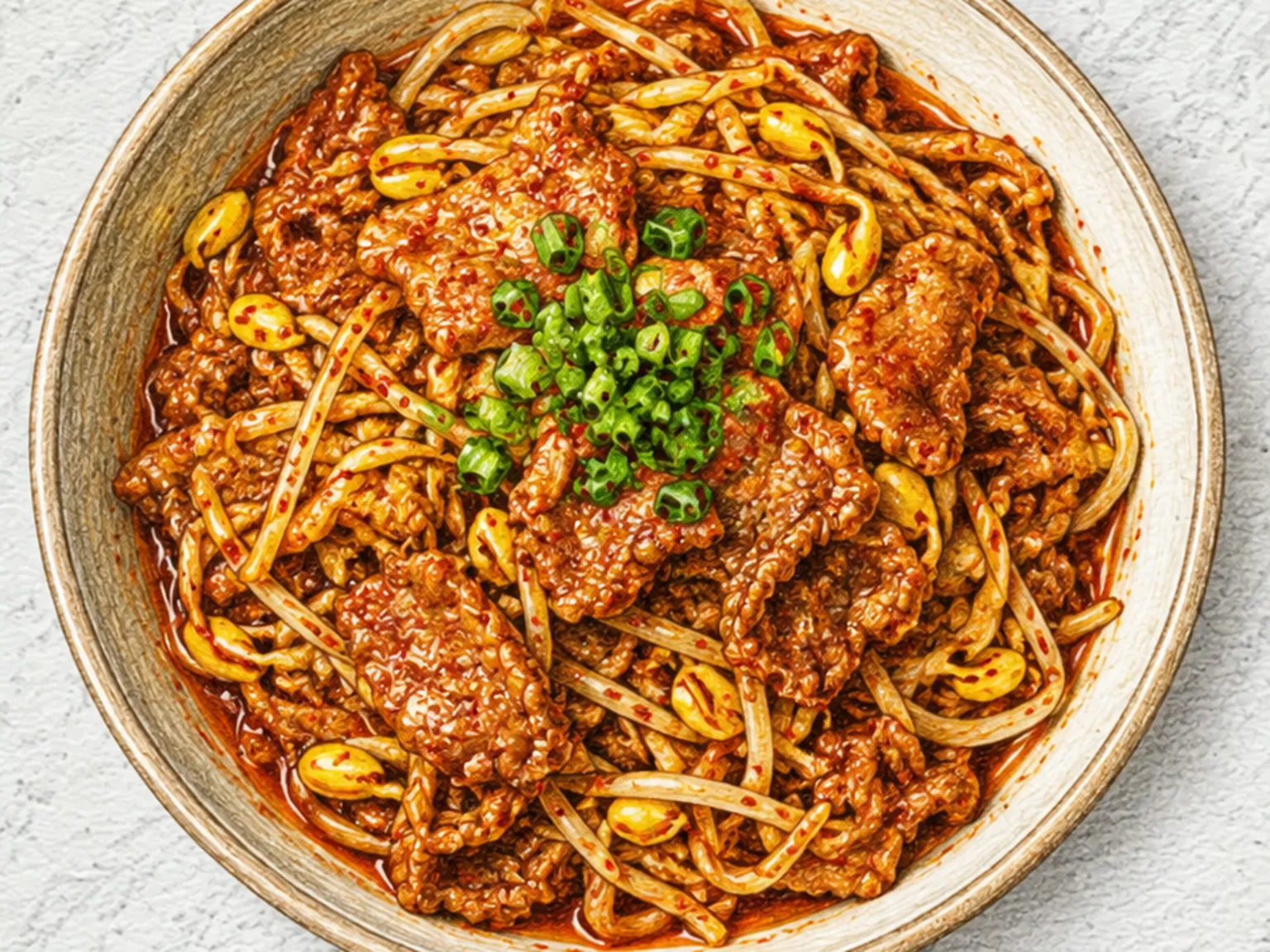
Thin-sliced beef brisket and mung bean sprouts are simmered with Cheongyang chilies in this spicy stew. The marbled brisket releases its fat into the anchovy-based broth, creating a rich, beefy foundation. Crunchy bean sprouts provide textural contrast, while two Cheongyang chilies deliver a sharp, direct heat. Tofu, onion, and green onion round out the stew, seasoned with Korean chili flakes and soup soy sauce for a layered, fiery bowl.

🏠 Everyday
Prep 15minCook 20min2 servings
Korean Yeolmu Doenjang Stew
StewsEasy

Korean Yeolmu Doenjang Stew

Seasonal young radish greens and fermented soybean paste come together in this refreshing summer stew designed to cool the body. The preparation begins with a clean anchovy and kelp stock, where doenjang is carefully dissolved to ensure a smooth consistency without clumps. Young radish greens, or yeolmu, contribute a signature crunch and a faint bitterness that softens as it simmers alongside sweet onions and zucchini. This natural sweetness from the onion balances the earthy profile of the fermented paste while gochugaru adds a hint of heat and a warm red hue to the broth. To preserve the crisp texture of the greens, add them after the doenjang and limit the simmering time to about five to seven minutes. Tofu should be introduced at the very end to prevent it from breaking apart while absorbing the savory liquid. The clean mineral finish provided by the kelp makes this dish an excellent companion for barley rice during humid months. For additional layers of flavor, sliced Cheongyang chilies increase the spiciness and a spoonful of perilla powder introduces a toasted quality to the base. If using low-sodium paste, a small amount of soup soy sauce helps achieve a balanced profile. Since young radish greens possess a distinct herbal fragrance at their peak, this stew delivers its best quality when served immediately on the day it is prepared.

🏠 Everyday
Prep 15minCook 20min2 servings
Korean Beef Cabbage Leaf Soup
SoupsMedium

Korean Beef Cabbage Leaf Soup

Ugeoji soegogi-guk is a spicy, savory Korean beef soup that draws its character from pre-seasoned napa cabbage outer leaves and a brisket-based broth. The ugeoji is rubbed with doenjang and gochugaru before it enters the pot, so when it meets the simmering beef stock, it releases both fermented soybean depth and a steady chili warmth that stains the broth a ruddy brown. The brisket, simmered until the fibers separate easily, is shredded and returned to the pot, adding lean, clean beef flavor throughout. As the ugeoji softens over extended cooking, it absorbs the surrounding liquid like a sponge, so each bite delivers a concentrated burst of the combined seasoning. Daikon radish, if included, tempers the heat with its natural sweetness, while generous amounts of sliced scallion perfume the entire bowl. The overall effect is a soup that is warming and substantial without being aggressive - the spice level is calibrated to soothe rather than overwhelm, which makes it a go-to choice on cold days when the body needs both heat and substance.

🏠 Everyday
Prep 20minCook 35min4 servings
Korean Deodeok Gochujang Bibimbap
RiceEasy

Korean Deodeok Gochujang Bibimbap

Deodeok gochujang bibimbap is a Korean mixed rice bowl that centers on wild mountain root dressed in a spicy-sweet gochujang sauce. The deodeok is peeled, lightly pounded, and torn into strips along the grain, then briefly stir-fried to mellow its bitter, herbal edge while preserving the fibrous crunch that defines its texture. Julienned cucumber, carrot, and torn lettuce are arranged over rice alongside the glazed root, providing crisp, fresh counterpoints to the savory filling. Plum syrup and vinegar built into the sauce add a tangy brightness that prevents the gochujang from sitting heavily, and the sharp vegetables cut through any richness with each bite. A generous pour of sesame oil before mixing coats every grain of rice and every strand of vegetable evenly. The dish showcases deodeok's distinctive herbal character against the backdrop of Korea's most iconic condiment, and it reaches its peak in spring when the roots carry the most fragrance and remain at their most tender.

🏠 Everyday
Prep 20minCook 15min2 servings
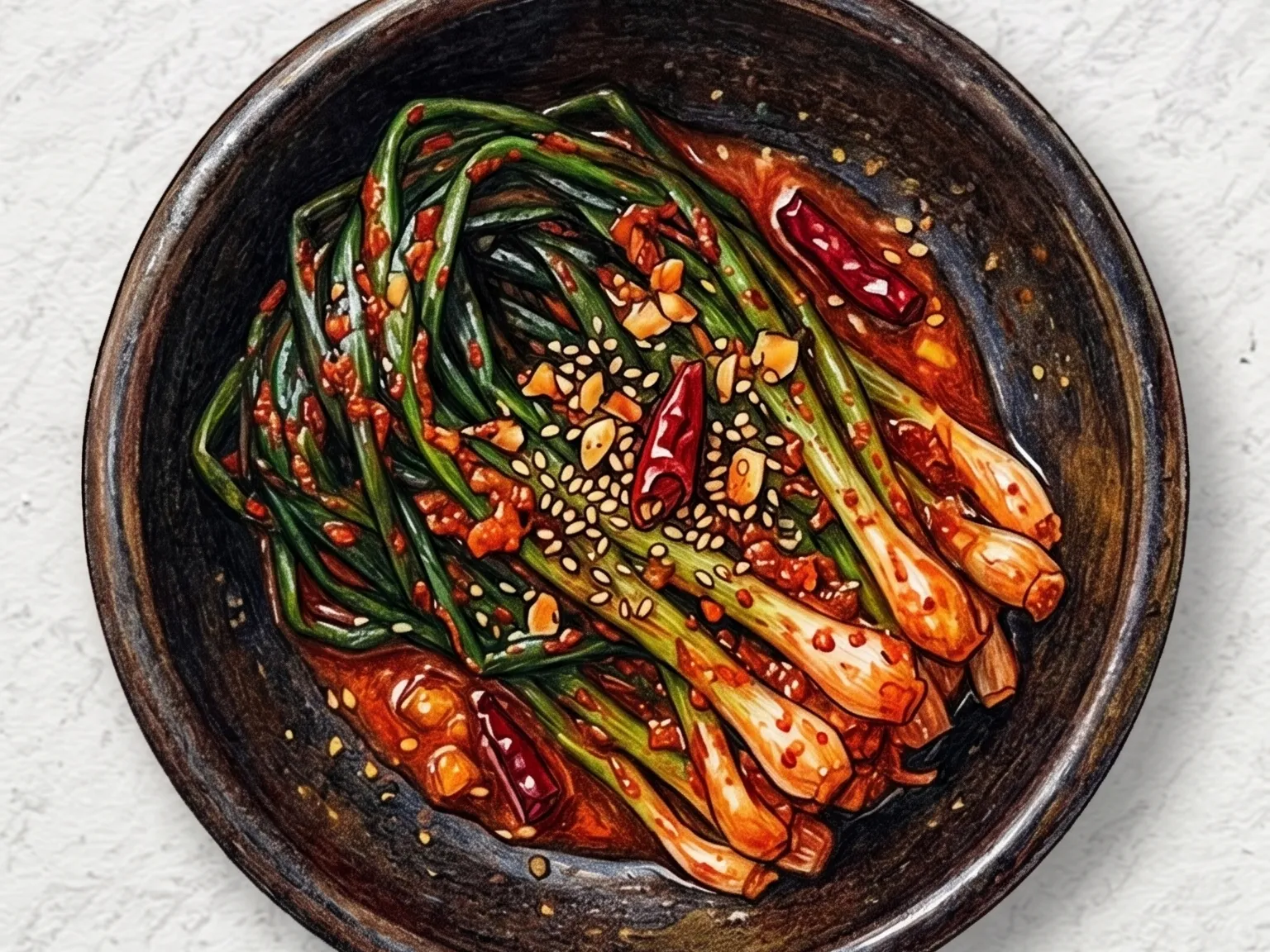
Korean Chive Kimchi (Spicy Garlic Chive Quick Kimchi)
Side dishesEasy

Korean Chive Kimchi (Spicy Garlic Chive Quick Kimchi)

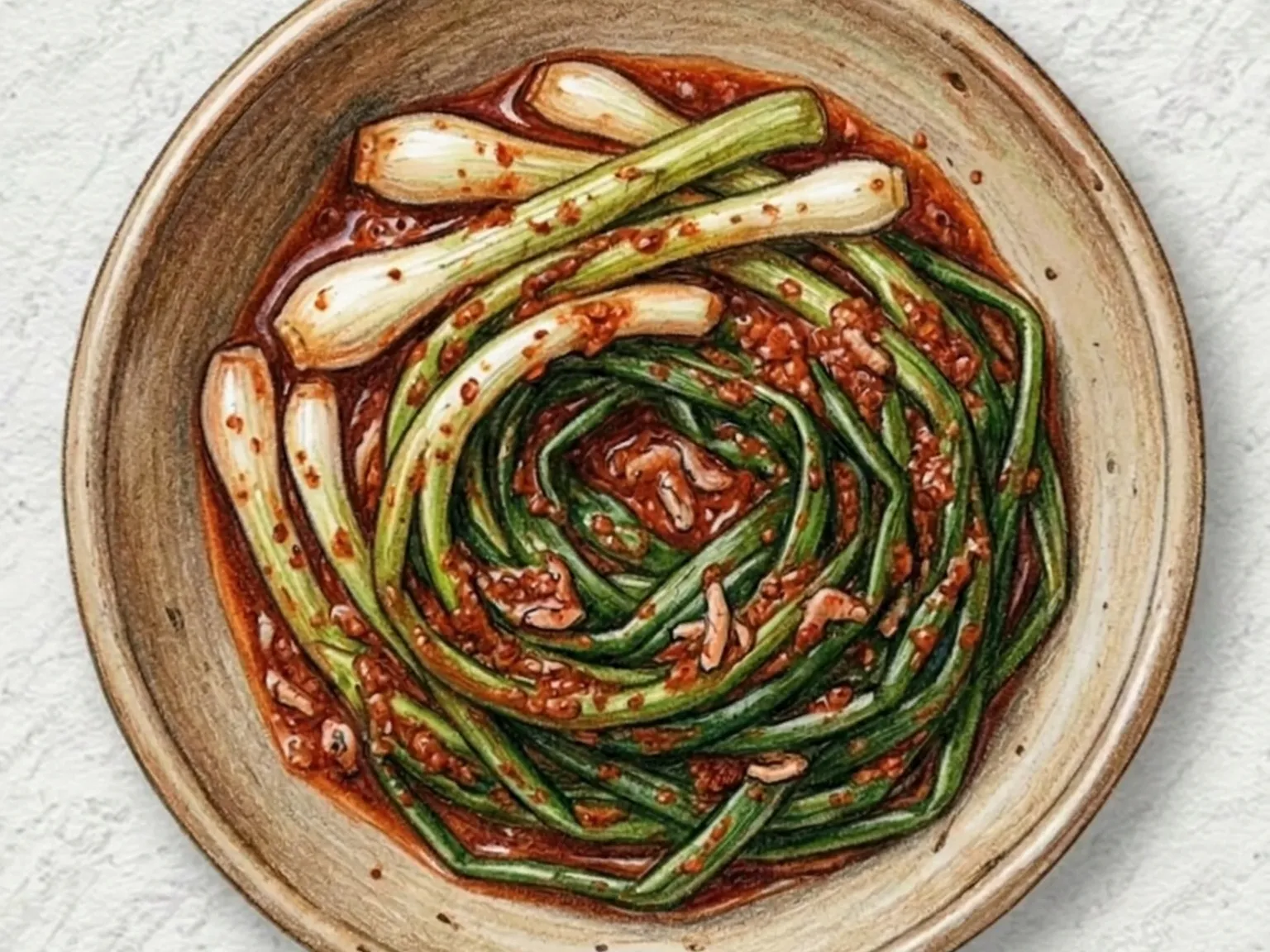
Buchu-kimchi is the fastest kimchi in the Korean repertoire - no salting, no fermentation, and no waiting. Garlic chives are cut to roughly five centimeters and tossed directly with gochugaru, anchovy fish sauce, minced garlic, and sugar. The fish sauce delivers the fermented, briny depth that normally takes days of lacto-fermentation to build, compressing the flavor arc into an immediate preparation. The chives' sharp, garlicky bite amplifies the red pepper heat and gives the finished kimchi an intensity that well-aged kimchi reaches through a different route. This style is particularly popular in Gyeongsang-do, where chives grow in abundance every spring. After a night in the refrigerator the seasoning permeates evenly and the flavor softens slightly, making it versatile enough to serve alongside grilled pork, noodles, or as a standard banchan.

🏠 Everyday🍱 Lunchbox
Prep 15min4 servings
Korean Monkfish Soup (Spicy Southern Coastal Fish Broth)
SoupsMedium

Korean Monkfish Soup (Spicy Southern Coastal Fish Broth)

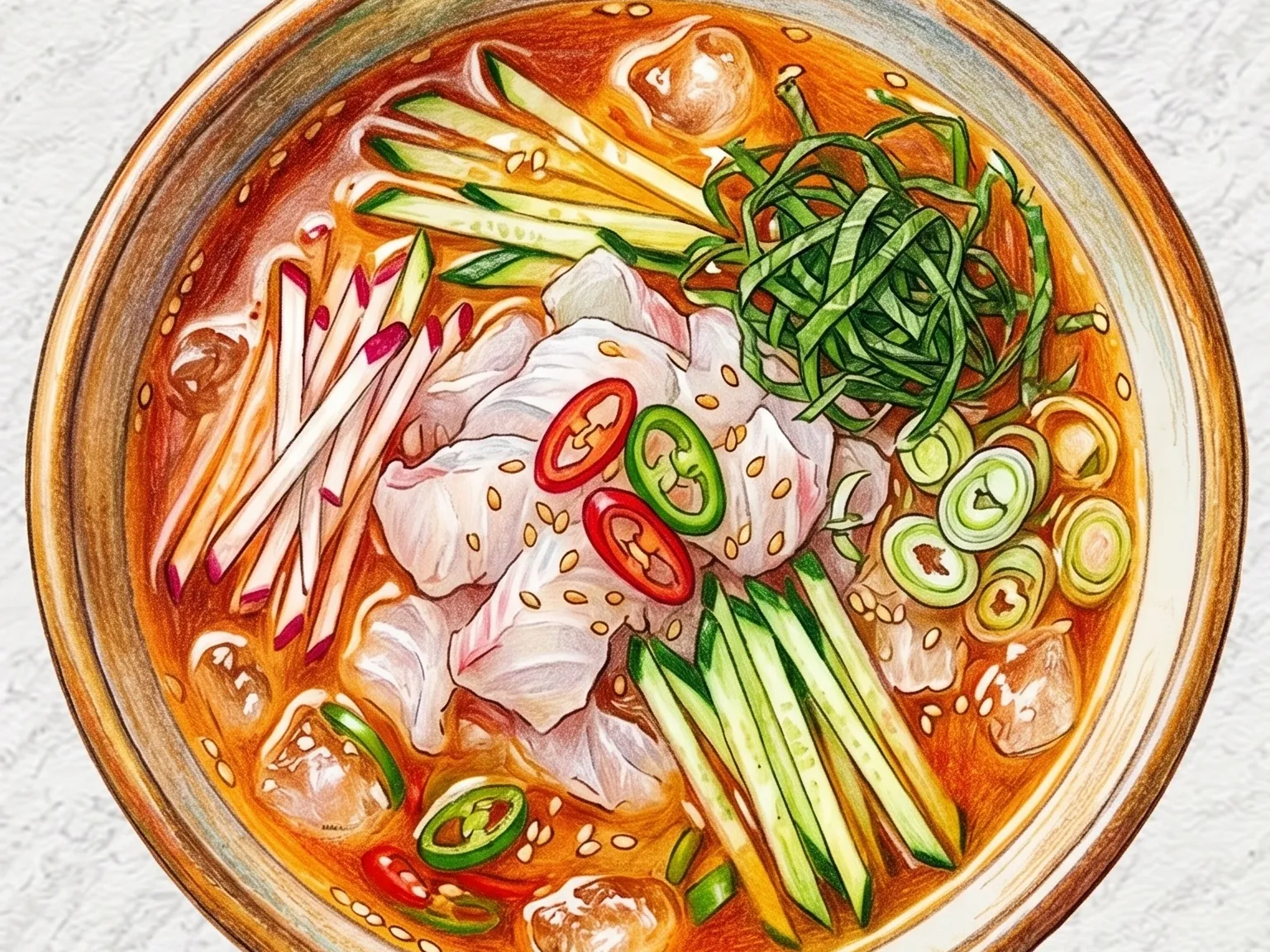
Agwi-tang is the soup form of Korea's monkfish repertoire, originating along the fishing villages of the southern coast where the fish - known as agwi or agu depending on dialect - is caught and sold fresh daily. Where braised preparations like agwi-jjim build intensity through reduction and heavy sauce, the tang prioritizes the broth. Anchovy stock is the base; radish simmers in it for eight minutes to release its sweetness before the monkfish enters. As the fish cooks gently over medium heat, its collagen dissolves into the liquid and gives it body. The monkfish flesh itself is mild and gelatinous, a texture unlike most white fish. Bean sprouts go in at the end to contribute crunch against the soft fish. Sliced green onion and a hit of gochugaru cloud the broth red and add spice. In coastal towns this was morning food - hangover soup served steaming at predawn markets to fishermen and dock workers before the day started.

🏠 Everyday
Prep 25minCook 35min2 servings
Korean Steamed Eggplant with Seasoning
SteamedEasy

Korean Steamed Eggplant with Seasoning

Steaming whole eggplants preserves the moisture trapped inside the purple skin, creating a silky and soft texture that sliced pieces cannot replicate. This traditional Korean side dish relies on the technique of tearing the cooked eggplant by hand along its natural grain rather than using a knife. The resulting irregular surface area allows the dressing of soy sauce, garlic, and red pepper flakes to cling effectively to every fiber. Sesame oil and toasted seeds contribute a nutty fragrance while sliced green onions provide a fresh finish to the light seasoning. Adding perilla powder increases the nuttiness, and incorporating canned tuna provides enough protein to serve the dish as a primary component of a meal. Adding minced cheongyang chilies into the sauce increases the heat for a spicier version. Since the preparation takes less than thirty minutes, it remains a common choice during hot summer months. The dish keeps its consistency well in the refrigerator for about twenty-four hours after cooling.

🏠 Everyday🍱 Lunchbox
Prep 10minCook 8min2 servings
Korean Napa Leaf & Tuna Stew
StewsEasy

Korean Napa Leaf & Tuna Stew

Blanched napa cabbage outer leaves and canned tuna come together in this doenjang-based stew. The ugeoji leaves have a rough, hearty texture that soaks up the salty richness of the tuna and fermented soybean paste. Tofu and onion round out the stew with mild sweetness, while gochugaru adds a gentle kick. Built on anchovy stock with garlic and green onion, this is a quick, home-style stew meant to be eaten over a bowl of steamed rice.

🏠 Everyday
Prep 15minCook 25min4 servings