Desserts Easy
No Bake Cookies
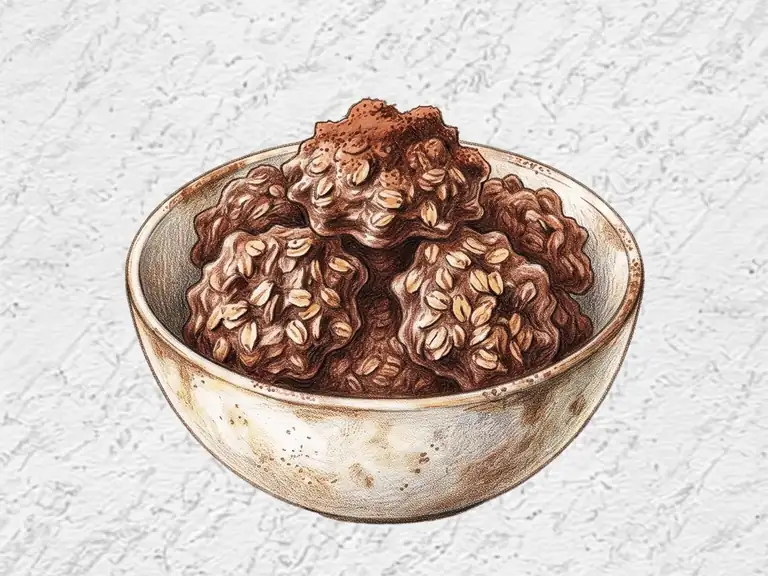
Quick-cooking oats are the ones to use: stirred into the hot syrup off the heat, they soften in the few minutes before the cookies set, and nothing is baked afterward.
At least 1 hr 20 min 36 servings
308 recipes. Page 7 of 13
As an Amazon Associate, we may earn from qualifying purchases.
Quick-cooking oats are the ones to use: stirred into the hot syrup off the heat, they soften in the few minutes before the cookies set, and nothing is baked afterward.
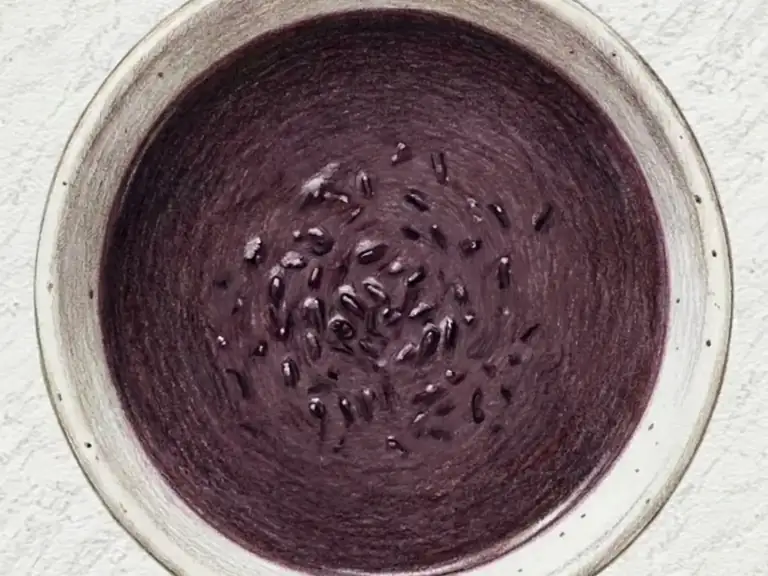
Black rice soaked for an hour and cooked until the grains collapse blends with milk into a latte that goes down smoothly despite being made from grain. Any hard centers left in the rice stay gritty however long the blender runs. For a cold glass, chilled milk takes the place of ice so the drink does not thin out.
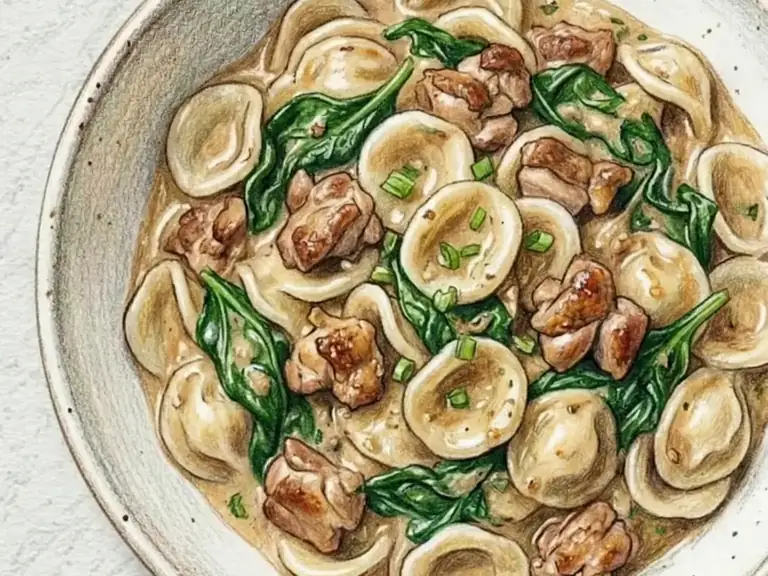
Ssamjang, the thick soybean-and-chili paste served with Korean lettuce wraps, gets whisked into milk instead of fried, which keeps its savory fermented flavor while softening its pasty edge. Browned chicken thigh, onion, and garlic give the sauce some sweetness underneath. Each ear-shaped orecchiette cups a little sauce, and spinach goes in only during the final minute or two so it stays green. Parmesan melts in once the burner is off.
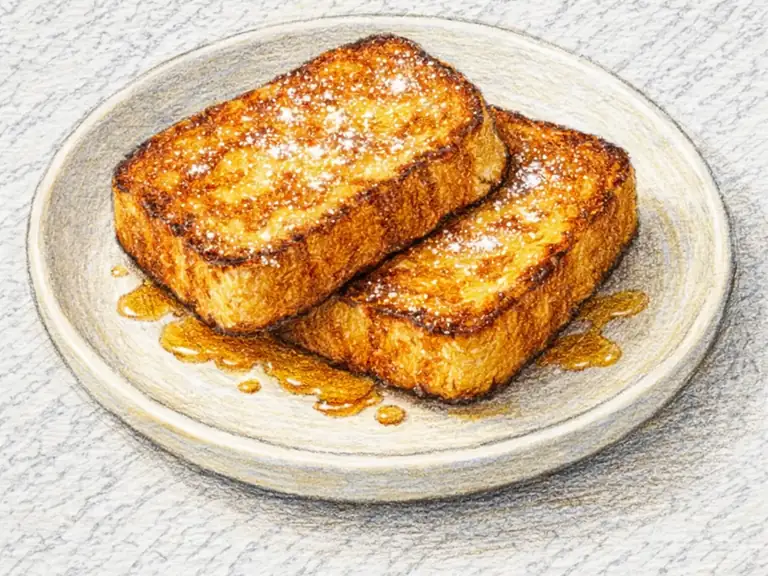
Thick slices of bread soak up a vanilla and cinnamon egg mixture, then brown slowly in butter until golden outside and soft in the middle. Day-old, slightly dry bread absorbs it more evenly, and medium-low heat with no pressing lets the center warm through before the outside darkens.
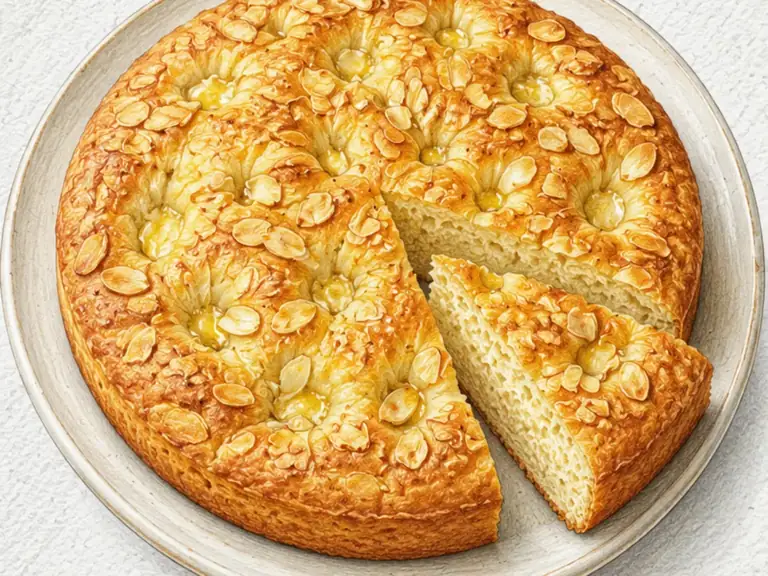
Soft yeasted dough is pressed into a sheet pan, dimpled with fingertips, and each dimple gets a nub of butter before a scattering of sliced almonds. In the oven the butter melts into little pools that caramelize at the edges, and the almonds toast to a crisp gold. The cake underneath stays soft like brioche without feeling heavy, the kind of slice served with afternoon coffee in northern Germany.
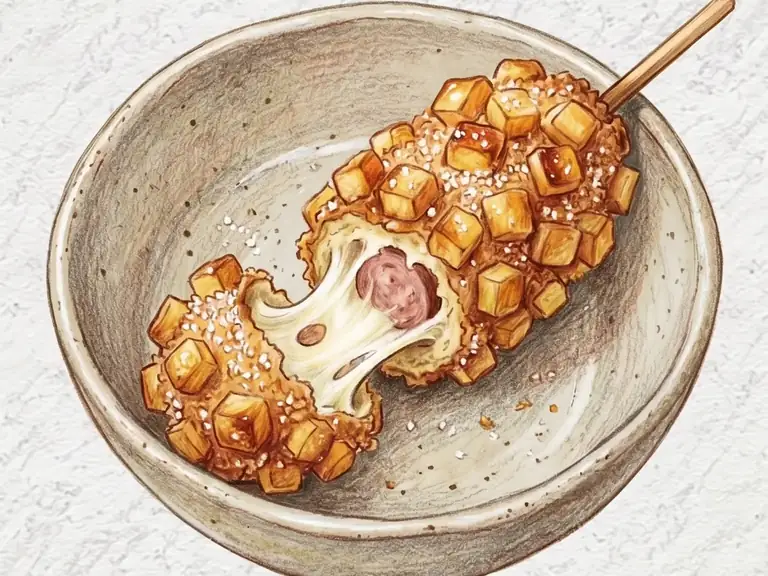
Half sausage and half mozzarella on one stick, so a bite at the seam gets salt and a long cheese pull at once. Cooked, cooled sweet potato cubes and breadcrumbs are pressed into the pancake batter before frying, leaving the outside knobbly and sweet in patches.
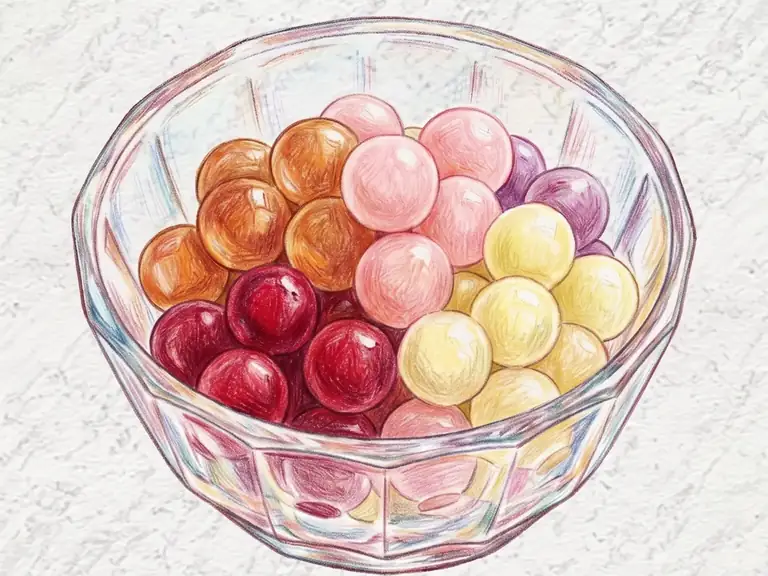
Drops of omija liquid hit freezer-cold oil and set at once into tiny frozen beads, each one carrying the tart-sweet taste of schisandra berry syrup. Half the juice stays a clear red, while the other half gets milk and yogurt powder for an opaque pink, so the bowl holds two colors and two flavors. A quick rinse in cold water after straining takes away the oily film that would otherwise coat the tongue.
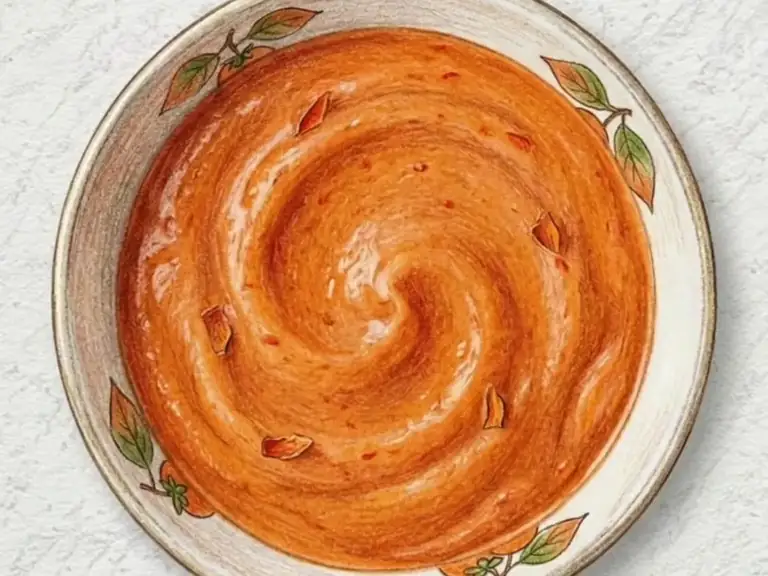
Persimmons gone soft as jelly blend into something closer to jam than juice. An astringent variety that is not fully ripe leaves a dry, puckering feel in the mouth, and only completely soft fruit goes in.
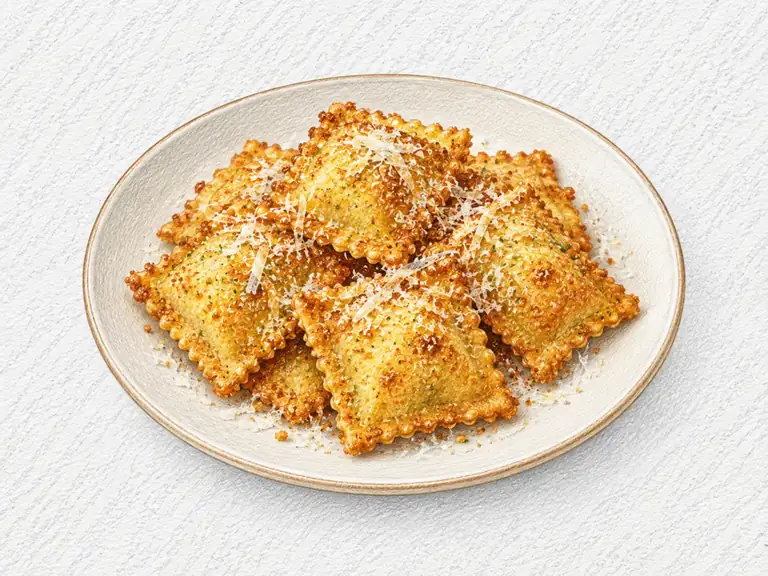
The filling is already sealed inside small refrigerated cheese ravioli, and the real work is the breadcrumb coating and the frying. Fine dry crumbs settle around the seams more evenly than coarse flakes, and letting excess egg wash drip away keeps the coating from sliding off in the oil. Pieces that puff and start to split at the seams have steam building inside and come out promptly. Tomato sauce stays in its own bowl for dipping, since pouring it over softens the crust right away.
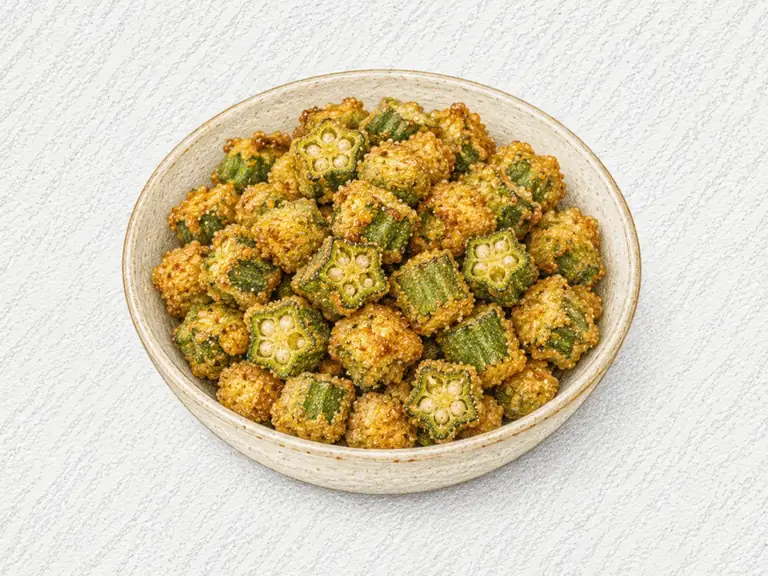
Bite-size rounds of okra take an egg-and-milk dip and a flour and cornmeal coat, then fry to a deep gold in small batches so each piece gets its own thin crust. The pods are washed and dried whole before slicing, and the slime on the cut faces is left alone rather than rinsed off again. They come to the table plain, without a dipping sauce.
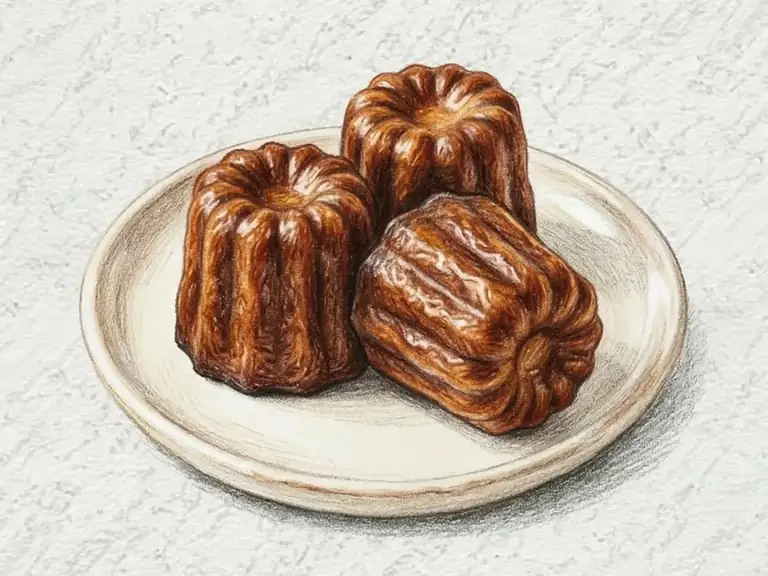
A thin, deep caramel-colored crust crackles when bitten, giving way to a soft custard center scented with vanilla and dark rum. This is a bake to plan ahead: batter for these small Bordeaux cakes needs at least a full day of resting in the fridge.
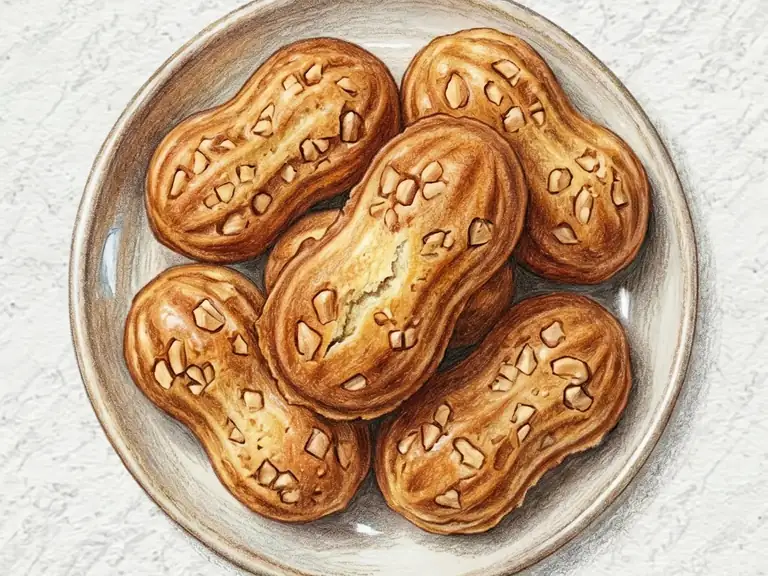
Coarsely chopped roasted peanuts crunch through a soft, buttery crumb in these mold-baked street cakes. Grinding the peanuts too fine keeps the nutty flavor but loses the crunch. They stay chunky, with a few pieces set on top for looks.
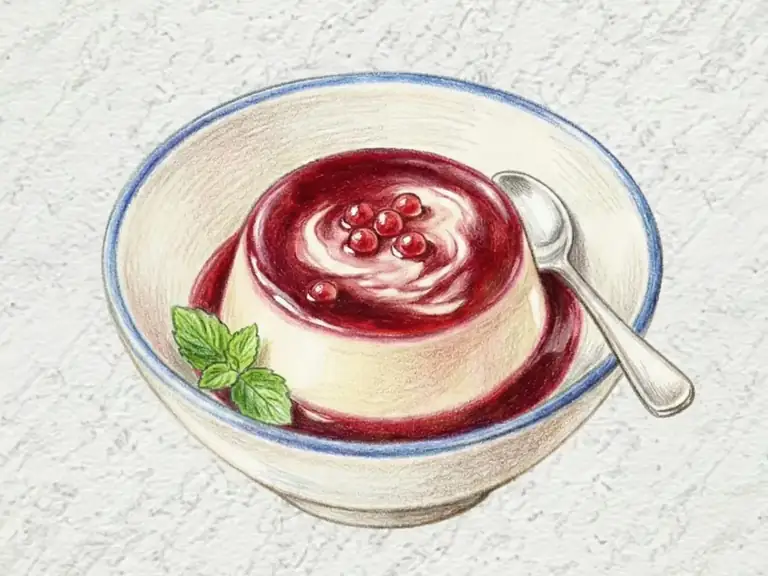
Cream and milk are set softly with sheet gelatin, then topped with a red sauce of omija syrup and lemon juice and a few berries. The sauce goes on only after the panna cotta has fully set, which keeps it from bleeding into the cream and leaves a clean red layer.
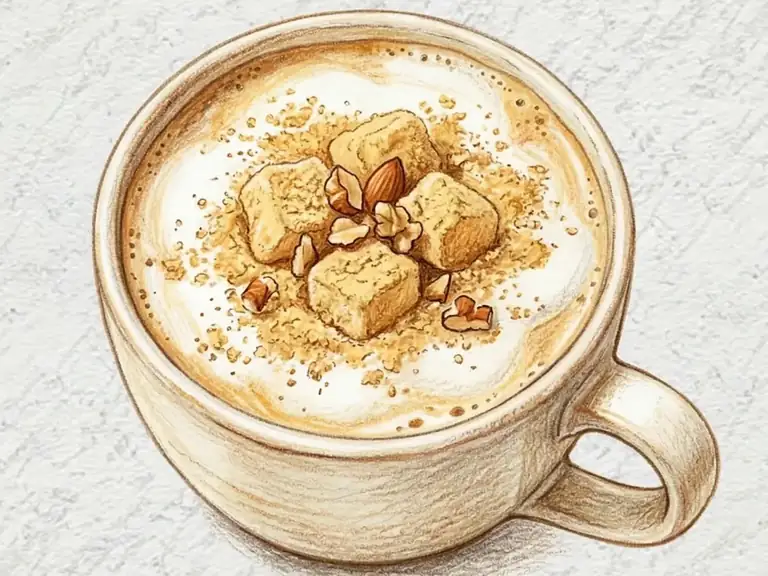
The roasted soybean powder that coats injeolmi rice cakes dissolves into milk for a nutty dessert drink. Roasting matters: raw soybean powder has a sharp, grassy smell, while roasted powder tastes like toasted grain.
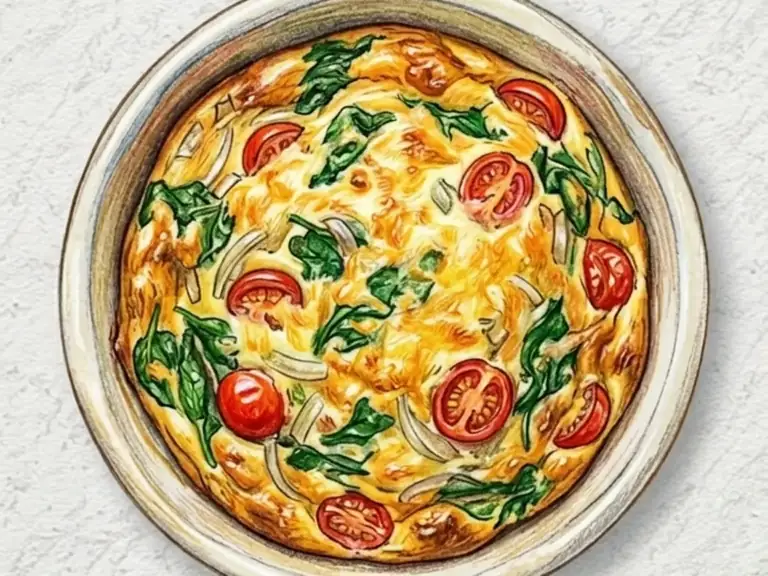
With eight eggs the frittata is thick: the edges set on the stovetop, and the oven finishes the center without scorching the base. Shake excess water off the spinach, or it thins the eggs, and beat them gently: lots of air bubbles leave a coarse texture when sliced. The center is ready when a light press springs back. Leftover wedges work cold as a sandwich filling.
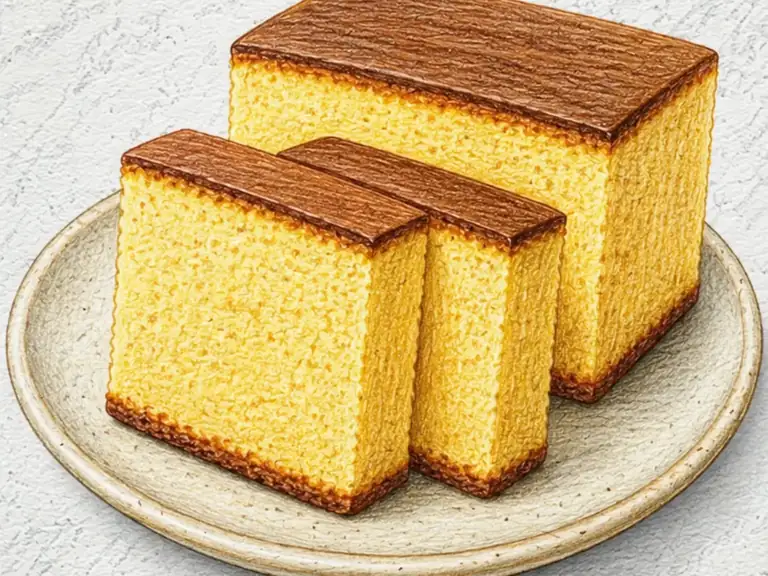
Portuguese missionaries brought this sponge to Nagasaki in the 16th century, and Japan turned it into a cake of its own. There is no baking powder: the rise comes entirely from eggs whipped for a long time, which gives a fine, even crumb that springs back slowly when pressed.
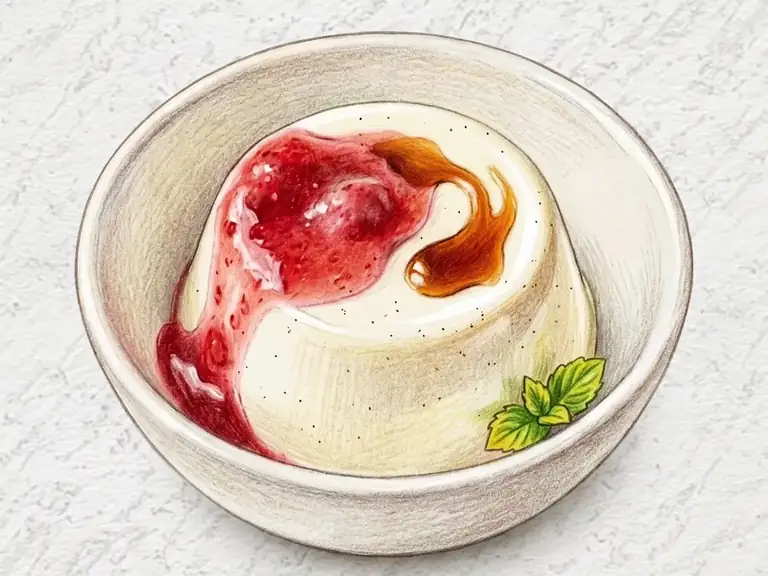
With 400ml of cream to only 120ml of milk, this panna cotta still trembles when nudged with a spoon after it sets, and melts almost as soon as it is in your mouth. The stove work takes a few minutes; the rest is at least four hours of waiting in the fridge. Thinly sliced strawberries go on top.
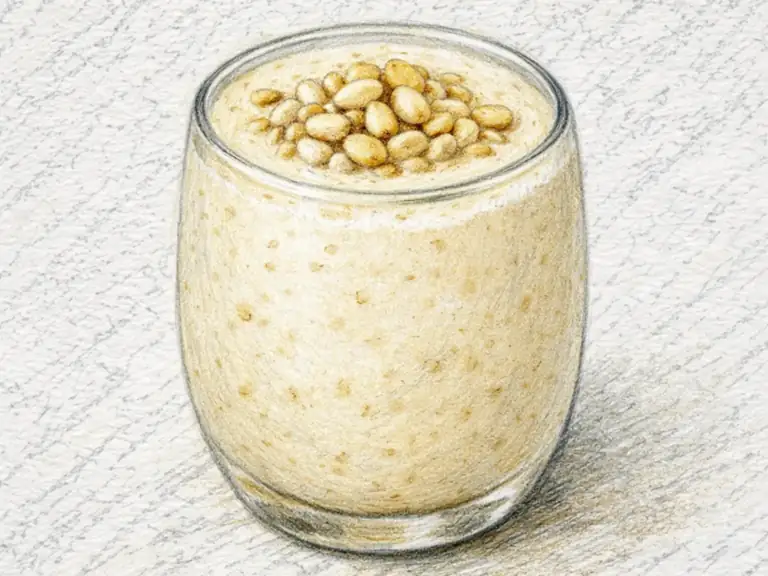
Job's tears need two hours of soaking and enough boiling to crush easily between the fingers. Undercooked grains leave grit that no amount of blending removes. Pine nuts, rich in oil, emulsify with the milk as they blend and give the shake its heavy, creamy body.
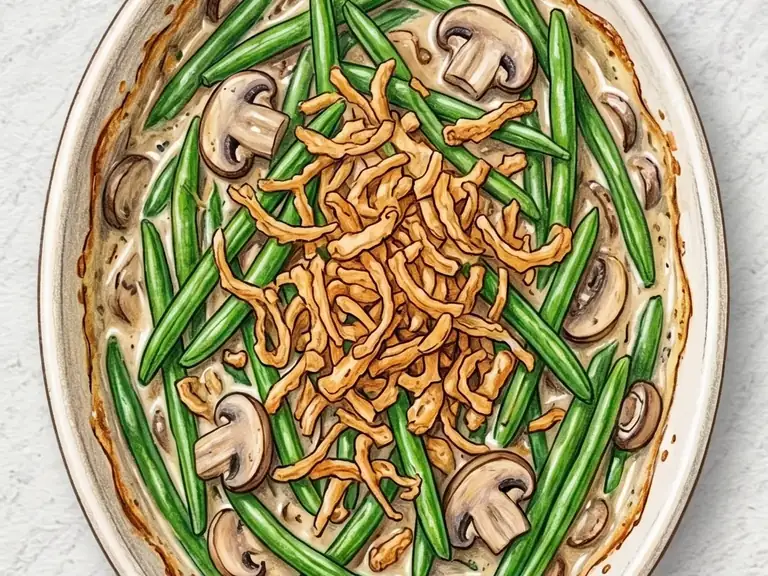
Snappy green beans, a soft mushroom cream sauce, and a crunchy fried onion topping give this American casserole three textures in one dish. The beans get just three minutes in boiling water and a cold rinse, leaving the oven to finish them. The fried onions wait until near the end of baking, since at the start they would lose their crunch.
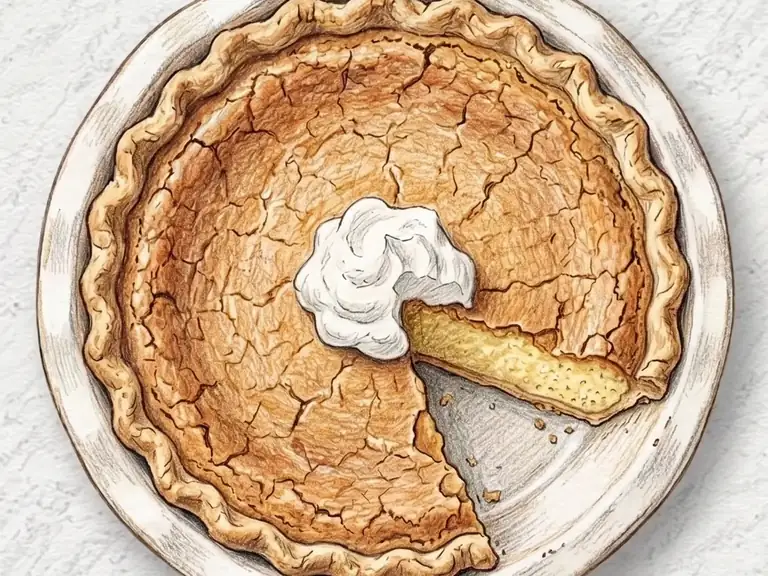
Sugar, butter and eggs make up nearly all of the filling in this Southern pie, yet the oven turns them into two textures: a thin, crackly top over a dense, caramel-tasting custard. As it cools the center firms to an almost fudge-like density, and it comes to the table at room temperature with a little unsweetened whipped cream.
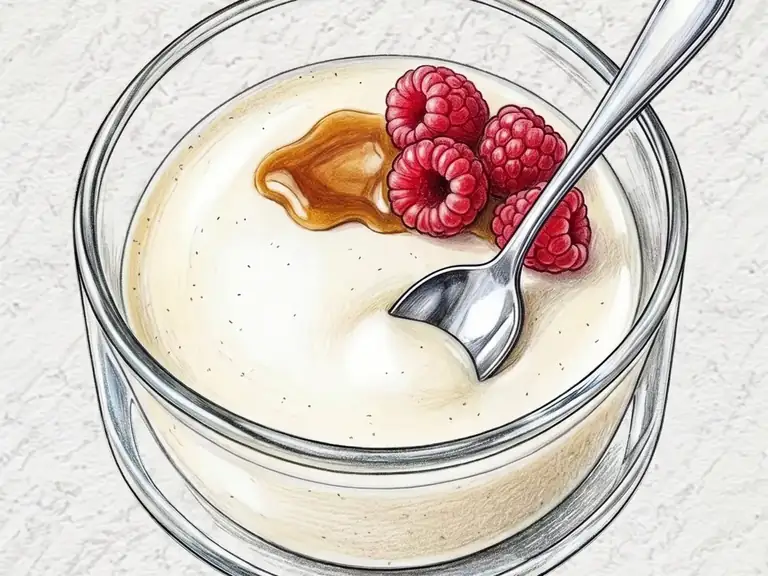
Set with powdered gelatin, this vanilla panna cotta holds its shape when turned out onto a plate while the center still shivers. The sugar is kept modest, so vanilla and dairy come through clean. To unmold, only the base of each cup goes briefly into warm water rather than warming the whole thing.
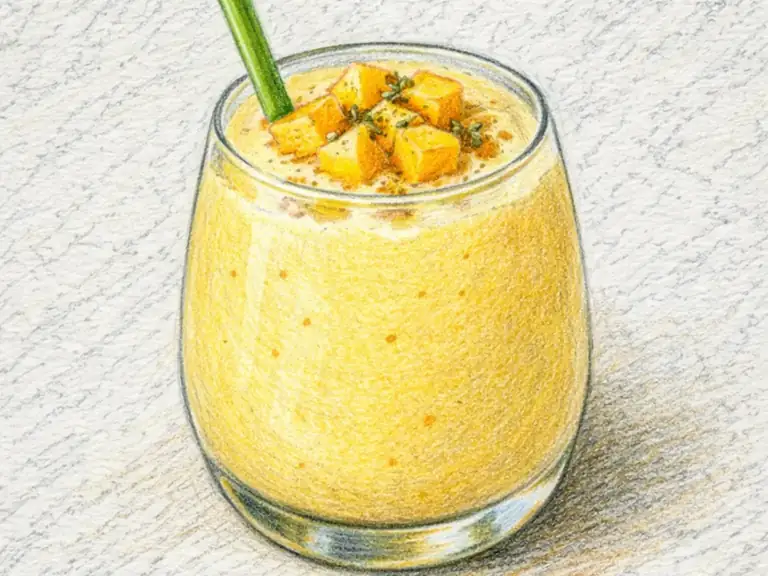
Chill everything first. Mango pieces kept in the fridge, cold yogurt, and cold milk give a thick, cold lassi with only a little ice, so the drink doesn't get watered down. Pour the yogurt and milk in before the fruit so the liquid covers the blade and everything blends evenly. Taste the mango before adding honey, since a very sweet one needs less, and keep the quarter teaspoon of cardamom: it is what separates a lassi from a mango smoothie. It's ready when no bits remain and it lightly coats a spoon; thin it with a splash of milk if needed and pour into chilled glasses right away.
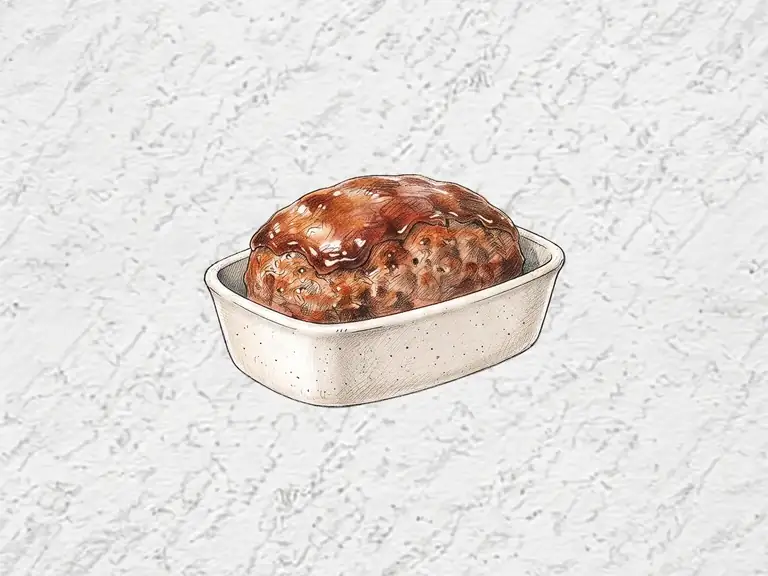
The ham is already cooked but the ground pork is raw, which is why doneness is judged by the pork: 71°C (160°F) in the center. When you press the mixture into the pan, dome it slightly and leave a little space along the sides so the glaze coats the whole loaf instead of pooling.
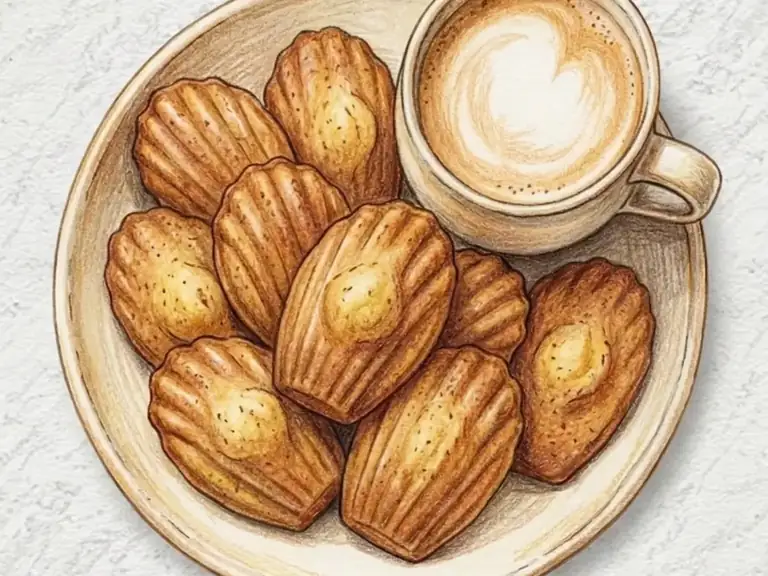
Added in a lump, chestnut paste leaves dense streaks through the crumb, so it is loosened with a little milk first and then mixed evenly through the batter. Any bite of the moist center tastes of chestnut and honey. The batter is chilled before baking, and when it meets a hot oven the middle shoots up into the signature hump.