Recipes with onion

706 recipes. Page 23 of 30

Buy onion
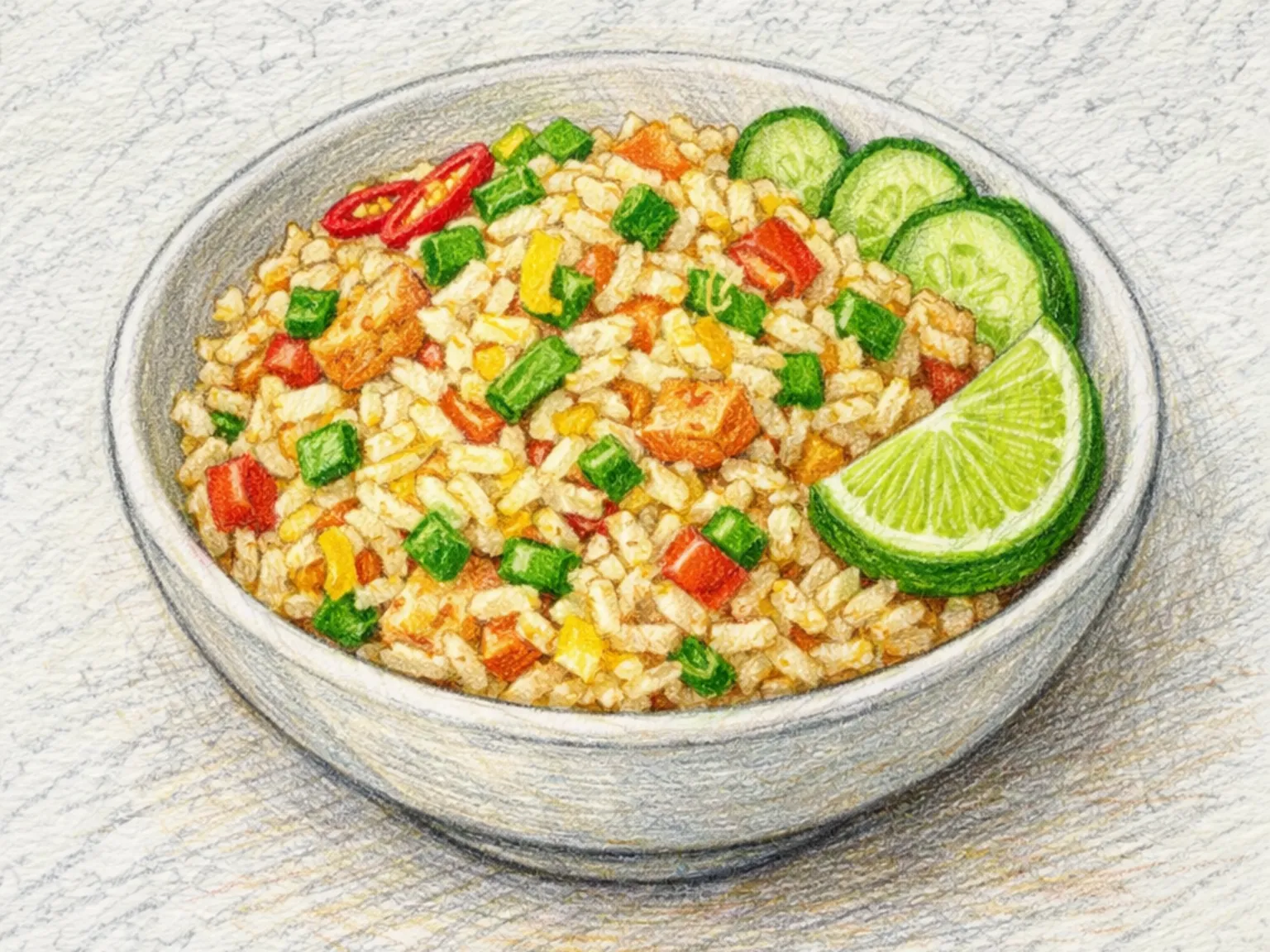
Korean Soft Tofu Stew Rice Bowl
Rice Easy

Korean Soft Tofu Stew Rice Bowl

Fiery soft-tofu stew is cooked until bubbling and poured directly over a bowl of rice so the spicy broth seeps into every grain. The silky tofu breaks apart gently, creating pockets of creamy texture within the chili-laced soup. Cracking a raw egg into the simmering pot softens the heat and adds body to the broth. Variations with shrimp, clams, or pork each shift the base flavor in a different direction, making this a versatile single-bowl meal. Serving it soon after cooking keeps the intended texture clearer, while brief resting lets the sauce or broth settle into the dish.

🏠 Everyday ⚡ Quick
Prep 10min Cook 15min 1 servings
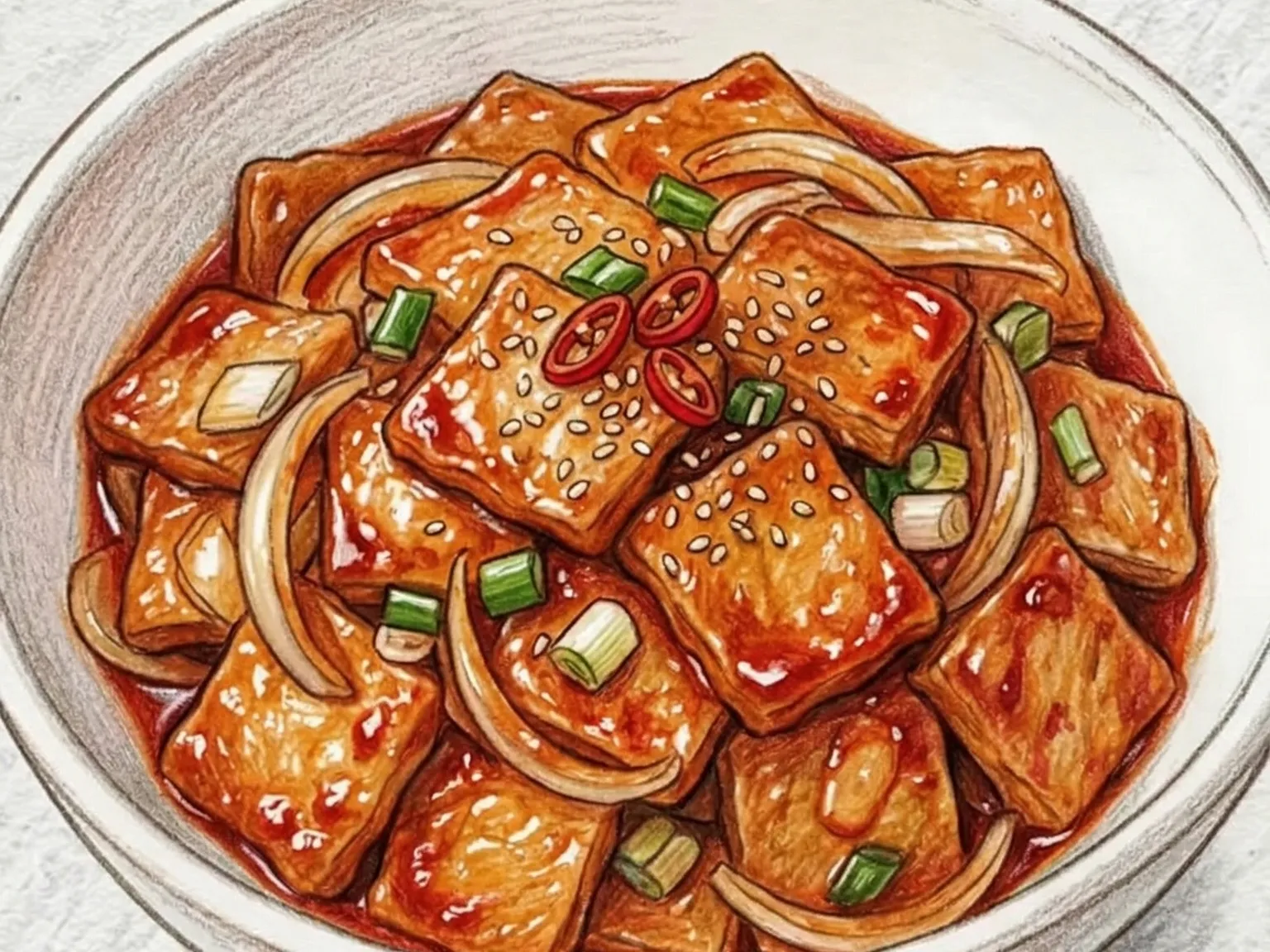
Korean Stir-fried Bracken Fern
Stir-fry Medium

Korean Stir-fried Bracken Fern

Gosari-bokkeum is a classic Korean side dish of rehydrated bracken fern stir-fried with soy sauce, minced garlic, and perilla oil. The fern absorbs the nutty perilla aroma during cooking, while soy sauce layers in a deep, earthy savoriness. Its texture stays tender with a slight bite, making it easy to eat alongside other dishes. Gosari-bokkeum is a staple component of bibimbap and appears on nearly every Korean holiday table as one of the essential namul dishes. It is often paired with other seasonal greens like wild garlic or chamnamul to round out a traditional spread.

🏠 Everyday 🎉 Special Occasion
Prep 12min Cook 10min 2 servings
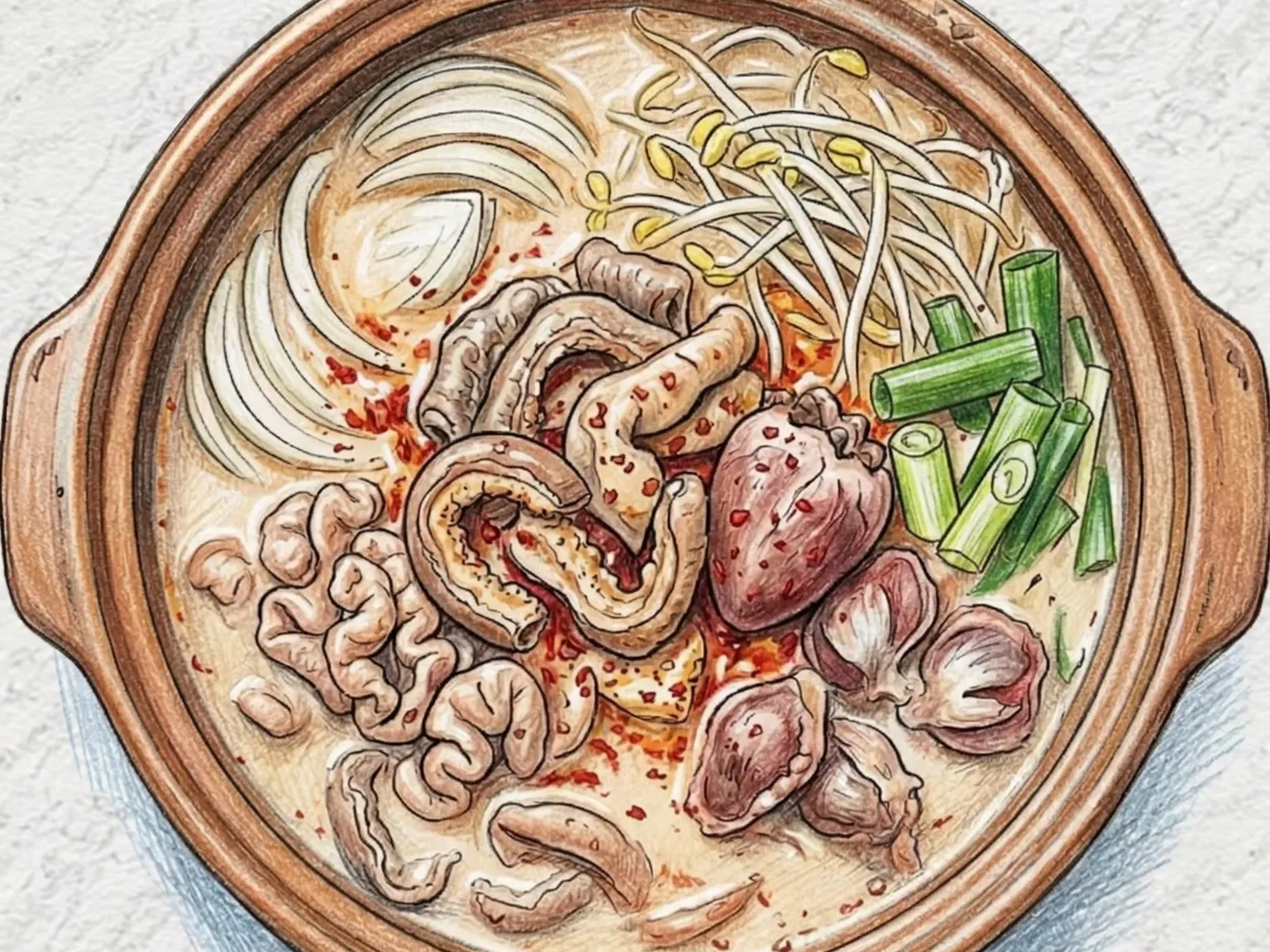
Korean Sea Squirt Stew (Pop-and-Burst Seafood Broth)
Stews Medium

Korean Sea Squirt Stew (Pop-and-Burst Seafood Broth)

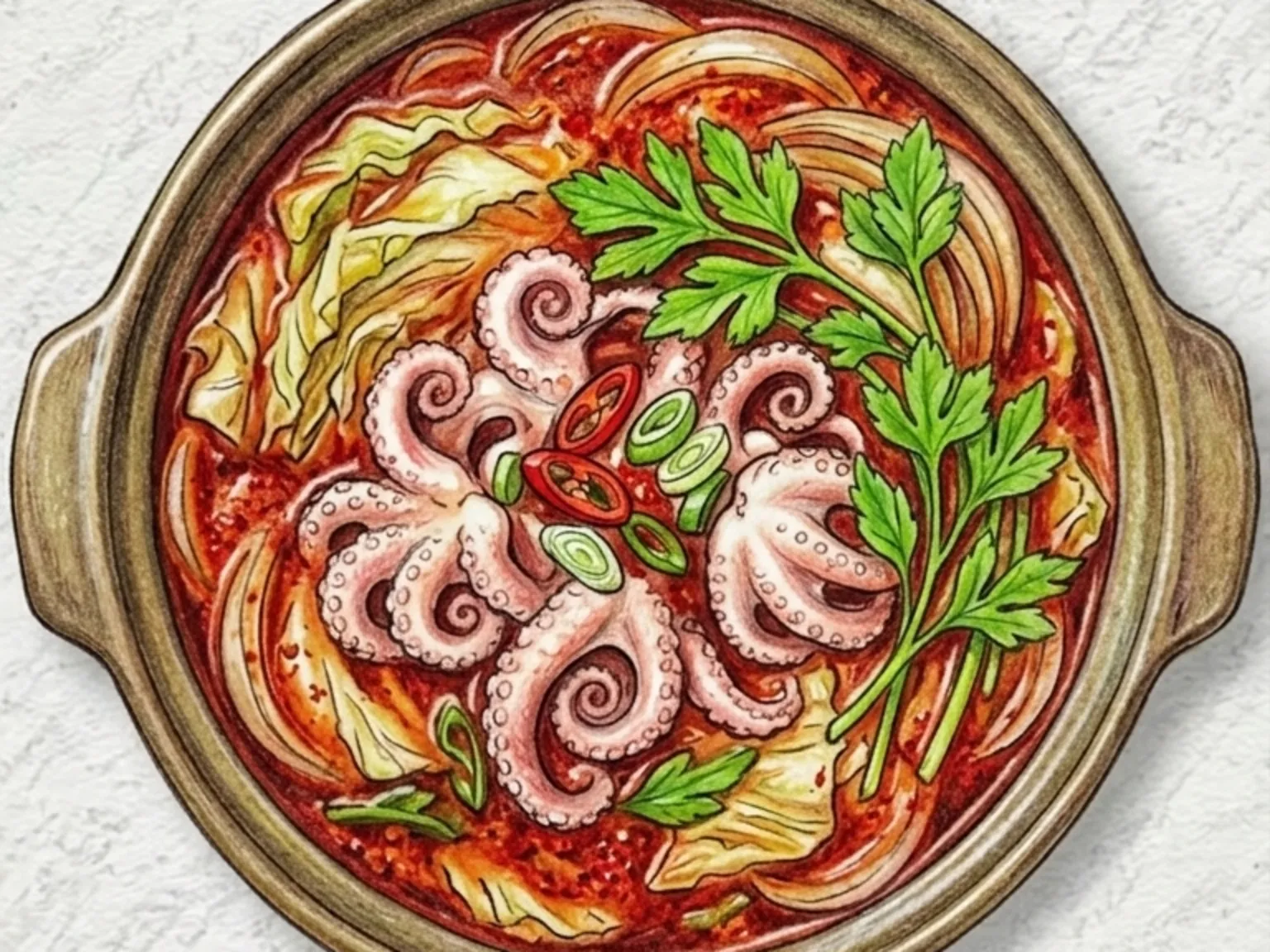
Mideodeok-jjigae is a traditional Korean seafood stew characterized by its spicy broth and its central ingredient, the sea squirt. This coastal dish is widely recognized for the specific way the sea squirts pop when they are bitten, a sensation that is paired with an intense aroma reminiscent of the ocean. When an individual bites into a sea squirt, the outer skin breaks to release a concentrated internal liquid that carries a saline and savory marine flavor that is distinct from any other type of seafood. The cooking process starts with the creation of an anchovy stock which serves as the fundamental liquid base for the dish. Slices of Korean radish, zucchini, and white onion are placed into this stock and cooked until they become tender and translucent. It is important to wait until the very end of the cooking process to add the sea squirts to the pot. If the sea squirts are boiled for too long, their internal sacs will eventually collapse and lose their structure, which leads to a loss of the desired texture. The seasoning of the stew involves the use of gochugaru and soup soy sauce, which together create a heat that is both spicy and clean. Minced garlic and sliced green onions are also incorporated to add further complexity and a rounded depth to the final broth. After the sea squirts are added and the liquid returns to a boil, the cooking should be completed within a five-minute window to ensure the ingredients remain firm and elastic. Mideodeok that is harvested during the peak season of April and May will produce a broth that is notably more fragrant and flavorful than at other times of the year. People who enjoy the strong and bold flavors associated with the sea often find that this stew leaves a lasting impression.

🏠 Everyday
Prep 15min Cook 20min 2 servings
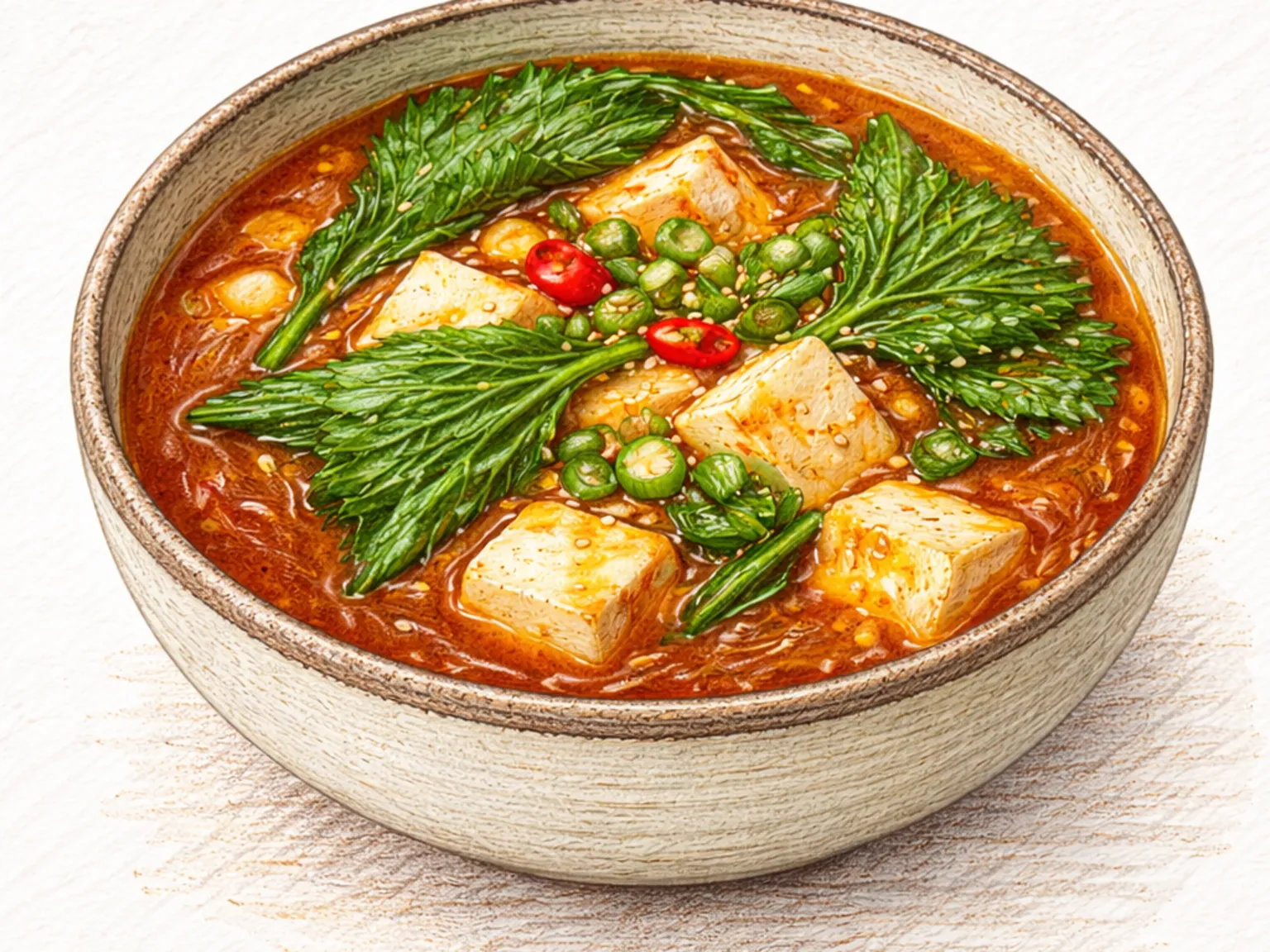
Korean Samgyeopsal Ganjang Jorim (Soy-Braised Pork Belly)
Steamed Medium

Korean Samgyeopsal Ganjang Jorim (Soy-Braised Pork Belly)

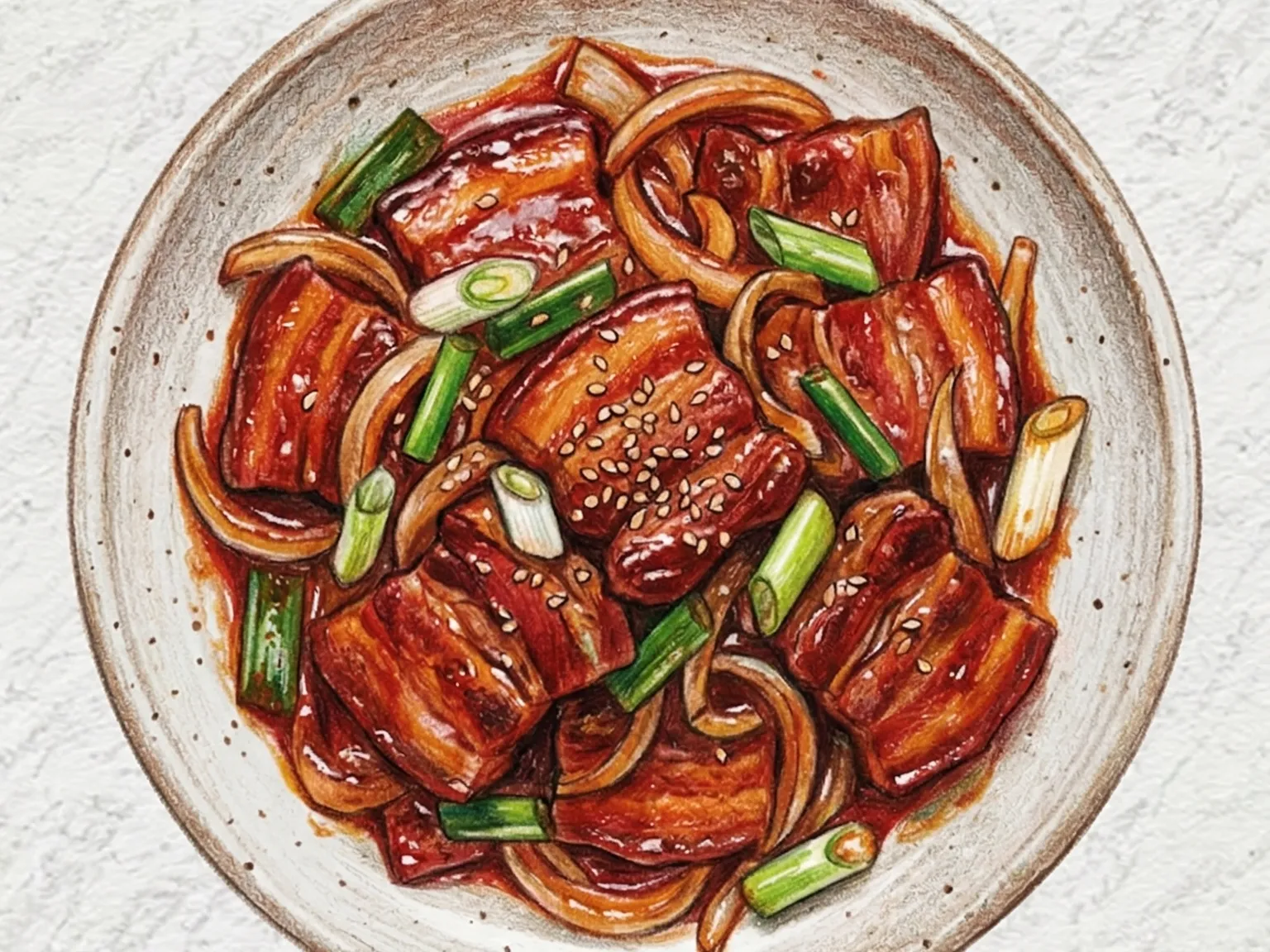
Samgyeopsal ganjang jorim is a Korean soy-braised pork belly dish where blanched pork belly is simmered with radish and onion in a soy sauce base for over forty-five minutes. Blanching first removes impurities and excess fat, leaving a clean-tasting braise. The long simmer allows soy sauce to penetrate the layered pork, building a deep flavor that is savory without being greasy. Radish chunks absorb the pork-enriched liquid and develop a richness of their own, while oligosaccharide syrup lends a natural sheen. Cooling and reheating concentrates the seasoning further, making this a strong choice for gatherings or holiday meals.

🏠 Everyday 🎉 Special Occasion
Prep 20min Cook 55min 4 servings
Flammkuchen (Alsatian Crème Fraîche Flatbread)
Western Medium

Flammkuchen (Alsatian Crème Fraîche Flatbread)

Flammkuchen is a traditional flatbread from Alsace, the border region between France and Germany. The dough is rolled paper-thin and spread with a layer of creme fraiche, then topped with thinly sliced onions and lardons before going into a blazing hot oven. The extreme heat crisps the dough edges to a char while the center stays just pliable enough to fold. Creme fraiche reduces under the heat into a concentrated, tangy cream that replaces the cheese found on pizza - indeed, traditional Flammkuchen uses no cheese at all. The onions soften and caramelize in the oven, releasing sweetness that balances the salt and smoke of the bacon. In Alsace, it is traditionally eaten during the autumn grape harvest with glasses of new wine, torn apart by hand at communal tables rather than sliced with a knife.

🍺 Bar Snacks 🎉 Special Occasion
Prep 20min Cook 12min 2 servings
Palak Paneer (Indian Spinach Curry with Paneer Cheese)
Asian Medium

Palak Paneer (Indian Spinach Curry with Paneer Cheese)

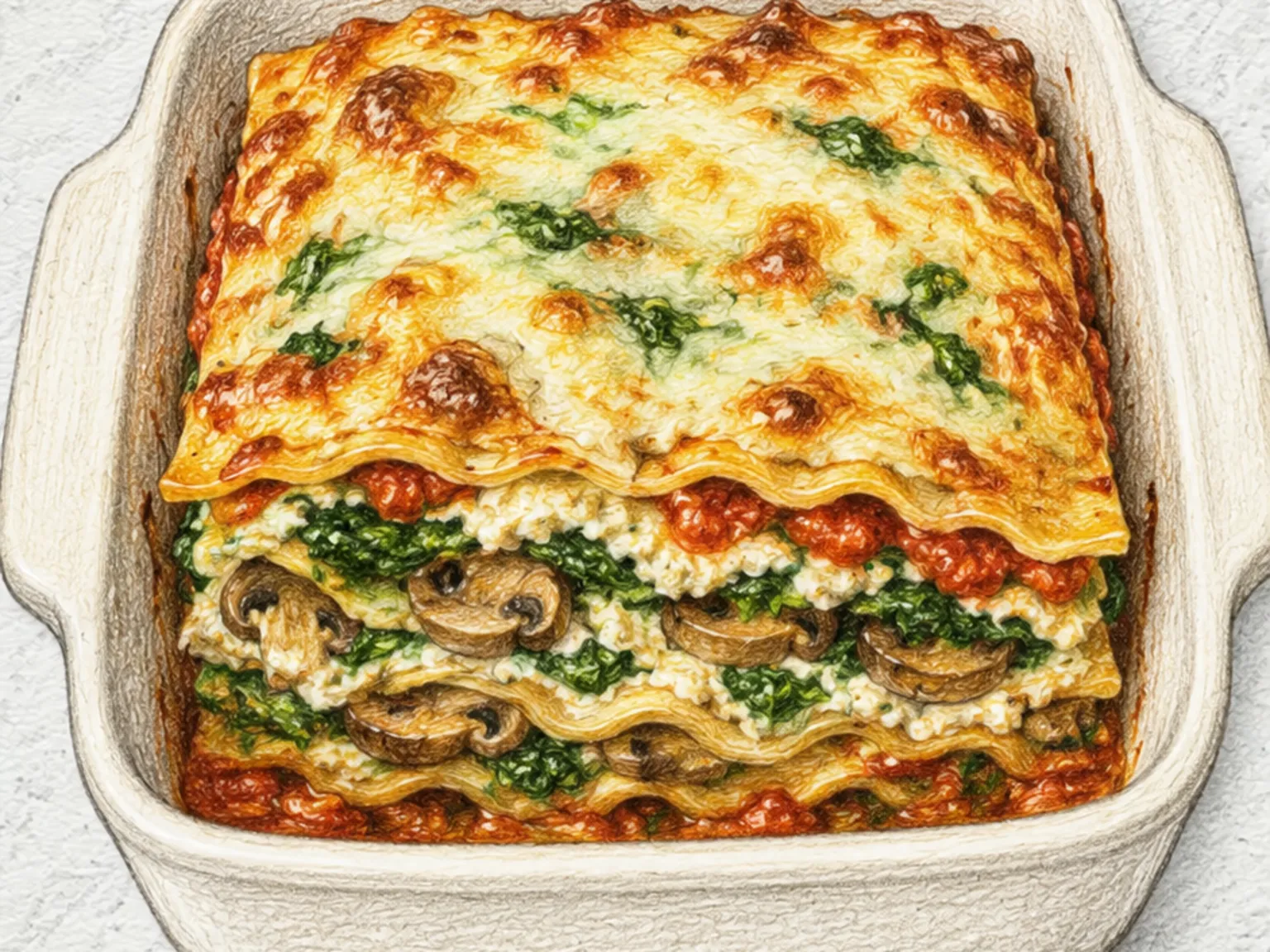
Palak paneer is one of North India's most beloved vegetarian curries, pairing a bright spinach puree with cubes of mild, milky paneer cheese. Fresh spinach is blanched briefly and blended into a green sauce, combined with a base of sauteed onions, garlic, ginger, and tomatoes seasoned with garam masala. The paneer cubes are typically pan-seared first to form a light skin that holds their shape in the sauce while the interior stays soft and creamy. A swirl of heavy cream at the end rounds out the flavors, blending the earthy depth of spinach with warm spice and dairy richness.

🎉 Special Occasion
Prep 20min Cook 25min 2 servings
Korean Truffle Mushroom Pot Rice
Rice Medium

Korean Truffle Mushroom Pot Rice

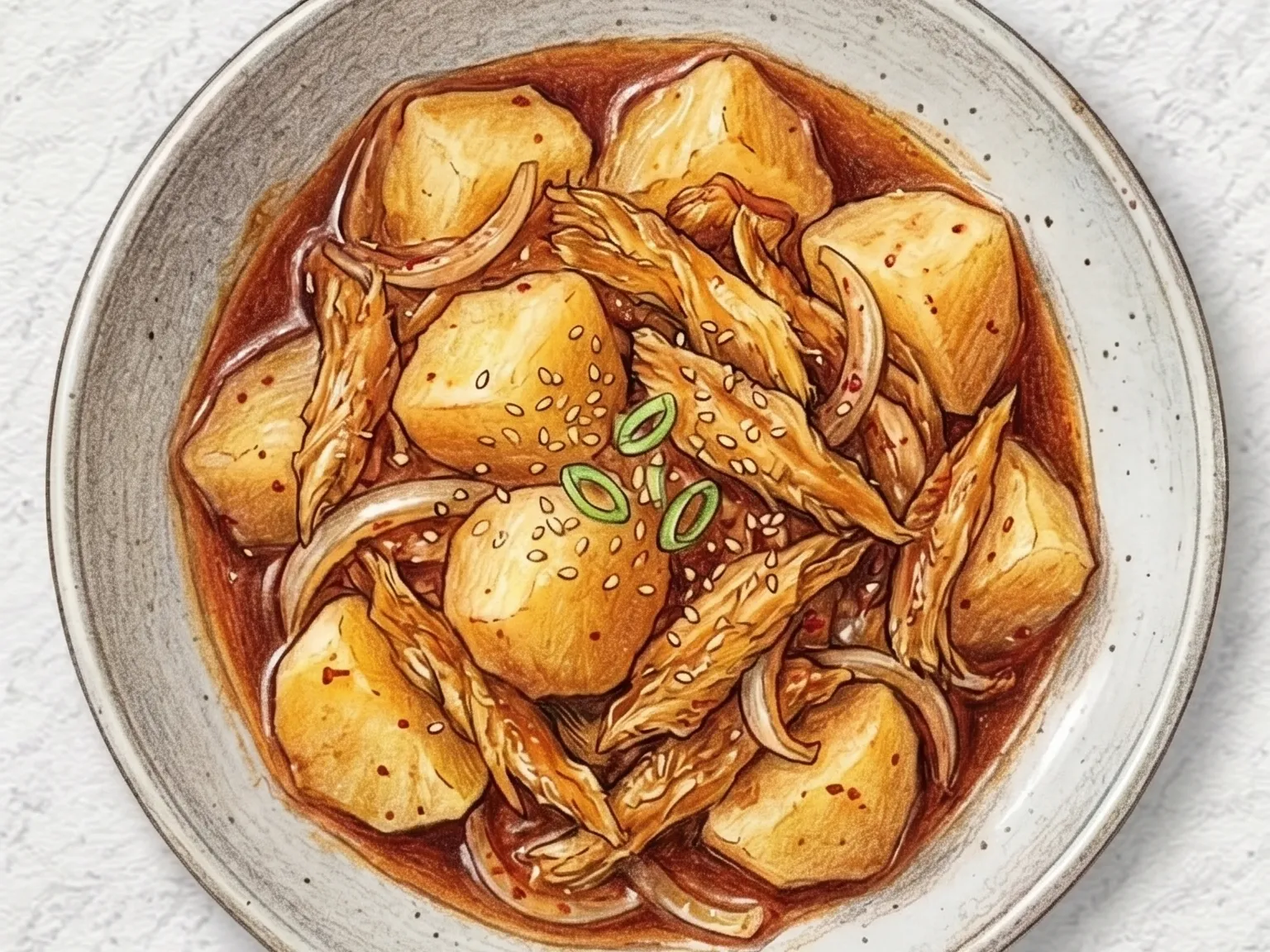
Shiitake and king oyster mushrooms are generously added to a pot of rice and cooked so their released moisture and earthy fragrance infuse every grain. The shiitake stays chewy while thick-sliced king oyster offers a meaty, substantial bite. Once the rice is done, a few drops of truffle oil are drizzled over the top, layering the mushrooms' natural earthiness with the truffle's deep, aromatic intensity. Mixing in a soy-seasoned sauce adds a salty edge that brings the whole bowl into balance. Controlling resting time and grain texture helps the ingredients cook evenly while keeping the final seasoning balanced.

🎉 Special Occasion
Prep 20min Cook 30min 4 servings
Korean Oyster Water Parsley Stir-fry
Stir-fry Easy

Korean Oyster Water Parsley Stir-fry

Gul-minari-bokkeum is a quick stir-fry of plump raw oysters and fragrant water parsley (minari) seasoned with gochugaru and light soy sauce over high heat. The oysters cook only until they just firm around the edges, retaining their briny interior juices while contracting slightly, and the minari stays crisp with its herbal freshness intact. The salty, sweet umami of the oysters meets the clean grassy quality of the minari, and the two flavors balance without either overpowering the other. Winter is the prime season for this dish, when cold-water oysters reach peak plumpness and flavor. Cooking the oysters too long drives out their moisture and makes them rubbery, so the stir-fry must stay brief.

🍺 Bar Snacks 🏠 Everyday
Prep 15min Cook 8min 2 servings
Korean Minari Doenjang Stew
Stews Easy

Korean Minari Doenjang Stew

This variation of doenjang jjigae adds a generous amount of water parsley (minari) to the classic soybean paste stew. Firm tofu, potato, and onion simmer in anchovy-kelp stock with doenjang, building an earthy, deeply fermented base. The minari goes in near the end to preserve its crisp texture and peppery herbaceous aroma. A half tablespoon of chili flakes rounds out the flavor with mild warmth. Minari's grassy, herb-like character layers naturally against doenjang's fermented depth, turning a familiar stew into a seasonal variation worth returning to throughout the year.

🏠 Everyday ⚡ Quick
Prep 12min Cook 18min 2 servings
Korean Braised Beef Shank
Steamed Hard

Korean Braised Beef Shank

Satae jjim is a Korean braised beef shank dish that begins with soaking the meat in cold water to draw out blood before any heat is applied. The shank is then simmered slowly with aromatics for well over two hours, a duration that is not optional but essential. Shank is dense with connective tissue that turns unpleasantly tough under short, high heat, but extended low heat dissolves that tissue entirely, leaving the beef soft enough to pull apart along its grain with minimal effort. Soy sauce and sugar build a deeply savory-sweet braising liquid that penetrates the meat as it cooks, glazing the exterior with a dark, lacquered sheen. Radish is added in the later stages so it can absorb the concentrated broth without completely losing its texture, contributing a clean, refreshing contrast to the richness of the meat. The finished braise tastes noticeably better after a night in the refrigerator, when the seasoning has fully permeated every fiber and the chilled gelatin, once reheated, naturally thickens the sauce.

🎉 Special Occasion
Prep 25min Cook 120min 4 servings
French Beef Stew
Western Medium

French Beef Stew

French beef stew transforms inexpensive, collagen-rich cuts like chuck or brisket into something deeply tender through unhurried heat. The process begins by cutting the beef into large chunks, dusting them with flour, and searing in a hot pan until every surface is properly browned. That browning step is not optional: the Maillard crust formed at high heat becomes the flavor foundation of the entire pot. Red wine and beef stock are then added, and the pot cooks at a low, gentle temperature for at least two hours. During that time the tough connective tissue in the shank breaks down completely, and the meat becomes soft enough to fall apart with a fork. Root vegetables including carrots, potatoes, celery, and onion braise alongside the beef, gradually releasing natural sugars and body into the liquid. The red wine reduces throughout the cook, its sharp acidity mellowing away while the fruit depth and tannic structure remain, giving the sauce a rounded, full-bodied backbone. Thyme and bay leaf infuse the broth with herbal warmth from the first moment and continue building throughout the long cook. The stew improves overnight, when the flavors continue to develop in the refrigerator and the seasoning penetrates every part of the meat.

🎉 Special Occasion
Prep 25min Cook 120min 4 servings
Pancit Bihon (Filipino Stir-Fried Rice Vermicelli with Chicken)
Asian Easy

Pancit Bihon (Filipino Stir-Fried Rice Vermicelli with Chicken)

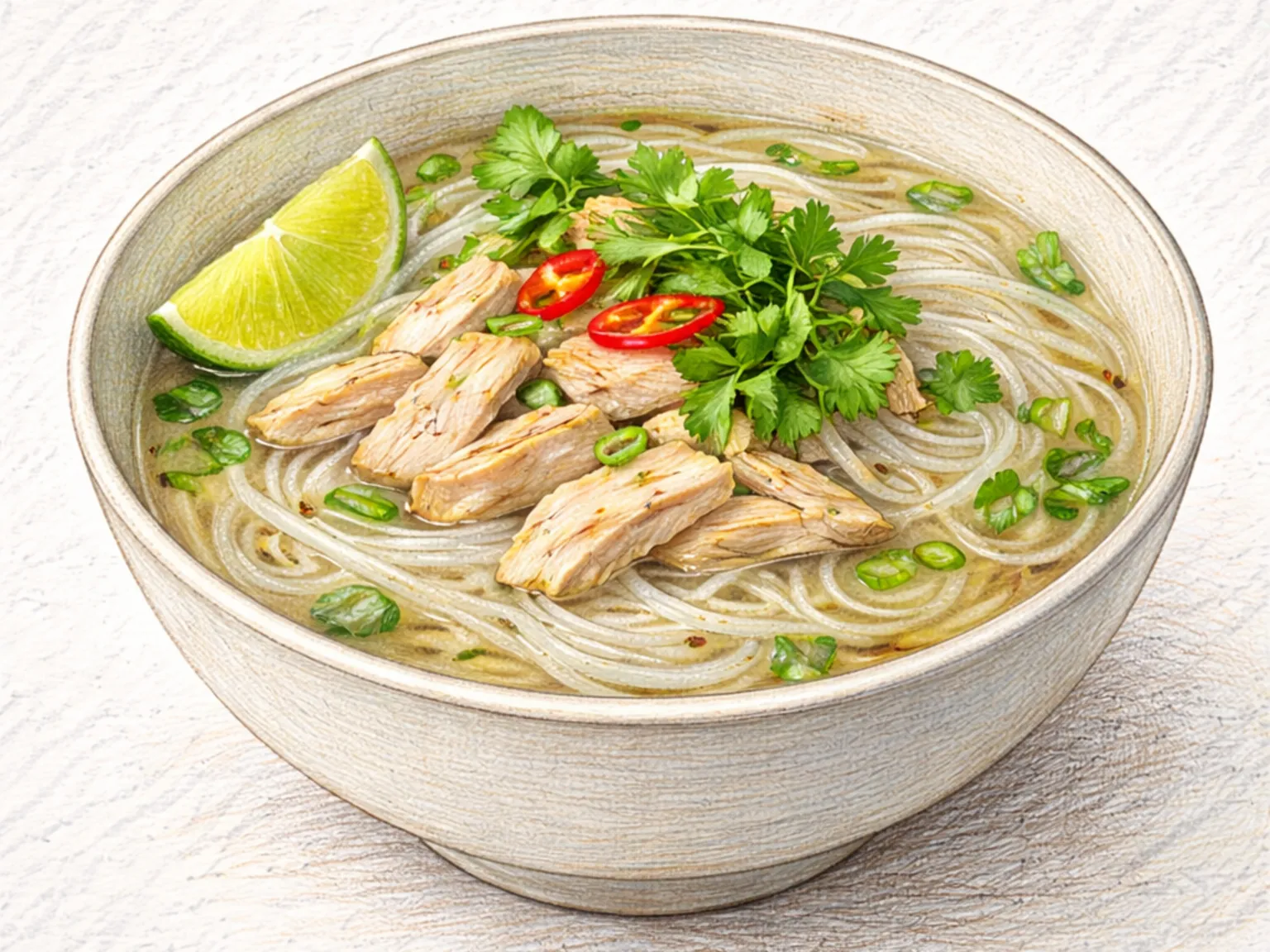
Pancit bihon is the most widely eaten noodle dish in the Philippines, made with thin rice vermicelli stir-fried with meat, vegetables, and a savory soy-fish sauce seasoning. It holds a special place in Filipino culture as a celebration dish - no birthday party is complete without a large platter, symbolizing long life and good fortune. The technique involves boiling chicken to create a broth, then using that broth to cook the noodles in the wok so every strand absorbs savory depth. Shredded cabbage and julienned carrots provide crunch, while a squeeze of calamansi brightens the dish with a tart, floral acidity.

🏠 Everyday 🎉 Special Occasion
Prep 20min Cook 20min 4 servings
Korean Grilled Short Rib Patty Rice Bowl
Rice Medium

Korean Grilled Short Rib Patty Rice Bowl

Minced short-rib meat is seasoned with soy sauce, pear juice, and sesame oil, shaped into flat patties, and pan-seared until a caramelized crust forms on both sides. The exterior turns sweet and slightly charred while the interior stays moist and full of juice. Sauteed onion and green onion are added to sharpen the meat's savory depth and bring a fragrant note. Placed over hot rice with a spoonful of the pan sauce, the patty's sweetness melds with the warm grains for a quickly disappearing bowl.

🏠 Everyday 🍺 Bar Snacks
Prep 20min Cook 18min 2 servings
Korean Royal Soy Sauce Tteokbokki
Stir-fry Medium

Korean Royal Soy Sauce Tteokbokki

Gungjung-tteokbokki traces its roots to the royal court cuisine of the Joseon dynasty, where the condiment gochujang had no place at the table. Soy sauce and sesame oil provide the seasoning instead, producing a mild, sweet-savory glaze rather than heat. Sliced garae-tteok rice cakes are stir-fried together with marinated beef, shiitake mushrooms, carrot, and onion until the soy seasoning coats everything evenly and the rice cakes develop a subtle gloss. The beef is marinated separately in soy sauce, sugar, and sesame oil before going into the pan, which lets the meat develop its own depth as it sears. Shiitake mushrooms reinforce the savoriness and add fragrance without overwhelming the other components. The rice cakes need enough time in the pan to absorb the seasoning and become slightly caramelized on the surface, but if cooked too long they turn hard and lose their chew. Using sesame oil rather than cooking oil throughout adds a nutty warmth that elevates the dish. Without any chili heat, this is one of the few tteokbokki variations that suits every age group and is a common presence on festive or holiday tables.

🏠 Everyday 🌙 Late Night
Prep 15min Cook 15min 2 servings
Korean Beef Tripe Hot Pot
Stews Hard

Korean Beef Tripe Hot Pot

Naejang jeongol is a Korean offal hot pot that combines mixed beef innards with rich bone broth, onion, bean sprouts, and green onion in a single pot. The typical cut selection includes small intestine, tripe, and abomasum, each bringing a distinct texture and flavor to the bowl. Thorough preparation is what separates a clean-tasting naejang jeongol from one with an unpleasant odor: the innards are kneaded repeatedly with flour and salt to remove impurities, soaked in cold water to draw out residual blood, then rinsed fully before any heat is applied. A half spoonful of doenjang added to the broth neutralizes remaining gaminess through the fermented paste's enzymes, while gochugaru and generous garlic build a spicy, warming character that defines the dish. The chewy, elastic texture of the offal plays against the milky, collagen-saturated bone broth, and that contrast of texture against rich liquid is the core pleasure of the bowl. Bean sprouts are added at the end to preserve their crunch, and green onion goes in last for its fresh aroma. Naejang jeongol has served for generations as a classic soju pairing and a trusted hangover soup.

🍺 Bar Snacks 🎉 Special Occasion
Prep 35min Cook 30min 4 servings
Korean Hairtail Braised with Dried Greens
Steamed Medium

Korean Hairtail Braised with Dried Greens

Siraegi galchi jorim is a Korean braised hairtail fish dish assembled by layering boiled dried radish greens, radish, and hairtail in a pot, then simmering everything together in a sauce built from gochugaru, soy sauce, and gochujang. Rubbing the dried radish greens with a teaspoon of doenjang before they go into the pot allows fermented earthiness to penetrate the greens during cooking, adding a layer of depth that the braising sauce alone cannot provide. The greens are firm and springy enough that long simmering does not cause them to fall apart, and their cellular structure soaks up the braising liquid so thoroughly that every bite releases a concentrated burst of the seasoned sauce. Radish absorbs the stock produced by the fish and the greens as it cooks, developing a clean, gentle sweetness that grounds the spice of the sauce. The hairtail is never turned during cooking; the braising liquid is spooned over it repeatedly instead, which preserves the delicate, layered texture of the flesh and prevents it from flaking and falling apart in the pot. Closing the lid and maintaining a steady medium-low heat while basting only between lid lifts gives the fish the best chance of arriving at the table intact. The finished dish is the kind of strongly seasoned, deeply savory Korean side that makes a full bowl of white rice disappear without effort.

🏠 Everyday 🎉 Special Occasion
Prep 25min Cook 35min 4 servings
French Dip Sandwich
Western Medium

French Dip Sandwich

The French Dip sandwich originated in Los Angeles during the early twentieth century and, despite what its name implies, does not have any actual roots in France. This sandwich is constructed with multiple layers of roast beef that have been sliced very thin and piled onto a sturdy French roll. It is served with a small bowl of au jus on the side, which consists of the natural juices that are collected and strained from the roasting pan after the meat has finished cooking. To prepare the beef for this dish, the roast is cooked slowly at a low temperature in the oven. This slow roasting process continues until the meat reaches a state where it can be sliced against the natural grain into thin and supple pieces. This specific technique ensures that the meat remains moist even when it is placed against the firm and dry texture of the bread. Including whole onions and garlic in the roasting pan along with the meat adds layers of sweetness and depth to the resulting juices. This practice makes the au jus significantly more complex than what would be produced by using the simple meat drippings alone. Just before the sandwich is assembled, either Provolone or Swiss cheese is melted over the sliced beef. This addition provides a mild and creamy layer that serves to soften the contrast between the lean beef and the crusty exterior of the roll. The choice of bread is a specific requirement, as the French roll requires a firm and crackly crust. This structural integrity is necessary because the roll must be able to maintain its shape even when it is dipped repeatedly into the warm liquid. If a soft roll is used instead, the bread tends to collapse and makes the sandwich difficult to manage during the meal. Dipping the sandwich into the au jus is the primary way this dish is consumed rather than being an incidental or optional step. Each time the bread is submerged, it becomes saturated with a concentrated beef flavor. The resulting texture creates a specific contrast where the edges of the bread become wet and softened while the center of the roll remains firm. The au jus is always presented in a separate vessel alongside the sandwich to facilitate this process. Because the act of dipping is central to the format of the meal, the liquid and the solid components are treated as equal parts of the overall presentation.

🎉 Special Occasion 🍱 Lunchbox
Prep 15min Cook 30min 2 servings
Paneer Tikka (Indian Spiced Yogurt-Marinated Grilled Cheese Skewer)
Asian Easy

Paneer Tikka (Indian Spiced Yogurt-Marinated Grilled Cheese Skewer)

Paneer tikka is an Indian grilled appetizer where cubes of paneer cheese and vegetables are marinated in spiced yogurt and cooked over high heat until charred at the edges. The marinade combines plain yogurt with chili powder, turmeric, garam masala, and lemon juice, creating a thick coating that clings to each cube. After marination, the spices penetrate the surface while the yogurt adds tang. Bell peppers and onion chunks are threaded between the paneer pieces, and their natural sugars caramelize during grilling. The goal is to cook quickly so the exterior gets smoky char marks while the inside stays soft. Mint chutney on the side completes the dish.

🍺 Bar Snacks 🎉 Special Occasion
Prep 25min Cook 15min 2 servings
Korean Ueong Dak Juk (Burdock Chicken Porridge)
Rice Medium

Korean Ueong Dak Juk (Burdock Chicken Porridge)

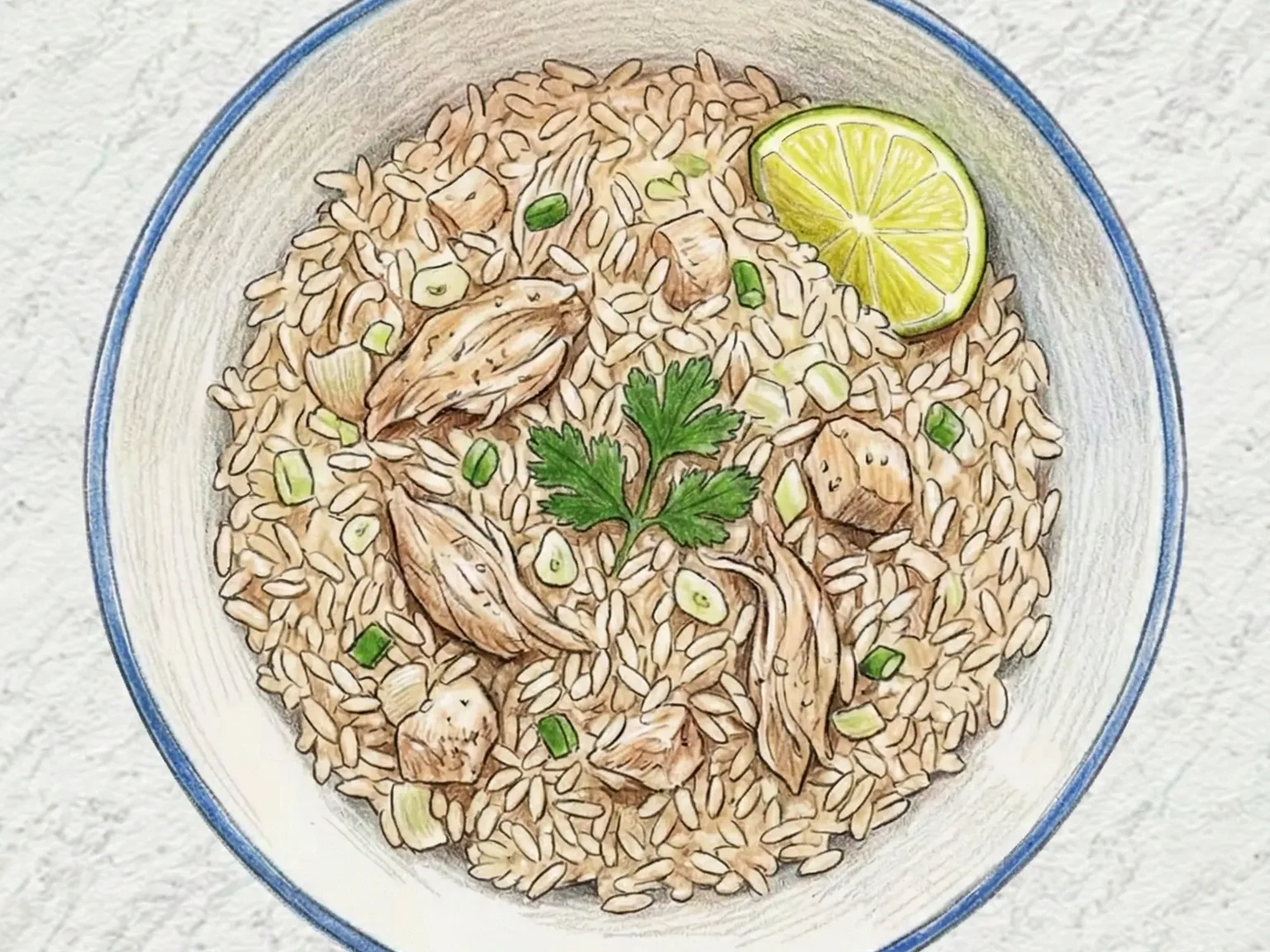
Shredded chicken tenderloin and julienned burdock root are simmered together in a long, slow cook until the porridge turns thick and smooth. The chicken releases a clean, mild broth that forms the base flavor, while the burdock contributes a subtle earthy aroma and slight crunch that adds dimension. Toasting the rice in perilla oil before adding liquid deepens the nuttiness and gives the porridge a silkier body. The result is a gentle, nourishing bowl that sits easy on the stomach. The main ingredients are Short-grain rice, Chicken tenderloin, Burdock root, and Carrot, and the recipe depends on careful handling of rice moisture and the order of toppings.

🏠 Everyday
Prep 25min Cook 40min 4 servings
Korean Seafood Japchae (Glass Noodles with Shrimp, Squid and Vegetables)
Stir-fry Medium

Korean Seafood Japchae (Glass Noodles with Shrimp, Squid and Vegetables)

Haemul-japchae is a seafood version of the Korean glass noodle stir-fry, featuring shrimp, squid, spinach, carrots, and onions tossed together in soy sauce and sesame oil. Replacing meat with seafood allows the briny, mineral depth of the ocean to soak into the chewy sweet potato noodles, while the vegetables' natural sweetness keeps the overall flavor light and balanced. The noodles absorb the seasoning and take on a springy, glossy character, and the shrimp and squid contribute two distinct textures: a firm, bouncy snap from the shrimp and a satisfying chew from the squid. Scoring the squid before cooking causes it to curl and develop a pattern on the surface as it hits the heat, improving both texture and presentation. Seafood must be cooked over high heat and quickly to stay tender rather than rubbery, and the noodles should be soaked thoroughly beforehand so they absorb the seasoning evenly during the stir-fry. The dish often replaces beef japchae on holiday and celebration tables, and adding mussels or scallops deepens the broth-like quality of the finished dish.

🏠 Everyday 🌙 Late Night
Prep 20min Cook 20min 4 servings
Korean Shepherd's Purse Doenjang Jjigae
Stews Easy

Korean Shepherd's Purse Doenjang Jjigae

This seasonal Korean stew features shepherd's purse, called naengi in Korean, which is a spring herb valued for its earthy and slightly bitter flavor. The recipe begins by simmering potato and zucchini in an anchovy stock seasoned with doenjang, a fermented Korean soybean paste. Adding the potato and onion first establishes a sweet base for the broth. Tofu and minced garlic are introduced later to ensure the tofu remains intact. The shepherd's purse is thoroughly washed, keeping the roots attached to preserve its distinctive fragrance, and is added in the last two minutes of cooking. This technique keeps the herb from wilting excessively and maintains its fresh aroma. The final dish combines the soft texture of tofu with the dense bite of the vegetables, resulting in a comforting and warm broth suitable for everyday meals.

🏠 Everyday ⚡ Quick
Prep 12min Cook 18min 2 servings
Korean Braised Mackerel with Dried Radish Greens
Steamed Medium

Korean Braised Mackerel with Dried Radish Greens

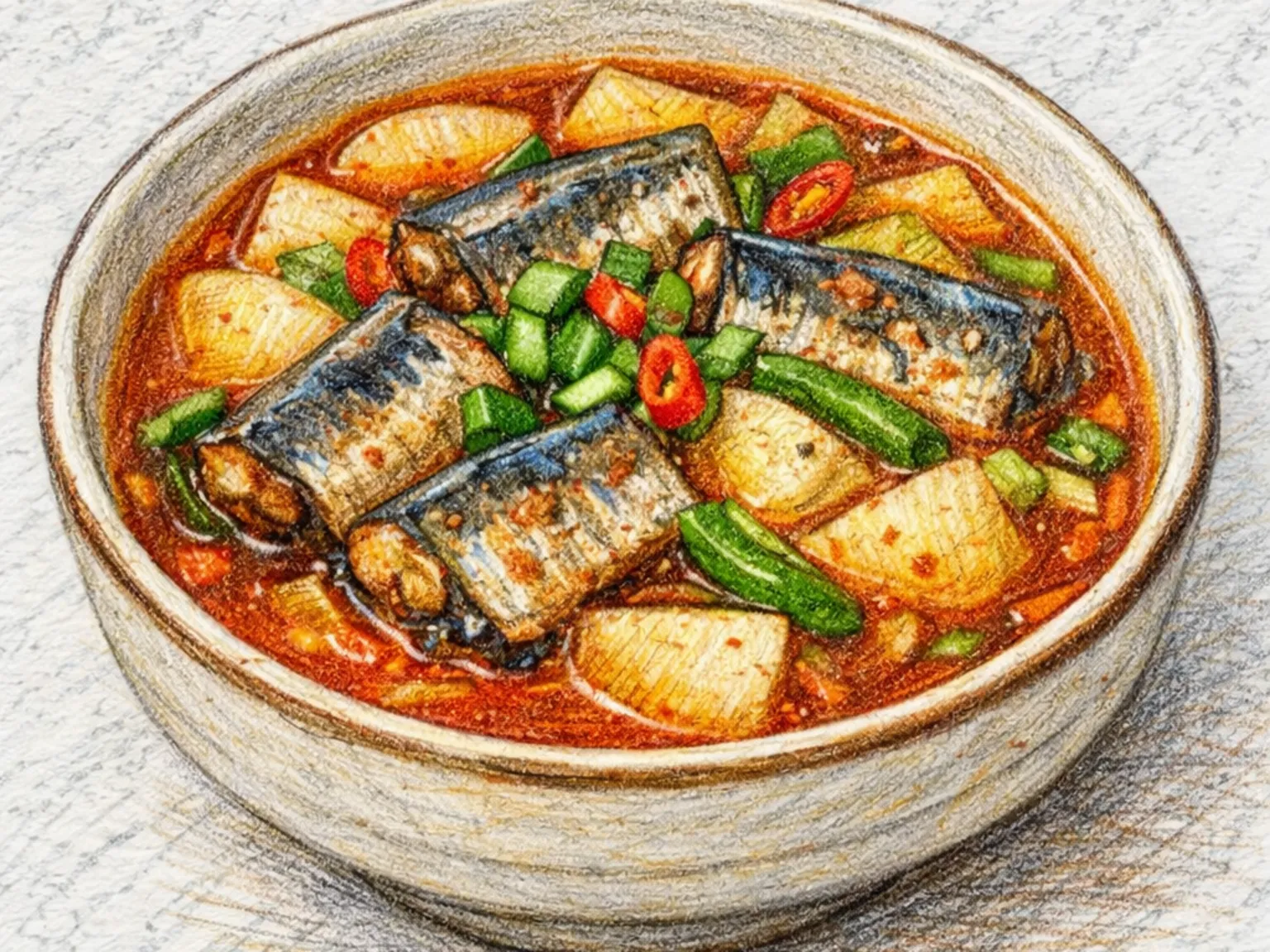
Siraegi godeungeo jorim is a Korean braised mackerel dish in which the fish and pre-boiled dried radish greens are cooked down with radish and onion in a chili-soy seasoning. The richness of mackerel fat and the earthy, fibrous character of dried radish greens share the same braising liquid, each amplifying what the other brings to the pot. The radish greens must be boiled thoroughly before braising to soften their tough fibers and leach out any residual bitterness, which is then washed away with a cold rinse. Mackerel seasoned lightly with cooking wine is placed over the greens and vegetables, and the pot braises over medium-low heat for more than twenty minutes so the seasoning penetrates the flesh all the way through. Spooning the braising liquid over the fish two or three times during cooking ensures an even coating on the upper surface. Radish becomes sweeter and more concentrated as it reduces, neutralizing any fishiness from the mackerel. The finished dish, spooned generously over steamed rice with its spicy braising sauce, delivers a layered depth of flavor that is unmistakably Korean.

🎉 Special Occasion 🍱 Lunchbox
Prep 20min Cook 35min 4 servings
French Onion Soup
Western Medium

French Onion Soup

French onion soup is built entirely on patience and heat. Thinly sliced onions are cooked in butter over low heat for forty minutes or more, slowly shedding moisture as their natural sugars transform into a deep, golden-brown mass with an intensity of sweetness and umami that raw onions cannot approach. Rushing this step causes the onions to scorch and turn bitter, so controlled, unhurried heat is the most critical variable in the recipe. Dry white wine and beef stock are then added to the caramelized onions and simmered together until the broth absorbs every layer of the onion's concentrated flavor, building complexity through a long, slow reduction. The finished soup is ladled into oven-safe crocks, topped with thick slices of toasted baguette, and blanketed with a generous layer of grated Gruyere. Under the broiler, the cheese melts, bubbles, and browns into a golden crust with long, elastic strings that stretch when broken with a spoon. Beneath that crust lies the reward: a dark, concentrated broth steeped in caramelized onion depth, with bread softened into the soup and cheese draped across every spoonful. A bowl where simple ingredients, time, and heat produce something far greater than the sum of their parts.

🎉 Special Occasion 🍺 Bar Snacks
Prep 15min Cook 40min 2 servings
Pav Bhaji (Mumbai Street Food Spiced Mashed Vegetable Curry with Bread)
Asian Easy

Pav Bhaji (Mumbai Street Food Spiced Mashed Vegetable Curry with Bread)

Pav bhaji is a street-food staple born on the pavements of Mumbai. A medley of boiled potatoes, cauliflower, peas, and carrots is mashed together on a hot griddle, then cooked down with generous amounts of butter and a proprietary spice blend called pav bhaji masala. Tomatoes and onions form the aromatic base, while the masala contributes warm, earthy heat that deepens with each pass of the spatula. The accompanying soft bread rolls are split and toasted on a buttered griddle until golden on the cut side. Raw onion rings, a wedge of lemon, and a knob of extra butter placed on top of the simmering bhaji are the traditional garnish. The dish is designed to be eaten fast and hot, scooped directly from the communal pan.

🧒 Kid-Friendly
Prep 20min Cook 30min 4 servings