Charim

2686 Korean & World Recipes

2686+ Korean recipes, clean and organized. Ingredients to instructions, all at a glance.

Recipes with onion

24 recipes

Buy onion
Huevos Rancheros (Fried Eggs on Tortilla with Salsa)
WesternEasy

Huevos Rancheros (Fried Eggs on Tortilla with Salsa)

Huevos rancheros is a traditional Mexican breakfast of corn tortillas topped with sunny-side-up eggs, a homemade tomato-chili salsa, and lightly mashed black beans. Onion and jalapeno are sauteed in olive oil, then chopped tomatoes are added and simmered until the salsa thickens into a concentrated, spicy-tangy sauce. Keeping the salsa thick is important so the tortillas stay firm rather than turning soggy. The eggs are fried with set whites and runny yolks - breaking the yolk at the table lets it run into the salsa and create a rich, natural sauce. Fresh cilantro scattered on top adds a herbal brightness that lifts the heat and acidity, and a squeeze of lime juice sharpens the entire plate.

🏠 Everyday🌙 Late Night
Prep 10minCook 15min2 servings
Fish Pie
WesternMedium

Fish Pie

Fish pie is a staple of British home cooking, particularly during the colder months. Chunks of cod, salmon, and smoked haddock are folded into a cream sauce made with milk, butter, parsley, and a touch of English mustard, then topped with a thick layer of mashed potatoes and baked until the surface turns golden and slightly crisp. The combination of fresh and smoked fish creates layers of flavor - the cod contributes clean, mild sweetness, the salmon adds richness, and the smoked haddock provides a saline, smoky depth that permeates the sauce. Peeled prawns and halved boiled eggs are common additions that make the filling more substantial. In the oven, the sauce bubbles up around the edges of the potato crust, and the first scoop through the golden top reveals the creamy seafood filling beneath. It is a complete meal requiring nothing more than a side of steamed greens.

🎉 Special Occasion
Prep 25minCook 35min4 servings
Korean Spicy Webfoot Octopus & Pork Belly Stir-fry
Stir-fryMedium

Korean Spicy Webfoot Octopus & Pork Belly Stir-fry

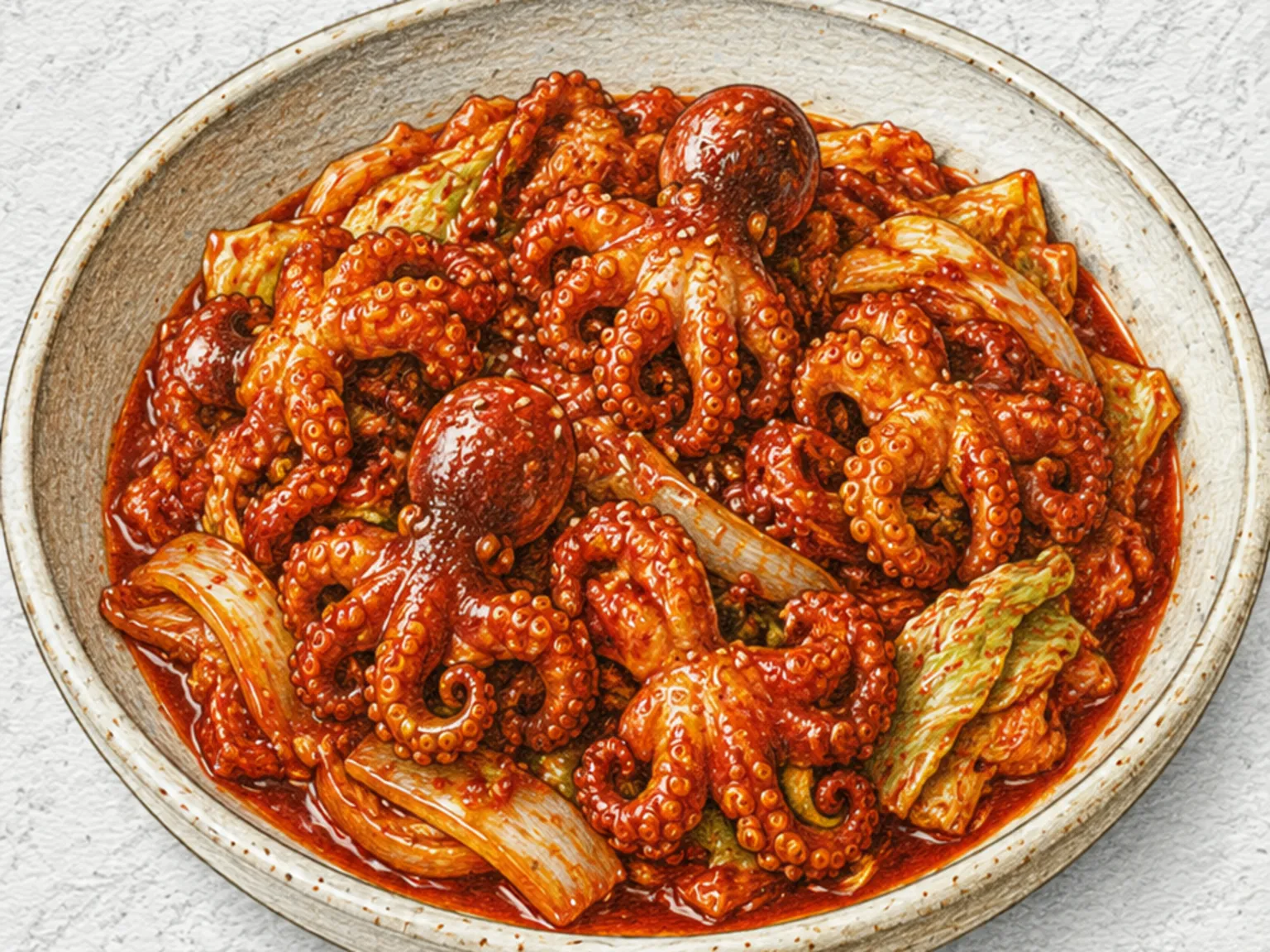
Jjukkumi-samgyeop-bokkeum combines chewy baby octopus and thick pork belly slices in a spicy stir-fry. The pork belly is first grilled until golden to render its fat, then the octopus and gochujang-based sauce are added for a fast, high-heat toss. Pork richness and the octopus's clean ocean flavor merge inside the chili seasoning, with onions and scallions adding sweetness. It is typically served sizzling on a hot plate, and diners often finish with fried rice made in the remaining sauce. Because baby octopus toughens rapidly with heat, adding it only after the pork is nearly cooked and pulling the pan off the heat within one to two minutes is the single most important step for keeping its signature chewy texture intact.

🍺 Bar Snacks🏠 Everyday
Prep 20minCook 10min2 servings
Korean Mushroom Perilla Soup
SoupsEasy

Korean Mushroom Perilla Soup

Three types of mushrooms - oyster, shiitake, and king oyster - simmer together in an onion-based vegetable stock before ground perilla seeds are stirred in to thicken the broth into a nutty, substantial soup. Cooking the mushrooms and garlic for ten minutes in the stock allows each variety's distinct aroma to build in layers: the fibrous texture of oyster mushrooms, the deep earthiness of shiitake, and the firm, meaty bite of king oyster mushrooms all hold their character in the finished bowl. Cubed tofu is added partway through and gently absorbs the surrounding broth as it warms. Adding the perilla powder in small increments rather than all at once prevents clumping and produces a smooth, even consistency; pulling the pot off the heat at the right moment also stops the broth from separating as it cools. The vegetable stock base delivers a satisfying, full-bodied result without any animal ingredients.

🏠 Everyday
Prep 20minCook 30min4 servings
Picadillo Cubano (Cuban Ground Beef with Olives and Raisins)
WesternEasy

Picadillo Cubano (Cuban Ground Beef with Olives and Raisins)

Picadillo Cubano is a cornerstone of Cuban home cooking, made by browning ground beef and simmering it with crushed tomatoes, green olives, and raisins. The identity of the dish lies in the interplay between the briny, savory olives and the subtle sweetness of the raisins, creating a sweet-salty balance within a single pan. The beef must be spread in a single layer over high heat so moisture evaporates quickly and the meat develops brown caramelization - crowding the pan causes it to steam and turn gray. Cumin and oregano contribute the earthy, warm spice profile characteristic of Latin cooking, while diced bell pepper adds a crisp freshness. Served over white rice in the most traditional fashion, it becomes a complete Cuban plate when accompanied by black beans and fried plantains.

🏠 Everyday🎉 Special Occasion
Prep 15minCook 25min4 servings
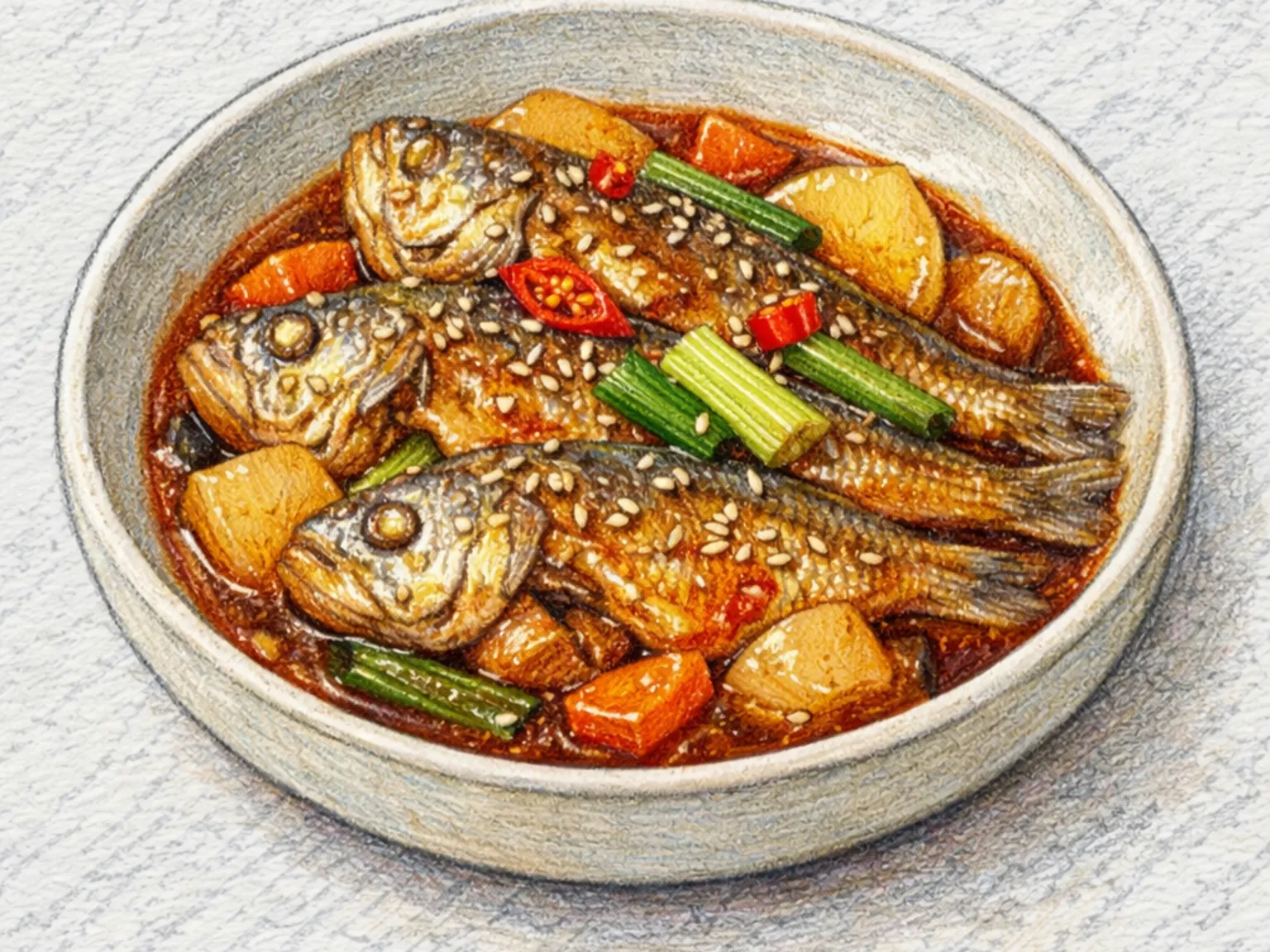
Korean Braised Mackerel with Potatoes
SteamedEasy

Korean Braised Mackerel with Potatoes

Godeungeo gamja jorim is a Korean home-cooked side dish where mackerel and potato chunks are braised together in a soy sauce and gochugaru seasoning. The oily mackerel releases its fat into the braising liquid, building a rich, savory depth that plain soy sauce alone cannot achieve. Potato absorbs the spiced liquid as it simmers, cooking down to a fluffy, yielding texture that contrasts with the firmer fish. Onion and green onion contribute natural sweetness and aroma throughout the cooking process, and sugar rounds off the saltiness of the soy base to keep the seasoning balanced rather than sharp. Spooning the dark, glossy braising sauce generously over rice turns this side dish into a satisfying meal on its own. Using fresh mackerel rather than salted gives a softer, more delicate flesh that further enriches the cooking liquid.

🍱 Lunchbox
Prep 15minCook 30min2 servings
Pulled Pork Sandwich
WesternHard

Pulled Pork Sandwich

Pulled pork sandwich starts with pork shoulder rubbed in salt and paprika, then slow-cooked for two and a half to three hours with onion and garlic until the connective tissue converts to gelatin and the meat shreds effortlessly with two forks. The low-and-slow method delivers a tenderness that faster cooking cannot replicate. Tossing the shredded meat in barbecue sauce layers smoky sweetness and tang over the deep pork flavor, while lightly toasted buns provide a crisp contrast to the moist filling. Making the pork a day ahead and refrigerating it lets the sauce penetrate deeper into the fibers, intensifying the overall taste.

🎉 Special Occasion
Prep 15minCook 180min4 servings
Korean Tofu Yuja Salad (Pan-Fried Tofu Citrus Dressing)
Side dishesEasy

Korean Tofu Yuja Salad (Pan-Fried Tofu Citrus Dressing)

Dubu yuja muchim brings an uncommon citrus dimension to Korean tofu banchan by using yuja-cheong - a preserve of yuzu-like Korean citrus rind in honey or sugar. Soft tofu is blanched briefly to warm through and firm up slightly, then cut into bite-sized pieces and dressed while still warm so the pores open to absorb the vinaigrette. The dressing blends yuja-cheong with soy sauce, vinegar, and sesame oil - the citrus peel's fragrant bitterness cutting through the tofu's blandness in a way that soy sauce alone cannot achieve. Yuja has been cultivated on Korea's southern coast - especially Goheung and Namhae - since the Joseon era. The dish sits in a category between Korean and Western salad sensibilities, light enough to serve as a starter. Best eaten cold or at room temperature within a few hours of assembly, as the tofu's texture begins to soften with prolonged marination. The transparent sweetness of the yuja-cheong combined with the sharp edge of vinegar transforms tofu into something with an entirely different flavor register.

🏠 Everyday🍱 Lunchbox
Prep 12minCook 5min2 servings
Korean Lotus Root Perilla Seed Stew
StewsEasy

Korean Lotus Root Perilla Seed Stew

Lotus root and oyster mushrooms are simmered in a thick perilla seed broth made with vegetable stock. The lotus root maintains its signature crisp, starchy bite, contrasting with the soft tofu and springy mushrooms. Four tablespoons of perilla seed powder create a naturally creamy, nutty broth, finished with a touch of sesame oil. Built entirely on vegetable stock without any meat or fish, this is a plant-based stew with substantial body and flavor.

🏠 Everyday
Prep 18minCook 22min4 servings
Korean Stir-fried Pork with Seaweed Stems
Stir-fryEasy

Korean Stir-fried Pork with Seaweed Stems

Miyeokjulgi-dwaejigogi-bokkeum stir-fries thinly sliced pork shoulder - pre-marinated in soy sauce and cooking wine - together with desalted seaweed stems, onion, and garlic. The pork is seared quickly over high heat to stay soft, then the seaweed stems join with the remaining seasoning for a fast 2-3 minute finish. The core appeal lies in the textural contrast: yielding pork against the crunchy, slightly rubbery stems that absorb the salty-sweet sauce. A final drizzle of sesame oil and a sprinkle of toasted sesame seeds round out the dish.

🥗 Light & Healthy🏠 Everyday
Prep 18minCook 10min2 servings
Bangers and Mash
WesternEasy

Bangers and Mash

Bangers and mash is a cornerstone of British home cooking, pairing pan-fried pork sausages with creamy butter mashed potatoes under a ladle of slowly built onion gravy. The sausages are cooked until their casings turn a deep brown and develop a slight snap when bitten. Potatoes are boiled until fully tender, then mashed with butter and warm milk to a smooth, uniform consistency. The onion gravy is the element that makes the dish: sliced onions caramelize slowly over low heat until deeply sweet, then beef broth goes in and reduces with a small addition of flour to reach a pourable thickness. That gravy's concentrated savory depth ties together the saltiness of the sausage and the neutral base of the mash in a way that neither component achieves alone. It is one of the most frequently ordered items on British pub menus and straightforward enough to put together in about thirty minutes at home.

🏠 Everyday🎉 Special Occasion
Prep 10minCook 30min2 servings
Korean Soy-Braised Pork Loin Strips
SteamedMedium

Korean Soy-Braised Pork Loin Strips

Dwaejigogi jangjorim is a Korean soy-braised pork dish made by simmering pork loin with whole garlic cloves, ginger, and cooking rice wine until the meat is completely tender. The pork is first boiled whole with enough water to fully submerge it, skimming the foam that rises to keep the braising liquid clean, then shredded along the grain and returned to the reduced soy liquid for a second round of simmering. Shredding along the grain rather than against it gives each strand more surface area to absorb the seasoned liquid, resulting in deeper, more even flavor throughout. The rice wine neutralizes the pork's gaminess from the start, while the whole garlic cloves soften completely during the long braise, turning mellow and spreadable. This dish keeps well refrigerated for several days and is typically served cold or at room temperature, making it a convenient banchan to portion out over multiple meals.

🏠 Everyday🎉 Special Occasion
Prep 20minCook 55min4 servings
Korean Braised Beef and Burdock Steam
SteamedMedium

Korean Braised Beef and Burdock Steam

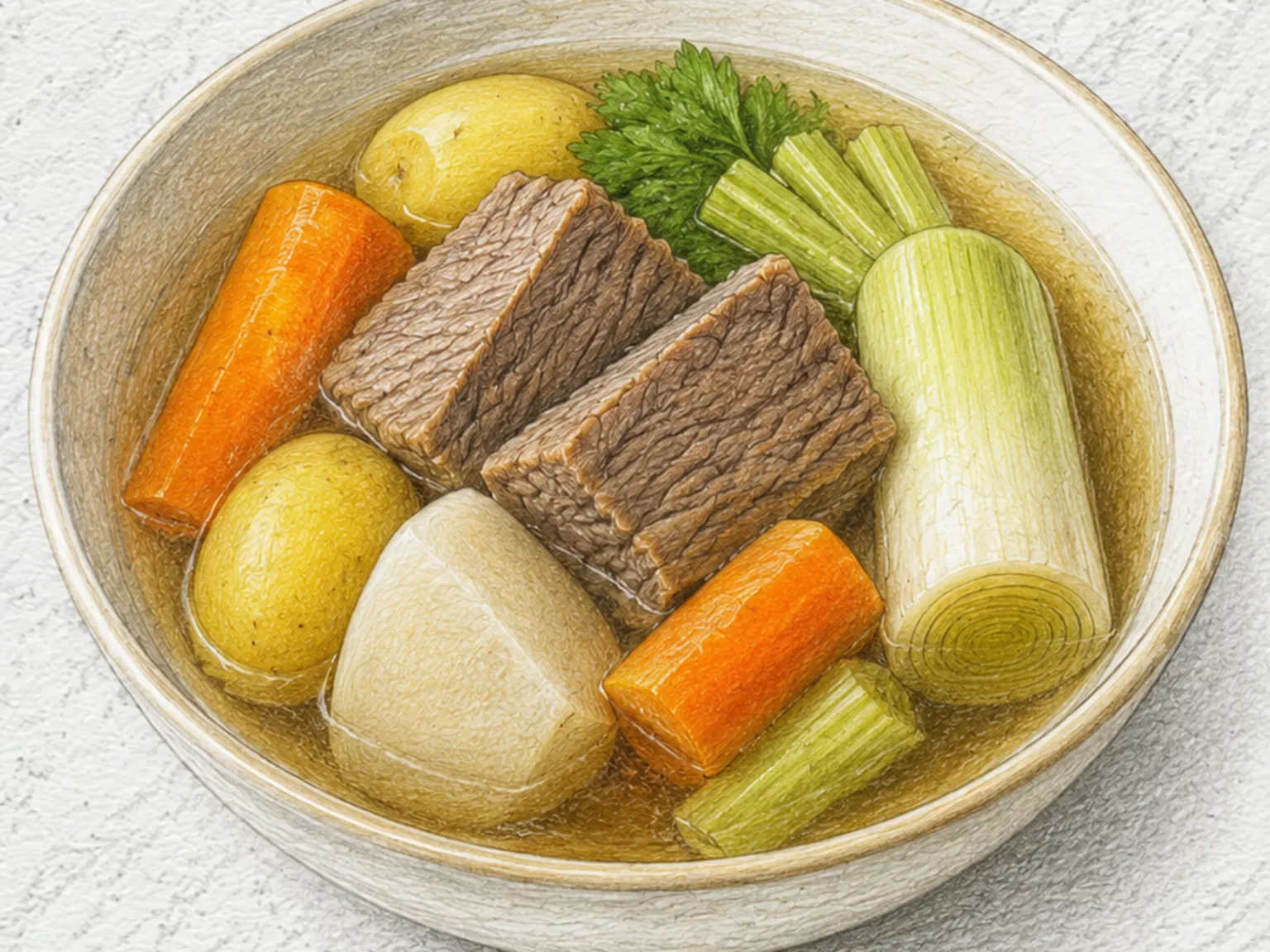
Ueong sogogi jjim is a Korean braised-and-steamed dish of beef shank and burdock root cooked together in a soy sauce, garlic, and sugar base with just enough liquid to surround the ingredients without submerging them. The shank is first simmered in plain water and skimmed of foam, which produces a clean, clear broth free of the off-flavors that surface during the initial boil. Soy seasoning is added to that broth, the beef cooks for another twenty minutes, and then burdock slices go in with the lid on for fifteen minutes of gentle steaming, during which the root vegetable draws in the beef-enriched liquid through its fibrous structure. Cutting the burdock at a bias to a thickness of roughly 0.5 centimeters keeps its characteristic snap while ensuring the interior cooks through within the target time. The dish is finished when the braising liquid reduces to about half its volume, at which point sesame oil and whole sesame seeds are added to round out the flavor with a nutty finish. The final dish balances the deep, heavy richness of slow-cooked beef shank against the clean, aromatic earthiness that burdock root brings to the plate.

🎉 Special Occasion
Prep 25minCook 40min4 servings
Korean Grilled Tteokgalbi Patties
GrilledMedium

Korean Grilled Tteokgalbi Patties

Ground beef and ground pork are combined in a two-to-one ratio with finely diced onion (squeezed dry), soy sauce, sugar, minced garlic, sesame oil, and breadcrumbs, then kneaded for at least three minutes until the mixture develops a sticky, elastic consistency. Thick oval patties are seared four minutes per side on medium heat, then finished on low for three to four more minutes, resulting in a caramelized exterior and a moist center. The blend of beef and pork creates a more layered flavor than either meat alone - the beef brings depth while the pork adds fat and smoothness. These patties hold up well at room temperature, making them a staple for Korean lunch boxes.

🍺 Bar Snacks🍱 Lunchbox
Prep 25minCook 16min4 servings
Korean Perilla Sprout & Tofu Soybean Paste Stir-fry
Stir-fryEasy

Korean Perilla Sprout & Tofu Soybean Paste Stir-fry

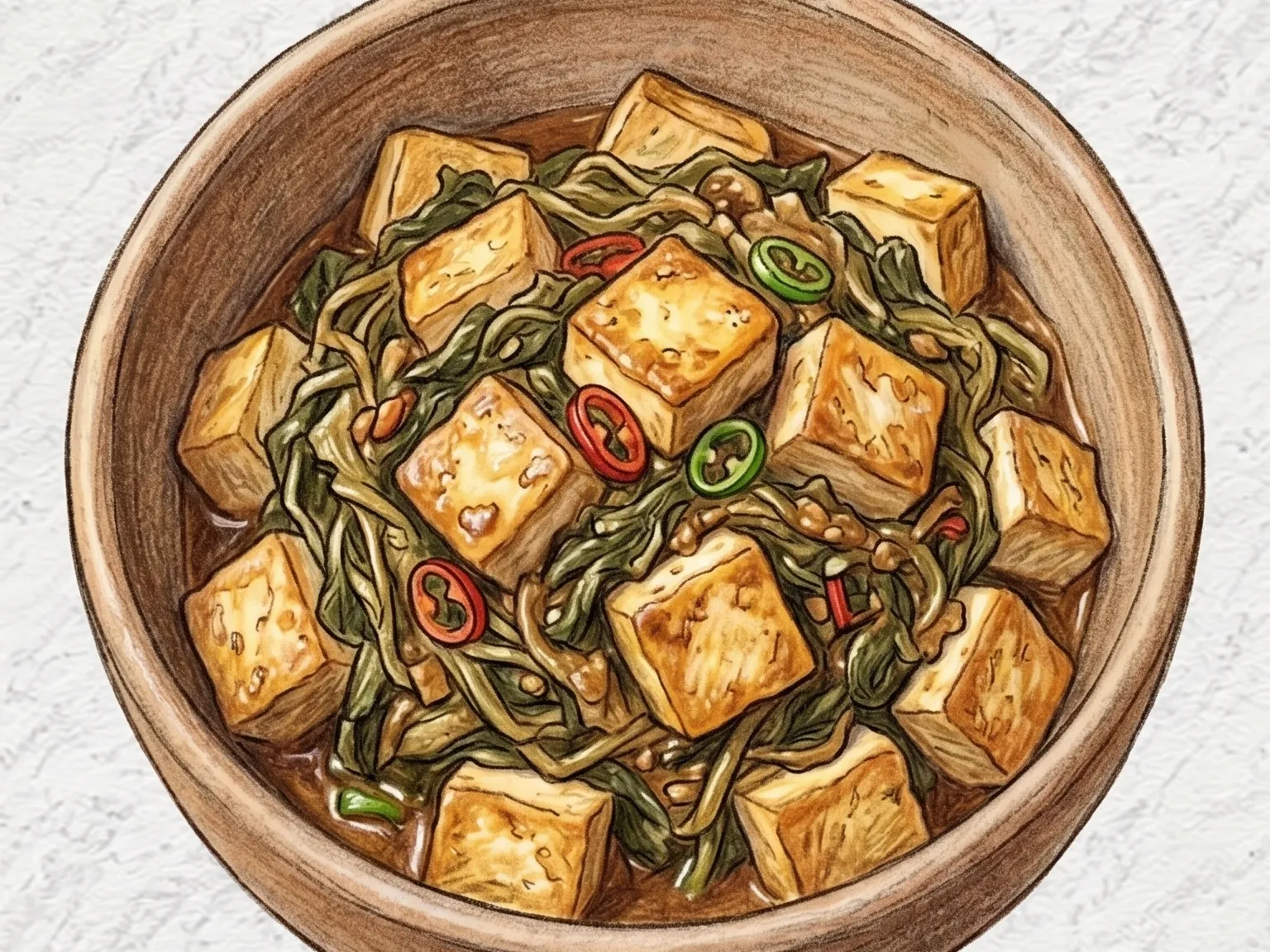
Kkaetsun dubu doenjang bokkeum pairs pan-seared firm tofu with perilla sprouts in a doenjang sauce. The tofu must be pressed dry with paper towels before it goes into the pan; residual moisture causes the oil to spit and prevents the surface from crisping. Dissolving the doenjang in water before adding it to the pan distributes the saltiness evenly and stops the paste from scorching against the hot surface. The doenjang coats the golden tofu pieces with a salty, earthy glaze, while perilla sprouts, far softer than mature perilla leaves, release a delicate perilla-sesame fragrance as they wilt into the sauce. The contrast between the crisp tofu edges and the just-wilted greens gives the dish its defining texture. Cheongyang chili cuts through the fermented weight of the doenjang with a clean, sharp heat that brightens the aftertaste. A final drizzle of perilla oil added off the heat brings the fragrance back to the surface before serving. When perilla sprouts are not available, mature perilla leaves cut into thick strips work as a direct substitute.

🏠 Everyday🍱 Lunchbox
Prep 14minCook 8min2 servings
Korean Jjageuli Pork Stew
StewsEasy

Korean Jjageuli Pork Stew

Jjageuli jjigae is a thick, reduced-broth stew of pork and potato simmered in a gochujang and gochugaru sauce. As the potato pieces break down, they naturally thicken the stew into a hearty, almost gravy-like consistency. The pork fat renders into the spicy-sweet seasoning, creating a deeply coating sauce meant to be spooned over rice. Onion and green onion add sweetness and fragrance, making this a satisfying one-pot meal that needs little else on the side.

🍺 Bar Snacks🏠 Everyday
Prep 15minCook 25min2 servings
Pork Rice Bowl (Sweet-Salty Glazed Pork over Rice)
RiceEasy

Pork Rice Bowl (Sweet-Salty Glazed Pork over Rice)

Butadon is a Japanese pork rice bowl that originated in Obihiro, Hokkaido, where thin slices of pork belly or shoulder are simmered with onion in a glaze of soy sauce, mirin, and sugar, then laid over a bowl of steamed rice. The soy salt and sugar sweetness balance precisely as the meat absorbs the sauce, while the onion dissolves gradually into the cooking liquid, contributing a natural sweetness that deepens the glaze. Where the pork meets the pan, the edges caramelize into a slightly charred coating that adds a roasted dimension to the otherwise clean, saucy topping. Hokkaido pork, with its firm texture and higher fat content, is traditional, though any well-marbled cut works. The preparation is genuinely simple - one pan, one sauce, no elaborate knife work - which is exactly why it became a staple weeknight meal across Japan.

🏠 Everyday
Prep 15minCook 15min2 servings
Korean Pork Gochujang Jjigae
StewsEasy

Korean Pork Gochujang Jjigae

This pork gochujang stew simmers pork shoulder in a sauce of gochujang and doenjang, two fermented pastes that together build a more layered flavor than either would alone. Using gochujang on its own produces a heat that comes across as sharp and one-dimensional, but adding half a tablespoon of doenjang rounds out the fermented soybean depth and gives the broth a fuller, earthier backbone. A full tablespoon of gochugaru deepens the red color and adds texture to the spice rather than just boosting intensity. The 180 grams of pork shoulder render their juices into the 700 milliliters of broth as the stew cooks, gradually enriching the base. Potato, zucchini, onion, and tofu go into the same pot and contribute a range of textures that keep each spoonful varied. The combination of both fermented pastes means this version has noticeably more complexity than a standard gochujang stew, and the finished broth is the kind that makes it difficult to stop eating before the bowl is empty.

🏠 Everyday
Prep 15minCook 20min2 servings
Duck Ragu Pappardelle (Braised Duck Pasta)
WesternHard

Duck Ragu Pappardelle (Braised Duck Pasta)

Duck ragu pappardelle is an Italian braised pasta that begins with a hard sear of seasoned duck legs in olive oil until the skin turns a deep, mahogany brown. The fond left on the pan base is the backbone of the sauce, so the sear must be thorough. Onion, carrot, and celery go into the same pan and cook for eight minutes until soft and faintly sweet. Garlic and tomato paste follow, stirred over heat until the paste darkens slightly, then red wine goes in to deglaze every browned bit before reducing by half. The duck returns to the pot with chicken stock and bay leaf for a slow ninety-minute braise at the lowest simmer, until the meat pulls from the bone with no resistance. Shredded duck meat goes back into the sauce, which cooks down another ten minutes to reach a coating consistency. Broad pappardelle is boiled two minutes short of al dente and tossed in the ragu for a final minute so the wide noodles fully absorb the rich, meaty sauce. The ragu deepens noticeably after resting overnight.

🎉 Special Occasion
Prep 25minCook 120min4 servings
Korean Spicy Braised Cod with Radish
Stir-fryMedium

Korean Spicy Braised Cod with Radish

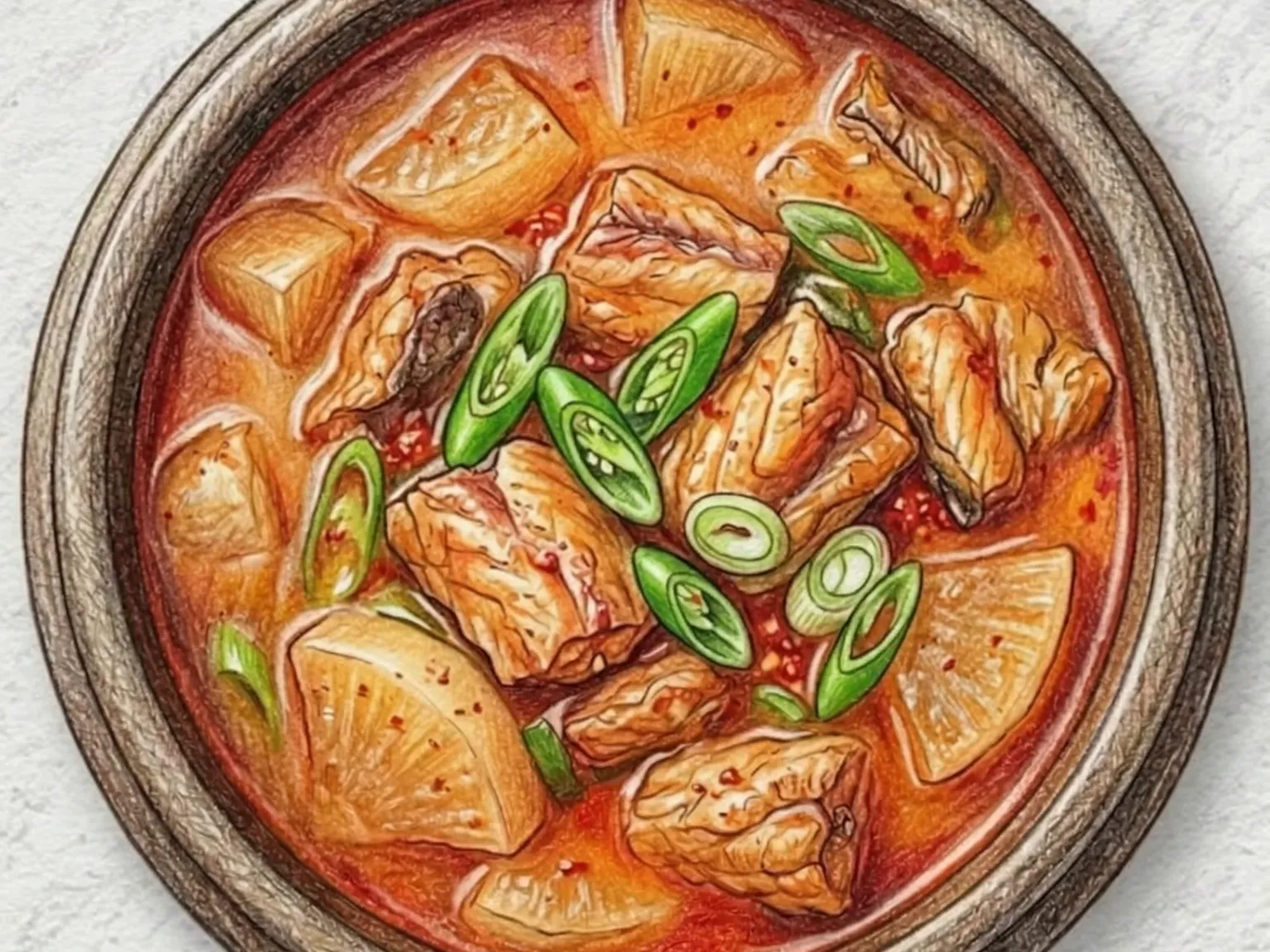
Cod fillets are braised in a seasoning sauce of soy sauce, gochujang, and gochugaru until the liquid reduces and the flavors soak into the flesh. Cod is a lean fish with a clean, neutral character, and the bold seasoning penetrates the meat to add depth without overwhelming it. Daikon radish placed alongside the fish absorbs the braising liquid as it cooks, becoming as flavorful as the fish itself. Onion slowly softens and releases natural sweetness into the sauce during the simmer. The flesh flakes easily and separates cleanly from the bone, making this dish accessible for all ages. Keeping the lid on over medium heat during braising prevents the sauce from reducing too fast and ensures the fish cooks through evenly.

🏠 Everyday🍱 Lunchbox
Prep 18minCook 22min4 servings
Korean Seoul-style Soy Bulgogi
Stir-fryEasy

Korean Seoul-style Soy Bulgogi

Seoul-style soy bulgogi marinates thin-sliced beef in a straightforward combination of soy sauce, pear juice, garlic, sesame oil, and a measured amount of sugar, producing a clean sweet-savory flavor without the heavy spicing of regional variations. Pear juice serves two functions simultaneously: the natural enzymes in fresh pear tenderize the muscle fibers while the fruit's mild sweetness rounds out the saltiness of the soy sauce. Onion and green onion are stir-fried together with the meat so their sugars caramelize slightly into the sauce. Cooking on a fully preheated pan over high heat is essential because the meat needs to sear quickly rather than steam in its own released liquid. If the pan is not hot enough when the beef goes in, the moisture from both the meat and the marinade creates a braising effect that dulls both the smoky wok flavor and the final texture. Apple juice is an acceptable substitute for pear juice when pear is unavailable and produces a similar tenderizing result. Because the seasoning holds up well even after cooling, Seoul-style soy bulgogi is a reliable lunchbox side dish.

🏠 Everyday🍱 Lunchbox
Prep 18minCook 10min2 servings
Korean Aged Kimchi Tuna Stir-fry
Stir-fryEasy

Korean Aged Kimchi Tuna Stir-fry

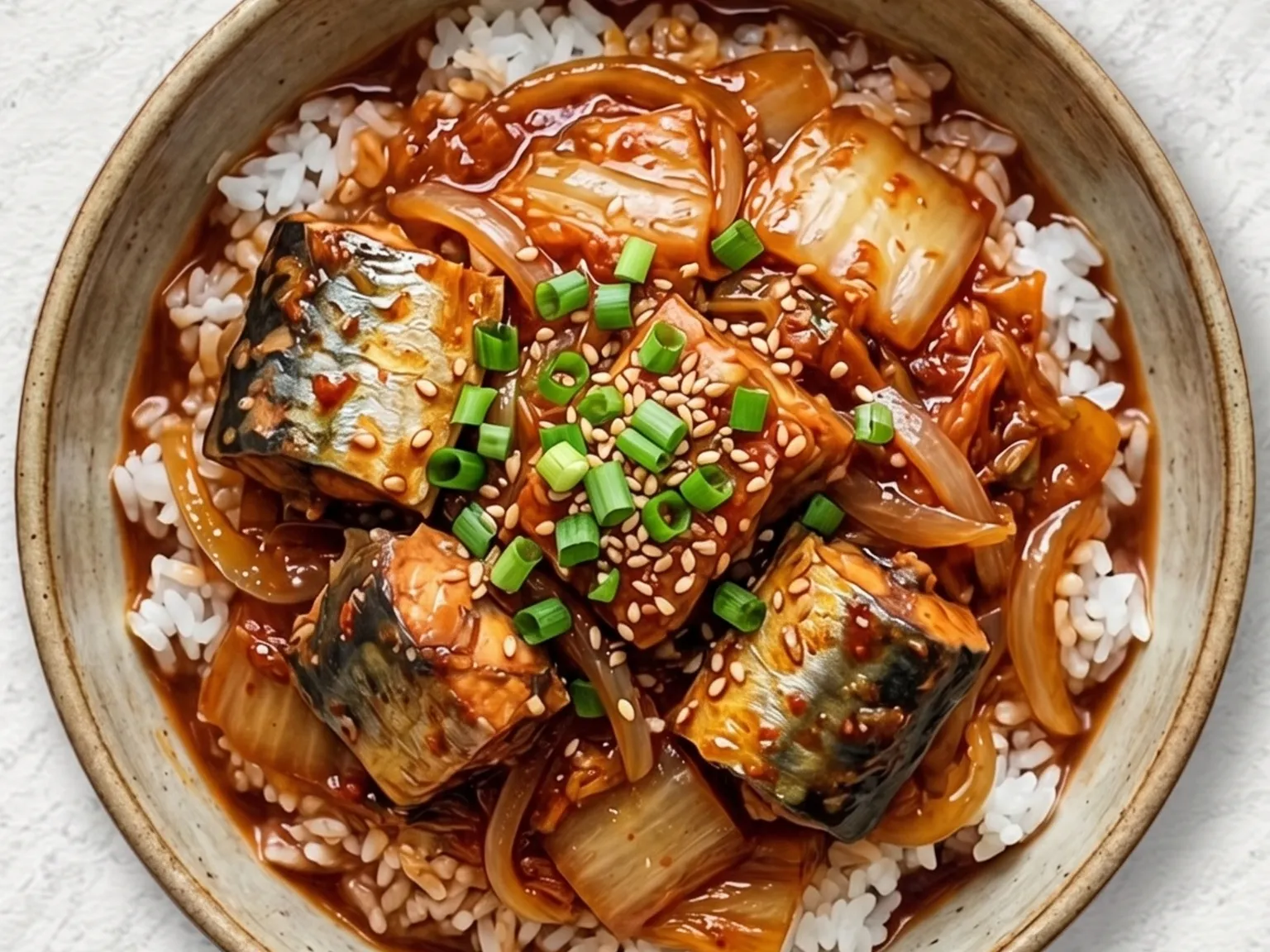
Mukeunji-chamchi-bokkeum stir-fries well-aged kimchi together with drained canned tuna, concentrating the kimchi's sharp tanginess against the tuna's protein-rich umami into a boldly flavored banchan. Onion and the white parts of scallion go into the pan first and cook until softened and sweet, building a flavor base before the aged kimchi is added and stir-fried for four to five minutes to drive off excess moisture and deepen the fermented sour notes. Gochugaru and sugar are added at this stage to calibrate the balance between acid and sweetness. The tuna goes in last and needs only three minutes of tossing to absorb the sauce without crumbling. If the aged kimchi is sharper than desired, an extra half-teaspoon of sugar rounds it out, and a few drops of soy sauce can reinforce the umami if the seasoning tastes flat. A finishing drizzle of sesame oil and a scatter of scallion greens add fragrance before the pan comes off the heat. Served over hot steamed rice and mixed together, it makes a quick and complete meal, and packed into a lunchbox the dry-ish seasoning stays in place without bleeding. Refrigerated in a sealed container, the flavor holds well for two to three days.

🏠 Everyday🍱 Lunchbox
Prep 12minCook 13min2 servings
Korean Kkaennip Gamja Bokkeum (Perilla Potato Stir-fry)
Stir-fryEasy

Korean Kkaennip Gamja Bokkeum (Perilla Potato Stir-fry)

High heat and a well-preheated pan are the keys to achieving the distinct texture of these stir-fried potato matchsticks. Before cooking, soaking the cut potatoes in cold water is a critical step to remove surface starch, ensuring the pieces stay separate and do not stick to the pan. Once thoroughly dried to prevent oil splattering, the potatoes are tossed quickly until the edges become translucent while the centers retain a subtle firmness. Overcooking results in a mushy consistency that lacks the intended character of the dish. Pouring the soy sauce around the perimeter of the pan allows it to caramelize against the hot surface before it is incorporated into the vegetables, adding a layer of savory complexity. Fresh perilla leaves should be tossed in just before the heat is turned off to preserve their bright green color and herbal fragrance. A final drizzle of perilla oil complements the leaves with its toasted scent, and a sprinkle of sesame seeds provides a light crunch. Sliced Cheongyang chilies can be included during the initial sautéing for a gentle heat. This combination pairs the carbohydrates of potatoes with the vitamin K and calcium found in perilla leaves, creating a nutritionally rounded side dish that tastes even better the next day after the flavors have settled.

🏠 Everyday🍱 Lunchbox
Prep 12minCook 15min2 servings
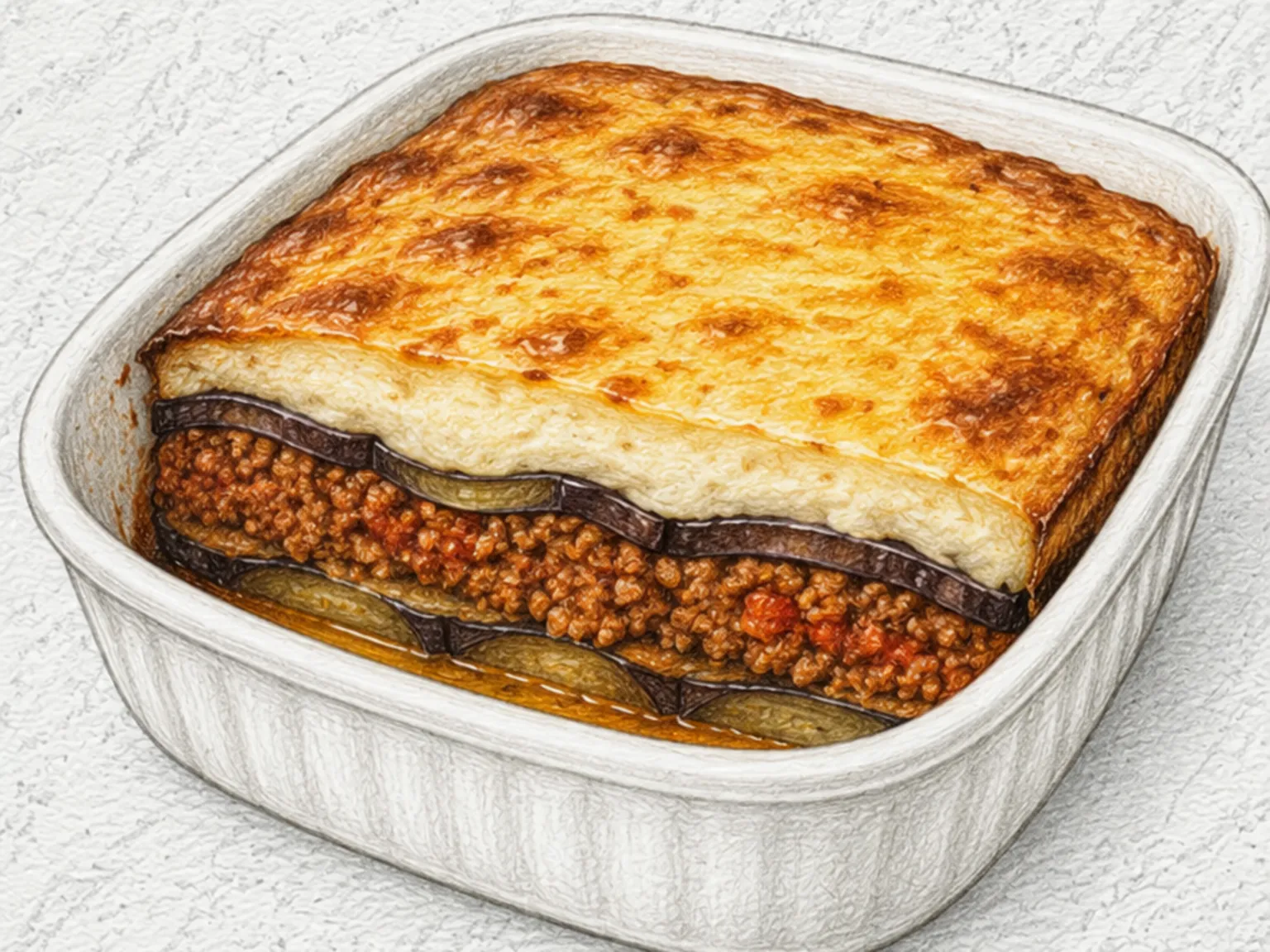
Moussaka (Greek Eggplant Lamb Bechamel Bake)
WesternHard

Moussaka (Greek Eggplant Lamb Bechamel Bake)

Layers of pan-fried eggplant, cinnamon-scented lamb sauce, and a thick bechamel topping define the structure of this Greek oven-baked casserole. The preparation begins by salting the eggplant slices for thirty minutes to draw out moisture and bitterness, which prevents the vegetable from absorbing excess oil and helps it retain its shape during baking. Inside the meat sauce, ground lamb is simmered with tomatoes and a touch of cinnamon, an addition that tempers the natural gamey scent of the lamb with warm Mediterranean aromatics. To complete the assembly, a layer of bechamel enriched with egg yolks and Parmesan cheese is spread over the top before the dish enters a 180-degree Celsius oven for 40 minutes. The inclusion of egg yolks allows the creamy sauce to set firmly, creating a golden crust that holds the internal components together when the dish is sliced. This structural stability results in clean, visible layers in each serving. Options for customization include replacing or mixing the eggplant with potatoes or zucchini, or substituting the lamb with ground beef. Allowing the moussaka to rest for 15 to 20 minutes after baking ensures the layers settle properly for ideal presentation. Since the flavors intensify when kept in the refrigerator for a day or two, this dish functions well as a make-ahead option for gatherings.

🎉 Special Occasion
Prep 40minCook 60min6 servings