Korean Silken Tofu with Seasoned Soy Sauce
Chilled silken tofu is placed in a bowl and topped with a soy-based seasoning sauce that provides all the flavor the bland tofu needs. Silken tofu is coagulated with less agent than regular tofu, resulting in a custard-like texture that yields to a spoon and dissolves on the tongue. The sauce mixes soy sauce with gochugaru, minced garlic, chopped green onion, sesame oil, and toasted sesame seeds, concentrating salty, spicy, and nutty notes into a single spoonful. Each bite pairs the tofu's neutral softness with the sauce's concentrated punch, creating a rhythm of gentle and sharp that keeps the palate engaged. Sesame oil in the sauce adds a glossy sheen across the tofu's white surface, and the red flecks of chili powder provide a visual contrast that signals the heat to come. The soybean fragrance of the tofu itself acts as a quiet backdrop, grounding the louder flavors of the dressing. Because no cooking is required beyond mixing the sauce, this banchan comes together in minutes and is especially practical on busy evenings.
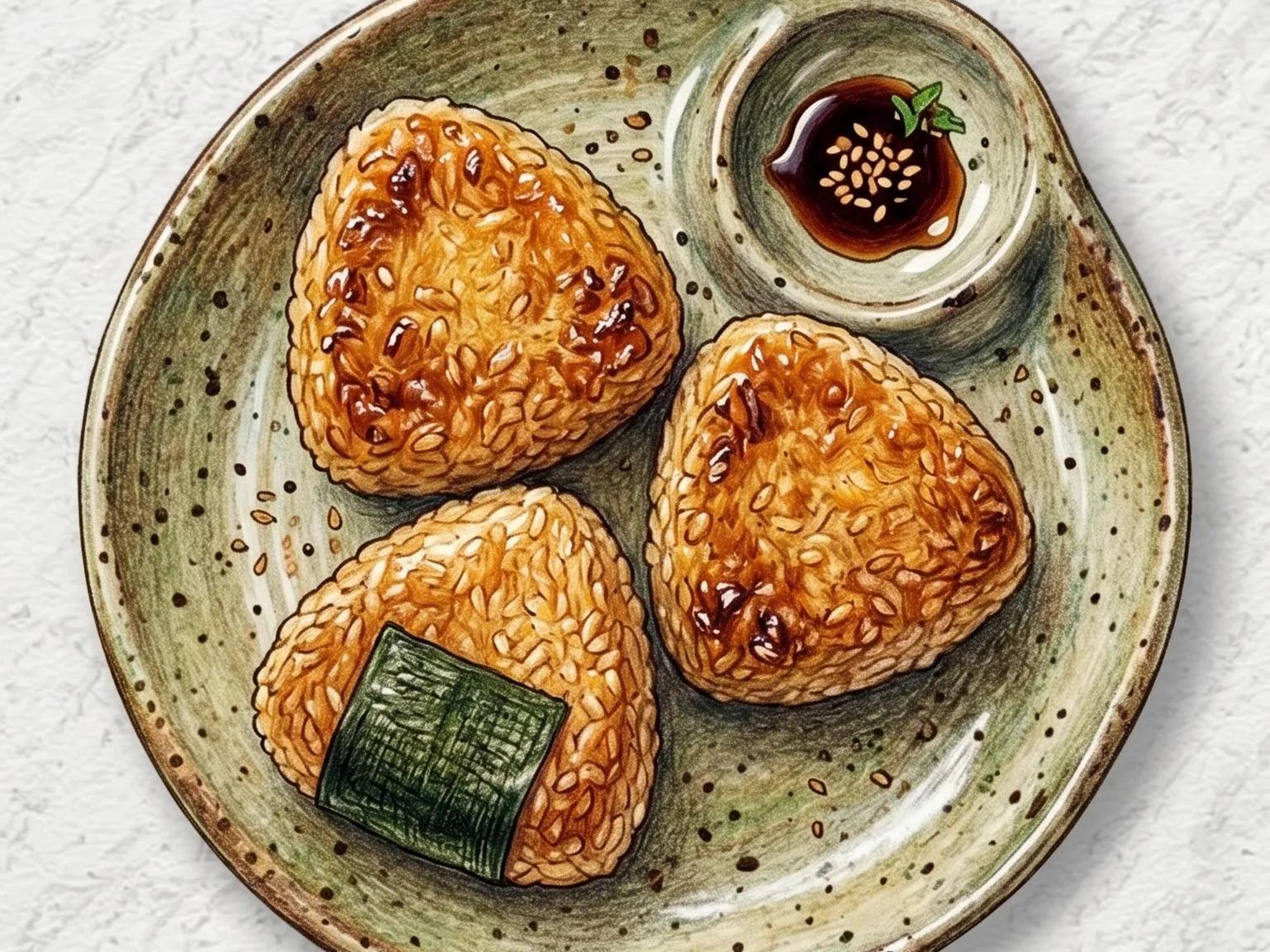
Korean Seasoned Tofu Pouch Sushi (Yubu Chobap)
Yubu chobap consists of seasoned tofu pouches filled with sushi rice. The preparation begins by mixing rice vinegar, sugar, and salt into hot rice, using a cutting motion to preserve the grains. Sesame oil and toasted sesame seeds are added for aroma, along with finely diced carrot and cucumber to bring color and a crisp texture. The tofu pouches are lightly pressed and filled to about 80 percent of their capacity, preventing the skin from tearing during shaping. With each bite, the pouch releases a sweet and savory sauce absorbed by the tofu, which goes well with the seasoned rice. Since they are convenient to carry and eat by hand, they are popular for lunchboxes, quick snacks, and picnics.
Korean Braised Lotus Root
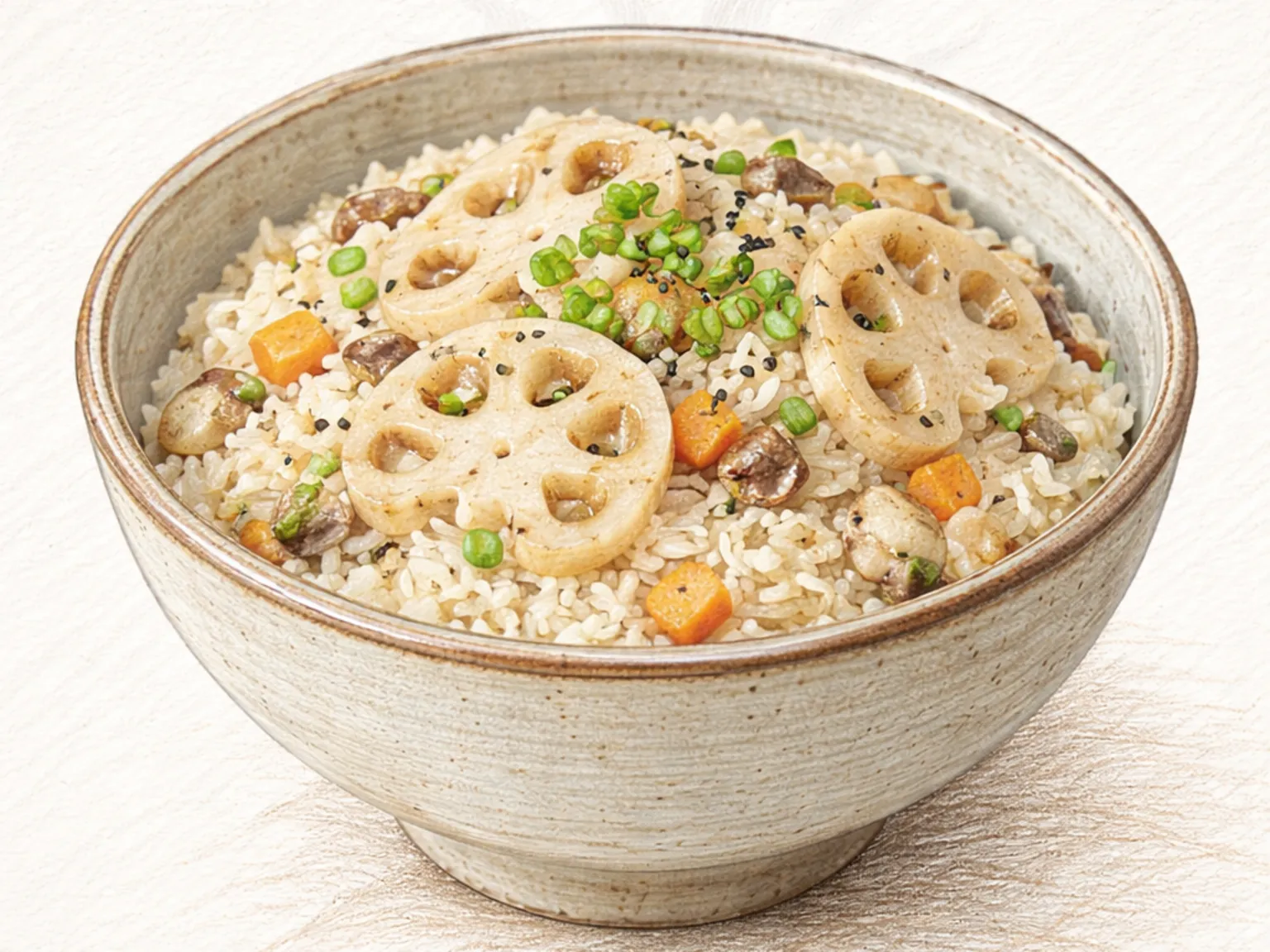
Lotus root rounds are simmered in soy sauce, sugar, and corn syrup until each slice glistens with a translucent, caramel-colored glaze. Cooking activates the starch in the lotus root, turning the exterior smooth and the interior pleasantly sticky, a texture unique to this root vegetable. As the soy sauce permeates the flesh, the ivory color deepens into a clear amber that signals the seasoning has reached the center. A splash of vinegar at the start prevents discoloration and introduces a faint tartness that prevents the sweetness from becoming cloying. The corn syrup reduces over low heat for fifteen to twenty minutes, forming a glass-like coating that catches the light on every surface. Because the liquid seeps through the root's hollow channels, every bite delivers consistent flavor regardless of angle. The finished jorim retains its crunch at the core while the outer layer yields with a gentle chew, and refrigerated in a sealed container the dish stays good for well over a week.
Korean Beef Tartare Bibimbap
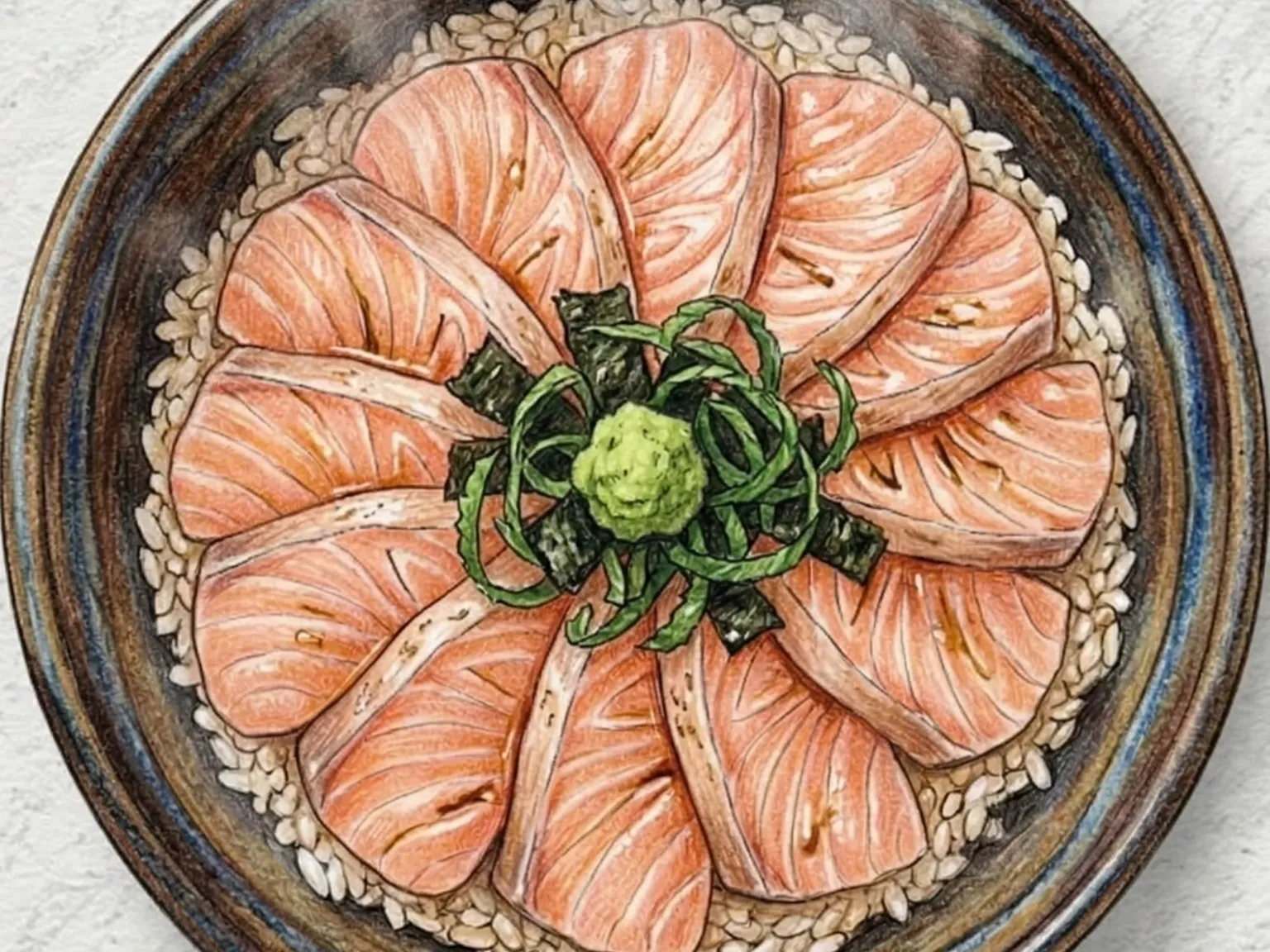
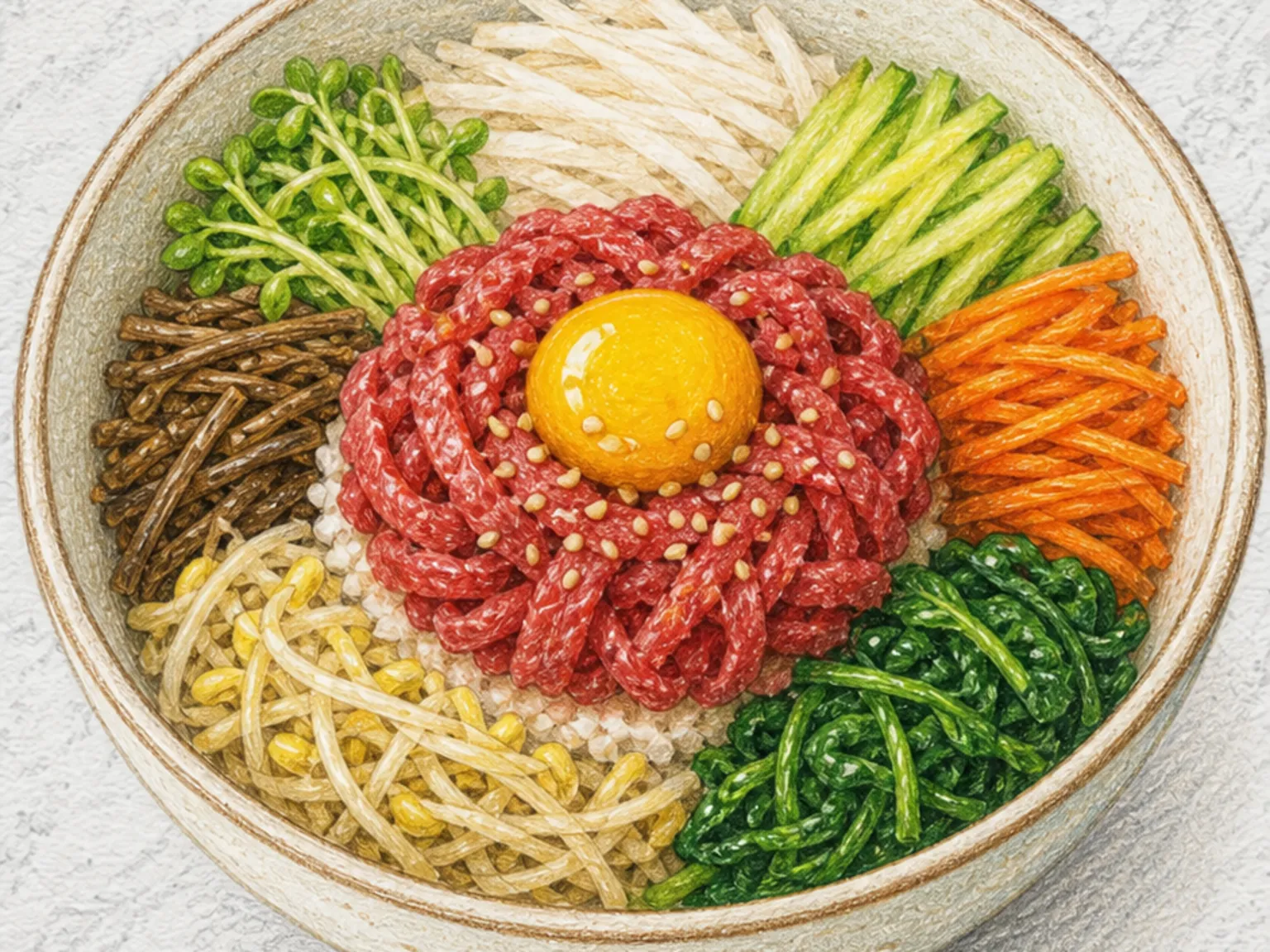
Yukhoe bibimbap dresses chilled raw-service beef with soy, garlic, and sesame oil, places it over cooled rice with lettuce and pear, and adds pasteurized egg yolk.
Korean Lotus Root Yuzu Salad
Blanched lotus root slices are dressed in a bright mixture of yuzu marmalade, rice vinegar, sesame oil, and a pinch of sugar. The citrusy yuzu lifts the otherwise neutral lotus root with floral tartness, while the 3 mm thick rounds keep a satisfying crunch even after boiling. Sesame seeds and oil round out the finish with a warm, nutty note. This banchan works especially well alongside richer main dishes, cutting through heaviness with its clean acidity. It can be served as a side dish with rice, with simple accompaniments chosen to match the sauce, broth, or topping.
Yogoshi (Finely Chopped Greens with Sesame Miso)
Yogoshi is an everyday dish from the Tonami Plain in Toyama. Daikon leaves are boiled in abundant water, rinsed cold, squeezed very firmly, chopped fine, and stir-fried in sesame oil with miso, sugar, chopped sesame, and mirin until no loose moisture remains. Its name is said to refer to preparing the dish at night and carrying it over to the following morning. It once extended scarce rice but now serves as a strongly seasoned companion to hot rice. A version with kochia seeds appears at memorial services for Shinran. The decisive steps are removing the cooked greens' water completely and chopping them evenly before the brief stir-fry.
Korean Seasoned Rapeseed Greens
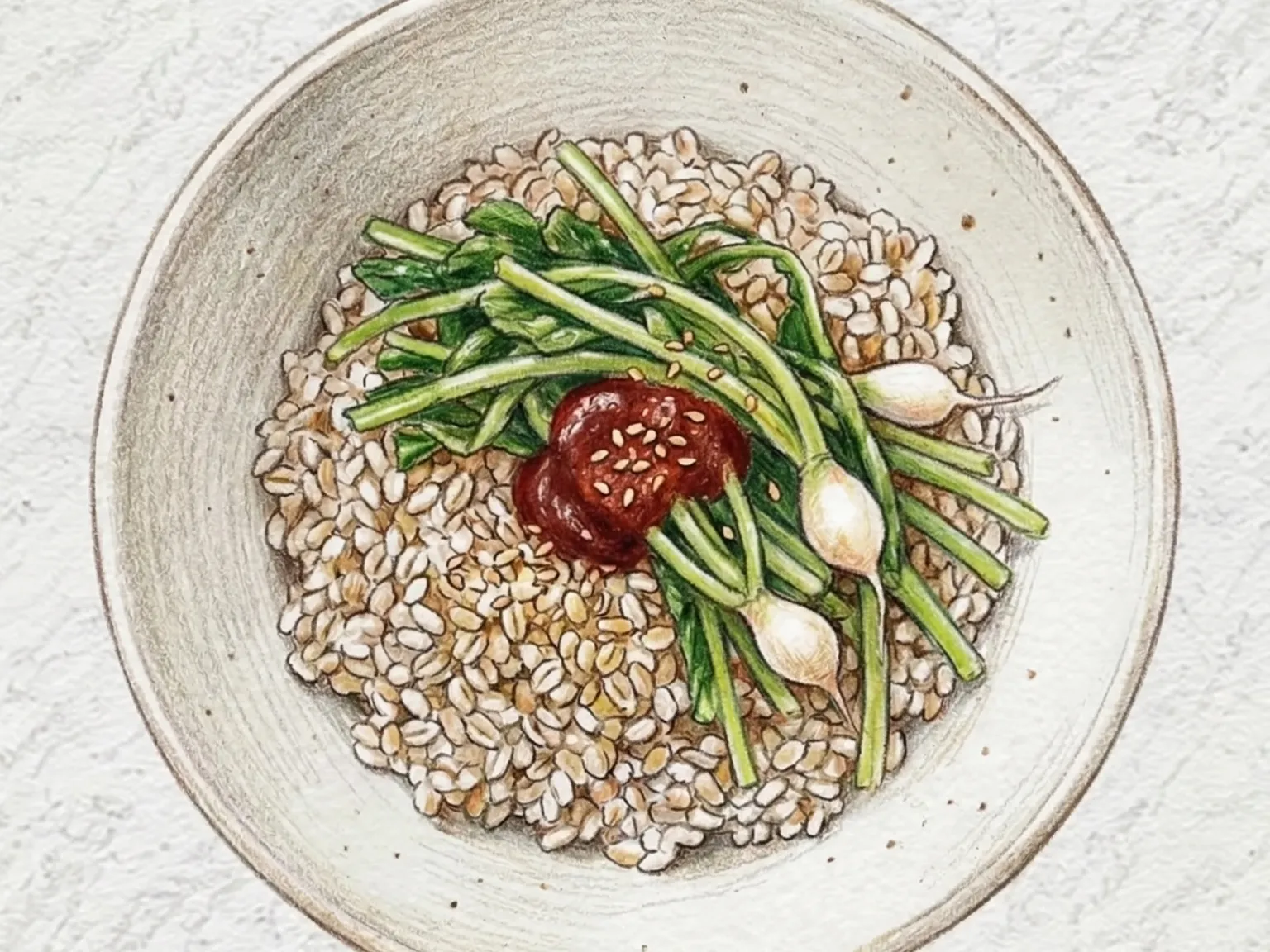
Young rapeseed greens are blanched for just 40 seconds in salted water, then squeezed dry and tossed with doenjang, minced garlic, green onion, sesame oil, and ground sesame. The brief blanching preserves the stems' gentle snap, and the fermented soybean paste brings an earthy depth that pairs naturally with the greens' mild grassy flavor. Squeezing out excess water before seasoning keeps the dressing concentrated on each piece rather than pooling at the bottom. From prep to plate, this banchan takes under fifteen minutes.