Korean Sotteok Sotteok Skewers
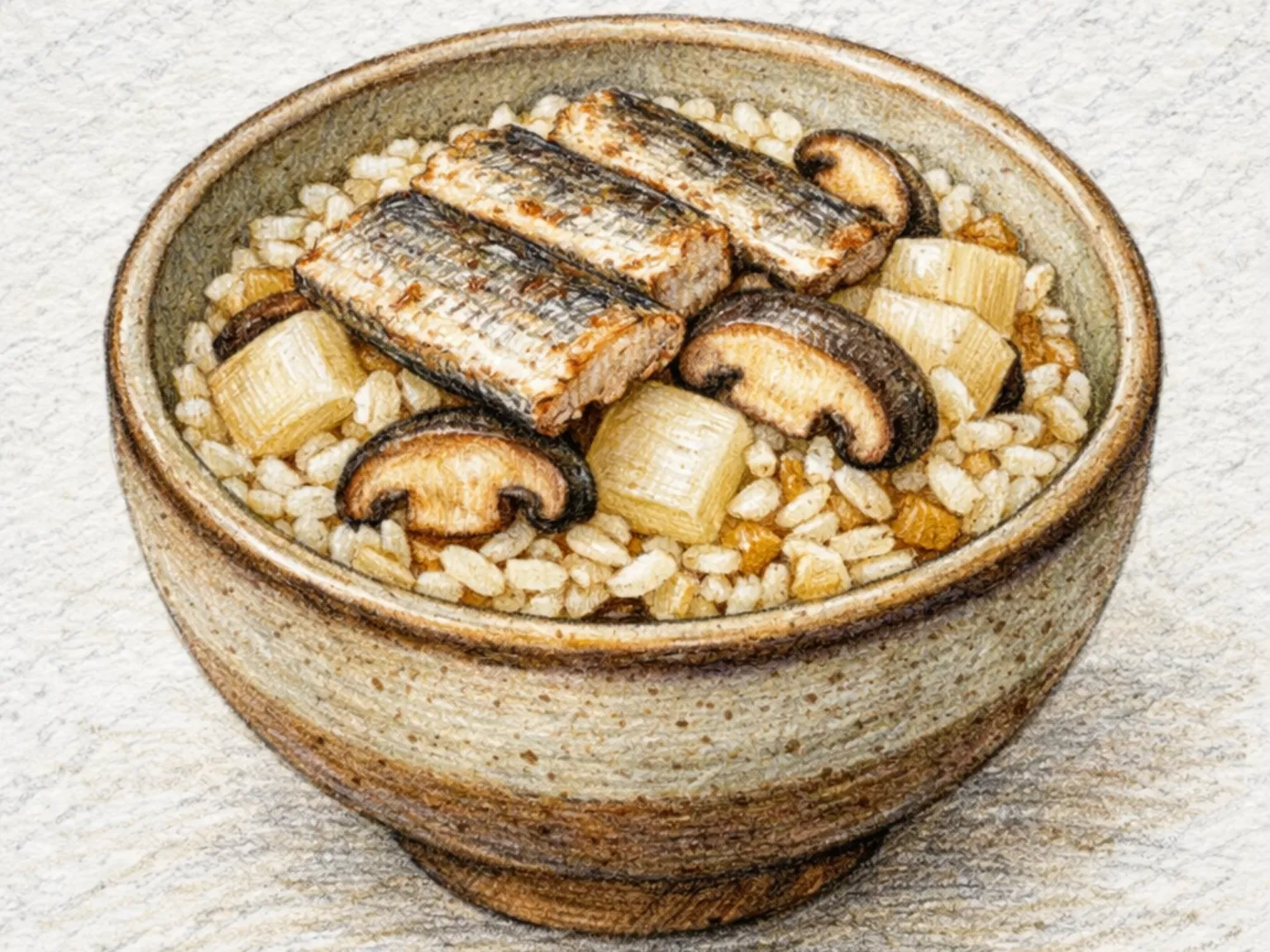
Sotteok-sotteok is a Korean street snack of alternating mini sausages and cylinder rice cakes on a skewer, pan-grilled and coated in a sweet-spicy glaze of gochujang, ketchup, and oligosaccharide syrup. The rice cakes are soaked in warm water beforehand to soften them, ensuring they cook through on the pan and achieve maximum chewiness. Sausages are lightly scored to prevent splitting, and the skewers are rolled over medium heat until evenly browned. The glaze is tossed on quickly over low heat so it clings in a glossy layer, and the sauce gradually seeps into the rice cakes with each bite.

Korean Flanken Ribs (Pear-Soy Marinated LA-Cut Beef Short Ribs)
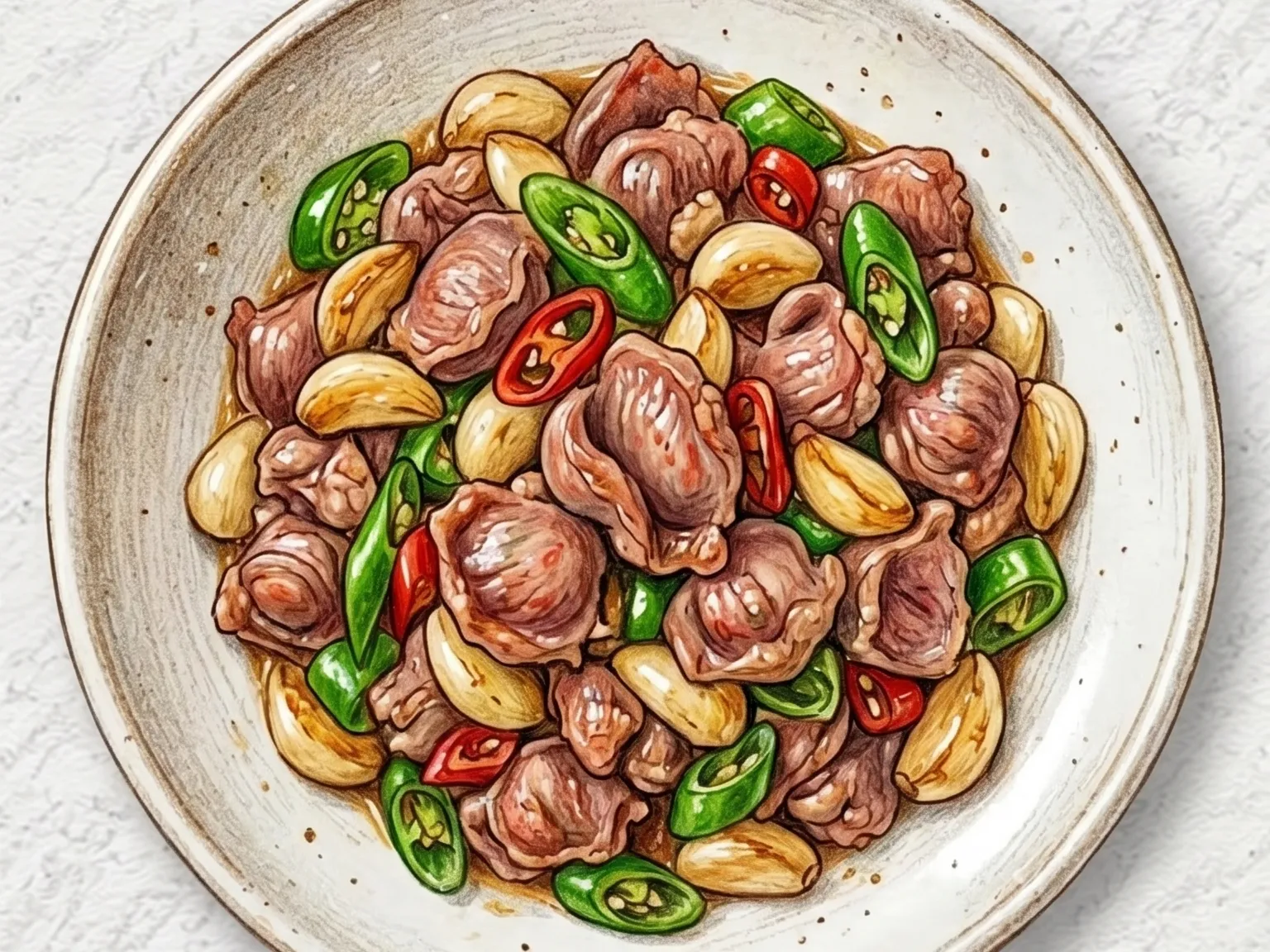
LA-galbi-gui is a Korean grilled short rib dish using flanken-cut beef ribs, where the bones are sliced laterally so several ribs run across each strip in a thin, even slab. This cross-cut format gives the meat a wide surface area and a uniform thickness that makes it both receptive to marinade and quick to cook through evenly. The marinade combines Asian pear juice, soy sauce, sugar, minced garlic, sesame oil, black pepper, and sliced green onion. Enzymes in the pear juice break down muscle fibers in the thin-sliced meat, while the combination of soy sauce and sugar triggers simultaneous Maillard browning and caramelization over high heat, forming a dark, lacquered crust on the surface. Because the marinade carries substantial sugar, cooking over medium heat and flipping frequently is essential; high heat without attention causes the exterior to char before the interior has cooked through. Each side needs three to four minutes to reach full doneness around the bone. Marinating overnight in the refrigerator allows the seasoning to penetrate fully between the bones, producing a noticeably deeper sweet-salty flavor once grilled. Resting the meat for two to three minutes after pulling it off the grill keeps the juices from running out immediately.

Korean Braised Hairtail Fish
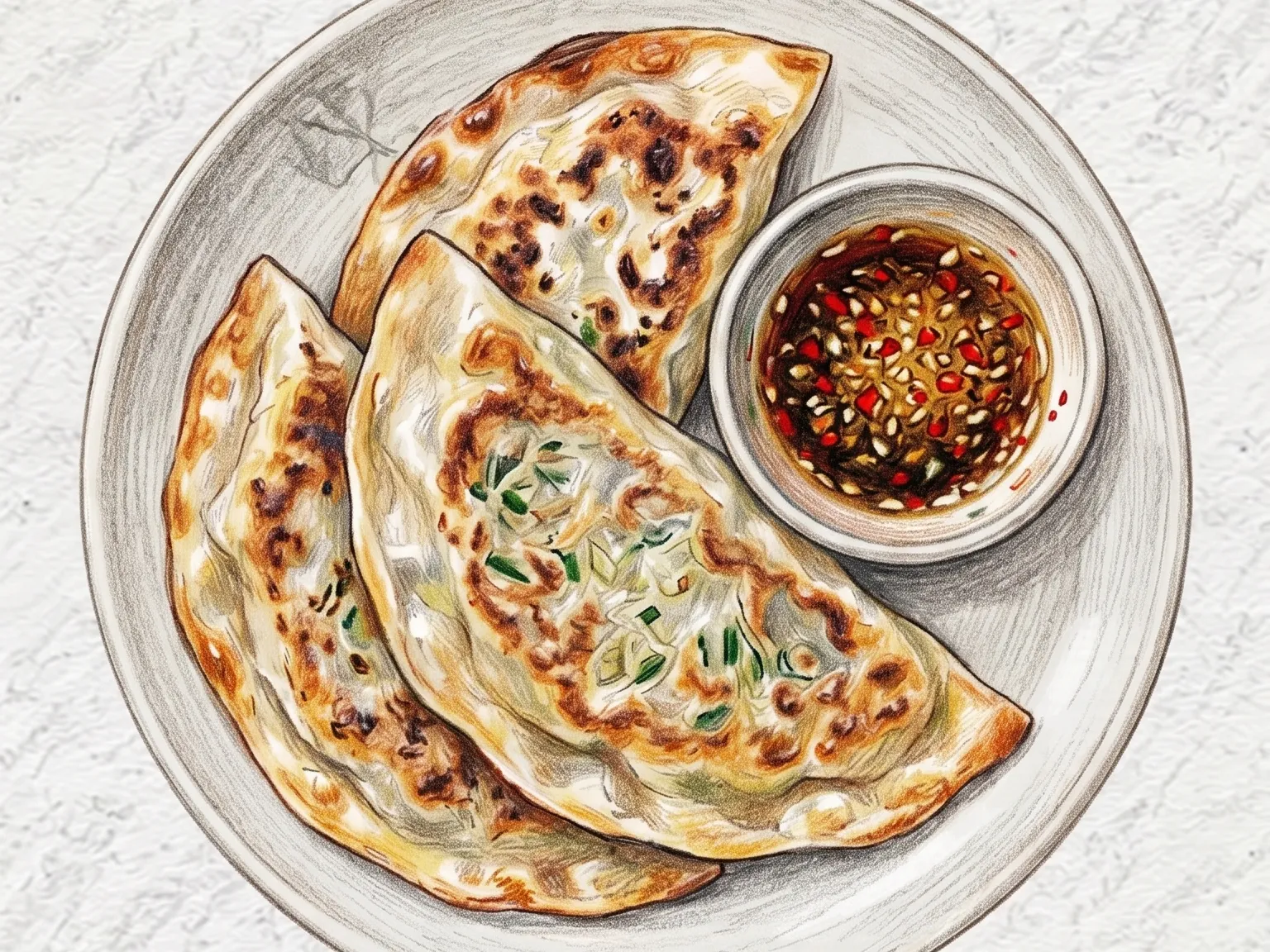
Galchi-jjim is a Korean braised hairtail fish dish where sliced hairtail and Korean radish are simmered together in a seasoned broth of gochugaru, soy sauce, garlic, and ginger until the liquid reduces to a concentrated glaze. The fish has a rich, oily white flesh that drinks in the bold seasoning while staying tender and intact. Ginger juice is added specifically to neutralize the oceanic smell that hairtail can carry, keeping the finished dish clean and approachable. The radish cooks down in the braising liquid, becoming deeply seasoned throughout as it absorbs the spiced sauce. The remaining sauce is intentionally left in small quantity so it can be spooned directly over steamed rice, which is considered the most satisfying way to eat this dish. It is a staple Korean fish preparation that appears on home dinner tables across the year.

Korean Cherry Tomato Jangajji
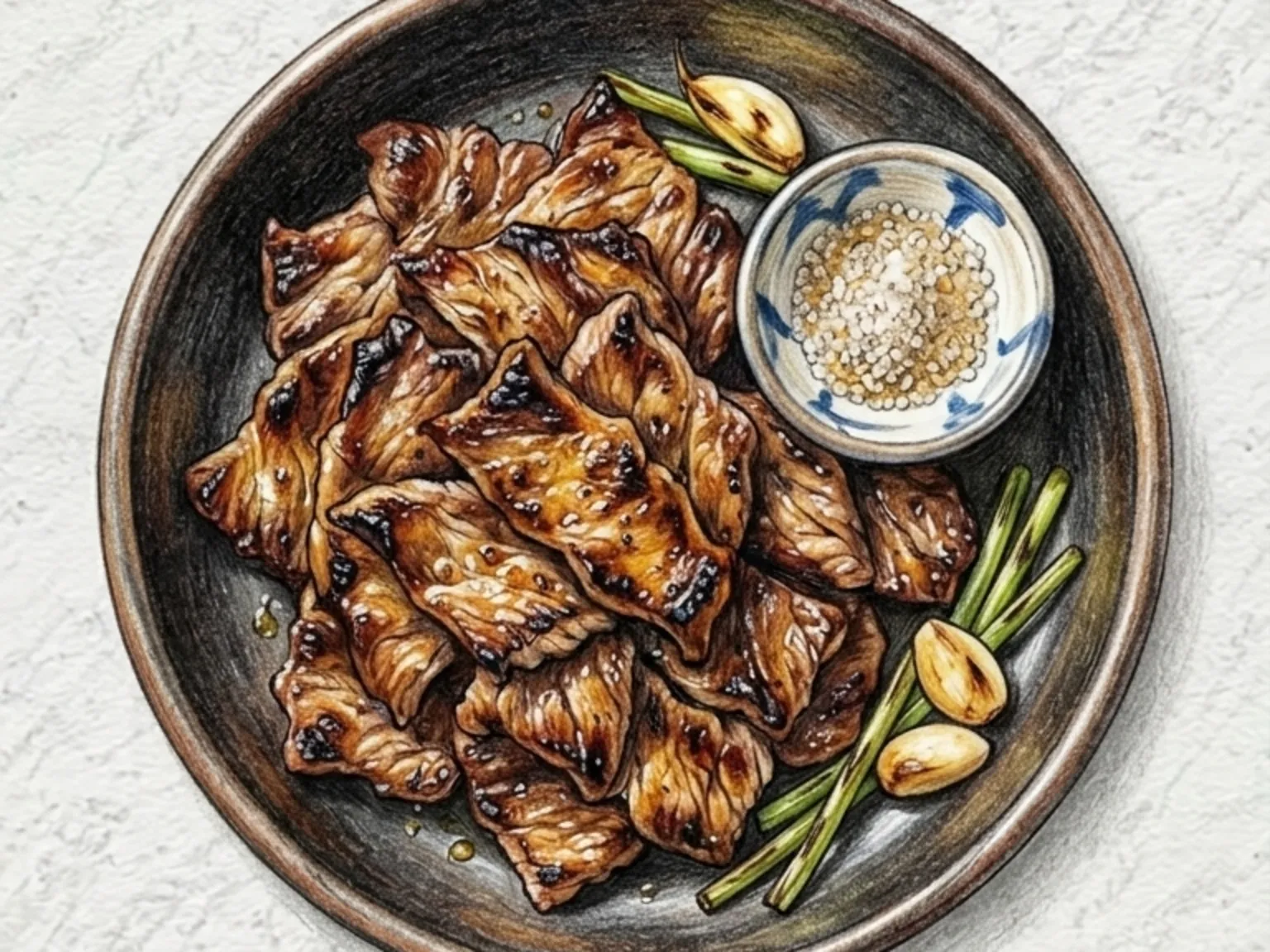
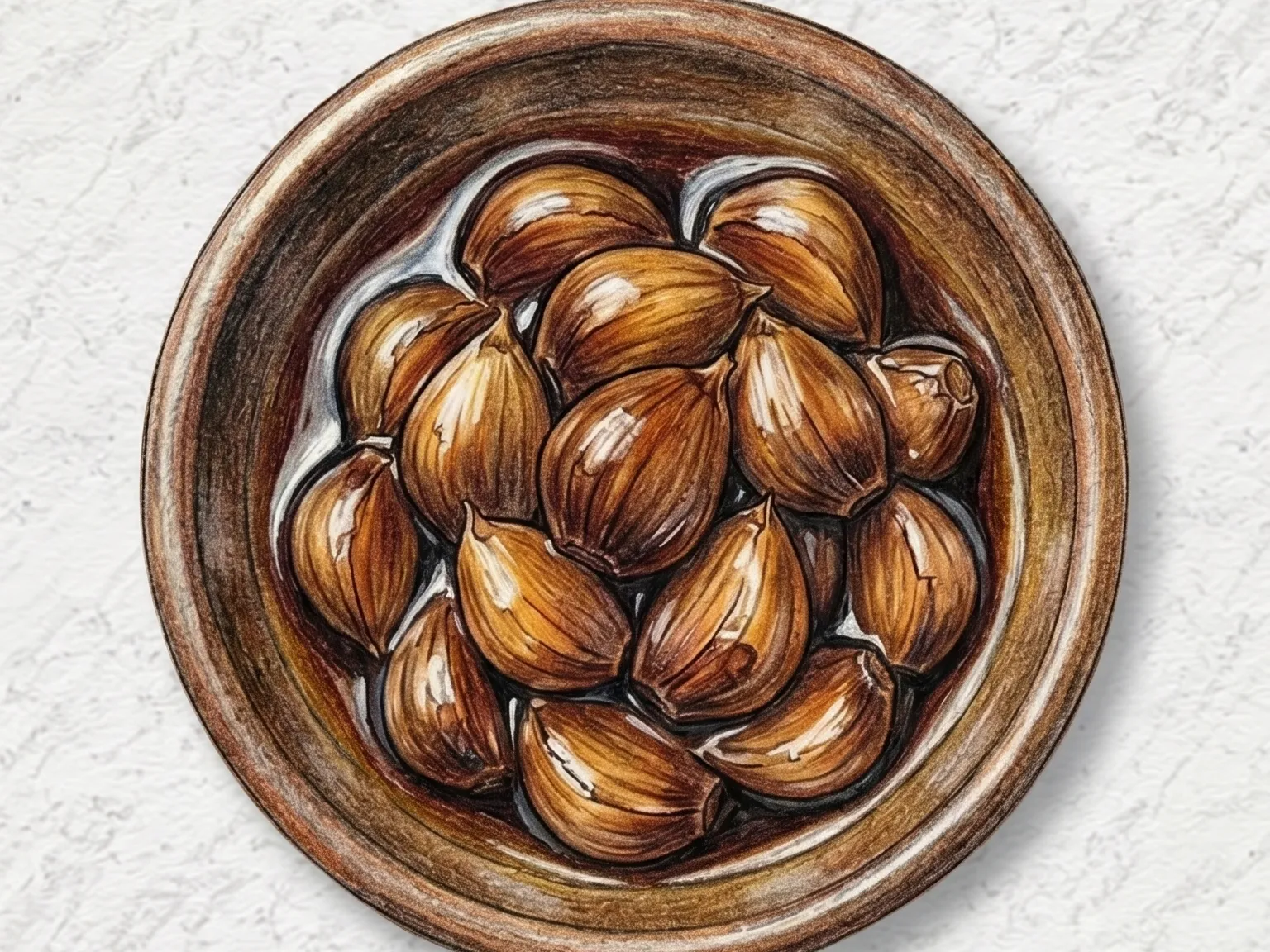
Peeling cherry tomatoes by hand serves as the foundation for creating tomato jangajji, a Korean soy-preserved dish. Removing the skins allows the brine of soy sauce, rice vinegar, and sugar to permeate the flesh quickly and consistently. A critical step involves boiling the liquid and then letting it cool to room temperature before combining it with the fruit. This cooling period prevents the tomatoes from softening or becoming soggy, ensuring they remain firm throughout the pickling process. Thinly sliced onions included in the jar absorb the liquid, contributing a savory and tangy character. Fresh basil leaves introduce an herbal scent that distinguishes this preparation from standard soy pickles. One full day of refrigeration helps the acidity of the vinegar settle and highlights the natural sweetness of the tomatoes. This side dish functions effectively alongside rice or grilled meats, where its tartness acts as a cleanser for the palate after eating oily foods. The texture remains intact for about a week when kept cold. For a different profile, small amounts of cinnamon or star anise can be added to the brine to provide a warm spice fragrance. It also pairs well with cheese and crackers as an unconventional snack or finger food.

Suanlafen (Sichuan Hot-and-Sour Sweet Potato Noodle Soup)
Suanlafen is a Sichuan street noodle soup featuring sweet potato glass noodles in a hot-and-sour broth. The broth gets its sharpness from black vinegar and its heat from chili oil and ground Sichuan pepper. Chewy, translucent noodles absorb the broth while maintaining a springy bite. Toppings typically include crushed peanuts, pickled mustard greens, and cilantro. The dish takes roughly 35 minutes to prepare and allows easy adjustment of sourness and spice levels to taste.

Hakka Noodles (Indo-Chinese Stir-Fried Noodles)
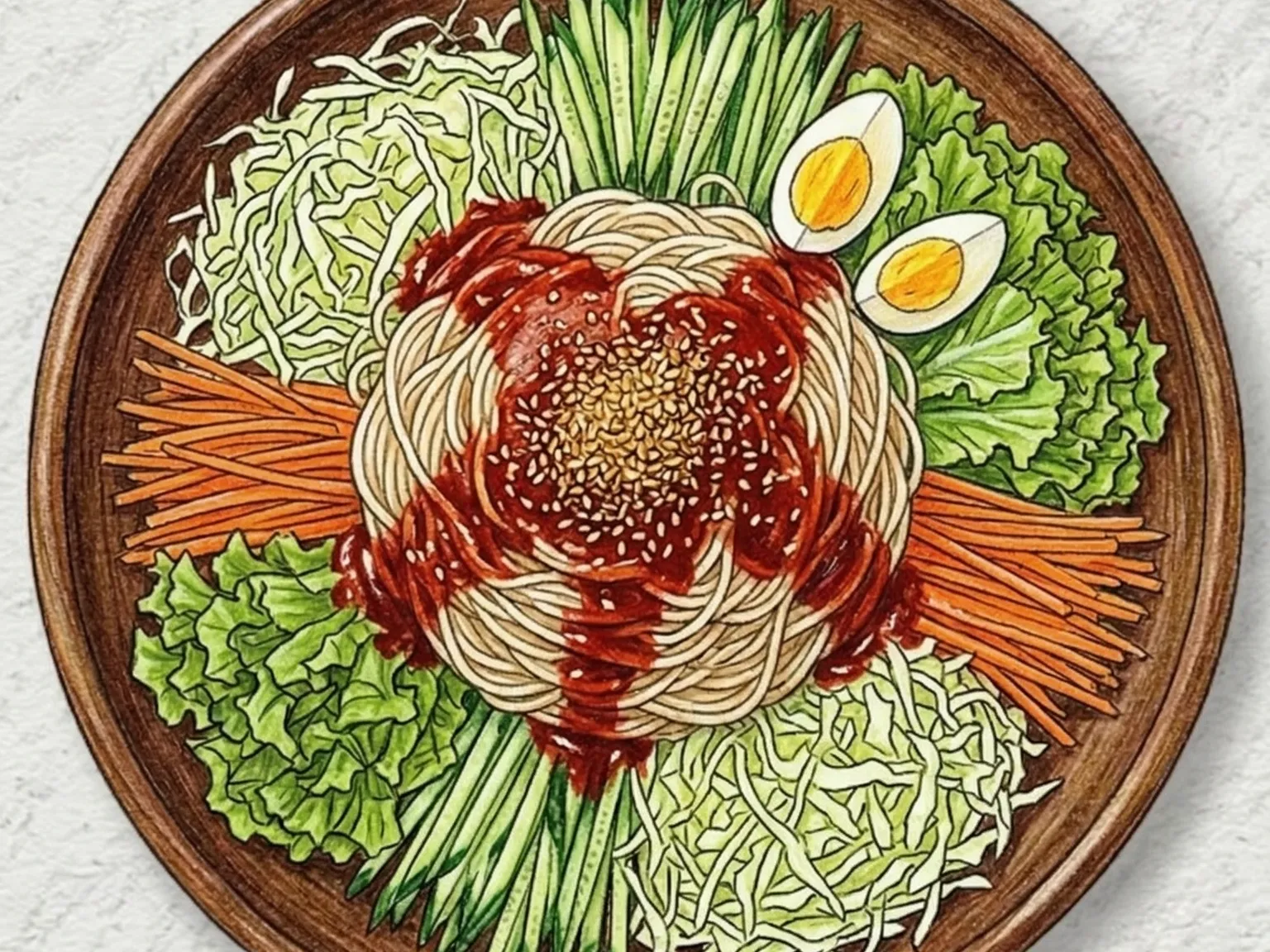
Hakka noodles represent the Indo-Chinese culinary tradition, a fusion cuisine that originated in the Chinese immigrant community of Kolkata and has since spread to cities across India. Egg noodles are boiled just short of fully cooked, rinsed under cold water to stop cooking, and tossed with a small amount of oil so the strands stay separate and pick up seasoning evenly during stir-frying. The vegetables, cabbage, carrot, and bell pepper, are julienned into matchstick-width strips that match the diameter of the noodles, ensuring a balanced forkful in every bite, and are cooked for no more than two minutes over intense heat to preserve their snap. The seasoning mix is deliberately spare: soy sauce for salinity, a splash of rice vinegar for a faint sour note, and black pepper for warmth. What matters more than the ingredient list is the speed and heat of the cooking. The intense wok temperature creates a light char and smoky depth on the noodles and vegetables, a quality called wok hei that cannot be achieved at lower temperatures regardless of the seasoning. Spring onions are added only after the heat is off to keep their fresh aroma and bite intact. Slightly undercooking the noodles before the wok is key; overcooked noodles turn mushy under the heat of stir-frying.

Korean Seasoned Perilla Leaf Banchan
Kkaennip-muchim uses the same core ingredient as kkaennip jorim but skips the heat - raw perilla leaves are dressed directly with a soy-chili seasoning. While the braised version offers soft, fully wilted leaves, this muchim preserves the leaf's rough surface texture and its sharp, almost peppery raw aroma. The dressing - soy sauce, gochugaru, garlic, and chopped scallion - is spread thinly between stacks of five leaves; over-applying makes the dish too salty. A ten-minute rest lets the seasoning absorb into the leaf fibers. Perilla leaves are rich in rosmarinic acid, an antioxidant that has contributed to their reputation as a health food in Korea. Served alongside samgyeopsal or ssambap, the leaves' strong herbal scent cuts through the richness of fatty pork.

Korean Spicy Stir-Fried Octopus Rice Bowl
Spicy stir-fried baby octopus in a gochujang sauce is served over a bowl of steamed rice. The octopus delivers a satisfying chew, coated alongside onion and cheongyang chili in a well-seasoned glaze that makes each bite of rice deeply flavorful. Stir-frying on high heat for just a few minutes keeps the octopus springy rather than tough, and scrubbing it with flour before rinsing ensures a clean taste free of any sliminess. Adding a layer of bean sprouts under the stir-fry introduces a contrasting crunch.

Korean Spicy Gochujang Potatoes
Gamja gochujang bokkeum is a simple Korean banchan of cubed potatoes stir-fried and simmered in a gochujang-based sauce until each piece is coated in a glossy, spicy-sweet glaze. Soaking the potatoes in cold water before cooking draws out excess starch, which prevents sticking and allows the sauce to adhere evenly across the surface rather than pooling at the bottom of the pan. The balance of gochujang heat and sugar sweetness is the flavor backbone, and the sauce is considered ready when it has reduced enough to form a shiny film on the potatoes - a visual cue that means the sugars have caramelized slightly and the flavors have concentrated. Because the sauce contains no additional liquid, it clings deeply to each cube rather than sitting separately, delivering full seasoning in every bite. This is a reliable everyday banchan that takes around twenty-five minutes with pantry staples and appeals to a wide range of palates, including children who find the sweetness more prominent than the heat.

Korean Stir-fried Sundae (Sundae Bokkeum)
Sundae-bokkeum is a spicy Korean stir-fry of blood sausage with cabbage, onion, and green onion in a sauce made from gochujang, gochugaru, soy sauce, sugar, and garlic. High heat and a short cooking time are essential because prolonged stir-frying causes the sundae casing to burst and the filling to toughen, while the cabbage and onion release just enough moisture as they wilt to help the sauce coat every piece evenly. The seasoning stacks direct heat from gochujang, a gentler radiant warmth from gochugaru flakes, and sweetness from sugar into a multidimensional spicy-sweet profile. Green onion is held until the very last moment so its fragrance survives the heat; added earlier, the aroma disappears before the dish reaches the table. Adding tteokbokki rice cakes transforms the dish into the popular combo known as tteoksuni, and a layer of melted cheese on top rounds out the spice.

Korean Grilled Pork Makchang
Makchang-gui is a Korean grilled pork large intestine dish where the offal is thoroughly cleaned, blanched for seven minutes to remove impurities and excess fat, then coated in a marinade of gochujang, soy sauce, sugar, minced garlic, gochugaru, sesame oil, and black pepper. The blanching step eliminates off-flavors and firms the intestine's texture so it holds up on the grill without falling apart. After fifteen minutes of marinating, the deeply wrinkled surface absorbs the sweet-spicy sauce, which caramelizes into a dark, sticky glaze over medium heat as the interior moisture slowly evaporates. The result is a chewy exterior with a rich, fatty interior that releases its flavor gradually with each bite. Patience with medium heat prevents the sugar-heavy sauce from scorching before the intestine is cooked through. Scissored into bite-sized pieces at the table and wrapped in perilla leaves or napa cabbage with a dab of doenjang, makchang-gui is a late-night staple in Korean grilled meat restaurants, particularly in the Daegu and Busan regions where the dish is most deeply rooted.

Korean Soy Steamed Potatoes
Gamja-jjim is a Korean braised potato banchan made by simmering potato pieces in a sauce of soy sauce, sugar, and minced garlic until the liquid reduces to a thick, glossy glaze. As the sauce concentrates, it coats every cut surface of the potato with a lacquered sheen while the seasoning penetrates through to the center, so the flavor is consistent from the outside in. The sugar caramelizes slightly during the final minutes of reduction, adding a faint toffee-like sweetness to the soy's deeper, saltier notes. Minced garlic breaks down in the heat and melds into the sauce, providing an umami backbone that rounds out the simpler flavors. Finishing with sesame oil and a generous scatter of sliced chives introduces a toasted, nutty aroma and a fresh herbal brightness. The potato itself holds its shape but is cooked through to a fluffy, yielding interior beneath the sticky exterior. Simple to make and requiring few ingredients, it is the kind of side dish that disappears from the table without much fanfare, pairing effortlessly with a bowl of rice.

Korean Soy Pickled Onions
Yangpa jangajji is a soy-pickled onion made by immersing large-cut onion chunks in a boiled brine of soy sauce, vinegar, and sugar. The hot brine tempers the raw onion's sharp, pungent bite on contact, and as the pickle matures in the refrigerator the sweet-salty seasoning penetrates evenly through each piece. Cutting the onion along its fiber rather than against it keeps the texture firm and crisp after pickling, whereas thin cross-cut slices tend to soften quickly in the acidic brine. Sliced cheongyang chili peppers added to the jar gradually release their heat into the liquid, lending a gentle, lingering spiciness that offsets the sweetness and keeps the flavors from becoming one-dimensional. The pickle is ready after one day of refrigeration but improves noticeably at three days or more as the seasoning continues to deepen. It is a staple accompaniment to grilled meats like samgyeopsal, where its acidity and crunch cut through richness and refresh the palate between bites. It also works well over bibimbap or cold noodles. The brine can be brought back to a boil and reused for a second batch of onions, making this an economical pantry item.

Japanese Dan Dan Ramen (Sesame Cream Broth with Spicy Pork)
Tantanmen is the Japanese adaptation of Sichuan dan dan noodles, served as a ramen with a thick sesame-cream broth. Ground pork is stir-fried with doubanjiang and spooned over the bowl along with chili oil. The sesame base gives the soup a dense, nutty body, while the chili oil adds a slow-building heat. Standard ramen noodles are used, paired with bok choy or scallions. Preparation takes about 45 minutes, with most of the effort going into building the sesame broth and seasoning the pork topping.

Hokkien Mee (Prawn Broth Stir-Fried Noodles)
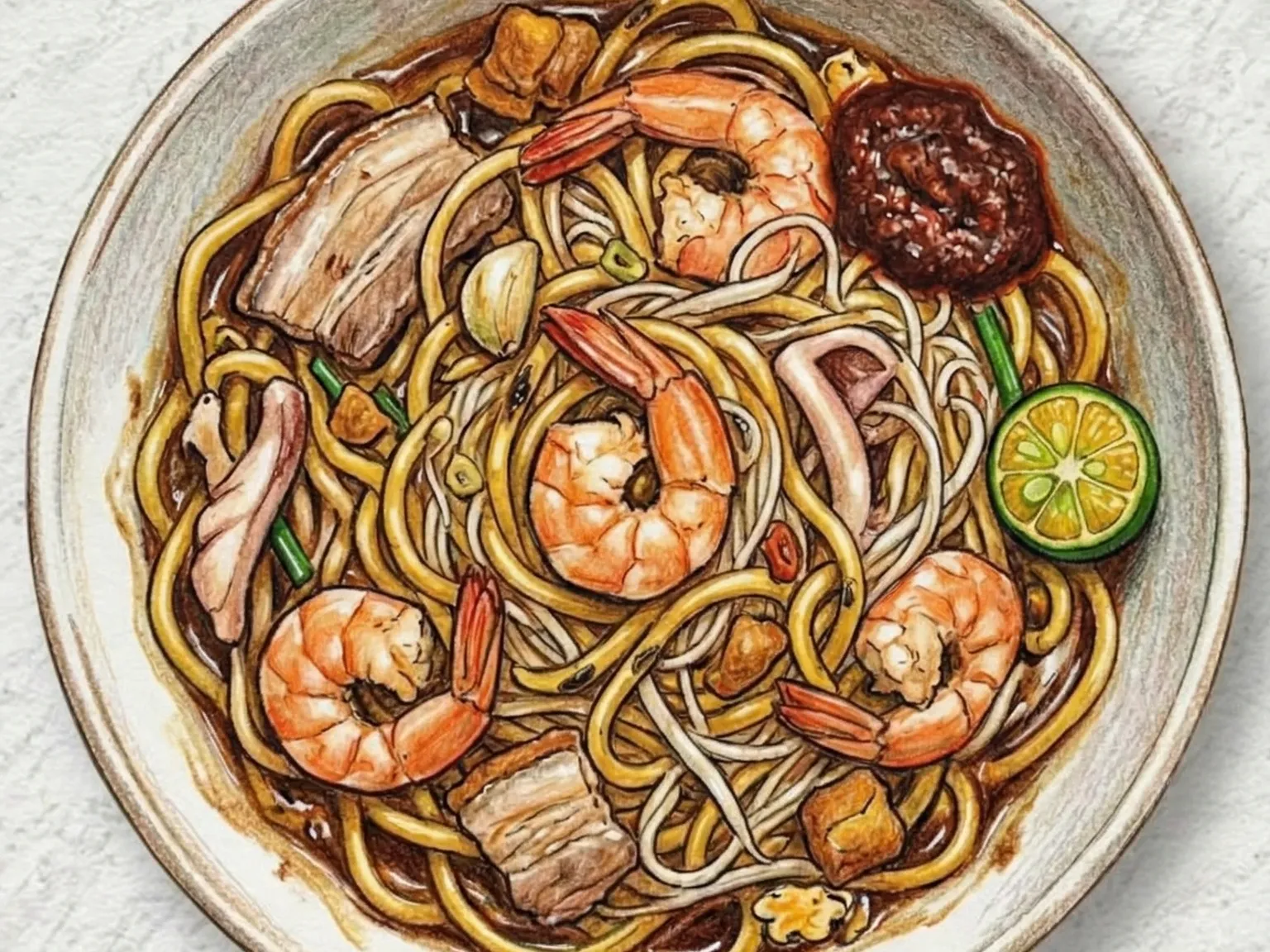
Hokkien mee is a Singaporean stir-fried noodle dish that uses two types of noodles, yellow egg noodles and thin rice vermicelli, cooked together in rich prawn stock. The stock, made by roasting shrimp heads and shells until deeply fragrant, is what separates this dish from ordinary stir-fried noodles. High wok heat is non-negotiable; insufficient heat leaves excess moisture and mutes the flavors. Shrimp and squid are seared quickly over maximum flame to avoid overcooking, then both noodle types are tossed in and drenched with the prawn stock and soy sauce, cooking until the liquid is nearly absorbed into the strands. Bean sprouts go in for the final thirty seconds to preserve their snap. A squeeze of lime just before eating brings acidity that lifts the rich, marine-heavy flavors.

Korean Braised Saury in Spicy Sauce
Kkongchi-jorim simmers Pacific saury with daikon radish in a soy-gochujang sauce until the bones soften enough to eat whole - a thrifty Korean fish braise built on one of autumn's most affordable catches. The radish lines the pot bottom, cushioning the fish from direct heat to prevent breakage while absorbing the braising liquid into sweet, flavor-soaked wedges. After bringing the sauce to a boil, twenty-five minutes of medium-low simmering renders the fine bones edible without adding vinegar. Canned saury, with bones already softened during processing, halves the cooking time for weeknight shortcuts. Green onion placed on top in the final two minutes tempers the fish's natural oiliness and adds a visual accent. Like most jorim-style banchan, this dish improves over several days in the refrigerator as the seasoning continues to penetrate.

Tea Rice Bowl (Japanese Green Tea Poured Rice with Salmon)
Ochazuke is a Japanese dish of cooked rice topped with grilled salmon flakes, dried seaweed, green onion, and wasabi, over which hot green tea is poured just before eating. The astringent bitterness of the green tea works against the fatty richness of the salmon, cutting through the oil and keeping the palate clean throughout the bowl. Wasabi adds a sharp, nasal heat that punctuates each spoonful differently depending on how much dissolves into the surrounding liquid. A light drizzle of soy sauce provides a salty baseline that ties the ingredients together without overpowering the tea. The seaweed flakes soften and dissolve into the hot liquid, gradually releasing a subtle oceanic aroma that spreads through the broth. As the meal progresses, the rice releases some starch into the tea, thickening the broth slightly and shifting the flavor toward the end. Using dashi stock made from kombu and bonito instead of green tea produces a richer, more umami-forward version. Variations with pickled plum or mentaiko in place of salmon are equally common.

Korean Potato and Sausage Stir-Fry
Gamja sausage bokkeum pairs thinly sliced potatoes with bite-sized sausage pieces, stir-fried in a sauce of soy sauce, ketchup, and a touch of sugar. The sausage renders just enough fat to coat the potatoes in a savory glaze, while the ketchup adds a mild sweetness that children especially enjoy. It comes together in under 30 minutes and works well as a lunchbox staple or a quick weeknight side. The combination of starchy potatoes and smoky sausage makes it universally crowd-pleasing.

Korean Spicy Rice Cakes (Gochujang Braised Chewy Tteok with Fish Cake)
Simmering cylindrical rice cakes and thin fish cake sheets in a spicy base of gochujang, red chili flakes, sugar, and soy sauce creates a sticky, glossy coating. The starch released from the rice cakes as the liquid reduces acts as a natural thickener, ensuring the sauce clings tightly to each ingredient. While the fish cakes soak up the heat from the surrounding liquid, they release a subtle seafood essence into the pan, and the addition of green onions at the final stage provides a crisp contrast to the underlying sweetness. Preparing a stock from dried anchovies and kelp rather than using plain water establishes a solid savory foundation for the entire dish. It helps to start with only half the seasoning paste, adding the remainder gradually to manage the final intensity and texture as the volume decreases. If the liquid evaporates too quickly, adding small amounts of water prevents the sugars in the sauce from scorching before the rice cakes reach the desired softness. For rice cakes that have been chilled or feel exceptionally firm, a short soak in cool water or a quick blanch in boiling water helps them cook through evenly. Serving the finished dish with boiled eggs, blood sausage, or assorted fried items replicates the setup found at traditional street stalls. This recipe scales easily into different versions by incorporating heavy cream or tomato-based sauces, resulting in the rose and cream variations often found in modern snack shops.

Korean Gochujang Grilled Garlic Scapes
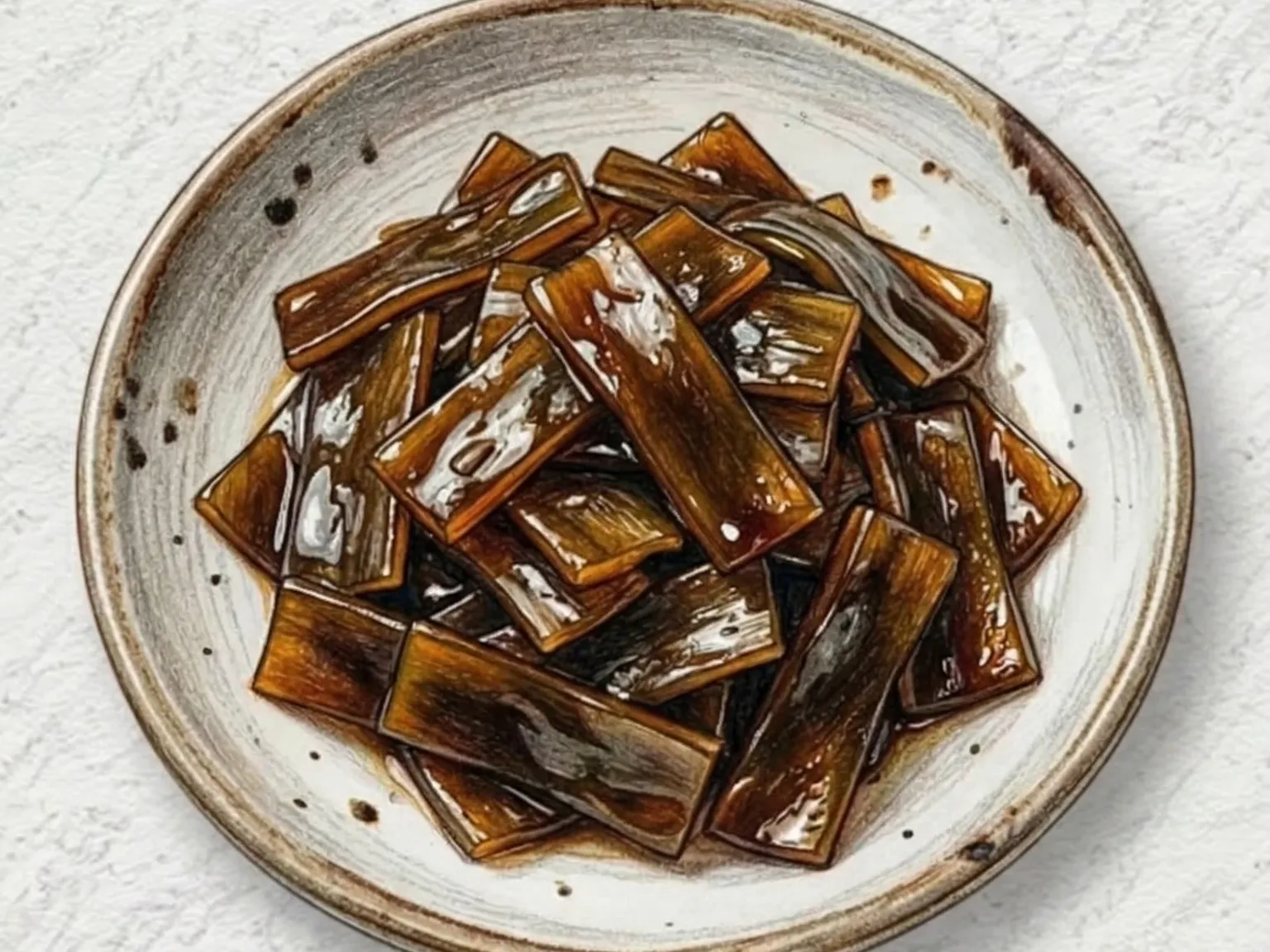
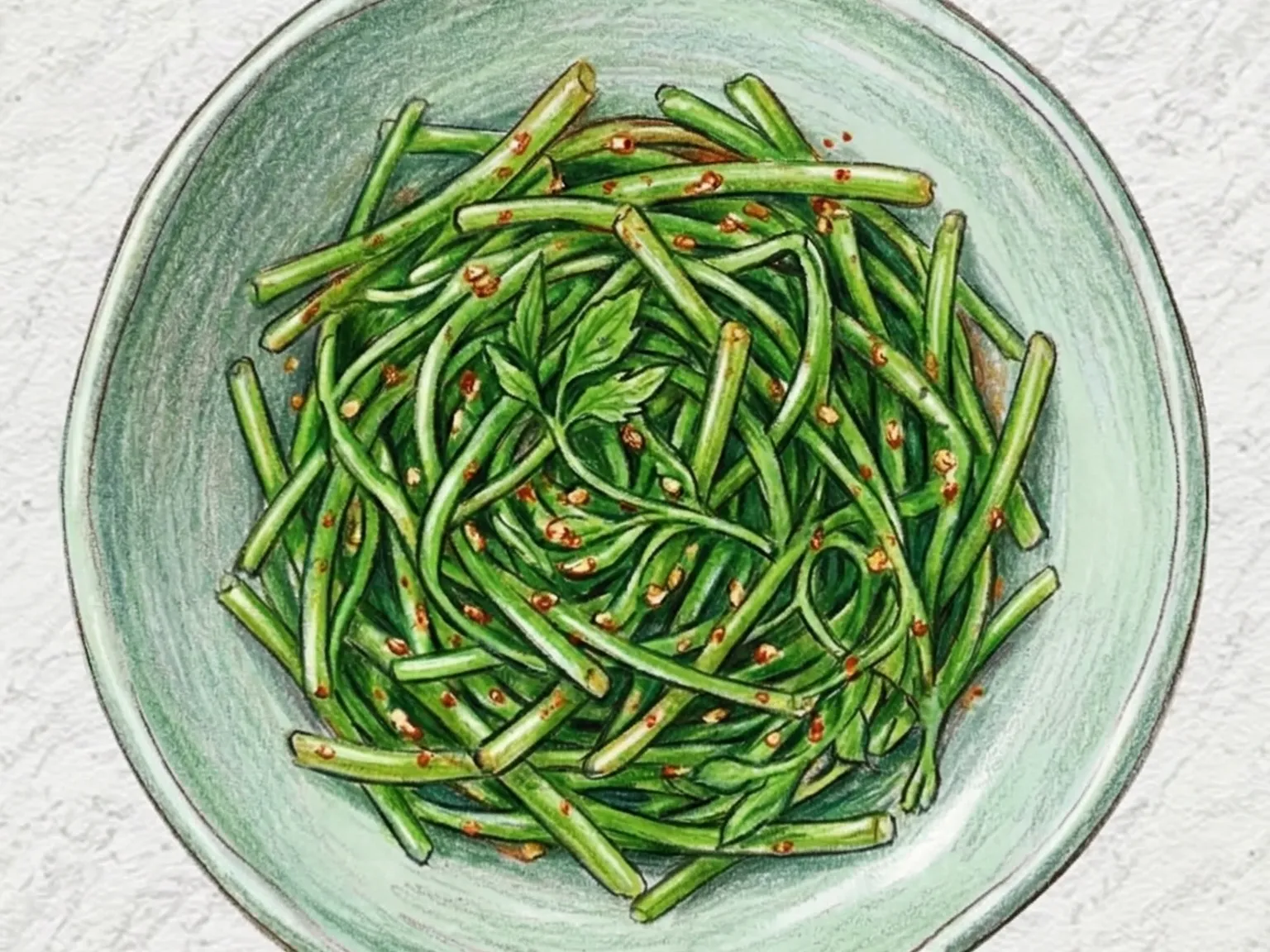
Maneuljjong-gochujang-gui is a Korean vegetable side dish where garlic scapes cut into six-centimeter pieces are blanched for just thirty seconds, then stir-grilled in a pan with a sauce built from gochujang, gochugaru, soy sauce, oligosaccharide syrup, and minced garlic. The thirty-second blanch is precisely timed to loosen the tough outer fibers of the scape so the sauce has a surface to cling to, while the crisp interior stays intact. Plunging the scapes into cold water immediately after blanching is necessary to halt carryover cooking and lock in the texture. The garlic scape's own sharp, pungent bite merges with gochujang's fermented depth to build a layered spiciness that carries more complexity than raw chili heat alone, and the oligosaccharide syrup contributes both a glossy coating and a restrained sweetness that rounds off the sauce. When the sauce starts catching on the pan, adding a tablespoon of water loosens it without washing out the flavor. Sesame oil and toasted sesame seeds go on at the very end to finish the dish with a nutty, roasted aroma.

Korean Braised Skate Wing with Radish
Gaori jjim is a Korean braised skate dish, slow-cooked with radish in a bold sauce of gochugaru and soy sauce. Skate has a texture unlike most fish: its flesh is lean and mild, but the cartilaginous fibers throughout give it a distinctly chewy, springy quality that absorbs the braising sauce deeply during a long, slow cook. Radish pieces nestle in the pot alongside the fish, soaking up the spiced liquid until they turn sweet-savory and tender all the way through. Mirim and minced garlic work together to suppress the sharper marine smell that skate can carry, and the result is a clean, bold flavor without any fishiness. Green onion scattered over the top adds color and a fresh note at the finish, and the remaining braising sauce spooned over rice is one of the best parts of the dish.

Korean Lotus Root Jangajji
Yeongeun jangajji is a soy-pickled lotus root made by blanching sliced root in vinegar water to prevent discoloration, then soaking it in a hot brine of soy sauce, sugar, peppercorns, and bay leaf. The brine seeps through the root's characteristic holes, distributing a balanced salty-sweet flavor evenly in every bite. Bay leaf tempers the heaviness of the soy base while whole peppercorns add a mild spice undertone. The result is a pickle with a dual texture - simultaneously chewy and crisp - that keeps well for days and works as a lunchbox side or everyday banchan.

Tomato Egg Lamian (Chinese Home-Style Tomato Scrambled Egg Noodle Soup)
Tomato egg lamian is a Chinese home-style noodle soup where ripe tomatoes are sauteed until they break down into a tangy, slightly sweet broth. Soft-scrambled eggs are folded in, adding mild richness. Fresh wheat noodles go directly into the pot, picking up the broth's flavor as they cook. No heavy spices are involved - the dish relies on the natural taste of its few ingredients. It takes about 27 minutes total and is widely eaten across China as an everyday meal.

Hui Guo Rou (Twice-Cooked Pork)
Hui guo rou, literally 'twice-cooked pork,' stands as one of the defining dishes of Sichuan cuisine. Pork belly is first simmered whole until cooked through, then cooled completely and sliced thin before returning to a screaming-hot wok. The initial boiling renders excess fat and firms the meat, making clean, uniform slices possible. Back in the wok, those slices fry until their edges curl and crisp while the fat layers turn chewy rather than soft. Doubanjiang, the fermented chili bean paste that forms the backbone of Sichuan cooking, goes in along with fermented black beans, and together they build the dish's signature salty-spicy character. A splash of soy sauce and a pinch of sugar round out the depth. Diagonally sliced leek and green bell pepper are added only in the final one to two minutes over maximum heat, keeping their snap and fresh color against the richly seasoned pork. Because doubanjiang's saltiness varies significantly by brand, the soy sauce amount should always be adjusted to taste after the paste is added. When the wok is hot enough to generate wok hei, all the elements fuse into a cohesive, smoky whole that captures the bold spirit of Sichuan cooking.