Charim

2686 Korean & World Recipes

2686+ Korean recipes, clean and organized. Ingredients to instructions, all at a glance.

Recipes with soy sauce

24 recipes

Buy soy sauce
Korean Stir-fried Garlic Scapes
Stir-fryEasy

Korean Stir-fried Garlic Scapes

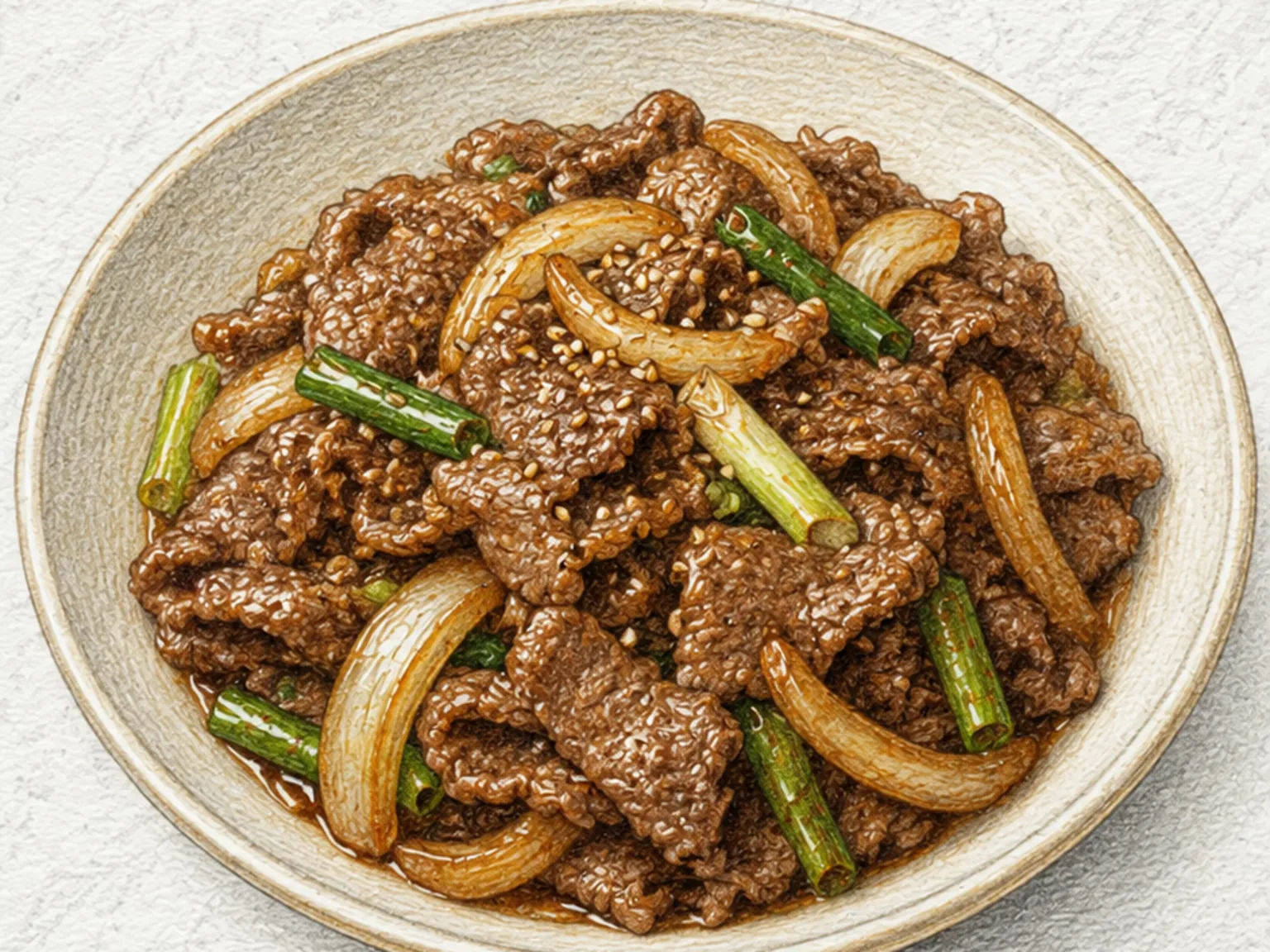
Maneul jong bokkeum is a Korean banchan of garlic scapes cut into 4 cm lengths and stir-fried with onion, then coated in a sauce of gochujang, soy sauce, and oligosaccharide syrup. The pungent, sharp character of garlic scapes meets gochujang's spicy heat and the syrup's glossy sweetness, producing a balanced three-way flavor of salty, sweet, and spicy that is immediately addictive. Timing is the most important variable in making this dish properly. Garlic scapes become tough and fibrous if overcooked, so pulling them from the heat while the color is still a vivid, saturated green is essential. When cooked to the right point, the exterior of each scape is lacquered with the glossy sauce while the interior stays crisp and slightly snappy. The onion caramelizes gently as it cooks, adding a background sweetness that rounds out the sauce without competing with the garlic. Sesame seeds scattered over the finished dish add a layer of toasted nuttiness. The banchan holds well in the refrigerator for three to four days, making it a practical dish to prepare ahead of time. It works equally well as a rice accompaniment or as a drinking snack.

🏠 Everyday🍱 Lunchbox
Prep 10minCook 8min2 servings
Thai Five-Spice Braised Pork and Eggs
SteamedMedium

Thai Five-Spice Braised Pork and Eggs

Moo palo is a Thai home-cooked braise of pork belly and soft-boiled eggs simmered slowly in a sauce built from soy sauce, palm sugar, and five-spice powder. The palm sugar goes into a dry pot first, caramelized until it turns a deep amber before the pork is added, which gives the meat a rich lacquered surface rather than a pale stew color. Five-spice powder draws together cinnamon, star anise, clove, fennel seed, and Sichuan pepper into a layered fragrance that permeates the braising liquid from the start, setting moo palo apart from simpler soy-based stews. Peeled eggs submerged in the liquid take on a uniform mahogany tint as they cook, absorbing the seasoning all the way to the yolk over the long simmer. Pork belly or shoulder with a good ratio of fat to lean is the right cut here, as the fat melts into the liquid and keeps the meat from drying out during the extended cooking time. Spooned over a bowl of steamed jasmine rice, the braise delivers a warm, sweet-salty depth punctuated by gentle spice heat, the kind of satisfying everyday meal that is central to Thai home cooking.

🎉 Special Occasion
Prep 20minCook 70min4 servings
Peking Duck
AsianHard

Peking Duck

Peking duck is a centuries-old Chinese banquet dish refined in the imperial kitchens of Beijing. A whole duck is air-dried to tighten the skin, then roasted at high heat until the exterior shatters like glass while the fat beneath renders almost entirely away. The skin is the centerpiece: a lacquered sheet of crunch that carries a faint sweetness from the maltose glaze applied before roasting. Traditionally, a skilled carver slices the skin and meat tableside into thin pieces. Diners place a few slices onto a paper-thin wheat pancake, add julienned scallion and cucumber, streak on hoisin sauce, then roll everything into a tight parcel. Each bite layers crisp skin, supple meat, raw vegetable crunch, and the fermented sweetness of the sauce into a single mouthful.

🎉 Special Occasion
Prep 90minCook 70min4 servings
Korean Garlic Scape Chicken Breast Stir-fry
Stir-fryMedium

Korean Garlic Scape Chicken Breast Stir-fry

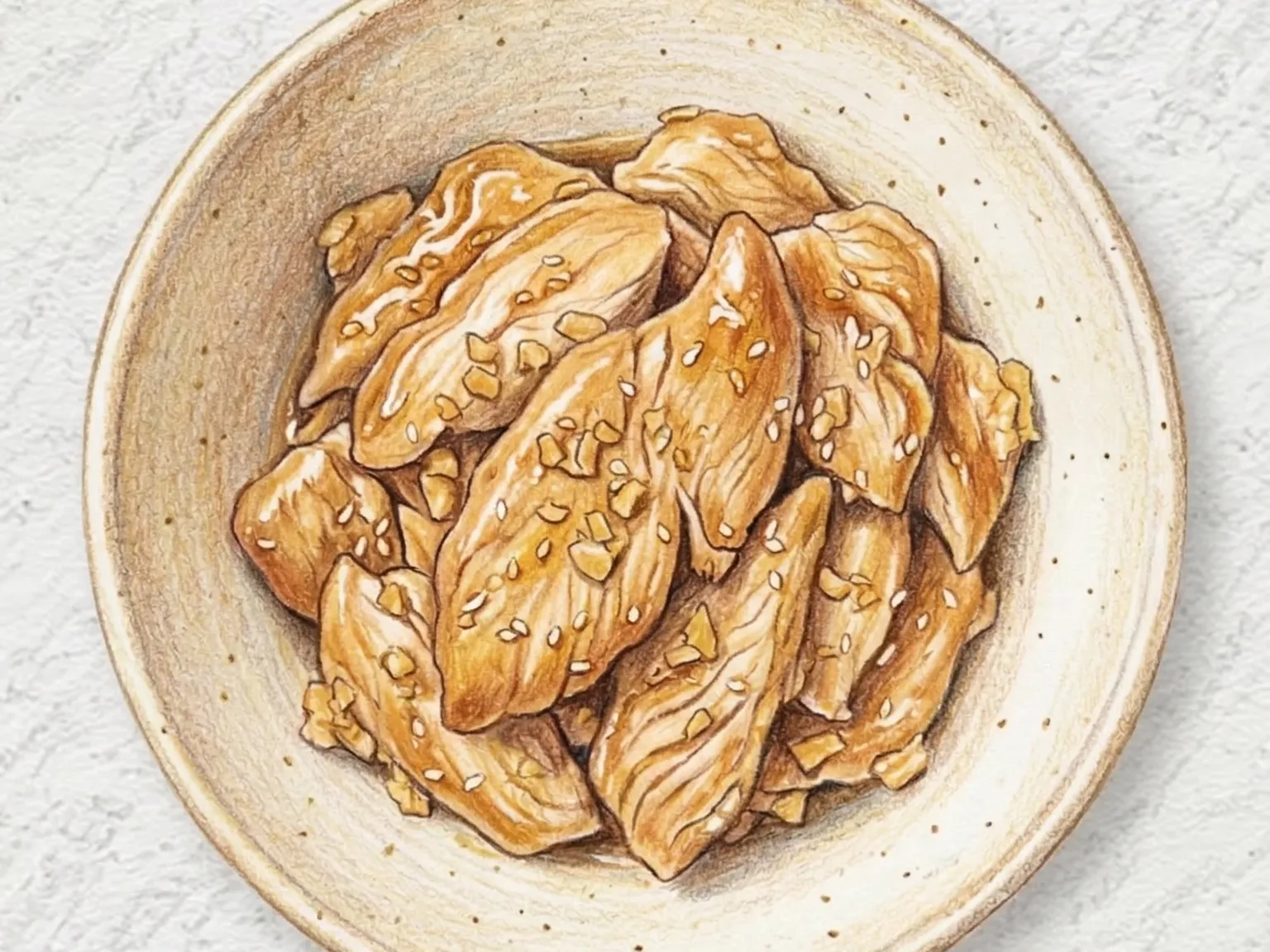
Maneuljjong dakgaseumsal bokkeum is a stir-fry where soy-marinated chicken breast is cooked through with ginger and garlic first, then joined by garlic scapes cut to five-centimeter lengths and julienned carrot for a quick blast over high heat before the whole pan is finished in an oyster sauce and soy sauce glaze. Chicken breast is naturally lean and can easily read as flat on its own, but the oyster sauce compensates by delivering concentrated umami and coating the surface of each piece with a lacquered sheen. The garlic scapes provide a dual texture that is both crisp and slightly chewy, setting up a direct contrast with the smooth, tight grain of the chicken breast. Julienned carrot adds a gentle sweetness that softens the saltiness of the soy and oyster sauce base. Ginger pulls double duty, eliminating any poultry odor while contributing the aromatic lift characteristic of well-executed stir-fry. The high-protein, low-fat profile makes this a practical everyday banchan for anyone managing calories, and it also works well spooned over rice in a deopbap format. Keeping the garlic scapes in the pan for as short a time as possible is essential to preserving their signature crunch.

🥗 Light & Healthy🏠 Everyday
Prep 15minCook 11min2 servings
Braised Korean Radish (Soy Garlic Slow-Cooked Side)
SteamedEasy

Braised Korean Radish (Soy Garlic Slow-Cooked Side)

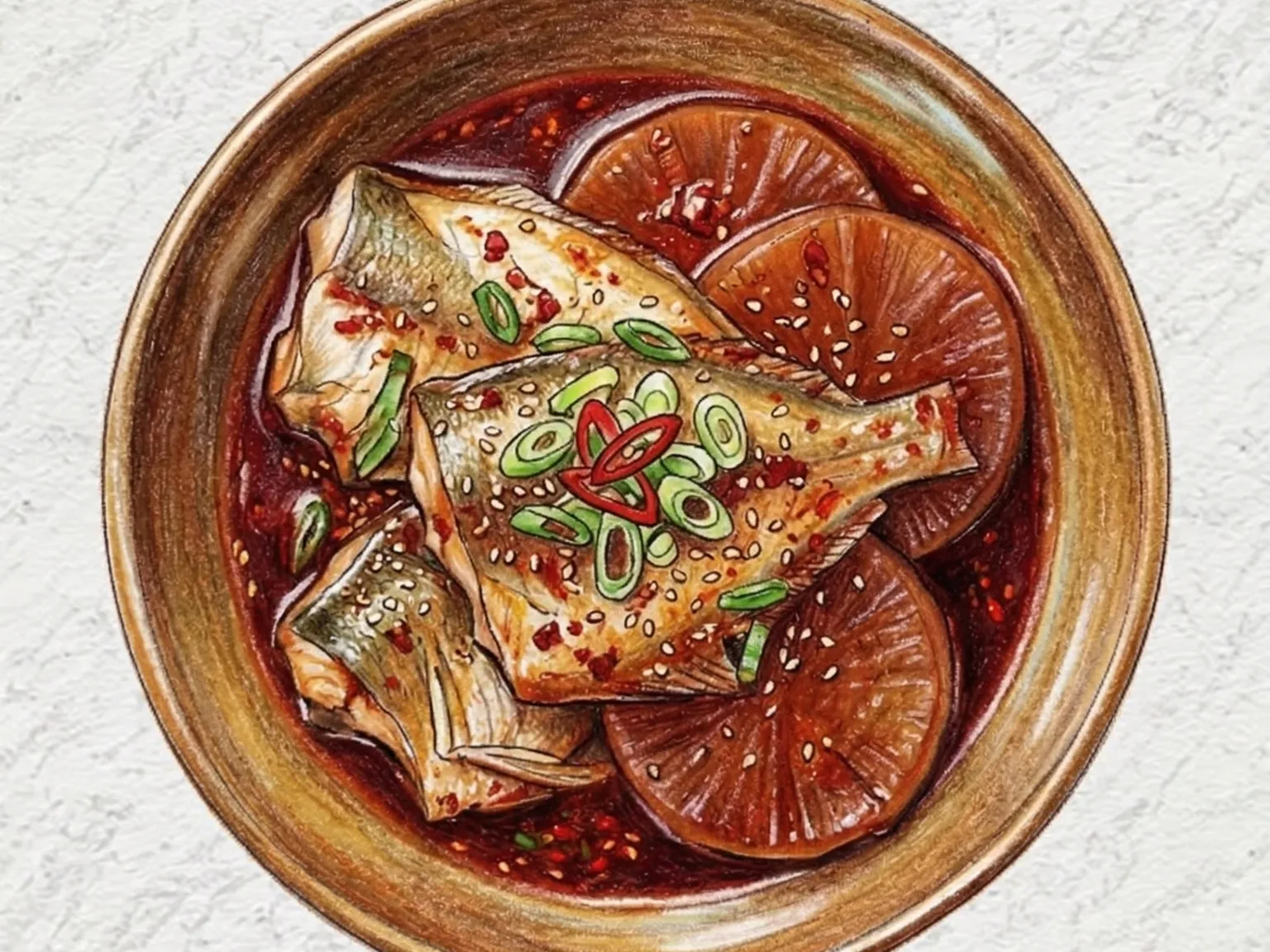
Mu-jjim is a Korean braised radish dish where thick-cut Korean radish is simmered slowly in a covered pot with soy sauce, sugar, and garlic. The radish absorbs the seasoned liquid as it cooks, turning translucent from edge to center and developing a natural sweetness that balances the saltiness of the soy base. A drizzle of sesame oil at the end adds a nutty fragrance, and a single sliced green chili contributes a mild kick to the finish. Despite the short ingredient list, this banchan pairs naturally with rice at any meal and holds up well as a make-ahead side throughout all seasons. Keeping the heat at medium or below for at least twenty minutes allows the radish to soften fully and take in the seasoning without becoming mushy.

🏠 Everyday🍱 Lunchbox
Prep 12minCook 30min2 servings
Saba Misoni (Japanese Miso Mackerel Recipe)
AsianMedium

Saba Misoni (Japanese Miso Mackerel Recipe)

Saba miso-ni is a cornerstone of Japanese home cooking, a dish most cooks can make from memory. Mackerel fillets are first doused with boiling water to remove surface proteins and odor, then placed skin-side up in a shallow pan with a sauce of white or red miso, soy sauce, mirin, sake, and sugar. Thick slices of ginger go in alongside the fish, neutralizing any remaining fishiness and lending a clean, sharp note to the broth. The pan is covered with a drop lid so the simmering liquid bastes the fillets continuously, building a glossy, caramelized miso coating on the surface. The finished fish is so tender it flakes at the touch of chopsticks, and the reduced sauce has concentrated into a thick glaze that clings to each piece. Served over steamed rice, a single fillet and a spoonful of sauce make a complete meal.

🏠 Everyday🍱 Lunchbox
Prep 8minCook 18min2 servings
Korean Garlic Scape Clam Stir-fry
Stir-fryMedium

Korean Garlic Scape Clam Stir-fry

Maneuljjong-jogae-bokkeum is a Korean stir-fry of clam meat and garlic scapes tossed quickly over high heat with soy sauce, oyster sauce, and minced garlic. The clams contribute a briny, oceanic depth that merges with the salty-sweet seasoning, while the garlic scapes, cut into 4 cm pieces and barely cooked, retain their firm, snappy crunch. Diagonally sliced red chili added partway through builds a gentle warmth without overwhelming the seafood flavor. Since clams toughen with prolonged heat, they go in last and cook for no more than 30 to 60 seconds. Finishing with a few drops of sesame oil rounds out the dish with a nutty fragrance, and a scattering of shredded green onion adds freshness to each serving.

🏠 Everyday🍱 Lunchbox
Prep 14minCook 9min2 servings
Korean Steamed Beef with Radish Greens
SteamedHard

Korean Steamed Beef with Radish Greens

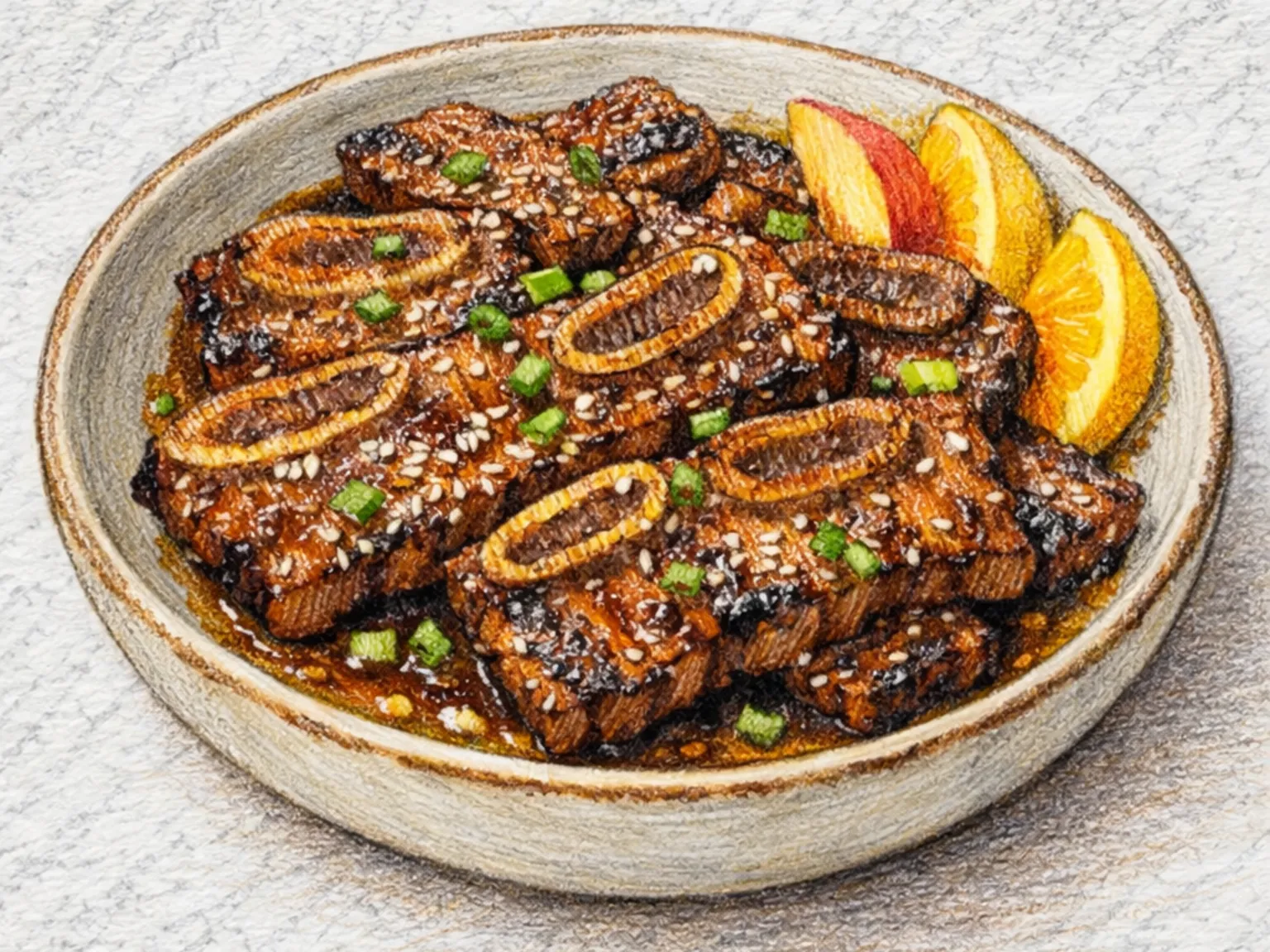
Mucheong sogogi jjim is a Korean braised beef dish where short rib meat is marinated in Korean pear juice and soy sauce, then slow-cooked with blanched radish greens and onion. The pear juice tenderizes the beef and lends a subtle fruit sweetness that deepens over the long braise. Radish greens are added near the end to preserve their earthy aroma and slight chew, bringing a rustic contrast to the soft meat. Ginger juice keeps the flavor clean, and sesame oil ties everything together with a toasted finish. The sauce reduces to a concentrated glaze meant to be spooned over rice.

🎉 Special Occasion
Prep 25minCook 70min4 servings
Three Cup Chicken (Taiwanese Soy Sesame Oil Rice Wine Braised Chicken)
AsianMedium

Three Cup Chicken (Taiwanese Soy Sesame Oil Rice Wine Braised Chicken)

San bei ji, or Three Cup Chicken, is a Taiwanese braise named for the equal measures of soy sauce, sesame oil, and rice wine that form its sauce. The cooking begins with toasted sesame oil in a clay pot, followed by thin slices of garlic and ginger fried until golden. Bone-in chicken pieces, seared to a light crust, join the pot along with the soy sauce and rice wine. As the liquid reduces over moderate heat, it thickens into a dark, glossy glaze that coats every piece of chicken. The final and defining step is a generous handful of Thai basil leaves stirred in just before serving - the residual heat wilts the leaves and releases a sharp, peppery aroma that lifts the rich sauce. The dish is served directly in the clay pot, still bubbling, and paired with plain steamed rice to soak up the concentrated sauce.

🍺 Bar Snacks🎉 Special Occasion
Prep 15minCook 25min3 servings
Korean Spicy Octopus Stir-fry
Stir-fryMedium

Korean Spicy Octopus Stir-fry

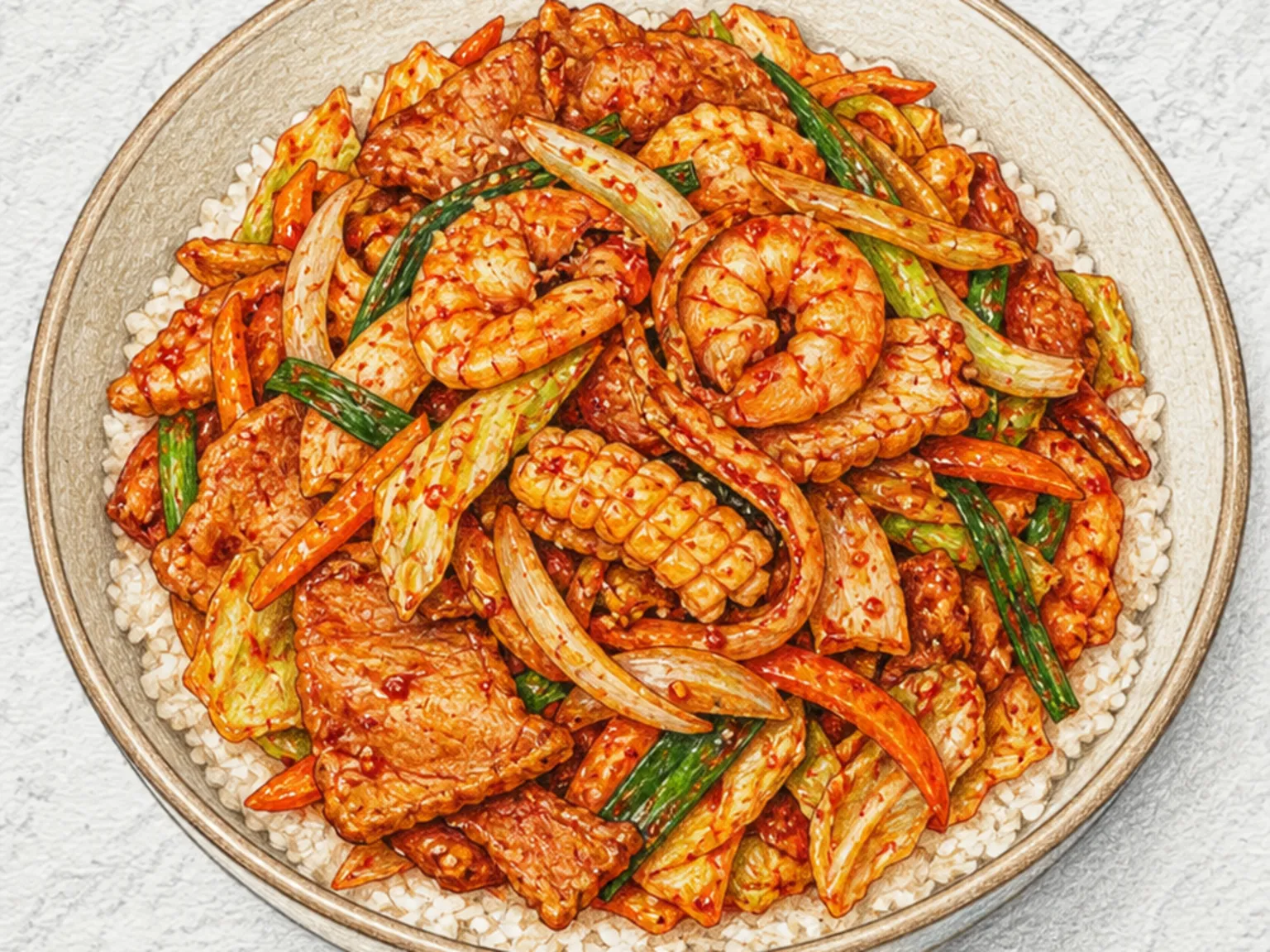
Muneo-bokkeum is a Korean stir-fry of pre-boiled octopus pieces cooked on high heat with onion, carrot, and scallion in a sauce built from gochujang and soy sauce. Because the octopus arrives already cooked, two to three minutes of high-heat stir-frying is the target window - enough time to heat the pieces through and coat them in the seasoning without pushing the texture past springy into tough. The sauce brings spice from the gochujang and saltiness from the soy sauce, and that combination lifts the naturally clean, mild flavor of the octopus without masking it. Vegetables are pulled from the pan while they still carry some bite, which sets up a textural contrast against the dense, elastic chew of the octopus. Sesame oil goes in at the very end as a finishing drizzle, adding a nutty, aromatic layer that ties the dish together. It works as a rice side dish or as an anju pairing alongside drinks.

🏠 Everyday🍱 Lunchbox
Prep 20minCook 10min2 servings
Korean Braised Pork Back Ribs with Aged Kimchi
SteamedMedium

Korean Braised Pork Back Ribs with Aged Kimchi

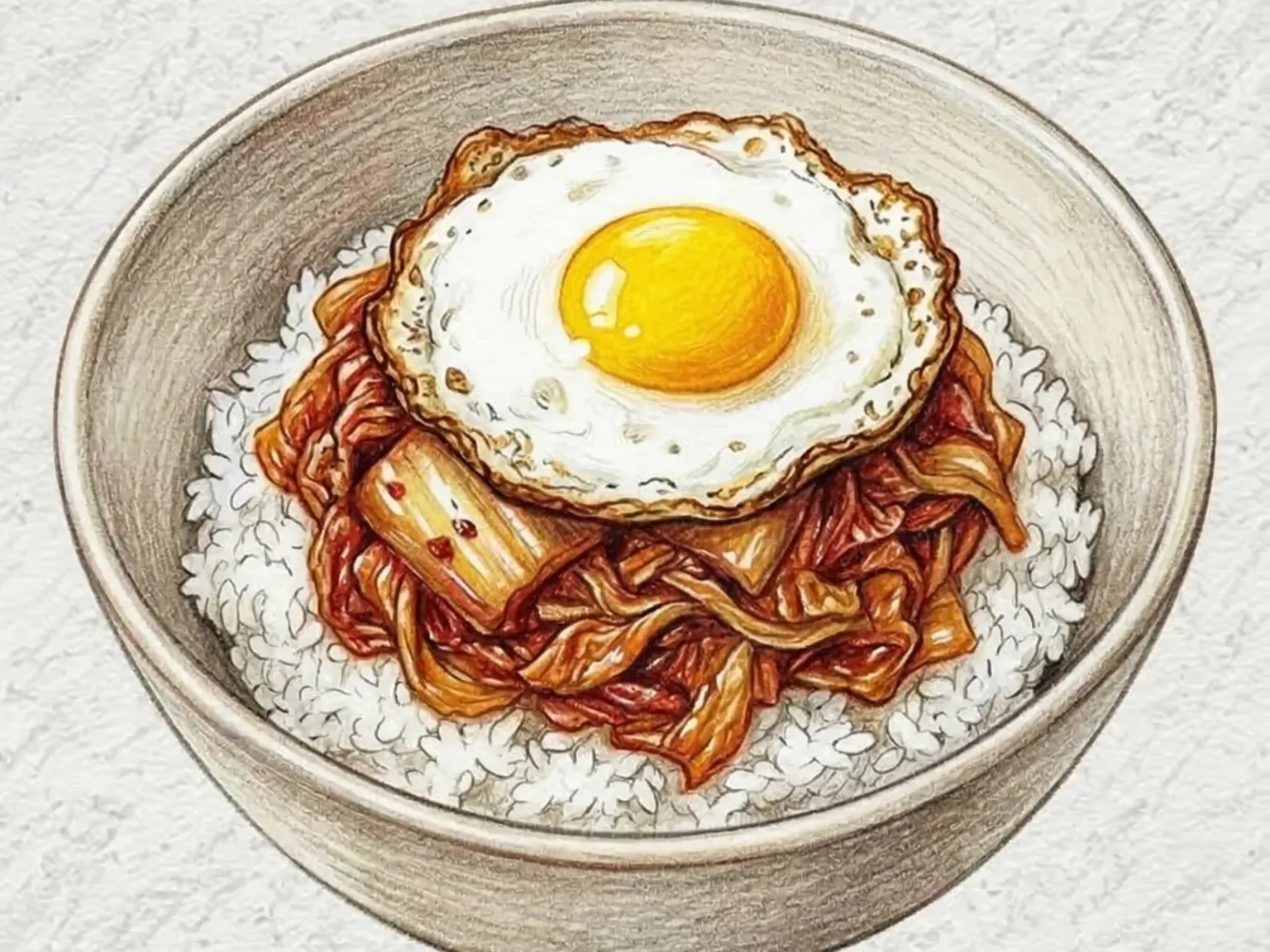
Mukeunji deunggalbi jjim is a Korean braise of pork back ribs and well-aged kimchi simmered low and slow in a sauce built from gochugaru, gochujang, and soy sauce. The bones release a rich, collagen-heavy stock as they cook, and the deep fermented tang of kimchi aged for a year or more layers a complex acidity onto that savory foundation. Reducing the braising liquid down to roughly one-third of its original volume concentrates the flavors into a thick, lacquered glaze that coats every rib. The kimchi fibers soften through the long cook but its sharp, pungent character remains present to the final bite. By the time the dish is ready, the meat pulls cleanly from the bone with minimal effort. Served with steamed rice, it makes a filling and warming meal, and the older and more deeply fermented the kimchi, the richer and more complex the finished result.

🏠 Everyday🎉 Special Occasion
Prep 25minCook 70min4 servings
Shan Noodles (Burmese Flat Rice Noodles with Turmeric Meat Sauce)
AsianMedium

Shan Noodles (Burmese Flat Rice Noodles with Turmeric Meat Sauce)

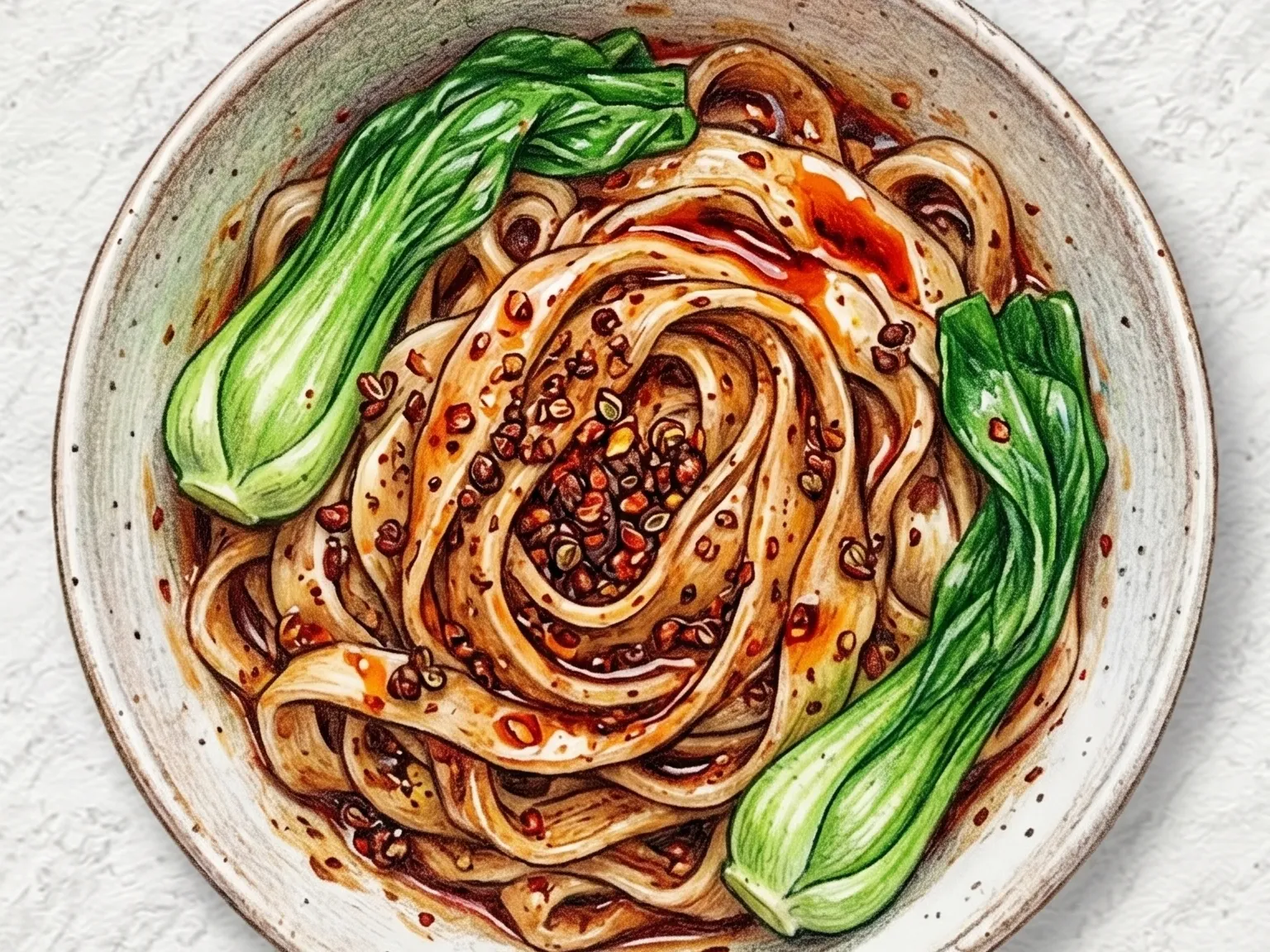
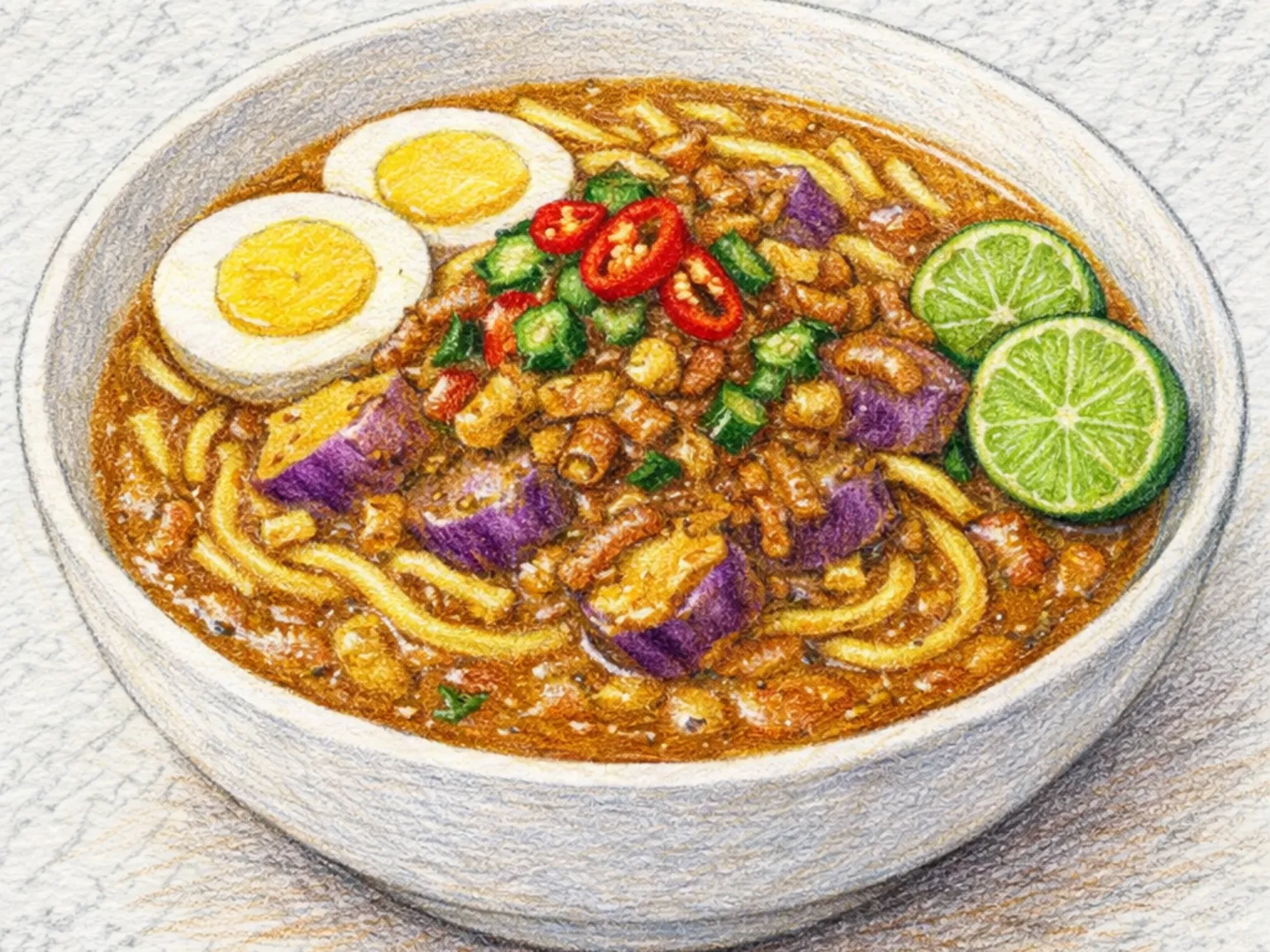
Shan noodles are the everyday noodle of Myanmar's Shan State, found at nearly every market stall and tea shop in the region. Thin, flat rice noodles are topped with a sauce of minced chicken or pork cooked with turmeric, tomato, and a touch of chili. The dish is finished with a generous pour of fried garlic oil - golden-brown garlic chips sizzling in their own rendered fat - which gives the bowl its signature aroma. Pickled mustard greens add a sour crunch on the side, and toasted chickpea flour is sprinkled over for a nutty, grainy texture. The noodles come in two styles: a dry version tossed with the sauce, and a soup version swimming in a light broth. Both are eaten with a spoon and fork rather than chopsticks, in keeping with Burmese custom.

🎉 Special Occasion
Prep 20minCook 20min2 servings
Korean Mushroom and Vegetable Stir-Fry
Stir-fryEasy

Korean Mushroom and Vegetable Stir-Fry

Mushroom-yachae-bokkeum stir-fries king oyster and oyster mushrooms with broccoli and carrot in a light soy-oyster sauce seasoning. Harder vegetables go into the hot pan first to get a head start, then the mushrooms join and pick up the sauce. High heat is essential because mushrooms release water quickly - fast cooking evaporates that moisture and concentrates the umami rather than steaming the ingredients. A finish of sesame oil ties the flavors together in a low-calorie dish that draws its depth entirely from the mushrooms' natural savoriness.

🏠 Everyday🌙 Late Night
Prep 10minCook 10min2 servings
Korean Braised Beef with Dried Radish
SteamedMedium

Korean Braised Beef with Dried Radish

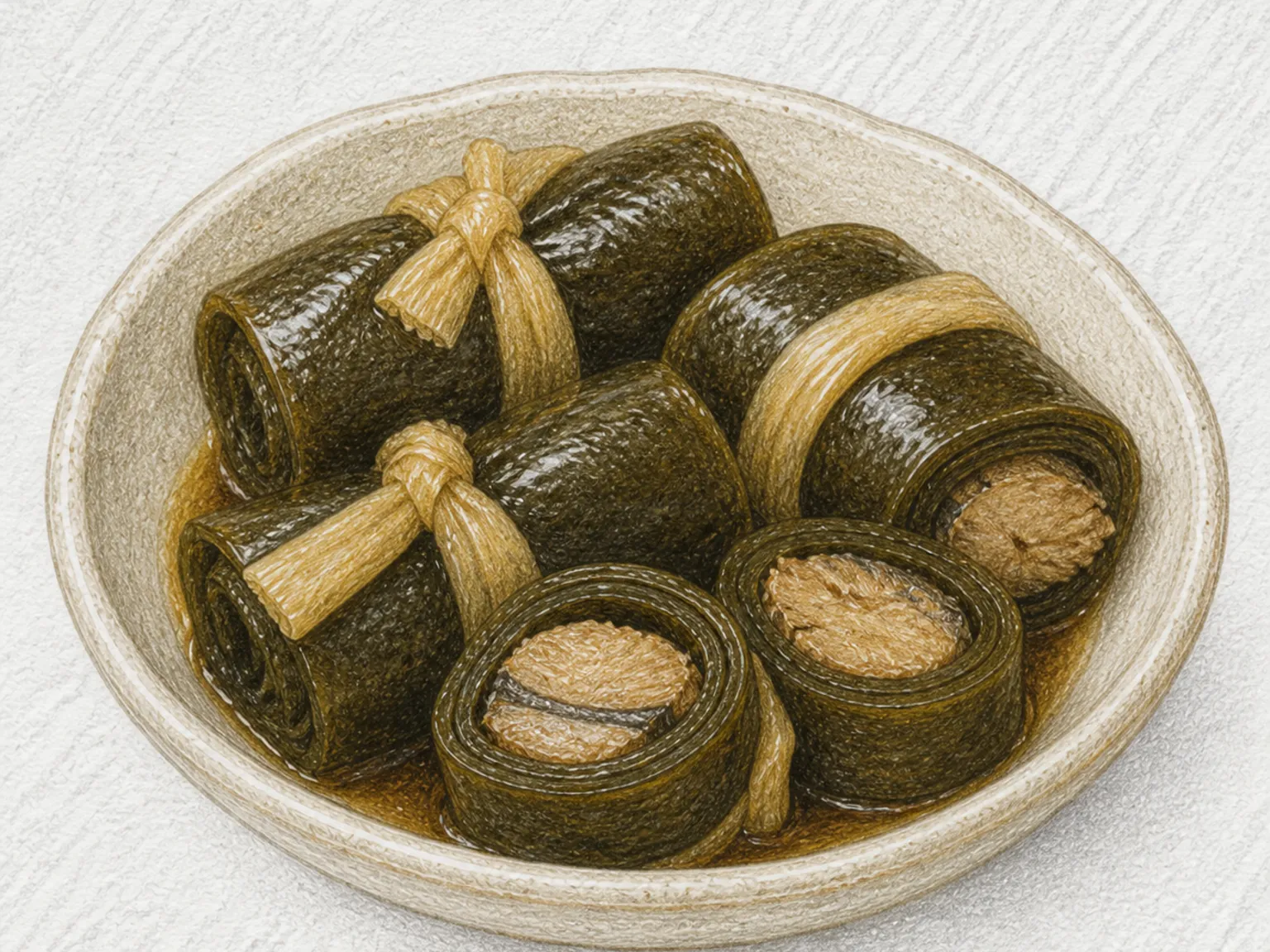
Mumallaengi sogogi jorim is a Korean soy-braised side dish of rehydrated dried radish strips and lean beef round, cooked down until the sauce just barely covers the ingredients. Drying concentrates the radish's natural sugars and umami, and once soaked and braised the strips become chewy and deeply flavored in a way fresh radish cannot replicate. Before soaking, a quick rinse removes any dust or impurities from the drying process, and twenty minutes or more in cold water restores just enough elasticity for a satisfying texture after cooking. Thin-sliced beef is pre-seasoned with cooking wine to neutralize any off-smell, then added to the pan so it cooks cleanly and without a heavy aroma. Oligosaccharide syrup adds a gentle sheen and sweetness to the soy base without making the dish cloying. Toasted sesame seeds scattered over the top finish the dish with a nutty fragrance. Like most Korean braised side dishes, this one improves after a night in the refrigerator as the seasoning continues to penetrate, making it a practical and reliable choice for lunchboxes and weekday meal preparation that can be made ahead and eaten across several days.

🏠 Everyday🎉 Special Occasion
Prep 25minCook 45min4 servings
Tokyo-Style Shoyu Ramen (Classic Japanese Soy Sauce Chicken Broth Ramen)
AsianMedium

Tokyo-Style Shoyu Ramen (Classic Japanese Soy Sauce Chicken Broth Ramen)

Tokyo-style shoyu ramen is considered the closest descendant of the original ramen that appeared in Japan over a century ago. The broth starts with chicken carcasses simmered until the liquid turns a warm amber, then seasoned with kaeshi - a concentrated blend of soy sauce, mirin, and sugar that has been cooked and rested. A thin film of chicken fat floats on the surface, trapping heat and delivering a gentle richness with each spoonful. The noodles are thin and straight, designed to be slurped quickly before they soften, and their wheat flavor stands distinct against the soy-tinged broth. Classic toppings include narutomaki fish cake with its pink spiral, strips of menma, a halved soft-boiled egg, and a sheet of nori. The bowl is intentionally restrained - no heavy pork fat, no thick miso - letting the clarity of the soy-chicken combination speak for itself.

🎉 Special Occasion
Prep 20minCook 60min2 servings
Korean Stir-fried Anchovies
Stir-fryEasy

Korean Stir-fried Anchovies

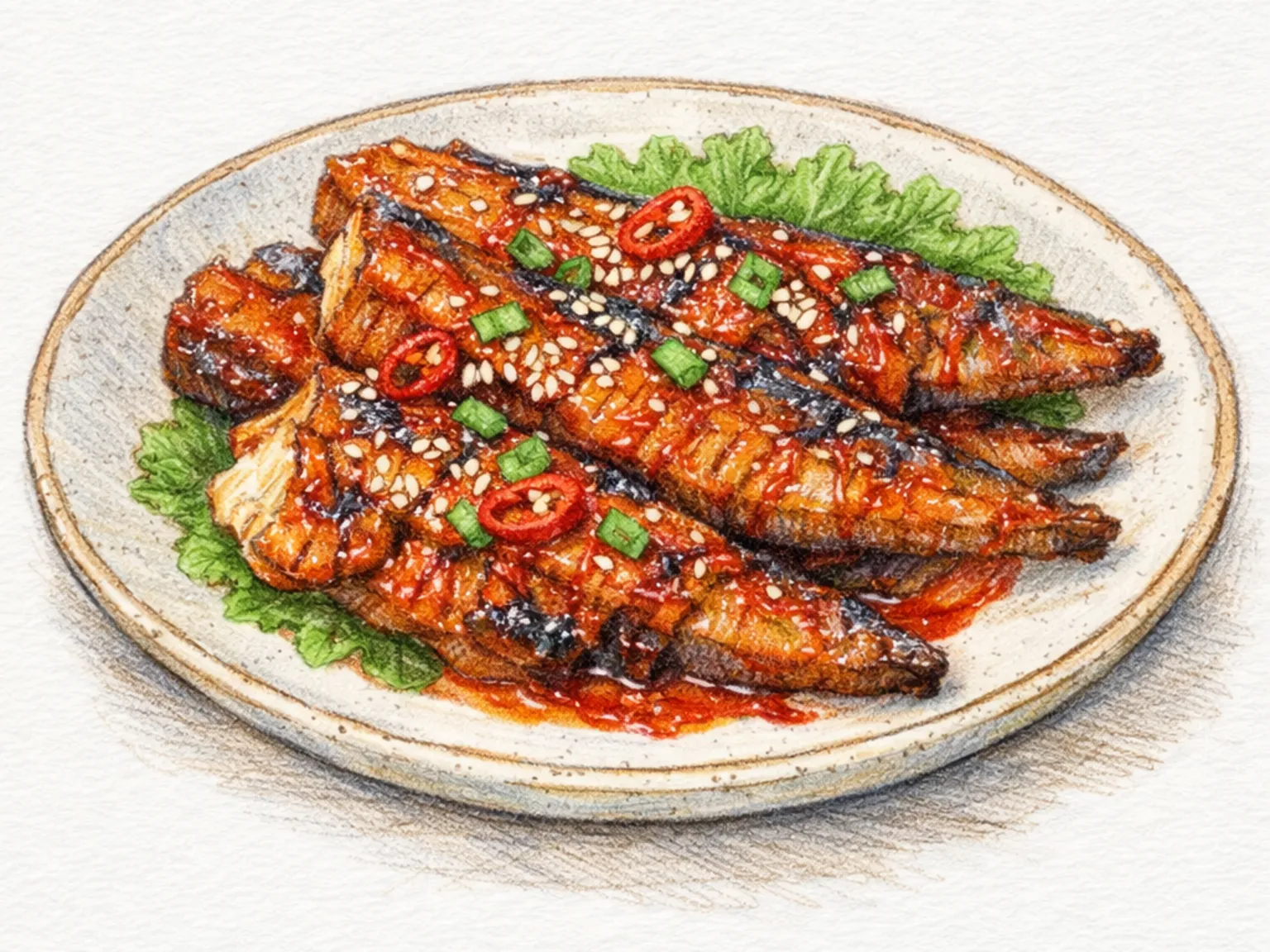
Myeolchi-bokkeum is a foundational Korean banchan of small dried anchovies glazed in a sweet-salty coating of soy sauce and oligosaccharide syrup. The anchovies are first dry-roasted in a clean pan on low heat for three minutes to remove fishiness and build crunch. A sauce of garlic, soy sauce, and syrup is bubbled separately, and the anchovies are tossed back in for a quick, even coating. Sesame oil and toasted sesame seeds finish the dish; once fully cooled, the glaze sets firm, giving the anchovies a snappy texture that keeps well in an airtight container for over a week.

🏠 Everyday🍱 Lunchbox
Prep 5minCook 10min4 servings
Korean Anchovy & Shishito Braise
SteamedEasy

Korean Anchovy & Shishito Braise

Myeolchi kkwari jorim is a Korean side dish of dry-toasted small anchovies and shishito peppers glazed in a sweet soy sauce with corn syrup and cooking wine. Toasting the anchovies first drives off any fishy smell and brings out their nuttiness, while the peppers are stir-fried in oil to release a mild, lingering heat. The glaze coats everything in a shiny, sweet-salty finish, and sesame oil with sesame seeds add a final toasted aroma. This banchan tastes even better the next day after the sauce has fully settled in, making it one of the most reliable lunchbox staples in Korean home cooking.

🏠 Everyday🎉 Special Occasion
Prep 10minCook 12min4 servings
Sisig (Filipino Crispy Chopped Pork with Chili and Calamansi)
AsianMedium

Sisig (Filipino Crispy Chopped Pork with Chili and Calamansi)

Sisig is a Filipino bar food built around chopped pork that is boiled first for tenderness, then pan-fried in butter until the edges turn deeply crisp. Diced onion and fresh chilies are tossed in briefly, adding crunch and a sharp bite that cuts through the richness. Calamansi juice-a small citrus native to the Philippines-brings a tart brightness that lifts the entire dish, while a finishing fold of mayonnaise binds everything together in a creamy coating without dulling the flavor. The mixture is traditionally served on a sizzling cast-iron plate so it arrives at the table still popping and hissing. Each forkful delivers a layered experience: the crunch of the fried pork, the cool tang of citrus, and the lingering heat of the chili. Sisig is inseparable from Filipino drinking culture and remains one of the country's most iconic street-to-table dishes.

🍺 Bar Snacks
Prep 20minCook 25min2 servings
Korean Shepherd's Purse Tofu Stir-fry
Stir-fryEasy

Korean Shepherd's Purse Tofu Stir-fry

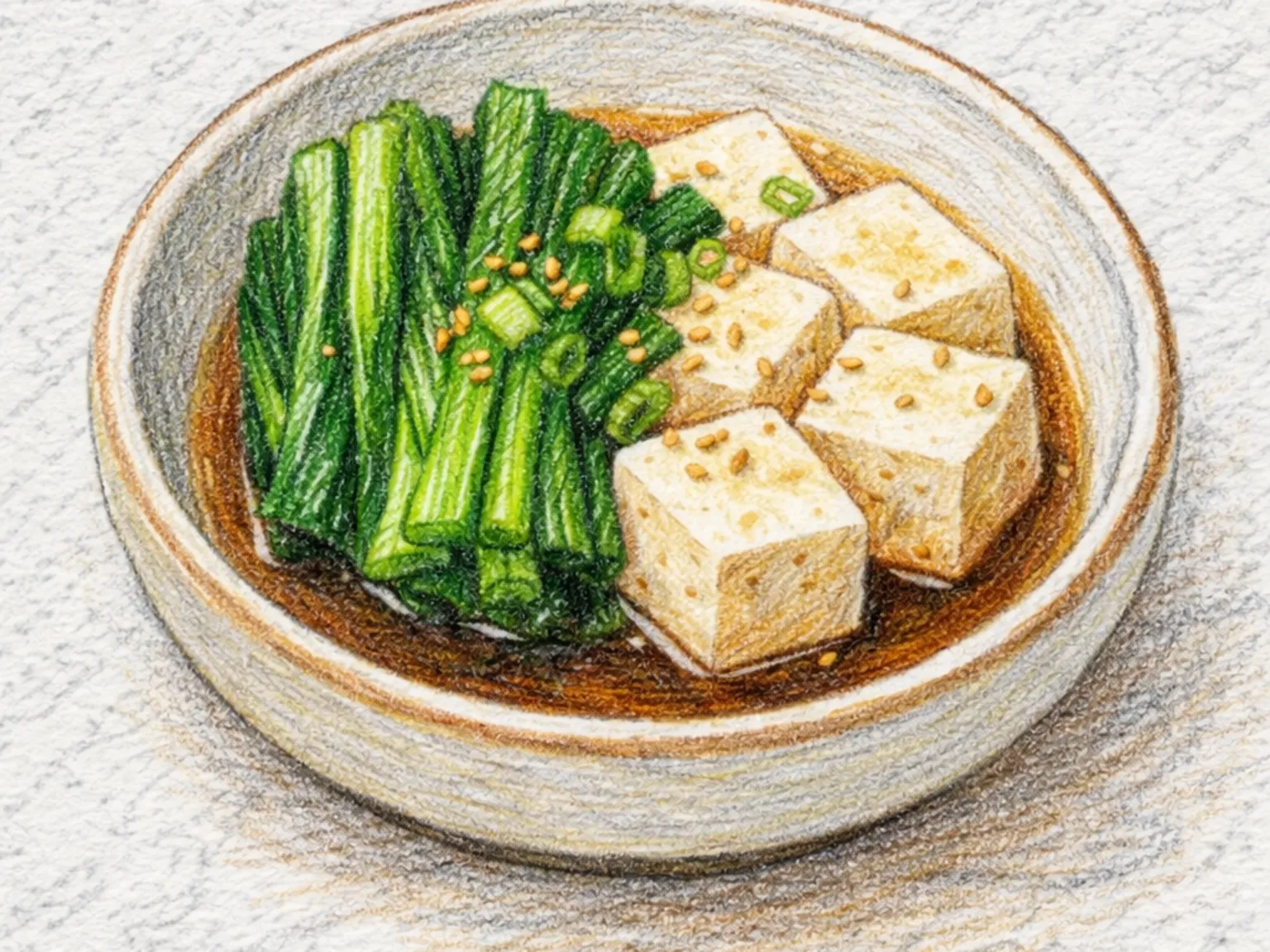
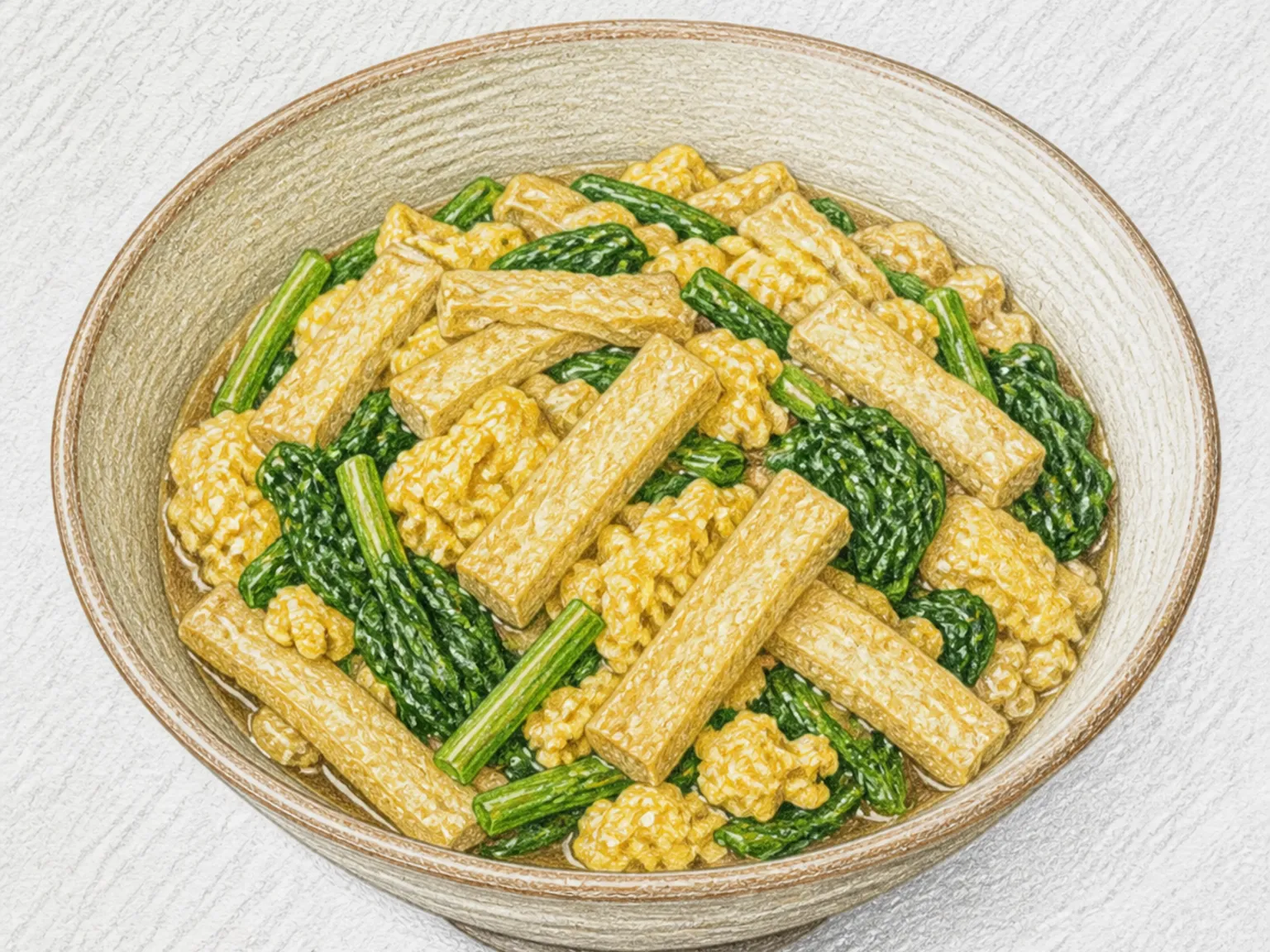
Naengi-dubu-bokkeum is a spring-seasonal Korean stir-fry that pairs shepherd's purse - a wild herb with a distinctive earthy bitterness - with cubed firm tofu in perilla oil and soy sauce. The tofu is pan-seared until golden to build a crust, then set aside while onion and garlic cook in the same pan before soy sauces go in. The tofu returns along with the cleaned, trimmed shepherd's purse, which needs only two minutes of gentle tossing to wilt without losing its herbal bite. A final drizzle of perilla oil and a pinch of toasted sesame seeds layer nuttiness over the herb's green, slightly bitter fragrance.

🏠 Everyday🍱 Lunchbox
Prep 18minCook 10min2 servings
Korean Stuffed Steamed Cucumber
SteamedMedium

Korean Stuffed Steamed Cucumber

Oiseon is a traditional Korean court-style dish in which cucumber sections are hollowed out, stuffed with a filling of ground chicken, crumbled tofu, and finely julienned carrot, then steamed until the filling is just cooked through. The filling is seasoned only with soy sauce, garlic, and sesame oil, keeping it savory and lightly fragrant without competing with the clean flavor of the cucumber itself. Each piece delivers two distinct textures at once: the crisp, cool resistance of the cucumber shell against the soft, moist filling packed inside. Steaming rather than frying or sauteing preserves the cucumber's fresh green aroma and keeps the dish entirely oil-free, letting the natural character of each ingredient come forward without interference. The dish can be served warm directly from the steamer or chilled, at which point the flavors settle into a precise, refreshing clarity that works well in warmer seasons. A small dipping sauce of mustard sauce or light vinegar soy sauce sharpens the profile further. The careful preparation and restrained seasoning make oiseon appropriate for formal Korean table settings and guest entertaining, representing the kind of cooking where technique and balance speak louder than bold flavors.

🎉 Special Occasion
Prep 30minCook 15min4 servings
Siu Mai (Cantonese Open-Top Steamed Pork and Shrimp Dumpling)
AsianHard

Siu Mai (Cantonese Open-Top Steamed Pork and Shrimp Dumpling)

Siu mai is a Cantonese dim sum dumpling that wraps a seasoned filling of ground pork and chopped shrimp inside a thin wheat wrapper left open at the top. The filling is mixed vigorously with soy sauce, sesame oil, minced ginger, and cornstarch until it develops a sticky, springy texture that holds together when steamed. Shaped into small cylinders with the tops exposed, each dumpling reveals its filling like a tiny cup. A ten-to-twelve-minute stint in a bamboo steamer turns the wrappers translucent and lets the pork and shrimp meld their flavors-earthy pork fat meeting clean, briny sweetness. The cornstarch traps the juices inside so each bite releases a burst of savory liquid. Siu mai is a cornerstone of the yum cha table, eaten alongside tea and other small plates in an unhurried, communal style of dining.

🎉 Special Occasion
Prep 30minCook 12min4 servings
Korean Spicy Stir-fried Octopus
Stir-fryMedium

Korean Spicy Stir-fried Octopus

Nakji-bokkeum is a fiery Korean stir-fry of small octopus (nakji) coated in a sauce of gochujang, gochugaru, soy sauce, sugar, and garlic, tossed with bean sprouts, onion, carrot, and scallion. Bean sprouts line the bottom of the pan, releasing moisture to prevent sticking while adding crunch. The vegetables and half the sauce go on next, then the octopus on top, covered and steamed on medium heat for three minutes before a final high-heat stir-fry sears everything for two minutes. Speed is critical - octopus toughens with prolonged cooking - and the dish is often mixed with boiled thin wheat noodles for a heartier meal.

🍺 Bar Snacks🏠 Everyday
Prep 15minCook 10min2 servings
Korean Spicy Steamed Squid
SteamedMedium

Korean Spicy Steamed Squid

Ojingeo-jjim is a Korean spicy steamed squid dish cooked with onion and green onion in a sauce of gochugaru, gochujang, and soy sauce. The key is keeping the total cooking time to around ten minutes, starting on high heat and finishing on medium, so the squid stays chewy rather than turning rubbery. Gochujang provides a thick, coating heat while the chili flakes add a sharper spiciness on top. One final toss at the end ensures every piece is evenly glazed with the red sauce. This quick-cooking dish works equally well as a banchan alongside rice or as an accompaniment to drinks.

🍺 Bar Snacks🏠 Everyday
Prep 18minCook 12min2 servings
Kanto-Style Sukiyaki (Japanese Beef Hot Pot in Sweet Soy Warishita Broth)
AsianEasy

Kanto-Style Sukiyaki (Japanese Beef Hot Pot in Sweet Soy Warishita Broth)

Kanto-style sukiyaki is a Japanese hot pot in which thinly sliced beef, vegetables, and tofu simmer together in a pre-made broth called warishita-a mixture of soy sauce, mirin, sugar, and sake. The preparation begins by searing thick-cut leek in beef fat to release its sweetness, then pouring in the warishita and adding the remaining ingredients: napa cabbage, shiitake mushrooms, grilled tofu, and shirataki noodles. Each component absorbs the sweet-salty broth differently-the cabbage wilts and soaks it up, the mushrooms intensify their earthiness, and the tofu becomes a sponge for the surrounding liquid. The signature ritual is dipping each cooked morsel into a bowl of beaten raw egg before eating; the egg forms a silky coat that tempers the concentrated sauce and adds richness. Sukiyaki is a fixture of Japanese winter cooking, prepared at the table over a portable burner so the pot stays bubbling throughout the meal.

🎉 Special Occasion
Prep 15minCook 20min3 servings