Korean Iron Plate Onion and Meat Grill
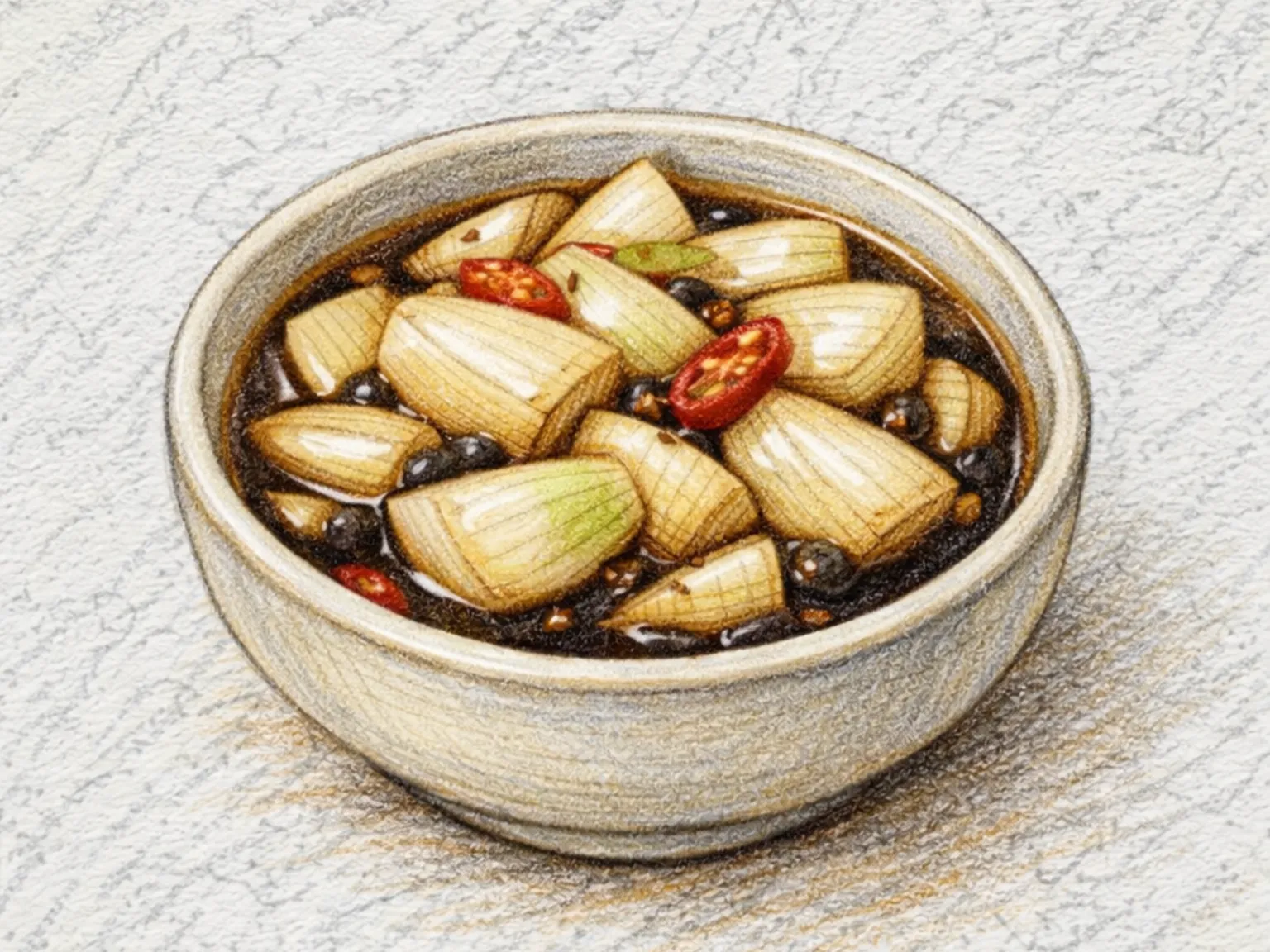
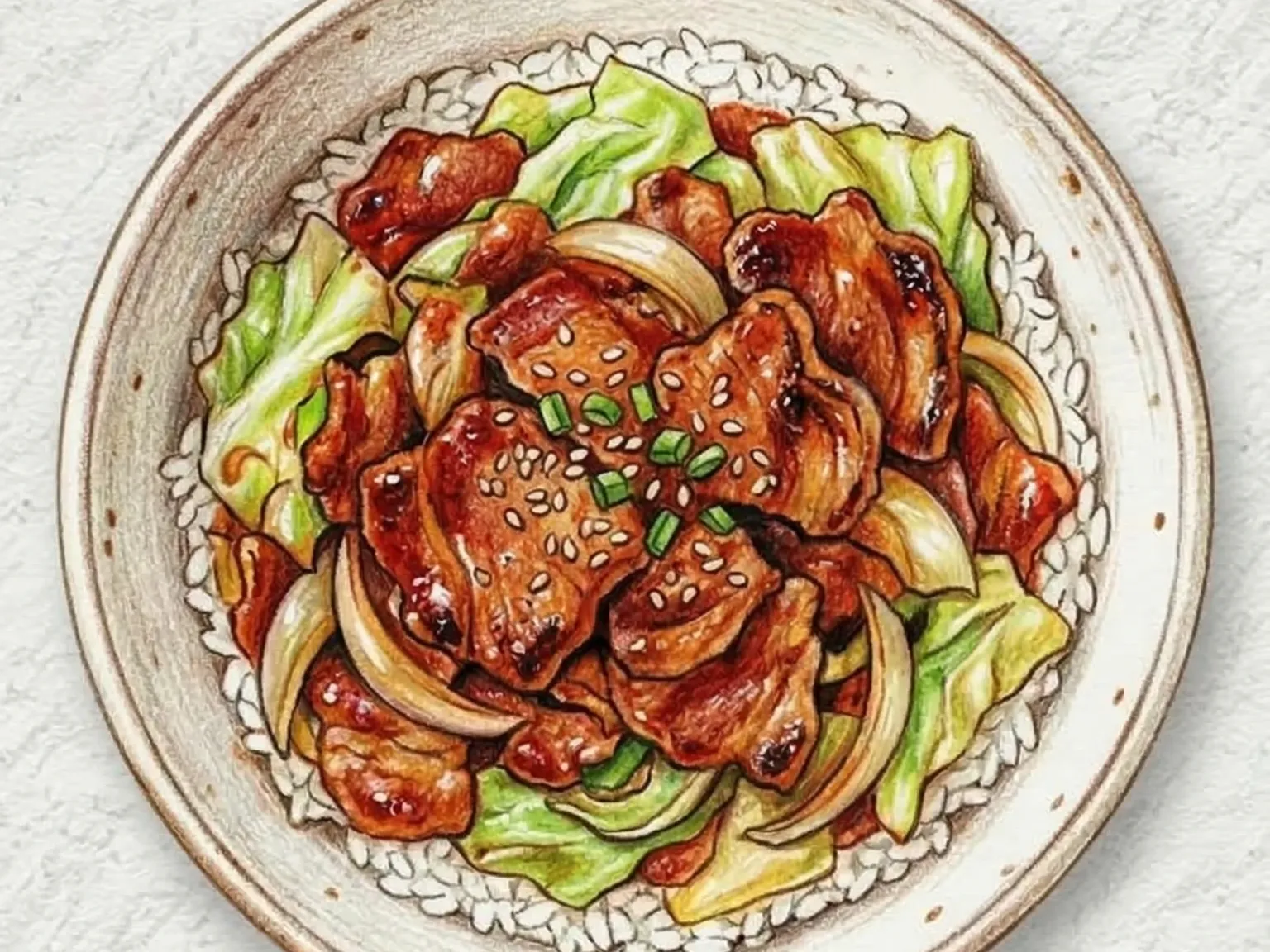
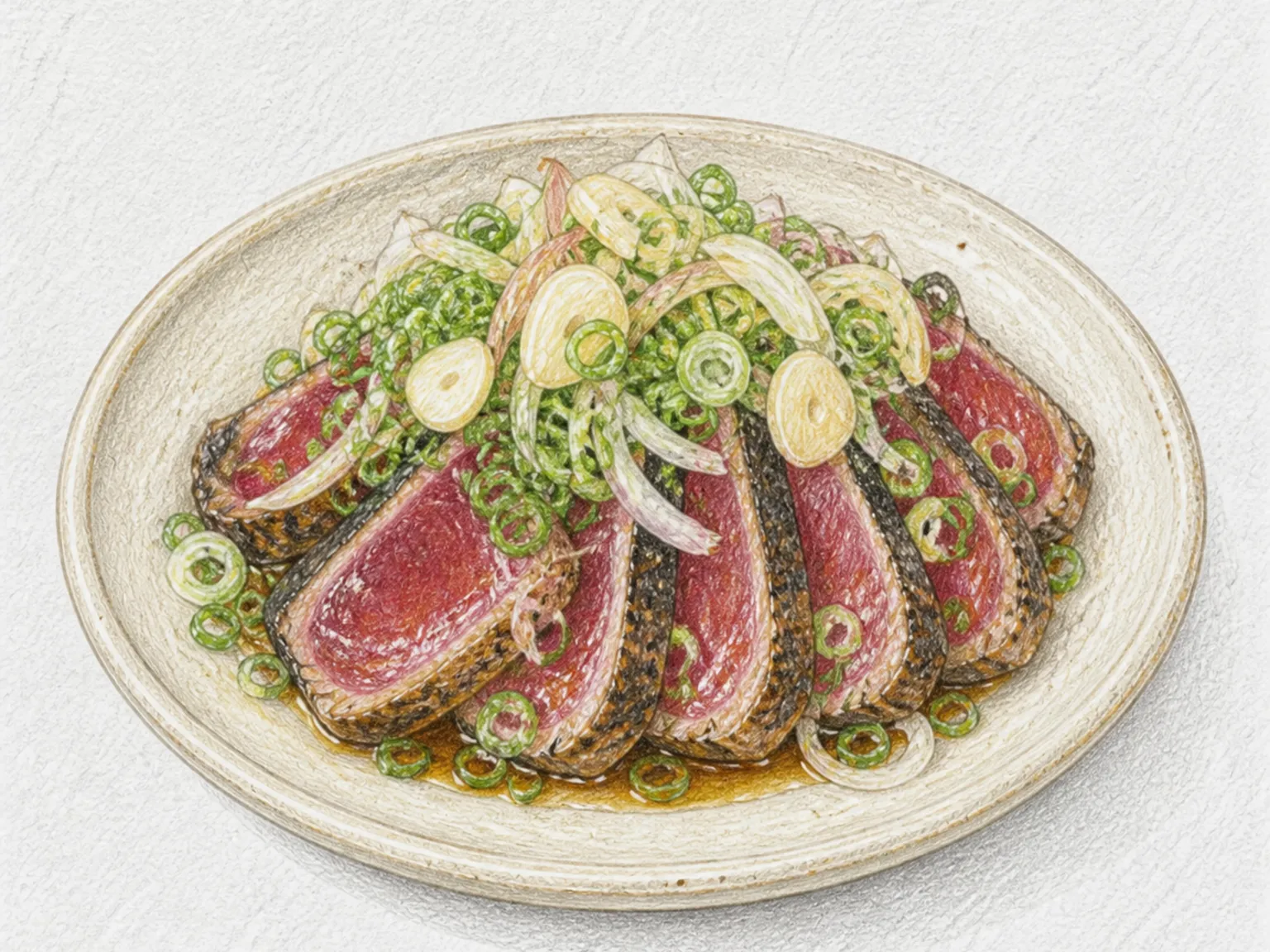
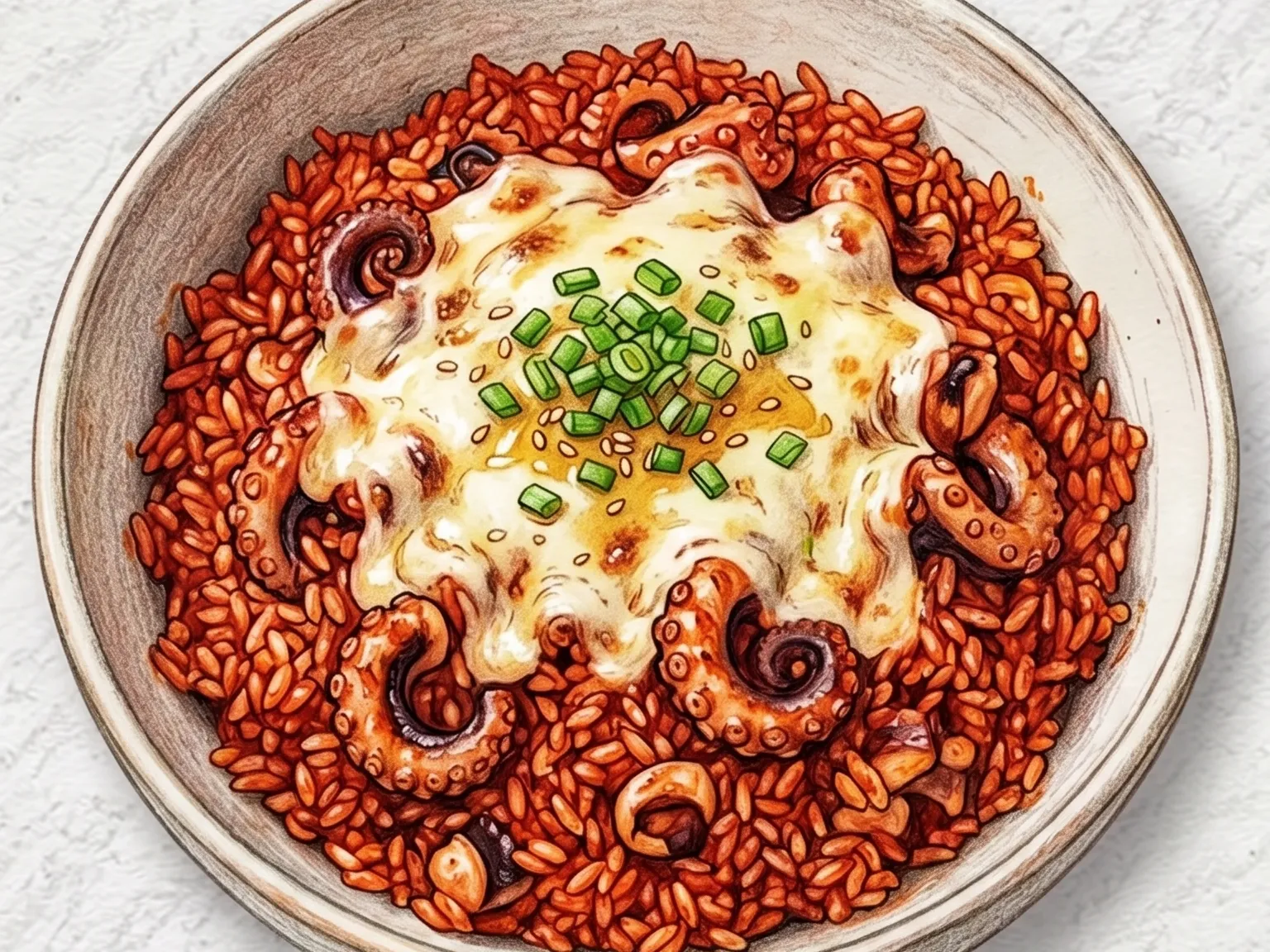
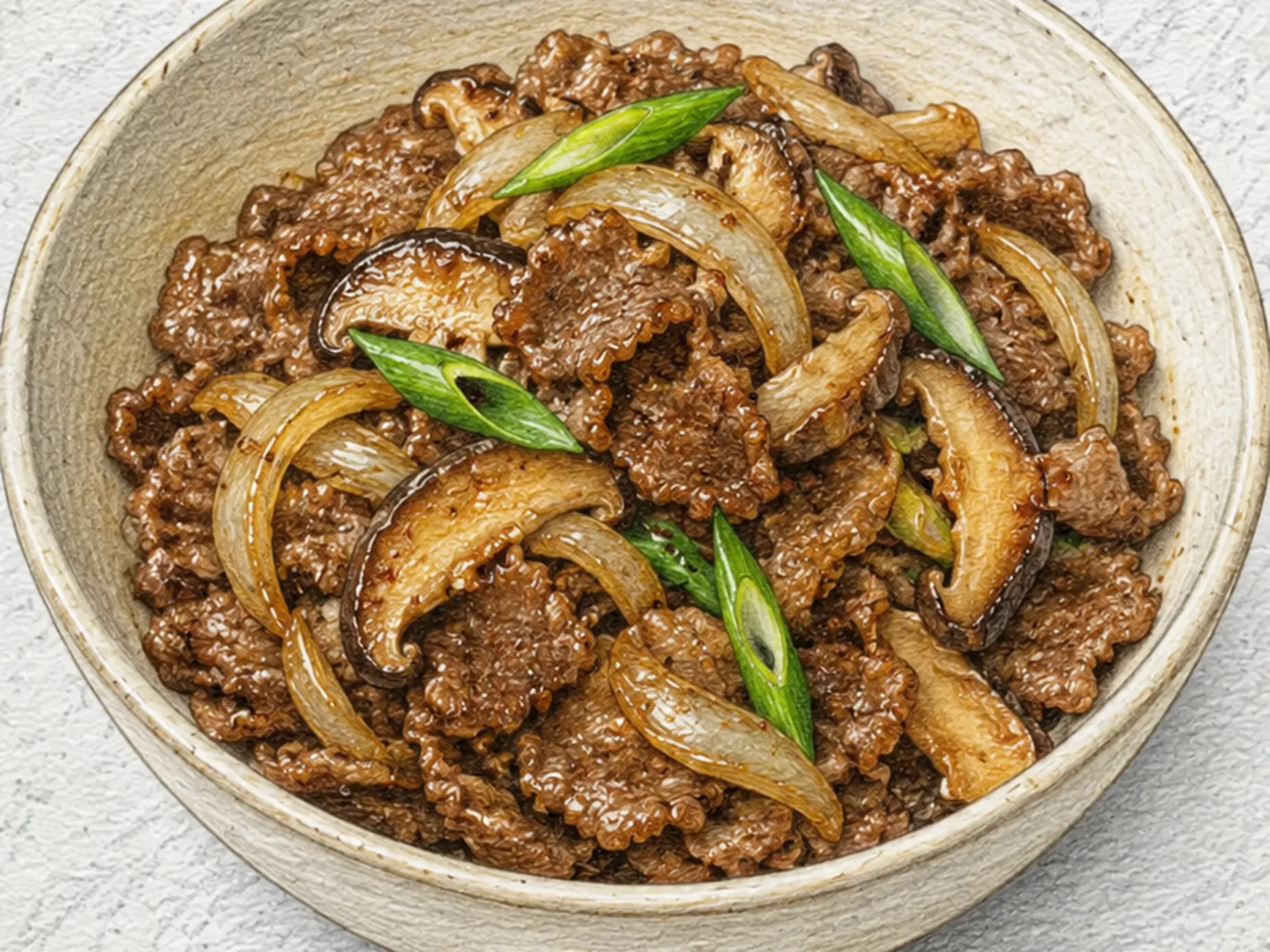
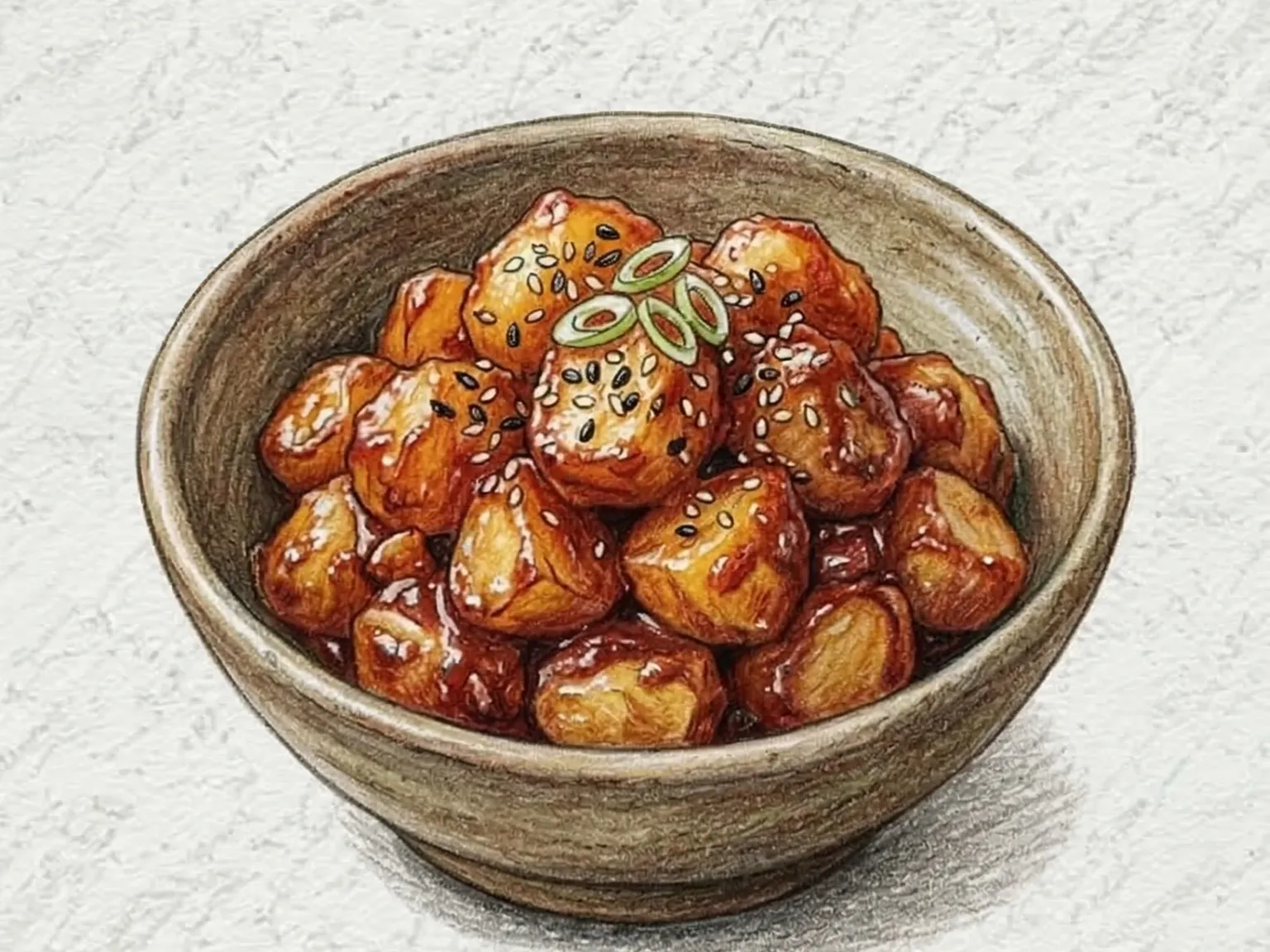
Thick onion rings and sliced pork belly are grilled together on a hot iron plate with melted butter. The onions cook slowly over medium heat, allowing their natural sugars to caramelize into deep sweetness, while rendered pork fat seeps into the onion layers and enriches their flavor. A drizzle of soy sauce at the end sizzles on the hot surface, distributing a salty accent evenly across both ingredients. The preparation relies on just six ingredients and zero marinade - the appeal lies entirely in the interplay of caramelized onion sweetness, smoky pork fat, and butter richness on a searing-hot plate.

Korean Soy-Braised Black Beans
Kongjaban is a traditional Korean side dish of black soybeans slowly braised over low heat in a seasoning liquid of soy sauce, sugar, and corn syrup until the liquid reduces completely and the beans are glossy and lacquered. Starting with enough braising liquid is essential: the beans need time to absorb the seasoning gradually before the moisture evaporates, and rushing the heat causes scorching before the interiors have softened. As the liquid reduces, the sugars caramelize against the exterior of each bean, building the glossy dark coating that makes kongjaban recognizable on any Korean table. The soy sauce and sugar create a sweet-salty interplay that is quietly addictive, and sesame oil added at the very end contributes a nutty aroma that lingers. Soaking the dried beans overnight before boiling ensures a tender interior without losing the structural integrity that prevents them from turning to mush during the braise. Corn syrup keeps the exterior pliable and shiny even after the dish cools and is stored. Refrigerated in a clean container, kongjaban keeps for more than two weeks, which explains why it is one of the most consistently prepared staple side dishes in Korean households.

Niku Udon (Japanese Thick Noodles in Dashi Broth with Braised Beef)
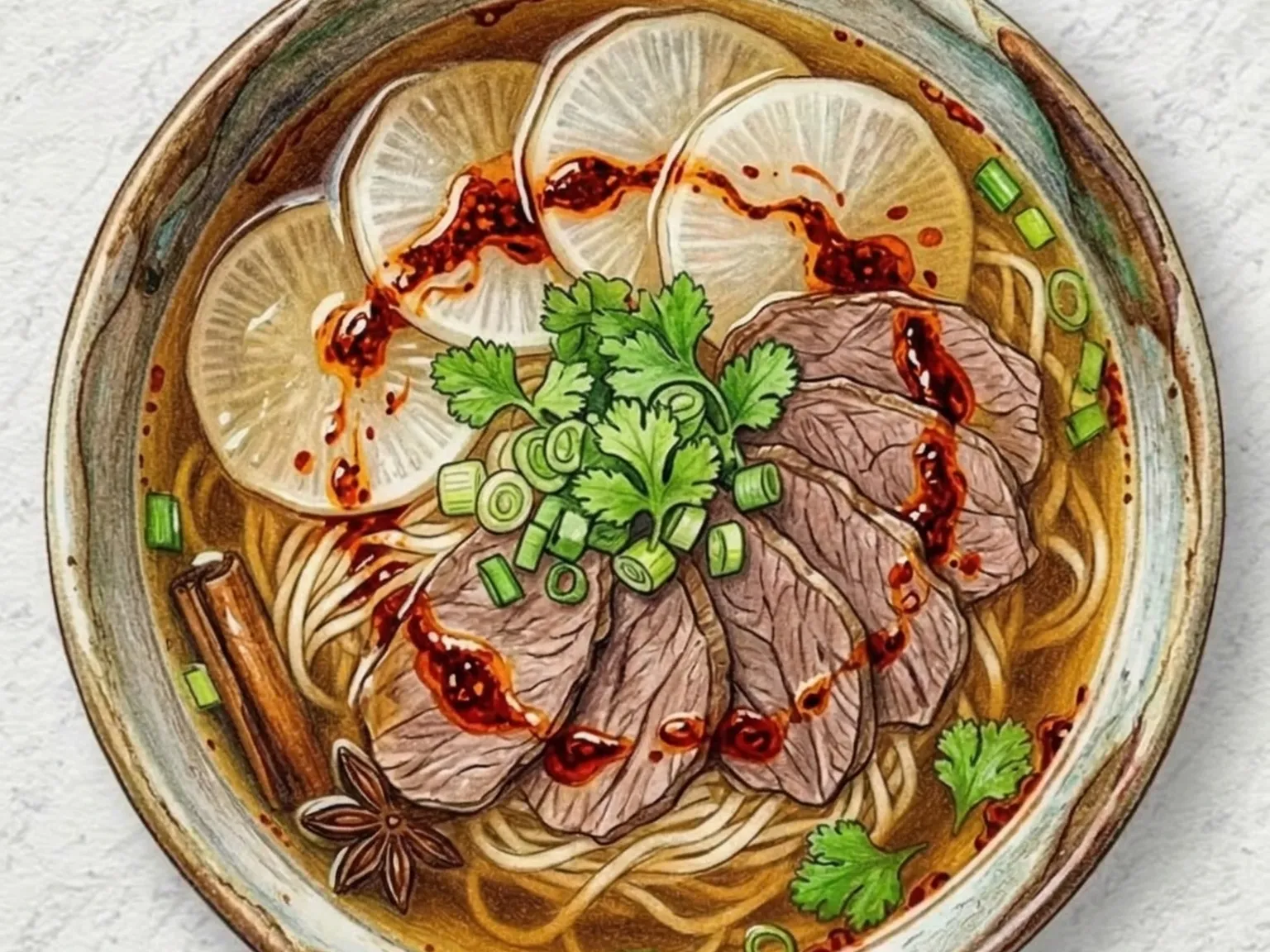
Niku udon is a Japanese noodle soup built on two distinct layers of flavor. The broth starts with a clear dashi made from kombu and bonito flakes, seasoned with soy sauce and mirin for a clean, umami-rich base. Separately, thinly sliced beef is simmered with onion in a concentrated mix of soy sauce, mirin, and sugar until each slice is glazed in a sweet, savory coating. The beef is placed atop thick, chewy udon noodles swimming in the hot broth, and the two seasoning profiles merge at the table. Chopped scallions add freshness to cut through the richness. It is a staple of both home kitchens and udon shops across Japan.

Korean Braised Burdock Root
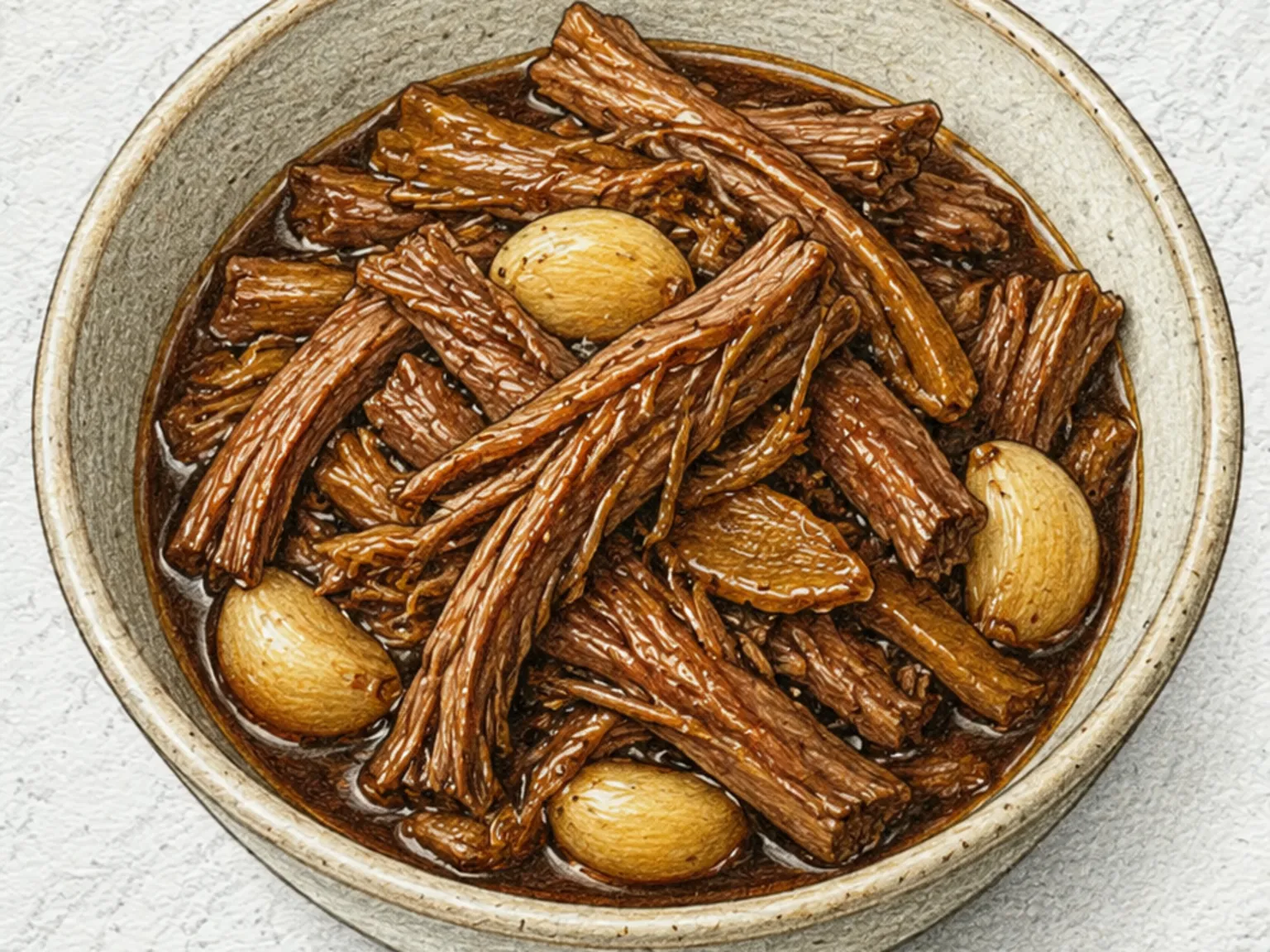
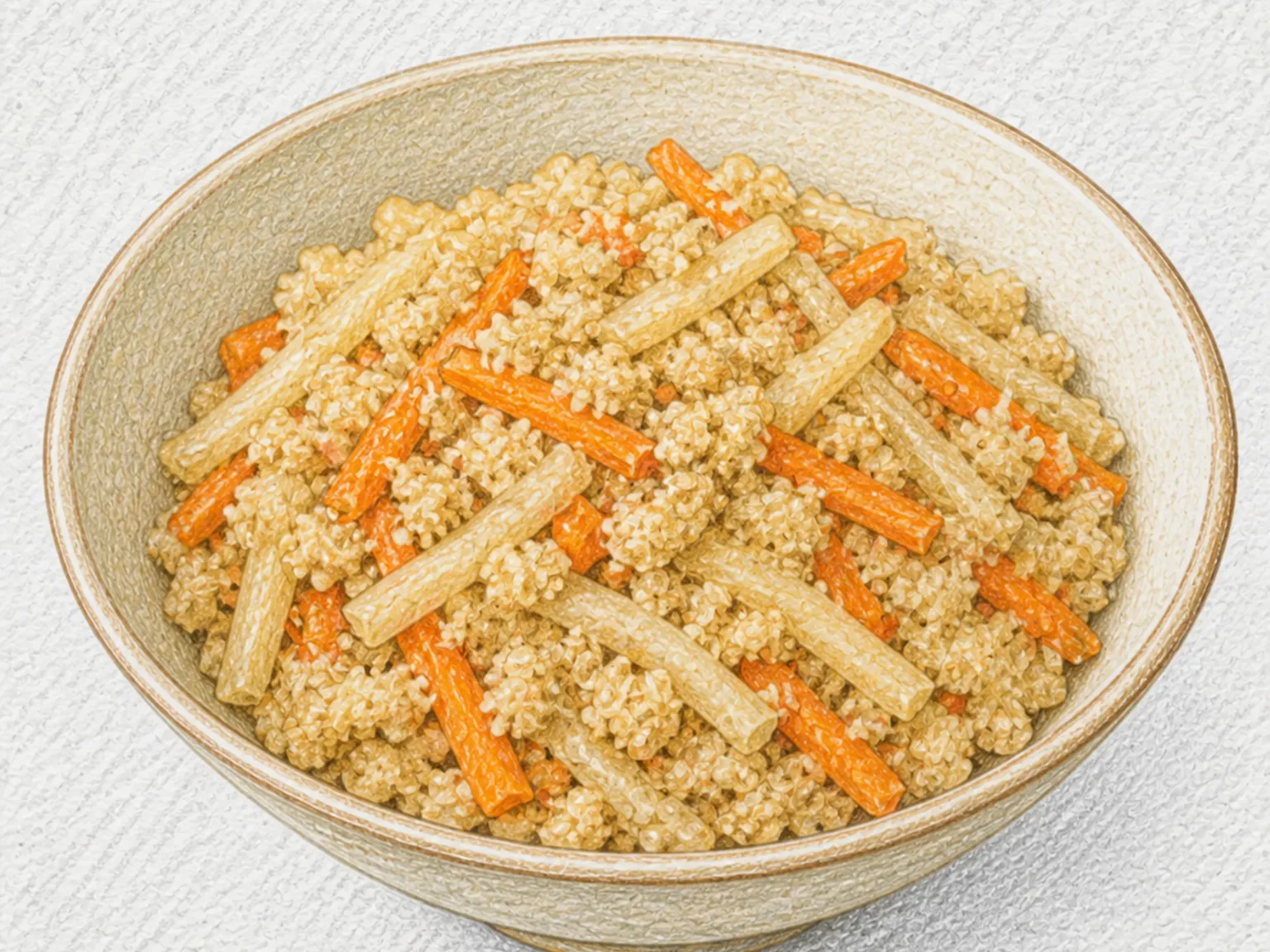
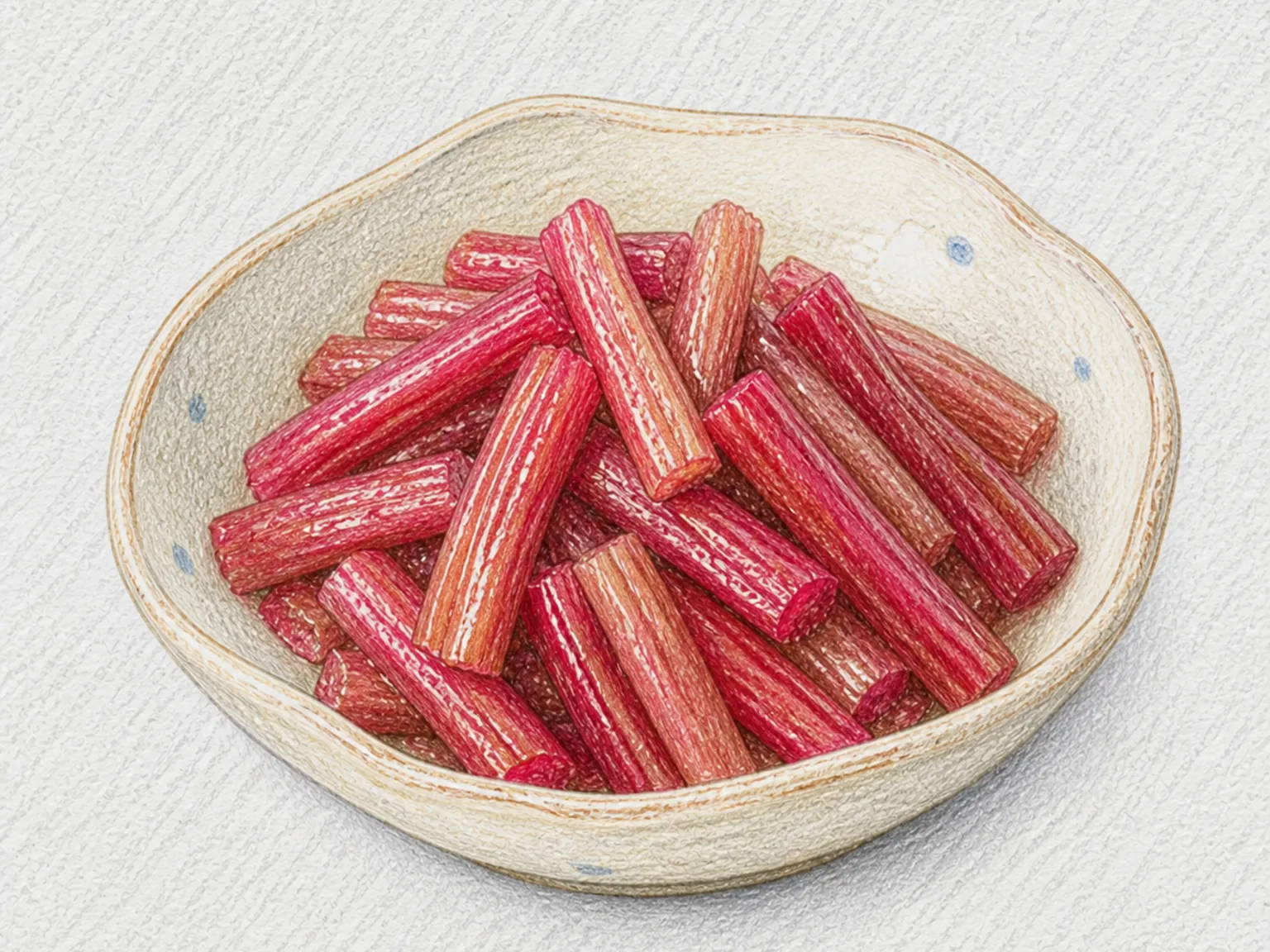
Julienned burdock root is simmered in soy sauce, sugar, and corn syrup with enough water to submerge the strips, then reduced slowly until the liquid thickens into a concentrated glaze. Unlike stir-fried burdock, this braised version cooks under a lid at moderate heat, giving the tough fibers time to soften while retaining a pleasantly chewy core. Soy sauce penetrates deep into the root during the extended simmer, establishing a salty foundation that the corn syrup then balances with a mellow sweetness. As the braising liquid reduces, the sugars begin to caramelize, darkening the color and adding a layer of complexity to burdock's naturally earthy, woody flavor. The dish is done when nearly all the liquid has evaporated and each strip glistens with a thick, lacquered coating. Vinegar added at the start prevents the burdock from discoloring and contributes a faint tartness that keeps the sweetness in check. Stored in a sealed container, the jorim remains good in the refrigerator for close to ten days.

Korean Perilla Leaf Beef Stir-Fry
Kkaennip sogogi bokkeum is a stir-fry of thinly sliced beef marinated briefly in soy sauce, cooked with garlic over high heat, and finished with roughly chopped perilla leaves added at the last moment. The perilla's bold herbal aroma sits on top of the beef's umami, giving this dish a flavor profile distinctly different from other beef stir-fries. The leaves darken and lose fragrance if overcooked, so they are wilted only by residual heat. Sesame oil rounds out the dish, which comes together in under twenty minutes with minimal ingredients.

Korean Marinated Beef Short Ribs
One kilogram of beef short ribs is soaked in cold water for thirty minutes, then marinated for at least an hour in grated Korean pear, onion juice, soy sauce, sugar, honey, minced garlic, sesame oil, cooking wine, and black pepper. The enzymes in pear and onion tenderize the meat, while soy sauce and honey caramelize on the grill into a dark, lacquered glaze. The ribs are seared on a preheated grill, then cooked at medium heat for three to four minutes per side with a final thin brush of marinade. This is a centerpiece dish for Korean holidays and dinner parties, with portions generous enough for a family of four.

Korean Steamed Soybean Sprouts
Kongnamul-jjim is a traditional Korean side dish centered on steamed soy bean sprouts. The preparation involves layering fresh bean sprouts with a mixture of red chili flakes, soy sauce, and finely minced garlic before placing them in a pot. A critical aspect of the cooking process is keeping the lid tightly closed from the beginning until the sprouts are fully cooked. This sealed environment creates a build-up of steam that is essential for maintaining the natural crispness of the sprouts while ensuring that the savory and spicy seasoning permeates each individual strand. The resulting flavor profile features a sharp heat from the red pepper that complements the clean and refreshing qualities of the bean sprouts, resulting in a light and clear finish. To finish the dish, a generous drizzle of sesame oil and a handful of sliced scallions are added to provide a fragrant, toasted aroma and a layer of savory depth. Because the primary ingredients are inexpensive and the entire process from preparation to plating takes less than fifteen minutes, this dish serves as a dependable addition to any meal when the table requires an extra side dish on short notice. For a different aromatic profile, perilla oil can be substituted for sesame oil to introduce an earthy and more herbaceous scent. Individuals seeking a more intense level of spice can add sliced Cheongyang chilies during the cooking stage to elevate the heat.

Nikujaga (Japanese Beef Potato Onion Soy-Sweet Stew)
Nikujaga is a Japanese home-cooked stew often described as the dish that defines a mother's cooking in Japan. Thinly sliced beef, potatoes, onion, carrot, and shirataki noodles are simmered in a broth of dashi, soy sauce, mirin, and sugar. The dish traces its origins to the Meiji era, when a Japanese naval officer attempted to recreate British beef stew using local ingredients -- resulting in a clear, soy-based braise rather than a thick, flour-bound stew. The potatoes absorb the seasoned liquid until soft at the edges but still holding shape, while shirataki noodles soak up flavor and add a springy contrast.

Korean Braised Lotus Root
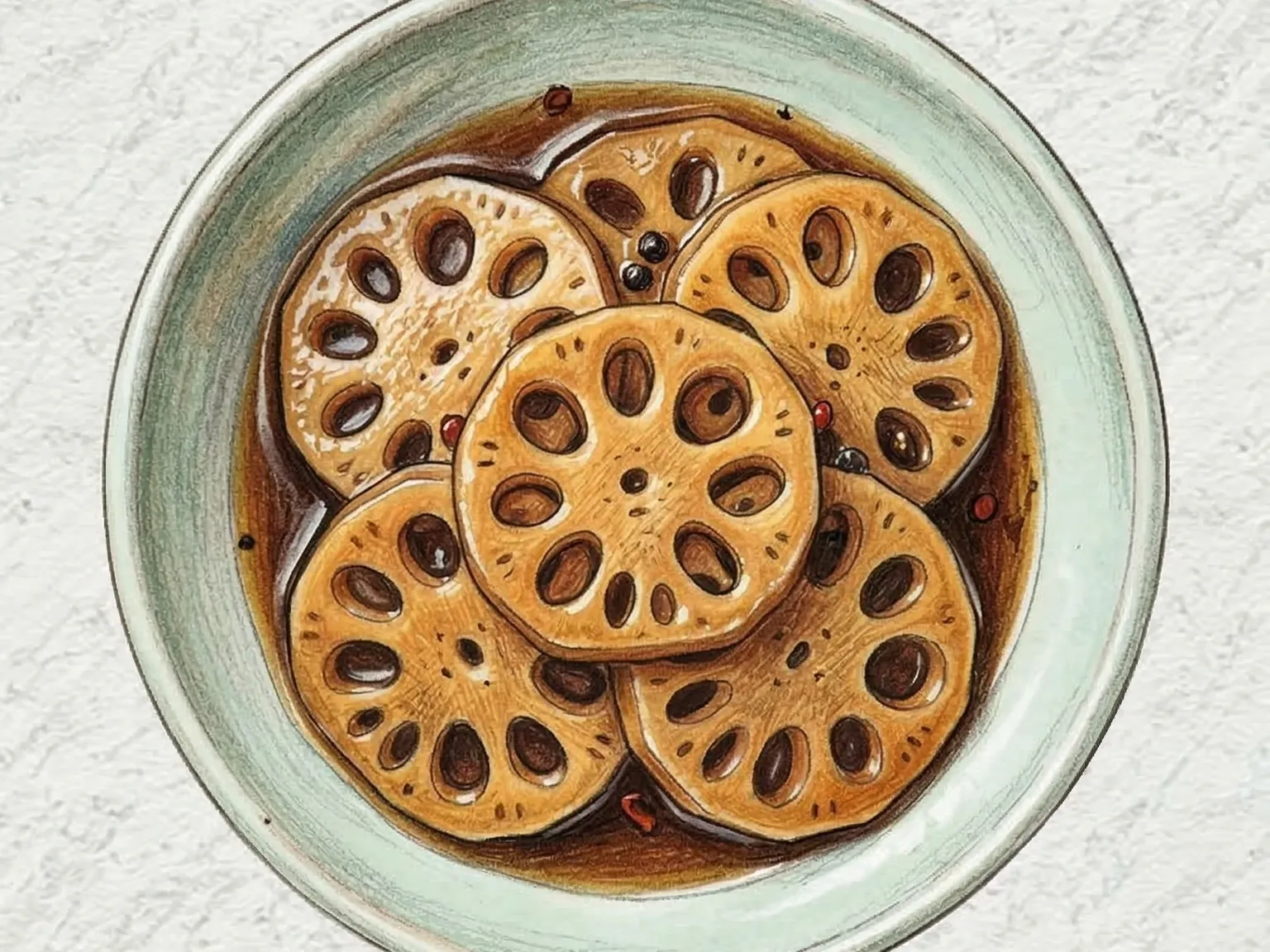
Lotus root rounds are simmered in soy sauce, sugar, and corn syrup until each slice glistens with a translucent, caramel-colored glaze. Cooking activates the starch in the lotus root, turning the exterior smooth and the interior pleasantly sticky, a texture unique to this root vegetable. As the soy sauce permeates the flesh, the ivory color deepens into a clear amber that signals the seasoning has reached the center. A splash of vinegar at the start prevents discoloration and introduces a faint tartness that prevents the sweetness from becoming cloying. The corn syrup reduces over low heat for fifteen to twenty minutes, forming a glass-like coating that catches the light on every surface. Because the liquid seeps through the root's hollow channels, every bite delivers consistent flavor regardless of angle. The finished jorim retains its crunch at the core while the outer layer yields with a gentle chew, and refrigerated in a sealed container the dish stays good for well over a week.

Crispy Chili Garlic Chicken
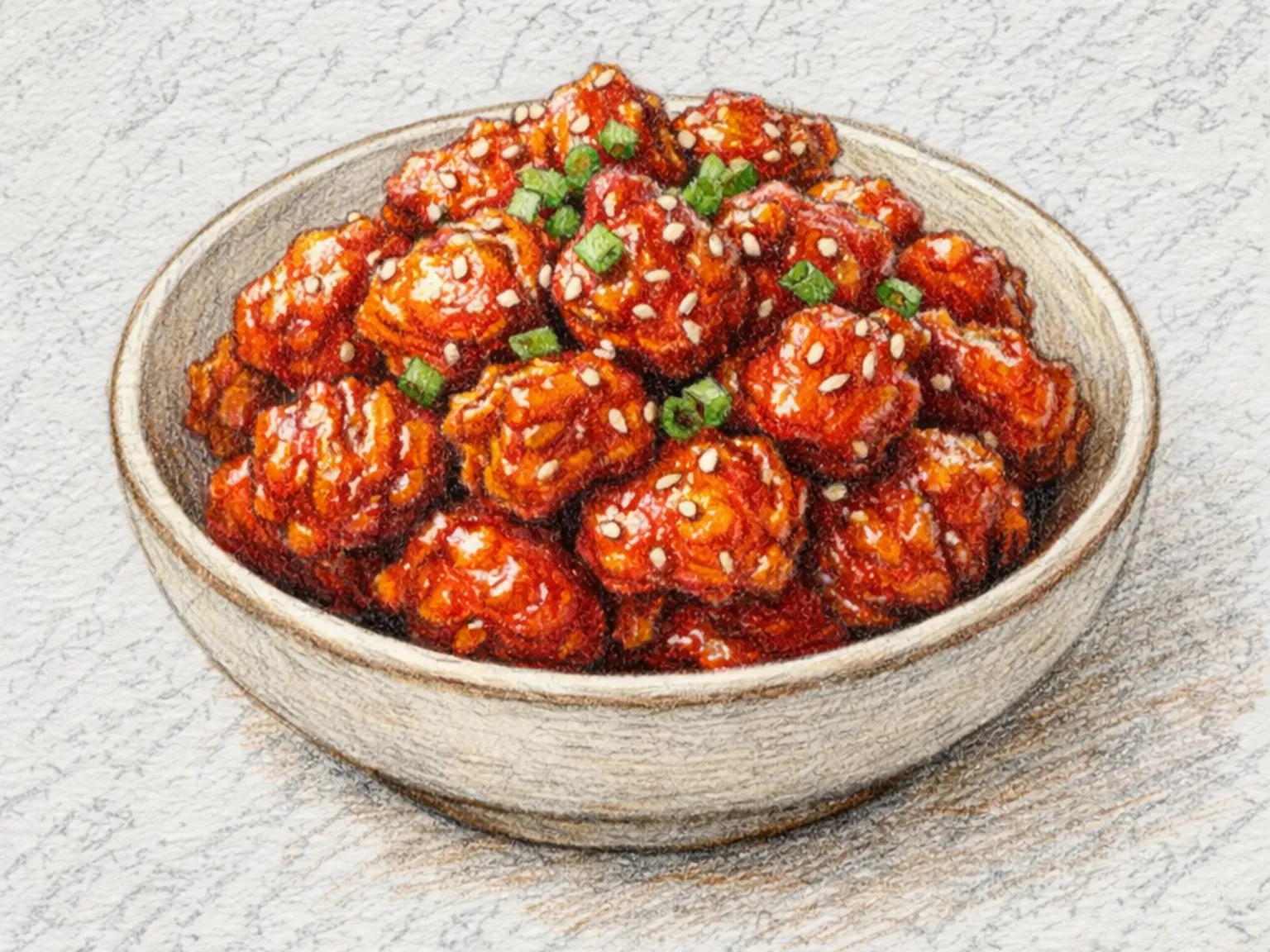
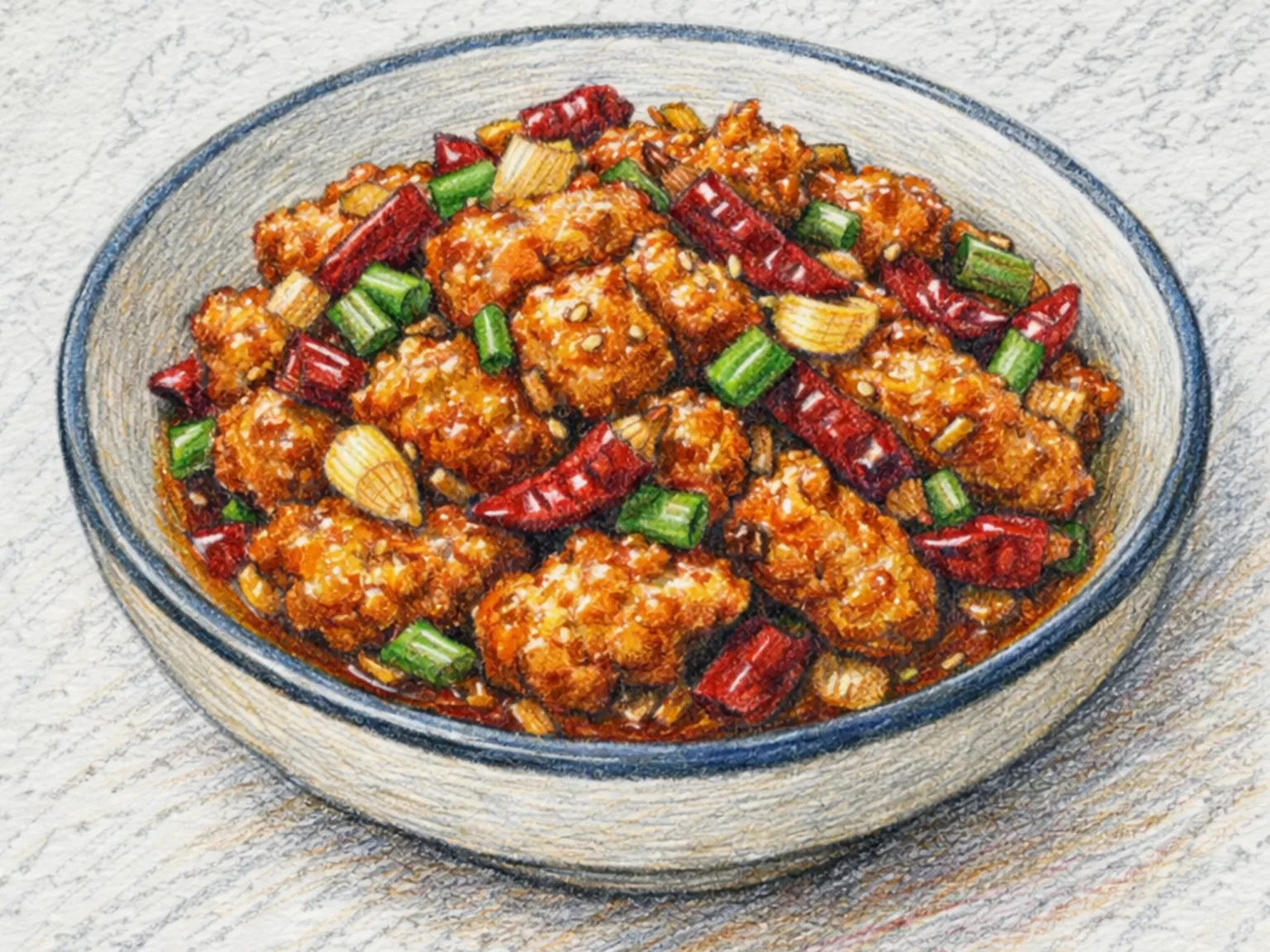
Kkanpunggi is a Korean-Chinese chicken dish where bone-in or boneless thigh pieces are coated in potato starch and deep-fried until the crust is completely shatter-crisp, then tossed quickly over high heat in a sauce built from garlic, dried red chilies, soy sauce, rice vinegar, and sugar. The sauce must go on while the chicken is still hot from the fryer: the heat helps the thin glaze bond to the surface without softening the coating, while allowing the seasoning to penetrate just enough. Leaving the chicken in the sauce any longer causes the starch shell to absorb moisture and go limp, which destroys the entire point of the dish. The balance of salty, sour, and sweet in the sauce coats each piece evenly, and the assertive garlic aroma combined with the slow heat of dried chilies forms the flavor signature that makes kkanpunggi instantly recognizable. Additional sliced fresh chilies, green or red, can be added at the end to control heat intensity to personal preference. Crisping the skin side of the thigh thoroughly during frying deepens both the textural contrast and the roasted savory aroma. This is one of the most popular anju dishes in Korea, routinely paired with beer or soju, and it must be eaten immediately while the crunch is intact.

Taiwanese Braised Pork (Five-Spice Belly Rice Bowl)
Lu rou fan is a Taiwanese braised pork rice dish in which minced or coarsely chopped pork belly is simmered long and slow with soy sauce, five-spice powder, and rock sugar. The process starts over high heat to render the fat, then soy sauce and water go in while the rock sugar caramelizes gradually, building a thick, glossy sauce that clings to every piece of meat. The five-spice blend - star anise, cinnamon, clove, Sichuan pepper, and fennel seed - permeates the entire braise with a layered aromatic complexity that separates this dish from a simple soy-braised pork, and achieving the right balance of these spices is the most important variable. Hard-boiled eggs braised alongside the pork absorb the dark sauce through their whites, turning amber-brown and taking on a savory, lightly spiced flavor - this is the traditional accompaniment and an essential part of the complete dish. Ladled generously over hot rice so the sauce seeps between every grain, lu rou fan is one of Taiwan's most beloved night market comfort foods, eaten across all generations.

Steamed Pork Buns
Nikuman is a Japanese steamed pork bun descended from Chinese baozi but adapted to local tastes over generations. Yeasted wheat dough is kneaded, left to rise, then filled with a mixture of ground pork seasoned with soy sauce, ginger, and sesame oil, along with finely chopped cabbage. After pleating and steaming, the bun emerges snow-white and pillowy, with a moist, savory filling inside. Opening the steamer releases a cloud of fragrant steam carrying notes of ginger and soy. In Japan, nikuman is the defining winter convenience-store snack -- warming your hands around the bun before biting into the hot, juicy filling.

Korean Blue Crab Soy Stir-Fry
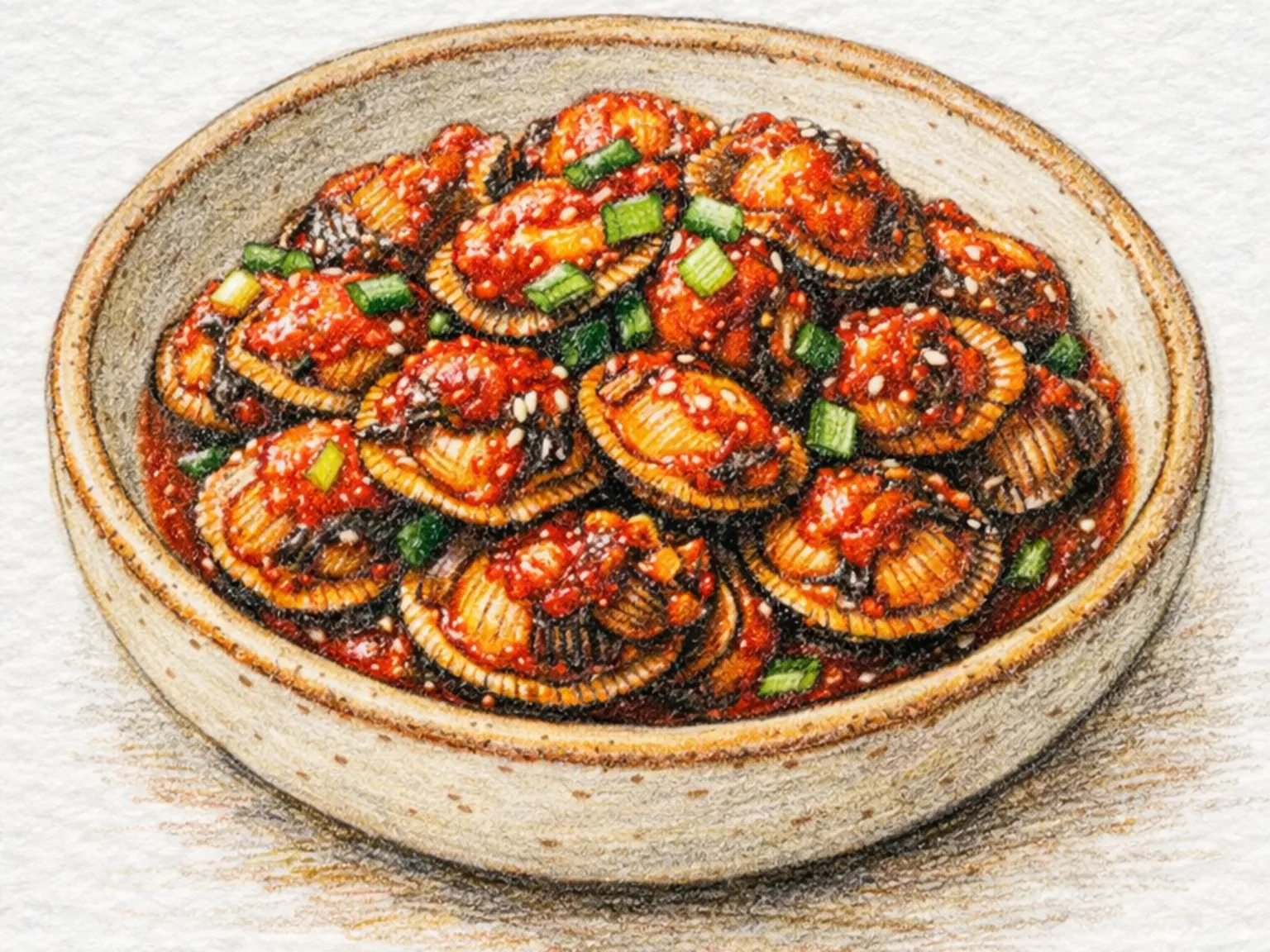
Kkotge ganjang bokkeum is a Korean blue crab stir-fry where halved crabs are lightly dusted with flour, pan-seared until the shells turn deep red, then braised briefly under a lid in a sauce of soy sauce, sugar, garlic, ginger, and gochugaru. The flour coating seals in moisture and helps the sweet-salty sauce cling to the shell surface, leaving a sticky, aromatic glaze that is meant to be licked off the fingers. Ginger neutralizes the briny smell that crabs can carry, while scallion and sesame oil are stirred in at the end to build the final aromatic layer. Using live crabs and cooking them immediately after cleaning ensures the meat stays firm and sweet; frozen crabs lose moisture during thawing and produce a noticeably softer result. Scoring the claws before cooking allows the sauce to penetrate the thicker sections of shell.

Korean Steamed Whole Garlic
Maneul-jjim is a Korean steamed whole garlic dish where cloves are slowly braised in soy sauce, oligosaccharide syrup, and sesame oil until completely tender. The raw garlic's sharp bite disappears entirely with heat, transforming into a mellow sweetness with a creamy, almost buttery texture. The syrup creates a glossy coating on each clove, and the sesame oil wraps everything in a nutty fragrance. This banchan works as a side to grilled meats or as a drinking snack, offering all of garlic's depth without any of its usual pungency. Placing a softened clove on a spoonful of rice is the simplest and most satisfying way to enjoy it.

Pad Kra Pao (Thai Holy Basil Stir-Fried Minced Meat with Egg)
Pad kra pao is the single most common everyday meal in Thailand - a wok-fried dish of minced meat with holy basil and chilies, spooned over steamed rice and topped with a fried egg. Garlic and fresh chilies are roughly pounded and fried in a smoking-hot wok until fragrant, then ground pork goes in and is broken apart quickly. Oyster sauce, fish sauce, soy sauce, and a pinch of sugar create the seasoning base. A generous handful of holy basil leaves is tossed in at the end, releasing a peppery, clove-like aroma that defines the dish. The fried egg should have crispy lacy edges and a runny yolk that becomes a sauce when broken.

Korean Stir-fried Anchovies with Shishito Peppers
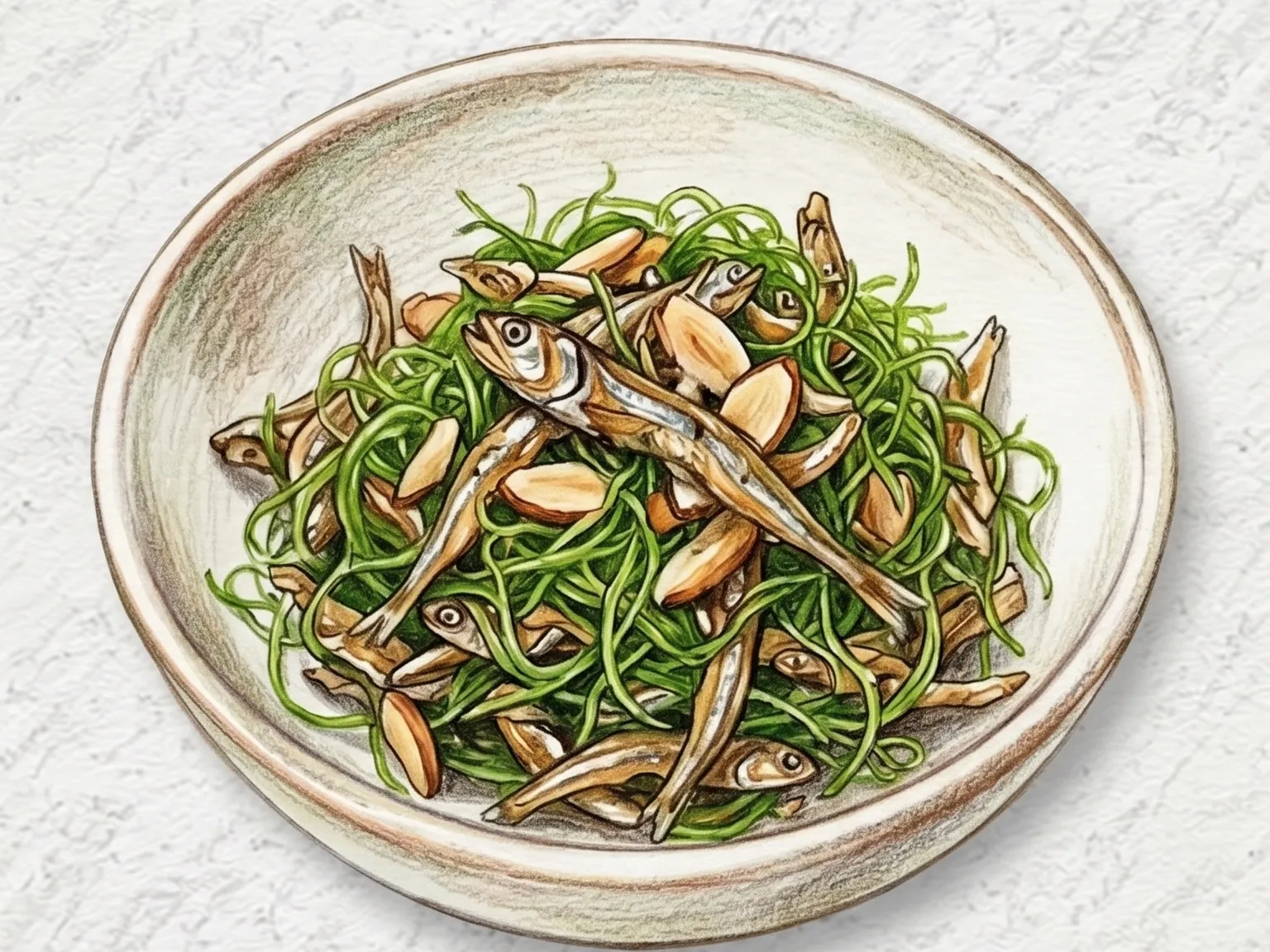
Kkwarigochu myeolchi bokkeum is a Korean banchan of dried anchovies and shishito-style peppers cooked together and glazed with soy sauce and oligosaccharide syrup. The anchovies are dry-toasted first in an unoiled pan over medium heat until their moisture evaporates and the fishiness reduces, then set aside. Oil goes into the pan next and the kkwarigochu peppers are fried over medium-high heat until blistered and darkened in spots, which develops a slightly bitter, charred edge that adds character to the finished dish. The anchovies return to the pan along with the peppers, soy sauce is added for the base seasoning, and then the heat is reduced before the oligosaccharide syrup goes in. Adding the syrup over reduced heat is the step that most often goes wrong: high heat scorches the syrup almost immediately, preventing the glaze from forming and leaving a bitter residue instead. Over low heat, the syrup coats the anchovies and peppers in a thin, shiny layer as it slowly reduces. Sesame oil and whole sesame seeds are stirred in at the end for fragrance and texture. The finished dish layers the crunchy, salty anchovies against the syrup's gentle sweetness, with the peppers providing mild heat that prevents the flavor from becoming cloying. Stored in a sealed container in the refrigerator, the banchan keeps well for several days.

Korean Braised Pork with Garlic Scapes
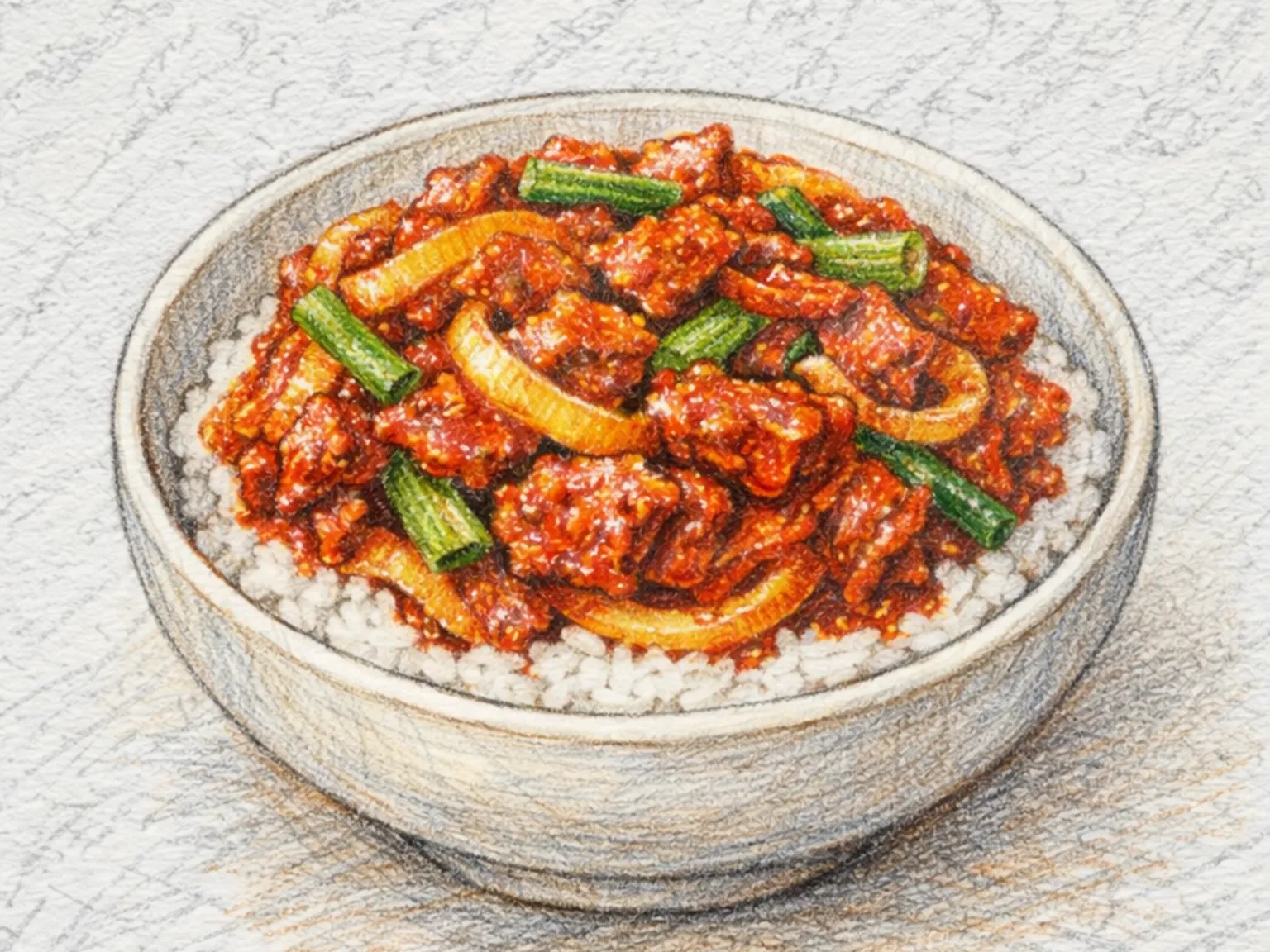
Maneuljjong dwaejigogi-jorim is a Korean braise of pork and garlic scapes in a gochujang, soy sauce, and gochugaru seasoning. The pork releases its juices into the sauce as it cooks, building a concentrated braising liquid that the garlic scapes absorb while retaining their characteristic crunch. Gochujang's deep warmth layers with soy sauce's umami into a compound seasoning, and the garlic scapes' mild pungency cuts through any heaviness from the pork fat. Mixed over rice, the sauce, meat, and vegetables come together into a filling, well-rounded meal.

Beef Pad See Ew (Thai Wok-Fried Wide Rice Noodles in Dark Soy)
Beef pad see ew is a Thai wok-fried noodle dish built around wide rice noodles and dark soy sauce. The name translates to 'fried with soy sauce,' and broad, silky noodles are stained deep brown by dark soy, balanced with light soy and oyster sauce for a sweet-savory glaze. Thinly sliced beef is seared first in a blazing wok, then noodles go in to absorb the sauce and char slightly against the hot metal. Chinese broccoli or kale adds crunch from its stems and softness from its leaves. The defining element is wok hei - the smoky flavor that only comes from letting noodles sit against the wok until they pick up toasted spots.

Korean Kollabi Saeu Bokkeum (Kohlrabi Shrimp Stir-fry)
Kolrabi saeu bokkeum is a quick stir-fry of shrimp marinated in cooking wine and julienned kohlrabi, cooked over high heat in garlic-infused oil and seasoned with soy sauce and oyster sauce. Spreading the shrimp in a single layer and letting one side sear properly before flipping is the key to a firm, bouncy texture rather than a steamed one. Kohlrabi, a cross between turnip and cabbage, brings a natural sweetness and firm crunch that pairs well with the shrimp, and keeping the cooking time short preserves that crisp bite. Red bell pepper adds a contrasting color to the dish, and the deep savory quality of oyster sauce amplifies the shrimp's natural sweetness. Preheating the pan thoroughly before adding ingredients prevents excess moisture from releasing, which keeps the stir-fry dry and the textures distinct. Scallion and a finish of sesame oil round out the dish. The calorie count is low relative to the protein content, making it a practical side dish for everyday meals.

Korean Soy-Braised Quail Eggs
Mechurial-jangjorim is a Korean soy-braised quail egg dish simmered slowly with garlic cloves and shishito peppers in a seasoned soy sauce base. As the eggs steep in the braising liquid, the soy works its way through the egg white and gradually into the yolk, staining the exterior a deep mahogany brown and seasoning the interior evenly throughout. The braising liquid is built from a measured ratio of water, soy sauce, sugar, and cooking wine to keep the saltiness in check and the glaze balanced. Whole garlic cloves soften gently in the liquid and release a mellow, savory depth that enriches the overall flavor without sharpness. Shishito peppers are added partway through rather than at the start so they retain some snap and their mild green aroma, preventing them from going completely soft. The liquid is reduced until just a small amount remains, coating each egg in a glossy, concentrated glaze. Each egg is a single self-contained bite, which makes this banchan a staple in lunchboxes and a popular snack for children, and it remains one of the most recognizable everyday Korean side dishes.

Pad Woon Sen (Thai Stir-Fried Glass Noodles with Shrimp and Egg)
Pad woon sen is a Thai stir-fried glass noodle dish that comes together in minutes. The noodles, made from mung bean starch, turn translucent when soaked and have a springy, slippery texture that absorbs sauce without becoming mushy. Shrimp is cooked first until just pink, then vegetables - typically cabbage and carrot - are tossed in over high heat to keep their crunch. Eggs are scrambled to one side of the wok and folded into the noodles along with soy sauce and oyster sauce. The seasoning is deliberately simple, allowing the natural sweetness of the shrimp and the clean bite of the vegetables to come through.

Korean Beef Brisket and Bean Sprout Stir-fry
Kongnamul chadol bokkeum starts by rendering thin beef brisket slices over high heat to release their fat, then uses that fat as the cooking medium for bean sprouts and a gochujang-gochugaru sauce. The brisket's chewy bite contrasts with the sprouts' crispness, and the rendered beef fat merges with the chili paste to create a rich base without added oil. Moisture released from the bean sprouts thins the sauce just enough to coat everything evenly. Sesame oil finishes the dish, which is a common choice for a drinking snack or late-night meal.

Braised Pork Belly with Preserved Mustard Greens
Meicai kourou is a Hakka Chinese dish of parboiled pork belly that is seared with soy sauce for color, then layered with preserved mustard greens and steamed for over an hour. The prolonged steaming renders the fat translucent and meltingly soft, while the fermented, salty greens infuse the meat with their concentrated flavor. When inverted onto a plate, the neatly stacked slices glisten under the braising sauce. It is a centerpiece dish meant for sharing, with the sauce spooned over steamed rice to capture every layer of richness.

Pancit Bihon (Filipino Stir-Fried Rice Vermicelli with Chicken)
Pancit bihon is the most widely eaten noodle dish in the Philippines, made with thin rice vermicelli stir-fried with meat, vegetables, and a savory soy-fish sauce seasoning. It holds a special place in Filipino culture as a celebration dish - no birthday party is complete without a large platter, symbolizing long life and good fortune. The technique involves boiling chicken to create a broth, then using that broth to cook the noodles in the wok so every strand absorbs savory depth. Shredded cabbage and julienned carrots provide crunch, while a squeeze of calamansi brightens the dish with a tart, floral acidity.