Charim

2686 Korean & World Recipes

2686+ Korean recipes, clean and organized. Ingredients to instructions, all at a glance.

Recipes with toasted sesame seeds

24 recipes

Buy toasted sesame seeds
Korean Soy Braised Salmon
SteamedEasy

Korean Soy Braised Salmon

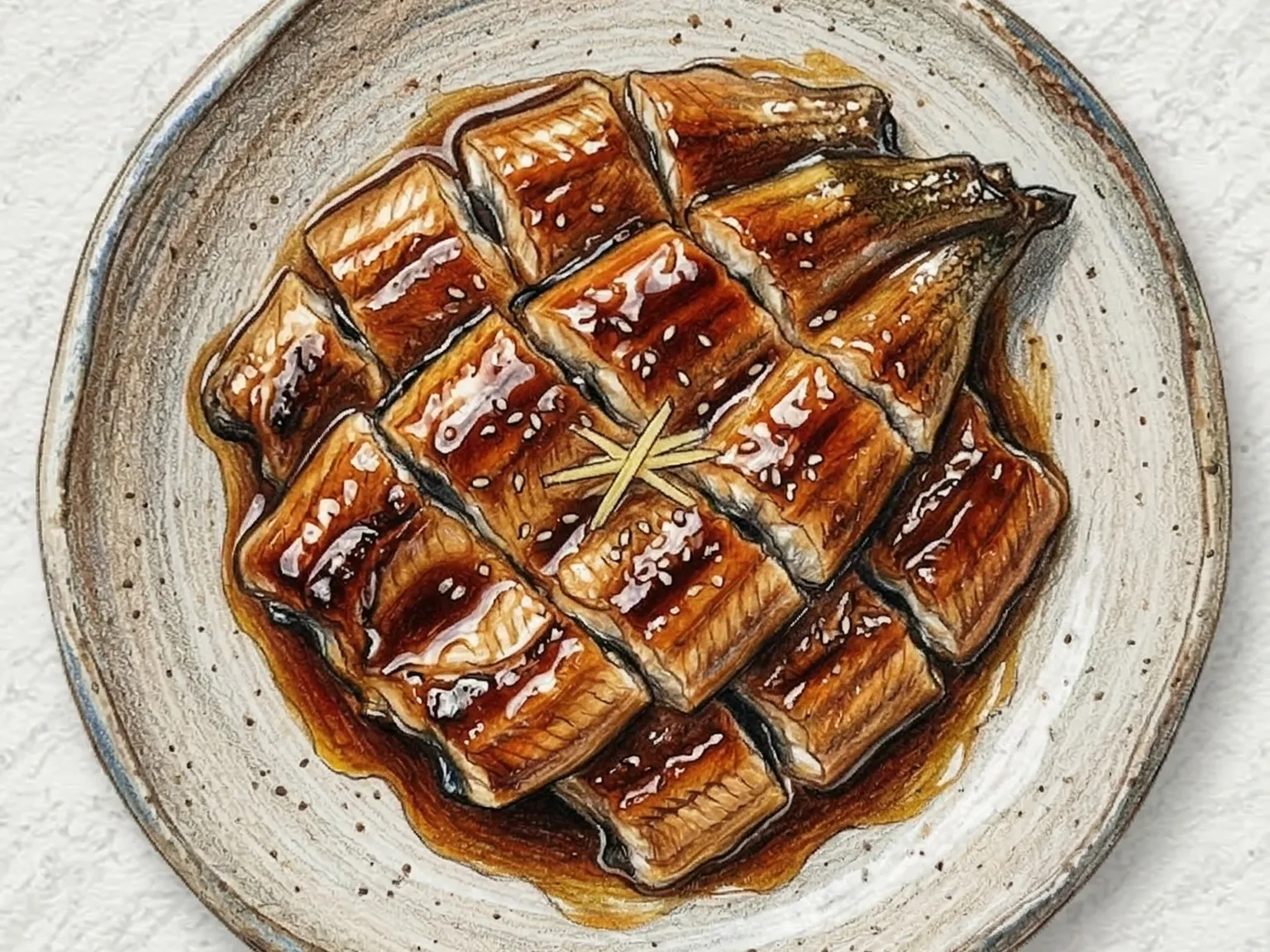
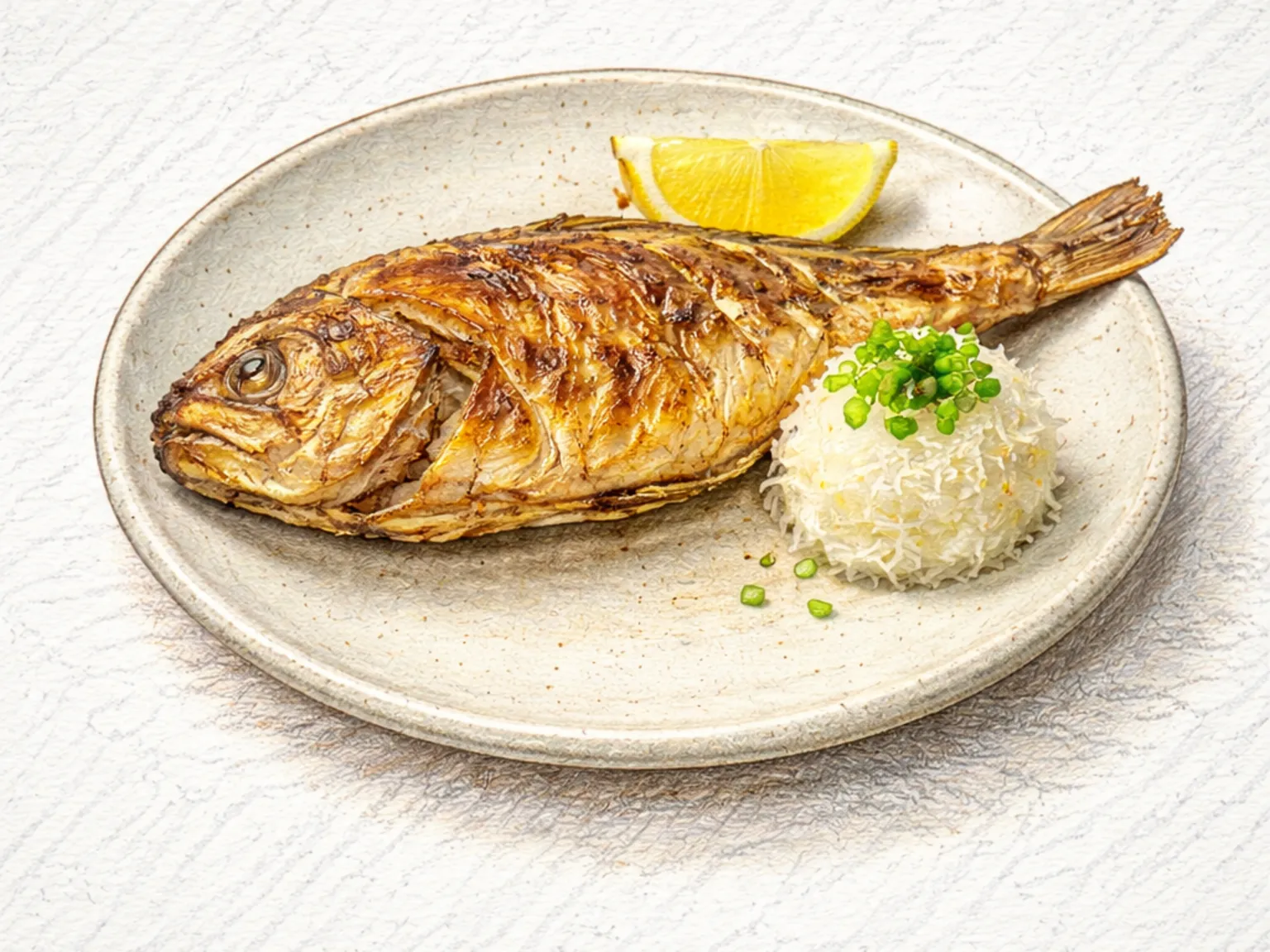
Yeon-eo ganjang jorim is Korean soy-braised salmon where fillets are seared first to firm the surface, then glazed in a sauce of soy sauce, cooking wine, and oligosaccharide syrup. Green onion and onion cook in the sauce, adding sweetness and neutralizing any fishiness. The syrup gives the glaze a smooth sheen that clings to each piece of salmon as the liquid reduces. With total cooking time under twenty minutes, this is a practical weeknight fish dish that delivers a polished, glossy presentation with minimal effort.

🍱 Lunchbox
Prep 12minCook 18min2 servings
Korean Soy Udon with Scallion Salad
NoodlesEasy

Korean Soy Udon with Scallion Salad

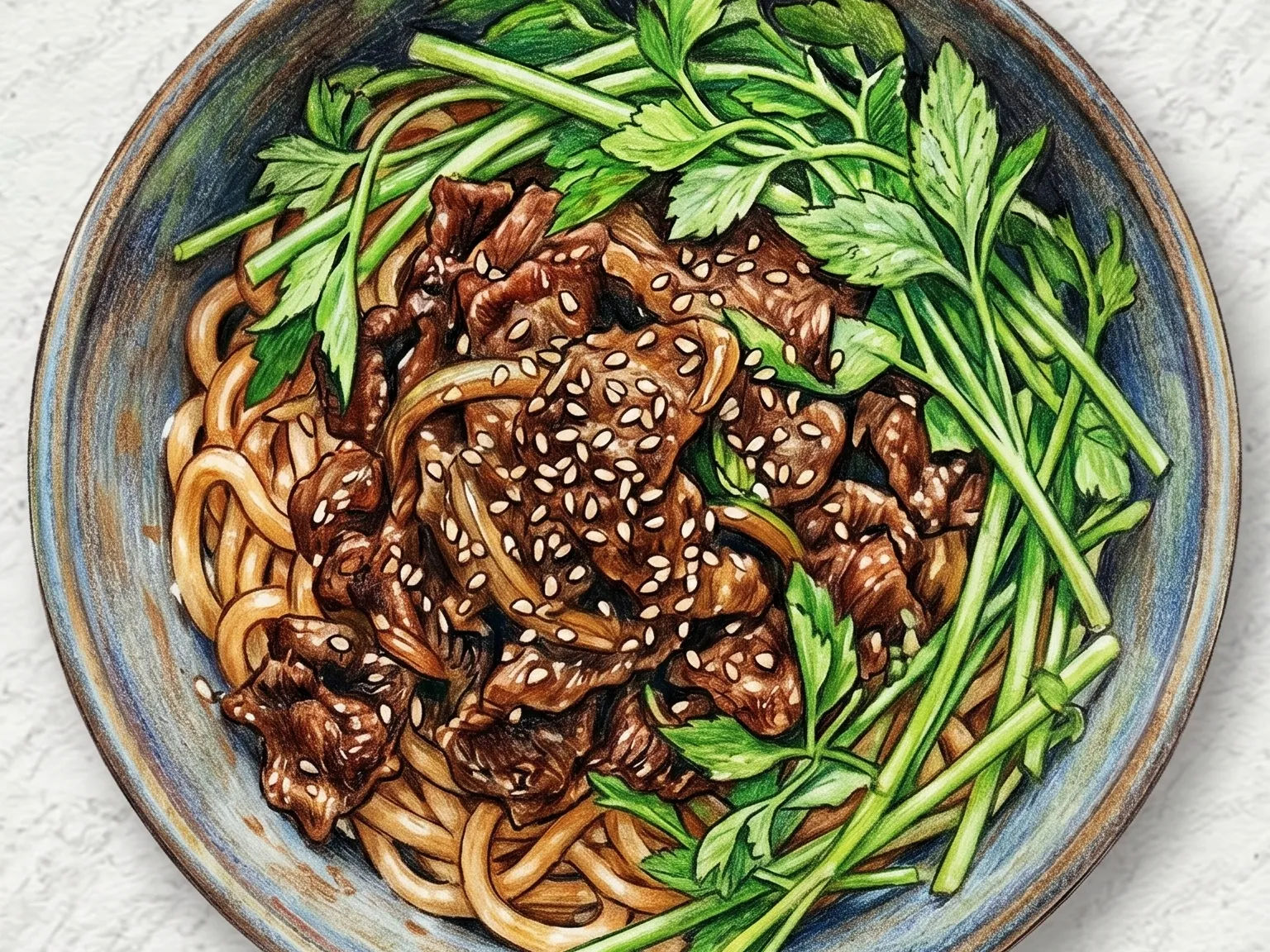
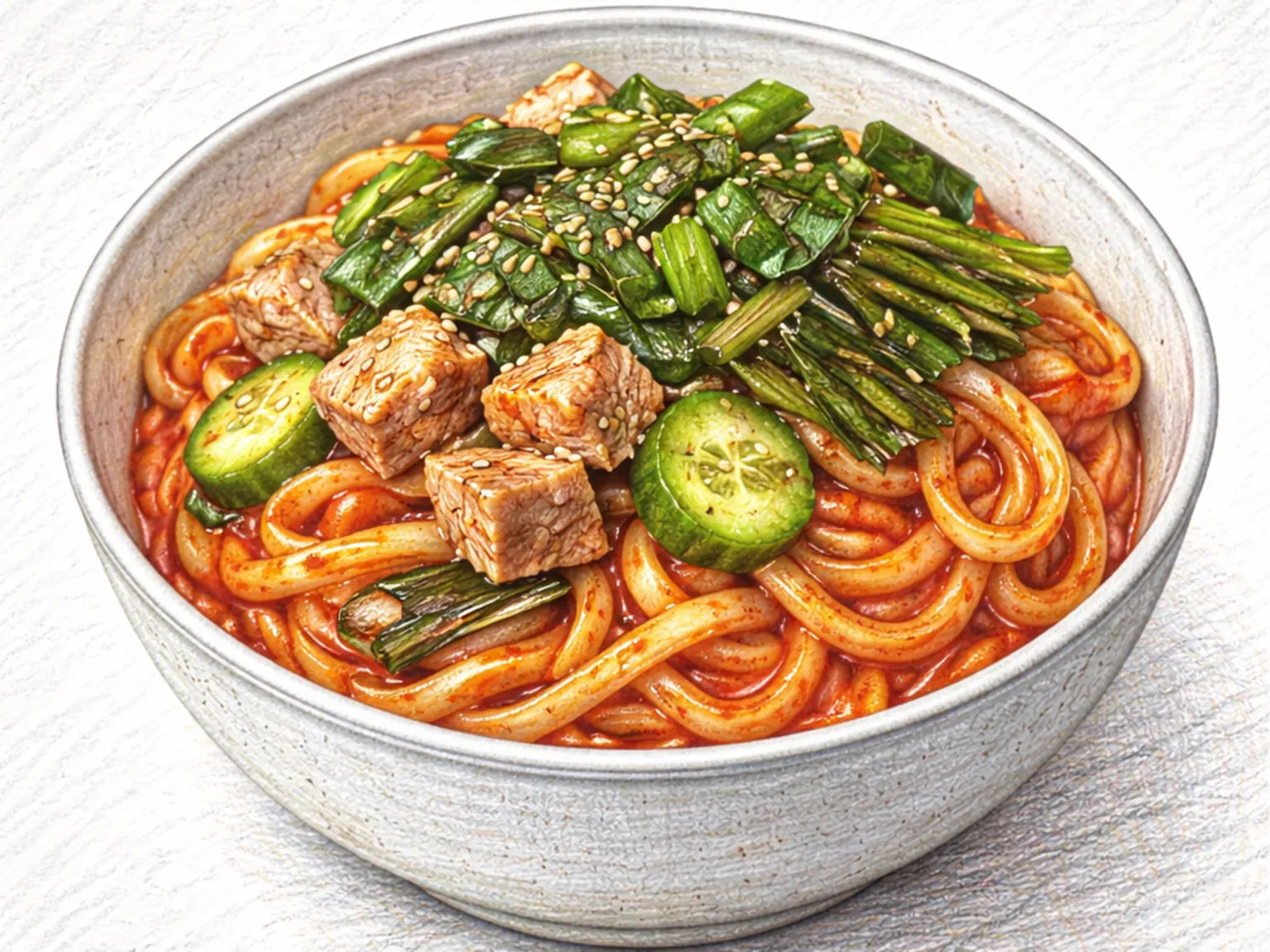
Pajeori ganjang bibim udon is a Korean mixed udon dish centered on crisp shredded scallion that has been soaked in cold water to tame its raw sharpness without sacrificing texture. Soaking for at least five minutes softens the aggressive bite while the strands retain their crunch, releasing a clean, fresh note with every forkful. A dressing of soy sauce, vinegar, sugar, chili flakes, and sesame oil builds a layered base that is simultaneously sweet, salty, tangy, and mildly spicy. The udon noodles are tossed first with half the dressing so every strand carries an even base coating before the drained scallion and remaining sauce are folded in. The pungent freshness of the scallion plays directly against the seasoned noodles, drawing out a depth of flavor that far exceeds what the short ingredient list would suggest. Keeping the noodles slightly underdone ensures a springy, bouncy bite throughout, and a scatter of whole sesame seeds adds a warm, nutty finish. Skipping the cold water soak leaves the raw sharpness of the scallion untempered, throwing the entire balance off, so that step should never be rushed.

🌙 Late Night Quick
Prep 12minCook 8min2 servings
Smoked Duck Chive Salad (Korean Chive Salad)
SaladsEasy

Smoked Duck Chive Salad (Korean Chive Salad)

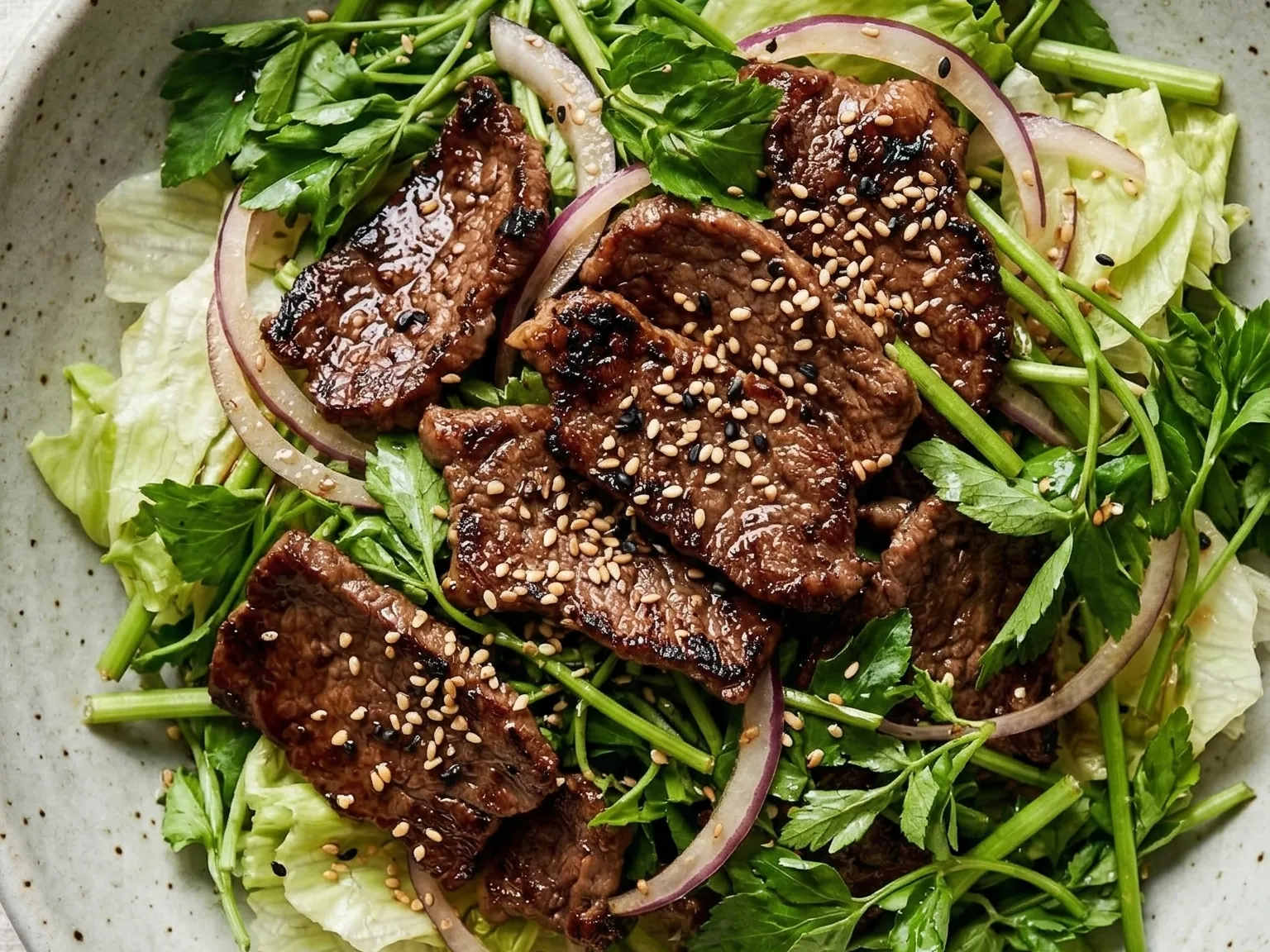
Smoked duck chive salad brings together pan-seared smoked duck and fresh Korean chives in a soy-mustard dressing that cuts through the meat's richness with precision. The duck is seared in a dry or lightly oiled pan for two to three minutes to render off the surface fat before it meets the other ingredients. Korean chives are cut to four-centimeter lengths and combined with shredded cabbage and sliced bell pepper, each element adding its own texture to the finished dish. A dressing of soy sauce, mustard, vinegar, honey, and sesame oil delivers a multi-layered hit of nose-clearing heat, sweet-sour acidity, and roasted depth that cleanses the palate after every fatty bite of duck. The cabbage provides firm, watery crunch against the chewy, smoke-infused meat, while toasted sesame seeds scatter a nutty fragrance across the top. Adding the chives at the very end keeps their herbal aroma vivid rather than grassy, and limiting the searing time prevents the duck from turning tough. The interplay between the dense smokiness of the duck and the sharp freshness of the chives is what gives this salad its character beyond a simple protein-and-greens combination.

🍺 Bar Snacks🥗 Light & Healthy
Prep 15minCook 8min2 servings
Korean Seasoned Carrot Namul
Side dishesEasy

Korean Seasoned Carrot Namul

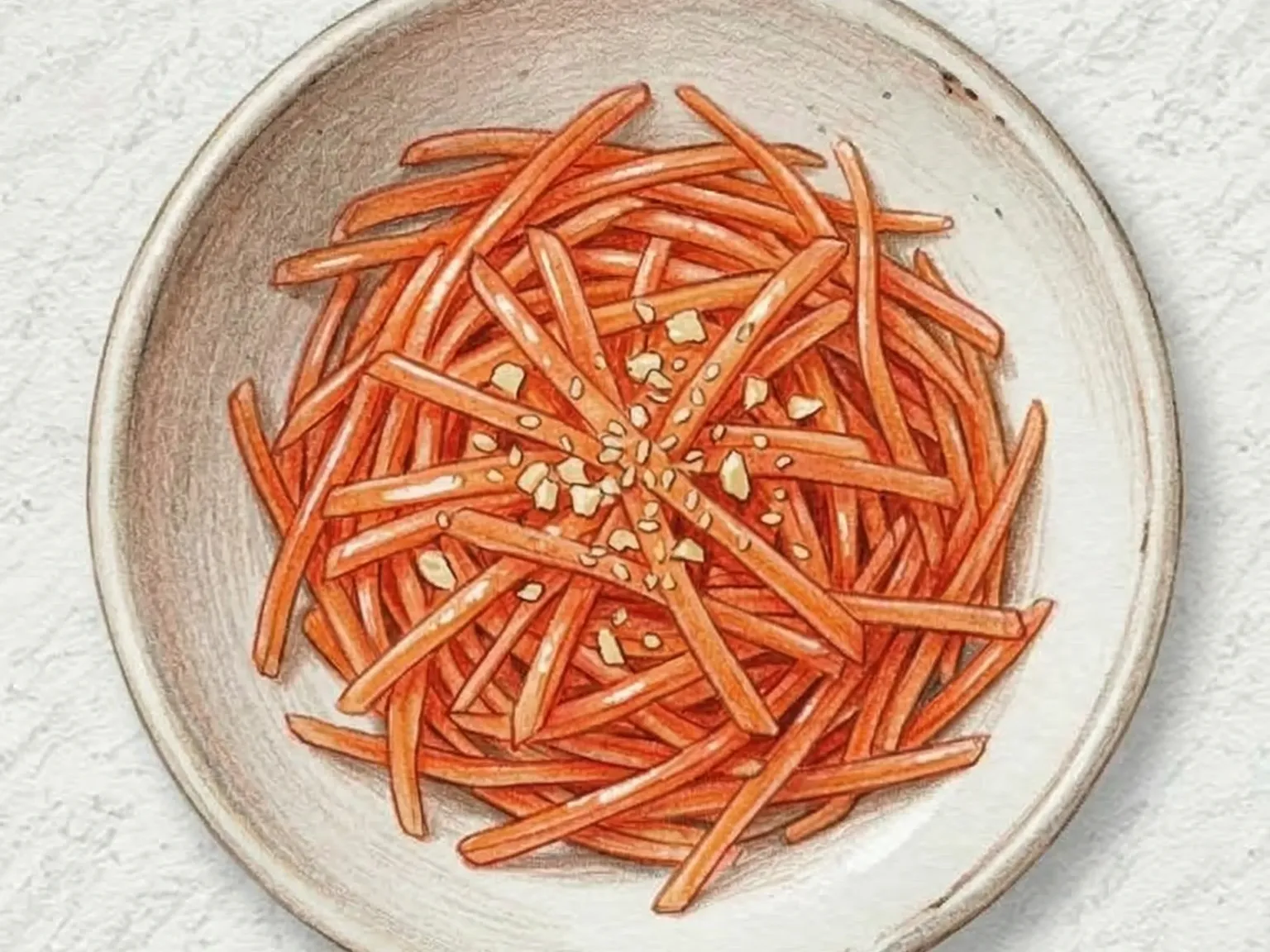
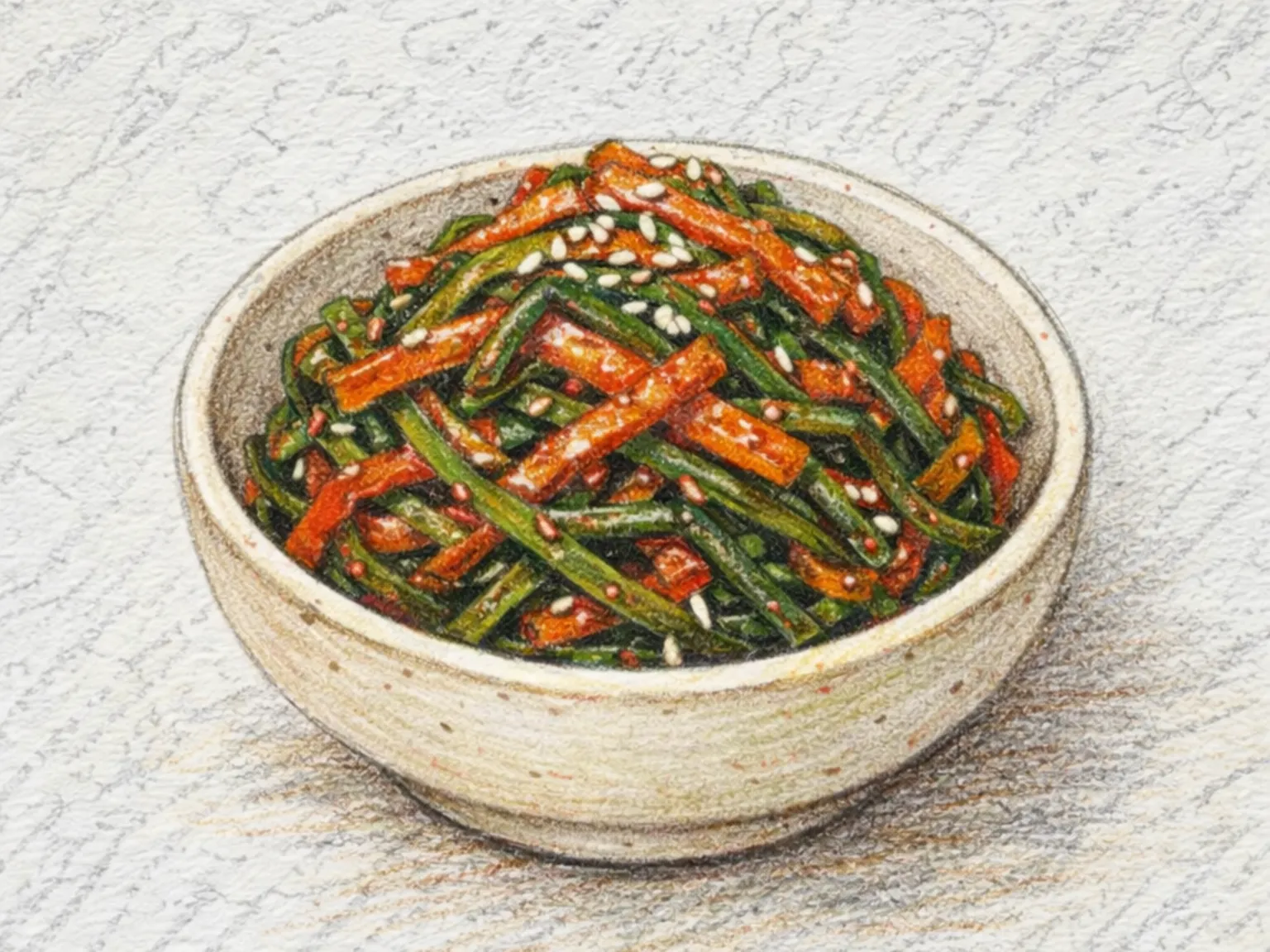
Carrot namul is one of the five-color banchan Koreans prepare for ancestral rites, where the orange of carrot represents fire in the traditional symbolic scheme. Julienned thin, the carrots are salted briefly to pull out excess moisture, then stir-fried with minced garlic over medium heat for two to three minutes - just enough to cook off the raw edge while preserving an audible crunch in every strand. No soy sauce or chili powder enters the pan; seasoning is kept to salt alone so that the carrot's natural sweetness remains the central flavor rather than being buried under stronger condiments. A final drizzle of sesame oil and a scatter of sesame seeds round out this clean, single-ingredient side dish that earns its place on both ceremonial tables and everyday meals.

🏠 Everyday🍱 Lunchbox
Prep 8minCook 6min2 servings
Korean Seasoned Tofu Pouch Sushi (Yubu Chobap)
RiceEasy

Korean Seasoned Tofu Pouch Sushi (Yubu Chobap)

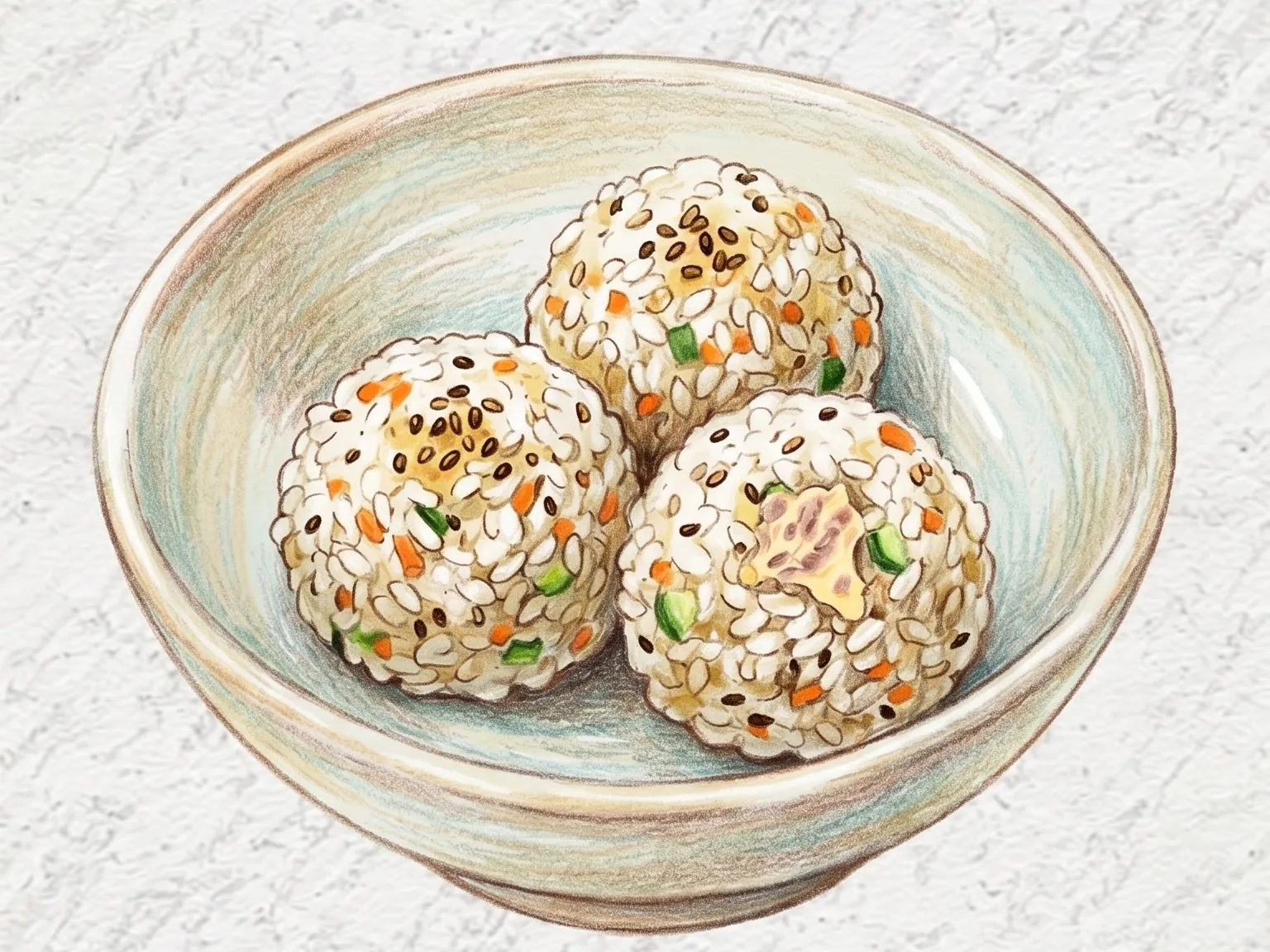
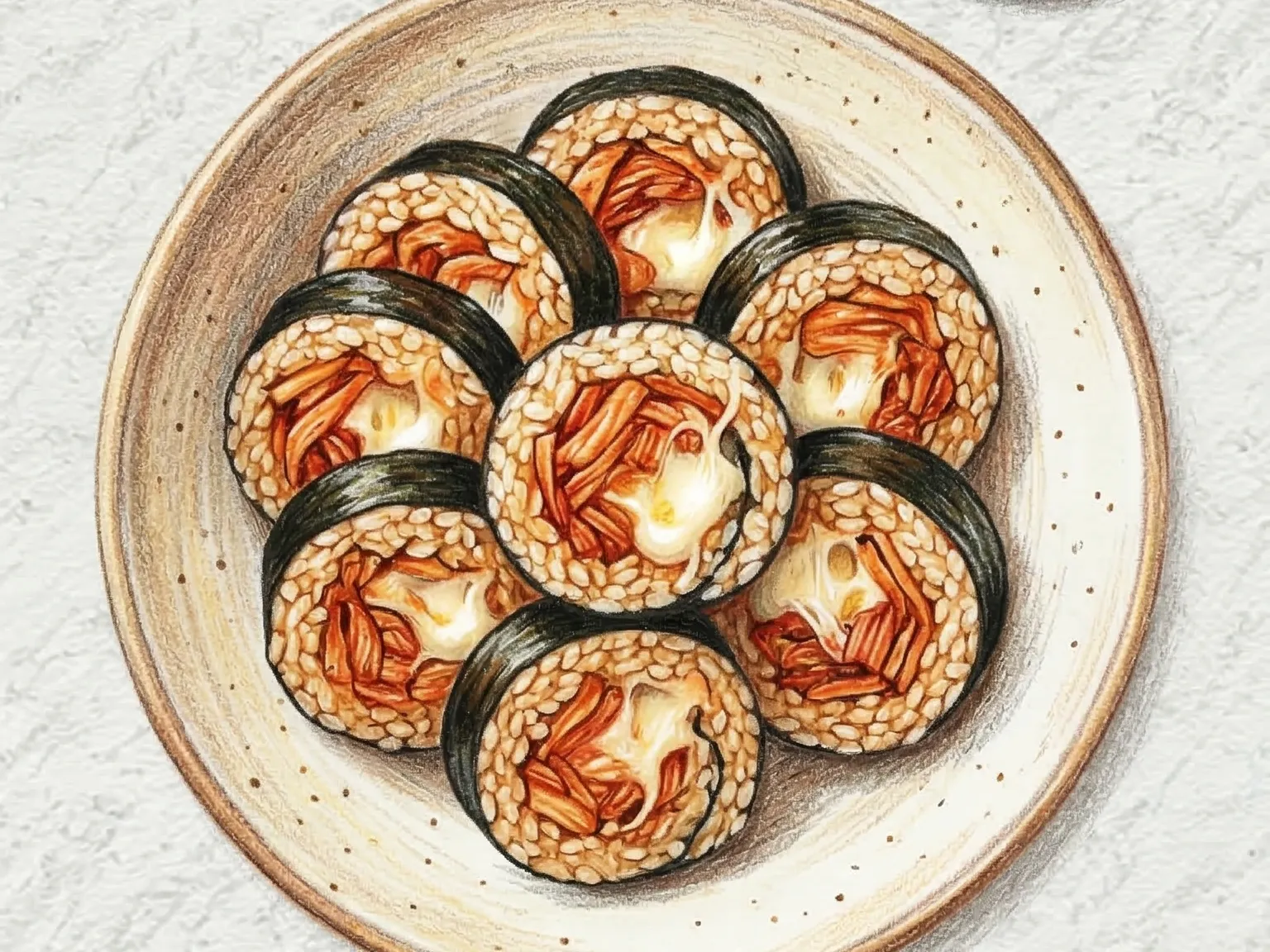
Yubu chobap fills sweet-savory braised tofu pockets with vinegared sushi rice. The tofu skin absorbs the braising liquid, so each bite releases a light burst of seasoned juice. Finely diced carrot and cucumber mixed into the rice add crunch and color. Sesame oil and whole sesame seeds boost the nuttiness of the rice filling. Each piece is bite-sized and easy to eat by hand, which has made it a long-standing favorite for packed lunches, snacks, and picnic spreads in Korea.

🍱 Lunchbox
Prep 20minCook 15min4 servings
Korean Stir-fried Sausage
Stir-fryEasy

Korean Stir-fried Sausage

Sosegi-bokkeum is a Korean sausage stir-fry where scored Vienna sausages are dry-fried until golden, then tossed with onion in a sauce of ketchup, gochujang, oligosaccharide syrup, and soy sauce. Scoring the sausages lets the sweet-spicy glaze seep into every cut, so the flavor is consistent from edge to center. The sauce caramelizes quickly -- just two minutes of tossing coats the sausages in a glossy, clingy layer. Finished with sesame seeds and sliced green onion, it is a staple banchan that packs well in lunchboxes.

🏠 Everyday🧒 Kid-Friendly
Prep 5minCook 10min2 servings
Korean Grilled Semi-dried Pollock
GrilledEasy

Korean Grilled Semi-dried Pollock

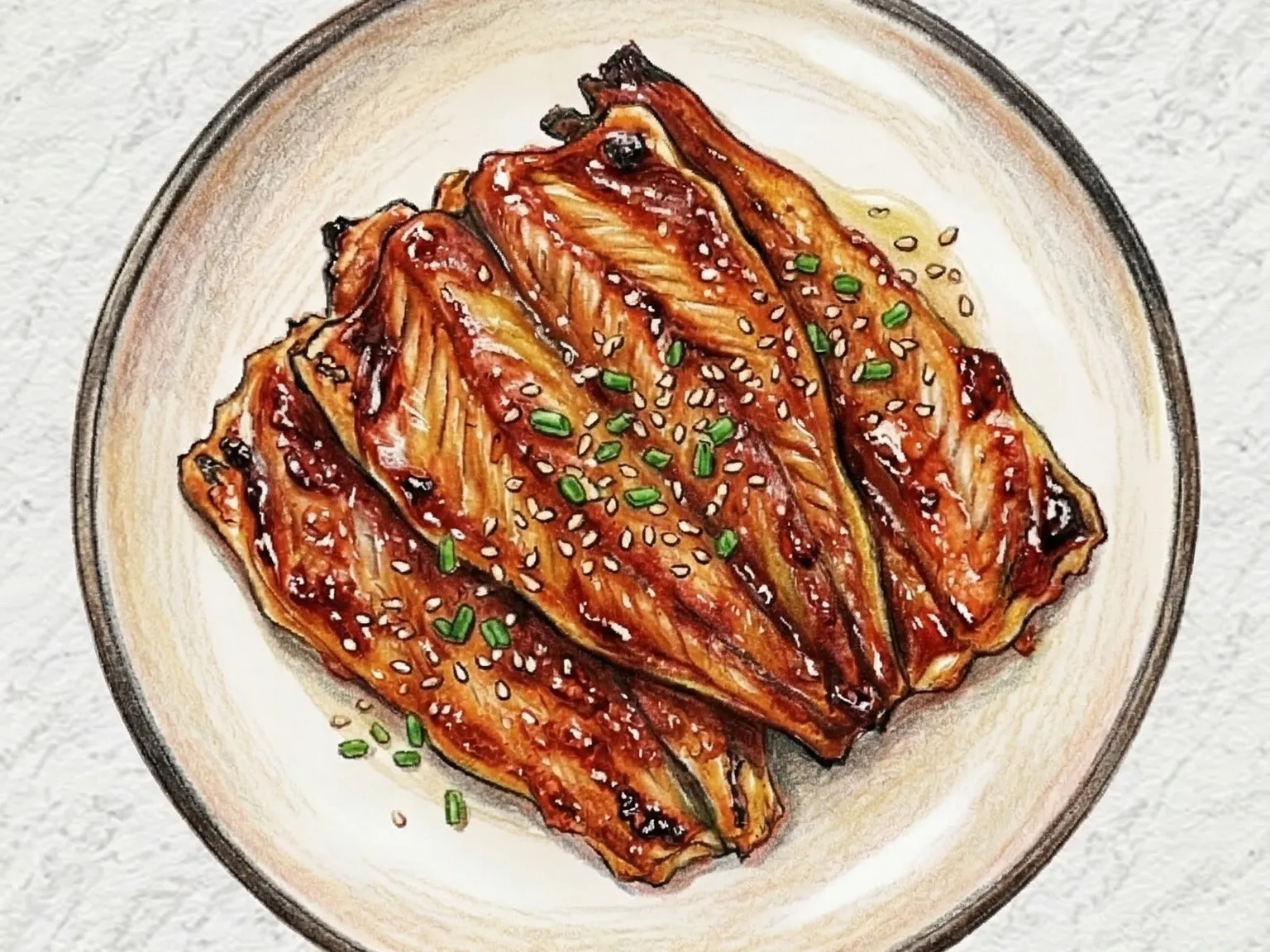
Kodari-gui is a Korean grilled semi-dried pollock dish where the fish is pan-fried while being brushed repeatedly with a glaze made from soy sauce, gochujang, oligosaccharide syrup, minced garlic, and sesame oil. Semi-drying the pollock removes a substantial portion of its moisture, concentrating the protein into a dense, chewy texture that absorbs seasoning far more readily than fresh fish. It also strips away the fishy undertone that fresh pollock carries, making the end result noticeably cleaner on the palate. As the fish cooks, the sugars in the glaze undergo caramelization layer by layer, building a glossy, dark coating that catches the heat and deepens in flavor with every pass. Applying the sauce in a thick coat from the start leads to burning before the inside is properly cooked through, so the technique calls for flipping once a side is set and applying the glaze in multiple thin brushings. Soaking the dried fish in cold water for about ten minutes before cooking softens the flesh while still allowing the surface to grip the seasoning. Sesame seeds scattered over the finished fish add a toasted, nutty finish, and the dish is best served hot over steamed white rice.

🍺 Bar Snacks🍱 Lunchbox
Prep 20minCook 14min2 servings
Korean Yeongeun Ganjang Jorim (Soy-Braised Lotus Root)
SteamedEasy

Korean Yeongeun Ganjang Jorim (Soy-Braised Lotus Root)

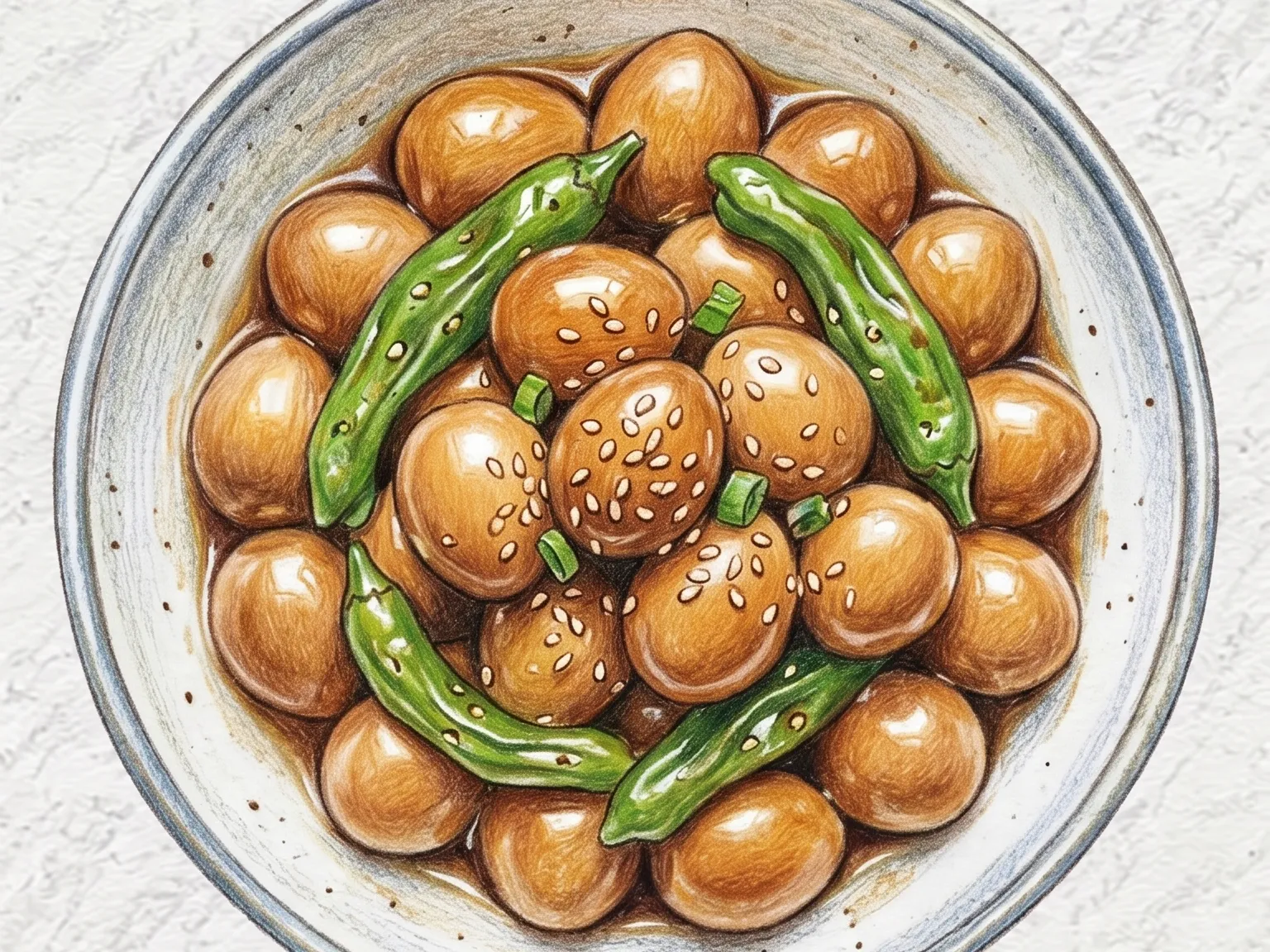
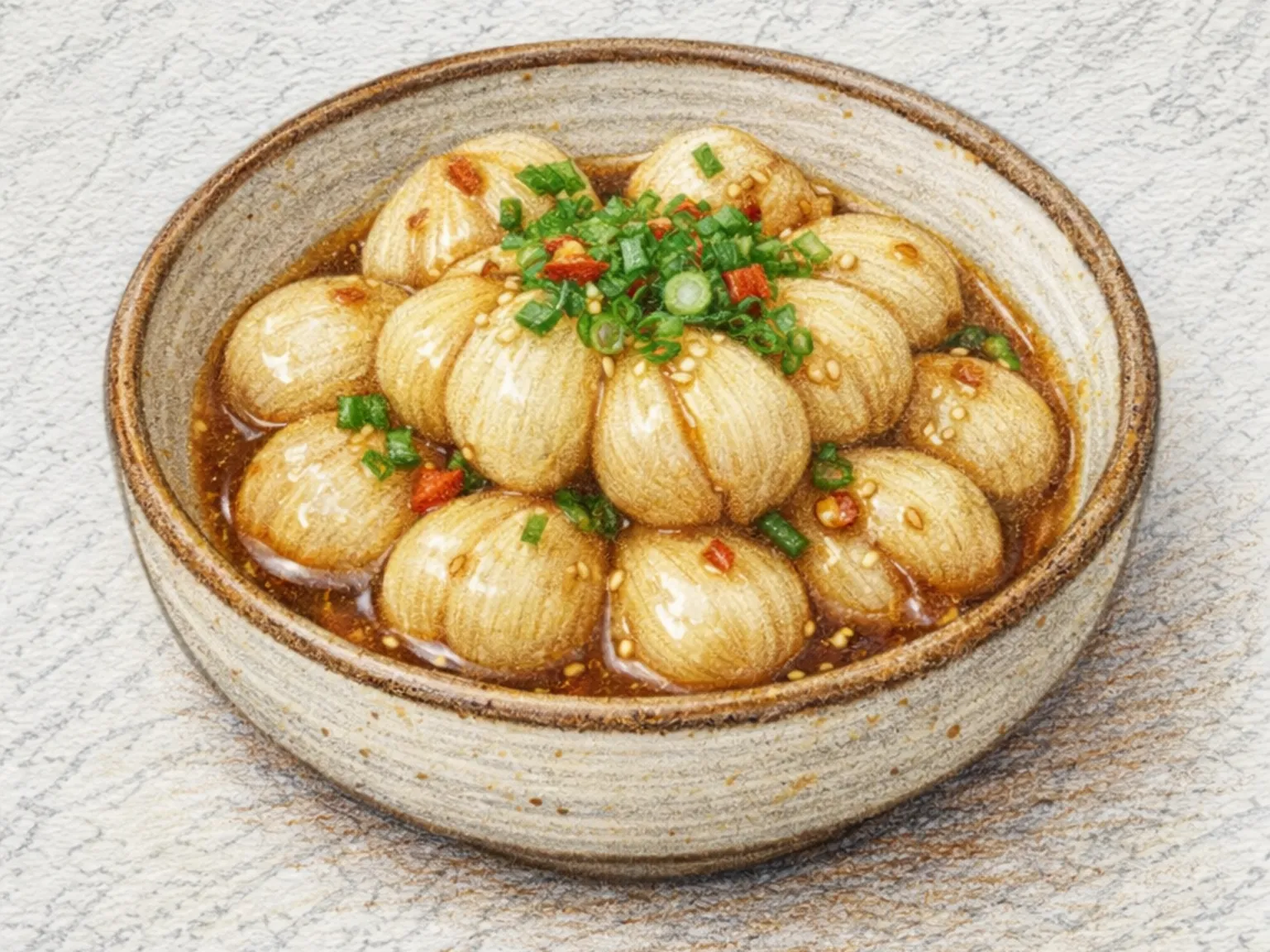
Yeongeun ganjang jorim is a Korean soy-braised lotus root side dish simmered in soy sauce, oligosaccharide syrup, vinegar, and cooking wine. The starchy surface of the lotus root develops a glossy glaze from the reduced sauce while the interior stays distinctly crunchy. Vinegar brightens the soy's salinity, and the syrup contributes a gentle sweetness and visible sheen. This banchan improves overnight in the refrigerator as the seasoning continues to penetrate, making it one of the most practical make-ahead side dishes in Korean home cooking.

🏠 Everyday🎉 Special Occasion
Prep 15minCook 25min4 servings
Korean Chilled Udon with Yuzu Soy Sauce
NoodlesEasy

Korean Chilled Udon with Yuzu Soy Sauce

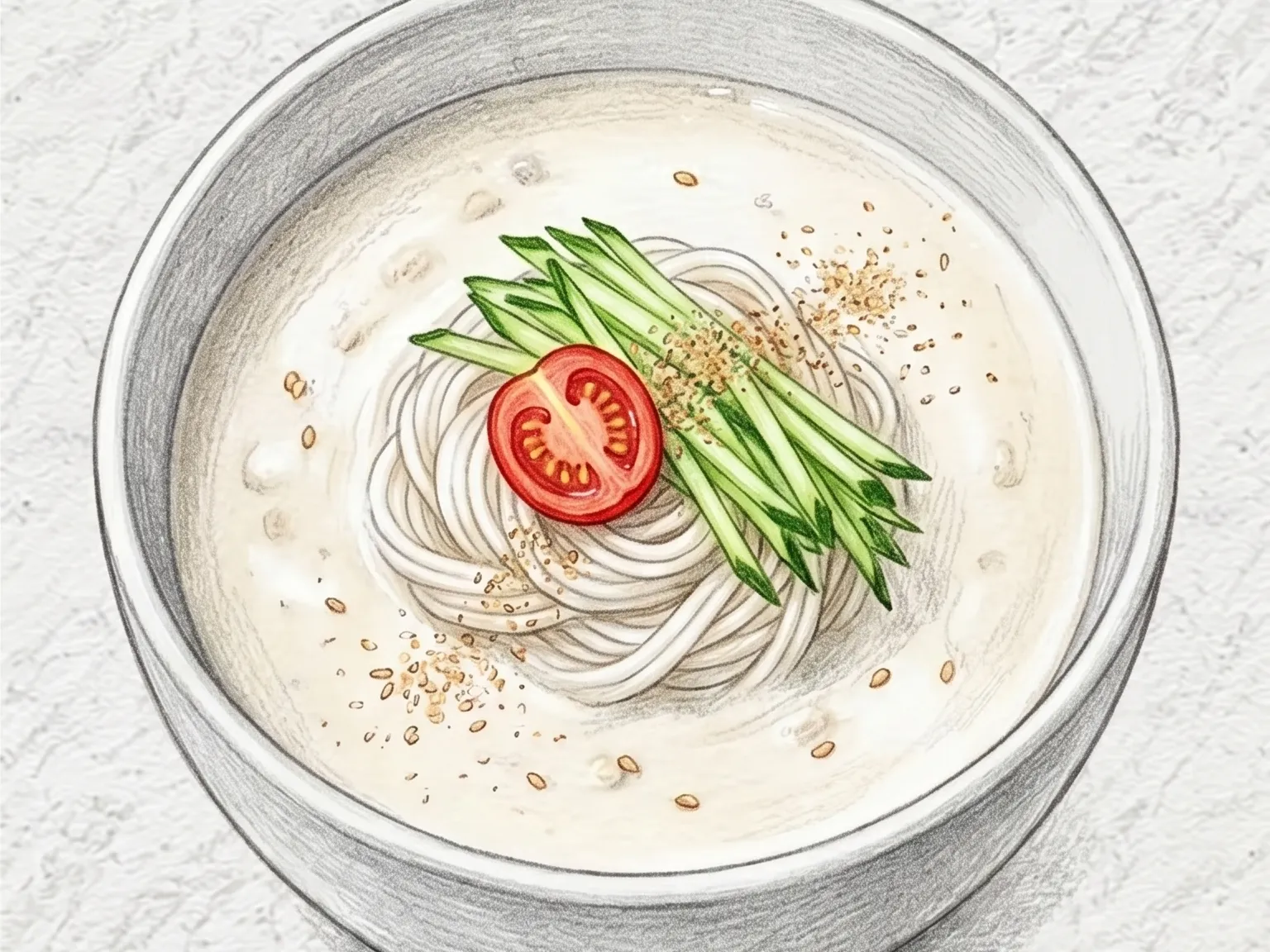
Yuja ganjang naeng udon is a chilled udon dish dressed in a sauce made from yuja (citron) syrup, soy sauce, and tsuyu. The sauce balances bright citrus fragrance with salty depth, and the tsuyu rounds out the umami. Frozen udon noodles are boiled and rinsed in cold water, which keeps them firm and allows the sauce to coat evenly. Bonito flakes, shredded nori, and sesame seeds are common toppings. The entire recipe takes about 19 minutes and requires no advanced technique.

🌙 Late Night Quick
Prep 10minCook 9min2 servings
Crown Daisy & Tofu Yuzu Salad
SaladsEasy

Crown Daisy & Tofu Yuzu Salad

Crown daisy and tofu yuzu salad presses firm tofu dry, sears it in a pan for six to eight minutes until the surface develops a golden crust, and pairs it with crown daisy, half-moon cucumber slices, and thinly sliced red onion in a yuzu marmalade dressing. The yuzu's bright citrus fragrance and subtle bitterness meet crown daisy's bold herbal aroma, and the two botanical notes amplify each other rather than compete. Soy sauce and sesame oil anchor the dressing with fermented depth and nuttiness, preventing the floral top notes from floating untethered. The tofu's soft, creamy interior contrasts with the fibrous crown daisy stems, and cucumber's cool moisture keeps the overall impression light. Avoiding frequent flipping during searing lets a proper crust form on the tofu's surface.

🥗 Light & Healthy
Prep 15minCook 8min2 servings
Korean Seasoned Kelp Strips
Side dishesEasy

Korean Seasoned Kelp Strips

Kelp strips are soaked in cold water for ten minutes to draw out excess salt, then blanched for twenty seconds, just long enough to turn them pliable without losing their snap. The strips are dressed with gochugaru, vinegar, soy sauce, sugar, and garlic while julienned cucumber adds a cool, refreshing contrast. The seasoning sits over the mineral-dense ocean flavor of the kelp, layering a bright, acidic kick onto each bite. Sesame oil and whole sesame seeds finish the dish. The strips keep a satisfying resistance between the teeth that sets them apart from softer Korean seaweed preparations. Best served cold; the texture and flavor hold up well in packed lunches. Blanching beyond twenty seconds causes the kelp to soften and lose the chew that defines this banchan.

🥗 Light & Healthy🏠 Everyday
Prep 12minCook 3min2 servings
Korean Stir-fried Crown Daisy and Mushrooms
Stir-fryEasy

Korean Stir-fried Crown Daisy and Mushrooms

Ssukgat-beoseot-bokkeum is a quick stir-fry of oyster mushrooms and crown daisy (ssukgat) cooked in a garlic-infused pan. The mushrooms are seared over high heat to drive off moisture and develop a chewy bite, while the crown daisy stems and leaves go in at staggered intervals to preserve their crunch and aroma. Soy sauce and cooking wine provide the seasoning base, finished with sesame oil and toasted sesame seeds. The slightly bitter, herbal character of the crown daisy plays off the mild earthiness of the mushrooms for a clean, well-defined flavor.

🏠 Everyday🍱 Lunchbox
Prep 10minCook 8min2 servings
Korean Gochujang Grilled Garlic Scapes
GrilledEasy

Korean Gochujang Grilled Garlic Scapes

Maneuljjong-gochujang-gui is a Korean vegetable side dish where garlic scapes cut into six-centimeter pieces are blanched for just thirty seconds, then stir-grilled in a pan with a sauce built from gochujang, gochugaru, soy sauce, oligosaccharide syrup, and minced garlic. The thirty-second blanch is precisely timed to loosen the tough outer fibers of the scape so the sauce has a surface to cling to, while the crisp interior stays intact. Plunging the scapes into cold water immediately after blanching is necessary to halt carryover cooking and lock in the texture. The garlic scape's own sharp, pungent bite merges with gochujang's fermented depth to build a layered spiciness that carries more complexity than raw chili heat alone, and the oligosaccharide syrup contributes both a glossy coating and a restrained sweetness that rounds off the sauce. When the sauce starts catching on the pan, adding a tablespoon of water loosens it without washing out the flavor. Sesame oil and toasted sesame seeds go on at the very end to finish the dish with a nutty, roasted aroma.

🍺 Bar Snacks🏠 Everyday
Prep 10minCook 8min2 servings
Wild Rice Crispy Seaweed Salad
SaladsMedium

Wild Rice Crispy Seaweed Salad

Wild rice crispy seaweed salad combines cooked and cooled wild rice with julienned red cabbage, carrot, and thawed edamame, dressed in soy sauce, brown rice vinegar, sesame oil, and minced garlic, then topped with crispy seaweed chips. Wild rice takes longer to cook than regular rice due to its tough hull, but cooling it completely is essential - warm grains clump together and lose their distinct chewy bite. The dressing layers soy saltiness and garlic depth over a gentle vinegar acidity and sesame richness, elevating the mild grain base. Edamame contributes soft protein while the raw vegetables provide a crisp, fresh contrast to the chewy rice. The seaweed chips must be added just before serving to preserve their crunch and concentrated umami.

🥗 Light & Healthy🍱 Lunchbox
Prep 20minCook 30min4 servings
Korean Braised Kelp Strips
Side dishesMedium

Korean Braised Kelp Strips

Dasima jorim is a banchan that repurposes dried kelp - typically discarded after making stock - into a glossy, chewy side dish through slow braising. The kelp is soaked in cold water for at least twenty minutes until it softens and becomes pliable, then cut into strips roughly one centimeter wide. Simmered in soy sauce, rice syrup, cooking wine, and garlic over medium-low heat for fifteen minutes or more, the braising liquid gradually reduces and thickens into a lacquer-like glaze that coats each strip on all sides. The rice syrup contributes both sweetness and the shine that gives the dish its visual appeal. The resulting texture is difficult to compare - somewhere between the springiness of gummy candy and the firm bite of pasta al dente, resilient but with a clean snap when bitten through. Refrigerated overnight, the seasoning penetrates the dense seaweed fibers more deeply, and the flavor continues to intensify over several days, making it a banchan that improves the longer it sits.

🥗 Light & Healthy🏠 Everyday
Prep 15minCook 20min4 servings
Korean Gochujang Grilled Anchovies
GrilledEasy

Korean Gochujang Grilled Anchovies

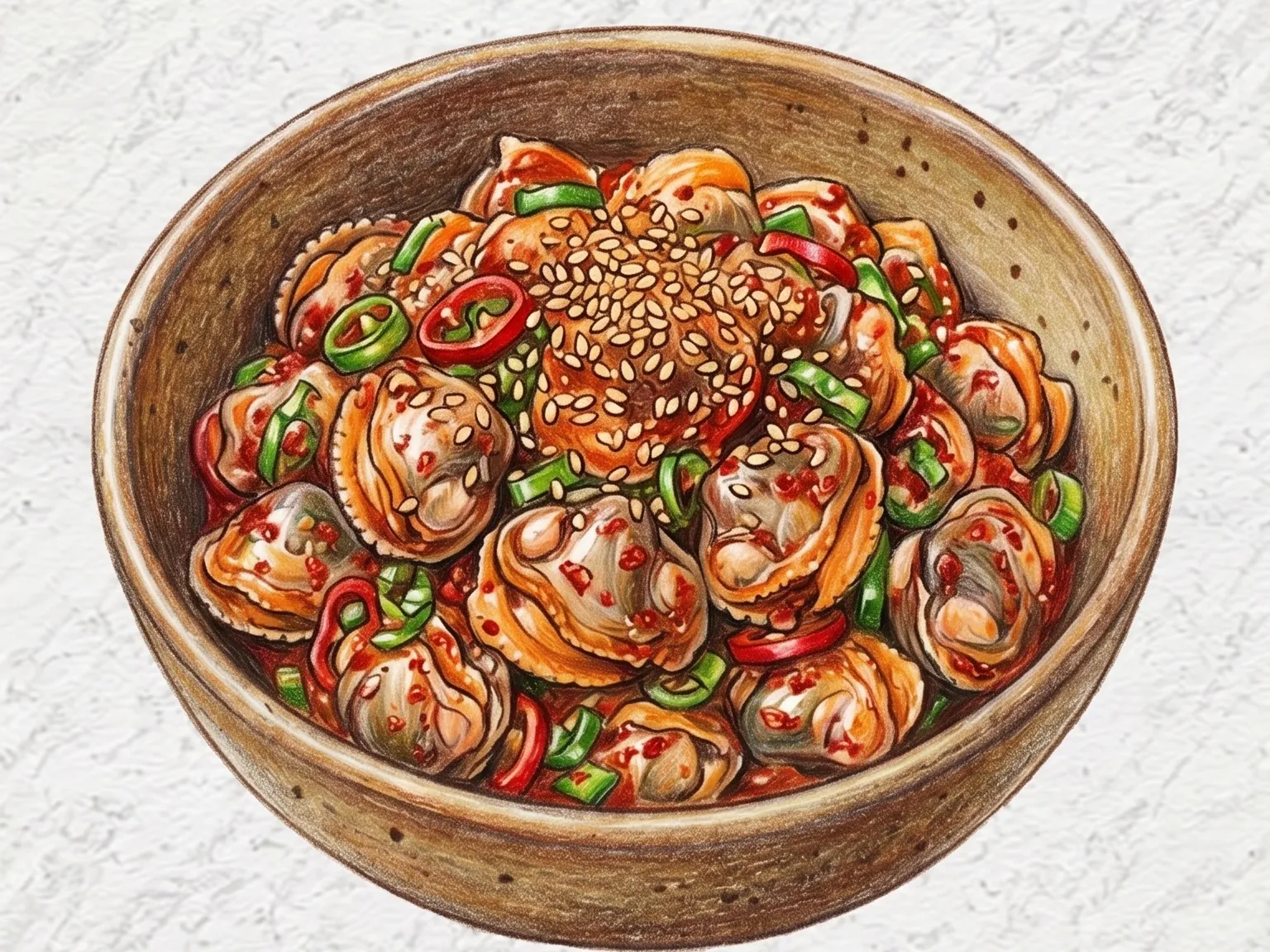
Myeolchi-gochujang-gui is a Korean gochujang-glazed anchovy side dish where medium-sized dried anchovies are first dry-toasted in a pan for one minute to reduce fishiness and drive off moisture, then tossed in a sauce of gochujang, soy sauce, oligosaccharide syrup, cooking wine, and minced garlic. The sauce is simmered briefly over low heat before the anchovies go in, cooking off the alcohol in the wine and thickening the glaze so it clings to each fish. Once the anchovies are added, the tossing should finish within two minutes-longer cooking hardens them rather than keeping them pleasantly chewy. Sesame oil and toasted sesame seeds folded in at the end round out the sweet-spicy-salty profile with a nutty finish.

🍺 Bar Snacks🍱 Lunchbox
Prep 12minCook 8min2 servings
Korean Spicy Seasoned Deodeok
Side dishesMedium

Korean Spicy Seasoned Deodeok

Deodeok - Codonopsis lanceolata - is a mountain root that has been used in Korean cooking and folk medicine for centuries. Its flesh is fibrous, sticky, and carries a ginseng-like bitterness that becomes pronounced when the root is raw. Peeling and pounding with a mallet splits the fibers into rough, ribbon-like shreds with a textured surface that holds seasoning well. A soak in cold water draws out the sharpest of the bitterness before the root is drained and tossed. The dressing - gochujang, vinegar, minced garlic, sugar, and gochugaru - is sweet, sour, and spicy in roughly equal measure, tempering the root's wild, resinous character while leaving the chewy texture intact.

🏠 Everyday🍱 Lunchbox
Prep 20min4 servings
Korean Grilled King Oyster Mushrooms
GrilledEasy

Korean Grilled King Oyster Mushrooms

Saesongi-beoseot-gui is a Korean grilled king oyster mushroom dish where the mushrooms are sliced lengthwise to 0.7-centimeter thickness, seared in melted butter until golden on both sides, then glazed with a sauce of soy sauce, minced garlic, oligosaccharide syrup, and black pepper. King oyster mushrooms contain a lot of moisture, so arranging the slices in a single layer without overlap is essential-crowding steams rather than sears, preventing the Maillard browning that gives the surface its golden color and savory depth. Butter burns quickly above medium heat, so temperature control is key, and the soy glaze should only be added after both sides are already browned so it coats the surface rather than making it soggy. Chopped chives and sesame seeds scattered on top add a nutty, aromatic layer over the salty butter-soy base.

🍺 Bar Snacks🏠 Everyday
Prep 10minCook 12min2 servings
Korean Perilla Soybean Sprout Namul
Side dishesEasy

Korean Perilla Soybean Sprout Namul

Kongnamul, soybean sprouts, are among the most consumed vegetables in Korea, and this perilla-dressed version adds a nutty, full-bodied depth that the plain sesame oil variety lacks. The sprouts are steamed with the lid sealed for five minutes, which drives off the raw bean smell while keeping the heads firm and crunchy. Tossed with perilla powder, soup soy sauce, garlic, and sesame oil while still warm, the powder absorbs the moisture and dissolves into a pale coating that makes each sprout feel creamy on the tongue. Chopped scallion contributes a sharp, grassy contrast that balances the richness, and resting the finished dish for five minutes before serving lets the seasoning penetrate evenly so the flavor comes together more completely.

🥗 Light & Healthy🏠 Everyday
Prep 10minCook 8min4 servings
Korean Sotteok-Sotteok Skewers
GrilledEasy

Korean Sotteok-Sotteok Skewers

Cylinder-shaped rice cakes and mini sausages are skewered in alternating order, then pan-grilled for six to seven minutes until the surfaces turn golden. A glaze made from gochujang, ketchup, soy sauce, oligosaccharide syrup, and minced garlic is brushed on and cooked for two to three more minutes until glossy and sticky. Each skewer delivers a contrast between the dense chew of rice cake and the snappy bite of sausage, unified by the sweet-spicy coating. Originally a Korean street-food staple, sotteok-sotteok is also popular for camping trips and can be made quickly in an air fryer.

🍺 Bar Snacks🧒 Kid-Friendly
Prep 15minCook 14min4 servings
Korean Tofu with Spicy Soy Dressing
Side dishesEasy

Korean Tofu with Spicy Soy Dressing

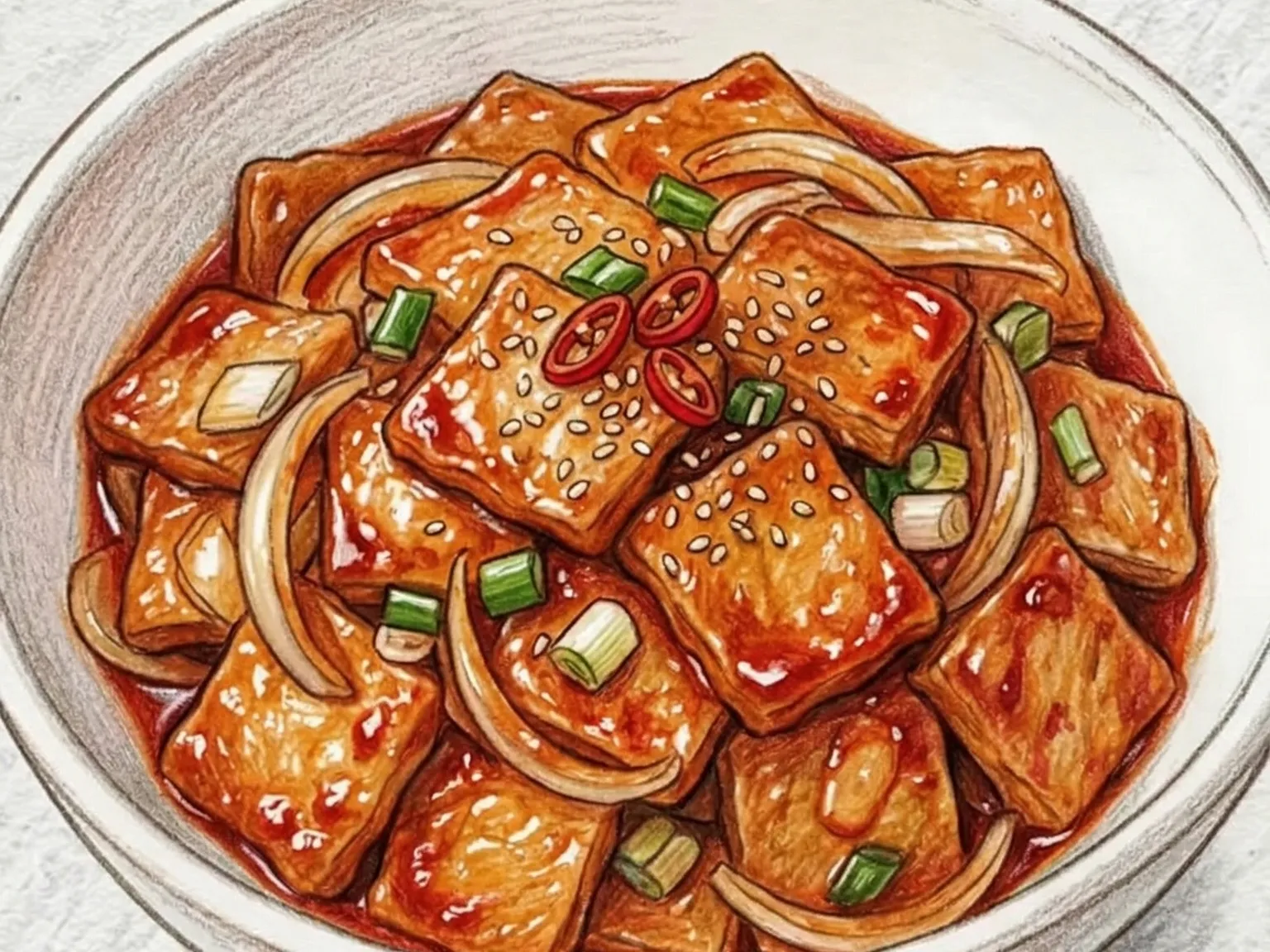
Dubu cheongyang ganjang muchim is a pan-fried tofu banchan that takes the classic dubu buchim in a sharper direction by centering the dressing on cheongyang chili, the hottest pepper in everyday Korean cooking. The most important part of the technique is getting a proper mahogany crust on the tofu. The pan must be hot before the tofu goes in, and the heat must stay high throughout. Too low a flame causes the tofu to steam in its own released moisture rather than sear, resulting in a soft surface with no textural contrast. When seared correctly, the outer layer becomes a firm, slightly chewy barrier while the interior stays silken and creamy. The dressing is raw and uncooked: soy sauce, minced cheongyang chili, scallion, garlic, and sesame oil combined without heat. It is poured over the tofu while the tofu is still steaming hot, which causes the raw garlic and chili to bloom slightly in the residual heat and release their full aromatic sharpness. Cheongyang pepper heat is clean and immediate rather than slow-building - it registers on the tongue quickly and fades without lingering the way dried gochugaru does. The dish is a natural pairing for mild, smooth soups like miyeok-guk, where the chili's sharpness provides a sharp counterpoint to the gentle seaweed broth. It also works alongside plain steamed rice as a standalone side.

🥗 Light & Healthy🏠 Everyday
Prep 10minCook 6min4 servings
Korean Grilled Bellflower Root
GrilledMedium

Korean Grilled Bellflower Root

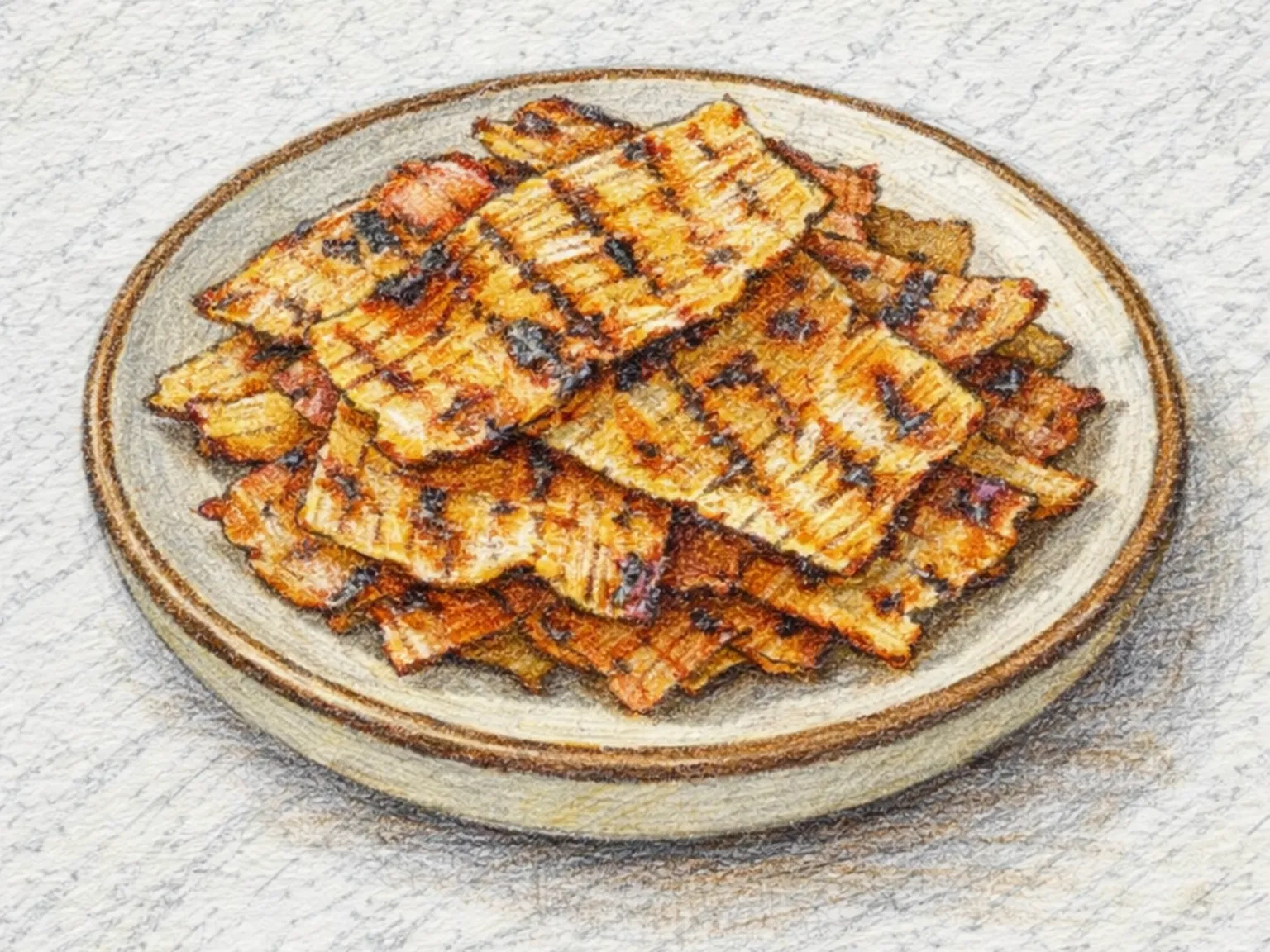
Bellflower root is shredded lengthwise, soaked in salted water, and blanched for one minute to draw out its characteristic bitterness without eliminating it entirely. A ten-minute soak in a sauce of gochujang, gochugaru, soy sauce, oligosaccharide syrup, garlic, and sesame oil seasons the root before it hits a medium-heat pan for three to four minutes per side. The result has a crisp, crunchy bite - distinct from any other vegetable - with a red-glazed surface that carries moderate heat. Open-flame grilling adds a smoky dimension that pairs well with the spicy coating, and sesame seeds provide a finishing touch.

🍺 Bar Snacks🏠 Everyday
Prep 20minCook 10min2 servings
Korean Crumbled Tofu Stir-fry
Side dishesEasy

Korean Crumbled Tofu Stir-fry

Dubu seoboro - crumbled tofu stir-fry - is a Korean banchan that transforms a block of tofu into something resembling a dry, granular scramble. The tofu is crumbled by hand into rough, irregular pieces rather than diced, creating a range of textures from large curds to fine crumbs that hold seasoning differently. Squeezed thoroughly in a cloth to remove as much moisture as possible, it then goes into a hot pan with diced carrot, onion, and zucchini. The key technique is cooking on high heat without stirring too often, allowing the tofu crumbles to develop lightly golden edges before soy sauce and sesame oil go in at the end. The result is a fluffy, granulated side dish that soaks into rice like a savory topping - satisfying without being rich. Popular in Korean daycare and school lunches because it delivers plant protein in a form that children eat willingly, and it travels cleanly in lunchboxes without leaking. The ingredient cost is low and the cooking time short, which makes it one of the first recipes to reach for when the refrigerator is running low on banchan.

🥗 Light & Healthy🏠 Everyday
Prep 12minCook 10min2 servings
Korean Blanched Young Napa with Doenjang
Side dishesEasy

Korean Blanched Young Napa with Doenjang

Eolgari is young napa cabbage cut before the head has formed a tight ball, leaving it with thinner leaves and more tender ribs than fully mature baechu. A quick blanch of about one minute wilts the leaf while the pale ribs retain a gentle crunch that holds even after seasoning. After blanching, the cabbage is squeezed firmly to remove water, then dressed with doenjang, soup soy sauce, minced garlic, and sesame oil. The fermented paste penetrates the tender leaves quickly, spreading a salty, earthy coating evenly through each piece. The flavor profile is mild and round with no sharp edges, making it one of the most approachable doenjang-based namul dishes for people who are new to Korean fermented seasonings. The dish comes from the Korean countryside tradition of turning whatever young greens were growing between major kimchi-making seasons into simple dressed vegetables. Eolgari is a seasonal green, available at Korean markets from late spring through early autumn.

🏠 Everyday🍱 Lunchbox
Prep 12minCook 5min4 servings