🍺 Bar Snacks Recipes
Perfect pairings for beer, soju & wine
705 recipes. Page 5 of 30
In Korean drinking culture, anju (drinking snacks) are just as important as the drink itself. Beer goes with fried chicken, soju pairs with grilled pork belly and dubu-kimchi, and makgeolli calls for pajeon and bindaetteok. This tag gathers recipes designed to accompany a drink.
Great anju complements the beverage without overwhelming it. Salty, savory, and spicy options - prepare a few and you will be ready for any gathering.
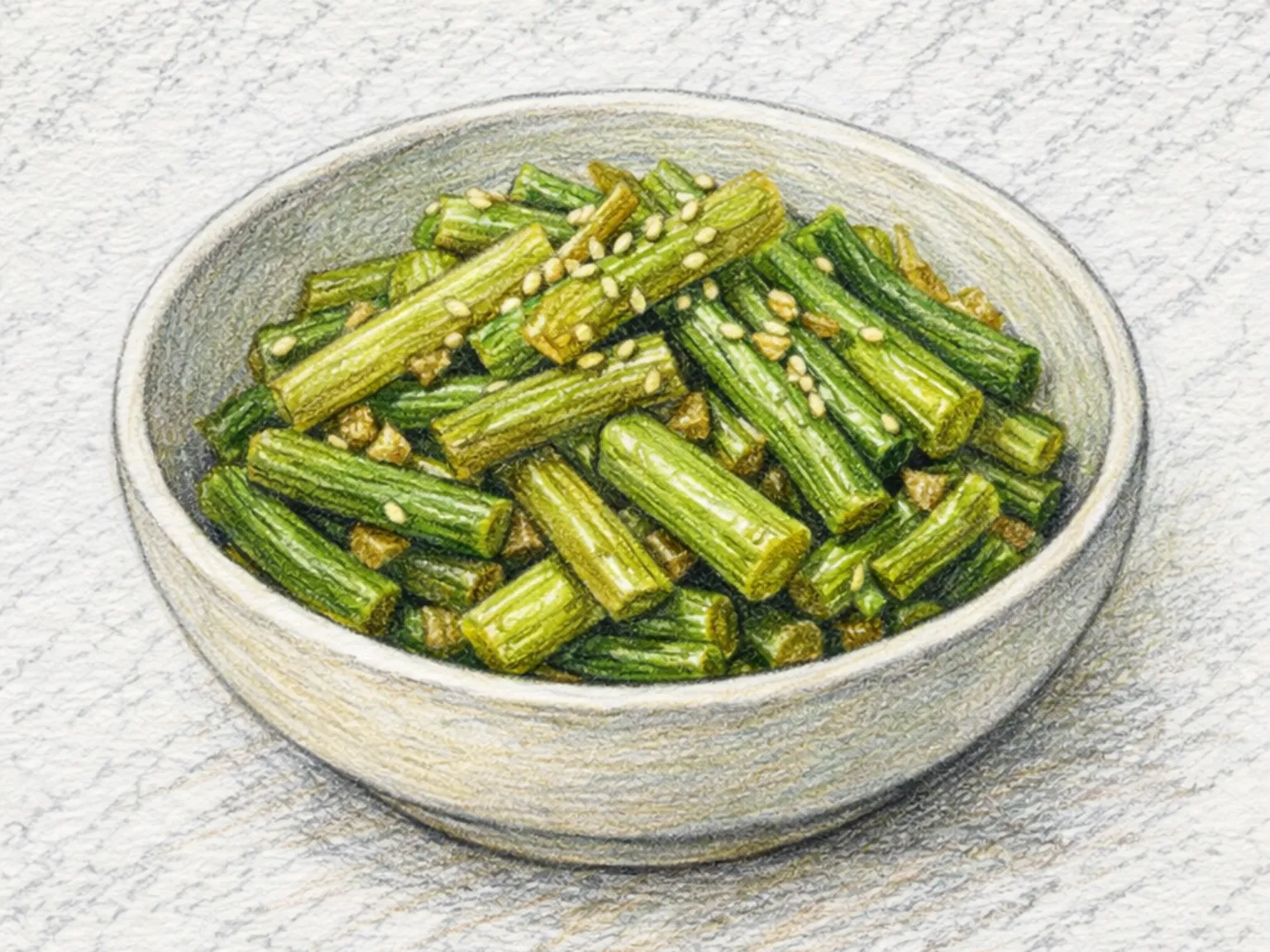
Korean Stir-fried Butterbur Stems
Meowi-namul-bokkeum stir-fries boiled butterbur stems in perilla oil, adding a cooking step that distinguishes it from the cold-dressed muchim version. While the muchim blanches and seasons immediately without further heat, the bokkeum takes the boiled stems into a pan with soup soy sauce and water for five minutes or more, driving the seasoning deep into the plant fibers. This additional cooking time also volatilizes more of the butterbur's bitter compounds, producing a milder flavor compared to the cold preparation. Perilla oil, though more prone to oxidation than sesame oil, is the traditional choice because its earthy, grassy aroma harmonizes with the herb's character in a way sesame oil cannot. Adding perilla seed powder in the last minute causes its starch to partially gelatinize, giving the sauce a thicker consistency, but leaving it on the heat too long makes the dish chalky and heavy. Timing this final step precisely is what separates a well-made version from an overcooked one. This banchan appears on spring mountain-village tables alongside gondeure-namul and chwinamul as part of the seasonal wild greens spread that marks the transition out of winter.
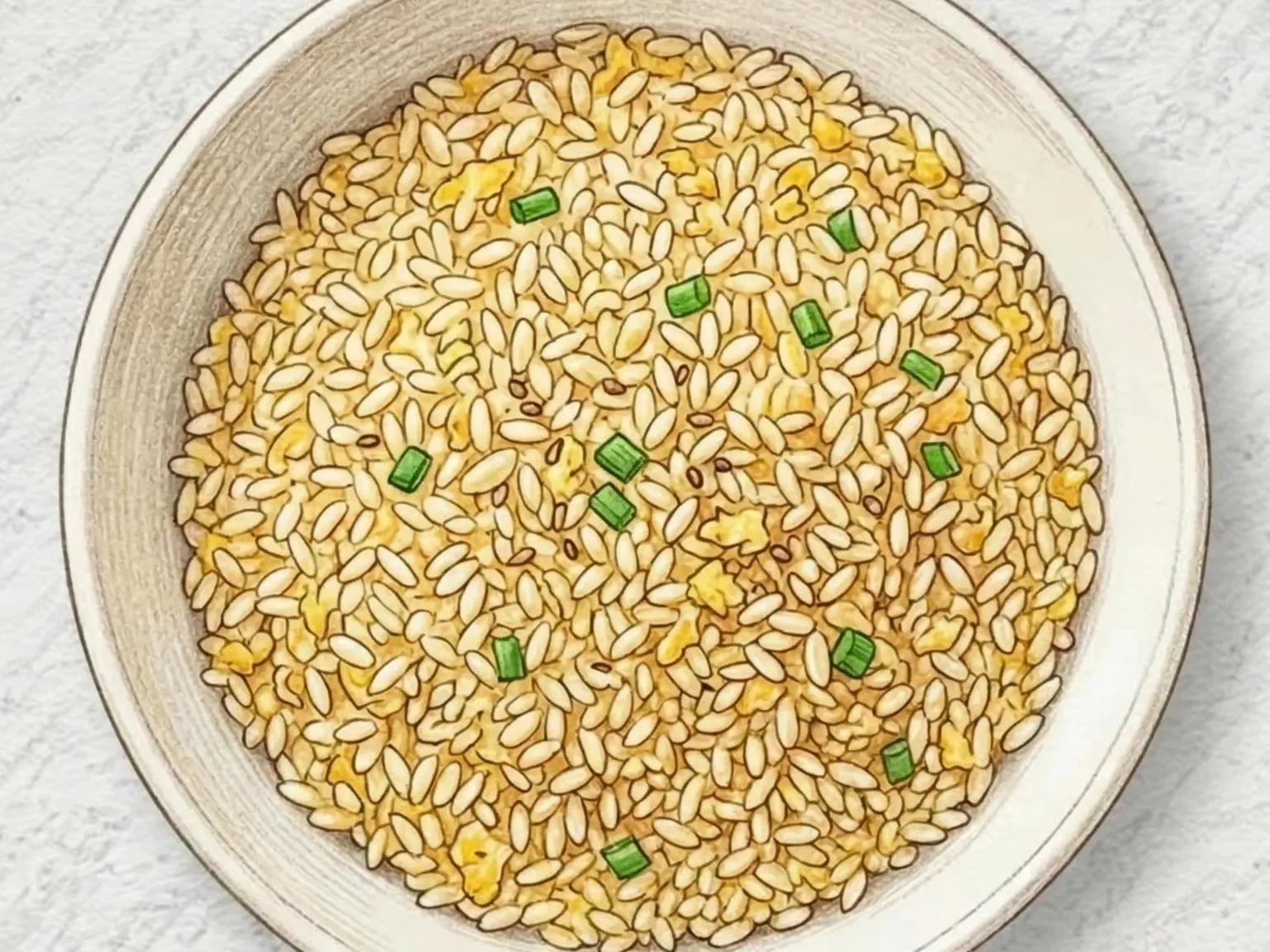
Korean Egg Fried Rice (Quick Wok-Tossed Grain Bowl)
Gyeran-bokkeumbap is the most fundamental Korean fried rice, built from two beaten eggs and one bowl of cooked rice and finished in under ten minutes. The eggs go into a smoking-hot oiled pan, and the rice is added the moment they are half-set, then tossed rapidly so every grain picks up an individual egg coating that makes the rice fluffy and lightly glossy rather than clumped. Cold leftover rice performs best because its lower moisture lets the grains separate cleanly during stir-frying, but freshly cooked rice spread out and briefly cooled reduces sticking enough to be workable. A thin line of soy sauce poured along the rim of the pan caramelizes on contact and carries a trace of smokiness through the rice. A finishing drizzle of sesame oil and a scattering of sliced green onion add a toasty fragrance that completes this simple but satisfying base. The ratio of egg to rice is sturdy enough that a handful of kimchi, diced ham, or refrigerator scraps can be stirred in without changing the essential character of the dish.
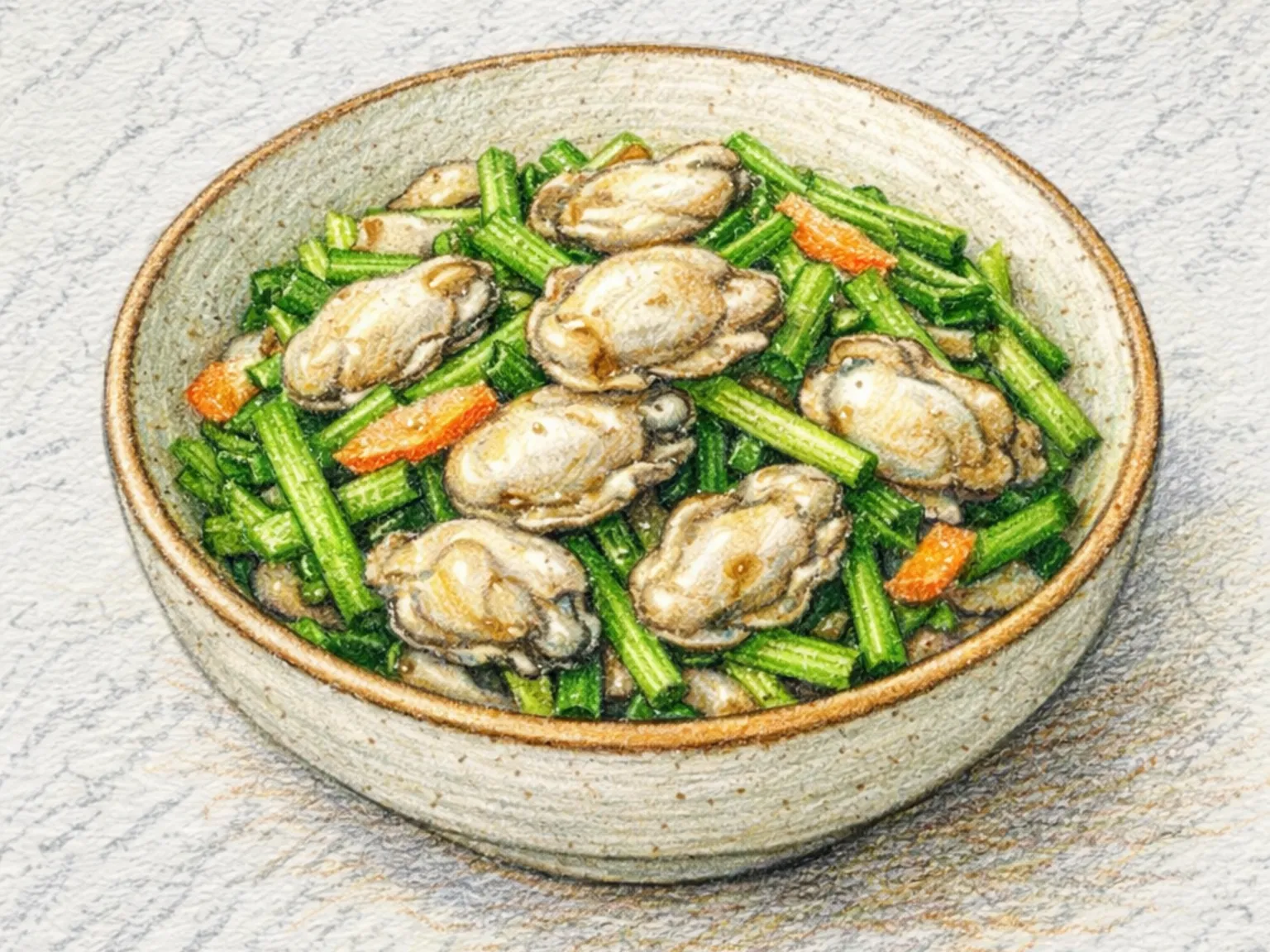
Korean Oyster Water Parsley Stir-fry
Gul-minari-bokkeum is a quick stir-fry of plump raw oysters and fragrant water parsley (minari) seasoned with gochugaru and light soy sauce over high heat. The oysters cook only until they just firm around the edges, retaining their briny interior juices while contracting slightly, and the minari stays crisp with its herbal freshness intact. The salty, sweet umami of the oysters meets the clean grassy quality of the minari, and the two flavors balance without either overpowering the other. Winter is the prime season for this dish, when cold-water oysters reach peak plumpness and flavor. Cooking the oysters too long drives out their moisture and makes them rubbery, so the stir-fry must stay brief.
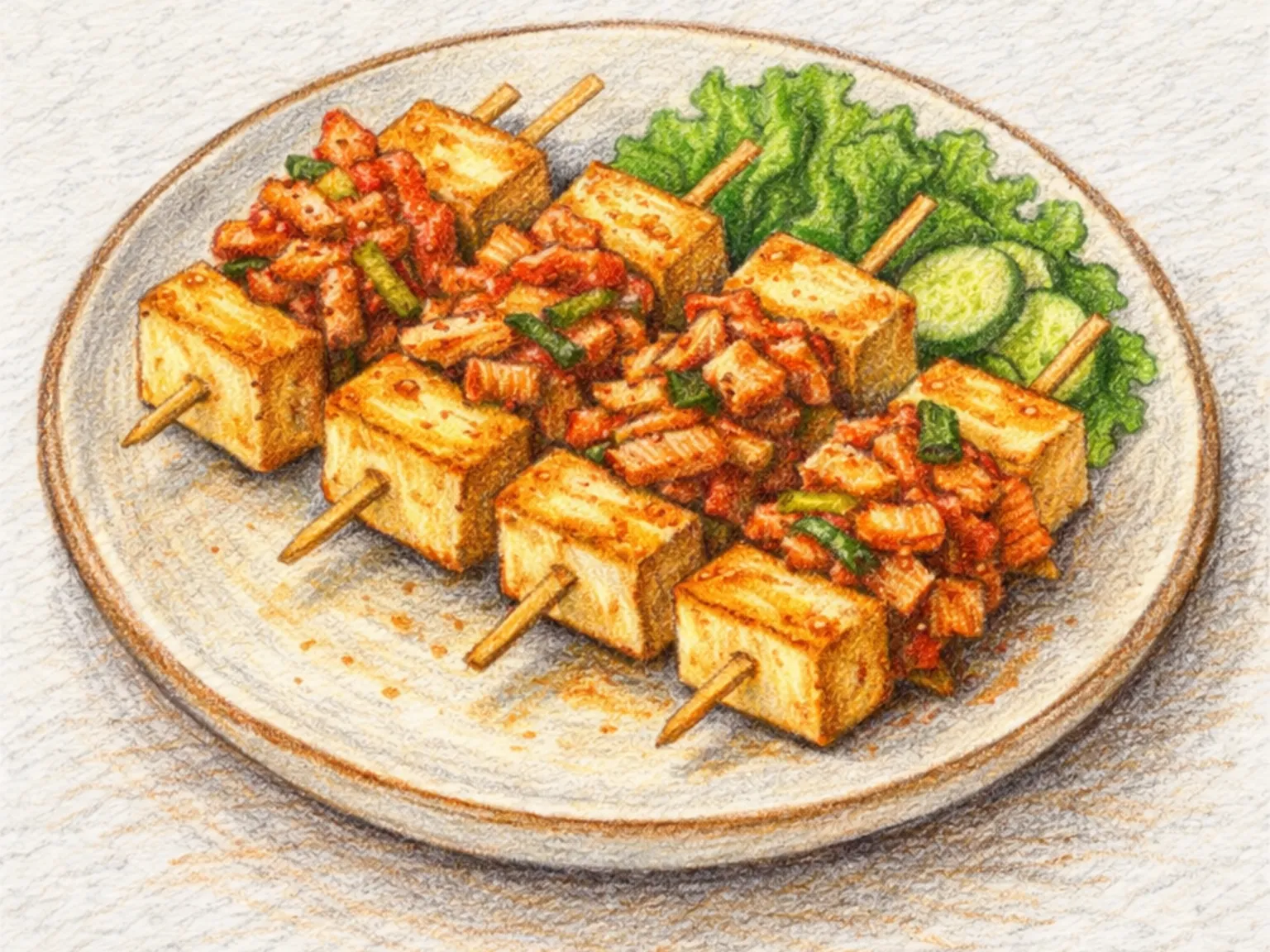
Korean Dubu Kimchi Kkochi (Tofu Kimchi Skewers)
Dubu-kimchi-kkochi pan-sears firm tofu until the surface turns crisp and golden, then skewers it alongside stir-fried sour kimchi and ground pork. Before searing, pressing the tofu dry with paper towels is essential for an even crust that does not tear or stick to the pan. The kimchi and pork are cooked together so fermented tang and rendered pork fat merge, the fat tempering the kimchi's sharp edge while the kimchi's acidity brightens the pork. Threaded onto a skewer, each bite delivers the tofu's nutty seared exterior, the kimchi's tartness, and the pork's salt-rich savoriness at once. The soft interior of the tofu contrasts with its crisp shell, and juices from the stir-fried kimchi seep into the tofu to add another flavor layer. Despite straightforward ingredients, the skewer presentation makes it a naturally appealing side for drinks or a packed lunch.

Korean Banana Misutgaru Smoothie
Banana misutgaru smoothie combines Korea's traditional roasted multigrain powder with banana for a filling, grain-forward drink. Misutgaru is made from roasted barley, glutinous rice, soybeans, and other grains ground into a fine powder; dissolved in liquid, it produces a toasty, earthy flavor that sets it apart from any standard smoothie base. Banana adds natural sweetness and body, while a spoonful of peanut butter deepens the nutty undertone. Honey fine-tunes the sweetness, and blending with ice makes the whole thing cold and thick. The grain fiber from the misutgaru and the potassium from the banana make this a substantial breakfast replacement in a single glass. Increasing the misutgaru proportion thickens the consistency toward something closer to porridge, and swapping in soy milk for regular milk intensifies the grain character.
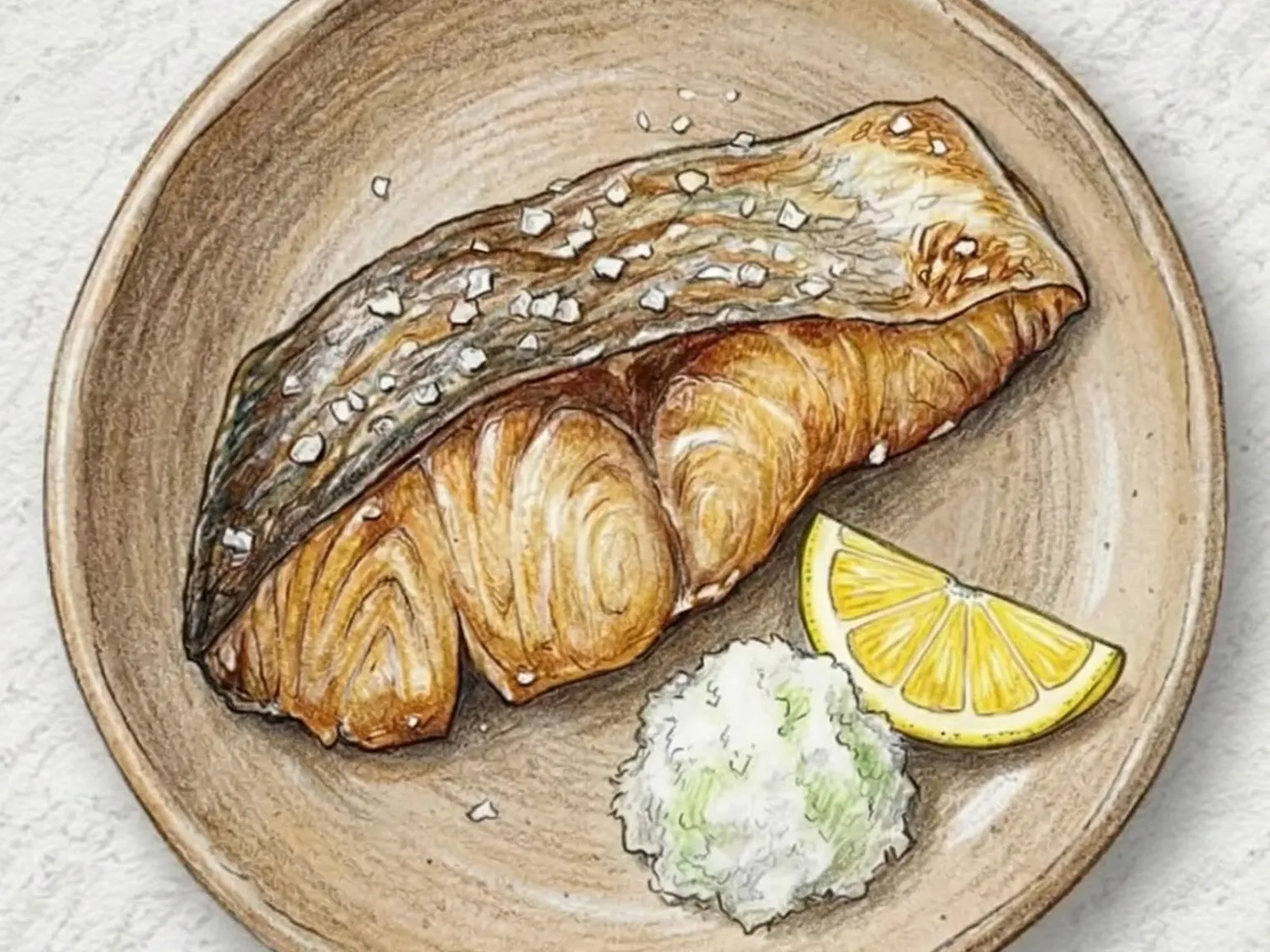
Korean Grilled Yellowtail
Bangeo-gui is a Korean salt-grilled yellowtail that relies on the fish's own winter fat for flavor rather than elaborate seasoning. Yellowtail caught in the cold months develops a thick fat layer under the skin, making coarse salt alone sufficient to bring out the natural richness. Patting the surface completely dry before grilling is essential because any moisture prevents the skin from crisping. The skin side goes down on a medium-heat pan, pressed for six to seven minutes until it turns brittle and golden as the fat renders. Flipping too often breaks the flesh apart, so the rule is to wait until one side is fully done before turning once. Grated fresh daikon and a wedge of lemon served on the side cut through the oiliness with sharp, clean acidity.
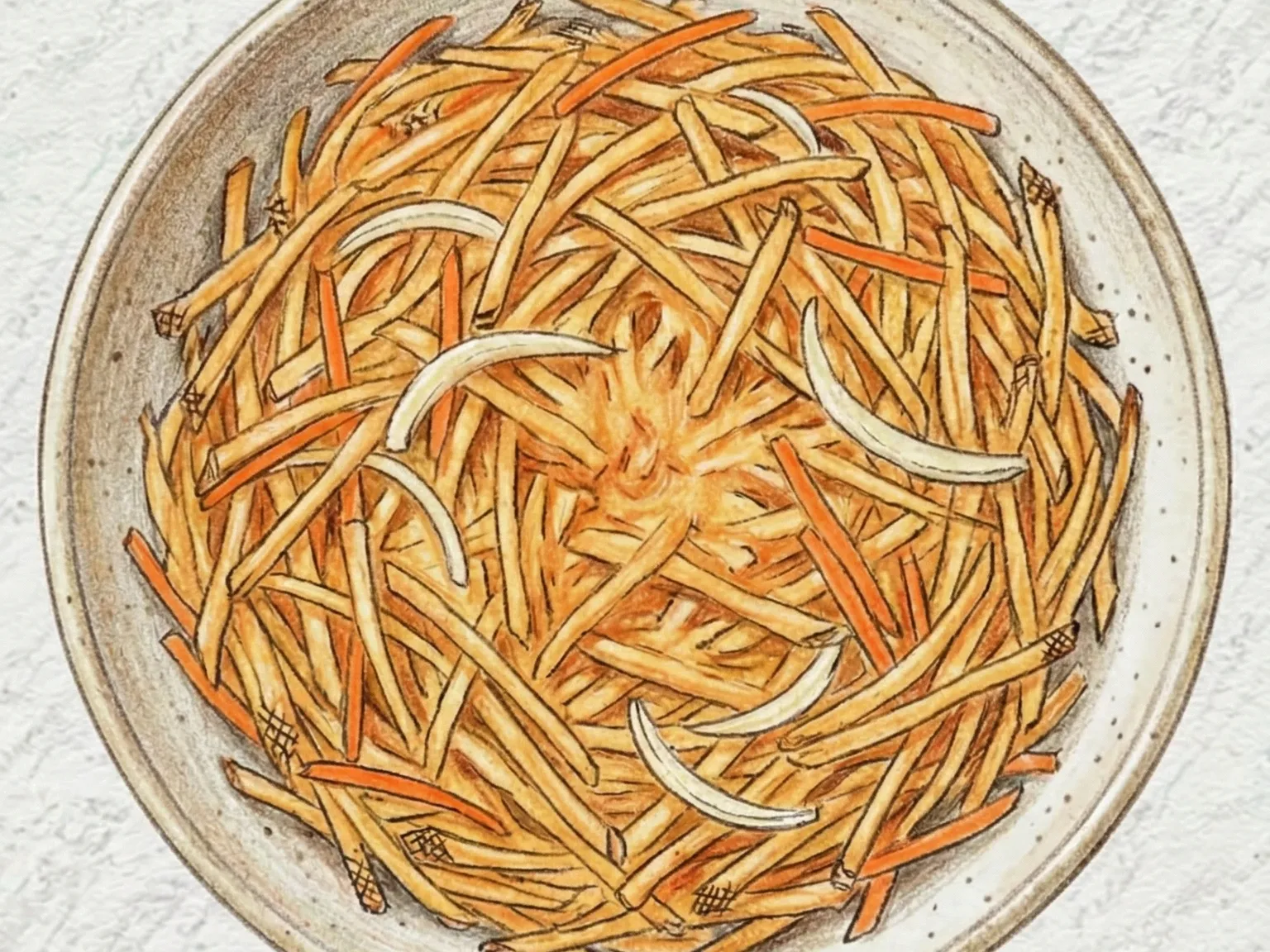
Korean Shredded Sweet Potato Fritter
Sweet potato is cut into thin strips and pan-fried with julienned carrot and onion in a tempura-style batter. The overlapping sweet potato strands crisp up at the edges during frying, while the centers stay soft and carry the vegetable's natural sweetness. Using cold water to mix the batter keeps it light and loose, preserving the crunch of each strand after cooking. Black sesame seeds scattered over the top add a nutty note and visual contrast. The jeon is best eaten immediately off the pan, when the edges are at peak crispness. A soy-vinegar dipping sauce alongside balances the natural sweetness of the vegetables with a clean, sharp note.
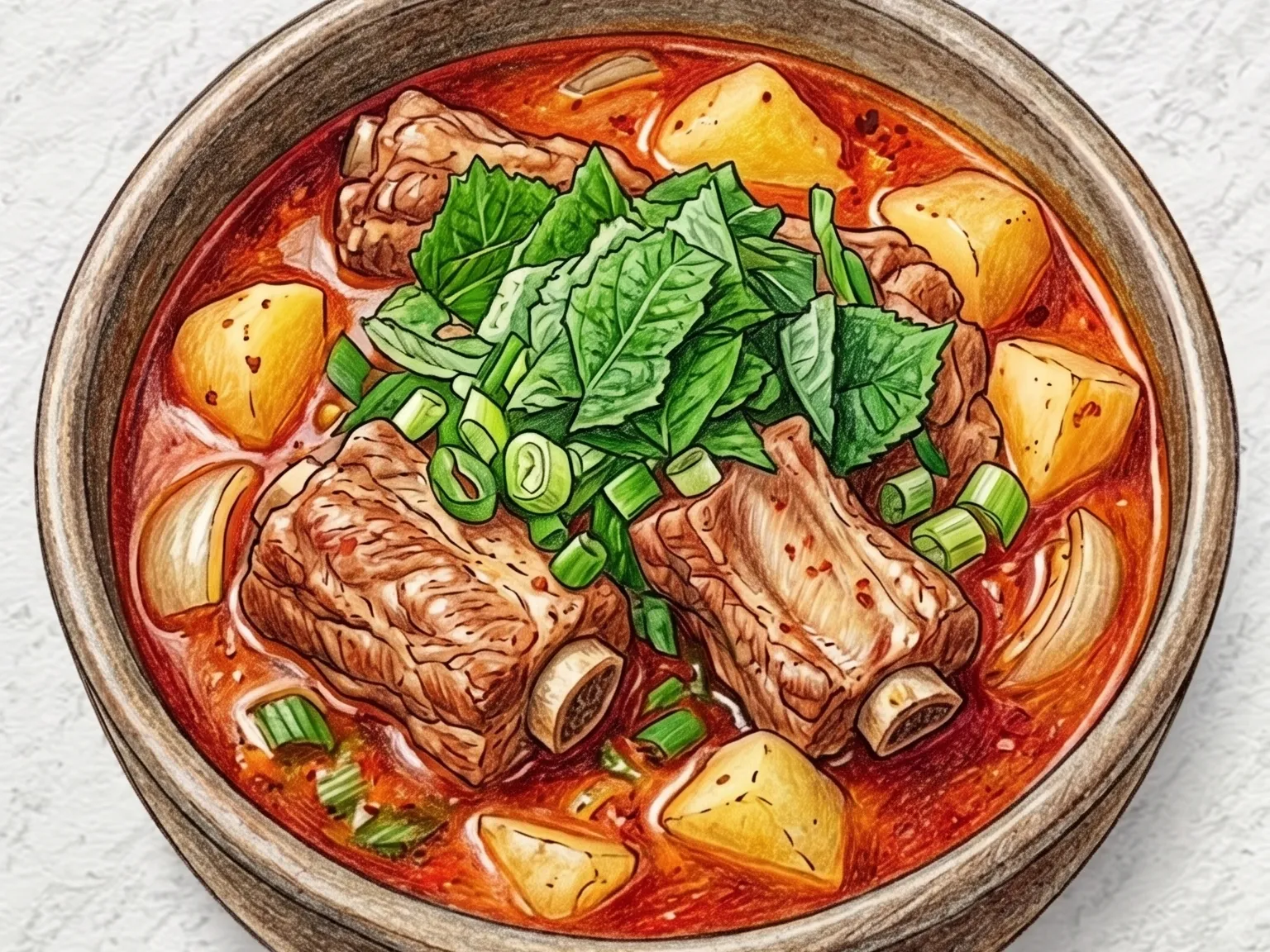
Korean Pork Rib Perilla Leaf Stew
Pork back ribs and perilla leaves come together in this full-flavored, chili-seasoned jjigae. The ribs are simmered first to render a rich, collagen-heavy broth, and then potatoes and onion are added to give the liquid body and natural sweetness. Gochugaru and soup soy sauce establish the spicy base. Fresh perilla leaves are added just before the heat is turned off so their herbal fragrance stays intact, since prolonged boiling drives the aroma away. A touch of ginger keeps the pork flavor clean while the collagen-rich broth from the ribs provides substantial body. Picking the meat off the bone at the table is part of the experience, making this a natural fit for late autumn meals or as a communal drinking accompaniment.
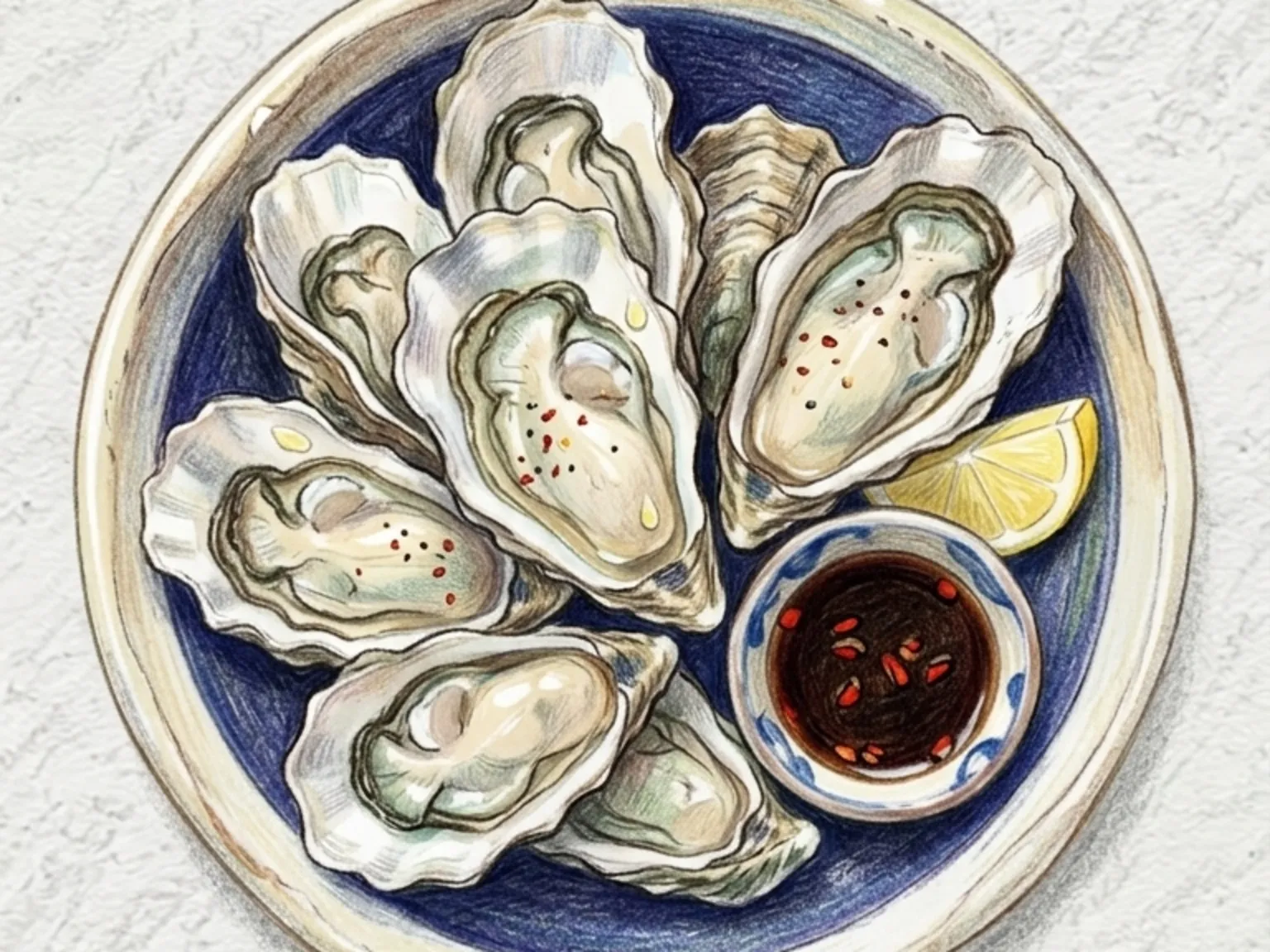
Korean Steamed Oysters
Gul-jjim is Korean steamed oysters cooked in their shells over high steam until the shells pop open. The shell acts as a natural vessel, trapping the briny liquor inside and keeping the oyster meat plump and moist throughout cooking. A dipping sauce made from soy sauce, vinegar, and gochugaru delivers a sharp, tangy contrast to the oyster's mild sweetness, while lemon wedges cut through any residual brininess and leave a clean finish. With minimal preparation and a cooking time under ten minutes, this dish is one of the most straightforward ways to enjoy winter oysters at their freshest. The single most important technique is removing the oysters from heat the moment the shells crack open, since even a minute of additional steaming causes the meat to shrink and toughen.
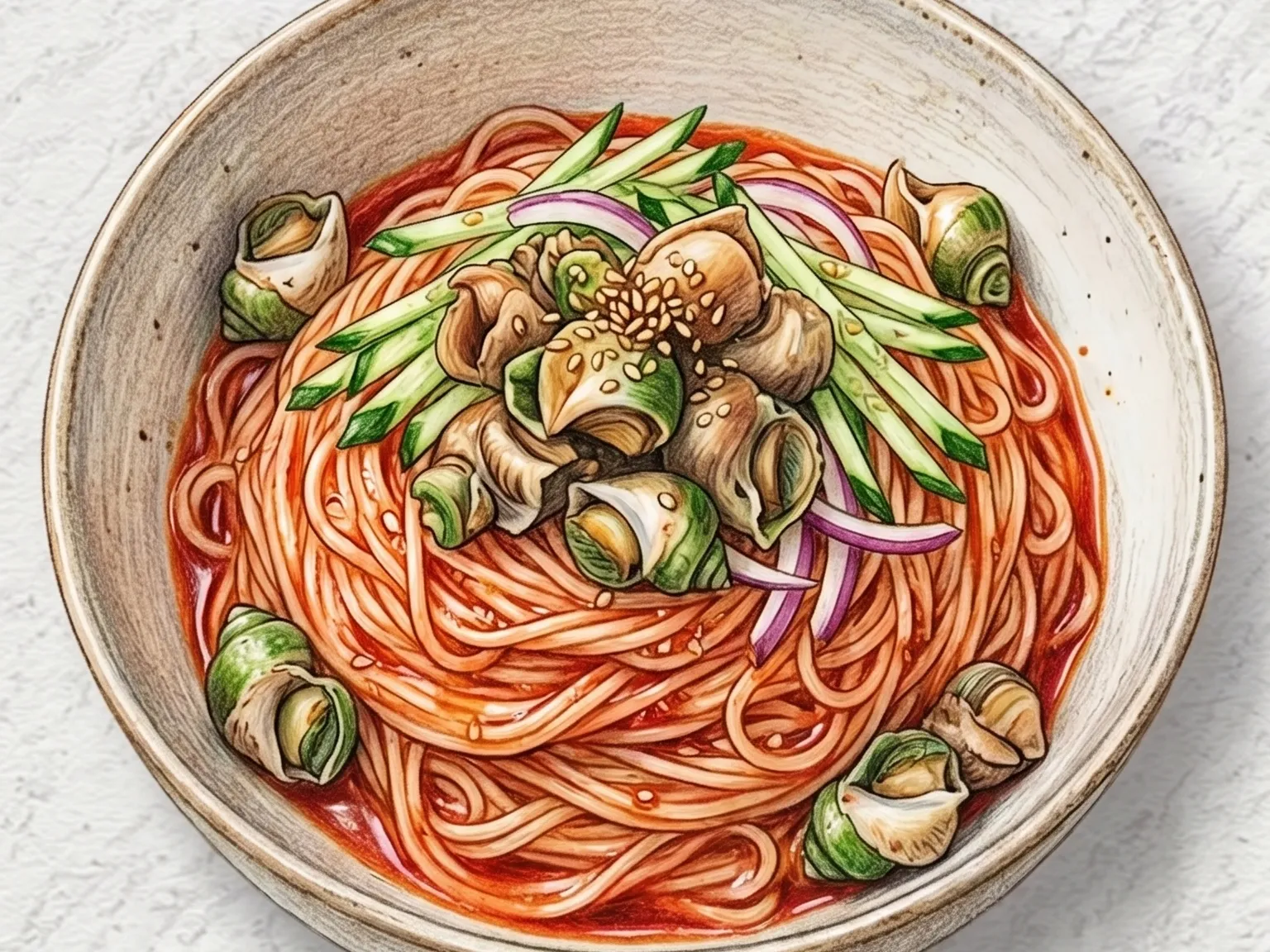
Korean Spicy Whelk Bibim Guksu
Golbaengi bibim-guksu is a cold mixed noodle dish built around chewy canned whelk tossed in a spicy-tangy sauce, widely enjoyed as a drinking snack in Korea. Gochujang and gochugaru set the heat level, while vinegar and sugar counter with a sharp sweetness, and sesame oil rounds everything out with a nutty finish. Julienned cucumber and onion contribute a crisp crunch that contrasts with the springy whelk and the slippery noodles. The somyeon must be rinsed immediately in ice water after boiling to lock in their firm, bouncy texture before mixing with the sauce. Adding a small splash of the whelk canning liquid into the sauce deepens the umami base, and rinsing the whelk itself under cold water controls the salinity.
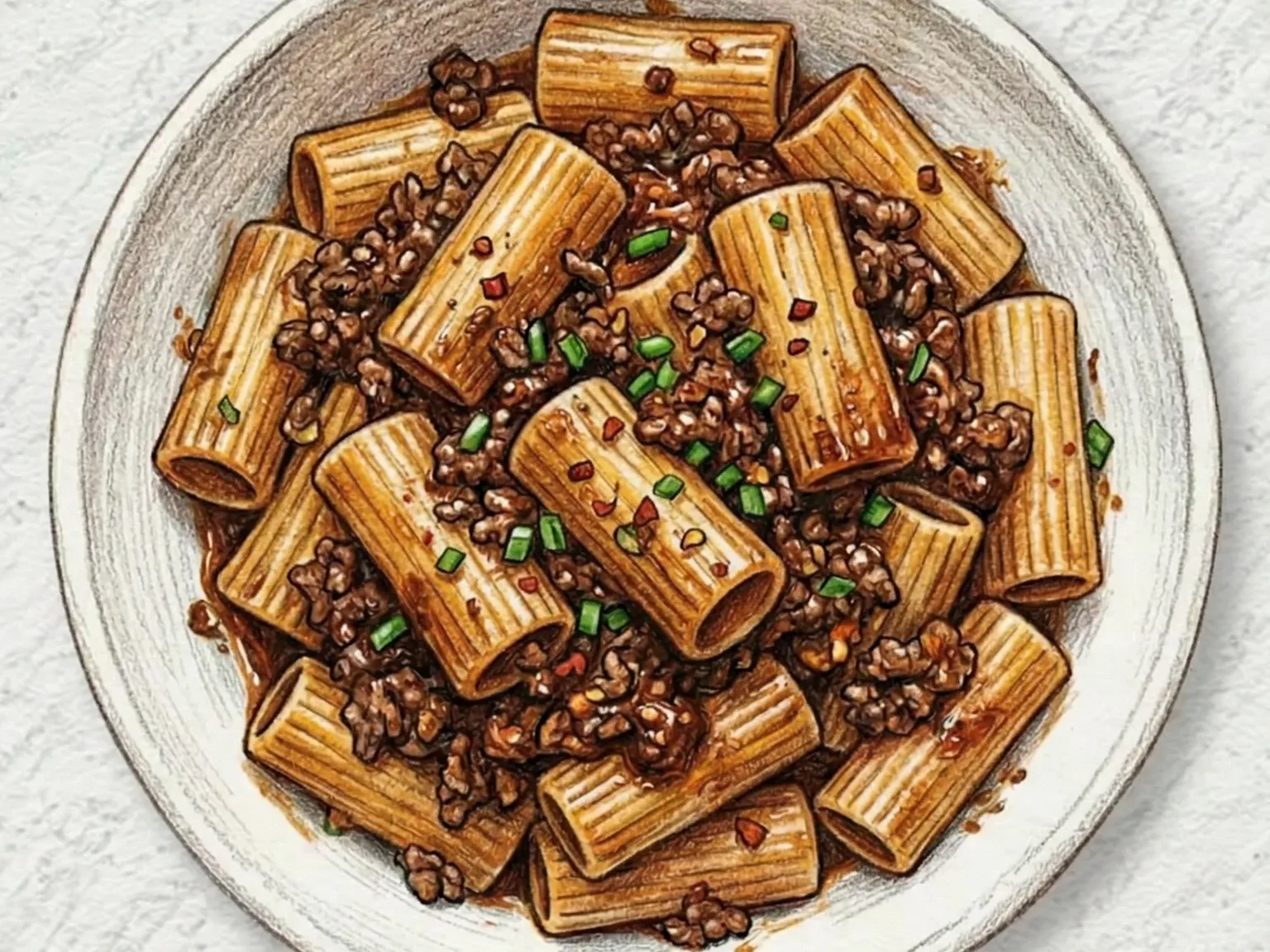
Gochujang Beef Ragu Rigatoni
Gochujang beef ragu rigatoni builds depth in two stages: first, ground beef is seared undisturbed over high heat until a proper crust forms, then gochujang, tomato puree, and red wine are added and the whole pot simmers on medium-low heat for twenty minutes. The browning step is critical and non-negotiable-stirring too early releases steam and moisture from the meat, which prevents crust formation and produces braised ground beef instead of seared. Frying the gochujang in oil for a full minute before adding the tomato puree unlocks its fermented sweetness and blunts the raw edge of the paste; the acidity of the tomato then balances the gochujang's heat naturally. As the red wine reduces, it leaves behind layered fruit notes that add complexity the tomato alone cannot provide. Rigatoni is pulled from the water one minute before al dente and transferred to the sauce pan with a ladle of pasta water; the starch dissolves into the sauce and coats the tubes inside and out with a glossy, cohesive finish. Grated Parmesan stirred in at the end deepens the overall savory character of the ragu.

Thai Larb Gai
Larb gai is a traditional salad preparation originating from the Isan region of Thailand that uses ground chicken as its primary protein component. During the cooking process, the minced meat is simmered with a small volume of water to ensure that it remains soft and retains its natural moisture throughout the preparation. The chicken is then seasoned using a combination of fish sauce and the juice squeezed from fresh limes. A specific ingredient that gives this dish its unique character is khao khua, which is rice that has been dry-toasted and subsequently processed into a coarse powder. To create this, plain white rice is heated in a dry pan without the addition of any oil until the grains develop a golden brown color and release a toasted aroma. When this ground rice is added to the salad, it introduces a nutty and slightly smoky flavor profile that distinguishes larb from other types of minced meat preparations found in the region. The dish also incorporates thin slices of raw red onion, which provide a sharp flavor and a crisp texture. Additionally, fresh mint leaves are mixed in to provide a cooling herbal quality that balances the savory notes of the seasoned chicken. After the salad has been placed on a plate, the amount of lime juice can be adjusted according to individual preferences for acidity. The standard method for consuming larb gai involves placing a portion of the mixture into a fresh, crisp lettuce leaf, which provides an extra layer of crunch while helping to moderate the intensity of the spices.

Beef Enchiladas
Beef enchiladas are made by seasoning ground beef with chili powder, cumin, and oregano, wrapping it with shredded cheese inside corn tortillas, and arranging the rolls seam-side down in a baking dish before drowning them in red enchilada sauce and baking until bubbling. During baking, the dried-chili-based sauce penetrates the tortillas from the outside in: the interior absorbs moisture and turns soft, while the portions near the exposed edges dry into chewy, concentrated bites. Melted cheese inside binds the meat into a cohesive, creamy layer. The quality of the enchilada sauce is the defining variable - a sauce built on rehydrated dried chilies rather than canned tomato produces a smokier, more complex base that store-bought versions rarely match. Sour cream and coarsely chopped cilantro added at the table cut through the fat and reset the palate between bites. Three or four per plate make a substantial meal, and the dish reheats well the next day as the sauce continues to saturate the tortillas overnight.
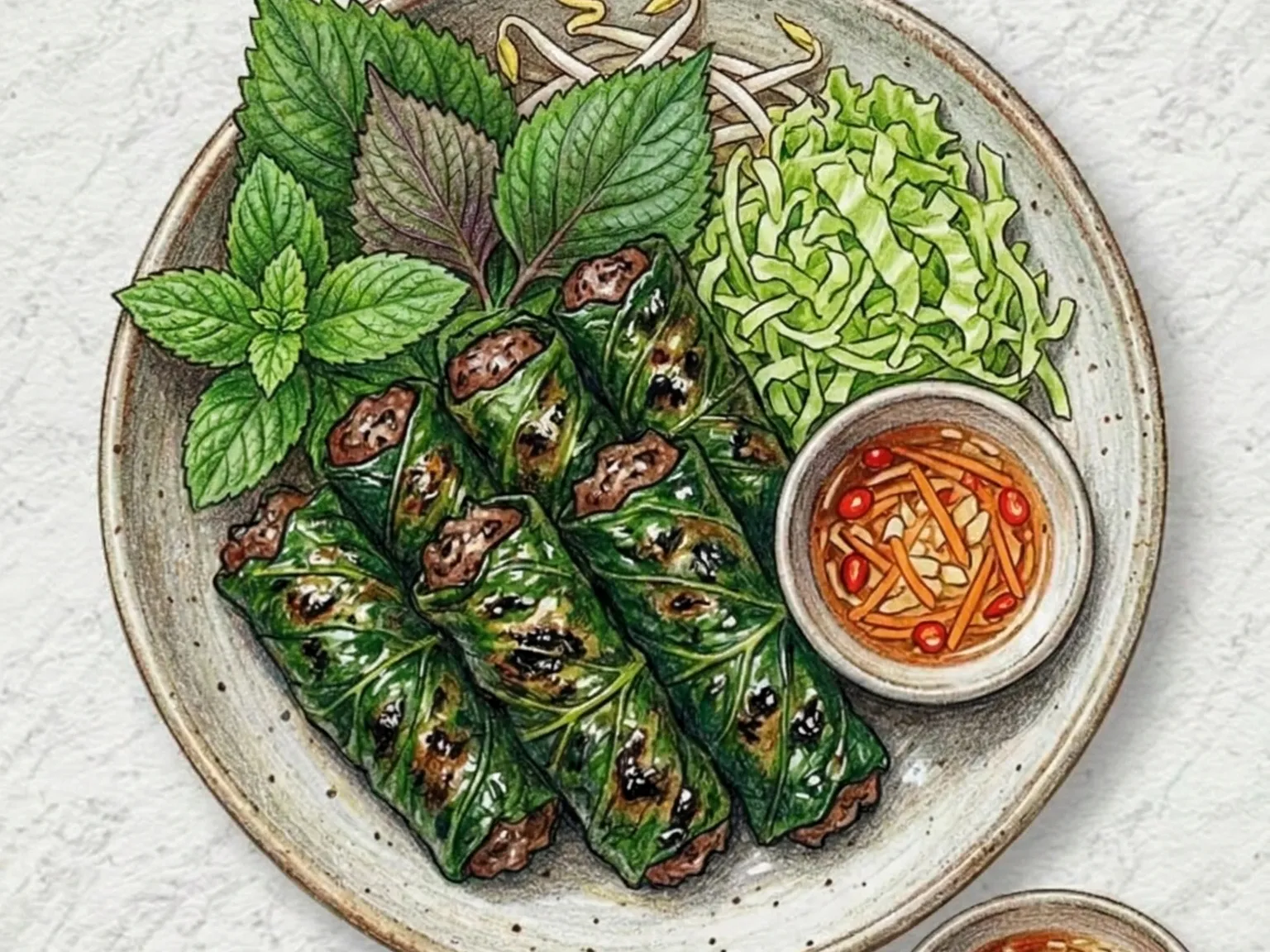
Bo La Lot (Vietnamese Grilled Beef Wrapped in Betel Leaves)
Bo la lot is a southern Vietnamese dish that transforms seasoned ground beef into something aromatic and layered through the medium of la lot, the wild betel leaf (Piper lolot) - a broad, heart-shaped leaf with a peppery, faintly medicinal fragrance found nowhere else in the Vietnamese herb repertoire. The beef is combined with lemongrass, garlic, fish sauce, sugar, and five-spice powder, then wrapped tightly in individual leaves and threaded onto skewers. Over a charcoal grill, the leaf edges char and turn crisp while the rendered fat from the beef migrates into the leaf's porous surface, bonding the meat's juices with the leaf's volatile aromatic oils. The resulting bite carries multiple simultaneous impressions: char smoke from the grill, pepper heat from the leaf, savory sweetness from the spiced beef, and a faint numbing tingle from the la lot's natural compounds. The standard way to eat it is wrapped in lettuce and rice paper with fresh herbs and a bowl of nuoc cham for dipping, and it functions as a staple snack at the casual outdoor beer halls known as bia hoi across Vietnam.
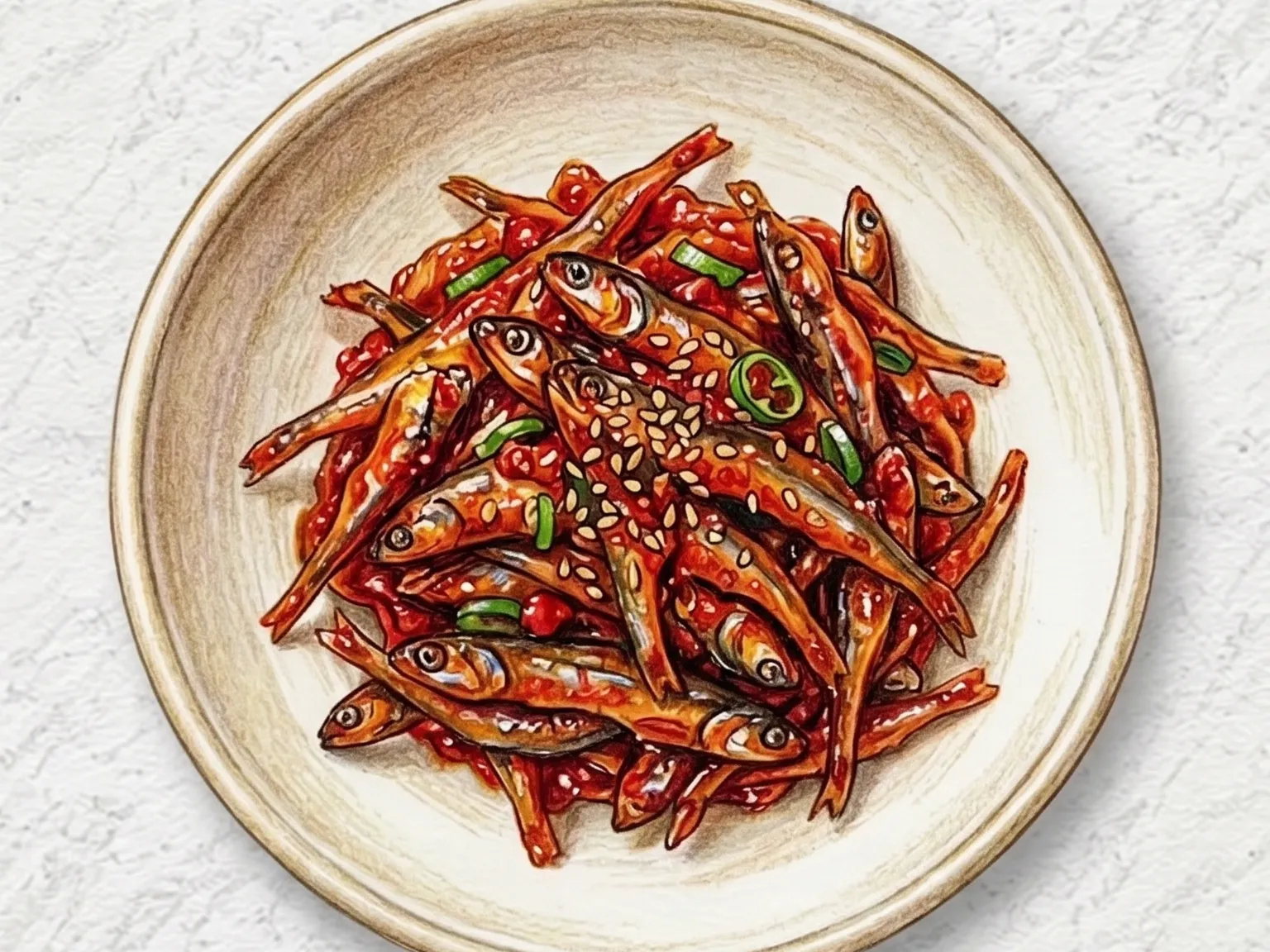
Korean Spicy Stir-Fried Anchovies
Spicy stir-fried anchovies (maeun myeolchi-bokkeum) toss medium-sized dried anchovies in a gochujang-gochugaru glaze, occupying the opposite end of the flavor spectrum from the sweet jiri-myeolchi version and targeting adult palates. Medium anchovies are larger and thicker than the tiny variety, requiring individual head-and-gut removal to eliminate bitterness - a tedious prep step that nonetheless determines the dish's clean finish. After dry-toasting to drive off moisture, the anchovies simmer in a sauce of gochujang, gochugaru, soy sauce, oligosaccharide, and minced garlic until each piece is coated in a rust-colored glaze. The gochujang's fermented heat combines with gochugaru's vivid red to create both flavor depth and visual appeal. The larger anchovy size delivers a satisfying crunch that lingers alongside a lasting savory umami. Heat intensity is adjustable via gochugaru quantity - adding chopped cheongyang chili ratchets it up another notch. This banchan doubles as a soju drinking snack, appearing as frequently on bar tables as on dinner tables.
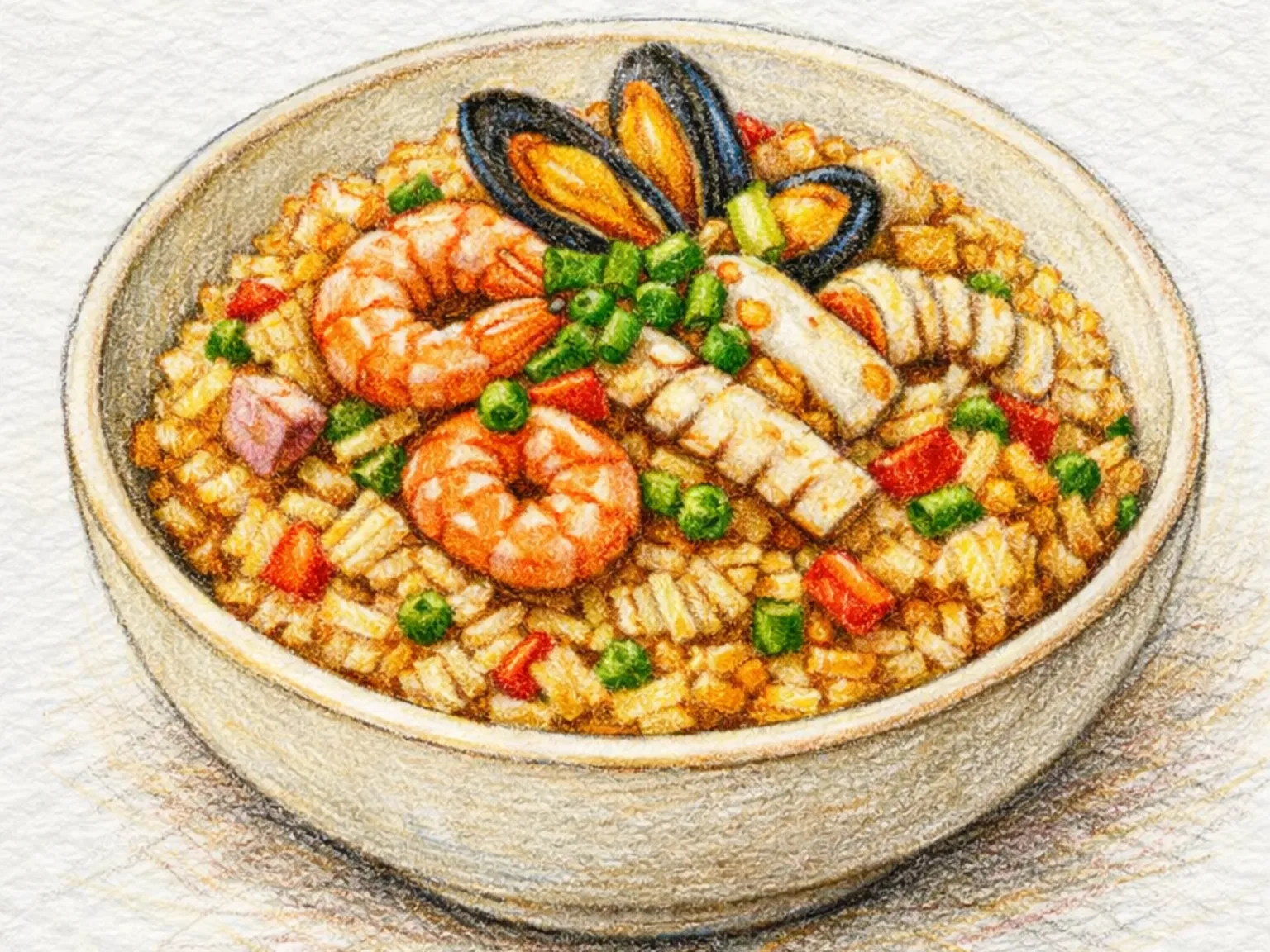
Korean Seafood Fried Rice
Mixed seafood including shrimp, squid, and mussel meat is stir-fried together on high heat until a smoky wok char develops. Day-old cold rice works best because its lower moisture content lets the grains separate cleanly in the pan, and seasoning with soy sauce and oyster sauce layers additional depth on top of the seafood's own brininess. Cracking the eggs into the pan first and immediately tossing the rice on top coats each grain in a thin shell of egg, yielding a lightly crisp exterior. Sesame oil is drizzled only after the heat is off so its fragrance stays intact.
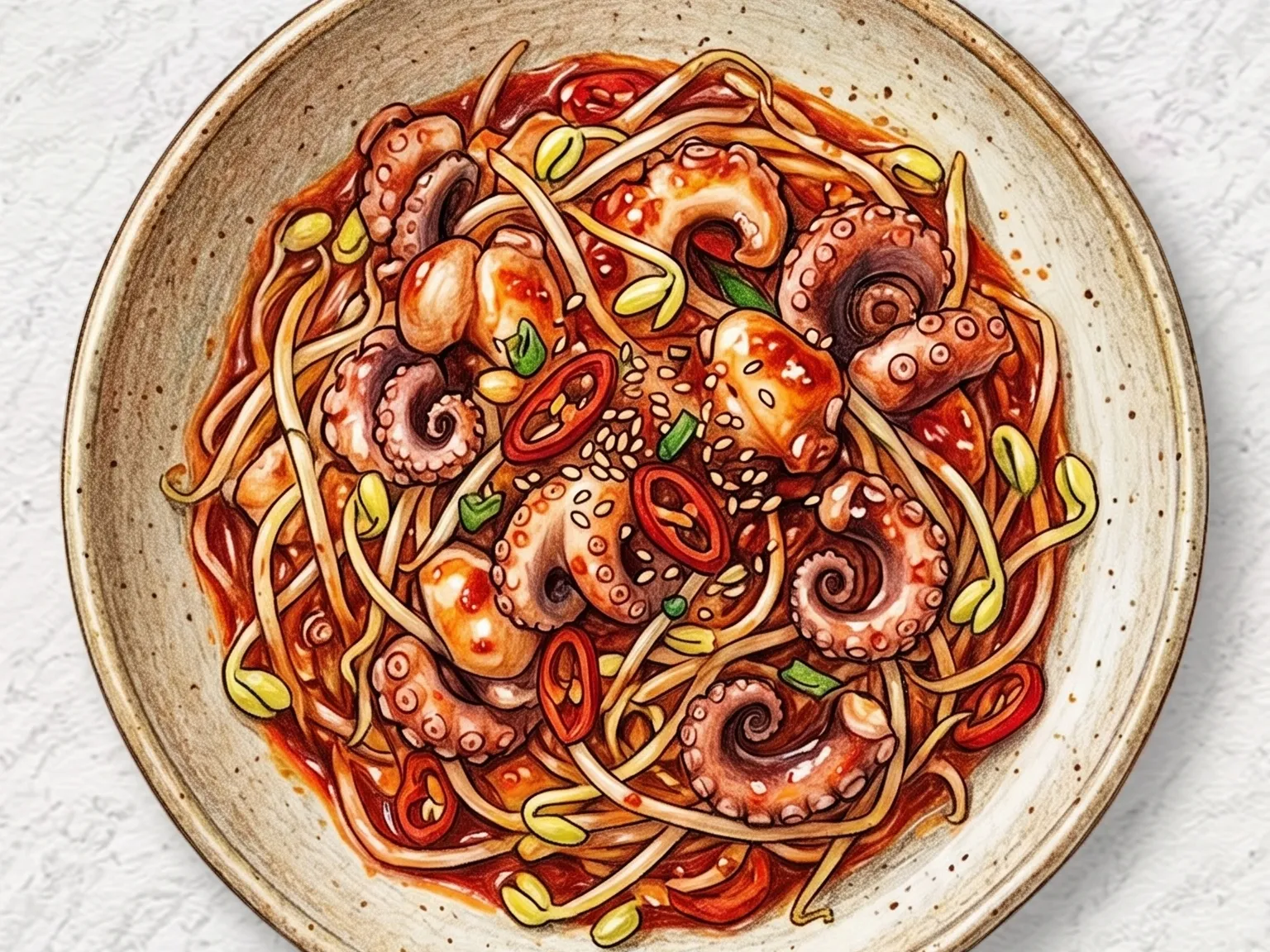
Spicy Live Webfoot Octopus with Bean Sprouts
This stir-fry combines live webfoot octopus with crunchy soybean sprouts in a spicy sauce. The octopus is blanched in boiling water for 20 seconds and rinsed in cold water. This step seals the octopus and prevents water from leaking during cooking, ensuring the sauce coats the ingredients without getting watered down. The seasoning combines red chili powder and red chili paste for a double layer of heat, which is balanced by sugar, soy sauce, and minced garlic. Onion and green onion are stir-fried first, followed by the sprouts. Once they soften, the octopus and sauce are added and cooked over high heat for two minutes. Sliced cheongyang chili peppers, sesame oil, and sesame seeds are added at the end, highlighting the contrast between the tender octopus heads, chewy suction cups, and crisp sprouts.
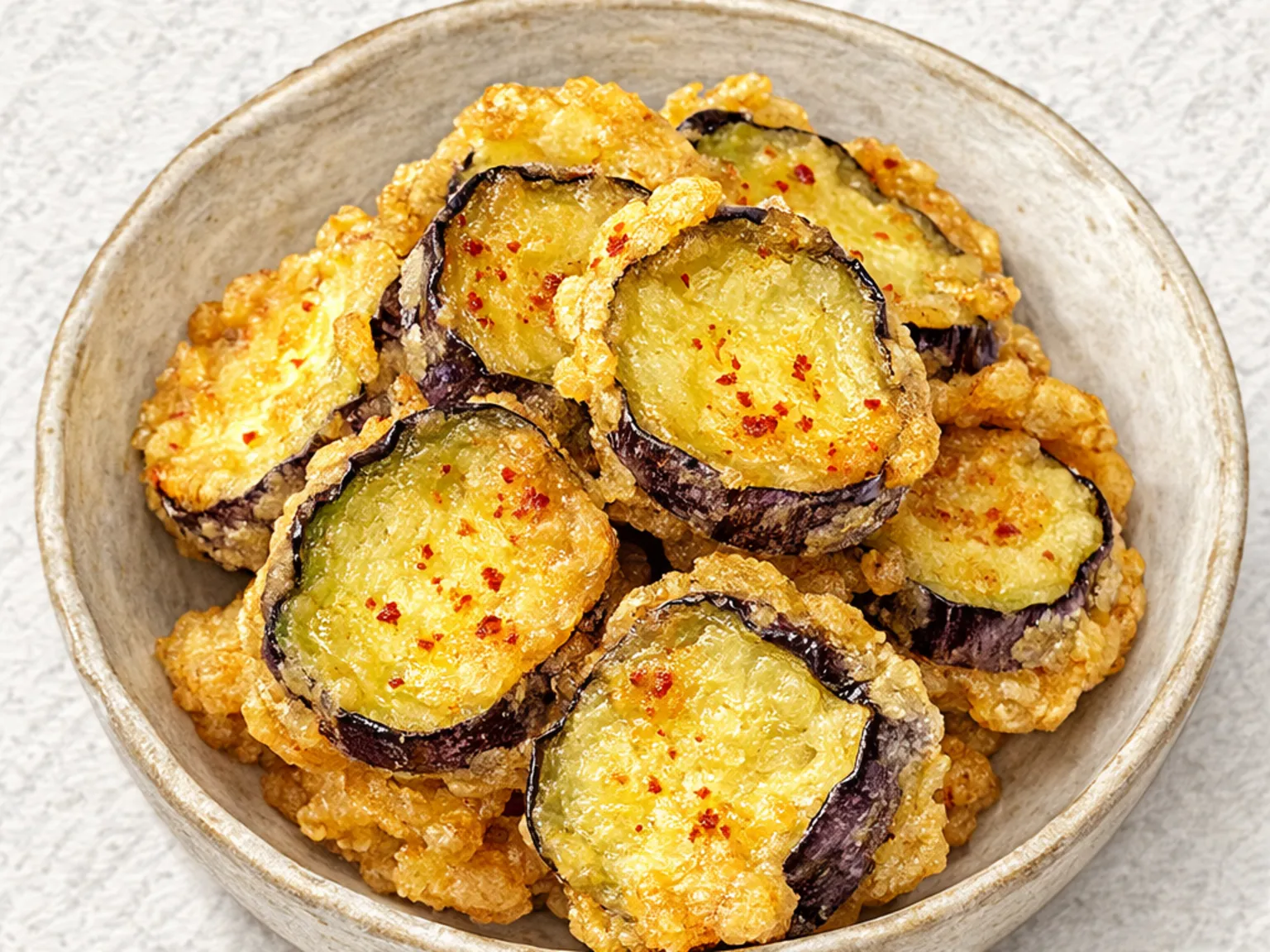
Korean Gaji Twigim Bites (Crispy Eggplant Bites)
Gaji-twigim-bites cuts eggplant into bite-sized pieces and fries them in a cold batter made with sparkling water. The carbonation in the batter creates air pockets within the coating as it hits the hot oil, producing a crust that is notably lighter and crisper than one made with plain water. The eggplant's high moisture content means the interior steams gently within the crust, turning silky soft without collapsing. The batter should be mixed just before frying and kept cold throughout -- allowing it to sit and warm up causes the bubbles to dissipate and the coating to turn dense. A small addition of gochugaru to the frying mix gives the crust a subtle, even heat that offsets the eggplant's natural mildness and the richness of the frying oil. The purple skin of the eggplant remains partially visible through the golden coating after frying, making these bites visually distinctive from standard vegetable tempura. A dipping sauce of soy sauce and a few drops of sesame oil pairs cleanly with the lightly seasoned batter.
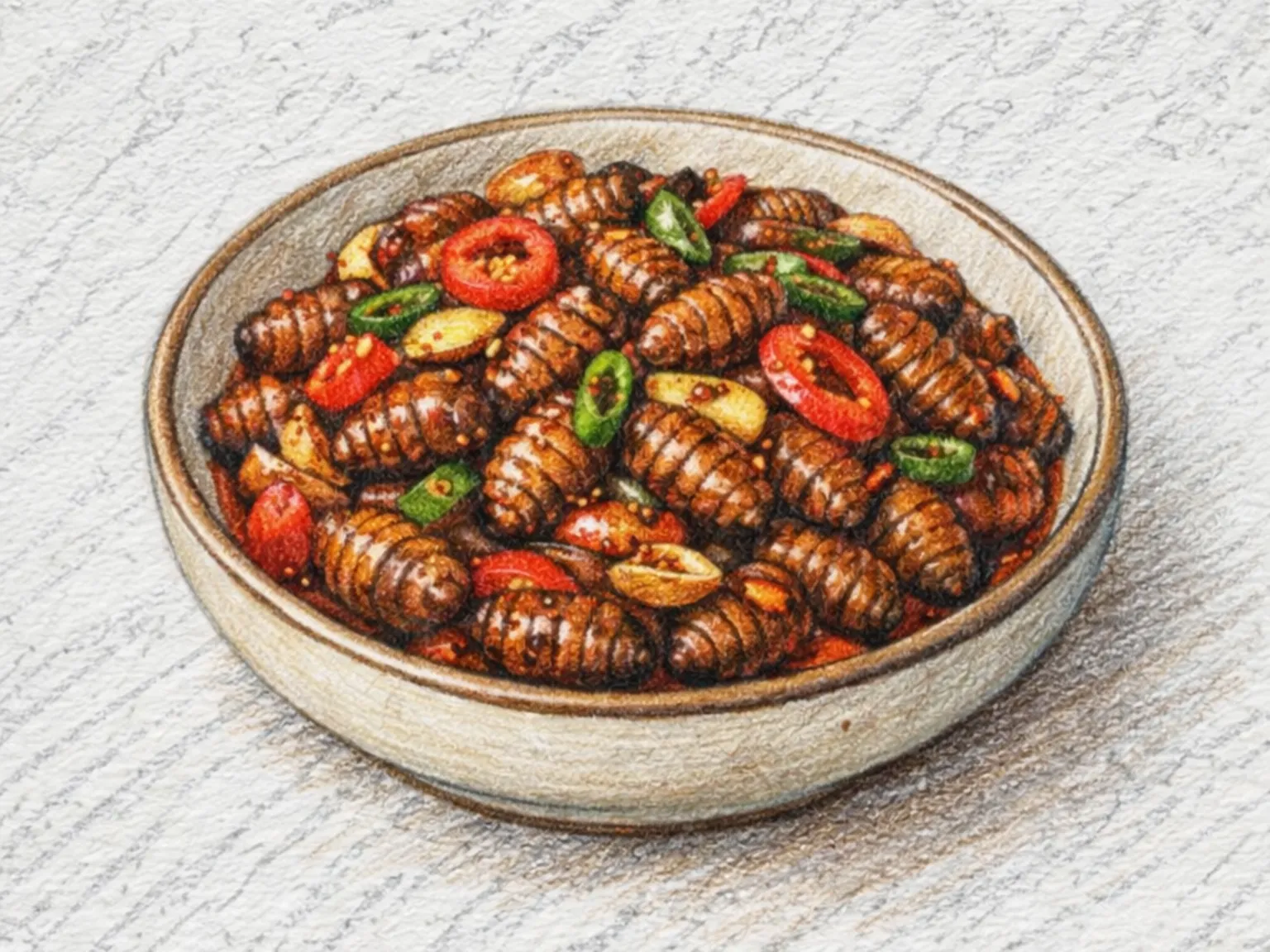
Korean Stir-fried Silkworm Pupae
Beondegi-bokkeum starts with canned silkworm pupae, drained and rinsed, then stir-fried in oil with garlic, soy sauce, and gochugaru over medium heat. As the moisture evaporates, the pupae develop a light crust while the soy sauce creates a glossy, salty glaze across their surface. Sliced cheongyang chili and scallion go in at the end, layering sharp heat and allium fragrance over the pupae's earthy, nutty base. Adding a tablespoon of cheongju (rice wine) during cooking significantly reduces the tinned odor that some find off-putting. Substituting oyster sauce for part of the soy sauce deepens the umami, and a small knob of butter stirred in at the finish adds a rich, rounded quality. The firm yet slightly yielding texture of the pupae sets this drinking snack apart from standard bar-food staples like eomuk or dubu.
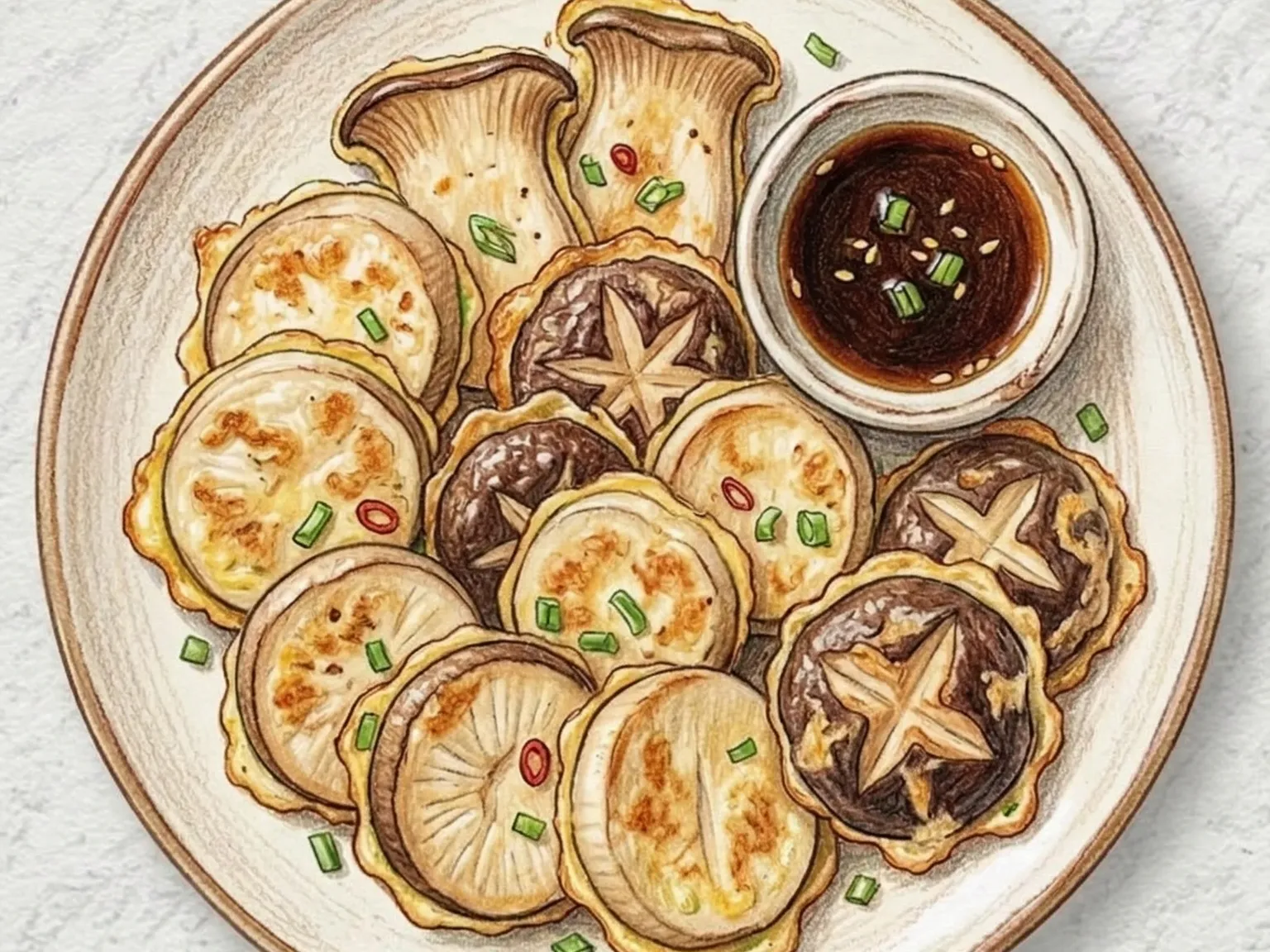
Korean Mushroom Pancake (Crispy Shiitake and King Oyster Jeon)
Beoseot-jeon is a Korean mushroom pancake made by slicing king oyster and shiitake mushrooms thin, coating them lightly in a batter of Korean pancake mix, egg, and water, then pan-frying until golden on both sides. King oyster mushrooms deliver a firm, chewy bite from their thick cross-sections, while the natural ridges in shiitake caps catch and hold batter, forming extra-crispy edges as they fry. The coating must be kept thin so the earthy mushroom flavors read clearly through the batter, and sliced mushrooms should be blotted dry before coating since excess surface moisture steams the underside and prevents crisping. Frying on medium-low heat without a lid allows even cooking through the mushroom's density while keeping the surface from steaming. Dipping in cho-ganjang -- soy sauce and vinegar -- brings out the mushrooms' natural umami against the crisp exterior. A small amount of salted fermented shrimp (saeujeot) folded into the batter seasons it thoroughly without needing extra salt.
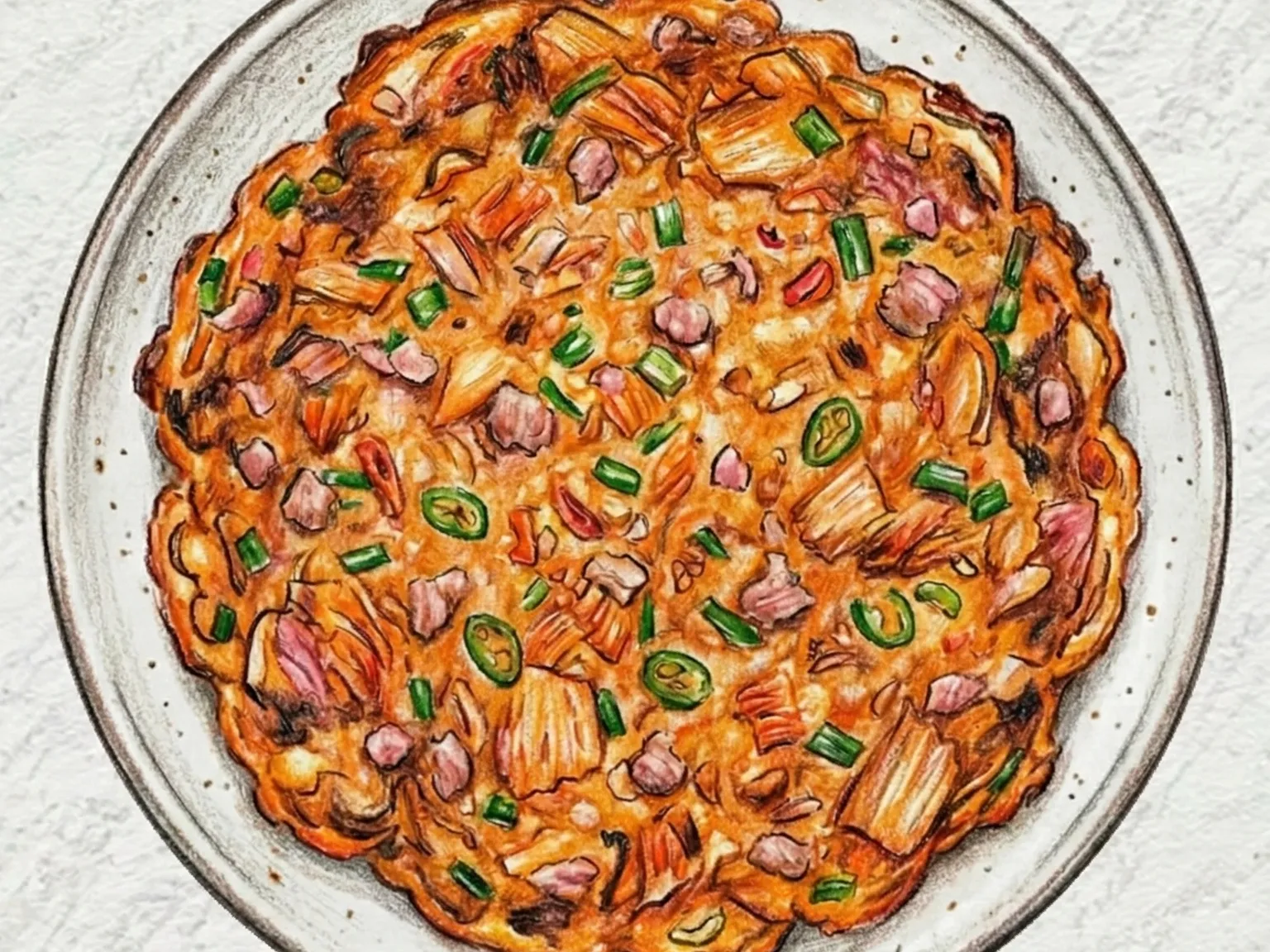
Korean Kimchi Pork Jeon (Fermented Kimchi and Pork Crispy Pancake)
Well-fermented kimchi and pork shoulder are the backbone of this hearty Korean pancake. Kimchi brine is mixed directly into the batter, intensifying both the crimson color and the tangy, fermented depth of flavor. A small amount of sugar balances the acidity, while green onion and onion distribute contrasting texture throughout each bite. Pressing the pancake flat in a generously oiled pan over high heat produces deeply caramelized, crispy edges. The kimchi should not be squeezed too dry before mixing in, since residual moisture keeps the interior soft and prevents the finished pancake from becoming dense. Pork shoulder should be cut into small pieces so it cooks through before the exterior over-browns. The kimchi's seasoning is assertive enough that no dipping sauce is required, making this a complete side dish on its own.
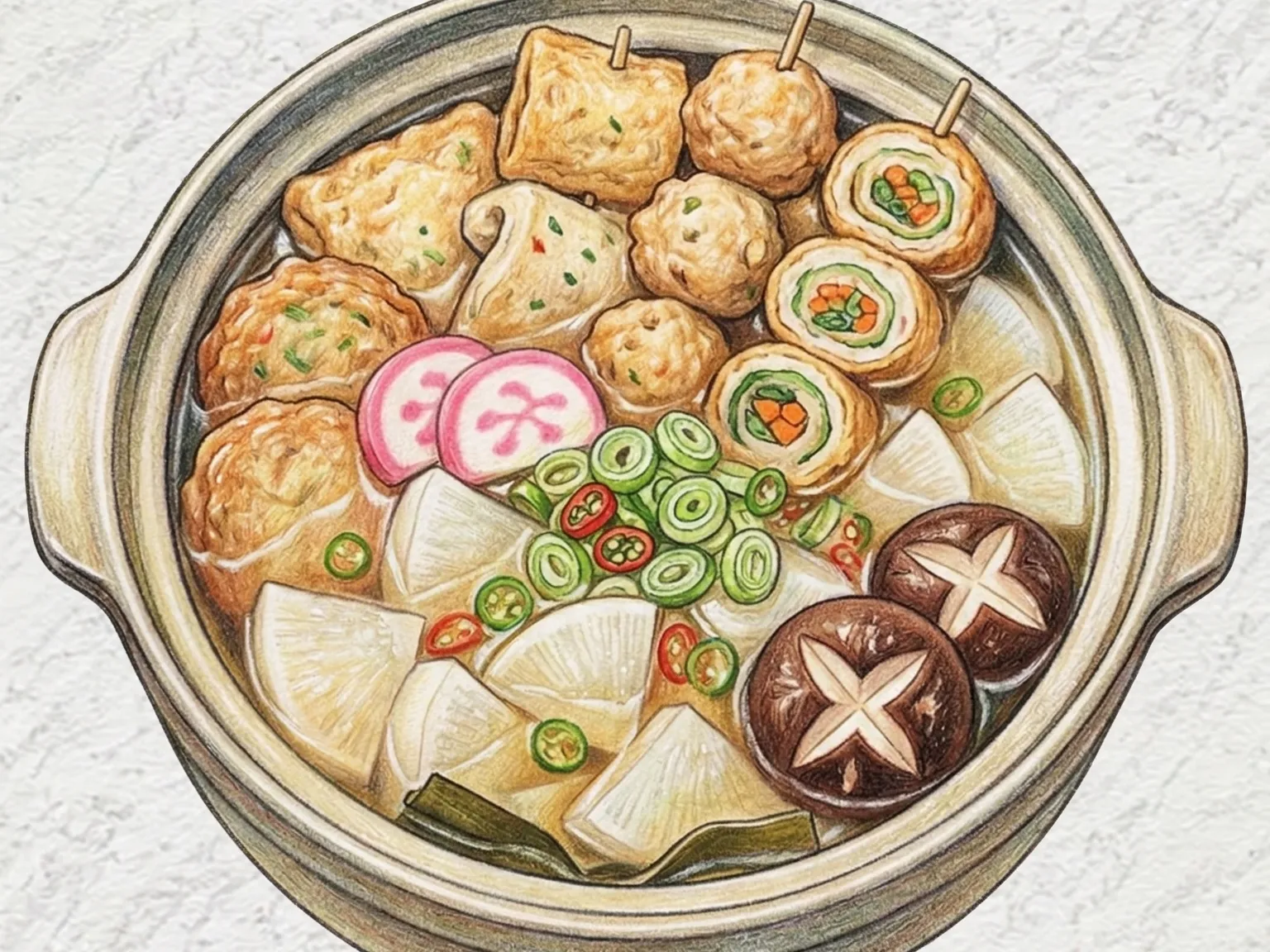
Korean Fish Cake Hot Pot (Skewered Fish Cakes in Clear Broth)
Eomuk jeongol is a Korean fish cake hot pot simmered in a clear broth built on dried kelp and anchovy stock. Large pieces of Korean radish cook alongside the fish cakes, releasing their natural sweetness into the liquid and keeping the broth light and refreshing as it reduces. Shiitake mushrooms add earthy umami depth, and using soup soy sauce alone for seasoning keeps the understated savory character of the fish cakes front and center. Cheongyang chili brings a sharp heat, and sliced green onion layers in a gentle sweetness as it softens in the bubbling pot. Fish cakes that spend more time in the broth turn silky and absorb the surrounding flavors, growing more flavorful with each passing minute. Using several shapes and thicknesses of fish cake side by side gives the pot different textures that makes eating it more interesting. The hot pot captures the warmth of street-stall eomuk-tang and brings it to the dinner table as a shared dish on cold days.
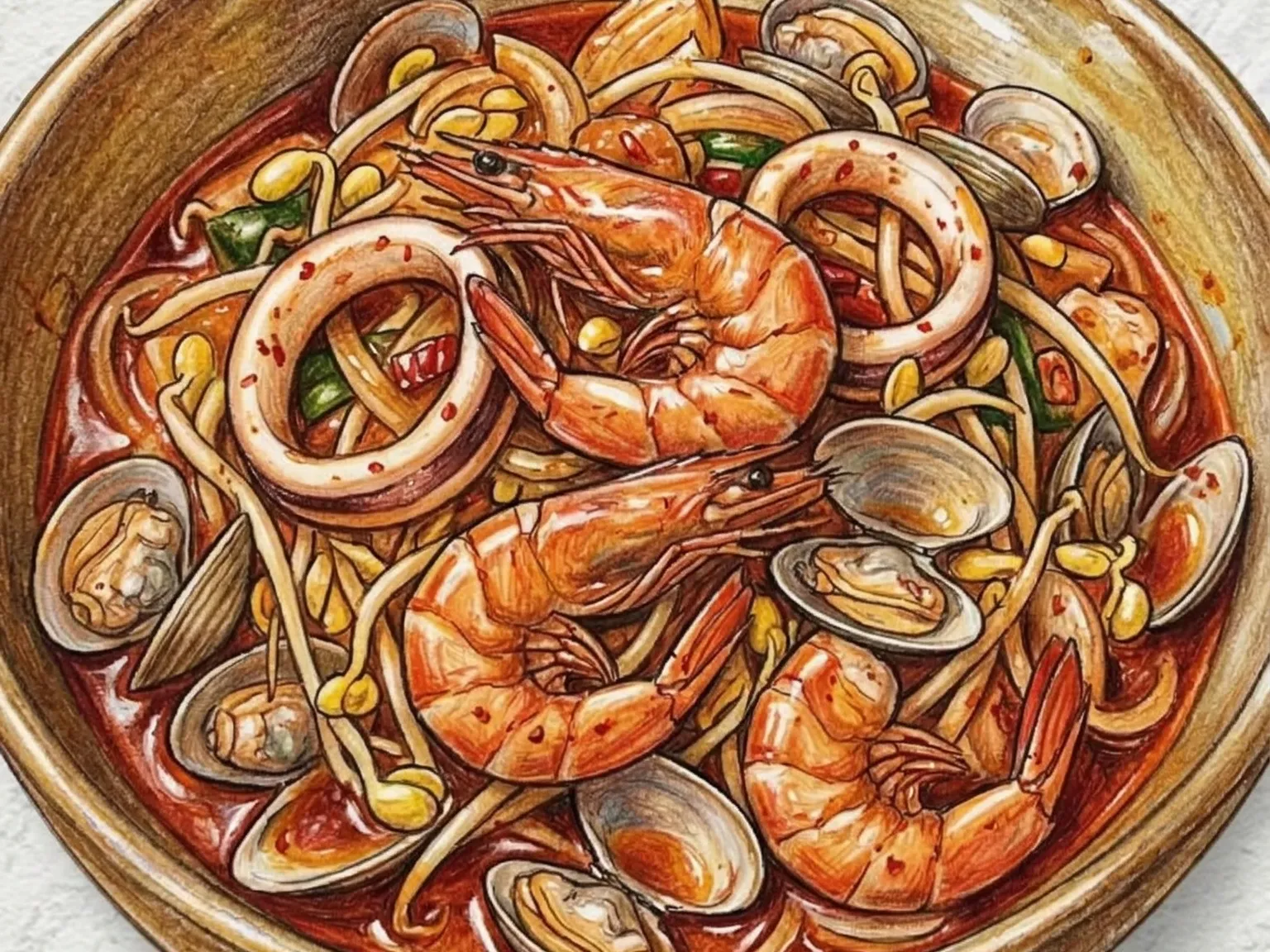
Korean Spicy Braised Mixed Seafood
Haemul-jjim is a Korean mixed seafood braise that brings together squid, shrimp, and manila clams with bean sprouts and onion in a gochugaru and soy sauce seasoning. The vegetables are layered on the bottom of the pot to absorb heat first, with the seafood arranged on top and cooked quickly over high heat so the texture stays firm and springy. Each shellfish releases its natural brine into the broth as it opens, deepening the seasoning without any added stock. A starch slurry stirred in at the end creates a glossy coating that clings to every piece of seafood and vegetable. The dish comes together in under ten minutes of active cooking. Bean sprouts hold their crunch while the squid and shrimp stay tender, and the remaining sauce at the bottom of the pot makes it natural to spoon over rice. It is a standard centerpiece at Korean gatherings and a popular accompaniment to drinks.
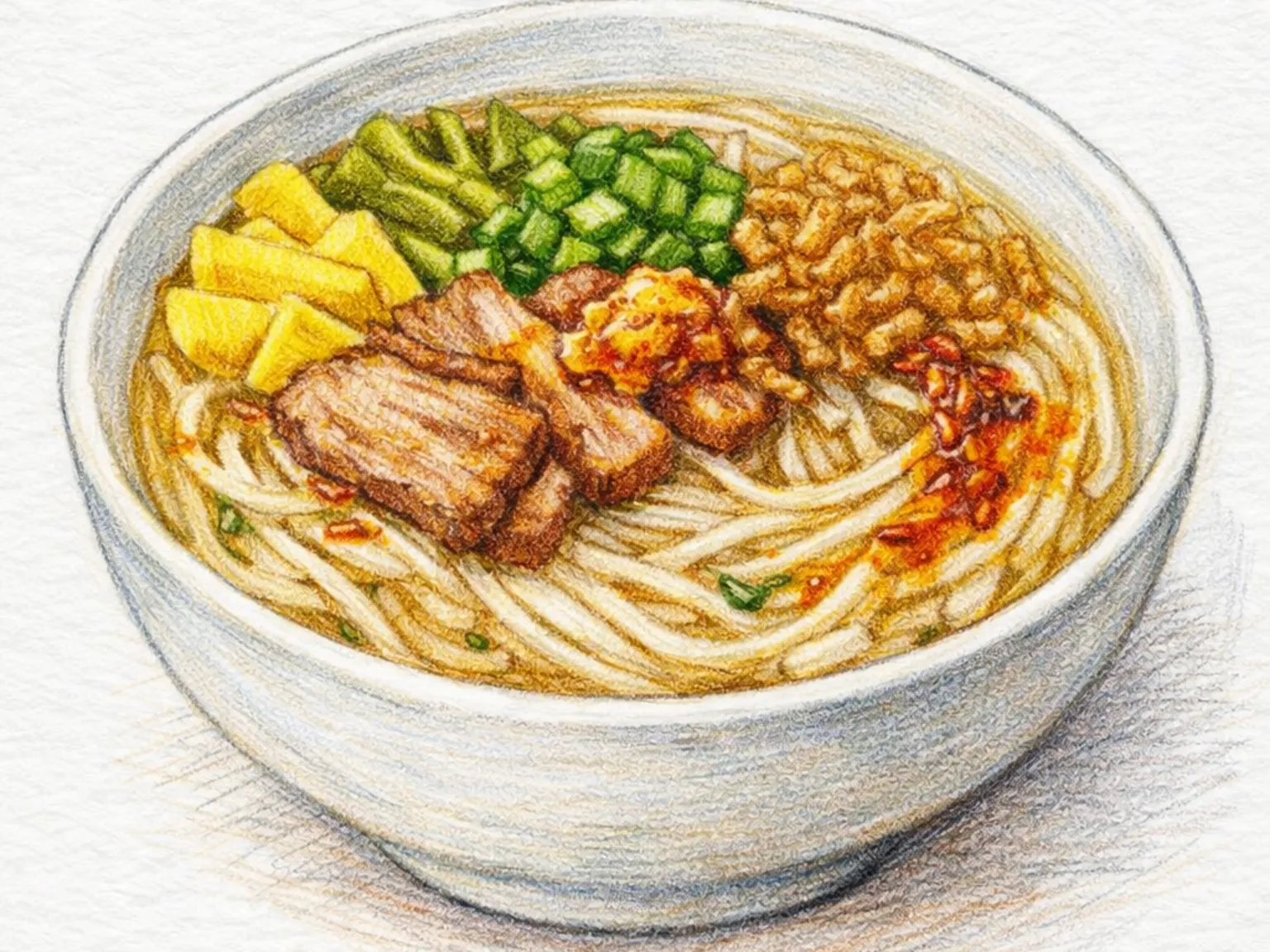
Guilin Rice Noodles (Silky Rice Noodles in Beef Brisket Broth)
Guilin rice noodles are the signature noodle dish of Guilin in Guangxi, China, built on a clear beef brisket broth that has been simmered until the collagen fully dissolves and the liquid turns deeply savory without becoming heavy. The slender rice noodle strands are smooth and slightly springy, and they absorb the broth as the bowl sits. Soy sauce seasons the soup with a salty, round undertone rather than any sharp edge. Pickled daikon radish is added as a topping for its crisp bite and vinegary tang, which cuts through the richness of the beef broth and resets the palate between mouthfuls. A drizzle of chili oil introduces a warm, slow-building heat that spreads through the soup. Fresh cilantro placed on top at the end adds a bright, citrus-forward herbal fragrance that ties the Southeast Asian-influenced profile of the bowl together. The combination of broth, noodles, and contrasting toppings is what makes Guilin rice noodles a dish people return to repeatedly.