🏠 Everyday Recipes
Simple home-cooked meals for any day
1705 recipes. Page 47 of 72
These are the meals you can cook day after day without getting tired of them. Doenjang jjigae, rolled omelet, spicy pork stir-fry - the kind of home-cooked dishes that fill an ordinary day with comfort.
The beauty of everyday cooking is that it relies on common ingredients already in your fridge. No exotic items, no complicated techniques - just straightforward recipes for satisfying home meals.
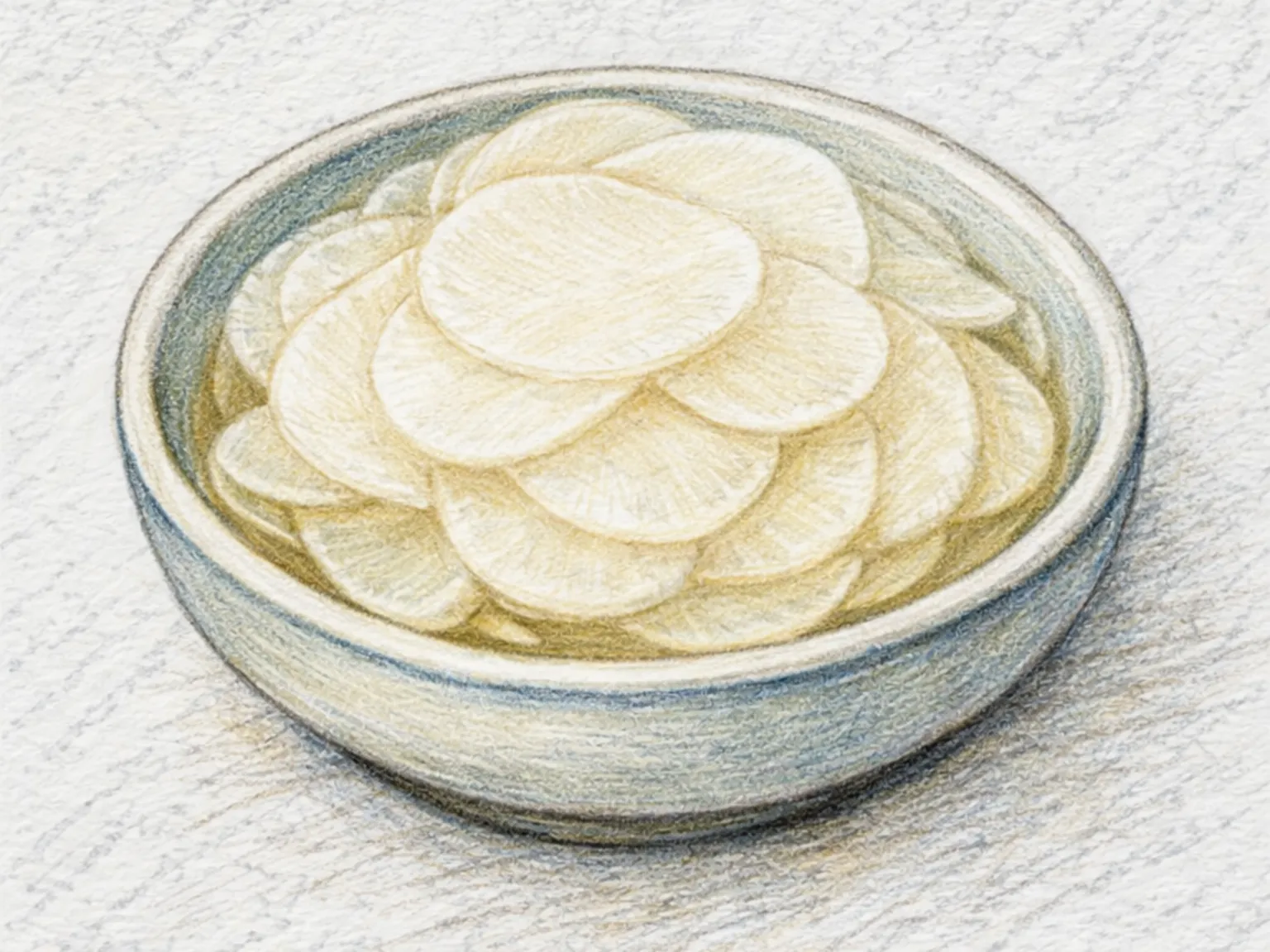
Korean Pickled Radish Wraps
Ssam-mu is a Korean sweet-and-sour pickled radish made by slicing Korean radish into very thin two-millimeter rounds and submerging them in a warm brine of water, vinegar, sugar, salt, and bay leaves. The slices must be thin enough to wrap around grilled meat without tearing, and the brine is cooled to lukewarm before pouring - boiling hot liquid would cook the radish and destroy its crunch. Ready after one day of refrigeration, the pickle reaches its peak on day three when the vinegar tang and sugar sweetness have fully penetrated each slice. Adding a lemon slice to the jar introduces a fresh citrus note. Wrapped around a piece of grilled pork belly or fried chicken, the sweet-sour radish provides an immediate contrast that lifts the fatty richness of each bite.
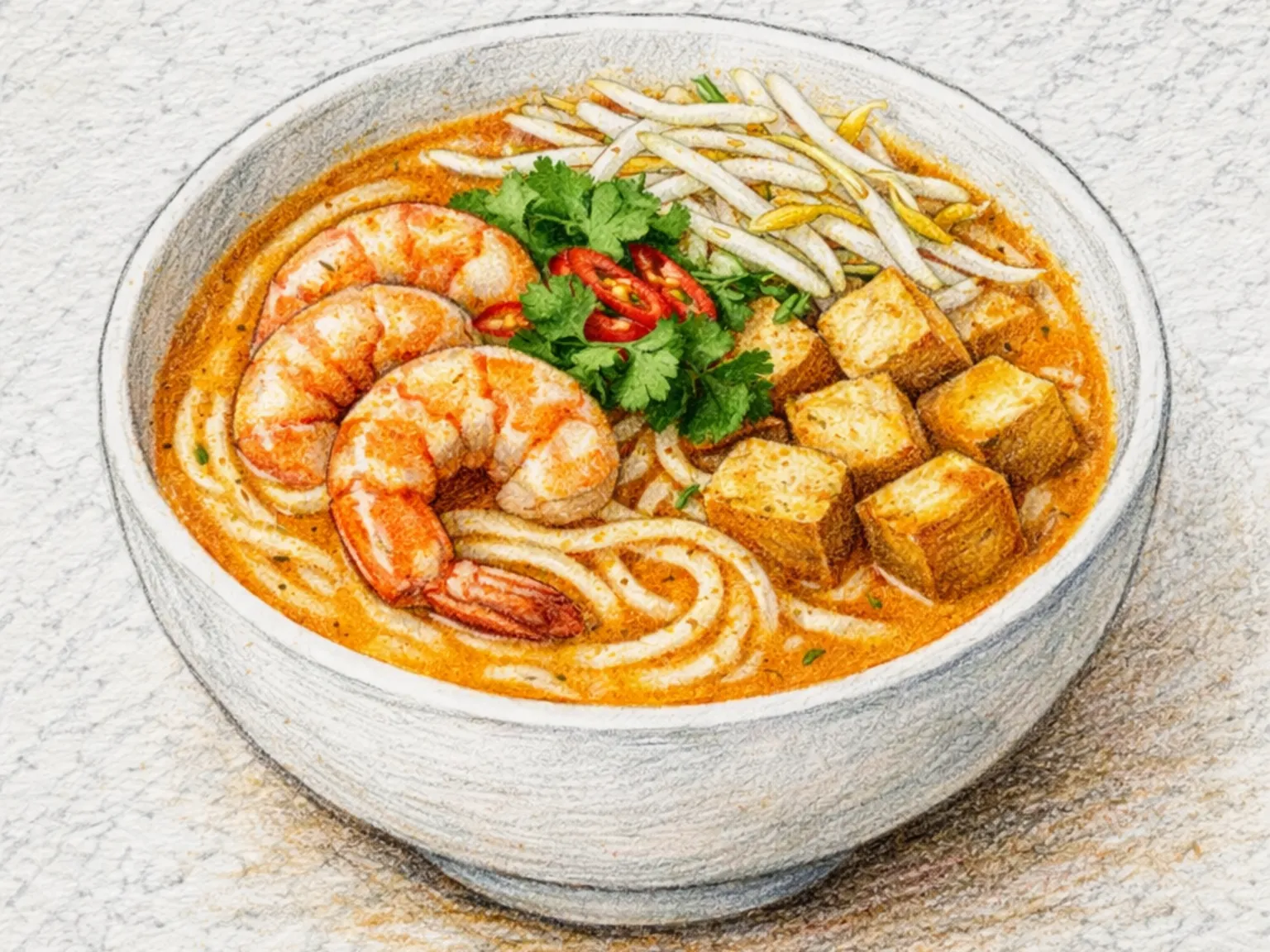
Singaporean Spicy Noodle Soup
Laksa is a spicy coconut curry noodle soup from Singapore and Malaysia, assembled from a laksa paste of lemongrass, galangal, dried shrimp paste, and chili that is stir-fried in oil until deeply fragrant and the raw aroma of the shrimp paste cooks off. Coconut milk and shrimp stock are added to build the thick, aromatic broth that defines the dish, and fish sauce seasons it to a savory depth. Shrimp and fried tofu puffs simmer briefly in the completed broth, long enough to heat through but not so long that the shrimp toughens. Rice vermicelli, softened in hot water until pliable, goes into each bowl, and the broth is ladled over generously. Bean sprouts, halved soft-boiled eggs, and a wedge of lime are arranged on top - the lime is squeezed in at the table to cut the coconut richness with bright acidity. Store-bought laksa paste is a practical shortcut that produces a solid result, but homemade paste, with its layers of fresh lemongrass, galangal, fried shallots, and fermented shrimp, delivers a noticeably more complex and fragrant broth. Full-fat coconut milk is essential - reduced-fat versions thin out the broth and undercut the characteristic creaminess that sets laksa apart. A well-reduced shrimp stock intensifies the umami of the base considerably.
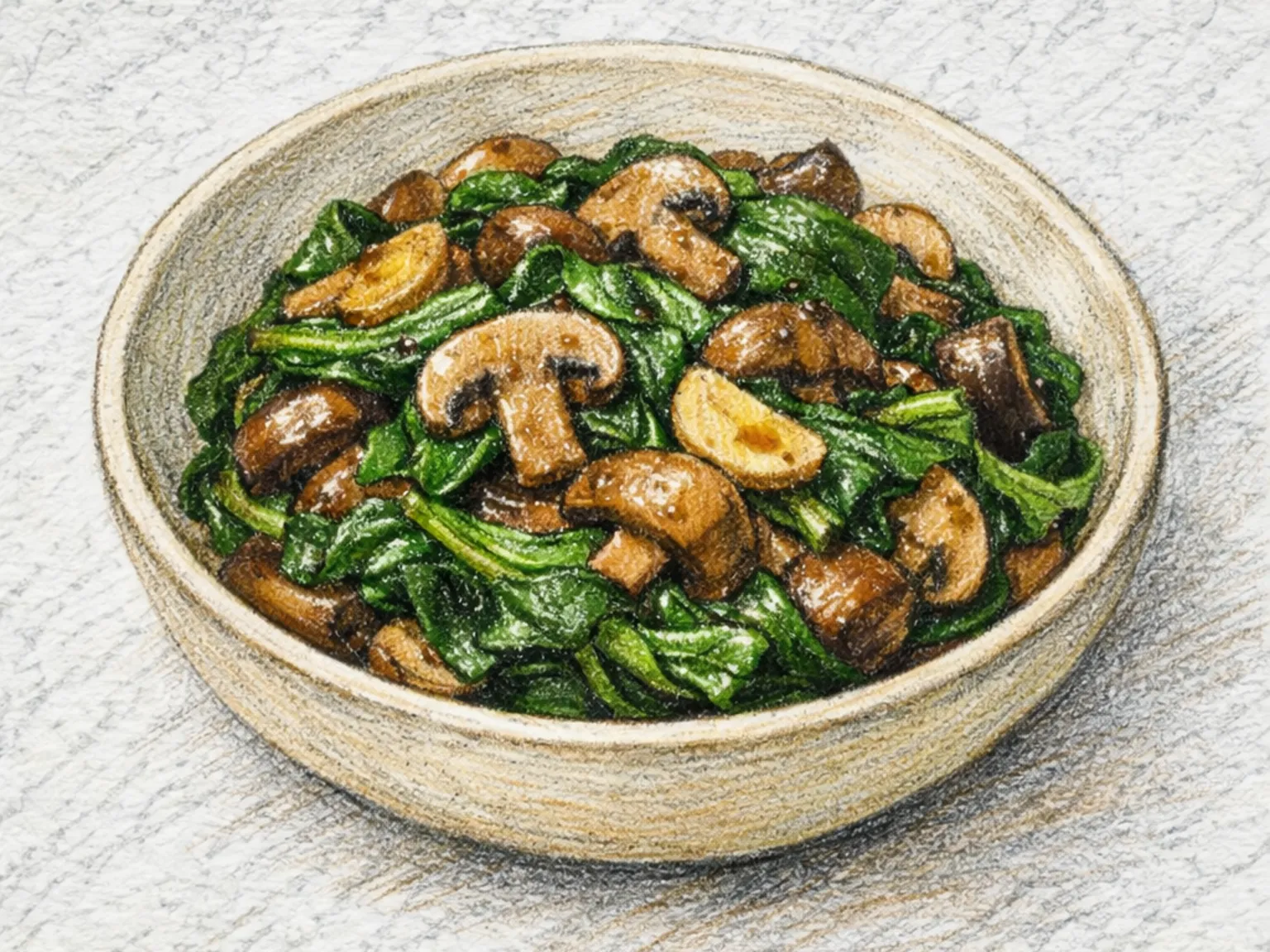
Mushroom Spinach Warm Salad
Button mushrooms are seared over high heat for a deep caramelized crust, then spinach is added just long enough to barely wilt in the residual heat of the pan. Garlic bloomed in olive oil at the start ensures the entire pan is fragrant before the other ingredients are added. Once the mushrooms go in, leaving them untouched for one to two minutes is the critical step: stirring immediately causes them to steam and release water, which prevents browning and dilutes the flavor. Balsamic vinegar deglazed in at the end lifts the pan with a balance of sweetness and acidity, and grated parmesan melts into the warm greens for a salty, nutty finish. The salad should be eaten immediately: the spinach holds its vivid green and the mushrooms retain their firm, springy bite only while everything is hot. The entire dish comes together in under ten minutes, making it a reliable choice for a quick weeknight side or a no-effort addition to a wine table.
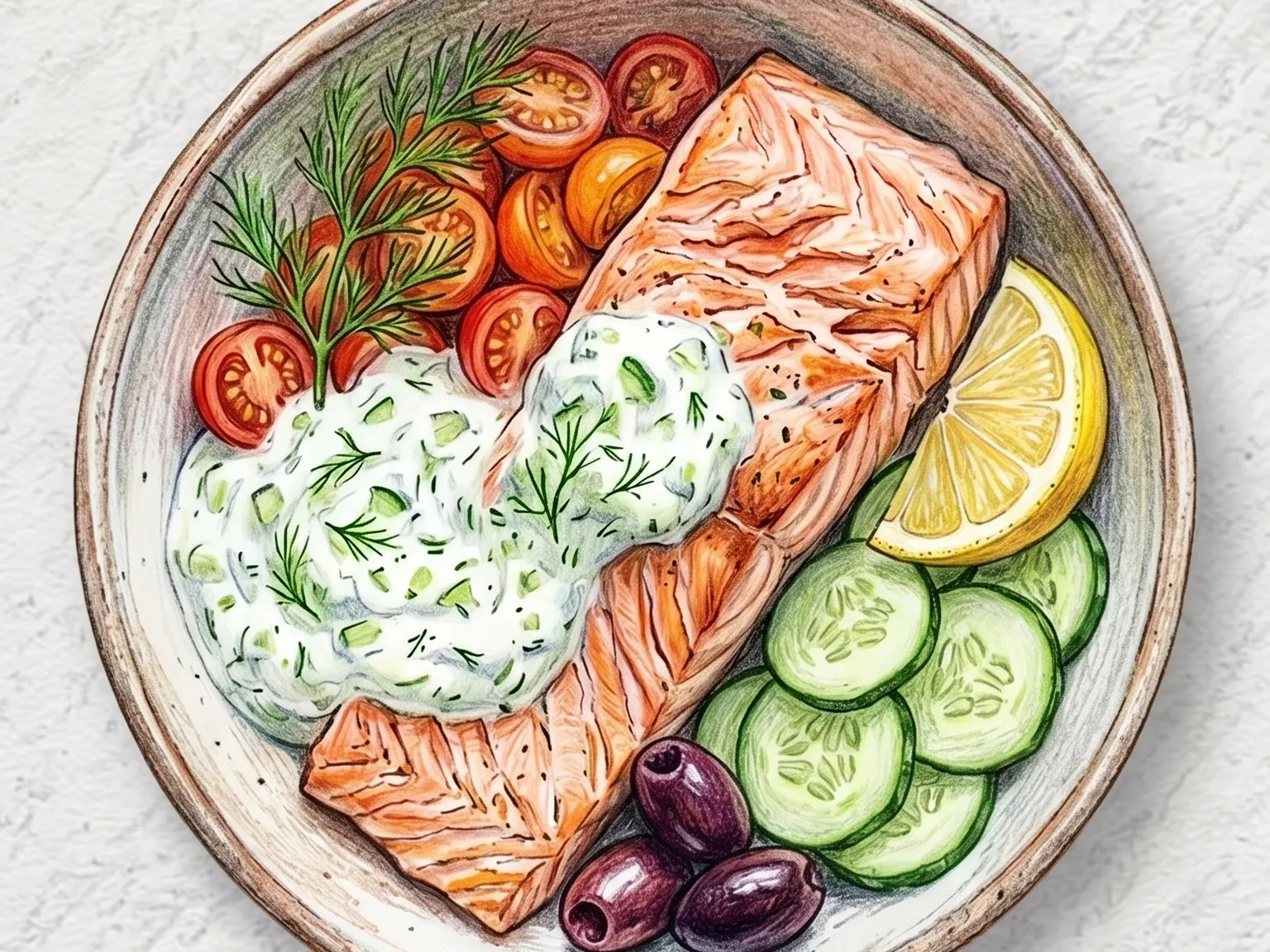
Tzatziki Salmon Bowl
This fresh grain bowl combines pan-seared salmon with a thick Greek tzatziki sauce. To prepare the dish, fresh cucumber is finely chopped, salted, and squeezed firmly to remove excess water, ensuring the yogurt sauce remains thick rather than watery. The strained cucumber is then mixed with Greek yogurt, minced garlic, chopped dill, and lemon juice. Fresh salmon is cut into bite-size pieces, seasoned, and seared in olive oil on medium heat until golden. The bowl is assembled with a warm base of either brown rice or quinoa, which allows control over carbohydrate density. It is topped with halved cherry tomatoes, the warm seared salmon, and a generous dollop of chilled tzatziki sauce. The herbal notes of dill help cut through the rich fat of the seared fish, providing a balanced flavor.
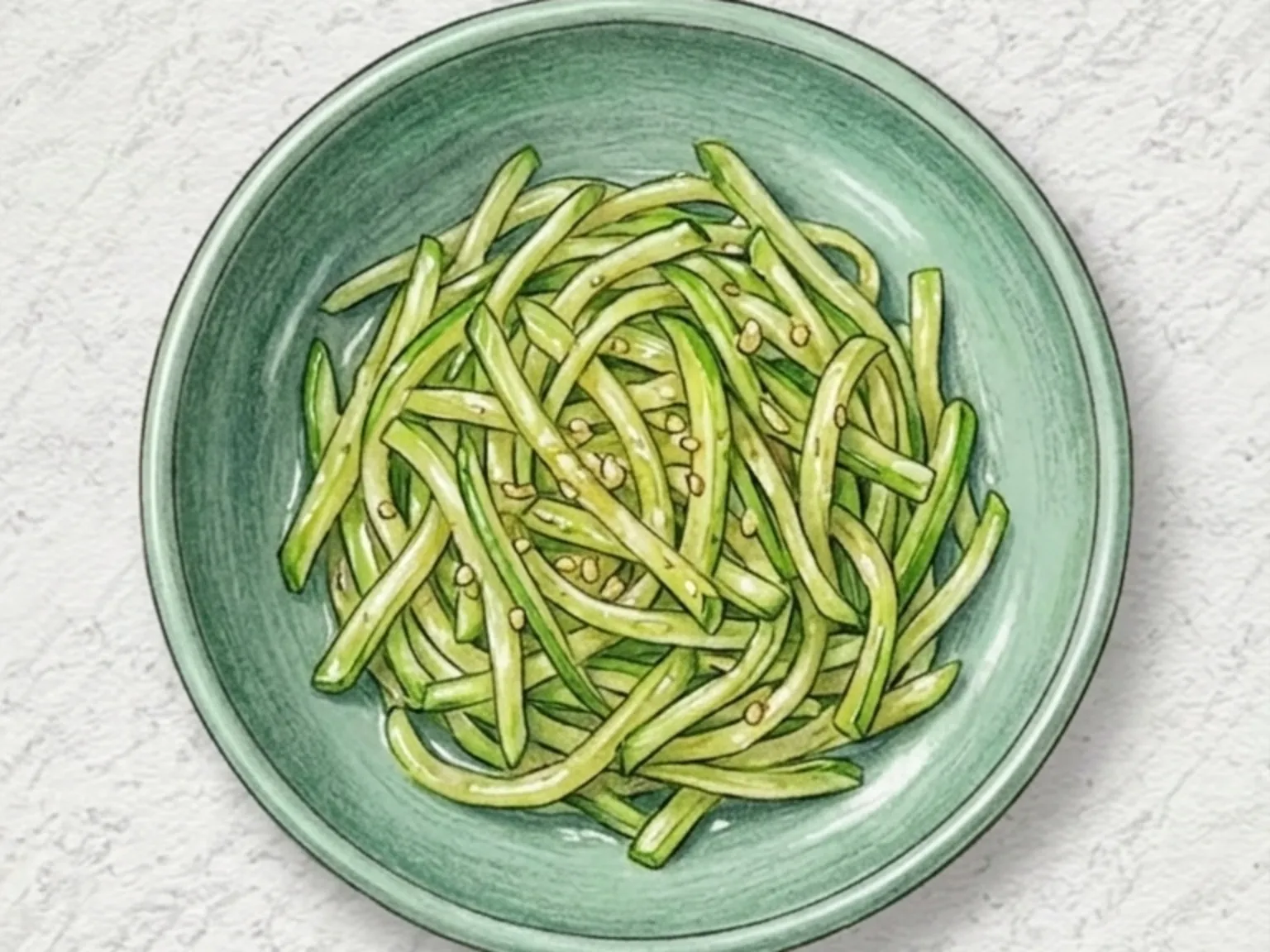
Korean Zucchini Namul (Sesame-Dressed Bibimbap Topping)
Hobak namul is julienned zucchini stir-fried with sesame oil and garlic, a foundational Korean side dish that appears as one of the five-color toppings essential to bibimbap. Though it resembles hobak-bokkeum at a glance, the difference comes down to how the vegetable is cut: namul requires thin julienne strips rather than half-moons, which allows the strands to nestle between rice grains when the bowl is mixed rather than sitting on top in clumps. Salting the raw zucchini and squeezing out moisture thoroughly is the most important step in the process; any water left behind causes the vegetable to release steam in the pan and turn soggy, and will make the rice in a bibimbap bowl gummy. Seasoning is intentionally minimal, relying on salt and sesame oil alone, with garlic gently cooked first to build an aromatic base without burning. Three minutes over medium heat is all the cooking time needed, and the finished strands hold their shape without releasing additional liquid even after they cool, which makes this namul a reliable choice for packed lunches where texture must survive time away from the stove. Because it is stir-fried rather than dressed raw, it also stays dry at room temperature, making it a common fixture on ceremonial tables set for ancestral rites or holiday meals. The light green color of the cooked zucchini provides visual contrast on a plate.
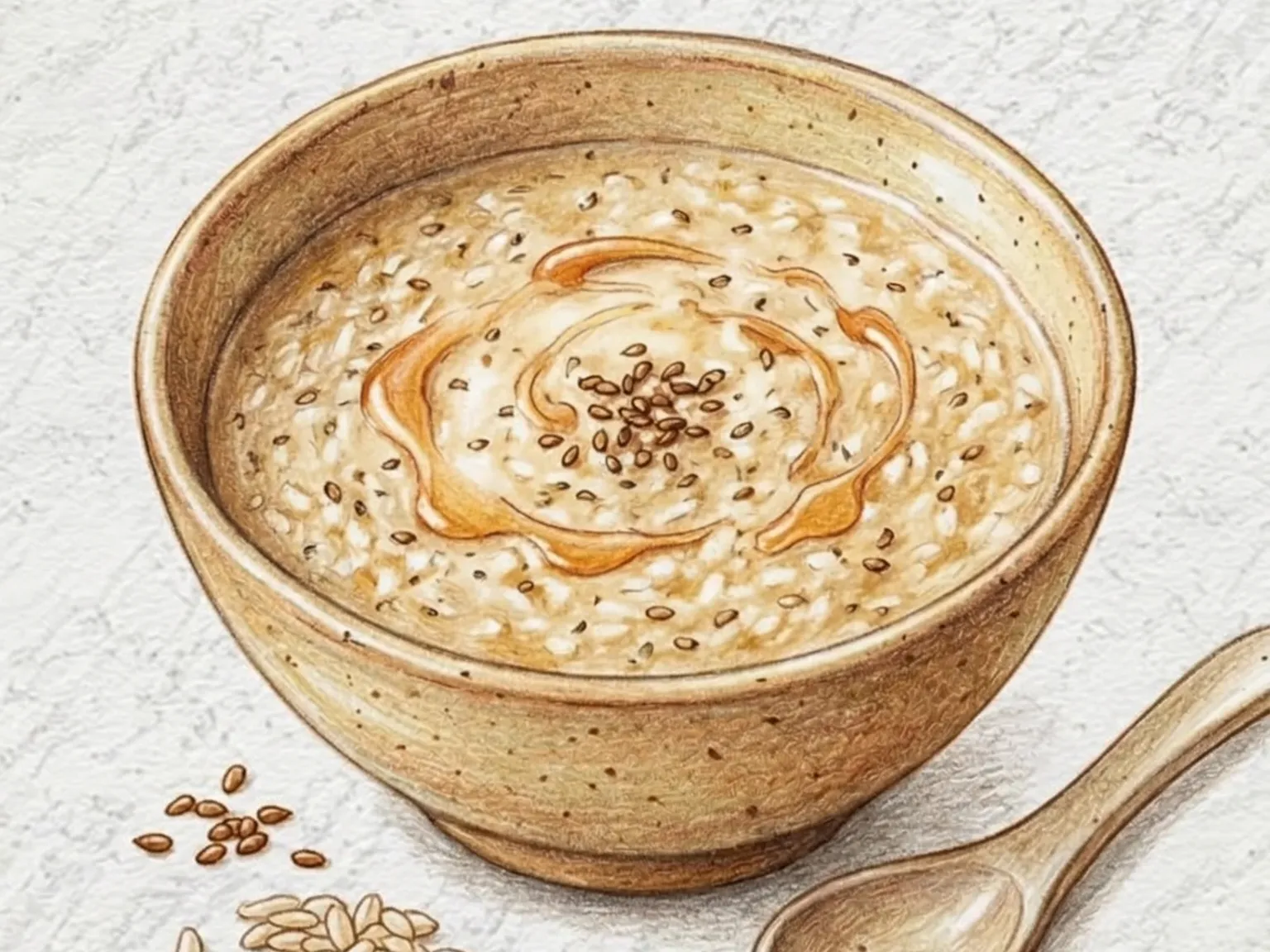
Korean Sesame Porridge (Toasted Sesame Silky Rice Porridge)
Kkaejuk is a traditional Korean porridge made by grinding toasted sesame seeds to a fine powder and simmering them with soaked rice, water, and milk until the mixture reaches a silky, cream-soup consistency. Toasting the seeds before grinding is not optional -- raw sesame lacks the deep, roasted fragrance that defines the dish, and the heat of toasting develops oils and aroma compounds that grinding alone cannot produce. Constant stirring over low heat prevents the mixture from scorching and coaxes the rice grains into breaking down completely, merging with the sesame base so no distinct texture remains. Milk enriches the body beyond what water alone provides and gives the finished porridge a warm ivory color. The simplest version is seasoned with nothing but salt and served with a drizzle of honey or rice syrup, letting the roasted sesame flavor carry the bowl without distraction. Easily digestible and gentle on the stomach, kkaejuk has a long tradition as a morning meal, a recovery food for the sick, and a postpartum nourishment dish in Korean households.
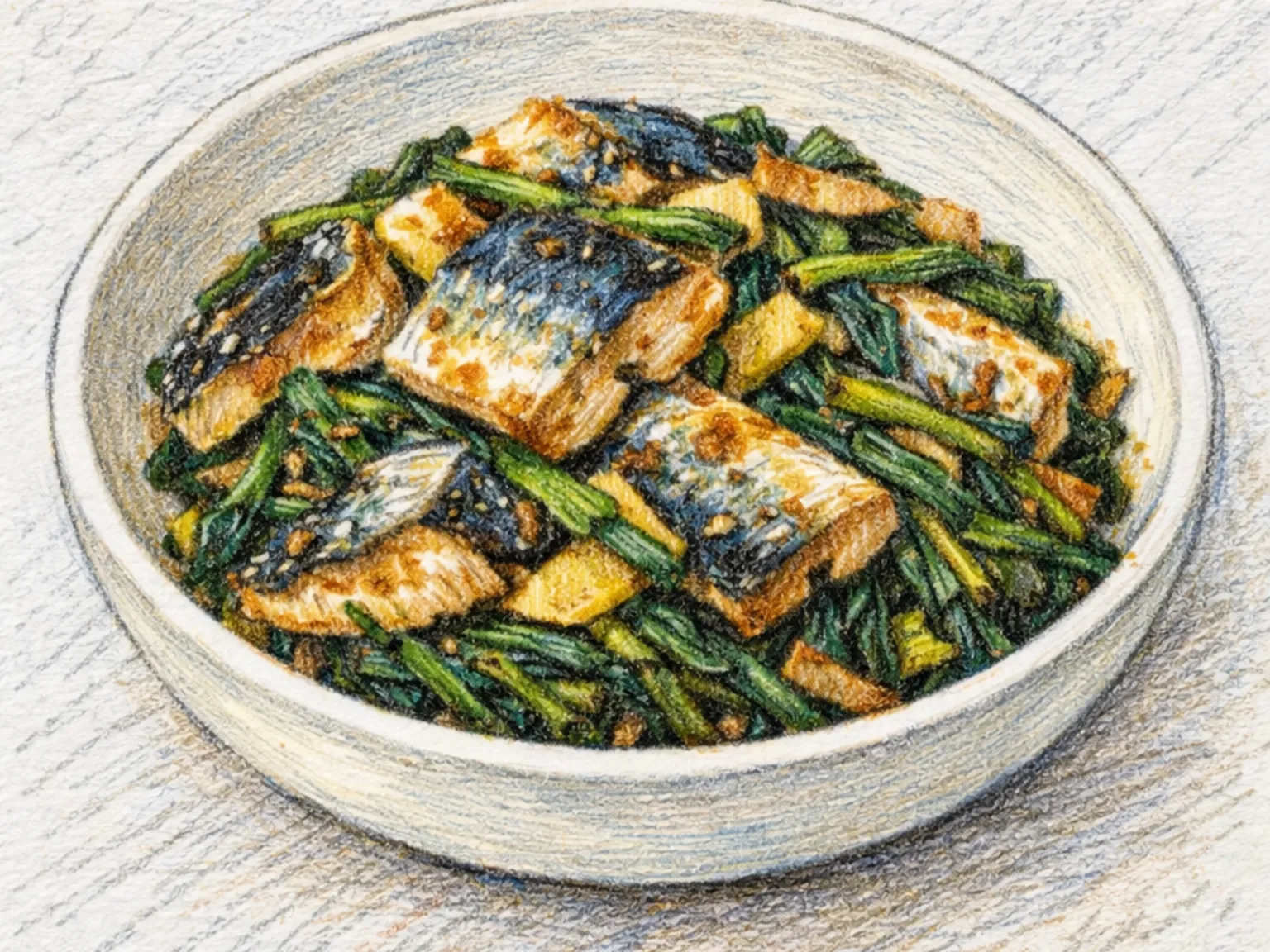
Korean Thistle Greens & Mackerel Stir-fry
Gondre godeungeo bokkeum pairs pan-seared mackerel with blanched gondre thistle greens in a gochujang-soy stir-fry. The mackerel is first marinated briefly in ginger juice to reduce any sharpness, then seared on both sides until a firm, golden crust forms. That outer layer keeps the fish intact during the final toss with the greens. Gondre is pre-seasoned in perilla oil and garlic to draw out its earthy, herbal fragrance before hitting the pan, and squeezing out the excess moisture is essential so the sauce stays concentrated rather than watery. The gochujang-soy combination brings heat, depth, and a subtle sweetness that bridges the rich umami of the fatty fish and the grassy character of the greens. Gondre from the Gangwon-do highlands has a mild, nutty quality once blanched that holds its own alongside oily blue-backed fish. The dish works equally well as a rice accompaniment or a drinking snack.
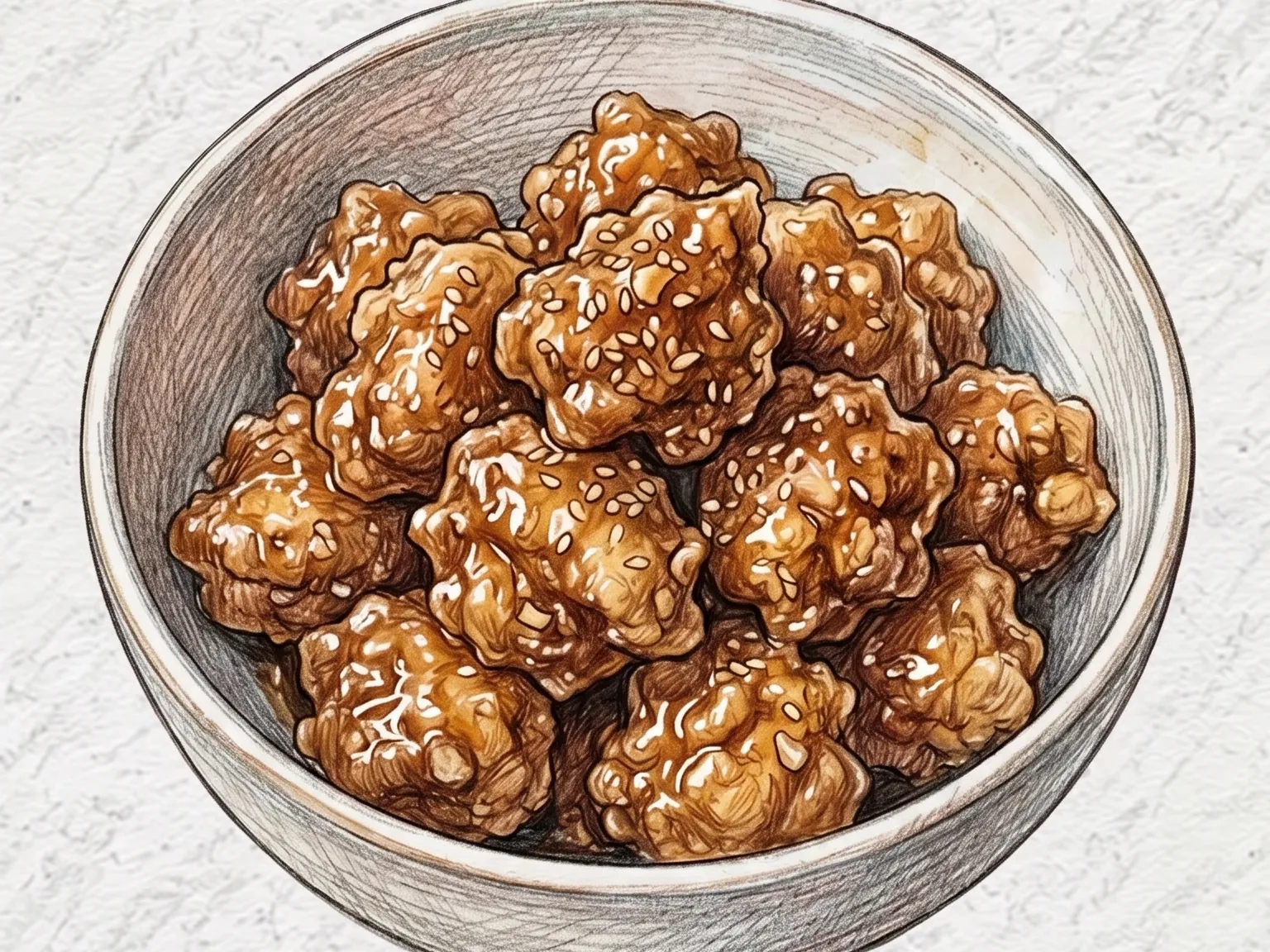
Korean Soy Garlic Dakgangjeong
Soy-garlic dakgangjeong is Korean fried chicken made from boneless thigh pieces coated in potato starch and fried twice before being tossed in a soy-garlic glaze. The first fry runs at 170 degrees Celsius for five minutes to cook the meat through to the center. The second fry raises the temperature to 190 degrees and runs for two minutes to push residual moisture out of the crust and harden the surface. Both fries are necessary to achieve a crust firm enough to stay crisp under the wet glaze. Using only potato starch rather than a wheat-starch blend produces a thinner, more transparent coating that crisps harder and absorbs less oil. The sauce is reduced for no more than thirty seconds to one minute so the saltiness does not concentrate excessively. Vinegar is a key component: it cuts through the grease and leaves the palate clean after each bite. The fried chicken must go into the sauce while it is still loose, then be tossed over high heat quickly so the coating never has time to steam and soften. Sesame seeds scattered on top add a nutty fragrance and a textural contrast against the lacquered surface.
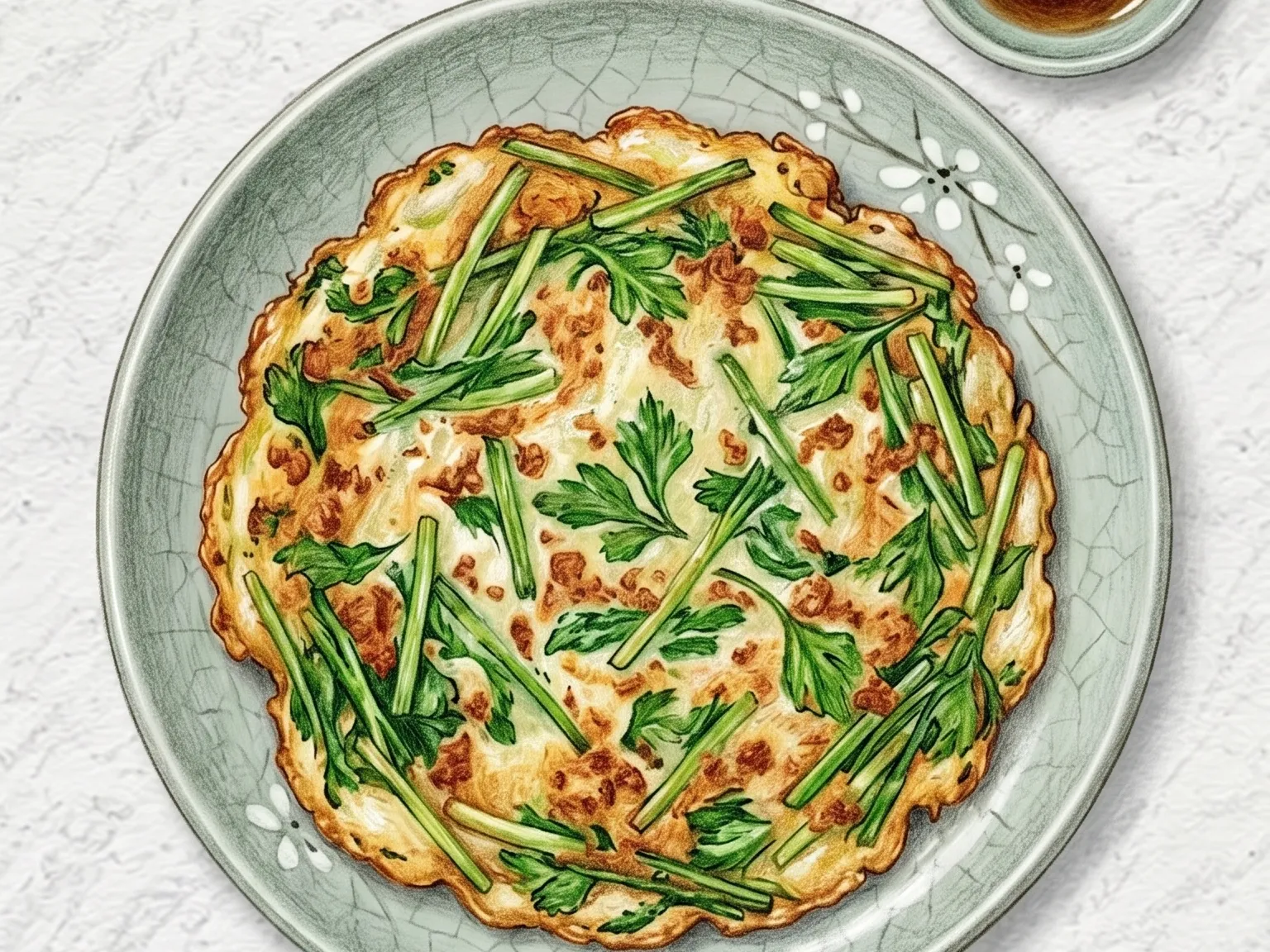
Korean Water Parsley Pancake
Minari-jeon is a Korean spring pancake made by cutting water parsley into five-centimeter lengths and mixing them into a batter of Korean pancake mix, water, egg, and salt, then pan-frying in oil until golden on both sides. Water parsley's cool, herbaceous fragrance permeates the entire pancake, and its stems provide a fresh, snappy bite against the soft batter. Spreading the mixture thin and cooking over medium heat for three to four minutes per side ensures crisp, almost fried edges, while overcooking quickly diminishes the herb's distinctive aroma. Dipping slices in cho-ganjang-soy sauce mixed with vinegar-balances the subtle bitterness of the parsley with sharp acidity.
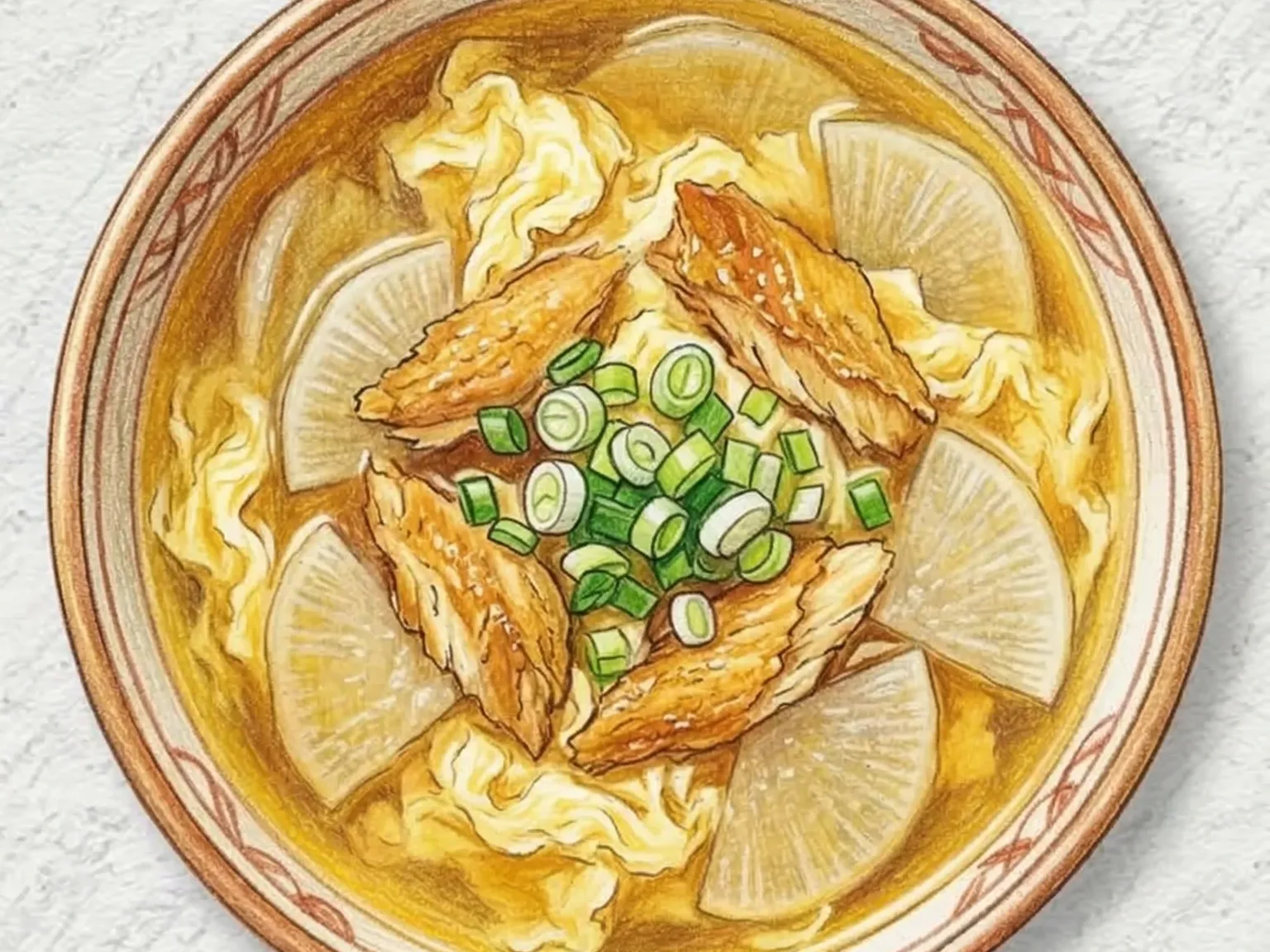
Korean Dried Pollack Egg Soup
Hwangtae-gyeran-guk is a Korean clear soup that pairs dried pollock with silken egg threads in the same bowl. Toasting the pollock strips in sesame oil at the start is what gives the broth its foundation: the oil absorbs the nutty, roasted fragrance and carries it throughout the liquid as it simmers. Radish and green onion add a clean sweetness and mild sharpness, and once the broth is seasoned with soup soy sauce and garlic, beaten egg is streamed in slowly to form wispy, floating ribbons. The chewy pollock and the soft egg offer a changing texture from one spoonful to the next. Hwangtae is produced on outdoor racks in the Gangwon-do mountains through a winter-long cycle of freezing and thawing that breaks down the protein into a more digestible form and increases the amino acid content. In Korean households this soup appears at both the breakfast table and the post-drinking recovery meal, favored because the protein-rich pollock is gentle on a tired stomach and the whole pot comes together in under twenty minutes.
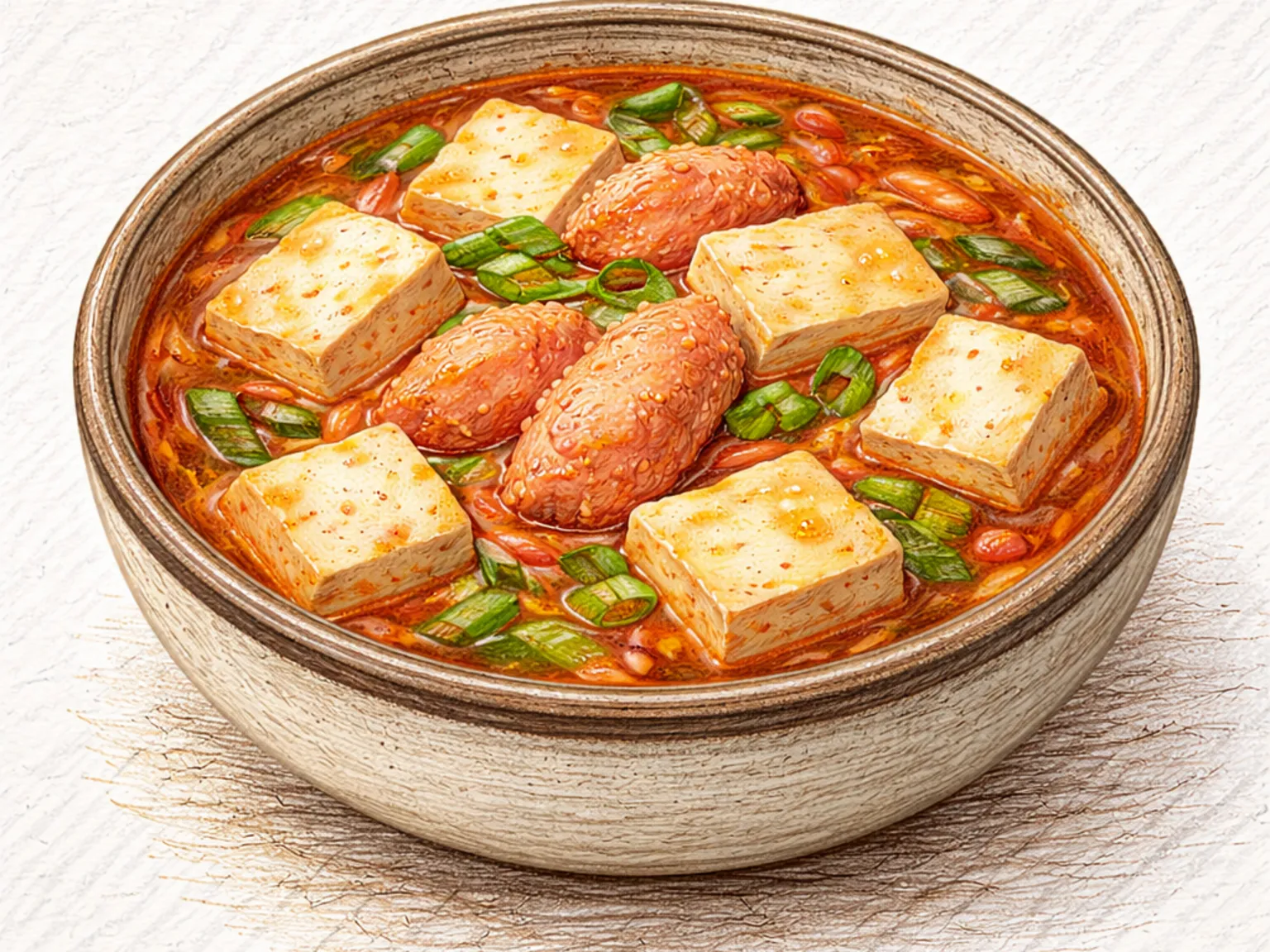
Korean Pollack Roe Tofu Stew
Myeongnan-dubu-jjigae is a Korean stew built around whole pollack roe simmered in anchovy and kelp stock. As the broth comes to a boil, the roe gradually loosens and disperses into the liquid, releasing a briny, concentrated umami that permeates every ingredient in the pot. Using anchovy-kelp stock rather than plain water lets the oceanic character of the roe come through without competition. Firm tofu cut into one-centimeter slices absorbs the savory broth while holding its shape throughout cooking, unlike soft tofu which breaks apart. Red pepper flakes, minced garlic, and sliced green onion finish the stew with a clean, spicy edge. The grainy, textured bite of the intact roe kernels is what sets this stew apart from other Korean jjigae. Cooking time should be kept short: once the broth reaches a full boil, the heat is reduced immediately, because prolonged boiling dissolves the roe completely and erases the textural contrast. Spooning the broth and roe together over steamed rice and mixing it in is the most satisfying way to eat it.
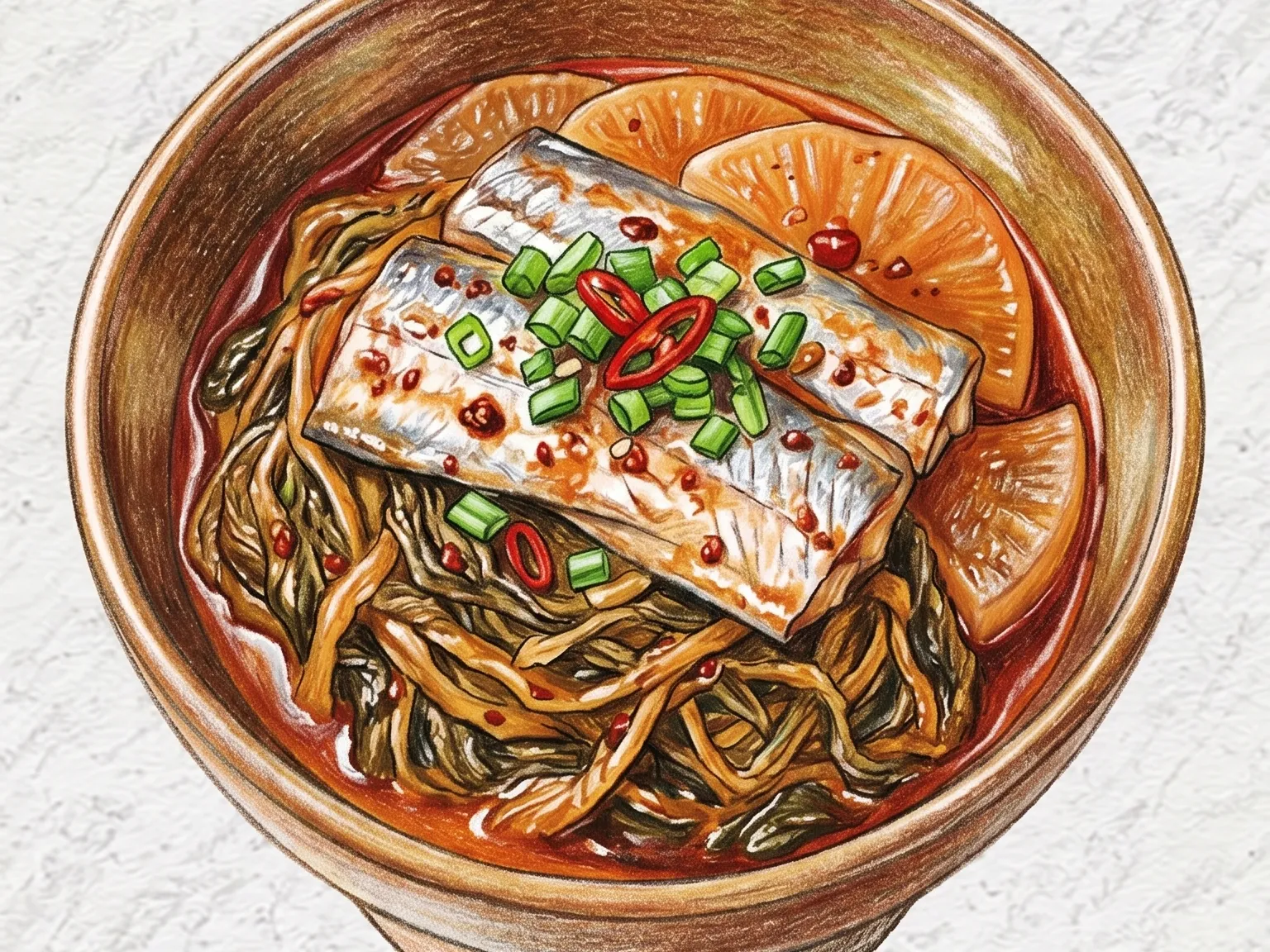
Korean Hairtail Braised with Dried Greens
Siraegi galchi jorim is a Korean braised hairtail fish dish assembled by layering boiled dried radish greens, radish, and hairtail in a pot, then simmering everything together in a sauce built from gochugaru, soy sauce, and gochujang. Rubbing the dried radish greens with a teaspoon of doenjang before they go into the pot allows fermented earthiness to penetrate the greens during cooking, adding a layer of depth that the braising sauce alone cannot provide. The greens are firm and springy enough that long simmering does not cause them to fall apart, and their cellular structure soaks up the braising liquid so thoroughly that every bite releases a concentrated burst of the seasoned sauce. Radish absorbs the stock produced by the fish and the greens as it cooks, developing a clean, gentle sweetness that grounds the spice of the sauce. The hairtail is never turned during cooking; the braising liquid is spooned over it repeatedly instead, which preserves the delicate, layered texture of the flesh and prevents it from flaking and falling apart in the pot. Closing the lid and maintaining a steady medium-low heat while basting only between lid lifts gives the fish the best chance of arriving at the table intact. The finished dish is the kind of strongly seasoned, deeply savory Korean side that makes a full bowl of white rice disappear without effort.
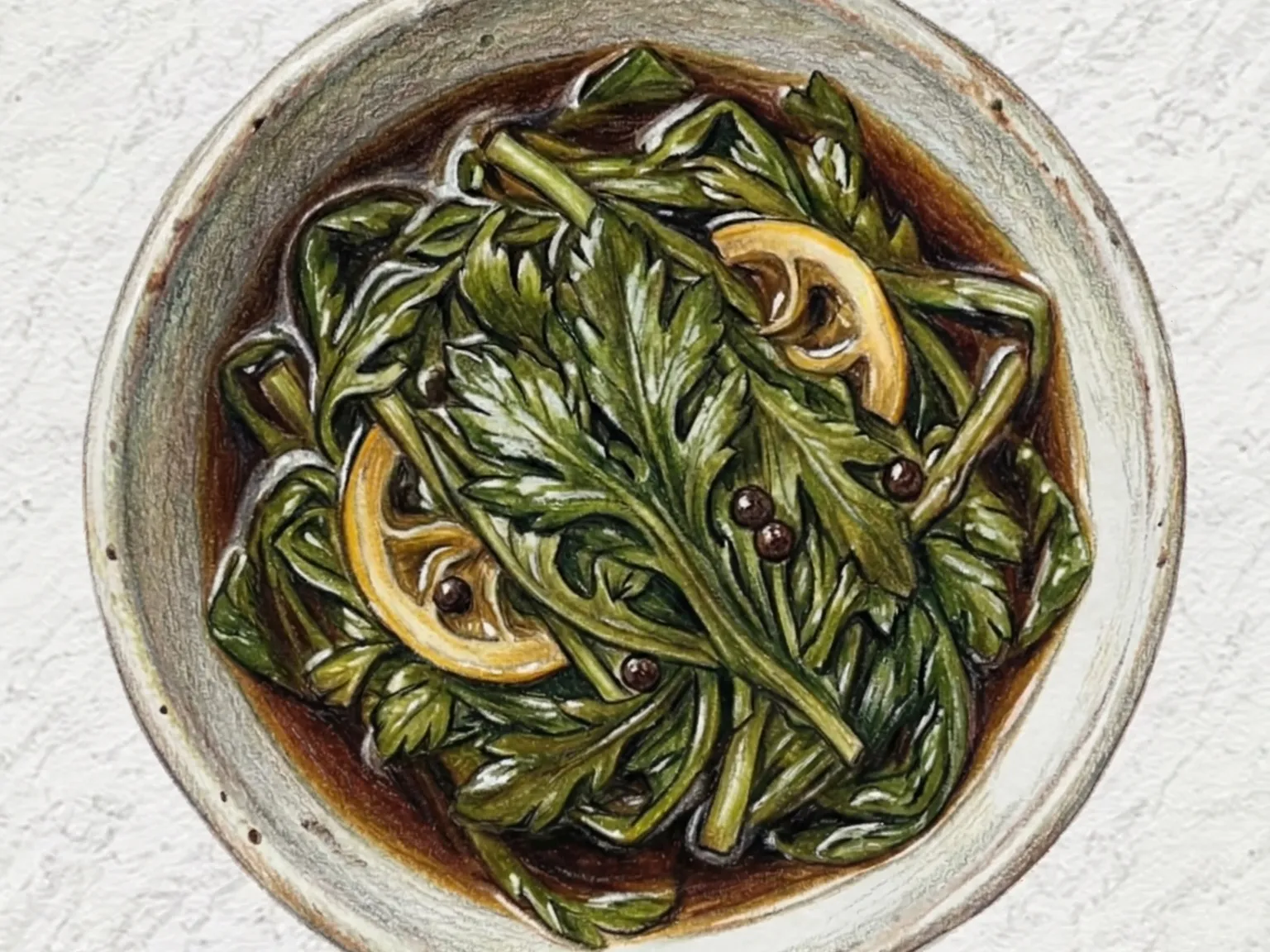
Korean Crown Daisy Soy Pickle
Ssukgat jangajji is a soy-brined pickle made with crown daisy greens, capturing the herb's distinctively bitter, aromatic character in a quick-cured form. A boiling mixture of soy sauce, vinegar, and sugar is poured directly over the trimmed greens, which wilts them just enough to expel raw grassiness while locking in the clean, herbal fragrance underneath. Thin slices of lemon layered between the greens as they steep introduce a citrus brightness that cuts through the saltiness of the soy and keeps the brine from tasting flat. Whole black peppercorns contribute a gentle background heat that tidies up the finish. The jar goes into the refrigerator once cooled, and the pickle is ready to eat after just twenty-four hours, making it one of the most practical options when a side dish is needed on short notice. The herbal fragrance is at its sharpest within the first week of refrigeration, after which the aroma gradually fades. It pairs well as a rice topping or served alongside grilled pork or beef.
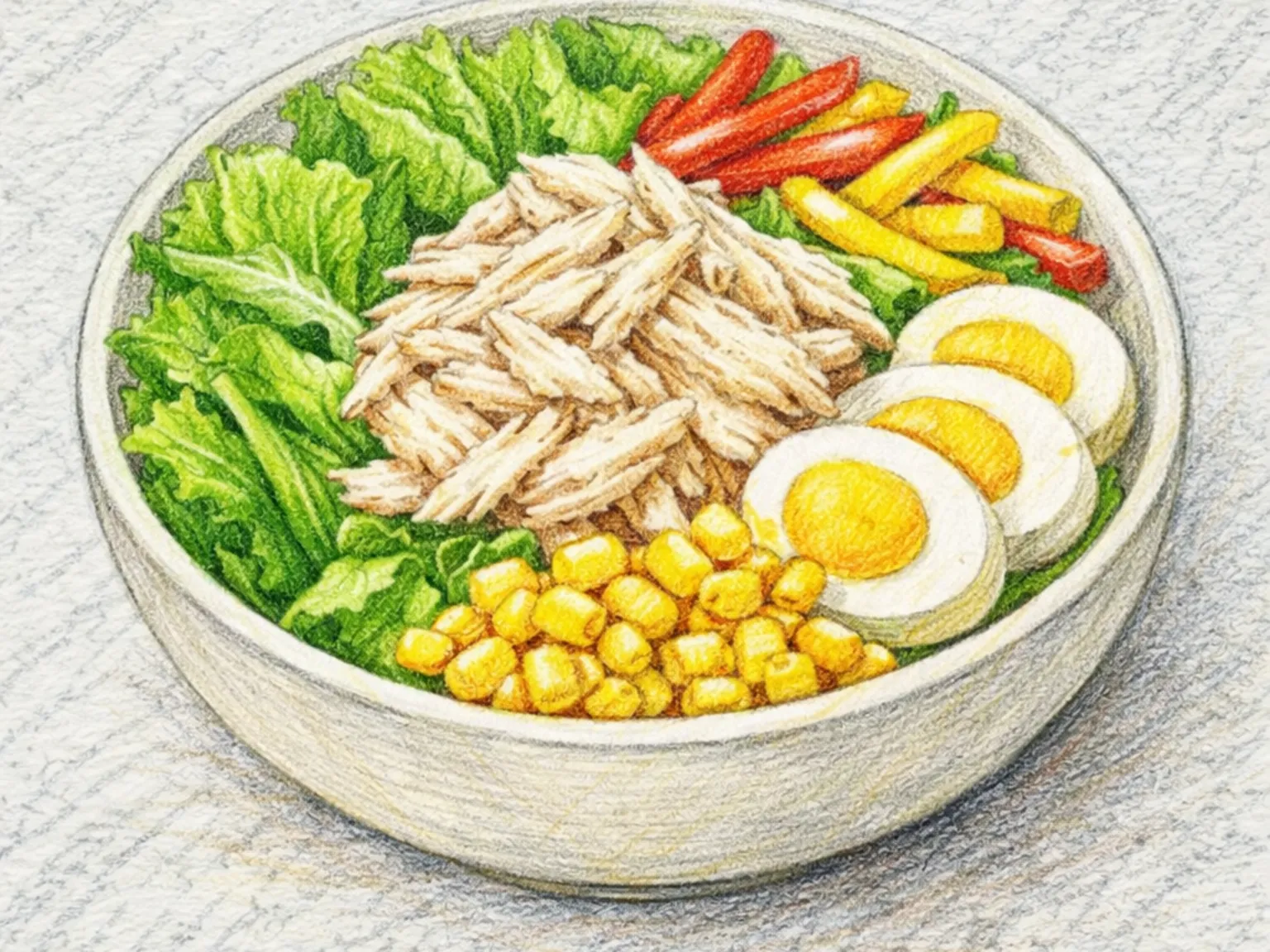
Chinese Lo Mein
Lo mein is a Chinese noodle dish where boiled noodles are tossed gently with vegetables, protein, and a soy-based sauce, resulting in a soft, glossy finish that sets it apart from the crisper chow mein. The sauce - soy sauce, oyster sauce, and a small amount of sugar - is premixed so it coats evenly during the brief time in the pan. Shrimp is seared first until half-cooked, then broccoli and carrot are stir-fried just until they lose their raw crunch. The warm, drained noodles go in last, and everything is tossed together until the sauce is absorbed and the noodles gleam. The key is restraint: lo mein should stay moist and supple, not charred or dry. The protein can be swapped freely - chicken, beef, or tofu all work with the same sauce and technique.
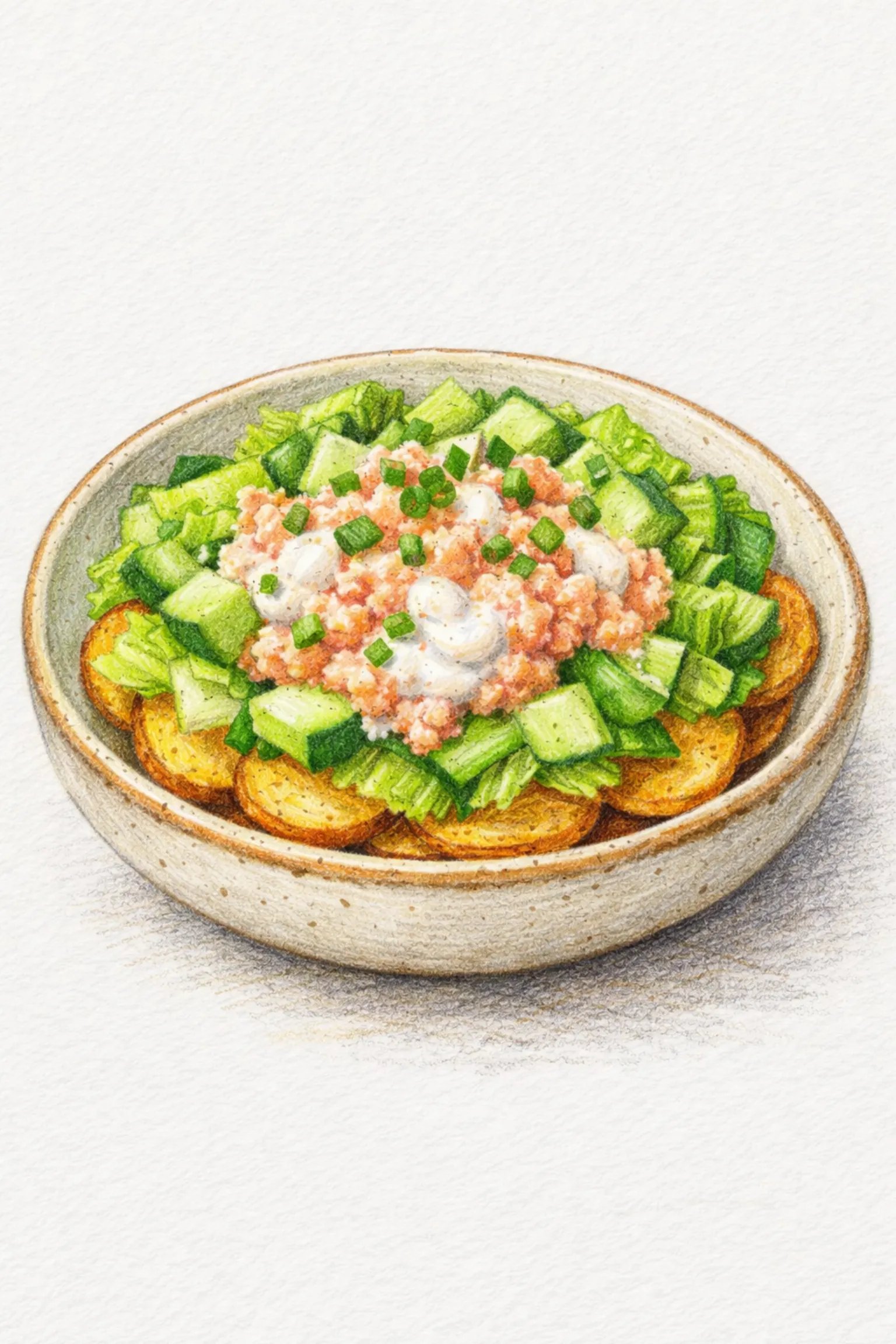
Pollock Roe Potato Crisp Salad
Potato slices are baked or pan-fried until golden and crisp, then topped with briny salted pollock roe for salt and umami in each bite. Greek yogurt mixed with mayonnaise creates a creamy base that softens the roe's intense seasoning. Romaine and cucumber provide fresh crunch contrasting with the crispy potato and popping roe granules. Lemon juice cuts through the richness, and shredded roasted seaweed deepens the seafood aroma - making this as enjoyable as a drinking snack as it is a side dish.
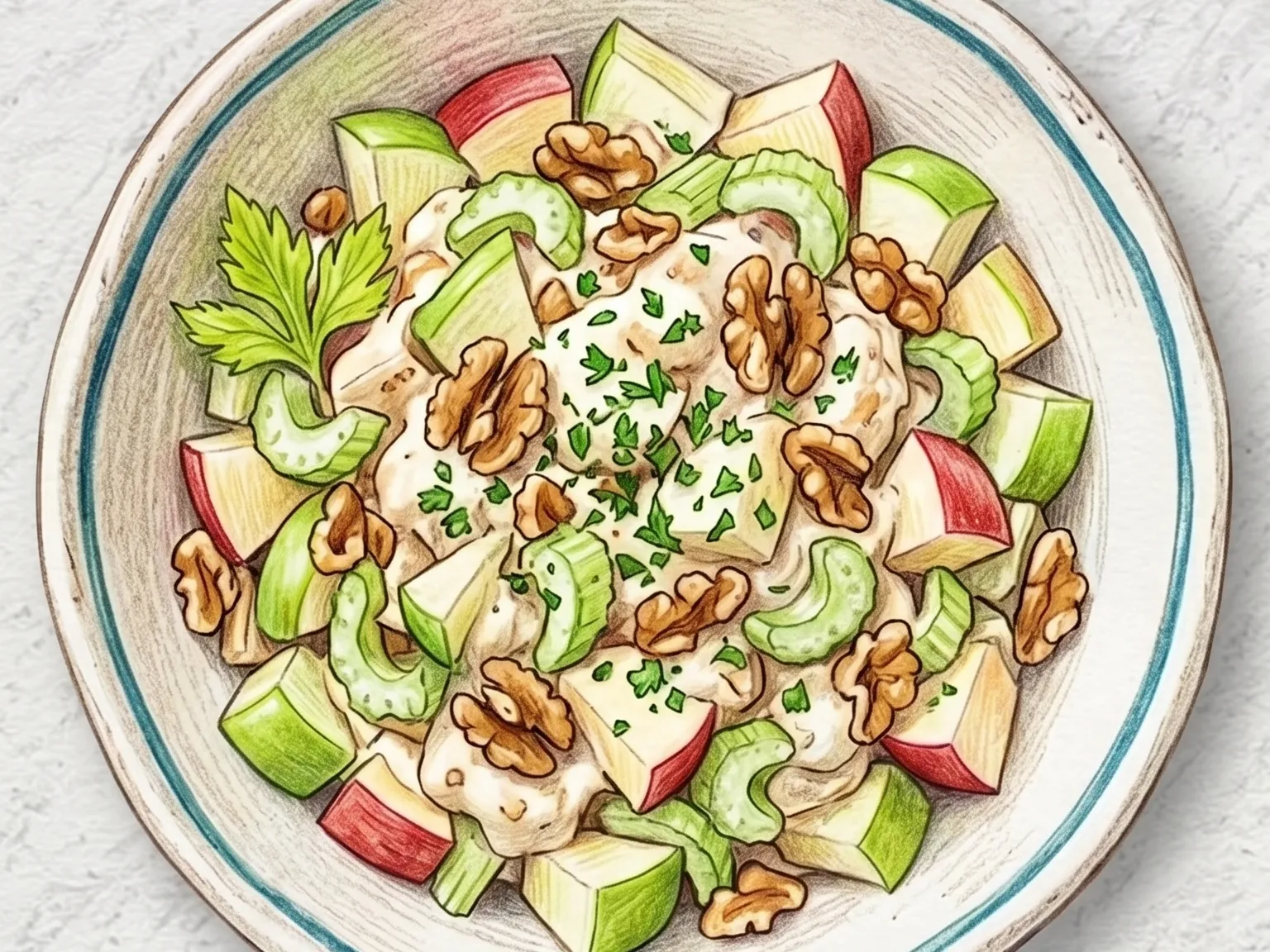
Waldorf Salad
The Waldorf Salad is a classic dish combining apples, celery, walnuts, and grapes coated in a mayonnaise-based dressing. To prepare it, fresh apple cubes are immediately tossed with lemon juice to prevent browning and maintain their color. The dressing is made by whisking mayonnaise with a small amount of sugar until smooth. Celery stalks are thinly sliced, and grapes are halved and seeded to provide a refreshing texture. The walnuts are toasted in a dry pan over low heat for two minutes to enhance their earthy flavor, which balances the sweetness of the mayonnaise. All the ingredients are gently folded together to prevent the fruit from releasing excess juices, which would make the salad watery. Chilling the salad in the refrigerator for thirty minutes allows the flavors to integrate while keeping the ingredients crisp.
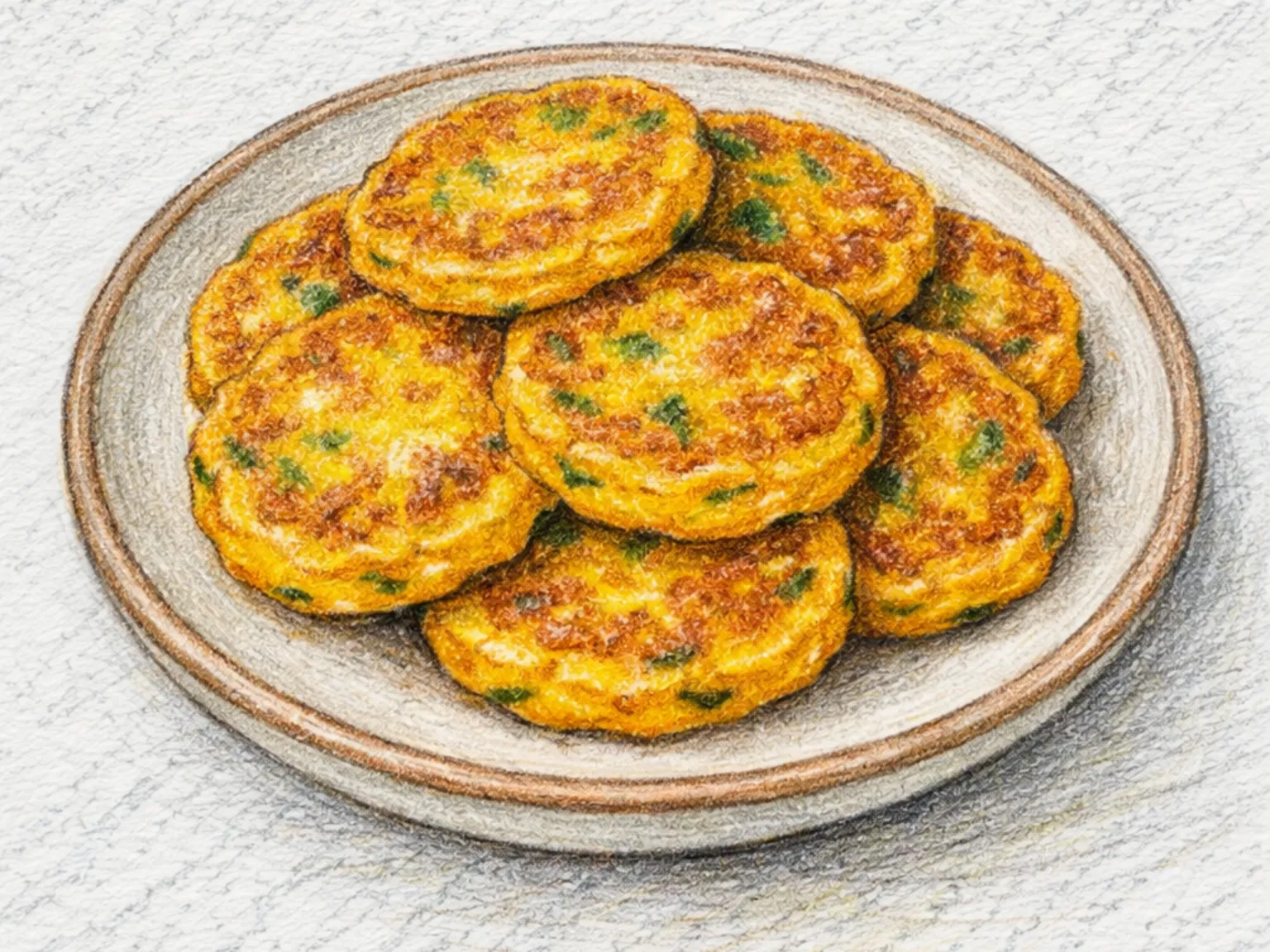
Korean Kabocha Tempura (Hobak-twigim)
Hobak-twigim is made by coating thin kabocha crescents in a cold flour and potato starch batter, then deep-frying them until crisp. It differs from hobak-jeon, which uses egg-coated zucchini slices cooked in a pan, and danhobak-jeon, which uses mashed steamed kabocha shaped into patties. Slices 0.5-0.7 cm thick cook through before the coating becomes too dark. Equal amounts of flour and potato starch mixed briefly with ice water produce a thin, crisp shell. Keep the oil at 170-180 degrees Celsius and fry in small batches so the temperature does not drop sharply. Drain the pieces in a single layer on a wire rack and serve them warm with vinegar-soy dipping sauce.
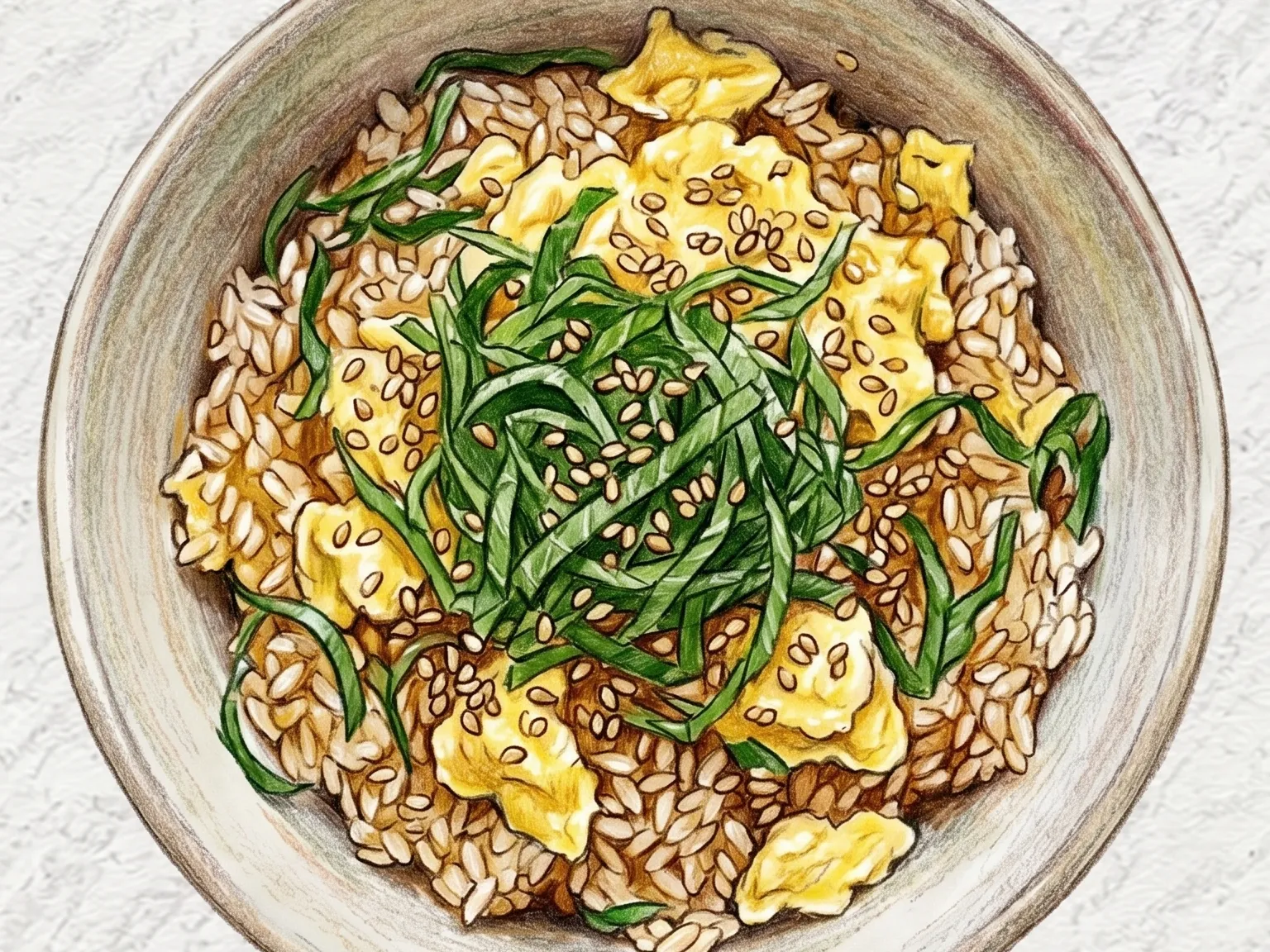
Korean Kkaennip Deulgireum Gyeran Bap (Perilla Egg Rice)
Kkaennip-deulgireum-gyeran-bap is a simple one-bowl rice dish built on three main flavors: the deep roasted-nut aroma of perilla oil, the herb-like fragrance of fresh perilla leaves, and the richness of soft scrambled eggs. The eggs are cooked low and slow in butter, set aside, and then rice is stir-fried briefly in perilla oil over moderate heat. Perilla oil has a low smoke point, so high heat rapidly destroys its distinctive aroma. Soy sauce drizzled along the hot rim of the pan picks up a faint caramel char as it hits the surface, adding depth beyond straightforward saltiness. The scrambled eggs and the rice are folded together with thinly sliced perilla leaves off the heat, because the leaves lose their volatile oils quickly when exposed to sustained warmth. Finishing with a generous amount of whole sesame seeds adds a repeated crunch and further layers of nuttiness through every bite. With ingredients this minimal, the quality of the perilla oil and the freshness of the leaves determine the final result.
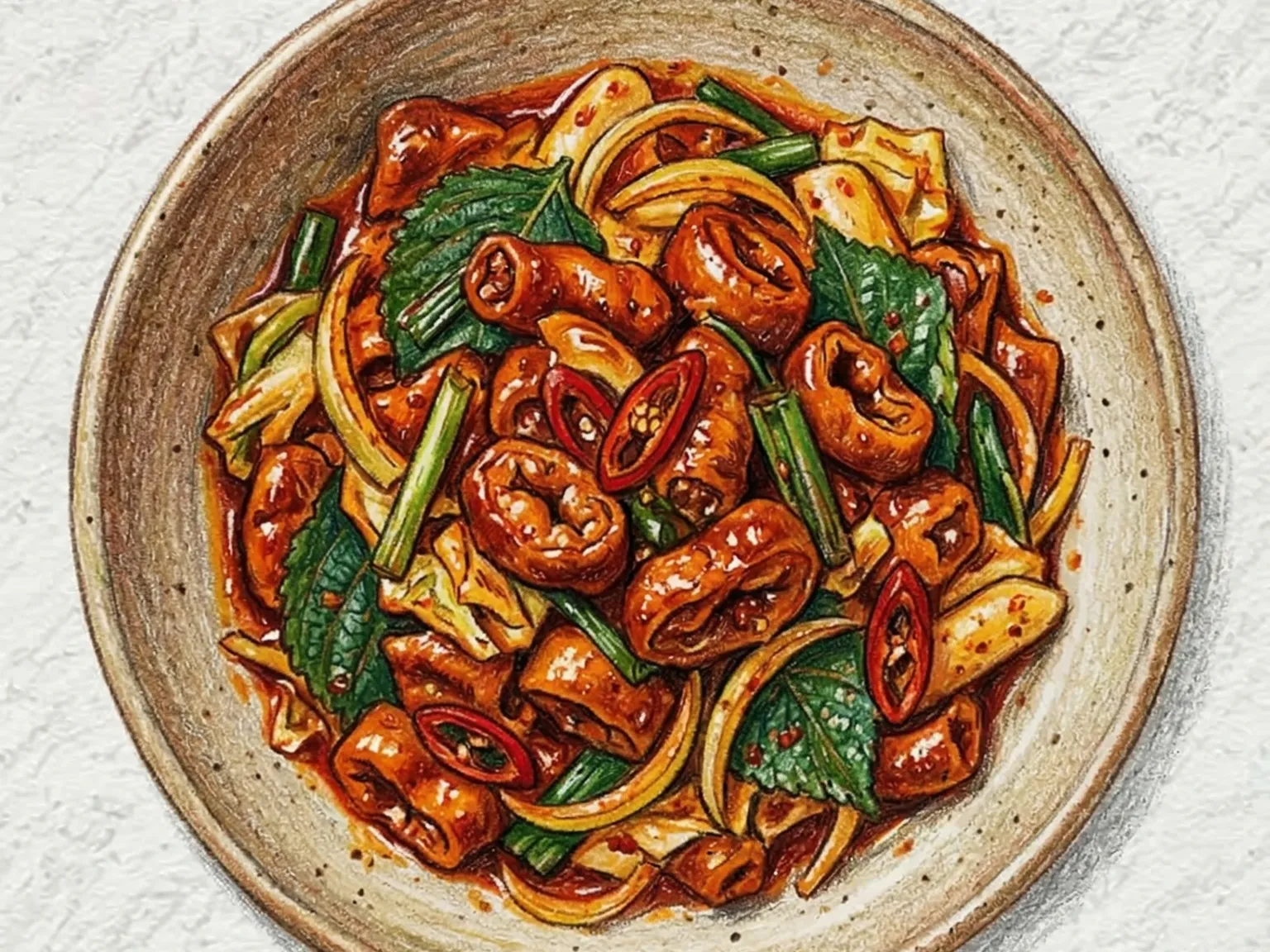
Korean Spicy Beef Intestine Stir-fry
Gopchang-bokkeum is a Korean stir-fry of cleaned beef intestines tossed over high heat with onion, cabbage, scallion, gochujang, and gochugaru. The intestines develop a springy chew while releasing their natural fat, which melds with the spicy seasoning to create an intensely savory sauce. Vegetables stay crisp and soak up the bold flavors as the dish cooks quickly. It is one of the most popular late-night dishes in Korea, often served sizzling on a hot plate alongside rice and soju. Adding seasoning in stages makes it easier to adjust saltiness, sweetness, and heat without covering the base ingredients.
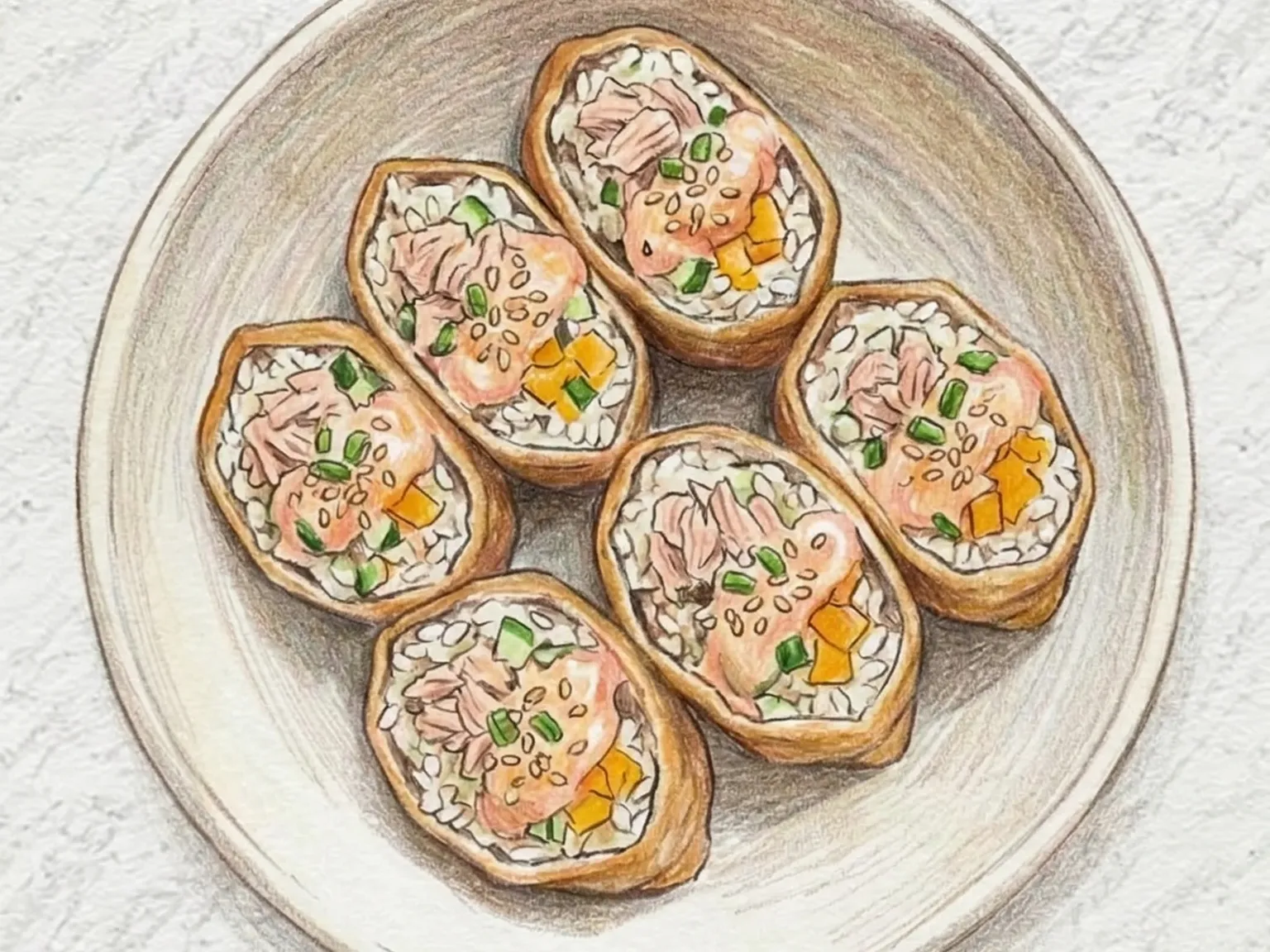
Korean Maekom Mayo Yubu Pocket (Spicy Mayo Tofu Pockets)
Spicy mayo yubu pockets are seasoned tofu pouches stuffed with rice, canned tuna, chopped pickled radish, and cucumber, all bound together with a gochujang-mayonnaise sauce. The tuna must be thoroughly drained before mixing so the mayonnaise coats evenly, and the ratio of gochujang to mayo controls both the heat level and the creamy consistency of the filling. Diced pickled radish and cucumber introduce a satisfying crunch that keeps each bite from feeling heavy. Sesame oil and toasted sesame seeds mixed into the rice build a nutty foundation that balances the spice from the sauce. The sweet and salty braised tofu pouch wraps around everything, delivering multiple layers of flavor in a single bite. These pouches pack well for lunch boxes and hold up in the refrigerator, where the tofu slowly absorbs moisture from the filling and becomes even softer.
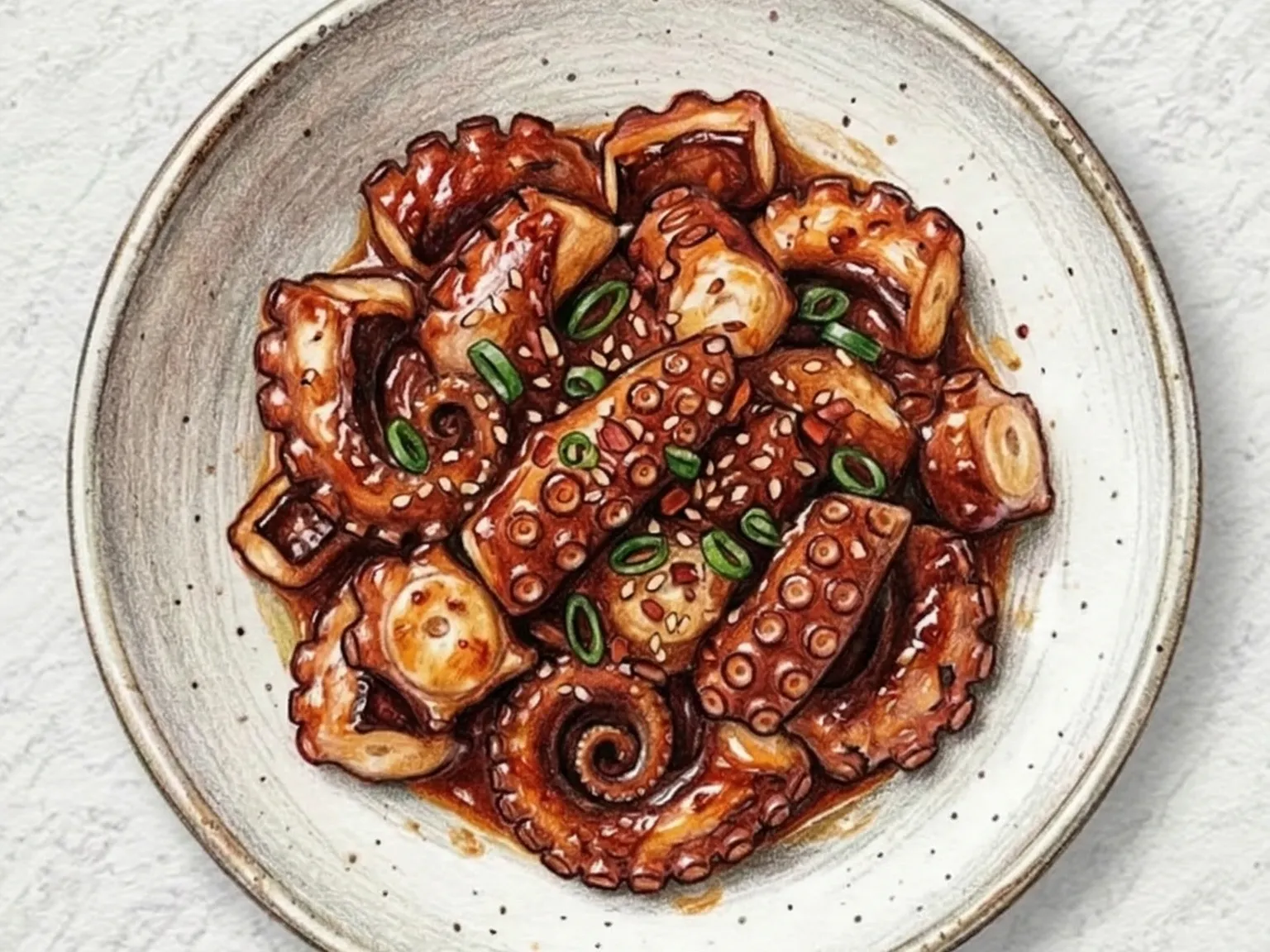
Korean Spicy Grilled Octopus
Muneo-yangnyeom-gui is a Korean spicy grilled octopus dish where pre-boiled octopus is cut into bite-sized pieces, marinated for ten minutes in gochujang, gochugaru, soy sauce, oligosaccharide syrup, and minced garlic, then seared quickly in a smoking-hot pan. Since the octopus is already cooked, extended heat exposure only toughens it-the entire grilling step should finish within three to four minutes. Blotting the octopus completely dry before cooking prevents the sauce from becoming watery and ensures rapid caramelization at high temperature. Sesame oil, sliced green onion, and sesame seeds are tossed in after the heat is off, adding a toasted, aromatic layer over the spicy-sweet glaze.
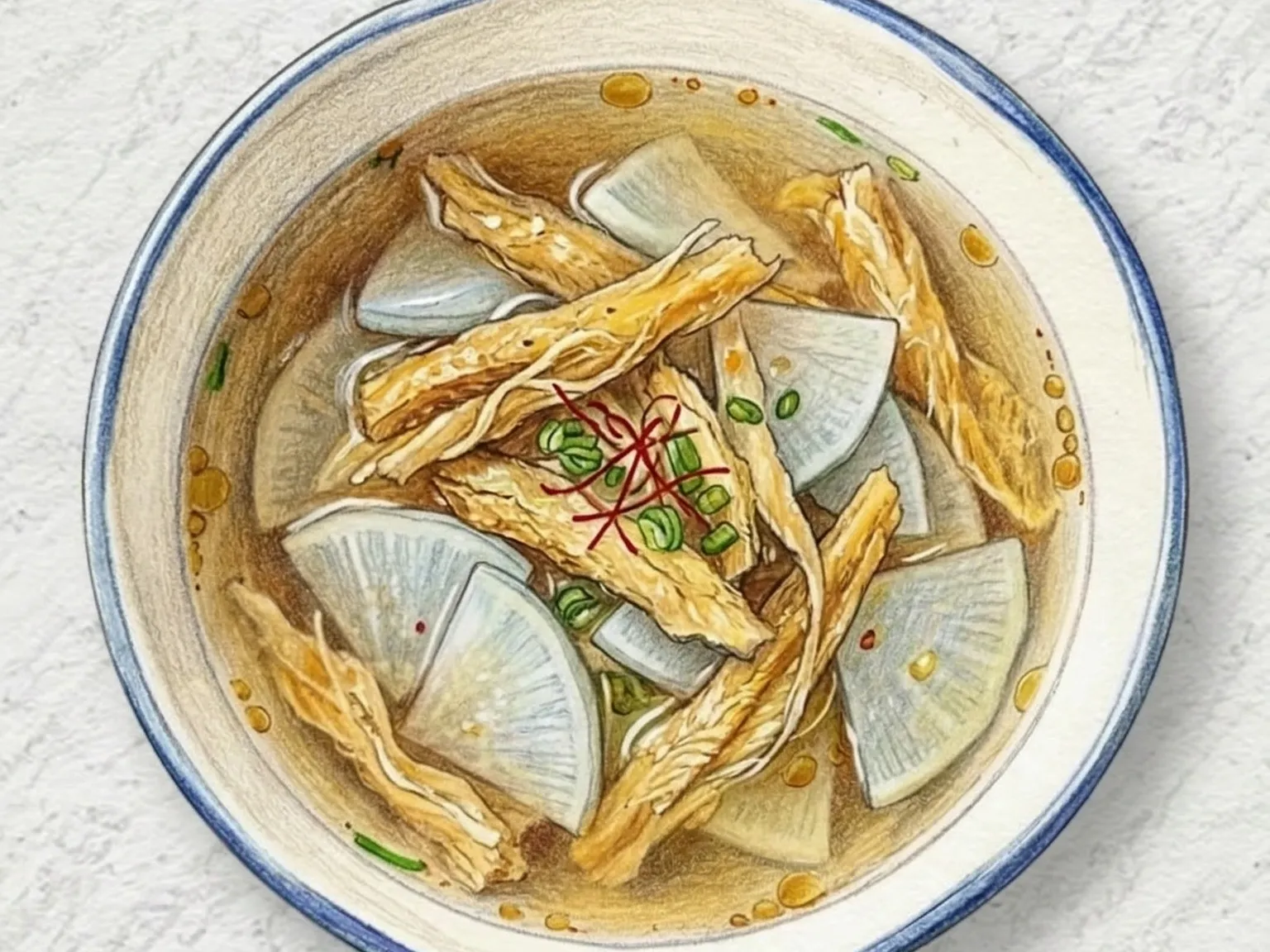
Korean Dried Pollock Radish Soup
Hwangtae-muguk is an everyday Korean soup made with dried pollock strips and radish in a clean, clear broth. The pollock is first sautéed in sesame oil to coax out its characteristically nutty, savory fragrance, then water is added and the radish simmers until soft and sweet. Soup soy sauce and minced garlic provide the only additional seasoning, keeping the flavor profile transparent enough to let the pollock's concentrated umami and the radish's natural sweetness take center stage. The simplicity of the ingredient list belies the depth of the resulting broth, which tastes fuller than the sum of its parts. It is among the most frequently cooked soups in Korean homes, appearing on breakfast tables and as a reliable remedy on mornings after heavy meals. The pollock's tender, delicate flesh holds together well in the clear broth.
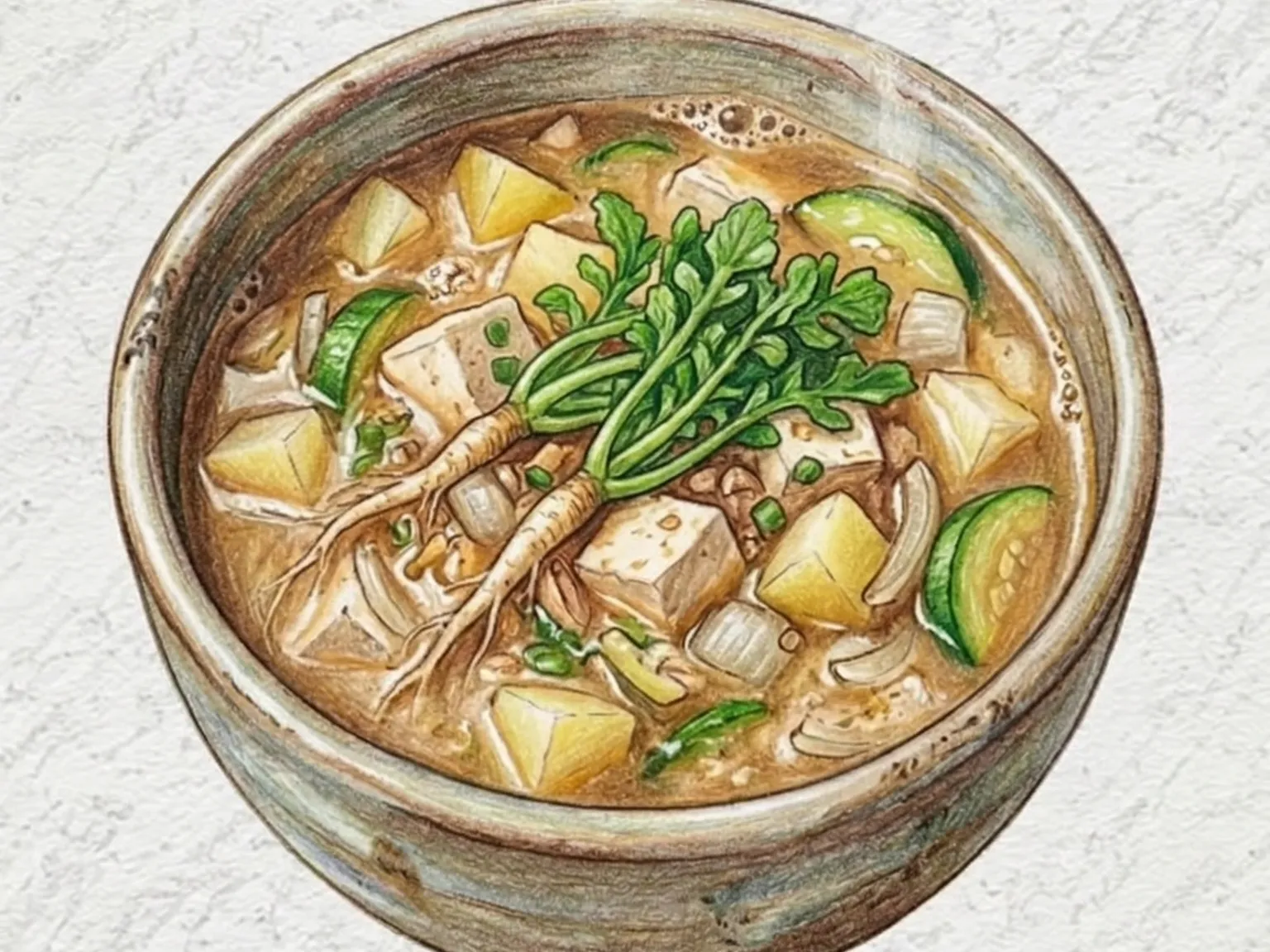
Korean Shepherd's Purse Doenjang Jjigae
This seasonal Korean stew features shepherd's purse, called naengi in Korean, which is a spring herb valued for its earthy and slightly bitter flavor. The recipe begins by simmering potato and zucchini in an anchovy stock seasoned with doenjang, a fermented Korean soybean paste. Adding the potato and onion first establishes a sweet base for the broth. Tofu and minced garlic are introduced later to ensure the tofu remains intact. The shepherd's purse is thoroughly washed, keeping the roots attached to preserve its distinctive fragrance, and is added in the last two minutes of cooking. This technique keeps the herb from wilting excessively and maintains its fresh aroma. The final dish combines the soft texture of tofu with the dense bite of the vegetables, resulting in a comforting and warm broth suitable for everyday meals.
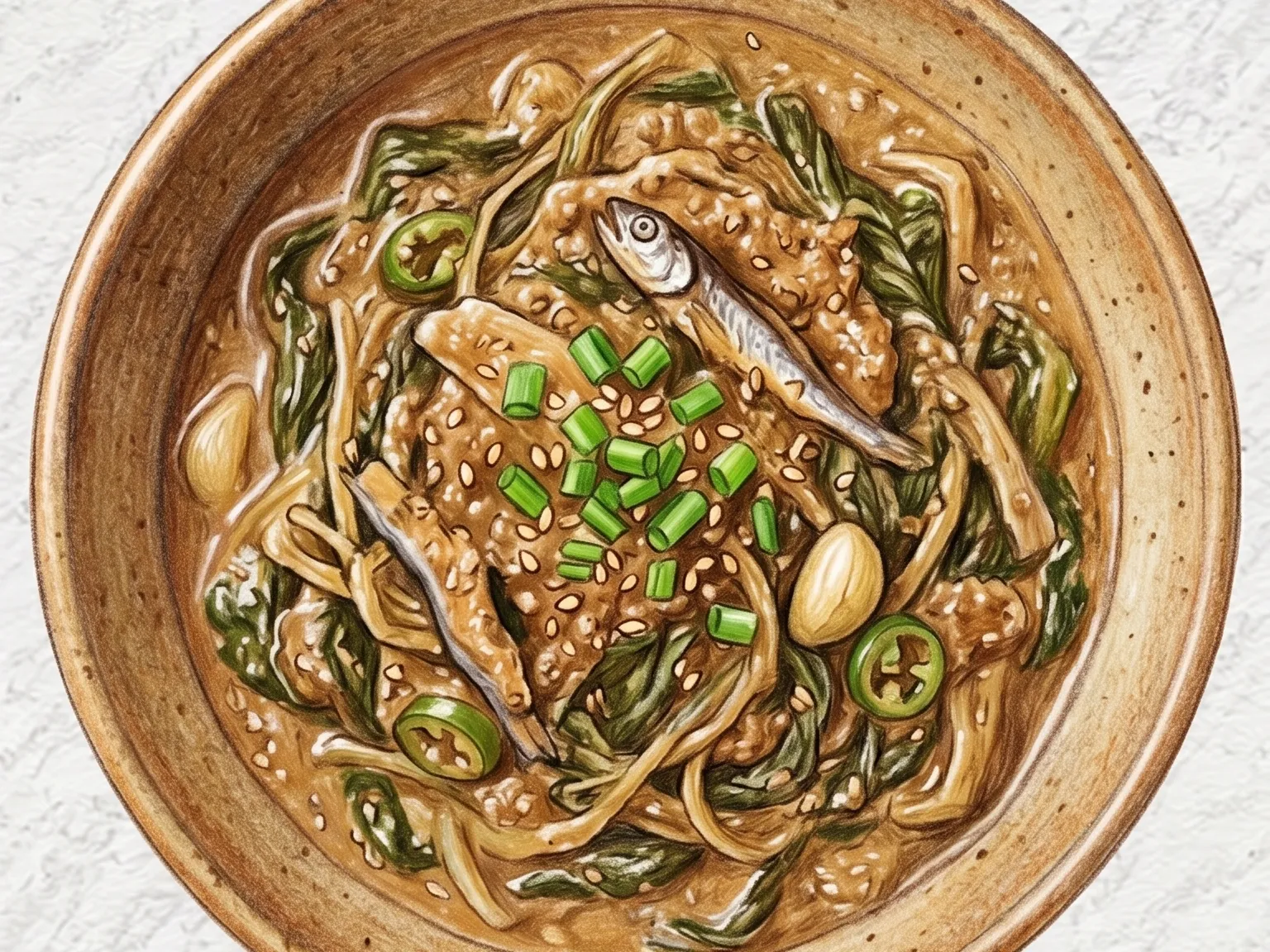
Korean Braised Radish Greens
Siraegi jjim is a traditional Korean side dish of blanched dried radish greens braised with soybean paste, ground perilla seeds, and soup soy sauce in anchovy stock. The greens are first seasoned by hand, then stir-fried in perilla oil to develop aroma before the stock is poured in. Simmering melds the salty depth of doenjang with the creamy nuttiness of perilla into every fiber of the greens. Adding the perilla powder in the final stage rather than at the start prevents a chalky, starchy texture and keeps its fragrance intact. Blanching the greens thoroughly first is important because the tough fibers need time to soften, and squeezing out the water after blanching allows the seasoning to penetrate evenly. Though made from humble ingredients, the combination of fermented paste and roasted seeds produces an earthy richness that suits any season.