🏠 Everyday Recipes
Simple home-cooked meals for any day
1705 recipes. Page 48 of 72
These are the meals you can cook day after day without getting tired of them. Doenjang jjigae, rolled omelet, spicy pork stir-fry - the kind of home-cooked dishes that fill an ordinary day with comfort.
The beauty of everyday cooking is that it relies on common ingredients already in your fridge. No exotic items, no complicated techniques - just straightforward recipes for satisfying home meals.
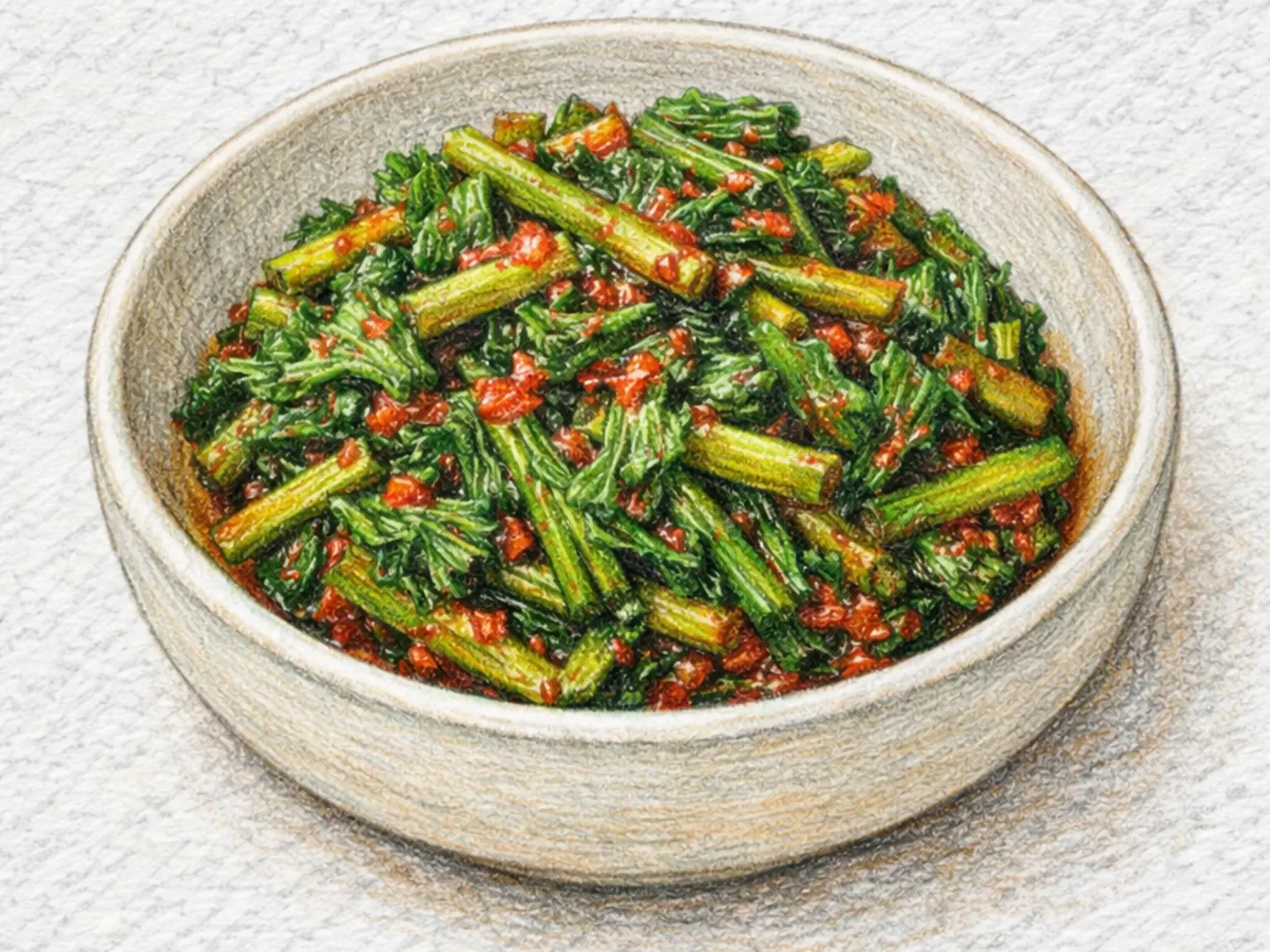
Korean Crown Daisy Kimchi
Ssukgat kimchi is a fragrant seasonal kimchi that highlights crown daisy's herbal bitterness alongside chili flakes and sand lance fish sauce. The greens are salted for only seven minutes to preserve their delicate, tender texture, then dressed with a paste enriched by sweet rice flour for better adhesion. Plum extract balances the bitterness with gentle sweetness and acidity during fermentation. After two hours at room temperature followed by overnight refrigeration, the kimchi reaches its aromatic peak within a single day. Because the leaves bruise easily, gentle tossing during seasoning is essential to maintain their shape.
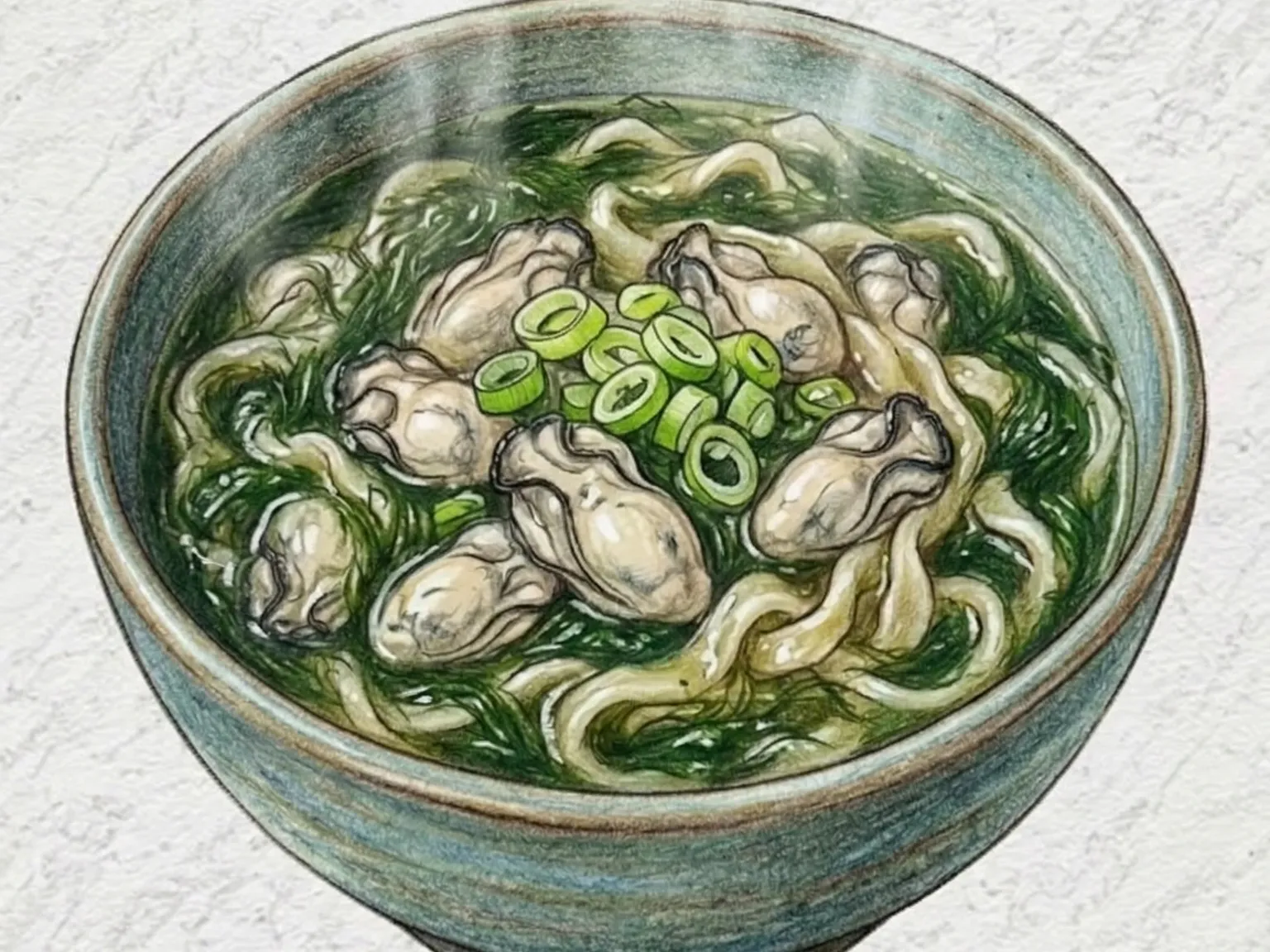
Korean Maesaengi Oyster Kalguksu
Maesaengi oyster kalguksu is a Korean seasonal noodle soup built around maesaengi, a hair-thin dark green seaweed harvested along Korea's southern coast in winter, and freshly shucked oysters. The broth is anchovy-kelp stock seasoned with soup soy sauce, minced garlic, and salt. Timing controls the outcome more than any other variable in this dish. Knife-cut noodles go in first and cook for four to five minutes until nearly done. Oysters follow and need no more than two minutes of heat because the proteins tighten quickly and turn rubbery if pushed further. Maesaengi goes in last, needing under a minute to warm through while keeping its vivid green color and the dense marine aroma that defines the soup. Sliced scallion finishes the bowl. Both maesaengi and oysters are at their fullest flavor between December and February, and making this dish outside that window noticeably diminishes the broth.
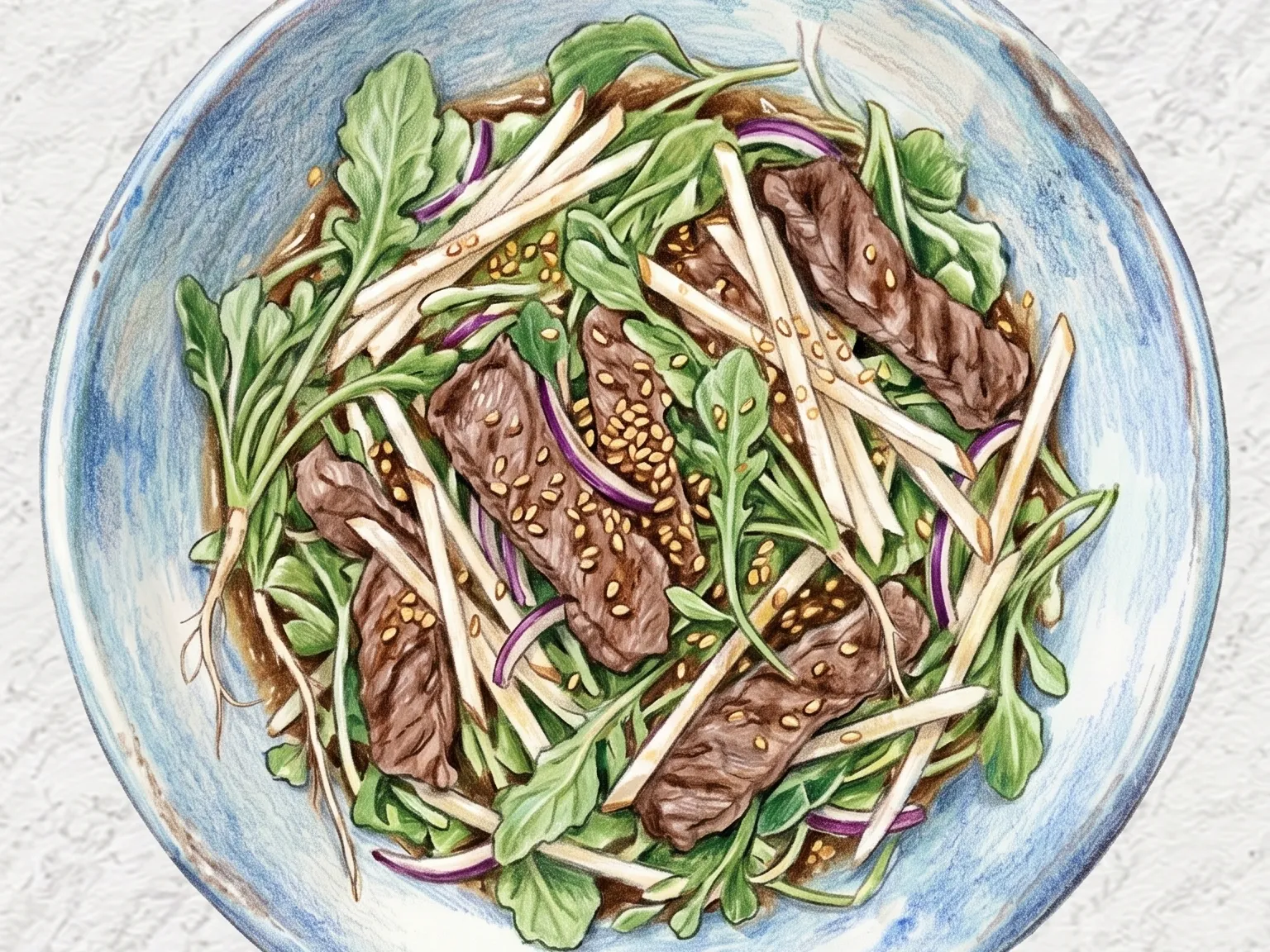
Naengi Beef Salad (Shepherd's purse)
Fresh naengi - shepherd's purse - is blanched to mellow its earthy bite while keeping the fragrance intact. Beef sirloin is sliced thin and seared quickly so the surface chars lightly and the center stays moist. Julienned Korean pear bridges the beef's richness and the naengi's mild bitterness with clean sweetness. A dressing of soy sauce, vinegar, sesame oil, and plum extract balances salty, sour, and subtly sweet, while red onion and toasted sesame seeds finish with sharpness and nutty crunch.

Classic Wedge Salad
Classic Wedge Salad features crisp iceberg lettuce wedges topped with a rich blue cheese dressing, crispy bacon, and cherry tomatoes. Preparing this dish requires cutting the lettuce into four wedges while leaving the core intact to hold the leaves together. The dressing is made by mixing half of the blue cheese with sour cream, mayonnaise, and lemon juice, leaving a few small cheese chunks, while the rest is kept for topping. Washing the lettuce and shaking out any water between the layers is essential to prevent the dressing from thinning. The bacon is cooked until crisp and drained well on paper towels. The salad is assembled by placing the cold wedges on a plate, pouring the dressing over, and topping with the bacon, halved tomatoes, remaining blue cheese, and sliced chives.
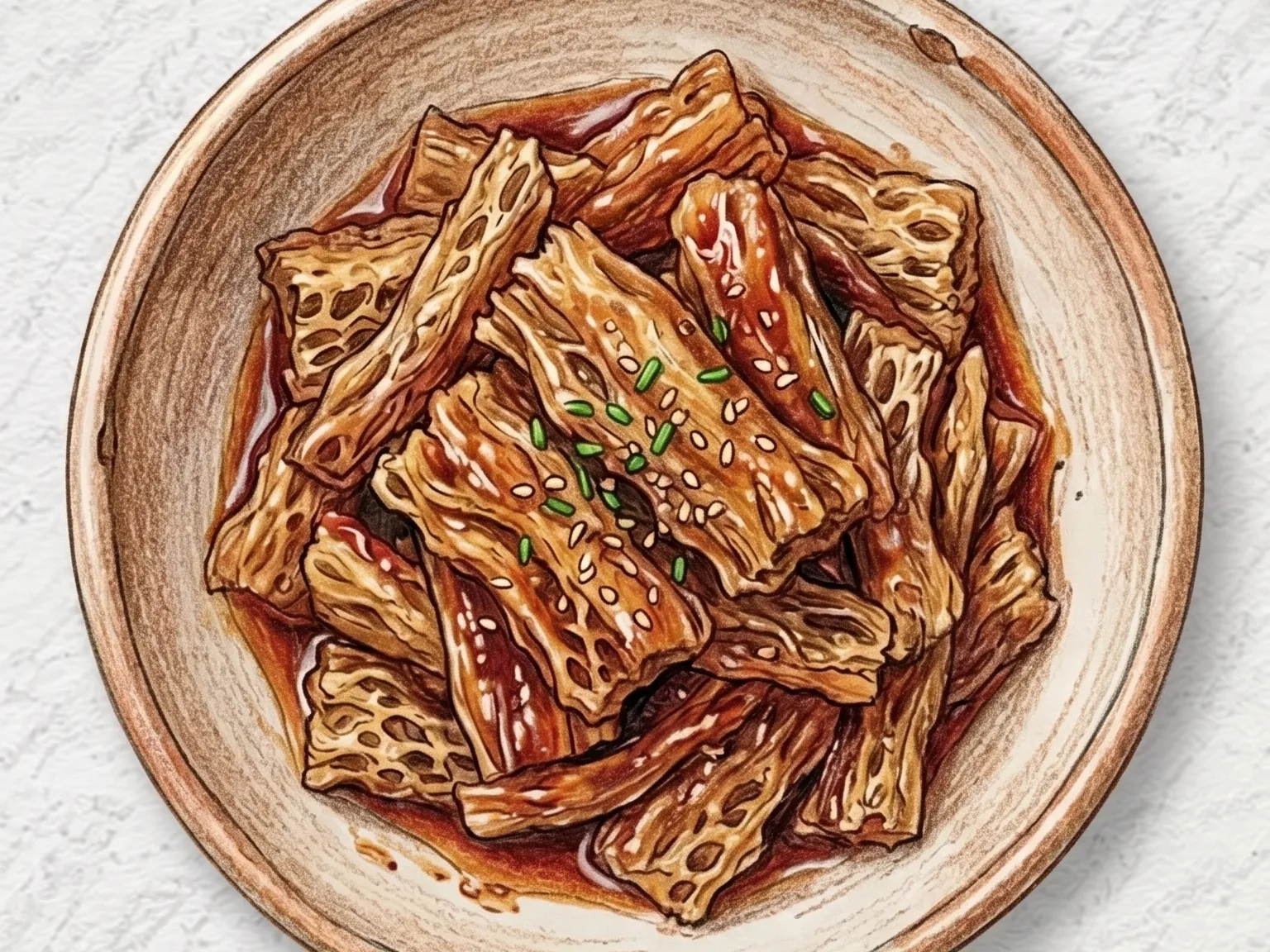
Braised Dried Pollock (Hwangtae-po Jorim)
Hwangtae-po jorim is a Korean braised side dish made from hwangtae, the air-dried pollock produced in the Gangwon-do mountains where bitter winter cold freezes and thaws the fish dozens of times across the season. Each freeze-thaw cycle breaks down the protein structure and opens up a sponge-like network of pores throughout the flesh. When braised in a ganjang-gochujang sauce, those pores draw the seasoning deep inside, so every bite carries the savory-sweet glaze all the way through rather than just coating the surface. Rehydrating the dried pollock for no more than three minutes preserves the chewy, springy bite; soaking it longer collapses the structure and leaves it soft and crumbly. Oligosaccharide syrup reduces into a glossy finish that coats each piece, and sesame oil goes in only after the heat is off to keep its fragrance intact. Refrigerated, the dish holds for more than a week, making it a practical addition to meal-prep banchan rotations.
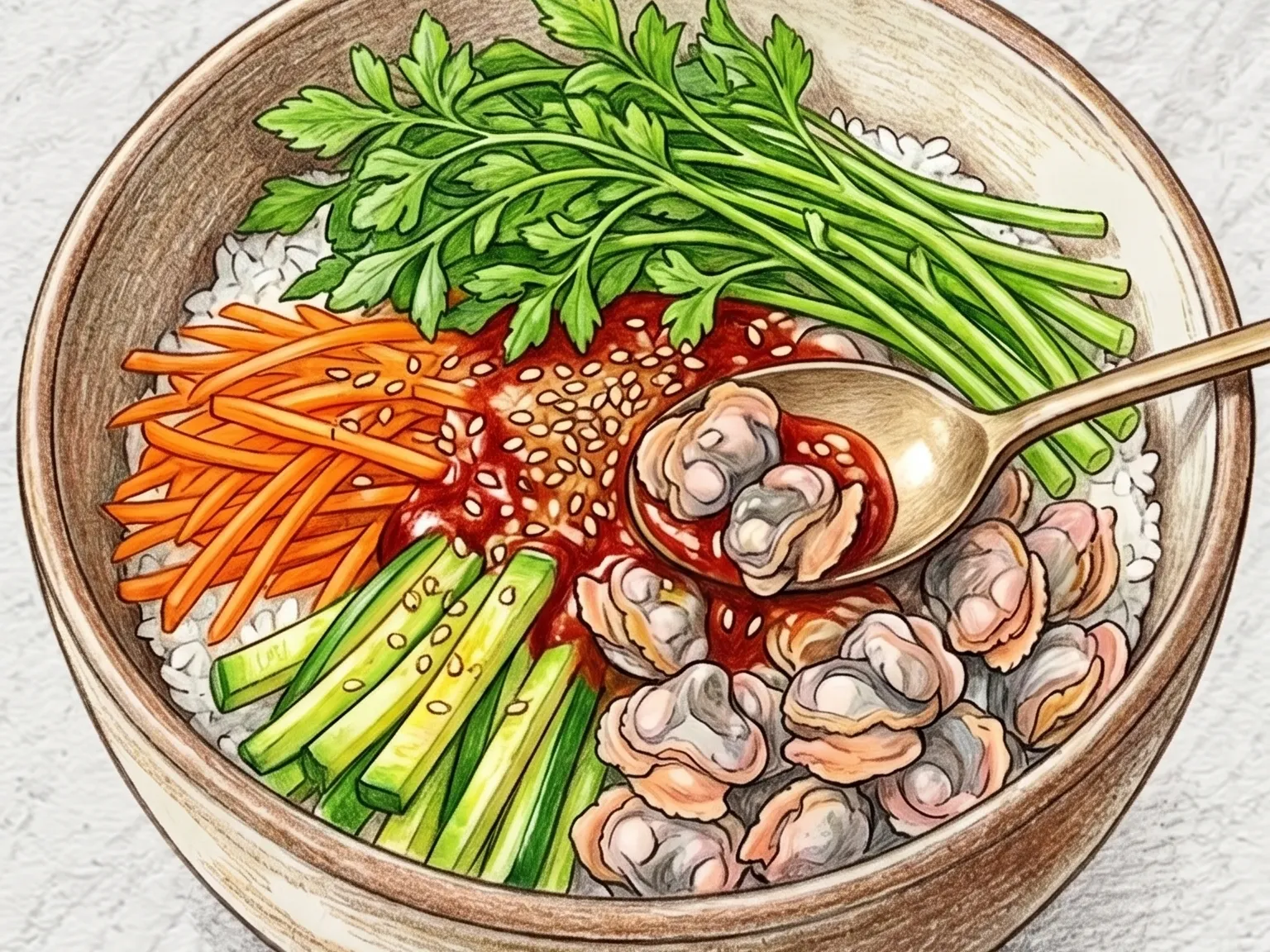
Korean Cockle & Water Parsley Mixed Rice
Kkomak-minari bibimbap is a seasonal rice bowl that comes together when cockles are at their peak in early spring, pairing the ocean sweetness of briefly blanched cockle meat with the clean, grassy sharpness of raw water parsley (minari). The cockle meat is rinsed in light salt water to remove any residual sand, then blanched for no more than thirty seconds in boiling water so the flesh stays springy rather than contracting into a rubbery texture. Julienned carrot and zucchini are each stir-fried separately, controlling moisture and flavor independently, then set aside to cool before assembly. A bowl of well-steamed rice is layered with the blanched cockles, the sauteed vegetables, and the raw minari placed on top last to protect its volatile fragrance from the heat below. A bibimbap sauce made from gochujang, sesame oil, minced garlic, and a touch of vinegar ties everything together when mixed, balancing the briny umami of the cockles against the brightness of the parsley. Sesame oil and toasted sesame seeds added at the end round the flavors and give the bowl a warm, nutty finish.
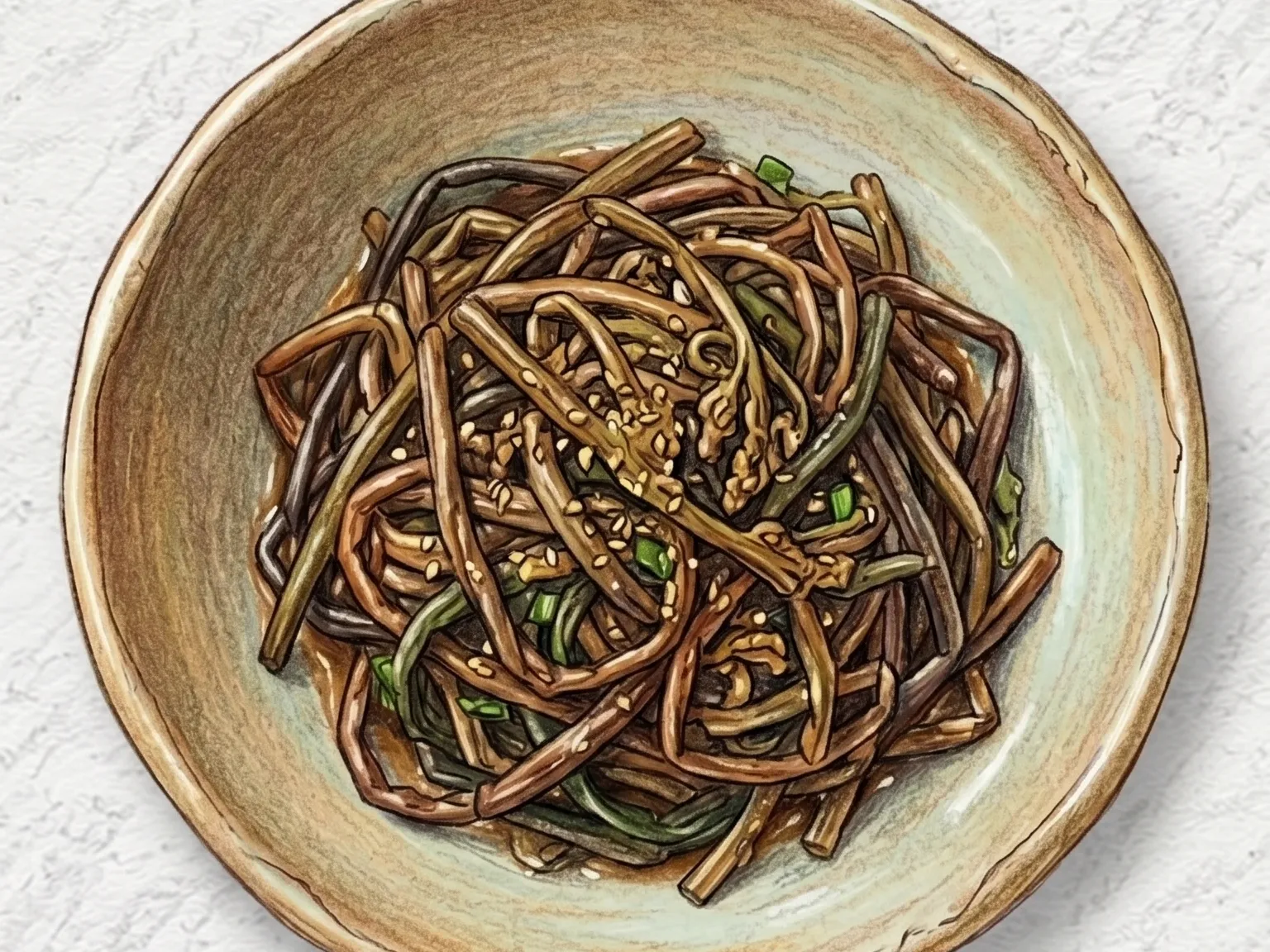
Korean Stir-fried Bracken Fern
Gosari-bokkeum is a classic Korean side dish of rehydrated bracken fern stir-fried with soy sauce, minced garlic, and perilla oil. The fern absorbs the nutty perilla aroma during cooking, while soy sauce layers in a deep, earthy savoriness. Its texture stays tender with a slight bite, making it easy to eat alongside other dishes. Gosari-bokkeum is a staple component of bibimbap and appears on nearly every Korean holiday table as one of the essential namul dishes. It is often paired with other seasonal greens like wild garlic or chamnamul to round out a traditional spread.

Korean Street-Style Egg Bread
Preparing gyeran ppang involves pouring a sweet batter made from flour, milk, egg, and butter into individual molds and cracking a whole egg directly on top. The inclusion of baking powder helps the batter rise into a soft, airy bread structure during the baking process at 180 degrees Celsius. Within fifteen to eighteen minutes, the egg white sets firmly while the yolk reaches a state between soft and fully cooked, creating a moist center. The light sweetness of the buttered batter balances the naturally mild and savory profile of the egg, making the snack complete without any additional sauces. Where the batter makes contact with the mold, it develops a lightly crisped, golden exterior that provides a textural contrast to the pillowy interior. This snack reaches its peak quality immediately after removal from the mold while still warm, as cooling causes the bread to contract and lose its characteristic fluffiness. Its compact shape makes it easy to hold and eat while walking, which contributed to its status as a staple of Korean winter street food culture. Some versions include a light sprinkle of salt or dried herbs over the egg to introduce an aromatic element to the sweet and savory base.

Korean Grilled Mixed Mushrooms
Mushroom-gui is a Korean grilled mixed mushroom dish combining king oyster, shiitake, and oyster mushrooms, seasoned simply with butter, minced garlic, salt, and black pepper. Each mushroom variety contributes a different texture: king oyster offers a dense, meaty chew from its thick stem, shiitake delivers concentrated umami from its cap, and oyster mushrooms add a delicate, silky shred. The key technique is to resist stirring the mushrooms after placing them in the pan-their high water content must evaporate first before the surfaces can brown and develop flavor. Adding butter partway through rather than at the start prevents it from burning while still infusing the mushrooms with its richness.
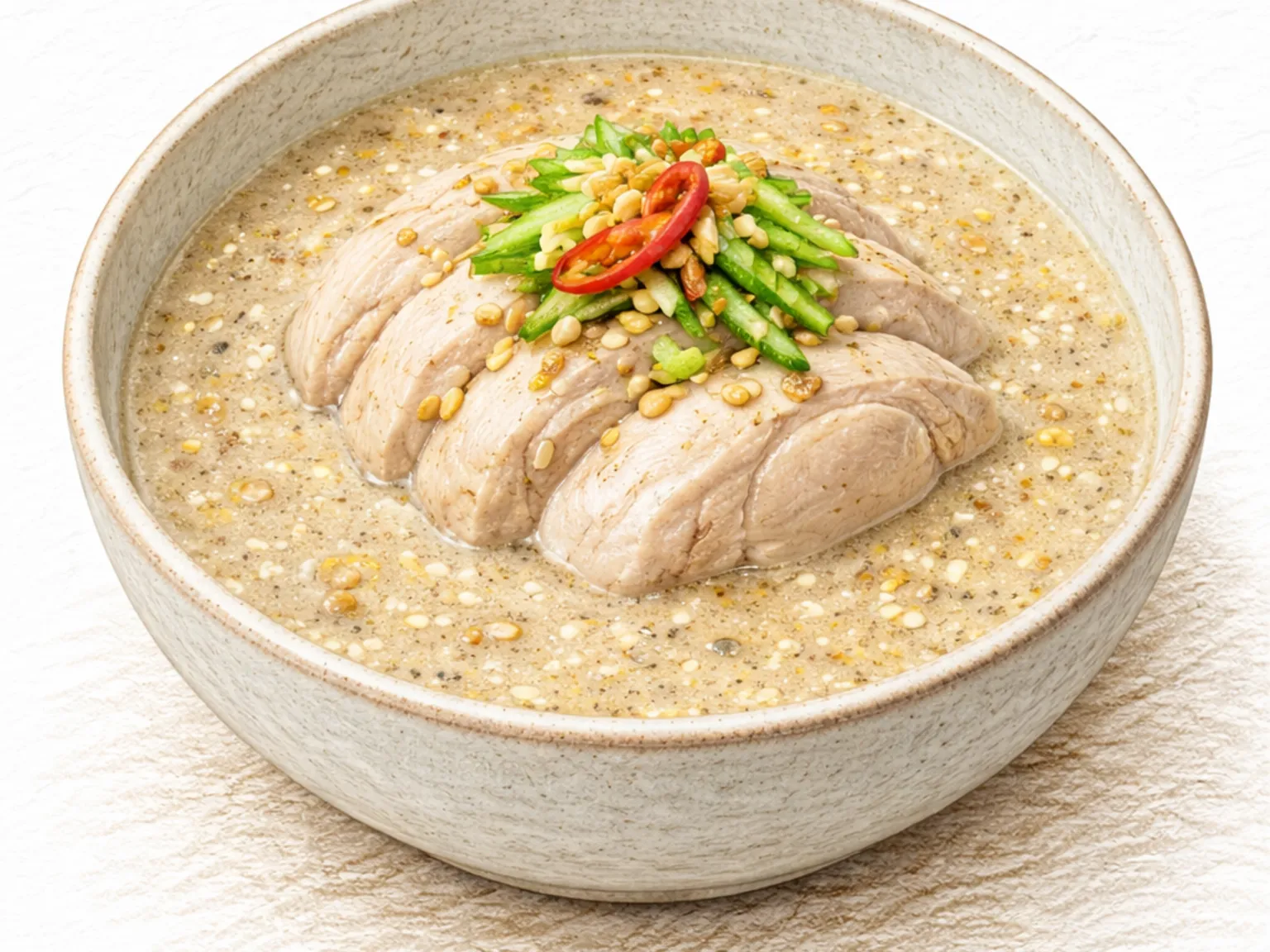
Imja-sutang (Royal Chilled Pine Nut Soup)
Imja-sutang is a royal Korean chilled soup that combines finely ground pine nuts and sesame seeds with chicken broth to create an opaque, creamy liquid of remarkable richness. The nut paste is blended with cooled chicken stock and a touch of milk until smooth, producing a porridge-like consistency that coats the palate with a gentle, lingering nuttiness. Poached chicken breast is shredded along the grain and submerged in the broth, and thin slices of cucumber are sometimes added for a cool, crisp contrast. The soup is traditionally served cold or at room temperature, making it especially refreshing in summer. Seasoning is minimal - just salt - because the natural oils in the pine nuts and sesame provide all the depth the dish needs. Imja-sutang traces its origins to Joseon dynasty court cuisine, where it was prepared for royal banquets, and it retains an air of elegance that elevates any table it appears on.
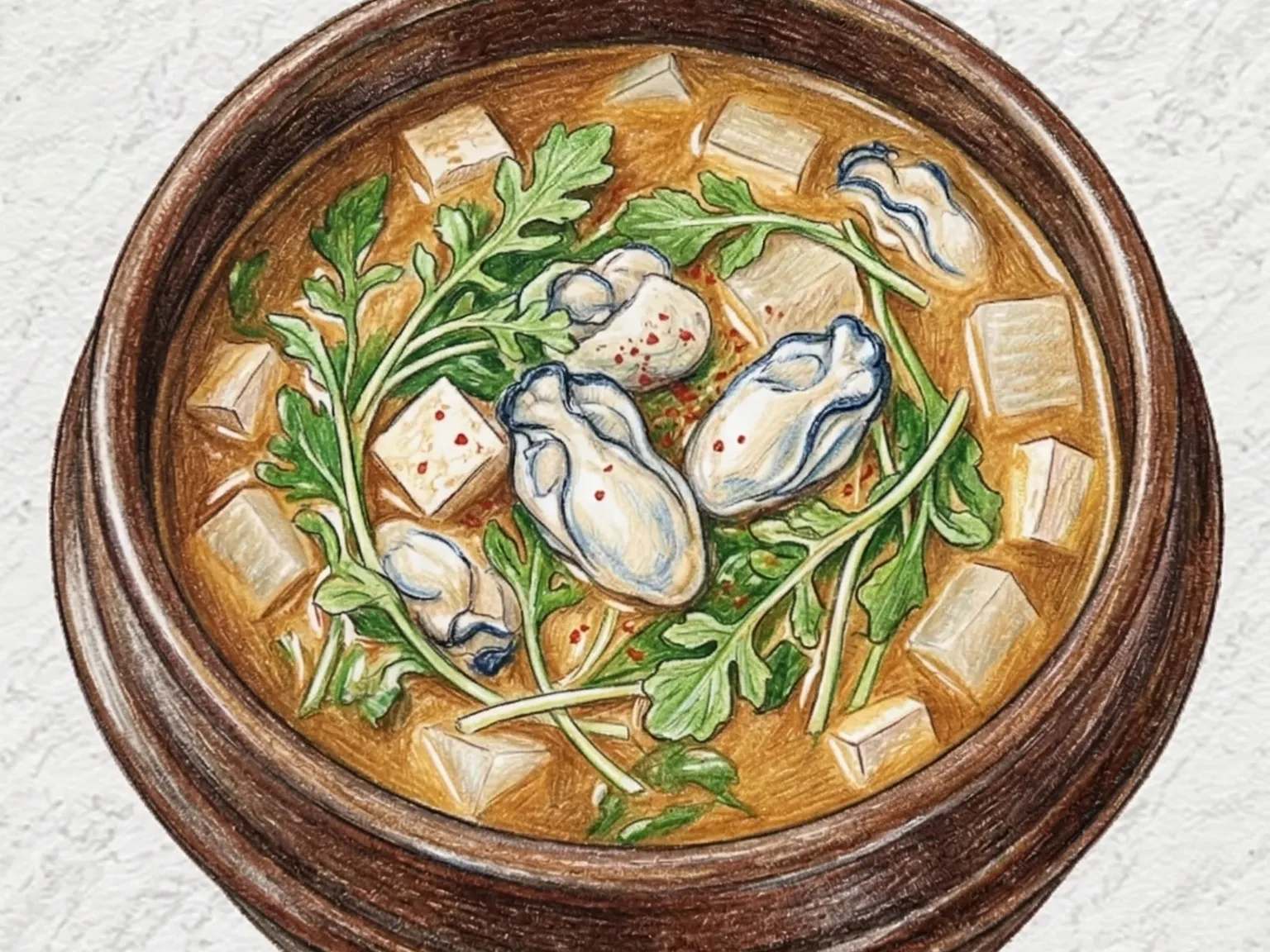
Korean Shepherd's Purse and Oyster Stew
Naengi-gul-jjigae is a doenjang-based stew that pairs two winter-season ingredients, shepherd's purse and fresh oysters, in a broth built on kelp stock. Shepherd's purse grown through cold months concentrates its aromatic compounds in the root, delivering a grassy, faintly bitter fragrance that sets it apart from other greens. Oysters harvested in cold water are at their firmest and most intensely flavored, making them a natural match for the fermented depth of doenjang. Radish and soft tofu provide body to the broth, while the oysters and shepherd's purse go in last so their freshness survives the heat. The oceanic sweetness of the oysters, the herbal bite of naengi, and the fermented richness of doenjang fit together without any single flavor dominating. A small amount of gochugaru adds a low, steady heat underneath the stew, and adding a few slices of cheongyang chili brings a sharper edge if desired. Washing the roots of the shepherd's purse thoroughly to remove grit is important, and leaving the stems long enough to retain their aroma makes a noticeable difference in the finished bowl.
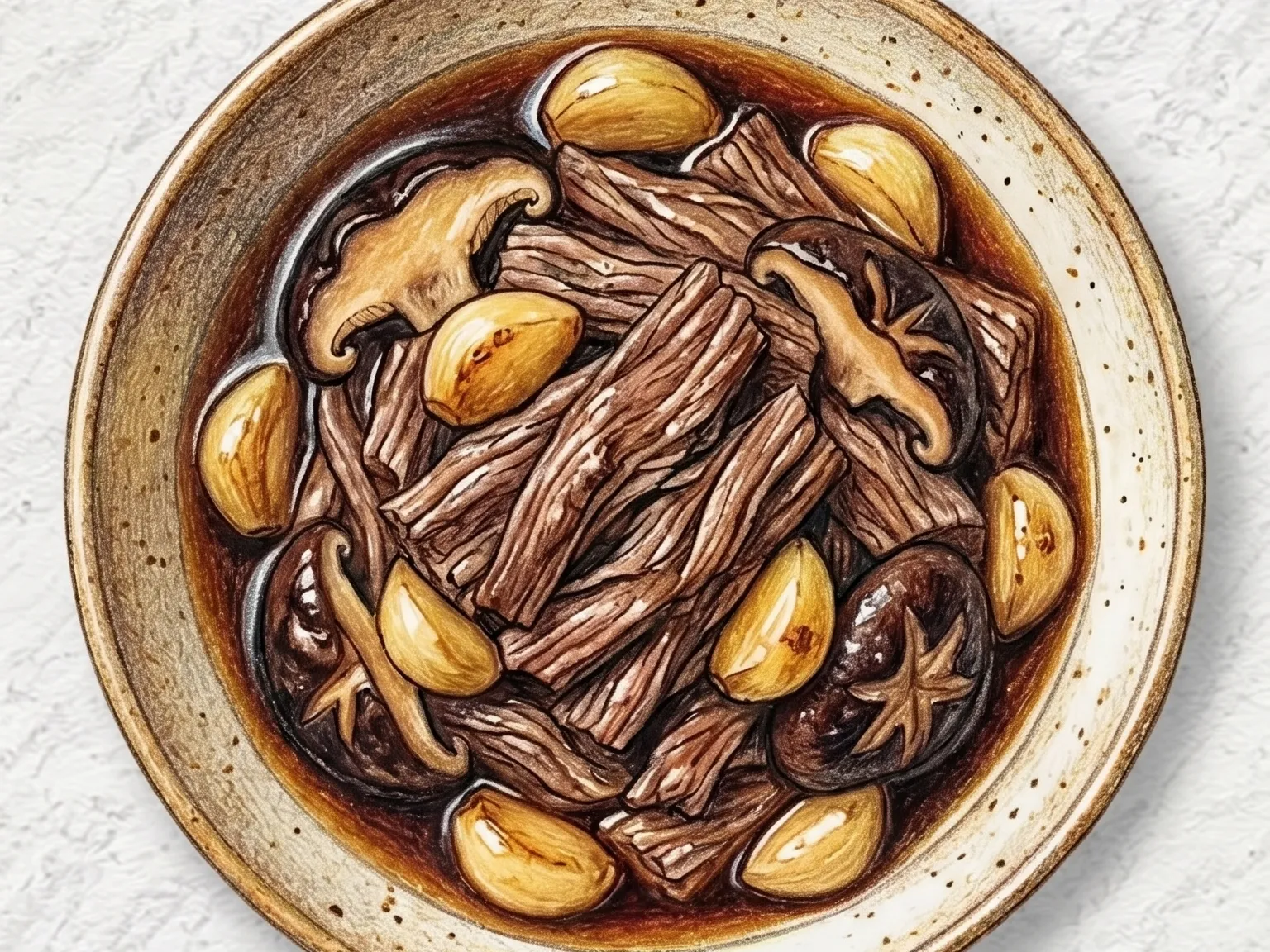
Korean Soy-Braised Beef with Mushrooms
Sogogi beoseot jangjorim is a Korean soy-braised banchan of beef eye round, shiitake mushrooms, and whole garlic cloves, simmered down in soy sauce and soup soy sauce. The beef is boiled first and the resulting clear stock becomes the braising liquid, so the soy sauce carries a deep meat flavor from the very beginning. Shiitake mushrooms contribute their own aromatic umami on top of that base, and whole garlic cloves lose their sharp bite during the long simmer, turning mellow and lightly sweet. Shredding the beef along the grain exposes more surface area to the sauce and makes it easier to portion out. An overnight rest in the refrigerator lets every component absorb the seasoning more fully, and the flavor is noticeably richer the next day. It keeps well for over a week refrigerated, making it a practical and reliable make-ahead banchan.

Korean Turnip Kimchi (Diced Gochugaru Water Fermented)
Sunmu kimchi is a brined kimchi made with diced turnips seasoned in chili flakes, fish sauce, garlic, and ginger juice, then submerged in water to ferment with its own liquid. Turnips have a naturally higher sweetness and denser flesh than Korean radish, so they stay firm and crunchy even after fermentation. Scallions woven through the batch add an aromatic layer that rounds out the spice. One day at room temperature followed by two days of refrigeration produces a cool, tangy brine that is refreshing to drink on its own. Adding turnip greens, if available, deepens both the color and the fragrance.
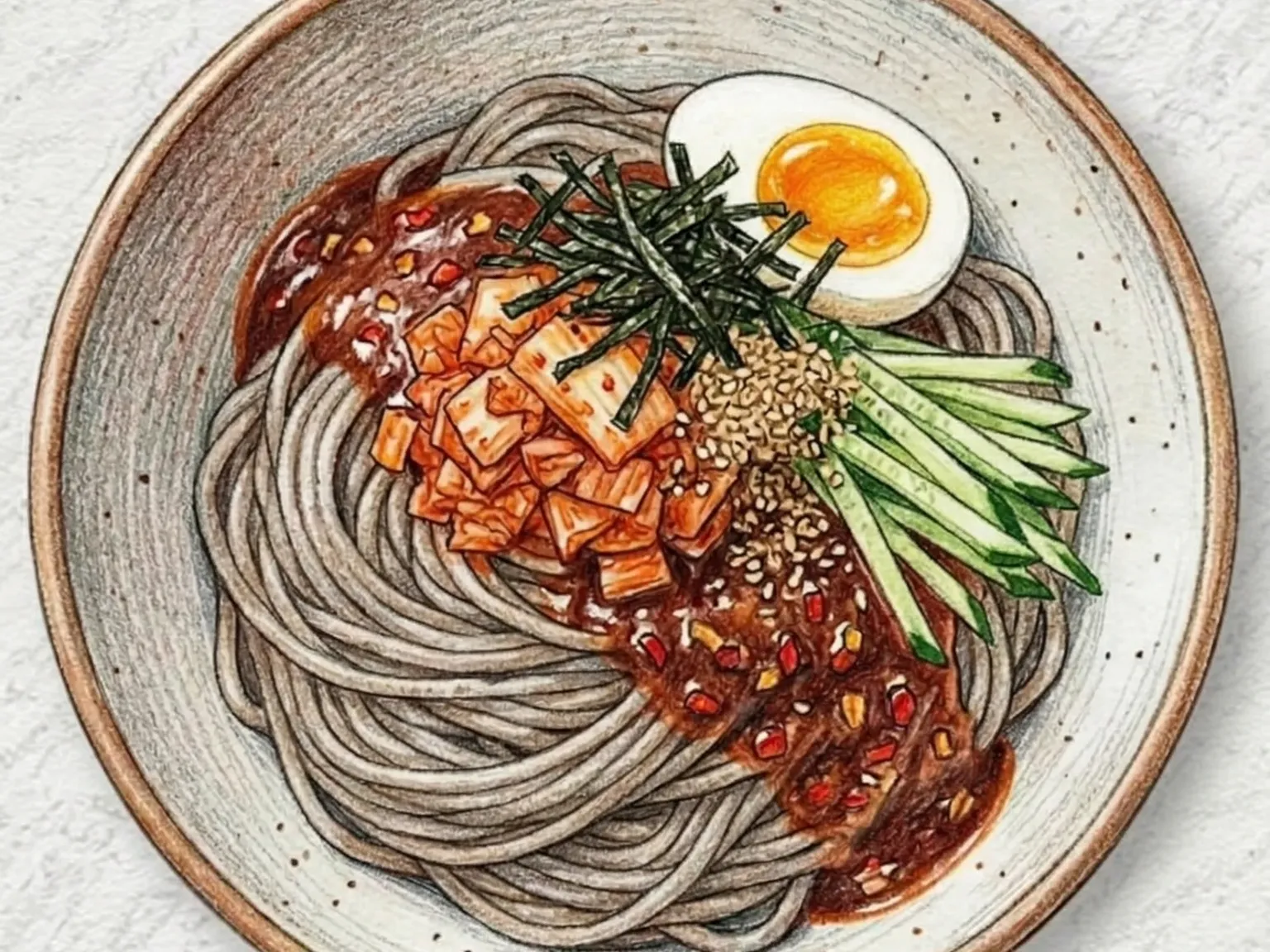
Korean Buckwheat Mixed Noodles
Memil makguksu is a Gangwon-do regional dish where nutty buckwheat noodles are mixed with a soy sauce, vinegar, and gochugaru dressing that balances sweet, sour, and spicy notes. Buckwheat noodles have low gluten content and break apart easily when overcooked, so precise timing is essential during boiling. Rinsing several times in cold water removes surface starch and prevents clumping. Chopped kimchi brings fermented tang and a crunchy bite, while julienned cucumber adds freshness and a crisp contrast. A touch of sesame oil gives the dressing a glossy richness, and extra vinegar can be added at the table to sharpen the acidity to individual preference.

Naengi Doenjang Mushroom Salad
Naengi is blanched for about thirty seconds in boiling water to remove its raw grassy edge while keeping the earthy, faintly sweet spring aroma that makes it distinctive. Oyster mushrooms go onto a dry, well-heated pan with no oil, pressed gently as they cook, so the moisture evaporates and the surfaces caramelize to a light golden color, concentrating their savory depth. The dressing is made by dissolving doenjang in yuja marmalade, rice vinegar, and sesame oil, producing a layered flavor that is nutty and fermented at the base with a bright citrus lift. Baby greens spread across the plate as a soft, neutral bed, and halved cherry tomatoes add bursts of juice that cut through the weight of the fermented paste. A few drops of sesame oil and toasted sesame seeds add a roasted, nutty finish, and minced garlic folded into the dressing contributes a quiet warmth that ties the individual flavors together without dominating. Using freshly foraged naengi in early spring gives the salad a vivid seasonal character that dried or stored greens cannot replicate.

Welsh Rarebit (British toast dish)
Welsh Rarebit is a British open-faced toasted sandwich topped with a savory, seasoned cheddar cheese sauce. The bread slices are toasted lightly beforehand to prevent the bread from absorbing the moisture of the sauce and becoming soggy. To prepare the sauce, butter and flour are cooked together for one minute to form a roux, and milk is whisked in gradually to avoid lumps. Grated cheddar cheese is then added by handfuls over very low heat to ensure it melts smoothly without separating. The sauce is seasoned with Dijon mustard, black pepper, and Worcestershire sauce, which adds a savory depth of flavor. The cheese sauce is spread thickly onto the toasted bread slices, reaching near the edges, and broiled in the oven for a few minutes until the top is bubbling and browned.
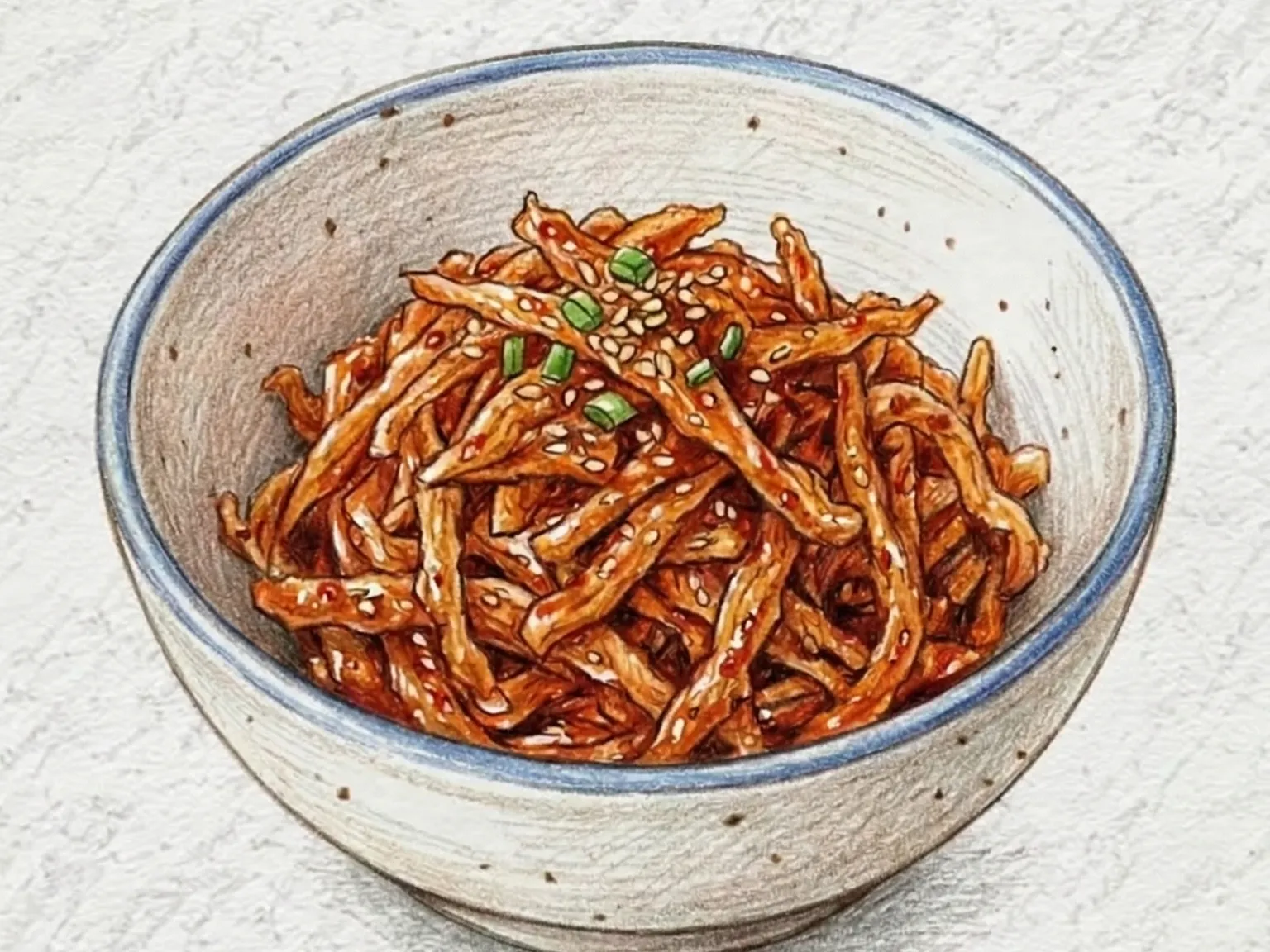
Korean Seasoned Dried Pollock Strips
Hwangtaechae-muchim dresses shredded dried pollock strips in a no-cook gochujang sauce - sharing the same core ingredient as hwangtae-po jorim but taking a completely different approach. While the braised version simmers the strips in liquid for a moist finish, this muchim keeps them closer to their original dry state, preserving a chewy, almost jerky-like bite. If the strips are too stiff, a light mist of water followed by a two-minute rest softens them just enough without losing that chew. The dressing combines gochujang, gochugaru, oligosaccharide syrup, and vinegar into a sweet-sour-spicy trio that earns this dish its bap-doduk (rice thief) reputation. A small addition of mayonnaise coats the surfaces with a thin fat layer, preventing the rough texture that dried fish can have. Start to finish, this banchan takes under fifteen minutes.
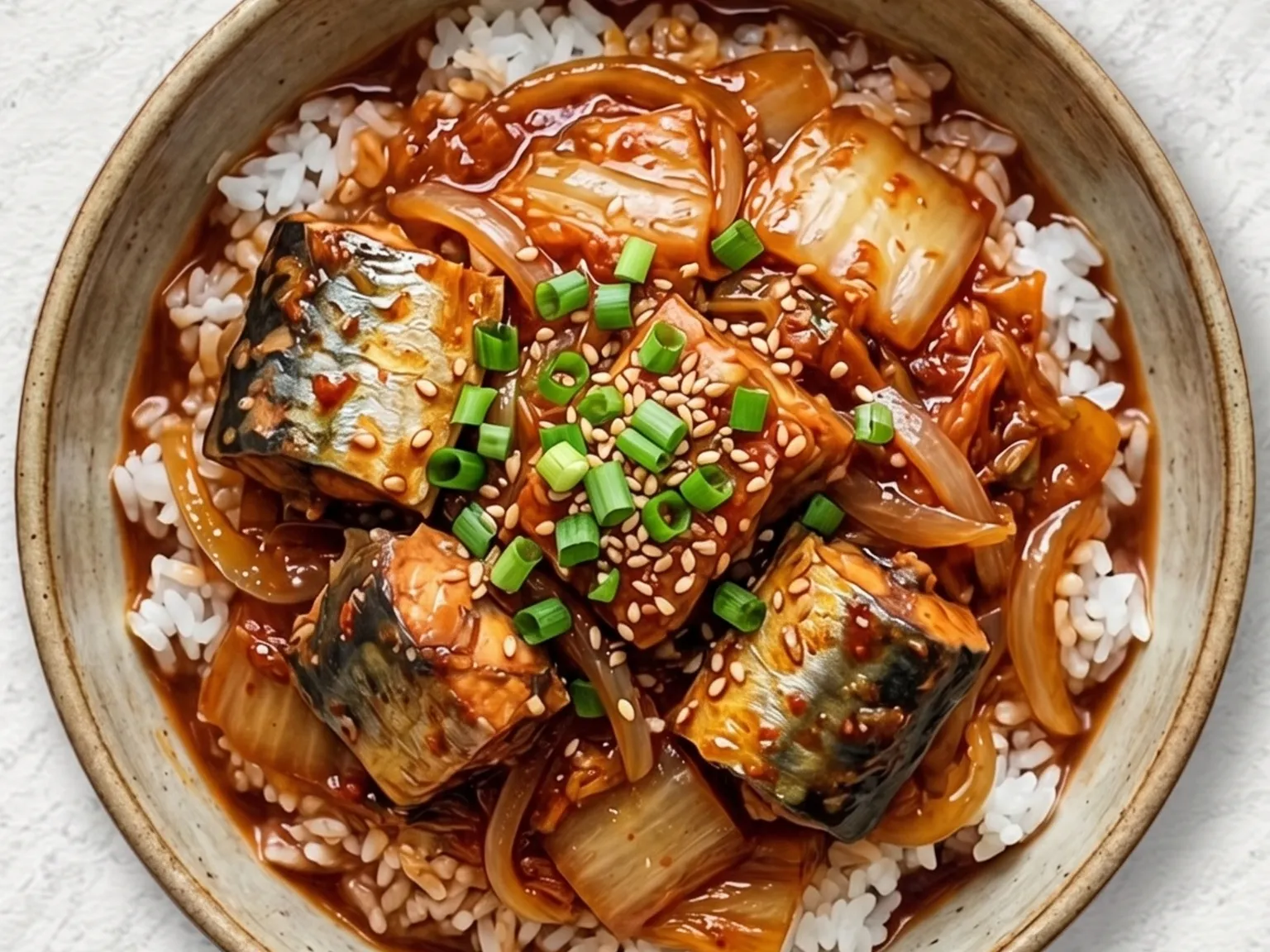
Korean Saury Kimchi Rice Bowl
Canned mackerel pike (kkongchi) is stir-fried with aged kimchi and sliced onion, using a couple spoonfuls of the can liquid to deepen the sauce's umami. The kimchi cooks down for three minutes first to drive off excess moisture and tame its sourness, then the fish is broken into generous chunks - keeping them large preserves a pleasant flaky texture. Chili flakes, soy sauce, and sugar simmer together for four minutes into a thick, clinging glaze that soaks into the rice below. Topped with fresh scallion, this is a pantry-friendly rice bowl that transforms humble canned fish into something deeply flavorful.
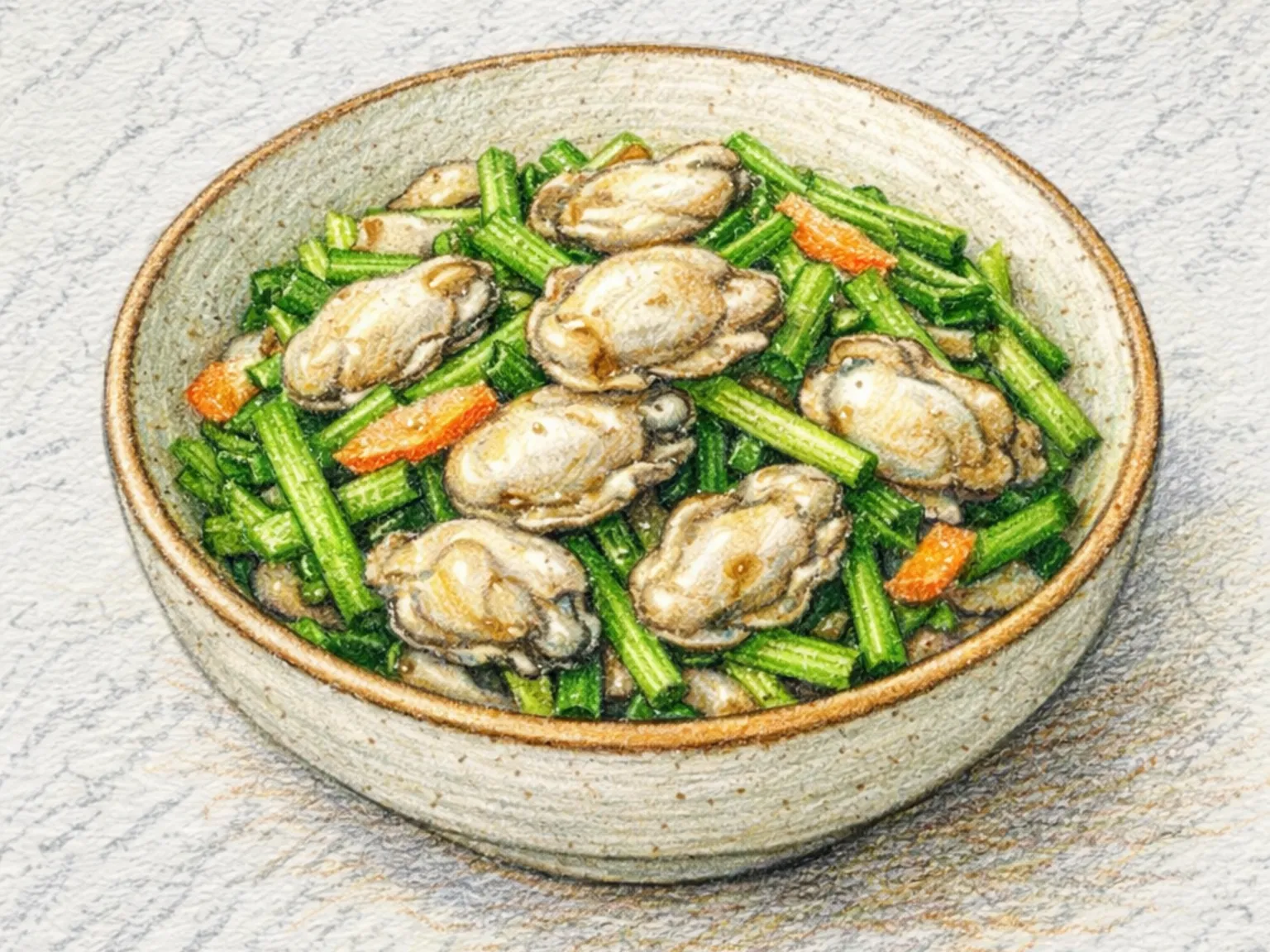
Korean Oyster Water Parsley Stir-fry
Gul-minari-bokkeum is a quick stir-fry of plump raw oysters and fragrant water parsley (minari) seasoned with gochugaru and light soy sauce over high heat. The oysters cook only until they just firm around the edges, retaining their briny interior juices while contracting slightly, and the minari stays crisp with its herbal freshness intact. The salty, sweet umami of the oysters meets the clean grassy quality of the minari, and the two flavors balance without either overpowering the other. Winter is the prime season for this dish, when cold-water oysters reach peak plumpness and flavor. Cooking the oysters too long drives out their moisture and makes them rubbery, so the stir-fry must stay brief.
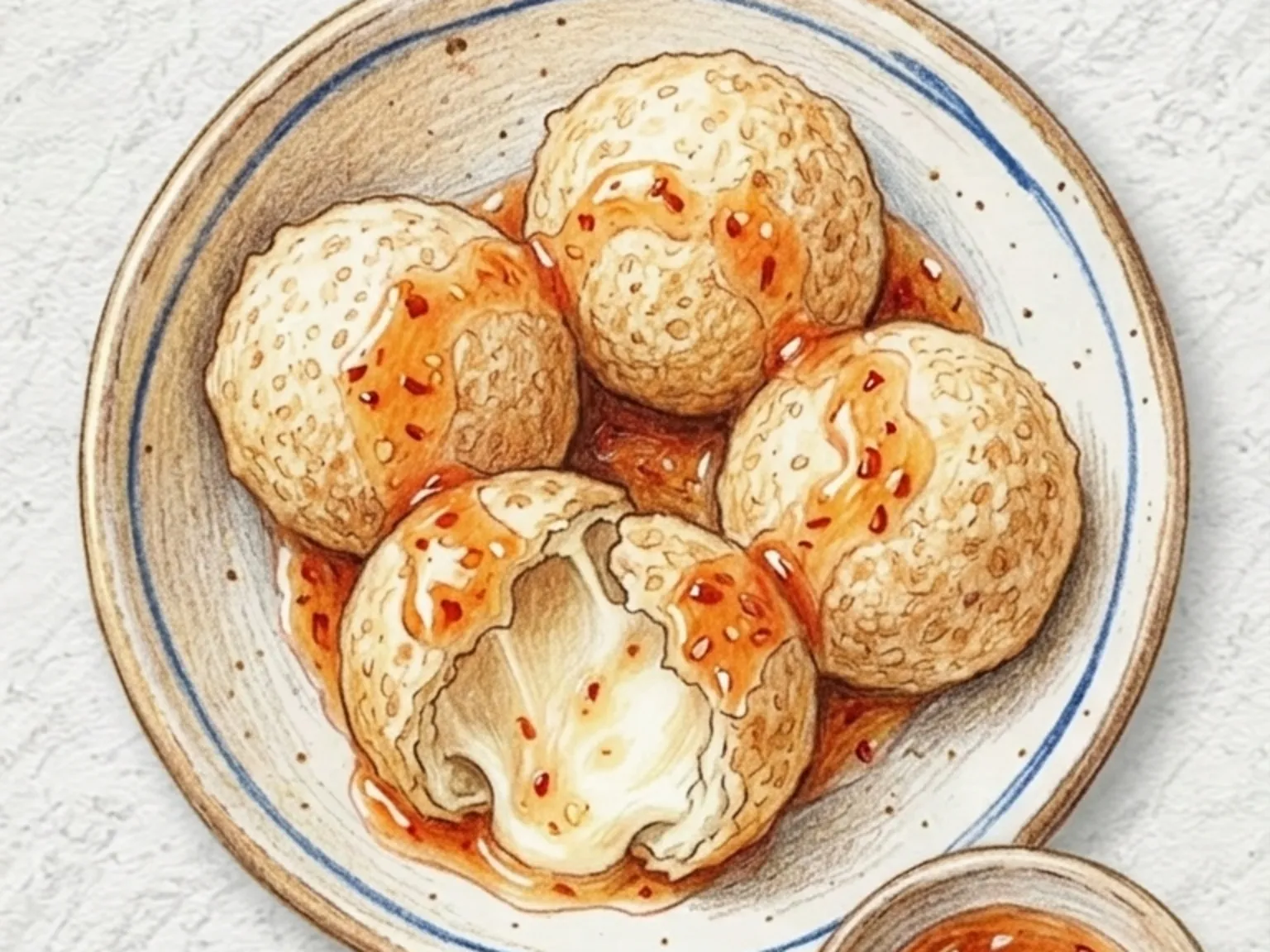
Korean Sweet Chili Cheese Balls
Sweet chili cheese balls are a fried snack made from glutinous rice flour dough mixed with milk, wrapped around mozzarella cubes, shaped into spheres, and deep-fried at 160 degrees Celsius. Adding a small amount of baking powder to the dough causes it to puff evenly during frying, creating a thin, crisp crust on the outside while the mozzarella inside melts into a soft, stretchy core. Keeping the oil at a moderate 160 degrees is the critical step, because a higher temperature browns and sets the shell before the cheese inside has had enough time to melt fully. Dipping in sweet chili sauce brings a layer of fruity sweetness and gentle heat over the creamy mozzarella, and the sauce's slight tanginess cuts the fried richness to leave the palate feeling clean. Sealing the seam of each ball tightly when wrapping is important, as any gap will let the melting cheese escape into the oil during frying.
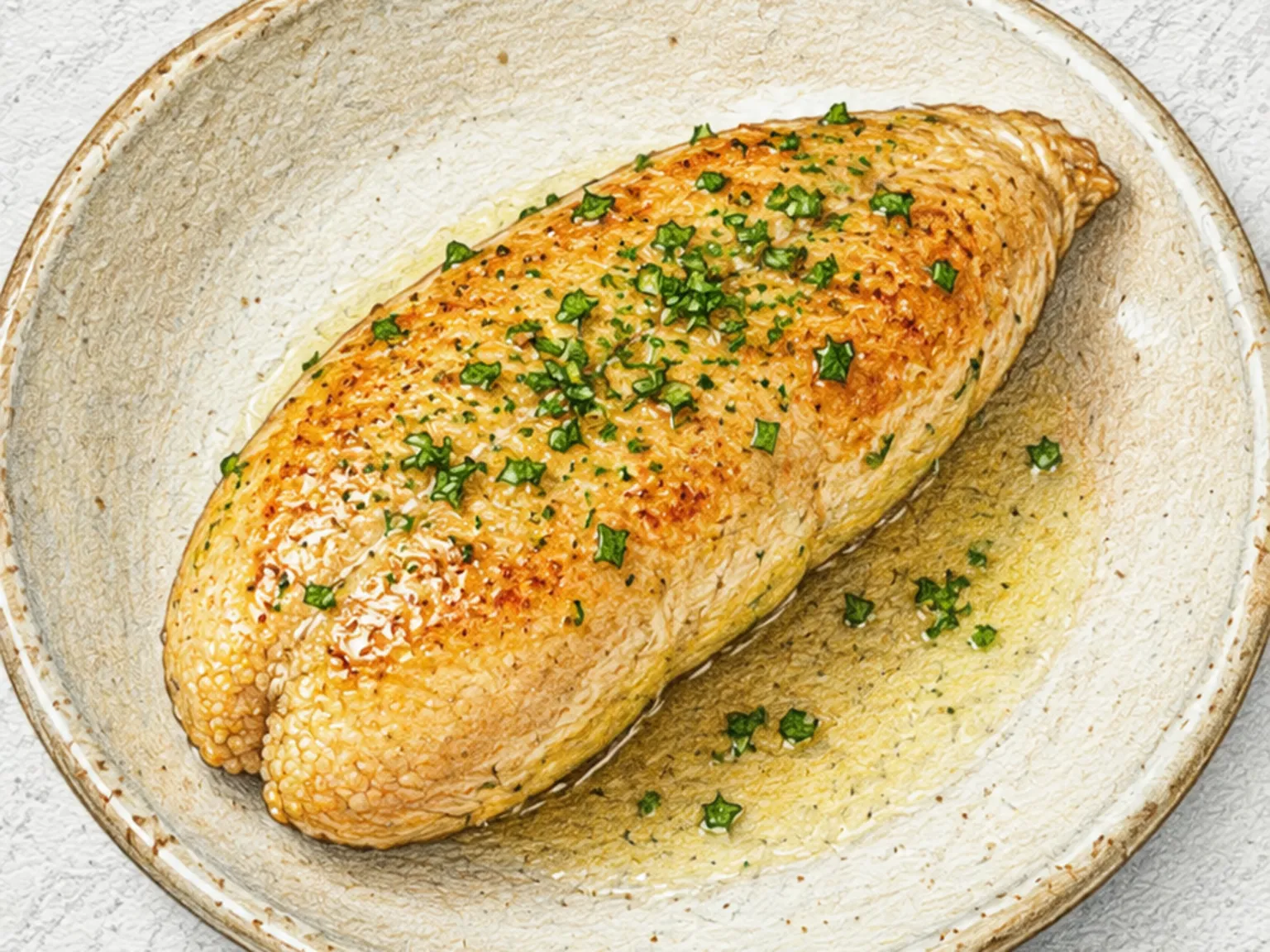
Korean Mentaiko Butter Grilled Cod Roe
Myeongnan-butter-gui is a Korean pan-grilled dish where whole salted pollock roe sacs are cooked slowly in melted butter over low heat. The thin membrane surrounding the roe holds thousands of tiny eggs that rupture easily under strong heat, so maintaining a gentle, patient flame throughout is the single most important part of the technique. As the butter melts and pools around the roe, it forms a continuous, fatty coating that melds with the inherent saltiness of the cured roe, building an intensely savory flavor without any additional seasoning required. Once one side turns a pale golden color, the roe is carefully turned over and the process repeated on the other side, aiming for a surface that is lightly set and golden while the interior remains soft and warm. A generous scattering of finely chopped parsley over the finished dish introduces a bright, herbal freshness that cuts cleanly through the rich, salty butter and balances the overall profile.
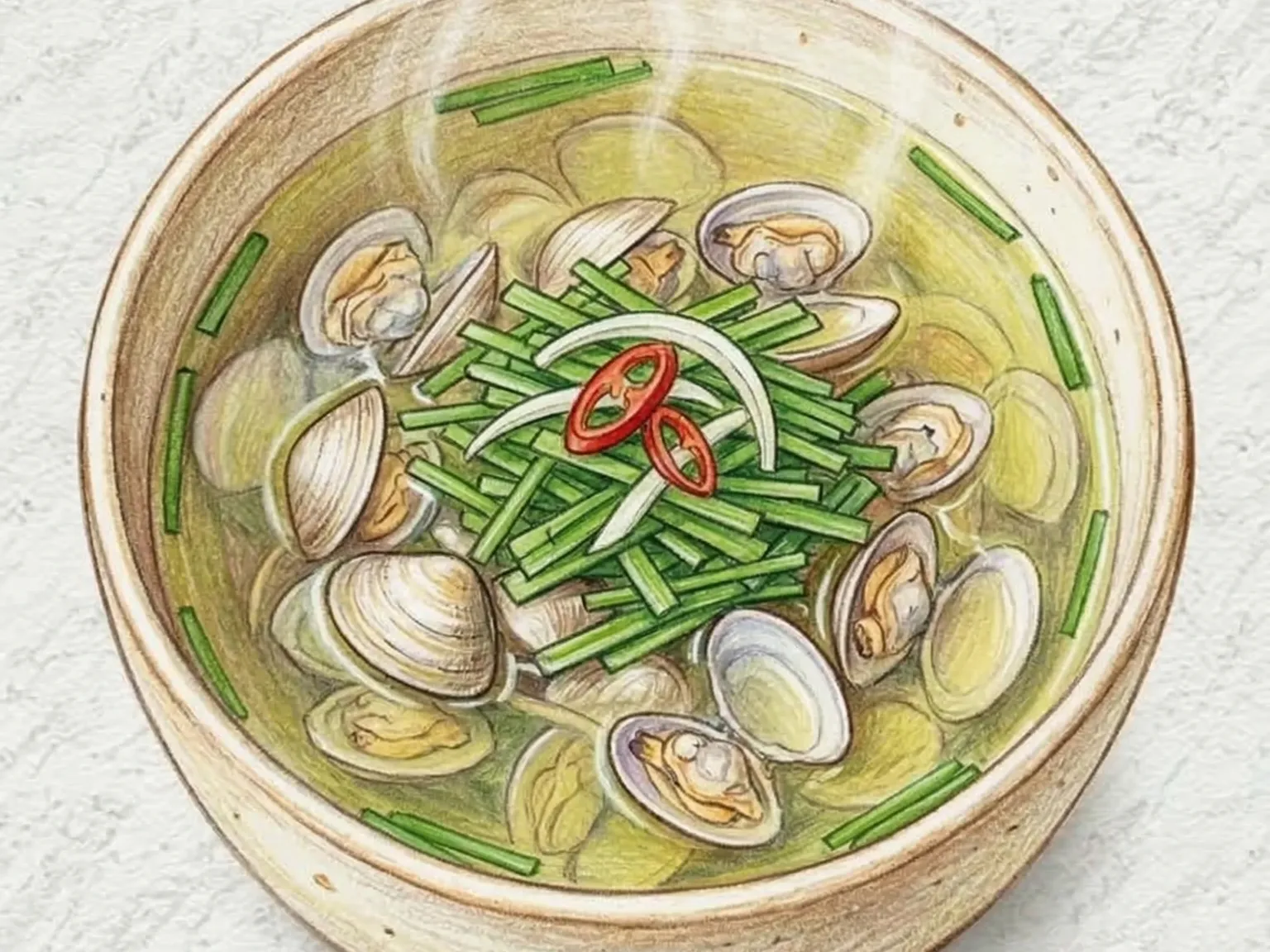
Jaecheop-guk (Korean Marsh Clam Clear Soup)
Jaecheop-guk is a clear broth soup made from tiny freshwater marsh clams caught in the Seomjin River near Hadong in South Gyeongsang Province. The clams are purged thoroughly in salted water before going into a pot of cold water over heat, and as they open they release a concentrated, clean-tasting umami into the broth that produces a liquid both translucent in color and remarkably deep in flavor. Soup soy sauce and minced garlic provide light seasoning once the clams have opened, and a handful of chives goes in at the very end to finish with fragrance. In Hadong the soup has such a strong identity that entire restaurants specialize in nothing else, drawing visitors who come specifically for this one bowl. It has a long reputation as one of the most effective hangover remedies in Korean food culture, and is commonly eaten as a morning meal. Because the clams themselves are so small, this is essentially a broth-forward soup, and finishing a bowl leaves a settled, calming feeling in the stomach.
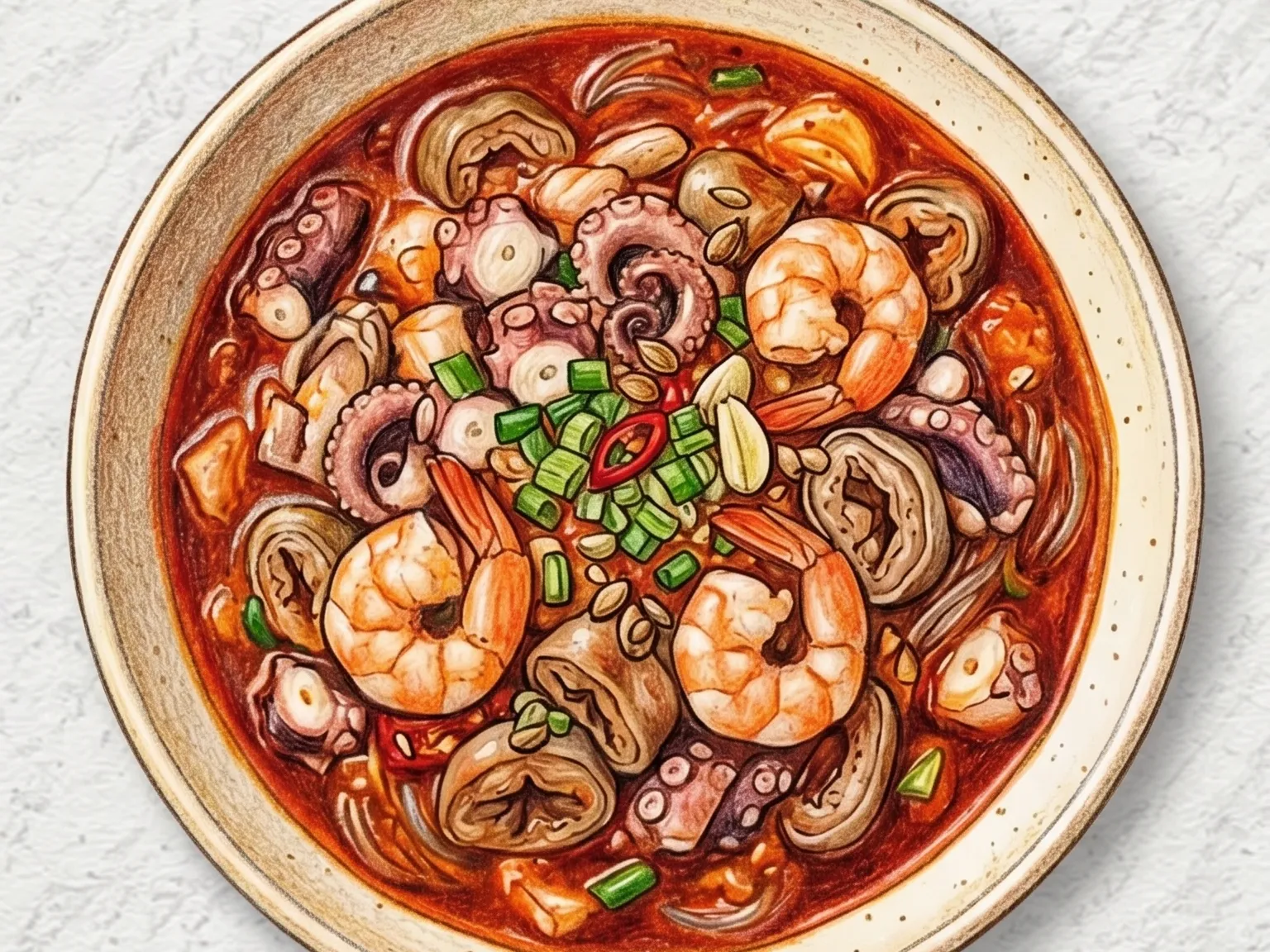
Nakgopsae (Octopus, Intestine, and Shrimp Stew)
This recipe details how to prepare Nakgopsae, a spicy Busan-style stew with octopus, beef intestines, and shrimp. The base of the stew consists of sliced green onions and onions layered at the bottom of a pot, releasing natural sweetness as they cook. The cleaned octopus, beef small intestines, and cocktail shrimp are arranged over the vegetables with soaked glass noodles. A spicy paste made from red chili powder, soy sauce, garlic, and sugar is added on top. Anchovy broth is poured in, and the stew is simmered until the liquid reduces. Each seafood and meat ingredient provides a distinct texture in the spicy broth. The green onions balance the heat and absorb the oil from the beef intestines, while the reduced sauce coats the noodles, making the stew ideal for serving over rice.
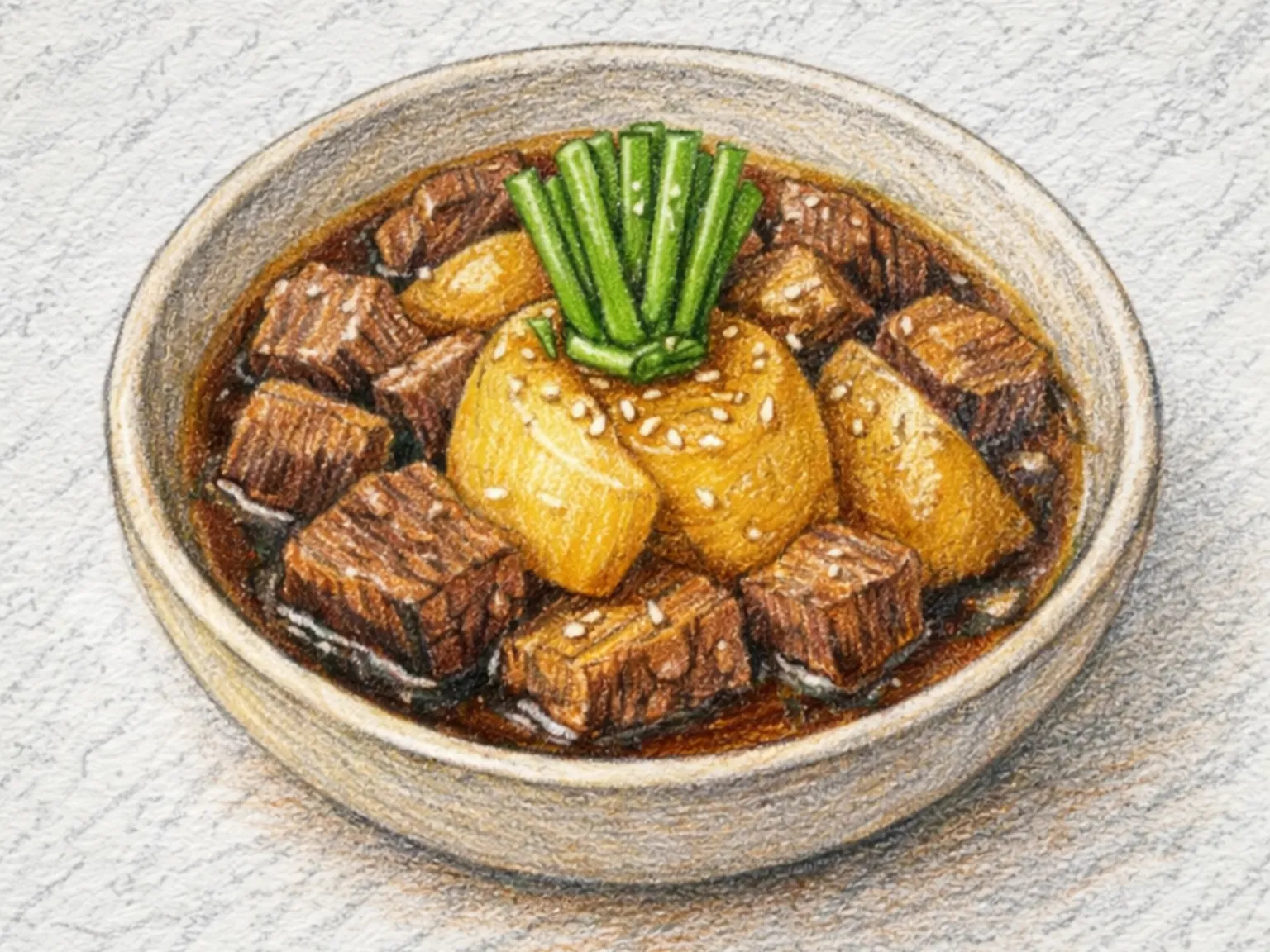
Korean Braised Beef and Radish
Sogogi mu jorim is a Korean braised beef and radish dish where brisket and thick-cut Korean radish are slowly simmered in soy sauce with garlic, ginger, and a touch of sugar. Boiling the beef first and skimming the foam produces a clean broth base for braising. The radish goes in later so it cooks until semi-translucent, absorbing the beef-enriched liquid and developing a natural sweetness that balances the soy. Green onion added at the end contributes a fresh note. Cutting the radish thick is important so it holds its shape through the braise, and resting the dish overnight before reheating deepens the flavor noticeably.