🏠 Everyday Recipes
Simple home-cooked meals for any day
1705 recipes. Page 53 of 72
These are the meals you can cook day after day without getting tired of them. Doenjang jjigae, rolled omelet, spicy pork stir-fry - the kind of home-cooked dishes that fill an ordinary day with comfort.
The beauty of everyday cooking is that it relies on common ingredients already in your fridge. No exotic items, no complicated techniques - just straightforward recipes for satisfying home meals.
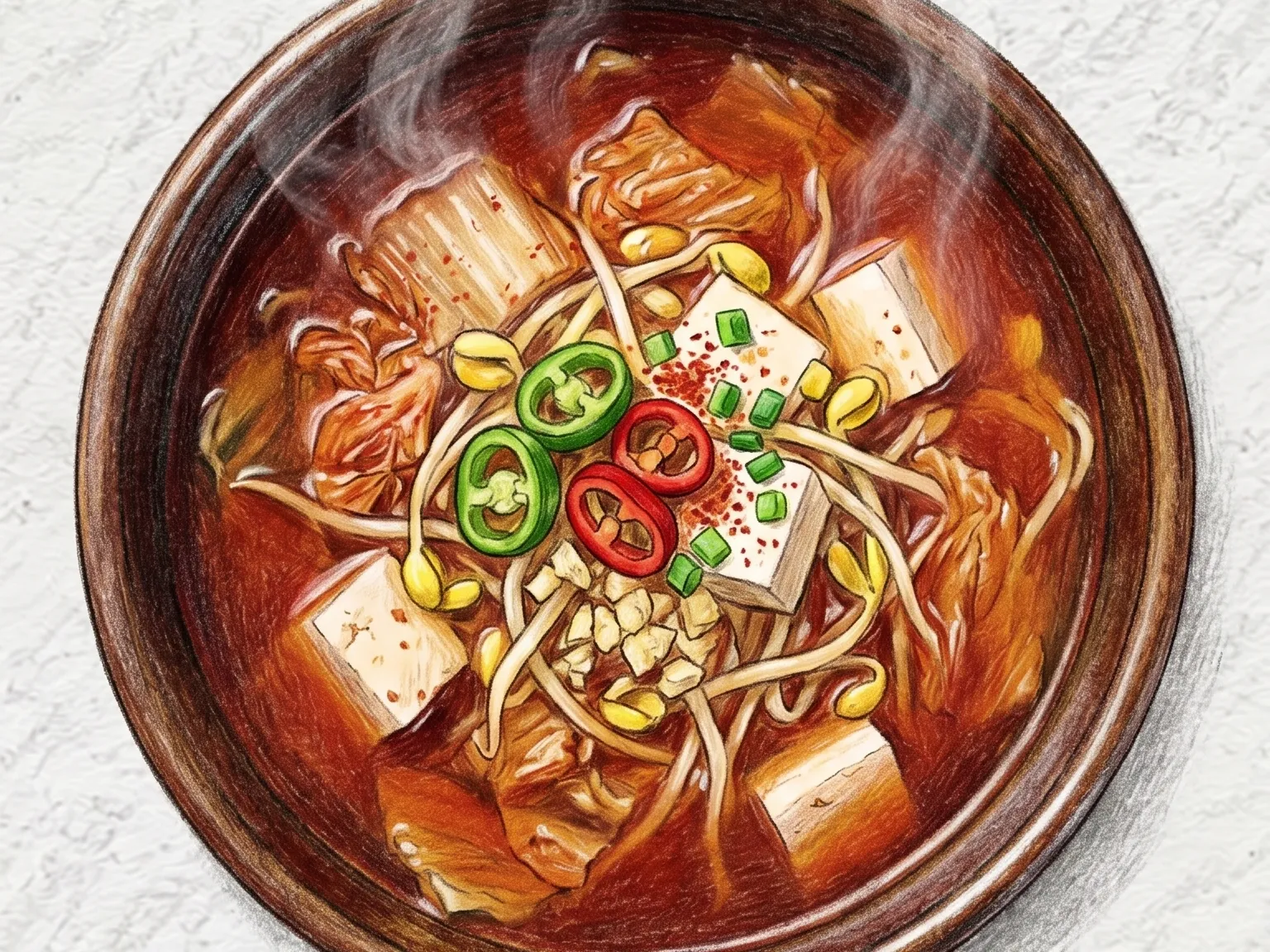
Korean Bean Sprout Kimchi Soup
The preparation of this traditional Korean soup follows a two-part process designed to build layers of flavor by stacking different ingredients over time. The foundation begins with aged kimchi and a substantial amount of the fermented liquid from the kimchi jar. These ingredients are combined with anchovy stock and allowed to simmer together for a duration of eight minutes. This initial cooking period is essential for the broth to fully absorb the acidic depth of the fermented vegetables. As the mixture simmers, the liquid transforms into a deep shade of brick red, signaling that the base has reached the correct concentration for the next set of ingredients. After the initial simmering period is complete, bean sprouts are introduced to the pot along with gochugaru, minced garlic, and soup soy sauce. It is important to leave the lid off the pot for the remaining five minutes of the cooking process. Leaving the soup uncovered during this specific stage facilitates the removal of the raw scent that can sometimes be associated with fresh bean sprouts. Furthermore, this method prevents the liquid from being diluted by trapped steam, which allows the various flavors to concentrate and sharpen rather than becoming softened. In the final minute of preparation, sliced green onion is incorporated into the broth. This addition provides a fresh herbal element that lifts the profile of the soup and balances the heavier fermented notes of the kimchi base. If the kimchi used in the recipe is not sufficiently fermented, the resulting broth may lack the necessary sharpness. In such cases, adding half a teaspoon of vinegar can enhance the acidity to the desired level without changing the fundamental character of the broth. The combination of the deep flavors from the kimchi and the natural crispness of the bean sprouts results in a liquid that is both warming and restoring. Because of these properties, this dish has a long history as a reliable remedy for hangovers in Korea, and it remains a common staple for families to consume during the cold weather seasons.
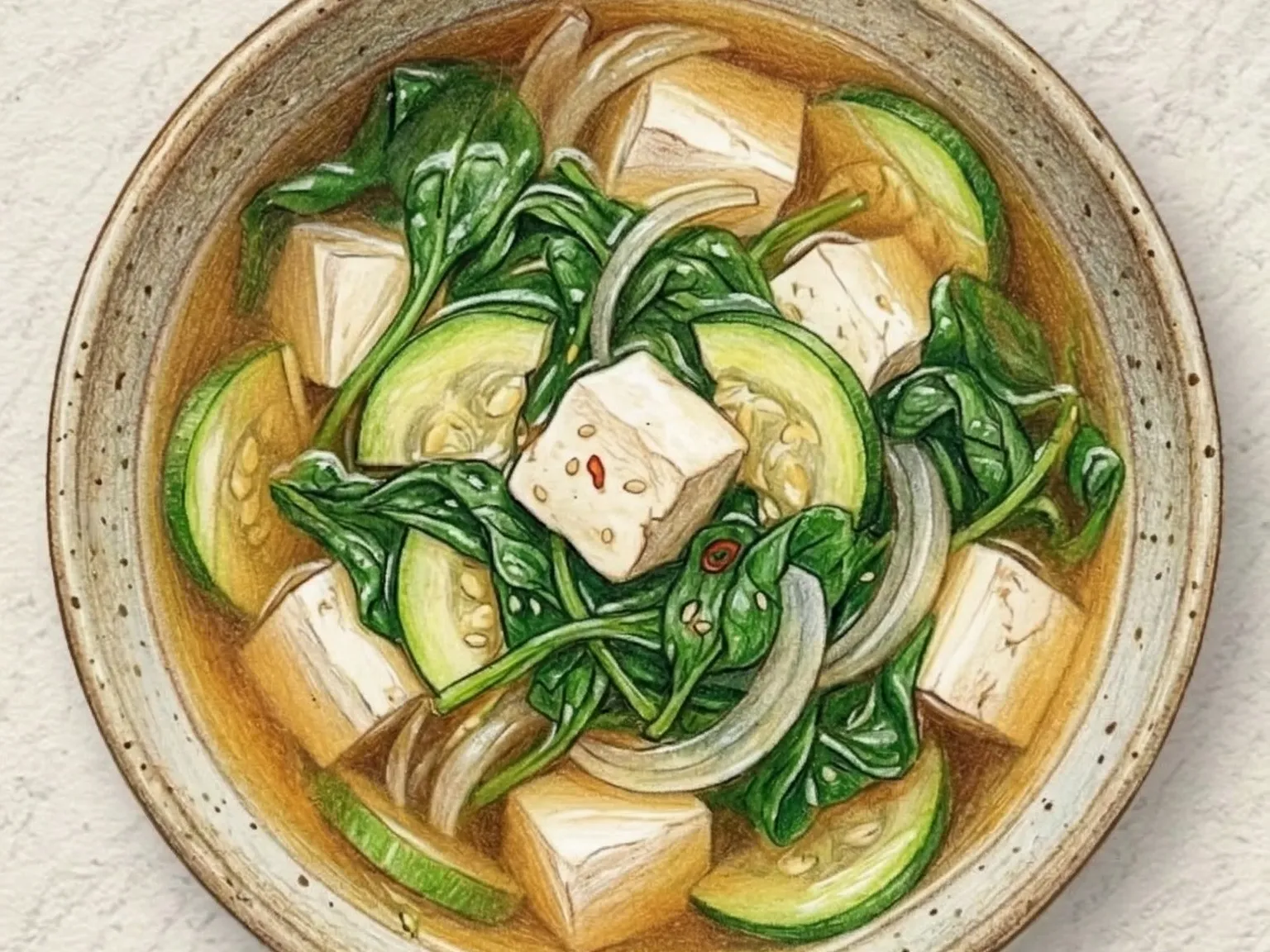
Korean Sigeumchi Dubu Jjigae (Spinach Tofu Stew)
Sigeumchi-dubu-jjigae is a Korean stew built from fresh spinach and soft tofu simmered in anchovy-kelp stock, seasoned with soup soy sauce and perilla oil. The process starts by warming perilla oil in the pot and softening minced garlic until its sharpness mellows into a rounded fragrance that transfers into the oil, giving the broth a subtle depth that would be absent if the garlic were added raw. Zucchini and onion release their natural sweetness as they cook, rounding out the broth and preventing it from tasting flat or austere. Soft tofu, added mid-way, absorbs the seasoned liquid gradually as it heats through, holding its shape while taking on the flavor of the broth around it. Spinach goes in last, only long enough to wilt, because extended cooking destroys the color and reduces the leaves to a limp, dull mass that works against the dish. The iron-forward earthiness of spinach pairs naturally with the mild creaminess of tofu and the nutty undercurrent of perilla oil, producing a stew that reads as simple but carries enough layered flavor to satisfy. This is a standard of Korean home cooking that earns its place at the table for being genuinely easy on the stomach, particularly welcome when appetite is low or the body calls for something clean.
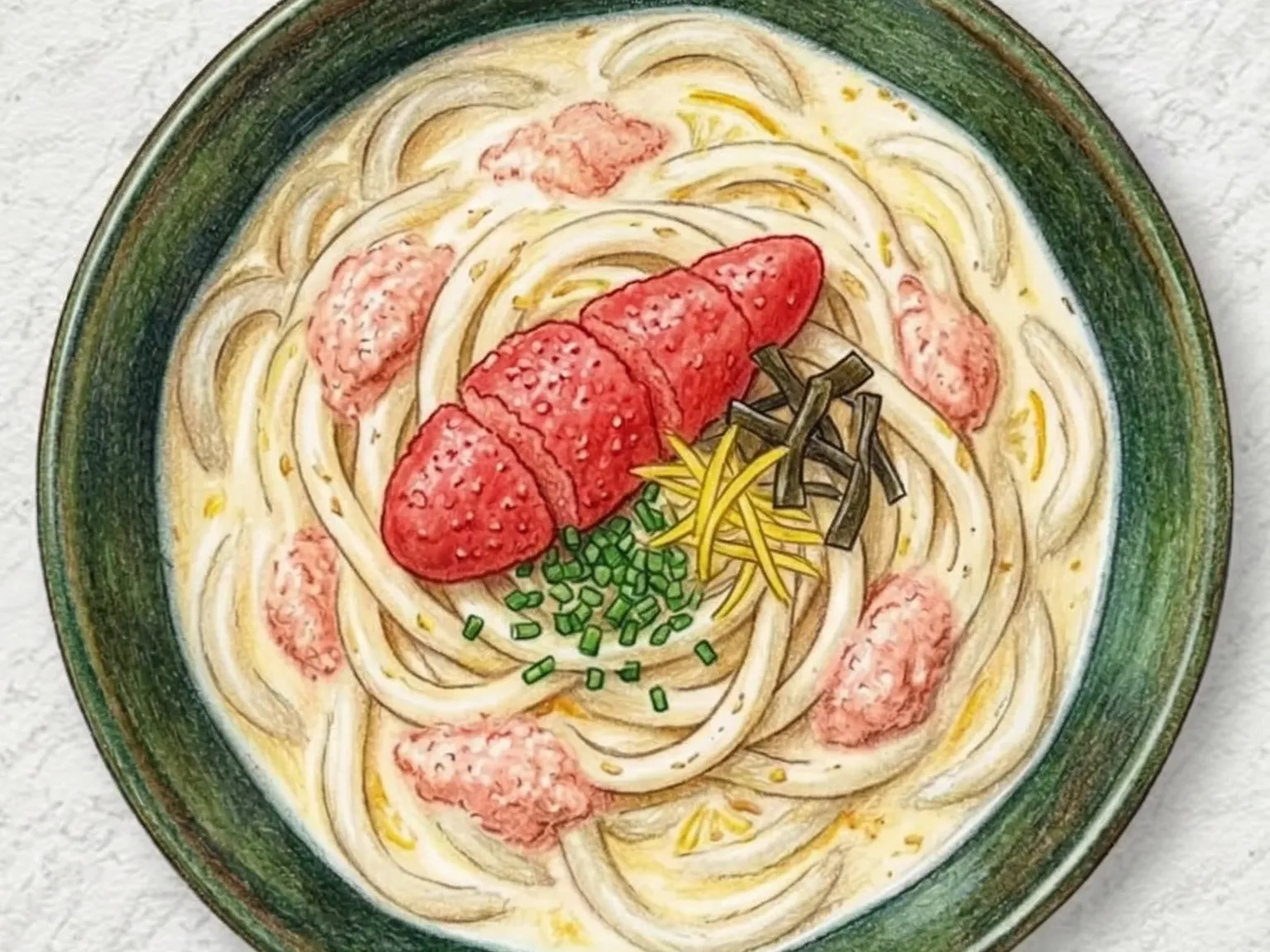
Mentaiko Yuzu Cream Udon
Myeongran yuja cream udon is a Japanese-style noodle dish that features a sauce made from a combination of salted pollock roe and yuzu marmalade. The base of the liquid consists of heavy cream and milk, which are enriched with butter to create a dense and smooth texture. The preparation begins by melting butter in a pan and sauteing minced garlic until the aroma is released. Once the garlic is fragrant, the cream and milk are poured in. This mixture needs to simmer over low heat for approximately two to three minutes until it thickens enough to coat the back of a spoon. Instead of adding the yuzu marmalade all at once, the cook incorporates it in small amounts. This gradual process allows for precise control over the citrus acidity so that it complements rather than overshadows the richness of the heavy cream. After removing the pan from the heat, two-thirds of the salted pollock roe is stirred in. The residual warmth of the sauce is sufficient to gently cook these eggs, ensuring they remain tender. The remaining third of the roe is reserved to be placed raw on top of the finished bowl, providing a distinct briny flavor and a grainy texture in every bite. To finish the dish, freshly cracked black pepper is added for a subtle sharpness, and shredded nori is scattered over the top to provide a roasted, oceanic scent that works well with the yuzu fragrance. The thick udon noodles provide a substantial chew that allows them to carry the heavy sauce and stand up to the combination of salty, creamy, and acidic elements without the flavors becoming lost.
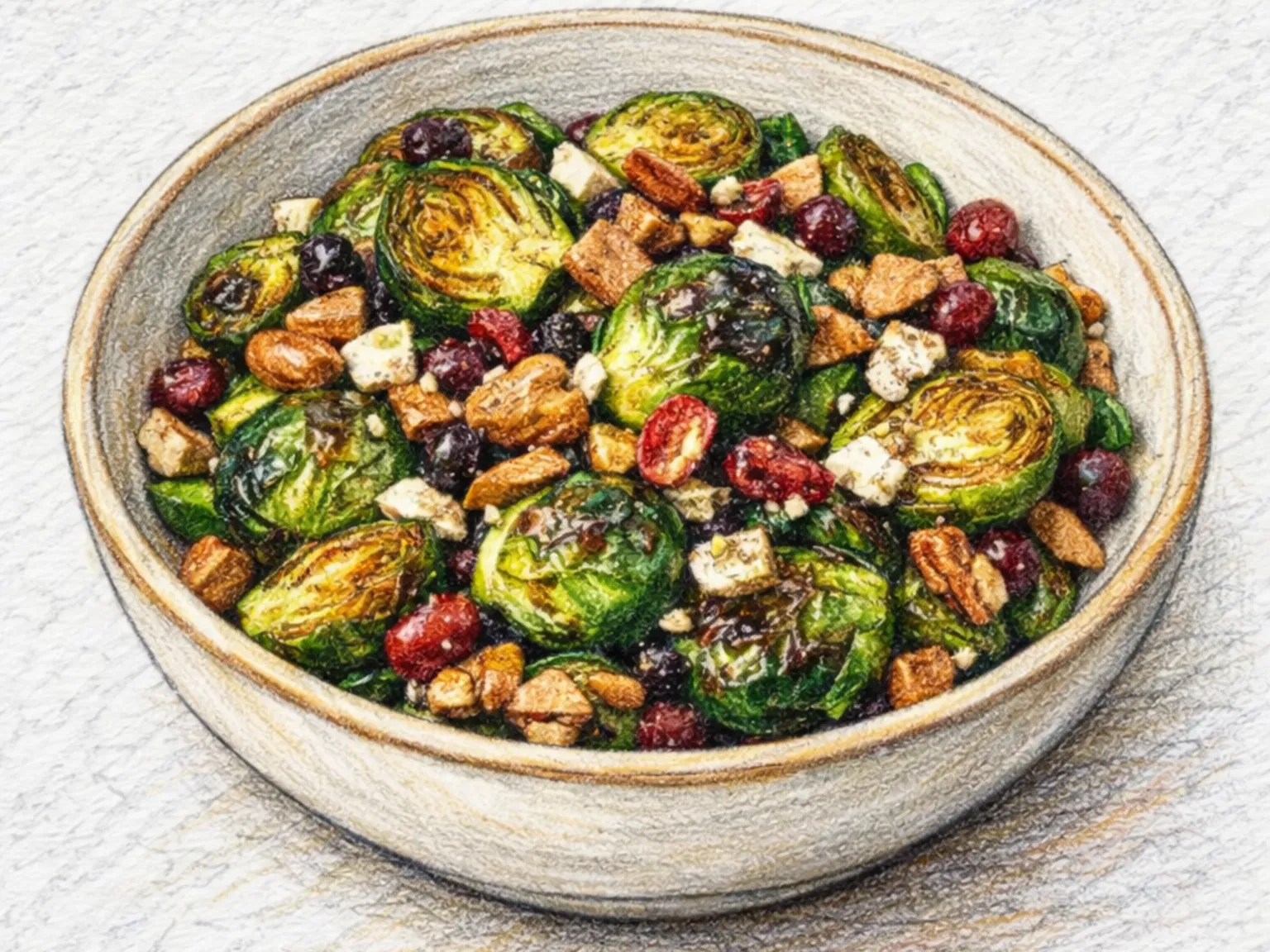
Roasted Brussels Sprout Salad
Brussels sprouts are halved and tossed with olive oil, then roasted at high heat until the outer leaves blacken at the edges and the cut faces turn deep brown and caramelized. That concentrated sweetness is the foundation of the salad. Roughly chopped walnuts echo the roasted nuttiness of the sprouts, and dried cranberries cut through with a tart-sweet fruitiness that prevents the dish from feeling too heavy. A vinaigrette made from Dijon mustard and apple cider vinegar introduces sharp acidity and a mild pungency that balance the caramelized sweetness of the sprouts. Grated parmesan scattered over the top adds a salty, umami-forward finish that ties the other flavors together. Winter sprouts that have been exposed to frost lose their bitterness and develop a pronounced natural sweetness, making the cold-weather season the best time for this salad. Dressing the sprouts while they are still hot allows the vinaigrette to absorb into the cut surfaces and season them from within, rather than coating them on the outside.
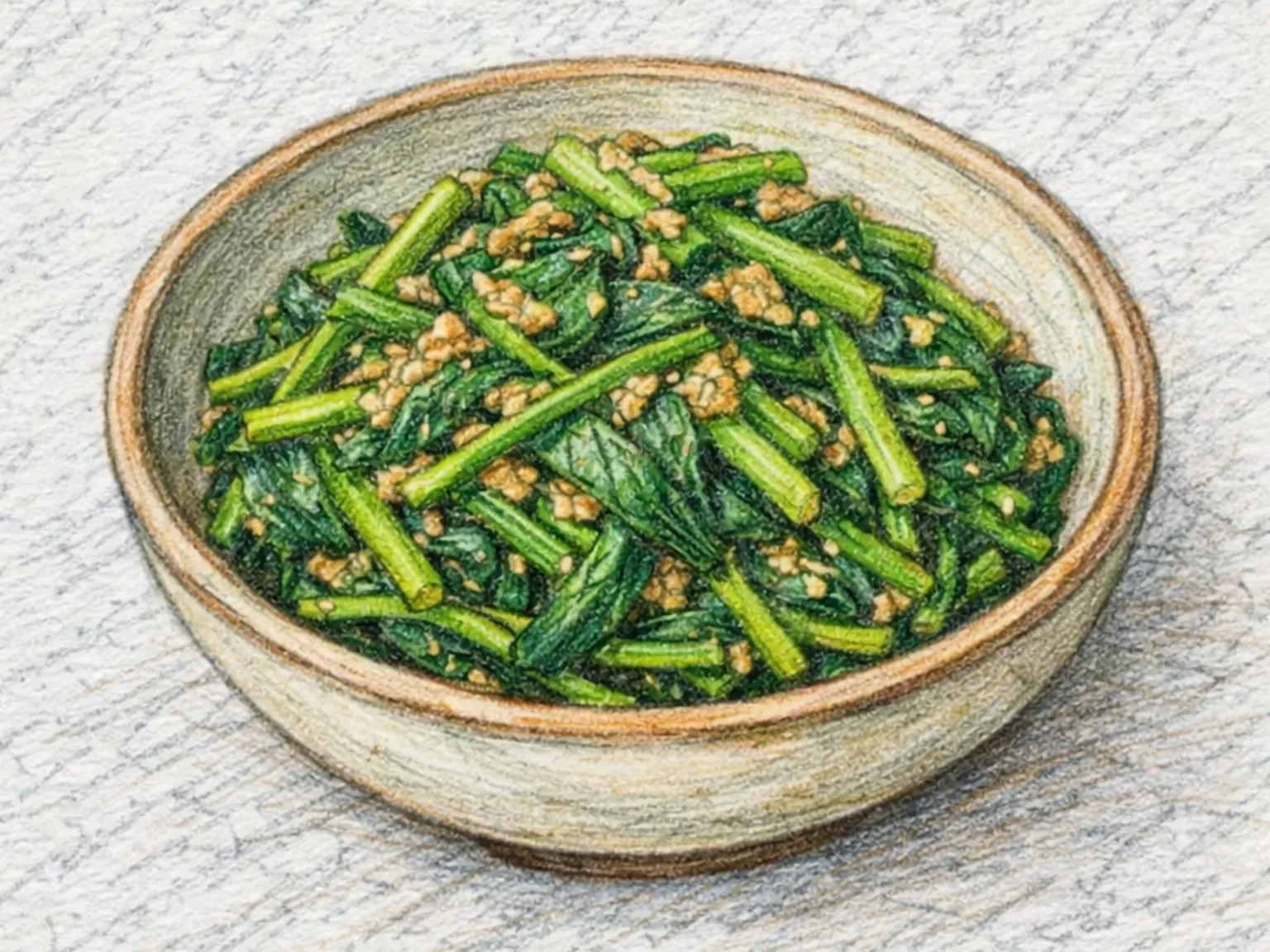
Korean Seasoned Perilla Sprout Namul
Kkaetsun-namul-muchim uses young perilla shoots rather than the mature leaves, blanched and dressed with doenjang and perilla oil. Kkaetsun has markedly more tender stems and a far more concentrated aroma than full-grown kkaennip, and it appears in traditional markets only during a short window from summer into early autumn, often sourced directly from growers. Trimming the thick lower stems before blanching is important -- they stay tough even after cooking -- and forty seconds in boiling salted water is the right interval to soften the stalks without cooking off the volatile fragrance. A cold-water rinse and a firm squeeze to remove excess moisture sets the texture before seasoning. Hand-dressing with doenjang, soup soy sauce, garlic, and perilla oil creates a layered herbal depth: the fermented paste's earthy umami meets the shoot's concentrated green perfume in a way neither ingredient achieves alone. Perilla oil is preferred over sesame oil because it comes from the same botanical family as the shoots, making the pairing feel coherent rather than incidental. This seasonal namul works well as an everyday banchan, a bibimbap component, or a substitute whenever a recipe calls for spinach namul.
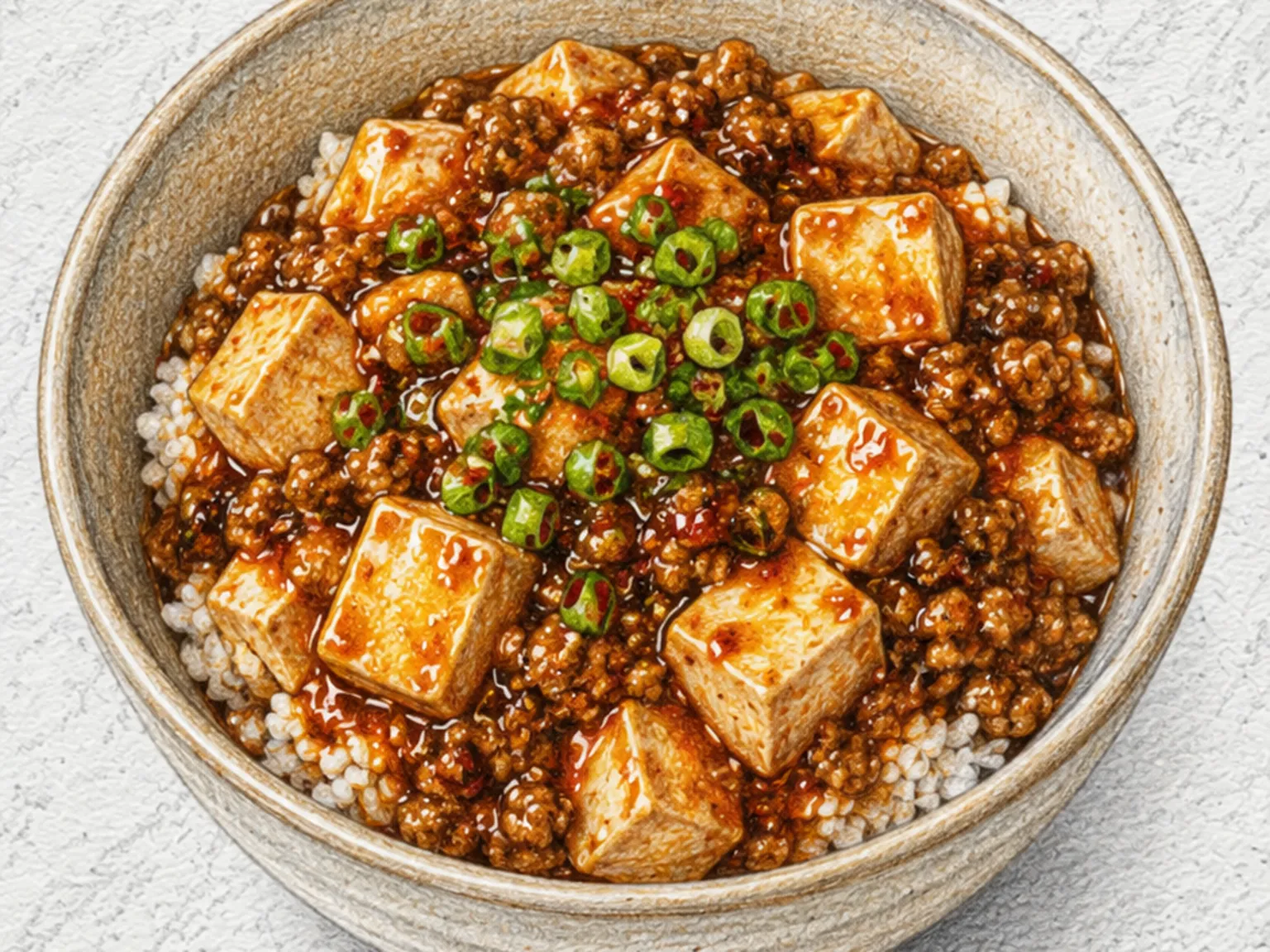
Korean Mapo Tofu Rice Bowl
Soft tofu and ground pork are cooked in a Sichuan-inspired doubanjiang sauce, then ladled over steamed rice. Blanching the tofu in salted water firms it up so the cubes hold their shape through stir-frying. The fermented heat of doubanjiang builds layers of flavor alongside the pork, and a starch slurry thickens everything into a glossy sauce that clings to each grain of rice. A finishing drizzle of sesame oil rounds out the dish, and a pinch of Sichuan pepper adds authentic numbing heat. It can be served as a one-bowl meal, with simple accompaniments chosen to match the sauce, broth, or topping.
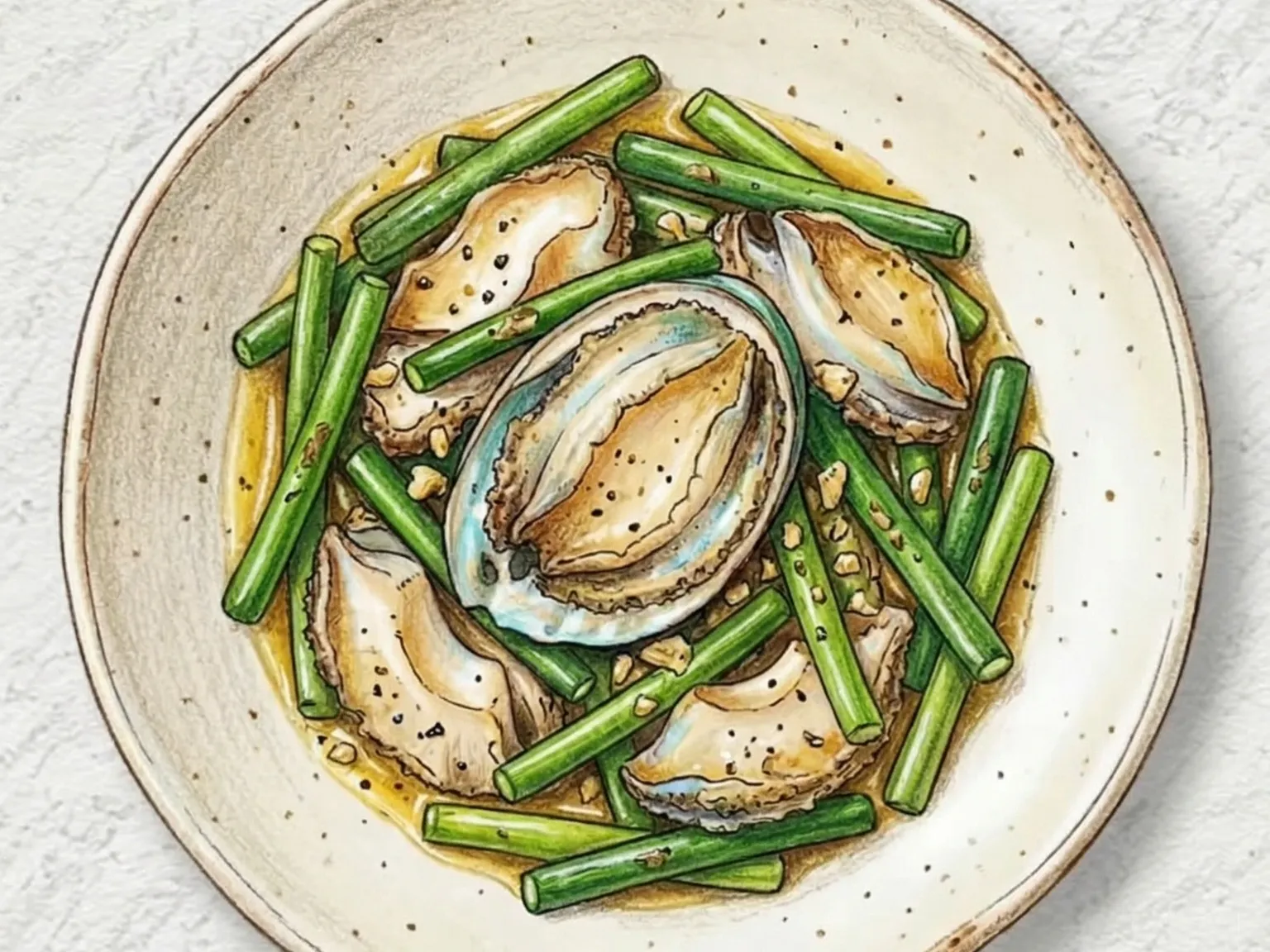
Korean Abalone & Garlic Stem Stir-fry
The preparation of Jeonbok-maneuljong-butter-bokkeum involves a high heat stir-fry technique using thinly sliced abalone and garlic scapes cooked in butter. The primary goal of using high heat is to release the aromatic properties of the butter and seafood while maintaining a specific texture. Before cooking, the abalone must be cleaned and the internal organs removed so that only the flesh is used. Slicing the abalone thinly is a requirement because the high temperature of the pan cooks the pieces almost instantly. This rapid cooking ensures the flesh remains springy rather than contracting into a tough or rubbery texture. Because the protein in the abalone begins to seize if cooked for longer than one minute, the speed of the stir-fry is the most critical variable in the process. Garlic scapes are used to provide a firm and snappy bite to the dish. These are cut into uniform lengths and placed in the pan before the abalone. This specific order gives the scapes a brief head start in the cooking process so that both the vegetables and the seafood finish at the same time. The ingredients should be added to the pan only after the butter has melted and started to foam. This foaming indicates the start of the Maillard reaction, which is responsible for browning the surface of the pieces and increasing the overall scent of the dish. A spoonful of soy sauce is then poured specifically along the heated edges of the pan. This technique allows the sauce to caramelize on contact with the hot surface, which adds a layer of savory and slightly sweet flavors to the mixture. The process concludes with the addition of ground black pepper, which provides a mild spice that supports the scent of the butter. Provided that the ingredients are prepped in advance, the entire stir-fry takes less than ten minutes to complete.
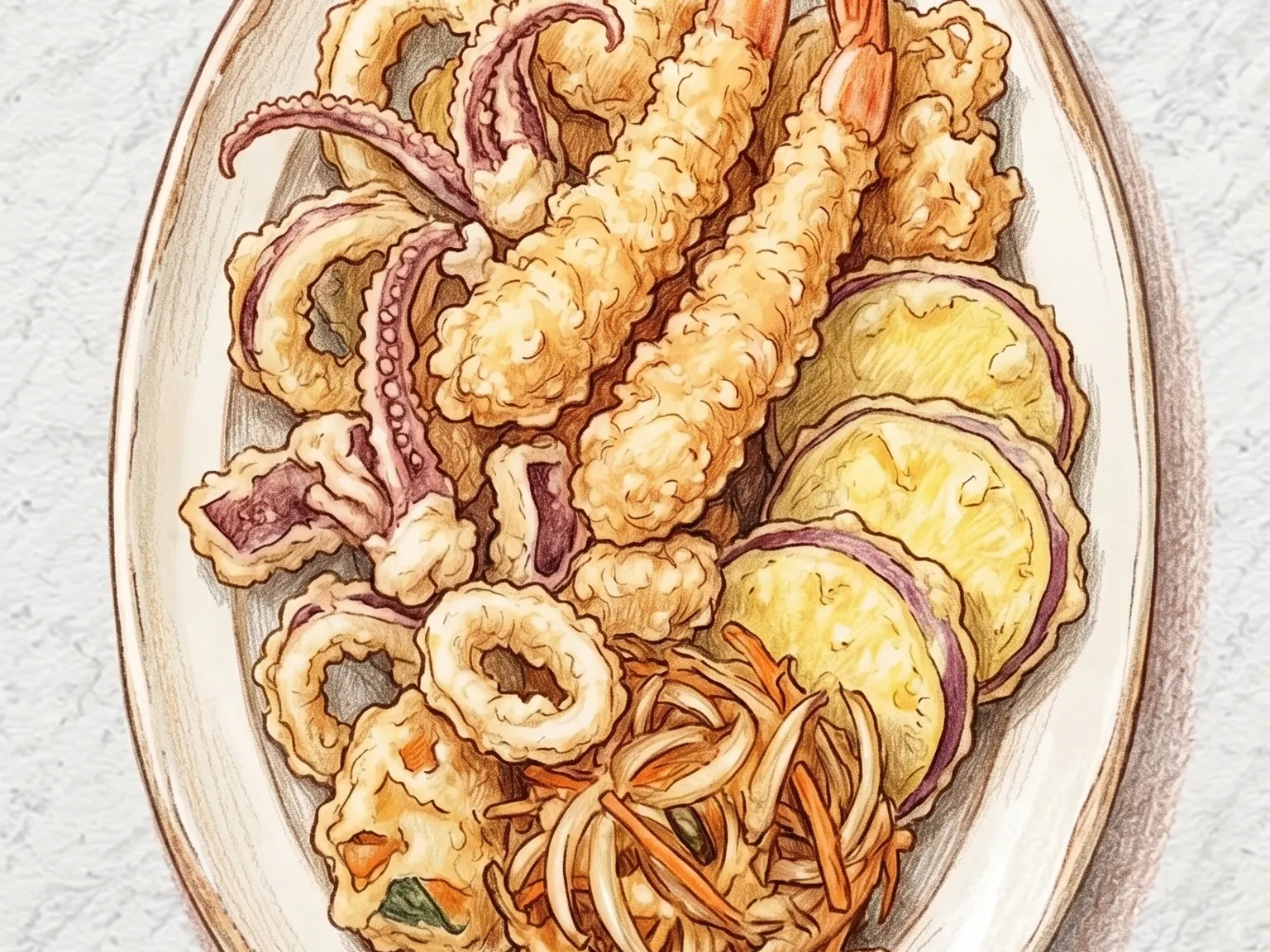
Mixed Korean Tempura
Modeum twigim is an assorted Korean tempura platter featuring sweet potato, squid, shrimp, onion, and carrot dipped in a light batter of frying powder mixed with cold water, then deep-fried at 170 degrees Celsius until crisp. Keeping the water cold and mixing minimally prevents gluten development, yielding a thin, shattering crust rather than a heavy coating. Each ingredient brings its own character: sweet potato offers starchy sweetness, squid and shrimp contribute oceanic umami, and onion and carrot release their natural moisture and fragrance as they fry. Because each ingredient has a different density and water content, maintaining a steady oil temperature is essential so every piece cooks through at the center while staying crisp at the surface. Served with a small bowl of soy sauce, the platter lets the clean frying flavor and the individual taste of each ingredient come through without any additional seasoning.
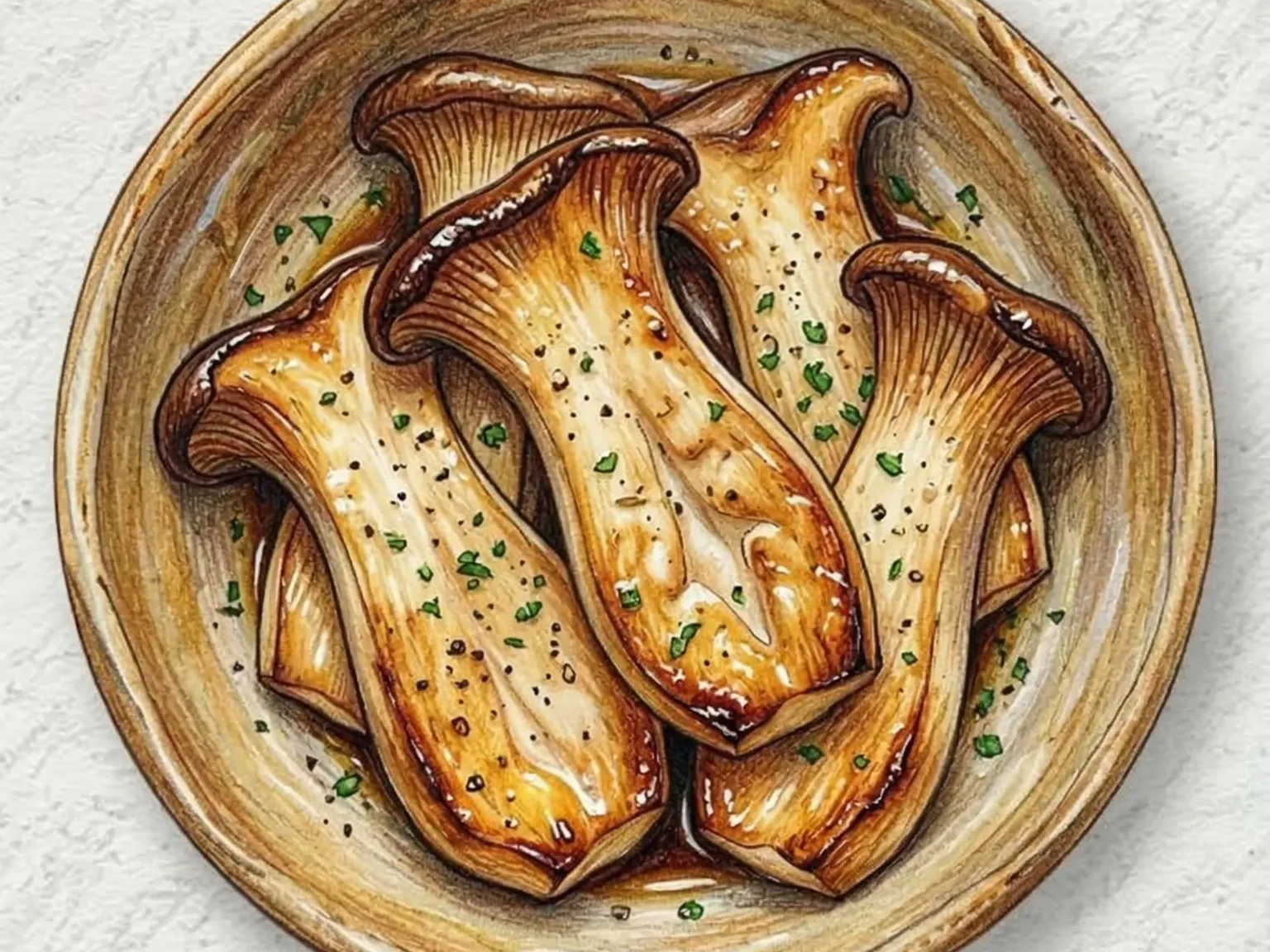
Korean Grilled King Oyster Mushrooms
Saesongi-beoseot-gui is a Korean grilled king oyster mushroom dish where the mushrooms are sliced lengthwise to 0.7-centimeter thickness, seared in melted butter until golden on both sides, then glazed with a sauce of soy sauce, minced garlic, oligosaccharide syrup, and black pepper. King oyster mushrooms contain a lot of moisture, so arranging the slices in a single layer without overlap is essential-crowding steams rather than sears, preventing the Maillard browning that gives the surface its golden color and savory depth. Butter burns quickly above medium heat, so temperature control is key, and the soy glaze should only be added after both sides are already browned so it coats the surface rather than making it soggy. Chopped chives and sesame seeds scattered on top add a nutty, aromatic layer over the salty butter-soy base.
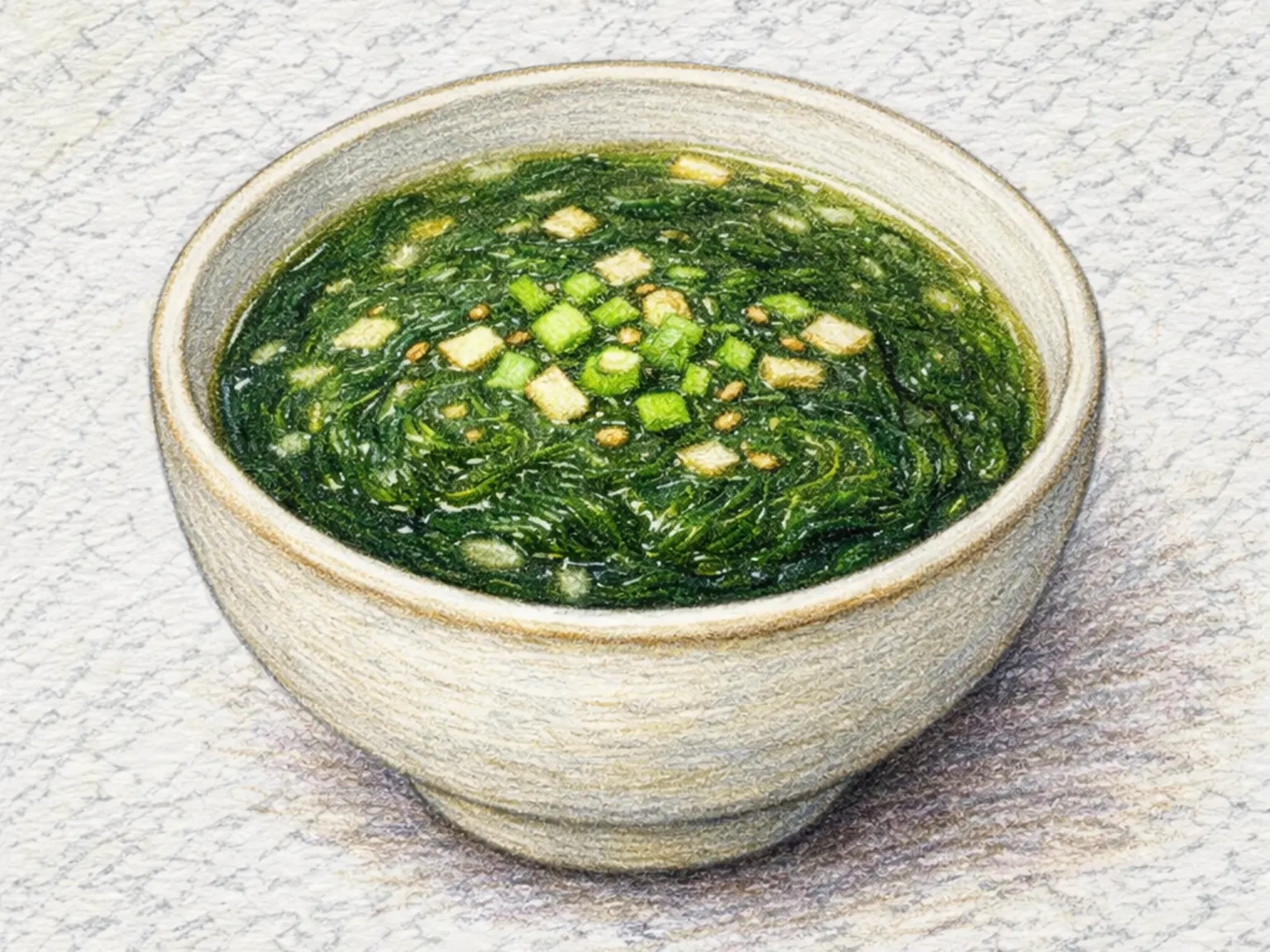
Korean Seaweed Winter Soup
Maesaengi-guk is a winter soup featuring thread-like green seaweed cooked in a savory anchovy stock. The process starts by warming sesame oil over low heat and sautéing minced garlic briefly to release its aroma without browning it. Anchovy stock is then added to create a clean broth. The delicate seaweed is added when the stock simmers, and it is immediately loosened with chopsticks. Simmering the seaweed for only three to four minutes keeps its deep green color and sea scent intact, as overcooking will destroy its delicate structure. The soup is seasoned with soup soy sauce, salt, and black pepper. After adding green onions and cooking for another minute, the pot is covered and rested off the heat for two minutes to allow the flavors to distribute evenly throughout the silky soup.
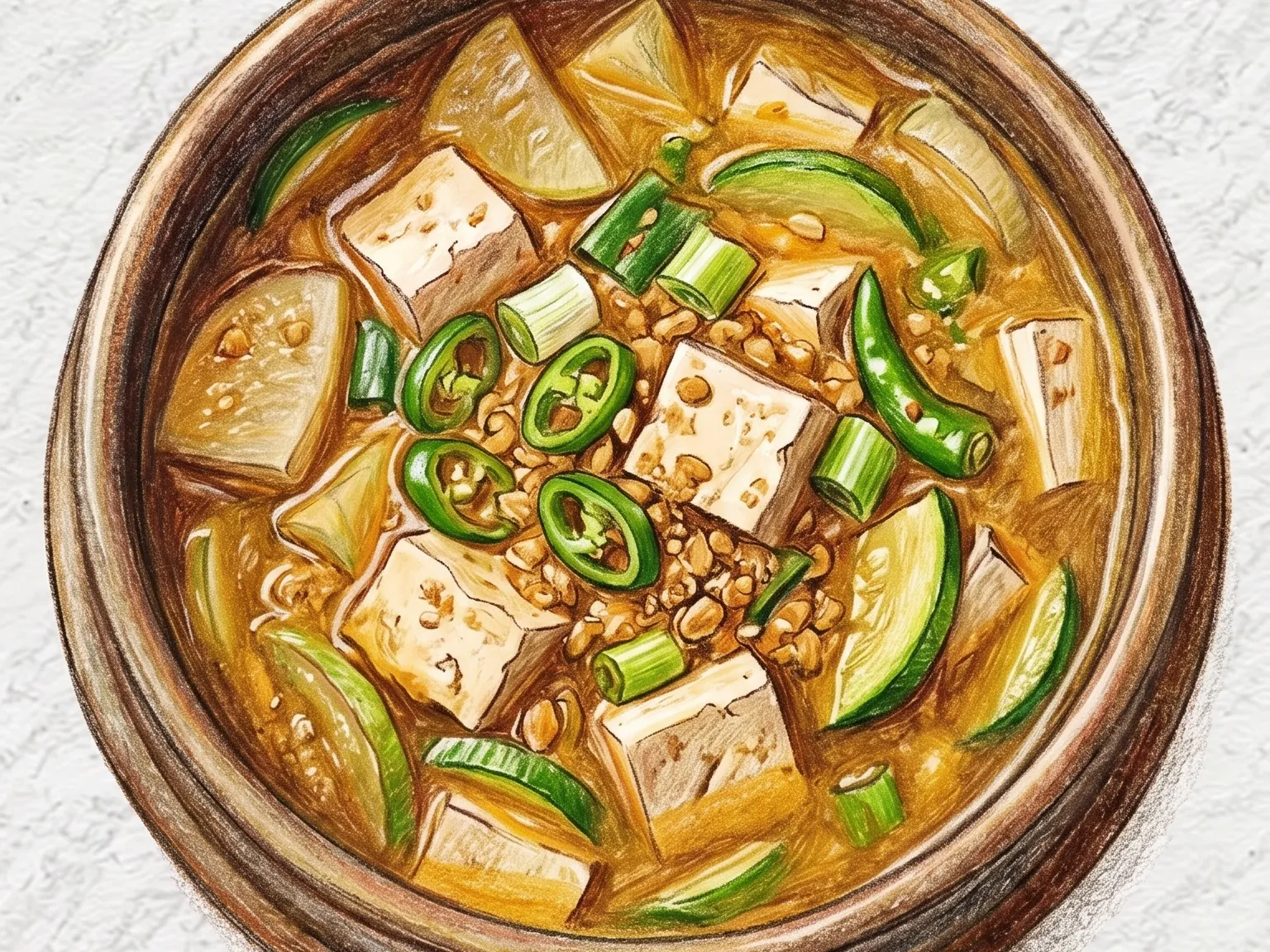
Country-style Soybean Paste Stew
This traditional Korean stew features the deep, earthy flavor of country-style fermented soybean paste. The base is prepared with a clean anchovy and kelp broth, simmered for ten minutes with de-gutted anchovies to avoid bitterness while balancing the heavy salinity of the paste. Adding the potato cubes and country-style doenjang to the broth from the start allows the paste to develop a deeper flavor as it simmers. Zucchini, onion, and minced garlic are cooked until the potatoes soften, followed by tofu pieces torn by hand to preserve their texture. The stew is finished with diagonally sliced green onions and spicy Cheongyang chili pepper, which cuts through the dense fermented profile with a sharp heat. Adjusting the paste amount based on its saltiness ensures a well-seasoned broth that pairs well with rice.
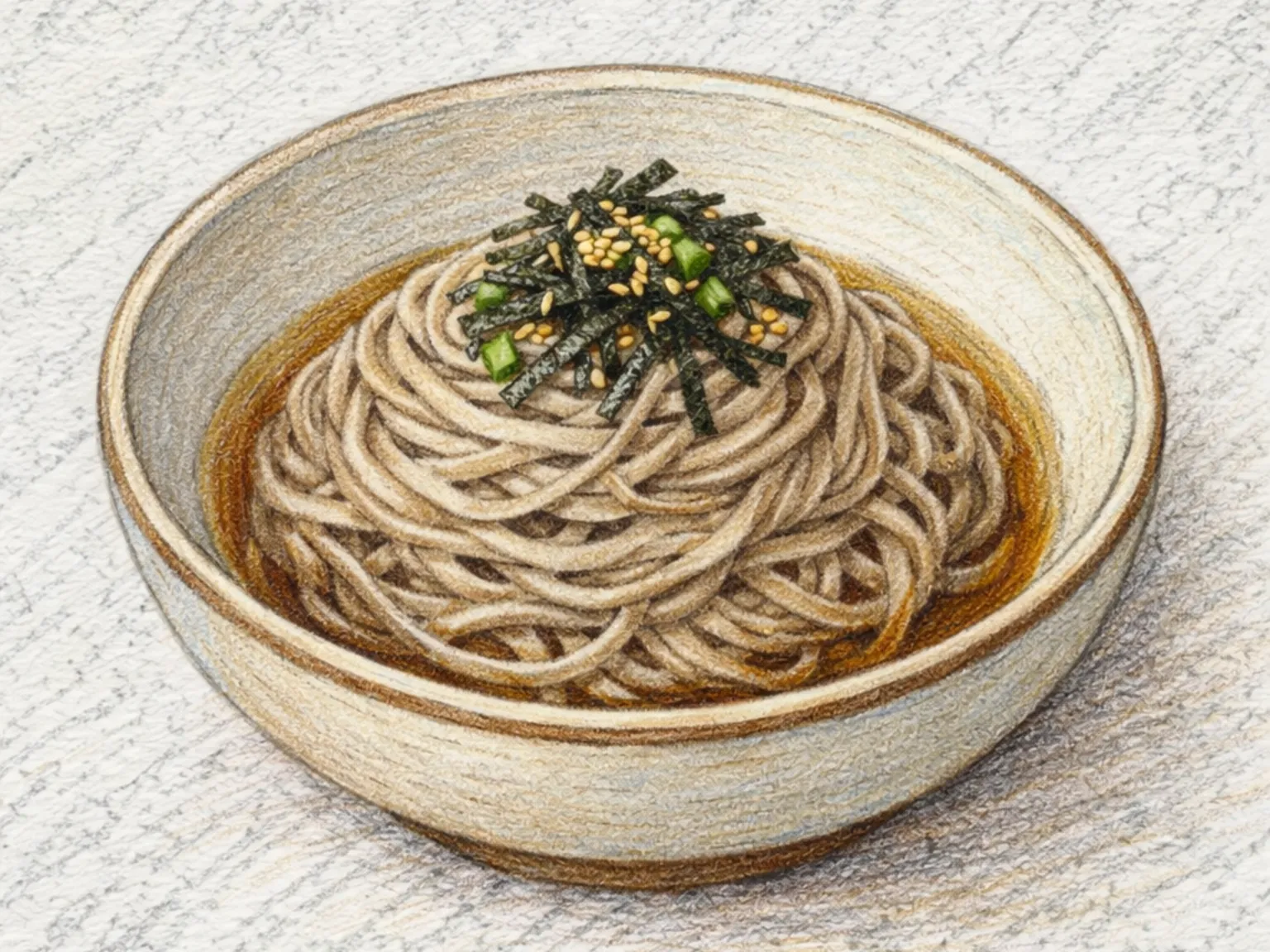
Korean Cold Perilla Oil Buckwheat Noodles
Naeng deulgireum memilmyeon is a Korean cold noodle dish where chilled buckwheat noodles are dressed with perilla oil, soy sauce, vinegar, and allulose syrup. The noodles are boiled for four to five minutes, rinsed multiple times in cold water, then briefly plunged into ice water to remove surface starch and firm up their texture. Thorough draining is essential so the dressing stays concentrated on the noodles rather than pooling at the bottom. Perilla oil provides a bold, nutty fragrance that pairs naturally with the earthy buckwheat, while soy sauce and vinegar add salt and acidity in balance. Thinly julienned cucumber contributes moisture and crunch, and roasted seaweed flakes with toasted sesame seeds bring oceanic and nutty finishing notes.
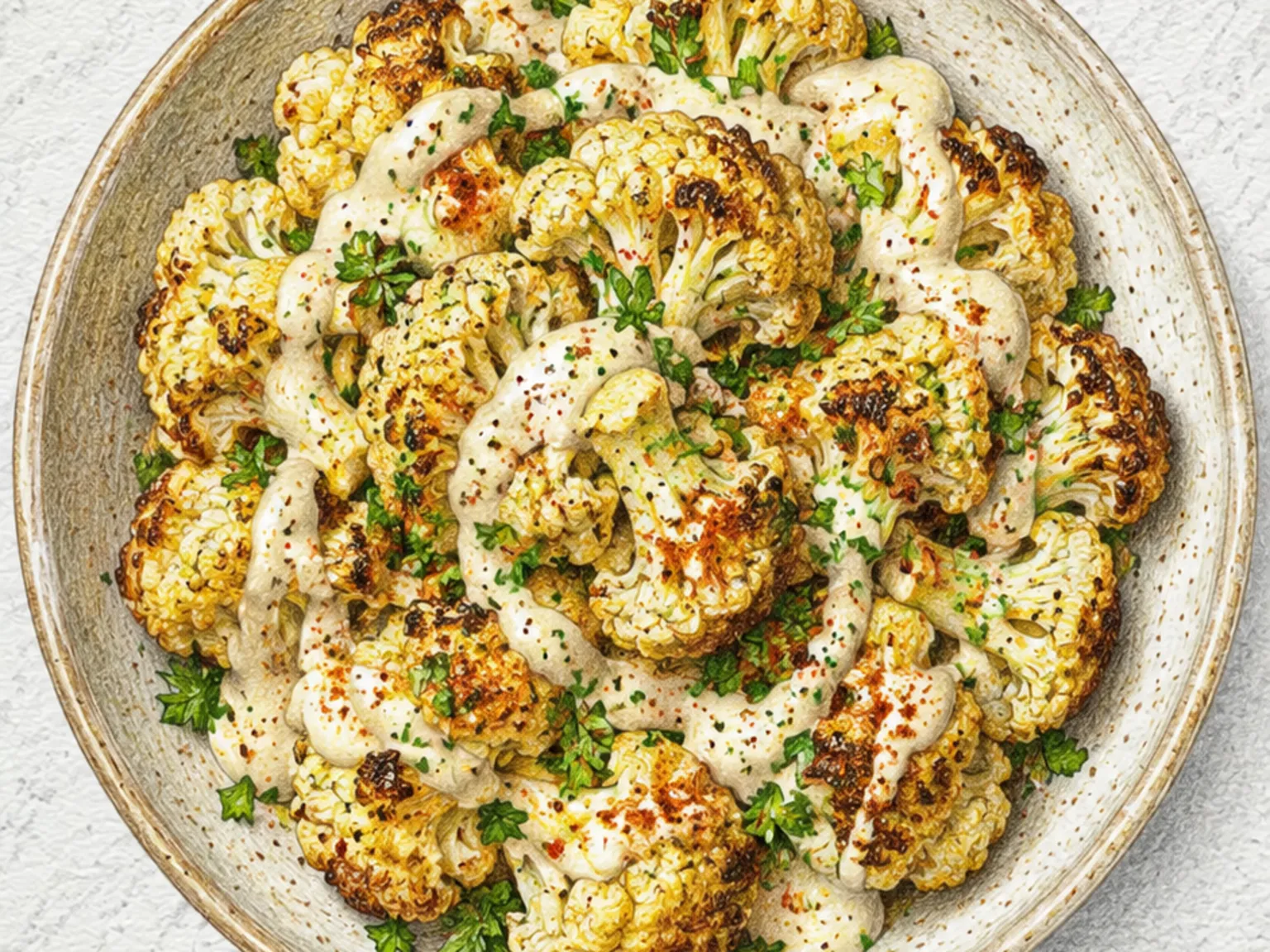
Roasted Cauliflower Tahini Salad
Cauliflower florets reach a specific texture and flavor profile when roasted in a mixture of olive oil and salt. This process continues in the oven until the edges of the vegetable turn a deep golden brown. This dry heat method creates a transformation that is distinct from moist heat methods like steaming or boiling. High oven temperatures trigger caramelization and the Maillard reaction, which together extract a nutty and slightly sweet complexity from the cauliflower. This development is significant because the vegetable is otherwise quite mild and neutral in its raw or boiled state. The concentrated flavor resulting from roasting provides the necessary foundation for the tahini dressing. Because the dressing is thick and carries a heavy sesame richness, it requires the caramelized depth of the roasted cauliflower to act as a balance. Without this roasting process, the dressing might easily overpower a vegetable that has not developed its own strong character. The preparation of the sauce involves whisking tahini paste with fresh lemon juice and minced garlic. This mixture is stirred until it becomes smooth. The acidity from the lemon juice is essential here as it cuts through the density of the sesame paste. This ensures the final sauce remains bright on the palate instead of feeling heavy or overly thick. To complete the dish, large amounts of chopped flat-leaf parsley are scattered over the top. This addition introduces a vivid green color and a clean herbal quality that serves to offset the richness of both the tahini and the oil used during the roasting process. A light dusting of cumin or smoked paprika can be applied as a final step to sharpen the Middle Eastern characteristics of the salad. The final result presents a series of layered flavors including the toasted sesame from the tahini, the caramelized edges of the cauliflower, the sharp acid of the lemon, and the clean finish provided by the parsley. Each of these components acts as a distinct note within the overall composition. This combination is a common staple in Middle Eastern culinary traditions. It functions well when served alongside flatbread or as an accompaniment to grilled portions of meat or fish.
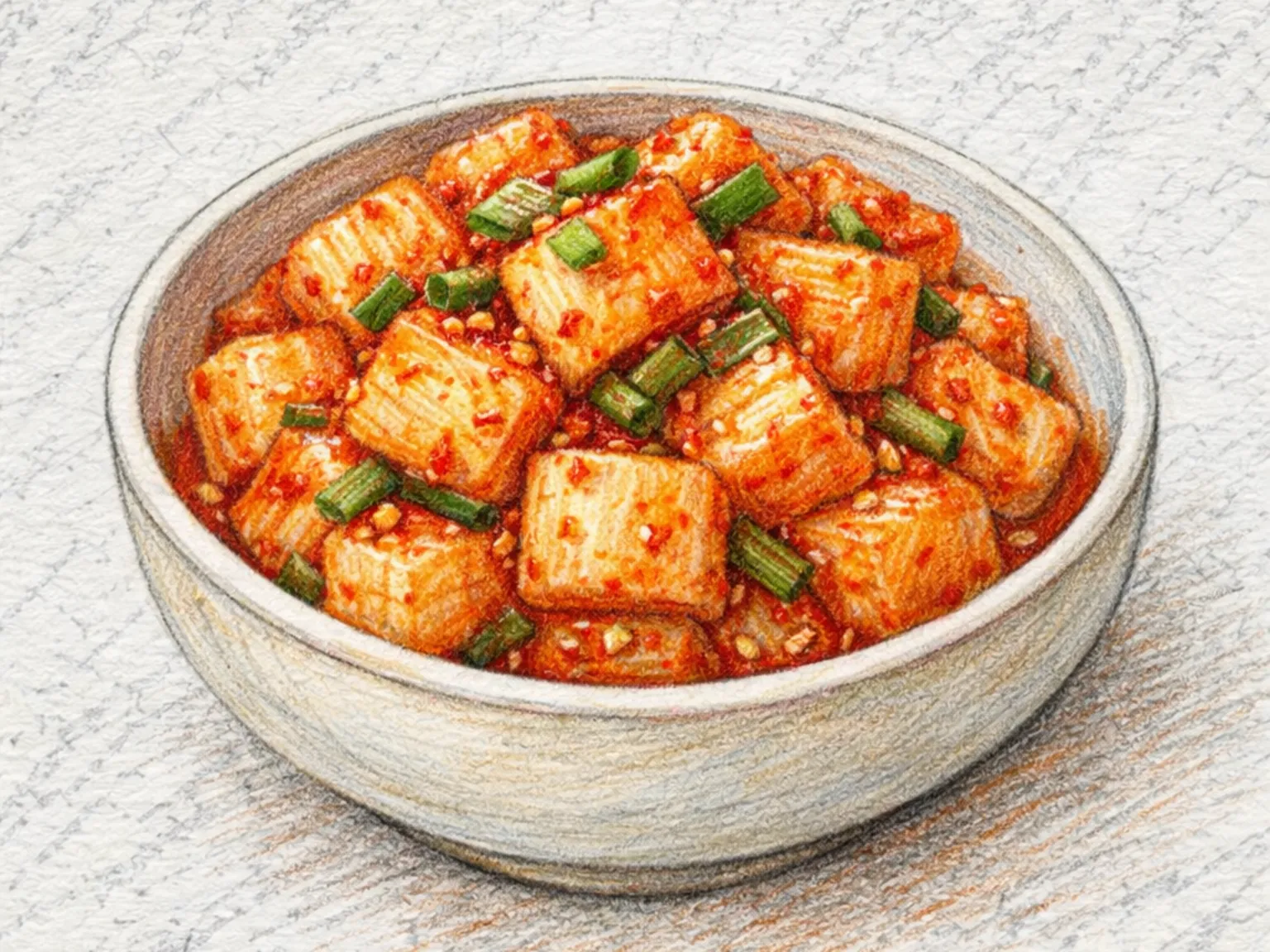
Korean Restaurant-Style Kkakdugi
Sikdang-style kkakdugi is the cubed radish kimchi served as a complimentary banchan at virtually every Korean restaurant, standing alongside baechu-kimchi as a permanent fixture on the Korean table. Cutting Korean radish into chunky 2 cm cubes preserves crunch deep into the flesh even after salting and fermentation. Twenty minutes in coarse salt draws out excess moisture, and the cubes are then coated in a seasoning mixture of gochugaru, anchovy fish sauce, garlic, ginger, and sugar. The fish sauce lays the umami foundation that develops further during fermentation, while ginger suppresses the raw edge of the radish and leaves a clean finish. One day at room temperature initiates lactic acid fermentation, producing the characteristic tingle of an active kimchi, after which refrigeration allows the flavor to mature steadily over two to three weeks. Winter radish carries more natural sugar, so the added sugar can be reduced without sacrificing sweetness. In summer, shortening the room-temperature rest to half a day before refrigerating prevents the kimchi from becoming overly sour. It pairs particularly well alongside grilled pork belly, rice noodle soup, and earthenware pot rice soup, where its acidity cuts through the richness of the main dish.
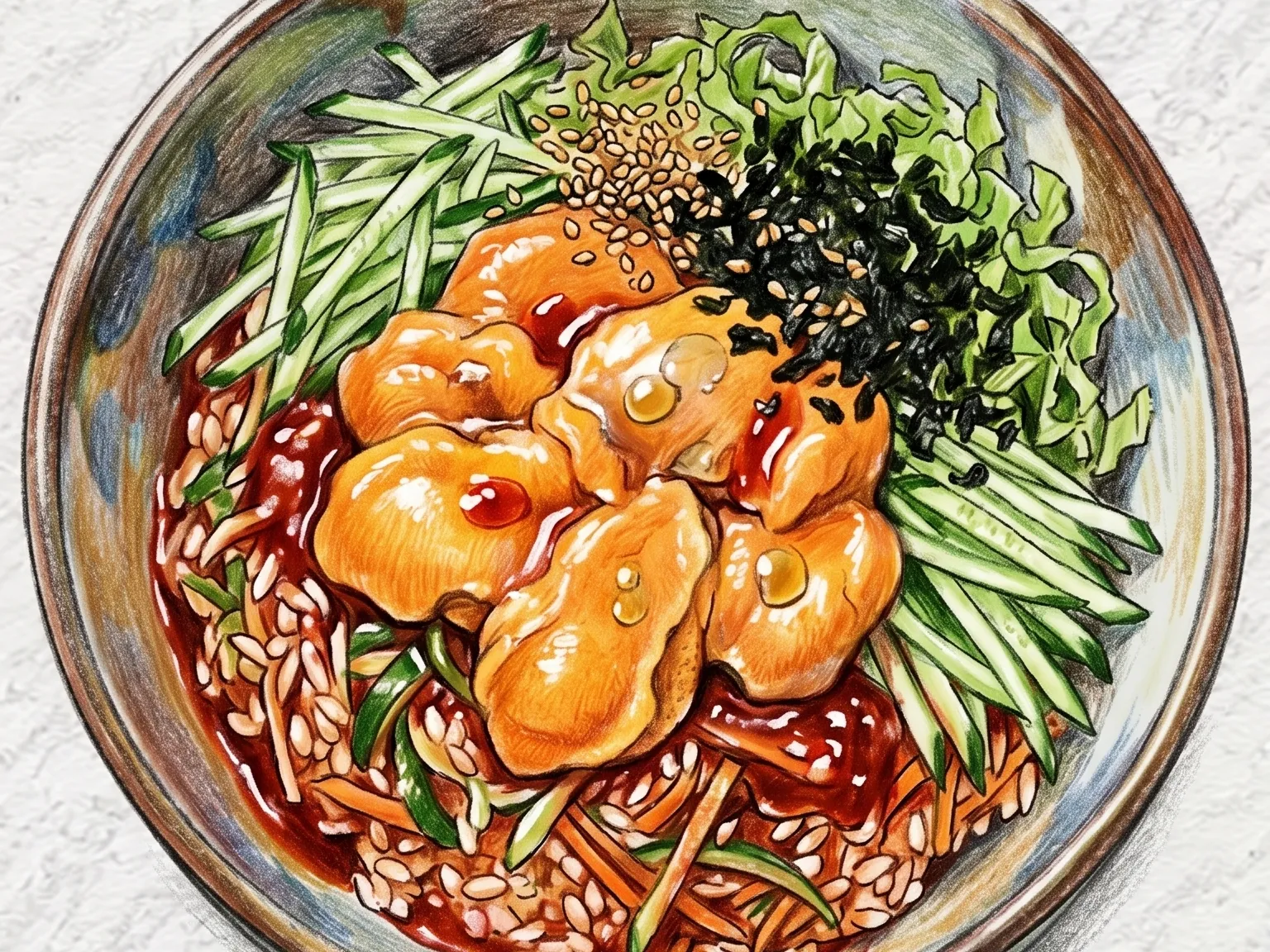
Korean Sea Squirt Mixed Rice
Fresh sea squirt is tossed with vinegared gochujang and sesame oil over warm rice for a bold seafood bibimbap. The sea squirt carries an intense, distinctive ocean flavor that fills the palate, tempered by the tangy sweetness of the sauce. Julienned cucumber and torn lettuce provide crisp contrast, while roasted seaweed flakes and sesame seeds add a nutty undertone. Mixing should happen right before eating to preserve the sea squirt's volatile aroma. Serving it soon after cooking keeps the intended texture clearer, while brief resting lets the sauce or broth settle into the dish.
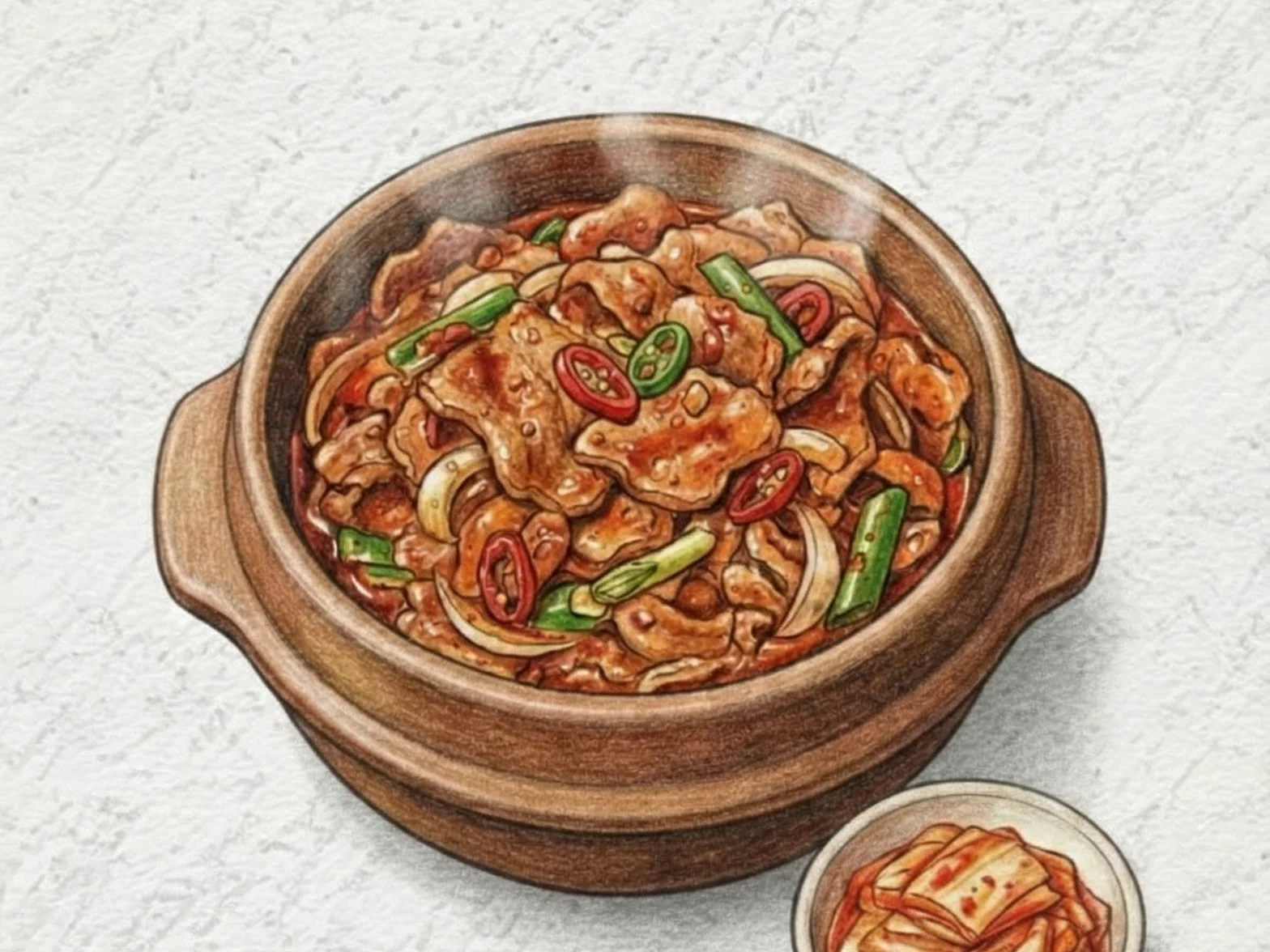
Korean Spicy Pork Stir-fry
Jeyuk-bokkeum is a Korean spicy pork stir-fry where sliced pork is marinated in gochujang, soy sauce, sugar, and garlic, then wok-tossed with vegetables over high heat. The marinade sinks into the meat, combining chili heat with caramelized sweetness, while onions and scallions release moisture that balances the bold seasoning. Quick cooking at high temperature lets the pork develop a lightly charred exterior that adds another layer of flavor. It is commonly served over rice as a donbap or wrapped in lettuce leaves.
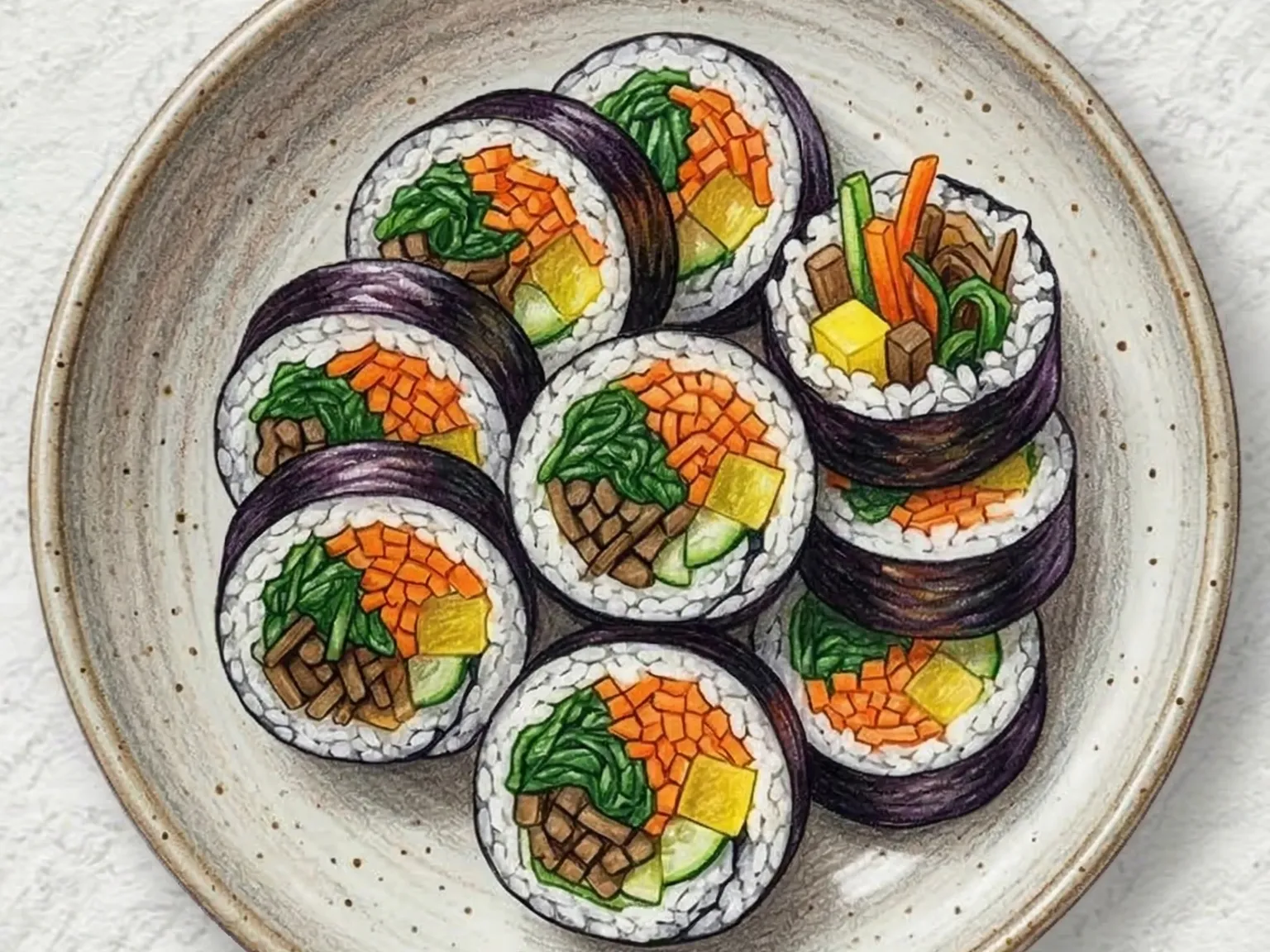
Korean Vegetable Gimbap (Colorful Veggie Seaweed Rice Roll)
Yachae gimbap is a vegetable-focused Korean seaweed rice roll filled with blanched spinach, sauteed carrot, braised burdock root, pickled radish, and egg omelet strips, all wrapped in sesame-oil-seasoned rice. Each vegetable is prepared separately to preserve and highlight its own distinct character: spinach is dressed with sesame oil and salt after blanching, carrot is stir-fried to draw out its natural sweetness, and burdock root is slow-braised in soy sauce and sugar to develop a deep savory-sweet depth that nothing else in the roll can replicate. Pickled radish adds a tart, satisfying crunch that contrasts with the soft egg strips, and the combination of six or more individually seasoned ingredients creates both visual variety in the cross-section and complexity in every bite. Draining every filling thoroughly and cutting them all to a uniform diameter is the practical key to a roll that stays tight, slices cleanly, and keeps the seaweed from turning soggy.
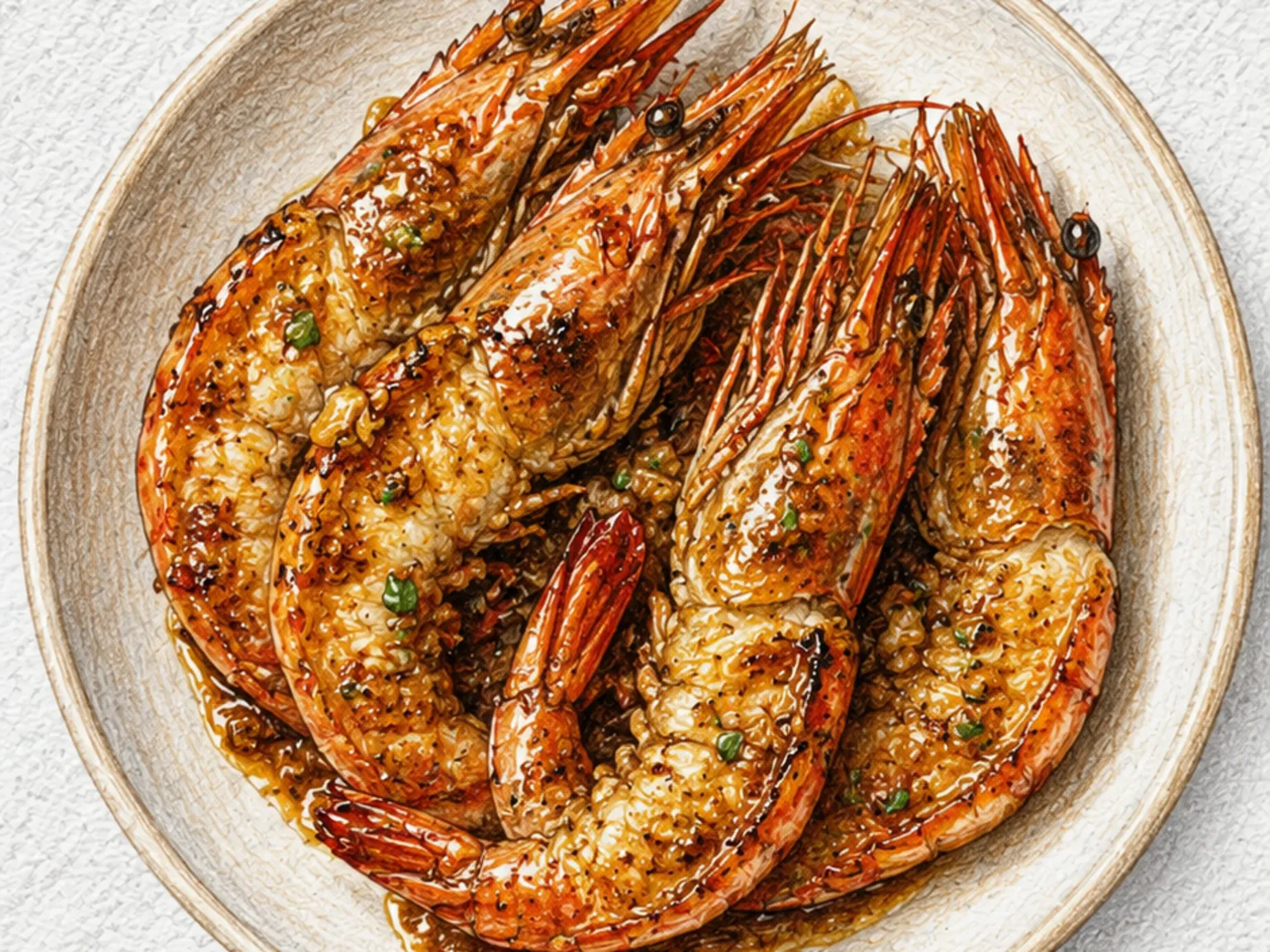
Korean Saeu Doenjang Beoteo Gui (Doenjang Butter Shrimp Grill)
Saeu-doenjang-beoteo-gui is Korean doenjang-butter grilled shrimp, where deveined large shrimp are tossed with two-thirds of a sauce made from doenjang, melted unsalted butter, minced garlic, lemon juice, and black pepper, marinated for eight minutes, then seared on a hot grill pan for two minutes per side. The fermented soybean paste and butter fat together create a deeply savory richness distinct from any Western butter sauce, and the lemon juice cuts through that heaviness with clean acidity. Total cooking time must stay under five minutes to keep the shrimp flesh snappy rather than rubbery, and brushing the reserved sauce on during a final one-minute sear builds a concentrated doenjang-butter crust on the surface. Because doenjang is inherently salty, any additional salt should only be considered after tasting the finished dish.
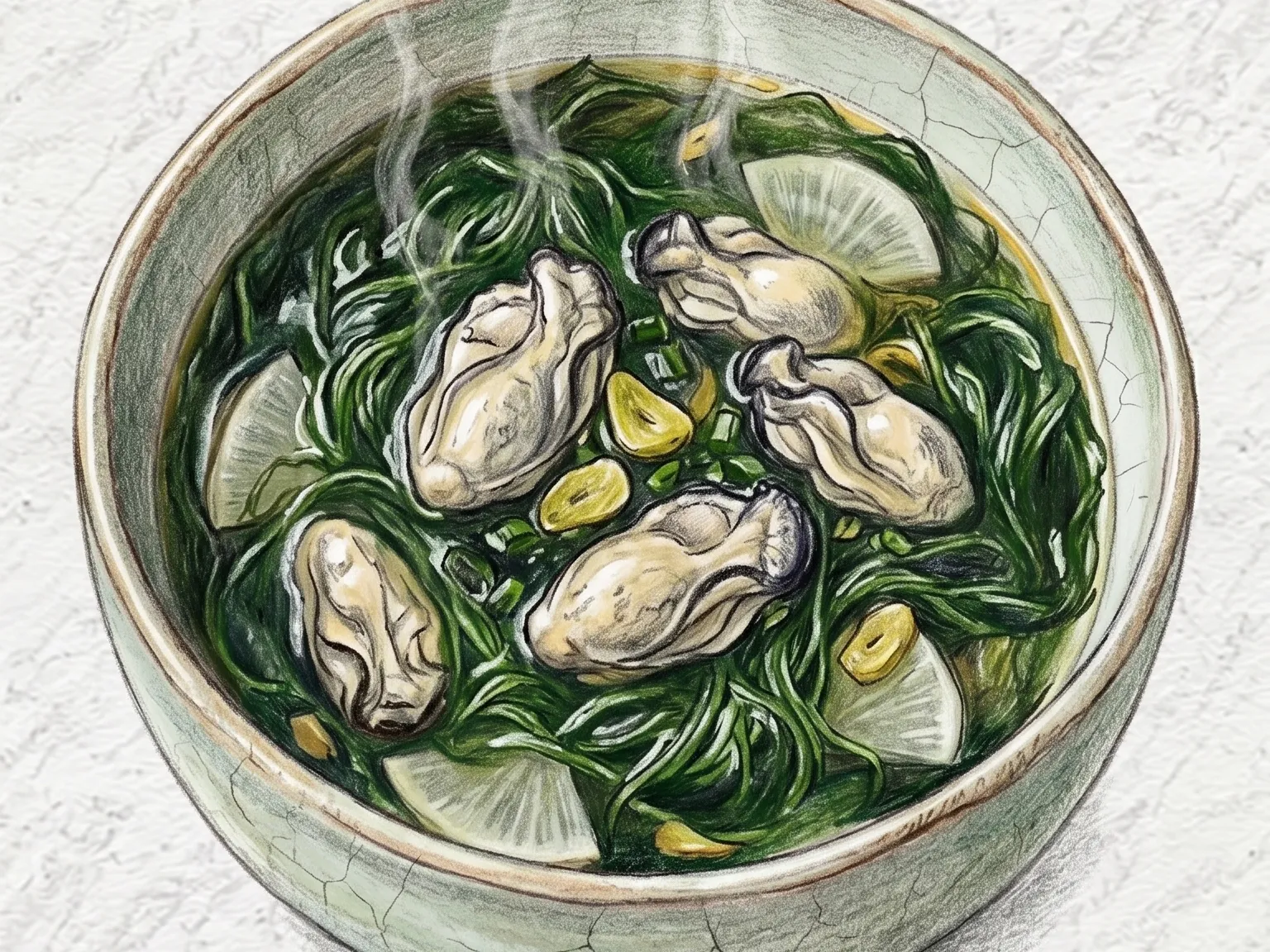
Korean Seaweed and Oyster Soup
Maesaengi-gul-guk is a light winter soup pairing two peak-season ingredients, capsosiphon seaweed and fresh oysters, that together produce a broth with an intense marine character neither delivers alone. Julienned radish and garlic are sauteed in sesame oil first to coax out sweetness, then water is added and brought to a boil before the oysters go in for three minutes. The oysters release their brininess into the stock, building the flavor base without any additional seasoning beyond soup soy sauce and a pinch of salt. The seaweed is added last and simmered for only two minutes, just long enough for it to soften while retaining its silky texture and faint oceanic scent. Both ingredients are best from November through February, so the soup is at its peak during those winter months. Because the oysters contribute significant salt on their own, seasoning should be done gradually at the end to avoid oversalting. The soup is warming and easy to digest, making it a natural fit for recovery meals and winter breakfasts.
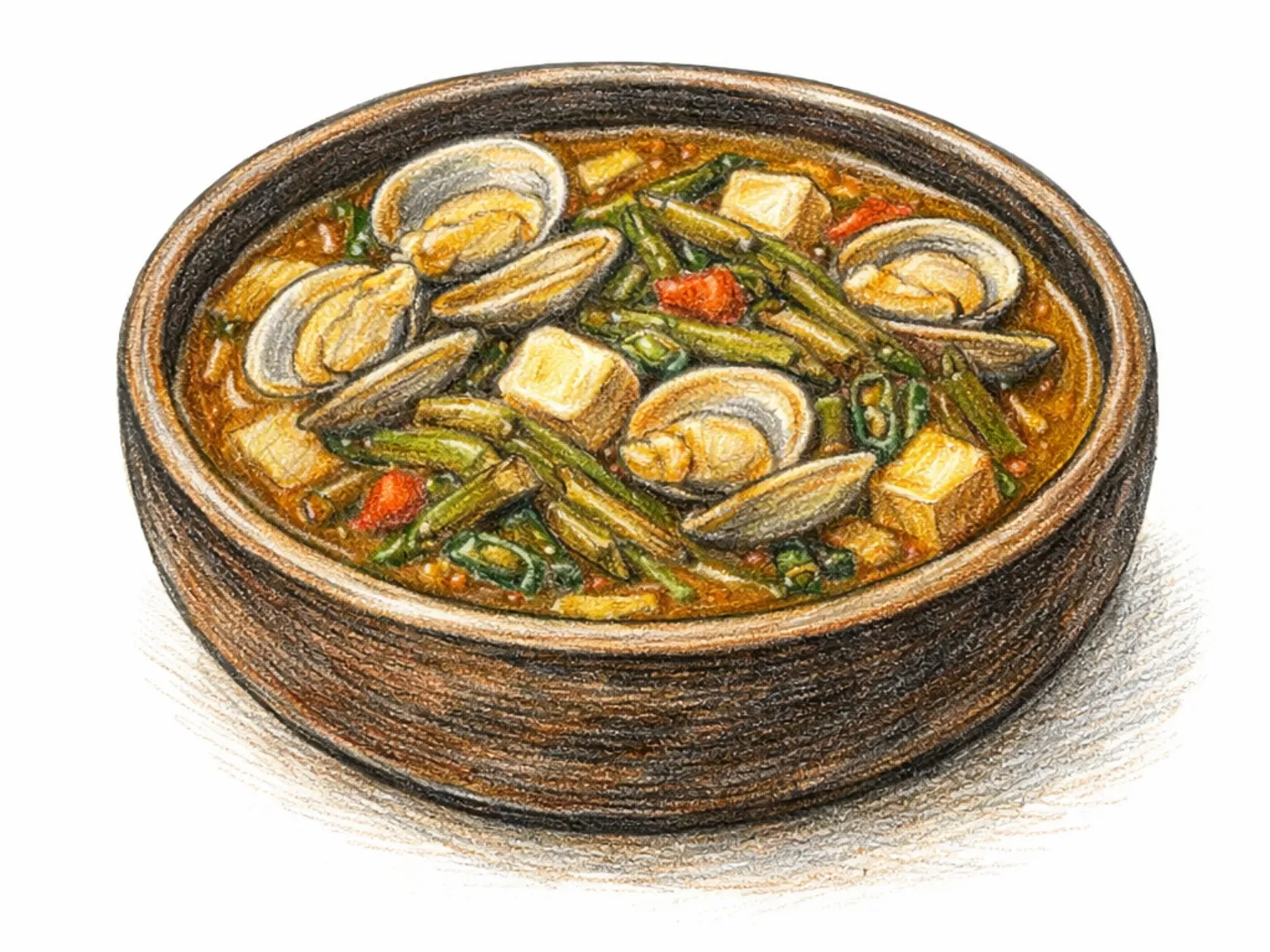
Korean Dried Radish Greens & Clam Soybean Stew
This stew pairs rehydrated dried radish greens with fresh clams in a broth of rice-rinse water seasoned with doenjang and a measured amount of gochujang. The radish greens go into perilla oil first, sauteing until their nutty aroma blooms fully before the clams are added. As the clams open, they release a clean, briny liquid that merges with the fermented soybean paste to form a layered, deeply savory base. Korean radish and onion contribute background sweetness, while green onion and garlic anchor the aromatic profile with a sharp edge. The rice-rinse water introduces a gentle body to the broth, giving it a slightly thickened, silky texture that coats each spoonful. The doenjang works its way into the fibrous radish greens during cooking, so each bite carries the full weight of the seasoning. This is the kind of stew that makes plain rice disappear from the bowl without effort.
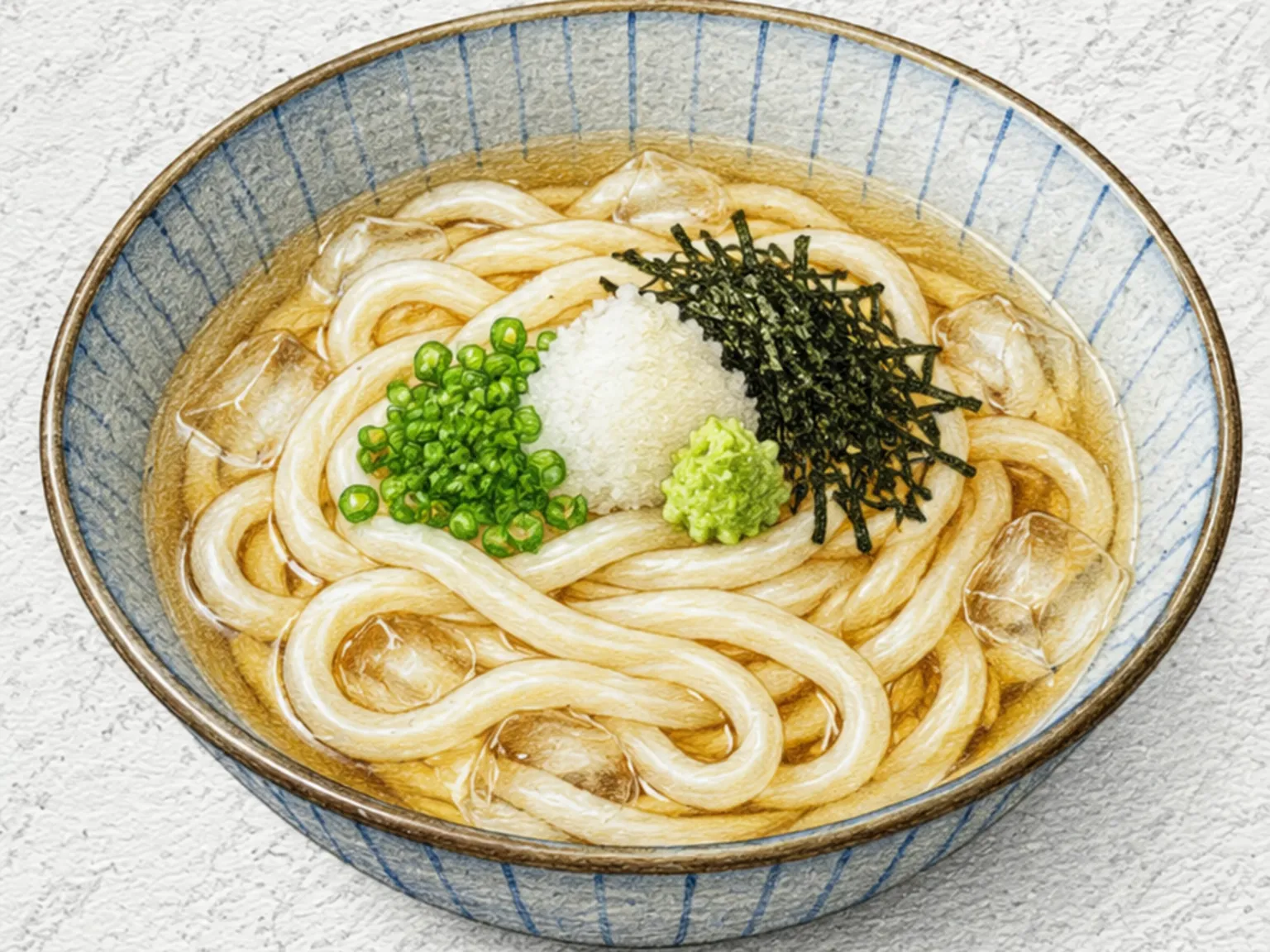
Cold Udon (Chilled Noodles with Mentsuyu Dipping Broth)
Naeng udon is a Japanese cold noodle dish where thick udon is cooked, drained, and then cooled aggressively in ice water before being served in chilled mentsuyu broth. The broth is prepared by diluting concentrated mentsuyu with cold water at a ratio of one to two, then refrigerating it until well chilled, which produces a clean liquid dense with soy-based umami. Cooling the noodles completely in ice water is not optional: the cold firms the starch back up, restoring the springy, slightly resistant chew that defines good udon. Freshly grated daikon stirred into the broth contributes a mild peppery heat and a cooling edge that lightens the overall flavor. Thinly sliced scallion adds a bright green freshness, and a sheet of nori brings oceanic depth to what might otherwise be a simple dipping liquid. A small amount of wasabi dissolved into the broth delivers a sharp nasal sting that contrasts directly with the cold temperature, leaving a clean, bracing finish on the palate. The dish is best eaten quickly while everything stays cold, and it comes together from pantry staples in minutes, making it one of the most practical summer meals.
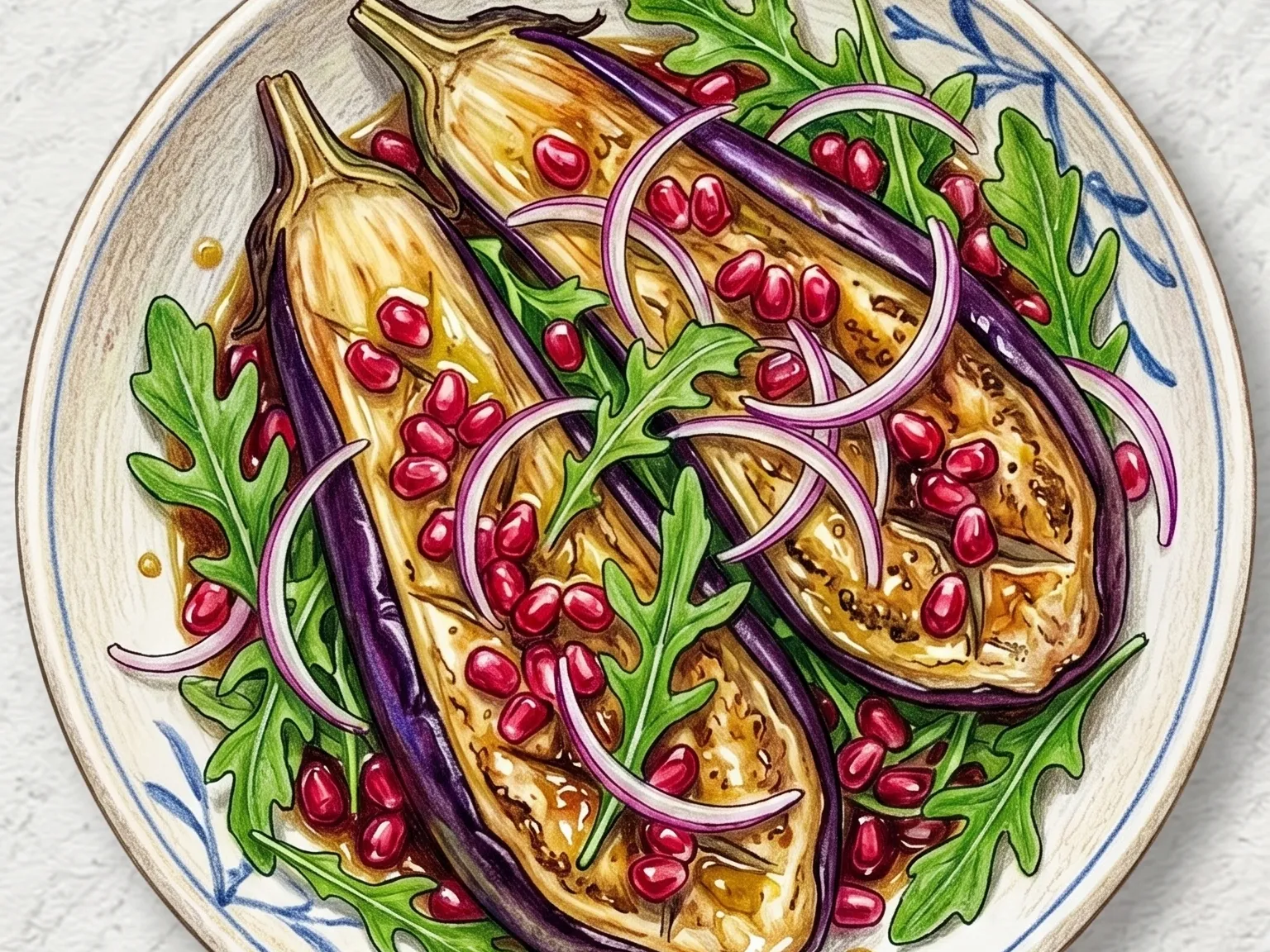
Roasted Eggplant Pomegranate Salad
Eggplant is halved and roasted until the flesh turns silky-sweet and almost cream-like. Pomegranate seeds burst with tart juice that cuts through the eggplant's rich depth. Arugula adds peppery bitterness preventing sweetness from dominating, and red onion contributes a sharp, lingering bite. A vinaigrette of red wine vinegar and honey layers sweet-acid notes across the plate, while the contrast of ruby pomegranate, purple onion, and green arugula makes the dish visually striking. It can be served as a light side dish, with simple accompaniments chosen to match the sauce, broth, or topping.
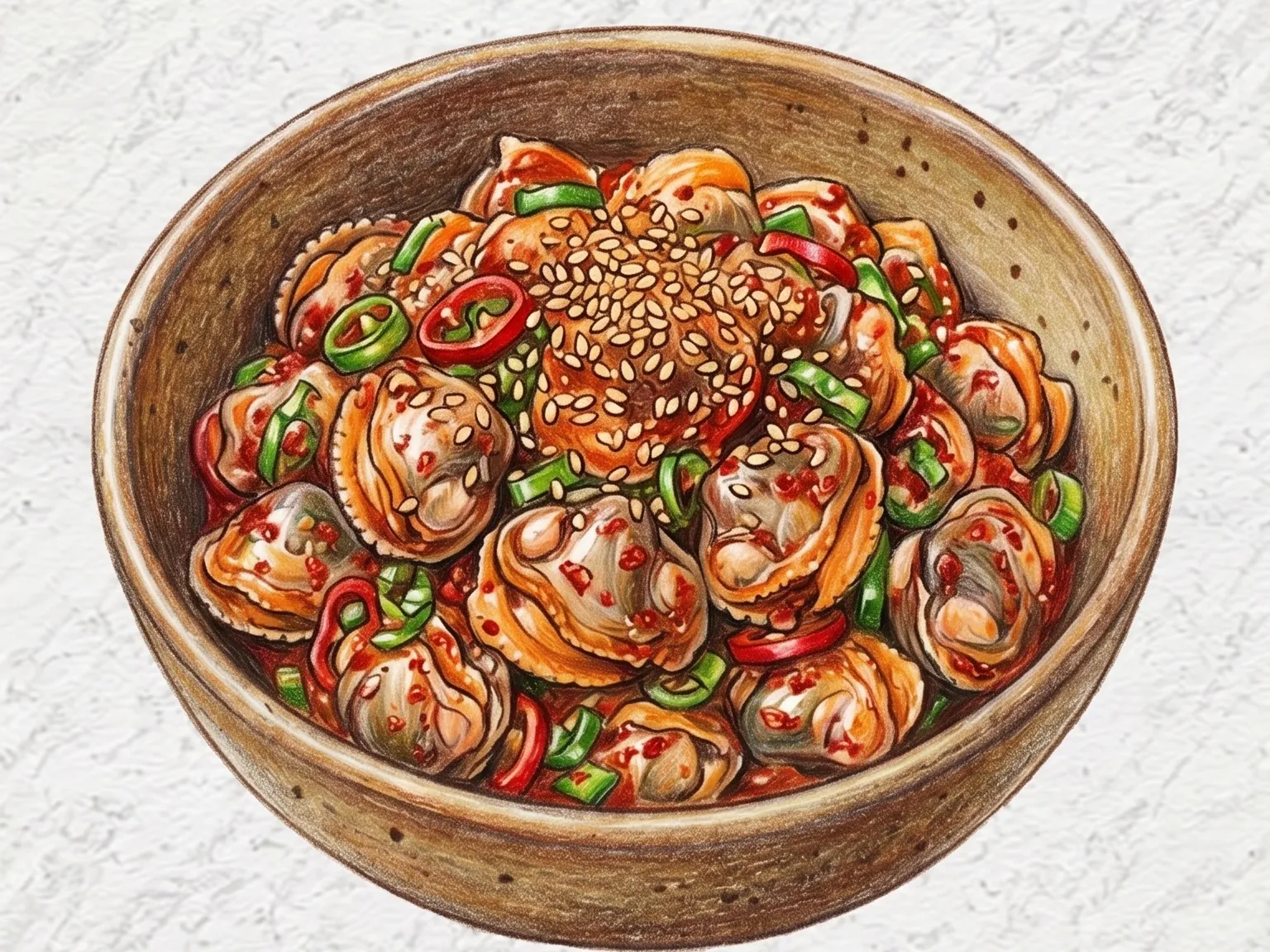
Korean Seasoned Cockle Salad
Kkomak-muchim is a seasoned cockle banchan that has become inseparable from the town of Beolgyo in South Jeolla Province. Beolgyo sits at the meeting point of wide tidal flats with strong current flow, producing an environment rich in organic matter where true cockles (cham-kkomak) grow plump, sweet, and full. The season runs from November through March, the months when the meat is at its densest and most flavorful. Cooking precision determines the outcome: stirring only in one direction once the water reaches a boil ensures all the shells open evenly rather than at staggered intervals, and the cockles must be removed at the four-minute mark before the flesh contracts and turns rubbery. The shells are pried apart immediately after lifting, the meat collected and drained well so the dressing does not turn watery. The seasoning is built from gochugaru, soy sauce, vinegar, sugar, and minced garlic, all mixed into a tangy, spicy paste that coats each cockle in a bright, assertive layer. Sliced green onion adds freshness, sesame oil adds a roasted fragrance, and a ten-minute rest after mixing allows the dense cockle meat to absorb the dressing from the surface inward. This is among the most sought-after seasonal banchan in Korean cuisine and a central part of what makes Beolgyo food culture distinctive.
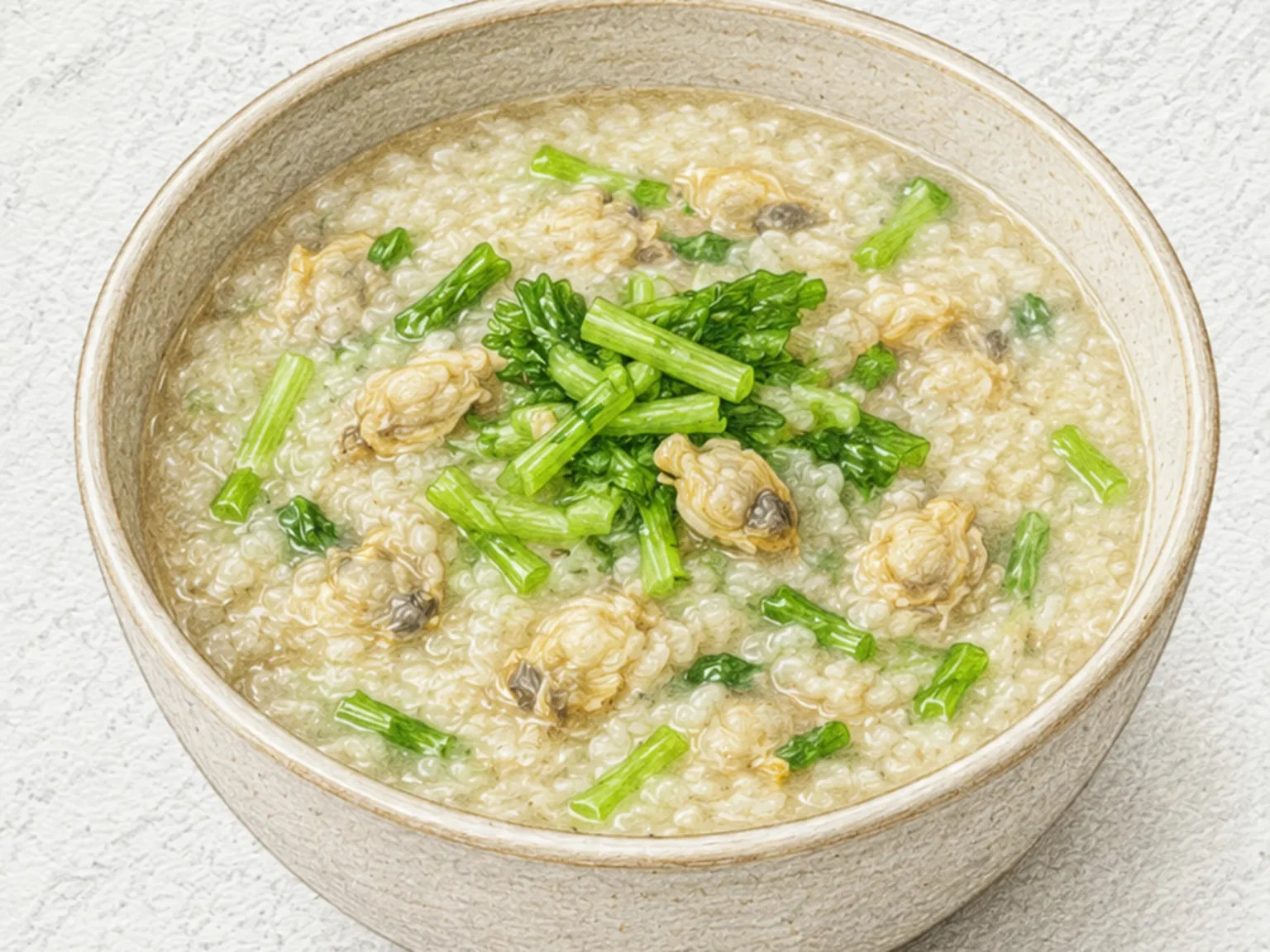
Korean Water Parsley Clam Porridge
Minari bajirak juk is a mild seafood porridge made by sauteing onion and garlic in sesame oil until soft and fragrant, then simmering soaked rice and fresh clam meat into a smooth, comforting bowl. The clams release a clean, briny sweetness that diffuses through every spoonful, and water parsley added off the heat at the very end contributes a bright, herbaceous freshness that lifts the overall flavor. Soaked rice is first stirred in the sesame oil until each grain turns translucent, which keeps the porridge from becoming starchy and gluey as it cooks. Water is added and the pot simmers on medium-low heat, stirred steadily so the starch releases gradually and creates a silky, even consistency. Clams are added in the later stages of cooking because prolonged heat makes them rubbery; adding them late keeps them tender. Salt goes in just before the heat is turned off to calibrate the final seasoning, followed by a drizzle of sesame oil for a nutty, rounded finish. The light, easy texture of the finished porridge makes it well suited to early mornings, days when the stomach feels unsettled, or as a restorative after a night of drinking. Water parsley must be added after the heat is off, since its volatile fragrance disappears quickly when exposed to direct heat.