🏠 Everyday Recipes
Simple home-cooked meals for any day
1705 recipes. Page 54 of 72
These are the meals you can cook day after day without getting tired of them. Doenjang jjigae, rolled omelet, spicy pork stir-fry - the kind of home-cooked dishes that fill an ordinary day with comfort.
The beauty of everyday cooking is that it relies on common ingredients already in your fridge. No exotic items, no complicated techniques - just straightforward recipes for satisfying home meals.
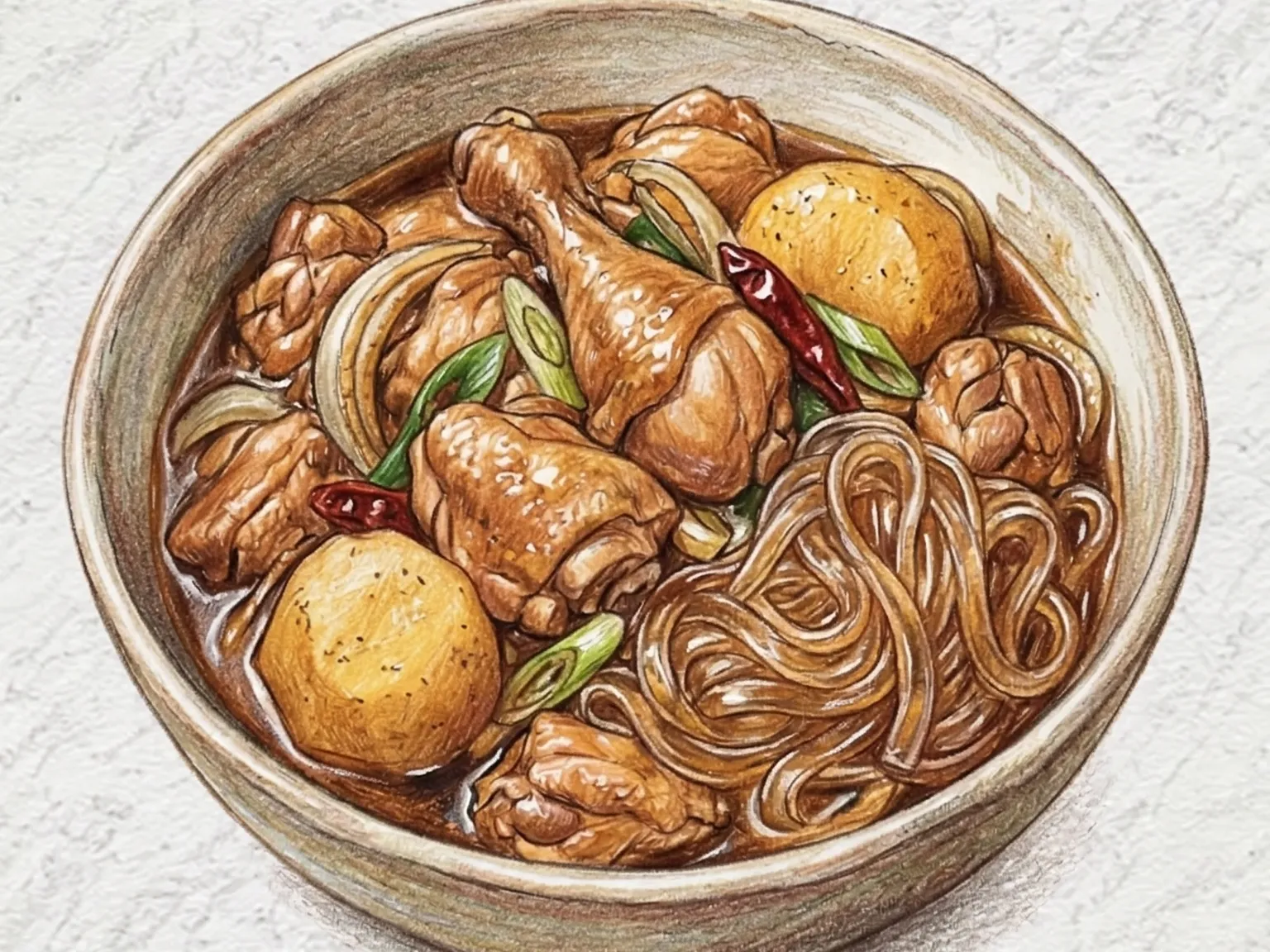
Korean Soy Braised Chicken with Glass Noodles
Jjimdak is a Korean braised chicken dish originating from the Andong region of North Gyeongsang Province, where competing chicken stalls in the Andong Old Market during the 1980s each developed their own version, eventually producing the dish now associated with the city. Bone-in chicken pieces, potatoes, and glass noodles are simmered together in a soy sauce glaze built from soy sauce, sugar, garlic, and corn syrup. The sauce penetrates the chicken and potatoes fully during the braise, delivering salty-sweet depth in every piece. Glass noodles swell as they absorb the reducing liquid, turning chewy and deeply flavored by the end of cooking, while the potatoes soften to a floury, starchy texture that holds sauce on every surface. As the liquid reduces further, the glaze thickens and turns glossy, coating each ingredient in a lacquered layer. Served over rice with the sauce poured across, it is easy to finish the bowl without noticing. Cheongyang chilies are often added for a spicier version, and sliced rice cakes folded in at the end are a popular addition.
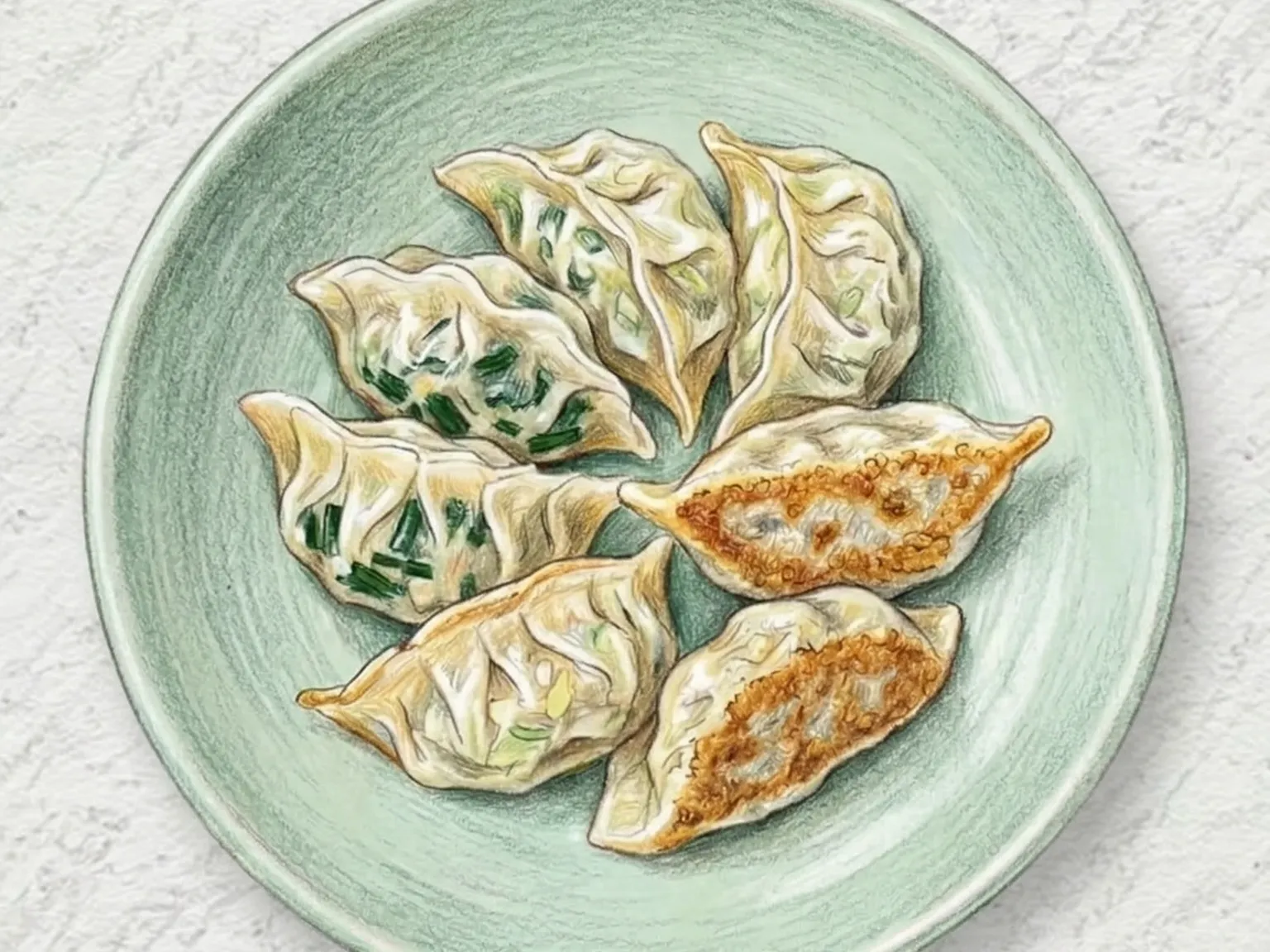
Korean Vegetable Dumplings
Yachae-mandu are Korean vegetable dumplings filled with finely chopped cabbage, garlic chives, rehydrated glass noodles, and crumbled firm tofu, seasoned with soy sauce, sesame oil, and minced garlic. Squeezing all moisture from the tofu through a clean cloth and salting the cabbage before pressing it dry are both essential steps that prevent the wrappers from bursting during cooking. The glass noodles, cut short before going into the filling, distribute a springy chew throughout each bite rather than clumping in one place. Garlic chives stand in for green onions and bring a pungent, grassy aroma that gives the filling its character without any meat. Pan-frying over medium heat creates a thin, golden crust along the bottom of each dumpling while the upper half stays soft and slightly moist, so every bite delivers a contrast between crisp and tender. Leaving enough border around the filling when sealing the edge prevents blowouts during cooking and keeps the shape intact through to the table.
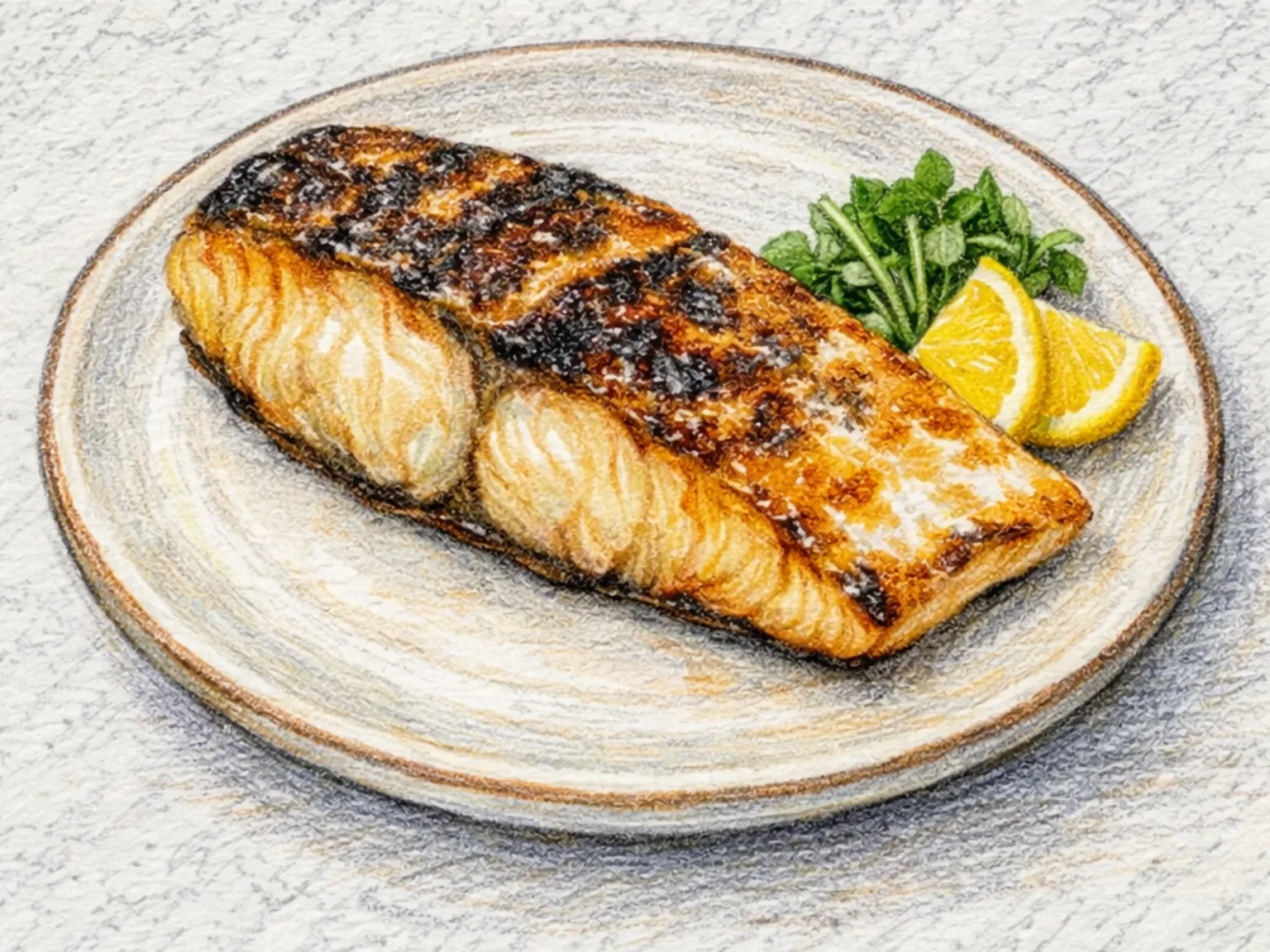
Korean Grilled Spanish Mackerel
Samchi-gui is Korean grilled Spanish mackerel, a common home-style fish side dish where thick mackerel steaks are salted and peppered for ten minutes, dusted lightly with flour, and pan-fried in oil over medium heat for four minutes per side. Spanish mackerel belongs to the same family as regular mackerel but has milder odor and softer flesh, making simple salt seasoning sufficient. The thin flour coating serves two purposes: it seals in moisture during cooking and creates a crisp, golden exterior. Applying too much flour causes the fish to absorb excess oil and turn greasy, so shaking off the surplus through a sieve is an important step. A squeeze of lemon juice at the end binds with the fish oils and adds acidity that neutralizes any lingering fishy aftertaste, keeping the flavor clean when eaten over rice.
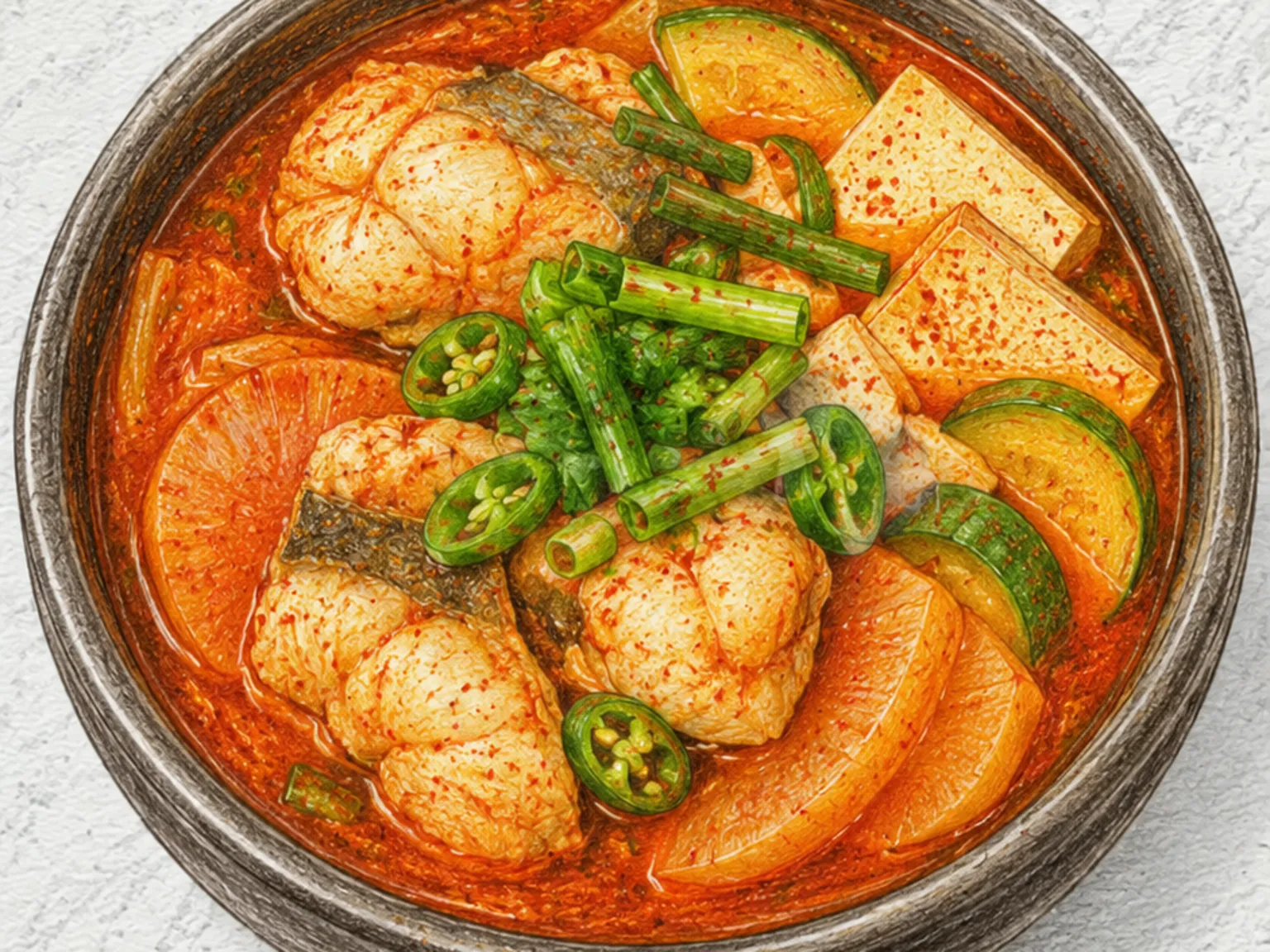
Maeuntang (Spicy White Fish Radish Stew)
Maeuntang is a traditional Korean spicy fish stew centered on white-fleshed fish such as cod or frozen pollock. The fish is salted for ten minutes before cooking, which draws out excess moisture and the compounds responsible for fishiness, resulting in a cleaner-tasting broth. Radish goes into the pot first and simmers until its clean, mild sweetness dissolves into the water, forming the base. Gochujang, gochugaru, soup soy sauce, and minced garlic are then stirred in to build the spiced, savory broth. The fish and tofu are added together and cooked for ten minutes without being turned over. Instead, hot broth is repeatedly ladled over the top surface so the fish cooks evenly without the flesh breaking apart. Zucchini, green onion, and cheongyang chili are added in the final three minutes to preserve their color and slight crunch. A half tablespoon of doenjang stirred in at the end adds a secondary layer of umami that deepens and rounds out the broth considerably.
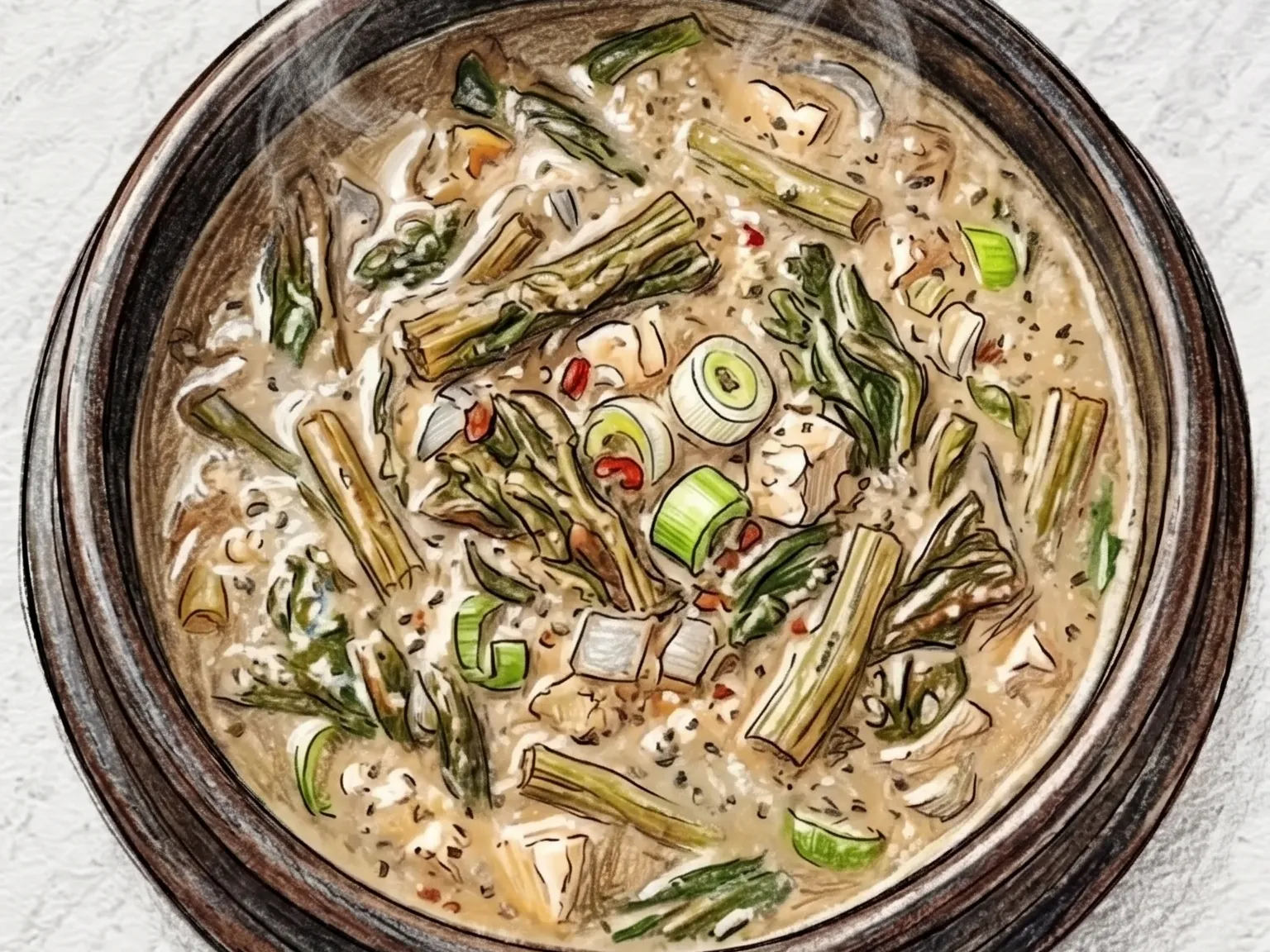
Korean Dried Radish Greens Perilla Stew
This stew simmers rehydrated dried radish greens in rice-rinse water thickened with a generous four tablespoons of perilla seed powder. A small amount of doenjang and gochujang provides savory depth, and using rice-rinse water instead of plain water adds a natural starchiness that helps the perilla powder integrate into the broth more smoothly. The perilla powder creates a creamy, nutty soup with a pale beige hue, and the chewy, fibrous texture of the radish greens contrasts with the richness of the liquid. The radish greens need to be fully rehydrated and pre-boiled so they absorb the broth evenly during cooking rather than remaining tough. Onion and green onion add layers of sweetness and fragrance, and seasoning gradually while the stew cooks produces a more balanced result than adding everything upfront. Served bubbling in an earthenware pot on cold days, this is one of the most comforting staples in Korean winter home cooking.
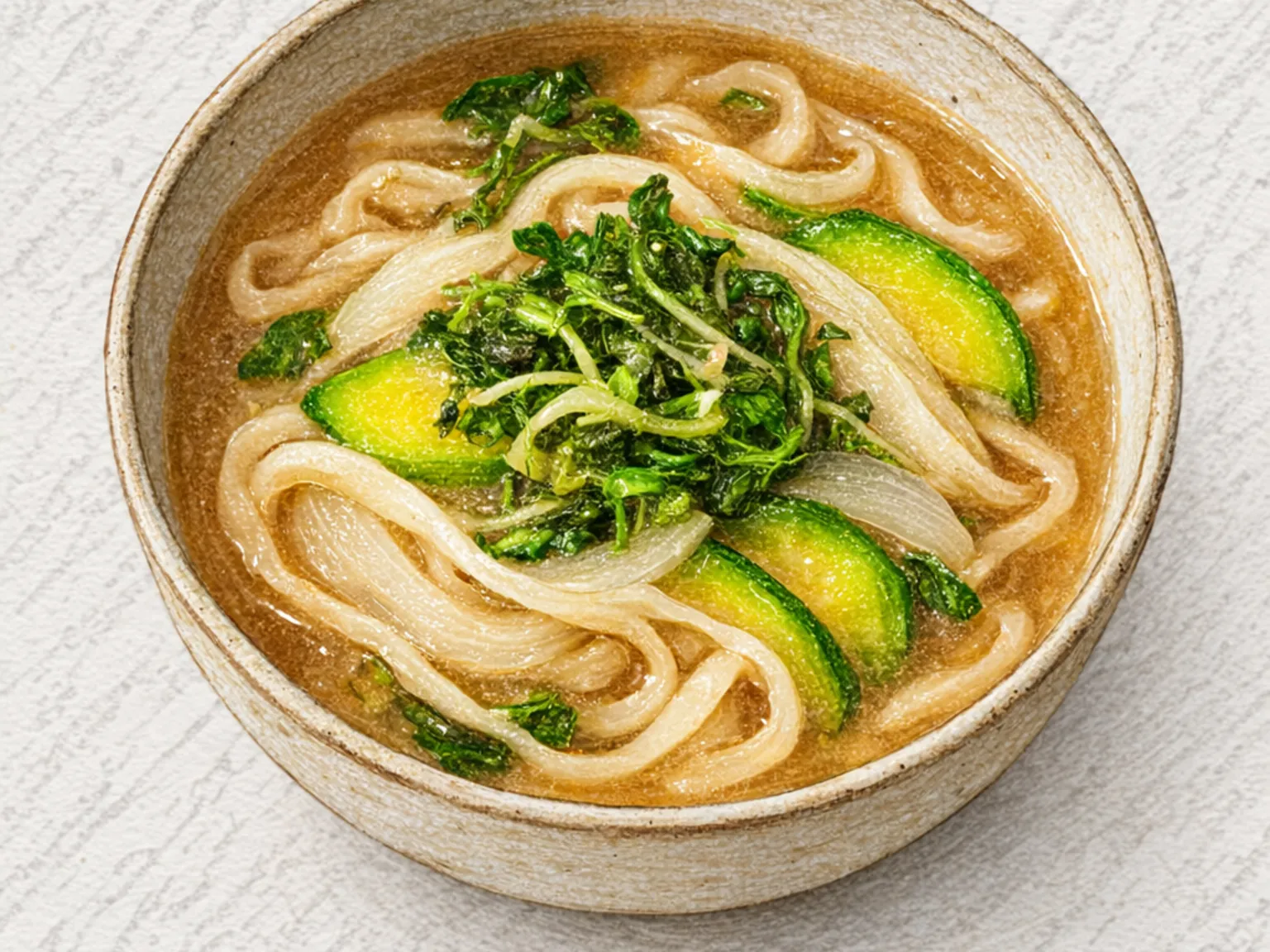
Korean Shepherd's Purse Soybean Paste Noodles
Naengi doenjang kalguksu is a Korean knife-cut noodle soup simmered in anchovy-kelp stock with doenjang and fresh shepherd's purse, a springtime herb prized for its earthy, peppery fragrance. Dissolving the doenjang through a fine strainer keeps the broth smooth and clear rather than cloudy. Soup soy sauce and minced garlic fine-tune the seasoning so the fermented soybean flavor stays rich without becoming overly salty. The noodles cook for four minutes before zucchini and onion are added for two more, allowing their gentle sweetness to dissolve into the broth. Shepherd's purse must go in only during the final minute with reduced heat, because its volatile aromatic compounds dissipate quickly at a rolling boil and the distinctive spring fragrance would be lost. Adjusting salt with soup soy sauce at the end compensates for the varying saltiness across different doenjang brands. The herb's aroma is most concentrated from mid-March to early April, making that narrow window the best time to prepare this soup for the fullest seasonal flavor.

Roasted Kabocha Miso Nut Salad
Kabocha squash is sliced into half-moons and roasted in a hot oven until the cut surfaces caramelize and the flesh turns chestnut-soft and dry in the best possible way. The dressing combines white miso, rice vinegar, and maple syrup into a mixture where salt, acid, and a restrained sweetness reinforce each other and amplify the roasted squash underneath. Arugula provides the peppery, slightly bitter base that keeps the salad from tipping too sweet. Chickpeas add lean protein and a firm, satisfying chew that holds up against the tender squash. Walnuts, crushed roughly rather than chopped fine, contribute crunch and a deep, roasted nuttiness that layers well with the soft squash in each forkful. The contrast between textures, tender squash against resistant walnut, is what makes this salad interesting across every bite. Autumn kabocha, at the peak of its natural sugar content, delivers the most pronounced sweetness, and the dish is filling enough to stand as a vegetarian main course with nothing else alongside it. If using refrigerated squash, adjust oven time and temperature to ensure even caramelization.
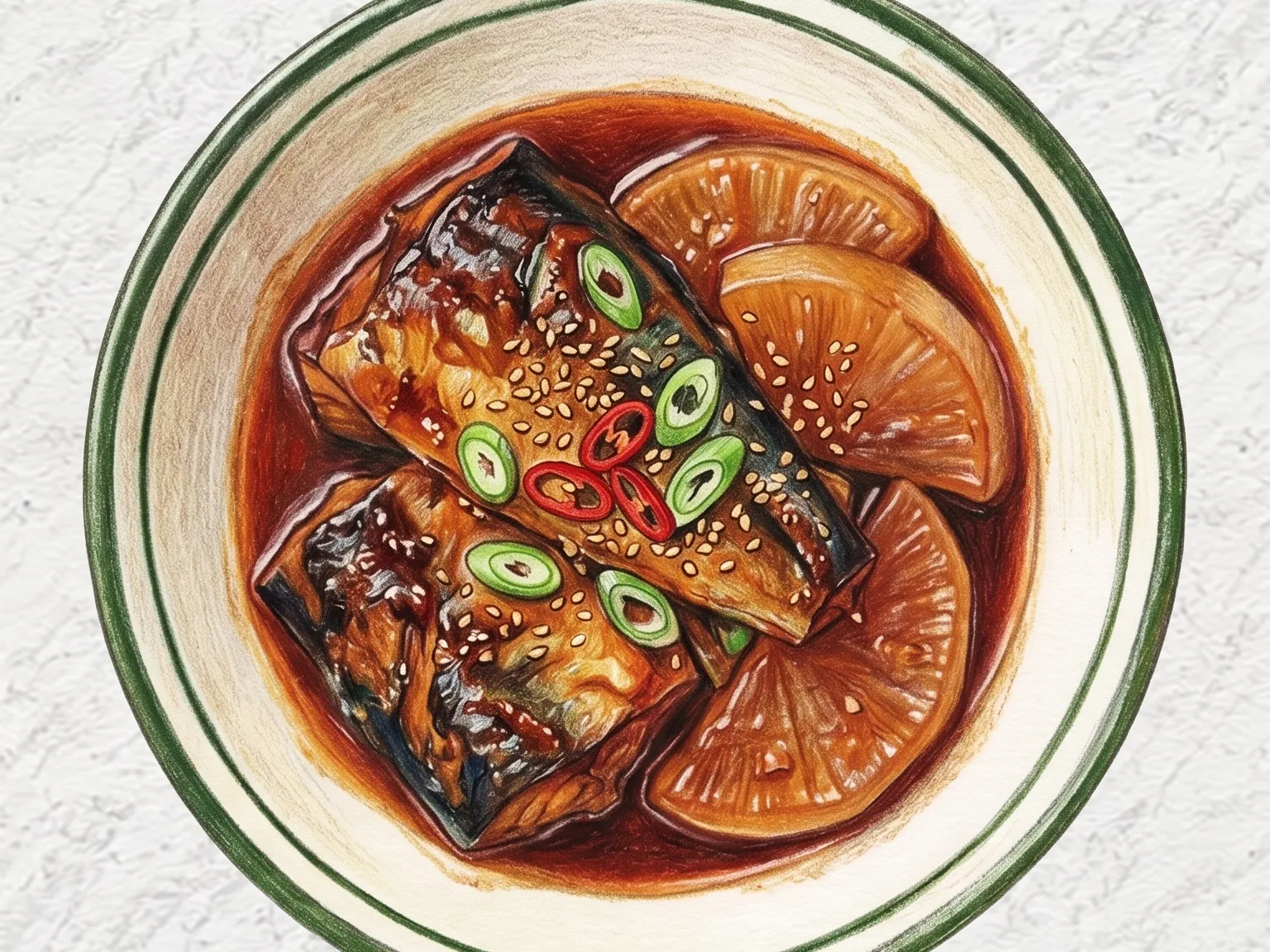
Korean Braised Saury in Spicy Sauce
Kkongchi-jorim simmers Pacific saury with daikon radish in a soy-gochujang sauce until the bones soften enough to eat whole - a thrifty Korean fish braise built on one of autumn's most affordable catches. The radish lines the pot bottom, cushioning the fish from direct heat to prevent breakage while absorbing the braising liquid into sweet, flavor-soaked wedges. After bringing the sauce to a boil, twenty-five minutes of medium-low simmering renders the fine bones edible without adding vinegar. Canned saury, with bones already softened during processing, halves the cooking time for weeknight shortcuts. Green onion placed on top in the final two minutes tempers the fish's natural oiliness and adds a visual accent. Like most jorim-style banchan, this dish improves over several days in the refrigerator as the seasoning continues to penetrate.
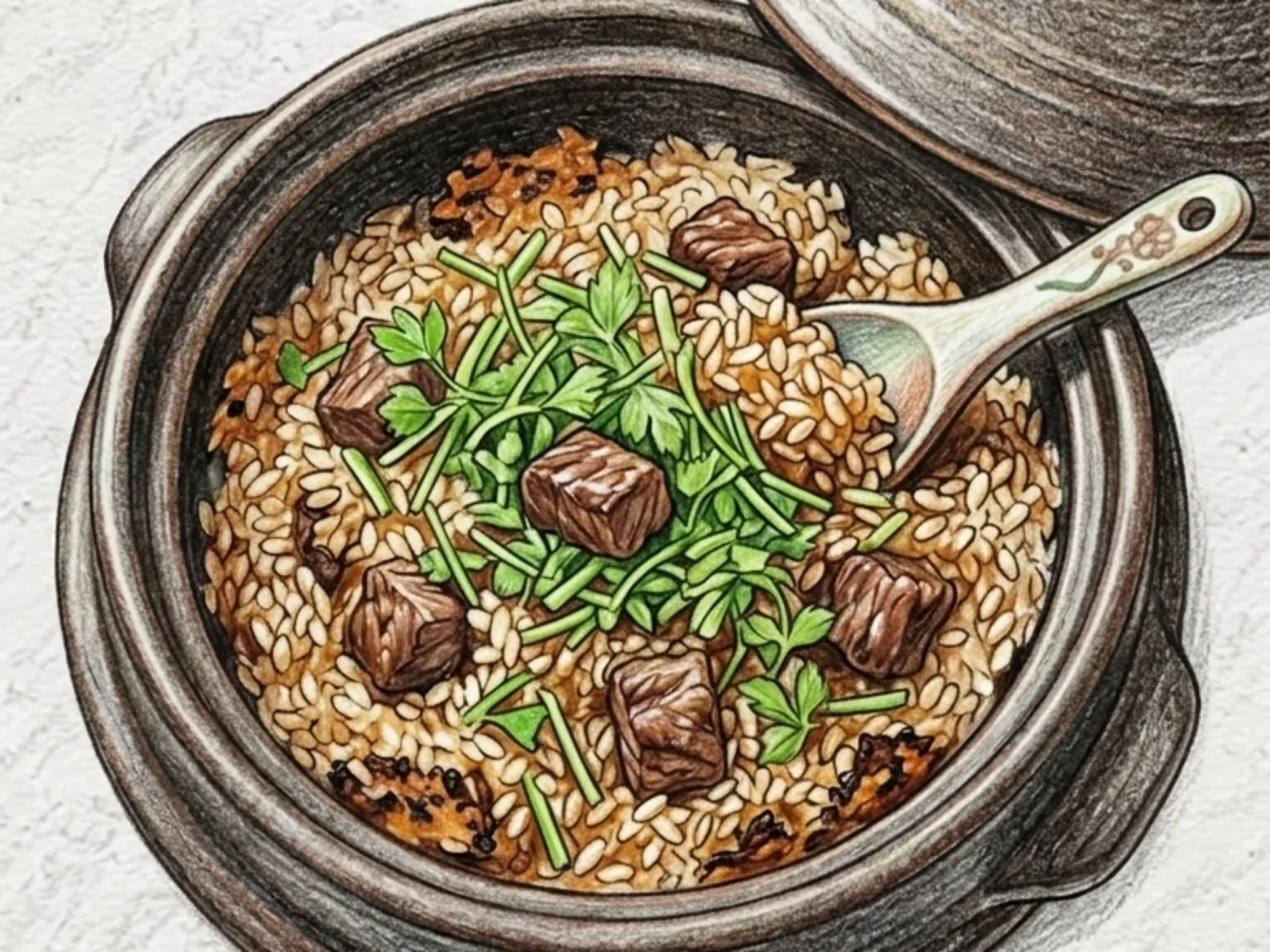
Korean Beef and Water Parsley Pot Rice
Soy-marinated beef is layered with rice in a heavy pot and cooked until the meat juices soak into every grain. Onion and beef are first seared on high heat for depth, then soaked rice and water go in for a slow, covered cook. Water parsley added just before resting contributes a fresh, aromatic lift that cuts through the richness of the beef. The heavy-bottomed pot also creates an even layer of crispy scorched rice at the bottom, adding a satisfying crunch to every serving. Controlling resting time and grain texture helps the ingredients cook evenly while keeping the final seasoning balanced.
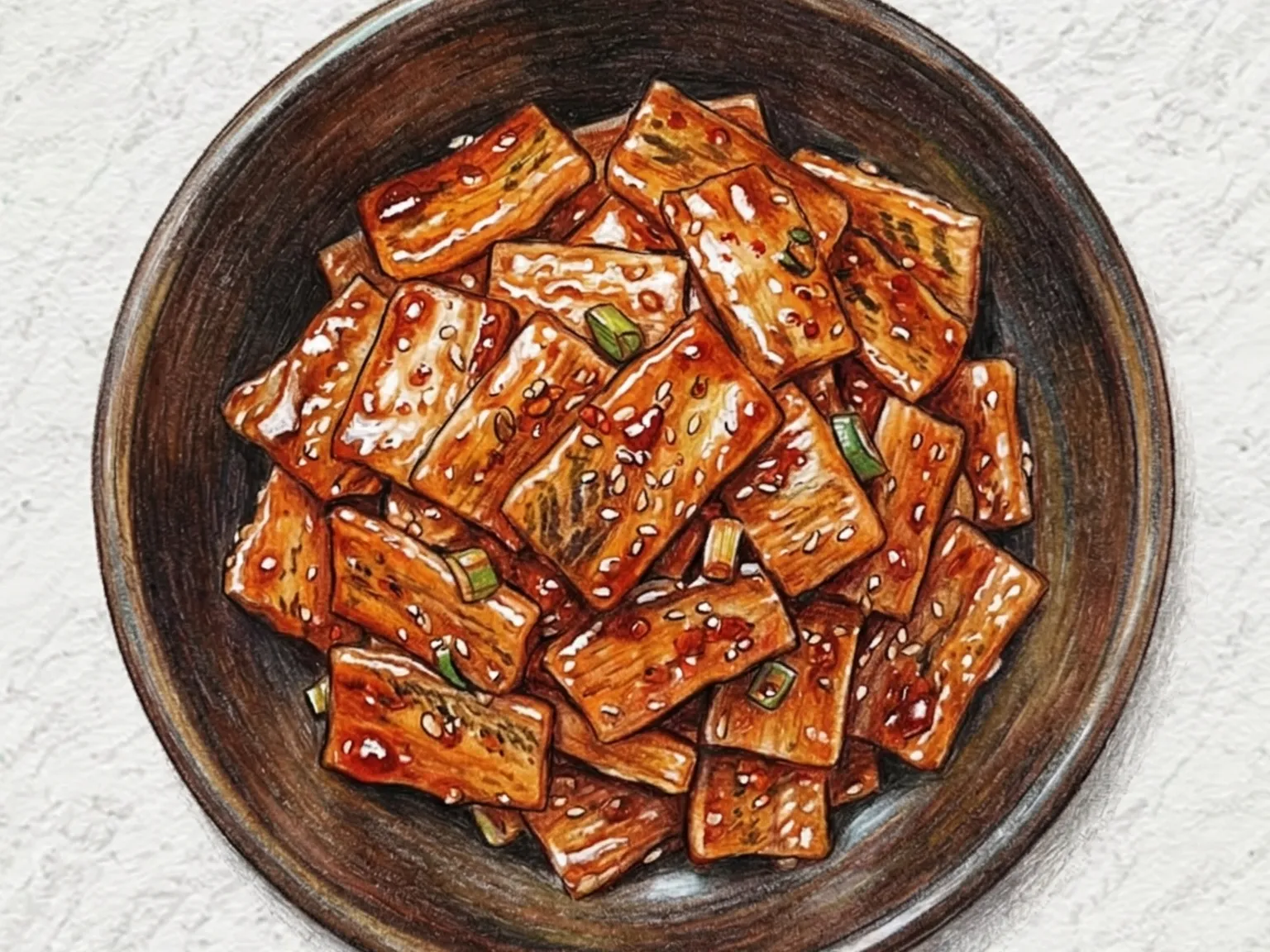
Korean Sweet Spicy Stir-fried Filefish Jerky
Jjipo-bokkeum is a Korean side dish made from flat dried filefish jerky tossed in a sweet and spicy glaze of gochujang, oligosaccharide syrup, soy sauce, garlic, and sesame oil. The jerky pieces are lightly pan-fried in a small amount of oil first to develop a toasty, nutty surface before the sauce goes in, which builds an initial layer of flavor and texture before the glaze coats the outside. The seasoning sauce is added over low heat and the pan is kept moving to prevent the sugar in the oligosaccharide syrup from burning, coating each piece evenly in a glossy, sticky layer. The syrup softens the otherwise tough chew of the dried fish so that each piece bends slightly rather than snapping, and every bite releases the filefish's concentrated, deeply savory umami that builds with each chew. Made ahead and stored refrigerated, jjipo-bokkeum keeps its flavor well for five to seven days, making it one of the more practical banchan to prepare in advance. It works equally well as a rice side, an afternoon snack eaten on its own, or served alongside drinks as an anju.
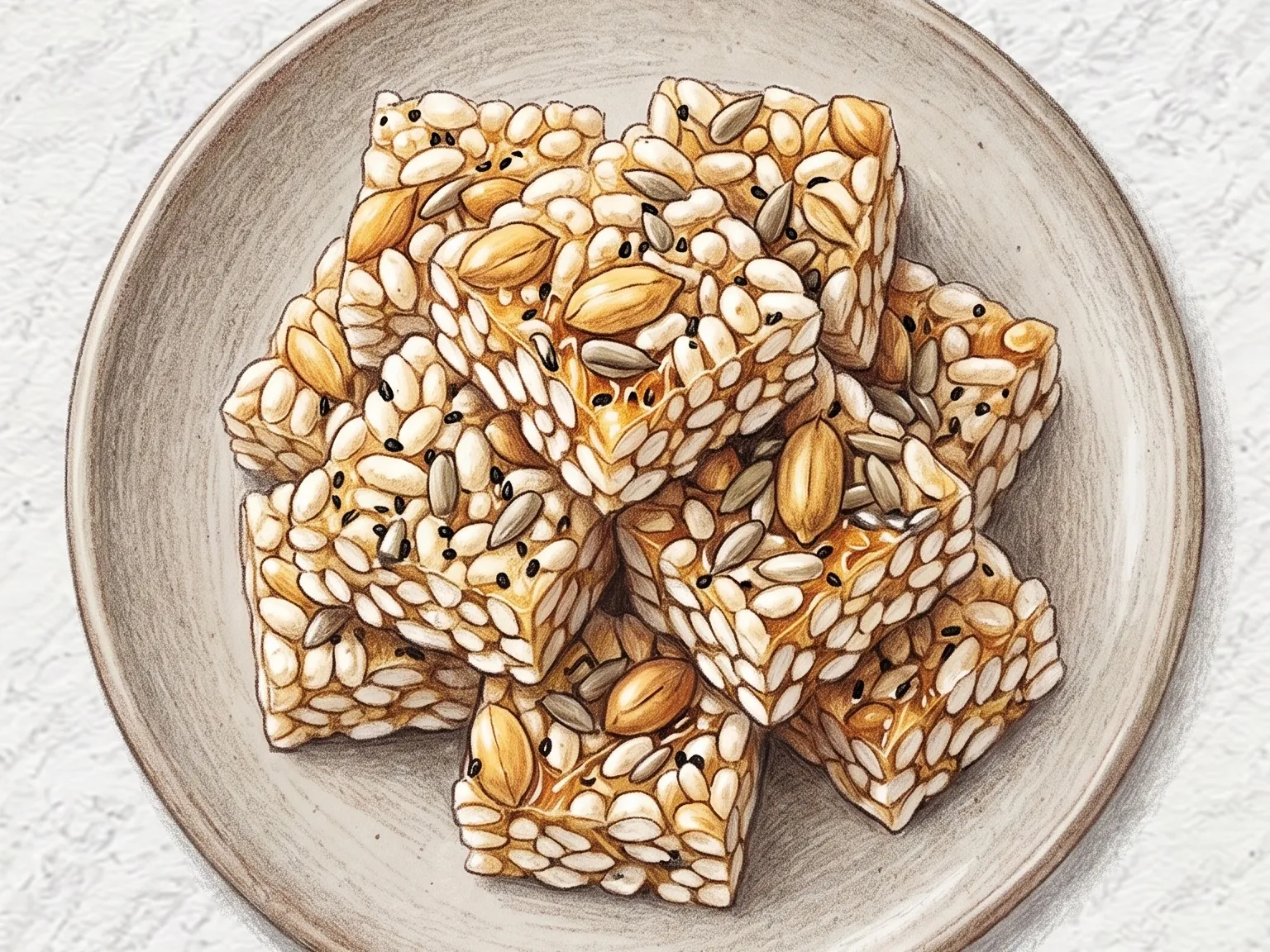
Korean Rice Puff Gangjeong
Ssal-gangjeong is a traditional Korean confection made by binding puffed rice, roasted peanuts, sunflower seeds, and black sesame in a syrup of rice malt and sugar, then pressing the mixture into a mold to set. Controlling syrup temperature is essential: heating too high makes the bars rock-hard once cooled, so stopping when the syrup forms soft threads keeps the final texture crisp yet breakable. The airy crunch of puffed rice contrasts with the firm bite of whole nuts, while black sesame adds a lingering toasty undertone. Scoring the slab before it fully cools produces clean cuts, and storing in an airtight container preserves the crispness for several days.
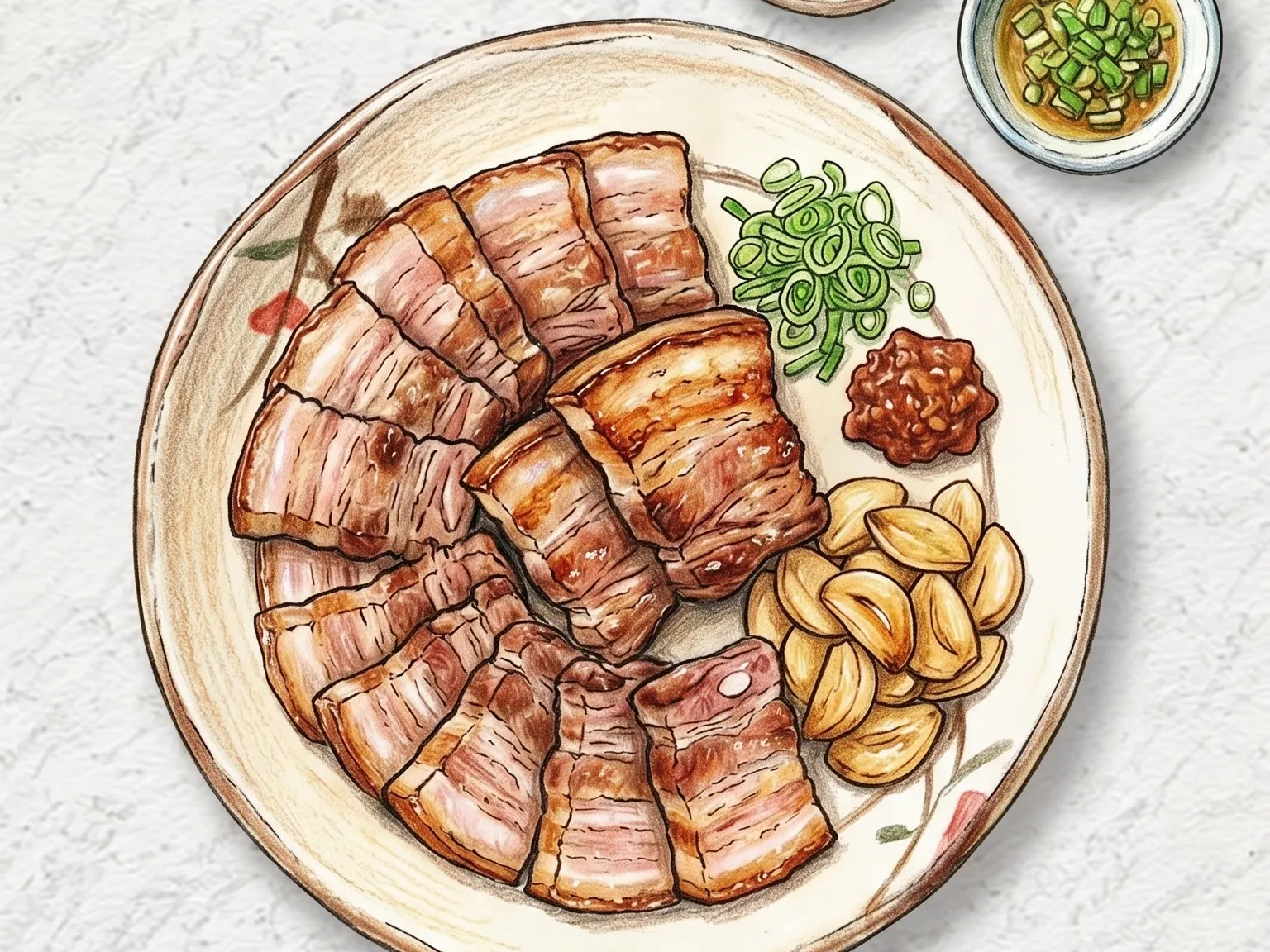
Korean Grilled Pork Belly
Samgyeopsal-gui is Korean grilled pork belly, the country's most iconic barbecue dish, where 400 grams of pork belly is cut into ten-centimeter lengths and grilled on a preheated pan or griddle over high heat without added oil-the alternating layers of fat and lean render enough grease to cook the meat in. Flipping only once, after four to five minutes per side, is critical because frequent turning lets juices escape before the fat has properly rendered and crisped. Once golden and cooked through, the meat is cut into bite-sized pieces with scissors, and thinly sliced garlic is toasted on the same surface until lightly browned. Each piece is eaten wrapped in lettuce with ssamjang, grilled garlic, and green onion, and an optional side of green onion oil dip-sesame oil mixed with salt and chopped scallion-adds nutty depth and a sharp allium kick on top of the pork fat's richness.
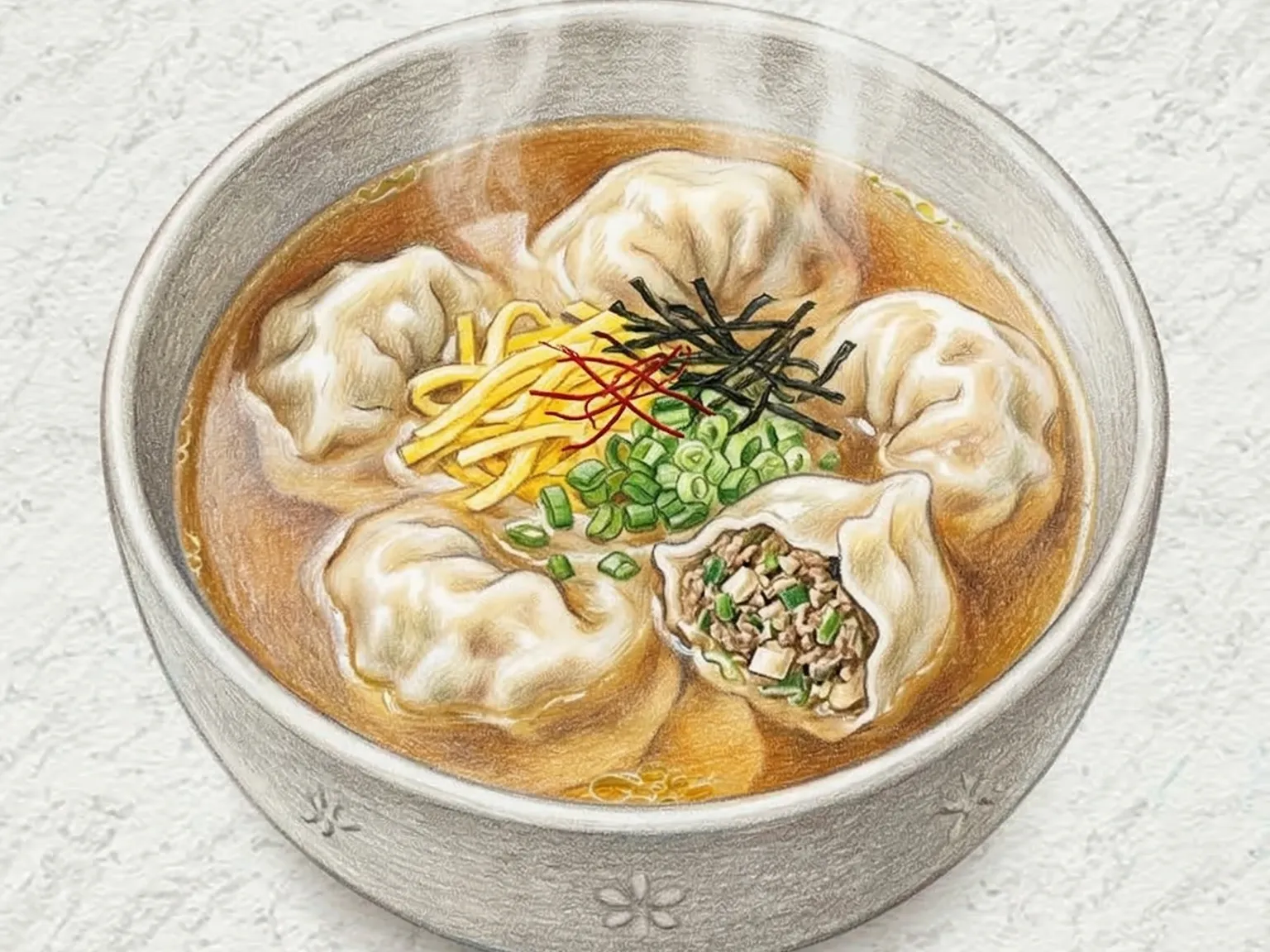
Manduguk (Korean Dumpling Clear Broth Soup)
Manduguk is a Korean dumpling soup in which hand-folded dumplings stuffed with ground pork, tofu, scallion, and garlic are dropped into a clear, simmering broth, typically anchovy-kelp stock or beef broth, and cooked until they float. As the dumplings cook, their thin wheat-flour wrappers release a subtle starch that gives the broth a barely perceptible body, while the filling leaks savory juices that enrich the liquid gradually. A thin drizzle of beaten egg stirred in near the finish creates silken wisps on the surface of the broth and gives the bowl a more finished appearance. Shredded egg strips and crumbled dried seaweed scattered on top add a pleasant contrast in color and a faint oceanic note to the flavor. Many Korean households serve manduguk on Lunar New Year as an alternative to tteokguk, and some combine the two by adding sliced rice cakes alongside the dumplings. Dumplings can be made in large batches and frozen raw, which means this soup can be pulled together quickly on weeknights without sacrificing any of the flavor that comes from homemade filling. A small dish of soy-vinegar dipping sauce served alongside lets each person adjust the seasoning at the table, and the light acidity of the sauce cuts through the mild broth in a way that makes the contrast between the two worth trying.
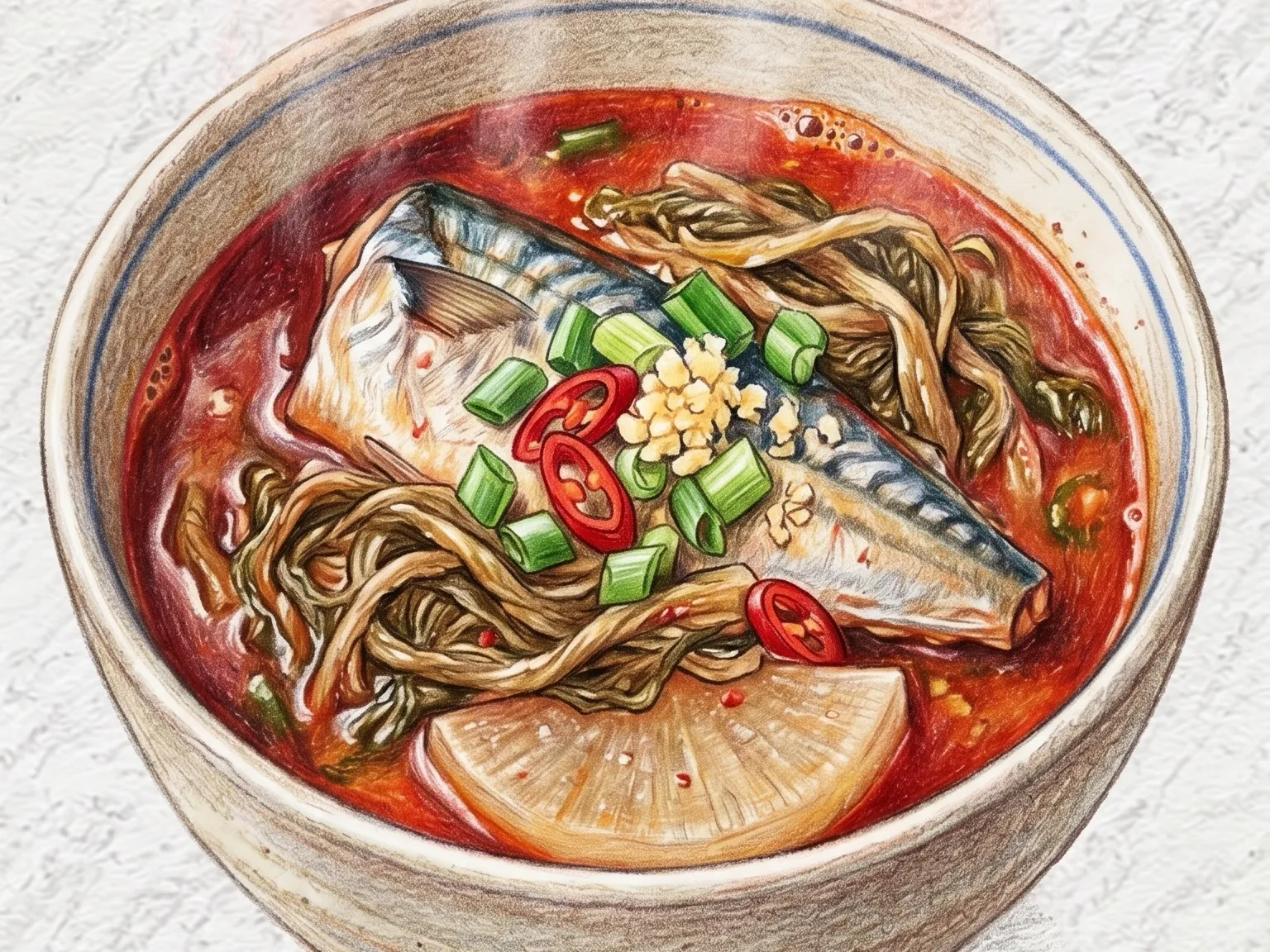
Korean Dried Greens Mackerel Stew
Siraegi-godeungeo-jjigae is a spicy Korean stew that combines mackerel and boiled dried radish greens in a gochugaru-seasoned broth. The oily, pronounced umami of the mackerel and the earthy, slightly musty depth of the dried greens amplify each other in the pot, while Korean radish maintains a clean, refreshing base that prevents the combination from becoming too heavy. Using rice-rinse water as the broth foundation is a traditional technique that neutralizes the mackerel's fishiness while simultaneously giving the liquid a mild, rounded body that plain water cannot provide. The radish greens must be well squeezed after boiling to remove any grassy, off-putting odor; briefly sauteing them in perilla oil before adding them to the stew deepens their nutty character further. Seasoning with gochugaru alone, without gochujang, preserves the clarity and clean red color of the broth and keeps its defining quality: a penetrating spiciness that is simultaneously bracing and warming rather than paste-thick and murky. Onion, green onion, and minced garlic round out the aromatics and complete the flavor profile of a classic everyday Korean jjigae. Mackerel is typically added bone-in, and eating it by working the flesh off the bones with chopsticks as you go is part of the simple, unhurried character of the dish.
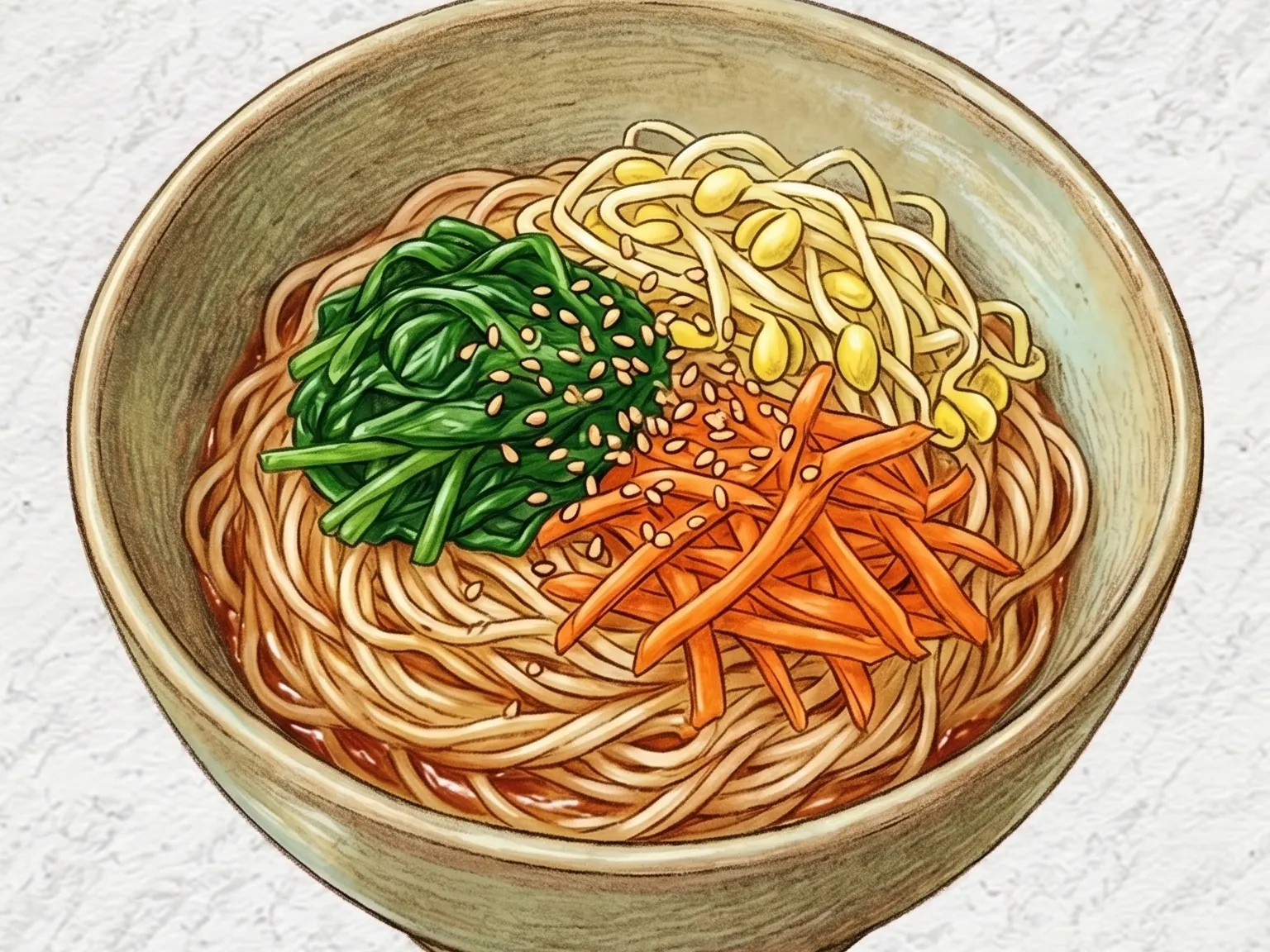
Korean Seasoned Veggie Mixed Noodles
Namul bibim somyeon is a Korean mixed noodle dish where thin wheat noodles are tossed with blanched spinach, soybean sprouts, and julienned carrot in a soy-based dressing. Each vegetable is blanched separately and squeezed firmly dry before mixing; residual moisture dilutes the sauce and causes the noodles to clump as they sit. Dry-sauteing the carrot for one minute without any oil pulls out a sweetness that raw carrot cannot deliver. The dressing combines soy sauce, rice vinegar, plum syrup, minced garlic, and sesame oil into a sauce that is salty, tart, and faintly sweet all at once, strong enough to season the mild vegetables and noodles evenly. Coating the noodles with the dressing first and folding in the vegetables afterward ensures every strand is seasoned rather than leaving the sauce concentrated on the vegetable surfaces. A generous scatter of toasted sesame seeds on top brings a nutty warmth that ties together the clean vegetable flavors and the aromatic sesame oil in the dressing.
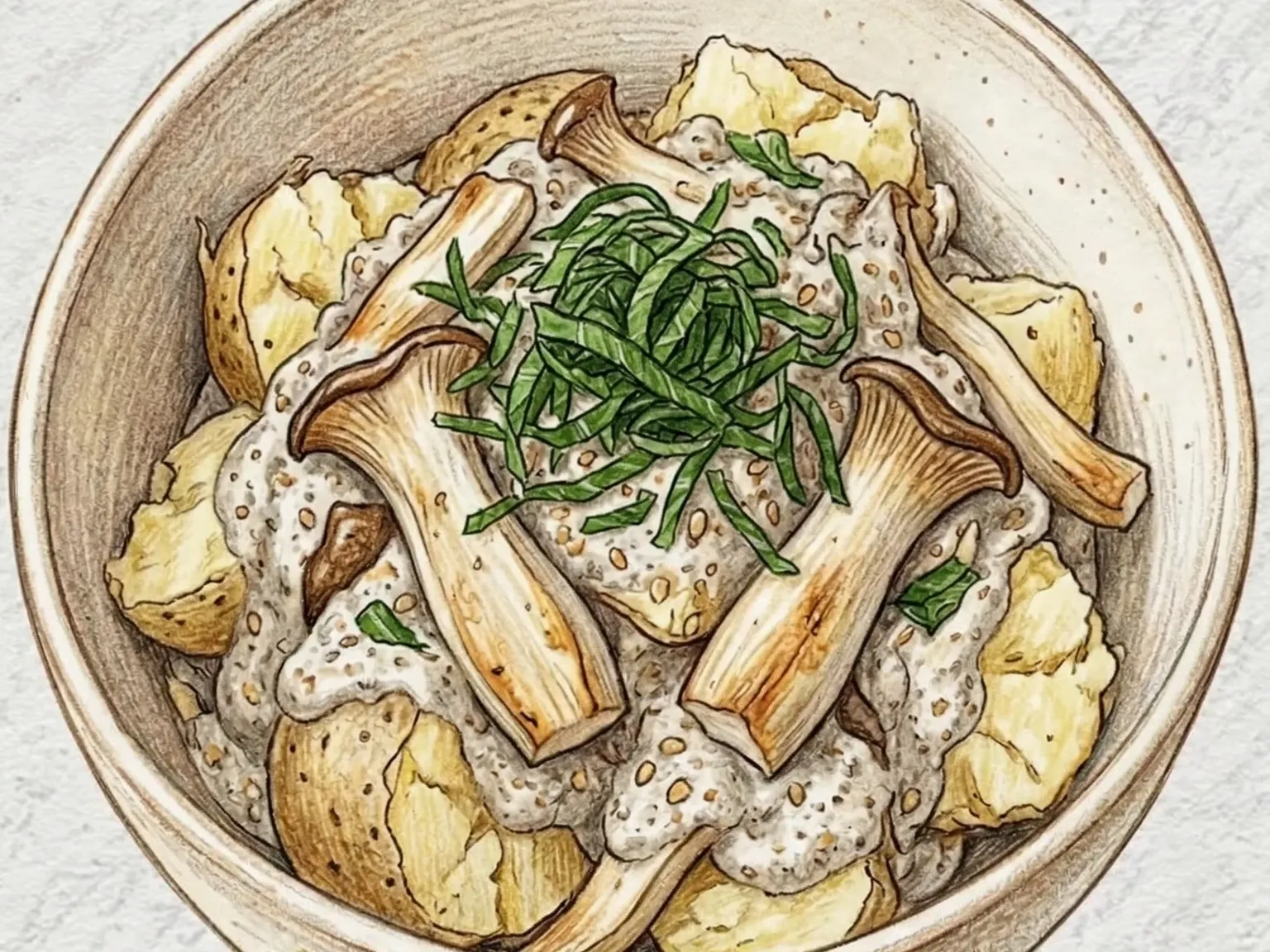
Roasted Mushroom Perilla Potato Salad
Potatoes are boiled skin-on and roughly mashed with a fork to keep a mix of fluffy interior and chunky structure rather than a smooth puree. King oyster mushrooms are torn lengthwise into thick strips and pan-roasted in olive oil until chewy and deeply savory, developing color on the cut surfaces. Perilla seed powder and Greek yogurt create a nutty, creamy binder that unifies the two main components without masking their individual flavors. Shredded perilla leaves release their bold, anise-like fragrance across the entire plate, while lemon juice and minced garlic cut through the richness and sharpen the overall aroma. Two distinctly Korean aromatics, perilla seed and perilla leaf, give the familiar potato salad format a flavor profile that diverges significantly from its Western counterpart. The salad is best at room temperature, where the potato texture stays fluffy and the mushrooms hold their chew; if refrigerated, pulling it out 30 minutes before serving restores the right consistency.
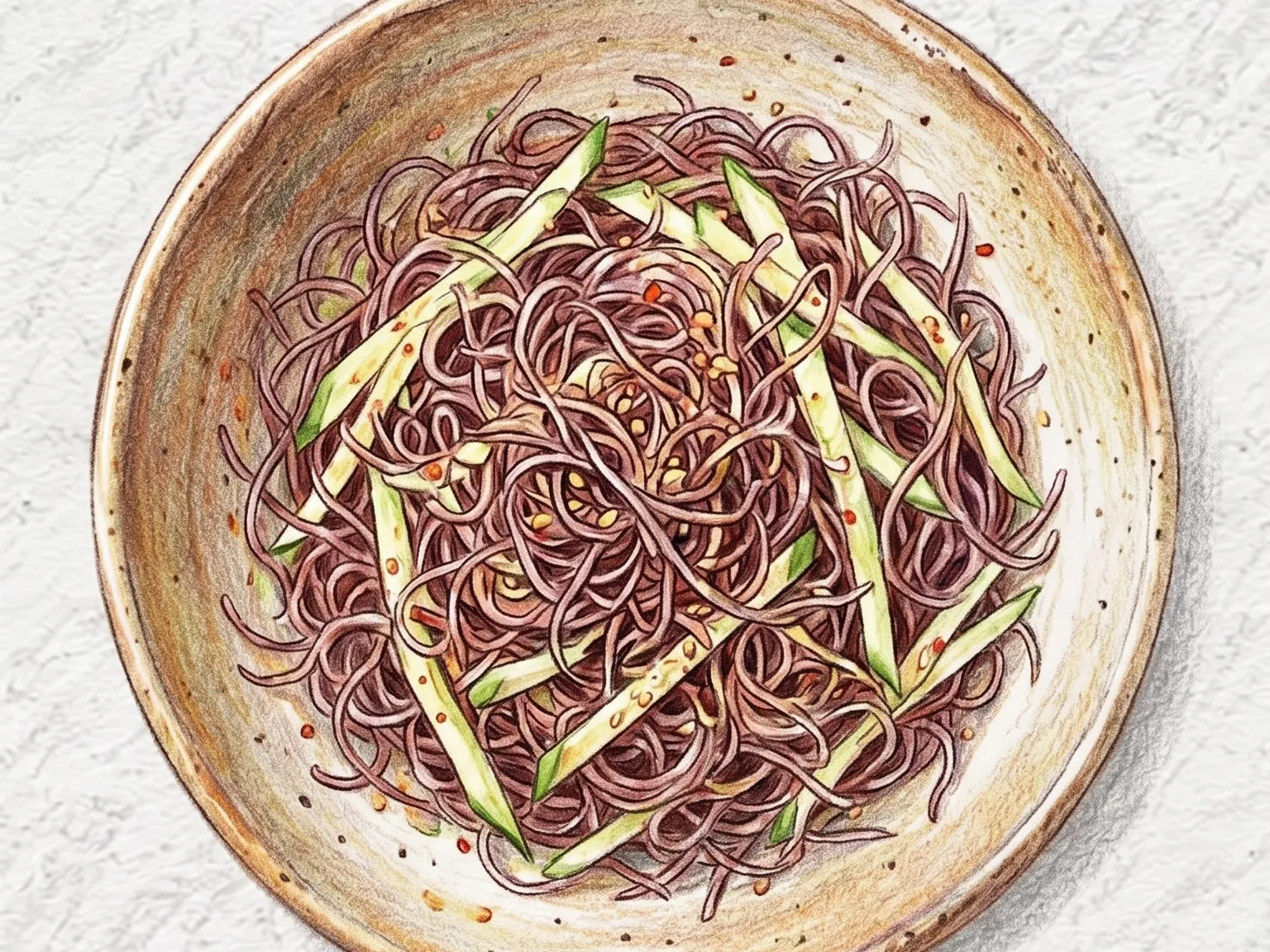
Korean Seasoned Sea Grapes Salad
Kkosiraegi-muchim is a tangy, low-calorie banchan made from kkosiraegi, a red algae seaweed whose thin, noodle-like strands snap with a distinctive crunch that no other seaweed can replicate. Blanching must not exceed twenty seconds, as anything longer collapses the characteristic texture, so a timer is essential. The seaweed goes straight from the boiling water into cold water to stop the heat and lock in elasticity. The dressing brings together gochugaru, soup soy sauce, vinegar, maesil-cheong, garlic, and sesame oil; the green plum extract layering in a fruity acidity that lifts the dish beyond simple sour-spicy flavoring. Julienned cucumber threaded through the seaweed strands provides a crisp, garden counterpoint to the oceanic depth. At roughly 72 kilocalories per serving with high dietary fiber content, this banchan appears frequently in Korean diet meal plans because it satisfies without adding much to the calorie count. Eating it promptly after seasoning prevents the cucumber from releasing water and diluting the dressing. Served cold in summer, it doubles as a refreshing side that pairs well with grilled meat or plain rice.
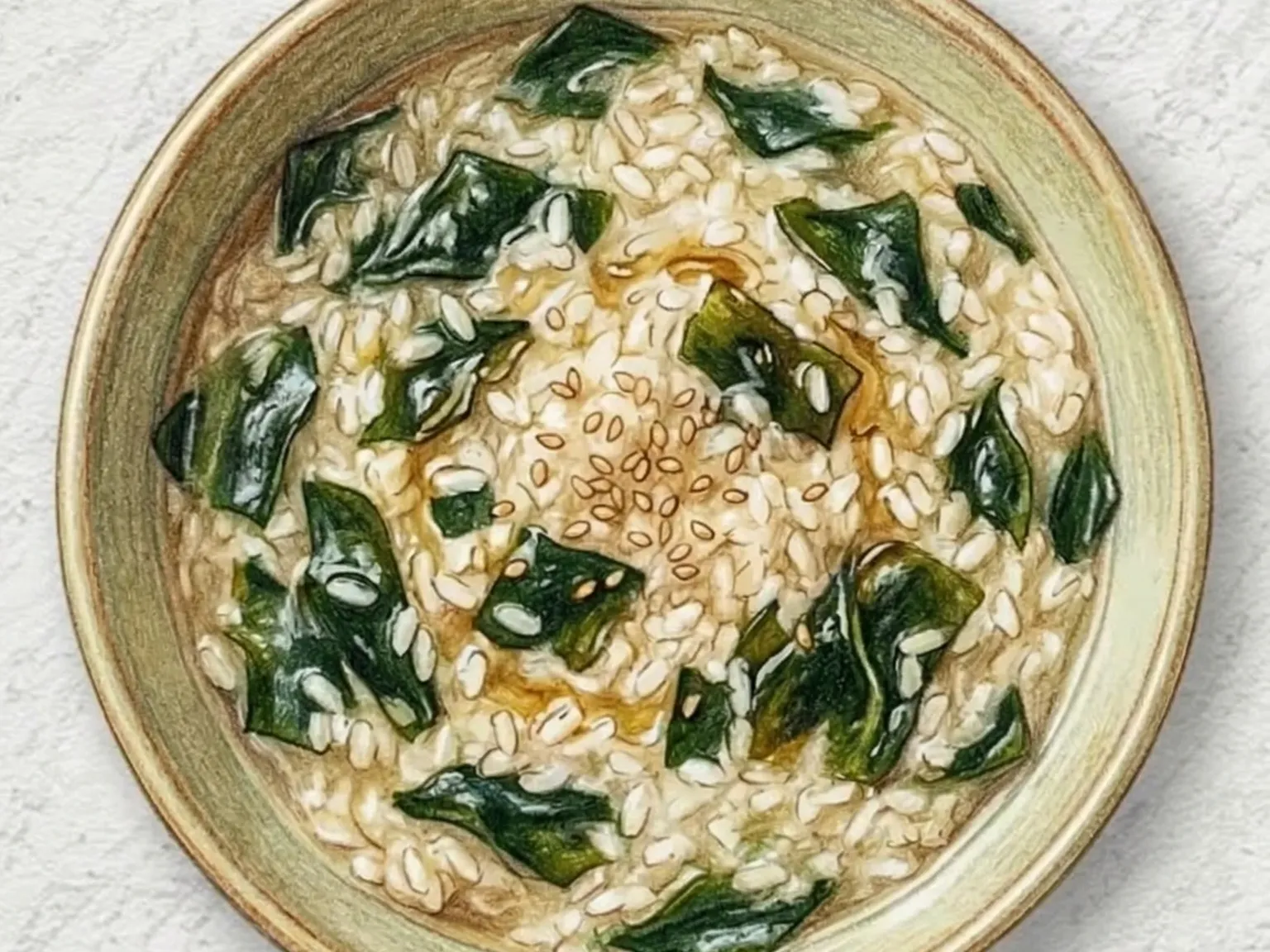
Korean Seaweed Rice Porridge
Miyeok-juk is a Korean porridge made by first stir-frying rehydrated dried seaweed in sesame oil before simmering it with soaked rice over low heat. The stir-fry step is what distinguishes this porridge: it drives off the seaweed's raw marine edge and allows sesame oil's nutty fragrance to permeate the entire pot. As the soaked rice cooks down with the seaweed, the grains break apart and release their starch, producing a smooth, thick consistency without the need for any thickener. Soup soy sauce seasons the porridge lightly so the natural depth of the seaweed comes through without salt overpowering it. A final drop of sesame oil just before serving revives the aroma. Because the result is easy to digest and gentle on the stomach, this porridge has long been a fixture at Korean breakfast tables, served to anyone recovering from illness, and prepared specifically for mothers in the weeks following childbirth. The tradition of eating miyeok-juk on birthdays traces back to this postpartum association, as mothers consumed it to rebuild strength and nourish their infants through nursing. Mild, warming, and requiring nothing more than pantry staples, the porridge remains one of the most reliably comforting dishes in the Korean kitchen.
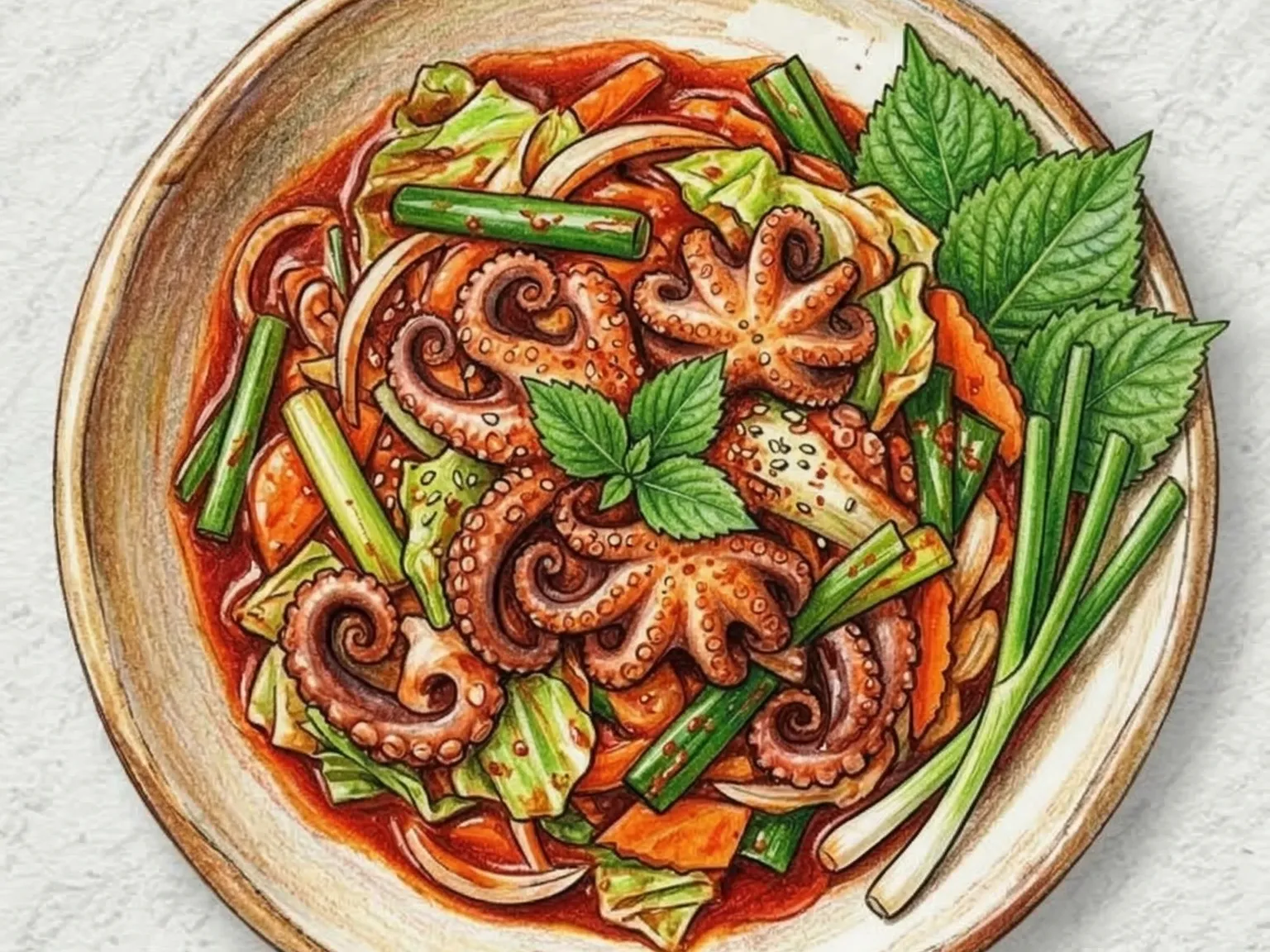
Korean Spicy Webfoot Octopus Stir-Fry
Jjukkumi-bokkeum is a Korean seafood stir-fry made by tossing cleaned small webfoot octopus with vegetables in a bold gochujang and gochugaru sauce over very high heat. Cleaning the octopus properly is essential: the innards inside the head must be removed and the body scrubbed with coarse salt to strip the slippery surface coating. The octopus is marinated ahead in a sauce of gochujang, red pepper flakes, soy sauce, sugar, minced garlic, and sesame oil, allowing the seasoning to penetrate before the heat hits. Onion and scallion go into the hot oiled pan first to develop their sweetness, then the marinated octopus is added and stir-fried on maximum heat for no more than two minutes. Keeping the cooking time short is non-negotiable: jjukkumi turns rubbery and tough if it stays over heat too long, and a chewy, springy texture is what separates a well-made version from an overcooked one. The intense heat of gochujang and coarsely ground red pepper defines the character of the dish, while the natural sweetness of onion and scallion rounds the sharp edges of the spice. Spring jjukkumi caught when the roe sacs are full adds a burst of texture when bitten into, which is why the spring season version is considered especially worth seeking out. The dish pairs naturally with steamed rice or as a drinking snack alongside soju.
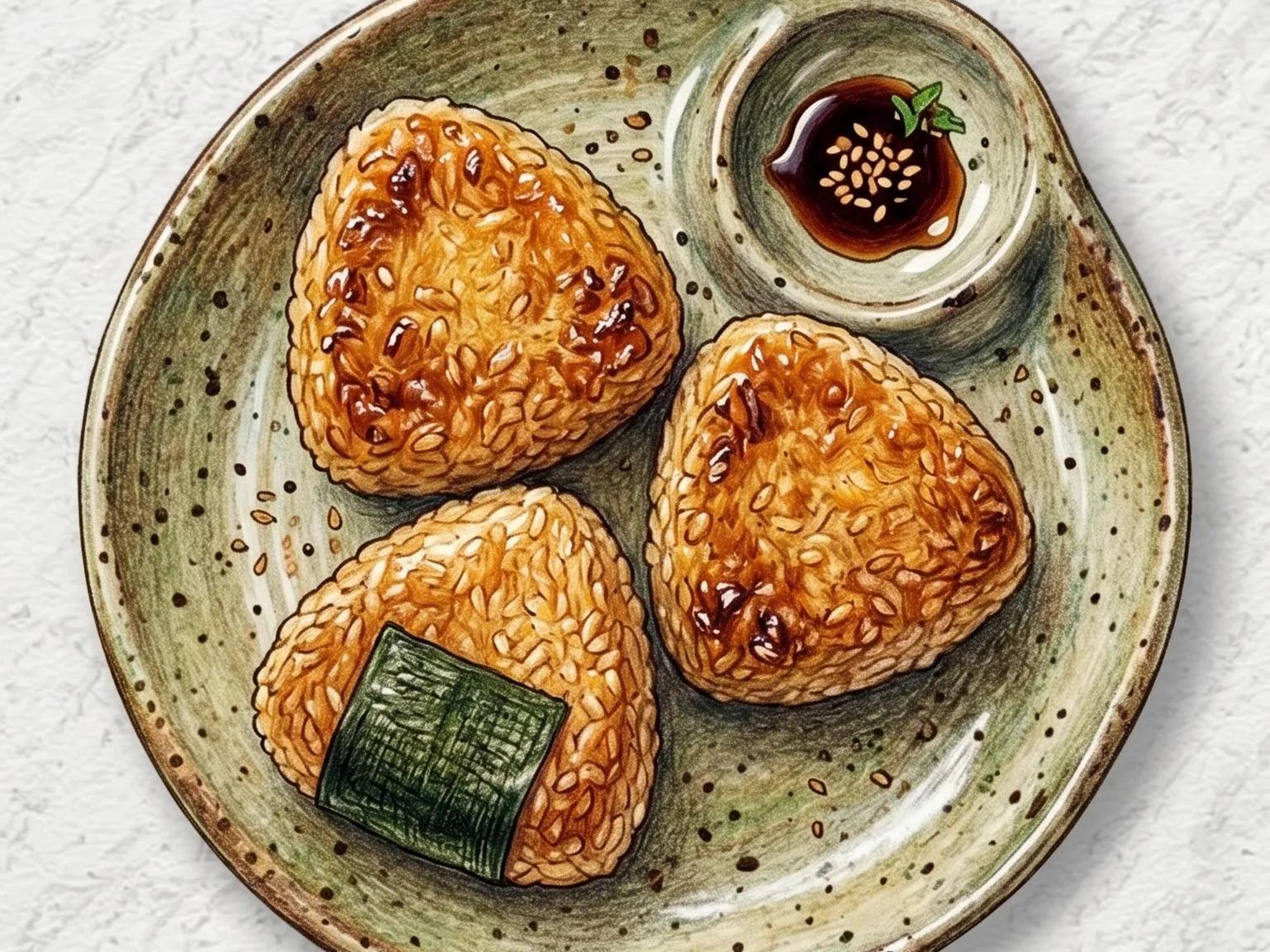
Yaki Onigiri (Japanese Soy-Glazed Grilled Rice Balls)
Yaki onigiri are Japanese grilled rice balls prepared using freshly cooked rice that has been lightly seasoned with salt. The rice grains are shaped into triangles or rounds while they remain warm and pliable, as the grains lose their natural binding ability once they cool and lose their moisture. During the shaping process, pressure must be applied with even distribution across the rice to prevent the grains from becoming a dense and compacted mass. This careful handling ensures that the interior of the rice ball maintains a soft texture with each individual grain remaining distinct after the grilling process is complete. The cooking method involves pan-grilling the rice balls using a small amount of sesame oil over a medium-low flame. This specific heat level is necessary to allow the starch on the surface of the rice to caramelize at a slow pace, resulting in a thin and crackling crust while the center of the onigiri remains moist. It is important to let the rice balls sit undisturbed in the pan for three to four minutes on each side before they are turned. This waiting period allows the outer layer to set properly and prevents the rice from tearing or sticking to the pan when it is time to flip them. A glaze made from a combination of soy sauce, mirin, and sugar is applied to the surface in several thin coats. Brushing the glaze on in multiple light passes, rather than applying a large amount of the liquid at the start, prevents the sugar content from burning or charring. This technique creates a deep savory flavor and a lacquered sheen on the exterior of the rice. The finished onigiri have a savory and slightly sweet profile, with edges that become chewy where the glaze has concentrated during the cooking process. A narrow strip of nori seaweed is often wrapped around the base of the rice ball to provide a salty element that balances the glazed exterior. When served with miso soup and pickled radish, these grilled rice balls function as a light meal.
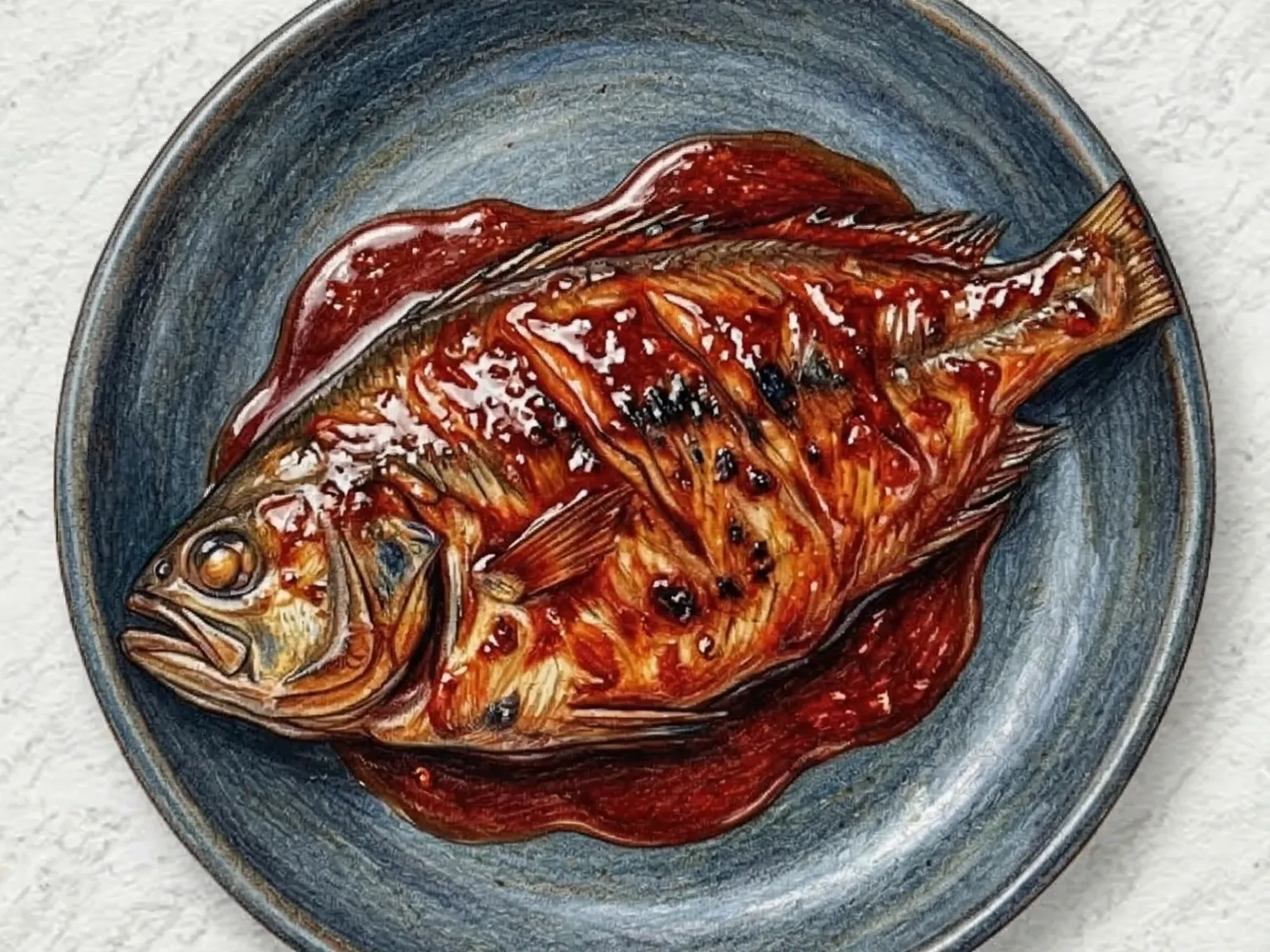
Korean Spicy Glazed Tongue Sole
Seodae-yangnyeom-gui is a Korean spicy-glazed tongue sole dish where cleaned sole is coated with two-thirds of a sauce blending gochujang, soy sauce, Korean chili flakes, plum syrup, sugar, minced garlic, and ginger, marinated for ten minutes, then pan-fried over medium heat for four minutes per side. The flat body shape of tongue sole allows the marinade to adhere evenly across the entire surface, and because the flesh is thin, the salty-sweet seasoning penetrates all the way through quickly. Plum syrup in the sauce contributes a fruit-forward acidity that lifts the heaviness of gochujang, and together with sugar it caramelizes at pan temperature into a glossy brown coating. Brushing the remaining sauce on during the final two minutes builds a double-layered glaze, and finishing with sesame oil and chopped green onion releases a fragrant aroma from the residual heat.
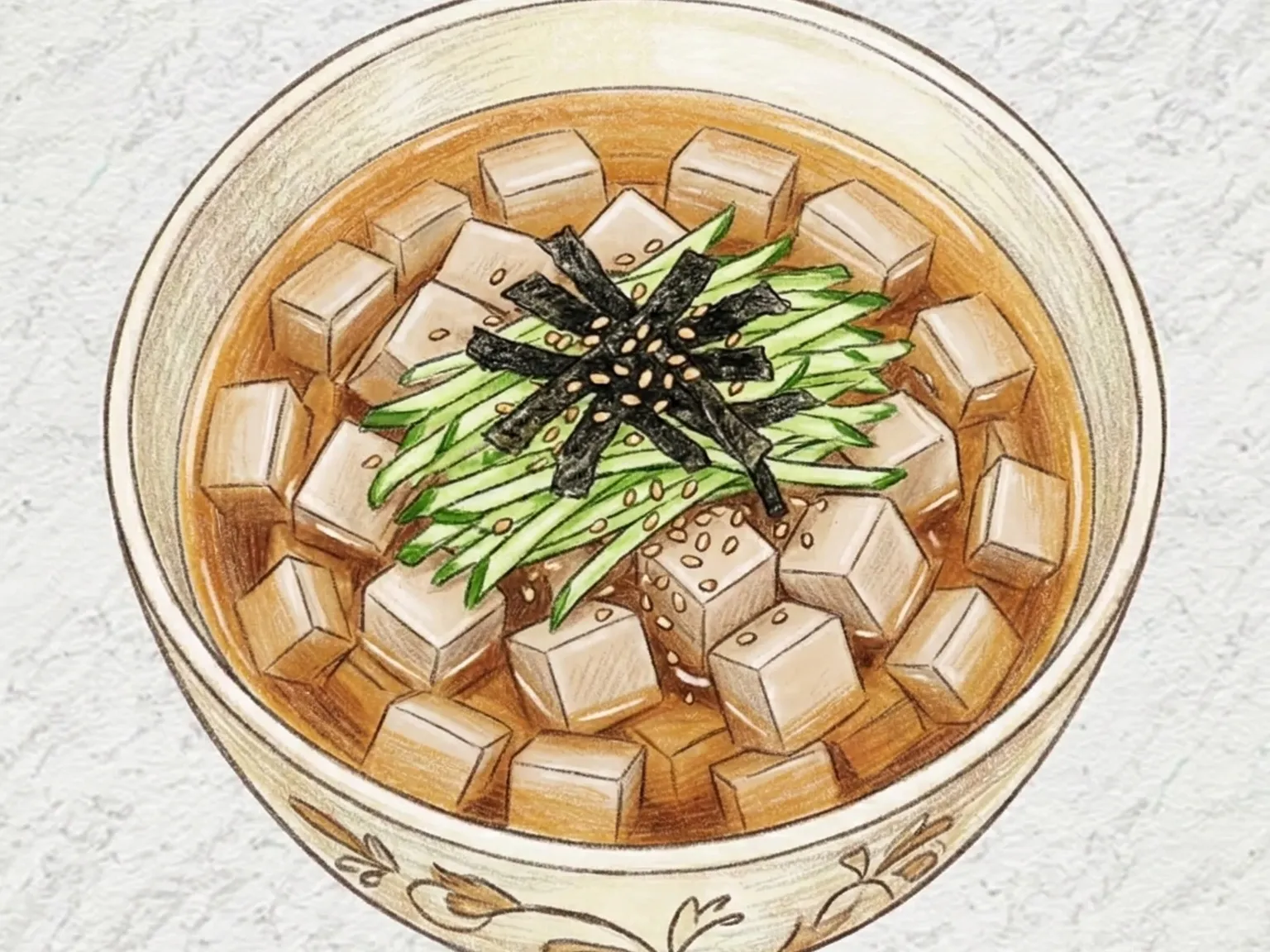
Korean Buckwheat Jelly Cold Broth Bowl
Memil-muksabal is a chilled Korean dish in which firm blocks of buckwheat jelly sit submerged in cold, seasoned broth. The broth is typically made from anchovy or beef stock, cooled to refrigerator temperature, and sharpened with soy sauce, rice vinegar, and a touch of sugar that balances the acidity. Buckwheat jelly has a neutral, slightly earthy flavor and a slippery, springy texture that absorbs the surrounding seasonings with each bite. Julienned cucumber adds crunch, crushed roasted sesame seeds contribute nuttiness, and shredded dried seaweed brings a gentle oceanic accent. The dish is almost calorie-free compared to noodle soups and digests easily, which is why it appears on Korean tables most frequently during the hottest weeks of summer. Making the jelly from scratch involves boiling buckwheat starch until thick and letting it set, but store-bought blocks simplify the process to little more than slicing and assembling. The cold broth hits the palate first, followed by the yielding texture of the jelly - a sequence that feels instantly cooling.
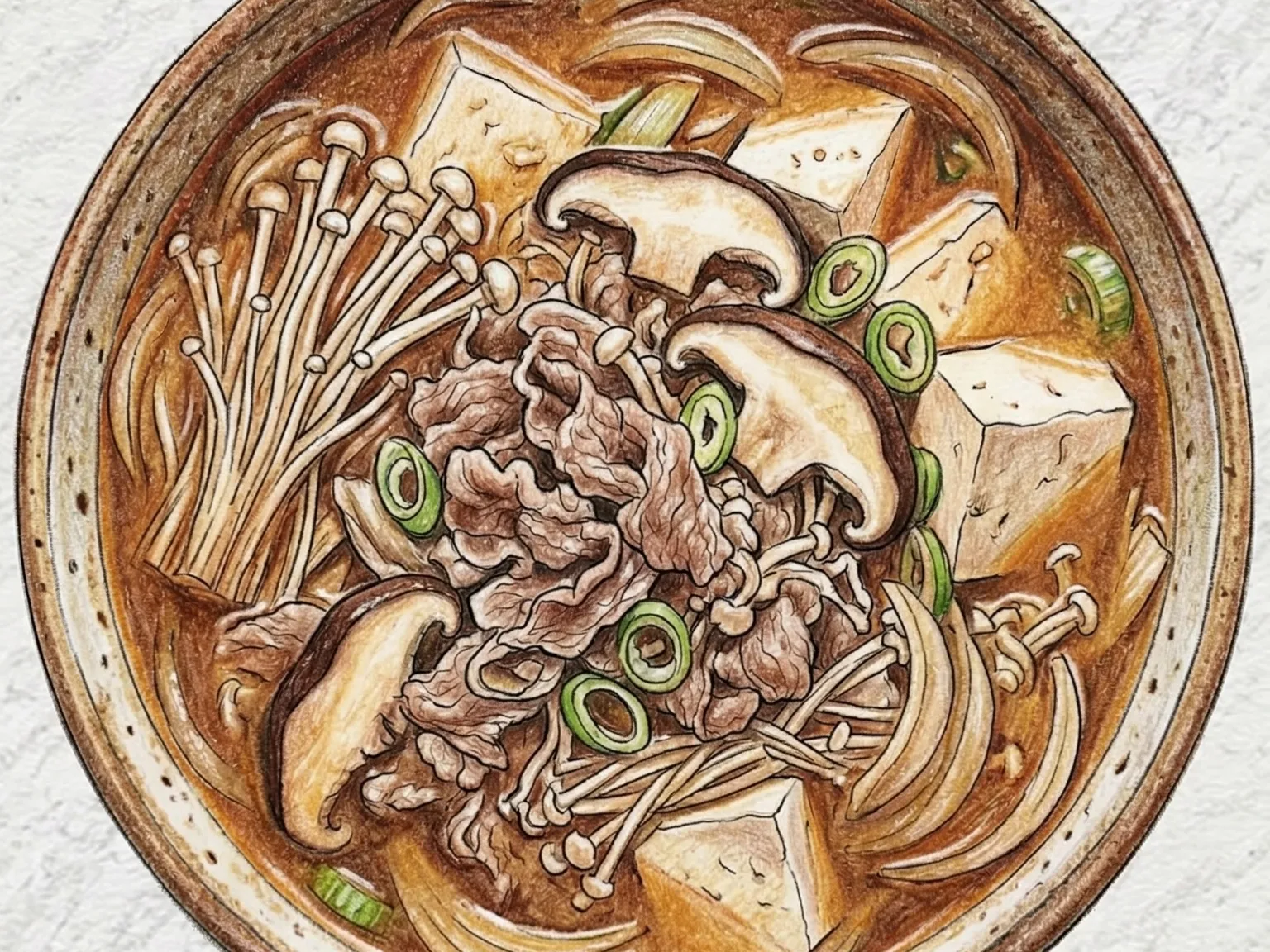
Korean Beef Mushroom Stew
Soegogi-beoseot-jjigae is a Korean stew featuring thinly sliced beef with oyster mushrooms and shiitake mushrooms in a beef stock base. The beef stays tender throughout the cooking time because it is cut thin, and the two varieties of mushrooms contribute layered umami that deepens the broth considerably. Firm tofu absorbs the surrounding liquid and takes on the flavors of the stew while adding protein and body to the pot. Onion and green onion provide sweetness and fragrance that round out the savory base. The stew is seasoned simply with soup soy sauce and garlic, which keeps the natural flavors of beef and mushroom prominent. Tearing oyster mushrooms by hand along their grain allows the broth to penetrate the fibers better than cutting, and removing the tough stems from shiitake mushrooms before adding them keeps the broth clean and free of bitterness.
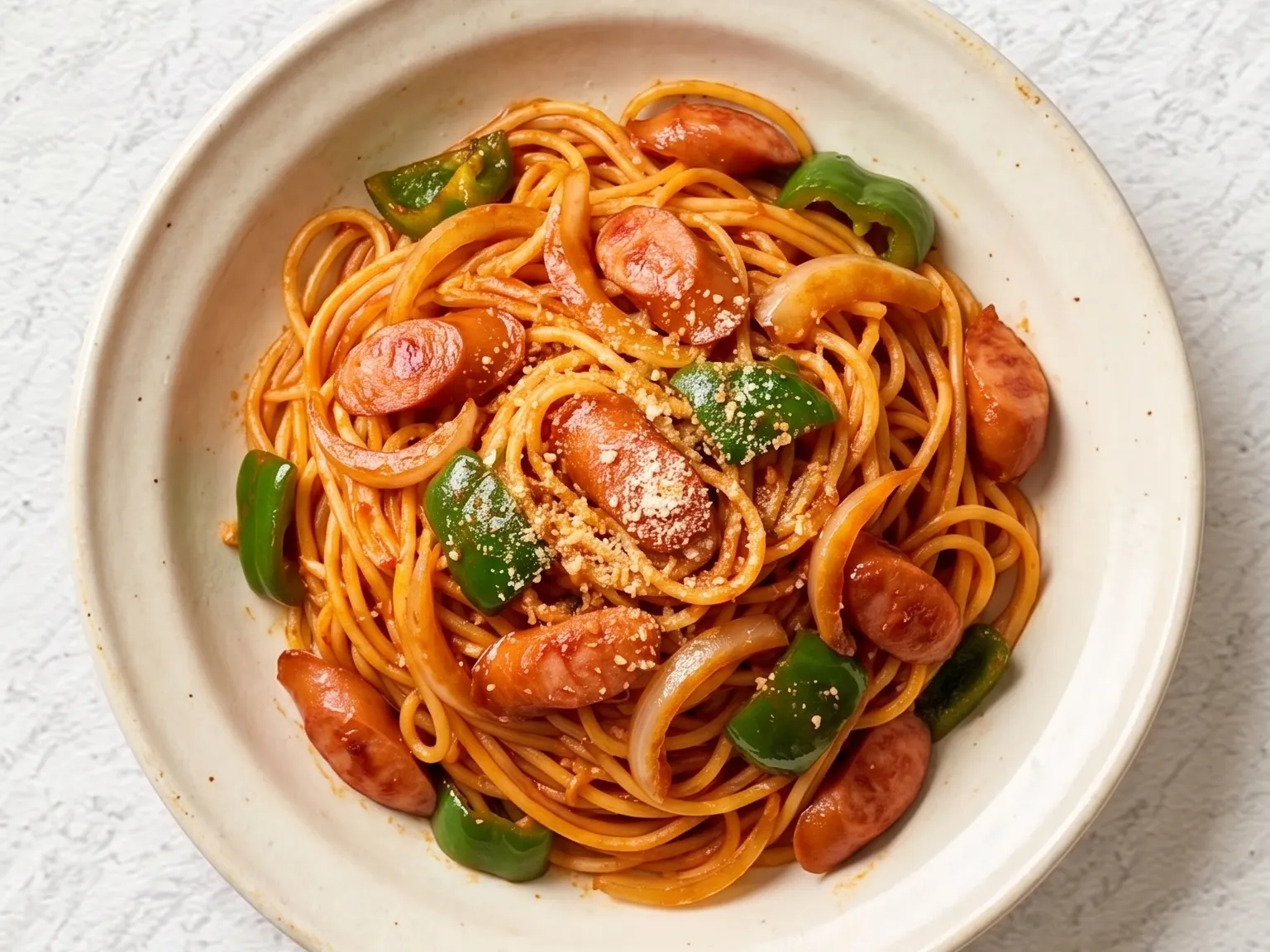
Japanese Napolitan Spaghetti
Napolitan spaghetti is a Japanese yoshoku pasta stir-fried with ketchup, sausage, onion, and green bell pepper that traces its origins to postwar Japan, when imported ingredients were scarce and cooks adapted Western techniques with locally available pantry staples. Cooking the ketchup in the pan first drives off moisture and concentrates its tomato sweetness, transforming it from a condiment into a sauce base with genuine depth. Worcestershire sauce adds a layer of fermented complexity that ketchup alone cannot provide. The sausage goes in first to render its fat and build flavor, followed by onion and pepper stir-fried quickly over high heat to retain their texture. Spaghetti cooked al dente with a quarter cup of pasta water reserved helps the sauce cling to the noodles when tossed together in the pan. A knob of butter stirred in at the end rounds off the ketchup's acidity and gives the finished dish a glossy, sweet-savory character that has made napolitan a beloved nostalgic dish in Japanese home cooking.