🍱 Lunchbox Recipes
Dishes that taste great packed and cold
723 recipes. Page 3 of 31
The best lunchbox dishes hold up well at room temperature. This tag features make-ahead sides and full lunchbox recipes you can pack in the morning without stress - sausage stir-fry, rolled omelet, stir-fried anchovies, and soy-braised beef are all lunchbox staples.
The key to a great packed lunch is choosing dishes with low moisture content and arranging contrasting colors. A sprinkle of sesame seeds or furikake over the rice adds a finishing touch that looks as good as it tastes.
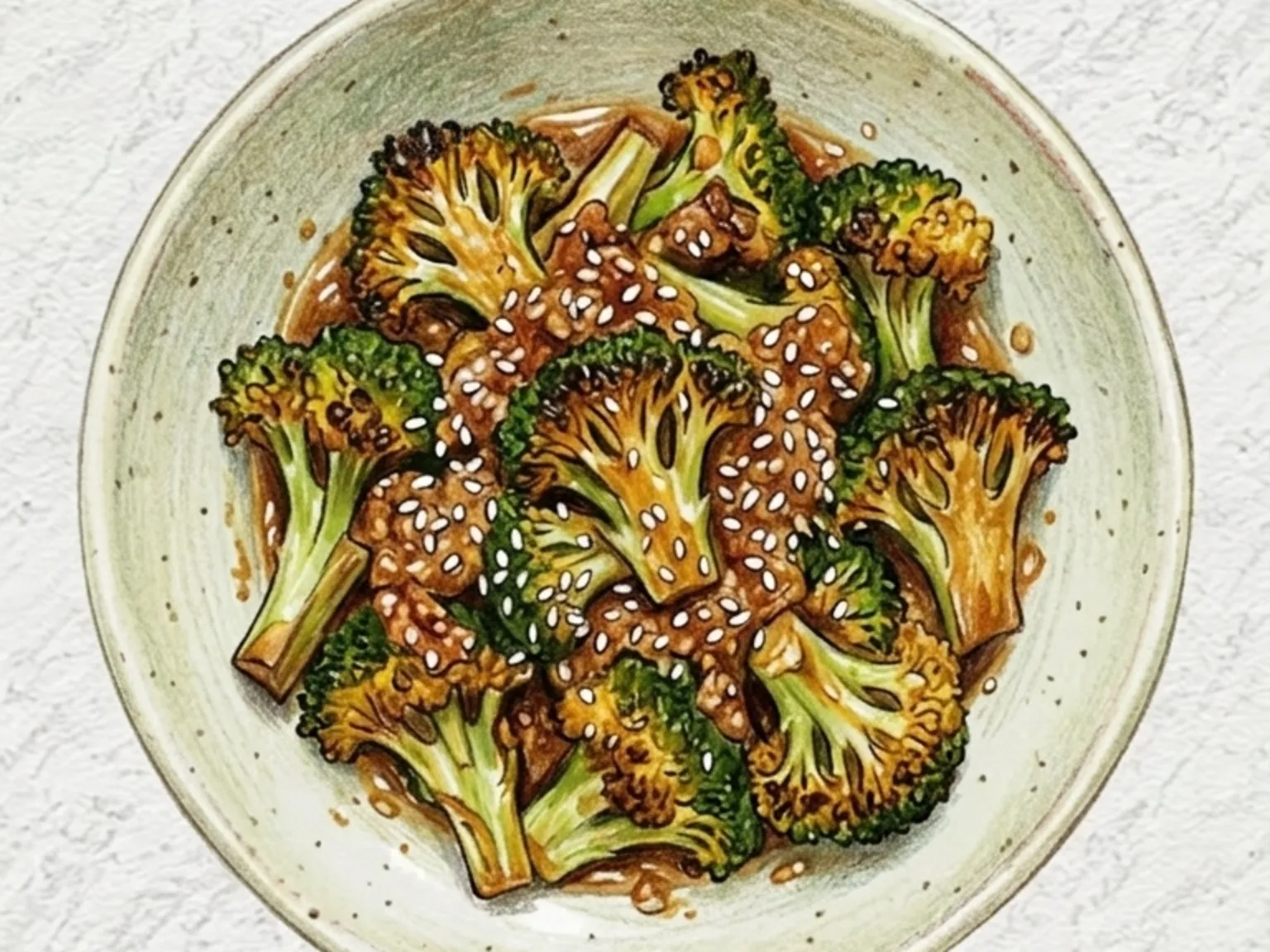
Korean Grilled Broccoli with Soybean Paste
Broccoli doenjang-gui is a Korean oven-roasted broccoli dish where bite-sized florets are blanched for exactly one minute to preserve their crunch, then tossed thoroughly in olive oil before being coated with a thick paste made from doenjang, gochujang, minced garlic, and oligosaccharide syrup, and roasted at 200 degrees Celsius for about twelve minutes. Coating the florets in oil first is the key step that ensures the paste adheres uniformly rather than clumping in spots, so every piece caramelizes evenly in the heat. At high oven temperatures the outer edges of the florets char slightly, and that controlled browning concentrates the fermented soybean paste into a deeply savory crust with a faint smokiness that raw doenjang cannot replicate. Keeping the blanching time to one minute is equally important: the stems stay crisp enough to hold their texture through roasting, so the finished dish has a satisfying snap rather than softening entirely. If the paste feels too stiff to spread, a tablespoon of water loosens it without diluting the flavor. A generous scatter of sesame seeds before serving adds a toasted nuttiness that layers over the salty-spicy profile and completes the dish.
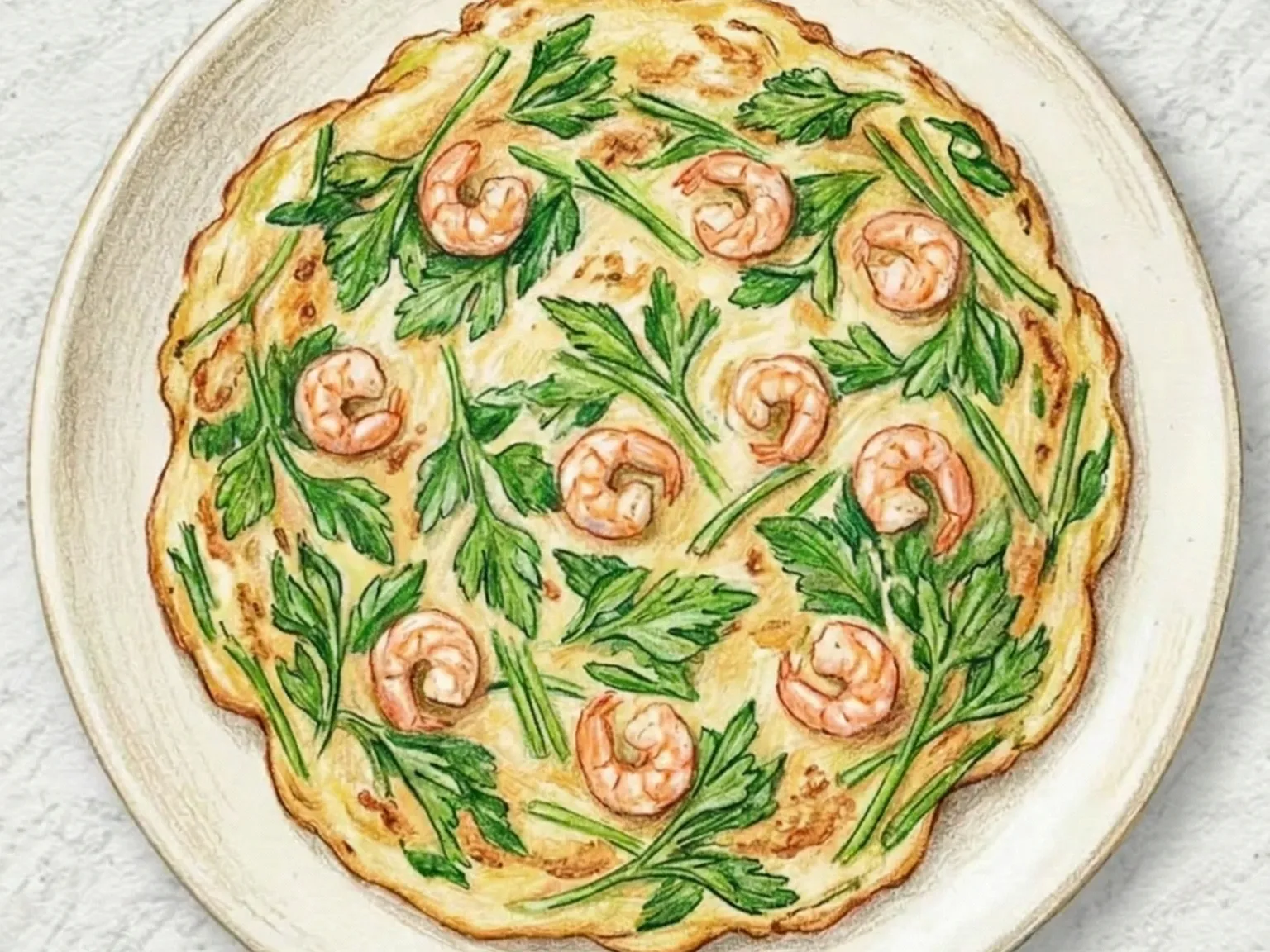
Korean Water Parsley Shrimp Pancake
This Korean pancake combines fresh water parsley and cocktail shrimp in a light, seasoned batter. The preparation starts by cutting cleaned water parsley into five-centimeter pieces, slicing onions thinly, and drying the shrimp to prevent oil splattering. The batter is mixed using pancake flour, cold water, an egg, and a pinch of salt until smooth. The vegetables and shrimp are folded in gently with chopsticks to keep the texture light. Cooking the batter in a well-oiled pan over medium heat for two to three minutes on each side produces a pancake with thin, crispy edges. The water parsley stems retain their crispiness even after frying, contrasting with the tender shrimp. The herbal fragrance of the parsley blends with the clean sweetness of the shrimp. It is typically cut into bite-sized pieces immediately after cooking and served warm with a soy sauce and vinegar dipping sauce.
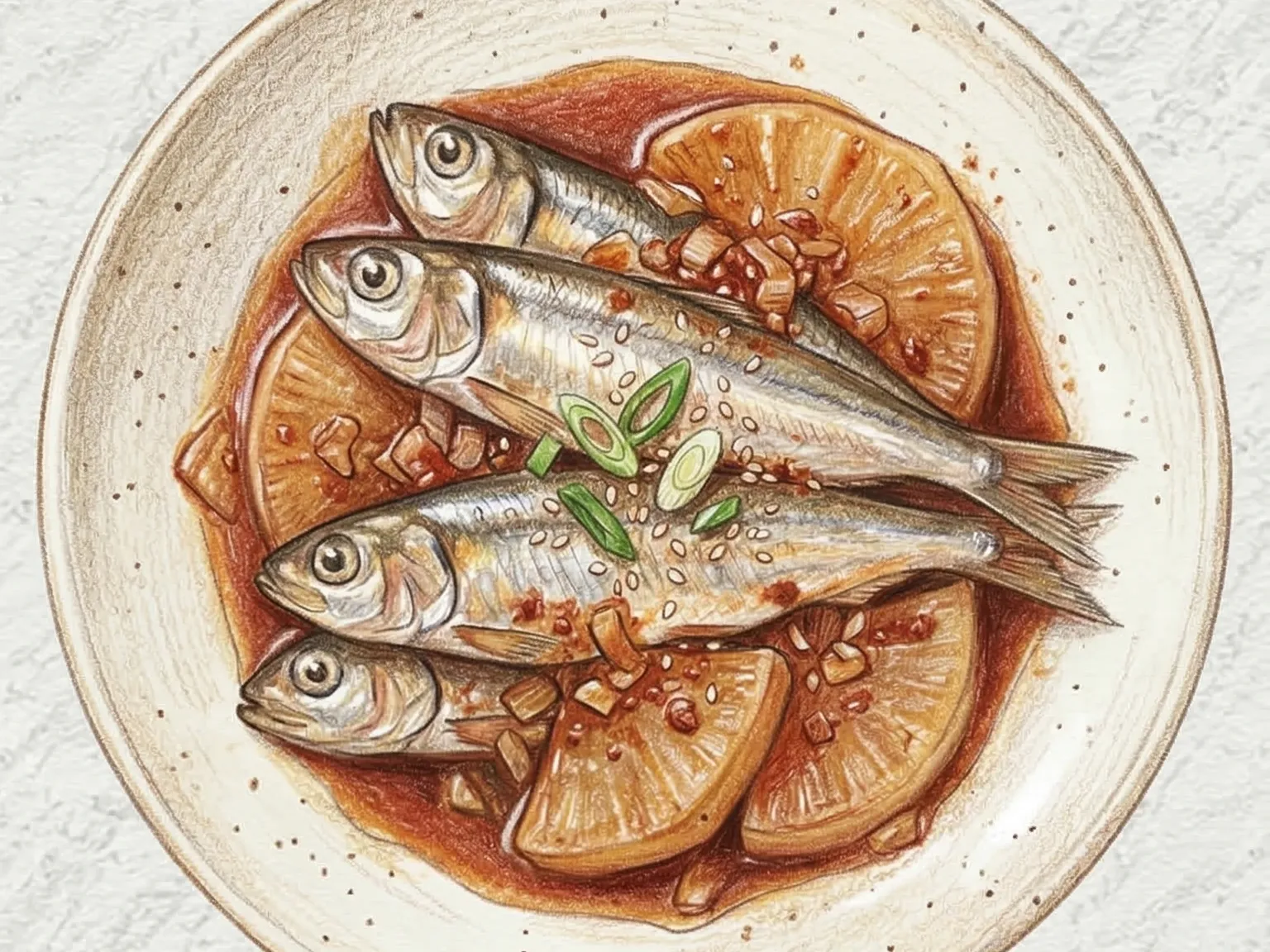
Korean Soy-Braised Dotted Gizzard Shad with Radish
Baendaengi mu jorim is a Korean braised dish where small dotted gizzard shad and radish simmer together in a gochujang-based sauce. Radish lines the bottom of the pot, preventing the fish from sticking while absorbing the braising liquid as it reduces, infusing the pieces with a deep salty-sweet flavor. The sauce combines gochujang, gochugaru, soy sauce, and minced garlic, with cooking wine added to suppress any fishy odor while contributing a mild sweetness. The pot simmers covered on medium-low heat for twenty minutes, with the sauce spooned over the fish midway through to coat the surface evenly. Gizzard shad have fine, soft bones that are edible whole, and the braising process softens them further until they are barely noticeable when chewing. Onion added alongside the radish melts into the liquid, contributing natural sweetness that balances the spicy-salty punch of the gochujang sauce. The finished dish concentrates into a thick glaze that clings to both the fish and radish pieces, making it substantial enough to serve as a one-bowl meal over rice.
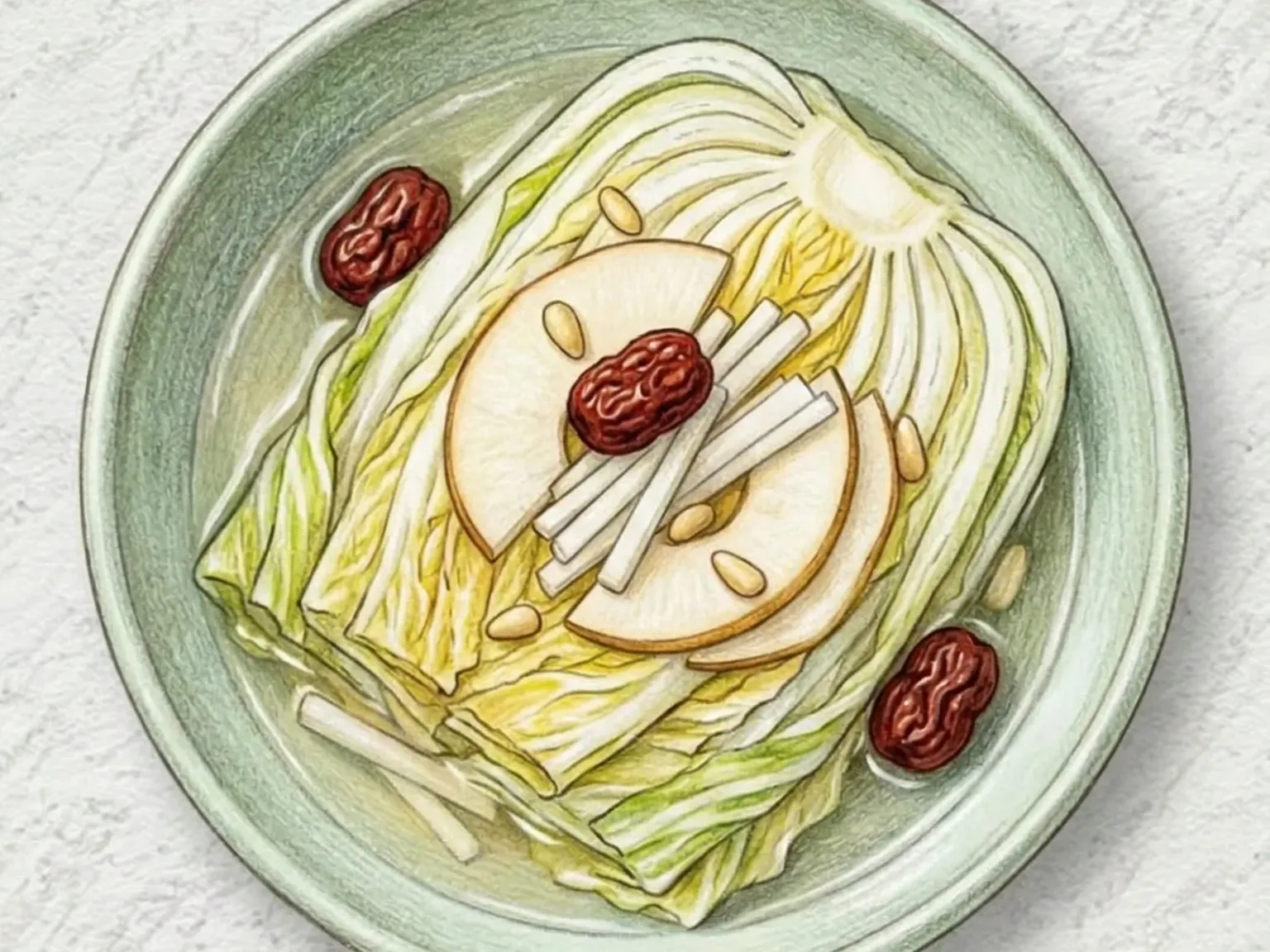
Korean White Kimchi (Non-Spicy Napa Pear Fermented)
Baek kimchi is a Korean white kimchi made without gochugaru, producing a completely non-spicy, clear-broth fermented vegetable. Napa cabbage is salted and wilted, rinsed, then layered with julienned radish, sliced garlic, and ginger tucked between the leaves. Pureed pear serves as a natural sugar source that feeds fermentation, while dried jujubes add a subtle background sweetness to the brine. Salted water is poured over the assembled cabbage, the container is sealed, and after one day at room temperature the kimchi moves to the refrigerator for a slow ferment. Without chili heat, the flavor centers on the clean lactic acidity that develops over time, balanced by the natural sweetness of pear and jujube and the warm bite of garlic and ginger dissolved into the brine. The fermentation is slower than standard kimchi, reaching optimal taste at two to three weeks. It is eaten with its brine, either on its own or as a palate-clearing side alongside fatty meat dishes. Before chili peppers were introduced to the Korean peninsula in the late sixteenth century, kimchi without gochugaru was the standard form, and baek kimchi is considered the closest modern equivalent to those pre-chili preparations.
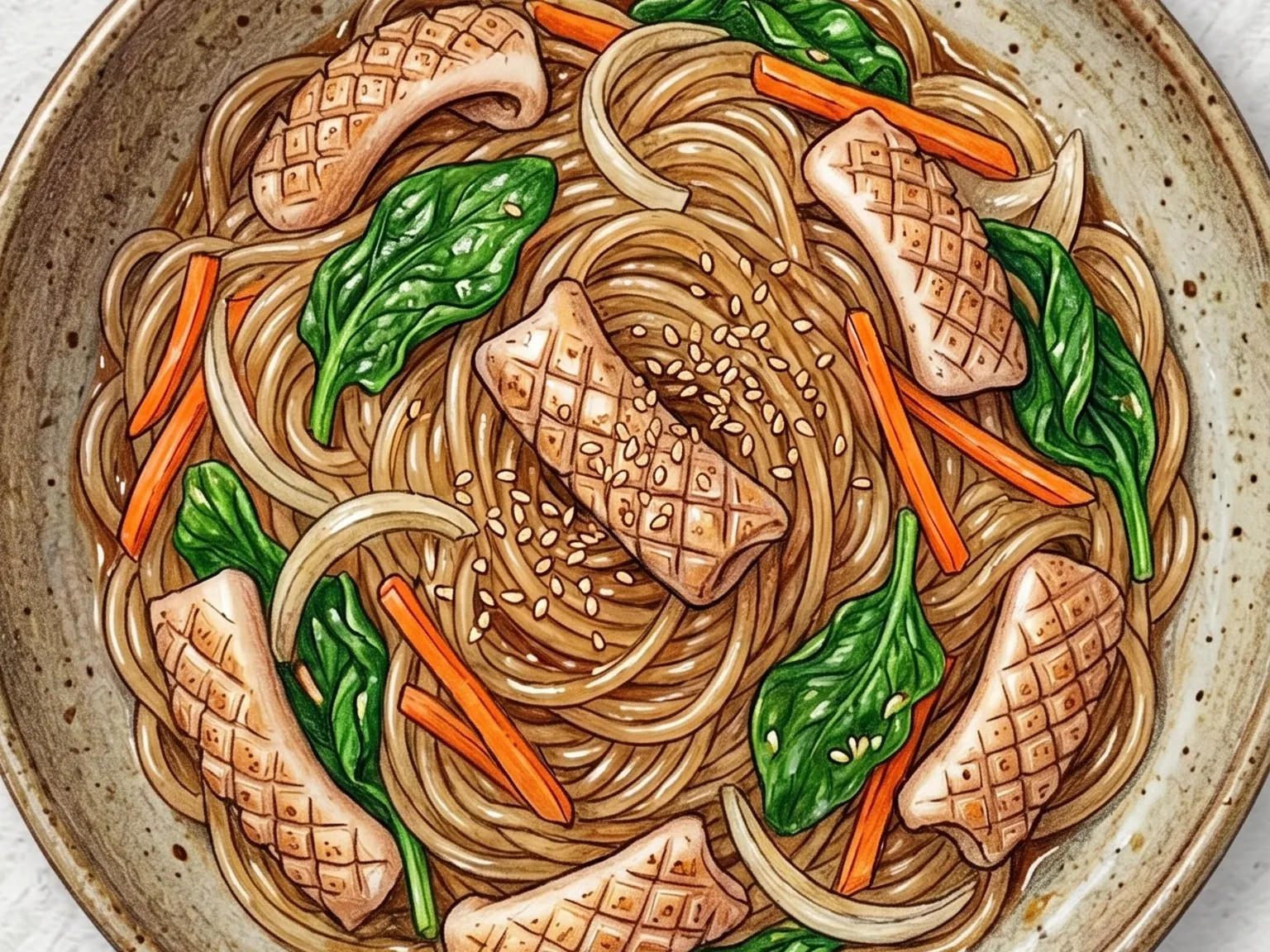
Korean Squid Glass Noodle Stir-Fry
Ojingeo japchae is a seafood variation of the Korean glass noodle stir-fry that replaces the traditional beef with squid, combining chewy dangmyeon with spinach, carrot, and onion in a soy-sugar sauce. Peeling the squid and scoring the inner surface in a crosshatch pattern before slicing allows the seasoning to reach the full surface area and softens the otherwise tough texture when cooked. Stir-frying the squid with garlic for a short time only is essential, as prolonged heat causes it to turn rubbery and push moisture out into the pan. The glass noodles should be boiled for no more than six minutes to preserve their elastic, springy bite and prevent them from clumping and falling apart during the stir-fry. Spinach is blanched separately and squeezed firmly dry before being added so that excess water does not make the whole dish soggy. The sweet-salty base of soy sauce and sugar is finished with sesame oil and toasted sesame seeds, whose nutty fragrance ties together the oceanic umami of the squid, the resilient chew of the noodles, and the crisp texture of the vegetables into one cohesive plate.
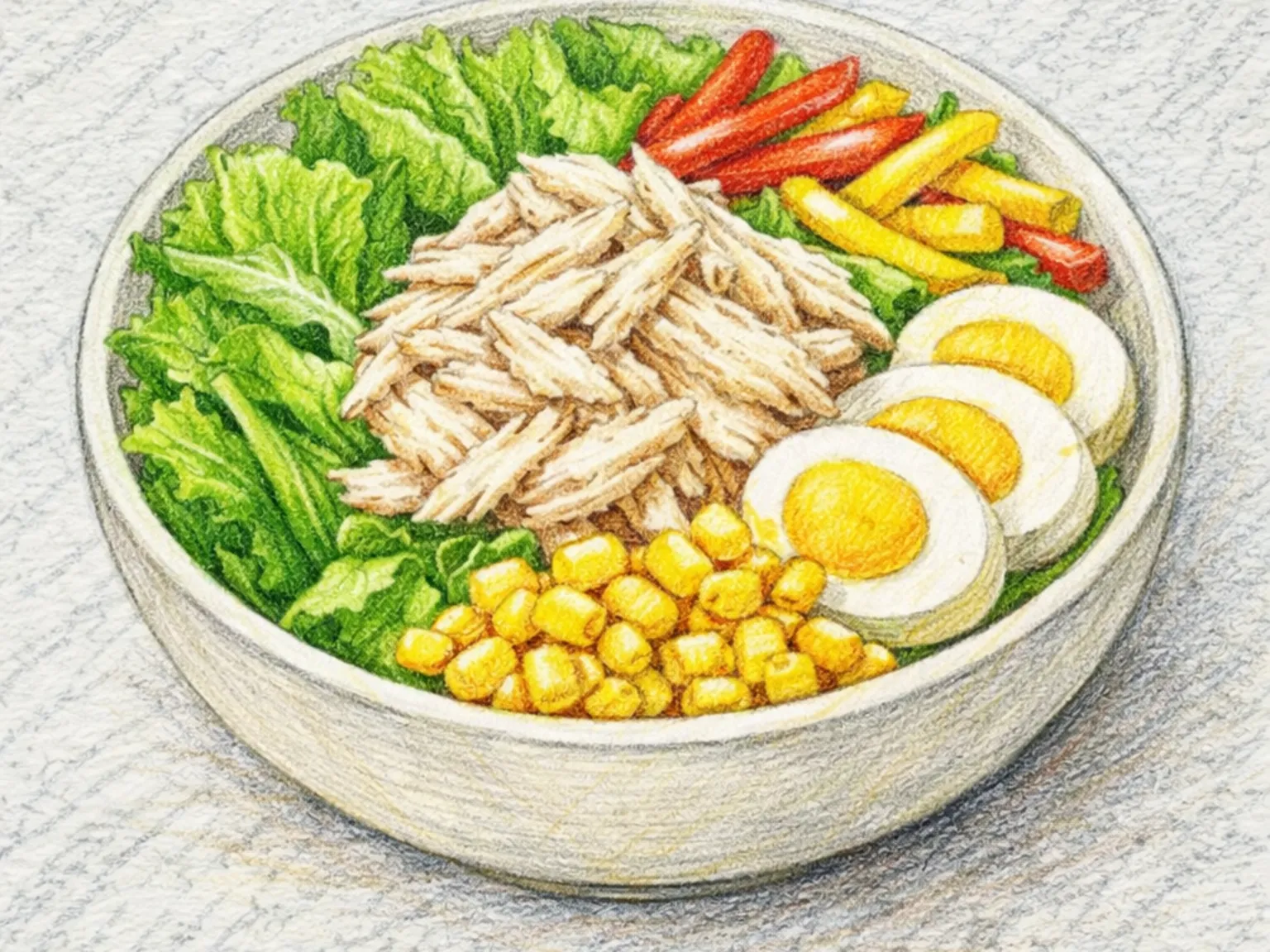
Chicken Breast Salad (Poached Chicken & Yogurt Dressing)
Chicken breast is poached slowly at low temperature until fully tender through the center, then pulled apart along the grain and layered over crisp romaine. Bell pepper brings mild sweetness and hard-boiled egg adds substantial richness to the bowl. The dressing combines plain yogurt, mustard, and honey into a coating that sits lightly on the lean chicken while contributing a steady tartness. Corn kernels scatter throughout, releasing a gentle sweetness with each bite and keeping the overall balance from tipping too sharp or too rich. A high-protein, clean-tasting salad that satisfies without heaviness.
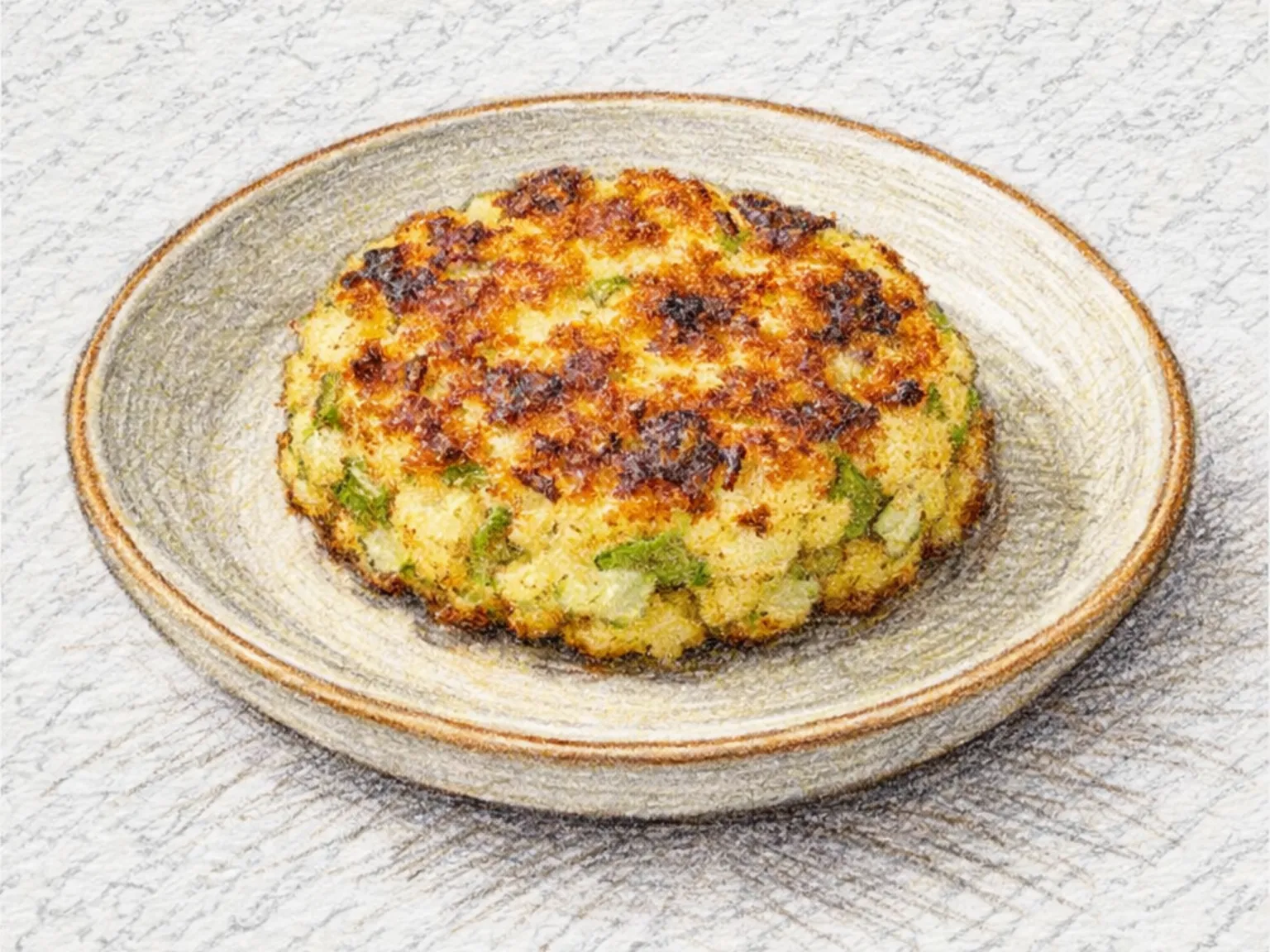
Bubble and Squeak (Pan-Fried Mashed Potato and Cabbage Cake)
Bubble and squeak is a traditional British household dish made by combining mashed boiled potatoes with blanched, chopped cabbage, pressing the mixture flat in a well-oiled hot pan, and frying each side until a deep golden-brown crust forms across the entire surface. The name refers to the noise the dish makes during cooking - moisture from the cabbage hits the hot fat and sends up bubbles and a squeaking hiss. Frying diced onion in butter until soft and lightly caramelized before folding it into the potato-cabbage mixture adds a quiet sweetness that elevates the otherwise modest base ingredients considerably. Pressing the mixture firmly and evenly with a spatula throughout cooking is what creates the crust, and holding back the urge to move or flip it prematurely is the main technique. If the potatoes are particularly wet, a tablespoon or two of plain flour helps the mixture bind and hold its shape in the pan. The dish has been a fixture of British home cooking for generations, rooted in the tradition of using leftover Sunday roast vegetables the following day, and is commonly topped with a fried egg to make a complete one-plate meal.
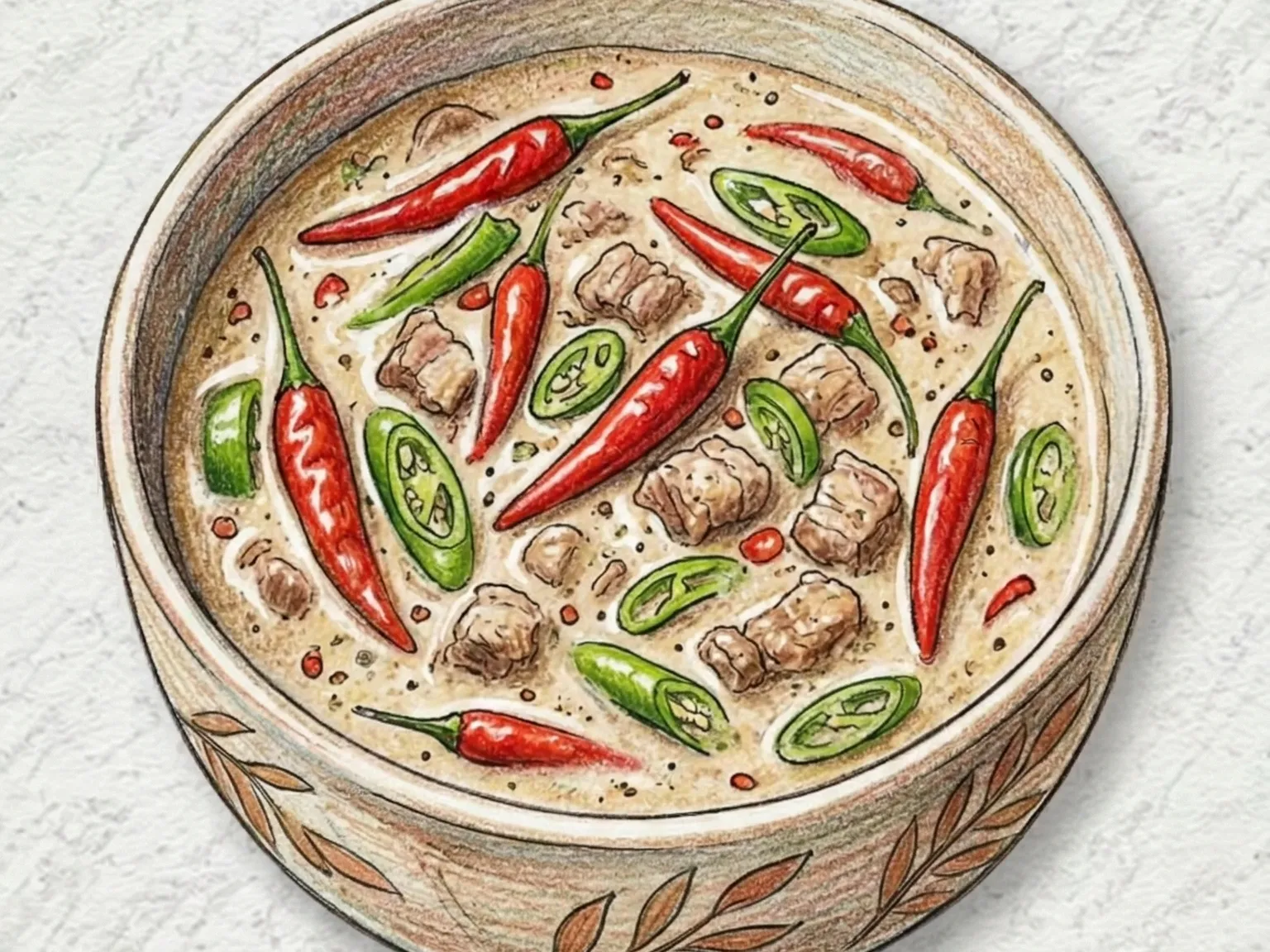
Bicol Express (Filipino Pork Belly in Spicy Coconut Cream Stew)
Bicol Express takes its name from the train line that once ran between Manila and the Bicol region in southeastern Luzon, an area where coconut and chili peppers appear in quantities that would be considered excessive almost anywhere else in the Philippines. Thinly sliced pork belly simmers in a mixture of coconut milk and coconut cream together with fermented shrimp paste (bagoong), garlic, onion, and a generous measure of both long finger chilies and bird's eye chilies. The liquid reduces slowly over medium heat until the coconut milk splits, releasing its fat into the pan - at that point the pork begins to fry in the rendered coconut oil rather than braise in liquid, and its texture changes noticeably. The finished dish has almost no remaining sauce; a thick, creamy, oily coating clings to every piece of pork and chili. The shrimp paste operates below the surface of the sweetness provided by the coconut, laying down a deep, briny, funky foundation that defines the flavor without announcing itself. The heat from the chilies does not arrive immediately - it accumulates over successive spoonfuls. The combination of coconut, chili, and fermented shrimp reflects an ancient Bicolano flavor structure that predates the dish's catchy modern name by generations. Serving it over steamed white rice, which absorbs the rich coating as it sits on the plate, is the only way to eat it properly.
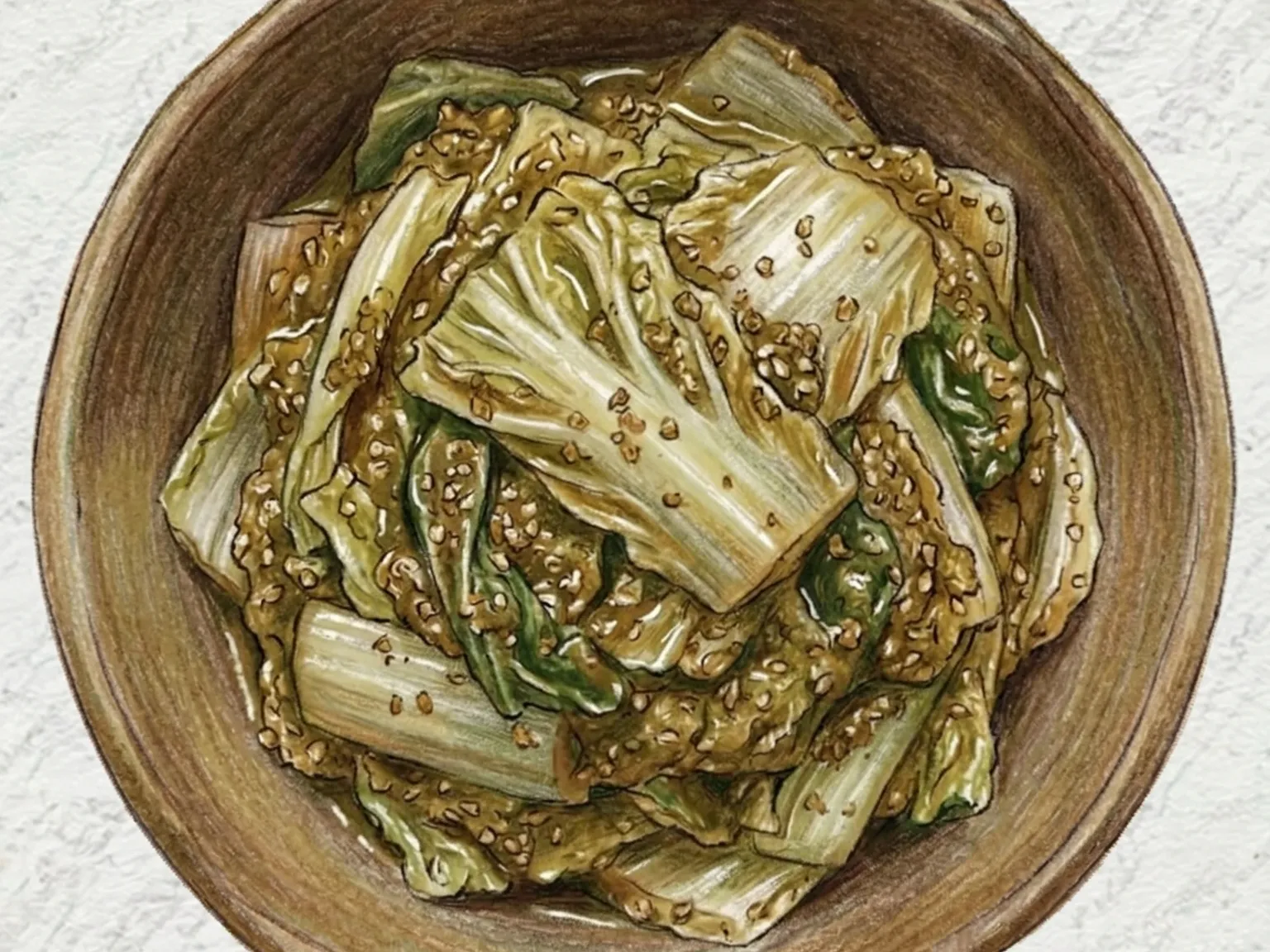
Korean Seasoned Napa Cabbage Namul
Boiled napa cabbage dressed with doenjang and perilla, a banchan passed through generations of Korean home cooks. The cabbage boils for two minutes so the leaves go fully soft while the white stems keep a slight bite, then it is rinsed, squeezed dry, and cut. Perilla oil takes the place of sesame oil and gives the dressing a distinctly herbal character. Perilla powder added at the end thickens the seasoning into a coating that clings to each strand. This quiet banchan pairs well with clear soups and plain steamed rice.
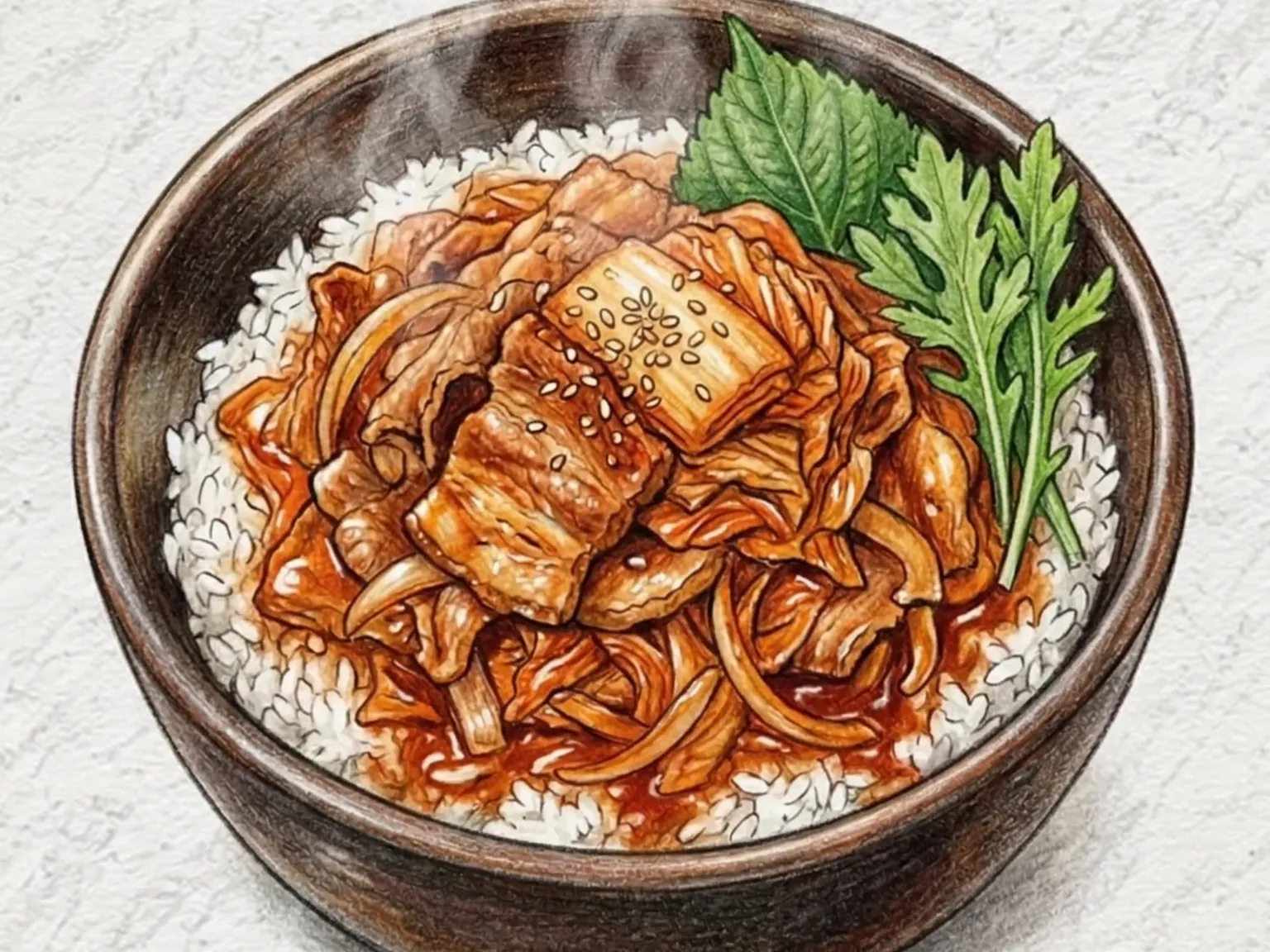
Korean Bossam Kimchi Rice Bowl
Bossam kimchi deopbap repurposes leftover bossam by stir-frying boiled pork and well-fermented bossam kimchi with onion in a gochujang sauce and ladling everything over a bowl of hot rice. The boiled pork picks up a concentrated savoriness from the gochujang glaze as it fries, and the moisture from the fermented kimchi cooks off during stir-frying, intensifying the tangy-spicy sauce into a dense coating. The acidity of mature kimchi and the heat of gochujang cut through the fat of the pork, keeping each spoonful from becoming heavy. Meat and kimchi together in one bowl means no side dishes are needed to complete the meal. A fried egg on top adds richness and tempers the heat of the seasoning.
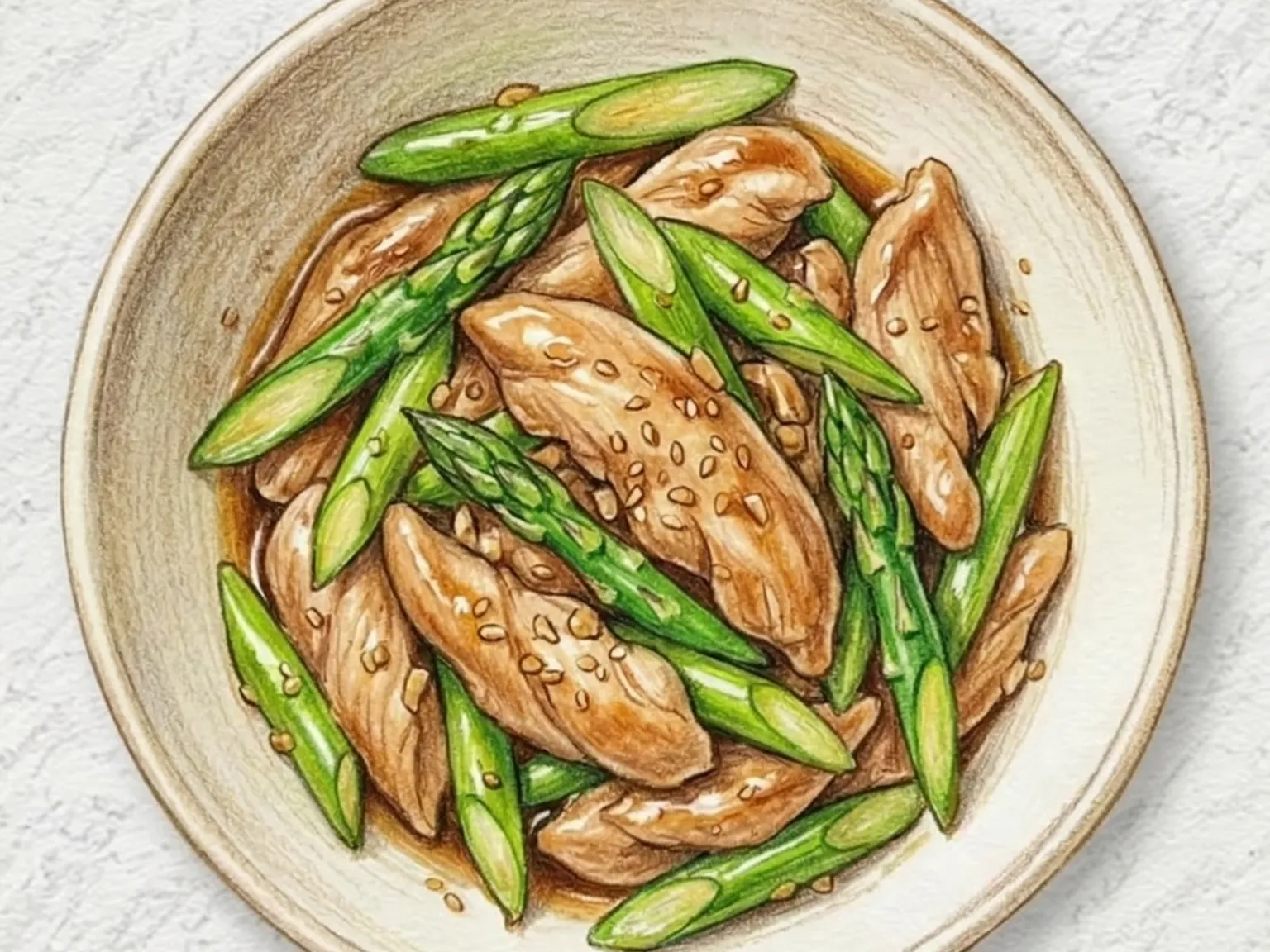
Korean Aseuparageoseu Dak Ganjang Bokkeum (Asparagus Soy Chicken Stir-fry)
This Korean stir-fry brings together chicken tenderloin and asparagus in a soy-based glaze - a modern home-cooking dish from the past few decades, when asparagus began appearing regularly in Korean kitchens. The chicken is sliced thin against the grain and marinated briefly in soy sauce, garlic, and sesame oil so it stays moist through the fast, high-heat stir-fry. Asparagus is cut on a sharp diagonal to maximize surface area for the glaze to adhere to, and the woody ends are snapped off by hand at their natural breaking point rather than cut with a knife. High heat is non-negotiable: the chicken sears quickly without weeping moisture, and the asparagus keeps its vivid green color and firm snap. A finishing glaze of soy sauce, sugar, and oyster sauce caramelizes lightly in the pan, forming a thin, glossy coat over every piece. The dish is deliberately restrained - clean soy saltiness and the grassy freshness of the vegetable take the lead, without the heavy, chili-forward weight of a gochujang-based sauce. It works equally well as a rice side or a light standalone meal.
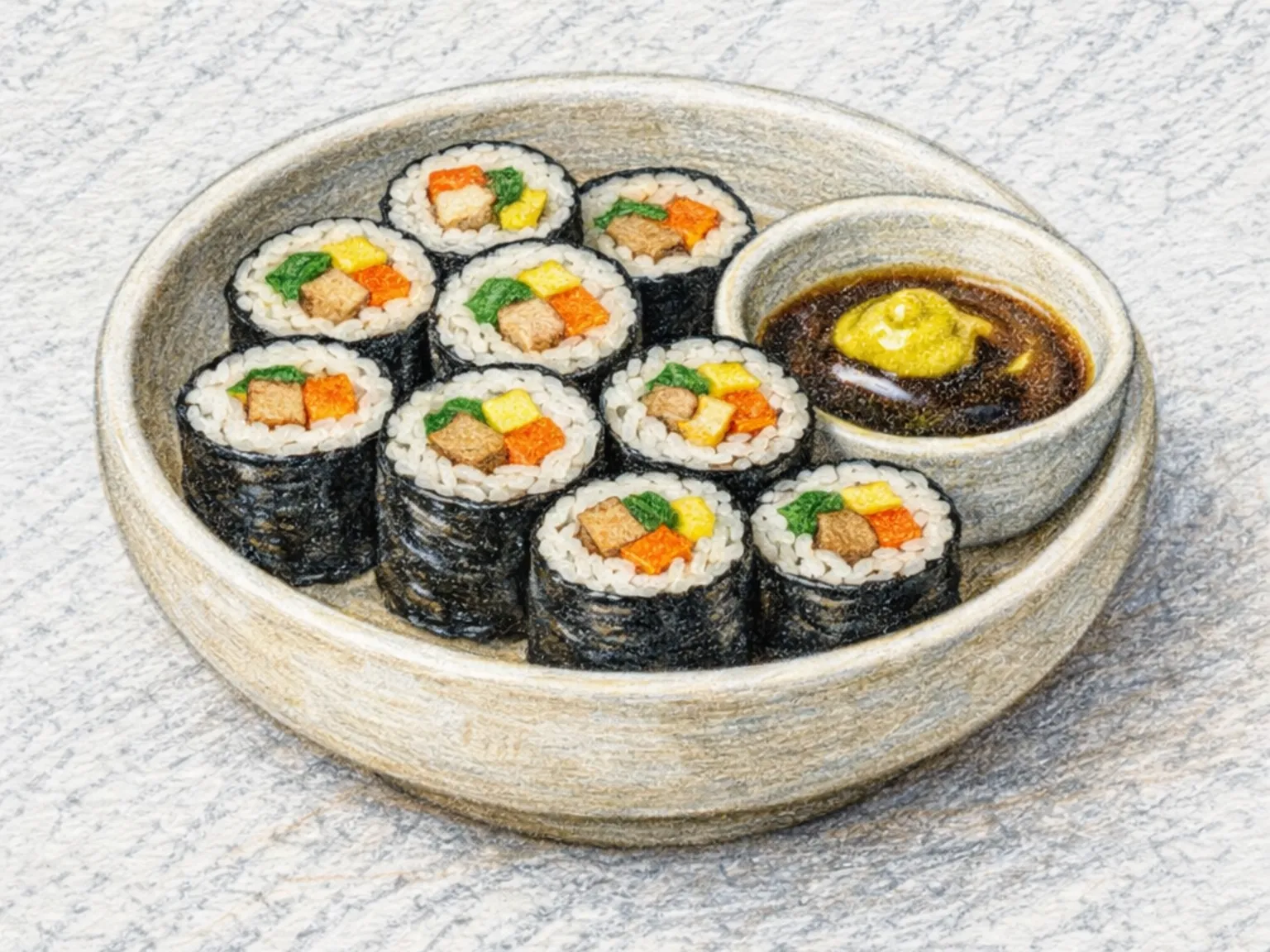
Korean Seaweed Rice Roll
Gimbap is a Korean seaweed rice roll made by spreading sesame-oil-and-salt-seasoned rice over a sheet of gim, then lining up individually prepared fillings such as spinach namul, sauteed carrot, egg strip, ham, pickled radish, and braised burdock before rolling tightly. Each filling is cooked separately so distinct flavors and textures meet in every bite. The rice must cool before spreading, because hot rice releases steam that softens the seaweed and breaks the roll's structure. When sliced, the cross-section reveals concentric rings of color, and a final brush of sesame oil over the finished roll deepens the nuttiness of the seaweed while giving the surface a slight sheen. The combination of fillings can shift with the season or personal preference, which is part of why gimbap remains a staple from picnic lunches to neighborhood snack bars.
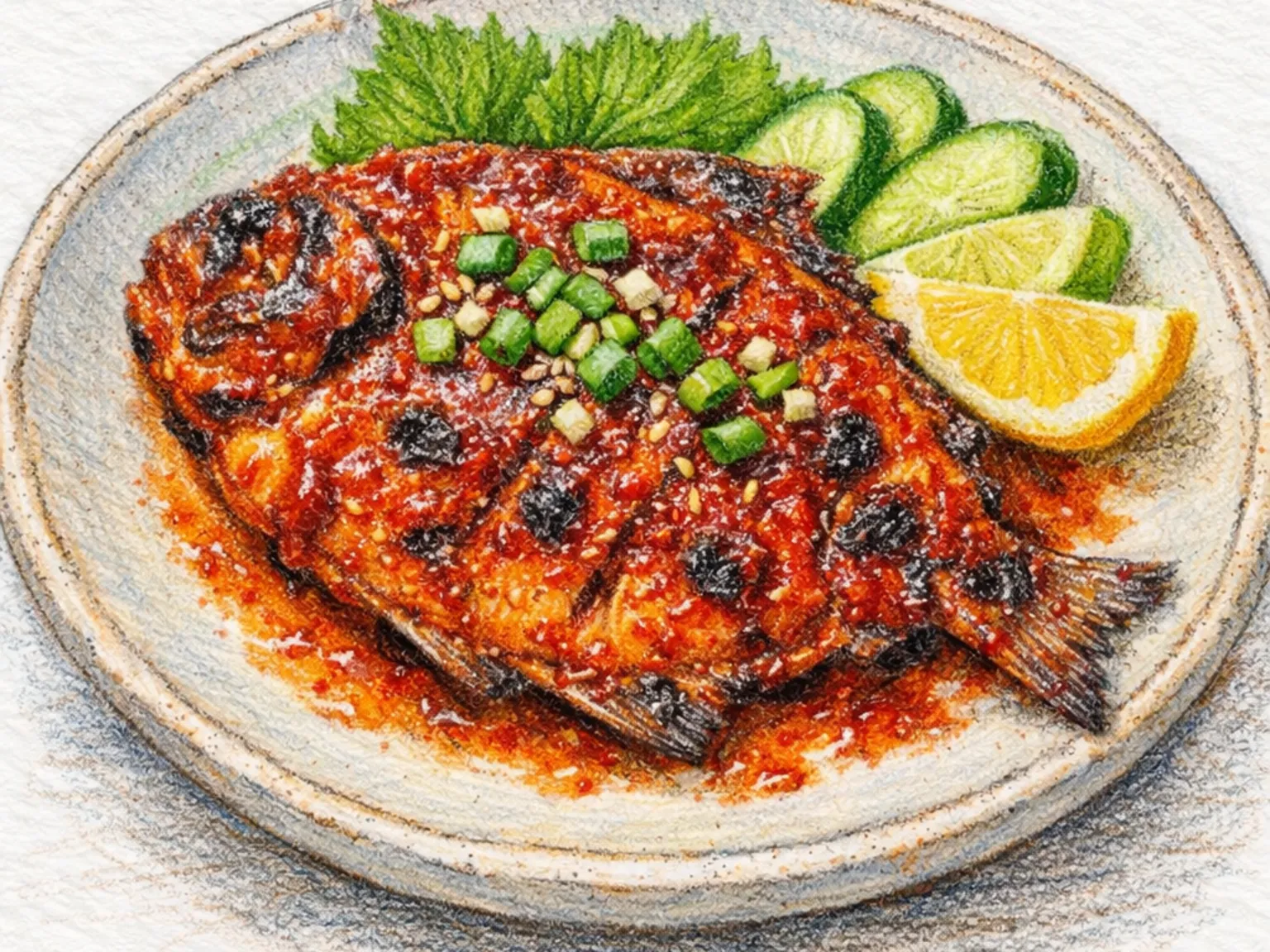
Korean Gochujang-Grilled Butterfish
Byeongeo gochujang-gui is a Korean spicy grilled butterfish where fillets are brushed with a paste of gochujang, soy sauce, plum syrup, minced garlic, and red pepper flakes, then pan-fried over medium heat. Butterfish has an exceptionally fine, soft flesh that absorbs the marinade readily, and the plum syrup's fruity acidity offsets the fermented heat of gochujang so the finish stays clean. The glaze must be applied in thin, repeated layers during cooking; a single thick coat causes the sugars to scorch before the fish cooks through. Each side needs roughly three to four minutes over medium heat, and a wide spatula prevents the delicate flesh from breaking when flipped. A light squeeze of lemon at the end adds brightness that prevents any lingering oiliness and sharpens the overall flavor.
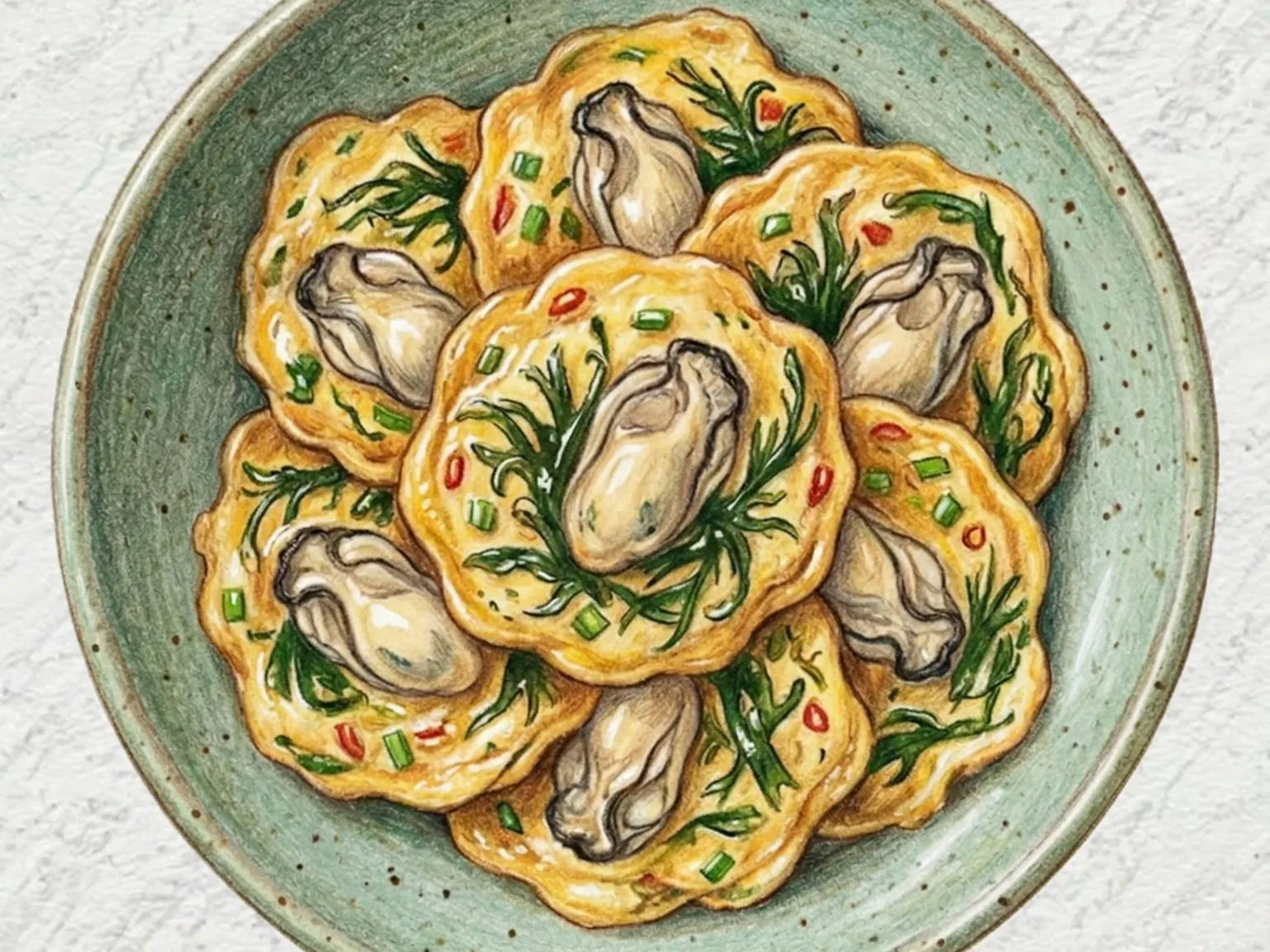
Korean Seaweed Oyster Pancake
Miyeok oyster jeon is a Korean seaweed and oyster pancake that offers a savory taste of the ocean. The cooking begins by rinsing fresh oysters in light salted water and draining them, while soaked seaweed is squeezed firmly to remove moisture before being cut. The pancake batter is prepared by mixing Korean pancake mix, cold water, an egg, minced garlic, and soup soy sauce. The seaweed, oysters, and minced red chili are gently folded into the batter. Ladles of the mixture are pan-fried in oil over medium-low heat for three minutes on each side, ensuring the oysters stay submerged in the batter to cook. The finished pancake features a crisp exterior with a soft, chewy seaweed interior, and juicy oysters that release their briny flavor with every bite.
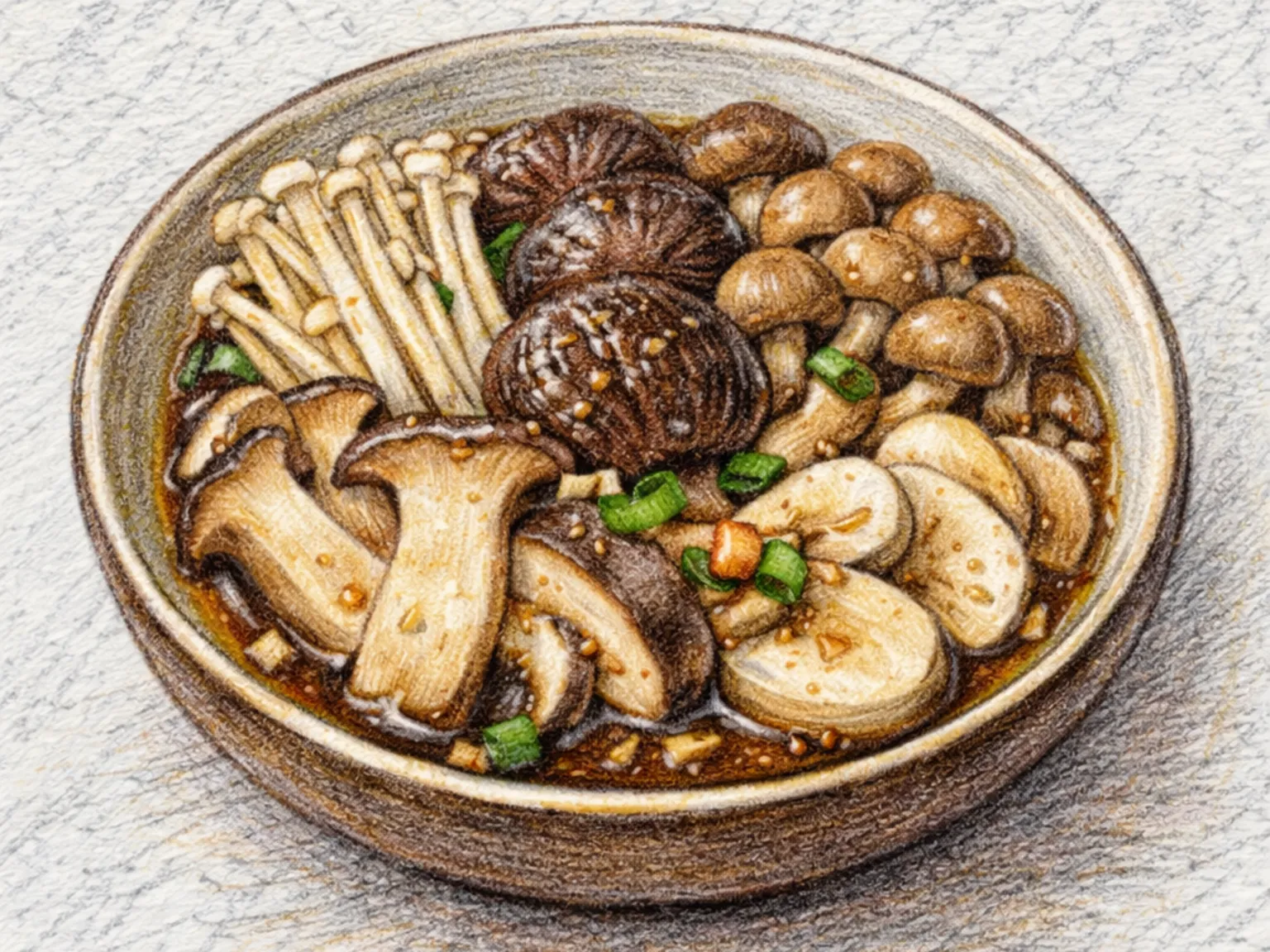
Korean Steamed Mixed Mushrooms
Oyster, shiitake, and enoki mushrooms are steamed in a soy sauce and garlic seasoning. Oyster mushrooms should be torn by hand along the grain so the rough surface absorbs the seasoning, and shiitake caps should be sliced thick after removing the stems to preserve their dense bite even after steaming. Enoki are trimmed at the base and loosened before going in. Sesame oil is added immediately after steaming, before the mushroom moisture evaporates, so the nutty aroma coats the surface properly. Because the three varieties have different densities and thicknesses, steaming time should stay within ten minutes to prevent the enoki from going limp.
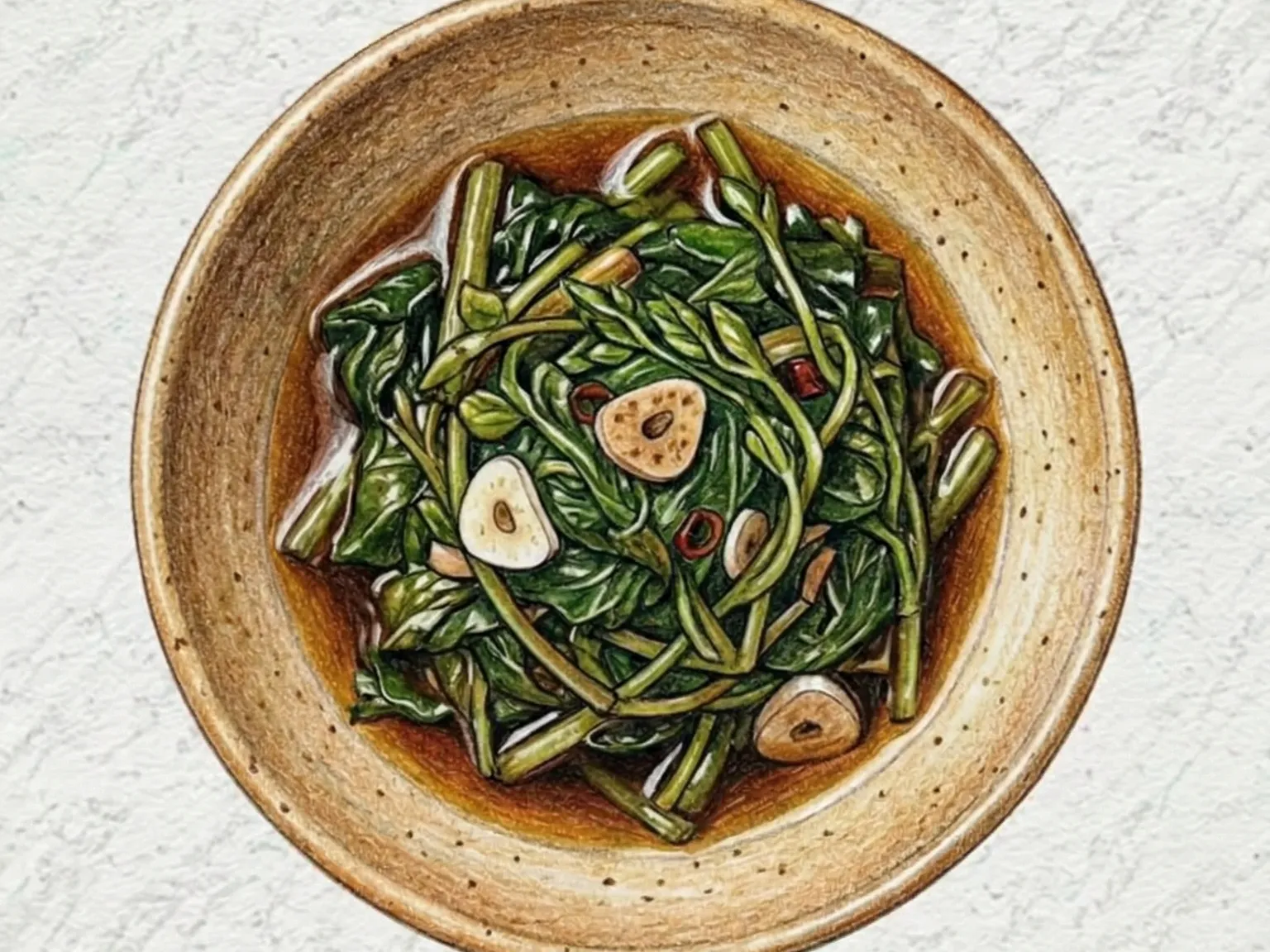
Korean Coastal Herb Pickle
Bangpungnamul jangajji is a Korean soy-pickled side dish made from coastal hog fennel, a spring herb with a distinctive fragrance and a mild bitterness. The pickling liquid is made by bringing soy sauce, water, vinegar, and sugar to a boil, then pouring it hot over the cleaned herb sealed in a jar. Garlic cloves and ginger slices added to the brine deepen the aromatic complexity over time. After about two days, the herb has absorbed enough of the soy-vinegar liquid to be flavorful, and the taste continues to develop over subsequent weeks. Stored under refrigeration, the pickle keeps for over a month. Its pungent, faintly bitter character stands out among milder side dishes and serves as a palate stimulant between bites of plainer food. The standard way to eat it is in small portions alongside rice.
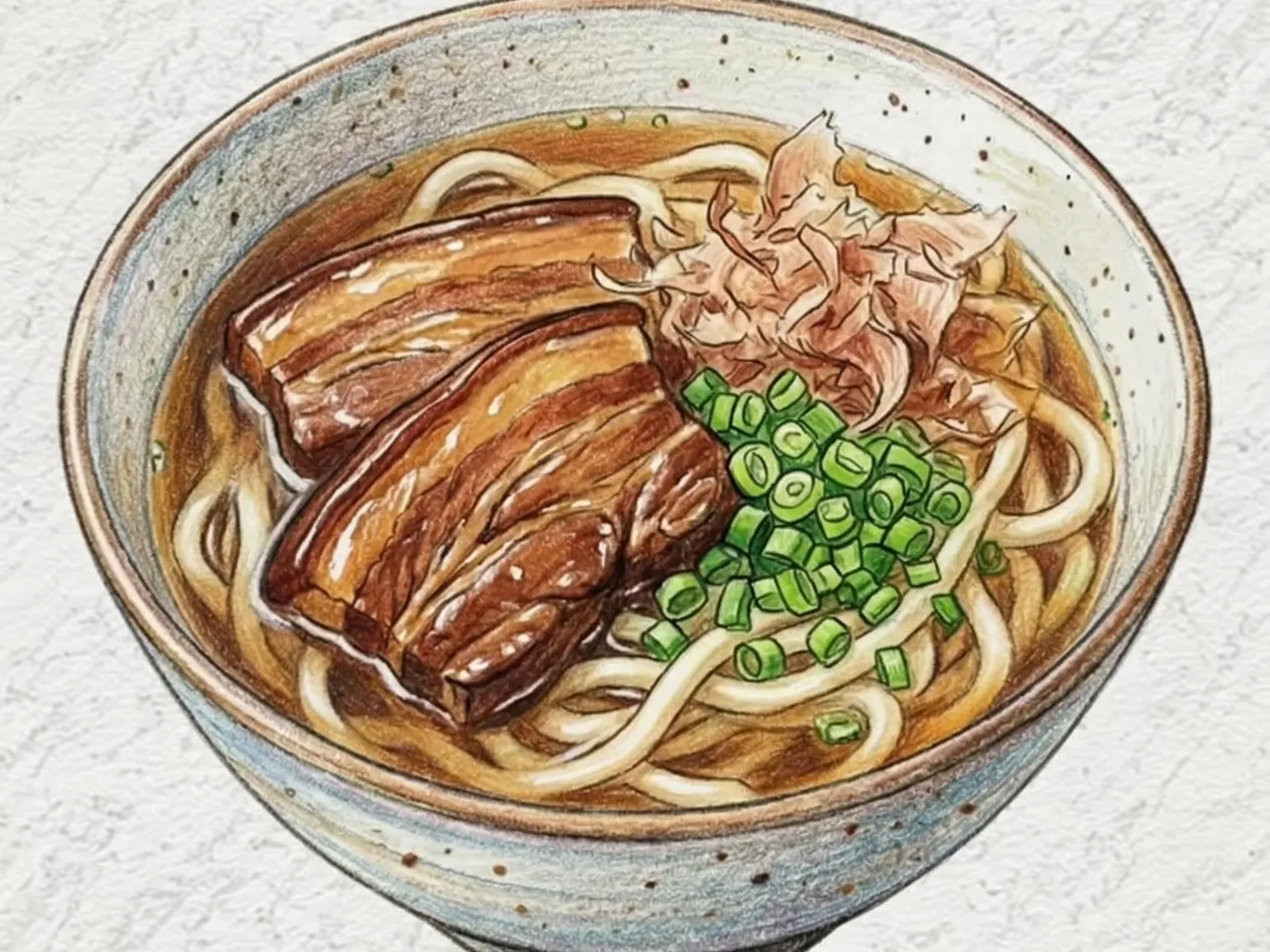
Okinawa Soba (Thick Wheat Noodles with Braised Pork Belly)
Okinawa soba is a regional Japanese noodle dish from Okinawa featuring thick wheat noodles in bonito-based broth, topped with braised pork belly. The pork belly is blanched for three minutes to remove impurities, then slowly simmered in soy sauce, mirin, and sugar until the fibers turn soft and the meat absorbs a sweet-salty glaze. The bonito dashi broth is clear and subtly savory, seasoned lightly with soy sauce to complement rather than compete with the rich pork. Rinsing the cooked noodles briefly in warm water removes excess starch so the broth stays clean when poured over them. Bonito flakes placed on top just before serving release a smoky, oceanic fragrance, and sliced scallion adds a fresh green accent to the warm, meaty bowl.
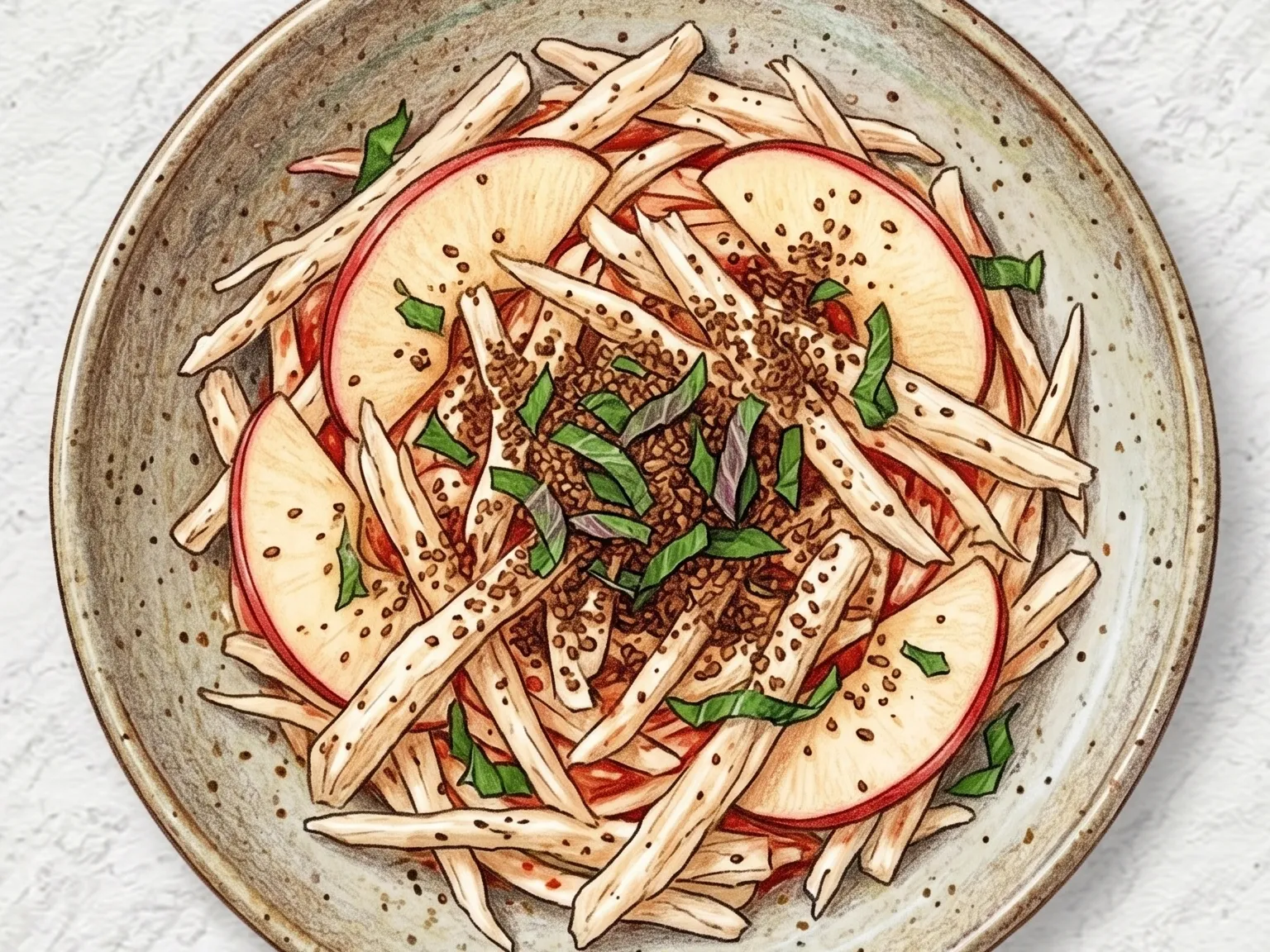
Deodeok Apple Perilla Salad (Bellflower Root Salad)
Deodeok -- codonopsis root -- is pounded with a mallet to split along its fibers, releasing its distinctive herbal fragrance and producing a chewy, shredded texture. The root is best in season from autumn through early spring and suits raw preparations just as well as it does grilling or seasoned side dishes. Thin apple slices add crisp sweetness that tempers the root's mild bitterness. The dressing combines gochujang and vinegar for a tangy-spicy profile, while ground perilla seeds contribute a nutty, aromatic finish. When pounding, light taps work better than heavy blows -- the goal is to open the fibers without crushing the flesh. Tear the root by hand along the grain after pounding for the best texture. Toss with the dressing just before serving to keep the apple and deodeok crisp.
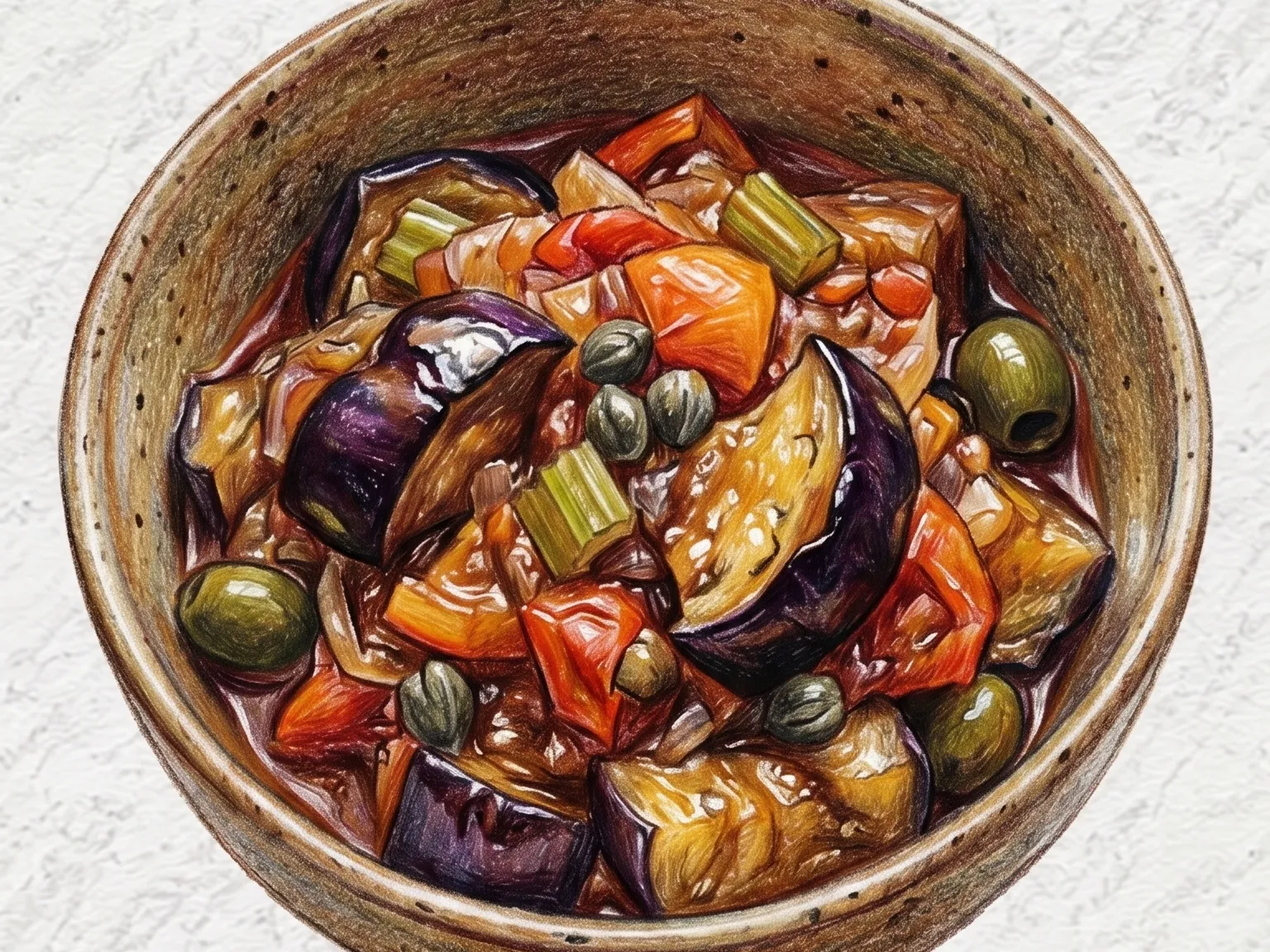
Caponata (Sicilian Sweet and Sour Eggplant Stew)
Caponata is a Sicilian sweet-and-sour vegetable dish centered on eggplant, with a flavor profile built around the concept of agrodolce - a deliberate balance of vinegar tartness and sugar sweetness that defines much of southern Italian cooking. Diced eggplant is fried in generous amounts of olive oil until the edges color and the interior becomes silky, having absorbed enough fat to create a soft, yielding texture. Celery, added later and cooked only briefly, stays crisp throughout, providing a textural contrast that keeps the dish from becoming uniformly soft. Tomatoes, capers, and green olives go in together, forming the braising base into which the fried eggplant is returned and simmered until the liquid thickens. Red wine vinegar and sugar are stirred in at the end and adjusted to taste - the vinegar should be assertive but not sharp, the sugar present but not sweet. The briny depth from the olives and capers layers over the tomato acidity, producing a complexity that would seem to require more ingredients than it actually does. Like most braises and marinades, caponata is considerably better after an overnight rest in the refrigerator, when the separate flavors meld into a unified whole. Serve at room temperature on toasted bread as an antipasto, or alongside grilled meat or fish as a condiment.
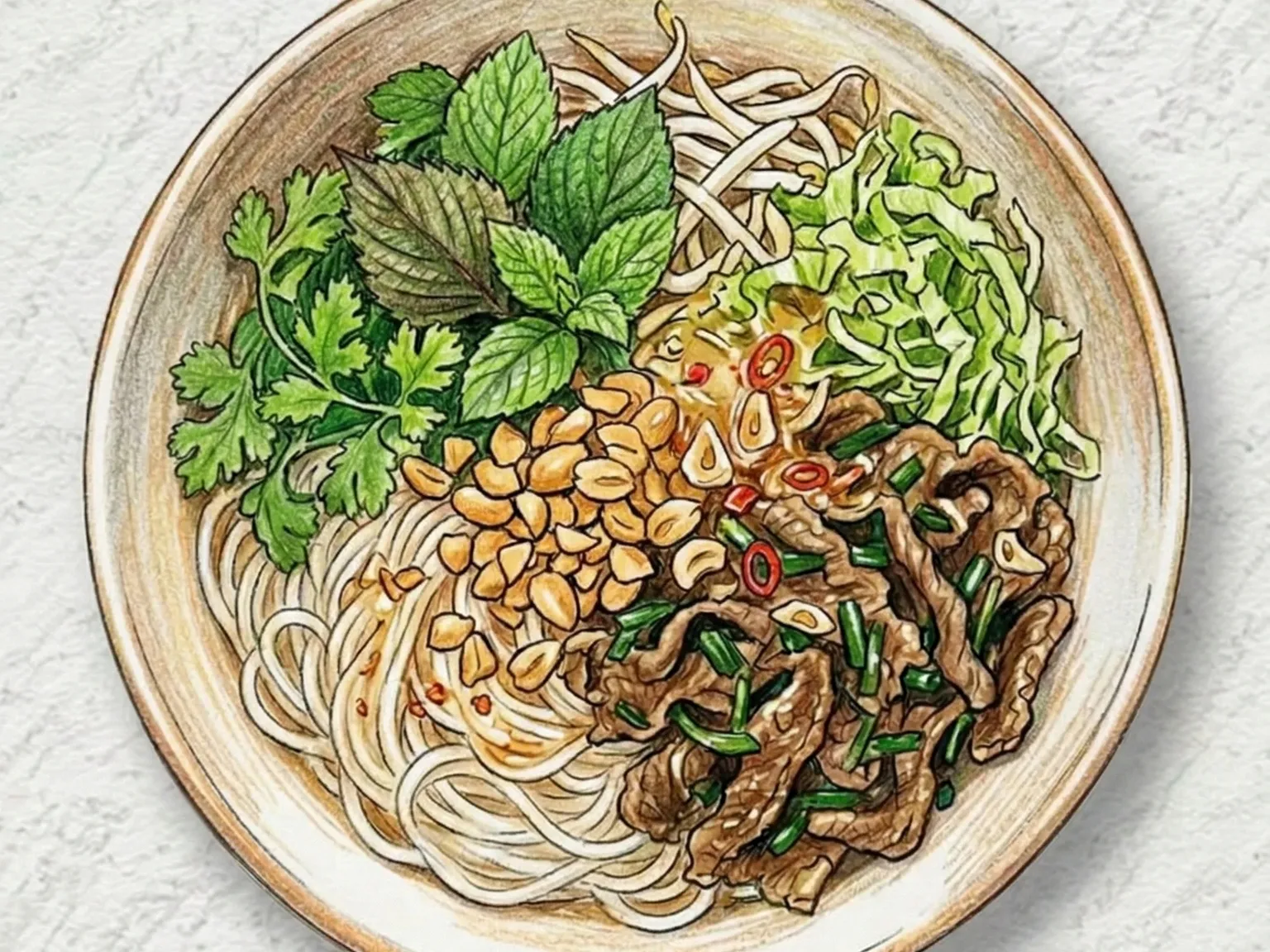
Bun Bo Nam Bo (Vietnamese Dry Beef Noodle Bowl with Herbs)
Bun bo nam bo - literally 'southern beef noodles' - is a Hanoi take on southern Vietnamese flavors, assembled as a dry noodle bowl rather than a soup. The dish layers cold rice vermicelli with stir-fried beef marinated in lemongrass and garlic, then tops it with a generous pile of fresh herbs: cilantro, Thai basil, mint, and perilla. Crushed roasted peanuts and fried shallots scatter on top, contributing crunch and a background sweetness. The binding element is nuoc cham - the sweet-sour-salty-spicy sauce built from fish sauce, lime, sugar, garlic, and chili - poured over and tossed through at the table. The beef is seared on maximum heat for under a minute so it stays medium-rare inside while the lemongrass marinade caramelizes along the edges. The pleasure of the bowl is in its temperature contrasts: cold noodles, cold herbs, warm beef, and room-temperature sauce all meeting in each chopstick-lifted tangle. Found on nearly every street in Hanoi's Old Quarter, it is the reliable lunch for office workers who return to their preferred stall day after day.
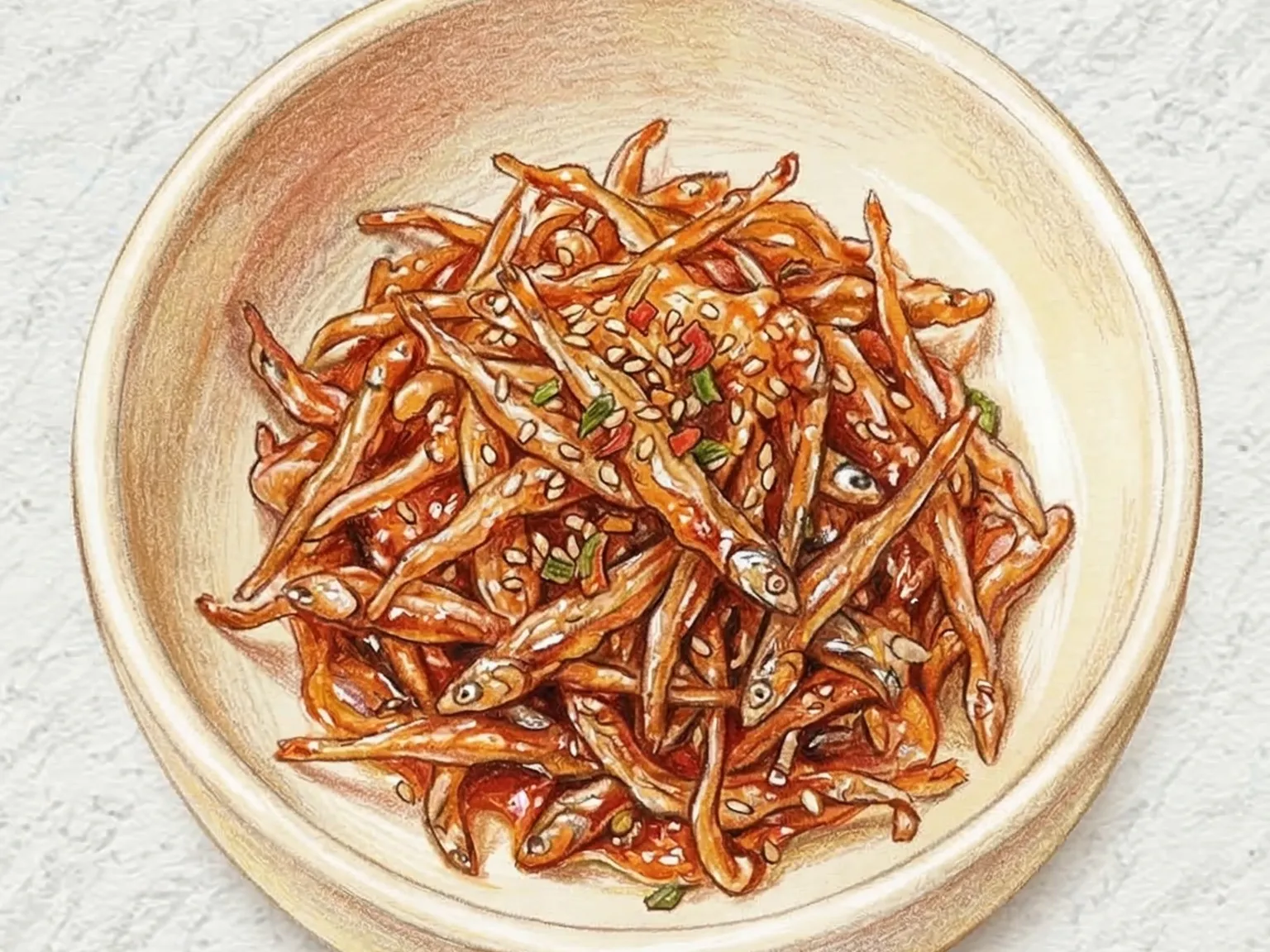
Korean Stir-fried Dried Whitebait Sheet
Dried whitebait sheets - paper-thin, salted, and faintly briny - are a Korean pantry staple for quick, long-lasting banchan. The sheets are torn into pieces and dry-toasted over low heat first to drive off residual moisture completely, a step that determines the final texture. Once the sheets are fully dried and just starting to crisp, a glaze of gochujang, soy sauce, oligosaccharide syrup, and sugar is added to the pan and coats both sides. The heat must be cut immediately after coating so the pieces do not harden beyond a pleasant crunch. Oligosaccharide syrup forms a thin glossy finish on the surface as it heats. The taste is salty-sweet with a fermented chili edge, and the texture firms further as the dish cools - one of the rare banchan that actually improves at room temperature. Refrigerated, it keeps for over a week.
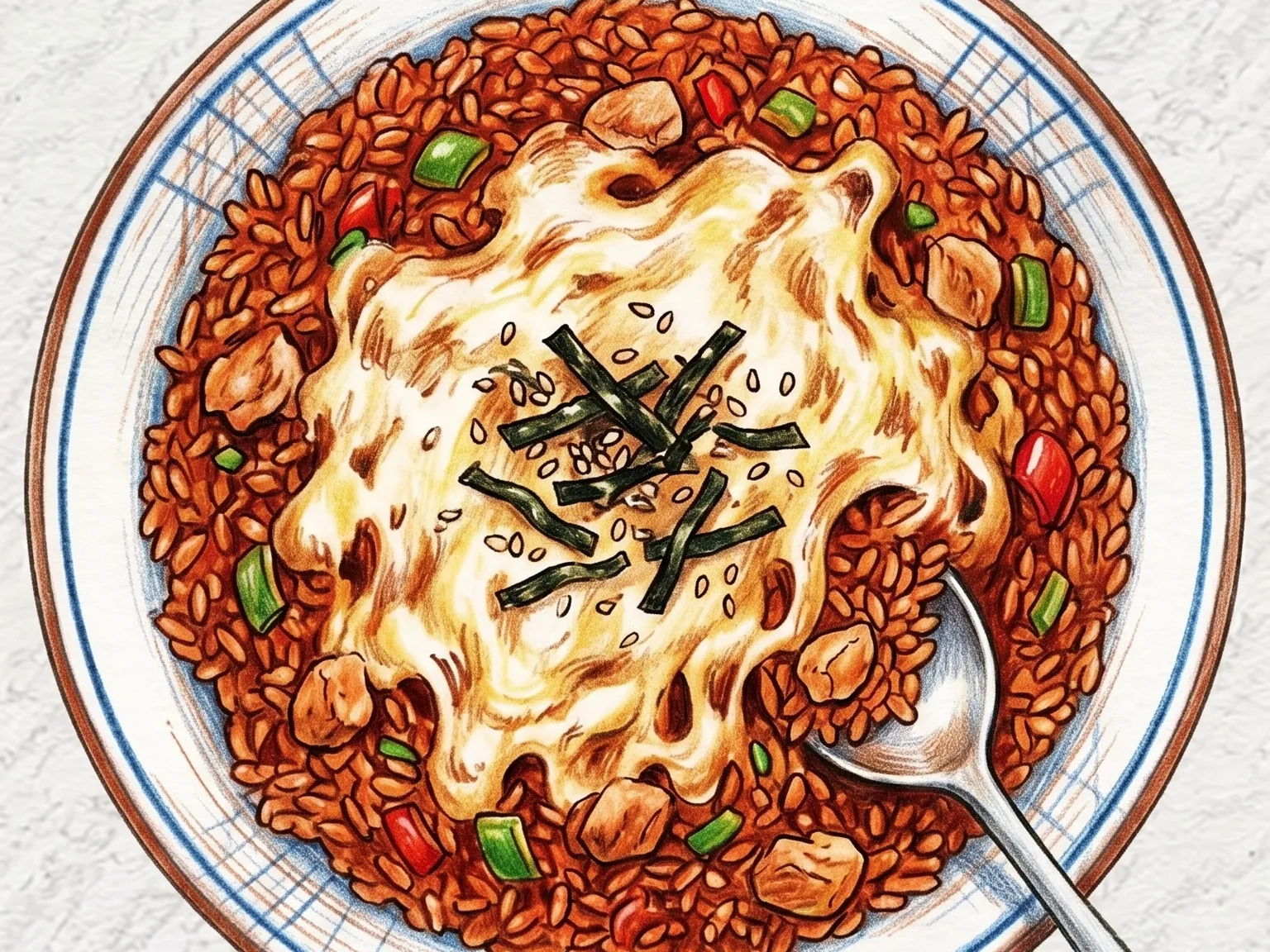
Korean Fire Chicken Fried Rice
Buldak bokkeumbap is a Korean fried rice built around the fiery buldak sauce - a thick chili-based condiment with concentrated heat that became widely known through the instant noodle brand of the same name. Chicken breast cut into bite-sized pieces is marinated in the sauce, then stir-fried with cooked rice over high heat until the sauce caramelizes slightly and coats every grain. The spice hits immediately on the first bite and accumulates with each spoonful, producing the kind of sustained burn that spicy food enthusiasts seek. Laying mozzarella cheese across the top and covering the pan to melt it creates a layer of stretchy, creamy dairy that wraps around the rice and provides brief relief between bites without neutralizing the heat completely. The contrast between the fire of the sauce and the cooling effect of the cheese makes the dish more compelling than either element alone. Easy to assemble with a short ingredient list, it has become a go-to option for late-night cooking and solo meals.
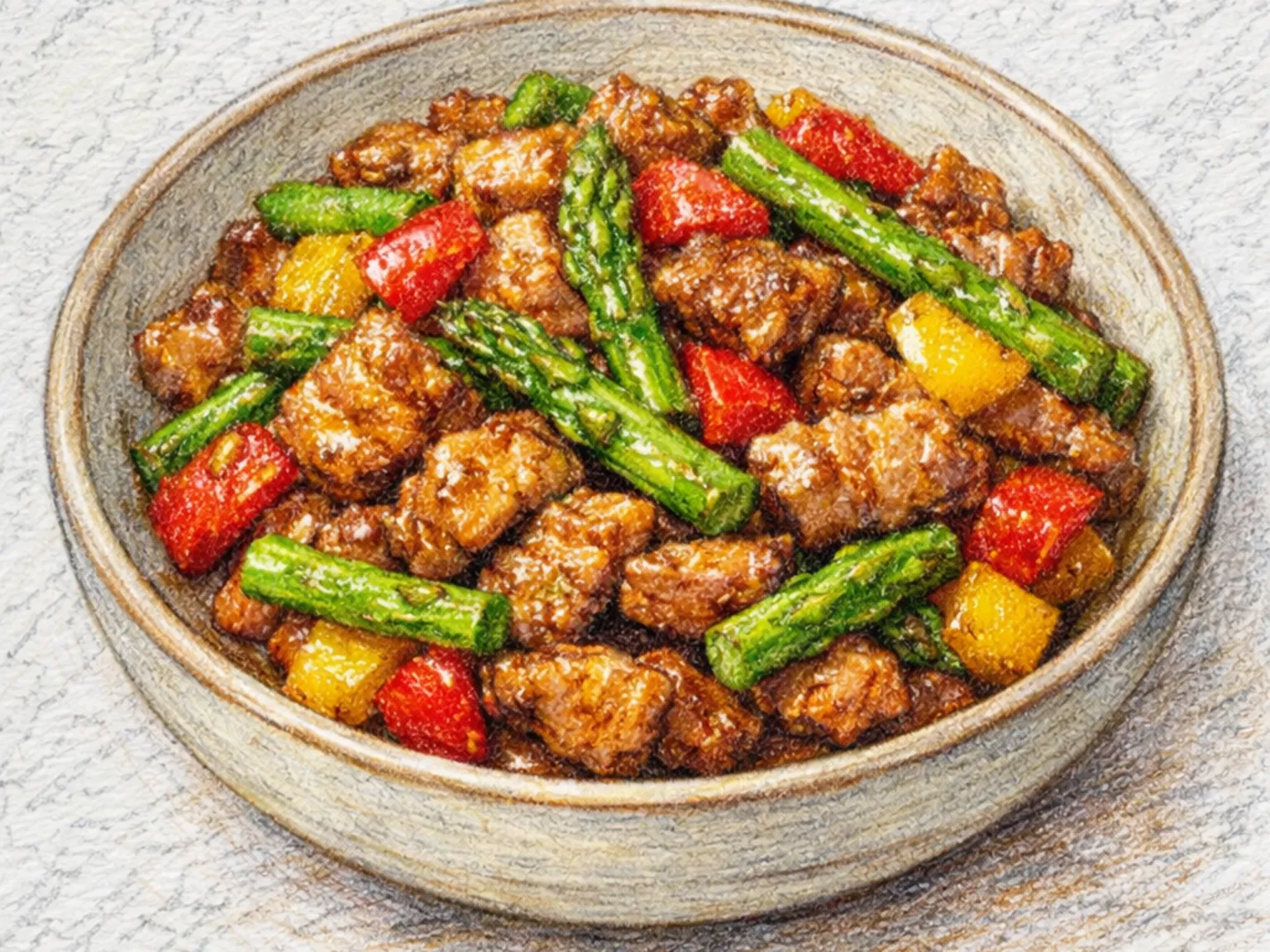
Korean Pork and Asparagus Stir-fry
A Korean weeknight stir-fry pairing pork shoulder or belly with asparagus and red bell pepper in a soy-garlic sauce that comes together in under twelve minutes from a cold pan. The pork is sliced thin and marinated in soy sauce, minced garlic, and a pinch of sugar for ten to fifteen minutes; the sugar draws moisture to the surface and promotes caramelization, creating a glossy, slightly browned crust when the meat hits the hot pan. Cooking the meat first over high heat renders out its fat, which becomes the stir-frying medium for the vegetables that follow - a technique that layers the pork's savory quality into the whole dish rather than keeping it confined to the meat alone. Asparagus goes in for barely a minute: enough time to eliminate the raw, starchy taste while preserving the clean snap of the stalk. The fibrous base of each spear benefits from a quick pass with a vegetable peeler before cooking, which allows the thicker portions to cook at the same rate as the tips. Bell pepper adds natural sweetness and a visual contrast to the green and brown of the other components. The sauce - soy, a touch of oyster sauce, and sesame oil - is deliberately restrained; a single spoonful of oyster sauce adds enough viscosity to help the seasoning cling evenly to every piece without making the dish heavy.
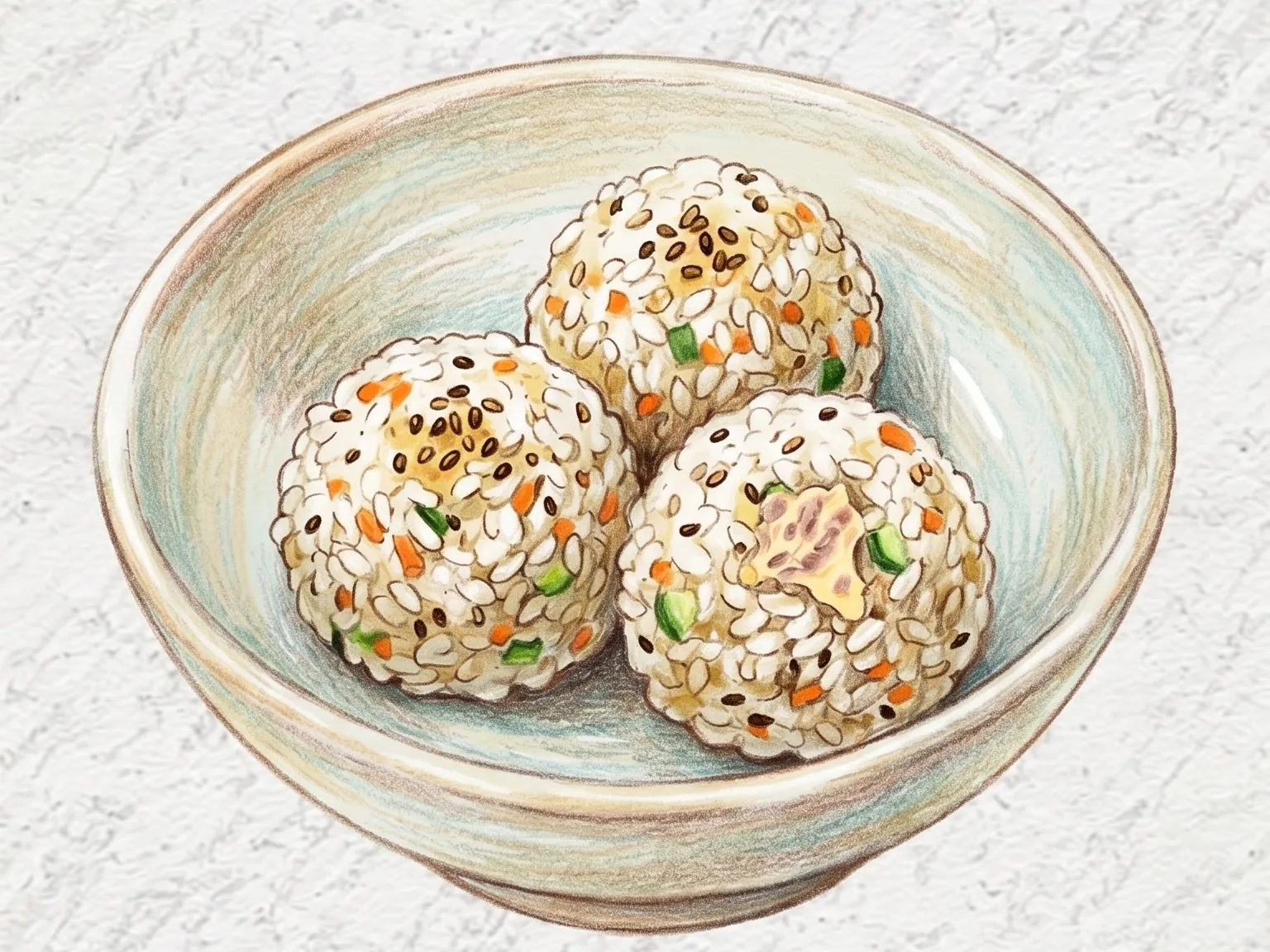
Korean Rice Ball (Sesame Rice Balls with Tuna Mayo Filling)
Jumeokbap are Korean rice balls made by seasoning warm cooked rice with sesame oil, salt, and sesame seeds, packing a tuna-mayonnaise filling with finely diced carrot and cucumber into the center, and shaping everything into compact rounds using plastic wrap. Sesame oil coats each grain and lends a nutty fragrance while helping the rice hold together without falling apart. Inside, the salty tuna and creamy mayonnaise blend together while the carrot and cucumber provide short, crunchy breaks in each bite. Shaping through plastic wrap keeps hands clean, produces a consistent size, and makes it practical to assemble in large batches. No reheating is required, and the rice balls hold well at room temperature, which makes them a natural fit for packed lunches, picnics, and outdoor gatherings.