🍱 Lunchbox Recipes
Dishes that taste great packed and cold
723 recipes. Page 2 of 31
The best lunchbox dishes hold up well at room temperature. This tag features make-ahead sides and full lunchbox recipes you can pack in the morning without stress - sausage stir-fry, rolled omelet, stir-fried anchovies, and soy-braised beef are all lunchbox staples.
The key to a great packed lunch is choosing dishes with low moisture content and arranging contrasting colors. A sprinkle of sesame seeds or furikake over the rice adds a finishing touch that looks as good as it tastes.
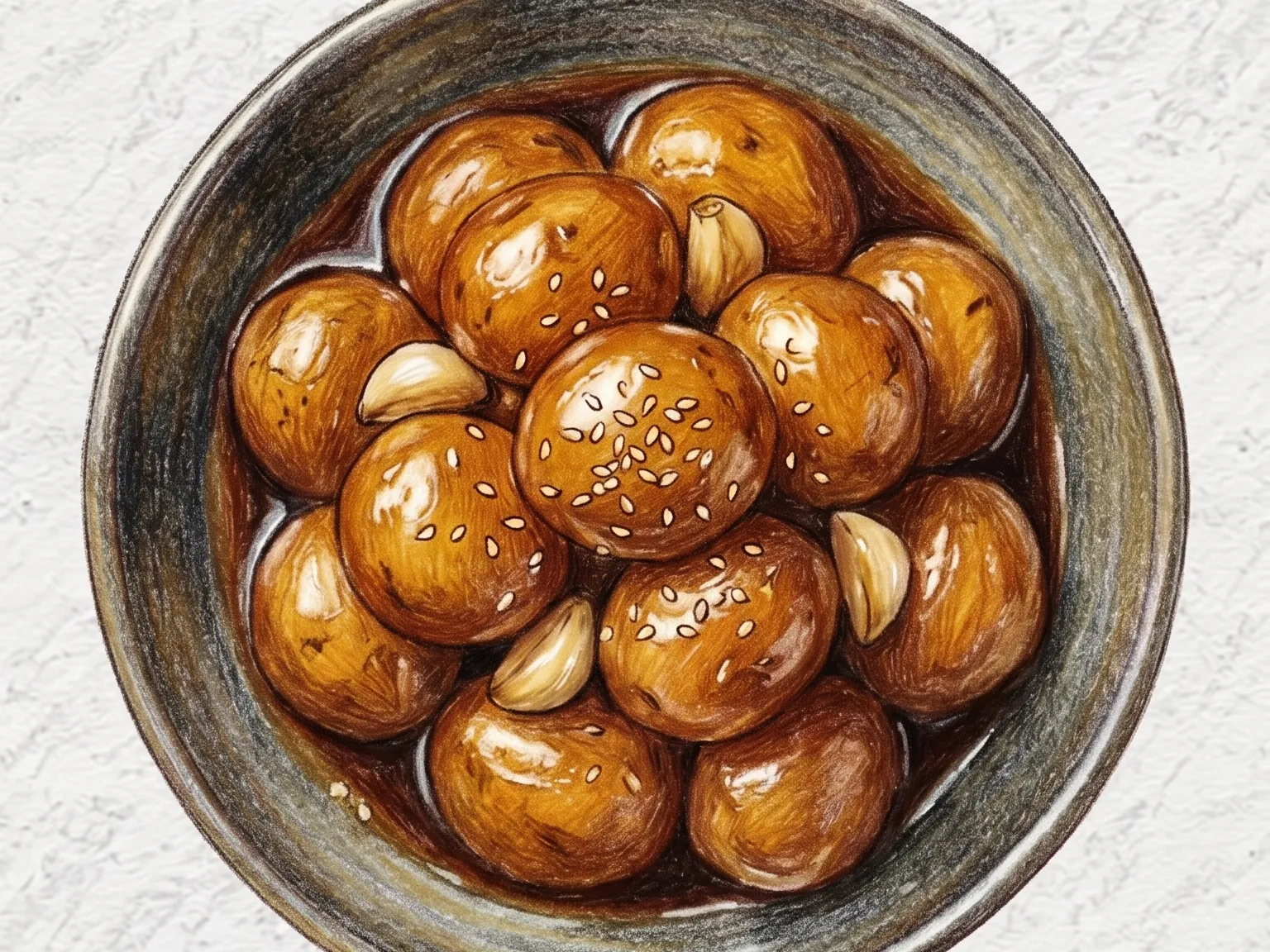
Korean Soy-Braised Baby Potatoes
Algamja ganjang-jorim is a Korean banchan of baby potatoes braised in a soy-sugar glaze, a dish so simple in its ingredients - soy sauce, sugar, corn syrup, garlic, and a handful of small potatoes - that it has persisted in home cooking across generations. The potatoes are parboiled whole first to partially cook the starchy exterior, then transferred into the seasoning liquid and simmered over low heat as the sauce reduces. As the liquid evaporates, a dark amber lacquer forms around each potato while the interior stays dense and floury. Keeping the lid off and gently shaking the pan rather than stirring with a utensil allows the coating to build evenly without breaking the potatoes apart. Sesame oil and sesame seeds go in at the end when the sauce has thickened to a glaze, adding a roasted fragrance to the finish. Refrigerating overnight deepens the penetration of the soy seasoning into the center, and the dish keeps for close to a week - practical enough to make in a single batch for the whole week.
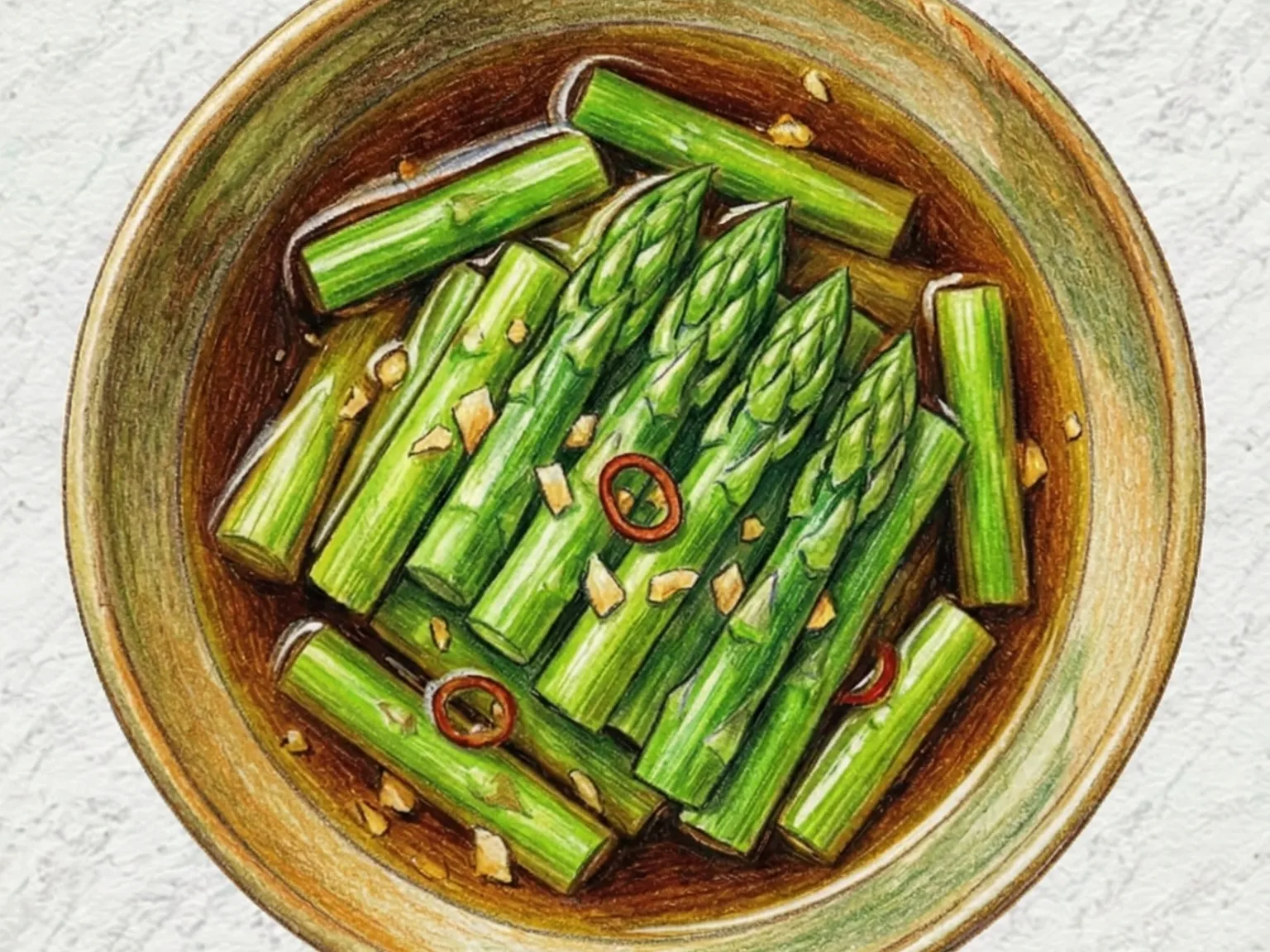
Korean Soy Pickled Asparagus
This pickle applies the Korean jangajji tradition - soy-brine preservation - to asparagus, a vegetable that arrived in Korean cooking relatively recently but now appears freely across banchan preparations. The asparagus is blanched for just 20 seconds to fix its color and soften the fibrous outer layer, then immediately shocked in ice water to lock in a vivid green and a firm, snapping texture. Packed upright in a sterilized jar, the spears are covered with a boiling brine of soy sauce, rice vinegar, sugar, and water that partially cooks the surface while leaving the core crisp and springy. Within 24 hours the brine penetrates enough for the pickle to be edible, but the flavor peaks at three days when the sweet-sour-salty balance has fully developed. Unlike most jangajji that rely on root vegetables or dense greens like radish and napa cabbage, asparagus brings a distinctive grassy, almost herbal note to the preserved format - a quality that stands on its own without the weight of fermentation. Keeps refrigerated for two weeks, and works well alongside rich or oily dishes where its acidity provides contrast.
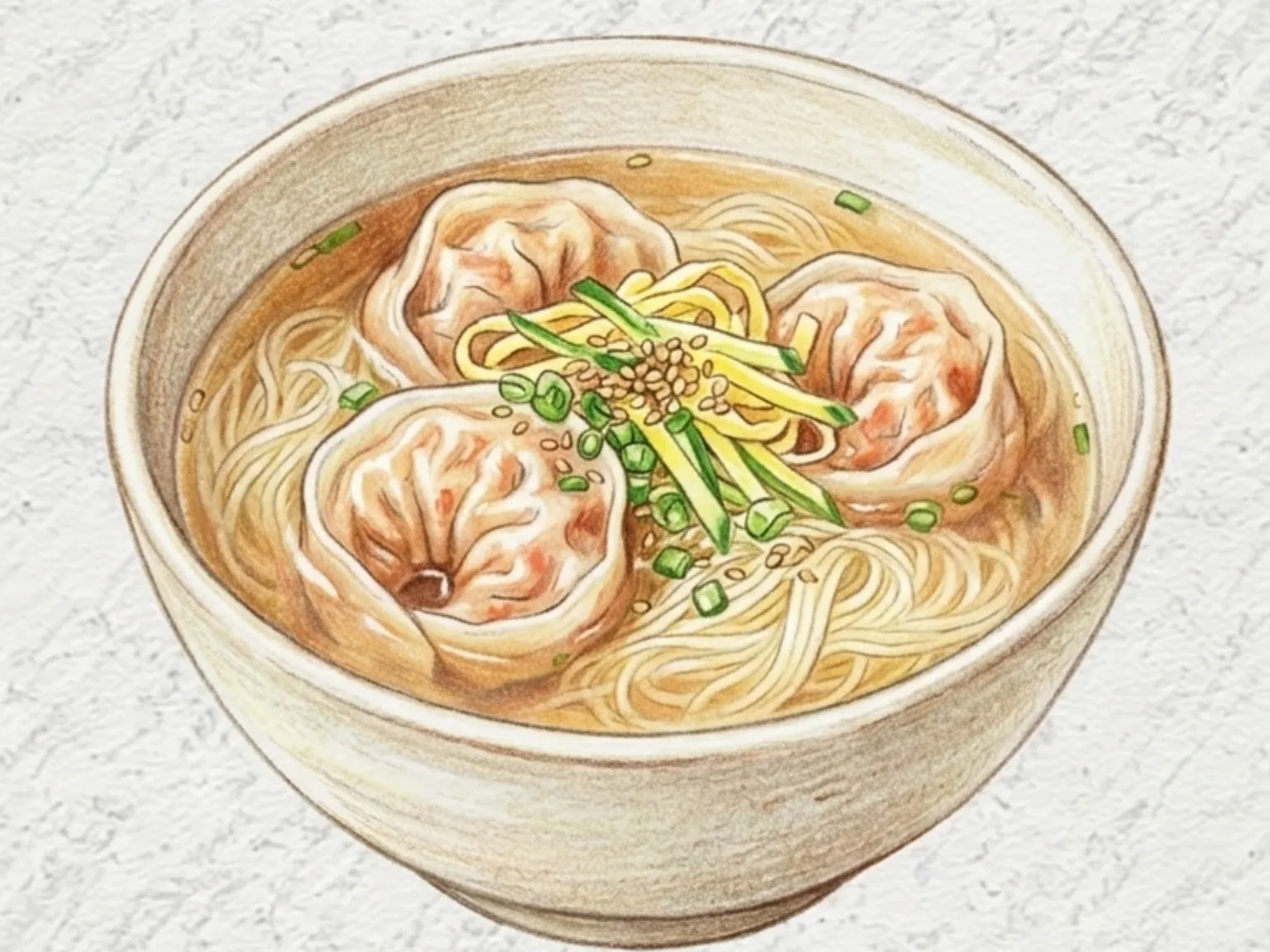
Korean Warm Noodles with Kimchi Dumplings
Kimchi mandu onmyeon is a Korean warm noodle dish that combines kimchi dumplings simmered in anchovy-kelp stock with thin wheat noodles served in the hot broth. The filling of kimchi and pork inside each dumpling gradually releases savory depth into the clean dashi as the dumplings cook, building a broth that feels substantive without requiring heavy seasoning. Soup soy sauce and minced garlic are the only seasoning additions, keeping the overall flavor clear and well-defined. Thin wheat noodles are boiled separately and rinsed under cold water before serving, which prevents the cooking starch from clouding the broth and keeps the noodles smooth and springy in texture rather than swollen and soft. Julienned zucchini added to the broth and a thin stream of beaten egg swirled in just before serving add color and textural variety to the finished bowl. Since the sodium content of kimchi dumplings varies considerably by brand, soup soy sauce should be added in small increments at the end rather than all at once. Overcooking the dumplings causes the wrapper to loosen and the broth to cloud, so once the dumplings float to the surface the noodles should go in and the dish brought together quickly. Gochugaru or sliced cheongyang chili transforms the bowl into a spicier version, and a drop of sesame oil stirred in just before eating rounds out the nuttiness of the broth. Equally suited as a late-night solo meal or a warming bowl on a cold day.
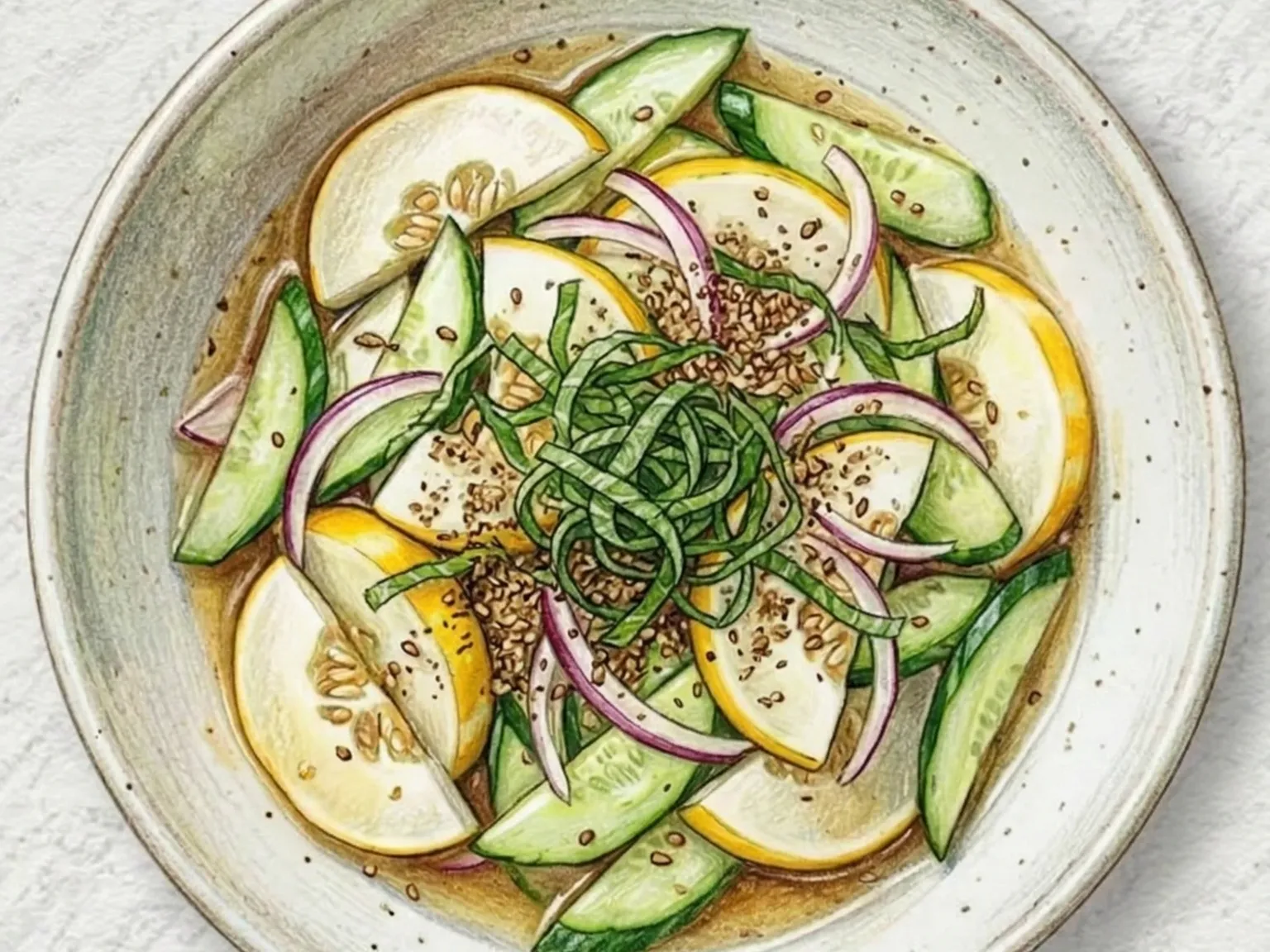
Korean Melon Cucumber Perilla Salad
Korean melon, cucumber, and perilla seed salad uses chamae and cucumber as the main ingredients of a refreshing summer side dish. Chamae is cut into half-moons to expose the pale, sweet flesh, and cucumber is sliced on the diagonal to maximize surface area for the dressing to cling to. Red onion goes into cold water for five minutes before being added to the bowl, which draws out the sharpness while leaving the crunch. Perilla leaves are stacked, rolled tightly, and chiffonaded so their intense fragrance distributes evenly rather than concentrating in one spot. The dressing is ground perilla seed, lemon juice, olive oil, and honey. Adding the ground perilla seed just before serving preserves its toasted, nutty aroma, which fades quickly once it comes into contact with wet ingredients. After ten minutes in the refrigerator, the natural juice released from the chamae blends with the dressing into a light, pooled sauce at the bottom of the bowl. Lemon acidity and the nuttiness of perilla seed draw out the melon's clean sweetness without masking it. The salad works as a standalone side or alongside grilled meat to cut through the fat.
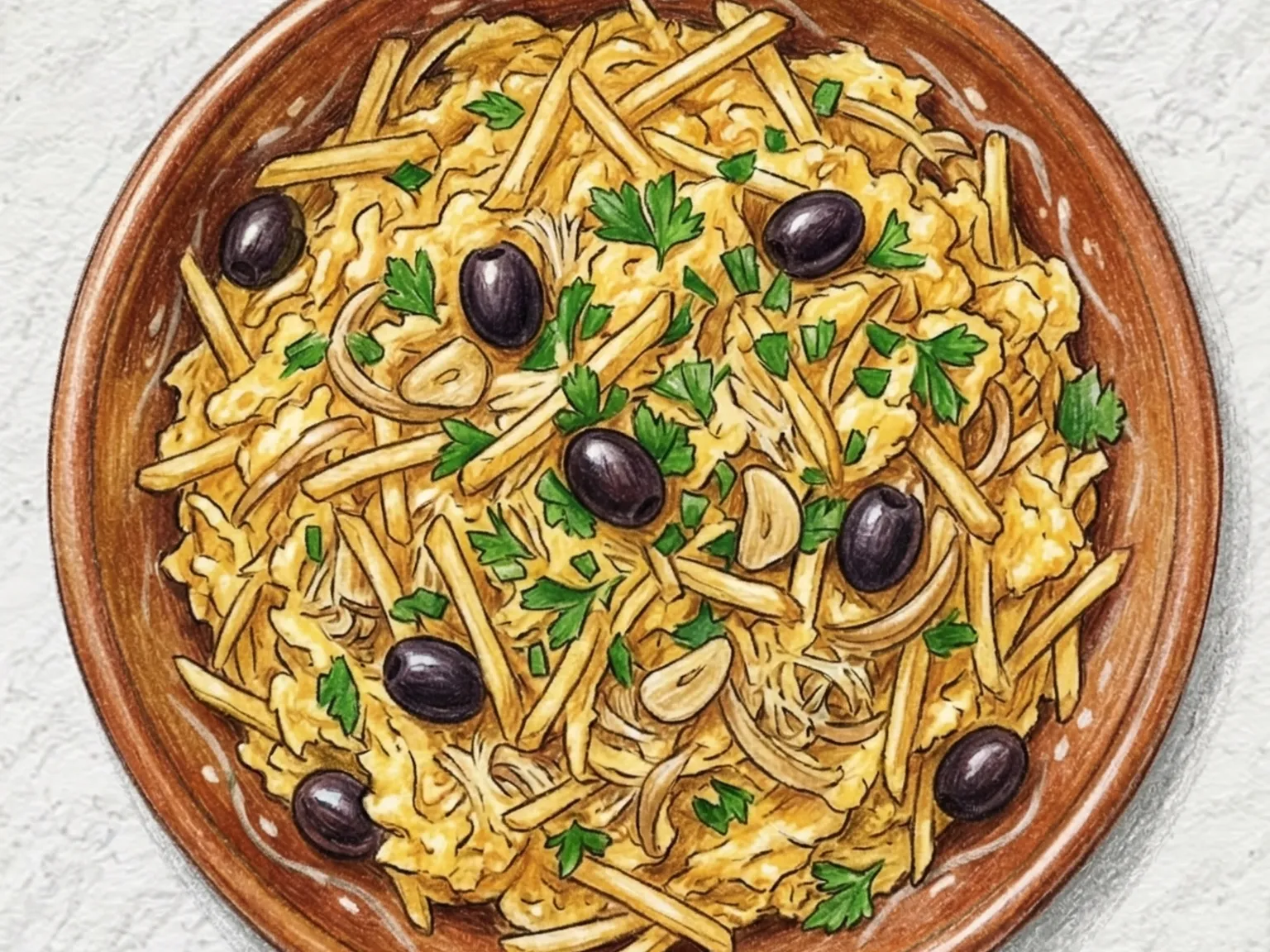
Bacalhau a Bras Recipe - Classic Portuguese Salt Cod with Eggs and Crispy Potatoes
Bacalhau a bras is one of the most beloved preparations among the hundreds of ways Portugal cooks salt cod, born from the long history of Atlantic cod fishing. The salt cod is soaked for 24 to 48 hours with frequent water changes to draw out the salt, then shredded by hand into fine strands. Potatoes cut matchstick-thin are fried until crisp, and the shredded cod is sauteed in olive oil with onion until the onion turns translucent and the fish edges take on a little color. Beaten eggs are poured in and stirred gently off the heat so they form creamy curds that bind the potatoes and fish together without scrambling fully. The finished dish is a golden mound of inseparably tangled crisp potato, silky egg, and salty cod fiber. Black olives and parsley add a sharp salty accent and herbal note. Named after a 19th-century Lisbon tavern keeper, this is a fixture of Portuguese tascas and Sunday family lunches.
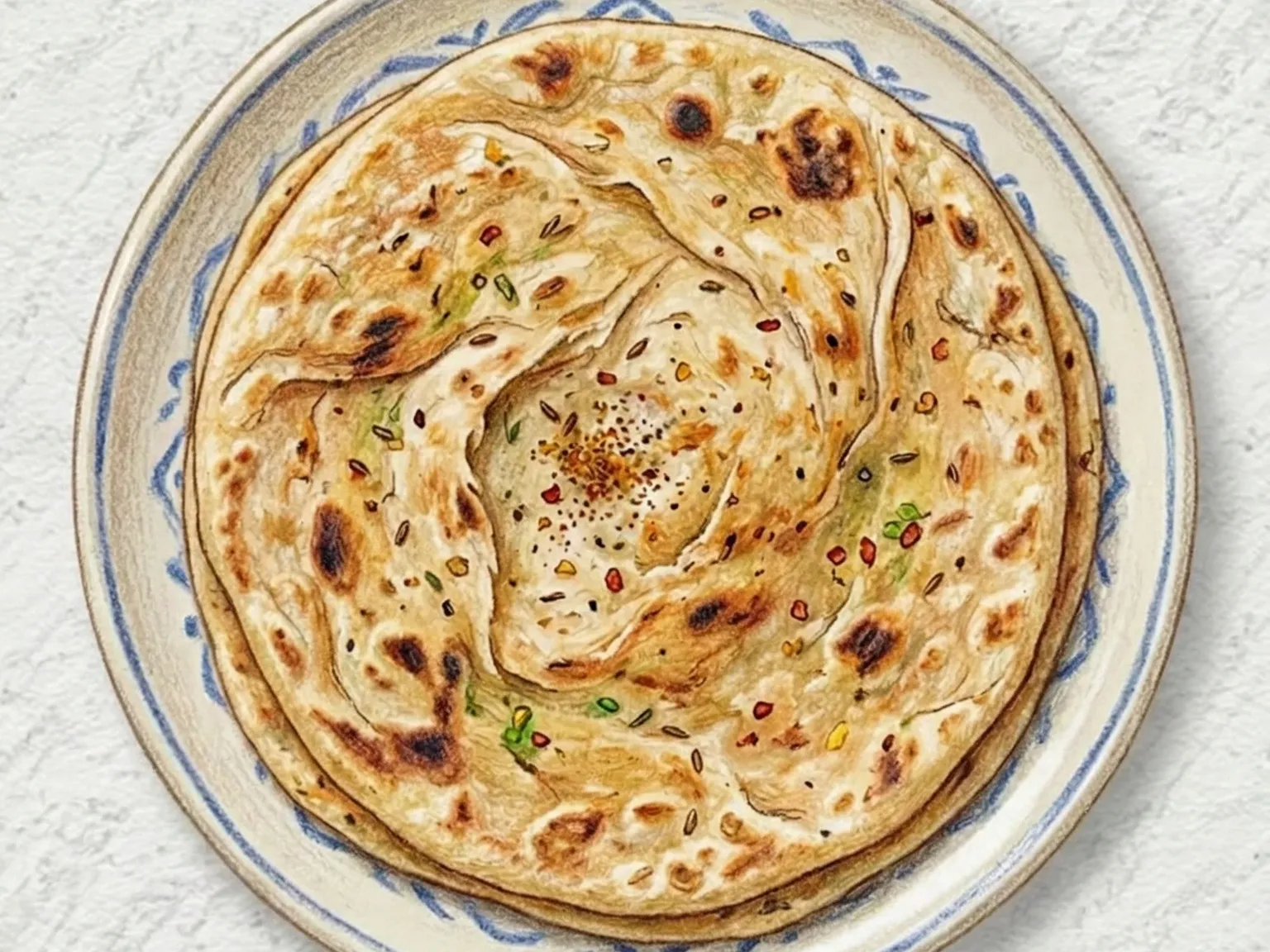
Aloo Paratha (Punjabi Spiced Potato Stuffed Flatbread)
Aloo paratha is a cornerstone of Punjabi breakfast culture - pulled hot off the tawa and served with a knob of butter melting on top, thick yogurt, and tangy mango pickle on the side. The technique involves wrapping spiced mashed potato inside a whole wheat dough ball, then rolling the stuffed parcel flat on a floured surface without letting the filling puncture through. The spice mix includes garam masala, finely chopped green chili, fresh coriander leaves, and minced ginger, giving the filling a warmth that builds as you eat. On a dry, very hot griddle, the paratha develops golden brown patches on each side when oil or ghee is brushed over the surface, and the steam trapped inside from the potato pushes the dough layers apart slightly, creating a flaky interior texture. The more generous the filling, the better the flavor, but it also raises the risk of tearing - draining the mashed potato of excess moisture and calibrating the filling-to-dough ratio is where the skill lies. Street vendors in Delhi and Amritsar stack them high on charcoal-heated tawas, selling them wrapped in newspaper to morning commuters.

Kimchi Cheddar Savory Scone
Cold butter rubbed into flour creates the flaky, crumbly layers of a classic scone, but here the dough takes a savory turn with the addition of squeezed kimchi and sharp cheddar cheese. As the butter melts in the oven, it releases steam that puffs the layers apart, and between those layers the kimchi's spicy acidity and the cheddar's salty richness emerge in alternating waves. Removing moisture from the kimchi before mixing is critical; wet kimchi produces a dense, heavy dough instead of the light texture that defines a good scone. Overworking the dough develops gluten and sacrifices that crumbly snap, so the ingredients are combined just until they hold together. A brief bake at 200 degrees Celsius sets the crust golden while the interior stays tender. Eaten warm with a pat of butter, the scone delivers a pronounced sweet-salty-tangy interplay that works as well at breakfast as it does alongside a bowl of soup.
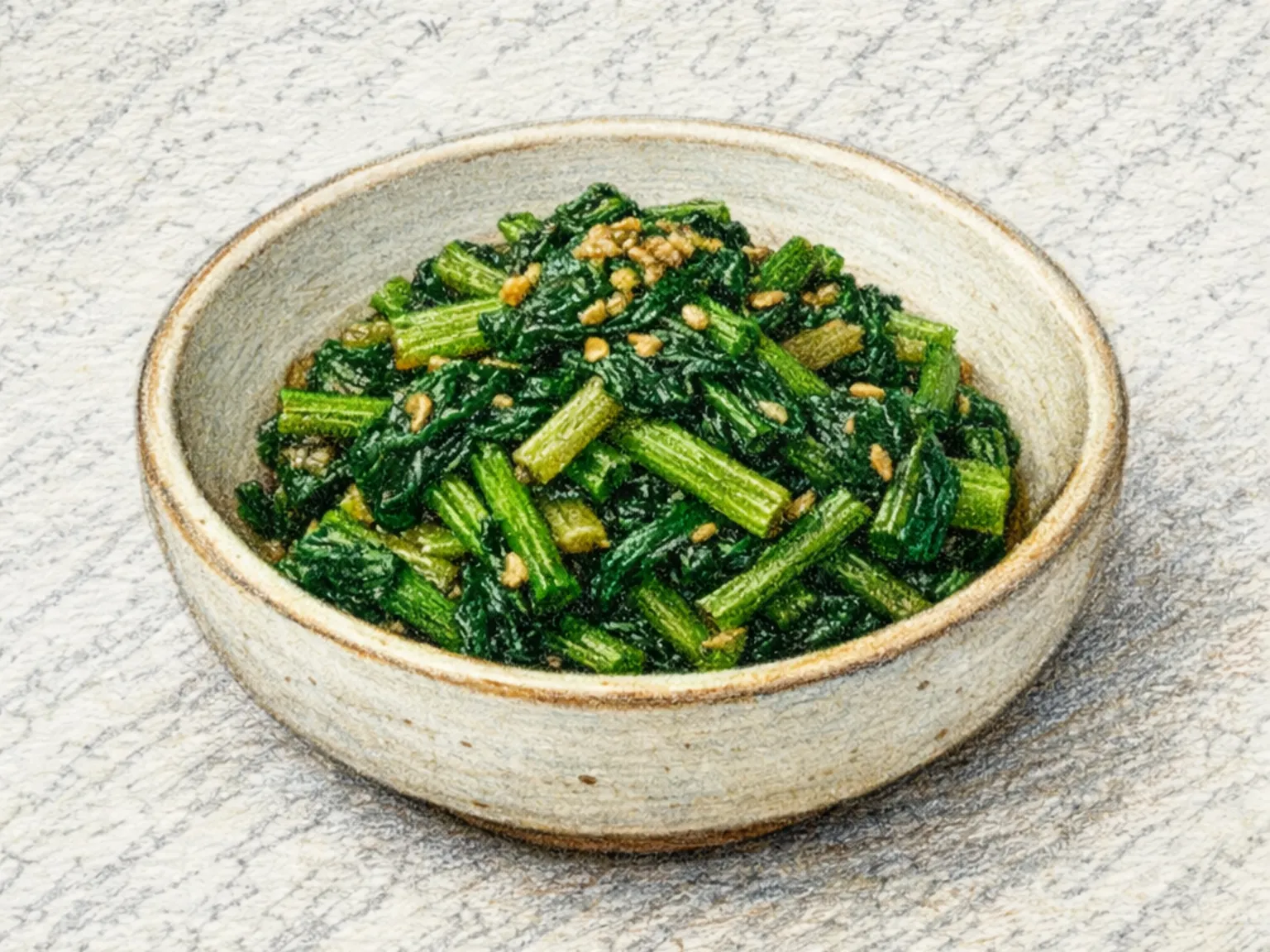
Korean Seasoned Mallow Greens
Auk namul muchim turns mallow greens - a plant used in Korean cooking since the Joseon era, most commonly in doenjang-guk - into a seasoned side dish. The leaves are soft and contain natural mucilaginous compounds that produce a distinctly slippery texture when blanched. The greens go into boiling water for exactly 40 seconds: too short and a raw grassy smell lingers, too long and the mucilage releases excessively, causing the leaves to clump and stick together. After blanching, they are wrung firmly dry and worked by hand with doenjang, soup soy sauce, minced garlic, and chopped scallion so the fermented paste penetrates the porous leaf structure rather than just coating the surface. Mixing the doenjang with garlic before adding the greens helps temper the raw sharpness of the paste. Sesame oil drizzled in last adds a glossy sheen and rounds out the fermented soy flavor against the soft, mild character of the greens.
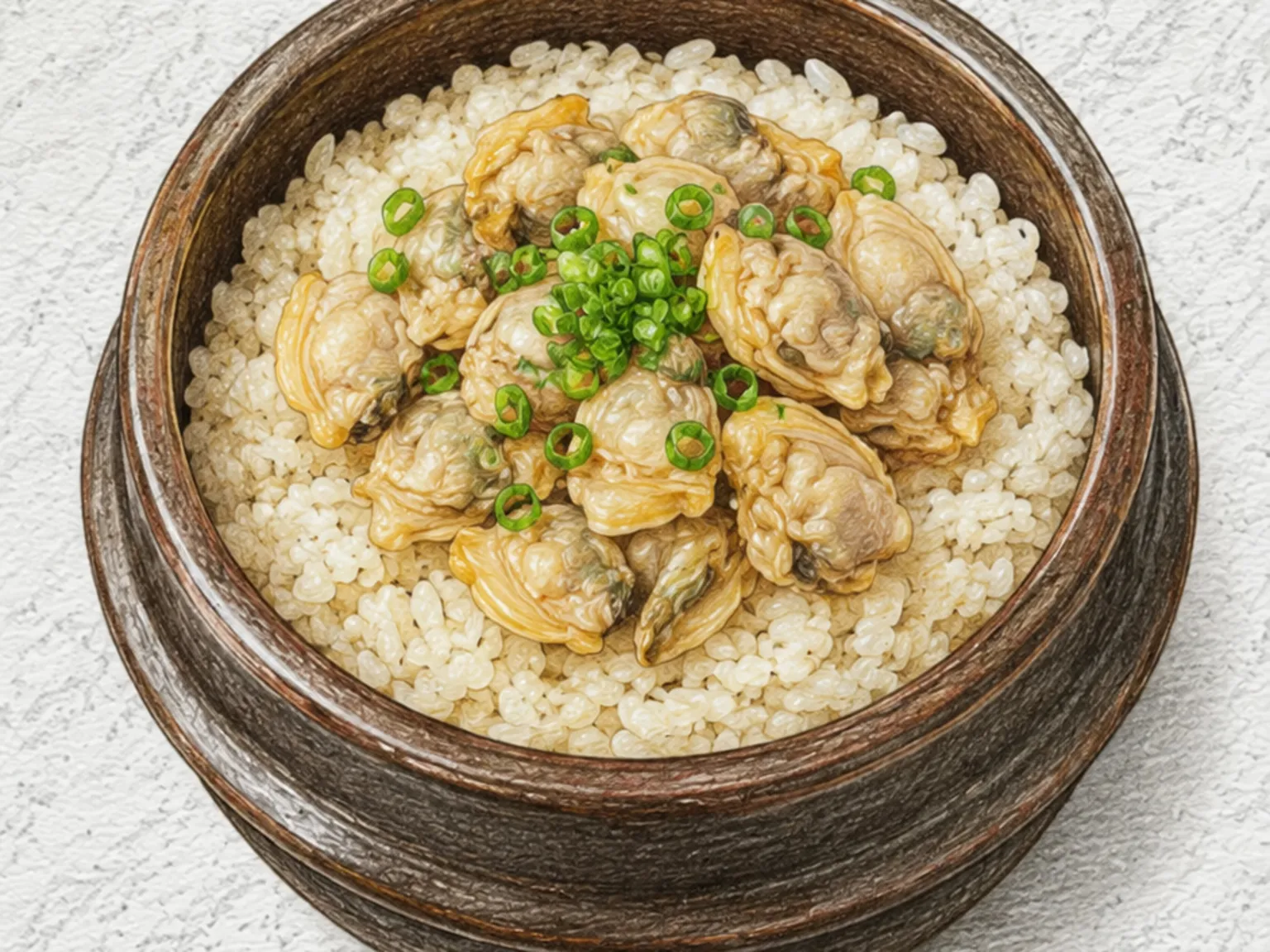
Korean Clam Pot Rice (Savory Clam Broth Cooked Rice Bowl)
Bajirak sotbap is a Korean pot rice where every grain is cooked in clam broth and topped with shucked clam meat just before serving. Purged clams are simmered with a piece of dried kelp until they open, then removed and shucked while the broth is strained through a fine sieve. The kelp contributes glutamic acid that reinforces the clam's natural umami, producing a cooking liquid with a depth that plain water cannot provide. This clam stock infuses every grain of rice as it cooks, embedding a marine character throughout. The rice, soaked for at least thirty minutes to ensure even absorption, goes into the pot with the measured clam broth and cooks over a sequence of high, medium, and low heat. Holding on low heat for an extra five minutes forms a thin nurungji - a lightly caramelized crust at the bottom - whose toasted aroma rises through the lid. During the resting phase, the shucked clam meat is placed on top of the rice so residual heat warms it through without further cooking; since the clams were already cooked once, additional heat would toughen them. A soy sauce and sesame oil dipping sauce is mixed into the rice at the table. The most memorable moment of the dish is lifting the lid, when the concentrated clam fragrance escapes in a sudden rush. After the rice is eaten, adding hot water to the pot dissolves the nurungji layer into a light, smoky scorched-rice tea that serves as a natural closer to the meal.
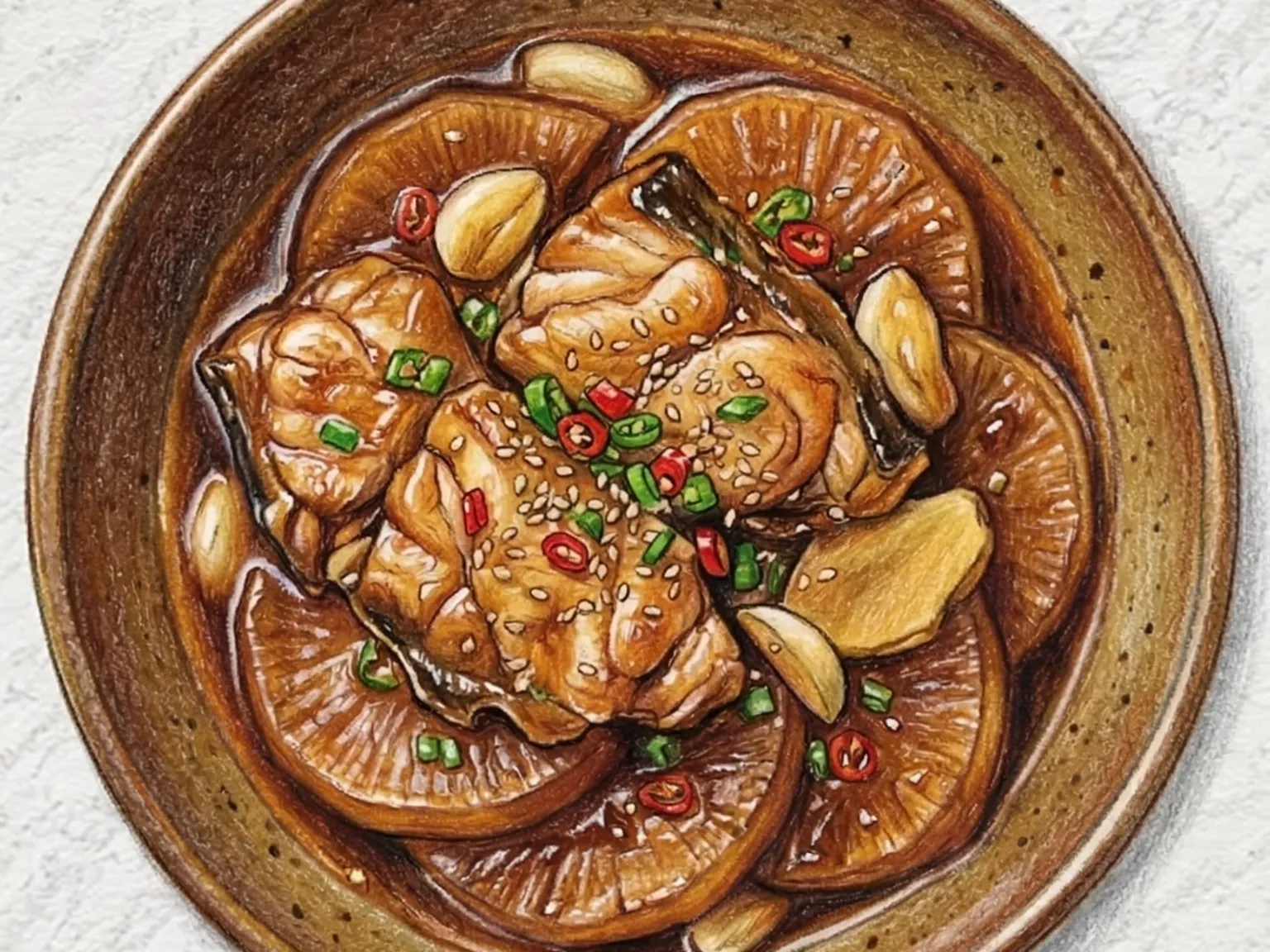
Korean Braised Monkfish in Spicy Soy Sauce
Agwi-jorim is a braised monkfish dish built around a soy-based sauce rather than the chili paste used in the better-known agu-jjim. The technique is gentler and the flavor profile more balanced - salty, faintly sweet, with a moderate heat from gochugaru rather than the aggressive fire of gochujang. Thick rounds of Korean radish go into the pot first, serving two functions simultaneously: they act as a physical buffer that keeps the fish from sticking to the bottom, and they slowly absorb the braising liquid while releasing their own sweetness into it, becoming the most flavorful element in the finished dish. The braising sauce is straightforward - soy sauce, gochugaru, garlic, and water - but it concentrates significantly as it reduces, coating both the fish and radish in a deep amber lacquer. Monkfish is well suited to braising because of its high collagen content; the flesh stays tender and almost gelatinous even with extended cooking, never turning rubbery. The liver-colored skin softens into the sauce. To eat, the standard approach is to spoon the sauce-saturated radish and fish over a bowl of steamed rice, letting the braising liquid soak in. Less fiery than agu-jjim, agwi-jorim is the version more commonly made at home, where the controlled salt-sweet-spice balance appeals to a wider range of palates.
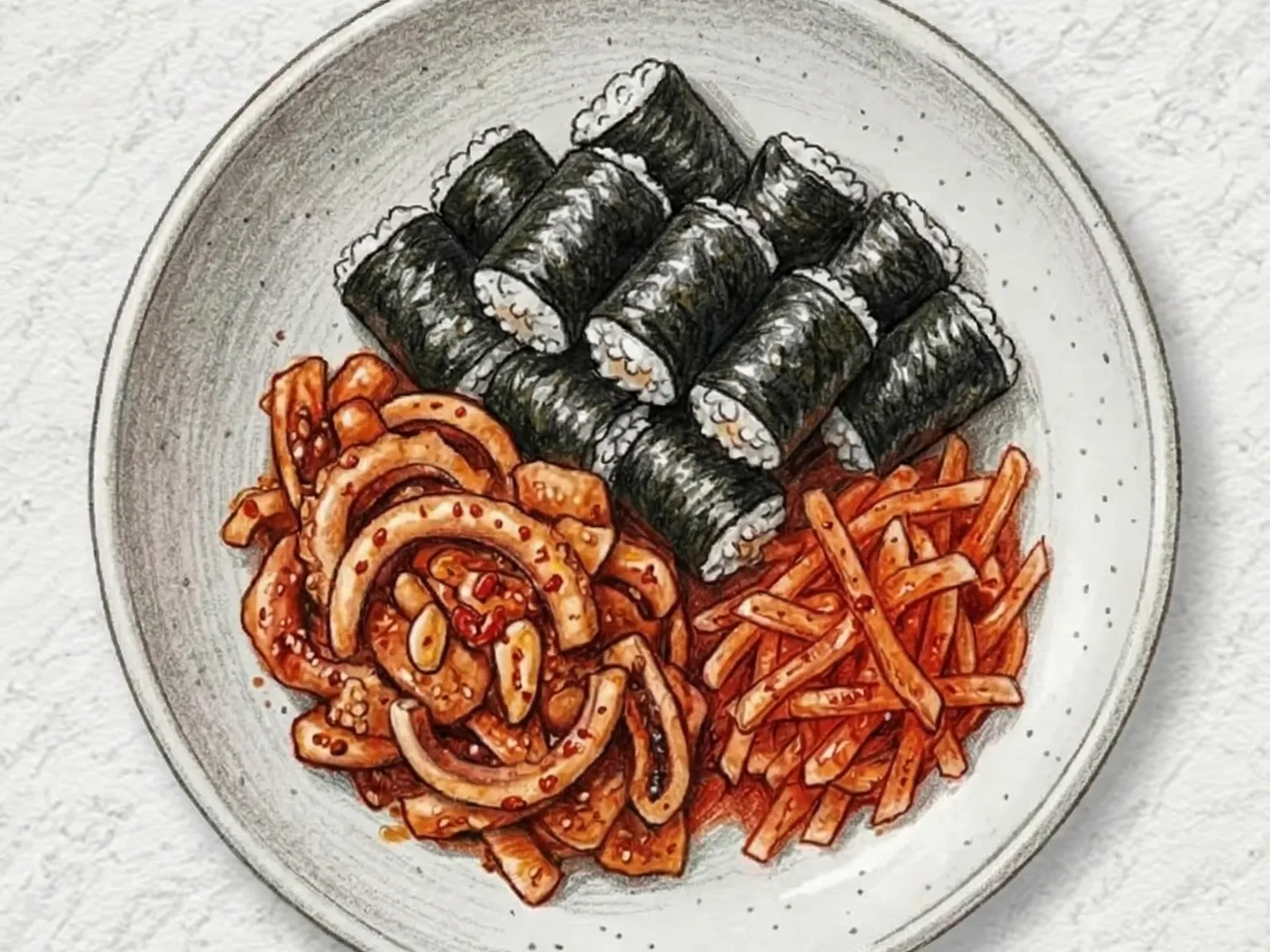
Korean Mini Seaweed Rice Rolls
Chungmu gimbap is a regional specialty from Tongyeong in South Gyeongsang Province - small, bite-sized seaweed rice rolls seasoned only with sesame oil and salt, served alongside spicy squid and pickled radish side dishes. The rolls carry no filling at all, so the rice and seaweed stay clean and mild, with all the bold flavor coming from the accompaniments. Blanched squid is tossed in gochugaru, fish sauce, and garlic for a spicy, briny punch, while thin-sliced radish pickled in the same seasoning adds crunch and sharp tartness. The tension between the plain, compact rolls and the intensely seasoned sides is the point of this dish - each plain bite and each fiery bite calibrate each other, making the combination more satisfying than either part alone.
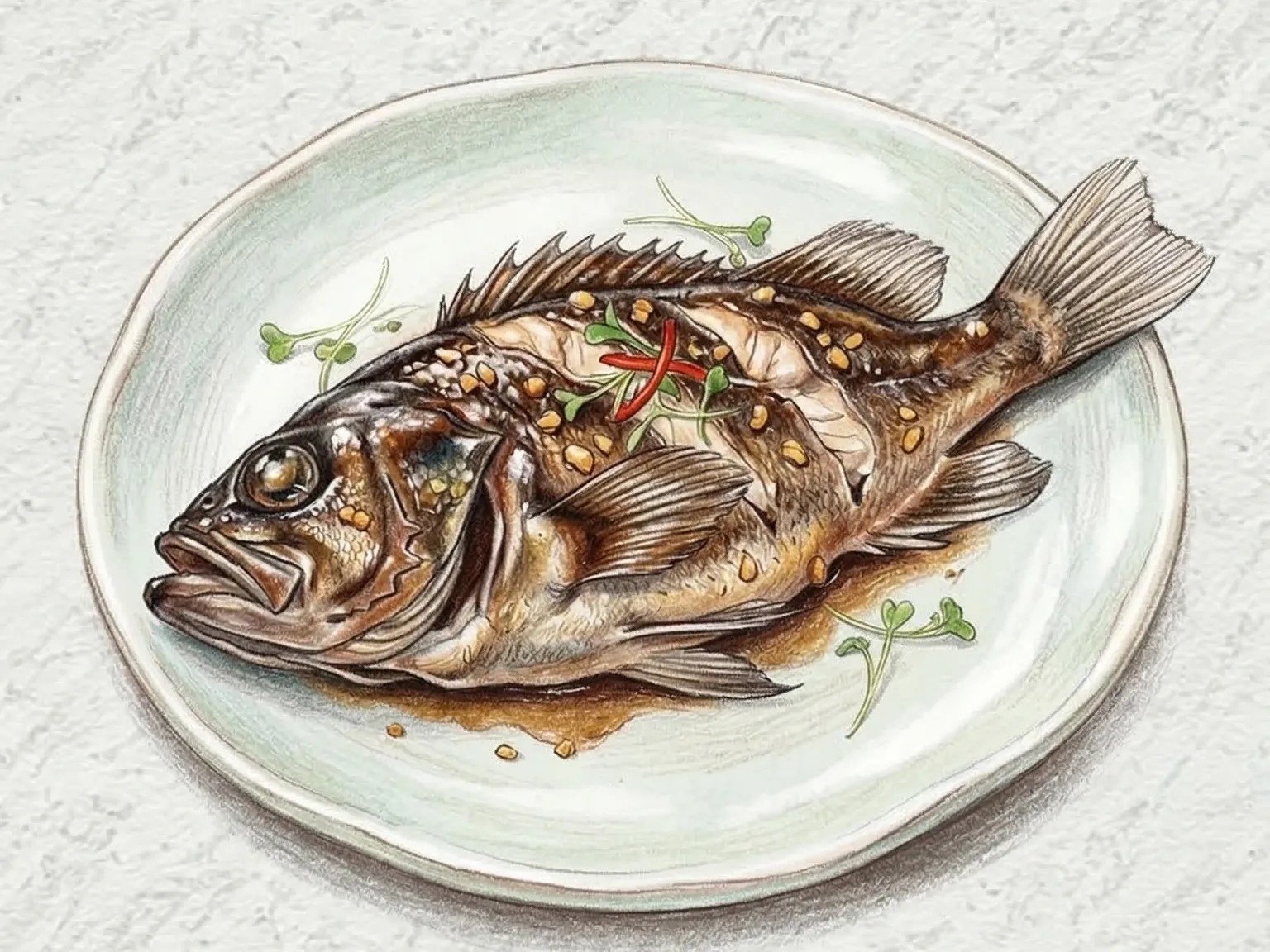
Korean Bollak Ganjang Gui (Soy-Glazed Rockfish Grill)
Bolak-ganjang-gui is a Korean soy-glazed rockfish dish where fillets are brushed with a sauce of soy sauce, cooking wine, minced garlic, ginger juice, and honey, then grilled over medium-high heat. Half the glaze is applied first and left for just ten minutes, long enough for the salt and sweetness to penetrate the surface without pulling out moisture from the lean fish. Starting skin-side down for four minutes builds a crisp base, and brushing on the remaining glaze during the final minutes of cooking lets the honey caramelize into a glossy, dark-brown coating. A finish of sesame oil and sliced green onion adds a nutty, sharp layer on top of the savory-sweet glaze. Rockfish has very little fat, so the total cooking time should stay within eight to nine minutes to prevent the flesh from drying out.
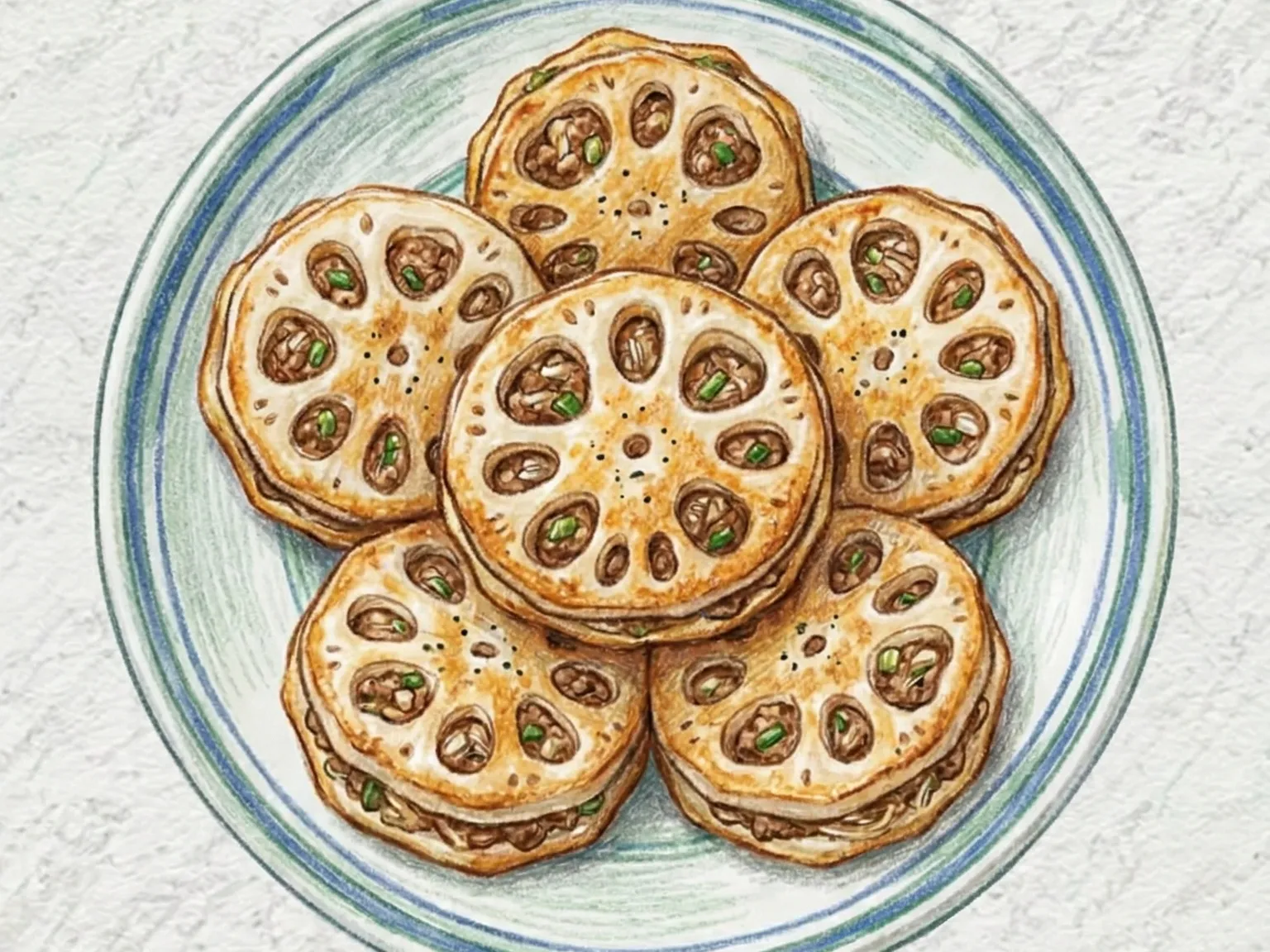
Korean Lotus Root Beef Pancake
Sliced lotus root is sandwiched with seasoned ground beef, coated in pancake batter and egg, then pan-fried until golden. The lotus root keeps its crunch even after cooking, so the texture contrast with the soft beef filling is distinct in every bite. Soy sauce and minced garlic season the filling so the jeon is fully flavored on its own without a dipping sauce. Chopped green onion is worked into the beef for a fresh aromatic note. The lotus root hole pattern fills with meat during assembly, making each cross-section visually clean and precise. The egg coating browns smoothly around the outside, giving a tender rather than crisp exterior.
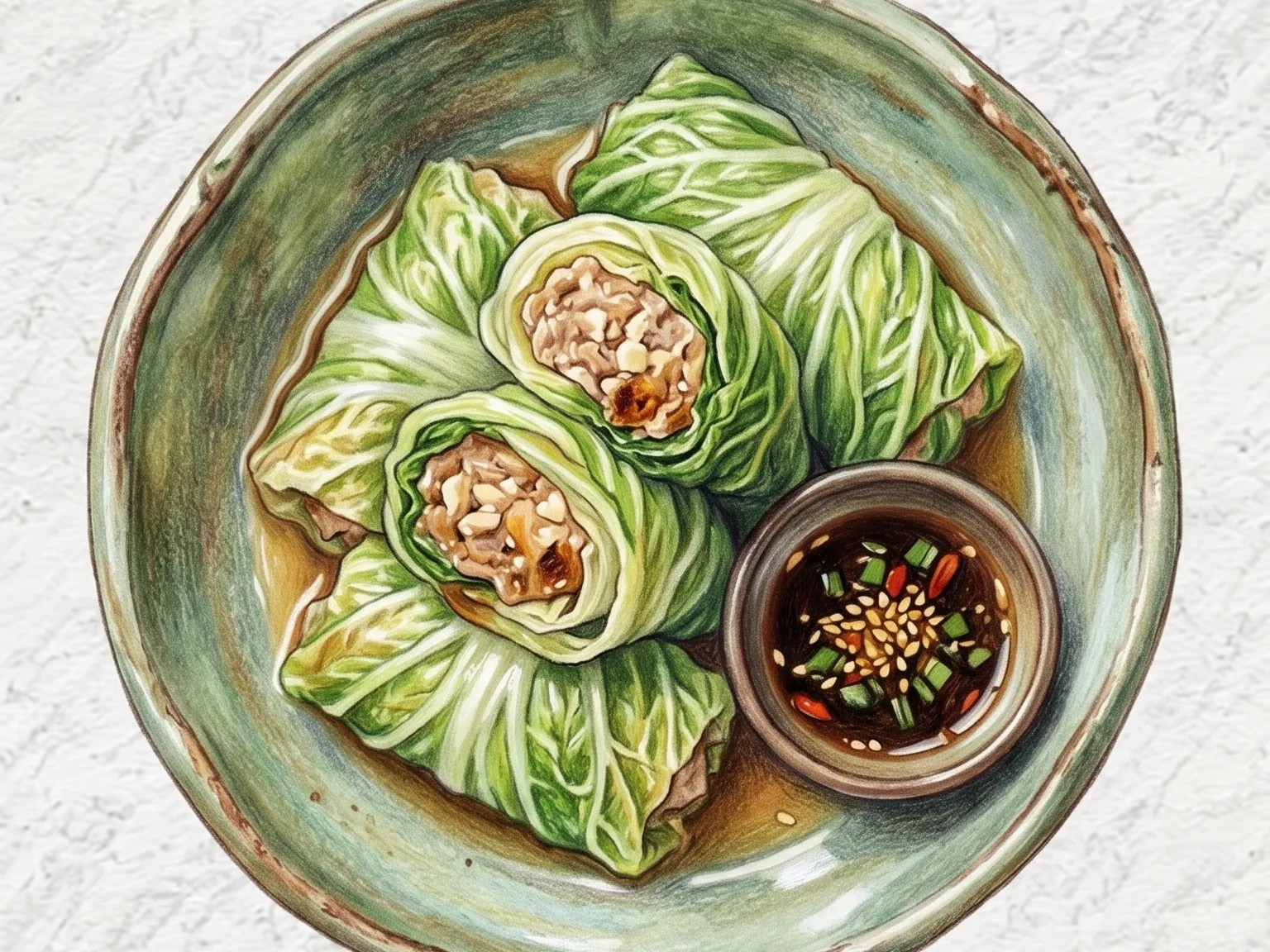
Korean Steamed Napa Cabbage Rolls
Baechu jjim consists of blanched napa cabbage leaves wrapped tightly around a filling of minced pork and mashed tofu, then steamed until fully cooked through. The filling uses pork and tofu at a 2:1 ratio, seasoned with soy sauce, sesame oil, and minced garlic, then kneaded until the mixture develops enough cohesion to stay intact during steaming. Tofu serves a functional purpose here beyond flavor - its moisture content prevents the pork from drying out over the extended steaming time, while the pork fat renders slowly into the surrounding cabbage leaf, adding richness to every bite. The cabbage leaves are blanched for thirty seconds to soften the stems, then squeezed dry and rolled from the stem end toward the tip with the filling placed at the base. In the steamer, rolls are arranged seam-side down so they hold their shape without any fastening, and cooked over vigorous steam for twelve to fifteen minutes. During this time, the meat juices work their way outward into the cabbage. The natural sweetness of napa cabbage - more pronounced after blanching - envelops the savory filling without sharpness, producing a mellow, layered result. A soy-based dipping sauce adds the saltiness needed to anchor the dish as a proper rice accompaniment, and leftovers reheat well without significant textural loss.
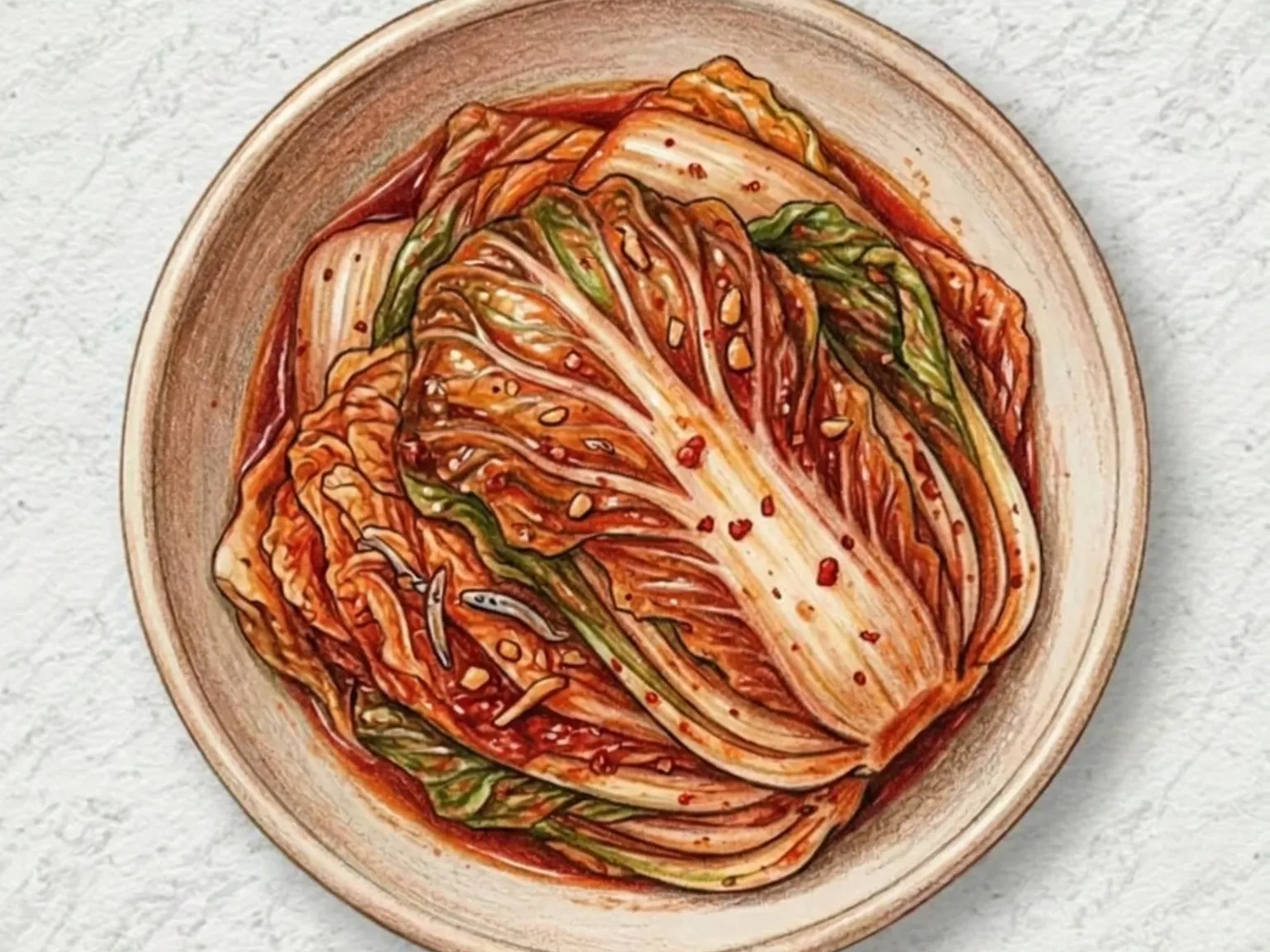
Korean Napa Cabbage Kimchi
Baechu kimchi is Korea's definitive fermented food - salted napa cabbage layered with a seasoning paste of gochugaru, anchovy fish sauce, garlic, ginger, and glutinous rice paste, then fermented at controlled temperatures until the correct balance of salt, heat, umami, and lactic acid develops. Kimchi is not a pickled vegetable in the Western sense; it is a living fermented food whose character changes continually from the moment it is made. The salting step is the technical foundation. Coarse sea salt draws moisture from the cabbage over six to eight hours, making the stems flexible while leaving the characteristic crunch intact. Under-salting results in kimchi that weeps too much liquid during fermentation and turns mushy; over-salting suppresses microbial activity and masks the seasoning. The glutinous rice paste in the seasoning serves two purposes simultaneously: it acts as an adhesive that keeps the seasoning paste clinging to each leaf rather than sliding off, and it provides fermentable sugars that give the lactobacillus bacteria an early food source, accelerating the initial fermentation. Julienned radish adds textural contrast, and scallions contribute a layer of savory depth. After one day at room temperature to establish the bacterial culture, the kimchi moves to cold storage where lactic acid accumulates slowly. At two to three weeks, the heat from gochugaru, the umami from fish sauce, and the acidity from fermentation reach their optimal equilibrium. Older kimchi - four weeks or more - develops a pronounced sourness and deeper, more fermented flavor that makes it better suited for cooking in kimchi-jjigae or kimchi-bokkeum than for eating raw.
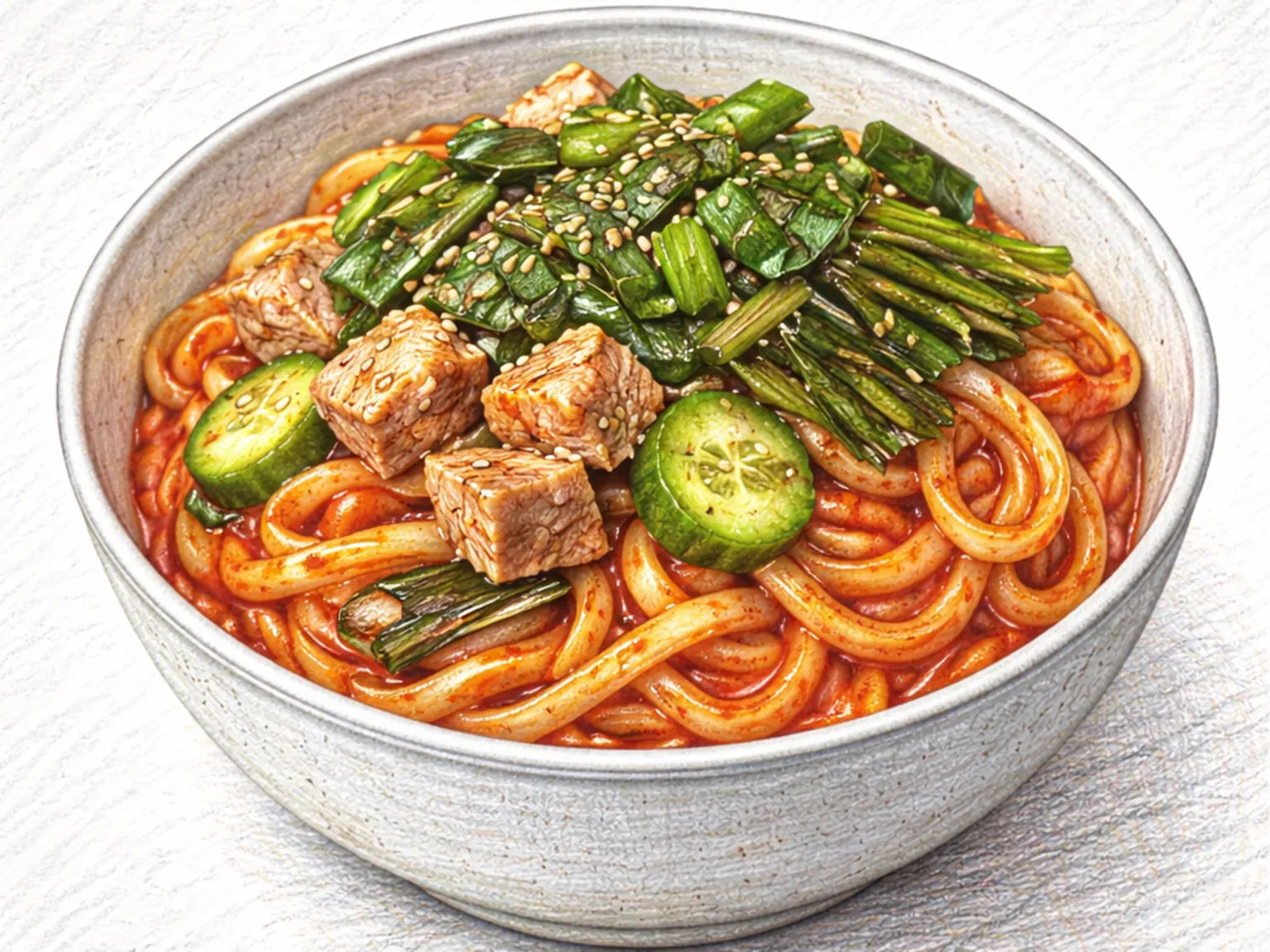
Korean Myeongi Jangajji Bibim Udon (Wild Garlic Pickle Udon)
Myeongi jangajji bibim udon is a Korean mixed noodle dish where springy udon noodles are tossed with sliced soy-pickled wild garlic, gochujang sauce, canned tuna, and julienned cucumber. The pickle brine is used in place of plain vinegar in the dressing, which introduces a fermented depth that regular acidity cannot replicate. Squeezing excess moisture from the pickled leaves before slicing ensures they distribute evenly among the noodles. Drained tuna adds protein and a savory richness, while the cucumber brings a crisp, watery crunch that counterbalances the salty pickles and spicy gochujang. Draining the udon thoroughly after cooking is essential so the sauce stays concentrated and coats each strand.
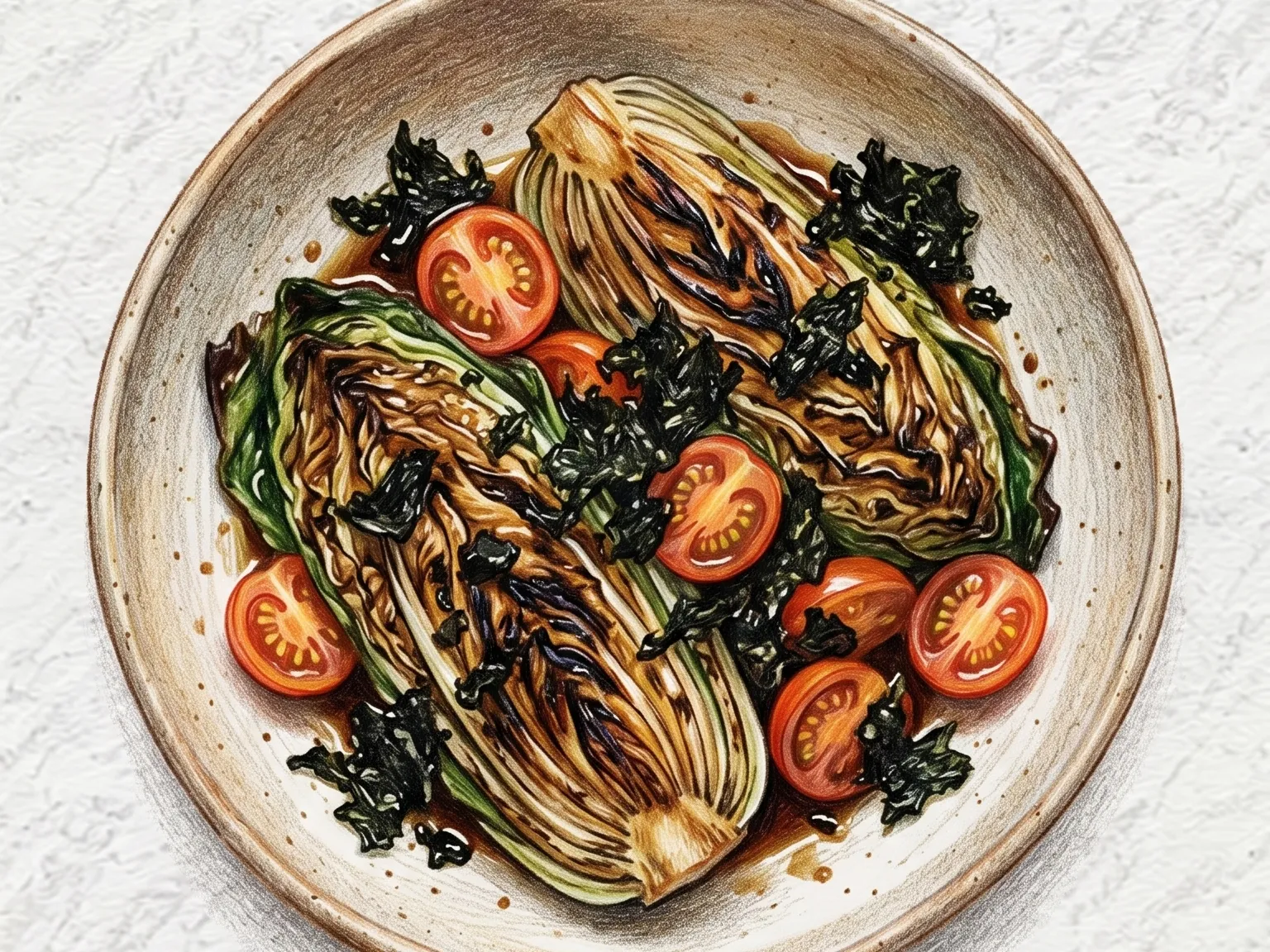
Charred Cabbage Gamtae Salad
Charred cabbage gamtae salad quarters baby napa cabbage lengthwise, brushes the cut sides with perilla oil, and sears them on a hot pan for 3-4 minutes per side until deeply browned. The intense heat replaces raw cabbage's grassy bite with caramelized sweetness and smoky char, and gamtae seaweed crumbled by hand at the very end adds a crisp texture and concentrated ocean depth. A dressing of dark soy sauce, maesil syrup, brown rice vinegar, and perilla oil provides a salty-tangy base, while halved cherry tomatoes contribute juicy acidity. Serving the salad warm preserves both the cabbage's char aroma and the seaweed's crispness.
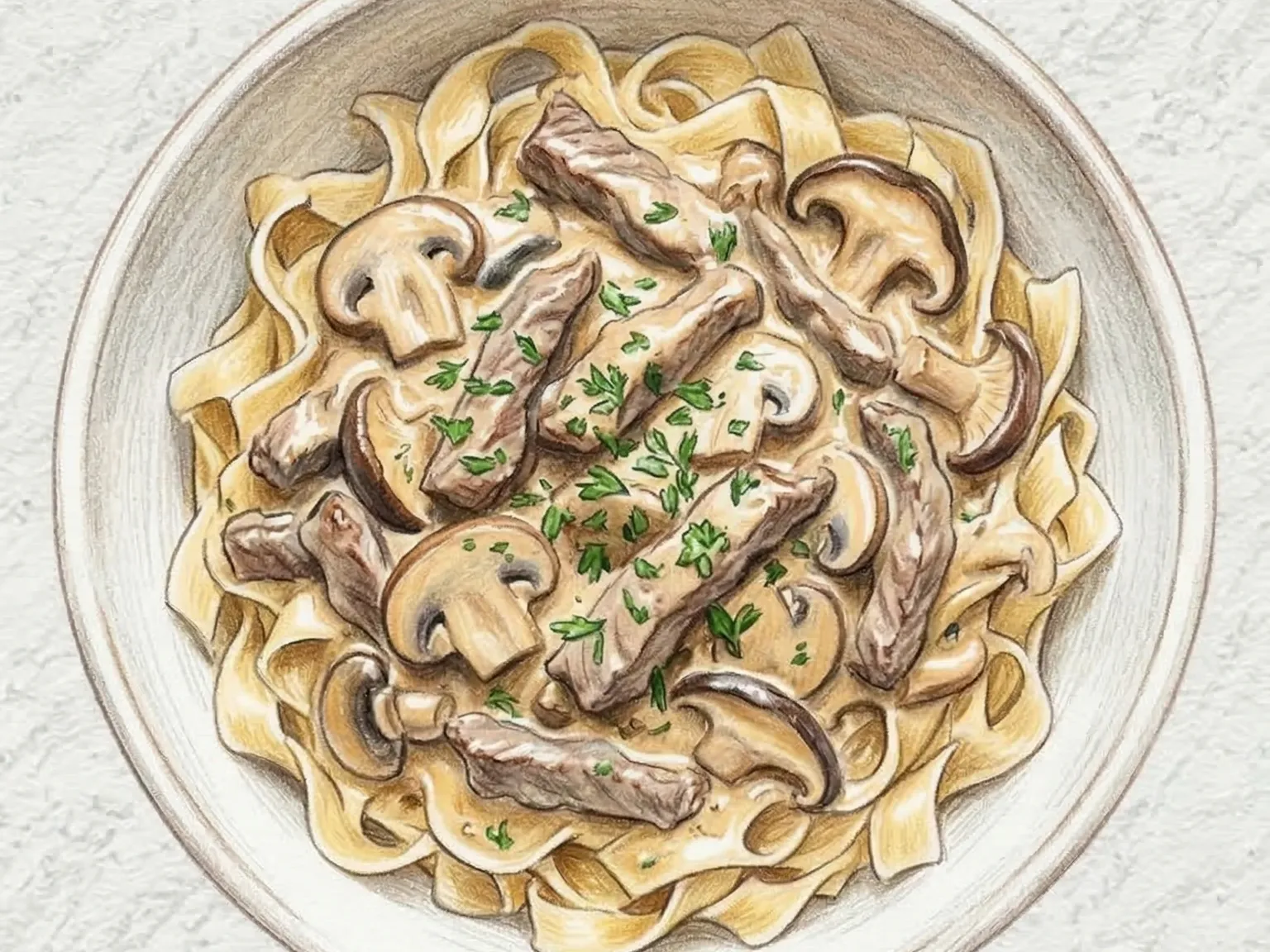
Beef Stroganoff
Beef stroganoff sears thin strips of sirloin over high heat just long enough to brown the surface while keeping the interior pink and tender, then folds them into a pan sauce built from sauteed mushrooms, onions, and sour cream. The mushrooms must cook until properly browned in the pan, not just softened, to lose their excess moisture and concentrate their savory depth alongside the beef. Sour cream is stirred into the hot pan drippings at the end, transforming them into a sauce that is simultaneously creamy and subtly tangy without curdling. A touch of mustard sharpens the finish without announcing itself. Spooned over egg noodles or mashed potatoes, the cream sauce soaks into the starch below, pulling every element of the plate together into a rich, cohesive meal that traces its origins to nineteenth-century Russian cuisine.
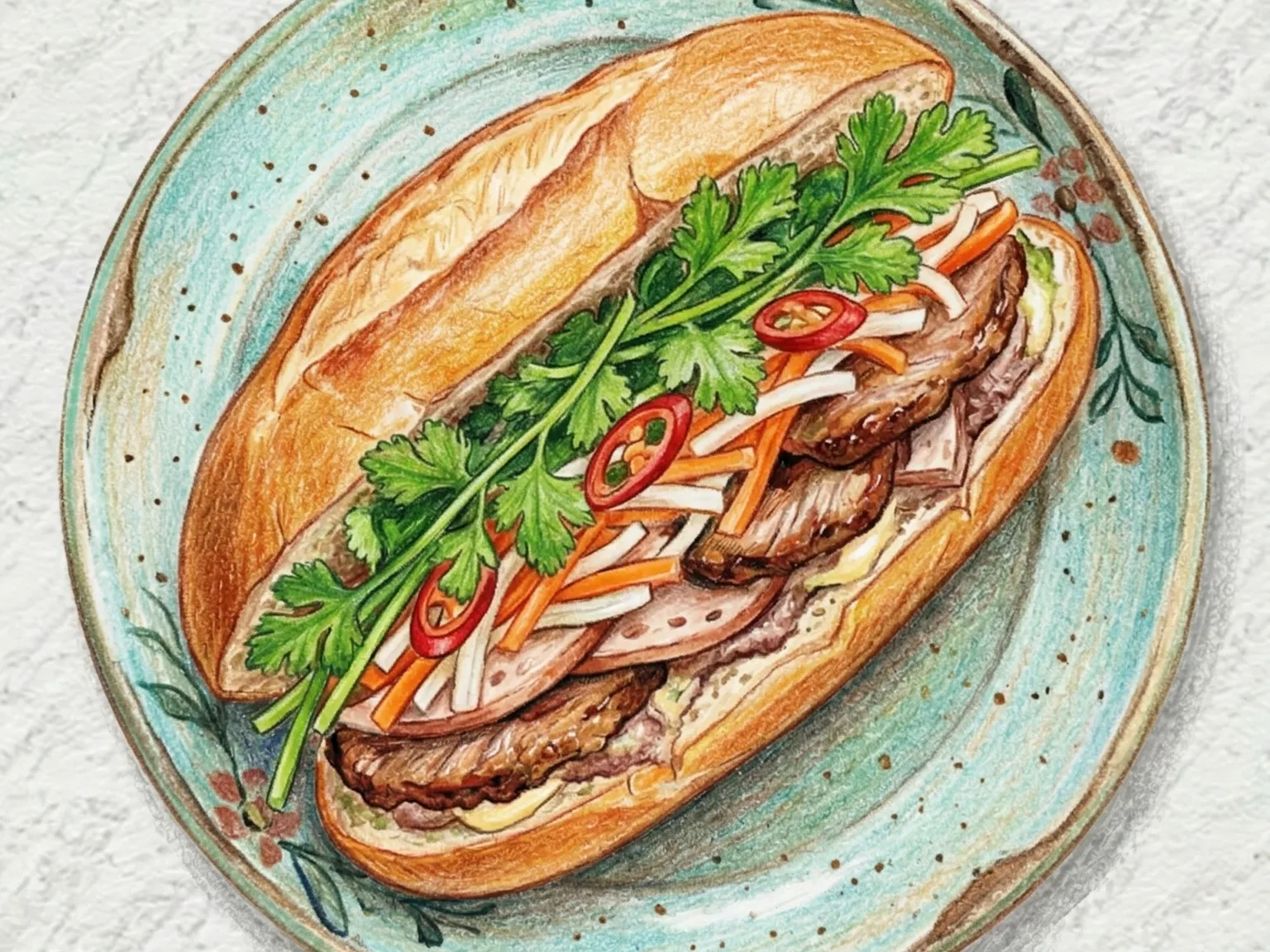
Bánh Mì (Vietnamese Crispy Baguette Sandwich with Pork and Pickles)
Banh mi is the product of French colonialism meeting Vietnamese resourcefulness. A baguette made partly with rice flour results in a bread lighter and airier than its French counterpart, with a shattering crust that flakes on the first bite. The bread is the foundation and everything else is built around its texture. Fillings vary by region and stall, but the classic Saigon version layers pate, cold cuts, pickled daikon and carrot, sliced cucumber, cilantro, and jalapeno. The pickled vegetables provide sharp, tangy crunch that cuts through the fattiness of the meat and pate. At street carts across Ho Chi Minh City, a banh mi is assembled in under a minute and costs less than a dollar, delivering crispy, sour, herbal, spicy, and fatty elements in every bite. The bread was introduced during French colonial rule in the nineteenth century, and Vietnamese bakers gradually reduced the density and adapted the loaves to local ovens and ingredient availability. Today, variations include a tofu version for vegetarians and a shrimp version common in coastal cities. The key to a proper banh mi is bread baked the same day, eaten while the crust is still intact.

Whoopie Pie
Two dome-shaped cocoa cake cookies sandwich a generous swirl of marshmallow cream, creating an American classic that straddles the line between cookie and cake. The cookies are thicker and softer than standard drop cookies, with a moist, cakey crumb that yields gently when bitten. Cocoa provides a mild bitterness that grounds the filling, while the marshmallow cream is airy, sweet, and slightly sticky. Spacing the batter mounds well apart on the baking sheet is important, as they spread during baking into the flat, round shape that defines a whoopie pie. Filling must wait until the cookies are completely cool; warm cookies melt the cream and create a messy result. Matching pairs by size before assembly produces a uniform, professional look. Stored in the refrigerator, the cream firms and seeps into the cookies overnight, producing a denser, fudgier texture that many prefer to the freshly assembled version.
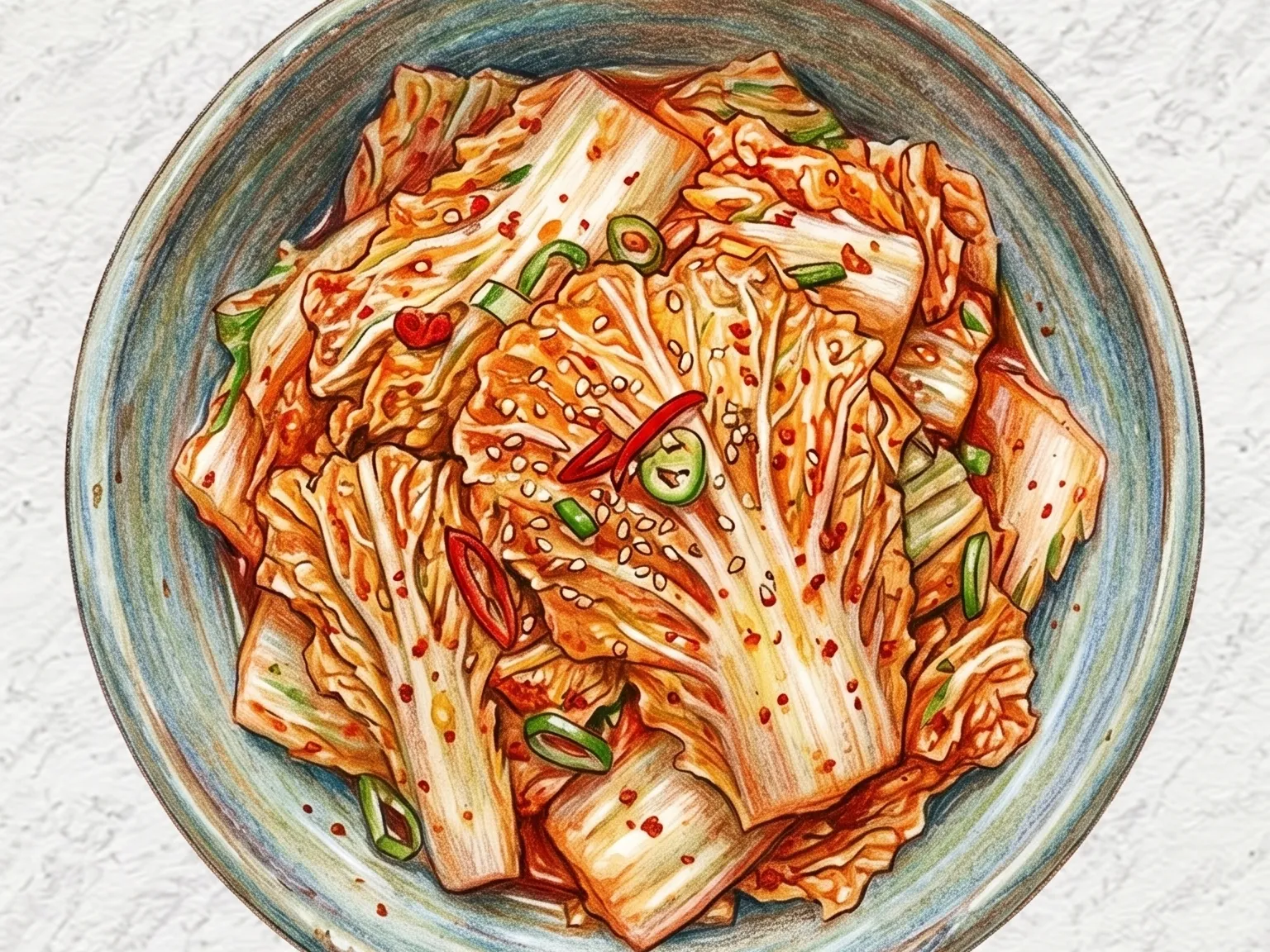
Korean Fresh Cabbage Kimchi
Geotjeori is kimchi's immediate cousin - raw napa cabbage dressed in gochugaru seasoning and eaten right away without any fermentation. The cabbage is salted for about twenty minutes to draw out moisture and soften the texture slightly, then squeezed dry and tossed with red pepper flakes, anchovy fish sauce, minced garlic, minced ginger, sugar, and a finishing drop of sesame oil. The brief salting pulls just enough water from the leaves to let the seasoning coat them evenly while keeping the cabbage noticeably crisper than fermented kimchi. Without the lactic acid produced during aging, the flavor profile is fresher and more direct - the heat of the gochugaru and the savory depth of the fish sauce come through cleanly rather than sitting under layers of fermented complexity. Geotjeori is best eaten the day it is made and should be used within a day or two if refrigerated. Koreans pair it with grilled pork belly, alongside doenjang-jjigae, or as a quick substitute when the aged kimchi jar runs empty.
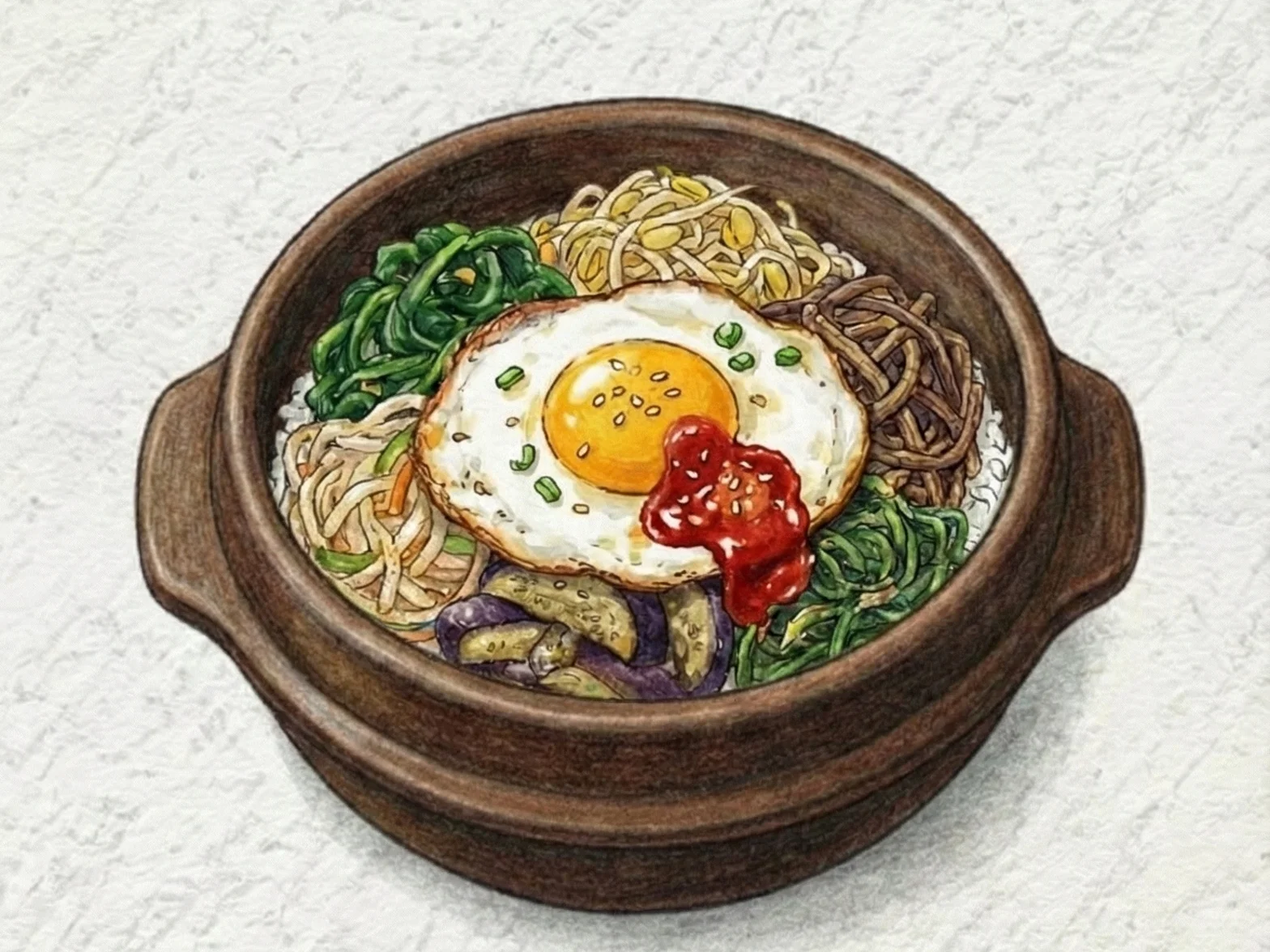
Korean Mixed Rice Bowl (Colorful Vegetables & Gochujang)
Bibimbap is one of Korea's defining one-bowl meals, assembled by arranging individually seasoned vegetables - spinach, bean sprouts, zucchini, and carrots - alongside marinated beef and a fried egg over a bowl of steamed rice, then mixed together at the table with gochujang. Each component is cooked and seasoned on its own before plating, which preserves distinct textures and flavors right up until the moment of mixing. The act of stirring brings crisp vegetables, tender beef, and spicy fermented chili paste into a single cohesive bite. Leftover namul from previous meals makes the assembly genuinely fast on a weeknight, and when served in a preheated stone pot, the rice forms a golden, crackling crust at the base that provides a final textural reward. The gochujang ratio is adjustable, making it easy to calibrate heat to individual preference.
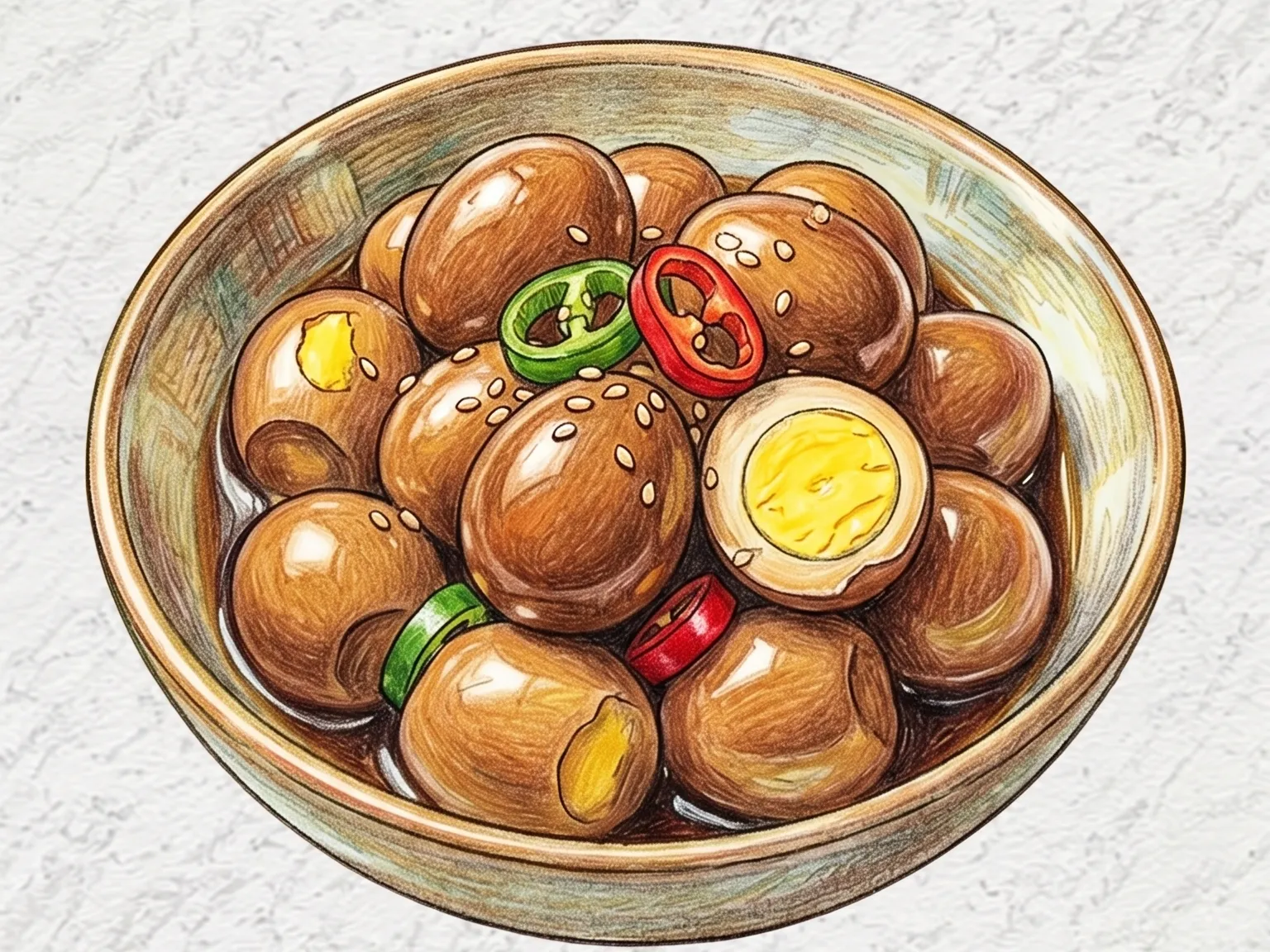
Korean Soy Braised Quail Eggs
Al-jorim - soy-braised quail eggs - is one of Korea's most universal banchan, appearing in school cafeteria trays, packed office lunchboxes, and home refrigerators as a reliable standby. The dish belongs to the broader Korean jorim tradition of simmering proteins low and slow in a sweetened soy-based liquid until the glaze seeps through to the center. Peeled quail eggs go into a pan with soy sauce, water, sugar, cooking wine, and minced garlic, then simmer over medium-low heat for ten minutes. Turning the eggs occasionally is essential - it ensures the soy stain reaches every surface evenly rather than leaving pale patches. The liquid starts thin and gradually reduces as the eggs cook, concentrating into a sticky, glossy glaze that clings to the surface in the final two to three minutes over higher heat. The outside takes on a deep chestnut brown while the yolk inside stays vivid yellow. A sliced cheongyang chili added near the end introduces a low, slow heat that keeps the sweet-salty profile from becoming monotonous. Sesame oil and toasted sesame seeds scattered over the finished eggs add a nutty note against the soy base. Left overnight in the refrigerator, the seasoning penetrates further and the flavor deepens, making this one of the few banchan that genuinely improves after a day.
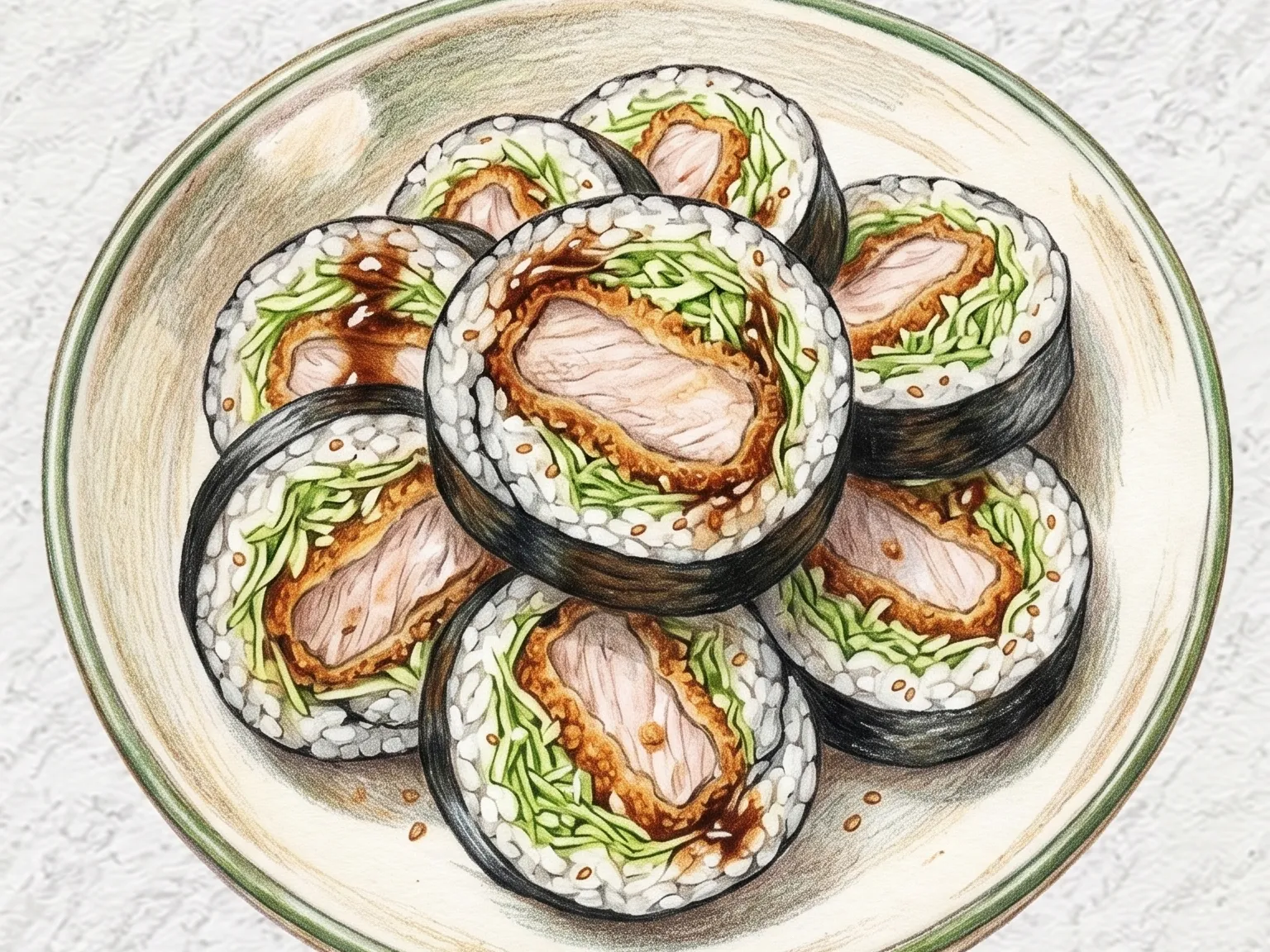
Korean Donkatsu Gimbap (Pork Cutlet Roll)
Donkatsu gimbap rolls an entire crispy pork cutlet inside a seaweed rice roll. Sesame oil and salt-seasoned rice is spread thinly over a sheet of dried seaweed, tonkatsu sauce is drizzled generously over the rice, and the full cutlet along with shredded cabbage is placed at the near edge before rolling tightly. The structural goal of the roll is to keep the breadcrumb coating on the cutlet crispy between the layers of rice and seaweed rather than letting it soften against the moisture in the rice. To achieve this, the cutlet must be well-drained of oil and cooled to room temperature before rolling, and the roll should be cut and eaten promptly rather than held for long. When sliced, the cross-section reveals the full width of the pork cutlet occupying most of the interior, which is a visual cue for the substantial filling inside. The sweet, savory tonkatsu sauce melds with the sesame-scented rice and the salt of the dried seaweed wrapper, making each section of the roll satisfying enough to serve as a complete meal.