🍱 Lunchbox Recipes
Dishes that taste great packed and cold
723 recipes. Page 4 of 31
The best lunchbox dishes hold up well at room temperature. This tag features make-ahead sides and full lunchbox recipes you can pack in the morning without stress - sausage stir-fry, rolled omelet, stir-fried anchovies, and soy-braised beef are all lunchbox staples.
The key to a great packed lunch is choosing dishes with low moisture content and arranging contrasting colors. A sprinkle of sesame seeds or furikake over the rice adds a finishing touch that looks as good as it tastes.
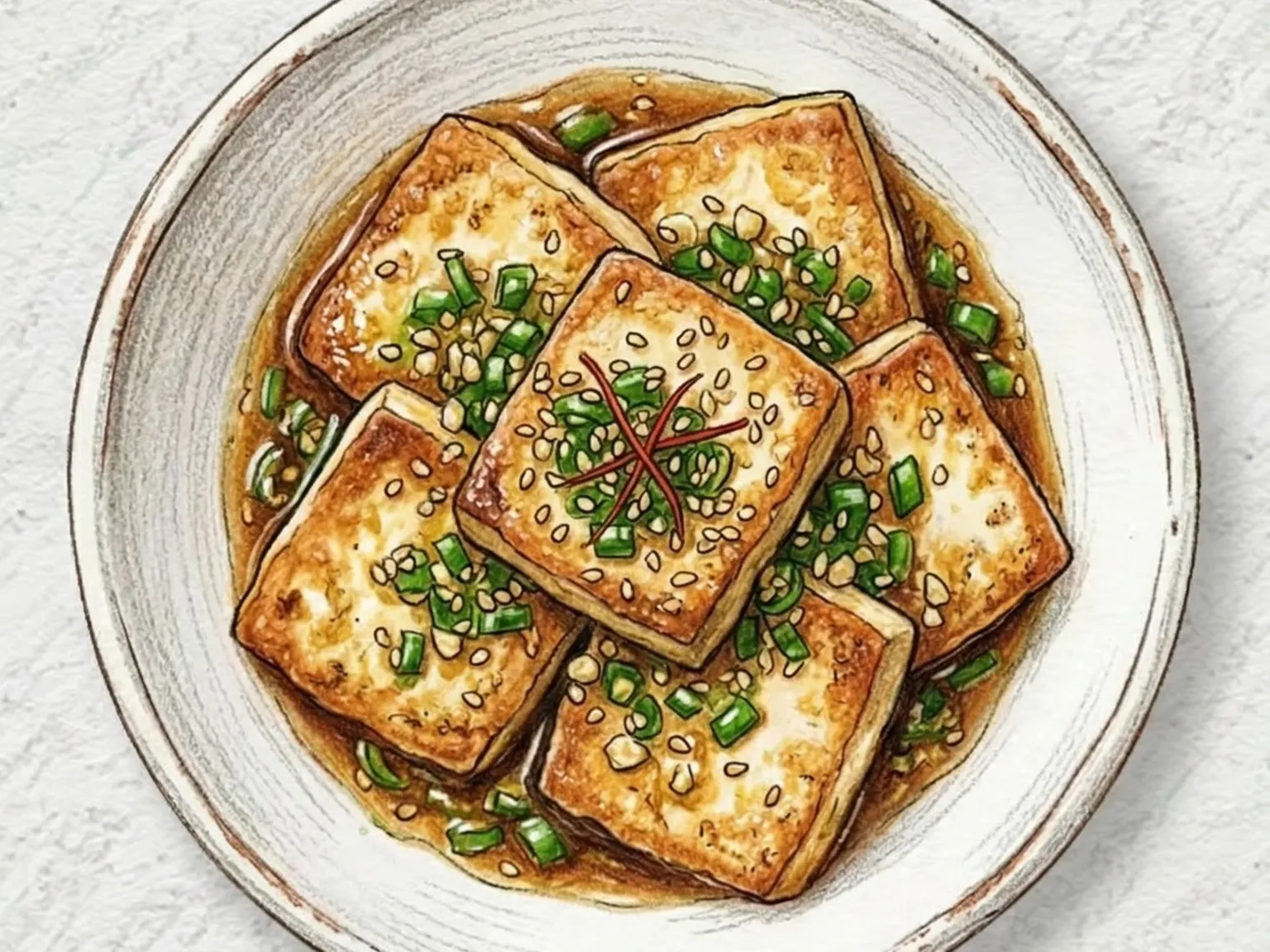
Korean Chili Soy Grilled Tofu
Chili-tofu-gui is a Korean pan-grilled tofu dish where firm tofu slices are browned on both sides, then glazed with a sauce of soy sauce, minced hot green chili, garlic, sesame oil, and sugar. Pressing moisture out of the tofu before cooking is essential for achieving a clean, golden-brown sear without oil spattering across the pan. Once the sauce is added, a brief simmer on low heat coats each slice in a glossy layer where the soy's saltiness, the sugar's sweetness, and the chili's sharp heat play against the tofu's neutral base. The dish works equally well as a weeknight side dish or as a quick drinking snack. Adding one tablespoon of water when simmering the sauce prevents it from reducing too sharply and ensures each slice is evenly coated rather than over-salted. A scattering of sesame seeds at the end is optional but recommended.
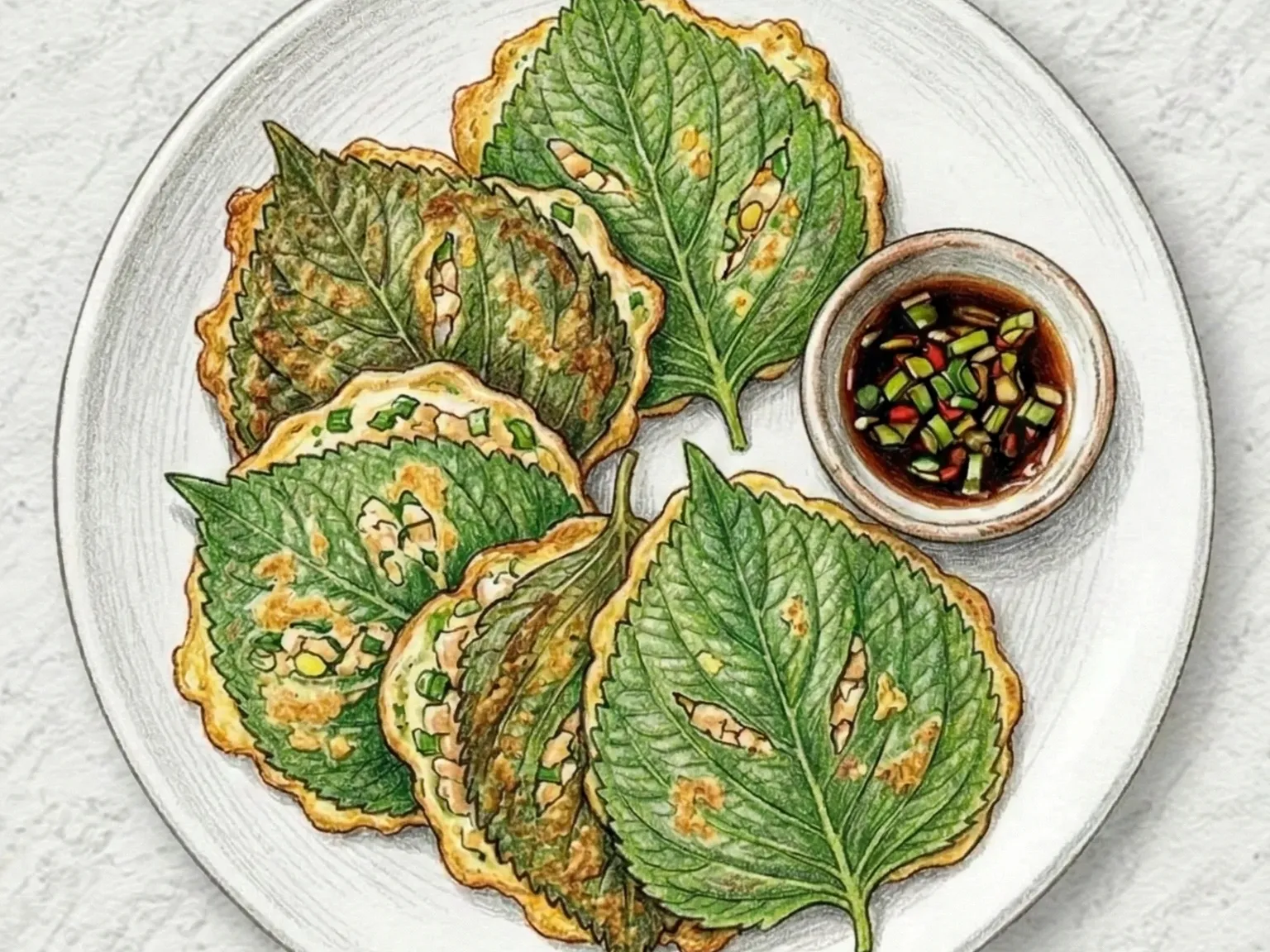
Korean Perilla Leaf Chicken Jeon
Perilla Leaf Chicken Jeon is a savory Korean pan-fried pancake stuffed with ground chicken and tofu. The filling is made by combining lean ground chicken with pressed, crumbled tofu, green onions, garlic, salt, and pepper, kneaded together until cohesive. This mixture is spread in a thin layer onto the floured side of perilla leaves, which are then folded in half and pressed to seal. To cook, the folded leaves are dusted with flour, dipped in beaten egg, and pan-fried over medium-low heat to ensure the egg coating does not burn while the interior cooks through. The mild flavor and soft texture of the chicken and tofu filling offer a balanced contrast to the herbal, aromatic qualities of the perilla leaves. To preserve the juices, the finished jeon should rest briefly and be cut into bite-sized pieces just before serving.
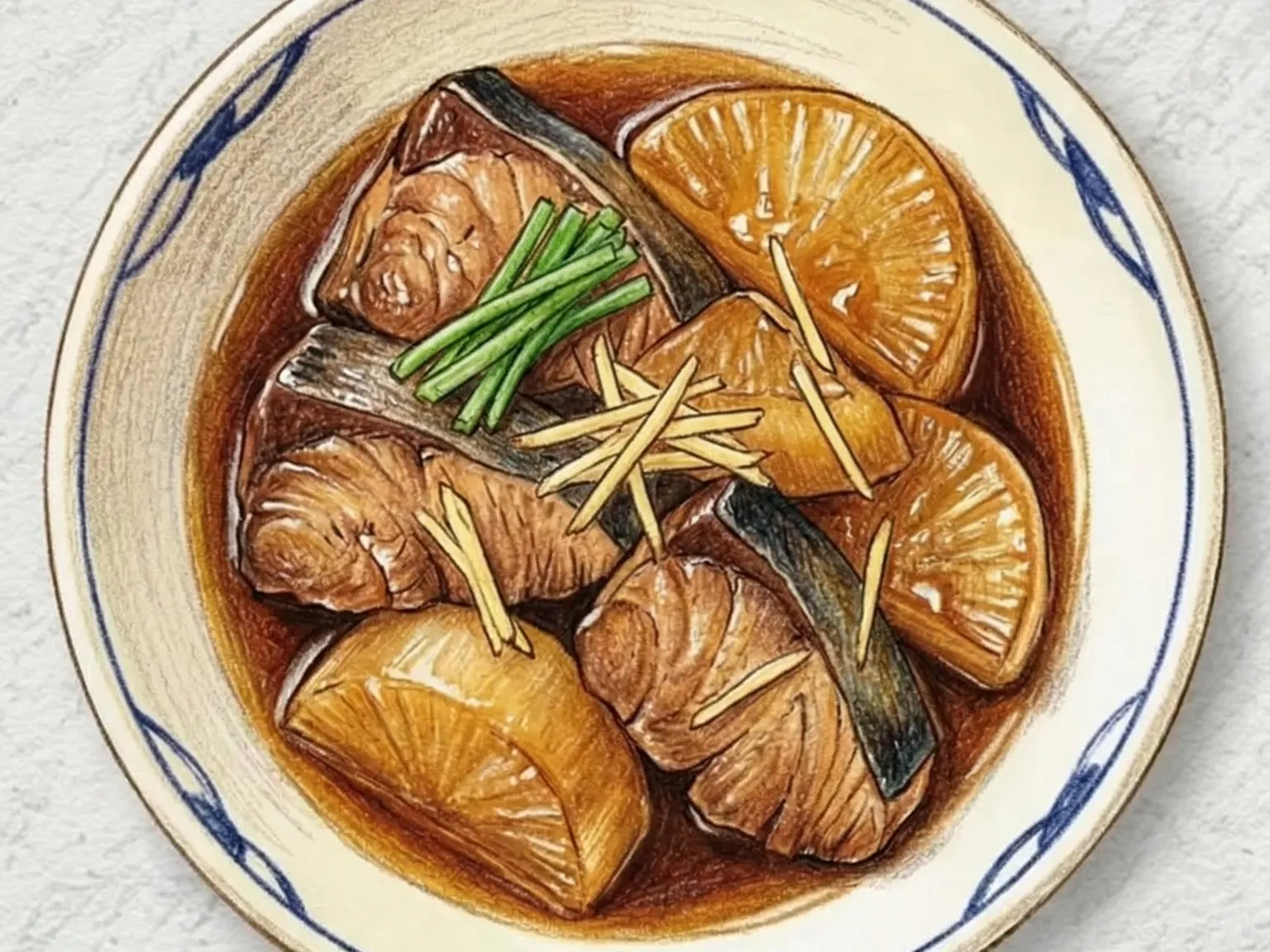
Japanese Simmered Yellowtail and Daikon
Yellowtail and daikon are simmered in a dashi broth seasoned with soy sauce, mirin, and sake until the braising liquid concentrates around the fish. The daikon absorbs the rich stock as it cooks, turning tender and translucent with a deep savory flavor throughout. Sliced ginger added to the pot neutralizes the fishiness without masking the yellowtail's natural richness. Sugar tempers the salt in the soy, producing a glaze that coats the skin and clings to the daikon. The dish is best from December through January, when yellowtail carries its peak fat content and yields the most flavorful braising stock.
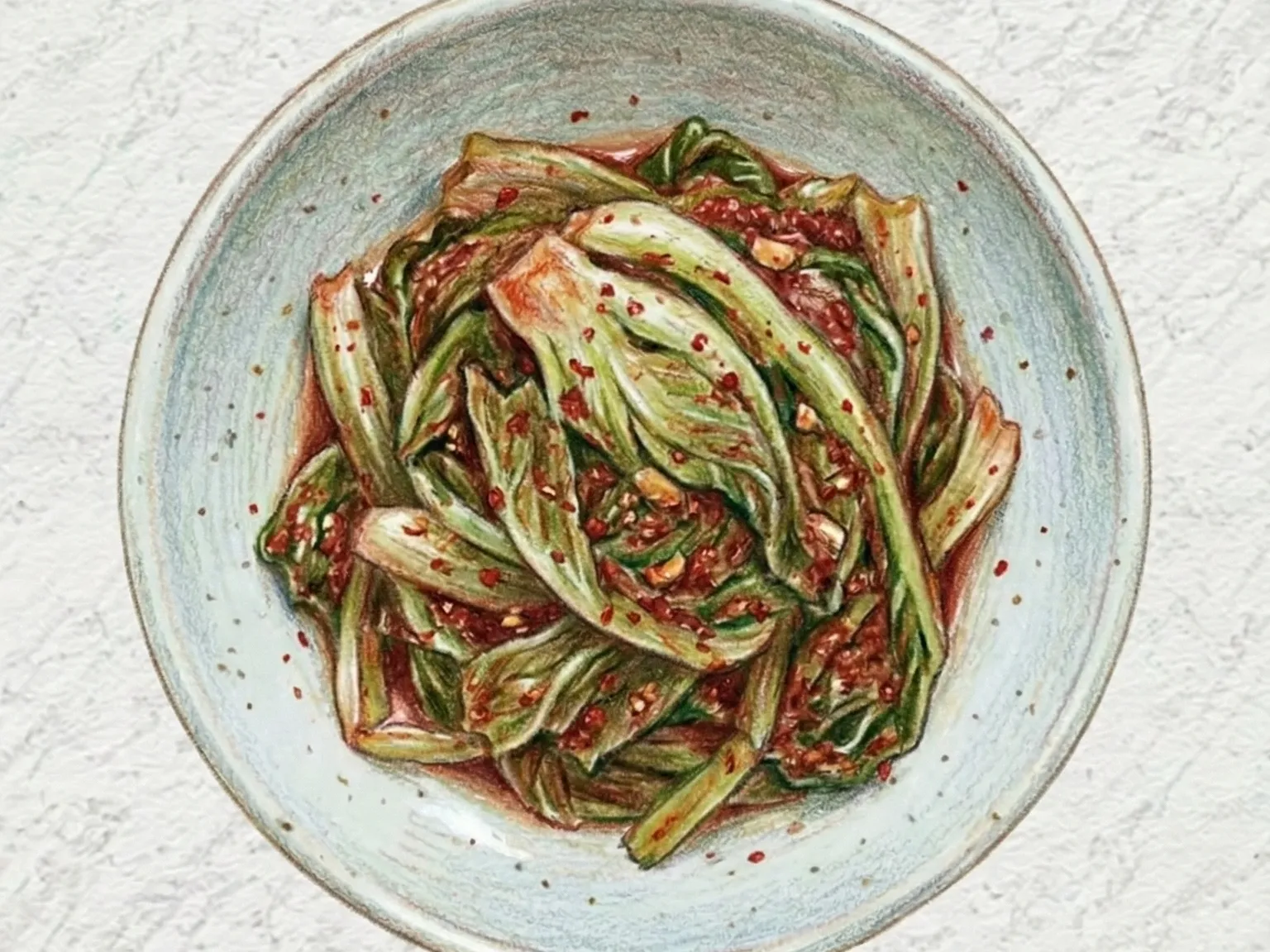
Korean Coastal Hogfennel Kimchi
Bangpungnamul kimchi is a seasonal Korean kimchi made during spring by dressing coastal hogfennel in a chili-based seasoning paste. Bangpungnamul grows along coastal cliffs and mountain foothills, identifiable by its distinctive bitter-herbaceous aroma and mild sharpness. Traditional Korean medicine has long valued this plant for its properties in treating rheumatic conditions - its name literally combines the words for wind and prevention. The herb is lightly salted first to draw out excess moisture and soften its fibrous structure, then tossed with Korean chili flakes, anchovy fish sauce, soup soy sauce, minced garlic, and ginger. Sweet rice paste works as a binder, helping the thick seasoning cling evenly to each strand of herb rather than pooling at the bottom of the bowl. Sliced scallions add a crisp element that survives the marinating process intact. The herb's natural bitterness mellows considerably as lactic fermentation develops, producing a flavor profile unmistakably different from standard napa cabbage kimchi. One day at room temperature initiates fermentation without letting it run too far, after which refrigerated storage holds the kimchi at an ideal stage of acidity for two to three weeks.
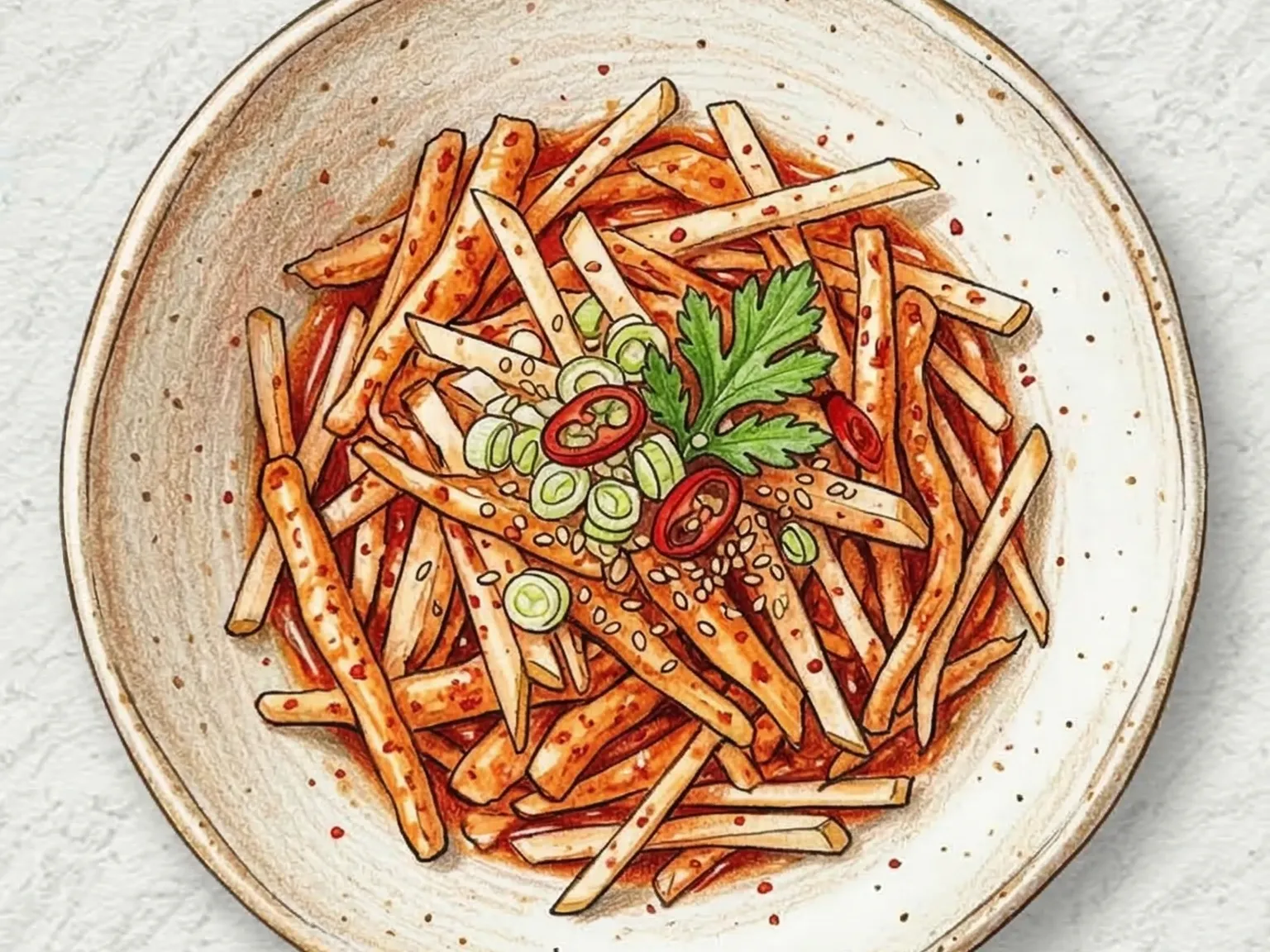
Bellflower Root and Pear Salad
Bellflower root, called doraji in Korean, is rubbed with salt to draw out its natural bitterness, then briefly blanched until its texture softens just enough at the surface while retaining a firm, pleasantly chewy bite. Julienned Korean pear is mixed in to bring cool sweetness and plenty of juice that offsets the root's dryness. The seasoning follows a traditional Korean muchim pattern: gochugaru for heat, vinegar for a sour lift, and fish sauce for a deep savory base. Sesame oil is drizzled in last, adding a toasted, nutty aroma that ties the whole dish together. The combination of bitter root, sweet pear, and sharp dressing makes each bite shift slightly as the flavors blend on the palate.
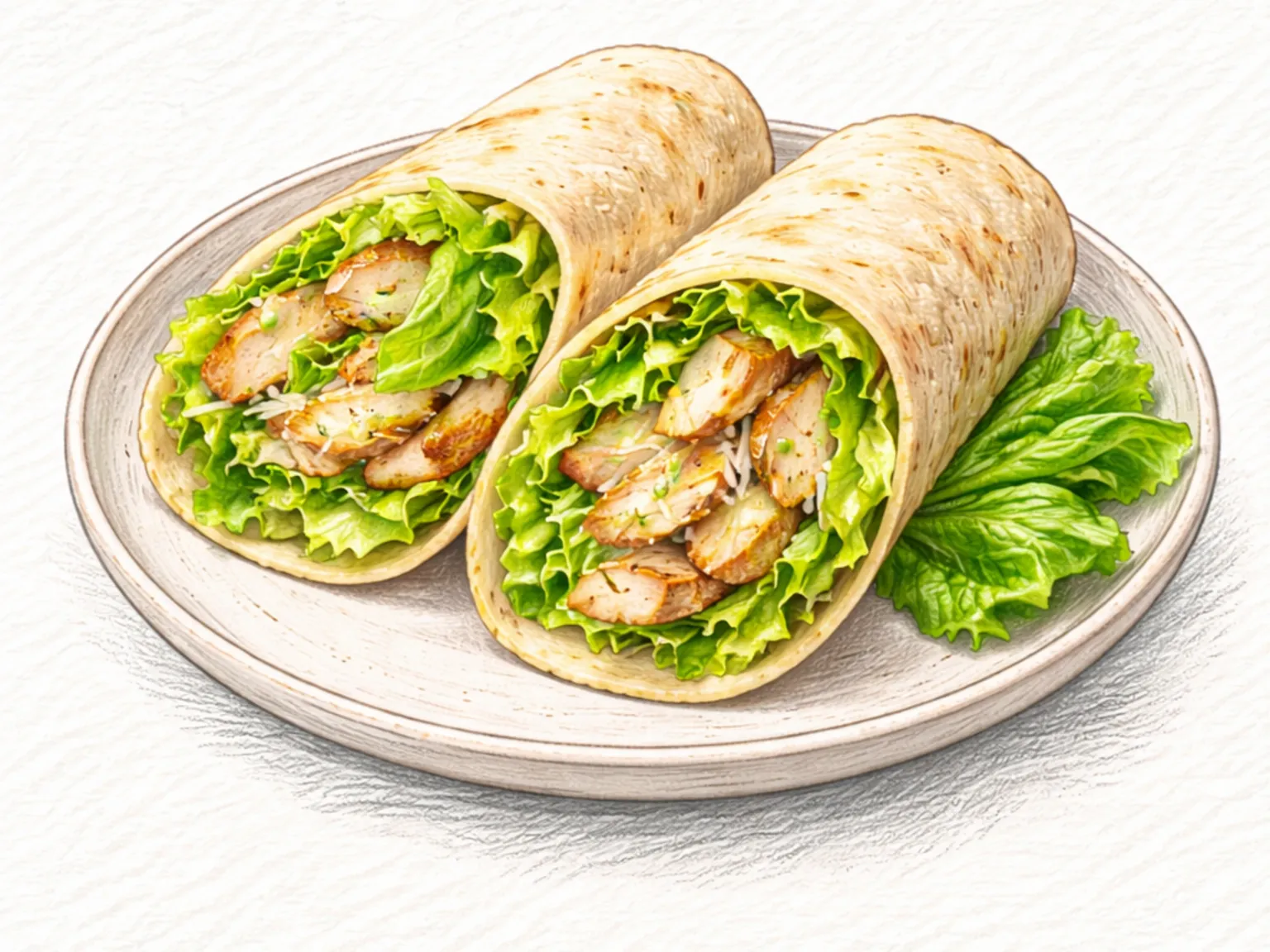
Chicken Caesar Wrap
Chicken Caesar wrap rolls pan-grilled chicken breast, romaine tossed in Caesar dressing, and grated Parmesan cheese inside a flour tortilla. Warming each tortilla in a dry pan for about twenty seconds on each side restores moisture to the surface and makes it flexible enough to roll without cracking or splitting. The chicken must be fully cooled before slicing so it distributes evenly inside the wrap; adding it while still warm immediately wilts the romaine. The romaine should be dressed at the very last moment before assembly: dressed too early, the leaves release moisture, turning the whole wrap soggy and limp. Parmesan contributes the sharp, salty umami of aged protein, acting as a flavor bridge between the lean chicken and the creamy dressing. Cutting the finished wrap on the diagonal and presenting it cut-side up exposes the layered cross-section and makes the contents immediately visible.
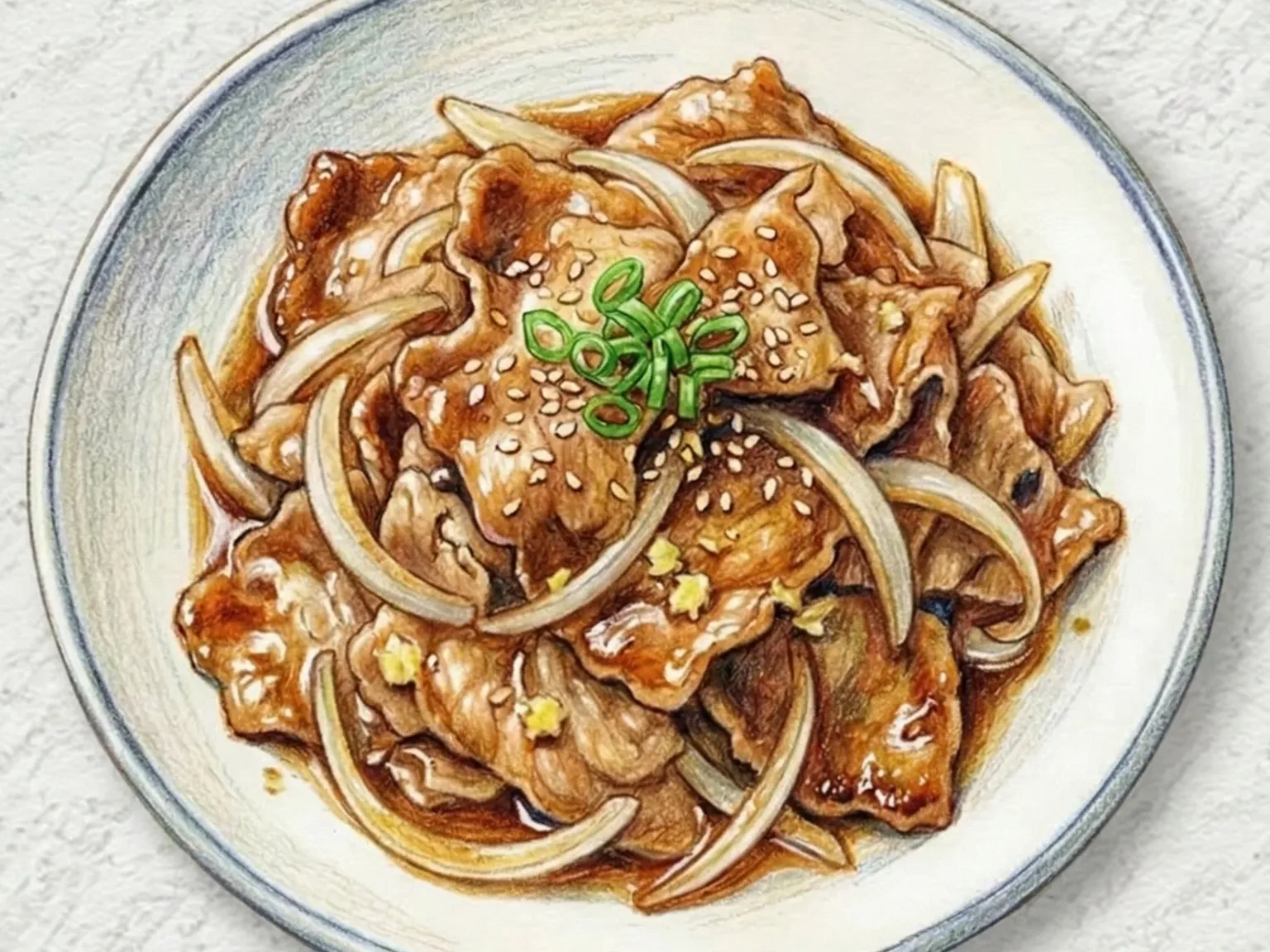
Buta Shogayaki (Japanese Ginger Pork Stir-Fry with Soy Mirin Glaze)
Buta shogayaki is one of the most frequently cooked dishes in Japanese home kitchens, appearing in bento boxes, teishoku set meals, and university cafeterias with equal regularity. The name translates directly as pork ginger stir-fry, and the technique is as precise as it is simple: thinly sliced pork loin or shoulder is marinated briefly in a mixture of soy sauce, mirin, sake, and freshly grated ginger, then seared quickly in a hot pan and finished with a reduction of the marinade. The ginger does more than add flavor -- it contains proteolytic enzymes that break down muscle fibers, measurably tenderizing the meat even in a marinade as short as ten minutes. The slices must not overlap in the pan; piling them causes steam to accumulate and the pork poaches rather than sears, losing the caramelized, slightly charred edges that define the dish. The marinade is added only in the final thirty seconds so it reduces rapidly into a sticky, glossy glaze that adheres to every surface rather than pooling at the bottom of the pan. Placing the finished pork over a mound of shredded raw cabbage is not optional in traditional presentation -- the cold, crunchy vegetable contrasts sharply with the hot, lacquered meat and cuts through the sweetness of the mirin glaze. Shogayaki has been a menu fixture since the mid-20th century, when rising pork production in Japan made it affordable enough for everyday cooking. From pantry to plate in fifteen minutes, it demands nothing more than a hot pan, fresh ginger, and attention to heat control.
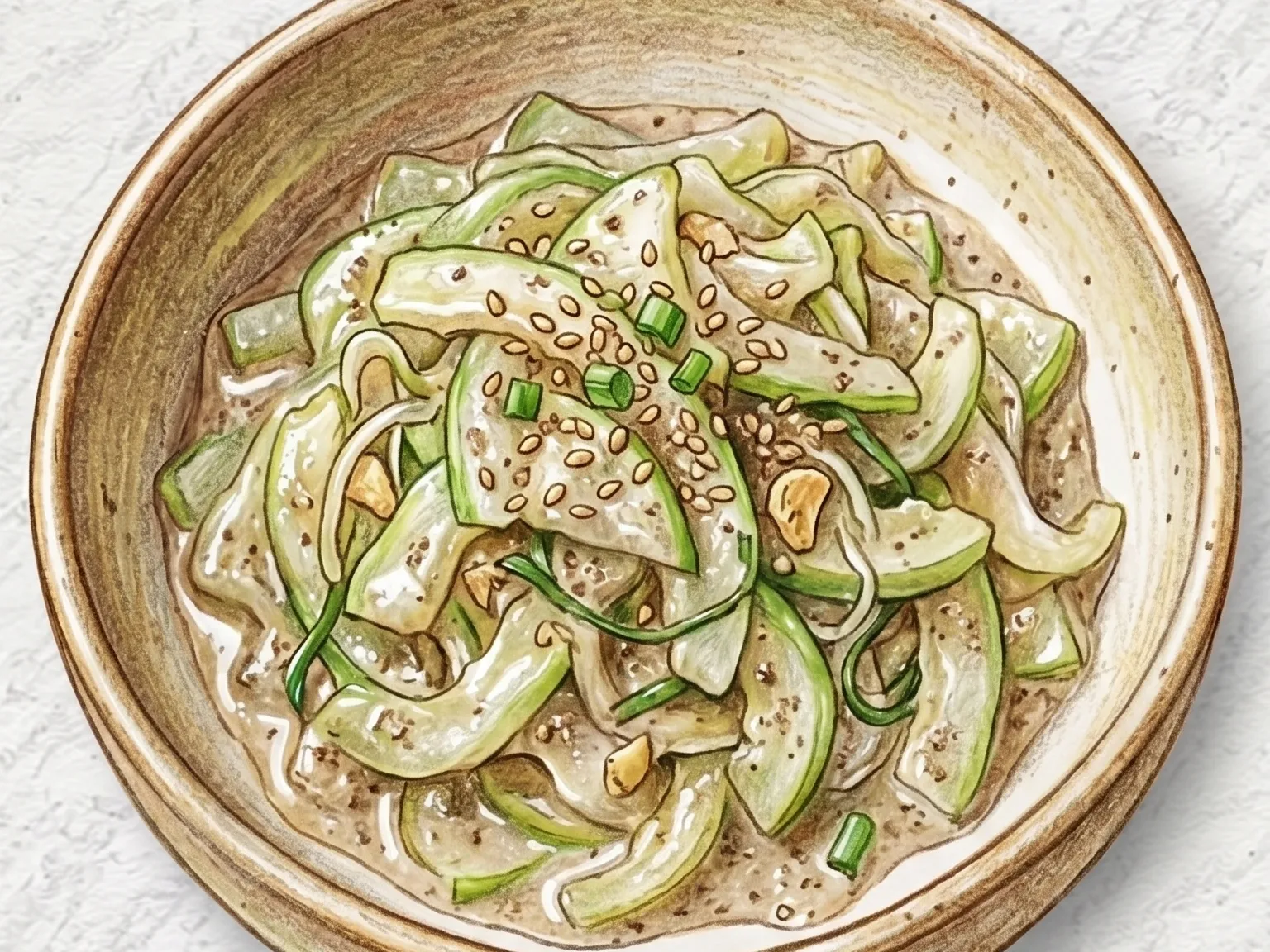
Korean Stir-fried Bottle Gourd Namul
Bottle gourd - bak - is a summer vegetable Koreans have stir-fried as namul for centuries. Peeled, seeded, and sliced thin, it is salted briefly to draw out excess moisture before cooking. Garlic and green onion go into the pan first to build a fragrant base, then the gourd is added and cooked with a small splash of water that steams the slices until they turn nearly translucent, releasing a clean, melon-like sweetness. Ground perilla seed stirred in at the end thickens the remaining liquid into a nutty glaze that clings to each piece. The result is a mild, lightly savory namul that makes plain rice disappear on the hottest summer days.
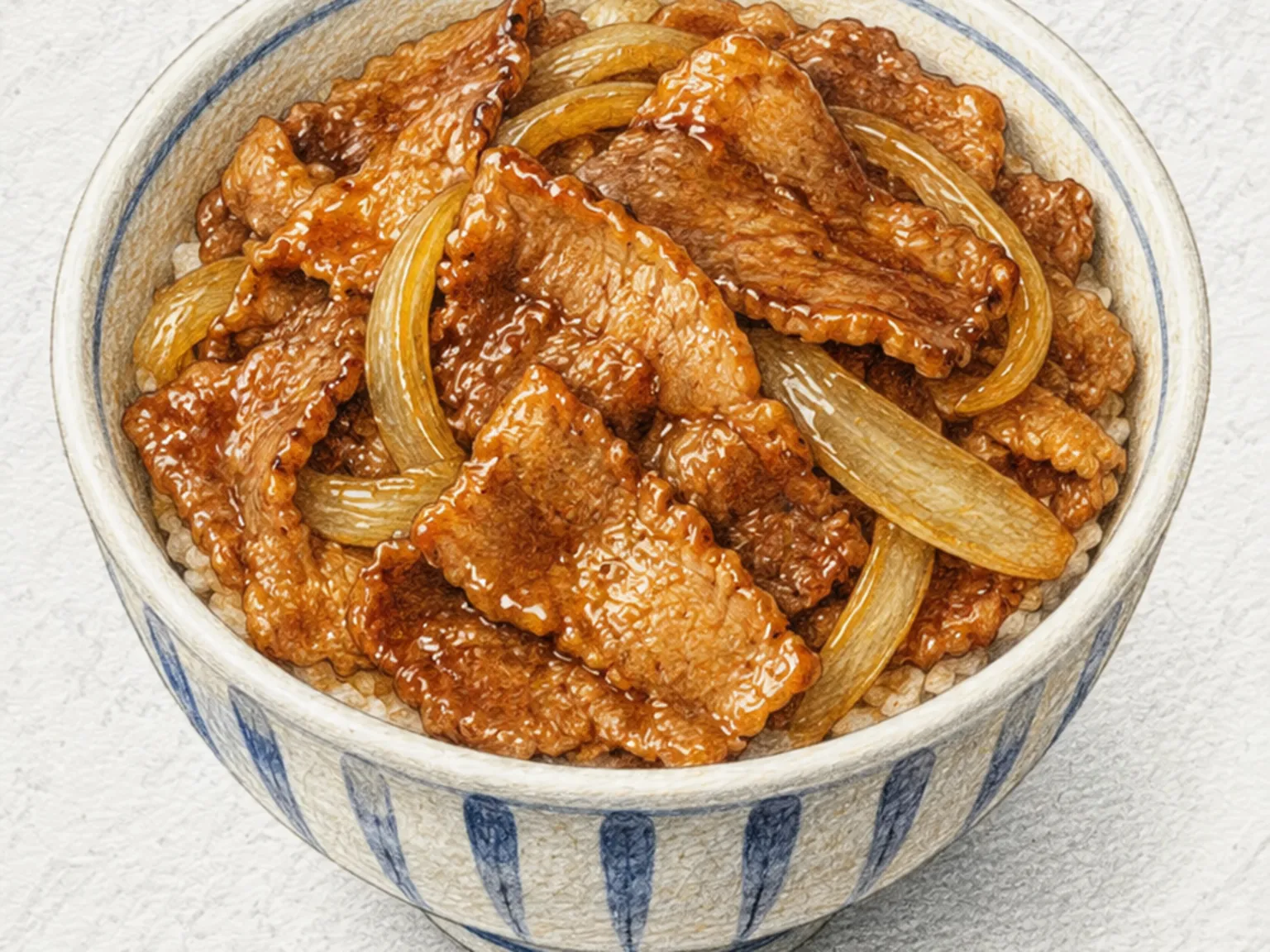
Pork Rice Bowl (Sweet-Salty Glazed Pork over Rice)
Butadon is a Japanese pork rice bowl that originated in Obihiro, Hokkaido, where thin slices of pork belly or shoulder are simmered with onion in a glaze of soy sauce, mirin, and sugar, then laid over a bowl of steamed rice. The soy salt and sugar sweetness balance precisely as the meat absorbs the sauce, while the onion dissolves gradually into the cooking liquid, contributing a natural sweetness that deepens the glaze. Where the pork meets the pan, the edges caramelize into a slightly charred coating that adds a roasted dimension to the otherwise clean, saucy topping. Hokkaido pork, with its firm texture and higher fat content, is traditional, though any well-marbled cut works. The preparation is genuinely simple - one pan, one sauce, no elaborate knife work - which is exactly why it became a staple weeknight meal across Japan.
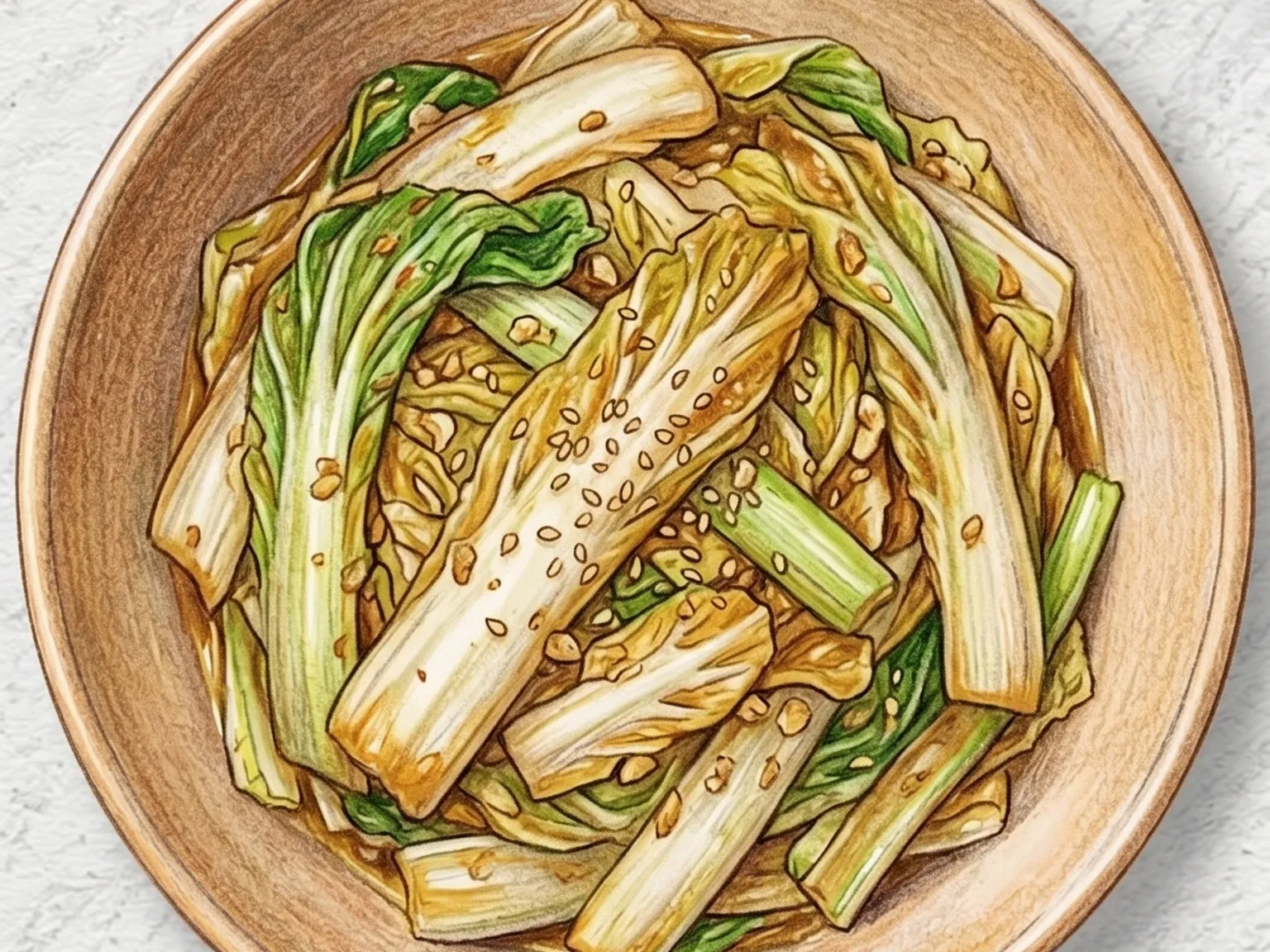
Korean Cabbage Doenjang Stir-Fry
Baechu doenjang bokkeum is a Korean home-style side dish where napa cabbage is stir-fried with doenjang (fermented soybean paste) in perilla oil. The cabbage goes into a hot pan first and is tossed until slightly wilted, then the doenjang is added and the heat lowered so the paste spreads evenly and coats every piece. Minced garlic goes in with the cabbage, its sharpness merging into the fermented depth of the doenjang as both cook together. The thicker stem sections go into the pan before the leaves to preserve their crunch, and the leafy parts follow later so they stay tender rather than limp. A final drizzle of perilla oil just before removing the pan from heat reinforces the nutty aroma, finished with a scatter of toasted sesame seeds. The seasoning is minimal, but the salty intensity of the doenjang and the natural sweetness of napa cabbage strike a balance that makes this side dish a reliable staple with steamed rice. No soup or stew is needed alongside it.
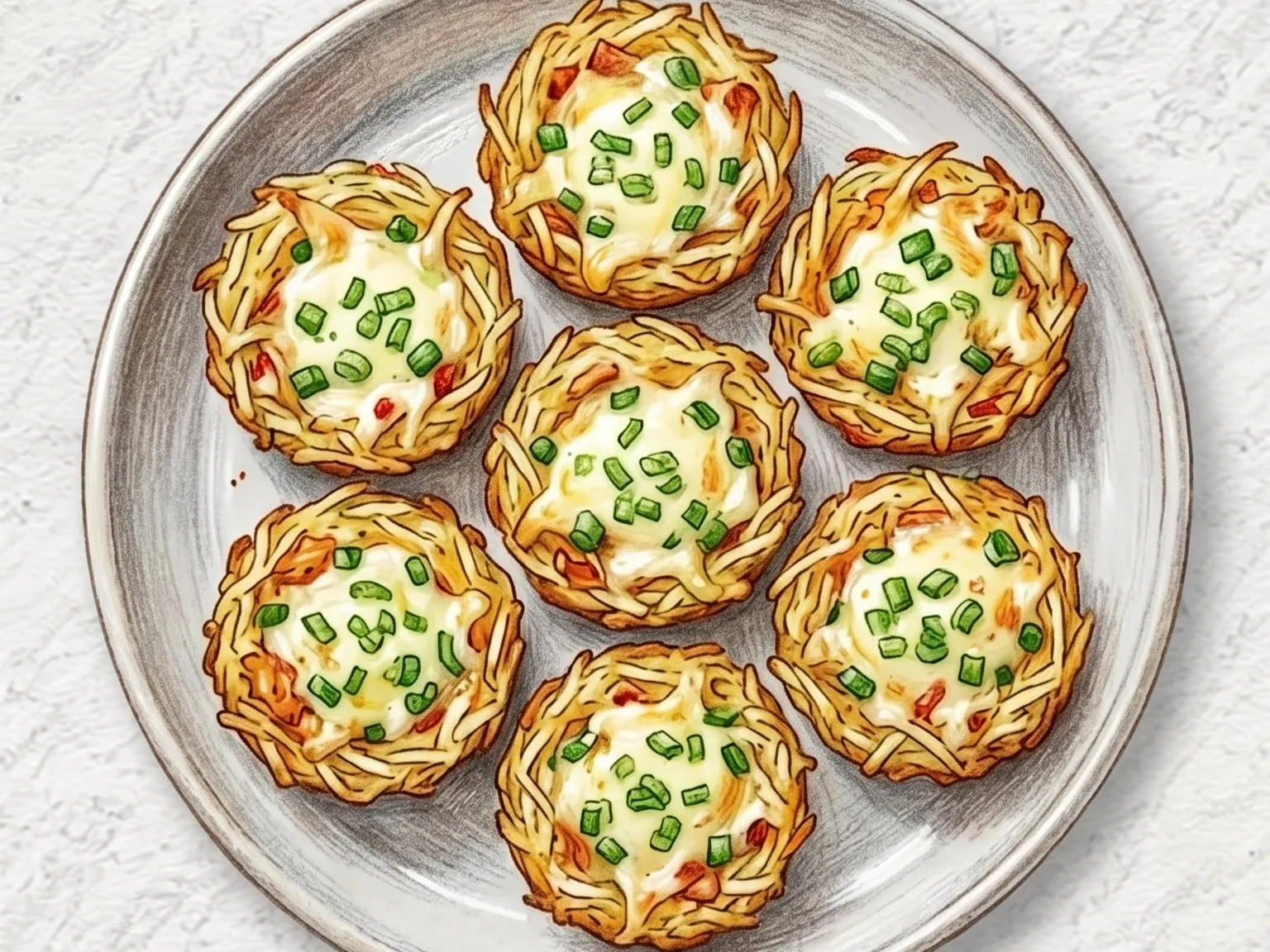
Korean Kimchi Cheese Gamja Jeon Cup (Kimchi Cheese Potato Cup)
Kimchi cheese gamja jeon cups start with julienned raw potato and chopped kimchi mixed into a batter of Korean pancake mix and egg, pressed into cup shapes directly in the pan, then filled with shredded mozzarella and sliced green onion before a lid traps the steam that melts the cheese. The starch naturally present in the potato acts as a binder, holding each cup together as it fries, while the contact surface builds a golden, crispy crust. As the lid seals in heat, the cheese softens and merges with the spicy kimchi, and the potato contributes a gentle, almost sweet starchiness that balances the heat. Wringing excess moisture from the kimchi before mixing is the single most important step: leftover liquid loosens the batter and causes the cups to collapse before the crust sets. The compact shape makes them easy to pick up, so they work equally well as a lunchbox side or a party finger food.
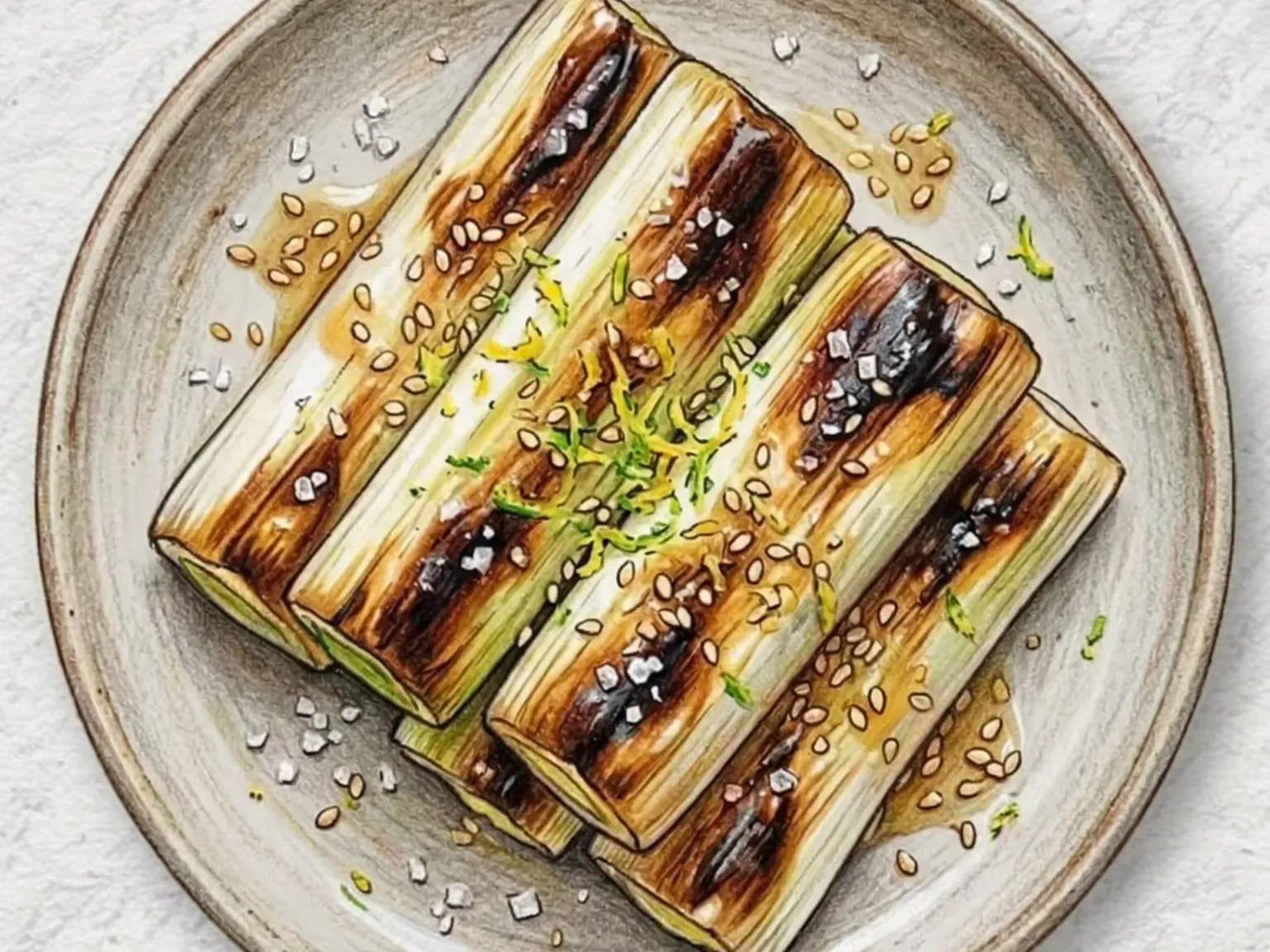
Korean Salt-Grilled Green Onion
Daepa-sogeum-gui is a Korean grilled vegetable dish made from the white sections of large green onions cut into 7-8 cm lengths, brushed with olive oil, dusted with coarse salt, and seared over high heat. The outer layers take on a slight char that produces a light smokiness, while the dense interior converts starch to sugar under the intense heat, turning remarkably sweet. Only the white parts are used because the green tops burn before they cook through, and holding each piece flat against the grill for two to three minutes per side ensures the center reaches the right texture. After grilling, a drizzle of sesame oil, a scattering of sesame seeds, and a small grating of lemon zest layer nuttiness and citrus brightness over the caramelized base. The result demonstrates how a single vegetable, treated simply and grilled hot, can produce a layered, deeply satisfying flavor.
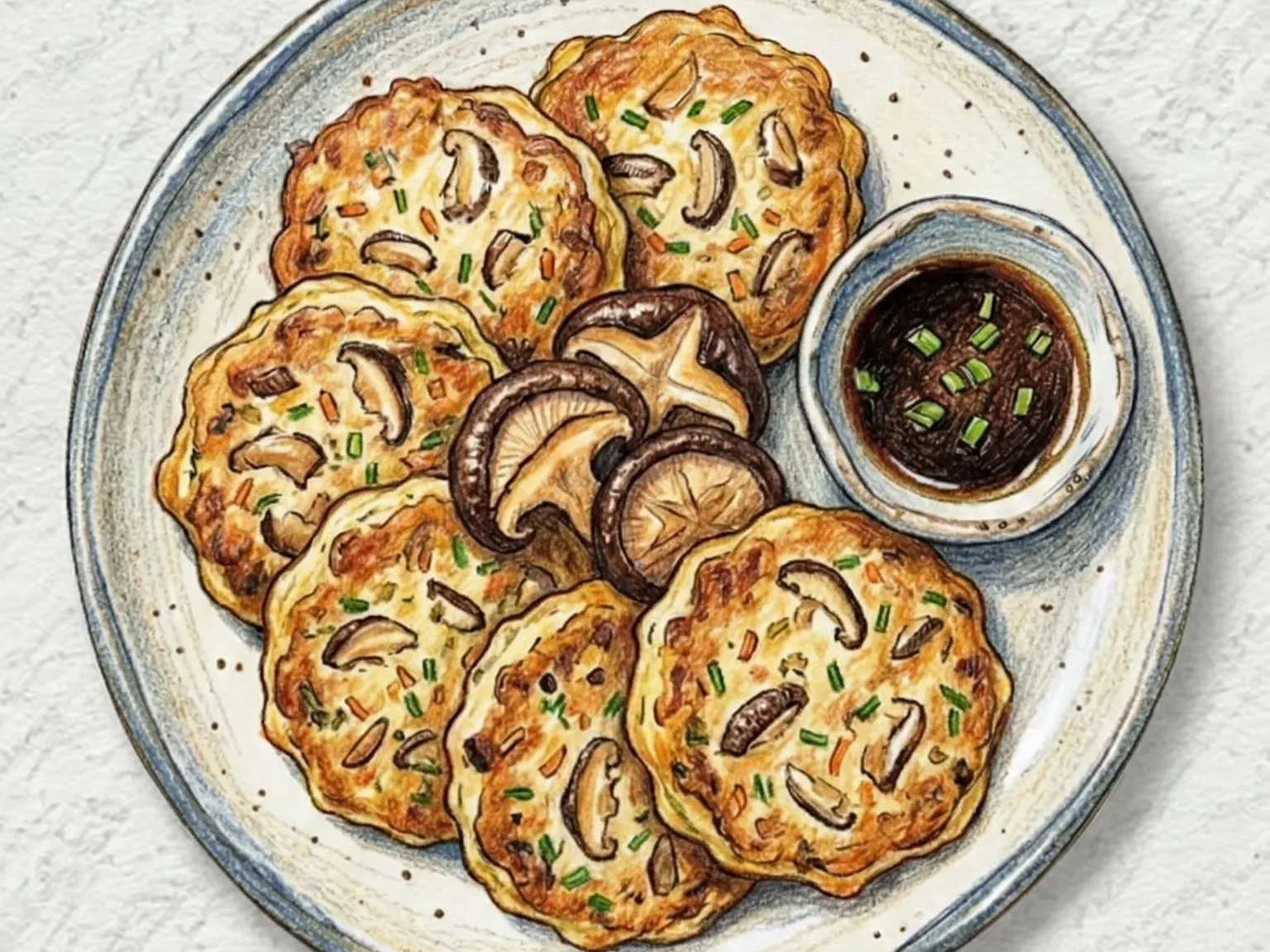
Korean Shiitake Tofu Pancake
Shiitake-tofu jeon is a savory Korean pancake made by finely chopping fresh shiitake mushrooms and firm tofu, then mixing them into a batter of pancake mix, egg, and a touch of sesame oil before pan-frying. The shiitakes contribute a meaty chew and pronounced umami depth, while the tofu lightens the texture and keeps the interior moist. Carrot and chives are added for color contrast and a fresh, slightly pungent bite. The egg binds everything together, and the sesame oil in the batter gives a nutty fragrance. Cooked uncovered over medium-low heat until both sides are golden, the exterior crisps up while the inside stays tender. When using dried shiitakes, soaking them in water first is worthwhile because the soaking liquid can be reserved for use in soups or braising liquid. Served with a dipping sauce of soy sauce and vinegar, the salty acidity sharpens the overall savory flavor.
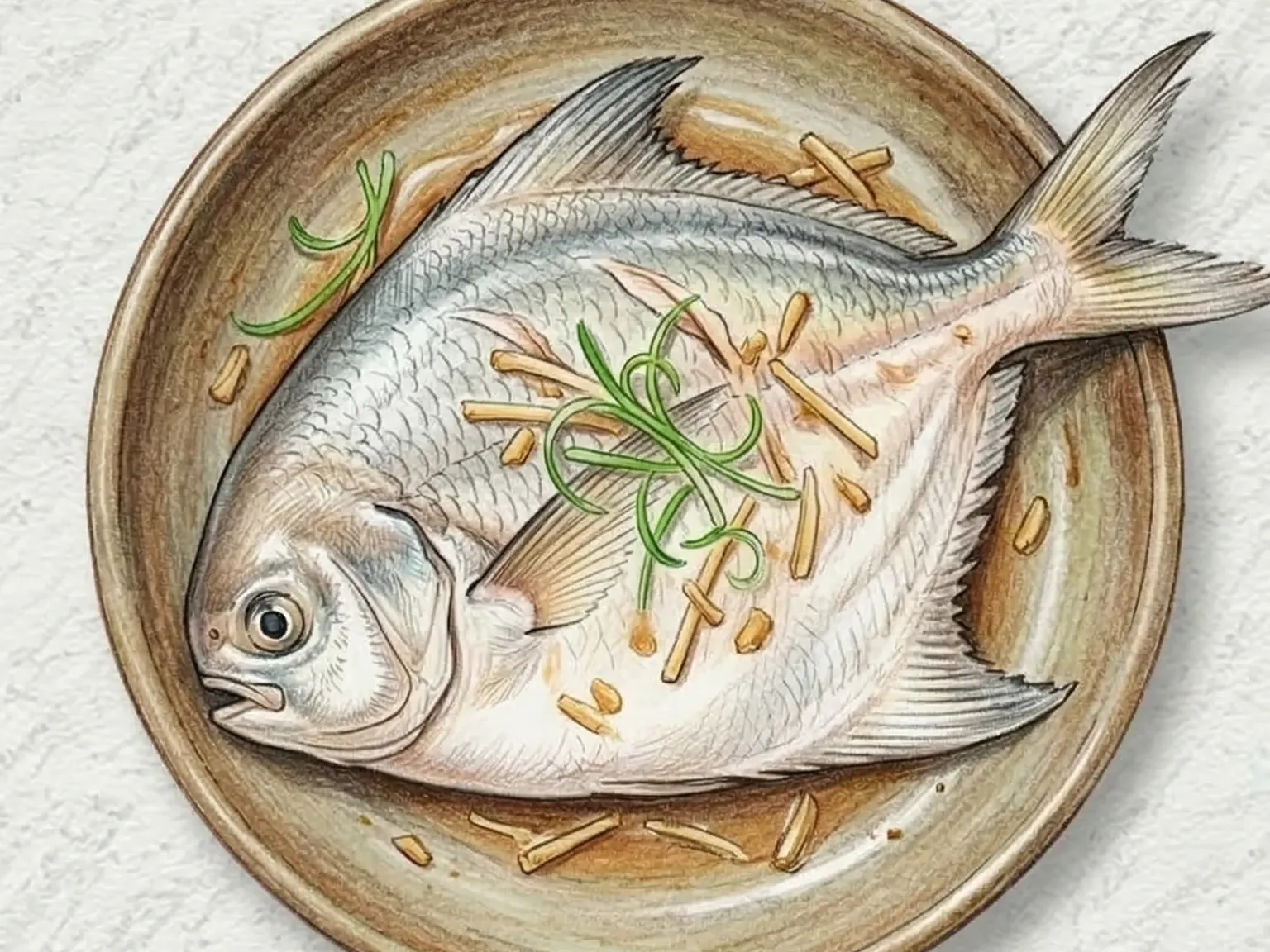
Korean Steamed Pomfret (Whole Fish with Soy Ginger Sauce)
Korean steamed pomfret is a mild fish dish made by steaming a whole scored pomfret with ginger and green onions, then seasoning it with a warm soy sauce mixture. The thin, delicate flesh of the pomfret becomes tender after steaming, allowing the meat to separate easily from the bone. To manage the fish odor and build layers of aroma, sliced ginger and cut green onions are added in two separate stages: first during the main steaming process and again at the end. A heated sauce of soy sauce, rice wine, and water is poured over the cooked fish to ensure the seasoning penetrates evenly. A final touch of sesame oil adds a toasted scent to the non-spicy, low-fat preparation. This clean and mild dish is suitable for various diners.
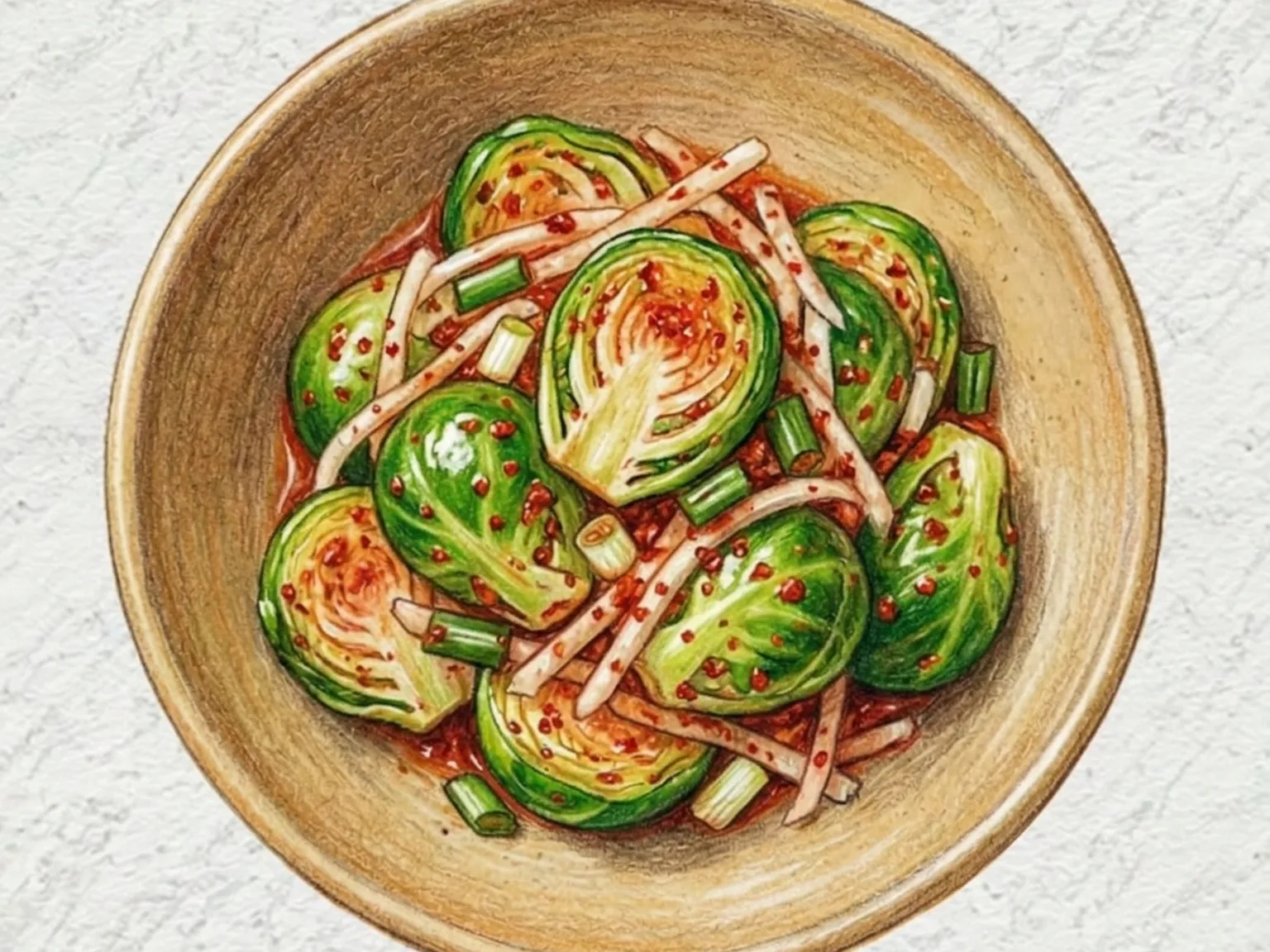
Korean Bangwool Yangbaechu Kimchi (Brussels Sprout Kimchi)
Bangwool yangbaechu kimchi is a creative Korean kimchi made from halved Brussels sprouts, brined in salt and dressed with gochugaru, fish sauce, garlic, and apple. Brussels sprouts are denser than napa cabbage and hold their structure after salting, giving each bite a firm crunch that releases a natural sweetness as you chew. The combination of fish sauce and gochugaru builds a spicy-salty depth, while grated apple introduces a fruit sweetness that softens the chili heat without masking it. Scallions contribute a fresh note throughout. Because the sprouts are compact and less watery than cabbage, the kimchi ferments more slowly and stays crisp longer. It can be eaten right away as a fresh kimchi, or left to ferment for several days as the flavors deepen. In season from autumn through early spring, this kimchi suits both traditional Korean meals and modern brunch spreads.
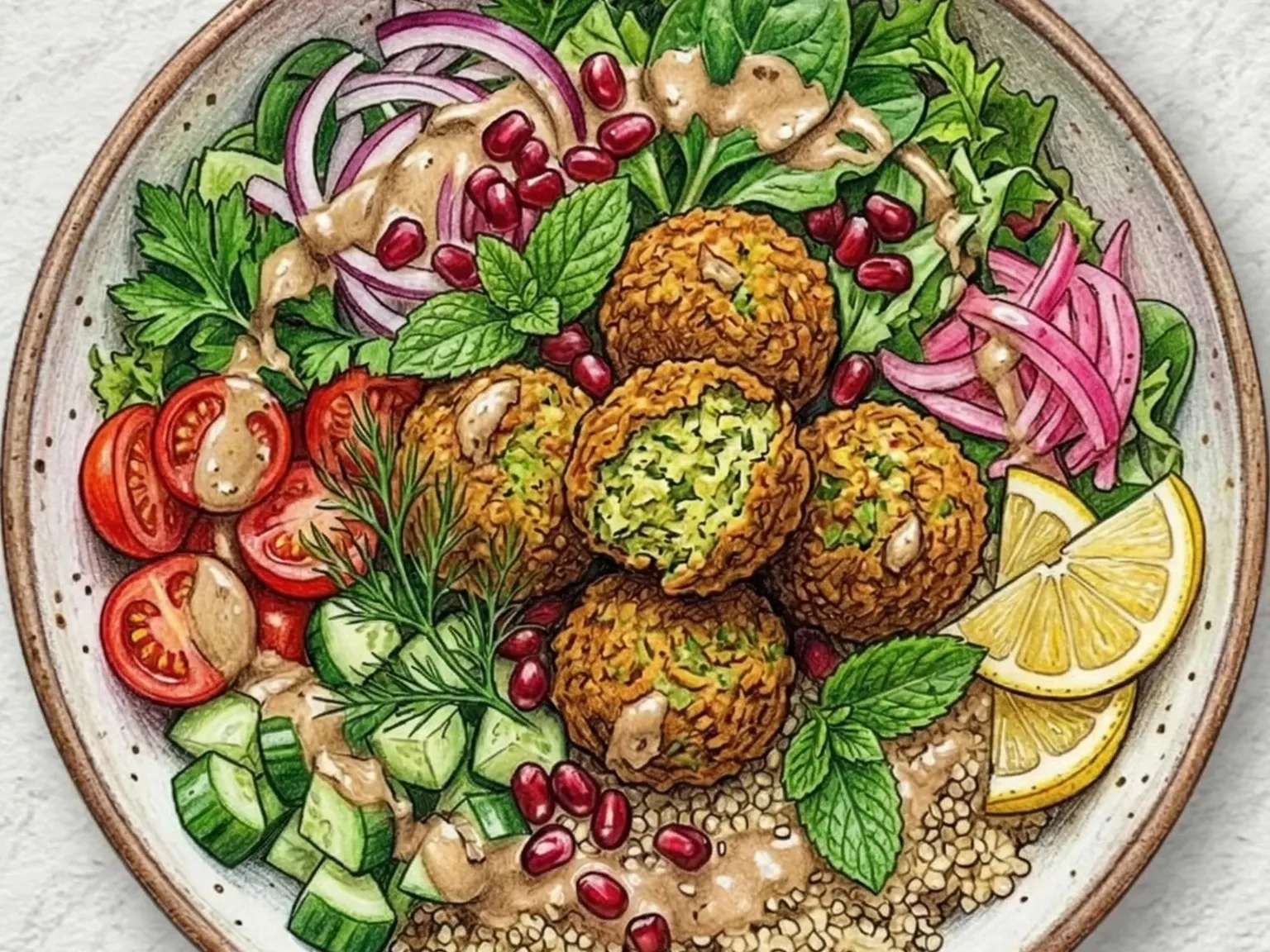
Falafel Salad Bowl
A falafel salad bowl arranges crisp, herb-packed chickpea fritters over a bed of mixed greens or grains alongside chopped cucumber, tomato, red onion, and pickled vegetables. The falafel are made from soaked raw chickpeas blended with parsley, cilantro, cumin, and garlic, then fried or baked until the exterior turns deeply golden while the interior stays bright green and moist. A generous drizzle of tahini dressing ties the bowl together with its nutty, slightly bitter sesame character, and a squeeze of fresh lemon lifts the entire dish. Adding cooked quinoa, bulgur, or couscous underneath turns it into a filling one-bowl meal. Each bite moves between crispy falafel, crunchy raw vegetables, and creamy dressing, so no two forkfuls feel the same. Originating across the Middle East, falafel has become an internationally recognized symbol of plant-based cooking, and this bowl format balances protein and fiber in a well-rounded single serving.
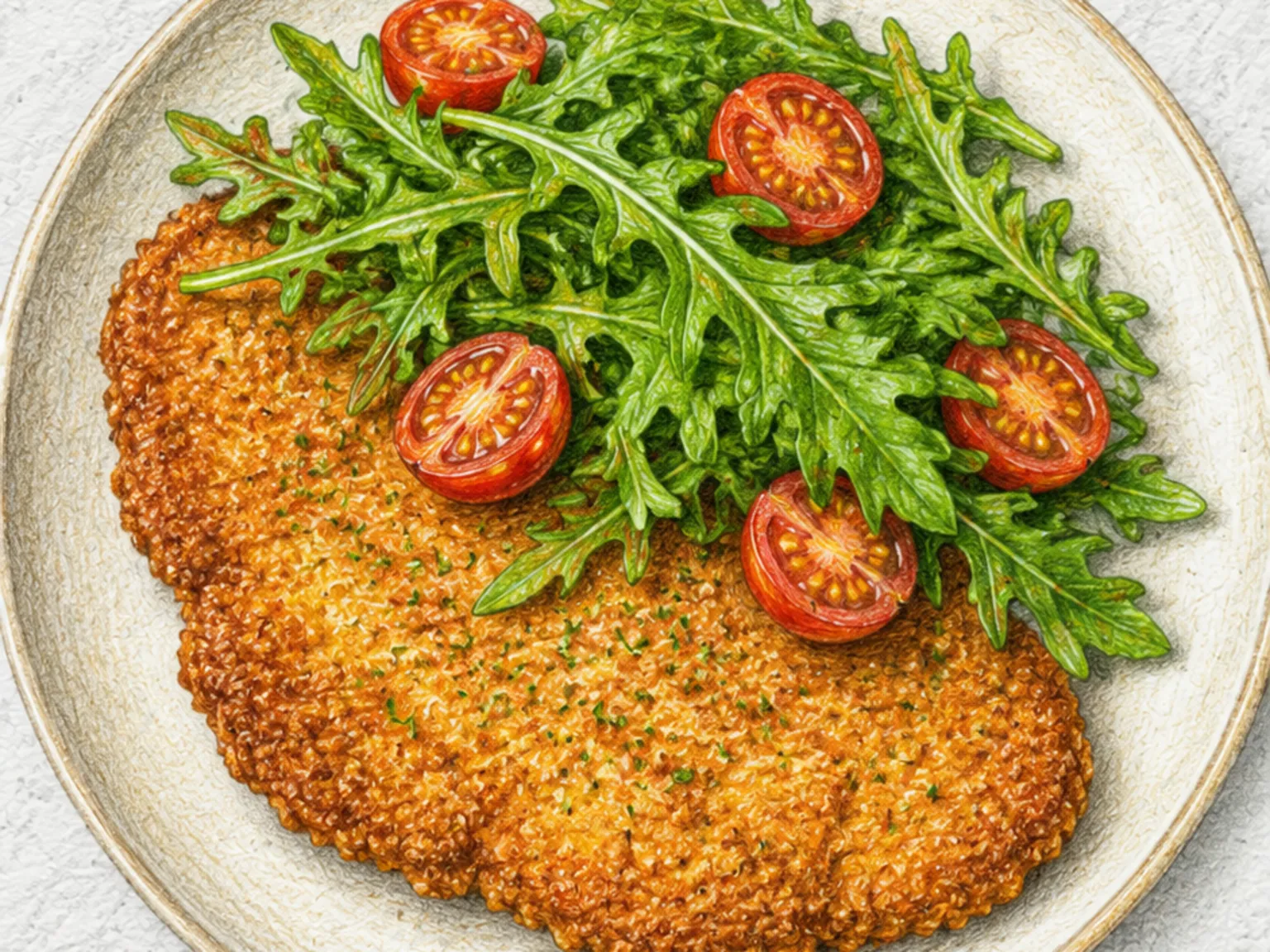
Chicken Milanese
Chicken Milanese is an Italian-style cutlet that butterflies and pounds chicken breast until thin, coats it in flour, beaten egg, and breadcrumbs mixed with grated Parmesan, then pan-fries it in olive oil until the crust turns a deep, even gold. The step of pounding the meat uniformly thin is not optional: it ensures that the interior cooks through at exactly the same rate as the crust browns, eliminating the frustrating situation of overcooked breading on raw chicken. The Parmesan folded into the breadcrumbs contributes a savory, slightly granular texture that plain breadcrumbs alone cannot achieve; the cheese's proteins also brown more readily under heat, deepening the crust's color and flavor. Allowing the breaded chicken to rest for five minutes before it goes into the pan is another critical step, giving the egg time to fully adhere the crumbs to the surface so the coating does not slide off when the cutlet is flipped. The fat used for frying matters as well: good-quality olive oil adds a subtle fruitiness that butter cannot replicate, and a combination of the two achieves the best of both. A squeeze of fresh lemon juice immediately after plating is not a garnish but a necessary finish, its acidity cutting through the oil and amplifying the aroma of the Parmesan. A mound of lightly dressed arugula on top provides a peppery, bitter counterpoint to the rich, crisp crust, and halved cherry tomatoes sharpen the plate with bright color and additional acidity.
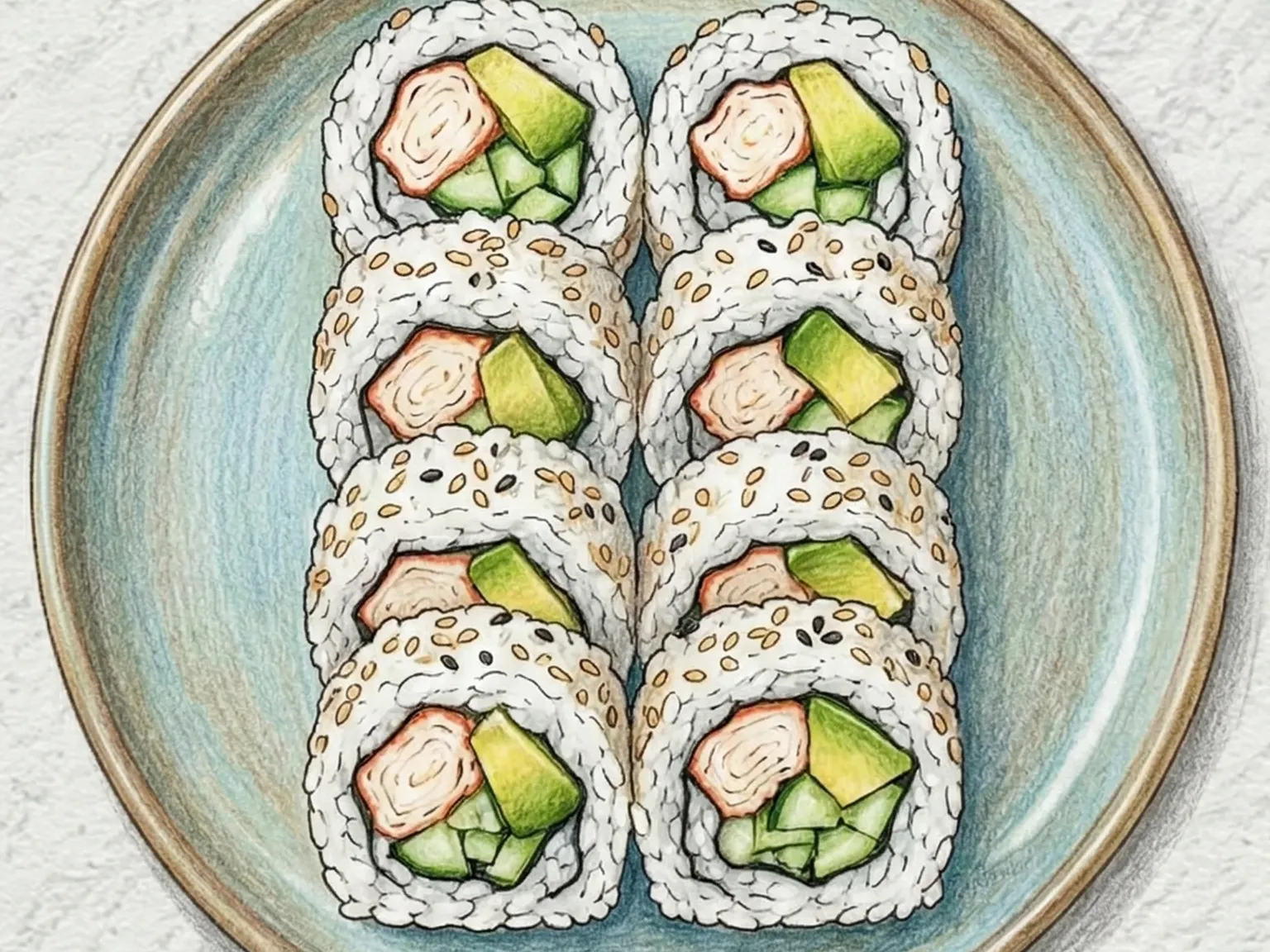
California Roll
The California roll was developed in the early 1970s, most likely by Japanese chefs working in Vancouver or Los Angeles who needed to make sushi approachable for North American diners unfamiliar with raw fish. The inside-out construction - rice on the outside, nori hidden within - was a deliberate inversion designed to conceal the dark seaweed that Western eaters initially found off-putting. Imitation crab (surimi), ripe avocado, and cucumber form the filling, delivering a mild, creamy, and crunchy combination that requires no acquired taste to appreciate. The rice is seasoned with vinegar, sugar, and salt, then rolled so the grains hold together without being compacted into a dense cylinder. Tobiko or sesame seeds pressed into the outer rice layer add visual appeal and a subtle pop of texture with each bite. Though dismissed by sushi traditionalists, the California roll served as a gateway that brought millions of Westerners into Japanese cuisine and laid the foundation for the global sushi market. Today it remains the single most ordered sushi roll in North America.
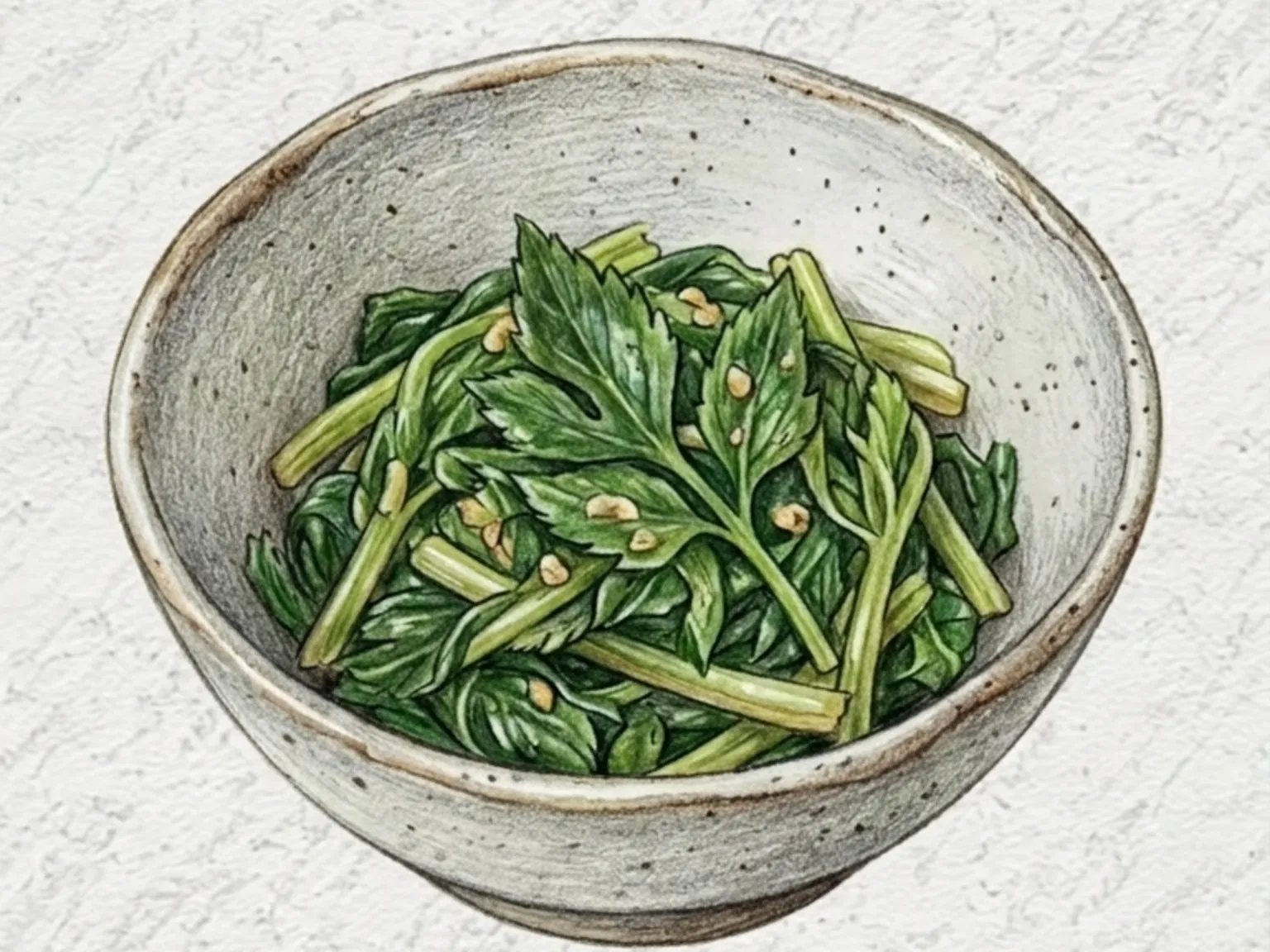
Korean Seasoned Coastal Hogfennel Greens
Bangpung namul muchim is a spring side dish made from coastal hogfennel, a wild herb that grows on seaside cliffs and sandy shores along Korea's coastline. The plant has a pungent, celery-like aroma that defines the dish. Blanching in salted boiling water for exactly one minute tames the raw bitterness while preserving the herbal fragrance - overcooking diminishes both the aroma and the texture. After squeezing out moisture thoroughly, the greens are seasoned simply with doenjang, minced garlic, and sesame oil. Keeping the seasoning minimal is intentional: the dressing supports the herb's character without masking it. The fermented depth of doenjang meets the slightly bitter, woodsy flavor of the greens in a combination that tastes distinctly of early spring. Harvested in coastal regions of Gangwon-do, Gyeonggi coast, and Jeju from March through May, bangpung is a seasonal ingredient with a short window and a reputation as a spring tonic in Korean traditional food culture.
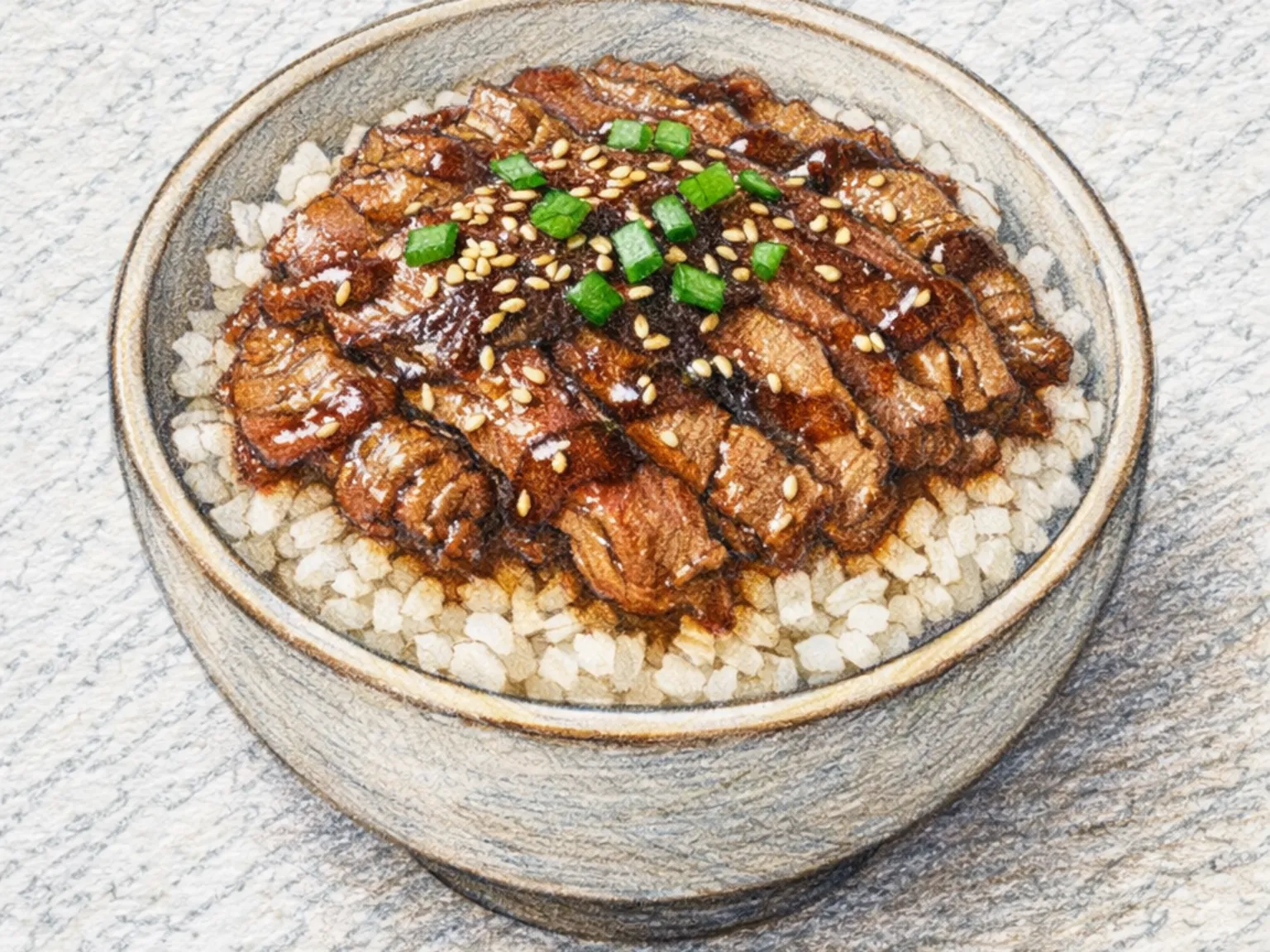
Korean Beef Brisket Rice Bowl
Chadol deopbap is a Korean rice bowl built on paper-thin beef brisket slices seared in a hot dry pan until the edges turn crisp and caramelized, then finished with a soy-based glaze and placed over steamed rice. The marbling in the brisket renders quickly under high heat, coating the pan in fat that then carries the flavors of soy sauce, sugar, garlic, and sesame oil into a concentrated glaze. A soft-cooked or raw egg yolk placed on top is a standard addition; stirring it in spreads a golden richness across the rice that thickens the sauce and rounds out the saltiness of the soy. Sliced scallions and toasted sesame seeds scattered over the finished bowl add textural contrast and a clean finish. The recipe relies on pantry staples, requires no marinating, and comes together in under ten minutes from start to plate, making it one of the most practical formats for a single-serve weeknight meal without sacrificing depth of flavor.
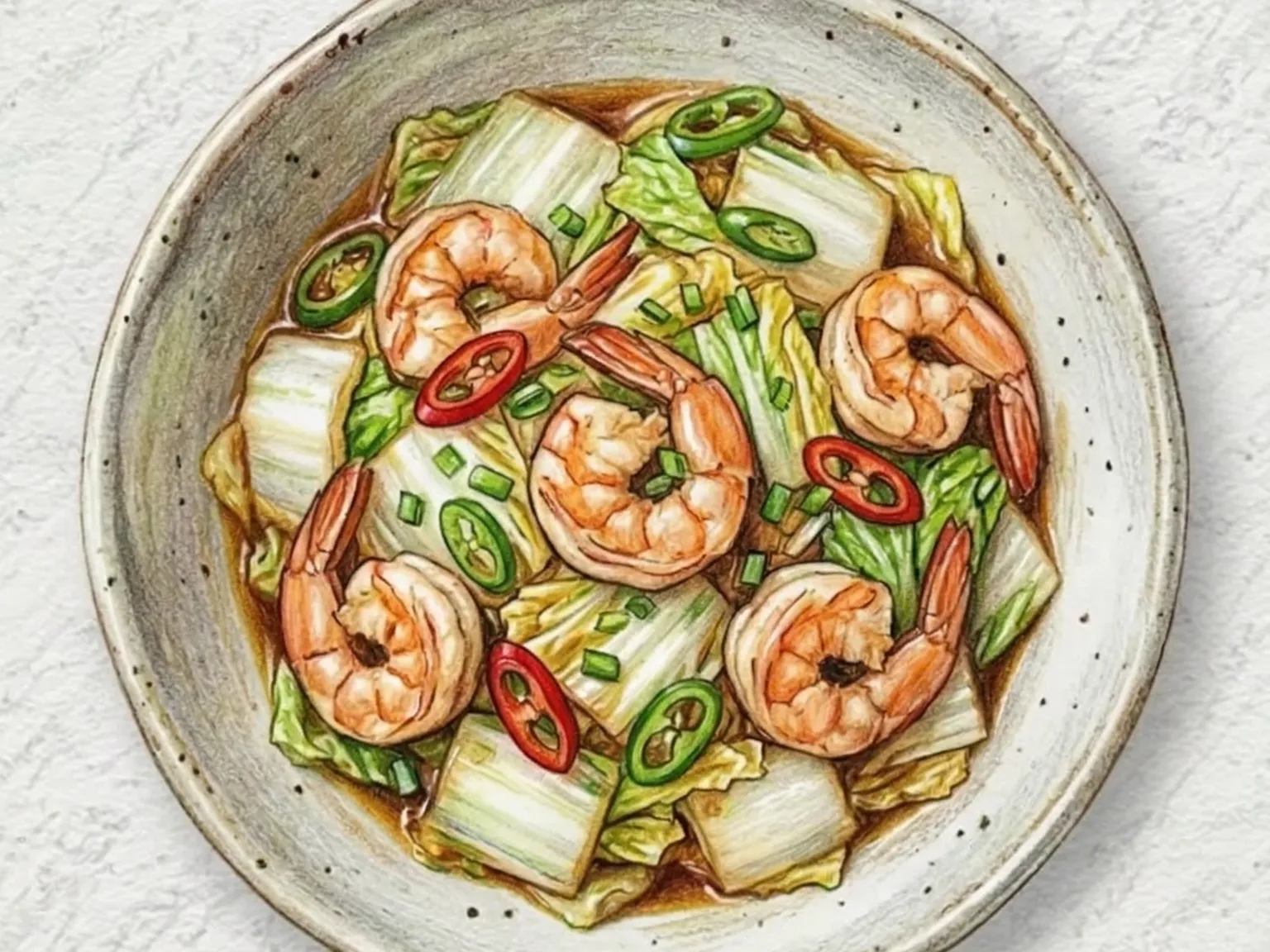
Korean Napa Cabbage Shrimp Stir-fry
Baechu saeu bokkeum is a Korean stir-fry of napa cabbage and medium shrimp seasoned with soy sauce and fish sauce. The shrimp are deveined and scored along the back so they curl attractively and absorb seasoning more readily. They go into a hot oiled pan first for thirty seconds to sear the surface, then are removed while the cabbage stems are stir-fried until slightly wilted. Soy sauce, fish sauce, and minced garlic are added along with the cabbage leaves, and the shrimp return to the pan for a final thirty-second toss so everything seasons evenly. Sliced cheongyang chili and scallion go in last for a hit of heat and freshness. The entire stir-fry stays under three to four minutes of active cooking, which preserves the crunch of the cabbage stems and the firm bite of the shrimp. The combination of soy sauce and fish sauce provides a layered saltiness that brings out the natural sweetness of both the cabbage and the shrimp.
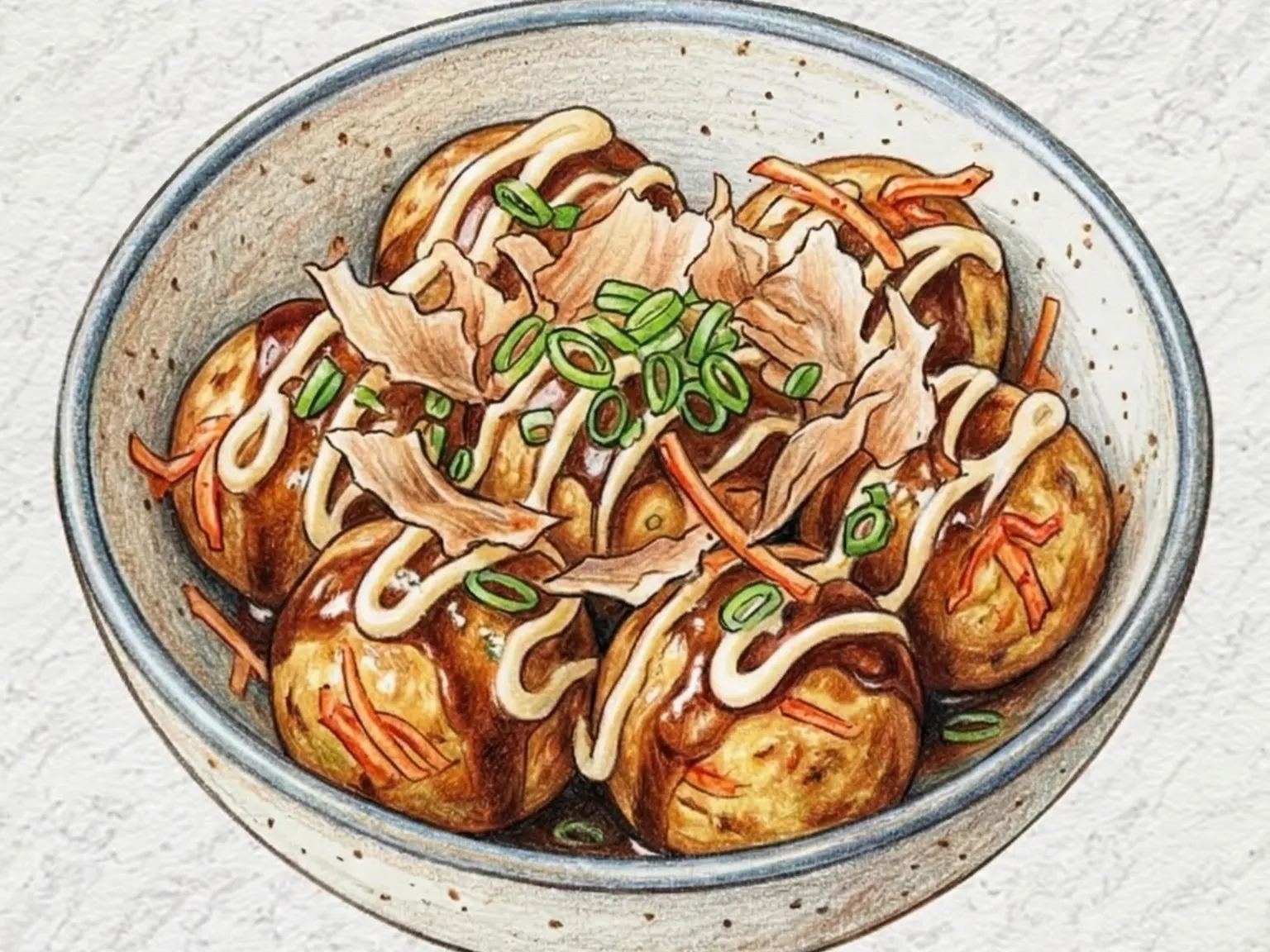
Kimchi Octopus Balls (Korean-Style Takoyaki with Fermented Kimchi)
Kimchi takoyaki fills a takoyaki pan with a thin batter of takoyaki flour, water, and egg, then drops boiled octopus, drained kimchi, and chopped scallion into each well before rotating the rounds with a skewer as they set. The exterior crisps into a thin, golden shell while the inside stays loose and creamy, and the octopus's springy resistance meets the kimchi's tangy heat within the mild, savory batter. Squeezing the kimchi thoroughly dry before adding it is essential - residual liquid thins the batter and prevents clean browning. Leaving the balls untouched for a full minute allows the bottom to set before any turning begins. Finished with takoyaki sauce, mayonnaise, and a flutter of bonito flakes on top, each piece delivers a layered combination of salty, rich, and umami.
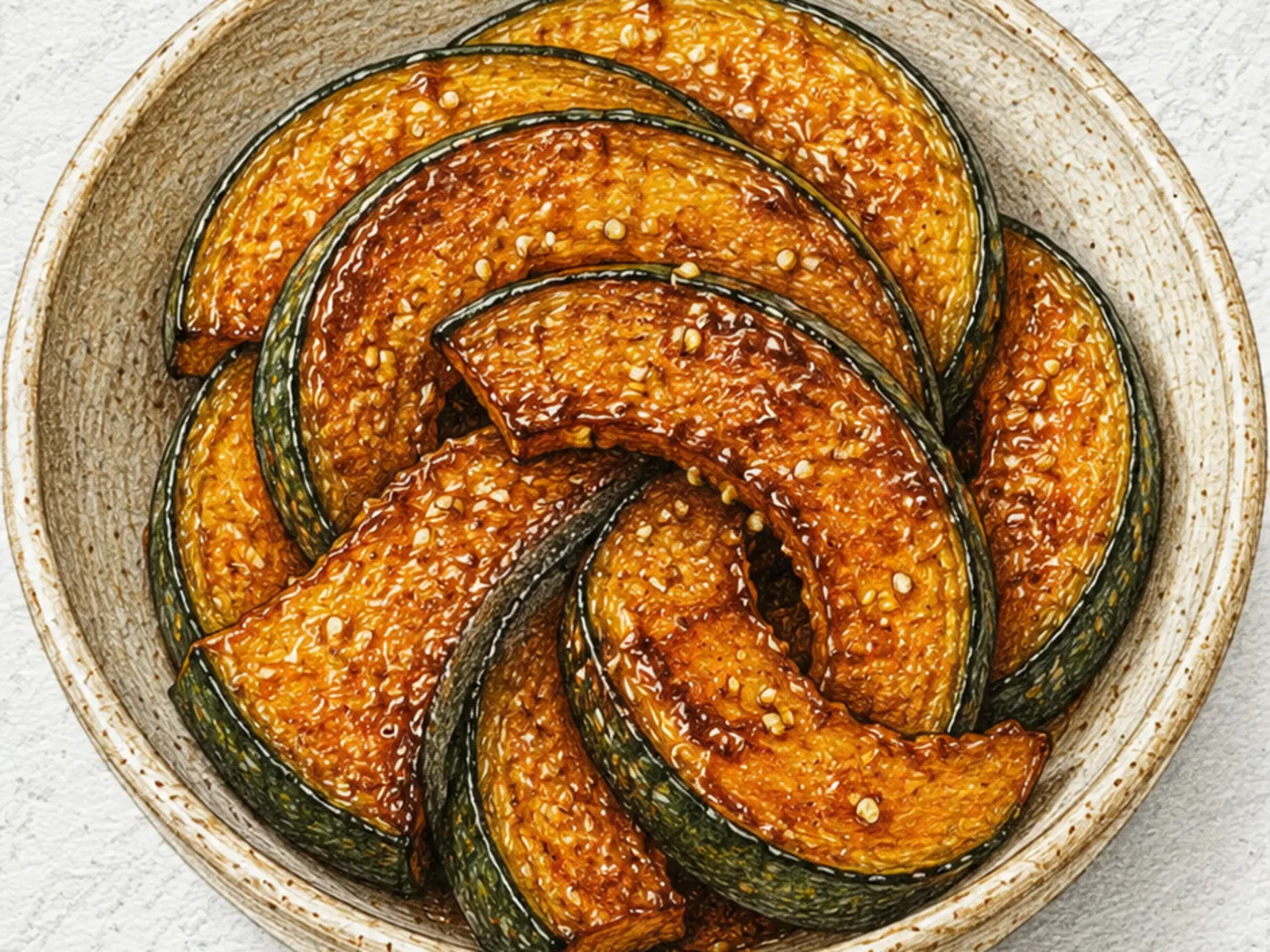
Korean Soy-Glazed Kabocha Grill
Danhobak-ganjang-gui is a Korean soy-glazed kabocha squash dish where thick half-moon slices are pre-steamed or microwaved until just tender, then pan-grilled with a glaze of soy sauce, corn syrup, minced garlic, and sesame oil. Pre-cooking the squash is essential: it eliminates the need for prolonged grilling, so the glaze can caramelize quickly over high heat without the interior remaining raw. The natural sugars in kabocha meet the salt of the soy sauce to create a pronounced sweet-salty contrast. The corn syrup melts into a shiny, lacquer-like coating on the surface. Sesame oil should be added only after removing from heat to preserve its fragrance, and a scattering of toasted sesame seeds finishes the dish with a crunchy, nutty accent. Kabocha squash skin is fully edible and becomes slightly crisp when grilled, creating a pleasant textural contrast with the soft, sweet interior. Substituting a spoonful of gochujang for part of the soy sauce produces a spicy variation, and minced cheongyang chili added to the glaze layers heat over the sweet-salty profile for a more intense side dish.
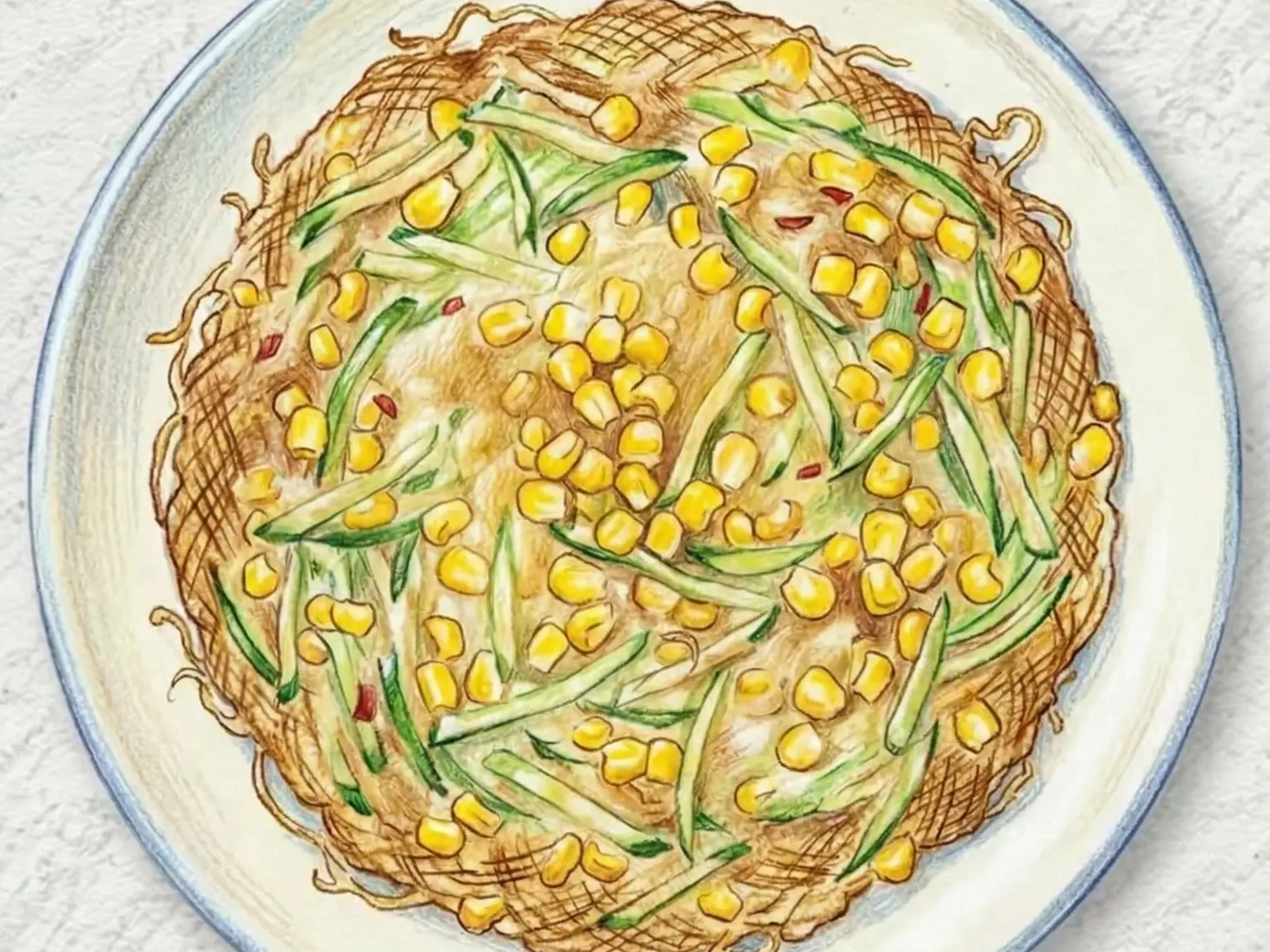
Korean Zucchini Corn Jeon
Shredded zucchini and sweet corn kernels are folded into a pancake-mix batter and pan-fried until golden. Julienning the zucchini to a uniform thickness ensures even cooking throughout, while the corn kernels pop with sweetness in each bite. Egg enriches the batter and improves cohesion, and black pepper adds a light seasoning. Using cold water keeps the batter thin and airy, which helps the vegetables maintain their distinct textures after frying. The pan and oil must be fully heated before the batter goes in to achieve a crisp exterior, and spreading the batter wide makes the edges thin enough to turn properly crunchy. Let one side set completely over medium heat before flipping to keep the pancake intact.