🍱 Lunchbox Recipes
Dishes that taste great packed and cold
723 recipes. Page 9 of 31
The best lunchbox dishes hold up well at room temperature. This tag features make-ahead sides and full lunchbox recipes you can pack in the morning without stress - sausage stir-fry, rolled omelet, stir-fried anchovies, and soy-braised beef are all lunchbox staples.
The key to a great packed lunch is choosing dishes with low moisture content and arranging contrasting colors. A sprinkle of sesame seeds or furikake over the rice adds a finishing touch that looks as good as it tastes.
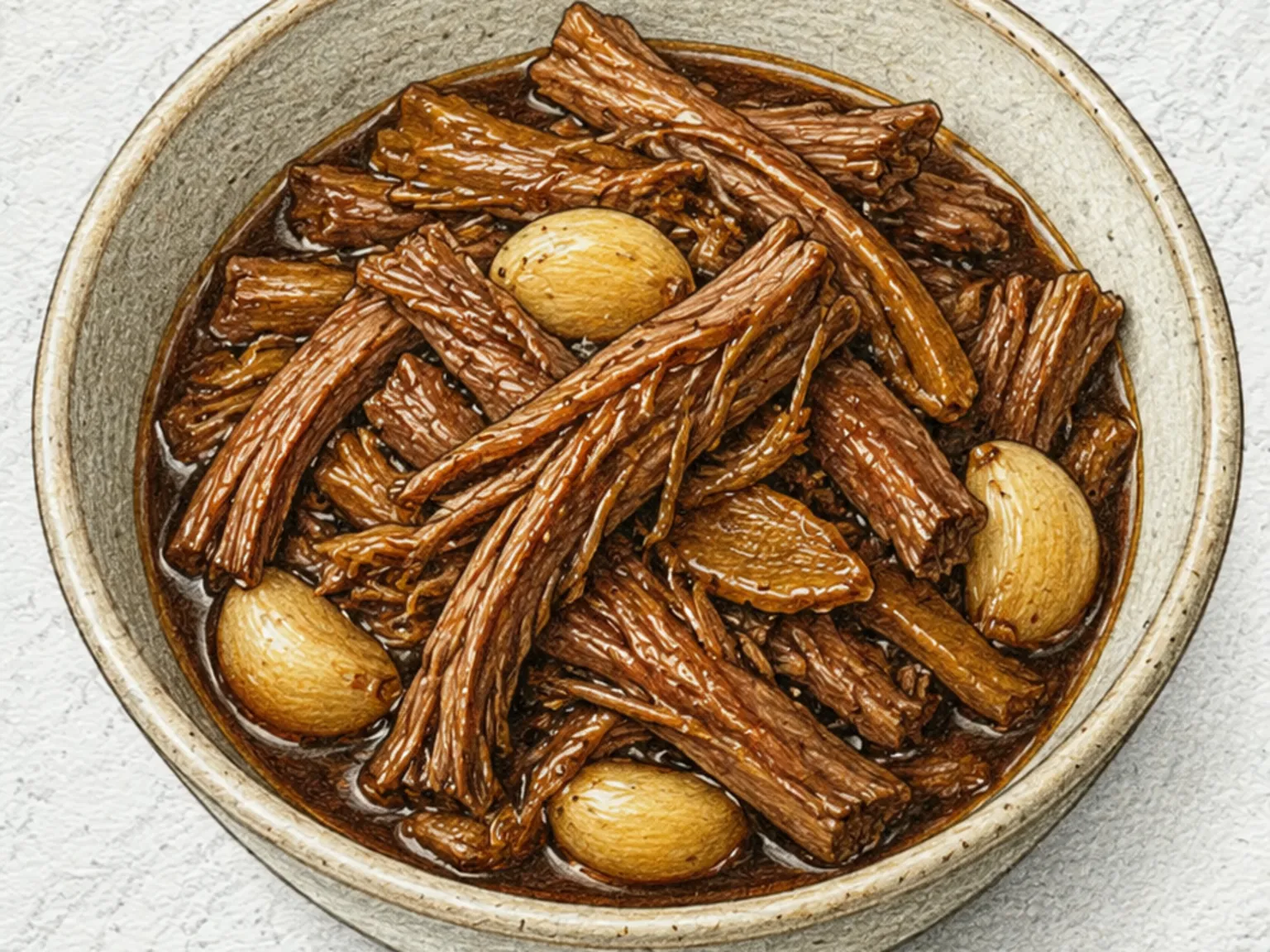
Korean Soy-Braised Pork Loin Strips
Dwaejigogi jangjorim is a Korean soy-braised pork dish made by simmering pork loin with whole garlic cloves, ginger, and cooking rice wine until the meat is completely tender. The pork is first boiled whole with enough water to fully submerge it, skimming the foam that rises to keep the braising liquid clean, then shredded along the grain and returned to the reduced soy liquid for a second round of simmering. Shredding along the grain rather than against it gives each strand more surface area to absorb the seasoned liquid, resulting in deeper, more even flavor throughout. The rice wine neutralizes the pork's gaminess from the start, while the whole garlic cloves soften completely during the long braise, turning mellow and spreadable. This dish keeps well refrigerated for several days and is typically served cold or at room temperature, making it a convenient banchan to portion out over multiple meals.
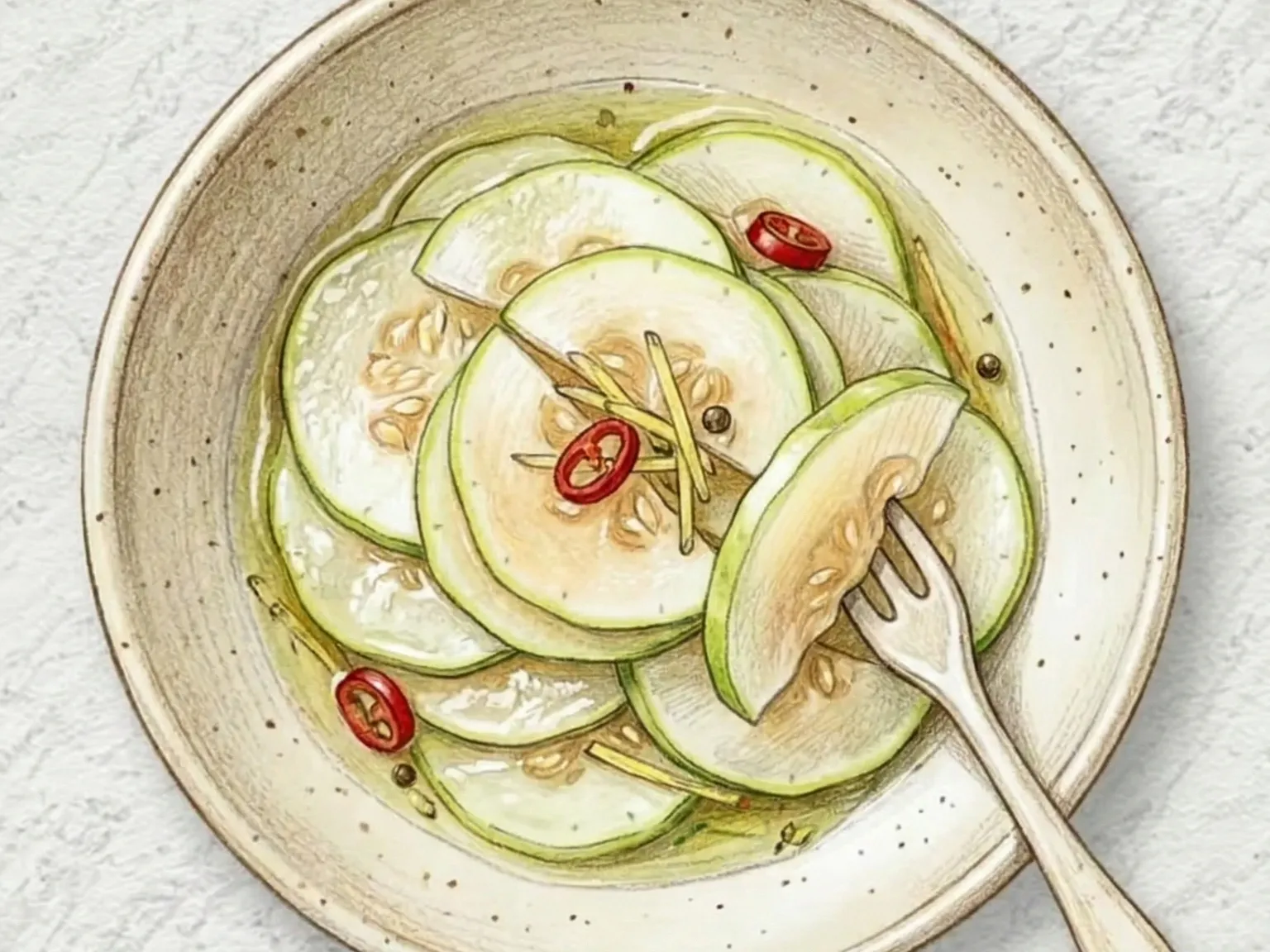
Korean Melon Pickle (Korean Melon Soy Vinegar Brine)
Chamoe jangajji is a Korean summer pickle made by seeding firm Korean melon and slicing it into thin half-moons, then submerging the pieces in a cure of soy sauce, rice vinegar, and sugar. Salting the slices and letting them sit for fifteen minutes before pickling draws out excess moisture, preventing the brine from becoming diluted and keeping the melon's characteristic crunch intact over time. Sliced fresh ginger added to the jar contributes a warm, faintly spicy undertone beneath the melon's cool sweetness. After two or more days in the refrigerator, the sweet, sour, and salty notes permeate the melon evenly throughout, making this a versatile seasonal banchan that can be served alongside rice or used as a sharp, tangy topping for cold noodles and summer salads. The leftover brine can be repurposed as a seasoning base for cold noodle sauce or seasoned vegetable dishes.
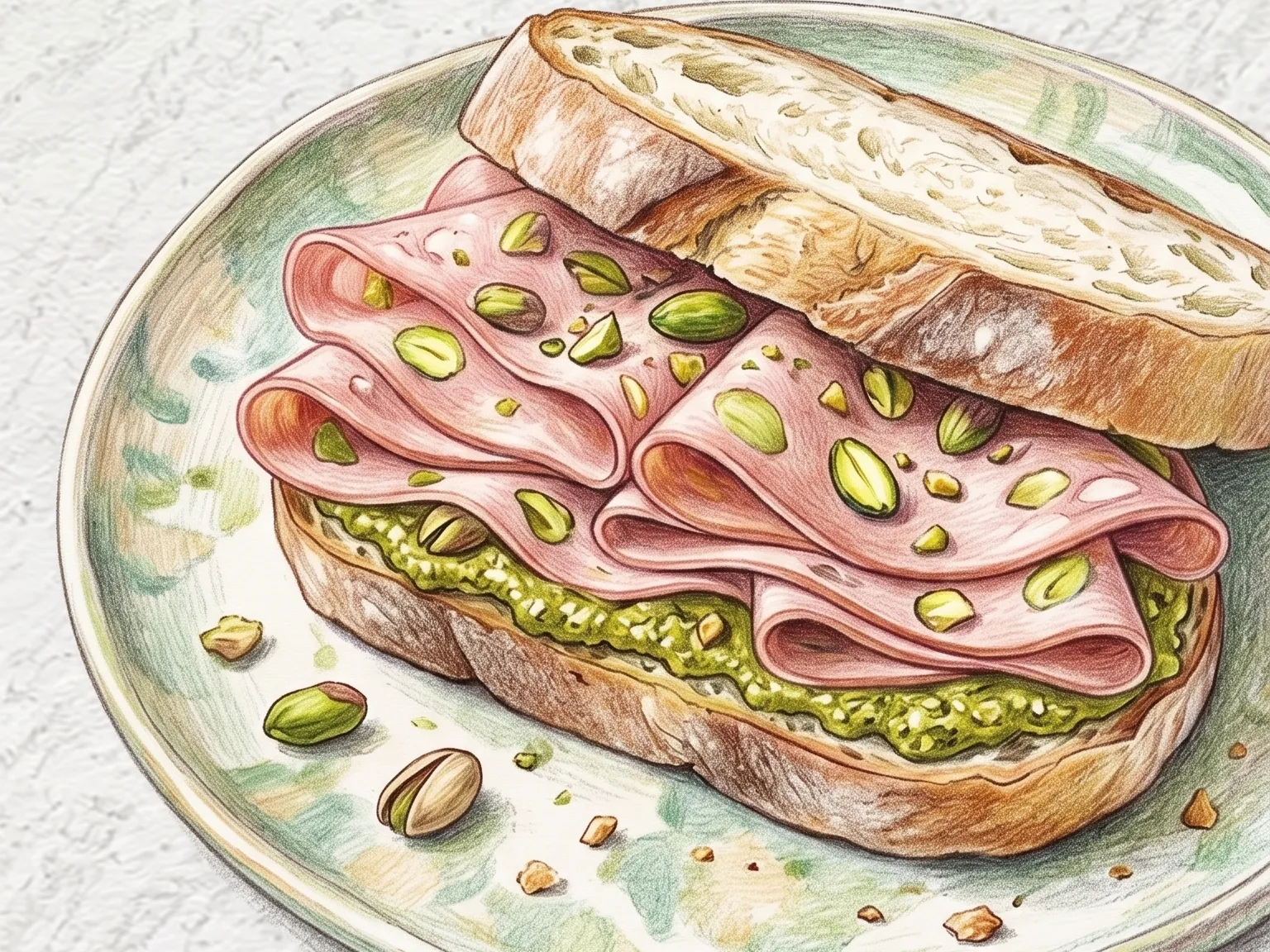
Mortadella Pistachio Sandwich
This Italian sandwich features mortadella ham, burrata cheese, and pistachio paste on toasted ciabatta. The ciabatta is split and toasted until the edges are crisp. While warm, the inside is spread with pistachio paste, which sinks into the bread pores to form a creamy base. It is layered with fresh arugula and folded slices of mortadella, keeping the layers loose to preserve volume. A halved burrata cheese is placed on top, adding a chewy shell and a creamy, flowing interior. The sandwich is finished with crushed pistachios, olive oil, and a drizzle of balsamic glaze, which highlights the sweet undertones of the mortadella fat. After covering with the top bread, it is pressed gently, halved, and served. Fresh mozzarella can replace the burrata if desired.
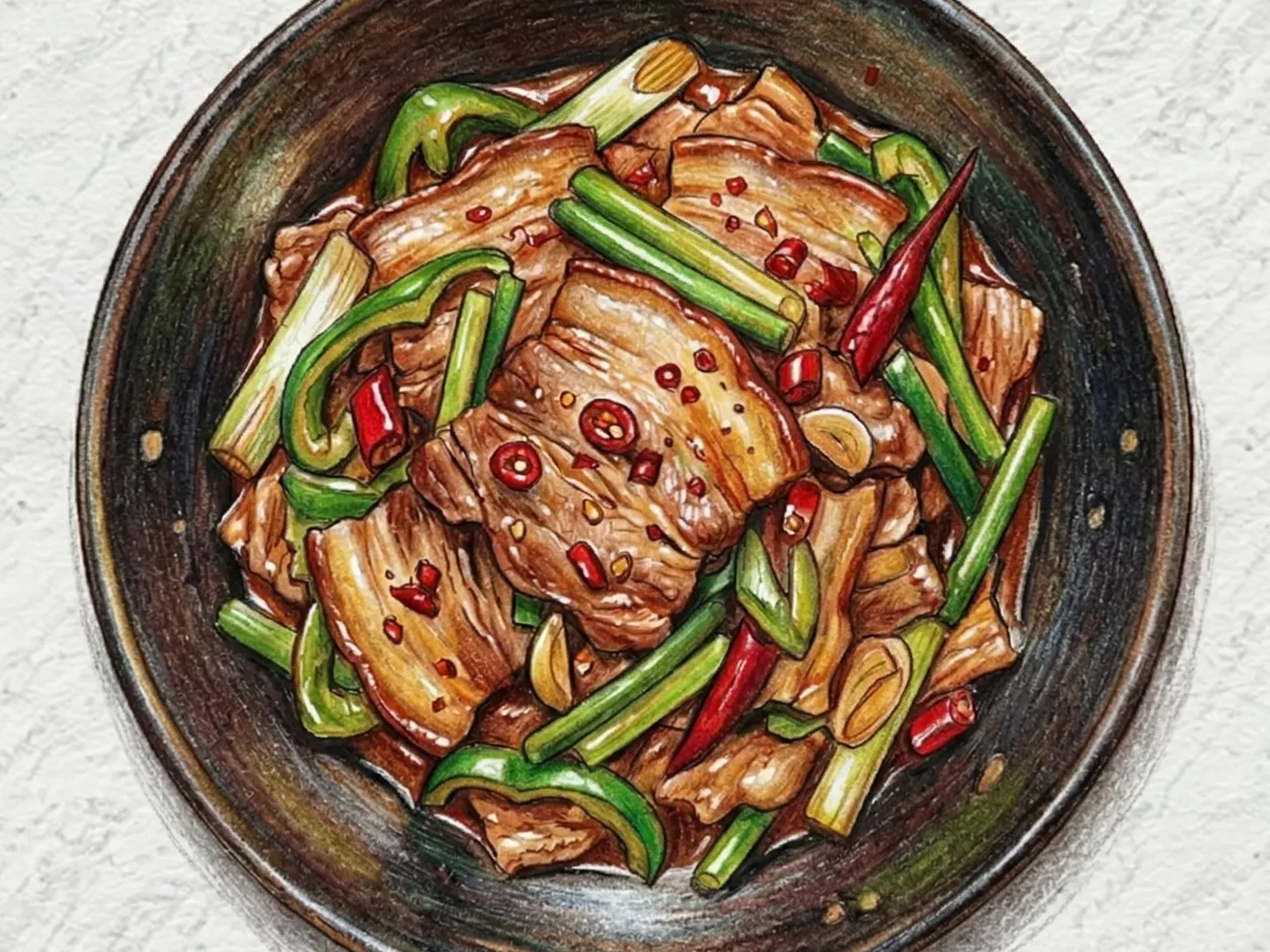
Hui Guo Rou (Twice-Cooked Pork)
Hui guo rou, literally 'twice-cooked pork,' stands as one of the defining dishes of Sichuan cuisine. Pork belly is first simmered whole until cooked through, then cooled completely and sliced thin before returning to a screaming-hot wok. The initial boiling renders excess fat and firms the meat, making clean, uniform slices possible. Back in the wok, those slices fry until their edges curl and crisp while the fat layers turn chewy rather than soft. Doubanjiang, the fermented chili bean paste that forms the backbone of Sichuan cooking, goes in along with fermented black beans, and together they build the dish's signature salty-spicy character. A splash of soy sauce and a pinch of sugar round out the depth. Diagonally sliced leek and green bell pepper are added only in the final one to two minutes over maximum heat, keeping their snap and fresh color against the richly seasoned pork. Because doubanjiang's saltiness varies significantly by brand, the soy sauce amount should always be adjusted to taste after the paste is added. When the wok is hot enough to generate wok hei, all the elements fuse into a cohesive, smoky whole that captures the bold spirit of Sichuan cooking.
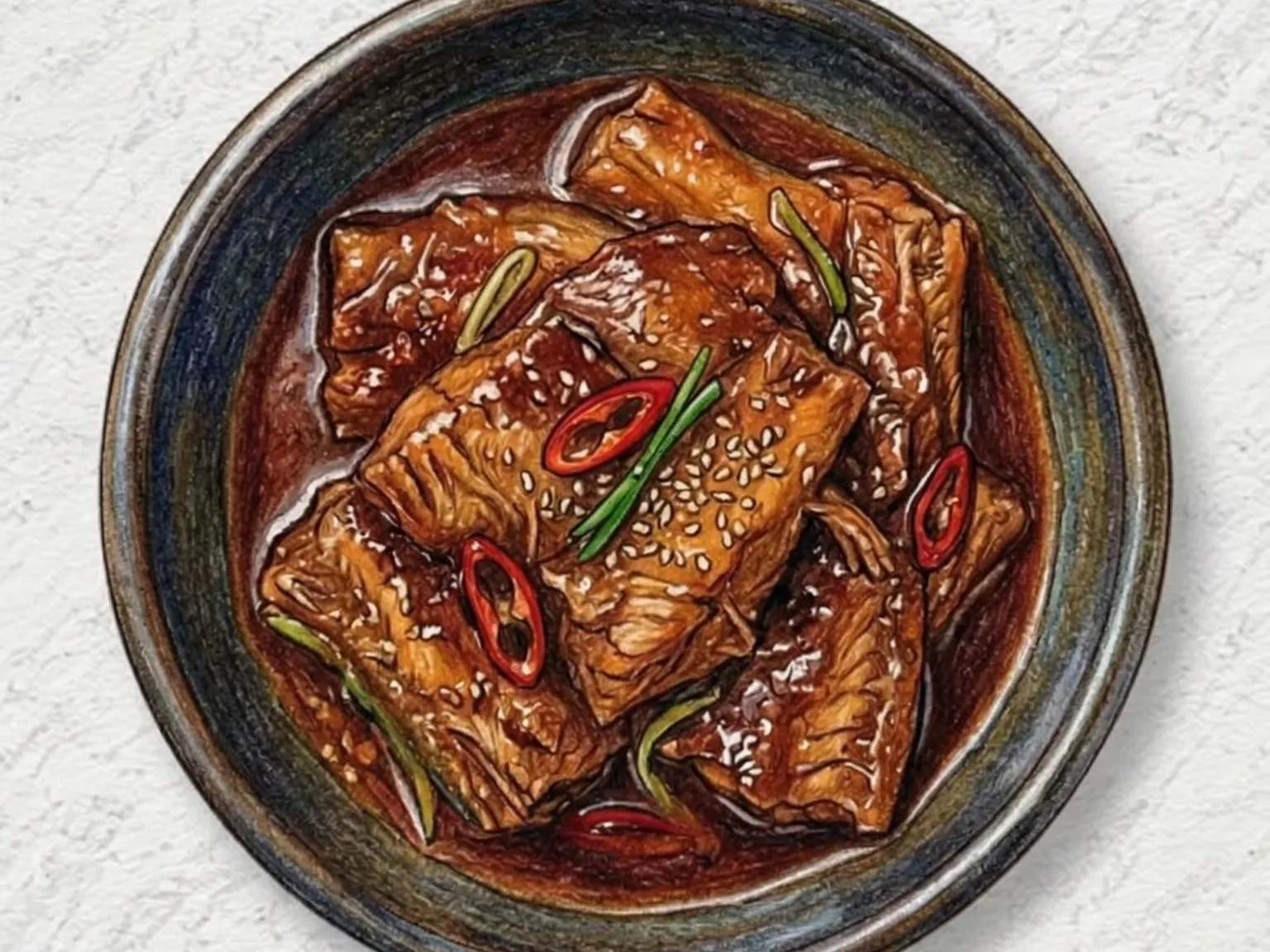
Bugeo Jorim (Korean Braised Dried Pollack)
Bugeo jorim, often searched as braised pollack, is a classic Korean side dish made of dried pollack braised in a savory, sweet, and spicy sauce. The pollack is dried in the mountains of Gangwon-do through winter freeze-thaw cycles. To prepare, the dried fish is soaked in cold water for exactly twenty minutes to soften while maintaining its texture, then squeezed firmly to remove excess moisture. A seasoning sauce is prepared by mixing soy sauce, gochujang, sugar, syrup, and minced garlic. The pollack is placed in a pan, coated with the sauce, and cooked over medium heat for a few minutes while turning frequently. The sponge-like flesh absorbs the braising liquid, resulting in a chewiness infused with seasoning. Once the liquid evaporates and the fish becomes glossy, the heat is turned off, and sesame oil and sesame seeds are tossed in. The dish keeps well in the refrigerator.
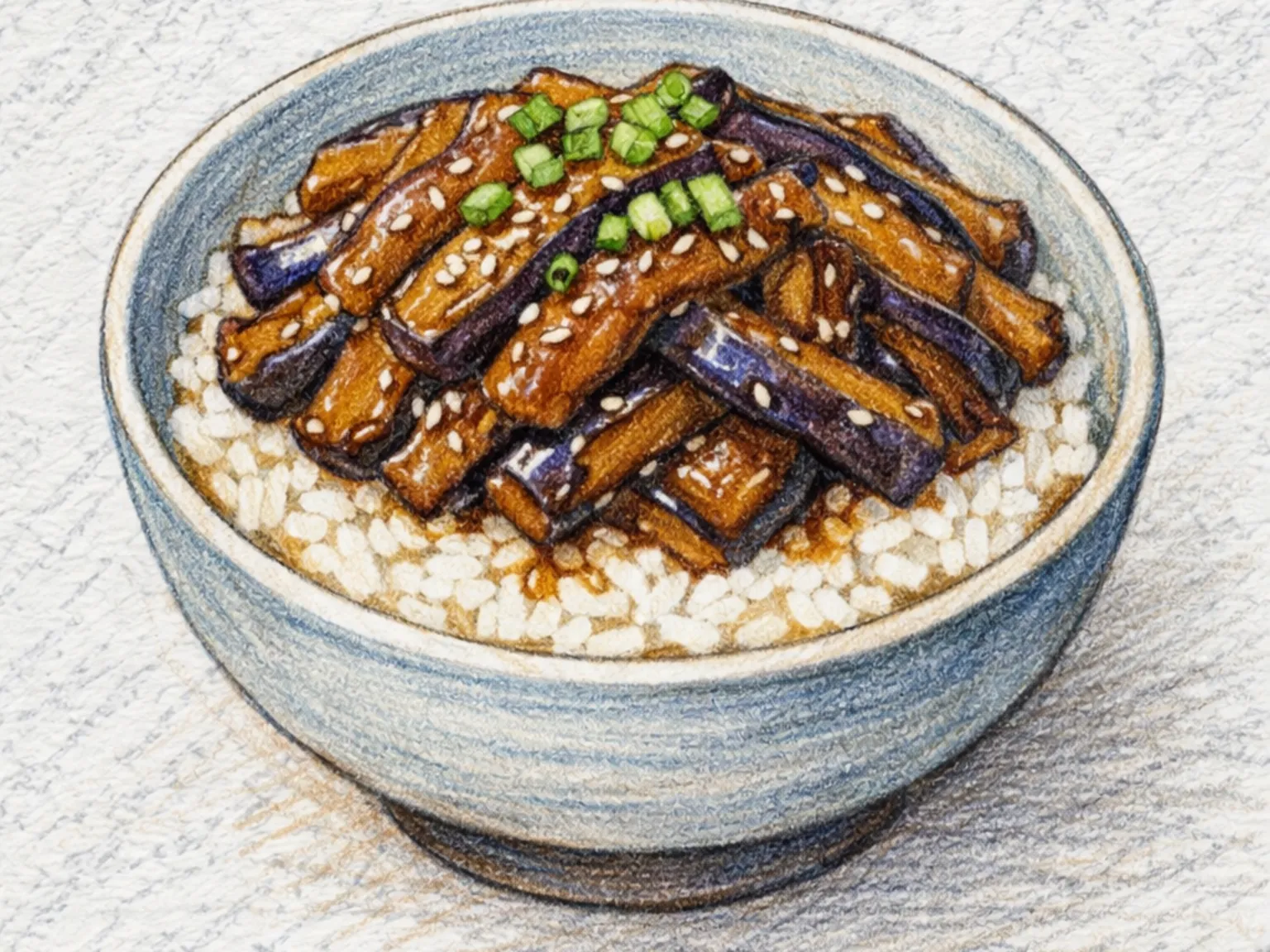
Korean Eggplant Rice Bowl
Gaji deopbap is a Korean eggplant rice bowl where sliced eggplant is pan-fried quickly in generous oil and then braised briefly with ground pork in a soy-based sauce. Soaking the eggplant in salted water for five minutes before cooking draws out bitterness and moisture. High heat is essential - eggplant absorbs oil rapidly, and fast searing creates a lightly crisp exterior while the inside collapses into a silky, almost creamy texture. The soy, sugar, and garlic sauce reduces in two minutes into a dark glaze that coats each piece, while the ground pork adds a savory depth that makes the dish feel more substantial. The sauce pools around the base of the rice and soaks into the grains, ensuring consistent flavor throughout the bowl. Green onion and sesame oil finish the dish. Summer eggplant, when the flesh is at its softest and most yielding, produces the best results. Kept cold, the eggplant holds its texture well enough to pack as a side dish for lunch.
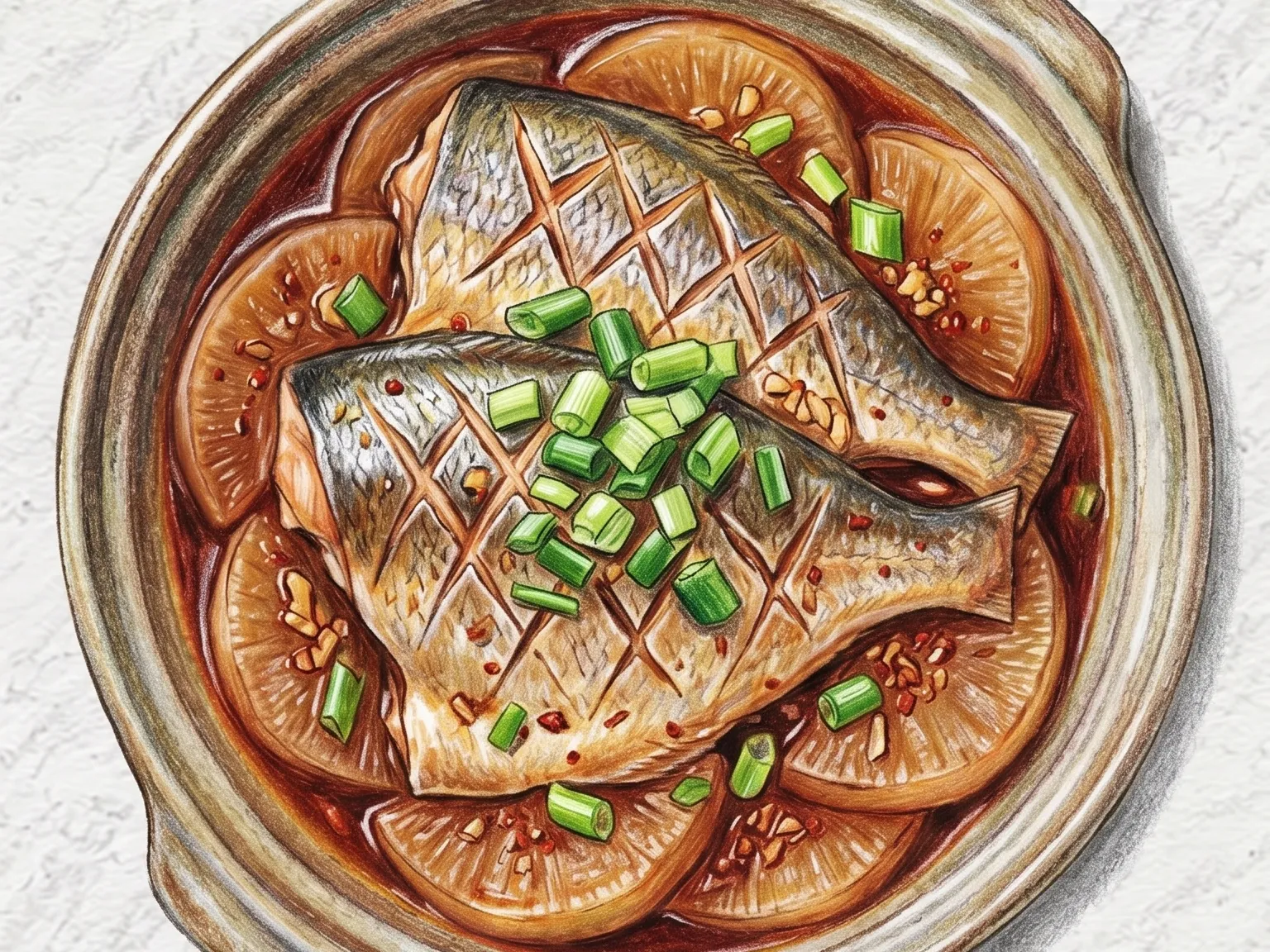
Korean Braised Butterfish
Byeongeo jorim is a Korean braised fish dish in which scored butterfish is set on a bed of sliced radish and slowly cooked in a soy-gochugaru braising liquid with garlic and ginger. Scoring the fish allows the seasoning to penetrate to the center of each fillet. The radish layer on the pot bottom serves two purposes: it cushions the delicate fish to prevent it from sticking and breaking apart, and it absorbs the braising liquid as it cooks, becoming a deeply savory, slightly sweet side dish on its own. Butterfish flesh is exceptionally fragile, so the fillets are never flipped during cooking. Instead, the braising liquid is spooned continuously over the surface to ensure even heat and even seasoning on top. Ginger added at the start neutralizes any fishiness, and gochugaru provides a mild, building heat that adds complexity to the clean flavor of the fish without masking it. Scallion pieces dropped in during the final two minutes release fragrance into the steam, rounding out the aromatic profile of the finished dish. At 330 calories and 31 grams of protein per serving, byeongeo jorim is a lean, nutritionally complete main course that pairs naturally with steamed rice.
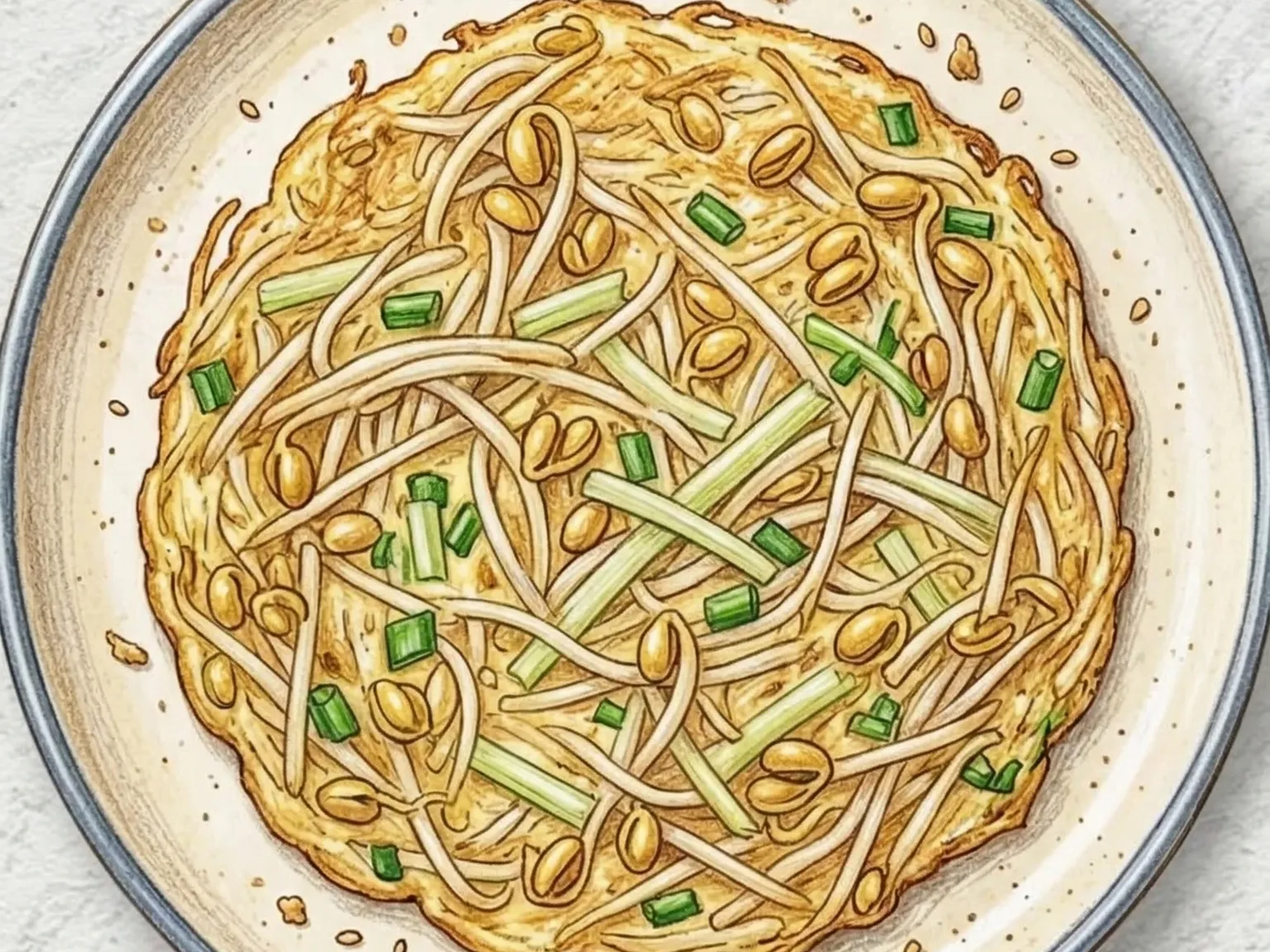
Korean Bean Sprout Pancake
Kongnamul-jeon is a Korean bean sprout pancake made by folding blanched soybean sprouts and sliced green onion into a thin batter of Korean pancake mix, water, and salt, then pan-frying until both sides turn golden. The sprout heads turn nutty and soft when cooked while the stems retain their crunch, creating a contrast of textures within a single pancake. Draining the sprouts thoroughly before mixing is essential-any residual water thins the batter and results in a soggy rather than crisp pancake. Sliced green onion adds an aromatic sharpness to the otherwise mild sprout flavor, and letting the finished pancake cool briefly before slicing keeps it from falling apart.
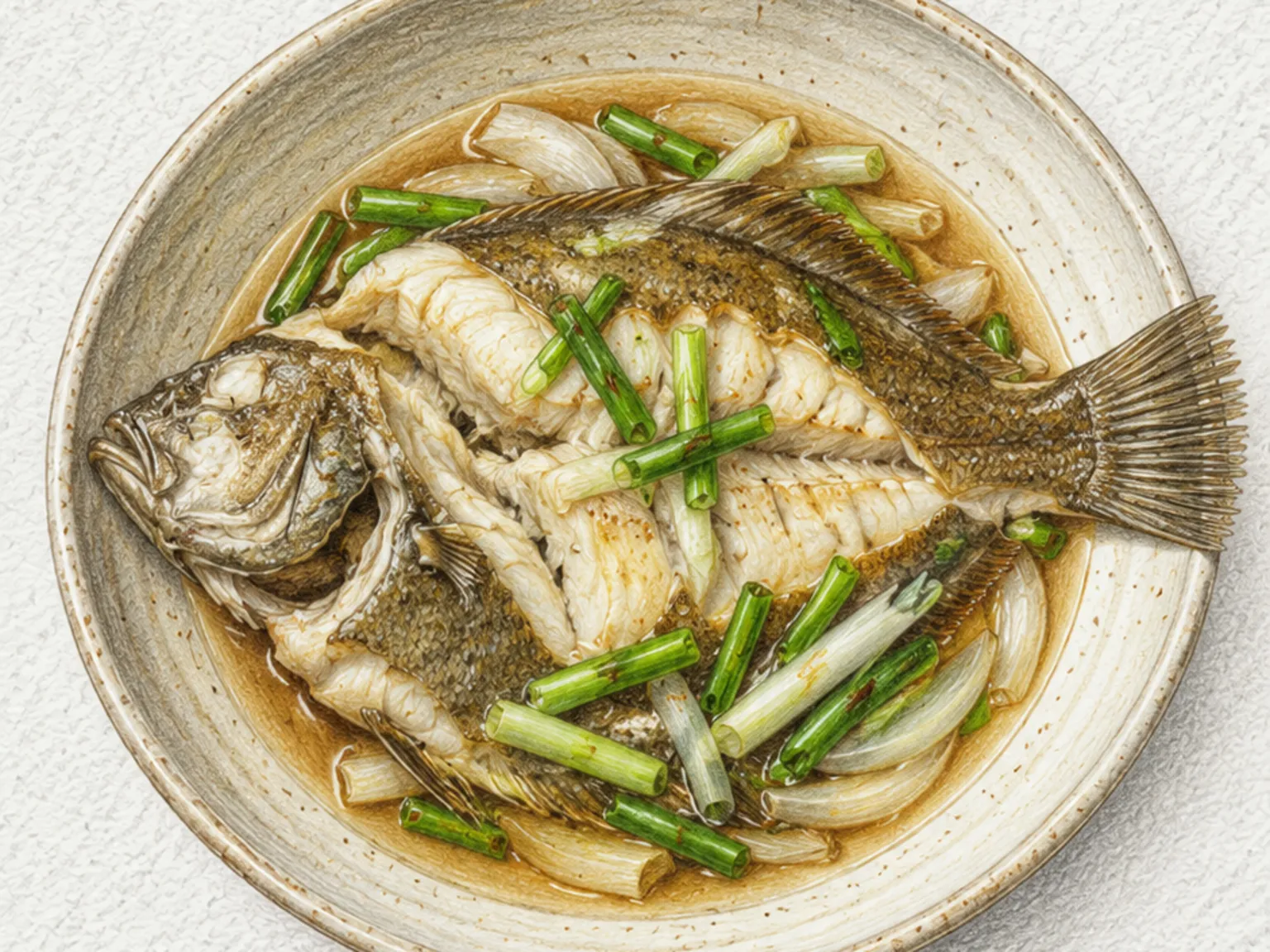
Korean Steamed Flounder (Whole Flatfish with Soy Garlic Sauce)
Korean steamed flounder, called gajami-jjim, is a fish dish prepared by cooking whole flatfish over a bed of vegetables with a light soy garlic sauce. The process starts by layering sliced onions at the bottom of the steamer to prevent the delicate white flesh from sticking or breaking apart during cooking. A seasoning mixture of soy sauce, minced garlic, and rice wine is spooned over the cleaned fish. The rice wine and garlic neutralize fishy notes while keeping the flounder moist. Steaming takes about twelve minutes over medium-high heat, followed by an additional two minutes after scattering sliced green onions on top. The cooking time must be monitored closely to prevent the tender fish from drying out. The resulting dish features a clean, savory taste highlighting the natural flavor of the flounder. The light sauce left in the dish can be mixed with cooked rice.
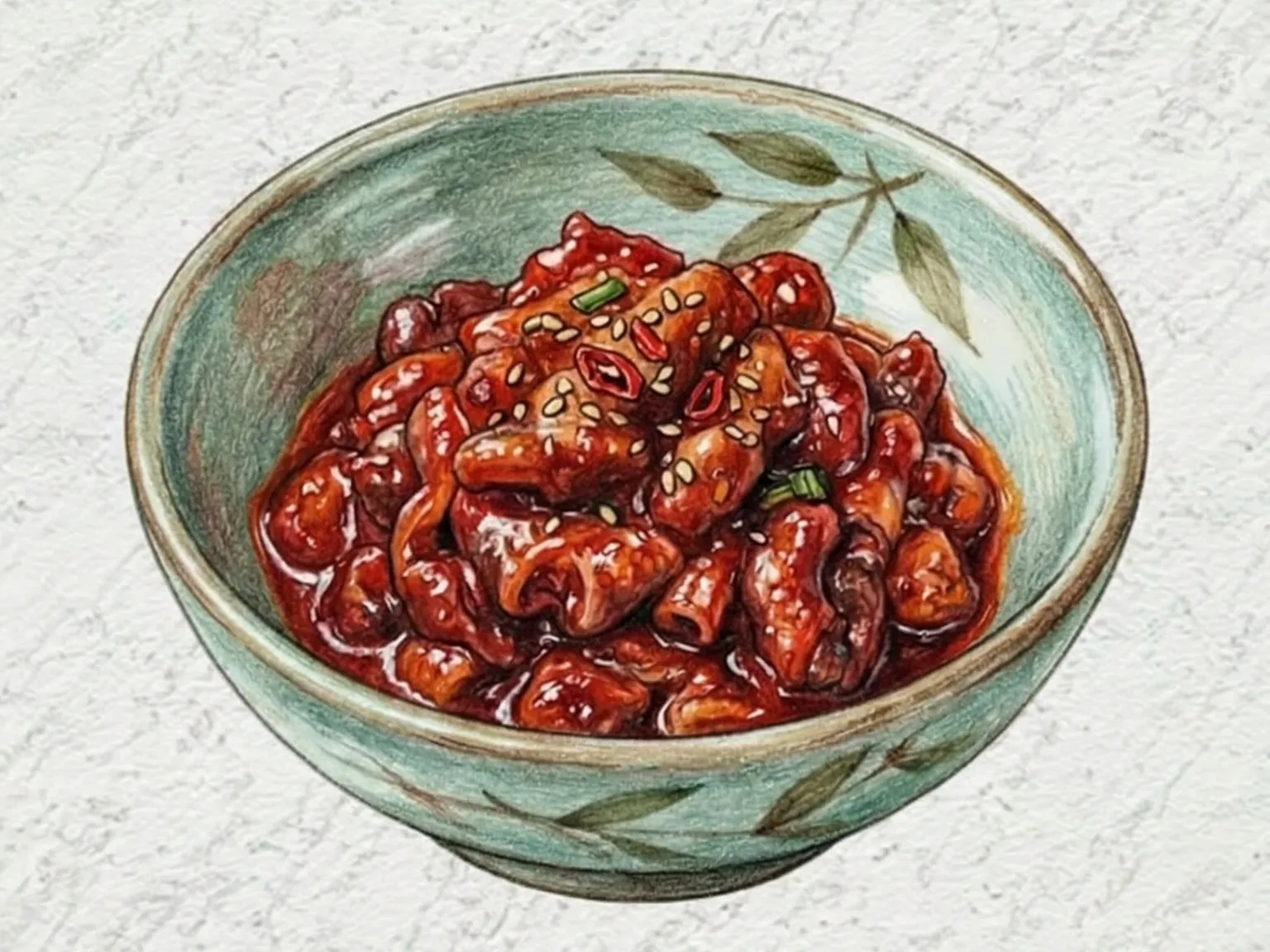
Korean Spicy Pollock Tripe Jeotgal
Changnan jeotgal is a traditional Korean fermented condiment made from pollock tripe that is cleaned thoroughly, salted with coarse salt for thirty minutes to firm the texture and draw out moisture, then seasoned with gochugaru, garlic, ginger, and fish sauce. Meticulous washing and complete drying of the tripe are essential for a clean-tasting result. The chili flakes and fish sauce develop a complex, salty savory depth during fermentation, while a small amount of sesame oil rounds out the aroma. Sealed and refrigerated for at least three days, the jeotgal deepens in flavor over time, with the tripe taking on a more concentrated tang and firmer bite as fermentation progresses. Even a small portion placed on hot steamed rice delivers an intense savory punch.
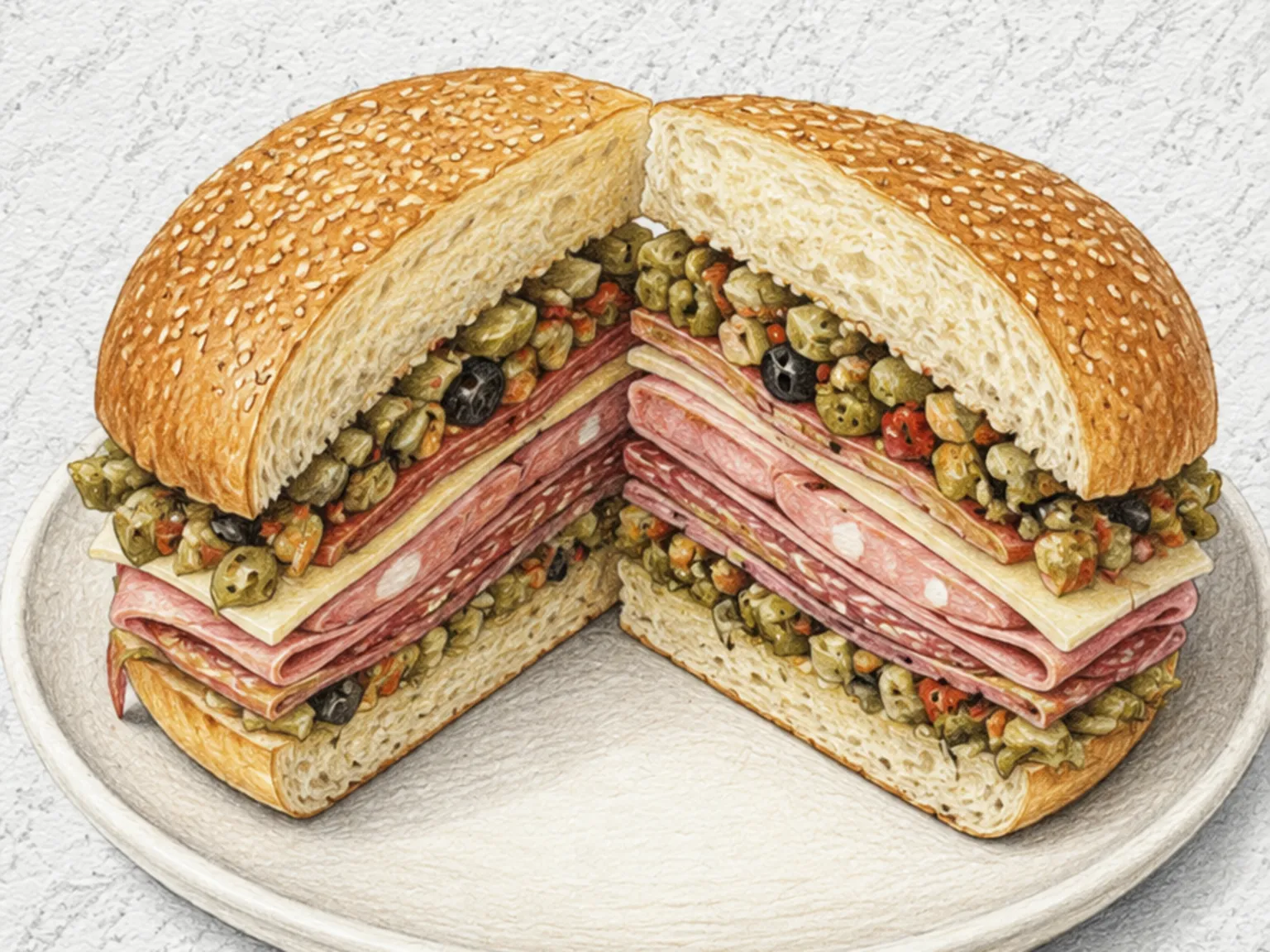
Muffuletta Sandwich (New Orleans Italian Olive Salad Sandwich)
Muffuletta sandwich starts with a round Italian loaf split horizontally and hollowed slightly, then spread generously on both cut sides with olive salad - a mix of chopped green and black olives dressed in olive oil. Layers of salami, ham, mortadella, and provolone cheese are stacked inside, and the sandwich is wrapped tightly and pressed for at least 20 minutes so the olive oil soaks into the bread and melds the flavors together. The briny, tangy olive salad is what distinguishes the muffuletta from other deli sandwiches, cutting through the richness of the cured meats and aged cheese. Making it ahead and refrigerating allows the flavors to deepen further. No cooking is involved - just assembly and pressing - making it an ideal choice for picnics and gatherings.
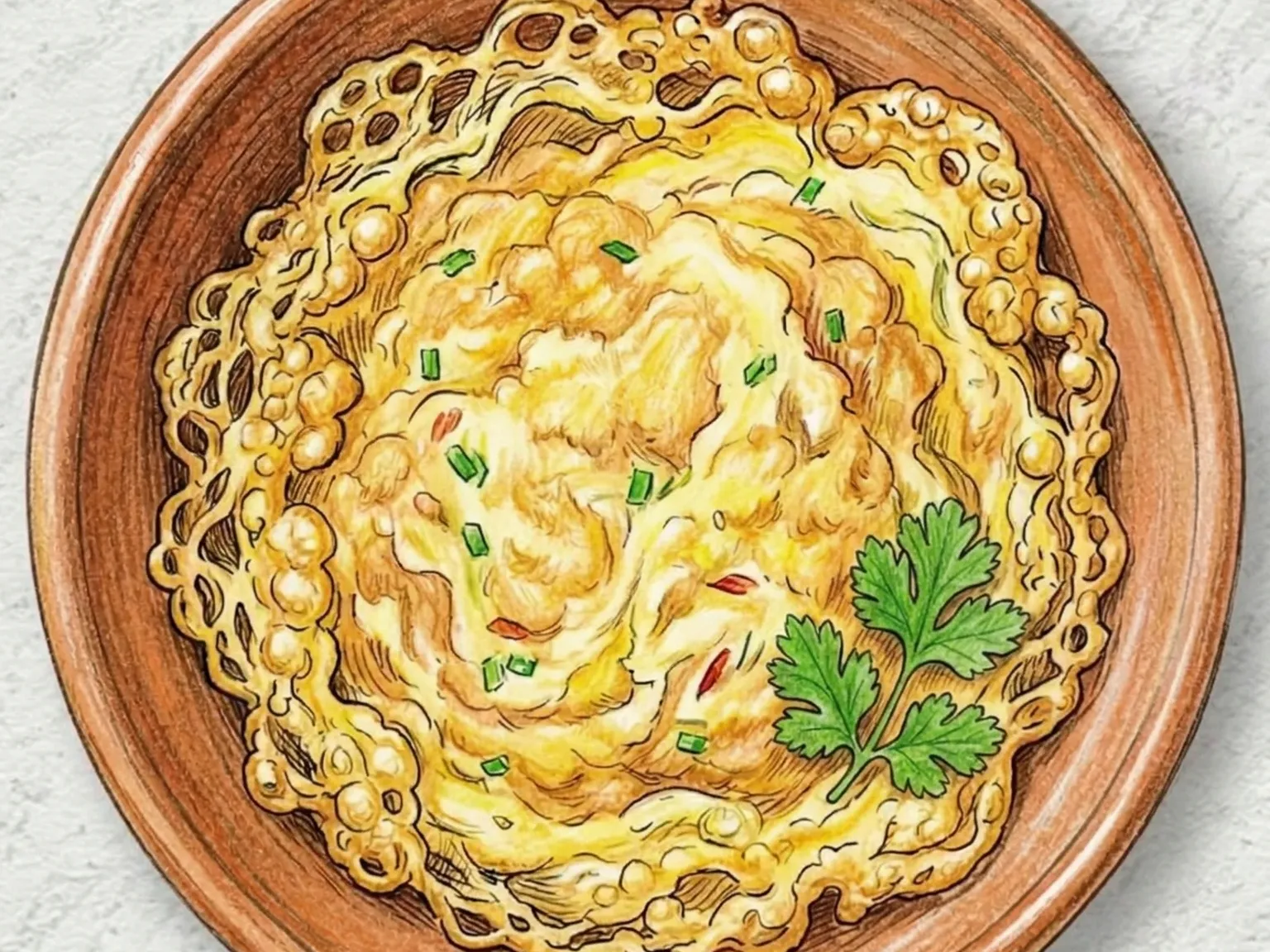
Kai Jeow (Crispy Thai Omelette)
Kai jeow is a Thai home-style omelet that differs fundamentally from Western versions in its cooking method. Eggs seasoned with fish sauce and sugar are whisked until genuinely foamy, then poured into oil hot enough to be smoking. That contact heat makes the egg batter puff and blister on impact, creating lacy, deeply crisped edges while the center stays thick and pillowy. The amount of oil matters as much as the temperature -- use enough for shallow frying rather than a thin film, otherwise the egg sits flat and turns greasy instead of lifting. Ground pork or chopped shrimp can be mixed directly into the batter for a more filling meal, though a plain version with nothing added is just as common in everyday Thai cooking. After the omelet is done, it goes briefly on paper towels to drain, then lands on a mound of jasmine rice. The fish sauce does double duty as the sole seasoning, supplying salt along with a rounded, fermented depth that plain salt cannot replicate. The defining pleasure of kai jeow is the contrast -- a crackly perimeter giving way to a soft, almost custardy interior -- and that texture only happens when the oil temperature is exactly right.
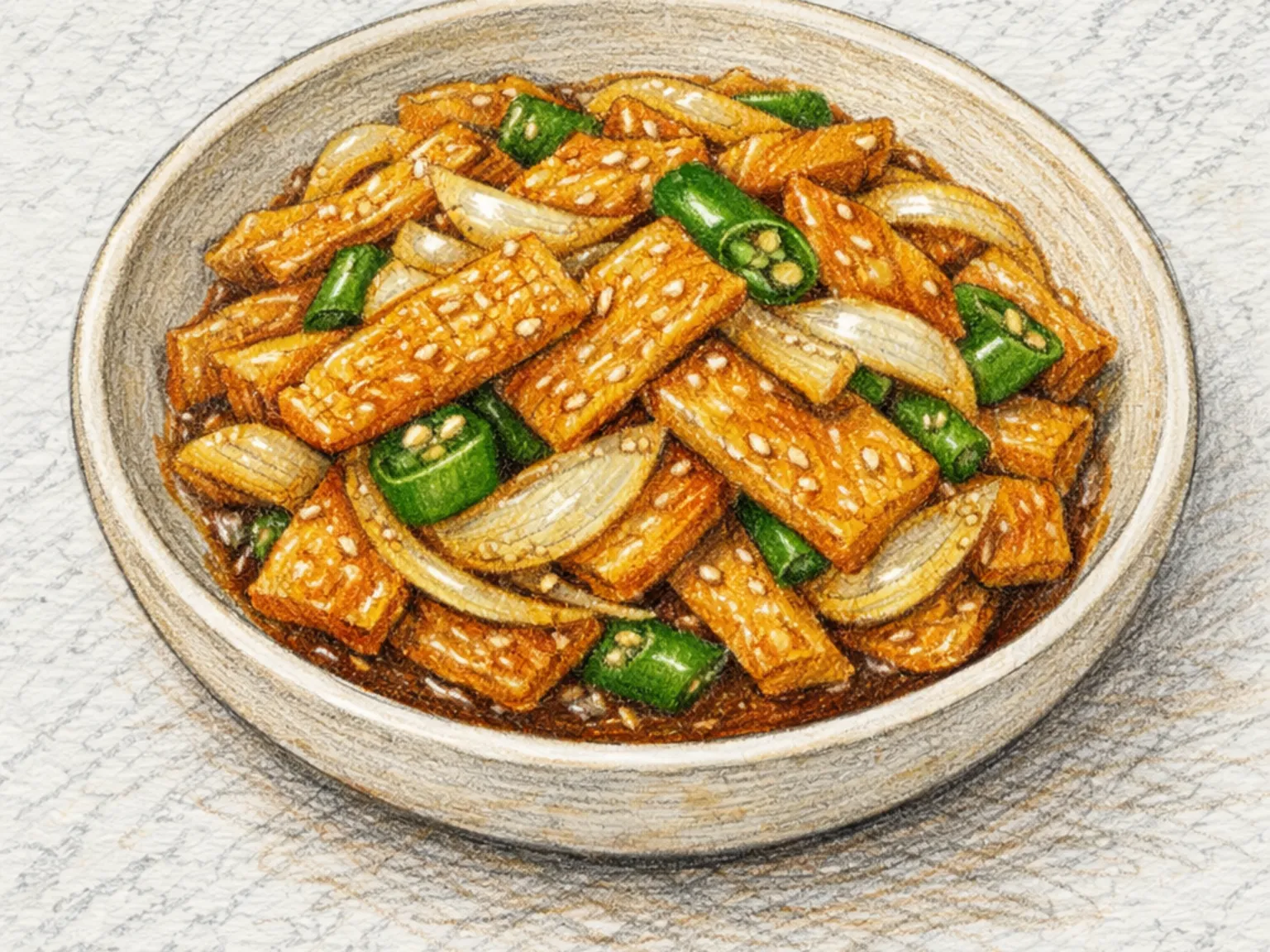
Korean Busan-Style Soy Fish Cake Stir-Fry
Busan, Korea's largest port city, is closely identified with eomuk: thick, pressed fish cake sold at stalls around Gukje-sijang market. This Busan-style stir-fry slices the fish cake into strips and cooks it with onion and cheongyang chili in soy sauce, cooking wine, sugar, and minced garlic over high heat. Onion goes into the pan first to caramelize and release its sugars, creating a sweet base before the fish cake joins and absorbs the glaze into its porous interior. Cheongyang chili adds a sharp, lingering heat that sets this version apart from the milder soy-braised fish cake common in Seoul. The dish holds its flavor well after cooling, making it a reliable lunchbox side that tastes just as good a few hours later.
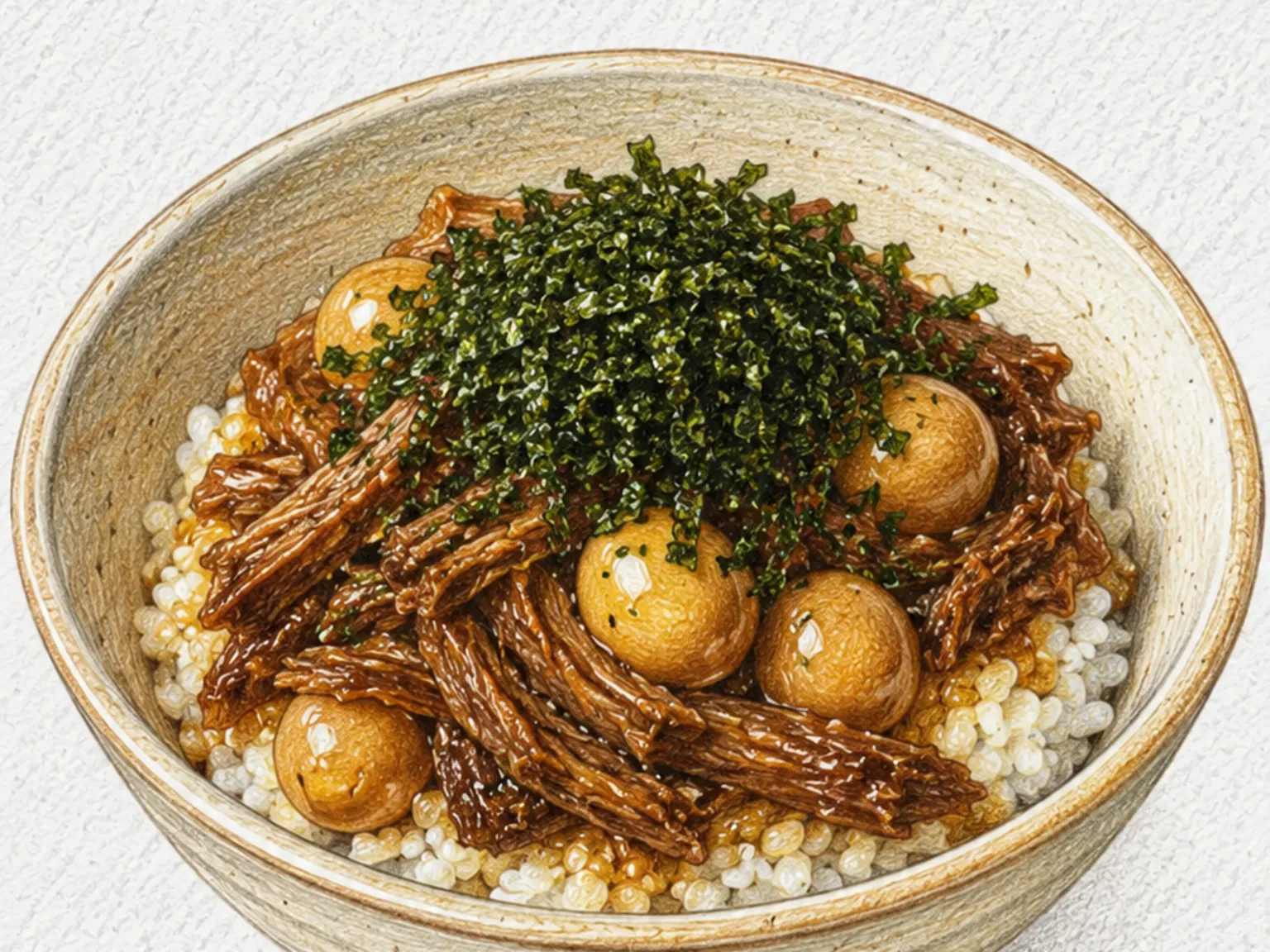
Korean Seaweed Jangjorim Rice Bowl
Beef eye of round is simmered slowly in soy sauce, sugar, and garlic until deeply seasoned throughout, then pulled apart by hand along the grain and braised again with quail eggs so they absorb the concentrated braising liquid. The jangjorim is spooned generously over warm white rice and finished with a heavy crumble of gamtae seaweed, whose crisp, ocean-fresh fragrance contrasts sharply with the salty-sweet braised meat beneath. Gamtae is a winter seaweed harvested from Korean coasts that carries a toasty, sesame-adjacent aroma when dried, and its papery crunch disappears quickly once exposed to moisture, making timing essential. The braising liquid left over in the pot is too flavorful to discard and can be repurposed as a mixing sauce for bibimbap or used to season blanched greens. Adding the gamtae at the very last moment before eating, rather than during plating, preserves both its texture and its fragrance. The bowl layers salt, sweetness, deep umami from the soy-reduced meat, and the clean smell of the sea into a compact, satisfying combination.
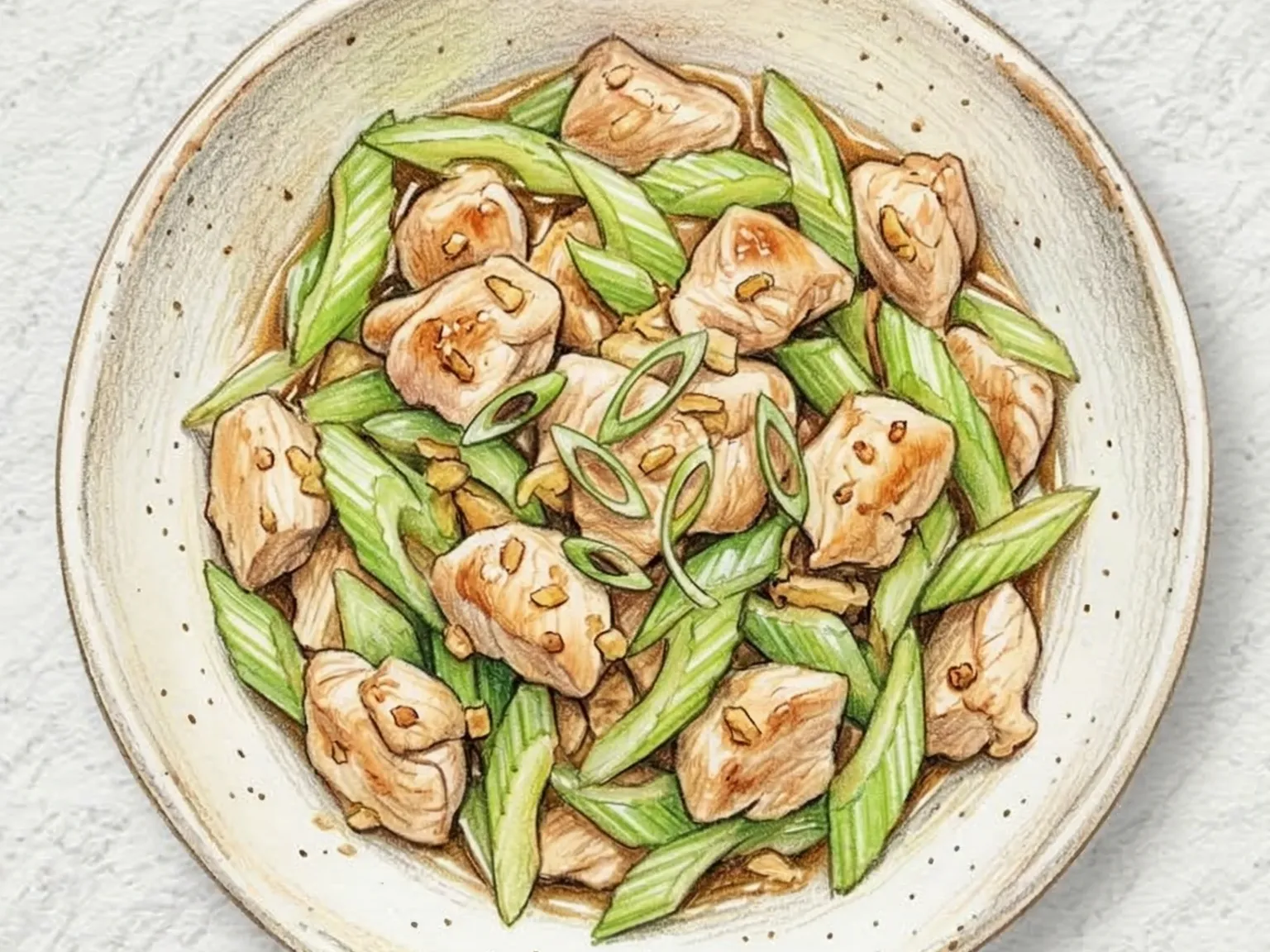
Korean Chicken Breast and Celery Stir-fry
Bite-sized chicken breast pieces are marinated in soy sauce and minced ginger for ten minutes, then stir-fried over high heat with diagonally cut celery and thinly sliced onion. The ginger penetrates the meat during the brief rest, suppressing any bland poultry odor while leaving a bright, peppery note in the background. Soy sauce hitting the hot pan triggers a Maillard reaction on the chicken surface, building a thin layer of caramelized flavor that keeps the interior moist. Celery goes in only during the last two minutes so its stalks retain their crunch; including the leaves adds a noticeably herbal finish that sets this apart from standard chicken stir-fries. A teaspoon of oligosaccharide syrup gives the sauce just enough body to cling to each piece evenly rather than pooling at the bottom of the pan, and sliced red chili scattered in at the end contributes visual brightness more than significant heat. At 295 calories and 36 grams of protein per serving, this dish fits naturally into a post-workout meal or a calorie-conscious lunchbox without any sense of compromise.
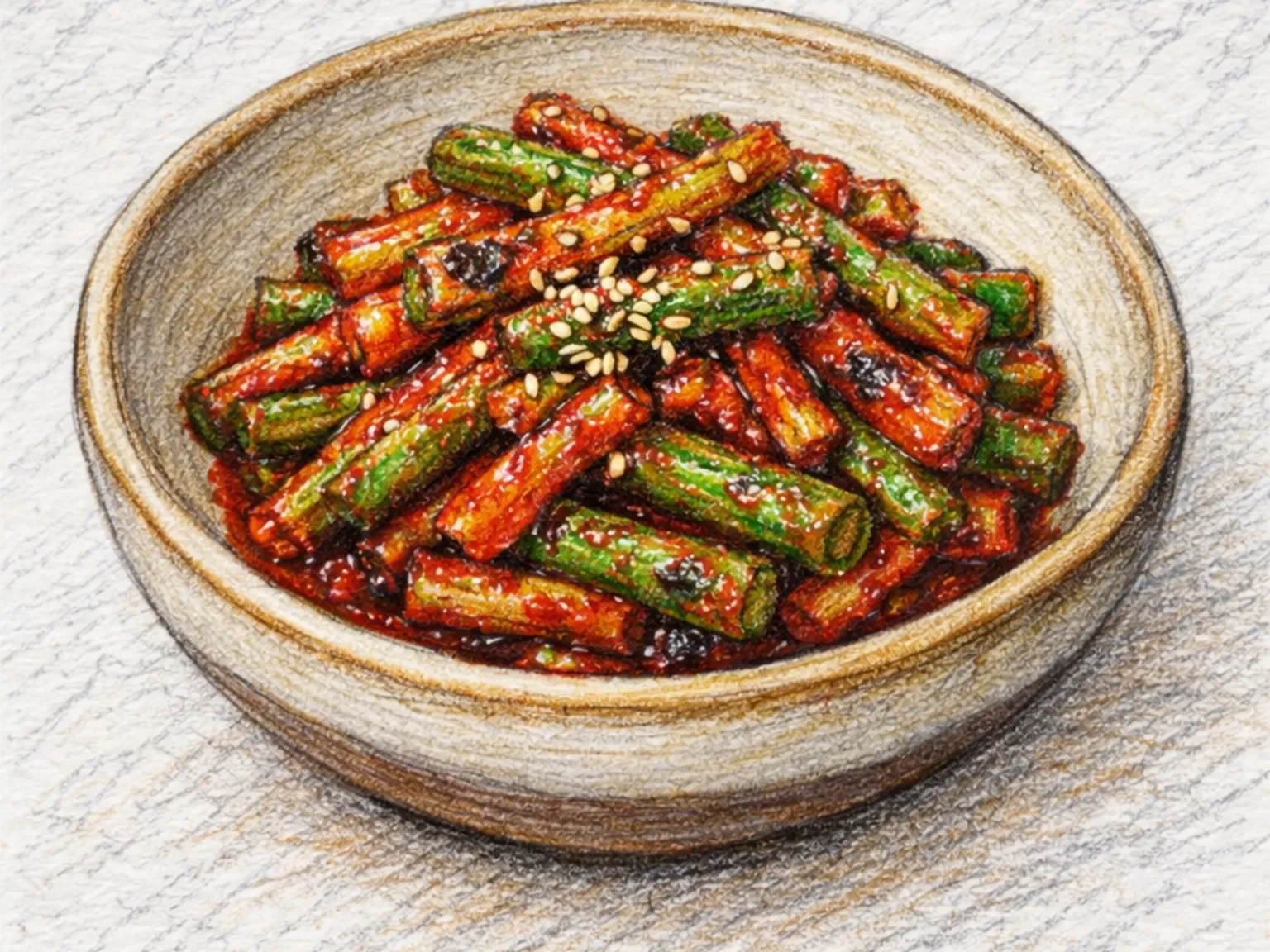
Korean Gochujang Grilled Garlic Scapes
Maneuljjong-gochujang-gui is a Korean vegetable side dish where garlic scapes cut into six-centimeter pieces are blanched for just thirty seconds, then stir-grilled in a pan with a sauce built from gochujang, gochugaru, soy sauce, oligosaccharide syrup, and minced garlic. The thirty-second blanch is precisely timed to loosen the tough outer fibers of the scape so the sauce has a surface to cling to, while the crisp interior stays intact. Plunging the scapes into cold water immediately after blanching is necessary to halt carryover cooking and lock in the texture. The garlic scape's own sharp, pungent bite merges with gochujang's fermented depth to build a layered spiciness that carries more complexity than raw chili heat alone, and the oligosaccharide syrup contributes both a glossy coating and a restrained sweetness that rounds off the sauce. When the sauce starts catching on the pan, adding a tablespoon of water loosens it without washing out the flavor. Sesame oil and toasted sesame seeds go on at the very end to finish the dish with a nutty, roasted aroma.
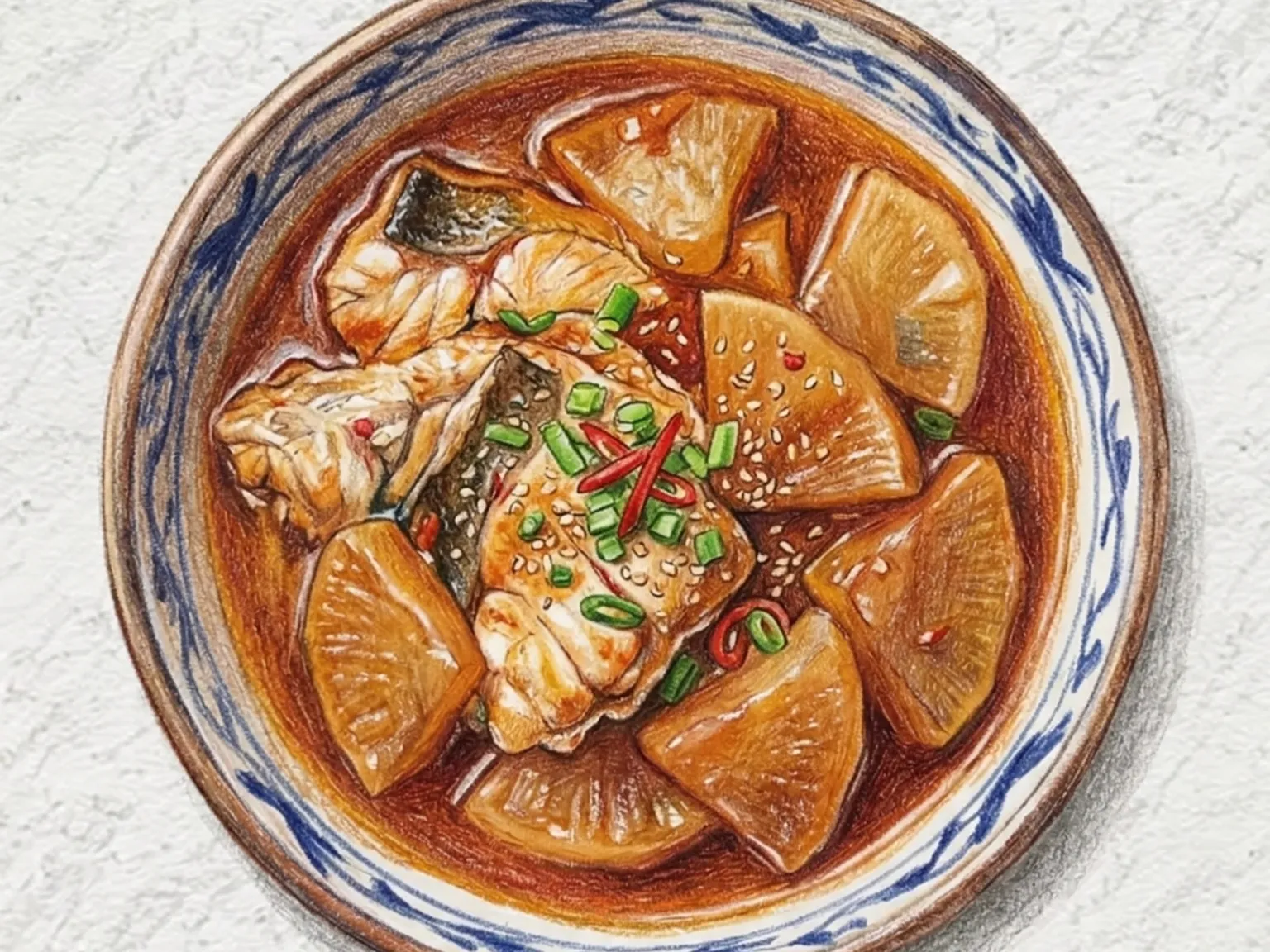
Korean Braised Flounder with Radish
Gajami mu jorim is a Korean braised flounder dish in which flounder pieces and thick slices of Korean radish are cooked down together in a soy sauce and gochugaru broth until the liquid reduces to a concentrated, savory glaze. The radish absorbs the fat and juices released from the fish as it braises, soaking up the spicy seasoning until each slice becomes as flavorful and satisfying as the fish itself. Gochugaru and fresh Cheongyang chili provide a clean, penetrating heat, while soy sauce contributes deep umami and minced garlic adds a sharp aromatic backbone to the broth. Allowing the liquid to reduce until only a small amount remains thickens the sauce significantly, and spooning that concentrated braising liquid over plain steamed rice is one of the most common ways to finish the meal, with the sauce soaking into the grains and making it nearly impossible to stop eating. Flounder's naturally lean, delicate flesh, which pulls apart easily along the grain, pairs well with the extended braising method, which keeps the fish moist while infusing it with the bold seasonings. This combination of practical cooking technique and deep, satisfying flavor has made gajami mu jorim one of the most enduring everyday fish side dishes in Korean home cooking.
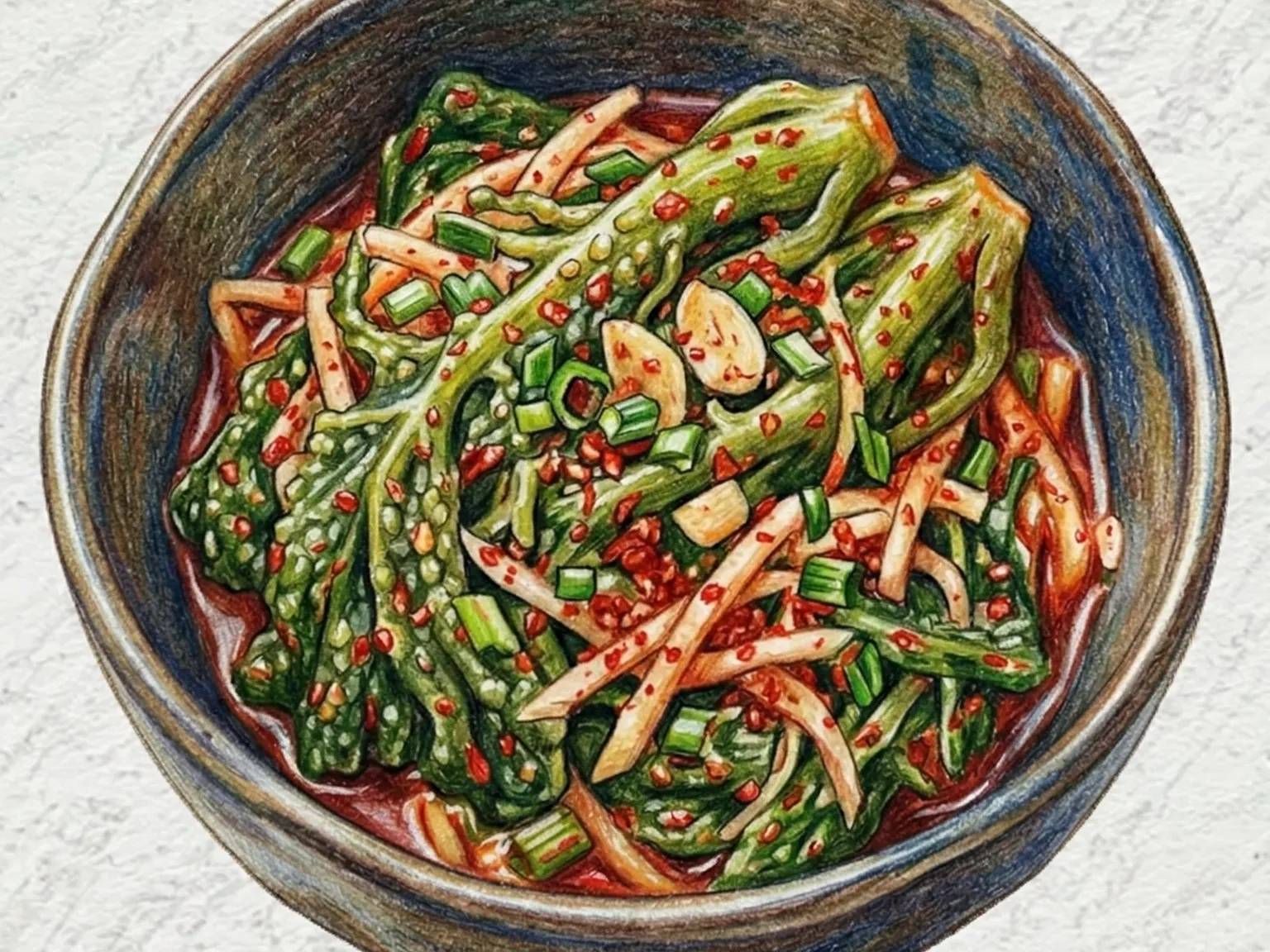
Korean Cheonggak Kimchi (Seaweed Kimchi)
Cheonggak kimchi uses cheonggak, a branching green seaweed, mixed with julienned radish and scallions in a paste of gochugaru, anchovy fish sauce, and sweet rice starch. The seaweed brings a firm, almost crunchy chew and a concentrated marine aroma absent from land-vegetable kimchi. Seasoning the radish first lets it absorb the brine, then the seaweed is tossed in briefly - prolonged handling toughens the strands. After one day of refrigeration, the seaweed's salinity merges with the fermented seasoning paste to produce a briny, sharp kimchi that sits naturally alongside seafood dishes and mild rice soups. Coastal households traditionally make this in autumn when fresh cheonggak comes into season.
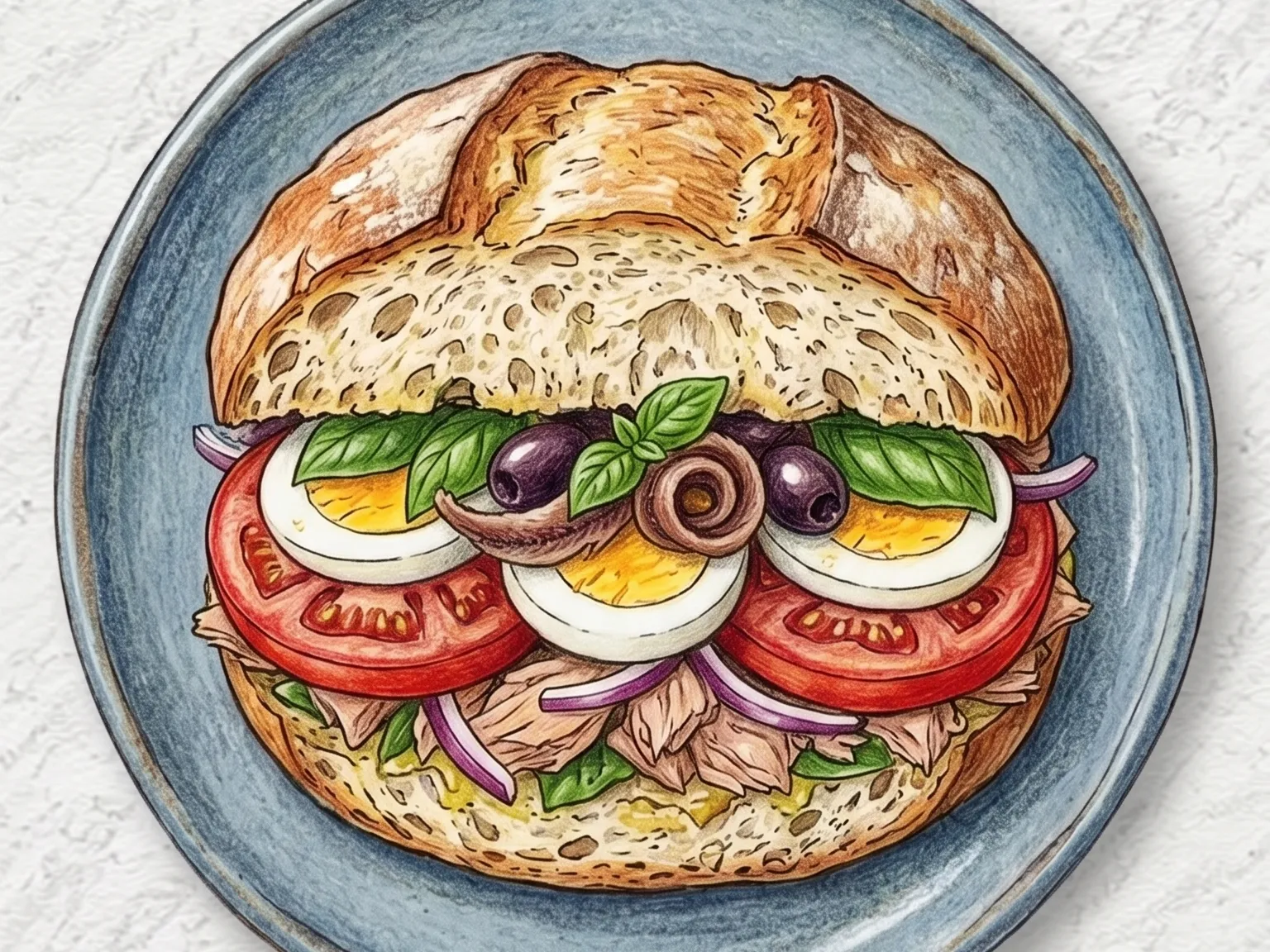
Pan Bagnat (Nicoise Olive Oil Soaked Tuna Sandwich)
Pan bagnat is a traditional tuna sandwich from Nice in southern France, defined by bread that is thoroughly soaked in olive oil and red wine vinegar before being filled. A small baguette is halved and hollowed slightly, then drizzled generously with extra virgin olive oil and layered with canned tuna, boiled eggs, sliced tomato, red onion, anchovy fillets, and black olives. After assembly, the sandwich is wrapped tightly and pressed under weight for at least thirty minutes to two hours in the refrigerator, allowing the oil and vinegar to penetrate the bread and meld the flavors into a cohesive whole. The anchovies contribute deep umami, the olives add brine, and the tomato brings acidity - together they make additional condiments unnecessary. Originally packed by fishermen heading out to sea, this is a sandwich that genuinely improves with time.
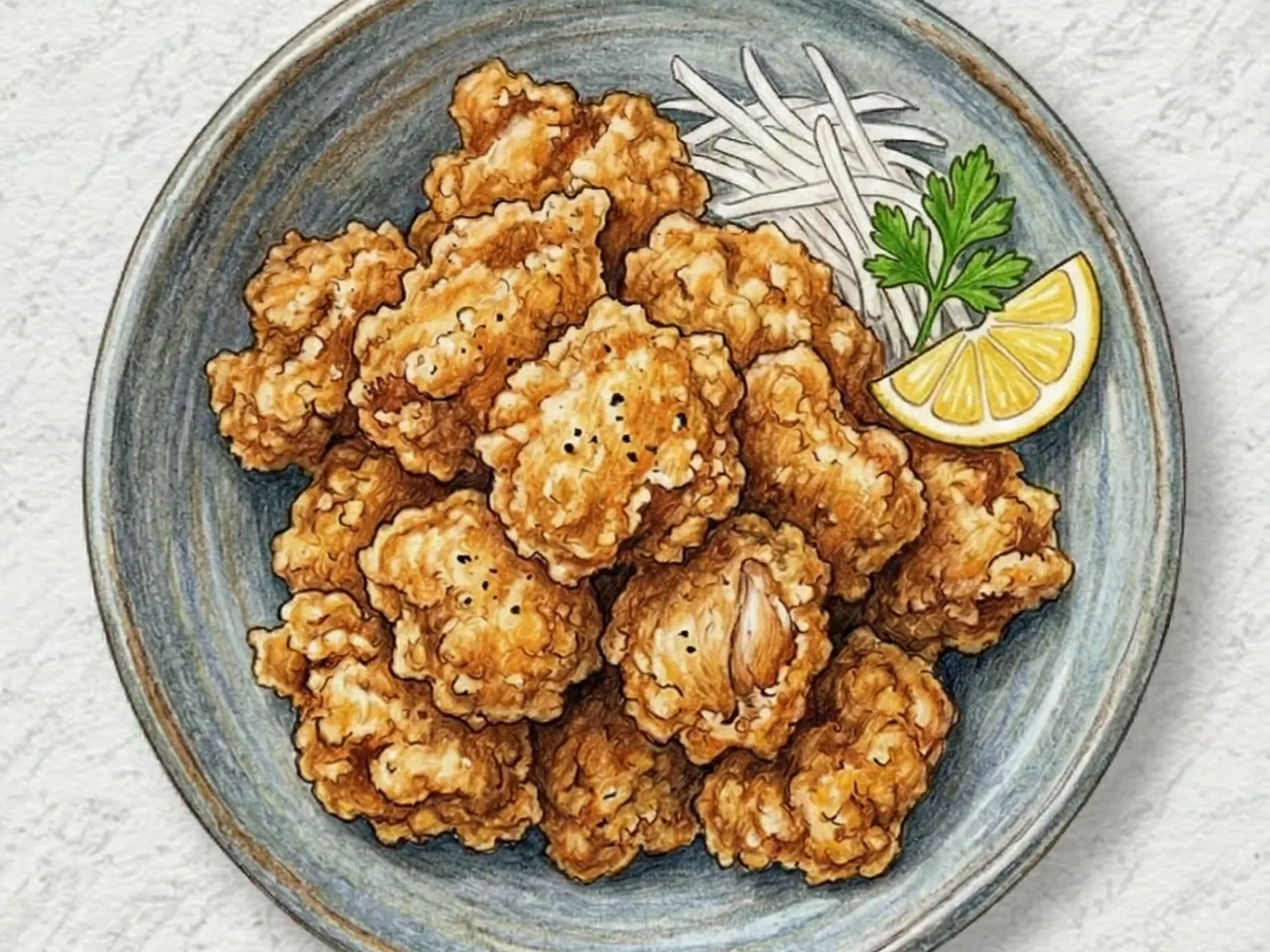
Japanese Karaage (Soy-Ginger Fried Chicken)
Karaage is Japanese fried chicken where boneless thigh pieces are marinated in soy sauce, mirin, grated ginger, and minced garlic for at least fifteen minutes before being coated in potato starch and double-fried. Ginger in the marinade counters the stronger gaminess of dark meat, and mirin contributes a mild sweetness and sheen to the finished crust. Potato starch produces a lighter and crispier shell than wheat flour or cornstarch, but any excess coating must be shaken off before frying or the surface sets unevenly. The first fry at 170 degrees Celsius runs for three to four minutes, cooking the chicken fully through. Pulled from the oil and rested for two minutes, residual heat equalizes the interior temperature. The second fry at 180 degrees for one to two minutes drives off remaining surface moisture, leaving a thin, shattering crust that holds its texture far longer than a single fry would. This is the central technique that keeps karaage crisp even as it cools. Squeezing lemon juice over the pieces just before eating cuts through the richness and sharpens the contrast between the crust and the juicy interior.
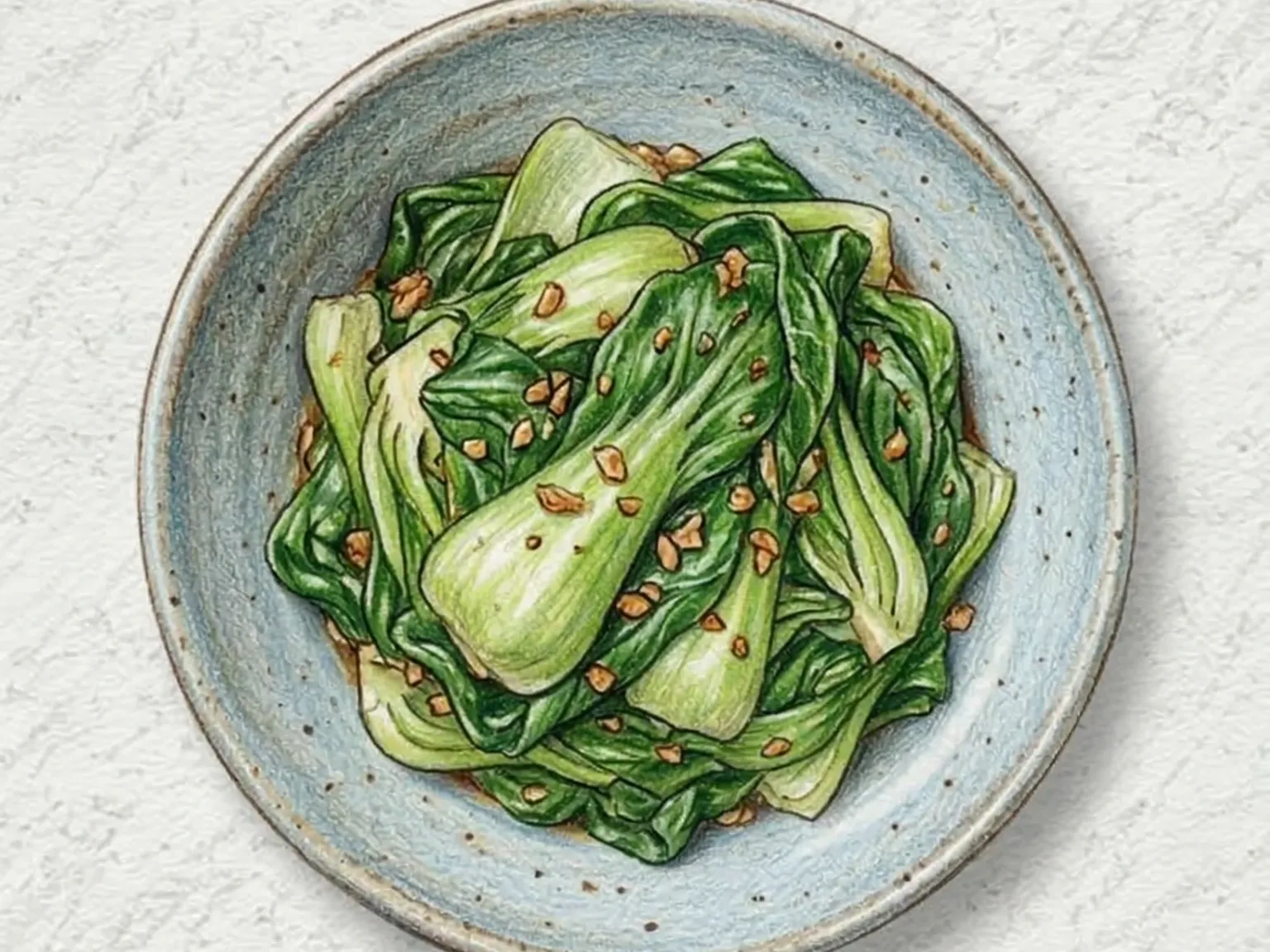
Korean Stir-Fried Leafy Greens
Baby bok choy stir-fry takes five minutes from board to table. Removing all surface moisture before the greens go in is the single most important step - wet leaves steam instead of sear, and the texture turns limp. Garlic sautés over low heat for twenty seconds to mellow its bite, then the pan goes to high and the greens follow. Soup soy sauce and salt season without adding liquid, and sesame oil off the heat gives a light gloss. The high heat catches the leaf edges with just a touch of char, which adds depth without bitterness. This mild, clean-tasting side suits nearly any Korean main course and holds its bright green color well on the table.
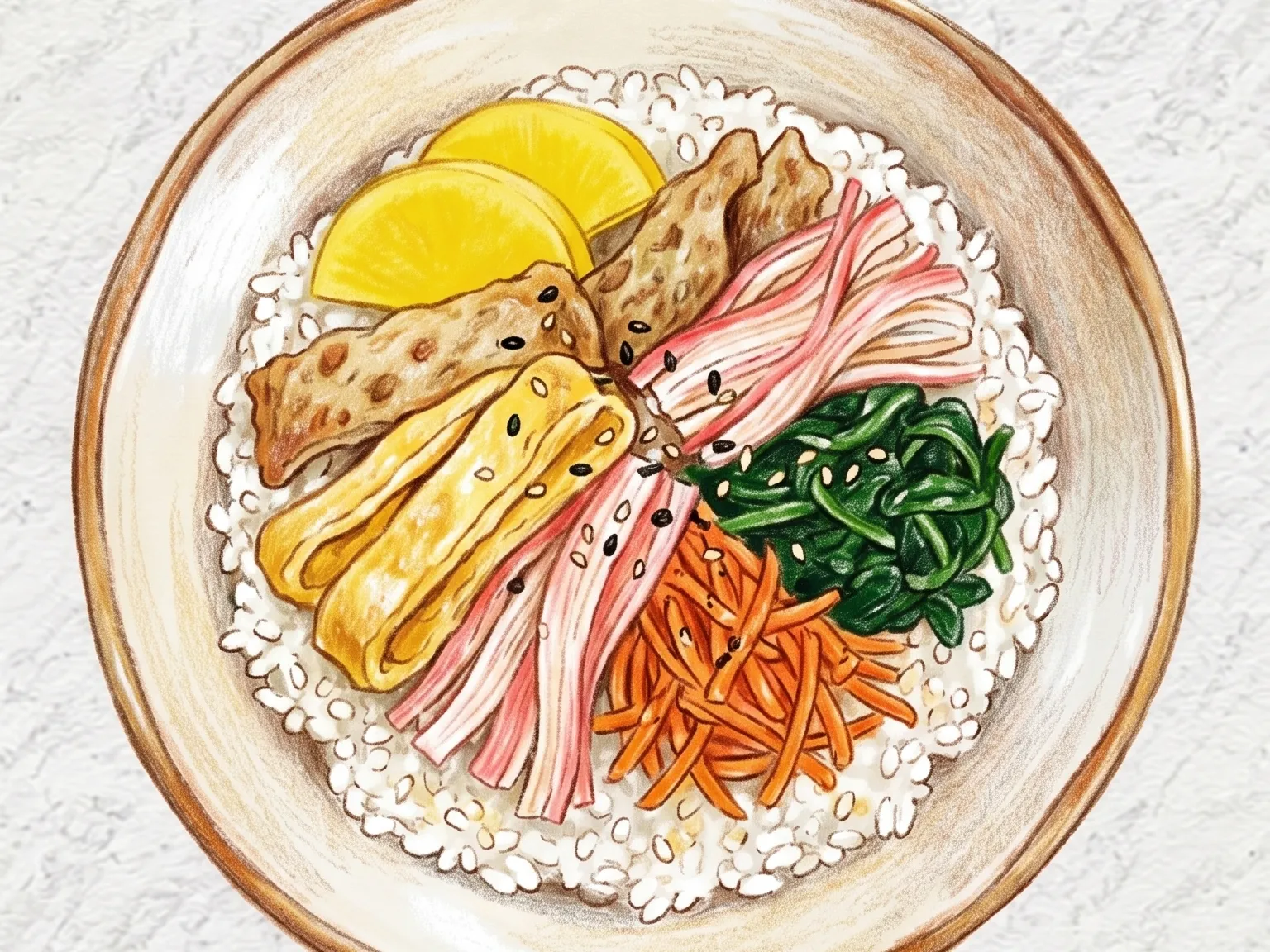
Korean Gimbap-Style Rice Bowl
Gimbap-bap is a rice bowl that takes all the standard gimbap fillings - egg strips, imitation crab, blanched spinach, and stir-fried carrot - and serves them over sesame-oil-seasoned rice without rolling them in seaweed. The familiar flavor combination of gimbap is preserved while the rolling step is eliminated, which cuts preparation time considerably and allows each topping to be adjusted to taste. Adding pickled radish and fish cake on the side brings the result closer to the complete profile of traditional gimbap. The rice seasoned with sesame oil and salt serves as the unifying base that holds the individual flavors of each component together. It is particularly well-suited to quick solo meals.
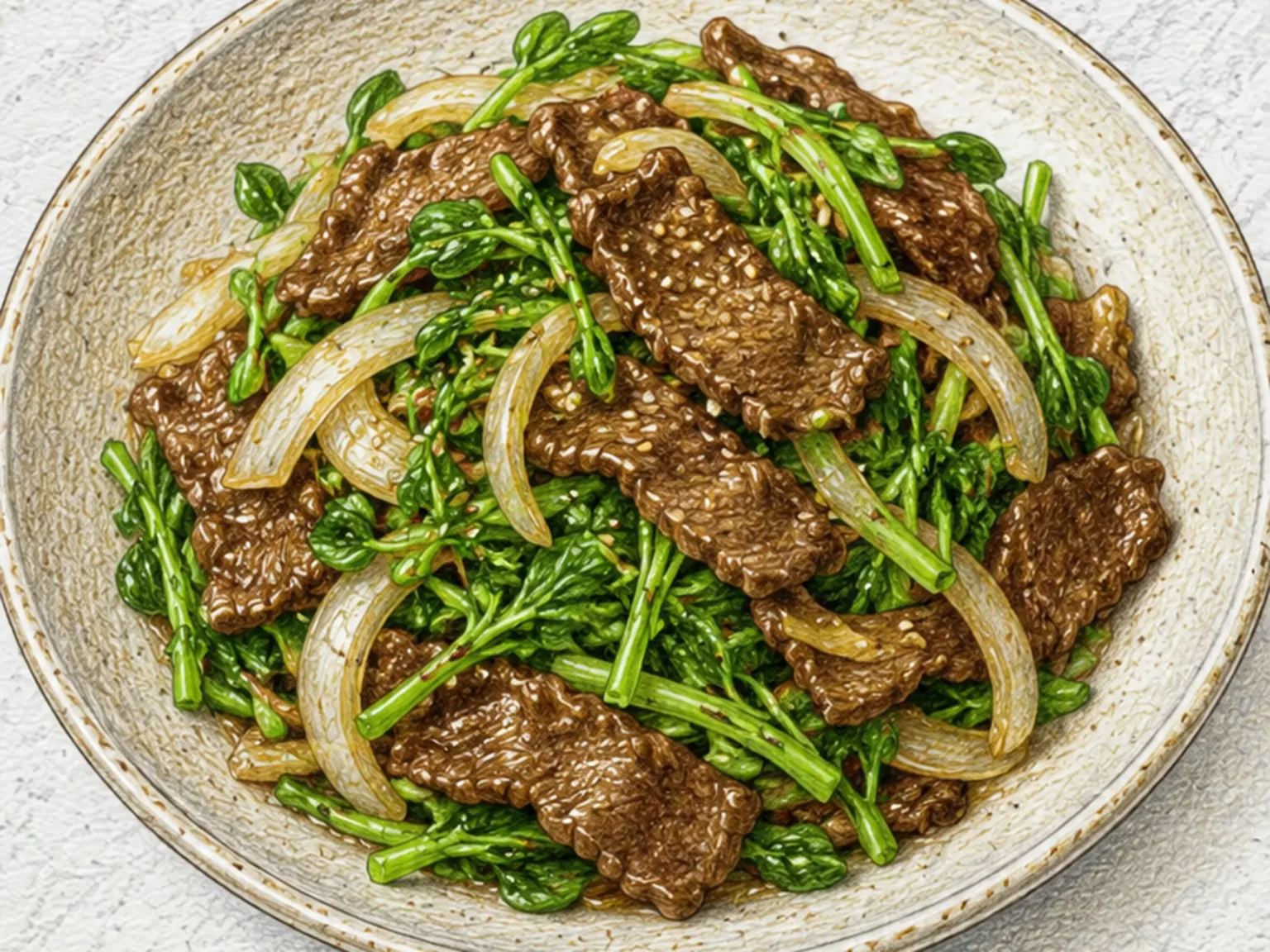
Korean Beef and Pimpinella Stir-fry
Beef sliced thin for bulgogi is marinated in soy sauce, cooking wine, minced garlic, and black pepper for ten minutes, then spread in a single layer across a hot pan so every piece browns without steaming. Crowding the pan drops the temperature and causes the meat to stew in its own liquid rather than sear, so a wide, flat arrangement is essential. Sliced onion goes in next for two minutes to draw out its sweetness, followed by chamnamul, a Korean wild green whose aroma sits somewhere between celery leaf and parsley but sharper and more distinctly herbal. The chamnamul needs only forty seconds of tossing; any longer and the stems lose their crunch while the leaves wilt and the aroma fades. Sesame oil stirred in off the heat coats every piece in a nutty richness, and whole toasted sesame seeds burst with oil when bitten. Chamnamul is a spring green harvested from late March through April, so this stir-fry has a short seasonal window. At 365 calories and 30 grams of protein, it is a nutrient-dense plate that makes the most of that brief peak.
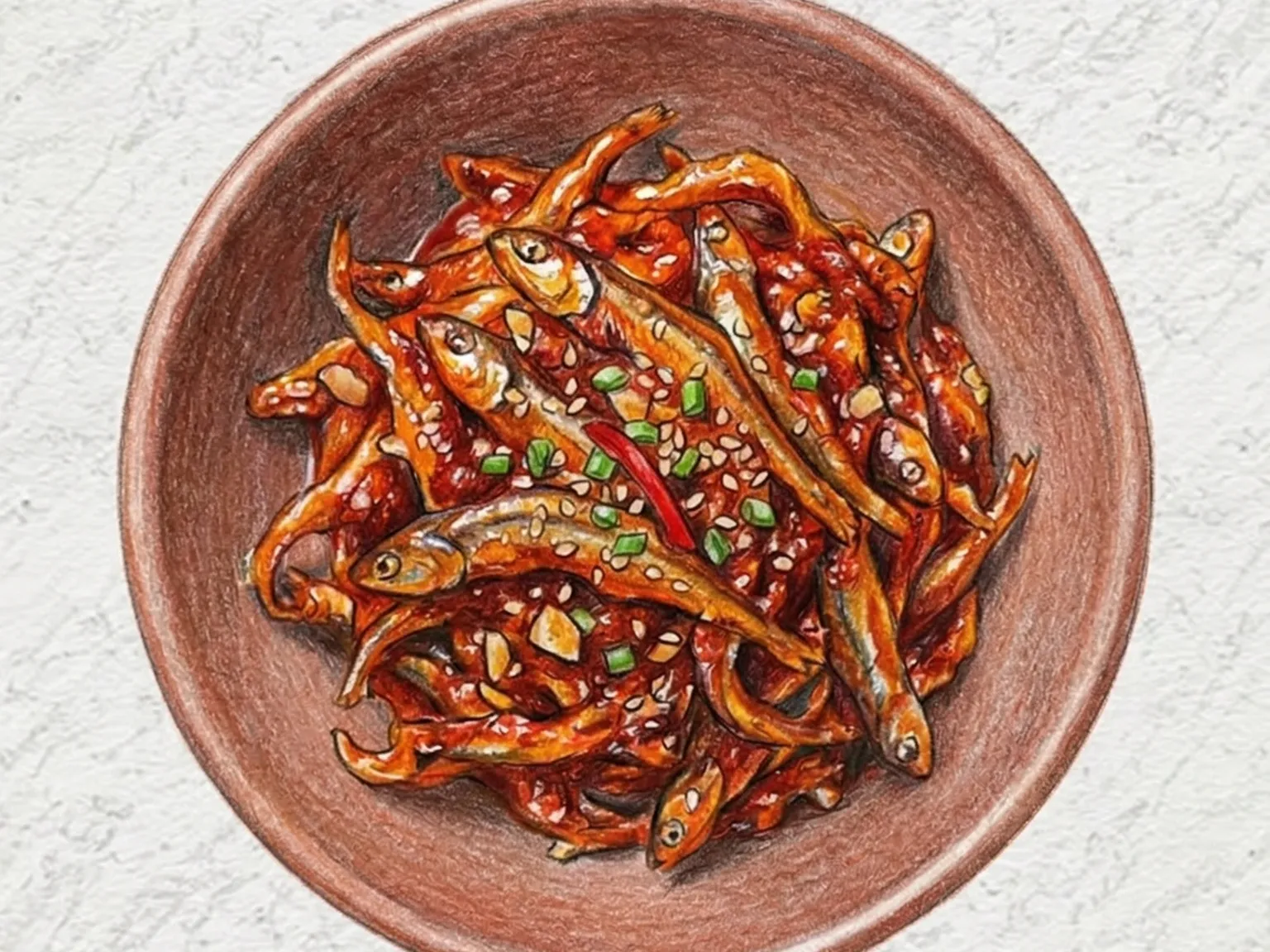
Korean Gochujang Grilled Anchovies
Myeolchi-gochujang-gui is a Korean gochujang-glazed anchovy side dish where medium-sized dried anchovies are first dry-toasted in a pan for one minute to reduce fishiness and drive off moisture, then tossed in a sauce of gochujang, soy sauce, oligosaccharide syrup, cooking wine, and minced garlic. The sauce is simmered briefly over low heat before the anchovies go in, cooking off the alcohol in the wine and thickening the glaze so it clings to each fish. Once the anchovies are added, the tossing should finish within two minutes-longer cooking hardens them rather than keeping them pleasantly chewy. Sesame oil and toasted sesame seeds folded in at the end round out the sweet-spicy-salty profile with a nutty finish.