🍱 Lunchbox Recipes
Dishes that taste great packed and cold
723 recipes. Page 10 of 31
The best lunchbox dishes hold up well at room temperature. This tag features make-ahead sides and full lunchbox recipes you can pack in the morning without stress - sausage stir-fry, rolled omelet, stir-fried anchovies, and soy-braised beef are all lunchbox staples.
The key to a great packed lunch is choosing dishes with low moisture content and arranging contrasting colors. A sprinkle of sesame seeds or furikake over the rice adds a finishing touch that looks as good as it tastes.
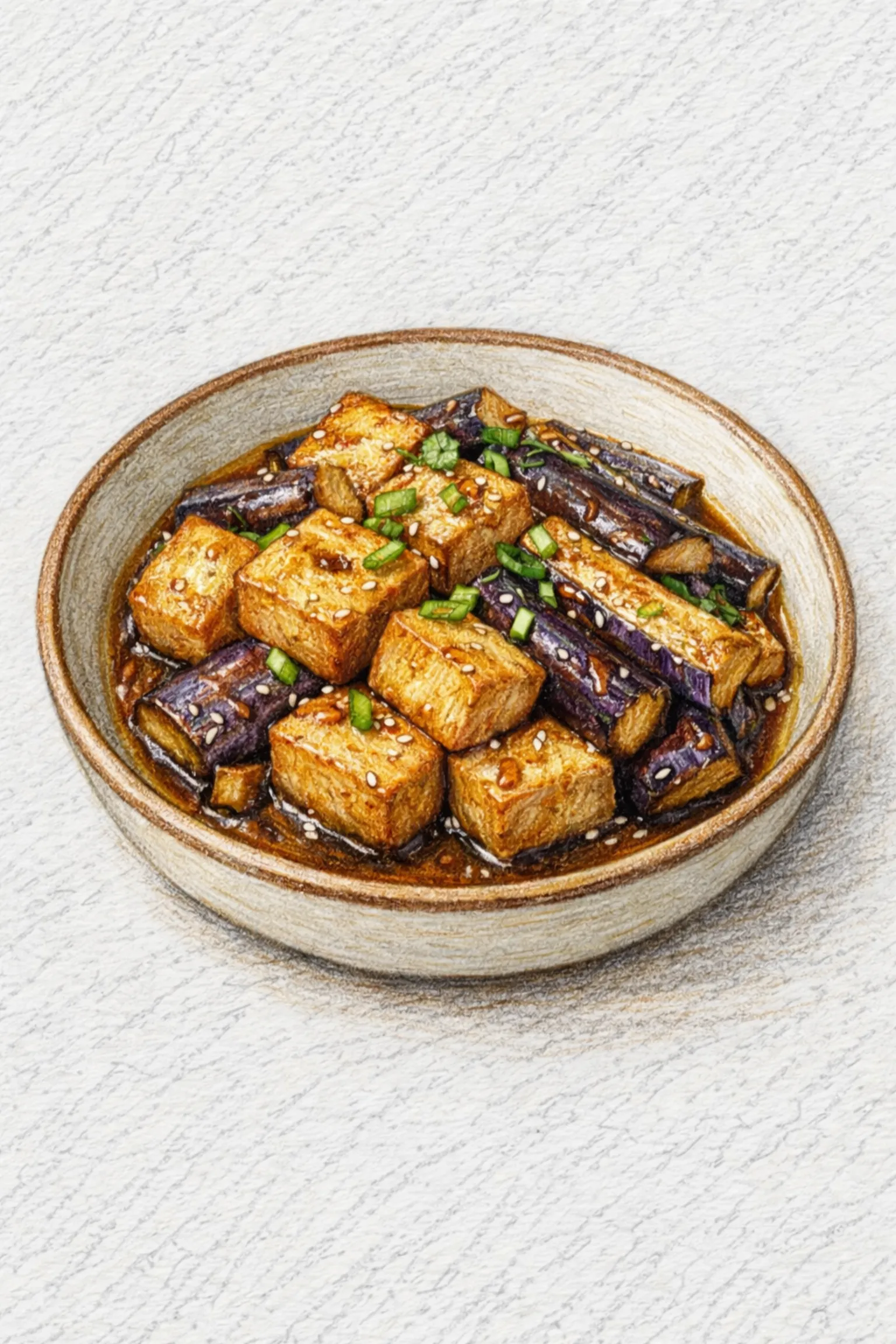
Korean Braised Eggplant and Tofu
Gaji dubu jorim combines eggplant and firm tofu braised together in a soy sauce and gochugaru seasoning. The eggplant soaks up the sauce and turns silky soft, while the pan-seared tofu holds its shape with a slight firmness on the outside. Garlic and green onion round out the flavor, creating a lightly spicy, umami-rich side dish. Salting the eggplant briefly before cooking draws out excess moisture so the pieces absorb the seasoning more deeply without falling apart during braising. Draining the tofu and pan-frying it on both sides before adding it to the sauce keeps the blocks intact and gives the surface a slightly chewy resistance against the tender eggplant. A practical vegetarian-friendly banchan that delivers both protein and vegetables without any meat.
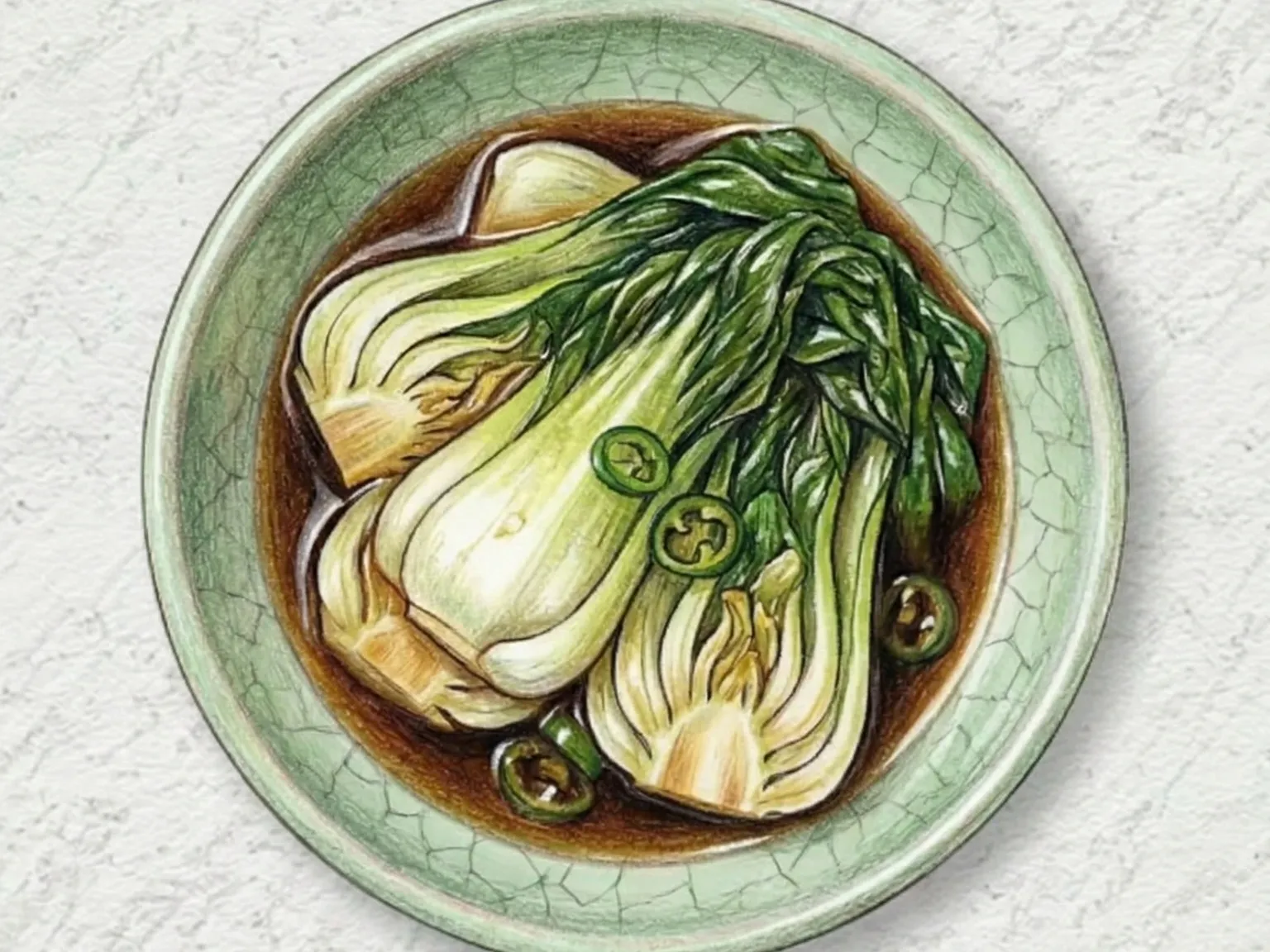
Korean Pickled Bok Choy (Soy Vinegar Chili Brine)
Cheonggyeongchae jangajji is a Korean pickled bok choy made by halving the heads and submerging them in a boiled brine of soy sauce, vinegar, and sugar with Cheongyang chili, garlic, and ginger. The thick white stems retain their crunch after pickling while the tender green leaves absorb the brine softly, creating two contrasting textures within a single piece. Cheongyang chili leaves a clean, lingering heat at the finish, and ginger contributes a warm undertone to the pickling liquid. Draining the bok choy thoroughly before pickling keeps the brine clear, and after two days of refrigeration the seasoning penetrates evenly throughout for a well-balanced banchan. Pouring the brine over the bok choy only after it has cooled prevents the leaves from softening too much. The spent brine can be reboiled and reused to pickle tofu or daikon, extending its value beyond the first batch.
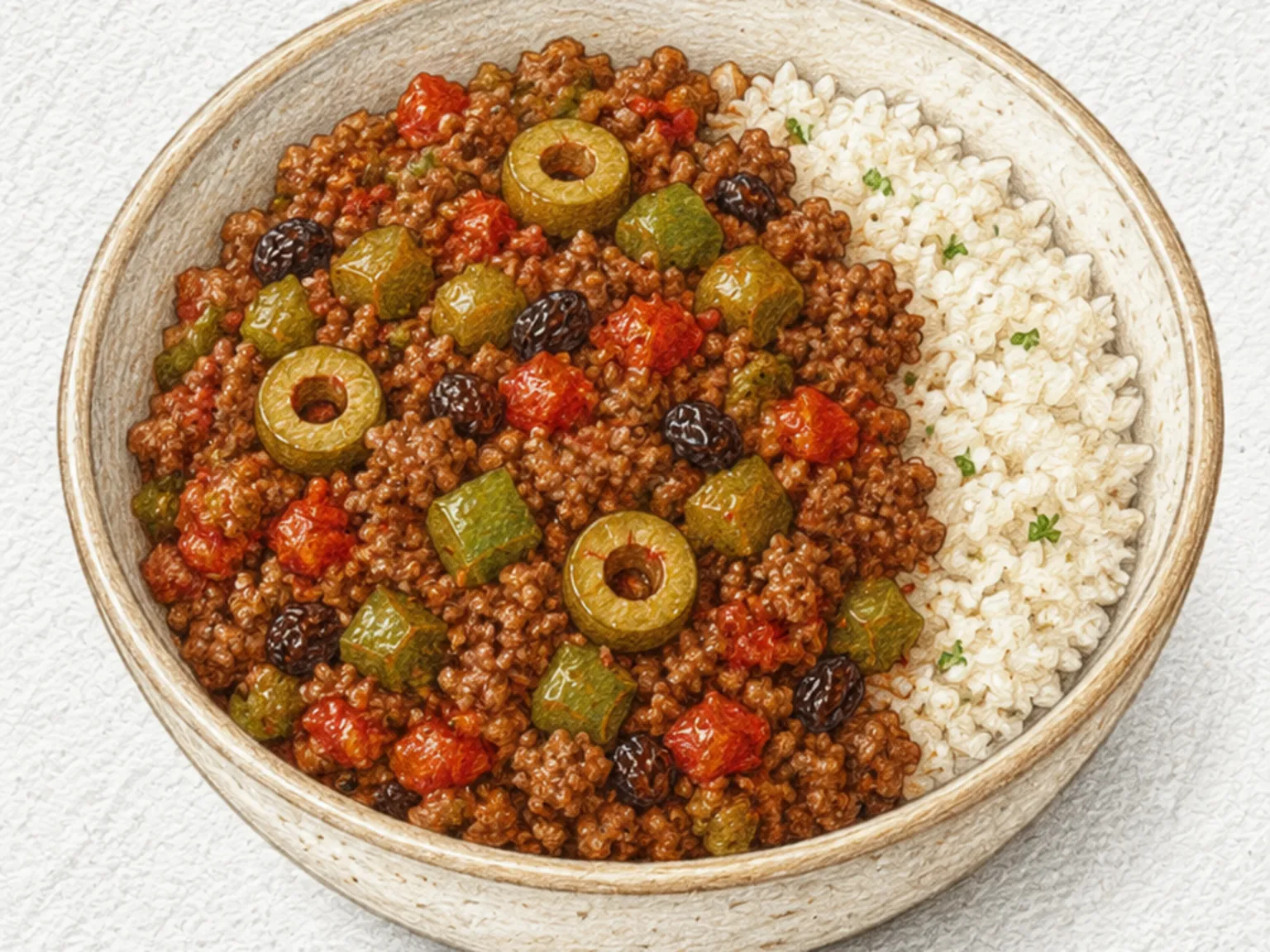
Picadillo Cubano (Cuban Ground Beef with Olives and Raisins)
Picadillo Cubano is a cornerstone of Cuban home cooking, made by browning ground beef and simmering it with crushed tomatoes, green olives, and raisins. The identity of the dish lies in the interplay between the briny, savory olives and the subtle sweetness of the raisins, creating a sweet-salty balance within a single pan. The beef must be spread in a single layer over high heat so moisture evaporates quickly and the meat develops brown caramelization - crowding the pan causes it to steam and turn gray. Cumin and oregano contribute the earthy, warm spice profile characteristic of Latin cooking, while diced bell pepper adds a crisp freshness. Served over white rice in the most traditional fashion, it becomes a complete Cuban plate when accompanied by black beans and fried plantains.
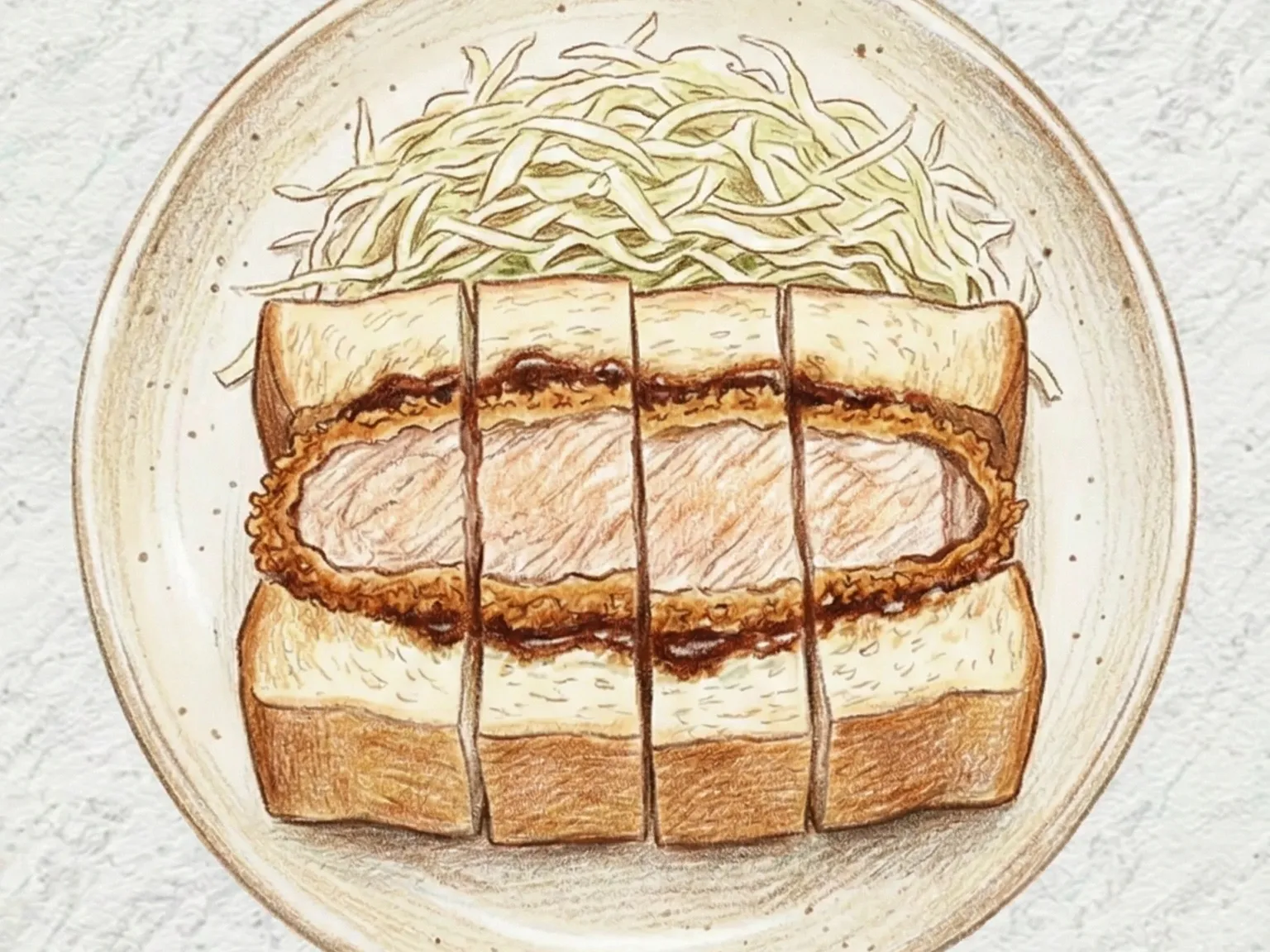
Katsu Sando (Japanese Crispy Pork Cutlet Sandwich)
Katsu sando is a Japanese sandwich built around a thick, crispy pork cutlet pressed between slices of soft milk bread. The pork loin is sliced at least two centimeters thick, pounded lightly to tenderize, seasoned with salt and pepper, then coated in flour, beaten egg, and coarse panko breadcrumbs before being lowered into oil at 180 degrees Celsius. The result is a deep golden crust that shatters on the first bite while the interior stays moist and tender. Tonkatsu sauce, a thick condiment with a fruity, sweet-savory profile similar to Worcestershire, is spread generously on one side of the bread, while a thin layer of Japanese mayonnaise goes on the other. Finely shredded cabbage is layered beneath the cutlet, providing a fresh, watery crunch that cuts through the richness of the fried meat. The crusts are trimmed from the bread, the sandwich is pressed firmly and sliced cleanly in half, and the cross-section of pale bread, pale cabbage, and dark golden cutlet becomes the defining visual of the dish. Katsu sando works as a packed lunch, a picnic item, a late-night snack, or a quick meal at the counter of a butcher shop in Tokyo.
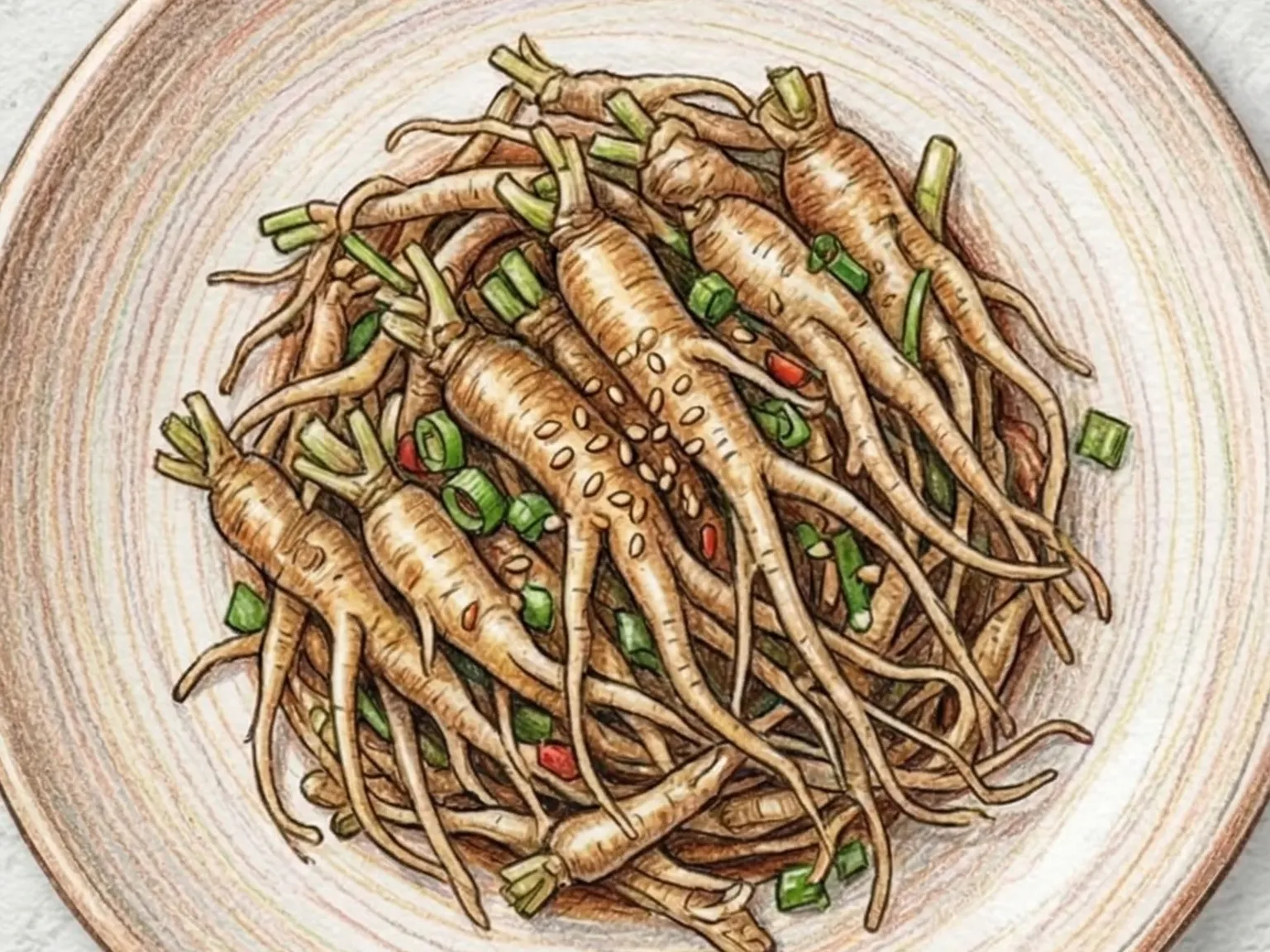
Korean Seasoned Cedrela Shoots
Cedrela shoots appear for barely two weeks each April, making chamjuk one of Korea's most fleeting spring ingredients. The young tips carry a resinous, walnut-like scent found in no other cultivated or foraged green. A 40-second blanch in well-salted boiling water softens the fibrous stems while locking in that distinctive fragrance - go longer and the aroma disperses. Dressed with only soy sauce, garlic, and sesame oil, the dish keeps the shoots' natural perfume at the front. Traditionally gathered from mountainside groves and brought to spring holiday tables, chamjuk disappears from markets once the brief window closes, making it a seasonal green genuinely worth seeking out.
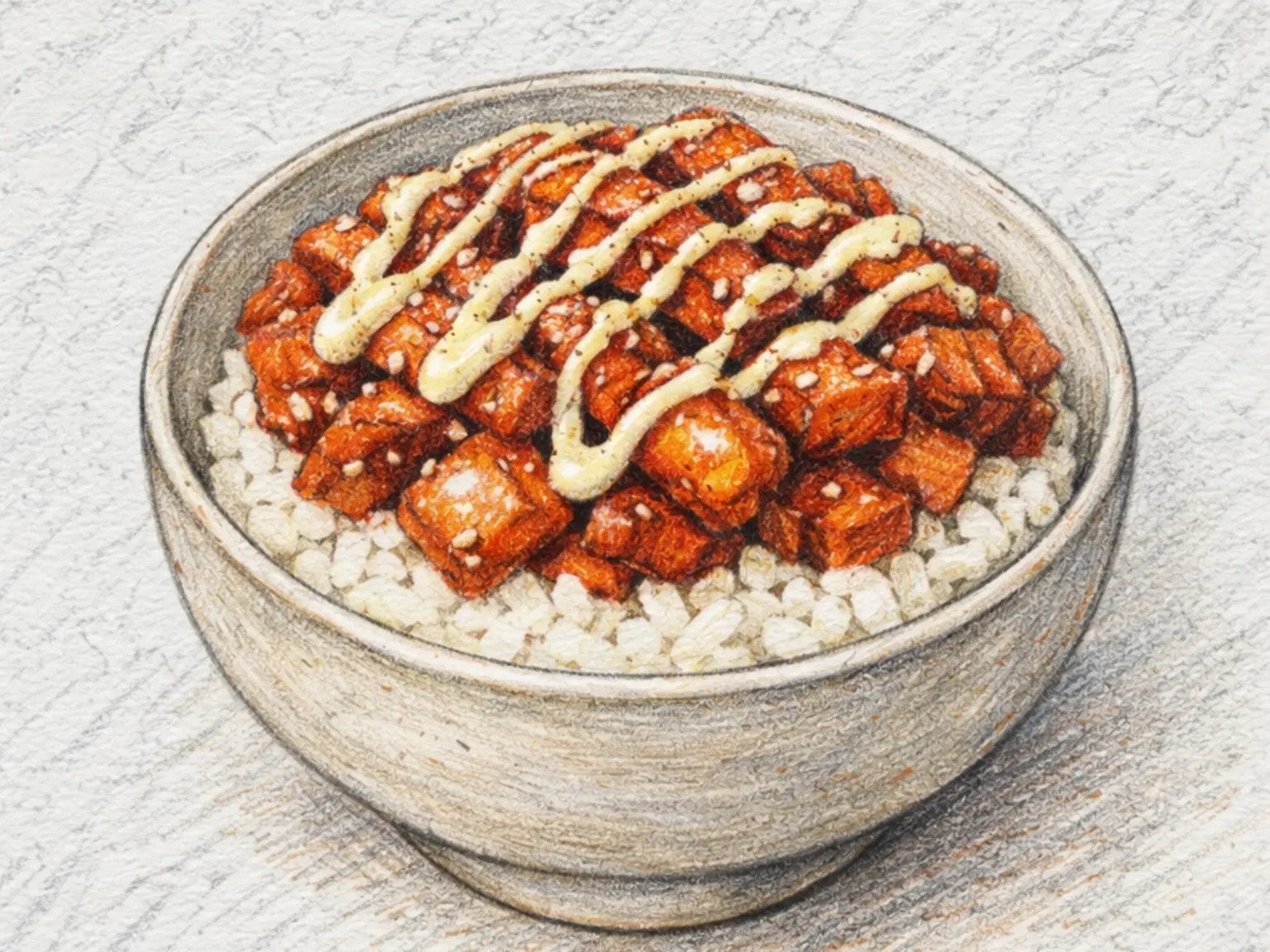
Korean Gochujang Chicken Mayo Rice Bowl
Gochujang chicken mayo deopbap pairs stir-fried chicken thigh glazed in a fermented chili sauce with a drizzle of creamy mayonnaise over warm steamed rice. Boneless chicken thigh cut into bite-sized pieces is stir-fried over high heat in a sauce built from gochujang, soy sauce, sugar, and minced garlic until a glossy, sticky glaze coats every surface and the edges of the chicken begin to caramelize. The sauced chicken goes directly onto the rice, and mayonnaise is zigzagged across the top in strips, creating alternating lines of red and white that fold together at the table. The combination works because gochujang contributes fermented, slow-building heat while the mayo provides a cool, fat-rich creaminess that extends each bite and carries the sauce deeper into the rice. Onion cooked alongside the chicken breaks down into the glaze, rounding the sauce's edges with a natural sweetness, while a scattering of sliced green onion on top adds a fresh, sharp contrast. Thigh meat is the correct choice over breast - its fat content means it retains moisture through the high-heat stir-fry rather than turning dry or stringy. A variation that has gained popularity layers a slice of processed cheese beneath the chicken, letting the residual heat melt it into a creamy middle layer between rice and glaze.
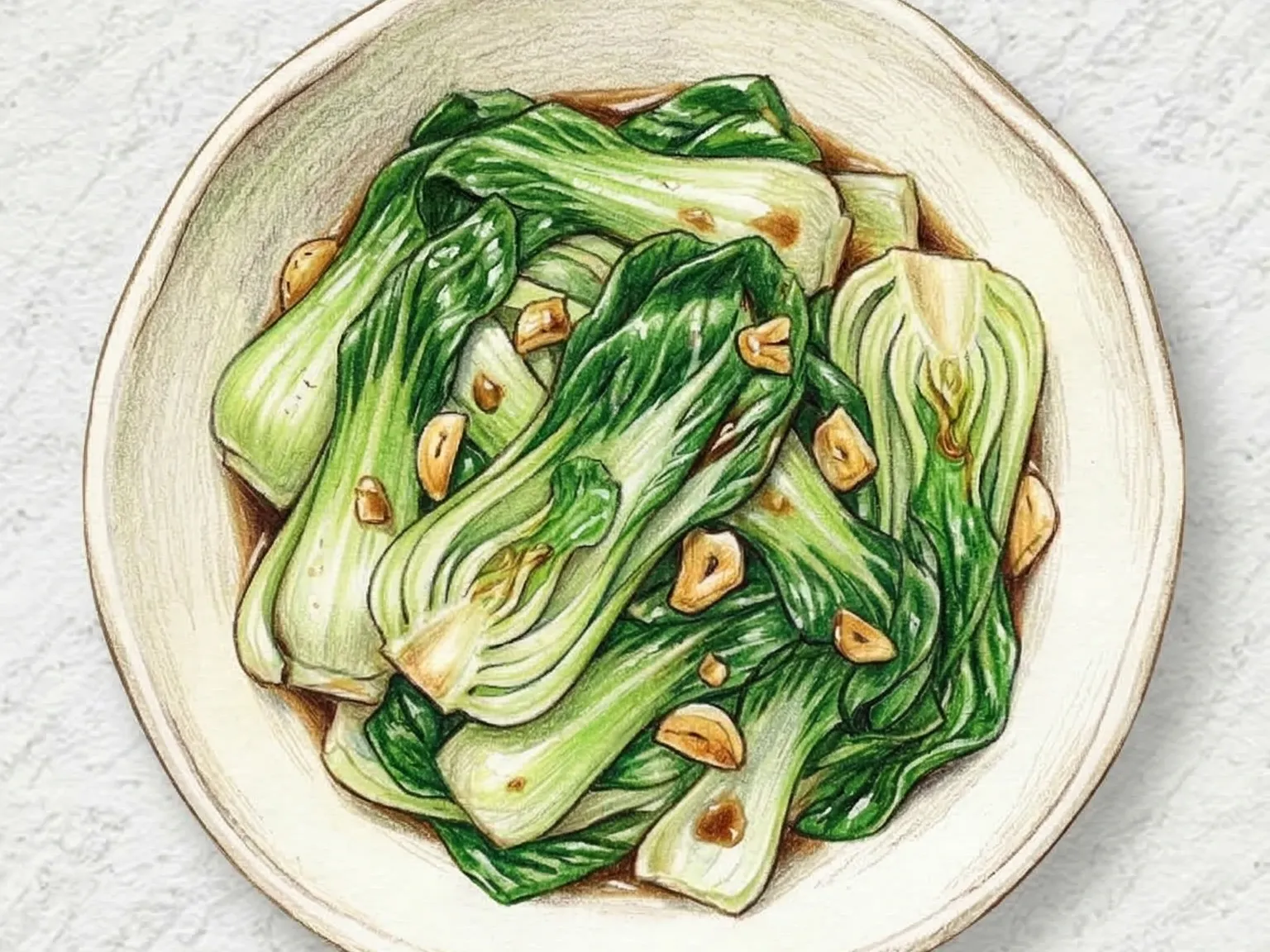
Stir-fried Bok Choy (Bok Choy with Garlic and Oyster Sauce Glaze)
Halved bok choy is stir-fried with sliced garlic over high heat for two minutes, then finished with oyster sauce and soy sauce in a one-minute reduction that glazes every leaf and stem. The thick white stalks need significantly more heat than the tender green leaves, so placing them cut-side down first or adding the leaves halfway through prevents the greens from wilting to mush while the stems remain undercooked. Oyster sauce lends a concentrated umami depth to the otherwise mild vegetable, and a splash of 40 milliliters of water helps the sauce flow between the tightly packed stems so seasoning reaches every layer rather than coating only the outer surfaces. Black pepper and sesame oil are added only after the pan leaves the flame so their volatile aromas stay intact on the plate. Bok choy continues releasing moisture after it is plated, so serving immediately is critical to preserving the contrast between crisp stalks and just-wilted leaves. Waiting even a few minutes allows the released liquid to dilute the sauce and soften the texture. At 105 calories per serving, this is a light side dish that still provides meaningful amounts of vitamin A and calcium. For a Sichuan-style variation, replacing a portion of the oyster sauce with doubanjiang adds a spicy, reddish character without requiring additional chili oil. The dish is common across East and Southeast Asian home kitchens under various names but the technique of separating stalk and leaf cook times is universal to cooking bok choy well.
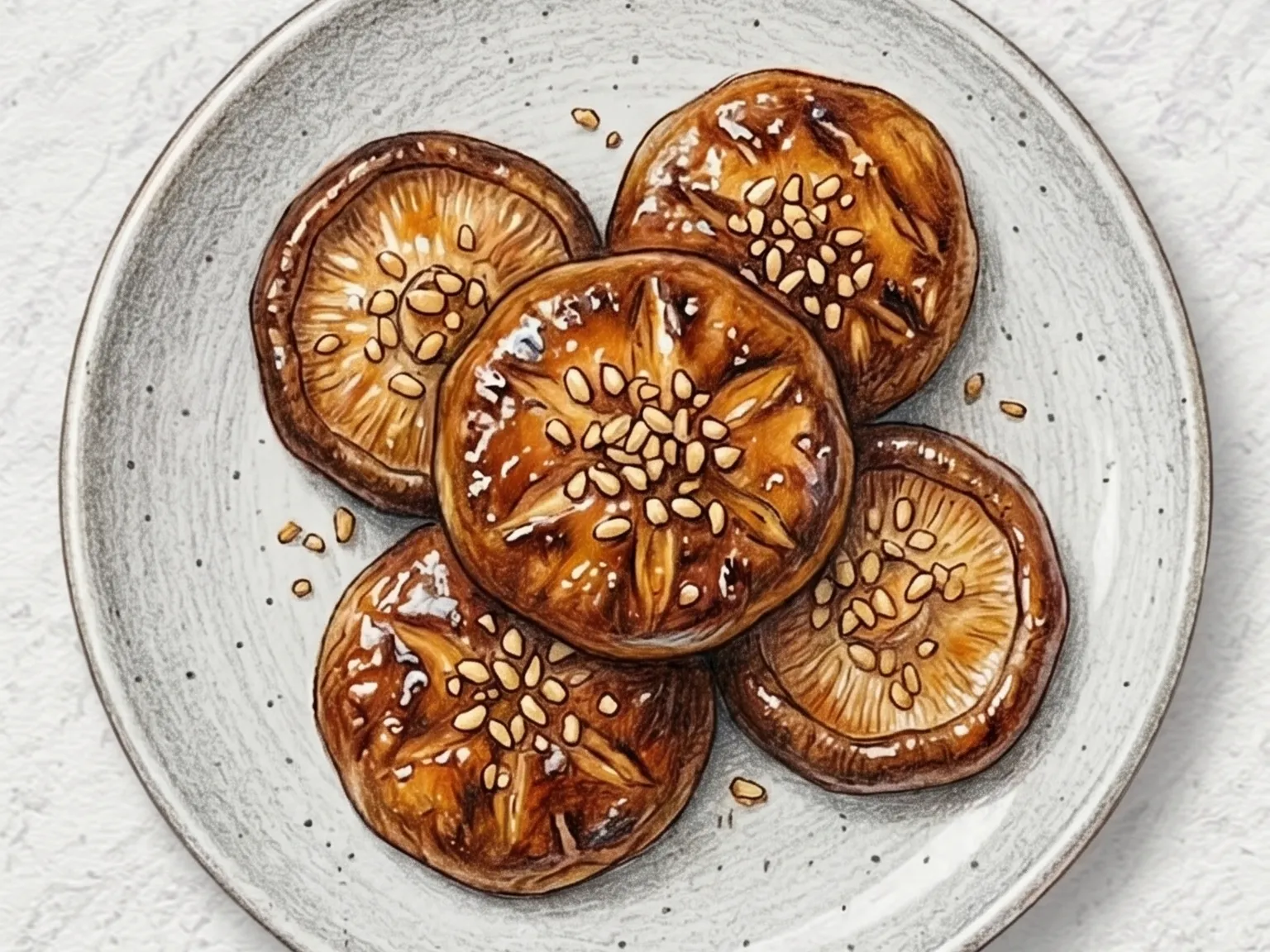
Korean Pyogo Yuja Gui (Yuja-Glazed Shiitake Grill)
Pyogo-yuja-gui is a Korean yuja-glazed grilled shiitake dish where stemmed fresh shiitake caps are brushed on their inner surface with a sauce of yuja marmalade, soy sauce, perilla oil, minced garlic, and black pepper, marinated for ten minutes, then grilled on both sides over medium heat. The combination of yuja's bright citrus character and soy sauce's saltiness produces a tangy, savory glaze, and perilla oil-unlike sesame oil-retains its nutty fragrance even after exposure to grill heat. Shiitake mushrooms must be wiped clean with a dry cloth rather than rinsed, because their porous flesh absorbs water rapidly and turns mushy when grilled. Chopped pine nuts scattered on at the end add an oily crunch that contrasts the chewy, concentrated texture of the grilled caps.
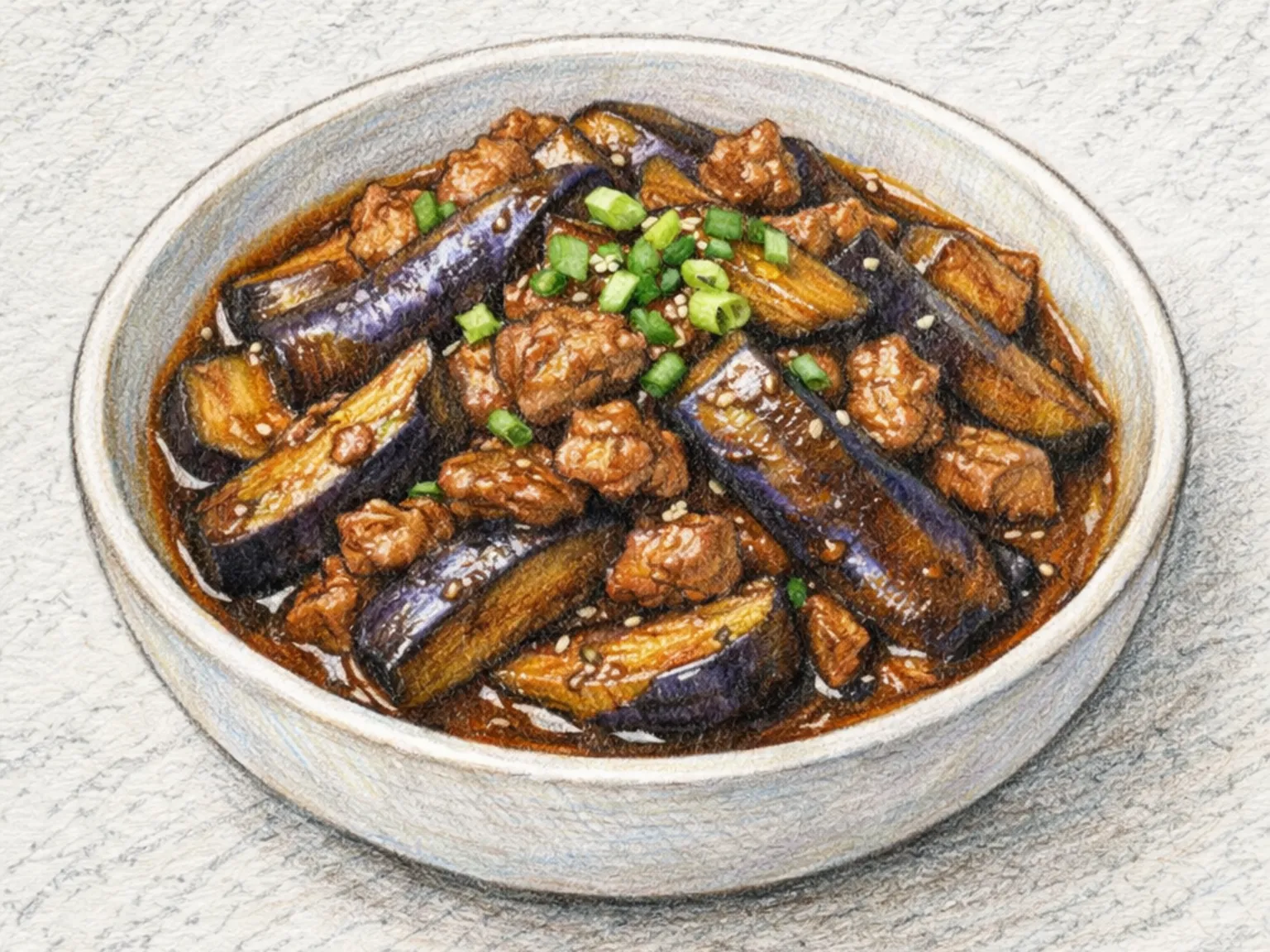
Korean Braised Eggplant with Pork
Gaji dwaejigogi jorim is a Korean braised dish of eggplant and pork shoulder simmered in a soy sauce and gochugaru seasoning base. The pork slowly renders its fat into the eggplant as they cook together, giving the vegetable a rich, meaty depth. Cooking wine mellows the pork and removes any gamey notes, while the soy and garlic combination builds deep, layered flavor throughout the braise. Briefly stir-frying the eggplant in oil before braising coats the surface and helps it hold its shape while drawing the seasoning inward more effectively. A final drizzle of sesame oil finishes the dish with a nutty fragrance, and this recipe is at its best in summer when eggplants are in peak season with thin, tender skins.
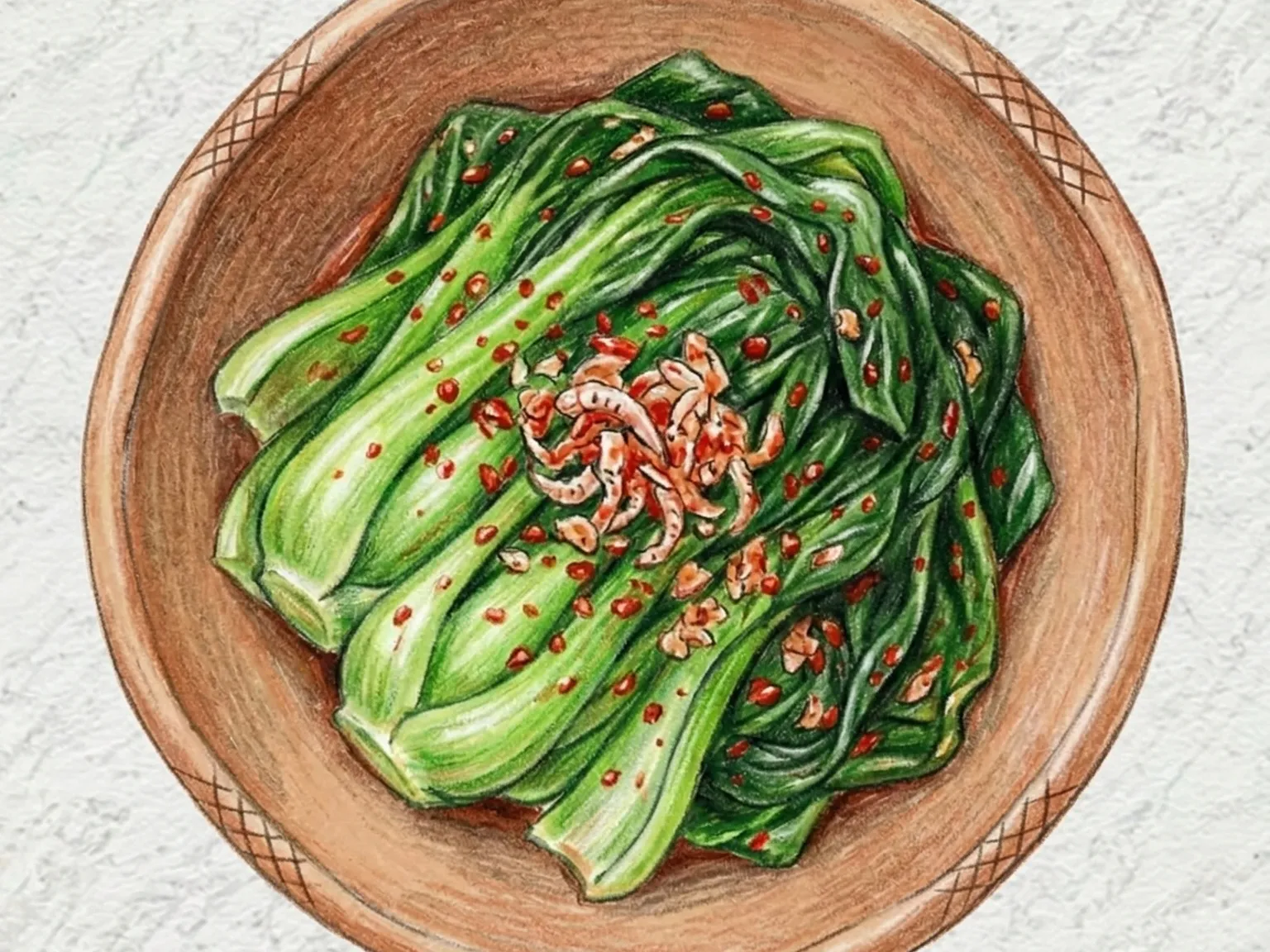
Korean Bok Choy Kimchi (Gochugaru Fermented Quick)
Cheonggyeongchae kimchi is a bok choy kimchi prepared by halving the heads lengthwise, salting them for twenty minutes, and coating each leaf layer with a paste of gochugaru, salted shrimp, anchovy fish sauce, and sweet rice paste. Keeping the salting time short preserves the crisp snap of the stems, while the leaves soften just enough to hold the seasoning. Julienned scallions and carrot add color and textural variety, and adjusting the fish sauce quantity based on the salted shrimp salinity keeps the overall salt level balanced. After four hours of room-temperature fermentation followed by refrigeration, this kimchi is ready within a day and offers a lighter, crunchier character than traditional napa cabbage kimchi.
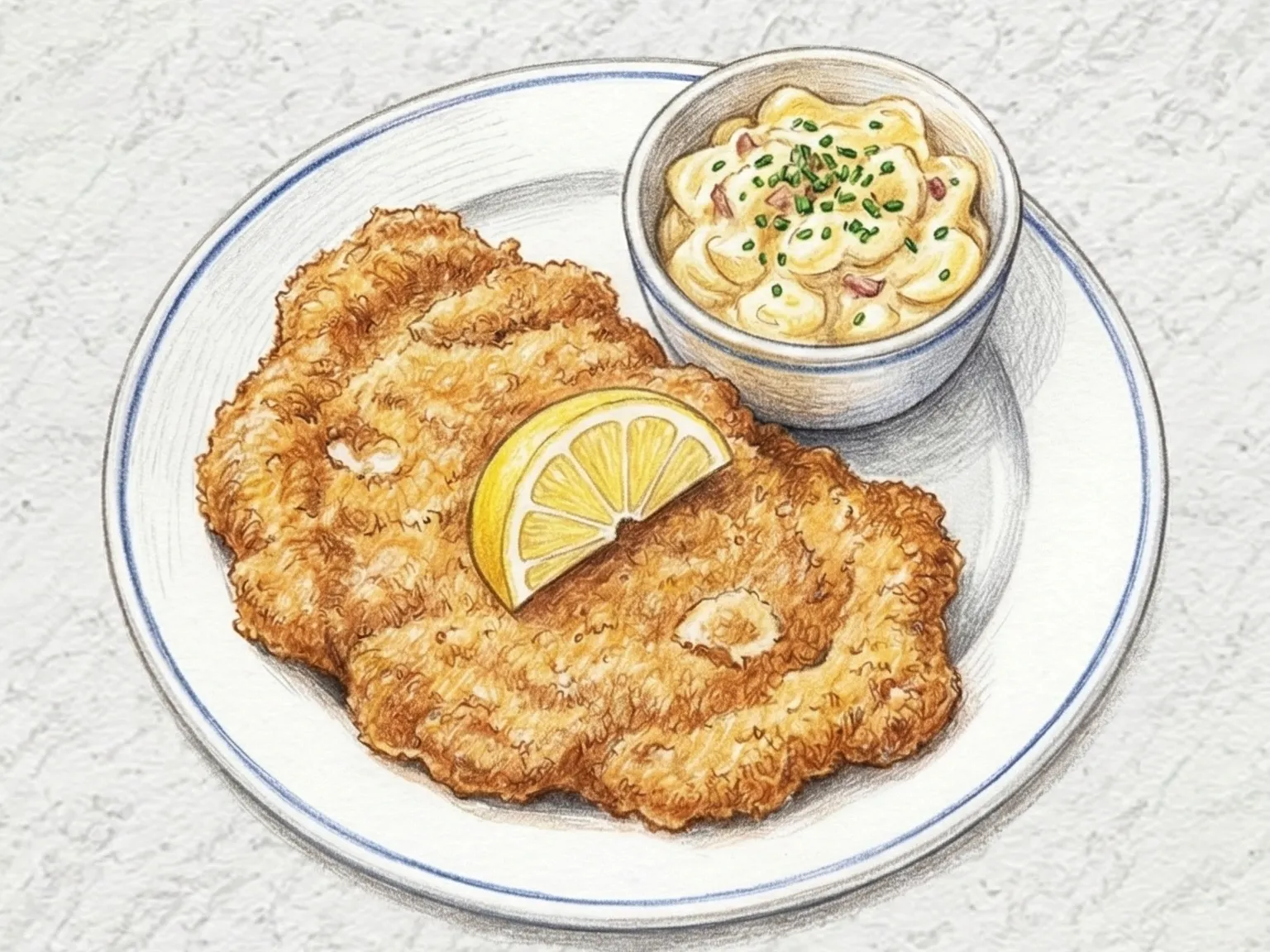
Pork Schnitzel
Pork Schnitzel is a definitive cutlet dish from Germany and Austria, made by pounding pork loin thin and even with a mallet, then coating it in flour, beaten egg, and breadcrumbs before frying in oil. The meat must be pounded to five millimeters or thinner so it cooks through quickly without the breading burning, and the hallmark of a proper schnitzel is a crust that puffs away from the meat rather than clinging flat. Achieving this requires generous oil - enough to submerge the cutlet halfway - and gently shaking the pan so oil flows beneath the breading to lift it. Fine breadcrumbs produce a delicate, even crust, and they should be pressed on lightly rather than compacted to maintain crispness over time. Paprika mixed into the flour adds a faint smoky warmth, and a fresh squeeze of lemon over the finished schnitzel cuts through the richness with bright acidity.
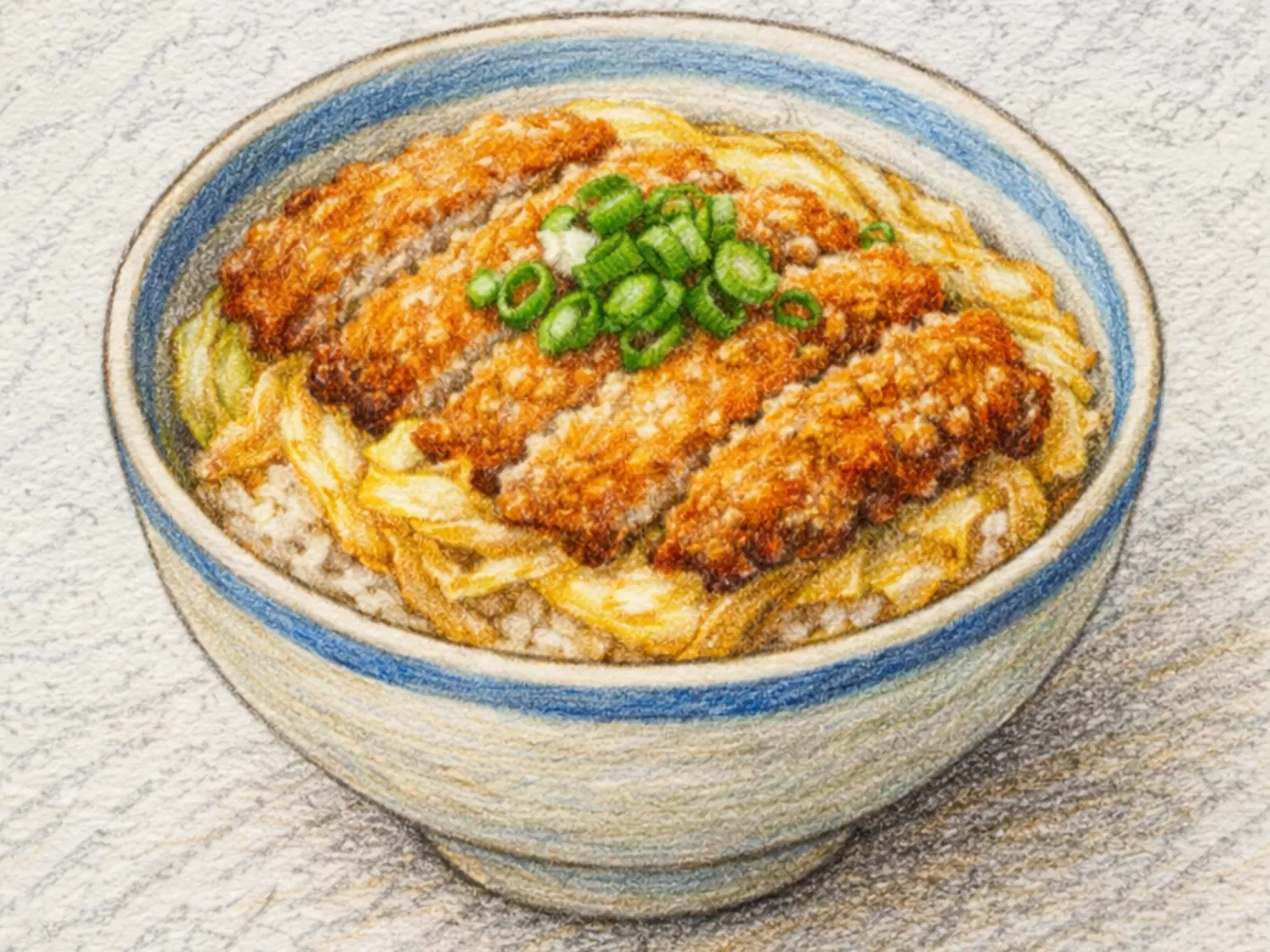
Classic Katsudon (Pork Cutlet Egg Rice Bowl)
Classic katsudon is a Japanese rice bowl that transforms a crispy pork cutlet into something altogether different by simmering it briefly with onion, egg, and seasoned dashi broth. Thinly sliced onion cooks first in a shallow pan of tsuyu -- a combination of soy sauce, mirin, and dashi -- until soft and sweet. The fried cutlet, sliced into strips, is laid into the onion broth, then lightly beaten egg is poured over the top and cooked just until it sets into a custard-like layer. This half-set egg clings to the panko crust, creating a contrast between the still-crunchy edges and the silky coating. The entire mixture is slid onto a bowl of steaming rice, where the savory broth soaks into the grains. In Japan, katsudon is traditionally eaten before exams or competitions as a good-luck ritual. Pulling the pan off the heat within thirty seconds of covering it keeps the egg in that soft, barely-set state -- overcooking turns the layer rubbery and loses the signature texture entirely.
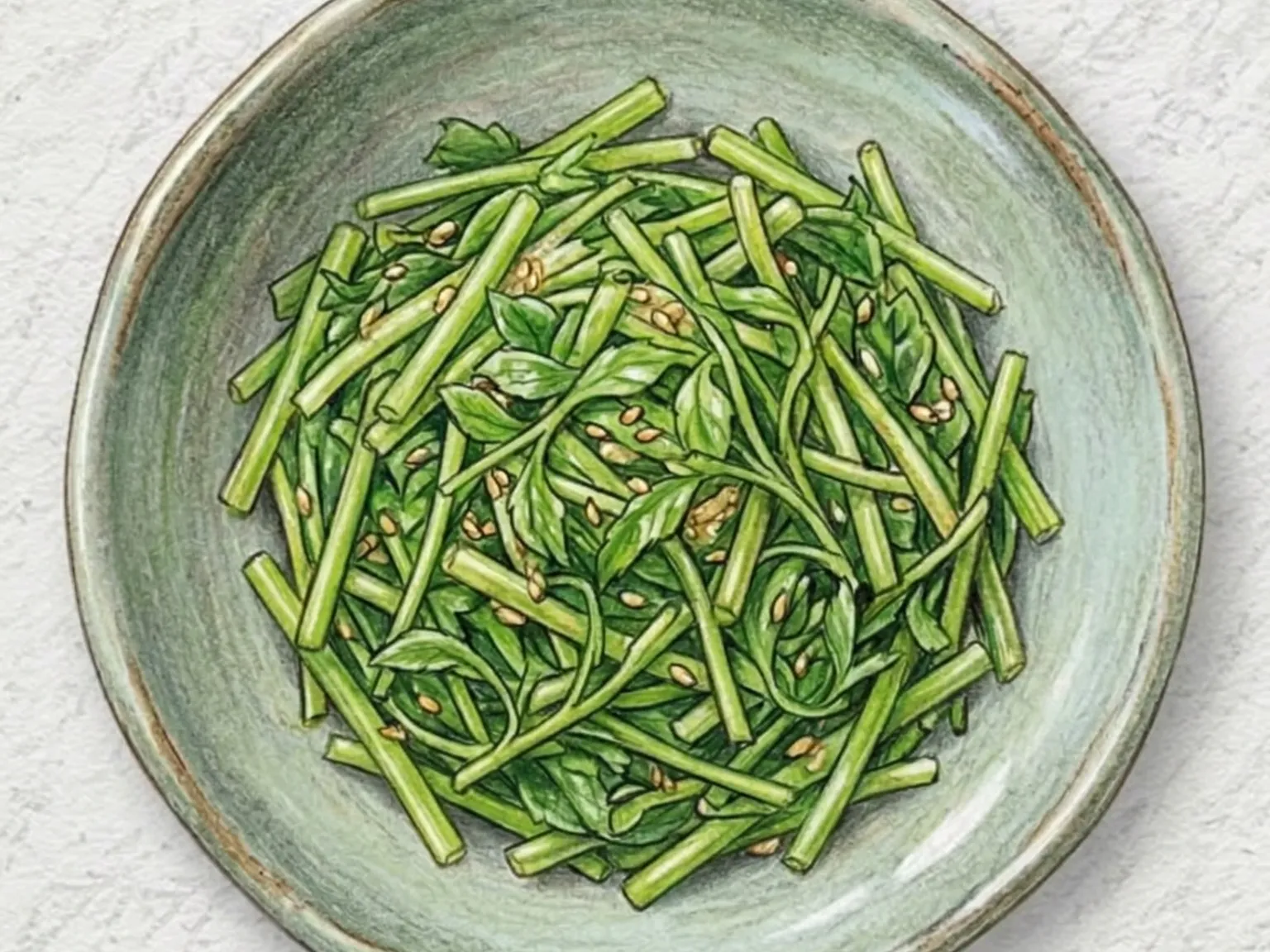
Korean Seasoned Chamnamul Greens
Chamnamul - Korean pimpinella - grows wild in mountain valleys across central Korea and has been foraged since the Goryeo period. The leaves carry a celery-like fragrance layered with a faint, peppery finish that is unlike any other spring green. Blanched for under a minute to keep the stems crisp, the greens are cut to 5 cm lengths and tossed with soy sauce, sesame oil, and garlic. The thicker stems hold a slight crunch while thinner leaves soften just enough to take on the seasoning. Very young leaves are sometimes served raw without blanching. A spring-only banchan that is unavailable the rest of the year.
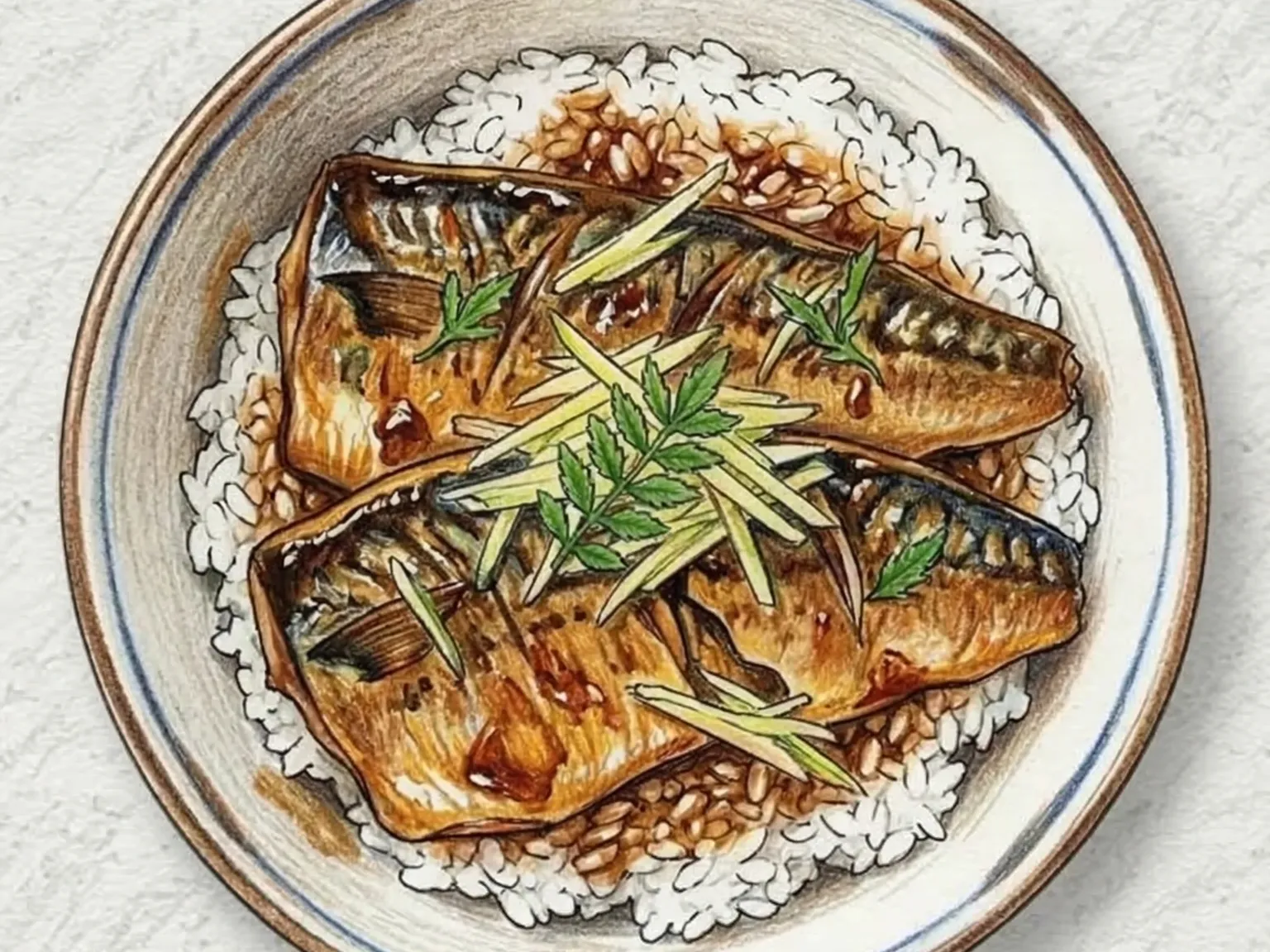
Korean Grilled Mackerel Rice Bowl
Mackerel fillet is pan-seared skin-side down until the skin turns crisp and golden, then served over rice with a quick sauce of soy sauce, cooking wine, oligosaccharide syrup, minced ginger, and softened onion. The oily flesh of the mackerel absorbs the soy-ginger glaze, producing a clean, salty-sweet finish without fishiness. Keeping the pan still for the first minute of searing is the key technique for achieving skin that crisps evenly rather than steaming in its own moisture. Brushing the fillet with a little cooking wine before cooking further neutralizes any residual odor. Chopped chives scattered on top complete the bowl with color and a mild onion bite. Cooking the sauce in the same pan using the rendered mackerel fat deepens the umami and ties the two components together.
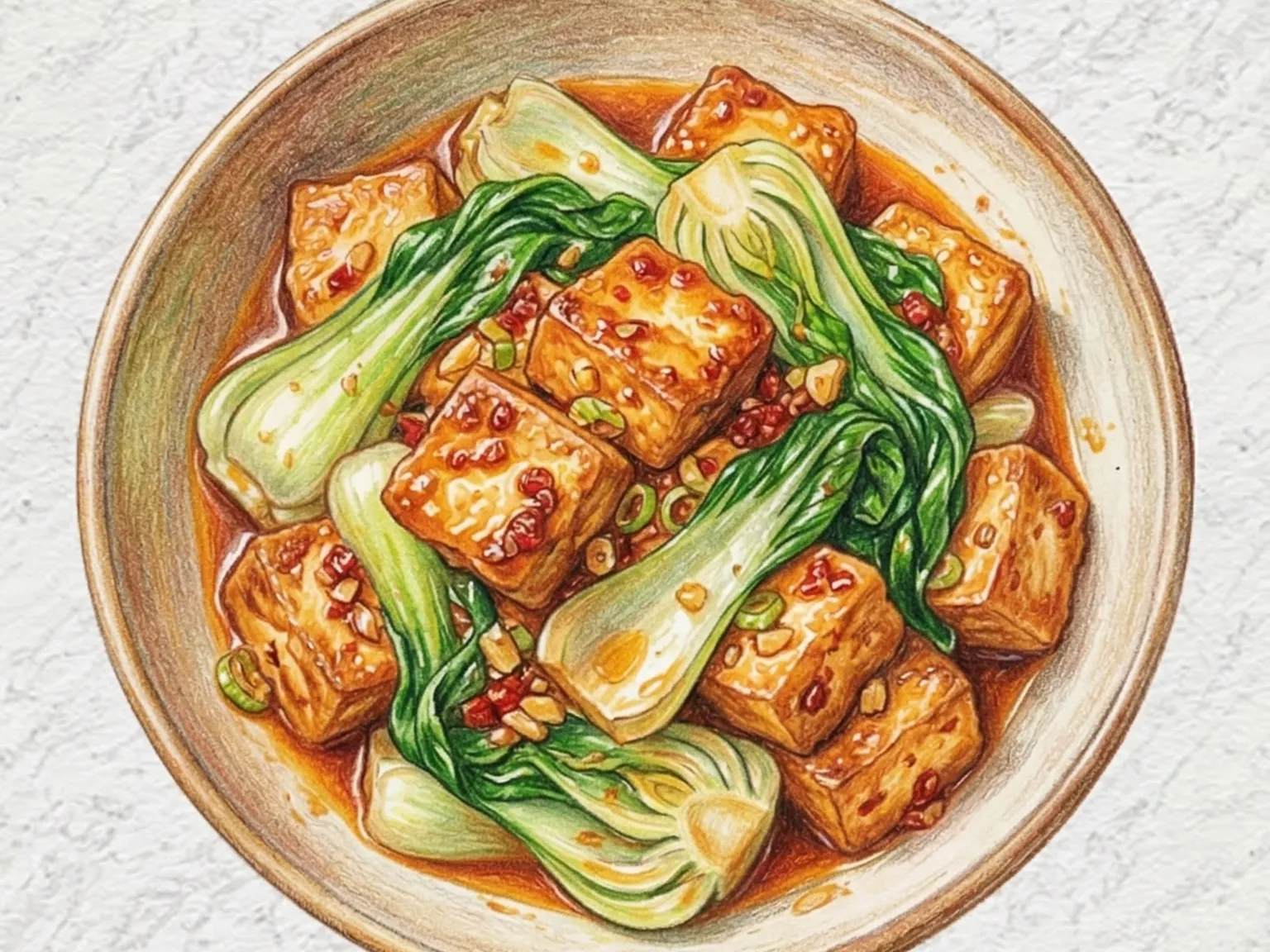
Korean Stir-Fried Bok Choy and Tofu with Doubanjiang
Firm tofu is patted completely dry before pan-searing in oil for three minutes until golden on each side, then removed from the pan while the aromatics are built. Green onion and garlic go into the same pan to soften and release their fragrance, after which doubanjiang, soy sauce, sugar, and water are stirred together into a sauce directly in the pan. Doubanjiang, made from crushed fermented chilies, brings concentrated salt and heat simultaneously, so the soy sauce must be added in small amounts and the seasoning checked at the end rather than measured rigidly from the start. Bok choy stems and leaves are separated and added at different points: stems go in first for two minutes of direct heat, leaves follow for a final minute, so the stalks remain firm and the greens wilt to a silky finish. These two textures coexist on the plate without either being overcooked. A single teaspoon of sugar softens the sharp salinity of the doubanjiang, rounding the finish so that the heat registers as warmth rather than aggression. When the seared tofu cubes return to the pan, their crisp exterior absorbs the sauce, releasing a burst of spicy, fermented flavor with each bite. At 290 calories and 17 grams of protein, the dish delivers a satisfying protein intake without any meat in the recipe.
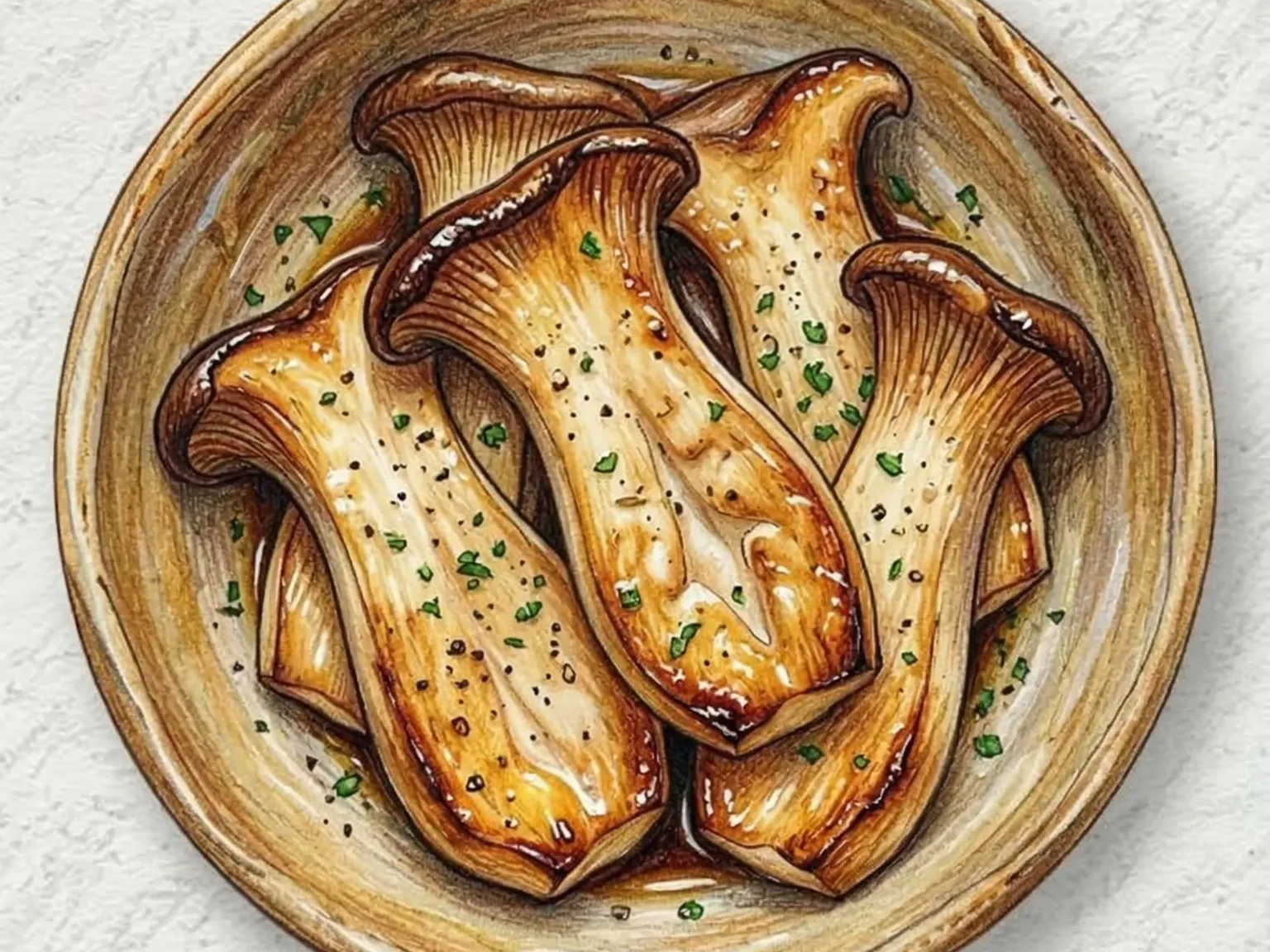
Korean Grilled King Oyster Mushrooms
Saesongi-beoseot-gui is a Korean grilled king oyster mushroom dish where the mushrooms are sliced lengthwise to 0.7-centimeter thickness, seared in melted butter until golden on both sides, then glazed with a sauce of soy sauce, minced garlic, oligosaccharide syrup, and black pepper. King oyster mushrooms contain a lot of moisture, so arranging the slices in a single layer without overlap is essential-crowding steams rather than sears, preventing the Maillard browning that gives the surface its golden color and savory depth. Butter burns quickly above medium heat, so temperature control is key, and the soy glaze should only be added after both sides are already browned so it coats the surface rather than making it soggy. Chopped chives and sesame seeds scattered on top add a nutty, aromatic layer over the salty butter-soy base.
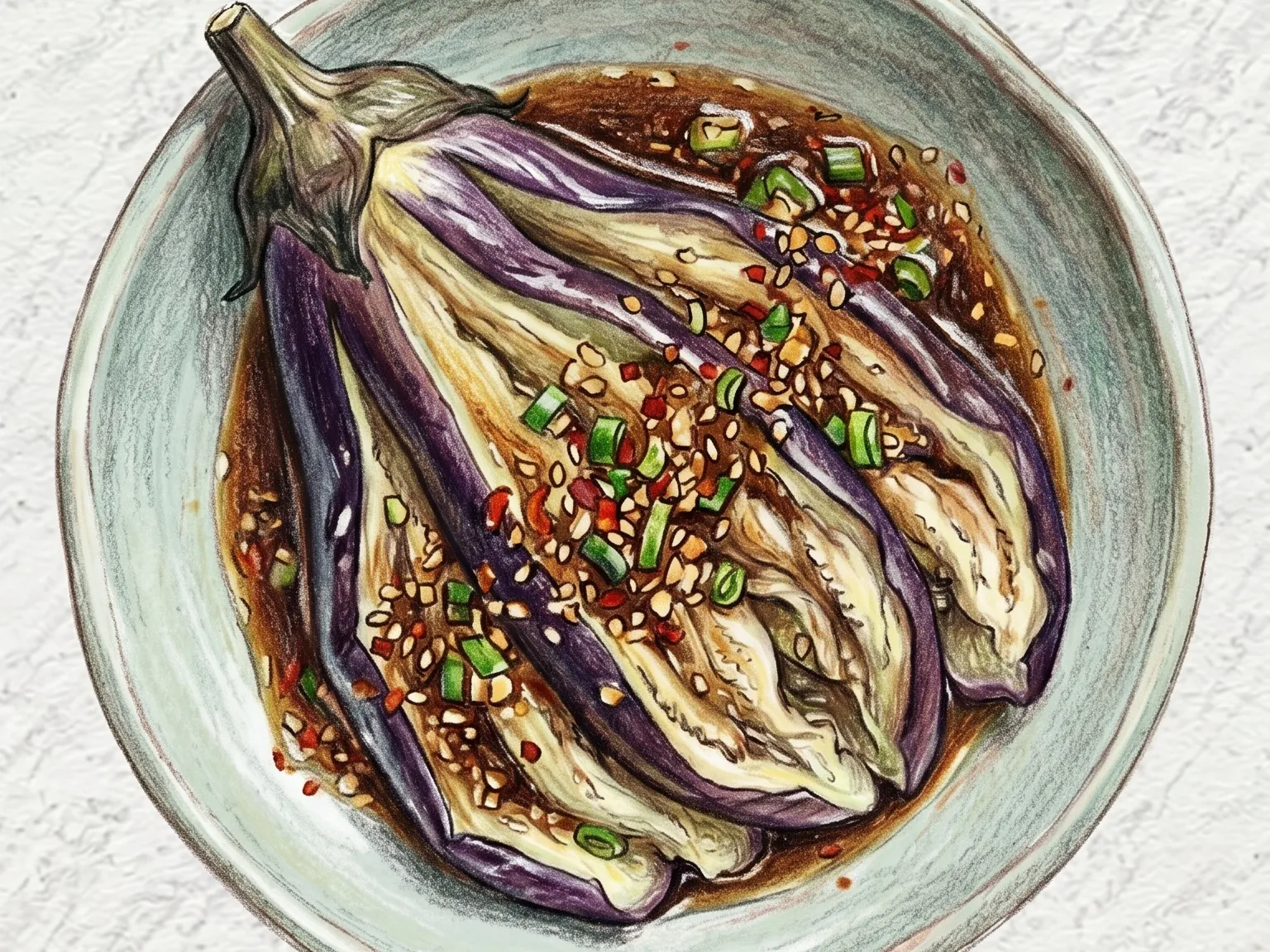
Korean Steamed Eggplant with Seasoning
Steaming whole eggplants preserves the moisture trapped inside the purple skin, creating a silky and soft texture that sliced pieces cannot replicate. This traditional Korean side dish relies on the technique of tearing the cooked eggplant by hand along its natural grain rather than using a knife. The resulting irregular surface area allows the dressing of soy sauce, garlic, and red pepper flakes to cling effectively to every fiber. Sesame oil and toasted seeds contribute a nutty fragrance while sliced green onions provide a fresh finish to the light seasoning. Adding perilla powder increases the nuttiness, and incorporating canned tuna provides enough protein to serve the dish as a primary component of a meal. Adding minced cheongyang chilies into the sauce increases the heat for a spicier version. Since the preparation takes less than thirty minutes, it remains a common choice during hot summer months. The dish keeps its consistency well in the refrigerator for about twenty-four hours after cooling.

Korean Cheongyang Gochu Doenjang Jangajji (Doenjang Pickled Cheongyang Peppers)
Cheongyang chili peppers are pricked all over with a fork so the brine can reach the interior of each pod rather than sitting on the surface. Kelp is simmered with soy sauce to establish a concentrated umami base, then the heat is cut and doenjang is dissolved into the hot liquid, which layers the nutty, fermented depth of fermented soybean paste over the saltiness of the soy. Rice syrup softens the sharp, raw heat of the chilies so it does not dominate the other flavors, and vinegar sharpens and clarifies the overall profile. The chilies are pressed fully under the brine and left in the refrigerator to mature. After one day the seasoning begins to penetrate toward the core, and by day three the doenjang flavor has fully saturated each pepper. At that point, a single pepper placed on a mouthful of hot rice delivers a compact burst of salty, funky depth and the lingering heat that makes this pickle a classic Korean table condiment.

Quiche Lorraine
Quiche Lorraine is a French savory tart that fills a buttery pastry shell with crisp-cooked bacon, grated Gruyere cheese, and a smooth custard made from eggs, heavy cream, and milk. Blind-baking the crust for ten minutes before adding the filling is essential to prevent a soggy base. The bacon must be drained well so excess fat does not make the custard greasy. Whisking the egg mixture gently avoids incorporating too many air bubbles, which would create an uneven surface after baking. The quiche is done when the center still has a slight jiggle - removing it at this point and resting for ten minutes allows residual heat to set the custard fully, producing a clean slice with a creamy interior.
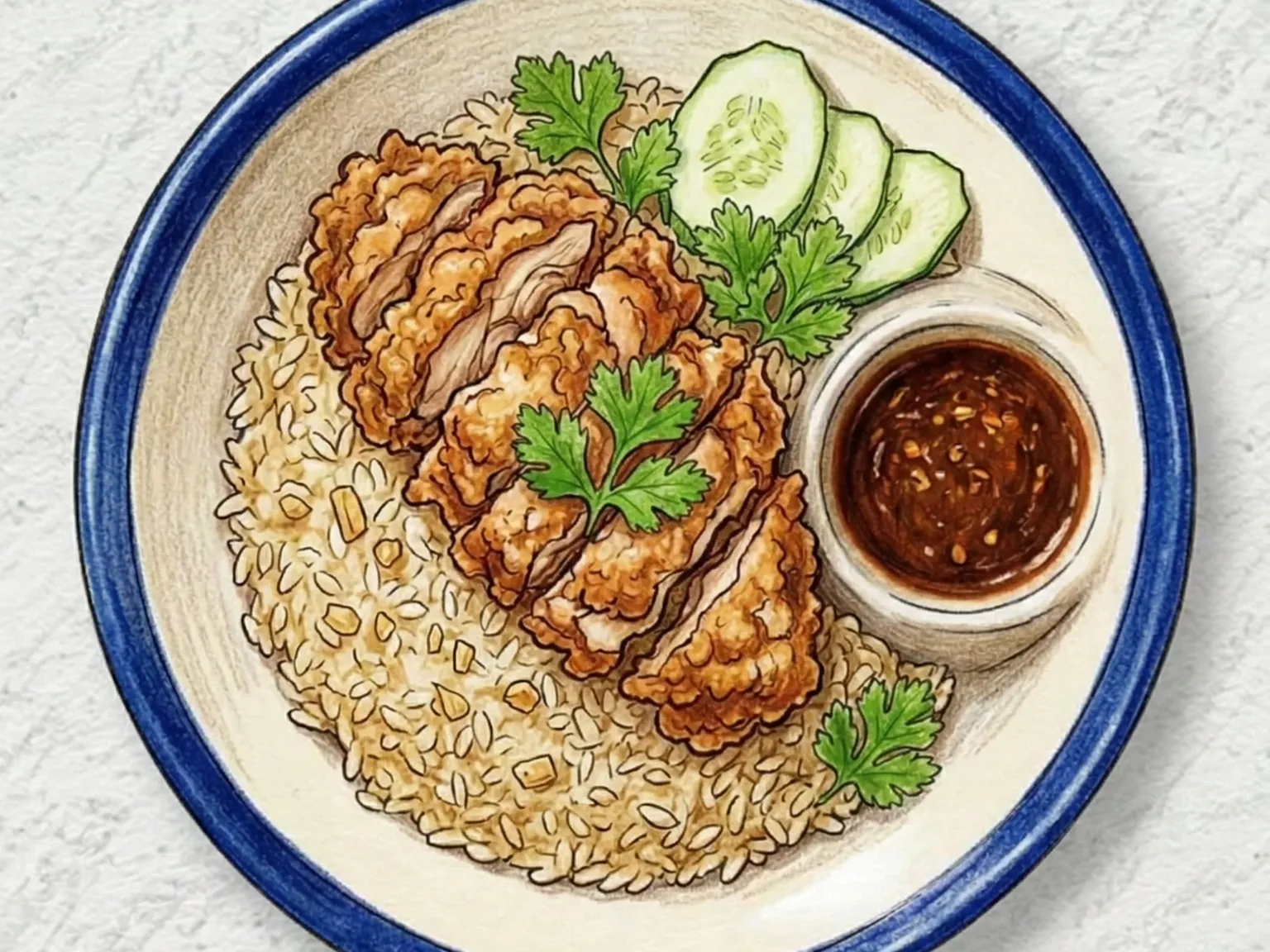
Khao Man Gai Tod (Thai Fried Chicken Rice Bowl)
Khao man gai tod is the fried variation of Thailand's beloved chicken rice, replacing the poached bird with a crispy deep-fried version that adds texture and caramelized flavor to an already satisfying dish. Chicken pieces are marinated in garlic, white pepper, and fish sauce, then dusted in seasoned flour and fried until the crust turns deep golden and audibly crunchy. The rice is cooked in chicken broth with garlic and ginger, absorbing the fat and aroma of the stock into each grain so that it tastes rich on its own before any sauce is added. What ties the plate together is the sweet chili dipping sauce, a mix of fermented soybean, vinegar, chili, and sugar that delivers a sharp, funky counterpoint to the rich fried chicken and oily rice. Sliced cucumber and a small bowl of clear broth with winter melon round out the standard serving and provide relief between bites. Street vendors across Bangkok keep vats of oil at the ready for this dish throughout the day, and the crackling sound of chicken hitting hot oil is a reliable signal to stop and eat.
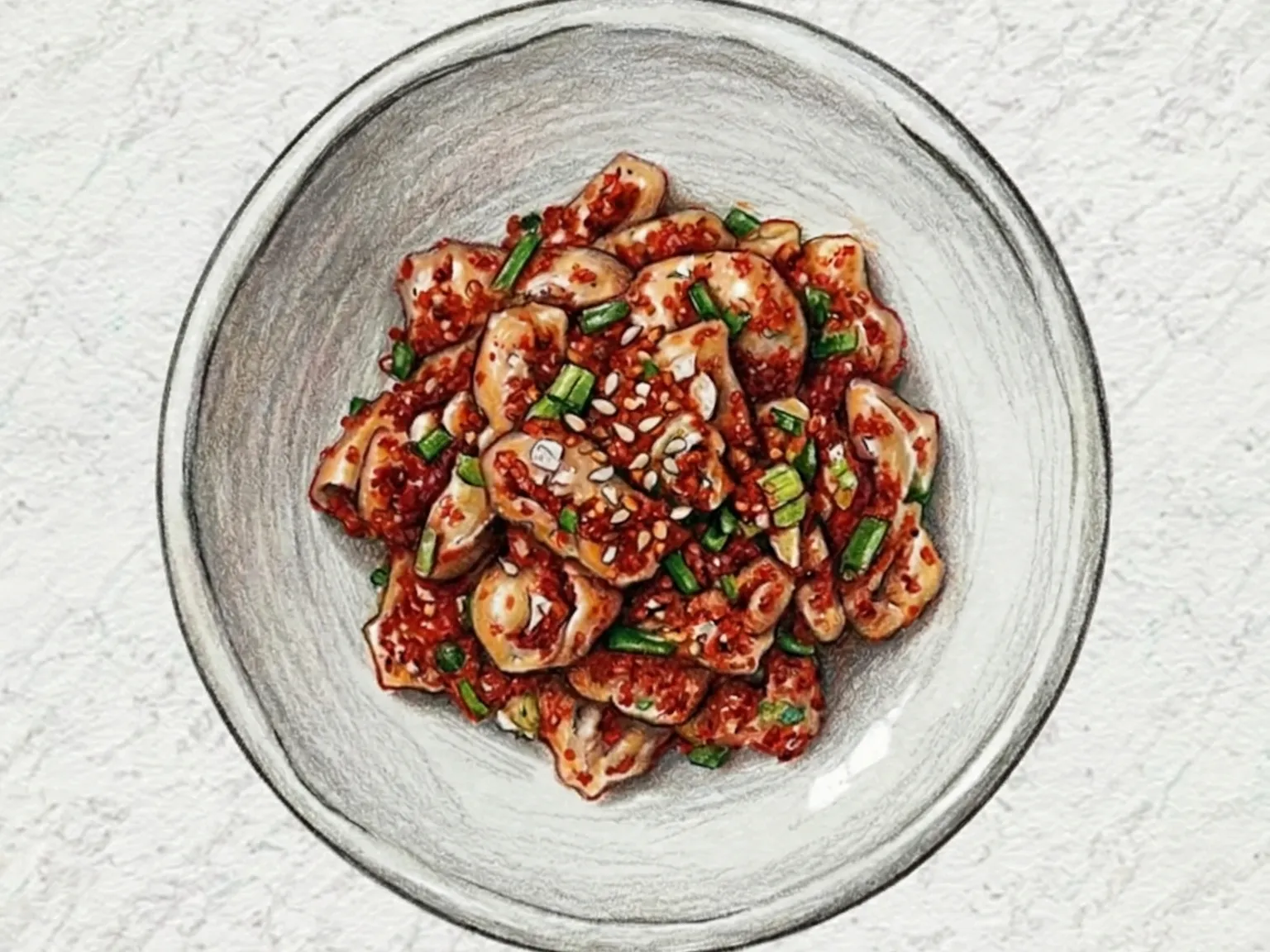
Korean Seasoned Salted Pollock Stomach
Changnanjeot, salt-fermented pollock stomach, belongs to Korea's jeotgal tradition, where seafood organs are packed in coarse salt and left to ferment for months until deep umami develops throughout. The stomach lining has a firm, slightly rubbery chew that sets it apart from softer jeotgal like salted shrimp; the longer it is chewed, the more the fermented savoriness emerges from beneath the saltiness. Drained of excess brine and dressed with gochugaru, garlic, scallion, and sugar, it becomes a high-concentration condiment banchan. A thumbnail-sized piece placed on plain rice delivers a burst of fermented marine salt and chili heat that carries an entire spoonful. Stored in the refrigerator, it keeps its character for more than two weeks, making it a practical staple side dish to prepare in advance.
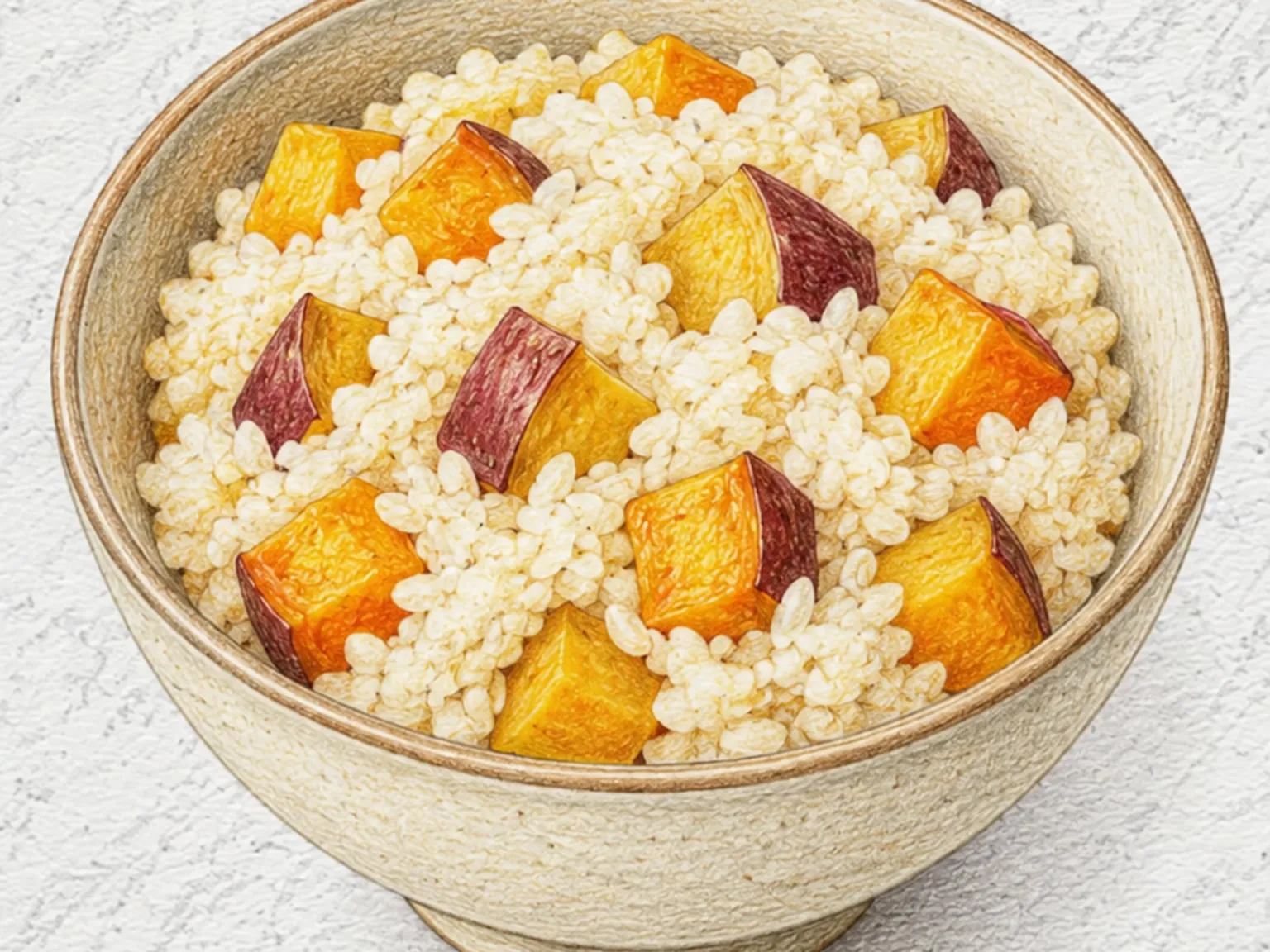
Korean Sweet Potato Rice (Steamed Grain Bowl with Natural Sweetness)
Cubed sweet potato is placed on top of washed rice and cooked together in a single pot. As the rice steams, the sweet potato's natural sugars seep into the grains, lending a gentle sweetness without any added seasoning, and the orange chunks against white rice create an inviting visual contrast. Cutting the sweet potato to roughly 2 cm ensures it cooks through at the same rate as the rice. A small pinch of salt sharpens the sweetness, and pairing the finished bowl with doenjang soup or kimchi provides a satisfying salty counterpoint. The choice of sweet potato variety matters: milbam-goguma, the chestnut-type, gives a denser and more restrained sweetness, while hobak-goguma, the butternut type, produces a softer, moister result with a more pronounced sugary flavor. Either way, goguma-bap requires minimal technique and is a reliable first recipe for anyone learning to cook Korean rice dishes.
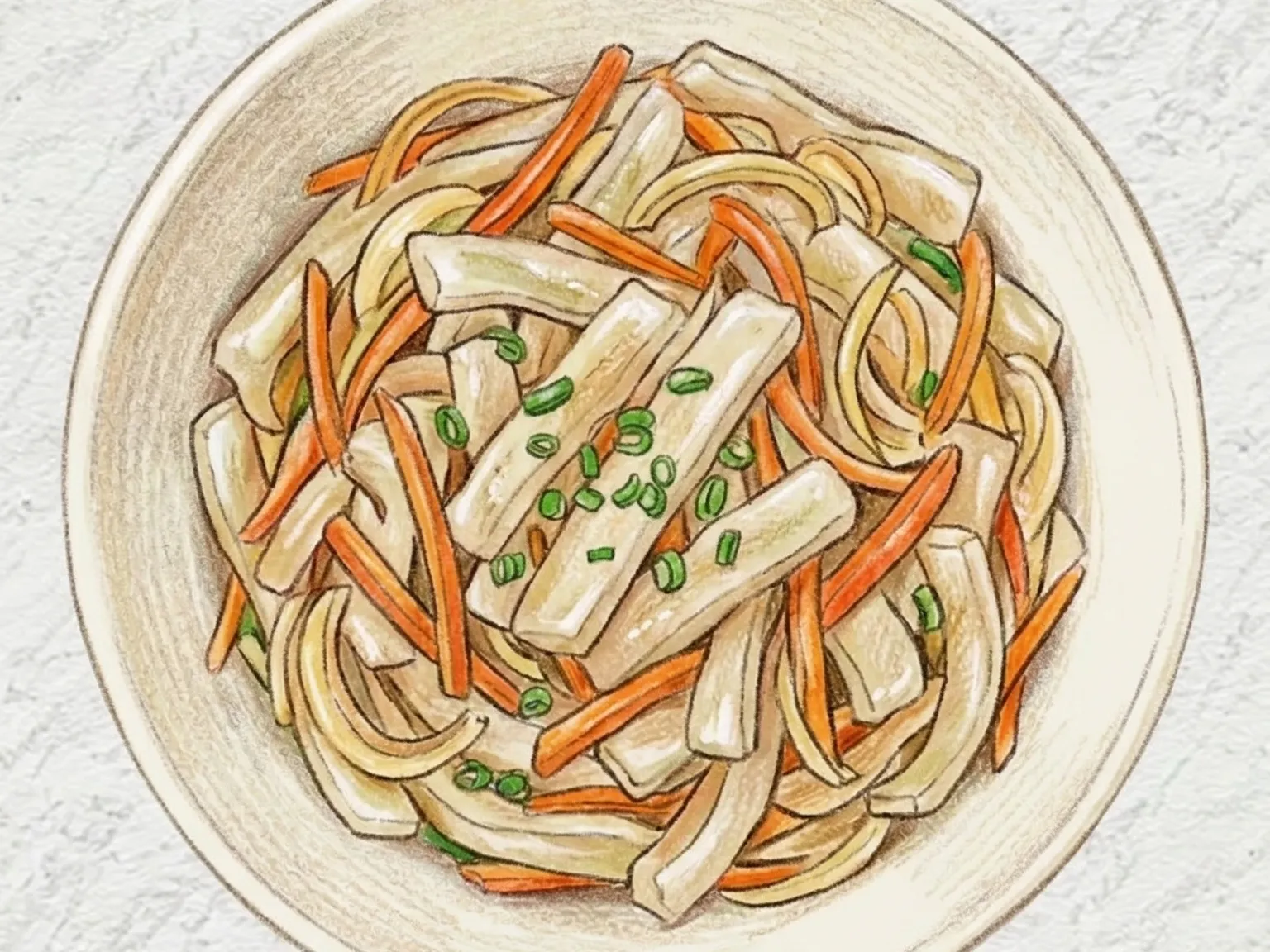
Korean Stir-fried Mung Bean Jelly
Mung bean jelly is cut into thick strips, blanched for thirty seconds to remove surface starch, then stir-fried gently with julienned carrot and onion in a soy sauce seasoning. The brief blanch firms up the jelly's exterior just enough to survive the tossing in the pan without crumbling, and washing away the starch allows the jelly to absorb the flavors of its companion vegetables more readily. Low heat and a careful hand are non-negotiable; aggressive stirring breaks the strips into shapeless lumps. The carrot contributes a faint natural sweetness, and the onion releases a light caramel note as it softens, both of which fill in the jelly's inherently neutral taste with understated warmth. Chopped green onion added at the very end lifts the dish with a sharp, fresh bite. One tablespoon of sesame oil swirled in after the flame is off coats everything in a glossy sheen and a final wave of nuttiness. At 180 calories and 9 grams of fat, this is a low-calorie side with enough fiber to sit gently in the stomach. The pale yellow color of mung bean jelly - a signature of the ingredient - comes through clearly on the finished plate, giving the dish a clean, orderly appearance that matches its delicate flavor.
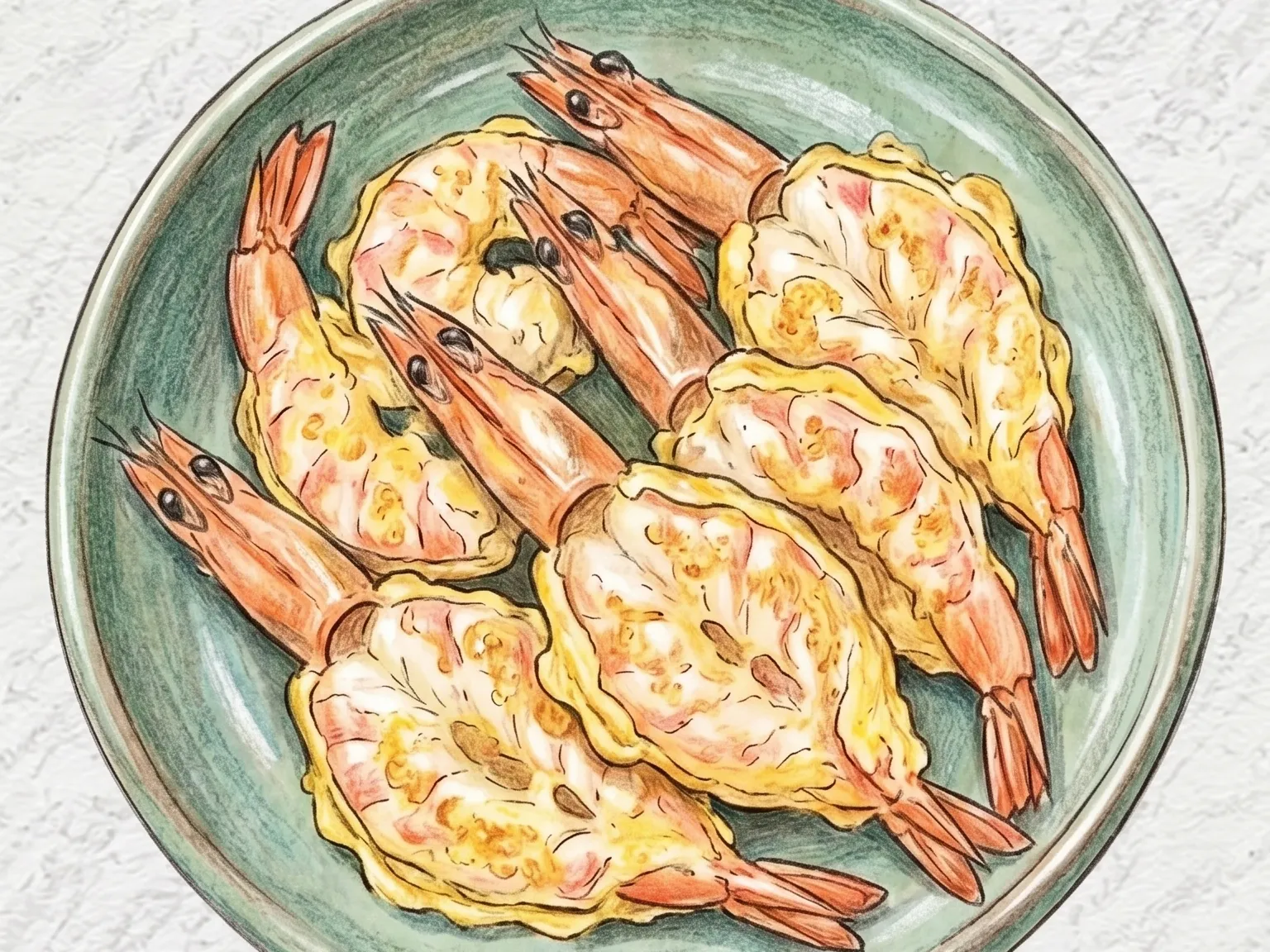
Korean Shrimp Jeon (Egg-Battered Pan-Fried Shrimp Pancake)
Saeu-jeon is a Korean shrimp pancake where peeled, deveined medium shrimp are butterflied, seasoned with salt and pepper, dredged in flour, dipped in beaten egg, and pan-fried for one to two minutes per side over medium heat. Butterflying flattens each shrimp so heat transfers evenly across the surface, and the flour layer between the shrimp and egg acts as adhesive that keeps the coating from sliding off. Shaking excess flour through a sieve before dipping ensures an even egg coat and uniform thickness across every piece, and medium heat is essential-too high and the egg scorches while the shrimp inside stays undercooked. The shrimp should be removed the moment the flesh turns pink; any additional time on the heat contracts the protein and turns the texture tough.