🌙 Late Night Recipes
Quick and satisfying late-night bites
651 recipes. Page 14 of 28
Late-night cravings call for quick, easy recipes that satisfy without too much effort. Ramyeon, egg fried rice, tuna-mayo rice bowls, and simple toasts - these are dishes you can throw together when hunger strikes after dark. Cooking at home beats delivery in both cost and healthiness.
The ideal late-night snack is fast to make, easy to clean up, and just filling enough. These recipes hit that sweet spot - comforting without being heavy.
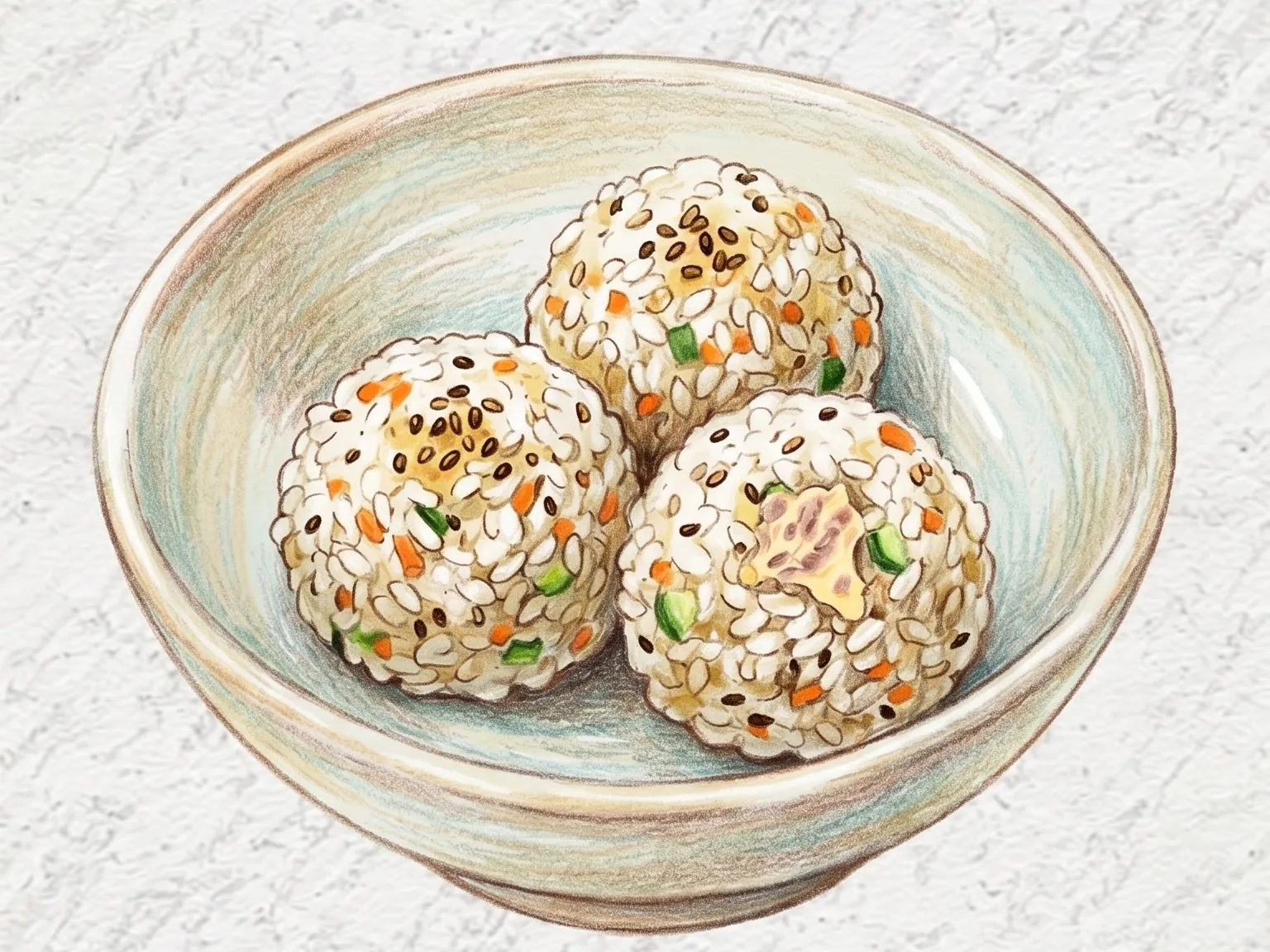
Korean Rice Ball (Sesame Rice Balls with Tuna Mayo Filling)
Jumeokbap are Korean rice balls made by seasoning warm cooked rice with sesame oil, salt, and sesame seeds, packing a tuna-mayonnaise filling with finely diced carrot and cucumber into the center, and shaping everything into compact rounds using plastic wrap. Sesame oil coats each grain and lends a nutty fragrance while helping the rice hold together without falling apart. Inside, the salty tuna and creamy mayonnaise blend together while the carrot and cucumber provide short, crunchy breaks in each bite. Shaping through plastic wrap keeps hands clean, produces a consistent size, and makes it practical to assemble in large batches. No reheating is required, and the rice balls hold well at room temperature, which makes them a natural fit for packed lunches, picnics, and outdoor gatherings.
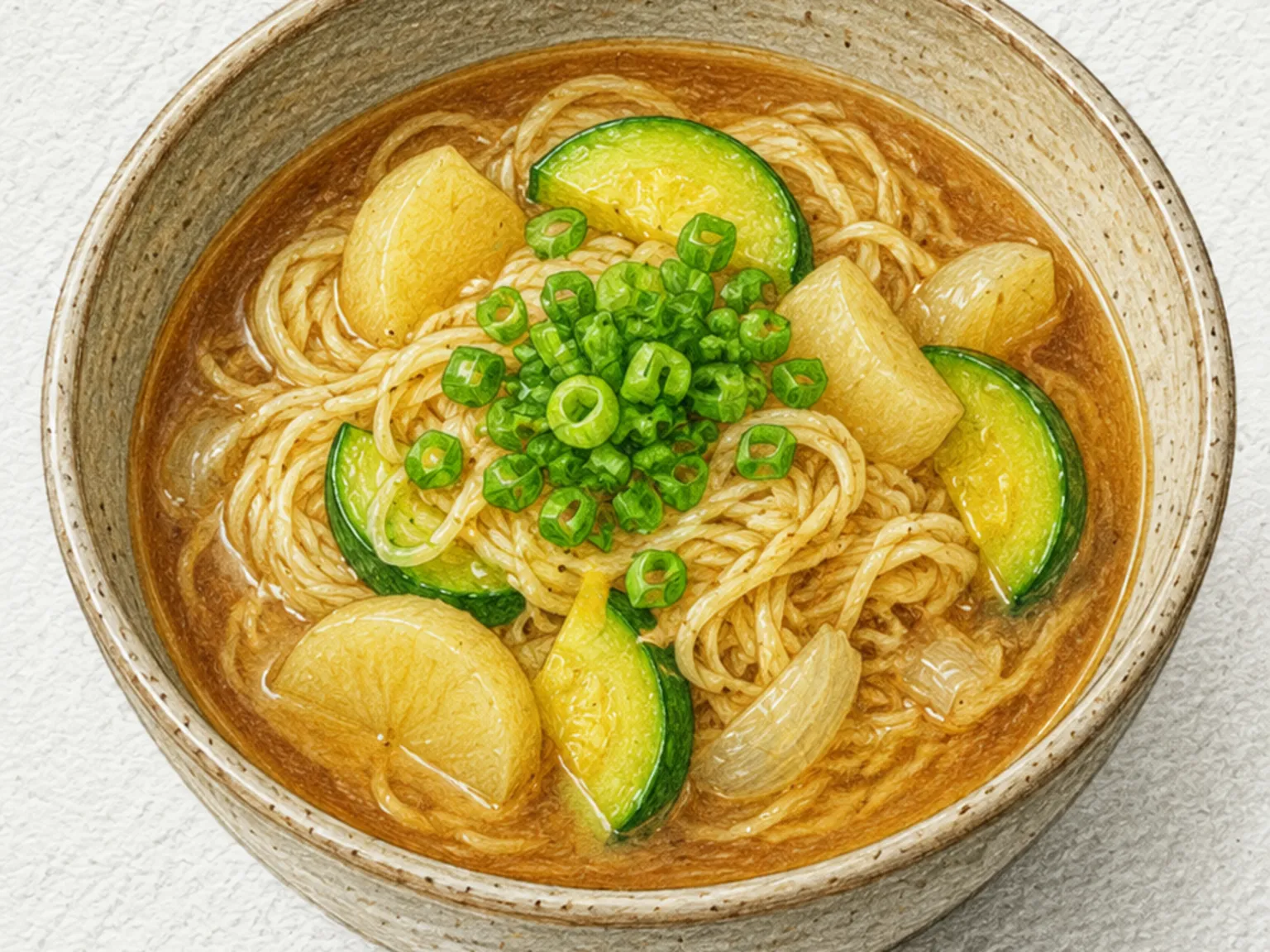
Korean Doenjang Thin Noodle Soup
Doenjang somyeon is a Korean noodle soup of thin wheat noodles in a fermented soybean paste broth built on anchovy stock. Potato, zucchini, and onion - or whatever vegetables are available - go into the broth first, simmering until they release their moisture and natural sugars into the liquid, which rounds out the earthy doenjang base. The somyeon noodles take only three to four minutes to cook, so they go in last to stay firm. Sliced green onion scattered on top adds a clean, bright note against the fermented broth. The ingredient list is short and adaptable, but the doenjang delivers enough layered depth to make this a satisfying weeknight dinner without any complex technique.

Cornbread
Cornbread is a Southern American quick bread made from cornmeal, flour, sugar, baking powder, milk, egg, and melted butter, baked until golden. Mixing the wet and dry ingredients separately and combining them with minimal stirring prevents overdeveloping gluten, which keeps the crumb tender and moist rather than tough. Baking at 200 degrees Celsius for twenty-two to twenty-five minutes produces a crisp exterior with a lightly sweet, nutty interior characteristic of cornmeal. The bread pairs well with stews, chili, and soups; its coarse grain absorbs broth and sauce effectively, making every bite more flavorful the longer it sits in the bowl.
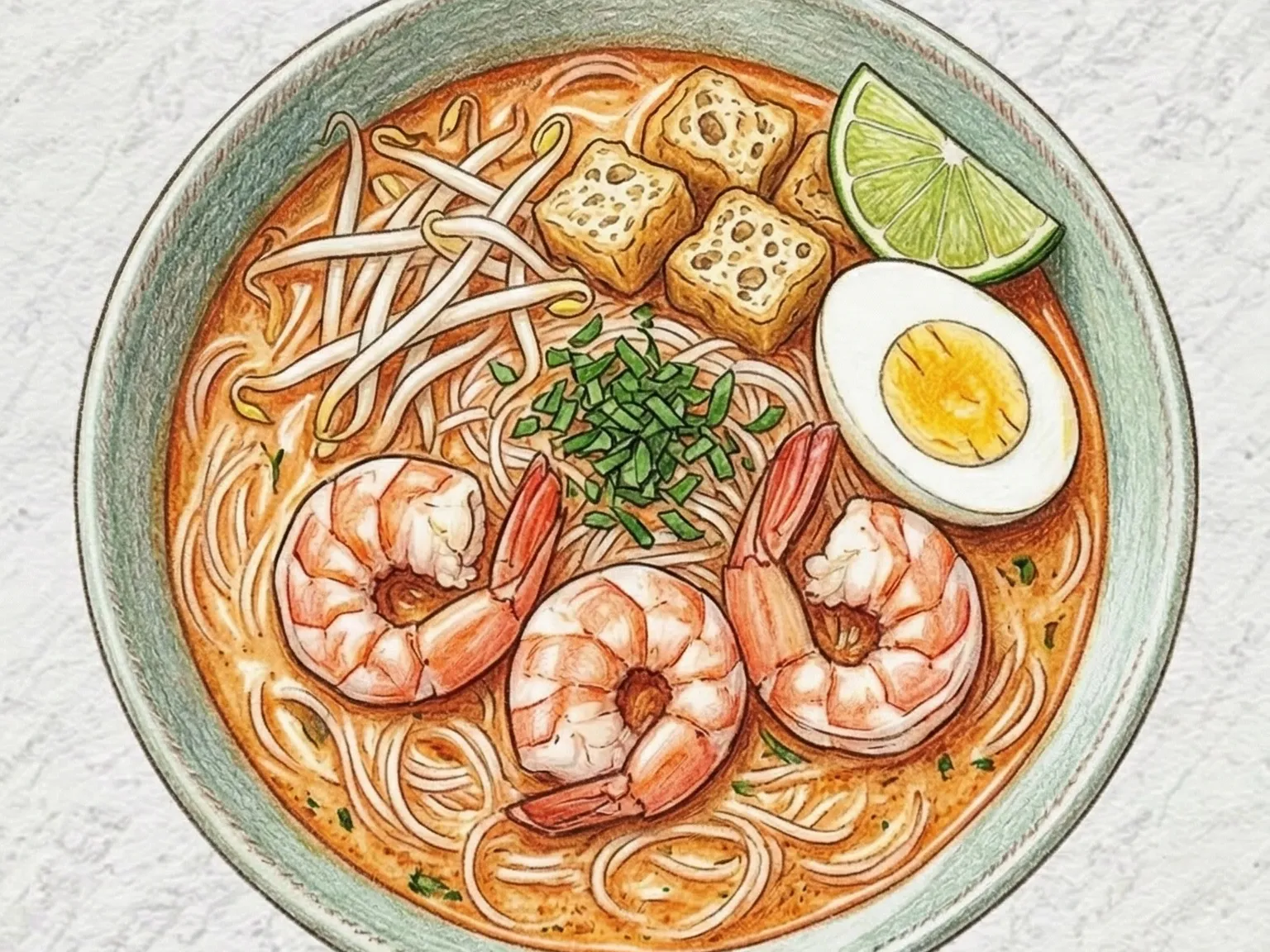
Coconut Shrimp Laksa (Spiced Coconut Broth Noodle Soup with Shrimp)
Coconut shrimp laksa is a Southeast Asian noodle soup built on a broth of coconut milk, spice paste, and chicken stock that manages to be simultaneously rich, spicy, and aromatic. The laksa paste - a pounded blend of lemongrass, galangal, turmeric, dried shrimp, dried chilies, and shrimp paste - is fried in oil until deeply fragrant before coconut milk and stock are poured in. The resulting broth is thick and creamy with visible pools of chili oil floating on the surface. Shrimp are cooked shell-on in the broth to extract maximum flavor, then peeled and placed back on top. Rice noodles form the base of each bowl, topped with bean sprouts, halved hard-boiled egg, and cubes of fried tofu puff that soak up the broth like sponges. A squeeze of lime and a drizzle of fish sauce finish the bowl, adding acid and salt that sharpen the richness of the coconut. In Singapore and Malaysia, laksa is eaten from early morning through late night, served at hawker stalls that often specialize in this single dish.
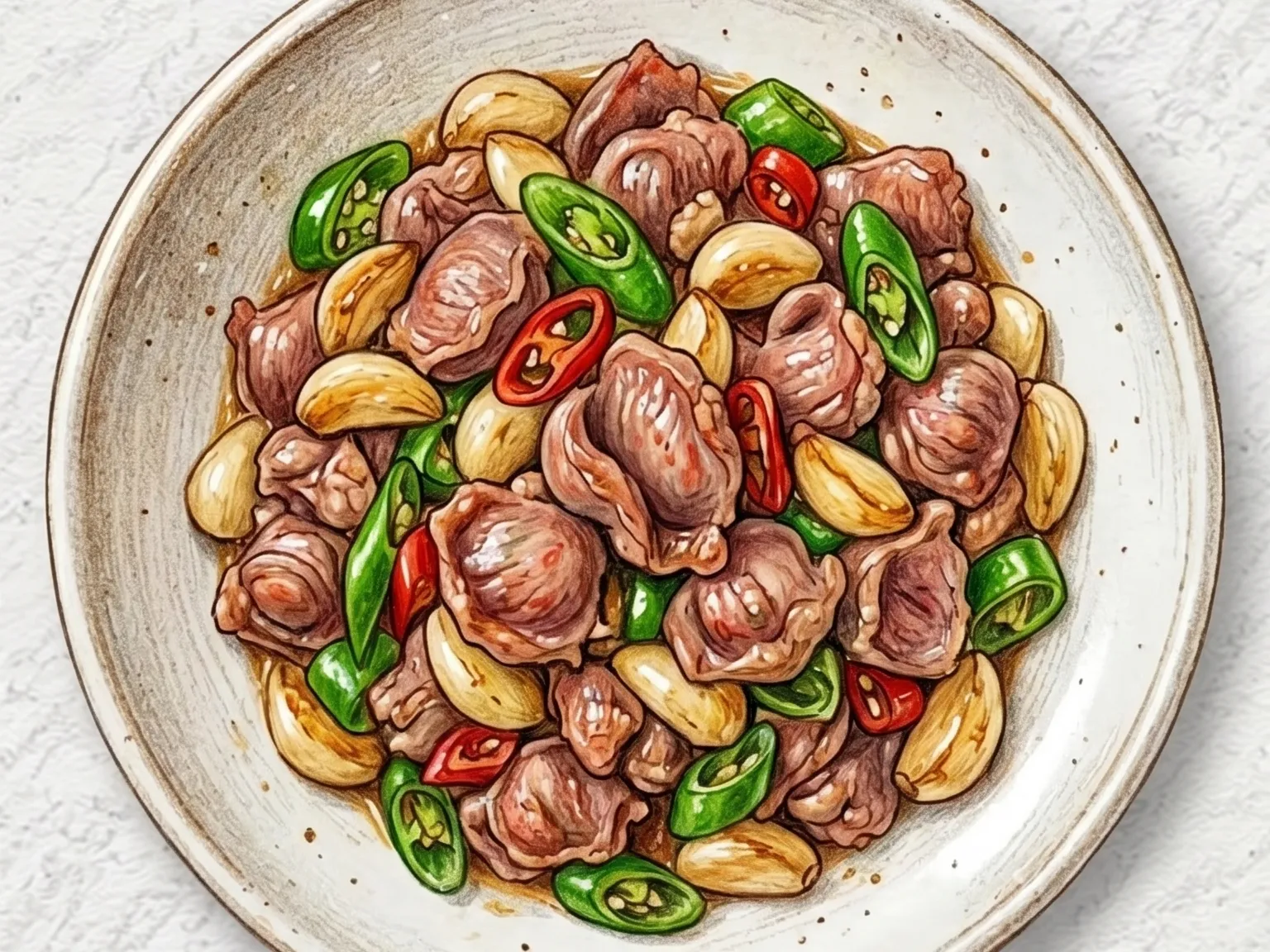
Korean Stir-fried Chicken Gizzards
Dak-ttongjip-bokkeum is a stir-fried dish made from chicken gizzards cooked over high heat with garlic and cheongyang chili pepper. The gizzard, known as the near-wi in Korean, is the thick muscular organ a chicken uses to grind its food. It contains very little fat, is high in protein, and stays firm through cooking in a way that ordinary chicken meat does not. Proper cleaning before cooking is essential. The yellow inner lining and any adjacent odorous tissue must be removed entirely, or the finished dish will carry an off smell that no amount of seasoning can cover. Once cleaned and scored lightly on the surface to help seasoning penetrate, the gizzards go into a very hot pan. The goal is a fast, high-heat cook that sears the outside while leaving the interior tender and springy. Extended cooking over lower heat makes them chewy and tough. The texture is the defining quality of this dish - dense, elastic, and slightly resistant to the bite, with a mild savory nuttiness that deepens the longer you chew. Cheongyang chili cuts through any residual heaviness and adds a clean, quick heat. Garlic provides a deep aromatic foundation that complements the protein. Soy sauce and mirim season the stir-fry with a balance of salt and restrained sweetness. The dish is ordered frequently alongside beer or soju, where its chewy texture and moderate heat make it a satisfying accompaniment to cold drinks. It also works well as a rice side dish.

Pork Cutlet Sandwich
Katsu sando is a Japanese sandwich built around a thick pork loin cutlet breaded in flour, egg, and panko, then deep-fried at 170C until the exterior turns a deep, even gold. The cutlet rests on soft milk bread generously spread with tonkatsu sauce, and a layer of shredded cabbage dressed in mayonnaise goes in between. The contrast between the cutlet's rigid panko crust and the yielding bread is what defines the sandwich, while the mayo-dressed cabbage absorbs some of the richness and keeps the whole thing from feeling heavy. Wrapping the assembled sandwich firmly in plastic wrap and resting it for three minutes gives the sauce time to soak into the bread, producing a clean cross-section when cut. Draining the cutlet upright for a minute after frying removes surface oil and prevents the bread from going soggy. Using fine-ground fresh panko rather than dried gives the crust a slightly denser, more refined texture.
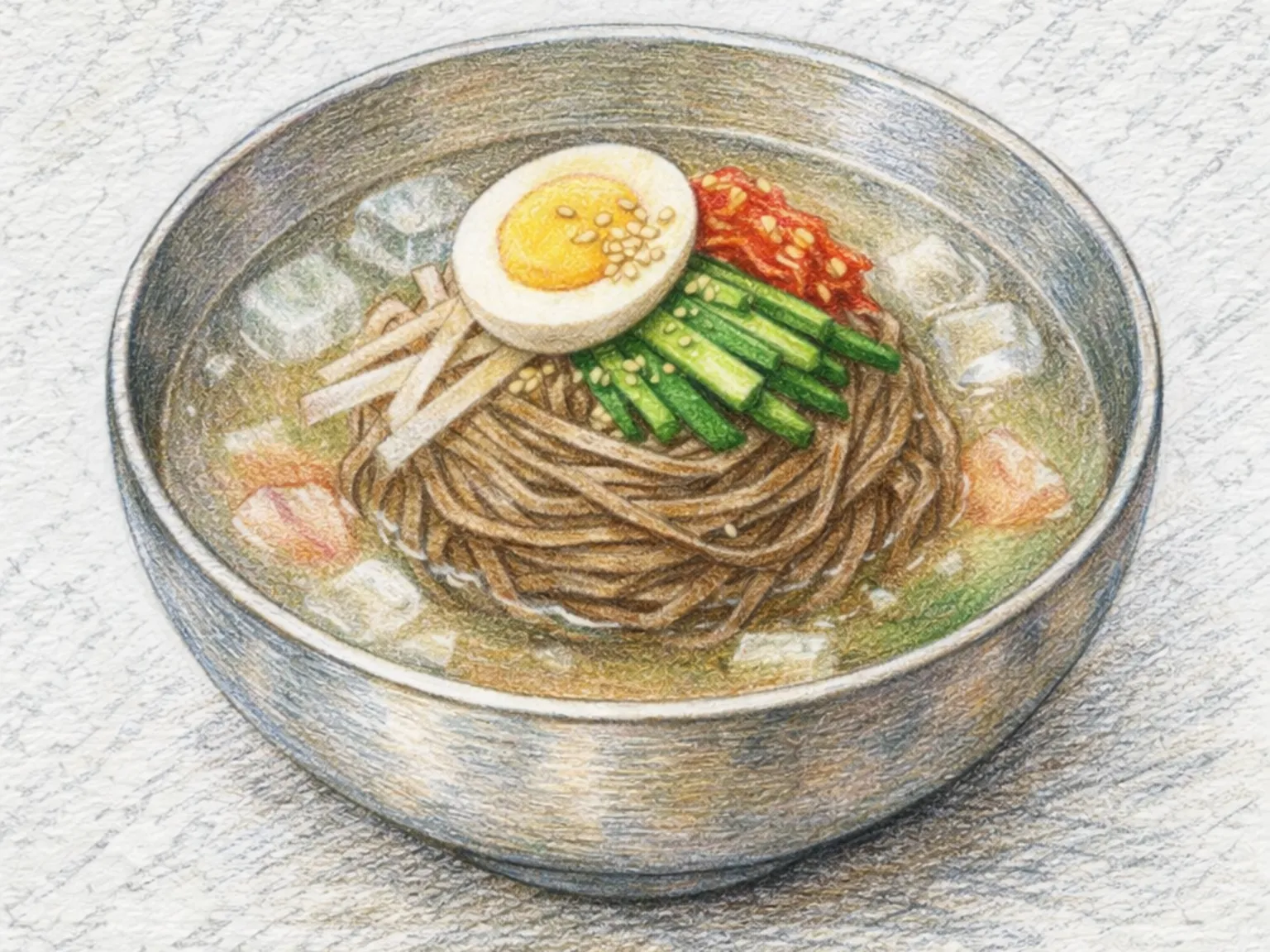
Korean Dongchimi Buckwheat Noodles
Dongchimi makguksu is a Gangwon-do cold noodle dish of buckwheat noodles in the broth of well-fermented dongchimi, a white water kimchi of salted radish. The broth is strained clean and chilled in the freezer until a thin layer of ice crystals forms on the surface, which sharpens the tangy, lactic acidity to its fullest. Buckwheat noodles are rinsed thoroughly in cold water after cooking to strip away all surface starch, keeping the broth clear and clean around each strand. Julienned Korean pear contributes fruit sweetness and a juicy texture against the chewy noodles. Korean mustard, stirred in at the table, delivers a sharp nasal heat that punctuates each cold sip. The bowl contains no fat at all, making it one of the lighter noodle dishes in Korean cuisine and a natural palate-cleanser after rich, oily meat such as samgyeopsal or suyuk.
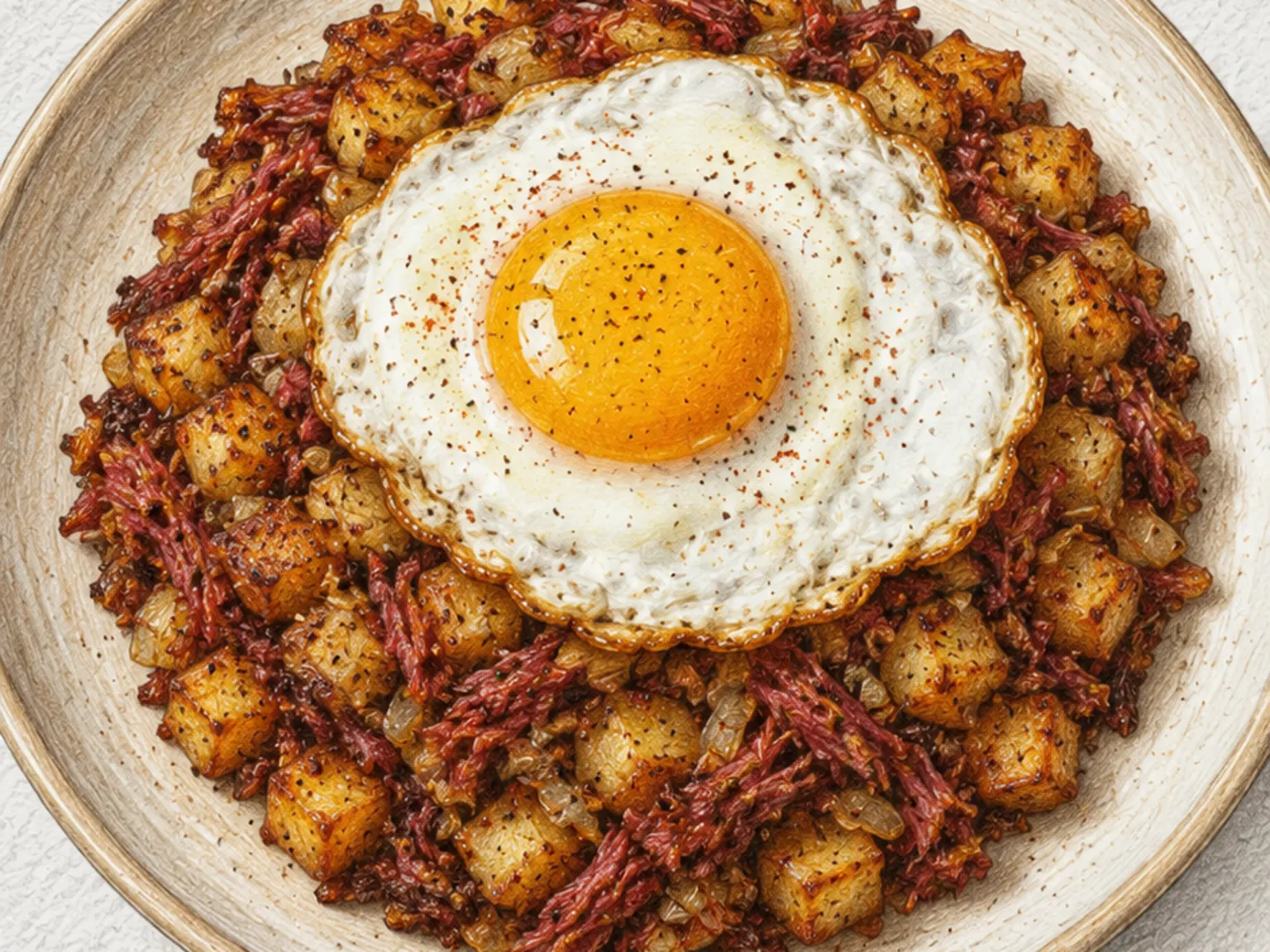
Corned Beef Hash
Corned beef hash is an American brunch dish that pan-fries diced potatoes and shredded corned beef until crispy, then tops them with a fried egg. Parboiling the potatoes for five minutes softens the inside while setting up a starchier surface that crisps better in the pan. Cooking the potatoes in butter and oil until golden before adding onion and then the corned beef builds layers of texture. Minimizing how often the hash is flipped allows a crust to form on the bottom, which is the signature of a well-made hash. The salty depth of corned beef combines with the starchy richness of potato, and breaking the egg yolk over the top ties everything together.
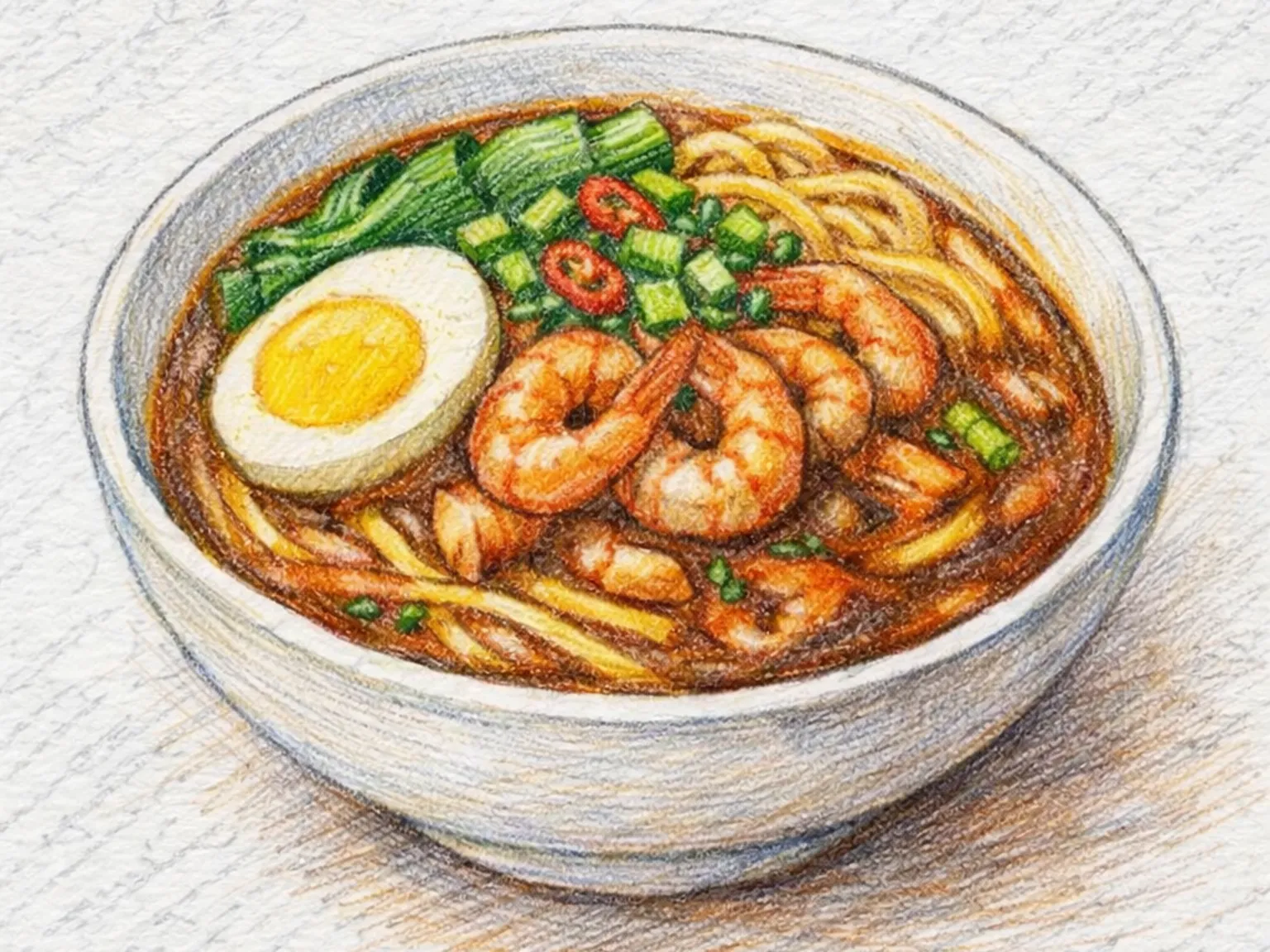
Mee Bandung (Malaysian Johor Shrimp Tomato Gravy Noodles)
Mee bandung is a traditional noodle dish from the Johor region of Malaysia, featuring yellow wheat noodles served in a thick, reddish-orange shrimp and tomato gravy. The base is prepared by stir-frying finely minced onions and garlic, followed by tomato paste and chili paste to create a concentrated aromatic paste. Shrimp stock and soy sauce are poured in and simmered before fresh shrimp are added and cooked briefly to maintain a tender texture. A starch slurry is stirred into the hot liquid to thicken it, producing a gravy that coats the noodles and sits between a soup and a stir-fry in consistency. The resulting sauce delivers a balanced profile of sweet, spicy, and savory flavors. The dish is finished by ladling the warm gravy over boiled noodles and topping them with shrimp and boiled eggs.
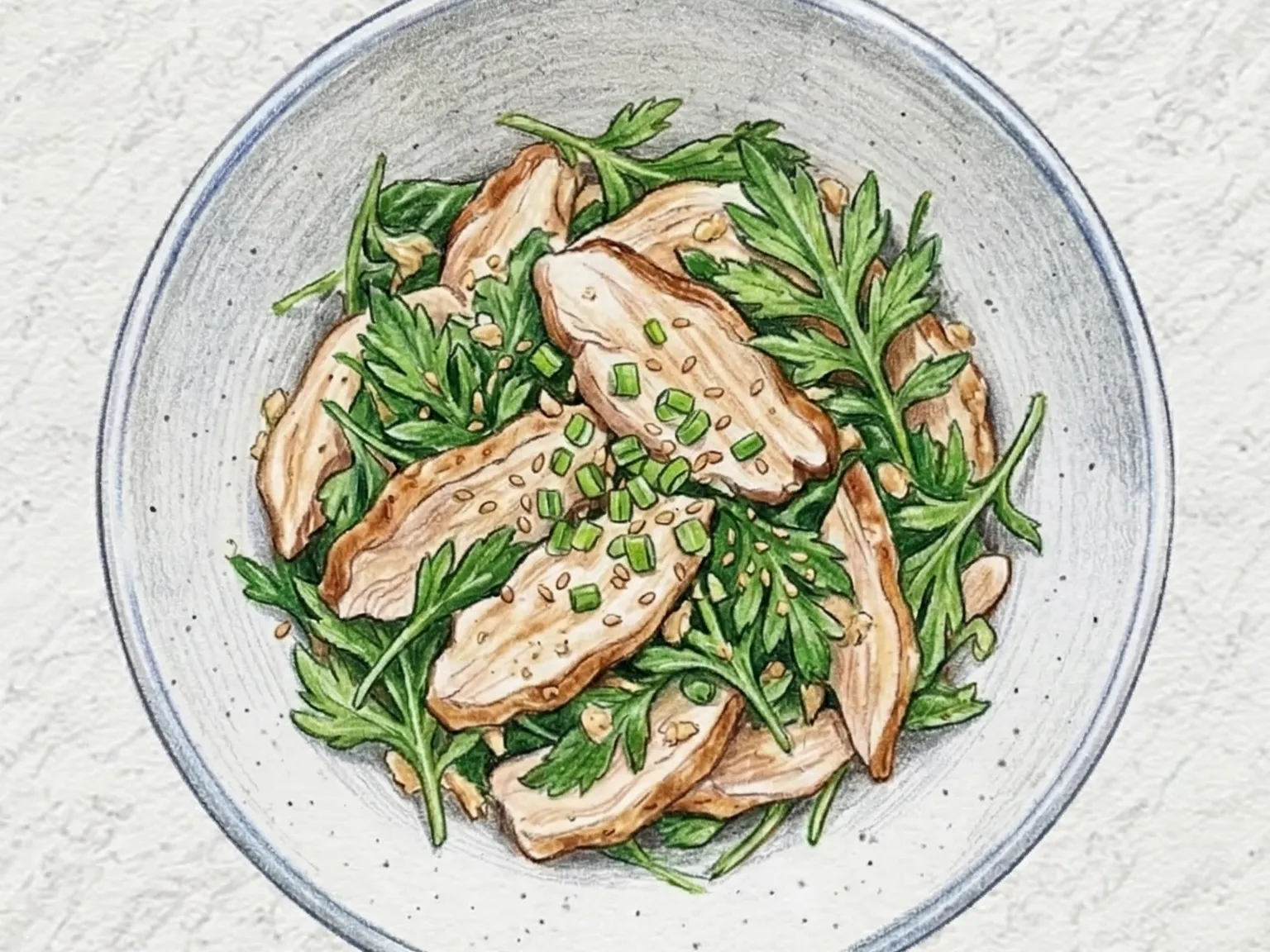
Korean Chicken Breast & Mugwort Stir-fry
Spring mugwort offers its most tender texture and mildest bitterness immediately after harvest, making it a perfect companion for lean proteins. This stir-fry utilizes thinly sliced chicken breast to create a clean base where the herb's fragrance takes center stage. Minced garlic and soy sauce provide a light seasoning that emphasizes the natural characteristics of the ingredients without creating a heavy coating. Because chicken breast dries out quickly, the preparation requires a preheated pan and high heat to cook the meat just until it turns opaque. Adding the mugwort at the very end allows it to soften slightly through residual heat, preserving the fresh aroma that would otherwise turn harsh or overly bitter with prolonged cooking. A light application of sesame oil at the finish rounds out the profile with a subtle nuttiness. The combination of vitamin-rich mugwort and high-quality protein makes this a nutritionally balanced side dish. This preparation relies on minimal oil and the inherent quality of the seasonal ingredients, making it a suitable choice for a light meal served with rice or inside fresh lettuce wraps.
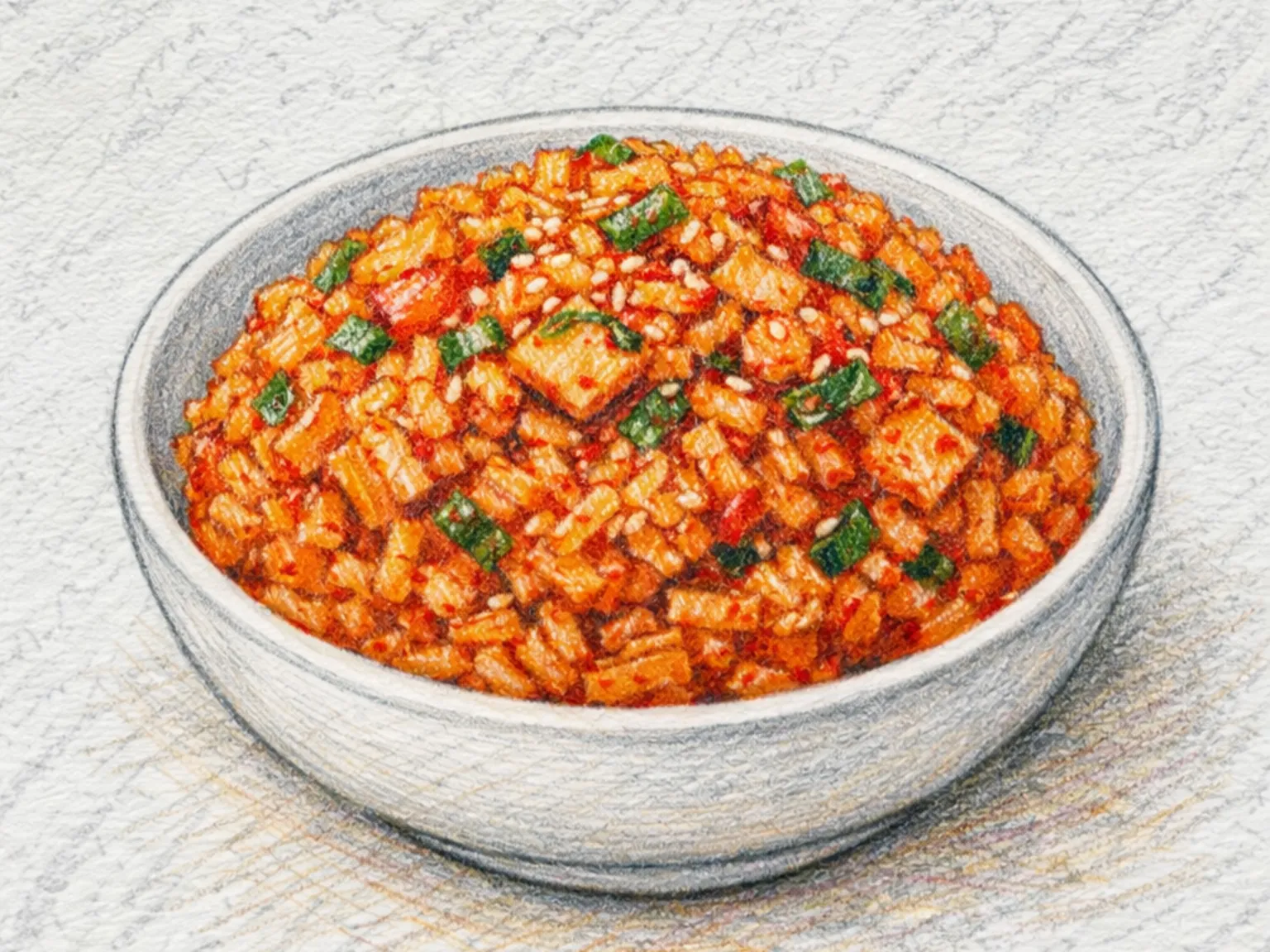
Korean Bunsik Kimchi Bokkeumbap (Kimchi Fried Rice)
Bunsik-style kimchi fried rice starts by making scallion oil from green onions, then stir-frying well-fermented kimchi to drive off moisture before seasoning with gochujang and soy sauce and tossing in day-old rice. The scallion oil lays a nutty base across the rice, and the aged kimchi's sharp acidity layers with the gochujang's heat to build depth. Cold leftover rice fries without turning mushy, keeping individual grains distinct, and the dish is topped with seaweed flakes and a runny fried egg. A small amount of sugar can be added if the kimchi's sourness is overpowering.
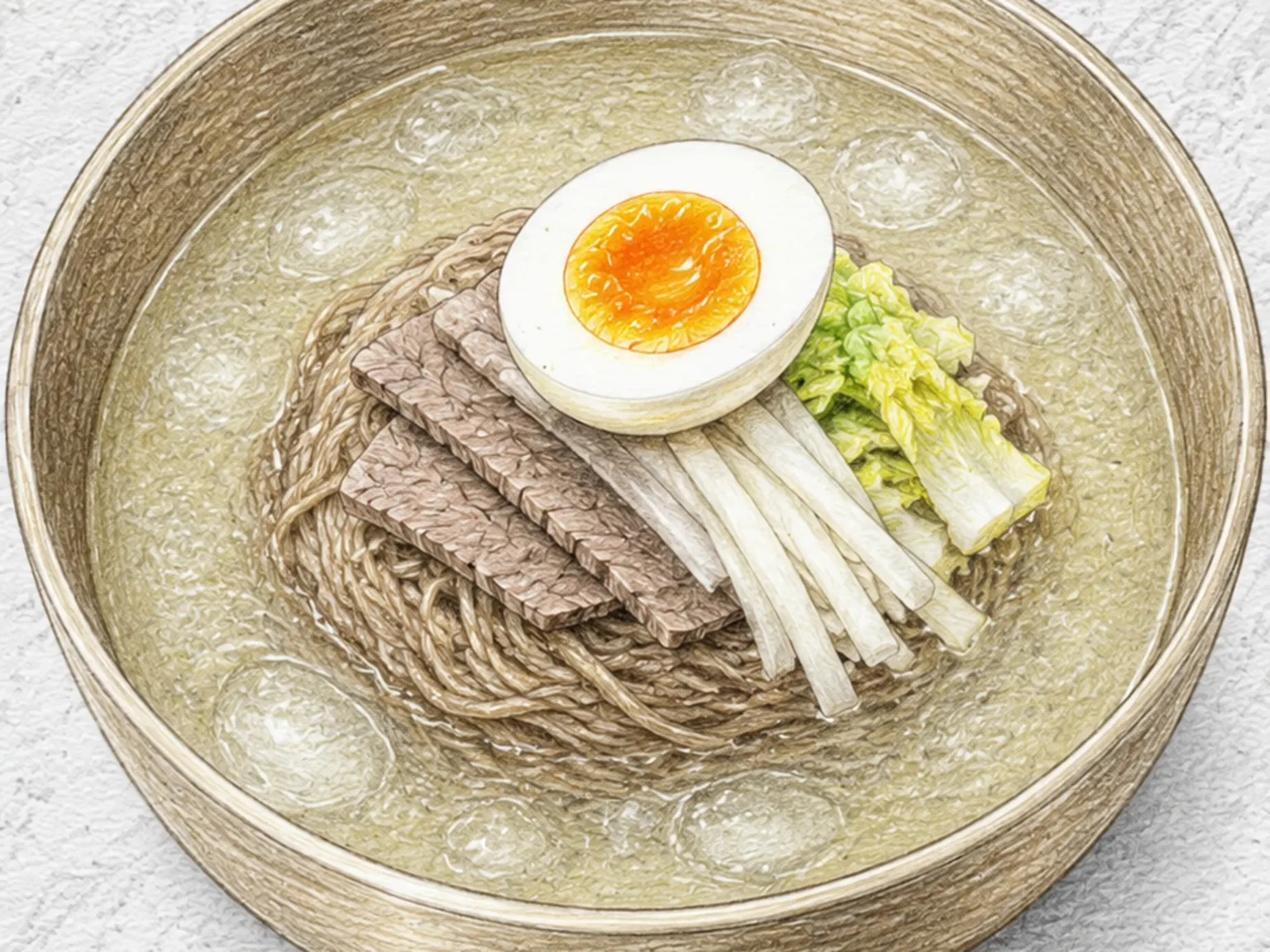
Korean Dongchimi Cold Naengmyeon
Dongchimi naengmyeon is a cold noodle dish built around the fermented brine of dongchimi, a water-based winter kimchi made with whole radish. The brine is blended with chilled beef or chicken stock, creating a broth that looks deceptively simple but carries a layered complexity from months of fermentation. The lactic acidity of the dongchimi water is not sharp or aggressive - it is long and clean, acquired through slow fermentation rather than vinegar shortcut. At very cold temperatures, just at the point of forming a thin skin of ice on the surface, the radish-derived fragrance in the broth becomes most vivid and refreshing. Thin slices of boiled beef add a lean, meaty backbone that anchors the acidity without competing with it. Julienned Korean pear brings gentle sweetness and crunch, and half a boiled egg rounds out the bowl with richness. Cutting the noodles several times with scissors before placing them in the bowl keeps them from clumping in the cold and allows the broth to reach every strand from the first bite.
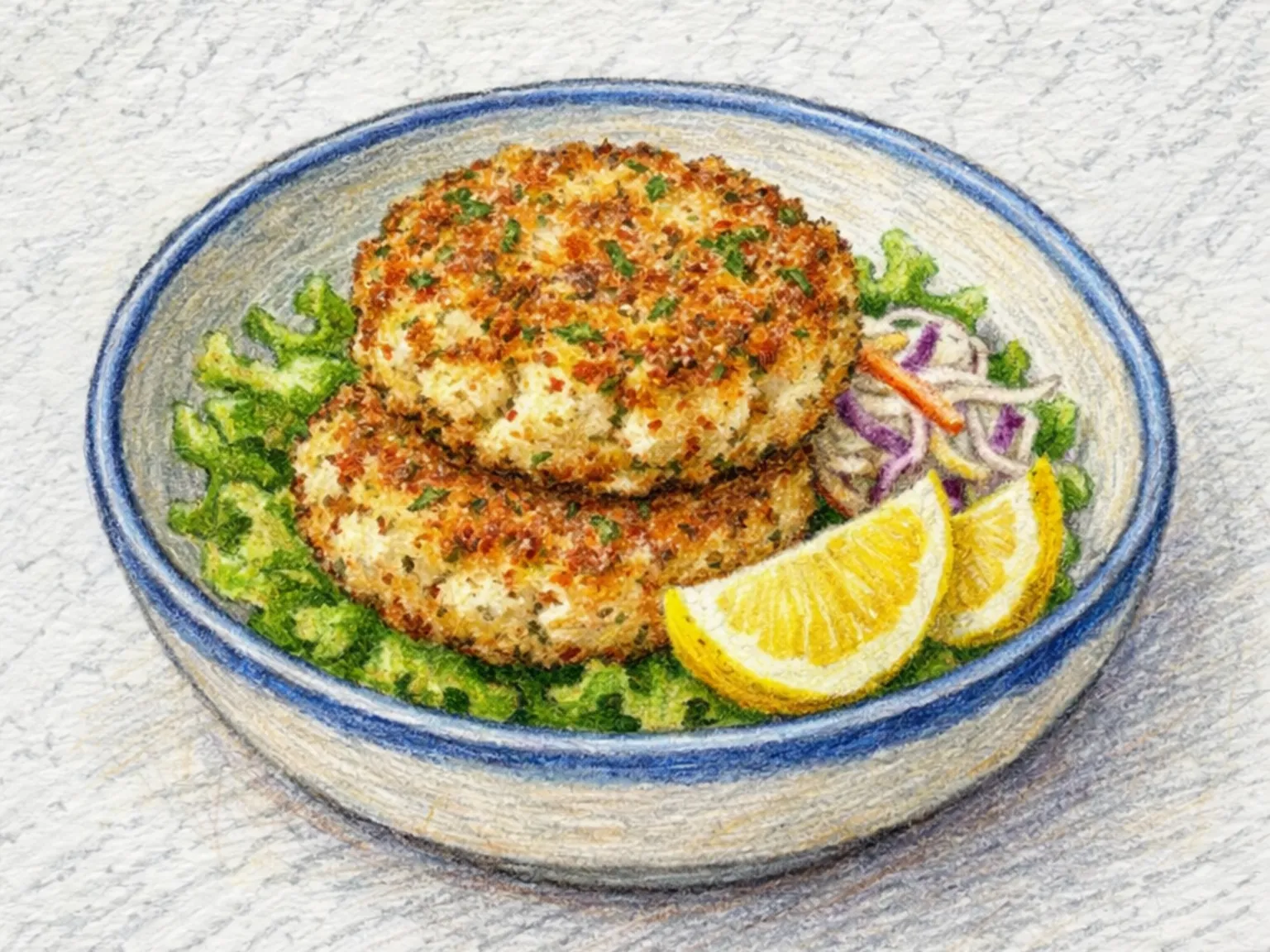
Crab Cake
Crab cakes are a signature seafood dish of the American East Coast, made by gently folding crab meat with mayonnaise, Dijon mustard, egg, breadcrumbs, parsley, and lemon juice, then shaping the mixture into patties and pan-frying in butter until golden on each side. Mixing the crab meat with a light touch preserves the large flakes that give each bite its distinctive texture. Lemon juice brightens the flavor and tempers any fishiness. Chilling the formed patties for thirty minutes firms them enough to flip in the pan without breaking apart. The finished crab cake has a crisp, buttery exterior enclosing moist, sweet crab.
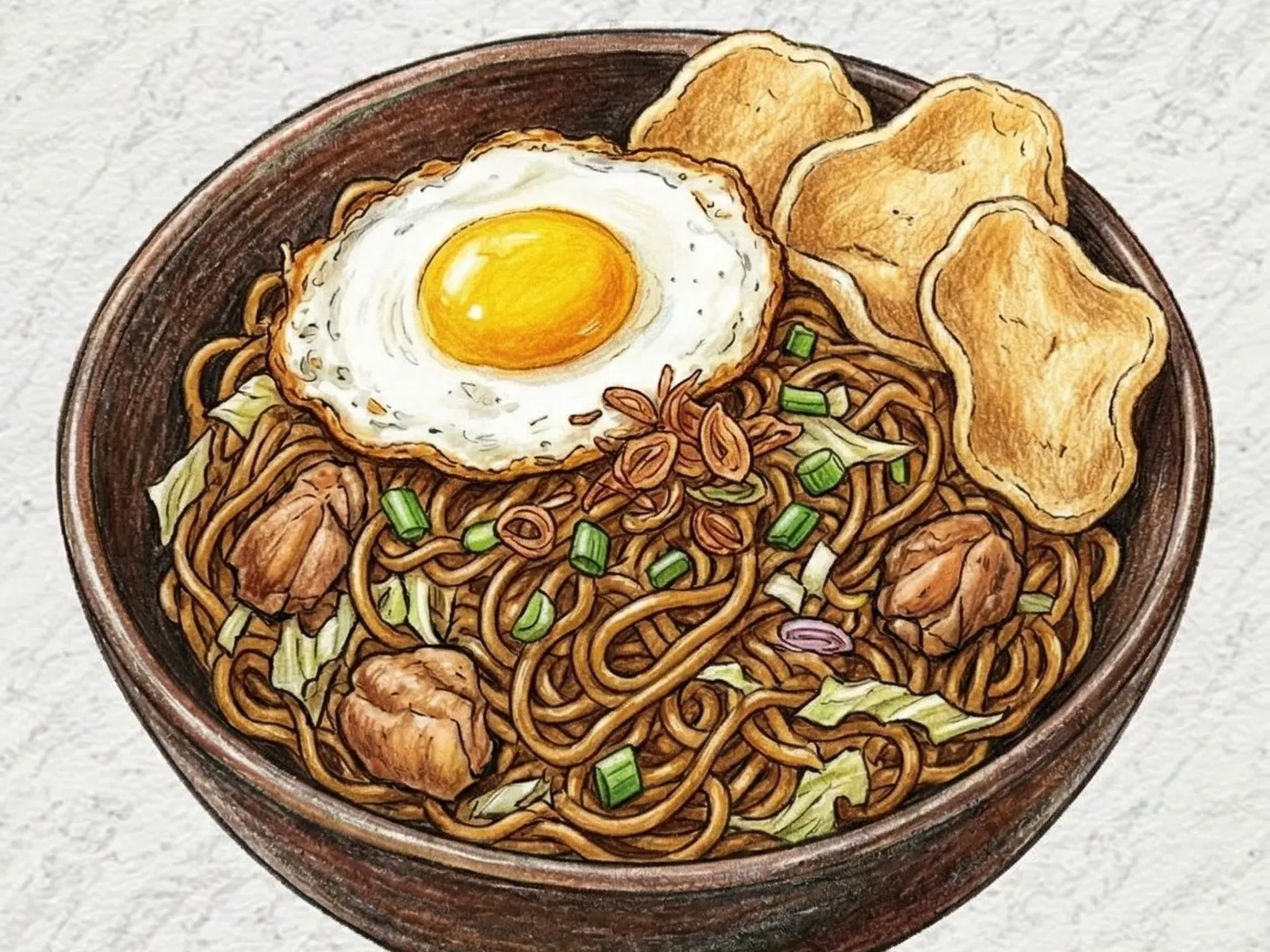
Javanese Chicken Mie Goreng
Javanese chicken mie goreng is an Indonesian stir-fried noodle dish built around kecap manis, a thick, molasses-dark sweet soy sauce that caramelizes in the wok and coats the noodles in a glossy, sweet-savory glaze that is impossible to mistake for any other style of fried noodle. Shallots and garlic are fried first to form the aromatic base, then sliced chicken thigh, shredded cabbage, and scallions join the wok over high heat. The egg noodles go in last, tossing rapidly to pick up wok breath and absorb the sauce. A fried egg with a runny yolk, prawn crackers for crunch, and a wedge of lime to cut through the sweetness complete the plate in the street-stall tradition of Java. The unmistakable sweetness of kecap manis is what sets this dish apart from Chinese-style fried noodles and gives Javanese mie goreng its identity across Indonesia and beyond.
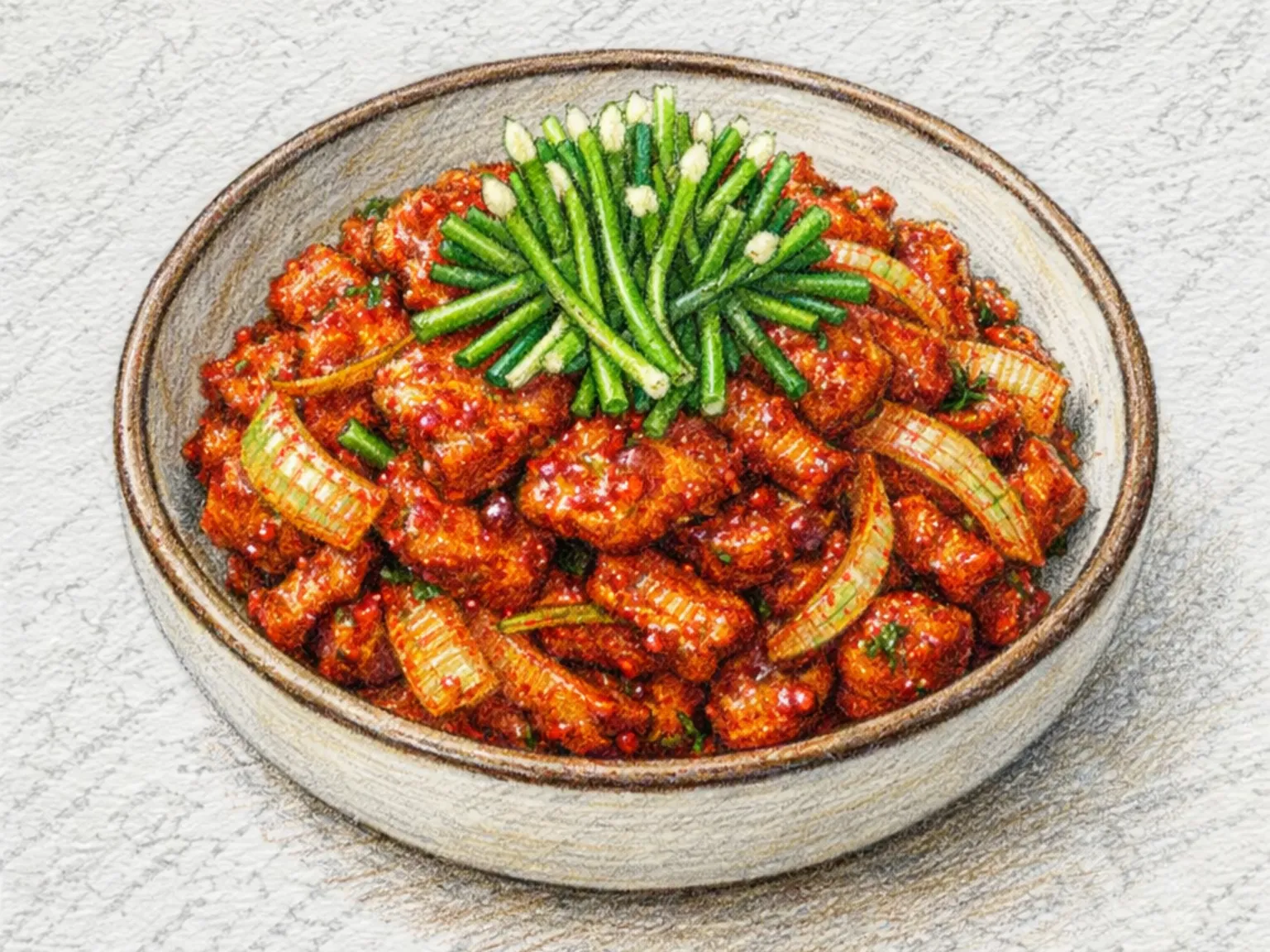
Korean Pork & Wild Chive Stir-fry
Dallae-dwaejigogi-bokkeum is a Korean springtime stir-fry of pork shoulder tossed in a gochujang and chili flake sauce, then topped generously with raw wild chives. The wild chives release a sharp, garlicky bite that cuts through the rich, spicy pork - stimulating while staying fresh rather than heavy. Onions caramelize lightly during cooking, adding natural sweetness that rounds out the heat and prevents the chili paste from turning one-dimensionally harsh. The dish must be cooked quickly over high heat to preserve the volatile aromatic compounds in the chives; extended cooking kills the fragrance that makes dallae worth using in the first place. Either pork shoulder or belly works well here, and the chives should be added at the very end rather than marinated or cooked through - they contribute perfume, not substance. The window for dallae in Korea is short, typically a few weeks in early spring, which makes this a seasonal dish eaten with some urgency while the ingredient is at its best.
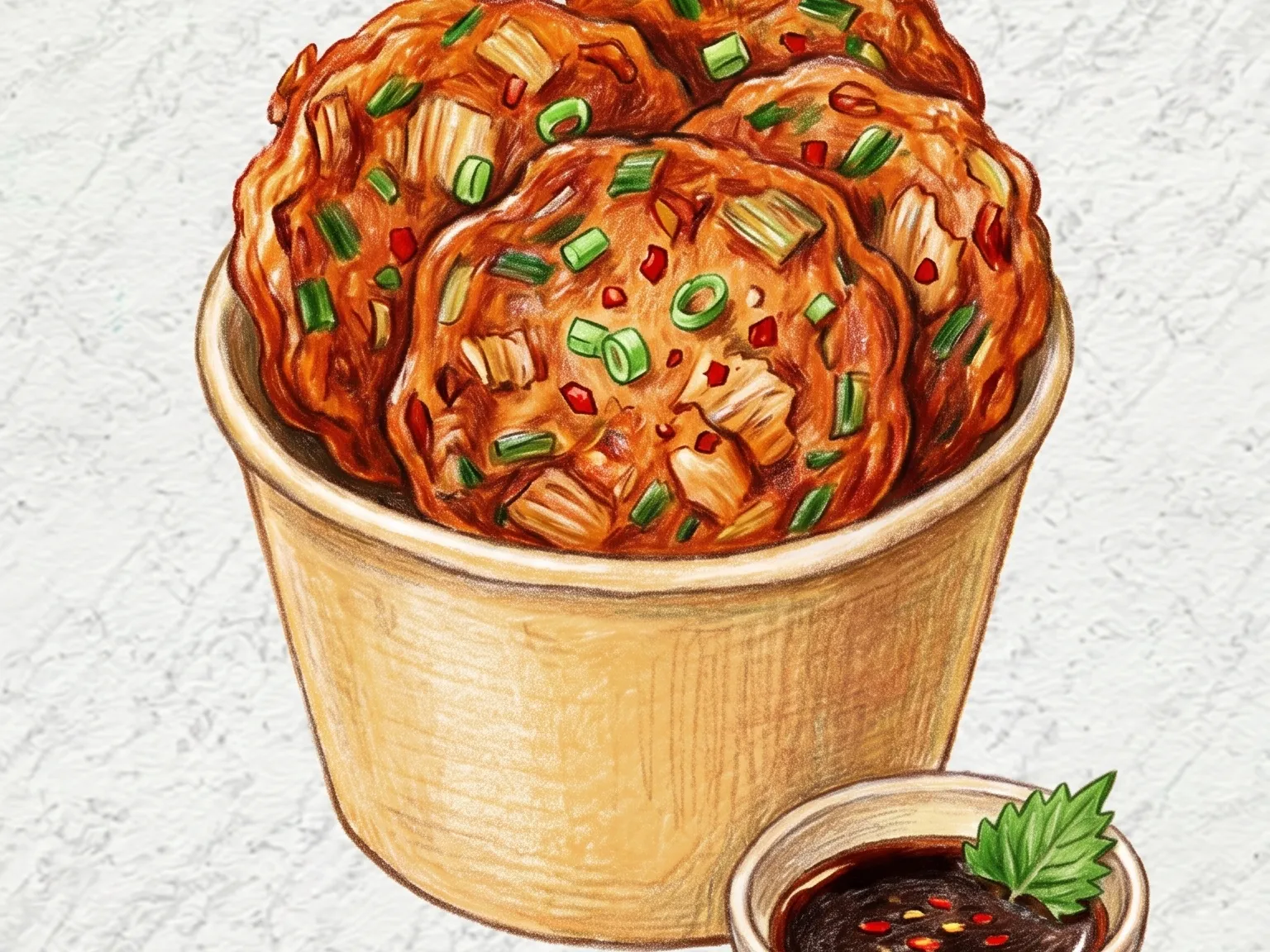
Korean Kimchi Jeon Cup (Kimchi Pancake Cups)
Kimchi jeon cups are small Korean pancakes made from a batter of pancake mix, water, kimchi brine, finely chopped aged kimchi, green onion, and Cheongyang chili, pan-fried into rounds and served standing upright in paper cups. Adding kimchi brine directly to the batter is the key step that separates these from a standard kimchi pancake: the fermented liquid spreads its salt and umami through every part of the batter, so the flavor is more intense and consistent than when kimchi is simply folded into a neutral base. A generous amount of oil in the pan and medium heat together crisp the edges into a fried shell while the center stays slightly soft and chewy. The Cheongyang chili adds a sharp, clean heat on top of the kimchi acidity, keeping the flavor lively. A thicker batter consistency than normal pancakes is necessary for this format: thin batter flops and collapses once stood upright in a cup, while a stiffer mix holds the round shape without bending. The hand-held cup format references pojangmacha culture, the covered street-stall tradition, and the pancakes are typically dipped in soy sauce or a vinegar-gochujang sauce.
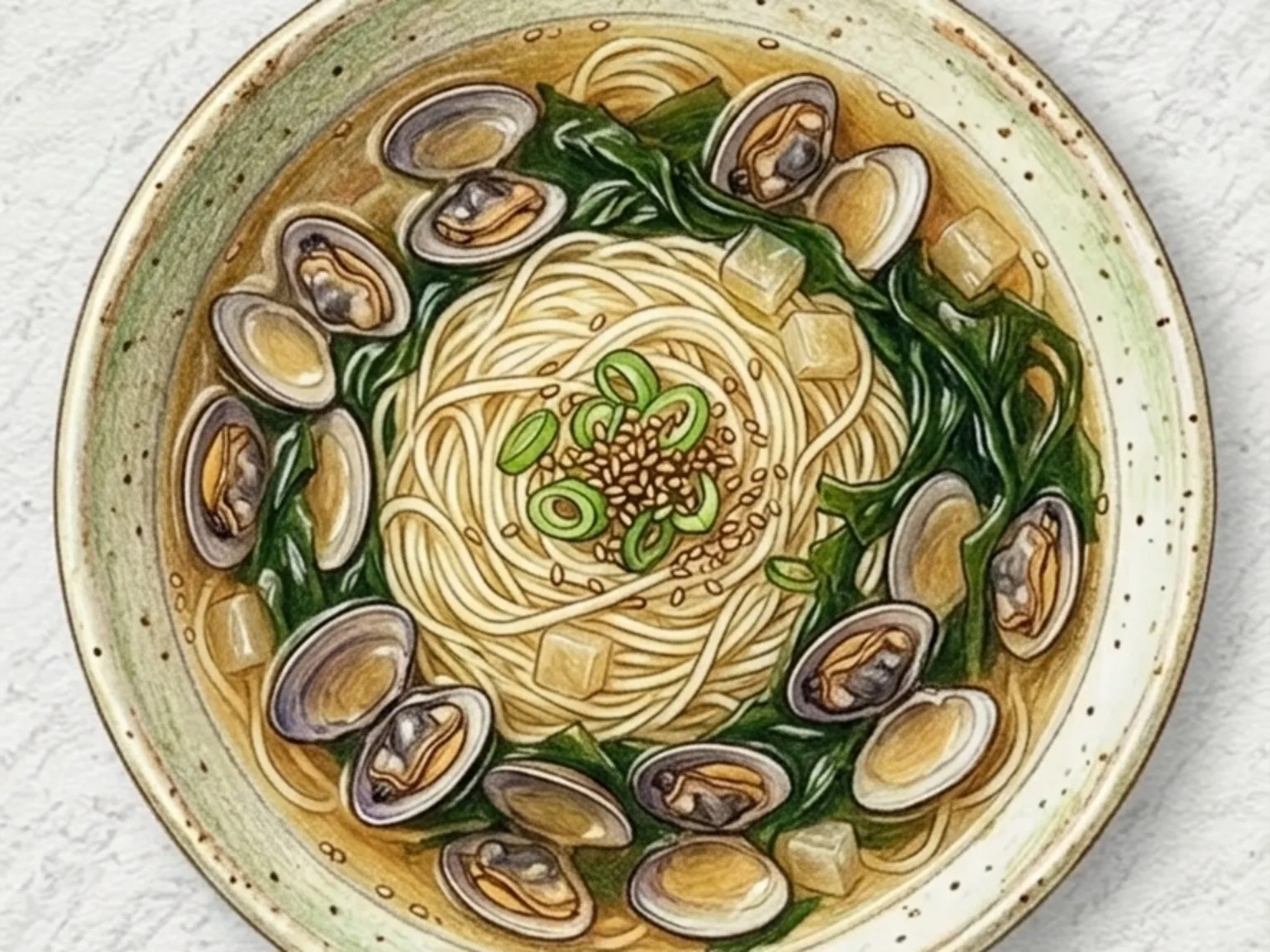
Korean Clam Seaweed Onmyeon (Warm Noodle Soup)
Dongjuk miyeok onmyeon is a warm noodle soup where small surf clams are simmered to build a clear, deeply briny stock, then combined with rehydrated seaweed and thin wheat noodles. The cool, oceanic flavor of the clams forms the backbone of the dish, and simmering radish alongside rounds out the saltiness into something bright and clean. The seaweed unfurls in the hot broth, contributing its own quiet marine umami, and seasoning stays minimal with only soup soy sauce and salt so the ingredients speak clearly. This is a restorative bowl often eaten for morning recovery or when a light, clear-tasting meal is preferred. Dongjuk clams resemble Manila clams in shape but yield a deeper, more concentrated broth, making them effective even without additional stock. The thin noodles should be cooked until just tender and transferred directly to the bowl to prevent over-softening once the hot broth is ladled over.
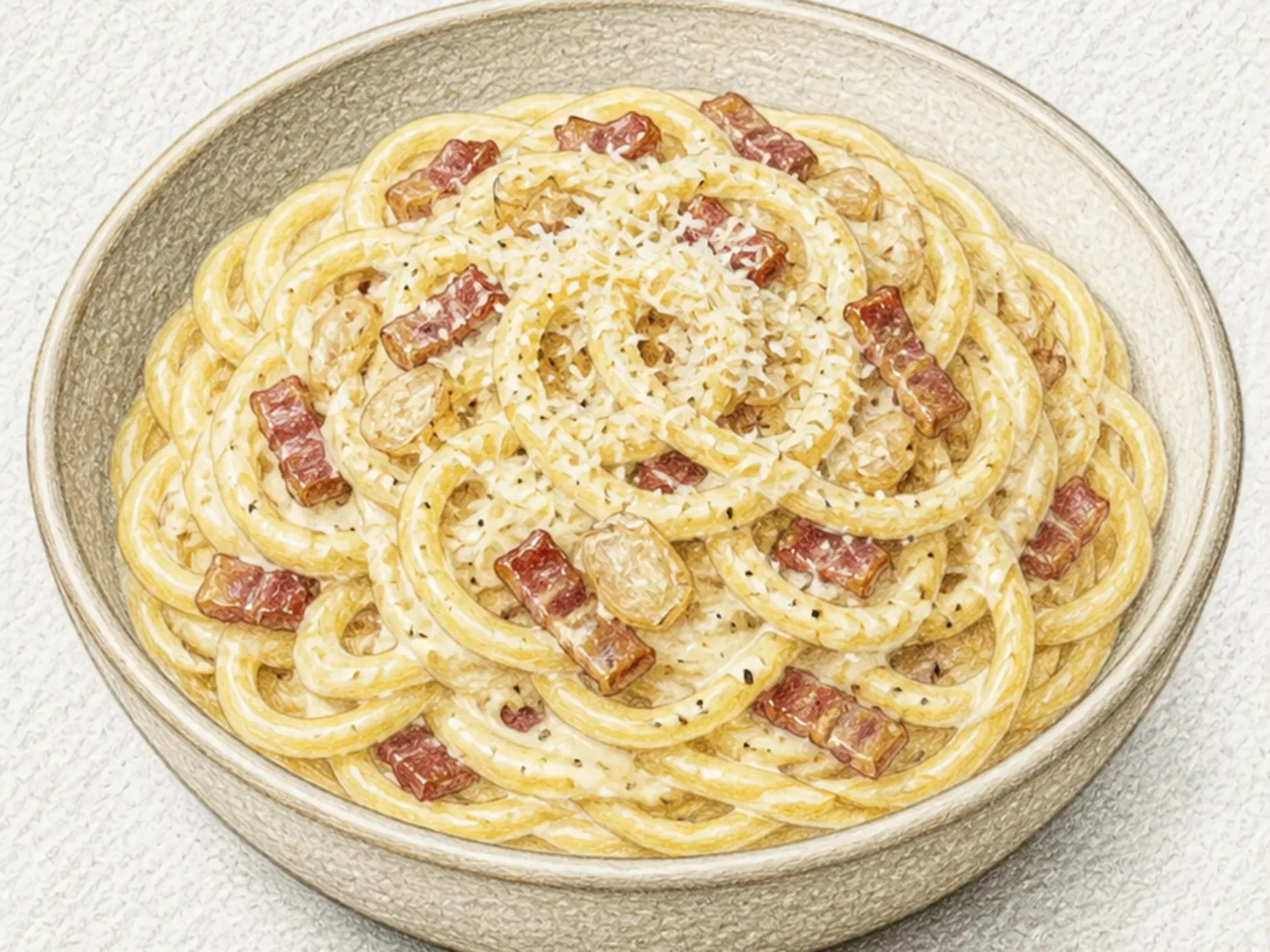
Cream Pasta
Cream pasta begins with bacon rendered crisp in butter, building a fat base that carries the flavor of everything that follows. Diced onion and minced garlic cook in the rendered fat until soft and fragrant before the heavy cream and milk go in, which is the combination that gives the sauce body without making it too dense. Heavy cream alone would weigh the pasta down, so the milk lightens the mixture to a consistency that clings to each strand without pooling at the bottom of the bowl. The cooked pasta is transferred directly into the sauce pan while still hot, and two to three tablespoons of starchy pasta water are stirred in to help the sauce emulsify and adhere evenly to the noodles. Freshly grated Parmesan is added off the heat so it melts smoothly rather than clumping, contributing a salty edge and a fermented depth that rounds out the simple cream base. The finished dish layers the smoky, cured saltiness of bacon against the mild richness of cream and the aged sharpness of Parmesan for a well-balanced, satisfying bowl.
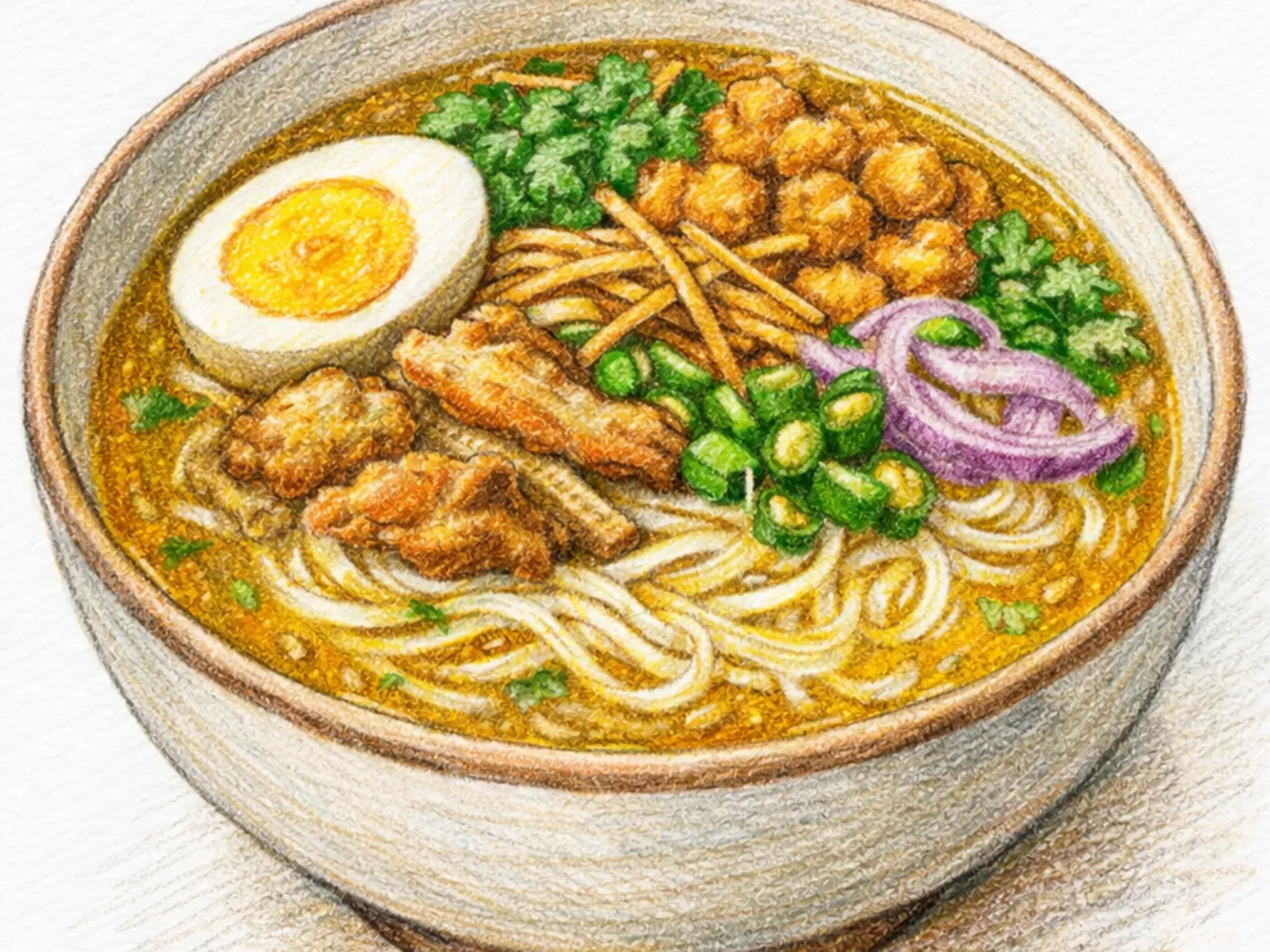
Mohinga (Burmese Fish Broth Rice Noodle Soup)
Mohinga is a traditional Burmese rice noodle soup featuring a golden fish broth seasoned with lemongrass, ginger, and garlic. The preparation begins by poaching freshwater white fish in water, flaking the meat, and simmering the bones and aromatics to extract a flavorful stock. The fish broth is seasoned with turmeric, which imparts a pale golden color, and fish sauce. To achieve the signature thick consistency, a slurry of chickpea flour is gradually stirred into the boiling broth. The flaked fish is then returned to the soup to simmer and combine flavors. To serve, thin rice noodles are placed in a bowl and covered with the hot fish broth. The soup is typically garnished with crispy chickpea fritters, boiled egg halves, fresh cilantro, and a squeeze of lime juice to balance the savory flavors with crunch and acidity.
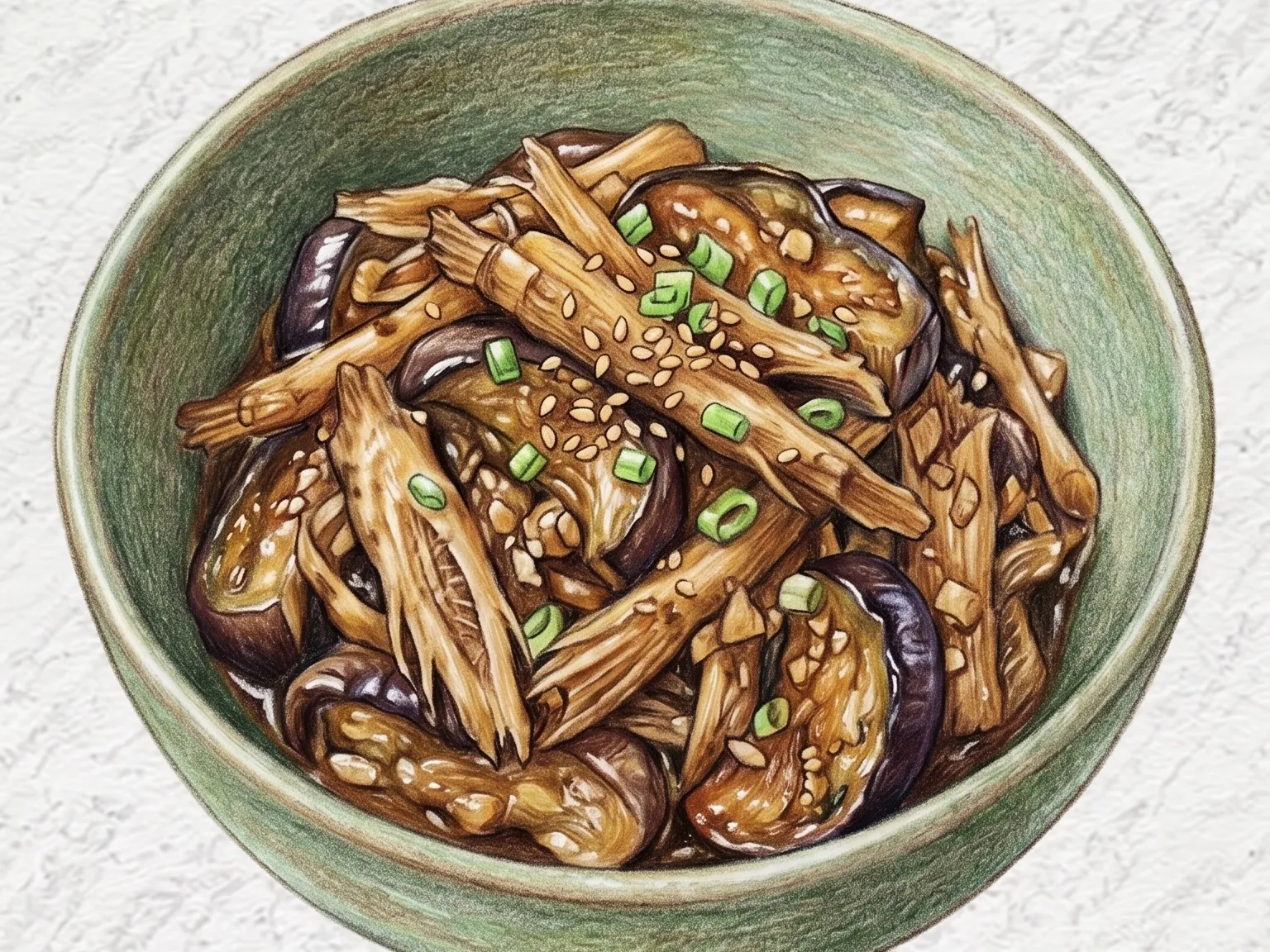
Korean Bellflower Root & Eggplant Soy Stir-fry
Deodeok gaji ganjang bokkeum is a Korean vegetable stir-fry that brings together deodeok root and eggplant in a soy-based seasoning sauce. The two main ingredients offer a clear textural contrast: deodeok has a firm, fibrous chew that resists the heat and holds its structure throughout cooking, while eggplant softens and collapses into a silky, yielding mass as it cooks. A dressing of soy sauce, sesame oil, and minced garlic ties the two together, tempering the slightly earthy, mildly bitter quality of the deodeok while drawing out the natural sweetness latent in both vegetables. The order in which the ingredients go into the pan matters. Eggplant absorbs oil readily and needs more time to soften properly, so it goes in first. Adding deodeok too early would leave it overdone by the time the eggplant reaches the right texture. The fermented umami of soy sauce and the glutamates naturally present in both vegetables layer together to produce depth in the finished dish without any meat. If the deodeok tastes particularly bitter, soaking the peeled pieces in lightly salted water for ten minutes before cooking draws out a significant portion of the bitterness. Salting the eggplant and letting it sit briefly before cooking removes excess moisture, reducing the amount of oil it absorbs and producing a cleaner, firmer texture in the finished stir-fry. The dish can be served directly over hot rice or presented as a standalone banchan. Like most soy-seasoned vegetable preparations, the flavors deepen and mellow overnight in the refrigerator, making leftovers worth keeping.
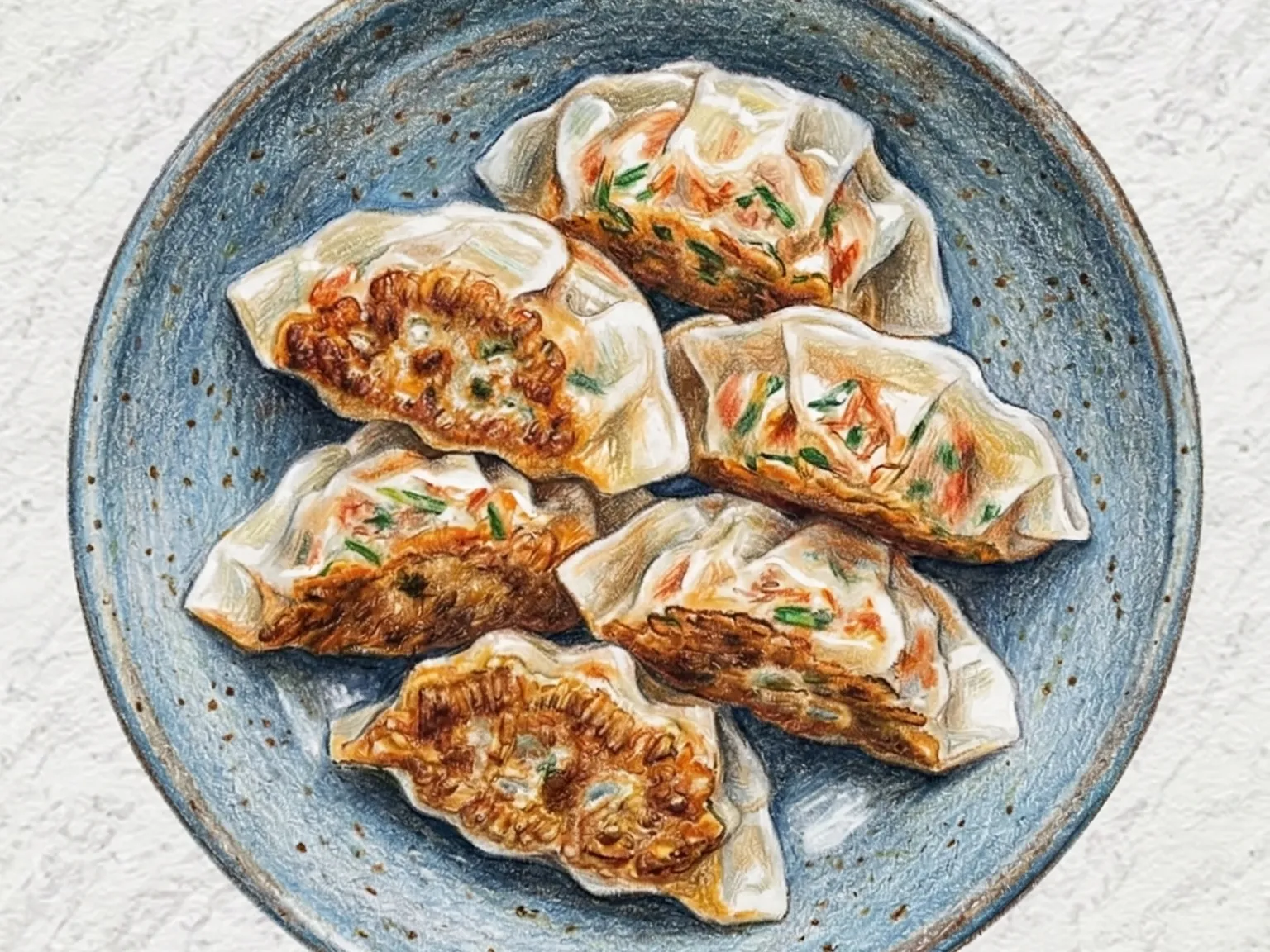
Korean Kimchi Pork Crispy Dumplings
Kimchi pork gunmandu are pan-fried dumplings with a filling of ground pork, well-drained kimchi, garlic chives, firm tofu, soy sauce, garlic, and sesame oil. The near-equal ratio of 180g pork to 150g kimchi puts the kimchi's fermented tang front and center. Garlic chives add a sharp, onion-like depth, and the tofu absorbs excess moisture from the filling to prevent wrapper breakage. The dumplings are first pan-fried to crisp the bottoms, then steamed with a splash of water, and finished uncovered to evaporate remaining liquid.
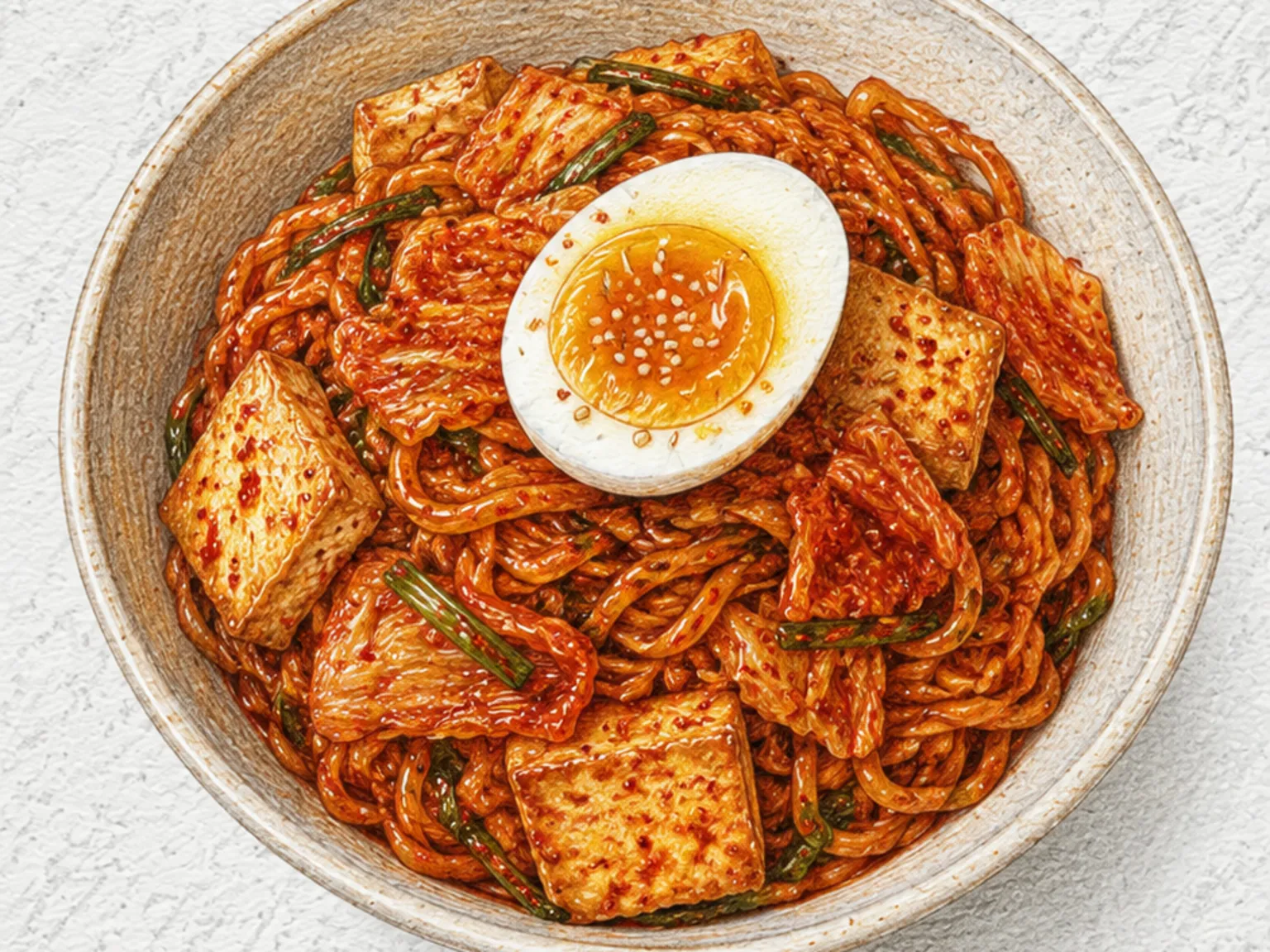
Korean Tofu Kimchi Bibim Myeon
Dubu kimchi bibim myeon is a Korean mixed noodle dish built on two separate preparations that come together in the bowl. Ripe, deeply fermented kimchi is stir-fried in perilla oil over high heat until the sharp acidity rounds out and the umami moves to the foreground, then combined with gochugaru and gochujang to form the spicy dressing that coats every strand of boiled noodles. The tofu requires its own treatment: all surface moisture must be pressed out before the block goes into a dry, screaming-hot pan, which creates a golden, crisp crust outside while the center remains silky, giving the dish a clean textural counterweight against the bold noodles. A halved soft-boiled egg placed on top rounds out the heat when the yolk slowly folds into the dressing, adding a creamy richness that binds the kimchi tang, the chili punch, and the nutty oil into one cohesive sauce.
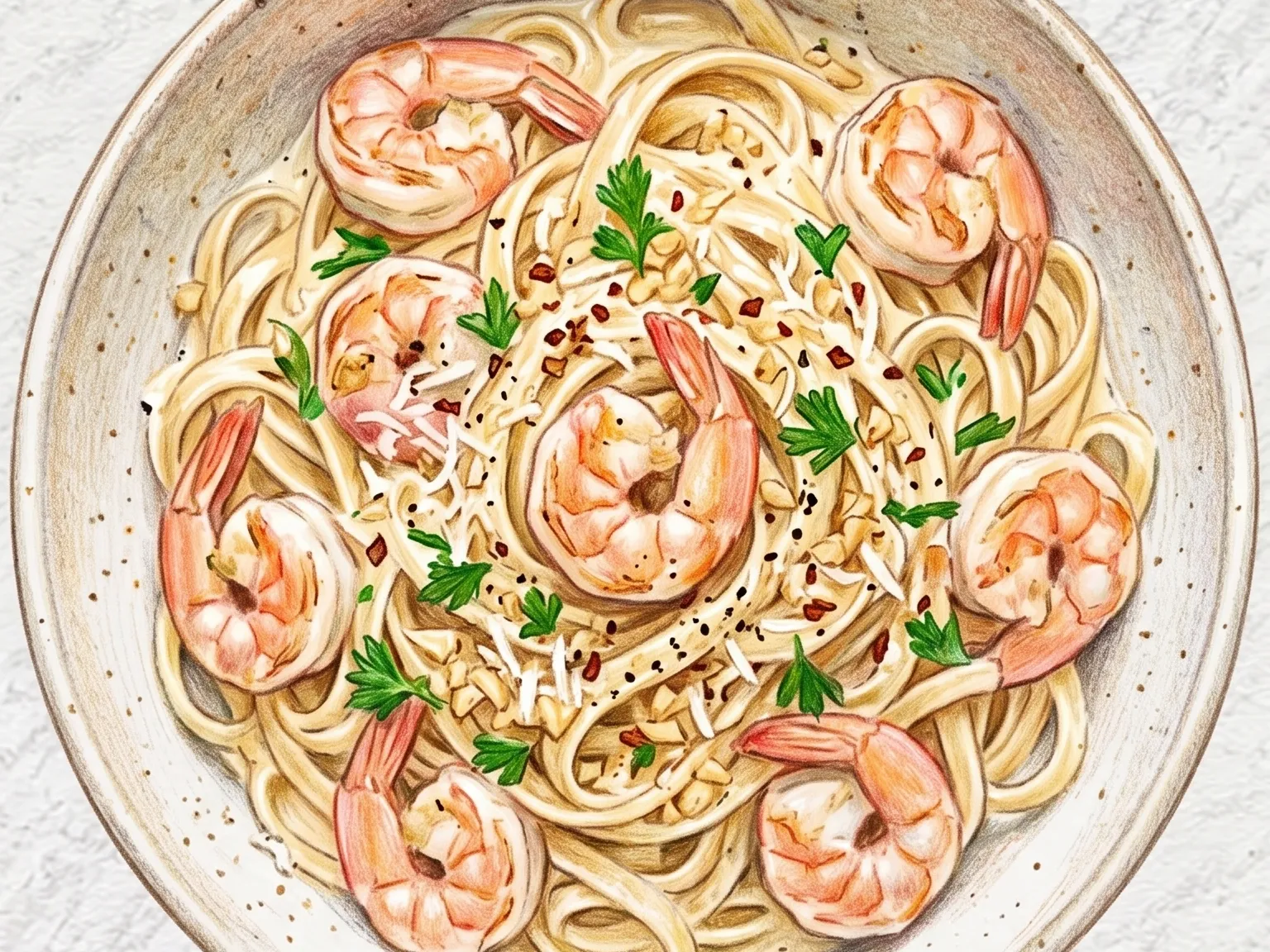
Creamy Garlic Shrimp Pasta
Creamy garlic shrimp pasta begins with a slow, low-heat saute of minced garlic in olive oil and butter. The garlic should be pulled when it turns pale gold rather than brown, which preserves its sweet, mellow depth without any bitterness. Shrimp go in next and cook for roughly two minutes in total, just long enough for both sides to turn pink. At that point the flesh is at its sweetest and the texture is still springy. The shrimp come out of the pan and rest while heavy cream goes in, simmering over medium-low heat for two to three minutes. During that simmer the garlic-infused fat and the shrimp juices left in the pan dissolve into the cream, building the sauce's depth without any additional flavoring. Spaghetti is boiled one minute short of the package time so it finishes cooking in the sauce rather than on its own. Grated Parmesan and a small ladle of pasta water go in together, and the mixture is tossed until the cheese melts into a smooth, silky coating that clings evenly to the noodles. The reserved shrimp return for a final thirty seconds of warming, just enough to heat through without firming up, so every bite carries both the tender sweetness of the seafood and the rich, savory garlic cream.
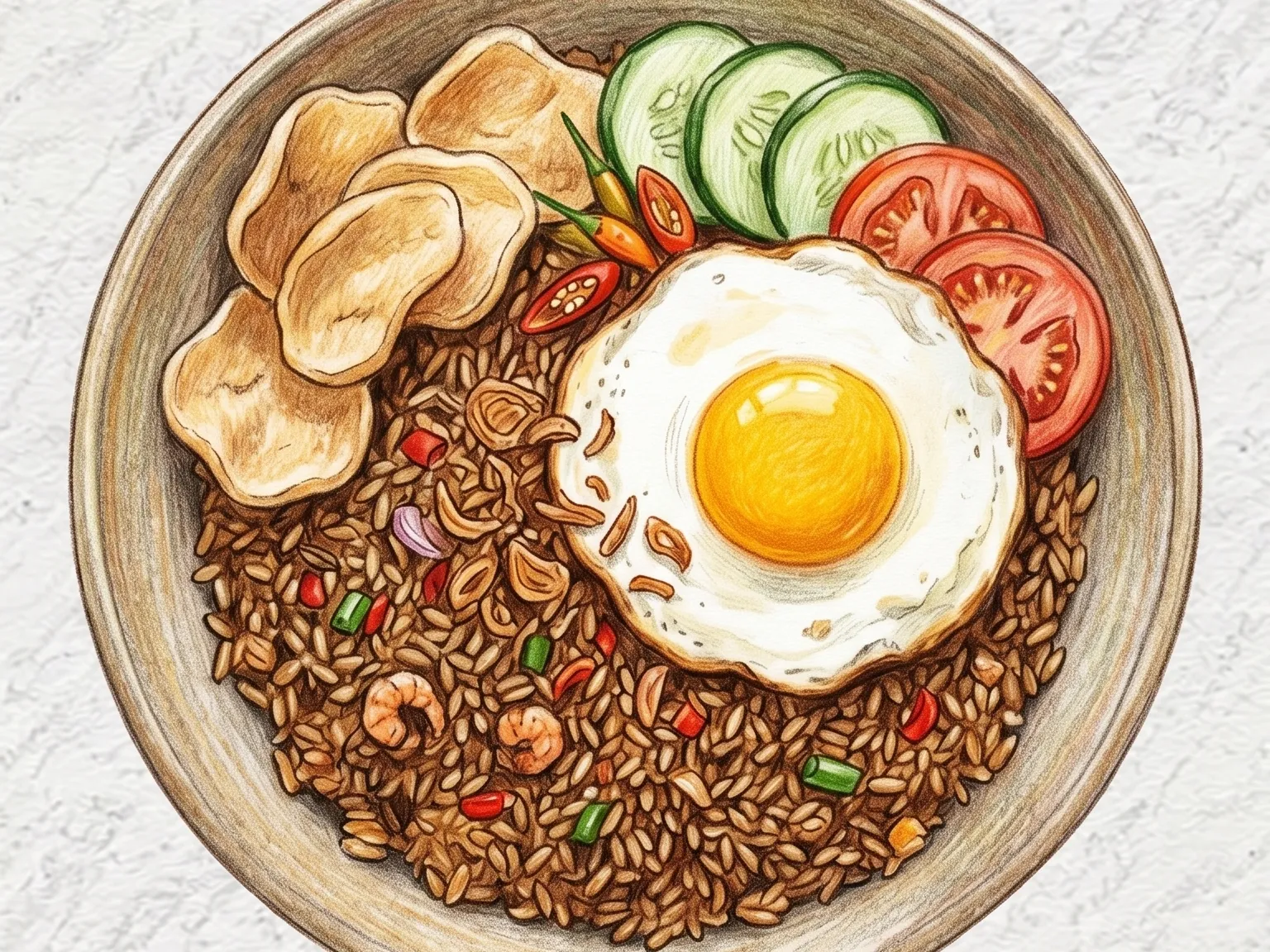
Nasi Goreng (Indonesian Sweet Soy Sauce Shrimp Fried Rice)
Nasi goreng is Indonesia's national dish and one of Southeast Asia's most recognized comfort foods. Day-old rice is tossed in a blazing-hot wok with kecap manis, a thick sweet soy sauce that gives each grain a dark, caramelized glaze. Shrimp paste adds a deep umami backbone, while sambal chili paste cuts through the sweetness with a sharp heat. A fried egg crowns each serving, its runny yolk acting as a rich, on-the-spot sauce when broken. Crispy prawn crackers on the side provide crunch against the soft rice. The dish appears at every hour of the day, from breakfast stalls to late-night street carts.