🌙 Late Night Recipes
Quick and satisfying late-night bites
651 recipes. Page 25 of 28
Late-night cravings call for quick, easy recipes that satisfy without too much effort. Ramyeon, egg fried rice, tuna-mayo rice bowls, and simple toasts - these are dishes you can throw together when hunger strikes after dark. Cooking at home beats delivery in both cost and healthiness.
The ideal late-night snack is fast to make, easy to clean up, and just filling enough. These recipes hit that sweet spot - comforting without being heavy.
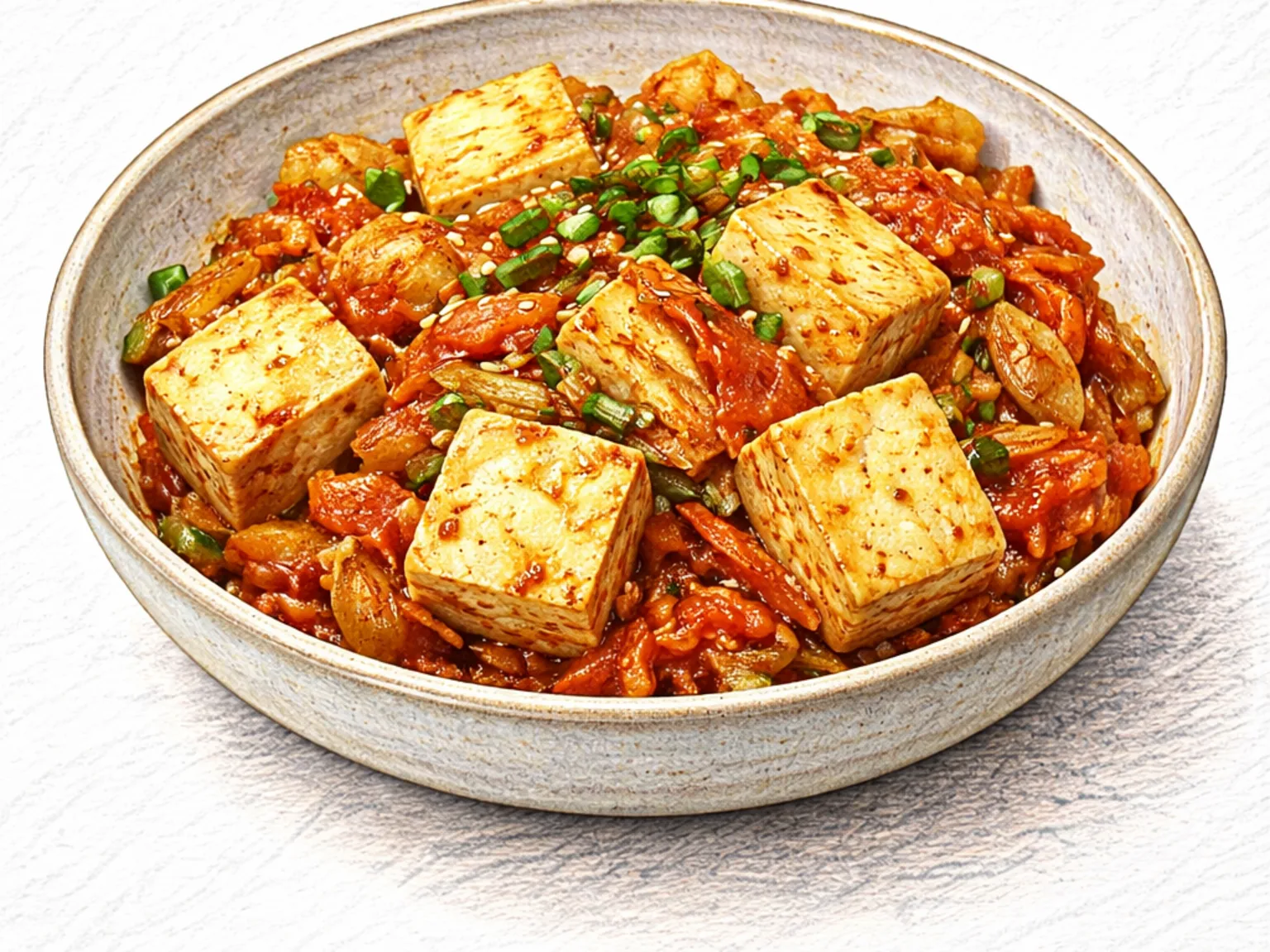
Korean Stir-fried Aged Kimchi and Tofu
Mukeunji-dubu-bokkeum stir-fries aged kimchi and firm tofu together in a single pan, pulling the kimchi's deep sourness and the tofu's neutral mildness into a unified dish. The tofu is pan-fried in oil until golden on both sides first, which builds a firm crust that prevents the pieces from crumbling during the subsequent stir-fry and gives them a better surface area for absorbing the sauce. Onion and aged kimchi are then cooked with gochugaru until much of the kimchi's moisture cooks off and its sharpest acidic edge softens. Soy sauce and sugar calibrate the seasoning, and the crisped tofu returns to the pan to soak up the flavors evenly. A finishing pour of perilla oil wraps around the fermented intensity of the aged kimchi and smooths it out, while a handful of sliced green onion added at the end lifts the aroma.
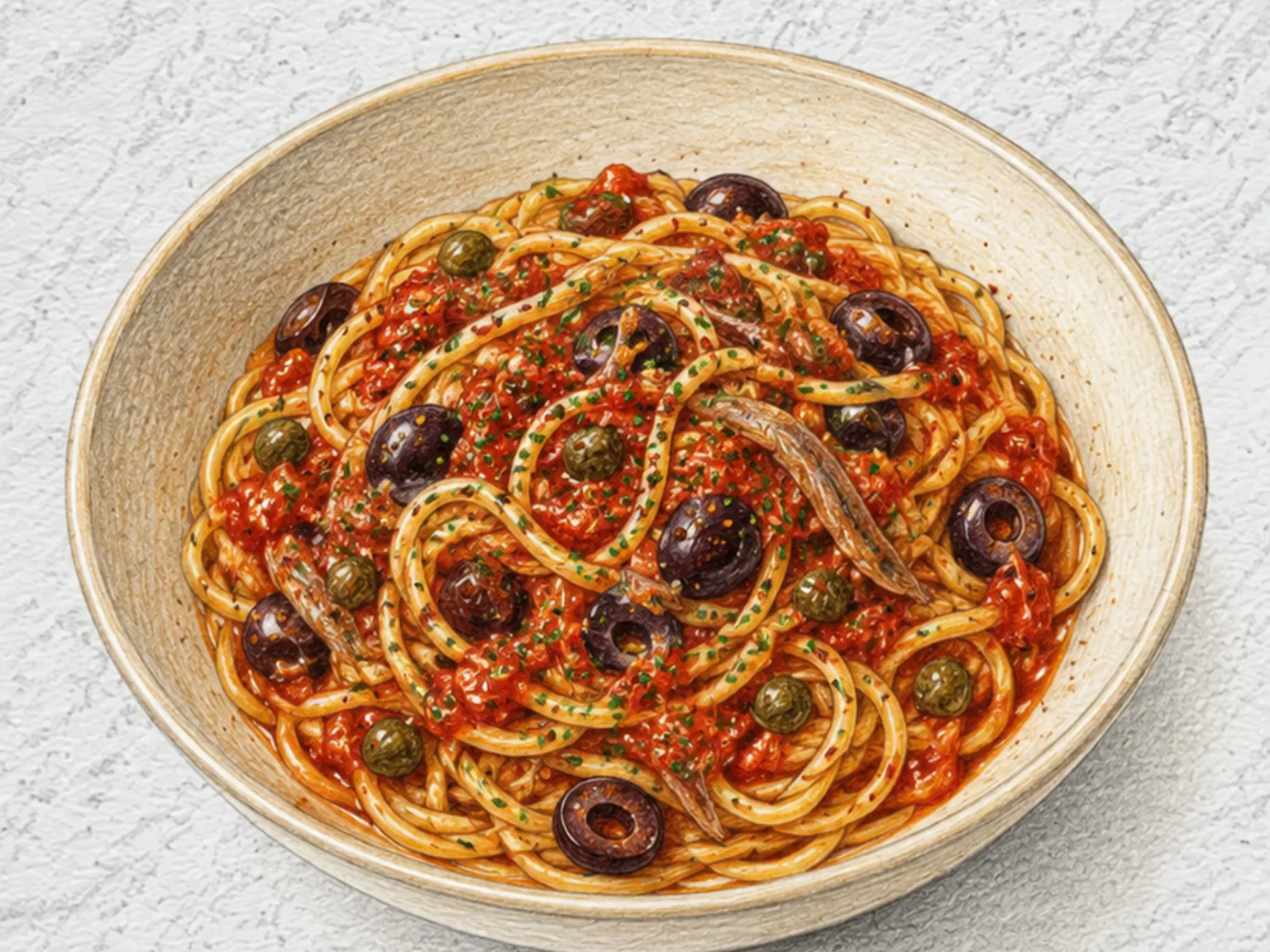
Pasta Puttanesca (Neapolitan Anchovy Olive Caper Tomato Sauce)
Pasta puttanesca is a Neapolitan pasta sauce built from anchovies melted into olive oil, crushed whole tomatoes, black olives, capers, and peperoncino. The anchovies dissolve completely during cooking, leaving behind a deep umami foundation rather than a fishy taste. Olives and capers provide enough salt that additional seasoning is rarely needed. The entire sauce comes together in under twenty minutes using shelf-stable pantry ingredients. Controlling noodle texture and sauce coating helps the ingredients cook evenly while keeping the final seasoning balanced.
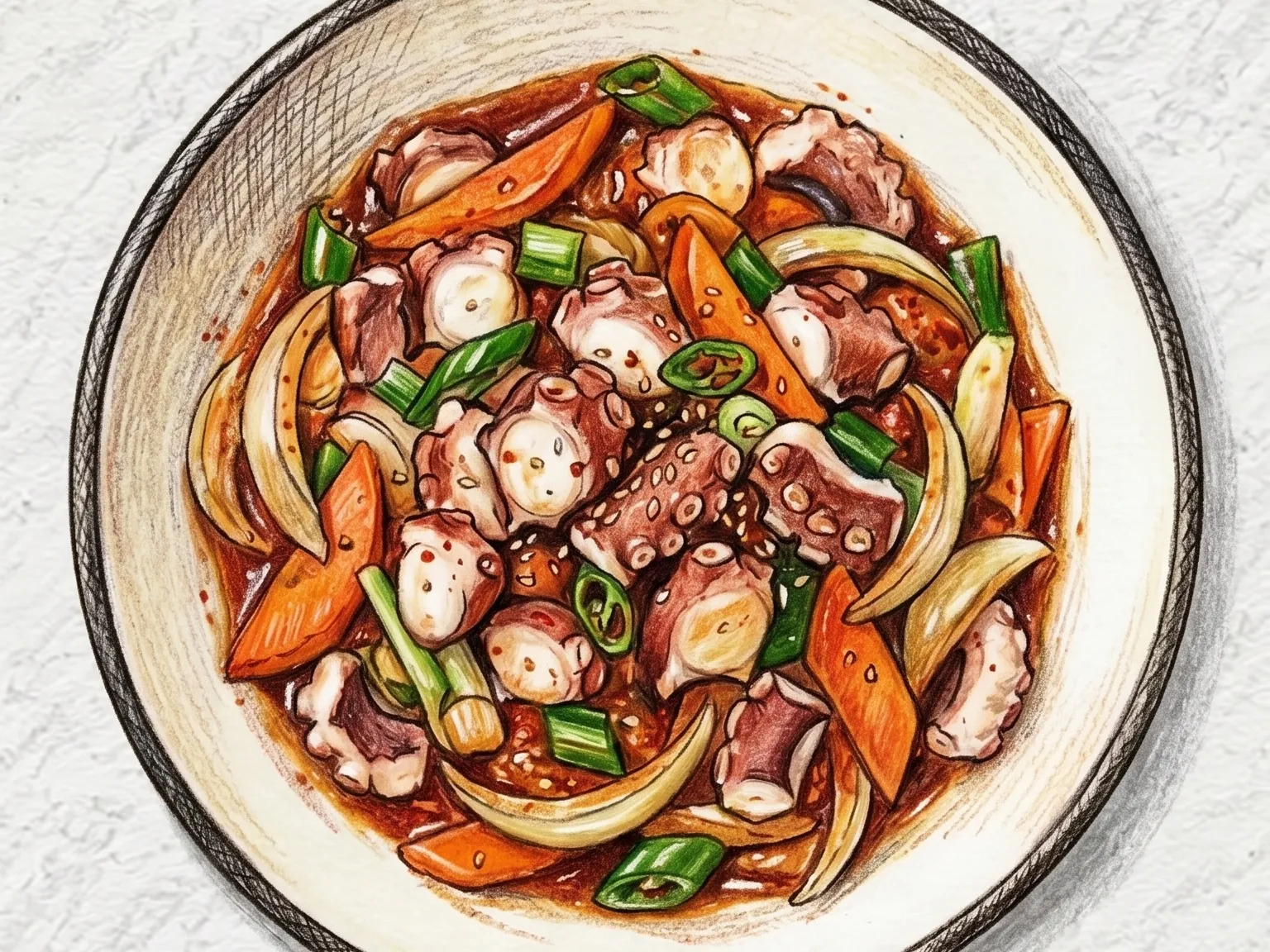
Korean Spicy Octopus Stir-fry
Muneo-bokkeum is a Korean stir-fry of pre-boiled octopus pieces cooked on high heat with onion, carrot, and scallion in a sauce built from gochujang and soy sauce. Because the octopus arrives already cooked, two to three minutes of high-heat stir-frying is the target window - enough time to heat the pieces through and coat them in the seasoning without pushing the texture past springy into tough. The sauce brings spice from the gochujang and saltiness from the soy sauce, and that combination lifts the naturally clean, mild flavor of the octopus without masking it. Vegetables are pulled from the pan while they still carry some bite, which sets up a textural contrast against the dense, elastic chew of the octopus. Sesame oil goes in at the very end as a finishing drizzle, adding a nutty, aromatic layer that ties the dish together. It works as a rice side dish or as an anju pairing alongside drinks.
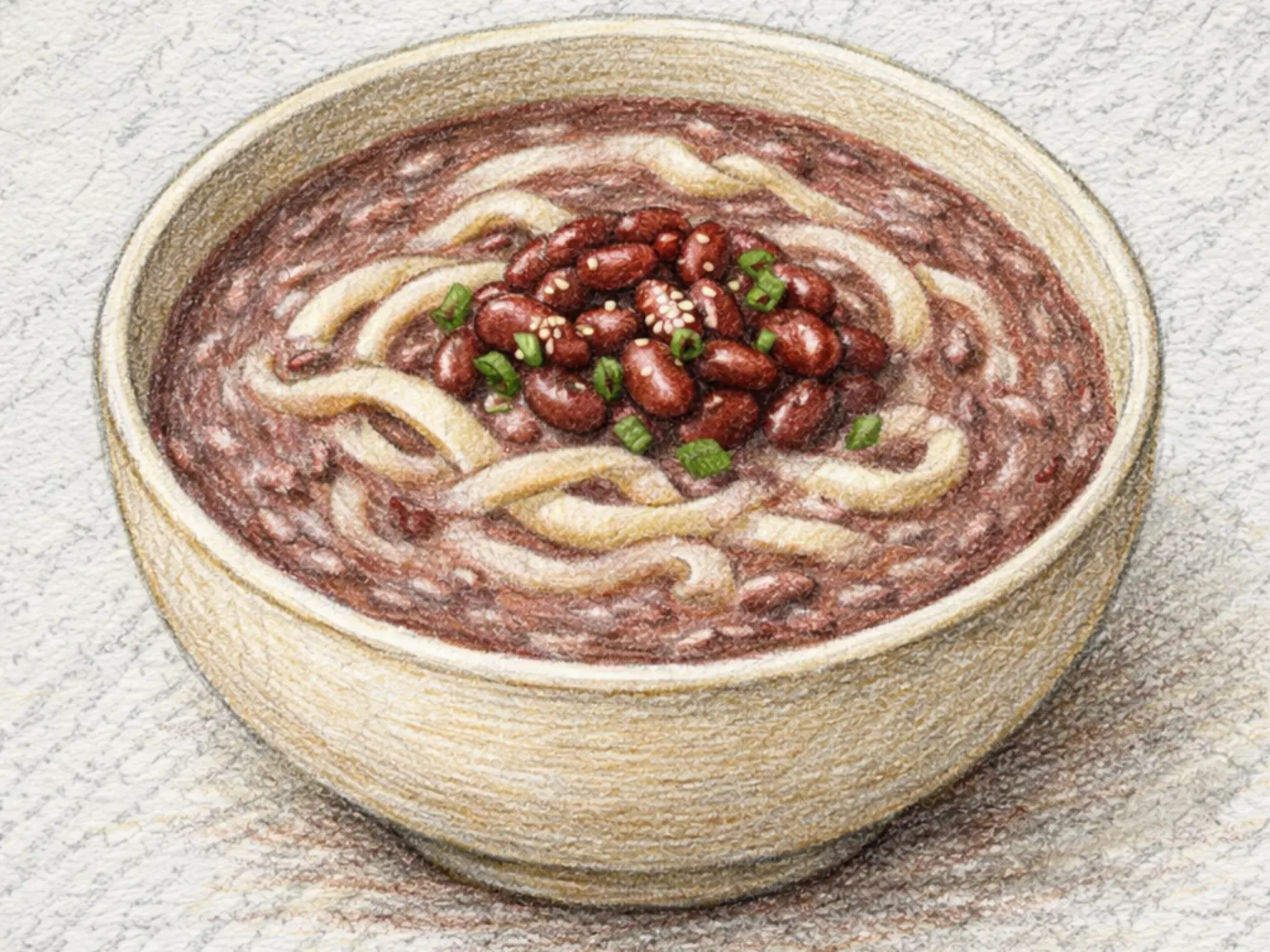
Korean Red Bean Noodle Soup
Pat kalguksu is a traditional Korean noodle dish where hand-cut wheat noodles are served in a thick, velvety broth made from pureed and strained red beans. The beans go through two rounds of boiling - the first batch of water is discarded entirely to strip away the astringent compounds that give red beans their initial edge, and the second boil cooks them until completely soft. After blending and straining, the smooth puree is returned to the pot with glutinous rice flour stirred in to thicken the base to the consistency needed to hold the noodles without turning stodgy. Salt and sugar are adjusted until the broth hits a balance of nuttiness and gentle sweetness that neither overwhelms nor disappears. Cooked chestnuts and pine nuts are scattered on top as garnish, contributing a rich, oily nuttiness that deepens and complements the earthy flavor of the red bean broth. This dish is most closely associated with winter eating in Korea, and unlike sweet red bean porridge, the addition of noodles turns it into a properly filling meal.
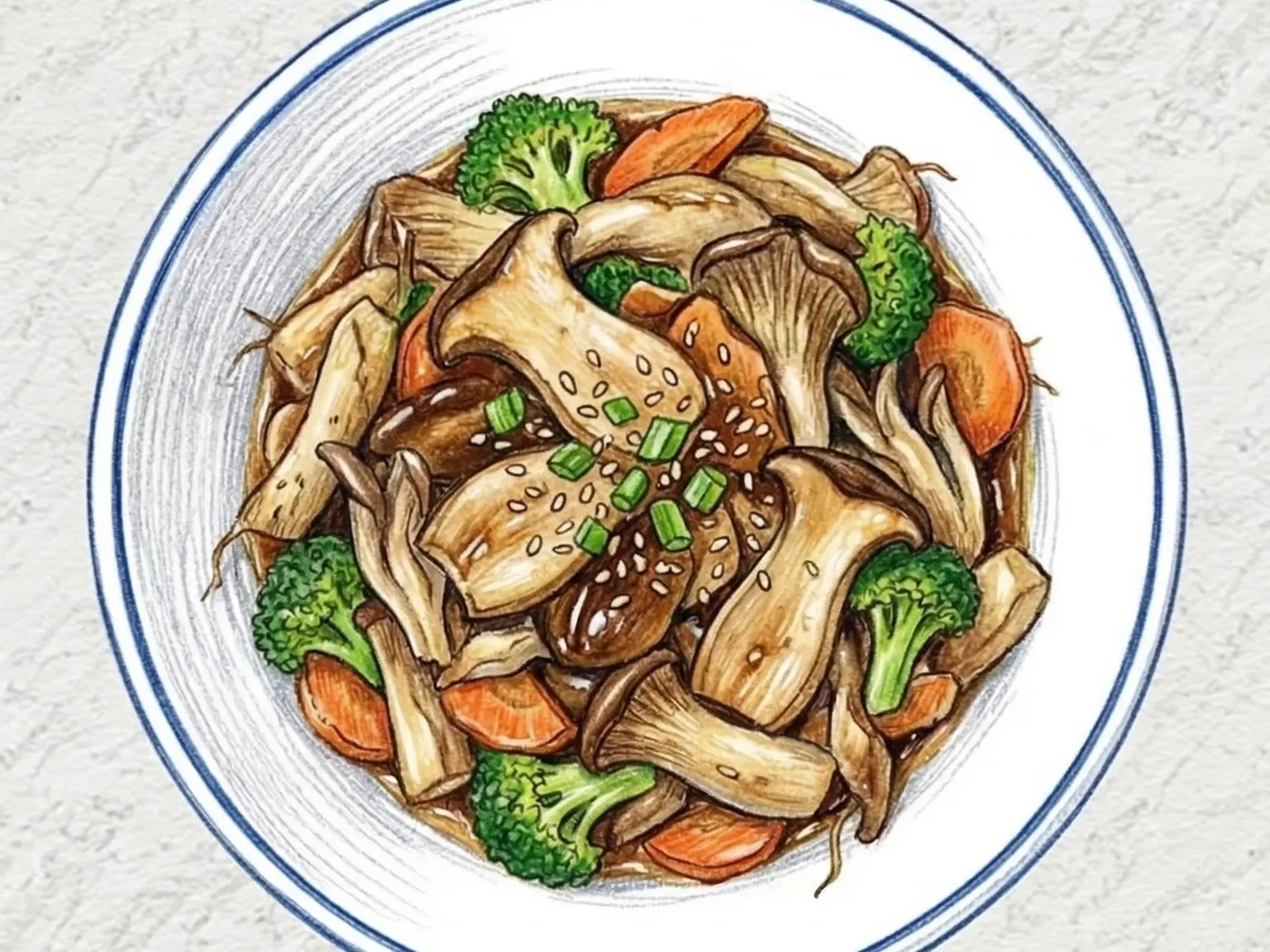
Korean Mushroom and Vegetable Stir-Fry
Mushroom-yachae-bokkeum stir-fries king oyster and oyster mushrooms with broccoli and carrot in a light soy-oyster sauce seasoning. Harder vegetables go into the hot pan first to get a head start, then the mushrooms join and pick up the sauce. High heat is essential because mushrooms release water quickly - fast cooking evaporates that moisture and concentrates the umami rather than steaming the ingredients. A finish of sesame oil ties the flavors together in a low-calorie dish that draws its depth entirely from the mushrooms' natural savoriness.
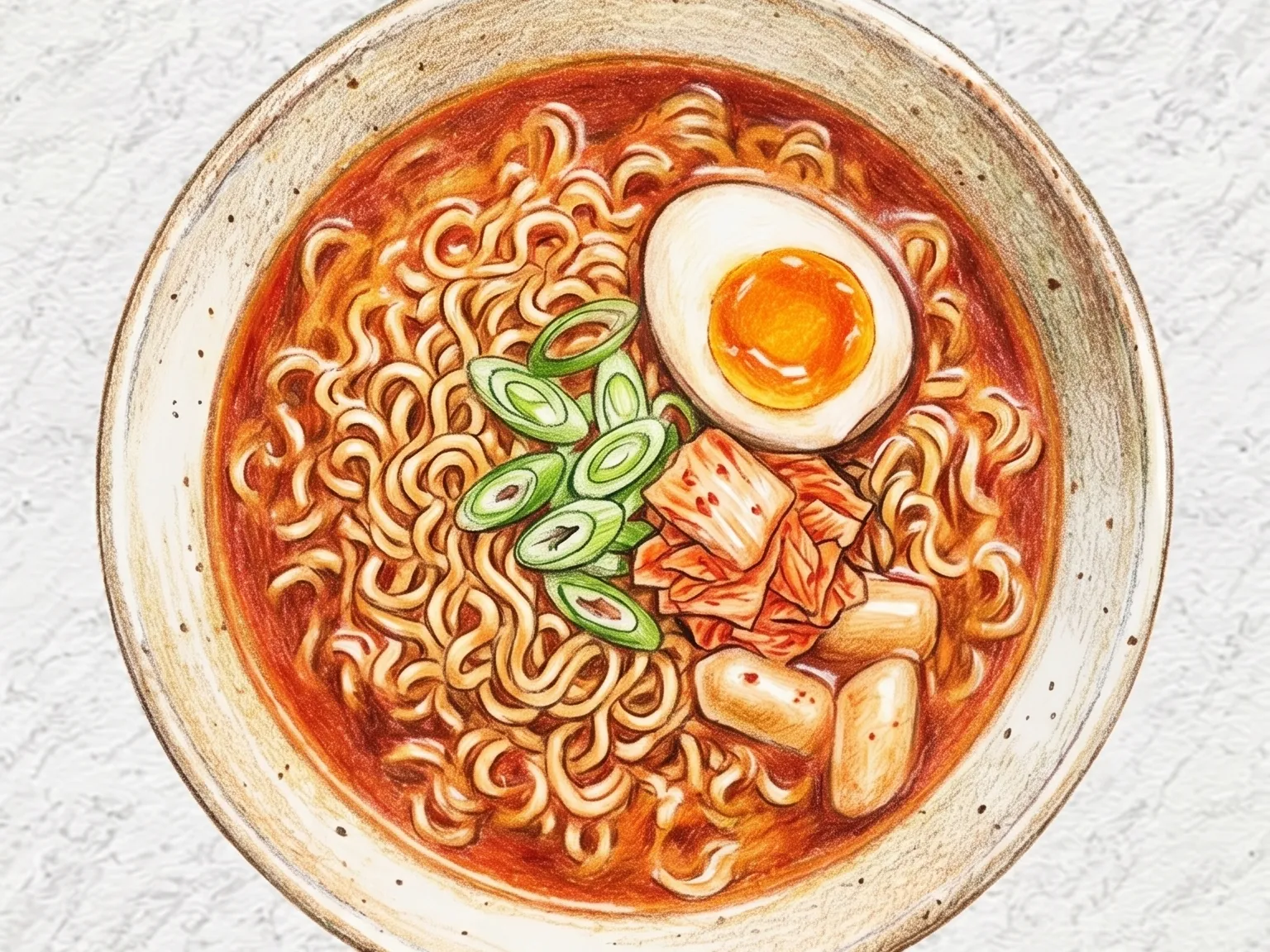
Korean Instant Ramen (Spicy Chewy Noodles in Five Minutes)
Ramyeon is Korea's iconic instant noodle dish, ready in under five minutes by boiling chewy wheat noodles with seasoning packets in water. Common additions include egg, scallion, kimchi, sliced rice cakes, and cheese, each customizing the bowl to personal taste. Cooking the noodles one minute less than the package suggests lets residual heat finish them at the right chewiness. Using slightly less water than directed concentrates the broth into a more intense flavor. It can be served as a noodle dish, with simple accompaniments chosen to match the sauce, broth, or topping.
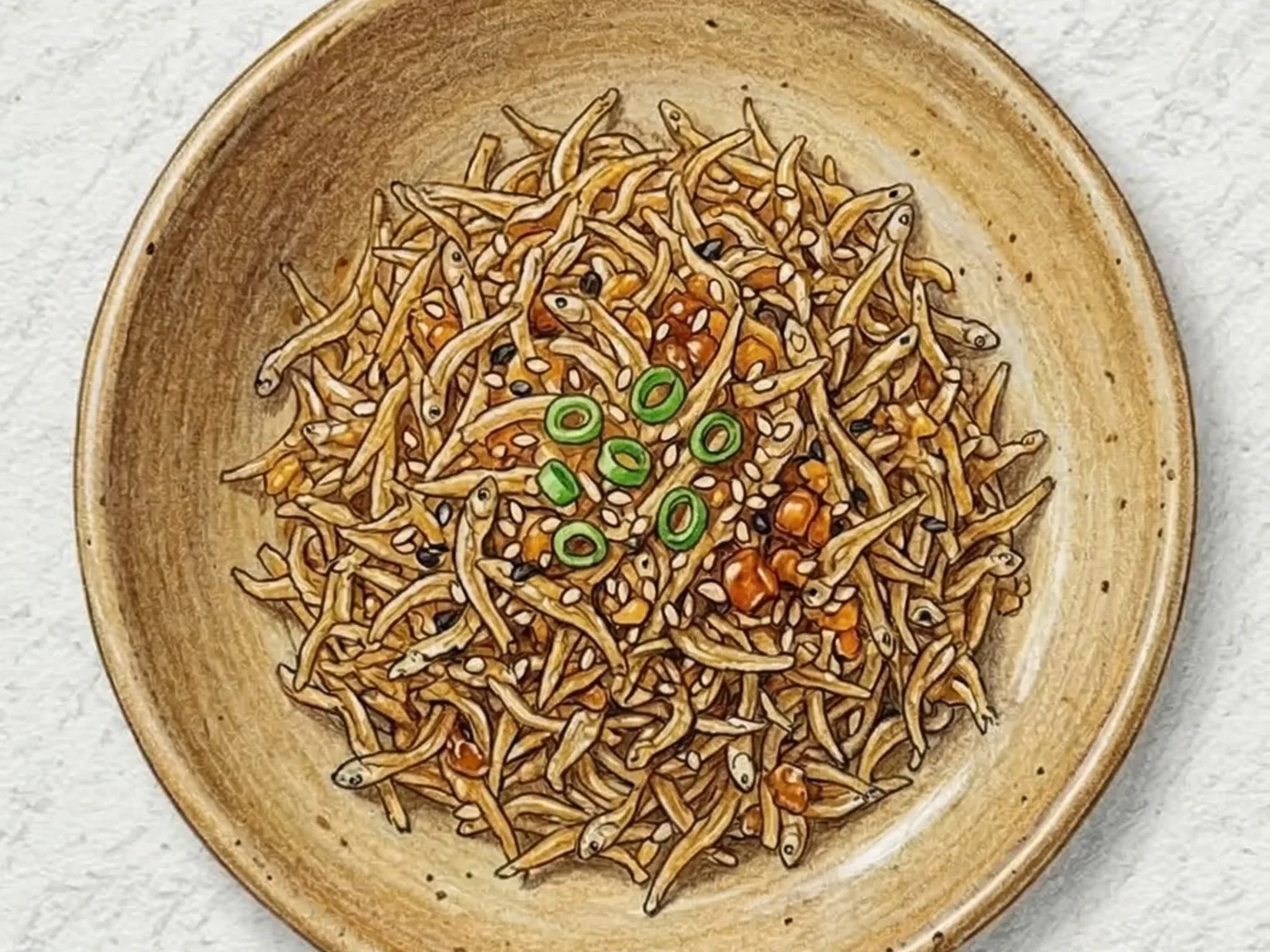
Korean Stir-fried Anchovies
Myeolchi-bokkeum is a foundational Korean banchan of small dried anchovies glazed in a sweet-salty coating of soy sauce and oligosaccharide syrup. The anchovies are first dry-roasted in a clean pan on low heat for three minutes to remove fishiness and build crunch. A sauce of garlic, soy sauce, and syrup is bubbled separately, and the anchovies are tossed back in for a quick, even coating. Sesame oil and toasted sesame seeds finish the dish; once fully cooled, the glaze sets firm, giving the anchovies a snappy texture that keeps well in an airtight container for over a week.
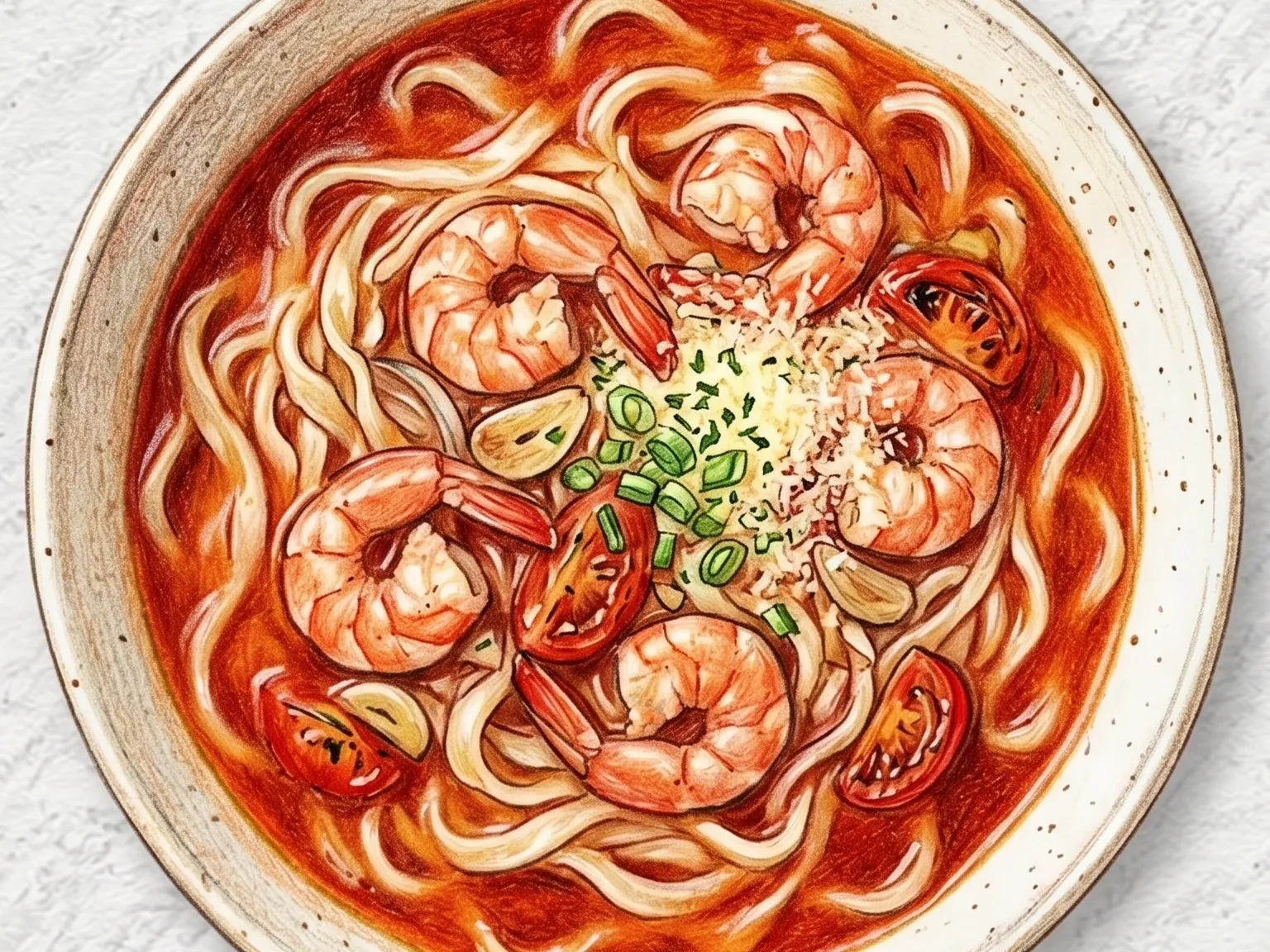
Korean Shrimp Tomato Knife-Cut Noodles
Saeu tomato kalguksu is a Korean fusion noodle soup that simmers fresh knife-cut noodles and shrimp in a tomato-based broth. Blanched and diced tomatoes are cooked down with garlic and onion in olive oil to build a naturally sweet, acidic base before water is added. Shrimp go in near the end of cooking to stay plump and springy. A light dusting of Parmesan over the finished bowl bridges Korean and Mediterranean flavors. The main ingredients are Fresh kalguksu noodles, Medium shrimp, Tomatoes, and Onion, and the recipe depends on careful handling of noodle cooking time and sauce thickness.

Korean Pollock Roe Egg Butter Stir-fry
Myeongran-dalgyal-butter-bokkeum gently cooks pollock roe and eggs in butter with diced onion, producing soft, creamy curds studded with tiny pops of briny roe. The roe sacs are split open and the eggs are scraped out, then stir-fried for just 30 seconds before the milk-enriched egg mixture is poured in and slowly folded into large, pillowy curds. Half the butter goes in at the start for cooking, and the remaining half is stirred in off-heat for richness. Chopped chives and black pepper finish the dish, which goes from pan to plate in under eight minutes.
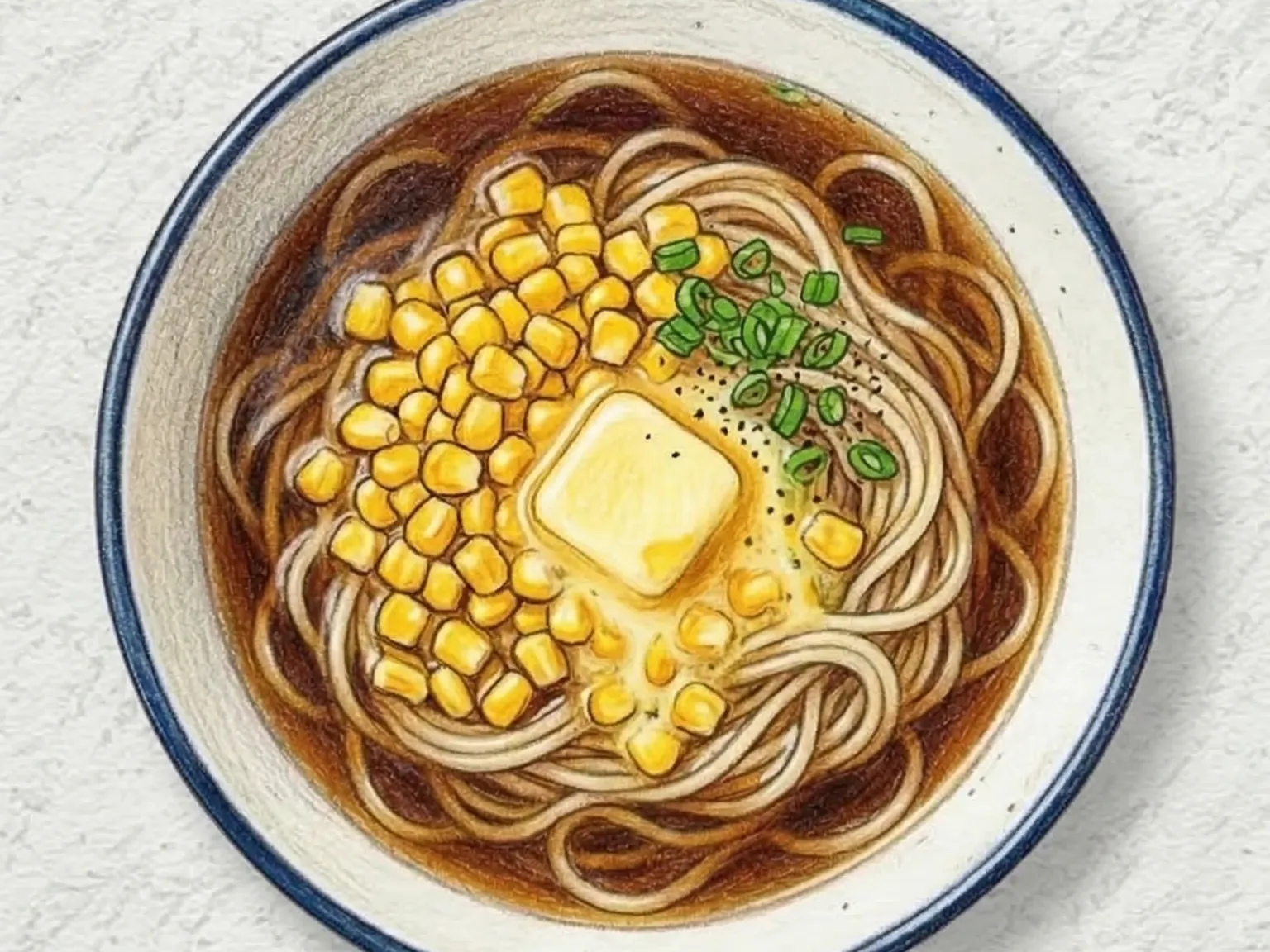
Shoyu Butter Corn Ramen
Shoyu butter corn ramen is a Japanese noodle soup built on chicken broth seasoned with soy sauce and mirin. The broth simmers for ten minutes to marry the salty-sweet flavors before being ladled over separately boiled ramen noodles. A pat of butter placed on top melts slowly into the hot liquid, spreading richness across the bowl. Sweet corn kernels, crisp bean sprouts, nori, and sliced scallion complete the toppings. Serving it soon after cooking keeps the intended texture clearer, while brief resting lets the sauce or broth settle into the dish.
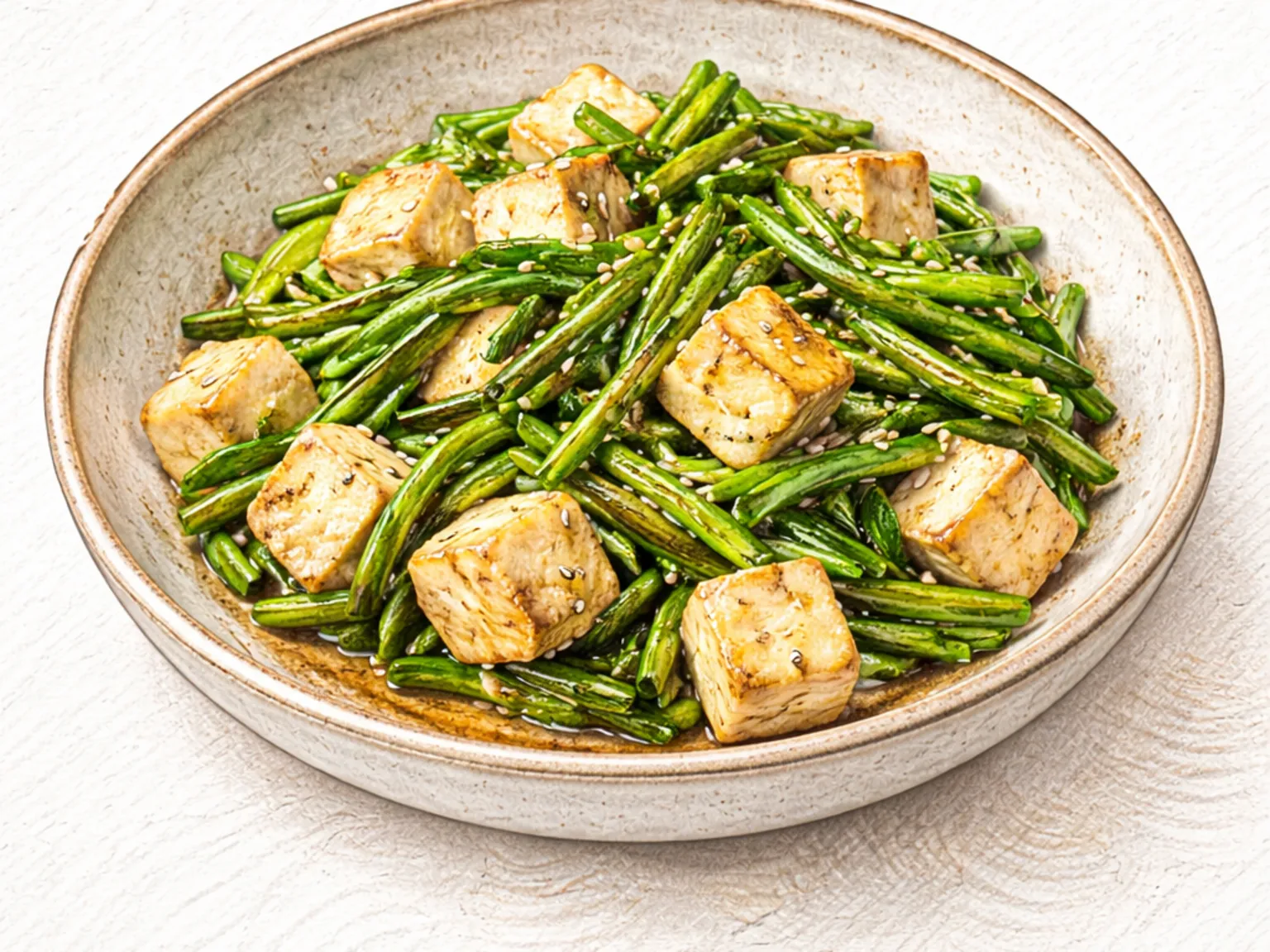
Korean Shepherd's Purse Tofu Stir-fry
Naengi-dubu-bokkeum is a spring-seasonal Korean stir-fry that pairs shepherd's purse - a wild herb with a distinctive earthy bitterness - with cubed firm tofu in perilla oil and soy sauce. The tofu is pan-seared until golden to build a crust, then set aside while onion and garlic cook in the same pan before soy sauces go in. The tofu returns along with the cleaned, trimmed shepherd's purse, which needs only two minutes of gentle tossing to wilt without losing its herbal bite. A final drizzle of perilla oil and a pinch of toasted sesame seeds layer nuttiness over the herb's green, slightly bitter fragrance.
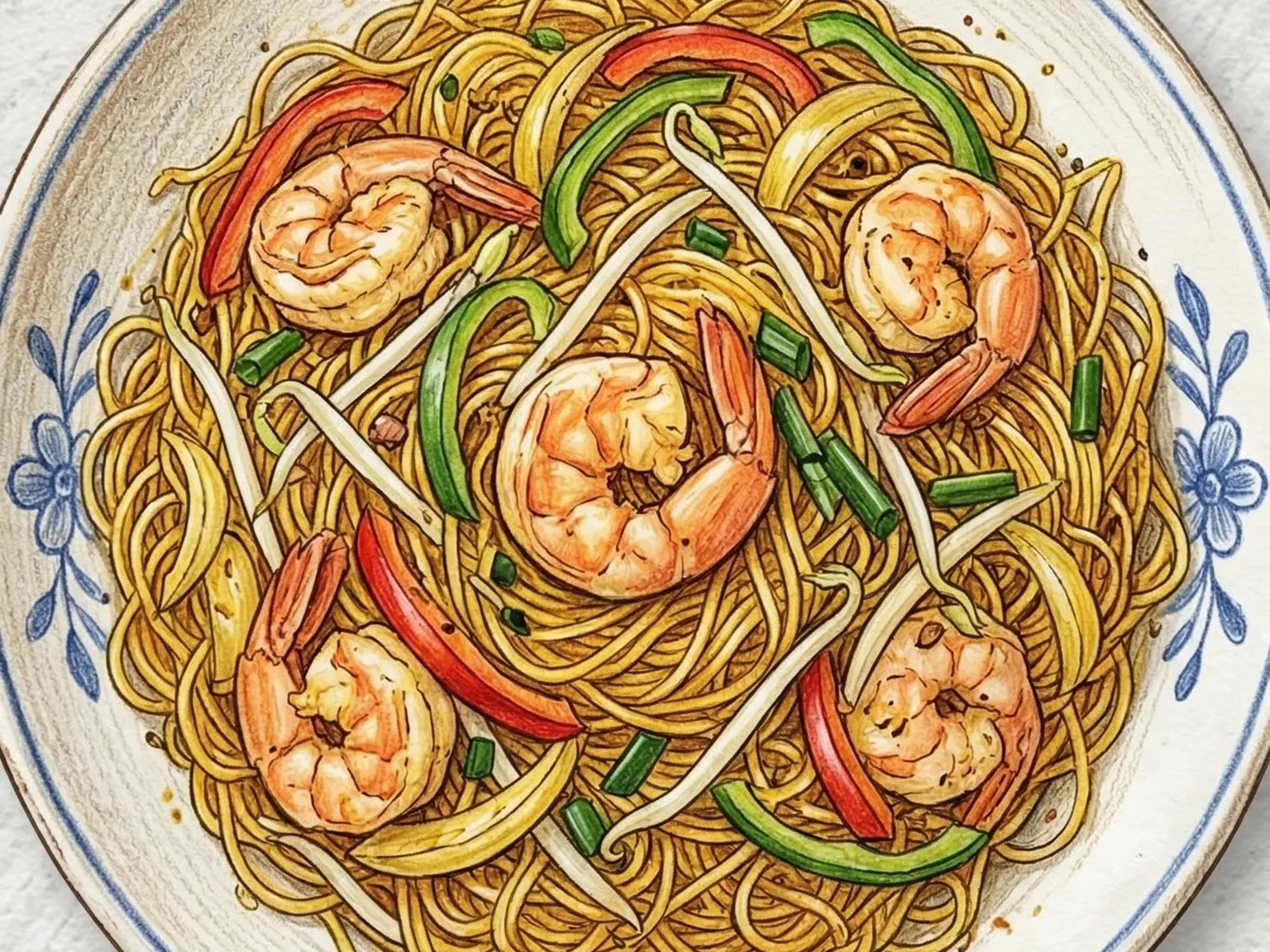
Singapore Rice Noodles (Curry-Spiced Stir-Fried Vermicelli with Shrimp)
Singapore rice noodles are a Cantonese-style stir-fry of thin rice vermicelli tossed with curry powder, shrimp, and mixed vegetables over high heat. The curry powder is bloomed in hot oil at the edge of the wok to unlock its full aroma before being mixed into the noodles. Soy sauce adds seasoning depth, and bean sprouts go in during the last thirty seconds to keep their crunch. Soaking the vermicelli for only eight minutes prevents the noodles from breaking apart during stir-frying. It can be served as a noodle dish, with simple accompaniments chosen to match the sauce, broth, or topping.
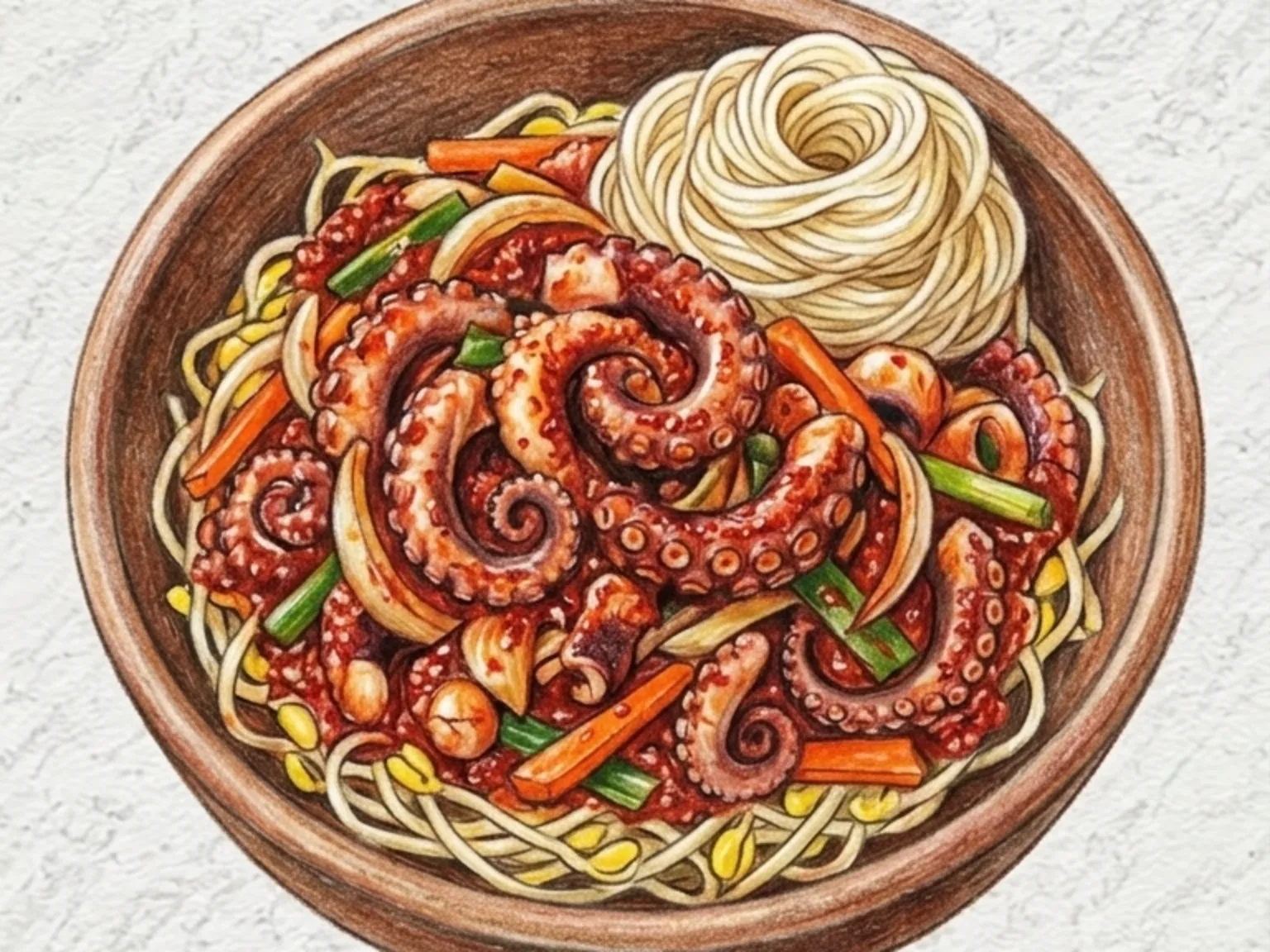
Korean Spicy Stir-fried Octopus
Nakji-bokkeum is a fiery Korean stir-fry of small octopus (nakji) coated in a sauce of gochujang, gochugaru, soy sauce, sugar, and garlic, tossed with bean sprouts, onion, carrot, and scallion. Bean sprouts line the bottom of the pan, releasing moisture to prevent sticking while adding crunch. The vegetables and half the sauce go on next, then the octopus on top, covered and steamed on medium heat for three minutes before a final high-heat stir-fry sears everything for two minutes. Speed is critical - octopus toughens with prolonged cooking - and the dish is often mixed with boiled thin wheat noodles for a heartier meal.
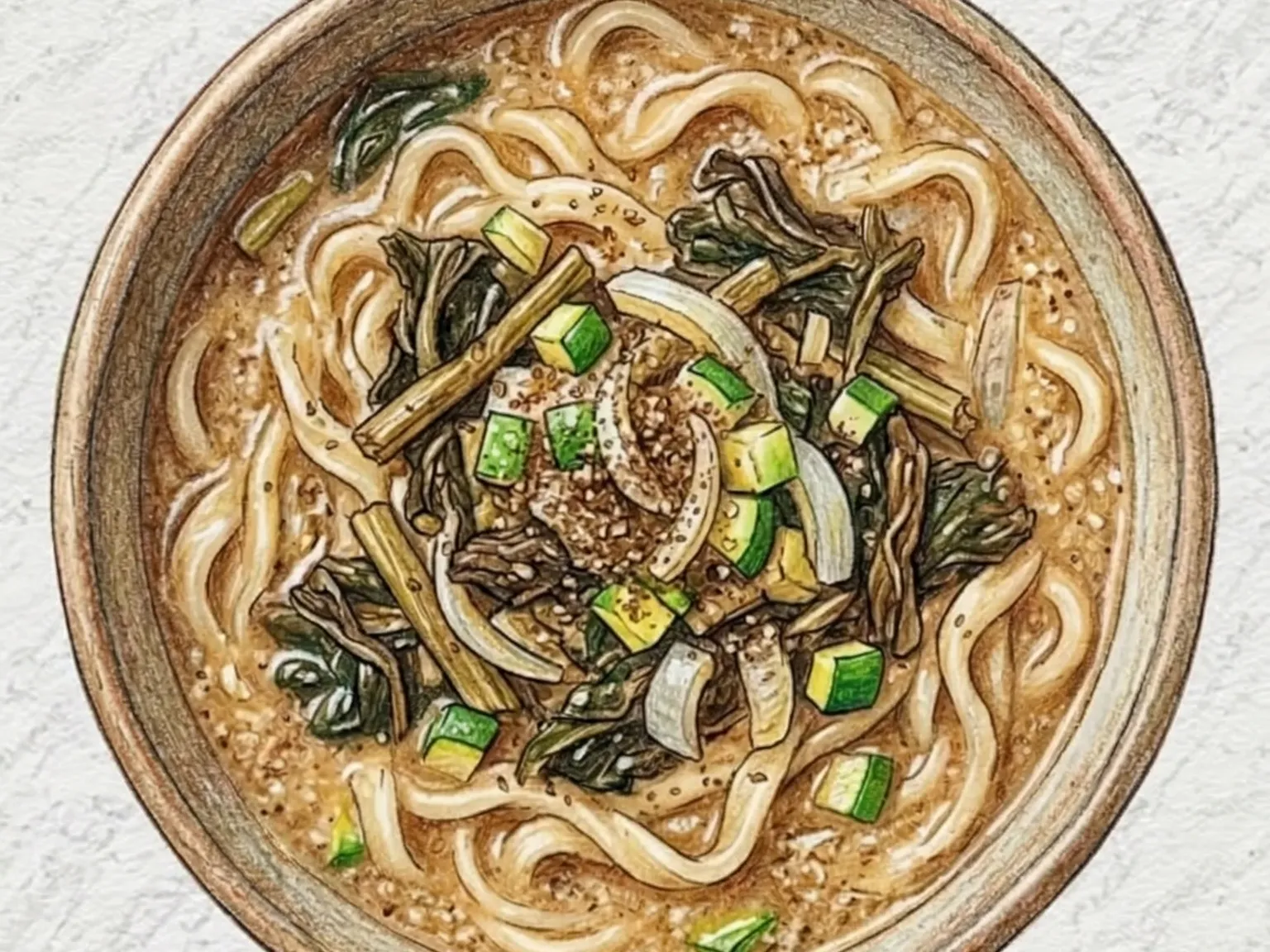
Korean Dried Radish Greens Doenjang Kalguksu
This noodle soup features dried radish greens and soybean paste in a base of anchovy and kelp stock. The fermented soybean paste provides a savory foundation while the radish greens add an earthy bitterness. Adding onion and zucchini during the simmering process introduces a natural sweetness that balances the saltiness of the paste. A spoonful of perilla seed powder at the end gives the broth a toasted, nutty finish. Fresh kalguksu noodles thicken the soup as they cook, taking on a chewy yet soft texture. To ensure a clean taste and better texture, the radish greens are boiled, rinsed in cold water, and squeezed before being added to the pot. Toasting the dried anchovies in the pot before adding water removes any fishy scents from the stock. Since different types of soybean paste vary in saltiness, it helps to add the paste in small increments while tasting. Mixing in a small amount of cheonggukjang provides a stronger fermented character to the finished soup.
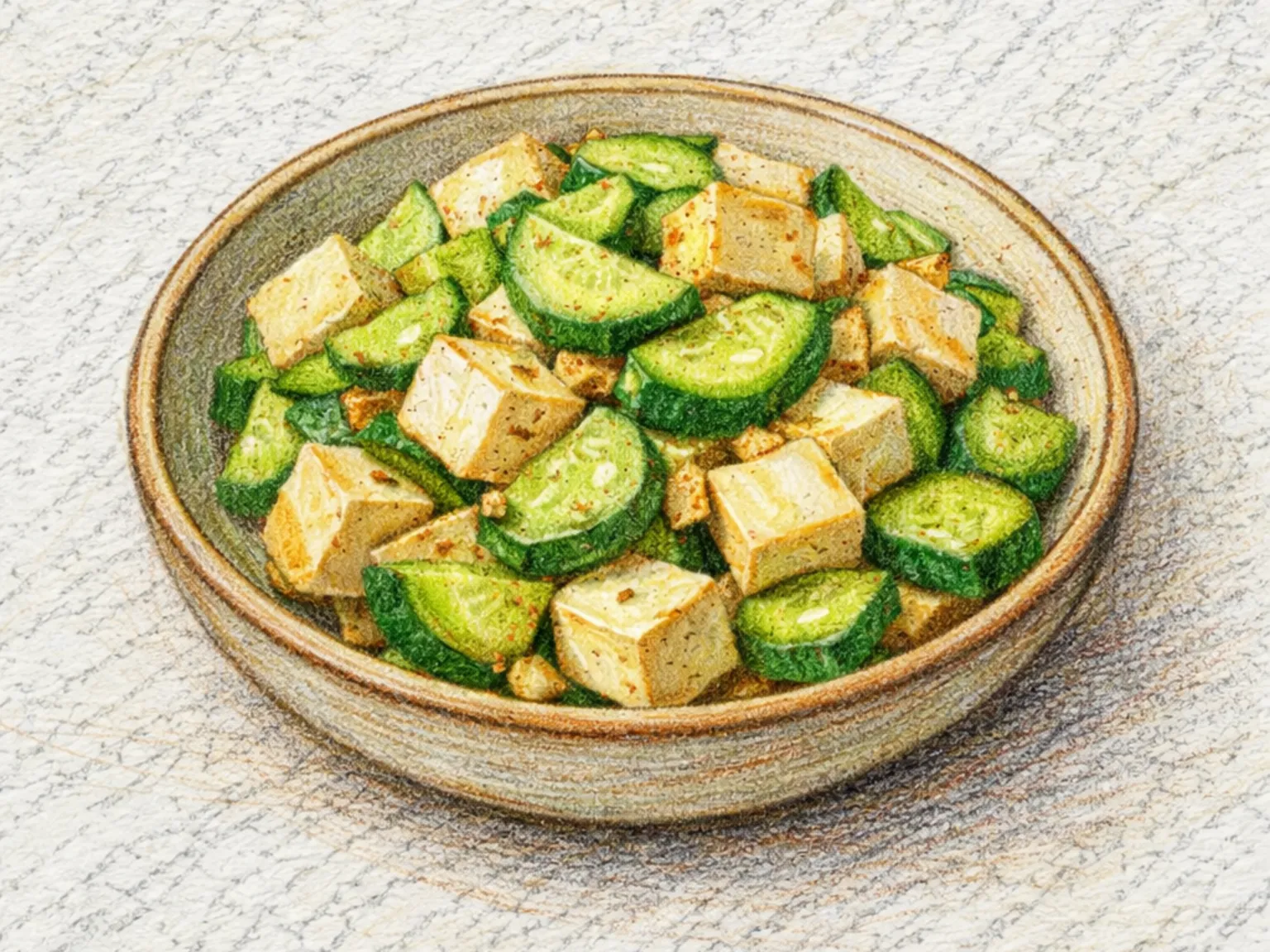
Korean Oi Dubu Bokkeum (Cucumber Tofu Stir-fry)
Oi-dubu-bokkeum stir-fries half-moon cucumber slices and cubed firm tofu with soup soy sauce, garlic, and a light touch of Korean chili flakes. The tofu is pan-fried to golden first to prevent crumbling, then set aside while garlic and onion build flavor in the same pan. Cucumber goes in for just 90 seconds - long enough to warm through but short enough to stay crisp and juicy. The tofu returns for a final toss with sesame oil, creating a dish defined by the contrast between cool, crunchy cucumber and warm, soft tofu under a clean soy-based seasoning.
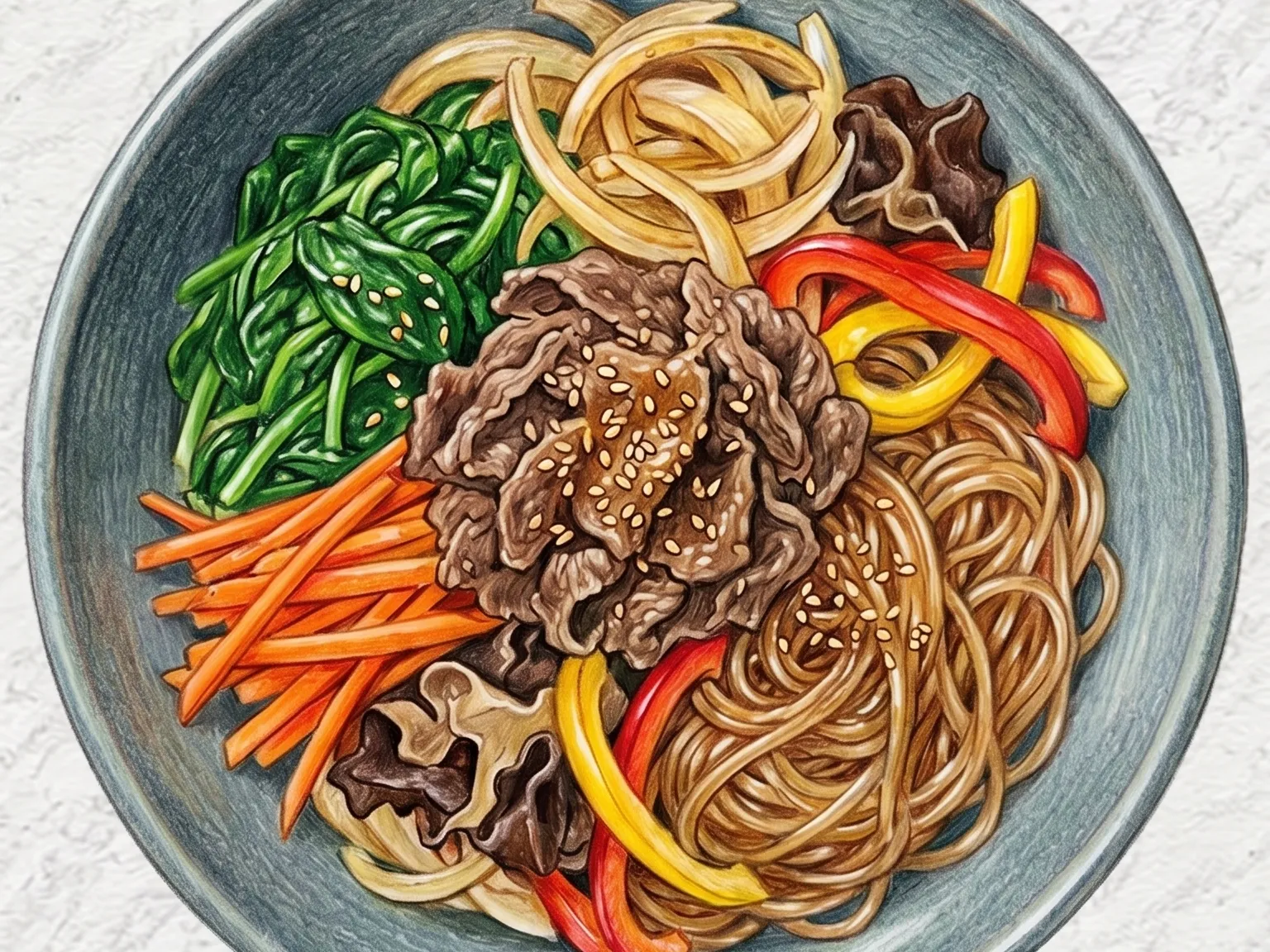
Korean Beef Japchae (Soy-Marinated Beef Glass Noodle Stir-Fry)
Sogogi japchae is a Korean stir-fried noodle dish made with sweet potato glass noodles, soy-marinated beef strips, and an assortment of individually prepared vegetables. Spinach is blanched, carrots and onions are julienned and stir-fried separately, and each component is combined at the end to preserve its distinct color and texture. The noodles are soaked rather than fully boiled, then finished in the pan so they stay chewy instead of mushy. Soy sauce, sugar, and sesame oil form the seasoning base, giving the dish its characteristic sweet-savory balance.
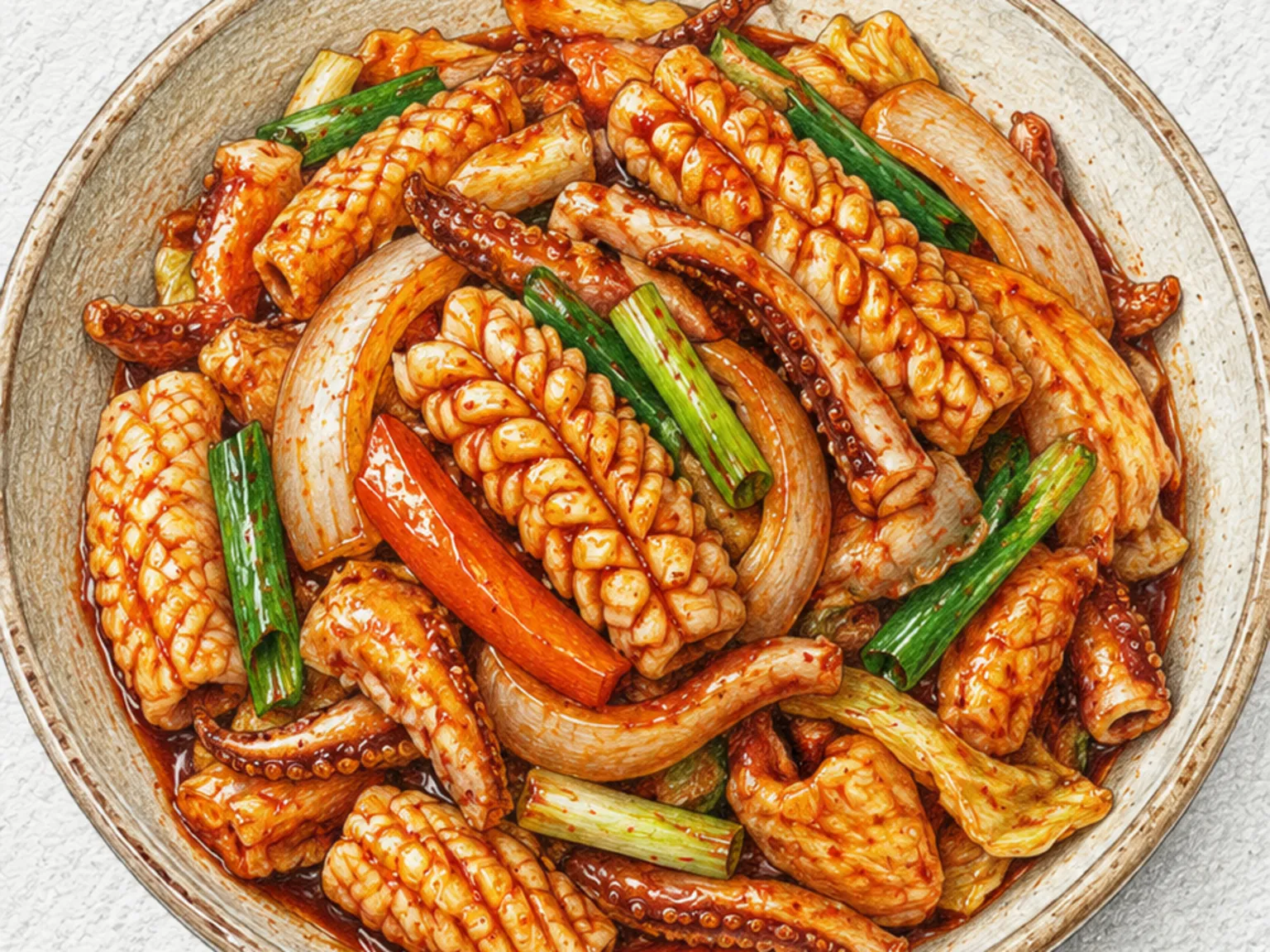
Korean Spicy Stir-fried Squid
Ojingeo-bokkeum is one of Korea's most popular spicy stir-fries, featuring scored squid bodies and tentacles tossed over high heat with onion, carrot, cabbage, and scallion in a gochujang-gochugaru-soy-sugar sauce. Crosshatch scoring on the squid allows the thick, spicy sauce to penetrate deeply, ensuring consistent flavor in every bite. The entire stir-fry takes only a few minutes on maximum heat - essential for keeping the squid springy rather than rubbery. Cabbage and carrot go in near the end to retain their crunch, and a final sesame oil drizzle ties the smoky wok char to the bold red seasoning.
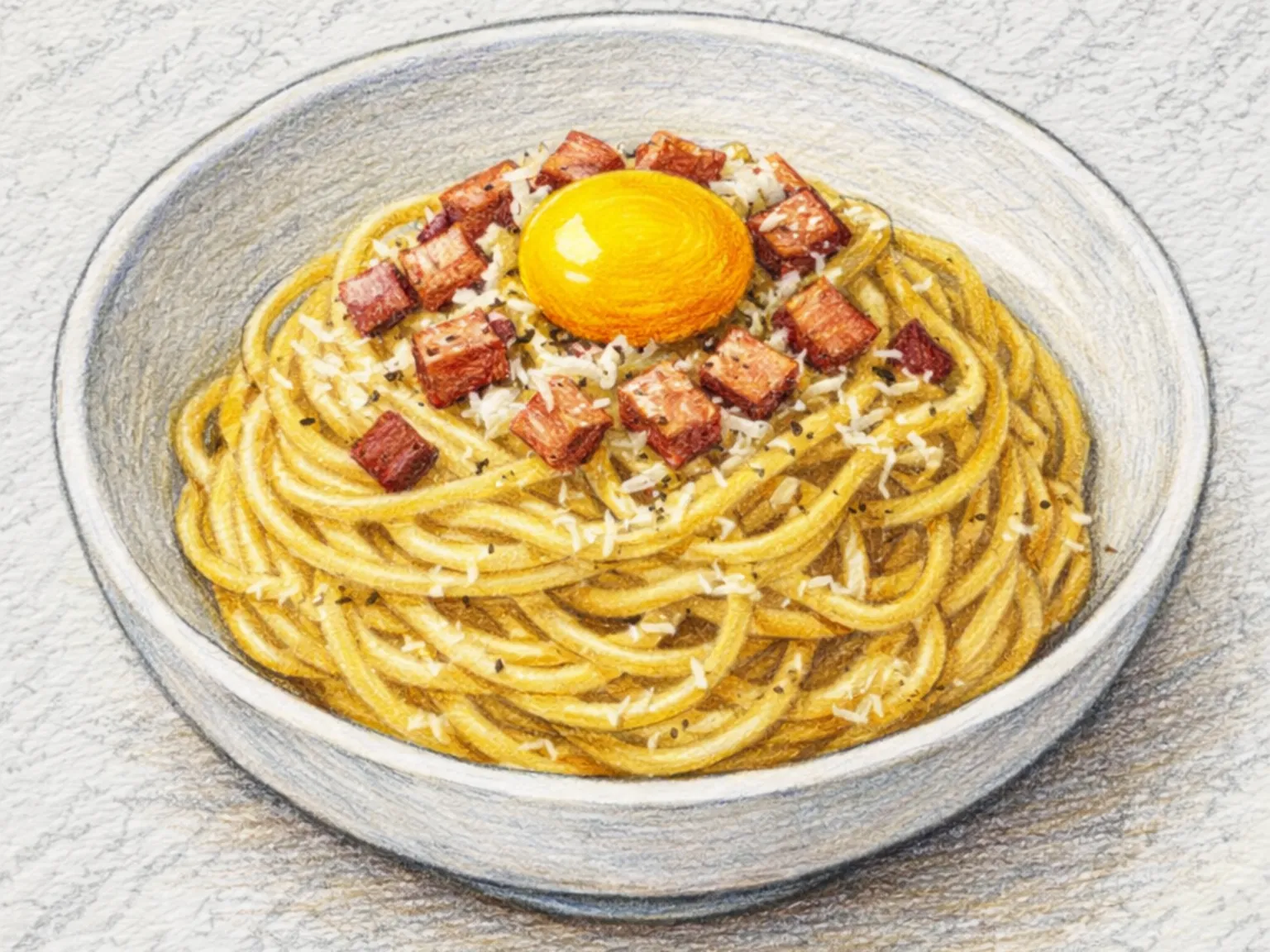
Spaghetti Carbonara
Carbonara is a Roman pasta built on four core ingredients: guanciale, egg yolks, Pecorino Romano, and black pepper. The guanciale is rendered until crisp, and its fat becomes the base of the sauce. Off the heat, a mixture of yolks and grated cheese is tossed with the hot pasta and starchy cooking water to form a glossy emulsion - no cream involved. The dish takes under 25 minutes from start to finish, though temperature control at the sauce stage is critical to avoid scrambling the eggs. The main ingredients are Spaghetti, Guanciale (or pancetta), Egg yolks, and Whole egg, and the recipe depends on careful handling of noodle cooking time and sauce thickness.
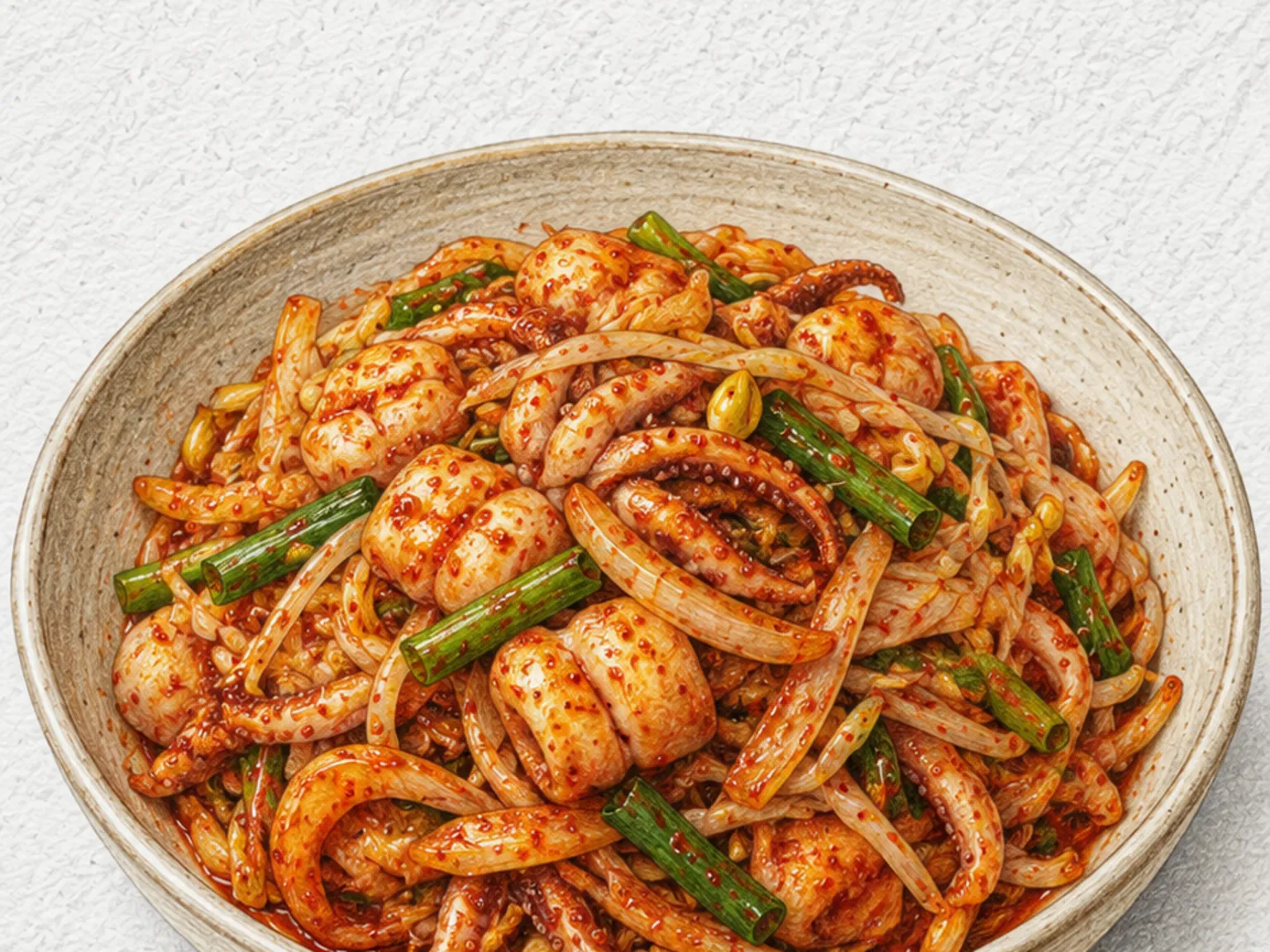
Korean Stir-fried Squid and Bean Sprouts
Ojingeo-sukju-bokkeum stir-fries bite-size squid pieces and bean sprouts in a gochujang-gochugaru sauce over very high heat, capturing smoky wok flavor. Garlic and the chili paste cook first to bloom their heat, then squid and onion go in for a fast sear. Bean sprouts are added only in the final minute or two, keeping them crisp and preventing the dish from becoming watery. Scallion joins at the same time for a sharp finish. The contrast between the squid's firm, chewy body and the sprouts' light crunch defines the texture, while the bold seasoning makes this a natural match for steamed rice.
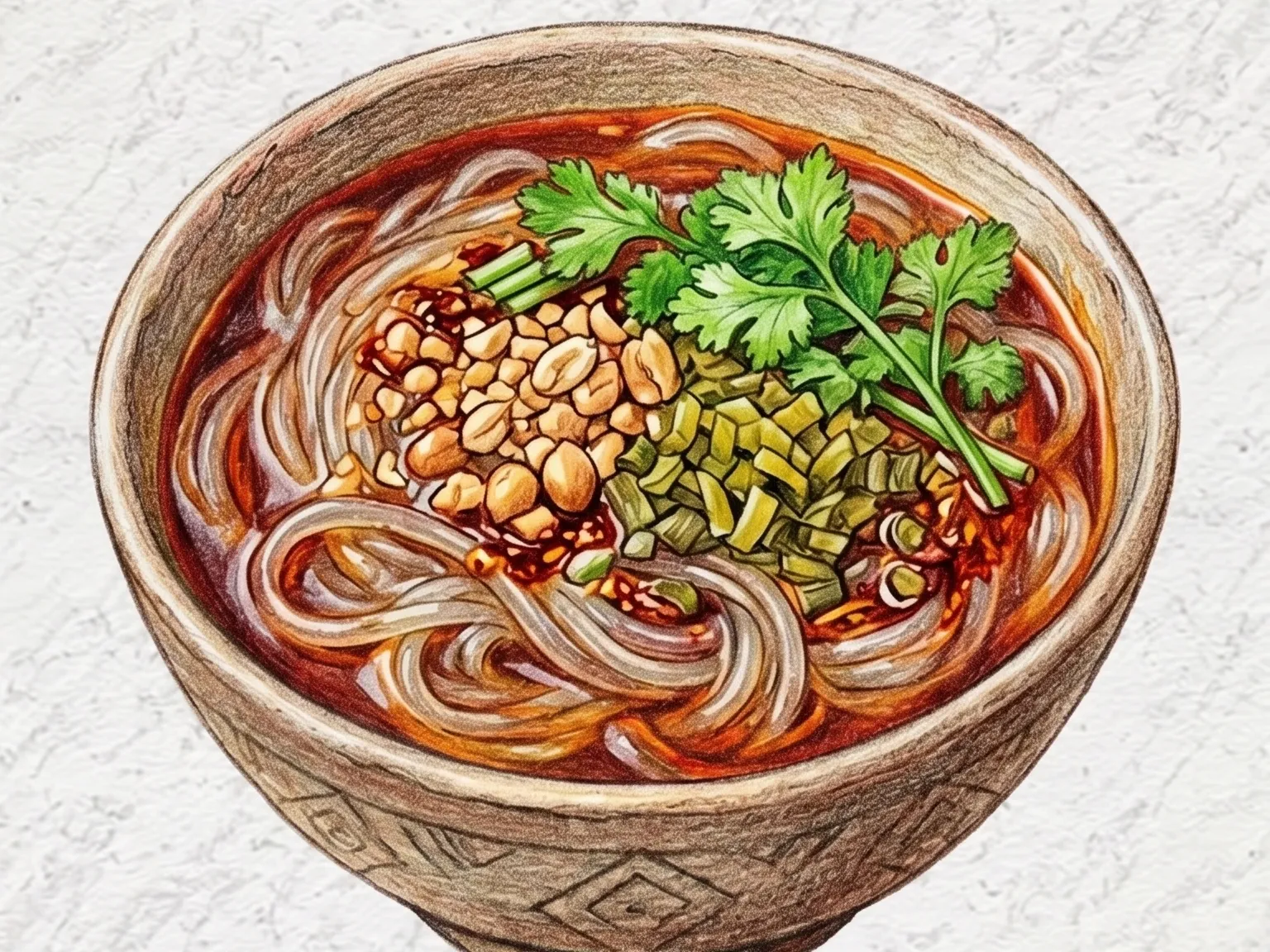
Suanlafen (Sichuan Hot-and-Sour Sweet Potato Noodle Soup)
Suanlafen is a Sichuan street noodle soup featuring sweet potato glass noodles in a hot-and-sour broth. The broth gets its sharpness from black vinegar and its heat from chili oil and ground Sichuan pepper. Chewy, translucent noodles absorb the broth while maintaining a springy bite. Toppings typically include crushed peanuts, pickled mustard greens, and cilantro. The dish takes roughly 35 minutes to prepare and allows easy adjustment of sourness and spice levels to taste. Controlling noodle texture and sauce coating helps the ingredients cook evenly while keeping the final seasoning balanced.
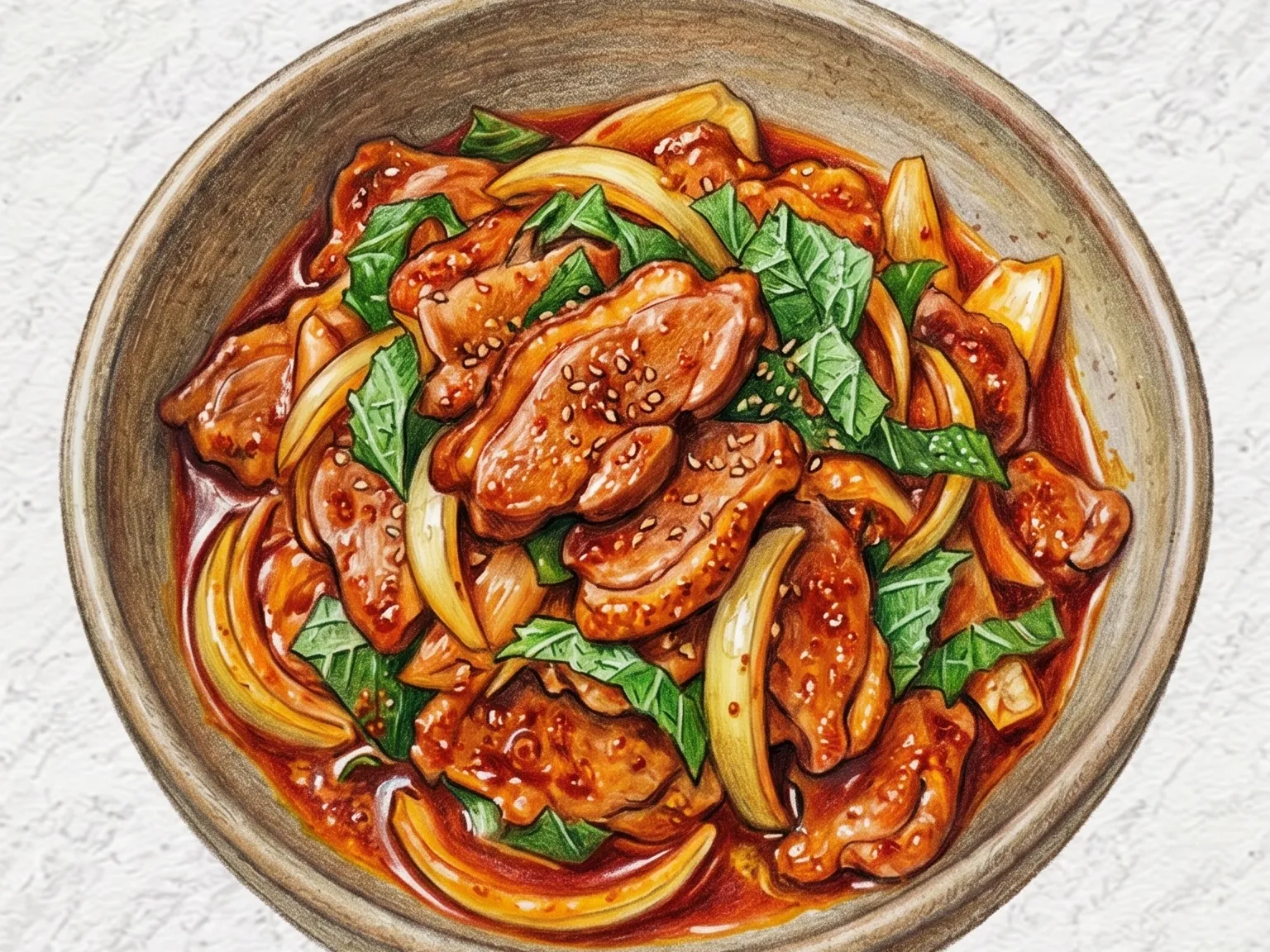
Korean Spicy Duck Stir-fry
Ori-jumeulleok is a Korean spicy duck stir-fry where sliced duck is hand-massaged with a marinade of gochujang, gochugaru, soy sauce, garlic, and sesame oil, then rested for fifteen minutes before hitting a hot pan with onion. The duck renders its own fat as it cooks, creating a rich, glossy sauce without added oil. Once the meat is seared, perilla leaves go in at the very end - just long enough to release their peppery, herbal fragrance without wilting completely. The result is a dish with deep, concentrated heat from the marinade balanced by the aromatic lift of perilla, all carried on the duck's naturally rich fat.
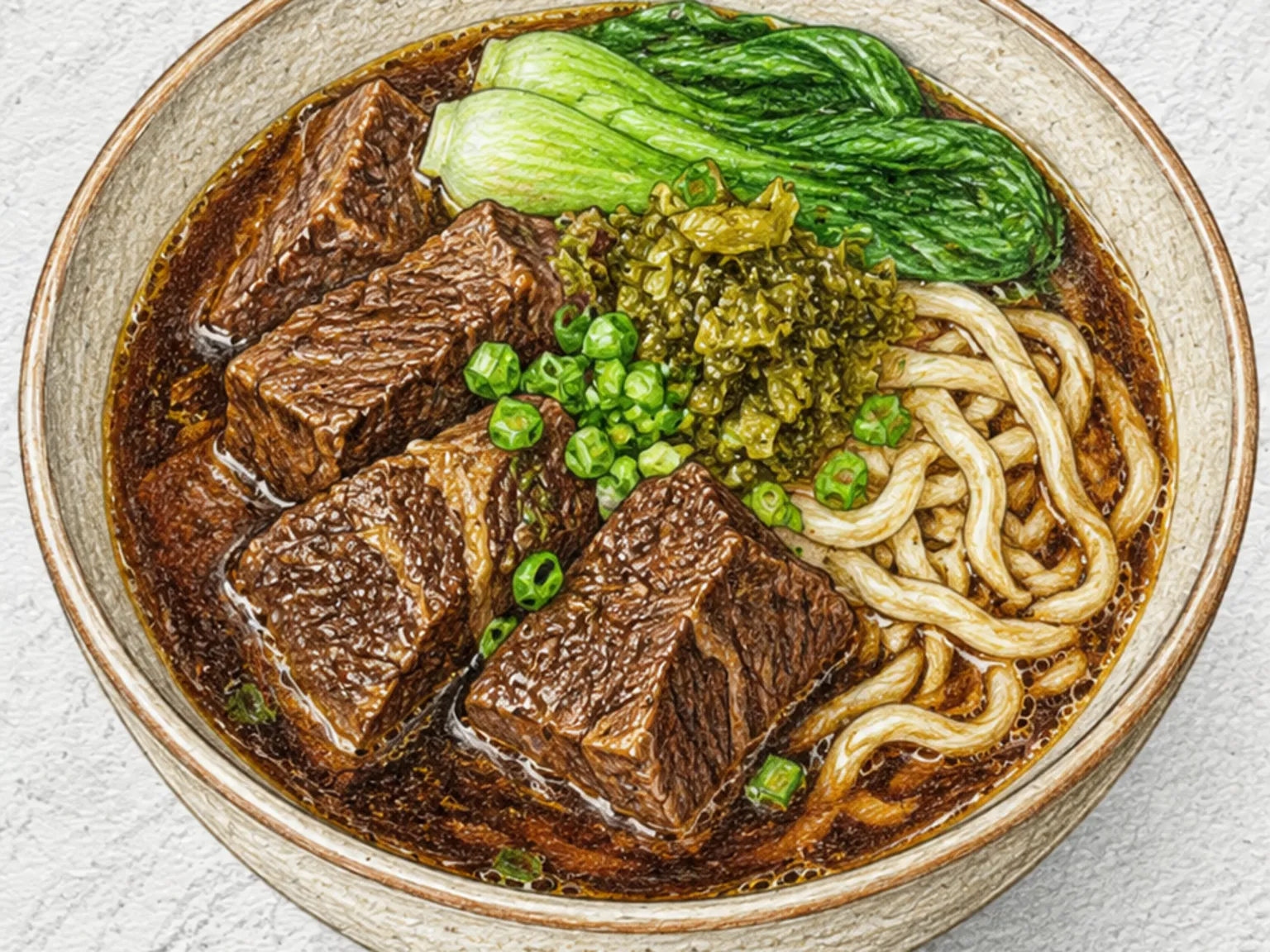
Taiwanese Beef Noodle Soup
Taiwanese beef noodle soup slow-braises beef brisket in a soy-based broth seasoned with doubanjiang, star anise, cinnamon, and Sichuan peppercorns. The minimum 90-minute simmer renders the meat fork-tender while building a deeply layered broth. Thick wheat noodles are served in the finished broth, soaking up its concentrated flavor. Spice level is adjustable by varying the amount of doubanjiang. Common garnishes include pickled mustard greens and blanched bok choy, adding brightness to the rich bowl.
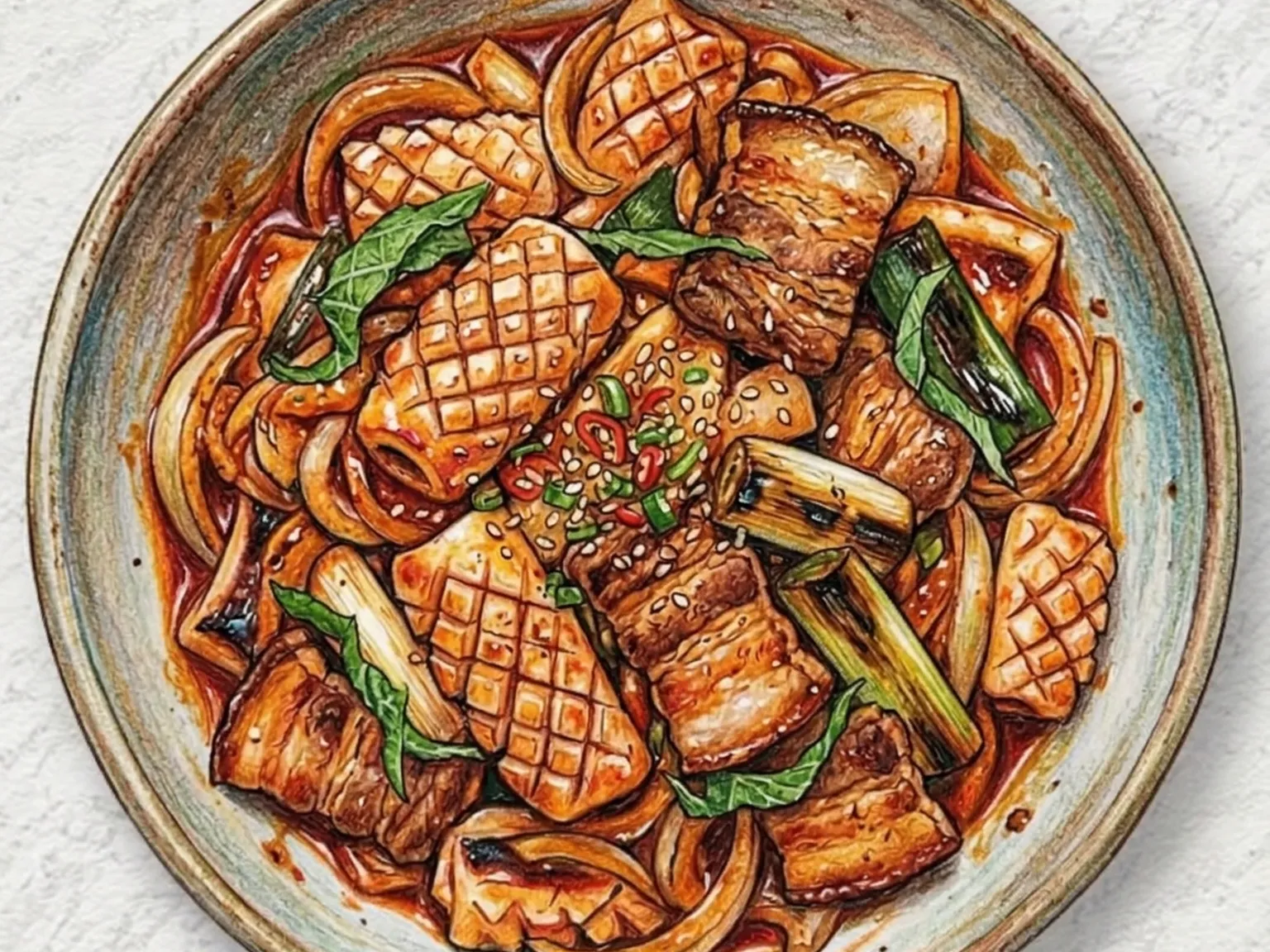
Korean Squid & Pork Belly Stir-fry
Osam-bulgogi is a Korean stir-fry that pairs scored squid and sliced pork belly in a single pan with a gochujang-gochugaru-soy-sugar sauce, delivering both oceanic umami and rich meatiness in every bite. The pork belly cooks first for three minutes, rendering its fat into the pan - this rendered fat then becomes the cooking medium for the squid, deepening the overall flavor. Squid is scored in a crosshatch pattern so the thick sauce penetrates its flesh, and onion provides sweetness to balance the heat. Scallion and perilla leaves finish the dish, adding freshness to what is a staple anju (drinking snack) in Korean restaurants.
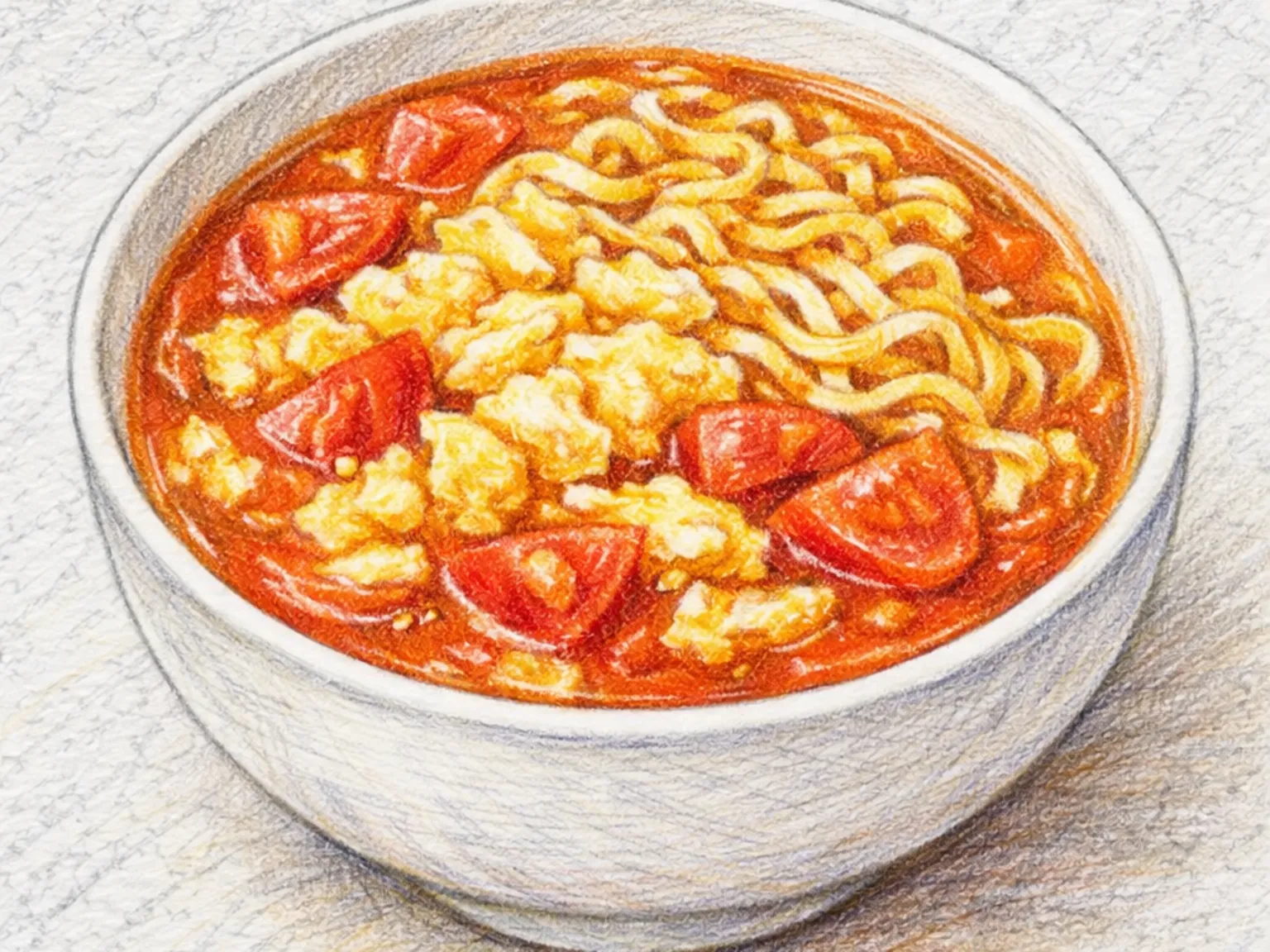
Tomato Egg Lamian (Chinese Home-Style Tomato Scrambled Egg Noodle Soup)
Tomato egg lamian is a Chinese home-style noodle soup where ripe tomatoes are sauteed until they break down into a tangy, slightly sweet broth. Soft-scrambled eggs are folded in, adding mild richness. Fresh wheat noodles go directly into the pot, picking up the broth's flavor as they cook. No heavy spices are involved - the dish relies on the natural taste of its few ingredients. It takes about 27 minutes total and is widely eaten across China as an everyday meal. It can be served as a noodle dish, with simple accompaniments chosen to match the sauce, broth, or topping.