⚡ Quick Recipes
Ready in 20 minutes or less
804 recipes. Page 14 of 34
A busy schedule does not mean you have to settle for bland meals. Every recipe in this collection can be prepared and finished in 20 minutes or less - quick stir-fries, tossed noodles, microwave dishes, and more.
The secret is minimizing prep work and keeping the steps simple. Pre-cut ingredients or pantry staples speed things up even further. Turn to these recipes after work, during a short lunch break, or for a fast breakfast.
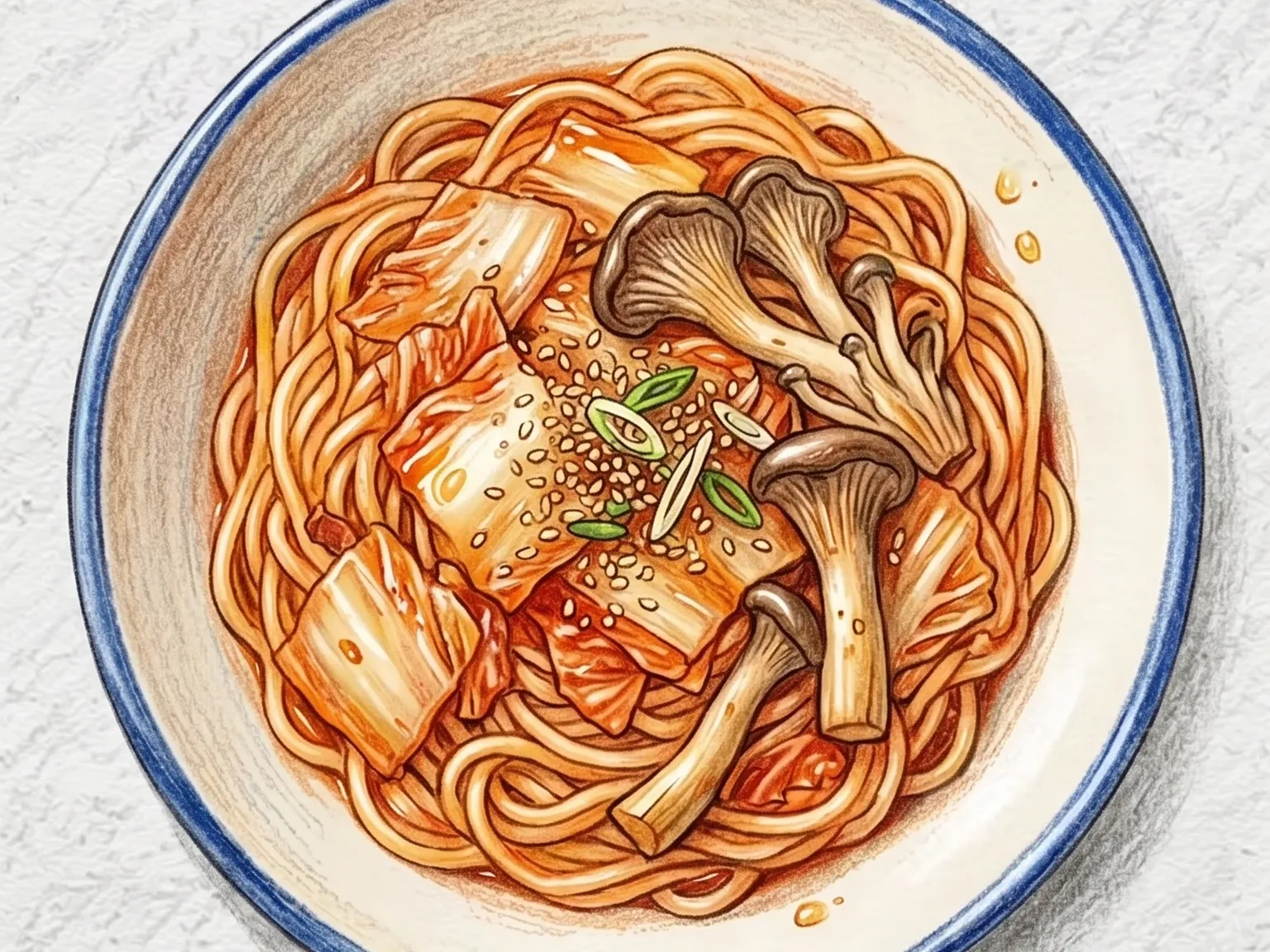
Korean Steamed Kimchi Mushroom Noodles
Gimchi beoseot tteumyeon is a steamed noodle dish built on a simple idea: ripe kimchi and oyster mushrooms are spread across the bottom of a pot, raw noodles are laid on top, and the whole thing is sealed with a lid and cooked entirely by steam. No additional water is poured in. The moisture locked inside the fermented kimchi converts to vapor as the pot heats, rising up through the noodles and infusing them from below. The fermented tang and chili seasoning of the kimchi penetrate the noodles in a way that boiling cannot replicate - the flavor is absorbed directly rather than diluted into cooking water. The noodles themselves take on a denser, more elastic chew than their boiled counterparts, because the gentler steam heat allows the starch to set gradually. Oyster mushrooms contribute their own moisture to the enclosed steam environment, extending the cooking vapor, while their fibers soften into a meaty texture with a clean umami note. A drizzle of sesame oil added just before serving releases a nutty aroma that rises above the spicy steam and rounds off the dish. Because everything cooks in one pot and the ingredient list stays short, this recipe shows up frequently as a weeknight dinner with a rewarding depth that belies its simplicity.
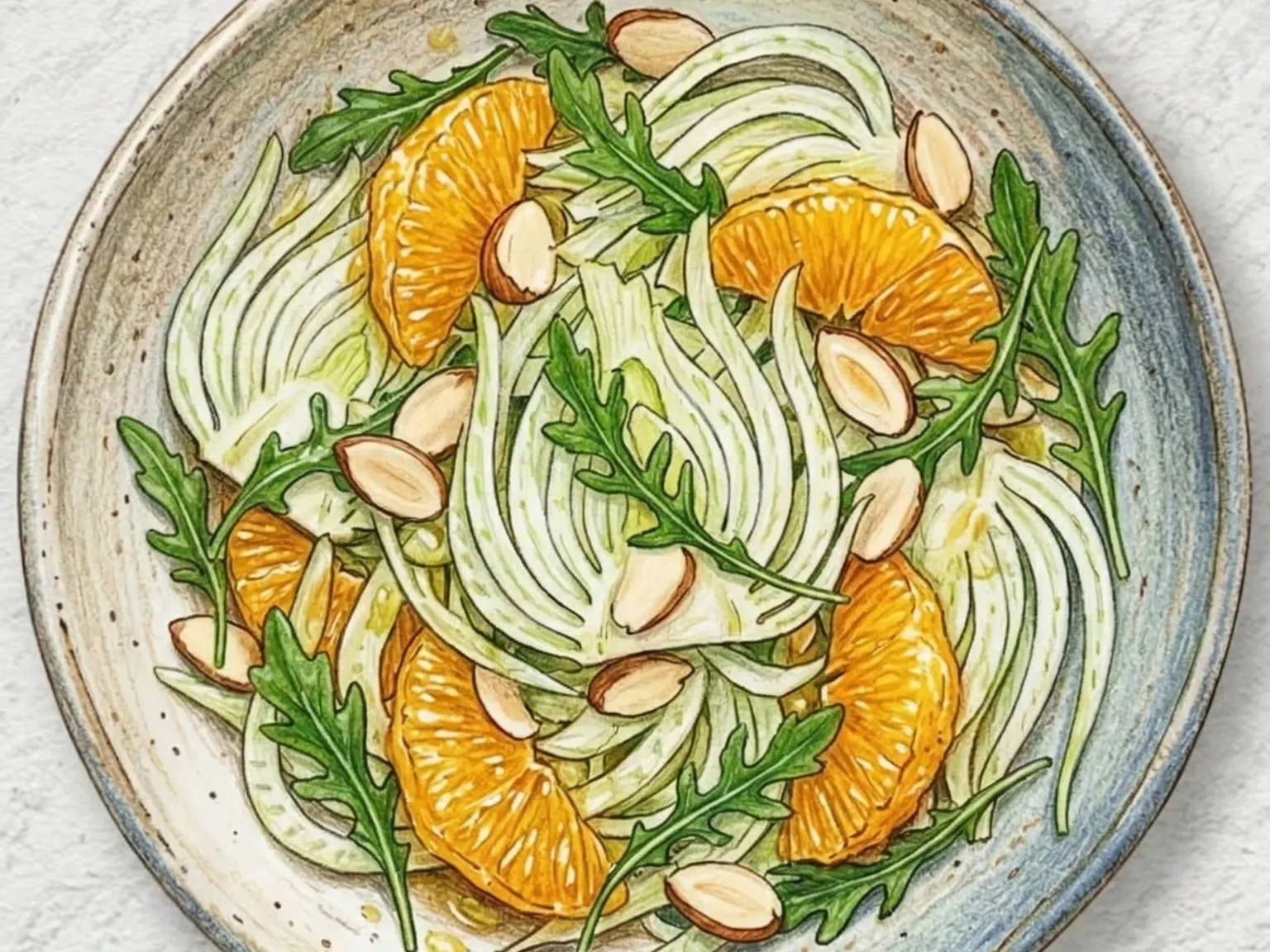
Citrus Fennel Salad (Orange & Shaved Fennel with Arugula)
Fennel is shaved thin to highlight its anise-scented crunch, then paired with segmented orange for juicy acidity. Arugula contributes a peppery bite that offsets the citrus sweetness, and sliced almonds add a toasted crunch. The dressing stays minimal - olive oil and white wine vinegar - so the raw ingredients come through clearly without interference. Dressing should be added just before serving to prevent the fennel from wilting. The salad works well before rich meat or fish courses, since the citrus and fennel combination opens the palate rather than dulling it.
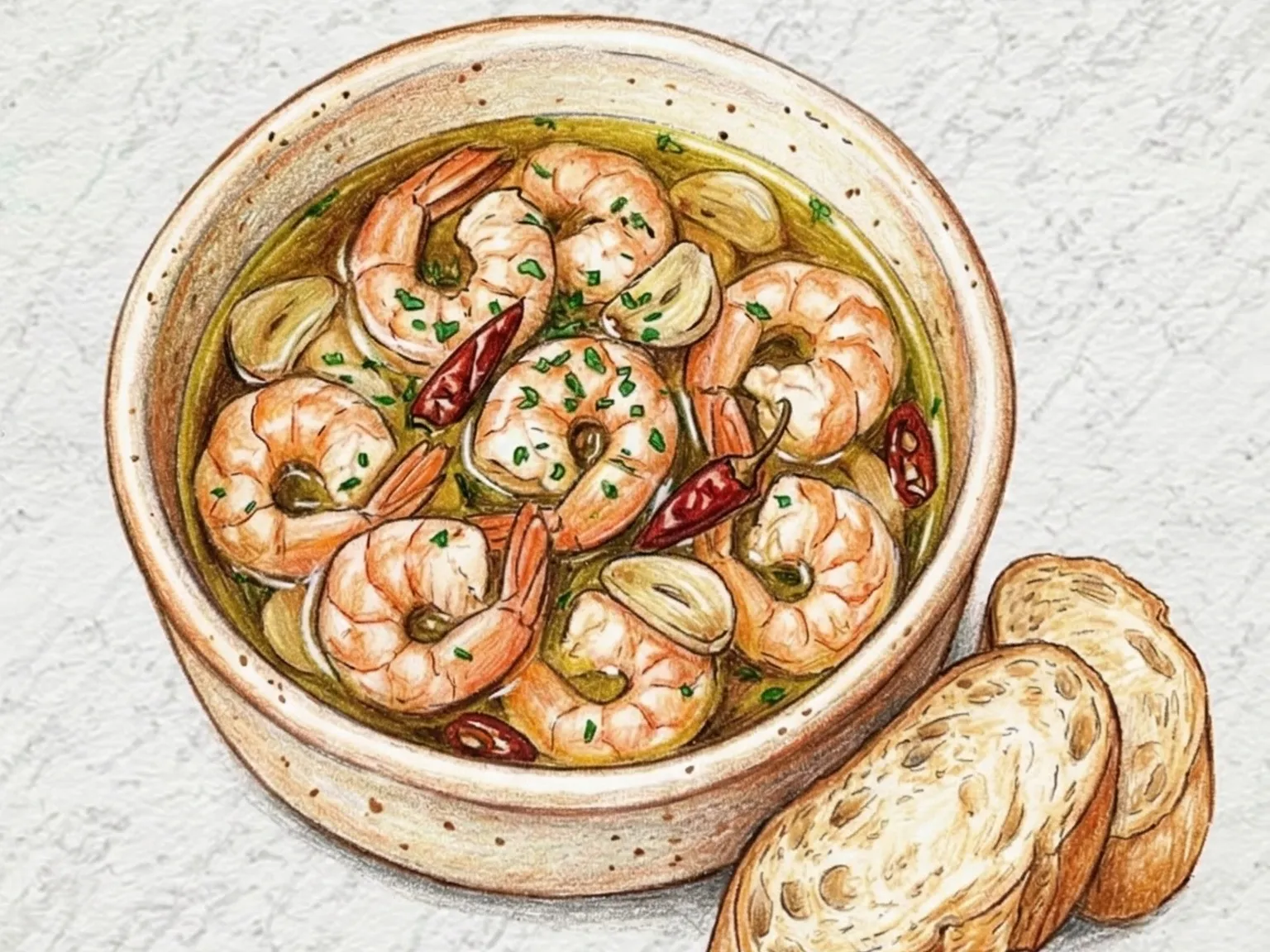
Gambas al Ajillo (Garlic Shrimp)
Gambas al ajillo cooks peeled shrimp in a generous pool of olive oil infused with thinly sliced garlic and dried red chili over low heat, a method that turns the oil itself into the flavor foundation of the dish. The garlic must be coaxed slowly to release its sweetness into the oil without crossing into bitterness - the moment it turns golden, the shrimp go in and cook for two to three minutes until pink and just cooked through. A seasoning of salt, black pepper, and a scatter of chopped parsley finishes the pan. The dried chili adds a gentle warmth that sharpens both the garlic-scented oil and the natural sweetness of the shrimp, while the olive oil absorbs and carries all these flavors together. Sliced baguette served alongside is not optional - it exists to soak up the deeply flavored oil, and mopping the pan completely clean is the traditional way to end the dish. Keeping the heat consistently low throughout is the one non-negotiable rule: high heat burns the garlic in seconds and toughens the shrimp.
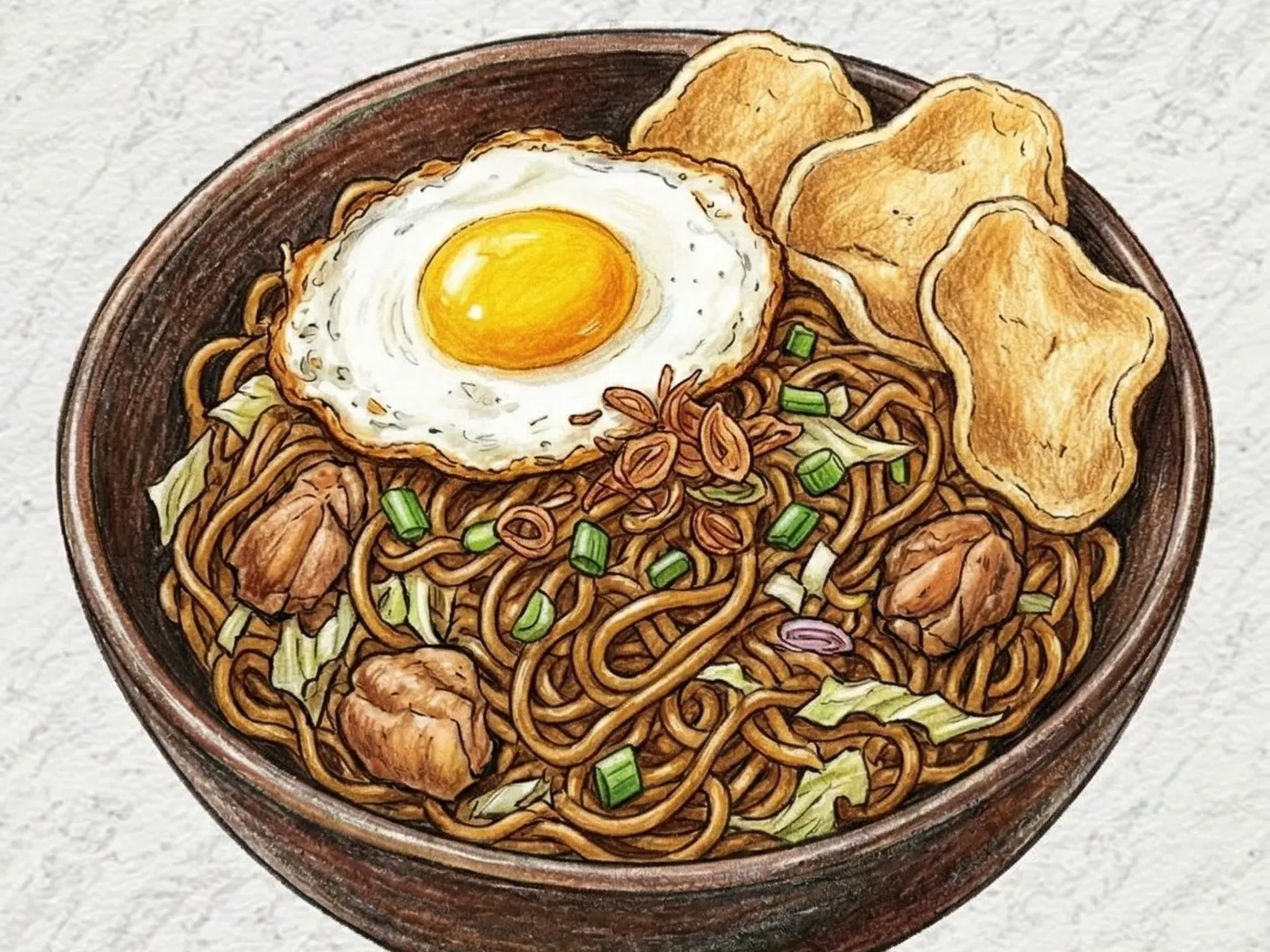
Javanese Chicken Mie Goreng
Javanese chicken mie goreng is an Indonesian stir-fried noodle dish built around kecap manis, a thick, molasses-dark sweet soy sauce that caramelizes in the wok and coats the noodles in a glossy, sweet-savory glaze that is impossible to mistake for any other style of fried noodle. Shallots and garlic are fried first to form the aromatic base, then sliced chicken thigh, shredded cabbage, and scallions join the wok over high heat. The egg noodles go in last, tossing rapidly to pick up wok breath and absorb the sauce. A fried egg with a runny yolk, prawn crackers for crunch, and a wedge of lime to cut through the sweetness complete the plate in the street-stall tradition of Java. The unmistakable sweetness of kecap manis is what sets this dish apart from Chinese-style fried noodles and gives Javanese mie goreng its identity across Indonesia and beyond.
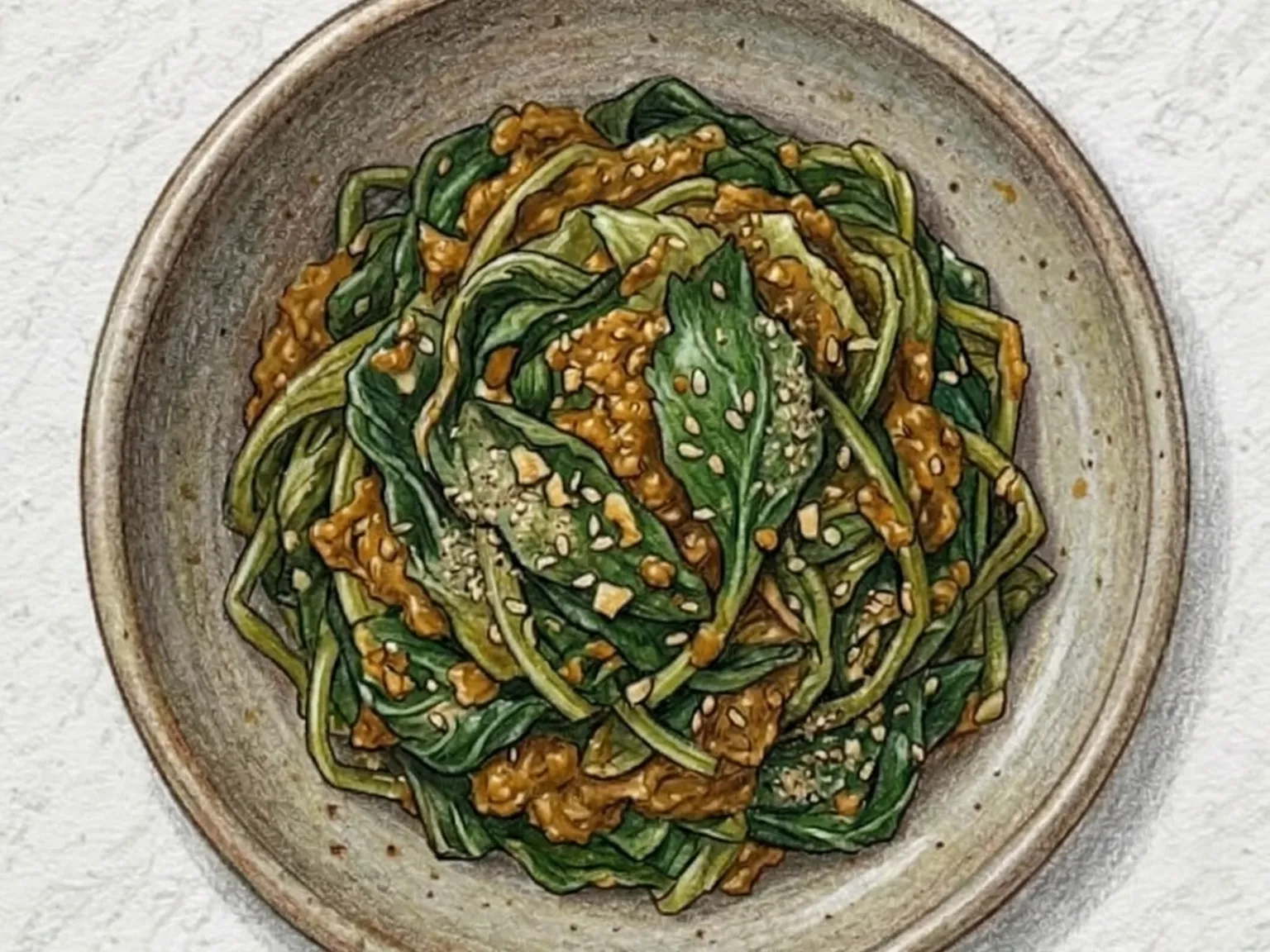
Korean Chwinamul with Doenjang
This banchan brings together chwinamul, a foraged spring green with a pronounced bitter edge, and doenjang, Korea's pungent fermented soybean paste, producing a side dish where two assertive flavors push against each other and settle into something deeper than either alone. The greens are blanched for two minutes, squeezed firmly to remove excess water, and cut to an even length before seasoning. Doenjang, soup soy sauce, minced garlic, sesame oil, and perilla powder are added and worked in by hand, pressing the thick paste into the porous leaf tissue so that the salty, fermented depth clings to every strand and the seasoning does not slide off during plating. The natural bitterness of the chwinamul does not disappear under the doenjang but transforms instead, losing its sharpness and becoming layered and rounded. Letting the dressed greens rest for five minutes before serving allows the seasoning to penetrate fully, which sharpens and deepens the overall flavor in a way that is noticeable even from the first resting period. In winter months, dried chwinamul soaked overnight in cold water is used instead of fresh; the texture is softer and less fibrous but the compatibility with doenjang holds completely.
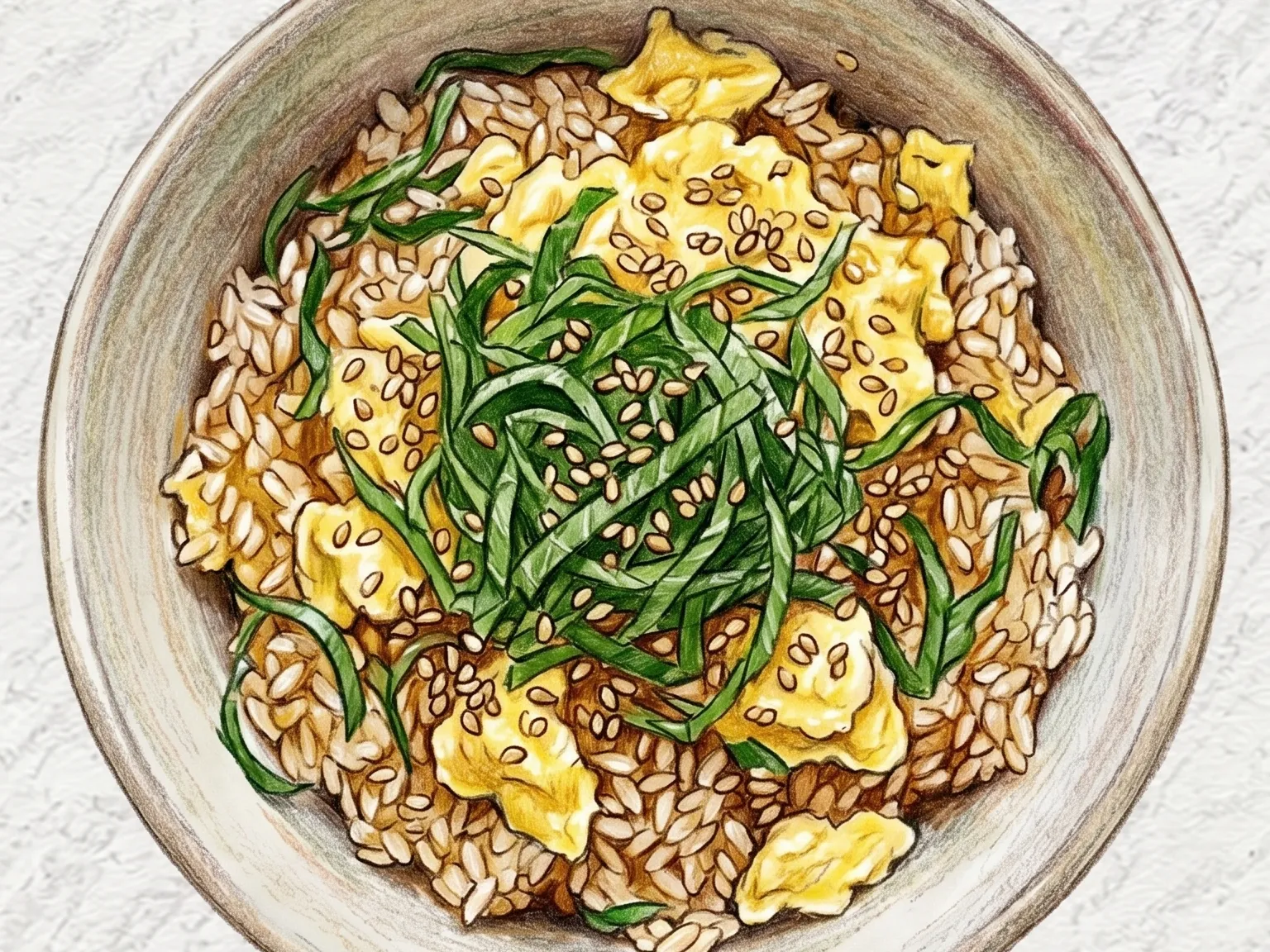
Korean Kkaennip Deulgireum Gyeran Bap (Perilla Egg Rice)
Kkaennip-deulgireum-gyeran-bap is a simple one-bowl rice dish built on three main flavors: the deep roasted-nut aroma of perilla oil, the herb-like fragrance of fresh perilla leaves, and the richness of soft scrambled eggs. The eggs are cooked low and slow in butter, set aside, and then rice is stir-fried briefly in perilla oil over moderate heat. Perilla oil has a low smoke point, so high heat rapidly destroys its distinctive aroma. Soy sauce drizzled along the hot rim of the pan picks up a faint caramel char as it hits the surface, adding depth beyond straightforward saltiness. The scrambled eggs and the rice are folded together with thinly sliced perilla leaves off the heat, because the leaves lose their volatile oils quickly when exposed to sustained warmth. Finishing with a generous amount of whole sesame seeds adds a repeated crunch and further layers of nuttiness through every bite. With ingredients this minimal, the quality of the perilla oil and the freshness of the leaves determine the final result.
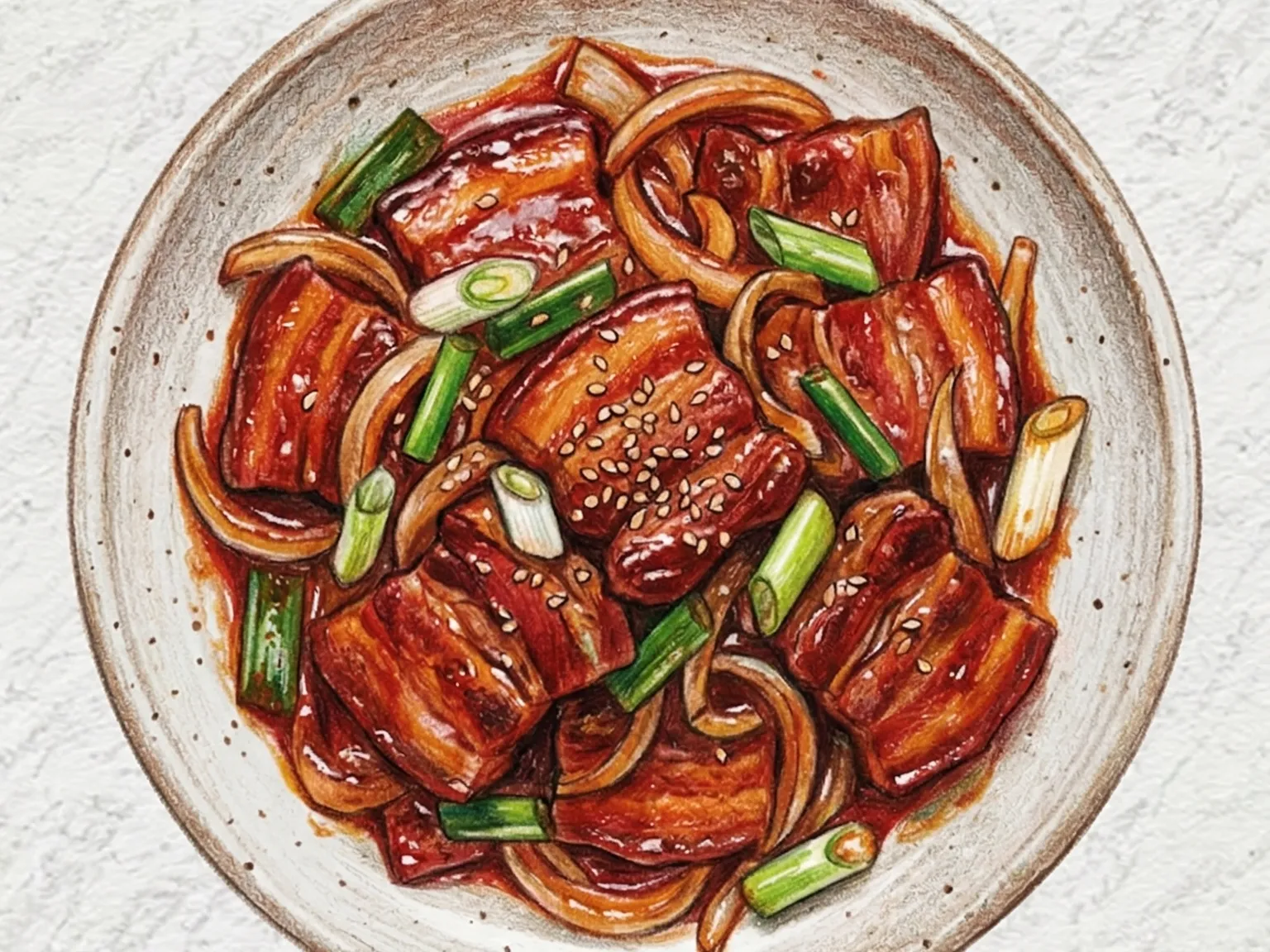
Korean Gochujang Pork Belly Stir-Fry
Gochujang samgyeop bokkeum stir-fries pork belly in a bold gochujang glaze without any added oil, relying entirely on the rendered fat from the belly slices. That fat carries the spicy-sweet sauce deep into each piece, creating a concentrated, layered flavor. Soy sauce and sugar moderate the chili heat, while onion and green onion brighten the dish with fresh aromatics and a bit of crunch. It is a straightforward dish that takes only 20 minutes yet delivers a punch of flavor suitable for both a weekday dinner over rice and a casual drinking snack.

Korean Street Egg Toast (Cabbage Egg Omelet Sandwich with Sweet Ketchup)
Gilgeori egg toast is a Korean street food sandwich built around a rectangular omelet of shredded cabbage, carrot, and beaten egg, layered between slices of bread that have been toasted in butter until golden. The defining touch is a sprinkle of white sugar over ketchup applied directly to the bread before the omelet goes in. That sugar-ketchup combination produces a sweet-tangy sauce that balances the savory egg and the mild crunch of the vegetables in a way that no other condiment quite replicates. The egg and vegetable batter is folded over itself on the pan to create a thick, layered patty, so each bite delivers alternating textures of soft egg and crunchy toasted bread. Street vendors began selling this sandwich in front of Korean schools during the 1990s, and it has remained a constant fixture of Korean street food culture ever since, available at food stalls and snack trucks across the country as both a breakfast option and an afternoon snack.

Einspanner (Espresso with Vanilla Whipped Cream)
The Einspanner is a coffee beverage originating from Austria that features a distinct layered structure consisting of espresso at the bottom and a dense portion of whipped cream on top. This cream is typically seasoned with a small amount of sugar and vanilla extract to provide a subtle sweetness that complements the coffee. A primary characteristic of this drink is the sharp visual and textural contrast between the dark espresso base and the thick, pale cream that rests on the surface. Proper preparation of the cream is essential for the beverage to function as intended. It must be whipped until it reaches a specific consistency of approximately seventy percent stiffness, which allows it to remain fluid enough to float and spread evenly across the entire surface of the espresso. If the cream is over-whipped and becomes too firm, it will form clumps and fail to integrate naturally with the coffee as the person drinks it. The assembly process involves cooling the espresso for a short period before pouring it into a glass containing ice. The whipped cream is then added slowly by using the back of a spoon to guide it onto the surface of the coffee. This specific technique is used to ensure that the two layers remain separate and do not mix prematurely. To finish the preparation, a fine layer of cocoa powder is dusted over the top of the cream. This addition provides a light chocolate flavor that serves as a bridge between the bitter notes of the espresso and the sweet taste of the whipped cream. Customarily, an Einspanner is consumed without the use of a straw. The standard method is to sip the coffee directly through the layer of cream so that both components reach the palate at the same time. This allows for the simultaneous experience of the concentrated coffee and the flavored cream in every mouthful.
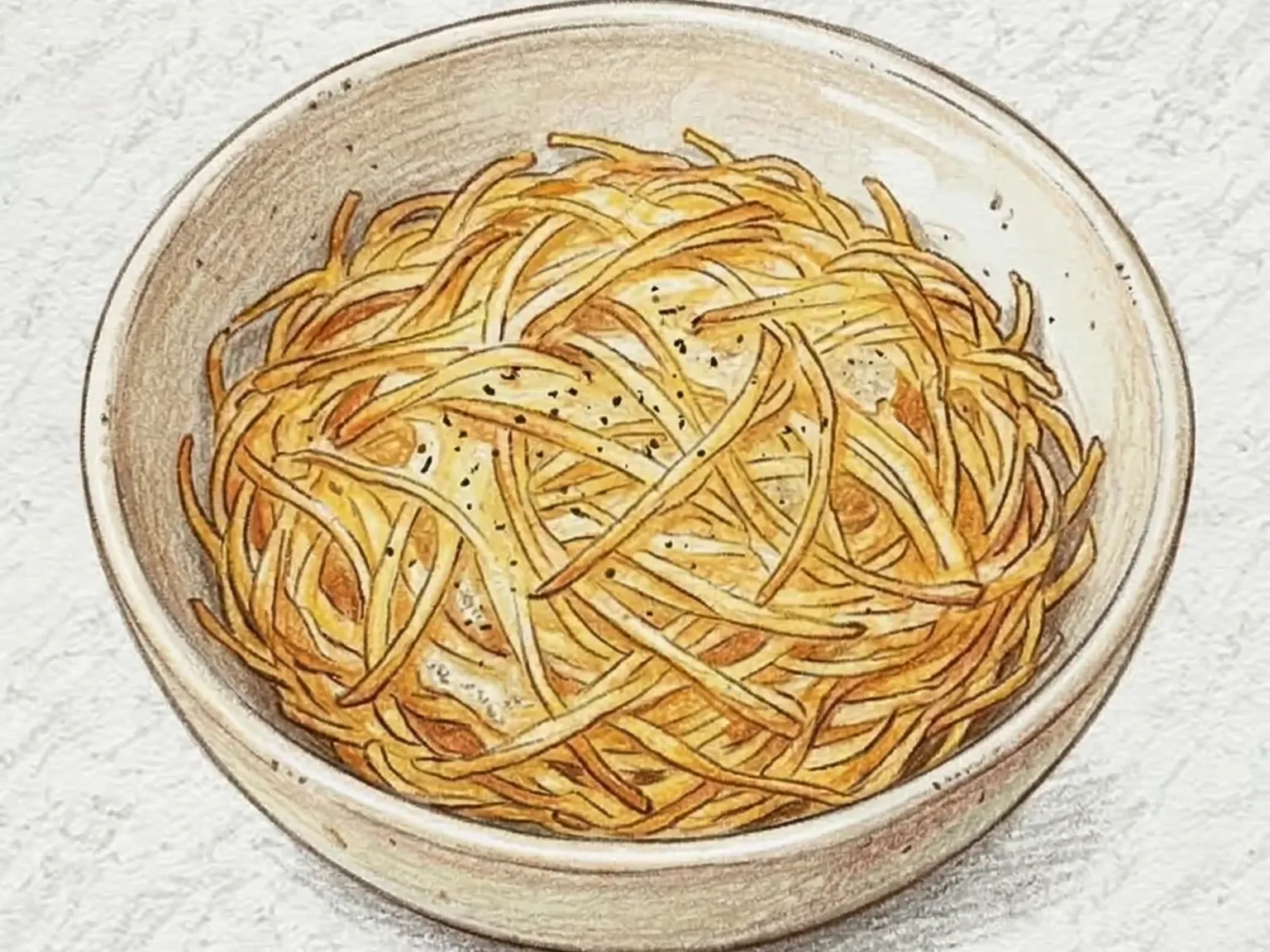
Korean Julienned Potato Pancake
Gamja-chae-jeon is a Korean julienned potato pancake where the potatoes are cut into thin matchsticks rather than grated, producing a texture fundamentally different from the mashed-style gamja-jeon. The intact strands create an open lattice that crisps at every exposed edge while maintaining a firm, slightly resistant bite in the center. Potato starch mixed dry into the julienned potatoes acts as a binder that holds the strands together during frying and flipping without adding moisture that would soften the crust. Adding a small amount of julienned onion contributes sweetness to the flavor, but the onion releases water as it cooks - water that will steam the pancake from underneath instead of letting it fry. Squeezing the onion dry in a kitchen towel before adding it solves this problem. The batter should be no wetter than what the potato's own natural moisture provides after the starch is mixed in, and adding no further liquid keeps the surface from turning soggy. Generous oil in the pan and constant pressing with a spatula over medium heat ensure that the entire underside maintains full contact with the cooking surface, frying the strands to an even, crackling golden crust that holds together cleanly when sliced.
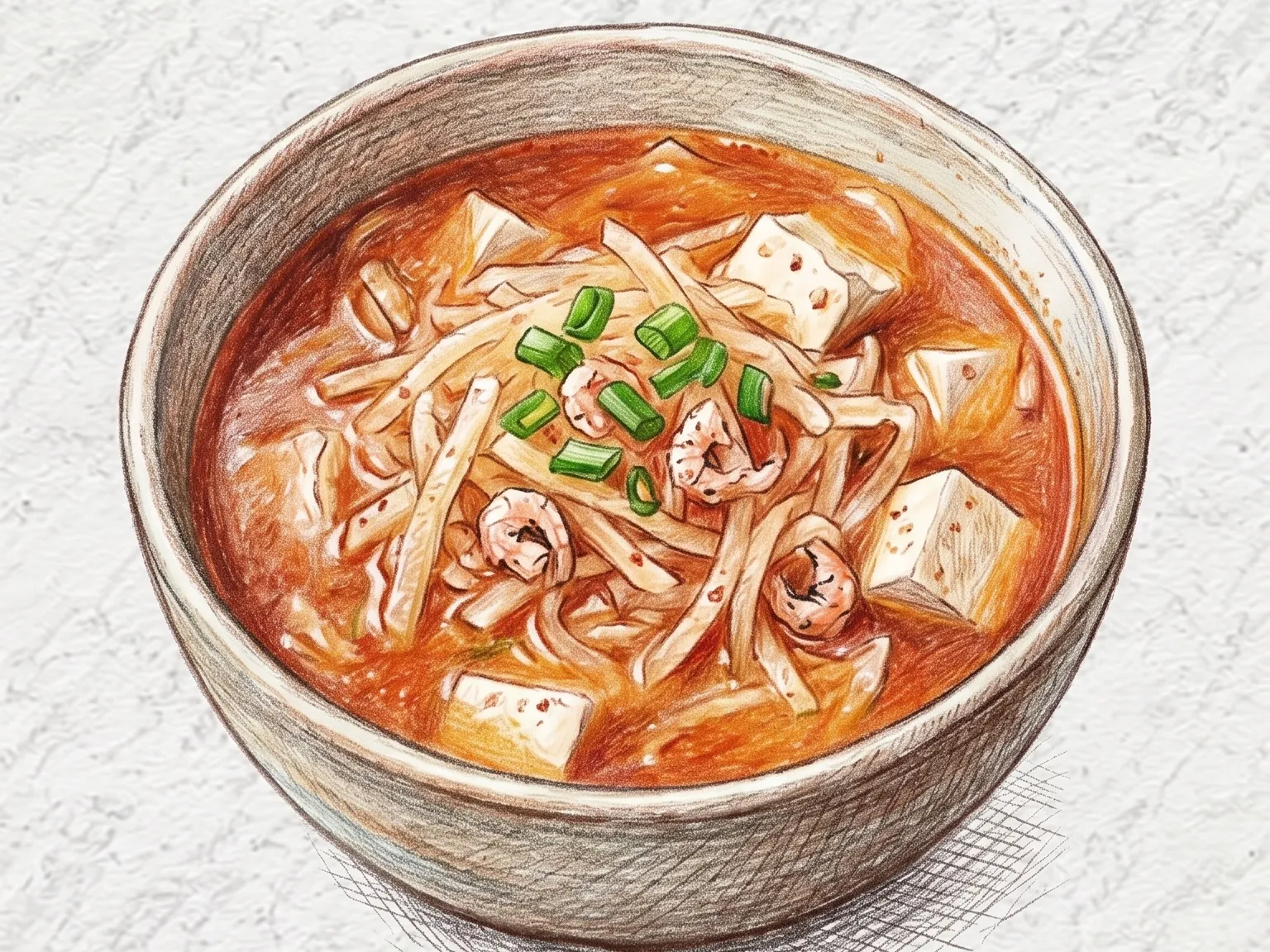
Korean Radish and Salted Shrimp Stew
Musaengchae-jjigae simmers julienned radish in a broth built on salted shrimp (saeujeot) and gochugaru, drawing a surprising depth of flavor from minimal ingredients. Saeujeot is fermented shrimp paste that concentrates months of salt-curing and enzymatic breakdown into a potent seasoning -- it supplies umami on the level of fish sauce but with a more rounded, fermented character that forms the backbone of this broth without requiring any stock. Cutting the radish into thin julienne strips, rather than chunks, is deliberate: thin pieces cook through quickly and release just enough starch into the broth to give it a faint natural body. Gochugaru provides color and heat, and its fruity spice complements the sweet, mild flavor that radish develops as it softens. Tofu adds body and protein, and the green onion and garlic round out the aromatics. What makes this jjigae worth repeating despite its simplicity is the fermented complexity from the saeujeot -- a single tablespoon transforms plain water into something that tastes long-cooked. Lighter in texture than doenjang or kimchi jjigae, it works well as an everyday soup that pairs with rice without overwhelming the meal.
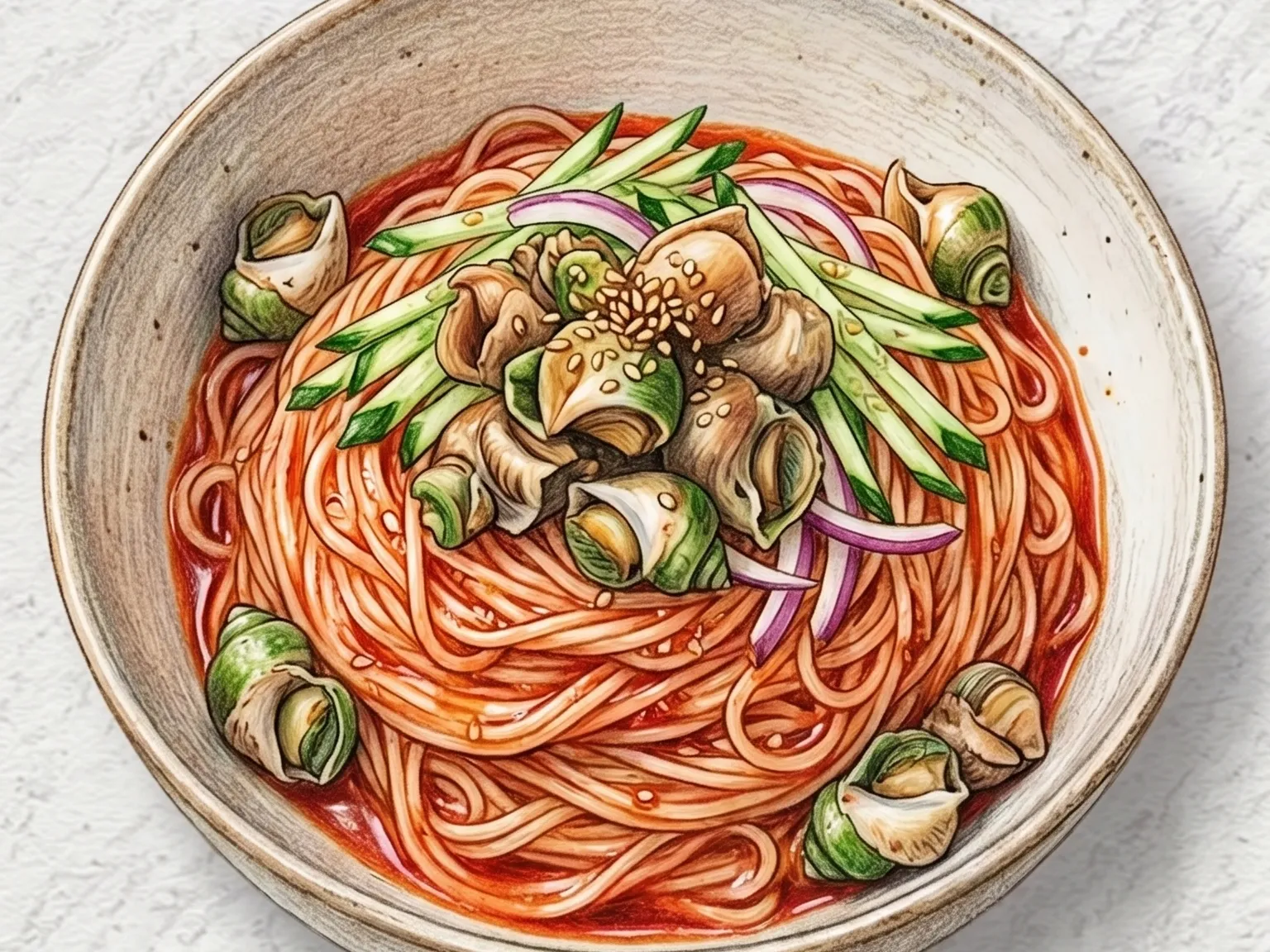
Korean Spicy Whelk Bibim Guksu
Golbaengi bibim-guksu is a cold mixed noodle dish built around chewy canned whelk tossed in a spicy-tangy sauce, widely enjoyed as a drinking snack in Korea. Gochujang and gochugaru set the heat level, while vinegar and sugar counter with a sharp sweetness, and sesame oil rounds everything out with a nutty finish. Julienned cucumber and onion contribute a crisp crunch that contrasts with the springy whelk and the slippery noodles. The somyeon must be rinsed immediately in ice water after boiling to lock in their firm, bouncy texture before mixing with the sauce. Adding a small splash of the whelk canning liquid into the sauce deepens the umami base, and rinsing the whelk itself under cold water controls the salinity.
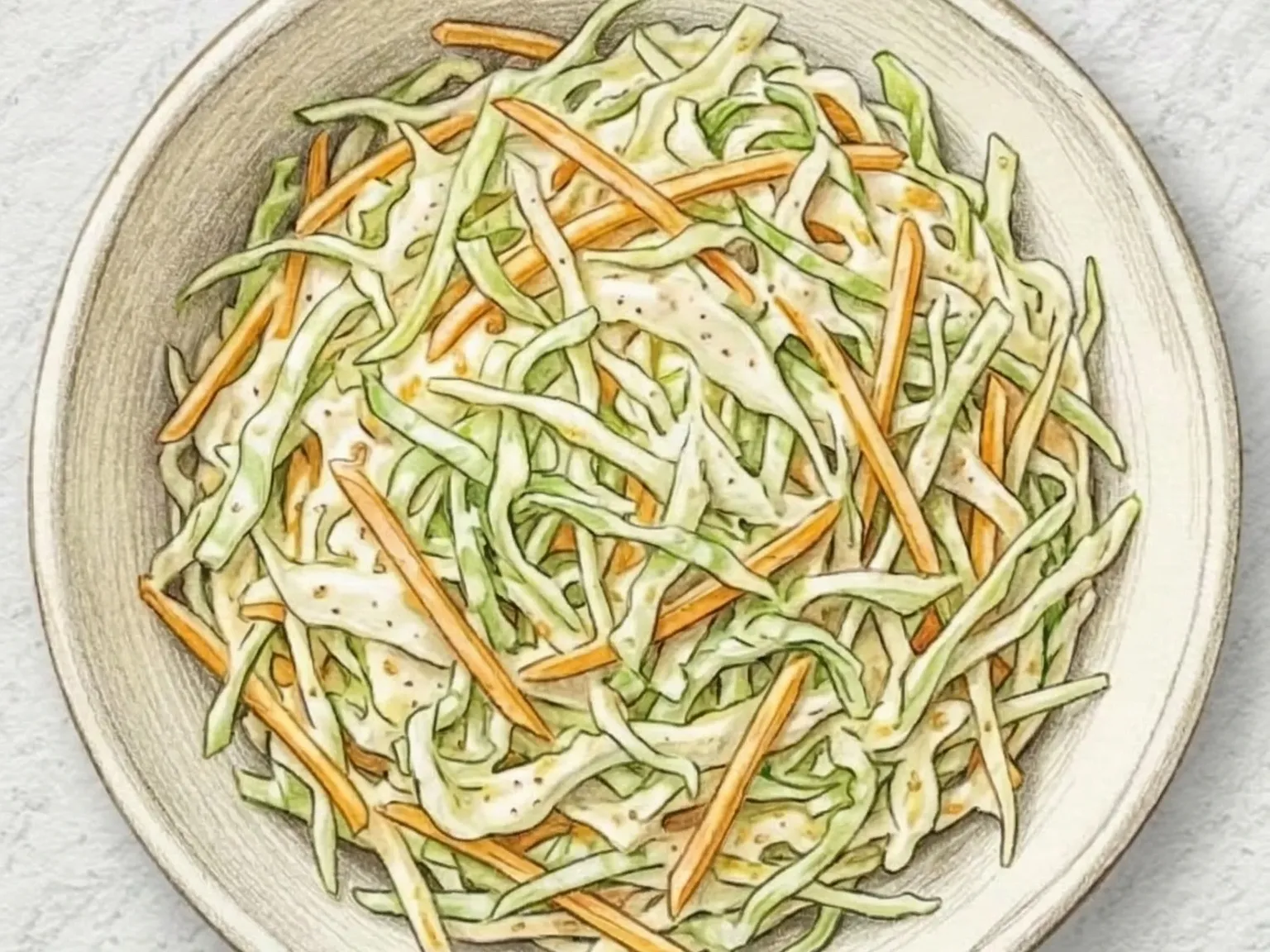
Coleslaw
Coleslaw is built from finely shredded cabbage and carrot tossed in a mayonnaise-based dressing sharpened with apple cider vinegar and Dijon mustard. A small amount of sugar keeps the acidity in check without making the salad noticeably sweet, and the mustard adds a subtle, savory bite that keeps the dressing from tasting flat. Resting the dressed slaw in the refrigerator for at least 30 minutes allows the vegetables to soften slightly and absorb the dressing more evenly, resulting in a more cohesive texture than eating it immediately after mixing. Coleslaw is one of the most common side dishes in American cooking, pairing naturally with barbecue, fried chicken, and pulled pork sandwiches. If the cabbage has high water content, a brief salt cure before dressing draws out excess moisture and prevents the sauce from becoming watery.
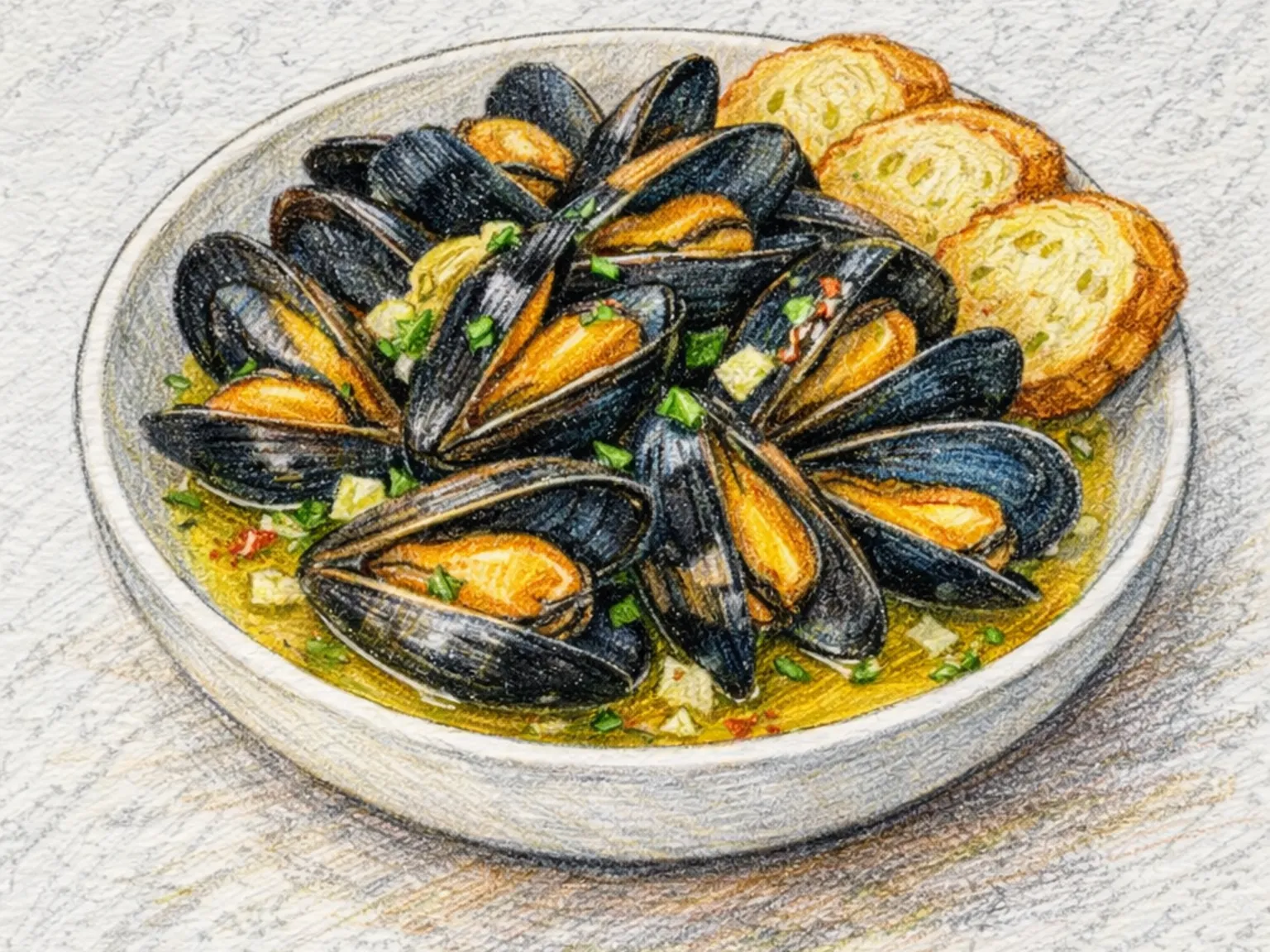
Garlic Butter Mussels
Garlic butter mussels are steamed in a fragrant broth of sauteed garlic, melted butter, and white wine. Onion and garlic are cooked in butter and olive oil until softened, then white wine is added and boiled briefly to drive off the alcohol while keeping the acidity and fruit notes intact. Once the mussels go in and the lid is sealed, the shells open within four to five minutes, releasing briny juices that meld with the butter-wine base into a rich, savory broth. Mussels that remain closed after cooking must be discarded. Finishing with chopped parsley and black pepper adds color and a mild sharpness, and tearing crusty baguette into the bowl to soak up the broth is the traditional way to enjoy every drop.
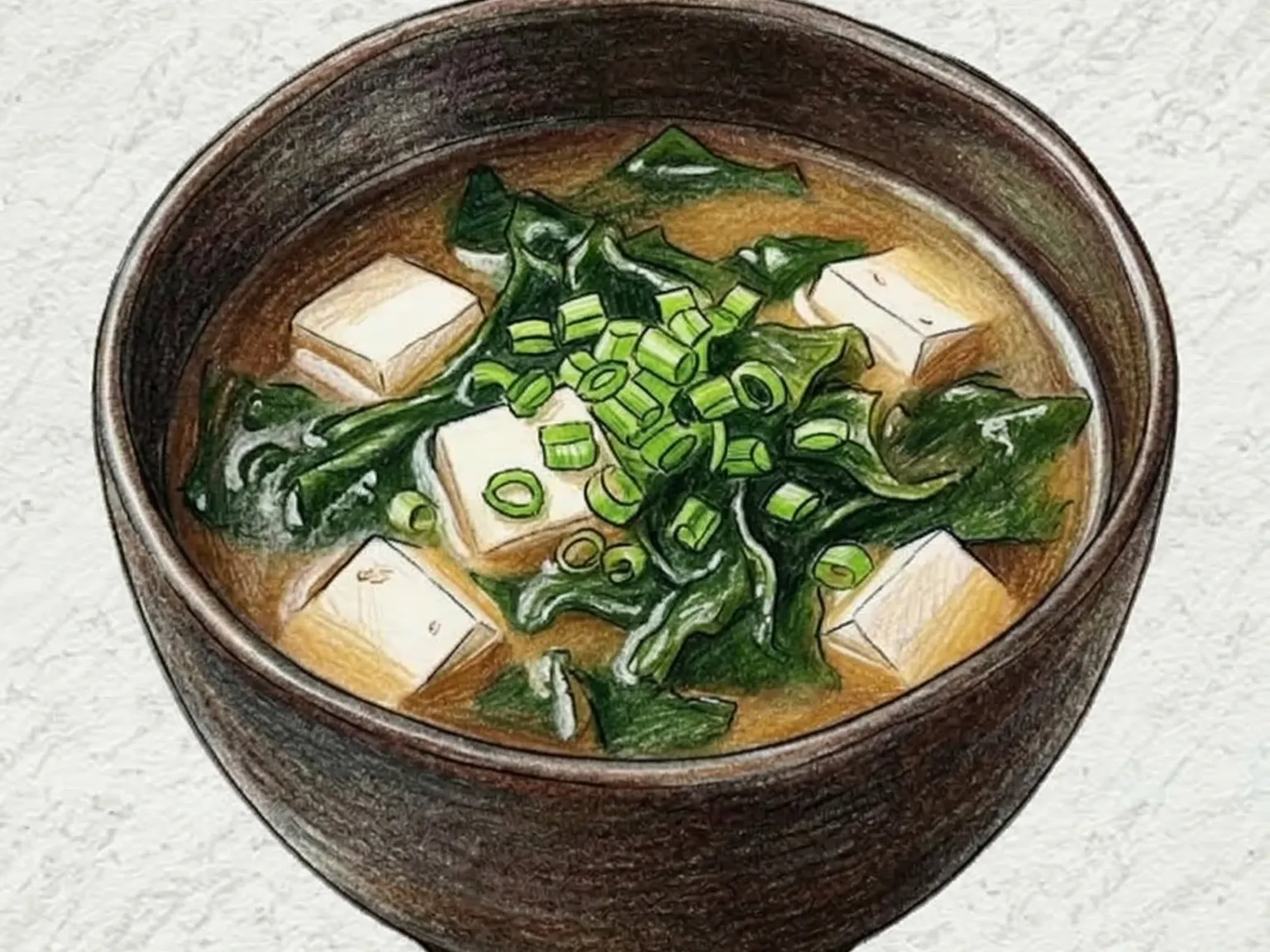
Miso Soup
Miso soup, or miso shiru, is a staple of Japanese home cooking, traditionally served alongside daily meals. The soup features a base of dashi stock made from bonito flakes and kelp, which provides a savory umami foundation. Standard additions include cubed silken tofu and rehydrated wakame seaweed, finished with thinly sliced green onions. The preparation requires heating the dashi stock gently without letting it boil rapidly, then warming the tofu. To preserve the delicate aroma of the miso paste, it is dissolved in a ladle with a bit of hot broth before being stirred into the pot, and the heat is turned off immediately. Home cooks can choose between mild, slightly sweet white miso or a more savory, salty red miso to adjust the flavor. It is a light and comforting soup designed to complement other dishes.
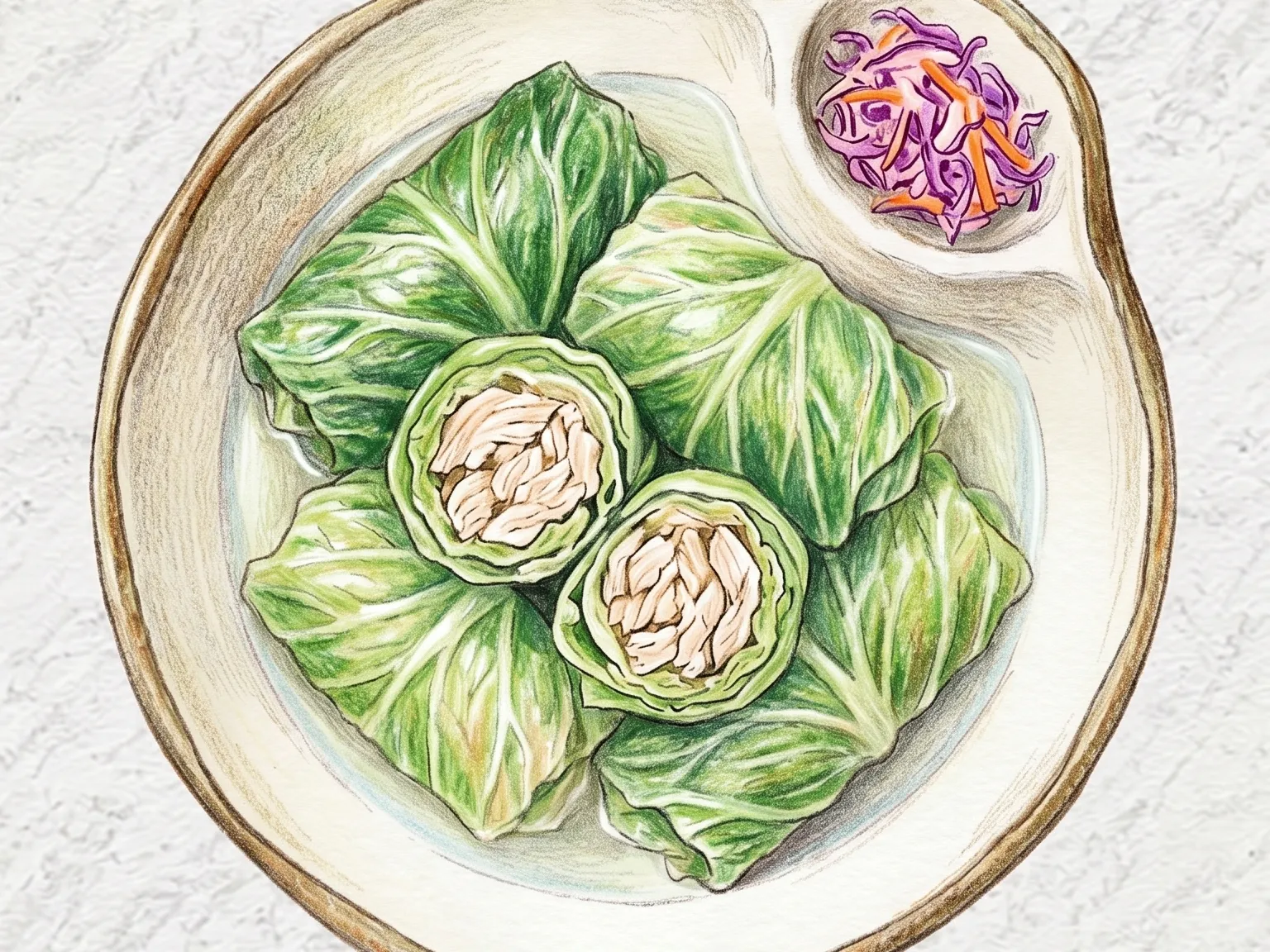
Chicken Cabbage Wraps
Chicken Cabbage Wraps represent a simple side dish combining tender chicken tenderloin with steamed cabbage leaves. The cabbage leaves are steamed for seven to eight minutes until slightly translucent, then cooled in cold water to preserve their color and flexibility. The chicken tenderloins are prepared by removing the tough tendons and marinating with mirin, salt, and pepper to reduce dryness and enhance tenderness. Once grilled on a medium-heated pan until cooked through, the chicken is rolled tightly inside the prepared cabbage leaves. Brushing the rolls with sesame oil before slicing them into bite-sized pieces adds a nutty finish. Serving these wraps with ssamjang creates a balanced dish with minimal ingredients, offering a clean taste and a pleasant contrast of textures.
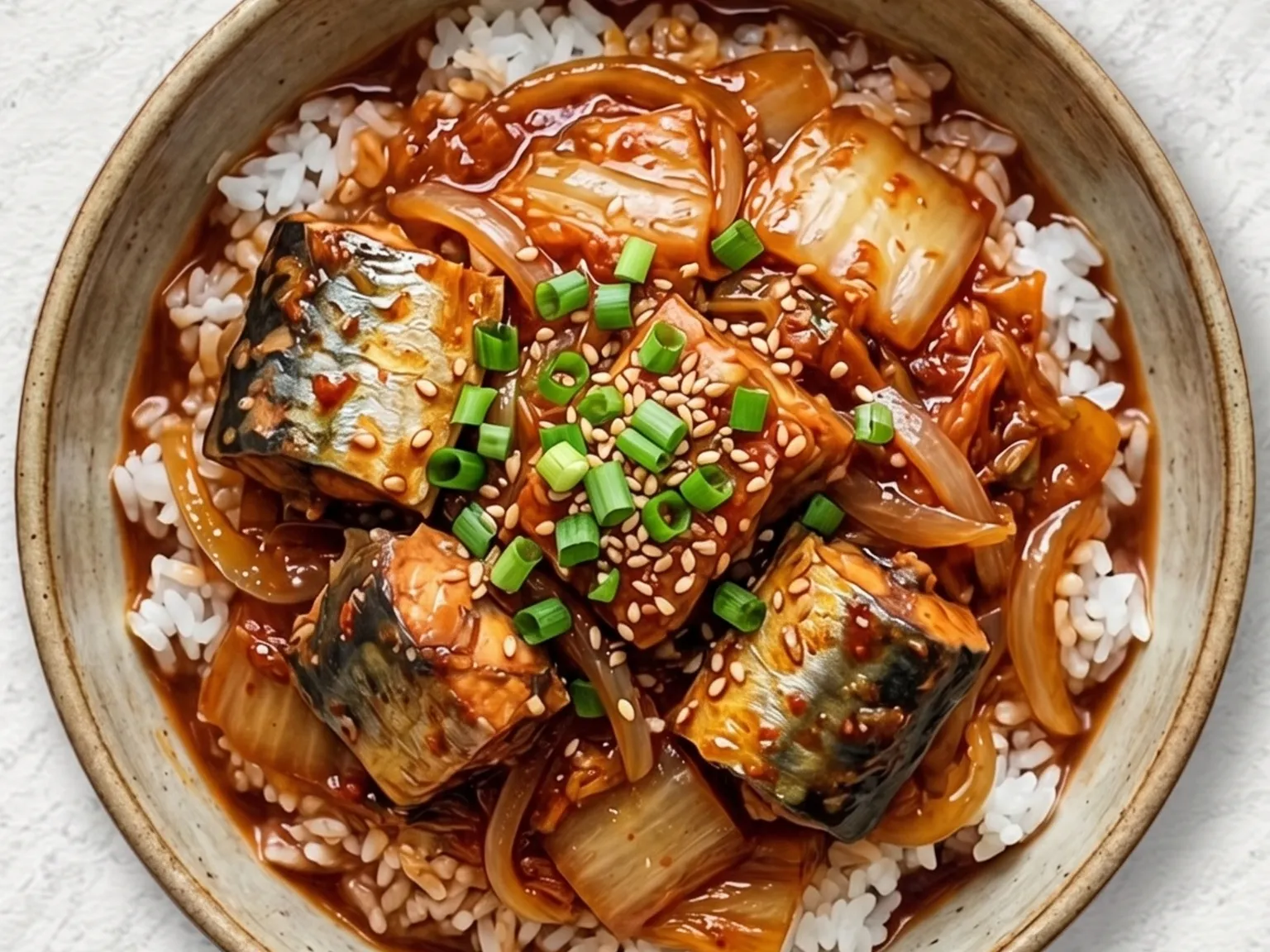
Korean Saury Kimchi Rice Bowl
Canned mackerel pike (kkongchi) is stir-fried with aged kimchi and sliced onion, using a couple spoonfuls of the can liquid to deepen the sauce's umami. The kimchi cooks down for three minutes first to drive off excess moisture and tame its sourness, then the fish is broken into generous chunks - keeping them large preserves a pleasant flaky texture. Chili flakes, soy sauce, and sugar simmer together for four minutes into a thick, clinging glaze that soaks into the rice below. Topped with fresh scallion, this is a pantry-friendly rice bowl that transforms humble canned fish into something deeply flavorful.
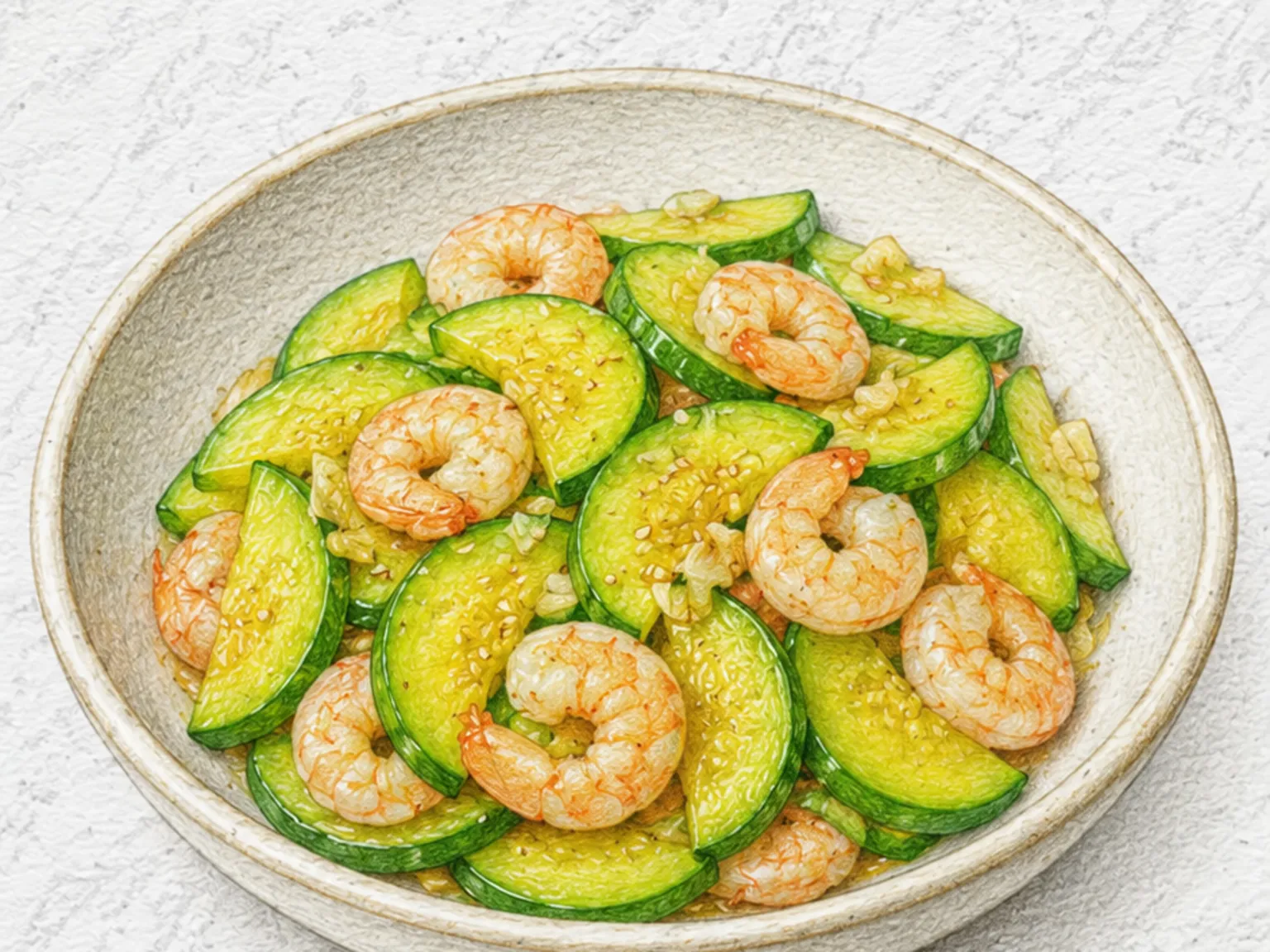
Korean Zucchini Shrimp Stir-fry
Hobak-saeu-bokkeum is a light Korean stir-fry of thinly sliced zucchini and shrimp seasoned with soy sauce, cooking wine, and garlic. The dish relies on the inherent flavors of its ingredients rather than heavy seasoning, keeping the final result mild, clean, and free of excess grease. Zucchini softens as it cooks and releases its natural sweetness, but the heat must be managed carefully. Overcooking draws out too much moisture and turns the slices limp and watery, eliminating the slight crispness at the center that defines the ideal texture. A well-preheated pan and high heat are needed to sear the surface quickly before the interior softens all the way through. Shrimp are cooked only until they turn pink and curl into a gentle arc. At that moment the proteins have set just enough to give a plump, springy bite; cooking beyond that point tightens the muscle fibers further and makes them rubbery. Using soup soy sauce rather than dark soy sauce keeps the color light and the seasoning clean. A sliced green chili adds a sharp kick without changing the fundamental character of the dish. The entire stir-fry comes together in around ten minutes, making it one of the more practical banchan options when time is limited. It holds its flavor and texture at room temperature without deteriorating, which makes it a reliable choice for a packed lunchbox as well as a fresh dinner side. Lightly salting the shrimp and splashing on a small amount of cooking wine before cooking helps draw out any residual fishiness. Yellow squash or zucchini varieties can substitute freely for the Korean hobak, and adding squid alongside the shrimp introduces an additional layer of oceanic character to the finished dish.

Korean Street Ham & Cheese Toast
Gilgeori ham cheese toast is a variation on the classic Korean street toast that adds a slice of processed cheese to the standard layered sandwich. The base formula is the same: butter-toasted bread, a pan-fried egg-cabbage-carrot omelet, and sliced ham, finished with ketchup and a pinch of sugar. The cheese sits between the ham and the top slice of bread, where the trapped heat from the just-toasted bread and the warm fillings slowly melts it from the edges inward. As it melts, the cheese does two things. It binds the fillings together, preventing the layers from sliding apart when the sandwich is picked up and bitten. And it introduces a creamy, milky fat layer between the saltiness of the ham below and the sweet-tangy ketchup above, softening the contrast between those two flavors rather than letting them clash. The cabbage and carrot in the omelet stay slightly crunchy even after cooking, contributing a fresh texture that contrasts with the softness of the melted cheese and the tenderness of the egg. The combination of bread, egg, cheese, and ham provides a meaningful amount of protein and carbohydrate in a single compact package, which is why this style of street toast remains a popular breakfast and quick meal option in Korea.

Citrus Espresso Tonic with Orange
Espresso tonic is a carbonated coffee drink built by slowly pouring espresso over chilled tonic water to form two distinct layers. The tonic must be thoroughly cold to maintain stable carbonation throughout; cooling the espresso for about thirty seconds before pouring it over a spoon produces a clean separation between the two liquids. The quinine bitterness in the tonic water meets the espresso's roast bitterness, creating a balanced interplay rather than one-note sharpness. Orange slices and lemon peel garnish the glass, releasing citrus oils that rise with the bubbles. Specialty espresso with pronounced fruit acidity works particularly well here, harmonizing with the tonic's effervescence and lending natural sweetness without added sugar. Pre-chilling the glass with ice before adding the tonic helps preserve carbonation. The drink gained popularity in Scandinavian coffee culture during the 2010s before spreading worldwide.
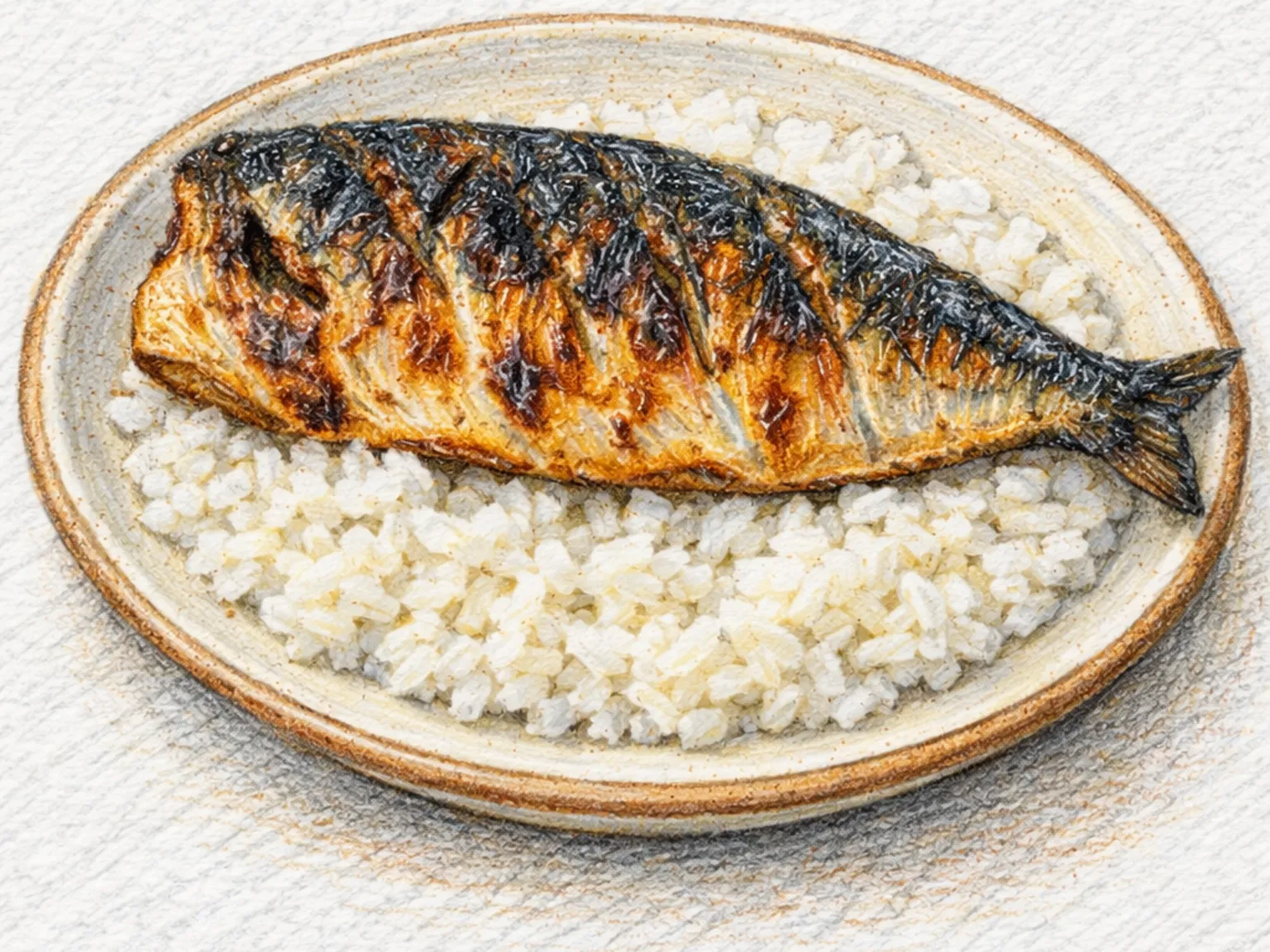
Korean Salted Mackerel Grill
Gan-godeungeo-gui is grilled salt-cured mackerel, one of the most dependable side dishes on a Korean home table. The mackerel is sold already salted at the market, so it goes straight onto heat without any additional seasoning preparation. During the curing process, the salt draws out excess moisture and firms the flesh, which makes the fish easier to handle than fresh mackerel and far less prone to falling apart in the pan. Cooking skin-side down over medium heat for seven minutes allows the fat embedded under the skin to render slowly outward, crisping the skin until it becomes paper-thin and shatters with the first touch of a spoon. Flipping the fish for just four more minutes finishes the flesh through without drying it out. The mackerel's oily richness is substantial enough to carry a bowl of rice on its own, but a wedge of lemon on the side adds a bright acidity that cuts cleanly through the fat, and a small mound of shredded daikon provides a palate-cleansing contrast that removes any lingering fishiness from the aftertaste. Frozen gan-godeungeo should be moved to the refrigerator the night before to thaw slowly, preventing the fish from weeping water all at once when it hits the hot pan.
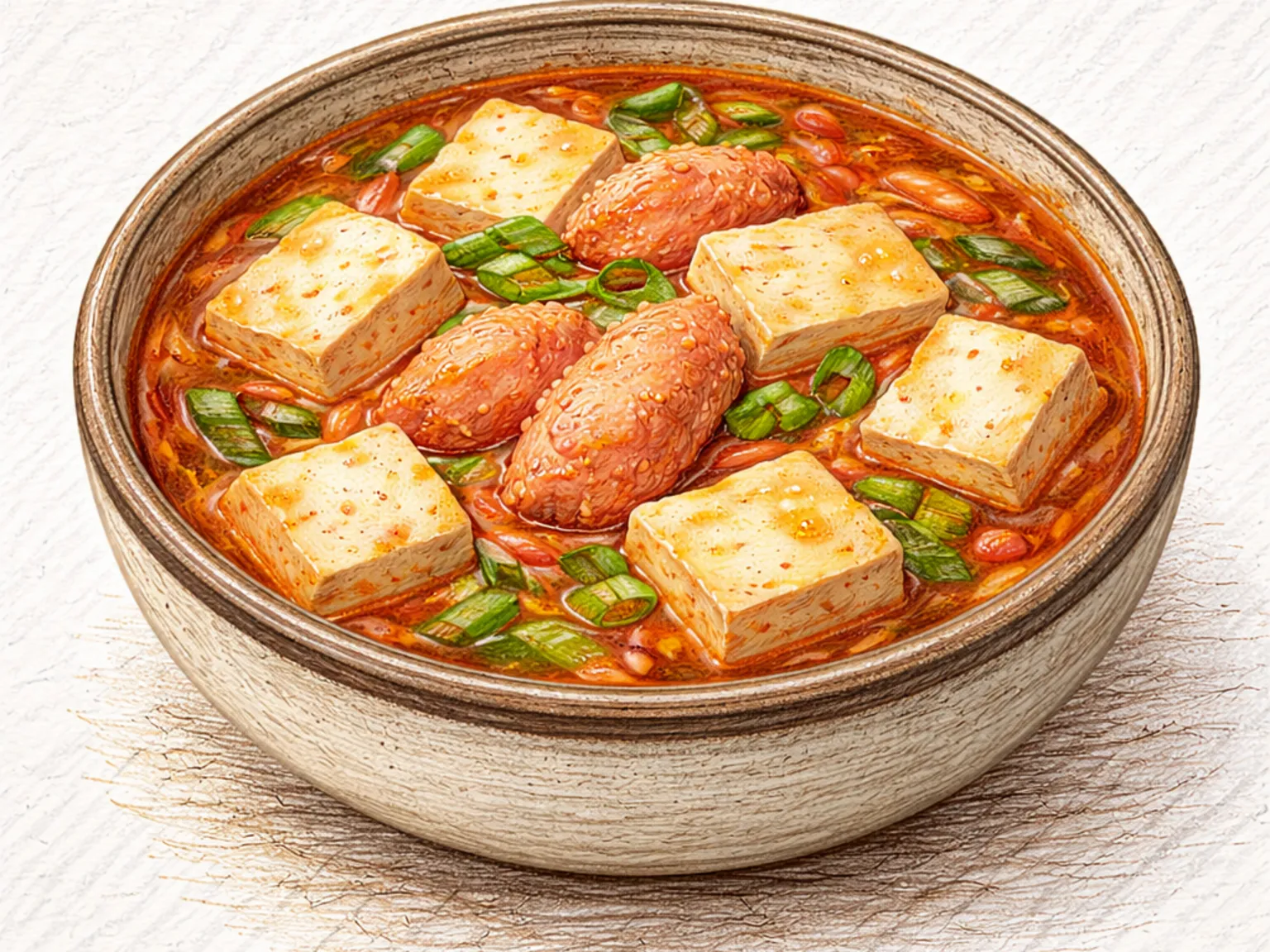
Korean Pollack Roe Tofu Stew
Myeongnan-dubu-jjigae is a Korean stew built around whole pollack roe simmered in anchovy and kelp stock. As the broth comes to a boil, the roe gradually loosens and disperses into the liquid, releasing a briny, concentrated umami that permeates every ingredient in the pot. Using anchovy-kelp stock rather than plain water lets the oceanic character of the roe come through without competition. Firm tofu cut into one-centimeter slices absorbs the savory broth while holding its shape throughout cooking, unlike soft tofu which breaks apart. Red pepper flakes, minced garlic, and sliced green onion finish the stew with a clean, spicy edge. The grainy, textured bite of the intact roe kernels is what sets this stew apart from other Korean jjigae. Cooking time should be kept short: once the broth reaches a full boil, the heat is reduced immediately, because prolonged boiling dissolves the roe completely and erases the textural contrast. Spooning the broth and roe together over steamed rice and mixing it in is the most satisfying way to eat it.
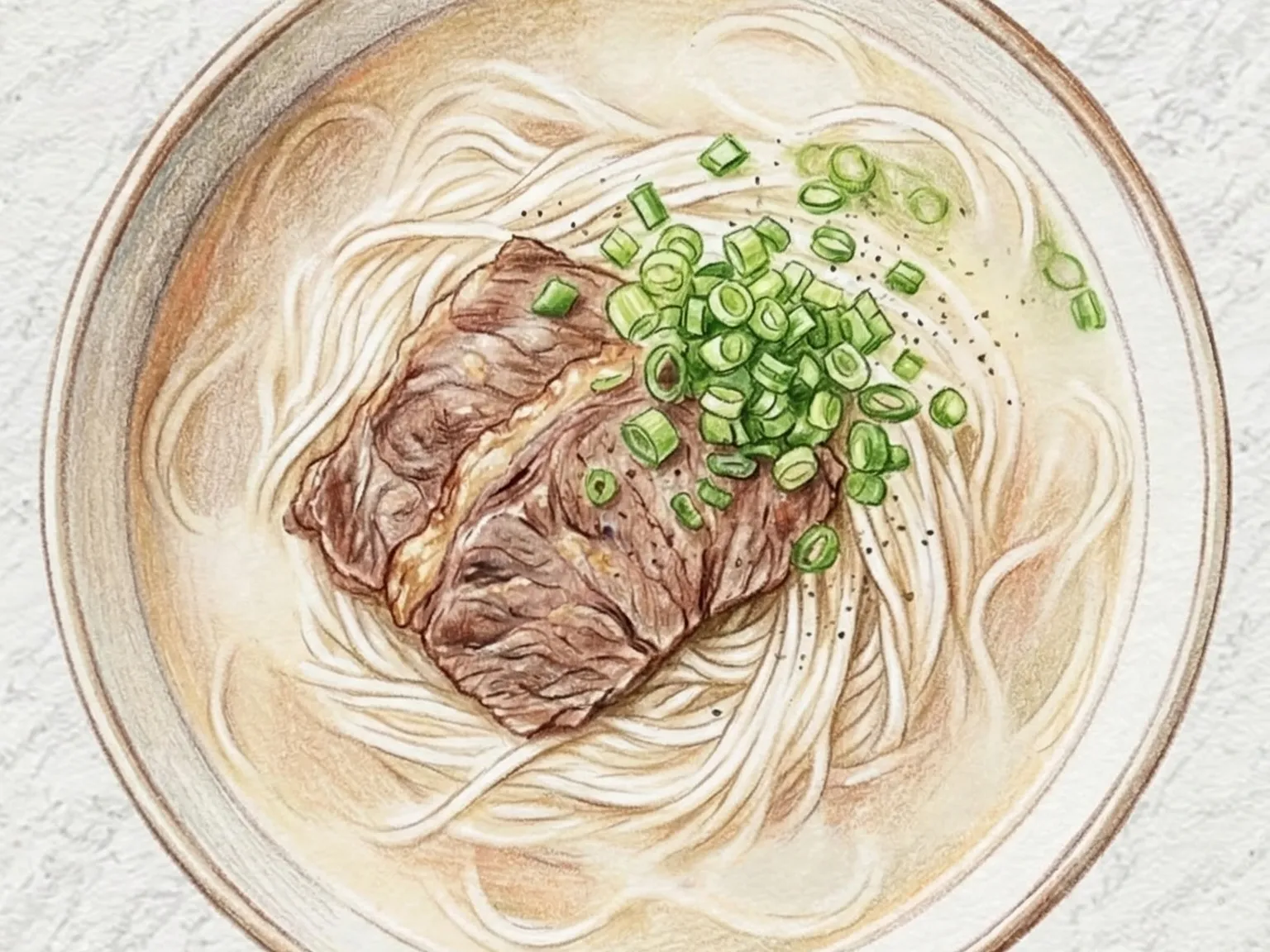
Korean Beef Bone Broth Thin Noodles
Gomguk somyeon is a Korean noodle dish that places thin wheat somyeon noodles inside a bowl of deeply extracted beef bone broth, known as gomtang, which has been simmered for many hours until it turns white and opaque. The long cooking process dissolves collagen from the bones into the broth, giving it a heavy, gelatinous body that coats the palate and clings to the thin noodles with each bite. This richness means even a plain bowl without elaborate toppings carries a profound, resonant savoriness. A few slices of boiled beef placed on top add a contrasting texture, soft enough to pull apart along the grain with chopsticks yet firm enough to provide a lean, meaty resistance that the broth alone cannot supply. The seasoning stays deliberately spare, just salt and black pepper, because adding more would interrupt the long, quiet depth that the hours of simmering have built into the stock. Sliced green onion scattered across the surface cuts through the fatty richness with a clean, bright edge, preventing the bowl from feeling one-dimensional.
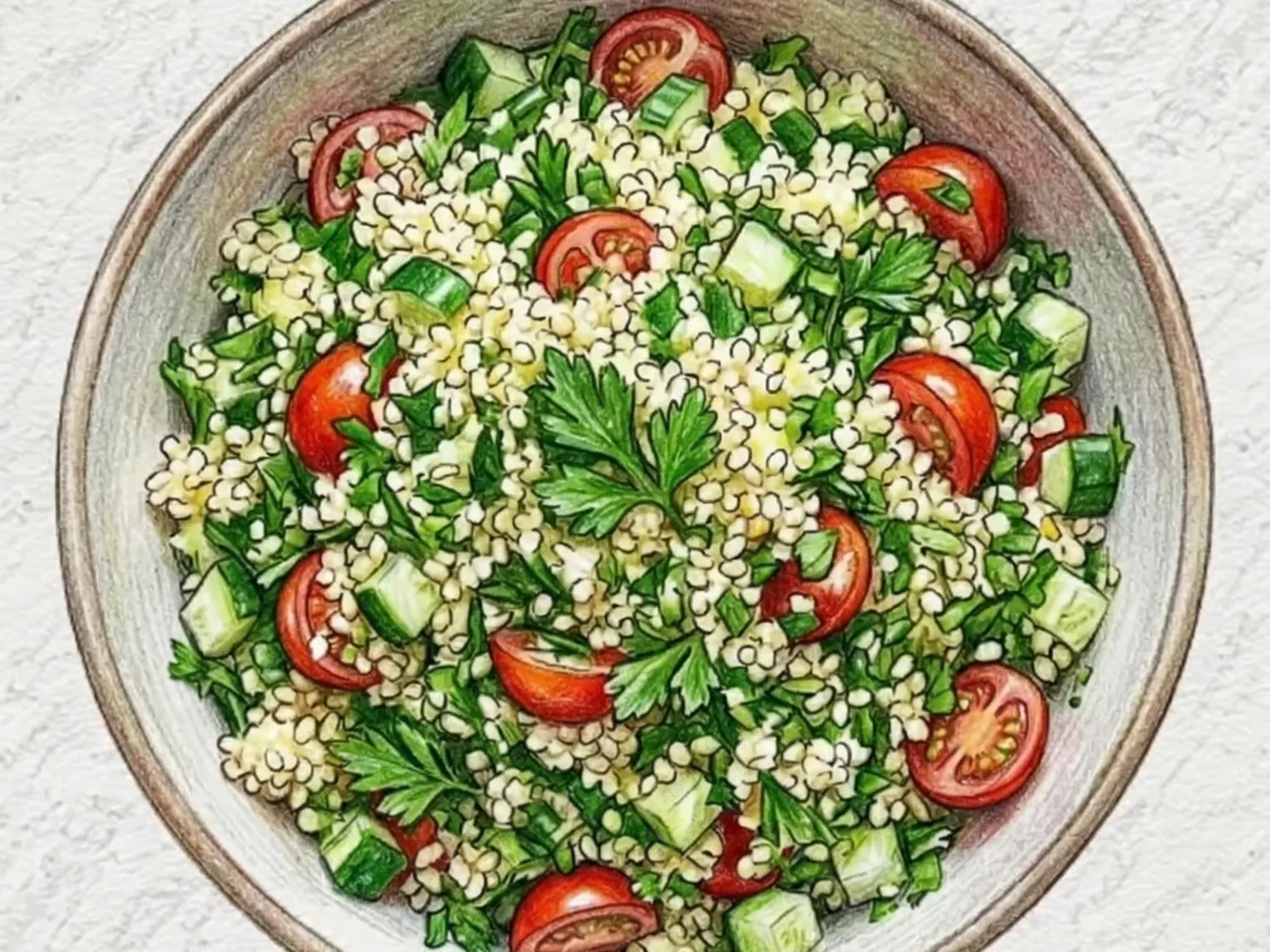
Couscous Herb Salad
Couscous is hydrated in hot water for five minutes until each grain separates and fluffs up, then mixed with a generous quantity of flat-leaf parsley, diced cucumber, and halved cherry tomatoes. The dressing is intentionally sparse - lemon juice, olive oil, salt, and pepper - letting the grain absorb the citrus brightness without competing flavors getting in the way. Because herbs make up a significant portion of the volume, this reads more like a tabbouleh than a heavy grain salad, with a clean freshness that makes it easy to eat in large portions. Couscous holds its texture at room temperature better than most grains, meaning the salad does not go soggy in a packed lunch container or on a picnic spread. Adding fresh mint, a handful of chopped cilantro, or a pinch of lemon zest shifts the flavor toward something sharper and more aromatic, while crumbled feta adds a salty, creamy contrast that transforms it into a more substantial dish.