⚡ Quick Recipes
Ready in 20 minutes or less
804 recipes. Page 6 of 34
A busy schedule does not mean you have to settle for bland meals. Every recipe in this collection can be prepared and finished in 20 minutes or less - quick stir-fries, tossed noodles, microwave dishes, and more.
The secret is minimizing prep work and keeping the steps simple. Pre-cut ingredients or pantry staples speed things up even further. Turn to these recipes after work, during a short lunch break, or for a fast breakfast.
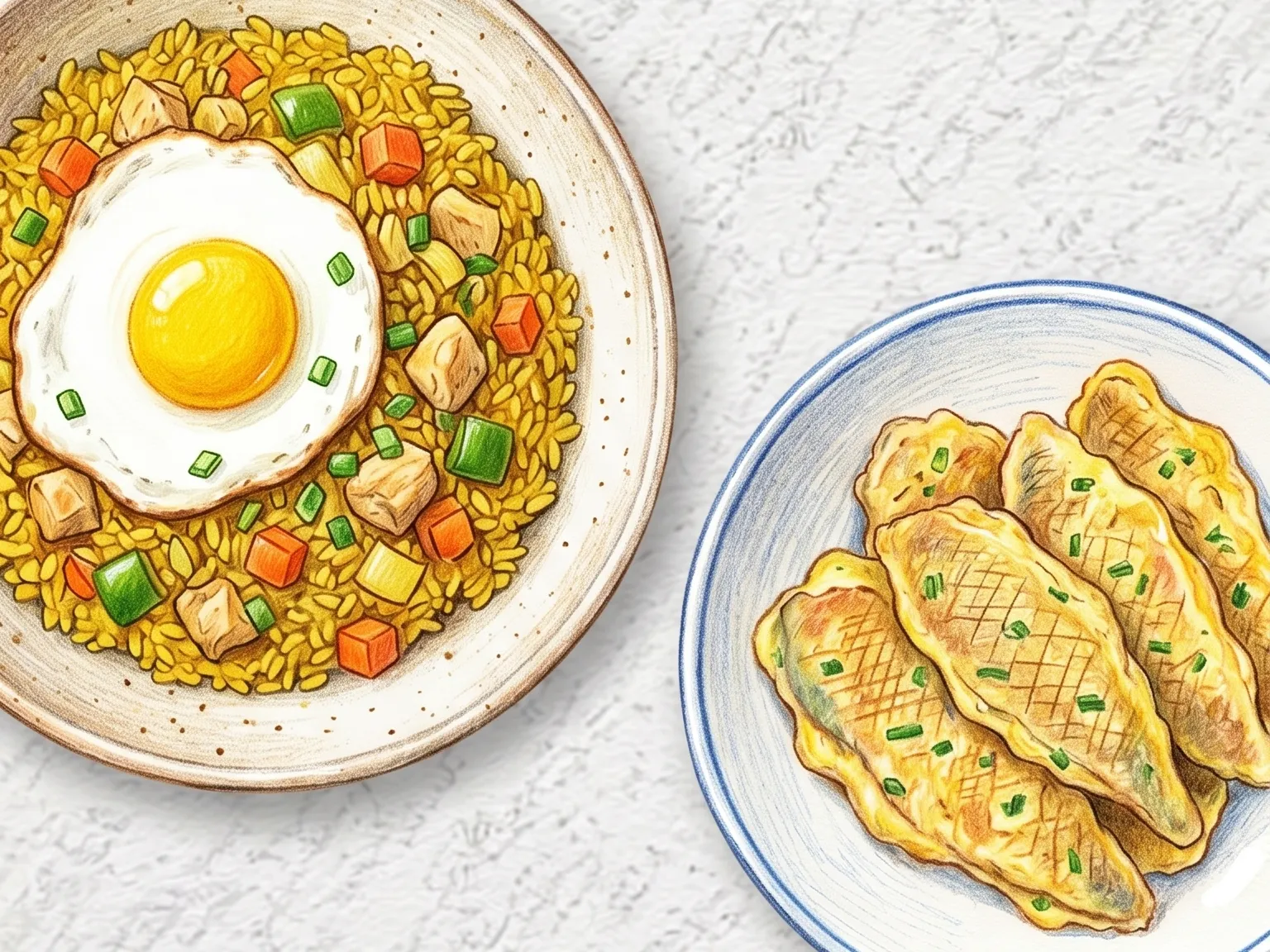
Korean Curry Fried Rice (Golden Spiced Chicken Fried Rice)
Curry bokkeumbap is a Korean fried rice where curry powder coats each grain with warm spice and gives the rice a vivid golden color. Chicken breast, onion, carrot, and bell pepper are stir-fried together before the rice goes in, distributing protein and vegetables evenly through every serving. The curry fragrance develops gradually with each bite - more present than plain fried rice but lighter than a curry sauce, landing at a satisfying middle point between the two. Bell pepper adds sweetness and a visual contrast of color against the golden rice. Topping with a fried egg raises the dish further: when the yolk breaks and mixes into the rice, a layer of creaminess runs through each bite. The recipe works well with day-old rice and requires few ingredients, making it a practical weeknight meal.
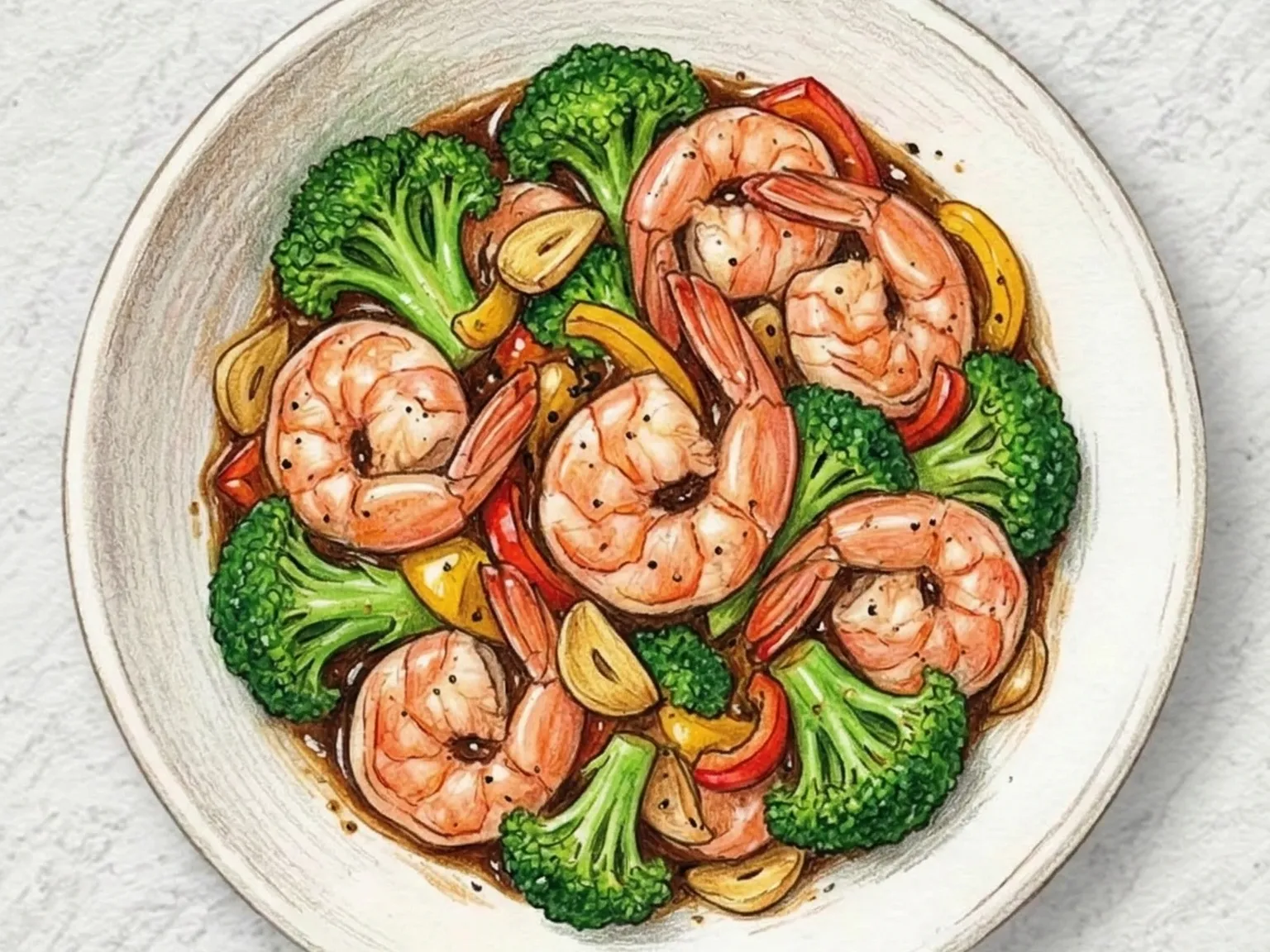
Korean Beurokolli Saeu Bokkeum (Broccoli Shrimp Stir-fry)
Peeled and deveined shrimp are seasoned with cooking wine and pepper, then stir-fried over high heat alongside blanched broccoli. The shrimp reach their ideal texture the instant they turn pink; cooking any further causes the proteins to contract and the flesh to toughen. Blanching the broccoli briefly beforehand means it releases less water once it hits the pan, keeping the sauce concentrated and clinging to the ingredients rather than pooling at the bottom. Soy sauce and oyster sauce form the savory backbone, while sliced garlic infused into the oil at the start builds a fragrant base that runs through every mouthful. Bell pepper adds a crisp snap and a vivid color. The whole dish takes under fifteen minutes and delivers a full plate of protein and vitamin C in a light, satisfying format. Served over steamed rice, it works just as well as a rice bowl.

Cabbage Ham Korean Street Toast
Cabbage ham street toast is a Korean griddled sandwich built by stacking a thin shredded cabbage-and-carrot egg omelet and pan-seared ham between slices of bread toasted golden in butter. The bread develops a crisp outer surface while staying soft inside, and the egg layer holds the vegetables in place, giving both structure and textural contrast to every bite. Sprinkling sugar directly onto the bread before assembly is the signature detail that defines Korean street toast, and when combined with ketchup and mayonnaise it produces the sweet-savory balance the dish is known for. The ingredients are simple and the preparation is fast enough for a weekday breakfast or an impromptu snack.
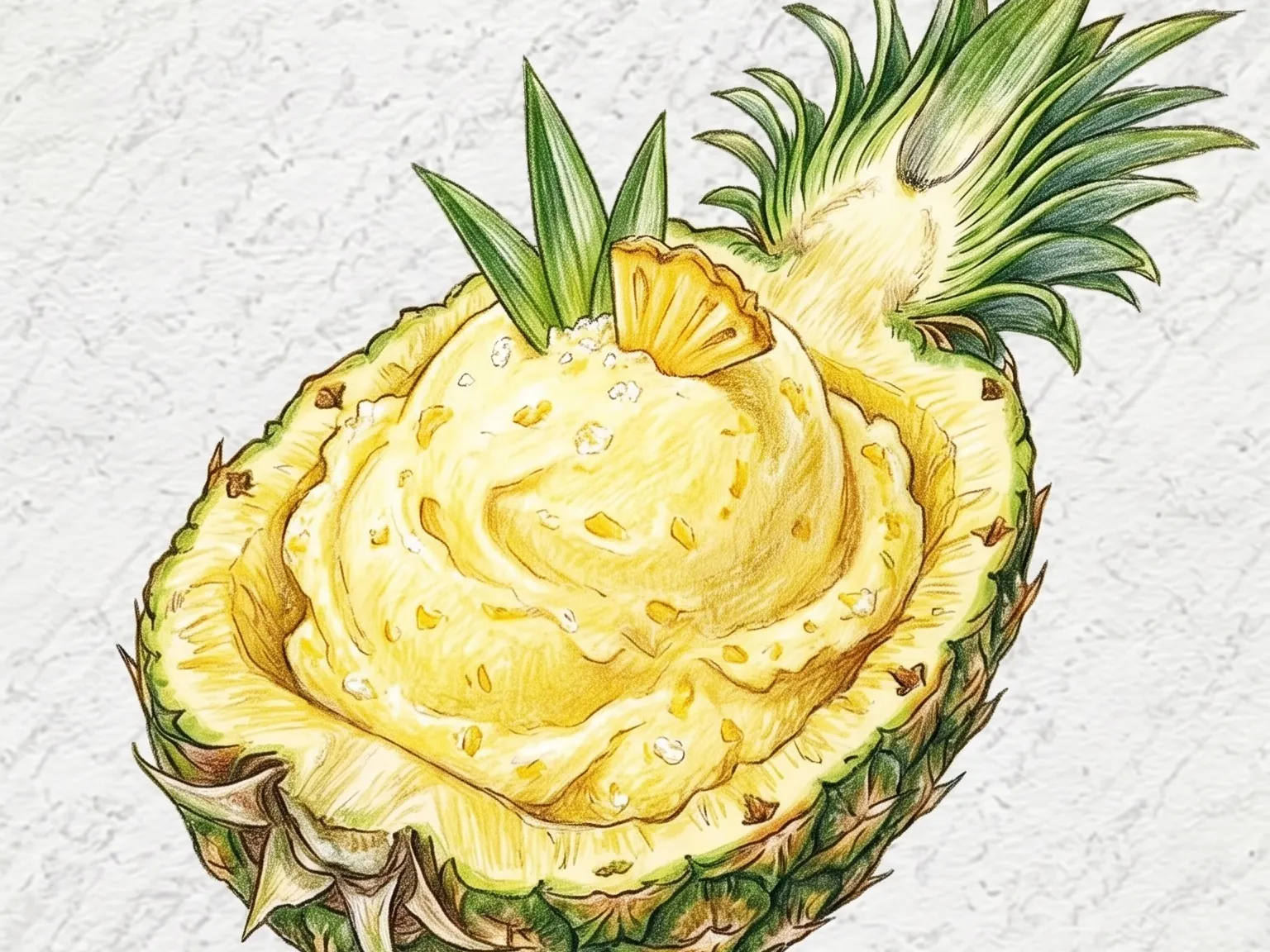
Real Pineapple Sherbet
This refreshing fruit dessert is prepared by scooping out the flesh of a mini pineapple and using its hollowed shell as a serving vessel. The fruit pulp is blended until smooth to prevent icy lumps, then mixed with sugar, lemon juice, and oligosaccharide syrup to achieve a sweet and tangy flavor. After pouring the mixture back into the shell and covering it with the top lid, it is frozen for at least four hours. Stirring the mixture occasionally during freezing breaks up ice crystals, resulting in a smoother texture. The active bromelain enzyme present in the fresh fruit provides a subtle tingly sensation on the tongue. Serving the sherbet directly inside the pineapple skin minimizes juice loss and keeps the dessert cold. Letting it stand for five minutes before scraping and topping with fresh apple mint leaves makes it ready to serve.
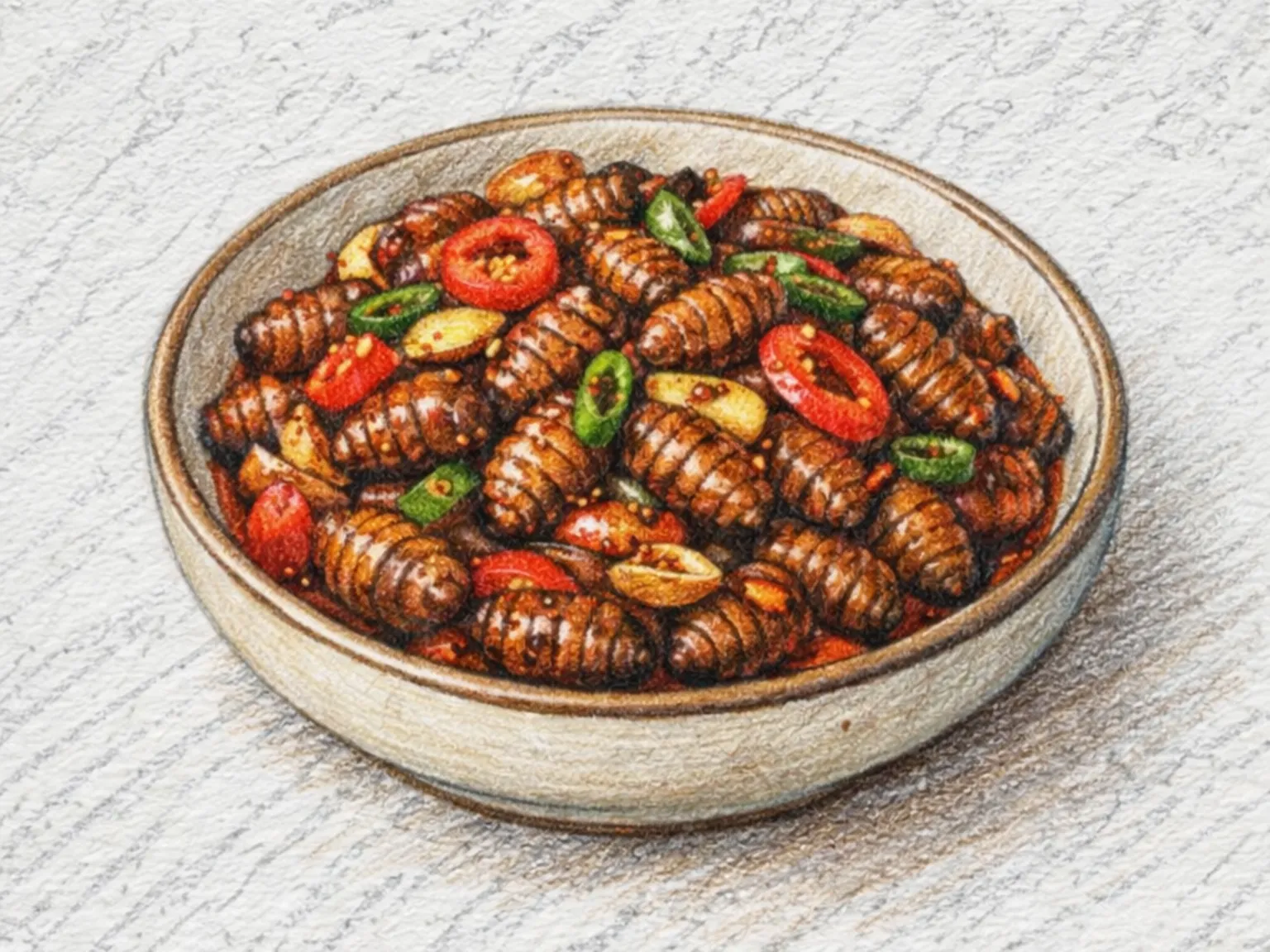
Korean Stir-fried Silkworm Pupae
Beondegi-bokkeum starts with canned silkworm pupae, drained and rinsed, then stir-fried in oil with garlic, soy sauce, and gochugaru over medium heat. As the moisture evaporates, the pupae develop a light crust while the soy sauce creates a glossy, salty glaze across their surface. Sliced cheongyang chili and scallion go in at the end, layering sharp heat and allium fragrance over the pupae's earthy, nutty base. Adding a tablespoon of cheongju (rice wine) during cooking significantly reduces the tinned odor that some find off-putting. Substituting oyster sauce for part of the soy sauce deepens the umami, and a small knob of butter stirred in at the finish adds a rich, rounded quality. The firm yet slightly yielding texture of the pupae sets this drinking snack apart from standard bar-food staples like eomuk or dubu.
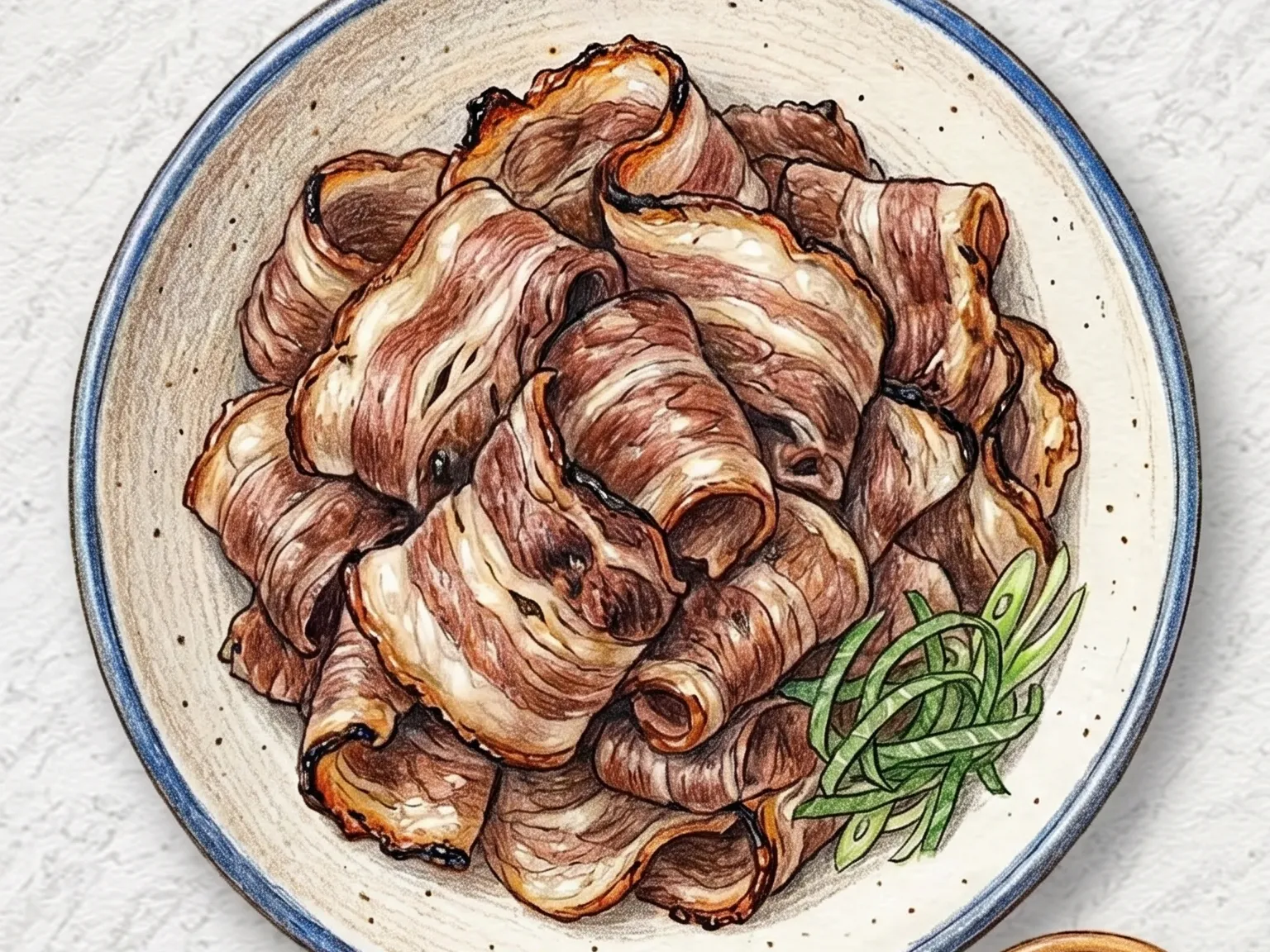
Korean Grilled Beef Brisket
Chadolbaegi-gui is Korean grilled brisket cut paper-thin across the grain and seared over maximum heat for thirty seconds to a minute per side. The defining characteristic of the cut is its alternating bands of fat and lean meat: when the fat hits the grill, it renders almost instantly, producing a savory richness and charred, slightly crispy edges at the same time. No marinade is used. The grilled slices go straight into a dipping sauce of sesame oil and coarse salt, or onto a lettuce leaf spread with doenjang ssamjang and folded into a wrap. The window between perfectly cooked and burnt is extremely narrow with this cut, so the meat requires constant attention-keeping the tongs moving and distributing heat evenly across the grate is the most reliable way to cook each slice without scorching.
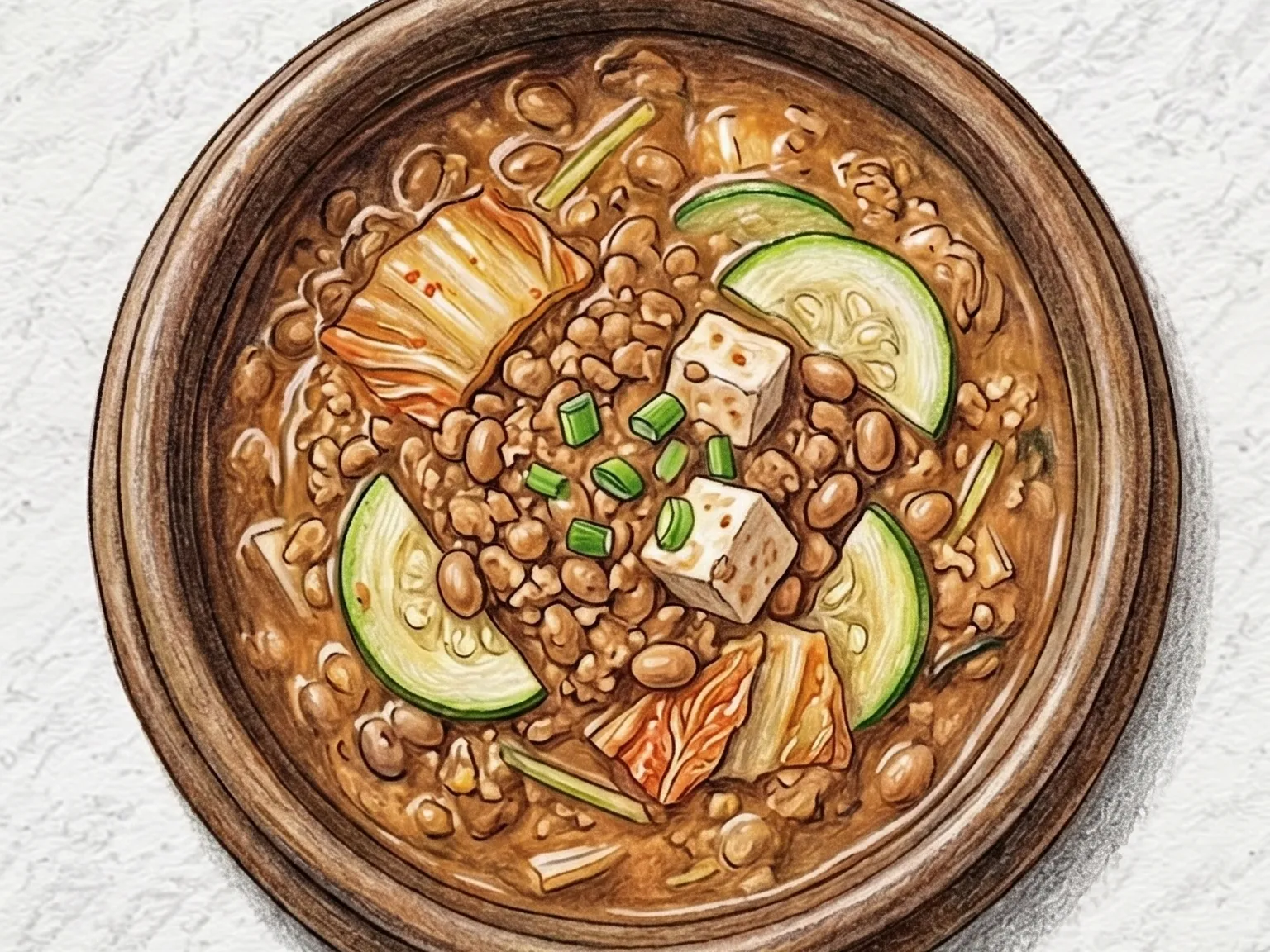
Cheonggukjang Jjigae (Korean Fermented Soybean Stew)
Cheonggukjang is a traditional Korean stew prepared with fast-fermented soybean paste, tofu, zucchini, and kimchi. The short fermentation process gives the paste a strong, pungent aroma that mellows into a deep, nutty flavor when cooked. Preparation starts by boiling water with chopped kimchi and onions to build a red, savory base. The fermented paste is then dissolved into the boiling broth, followed by the addition of tofu cubes, zucchini half-moons, chili flakes, and minced garlic. Simmering is limited to a brief five to seven minutes, as overcooking can cause the characteristic aroma of the paste to evaporate. Sliced green onions are added for the final minute of cooking. Typically served hot in a stone pot, the thick stew is poured over freshly steamed rice, showcasing the unique sticky texture created by the fermented soybeans.
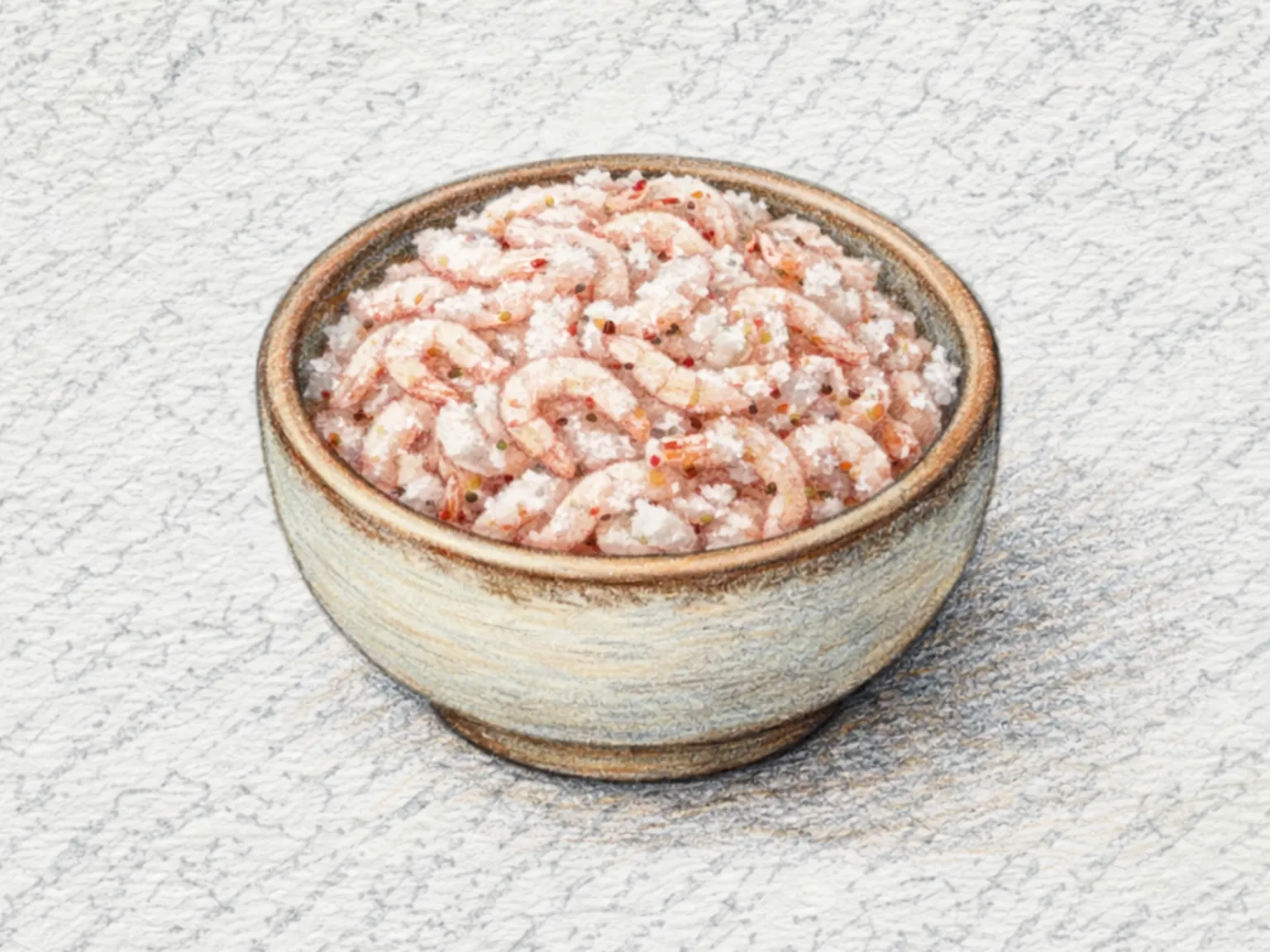
Korean Salt-Fermented Tiny Shrimp
Saeujeot is a Korean salt-fermented tiny shrimp condiment made by mixing small shrimp evenly with sea salt, packing the mixture tightly into a sterilized jar, and fermenting under refrigeration for a minimum of two weeks. Salt draws moisture from the shrimp and initiates enzymatic breakdown of the proteins, gradually transforming the raw fishiness into concentrated amino acids and the deep, savory umami that forms the backbone of kimchi seasoning and Korean stew bases. Rice wine and ginger juice are added to suppress the off-flavors that develop during the early, volatile stages of fermentation before the lactic acid bacteria have established dominance. A small amount of chili flakes contributes a faint background warmth. The most critical step before salting is removing as much surface moisture as possible after rinsing the shrimp, since excess water dilutes the brine concentration and creates conditions for spoilage bacteria. The salt ratio should fall between 20 and 25 percent of the shrimp's weight: too high and the result is harsh and one-dimensional, too low and safety becomes a concern during the long cure. Only clean, dry utensils should ever touch the jar to prevent contamination that would undermine months of careful fermentation. Saeujeot fermented for six months or longer develops a rounded complexity absent in younger batches. In Korea, the harvest season determines the name and character of the product: ojot from May, yukjeot from June, and chujeot from autumn each carry a distinct flavor profile suited to different culinary uses.
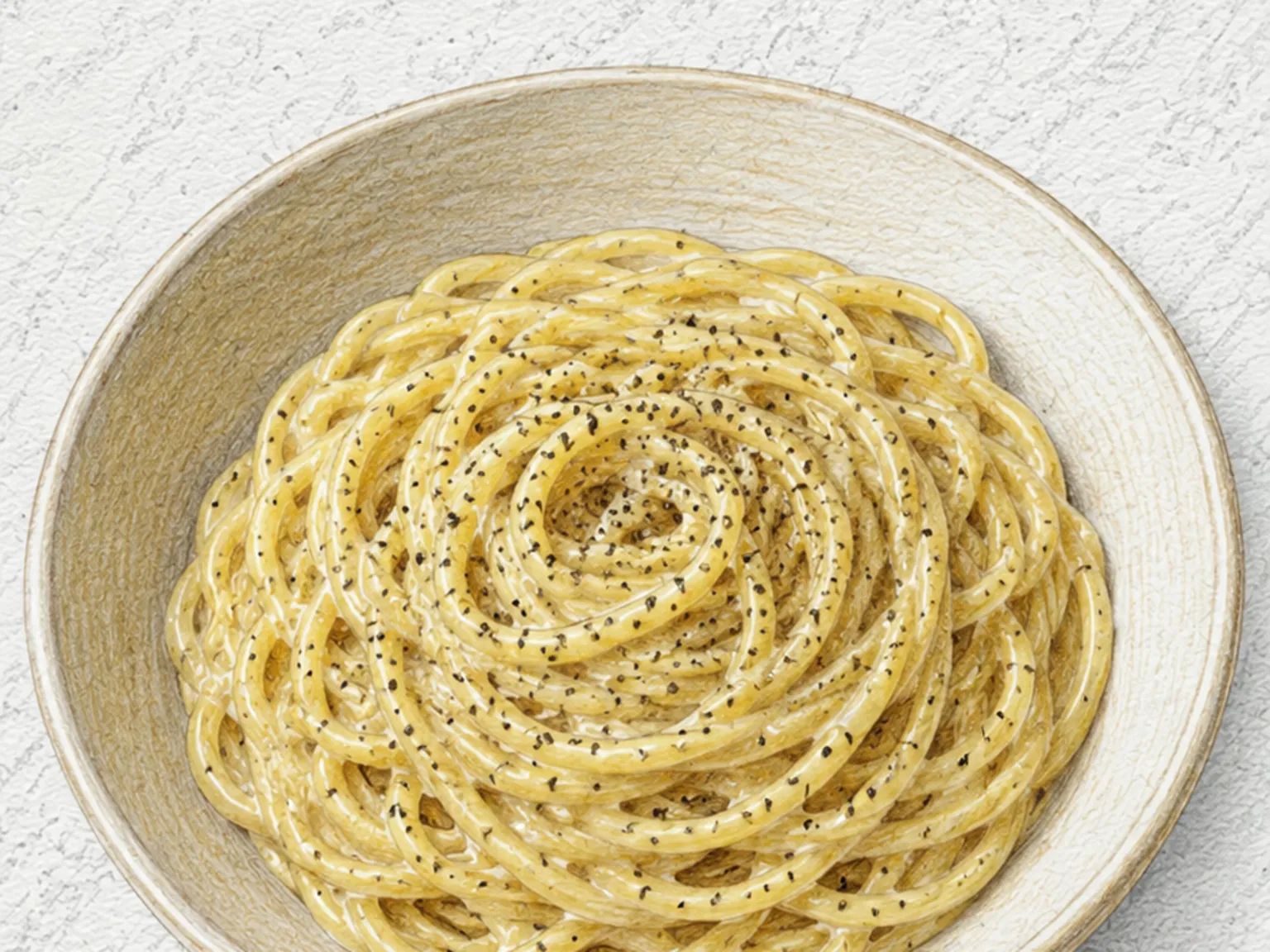
Cacio e Pepe (Pecorino Cheese and Black Pepper Pasta)
This Roman classic reaches remarkable depth from just two core ingredients: Pecorino Romano cheese and black pepper. Technique determines the outcome. Finely grated cheese must be stirred off the heat into starchy pasta water to form a glossy, clump-free sauce that clings evenly to every strand. Toasting whole peppercorns in a dry pan before coarsely crushing them releases volatile oils that give the dish its distinctive sharp, almost floral sting. The cheese's salty, tangy intensity needs no additional seasoning. Tonnarelli or spaghetti, with their round cross-sections, hold the sauce most effectively, ensuring each forkful carries a full charge of peppery, cheesy richness. Timing is decisive: even a few extra seconds of heat can fracture the smooth sauce into grainy, broken clumps, so the pasta must come off the heat at exactly the right moment.
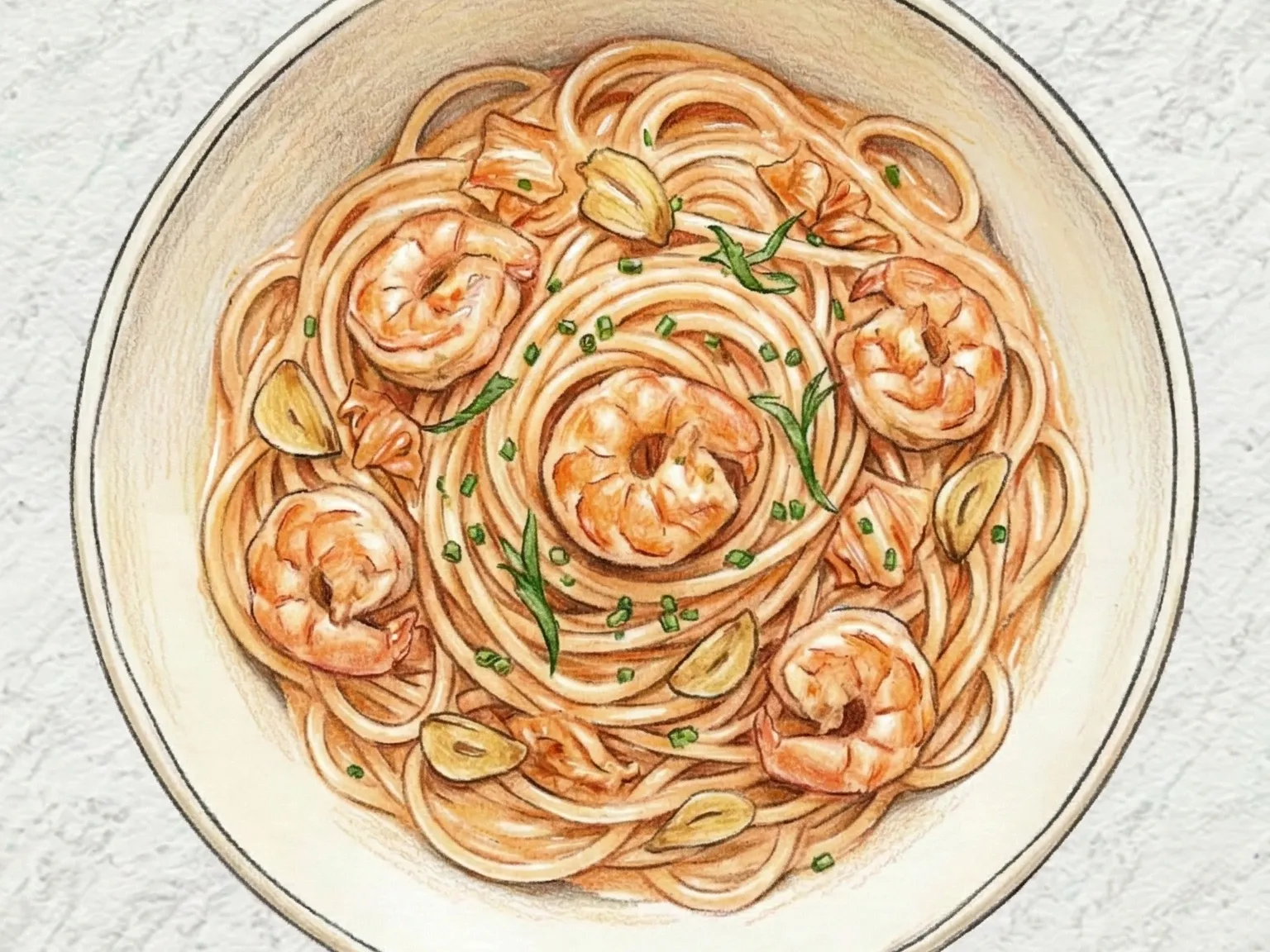
Kimchi Garlic Butter Shrimp Spaghetti
Kimchi garlic butter shrimp spaghetti is an oil-based pasta where garlic browned in butter and fermented kimchi together amplify the natural sweetness of shrimp. The shrimp are seared first in olive oil to build fond on the pan, then garlic and chopped kimchi go into the same pan to absorb those flavors. Butter and starchy pasta water are emulsified into a glossy, light coating rather than a heavy sauce. Gochugaru provides a gentle background heat, and a squeeze of lemon at the end lifts the richness. Sliced scallions finish the dish with color and a mild onion note.
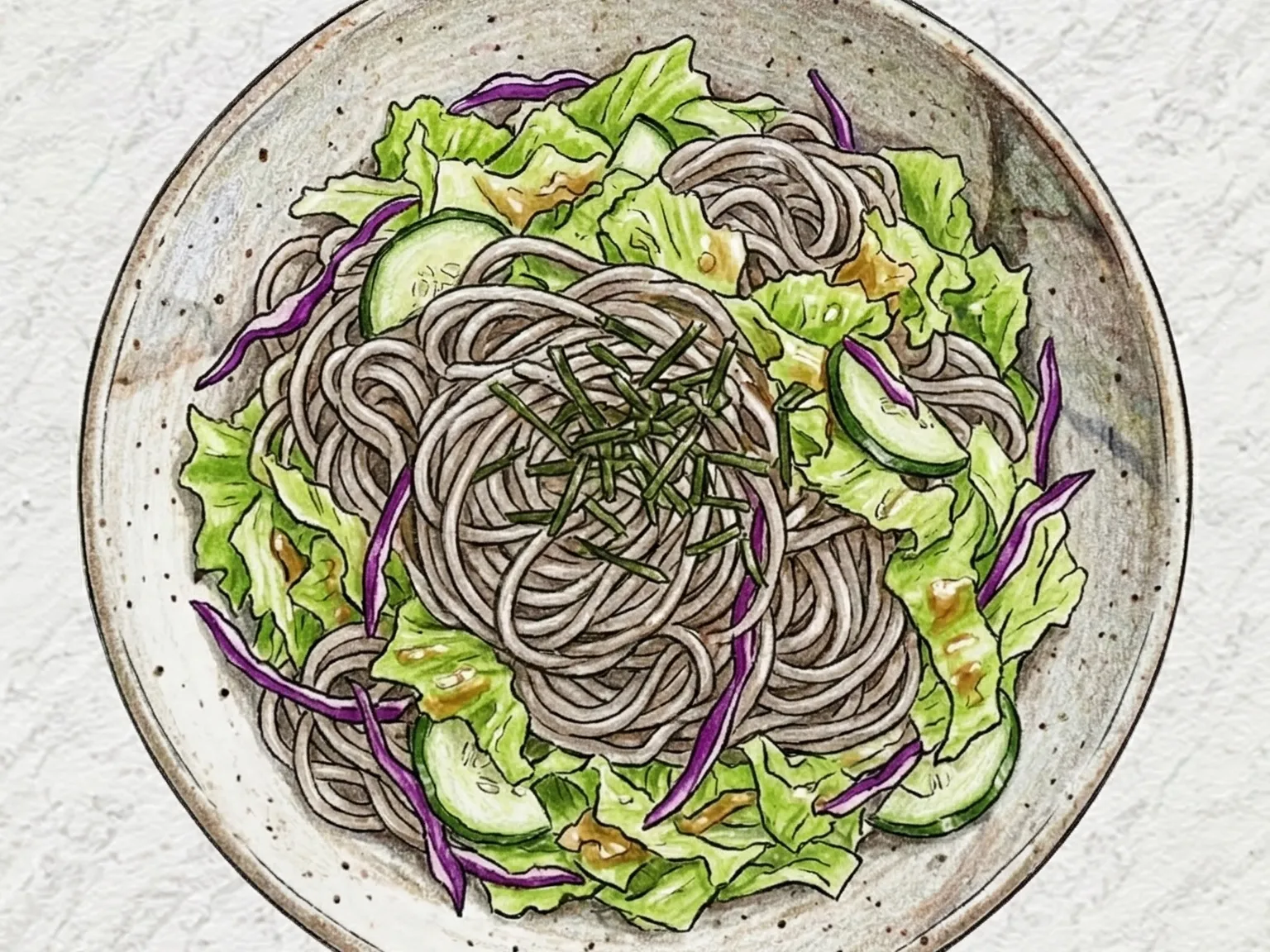
Buckwheat Noodle Salad
Thoroughly rinsing boiled soba noodles in cold water removes the starchy film that forms on the surface during cooking. This specific step prevents the noodles from clumping together and ensures the dressing coats each strand evenly. Rinsing multiple times produces a firm and elastic texture, highlighting the characteristic coarse bite of the buckwheat. The sauce relies on a base of tsuyu combined with rice vinegar to provide a sharp acidity that cleanses the palate after every bite. This combination avoids the heavy residue often found in oil-based dressings. Shredded lettuce and sliced cucumber add a crisp, watery element to the bowl, while the addition of red cabbage provides a purple visual contrast against the brown noodles. A final topping of roasted seaweed strips adds a toasted ocean scent to the dish. For a complete meal, adding chicken breast or a boiled egg provides additional protein. The dressing remains stable when prepared in advance and stored in the refrigerator, allowing for quick assembly when the vegetables and noodles are ready.
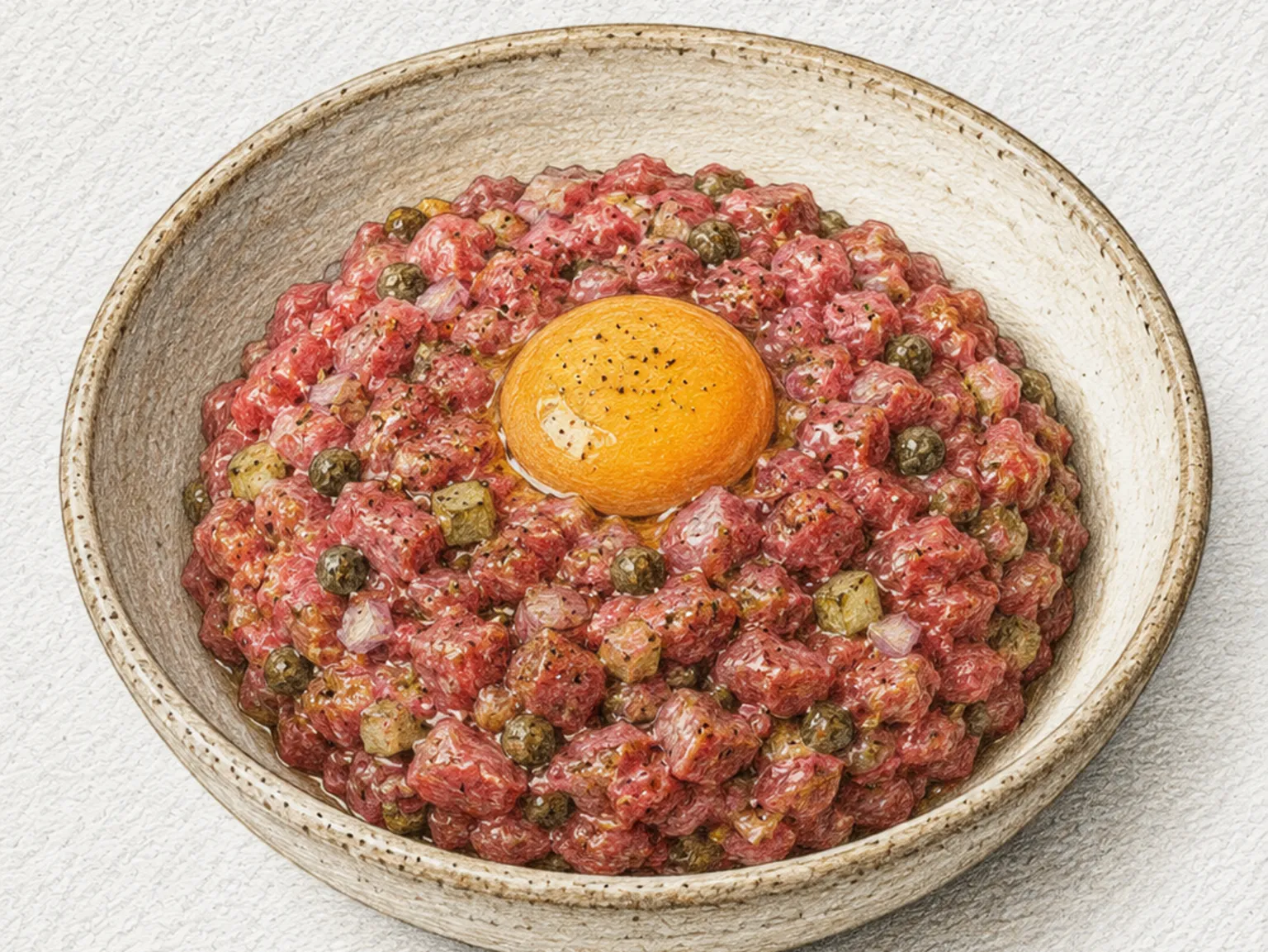
Beef Tartare
Beef tartare is a French preparation of premium tenderloin hand-chopped with a knife, never passed through a grinder, so that each small piece stays intact and delivers a clean, juicy bite rather than a pasty mouthfeel. The chopped meat is mixed with capers, anchovies, shallots, and cornichons, then bound with egg yolk and Dijon mustard. Capers and anchovies provide a salty, briny depth that makes raw beef compelling as a dish, while the Dijon adds a sharp, direct mustard heat that brings focus to every forkful. The egg yolk coats each morsel in a silky, rich film that holds the mixture together without masking the meat itself. Freshness is non-negotiable here - the quality of the tenderloin is the entire foundation of the dish, and there is no technique or seasoning that compensates for inferior beef.
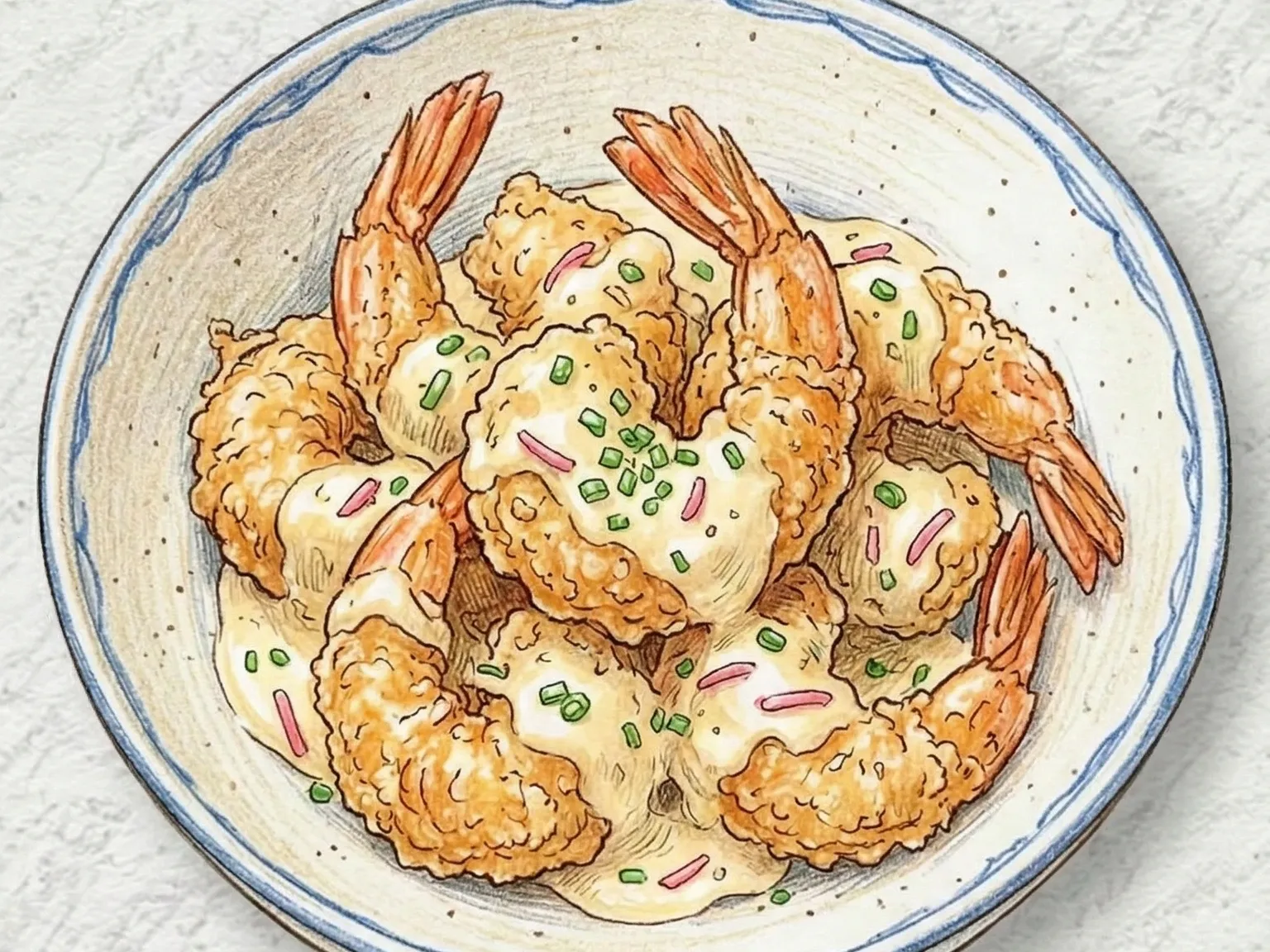
Japanese Shrimp with Mayo
Ebi mayo was invented by Hong Kong-born chef Chou Yuanji while working in Japan, fusing Cantonese prawn cookery with the rich creaminess of Japanese mayonnaise. Shrimp are coated in cornstarch and deep-fried until the shell crackles, then tossed in a sauce of mayonnaise, condensed milk, and lemon juice. The condensed milk tempers the mayo's tang and adds a gentle sweetness. Japanese Kewpie mayonnaise, made with egg yolks only rather than whole eggs, is denser and more umami-rich than Western varieties, and this difference is what gives ebi mayo sauce its distinctive body. The crispy starch coating absorbs the thick sauce on the surface while the shrimp beneath stays springy, creating a two-layered texture -- creamy on first contact, then bouncy when the teeth reach the center. Ebi mayo is a staple of izakaya menus and Chinese restaurants in Japan, and has crossed into convenience-store bento boxes and onigiri fillings as one of the country's most ubiquitous fusion flavors.
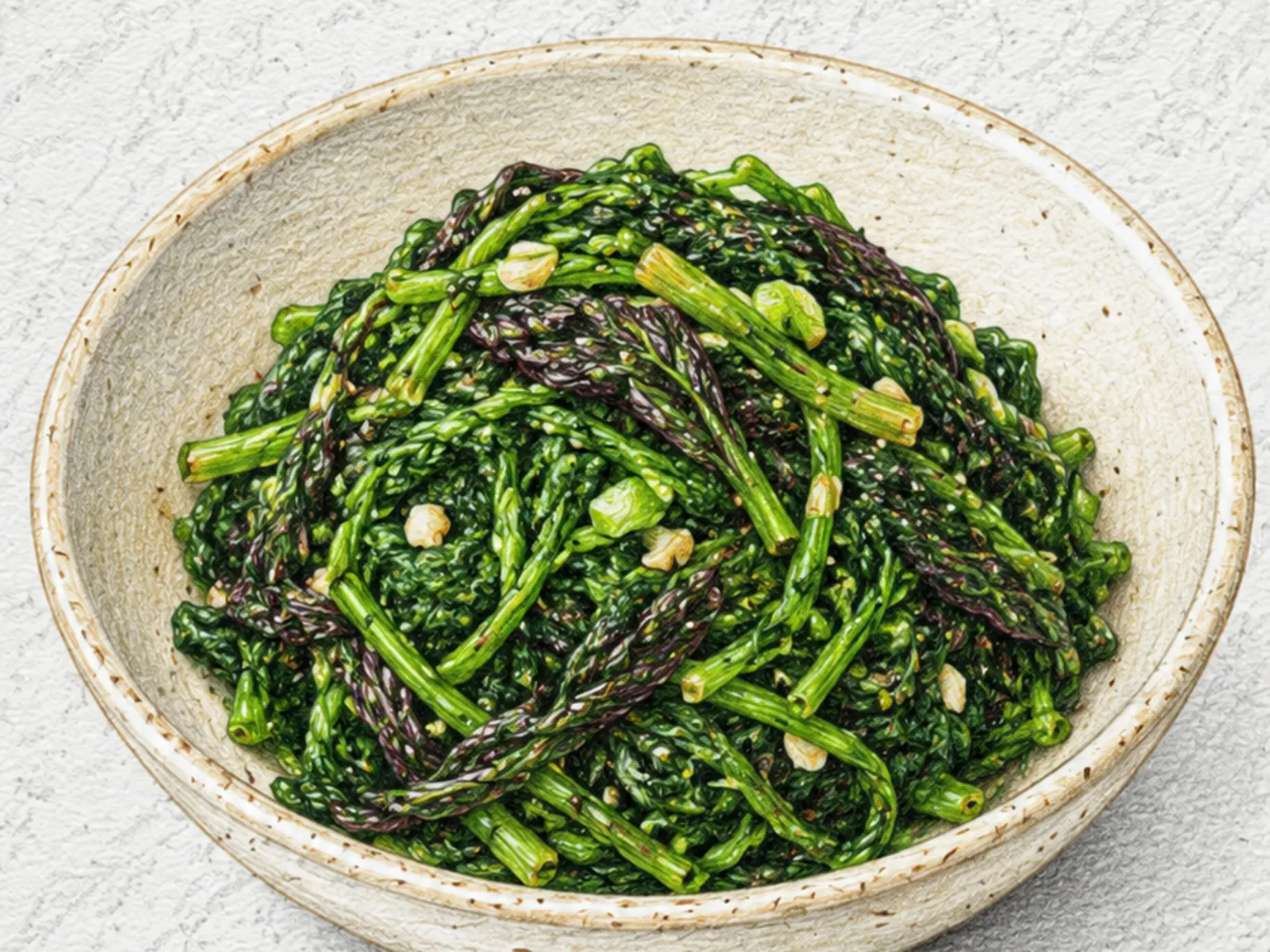
Korean Seasoned Amaranth Greens
Amaranth greens, biryeom in Korean, are a short-season summer vegetable with deep green, purple-tinged leaves that bleed red into the blanching water. They need to come out in under a minute or the leaves lose their structure. After squeezing out the water, the greens are dressed with doenjang, soup soy sauce, garlic, and scallion. Perilla oil stands in for sesame oil, lending a herbal, grass-edged nuttiness that matches the mineral character of amaranth. The leaves are firmer than spinach or mallow, so the dressing clings without the greens collapsing into a wet mass. The unsaturated fats in perilla oil also increase the nutritional density of the dish. A countryside banchan available only during its brief summer window.
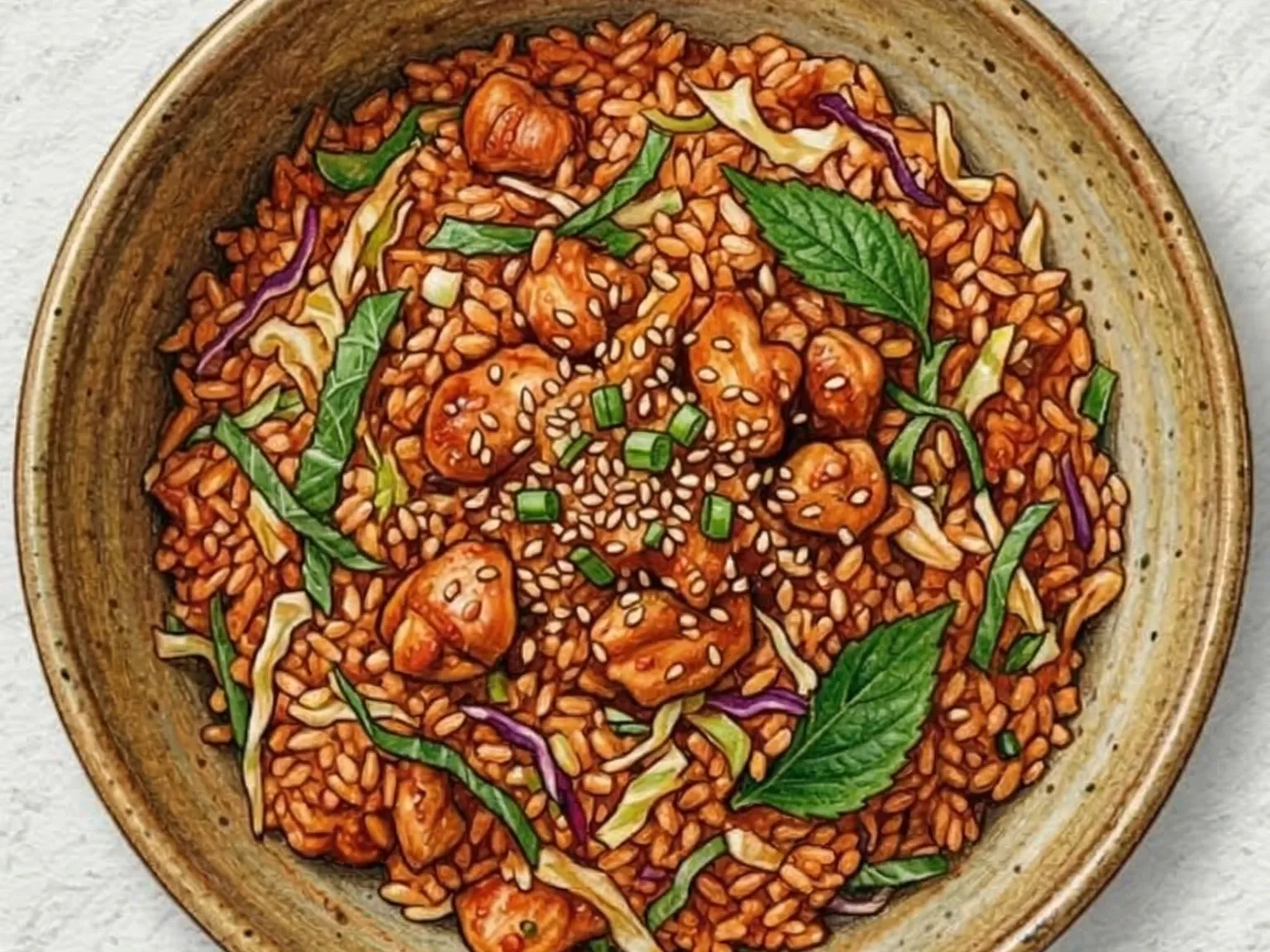
Korean Dakgalbi Fried Rice
Dakgalbi bokkeumbap is a fried rice made by stir-frying gochujang-marinated boneless chicken thigh with cabbage and onion over high heat, then adding day-old rice to the pan and frying until every grain absorbs the sweet-spicy marinade. The dish originated from the Chuncheon tradition of finishing a dakgalbi meal by stir-frying the leftover sauce and scraps with rice, effectively turning what remains in the pan into a second course. Day-old rice is essential: fresh rice holds too much moisture and clumps together, while refrigerated rice separates cleanly on the hot surface and makes sufficient contact with the pan to develop slightly charred bits at the bottom. These caramelized patches add a smoky crunch that contrasts with the sauced grains above and elevate the dish beyond a simple fried rice. Cabbage and perilla leaves added at the very end of cooking retain a faint crunch that cuts through the richness of the gochujang marinade. Plating the rice with a few perilla leaves laid on top and a scatter of sesame seeds over the surface finishes the dish without requiring anything further.
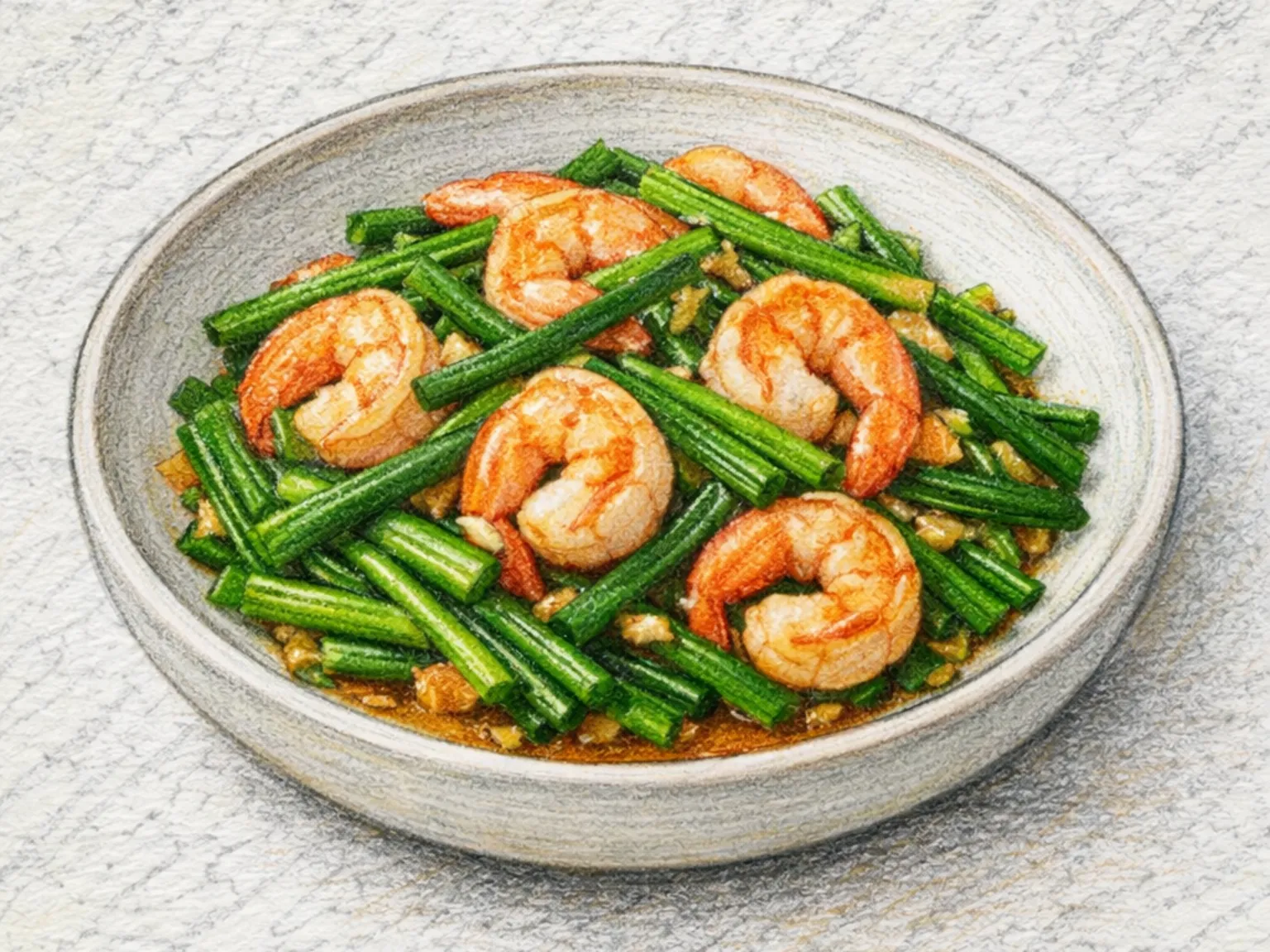
Korean Stir-fried Chives and Shrimp
Deveined shrimp are dried thoroughly and seared over high heat until their shells turn pink, then tossed briefly with garlic chives for a stir-fry that takes under ten minutes from cutting board to plate. Removing every trace of surface moisture before the shrimp hit the pan is the single most important step; residual water generates steam and turns the sear into a braise, leaving the shrimp pale and soft instead of lightly caramelized. Sliced garlic goes into the oil first to build an aromatic base that clings to every ingredient. One tablespoon of soy sauce paired with a teaspoon of oyster sauce amplifies the natural seafood umami without tipping the dish into excessive saltiness, and black pepper sharpens the finish. The chives must go in last and cook for no more than sixty seconds; any longer and they lose their vivid color and turn stringy. At 220 calories with 26 grams of protein per serving, this dish fills the role of a satisfying yet light side that pairs well with steamed rice or slides neatly into a packed lunch.
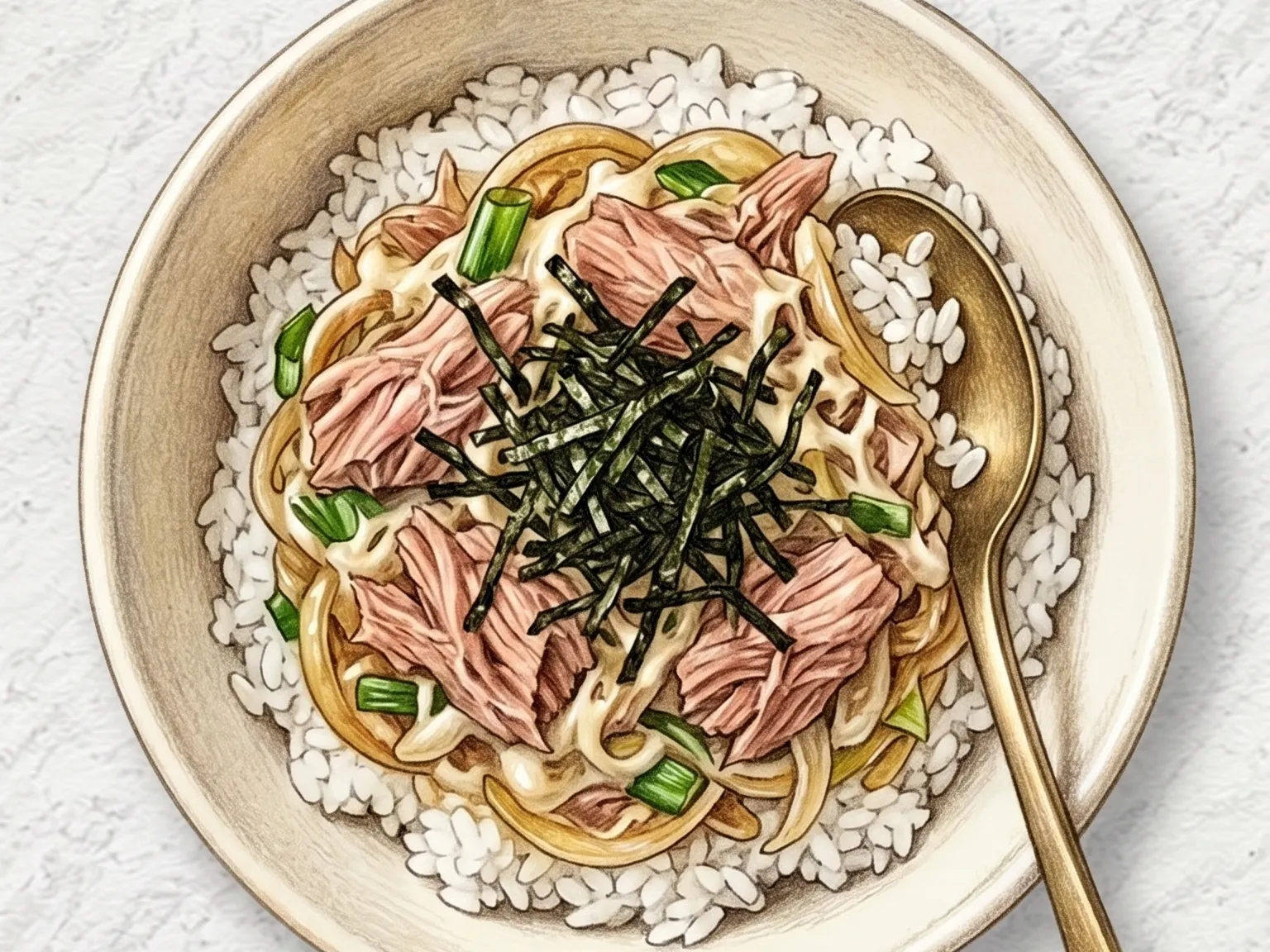
Tuna Mayo Rice Bowl (Chamchi Mayo Cupbap) - Easy Korean Bunsik Recipe
Chamchi mayo cupbap is Korea's well-loved quick meal of seasoned tuna and mayo spooned over steaming hot rice, assembled in about eighteen minutes. The canned tuna must be drained and pressed dry through a strainer before anything else: residual liquid from the can dilutes the soy and sugar seasoning and turns the rice soggy within minutes. Onion and scallion are stir-fried first to draw out their natural sweetness, and the tuna is folded in afterward so the fish picks up the developed flavor of the aromatics rather than sitting raw-tasting on top. Mayonnaise goes in only after the heat is turned off; adding it while the pan is still hot breaks the emulsion and produces a greasy finish. A generous scatter of crushed dried seaweed over the finished bowl adds a roasted oceanic note and textural contrast. Mixing everything together before eating is the correct approach: the tuna-mayo sauce coats every grain of rice evenly, so each spoonful carries the full range of flavors rather than alternating between plain rice and heavily sauced bites.
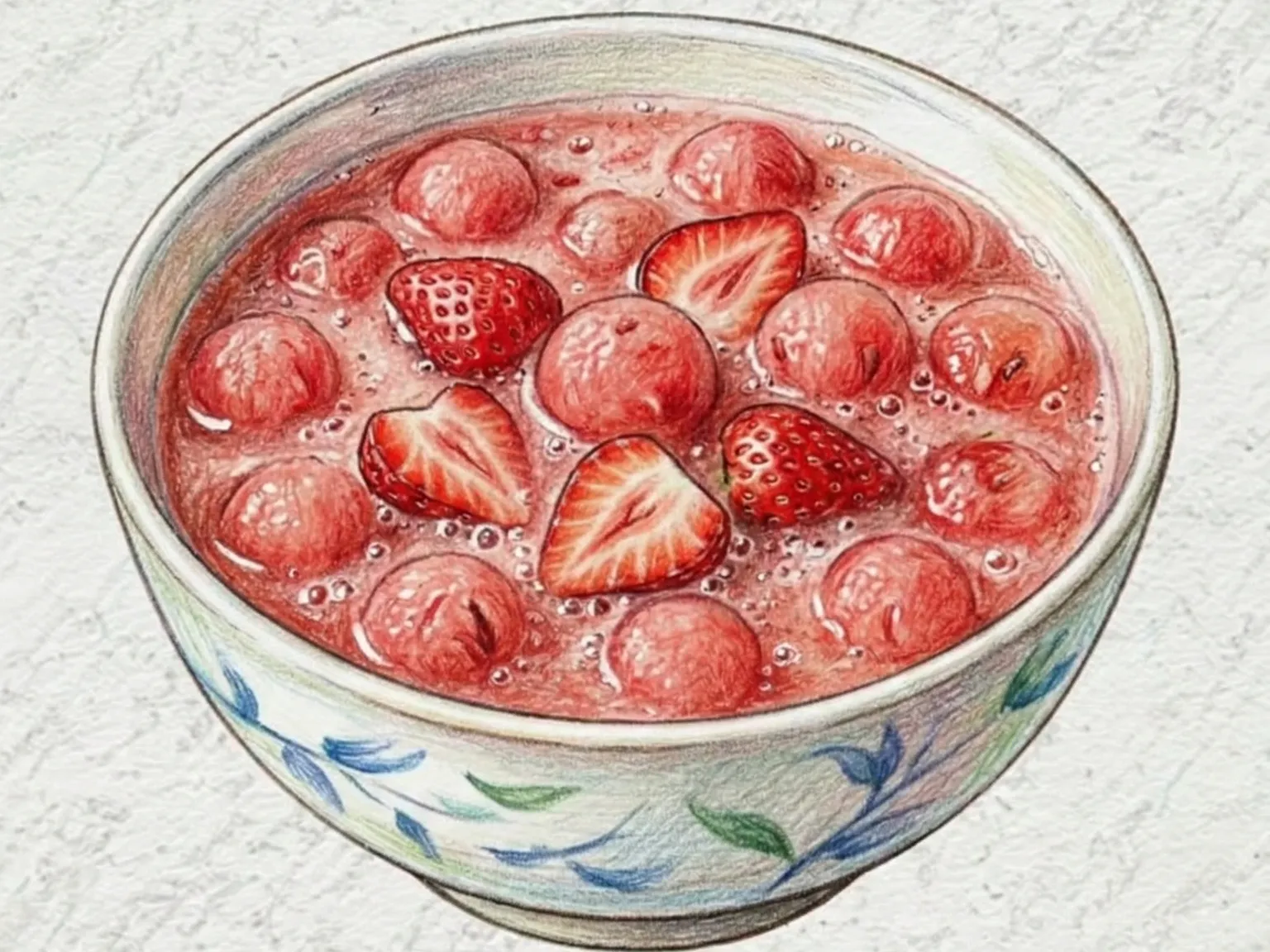
Watermelon Punch
Subak hwachae is a Korean summer punch that uses half its watermelon blended and strained into a smooth juice base, with the other half scooped into balls as garnish. Mixing the watermelon juice with milk creates a pink, creamy foundation, and lemon-lime soda is stirred in just before serving to preserve its fizz. Adding strawberries and blueberries introduces an acidic brightness and color contrast that watermelon alone lacks, and generous ice keeps the drink cold enough for the fruit aromas to stay sharp. Chilling the watermelon juice thoroughly before combining it with milk is essential to prevent the two liquids from separating. The layered colors of red watermelon, deep blueberries, and vivid strawberries in a single bowl make it as visually striking as it is refreshing, turning a straightforward summer drink into something worth presenting at the table.
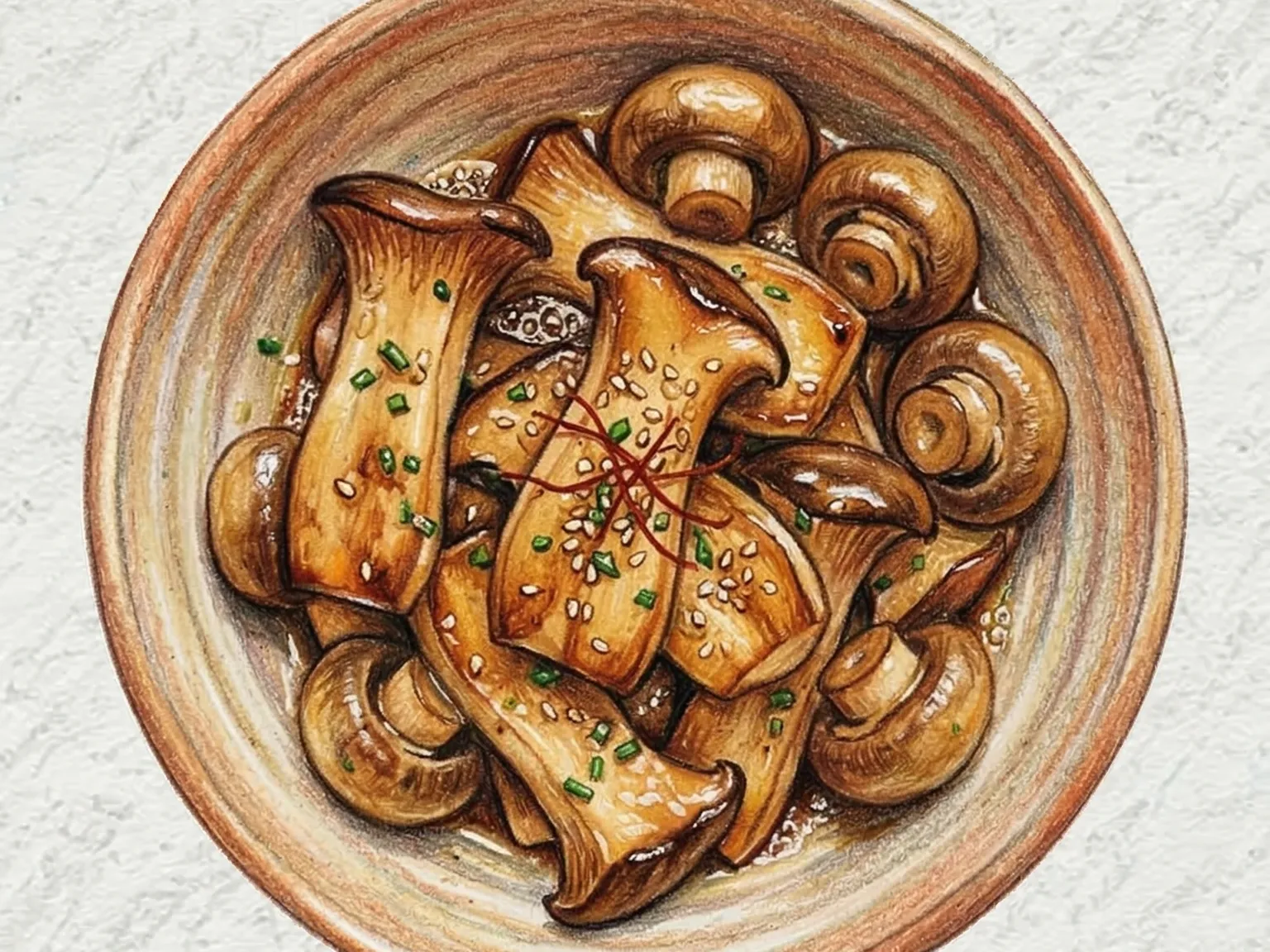
Korean Butter-Grilled Mushrooms
This dish takes thickly sliced king oyster and button mushrooms, sears them in melted butter over high heat for about four minutes until golden on both sides, then finishes with a quick toss of soy sauce for a glossy coating. Garlic goes in with the butter at the start, releasing its fragrance into the fat before the mushrooms hit the pan. Soy sauce added just before the heat is cut keeps the finish clean rather than acrid. A crack of black pepper and a scatter of chopped chives complete the plate, delivering concentrated umami without any meat. The preparation is straightforward and fast, making it a practical choice to put together quickly at the table.
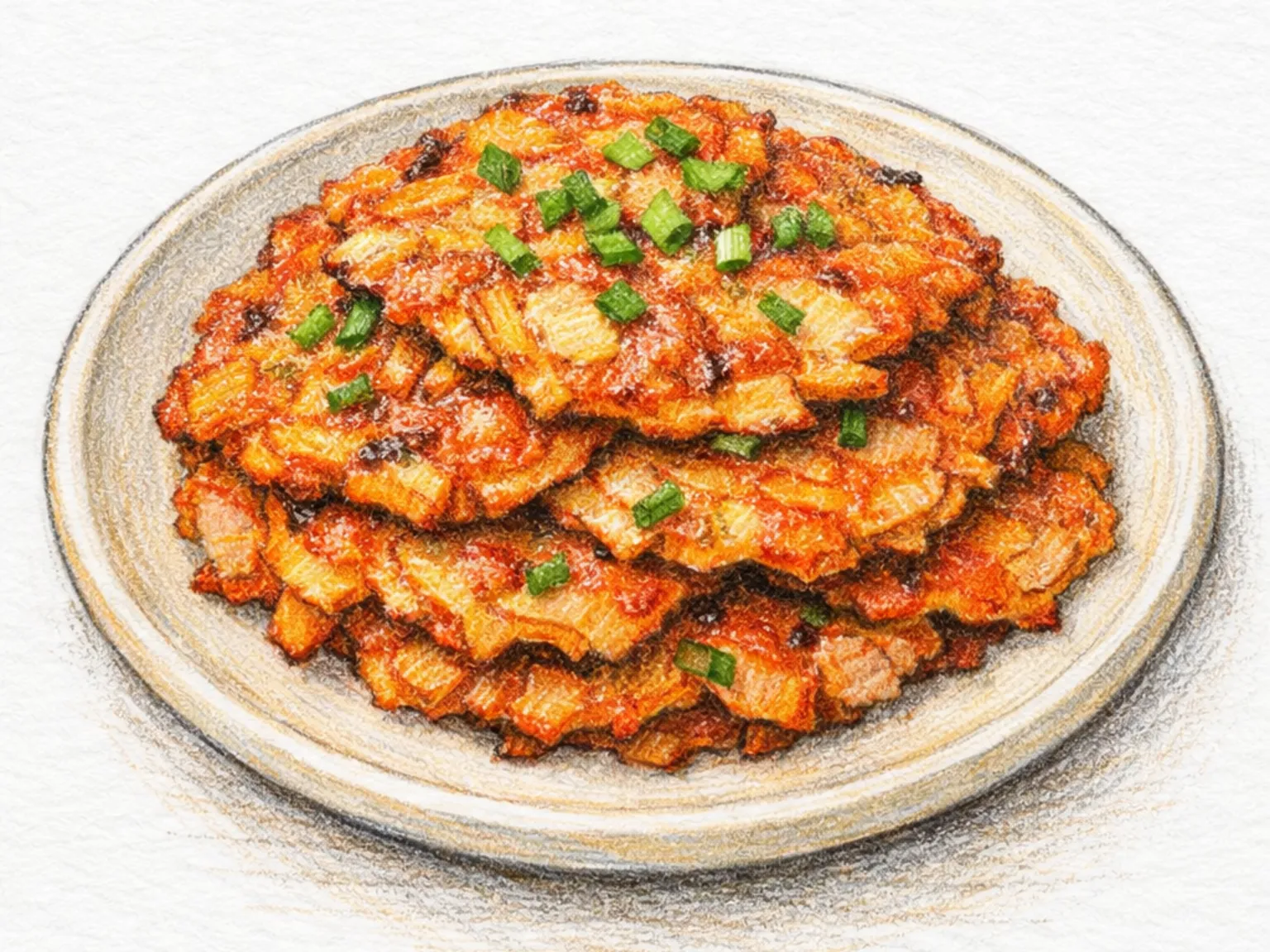
Korean Tuna and Kimchi Pancake
Chamchi-kimchi-jeon is a Korean pancake made from drained canned tuna and finely chopped aged kimchi mixed into a batter of Korean pancake flour, water, and egg. The tuna provides mild protein bulk while the fermented kimchi delivers tangy acidity and deep savory depth, and the minimal batter lets both flavors come through without being muted. Pressing the tuna firmly through a strainer right after opening the can removes most of its tinned odor, and a small splash of kimchi brine stirred into the batter deepens both the color and the overall savoriness. Using well-aged kimchi intensifies the sour depth that offsets the tuna's mildness, and the egg in the batter helps the pancake hold together during flipping. The whole pancake comes together in under ten minutes from pantry staples, making it one of the quickest jeon varieties for a casual meal or drinking snack.
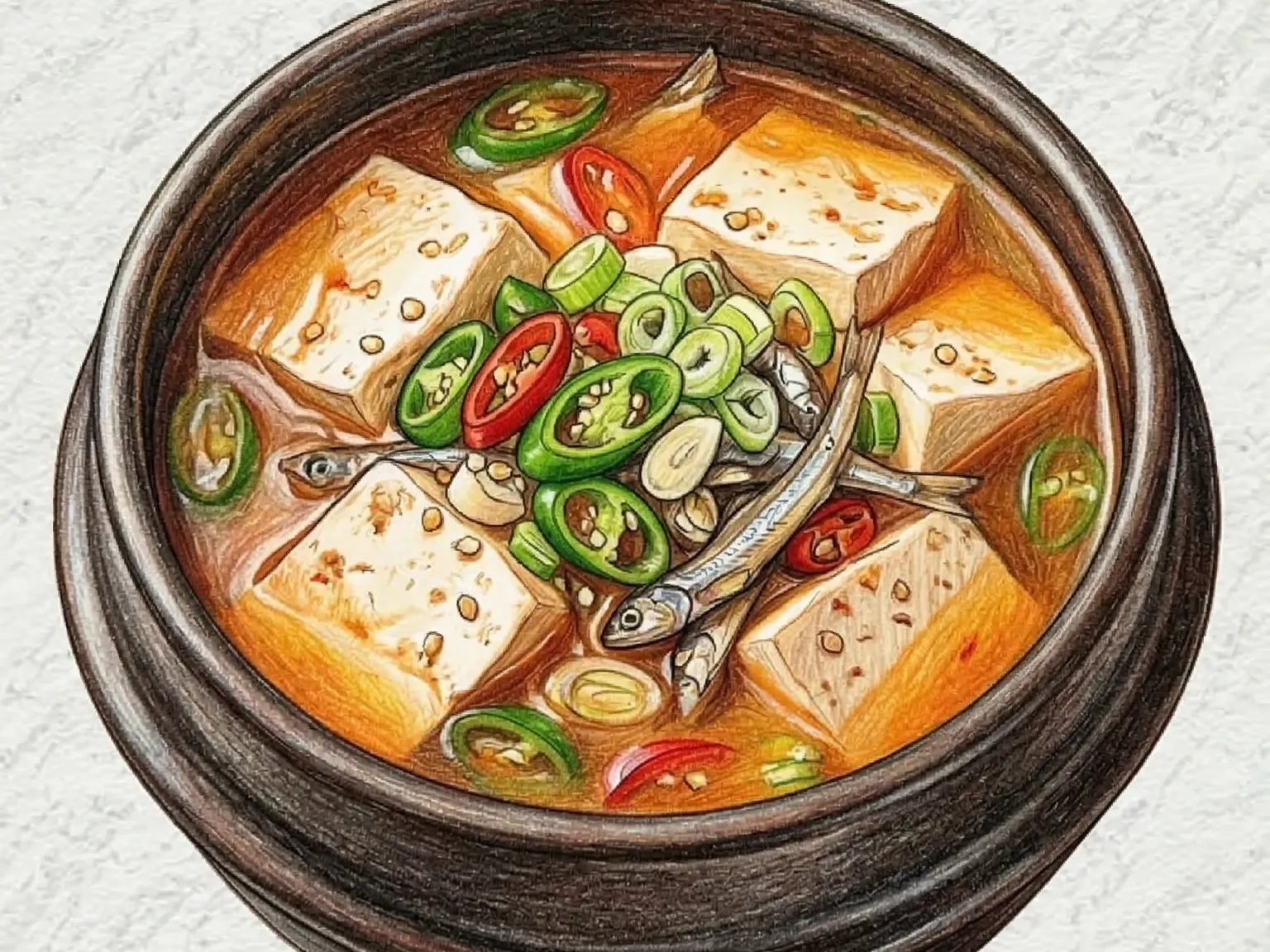
Korean Hot Chili Anchovy Tofu Stew
Dried anchovies and cheongyang chilies go into the pot together from the start so the broth itself absorbs the deep, pungent heat rather than the chilies simply floating on top. The anchovies are dry-roasted first to drive off any fishiness before water is added. Two whole cheongyang chilies, left uncut, release a sharp, penetrating spice that builds gradually through the simmer. Gochugaru adds color and layers the heat further, soup soy sauce keeps the seasoning clean, and tofu goes in only after the broth reaches a full boil so the cubes stay firm. The combination of anchovy-based richness and the chilies distinctive biting heat produces a broth that clears the palate without becoming salty.
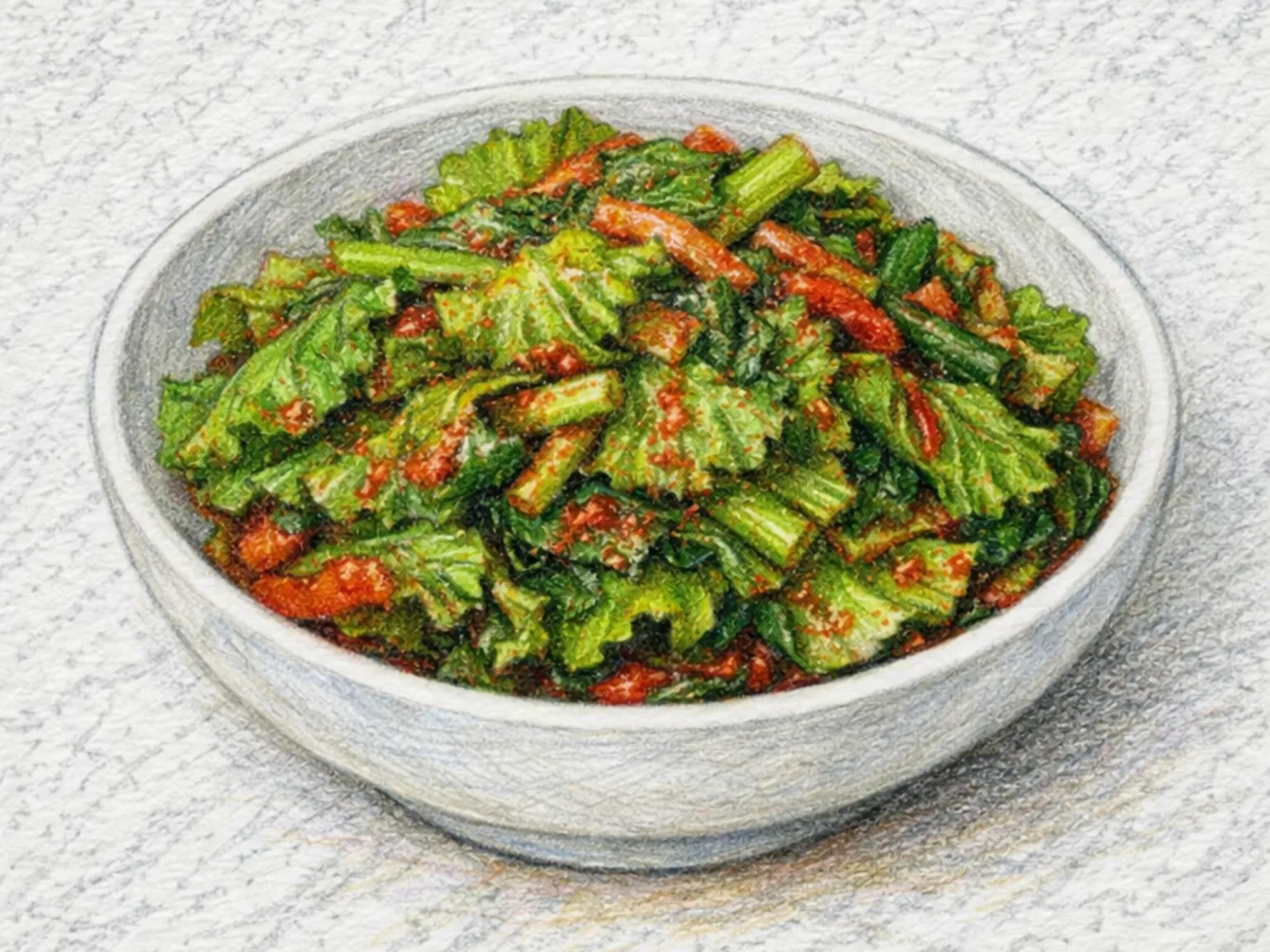
Korean Lettuce Kimchi (Quick Leaf Gochugaru Dressed)
Sangchu kimchi is a quick Korean lettuce kimchi that starts with leaf lettuce torn into bite-sized pieces, salted lightly for ten minutes to relax the leaves without fully collapsing them, then tossed in a seasoning of gochugaru, sand lance fish sauce, minced garlic, vinegar, and sugar. As the lettuce absorbs the dressing it softens, but eating it before it fully wilts keeps a faint crispness at the leaf edges along with the lettuce's characteristic mild bitterness. The fermented depth of the fish sauce adds weight to the lettuce's grassy, clean flavor, while vinegar contributes a bright, tangy finish that cuts through the richness. Sesame seeds scattered through the mix give a faintly toasted crunch with each bite. Drying the leaves thoroughly after salting is the step that most directly controls flavor: any residual water dilutes the seasoning rapidly and turns the kimchi watery and dull within an hour or two. This kimchi is best made moments before serving and eaten immediately while the textures are still distinct. A small amount of ssamjang folded in adds a deeper, earthy fermented note for variation.
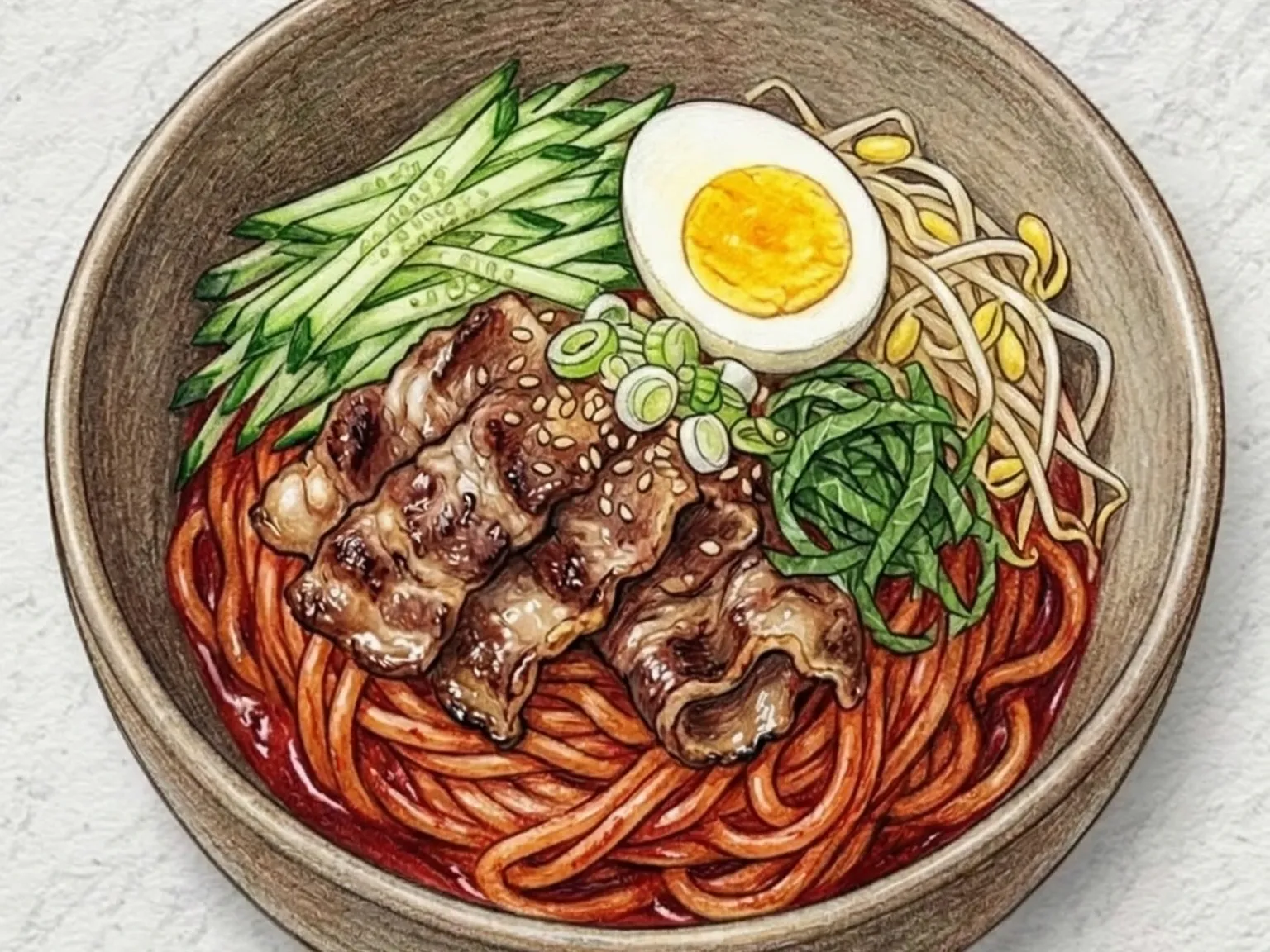
Korean Beef Brisket Jjolmyeon
Cha-dol jjolmyeon puts seared thin-sliced beef brisket on top of chewy jjolmyeon noodles dressed in gochujang sauce. The brisket is spread flat on a hot dry pan and cooked on high heat for no more than a minute per side so the exterior browns while the intramuscular fat stays in place. Cooking too long renders the fat out entirely, leaving the slices dry and tough, which defeats the purpose of using brisket over leaner cuts. Jjolmyeon noodles are made with a higher proportion of starch than ordinary wheat noodles, giving them a rubber-band elasticity that lets sauce cling to the surface from the first bite to the last. The standard accompaniments are julienned cucumber and a halved boiled egg, both of which temper the spiciness with their mild, cool flavors. Bean sprouts add a crunchy contrast in texture, while perilla leaves sharpen the overall aroma. The dish is eaten cold in summer and is also a common late-night order, often finished with a splash of vinegar stirred into the remaining sauce at the bottom of the bowl.
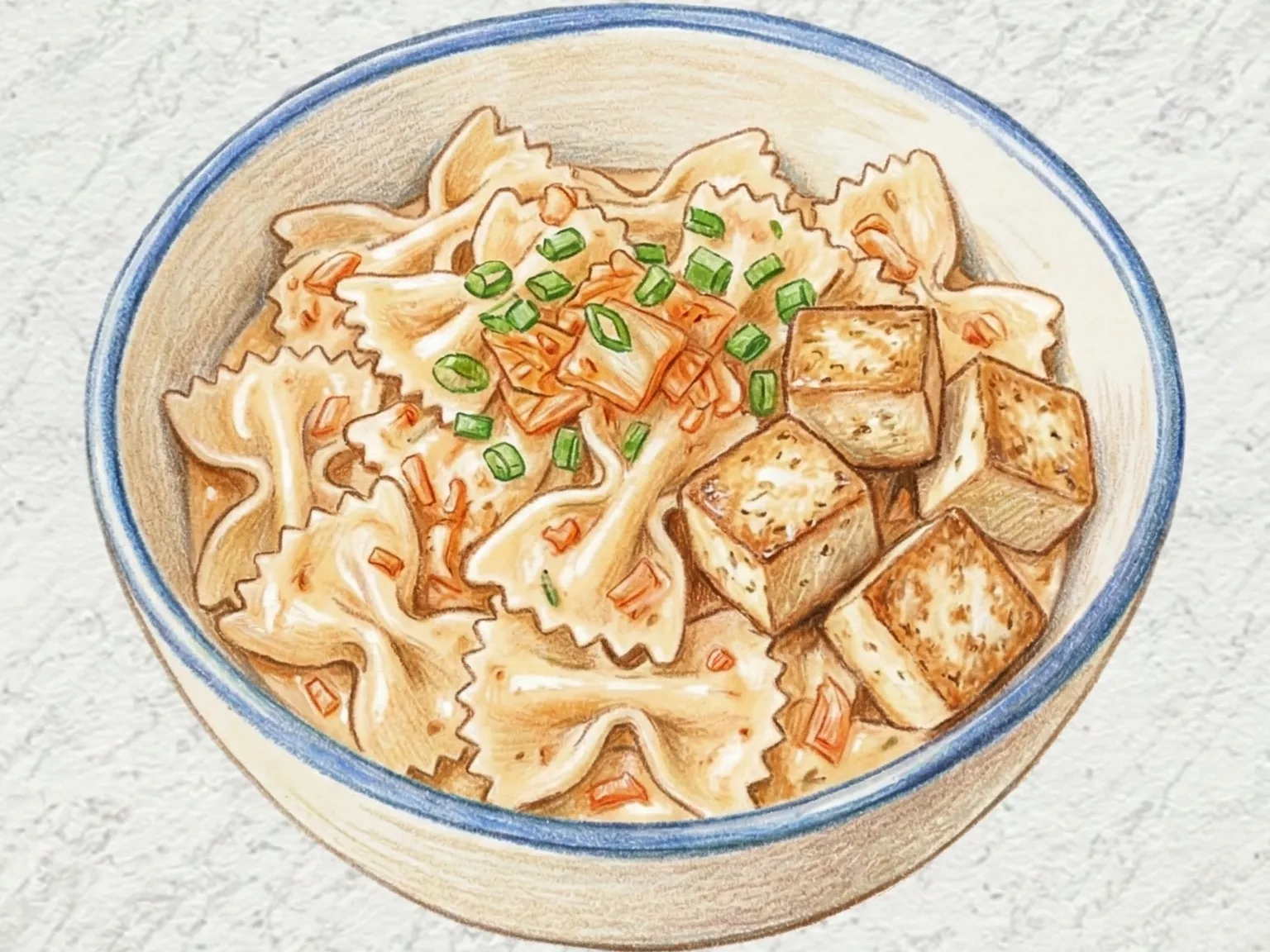
Kimchi Tofu Alfredo Farfalle (Creamy Kimchi Bow-Tie Pasta)
Kimchi tofu Alfredo farfalle is a fusion pasta that counters the richness of a cream-and-Parmesan Alfredo sauce with the lactic acidity of well-fermented kimchi. Garlic bloomed in butter forms the aromatic base, then cream, milk, and Parmigiano are combined into the classic Alfredo sauce, after which chopped kimchi is folded in to introduce fermented tang and a layer of umami that a standard Alfredo lacks. Firm tofu cut into cubes and pan-fried until each side is golden provides a mild, neutral protein element with direct textural contrast against the smooth sauce. Farfalle's pinched center holds pockets of sauce against each piece of pasta, delivering a consistent hit of creaminess in every bite, and freshly ground black pepper draws a sharp line through the richness at the finish. The entire dish moves from pan to plate in about 15 minutes.