2686 Korean & World Recipes
Charim is a recipe guide that organizes Korean, Western, Asian, and baking recipes in one place. Each recipe features a clear ingredient list and step-by-step instructions, along with nutrition facts and cooking tips.
Browse 2686 recipes across 18 categories. Use the search bar or category filters to find exactly what you are looking for.
All Recipes
Neatly organized recipe collection

Almond Croissant
The almond croissant was born in French bakeries as a way to rescue day-old croissants - stale pastry soaked in almond syrup, filled with frangipane, and rebaked until golden. A simple solution to waste became one of the most requested items in the pastry case. The syrup soak revives the dried layers, and the almond cream - butter, sugar, ground almonds, egg, and a splash of amaretto or almond extract - melts into the interior during the second bake, turning the hollow center into a dense, marzipan-like filling. Sliced almonds pressed onto the surface toast in the oven, adding a brittle snap over the soft interior. The result is richer and more intensely almond-flavored than a plain croissant, with a sticky, caramelized bottom where the syrup has pooled. Many Parisian bakeries now bake them fresh rather than from leftovers, because demand outstrips the supply of day-old stock.
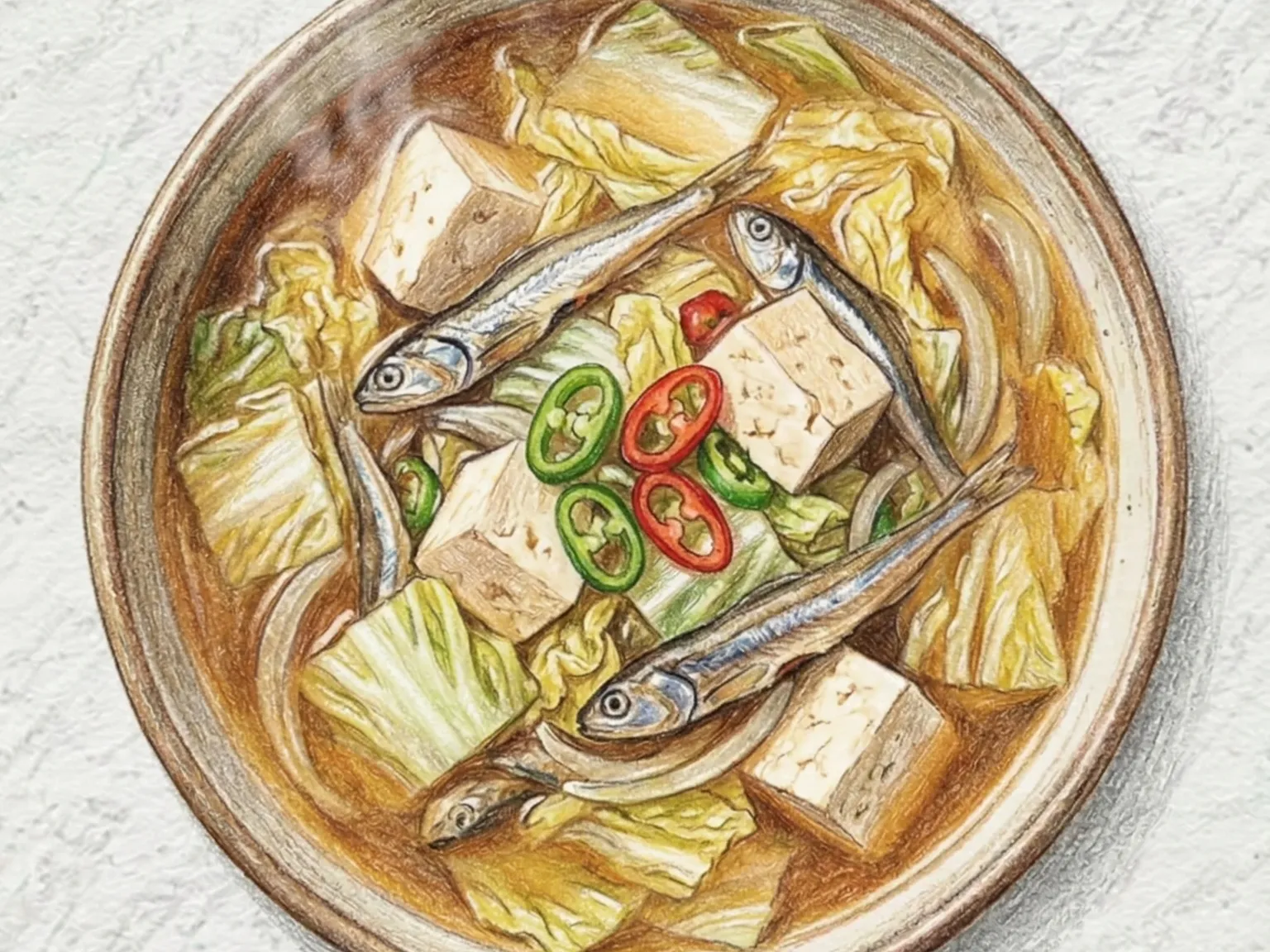
Korean Napa Cabbage Anchovy Stew
Baechu myeolchi jjigae is a homestyle Korean stew built on dried anchovy stock with napa cabbage as the main vegetable. Large dried anchovies and kelp are simmered for ten minutes to create a stock with deep umami, then strained for a clean base. Baby napa cabbage is cut into long vertical strips so the stems release their sweetness into the broth, naturally balancing the saltiness of the anchovy. Thick-cut tofu slabs are nestled between the cabbage pieces, and sliced onion adds another layer of sweetness. Diagonally cut cheongyang chili brings a sharp heat that enlivens the otherwise mild broth. Simmering for fifteen to twenty minutes allows the cabbage to soften fully and its sugars to dissolve into the liquid. The stew demonstrates a core principle of Korean home cooking: a well-made stock and a single good vegetable can produce depth without complicated seasoning.
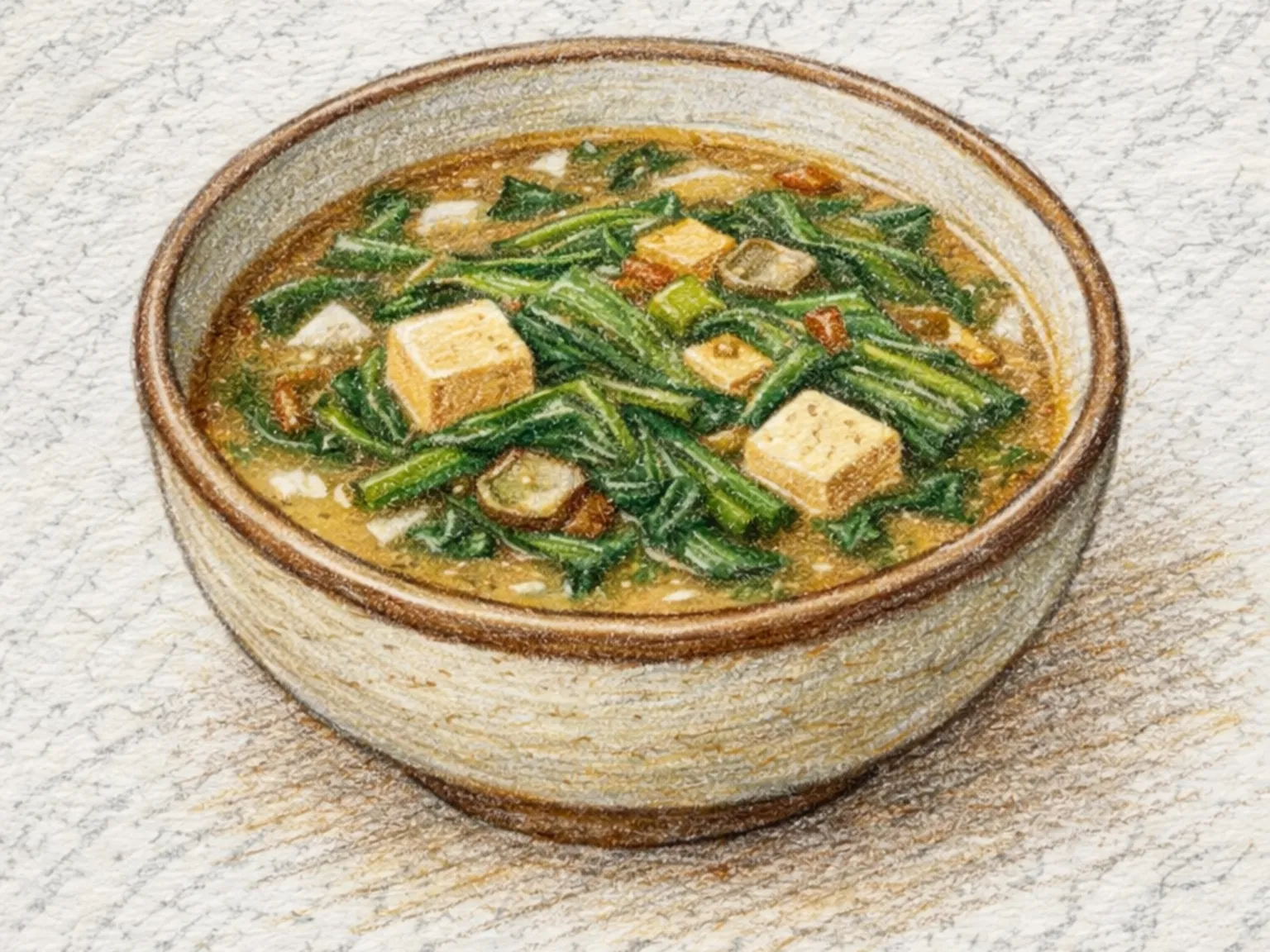
Korean Mallow Soup (Joseon-Era Doenjang Mallow Soup)
Auk-guk - mallow doenjang soup - has been part of Korean home cooking since the Joseon era, when auk (mallow) was one of the most commonly grown leafy greens in household gardens. The soup starts with an anchovy-kelp stock that provides a clean umami foundation. Doenjang is pushed through a sieve into the simmering broth to dissolve evenly without lumps, and garlic adds a quiet pungency beneath the fermented paste. Mallow leaves, torn by hand into rough pieces, wilt into the broth in under a minute. What sets auk-guk apart from other doenjang-guks is the mallow's distinctive texture - the leaves have a natural mucilage that gives the soup a slightly thickened, slippery quality on the tongue, unlike the clean broth of a spinach or radish version. Traditionally associated with nursing mothers in Korean folk wisdom, who ate it to promote milk production. The soup is at its best in early summer when fresh mallow is at peak tenderness.
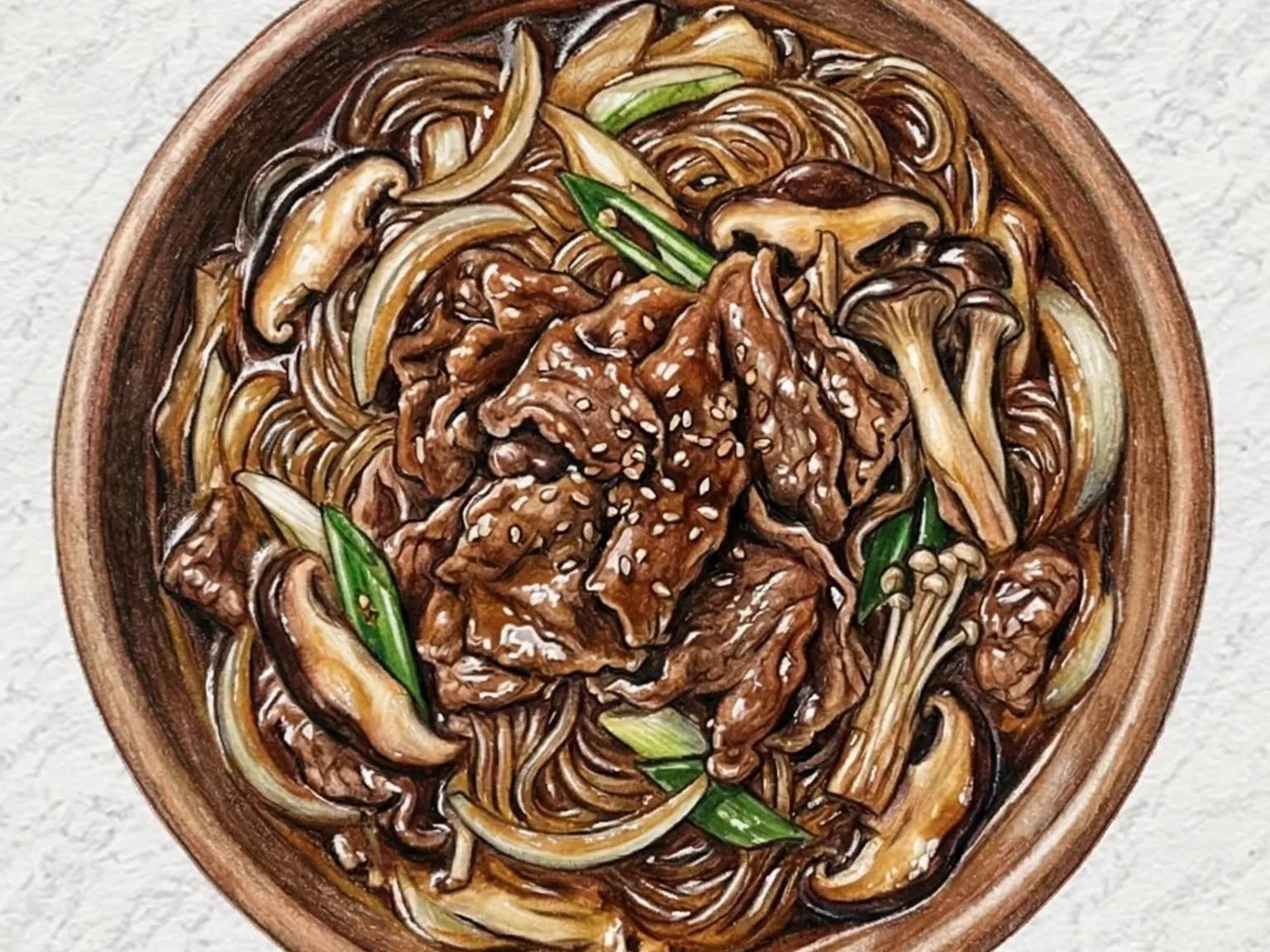
Korean Andong-style Soy Bulgogi
Andong-style bulgogi differs from the Seoul version in one fundamental way: it is not grilled. In Andong - a city in North Gyeongsang Province known for preserving Joseon-era culinary customs - bulgogi is braised in a shallow pan with the marinade and vegetables rather than cooked over open flame. Thinly sliced beef is marinated in soy sauce, sugar, sesame oil, garlic, and pear juice, then layered with glass noodles, onion, scallion, and mushroom in a wide, flat pan. As the liquid simmers down, the sweet soy marinade reduces into a glaze that coats every ingredient. The result is wetter and more intensely seasoned than grilled bulgogi, with the noodles soaking up the concentrated braising liquid. This style appears at Andong's ancestral rite ceremonies and family gatherings, where the dish is served communally from the pan it was cooked in.
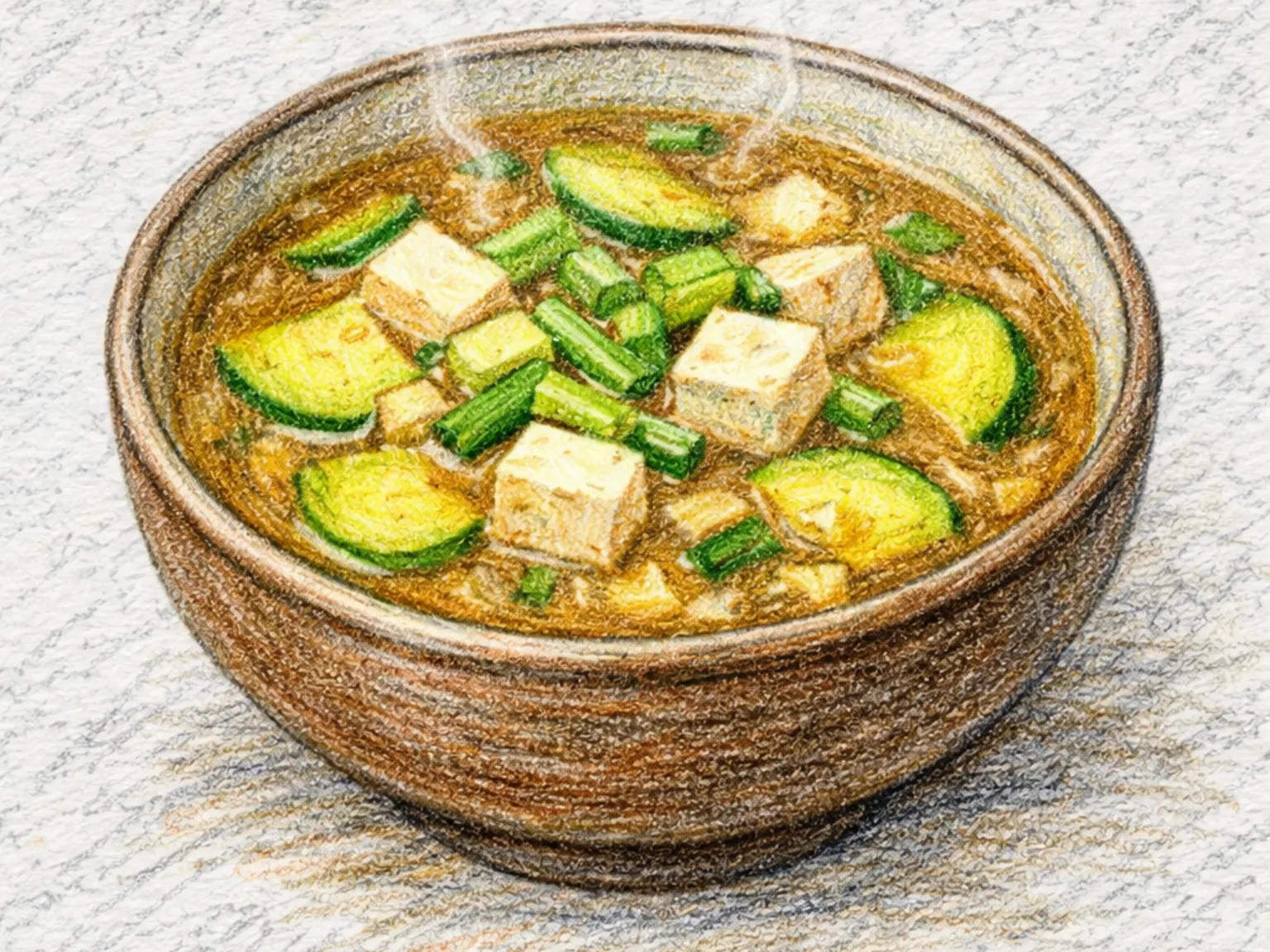
Korean Zucchini Soybean Paste Soup
Aehobak doenjang-guk is the soup Koreans think of when they think of home - a bowl of soybean paste broth with soft zucchini that appears on dinner tables more often than any other guk. The foundation is anchovy-kelp stock, which provides a clean umami base for the doenjang to dissolve into. Zucchini is added after the broth has simmered with onion and garlic, cooking just five minutes so each half-moon slice holds its shape while releasing a gentle sweetness into the liquid. Cubed tofu goes in last, warming through without breaking apart. The finished soup is cloudy and golden, with the earthy funk of fermented soybean paste sitting underneath the vegetable sweetness. It is the kind of dish that Korean mothers make when nothing else seems right - uncomplicated, warm, and restorative.

Korean Baekseju Herbal Rice Wine
Baekseju is a traditional Korean herbal rice wine made by infusing a glutinous rice ferment with fresh ginseng, jujubes, ginger, and honey. The base is glutinous rice fermented with nuruk, a traditional wheat-based fermentation starter that produces a mildly sweet, low-acid alcohol. Fresh ginseng steeped in the fermenting liquid contributes its characteristic bitter, earthy depth that intertwines with the rice sweetness over time. Jujubes lend a subtle fruity note and a faint reddish hue, while ginger adds a warm, peppery finish that tempers the wine's sweetness. Honey is introduced after primary fermentation has progressed so the yeast does not consume all its sugars, preserving residual sweetness in the finished product. The alcohol level sits around twelve to thirteen percent, comparable to grape wine, and the liquid is clearer and more golden than unfiltered makgeolli. Served cold, the herbal notes recede and the drink feels crisp; at room temperature, the ginseng and jujube aromas become more prominent with each sip.
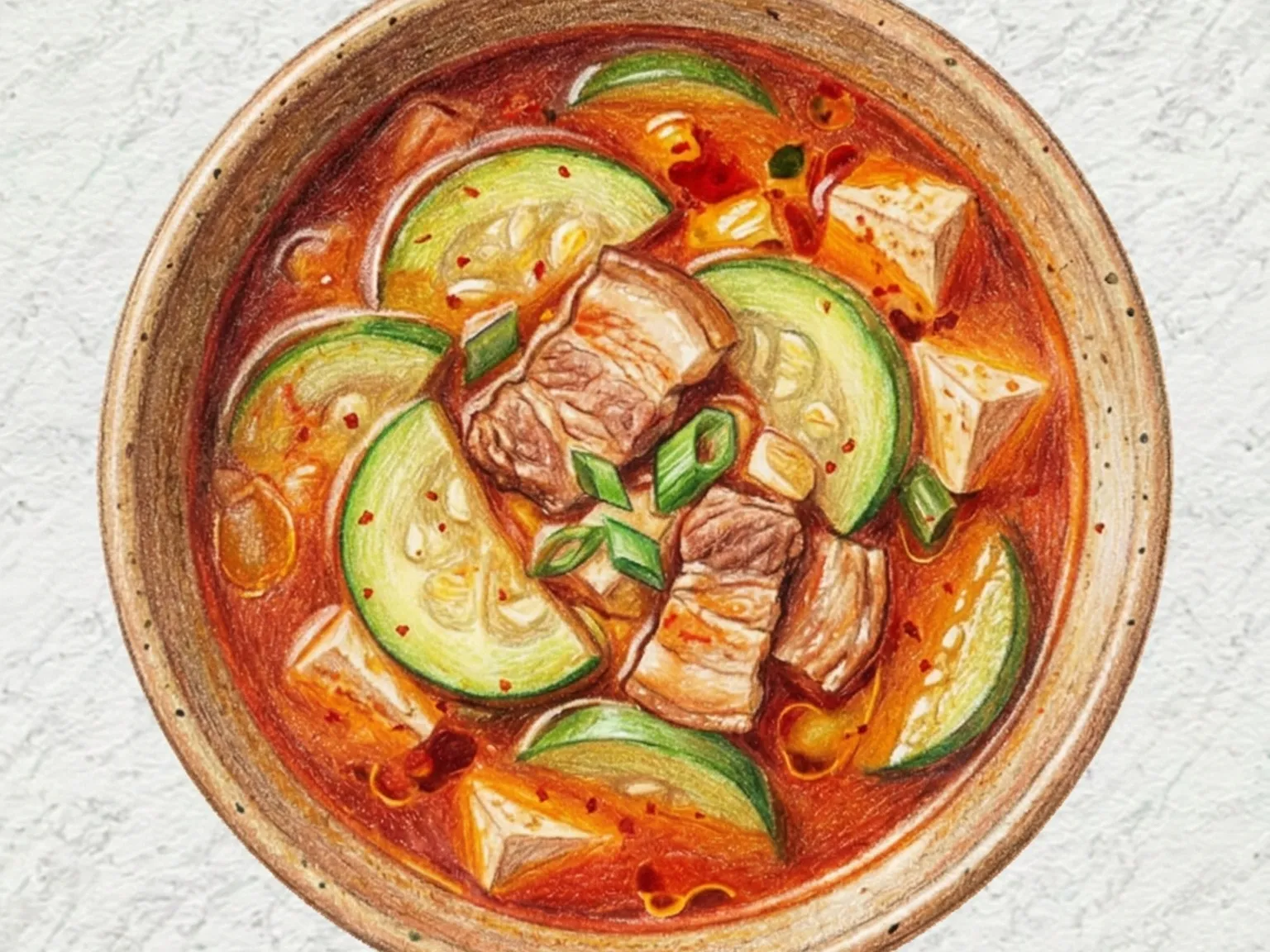
Korean Zucchini Pork Stew
Aehobak-jjigae is a home-style Korean stew that builds bold flavor from modest ingredients - pork, zucchini, and a spoonful each of gochujang and gochugaru. The pork is stir-fried first with garlic to render fat and build a savory fond at the bottom of the pot, then the chili paste is toasted into the fat before anchovy broth goes in. This layering technique gives the broth a depth that plain boiling cannot achieve. The zucchini cooks in the simmering liquid for just six minutes, softening into the stew while keeping enough structure to hold its half-moon shape. The broth finishes spicy and slightly sweet from the pork fat and vegetable sugars, with enough body to soak into a bowl of rice. A reliable weeknight meal that requires no special ingredients beyond a basic Korean pantry.
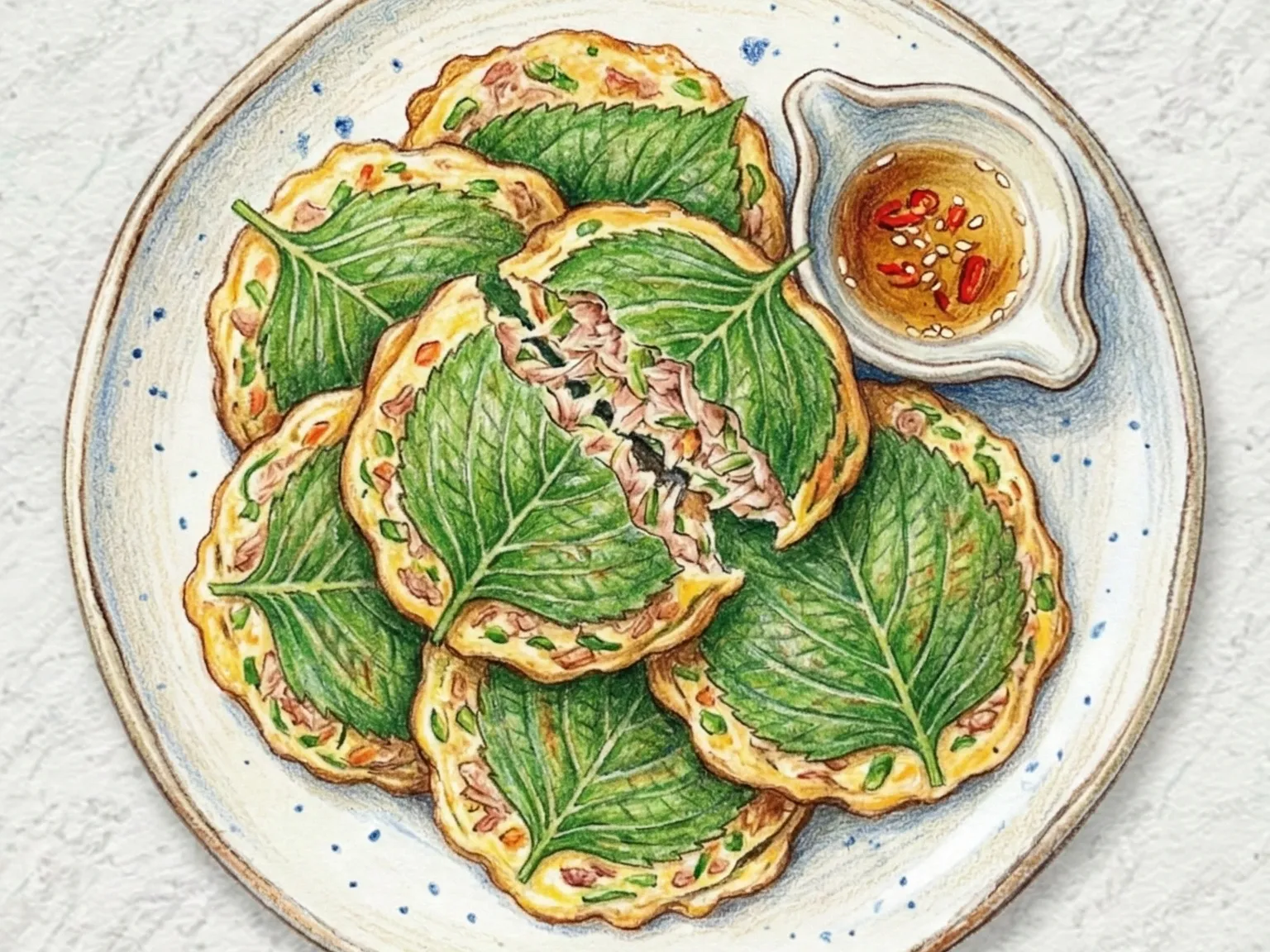
Korean Tuna & Perilla Leaf Fritters
This jeon brings together canned tuna, perilla leaves, onion, and carrot in a pancake-mix batter bound with egg. The tuna provides a briny, savory base while the perilla leaves contribute their characteristic herbal fragrance. Finely diced carrot and onion add natural sweetness that balances the saltiness of the tuna. It comes together quickly and holds up well at room temperature, making it a practical choice for lunchboxes or a quick snack.
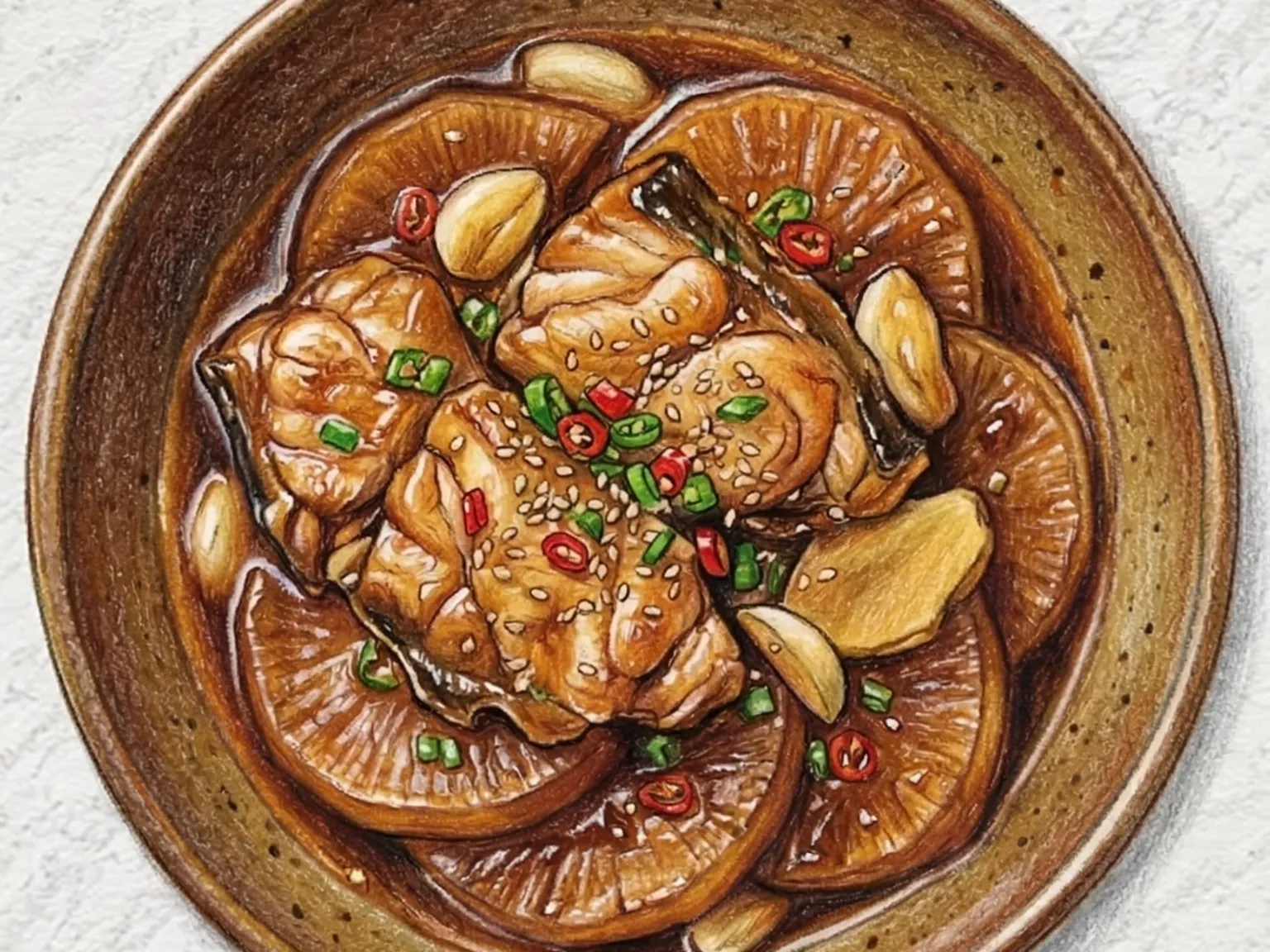
Korean Braised Monkfish in Spicy Soy Sauce
Agwi-jorim - braised monkfish - is a gentler preparation than the fiery agu-jjim, focusing on a soy-based braising sauce rather than a chili-paste coating. Thick slices of Korean radish line the bottom of the pot, cooking first to release their natural sweetness into the liquid. The monkfish goes on top and simmers covered in a mixture of soy sauce, gochugaru, garlic, and water that reduces slowly into a concentrated glaze. The radish acts as both a buffer preventing the delicate fish from sticking and a flavor sponge that becomes the best part of the dish. As the liquid reduces, the sauce thickens and stains both fish and radish a deep amber. The finished dish has a more balanced, less aggressive flavor profile than agu-jjim, with soy saltiness and radish sweetness in equal proportion to the chili heat.
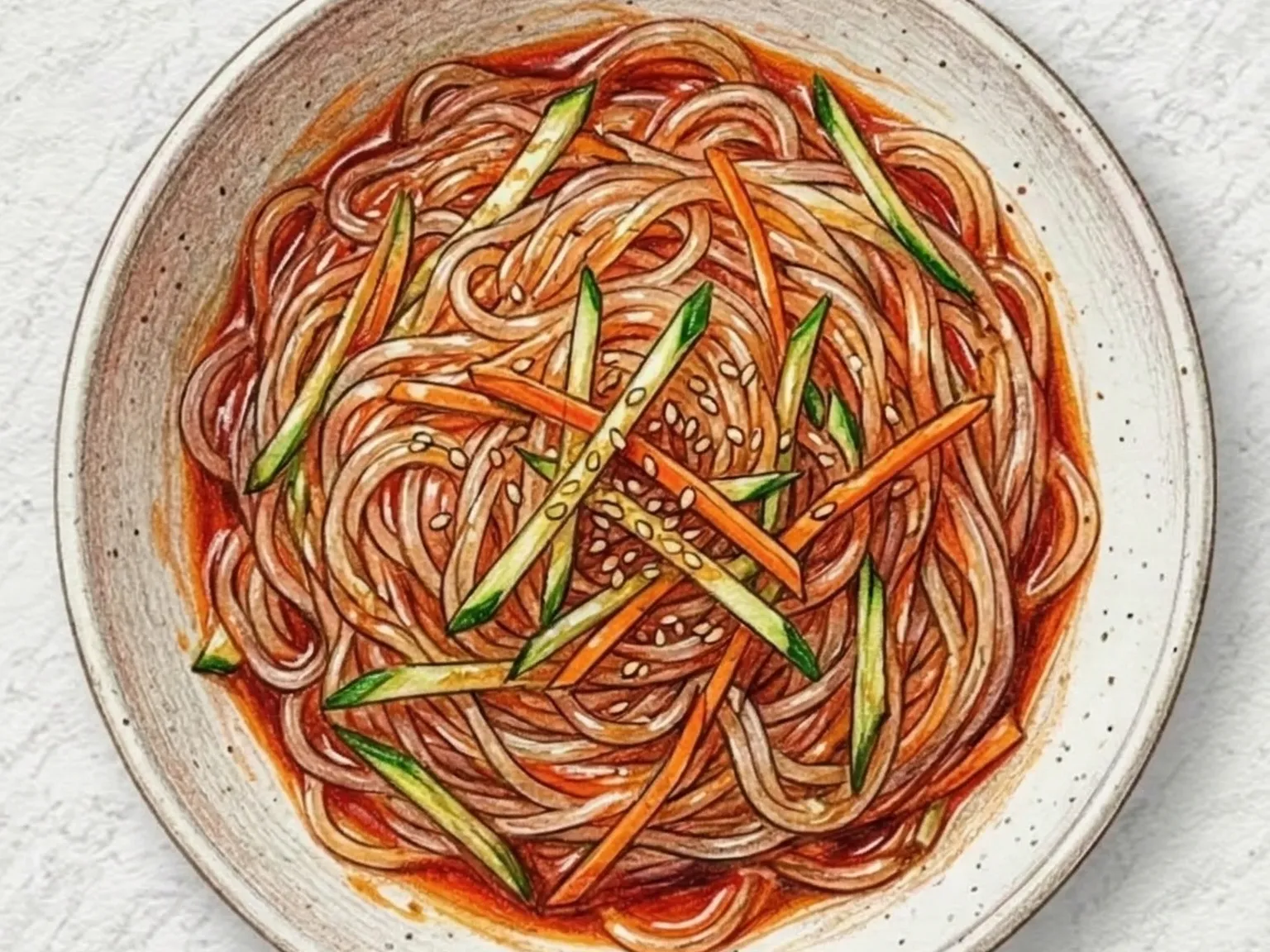
Bibim Dangmyeon (Spicy Glass Noodles)
Chewy sweet potato glass noodles tossed in a tangy gochujang dressing with fresh cucumber and carrot - a refreshing Korean noodle dish ready in 20 minutes. The noodles are rinsed in cold water to set their translucent, chewy texture before being dressed. Gochujang brings heat, vinegar adds tartness, and sugar balances with sweetness, creating a layered spicy-sweet-sour sauce that coats each strand evenly. A touch of sesame oil prevents the noodles from clumping and adds a subtle nutty aroma.
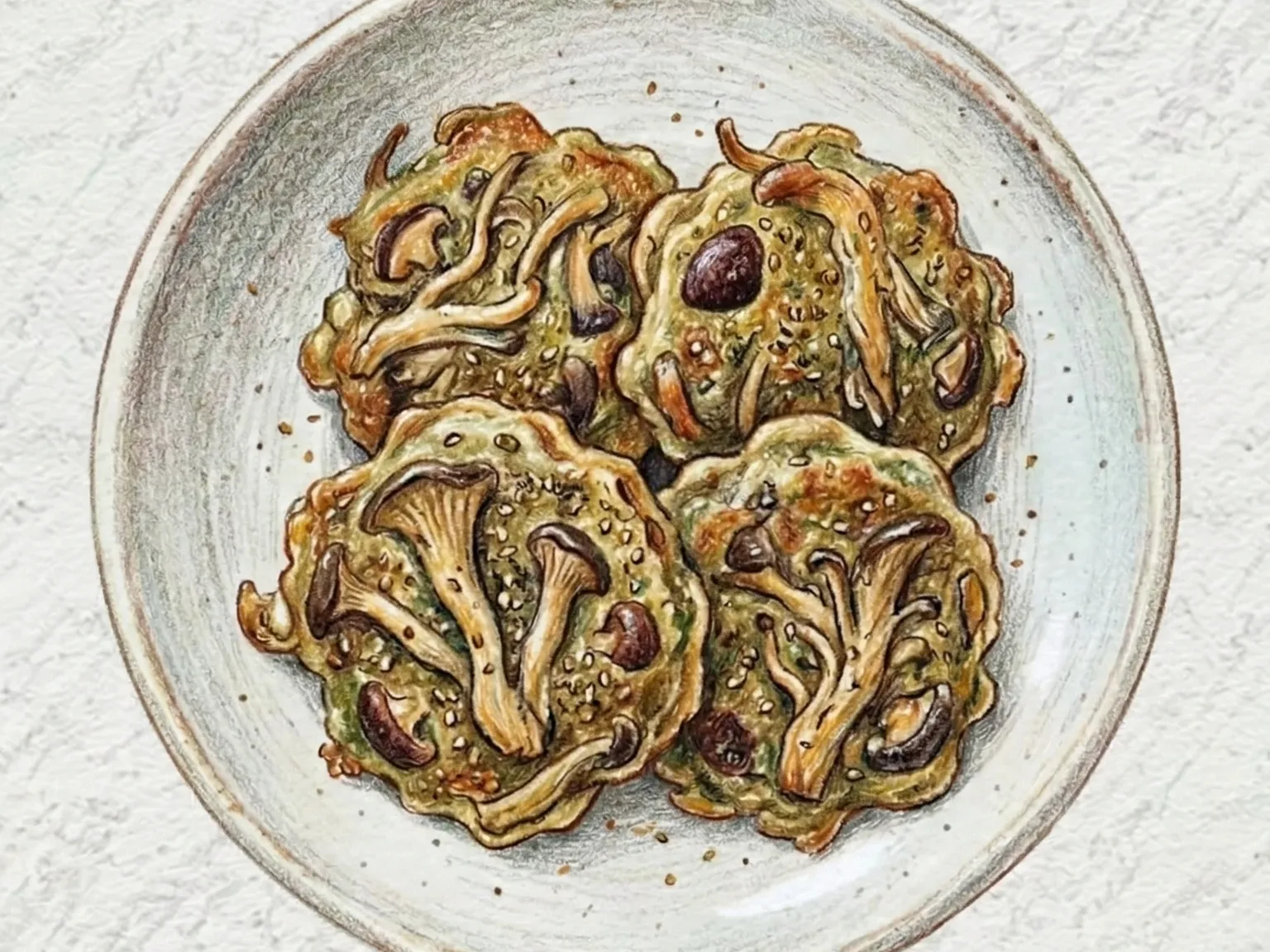
Korean Beoseot Deulkkae Jeon (Mushroom Perilla Pancake)
This Korean pancake combines oyster and shiitake mushrooms with perilla seed powder, creating a distinctively nutty aroma that sets it apart from standard mushroom jeon. The mushrooms are sliced thin and mixed with onion into a batter seasoned with soy sauce for built-in umami depth. Once pan-fried until the edges crisp up, the contrast between the crunchy exterior and the soft, chewy mushroom filling makes each bite satisfying. It pairs well with makgeolli or as a simple side dish.
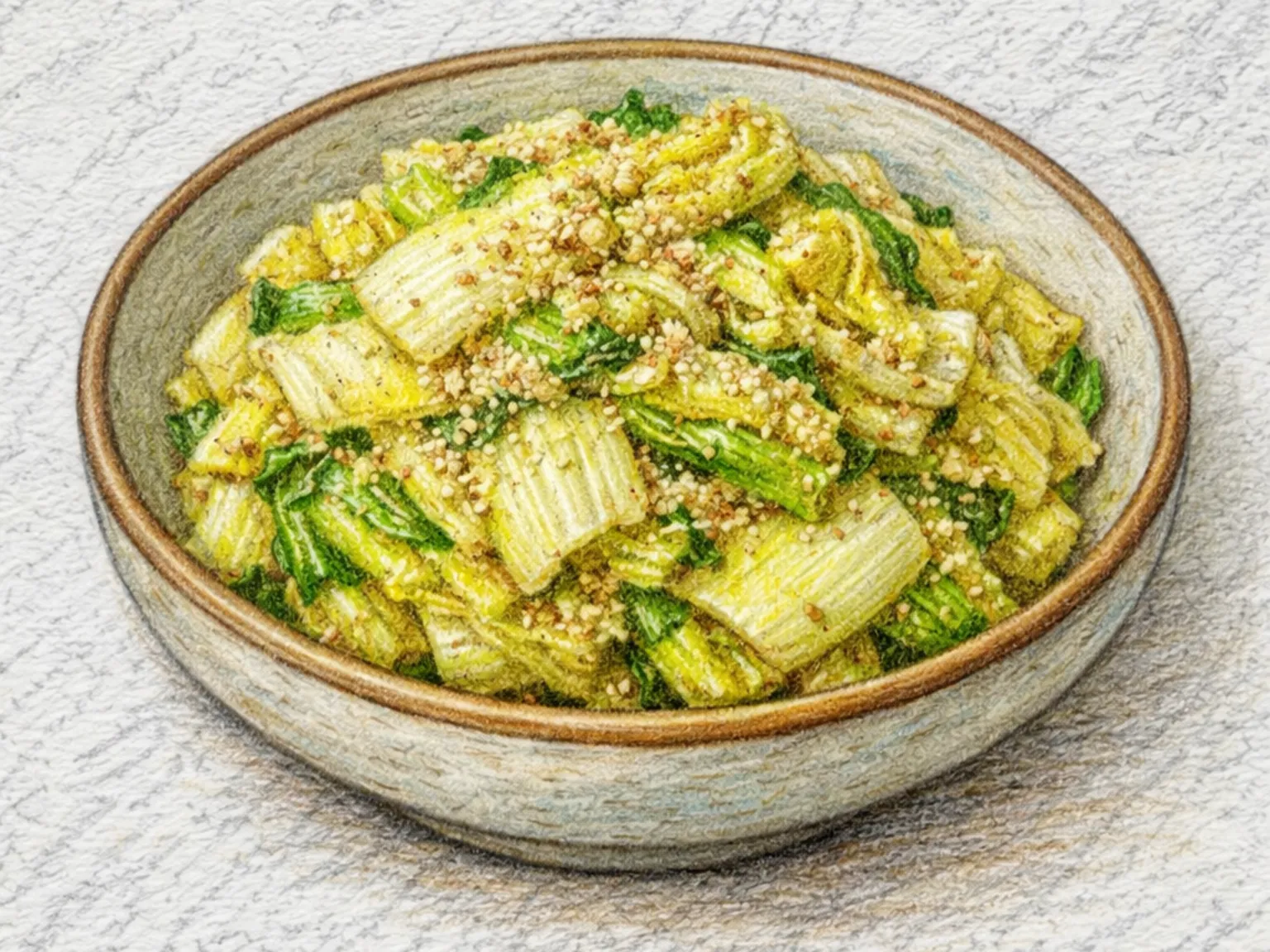
Korean Napa Cabbage Perilla Stir-fry
A Korean home-cooking staple found on family dinner tables far more often than in restaurants. Napa cabbage is tossed in perilla oil over high heat until wilted, then braised briefly with soup soy sauce until the leaves turn silky while stems keep a slight bite. Ground perilla seeds dissolve into the liquid at the end, forming a creamy, pale-tan coating with an earthy, seed-forward taste. Saucy enough to soak into steamed rice, it also travels well cold in lunchboxes.
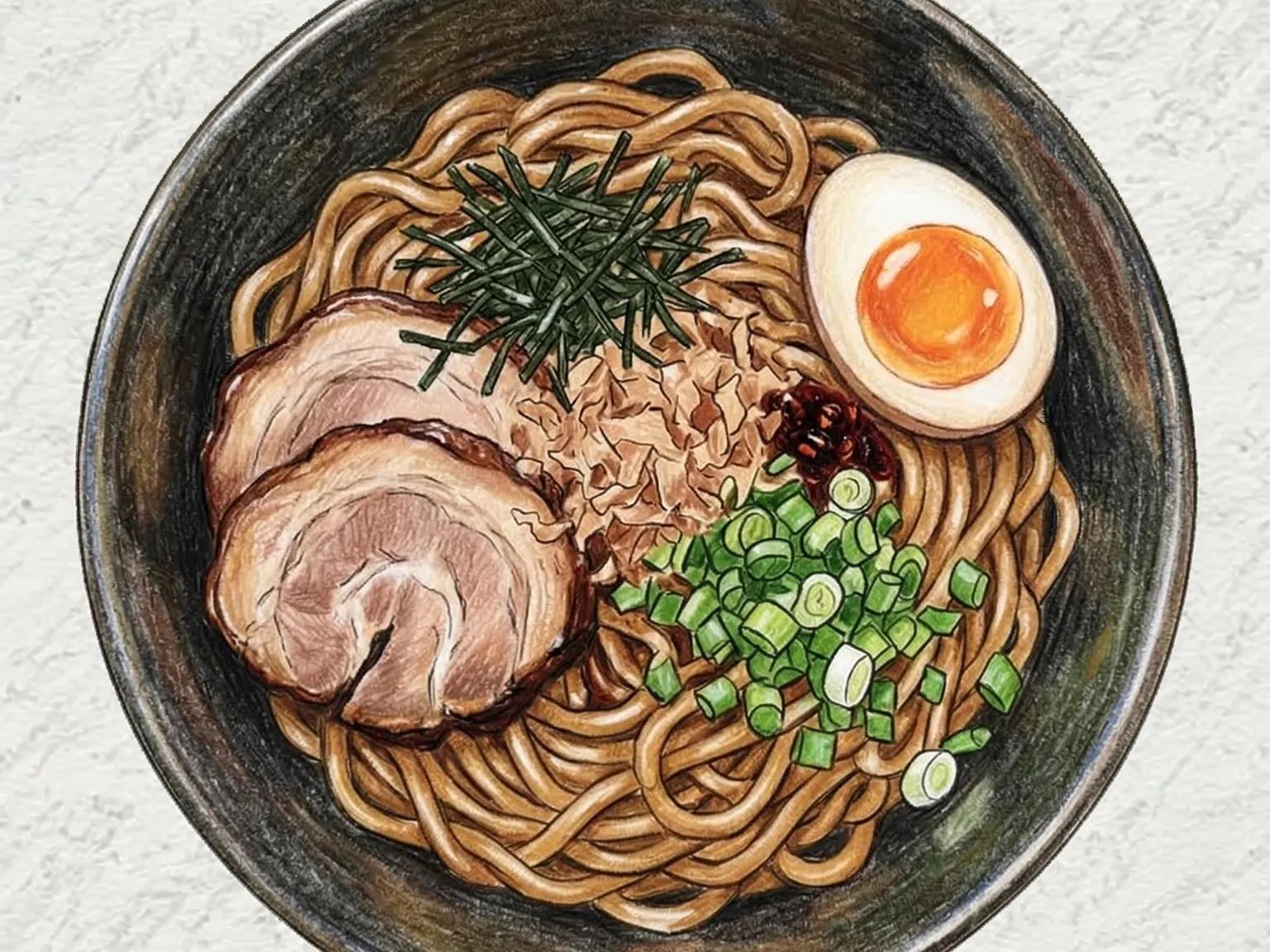
Abura Soba (Soupless Noodles in Rich Soy Sesame Oil Sauce)
Abura soba emerged in Tokyo's student districts during the 1950s as a cheaper, faster alternative to ramen - no slow-simmered broth needed. The name translates to 'oil noodle,' and the dish lives or dies on its sauce: soy sauce, sesame oil, oyster sauce, and a splash of vinegar pooled at the bottom of the bowl. Chewy ramen noodles land on top, and the eater mixes everything from below, coating each strand in the concentrated glaze. Toppings - chashu pork, a runny soft-boiled egg, nori, bonito flakes, and sliced scallion - add layers of salt, fat, and umami. The lack of broth means every flavor hits at full intensity, making this a late-night favorite across Japan's izakaya scene.
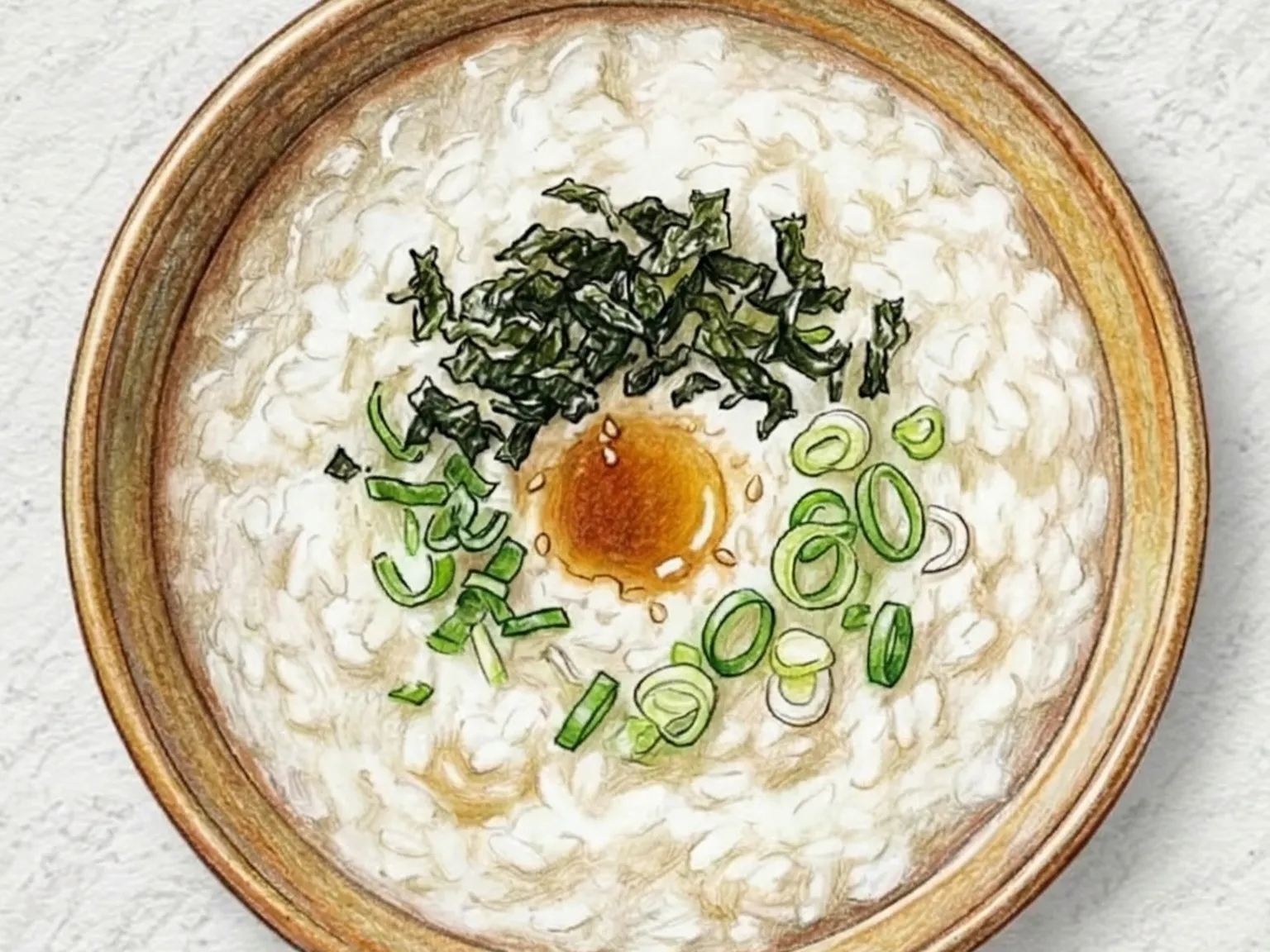
Plain Korean Rice Porridge
Baekjuk is the most fundamental Korean porridge, made with nothing more than soaked rice and water. Toasting the rice in sesame oil before adding liquid coats the grains in a thin layer of fat that moderates starch release, preventing the porridge from becoming overly gluey while building a nutty aroma into the base. Water is added at six to seven times the volume of rice, brought to a boil, then reduced to low heat and stirred for at least thirty minutes until the grains dissolve into a smooth, flowing consistency. Regular stirring with a wooden spatula is essential to prevent the bottom from scorching. Seasoning stays minimal with just salt to highlight the clean taste of rice itself, while shredded seaweed and chives provide small bursts of flavor on top. A final drop of sesame oil adds fragrance. The porridge serves as both a recovery food for unsettled stomachs and a versatile base meal that pairs with almost any Korean side dish.
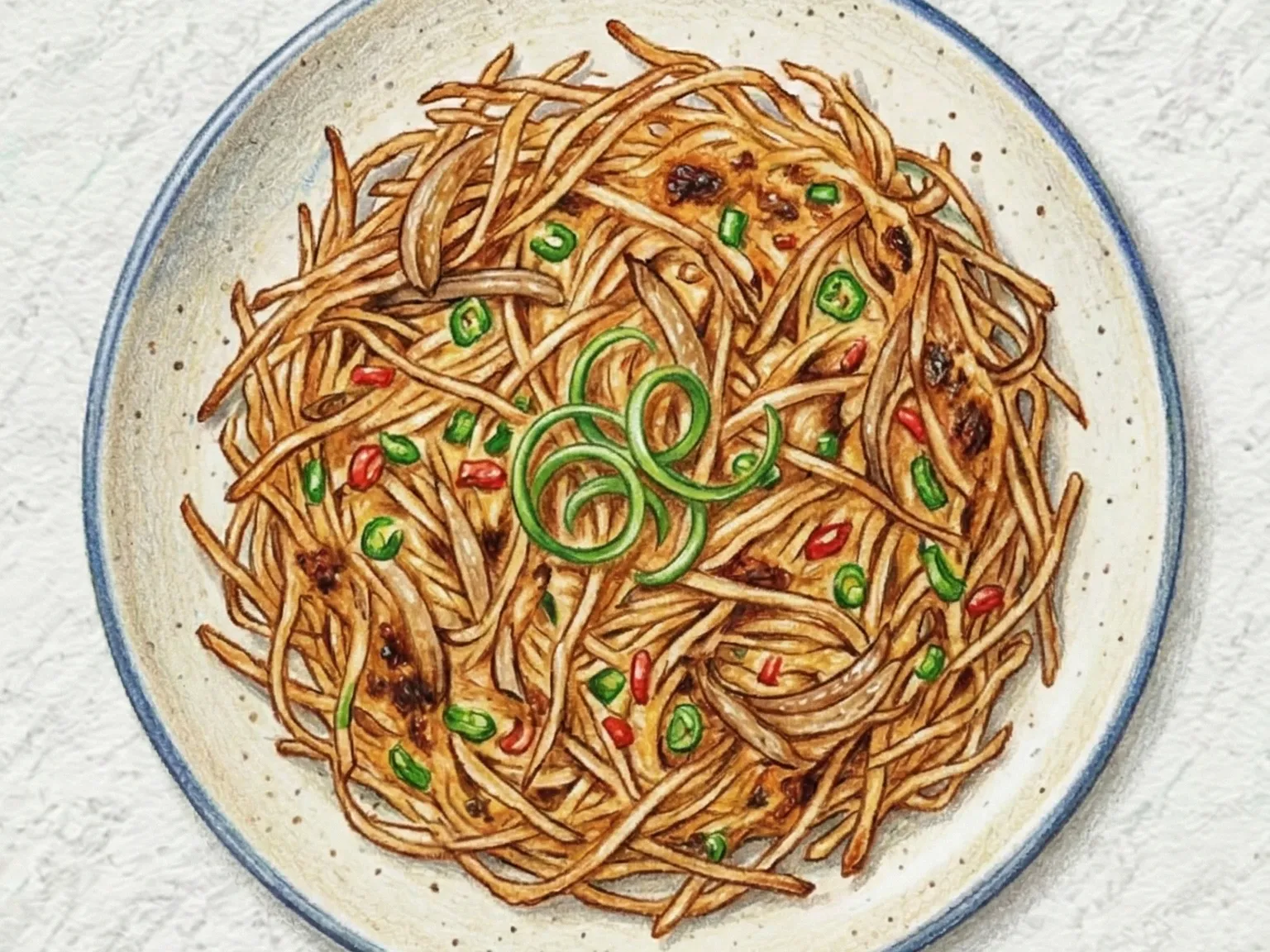
Korean Burdock Matchstick Pancake
Burdock root is julienned into thin matchstick strips and pan-fried with onion and green chili in a light batter. The combination of Korean pancake mix and tempura flour produces an extra-crispy texture that highlights the burdock's natural crunch. Burdock's earthy, slightly sweet flavor comes through clearly, while the green chili adds a subtle kick of heat. Mixed with cold water to keep the batter light, this jeon delivers a clean, vegetable-forward taste.
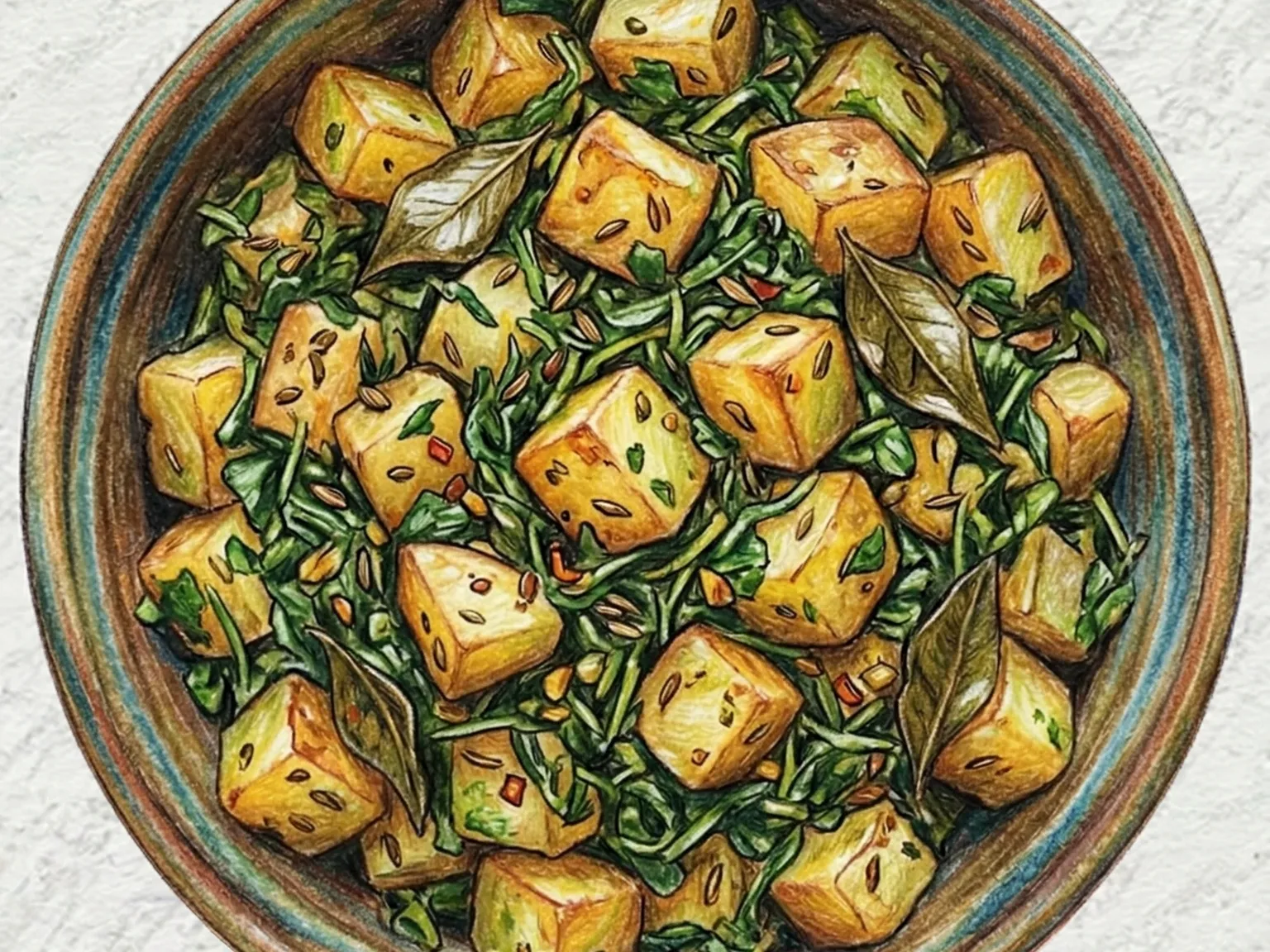
Aloo Methi (Indian Potato Fenugreek Dry Stir-Fry)
Aloo methi is a North Indian home-cooking classic built on the pairing of starchy potatoes and bitter fenugreek leaves - two ingredients that balance each other naturally. Fresh methi leaves have a pronounced earthy bitterness that mellows into a warm, maple-like aroma once they hit the hot pan. The potatoes are diced and cooked covered until fork-soft, absorbing cumin, turmeric, and chili along the way. When methi leaves fold in at the end, their residual moisture evaporates quickly, concentrating that herbaceous flavor into every bite. In Indian households, this dish often appears alongside dal and rice for a weeknight dinner that comes together in under thirty minutes.
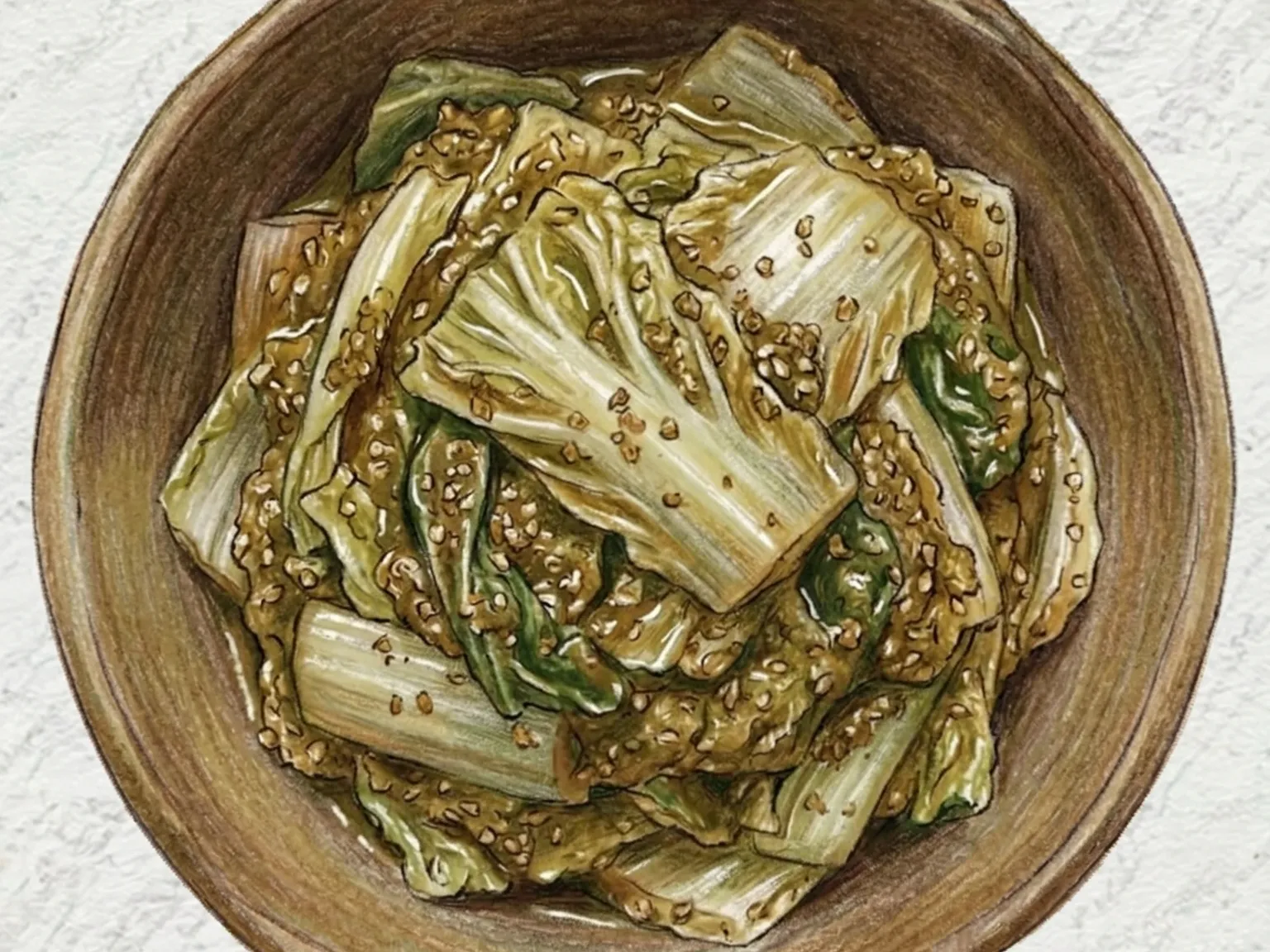
Korean Seasoned Napa Cabbage Namul
Boiled napa cabbage dressed with doenjang and perilla, passed down through generations of Korean home cooks. The cabbage boils two minutes - leaves collapse while white stems stay slightly firm - then is rinsed, squeezed, and cut. Perilla oil gives a distinctly herbal quality, and perilla powder thickens the dressing into a paste clinging to each piece. This quiet, understated banchan pairs well with clear soups and plain rice.
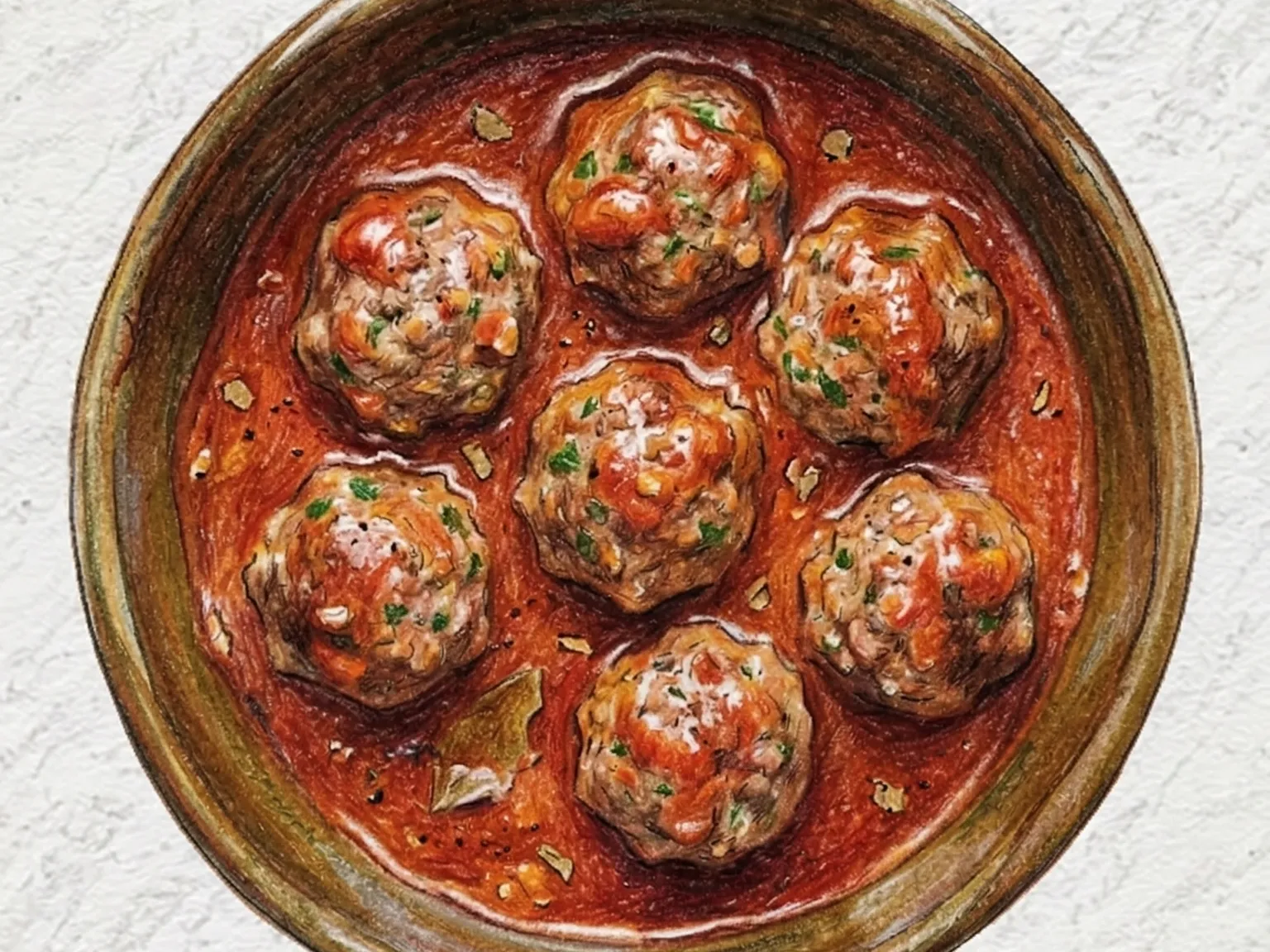
Albondigas en Salsa (Spanish Meatballs in Tomato Sauce)
Tender, bread-softened meatballs simmered in a smoky paprika-tomato sauce until every bite soaks up the rich, glossy gravy -- Spain's ultimate weeknight comfort food. Ground pork and beef are mixed with soaked bread, egg, and garlic, then rolled small and browned in olive oil before simmering in a tomato-based sauce seasoned with smoked paprika and bay leaf. The bread in the mixture keeps the meatballs from turning dense, giving them a soft, almost spongy center that absorbs the sauce as they braise. The tomato sauce mellows over twenty minutes of gentle heat, losing its raw acidity and developing a concentrated sweetness that clings to each ball. Served with crusty bread to mop up the sauce, or spooned over plain rice, this is the kind of dish Spanish grandmothers make on weekday evenings without measuring anything.
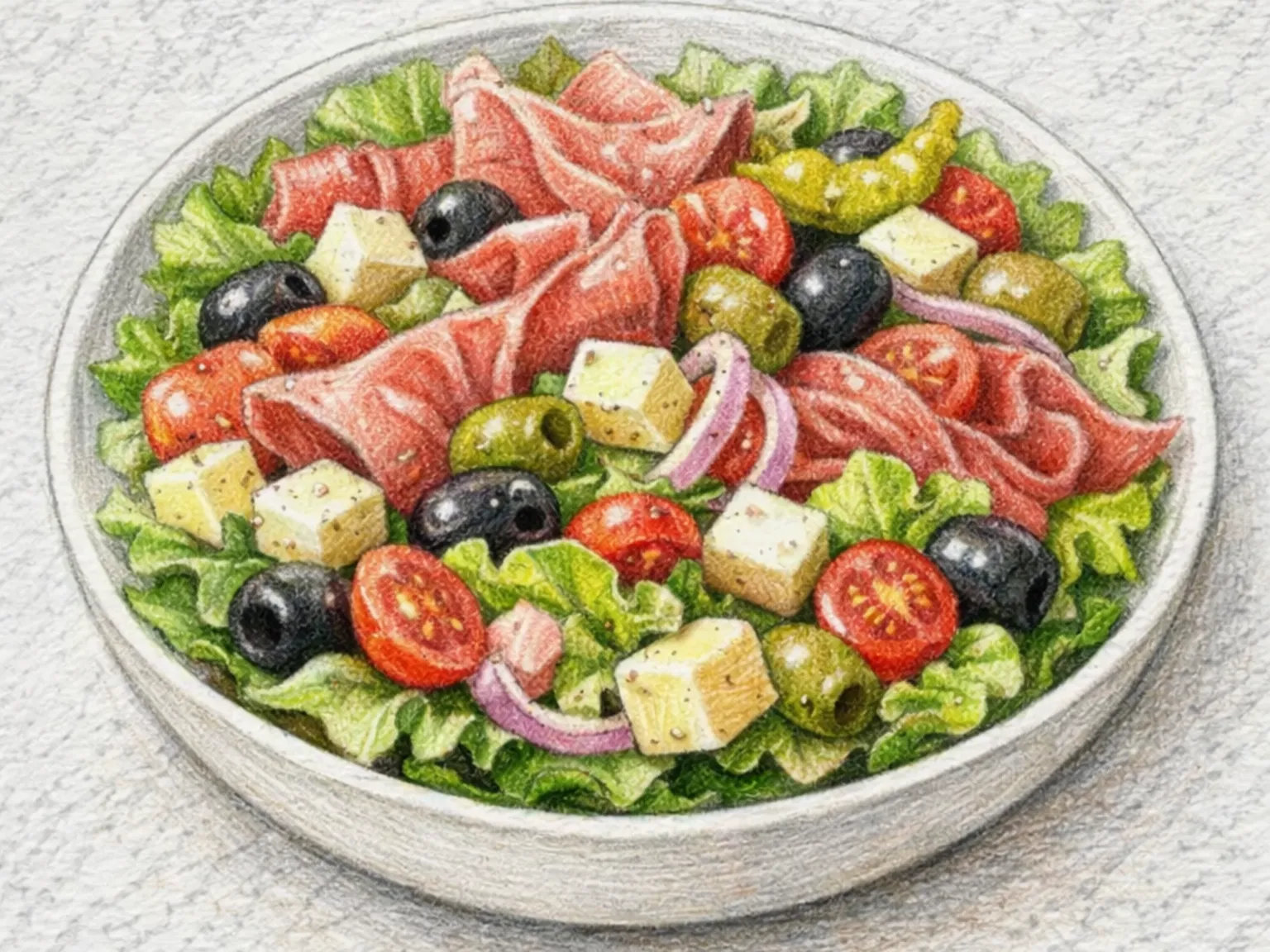
Antipasto Salad
Antipasto - literally 'before the meal' in Italian - is a course of cured meats, cheeses, olives, and preserved vegetables served at the start of an Italian dinner, and this salad reformats that tradition into a single composed bowl. Crisp romaine or iceberg lettuce forms the base, topped with sliced salami, capicola, provolone, marinated artichoke hearts, roasted red peppers, and briny Kalamata olives. A red wine vinegar dressing with dried oregano and garlic ties the components together with a sharp, herbal acidity. The salad works because every ingredient brings a different intensity - salty cured meat, tangy cheese, sweet peppers, and bitter greens - so no two bites taste the same. Italian-American delis in New York and New Jersey popularized this format in the mid-20th century, and it has since become a fixture of catered lunches and family gatherings.
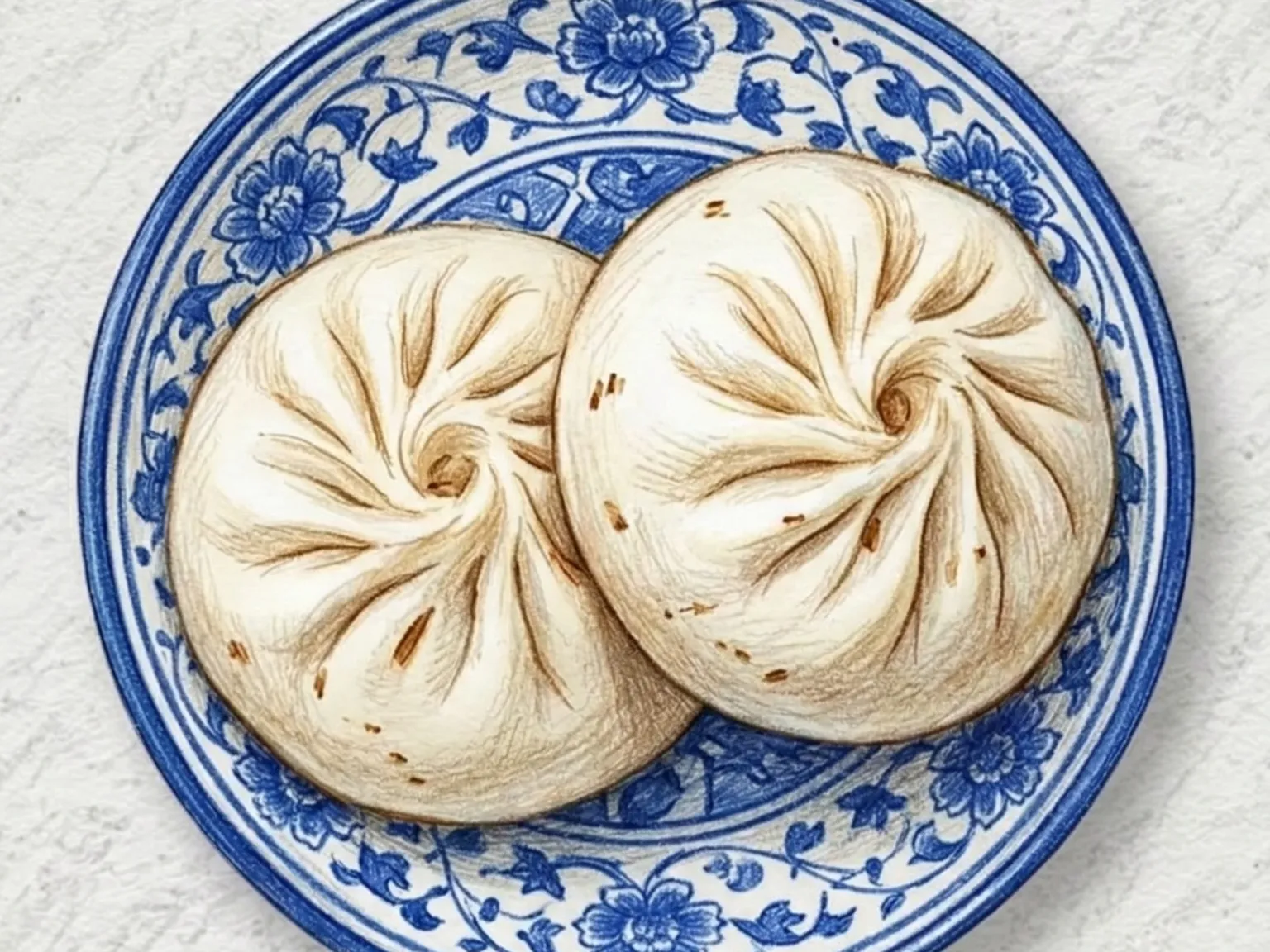
Pork Baozi (Chinese Steamed Pork Cabbage Bun)
Baozi is a Chinese steamed bun made from yeast-leavened wheat dough filled with seasoned ground pork, cabbage, and scallion. The dough proofs for 40 minutes and puffs into a soft, pillowy shell in the steamer, while the filling is bound with soy sauce and sesame oil for a savory, aromatic center. Pleating the top seals in the juices during the 15-minute steam. Resting the buns for two minutes after turning off the heat prevents the delicate skin from collapsing due to sudden temperature change.
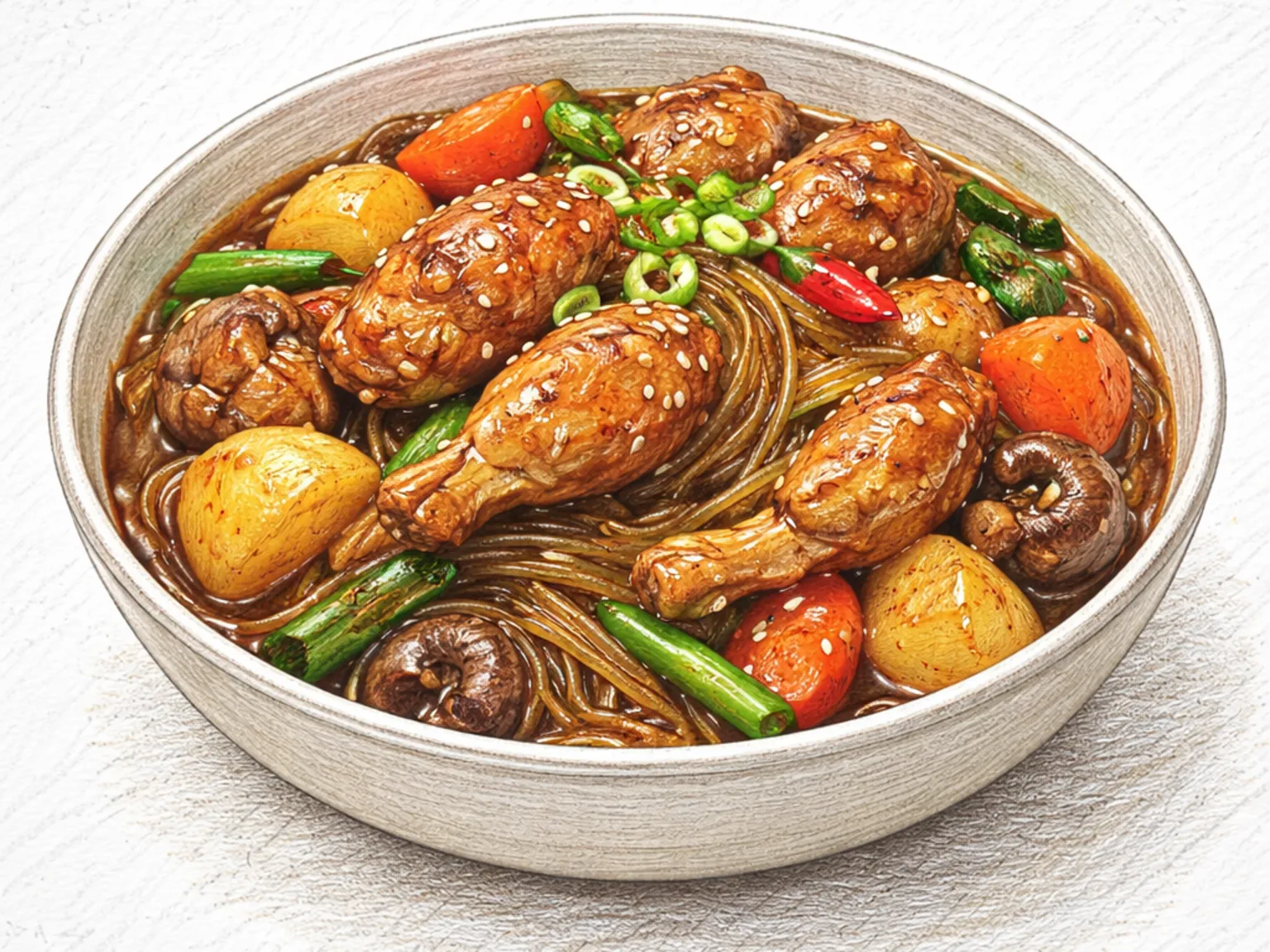
Korean Andong Braised Chicken
Andong jjimdak is said to have originated in Andong's old market - Gu-sijang - during the 1980s, though its roots in soy-braised chicken cooking go back much further in Gyeongsang Province. Whole chicken pieces braise in a dark, concentrated sauce of soy sauce, sugar, gochugaru, garlic, and ginger until the meat nearly separates from the bone. Glass noodles - dangmyeon - are added toward the end, absorbing the braising liquid until they turn translucent and deeply stained. Potatoes and carrots provide bulk and sweetness, while dried red chilies and sliced cheongyang pepper deliver a layered heat that builds slowly. The finished dish arrives at the table in a wide, shallow pot, glossy and dark, with every component coated in the reduced soy glaze. It became a nationwide phenomenon in the early 2000s and remains one of Korea's most popular communal dishes, typically shared by two or three people over steamed rice.
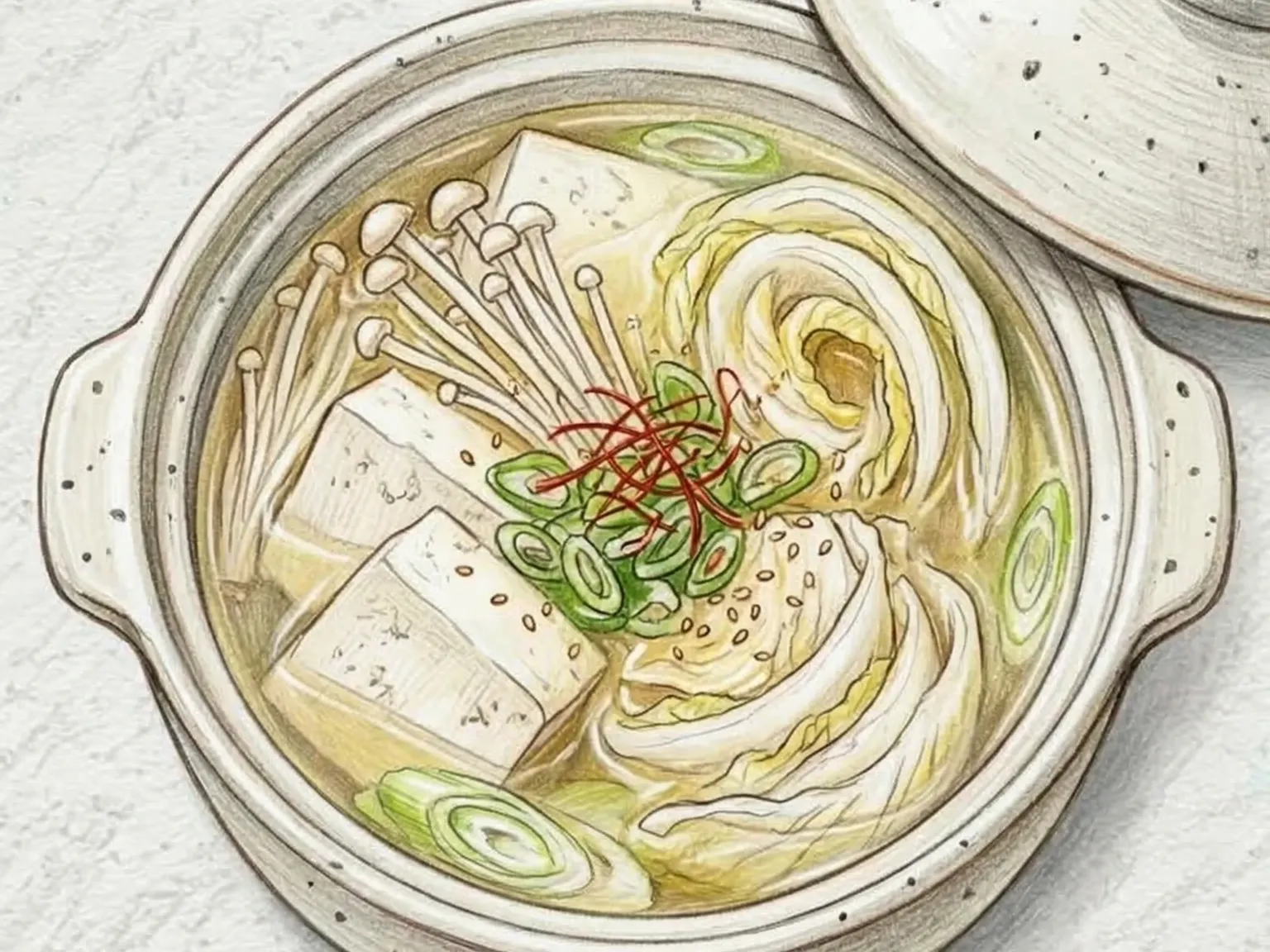
Korean White Kimchi Tofu Stew
Baek kimchi dubu jjigae is a mild Korean stew where the gentle tang of white kimchi replaces the bold heat of regular kimchi. Anchovy-kelp stock provides the umami foundation, and chopped white kimchi is added so its fermented acidity dissolves into the broth, creating a refreshingly different direction from typical doenjang or kimchi stews. Thick tofu slabs go in after the broth reaches a boil to prevent them from crumbling, and enoki mushrooms are added in the final two minutes to keep their delicate texture. Guk-ganjang adjusts the salt level cautiously since the white kimchi already carries its own brine salinity. A sliced cheongyang chili introduces a controlled spicy note into the otherwise gentle broth. Unlike the intense red broth of standard kimchi jjigae, this version stays clear, lightly tart, and nearly fat-free, making it noticeably light on the stomach.
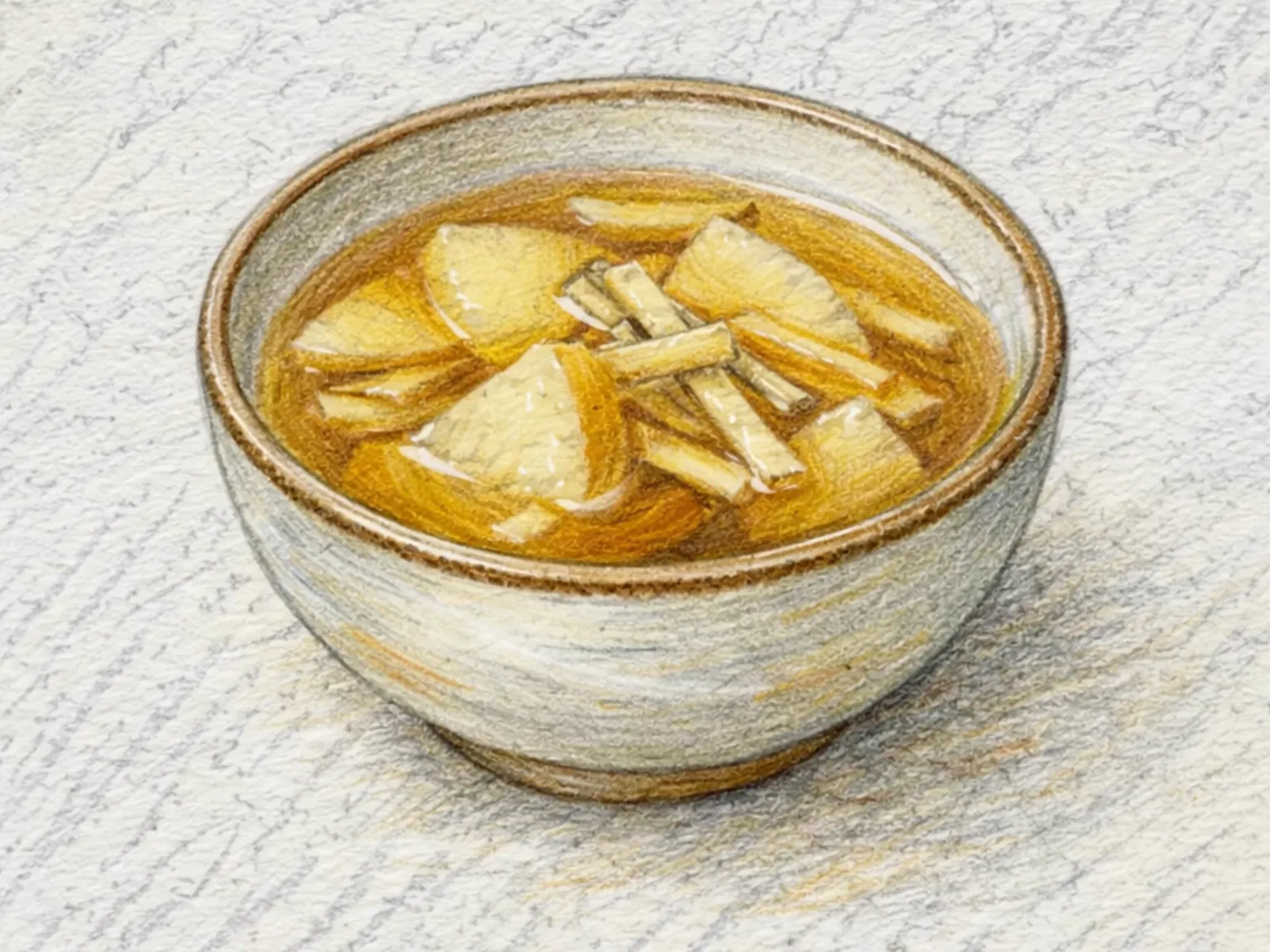
Korean Pear Bellflower Root Tea
Baedoraji cha is a traditional Korean tea made by slowly simmering pear and bellflower root (doraji) together in water. The bellflower root is peeled and kneaded with salt two to three times to draw out its inherent bitterness, a step that cannot be skipped without the tea turning unpleasantly sharp. The pear is cored, cut into large chunks, and added to the pot where its juice gradually dissolves into the liquid, providing a natural sweetness. Ginger and dried jujubes join the pot: ginger contributes a warm, slightly peppery note that complements the herbal quality of the bellflower root, while jujubes add a subtle fruity depth. The mixture simmers on low heat for thirty to forty minutes so the active compounds in each ingredient fully infuse the water. Sweetness is adjusted with jogcheong (grain syrup) rather than refined sugar. The tea is traditionally served warm during dry or cold weather, when the saponins from the bellflower root are valued for soothing the throat.
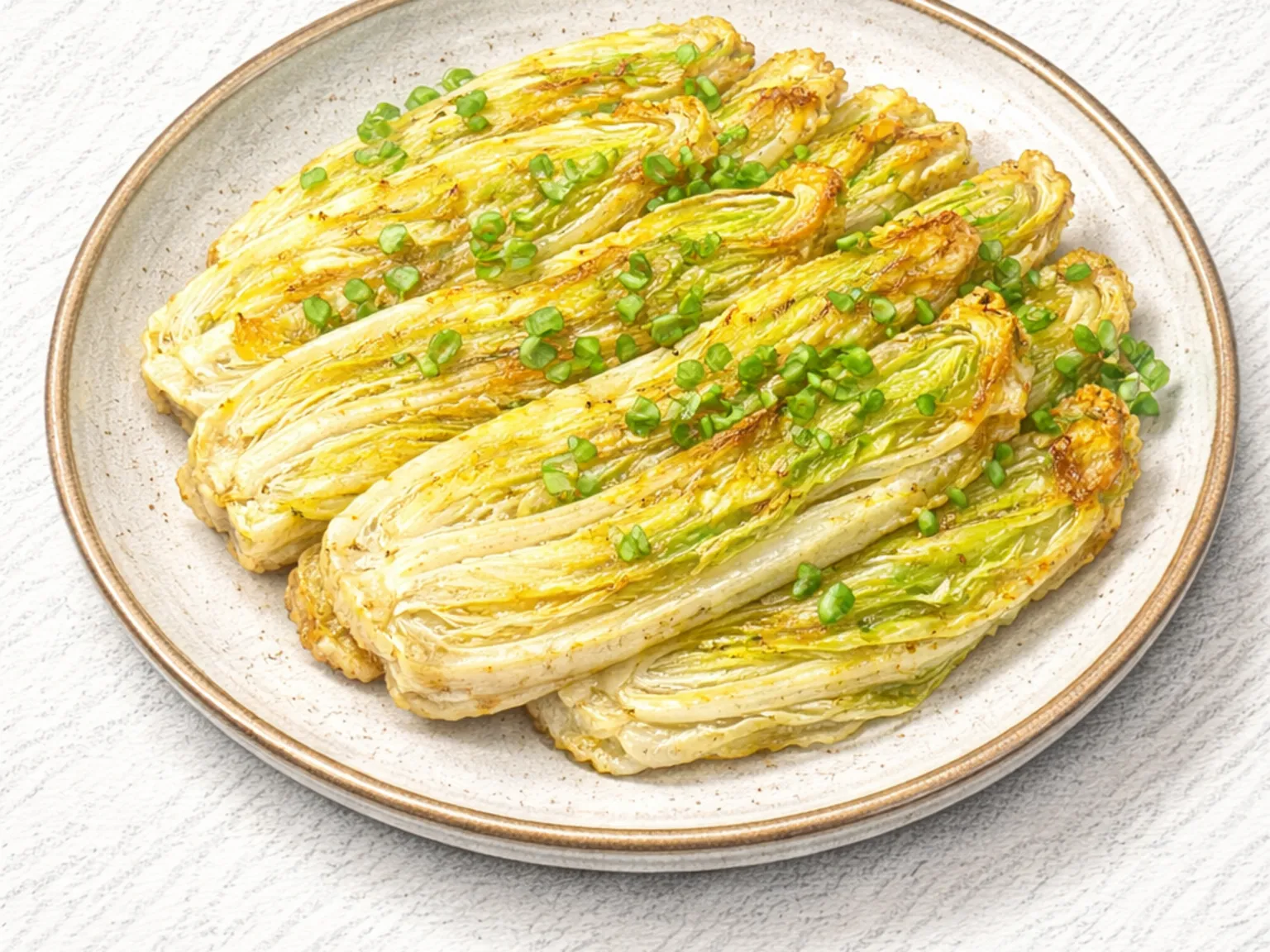
Korean Napa Cabbage Pancake
Baechu jeon is a Korean pancake made by coating napa cabbage leaves in a thin flour batter and pan-frying until golden. Outer leaves of medium size work best; if the stem end is too thick, it is flattened with the back of a knife so the batter adheres evenly and the leaf does not buckle during cooking. The batter is mixed thin, roughly equal parts buchim flour and water, so it forms a light coating rather than a heavy shell that would mask the cabbage flavor. Generous oil in the pan and steady medium heat produce a crisp exterior while the cabbage inside softens and releases its gentle sweetness. Each side must brown fully before flipping to prevent the pancake from breaking apart. A dipping sauce of soy sauce with vinegar and sliced cheongyang chili adds acidity and heat that offset the mild character of the pancake.