Side dishes

Side dishes Recipes

624 recipes. Page 24 of 26

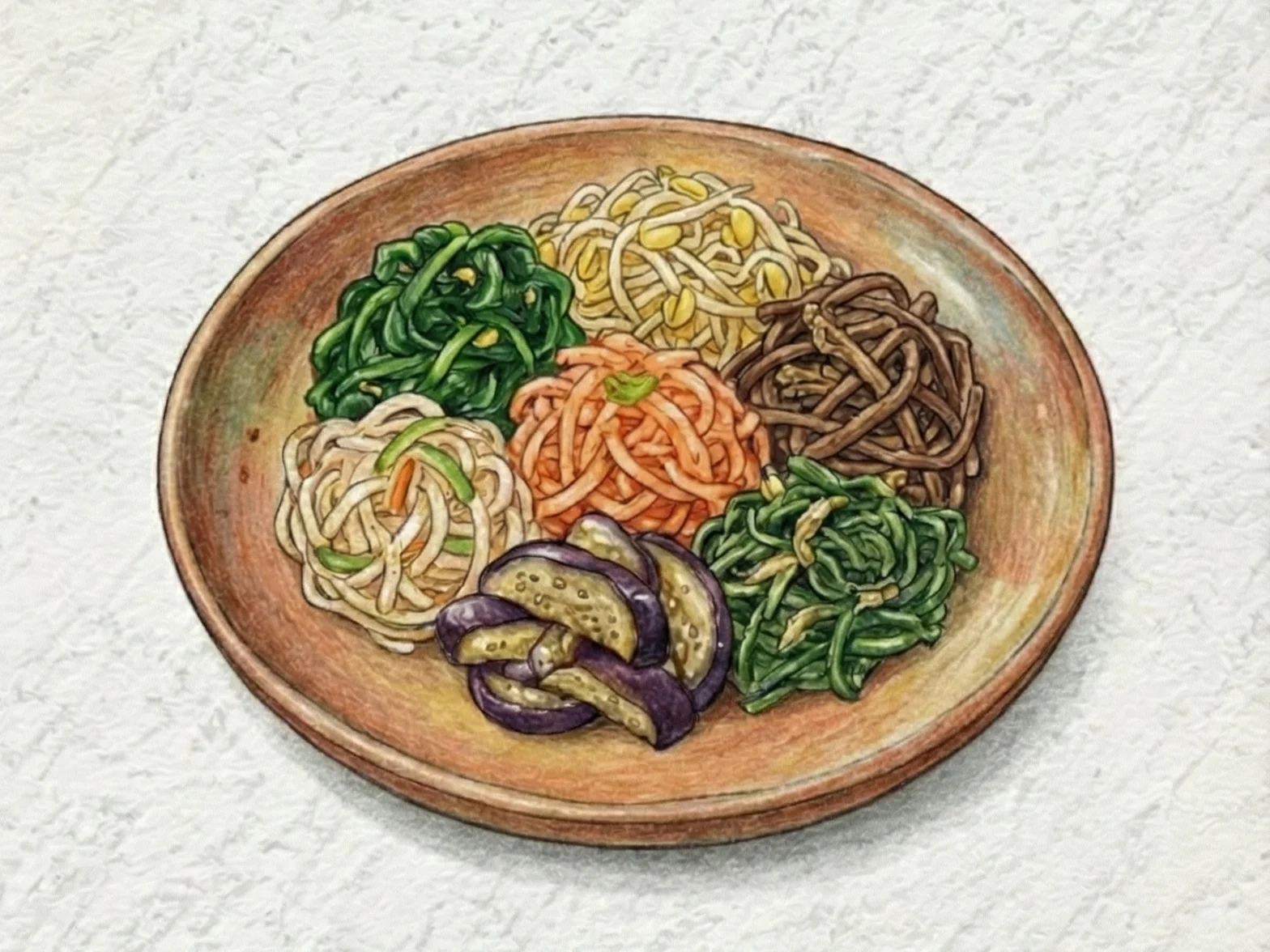
Side dishes (banchan) are the heart of Korean dining culture. A typical meal features multiple small plates - seasoned vegetables (namul), braised dishes (jorim), pickled items, and salted seafood. Classics like spinach namul, bean sprout salad, and stir-fried anchovies can be prepared in advance and enjoyed over several days.

Side dishes
Korean Lettuce Kimchi (Quick Leaf Gochugaru Dressed)
Kimchi Easy

Korean Lettuce Kimchi (Quick Leaf Gochugaru Dressed)

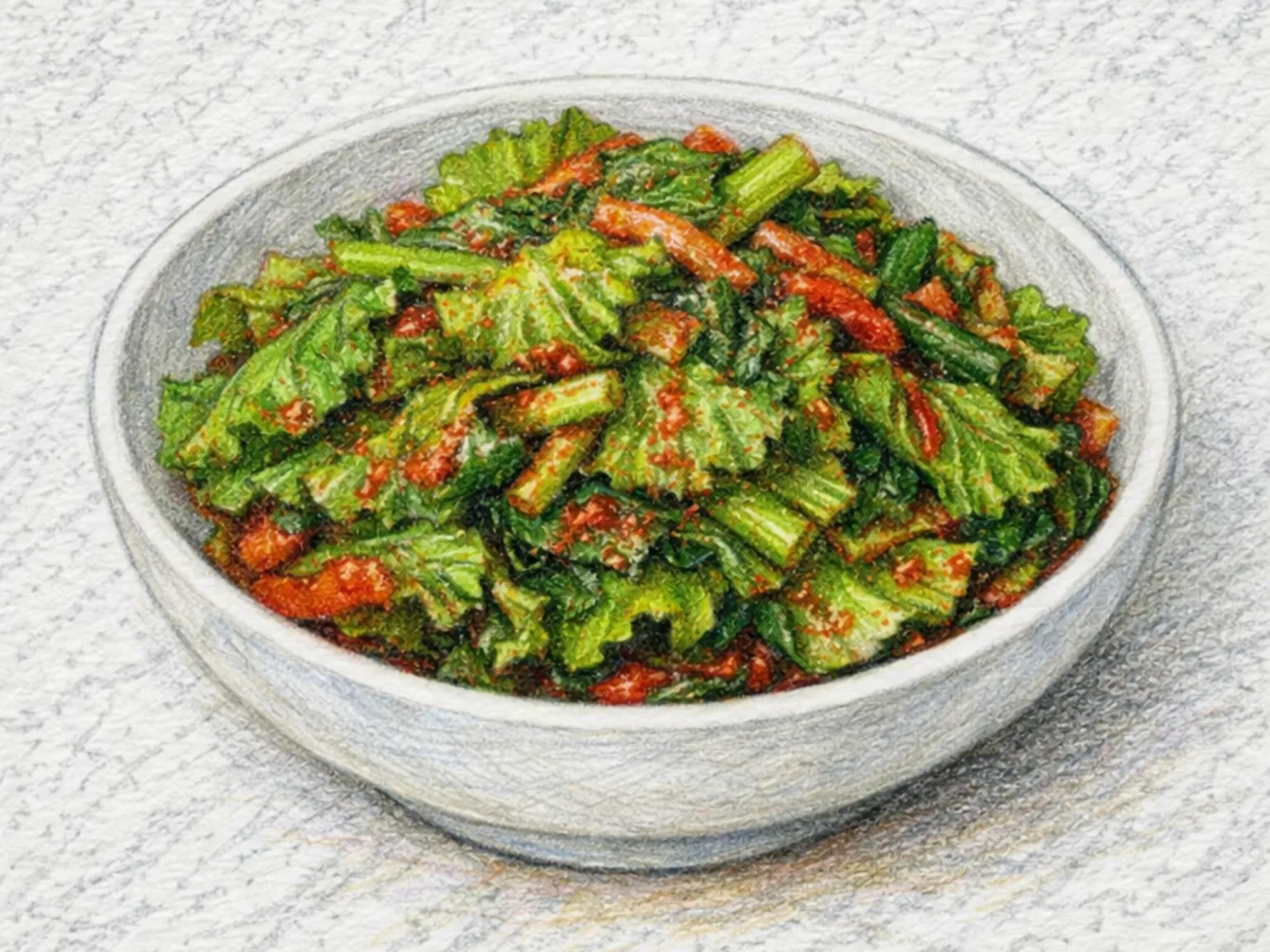
Sangchu kimchi is a quick Korean lettuce kimchi that starts with leaf lettuce torn into bite-sized pieces, salted lightly for ten minutes to relax the leaves without fully collapsing them, then tossed in a seasoning of gochugaru, sand lance fish sauce, minced garlic, vinegar, and sugar. As the lettuce absorbs the dressing it softens, but eating it before it fully wilts keeps a faint crispness at the leaf edges along with the lettuce's characteristic mild bitterness. The fermented depth of the fish sauce adds weight to the lettuce's grassy, clean flavor, while vinegar contributes a bright, tangy finish that cuts through the richness. Sesame seeds scattered through the mix give a faintly toasted crunch with each bite. Drying the leaves thoroughly after salting is the step that most directly controls flavor: any residual water dilutes the seasoning rapidly and turns the kimchi watery and dull within an hour or two. This kimchi is best made moments before serving and eaten immediately while the textures are still distinct. A small amount of ssamjang folded in adds a deeper, earthy fermented note for variation.

🍱 Lunchbox ⚡ Quick
Prep 20min 2 servings
Yangnyeom Gejang (Korean Spicy Marinated Raw Crab)
Side dishes Medium

Yangnyeom Gejang (Korean Spicy Marinated Raw Crab)

Yangnyeom gejang coats raw crab in a thick seasoning of red pepper, soy sauce, syrup, garlic, and ginger, then rests it under refrigeration. Seasoning does not cook raw crab, so use only 1 kg crab sold for raw consumption and keep it at 4 C or below throughout cleaning, mixing, and marination. Scrub the shells and joints under running water with a brush. Open the top shells, remove the sand sacs and gills, and divide each body into 4 sections. Place the cut crab in a colander and drain for 20 minutes. Water left on the surface would loosen the paste and keep it from adhering evenly to the shell and meat. In a large bowl, combine 150 g red chili powder, 100 ml soy sauce, 120 ml starch syrup, 50 g minced garlic, 15 g minced ginger, and 30 g sugar. Mix until no pockets of dry pepper or sugar crystals remain and the seasoning has an even, thick consistency. Add the drained crab and fold from the bottom, turning the pieces carefully so sauce reaches between the shell sections. Do not squeeze or knead them, since pressure can force the raw meat out of the shell. Once every piece is coated, add 20 ml sesame oil and 10 g toasted sesame seeds and fold only a few more times. Transfer the crab to a covered container and refrigerate immediately for half a day. Keep it chilled during the entire rest rather than leaving the container on the counter. When serving, remove only the amount that will be eaten and return the remainder to refrigeration promptly.

🏠 Everyday
Prep 25min 4 servings
Korean Pollock Roe Egg Butter Stir-fry
Stir-fry Easy

Korean Pollock Roe Egg Butter Stir-fry

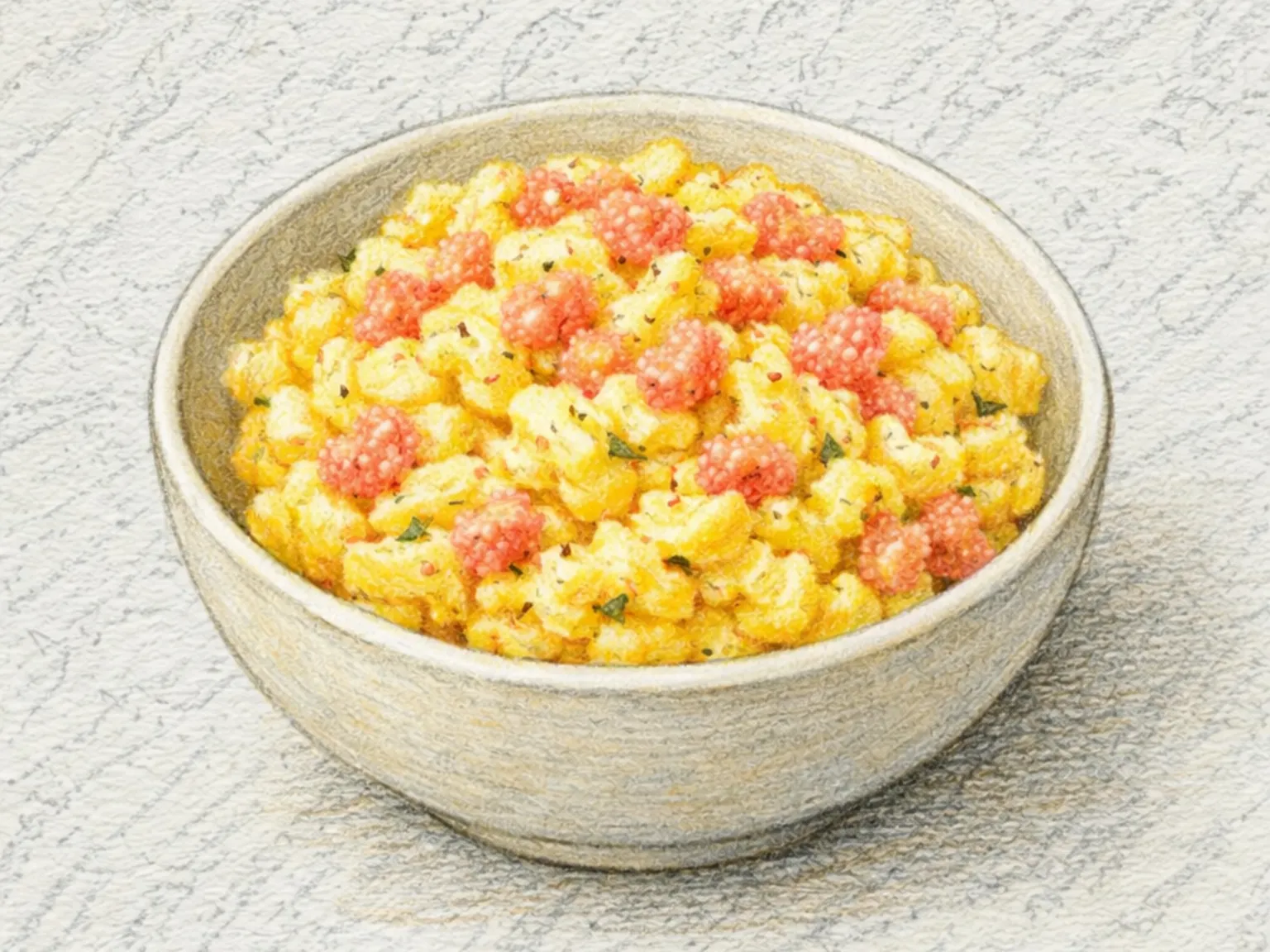
Myeongran-dalgyal-butter-bokkeum gently cooks pollock roe and eggs in butter with diced onion, producing soft, creamy curds studded with tiny pops of briny roe. The roe sacs are split open and the eggs are scraped out, then stir-fried for just 30 seconds before the milk-enriched egg mixture is poured in and slowly folded into large, pillowy curds. Half the butter goes in at the start for cooking, and the remaining half is stirred in off-heat for richness. Chopped chives and black pepper finish the dish, which goes from pan to plate in under eight minutes.

🏠 Everyday 🍱 Lunchbox
Prep 10min Cook 8min 2 servings
Korean Spicy Braised Tofu
Steamed Easy

Korean Spicy Braised Tofu

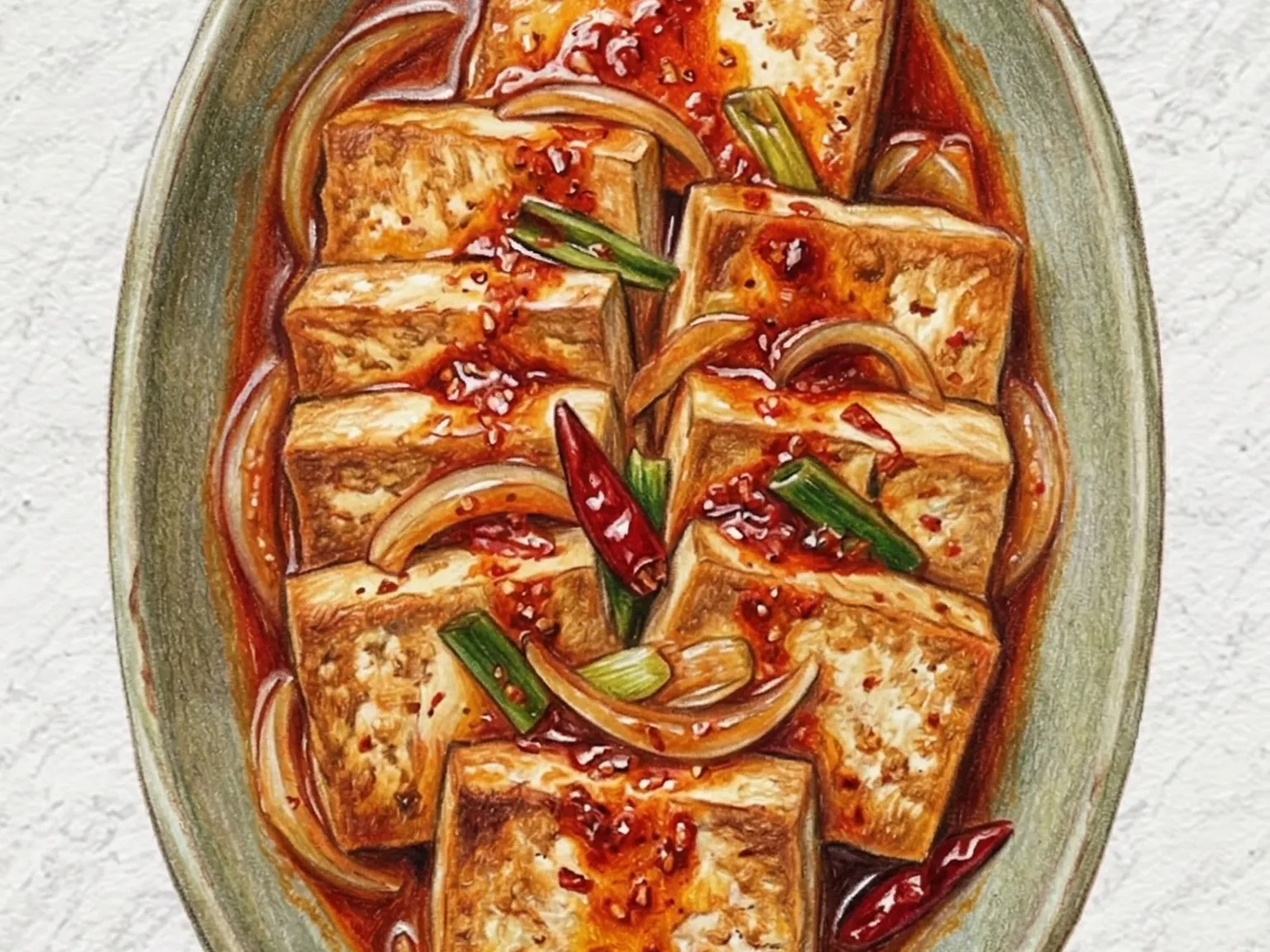
Spicy dubu-jorim pan-sears firm tofu slabs cut 1.5 centimeters thick until golden on both sides, then braises them in a sauce of soy sauce, gochugaru, garlic, and sugar. Searing first firms the tofu so it holds its shape through the eight-minute simmer, during which onion and green onion cook alongside in the reducing liquid. The chili flakes deliver a direct, persistent heat that penetrates the tofu as the sauce thickens, balanced by the sugar's sweetness. A final circle of sesame oil ties the flavors together with a roasted, nutty aroma.

🏠 Everyday 🍱 Lunchbox
Prep 10min Cook 15min 2 servings
Korean Seokbakji Radish Kimchi
Kimchi Easy

Korean Seokbakji Radish Kimchi

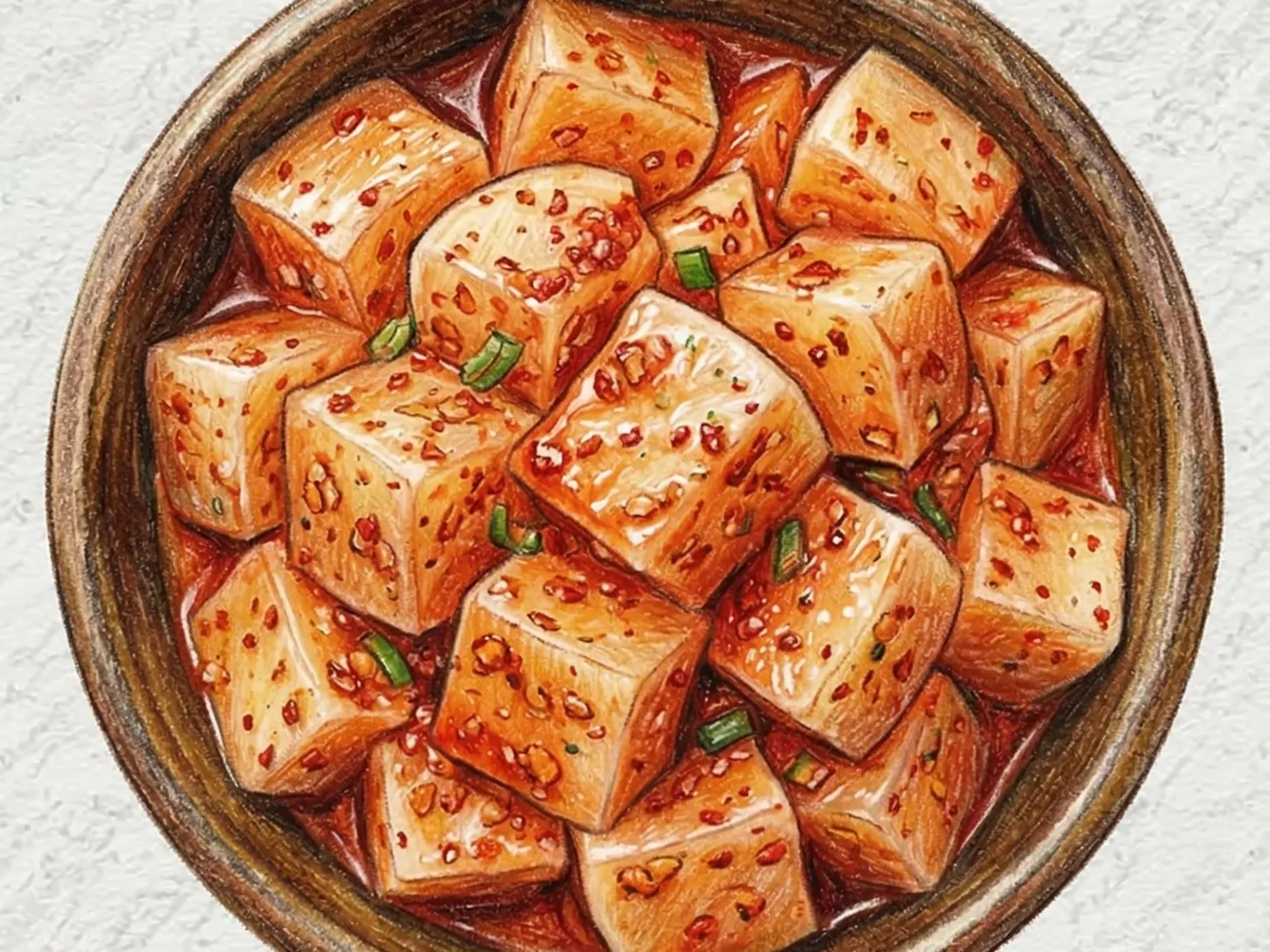
Seokbakji is a traditional Korean radish kimchi in which large-cut radish cubes are salted for one hour, drained, and tossed with a seasoning of gochugaru, salted shrimp, minced garlic, ginger, and scallion pieces before being set aside to ferment. The size of the radish pieces is the most important factor in this kimchi - smaller cuts turn mushy during fermentation as salt and acid break down the cell structure, while large cubes maintain their firm, satisfying crunch throughout the entire maturation period. Salted shrimp here does far more than add salt: its fermented depth provides an umami backbone that gochugaru alone cannot deliver. After one day of fermentation at room temperature, two more days in the refrigerator allow lactic acid bacteria to develop a clean, refreshing sourness. The liquid that the radish releases during this process becomes a flavorful brine - this brine is one of seokbakji's most prized characteristics. Placed alongside a bowl of seolleongtang or gukbap, the cold, crunchy kimchi and its tangy liquid cut directly through the richness of the bone broth, refreshing the palate between spoonfuls. Compared to kkakdugi, seokbakji pieces are larger and more liquid-forward.

🍱 Lunchbox 🏠 Everyday
Prep 35min Cook 10min 4 servings
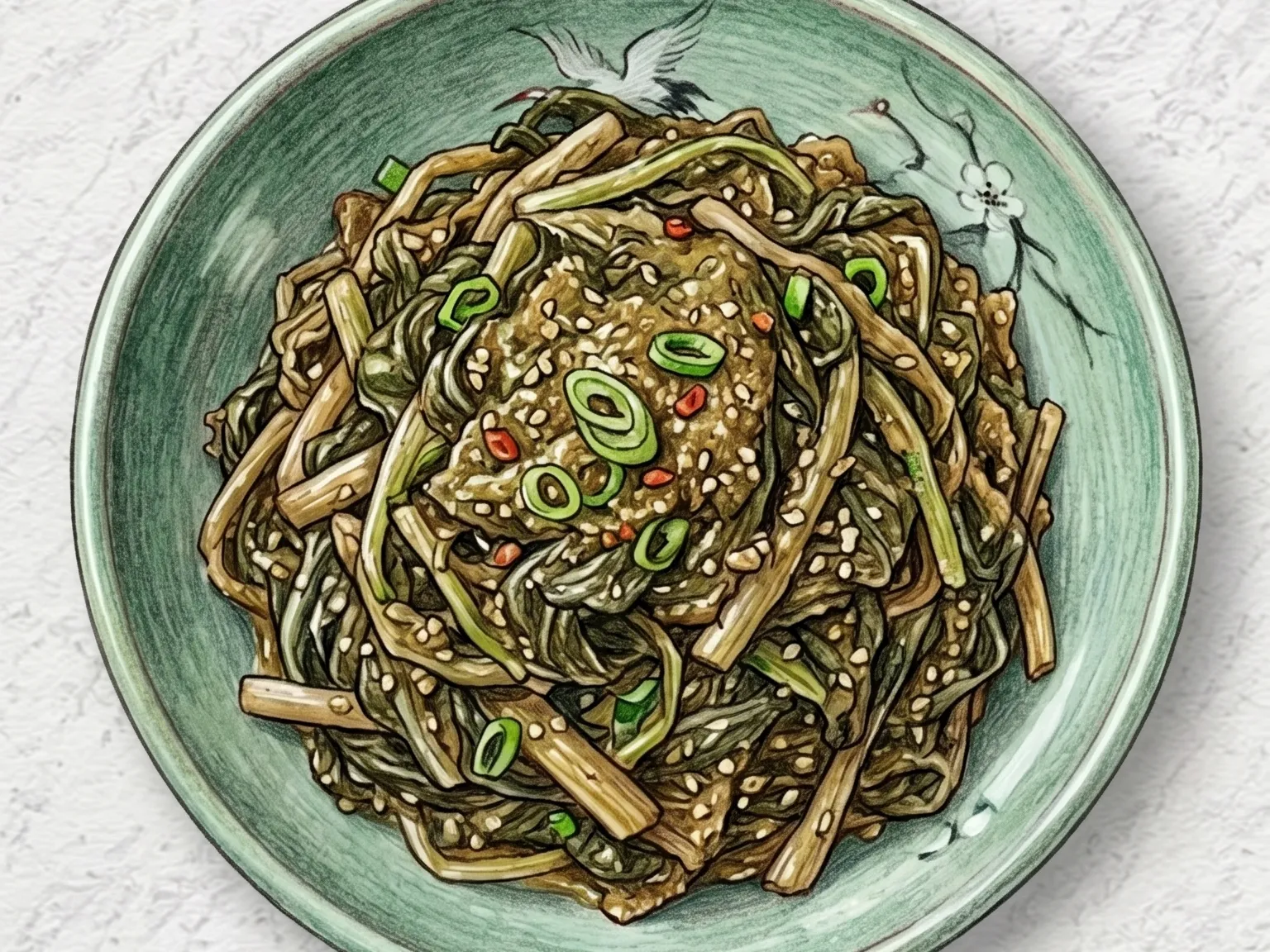
Korean Seasoned Young Radish Greens
Side dishes Easy

Korean Seasoned Young Radish Greens

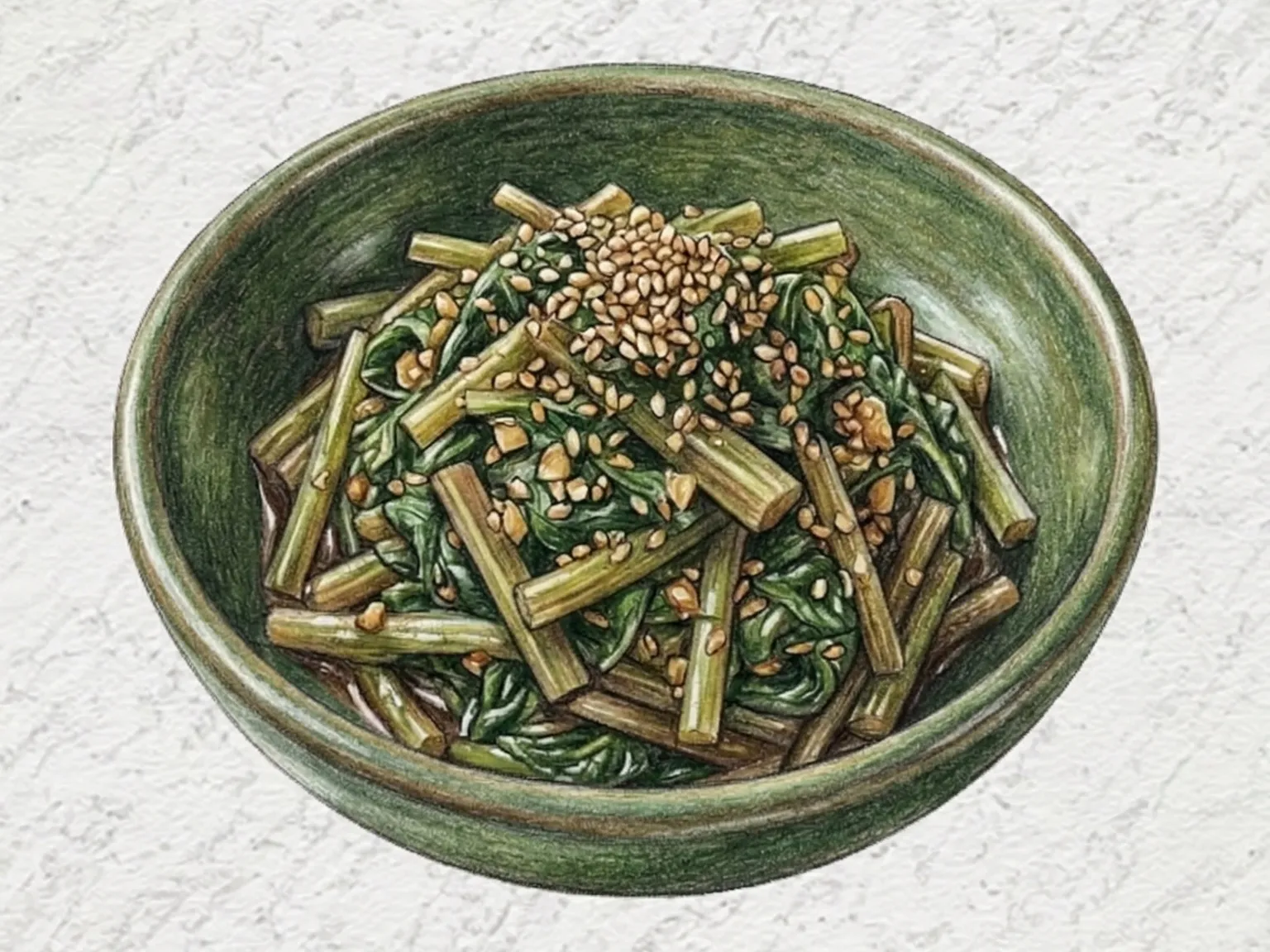
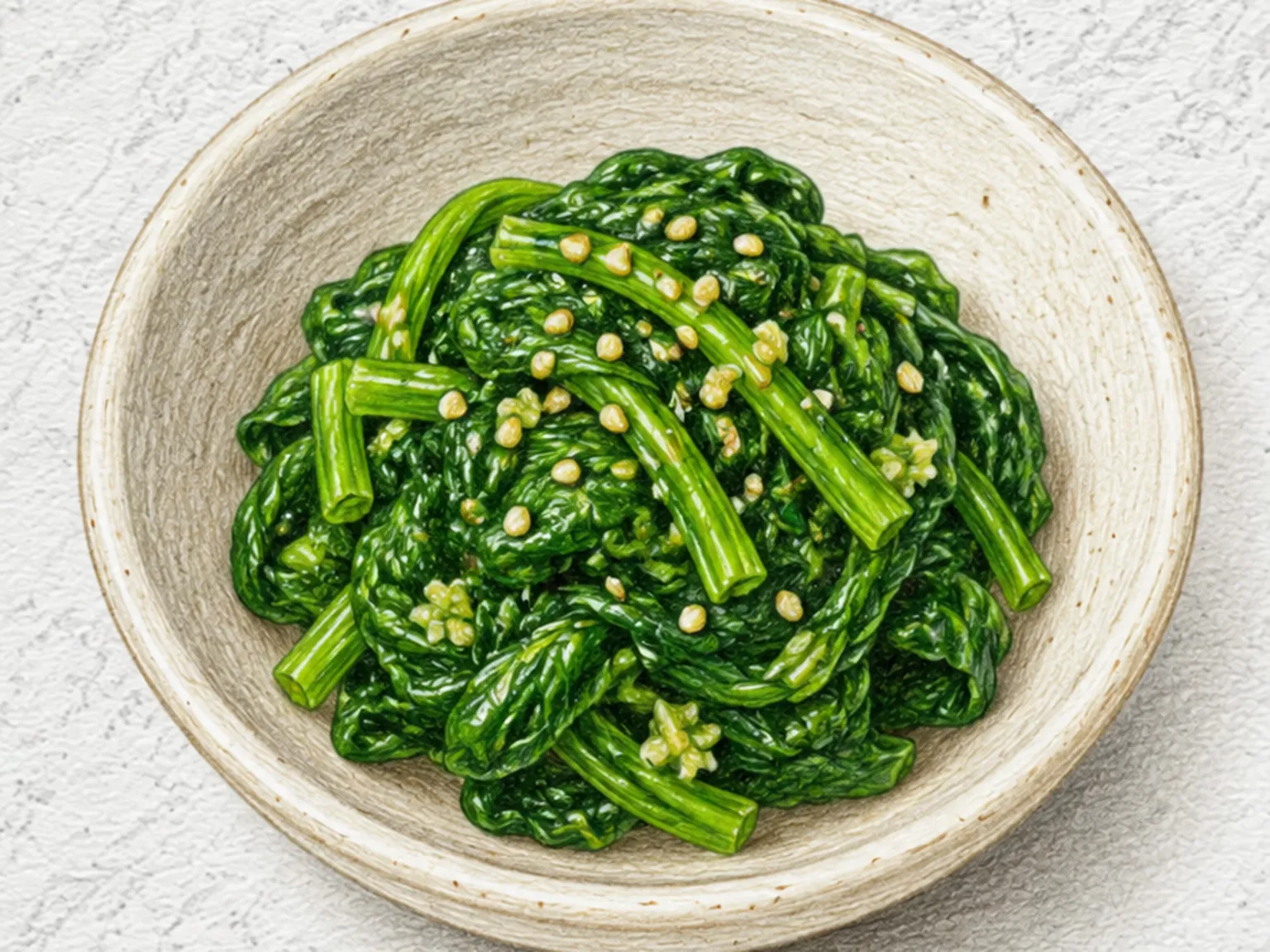
Preparing these young radish greens requires precision during the brief blanching stage to maintain their structural integrity. A quick ten to fifteen second dip in boiling water softens the leaves while keeping the stems firm. An immediate transition to a cold water bath locks in the pale green color and stops the cooking process. After squeezing out the excess moisture, the greens are tossed with soup soy sauce, minced garlic, sesame oil, and toasted sesame seeds. The soup soy sauce provides a subtle saltiness that highlights the natural grassy essence of the vegetable. Minced garlic contributes a sharp element to the mild base, and a light coating of sesame oil ensures a smooth mouthfeel. Each bite releases the toasted scent of sesame seeds. This side dish functions effectively as a palate cleanser when served alongside spicy stews or fatty grilled meats. Its appeal lies in a clean profile that avoids heavy seasonings, allowing the fresh character of the greens to remain central.

🏠 Everyday 🍱 Lunchbox
Prep 10min Cook 4min 4 servings
Korean Sweet Spicy Pollock Floss Stir-fry
Stir-fry Easy

Korean Sweet Spicy Pollock Floss Stir-fry

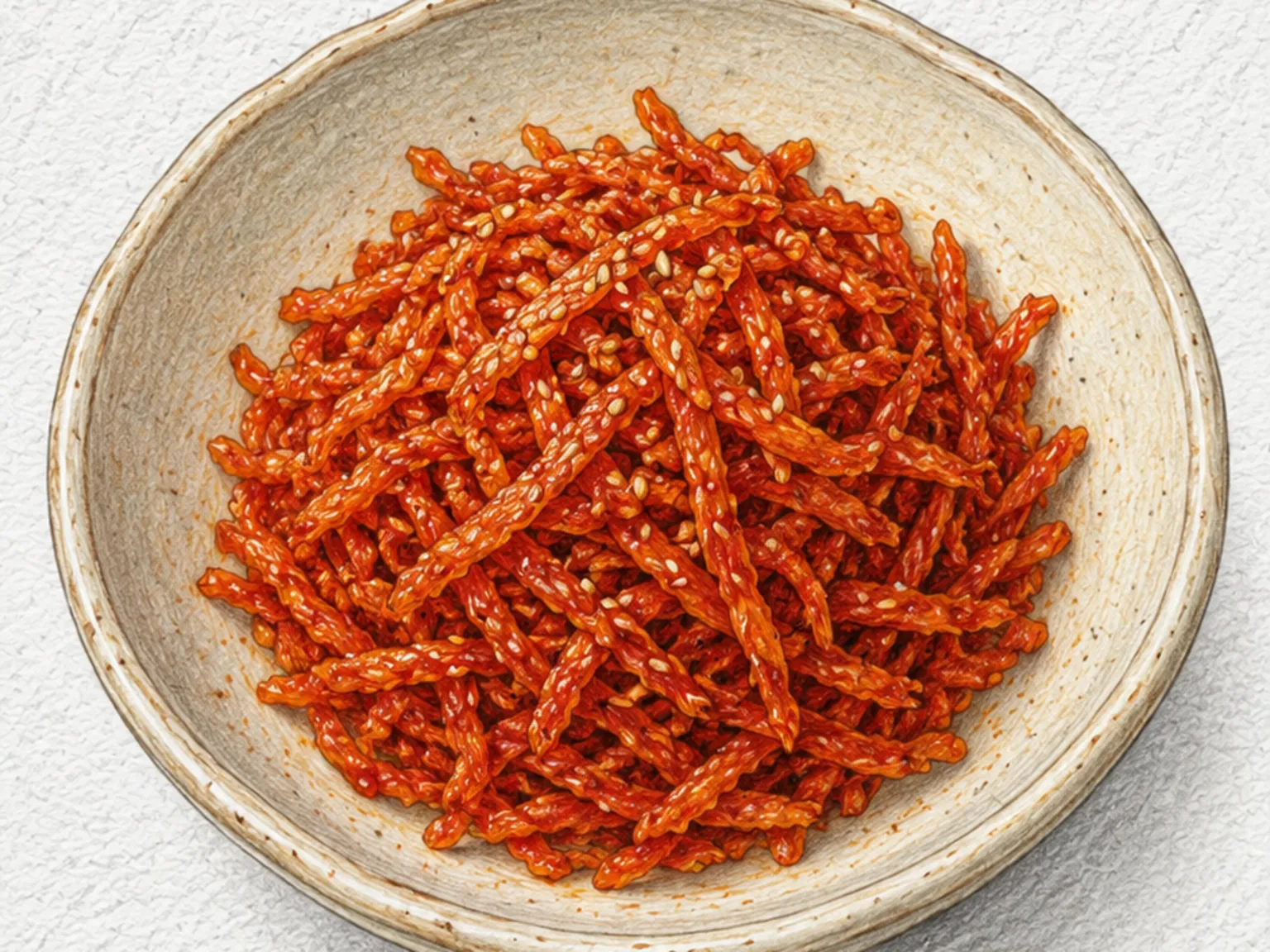
Myeongyeopchae-bokkeum stir-fries finely shredded dried pollock floss in gochujang and oligosaccharide syrup until each fiber strand is evenly coated and moist. Myeongyeopchae is thinner and softer-fibered than hwangtaechae, the wider dried pollock strips, arriving in a dense cotton-like bundle that must be loosened strand by strand before cooking. Running your fingers along the grain separates the fibers cleanly, allowing the seasoning to penetrate evenly and preventing the finished banchan from clumping together in the mouth. A dry toast of thirty seconds in an oil-free pan drives off residual moisture and coaxes out a toasted fish aroma before gochujang, gochugaru, oligosaccharide syrup, soy sauce, and minced garlic go in over the lowest heat for a rapid coating. The fine fibers absorb the sauce almost immediately and turn pliant and glistening, but heat held too long draws the moisture back out, leaving them tough and stiff, so the entire stir-fry must be completed within two minutes. A finishing drizzle of sesame oil and a scatter of sesame seeds deepen the nutty aroma. The resulting banchan occupies a middle ground between the chewier, more aggressively seasoned hwangtaechae-muchim and the bolder jinmichae-bokkeum, its mild sweet-spicy profile approachable enough for children. The relatively dry finish means the seasoning does not bleed into adjacent items in a lunchbox, and stored in an airtight container in the refrigerator the flavor holds well for up to five days.

🏠 Everyday 🧒 Kid-Friendly
Prep 5min Cook 7min 4 servings
Korean Soy-Braised Whole Garlic
Steamed Easy

Korean Soy-Braised Whole Garlic

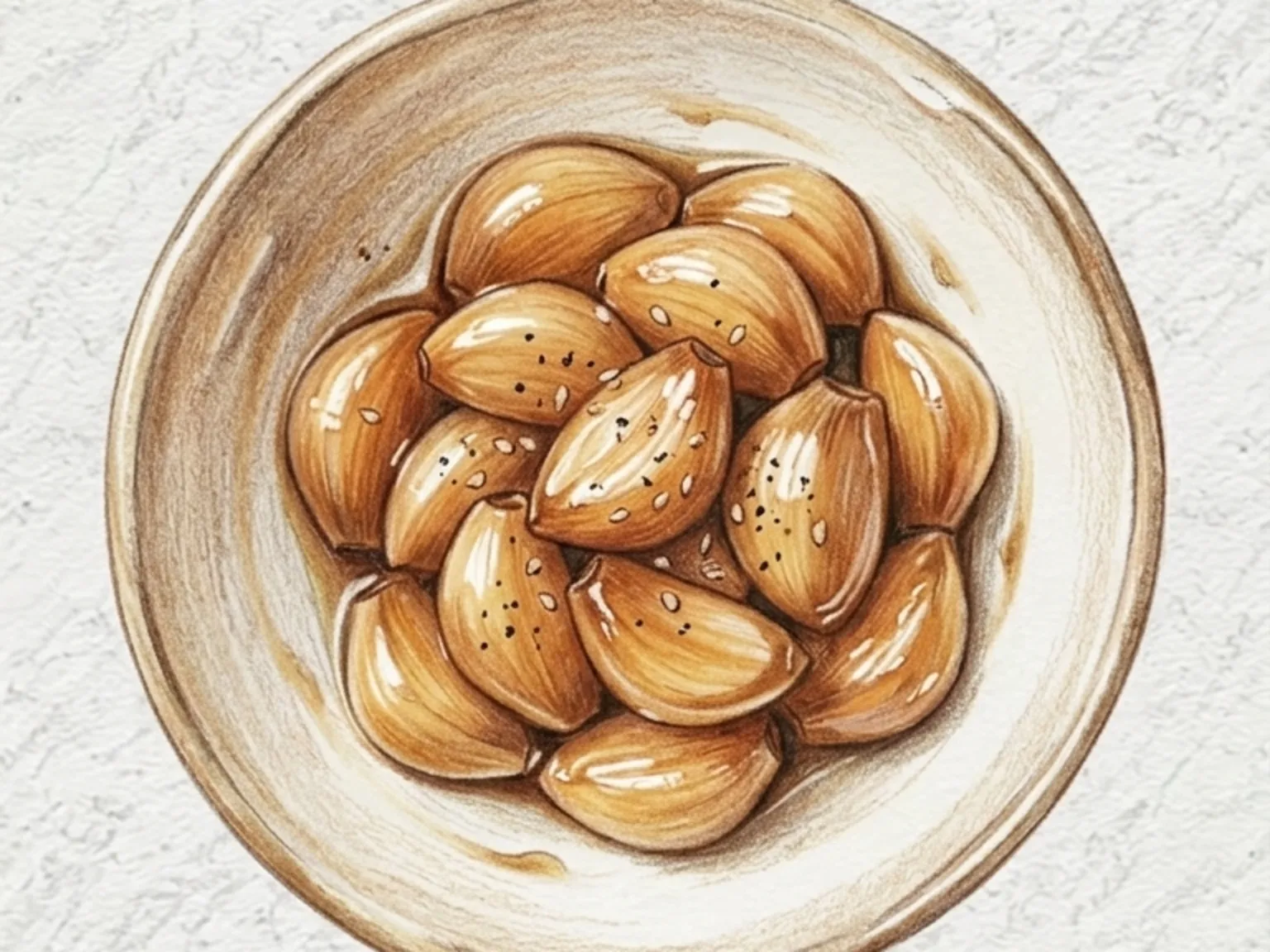
Peeled whole garlic cloves are simmered in a mixture of soy sauce and corn syrup until they turn glossy and deeply seasoned throughout. Raw garlic's sharp, pungent bite mellows completely during the slow braising, transforming into a gentle sweetness that merges with the soy sauce's salinity. The corn syrup reduces alongside the soy sauce, forming a lacquer-like glaze that clings to each clove and catches the light. Low heat is essential: cooking too fast browns the exterior while leaving the core hard and under-seasoned. With patience, the garlic softens to a texture resembling a roasted potato, yielding easily when pressed with chopsticks yet holding its shape on the plate. A final drizzle of sesame oil seals the surface with a warm, nutty aroma that completes the balance of salty, sweet, and rich. The finished jorim keeps well under refrigeration for over a week, making it a practical banchan to prepare in advance.

🏠 Everyday 🍱 Lunchbox
Prep 10min Cook 25min 4 servings
Korean Sigeumchi Kimchi (Spinach Kimchi)
Kimchi Easy

Korean Sigeumchi Kimchi (Spinach Kimchi)

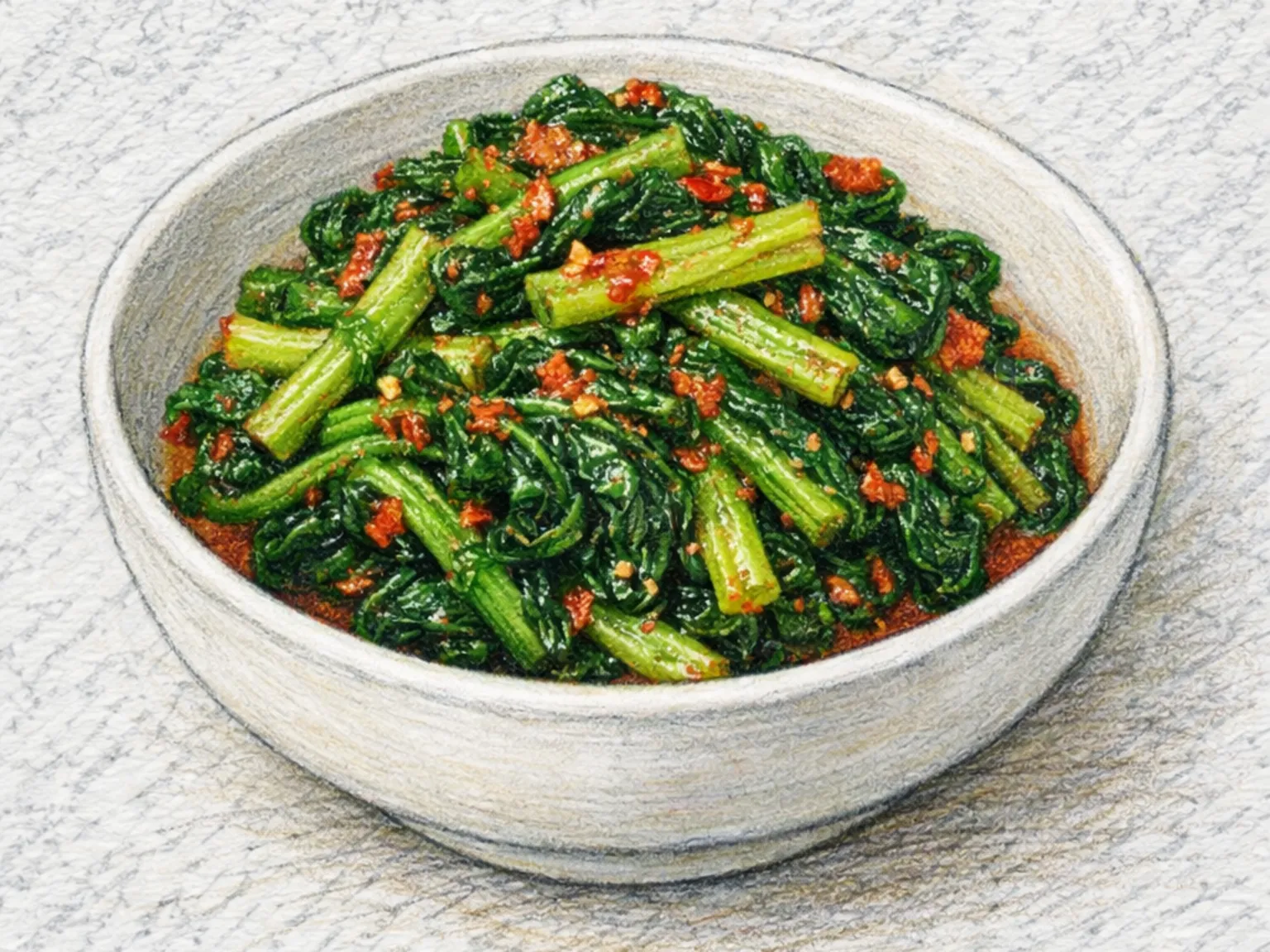
Sigeumchi kimchi is a Korean spinach kimchi made by salting the greens for exactly twelve minutes to wilt the leaves while keeping the stems crisp, rinsing in cold water, squeezing dry, then tossing with gochugaru, sand lance fish sauce, minced garlic, plum extract, and scallion pieces. Strict timing on the salt is what creates the dual texture - tender leaves and crunchy stems - that defines this kimchi; over-salting collapses everything into softness. The fish sauce's fermented depth layers onto the spinach's mild, grassy base, and plum extract rounds out the seasoning's sharp edges with a gentle sweetness. Six hours of refrigeration settles the flavors into a cohesive whole. The vivid green color makes this a visually appealing banchan on any Korean table.

🏠 Everyday 🍱 Lunchbox
Prep 20min Cook 5min 4 servings
Yeondubu Yangnyeom
Side dishes Easy

Yeondubu Yangnyeom

Yeondubu yangnyeom is one block of silken tofu topped with a measured soy sauce dressing. Remove the tofu from its package, rest it on a paper towel for 1 minute to absorb surface moisture, and transfer it carefully to a flat plate. For a warm serving, microwave the plated tofu for 1 minute; for a cold serving, skip that step. Combine 2 tablespoons soy sauce, 1 tablespoon water, 0.5 teaspoon Korean chili flakes, and 0.5 teaspoon minced garlic, stirring until the chili flakes are evenly dispersed. Add 15 grams minced green onion and 1 teaspoon sesame oil and stir again. Pour the sauce slowly over the tofu, moving from the center toward the edges so it spreads across the surface instead of collecting in one spot. Lightly crush 0.5 tablespoon sesame seeds between your fingers and scatter them evenly on top. Handling the tofu gently keeps the block intact, while removing the surface water before adding the sauce prevents the measured dressing from becoming diluted on the plate.

🏠 Everyday 🍱 Lunchbox
Prep 5min Cook 2min 2 servings
Korean Shepherd's Purse Tofu Stir-fry
Stir-fry Easy

Korean Shepherd's Purse Tofu Stir-fry

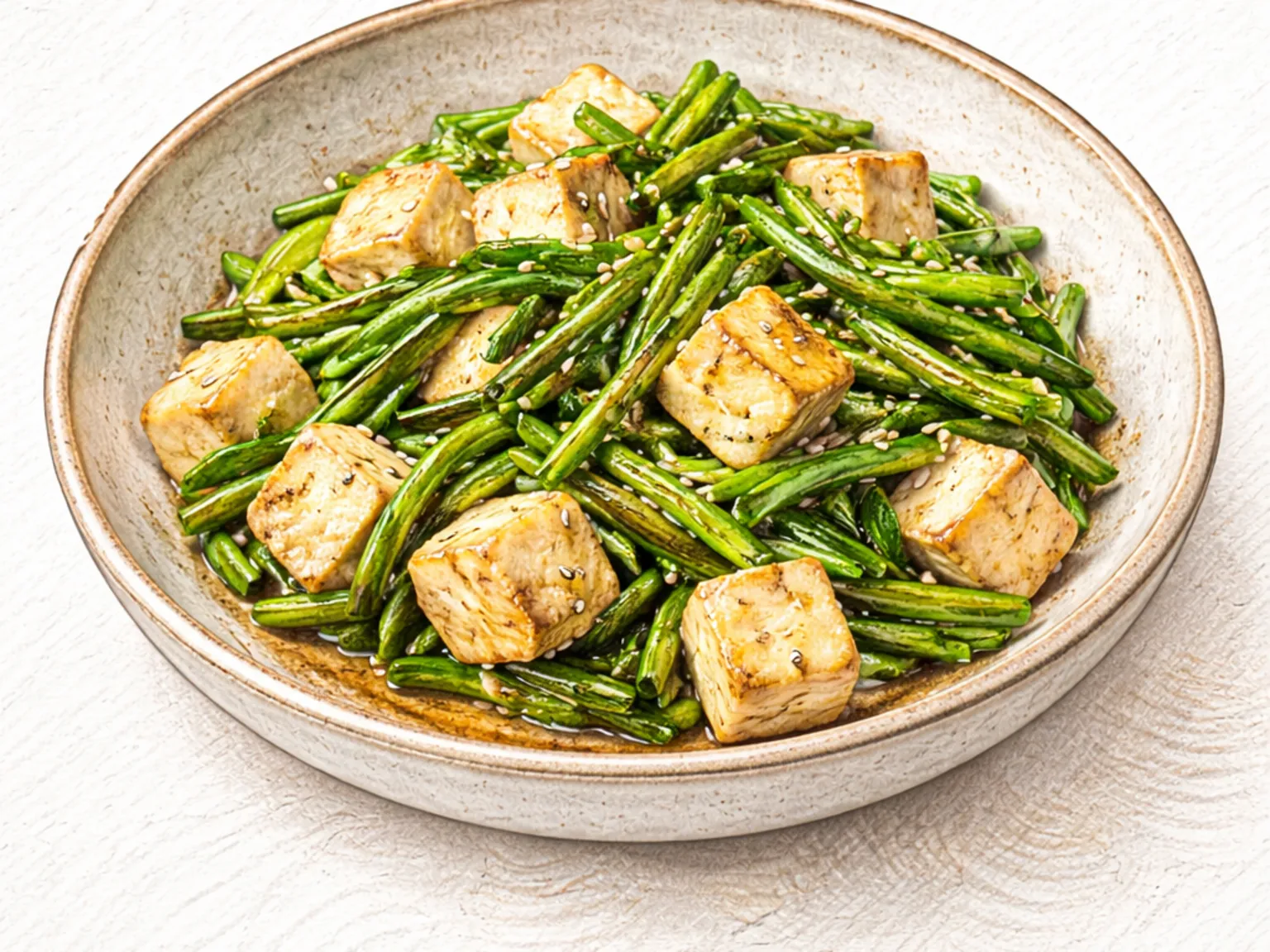
Naengi-dubu-bokkeum is a spring-seasonal Korean stir-fry that pairs shepherd's purse - a wild herb with a distinctive earthy bitterness - with cubed firm tofu in perilla oil and soy sauce. The tofu is pan-seared until golden to build a crust, then set aside while onion and garlic cook in the same pan before soy sauces go in. The tofu returns along with the cleaned, trimmed shepherd's purse, which needs only two minutes of gentle tossing to wilt without losing its herbal bite. A final drizzle of perilla oil and a pinch of toasted sesame seeds layer nuttiness over the herb's green, slightly bitter fragrance.

🏠 Everyday 🍱 Lunchbox
Prep 18min Cook 10min 2 servings
Korean Taro Stem Perilla Steam
Steamed Medium

Korean Taro Stem Perilla Steam

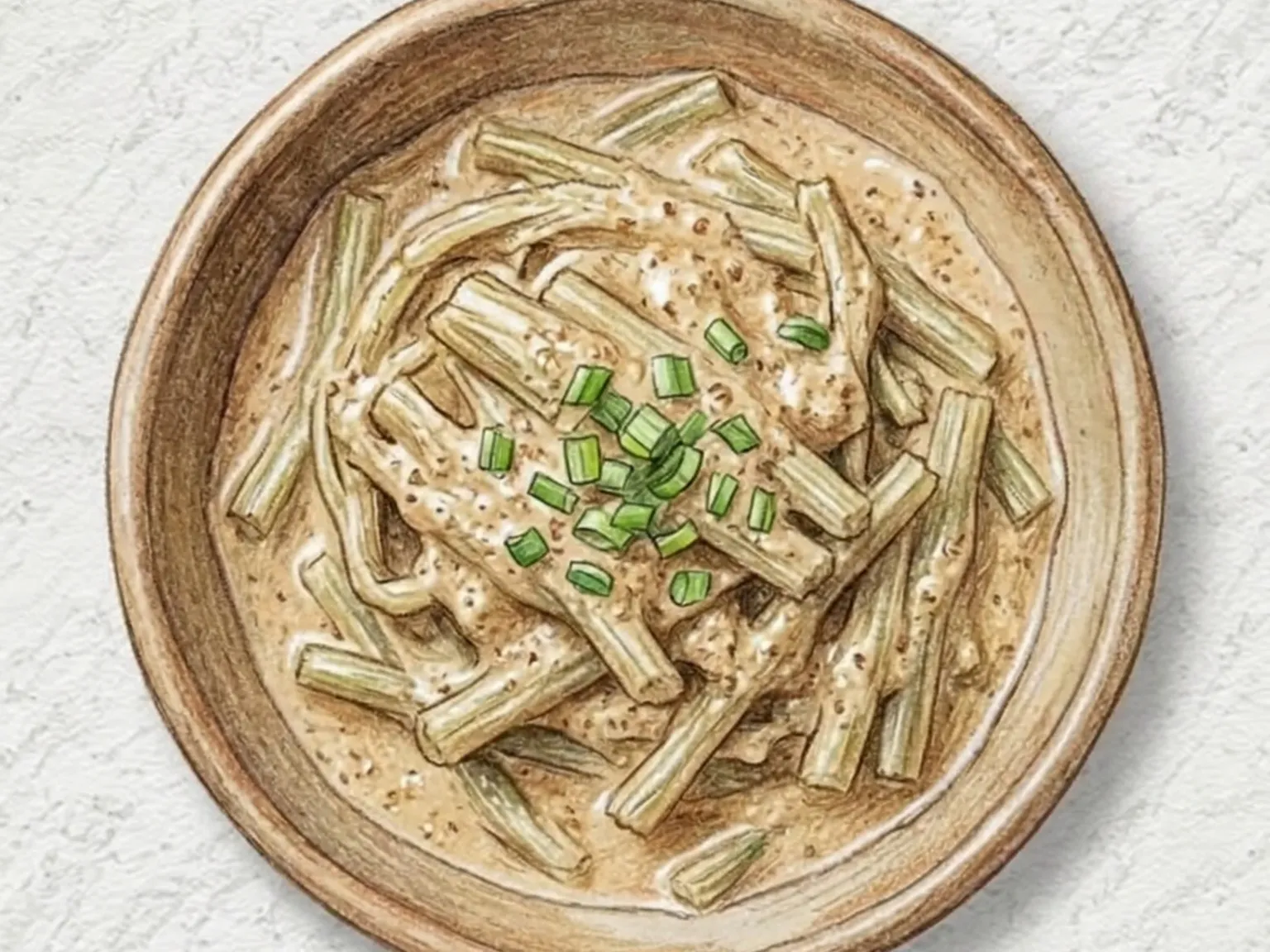
Torandae deulkkae jjim is a rustic Korean dish of boiled taro stems braised with soup soy sauce and ground perilla seeds. The stems are first stir-fried in perilla oil to drive off any lingering sharpness, then simmered covered until their fibers soften and absorb the seasoning. Ground perilla added near the end thickens the liquid into a creamy consistency and fills the dish with a roasted, nutty aroma. Green onion provides a fresh finish. Though fully plant-based and made from simple pantry staples, the combination of perilla and soy produces an earthy depth that makes a satisfying accompaniment to a bowl of rice.

🎉 Special Occasion 🍱 Lunchbox
Prep 20min Cook 35min 4 servings
Korean Pickled Radish Wraps
Kimchi Easy

Korean Pickled Radish Wraps

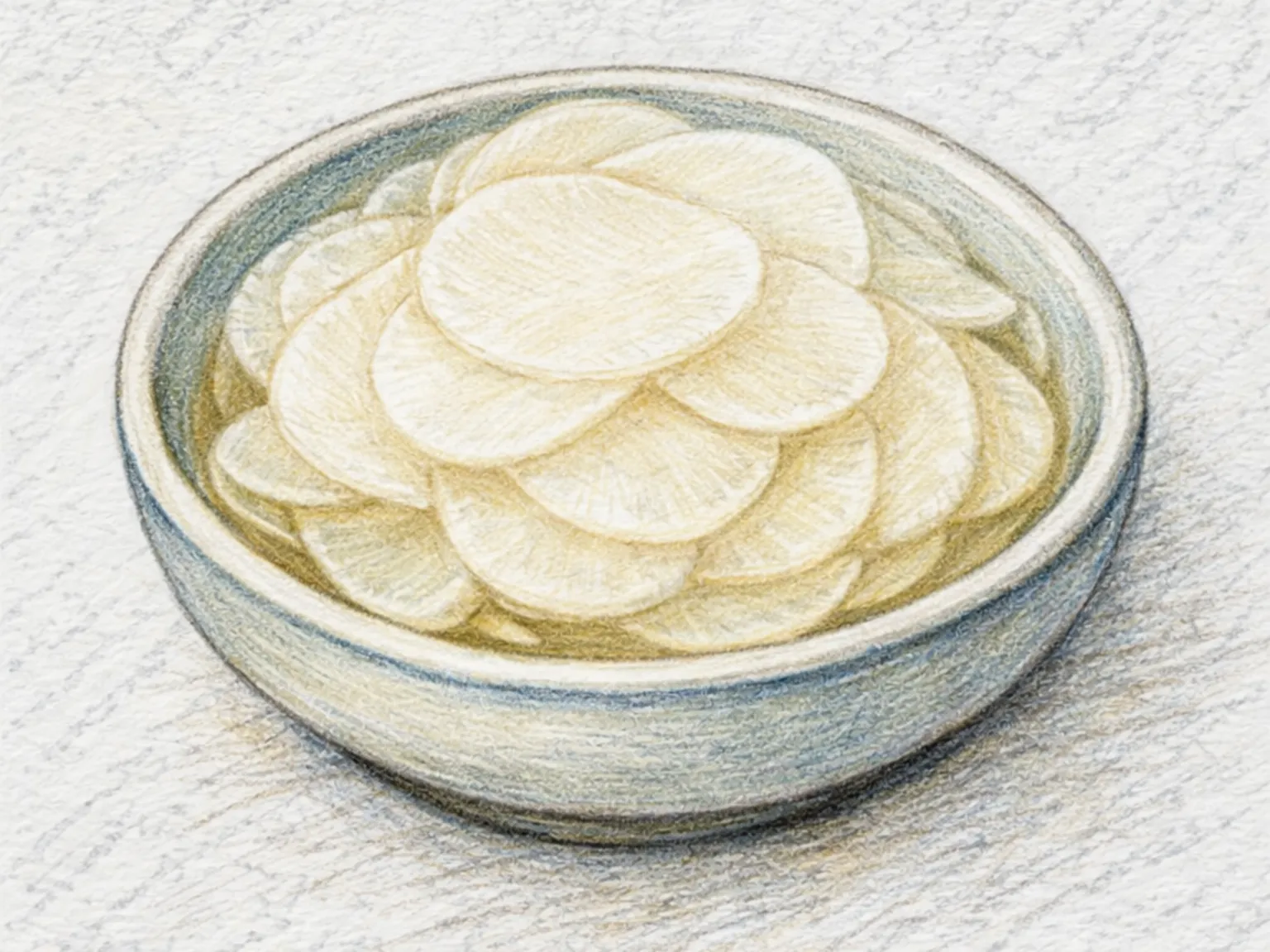
Ssam-mu is a Korean sweet-and-sour pickled radish made by slicing Korean radish into very thin two-millimeter rounds and submerging them in a warm brine of water, vinegar, sugar, salt, and bay leaves. The slices must be thin enough to wrap around grilled meat without tearing, and the brine is cooled to lukewarm before pouring - boiling hot liquid would cook the radish and destroy its crunch. Ready after one day of refrigeration, the pickle reaches its peak on day three when the vinegar tang and sugar sweetness have fully penetrated each slice. Adding a lemon slice to the jar introduces a fresh citrus note. Wrapped around a piece of grilled pork belly or fried chicken, the sweet-sour radish provides an immediate contrast that lifts the fatty richness of each bite.

🍱 Lunchbox ⚡ Quick
Prep 15min Cook 5min 4 servings
Yuchae Namul Muchim
Side dishes Easy

Yuchae Namul Muchim

Yuchae namul muchim is made with 250 grams of rapeseed greens blanched briefly and dressed with doenjang, sesame oil, garlic, green onion, and ground sesame. Remove yellow leaves and wilted stems, then swish the greens in cold water two or three times to release dirt and grit. Bring 1 liter water to a strong boil over high heat, add 0.2 teaspoon salt, and blanch the greens for 40 seconds. Lift them out as soon as the stems brighten and bend slightly, then rinse in cold water. Squeeze firmly with both hands until the greens stop dripping, cut them into 3- to 4-centimeter lengths, and separate any clumped stems along the grain. For the dressing, mix 1 tablespoon doenjang, 0.5 teaspoon minced garlic, 1 tablespoon chopped green onion, 1 teaspoon sesame oil, and 1 teaspoon ground sesame until no large lumps remain. Add the dressing in portions and toss lightly with your fingertips so it coats the stems and leaves evenly. Removing water before seasoning keeps the doenjang mixture from collecting as a diluted liquid at the bottom of the bowl.

🏠 Everyday 🍱 Lunchbox
Prep 8min Cook 3min 4 servings
Korean Stir-Fried Fish Cake Strips
Stir-fry Easy

Korean Stir-Fried Fish Cake Strips

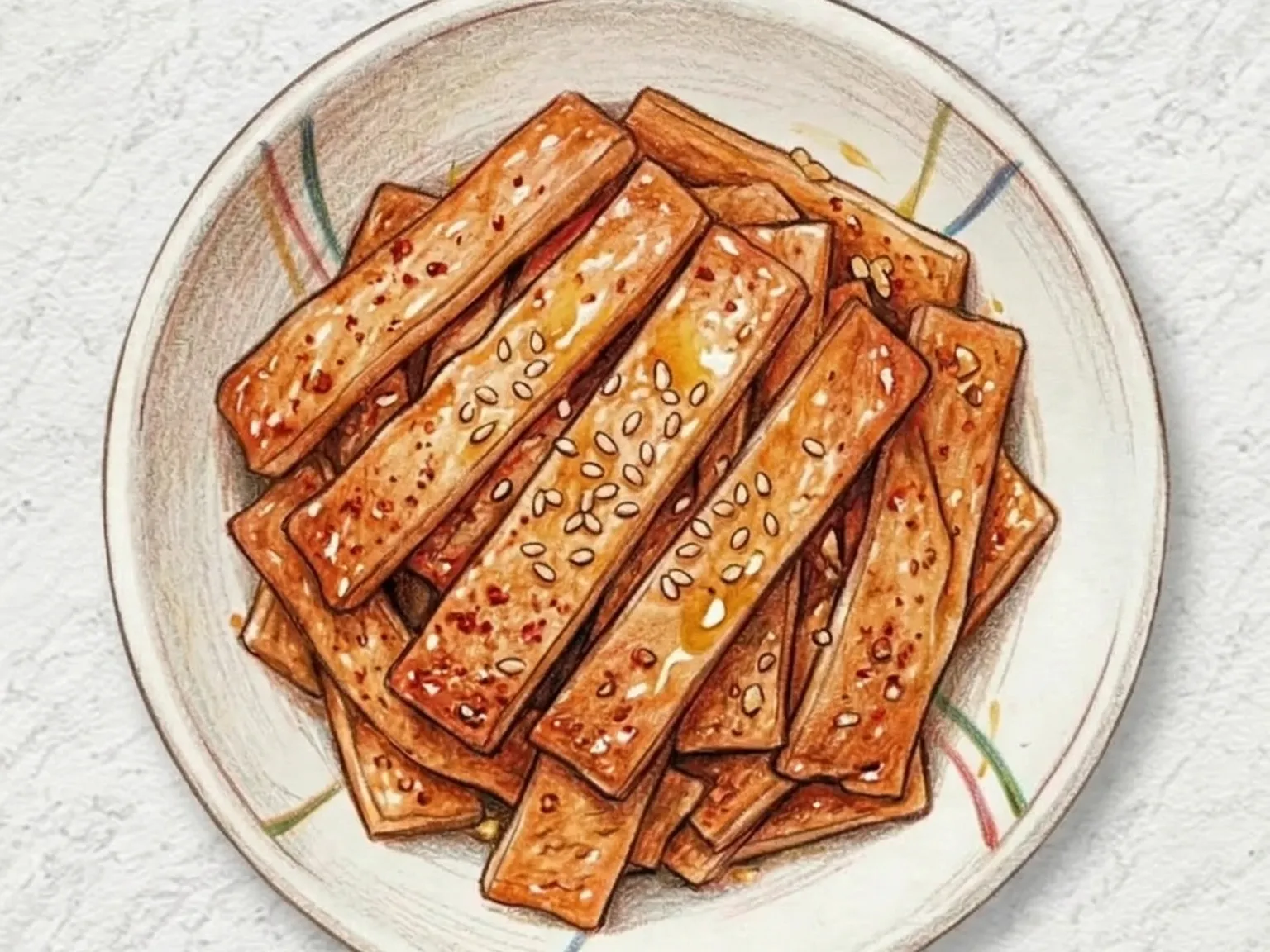
This side dish features flat fish cake sheets sliced into thin strips and stir-fried in a savory seasoning mixture. The preparation starts with blanching the fish cake slices in boiling water to remove excess surface oil, which helps the glaze adhere evenly. The strips are first stir-fried in an oiled pan over medium heat to evaporate surface moisture and curl the edges. Minced garlic and red pepper flakes are then added and cooked quickly to prevent the spices from burning. After seasoning with soy sauce and sugar, the ingredients are tossed until they become glossy and the sauce is fully absorbed. The heat is turned off before mixing in sesame oil and toasted sesame seeds to provide a nutty finish. This dish offers a clear balance of sweet and spicy flavors that pairs well with steamed rice.

🌙 Late Night ⚡ Quick
Prep 10min Cook 10min 2 servings
Korean Braised Chicken with Burdock
Steamed Medium

Korean Braised Chicken with Burdock

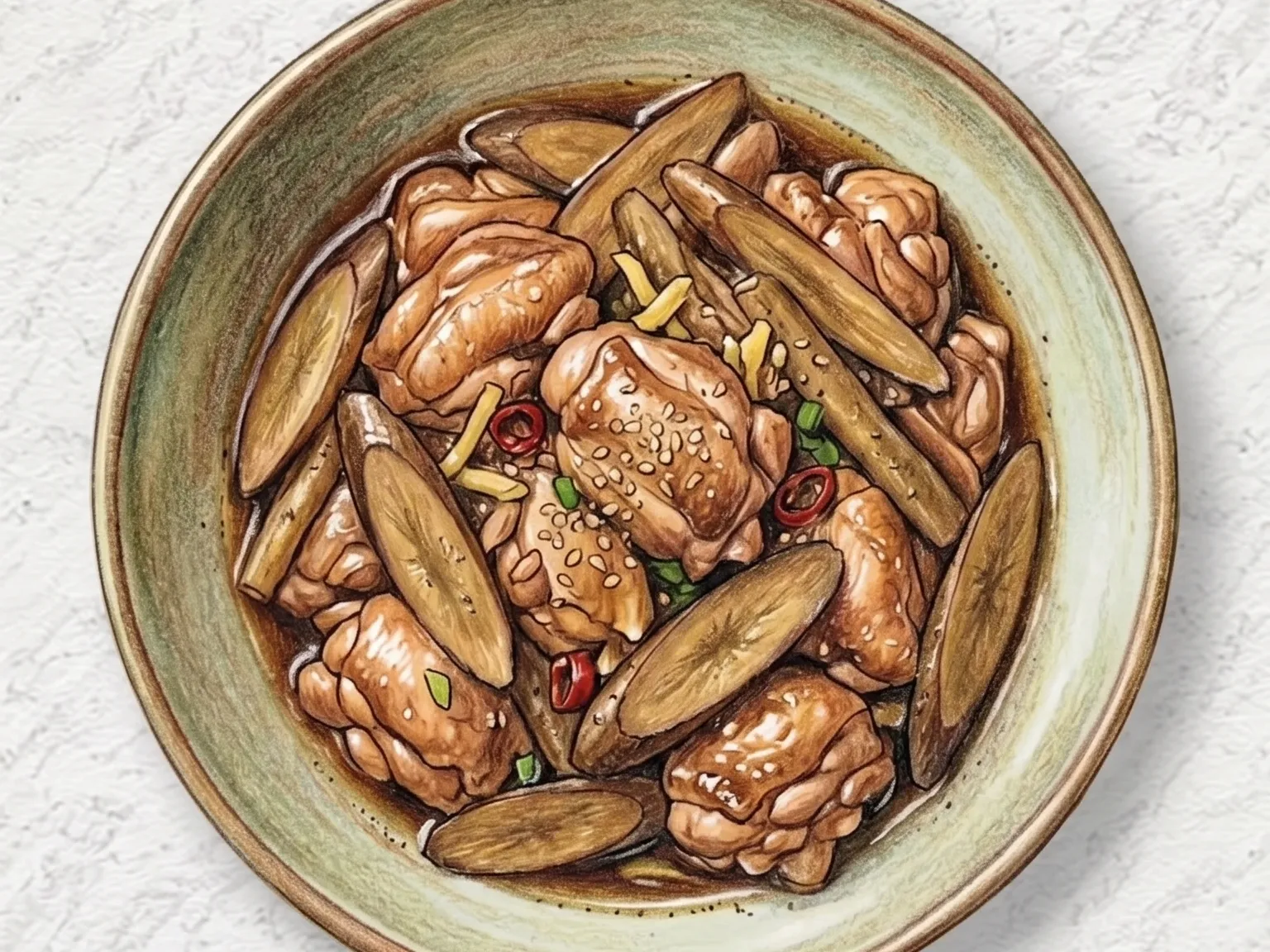
Ueong dak jorim is a Korean braised dish that simmers boneless chicken thigh and burdock root together in soy sauce, sugar, and ginger juice until the liquid reduces and the glaze thickens around each piece. Soaking the burdock in vinegar water draws out the astringent bitterness that raw burdock carries, and marinating the chicken in cooking wine and ginger beforehand removes any lingering gamey odor. Once both are added to the pot, low heat does the work over at least eighteen minutes, bringing the braising liquid down by half and building a glossy, clinging sauce. A final drizzle of sesame oil at the end ties the aroma together and rounds out the flavor. The finished dish sets the crisp yet slightly chewy texture of burdock against the moist tenderness of chicken thigh, with a sweet-savory profile that makes it a reliable companion to steamed rice.

🎉 Special Occasion 🍱 Lunchbox
Prep 20min Cook 35min 4 servings
Korean Bitter Herb Kimchi
Kimchi Hard

Korean Bitter Herb Kimchi

Sseumbagwi kimchi is a traditional spring fermented side dish made from sseumbagwi, a wild bitter herb that grows in Korea during early spring. The herb is soaked in cold water for at least twenty minutes to pull back its pronounced bitterness before being salted to soften the stalks. It is then dressed in a seasoning paste built from gochugaru, sand lance fish sauce, minced garlic, ginger, sweet rice paste, and plum syrup, mixed together with cut scallions. The rice paste adds body to the seasoning so it clings to the herb's thin stems and narrow leaves rather than sliding off. Plum syrup works on both the bitterness and the salt's edge at once, smoothing the overall profile without masking the herb's character. Sand lance fish sauce is preferred over anchovy sauce here because its gentler aroma does not compete with the plant's natural flavor. Five hours of room-temperature fermentation followed by refrigeration sets off lactic acid development, layering tangy depth over the bitter-green base. The flavor peaks around day three when bitterness, acidity, and umami reach the best balance. If the raw herb tastes too sharp, one additional soak in fresh cold water brings it within range before seasoning.

🎉 Special Occasion 🍱 Lunchbox
Prep 45min Cook 5min 4 servings
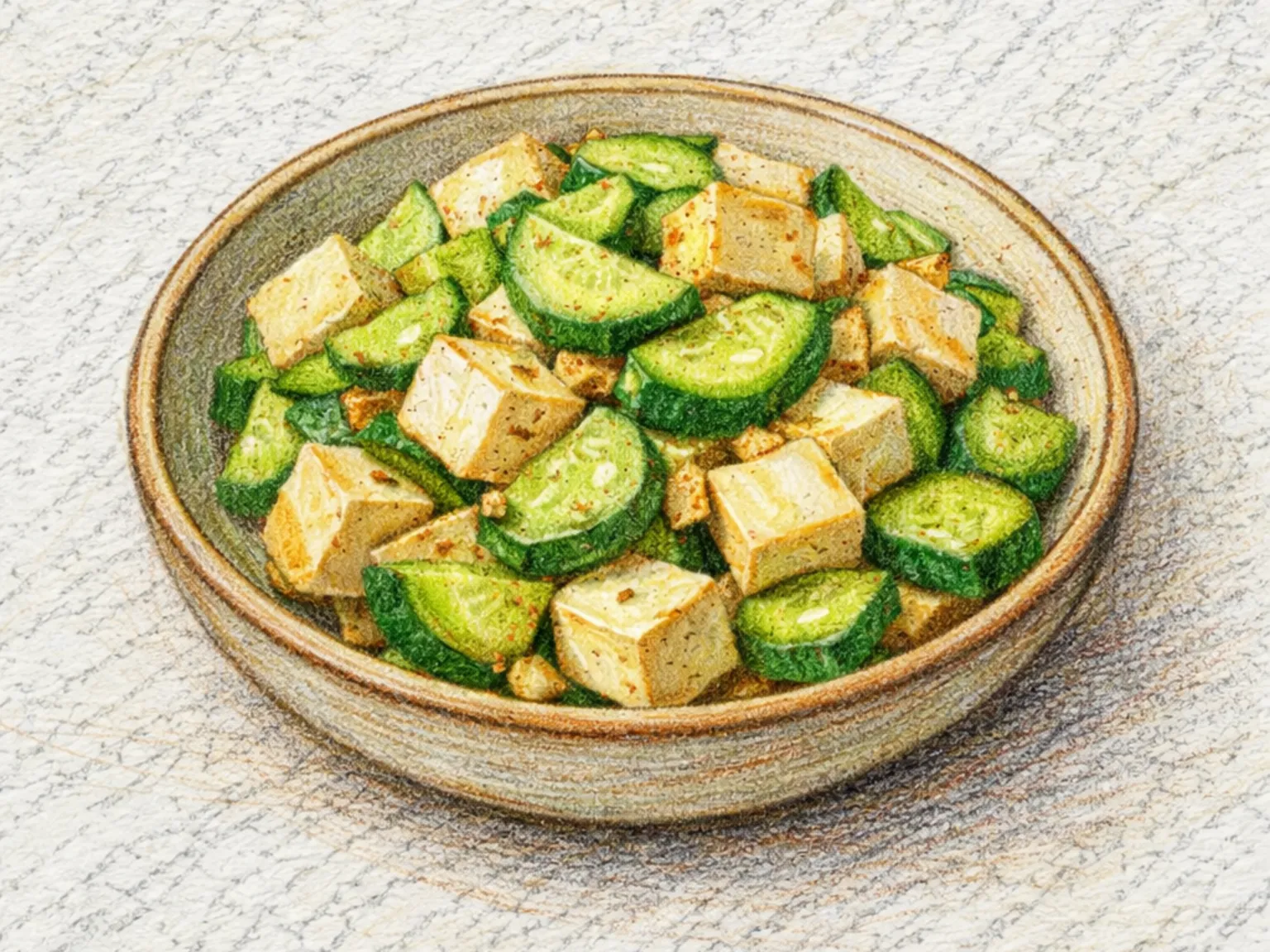
Korean Oi Dubu Bokkeum (Cucumber Tofu Stir-fry)
Stir-fry Easy

Korean Oi Dubu Bokkeum (Cucumber Tofu Stir-fry)

Oi-dubu-bokkeum stir-fries half-moon cucumber slices and cubed firm tofu with soup soy sauce, garlic, and a light touch of Korean chili flakes. The tofu is pan-fried to golden first to prevent crumbling, then set aside while garlic and onion build flavor in the same pan. Cucumber goes in for just 90 seconds - long enough to warm through but short enough to stay crisp and juicy. The tofu returns for a final toss with sesame oil, creating a dish defined by the contrast between cool, crunchy cucumber and warm, soft tofu under a clean soy-based seasoning.

🥗 Light & Healthy 🏠 Everyday
Prep 10min Cook 8min 2 servings
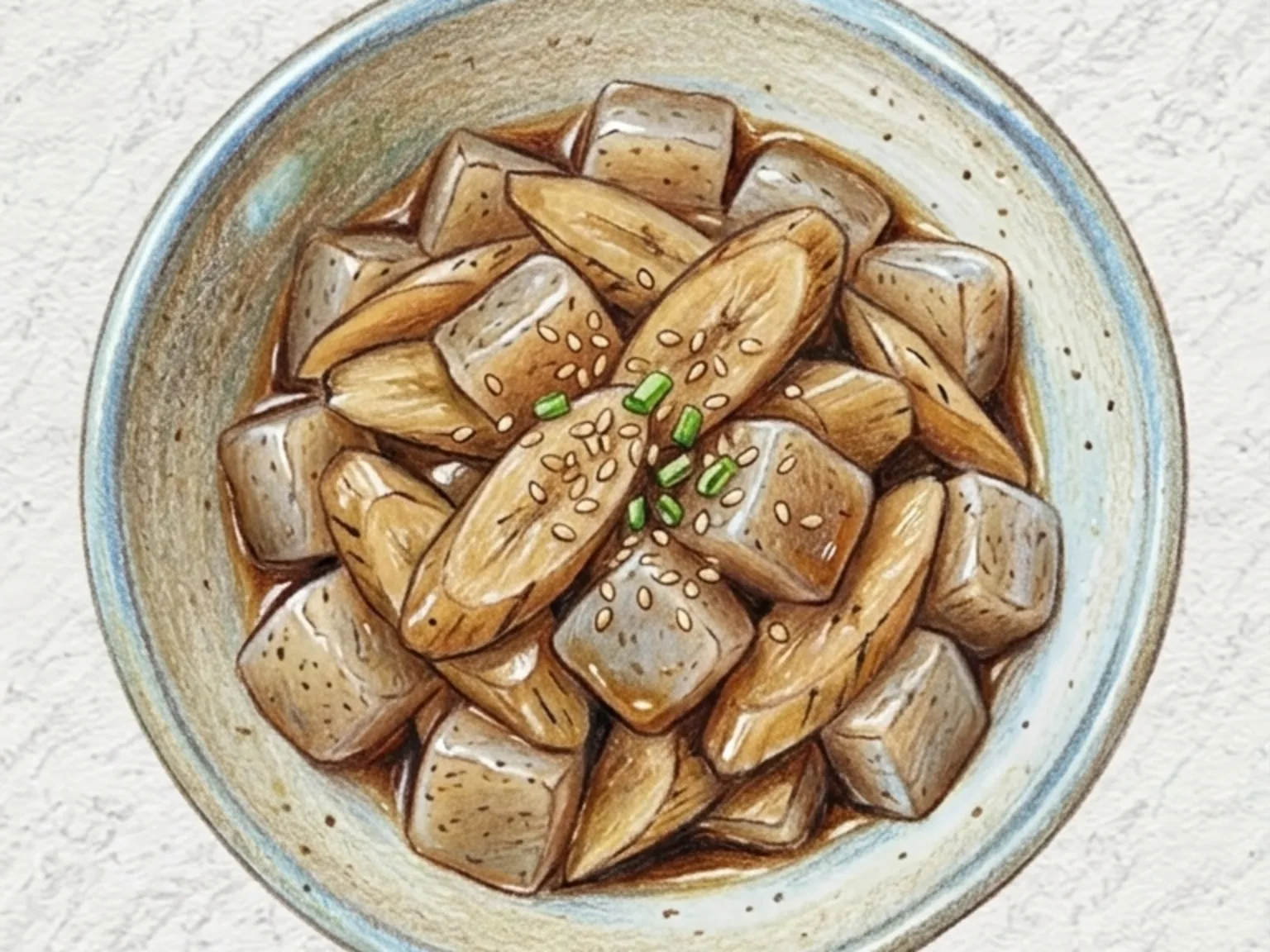
Korean Braised Burdock and Konjac
Steamed Easy

Korean Braised Burdock and Konjac

Ueong gonyak jorim is a low-calorie Korean braised side dish of diagonally sliced burdock root and bite-size konjac in soy sauce with oligosaccharide syrup. The burdock is soaked in vinegar water to remove astringency, and the konjac is blanched then dry-toasted briefly to minimize its neutral odor. Adding the syrup once the liquid has reduced by half creates a gentle gloss and softens the salt. Sesame oil and sesame seeds finish the dish with a toasted note. Despite using just a handful of inexpensive ingredients, the contrasting textures of crunchy burdock and bouncy konjac make this banchan more interesting than the short ingredient list suggests.

🥗 Light & Healthy 🏠 Everyday
Prep 15min Cook 25min 2 servings
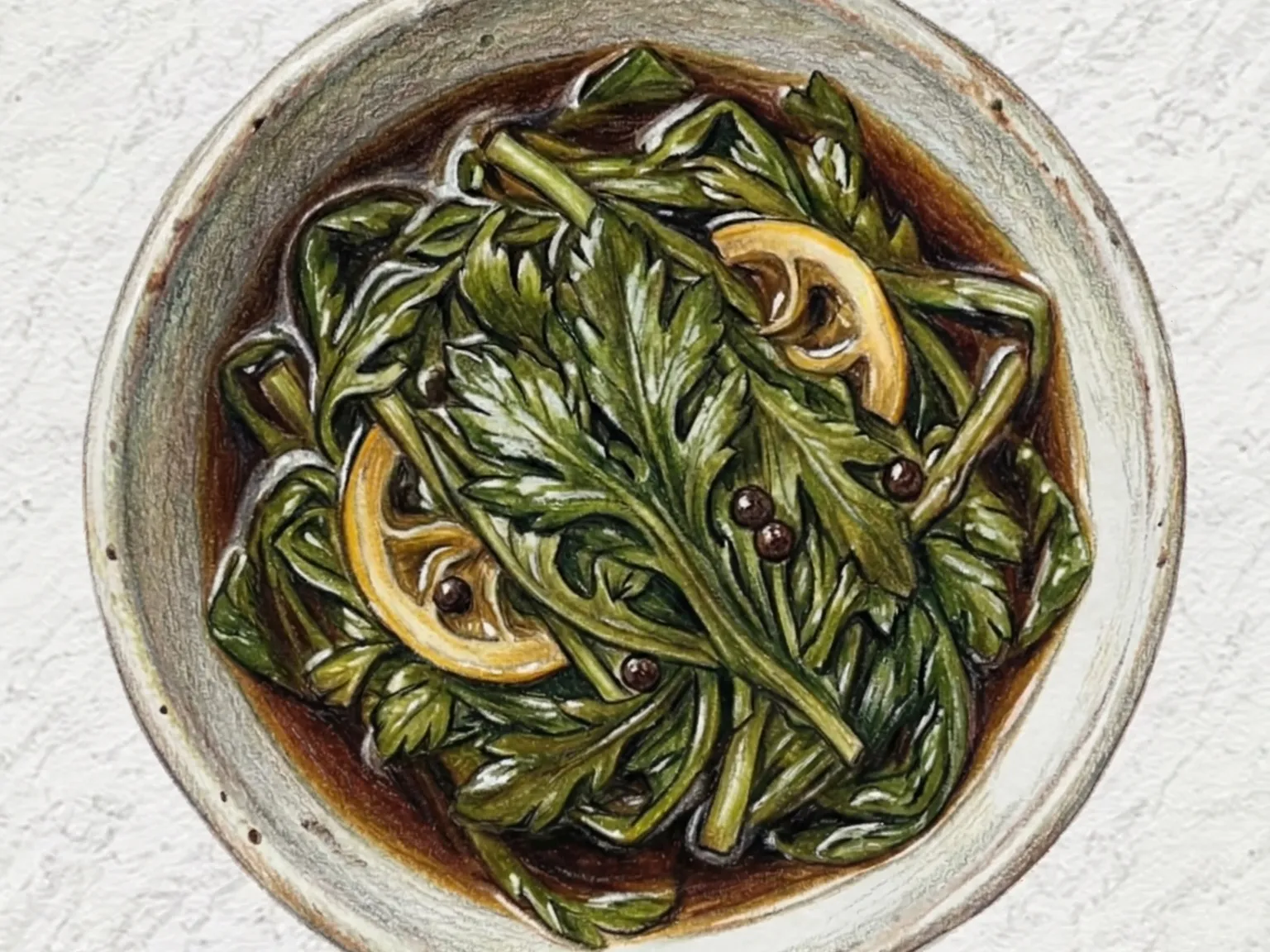
Korean Crown Daisy Soy Pickle
Kimchi Easy

Korean Crown Daisy Soy Pickle

Ssukgat jangajji is a soy-brined pickle made with crown daisy greens, capturing the herb's distinctively bitter, aromatic character in a quick-cured form. A boiling mixture of soy sauce, vinegar, and sugar is poured directly over the trimmed greens, which wilts them just enough to expel raw grassiness while locking in the clean, herbal fragrance underneath. Thin slices of lemon layered between the greens as they steep introduce a citrus brightness that cuts through the saltiness of the soy and keeps the brine from tasting flat. Whole black peppercorns contribute a gentle background heat that tidies up the finish. The jar goes into the refrigerator once cooled, and the pickle is ready to eat after just twenty-four hours, making it one of the most practical options when a side dish is needed on short notice. The herbal fragrance is at its sharpest within the first week of refrigeration, after which the aroma gradually fades. It pairs well as a rice topping or served alongside grilled pork or beef.

🍱 Lunchbox 🏠 Everyday
Prep 15min Cook 10min 4 servings
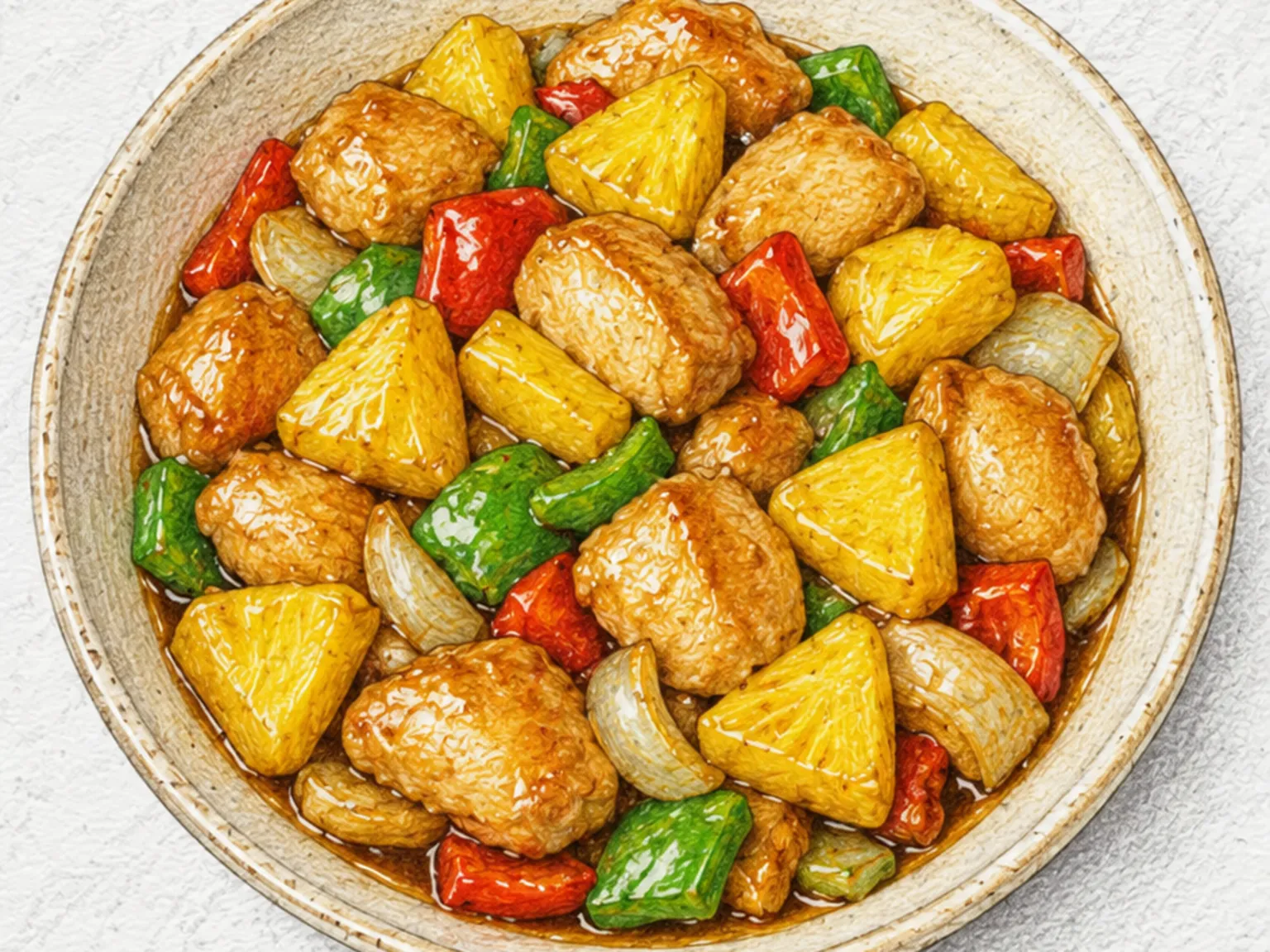
Korean Pineapple Chicken Stir-Fry
Stir-fry Easy

Korean Pineapple Chicken Stir-Fry

This pineapple chicken uses a thin cornstarch coating to give the soy and vinegar sauce a surface to cling to. Pat 300 g of bite-size chicken pieces dry, dust them evenly with 1 tablespoon of cornstarch, and shake away any thick clumps that could turn pasty in the pan. In a separate bowl, dissolve 1 tablespoon of sugar in 2 tablespoons of soy sauce and 1 tablespoon of vinegar. Fresh or canned pineapple can be used for the 200 g of fruit, but drain the pieces lightly so excess liquid does not thin the glaze. Spread the chicken in one layer in a pan over medium heat. Cook for about 3 minutes, turning as needed, until the starch coating has set and the edges begin to take on a light brown color. Add the pineapple and stir-fry it for only 1 minute, stopping this stage when the fruit edges look slightly translucent but the pieces still hold their shape. Pour the prepared sauce around the edge of the pan and toss immediately for 1 to 2 minutes. The sauce should turn glossy and cover the chicken evenly. Cut open the thickest piece to confirm the center is cooked, then remove the pan from the heat before the glaze reduces too far.

🏠 Everyday 🌙 Late Night
Prep 15min Cook 10min 2 servings
Korean Braised Burdock Root
Steamed Easy

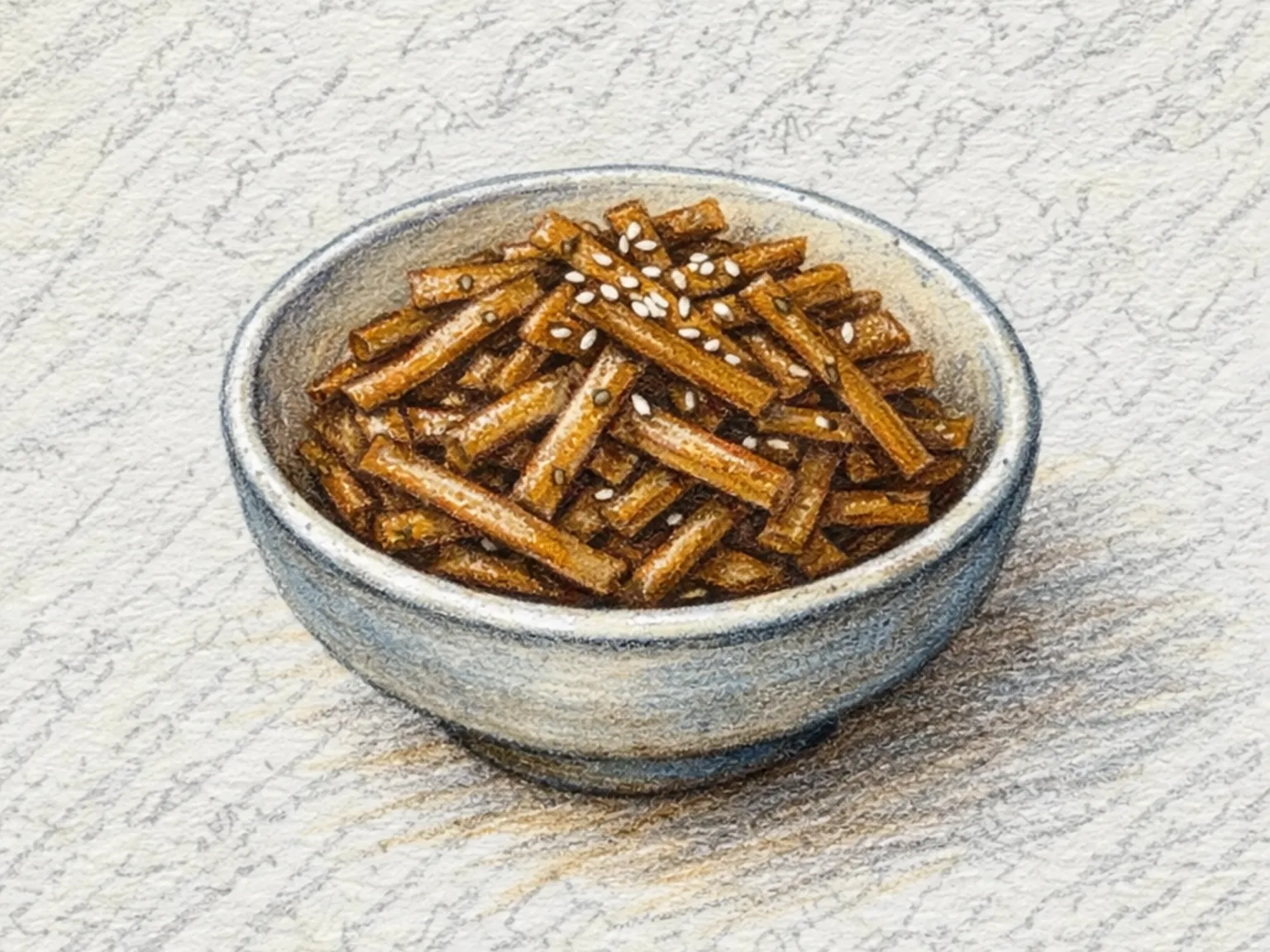
Korean Braised Burdock Root

Julienned burdock root is simmered in soy sauce, sugar, and corn syrup with enough water to submerge the strips, then reduced slowly until the liquid thickens into a concentrated glaze. Unlike stir-fried burdock, this braised version cooks under a lid at moderate heat, giving the tough fibers time to soften while retaining a pleasantly chewy core. Soy sauce penetrates deep into the root during the extended simmer, establishing a salty foundation that the corn syrup then balances with a mellow sweetness. As the braising liquid reduces, the sugars begin to caramelize, darkening the color and adding a layer of complexity to burdock's naturally earthy, woody flavor. The dish is done when nearly all the liquid has evaporated and each strip glistens with a thick, lacquered coating. Vinegar added at the start prevents the burdock from discoloring and contributes a faint tartness that keeps the sweetness in check. Stored in a sealed container, the jorim remains good in the refrigerator for close to ten days.

🏠 Everyday 🍱 Lunchbox
Prep 15min Cook 20min 4 servings
Korean Crown Daisy Kimchi
Kimchi Easy

Korean Crown Daisy Kimchi

Ssukgat kimchi is a fragrant seasonal kimchi that highlights crown daisy's herbal bitterness alongside chili flakes and sand lance fish sauce. The greens are salted for only seven minutes to preserve their delicate, tender texture, then dressed with a paste enriched by sweet rice flour for better adhesion. Plum extract balances the bitterness with gentle sweetness and acidity during fermentation. After two hours at room temperature followed by overnight refrigeration, the kimchi reaches its aromatic peak within a single day. Because the leaves bruise easily, gentle tossing during seasoning is essential to maintain their shape.

🍱 Lunchbox 🏠 Everyday
Prep 20min Cook 5min 2 servings
Korean Ginger Chicken Breast Stir-fry
Stir-fry Easy

Korean Ginger Chicken Breast Stir-fry

For this ginger chicken stir-fry, slice 280 g of chicken breast across the grain into bite-size pieces and cut 12 g of fresh ginger into thin, even matchsticks. Season the chicken for 8 minutes with 1 tablespoon of soy sauce, 1 teaspoon of minced garlic, and 1/4 teaspoon of black pepper. Shake excess water from the cabbage and bell pepper and cut them into substantial pieces so they do not collapse during the final stir-fry. Heat 1 tablespoon of neutral oil over medium-high heat and move the ginger and green onion constantly for about 40 seconds. Add the chicken before the ginger edges burn, spread the pieces across the pan, raise the heat to high, and stir-fry for roughly 4 minutes. Continue until every surface is opaque and only the edges show light browning. Add 120 g of cabbage and 80 g of bell pepper with the remaining 1/2 tablespoon of soy sauce and 1 teaspoon of honey. Cook for 2 to 3 minutes, leaving a crisp bite in the vegetables. Turn off the heat when almost no watery liquid remains and the seasoning gives the chicken a light sheen. Let the pan stand for 1 minute before plating rather than extending the active cooking time.

🥗 Light & Healthy 🏠 Everyday
Prep 12min Cook 10min 2 servings

About Side dishes

Great banchan balances seasoning with the natural flavor of each ingredient. Sesame oil, perilla oil, soy sauce, and fermented pastes work together to pack deep flavor into every small serving.