Side dishes

Side dishes Recipes

624 recipes. Page 23 of 26

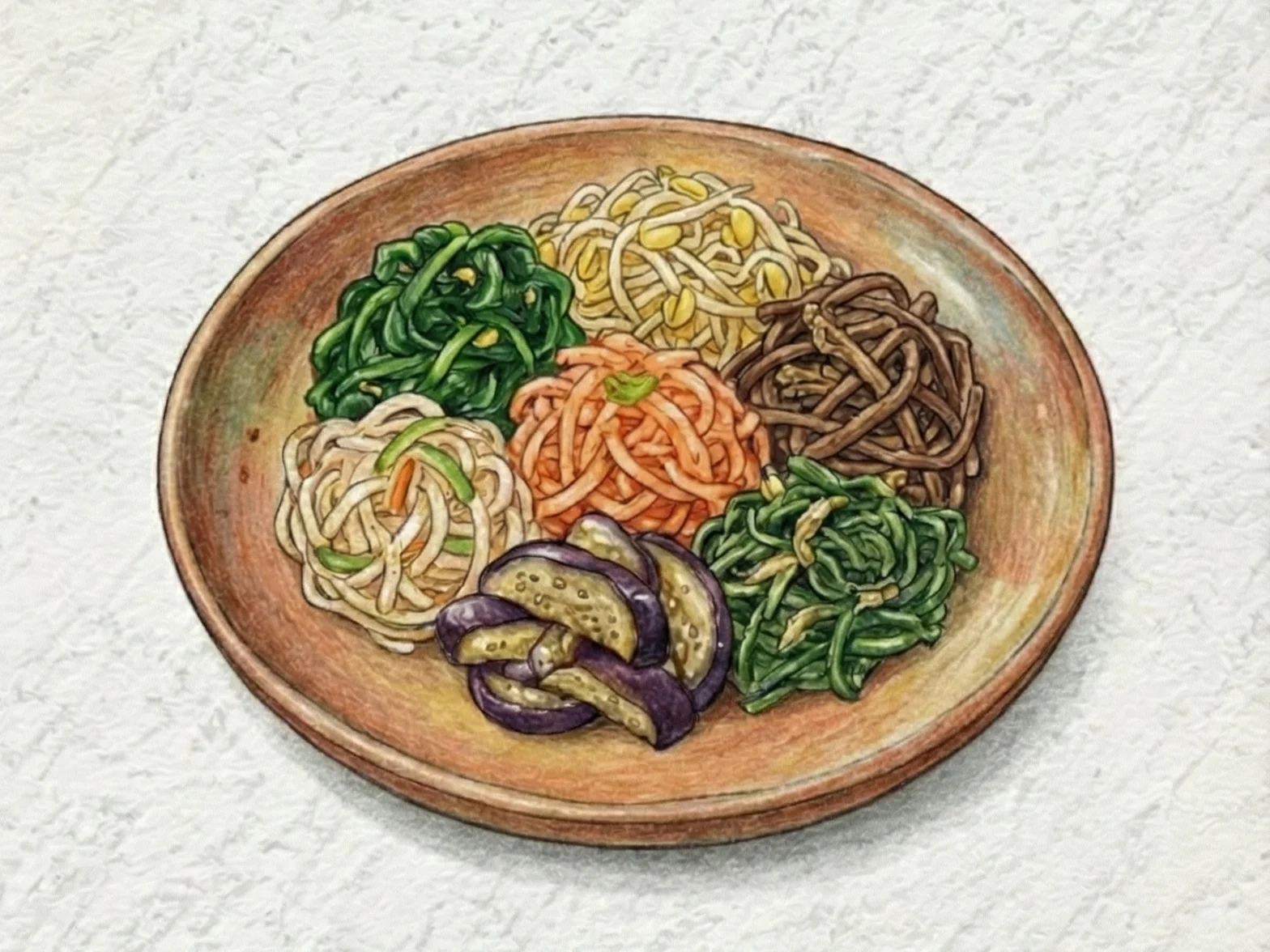
Side dishes (banchan) are the heart of Korean dining culture. A typical meal features multiple small plates - seasoned vegetables (namul), braised dishes (jorim), pickled items, and salted seafood. Classics like spinach namul, bean sprout salad, and stir-fried anchovies can be prepared in advance and enjoyed over several days.

Side dishes
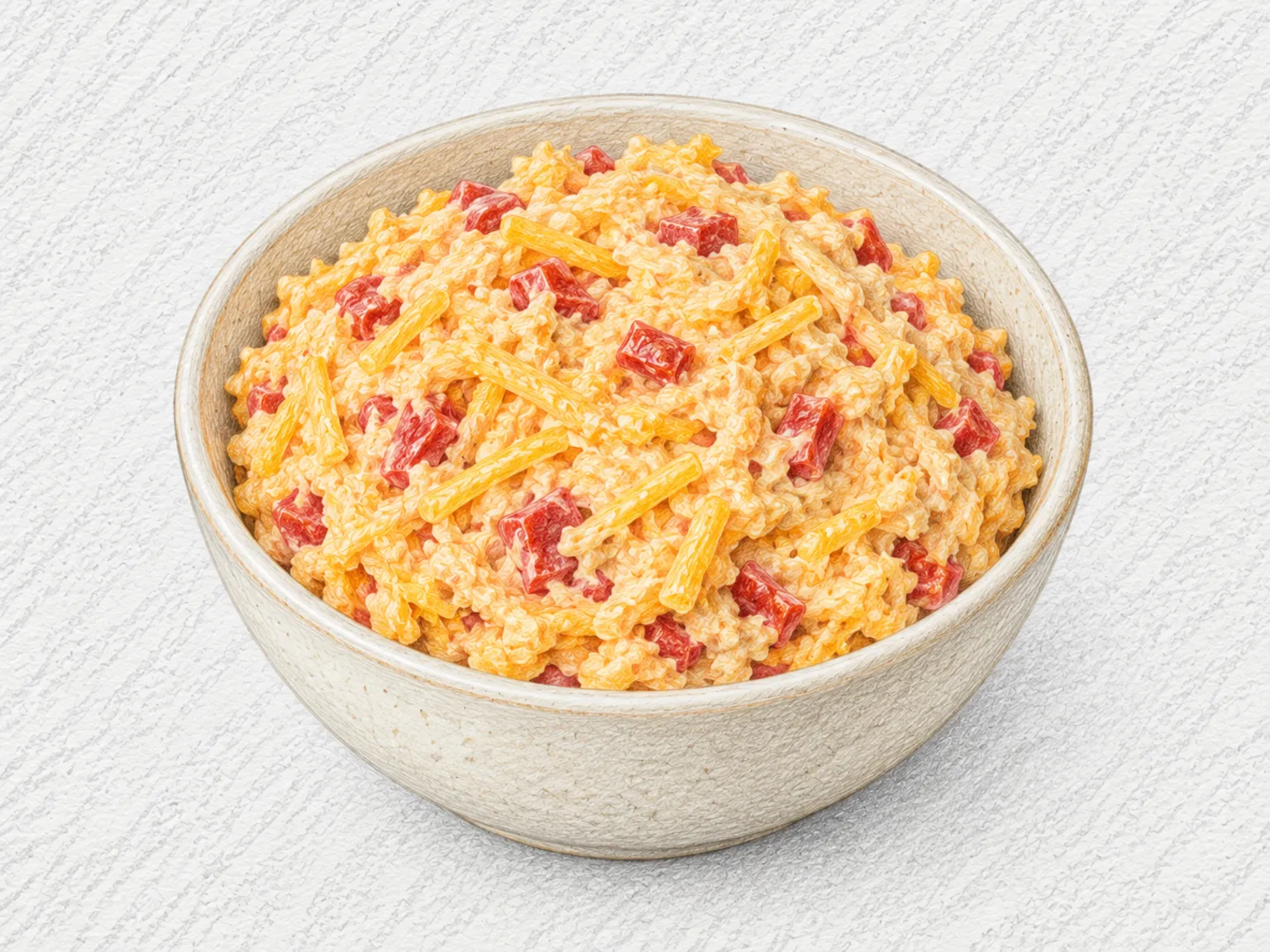
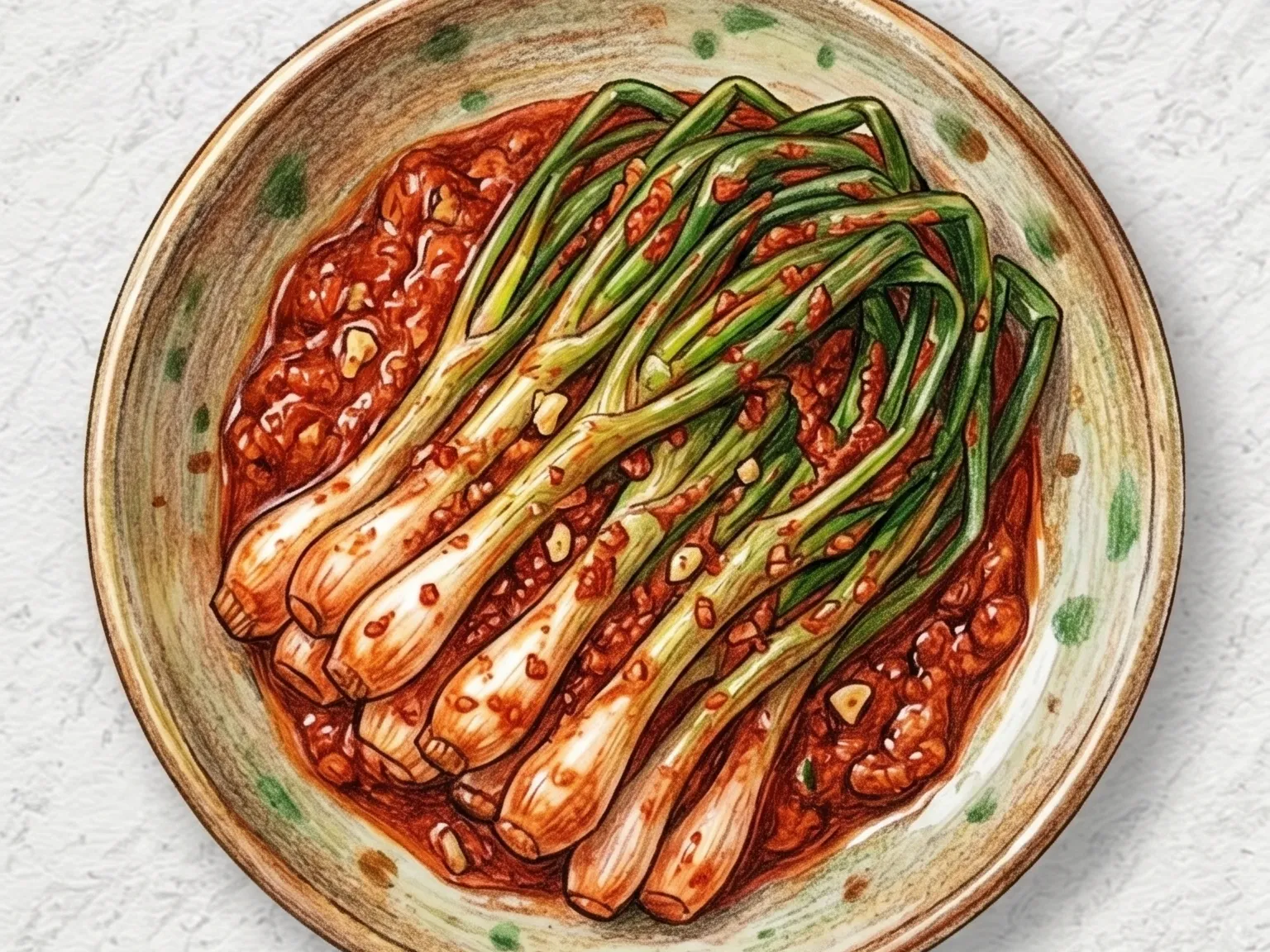
Korean Green Onion Kimchi
Kimchi Easy

Korean Green Onion Kimchi

Pa-kimchi uses whole large green onions, salted for 30 minutes to soften their sharp bite and loosen the fibers so the seasoning can penetrate deeply. The paste - red pepper flakes, fish sauce, and minced garlic - coats each stalk in a layer of spicy, briny flavor. One day of room-temperature fermentation allows the lactic acid bacteria to develop, blending the onion pungency with the umami of the fish sauce into a more rounded profile. After transferring to the refrigerator, the kimchi continues to mature over two to three days, gaining a mild tanginess that intensifies with each passing day.

🏠 Everyday 🍱 Lunchbox
Prep 30min 4 servings
Siraegi Namul Muchim
Side dishes Medium

Siraegi Namul Muchim

Siraegi namul muchim starts with 300 grams of rehydrated radish greens and finishes them in a pan with doenjang, perilla oil, and ground perilla seed. Peel the tough outer film from each stem, tear the greens along the grain, and cut them into 5-centimeter pieces. Boil the prepared greens over medium heat for 10 minutes, checking that the thick stems yield easily when pressed. Let the steam subside, then squeeze firmly with both hands until only light moisture remains. Massage the greens with 1.5 tablespoons doenjang, 1 teaspoon minced garlic, and 1 tablespoon perilla oil so the paste reaches between the stem layers. Transfer everything to a pan, add 100 milliliters water, and cook over medium heat for 5 minutes as the liquid reduces. Add 1 diagonally sliced green onion and 1 tablespoon ground perilla seed, then cook for 1 more minute. This sequence separates the tenderizing step from the seasoning step and uses the measured water only after the doenjang has been worked directly into the greens.

🏠 Everyday 🍱 Lunchbox
Prep 20min Cook 20min 4 servings
Korean Aged Kimchi Tuna Stir-fry
Stir-fry Easy

Korean Aged Kimchi Tuna Stir-fry

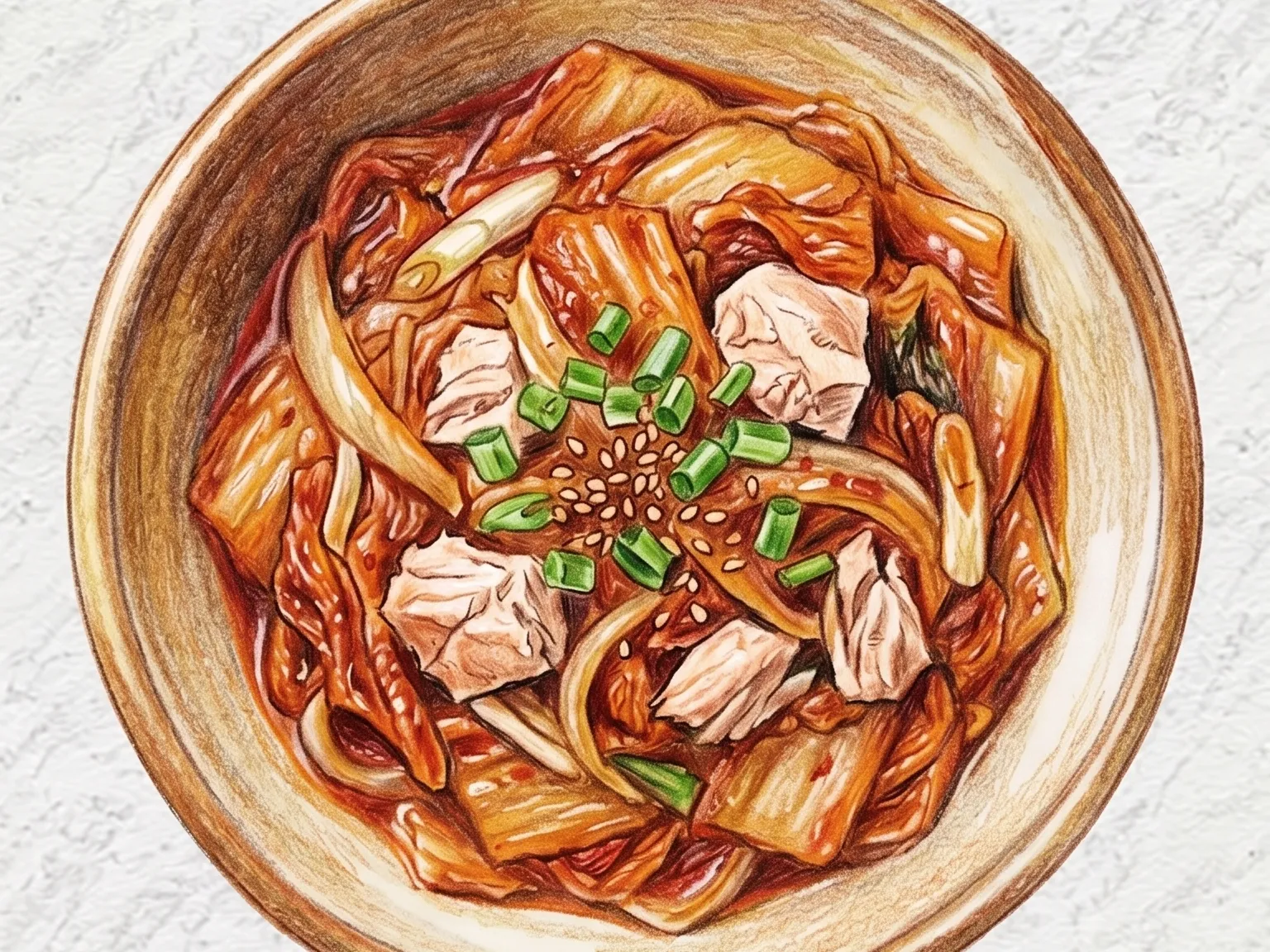
Mukeunji-chamchi-bokkeum stir-fries well-aged kimchi together with drained canned tuna, concentrating the kimchi's sharp tanginess against the tuna's protein-rich umami into a boldly flavored banchan. Onion and the white parts of scallion go into the pan first and cook until softened and sweet, building a flavor base before the aged kimchi is added and stir-fried for four to five minutes to drive off excess moisture and deepen the fermented sour notes. Gochugaru and sugar are added at this stage to calibrate the balance between acid and sweetness. The tuna goes in last and needs only three minutes of tossing to absorb the sauce without crumbling. If the aged kimchi is sharper than desired, an extra half-teaspoon of sugar rounds it out, and a few drops of soy sauce can reinforce the umami if the seasoning tastes flat. A finishing drizzle of sesame oil and a scatter of scallion greens add fragrance before the pan comes off the heat. Served over hot steamed rice and mixed together, it makes a quick and complete meal, and packed into a lunchbox the dry-ish seasoning stays in place without bleeding. Refrigerated in a sealed container, the flavor holds well for two to three days.

🏠 Everyday 🍱 Lunchbox
Prep 12min Cook 13min 2 servings
Korean Braised Radish Greens
Steamed Medium

Korean Braised Radish Greens

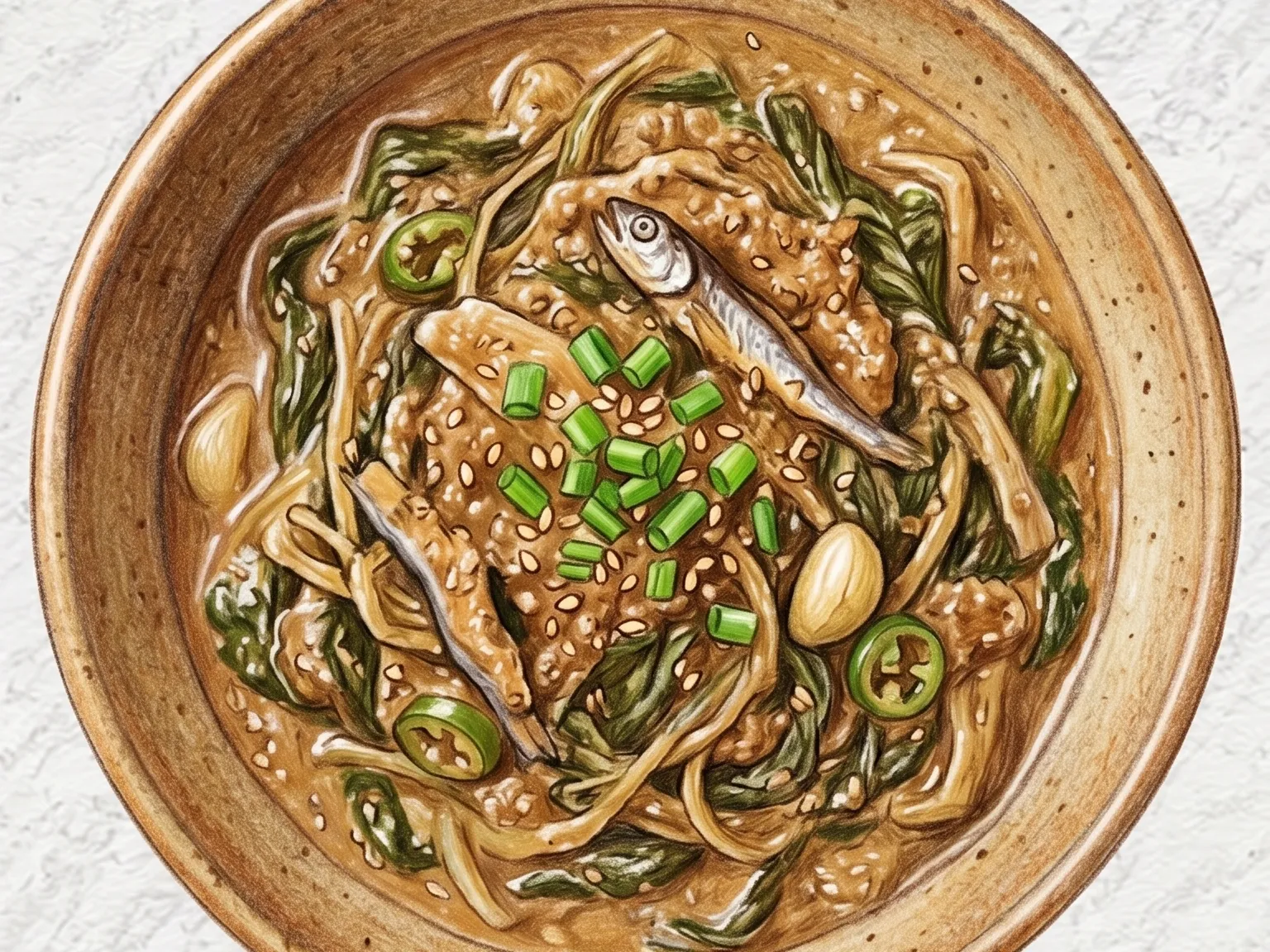
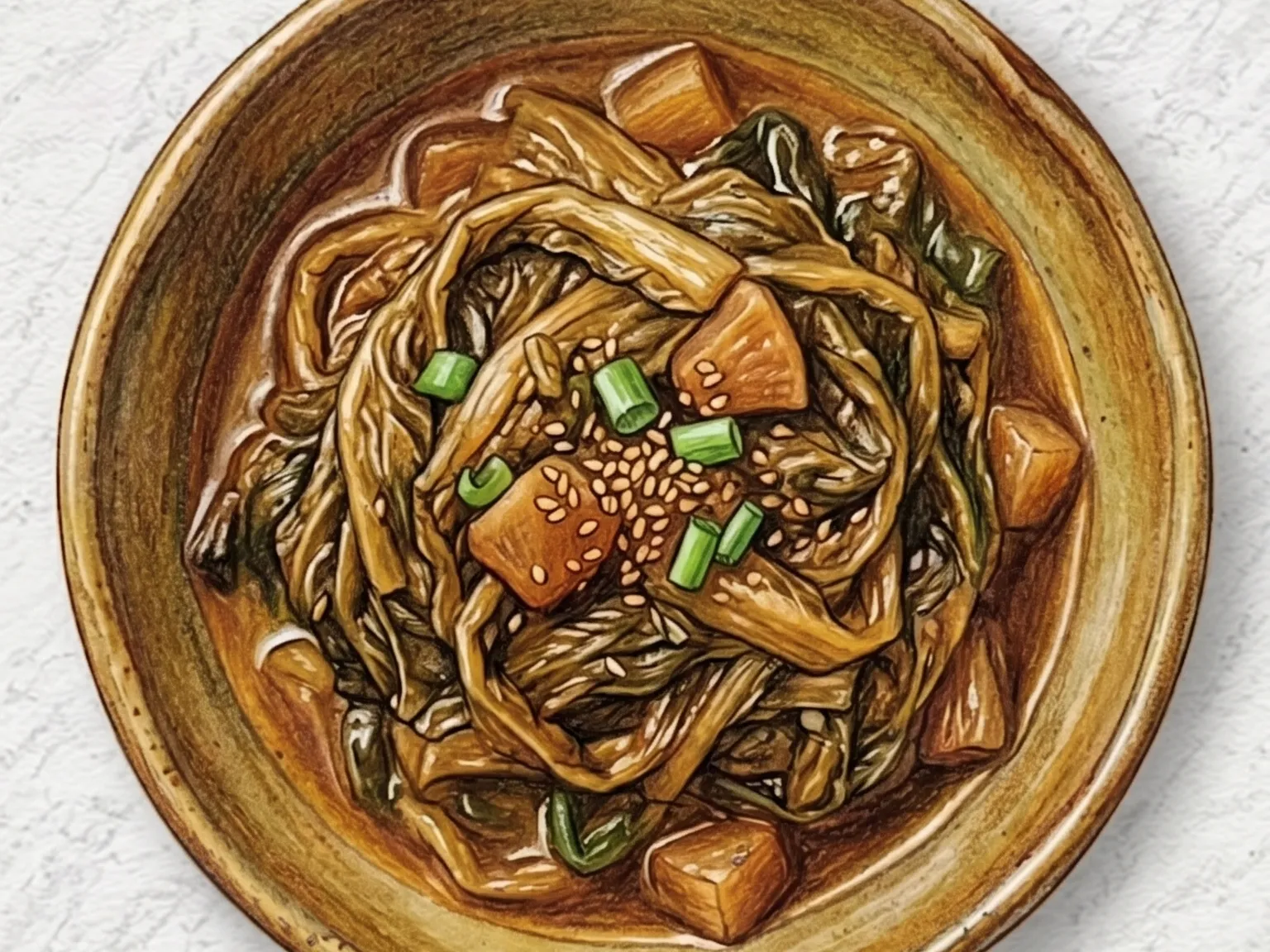
Siraegi jjim is a traditional Korean side dish of blanched dried radish greens braised with soybean paste, ground perilla seeds, and soup soy sauce in anchovy stock. The greens are first seasoned by hand, then stir-fried in perilla oil to develop aroma before the stock is poured in. Simmering melds the salty depth of doenjang with the creamy nuttiness of perilla into every fiber of the greens. Adding the perilla powder in the final stage rather than at the start prevents a chalky, starchy texture and keeps its fragrance intact. Blanching the greens thoroughly first is important because the tough fibers need time to soften, and squeezing out the water after blanching allows the seasoning to penetrate evenly. Though made from humble ingredients, the combination of fermented paste and roasted seeds produces an earthy richness that suits any season.

🍱 Lunchbox 🏠 Everyday
Prep 20min Cook 25min 2 servings
Korean Mustard Greens Pickle
Kimchi Easy

Korean Mustard Greens Pickle

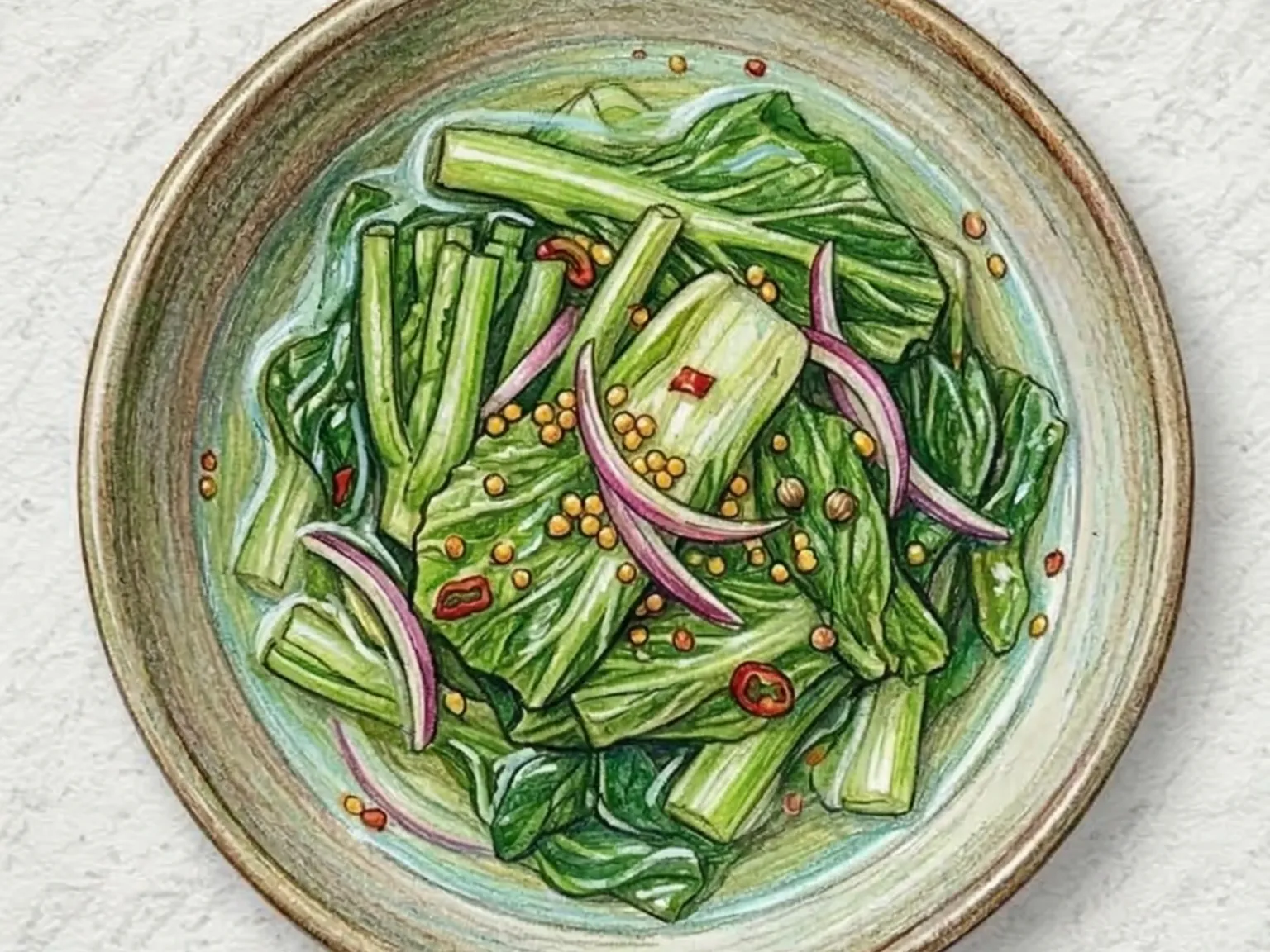
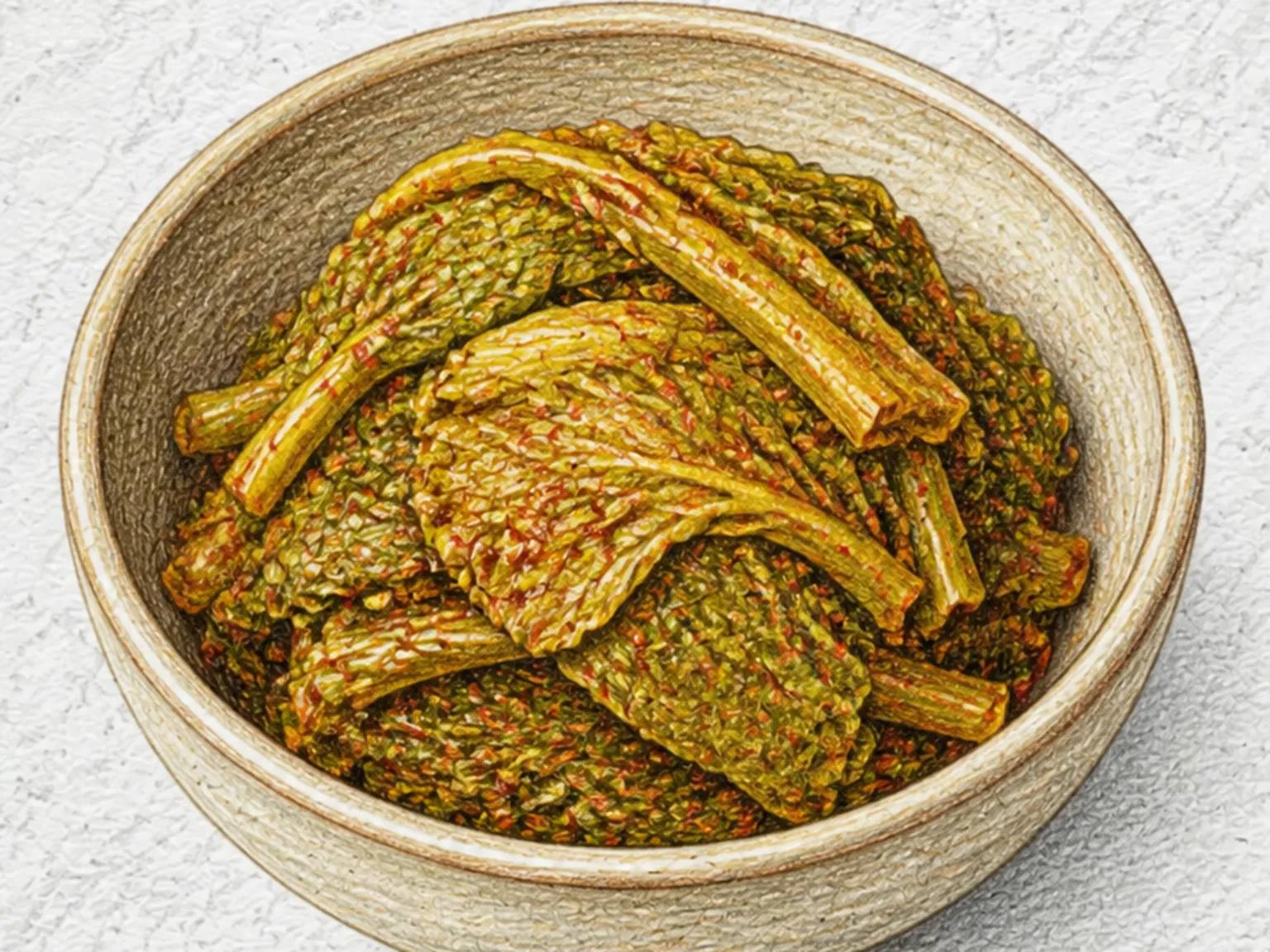
Paeju mustard pickle is a quick vinegar preserve where mustard greens are cut into roughly four-centimeter pieces, packed into jars with sliced garlic, and submerged in a hot brine of vinegar, water, sugar, salt, and lemon juice. Mustard greens hold on to their peppery, nasal bite even after pickling, layering that natural heat against the sharp acidity of the brine. Lemon juice is added only after the heat is turned off, preserving the citrus aroma that would otherwise evaporate during boiling. Thicker stems absorb the brine more slowly than the leaves, so separating them and salting the stems first gives a more uniform texture throughout. The pickles are ready after twelve hours of refrigeration, but a full day of resting allows the brine to penetrate to the center of each piece and the flavors to settle into a rounder balance. Served alongside fatty meats, their peppery acidity cleans the palate effectively; tucked into a sandwich, they stand in for mustard with more complexity.

🍱 Lunchbox ⚡ Quick
Prep 12min Cook 6min 2 servings
Korean Rainbow Trout Sashimi
Side dishes Hard

Korean Rainbow Trout Sashimi

Korean rainbow trout sashimi uses an aquacultured trout fillet that is explicitly sold for raw consumption, then serves the cold slices with shredded cabbage, lettuce, roasted bean powder, sesame oil, garlic, and sweet chili paste sauce. Do not substitute a trout intended only for cooking. Confirm the raw-consumption label and the supplier's aquaculture and parasite-control information, and keep the fillet at or below 4 degrees Celsius until preparation. On a cleaned cutting board, inspect the flesh for pin bones and remove them, then slice diagonally into slightly thick, bite-sized pieces. This cut preserves the trout's springy texture while allowing its soft richness to register without requiring an oversized bite. Wash the cabbage and lettuce separately, shred them finely, and drain them completely so vegetable water does not collect beneath the fish. Mound the vegetables in a broad bowl and arrange the chilled trout on top. Keep the roasted bean powder, sesame oil, minced garlic, and sweet chili paste sauce in distinct portions until eating, then mix only as much as needed. That approach lets the nutty powder and tart, spicy sauce support the fish instead of masking it. Use separate utensils for fish and vegetables, or wash them thoroughly between tasks, and clean the work surface afterward. Keep the assembled dish cold, eat it immediately, and do not store leftover sashimi.

🏠 Everyday 🎉 Special Occasion
Prep 20min Cook 5min 2 servings
Korean Stir-fried Aged Kimchi and Tofu
Stir-fry Easy

Korean Stir-fried Aged Kimchi and Tofu

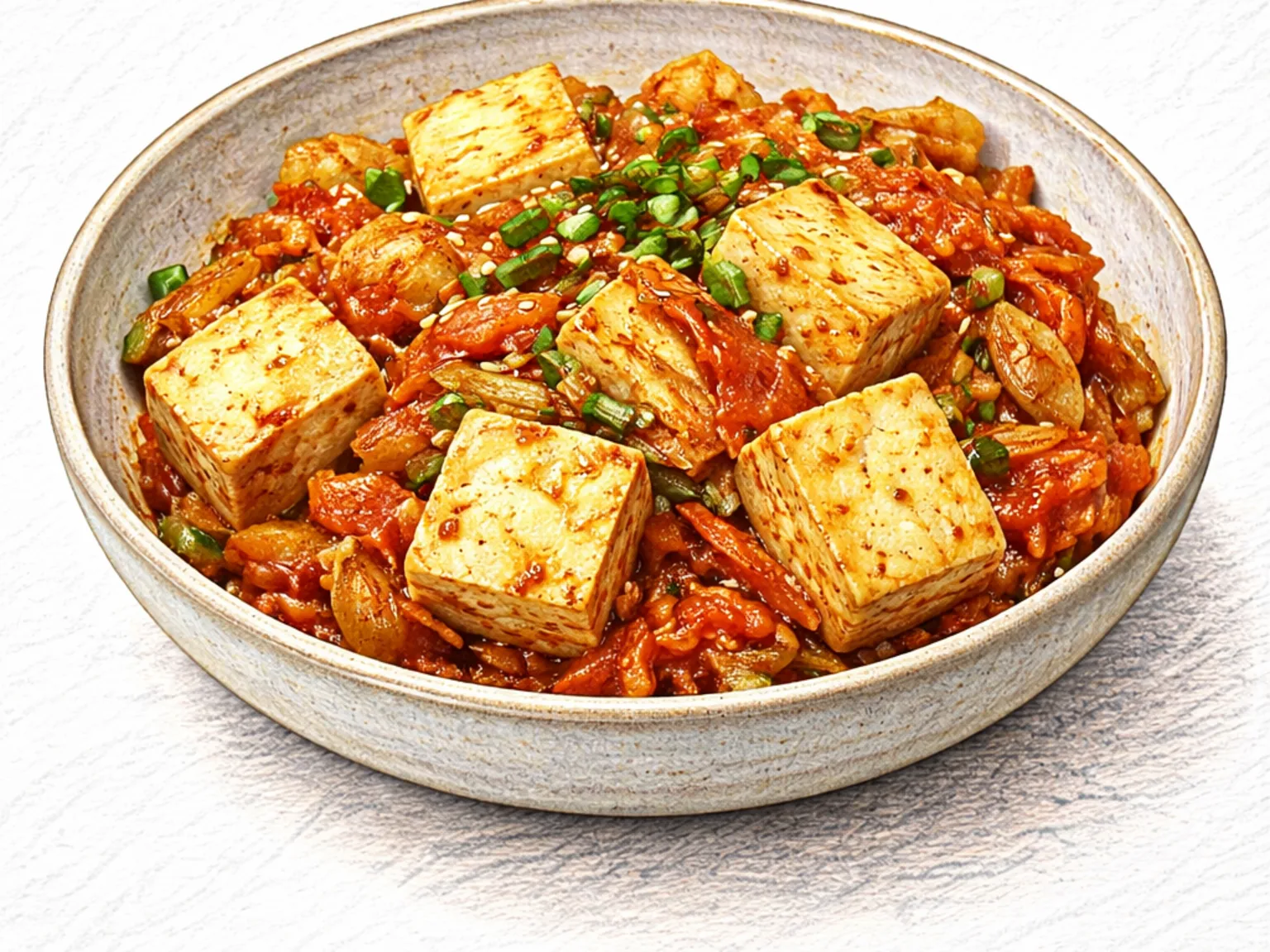
Mukeunji-dubu-bokkeum stir-fries aged kimchi and firm tofu together in a single pan, pulling the kimchi's deep sourness and the tofu's neutral mildness into a unified dish. The tofu is pan-fried in oil until golden on both sides first, which builds a firm crust that prevents the pieces from crumbling during the subsequent stir-fry and gives them a better surface area for absorbing the sauce. Onion and aged kimchi are then cooked with gochugaru until much of the kimchi's moisture cooks off and its sharpest acidic edge softens. Soy sauce and sugar calibrate the seasoning, and the crisped tofu returns to the pan to soak up the flavors evenly. A finishing pour of perilla oil wraps around the fermented intensity of the aged kimchi and smooths it out, while a handful of sliced green onion added at the end lifts the aroma.

🏠 Everyday 🍱 Lunchbox
Prep 12min Cook 14min 2 servings
Korean Braised Dried Radish Greens
Steamed Medium

Korean Braised Dried Radish Greens

Siraegi jorim is a traditional Korean braise of boiled dried radish greens seasoned with doenjang, soup soy sauce, and garlic, then simmered in perilla oil and water over low heat for twenty minutes. The doenjang slowly permeates the tough, fibrous greens, infusing them with deep fermented soybean flavor while the perilla oil adds a smooth richness. The longer the dish simmers, the more pronounced the earthy, malty depth becomes. Scallion stirred in at the end brightens the otherwise dense, savory profile of this slow-cooked banchan.

🏠 Everyday 🍱 Lunchbox
Prep 25min Cook 30min 4 servings
Korean Bell Pepper Pickles
Kimchi Easy

Korean Bell Pepper Pickles

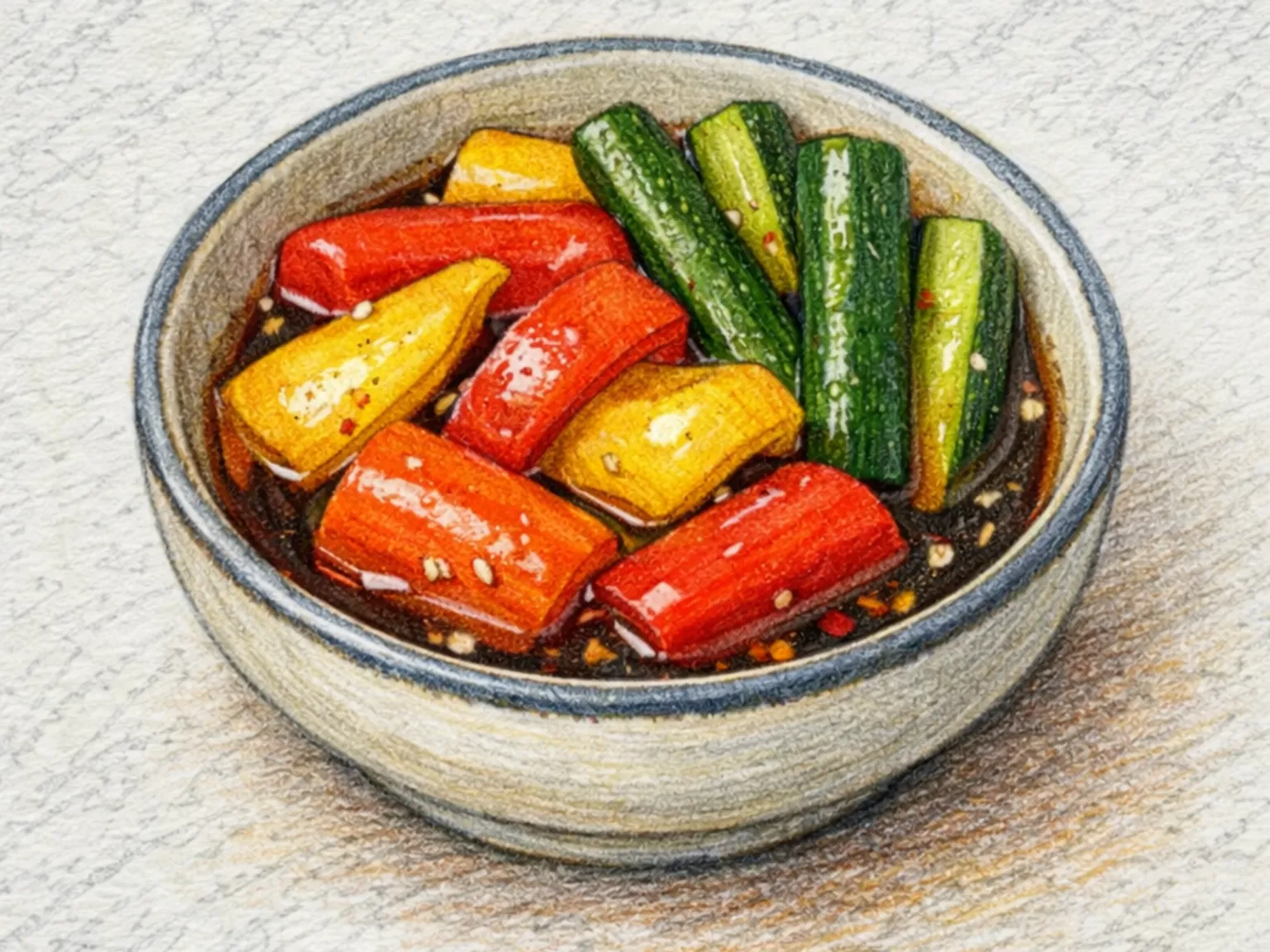
Papeurika jangajji is a Korean soy-vinegar pickle made by cutting red and yellow bell peppers and cucumber into two-centimeter strips, layering them in a sterilized glass jar, and pouring over a hot brine of soy sauce, vinegar, water, sugar, and whole peppercorns. The peppers' thick flesh absorbs the brine gradually while holding a firm, satisfying crunch throughout, and their natural vegetable sweetness forms a precise three-way balance with the salty soy and tart vinegar. Whole peppercorns leave a faint, lingering spice at the finish that keeps each bite interesting, and the vivid red-and-yellow colors make these pickles a clear visual accent on the table. The pickles are edible from the next day, but the flavor is at its best after two to three days once the brine has fully penetrated to the center. Leaving out the cucumber reduces moisture release and extends refrigerator life to more than two weeks. Any leftover brine works well as a salad dressing, so nothing goes to waste.

🏠 Everyday 🍱 Lunchbox
Prep 15min Cook 10min 2 servings
Sseumbagui Muchim
Side dishes Medium

Sseumbagui Muchim

Sseumbagui muchim seasons 150 grams of bitter lettuce with a dressing made from gochujang, vinegar, sugar, garlic, and sesame oil. Open the space between the roots and leaves, rinse several times under cold running water, and remove soil and fine roots with your fingertips. Soak the cleaned greens in cold salted water for 20 to 30 minutes, turning them once midway. Drain them thoroughly and cut the stems and leaves together into 3- to 4-centimeter lengths. For the dressing, stir together 1.5 tablespoons gochujang, 1 tablespoon vinegar, 1 tablespoon sugar, and 0.5 teaspoon minced garlic until no sugar grains remain. Mix in 1 teaspoon sesame oil, pour the dressing over the drained greens, and fold gently from the bottom upward so the leaves remain intact. Finish with 1 teaspoon sesame seeds. Keeping the soaking, draining, and dressing steps separate prevents residual water from thinning the sauce and helps the measured seasoning coat both roots and leaves evenly.

🏠 Everyday 🥗 Light & Healthy
Prep 30min 4 servings
Korean Mushroom and Vegetable Stir-Fry
Stir-fry Easy

Korean Mushroom and Vegetable Stir-Fry

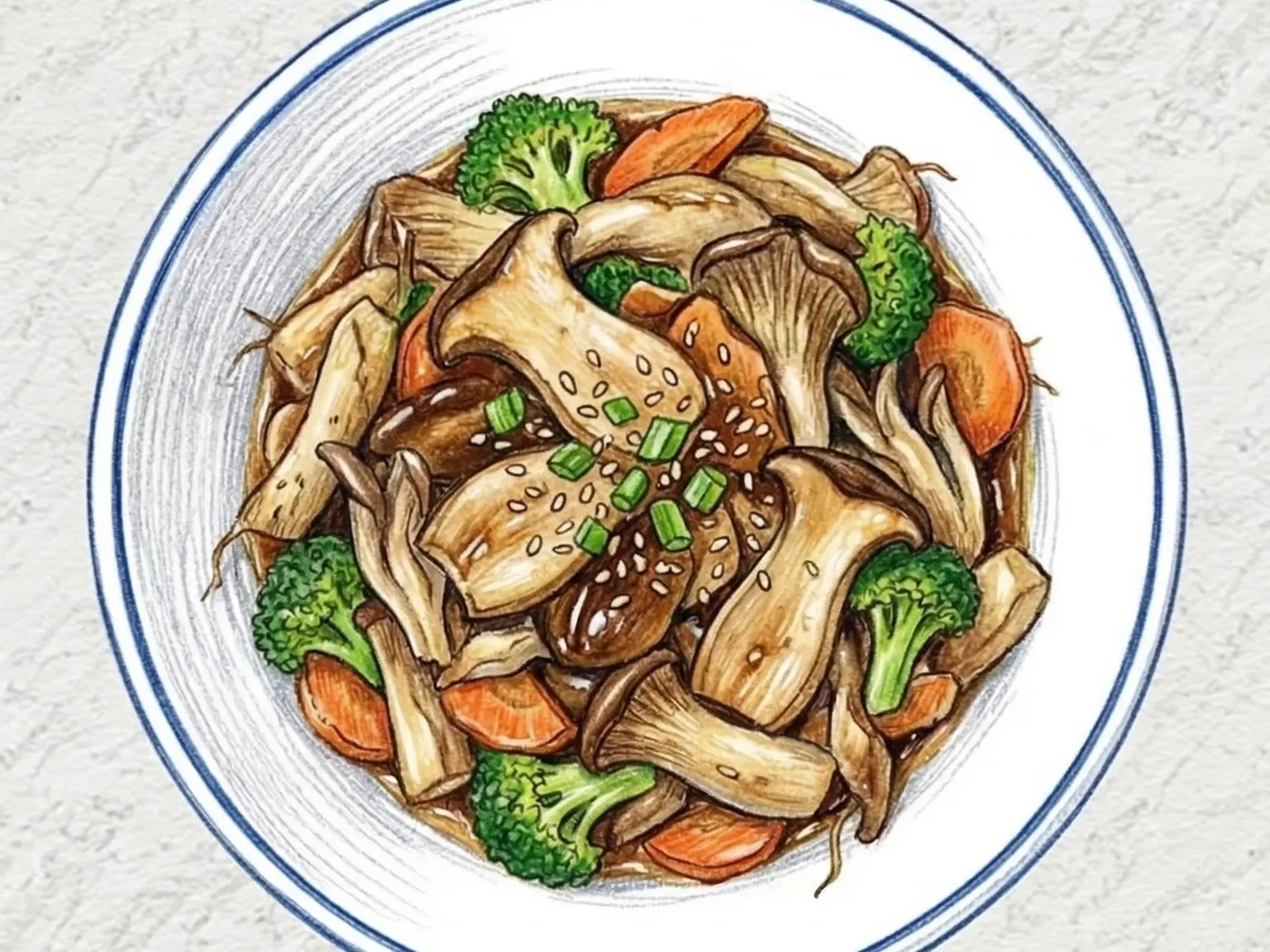
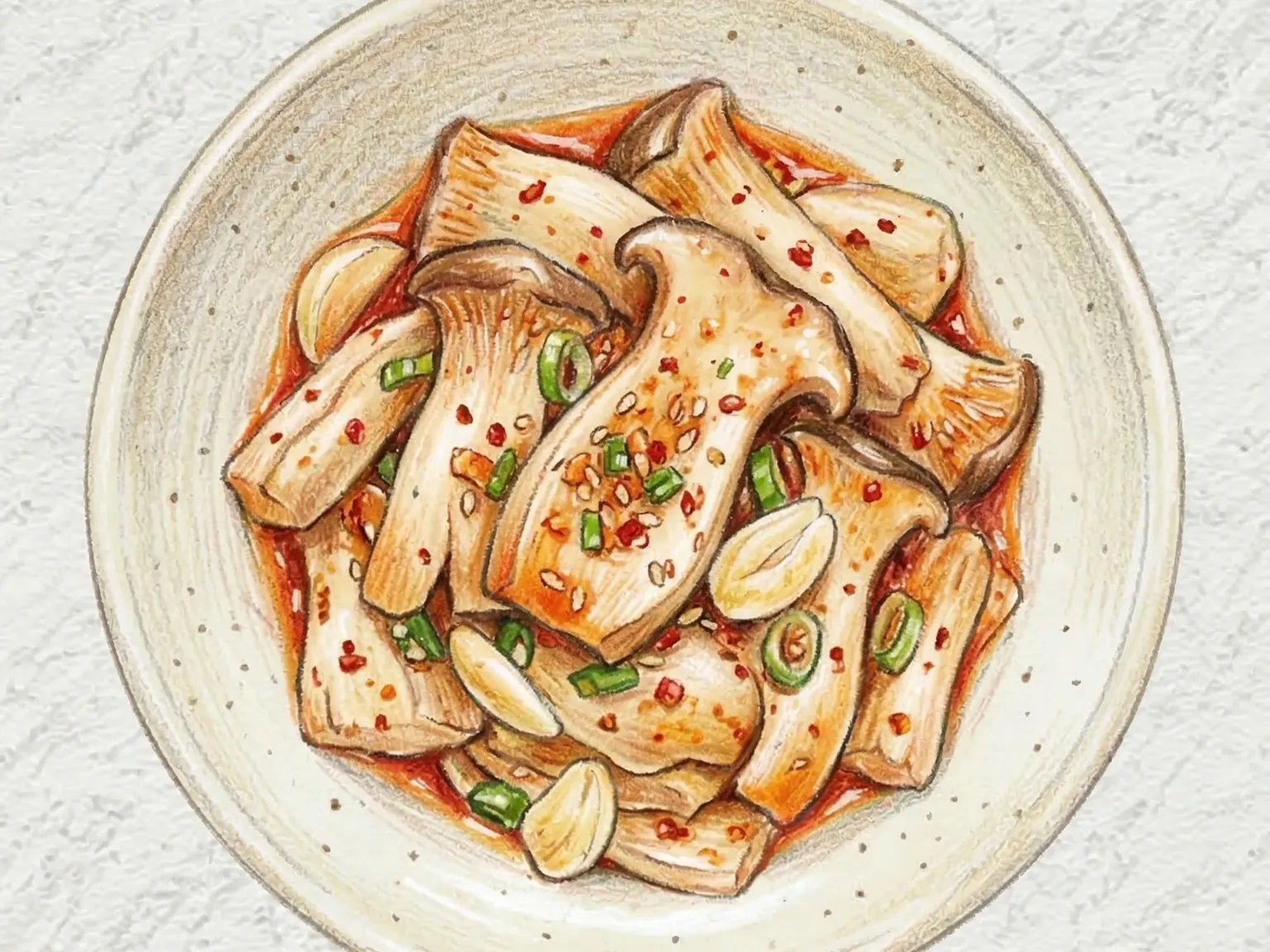
Two mushrooms with different structures shape this stir-fry: 150 g of king oyster mushrooms are sliced lengthwise, while 100 g of oyster mushrooms are separated into strands. Cut the broccoli and carrot to a compatible thickness so the vegetables can finish in the same pan. Heat 1 tablespoon of cooking oil over high heat and cook 1 tablespoon of minced garlic for about 20 seconds. The carrot goes in first for 1 minute because it needs the longest head start, followed by the broccoli until its color brightens and the edges begin to soften. Spread the mushrooms across the pan rather than piling them up. If they release liquid, stir less and keep the heat high until that moisture evaporates; this prevents the ingredients from simmering in their own juices. After roughly 2 minutes, pour 2 tablespoons of soy sauce and 1 tablespoon of oyster sauce around the hot edge of the pan, then toss until the vegetables and mushrooms look evenly glossy. Remove the pan from the heat before adding 1/2 tablespoon of sesame oil. The broccoli should still offer a slight bite, and the mushrooms should be tender and coated rather than sitting in watery sauce.

🏠 Everyday 🌙 Late Night
Prep 10min Cook 10min 2 servings
Korean Sogogi Jangjorim (Soy-Braised Beef)
Steamed Medium

Korean Sogogi Jangjorim (Soy-Braised Beef)

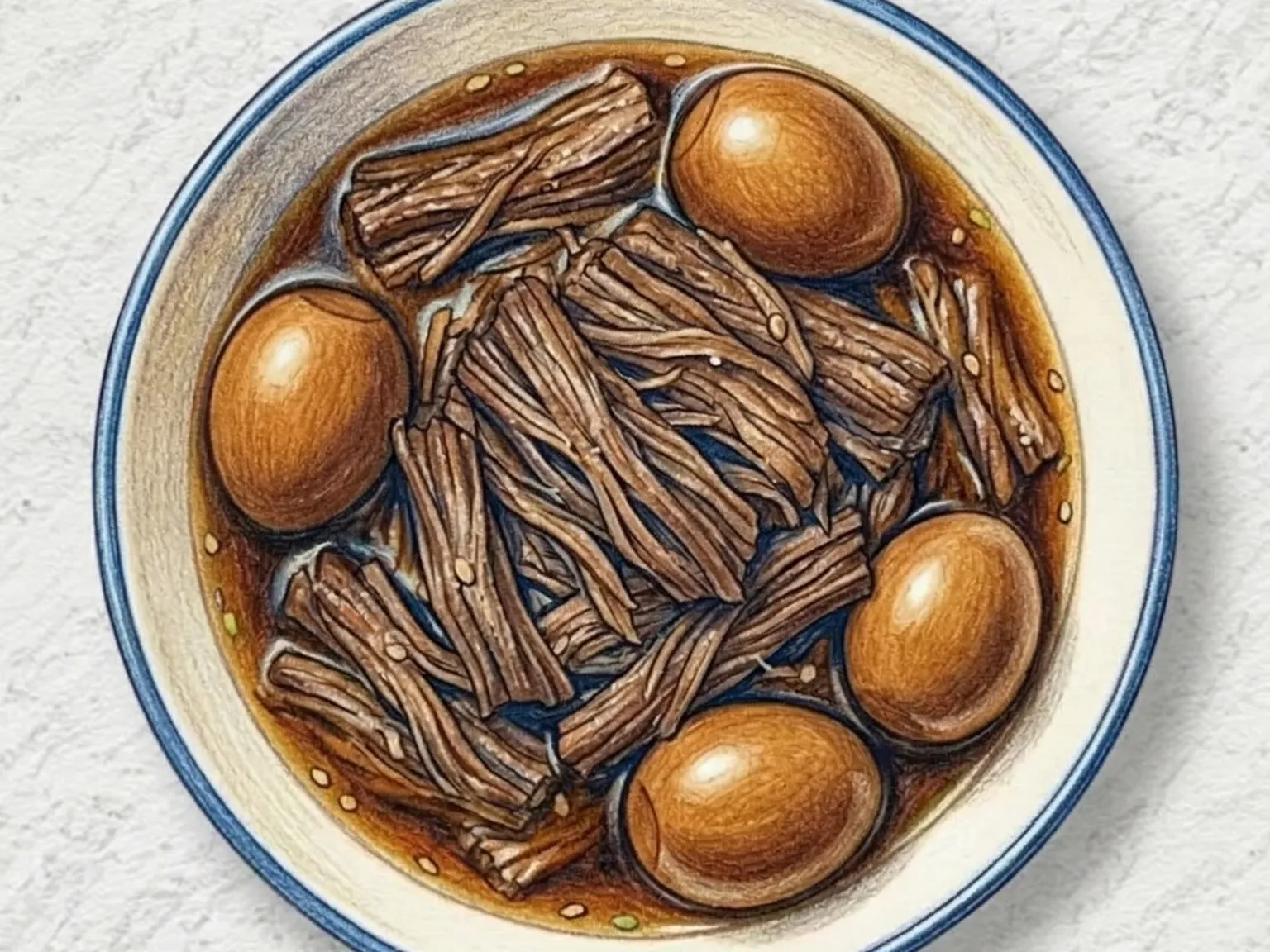
Sogogi jangjorim is one of Korea's essential make-ahead side dishes, made by boiling lean beef round until thoroughly tender, shredding it cleanly along the grain, and braising the shreds with quail eggs in soy sauce, sugar, and garlic. Using the beef cooking broth as the braising base means every spoonful of the liquid carries concentrated, bone-deep meat flavor that plain water could not produce. The quail eggs take on a deep amber-brown color as they simmer, absorbing the soy seasoning all the way through to the yolk rather than just on the surface. Cooling the pot completely before refrigerating is not merely a storage step but a flavor step: both the meat and the eggs continue to draw in seasoning as the temperature drops, resulting in a more uniform taste throughout. Once fully chilled, the braising liquid partially solidifies into a savory coating around each piece of beef and every egg, helping the dish maintain its intensity for days. Refrigerated, this banchan keeps well over a week, making it a staple of Korean weekly meal preparation. The shredded beef tucks easily between grains of rice, and the firm bite of the quail eggs provides a satisfying textural contrast that makes it impossible to stop at just a few bites.

🎉 Special Occasion 🍱 Lunchbox
Prep 20min Cook 70min 4 servings
Fresh Whole Cabbage Kimchi
Kimchi Medium

Fresh Whole Cabbage Kimchi

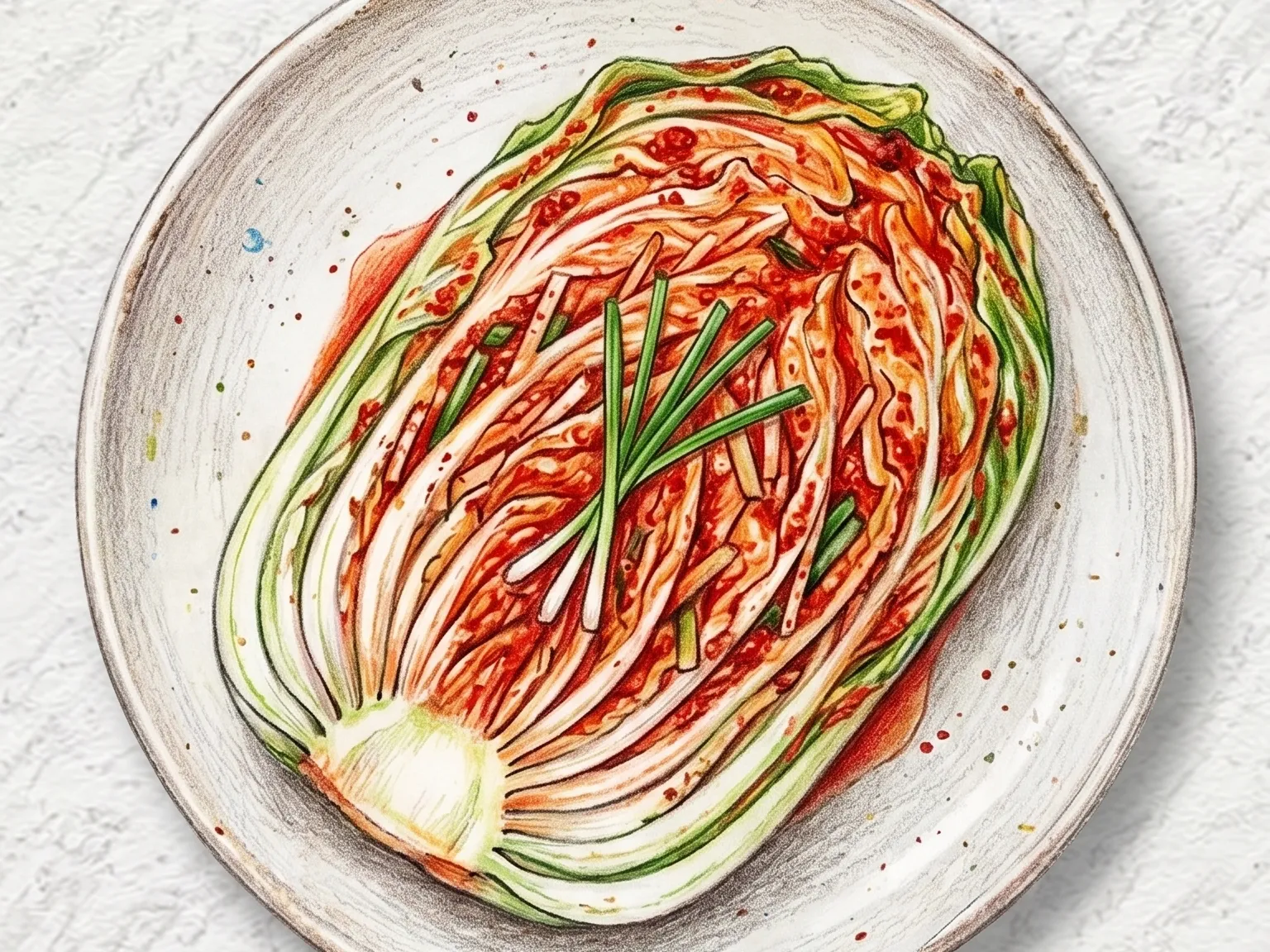
Fresh whole cabbage kimchi is a side dish prepared by mixing fresh, unsalted napa cabbage directly with spicy seasoning to deliver a sharper and crisper texture than fermented versions. Cleaned napa cabbage leaves are torn lengthwise and combined with a seasoning paste made of chili flakes, anchovy fish sauce, minced garlic, ginger, and plum extract. The addition of plum extract provides an enzymatic sweetness and deep flavor without requiring any fermentation time. Green onions cut into four to five centimeters and sesame seeds are folded in gently at the end. To enjoy the firm texture without the dish becoming watery, it should be consumed immediately after mixing when the cabbage cells are still intact. This salad-like kimchi offers a refreshing, spicy, and immediate taste.

🔥 Trending Now 🥗 Light & Healthy
Prep 40min Cook 15min 4 servings
Ssukgat Namul Muchim
Side dishes Easy

Ssukgat Namul Muchim

Ssukgat namul muchim uses 220 grams of crown daisy blanched for about 20 seconds and seasoned with soy sauce, sesame oil, garlic, green onion, and sesame seeds. Trim 2 to 3 centimeters from the tough base, then swish the greens in cold water two or three times to remove grit from between the leaves. Add 0.25 teaspoon salt to fully boiling water, lower in all the crown daisy, and blanch for about 20 seconds. Lift it out when the stems bend slightly and the leaves have just wilted, then chill it in ice water for 1 minute. Drain and squeeze firmly through the stems before cutting the greens into 4- to 5-centimeter lengths. Mix 1.5 tablespoons soy sauce, 0.5 teaspoon minced garlic, 1 tablespoon chopped green onion, 1 teaspoon sesame oil, and 1 teaspoon sesame seeds. Fold the greens into this dressing without crushing the leaves. The source method specifies about 20 seconds, so that timing and the visible condition of the stems and leaves are the reference points for blanching.

🏠 Everyday 🍱 Lunchbox
Prep 8min Cook 2min 4 servings
Korean Stir-fried Anchovies
Stir-fry Easy

Korean Stir-fried Anchovies

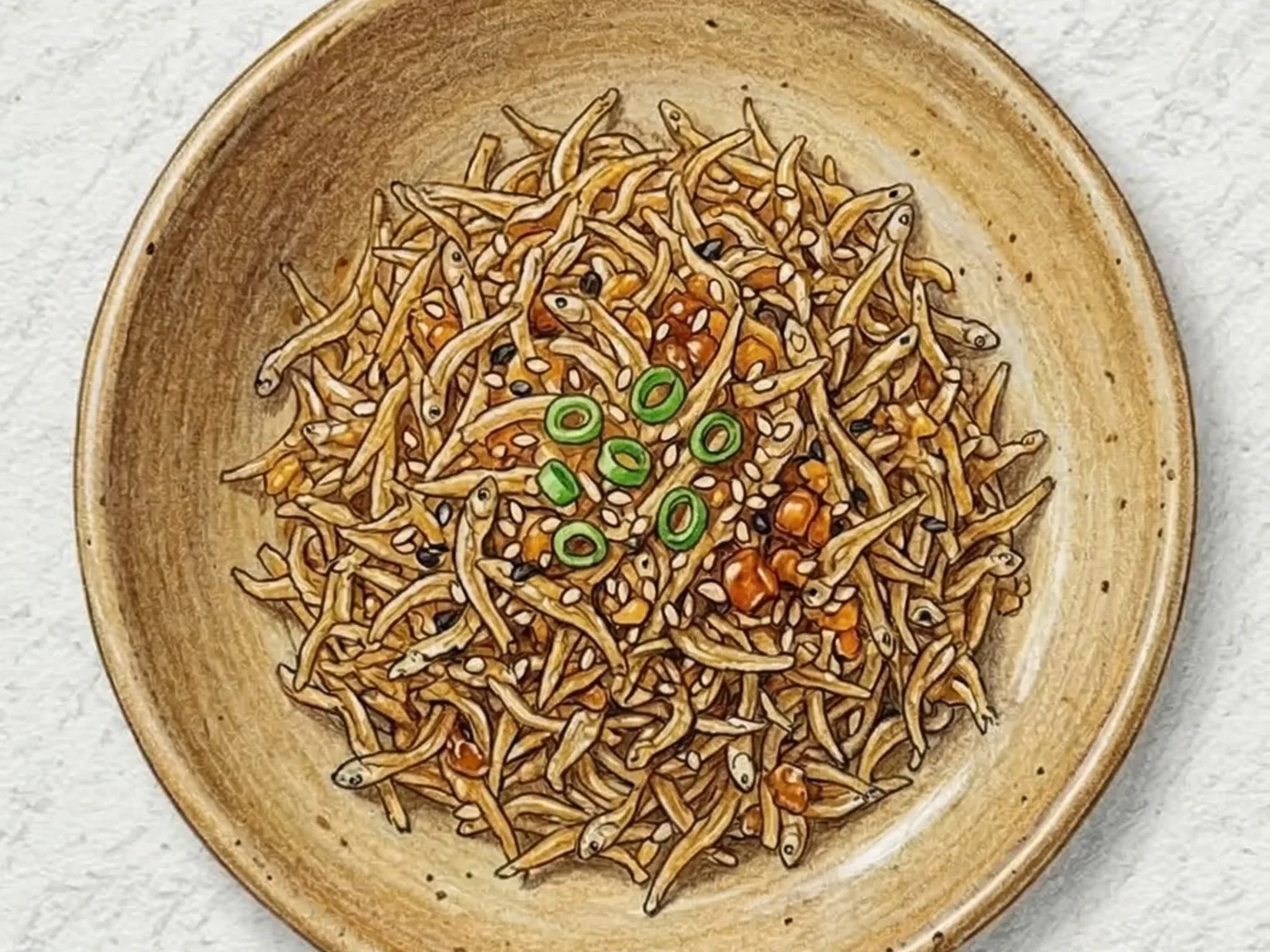
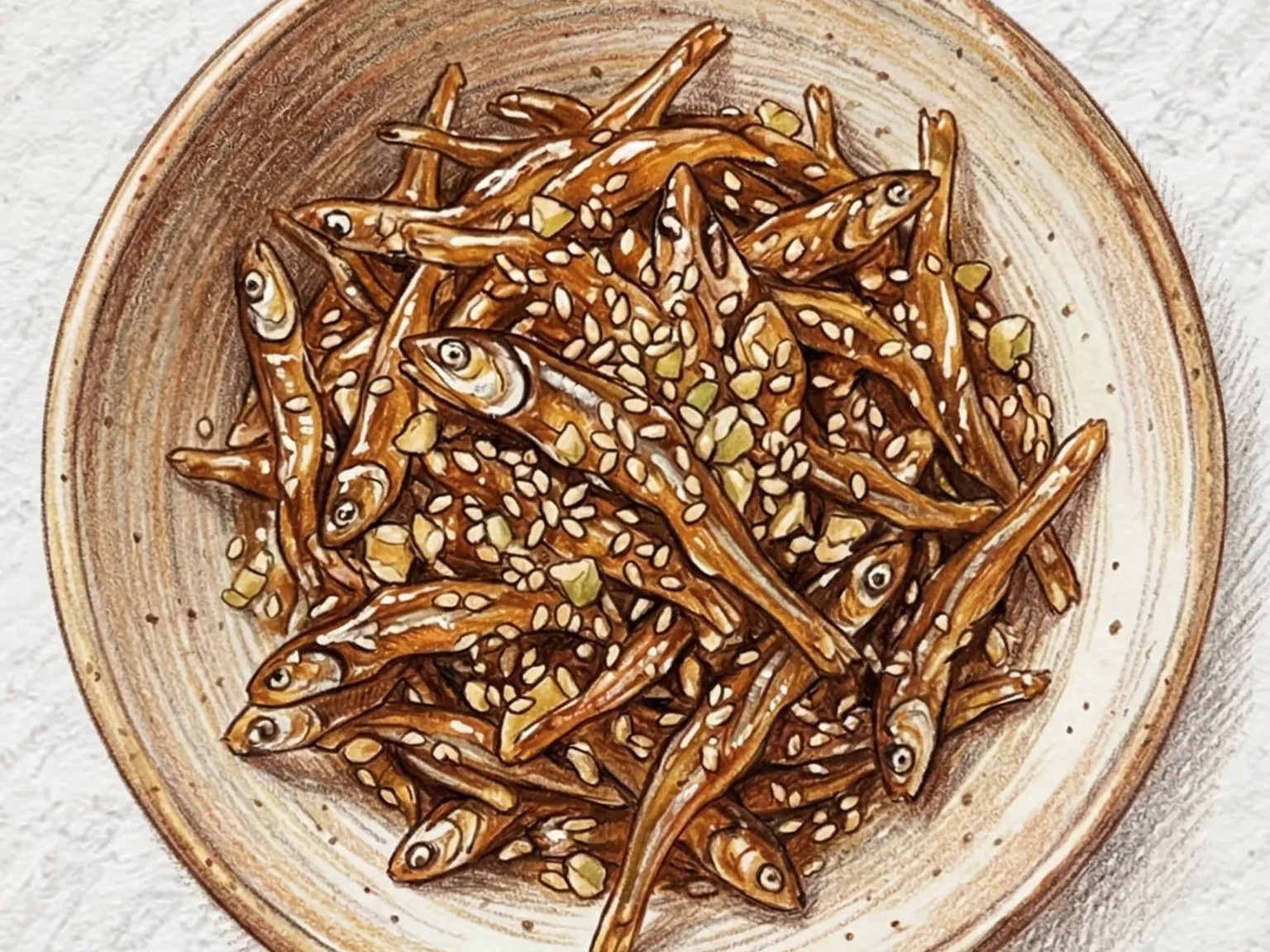
The texture of this anchovy stir-fry is established before the glaze ever enters the pan. Remove the heads and dark innards from 100 g of small dried anchovies, shake away loose crumbs, and dry-toast them over low heat for about 3 minutes. Once they feel lighter and crisper, transfer them out of the pan so they do not burn while the seasoning is prepared. Add 1 tablespoon of cooking oil and 1/2 tablespoon of minced garlic to the same pan, then cook the garlic over low heat for 30 seconds. Stir in 1 1/2 tablespoons of soy sauce and 2 tablespoons of oligosaccharide or corn syrup. Wait for large, glossy bubbles before returning the anchovies. Toss for only 30 seconds to 1 minute, just long enough to cover each piece; extended cooking can reduce the syrup until the anchovies clump into a hard mass. Switch off the heat and mix in 1 teaspoon of sesame oil and 1 tablespoon of sesame seeds. Spread the anchovies out instead of leaving them in a mound. The coating sets as it cools, so complete cooling before transfer to an airtight container helps keep the pieces separate and crisp.

🏠 Everyday 🍱 Lunchbox
Prep 5min Cook 10min 4 servings
Korean Soy-Braised Beef with Mushrooms
Steamed Easy

Korean Soy-Braised Beef with Mushrooms

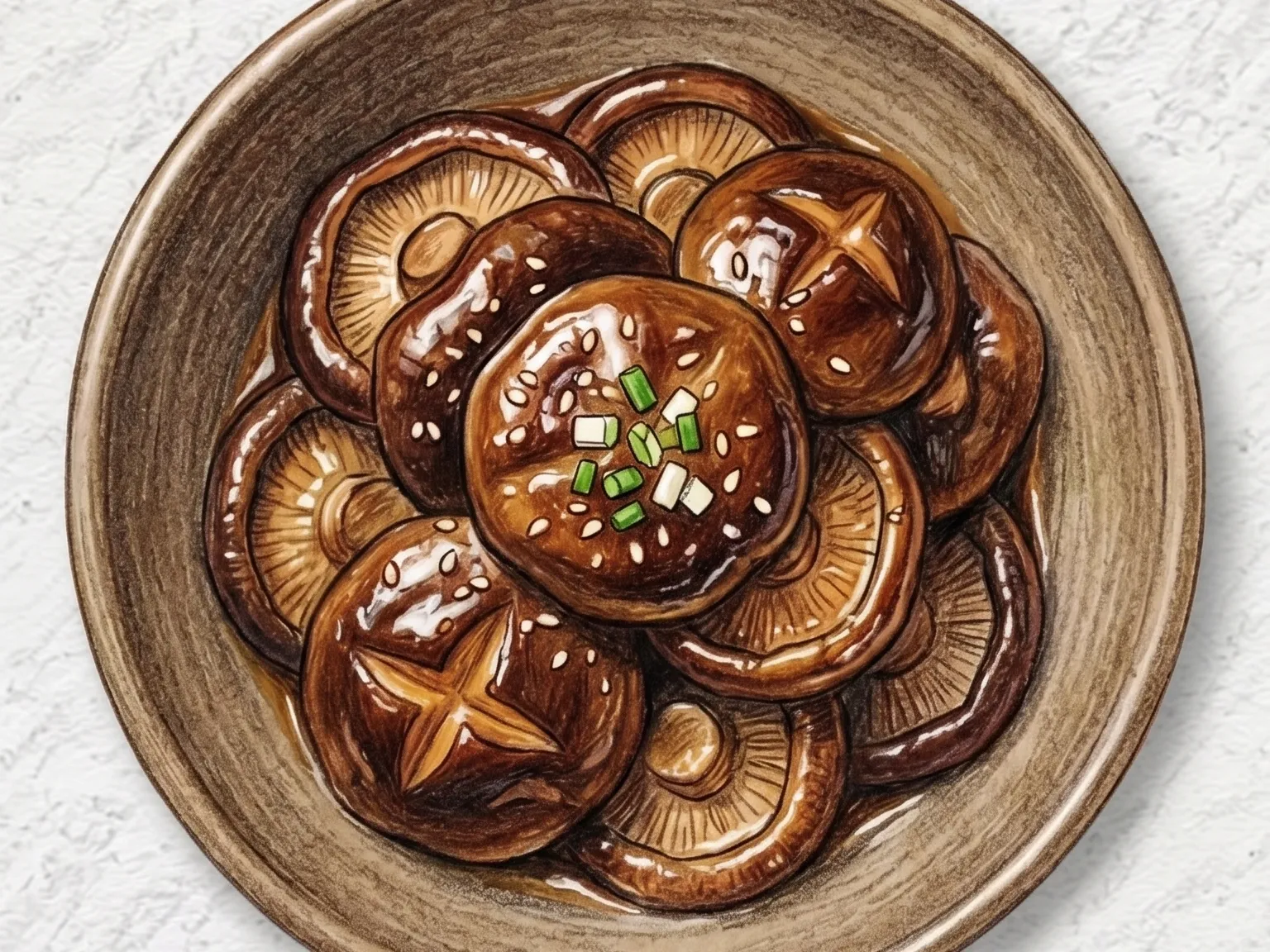
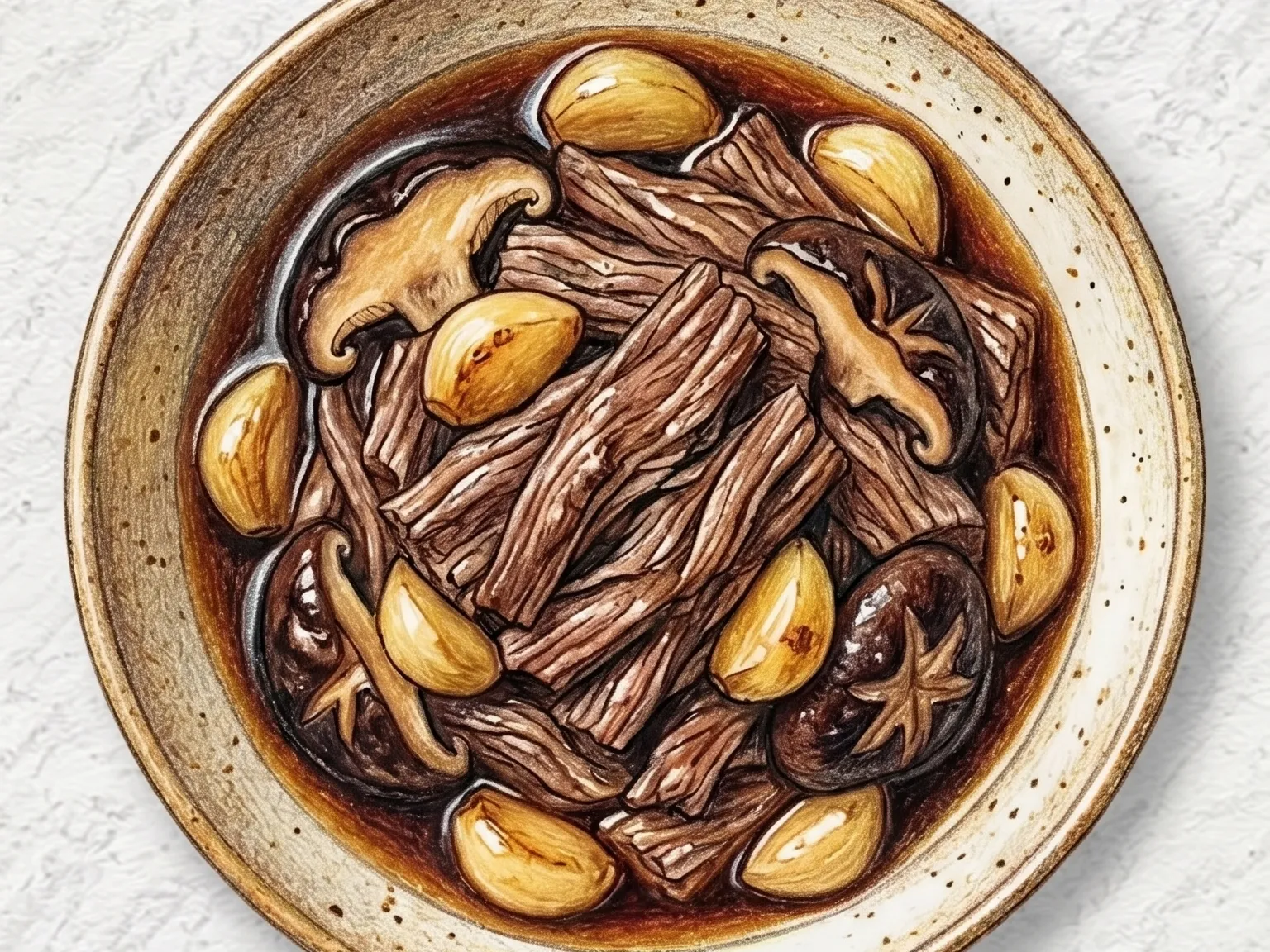
Sogogi beoseot jangjorim is a Korean soy-braised banchan of beef eye round, shiitake mushrooms, and whole garlic cloves, simmered down in soy sauce and soup soy sauce. The beef is boiled first and the resulting clear stock becomes the braising liquid, so the soy sauce carries a deep meat flavor from the very beginning. Shiitake mushrooms contribute their own aromatic umami on top of that base, and whole garlic cloves lose their sharp bite during the long simmer, turning mellow and lightly sweet. Shredding the beef along the grain exposes more surface area to the sauce and makes it easier to portion out. An overnight rest in the refrigerator lets every component absorb the seasoning more fully, and the flavor is noticeably richer the next day. It keeps well for over a week refrigerated, making it a practical and reliable make-ahead banchan.

🏠 Everyday 🎉 Special Occasion
Prep 15min Cook 45min 4 servings
Korean Pickled Ginger in Soy-Vinegar Brine
Kimchi Easy

Korean Pickled Ginger in Soy-Vinegar Brine

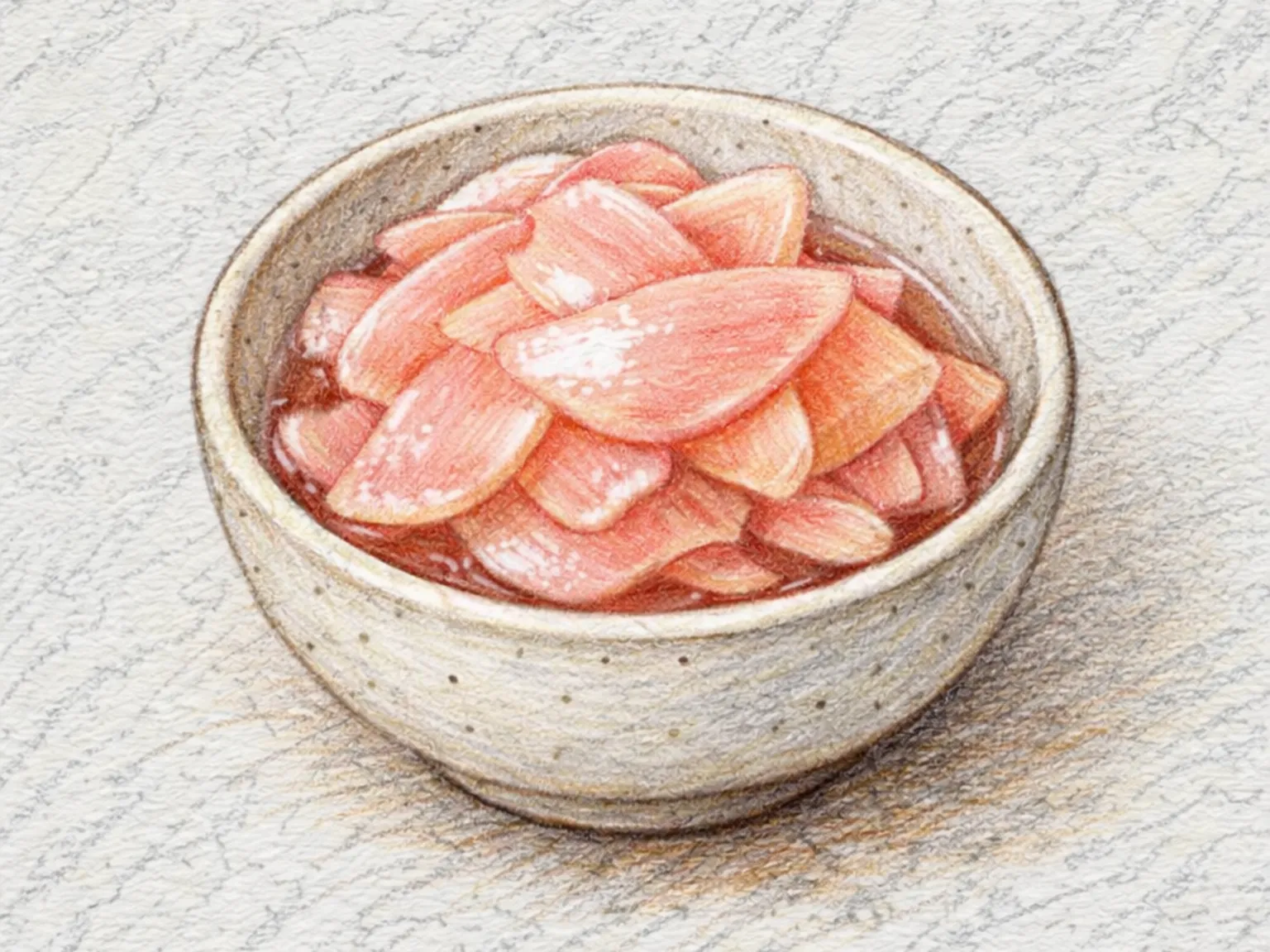
Saenggang jangajji is a traditional Korean soy-and-vinegar pickled ginger built on one precise technique: peeling fresh ginger, slicing it as thin as possible, blanching the slices for exactly thirty seconds to blunt their raw bite without stripping fragrance, then submerging them in a hot brine of soy sauce, vinegar, water, and sugar. The brief blanch relaxes the tough fibers enough for the brine to penetrate while keeping the aromatic compounds intact. After three days of cold fermentation the sweet, salty, and sour brine soaks through every thin slice, and the sharp initial heat softens into a mellow, rounded warmth. One slice eaten alongside rice cleanses the palate between mouthfuls, and placed next to fatty cuts like pork belly or boiled pork, the pickle's acidity cuts through the grease with clarity. Blanching beyond thirty seconds dissolves the essential oils that give ginger its fragrance, which is why the timing is non-negotiable. Cutting the ginger thinner accelerates brine penetration and shortens the required aging time, and adding a single cheongyang pepper to the brine layers a clean, bright heat over the ginger's natural warmth.

🍱 Lunchbox 🏠 Everyday
Prep 20min Cook 8min 4 servings
Korean Seasoned Mung Bean Sprouts
Side dishes Easy

Korean Seasoned Mung Bean Sprouts

This classic Korean side dish consists of blanched mung bean sprouts seasoned with salt, sesame oil, and garlic. The sprouts are blanched in boiling water for exactly thirty seconds and immediately cooled in cold water to stop the cooking process, keeping them crisp from head to tail. Squeezing out the moisture thoroughly after cooling is essential to prevent the water from diluting the seasoning. The clean taste of the sprouts is highlighted by using only a small amount of minced garlic, while salt balances the natural sweetness. Tossed gently by hand with sesame oil, sliced green onions, and toasted sesame seeds, the dish offers a delicate nutty flavor and a light texture that pairs well with other Korean dishes.

🏠 Everyday 🍱 Lunchbox
Prep 5min Cook 5min 4 servings
Korean Sweet Stir-Fried Anchovies
Stir-fry Easy

Korean Sweet Stir-Fried Anchovies

Sweet stir-fried anchovies coat tiny dried anchovies in a glossy soy-syrup glaze without any chili heat, making it the classic lunchbox banchan for Korean children who cannot yet tolerate spice. The anchovies must be dry-toasted in an ungreased pan for about two minutes before any seasoning is added: this drives off residual moisture, raises a nutty aroma, and sets up the crispy texture that separates a well-made batch from a soggy, fishy-smelling one. Soy sauce, rice syrup or oligosaccharide, and sugar are then stirred in over low heat, and the single most important moment in the recipe is when the syrup first begins to bubble. The heat must drop immediately at that point, because syrup that overcooks transforms into a brittle, tooth-cracking candy once it cools. Generous sesame seeds tossed in at the end add nuttiness and a visual finish, and once the batch cools completely, the anchovies clump lightly together into loose clusters that are easy to pick up in one or two bites. Although made from the exact same ingredient, this sweet glaze version has a completely different character from the spicy gochujang version of the same dish, and many Korean households keep both prepared simultaneously, rotating between them throughout the week.

🏠 Everyday 🍱 Lunchbox
Prep 5min Cook 10min 4 servings
Korean Braised Beef and Radish
Steamed Medium

Korean Braised Beef and Radish

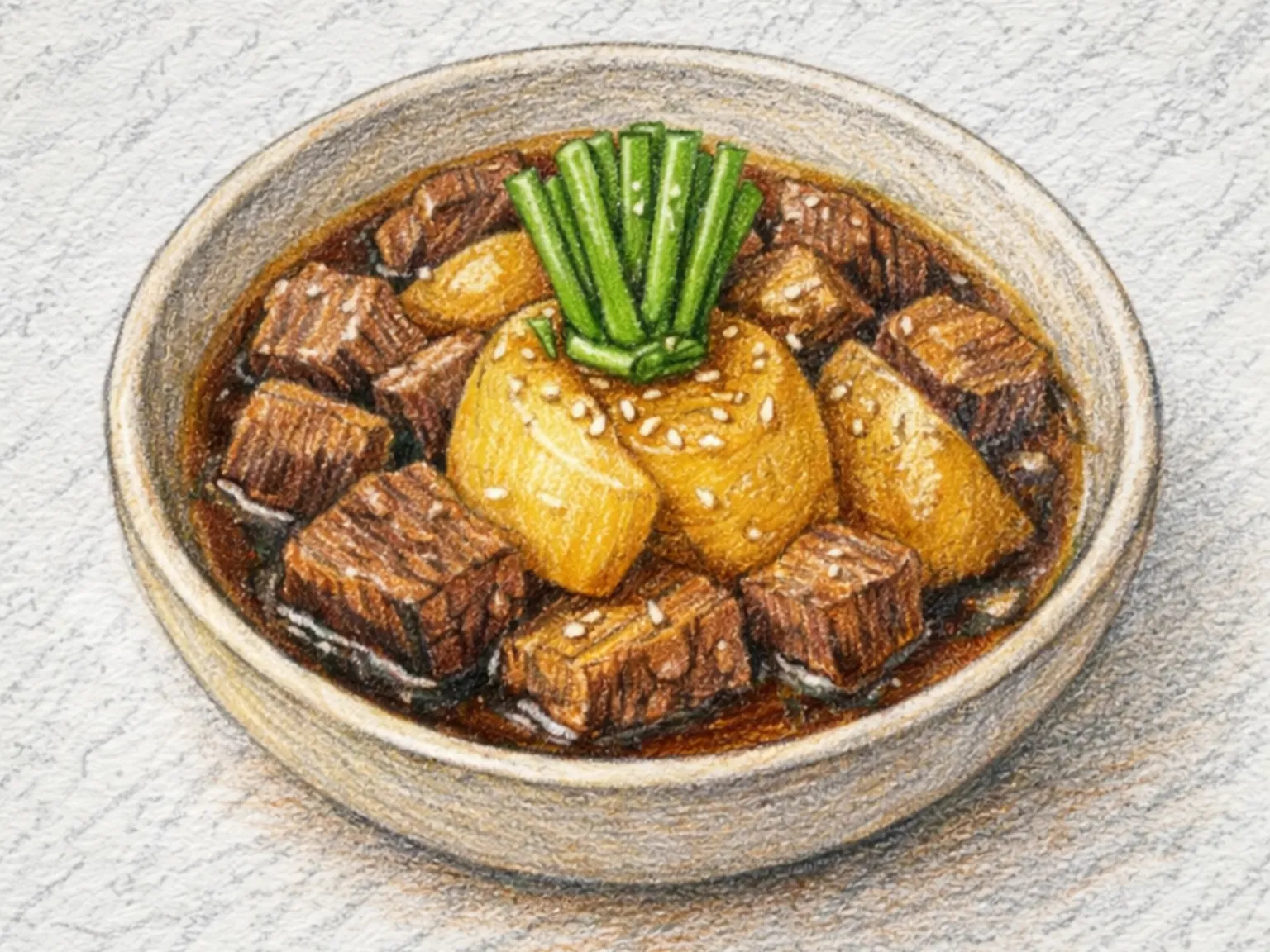
Sogogi mu jorim is a Korean braised beef and radish dish where brisket and thick-cut Korean radish are slowly simmered in soy sauce with garlic, ginger, and a touch of sugar. Boiling the beef first and skimming the foam produces a clean broth base for braising. The radish goes in later so it cooks until semi-translucent, absorbing the beef-enriched liquid and developing a natural sweetness that balances the soy. Green onion added at the end contributes a fresh note. Cutting the radish thick is important so it holds its shape through the braise, and resting the dish overnight before reheating deepens the flavor noticeably.

🏠 Everyday 🎉 Special Occasion
Prep 20min Cook 45min 4 servings
Korean Salt-Fermented Tiny Shrimp
Kimchi Medium

Korean Salt-Fermented Tiny Shrimp

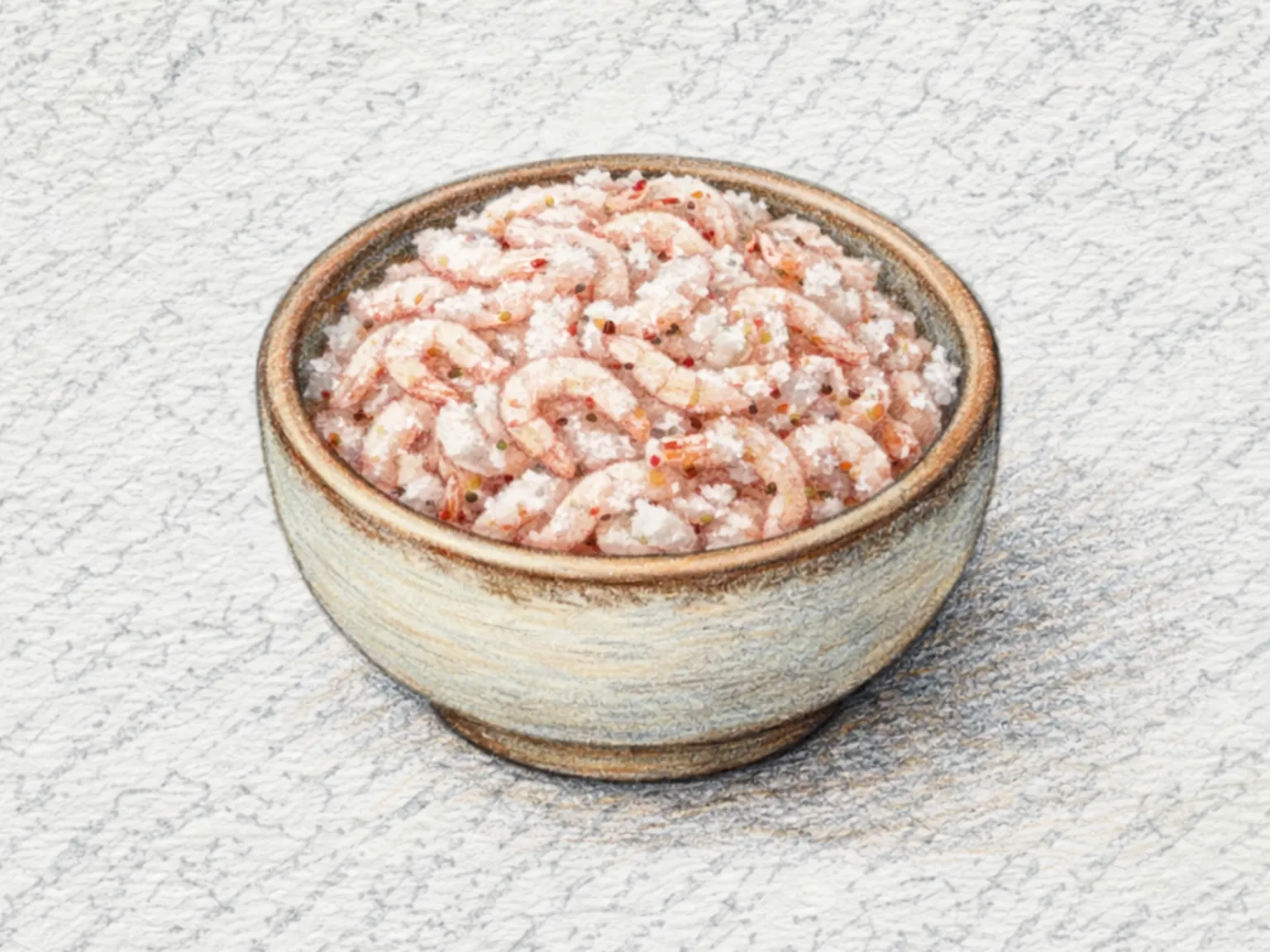
Saeujeot is a Korean salt-fermented tiny shrimp condiment made by mixing small shrimp evenly with sea salt, packing the mixture tightly into a sterilized jar, and fermenting under refrigeration for a minimum of two weeks. Salt draws moisture from the shrimp and initiates enzymatic breakdown of the proteins, gradually transforming the raw fishiness into concentrated amino acids and the deep, savory umami that forms the backbone of kimchi seasoning and Korean stew bases. Rice wine and ginger juice are added to suppress the off-flavors that develop during the early, volatile stages of fermentation before the lactic acid bacteria have established dominance. A small amount of chili flakes contributes a faint background warmth. The most critical step before salting is removing as much surface moisture as possible after rinsing the shrimp, since excess water dilutes the brine concentration and creates conditions for spoilage bacteria. The salt ratio should fall between 20 and 25 percent of the shrimp's weight: too high and the result is harsh and one-dimensional, too low and safety becomes a concern during the long cure. Only clean, dry utensils should ever touch the jar to prevent contamination that would undermine months of careful fermentation. Saeujeot fermented for six months or longer develops a rounded complexity absent in younger batches. In Korea, the harvest season determines the name and character of the product: ojot from May, yukjeot from June, and chujeot from autumn each carry a distinct flavor profile suited to different culinary uses.

🍱 Lunchbox ⚡ Quick
Prep 20min 4 servings
Tot Muchim
Side dishes Easy

Tot Muchim

Tot muchim combines 250 grams of fresh hijiki seaweed and 50 grams of thinly sliced onion with a gochujang and vinegar dressing. Rinse the hijiki three or four times in cold water, gently loosening the fine strands to remove sand and debris. Blanch it in boiling water for 30 seconds, transfer it directly to cold water, and squeeze gently enough to keep the strands intact. Slice the onion thinly and keep it submerged for 5 minutes in cold water, then drain it thoroughly in a colander. For the dressing, stir together 1.5 tablespoons gochujang, 1.5 tablespoons vinegar, 1 teaspoon sugar, 1 teaspoon minced garlic, and 1 teaspoon sesame oil until the paste is smooth. Add the drained seaweed and onion, then use chopsticks to lift and fold from the bottom rather than pressing down. Finish with 1 teaspoon sesame seeds. Draining the hijiki and onion separately keeps their water from thinning the sauce, while the lifting motion distributes the dressing without breaking the slender strands.

🏠 Everyday 🍱 Lunchbox
Prep 12min Cook 3min 4 servings
Korean Spicy Stir-Fried Anchovies
Stir-fry Easy

Korean Spicy Stir-Fried Anchovies

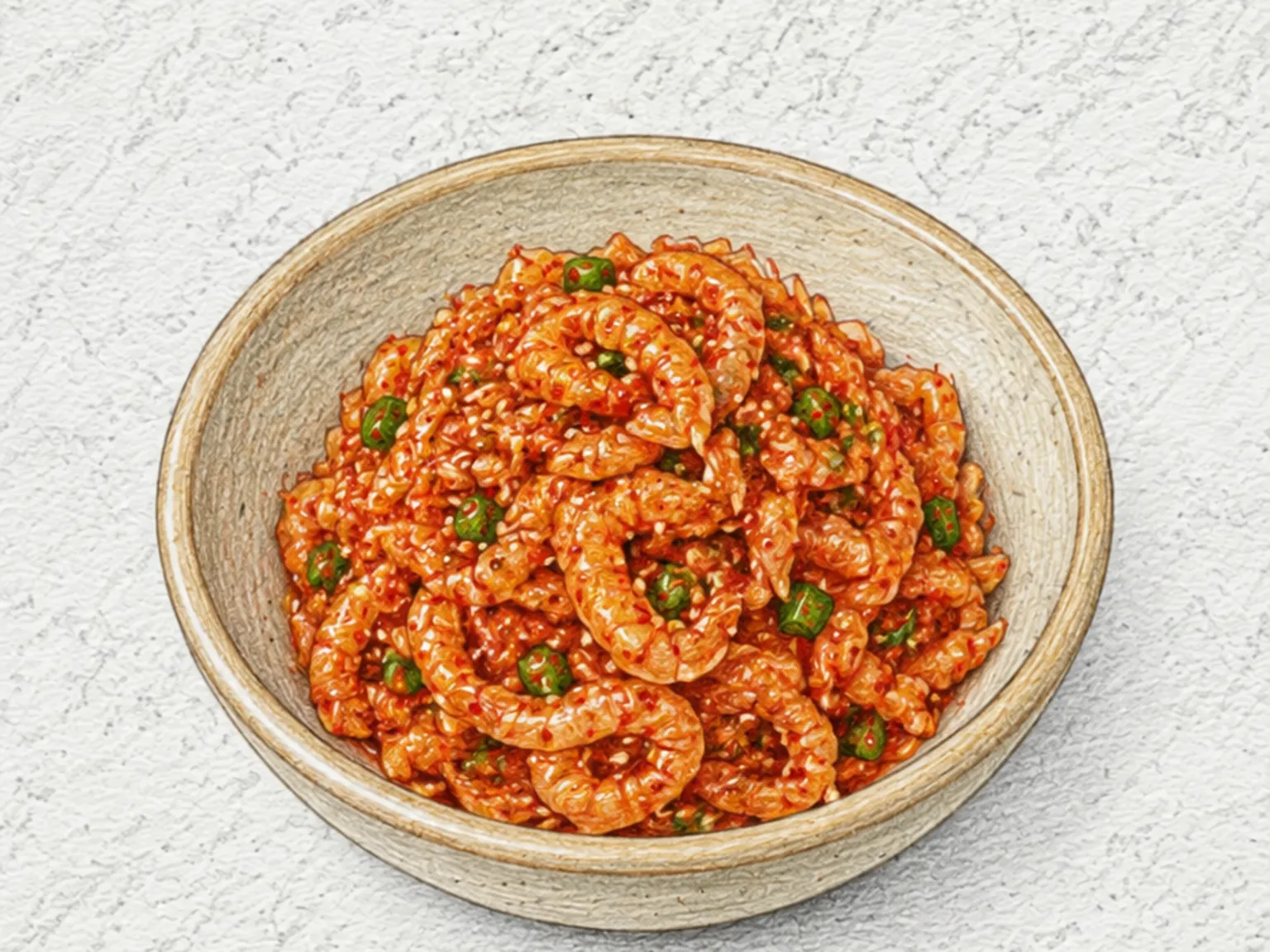
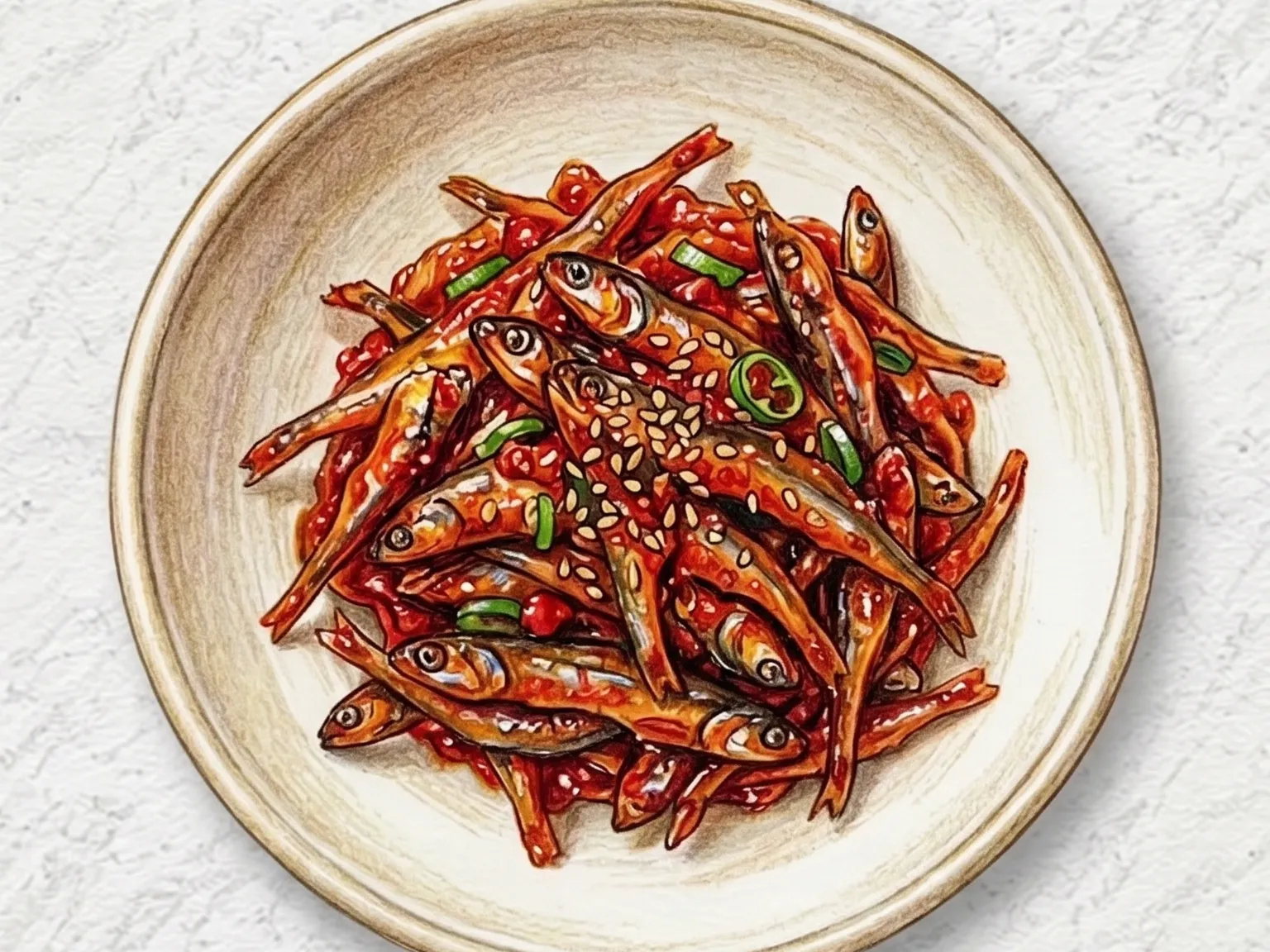
Spicy stir-fried anchovies (maeun myeolchi-bokkeum) toss medium-sized dried anchovies in a gochujang-gochugaru glaze, occupying the opposite end of the flavor spectrum from the sweet jiri-myeolchi version and targeting adult palates. Medium anchovies are larger and thicker than the tiny variety, requiring individual head-and-gut removal to eliminate bitterness - a tedious prep step that nonetheless determines the dish's clean finish. After dry-toasting to drive off moisture, the anchovies simmer in a sauce of gochujang, gochugaru, soy sauce, oligosaccharide, and minced garlic until each piece is coated in a rust-colored glaze. The gochujang's fermented heat combines with gochugaru's vivid red to create both flavor depth and visual appeal. The larger anchovy size delivers a satisfying crunch that lingers alongside a lasting savory umami. Heat intensity is adjustable via gochugaru quantity - adding chopped cheongyang chili ratchets it up another notch. This banchan doubles as a soju drinking snack, appearing as frequently on bar tables as on dinner tables.

🍺 Bar Snacks 🏠 Everyday
Prep 5min Cook 10min 4 servings
Korean Soy-Braised Chicken Wings
Steamed Easy

Korean Soy-Braised Chicken Wings

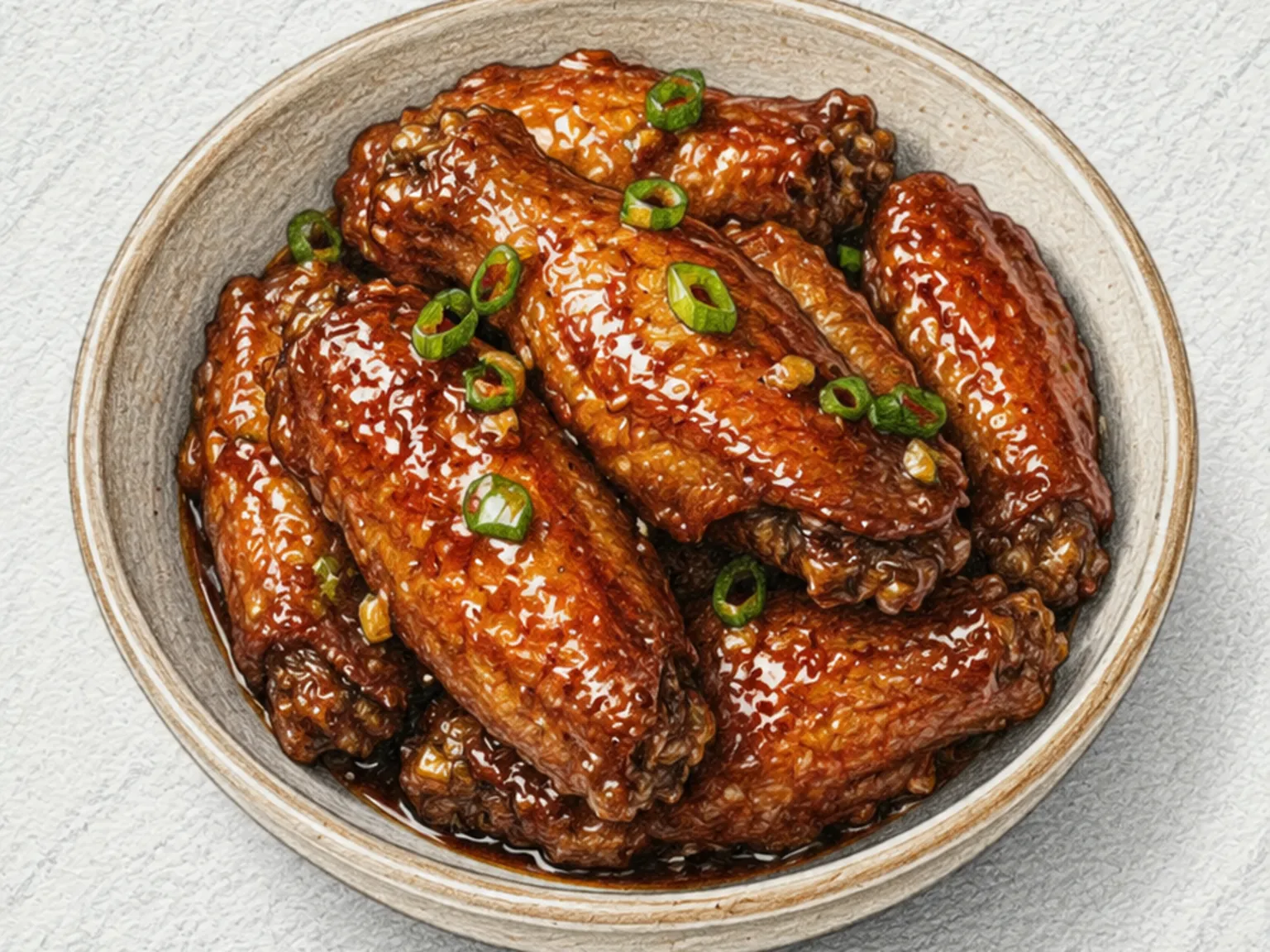
Korean soy-braised chicken wings are simmered in a glaze of soy sauce, sugar, garlic, and ginger until the sauce reduces to a thick, shiny coating. Scoring the wings beforehand allows the seasoning to reach the meat, and twenty minutes of covered braising followed by ten minutes of uncovered reduction concentrates the liquid into a sticky lacquer. Ginger keeps the flavor clean by neutralizing any gamey notes, and a finishing drizzle of sesame oil adds warmth. The wings come out so tender that the meat slides off the bone easily, making this a crowd-pleasing dish for children and adults alike.

🧒 Kid-Friendly 🍱 Lunchbox
Prep 15min Cook 35min 3 servings

About Side dishes

Great banchan balances seasoning with the natural flavor of each ingredient. Sesame oil, perilla oil, soy sauce, and fermented pastes work together to pack deep flavor into every small serving.