Side dishes Recipes
624 recipes. Page 25 of 26
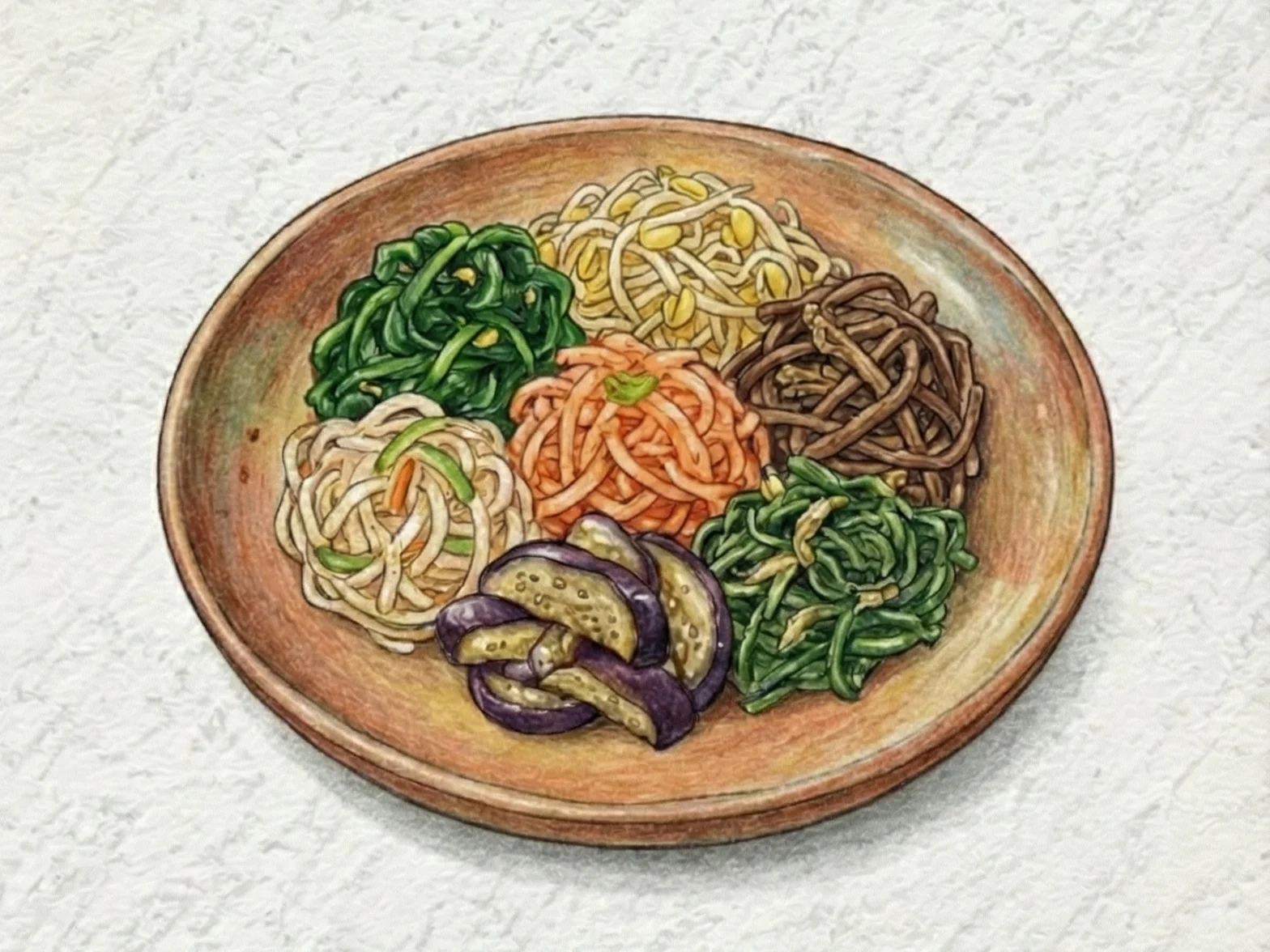
Side dishes (banchan) are the heart of Korean dining culture. A typical meal features multiple small plates - seasoned vegetables (namul), braised dishes (jorim), pickled items, and salted seafood. Classics like spinach namul, bean sprout salad, and stir-fried anchovies can be prepared in advance and enjoyed over several days.
Korean Braised Burdock and Beef
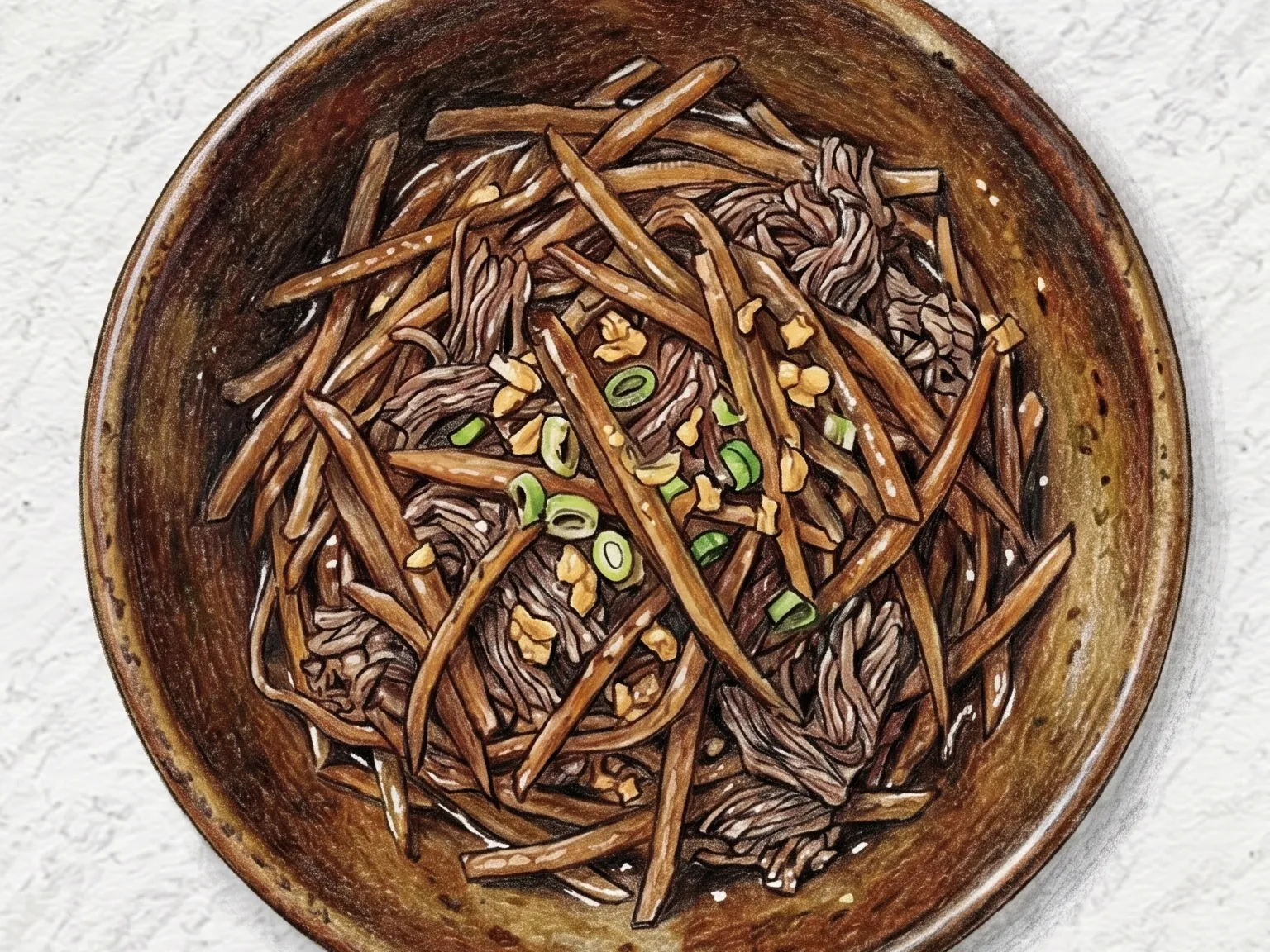
Ueong-soegogi-jorim is a Korean braised side dish of julienned burdock root and beef simmered in soy sauce, sugar, cooking wine, and garlic until the liquid nearly evaporates. The burdock is soaked in vinegar water beforehand to prevent browning, then cooked with beef and water before the braising seasonings are added. As the dish reduces, the burdock absorbs the soy sauce and develops its characteristic earthy sweetness, while thin beef strips distribute meaty flavor throughout. Finished with sesame oil and stored well under refrigeration, it serves as a make-ahead banchan that lasts several days.
Korean Turnip Kimchi (Diced Gochugaru Water Fermented)
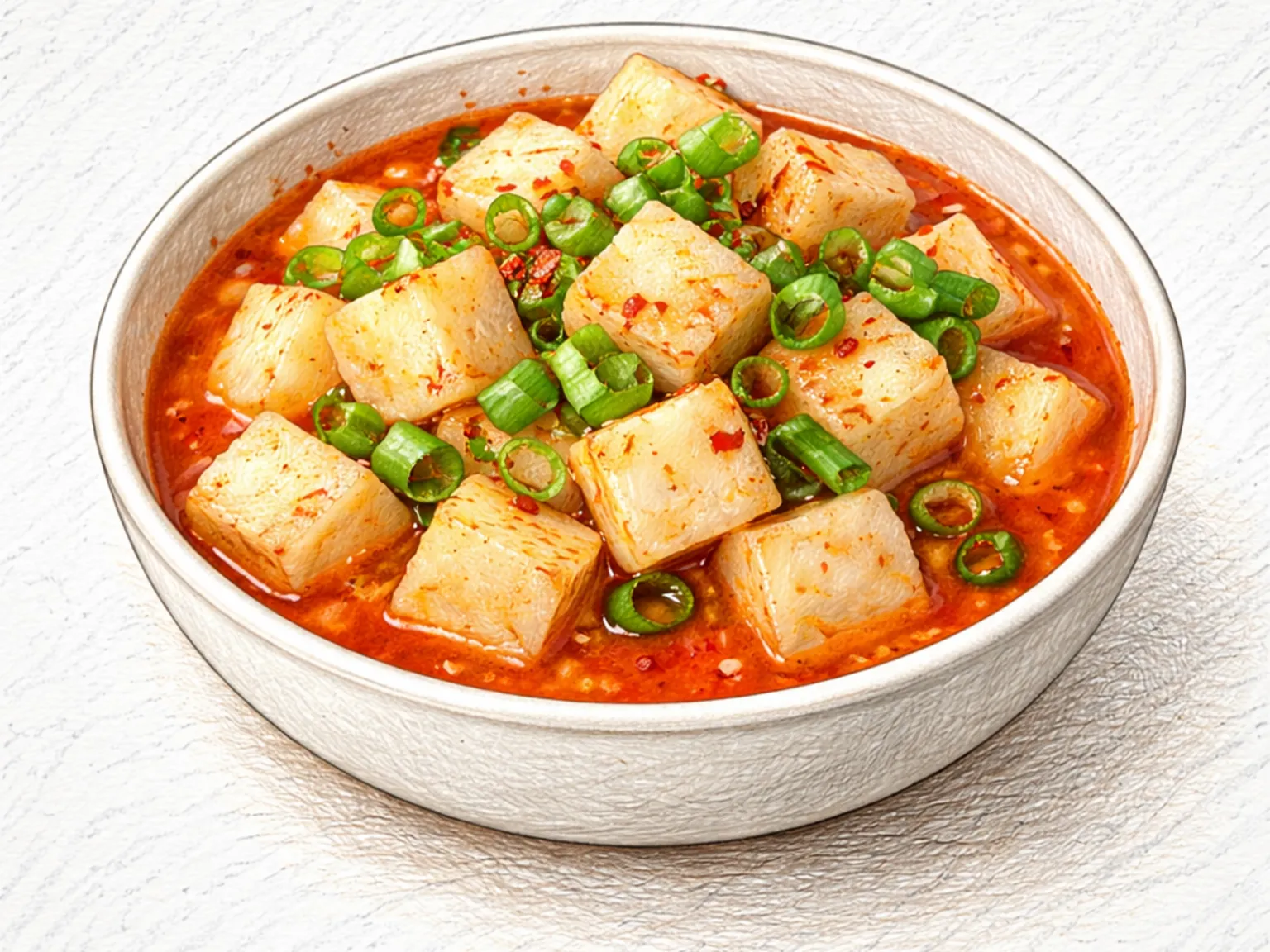
Sunmu kimchi is a brined kimchi made with diced turnips seasoned in chili flakes, fish sauce, garlic, and ginger juice, then submerged in water to ferment with its own liquid. Turnips have a naturally higher sweetness and denser flesh than Korean radish, so they stay firm and crunchy even after fermentation. Scallions woven through the batch add an aromatic layer that rounds out the spice. One day at room temperature followed by two days of refrigeration produces a cool, tangy brine that is refreshing to drink on its own. Adding turnip greens, if available, deepens both the color and the fragrance.
Korean King Oyster Mushroom Stir-fry with Perilla
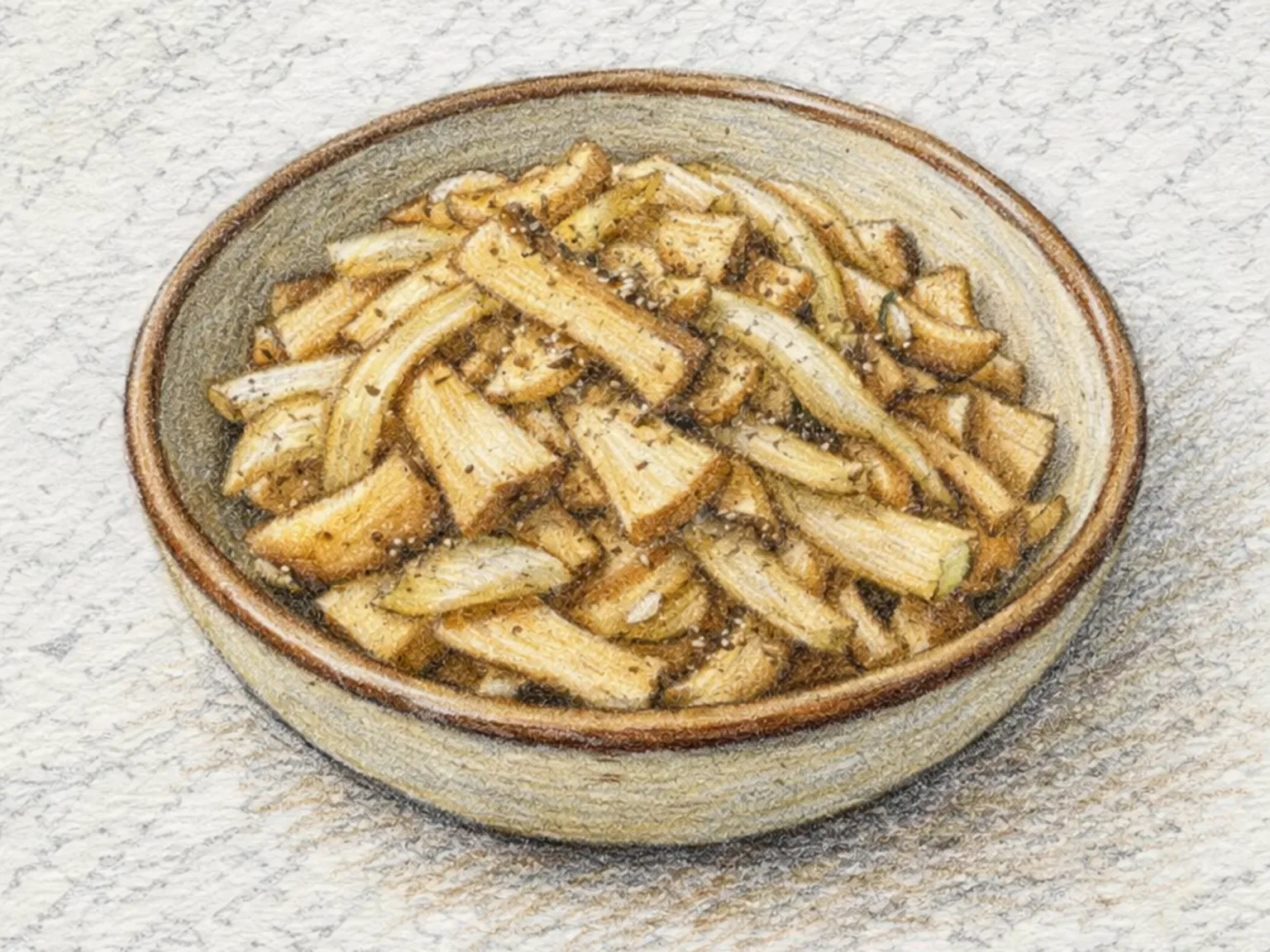
This stir-fry combines 250 grams of julienned king oyster mushrooms with onion, cooked rapidly over high heat in perilla oil and cooking oil to prevent the mushrooms from releasing too much water. Garlic is sauteed for 20 seconds first to infuse the oil, followed by onion for one minute to draw out its natural sweetness. The mushrooms then go in for a quick two-minute toss before soup soy sauce and a splash of water are added to create a light braising liquid. One and a half tablespoons of ground perilla seeds are stirred in during the final minute, thickening the sauce into a creamy coating without becoming pasty. Scallion is added off heat for a finishing touch of color and freshness.
Korean Braised Napa Outer Leaves
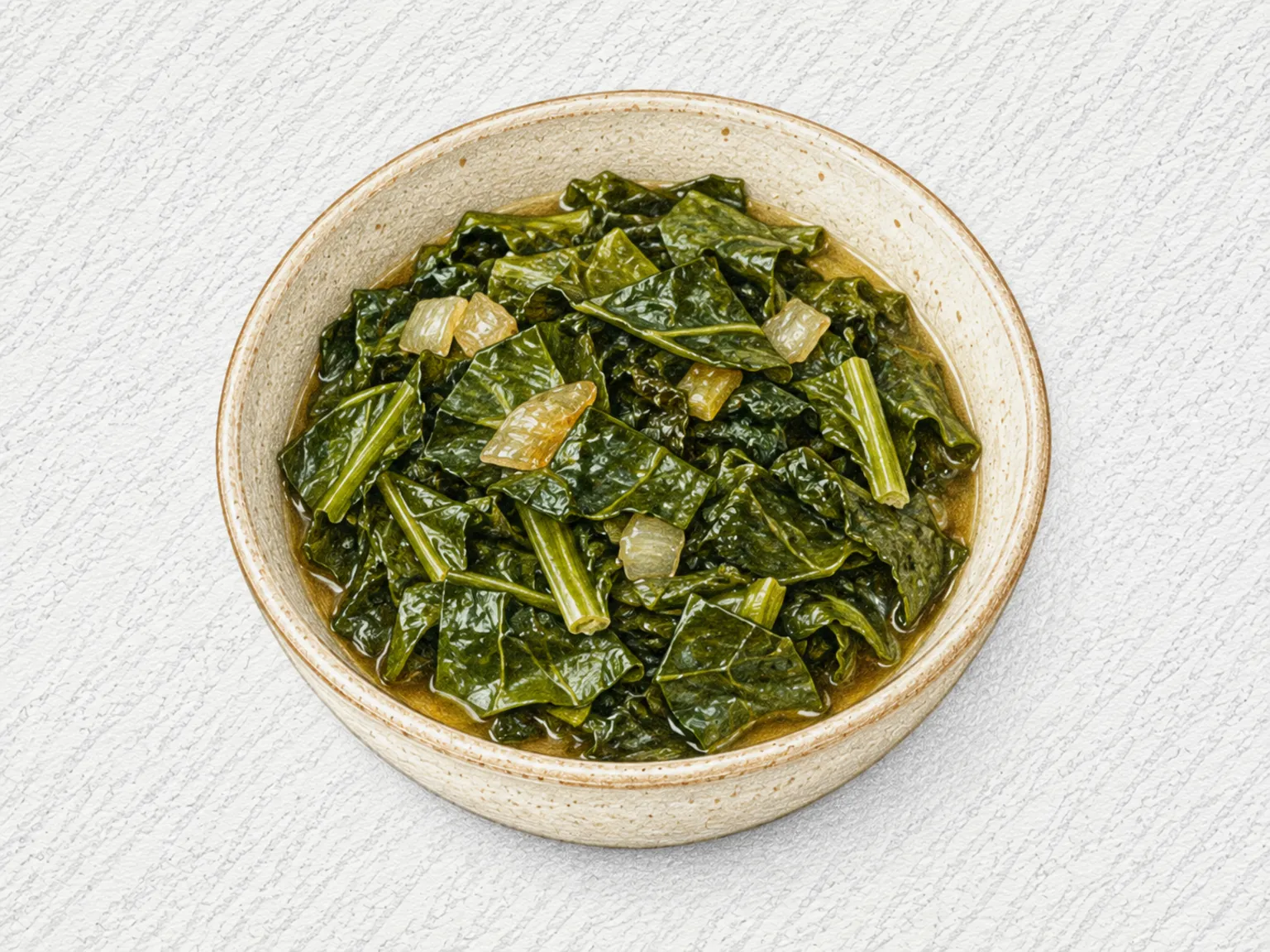
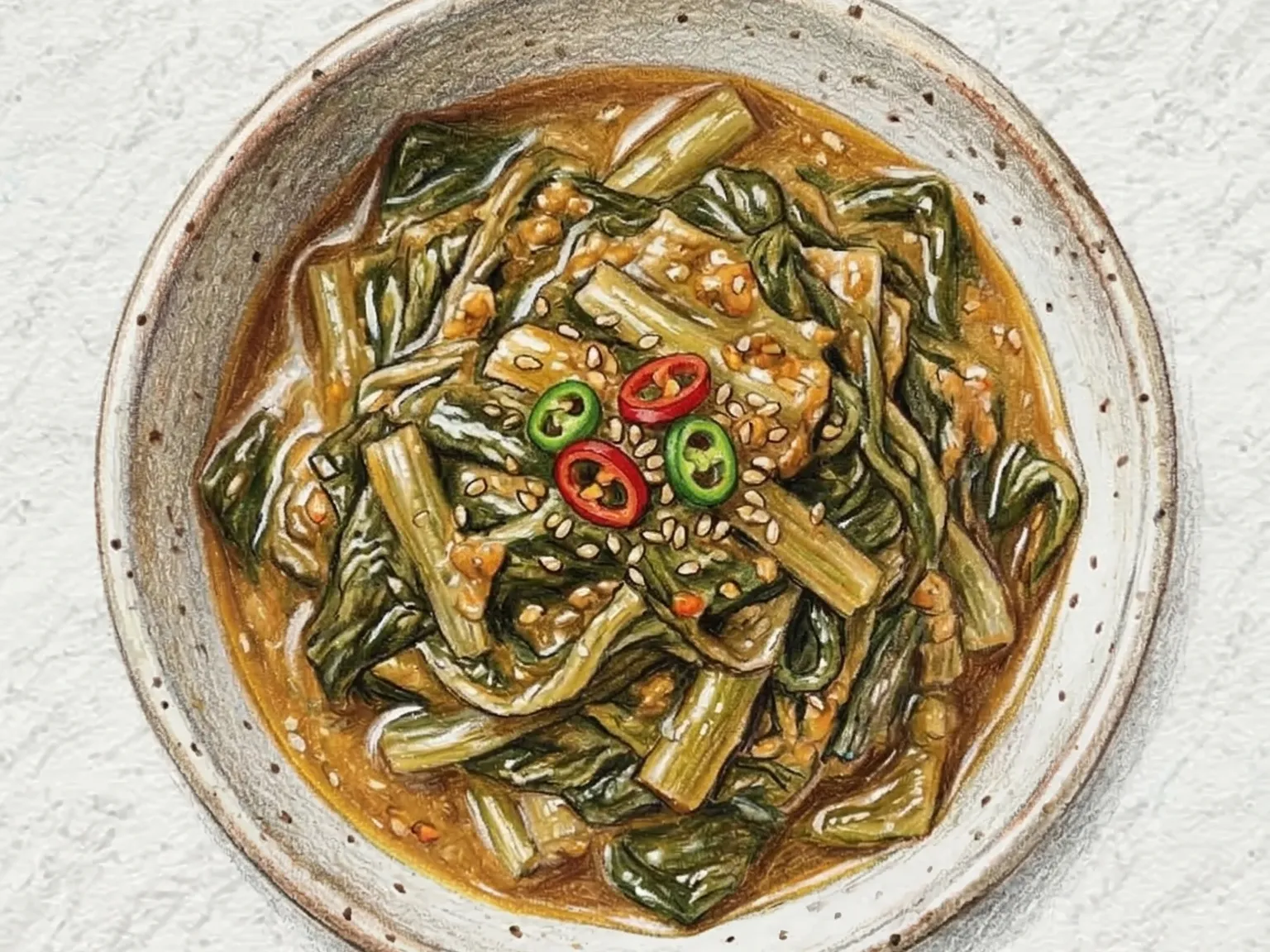
Ugeoji-jjim is a Korean braised dish of blanched napa cabbage outer leaves cooked gently with doenjang, perilla oil, and garlic under a covered lid. The fibrous leaves absorb the fermented soybean paste deeply as they soften, while perilla oil lays a nutty base throughout the dish. Soup soy sauce adjusts the seasoning so the doenjang's saltiness and the natural sweetness of the greens find a clean balance. Mixed into a bowl of steamed rice, this humble banchan delivers a surprisingly deep, earthy flavor that belies its simplicity.
Korean Cherry Tomato Jangajji
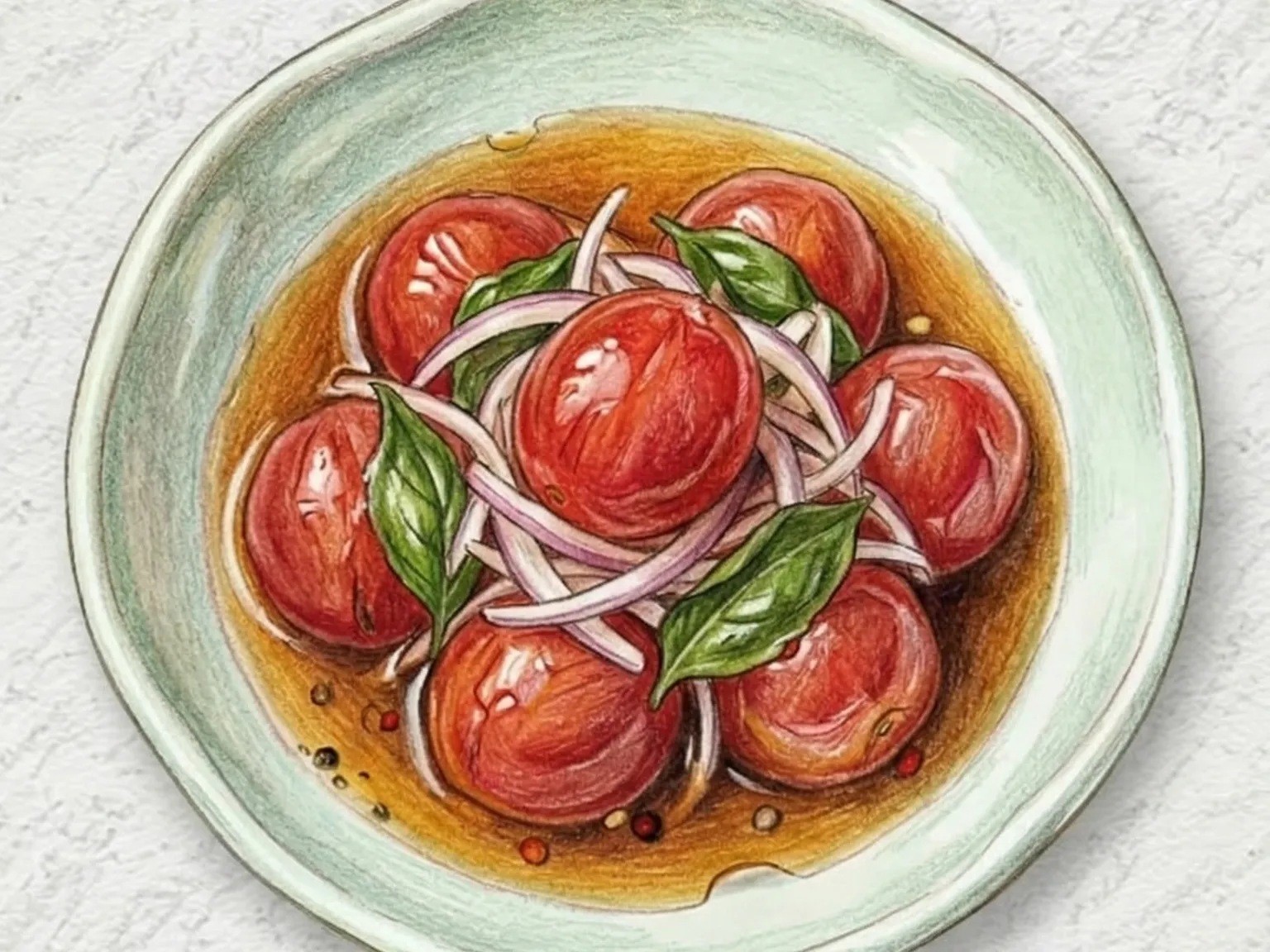
Peeling cherry tomatoes by hand serves as the foundation for creating tomato jangajji, a Korean soy-preserved dish. Removing the skins allows the brine of soy sauce, rice vinegar, and sugar to permeate the flesh quickly and consistently. A critical step involves boiling the liquid and then letting it cool to room temperature before combining it with the fruit. This cooling period prevents the tomatoes from softening or becoming soggy, ensuring they remain firm throughout the pickling process. Thinly sliced onions included in the jar absorb the liquid, contributing a savory and tangy character. Fresh basil leaves introduce an herbal scent that distinguishes this preparation from standard soy pickles. One full day of refrigeration helps the acidity of the vinegar settle and highlights the natural sweetness of the tomatoes. This side dish functions effectively alongside rice or grilled meats, where its tartness acts as a cleanser for the palate after eating oily foods. The texture remains intact for about a week when kept cold. For a different profile, small amounts of cinnamon or star anise can be added to the brine to provide a warm spice fragrance. It also pairs well with cheese and crackers as an unconventional snack or finger food.
Korean Stir-Fried Shrimp (Garlic Butter Soy Glazed Shrimp)
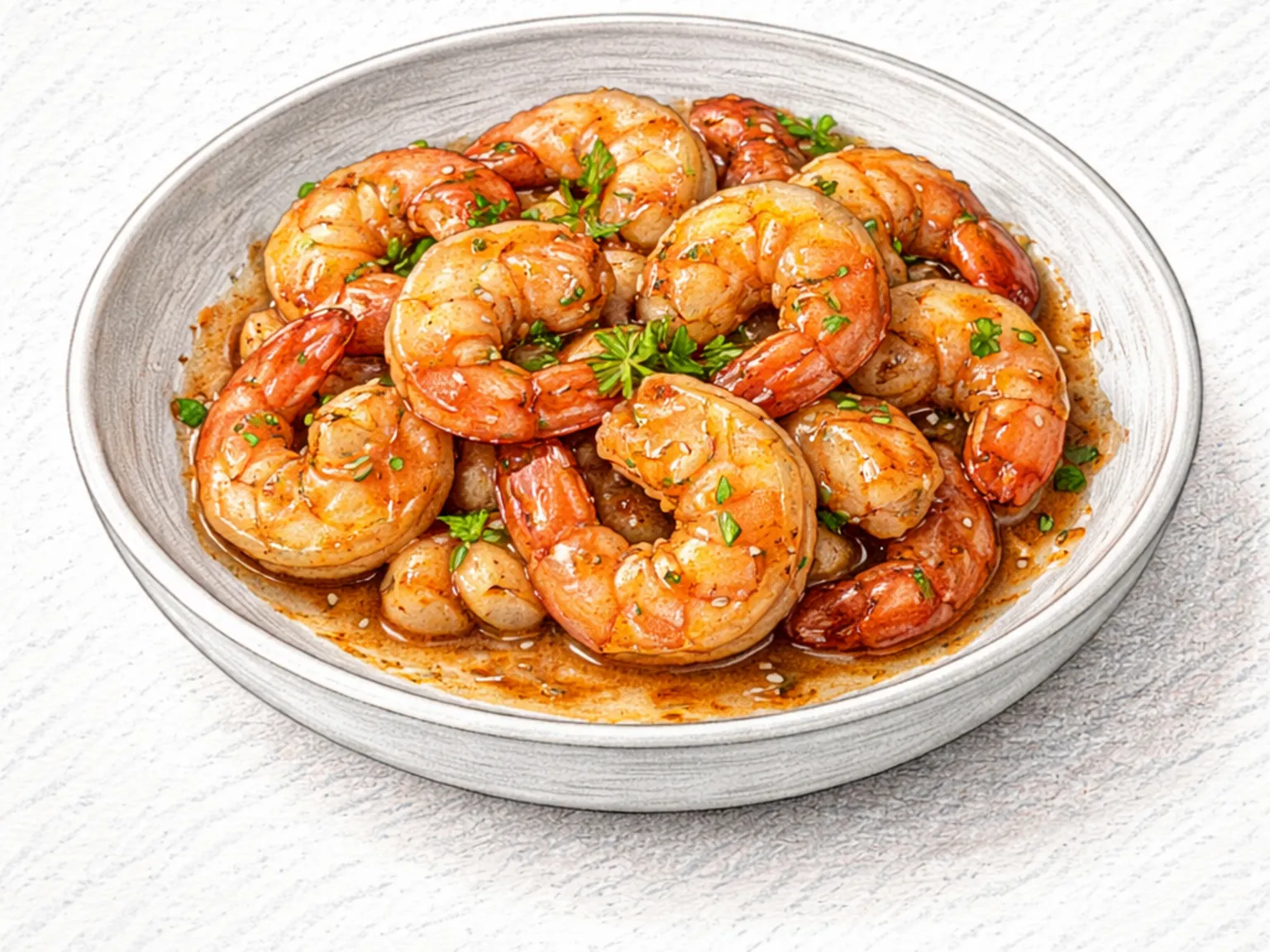
Saeu-bokkeum is a Korean stir-fried shrimp dish glazed in garlic butter and soy sauce. The process starts by peeling and deveining the shrimp, then patting them dry with paper towels to prevent splashing in the hot oil. Minced garlic is sautéed in melted butter over medium heat until fragrant. The shrimp are placed in a single layer and cooked over medium-high heat, flipping them as they turn pink. Precise timing is essential, as overcooking makes the shrimp tough and rubbery. A premixed blend of soy sauce and sugar is poured around the edges of the pan, cooking down into a glossy, sweet-and-savory glaze that coats each piece. Black pepper is added at the end to provide a sharp contrast to the rich butter. Sliced green onions are tossed in for ten seconds before turning off the heat, and the dish is served warm.
Korean Steamed Rockfish (Spicy Gochugaru Radish Braise)
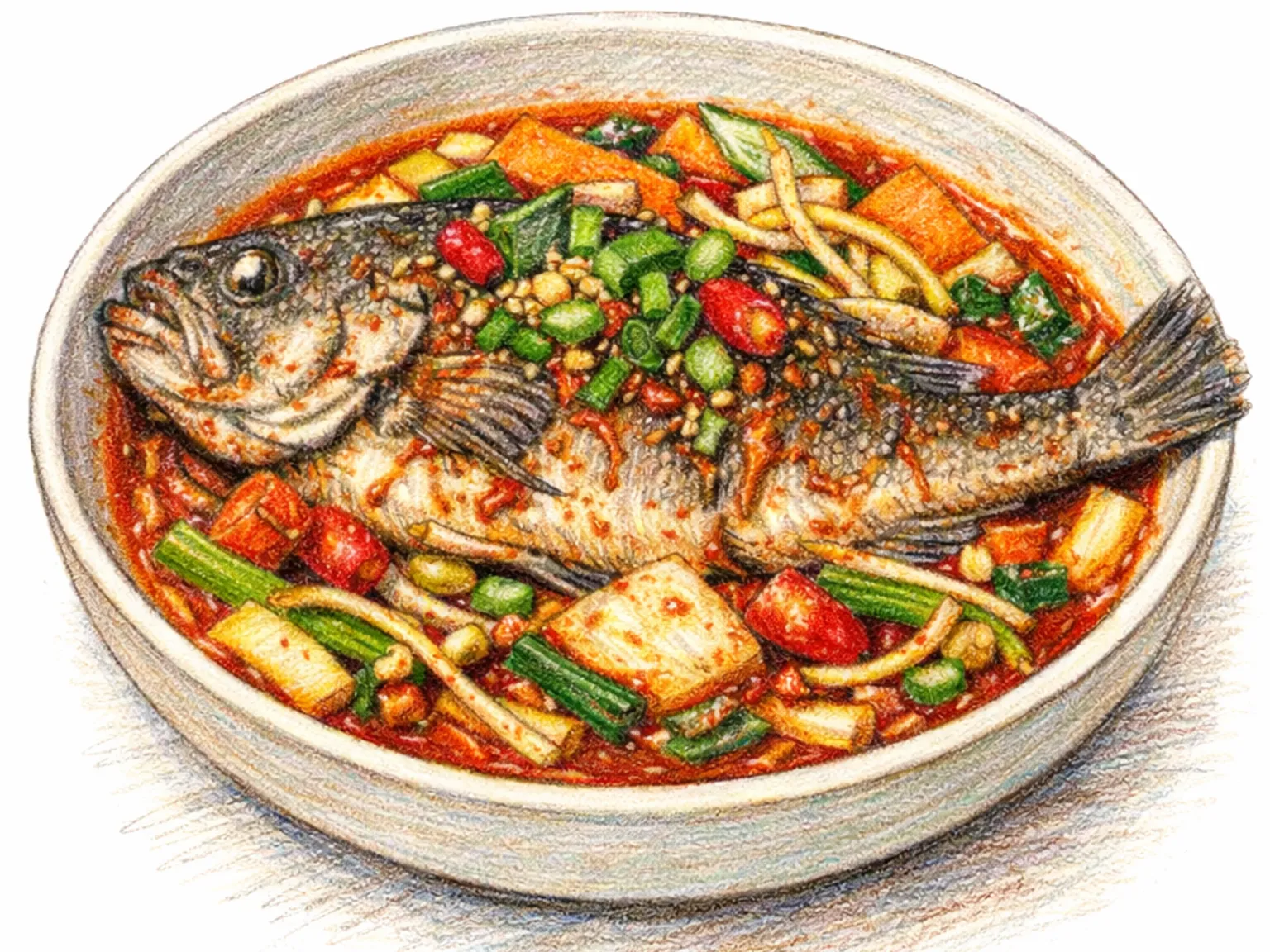
Ureok-jjim is a Korean spicy steamed rockfish cooked with Korean radish, onion, and green onion in a gochugaru and soy sauce broth. Rockfish has firm, well-defined flesh that holds its shape through the cooking process, and scoring the skin lets the bold seasoning reach deep into the meat. Radish softens in the braising liquid and absorbs the chili heat while contributing natural sweetness, and ginger keeps the fish tasting clean. The remaining sauce is concentrated enough to spoon over rice, delivering a hit of spicy, salty flavor with every bite.
Korean Pickled Taro Stems
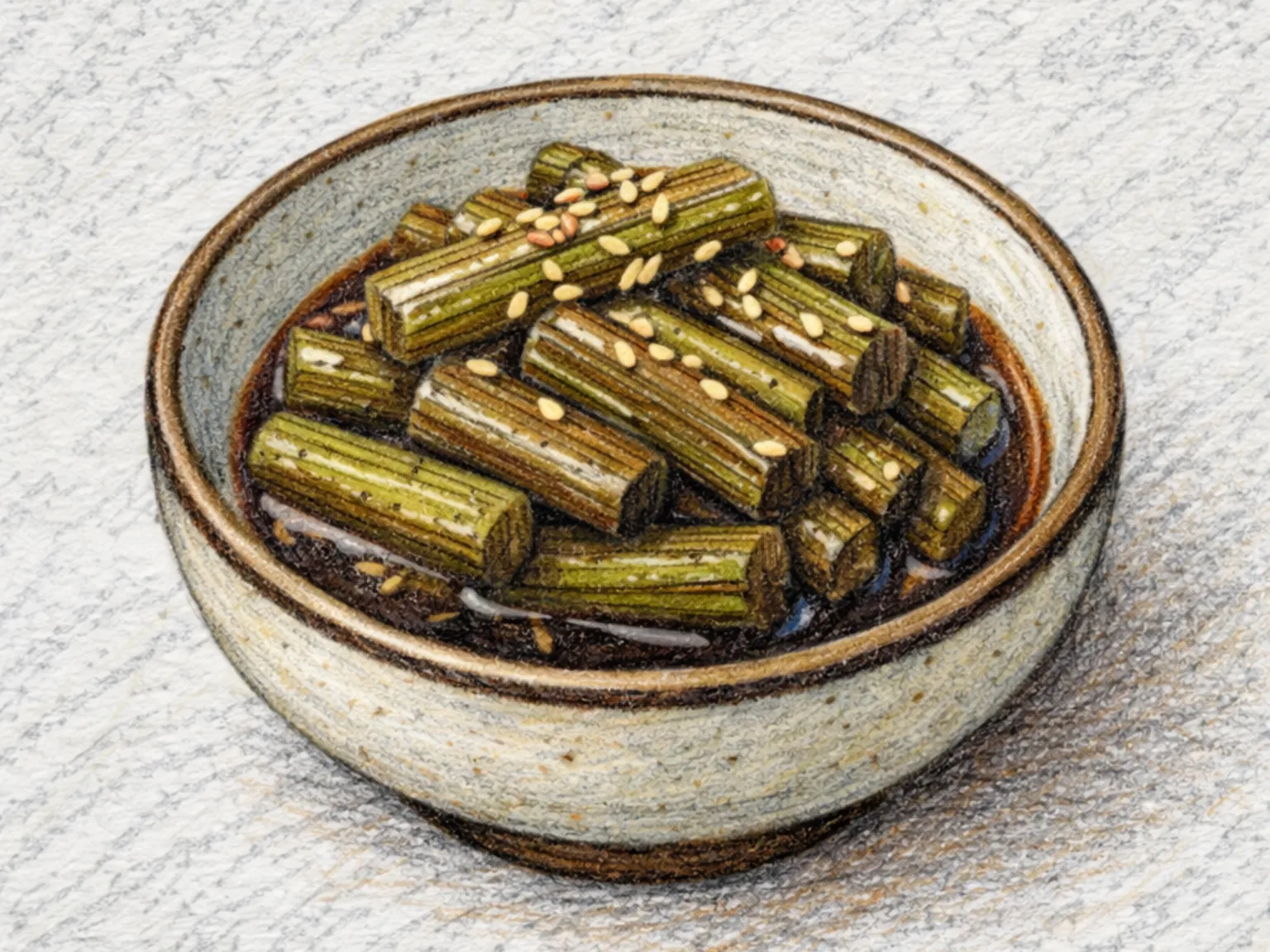
Torandae jangajji is a Korean pickled side dish made from taro stems. The outer fibrous skin is peeled away first, and the stems are salted and then blanched. Raw taro stems contain calcium oxalate crystals that cause an unpleasant prickling sensation in the throat, and blanching effectively neutralizes this before the stems are packed into the pickling liquid. The brine is made by bringing soy sauce, vinegar, and sugar to a boil, and it is poured over the stems while still hot so the seasoning penetrates quickly and evenly. Sliced garlic and ginger are simmered in the brine before it is poured, which infuses the liquid with deep aromatic warmth without any of the sharp pungency those ingredients carry raw. After two to three days of refrigerating, each piece develops a layered depth of salty, savory flavor with a clean vinegar brightness underneath. The defining characteristic of this pickle is its distinctive fibrous crunch, which stays satisfying even after the stems have fully absorbed the brine. It works as a rice accompaniment throughout the week and doubles as a drinking snack alongside soju.
Korean Sebalnamul Beoseot Bokkeum (Saltwort Mushroom Stir-fry)
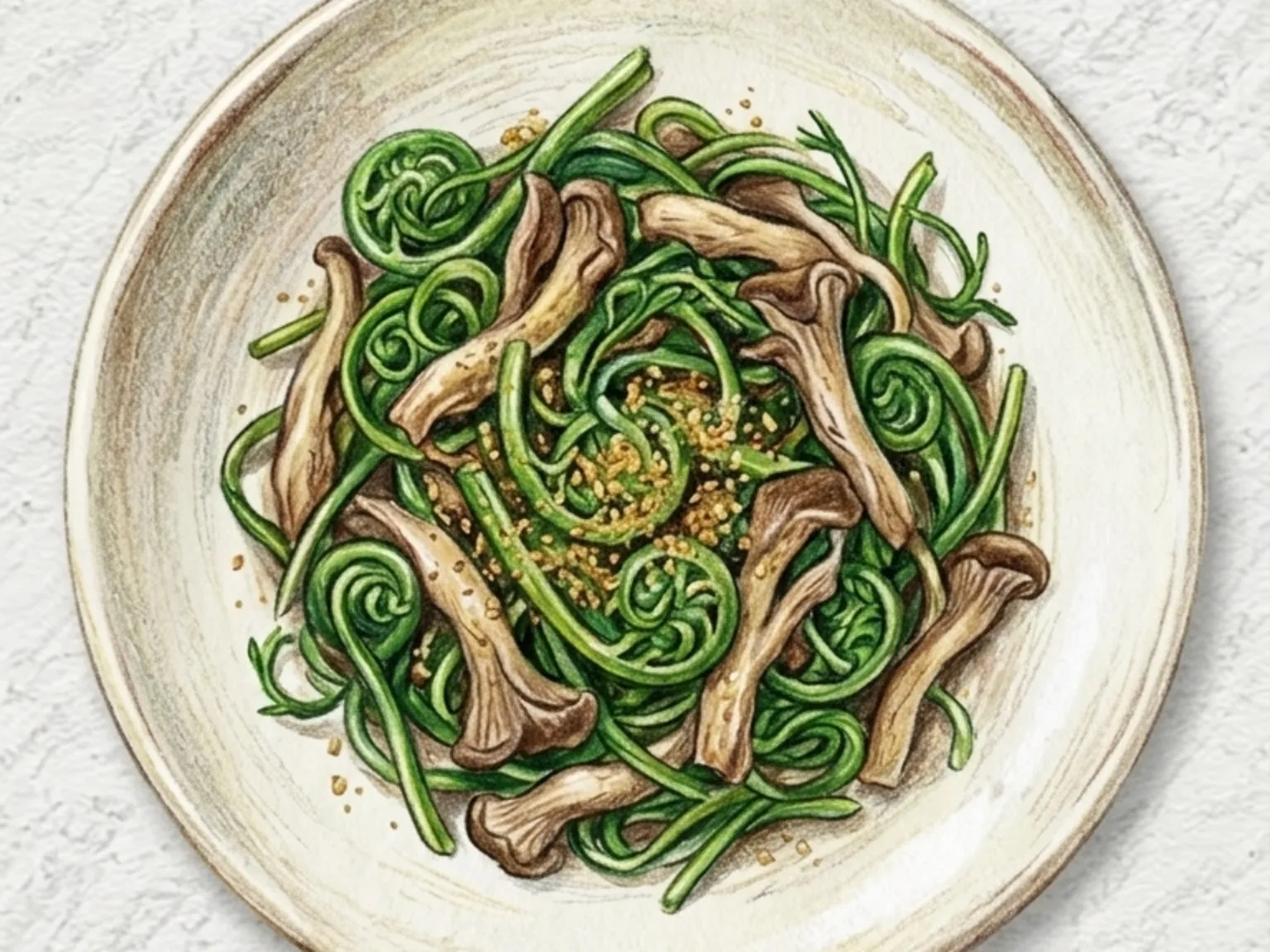
In this saltwort and mushroom stir-fry, 180 g of saltwort cooks only during the final minute, while moisture from 220 g of oyster mushrooms is removed earlier over high heat. Rinse the saltwort in cold water with a shaking motion to dislodge grit, drain it thoroughly, and cut it into 6 cm lengths. Tear the mushrooms along their grain after removing any tough base, and slice 120 g of onion thinly. Warm 1 tablespoon of cooking oil over medium heat and cook the onion with 1 teaspoon of minced garlic for about 1 minute, stopping before the garlic browns. Raise the heat, spread the mushrooms over the pan, and stir-fry them for roughly 2 minutes. When their edges look slightly dry rather than limp and wet, pour 1 tablespoon of dark soy sauce around the hot edge and toss quickly. Saltwort has its own salty taste, so check the seasoning before reducing the soy sauce further or adding anything else. Add the greens and lift them through the mushrooms for only 1 minute. Turn off the heat, then mix in 1 1/2 tablespoons of ground perilla seed and 1 tablespoon of perilla oil for 20 seconds, until the powder is evenly dispersed rather than clumped.
Korean Soy-Braised Rockfish
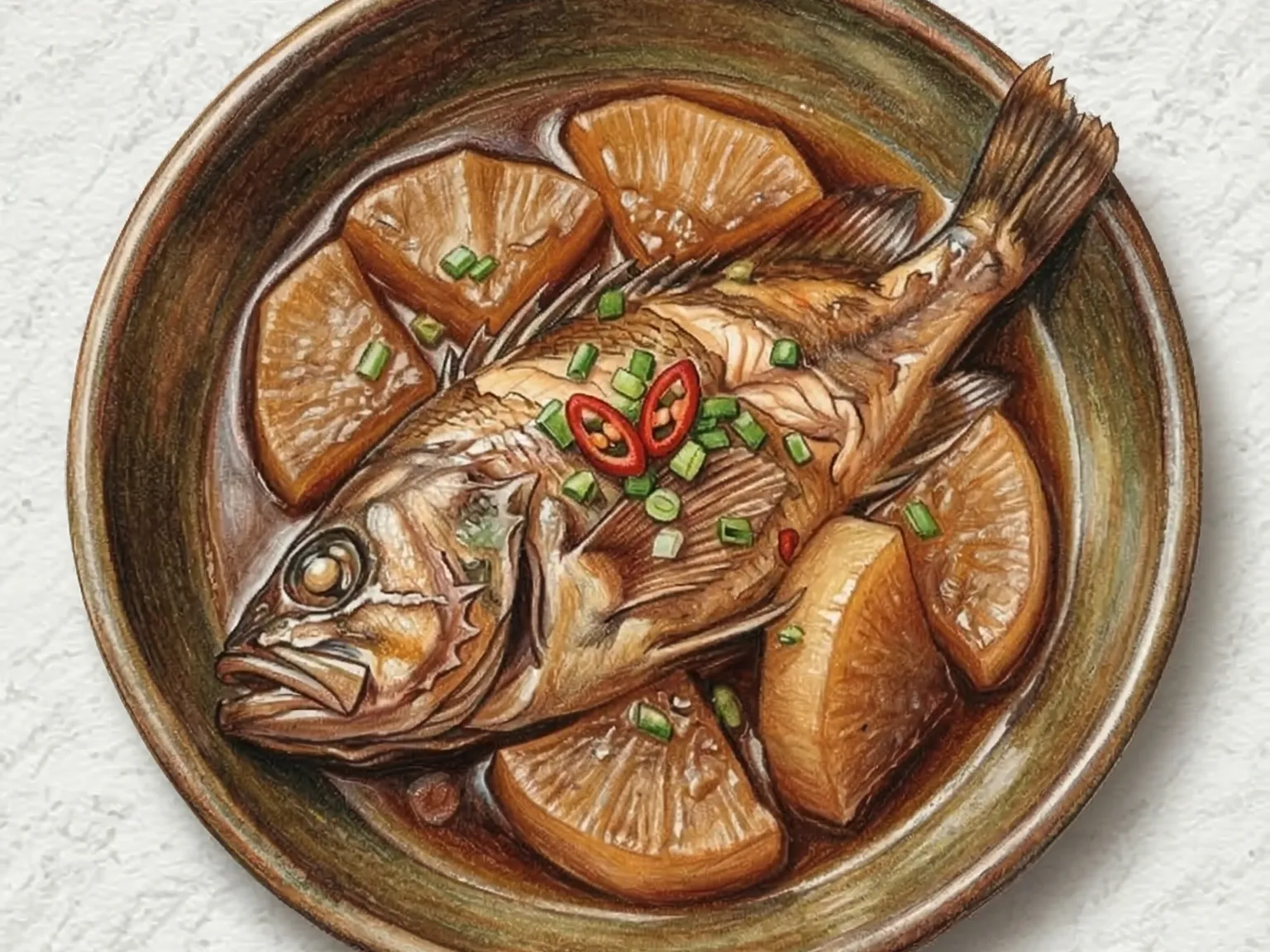
Ureok-jorim is a Korean soy-braised rockfish simmered with Korean radish, gochugaru, garlic, and rice wine. The radish goes in first and softens in the braising liquid before the cleaned whole fish is placed on top and basted with sauce over medium heat for ten minutes. Rice wine neutralizes any fishiness, while the radish absorbs the salty braising liquid and releases its own sweetness to balance the seasoning naturally. The rockfish flesh stays mild and flakes in soft layers, with gochugaru lending a gentle warmth to the overall dish.
Korean Soy Pickled Burdock
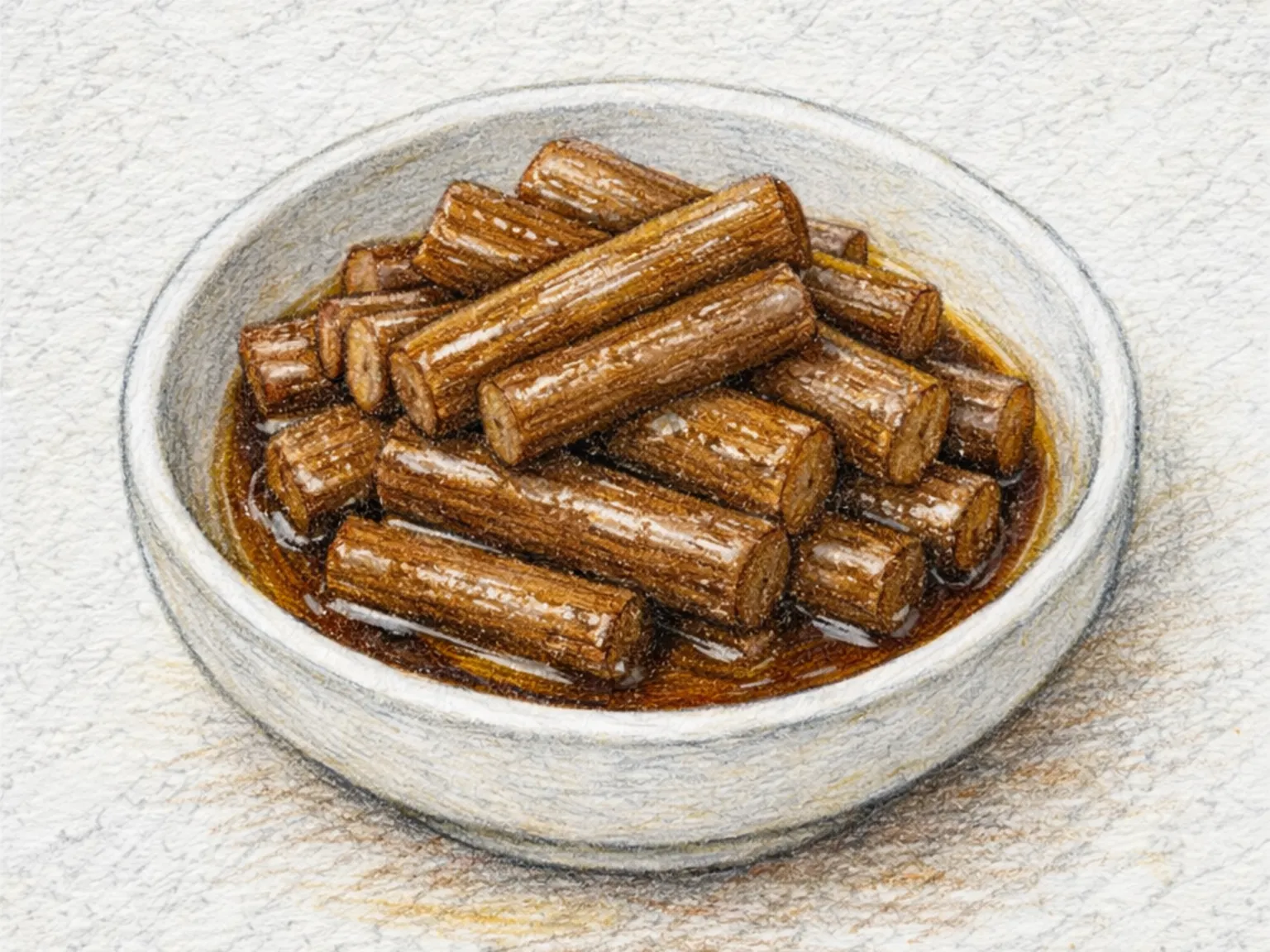
Ueong jangajji is a soy-pickled burdock root prepared by soaking cut burdock in vinegar water to prevent browning, blanching to remove any earthiness, then submerging in a brine of soy sauce, vinegar, and sugar. Kelp, dried red chili, and whole peppercorns boiled into the brine contribute umami depth and a subtle warmth. The root's natural nuttiness and earthy aroma meld with the sweet-salty-tangy brine into a layered, lingering flavor. Its firm, crunchy texture holds up well over days of storage, and reboiling the brine on the third day extends the pickle's shelf life further. Because burdock oxidizes quickly once cut, transferring it to the vinegar soak immediately after slicing is essential for keeping the finished pickle looking clean and bright rather than muddy.
Korean Selleri Sogogi Bokkeum (Celery Beef Stir-fry)
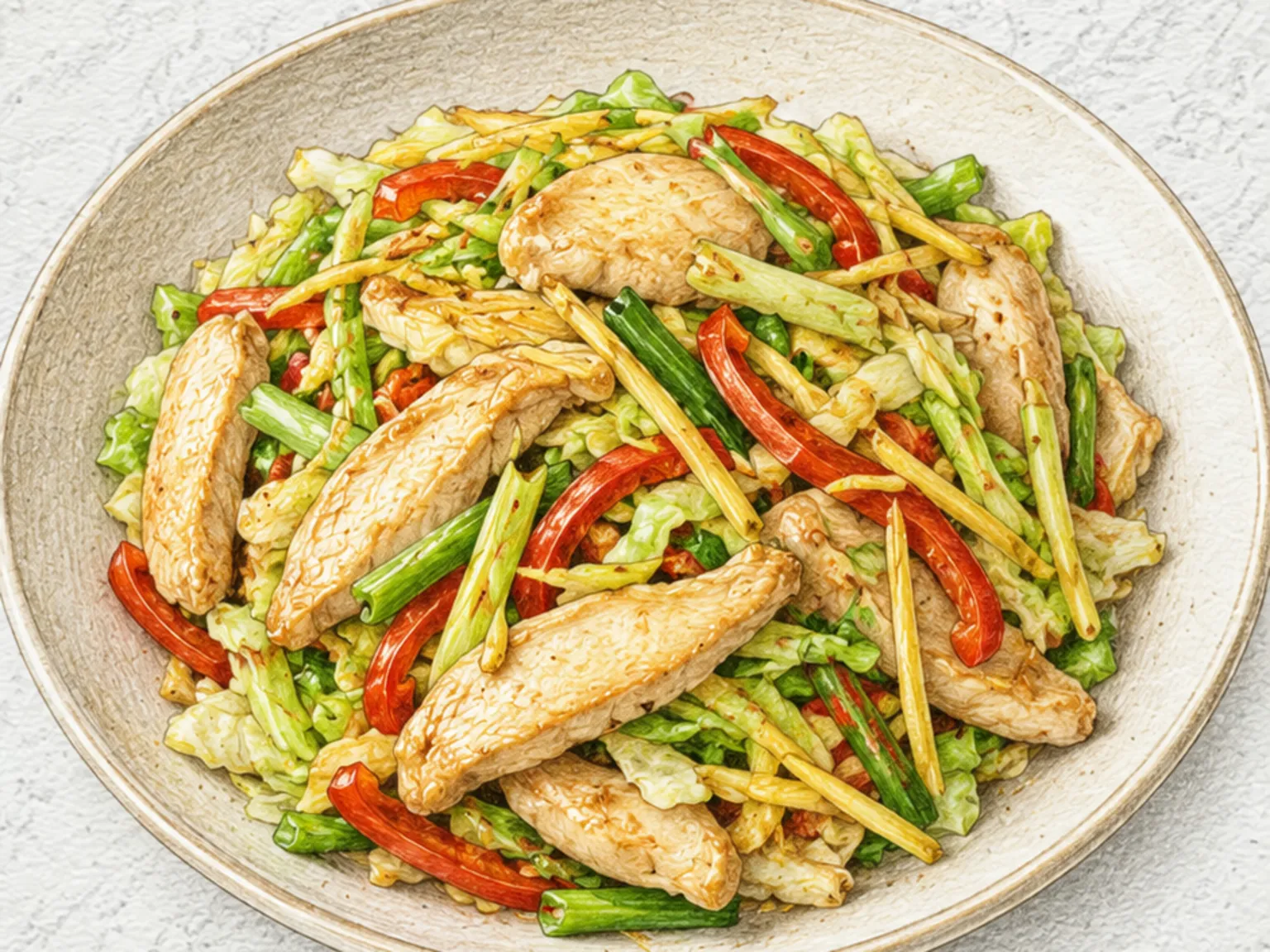
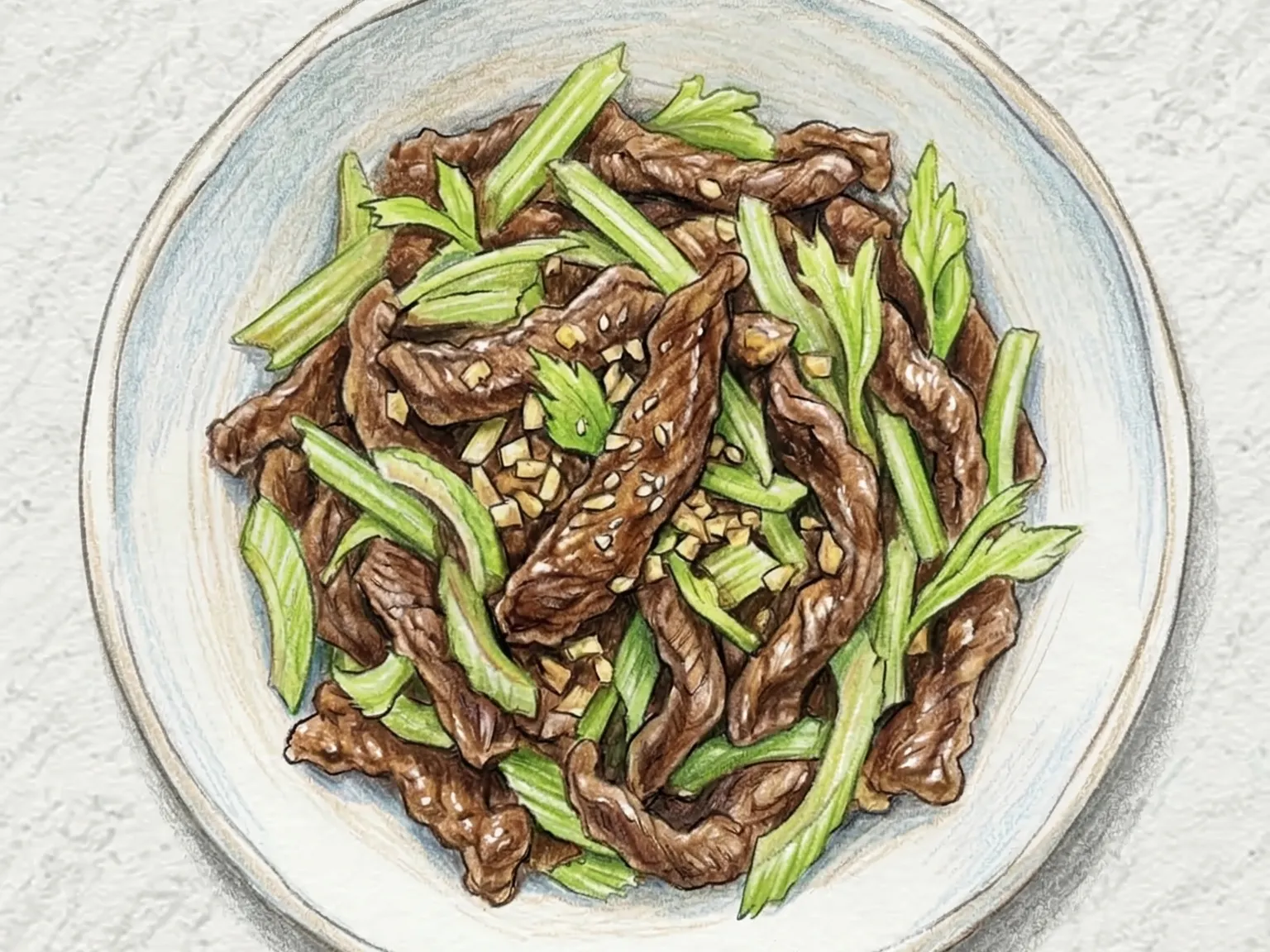
Selleri sogogi-bokkeum stir-fries soy-marinated lean beef round with celery, onion, and bell pepper over high heat. The beef is seared first for about two and a half minutes then set aside, and the vegetables are cooked separately in the same pan to keep them crisp before everything is combined. Oyster sauce and soy sauce give the beef a deep umami character, while celery's herbal freshness and firm crunch lighten the overall dish. Adding celery leaves at the very end intensifies the aromatic, almost grassy fragrance.
Korean Soy Braised Salmon
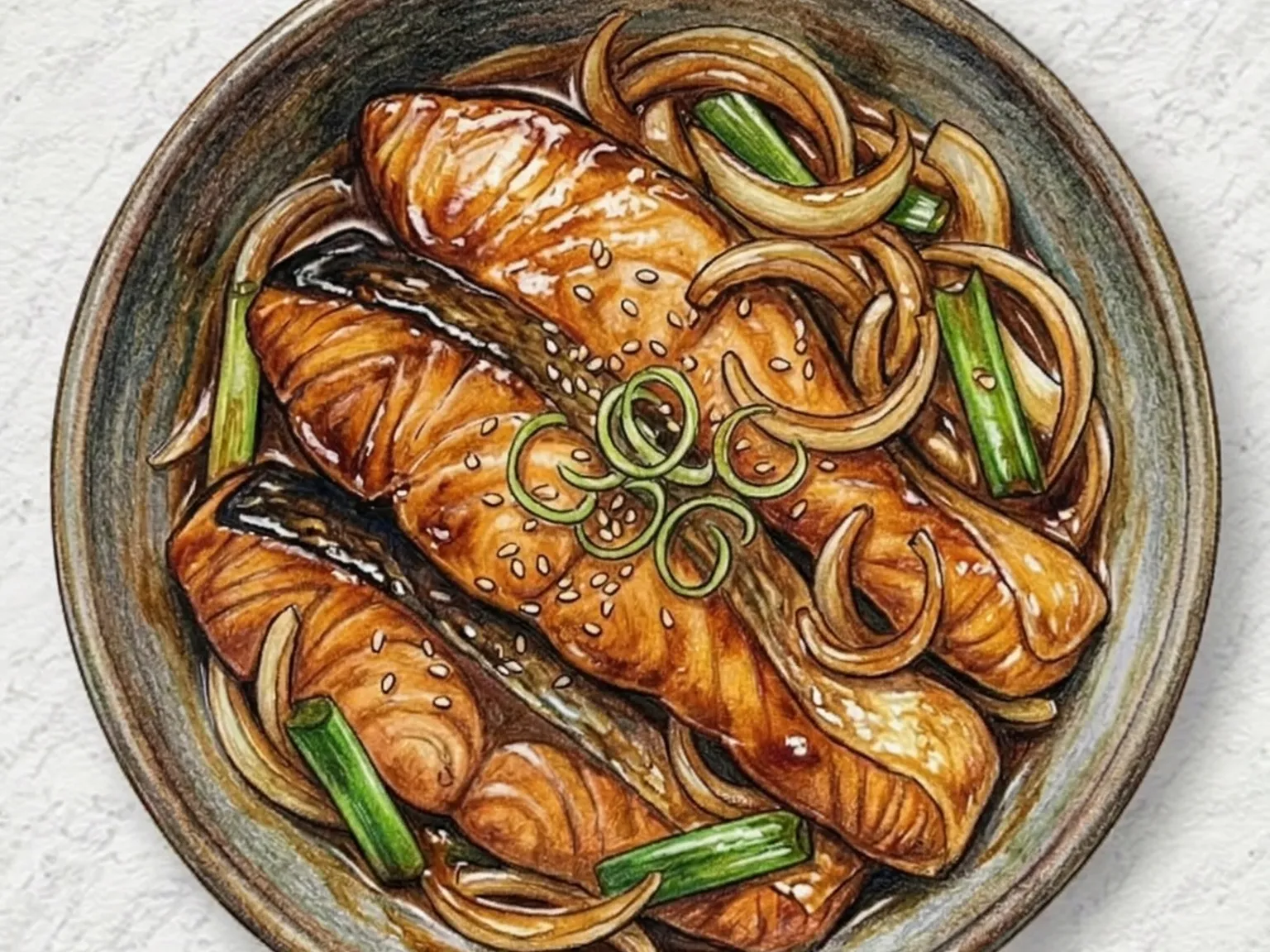
Yeon-eo ganjang jorim is Korean soy-braised salmon where fillets are seared first to firm the surface, then glazed in a sauce of soy sauce, cooking wine, and oligosaccharide syrup. Green onion and onion cook in the sauce, adding sweetness and neutralizing any fishiness. The syrup gives the glaze a smooth sheen that clings to each piece of salmon as the liquid reduces. With total cooking time under twenty minutes, this is a practical weeknight fish dish that delivers a polished, glossy presentation with minimal effort.
Korean Cabbage Kimchi (Crunchy Green Cabbage Kimchi)
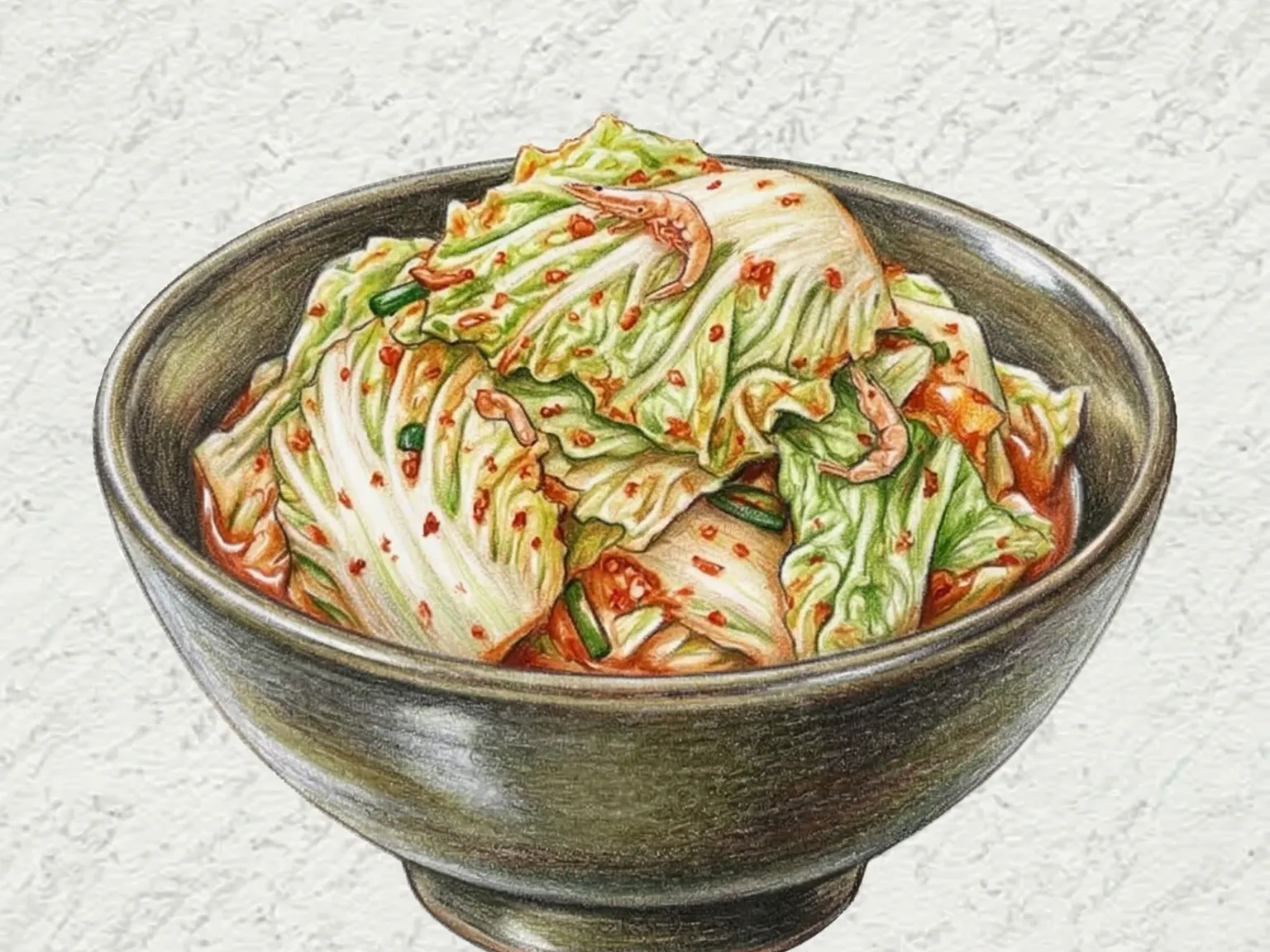
Yangbaechu kimchi is a Korean cabbage kimchi made by salting green cabbage and tossing it with chili flakes, fish sauce, and minced garlic. The thicker leaves and lower moisture content of green cabbage compared to napa cabbage result in a noticeably crunchier texture that persists through fermentation. The natural sweetness of cabbage softens the heat from the chili seasoning, while carrot and scallion pieces add color and freshness. Six hours of fermentation at room temperature followed by refrigeration lets the tanginess develop gradually. It serves as a lighter alternative when traditional napa kimchi feels too heavy.
Korean Sautéed Spinach (Garlic Soy Sesame Spinach Side)
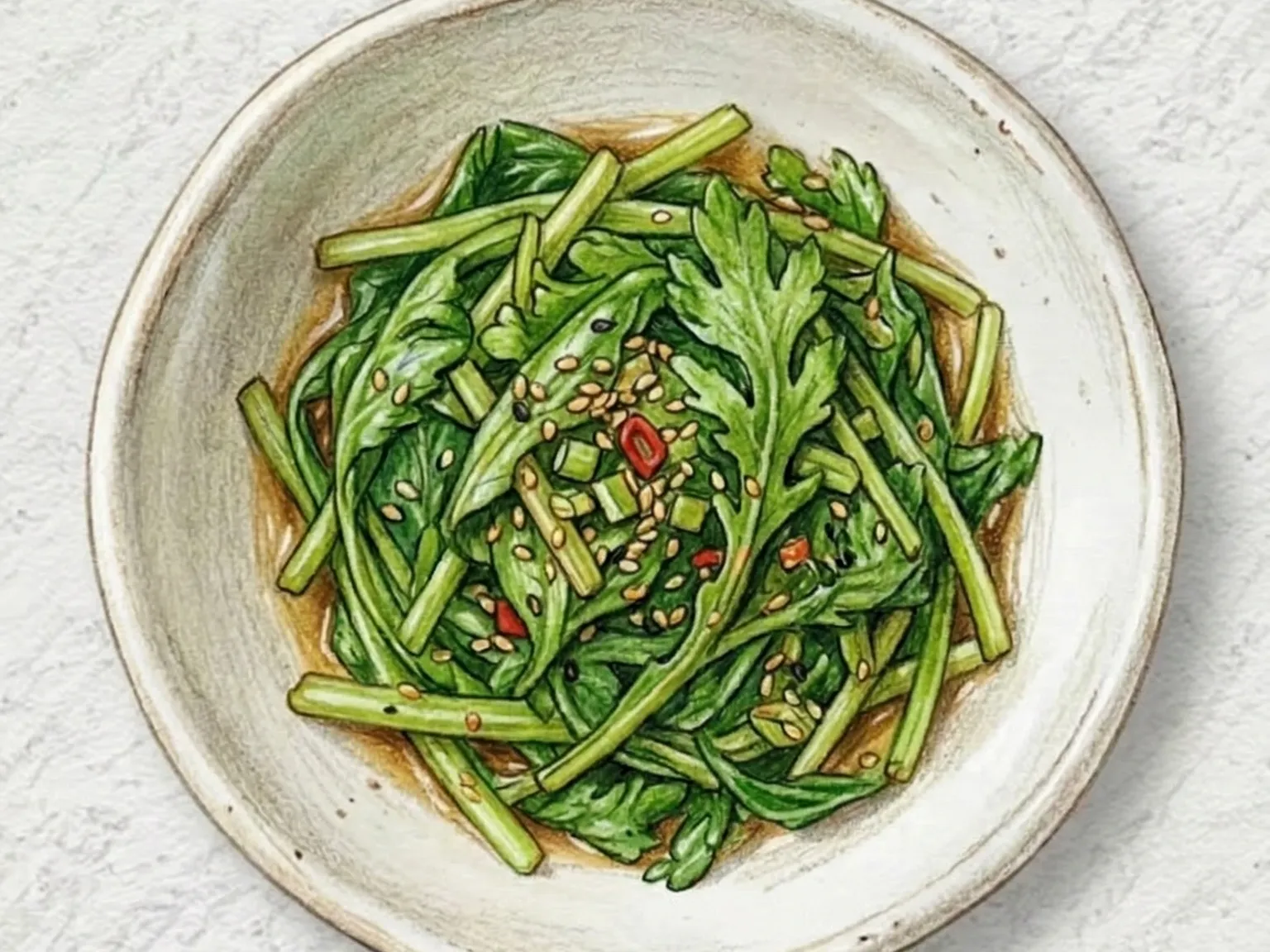
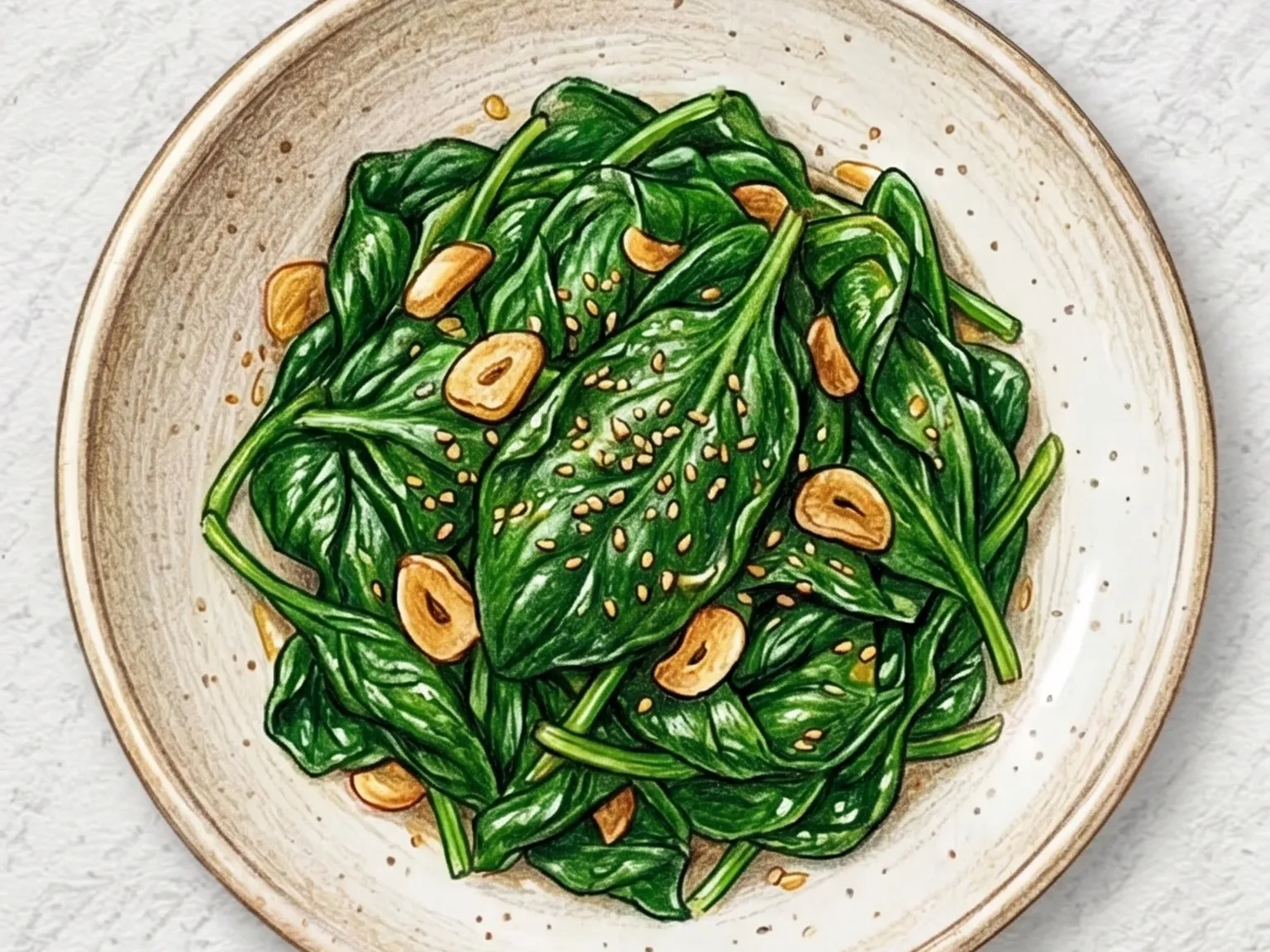
The amount of liquid left in this spinach stir-fry depends largely on drying the 300 g of spinach before it reaches the pan. Rinse the leaves several times until no grit remains, shake out water trapped between the stems and leaves, and let them sit briefly in a colander or on kitchen towels until the surface is as dry as practical. Warm 1 teaspoon of cooking oil over medium heat and add 3 thinly sliced garlic cloves. Keep the slices moving and stop before their edges turn deeply brown. Raise the heat to high, add all the spinach at once, and begin lifting the leaves from the bottom as soon as they collapse. Finish this stage within about 2 minutes so the spinach wilts evenly without simmering in released water. When the leaves look glossy and deep green and no liquid pools on the pan bottom, drizzle in 1 teaspoon of soy sauce and toss only long enough to distribute it. Turn off the heat rather than boiling the soy sauce with the greens. Mix in 1 teaspoon each of sesame oil and sesame seeds with the residual heat, then transfer the spinach while the stems and leaves still retain some spring.
Korean Braised Lotus Root with Pork
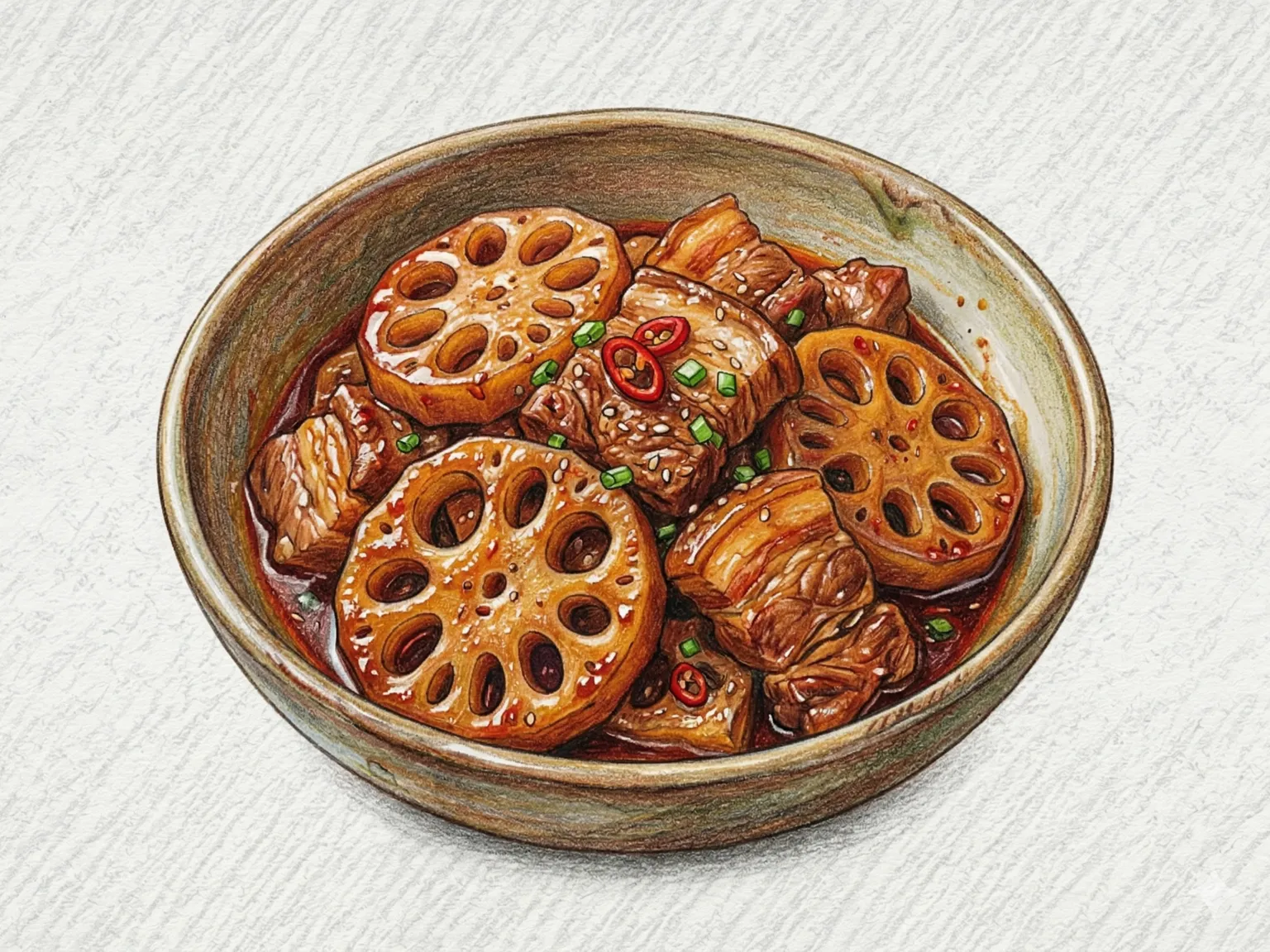
Yeongeun dwaejigogi jorim is a Korean braise of lotus root and pork shoulder in a gochujang and soy sauce seasoning. The lotus root absorbs the spiced braising liquid while maintaining its signature crisp bite, and the pork shoulder softens as its fat renders into the sauce, building depth. Gochujang provides a steady warmth while soy sauce anchors the umami, and oligosaccharide syrup glazes everything in a glossy coat. The textures hold up well even after cooling, making this a practical banchan for lunchboxes and meal prep.
Korean-Style Cabbage Pickle
Yangbaechu pickle is a quick Korean-style vinegar pickle made by pouring a hot brine of vinegar, sugar, salt, and whole black peppercorns over bite-sized pieces of cabbage and carrot. The hot liquid wilts the vegetables just enough to help them absorb the brine while they retain a firm, snappy crunch throughout. Whole peppercorns contribute a subtle, aromatic heat that gives the finished pickle more depth than a plain vinegar soak would produce. After a single day of refrigeration the pickle is ready to eat, and it pairs especially well alongside fried cutlets, burgers, or any dish that benefits from a bright, acidic counterpoint to cut through richness. The carrot adds a note of natural sweetness and keeps the color vivid. Kept in a sealed container, the pickle is at its crunchiest within the first week, though the flavors become more rounded and pronounced as the vegetables continue to absorb the brine over time.
Korean Stir-fried Radish Greens with Perilla
This radish green and perilla stir-fry starts with 350 g of already boiled siraegi. Lightly squeeze away excess water, strip any tough outer fibers from the stems, and align the stems and leaves before cutting them into 5 cm lengths. In a bowl, toss the greens with 1 1/2 tablespoons of soup soy sauce and 1 tablespoon of minced garlic. Let them stand for 5 minutes, pressing only lightly so the seasoning reaches the firmer stems without crushing the leaves. Heat 1 tablespoon of perilla oil over medium heat and stir-fry the seasoned greens for about 3 minutes to remove lingering moisture. Pour in 150 ml of water and scrape the pan bottom to dissolve the seasoning. Lower the heat and add 3 tablespoons of perilla powder in portions, stirring each addition immediately so no dry lumps remain. Turn the greens often during about 4 minutes of gentle simmering. The mixture is ready for the final step when the sauce has thickened around the stems and leaves and clear water no longer pools beneath them. Add 40 g of green onion and cook for 2 more minutes. If the seasoning seems light, reduce the sauce a little further before adding anything new.
Korean Yeongeun Ganjang Jorim (Soy-Braised Lotus Root)
Yeongeun ganjang jorim is a Korean soy-braised lotus root side dish simmered in soy sauce, oligosaccharide syrup, vinegar, and cooking wine. The starchy surface of the lotus root develops a glossy glaze from the reduced sauce while the interior stays distinctly crunchy. Vinegar brightens the soy's salinity, and the syrup contributes a gentle sweetness and visible sheen. This banchan improves overnight in the refrigerator as the seasoning continues to penetrate, making it one of the most practical make-ahead side dishes in Korean home cooking.
Korean Soy Pickled Onions
Yangpa jangajji is a soy-pickled onion made by immersing large-cut onion chunks in a boiled brine of soy sauce, vinegar, and sugar. The hot brine tempers the raw onion's sharp, pungent bite on contact, and as the pickle matures in the refrigerator the sweet-salty seasoning penetrates evenly through each piece. Cutting the onion along its fiber rather than against it keeps the texture firm and crisp after pickling, whereas thin cross-cut slices tend to soften quickly in the acidic brine. Sliced cheongyang chili peppers added to the jar gradually release their heat into the liquid, lending a gentle, lingering spiciness that offsets the sweetness and keeps the flavors from becoming one-dimensional. The pickle is ready after one day of refrigeration but improves noticeably at three days or more as the seasoning continues to deepen. It is a staple accompaniment to grilled meats like samgyeopsal, where its acidity and crunch cut through richness and refresh the palate between bites. It also works well over bibimbap or cold noodles. The brine can be brought back to a boil and reused for a second batch of onions, making this an economical pantry item.
Korean Spicy Beef Stir-Fry
Thin slices must be separated before marinating this gochujang beef, or the seasoning will coat the outside of a clump and miss the inner surfaces. Mix 2 tablespoons of gochujang, 1 tablespoon of soy sauce, 1/2 tablespoon of sugar, and 1 tablespoon of minced garlic until no sugar grains or dense chile-paste lumps remain. Unfold 300 g of beef into the mixture, coat every slice, and leave it for 10 minutes. Heat 1 tablespoon of cooking oil over medium-high heat and stir-fry 80 g of onion for about 1 minute, stopping when only the edges have turned translucent. Raise the heat to high and spread the marinated beef across the pan. Avoid constant stirring during the first 30 seconds so the surface can darken and the sauce can begin to adhere. Once the meat is about halfway cooked, toss it quickly with the onion. If the thick seasoning starts sticking firmly to the bottom, lower the heat slightly rather than letting the gochujang scorch. Switch off the heat when no red meat remains, loose moisture has reduced, and a glossy coating clings to each slice. Mix in 1/2 tablespoon of sesame oil with the residual heat so its aroma is not held over the highest heat.
Korean Steamed Lotus Root
Yeongeun-jjim is Korean steamed lotus root where thick-cut slices are braised gently in a soy sauce, sugar, and cooking wine seasoning under a covered lid. The thick cross-sections absorb the sauce slowly, developing a sweet-salty coating on the outside while maintaining a crisp-chewy dual texture inside. Sesame oil added at the end lifts a toasted fragrance, and scattered sesame seeds provide visual contrast. With only a handful of ingredients, this side dish showcases the lotus root's natural starchy character in a clean, understated preparation.
Korean Young Radish Kimchi
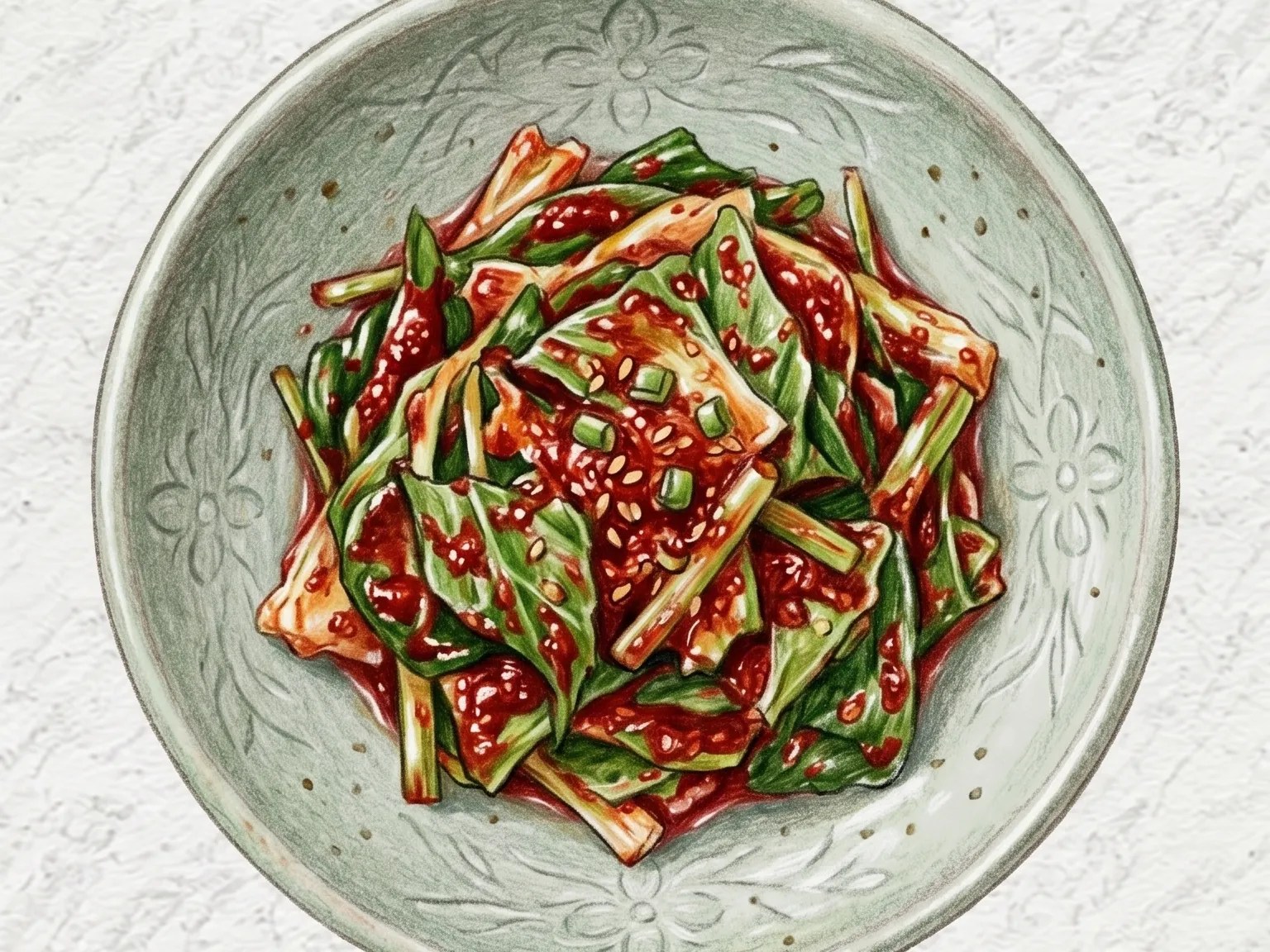
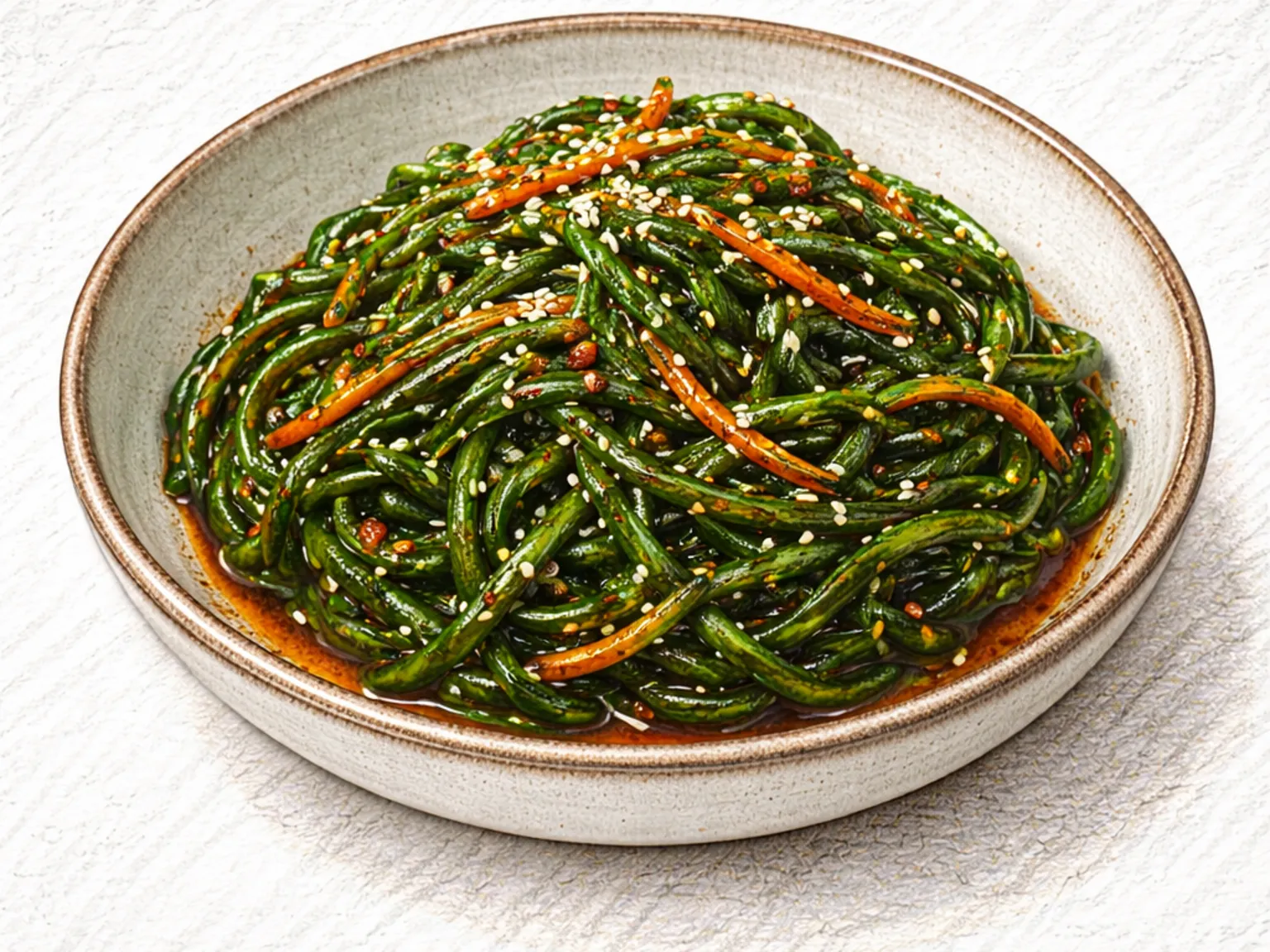
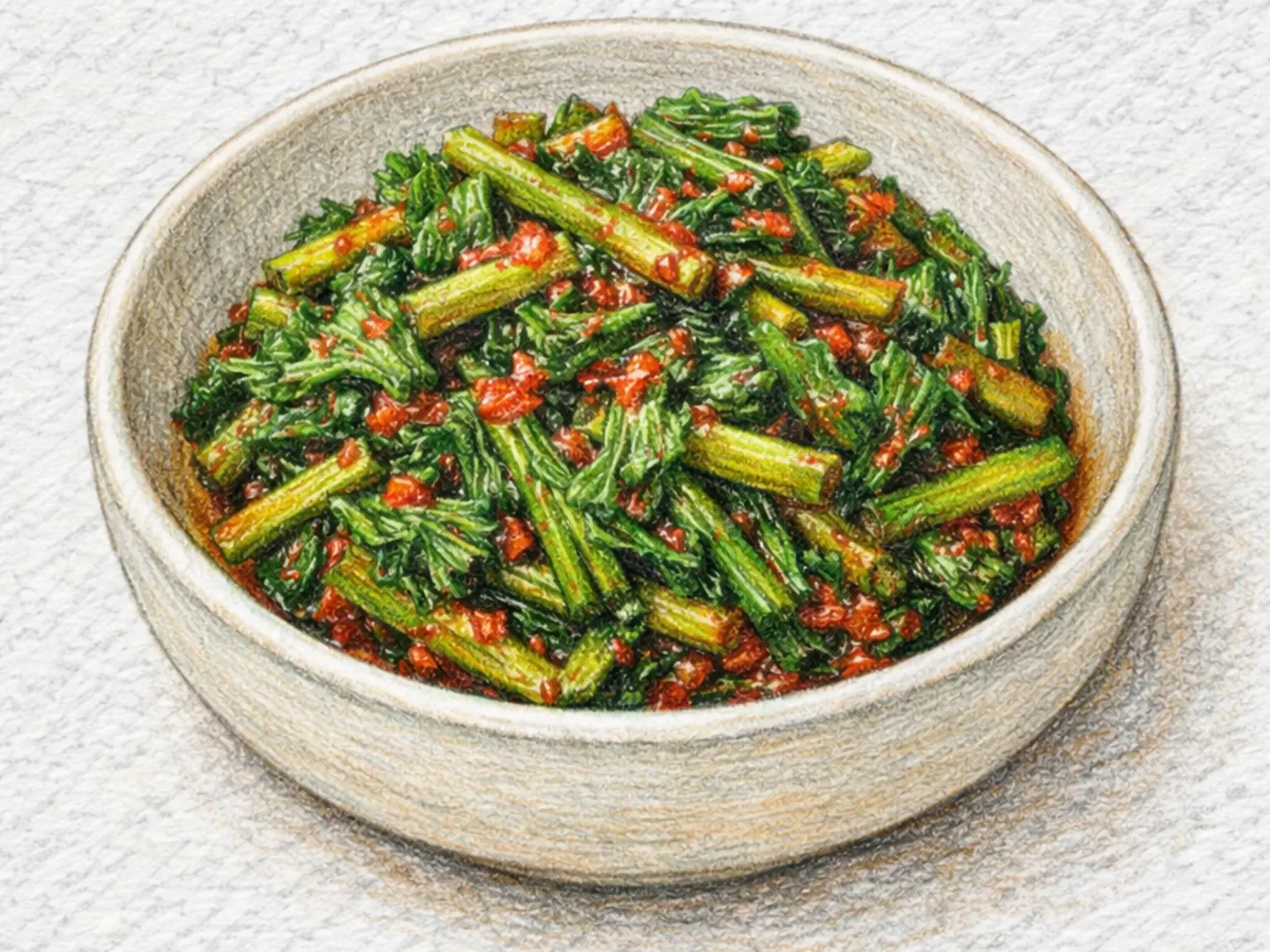
Young radish greens and their slender stems are salted briefly, dressed in a gochugaru-based paste, and fermented into a kimchi that defines Korean summer eating. The greens are more delicate than mature radish, absorbing the seasoning quickly while retaining a refreshing crunch that lasts well into fermentation. Gochugaru and anchovy fish sauce form the backbone of the paste, delivering heat and deep umami in equal measure, while garlic lends a pungent undercurrent that mellows as the fermentation progresses. Once dressed, the radish greens release their own moisture, creating a naturally occurring brine that becomes the hallmark of yeolmu kimchi: a tangy, chili-flecked liquid that can be spooned over cold noodles or rice. Even half a day at room temperature kicks off the fermentation, introducing a sharp, fizzy acidity that signals the kimchi is alive. Transferring it to the refrigerator slows the process and stabilizes the flavor at a bright, appetizing sourness. Draped over bibim-guksu or naengmyeon, it brings a cooling, spicy bite that defines the Korean summer table.
Korean Stir-fried Sausage
This sausage stir-fry dry-fries 200 g of Vienna sausages before adding a ketchup and gochujang glaze over medium-low heat. Pat the sausages dry and score them shallowly without cutting through the bodies. Cut 1/2 onion into thick slices and prepare 1 green onion for the finish. In advance, mix 2 tablespoons of ketchup, 1/2 tablespoon of gochujang, 1 tablespoon of oligosaccharide syrup, 1/2 tablespoon of soy sauce, and 1/2 teaspoon of minced garlic until no thick chile-paste lumps remain. Roll the sausages around a dry pan over medium heat for about 2 minutes. Their surfaces should become lightly golden and the cuts should begin to open. Add the onion and stir-fry for only 1 more minute, leaving a little bite beyond the translucent edges. Lower the heat to medium-low, pour in the prepared sauce, and keep turning the sausages for 2 minutes. As the ketchup and syrup thicken, constant movement keeps the glaze from sticking in one spot. Turn off the heat when the sauce no longer runs loosely and has reached both the outer surfaces and the scored cuts. Finish with the green onion and 1/2 teaspoon of sesame seeds.
About Side dishes
Great banchan balances seasoning with the natural flavor of each ingredient. Sesame oil, perilla oil, soy sauce, and fermented pastes work together to pack deep flavor into every small serving.