Side dishes

Side dishes Recipes

624 recipes. Page 9 of 26

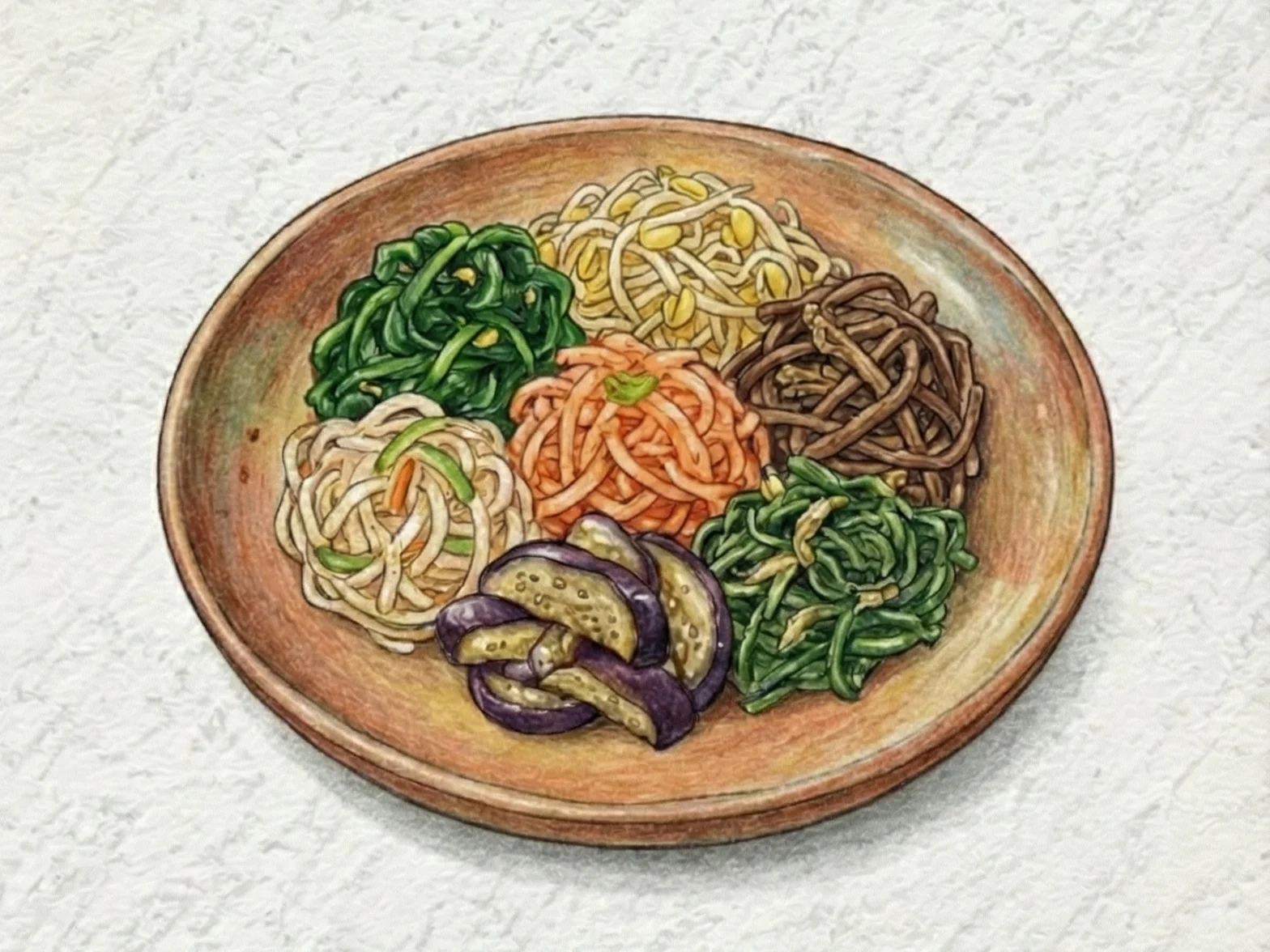
Side dishes (banchan) are the heart of Korean dining culture. A typical meal features multiple small plates - seasoned vegetables (namul), braised dishes (jorim), pickled items, and salted seafood. Classics like spinach namul, bean sprout salad, and stir-fried anchovies can be prepared in advance and enjoyed over several days.

Side dishes
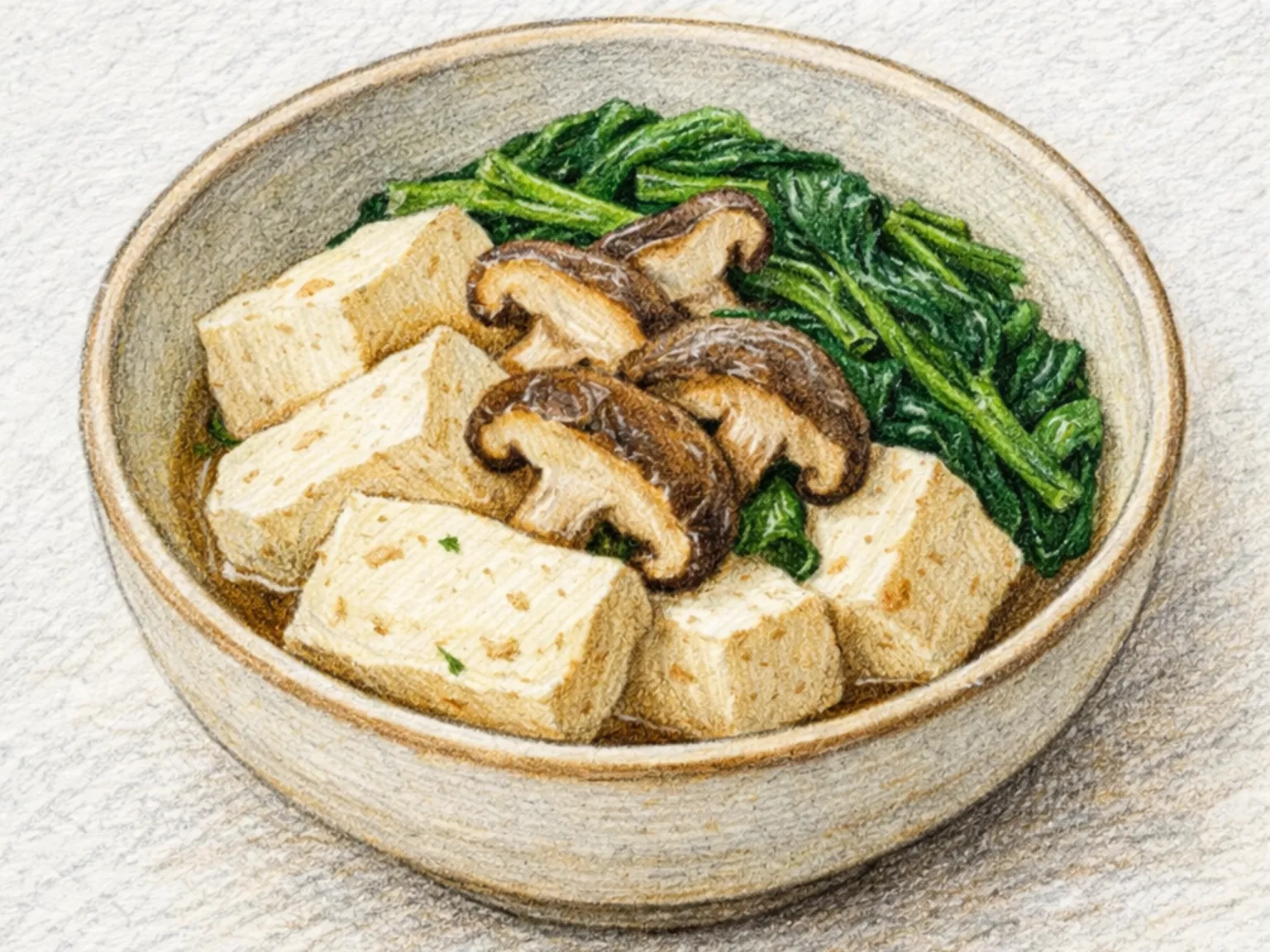
Korean Steamed Tofu with Soy Sauce
Steamed Easy

Korean Steamed Tofu with Soy Sauce

Dubu-jjim is firm tofu steamed and topped with a seasoning sauce of soy sauce, gochugaru, chopped green onion, garlic, and sesame oil. Cutting the tofu into thick slabs before steaming lets heat penetrate evenly, producing pieces with slight resistance on the outside and a silky interior. The soy and chili sauce drizzled over the warm tofu seeps into each slice, delivering salty and mildly spicy flavors throughout. Sesame oil and seeds finish with a toasted aroma. Cooked without any added oil, it is a clean, protein-rich banchan that fits well on a vegetarian spread. Lightly salting the tofu before steaming draws out excess moisture, which allows the seasoning sauce to absorb more deeply and firms up the texture.

🥗 Light & Healthy 🏠 Everyday
Prep 8min Cook 10min 2 servings
Korean Bok Choy Kimchi (Gochugaru Fermented Quick)
Kimchi Medium

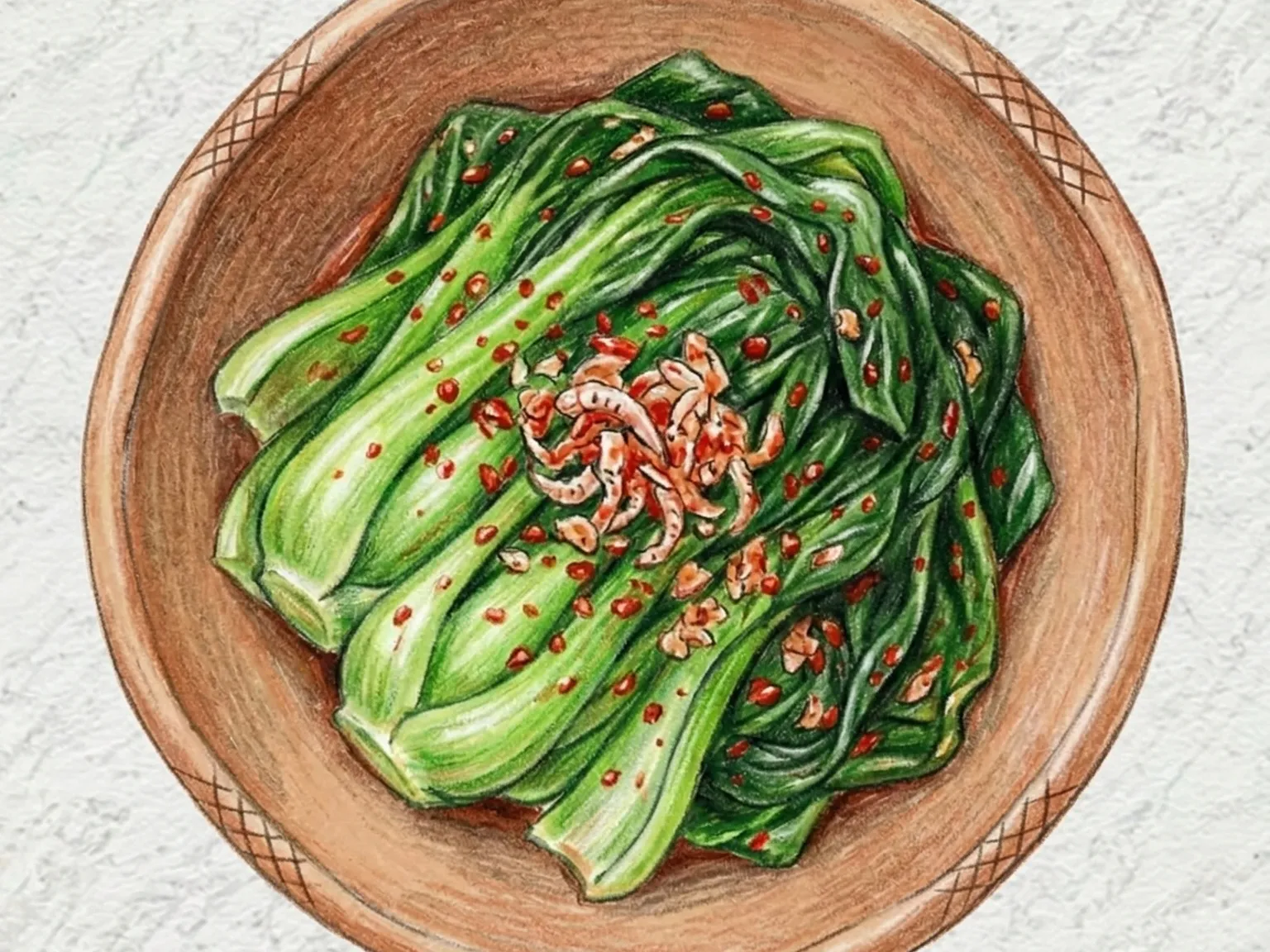
Korean Bok Choy Kimchi (Gochugaru Fermented Quick)

Cheonggyeongchae kimchi is a bok choy kimchi prepared by halving the heads lengthwise, salting them for twenty minutes, and coating each leaf layer with a paste of gochugaru, salted shrimp, anchovy fish sauce, and sweet rice paste. Keeping the salting time short preserves the crisp snap of the stems, while the leaves soften just enough to hold the seasoning. Julienned scallions and carrot add color and textural variety, and adjusting the fish sauce quantity based on the salted shrimp salinity keeps the overall salt level balanced. After four hours of room-temperature fermentation followed by refrigeration, this kimchi is ready within a day and offers a lighter, crunchier character than traditional napa cabbage kimchi.

🍱 Lunchbox ⚡ Quick
Prep 35min 4 servings
Korean Lotus Root Yuzu Salad
Salads Easy

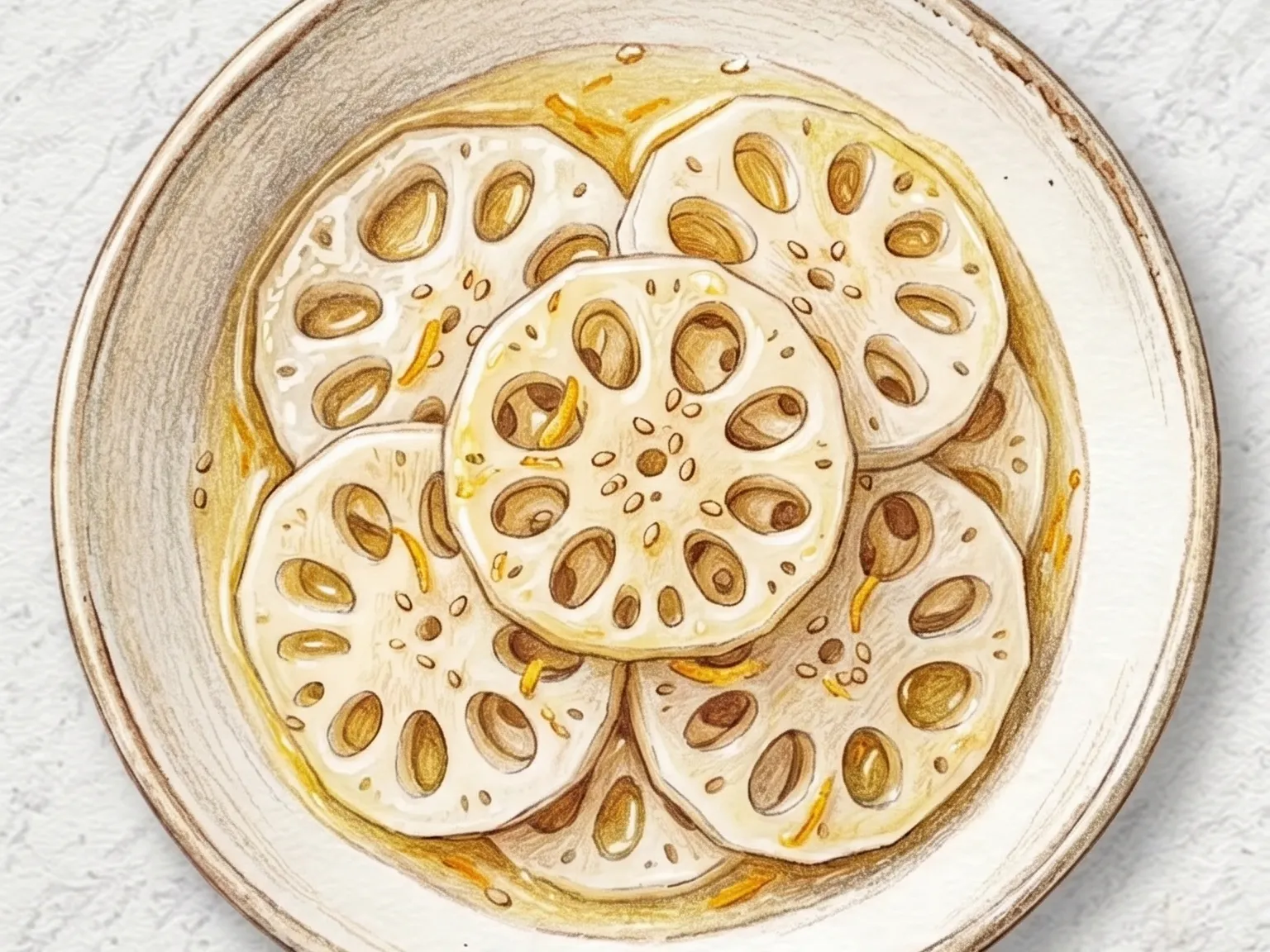
Korean Lotus Root Yuzu Salad

Korean lotus root yuzu salad starts with 320 g lotus root for four servings. Peel the root thinly, remove browned areas, and cut even 3 mm rounds. That thickness allows the pieces to remain crisp and pleasantly chewy after blanching without becoming tough. Bring plenty of water to a full boil, add a small splash of vinegar, and cook the lotus root over medium-high heat for 3 minutes. Lift the slices out when their cut faces look slightly translucent. Rinse them under cold water for 30 seconds to stop residual cooking, drain thoroughly, and spread them out so retained water does not dilute the dressing. Dissolve 1.5 tbsp yuzu marmalade with 1 tbsp vinegar, 0.4 tsp salt, and 1 tsp sugar, then stir in 1 tsp sesame oil last. Gently turn the cooled slices in this mixture without breaking them. Let them stand for about 5 minutes and toss once more so the dressing reaches the hollow channels. Finish with 1 tsp sesame seeds. If the yuzu marmalade makes the result too sweet, correct it with a very small amount of vinegar. Chill briefly and serve the salad cold beside a richer main dish.

🏠 Everyday 🍱 Lunchbox
Prep 14min Cook 6min 4 servings
Dashima Chae Muchim
Side dishes Easy

Dashima Chae Muchim

Dashima chae muchim combines 200 g of kelp strips with julienned cucumber and a gochugaru, vinegar, and soy dressing. Cover the kelp with plenty of cold water and soak it for 10 minutes. Move the soaked strips into strongly boiling water for exactly 20 seconds, then lift them out immediately, rinse under cold water, and squeeze away the excess moisture. This sequence softens the prepared strips briefly without extending their time in hot water. Halve 60 g cucumber lengthwise, remove the seed section, and cut the flesh into thin, even strips. For the dressing, stir together 1 tablespoon gochugaru, 1.5 tablespoons vinegar, 1 teaspoon sugar, 1 tablespoon soy sauce, and 0.5 teaspoon minced garlic until the sugar dissolves. Add the drained kelp and cucumber, then toss gently by hand until the red seasoning reaches every strand. Finish with 0.5 teaspoon sesame oil and 0.5 tablespoon sesame seeds, mixing only once more. Refrigerate the seasoned kelp for at least 10 minutes before serving. The method gives separate checkpoints for soaking, blanching, cooling, draining, and chilling, which helps prevent extra water from thinning the dressing and keeps the kelp from remaining in boiling water longer than specified.

🥗 Light & Healthy 🏠 Everyday
Prep 12min Cook 3min 2 servings
Korean Stir-Fried Bok Choy and Tofu with Doubanjiang
Stir-fry Easy

Korean Stir-Fried Bok Choy and Tofu with Doubanjiang

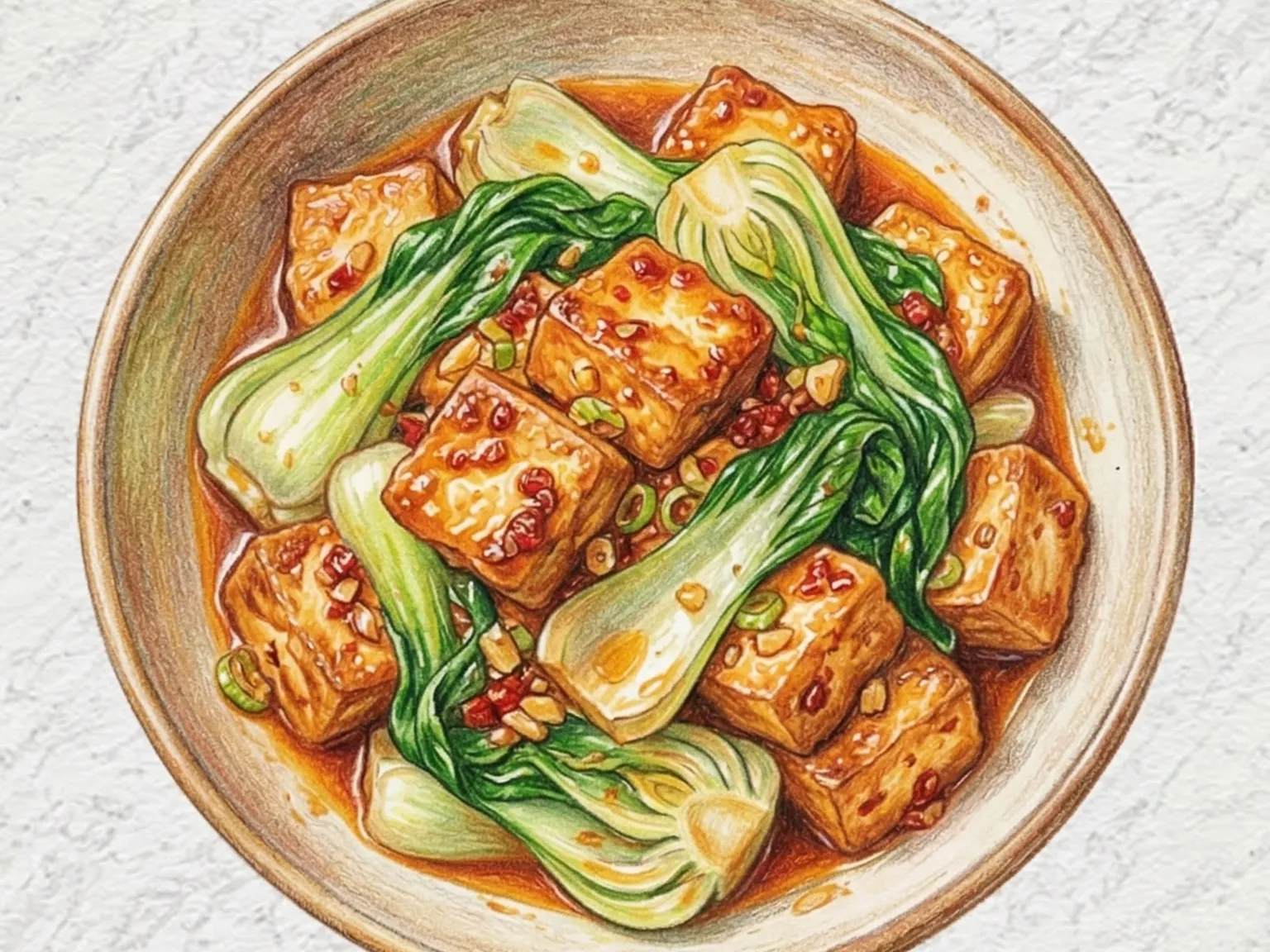
Firm tofu is patted completely dry before pan-searing in oil for three minutes until golden on each side, then removed from the pan while the aromatics are built. Green onion and garlic go into the same pan to soften and release their fragrance, after which doubanjiang, soy sauce, sugar, and water are stirred together into a sauce directly in the pan. Doubanjiang, made from crushed fermented chilies, brings concentrated salt and heat simultaneously, so the soy sauce must be added in small amounts and the seasoning checked at the end rather than measured rigidly from the start. Bok choy stems and leaves are separated and added at different points: stems go in first for two minutes of direct heat, leaves follow for a final minute, so the stalks remain firm and the greens wilt to a silky finish. These two textures coexist on the plate without either being overcooked. A single teaspoon of sugar softens the sharp salinity of the doubanjiang, rounding the finish so that the heat registers as warmth rather than aggression. When the seared tofu cubes return to the pan, their crisp exterior absorbs the sauce, releasing a burst of spicy, fermented flavor with each bite. At 290 calories and 17 grams of protein, the dish delivers a satisfying protein intake without any meat in the recipe.

🏠 Everyday 🍱 Lunchbox
Prep 12min Cook 10min 2 servings
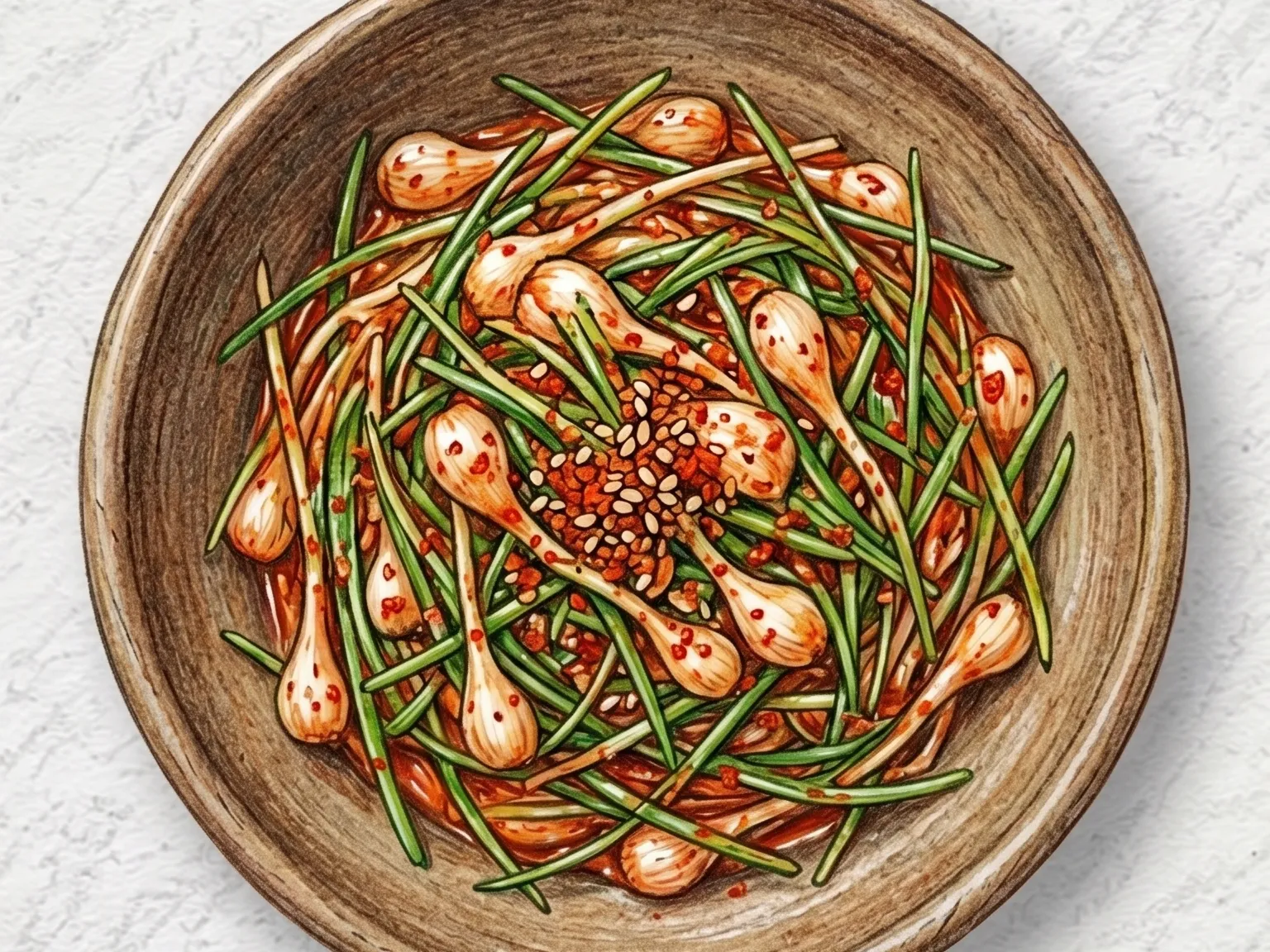
Korean Gochujang Grilled Garlic Scapes
Grilled Easy

Korean Gochujang Grilled Garlic Scapes

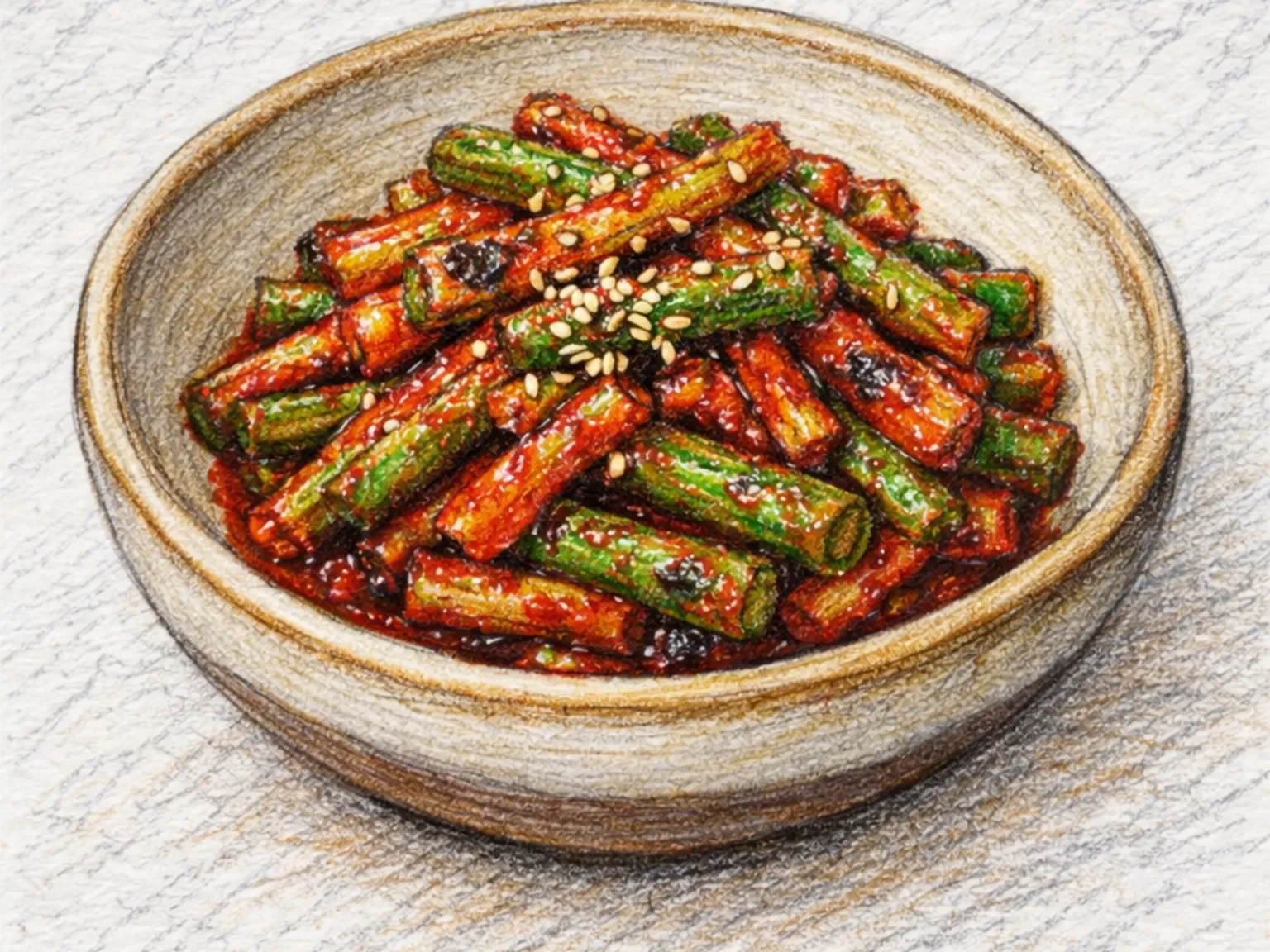
Maneuljjong-gochujang-gui is a Korean vegetable side dish where garlic scapes cut into six-centimeter pieces are blanched for just thirty seconds, then stir-grilled in a pan with a sauce built from gochujang, gochugaru, soy sauce, oligosaccharide syrup, and minced garlic. The thirty-second blanch is precisely timed to loosen the tough outer fibers of the scape so the sauce has a surface to cling to, while the crisp interior stays intact. Plunging the scapes into cold water immediately after blanching is necessary to halt carryover cooking and lock in the texture. The garlic scape's own sharp, pungent bite merges with gochujang's fermented depth to build a layered spiciness that carries more complexity than raw chili heat alone, and the oligosaccharide syrup contributes both a glossy coating and a restrained sweetness that rounds off the sauce. When the sauce starts catching on the pan, adding a tablespoon of water loosens it without washing out the flavor. Sesame oil and toasted sesame seeds go on at the very end to finish the dish with a nutty, roasted aroma.

🍺 Bar Snacks 🏠 Everyday
Prep 10min Cook 8min 2 servings
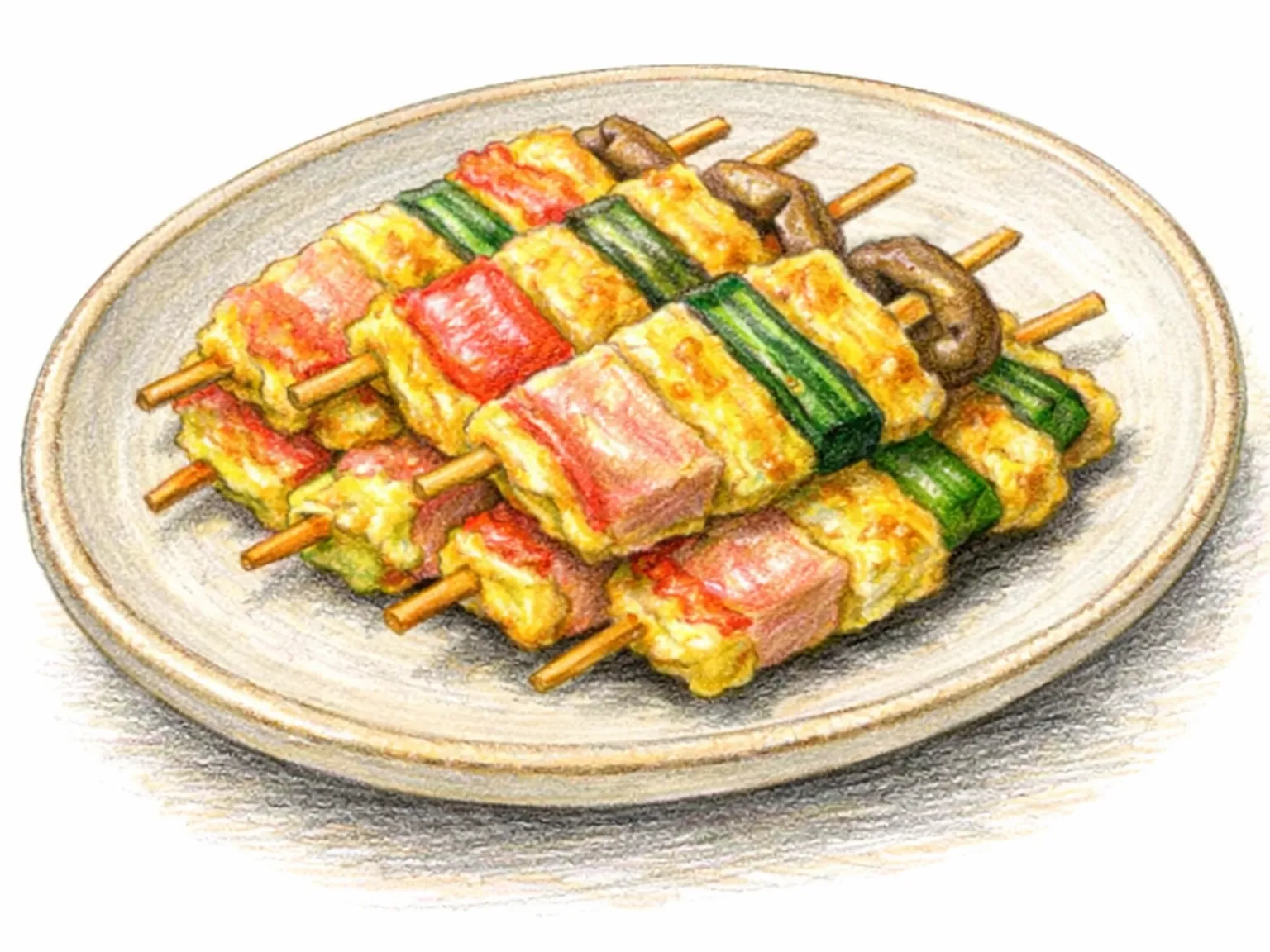
Korean Skewered Jeon (Ham and Mushroom Skewer Pancake)
Pancakes Medium

Korean Skewered Jeon (Ham and Mushroom Skewer Pancake)

Kkochi-jeon is a skewered Korean pancake traditionally made for ancestral rites and holiday tables. Ham, imitation crab sticks, king oyster mushroom, and scallion are cut to uniform lengths, threaded onto skewers in alternating order, dusted with flour, dipped in salted beaten egg, and pan-fried slowly over medium-low heat until the egg coating is golden and set. Cutting all the ingredients to the same length ensures the finished skewers have even, tidy cross-sections when laid out on a platter, which matters on ceremonial occasions. Keeping the heat at medium-low is essential: too much heat sets the egg coating before the ingredients inside are warmed through, and it can brown or burn the surface. A small pinch of paprika powder or finely sliced green onion mixed into the egg wash adds color and aroma. The finished jeon holds multiple textures in a single bite: the yielding egg coating gives way to the saltiness of the ham, the springy chew of the imitation crab, the meaty firmness of the king oyster mushroom, and the fragrant sharpness of the scallion. A dipping sauce of soy sauce mixed with a splash of vinegar and a little sugar cuts through the richness and keeps the eating clean.

🍺 Bar Snacks 🎉 Special Occasion
Prep 35min Cook 20min 4 servings
Korean Braised Tofu in Spicy Sauce
Steamed Easy

Korean Braised Tofu in Spicy Sauce

Dubu-jorim is one of the most reliably prepared tofu dishes in Korean home cooking, made from ingredients that are almost always on hand, yet the sequence of steps makes a significant difference to the result. Before the tofu ever touches the braising sauce, it must be fried in a dry pan until each face develops a thin, golden crust. That crust serves two purposes simultaneously: it keeps the tofu slabs intact as the sauce reduces around them, and it acts as a permeable layer through which the seasoning gradually penetrates toward the center during braising. The sauce - soy sauce, gochugaru, minced garlic, sugar, and water - simmers around the tofu for eight to ten minutes until it has reduced by roughly half and thickened into a glossy, spicy-sweet glaze that coats the exterior in a dark, caramelized layer. The finished tofu has three distinct zones in every slice: the outermost layer where the sauce has caramelized and taken on a slightly chewy quality, a middle band where the seasoning has fully soaked in, and a white, creamy center that provides a bland, soft contrast to the intensely flavored exterior. All three zones are present in a single bite, which is what makes this dish more texturally interesting than a standard braise. Korean home cooks typically double the recipe and refrigerate half for weekday meals, where the flavors deepen further after a night in the cold.

🏠 Everyday 🍱 Lunchbox
Prep 10min Cook 15min 4 servings
Korean Cheongyang Gochu Doenjang Jangajji (Doenjang Pickled Cheongyang Peppers)
Kimchi Easy

Korean Cheongyang Gochu Doenjang Jangajji (Doenjang Pickled Cheongyang Peppers)

Cheongyang chili peppers are pricked all over with a fork so the brine can reach the interior of each pod rather than sitting on the surface. Kelp is simmered with soy sauce to establish a concentrated umami base, then the heat is cut and doenjang is dissolved into the hot liquid, which layers the nutty, fermented depth of fermented soybean paste over the saltiness of the soy. Rice syrup softens the sharp, raw heat of the chilies so it does not dominate the other flavors, and vinegar sharpens and clarifies the overall profile. The chilies are pressed fully under the brine and left in the refrigerator to mature. After one day the seasoning begins to penetrate toward the core, and by day three the doenjang flavor has fully saturated each pepper. At that point, a single pepper placed on a mouthful of hot rice delivers a compact burst of salty, funky depth and the lingering heat that makes this pickle a classic Korean table condiment.

🏠 Everyday 🍱 Lunchbox
Prep 18min Cook 8min 4 servings
Deodeok Muchim
Side dishes Medium

Deodeok Muchim

Deodeok muchim uses 250 g of deodeok root, pounded into rough strips and coated with a gochujang and vinegar dressing. Peel the roots, wipe away the sticky sap lightly, and strike each piece 5 to 6 times with a mallet. Stop when the root is flatter and its fibers have begun to open, then tear it lengthwise into ribbon-like strips. Leave the strips submerged for 5 minutes in cold water. Taste one and extend the soak only if the raw bitterness is still stronger than desired. Drain the deodeok in a sieve and press it with a towel until no visible water drops remain, taking care not to crush the opened fibers. Combine 1.5 tablespoons gochujang, 1 tablespoon gochugaru, 1.5 tablespoons vinegar, 1 tablespoon sugar, and 1 teaspoon minced garlic. Stir until the sugar dissolves and the dressing looks smooth. Add all of it to the drained root and massage along the grain until no pale, dry sections remain. Let the coated strips stand for 15 minutes. Just before serving, mix in 1 teaspoon sesame oil and scatter over 1 teaspoon sesame seeds that have been lightly crushed between the fingers. Pounding and tearing create irregular surfaces for the thick dressing, while thorough draining keeps the measured sauce from being diluted.

🏠 Everyday 🍱 Lunchbox
Prep 20min 4 servings
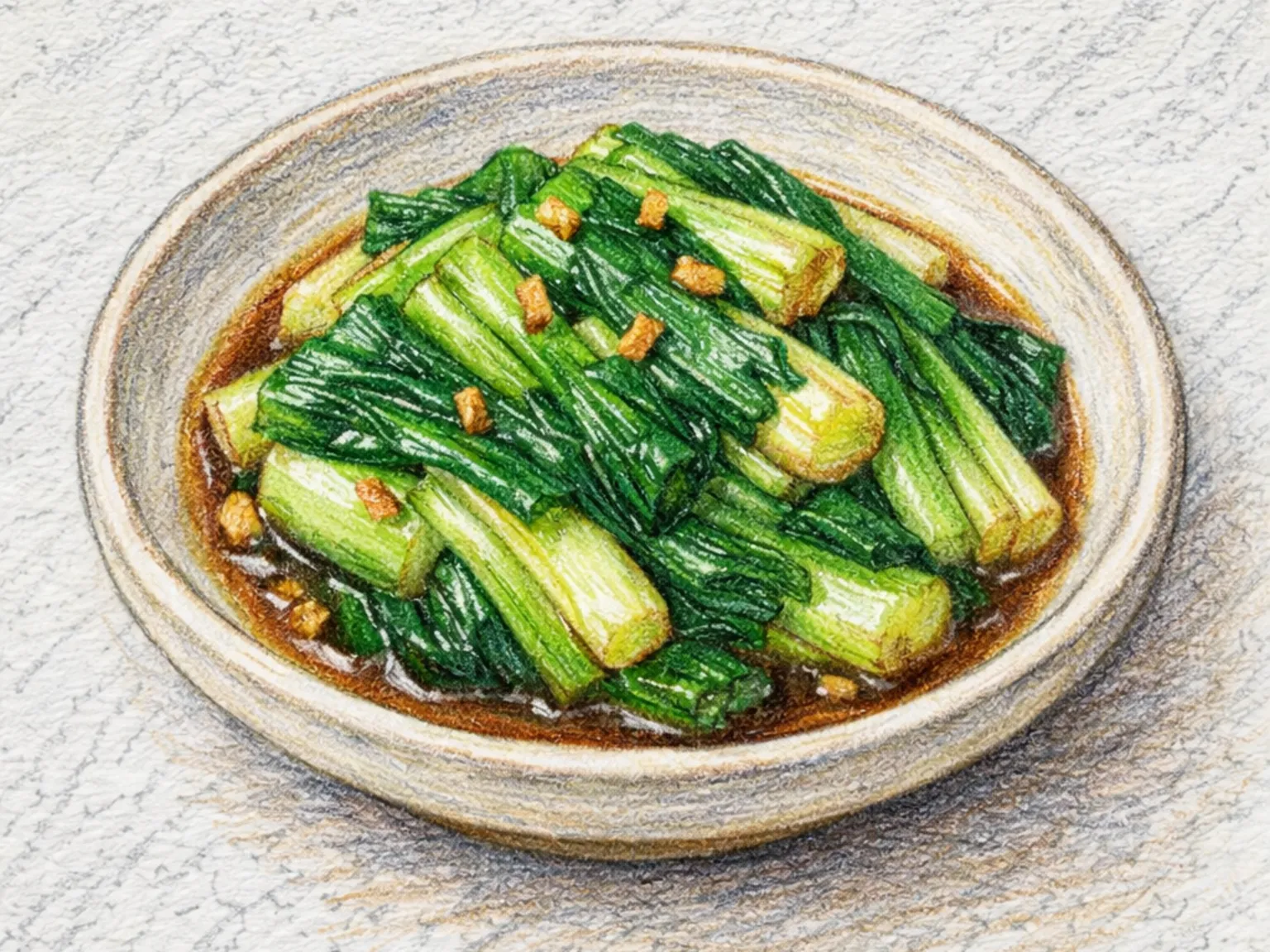
Korean Stir-Fried Bok Choy with Oyster Sauce
Stir-fry Easy

Korean Stir-Fried Bok Choy with Oyster Sauce

This bok choy stir-fry coats 250 g of halved heads with a thin oyster sauce glaze while keeping the stalks firm. Trim only the tough base, rinse between the leaves, and shake away as much water as possible in a colander. Excess water would lower the pan temperature and steam the greens. Before heating the pan, combine 1 tablespoon oyster sauce, 1 teaspoon soy sauce, and 2 tablespoons water in a small bowl. Preheat a wide pan over high heat for about 1 minute, then stir 1 tablespoon cooking oil and 1 teaspoon minced garlic for only 20 to 30 seconds. Arrange the bok choy cut-side down in one layer. Give the stalks 40 seconds against the hot surface, then turn the pieces so the leaf edges pick up light color. Pour the prepared sauce around the pan rim so it boils immediately and toss for about 1 minute without lowering the heat. Stop when the sauce forms a glossy film on the stalks, the leaves have softened, and the stems bend slightly while retaining a crisp core. Turn off the heat before adding 0.5 teaspoon sesame oil and shake the pan once to distribute it. Dry leaves, an uncrowded pan, and the bend of the stalks are the practical controls for this recipe.

🏠 Everyday 🍱 Lunchbox
Prep 8min Cook 5min 2 servings
Korean Salt-Grilled Sea Bass
Grilled Easy

Korean Salt-Grilled Sea Bass

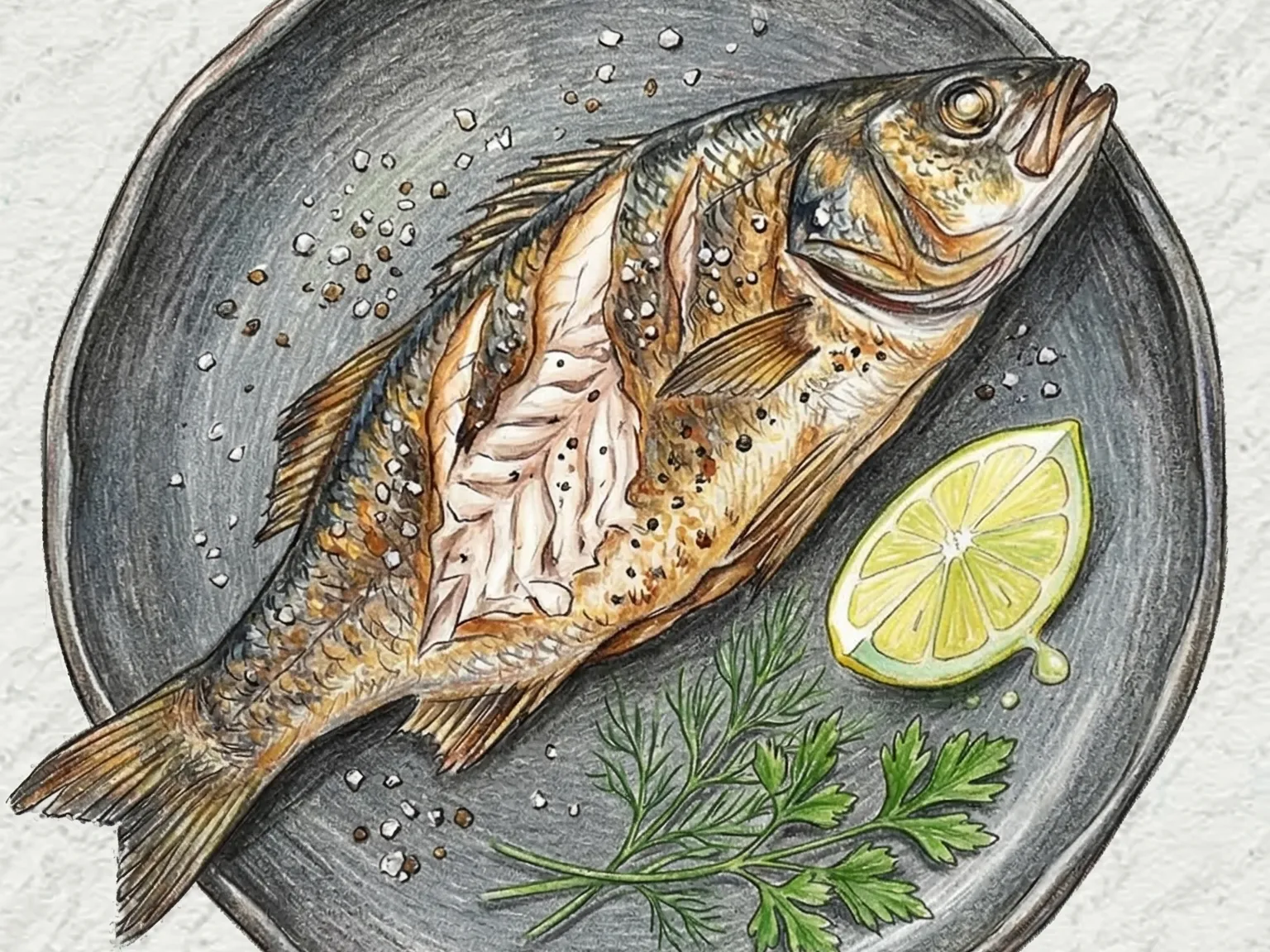
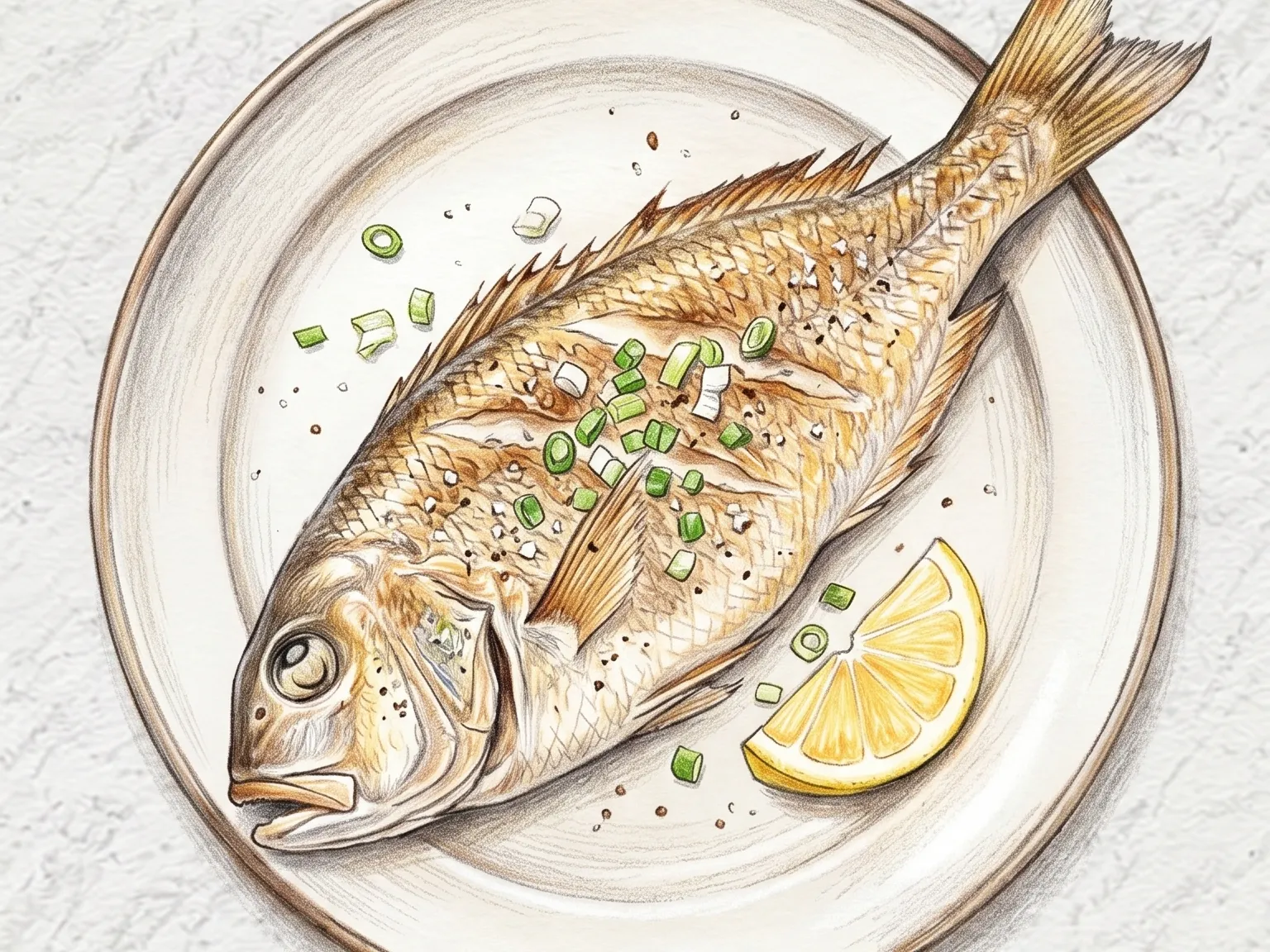
Nongeo sogeum-gui is a Korean salt-grilled sea bass where scored fillets are seasoned only with coarse salt and black pepper, then seared skin-side down in olive oil infused with garlic and fresh thyme. Sea bass has firm, low-odor white flesh that takes well to minimal seasoning, and pressing the skin against the hot pan for a full five minutes drives out moisture and renders the thin fat layer underneath into a crisp, shattering crust. After flipping, the aromatic oil pooled in the pan is spooned over the flesh for three to four minutes-the fish is done when the center shifts from translucent to opaque white. A squeeze of lemon at the table adds brightness that cleans up any residual richness from the oil-basted cooking.

🍺 Bar Snacks 🥗 Light & Healthy
Prep 12min Cook 14min 2 servings
Korean Flower Crab Pancake
Pancakes Hard

Korean Flower Crab Pancake

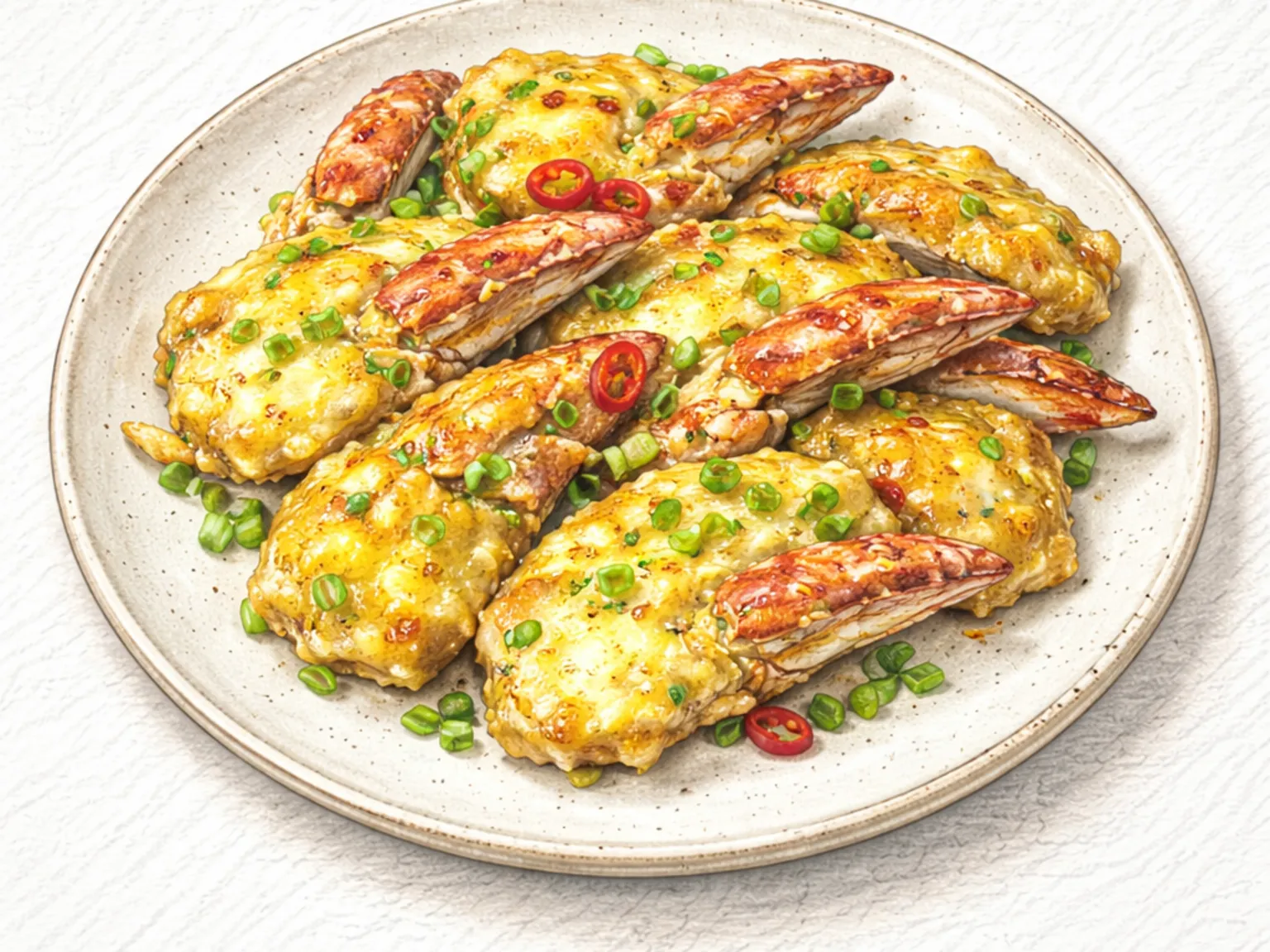
Fresh blue crab meat is picked clean, coated in a mixture of all-purpose flour and Korean pancake mix, dipped in beaten egg, and pan-fried until the surface turns golden. The crab's natural sweetness and mild brininess stay intact throughout the process, and minced ginger cuts through any residual fishiness without announcing itself in the finished jeon. Black pepper is added in small amounts - just enough to clean up the aftertaste without competing with the delicate crab. The egg coating holds moisture inside, keeping the meat tender while the outside crisps to a light, golden crust. A generous amount of crab filling in each piece is what makes the texture satisfying.

🍺 Bar Snacks 🎉 Special Occasion
Prep 18min Cook 12min 2 servings
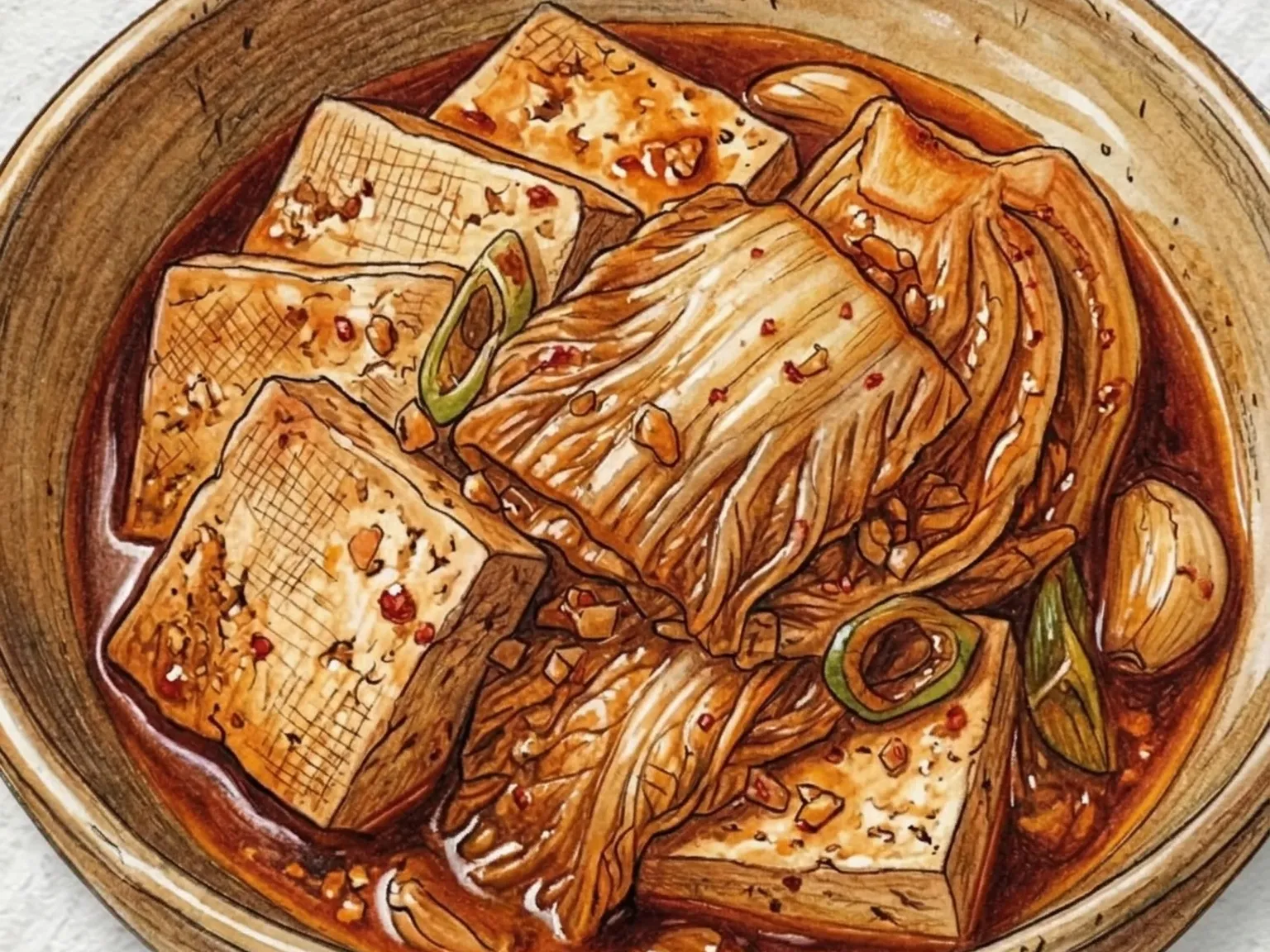
Korean Braised Tofu with Kimchi
Steamed Easy

Korean Braised Tofu with Kimchi

Dubu-kimchi-jorim is firm tofu braised with well-fermented aged kimchi in a sauce of soy sauce, gochugaru, minced garlic, and a pinch of sugar. The sharp acidity of the aged kimchi mellows during braising while its deep, fermented flavor remains fully intact. The tofu absorbs the chili-stained braising liquid like a sponge, carrying the kimchi flavor into every bite. Sugar takes the edge off the sourness just enough, and sesame oil stirred in at the end ties all the flavors together. Pressing the tofu before cooking prevents excess moisture from diluting the sauce, and pan-frying the pieces until golden on both sides before braising creates a firmer surface that holds together better. This dish is an efficient way to use kimchi that has sat in the refrigerator for months, as the stronger the sourness, the better suited it is for braising. Adding thinly sliced pork shoulder deepens the flavor considerably. It goes best spooned generously over a bowl of hot steamed rice.

🏠 Everyday 🍱 Lunchbox
Prep 10min Cook 20min 2 servings
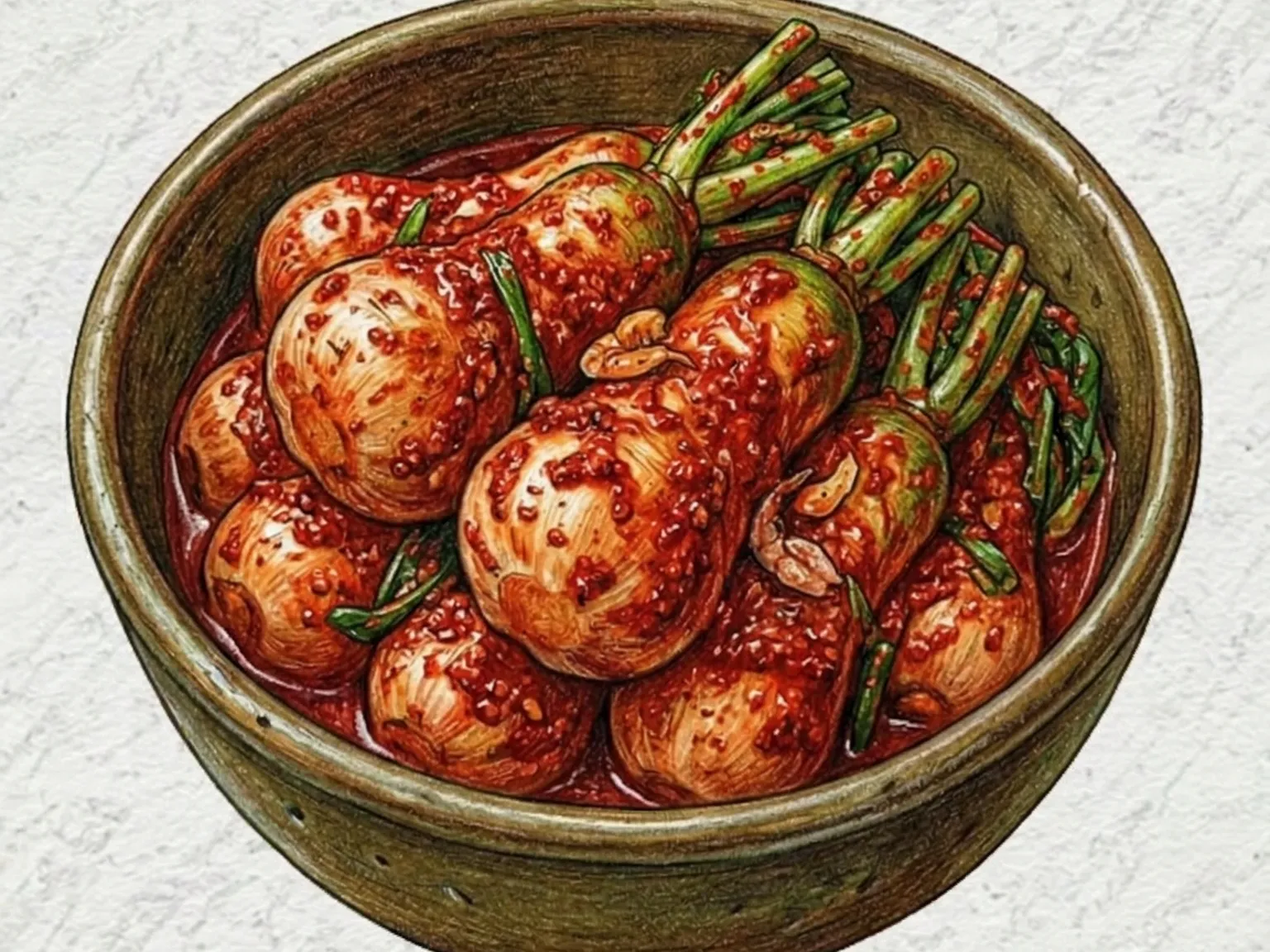
Korean Ponytail Radish Kimchi
Kimchi Medium

Korean Ponytail Radish Kimchi

Chonggak kimchi is a traditional Korean kimchi made with whole young ponytail radishes salted for two hours, then coated in a paste of gochugaru, anchovy fish sauce, garlic, ginger, and scallions before fermenting. Blooming the chili flakes in fish sauce first softens their texture and intensifies the red color, and garlic and ginger are added afterward to build aromatic depth into the heat. Radish tops that are left too long turn fibrous, so trimming them short before seasoning keeps the kimchi crisp from root to leaf. One day at room temperature produces light carbonation and a cool, refreshing tang that signals the fermentation is alive. Refrigerating after that preserves the radish crunch and spicy umami for weeks. A year-round staple, this kimchi appears at Korean tables across every season.

🍱 Lunchbox 🥗 Light & Healthy
Prep 45min Cook 15min 4 servings
Deulkkae Kongnamul Muchim
Side dishes Easy

Deulkkae Kongnamul Muchim

Deulkkae kongnamul muchim seasons 400 g of soybean sprouts with perilla seed powder, soup soy sauce, garlic, sesame oil, salt, scallion, and sesame seeds. Wash the sprouts, drain them for about 30 seconds, and place them in a pot with 100 ml water. Close the lid and cook for 2 minutes over high heat, then 3 minutes over medium heat without opening the pot. Spread the cooked sprouts in a colander for 1 minute and press them lightly by hand to remove excess moisture without crushing the stems or heads. In a large bowl, combine the amounts specified in the ingredient list: 1.5 tablespoons soup soy sauce, 1 teaspoon minced garlic, 0.5 teaspoon salt, 1 tablespoon sesame oil, and 2 tablespoons perilla powder. Add the cooled sprouts and 20 g thinly sliced scallion. Lift the mixture gently from the bottom so the thick seasoning reaches the separate sprouts without breaking them. Sprinkle with 1 teaspoon sesame seeds and let the finished namul stand for 5 minutes before plating. The covered 5 minute cooking stage, short cooling period, careful draining, and fixed seasoning quantities provide clear controls for both moisture and distribution of the perilla powder.

🥗 Light & Healthy 🏠 Everyday
Prep 10min Cook 8min 4 servings
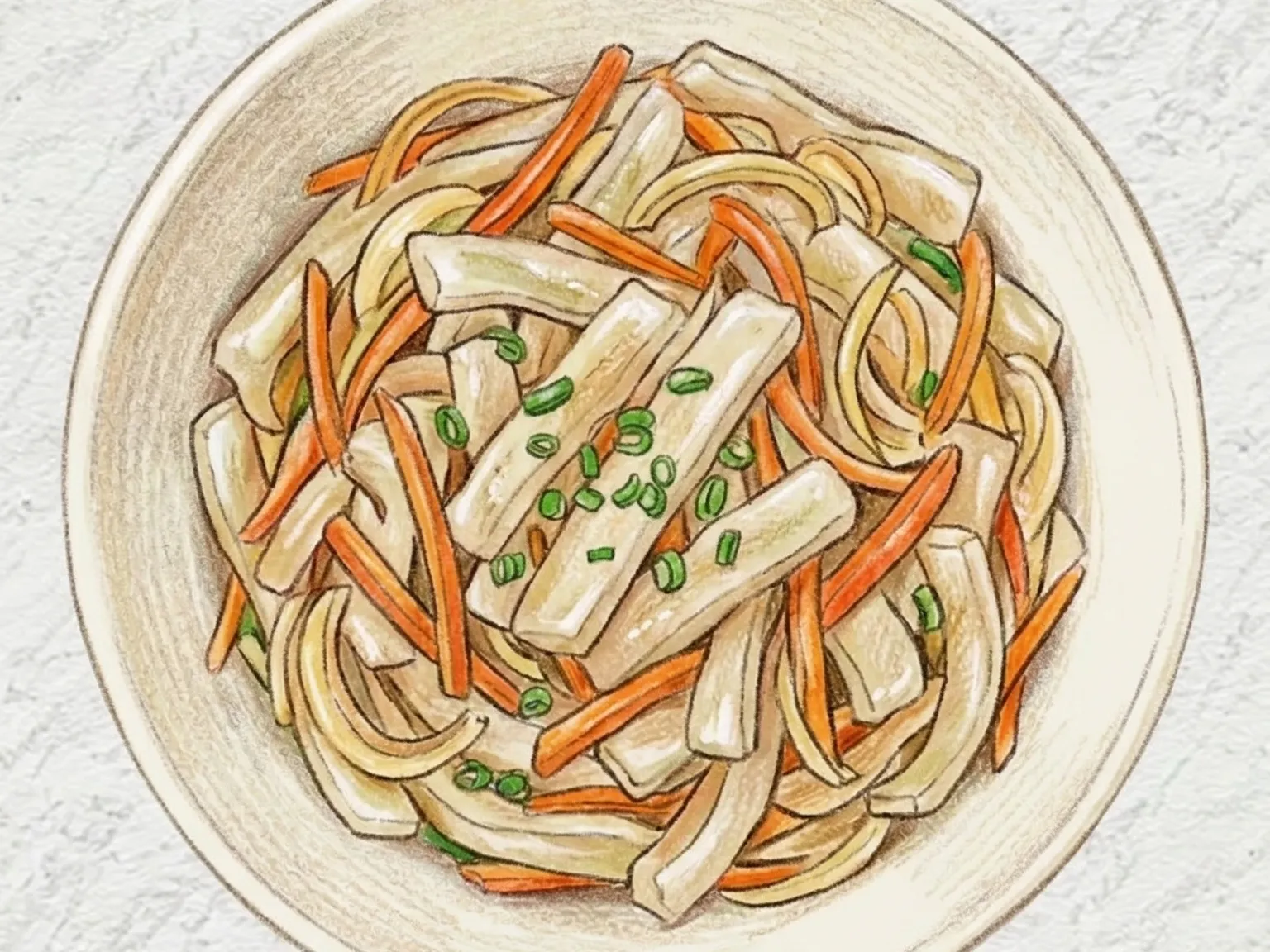
Korean Stir-fried Mung Bean Jelly
Stir-fry Easy

Korean Stir-fried Mung Bean Jelly

Mung bean jelly is cut into thick strips, blanched for thirty seconds to remove surface starch, then stir-fried gently with julienned carrot and onion in a soy sauce seasoning. The brief blanch firms up the jelly's exterior just enough to survive the tossing in the pan without crumbling, and washing away the starch allows the jelly to absorb the flavors of its companion vegetables more readily. Low heat and a careful hand are non-negotiable; aggressive stirring breaks the strips into shapeless lumps. The carrot contributes a faint natural sweetness, and the onion releases a light caramel note as it softens, both of which fill in the jelly's inherently neutral taste with understated warmth. Chopped green onion added at the very end lifts the dish with a sharp, fresh bite. One tablespoon of sesame oil swirled in after the flame is off coats everything in a glossy sheen and a final wave of nuttiness. At 180 calories and 9 grams of fat, this is a low-calorie side with enough fiber to sit gently in the stomach. The pale yellow color of mung bean jelly - a signature of the ingredient - comes through clearly on the finished plate, giving the dish a clean, orderly appearance that matches its delicate flavor.

🏠 Everyday 🍱 Lunchbox
Prep 15min Cook 8min 2 servings
Korean Okdom Sogeum Gui (Salt-Grilled Tilefish)
Grilled Easy

Korean Okdom Sogeum Gui (Salt-Grilled Tilefish)

Okdom sogeum-gui is a salt-grilled tilefish dish iconic to Jeju Island, where the whole cleaned fish is rubbed with a thin layer of ginger juice, seasoned with coarse salt and pepper, and pan-fried skin-side down for six to seven minutes over medium-high heat. Tilefish has moderately fatty, firm flesh that develops deep umami with salt alone, and the ginger juice is applied sparingly-just enough to neutralize any fishiness without masking the fish's own character. Thorough surface drying with paper towels before cooking is non-negotiable for crisp skin, and the pan must be fully preheated or the fish will stick immediately. Chopped green onion and fresh lemon juice served alongside provide a sharp, aromatic contrast to the clean, mellow flavor of the grilled tilefish.

🍺 Bar Snacks 🏠 Everyday
Prep 15min Cook 14min 2 servings
Korean Bean Sprout Pancake
Pancakes Easy

Korean Bean Sprout Pancake

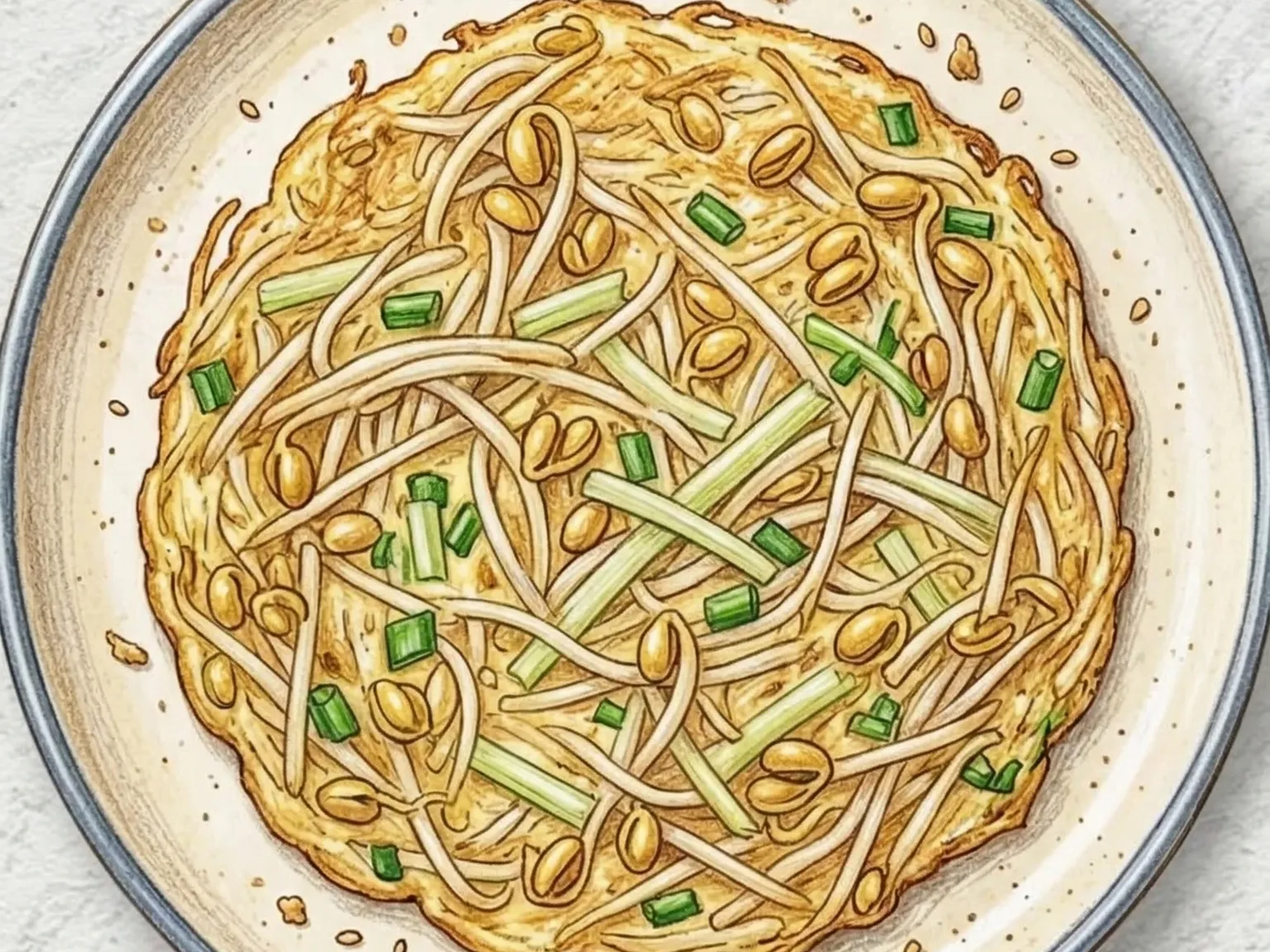
Kongnamul-jeon is a Korean bean sprout pancake made by folding blanched soybean sprouts and sliced green onion into a thin batter of Korean pancake mix, water, and salt, then pan-frying until both sides turn golden. The sprout heads turn nutty and soft when cooked while the stems retain their crunch, creating a contrast of textures within a single pancake. Draining the sprouts thoroughly before mixing is essential-any residual water thins the batter and results in a soggy rather than crisp pancake. Sliced green onion adds an aromatic sharpness to the otherwise mild sprout flavor, and letting the finished pancake cool briefly before slicing keeps it from falling apart.

🍺 Bar Snacks 🏠 Everyday
Prep 15min Cook 10min 2 servings
Korean Soy-Braised Pork and Potatoes
Steamed Medium

Korean Soy-Braised Pork and Potatoes

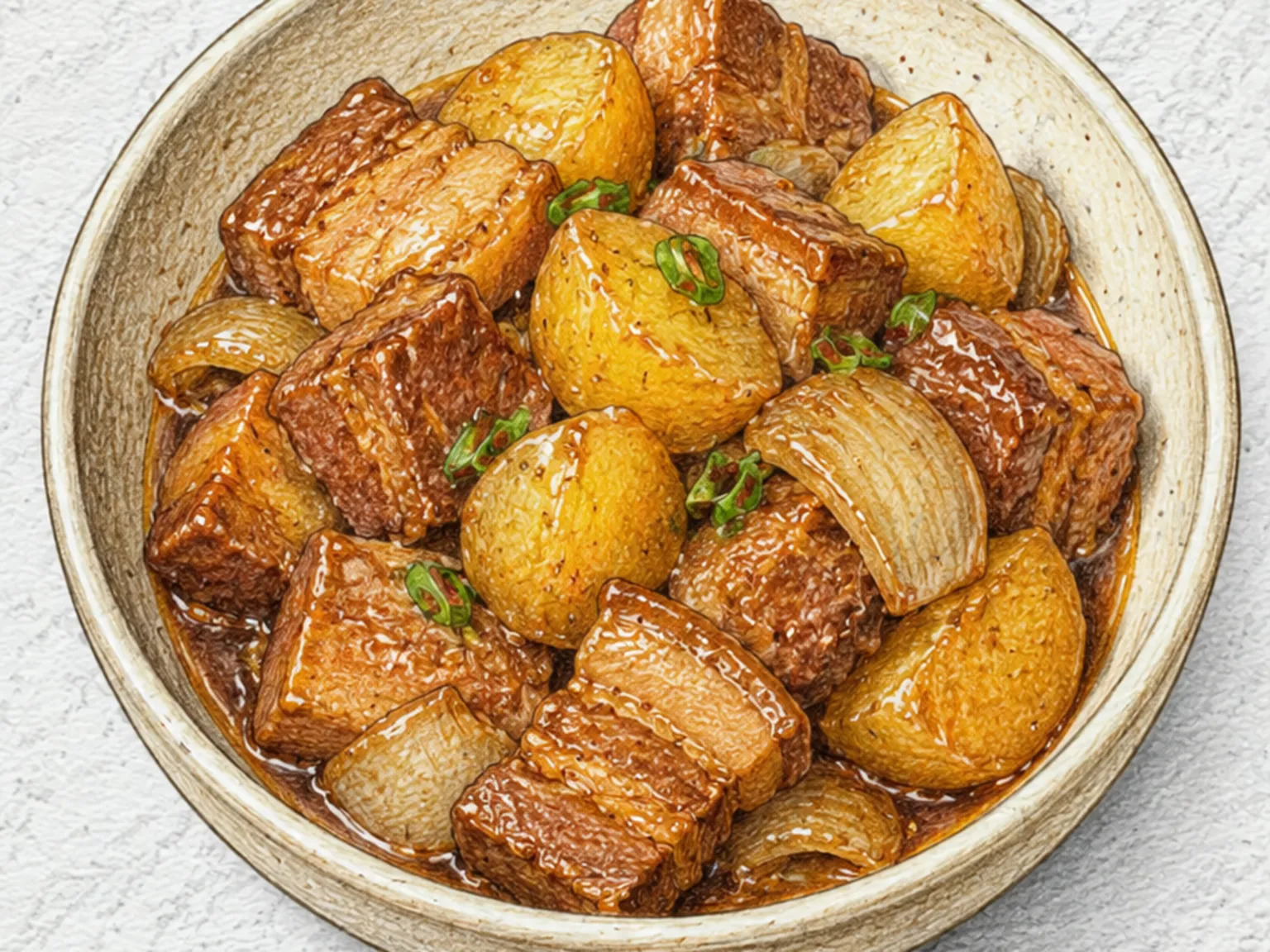
Dwaejigogi-gamja-jorim is a Korean braised side dish of pork shoulder and potatoes simmered together in a soy-based seasoning until the liquid reduces to a thick glaze. The pork is browned first in a hot pot to develop a seared surface, then water, soy sauce, sugar, garlic, and gochugaru are added and the whole pot is brought to a simmer. As the liquid reduces, the pork releases its fat and juices into the broth, enriching the sauce. The potatoes cook through in this liquid, drawing in the seasoning and emerging with a glossy, salty-sweet coating on the outside and a fluffy, starchy interior. Onion softens and releases its natural sweetness during cooking, moderating the saltiness of the soy base. The dish is finished when the liquid has reduced to just enough to coat the ingredients. Served with rice, the potatoes and braising liquid together function almost as a sauce. Protein and starch cooked together in a single pot make this a practical, satisfying meal.

🏠 Everyday 🍱 Lunchbox
Prep 15min Cook 35min 4 servings
Korean Aster Leaf Soy Pickle
Kimchi Easy

Korean Aster Leaf Soy Pickle

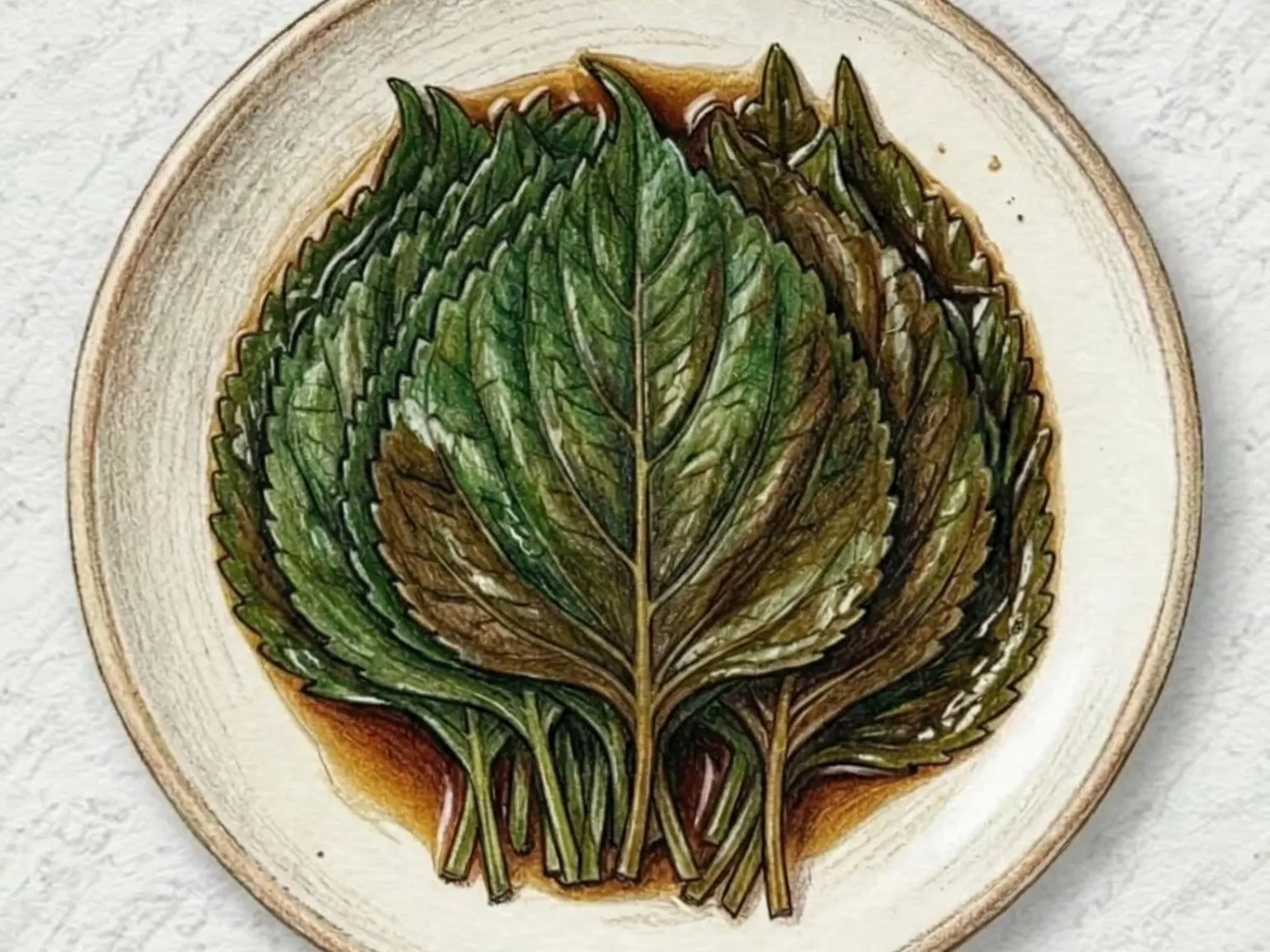
Chwinamul jangajji is a spring soy pickle made from aster greens that are blanched for only ten seconds to soften tough fibers while keeping their mountain-herb fragrance intact. The blanched greens are squeezed thoroughly dry, then packed into a jar with sliced garlic and dried chili before a brine of soy sauce, rice vinegar, and sugar is boiled, cooled to room temperature, and poured over the top. During the two to three days the jar spends refrigerating, the garlic's sharpness and the chili's low heat gradually infuse through every layer of the greens, while the aster's distinctive fresh, faintly bitter aroma meets the soy's umami to produce a finish that is both deep and clean. Once the seasoning distributes evenly, the jangajji can be eaten draped over plain rice or chopped fine and pressed into the center of rice balls as a savory filling.

🍱 Lunchbox 🏠 Everyday
Prep 16min Cook 10min 4 servings
Dollnamul Muchim (Korean Seasoned Stonecrop Salad)
Side dishes Easy

Dollnamul Muchim (Korean Seasoned Stonecrop Salad)

Dollnamul muchim is a spring banchan of raw stonecrop (Sedum sarmentosum) dressed in a seasoning mix of gochugaru, vinegar, fish sauce, garlic, and sugar. The plant grows on rocky stream banks and low walls across Korea; its plump, jade-green leaves carry a faintly sour, grassy juice that releases when bitten. Heat collapses the texture entirely - a few seconds of blanching is enough to destroy the crunch - so dollnamul is always dressed raw. The process is minimal: a quick rinse in cold water, a firm shake to remove excess moisture, and an immediate toss with the seasoning. The structural logic of the dressing has fish sauce providing fermented depth beneath the vinegar's sharp acidity; if either element dominates, the herb's clean, fresh aroma disappears. The dish must be eaten within minutes of dressing. Osmotic pressure begins pulling juice from the leaves almost immediately, and the texture softens to a limp mass within half an hour. Dollnamul muchim is a common addition to spring picnic lunches and is best served cold.

🏠 Everyday 🍱 Lunchbox
Prep 12min 4 servings
Korean Stir-fried Aster Scaber with Garlic
Stir-fry Easy

Korean Stir-fried Aster Scaber with Garlic

Chwinamul maneul bokkeum seasons rehydrated aster greens with soup soy sauce, garlic, and perilla oil before cooking them under a lid and finishing the remaining moisture with ground perilla seed. Three hundred grams rehydrated chwinamul is trimmed of tough stem ends, cut into 5 cm lengths, and squeezed lightly if water is still dripping. The greens are tossed in a bowl with 1.5 tablespoons soup soy sauce, 1.5 tablespoons minced garlic, and 0.75 tablespoon perilla oil so the seasoning reaches the folded leaves before they enter the pan. The seasoned greens spend 3 minutes in the pan over medium heat. Forty grams diagonally sliced green onion and 2 tablespoons water are then added, and the covered pan is lowered to medium-low for 2 minutes. After the lid is removed, 1 tablespoon ground perilla seed is stirred in. Another 1 to 2 minutes over medium heat lets the powder absorb the visible moisture and cling to the greens. The burner is switched off before the remaining 0.75 tablespoon perilla oil is mixed through. Up to 0.25 teaspoon salt is used only after tasting. Light squeezing at the start preserves enough moisture for the covered stage, while the ground perilla added near the end prevents the finished greens from remaining wet.

🏠 Everyday 🍱 Lunchbox
Prep 15min Cook 10min 4 servings
Korean Pyogo Yuja Gui (Yuja-Glazed Shiitake Grill)
Grilled Easy

Korean Pyogo Yuja Gui (Yuja-Glazed Shiitake Grill)

Pyogo-yuja-gui is a Korean yuja-glazed grilled shiitake dish where stemmed fresh shiitake caps are brushed on their inner surface with a sauce of yuja marmalade, soy sauce, perilla oil, minced garlic, and black pepper, marinated for ten minutes, then grilled on both sides over medium heat. The combination of yuja's bright citrus character and soy sauce's saltiness produces a tangy, savory glaze, and perilla oil-unlike sesame oil-retains its nutty fragrance even after exposure to grill heat. Shiitake mushrooms must be wiped clean with a dry cloth rather than rinsed, because their porous flesh absorbs water rapidly and turns mushy when grilled. Chopped pine nuts scattered on at the end add an oily crunch that contrasts the chewy, concentrated texture of the grilled caps.

🍺 Bar Snacks 🍱 Lunchbox
Prep 18min Cook 10min 4 servings

About Side dishes

Great banchan balances seasoning with the natural flavor of each ingredient. Sesame oil, perilla oil, soy sauce, and fermented pastes work together to pack deep flavor into every small serving.