Soups

Soups Recipes

434 recipes. Page 16 of 19

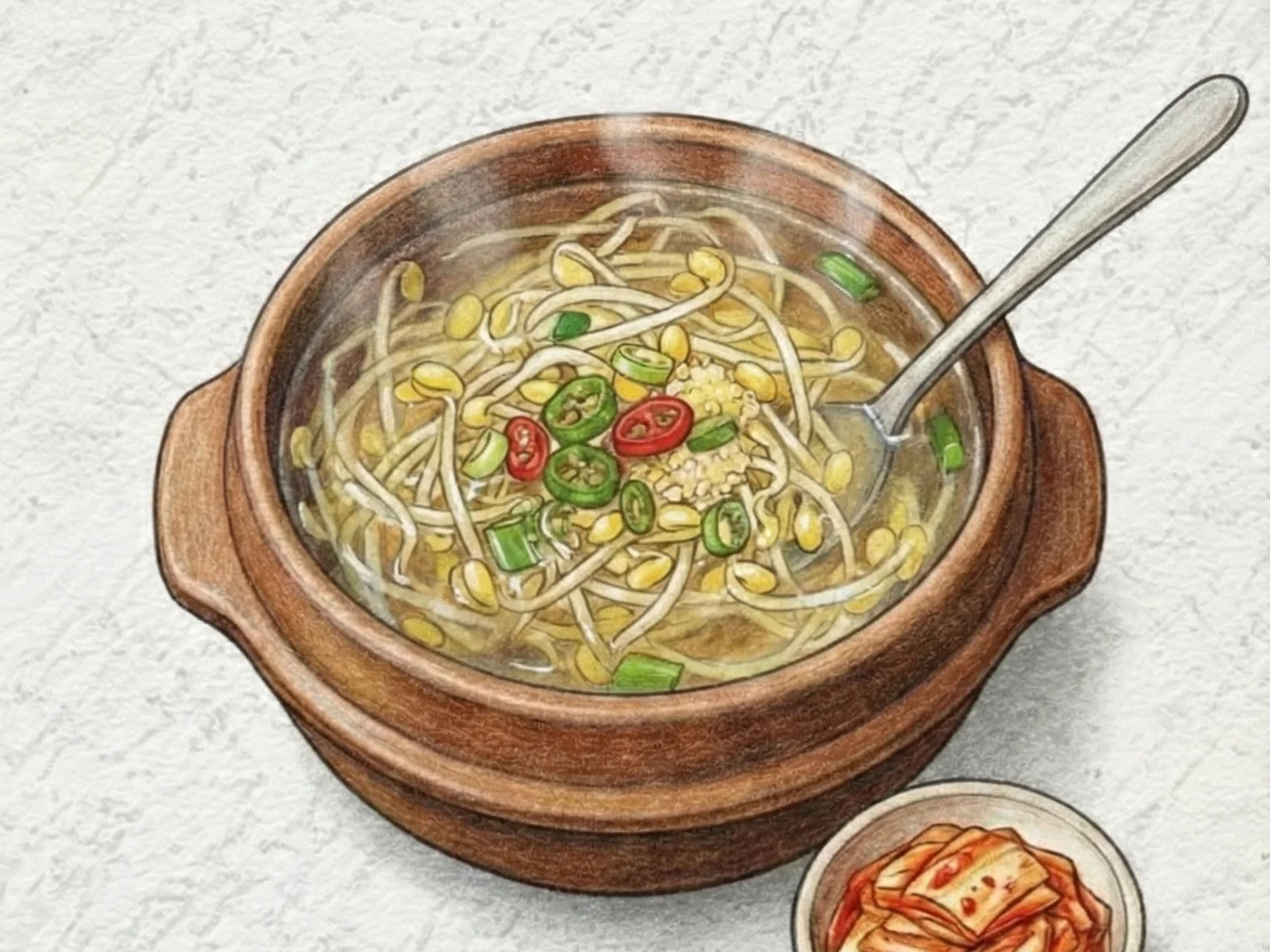
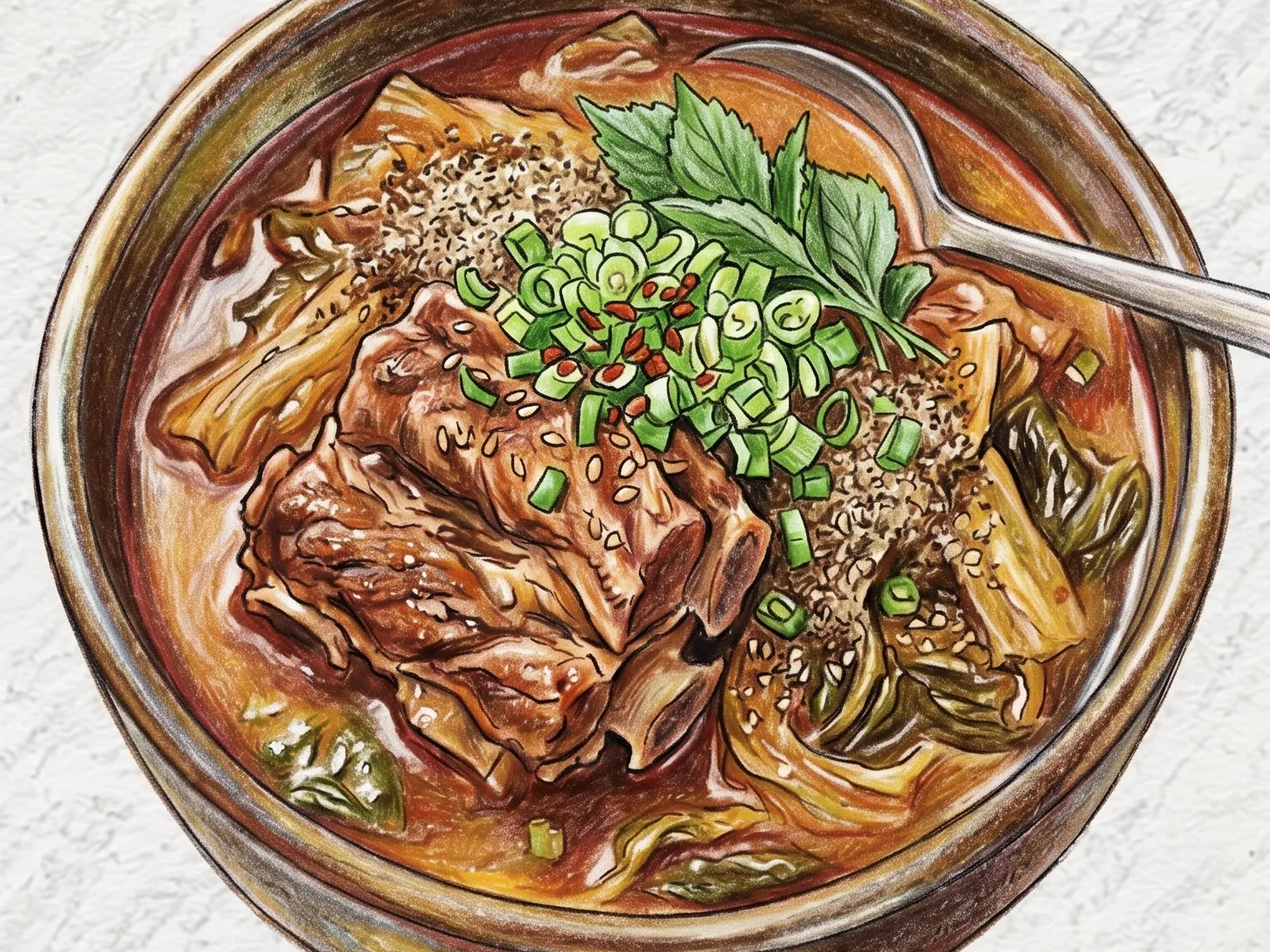
Soups and broths are the backbone of a Korean meal, served alongside rice at nearly every table. From clear seaweed soup (miyeokguk) to rich ox-bone broth (gomtang) and spicy beef soup (yukgaejang), the variety is enormous. Each season brings its own favorites - chilled soups in summer and piping-hot stews in winter.

Soups
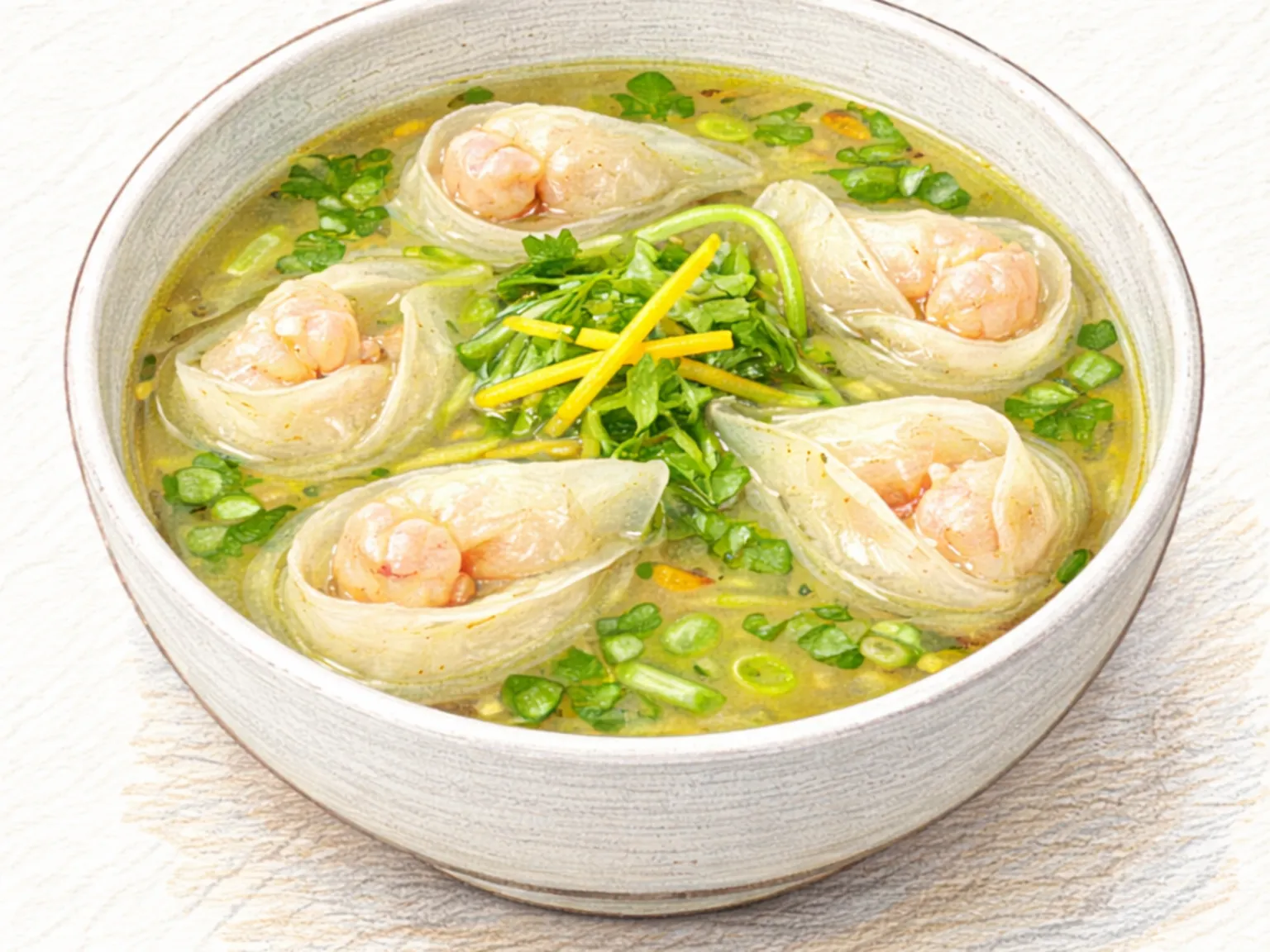
Korean Shrimp Mulmandu in Light Broth
Soups Easy

Korean Shrimp Mulmandu in Light Broth

Saeu-mulmandu-broth is a Korean dumpling soup where shrimp-filled mandu are simmered in a clear broth seasoned with soup soy sauce and garlic. The shrimp is added to the pot first and allowed to cook in the liquid before the dumplings go in, establishing a seafood base that the wrappers gradually absorb during cooking. As the dumplings simmer, their skins turn translucent and the filling becomes faintly visible through the surface. They are ready when they float to the top, at which point the wrappers are tender but still intact. Green onion is stirred in at the end for a fresh, mild sharpness, and the broth is adjusted with salt and white pepper. Despite its clear, light appearance, the soup carries real depth: the gentle sweetness drawn from the shrimp combines with the savory notes released from the filling inside each dumpling, building a broth that tastes more complex than its short ingredient list would suggest. A full bowl with several dumplings makes a complete light meal, and the soup is particularly comforting during cooler months. Frozen store-bought shrimp dumplings work well in this recipe, making it a practical option for quick weeknight cooking.

🧒 Kid-Friendly ⚡ Quick
Prep 15min Cook 10min 2 servings
Korean Ox Bone Broth (Milky Collagen-Rich Marrow Soup)
Soups Medium

Korean Ox Bone Broth (Milky Collagen-Rich Marrow Soup)

Sagol-guk is a Korean bone broth soup made by simmering beef marrow bones for six hours or longer until the dissolved collagen and marrow turn the liquid a dense, opaque white that looks closer to milk than water. The seasoning is intentionally minimal, limited to green onion, garlic, and salt, because the entire point of the dish is the bone itself and what slow heat extracts from it over time. Before the long simmer begins, the bones are soaked in cold water to draw out the blood and then briefly blanched to remove any remaining impurities that would cloud or bitter the broth. The same bones can be reboiled three or four times, with each successive batch yielding a progressively lighter and cleaner-tasting liquid. The soup is served piping hot alongside rice, with salt and white pepper passed at the table so each person can season according to preference. Alongside seolleongtang and gomtang, sagol-guk forms one of the three pillars of Korea's long bone broth tradition, and its restorative reputation makes it a natural choice on cold days or when the body needs warmth and something uncomplicated.

🏠 Everyday 🎉 Special Occasion
Prep 60min Cook 480min 4 servings
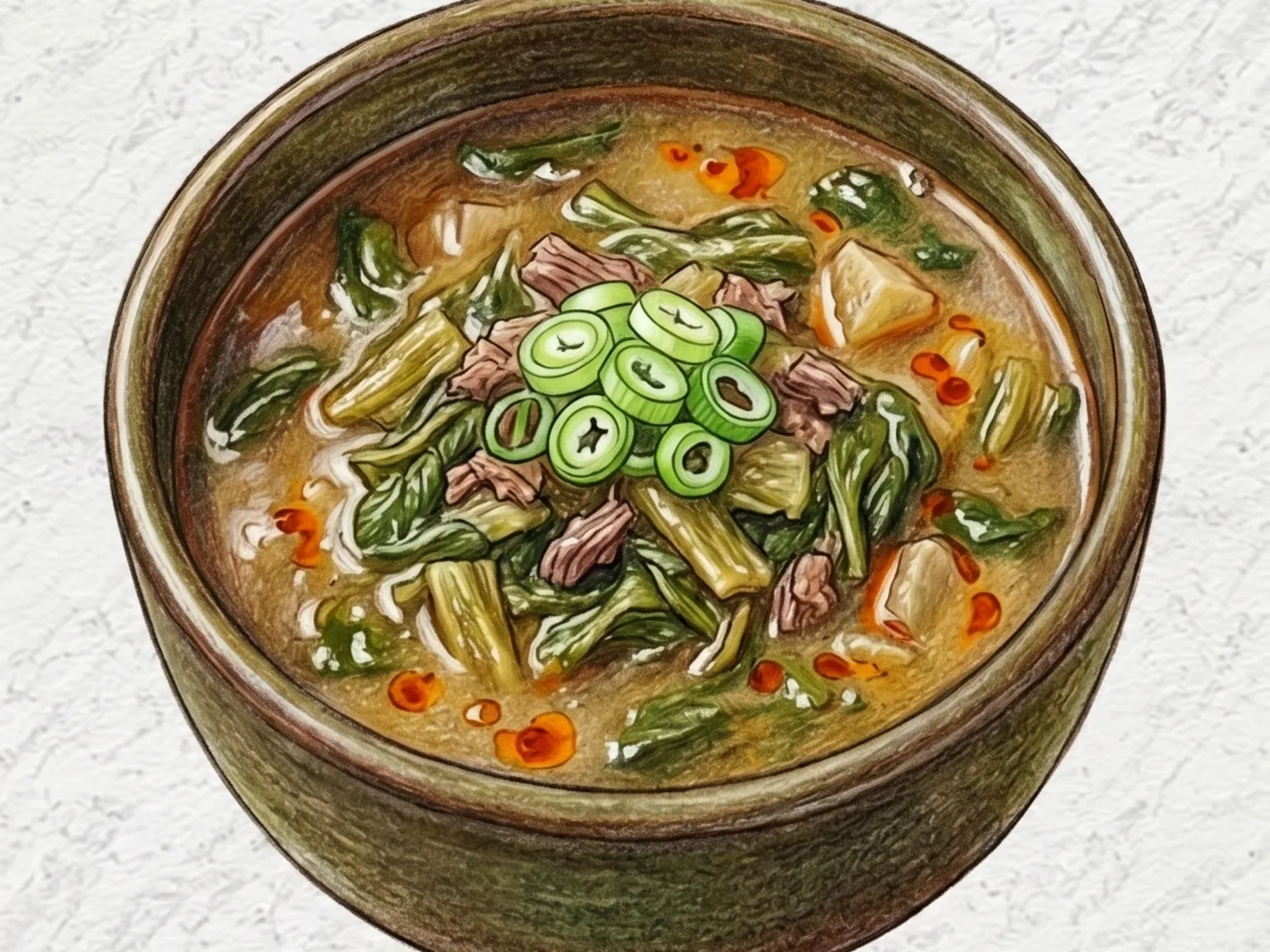
Korean Ox Bone Broth with Napa Outer Leaves
Soups Medium

Korean Ox Bone Broth with Napa Outer Leaves

Sagol-ugeoji-guk is a hearty Korean soup that combines milky ox bone broth with seasoned outer napa cabbage leaves. The ugeoji is pre-mixed with doenjang, gochugaru, garlic, and perilla oil, then stir-fried in the pot for three minutes to develop its aroma before the bone broth is poured in. Simmering over medium heat for thirty-five minutes softens the fibrous greens completely while the doenjang seasoning dissolves into the broth, building layers of fermented depth. The collagen-rich, white bone stock provides a heavy, lingering richness, and the fermented doenjang character of the greens layers on top of that foundation, so each spoonful coats the palate with something dense and warming. Soup soy sauce adjusts the final salt level, and sliced green onion goes in just before serving. Blanching the ugeoji before seasoning it removes any bitterness and off-odors, which keeps the finished broth cleaner and more balanced. This soup belongs to the restorative end of the Korean soup tradition, substantial enough to anchor a cold-weather meal on its own.

🏠 Everyday
Prep 20min Cook 50min 4 servings
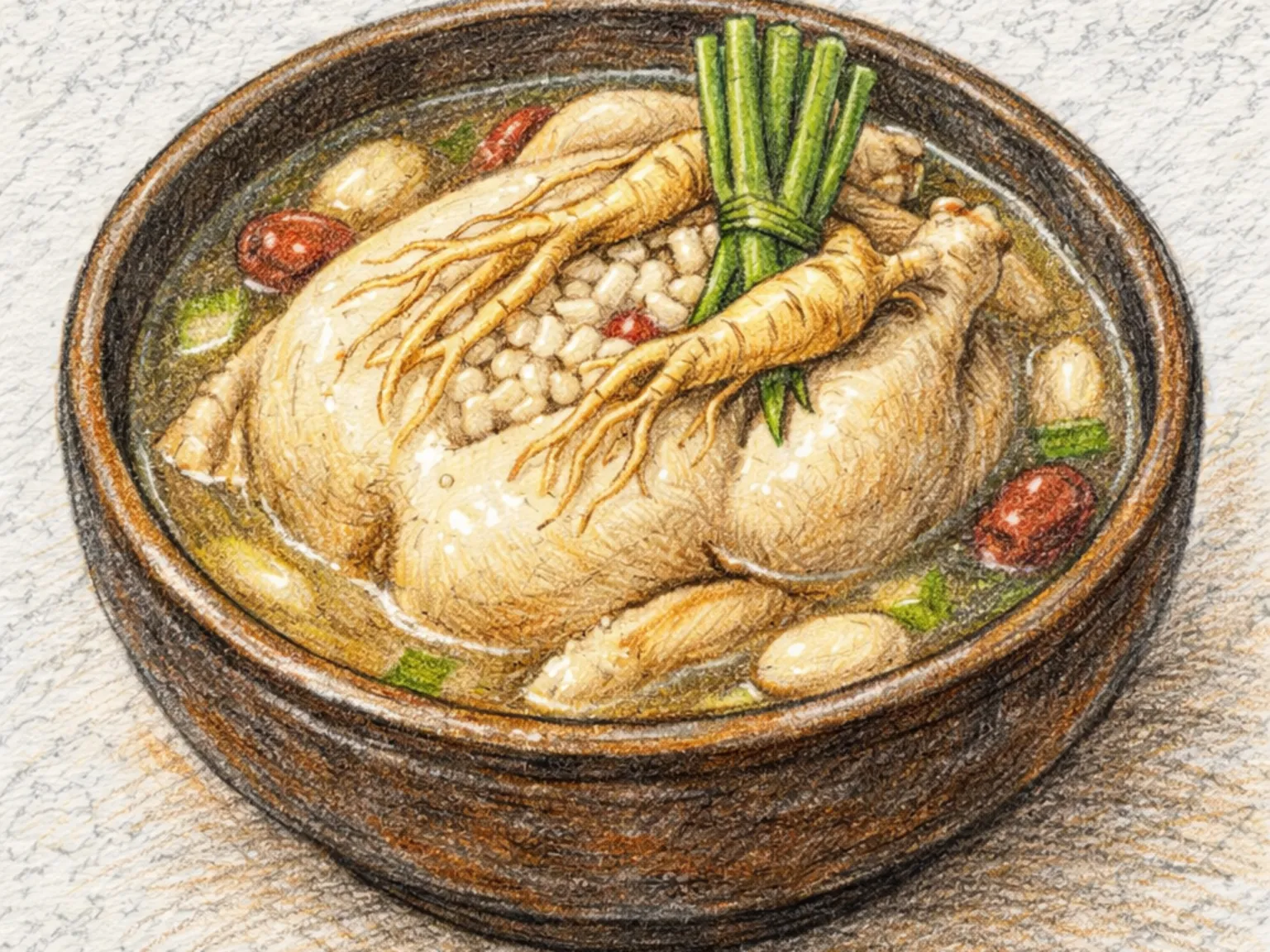
Samgyetang (Korean Ginseng Chicken Soup)
Soups Medium

Samgyetang (Korean Ginseng Chicken Soup)

Samgyetang is Korea's iconic ginseng chicken soup, made by stuffing a small whole chicken with soaked glutinous rice, fresh ginseng, jujubes, and garlic, then simmering it for over an hour. The glutinous rice inside the cavity absorbs the chicken's juices as it cooks, turning into a thick, porridge-like filling that spills into the broth when the bird is broken open at the table. The ginseng lends a subtle bitterness and herbal depth that distinguishes this soup from plain chicken broth, while jujubes contribute a quiet fruity sweetness. The prolonged cooking dissolves collagen from the skin and joints, giving the broth a silky body despite its clear appearance. Seasoning is left to each diner, who dips the meat into salt and pepper on a side plate. Samgyetang is traditionally consumed during the three hottest days of the Korean summer - a practice rooted in the belief that fighting heat with heat restores depleted energy.

🏠 Everyday
Prep 30min Cook 90min 2 servings
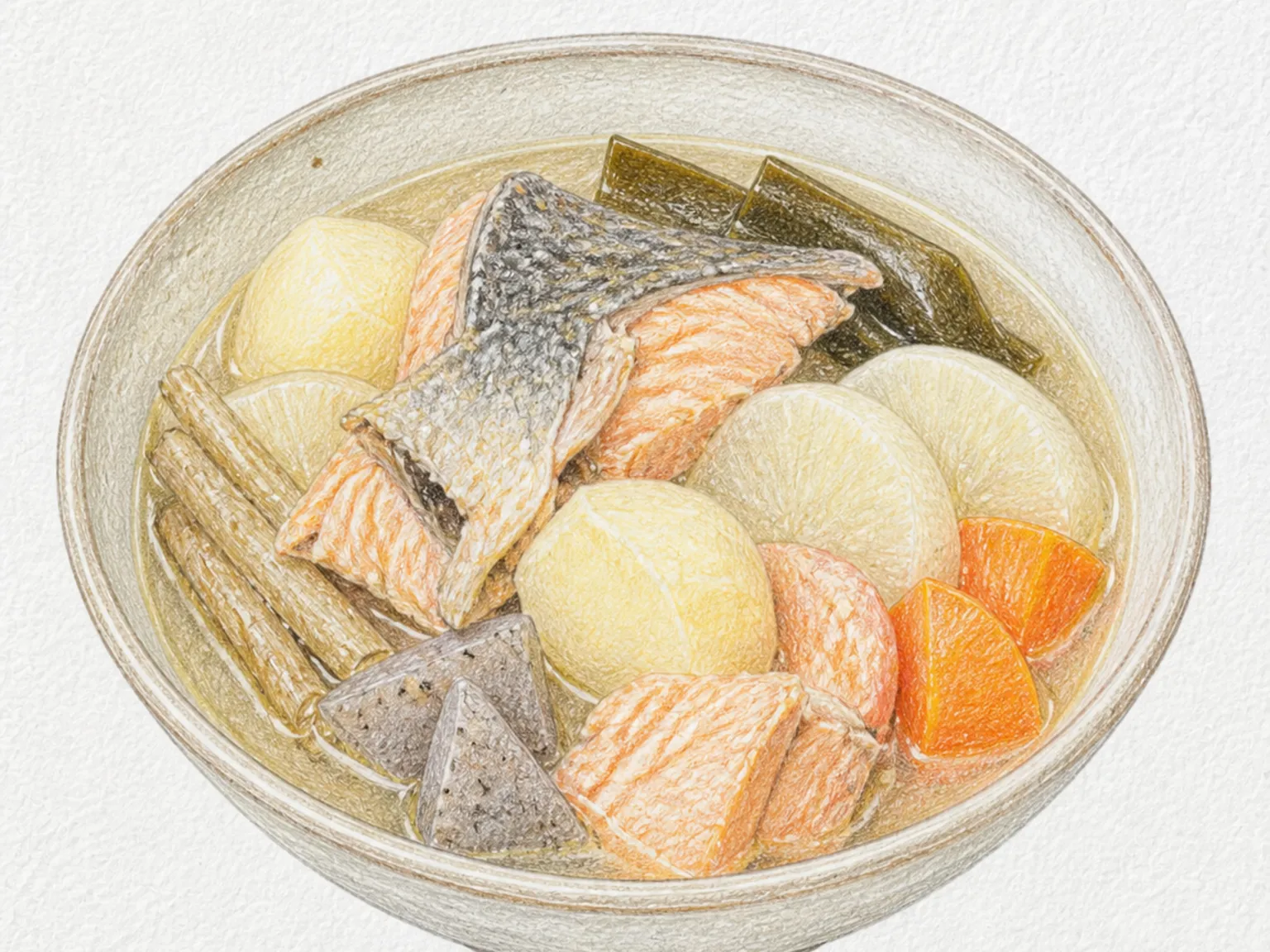
Sanpei Jiru (Hokkaido Salted Salmon Soup)
Soups Medium

Sanpei Jiru (Hokkaido Salted Salmon Soup)

Sanpei jiru is a winter soup from Hokkaido that simmers salted fish with potatoes, daikon, carrots, and other vegetables in kombu stock. This version uses a salted salmon head and backbone with some flesh attached, allowing the bones and skin to enrich the broth. Unlike Ishikari nabe, which is commonly seasoned with miso and fresh salmon, the salt preserved in the fish provides the main seasoning here. Additional salt is added only after tasting the finished broth. Potatoes and daikon remain in generous pieces, while burdock and konnyaku receive separate preparation to keep the soup clean. Adding the salmon after the root vegetables have started softening prevents overcooked, dry flesh and excessive cloudiness.

🏠 Everyday
Prep 25min Cook 30min 4 servings
Senba-jiru (Salted Mackerel and Daikon Clear Soup)
Soups Hard

Senba-jiru (Salted Mackerel and Daikon Clear Soup)

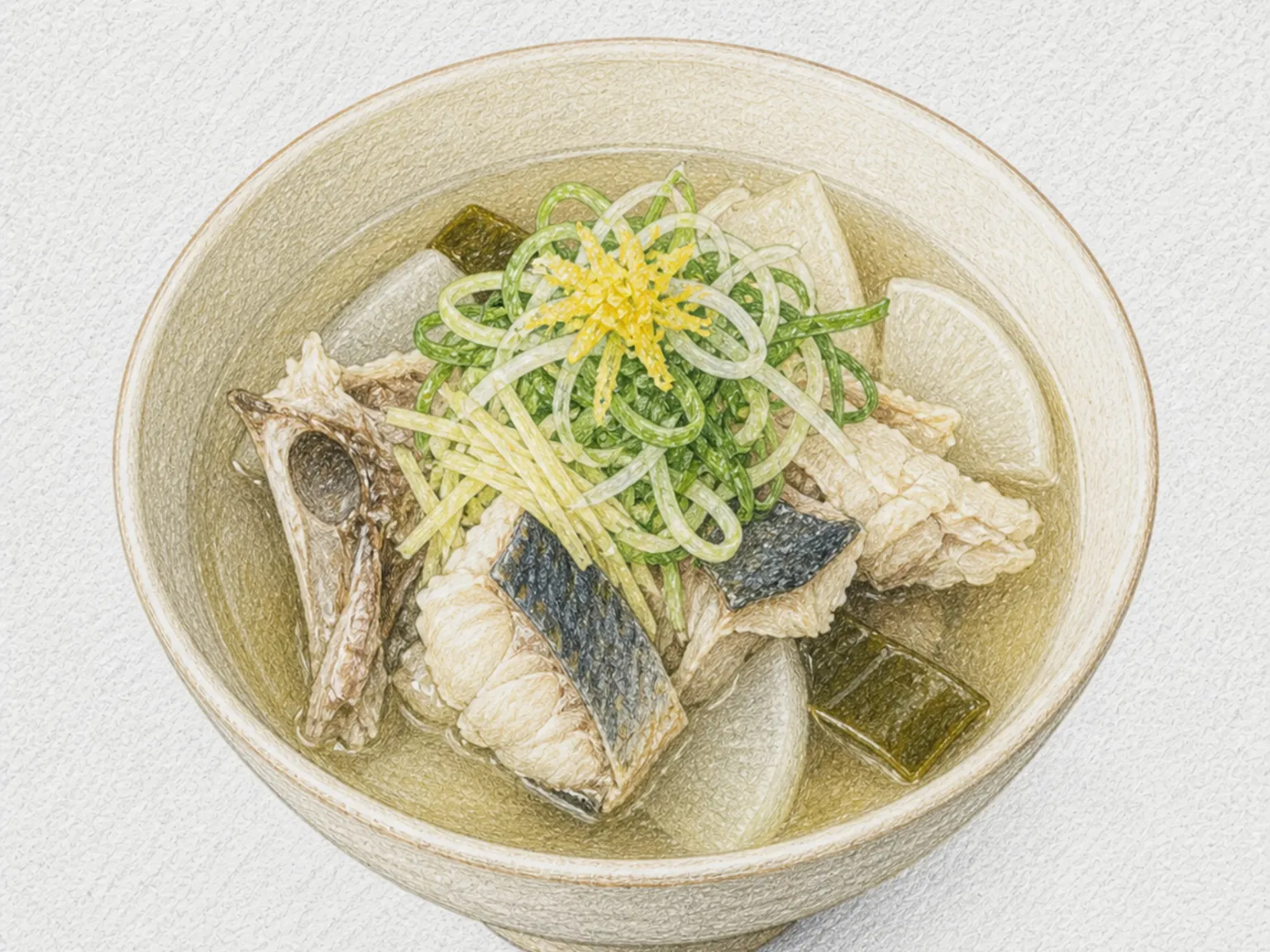
Senba-jiru is an Osaka clear soup from the Senba merchant district. Mackerel flesh, head, and bones are salted for an hour, rinsed with boiling water to remove odor, then the scraps simmer with kombu to make broth for daikon and the fish. It reflects the frugal merchant-house practice of using even the head and skeleton after serving the flesh. Sake, light soy sauce, and salt season the soup, while drops of ginger juice, two kinds of shredded onion, and yuzu peel finish each bowl. Because salt from the mackerel moves into the broth, add the final salt only after tasting and cook the flesh to at least 63C at its center.

🏠 Everyday
Prep 80min Cook 30min 4 servings
Senbei-jiru (Nanbu Cracker and Chicken Soup)
Soups Medium

Senbei-jiru (Nanbu Cracker and Chicken Soup)

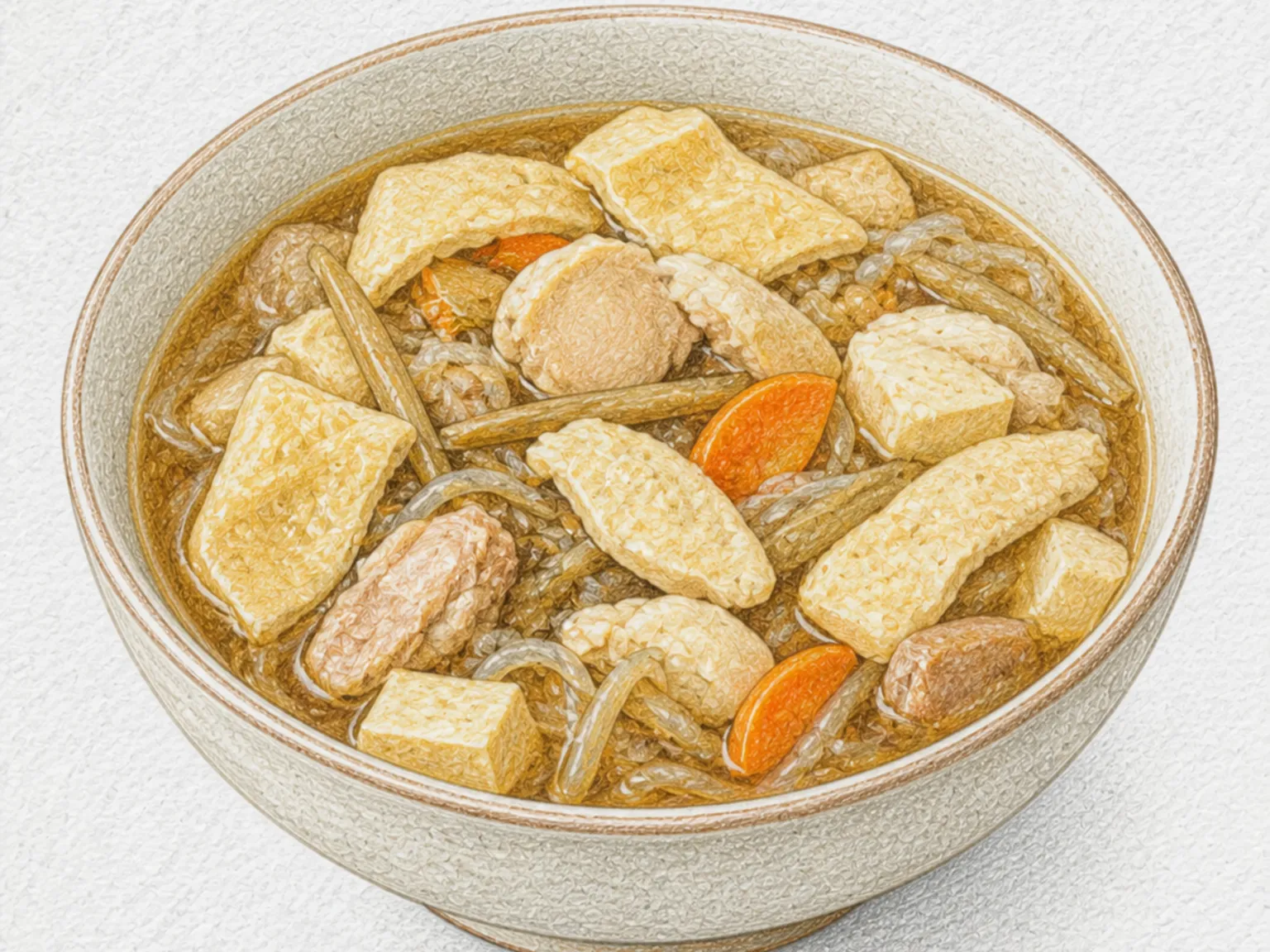
Senbei-jiru is a regional soup from Hachinohe in Aomori. Chicken breast and thigh simmer with burdock, carrot, thread konnyaku, freeze-dried tofu, and wheat gluten in a soy-seasoned broth, then soup-use Nanbu wheat crackers are broken in near the end. Nanbu senbei developed as a durable staple in the former Nanbu domain, where cold damage often made rice harvests unreliable. After the war, makers produced crackers that absorb broth yet keep a chewy center, making them especially useful in winter soups and hot pots. White miso rounds the chicken broth, while the crackers soften at the edges without dissolving.

🏠 Everyday
Prep 25min Cook 35min 4 servings
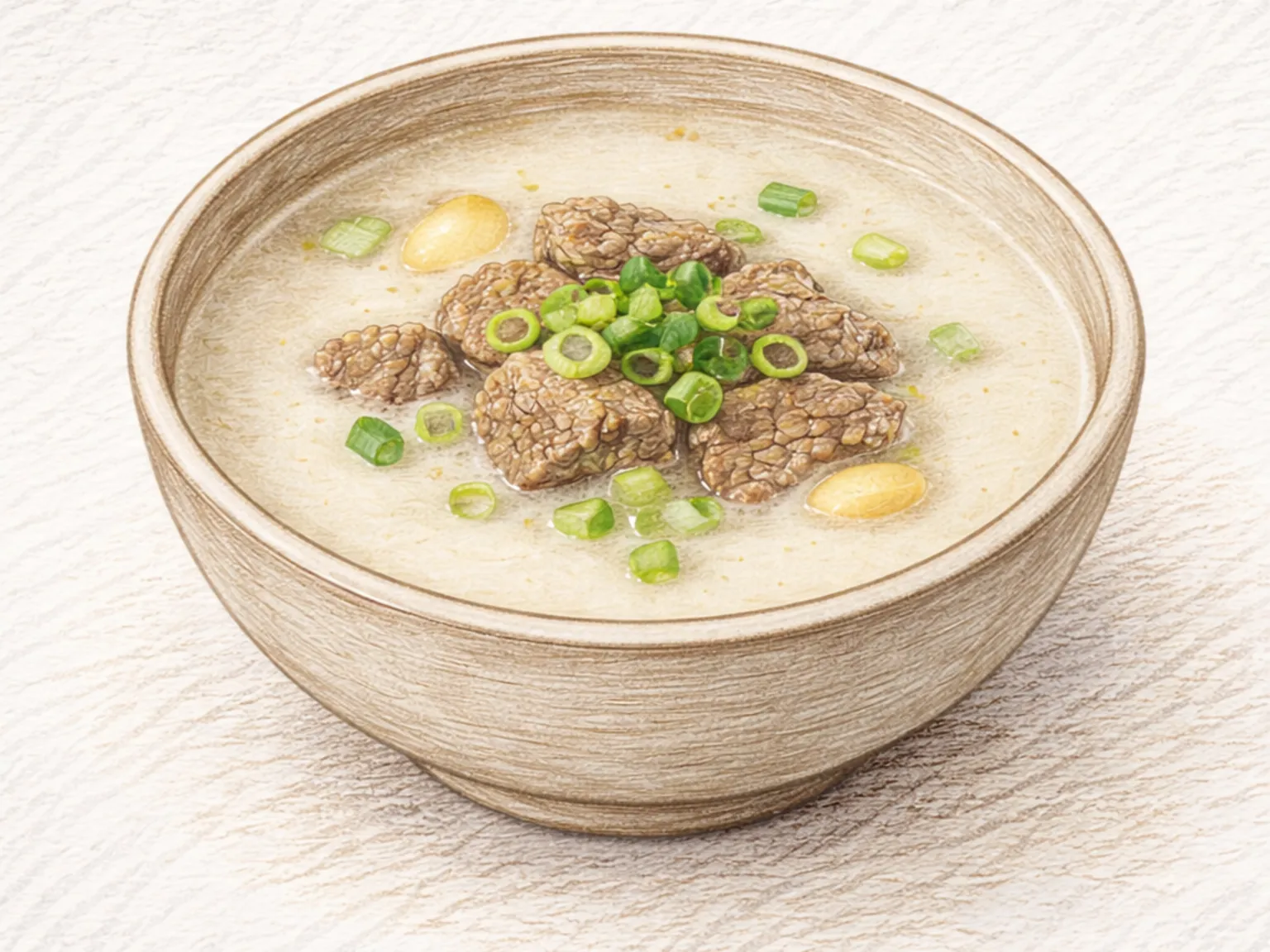
Korean Ox Bone Soup (Milky Slow-Simmered Beef Bone Broth)
Soups Hard

Korean Ox Bone Soup (Milky Slow-Simmered Beef Bone Broth)

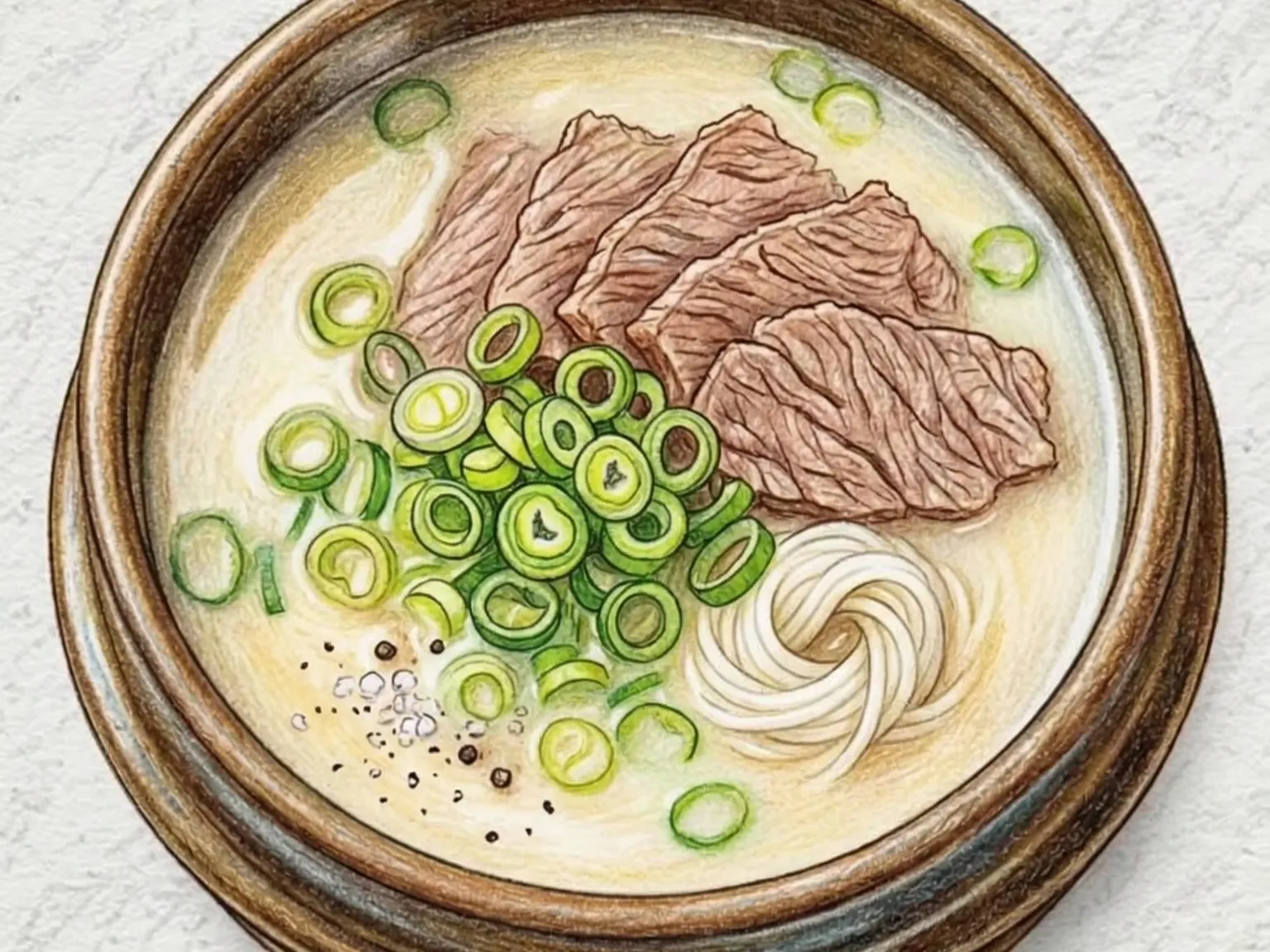
Seolleongtang is one of Korea's oldest and most enduring soups, produced by simmering ox leg bones and beef brisket together for six to eight hours until the broth turns a deep, opaque milky white. The bones are soaked in cold water for a minimum of two hours to purge as much blood as possible, then blanched in a separate pot and rinsed before the true simmering begins in fresh water. Over the course of a half-day at a steady, rolling boil, marrow and collagen break down and emulsify into the water, creating a broth with a heavy, almost creamy viscosity and a deep bovine savoriness that accumulates slowly and cannot be replicated with shortcuts. The brisket is removed after two hours, when it has turned tender and fully cooked, then sliced thin across the grain and returned to the bowl as a topping. The defining tradition of seolleongtang is that the broth arrives at the table completely unseasoned, and each person adds their own salt, white pepper, and sliced green onion to taste. This custom underscores the expectation that the broth itself should carry the bowl with its own richness. Steamed rice or thin wheat noodles are added directly to the soup and left to soak, absorbing the milky liquid until each grain or strand carries the flavor of the bone broth. In Korea, seolleongtang is eaten as a restorative meal after illness, as a morning hangover cure, and as a deeply satisfying cold-weather comfort food.

🏠 Everyday 🎉 Special Occasion
Prep 60min Cook 480min 4 servings
Korean Blood Curd Soup (Spicy Ox Blood and Beansprout Stew)
Soups Medium

Korean Blood Curd Soup (Spicy Ox Blood and Beansprout Stew)

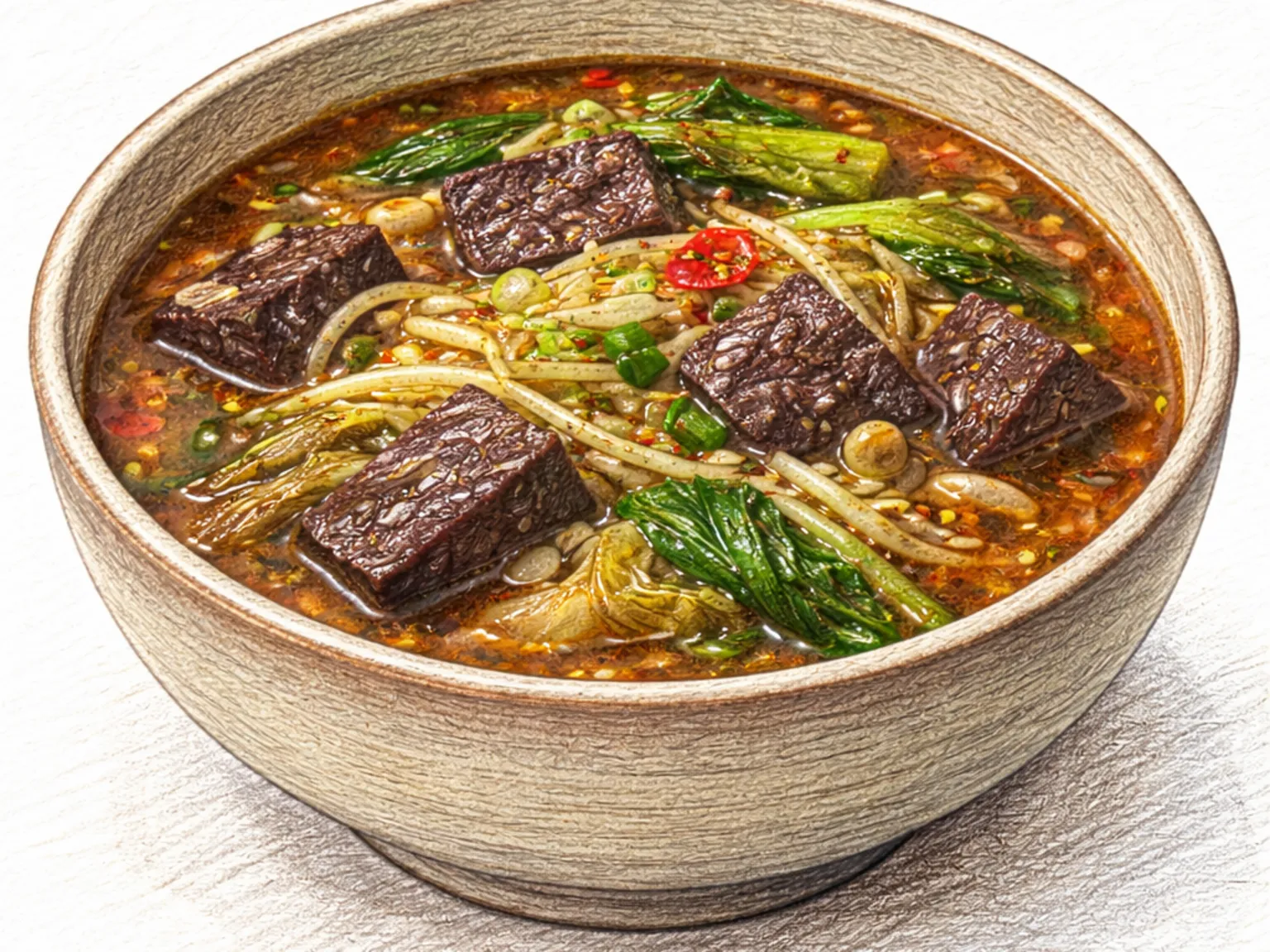
Seonji-guk is a Korean blood curd soup built from coagulated ox blood, seasoned napa cabbage outer leaves, and bean sprouts in a spicy, doenjang-accented broth. The napa greens are pre-dressed with soybean paste, garlic, and chili flakes before going into the pot, where they simmer and release an earthy, fermented depth into the liquid. Bean sprouts are added for their crisp texture and clean, refreshing bite. The blood curd - cut into large cubes - goes in partway through cooking and simmers just eight minutes to heat through without breaking apart. Its texture is soft and faintly springy, unlike anything else in the Korean soup canon, and it absorbs the surrounding spicy broth. Gochugaru gives the soup a ruddy color and a slow-building warmth. In Korea, seonji-guk is closely associated with the morning-after meal, served in dedicated haejang-guk restaurants as a restorative after heavy drinking.

🏠 Everyday
Prep 25min Cook 50min 2 servings
Shabu Shabu (Japanese Hot Pot with Thin-Sliced Beef in Kombu Broth)
Soups Easy

Shabu Shabu (Japanese Hot Pot with Thin-Sliced Beef in Kombu Broth)

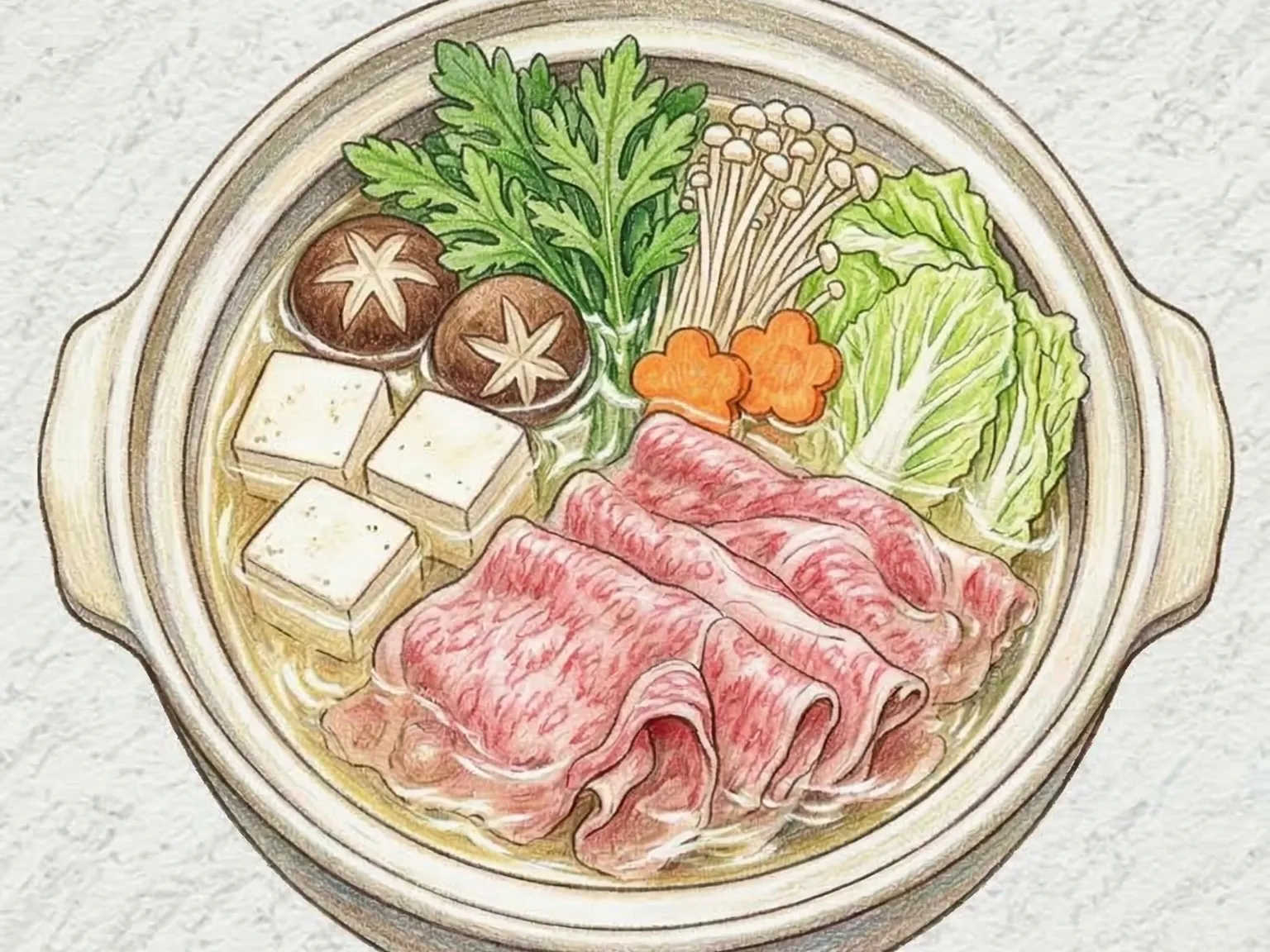
Shabu-shabu is a Japanese hot pot built on simplicity: a pot of simmering kombu dashi, a plate of beef sliced so thin it is nearly translucent, and a selection of vegetables arranged on a separate platter. The name mimics the swishing sound made when a slice of beef is swept back and forth through the broth for just a few seconds until it turns from red to pale pink. Each piece is then dipped in either ponzu, a citrus-soy sauce, or a creamy sesame dipping sauce before eating. Napa cabbage, tofu, enoki mushrooms, shungiku greens, and rice cakes cook alongside the beef, each ingredient releasing its flavor into the broth and building complexity as the meal progresses. By the end, the enriched broth is used for a closing course of udon noodles or rice porridge, ensuring nothing is wasted.

🎉 Special Occasion
Prep 25min Cook 25min 4 servings
Shokkara-jiru
Soups Easy

Shokkara-jiru

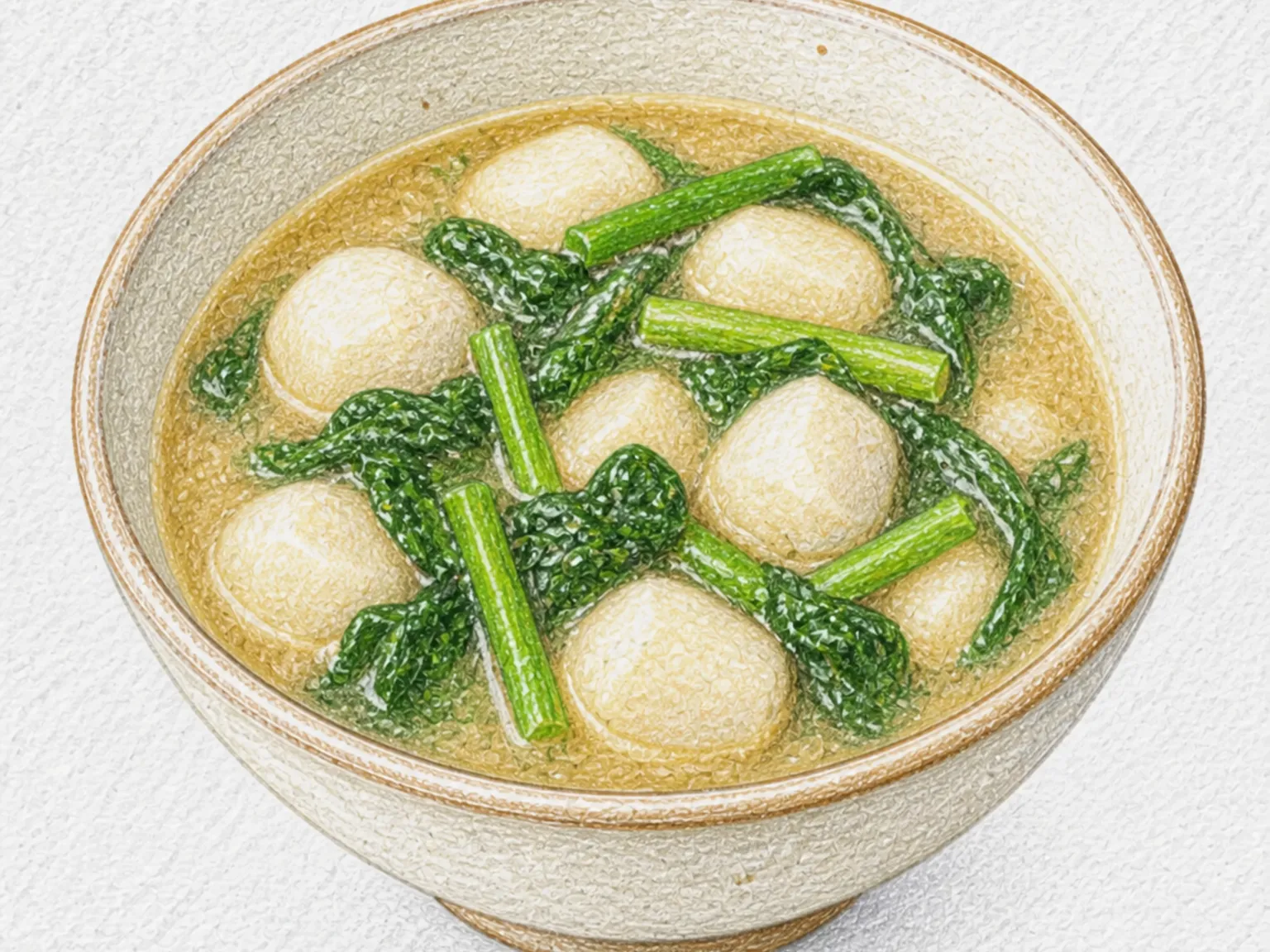
Shokkara-jiru is an island soup of Mikurajima, Shikinejima, and Niijima in the Izu chain. Taro is simmered until tender, then seasoned with prepared muroaji shokkara fish sauce and finished with separately blanched ashitaba. Shokkara is a pungent, savory condiment traditionally made by salting and fermenting small whole muroaji; a related soup on Izu Oshima is called enbai-jiru. Taro and the late-autumn-to-winter ashitaba moderate the fish sauce's aroma and salinity. This recipe uses commercially sold or hygienically prepared muroaji shokkara rather than fermenting raw fish at home, making the soup a short, reproducible preparation.

🏠 Everyday
Prep 15min Cook 25min 2 servings
Shui Zhu Yu (Sichuan Poached Fish in Fiery Chili Oil Broth)
Soups Hard

Shui Zhu Yu (Sichuan Poached Fish in Fiery Chili Oil Broth)

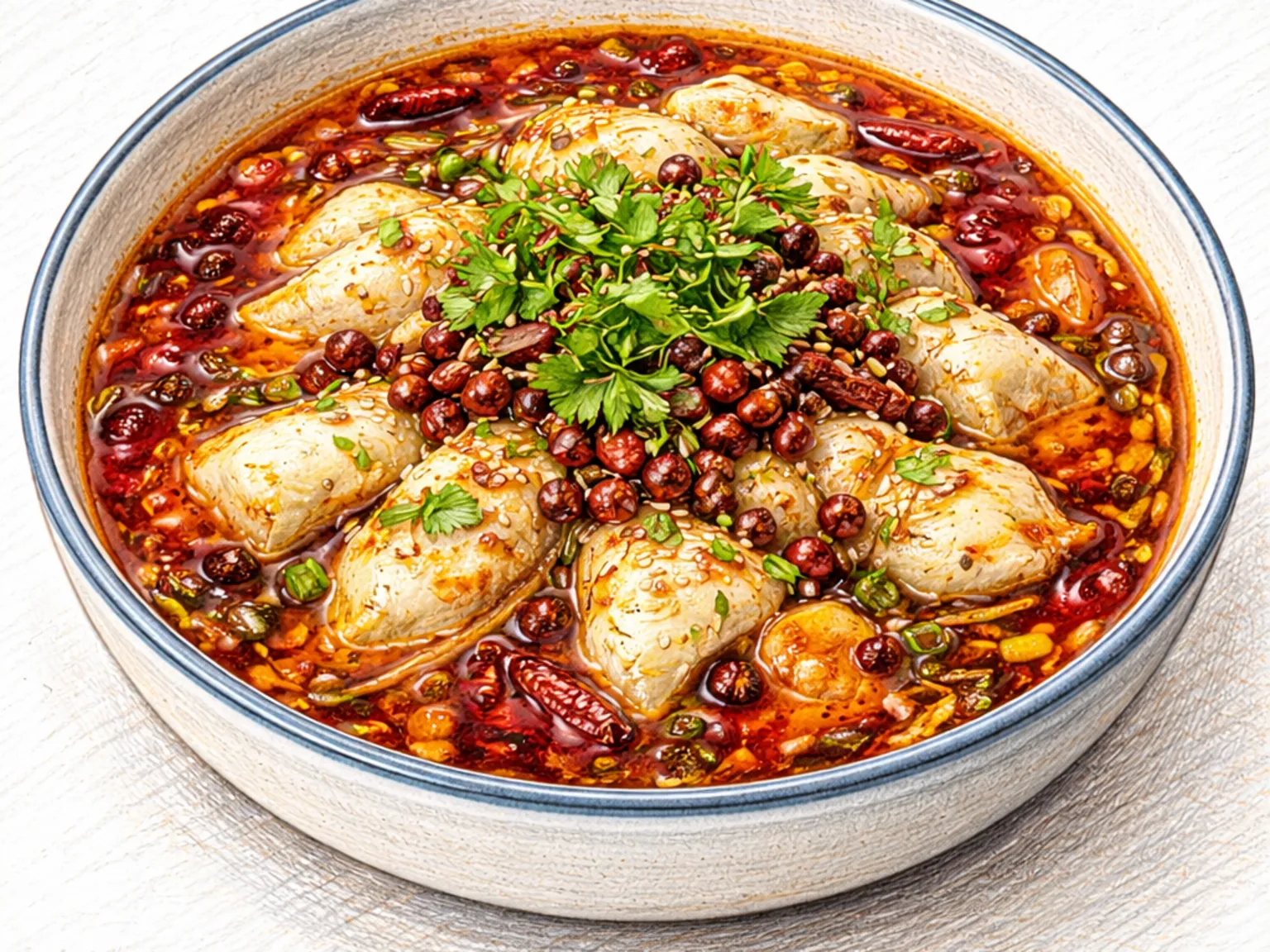
Shui zhu yu - literally 'water-boiled fish' - is one of Sichuan cuisine's most dramatic presentations, despite its modest name. Thin slices of white fish are coated in a light starch slurry and poached in a broth loaded with doubanjiang chili bean paste and Sichuan peppercorns. The fish cooks gently so each slice remains silky and intact. A wide bowl is lined with blanched bean sprouts, celery, and tofu, then the poached fish is laid on top. Dried chilies and whole Sichuan peppercorns are scattered over the surface, and smoking-hot oil is poured over them tableside - the sizzle sends a plume of chili-laced steam into the air. The resulting pool of fiery red oil looks intimidating, but the fish beneath is mild and buttery, creating a contrast between the numbing, tingling broth and the delicate flesh that defines the dish.

🎉 Special Occasion
Prep 25min Cook 20min 4 servings
Korean Spinach Clam Soup (Light Shellfish and Greens Broth)
Soups Easy

Korean Spinach Clam Soup (Light Shellfish and Greens Broth)

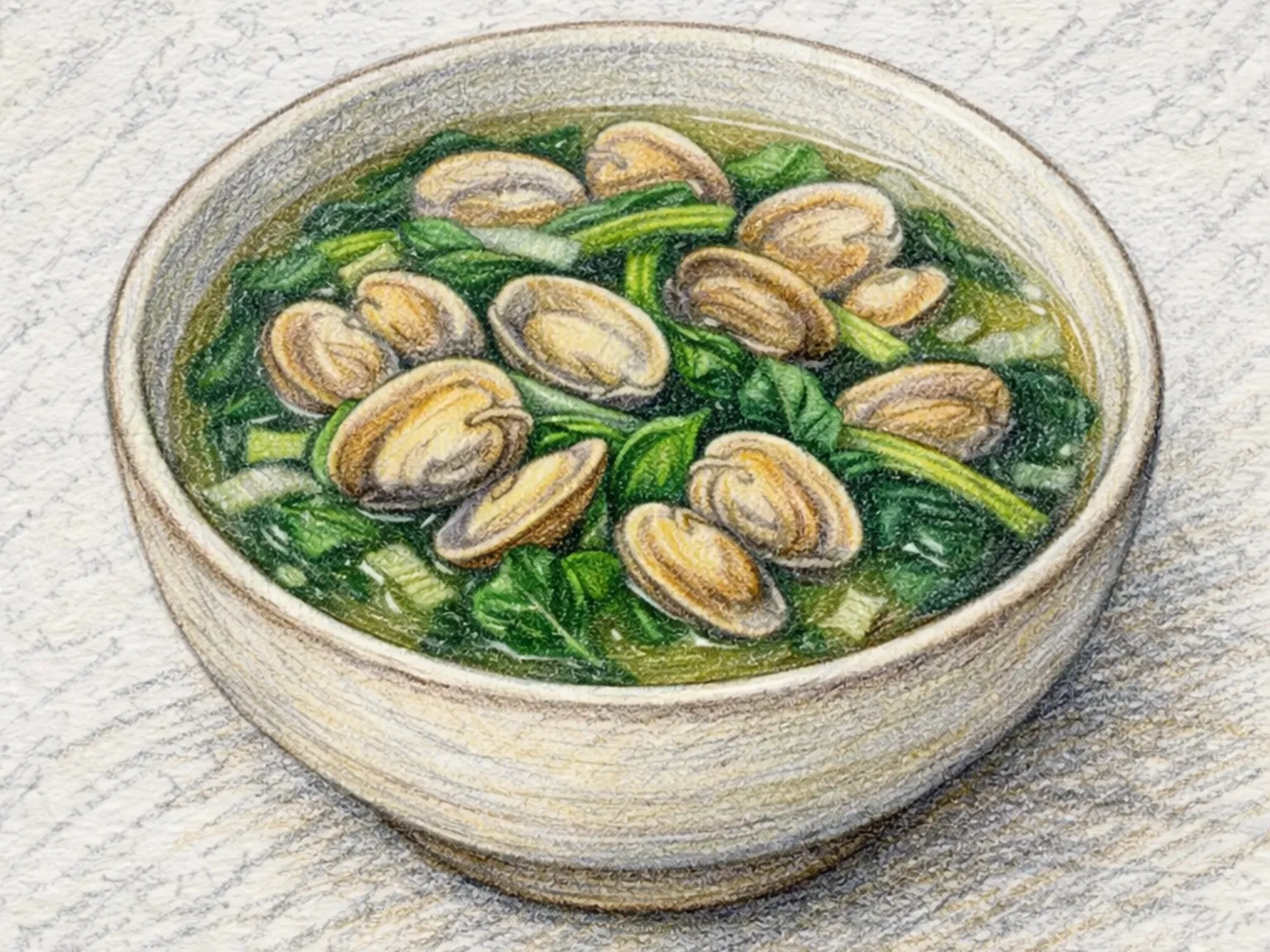
Sigeumchi-bajirak-guk pairs manila clams and spinach in a clean, transparent broth that lets both ingredients speak without interference from heavy seasoning or separately prepared stock. The clams are purged of sand and started in cold water, then brought slowly to a boil so each shell opens at its own pace, releasing a naturally briny, mineral-rich liquor that forms the entire foundation of the soup. No additional stock is needed, because the clam liquid is the stock. Spinach enters only in the final thirty to sixty seconds of cooking, which is the narrow window where the leaves soften just enough to be palatable while their vivid green color and delicate grassy flavor remain intact. Soup soy sauce and a small amount of garlic provide the only seasoning, and this restraint is deliberate: any stronger flavoring would bury the subtle sweetness of fresh clam broth. The grassy undertone in the spinach quietly neutralizes any sharp seafood edge, leaving the soup tasting clean and deeply refreshing. The nutritional logic behind this combination is frequently cited in Korean households: spinach is among the most iron-dense vegetables, and clams supply taurine and zinc in meaningful amounts, making the soup a regular recommendation for children in growth phases and for pregnant women. From first clam into the pot to finished bowl takes no more than fifteen minutes, which helps explain its steady presence on weeknight dinner tables throughout Korea.

🥗 Light & Healthy 🏠 Everyday
Prep 15min Cook 15min 2 servings
Korean Spinach Soybean Paste Soup
Soups Easy

Korean Spinach Soybean Paste Soup

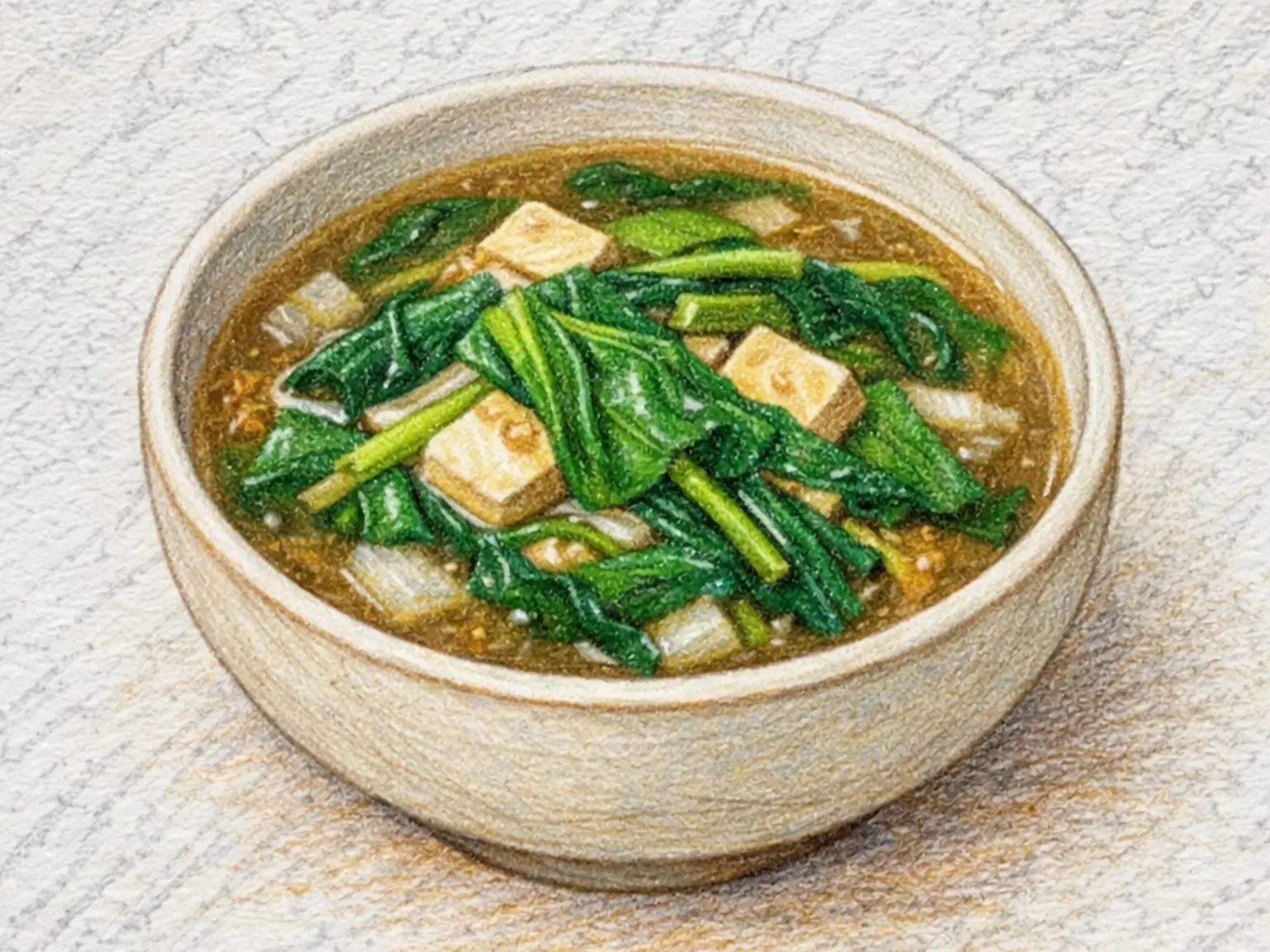
Sigeumchi-doenjang-guk is a foundational Korean soup that combines spinach with soybean paste in anchovy-kelp stock, producing a broth that is earthy, warm, and deeply familiar to anyone who grew up eating Korean home cooking. Doenjang is dissolved into the simmering stock first, establishing a savory, slightly funky baseline. Spinach is added near the end and wilts within seconds, contributing a soft green color and a faint bitterness that, rather than clashing with the fermented paste, amplifies its complexity. Tofu is a common addition that gives the soup more substance and a creamy counterpoint to the leafy greens. Garlic and green onion handle the aromatics, and no chili is used, keeping the soup on the gentle end of the Korean flavor spectrum. The key technical point is timing: spinach left in boiling liquid too long turns dull and mushy, so experienced cooks drop it in and turn off the heat almost immediately. This soup is one of the most frequently prepared versions of doenjang-guk in Korean kitchens precisely because spinach is available year-round, affordable, and cooks in moments. It pairs seamlessly with any banchan spread and never competes for attention on the table.

🏠 Everyday 🥗 Light & Healthy
Prep 10min Cook 15min 2 servings
Korean Spinach Tofu Soup
Soups Easy

Korean Spinach Tofu Soup

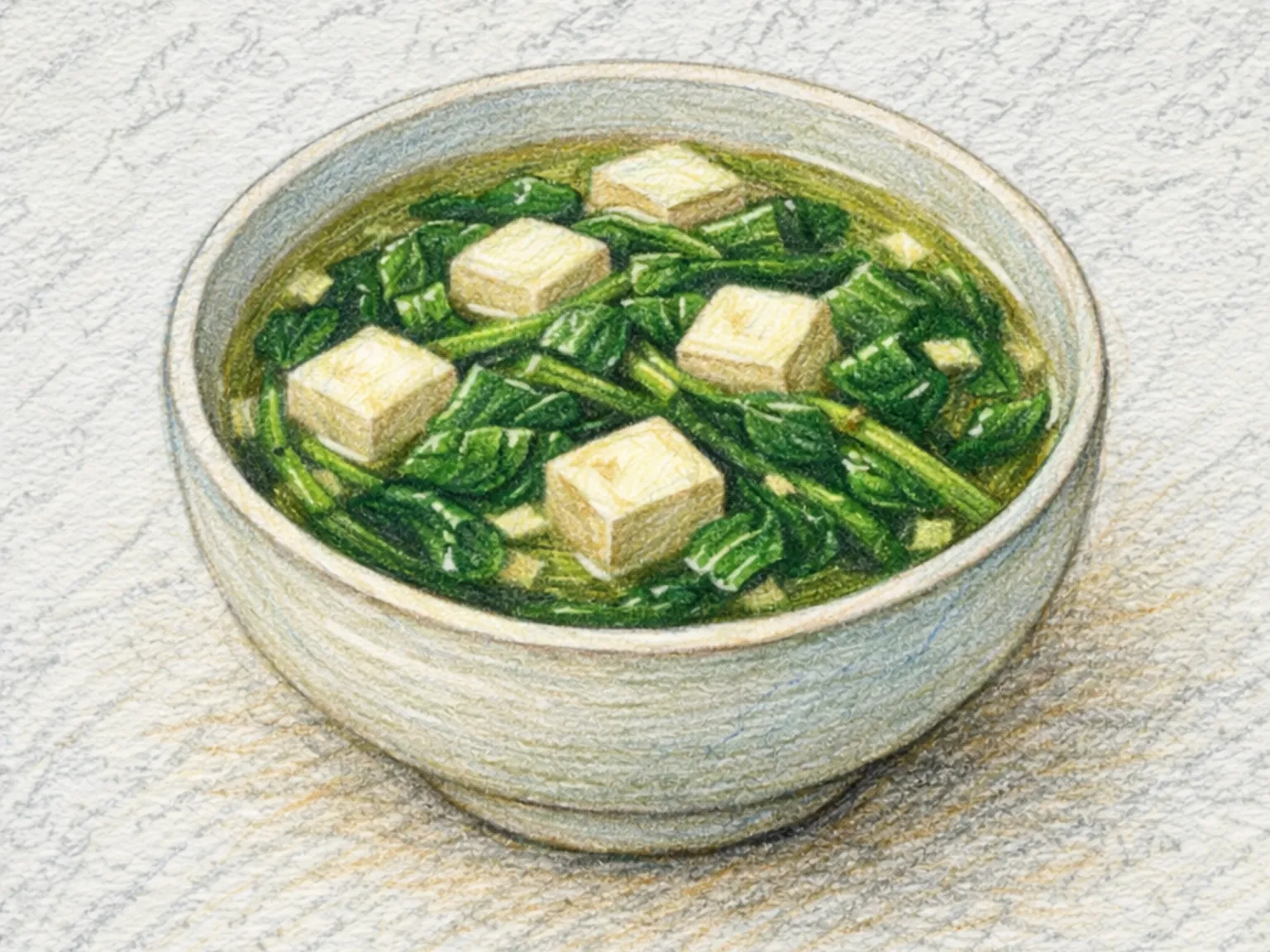
Sigeumchi-dubu-guk is a clear, mild Korean soup in which spinach and tofu float in an anchovy-kelp broth seasoned only with soup soy sauce - no fermented paste, no chili. The result is a bowl of quiet transparency where each ingredient's natural flavor is audible: the green, slightly mineral taste of spinach, the neutral creaminess of tofu, and the clean savor of the stock. A small amount of minced garlic builds umami in the background, and a single drop of sesame oil on the surface adds a whisper of richness. This soup is intentionally gentle, which is exactly why Korean families rely on it so heavily - it suits every palate and every age group, from toddlers to grandparents. Cooks often serve it alongside bold, spicy dishes because the clear broth acts as a reset between intense bites. The technique is straightforward but timing matters: tofu should be cut into generous cubes so it holds its shape during simmering, and spinach should enter the pot only at the very end to preserve its color and a touch of texture. The entire preparation takes under fifteen minutes and requires only four or five ingredients, making it one of the most practical everyday soups in Korean cooking.

🏠 Everyday 🥗 Light & Healthy
Prep 10min Cook 16min 4 servings
Sinigang na Baboy (Filipino Tamarind Sour Pork Rib Soup)
Soups Medium

Sinigang na Baboy (Filipino Tamarind Sour Pork Rib Soup)

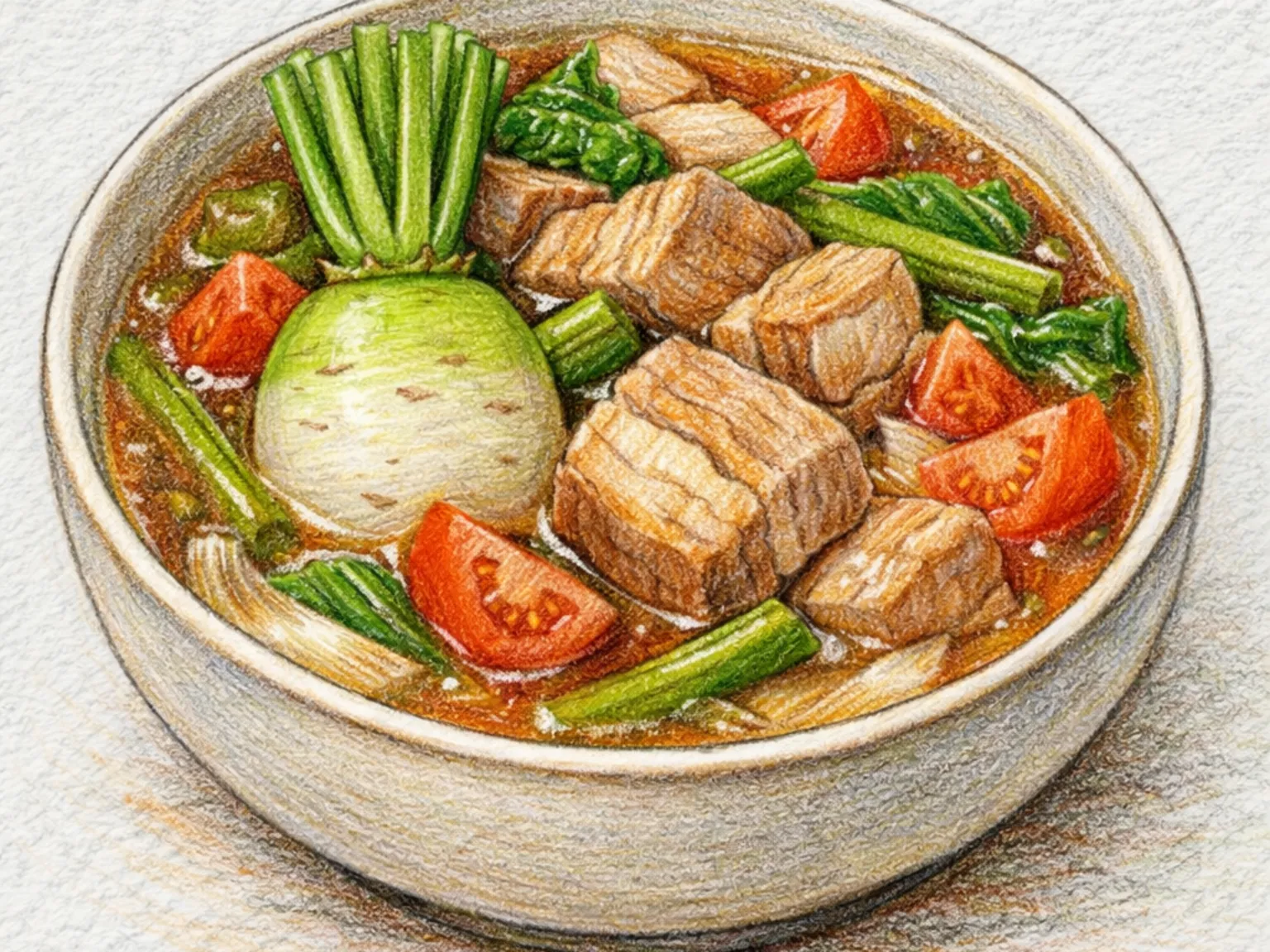
Sinigang na baboy is a Filipino sour soup that appears on family tables across the Philippines with the comforting regularity of a weekly ritual. Pork ribs are simmered until the meat loosens from the bone, then the broth is sharpened with tamarind - either fresh pods pounded and strained, or a spoonful of tamarind paste for convenience. Tomatoes, onions, and daikon radish go in early and soften into the broth, while eggplant, long green beans, finger chilies, and leafy greens like water spinach are added toward the end so they keep their color and bite. The resulting broth is clear, tart, and savory all at once, with the pork fat adding a subtle richness beneath the acidity. Filipinos ladle the soup generously over steamed rice, and the sourness is said to sharpen the appetite rather than satisfy it, which explains why second helpings are almost mandatory.

🎉 Special Occasion
Prep 20min Cook 50min 4 servings
Royal Korean Hot Pot (Court-Style Beef & Tofu Banquet)
Soups Hard

Royal Korean Hot Pot (Court-Style Beef & Tofu Banquet)

Sinseollo is a traditional Korean royal court hot pot of beef and tofu meatballs, shiitake, carrot, and napa cabbage arranged in beef broth. It was historically served in a dedicated brass vessel heated with charcoal at the center. This four-serving version uses a hot pot and preserves the characteristic organized presentation by keeping the ingredients in separate sections. Knead 220g ground beef with 200g mashed tofu until the mixture becomes cohesive, shape it into bite-size balls, and roll them in a pan over low heat to brown the outside. Place the meatballs in the center of the pot. Remove the stems from 100g shiitake and slice the caps thinly. Cut 80g carrot into flat half-moons or decorative shapes and 120g napa cabbage into 5cm lengths, then arrange them around the meatballs so their colors remain distinct. Mix 1.5 tablespoons soup soy sauce into 1100ml beef broth, pour it into the pot, and bring it up over medium heat. Skim away the foam that rises as the ingredients cook. The egg is not beaten into this broth. Separate one egg, cook the yolk and white as two thin sheets, julienne them, and lay the yellow and white strips over the assembled hot pot as a garnish. Cover after adding the egg strips and cook for another 10 minutes. Serve when the meatballs and vegetables have cooked through and the broth has settled to a golden brown. Keep the meatballs bite-size so their centers cook evenly within the allotted time.

🎉 Special Occasion 🥗 Light & Healthy
Prep 45min Cook 30min 4 servings
Korean Dried Radish Greens Pork Soup
Soups Medium

Korean Dried Radish Greens Pork Soup

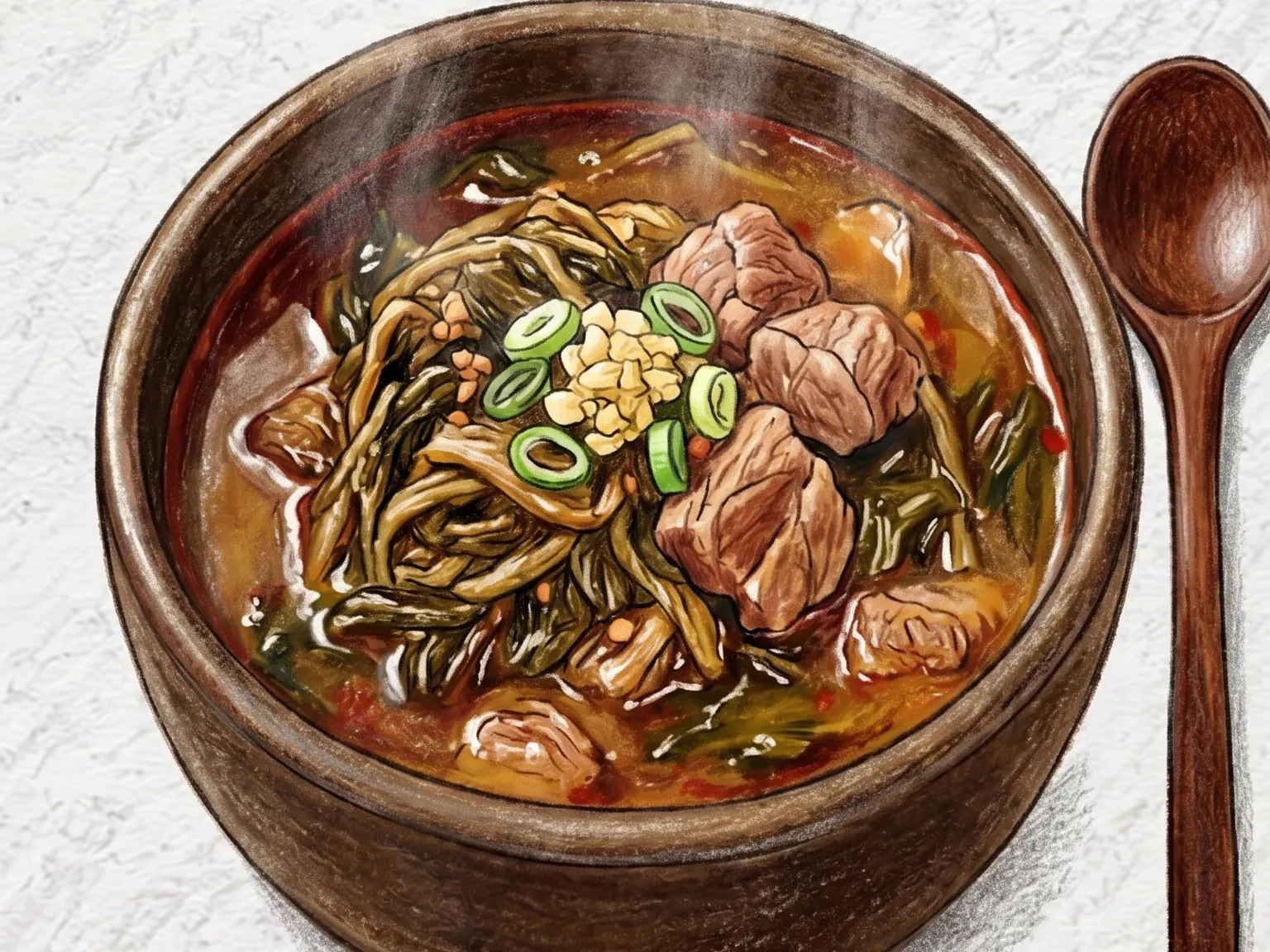
Siraegi-dwaejigogi-guk is a hearty Korean soup that marries dried radish greens with pork in a broth deepened by doenjang and warmed with a moderate dose of gochugaru. The dried greens are first boiled until pliable, then dressed with soybean paste so the fermented flavor works its way into every fiber. Pork shoulder or neck, cut into bite-sized pieces, simmers alongside, releasing rendered fat that enriches the broth and adds a full-bodied mouthfeel. The chili flakes turn the liquid a dark reddish-brown and introduce a gentle heat that prevents the pork fat from feeling heavy. Garlic and green onion build the aromatic base, and some cooks add a splash of perilla oil at the end for an extra layer of nuttiness. The greens keep a pleasant chew even after long cooking, providing textural contrast to the tender pork. Served over rice with plenty of broth ladled on top, each spoonful delivers doenjang, pork, and radish greens in a single, satisfying combination. This soup is at its best during winter, when dried radish greens from the autumn harvest are at peak flavor and the cold weather demands something hot and substantial.

🏠 Everyday
Prep 20min Cook 45min 4 servings
Korean Dried Radish Greens Soup
Soups Medium

Korean Dried Radish Greens Soup

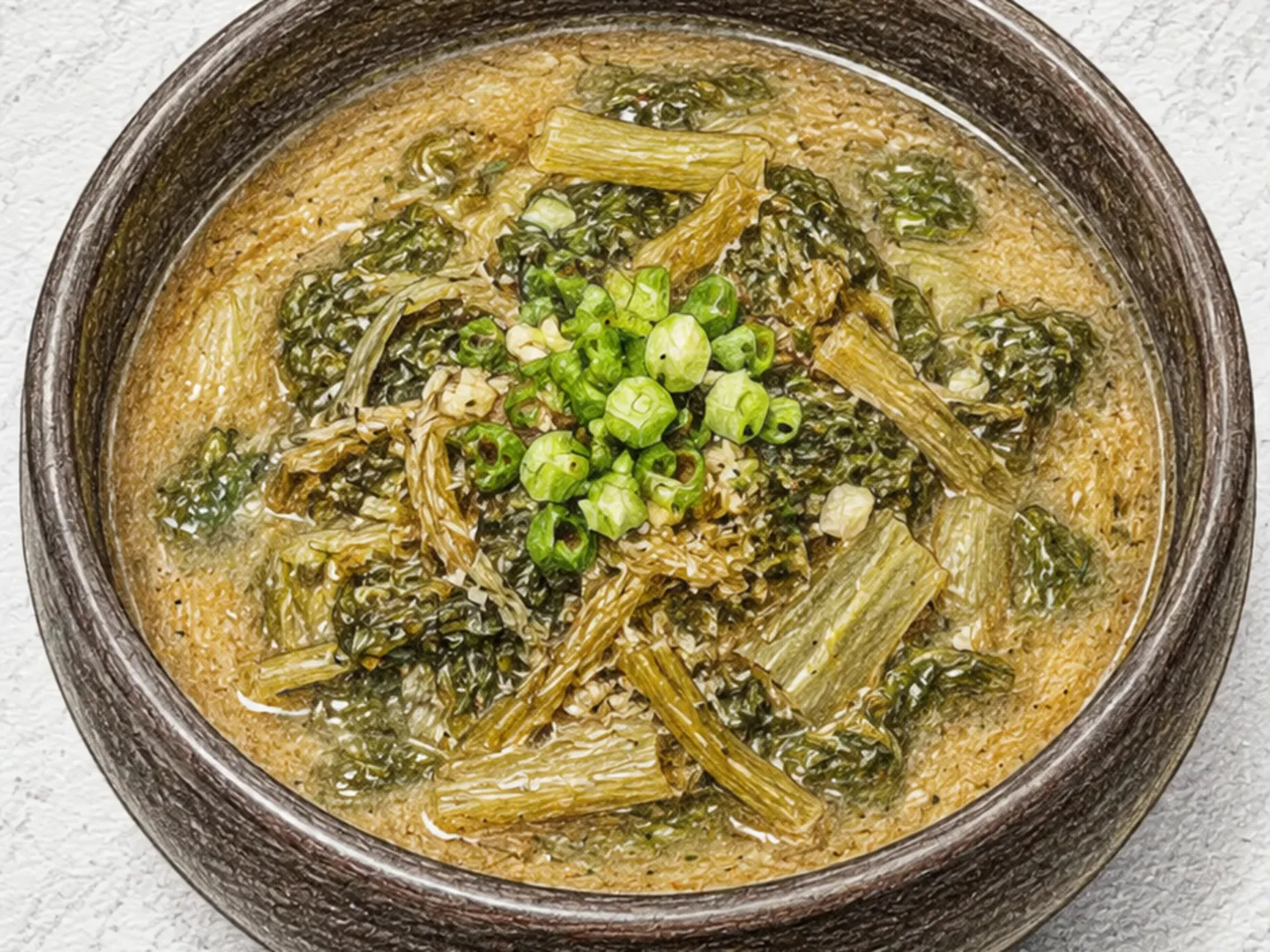
Siraegi-guk is a Korean dried radish greens soup that transforms a humble preserved vegetable into something deeply flavorful through the medium of doenjang. The greens are dried in autumn, then reconstituted by boiling until soft - a process that concentrates their earthy, slightly bitter character. When simmered in stock with dissolved soybean paste, that concentrated flavor meets fermented umami and the result is a broth richer than the ingredient list would suggest. Adding ground perilla seeds pushes the soup further, turning the liquid creamy and nutty. Garlic and green onion form the aromatic backbone. The soup works well without meat, but many cooks stir-fry a small amount of beef in perilla oil before adding the liquid, which introduces a beefy depth that rounds out the overall profile. The critical step is managing the initial boiling of the dried greens: not enough, and the bitterness overwhelms; too much, and the greens become bland. Experienced Korean cooks leave just enough edge to give the soup its distinctive character - a pleasant astringency that makes doenjang taste more interesting rather than less. Siraegi-guk is pantry cooking at its finest, relying on dried goods and fermented paste to produce a bowl that tastes like slow, patient effort.

🏠 Everyday 🥗 Light & Healthy
Prep 20min Cook 35min 4 servings
Korean Dried Radish Greens Beef Soup
Soups Medium

Korean Dried Radish Greens Beef Soup

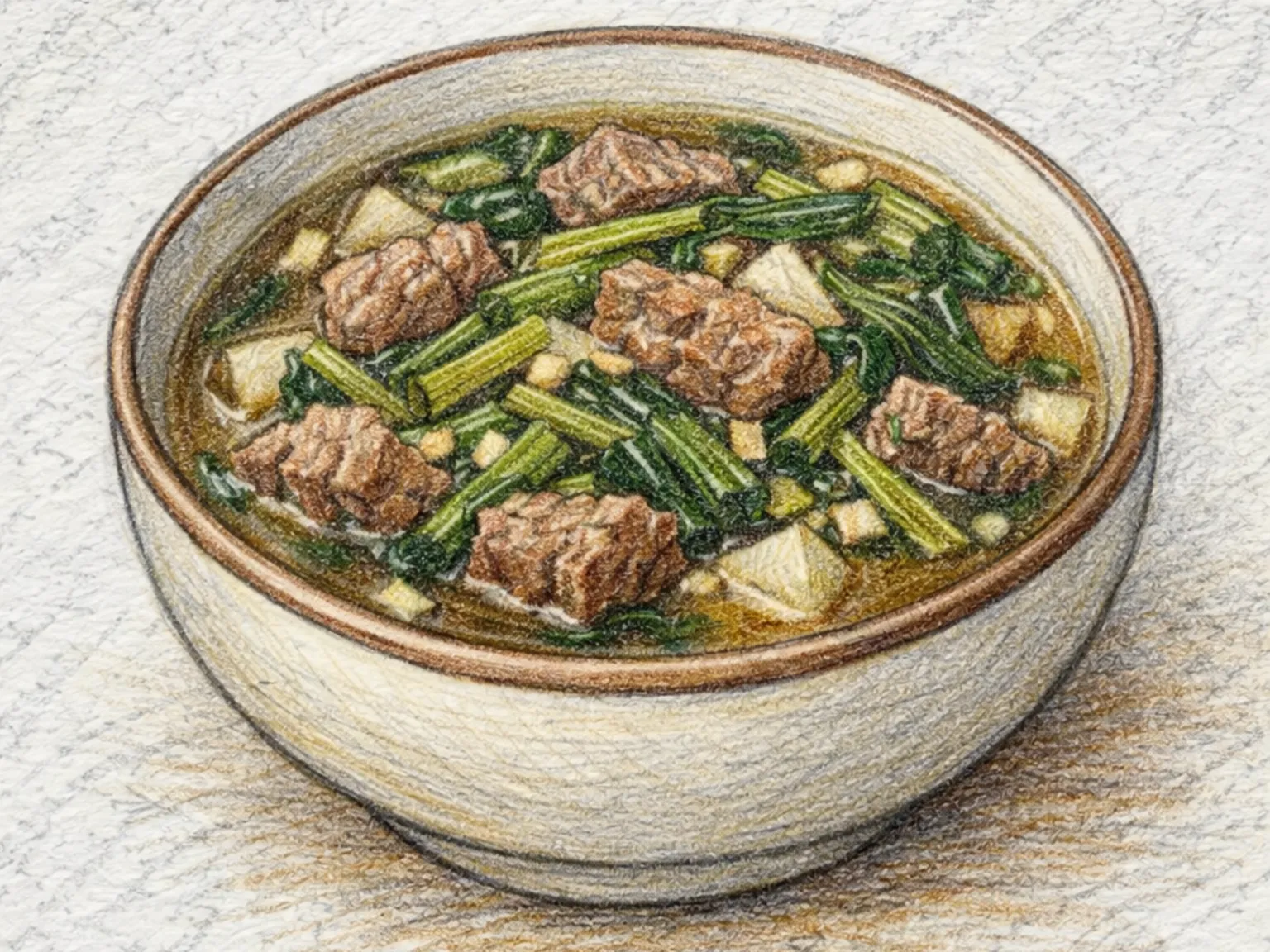
Siraegi-soegogi-guk combines beef brisket or shank with dried radish greens in a doenjang-seasoned broth that is simultaneously meaty, earthy, and fermented. The beef simmers first, building a clear stock with substantial body, before the pre-boiled and softened radish greens are introduced. Doenjang dissolves into the stock and acts as a bridge between the animal richness of the beef and the vegetal, slightly bitter quality of the greens, making both taste more complete than they would alone. An optional spoonful of gochugaru adds warmth and color, shifting the soup from mild to gently spicy. Garlic and green onion handle the aromatic duties, and a scoop of ground perilla seeds - stirred in near the end - gives the broth a creamy, nutty finish that softens the edges. This soup is one of the more filling options in the Korean guk repertoire because both the beef and the fibrous greens provide substance and chew. A single bowl, ladled generously over rice, can replace an entire meal without any additional banchan. The flavors deepen overnight, making leftovers an anticipated breakfast rather than an afterthought.

🏠 Everyday 🥗 Light & Healthy
Prep 20min Cook 45min 4 servings
Korean Beef Napa Cabbage Soup
Soups Easy

Korean Beef Napa Cabbage Soup

Soegogi baechu-guk begins with beef brisket seared in sesame oil until the edges brown and the pan fills with a toasty fragrance. Napa cabbage goes in next, wilting quickly against the hot fat before water or light stock is poured in to build the broth. As the soup simmers, the thick cabbage stems release a quiet sweetness that tempers the beef's richness, while the thinner leaf sections soften into something almost silky. A thin film of sesame-scented oil floats on the surface, delivering an aromatic note with every spoonful. Seasoned with soup soy sauce rather than salt, the broth stays clear with a light amber tint and tastes more of umami than sodium. Sliced scallion scattered on top just before serving adds a sharp, green brightness that cuts through the mellow base. The soup requires no elaborate stock preparation and comes together in under forty minutes, making it one of the most practical weeknight soups in the Korean home-cooking repertoire.

🏠 Everyday 🥗 Light & Healthy
Prep 15min Cook 25min 4 servings
Korean Beef and Mushroom Soup
Soups Easy

Korean Beef and Mushroom Soup

Soegogi beoseot-guk pairs seared beef with a medley of mushrooms in a clear, deeply savory broth. The beef is first stir-fried in sesame oil to develop a caramelized base, then button mushrooms, cut thick so they hold their shape, join the pot along with water or stock. As the soup simmers, the mushrooms leach glutamate into the liquid, layering umami on top of the beef's own juices without any added MSG or bouillon. Enoki mushrooms go in during the final minutes, contributing slippery strands that contrast with the meatier button slices. Soup soy sauce and minced garlic season the broth, keeping it translucent with a faintly woodsy aroma that lingers after each sip. A finish of sliced scallion and cracked black pepper sharpens the bowl just enough to keep the palate engaged from first spoonful to last. It is an understated soup that proves depth of flavor does not require complexity of technique.

🏠 Everyday 🥗 Light & Healthy
Prep 18min Cook 35min 4 servings
Korean Beef Vegetable Hot Pot
Soups Medium

Korean Beef Vegetable Hot Pot

Soegogi jeongol is a Korean hot pot built on a soy sauce-seasoned beef broth and brought to the table with baby napa cabbage, oyster mushrooms, and bok choy arranged over the beef before cooking begins. The seasoning stays deliberately simple, just soy sauce and minced garlic, so the natural flavors of each ingredient rise through the broth cleanly. Savory depth from the beef mingles with the gentle sweetness that the cabbage and bok choy release as they soften, and the oyster mushrooms hold their springy texture through the simmer. Because the pot cooks at the table and everyone serves themselves directly from it, the dish is as much about the shared experience as it is about the food itself.

🎉 Special Occasion
Prep 25min Cook 18min 4 servings
Korean Beef Radish Soup (Sesame Oil Braised Beef and Daikon)
Soups Easy

Korean Beef Radish Soup (Sesame Oil Braised Beef and Daikon)

Sogogi muguk is one of the most frequently cooked soups in Korean households, built from just two main ingredients: beef and daikon radish. Thin-cut beef is stir-fried in sesame oil until lightly browned, then thick radish slices go into the pot before water is added. As the soup comes to a boil and then settles into a steady simmer, the radish transforms: its initial sharpness mellows into a clean sweetness that balances the beef's depth, and its starch clouds the broth just enough to give it body. Soup soy sauce provides the seasoning, tinting the liquid a pale amber while pushing umami forward over saltiness. Minced garlic added near the end lends a quiet heat that sits behind the main flavors rather than competing with them. The radish, when properly cooked, should yield easily to a spoon yet still hold a hint of structure at its center. This soup also serves as the foundational broth for tteokguk on Lunar New Year, and Koreans reach for it instinctively when the weather turns cold or the body needs warming.

🏠 Everyday 🥗 Light & Healthy
Prep 15min Cook 40min 4 servings

About Soups

The secret to a great Korean soup lies in building a flavorful stock from anchovies, kelp, or beef bones. This collection covers classic and modern soup recipes you can recreate at home.