Western Recipes
262 recipes. Page 6 of 11
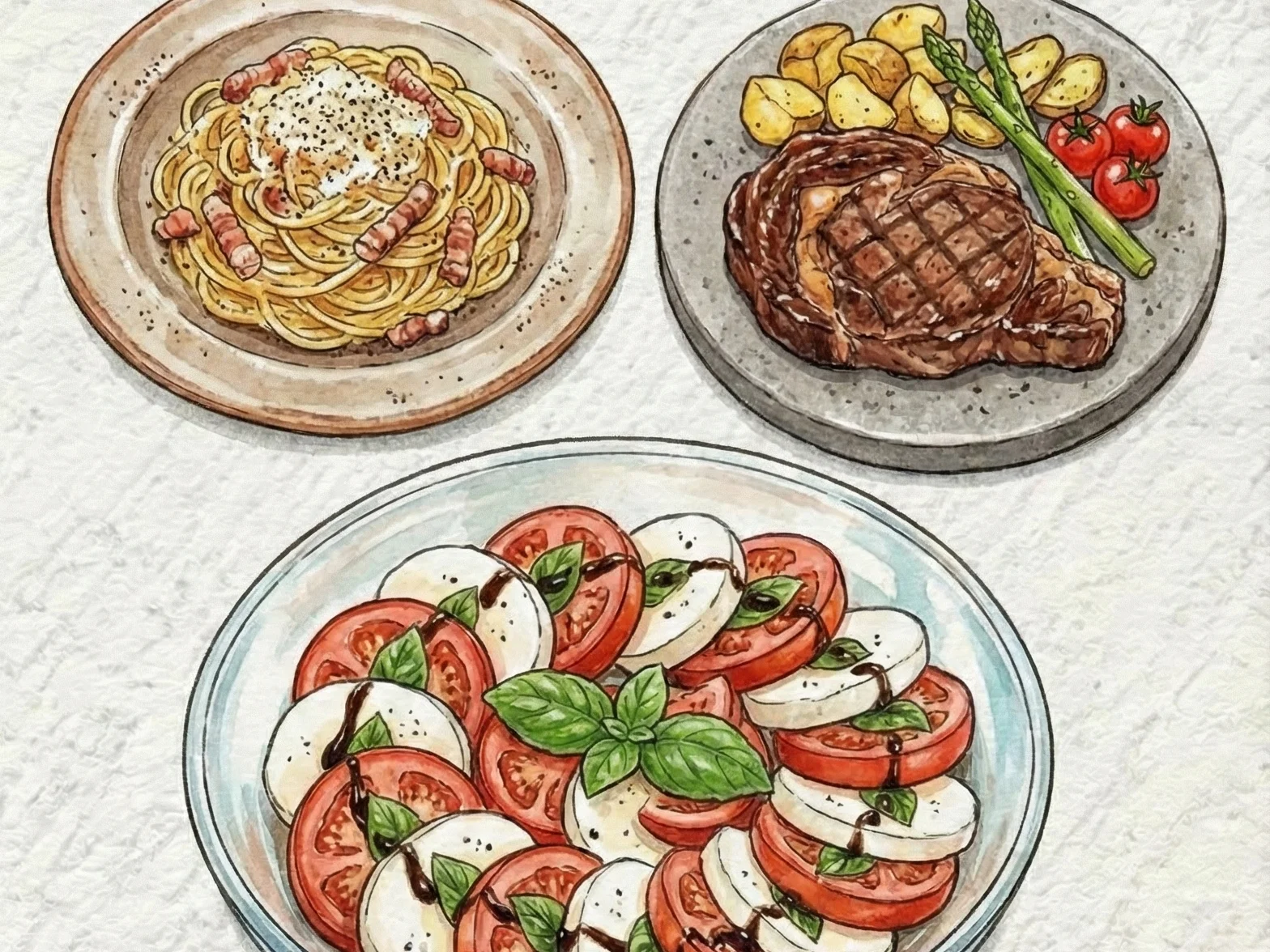
This category brings Western-style dishes - pasta, steak, risotto, gratin, and more - into the home kitchen. In Korea, "Western food" (yangsik) includes not only authentic European recipes but also Korean-adapted classics like donkatsu (pork cutlet) and hambak steak (Hamburg steak).
Olive oil, butter, cream, and cheese create the rich flavors these dishes are known for. From special-occasion dinners to quick weeknight meals, these recipes make Western cooking approachable.
Fish Pie
Fish pie is a staple of British home cooking, particularly during the colder months. Chunks of cod, salmon, and smoked haddock are folded into a cream sauce made with milk, butter, parsley, and a touch of English mustard, then topped with a thick layer of mashed potatoes and baked until the surface turns golden and slightly crisp. The combination of fresh and smoked fish creates layers of flavor - the cod contributes clean, mild sweetness, the salmon adds richness, and the smoked haddock provides a saline, smoky depth that permeates the sauce. Peeled prawns and halved boiled eggs are common additions that make the filling more substantial. In the oven, the sauce bubbles up around the edges of the potato crust, and the first scoop through the golden top reveals the creamy seafood filling beneath. It is a complete meal requiring nothing more than a side of steamed greens.
Flammkuchen (Alsatian Crème Fraîche Flatbread)
Flammkuchen is a traditional flatbread from Alsace, the border region between France and Germany. The dough is rolled paper-thin and spread with a layer of creme fraiche, then topped with thinly sliced onions and lardons before going into a blazing hot oven. The extreme heat crisps the dough edges to a char while the center stays just pliable enough to fold. Creme fraiche reduces under the heat into a concentrated, tangy cream that replaces the cheese found on pizza - indeed, traditional Flammkuchen uses no cheese at all. The onions soften and caramelize in the oven, releasing sweetness that balances the salt and smoke of the bacon. In Alsace, it is traditionally eaten during the autumn grape harvest with glasses of new wine, torn apart by hand at communal tables rather than sliced with a knife.
French Beef Stew
French beef stew transforms inexpensive, collagen-rich cuts like chuck or brisket into something deeply tender through unhurried heat. The process begins by cutting the beef into large chunks, dusting them with flour, and searing in a hot pan until every surface is properly browned. That browning step is not optional: the Maillard crust formed at high heat becomes the flavor foundation of the entire pot. Red wine and beef stock are then added, and the pot cooks at a low, gentle temperature for at least two hours. During that time the tough connective tissue in the shank breaks down completely, and the meat becomes soft enough to fall apart with a fork. Root vegetables including carrots, potatoes, celery, and onion braise alongside the beef, gradually releasing natural sugars and body into the liquid. The red wine reduces throughout the cook, its sharp acidity mellowing away while the fruit depth and tannic structure remain, giving the sauce a rounded, full-bodied backbone. Thyme and bay leaf infuse the broth with herbal warmth from the first moment and continue building throughout the long cook. The stew improves overnight, when the flavors continue to develop in the refrigerator and the seasoning penetrates every part of the meat.
French Dip Sandwich
The French Dip sandwich originated in Los Angeles during the early twentieth century and, despite what its name implies, does not have any actual roots in France. This sandwich is constructed with multiple layers of roast beef that have been sliced very thin and piled onto a sturdy French roll. It is served with a small bowl of au jus on the side, which consists of the natural juices that are collected and strained from the roasting pan after the meat has finished cooking. To prepare the beef for this dish, the roast is cooked slowly at a low temperature in the oven. This slow roasting process continues until the meat reaches a state where it can be sliced against the natural grain into thin and supple pieces. This specific technique ensures that the meat remains moist even when it is placed against the firm and dry texture of the bread. Including whole onions and garlic in the roasting pan along with the meat adds layers of sweetness and depth to the resulting juices. This practice makes the au jus significantly more complex than what would be produced by using the simple meat drippings alone. Just before the sandwich is assembled, either Provolone or Swiss cheese is melted over the sliced beef. This addition provides a mild and creamy layer that serves to soften the contrast between the lean beef and the crusty exterior of the roll. The choice of bread is a specific requirement, as the French roll requires a firm and crackly crust. This structural integrity is necessary because the roll must be able to maintain its shape even when it is dipped repeatedly into the warm liquid. If a soft roll is used instead, the bread tends to collapse and makes the sandwich difficult to manage during the meal. Dipping the sandwich into the au jus is the primary way this dish is consumed rather than being an incidental or optional step. Each time the bread is submerged, it becomes saturated with a concentrated beef flavor. The resulting texture creates a specific contrast where the edges of the bread become wet and softened while the center of the roll remains firm. The au jus is always presented in a separate vessel alongside the sandwich to facilitate this process. Because the act of dipping is central to the format of the meal, the liquid and the solid components are treated as equal parts of the overall presentation.
French Omelette
A French omelette is defined entirely by technique, which is precisely why it appears in professional kitchens as a benchmark for a cook's fundamental skill. The eggs are beaten just enough to combine the yolks and whites into a uniform liquid without introducing air, then poured into a butter-coated pan over moderate heat. From that point on, constant stirring with a fork or chopsticks, combined with rhythmic shaking of the pan, coaxes the eggs into the tiniest possible curds that bind together into a seamless, pale yellow sheet. No browning of any kind should appear on the exterior surface. The interior, described in French as baveuse, remains slightly underset with a custard-like center that carries the richness of the egg in its purest form. Folding or rolling the omelette into a neat oval shape should happen within ninety seconds from the moment the egg touches the pan; anything beyond that overcooks the inside. Fillings are minimal by design: fine herbs, a small amount of grated Gruyere, or nothing at all, so the egg remains the sole subject. The simplicity of the ingredients removes every excuse and makes even small errors in heat management immediately visible in the finished result. Practice tightens the margins, but each attempt teaches something precise about timing and temperature.
French Onion Soup
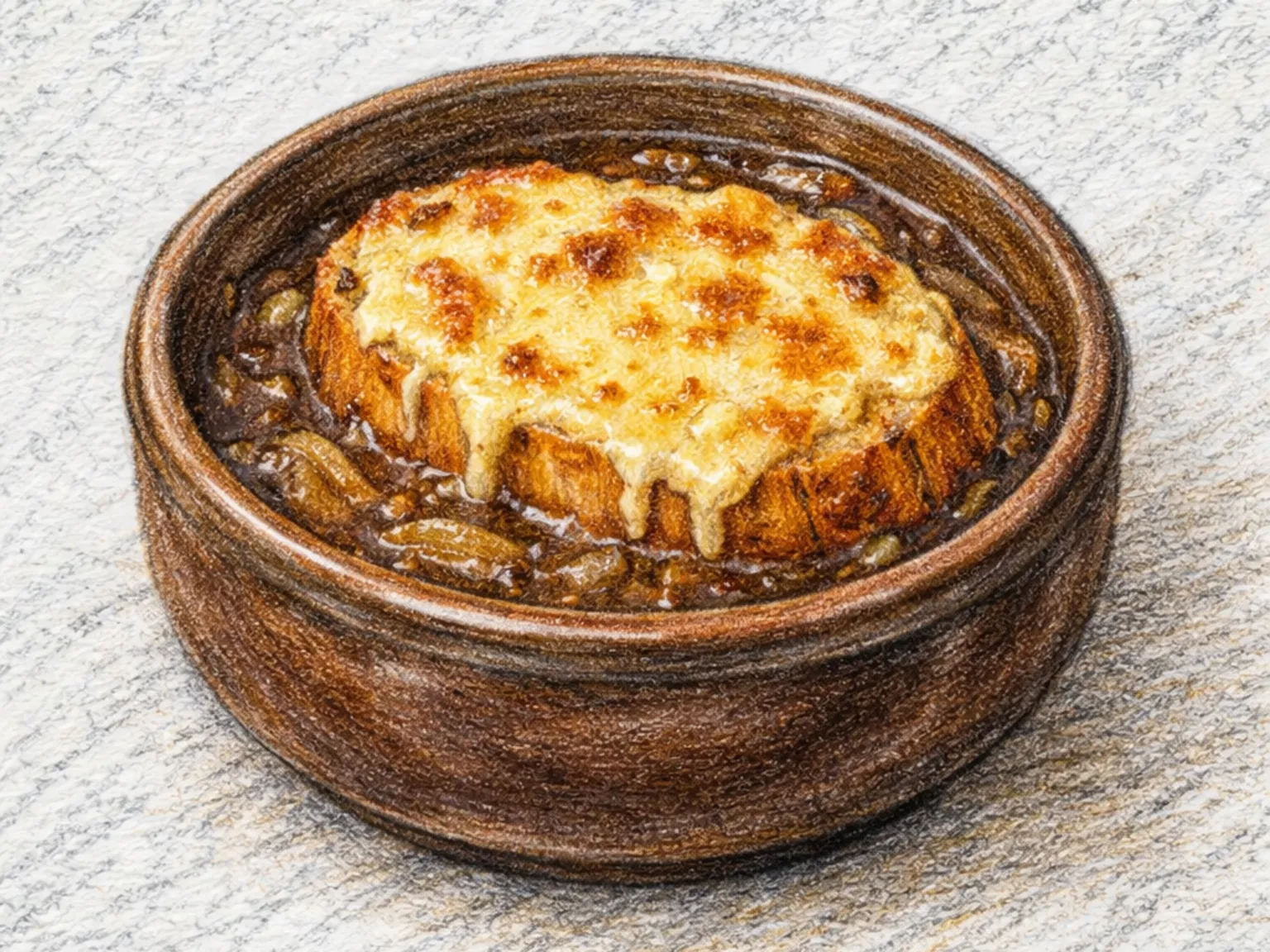
French onion soup is built entirely on patience and heat. Thinly sliced onions are cooked in butter over low heat for forty minutes or more, slowly shedding moisture as their natural sugars transform into a deep, golden-brown mass with an intensity of sweetness and umami that raw onions cannot approach. Rushing this step causes the onions to scorch and turn bitter, so controlled, unhurried heat is the most critical variable in the recipe. Dry white wine and beef stock are then added to the caramelized onions and simmered together until the broth absorbs every layer of the onion's concentrated flavor, building complexity through a long, slow reduction. The finished soup is ladled into oven-safe crocks, topped with thick slices of toasted baguette, and blanketed with a generous layer of grated Gruyere. Under the broiler, the cheese melts, bubbles, and browns into a golden crust with long, elastic strings that stretch when broken with a spoon. Beneath that crust lies the reward: a dark, concentrated broth steeped in caramelized onion depth, with bread softened into the soup and cheese draped across every spoonful. A bowl where simple ingredients, time, and heat produce something far greater than the sum of their parts.
French Toast
French toast soaks thick bread slices in a mixture of beaten eggs, milk, sugar, vanilla extract, and cinnamon until both sides absorb the custard evenly. The soaked bread is then cooked in melted butter over medium-low heat until each side turns golden brown and lightly caramelized on the surface while staying soft and moist inside. Slightly stale bread works better than fresh because its drier crumb absorbs more of the egg mixture without falling apart. Warm cinnamon and vanilla fragrance fills the kitchen during cooking. A drizzle of maple syrup and a dusting of powdered sugar finish the dish, and adding whipped cream or fresh fruit elevates it further.
Frittata
Frittata whisks eight eggs with milk and salt, then builds layers of flavor in an oven-safe pan before finishing in the oven. Onion is sautéed in olive oil until soft and translucent, then spinach and halved cherry tomatoes are added and cooked briefly so they release some moisture without turning to mush. The egg mixture is poured over the vegetables and left untouched on medium-low heat until the edges begin to firm and pull away from the sides of the pan. Grated cheddar cheese is scattered across the top before the pan goes into a 190-degree oven for ten minutes, during which the frittata puffs up and cooks through evenly from edge to center. The finished frittata is done when a gentle press at the center springs back with light resistance. Over-whisking the eggs before cooking traps too many air bubbles, which collapse in the oven and leave the surface cratered and uneven, so a slow, deliberate stir produces a better result. Smoked salmon, sliced sausage, or leftover roasted vegetables all work as additions without disrupting the basic structure. Cold leftovers tucked into a sandwich the next morning taste just as good as the freshly made version.
Galette Complete (Buckwheat Crêpe with Ham Cheese Egg)
Galette complete is a savory Breton buckwheat crepe made from a thin batter of buckwheat flour, water, eggs, and salt that rests for fifteen minutes to let the grain hydrate and the rough particles smooth out. A lightly buttered crepe pan gets a thin spread of batter that cooks until the edges turn crisp and lacy. Ham and grated Gruyere cheese are placed in the center, a whole egg is cracked on top, and the edges fold inward to form a square frame around the filling. The galette finishes cooking just until the white sets while the yolk stays runny, which is the traditional result. Buckwheat's earthy, slightly bitter character pairs naturally with the salty ham and nutty melted cheese, and the crisp folded border contrasts with the soft, custard-like center. Spreading the batter as thinly as possible is important because a thick crepe loses the light, delicate texture that defines the dish. A lid placed briefly over the pan after folding can set the white faster without overcooking the yolk.
Gambas al Ajillo (Garlic Shrimp)
Gambas al ajillo cooks peeled shrimp in a generous pool of olive oil infused with thinly sliced garlic and dried red chili over low heat, a method that turns the oil itself into the flavor foundation of the dish. The garlic must be coaxed slowly to release its sweetness into the oil without crossing into bitterness - the moment it turns golden, the shrimp go in and cook for two to three minutes until pink and just cooked through. A seasoning of salt, black pepper, and a scatter of chopped parsley finishes the pan. The dried chili adds a gentle warmth that sharpens both the garlic-scented oil and the natural sweetness of the shrimp, while the olive oil absorbs and carries all these flavors together. Sliced baguette served alongside is not optional - it exists to soak up the deeply flavored oil, and mopping the pan completely clean is the traditional way to end the dish. Keeping the heat consistently low throughout is the one non-negotiable rule: high heat burns the garlic in seconds and toughens the shrimp.
Garlic Butter Mussels
Garlic butter mussels are steamed in a fragrant broth of sauteed garlic, melted butter, and white wine. Onion and garlic are cooked in butter and olive oil until softened, then white wine is added and boiled briefly to drive off the alcohol while keeping the acidity and fruit notes intact. Once the mussels go in and the lid is sealed, the shells open within four to five minutes, releasing briny juices that meld with the butter-wine base into a rich, savory broth. Mussels that remain closed after cooking must be discarded. Finishing with chopped parsley and black pepper adds color and a mild sharpness, and tearing crusty baguette into the bowl to soak up the broth is the traditional way to enjoy every drop.
Gazpacho
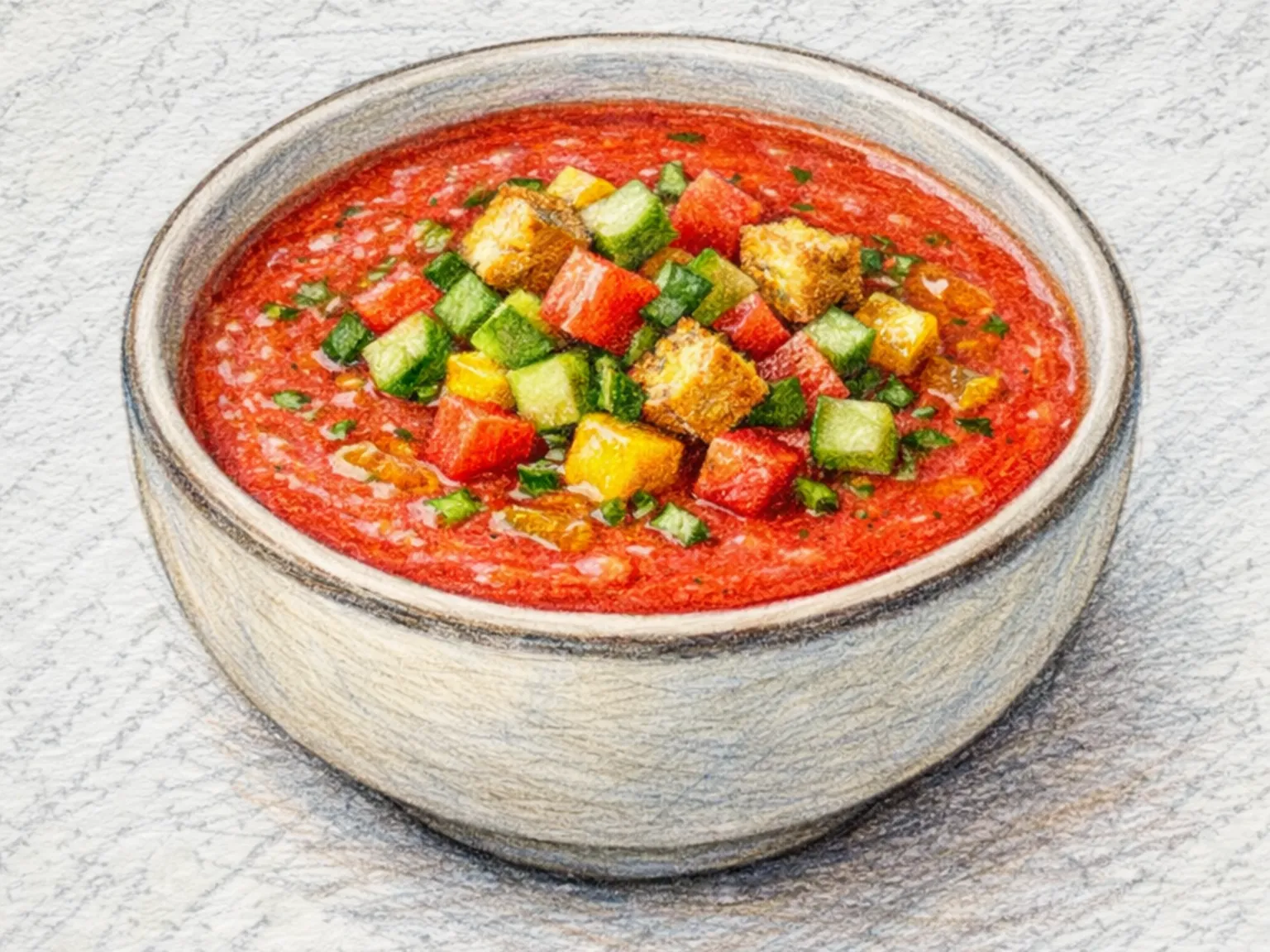
The secret to an authentic gazpacho lies in the interaction between stale bread and fresh garden vegetables. While tomatoes, cucumbers, and red bell peppers form the base, the addition of water-soaked bread creates a thick, velvety consistency that distinguishes this Andalusian specialty from a simple puree. Blending these ingredients with red onion, garlic, extra virgin olive oil, and red wine vinegar produces a smooth texture where the oil emulsifies the vegetable juices and the vinegar sharpens the natural sugars of the tomatoes. Patience is required after the blending is complete; the soup must rest in the refrigerator for at least two hours to allow the flavors to settle and integrate, a process that does not occur effectively at room temperature. Serving requires a final touch of drizzled olive oil and a handful of finely diced vegetables to create a crisp contrast against the liquid base. For the most refined results, passing the mixture through a fine-mesh sieve ensures a silky finish. Using fully ripened summer tomatoes provides the ideal acidity levels, and storing the leftovers in the fridge for a day or two often leads to a more developed profile.
Gnocchi alla Romana (Baked Semolina Cheese Rounds)
Gnocchi alla Romana is made by cooking semolina into hot milk until the mixture thickens into a stiff, smooth dough, then enriching it with butter, egg yolks, and Parmigiano-Reggiano before spreading it flat to cool and firm up. The milk is brought to heat with salt, nutmeg, and half the butter, and the semolina is trickled in slowly while whisking without pause to prevent lumps from forming. Removing the pan from the heat before folding in the yolks and cheese ensures the residual warmth binds everything together without scrambling the eggs, contributing a rich golden color and a deeper, more savory character to the dough. Once the slab has cooled completely and set firm, a round cutter stamps out discs that are overlapped in a buttered baking dish, topped generously with the remaining butter and cheese, then slid into a 200-degree oven. Finishing under the broiler for the last few minutes drives the surface to a crackling, golden crust while leaving the center tender and creamy. Unlike fresh pasta or potato gnocchi, the semolina slab can be prepared a day in advance and refrigerated, making this an excellent option when cooking for guests.
Gnocchi alla Sorrentina (Tomato Mozzarella Baked Gnocchi)
Gnocchi alla Sorrentina is a southern Italian baked pasta dish from the Sorrento coast where soft potato gnocchi are tossed in tomato sauce, blanketed with torn mozzarella and grated Parmesan, then baked until the cheese melts and bubbles. Garlic is gently coaxed in olive oil before the tomato sauce goes in and simmers, drawing the garlic's mellow sweetness throughout the base. Gnocchi are boiled only until they float and then immediately drained to preserve their characteristic pillowy chew, before being folded into the sauce with half the basil and transferred to a baking dish. Eight minutes at 220 degrees Celsius transforms the cheese into a molten, pulling layer that unites the bright tomato acidity and the salty richness of the two cheeses into a single flavor. The remaining fresh basil scattered across the top at the end adds a fragrant lift that anchors the dish to its coastal Italian origins.
Gougeres (Gruyère Cheese Choux Puffs)
Gougeres are savory cheese puffs from Burgundy, France, made by folding grated Gruyere cheese into choux pastry and baking until golden and hollow inside. Water, butter, and salt are brought to a boil, then flour is added all at once and stirred over low heat until the starches gelatinize and the dough pulls away from the pan in a smooth ball. Eggs are beaten in one at a time - the dough breaks apart and re-forms with each addition, building the elastic structure that allows the puffs to rise. Folding in the cheese and pepper, then piping rounds onto a tray and baking at 200 degrees Celsius turns the moisture in the dough to steam, which inflates each puff into a crisp shell with a hollow, airy center. Opening the oven door during baking releases the steam prematurely, which can cause the puffs to collapse.
Hungarian Goulash
Goulash is a traditional Hungarian stew in which beef chuck is slow-cooked with substantial amounts of paprika until the meat breaks apart at the slightest pressure from a fork. Onions are fried until they reach a deep golden color, then paprika powder and garlic are added and toasted in the rendered fat for about a minute, a step that dissolves the fat-soluble pigments and aromatic compounds of the paprika into the oil and sets the color and flavor profile for the entire stew. Browning the beef before adding liquid builds an additional layer of savory depth through surface caramelization. Tomato paste, beef stock, and caraway seeds go in next, and the pot simmers on low heat for over an hour while the connective tissue and collagen inside the chuck slowly convert to gelatin, enriching the broth and softening the meat to the point where it pulls apart without any knife work. Potatoes are added for the final thirty minutes, absorbing the paprika-saturated broth as they cook while releasing their starch into the liquid, which naturally thickens the sauce to a rich, clingy consistency that coats the meat without any additional thickener needed.
Greek Salad (Chunk-Cut Vegetable Toss with Feta)
Greek salad, known as horiatiki, is a traditional dish that arranges large-cut tomatoes, cucumber, bell pepper, and red onion with Kalamata olives, topped with a whole block of feta cheese and finished with extra virgin olive oil and dried oregano. The vegetables are intentionally cut into large chunks rather than finely diced, preserving each ingredient's distinct texture and flavor. The olive oil coats the fresh vegetables in richness, while a small amount of red wine vinegar adds a sharp acidity that balances the natural sweetness of the tomatoes. Feta is placed whole on top in the traditional Greek manner - diners break it themselves, and as the crumbled cheese mixes with the olive oil, it forms a natural dressing that clings to the vegetables.
Green Bean Casserole
Green bean casserole bakes blanched green beans in a mushroom cream sauce, then tops them with crispy fried onions for a contrast of textures that defines this American holiday side dish. Blanching the beans for just three minutes and shocking them in ice water preserves their bright green color and a slight crunch that survives the oven. Sauteing onion and mushrooms in butter, stirring in flour to build a roux, and gradually adding milk produces a smooth cream sauce infused with earthy mushroom flavor. After twenty minutes in the oven, the casserole is pulled out and topped with fried onions, then returned for five more minutes so the onions crisp without burning. The finished dish layers the crunch of the topping against the creamy sauce and tender-crisp beans.
Grilled Cheese Sandwich
Grilled cheese sandwich is made by buttering the outer sides of bread slices, filling them with cheddar and mozzarella cheese, and toasting both sides in a pan until golden and crisp. Combining cheddar's sharp saltiness with mozzarella's stretchy pull gives the sandwich both depth of flavor and satisfying texture. A thin layer of Dijon mustard spread on the inner bread adds a subtle, peppery bite that cuts through the richness of the melted cheese. Cooking over medium-low heat is essential - it gives the cheese enough time to melt completely before the bread surface burns. Pressing the sandwich lightly while flipping ensures the bread and cheese bond tightly, producing a clean cross-section when the sandwich is sliced in half.
Gumbo
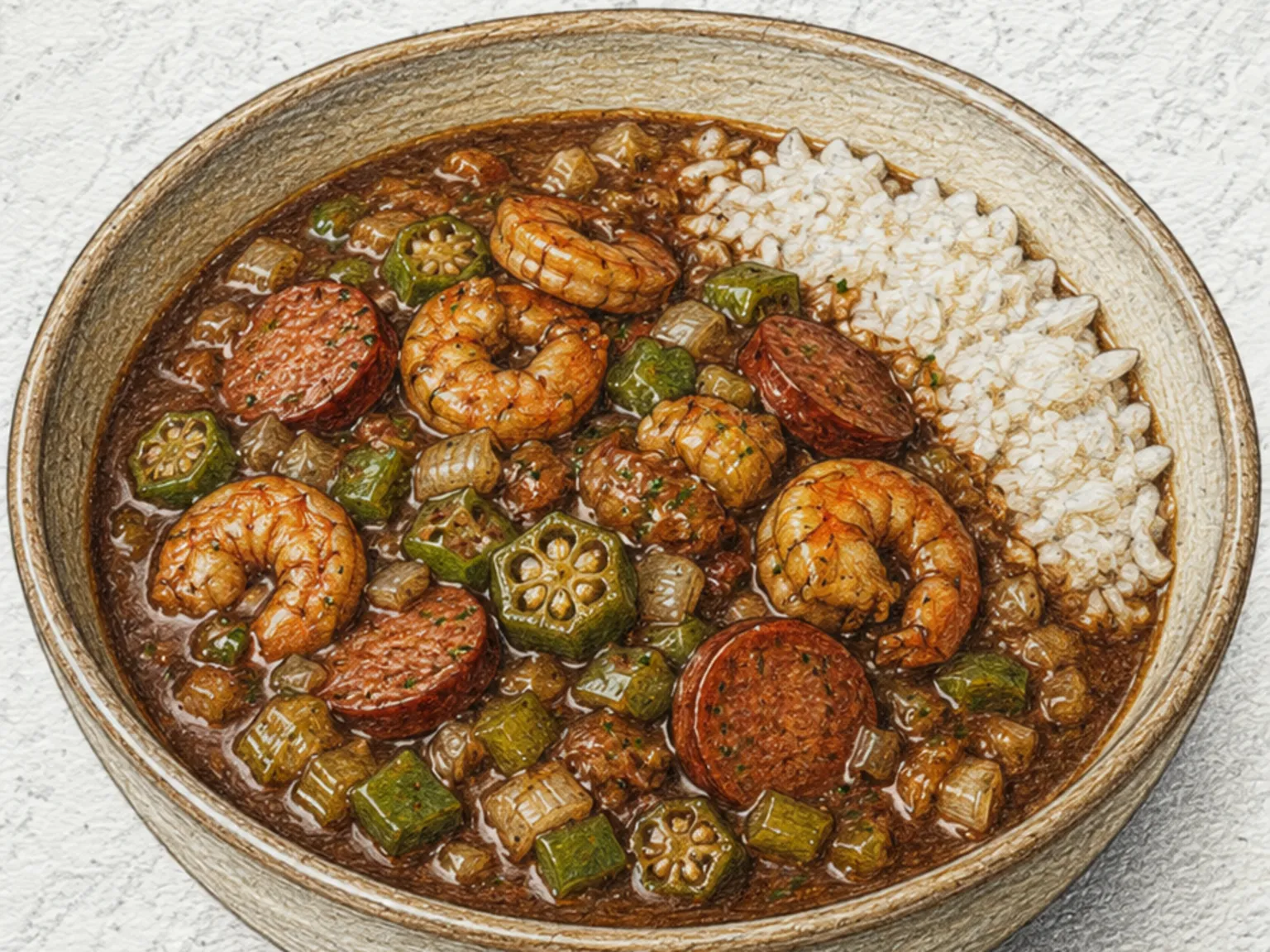
Gumbo is a Louisiana stew built on a dark roux - flour and oil stirred continuously over medium-low heat until the mixture reaches a deep chocolate brown. Cooking the roux to this stage breaks down the starch so it thickens less, but develops a complex, nutty smokiness that defines the dish. The Cajun holy trinity of onion, celery, and green bell pepper is sweated in the roux, followed by smoked sausage that renders its fat and smoky flavor into the base. Chicken stock, sliced okra, and cayenne pepper simmer together for forty minutes, during which the okra's natural mucilage adds body to the broth. Shrimp are stirred in only at the end to prevent overcooking, and the finished gumbo is traditionally ladled over steamed white rice.
Crispy Fan-Cut Potatoes (Garlic Butter Accordion Bake)
Hasselback potatoes are a Swedish dish where potatoes are sliced thinly at close intervals - leaving the bottom intact - then brushed with garlic butter and roasted until the edges fan out and crisp. Melted butter mixed with minced garlic, fresh thyme, and olive oil is brushed over and between the slices before the potatoes go into a 200-degree oven for forty minutes. Midway through baking, the potatoes are removed so the slices can be gently fanned open and given a second coat of butter. Breadcrumbs and Parmesan cheese scattered on top for the final fifteen minutes create a crunchy golden crust that contrasts with the fluffy interior. Placing chopsticks on either side of the potato while slicing acts as a guide to prevent cutting all the way through.
Hearty Minestrone Soup
Hearty minestrone soup is an Italian vegetable soup that begins by patiently sauteing onion, carrot, celery, and zucchini in olive oil to draw out their natural sweetness before adding crushed tomatoes and vegetable broth. Taking time to cook the vegetables over medium heat allows caramelization to occur, building a clean yet deep flavor base for the broth. Kidney beans contribute plant-based protein and a starchy thickness, while small pasta cooked directly in the soup releases additional starch that enriches the overall texture. Adding a Parmesan rind during the simmer infuses the broth with a quiet umami depth. A final garnish of grated Parmesan and a drizzle of olive oil just before serving rounds out the bowl with richness and savory warmth.
Huevos Rancheros (Fried Eggs on Tortilla with Salsa)
Huevos rancheros is a traditional Mexican breakfast of corn tortillas topped with sunny-side-up eggs, a homemade tomato-chili salsa, and lightly mashed black beans. Onion and jalapeno are sauteed in olive oil, then chopped tomatoes are added and simmered until the salsa thickens into a concentrated, spicy-tangy sauce. Keeping the salsa thick is important so the tortillas stay firm rather than turning soggy. The eggs are fried with set whites and runny yolks - breaking the yolk at the table lets it run into the salsa and create a rich, natural sauce. Fresh cilantro scattered on top adds a herbal brightness that lifts the heat and acidity, and a squeeze of lime juice sharpens the entire plate.
Irish Stew
Irish stew is a traditional dish where chunks of lamb shoulder are slowly simmered with potatoes, onion, and carrot in beef stock seasoned with nothing more than thyme, salt, and pepper. Browning the lamb lightly and sauteing the onion and carrot first builds a foundation of Maillard flavor and natural sweetness in the broth. Adding potatoes and stock, then cooking on low heat for at least ninety minutes allows the connective tissue in the lamb to break down into tenderness, while some of the potato pieces dissolve into the liquid and thicken it naturally. The restraint in seasoning is the point - with only thyme as an aromatic, the deep flavors of the lamb and root vegetables define the stew entirely on their own.