Korean Tuna Kimchi Stew
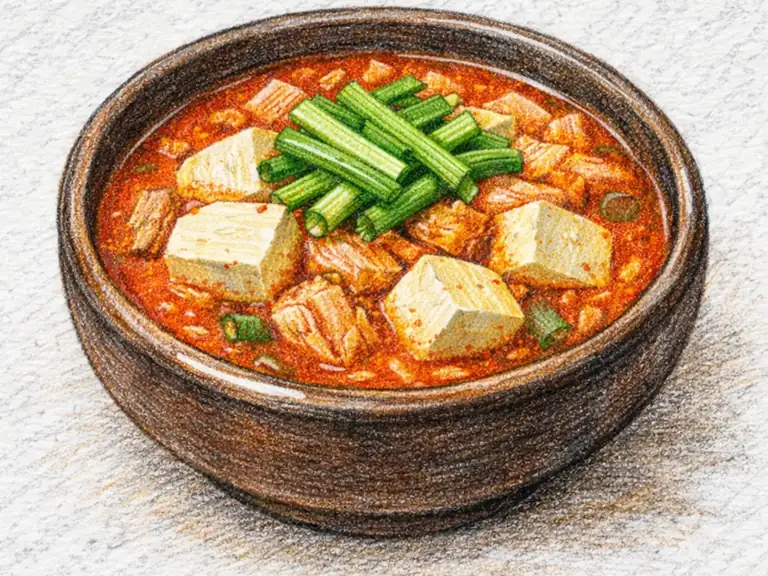
A can of tuna and some sour kimchi, no meat to brown, and the stew is ready fast; most of the flavor comes from the kimchi's sourness. Pour in a little of the oil from the can and the broth gets noticeably deeper.
1910 Korean recipes. Page 13 of 80. Compare ingredients and cooking times. Korean Tuna Kimchi Stew, Bugeo Jorim (Korean Braised Dried Pollack).
A can of tuna and some sour kimchi, no meat to brown, and the stew is ready fast; most of the flavor comes from the kimchi's sourness. Pour in a little of the oil from the can and the broth gets noticeably deeper.
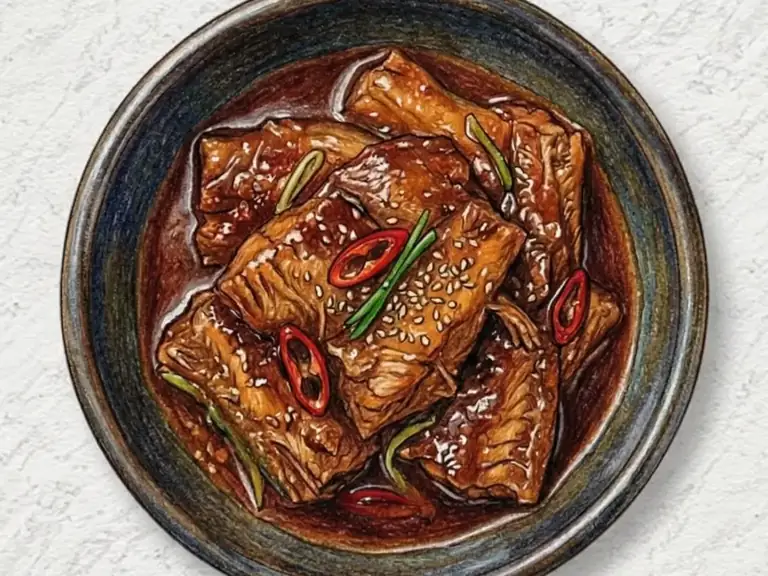
Bugeo is dried pollack. Soy and gochujang seasoning works its way through the pollack, and the flavor deepens over the few days it keeps in the fridge. Soaking should stop at 20 minutes, or the flesh goes mushy.
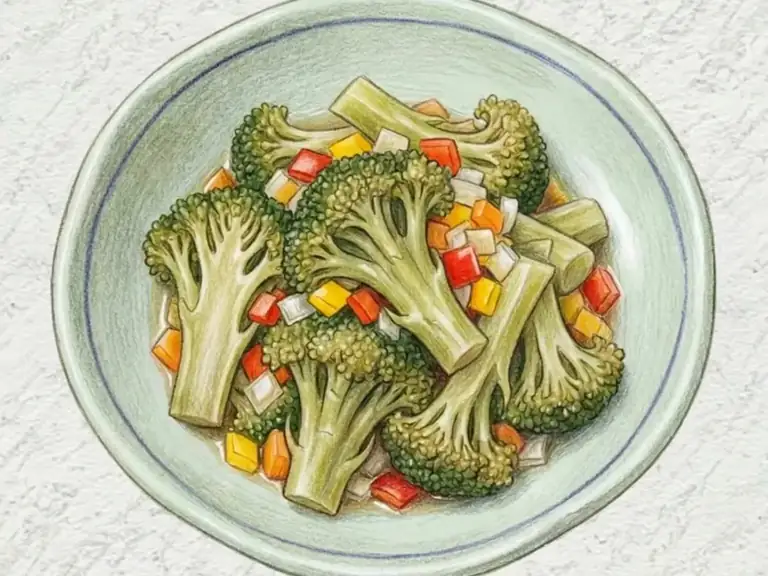
Crisp stems and tender florets sit side by side in this soy pickle, a contrast that depends on keeping the blanch to 40 seconds and moving the broccoli straight into ice water. Unlike many hot-brine pickles, this one waits until the brine is completely cool, because warm liquid softens the florets. Red bell pepper and onion add sweetness and a flash of red against the green. The crunch is best in the first two days, while the seasoning reaches all the way through after 3 to 4 days. It packs easily into a lunch box and keeps for up to 2 weeks in the fridge.
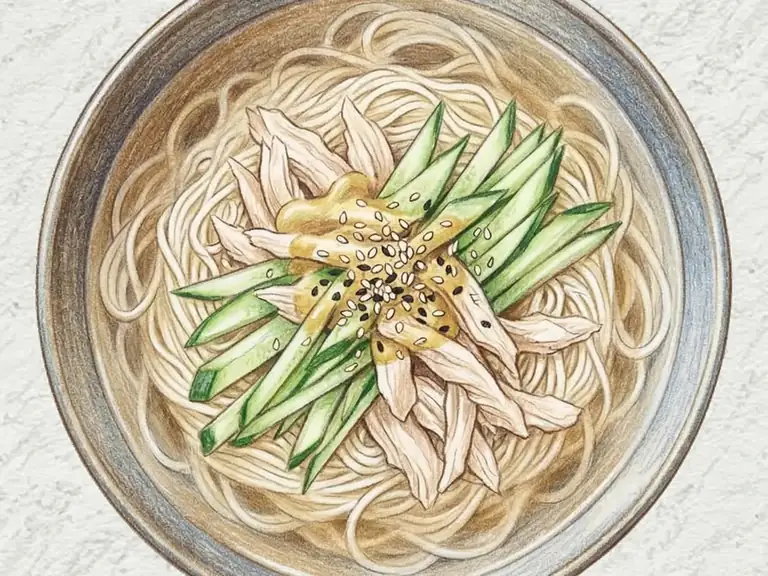
Chogye guksu gets its broth from the same pot that poaches the chicken: the stock is chilled, then sharpened with vinegar and Korean hot mustard until it tastes tart, icy, and slightly nose-tingling. The mustard waits until the stock is fully cold, because warm liquid drives off its volatile aroma. The chicken breast is shredded only after it cools completely, since tearing it hot lets the juices run out and leaves dry strands. Thin matchsticks of cucumber and radish add crunch, and cut to the same width they twirl up evenly with the noodles. It is a summer dish for days when appetite runs low.
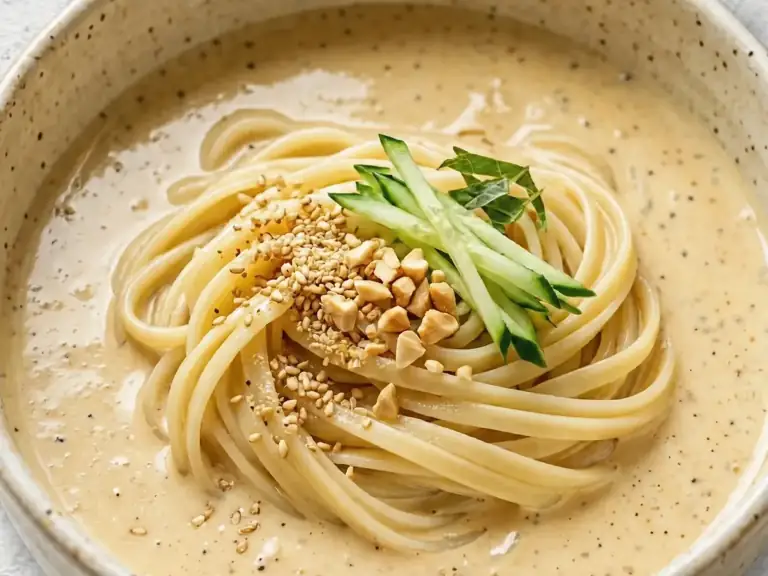
Modeled on Korea's summer bowl of noodles in cold soybean broth, this version skips soaking and grinding soybeans: unsweetened soy milk is blended with toasted sesame and peanut butter into a thick, nutty broth. The only heat used goes into boiling the linguine, which is then rinsed in ice water so it stays firm and chewy in the cold broth. Cucumber and cherry tomatoes go on top.
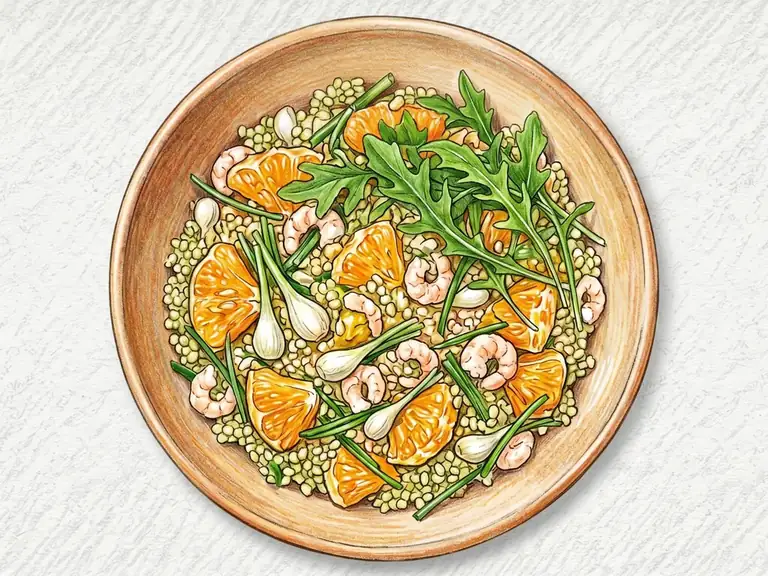
Spring dallae, a wild Korean chive with a pungent bite, meets tangerine segments, blanched shrimp and fluffy cooked millet, with a yuja marmalade (Korean citron preserve) and white wine vinegar dressing that tames the shrimp's faint fishiness and brings the chive aroma forward. Rinse the dallae and use it right away; a long soak washes out its scent.
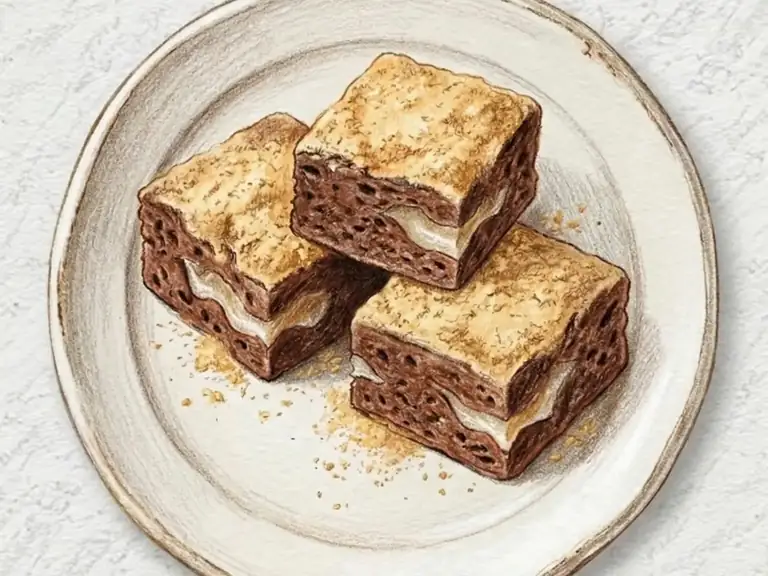
With glutinous rice flour in place of all the wheat flour, the fudgy density of a brownie comes with a mochi-like spring. Toasted soybean powder is scattered through the middle layer and over the top. Straight from the fridge the squares are firm; at room temperature they turn soft and stretchy.
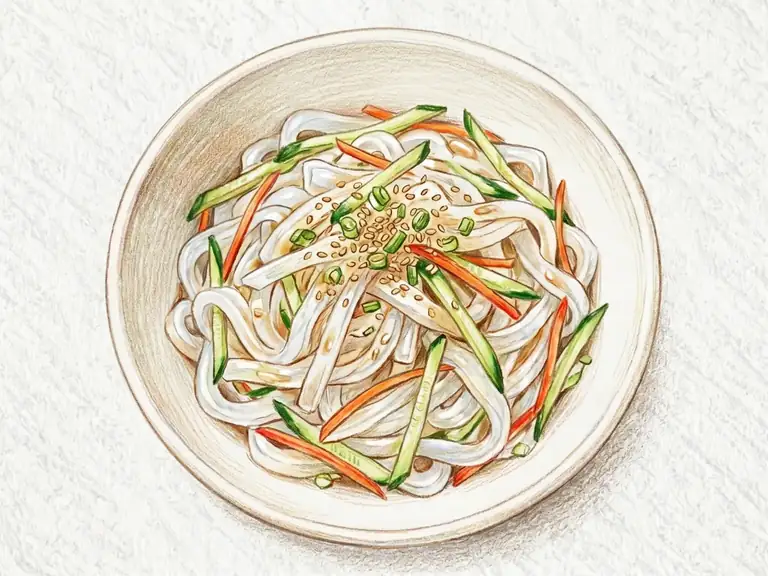
White, slippery mung bean jelly is mixed with strips of cucumber and carrot in a tangy soy and vinegar dressing. The thin jelly breaks if stirred, so it is lifted from the bottom with chopsticks about six times and no more.
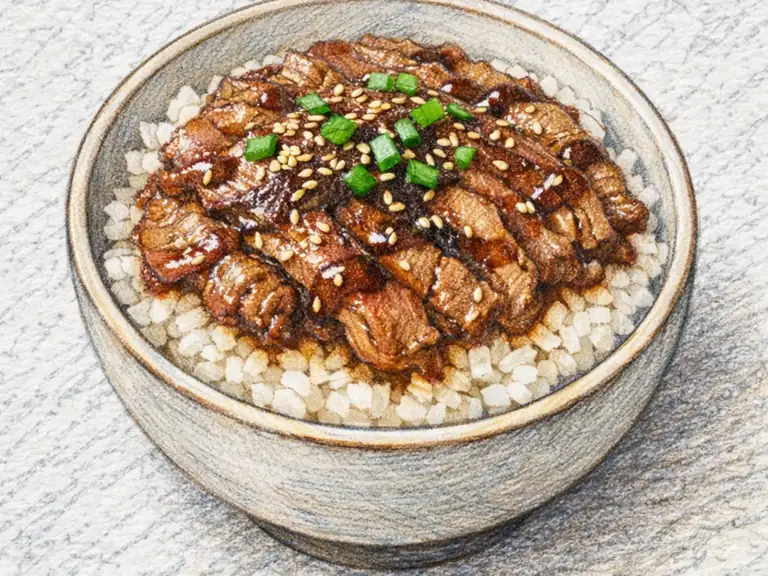
Chadolbagi, paper-thin beef brisket, goes into a dry, very hot pan with no oil at all; its own fat renders out and crisps the edges. The garlicky soy glaze is poured in at the very end and tossed for only 15 to 20 seconds, just long enough to turn glossy.
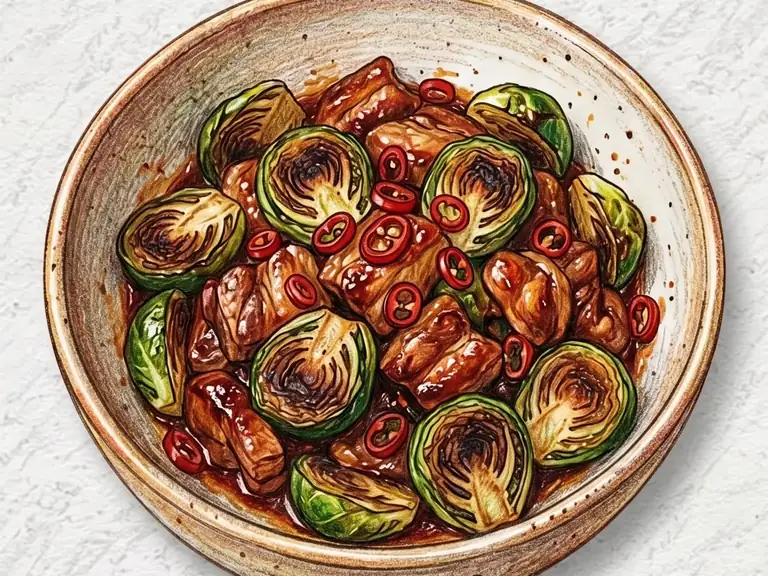
Gochujang-marinated pork shoulder and Brussels sprouts share the pan. The sprouts are halved and left cut side down without much turning, since a golden, seared face is what takes away most of their bitterness. A teaspoon of vinegar and sliced red chili go in at the end.
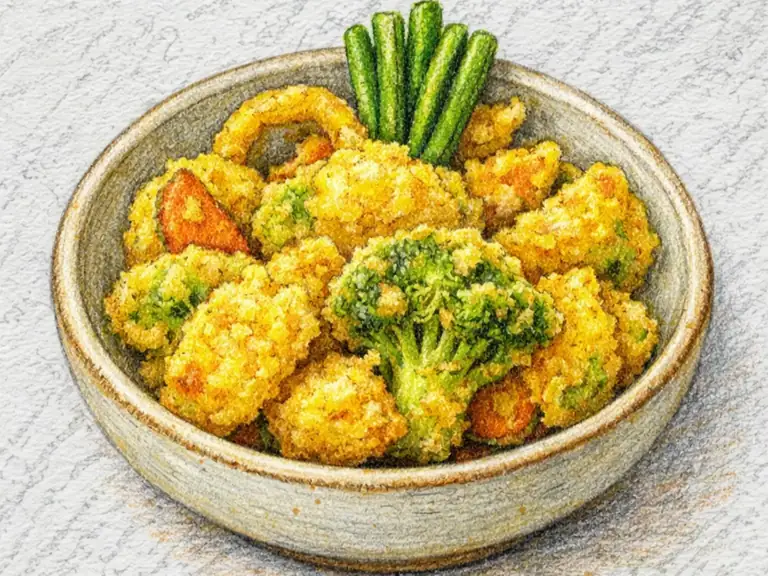
Curry powder goes into the frying mix, so the batter is yellow before anything touches the oil, and it coats sweet potato, carrot and onion. With the spice already in the coating, no dipping sauce is needed. Carrot is the hardest of the three and gets sliced a little thinner.
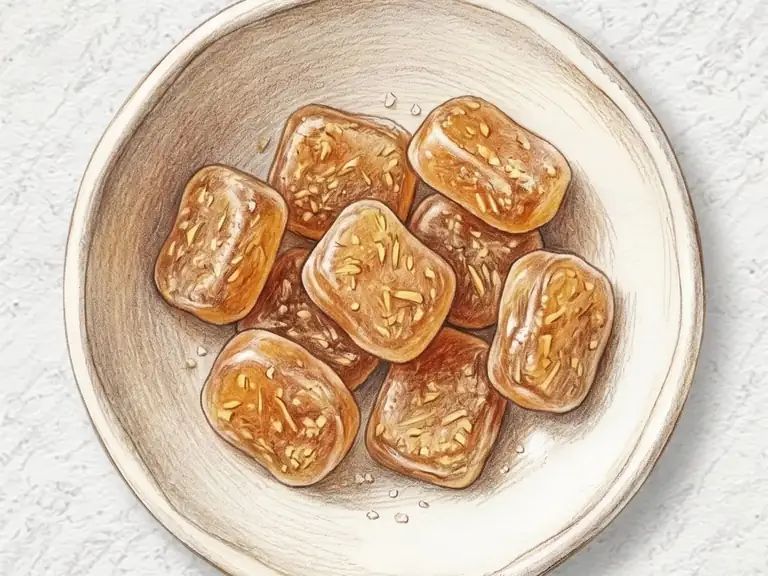
Grated ginger is squeezed through cloth, and only the juice is boiled with honey and sugar to 150 degrees, so the candy sets clear as glass with no fibers inside. The pot is never stirred while it boils; stirring forms sugar crystals that cloud the candy.
Equal parts instant coffee, sugar and hot water are whipped into a caramel-colored foam that sits thickly on iced milk. The mixture is ready once it has gone from dark brown to pale and glossy and holds a peak; if it is still runny, the fix is another minute of whipping, not more water or sugar. Cocoa powder is dusted over the top, and the layers get stirred together just before drinking.
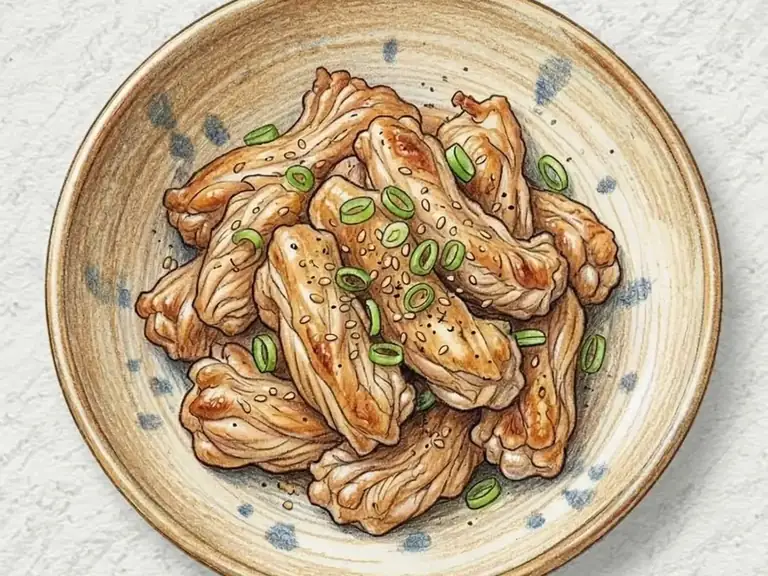
With fat running between the muscles, chicken neck meat never turns dry the way breast does; it chews springy and savory. It gets a short toss in soy sauce, mirin and garlic, a hot sear until a brown crust forms, and green onion stirred in for the last 30 seconds.
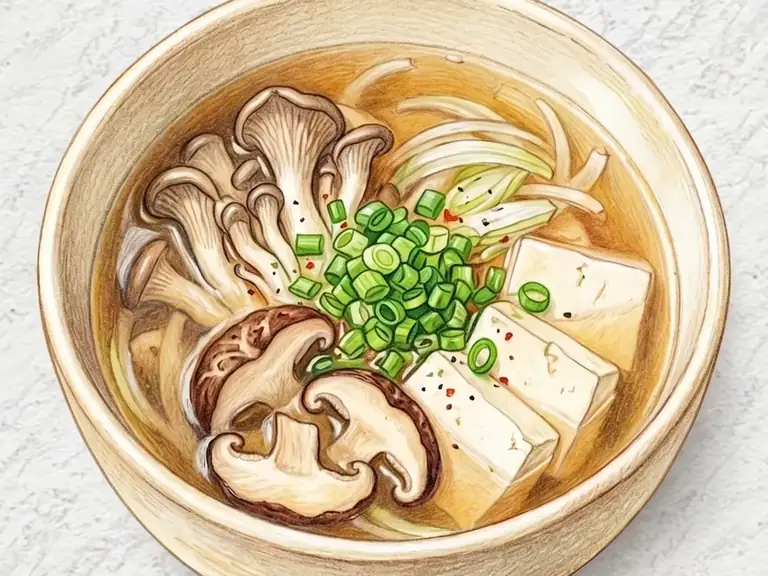
Oyster and shiitake mushrooms go straight into boiling water, and after about four minutes the broth turns light brown; soup soy sauce and salt do the seasoning. Cubed tofu is slid in at the edge of the pot and never stirred, which keeps its corners sharp.
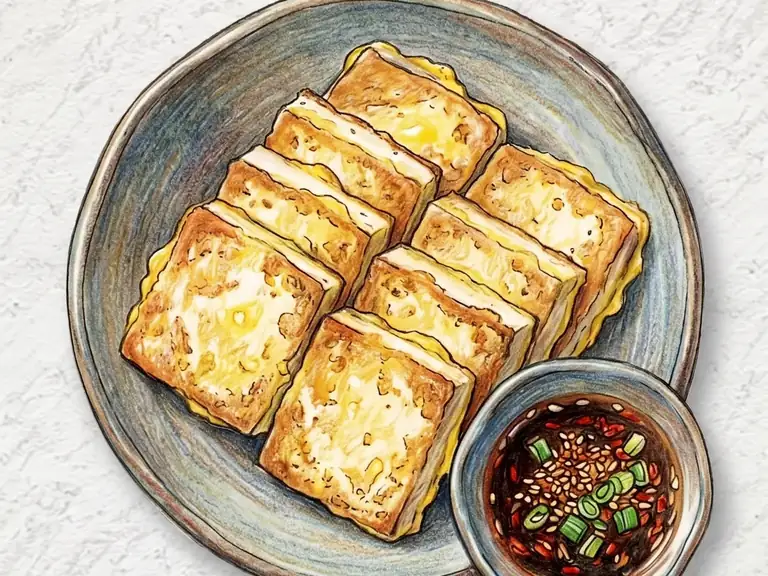
Firm tofu is sliced about 1 cm thick, pressed under a weight for at least 15 minutes, then seasoned with salt and pepper. Soy sauce stays on the side for dipping instead of being poured over. Hot from the pan the egg coating is lightly crisp, and it softens as it cools.
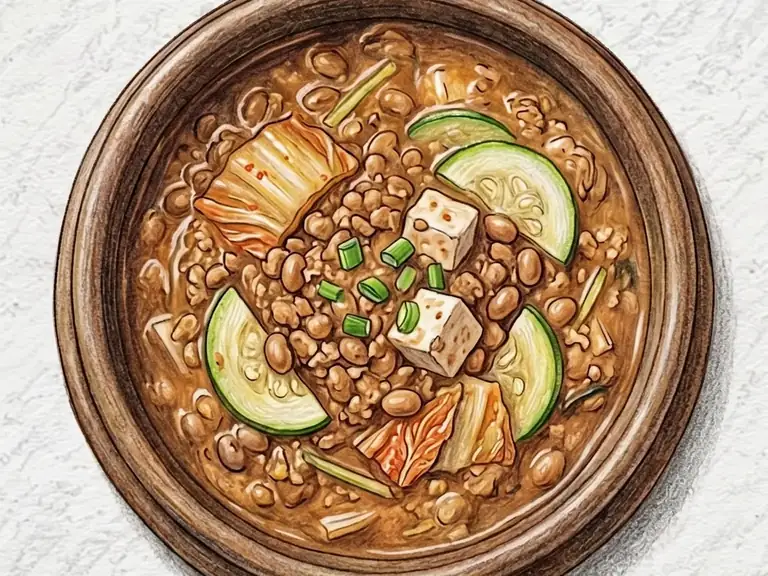
Turn on the range hood before the cheonggukjang goes in. The smell as it boils is strong, but the broth itself tastes deep and nutty, and because the soybeans are only briefly fermented, they keep a sticky, stringy texture. It is eaten hot, ladled over rice and mixed in.
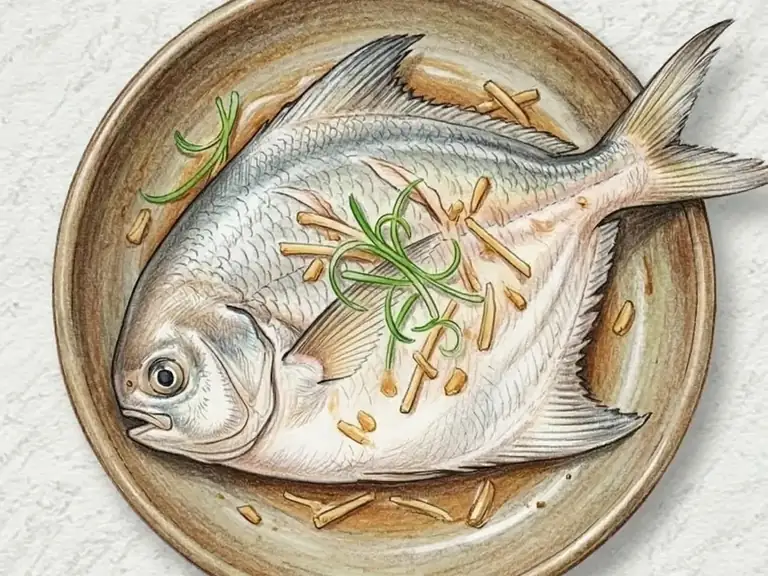
Pomfret has thin, tender flesh that slips off the bone easily once the whole steamed fish reaches the table. Ginger and green onion are split into two rounds: the first steams with the fish to cut any fishiness, and the second goes on with the warm soy and rice wine sauce for fresh aroma. That sauce is mild and barely salty, letting the clean taste of the fish lead.
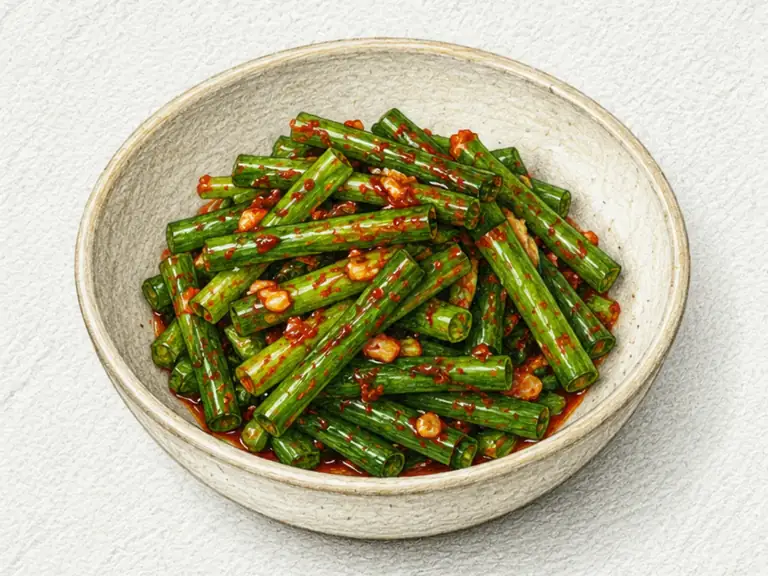
Garlic chives are tossed straight into a paste of gochugaru, anchovy fish sauce, garlic and sugar with no salting and no fermentation, making this one of the fastest kimchi styles. The fish sauce supplies the briny depth that aged kimchi would build over days, and the chives' garlicky bite pushes the red pepper heat forward. Letting the chili flakes absorb the fish sauce for a couple of minutes before adding the chives avoids dry, patchy spots. Cutting the chives to 5 cm lets the paste reach inside the hollow stems and out to the leaf tips. Because pressing or kneading wilts them fast, the chives are lifted gently from below and left alone once the stems are coated red but still springy. It can be served right away, and after a night in the refrigerator the seasoning spreads evenly and the flavor mellows slightly, which suits grilled pork or noodles.
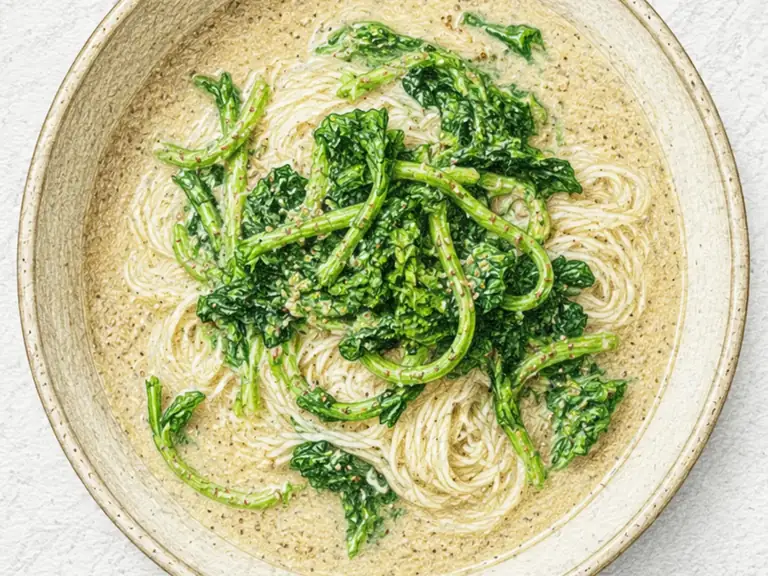
Instead of a soup, ground perilla seed, perilla oil, and soup soy sauce form a thick, nutty sauce that clings to fine somyeon noodles. Chwinamul, a Korean wild aster green, brings a distinctive mountain-herb scent that the toasted perilla balances. The greens are blanched only briefly and shocked in cold water, so they stay deep green with some bite. Spring chwinamul has the strongest aroma.
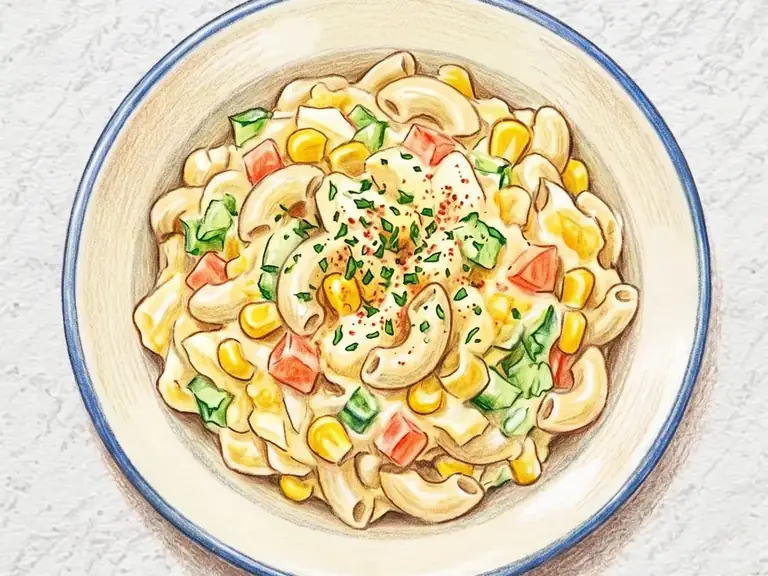
Korean Western-style diners served this sweet mayo macaroni next to pork cutlet and hamburg steak. Sugar and sweet corn take the place of mustard or herbs, and the macaroni is cooked softer than al dente so the mayonnaise clings in one creamy mass.
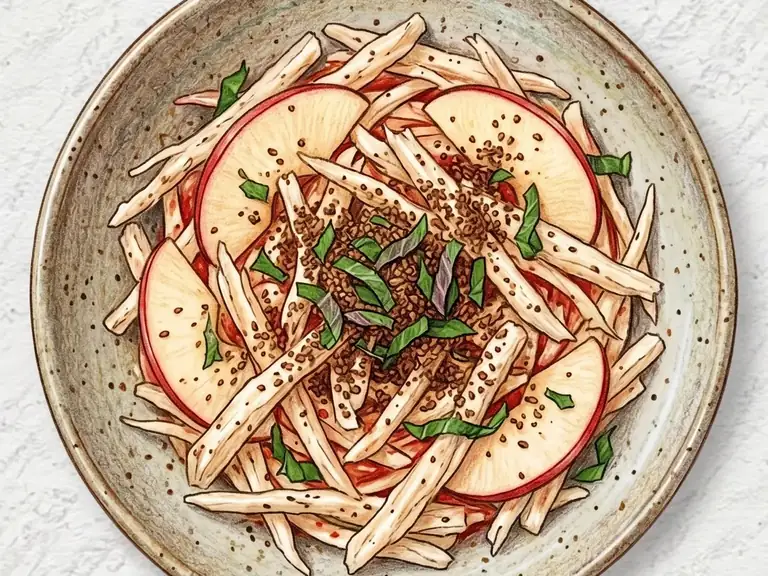
Tapped with the back of a knife and torn lengthwise by hand, deodeok (a Korean mountain root) splits into chewy, fibrous strands, but pounded too hard the fibers crush and the chew is gone. A gochujang and vinegar dressing thickened with ground perilla seed gives it a nutty finish, and julienned apple softens the root's bitterness with sweet juice.
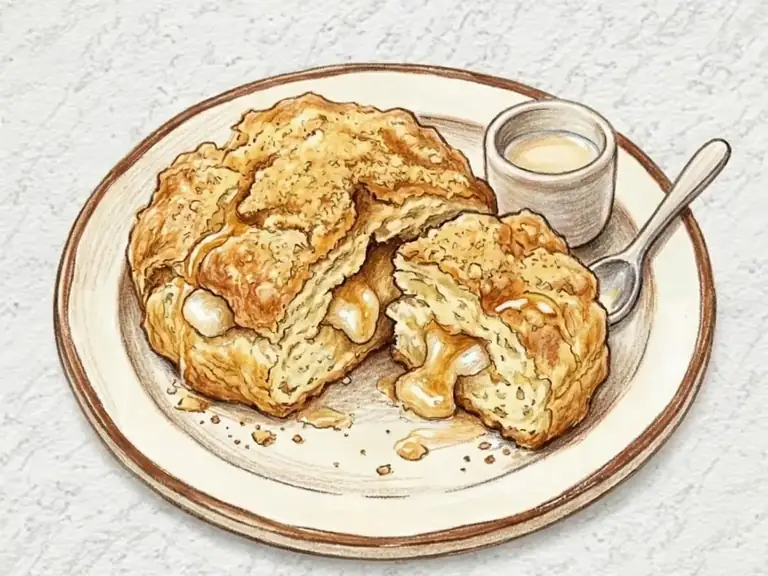
The rice cake is optional. Small pieces of it soften in the oven into chewy pockets, but even without them, the toasted soybean powder in the dough carries the injeolmi flavor all the way through, with a warm, nutty smell plain-flour scones lack.
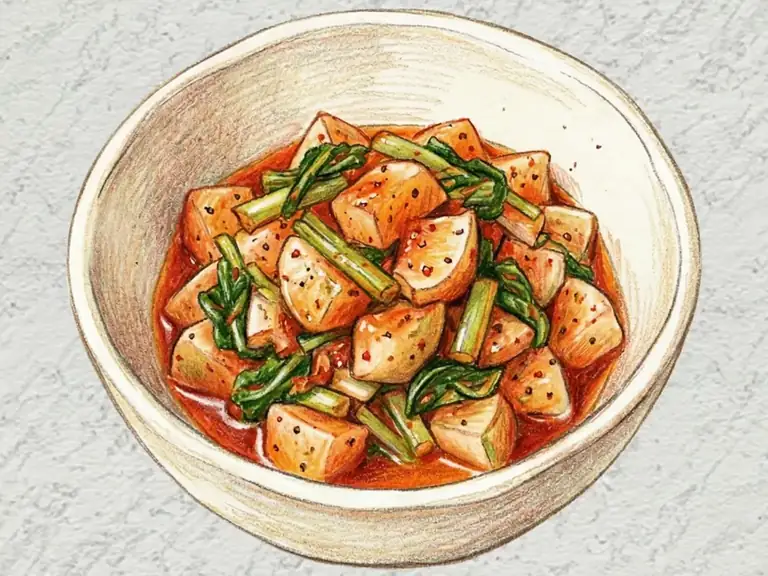
Chonggak radishes are cut into thin diagonal slices, salted briefly and dressed with gochugaru and fish sauce, then eaten crunchy the same day rather than left to ferment. If the tender greens are still attached, they go in too.