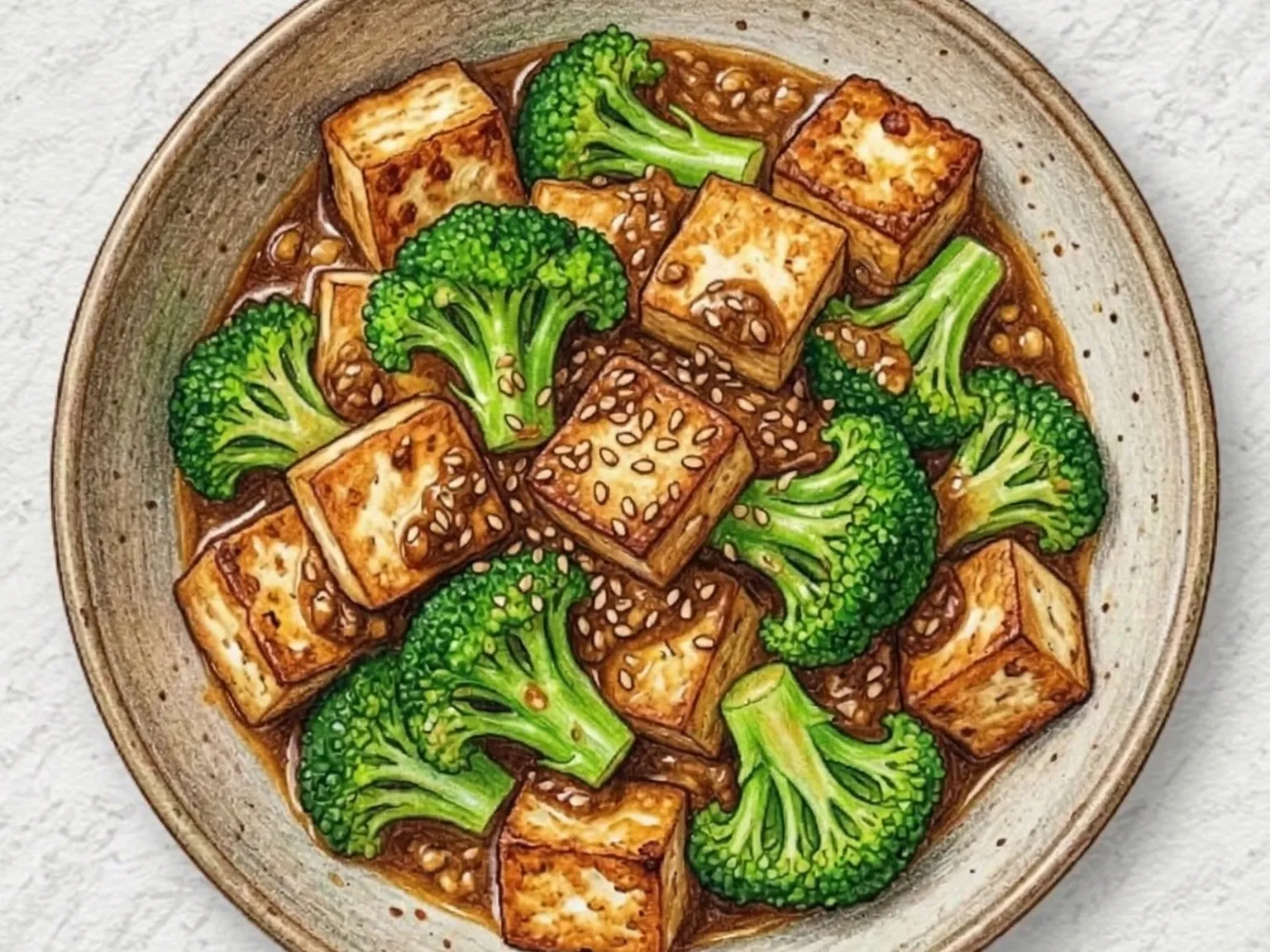
Korean Beurokolli Dubu Doenjang Bokkeum (Broccoli Tofu Doenjang Stir-fry)
The tofu is pan-fried in perilla oil until golden before anything else, so it keeps its shape when it is tossed with the broccoli in the doenjang sauce.
1880 Korean recipes. Page 14 of 79. Compare ingredients and cooking times. Korean Beurokolli Dubu Doenjang Bokkeum (Broccoli Tofu Doenjang Stir-fry).
The tofu is pan-fried in perilla oil until golden before anything else, so it keeps its shape when it is tossed with the broccoli in the doenjang sauce.
Breast or thigh both work, but thigh, with more fat, is the one that stays juicy over direct heat. The gochujang, soy and honey glaze goes on thin, two or three times, building up a sticky shine, and the skewers keep turning over medium heat because honey scorches fast.
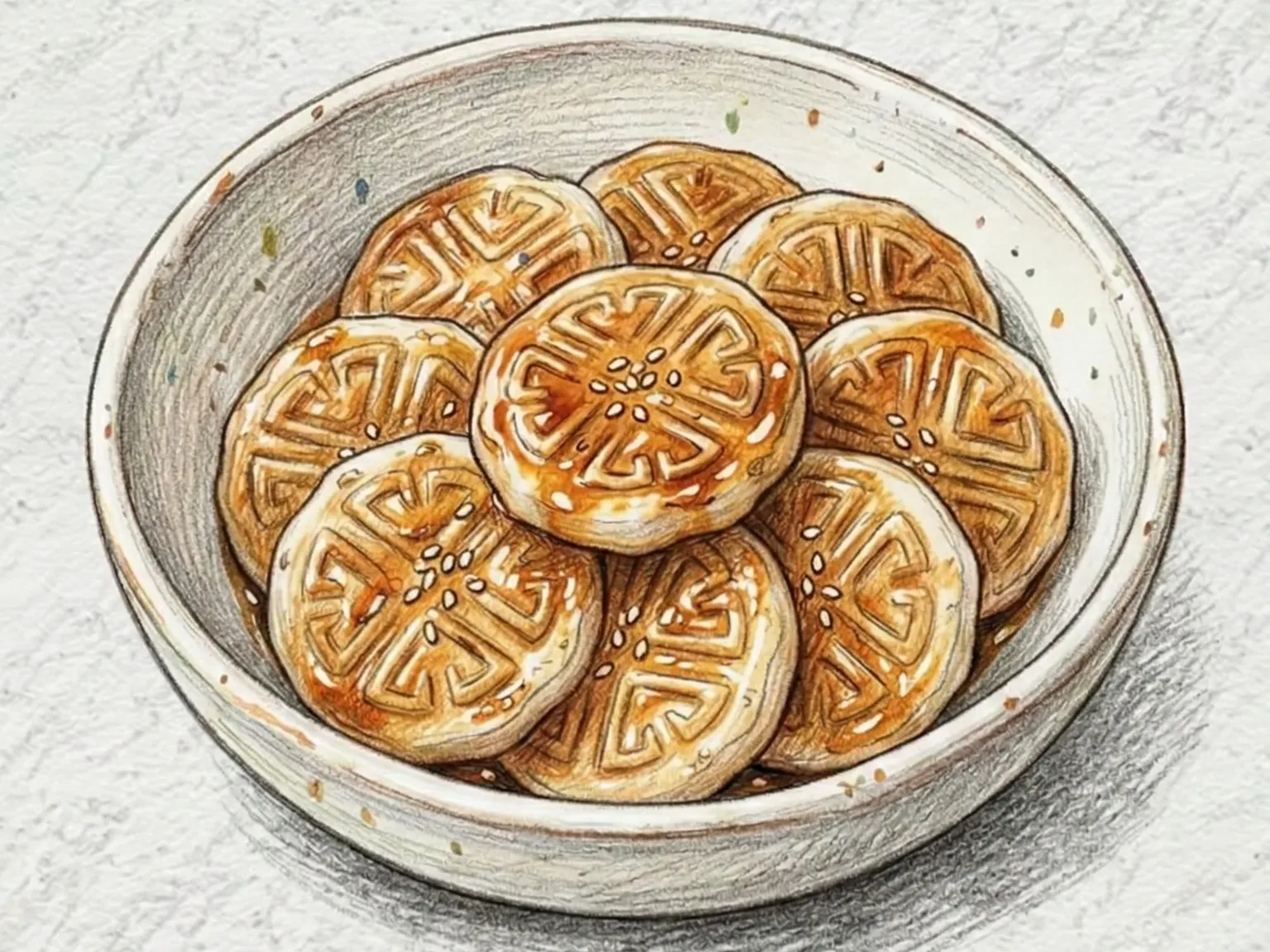
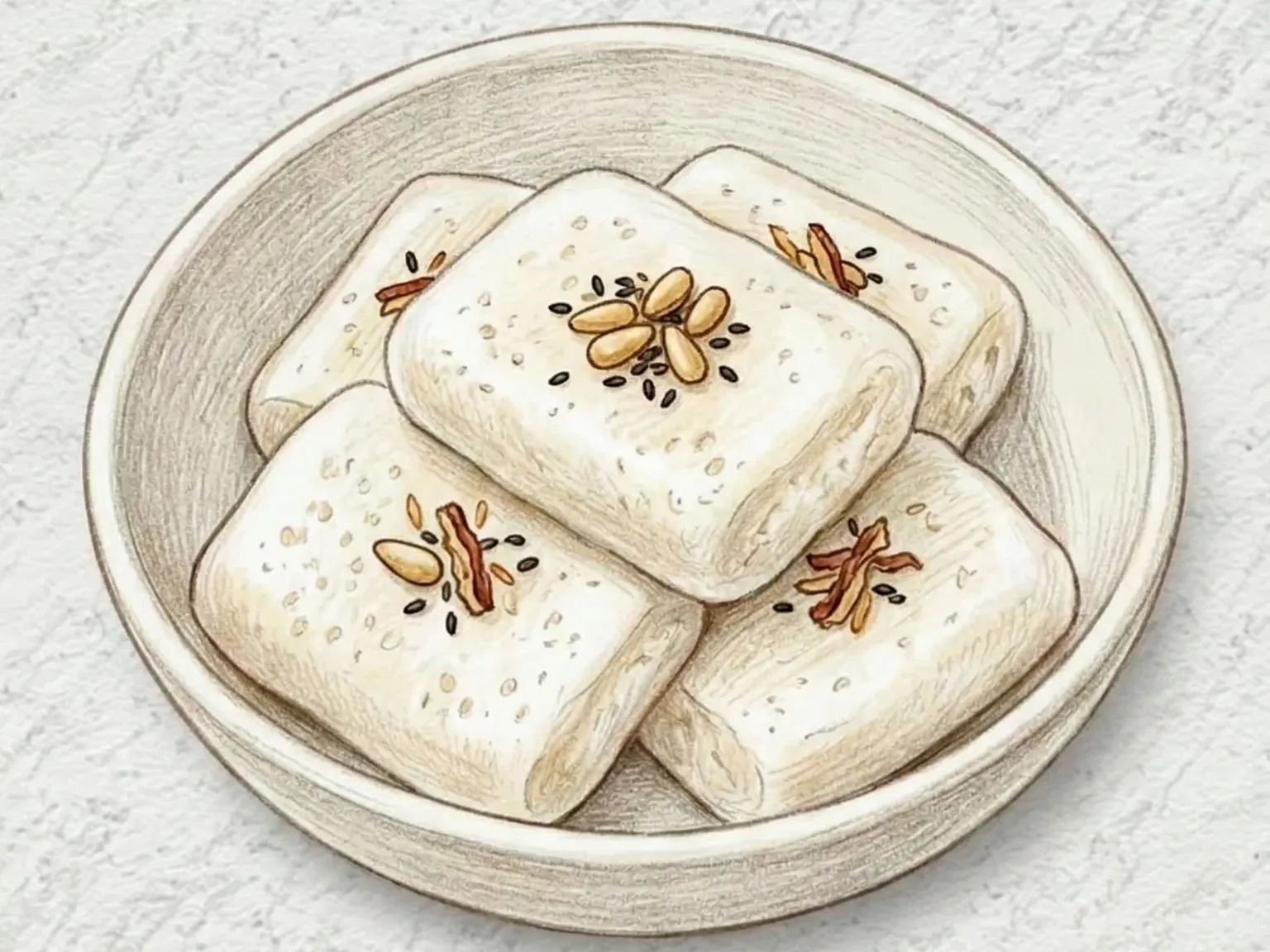
Flat slices of jeolpyeon, a plain Korean rice cake, are pan-fried in sesame oil until a thin skin forms, then a soy, honey, and sugar sauce goes in and the heat drops to low for just two or three minutes of turning until they shine. The glaze burns quickly, so the heat goes off as soon as almost no syrup is left in the pan, and sesame seeds and pine nuts go on top.
Kabocha steamed in its skin and blended smooth turns milk into a thick, golden latte with a hint of cinnamon. Any graininess in the purée separates from the milk and lingers on the tongue, so it is blended until no specks remain. Lightly whipped cream is spooned on top just before serving.
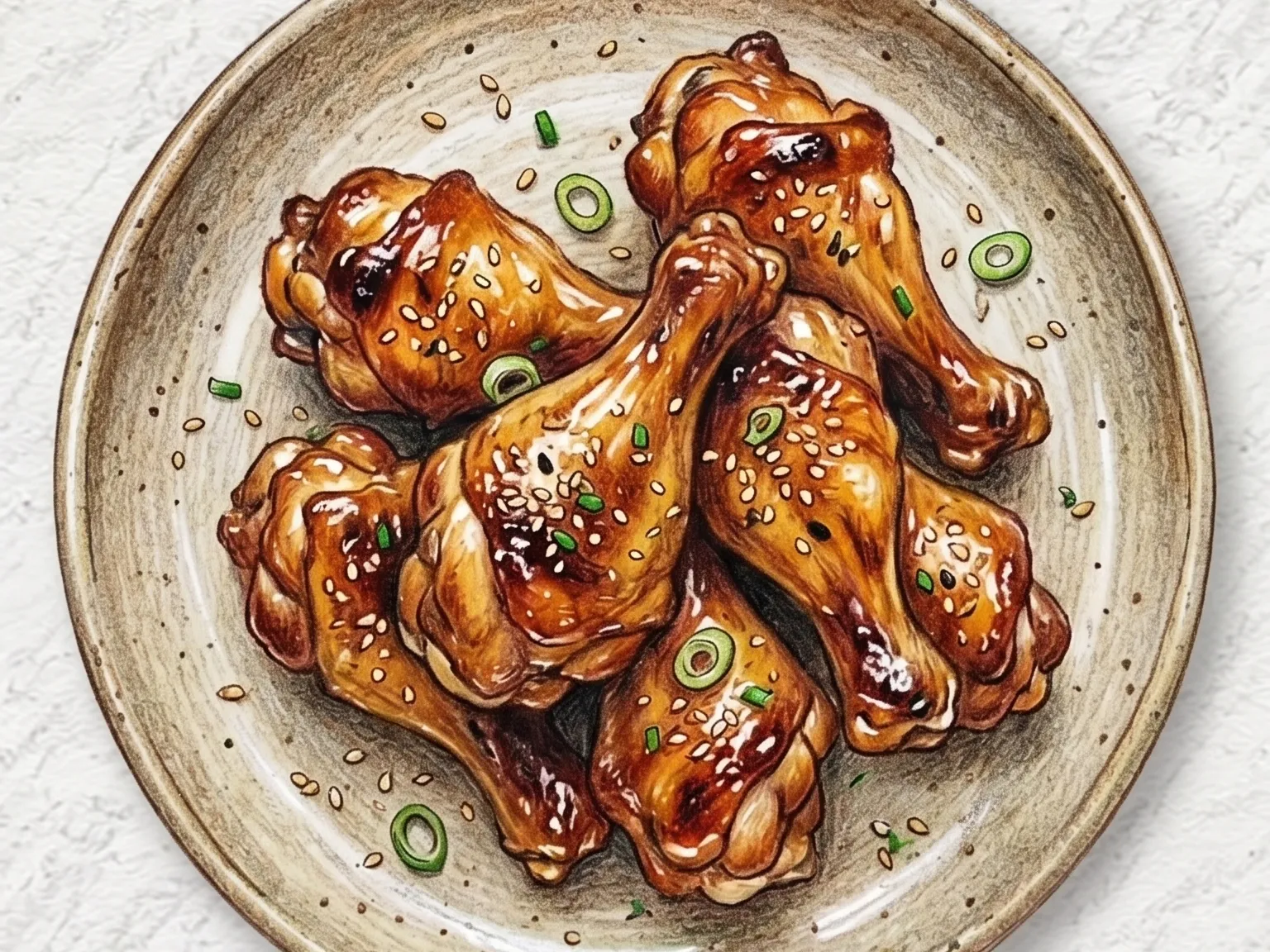
Drumettes have plenty of collagen around the bone, and fully cooked, the layer under the skin turns pleasantly sticky. The soy and honey glaze sets dark brown only in the last few minutes, after the oven is turned up, and it can tip into burnt fast, so stay by the oven.
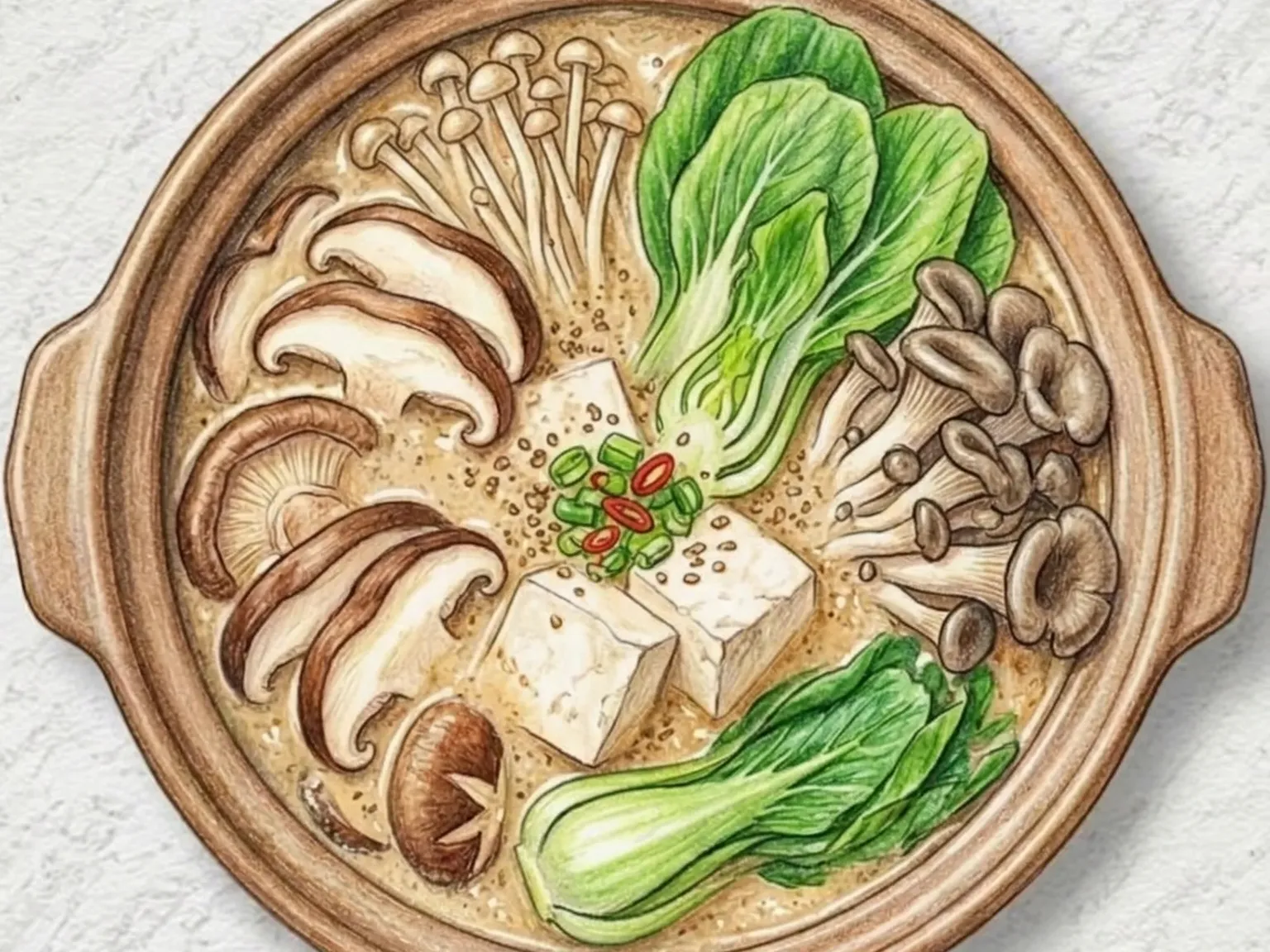
Shiitake and oyster mushrooms simmer first until the broth turns light brown, then tofu, enoki and lengthwise-halved bok choy are arranged neatly on top. Ground perilla seed is stirred in a little at a time two minutes before serving, and there is no meat in the pot.
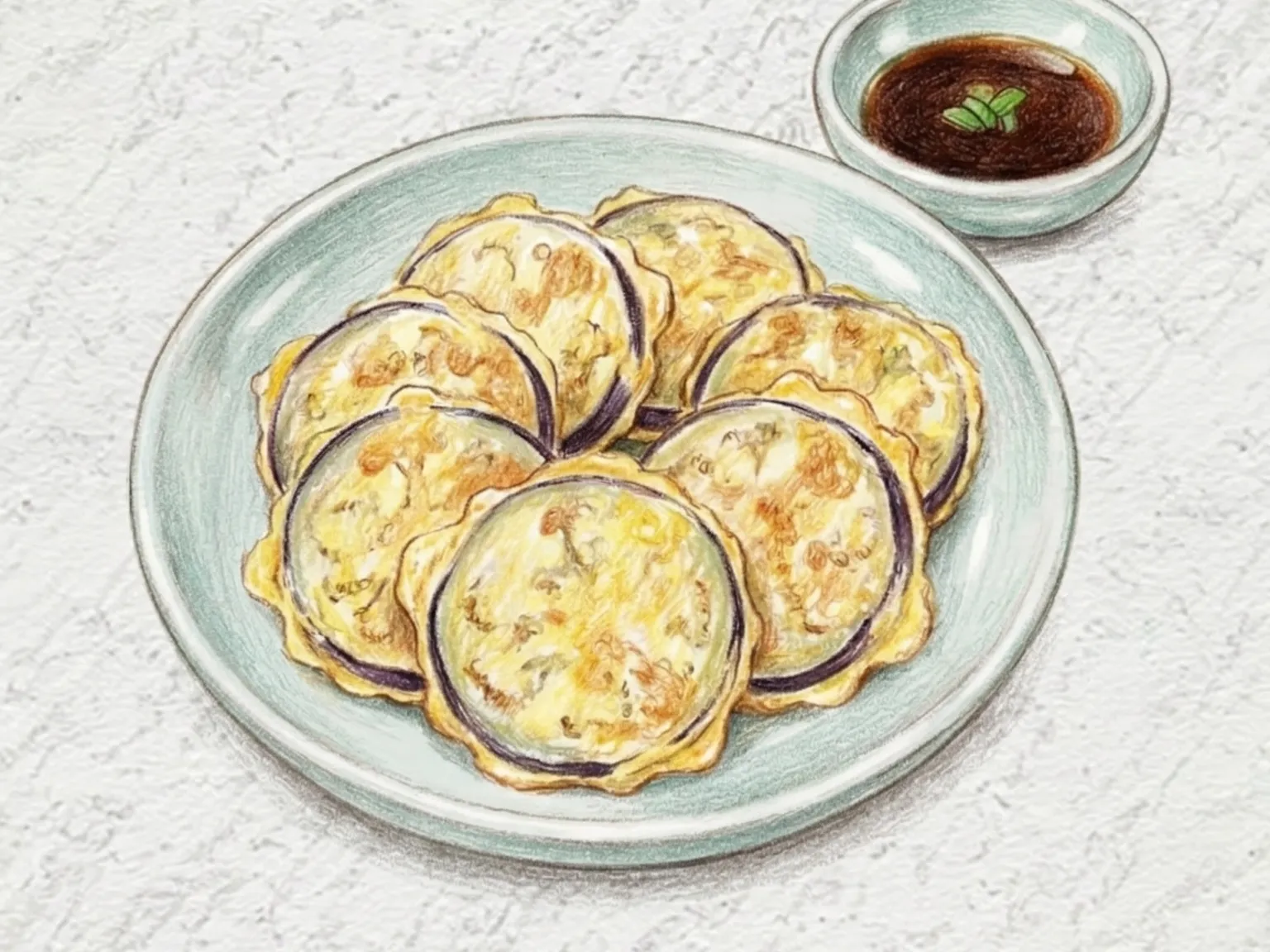
Eggplant cut into 7 mm rounds steams in its own moisture while the egg coating sets, and the inside turns soft as custard. At Chuseok many families fry these alongside zucchini jeon for the ancestral table.
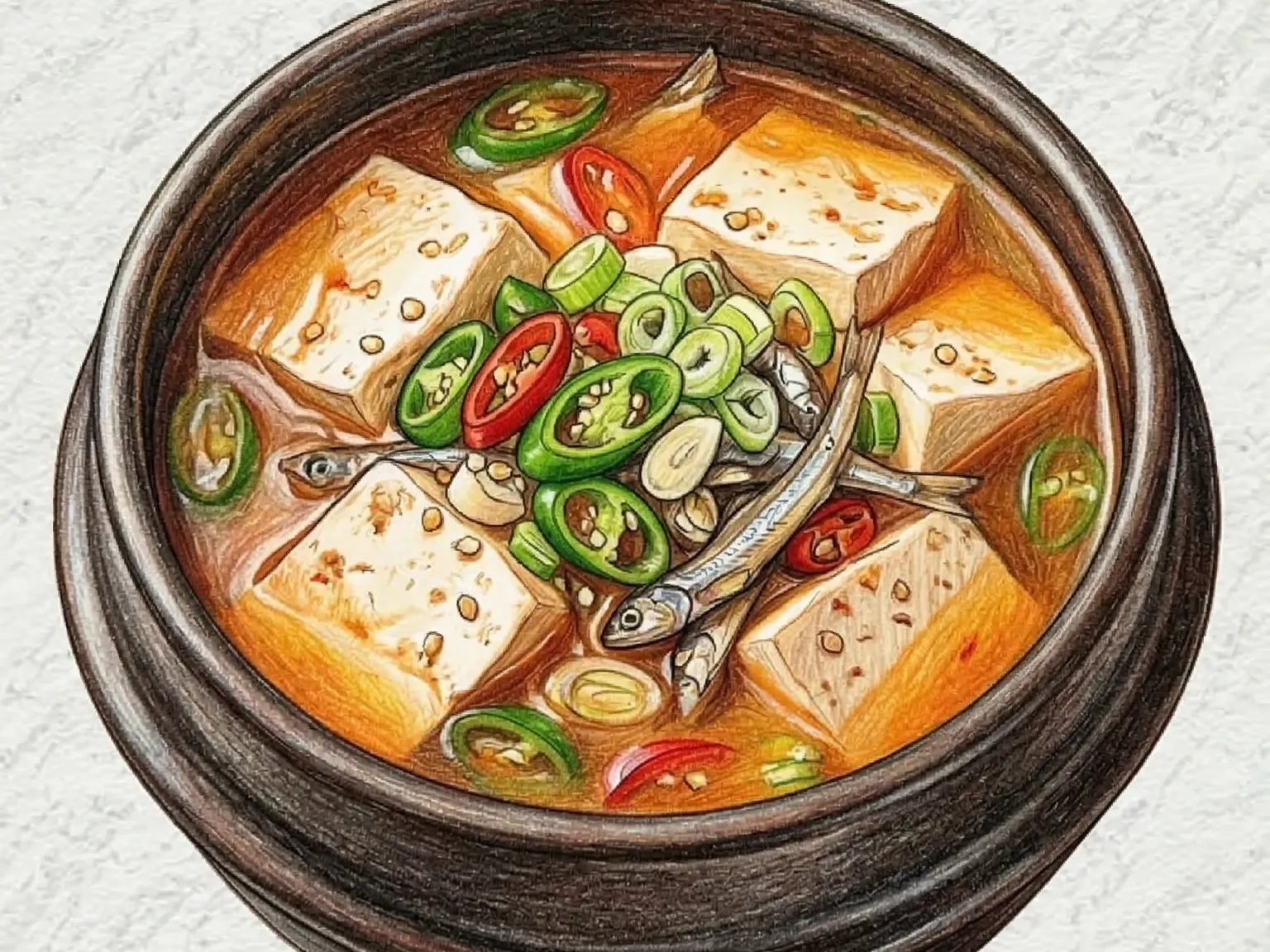
Two cheongyang chilies go into the water whole, uncut, and simmer for eight minutes to make a spicy stock. Before that, the anchovies are toasted for about a minute in a dry pot; the water has to go in as soon as they smell nutty, or bitterness creeps into the broth. Seeding the chilies first takes the heat down.
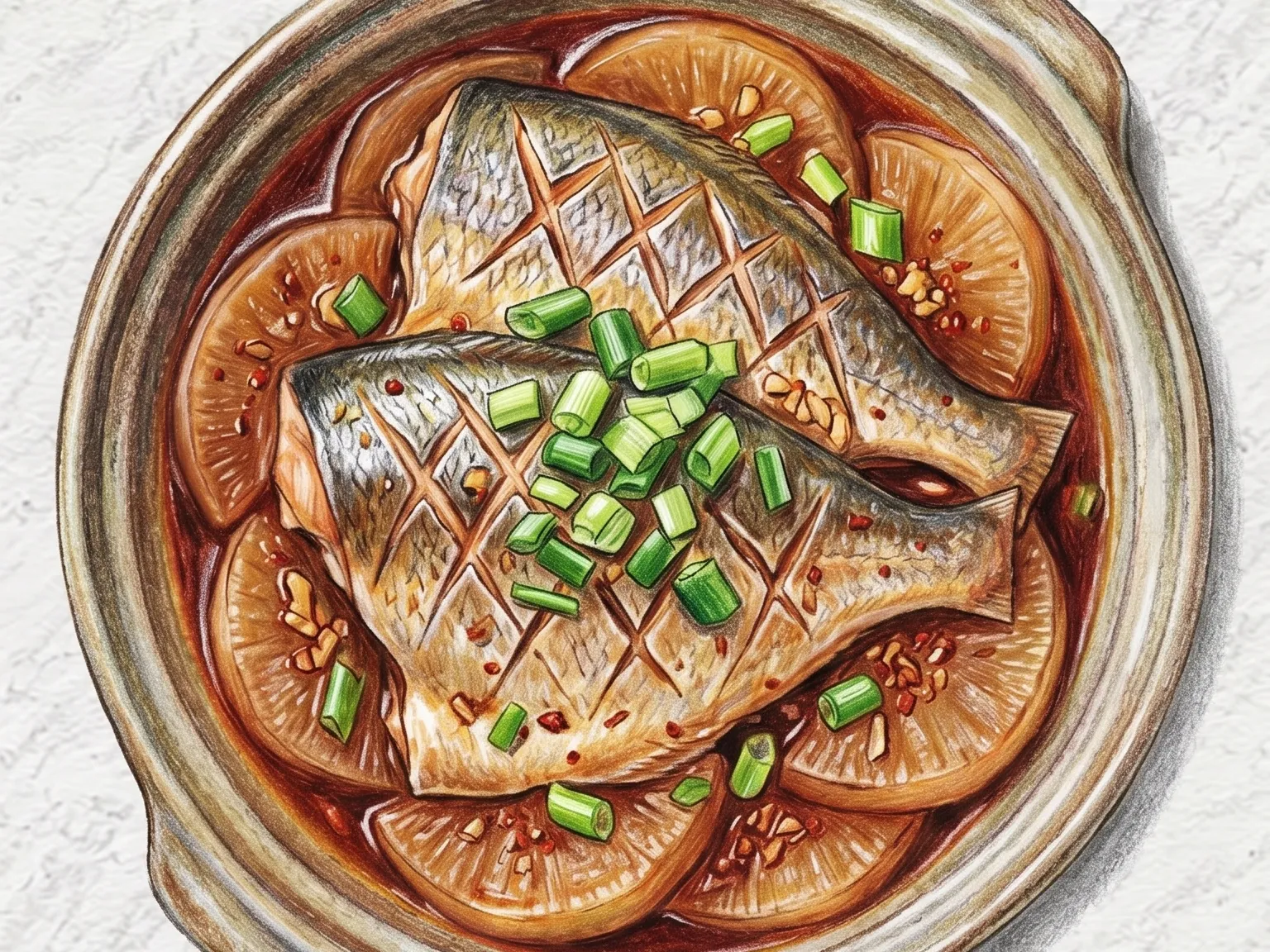
Butterfish is so tender that it is never turned in the pot; instead the broth is spooned over every two or three minutes to cook the top. The soy broth carries ginger and only a little chili flake; the heat is barely there.
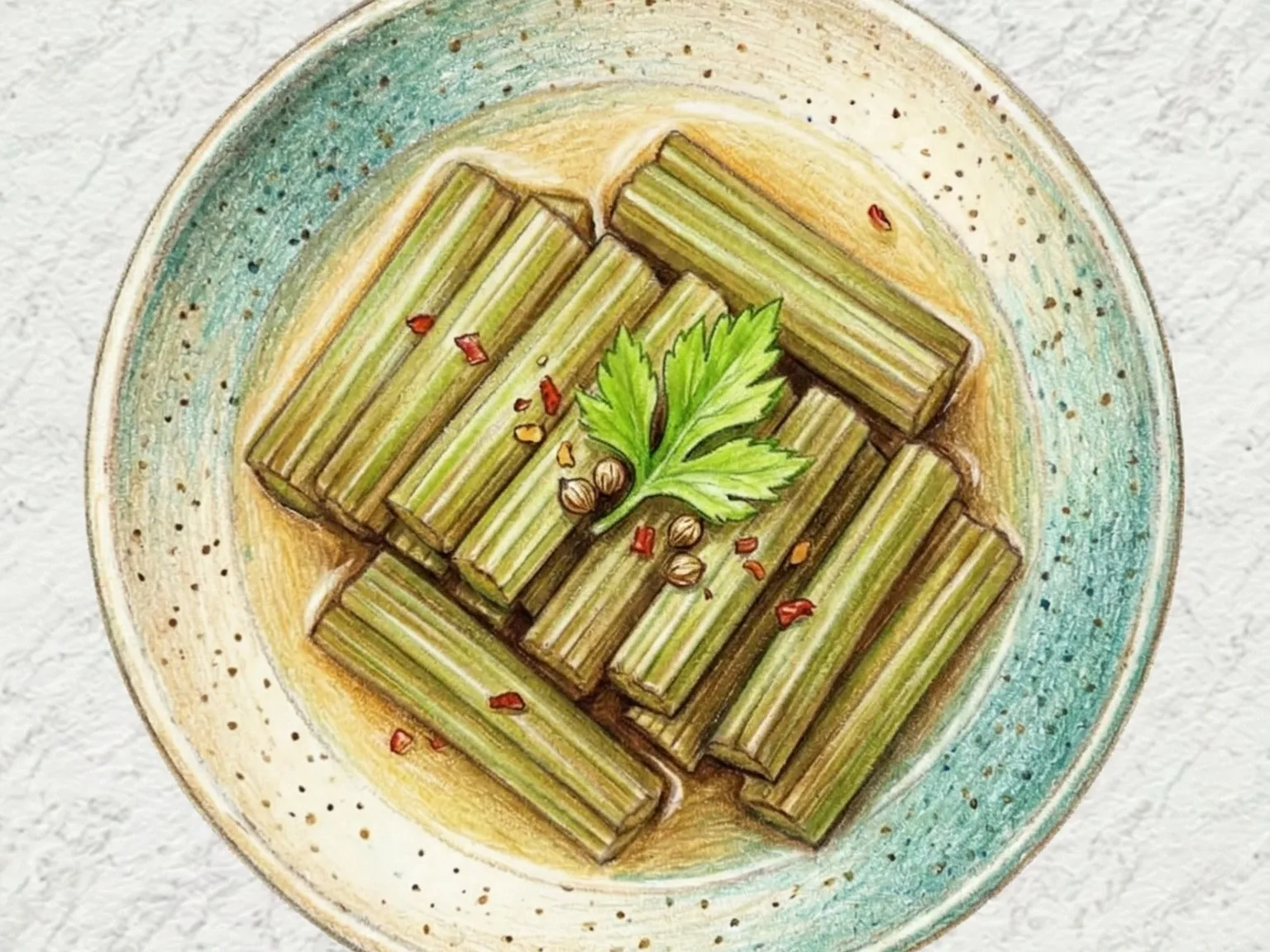
Celery's raw sharpness puts some people off, but a soy pickle softens it into a cool, herbal crunch. Pulling the tough strings off the stalks and blanching for thirty seconds takes away the grassy edge while keeping the scent. Skin-on lemon slices and whole garlic cloves sit between the pieces, adding citrus and a mild bite. It is ready cold from the second day and tastes fuller after four to five days.
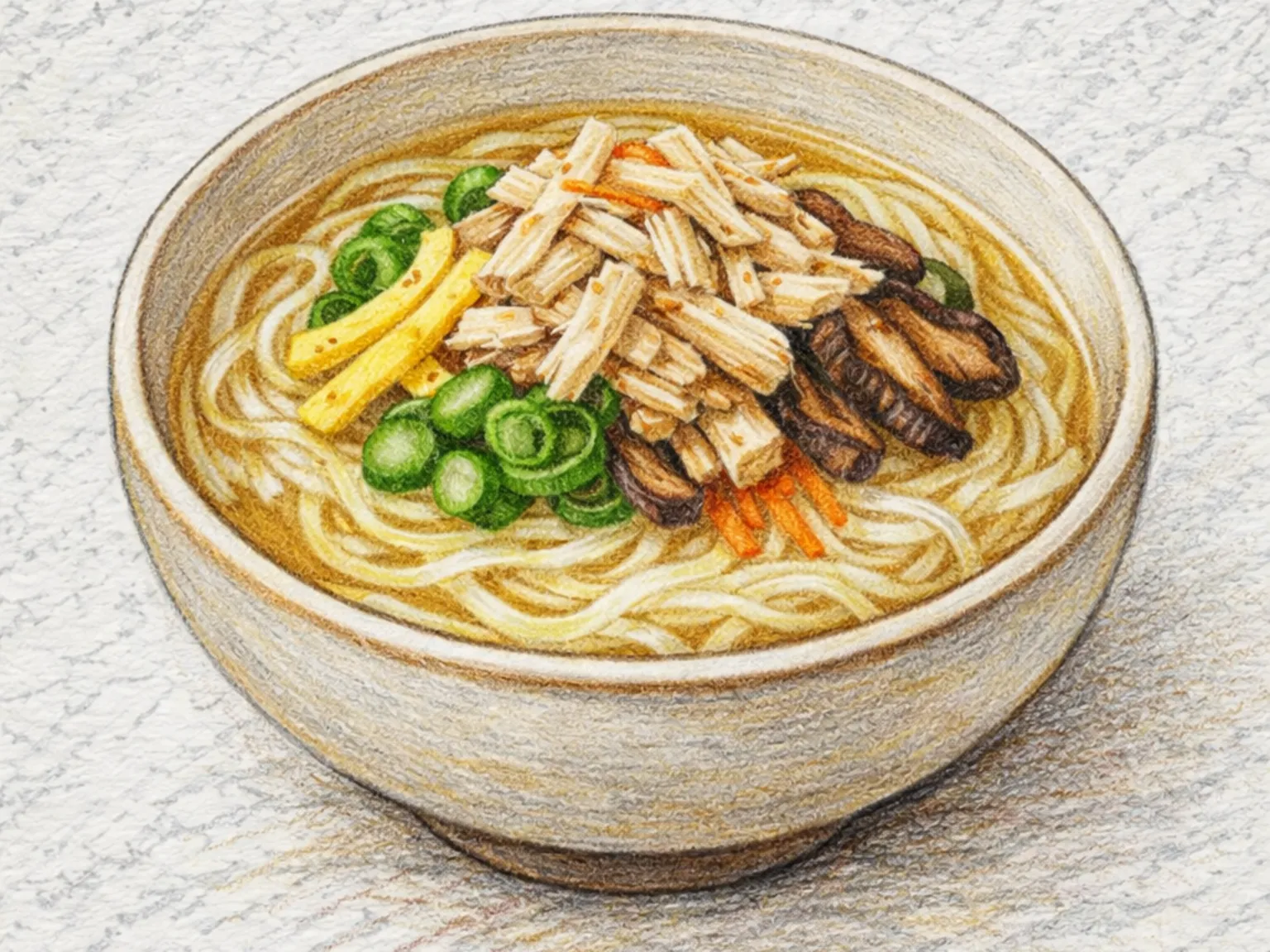
Poaching chicken breast directly in the anchovy stock gives the clear broth of janchi guksu, Korea's party noodle soup, an extra savory layer. A little sesame oil tossed through the shredded chicken makes the lean breast meat taste moist, while separate yellow and white egg-crepe strips, zucchini, and carrot add color. The recipe scales up easily, making it practical for feeding a crowd.
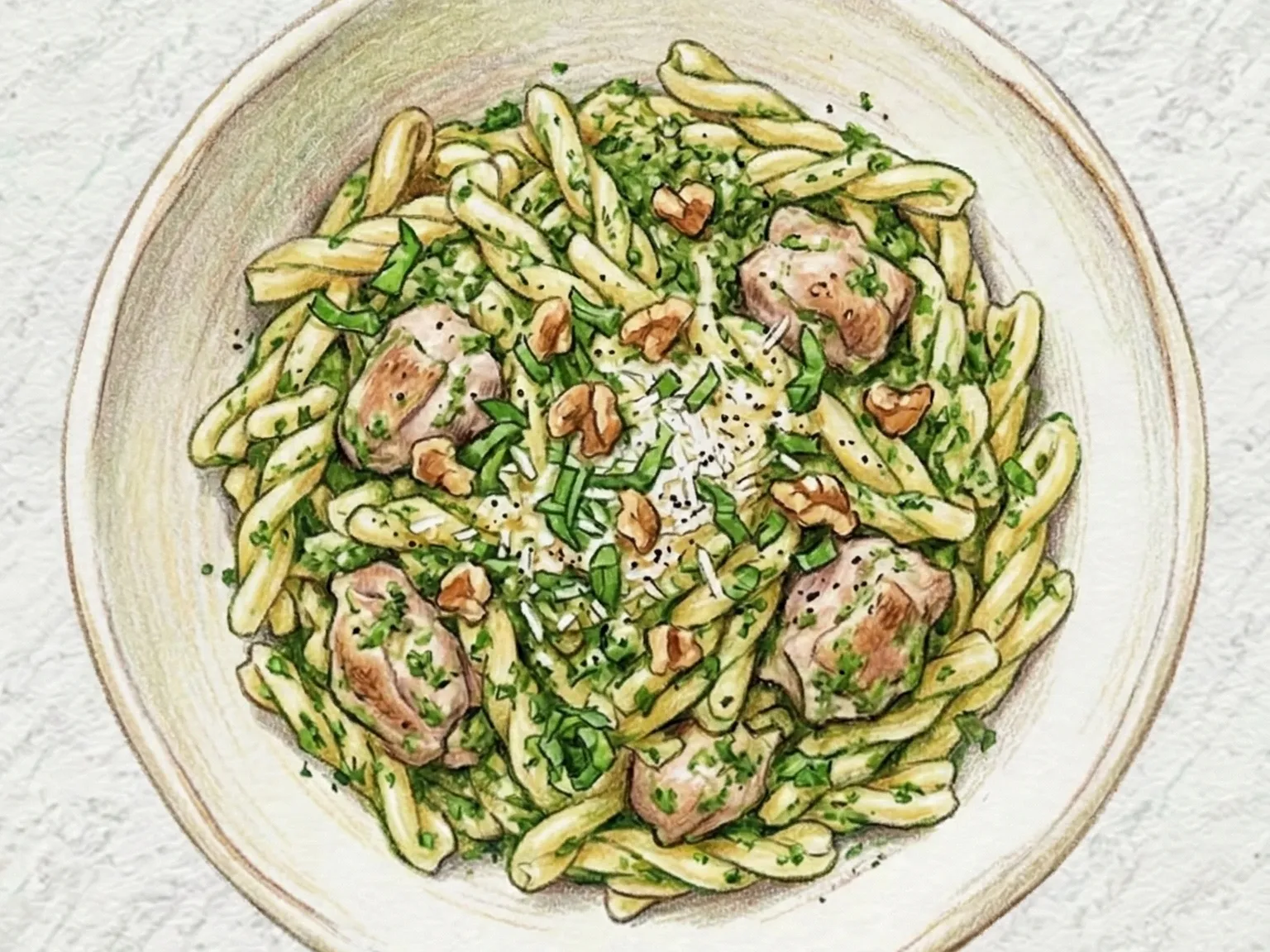
Minari, a Korean water dropwort, takes the place of basil, blended with walnuts and Parmesan into a pesto that tastes green, cool and faintly bitter. Lemon juice keeps the oil-rich sauce from feeling heavy, and browned chicken thigh makes it a full meal. Crown daisy (ssukgat) can stand in when minari is hard to find, though the aroma shifts.
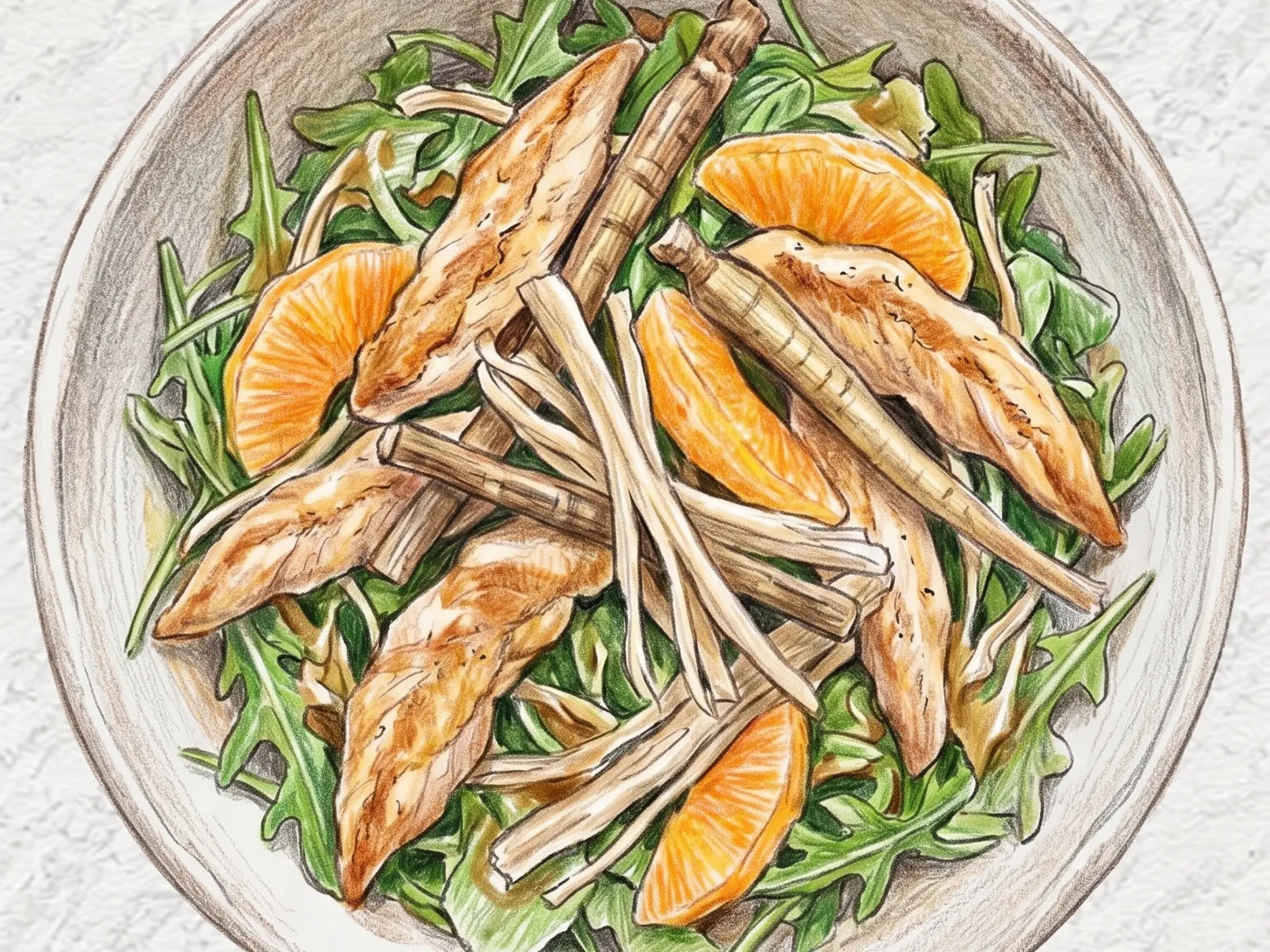
Deodeok, a Korean mountain root, has an earthy smell and a gentle bitterness, and orange segments and arugula answer it with acidity and a peppery bitterness. The root is pounded and seared in the same pan as the chicken tenders, glazed with soy sauce, and a light dressing of lemon juice, soy sauce, olive oil and honey lands somewhere between Korean and Italian.
Well-fermented kimchi and bacon baked into an egg and cream custard show up as flecks of red kimchi and bacon across every cut slice. The kimchi is squeezed hard and fried with the bacon and onion before it goes in, which keeps the custard from turning watery.
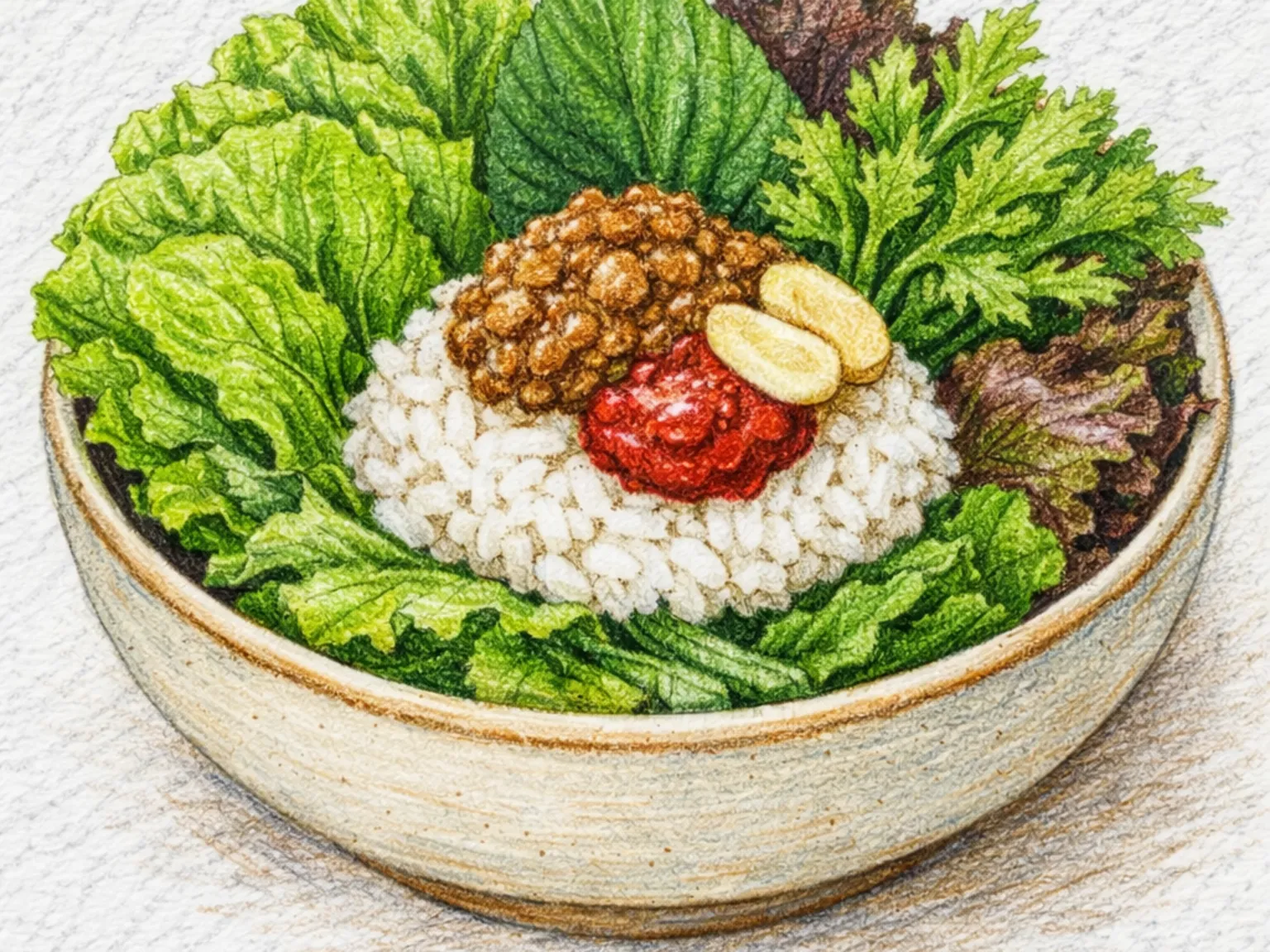
Salt, perilla oil and garlic season this chamchwi; there is no soy sauce or doenjang, and the herb's own aroma leads. The greens are turned in boiling water for about a minute and lifted out when the leaves brighten and the stems just start to bend.
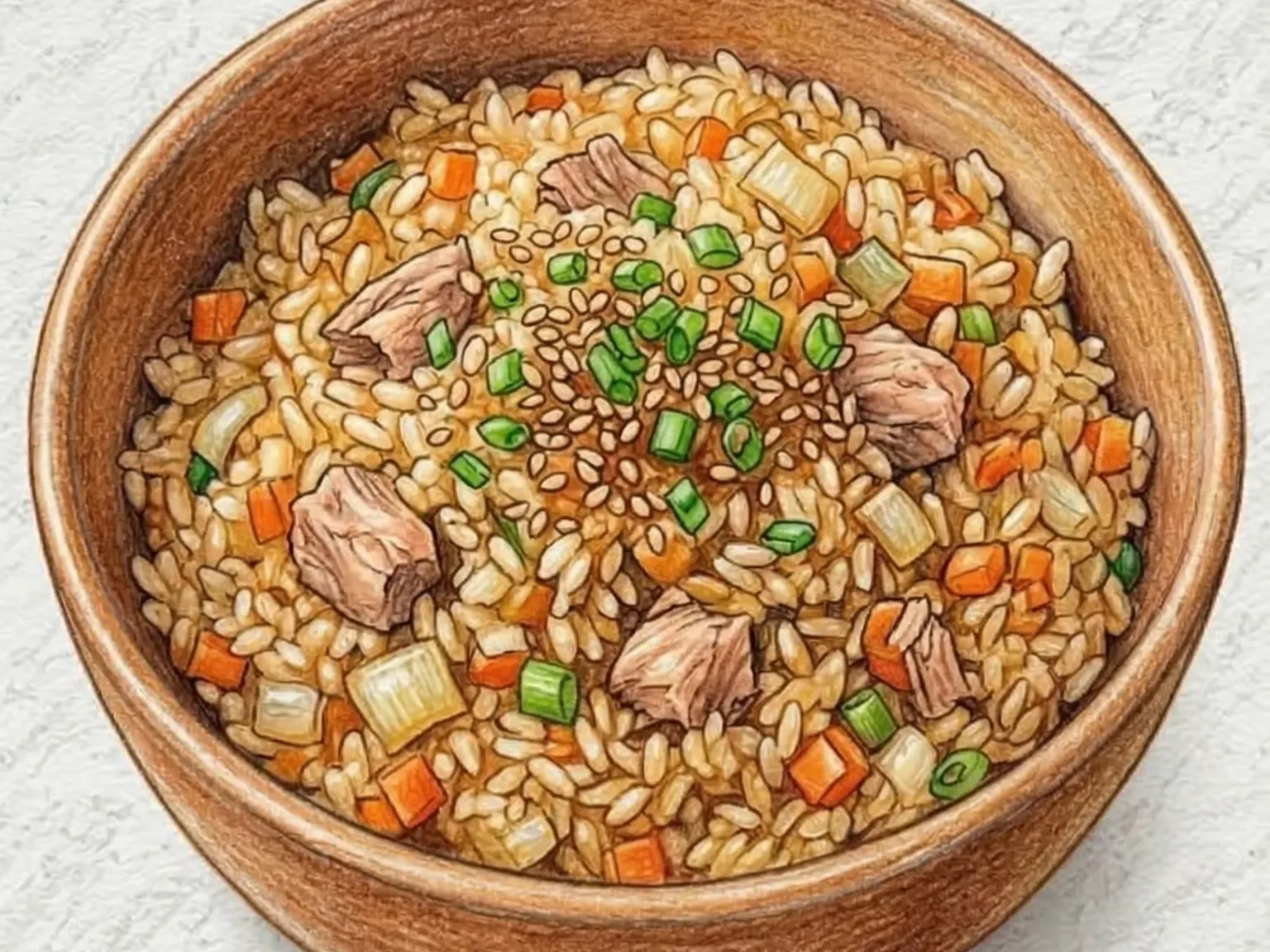
The oil from the tuna can goes straight into the pan and the onion and carrot fry in it, so the tuna flavor gets into the vegetables and rice. Each bowl is topped with its own fried egg.
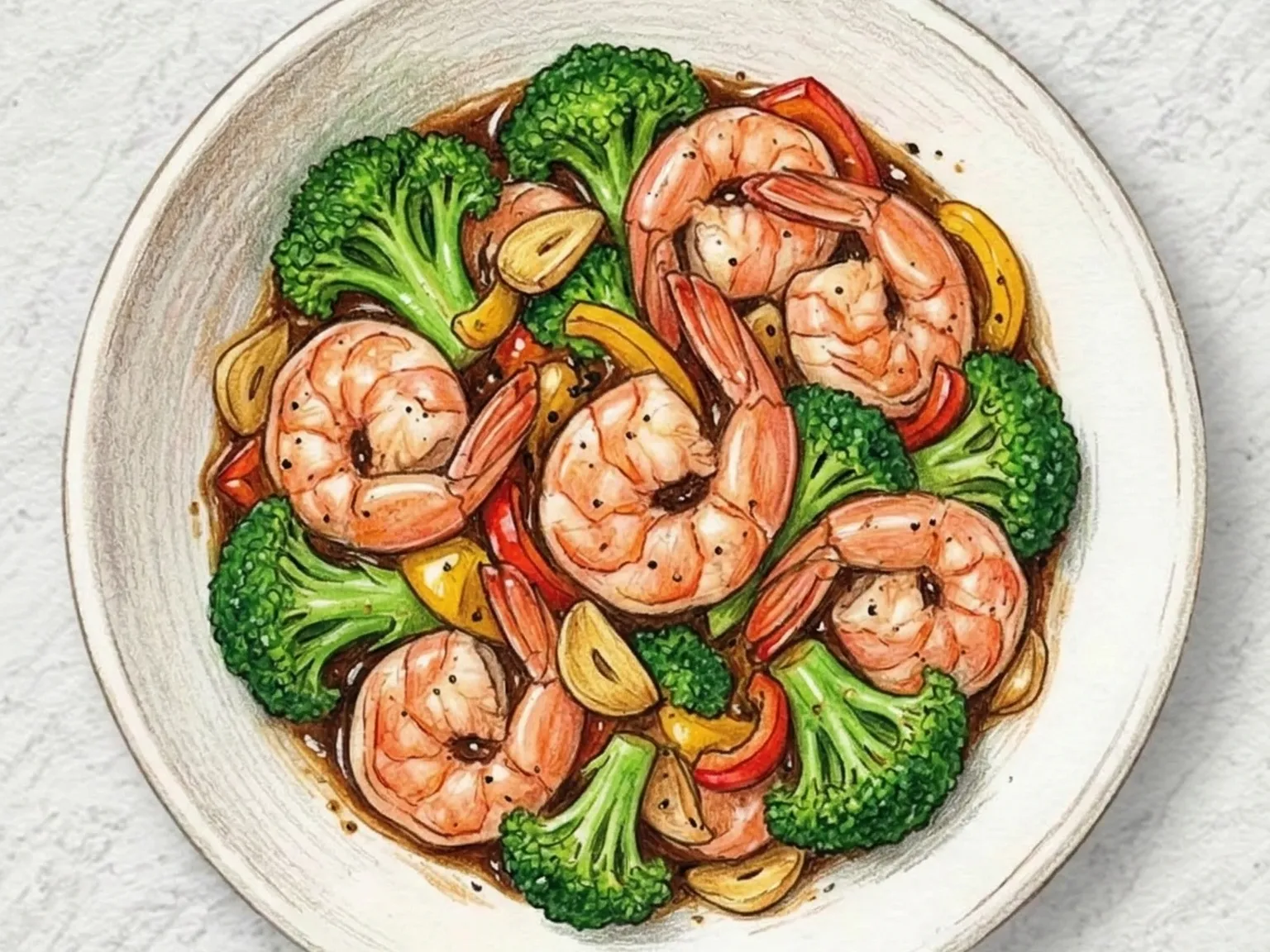
The bell pepper is cut to roughly the size of the shrimp, so shrimp, broccoli and pepper land evenly in each bite. Seasoning is a tablespoon each of soy and oyster sauce, with five sliced garlic cloves fried in the oil first.
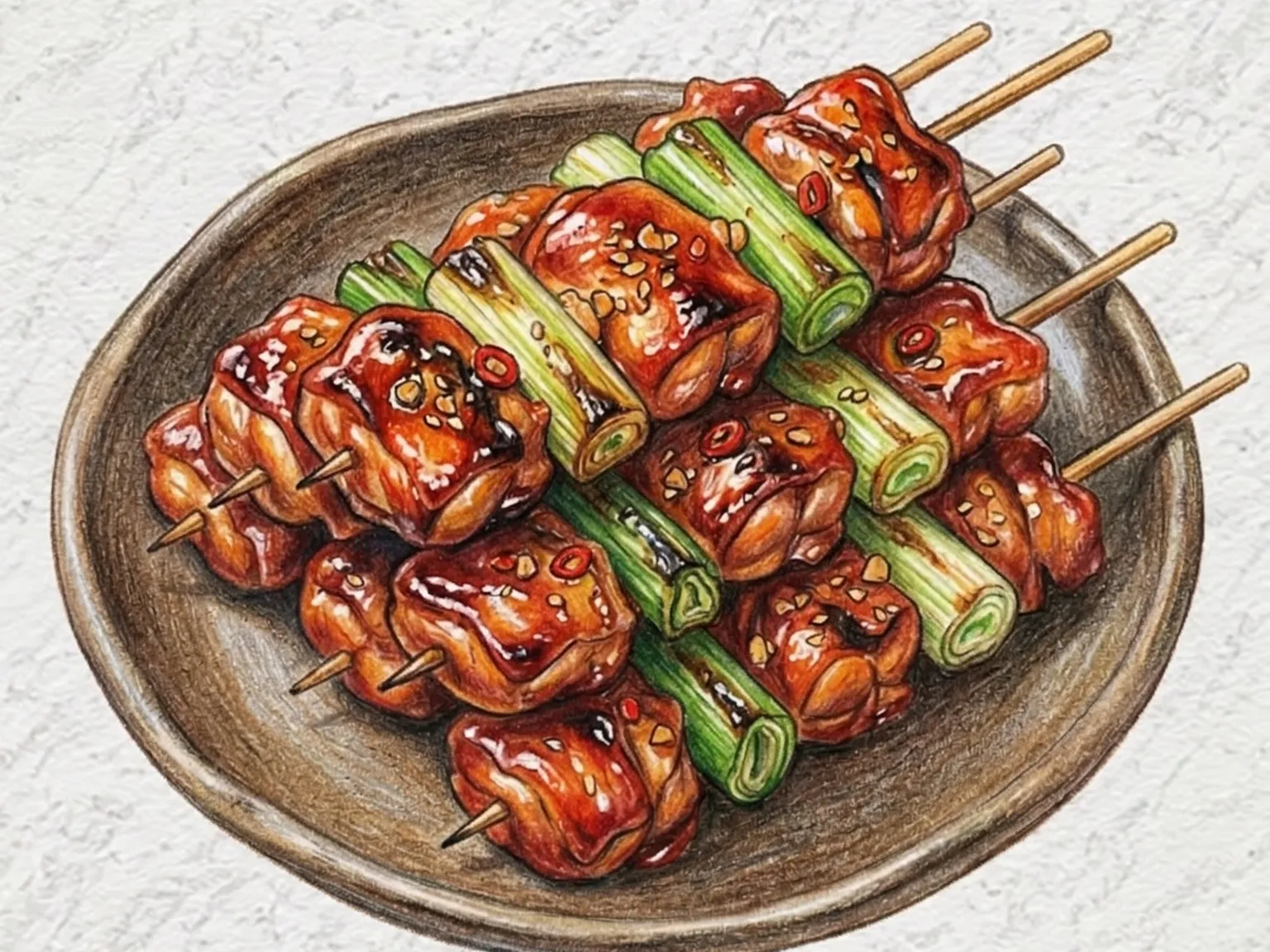
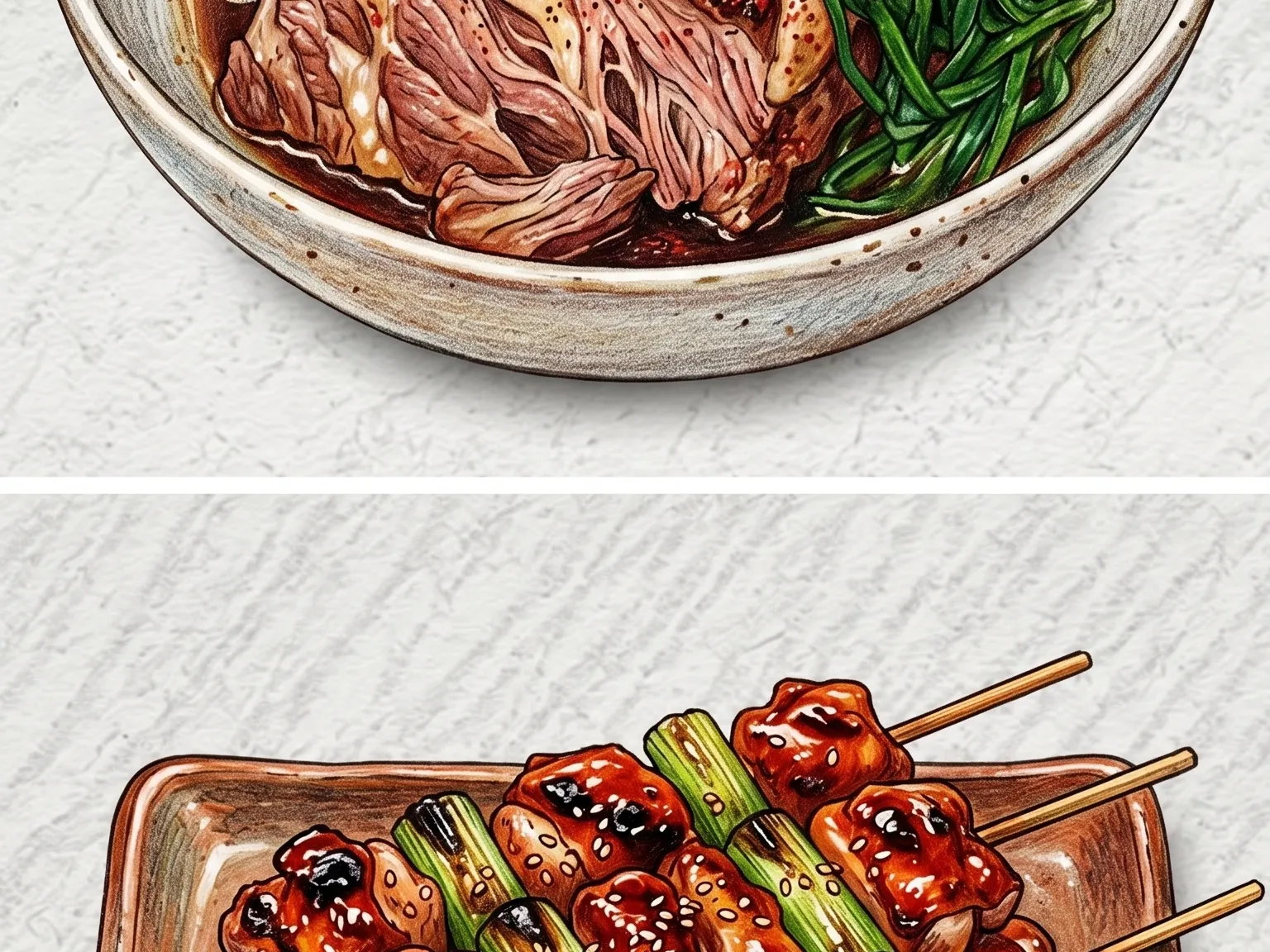
Part of the gochujang sauce is set aside the moment it is mixed. The rest marinates the chicken thigh, while the reserved portion never touches raw meat and goes on as a final glaze near the end of grilling. Each skewer holds two or three pieces of chicken for every piece of green onion, and they cook until the edges just char.
Long counted as a summer treat, jeungpyeon starts with rice flour mixed with unpasteurized makgeolli, a cloudy Korean rice wine, and left to ferment for about an hour before steaming. The cake comes out full of fine air holes with a faint tang and rice-wine aroma, and it breaks apart lightly instead of chewing. In a cool room fermentation slows, and the small bubbles in the batter, not the clock, decide when it is ready.
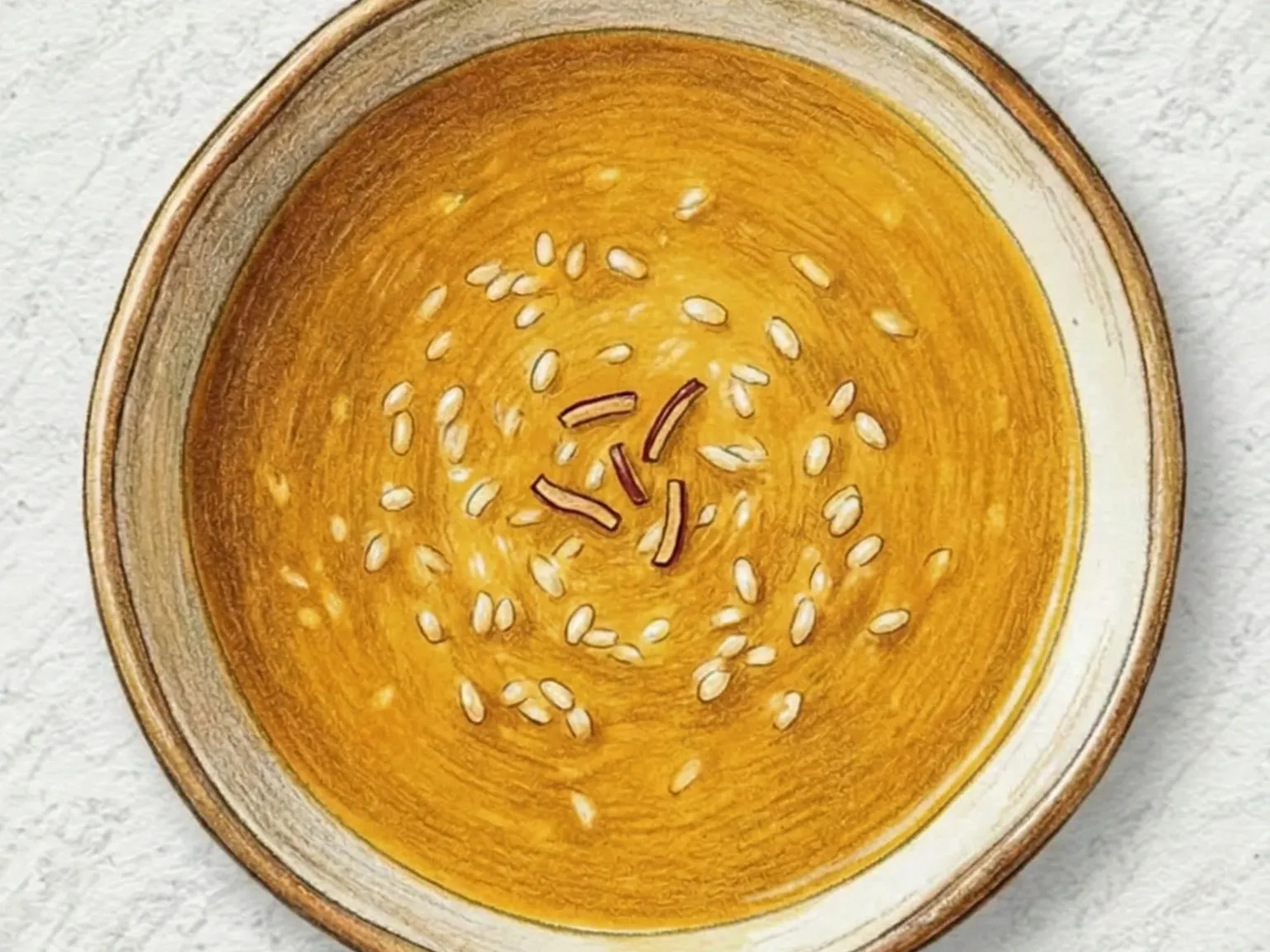
Steamed kabocha mashed into the finished malt punch turns ordinary sikhye a deep golden orange and gives it noticeably more body. The base sweetness still comes from malted barley working on cooked rice during a long warm hold; the pumpkin adds weight and color rather than replacing that step. Thin slices of ginger steep with the rice, leaving a faint heat in the finish that stops the pumpkin from tasting cloying. Served cold with a few rice grains floating on top, it sits somewhere between a drink and a light dessert.
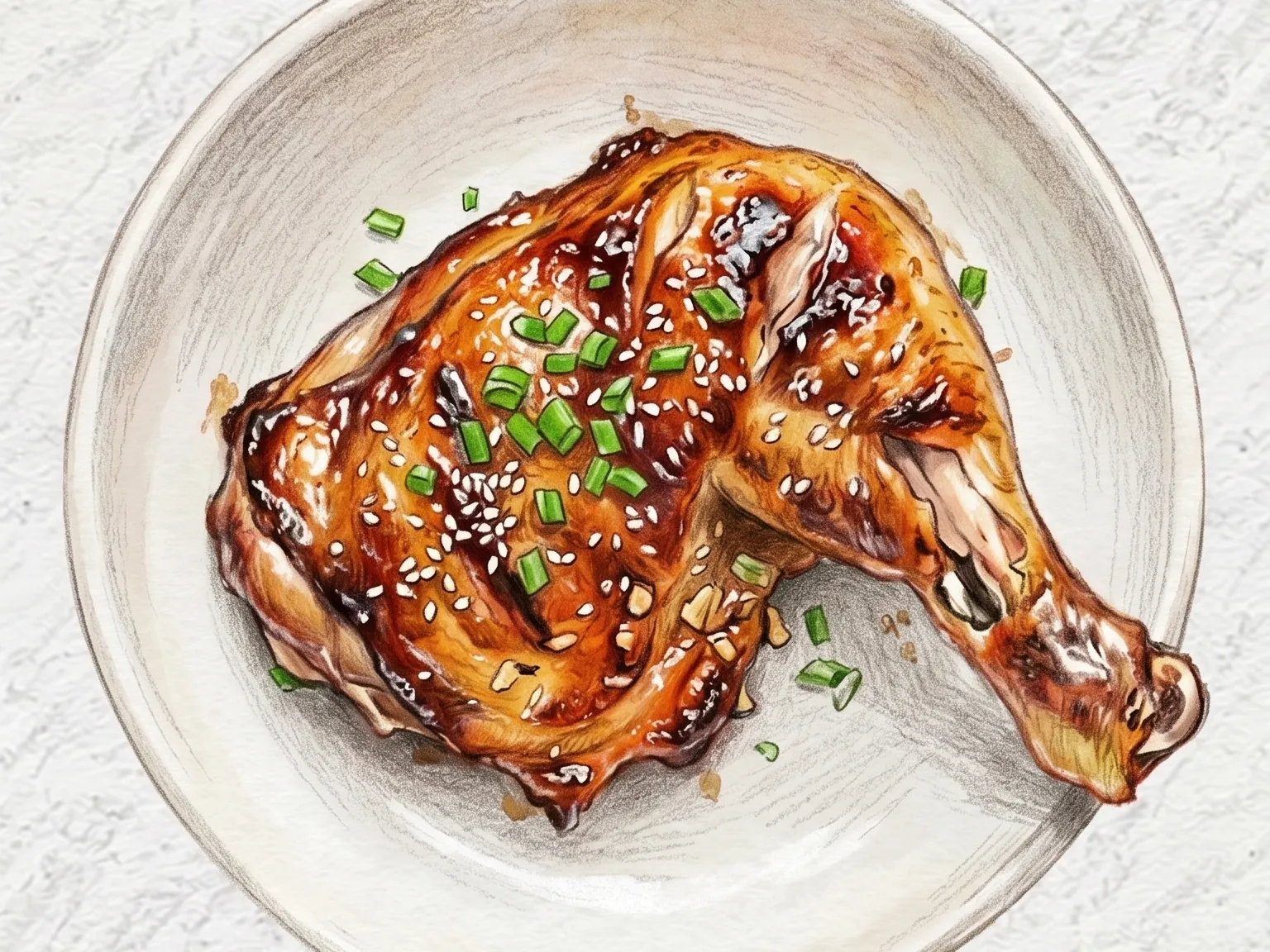
Drumsticks marinated in soy sauce, gochujang and honey roast in the oven. With bone running through a thick piece of meat, clear juices and skin color are not trusted as signs of doneness; a thermometer goes into the thickest part, away from the bone, and the center has to hold at 75°C or above for at least a minute.
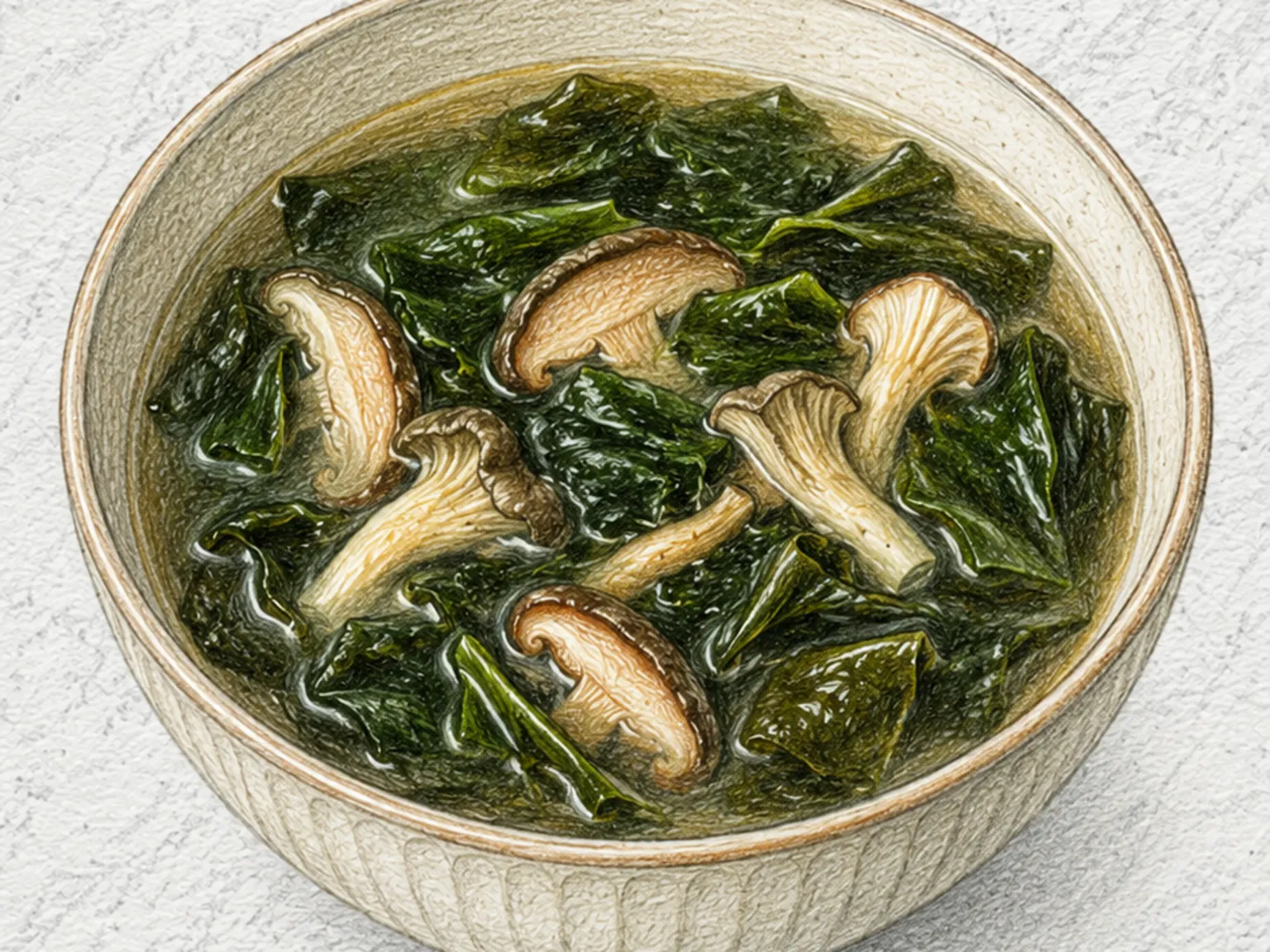
Seaweed and mushrooms are sauteed in sesame oil before the water goes in, then simmered for more than twenty minutes, until the seaweed is soft and the broth slightly silky. Even after that long, the torn oyster mushrooms and sliced shiitake still have some chew.
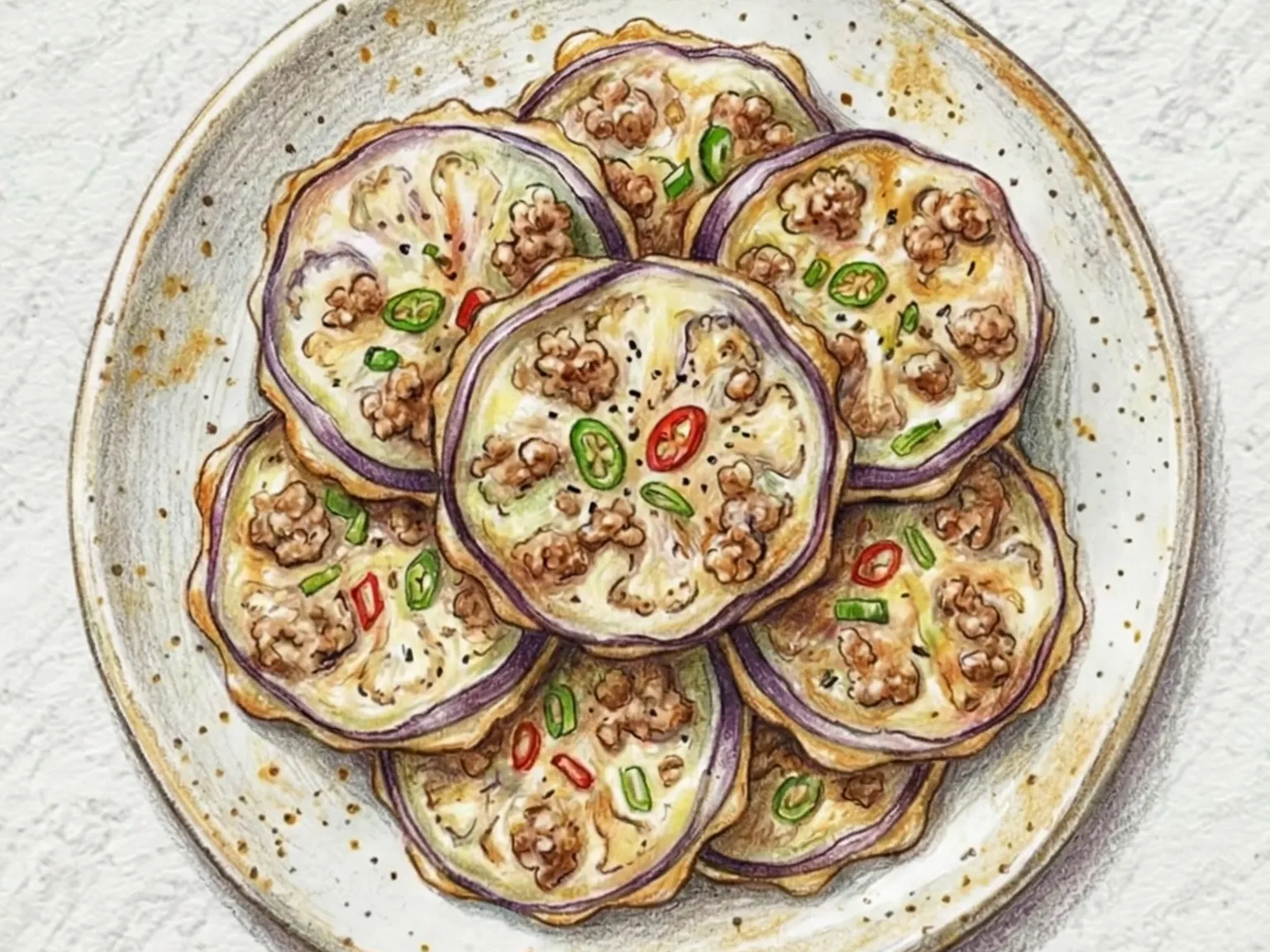
The eggplant is salted and blotted dry, and the ground pork is cooked first with onion and garlic, then cooled before it goes into the batter. Because the meat is never raw in the pan, even thick rounds cook evenly to the center, and the softened eggplant stays moist between bits of pork.
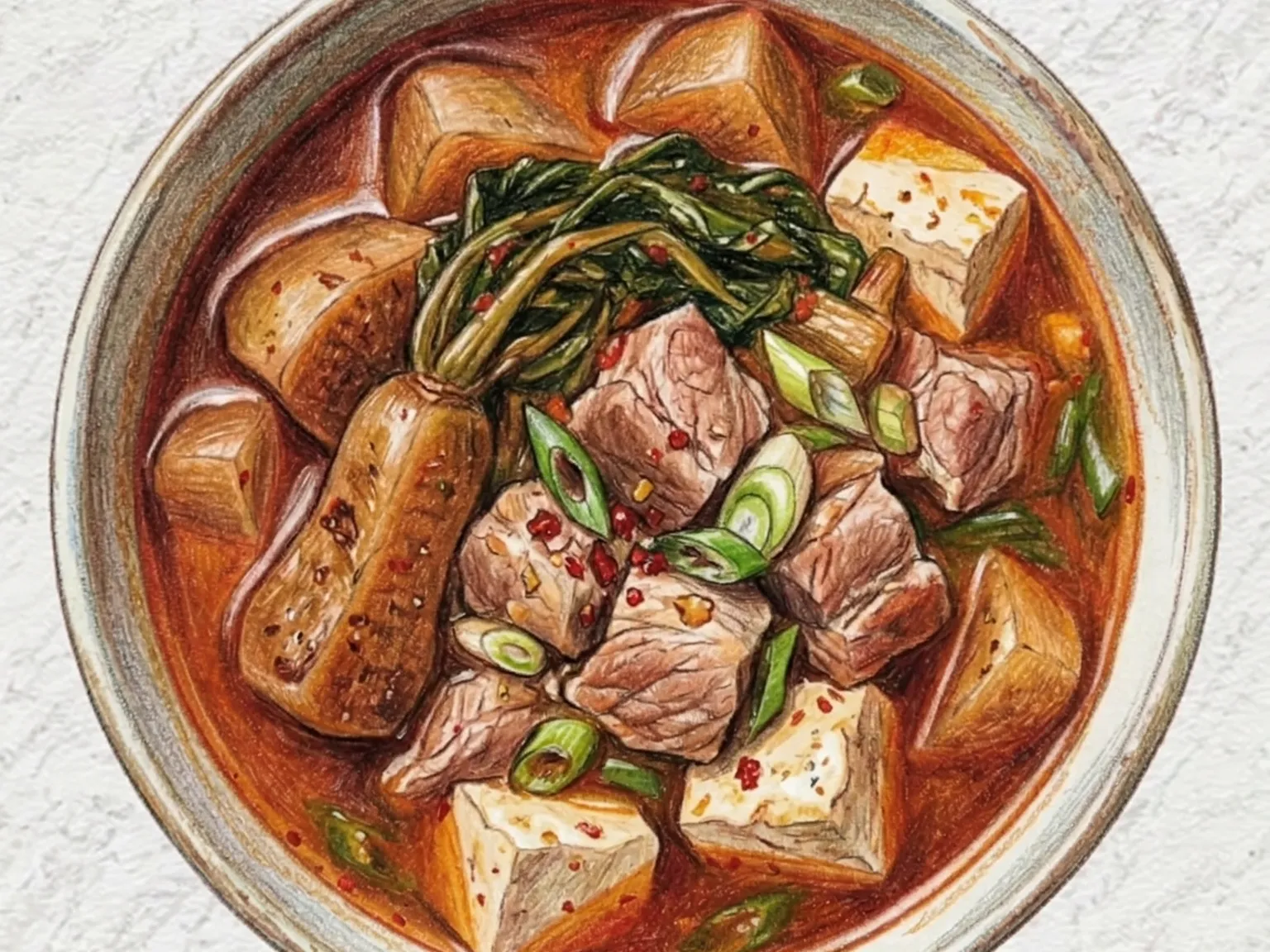
Chonggak kimchi, made from small whole radishes with their greens, replaces the usual napa cabbage kimchi, so the stew has chunks of radish with real bite instead of soft leaves. Keeping the pot at a gentle bubble stops the radish from turning mushy.