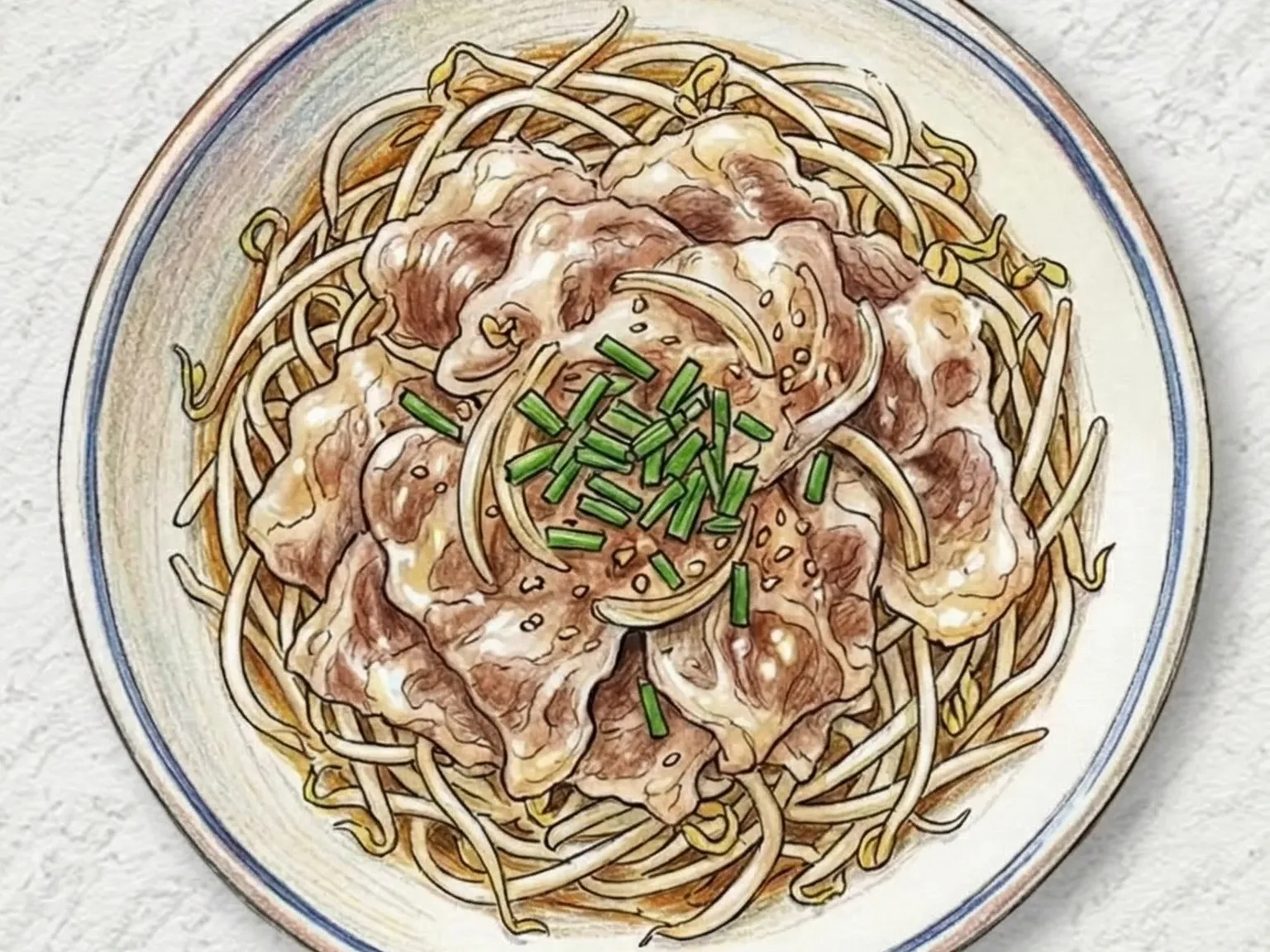
Korean Steamed Beef Brisket and Bean Sprouts
Fat from the thin brisket slices melts down into the bean sprouts underneath, so even a bite of sprouts alone tastes rich. The dressing is light: soy sauce with garlic, a little sugar and sesame oil.
1880 Korean recipes. Page 15 of 79. Compare ingredients and cooking times. Korean Steamed Beef Brisket and Bean Sprouts.
Fat from the thin brisket slices melts down into the bean sprouts underneath, so even a bite of sprouts alone tastes rich. The dressing is light: soy sauce with garlic, a little sugar and sesame oil.
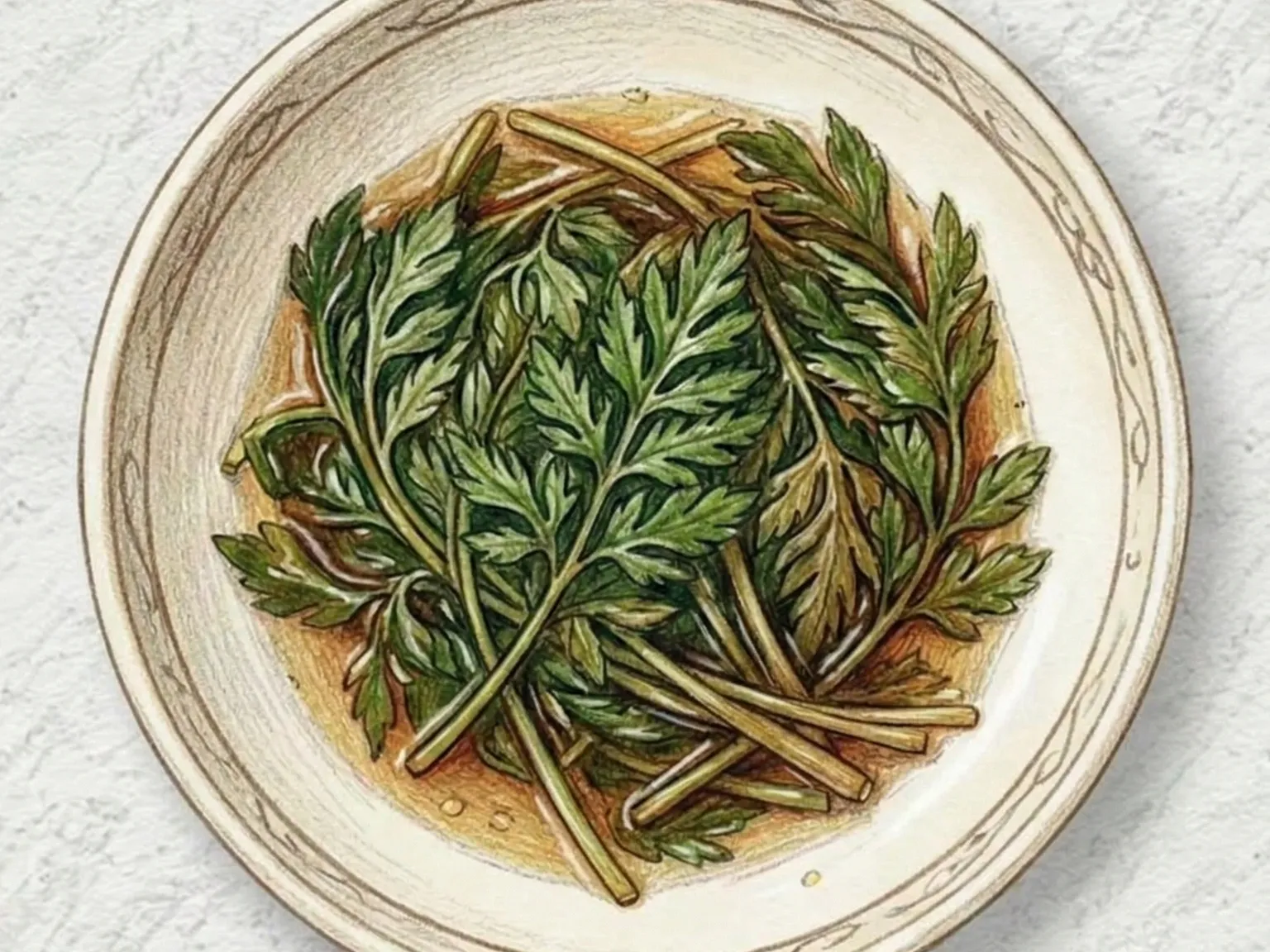
Hot brine would drive off chamnamul's fresh, herbal fragrance, so the soy and apple-vinegar mixture cools for about 5 minutes and goes on lukewarm. Apple vinegar has a rounder acidity than plain vinegar and lets the greens stay grassy, while a squeeze of lemon added after boiling sharpens the finish. The stems are packed loosely and kept fully under the brine in the fridge so aroma and seasoning spread evenly. Stirred into rice or tucked into a lettuce wrap with pork belly, the greens cut through the fat. It is ready after a day, and the scent lasts about five days.
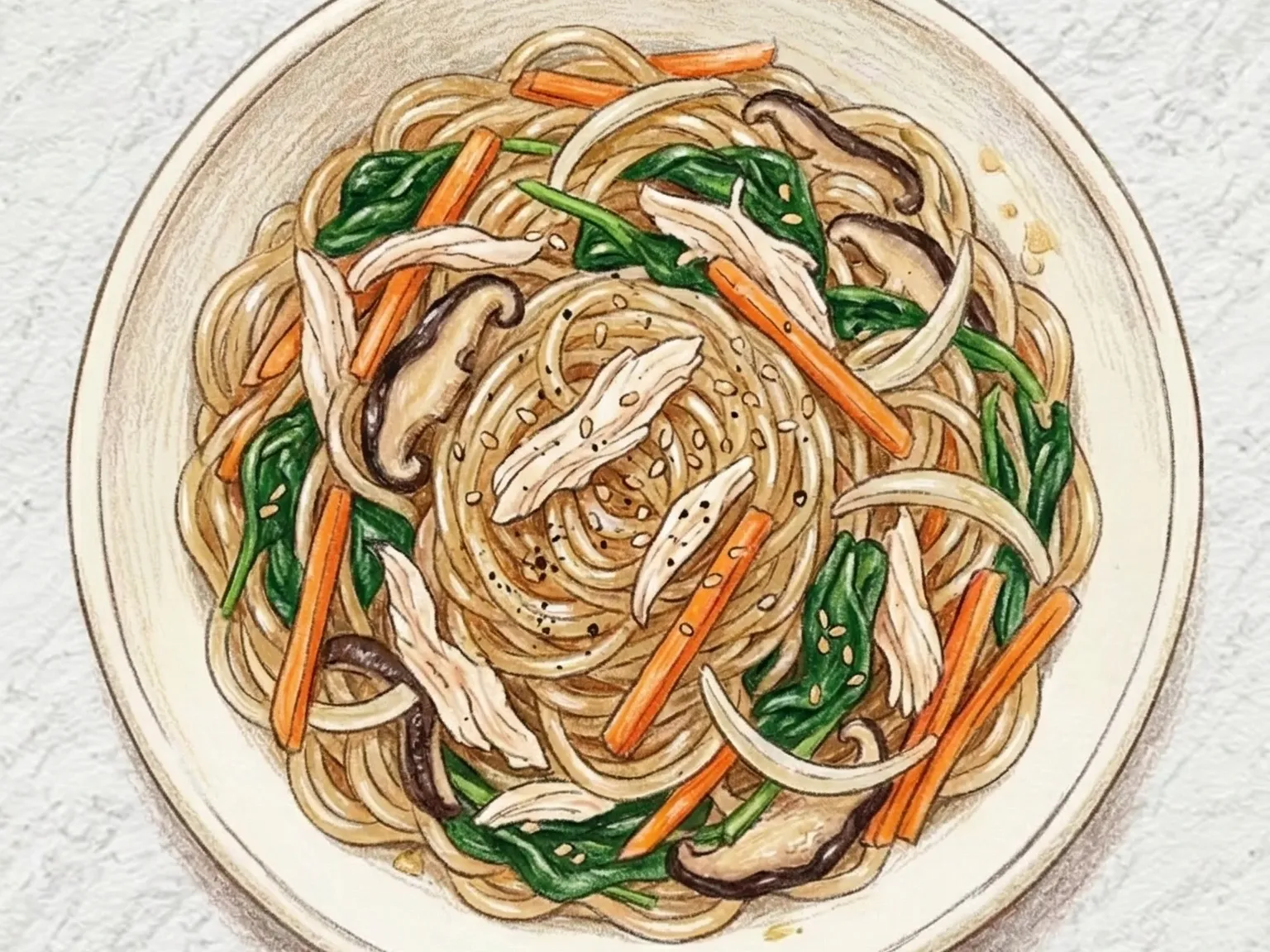
Strips of chicken breast take the place of beef, giving a leaner japchae where the noodles, spinach, carrot, shiitake and onion come through more clearly. Tossing the drained noodles with a little soy sauce and sesame oil right away and spreading them out keeps them from gluing together while everything else cooks.
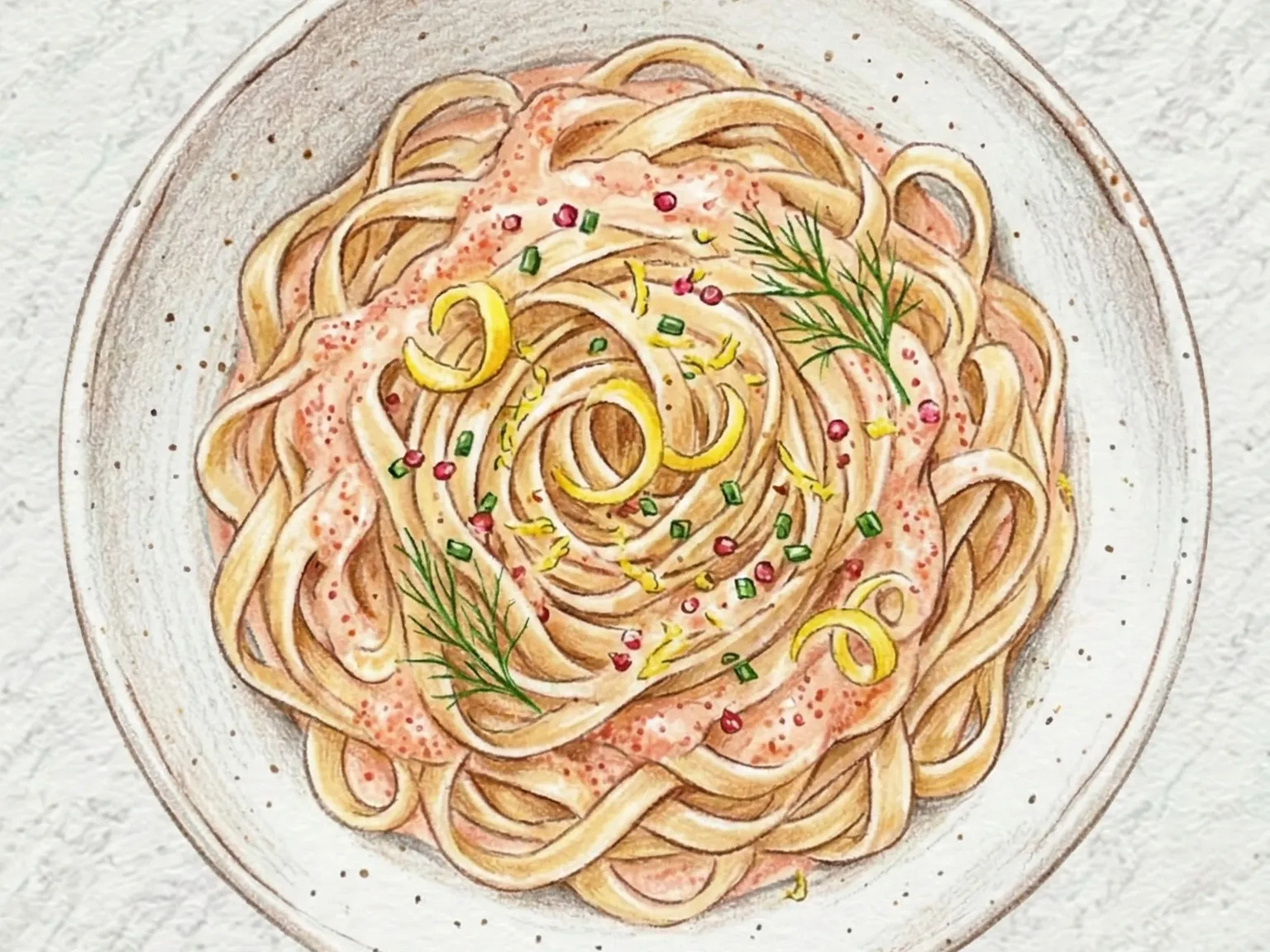
Myeongran lemon cream fettuccine wraps wide pasta ribbons in a sauce made from salted pollock roe, heavy cream, butter, and lemon zest. The small eggs of the roe are left intact and stirred into the sauce off the heat so they stay soft and burst with briny flavor when bitten rather than turning granular or hard. Garlic bloomed in butter forms the aromatic base, and a mixture of heavy cream with milk tempers the roe's saltiness into a smooth, balanced coating. Using lemon zest rather than juice adds a bright citrus fragrance without diluting the sauce or introducing acidity that would curdle the cream. Parmigiano-Reggiano deepens the savory foundation, and fettuccine's broad, flat surface holds the thick cream more effectively than thinner pasta shapes. The entire dish takes about twenty minutes from start to plate, making it a practical weeknight option that does not sacrifice depth of flavor for speed. The critical technique -- incorporating the roe off the heat -- keeps the texture creamy throughout and prevents the eggs from cooking into tough, unpleasant morsels.
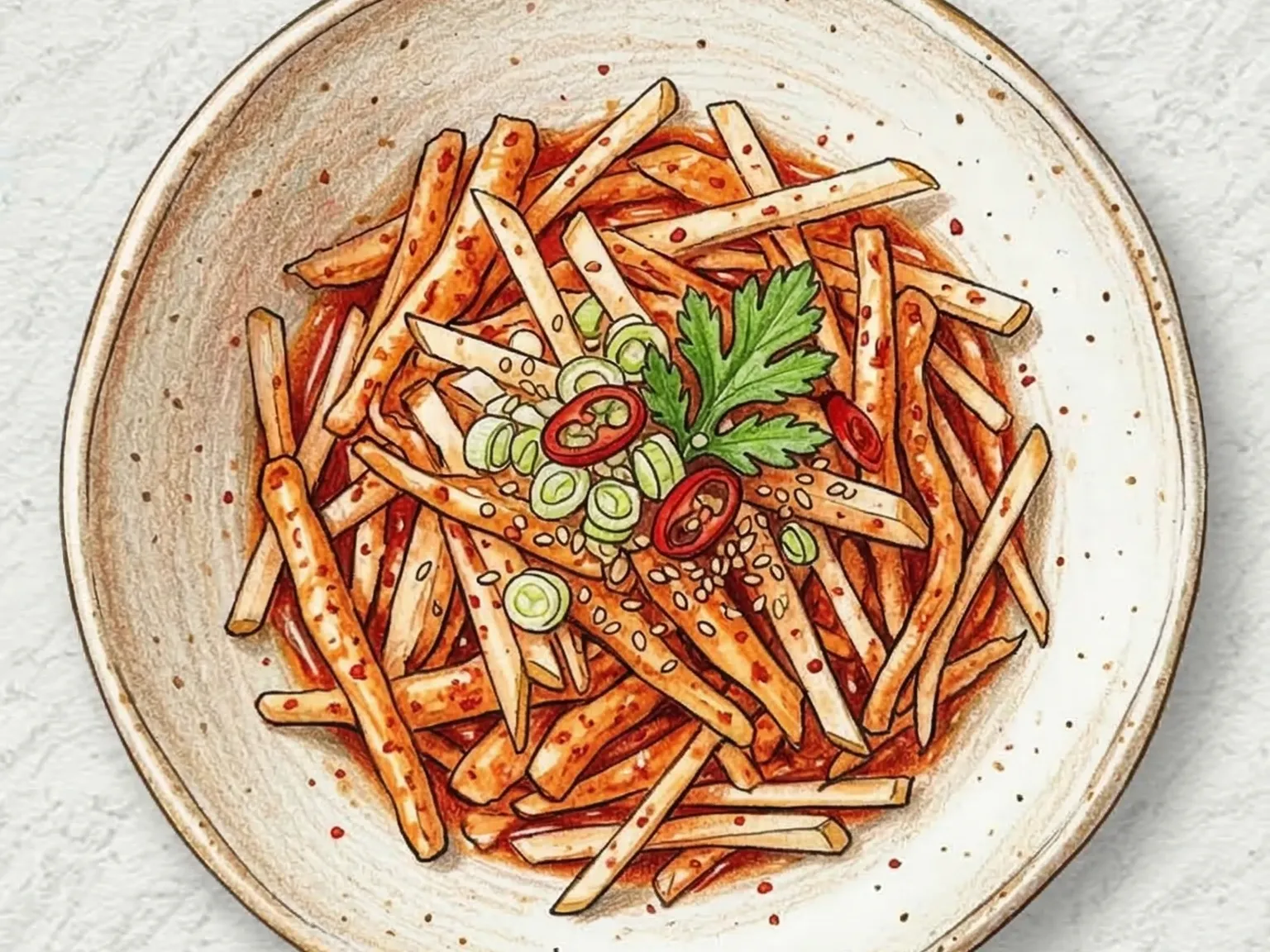
Rubbing bellflower root with salt, rinsing it, then blanching it for just 3 minutes takes away bitterness while keeping a firm crunch. Julienned Korean pear brings cool sweetness to a sharp, spicy dressing of gochugaru (Korean chili flakes) and vinegar. A teaspoon of fish sauce gives the seasoning depth, and sesame oil goes in last so its aroma stays on top. The pear loses juice and softens the earlier it goes in, so the root is seasoned first and the pear folded in at the very end. It is best eaten while both are still crisp, when bitter root, sweet pear and sharp dressing shift from one to the next in each bite.
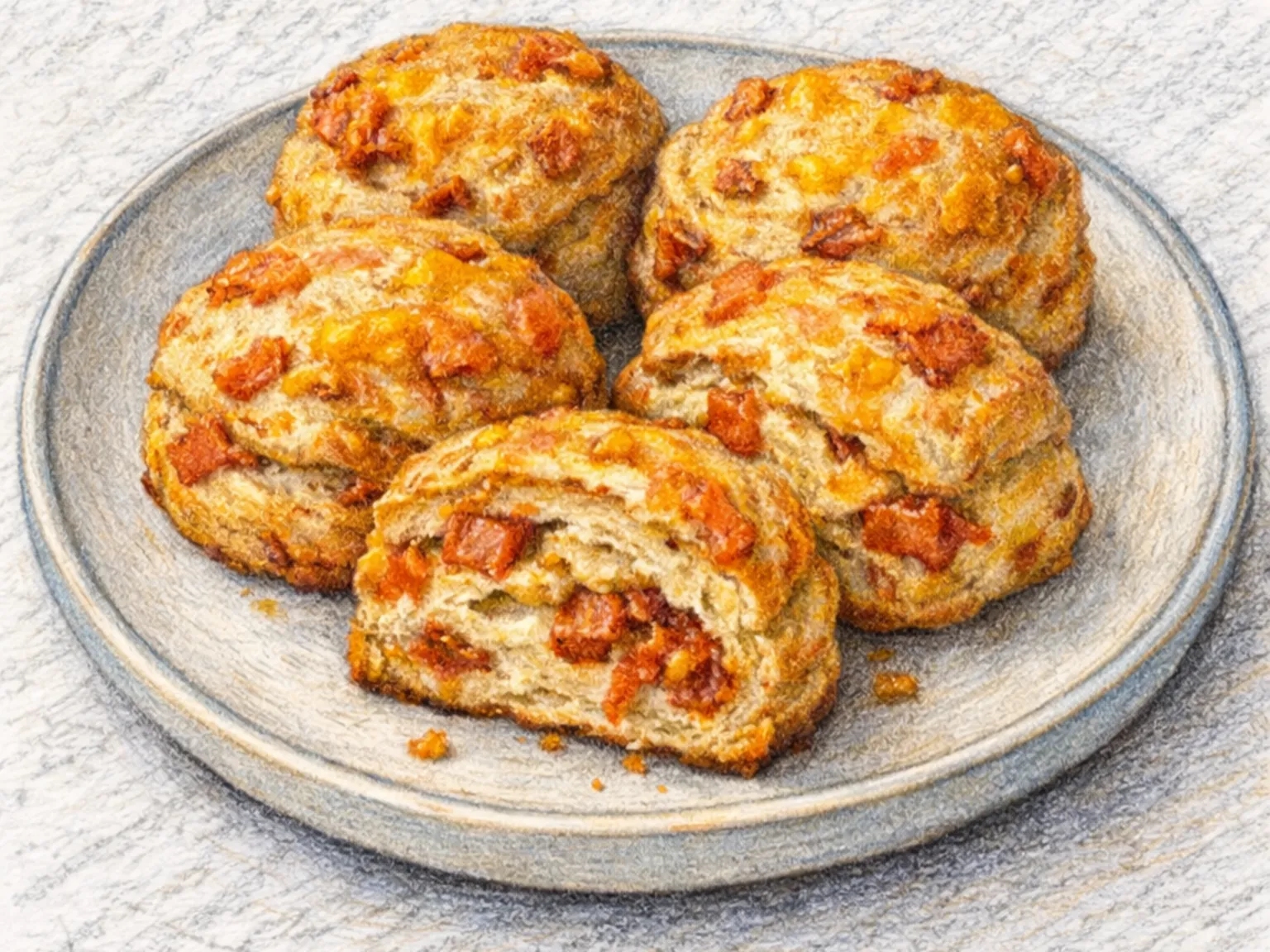
Barely sweet and distinctly savory, these scones carry the sourness of kimchi and the saltiness of cheddar between buttery layers. Tossing the squeezed kimchi and the cheese in the flour before adding any liquid spreads them evenly instead of leaving clumps.
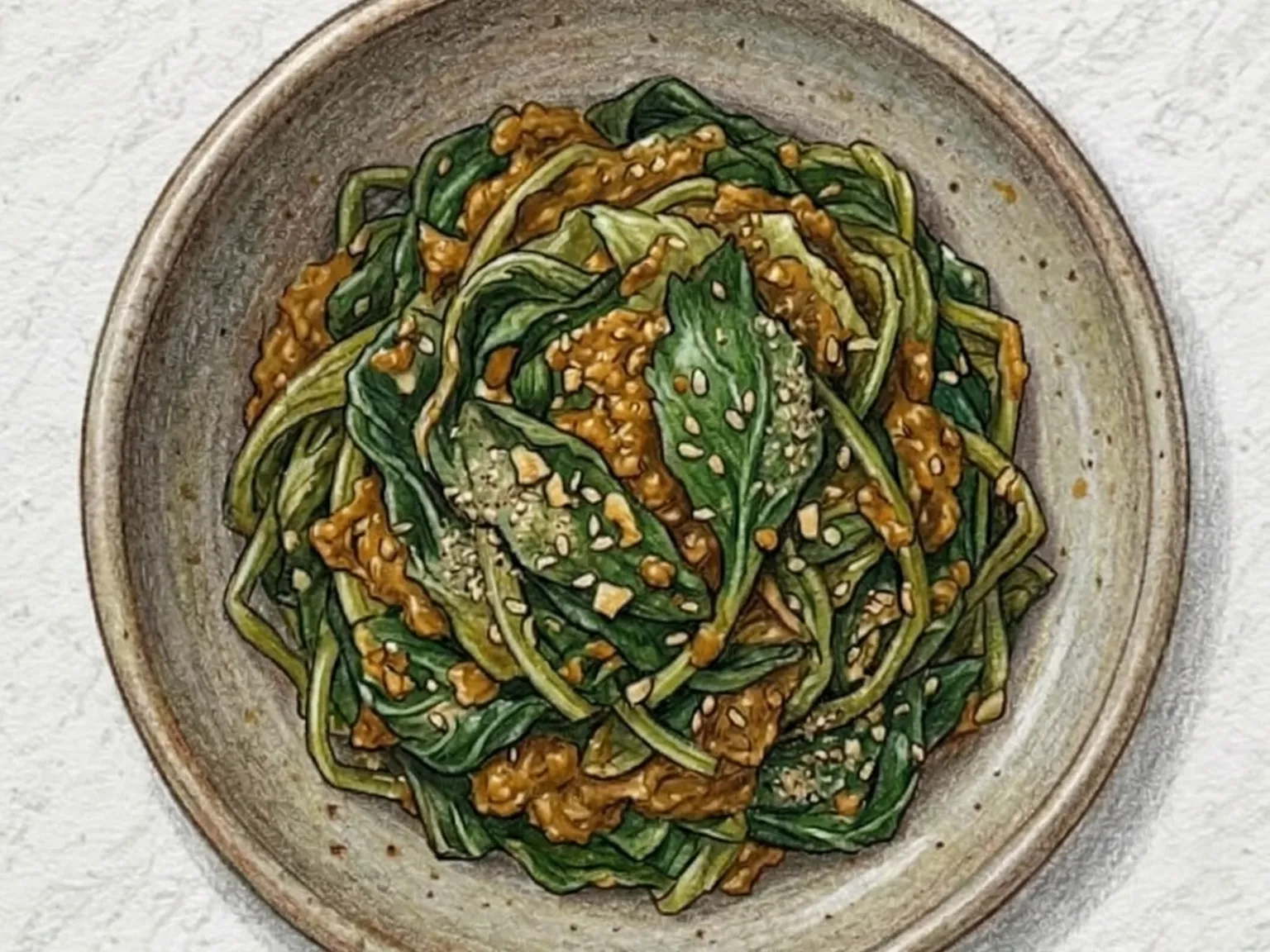
Slightly bitter chwinamul is blanched for 2 minutes and dressed with doenjang, soup soy sauce and sesame oil, then finished with perilla powder and scallion. The doenjang is worked in with spread fingers so it reaches between the leaves, and the greens rest five minutes before serving. In winter, when fresh chwinamul is not around, dried chwinamul soaked until soft can stand in.
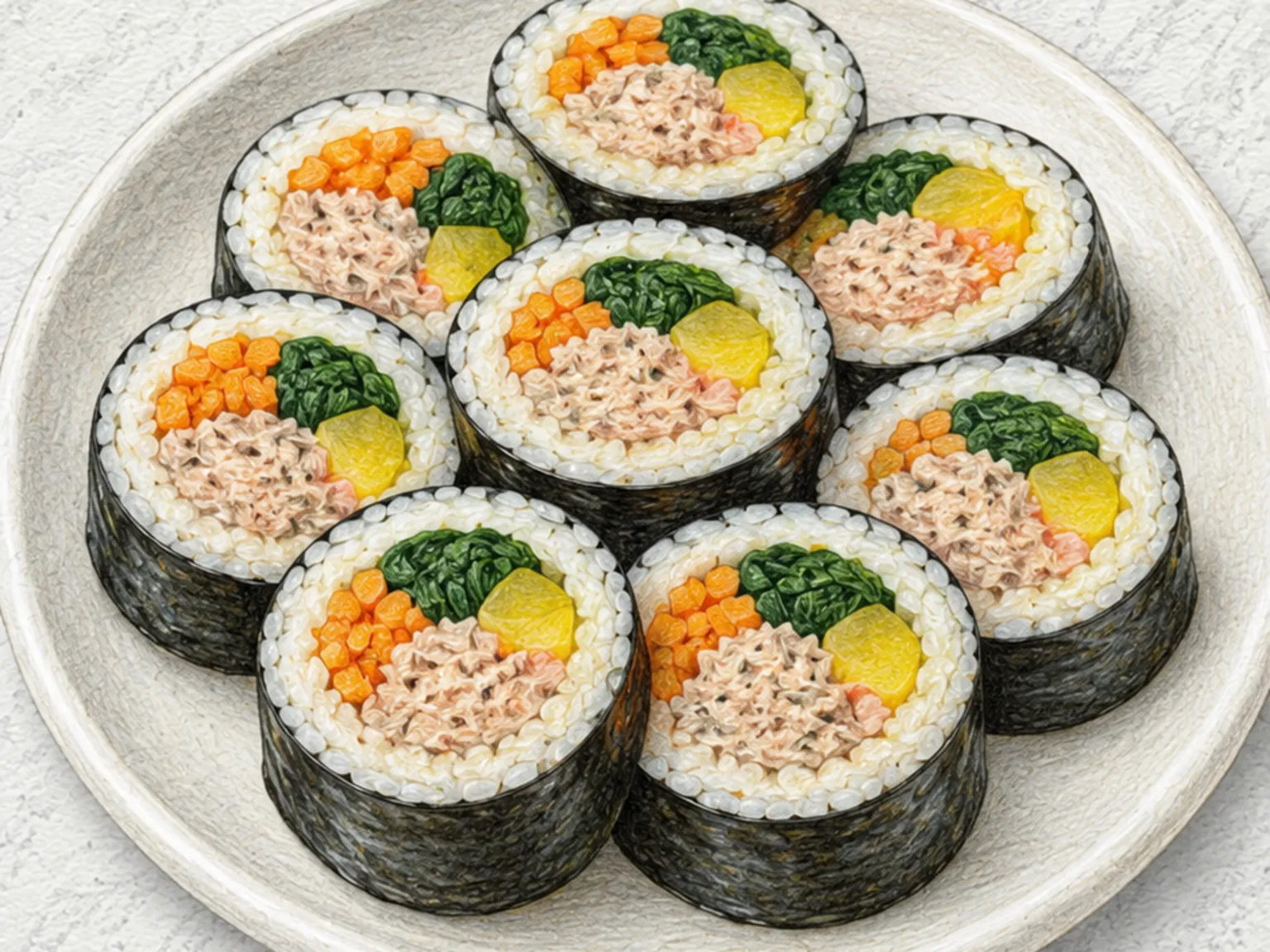
Tuna gimbap is on nearly every Korean gimbap shop menu. Well-drained tuna mixed with mayonnaise runs down the center, surrounded by carrot, spinach, thin egg strips and danmuji, yellow pickled radish.
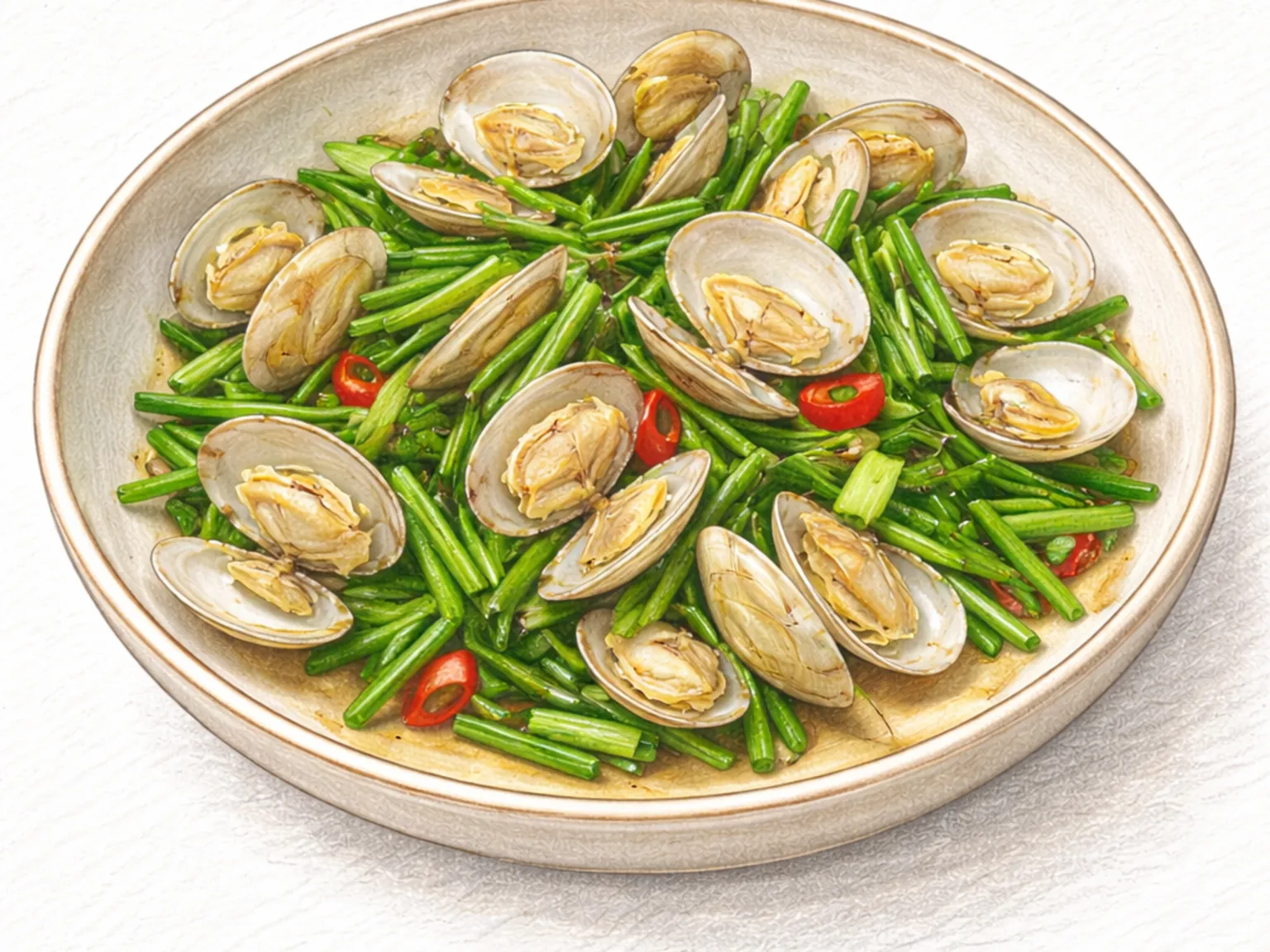
The liquor the hard clams release as they open is the base of the sauce here; no stock goes in. A little soy and oyster sauce is added, and the chives are cooked only until they wilt, so they are still bright green on the plate.
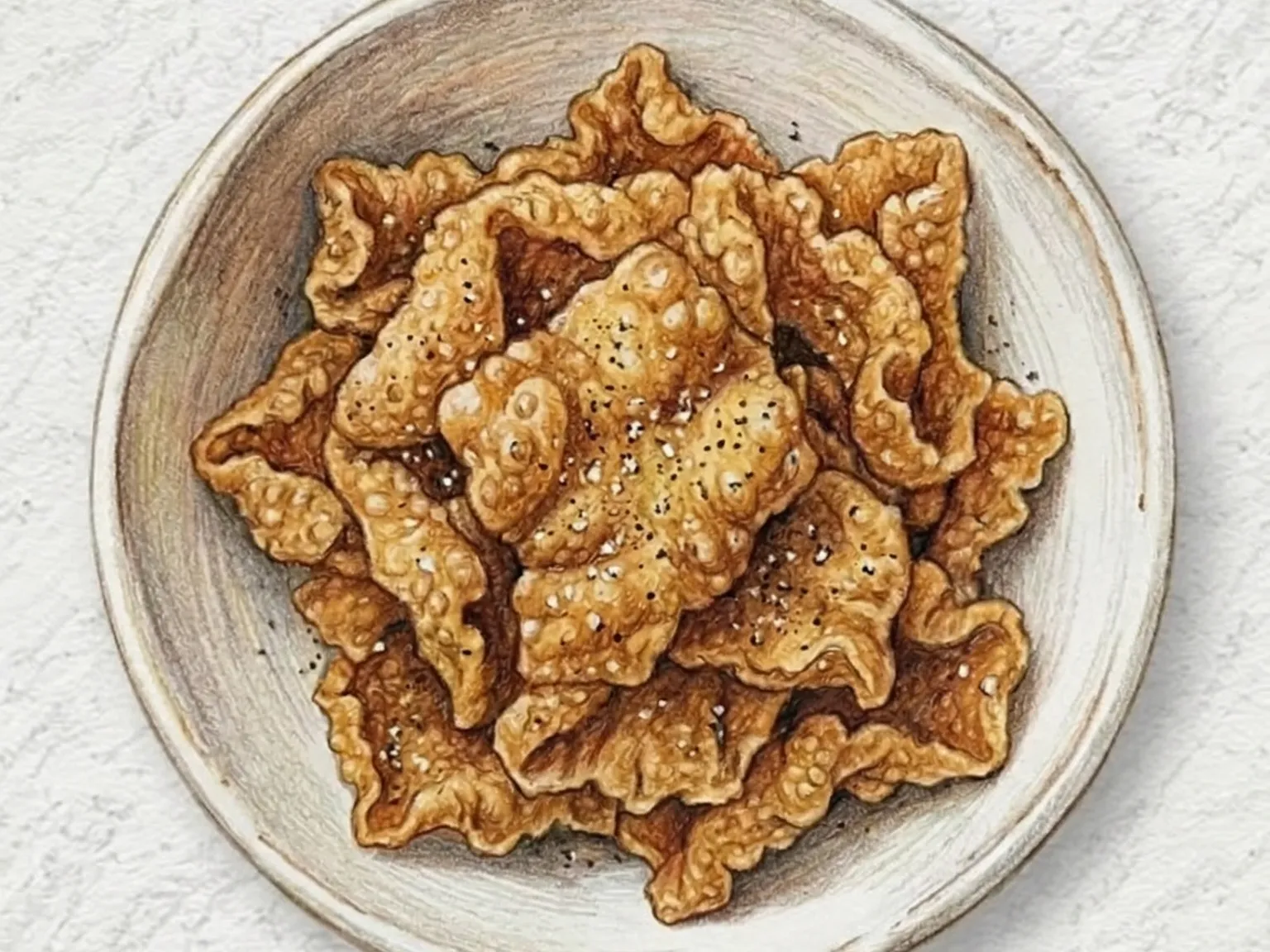
Fatty chicken skin is fried twice until it snaps like a cracker. At 170°C the fat inside renders out; a short second dip in oil raised to 185°C sets the surface hard. Fried twice, the skin stays crisp for a good while even after it cools.
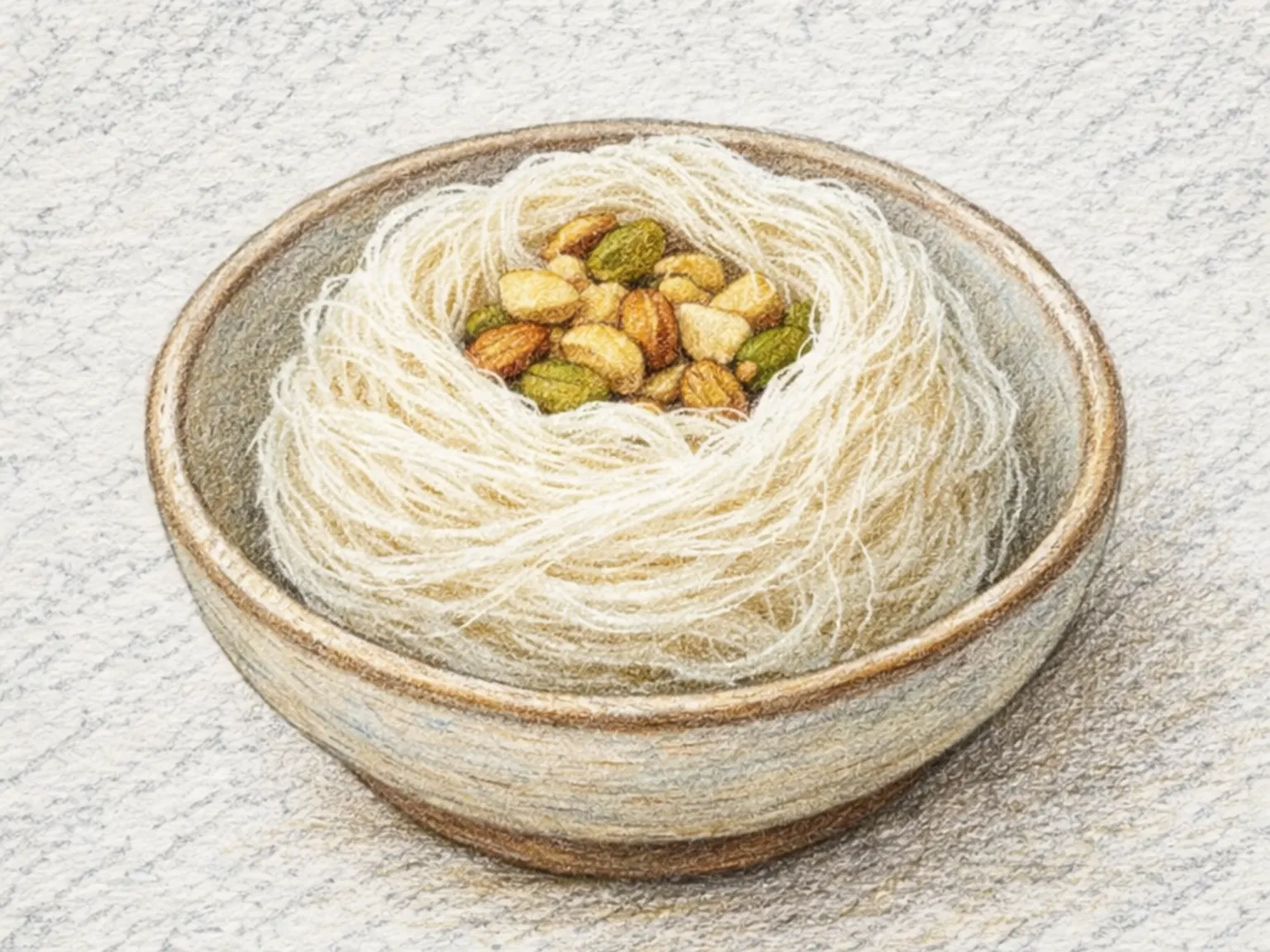
A single ring of rice-syrup candy, dusted with glutinous rice flour and stretched and folded over and over, turns into a skein of hair-fine white threads. Syrup temperature decides whether the ring can be pulled at all: taken too far it sets before stretching, and too low it will not hold its shape.
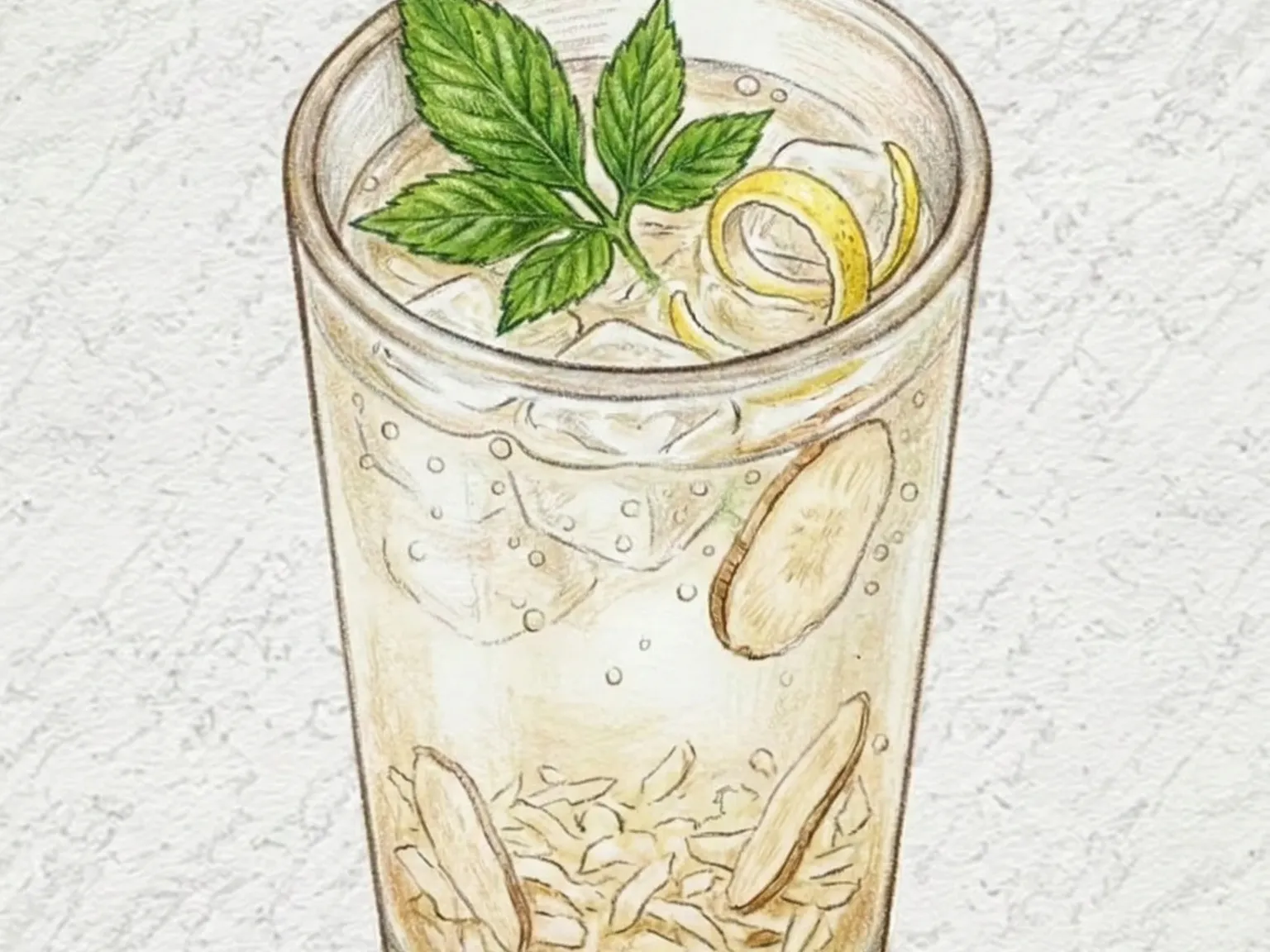
Deodeok, a Korean root with a bitter, earthy scent, is steeped gently with ginger and then lengthened with fresh pear juice and sparkling water. The root is only tapped until its fibers loosen, not smashed, and the water never goes past a gentle shimmer at the edges. Pear brings the sweetness that keeps the root flavor in the background.
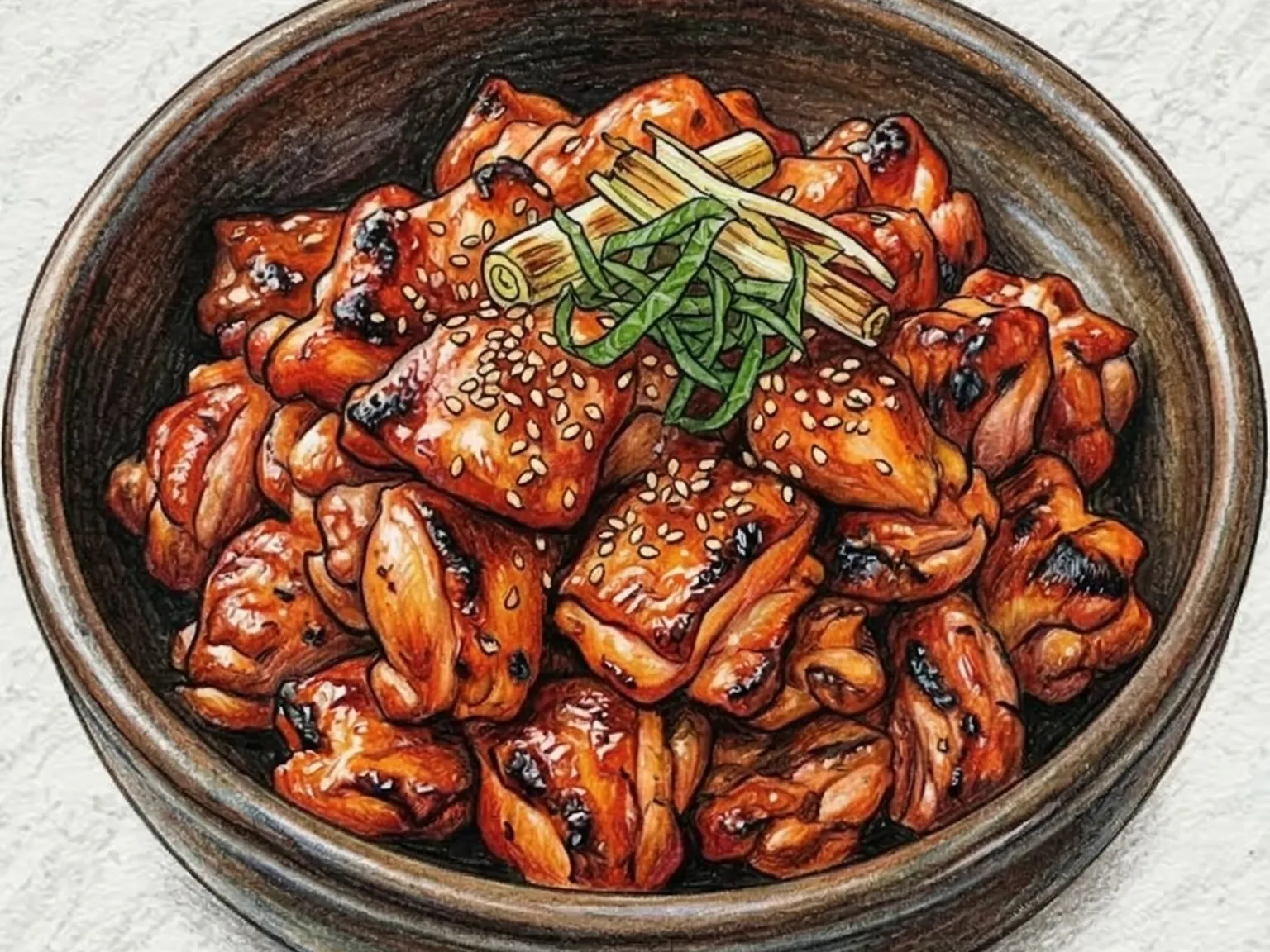
Dakgalbi usually means chicken stir-fried with vegetables on an iron plate, but this Chuncheon-style version puts only the marinated chicken on a grill. The gochujang paste caramelizes at high heat, charring the edges dark and leaving a faint bitterness after the sweet heat.
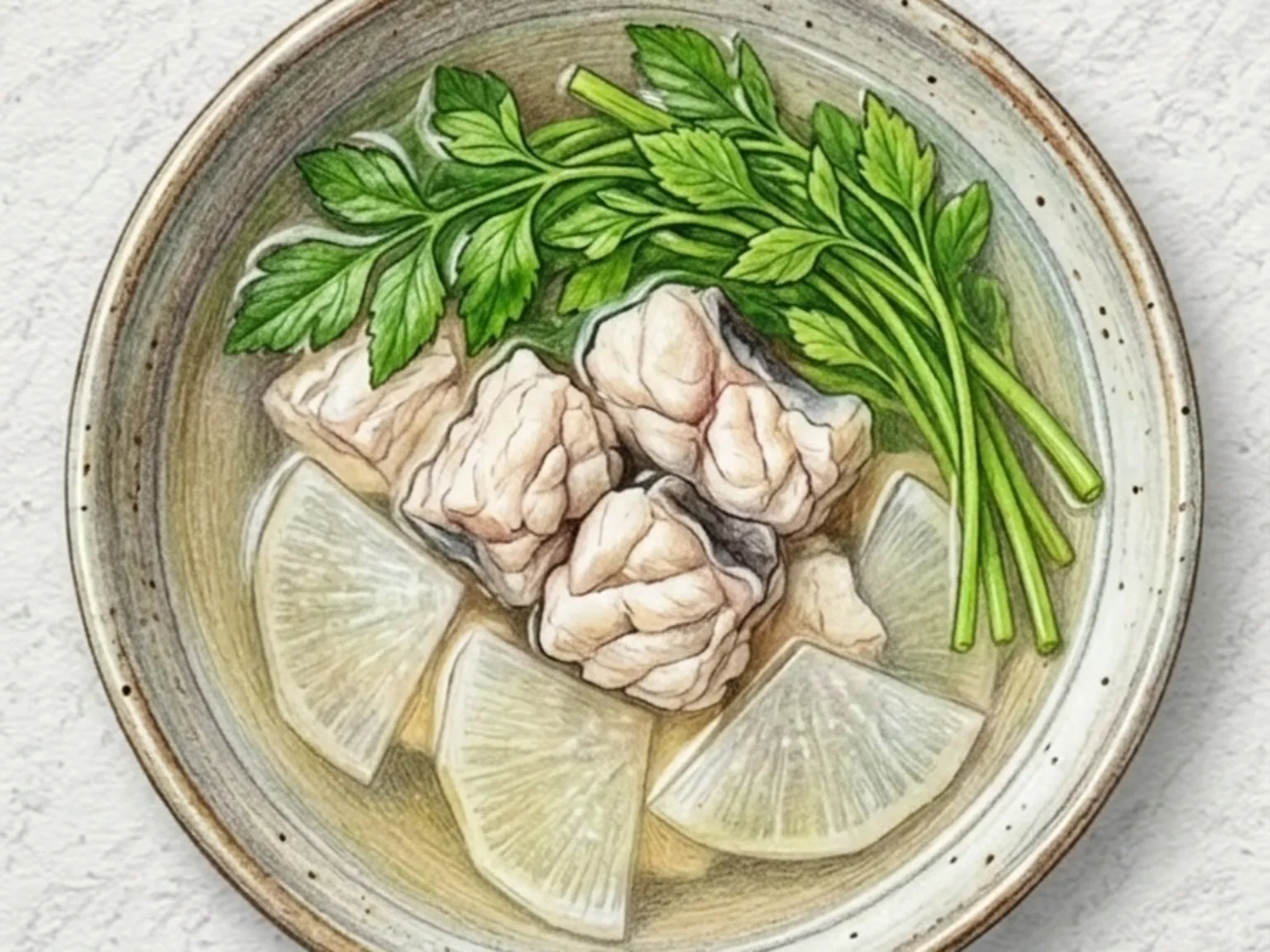
The puffer fish must be a pre-cleaned product approved for eating. It cooks in a broth where radish and garlic have already boiled for ten minutes, seasoned with salt and no chili, and the seasoning is right when the radish's sweetness comes through before the salt.
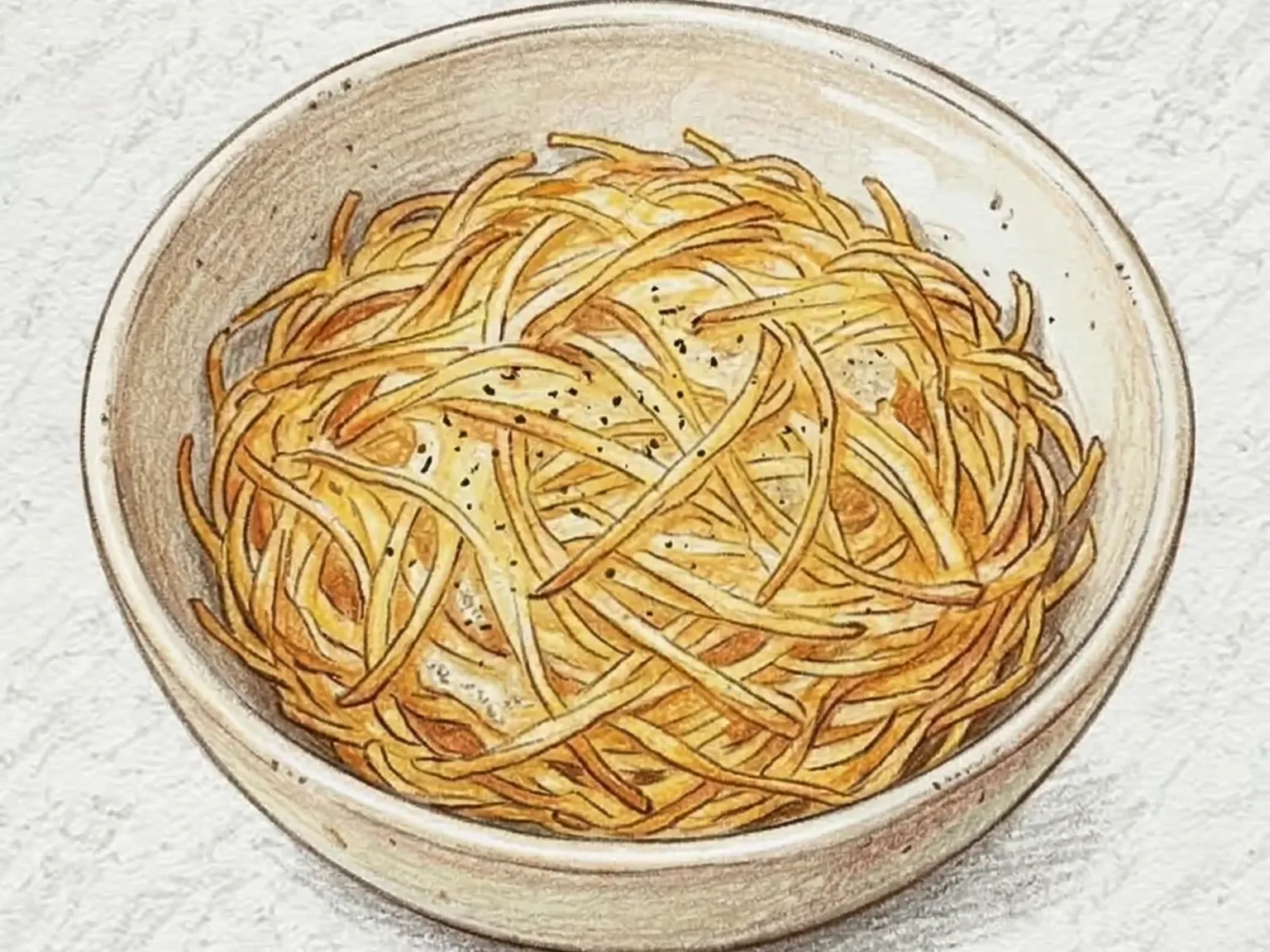
Matchstick-thin strands of potato, not grated pulp, give this pancake an open lattice that crisps at every strand instead of the chewy pull of grated gamja-jeon. Not a drop of water is added: potato starch dissolves into the potato's own moisture and glues the strands together.
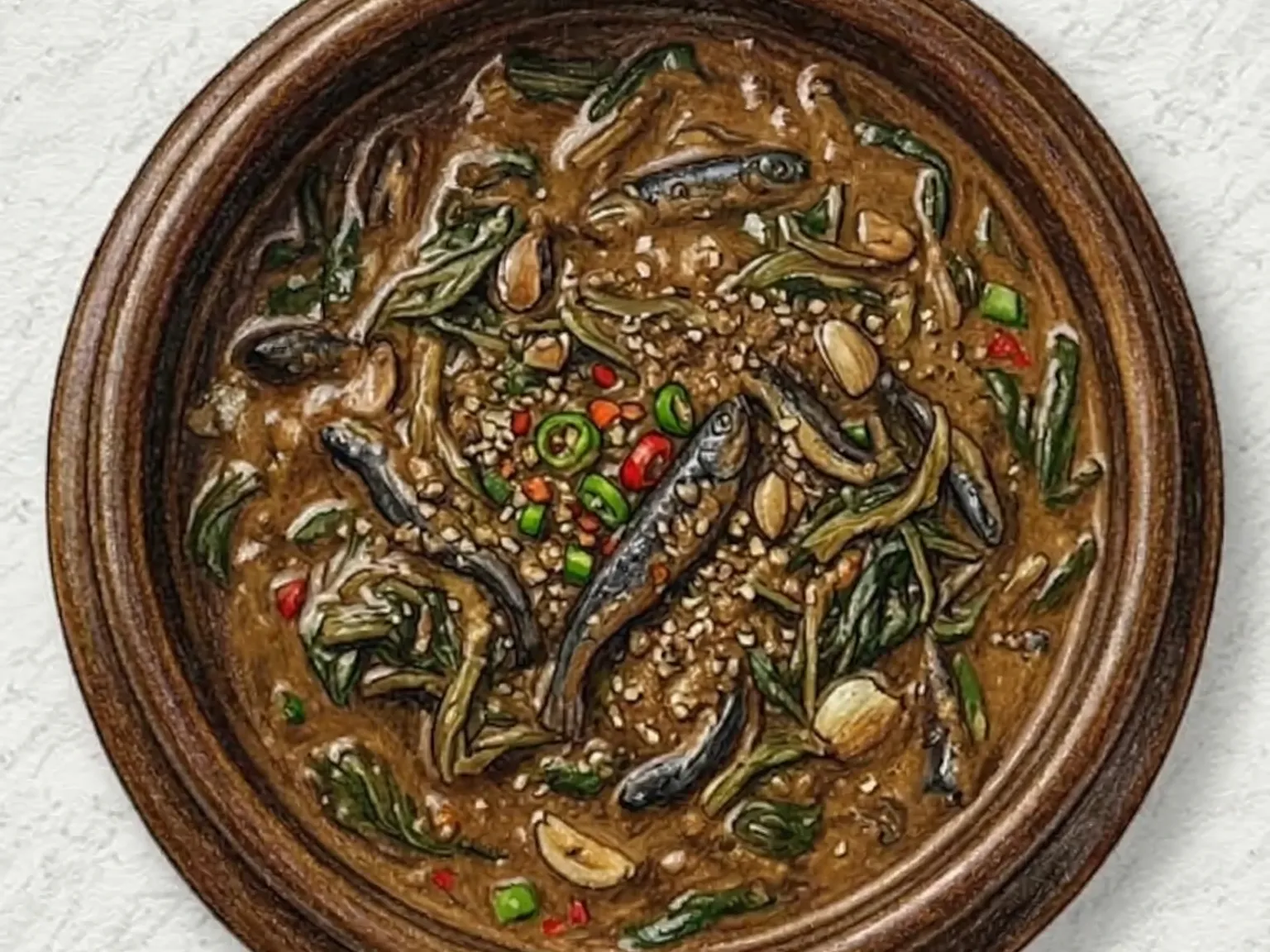
Boiled radish greens and blanched loach simmer in anchovy stock seasoned with doenjang and gochujang, and three tablespoons of perilla seed powder at the end thicken it to something close to porridge. More radish greens push it toward bitter and chewy; more perilla powder makes it nuttier.
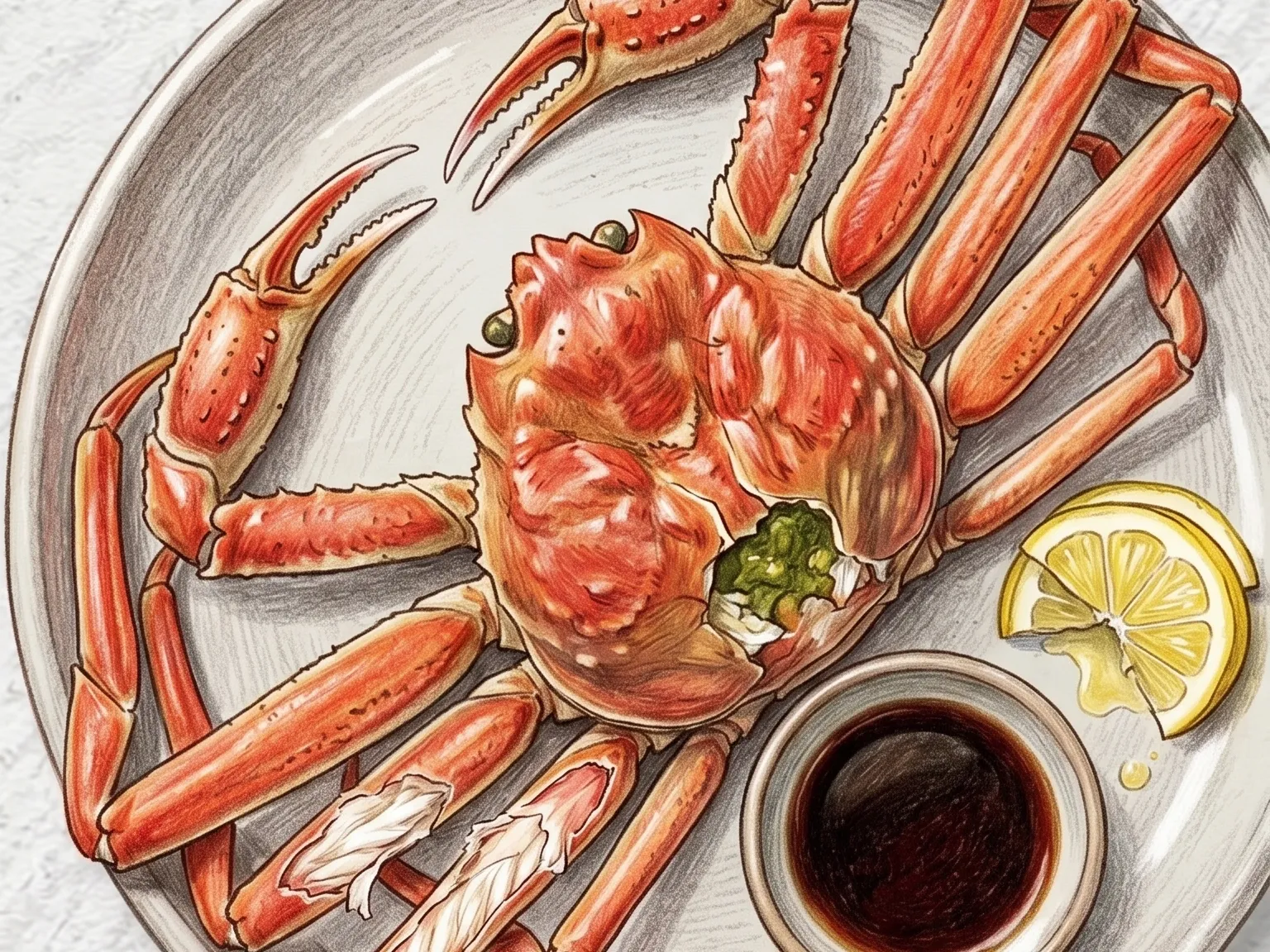
With no seasoning beyond salted steaming water, snow crab tastes only of itself, which also means mistakes have nowhere to hide. Crab set over weak steam turns soft and watery, while crab left too long goes tough.
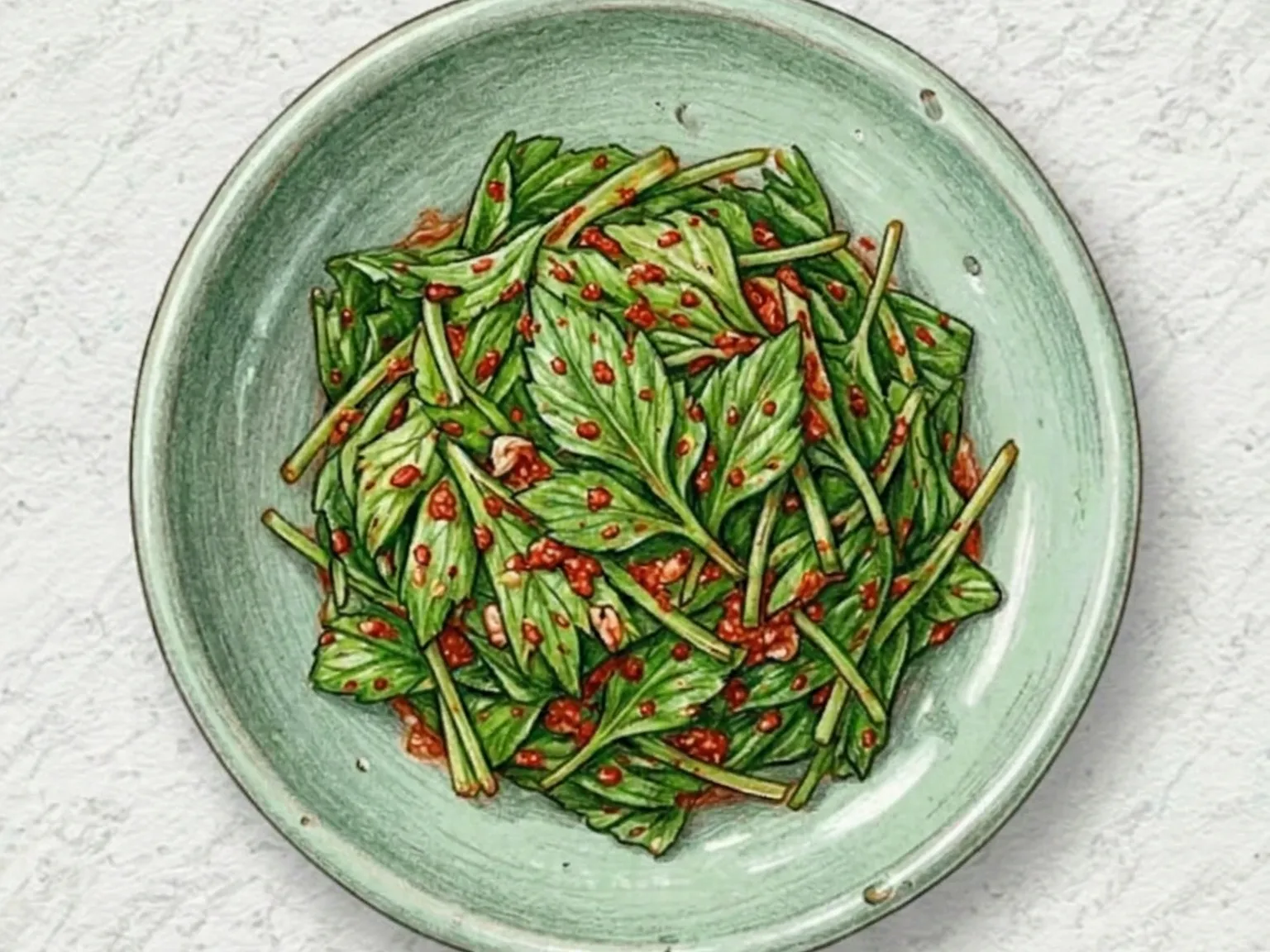
Chamnamul greens are salted for just 10 minutes and dressed without rinsing, letting the leftover salt season them. A gentle squeeze is enough, since wringing bruises the tender leaves and makes them slump during fermentation. Blended Korean pear and onion in the sweet rice paste round off the chili heat. With so much moisture in the greens, fermentation moves fast and the kimchi softens if kept too long. Small batches eaten within a few days work best.
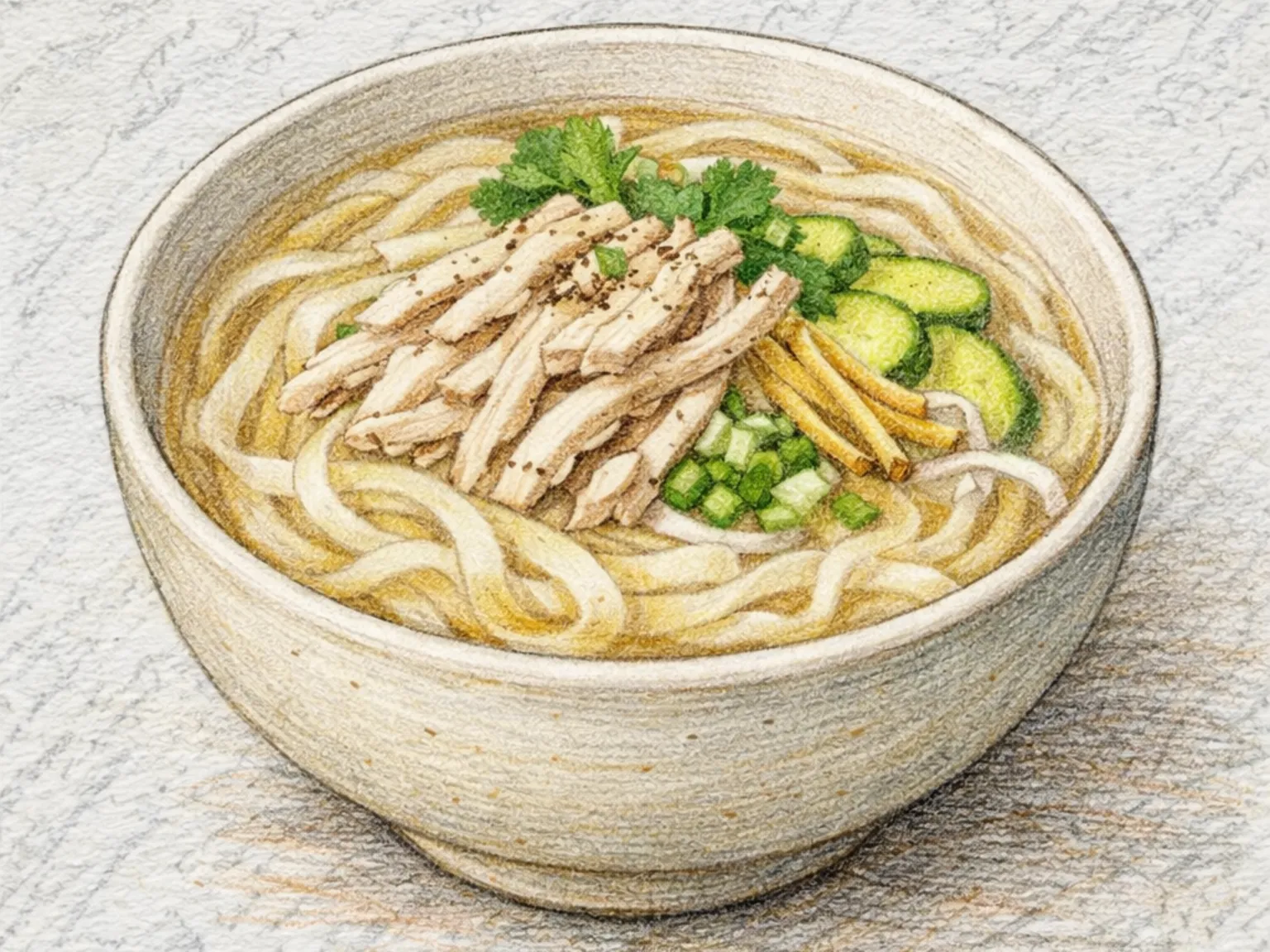
The knife-cut noodles go straight into the chicken stock instead of a separate pot, and the starch they shed turns the broth slightly thick and silky while the noodles soak up the chicken flavor. That single-pot cooking is what separates kalguksu from a plain chicken noodle soup. Right after the noodles drop in, a stir along the bottom frees any that stick; after that, gentle stirring keeps them from breaking. Thigh meat, rather than breast, stays tender even after the shredded chicken returns for a final simmer. Black pepper is the main seasoning accent, sharpening the savory stock in a bowl built for cold days.
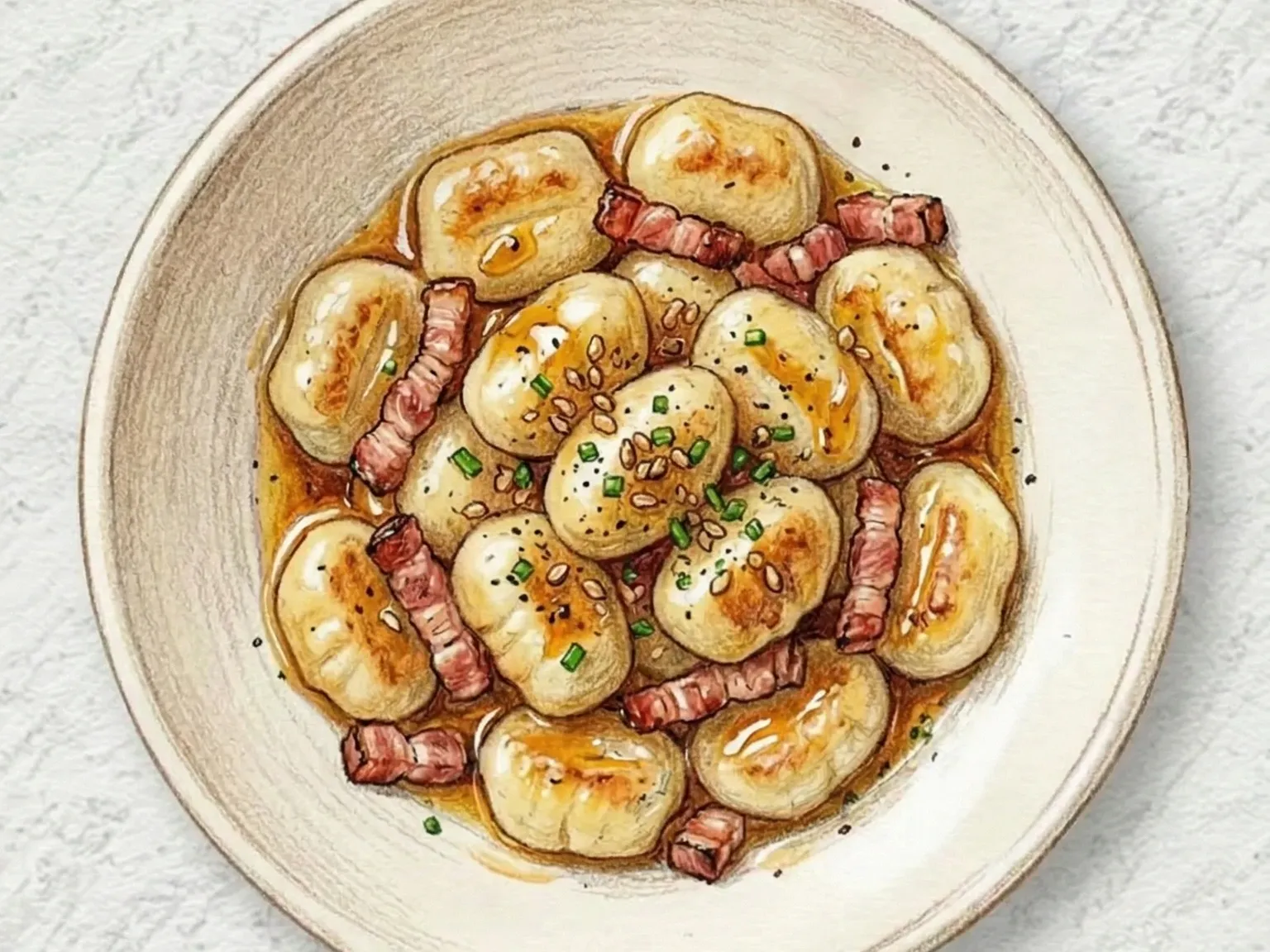
Boiled potato gnocchi get a second cooking in pancetta fat, browning on the bottom while staying soft inside. A splash of chicken stock reduced with Parmigiano makes just enough sauce to coat each piece thinly. Perilla oil, a nutty Korean oil pressed from perilla seeds, is poured in only after the heat is off so its aroma survives, and shredded perilla leaves from the same plant echo it on top.
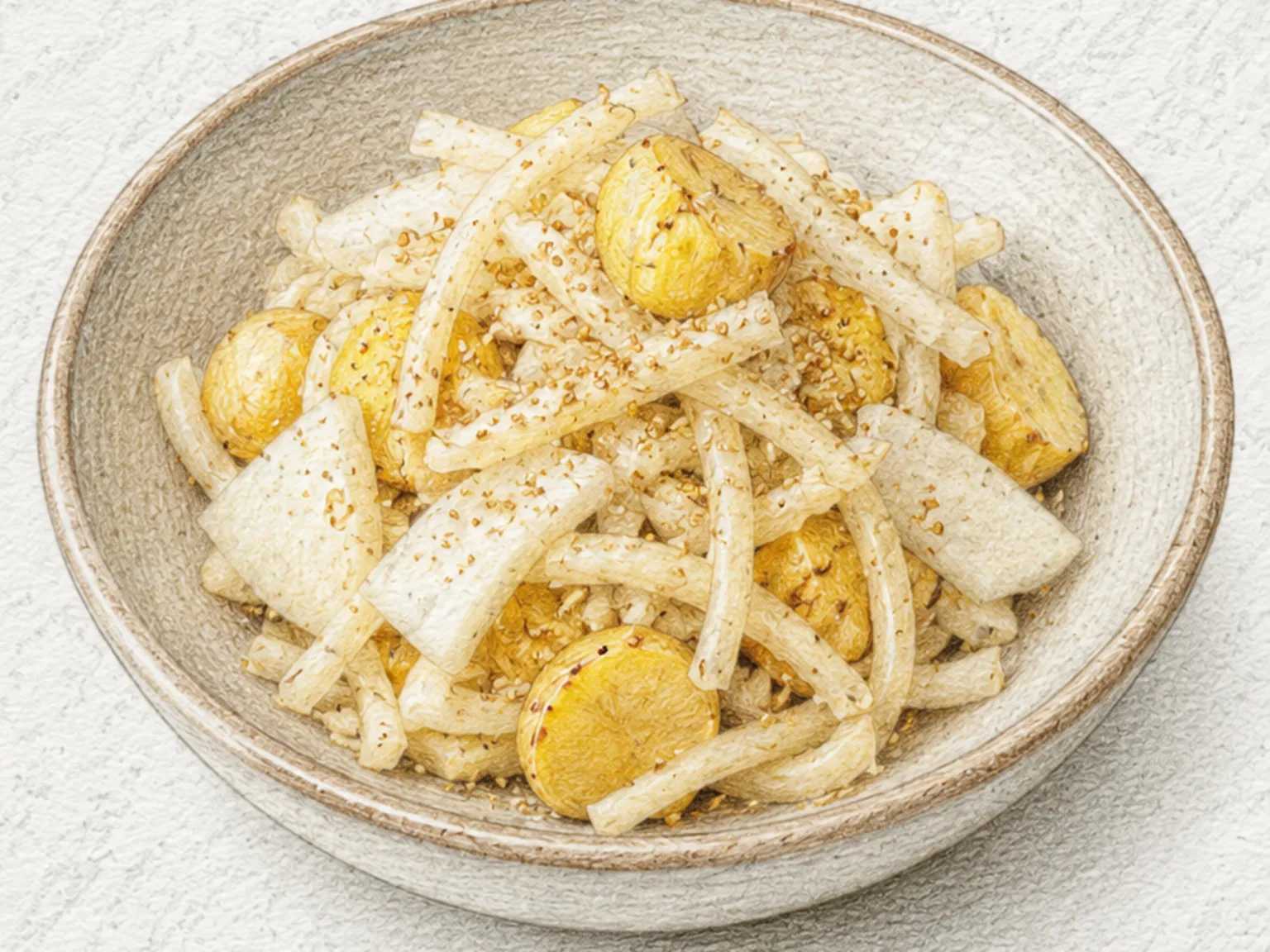
Bellflower root and chestnuts both come into season in autumn, and this salad puts the lingering bitterness of lightly blanched root next to the soft, crumbly sweetness of cooked chestnut. Julienned Korean pear adds cool juice, and a cider vinegar dressing thickened with plenty of ground perilla seed ties everything together with a nutty, toasty aroma. Quartering the chestnuts lengthwise keeps them in chunky pieces that stand out, yellow against the white root and pear.
Two soft cocoa cake rounds, a layer of melted marshmallow, and a thin shell of dark chocolate rebuild Korea's convenience-store snack cake at home. Making it yourself means you pick the chocolate and decide how thick the marshmallow layer gets. The marshmallow, melted over a water bath, cushions the cake and stretches slightly when bitten. Chilled, the chocolate shell firms up with a light snap; at room temperature the whole pie turns softer.
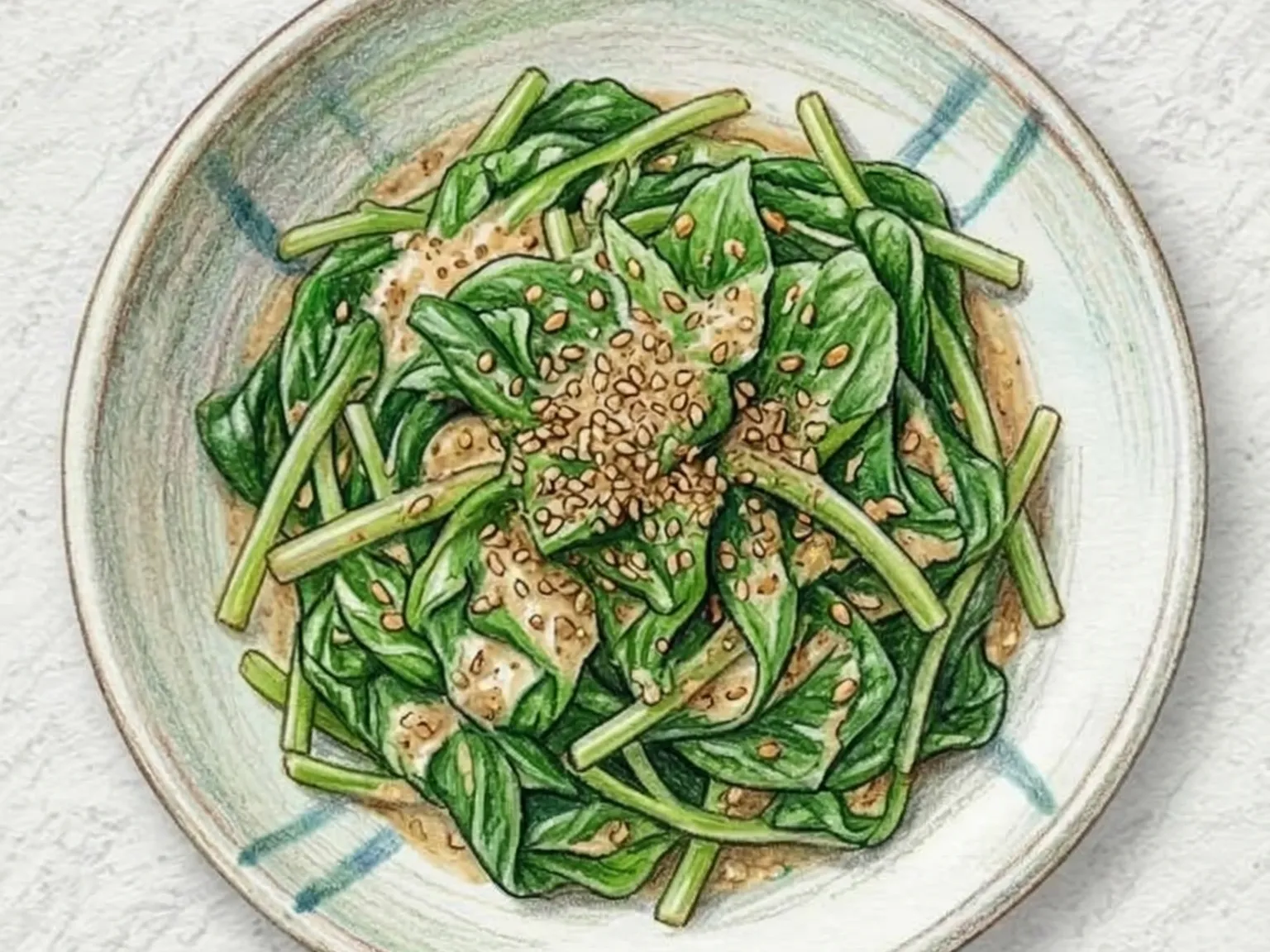
Despite the name, this muchim spends time in a skillet: the blanched greens are stir-fried in perilla oil and simmered briefly in water, giving them the softer texture of a sauteed namul. Perilla powder stirred into the remaining liquid thickens it into a pale, nutty paste that coats every leaf and stem. Seasoning the greens with soup soy sauce, garlic, and green onion before they hit the pan lets the stems absorb salt as they simmer.
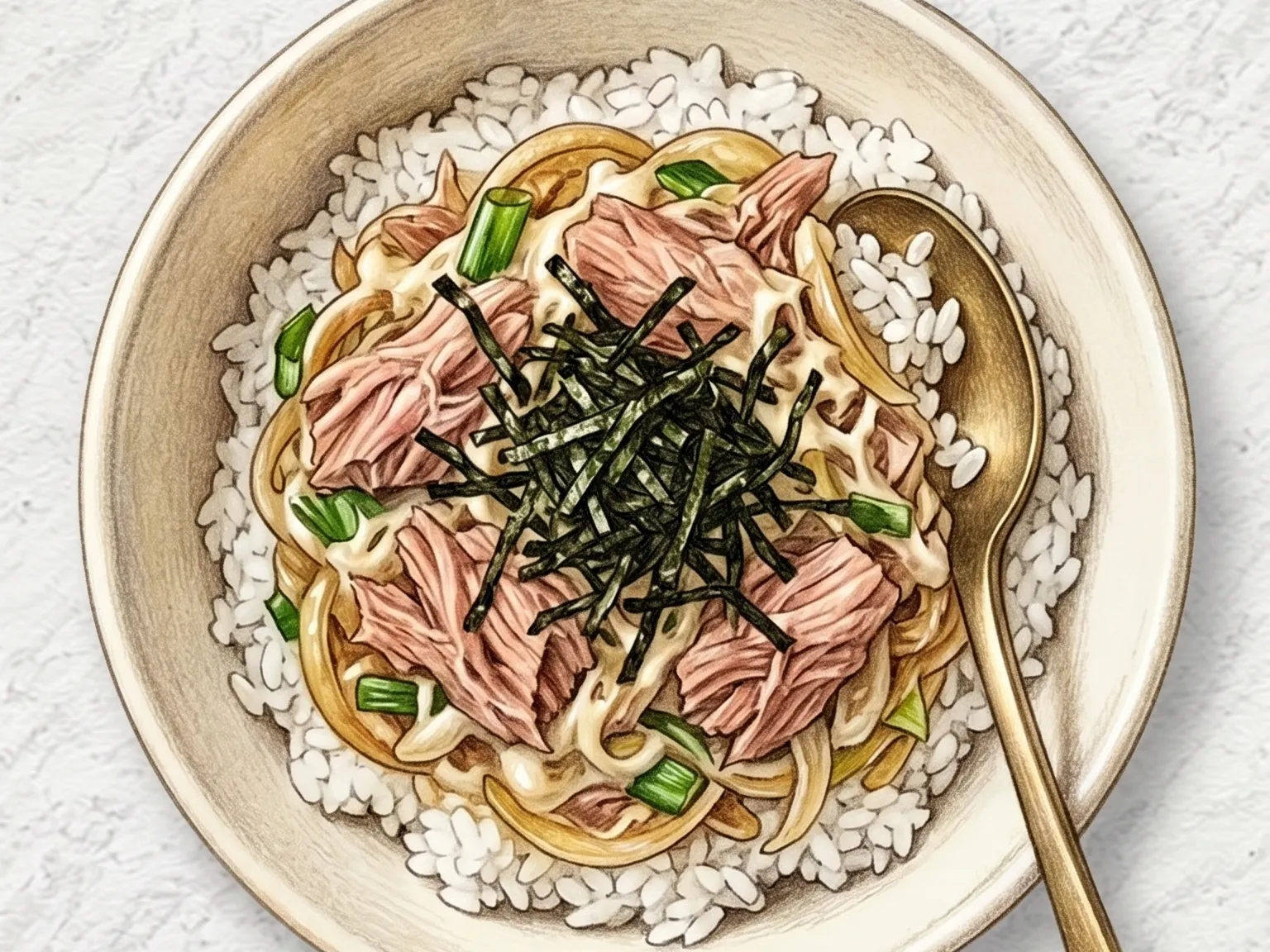
Like the cup rice sold at Korean snack shops, it is warm rice topped with tuna mayo and a heap of crushed seaweed. The tuna is first cooked with onion, scallion, soy sauce and sugar, and the mayonnaise goes in only after the heat is off, which keeps it from separating.