Browse by cuisine

Korean Recipes

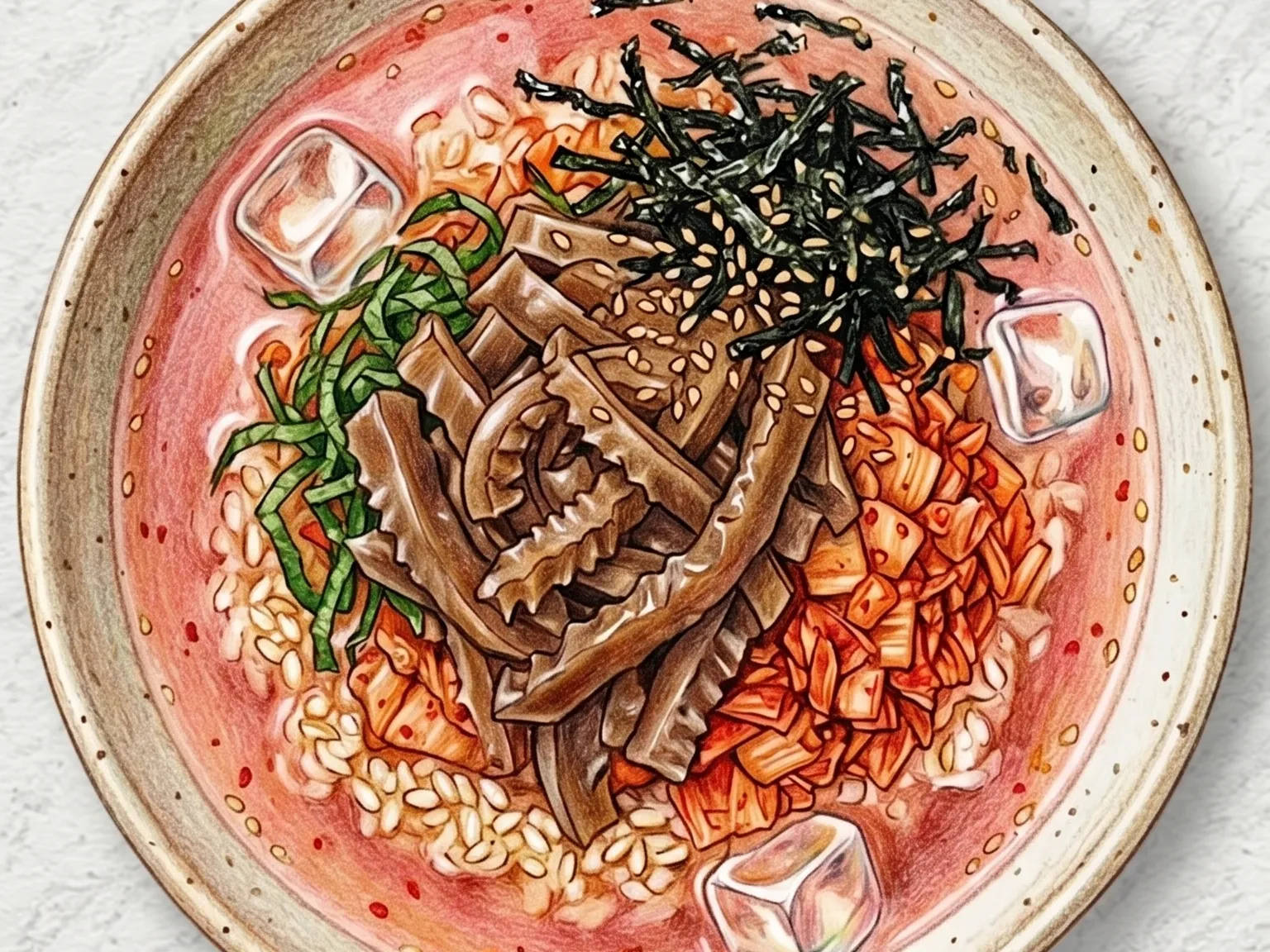
1880 Korean recipes. Page 63 of 79. Compare ingredients and cooking times. Korean Kimchi Acorn Jelly Rice Bowl, Korean Beef Brisket and Bean Sprout Stir-fry.

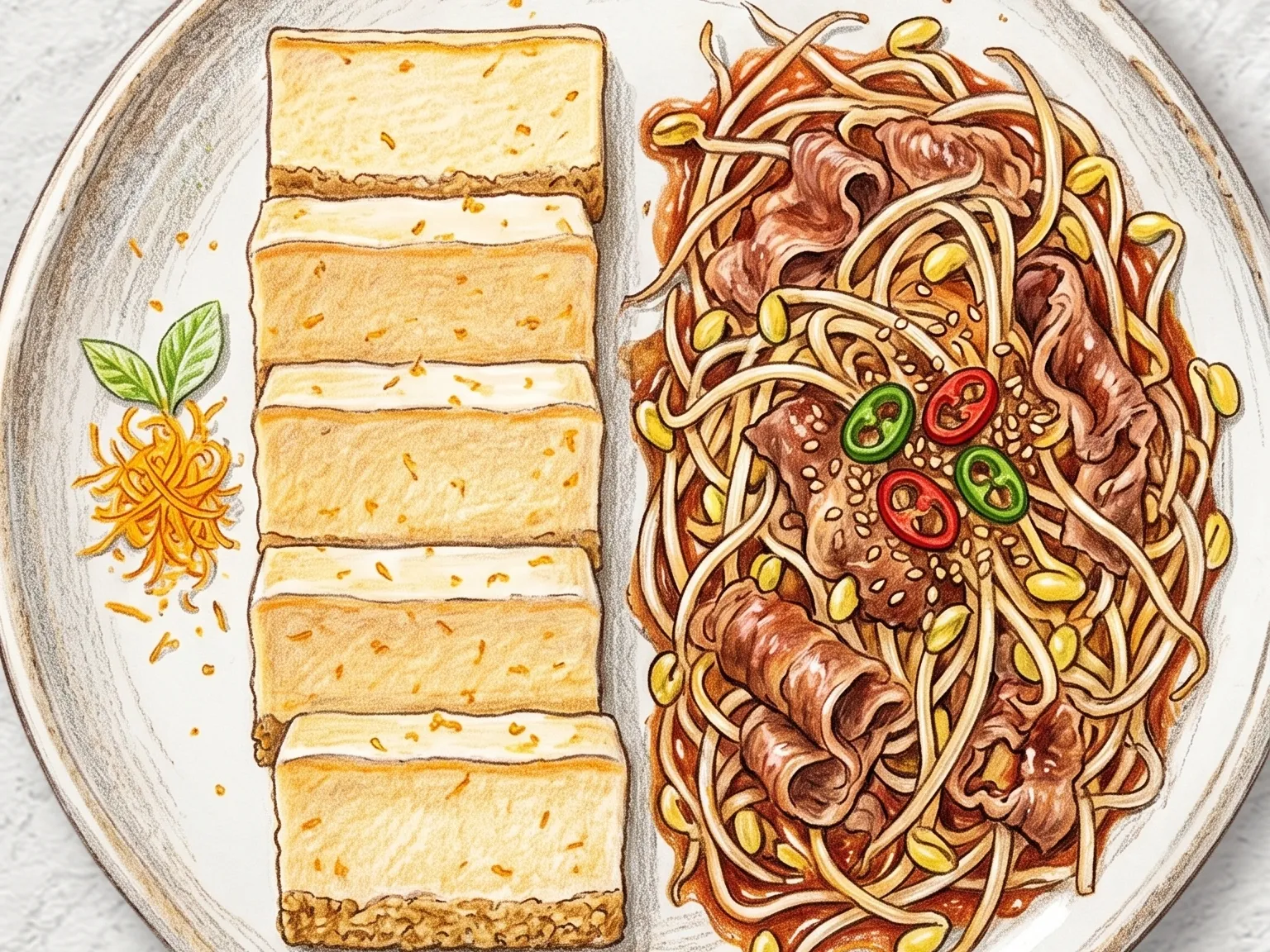
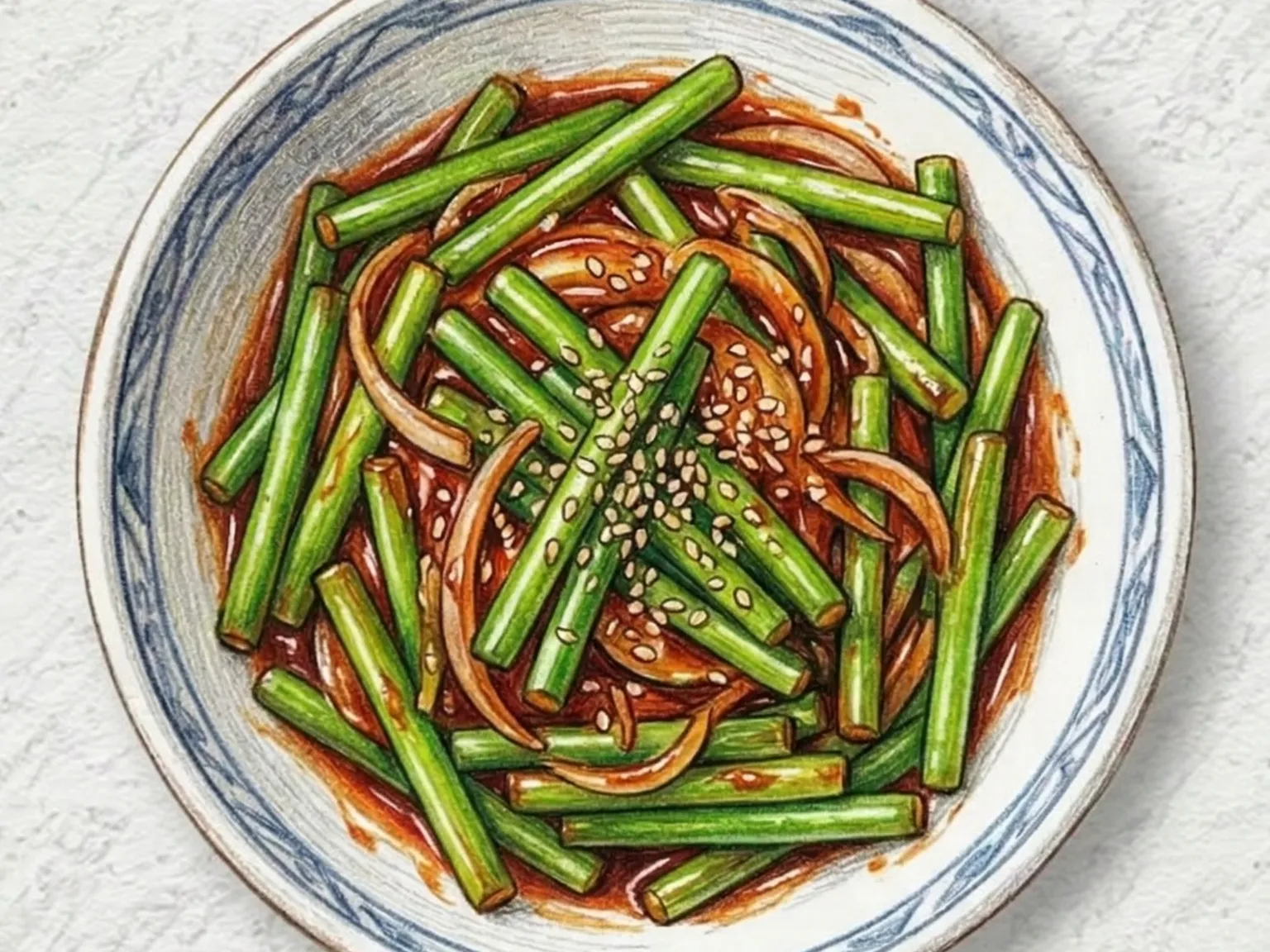
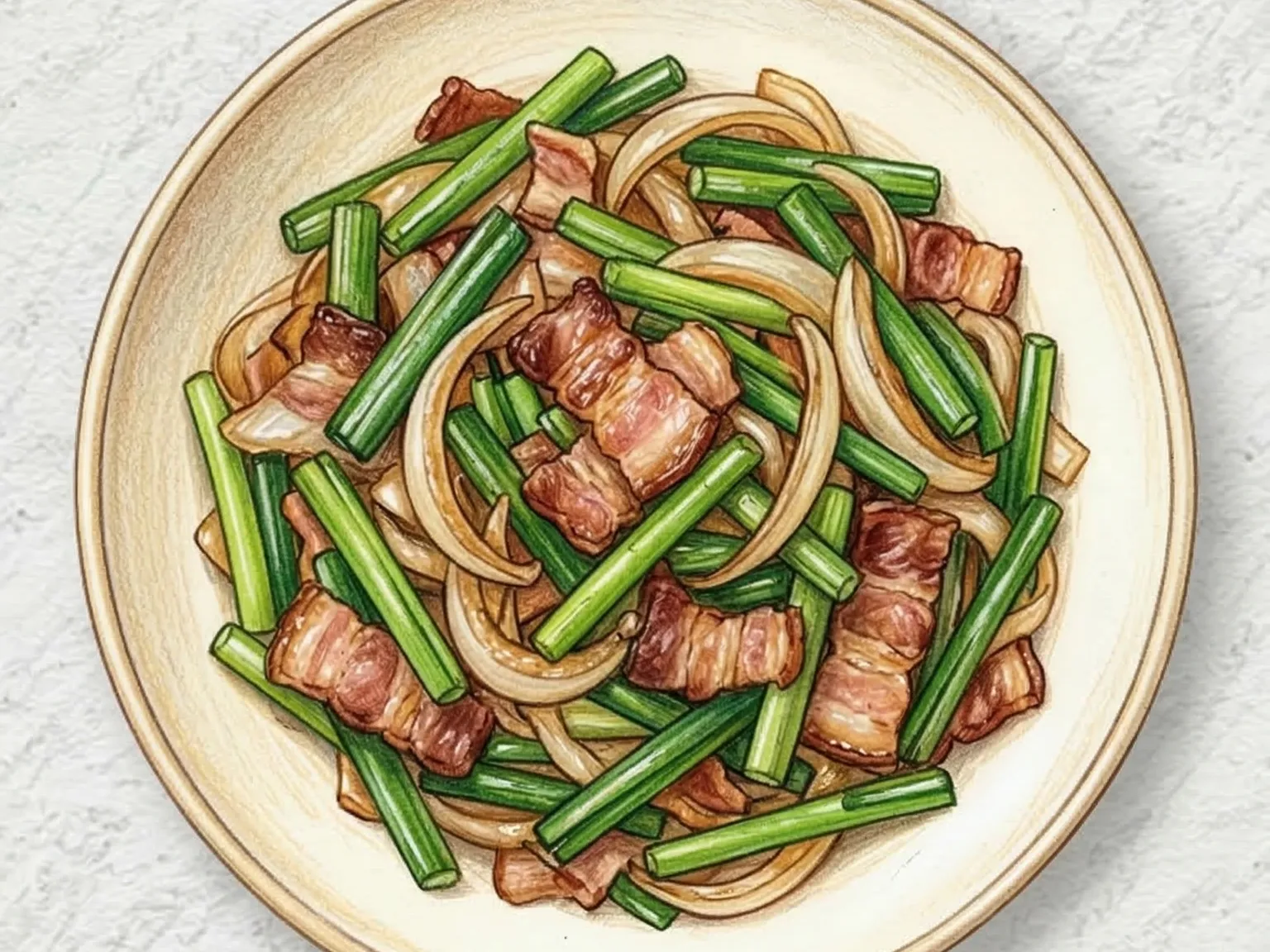
Korean Beef Brisket and Bean Sprout Stir-fry
Stir-fry Easy

Korean Beef Brisket and Bean Sprout Stir-fry

Soybean sprouts pick up the beefy richness of thin-sliced brisket (chadolbaegi), because the fat the brisket renders is the only oil used for the chili sauce. Brisket this thin browns in a minute or two and the sprouts should stay crunchy, which makes the whole cook brief and fast. Blot off only the excess fat; wiping the pan dry leaves nothing to fry the paste in.

🏠 Everyday 🍺 Bar Snacks
Prep 12min Cook 9min 2 servings
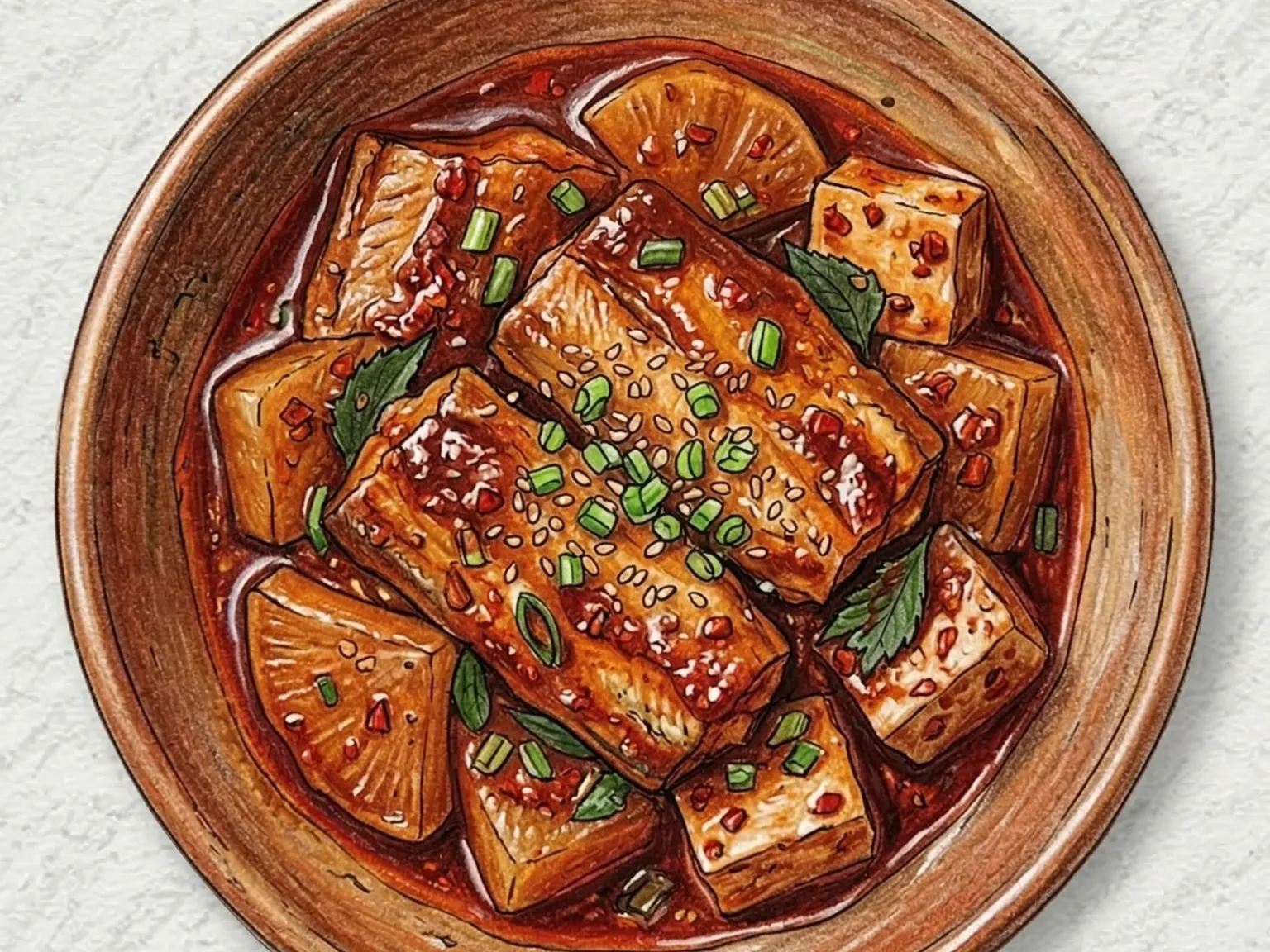
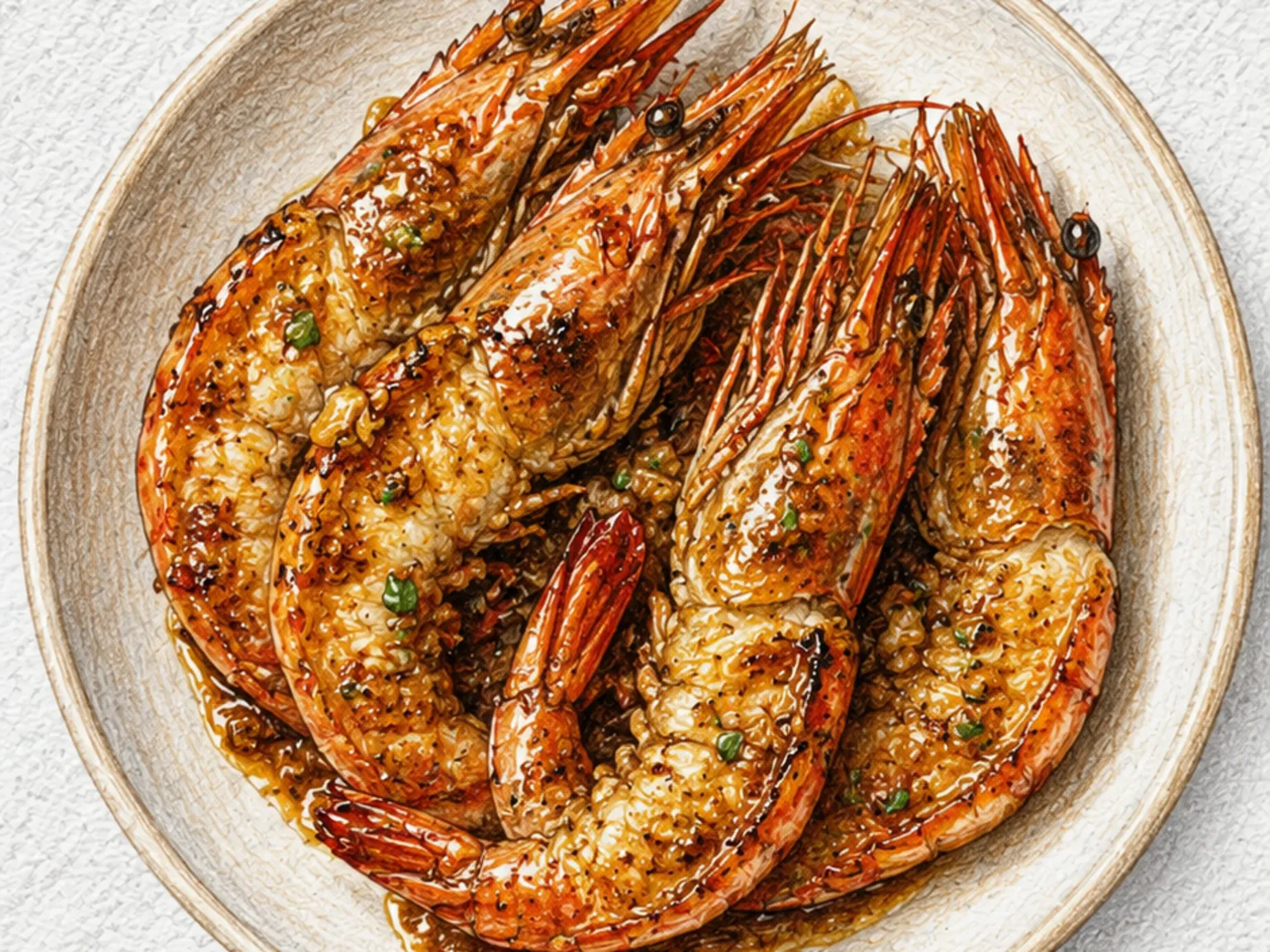
Korean Spicy Braised Semi-Dried Pollock
Steamed Medium

Korean Spicy Braised Semi-Dried Pollock

The firm, slightly chewy flesh of half-dried pollock holds together through a long spicy braise and takes the seasoning all the way in. Gochugaru and gochujang together give the sauce body and a deep red color, and a spoonful of syrup added near the end gives it shine. Basting two or three times beats flipping, which only tears the fish. When the sauce turns thick and sticks to the pollock, it is ready to serve with the radish and a bowl of rice.

Prep 15min Cook 30min 4 servings
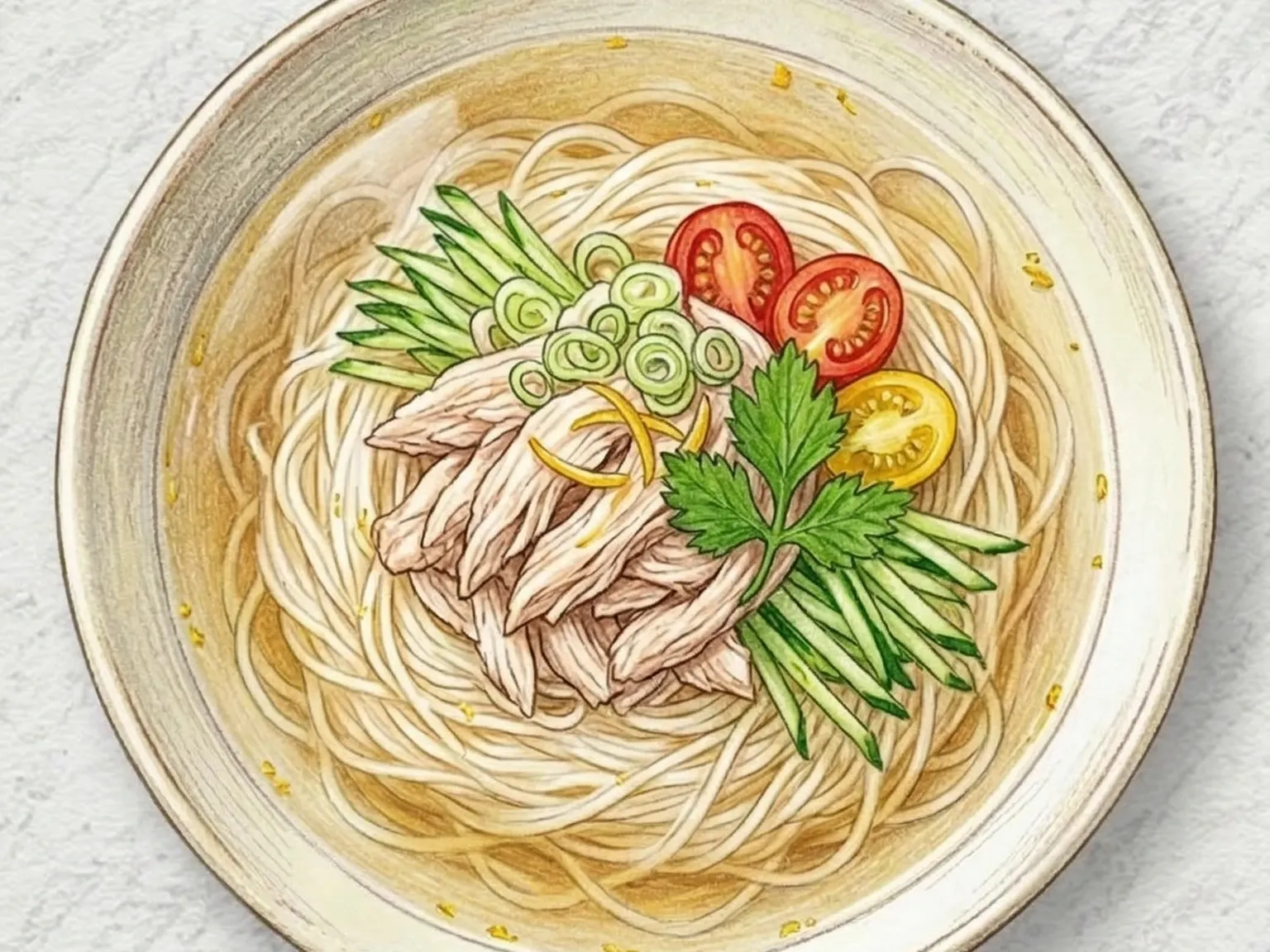
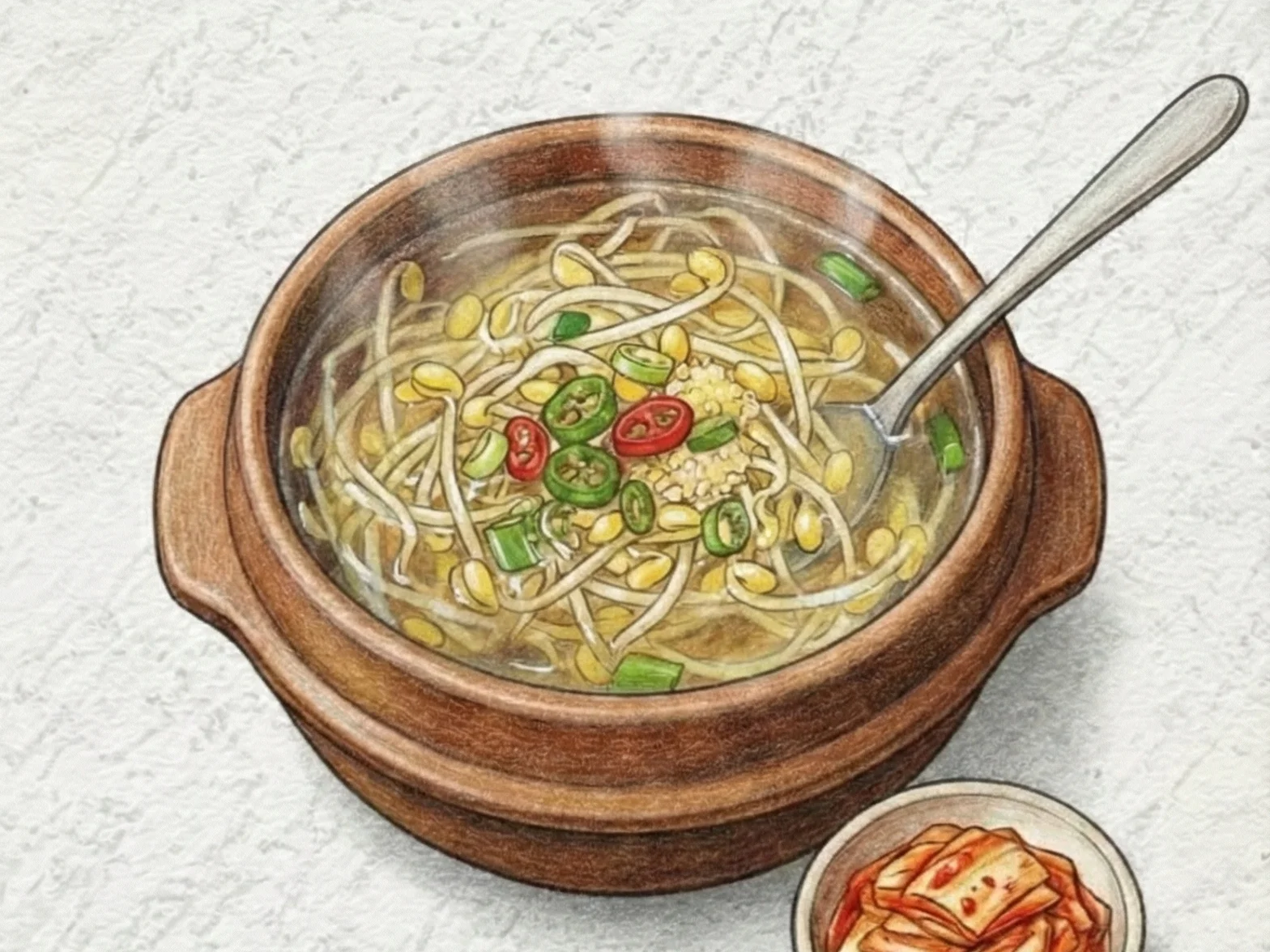
Korean Yuja Chicken Cold Somyeon
Noodles Medium

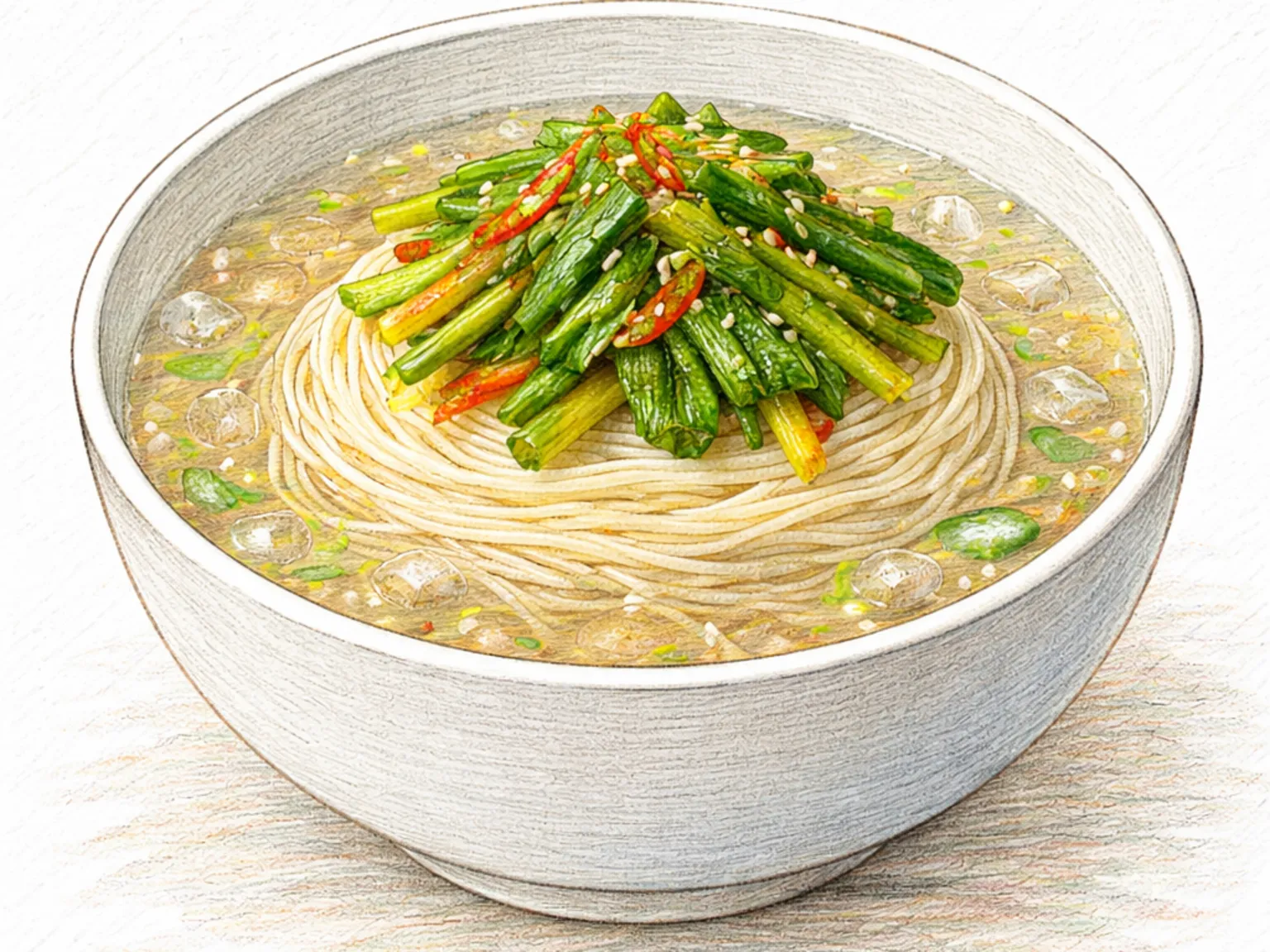
Korean Yuja Chicken Cold Somyeon

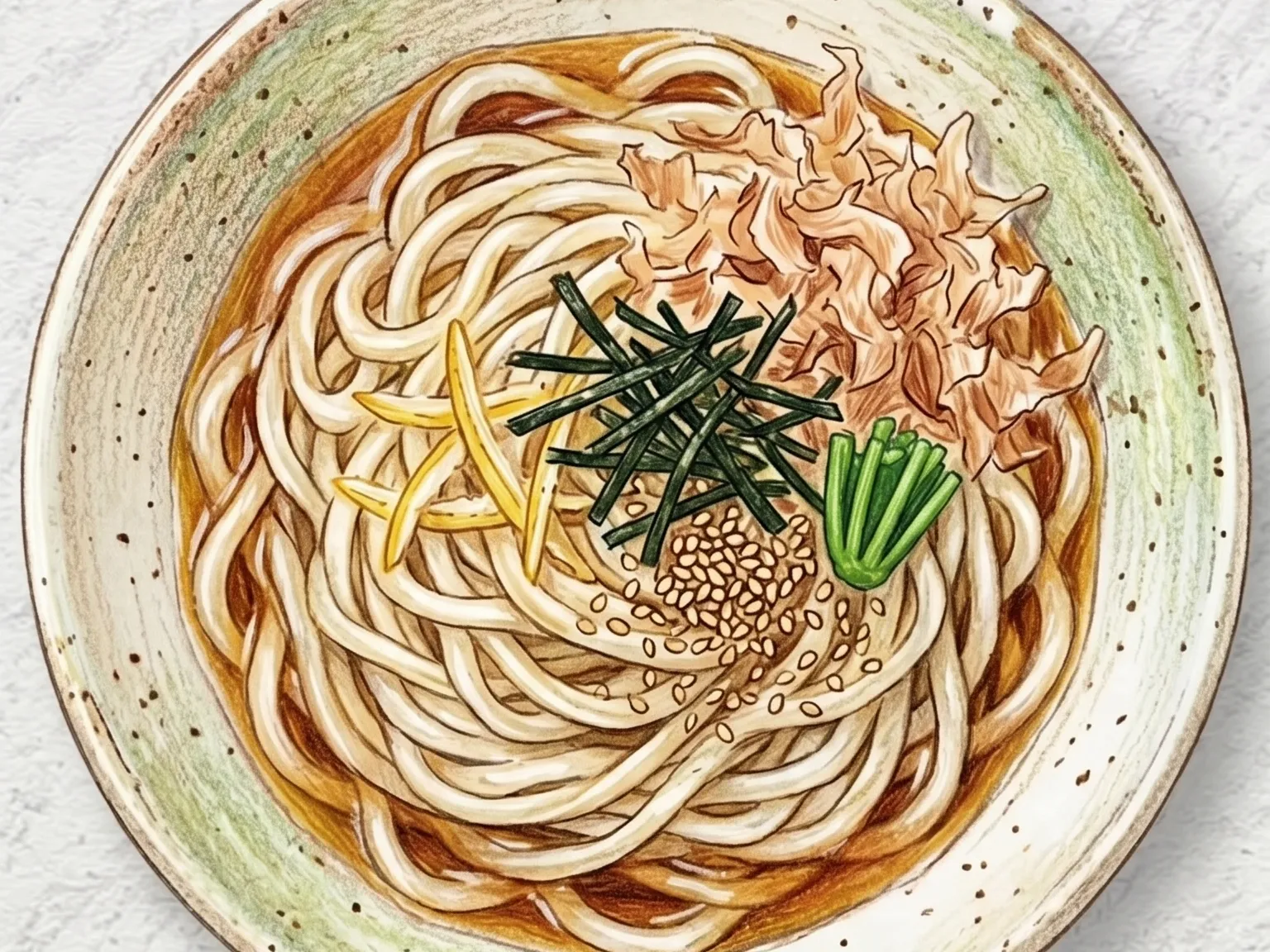
Chicken breast and radish simmer gently into a clear stock, and yuja (citron) syrup stirred in once it is cold lays a sweet, fragrant citrus note over the savory chicken. The pot stays below a rolling boil for 15 minutes so the broth comes out clear, and nothing oily goes into it. The same chicken then gets shredded for the topping, making one ingredient do double duty as broth and garnish. Because the stock has to cool completely and chill, it gets started well before the noodles. The yuja syrup needs to dissolve fully in the cold broth, or its sweetness collects in one spot. Freezing part of the broth into ice cubes keeps the bowl cold without watering it down.

Prep 30min Cook 20min 4 servings
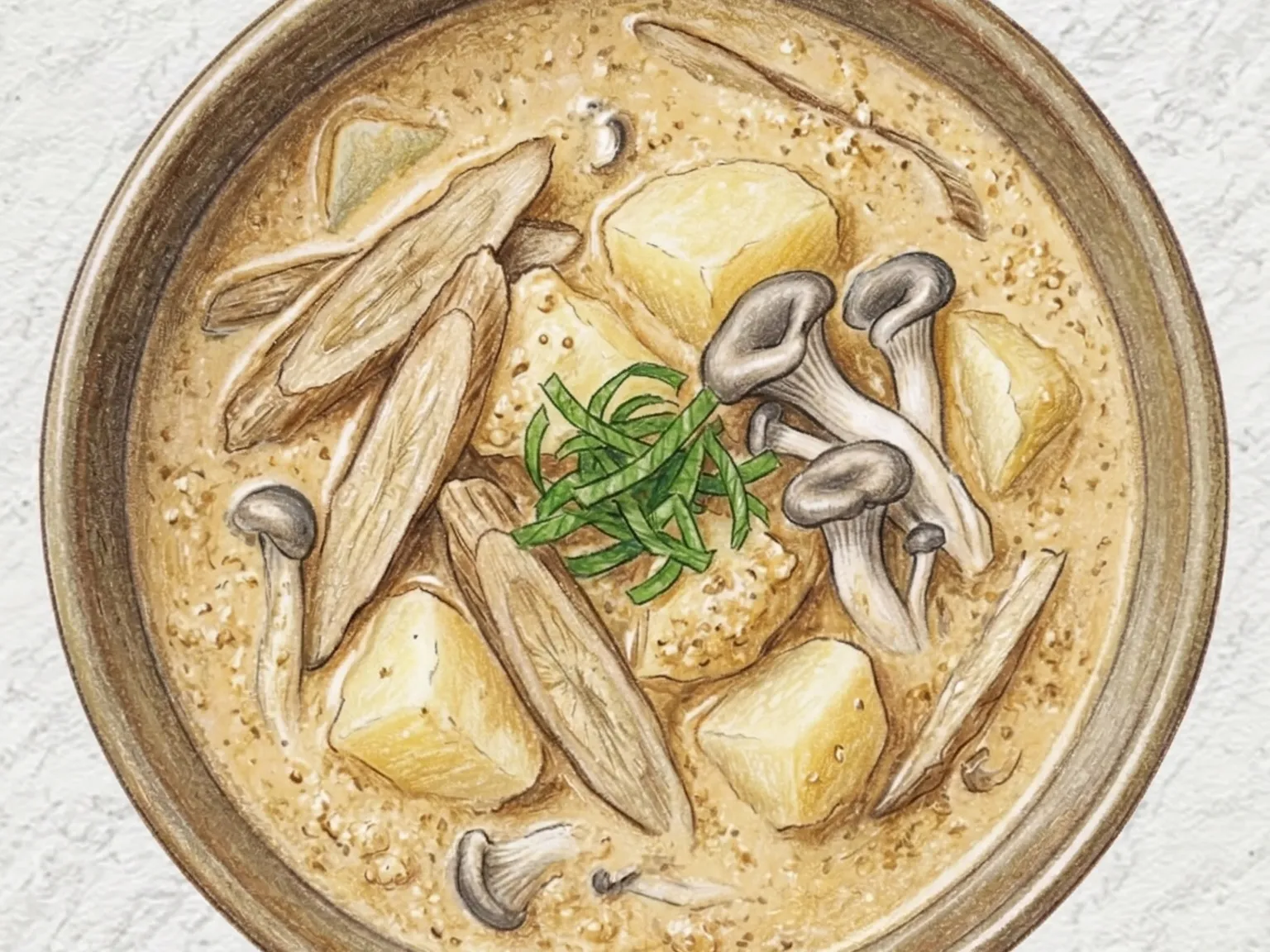
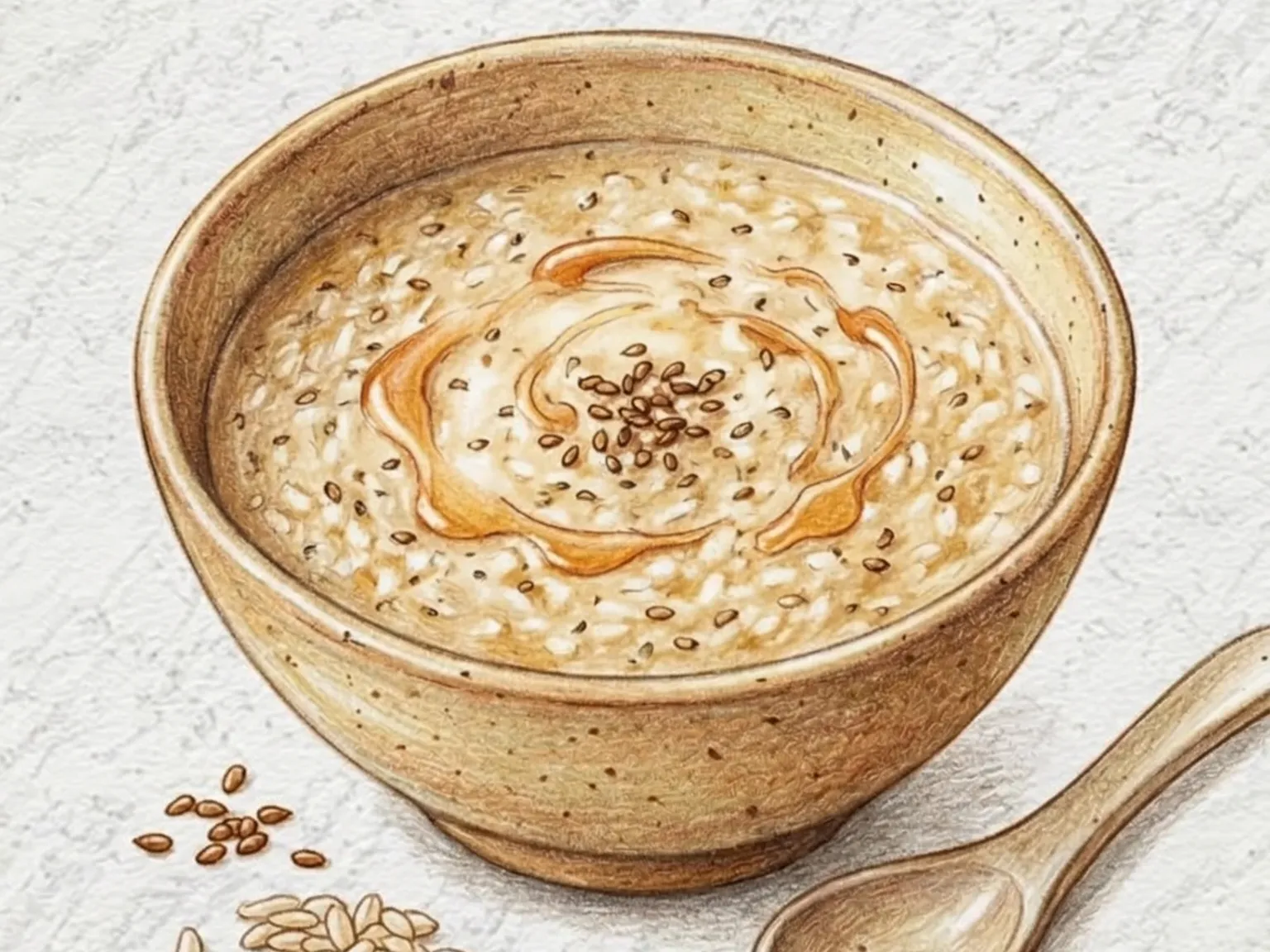
Korean Sesame Porridge (Toasted Sesame Silky Rice Porridge)
Rice Easy

Korean Sesame Porridge (Toasted Sesame Silky Rice Porridge)

Finely ground toasted sesame and a splash of milk turn plain rice porridge creamy and nutty, and a spoonful of honey on each bowl leaves a gentle sweetness at the end. The seeds are ground very fine in a mortar or blender, since coarse bits make the porridge gritty. Because the rice soaks for 30 minutes first, this is not a last-minute porridge. Once the milk is added, the bottom catches easily and needs steady stirring.

Prep 35min Cook 35min 2 servings
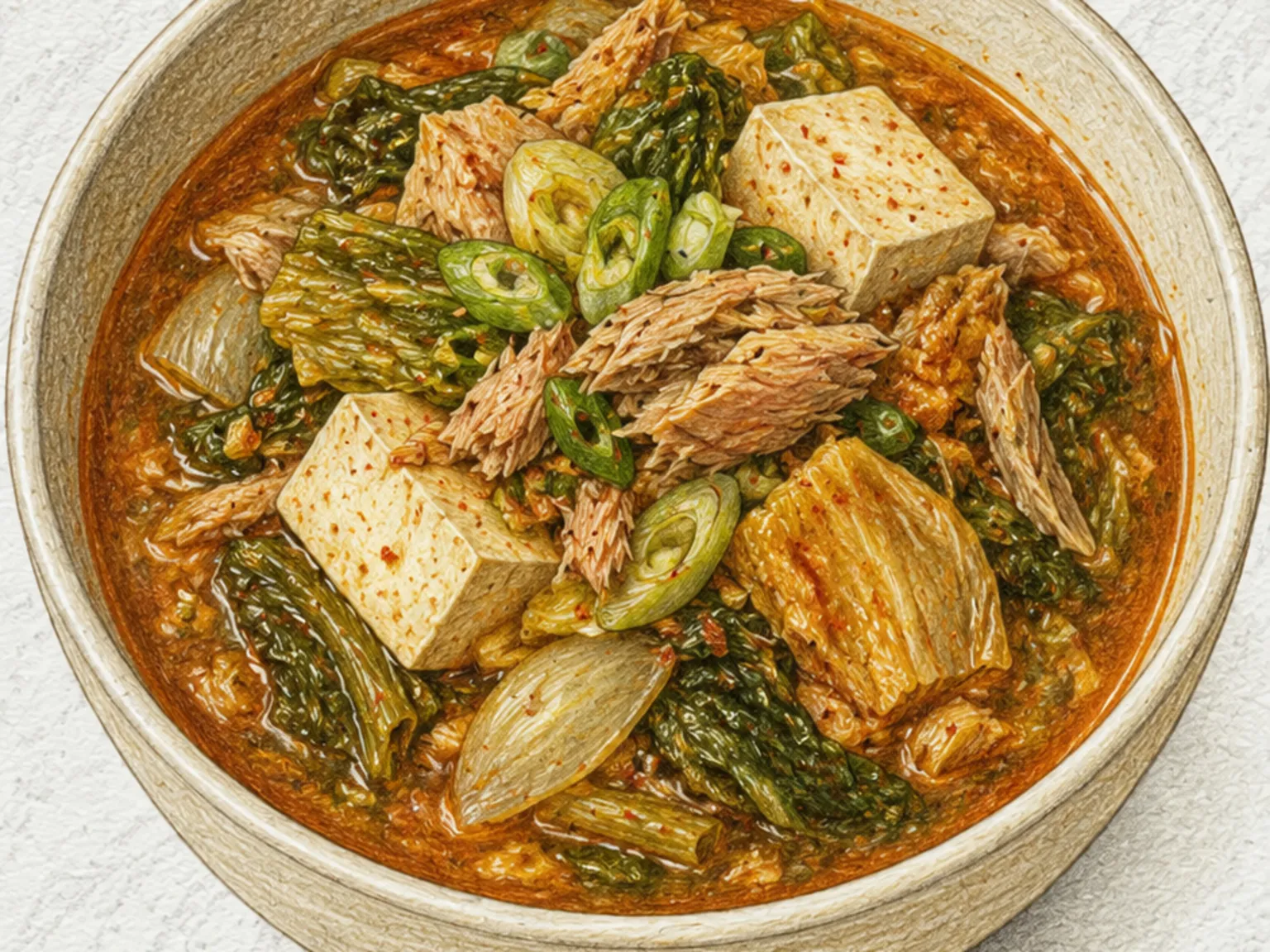
Kodari Jorim (Korean Braised Pollack)
Steamed Medium

Kodari Jorim (Korean Braised Pollack)

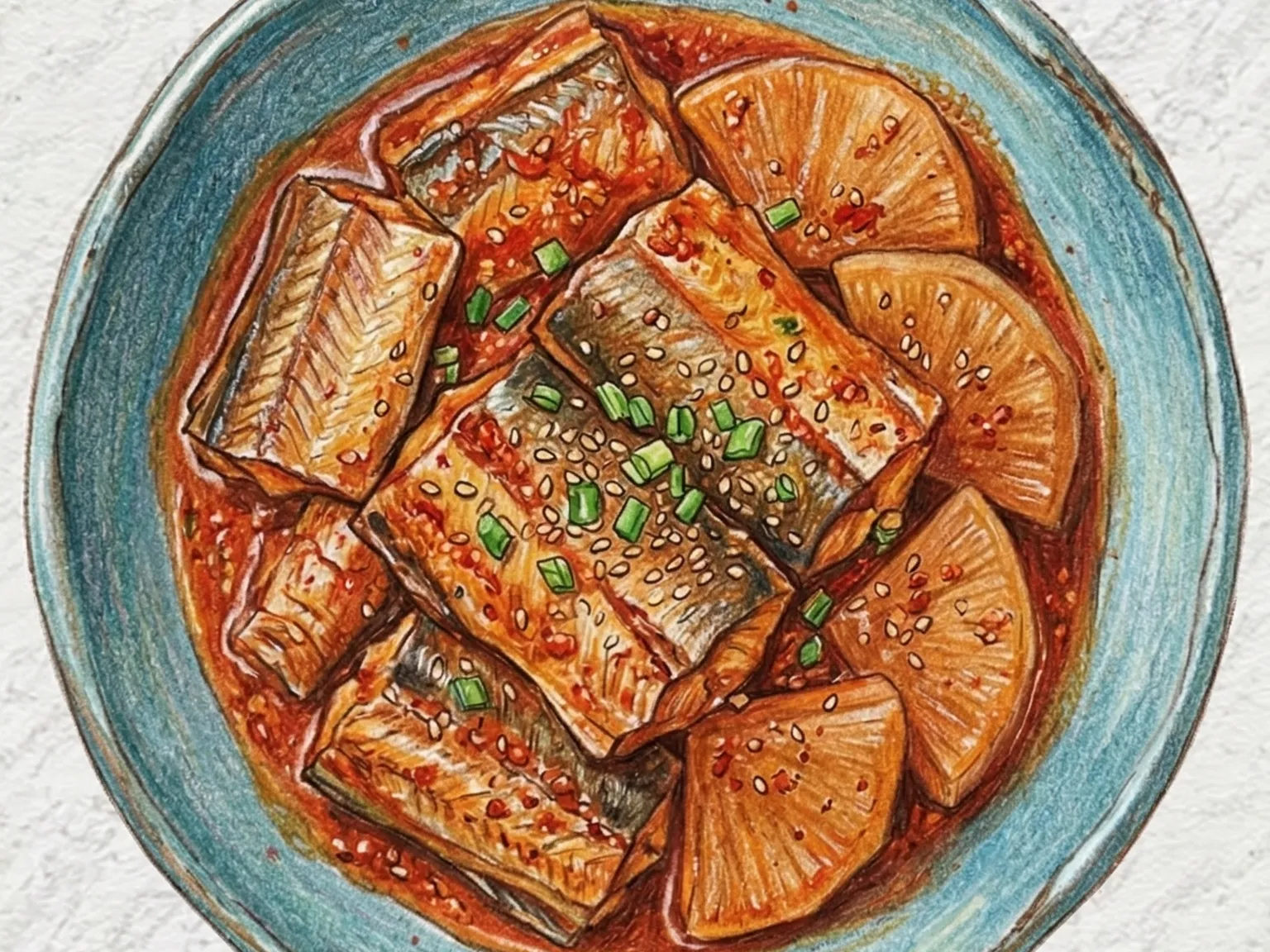
Dried only partway in the sea wind on Korea's east coast, kodari pollock keeps some moisture in its flesh. Braised, it turns chewy without the dry, fibrous texture of fully dried hwangtae or bugeo. Radish under the fish keeps it off the hot pot bottom while a spicy-sweet sauce of gochujang, gochugaru, soy sauce and sugar cooks into it over about half an hour. It tastes even better after a night in the fridge, and leftover sauce makes a good bibimbap seasoning.

Prep 25min Cook 35min 4 servings
Korean Pickled Radish Wraps
Kimchi Easy

Korean Pickled Radish Wraps

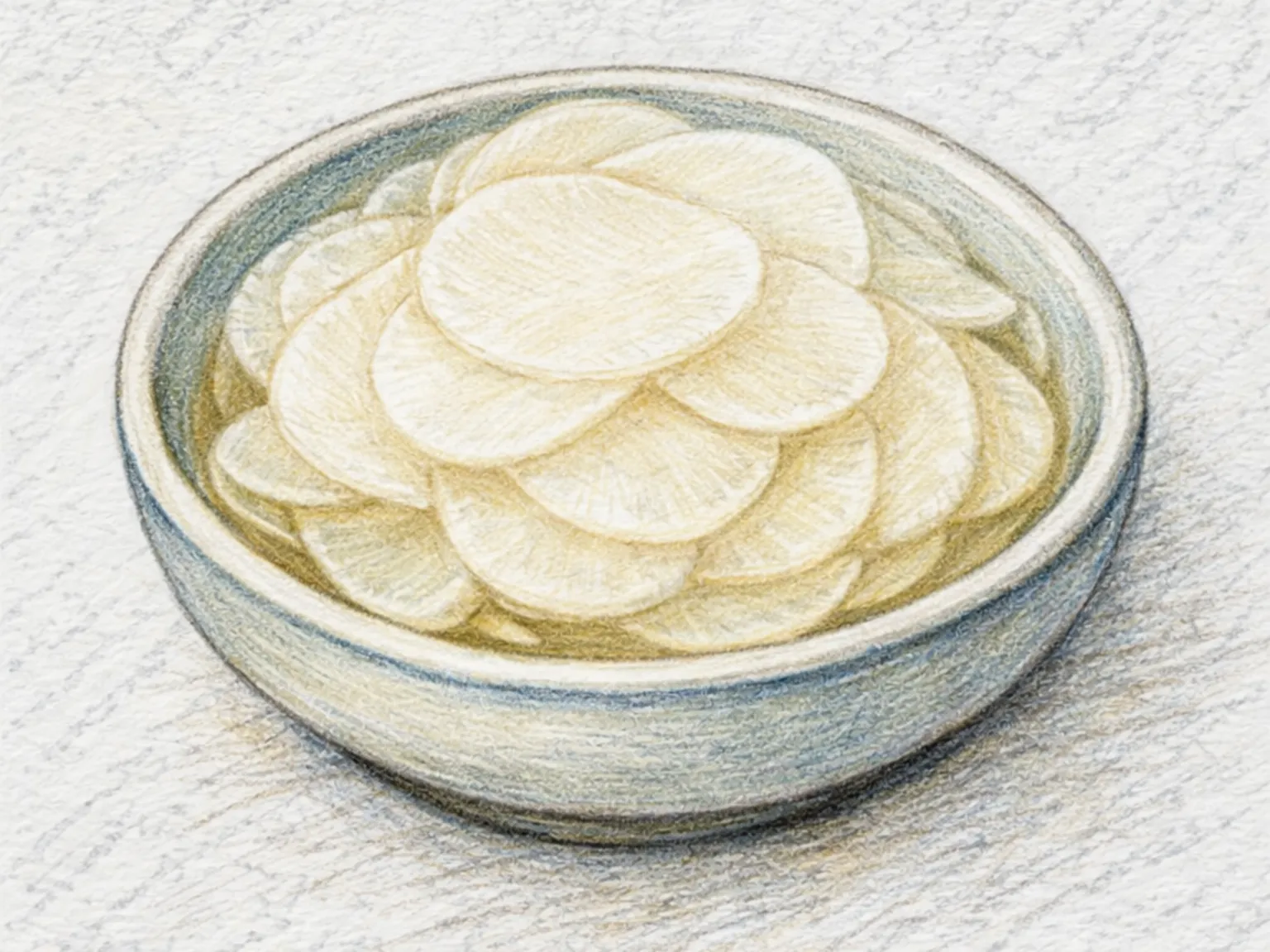
Radish sliced 2 mm thin and soaked in a sweet-sour brine becomes a soft, pliable wrapper for pork belly or fried chicken. Any thicker slice resists rolling and gets sliced again until the pieces match. The brine boils only 30 seconds past the first bubbles at the edge, because longer boiling drives off the vinegar's sharpness, and it is cooled to lukewarm before pouring, since hot brine partly cooks the radish and makes the slices tear when rolled. The wraps are ready after a day, though the sourness and sweetness reach the center by day three. A slice of lemon in the container adds a citrus note, and each bite of fatty meat gets a sharp, clean finish from the wrap.

At least 1 day 4 servings