Browse by cuisine

Korean Recipes

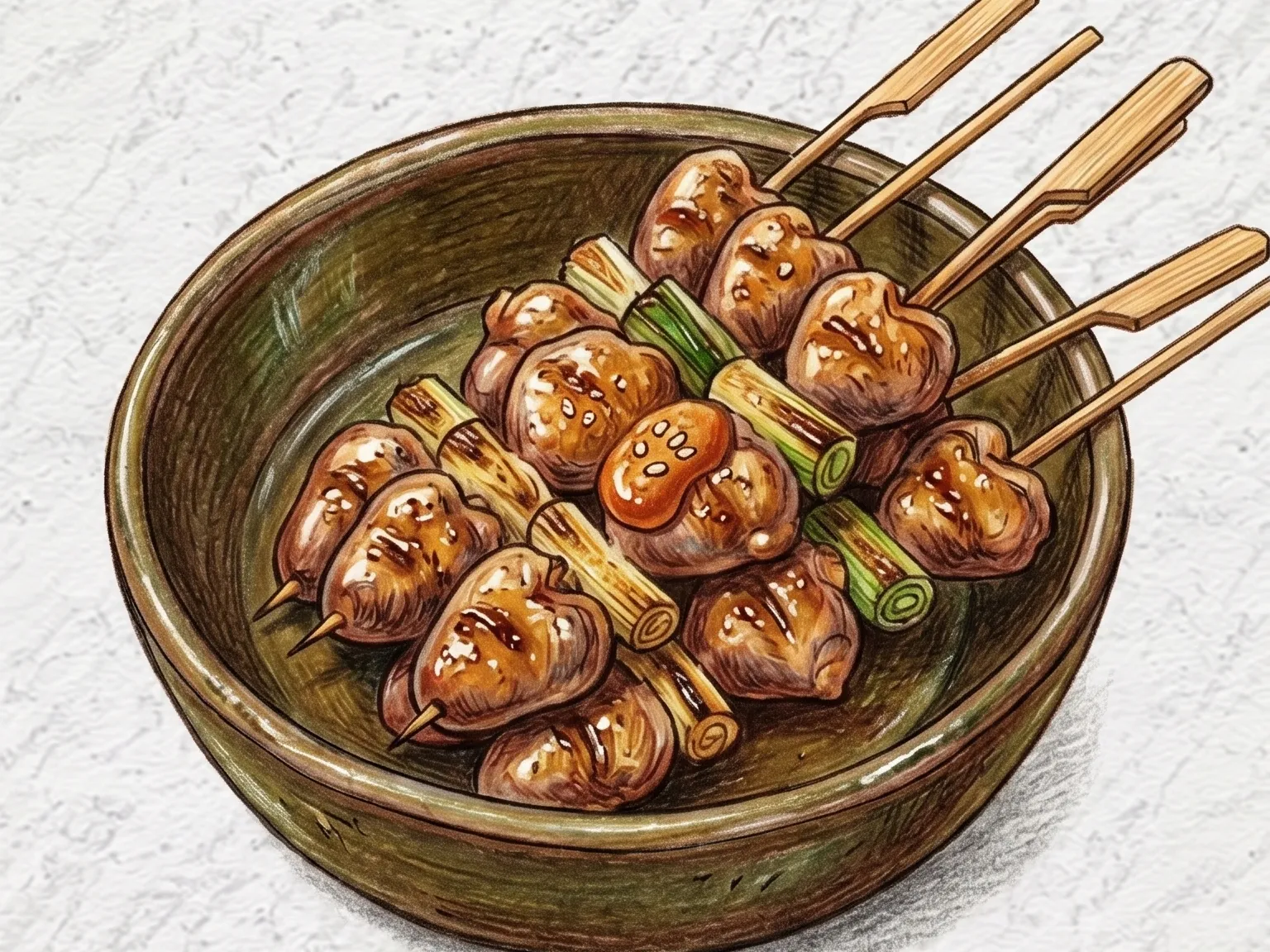
1880 Korean recipes. Page 62 of 79. Compare ingredients and cooking times. Grilled Chicken Heart Skewers.

Korean Braised Quail Eggs and Shishito Peppers
Steamed Easy

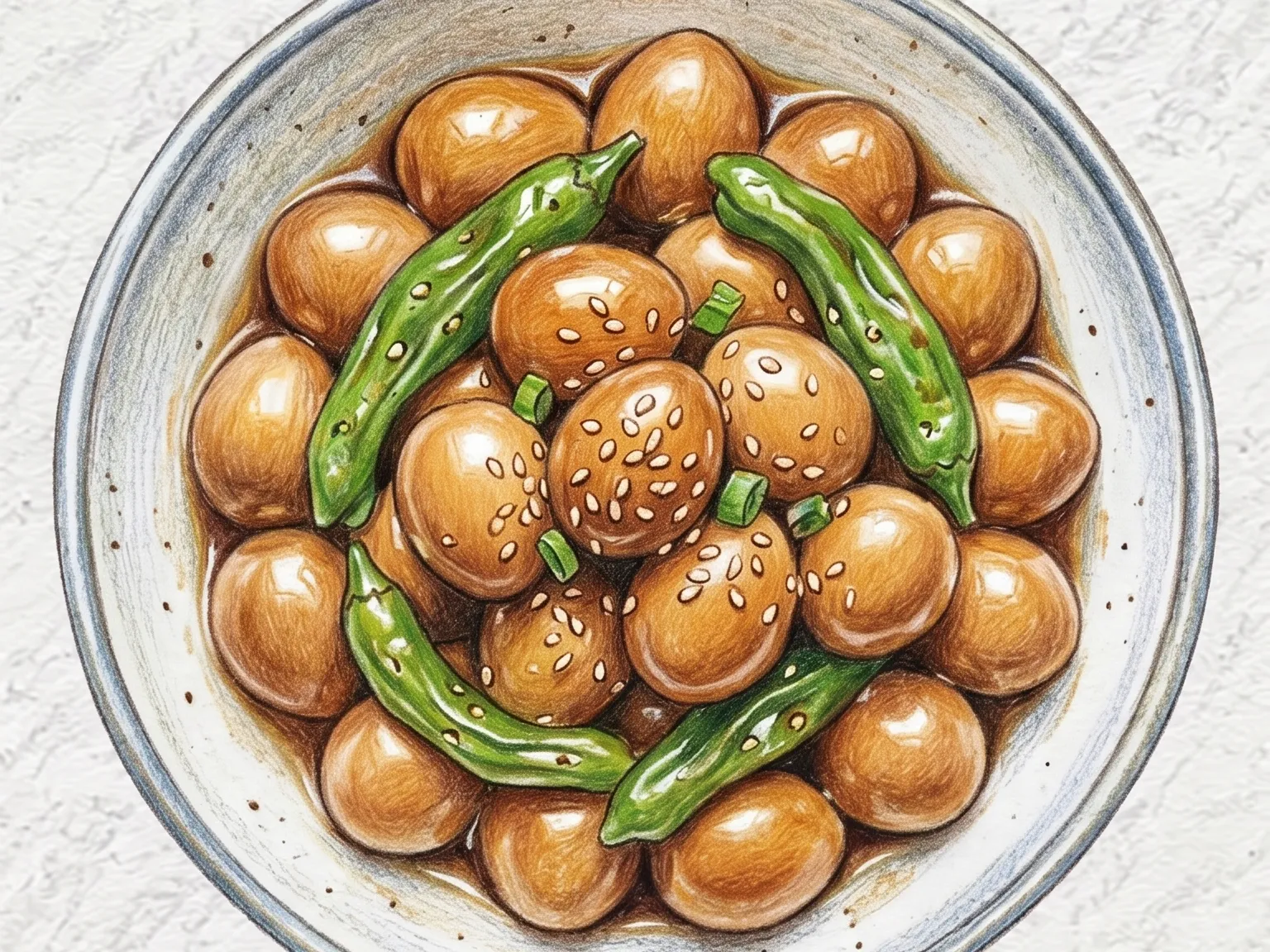
Korean Braised Quail Eggs and Shishito Peppers

Rolled around in a soy, sugar and mirin braise, the small quail eggs brown evenly and take on salt almost to the yolk. Added once the liquid has reduced by about half, the shishito peppers soften without bursting and keep their green, slightly grassy taste. A couple of toothpick holes in each pepper let the sauce inside and keep the skins from splitting. The braise should end with a little syrupy liquid still in the pot rather than a dry pan, giving each egg a shiny coat. Refrigerated, it keeps for three to four days as a ready side dish.

🏠 Everyday 🍱 Lunchbox
Prep 12min Cook 20min 4 servings
Saeujeot
Kimchi Medium

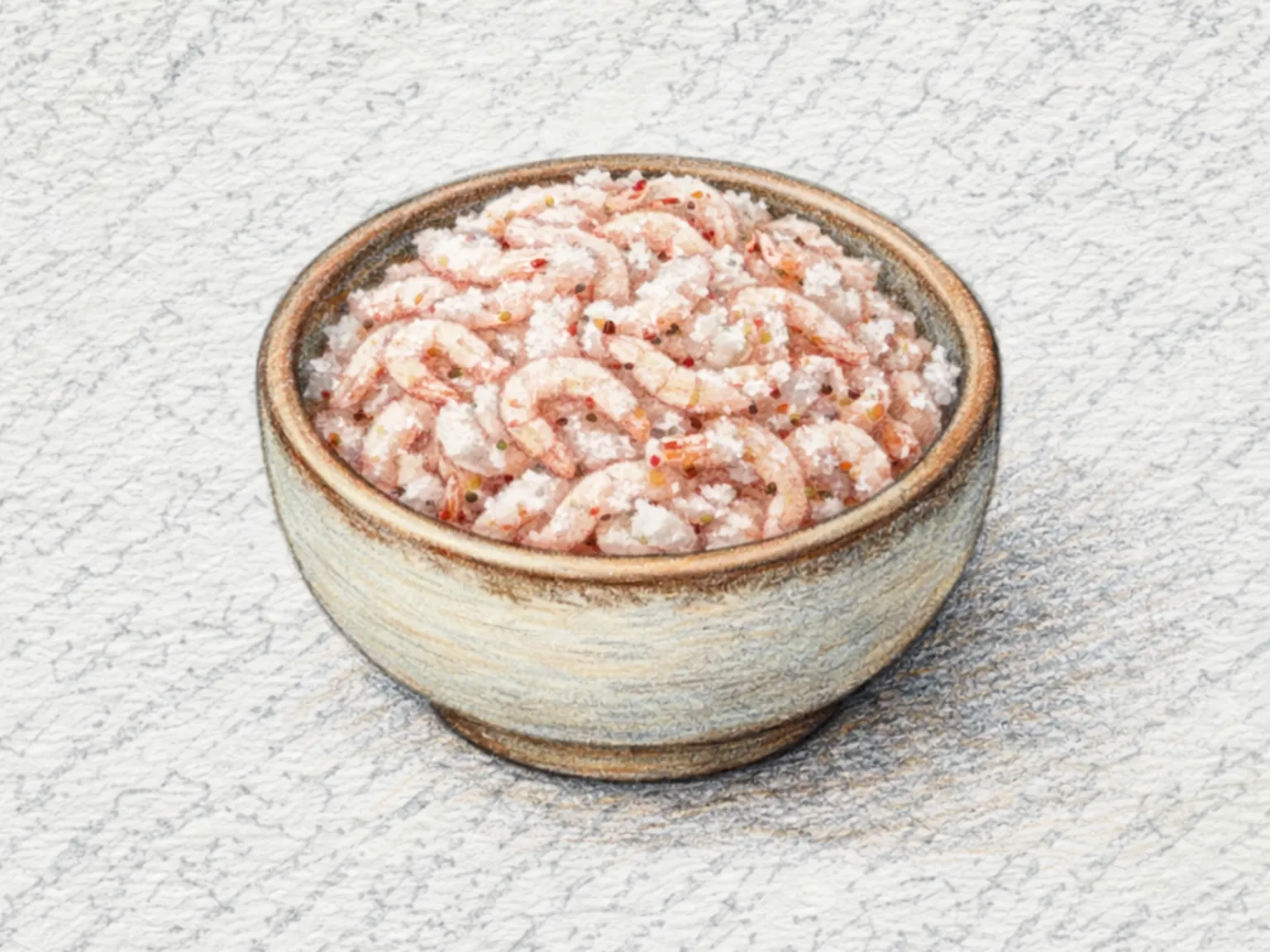
Saeujeot

Nothing but tiny jeot shrimp and salt goes into the crock, and the shrimp are left until they break down completely, ready to season kimchi. Unlike dishes that coat plump prawns in sauce, this relies on the thin-shelled shrimp slowly dissolving into a salty, savory paste. When shopping, tell apart ready-aged saeujeot from raw shrimp meant for salting at home. The crock needs shade, temperatures kept under 25°C, and at least two weeks, so it is not something to eat right away. The salty brine it produces counts toward the kimchi's salt too.

At least 14 days 1 batch
Korean Tteok and Ramyeon (Instant Ramen with Chewy Rice Cakes)
Noodles Easy

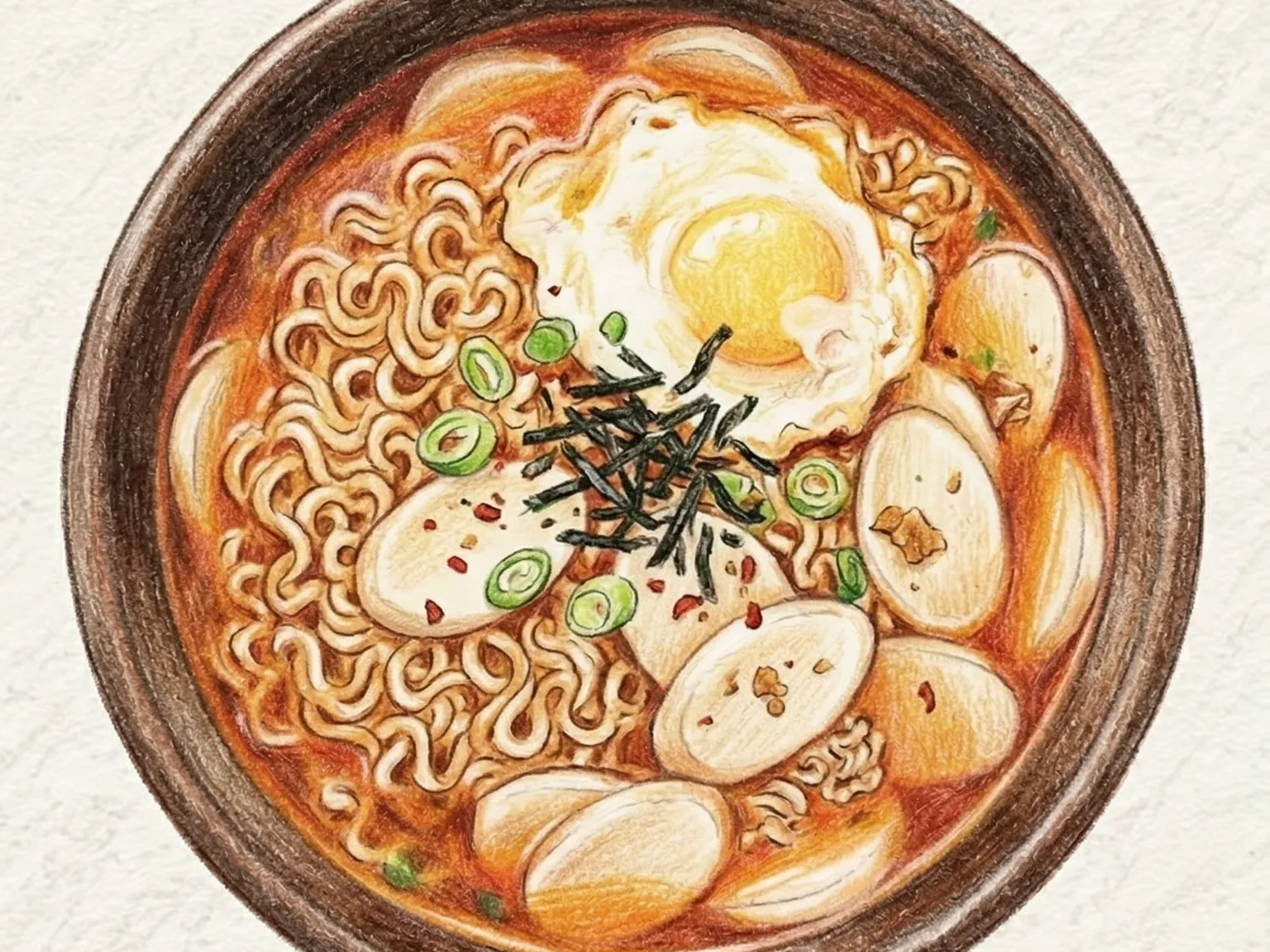
Korean Tteok and Ramyeon (Instant Ramen with Chewy Rice Cakes)

Thin instant noodles and thick, chewy tteokbokki rice cakes cook in one pot, so the spicy broth carries two very different bites. Both keep drinking the broth after the heat goes off, and a bowl left sitting ends up with little soup and soft noodles. The egg is cracked in whole and either basted with broth for a soft yolk or boiled 1 minute more to set firm.

⚡ 20-Minute Recipes
Prep 5min Cook 8min 1 serving
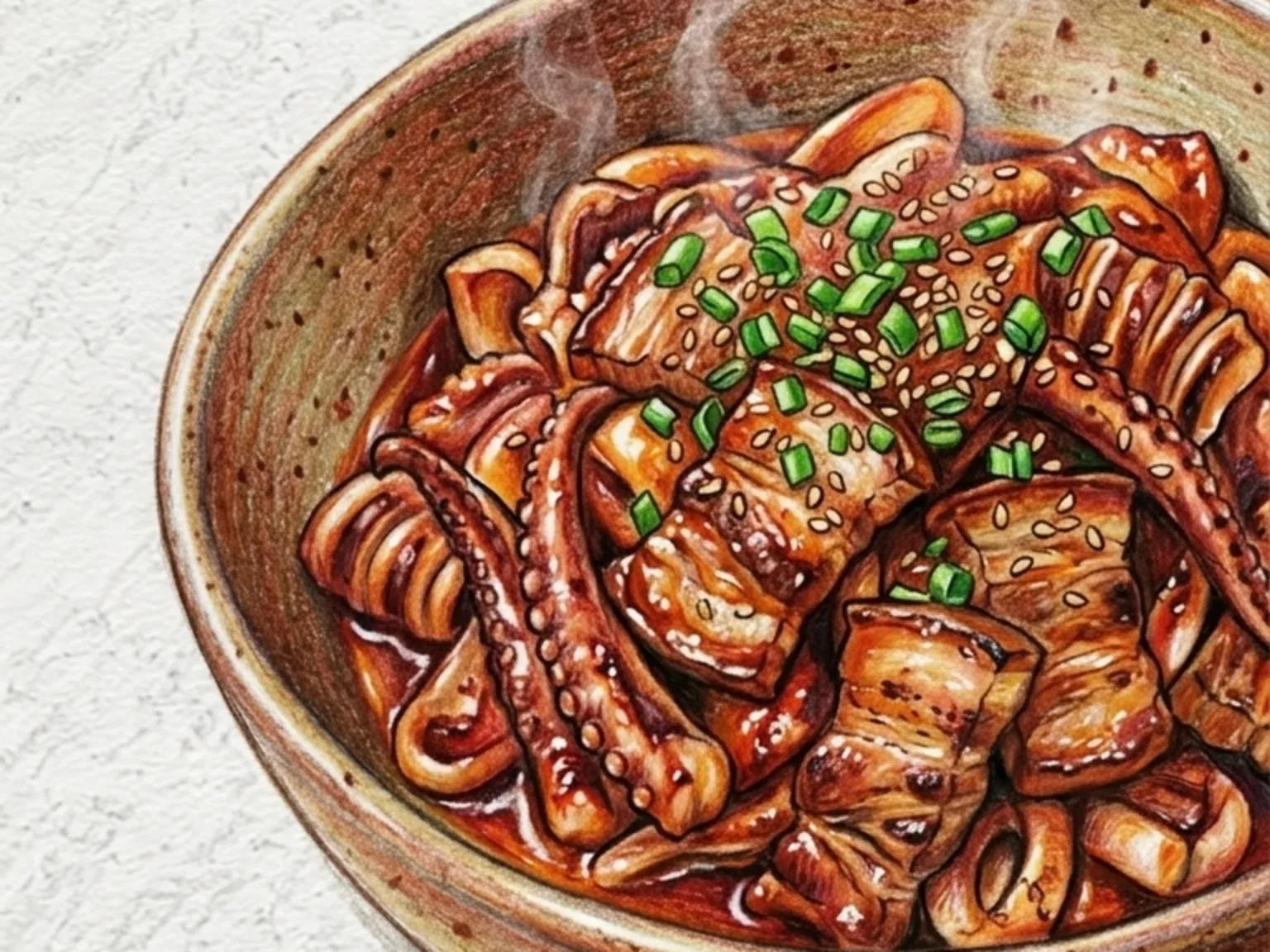
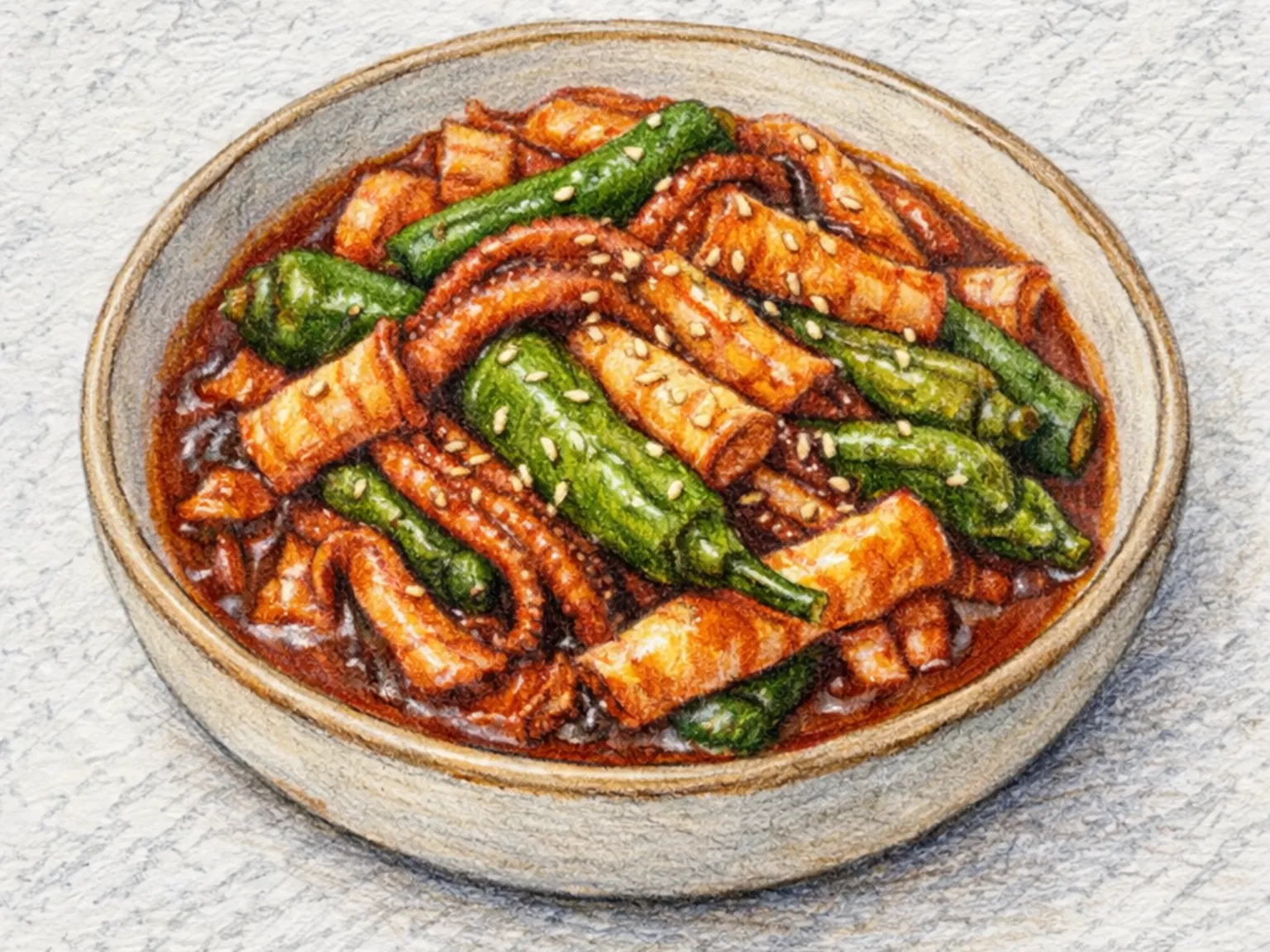
Korean Braised Squid with Shishito Peppers
Steamed Medium

Korean Braised Squid with Shishito Peppers

Squid and shishito peppers end up coated in a spicy glaze of soy sauce, gochujang and gochugaru, with just enough sauce left in the pan to spoon over rice. The squid gets only a short, hot reduction, since it turns rubbery the longer it simmers; once the edges curl and turn white, it is nearly there. Residual heat keeps cooking it, which is the reason to stir in the sesame oil off the heat and plate right away.

Prep 18min Cook 17min 2 servings
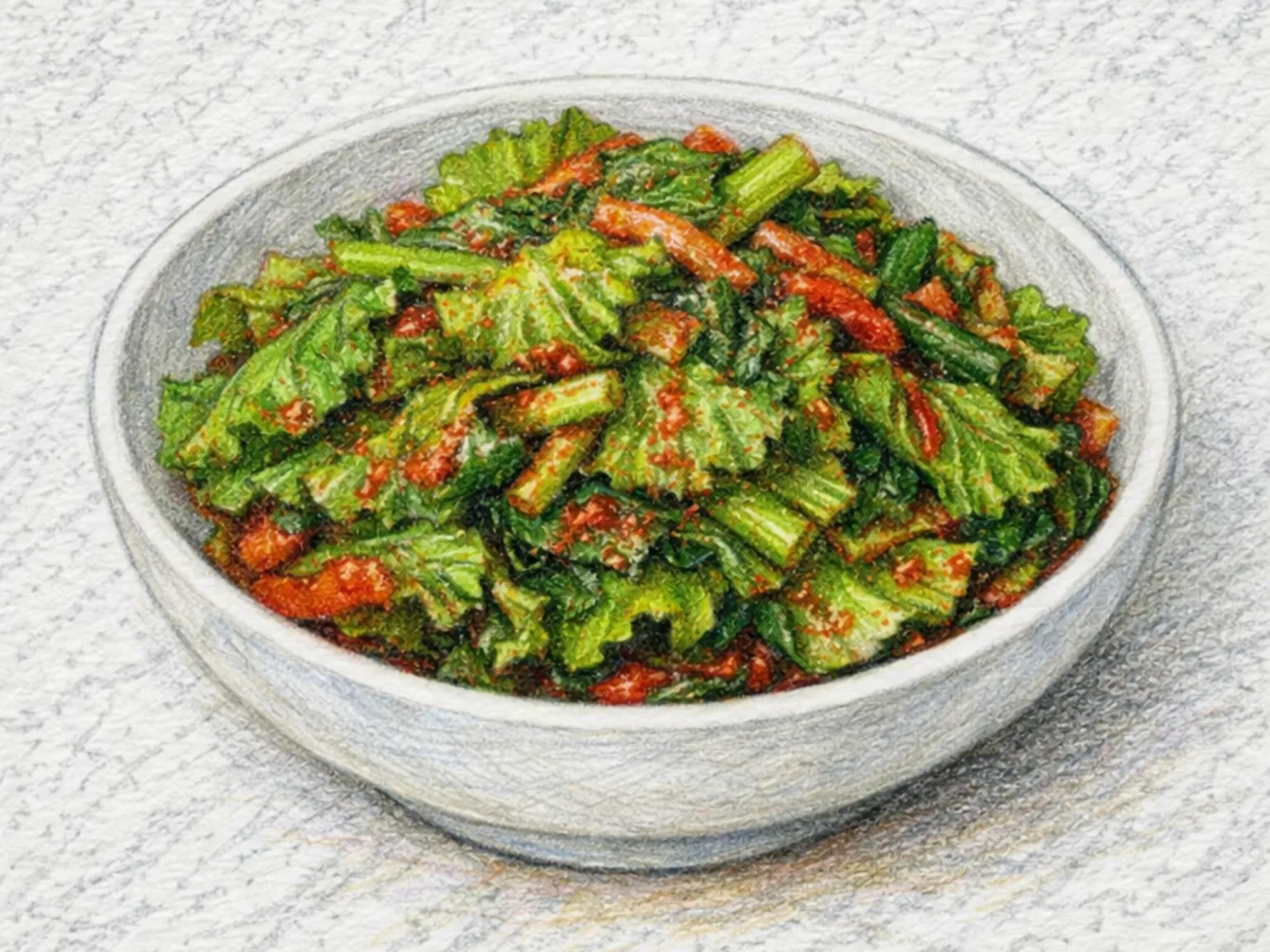
Korean Lettuce Kimchi (Quick Leaf Gochugaru Dressed)
Kimchi Easy

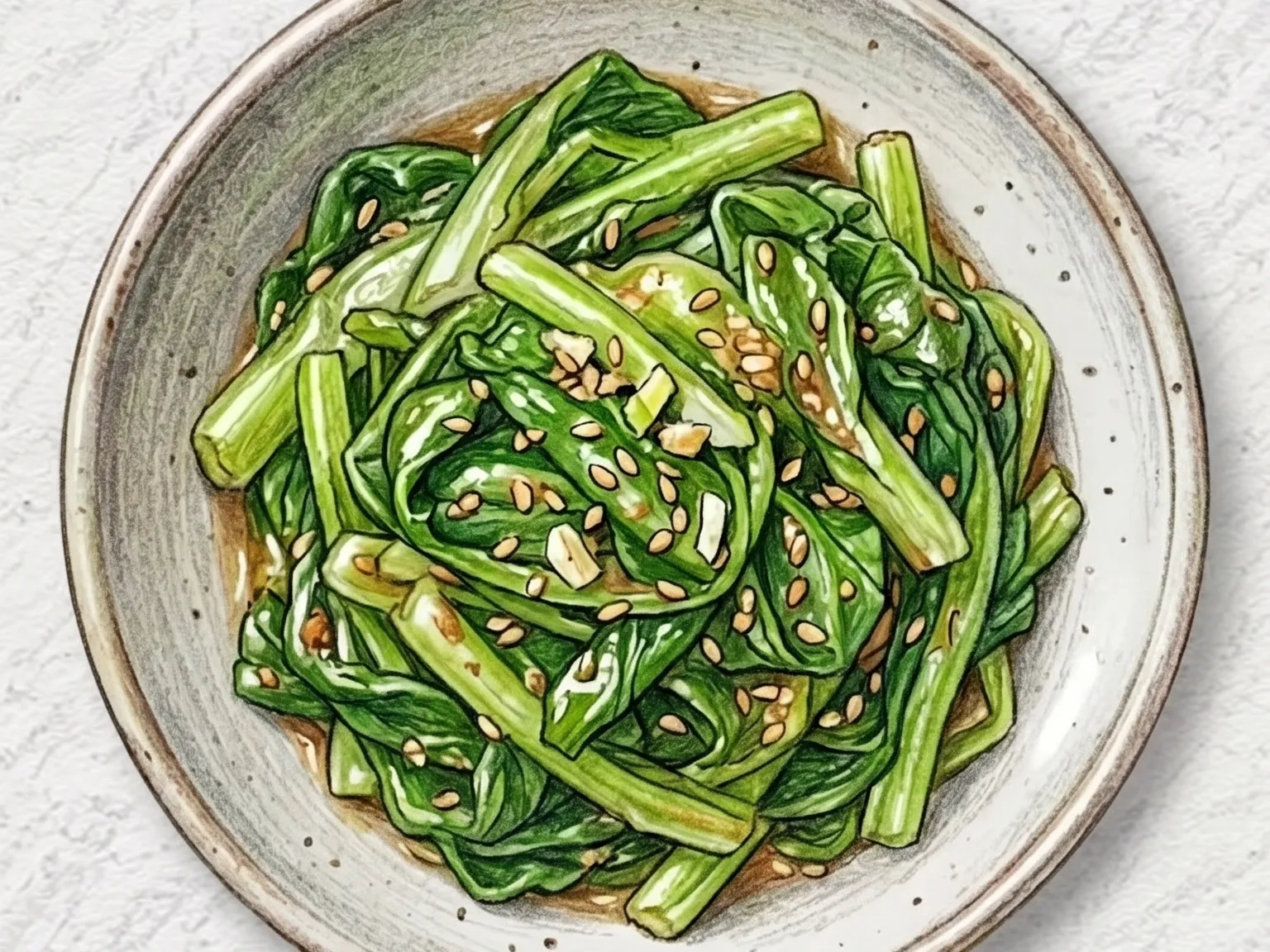
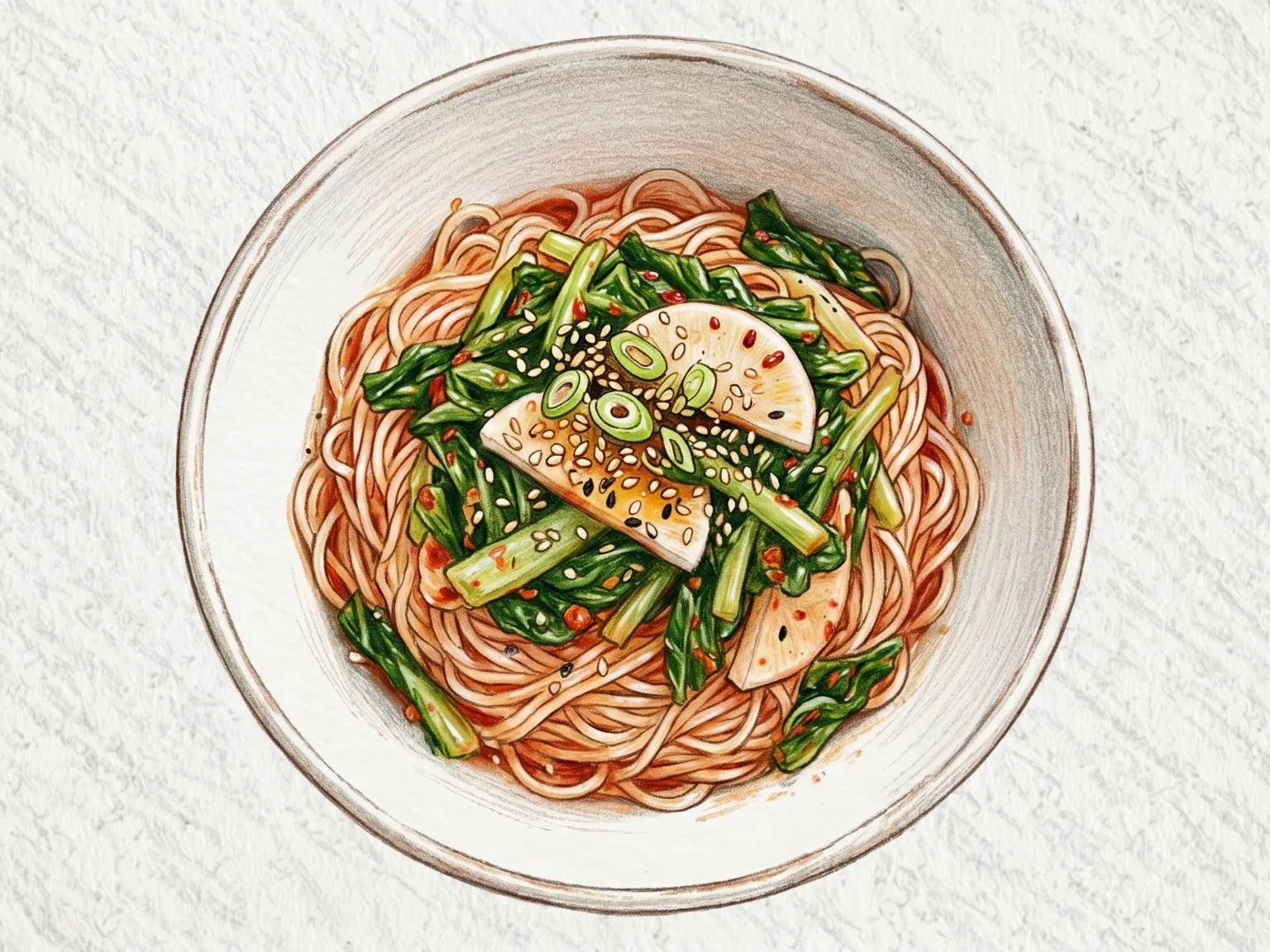
Korean Lettuce Kimchi (Quick Leaf Gochugaru Dressed)

Lettuce wilts within minutes of meeting salt, which caps the salting at 10 minutes, and the kimchi is mixed right before the meal, while the leaf edges still hold a little crunch and a gentle bitterness. Leaves left wet after salting dilute the seasoning until it tastes flat, and patting them dry, never wringing, prevents that. Fermented sand lance sauce (kkanari aekjeot) adds savory depth to the mild leaves, vinegar brightens the finish, and sesame seeds give small toasty bites. The leaves slump and release liquid as it sits, so it goes to the table at once. A spoonful of ssamjang, a soybean dipping paste, stirred in makes it earthier.

⚡ 20-Minute Recipes
Prep 20min 0 2 servings
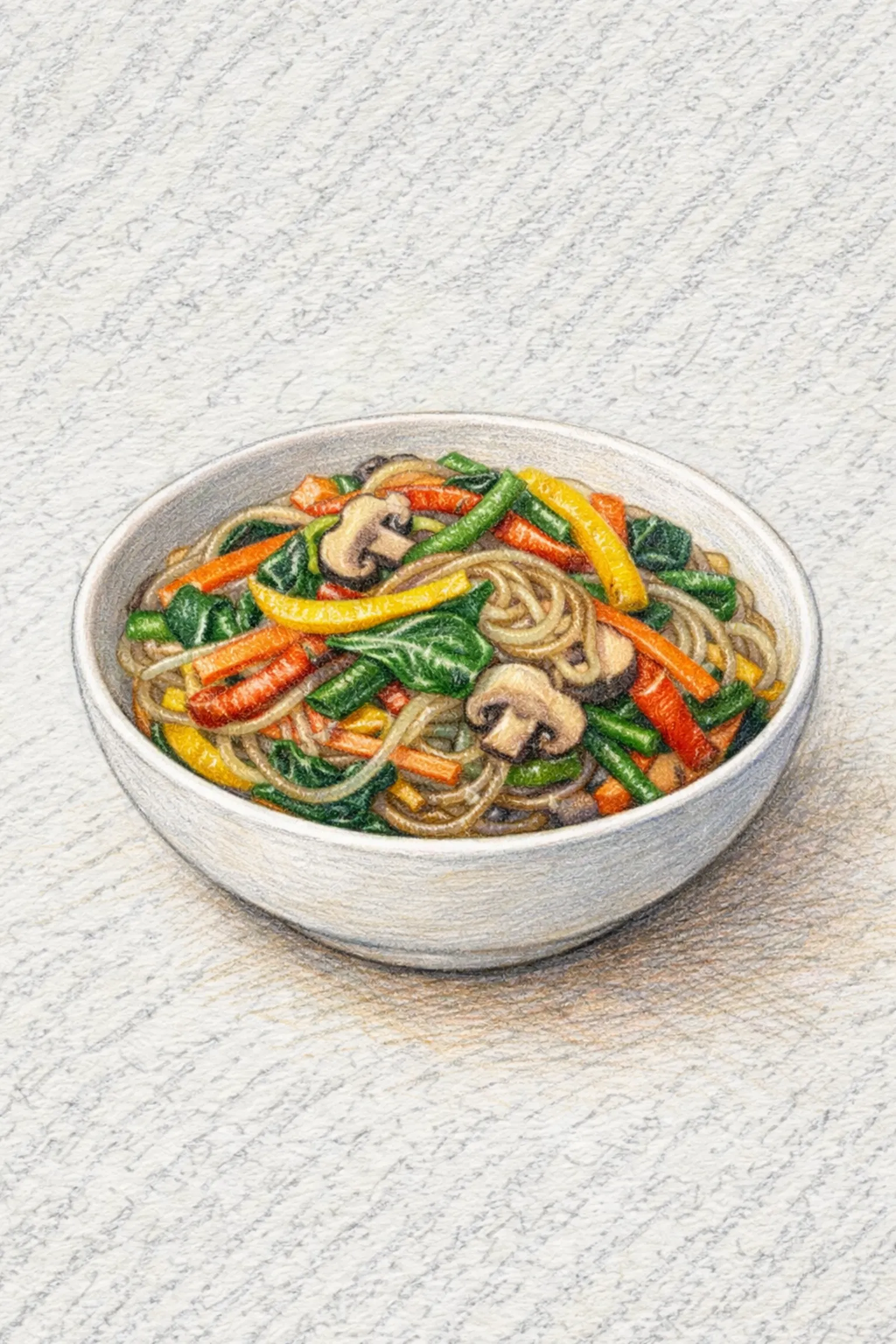
Korean Vegetable Japchae (Glass Noodle Mixed Vegetable Stir-Fry)
Noodles Medium

Korean Vegetable Japchae (Glass Noodle Mixed Vegetable Stir-Fry)

Without any meat, japchae leans entirely on its vegetables: spinach, carrot, shiitake, bell pepper, and onion each keep their own color and sweetness because they are stir-fried one at a time. The spinach only needs to wilt over high heat and is spread out to cool at once, or it dulls in color and turns tough. The glass noodles soak up soy sauce, sugar, and sesame oil before anything else joins them and come out glossy, chewy, and seasoned through. Tossing them with vegetables straight from a hot pan makes the noodles slump and clump, the usual way this dish goes wrong. It works as an everyday side dish or on a holiday table.

Prep 20min Cook 20min 4 servings
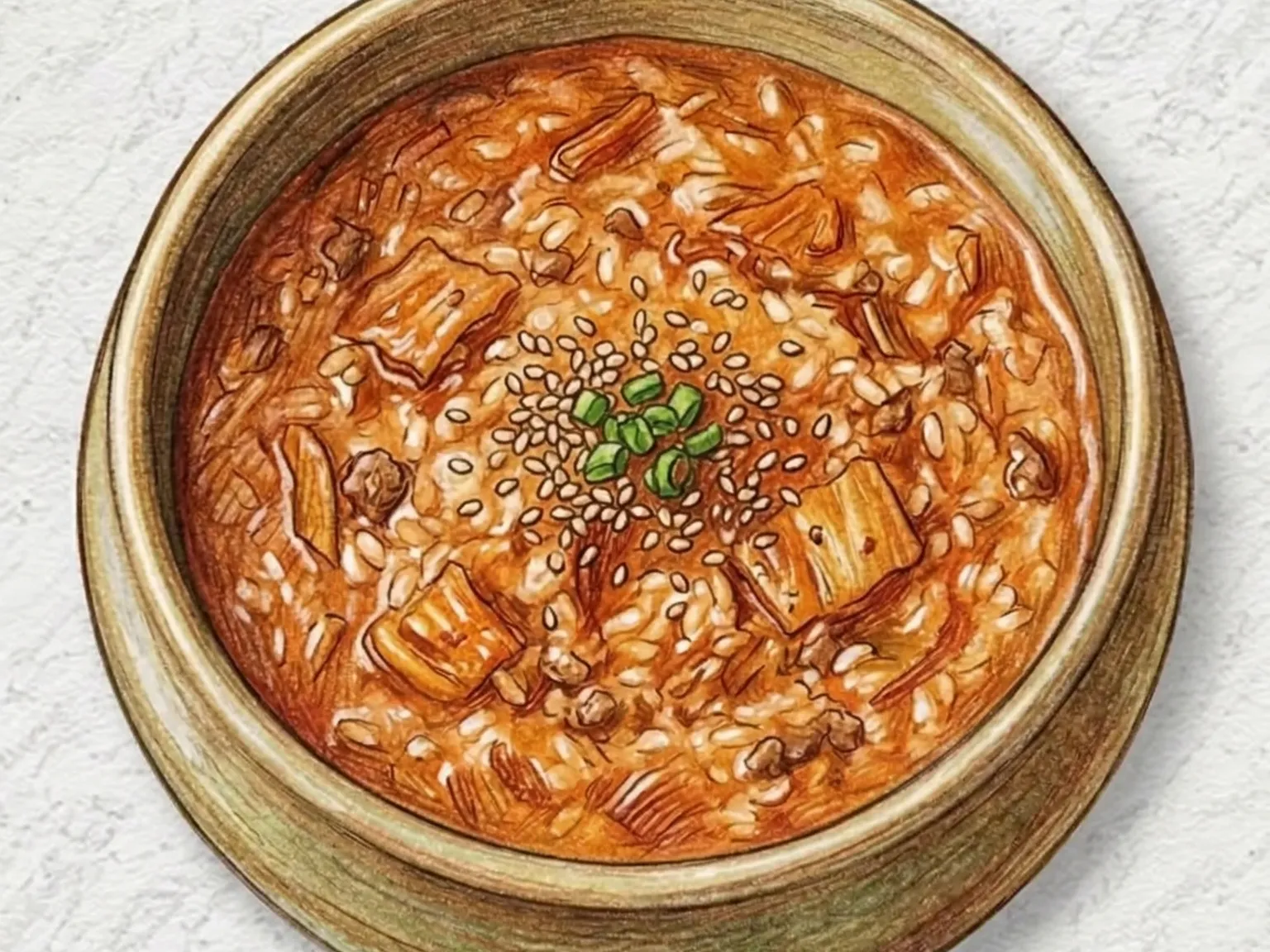
Korean Kimchi Porridge (Fermented Kimchi Pork Rice Porridge)
Rice Easy

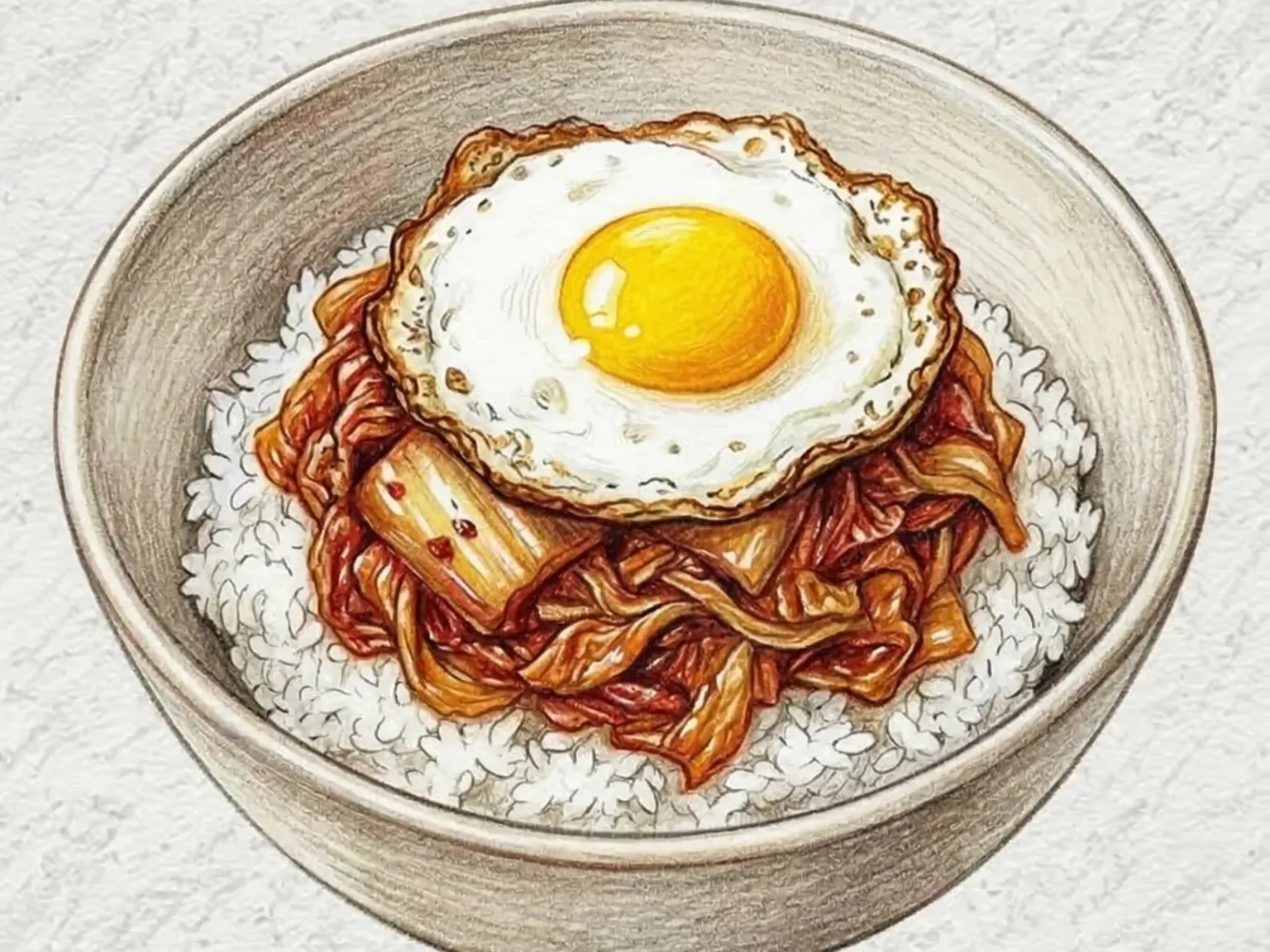
Korean Kimchi Porridge (Fermented Kimchi Pork Rice Porridge)

Ground pork and chopped kimchi are fried in sesame oil until the oil turns red before the rice is added, which gives this porridge a meatier backbone than kimchi alone. Over a 30-minute simmer the chili's sharp edge fades and the fermented tang spreads evenly through the pot. Chop the kimchi smaller than bite size, since big leaves stay stringy in soft porridge. Cubes of tofu stirred in make a soft, filling addition.

Prep 10min Cook 40min 2 servings
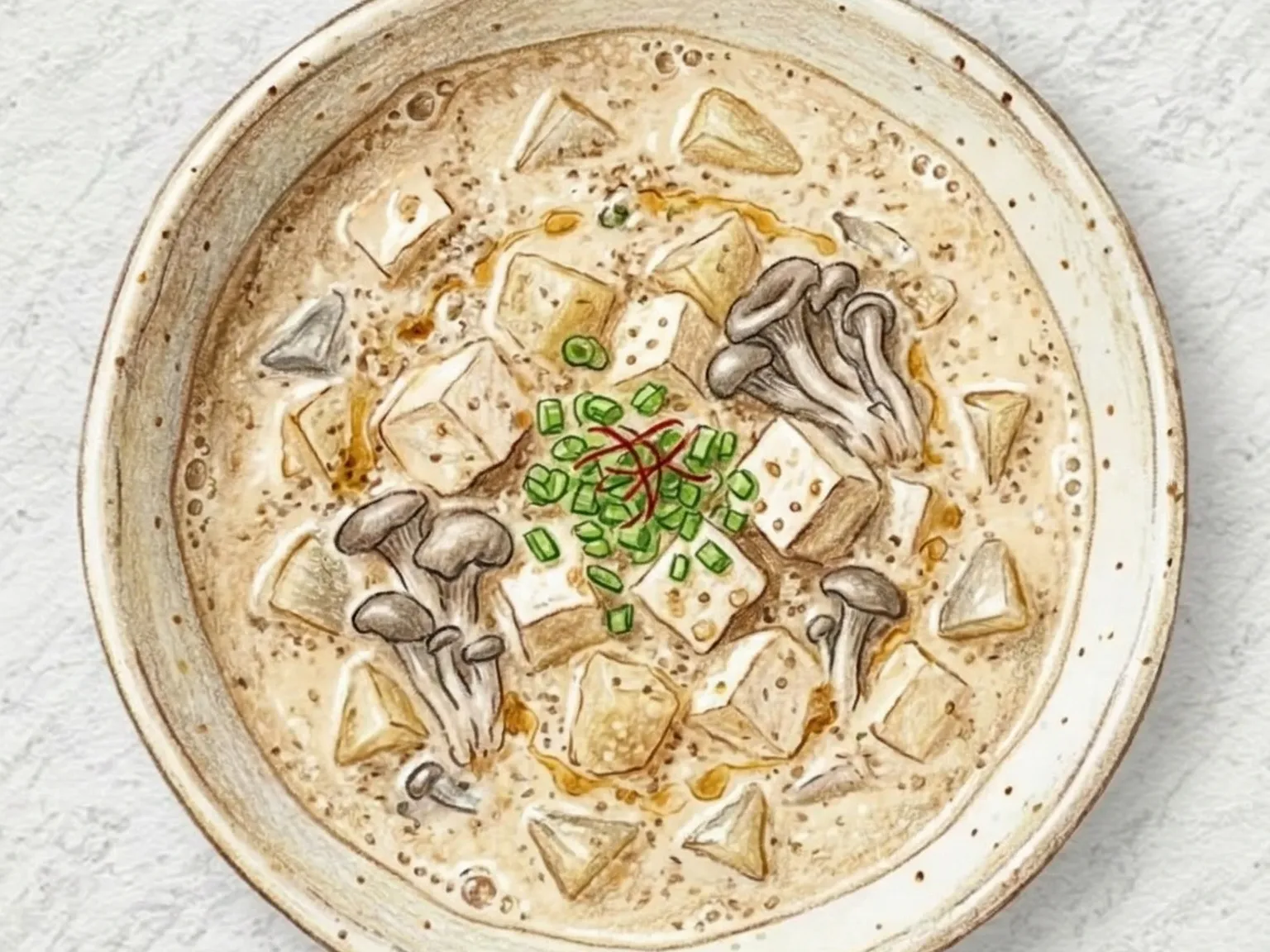
Korean Braised Tofu with Shishito Peppers
Steamed Easy

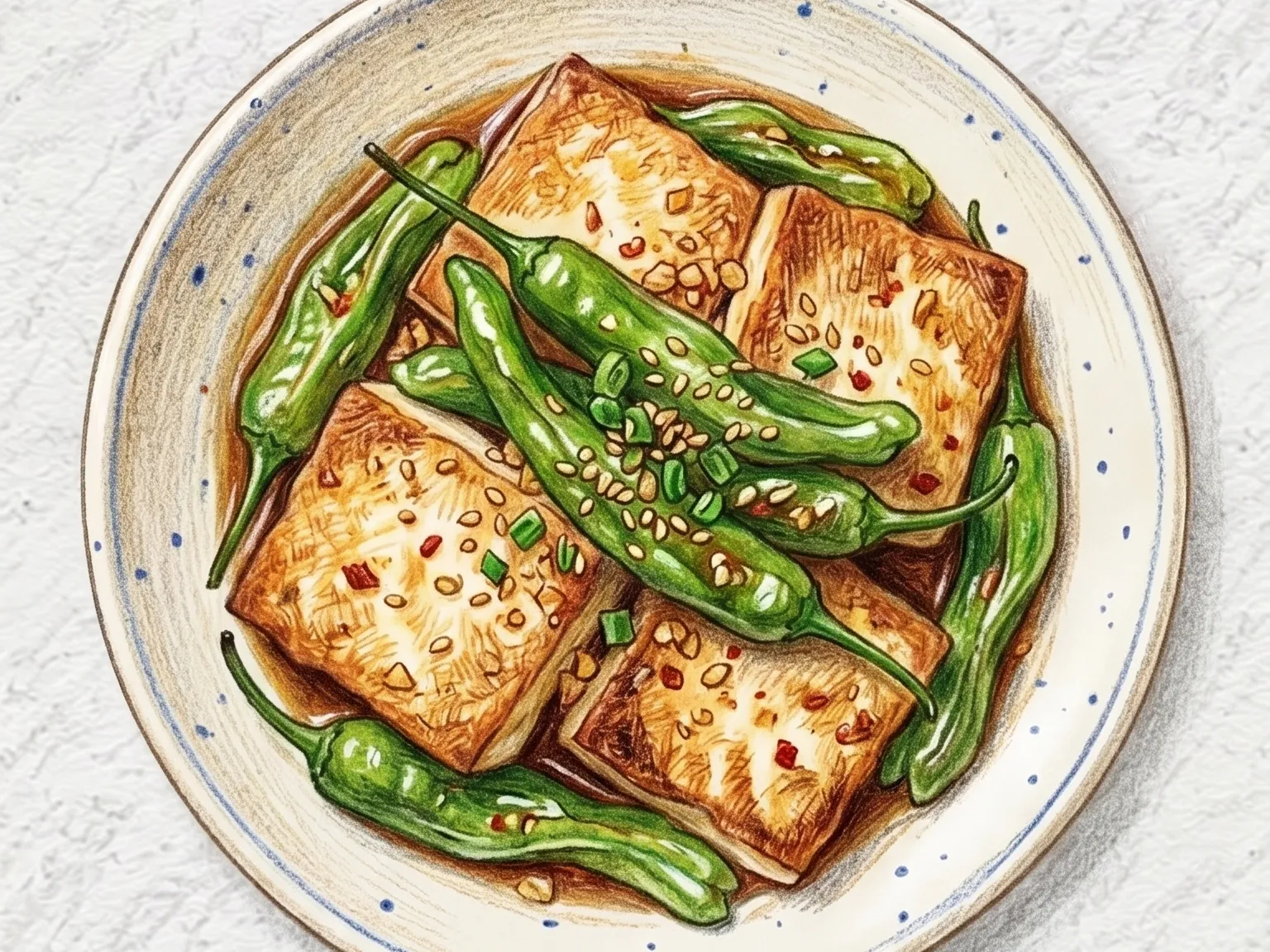
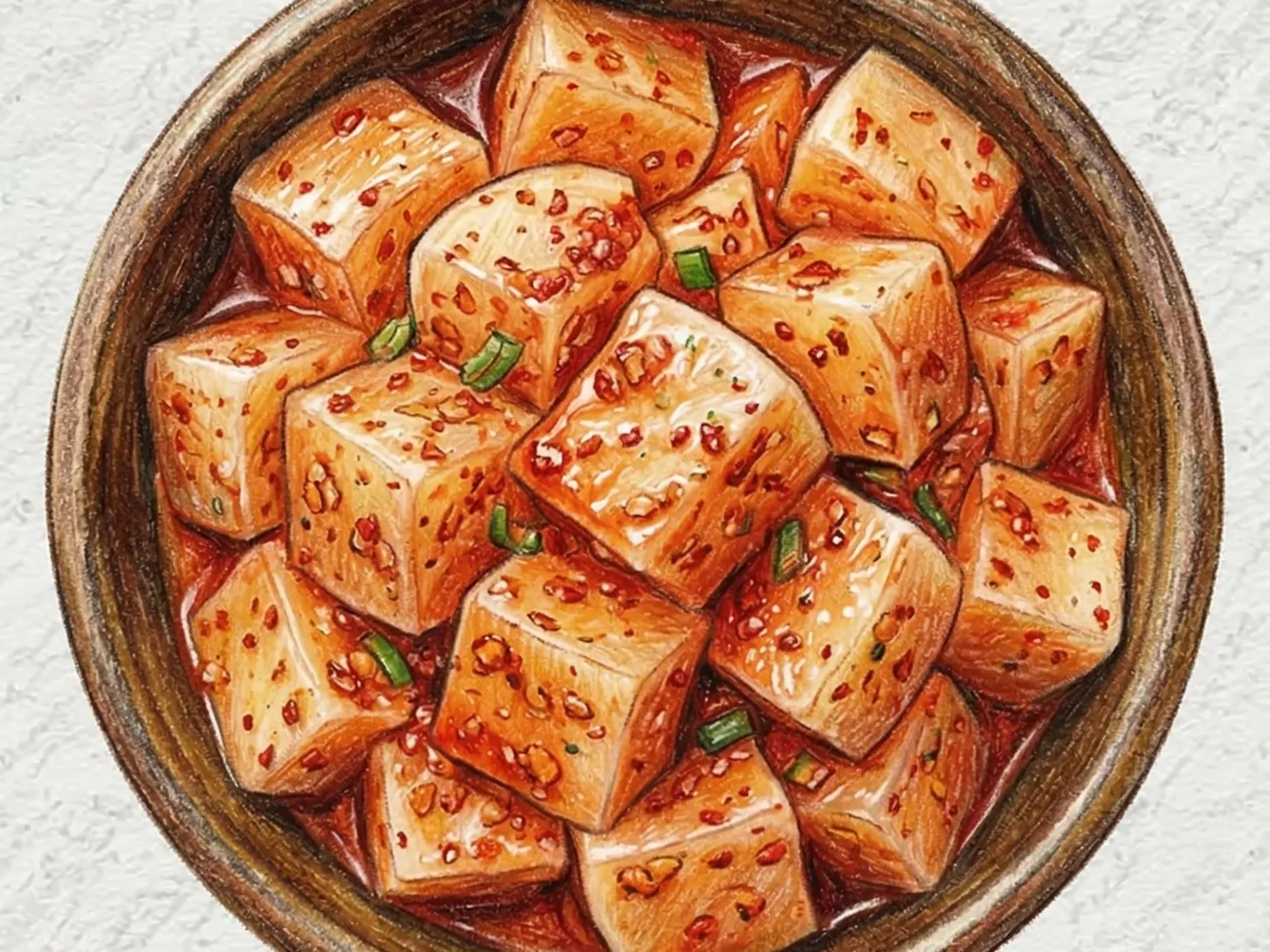
Korean Braised Tofu with Shishito Peppers

Tofu and shishito peppers carry this meatless braise, and the salty, mildly spicy sauce that remains is meant to be mixed into rice. The tofu is basted with a spoon rather than flipped, so the slices stay neat and square to the end. Onion cut on the thick side keeps its shape through the braise and adds a bit of bite. Patting the tofu dry one more time just before it hits the pan cuts down on spattering oil.

Prep 10min Cook 20min 2 servings
Korean Seokbakji Radish Kimchi
Kimchi Easy

Korean Seokbakji Radish Kimchi

Big chunks of radish and plenty of cool, tangy brine make seokbakji a natural partner for rich bone broth soups like seolleongtang. Salted shrimp does more than season the chili paste; it lays down a fermented, savory base. A day at room temperature followed by two days in the fridge turns the water drawn from the radish into a refreshing, lightly sour brine. The salted radish is drained but not rinsed, so the salt it holds seasons the kimchi from inside.

Prep 45min 0 4 servings